Report on the results of the monitoring visit on 09.05.2017 to Poltava Penal Colony No. 64
On 9 May 2017, a monitoring group consisting of Vasyl Melnychuk and Oleksandr Pavlichenko visited Poltava Penal Colony No. 64, where men convicted for the first time for committing serious and especially serious crimes serve their sentences. On the day of the visit, 627 convicts were serving their sentences in the colony.
Disciplinary isolation unit and cell-type premises (DIZ-PKT)
In the disciplinary isolation unit on the day of the visit, there were three convicts, and in the PKT, there were six individuals. All the convicts had received the maximum penalty term: fourteen days in the DIZ and two months in the PKT. Cosmetic repairs have been carried out in the PKT premises itself; natural lighting is insufficient, which is compensated for by artificial lighting.
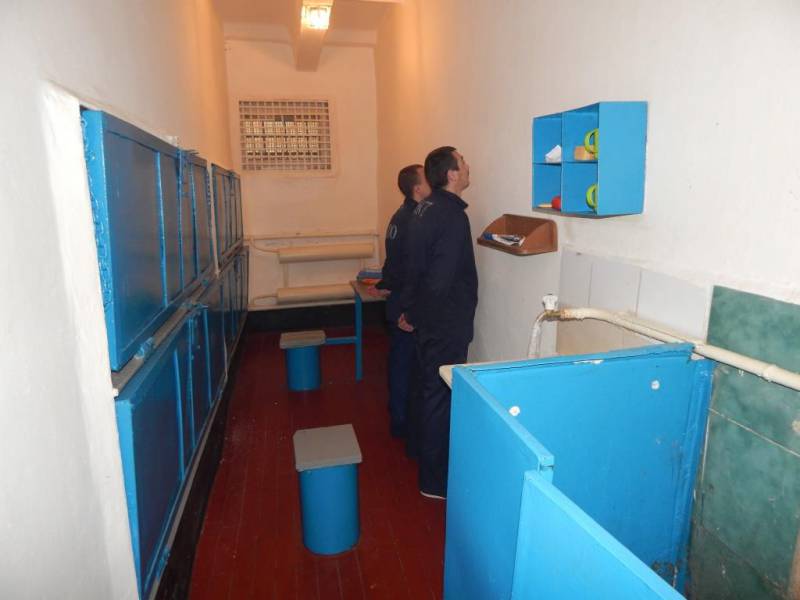
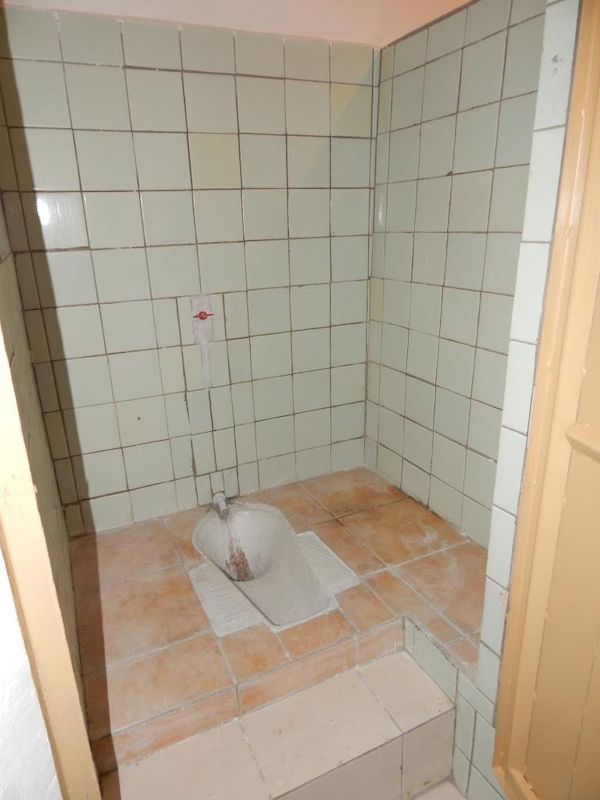
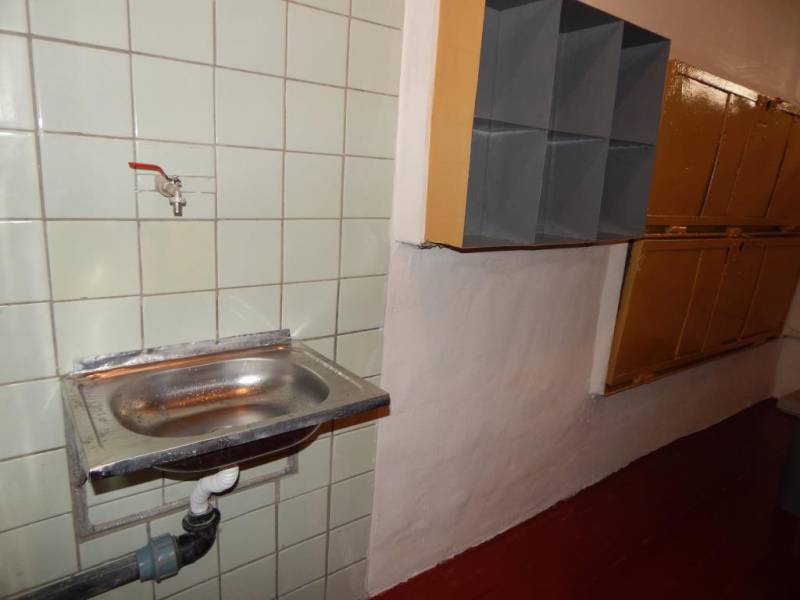
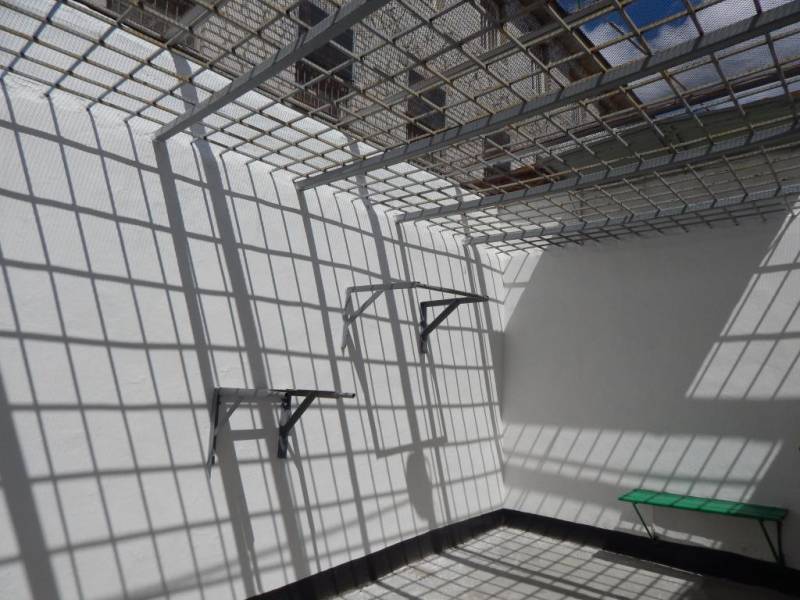
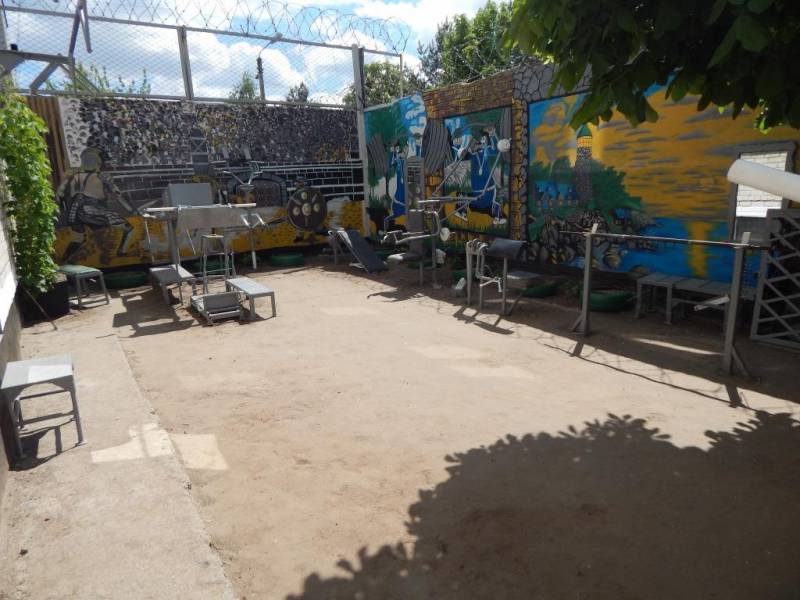
One of the DIZ-PKT cells is being equipped to meet the standards defined by the Committee for the Prevention of Torture. Convicts are not currently being held in this cell; other DIZ cells are scheduled to be renovated within the year, and PKT cells are planned to be renovated next year. The DIZ-PKT unit is equipped with a bathhouse, which the convicts visit once a week. Convicts placed in the DIZ and PKT have a one-hour walk in the fresh air in a walking yard, which has recently been renovated and equipped with sports equipment, a bench, and a canopy.
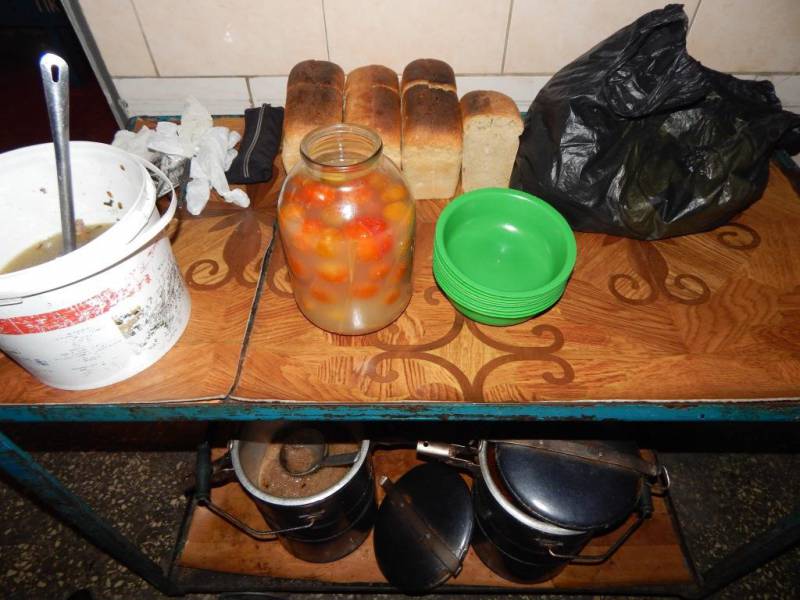
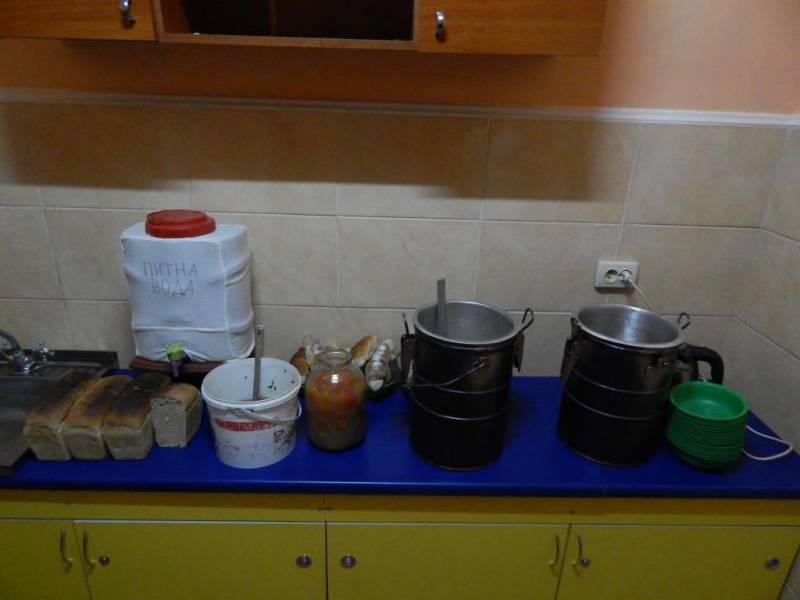
Lunch for convicts held in the DIZ-PKT:
Resocialisation unit
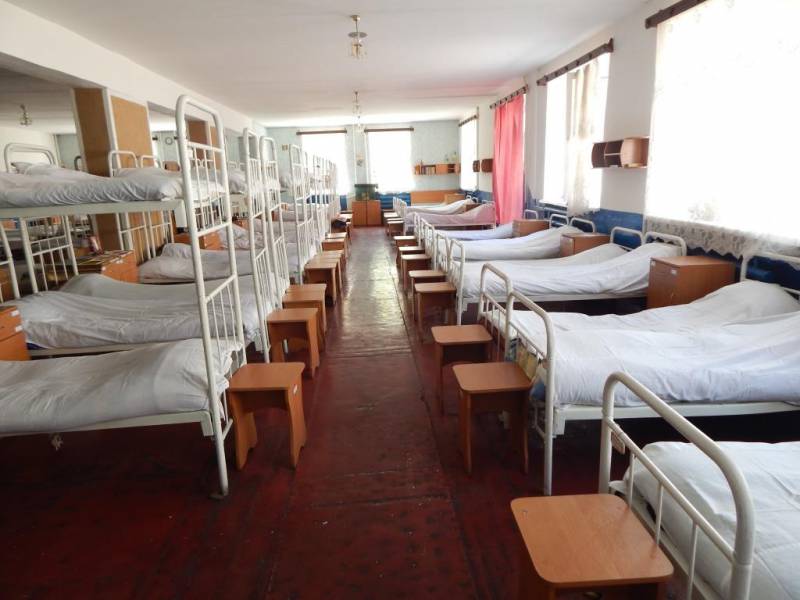
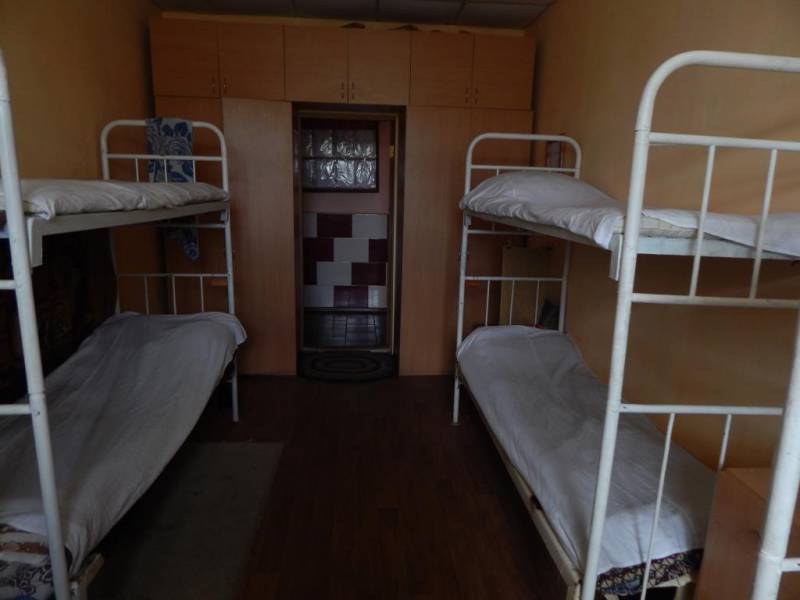
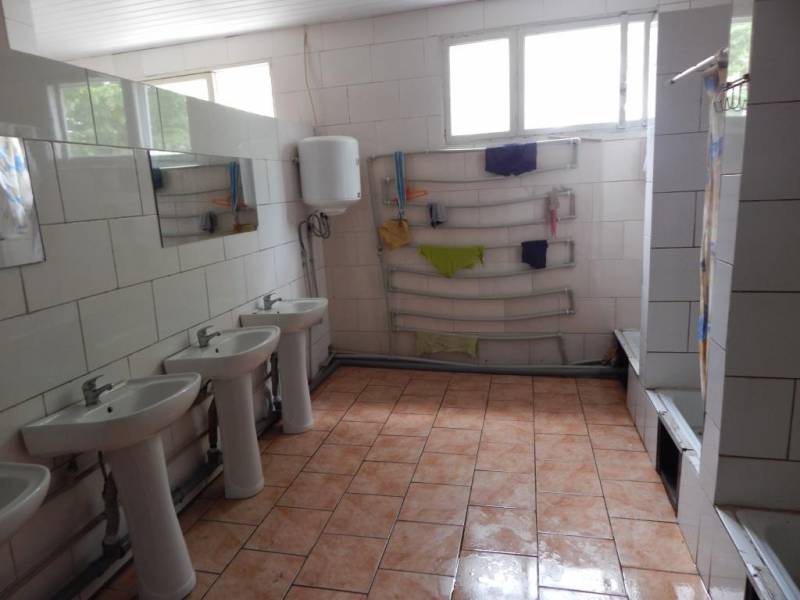
On the territory of the colony, there are three resocialisation units, which are typical and consist of a fenced yard, a sports ground, and a three-storey building for the accommodation of convicts. Each floor of the building is designed for one detachment of convicts, is in a well-renovated condition, and has a main large room with beds for living—a large hall with beds where 50–60 people reside at one time, a bathroom, as well as a library, rooms for psychological relief, recreation, a storeroom for storing personal belongings and outer clothing, and a dining room.
Living quarters
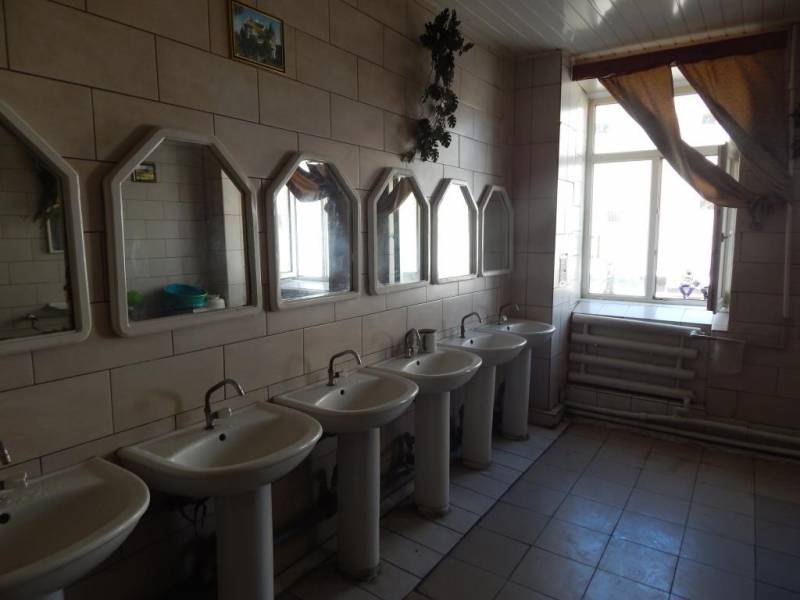
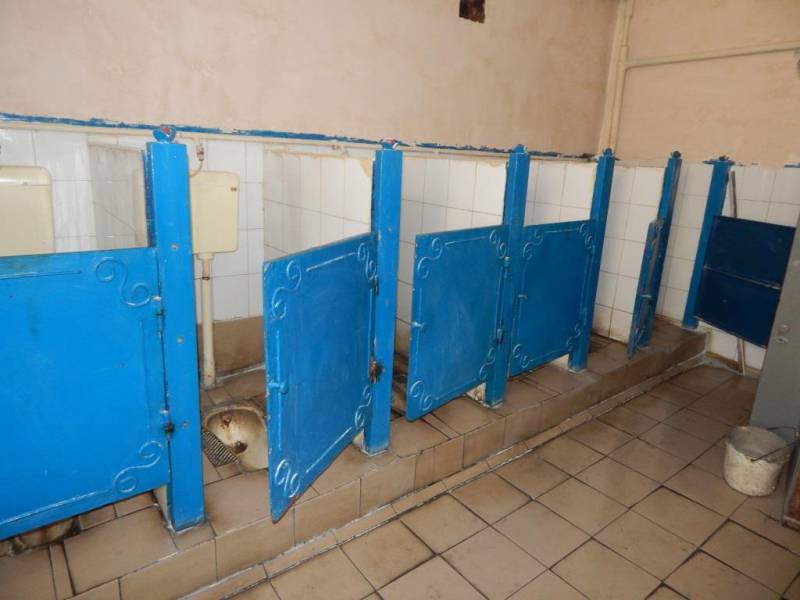
Sanitary unit
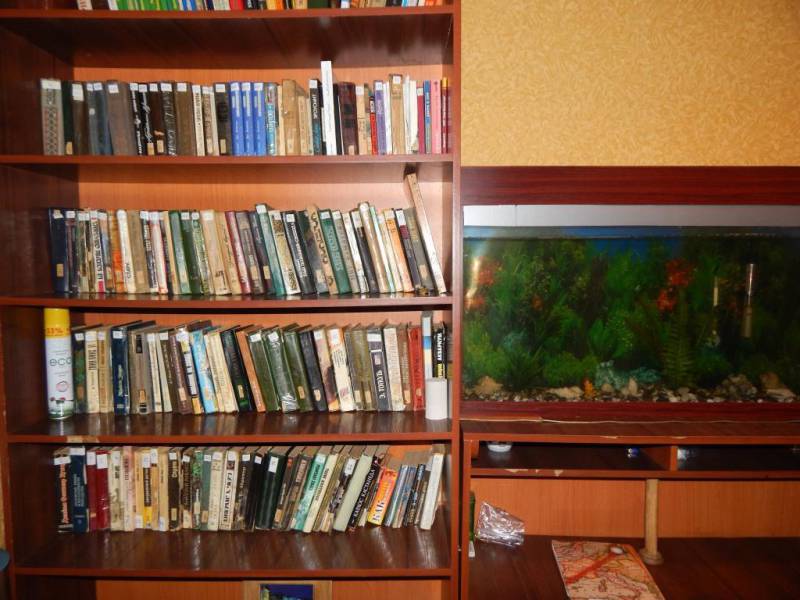
Library
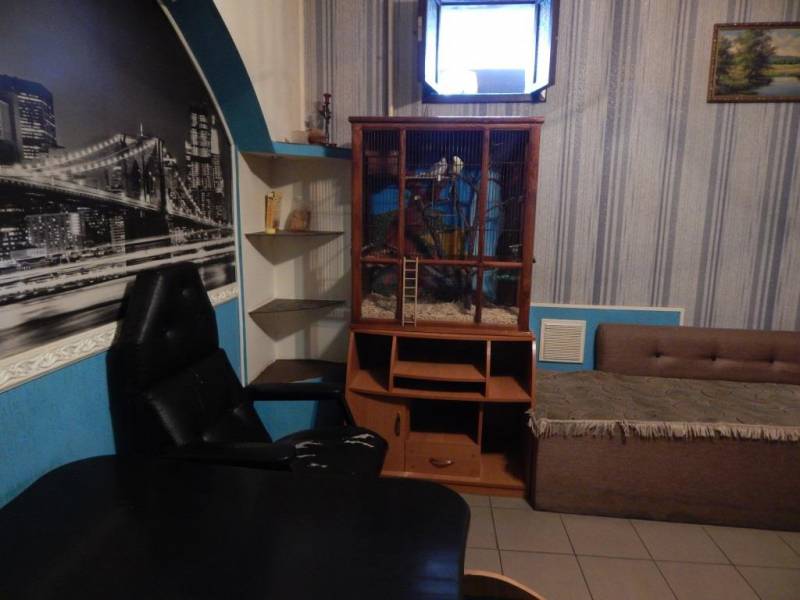
Psychological relief room
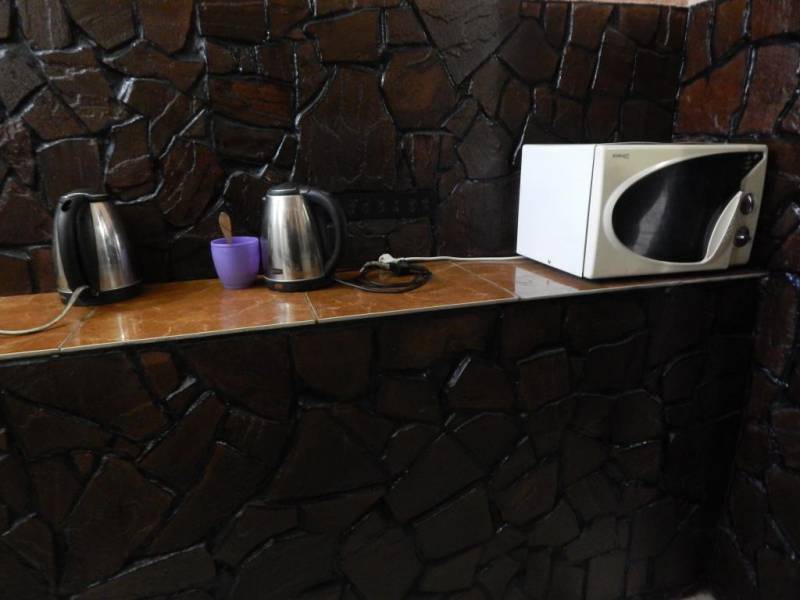
Dining room
Two units in the colony are mothballed. In general, the colony is designed to house approximately 900 convicts.
Next to the unit building, there is an equipped sports ground.
Large barracks-type sleeping quarters practically deprive every convict of privacy, and given the significant reduction in their numbers, it is worth reorganising the vacated premises into living blocks with rooms for 6–10 people.
Industrial part
The colony has an industrial zone in operation, where no one was working on 9 May, as it was a day off. It is worth noting that, according to the administration, contracts have been concluded with everyone working in the industrial zone, as required by the latest amendments to the legislation. Also, an evening school and a vocational technical school operate in the colony, where nine specialities are taught.
The colony was built next to the production facility, which was located nearby and required about 1,000–1,200 workers, some of whom were convicts from the zone. There was an underground passage from the colony to the industrial production facility. This passage was mothballed in 2008 when the production facility changed owners, and they ceased using convict labour.
Medical unit
In the medical unit, the monitors met with its head and with one of the convicts, a citizen of Vietnam, who was undergoing inpatient treatment. The convict, who has been in this colony for about 6 years, noted that he was satisfied with the treatment and expressed no requests.
The head of the medical unit demonstrated the available instrumental equipment – a laboratory, an X-ray room, and a dental office.
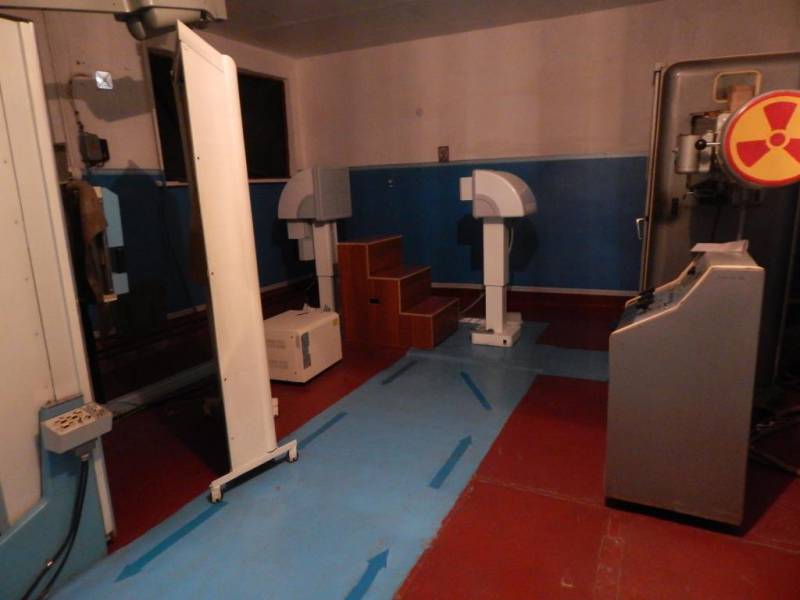
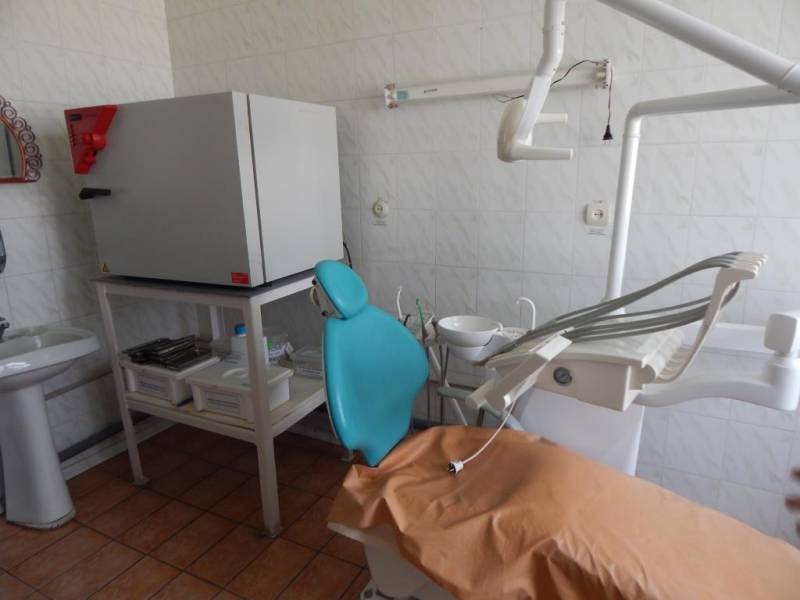
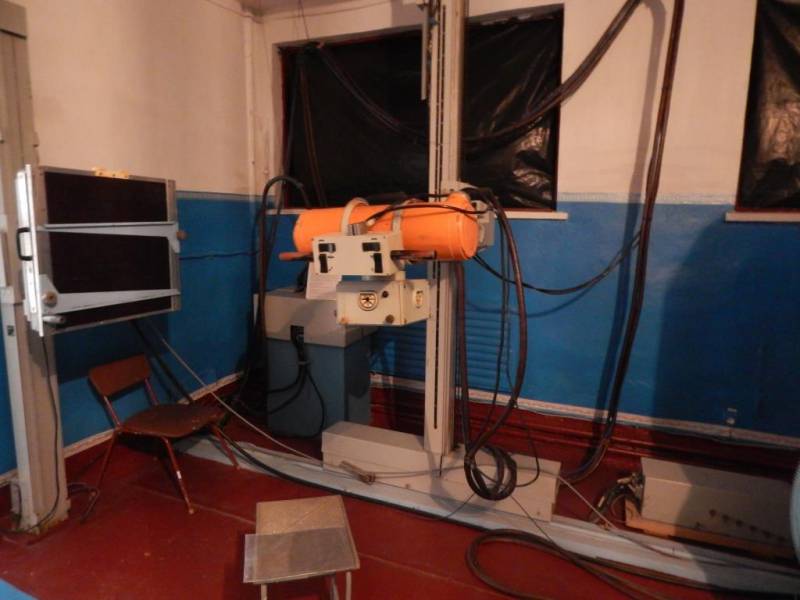
There are 6 doctors working in the colony; there is no shortage of medical personnel. Dental services are provided to convicts free of charge, while prosthetics are at their own expense.
It turned out that in Penal Colony No. 64, the number of HIV-positive patients is significantly lower compared to other colonies – 13 people out of 627.
Bathhouse
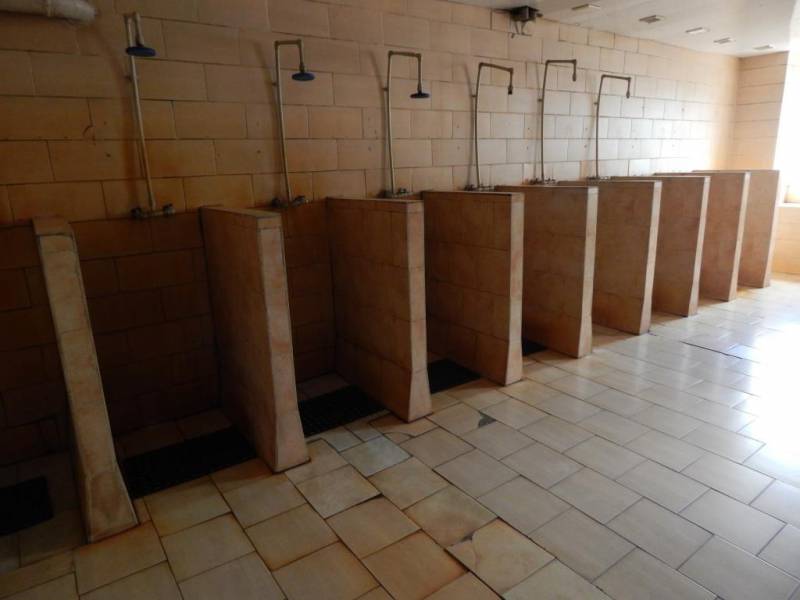
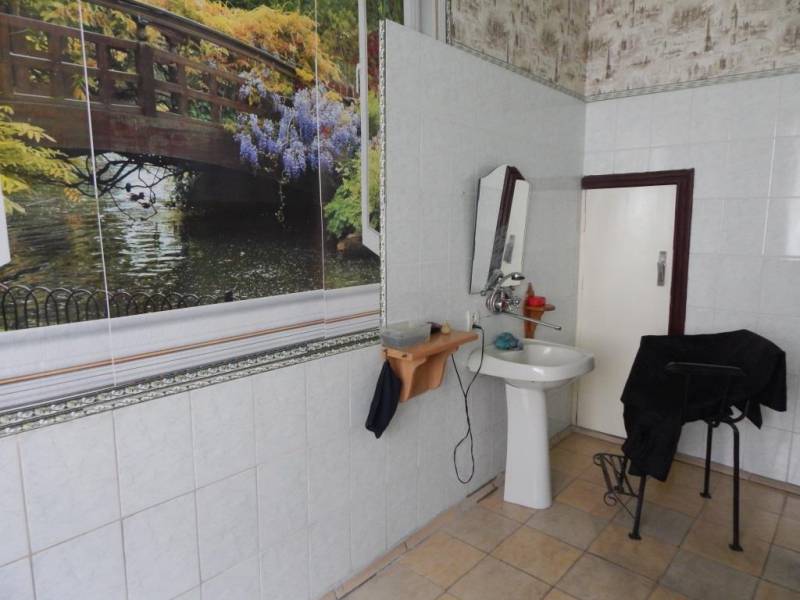
Convicts visit the bathhouse once a week; the bathhouse operates daily, except for weekends. A hairdresser works at the bathhouse, cutting the hair of 20–30 people daily; there is also a laundry and cupboards for heating clothes.
Social rehabilitation unit – SRU
In the social rehabilitation unit, which was created in accordance with Article 99 of the Criminal Executive Code, there were convicts who had been assigned a regime similar to the regime of colonies with the lowest security level – the minimum security level with lightened conditions of detention. All convicts who were in the SRU did not complain about the conditions of detention. The premises where they lived were in a satisfactory condition; in addition to the sleeping quarters, there is also a separate room for eating and a room with washbasins, a shower, and a toilet. Convicts living in the SRU are engaged in ancillary work in the colony, in particular, they are involved in tilling the land and growing vegetables, which are then used for feeding the convicts in the colony.
Visitor zone
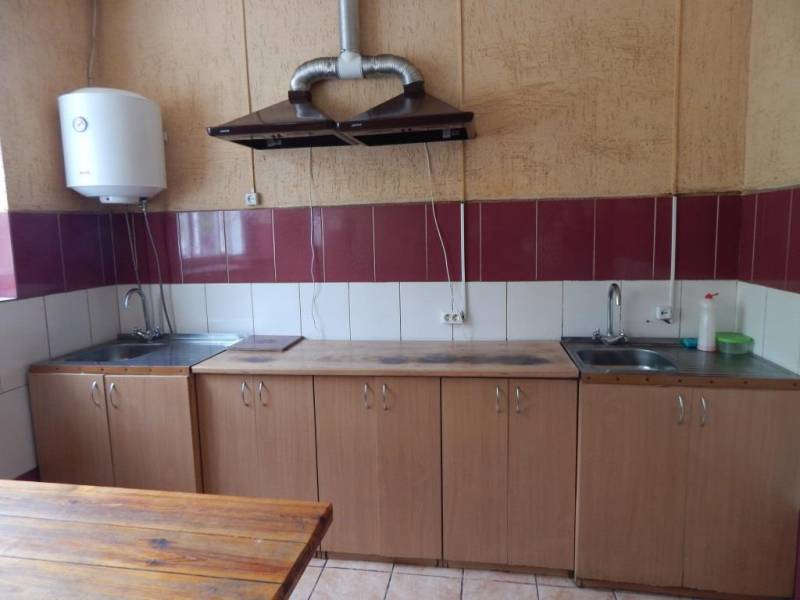
The visitor zone provides the possibility for communication between convicts and their relatives and lawyers during short-term visits, as well as for relatives to live with convicts during long-term visits. A separate room is allocated for video conferences to allow convicts to participate remotely in court hearings.
Rooms for staying during long-term visits with convicts are paid; the cost per day of stay varies depending on the season (in winter, the price is higher due to heating) and the furnishings of the room. Standard rooms cost within 70–80 hryvnias per day. A few years ago, almost all the rooms were occupied by visitors; now their number has decreased due to the decline in the purchasing power of the population, as noted by the administration representatives.
Communication with the outside world
Both from conversations with convicts and from the administration of the colony, there are no problems with telephone communication with the outside world in the colony. Conversations take place with prior permission, which is signed by the colony management; each convict has their own SIM card, which is kept by the administration, and they receive it for calls. The colony uses 4 telephone handsets; there are also payphones and the possibility of calling from them, but they are used rarely. During the first quarter, convicts made about 8,000 calls; each telephone conversation is recorded in the telephone conversation log. The internet, according to the administration, has not become widespread; its use is too expensive for convicts.