Report on the findings of a monitoring visit to Mena Correctional Colony No. 91
On 12 October 2026, pursuant to the Optional Protocol to the Convention against Torture and Other Cruel, Inhuman or Degrading Treatment or Punishment, taking into account the provisions of the Standard Minimum Rules for the Treatment of Prisoners and the judgments of the European Court of Human Rights, and on the basis of Article 24 of the Criminal Executive Code of Ukraine — ‘Visits to Penitentiary Institutions’ — a monitoring group from the NGO ‘Kharkiv Human Rights Protection Group’ visited the State Institution ‘Mena Correctional Colony (No. 91)’ (MCC-91, institution, facility, colony). A regular scheduled unannounced visit was conducted, and all facilities within the institution were inspected.
The previous visit took place on 13 October 2023.
Whilst preparing for the visit, the monitors examined appeals submitted by convicts and their relatives, previous monitoring reports, and reports compiled by monitors of the National Preventive Mechanism under the Ukrainian Parliament Commissioner for Human Rights (NPM).
The visit was carried out as part of the project ‘Promoting Humane Conditions in Places of Detention by Strengthening the National Preventive Mechanism in Ukraine’, implemented with financial support from the United Nations Democracy Fund (UNDEF).
The visit was undertaken by monitors:
- Andrii Didenko — assistant to Yaroslav Yurchyshyn, Member of Parliament of Ukraine; programme coordinator at the Kharkiv Human Rights Protection Group; experienced monitor conducting visits since 2014; NPM monitor (National Preventive Mechanism); member of the NPM Advisory Board;
- Artemii Shumnyi — journalist for the ‘Protection for Prisoners of Ukraine’ news agency; lawyer at the Kharkiv Human Rights Protection Group; NPM monitor.
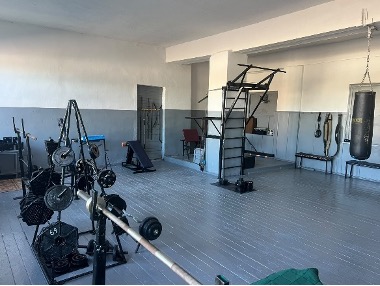
During the monitoring visit to MCC-91, statutory violations and deficiencies in safeguarding the rights of convicts were identified. Concurrently, positive improvements were noted in the refurbishment of premises designated for socio-educational, psychological, cultural, and physical rehabilitation work, notably the renovation of the gymnasium, the psychologist’s office, the library, and the educational work room.
Deficiencies were documented in the material and living conditions of the disciplinary isolation cells (DIZO), cell-type premises (PKT), the maximum-security sector, and the quarantine, diagnostics, and allocation unit, along with inadequate lighting in cells and breaches of privacy during personal hygiene routines. Continuous 24-hour video surveillance in cells and visual monitoring of consultations with lawyers generate significant risks of violating the right to privacy and the confidentiality of legal assistance.
The absence of a staff psychologist within the institution is of particular concern, substantially restricting opportunities for systematic psychological support for convicts, early detection of crises, prevention of self-harm and suicidal behaviour, and individual casework aimed at resocialisation and social reintegration. This issue is particularly acute for convicts held in DIZO, PKT, and the maximum-security sector under conditions of heightened isolation.
Shortcomings were also detected in the documentation of socio-educational work and the administration of the quarantine, diagnostics, and allocation unit. The radiation fallout shelter lacks a secondary emergency escape route, ventilation, and a sewerage system, whilst custodial regime restrictions impede timely access to it for convicts.
Owing to a cessation of deliveries, the facility’s commissary was practically incapable of providing convicts with an opportunity to purchase essential everyday items.
Regarding labour and social rights, irregularities were established in the formalisation and recording of convicts’ work. Of 73 employed convicts, 54 were engaged under civil-law contracts. Reports were received concerning long daily working hours, possible discrepancies between actual duties and the contractual terms of engagement, and unremunerated labour. The documentation provided did not allow the monitors to verify fully the justification of accrued remuneration, the payment of the single social contribution (SSC), or the accrual of pensionable service credit.
Furthermore, deficiencies were identified in the inventory control of sharp and pointed implements, as well as in the documentation of mandatory medical examinations for dining hall staff.
The findings of the monitoring visit demonstrate substantial risks to the provision of decent conditions of detention, safety, privacy, psychological support, resocialisation, and the labour and social rights of convicts, which necessitate the prompt rectification of the identified shortcomings.
GENERAL INFORMATION
At the time of the monitoring visit, Lieutenant Colonel of the Internal Service Serhii Mykhailovych Melnyk was serving as acting head of the institution. The facility is designated for the execution of criminal sentences of imprisonment, specifically for men who have previously served in law enforcement agencies. The history of the institution dates back to April 1982, when Institution ChE-327/91 was established by order of the Ministry of Internal Affairs. Its construction was carried out, amongst others, by individuals transferred from the labour therapy facility of the city of Novhorod-Siverskyi. The institution formally commenced operations on 1 July 1982.
Following the completion of the residential blocks, disciplinary facilities, dining hall, bathhouse, administrative, and security infrastructure, the institution was commissioned as a strict-regime corrective labour colony. In 1991, the first convicts with Category I and II disabilities arrived at the colony, and in March 1992, convicts from amongst former law enforcement personnel were transferred there. Subsequently, this category of convicts came to define the institution’s specialisation. In December 1999, the institution was renamed Mena Correctional Colony, and from 1 January 2004, it was classified as a medium-security facility. Sectors of minimum and maximum security were subsequently established within its structure.
MCC-91 is a multi-regime penal institution whose structure provides for the accommodation of convicts under varying security levels. The institution comprises residential units of the socio-psychological service (SPS), a quarantine, diagnostics, and allocation unit (KDiR), an enhanced control unit, disciplinary isolation cells and cell-type premises (DIZO, PKT), a maximum-security sector (SMRB), as well as industrial, maintenance, communal utility, and administrative facilities.
According to information provided by the administration, the design capacity of the facility is 525 individuals; 427 convicts were actually held in the institution, representing 81.3% of capacity. The authorised staff establishment was 213.5 posts, with an actual staffing level of 179.5, leaving 34 vacant posts.
During 2026, 312 convicts arrived at the facility. Two convict deaths were recorded in 2025, and three in 2026. Of these, one suicide was recorded in 2025 and one in 2026.
Six convicts were placed on preventive registers as prone to suicide, nine as prone to self-harm, and three as flight risks. Seven convicts were classified as persistent violators of the established regime. Thirteen convicts had registered disabilities.
In 2026, two convicts were released from serving further custody due to severe illness. In 2025, five complaints regarding inadequate detention conditions and four complaints regarding inadequate medical care were registered. In 2026, the number of such complaints stood at 11 and seven, respectively.
A total of 73 convicts were engaged in work at the institution, of whom 19 were employed under employment contracts and 54 under civil-law contracts. According to official data, the facility possessed 288 tablet computers and 111 registered email accounts.
During the monitoring visit, the monitors inspected residential, custodial, industrial, utility, and other premises, and examined documentation pertaining to sentence management, the provision of material and living conditions, convict labour, socio-educational work, medical provision, and the enjoyment of other statutory rights.
During the visit, the monitoring group interviewed approximately 200 convicts. Communication was conducted both in the form of collective discussions — offering legal advice and answering questions — and through individual, confidential interviews, including on an anonymous basis. Information received from convicts was cross-referenced with data from the facility administration, direct observations made during facility inspections, and the examination of records.
POSITIVE PRACTICE
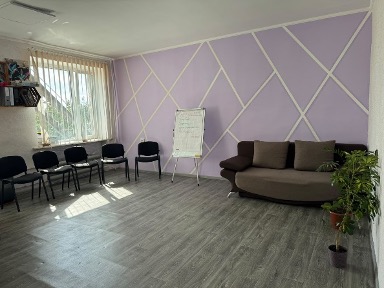
During the monitoring visit to MCC-91, positive changes were observed in the refurbishment of premises designated for socio-educational, psychological, cultural, educational, and physical rehabilitation activities with convicts. In the social rehabilitation unit, the educational work room was renovated to accommodate group sessions, educational classes, and cultural and creative activities. The gymnasium was refurbished and fitted with fitness equipment and sporting apparatus, expanding opportunities for convicts to maintain physical fitness.
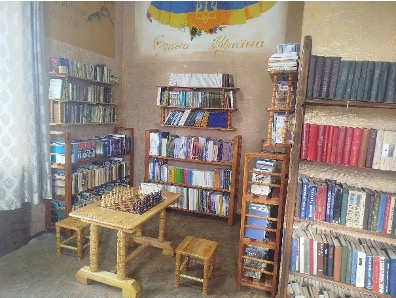
The psychologist’s office was likewise renovated and equipped, creating proper conditions for both individual and group interventions. The library premises were updated, with reading areas arranged and book stocks properly housed.
These improvements contribute to better conditions for socio-educational work, the constructive use of leisure time, the preservation of physical and psychological health, and the resocialisation of convicts.
IDENTIFIED VIOLATIONS OF DOMESTIC AND INTERNATIONAL LAW
During the monitoring visit, violations of domestic statutory requirements and non-compliance with international standards on the treatment of prisoners were established.
1. It was established during the monitoring visit that MCC-91 lacks a staff psychologist, which substantially limits the capacity for systematic psychological support for convicts, timely detection of crisis states, prevention of self-harm and suicidal behaviour, and the provision of individual casework aimed at resocialisation, social adaptation, and pre-release preparation. This problem is particularly acute regarding convicts held in DIZO, PKT, and SMRB. Prolonged isolation and the curtailment of social contacts can adversely affect the mental health of convicts, necessitating regular psychological assessments, individual support, and prompt responses to crises. The absence of a psychologist is inconsistent with the objectives of socio-educational work set out in Article 123 of the Criminal Executive Code of Ukraine and the principles of the European Prison Rules regarding psychological support and preparing prisoners for their return to society. This poses significant risks to the efficacy of resocialisation, social adaptation, and the psychological well-being of convicts.
2. The material and living arrangements in the disciplinary isolation block (DIZO) do not comply with established standards for the provision of furniture, inventory, and utility items. Specifically, there is no storage room for the temporary keeping of soiled bedding, clothing, and personal protective wear, no barber’s room, no facility for undressing and conducting strip searches of convicts, and no receiving room for the disinfection chamber. This demonstrates a failure to comply with statutory standards and creates risks of compromising sanitary-hygienic conditions and convict privacy.
3. An examination of the DIZO visitor register revealed no record of visits to convict K. by the head of Socio-Psychological Service Unit No. 3. Under paragraph 23 of Clause 6 of Section XXI of the Internal Prison Rules of Penal Institutions, the unit supervisor is obliged to visit a convict upon placement or transfer to the DIZO, and thereafter at least once a week, recording each visit in the logbook. The absence of such an entry makes it impossible to verify documented compliance with this statutory duty.
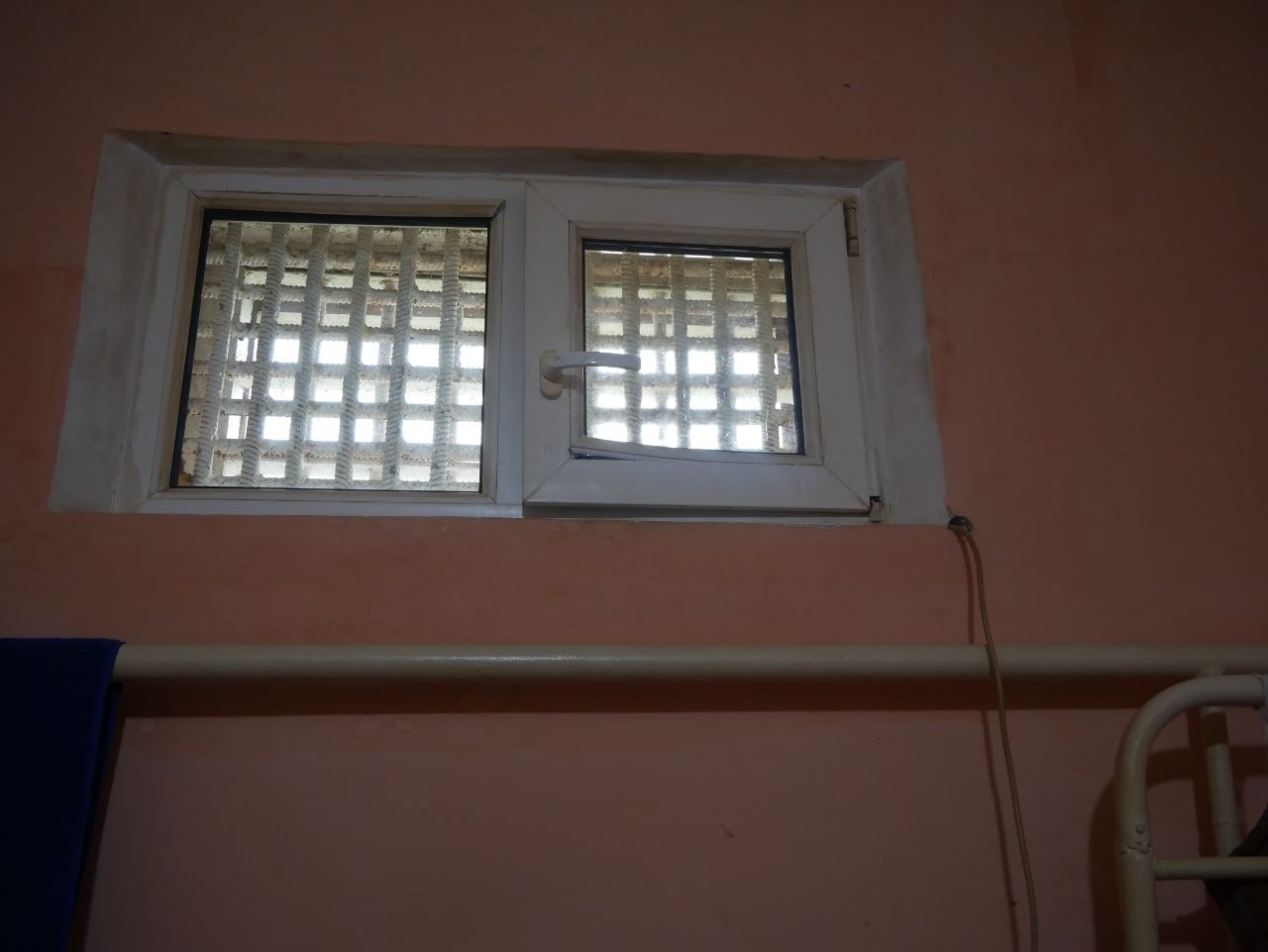
4. Excessively dense metal grilles are fitted across window apertures in the cells of DIZO and SMRB. Thickly criss-crossed vertical and horizontal metal bars obstruct a substantial portion of the window surface, severely restricting the penetration of natural daylight into cell interiors. This window design adversely impacts the living conditions of convicts and fails to ensure adequate natural light.
Instrumental measurements taken in cell No. 01 of the SMRB indicated an artificial light level of 26.2 lux, and natural light of merely 1.3 lux. Such values fail to provide adequate illumination for reading, writing, and the daily activities of convicts.
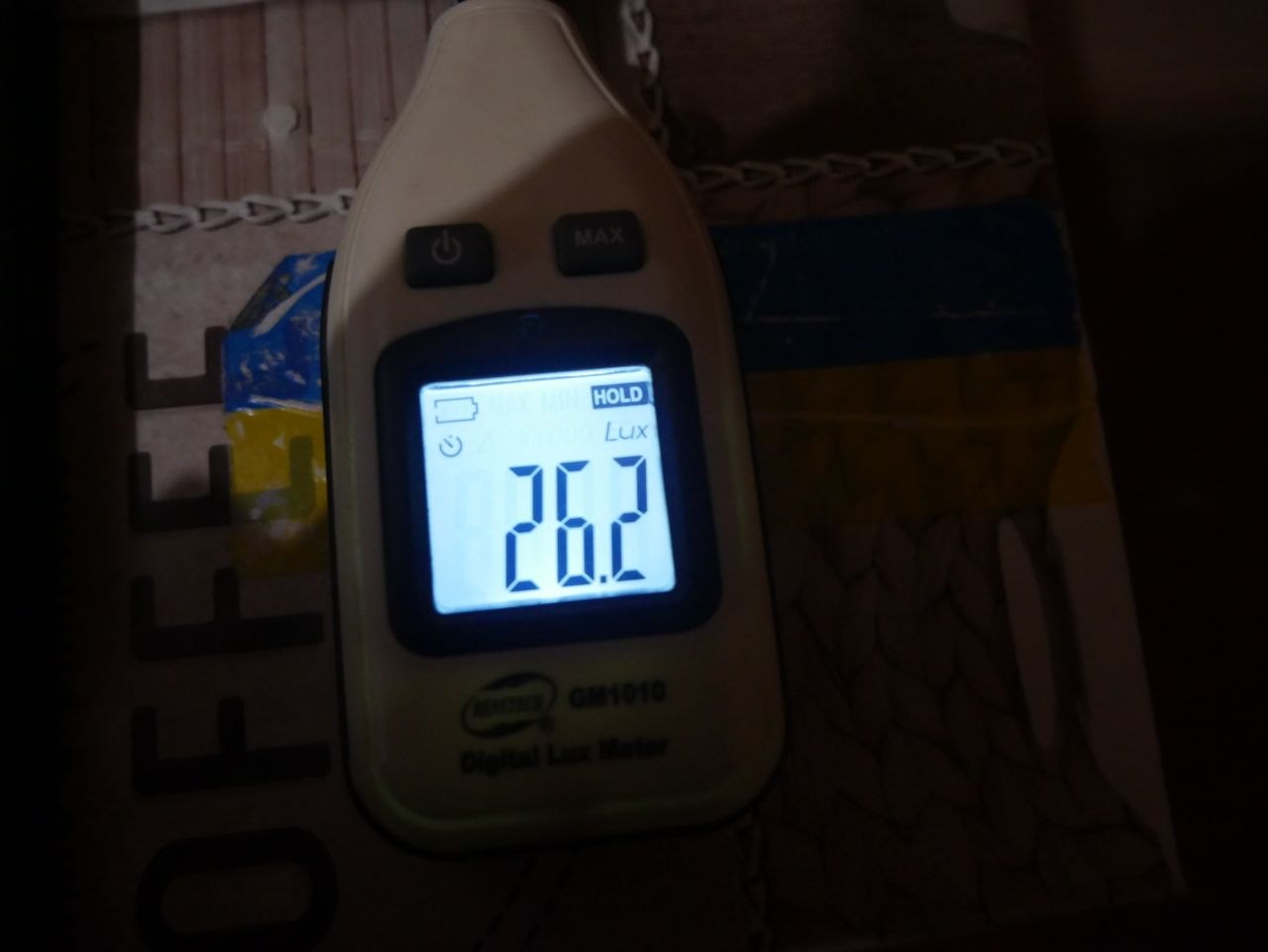
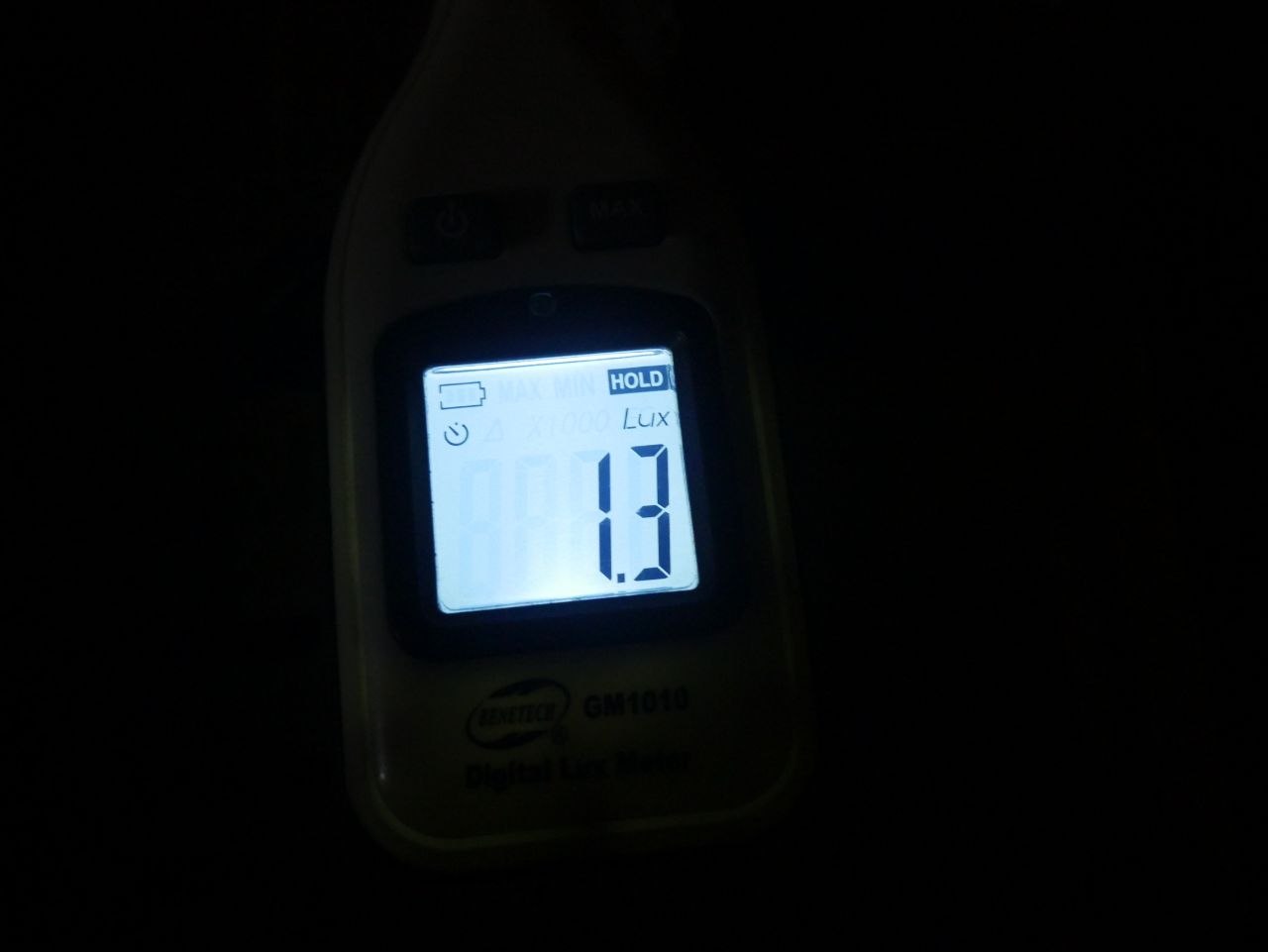
These conditions fail to comply with the requirements of Rule 18.2 of the European Prison Rules and Rule 13 of the UN Standard Minimum Rules for the Treatment of Prisoners (the Nelson Mandela Rules), which stipulate sufficient natural and artificial lighting in detention cells.
5. Continuous 24-hour video surveillance is conducted in the cells of the DIZO, SMRB, and the dormitory of the KDiR. Whilst Clause 1 of Section XXIII of the Internal Prison Rules of Penal Institutions allows for the use of electronic surveillance equipment, such interference must respect the principles of legality, necessity, and proportionality.
The European Committee for the Prevention of Torture (CPT), in paragraph 52 of its report CPT/Inf (2013) 23, underlines that CCTV surveillance inside living cells represents a serious intrusion into private life and must only be applied in response to specific, identified risks — such as suicide, self-harm, or security threats — based upon an individualised assessment.
Continuous 24-hour video monitoring without individual justification of necessity and without periodic review of its ongoing suitability engenders risks of violating the right to respect for private life guaranteed by Article 8 of the Convention for the Protection of Human Rights and Fundamental Freedoms.
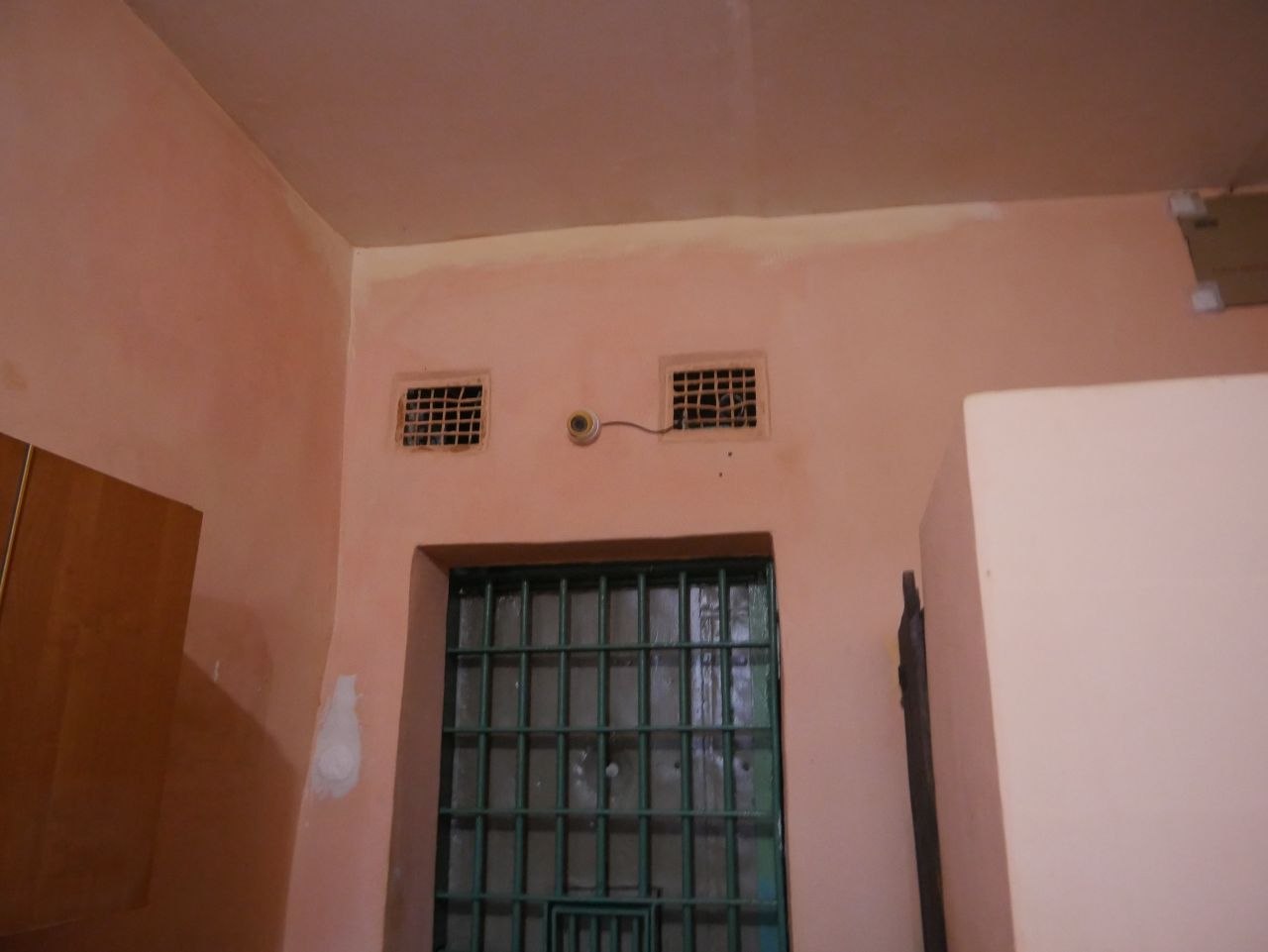
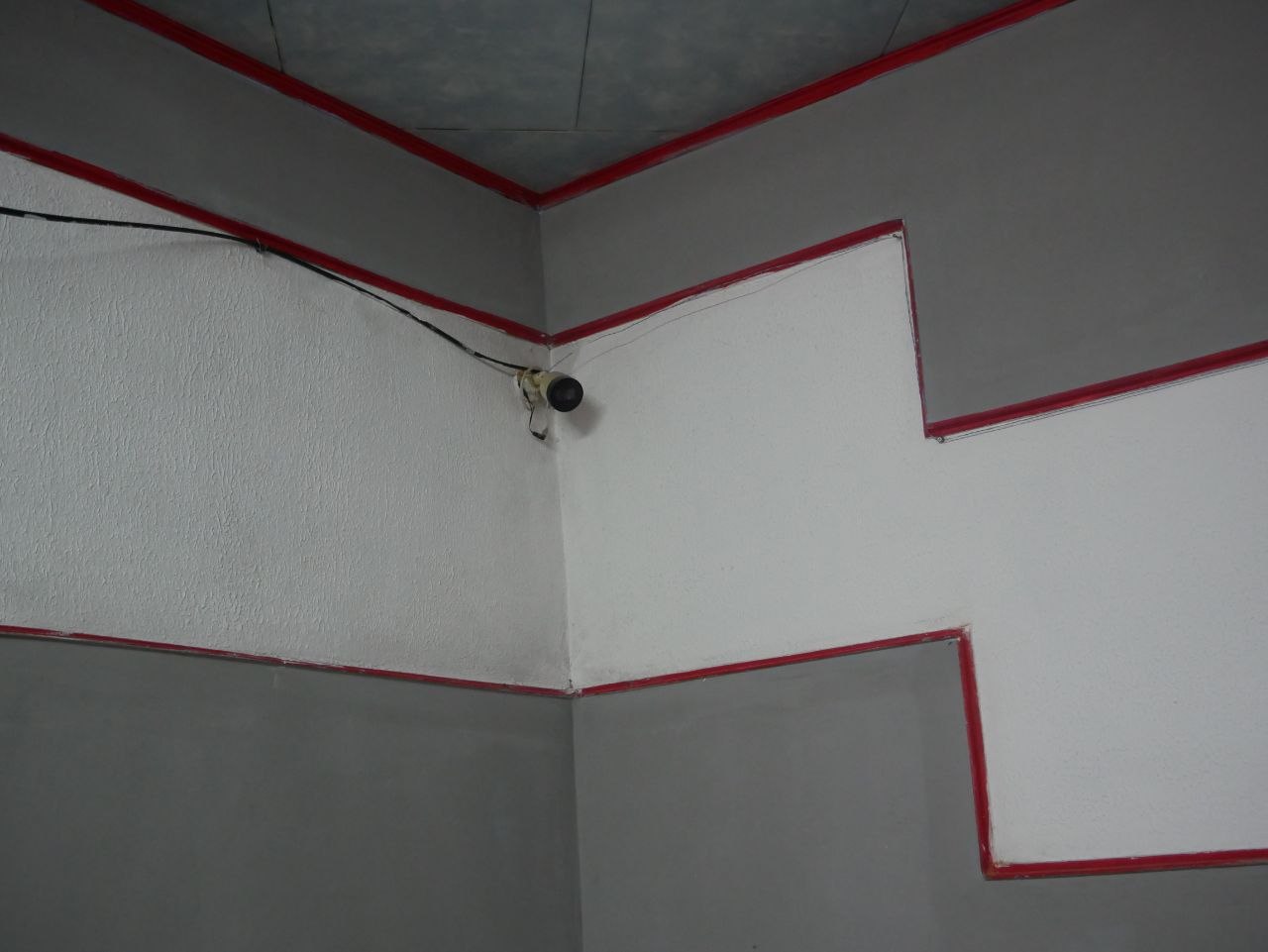
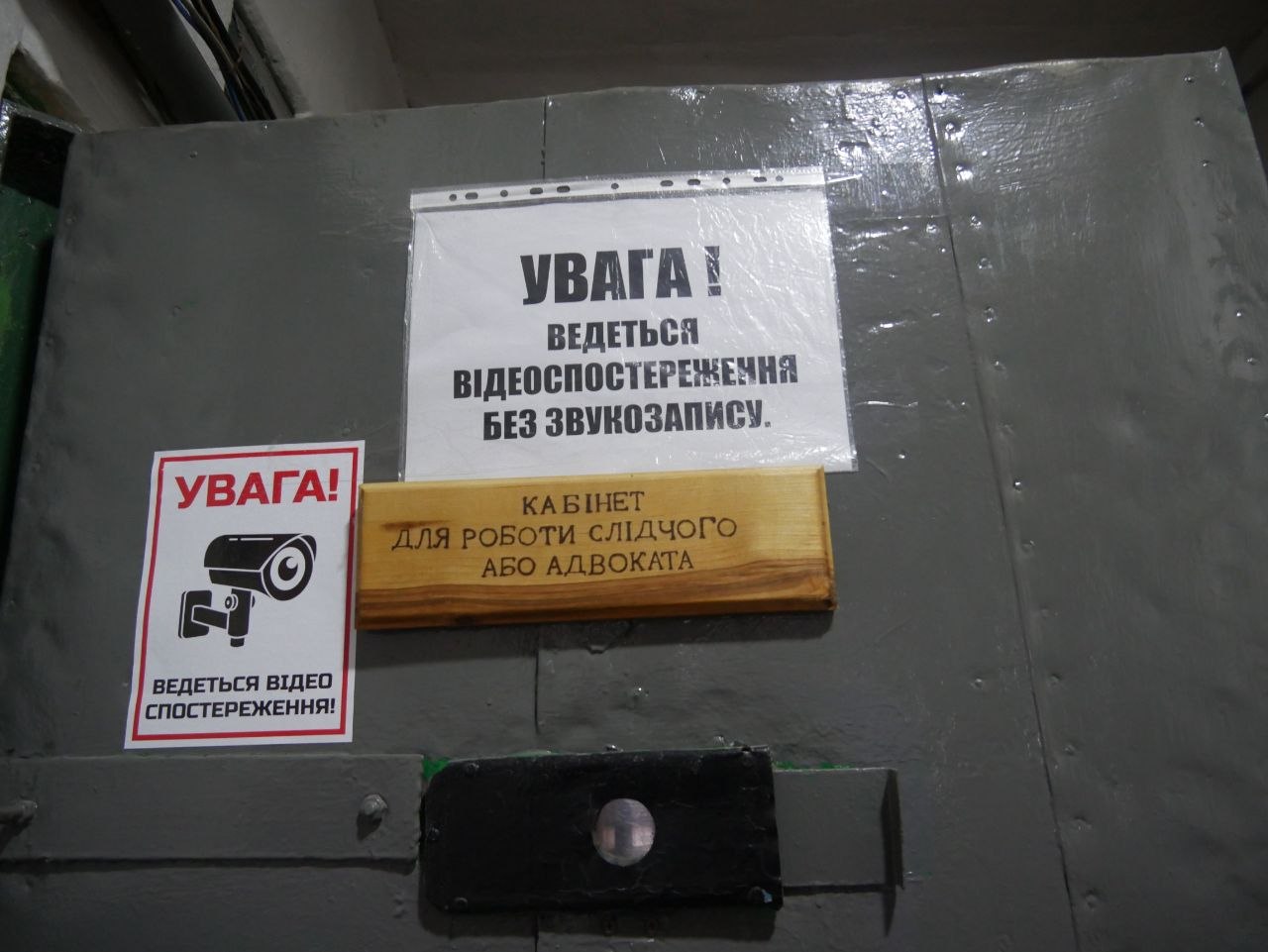
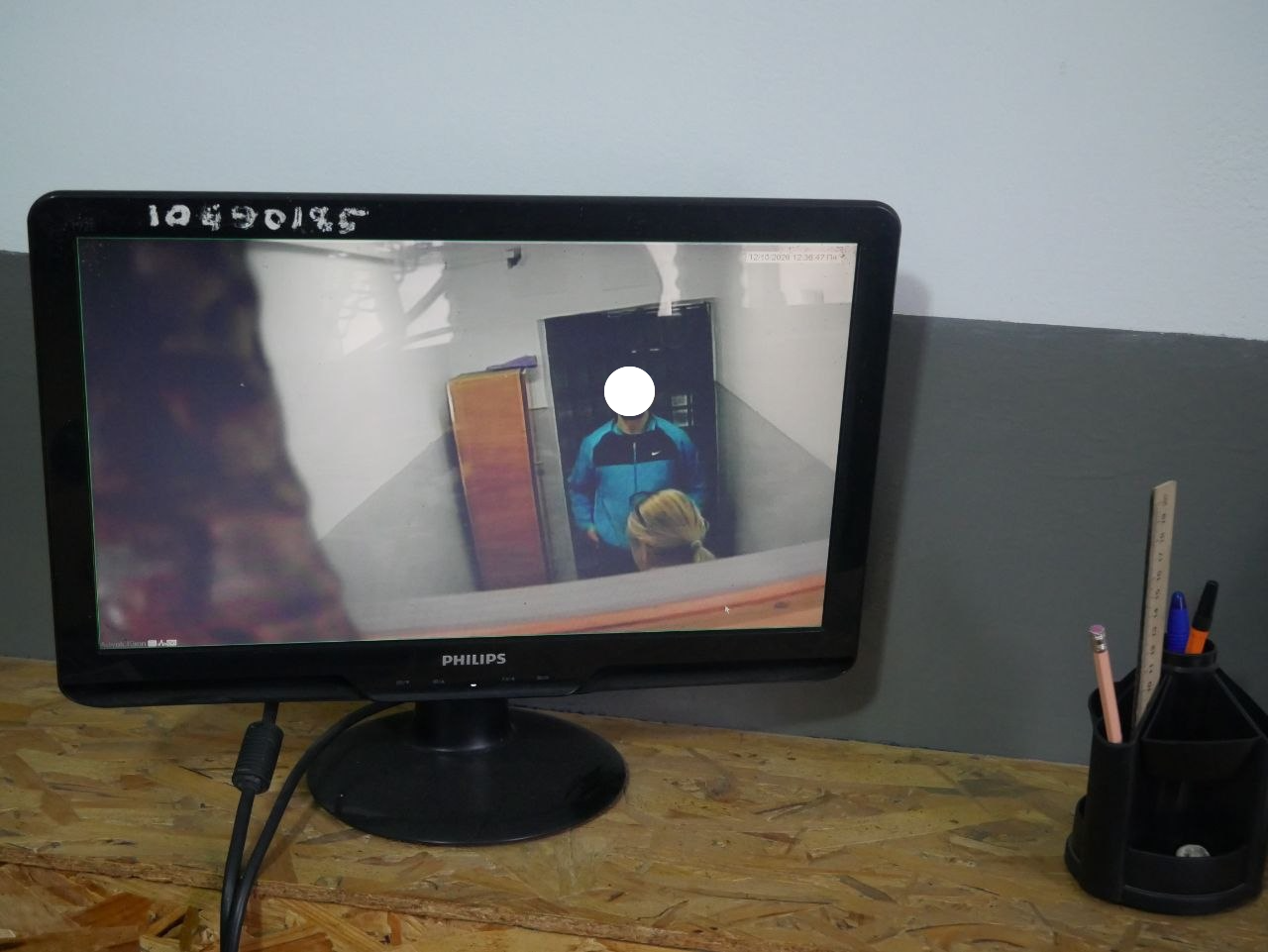
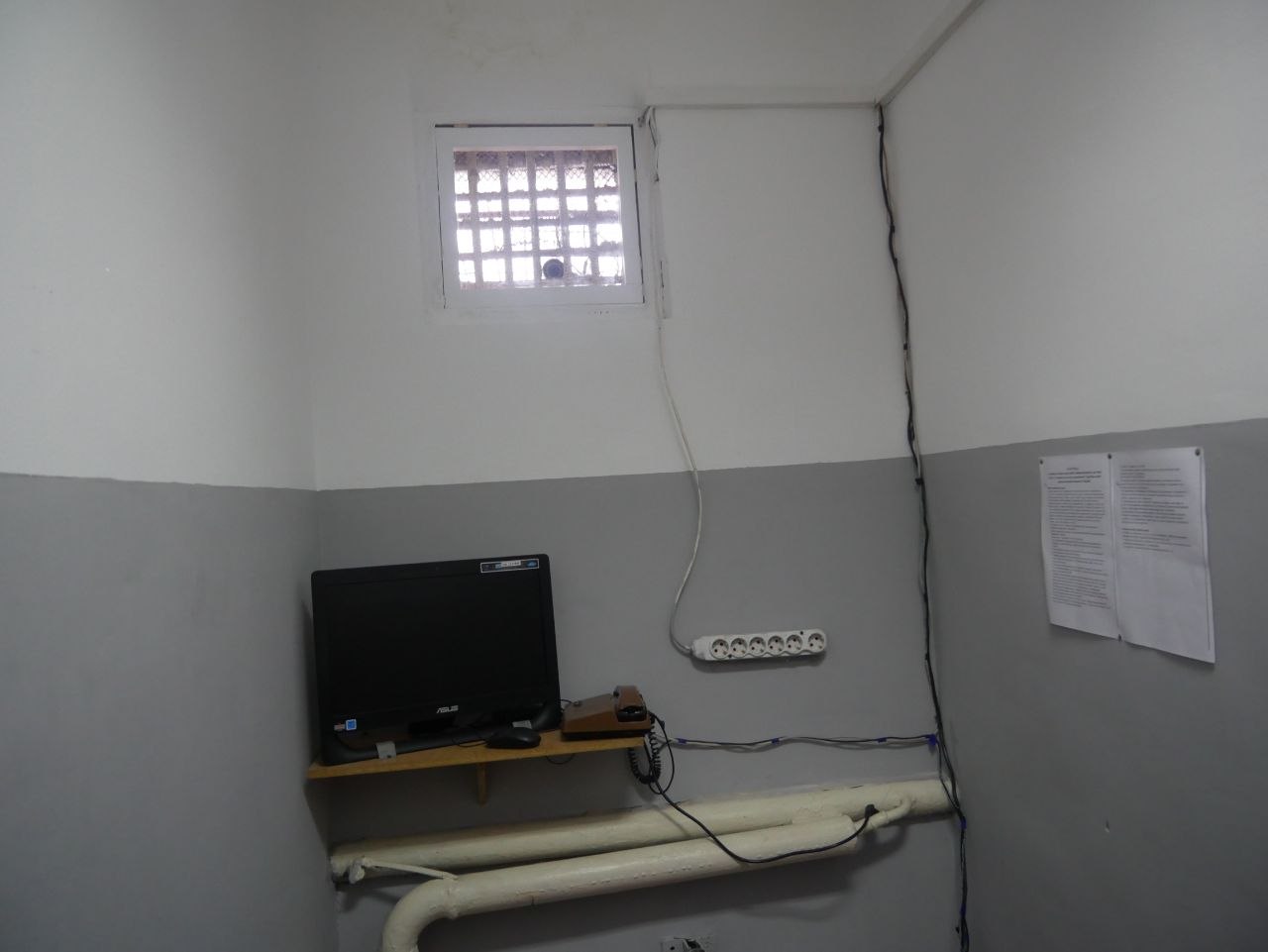
6. The consultation room designated for visits between convicts and their legal counsel is fitted with a surveillance camera without audio recording. However, the live visual feed is streamed in real time to a monitor situated inside staff duty quarters.
The surveillance camera provides an unobstructed visual capture of the convict, including facial expressions and speech articulation during consultations. This gives rise to the potential to lip-read the content of discussions, as well as to inspect the content of legal documents, depending on the camera angle and video resolution.
These arrangements create risks of infringing the confidentiality of consultations with legal counsel, guaranteed by part three of Article 110 of the Criminal Executive Code of Ukraine, Rule 23.4 of the European Prison Rules, and Article 6 of the Convention. The absence of sound recording does not, in and of itself, eliminate the possibility of impermissible interference with legal professional privilege.
7. In the cells of DIZO, PKT, and SMRB, convicts cannot independently adjust the volume of the radio broadcast, exposing them to involuntary acoustic disturbance. Drinking-water containers mandated by material and living standards are also absent. Furthermore, the communal shower room lacks privacy screens or curtains between washing stations, failing to provide adequate modesty and privacy during personal hygiene routines.
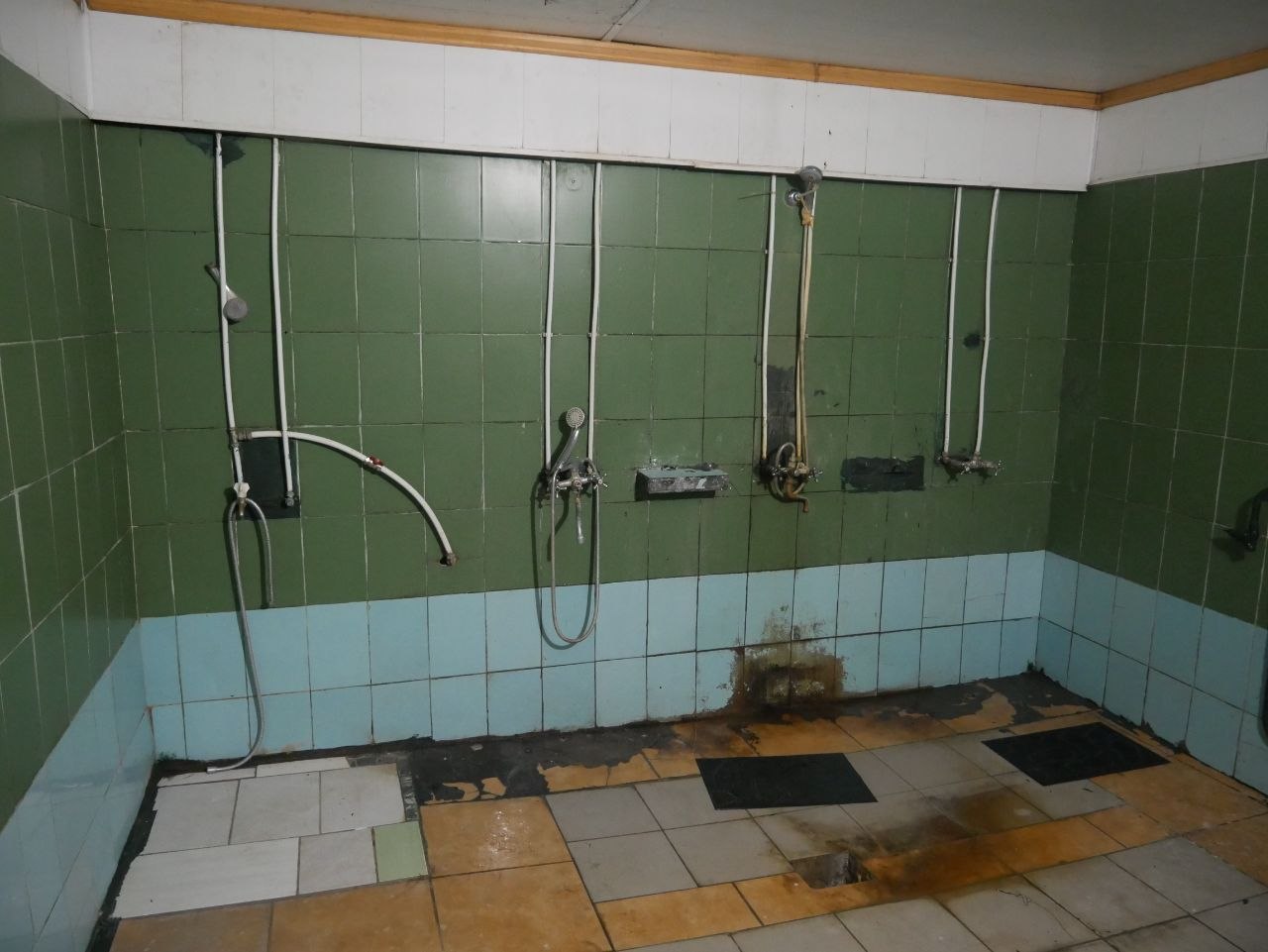
These identified deficiencies fail to comply with the requirements of Clause 3 of Section XX of the Internal Prison Rules of Penal Institutions, Rules 19.3 and 22.5 of the European Prison Rules, and Rule 22.2 of the Nelson Mandela Rules concerning adequate sanitary conditions, access to potable water, and respect for human dignity.
8. The quarantine, diagnostics, and allocation unit (KDiR) lacks a storage room for convicts’ personal belongings and a storeroom for the temporary storage of soiled bedding, clothing, and protective workwear. This breaches statutory standards of material and living provision and creates risks of non-compliance with sanitary standards and improper safeguarding of prisoners’ property.
9. Convict I. physically resides inside the KDiR and performs the duties of an orderly, despite being formally registered on the roll of SPS Unit No. 4. This state of affairs contradicts the statutory purpose of the KDiR as defined in Article 95 of the Criminal Executive Code of Ukraine, which provides that newly arrived prisoners shall be accommodated in this unit for up to 14 days for initial assessment and determination of appropriate custodial conditions.
In paragraph 27 of report CPT/Inf (2020) 40 and paragraph 47 of report CPT/Inf (2024) 20, the CPT expressed serious concern regarding the practice of delegating supervisory authority over other prisoners to select inmates, stressing that convicts must never be entrusted with responsibility for order and security.
Although no specific instances of convict I. exercising supervisory or disciplinary powers were identified during the visit, his permanent residence amongst newly admitted inmates generates risks of informal hierarchies of subordination and undermines the organisational separation of facility sectors.
10. During the review of intake procedures for newly arrived convicts, deficiencies were discovered in the logging of visits to the KDiR by members of the multidisciplinary working group established by Order of the Colony Governor No. 135/OD-26 dated 15 May 2026.
The logbook recorded visits to the unit on 2 October 2026 by Oliinyk, and on 9 October 2026 by Deputy Colony Governor Roman Manilo and Head of the Operational Department Oleksii Suprun. Conversely, there were no entries documenting visits to the KDiR by the remaining working group members: Serhii Melnyk, Yurii Smahliuk, Oleksii Popovets, Denys Shevchenko, Yaroslav Aksonenko, Dmytro Vyshniak, and Yuliia Tymoshenko.
Under Clause 5 of Section II of the Regulation on the Quarantine, Diagnostics, and Allocation Unit for Convicts, approved by Order of the Ministry of Justice of Ukraine No. 2300/5 of 4 November 2013, every member of the working group is required to visit the KDiR at least once weekly, recording each visit in the logbook.
The lack of such entries makes it impossible to verify documented compliance with this duty by a significant portion of the working group, casting doubt on the thoroughness of intake assessments and adaptation measures for newly admitted convicts.
11. The monitoring visit established that in the residential quarters of the facility, personalised name cards are affixed to convicts’ beds containing personal data, specifically citing the articles of the Criminal Code of Ukraine under which the individual was convicted, the length of the imposed sentence, and the dates of sentence commencement and completion.
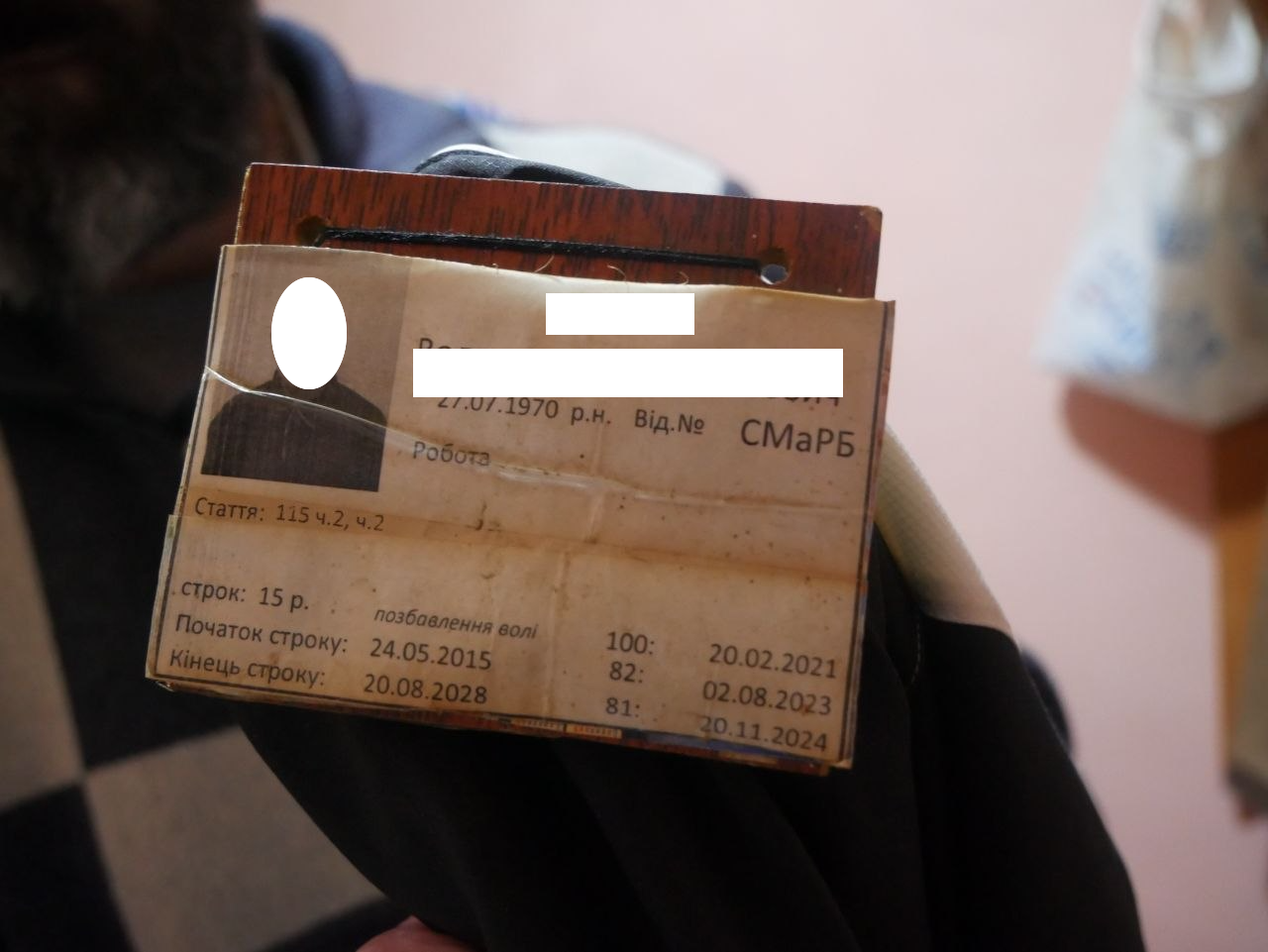
In paragraph 52 of its report on the 2020 visit to Ukraine (CPT/Inf (2020) 40), the European Committee for the Prevention of Torture (CPT), addressing the identical practice of posting details of criminal convictions beside prisoners’ beds, emphasised that this practice must be discontinued, as it has no reasonable justification, stigmatises prisoners, and adversely affects relations between inmates and custodial staff. The public display of such details also creates risks of infringing the right to respect for private life guaranteed by Article 8 of the Convention for the Protection of Human Rights and Fundamental Freedoms, and conflicts with the principles of proportionality and data minimisation enshrined in the Law of Ukraine ‘On Personal Data Protection’.
Consequently, this established practice contradicts CPT recommendations, creates risks of inmate stigmatisation, and does not foster an environment grounded in respect for human dignity and the principles of resocialisation.
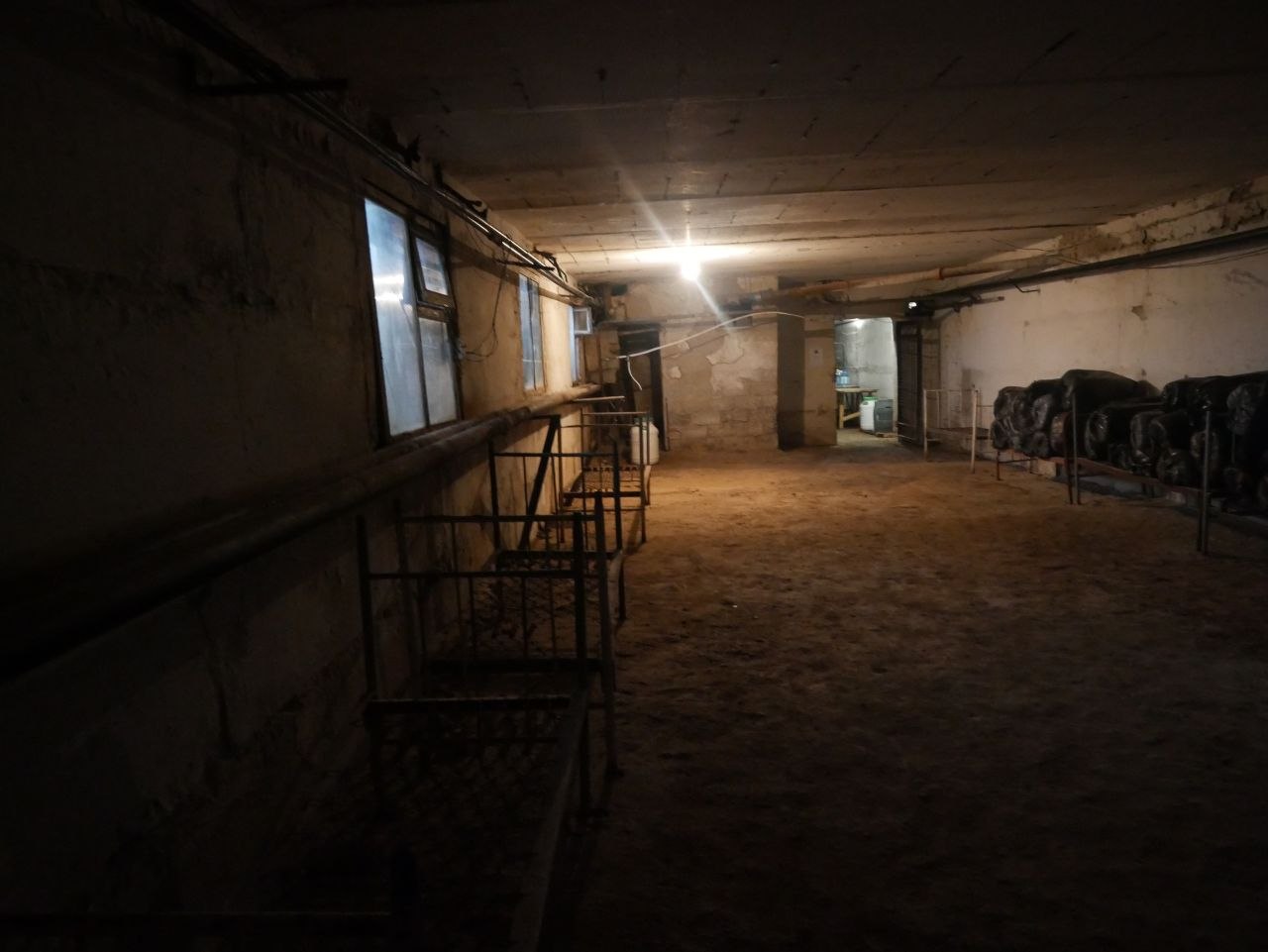
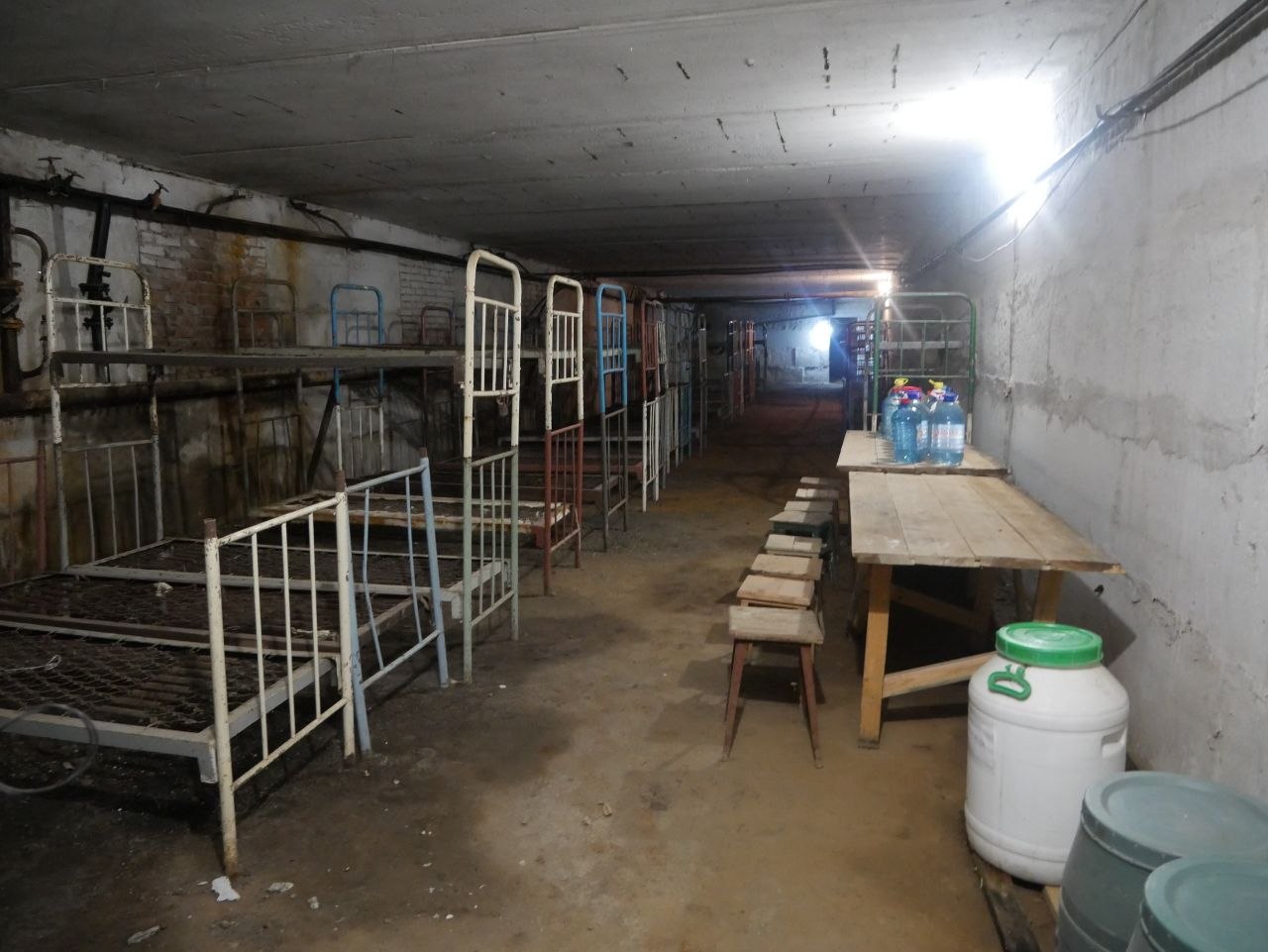
12. A designated radiation fallout shelter (Shelter No. 7302) has been fitted on the grounds of the colony, located in the basement of the visiting facility near the institution’s exit gate.
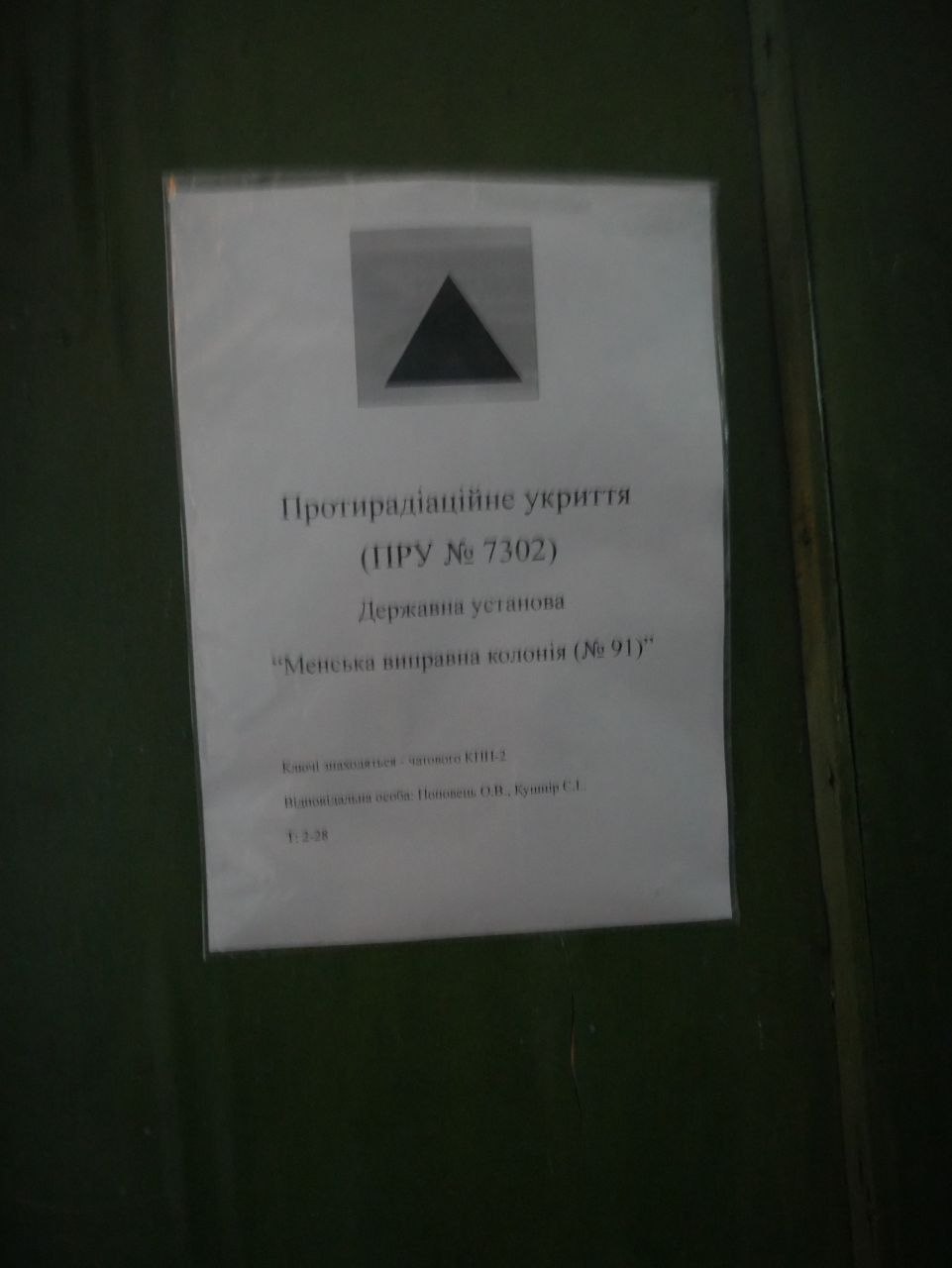
Inspection of the shelter revealed the absence of a secondary emergency escape hatch, ventilation, and a sewerage system. The premises exhibit high humidity, damp patches on the walls, and deteriorated interior finishes, whilst some of the metal bunk beds are not fitted with mattresses. Due to custodial regime constraints, convicts cannot independently access the shelter during air raid warnings. The timeliness of their relocation depends on staff mobilisation and the possibility of prompt escort through restricted zones of the facility.
Under the Procedure for the Establishment and Operation of the Civil Protection Shelter Stock of the State Criminal Executive Service of Ukraine, approved by Order of the Ministry of Justice of Ukraine No. 601/5 of 5 March 2024, protective shelters must be maintained in a continuous state of operational readiness. Responsibility for maintenance rests with asset holders, whilst institutional oversight is exercised by authorised bodies of the State Criminal Executive Service of Ukraine.
A definitive evaluation of the shelter’s compliance with statutory civil protection standards depends on its original architectural specifications, capacity, and technical documentation. Nevertheless, the identified structural and sanitary deficiencies, together with its location, create substantial risks to the life and health of both convicts and staff, especially in the event of an urgent evacuation or prolonged confinement in the shelter.
13. At the time of the monitoring visit, the stock in the facility commissary was extremely limited: almost all basic goods available for purchase by convicts were out of stock. According to explanations provided by the administration, supplies had ceased due to outstanding debts owed to the supplier.
This situation severely restricts the ability of convicts to purchase essential commodities, personal hygiene items, and other permitted goods with their own funds, adversely impacting the satisfaction of their basic day-to-day needs.
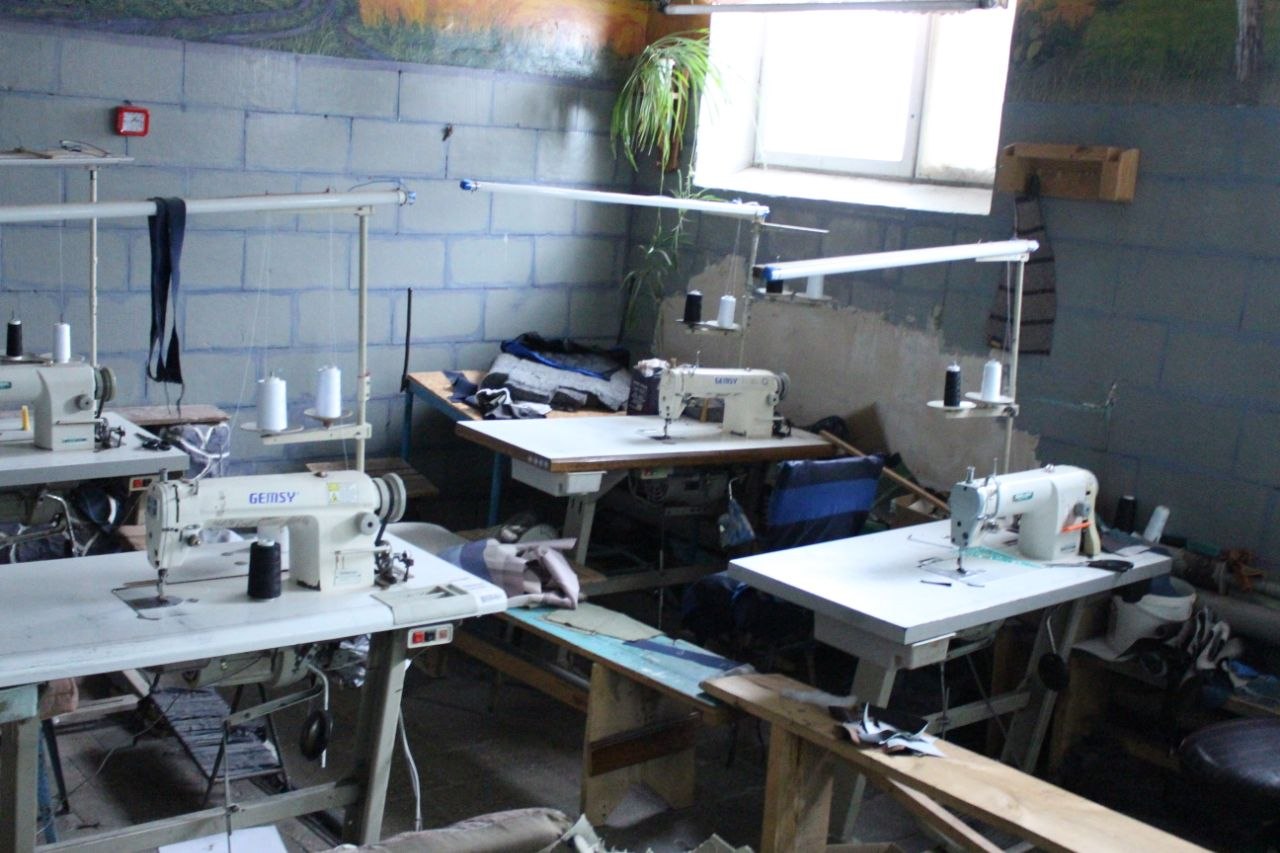
14. During the visit, the monitors examined convict labour practices, workshop documentation, logbooks, payroll sheets for September 2026, and documents relating to single social contribution (SSC) accruals.
According to management, 73 convicts are engaged in remunerated labour: 19 under employment contracts and 54 under civil-law contracts (74%). Article 118 of the Criminal Executive Code of Ukraine (CEC) allows both contractual arrangements; however, under Articles 21 and 24 of the Labour Code of Ukraine, civil-law contracts must not substitute for de facto employment relationships.
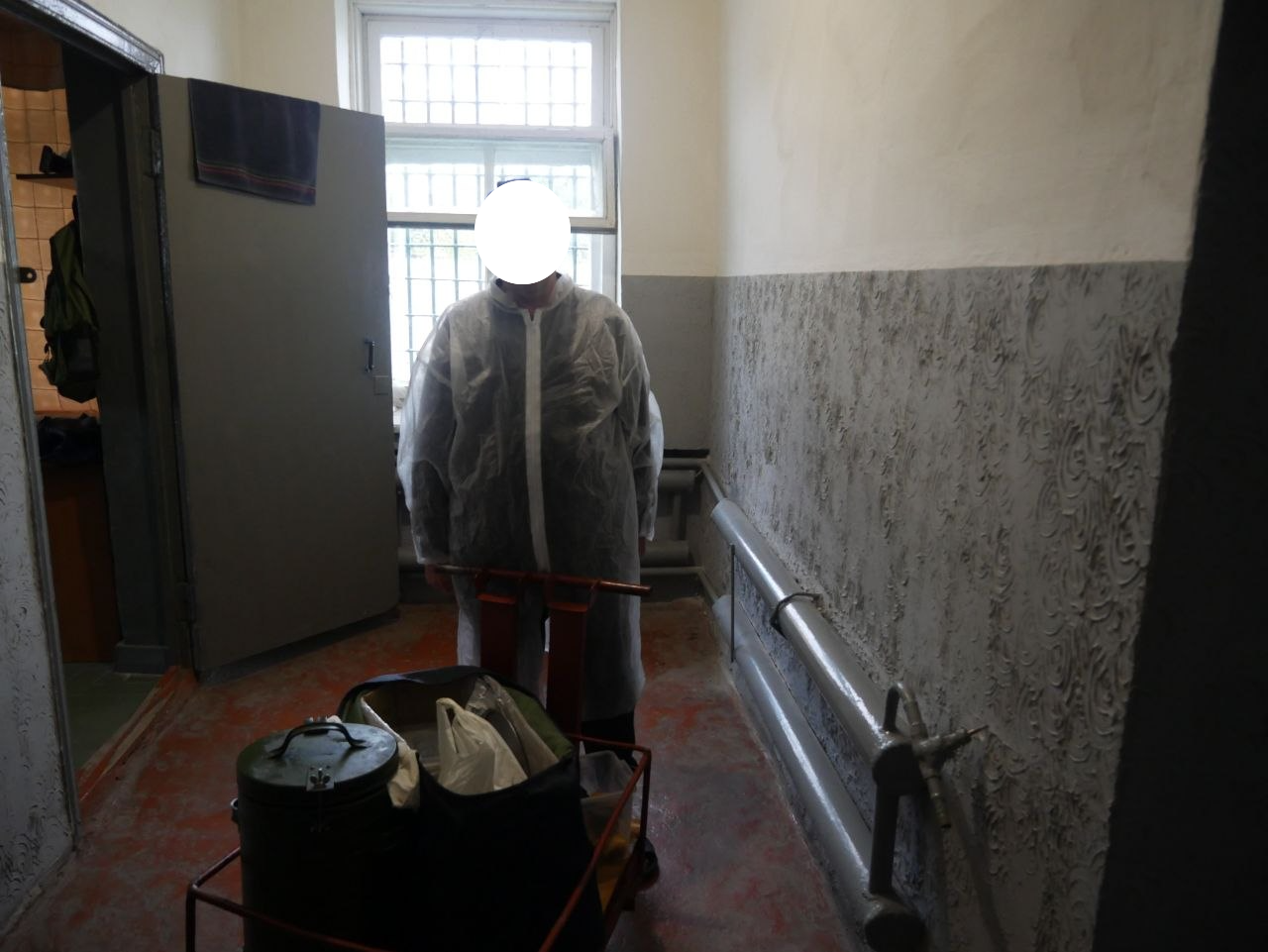
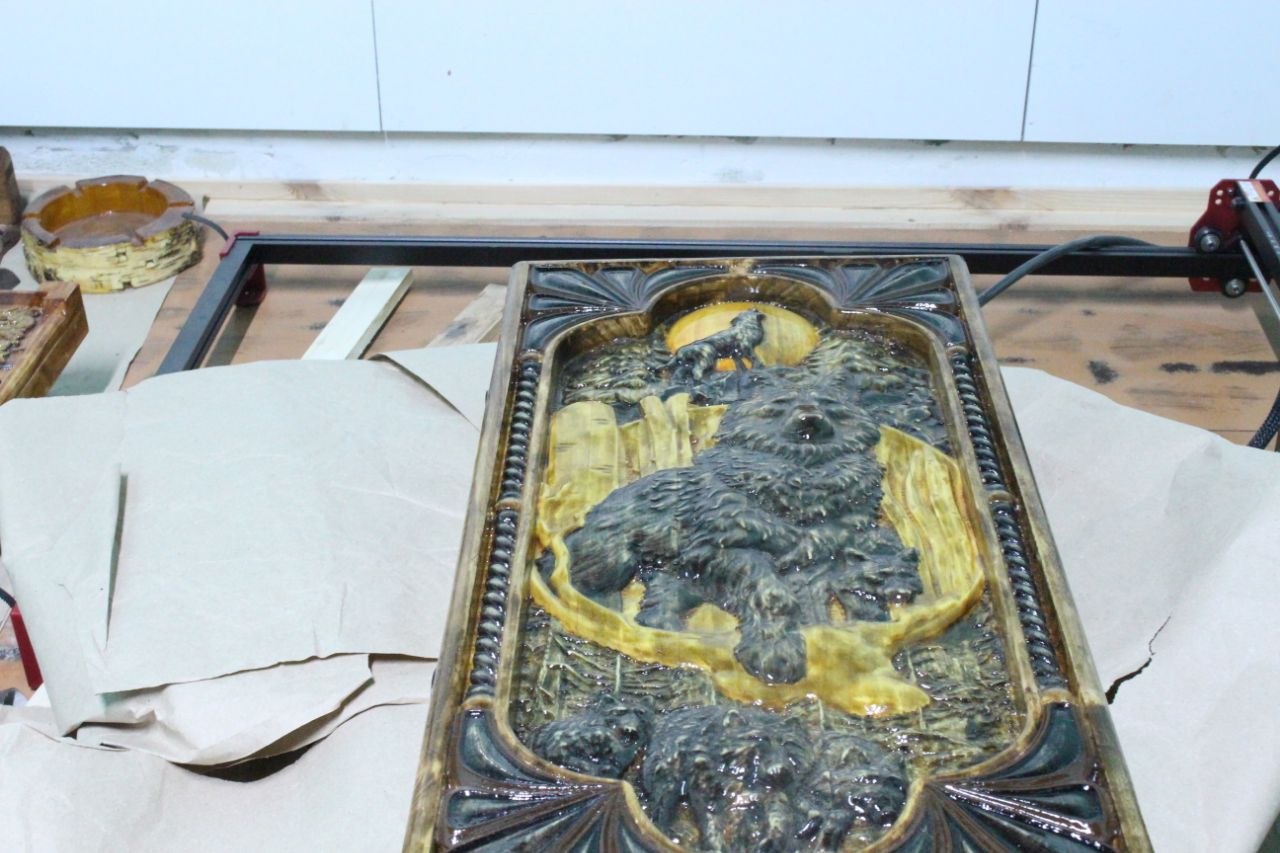
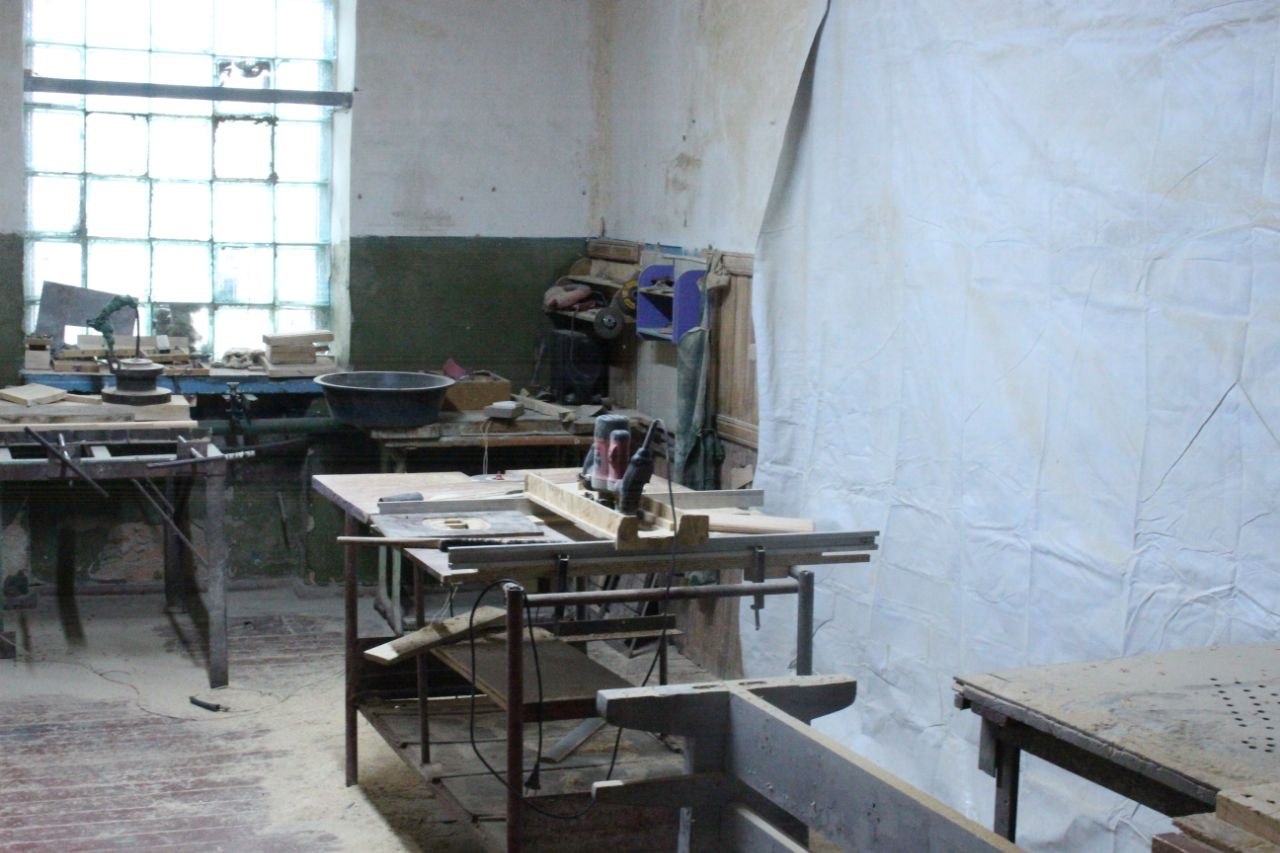
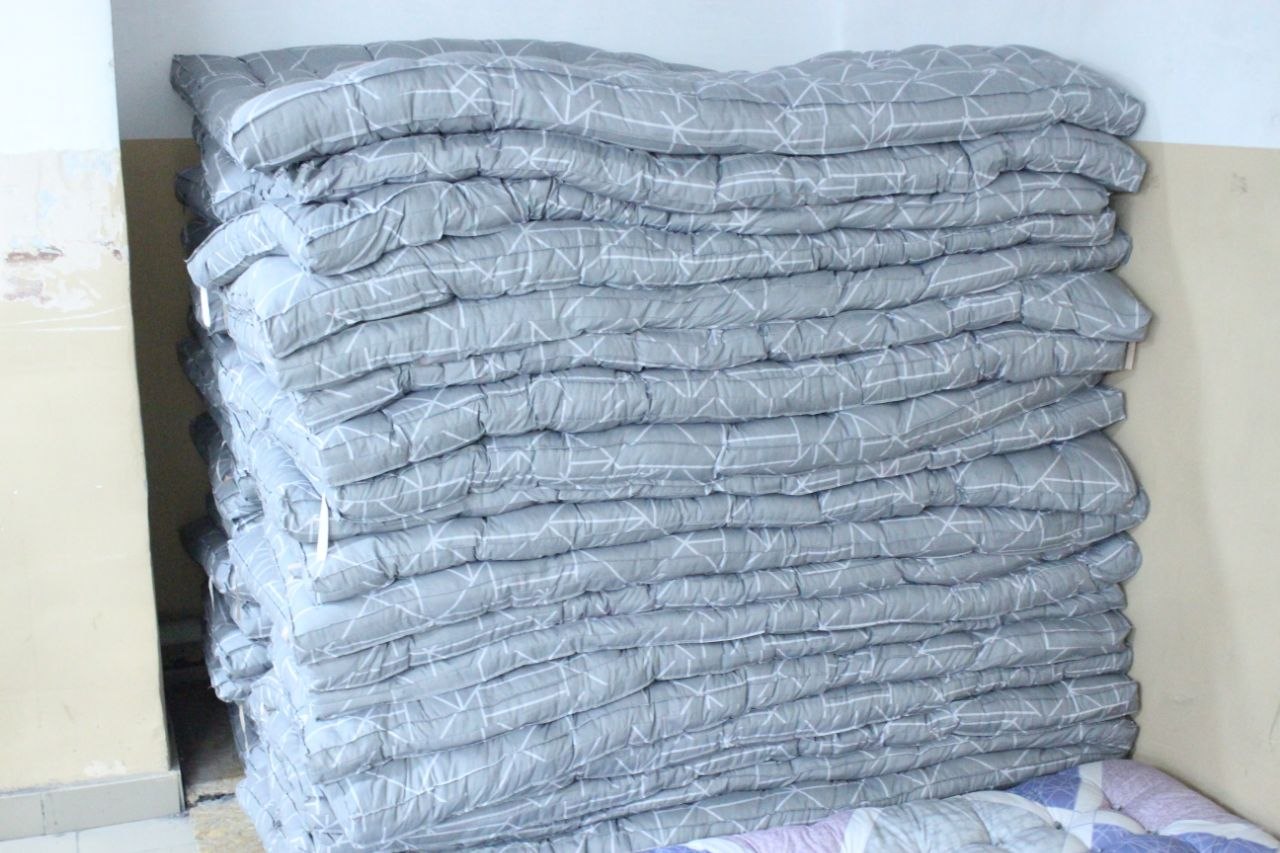
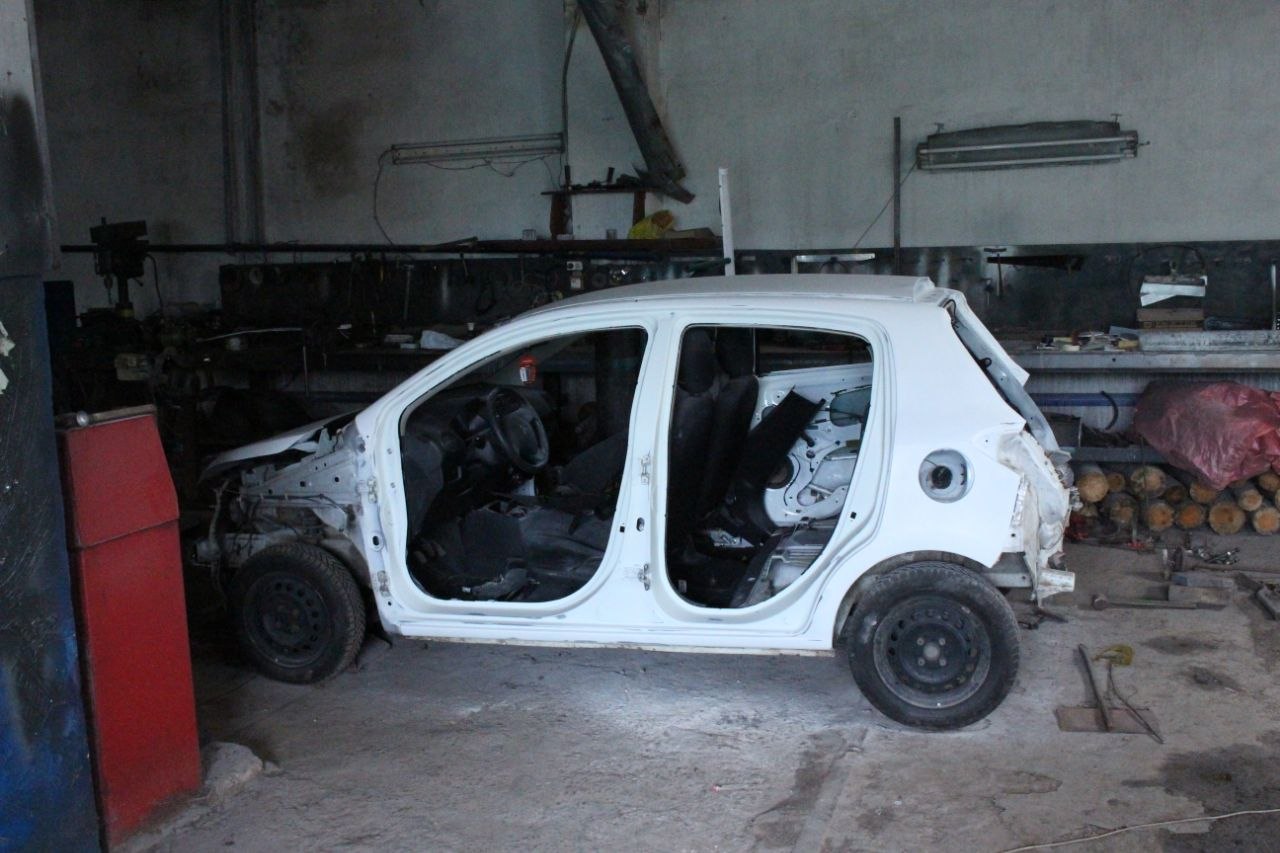
On the day of the visit, 34 convicts were working in the sewing workshop, four in metalworking, and 11 in furniture manufacturing, totalling 49 individuals. In the hourly muster rolls for the sewing and furniture workshops, dates were omitted. The facility maintenance logbook failed to maintain individualised records of working hours for dining hall staff, shift lengths, or rest days, making it impossible to verify compliance with Articles 50, 66, 67, and 71 of the Labour Code of Ukraine.
The overwhelming reliance on civil-law contracts — accounting for 54 out of the 73 working convicts (74%) — is of particular concern. Although Article 118 of the Criminal Executive Code of Ukraine permits this form of engagement, the substantive nature of the legal relationship is decisive, rather than the contractual title. Systematic performance of work according to an established schedule, under administrative supervision, and subject to internal workplace rules indicates the hallmarks of an employment relationship, which under Articles 21 and 24 of the Labour Code of Ukraine requires formal employment contracts. The wholesale use of civil-law contracts in these circumstances creates risks of disguising employment relationships as civil-law transactions, thereby circumventing statutory guarantees regarding working hours, rest breaks, fair remuneration, and social insurance. Given the identified deficiencies in individual timekeeping and documentary proof of SSC contributions, the submitted materials do not allow for verification of whether the chosen contractual form reflects the actual working conditions of each convict or whether an adequate level of labour and social protection is ensured.
During confidential interviews, convict T. stated that he had been working in the kitchen gutting fish for approximately two years, formally contracted for a 0.25 part-time post and receiving roughly 800 UAH, but in reality working on a daily basis. Convict K. reported working in the kitchen for six months on an alternate-day basis from 14:00 to 21:00 without any formal contract. Convict H. noted that he had been performing cook duties for approximately five months without receiving any remuneration.
The documentation made available did not allow the monitors to establish reliably the actual working hours of these individuals, the conformity of their work with contractual terms, or the justification for accrued earnings. A lack of documentary records does not definitively prove the total absence of contracts or the fact of unremunerated labour. However, if systematic unpaid work were substantiated, it would raise grave issues regarding compliance with Article 43 of the Constitution of Ukraine and Articles 118 and 120 of the CEC.
An analysis of payroll records for September 2026 showed that wages were calculated and that tax and other deductions, including child maintenance, were applied. In isolated cases, the net payable amount stood at 0.00 UAH, which does not of itself signify an absence of remuneration. The legality of deductions and the crediting of funds to convicts’ personal accounts must be assessed in accordance with Article 121 of the CEC.
Documents regarding the SSC contain records of accrued contributions, but do not substantiate the actual payment of contributions for each convict or the crediting of insured periods in the State Register of Compulsory State Social Insurance. Under Article 24 of the Law of Ukraine ‘On Compulsory State Pension Insurance’, a full month of pensionable service credit is credited, as a general rule, only where a sum not less than the minimum statutory insurance contribution has been paid; smaller contributions generate only proportional service credit. Consequently, it is impossible to determine the completeness of accrued insurance credit from the records provided, especially with regard to convicts receiving low wages or remuneration under civil-law contracts.
In the catering block, deficiencies were observed in the control of pointed and bladed implements: knives are handed between convicts without individualised logging of their issue and return, presenting clear security hazards. Moreover, the medical fitness card of one kitchen worker was not produced, leaving his completion of mandatory medical screening undocumented.
Thus, significant deficiencies have been established in the formalisation and recording of labour, documentary proof of remuneration, payment of the SSC, and the accrual of pensionable service credit. Convicts’ reports of excessive daily working hours, possible discrepancies between actual work and formal contractual terms, and unremunerated labour could neither be fully verified nor definitively refuted. This combination of factors generates serious risks of violating the rights to labour, fair remuneration, rest, and social protection guaranteed by Article 43 of the Constitution of Ukraine, Articles 118, 120, and 121 of the CEC, and applicable labour and social insurance legislation.
Recommendations:
- Ensure that the post of psychologist is filled and organise systematic psychological support for convicts, including individual counselling, suicide and self-harm prevention, and psychological support during resocialisation and pre-release preparation, paying particular attention to convicts held in the DIZO, PKT, and SMRB.
- Ensure that the disciplinary isolation block is equipped in accordance with statutory material and living standards, notably by equipping a storeroom for soiled bedding, clothing, and protective workwear, a barber’s room, a facility for undressing and conducting strip searches of convicts, and a receiving room for the disinfection chamber.
- Ensure mandatory visits to convicts held in the disciplinary isolation block by the heads of the respective socio-psychological service units upon admission or transfer to the DIZO, and thereafter at least once weekly, ensuring proper documentary logging of all visits conducted.
- Ensure adequate natural and artificial illumination in the cells of the disciplinary isolation block and the maximum-security sector, remove excessive obstructions to daylight, and bring lighting levels into compliance with established sanitary norms and international standards.
- Ensure that video surveillance in cells is utilised strictly in accordance with the principles of legality, necessity, and proportionality, on the basis of individualised risk assessments, accompanied by documented justification of its necessity and regular reviews of grounds for its continuation.
- Ensure full confidentiality during visits between convicts and their legal counsel, precluding visual surveillance that permits monitoring of the conversation or scrutiny of documents used during the provision of legal assistance.
- Ensure that convicts in cells have the ability to adjust the volume of radio broadcasts, equip DIZO, PKT, and SMRB cells with drinking-water containers as required by standards, and install partitions or curtains around washing stations in the shower room to ensure privacy during personal hygiene routines.
- Ensure that the quarantine, diagnostics, and allocation unit is fitted out in compliance with established material and living standards, notably by providing a personal property storage room and a storeroom for the temporary holding of soiled bedding, clothing, and protective workwear.
- Ensure that the quarantine, diagnostics, and allocation unit is used strictly for its statutory purpose, terminate the practice of permanently housing convicts registered in other units within it, and prohibit the delegation of control, surveillance, or disciplinary functions over other prisoners to any convict.
- Ensure that every member of the working group responsible for newly admitted convicts fulfils the duty to visit the quarantine, diagnostics, and allocation unit at least once weekly, properly recording all visits and interventions in the designated logbook.
- Bring radiation fallout shelter No. 7302 into line with statutory civil protection requirements, specifically by addressing the provision of a secondary emergency escape route, ventilation, and sewerage, remedying excessive dampness, and appropriately fitting out areas designated for human occupancy. Ensure the timely and safe evacuation of convicts to the shelter during air raid alerts, taking due account of institutional custodial restrictions.
- Cease the practice of publicly displaying personalised information cards on convicts’ beds containing details of criminal convictions, sentence terms, and prospective release dates, ensuring adherence to CPT recommendations set out in paragraph 52 of report CPT/Inf (2020) 40 and the robust protection of prisoners’ personal data.
- Ensure the uninterrupted operation of the facility commissary and maintain an adequate stock of essential commodities, personal hygiene products, and other permitted goods available for purchase by convicts with their own funds.
- Ensure the proper formalisation of employment relations with convicts in accordance with the substantive nature of the work performed, preventing the substitution of civil-law contracts for employment relationships.
- Ensure comprehensive and verifiable individual records of hours actually worked by convicts, including in workshops and the facility dining hall, detailing dates, shift durations, weekend work, and rest periods.
- Ensure the accurate calculation and payment of wages or remuneration in accordance with actual work performed, including for convicts engaged in institutional maintenance, adhering to statutory remuneration safeguards and the lawful procedure for deductions.
- Ensure individualised calculation and payment of the single social contribution (SSC) for employed convicts in accordance with legislation, proper recording of relevant data in the State Register of Compulsory State Social Insurance, and the accrual of pensionable service credit based upon actually paid insurance contributions.
- Maintain an individualised register for the issuance, transfer, and return of bladed and pointed implements in the catering block, specifying the individuals involved and the precise times of equipment use.
- Permit convicts to work in the dining hall strictly following the completion of statutory mandatory medical examinations, supported by valid documentary proof of medical clearance.