Report on the Monitoring Visit to Kaharlyk Correctional Colony No. 115
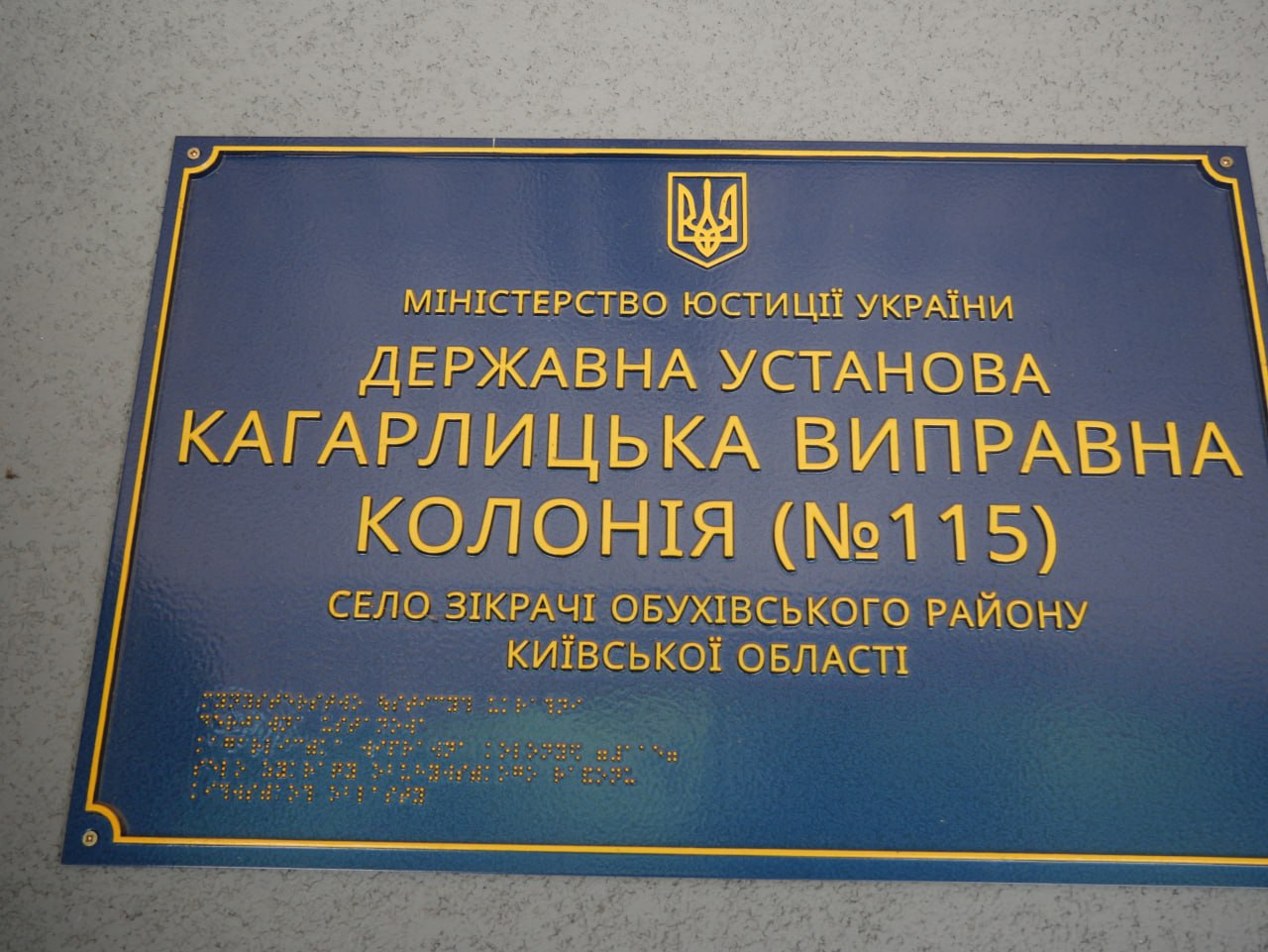
On 23 July 2026, a group of monitors from the Kharkiv Human Rights Protection Group and the NGO ‘Protection of Prisoners of Ukraine’ visited the state institution ‘Kaharlyk Correctional Colony (No. 115)’ (hereinafter referred to as KCC-115, the institution, the facility or the colony). The visit was carried out in accordance with the Optional Protocol to the Convention against Torture and Other Cruel, Inhuman or Degrading Treatment or Punishment, taking into account the provisions of the UN Standard Minimum Rules for the Treatment of Prisoners (the Nelson Mandela Rules) and the case law of the European Court of Human Rights, and on the basis of Article 24 of the Criminal Enforcement Code of Ukraine, ‘Visits to Penal Institutions’. The visit was a scheduled one and was made without prior notice. All of the institution’s facilities were examined.
In preparing for the visit, the monitors drew on complaints from prisoners and their relatives, as well as on reports by monitors of the National Preventive Mechanism (NPM) under the Ukrainian Parliament Commissioner for Human Rights.
The visit was conducted as part of the project ‘Seeking Justice for Survivors’, funded by the Ministry of Foreign Affairs of Denmark with the support of the Danish Institute Against Torture, DIGNITY.
The visit was carried out by the following monitors:
- Andrii Didenko — assistant to Yaroslav Yurchyshyn, Member of Parliament of Ukraine; programme coordinator at the Kharkiv Human Rights Protection Group; has conducted monitoring visits since 2014; NPM (National Preventive Mechanism) monitor; member of the NPM Advisory Council;
- Serhii Zuikov — assistant to Kostiantyn Kasai, Member of Parliament of Ukraine; member of the Public Council at the Ministry of Justice of Ukraine; member of the NGO ‘Protection of Prisoners of Ukraine’; NPM monitor; has many years of experience of monitoring visits;
- Oleh Tsvilyi — member of the Public Council at the Ministry of Justice of Ukraine; head of the NGO ‘Protection of Prisoners of Ukraine’; has extensive experience of monitoring visits and specialises in issues of torture and cruel and inhuman treatment.
Alongside positive practices, the monitoring visit to KCC-115 revealed a number of systemic shortcomings in upholding prisoners’ rights and in providing proper conditions for serving sentences.
The monitors found that the standard floor space was not respected, that certain premises were inadequately furnished and equipped, that sanitary and hygiene requirements were breached, that medical supervision was deficient and that the institution was understaffed. The head of a Social and Psychological Service (SPS) unit has not been given access to the ‘KASANDRA’ subsystem of the Unified Register of Convicts and Detainees (URCD), which hinders proper individual social and educational work with prisoners. In practice, access to the Internet is largely limited to video calls, and the shelters designated in the institution do not meet the necessary safety requirements.
With regard to labour, the monitors found discrepancies between the working time recorded in documents and the work actually performed, in particular the systematic long hours worked by certain prisoners without days off, which puts at risk their right to proper pay and to social insurance.
In the sphere of medical care, shortcomings were identified in the recording of bodily injuries, the availability of opioid substitution therapy and naloxone, the diagnosis of viral hepatitis C, the implementation of individual rehabilitation programmes, telemedicine consultations and the handling of medical waste. Taken together, the violations identified require comprehensive action to bring the institution’s activities into line with national and international standards.
General Information
The state institution ‘Kaharlyk Correctional Colony (No. 115)’ is located in the village of Zikrachi, Obukhiv district, Kyiv region, and is a minimum-security penal institution with facilitated conditions of detention. The institution is intended for male prisoners, including those convicted of criminal offences committed through negligence.
KCC-115 has been part of the system for the execution of criminal sentences for a long time. Before the reform of the penitentiary system, it was called ‘Kaharlyk Correctional Colony of the Department of the State Penitentiary Service of Ukraine in Kyiv and Kyiv Region (No. 115)’. In 2016, as part of the reorganisation of the territorial bodies of the State Penitentiary Service of Ukraine, the institution was renamed ‘Kaharlyk Correctional Colony (No. 115)’, and since 2017 it has operated as the state institution ‘Kaharlyk Correctional Colony (No. 115)’.
The institution’s complex consists of administrative buildings; residential and industrial zones; dormitories for prisoners; the premises of the Social and Psychological Service (SPS) units, the quarantine, diagnostics and distribution (QDD) unit and the disciplinary isolation unit (DIU); the feldsher post; the canteen and catering unit; the bath and laundry complex; premises for short-term and long-term visits; a shop, a club, a library, a sports hall and other sports facilities; exercise yards; utility, domestic and service facilities; industrial premises and workshops; and storage and auxiliary structures. Two premises on the institution’s territory have also been designated for sheltering prisoners and staff during air-raid alerts. The institution has two Social and Psychological Service units.
At the time of the monitoring visit, the institution was headed by the head of KCC-115, Colonel of the Internal Service Vitalii Taran.
According to statistical data provided by the administration, the institution’s planned capacity is 127 persons. On the day of the monitoring visit, the institution held 119 prisoners, approximately 94% of its planned capacity.
The institution has 76 authorised staff posts, of which 67 are filled. There are thus 9 vacant posts. The institution employs one psychologist.
Forty-five prisoners arrived at the institution in 2026. In 2025, 81 persons were released from the institution, 12 of them on parole under Article 81 of the Criminal Code of Ukraine and 41 under Article 82 of the Criminal Code of Ukraine. In 2026, as of the date on which the statistical data were provided, 34 prisoners had been released, 7 of them on parole and 19 under Article 82 of the Criminal Code of Ukraine.
According to the administration, 109 of the 119 prisoners are in employment, which is more than 91% of all persons held in the institution. Of these, 98 work under employment or fixed-term employment contracts and 11 under civil-law contracts. Ninety-two prisoners work in production, 7 in construction, 4 in the workshop and 6 in maintenance.
According to the administration, no prisoners were on preventive registers for a propensity towards suicide, self-mutilation or escape. At the same time, 8 prisoners were classified as persistent violators of the established procedure for serving sentences.
The institution held 15 prisoners with a recognised disability: one with a Group I disability, five with Group II and nine with Group III.
According to the administration’s statistical data, no suicides among prisoners were recorded in 2025 or so far in 2026. Nor were any bodily injuries recorded among prisoners on arrival at the institution or during their stay there, and no special means were used against prisoners.
Prisoners have 88 tablets for their personal use. However, according to the statistical data provided by the administration, no prisoner has a registered e-mail account.
Over the past six months, 6 prosecutorial response acts have been issued to the institution.
The monitors interviewed about 60 prisoners while visiting the industrial premises, workshops, SPS units, the QDD unit and the utility premises.
The interviews took place both as general conversations, in which the monitors gave advice and answered questions, and individually, including on a confidential and anonymous basis. They covered respect for prisoners’ rights, conditions of detention, the organisation of work, access to medical care and possible instances of ill-treatment.
Among its pressing humanitarian needs, the institution’s administration mentioned the need to provide the bathhouse with a disinfection cabinet.
Positive Practices
During the monitoring visit, the monitors noted a number of positive practices aimed at improving material and living conditions, maintaining prisoners’ social ties and laying the groundwork for their resocialisation.
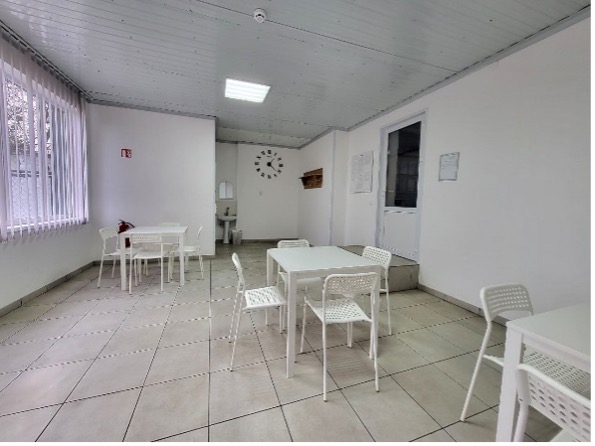
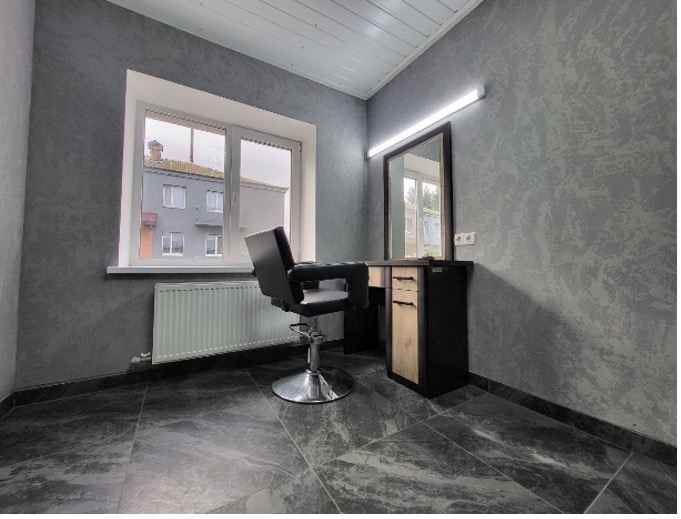
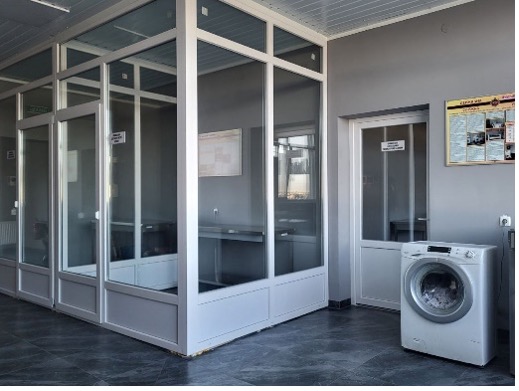
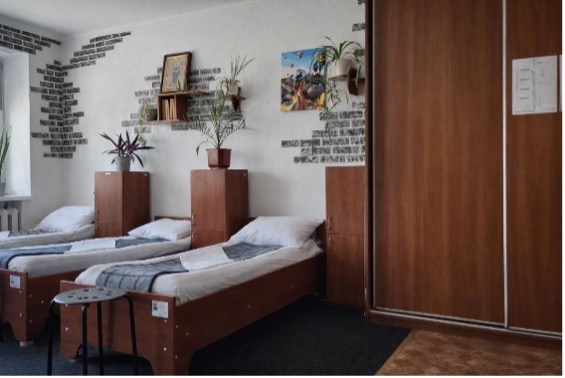
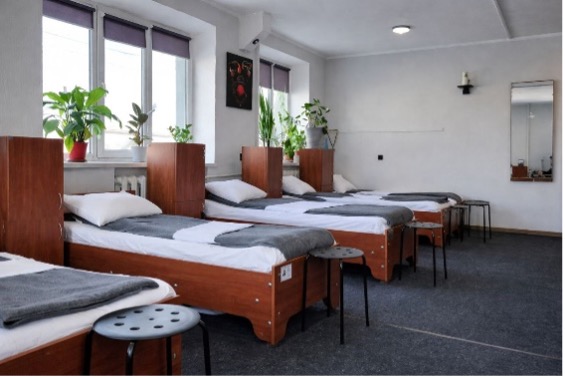
In particular, work has been carried out to renovate certain residential and domestic facilities. Repairs and improvements are under way in the dormitories, the premises of the bath and laundry complex have been upgraded and a separate barber’s room has been fitted out. The arrangement of the premises in which prisoners maintain their social ties is assessed positively. The short-term visit rooms have been refurnished and provide suitable conditions for meetings with relatives and other persons.
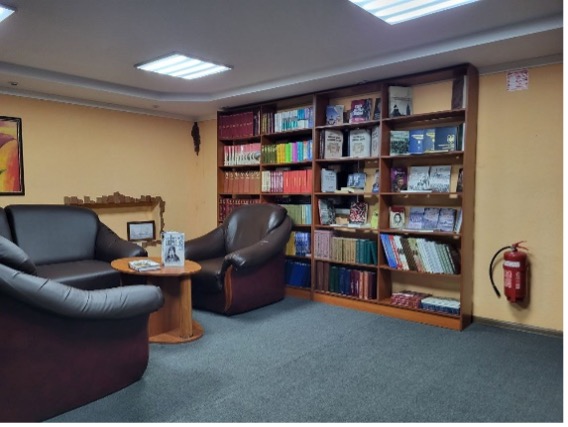
The condition of the institution’s library deserves special mention: it has been redecorated and its book stock has been updated. According to the administration, the library holds 3,283 volumes. Giving prisoners access to literature helps them meet their educational and cultural needs.
Another positive practice is that the institution arranged for prisoners to meet representatives of a bank on site. Prisoners were able to open bank accounts and obtain payment cards directly in the colony. This approach widens their access to financial services, helps them develop the skills to manage money independently and is of practical value in preparing them for life after release.
The institution also involves representatives of the probation authorities and the free legal aid system in its work with prisoners. The consultations and information sessions held with them raise prisoners’ legal awareness and help prepare them for release and subsequent social adaptation. Cultural and educational events are held as part of social and educational work. In particular, prisoners took part in writing the Radio Dictation of National Unity and in other events aimed at sustaining educational and cultural activity and developing positive forms of social interaction.
Overall, practices that combine improvements in certain material and living conditions with measures to maintain social ties, provide access to legal and financial services and prepare prisoners for their return to society deserve a positive assessment.
Violations of National and International Law Identified
The monitoring visit revealed breaches of national legislation and failures to comply with international recommendations on the treatment of prisoners, resulting in violations of prisoners’ rights:
1. The procedure and conditions for admitting prisoners to the institution do not fully comply with the requirements of current Ukrainian legislation or with international standards on the treatment of prisoners.
Under paragraphs 1 and 2 of Section II of the Regulations on the Quarantine, Diagnostics and Distribution Unit, approved by Order of the Ministry of Justice of Ukraine No. 2300/5 of 4 November 2013 (hereinafter referred to as the Regulations on the QDD Unit), a working group comprising the deputy heads of the institution, the heads of structural units, a psychologist and a medical worker is set up by order of the head of the institution to organise work with newly arrived prisoners.
To plan this work, a programme for familiarising newly arrived prisoners with the procedure and conditions for serving their sentences is drawn up each year and approved by the head of the institution.
Under paragraph 8 of Section II of the Regulations on the QDD Unit, holding prisoners in isolation (quarantine) involves, among other things, implementing the programme for familiarising prisoners with the conditions and procedure for serving their sentences.
However, confidential conversations with prisoners and an analysis of official documentation showed that members of the working group do not carry out all the activities provided for by the programme.
The poor organisation of this work is confirmed, in particular, by the entries in the log of visits by representatives of the institution’s administration to the quarantine, diagnostics and distribution unit (hereinafter referred to as the QDD unit). Thus, between 22 June and 28 June 2026, only eight of the eleven members of the working group conducted activities with newly arrived prisoners, which does not comply with paragraph 5 of Section II of the Regulations on the QDD Unit.
In particular, the following did not take part in these activities: Taras Viktorovych Ivaniuta, senior DPZTZK inspector; Vadym Oleksandrovych Lanovyi, head of an SPS unit; and Larysa Andriivna Semenenko, chief accountant.
2. In breach of Part 1 of Article 115 of the Criminal Enforcement Code of Ukraine (hereinafter referred to as the CEC of Ukraine) and Rule 13 of the UN Standard Minimum Rules for the Treatment of Prisoners (the Nelson Mandela Rules), the monitors found that in certain residential rooms of the QDD unit the living space per prisoner is less than 4 m².
Thus, residential room No. 1 of the QDD unit, which has 6 beds and held 6 newly arrived prisoners at the time of the monitoring visit, measures 18.8 m² according to the record of floor-area measurements for the structural units. The actual living space per person was therefore 3.13 m².
This situation arose because of repair works in the QDD unit, in particular in residential room No. 2. However, repair works do not release the institution’s administration from its obligation to observe the statutory minimum living space per prisoner.
Moreover, paragraph 13 of the 7th General Report of the European Committee for the Prevention of Torture and Inhuman or Degrading Treatment or Punishment (hereinafter referred to as the Committee) states that overcrowding leads to insanitary conditions, a constant lack of privacy and excessive strain on health-care services and on the institution’s infrastructure. The Committee also stresses that the adverse effects of overcrowding frequently reach a level at which they may amount to inhuman or degrading treatment (CPT/Inf (97) 10).
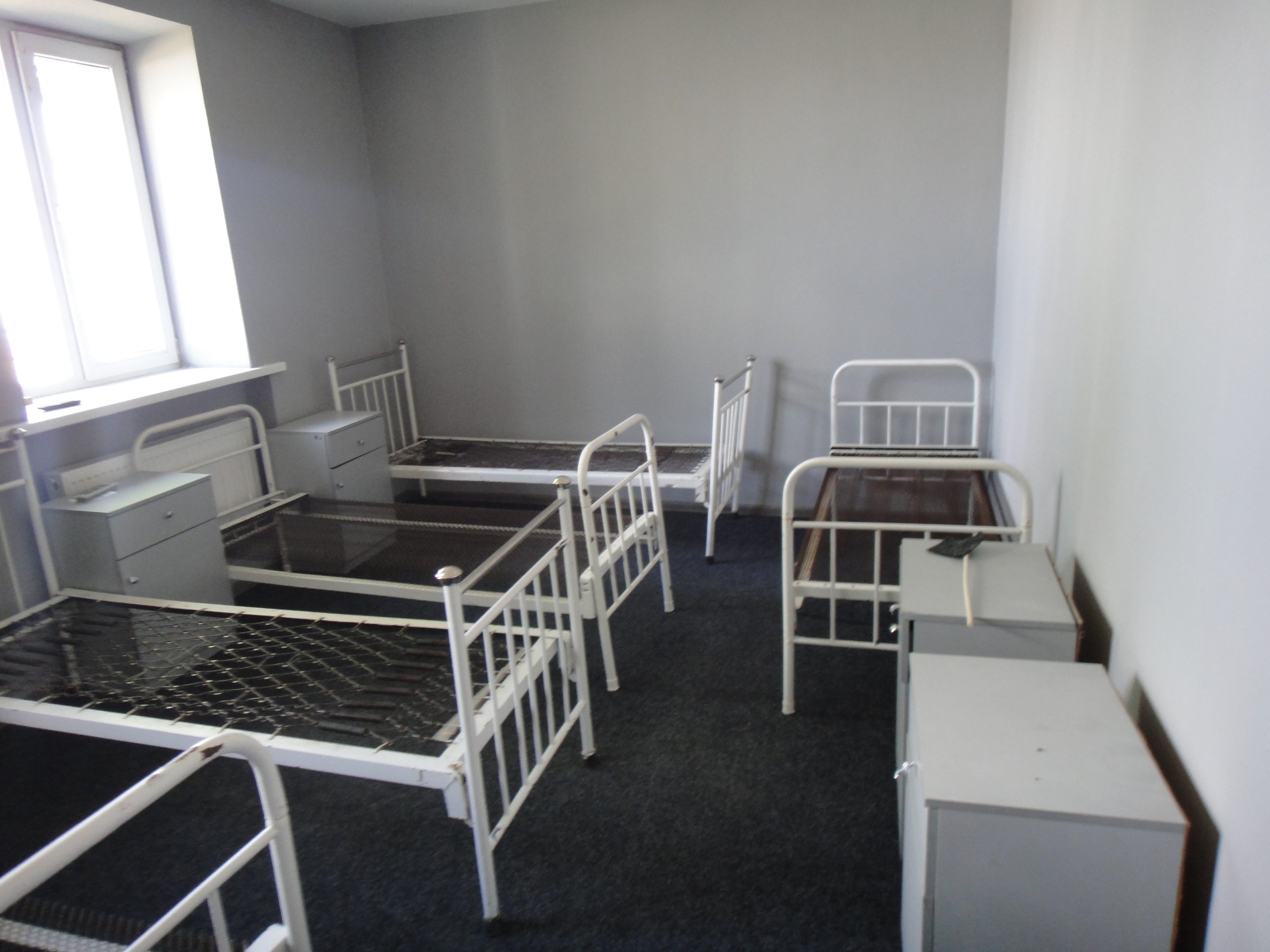
3. The monitors found that the furnishing and equipment of the QDD unit do not fully meet the established regulatory requirements. In breach of the Standards for the Provision of Furniture, Equipment and Household Items for Minimum-Security Correctional Colonies with General Conditions of Detention, approved by Order of the Ministry of Justice of Ukraine No. 1118/5 of 27 July 2012 (hereinafter referred to as the Provision Standards), the unit lacks a number of rooms, namely: a room for storing prisoners’ personal belongings; a room for storing the exchange stock of bedding, clothing and workwear; a storeroom for the temporary storage of dirty bedding, clothing and workwear; and a drying room.
The absence of these rooms, the shortage of furniture and the poor sanitary and technical condition of the premises lead to breaches of sanitary and hygiene standards and make it difficult to keep the areas where prisoners are held clean and orderly, which in turn has an adverse effect on the overall sanitary condition of the institution.
4. In breach of Rule 22.5 of the European Prison Rules, Rule 22.2 of the UN Standard Minimum Rules for the Treatment of Prisoners (the Nelson Mandela Rules) and the Provision Standards, the residential room of the QDD unit is not equipped with a 15-litre drinking-water tank with a tap, lid, mug and basin.
5. During their visit to the institution’s disciplinary isolation unit (hereinafter referred to as the DIU), the monitors found that the conditions of detention there do not meet the established standards on the treatment of prisoners and do not provide proper conditions suited to prisoners’ needs, which contravenes Part 1 of Article 115 of the Criminal Enforcement Code of Ukraine (hereinafter referred to as the CEC of Ukraine) and paragraph 1 of Section XXII of the Internal Regulations of Penal Institutions (hereinafter referred to as the IR PI).
The institution has two DIU cells. However, because of repair works, proper conditions for holding prisoners in them have not in fact been created. In these circumstances, disciplinary confinement in the disciplinary isolation unit cannot be carried out in accordance with the procedure and conditions laid down in Article 134 of the CEC of Ukraine and other regulations.
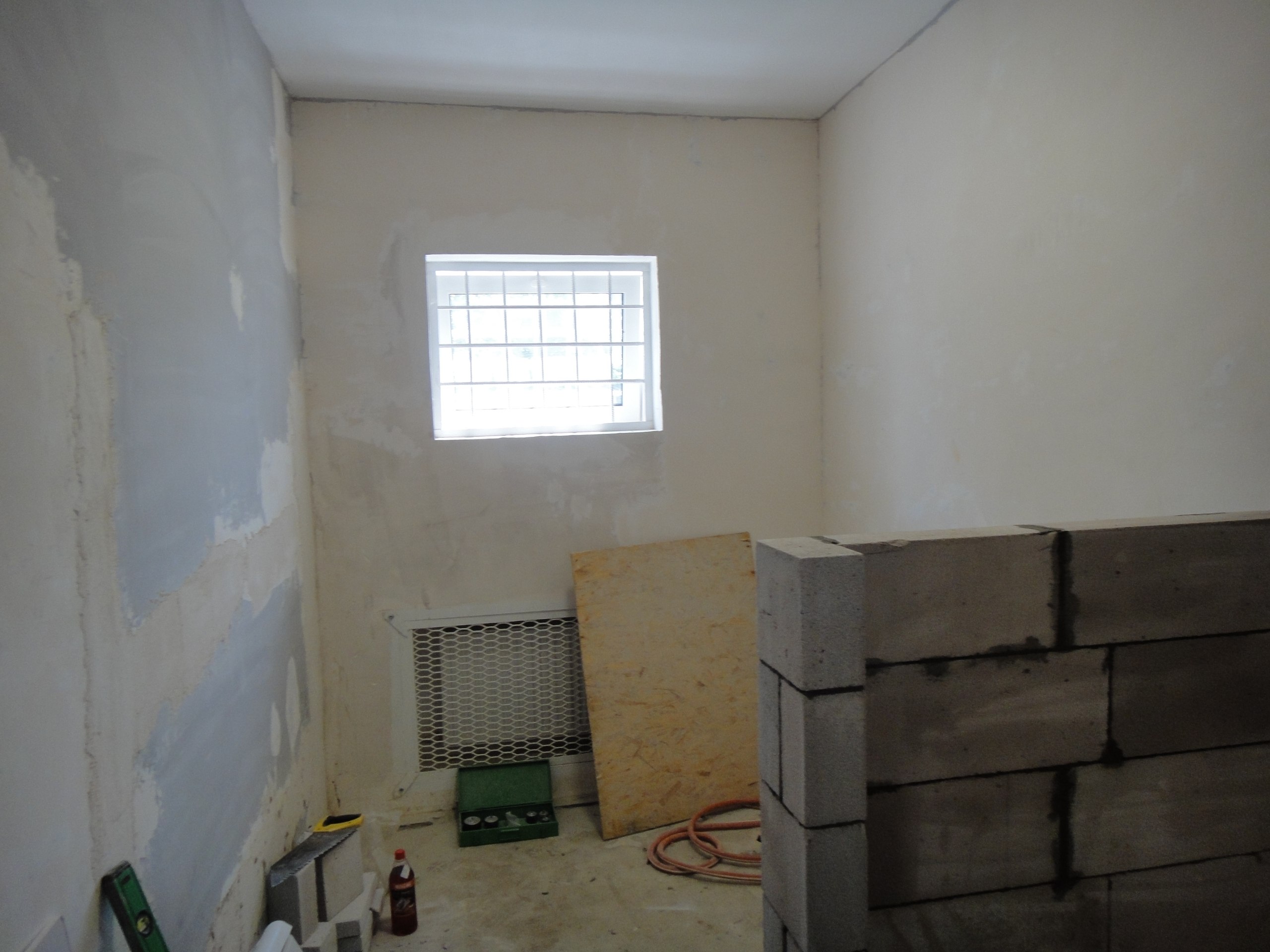
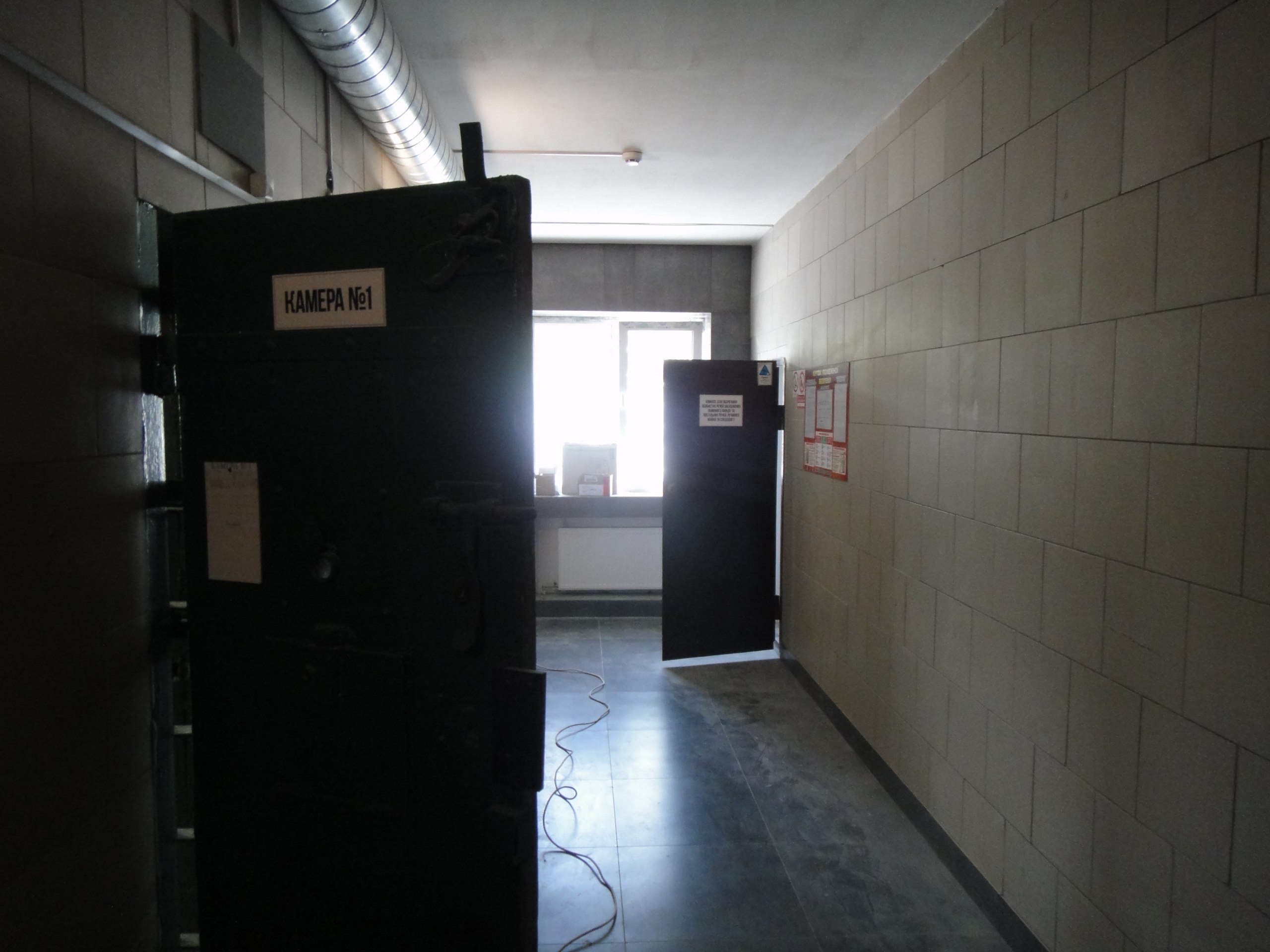
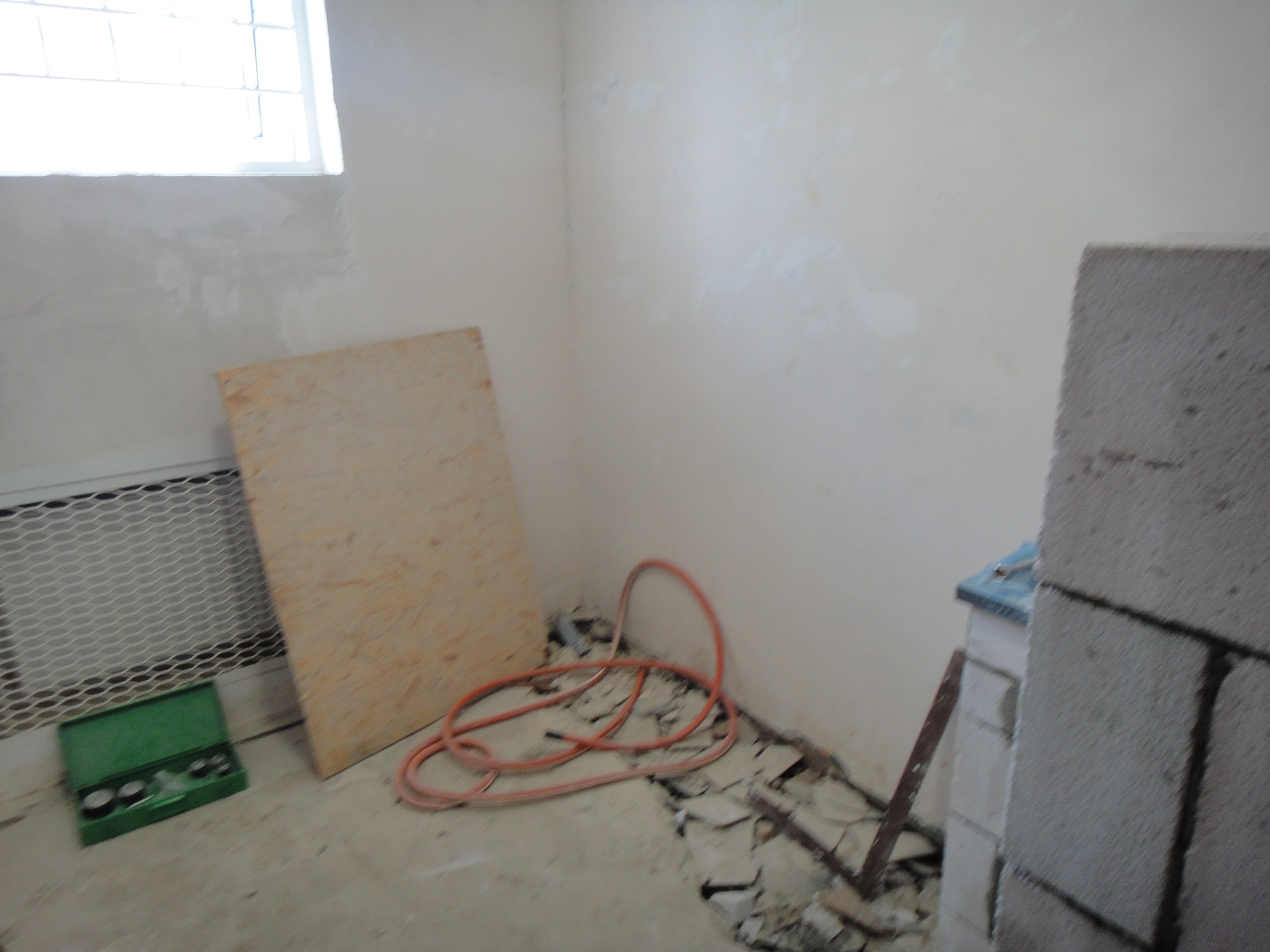
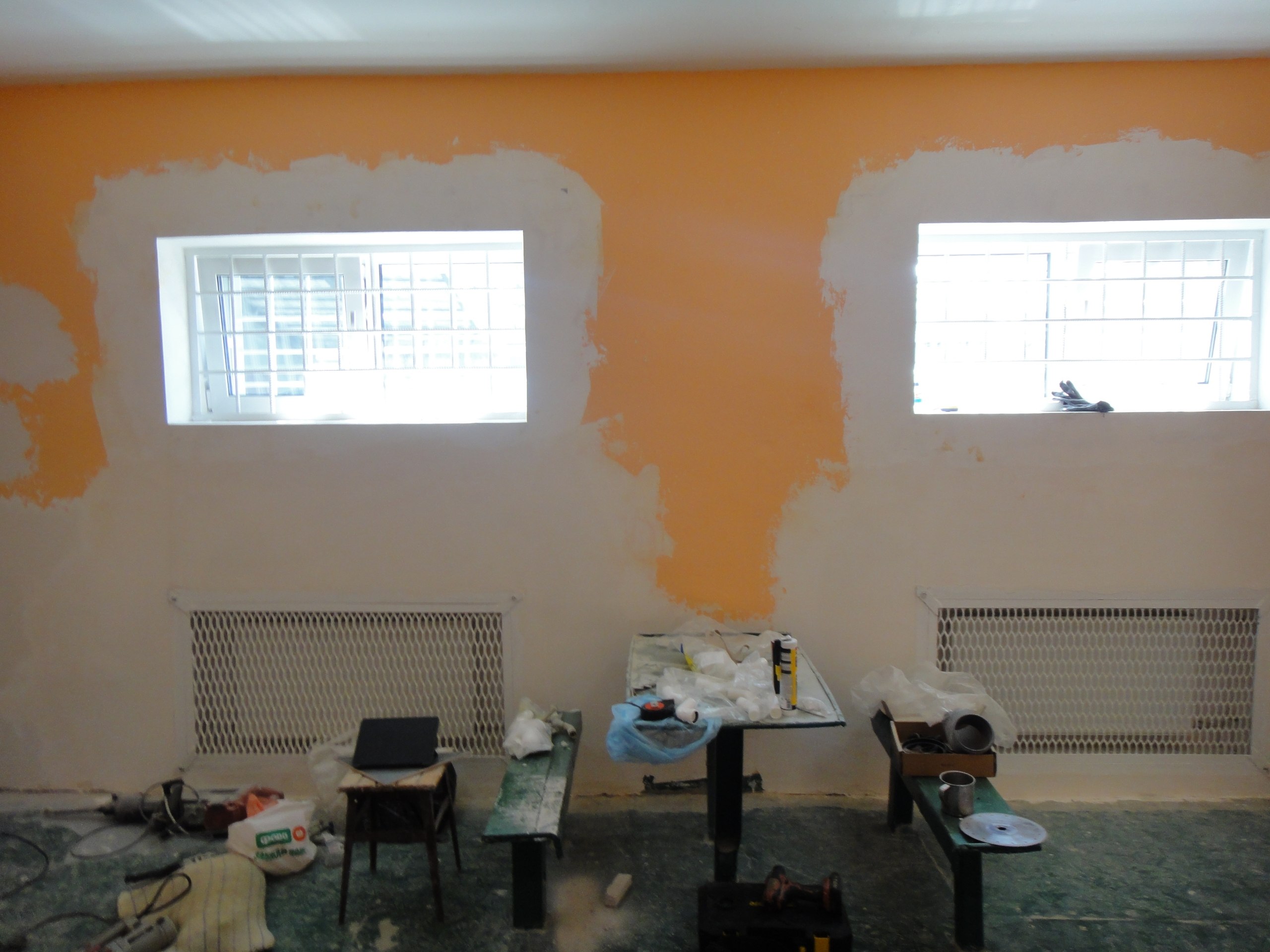
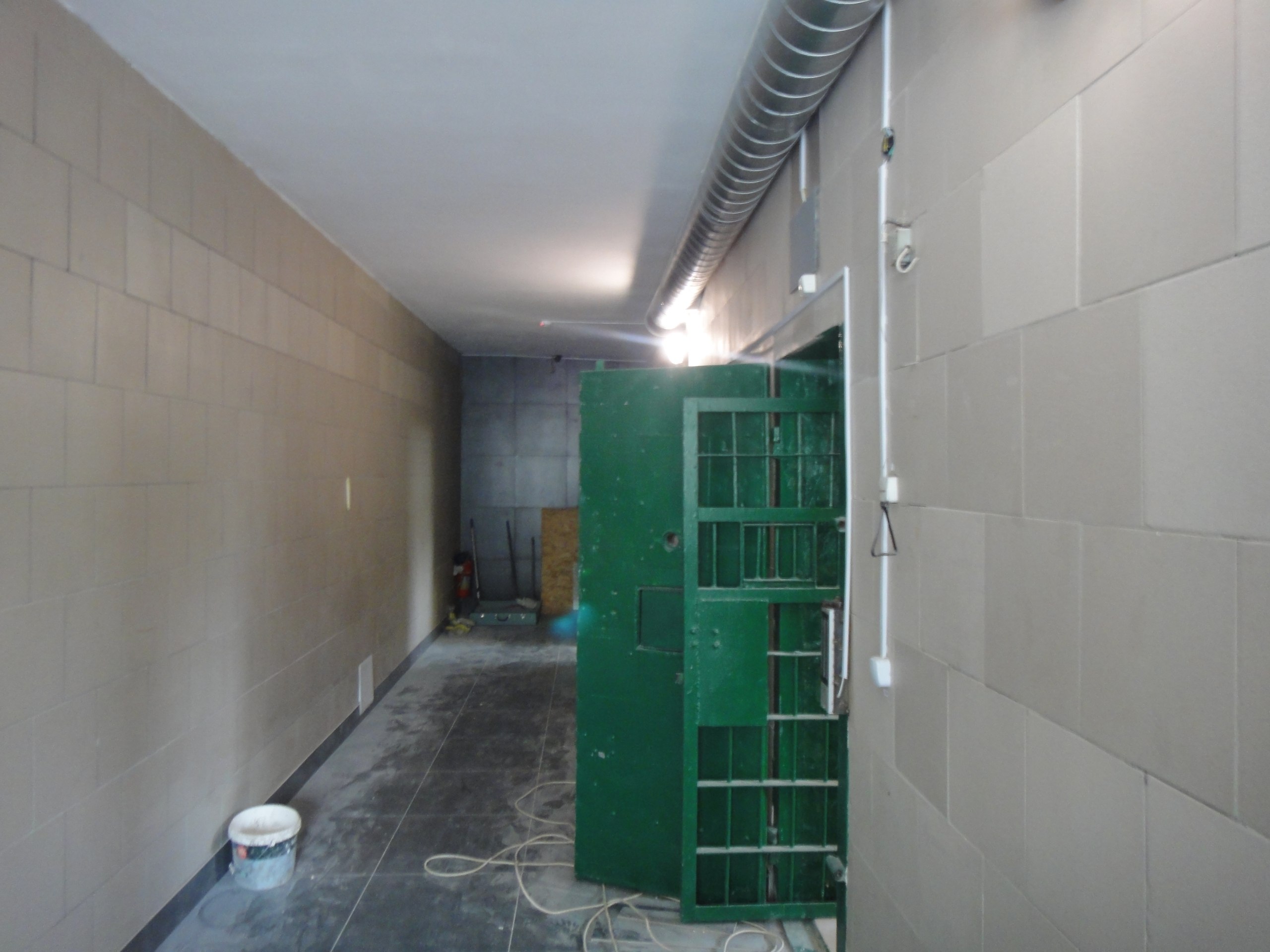
6. In breach of the Provision Standards, the DIU lacks a number of rooms, namely: a room in which the administration and medical staff can see prisoners; a room for storing the exchange stock of bedding, clothing and workwear; a storeroom for the temporary storage of dirty bedding, clothing and workwear; a shower room; and a changing room.
The absence of these rooms, or their poor arrangement, results in non-compliance with sanitary and hygiene requirements. In particular, without a shower room, prisoners cannot be provided with proper conditions for maintaining personal hygiene.
Furthermore, because the DIU has no separate room in which medical staff can see prisoners, medical examinations take place in the duty shift room. This does not ensure confidentiality during examinations and creates a risk that information about prisoners’ health will be disclosed to third parties, in particular to the institution’s staff.
This contravenes the twenty-first paragraph of item 6 of Section XXI of the IR PI; Article 39-1 of the Law of Ukraine ‘Fundamentals of the Legislation of Ukraine on Health Care’, which guarantees the right to medical confidentiality; and paragraph 9 of Section I of the Procedure for Organising the Provision of Medical Care to Persons Sentenced to Imprisonment, approved by Joint Order of the Ministry of Justice of Ukraine and the Ministry of Health of Ukraine No. 1348/5/572 of 15 August 2014 (hereinafter referred to as the Procedure).
7. During their visit to the DIU and cell-type premises (CTP) and their analysis of official documentation, the monitors found that the psychologist does not visit prisoners in disciplinary confinement in the DIU as required by the twenty-sixth paragraph of item 6 of Section XXI of the IR PI, namely at least once a week. No such visits took place between 27 May and 1 June 2026.
This is confirmed by the absence of corresponding entries in the log of visits by representatives of the penal institution’s administration to the disciplinary isolation unit and cell-type premises.
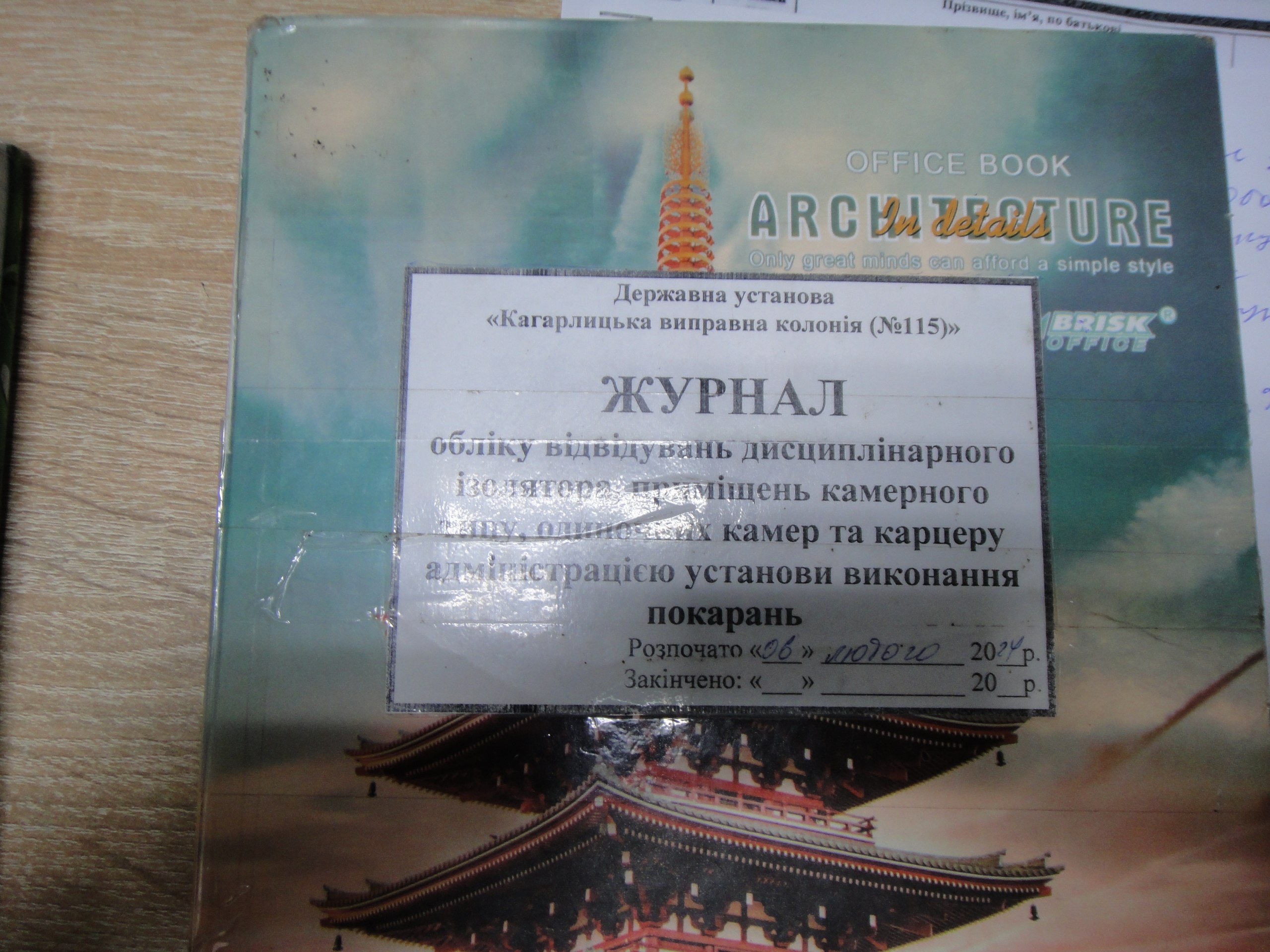
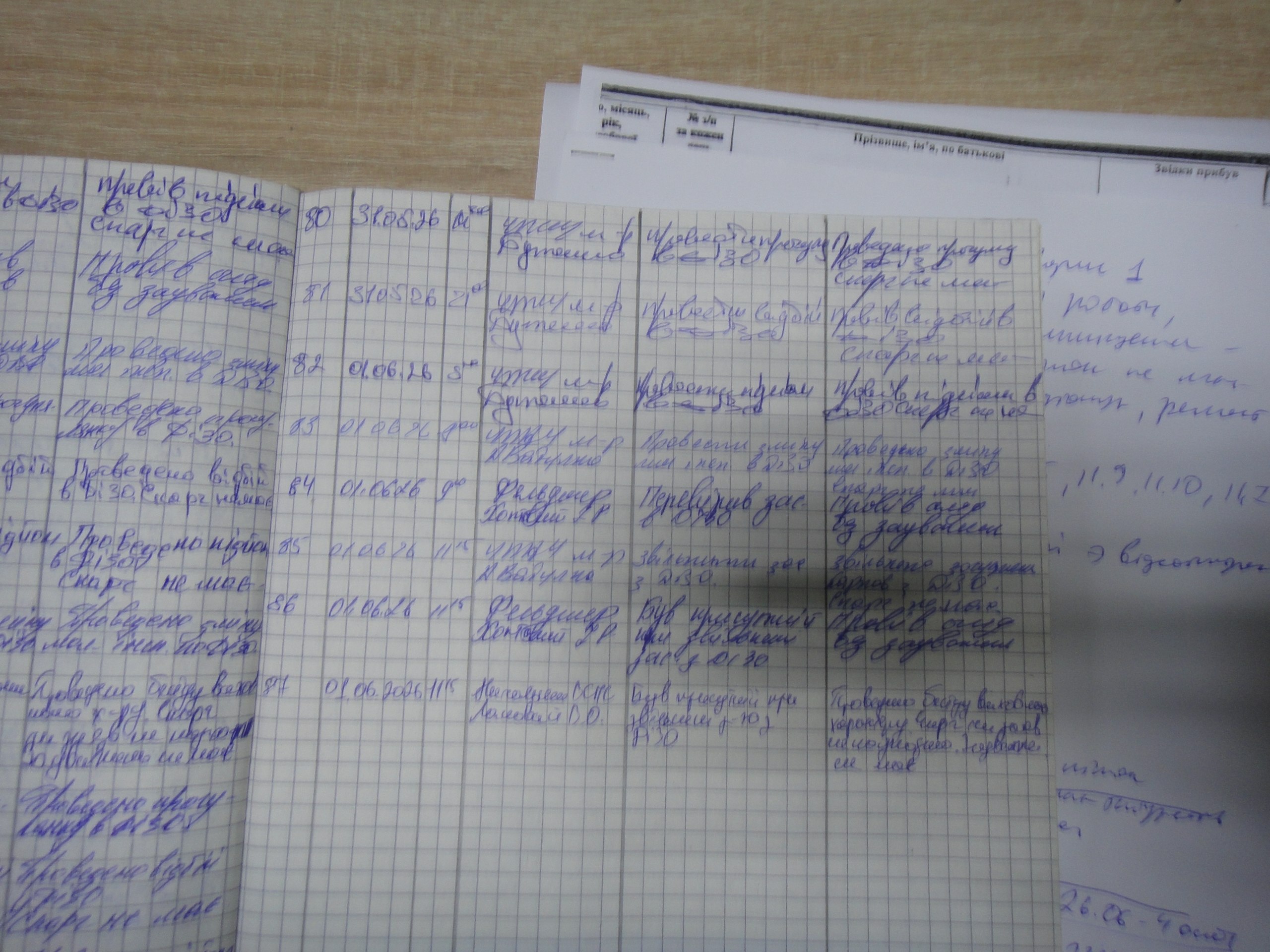
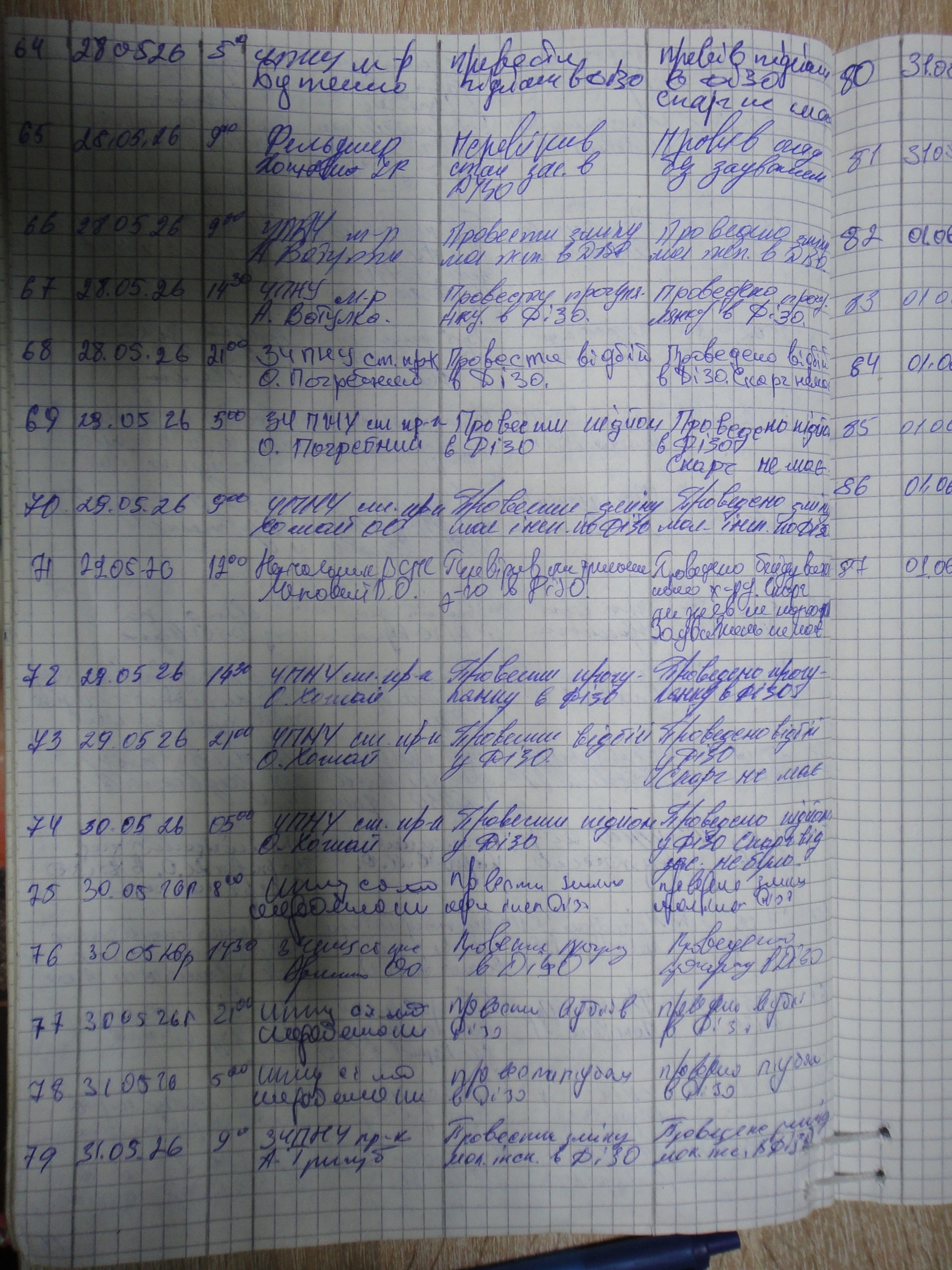
8. Under the twenty-third paragraph of item 6 of Section XXI of the IR PI, the head of the medical unit (or the doctor on duty) visits the DIU, punishment cells and CTP (solitary cells) every day to provide medical care and, where necessary, sees prisoners. After each visit to the DIU, punishment cells and CTP (solitary cells), he must make the relevant entries in the log of visits by the penal institution’s administration to the disciplinary isolation unit, cell-type premises, solitary cells and punishment cell.
However, an inspection of this log revealed no entries by a medical worker for the period from 29 May to 31 May 2026, even though prisoners were in disciplinary confinement in the DIU during that period.
This breach may indicate that the medical worker did not in fact fulfil the obligation to visit the disciplinary isolation unit daily and that there was no proper medical monitoring of the health of prisoners held in disciplinary premises.
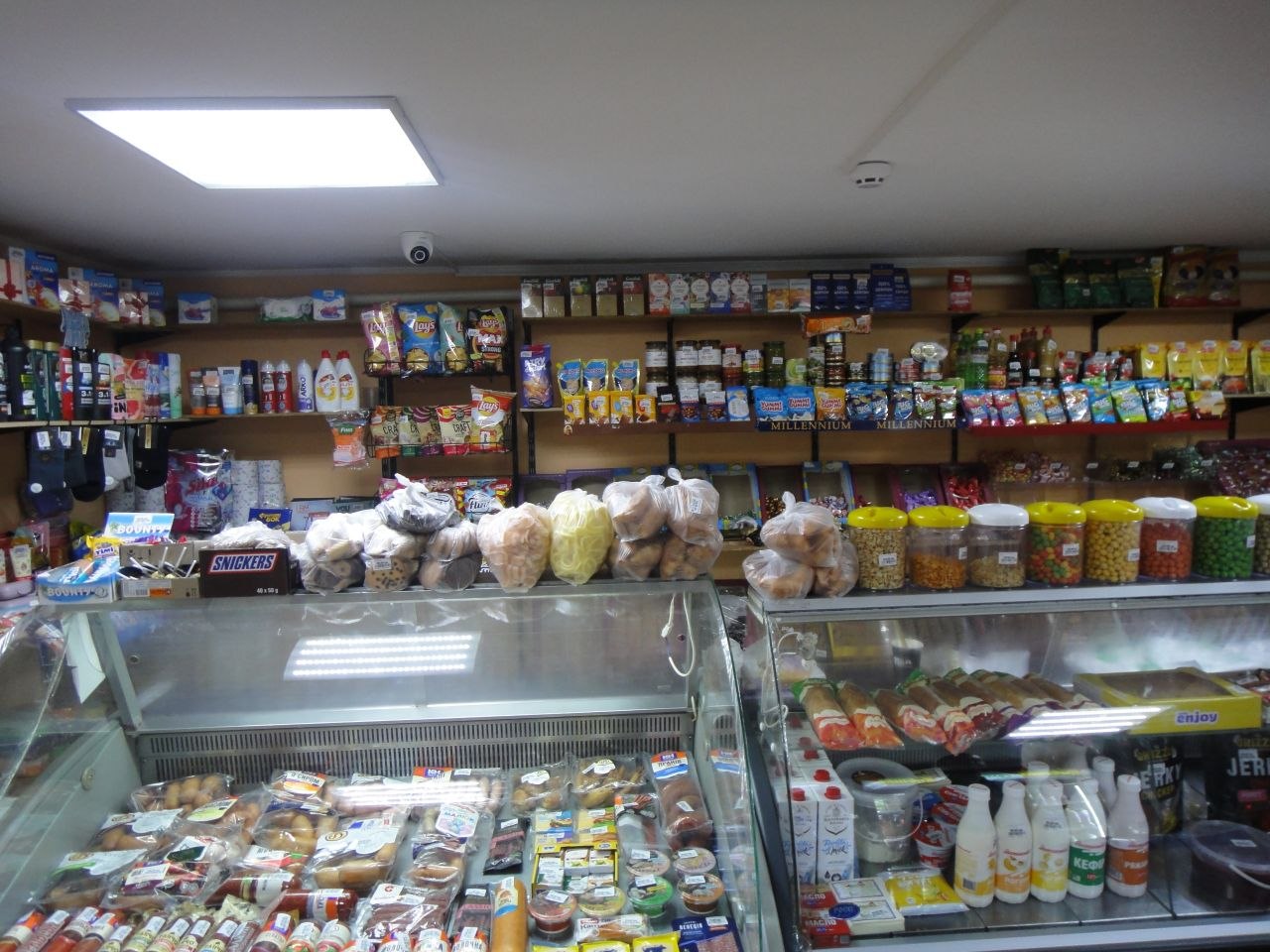
9. During their visit to the institution, the monitors found that the institution’s shop did not stock slippers, mirrors, combs, writing paper, pencils, envelopes, stamps, tobacco products, devices for consuming tobacco products and inhaling aerosols (vapour) without combustion, or chargers for such devices, all of which are provided for in Annex 5 to the IR PI.
10. During their visit to the institution’s library, the monitors found that, contrary to the third paragraph of item 4 of Section XX of the IR PI, the library’s stock does not include the texts of the European Prison Rules or of the UN Standard Minimum Rules for the Treatment of Prisoners (the Nelson Mandela Rules).
11. The monitors identified a number of violations in the organisation of bath and laundry services for prisoners and persons remanded in custody.
Under item 3.19.1 of Section III of the Regulations on the Organisation of Bath and Laundry Services for Persons Held in Penal Institutions and Pre-Trial Detention Centres, approved by Order of the Ministry of Justice of Ukraine No. 849/5 of 8 June 2021 (hereinafter referred to as the Regulations), sanitary treatment involves prisoners (persons remanded in custody) washing in the bathhouse with soap and a washcloth, the compulsory change of bed linen and underwear, and the disinfection (destruction of pathogenic micro-organisms) and disinsection (destruction of insects and ticks that carry infectious diseases) of personal clothing and bedding (pillows, mattresses and blankets) in a disinfection chamber. However, the monitors found that the institution’s disinfection chamber is out of order, which makes proper sanitary treatment of bedding and clothing impossible, increases the risk of infectious diseases spreading among prisoners and staff, and contravenes established sanitary and hygiene standards.
12. In breach of item 2.14 of Section II of the Regulations on the Organisation of Bath and Laundry Services, the institution does not provide hairdressing services to prisoners.
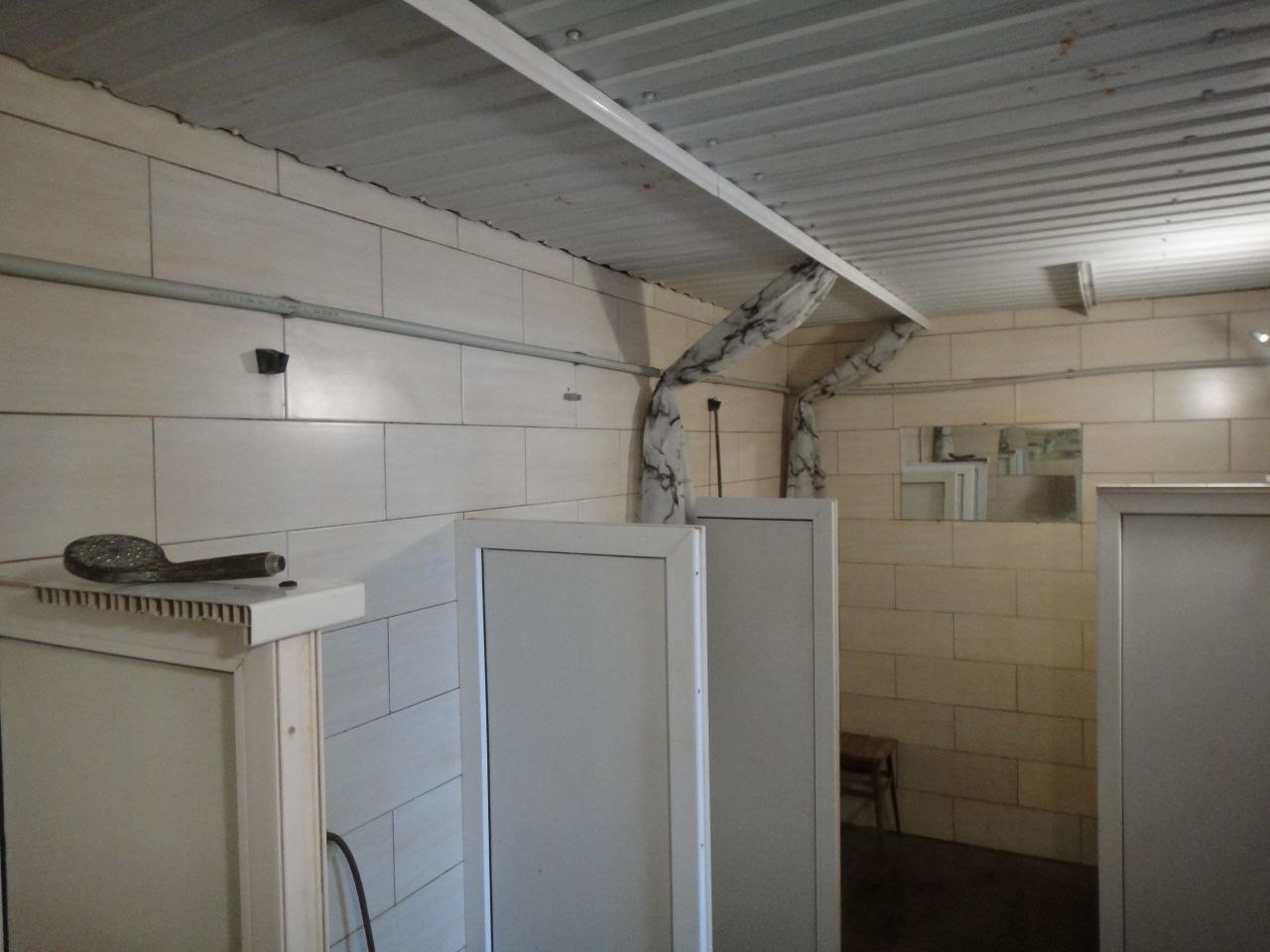
13. In breach of Rule 19.3 of the European Prison Rules, the right to privacy is not ensured in the bathhouse, as there are no curtains on the shower partitions.
14. Contrary to item 3.11 of Section III of the Regulations, the medical unit’s feldsher station (corner) for body examinations and the provision of medical care to prisoners (persons remanded in custody) is not properly equipped, which makes it impossible to create proper conditions for medical examinations and for organising primary medical care.
15. In breach of item 4 of Section XXII of the IR PI and item 3.19 of Section III of the Regulations, the institution does not ensure compliance with sanitary, hygiene and anti-epidemic requirements.
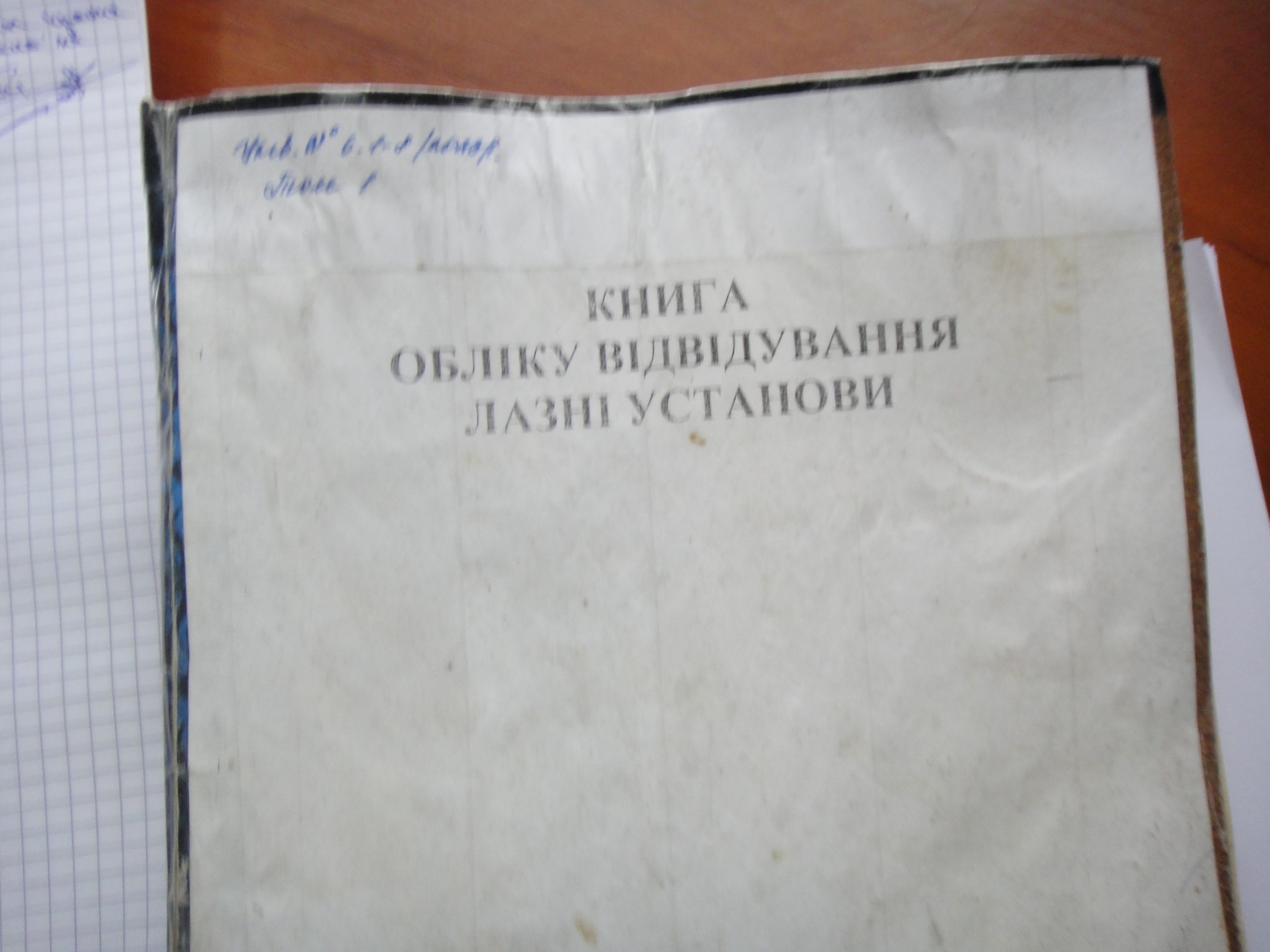
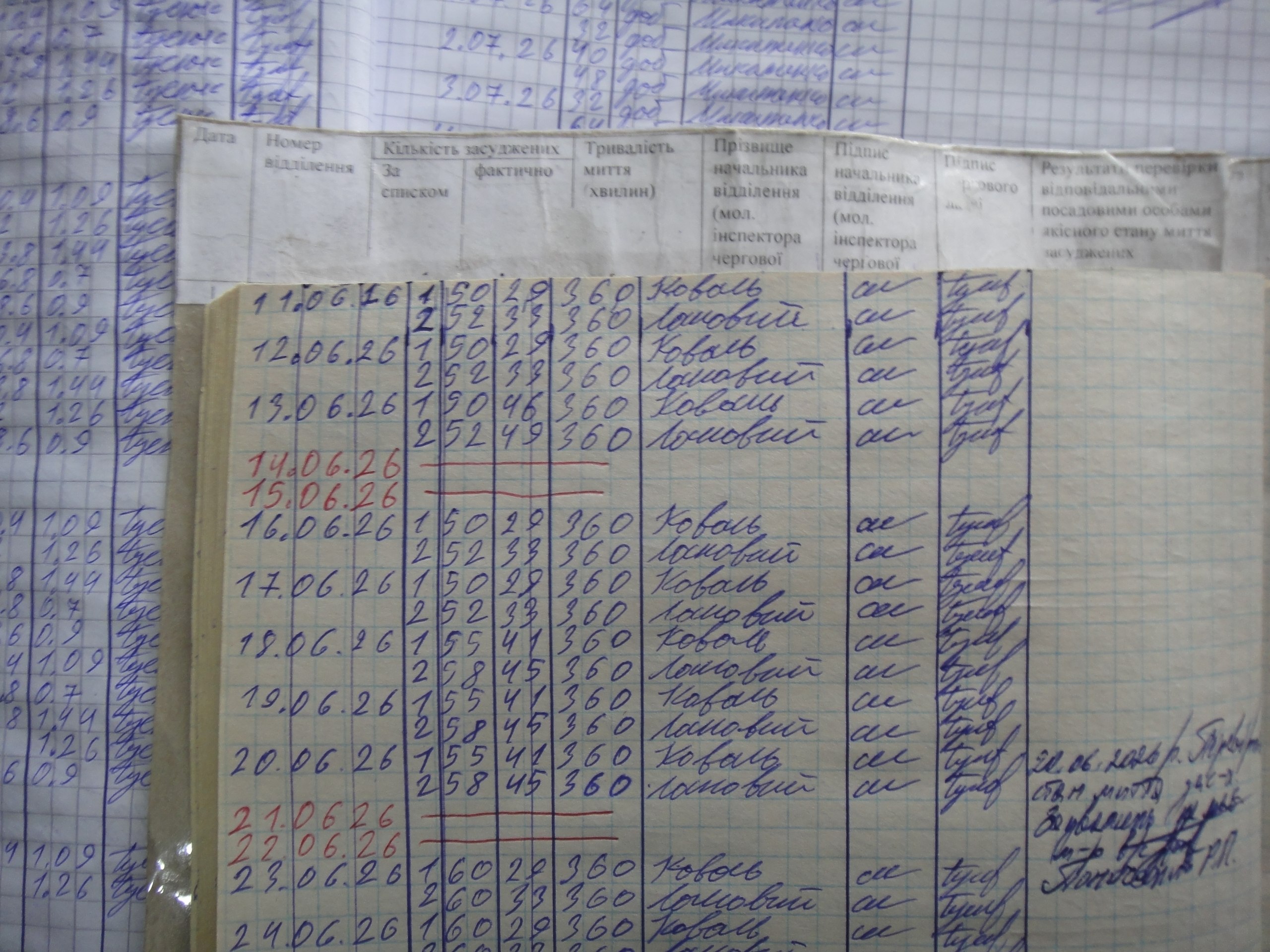
In particular, prisoners arriving at the institution do not undergo sanitary treatment. Thus, prisoners arrived at the institution on 18 June 2026, but the bathhouse visit log contains no record of their having washed.
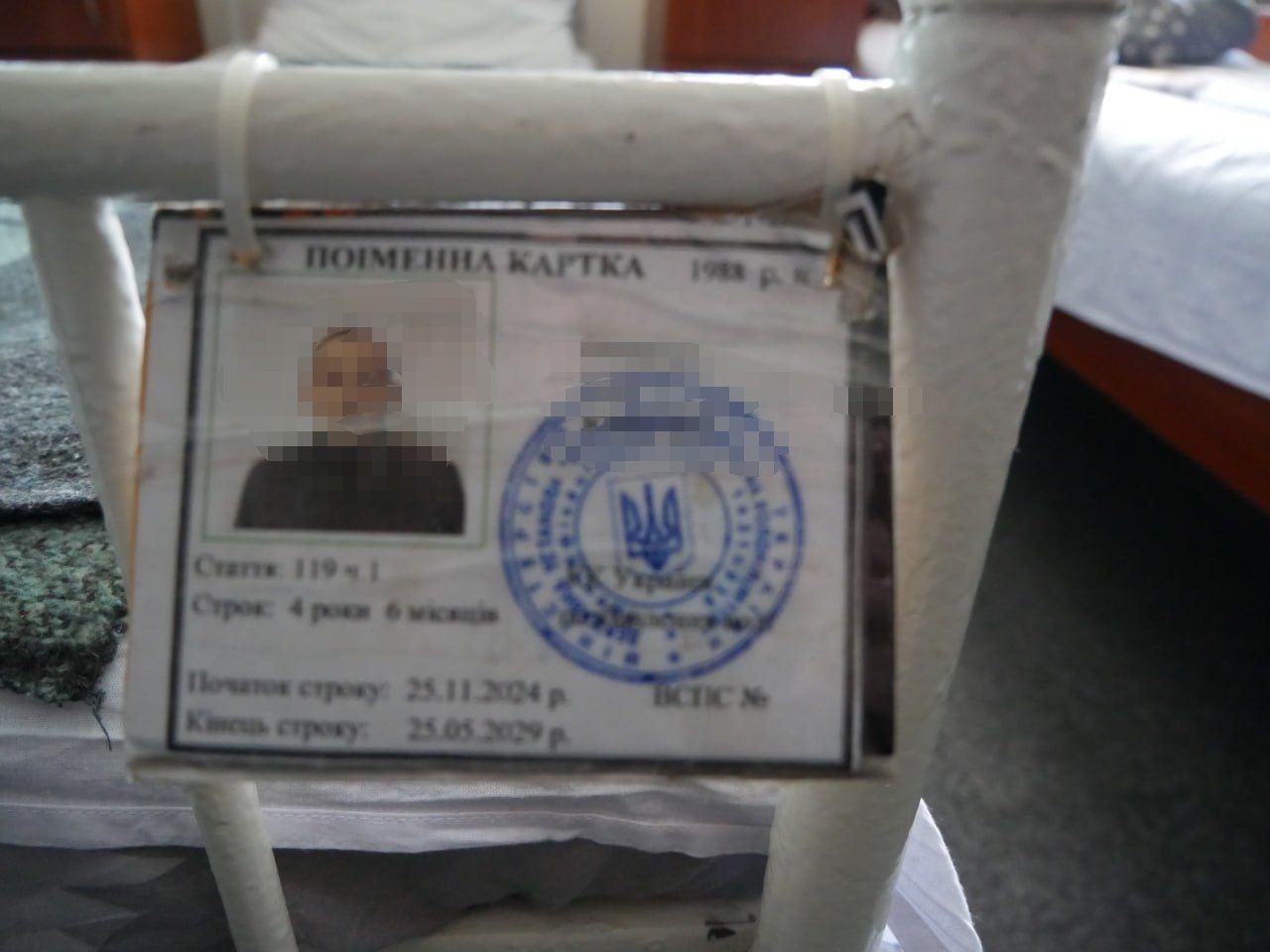
16. During their visit to an SPS unit, the monitors found name cards on prisoners’ beds in the residential room, each giving a brief description of the criminal offences committed by the person occupying the bed. In its report on its 2020 visit to Ukraine, the Committee, addressing similar circumstances, stated that this practice should be discontinued, as it serves no reasonable purpose and, besides stigmatising prisoners, damages relations between prisoners and prison staff (CPT/Inf (2020) 40, paragraph 52).
17. According to official documentation, 9 staff posts in the institution were vacant as of 23 July 2026. In its report on its 2023 visit to Ukraine, the Committee stresses that a positive climate in a penitentiary institution requires a professional team of staff, who must be present in sufficient numbers at all times in detention areas. Insufficient staffing can only increase the risk of violence and intimidation among prisoners. A shortage of front-line staff also undermines the quality and level of activities offered to prisoners and jeopardises the prospect of preparing them for release and social rehabilitation. The Committee therefore calls on the Ukrainian authorities to take decisive measures to increase staffing levels substantially in those Ukrainian penitentiary institutions where they are low, in order to strengthen the presence of custodial and supervisory staff inside the institutions. Measures should also be taken to put an end to 24-hour duty shifts (CPT/Inf (2024) 20, paragraph 93).
18. During the monitoring visit, the monitors examined how social, educational and psychological work with prisoners is organised, in particular the keeping of records and the use of the ‘KASANDRA’ subsystem of the Unified Register of Convicts and Detainees (URCD).
Under Articles 123–124 of the Criminal Enforcement Code of Ukraine, social and educational work is aimed at the correction and resocialisation of prisoners and must be differentiated, taking into account their behaviour, mental state and individual characteristics. The Social and Psychological Service unit is the main organisational unit for carrying out this work.
The visit established that the head of the SPS unit has held the post for about two months but throughout this period has not been given access to the ‘KASANDRA’ subsystem of the URCD, which is used to assess the risk of reoffending and to take the results of that assessment into account when organising individual work with prisoners.
Owing to the lack of such access, diaries of individual work with prisoners are not properly kept and the required social and educational work is not carried out systematically. The fact that the head of the unit has worked for two months without access to the necessary subsystem shows that the SPS lacks proper organisational support and effectively limits his ability to perform his duties in full.
These circumstances are inconsistent with the requirements of Articles 123–124 of the CEC of Ukraine for systematic and individualised social and educational work and make it impossible to document its results properly, to assess changes in prisoners’ behaviour and to plan further measures for their correction and resocialisation.
19. During the visit, the monitors examined the extent to which prisoners are able to use the Internet and make video calls.
Under Part 7 of Article 110 of the Criminal Enforcement Code of Ukraine, prisoners have the right to use the Internet under the supervision of the institution’s administration. The procedure for organising such access is laid down in regulations of the Ministry of Justice of Ukraine. The right to use the Internet must give a prisoner a real, rather than a merely formal, opportunity to use the electronic information resources and services provided for by law.
The visit established that there is no Internet access in the SPS units. The units have tablets, but these are not connected to the Internet. Prisoners therefore cannot, in practice, exercise their statutory right to use the Internet directly from the tablets.
To obtain access, a prisoner must submit an application and go to a specially designated Internet room. However, the inspection found that the Internet room has three laptops, which are in practice used exclusively for video calls. Prisoners are not able to make full use of the Internet from these devices in the manner provided for by law. 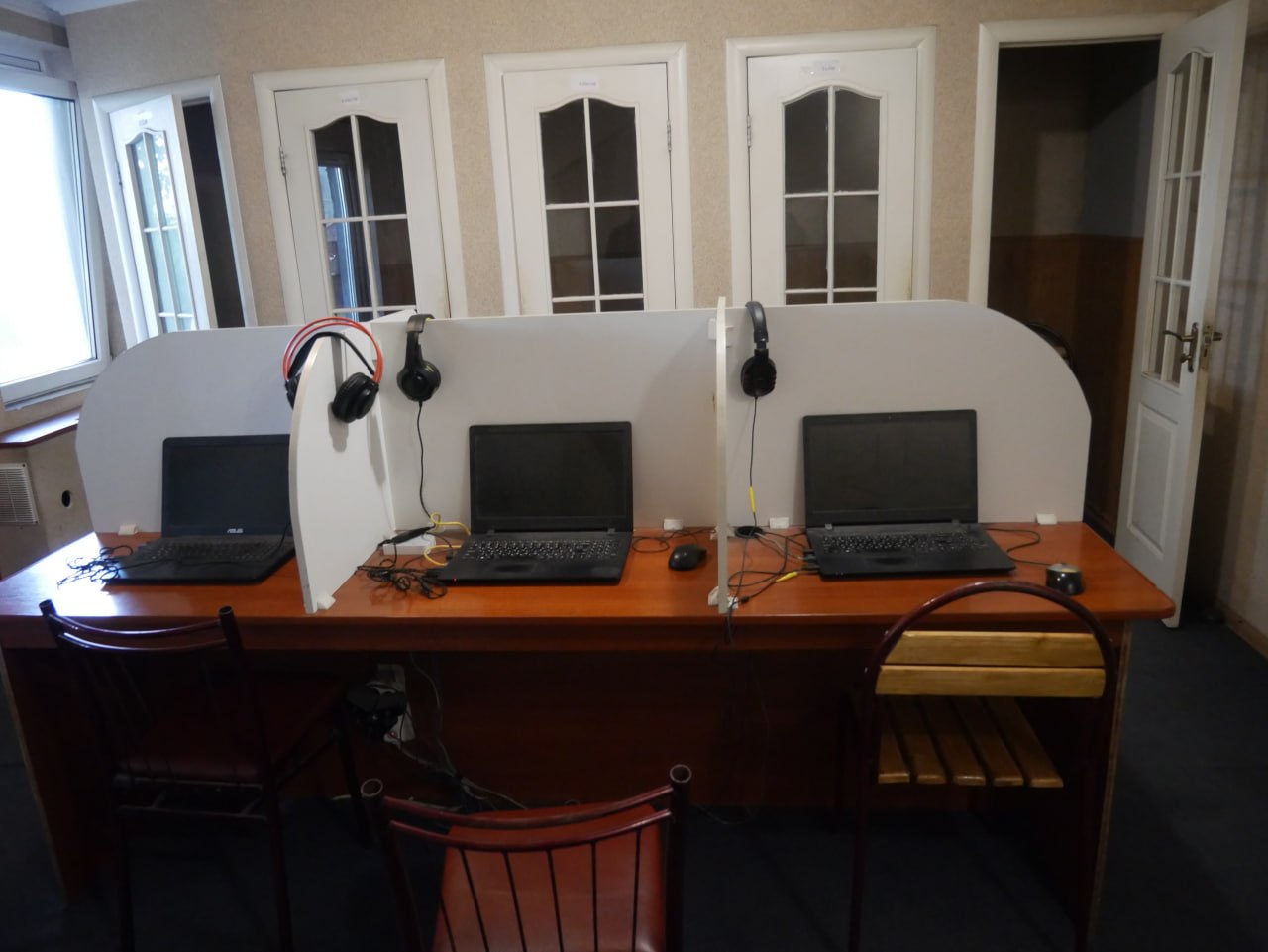
The record-keeping for the use of these means of communication requires particular attention. The institution does not keep a log of Internet use. Nor does it properly record the e-mail accounts created for prisoners or the related login details. In these circumstances, it is impossible to establish how many prisoners have actually used the Internet, how often and for how long, or to assess how accessible the service really is to prisoners.
Thus, despite the tablets in the SPS units and the three laptops in a specially equipped room, in practice their use comes down mainly to video calls. The lack of Internet access from the tablets in the units, the need to submit a separate application and go to the Internet room, and the use of the laptops there solely for video calls show that the opportunity to use the Internet in full, as provided for by Part 7 of Article 110 of the CEC of Ukraine, is not in fact secured.
The lack of proper records of Internet use also makes it impossible to monitor the exercise of this right effectively or to assess how accessible the mechanism set up in the institution really is to prisoners. The presence of technical devices cannot in itself be regarded as properly securing the right of access to the Internet if prisoners cannot in practice use them for their intended purpose.
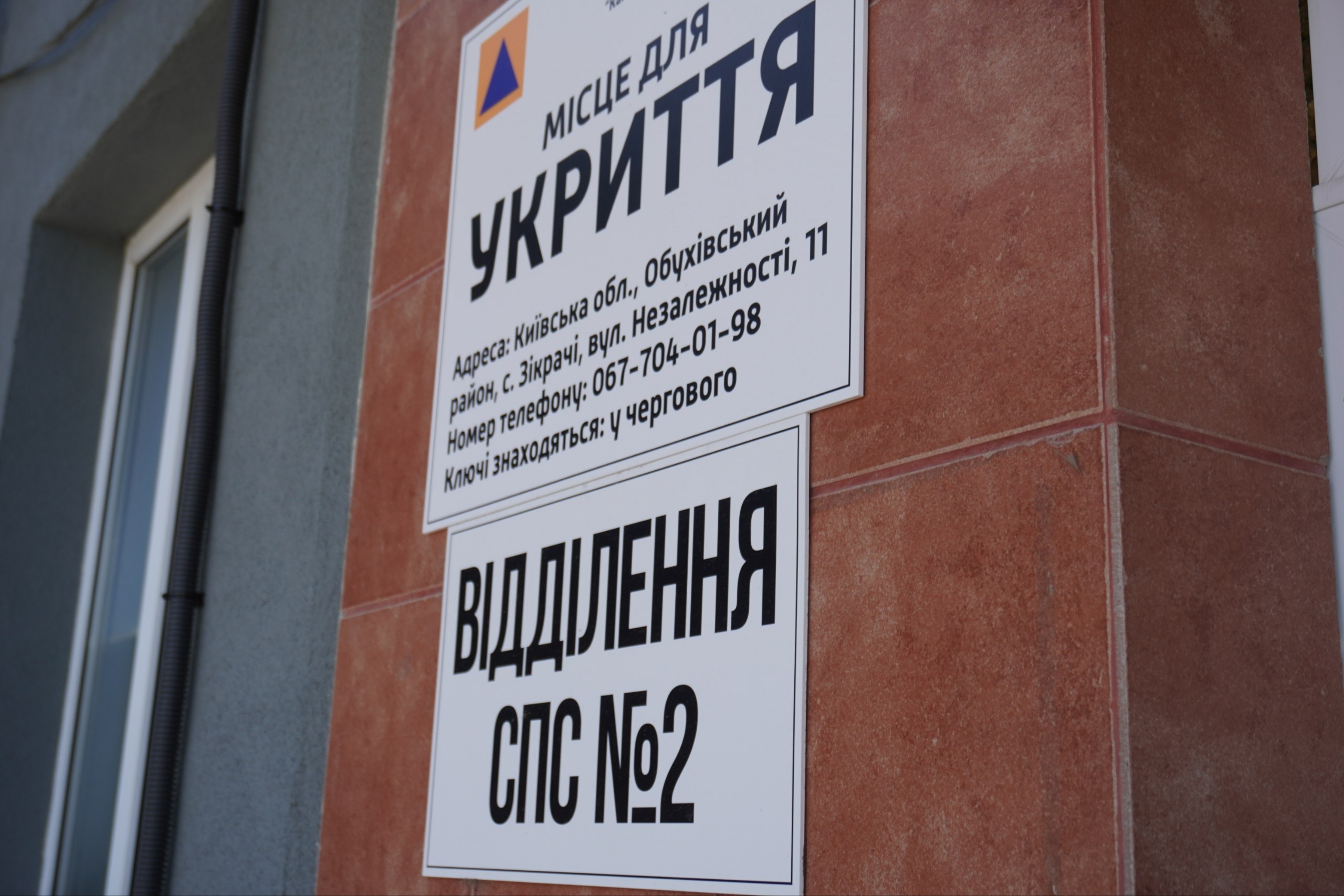
20. During the monitoring visit, the monitors examined the arrangements for sheltering prisoners and staff during air-raid alerts and the threat of attack. Two premises on the territory of KCC-115 have been designated and signposted as shelters.
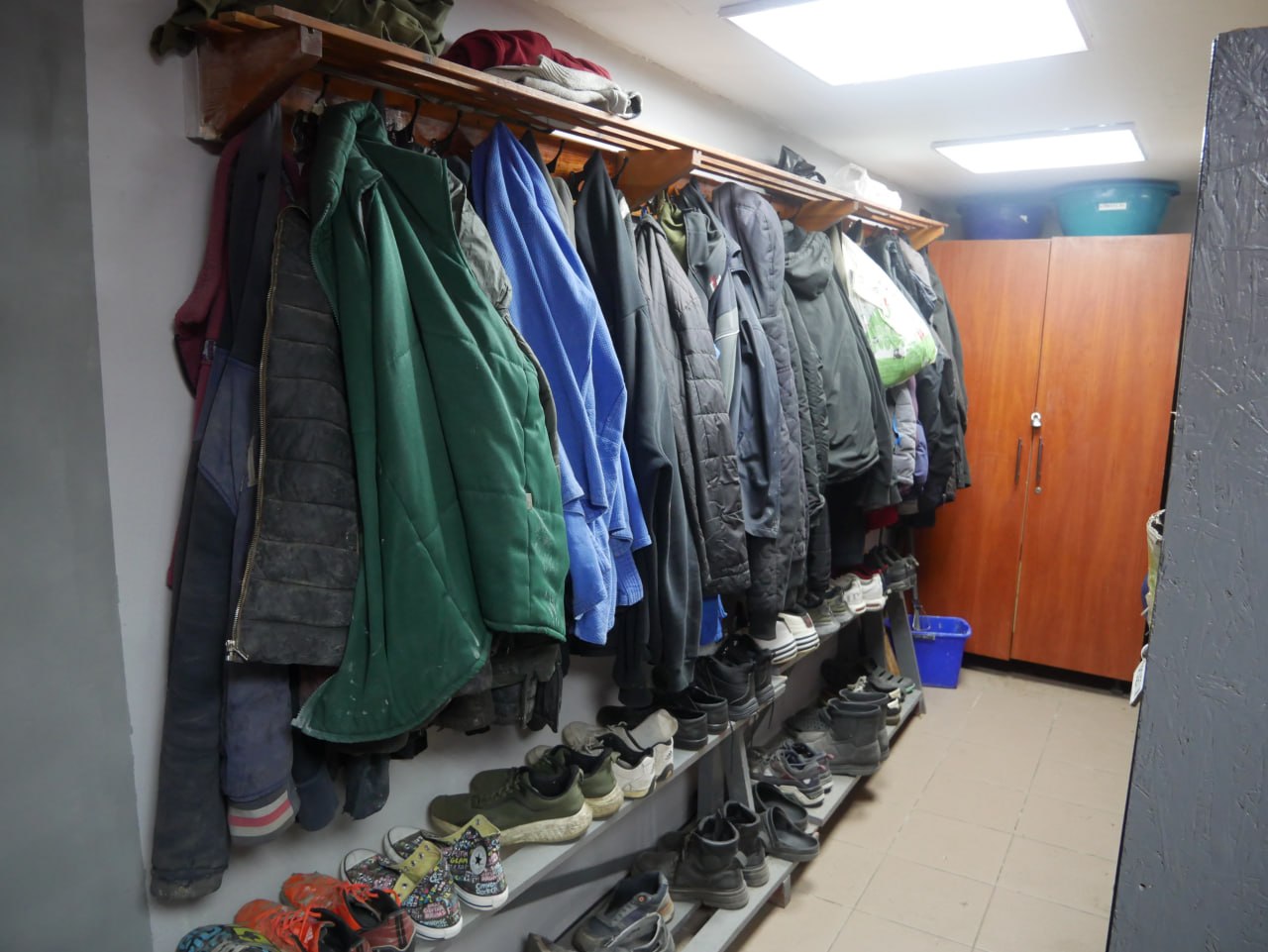
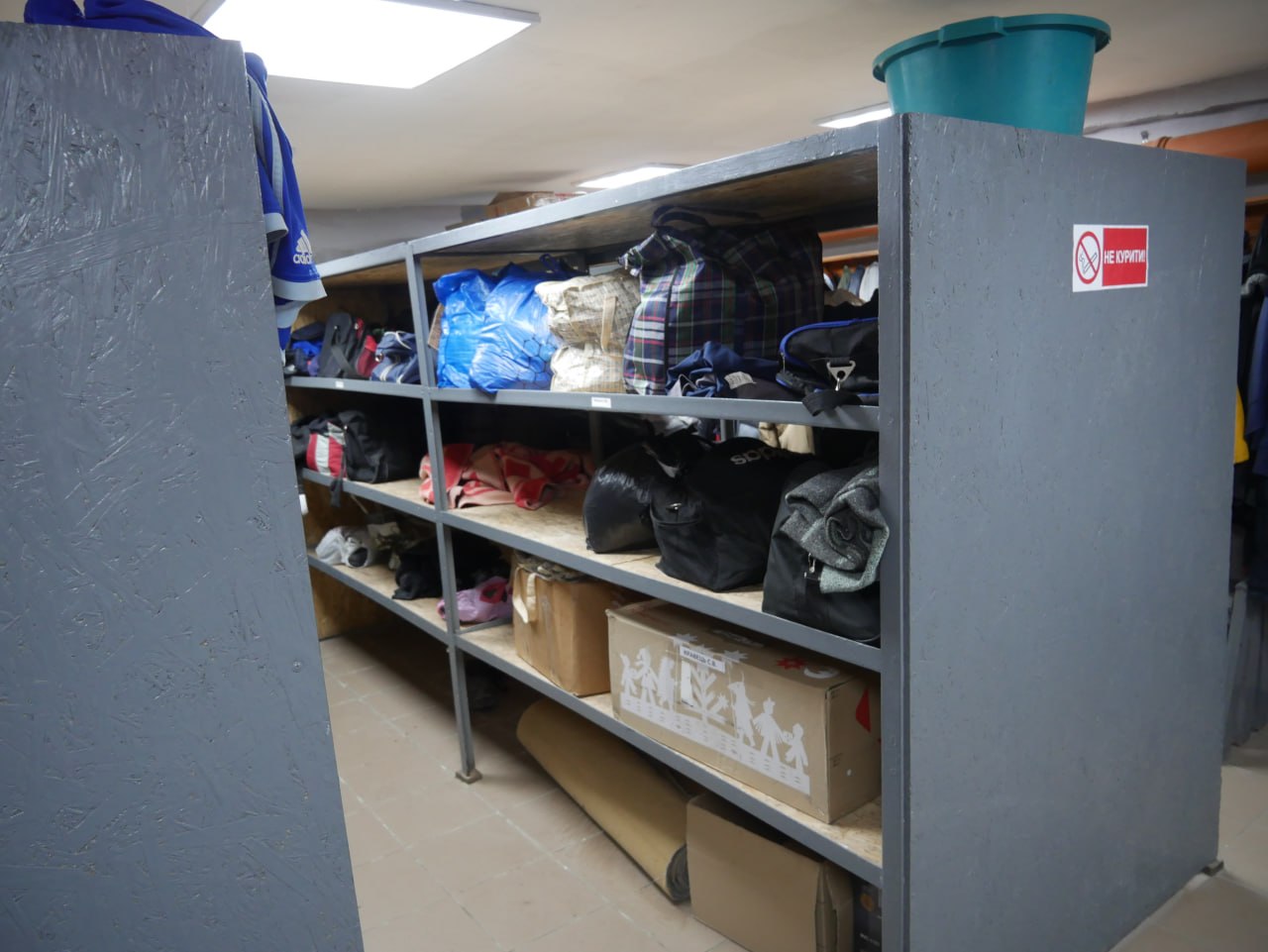
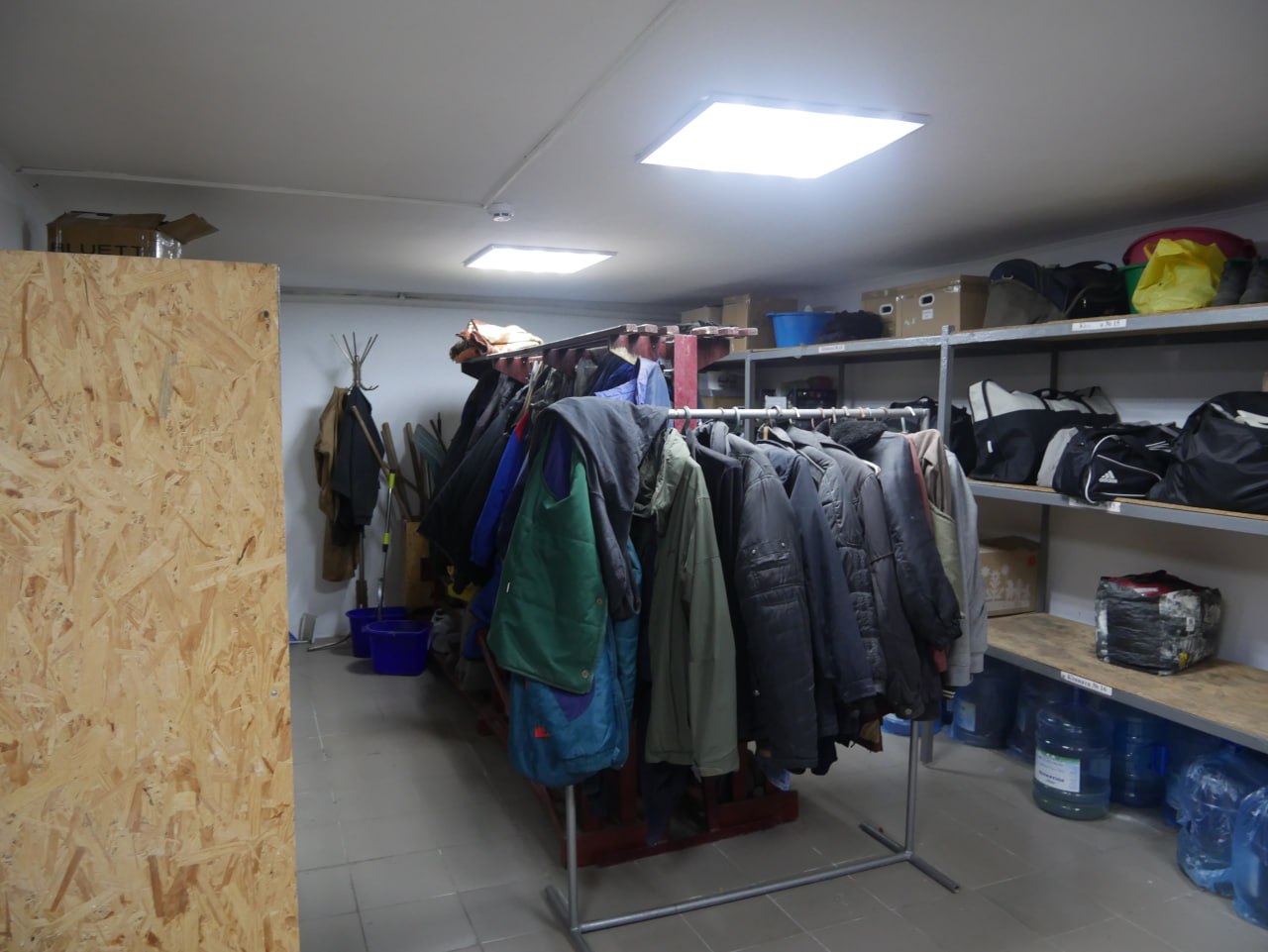
Shelter No. 1 is located in premises that are also used as a clothing store. At the time of the visit, a large quantity of clothing, footwear, personal belongings and other property was stored there. The premises have artificial lighting but no second (emergency or escape) exit. There is no sewerage system and no sanitary equipment. Consequently, if people had to stay in these premises for a long period, adequate sanitary and living conditions would not be available, and evacuation would in effect depend on a single entrance and exit.
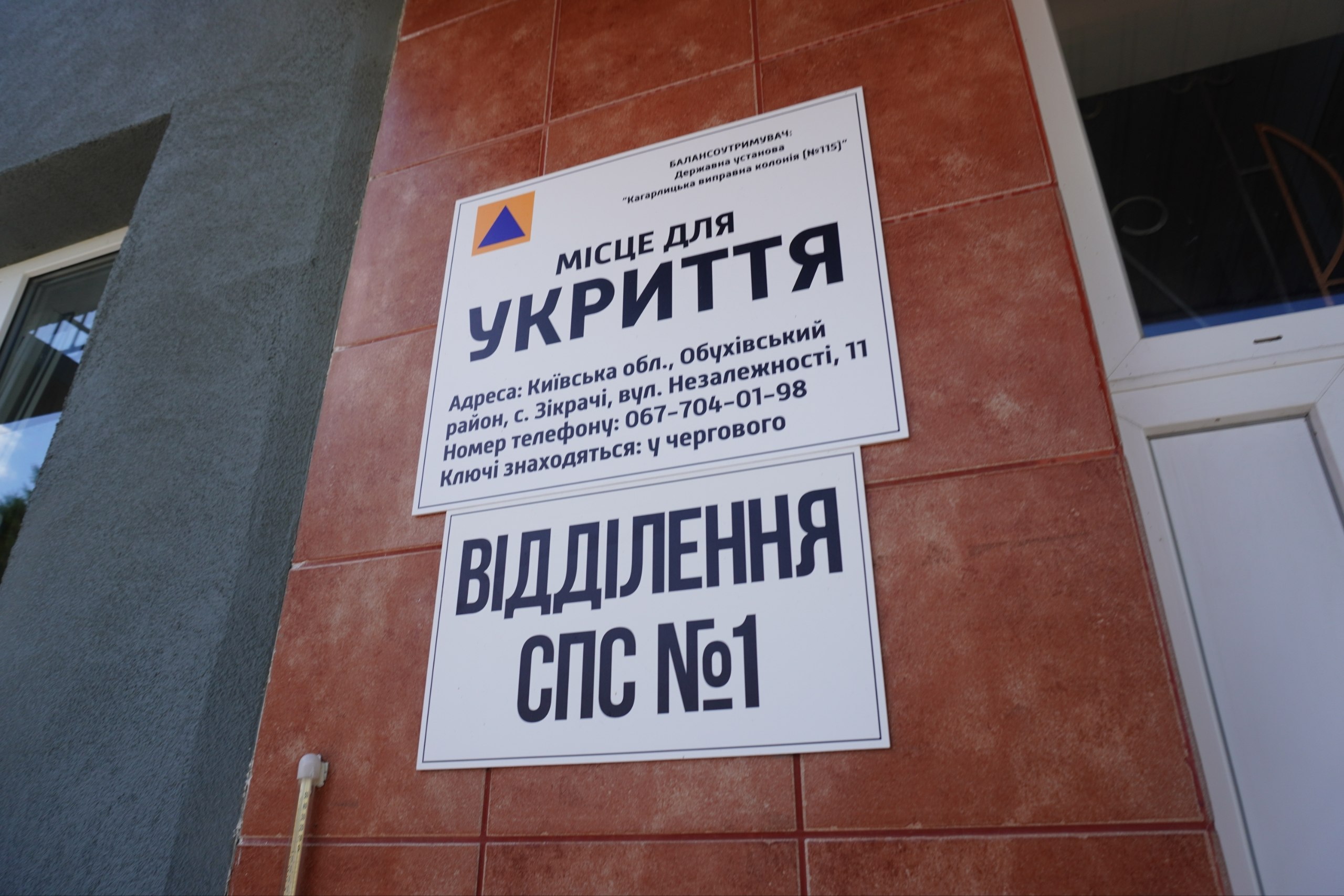
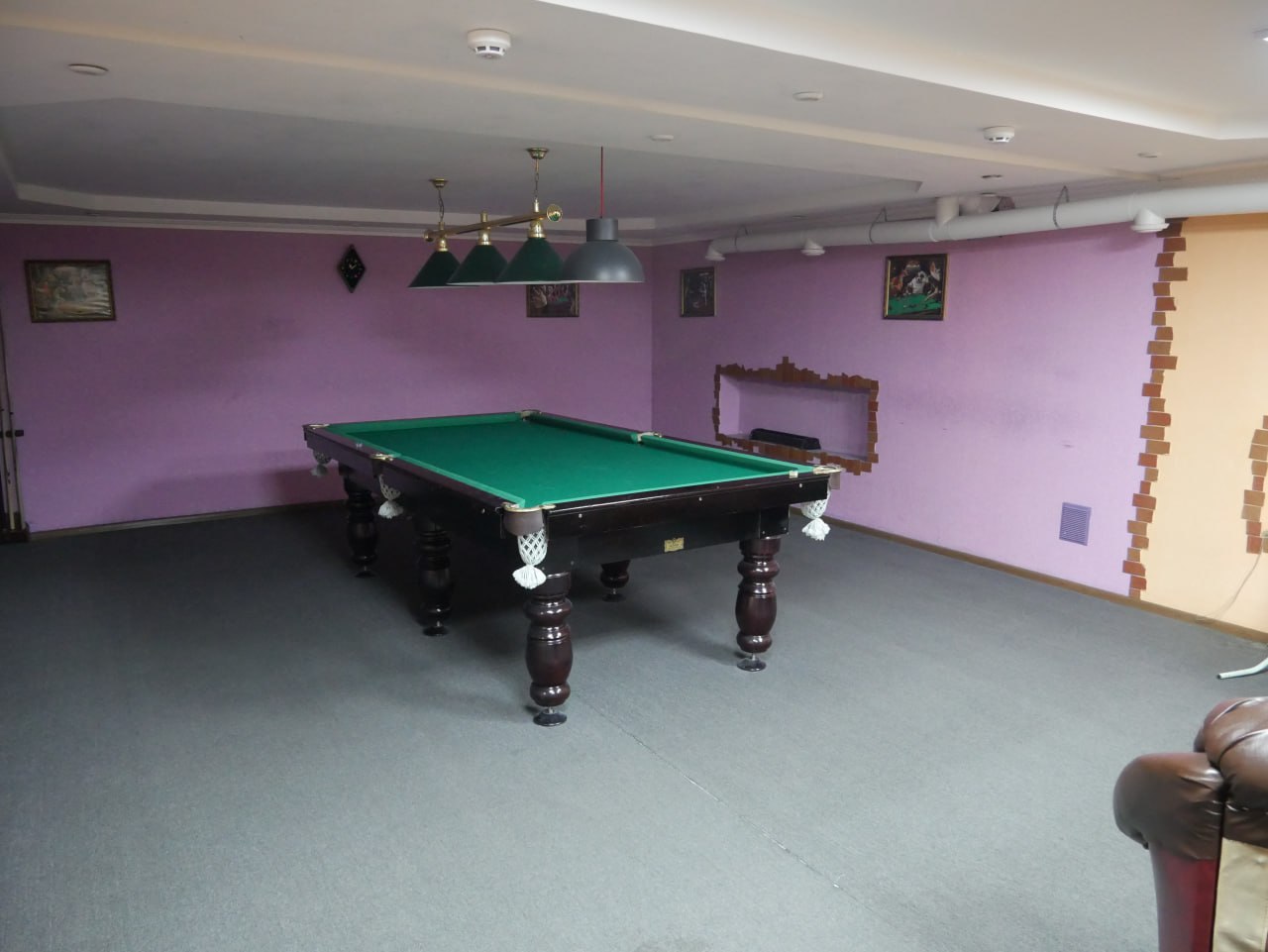
Shelter No. 2 is located in the sports hall. It has more free space and is equipped with ventilation and artificial lighting. However, it too lacks a second (emergency or escape) exit. The shelter itself is not connected to the mains sewerage; a portable chemical toilet is provided for sanitary needs. Part of the floor area is taken up by sports equipment, exercise machines and other items.
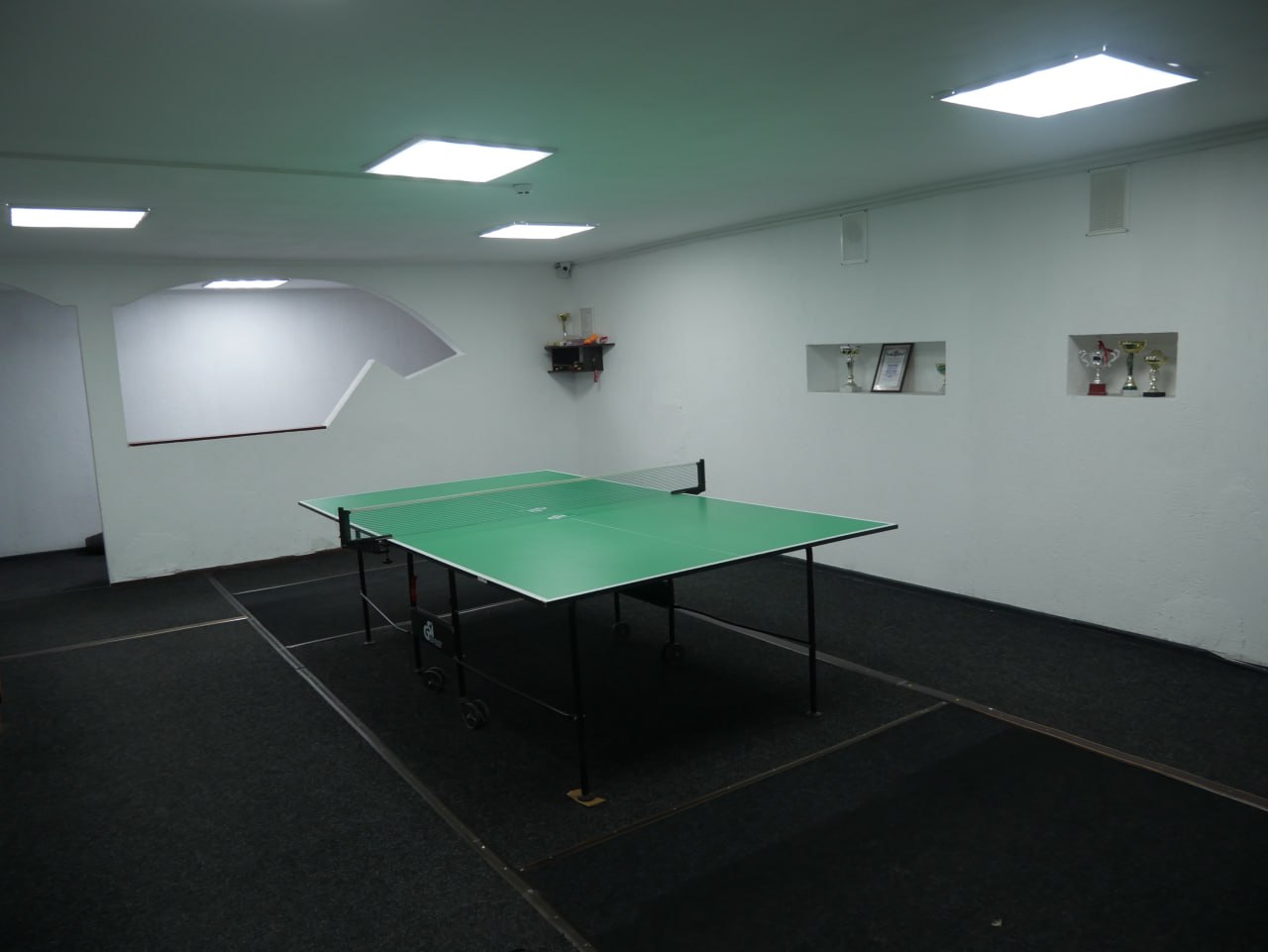
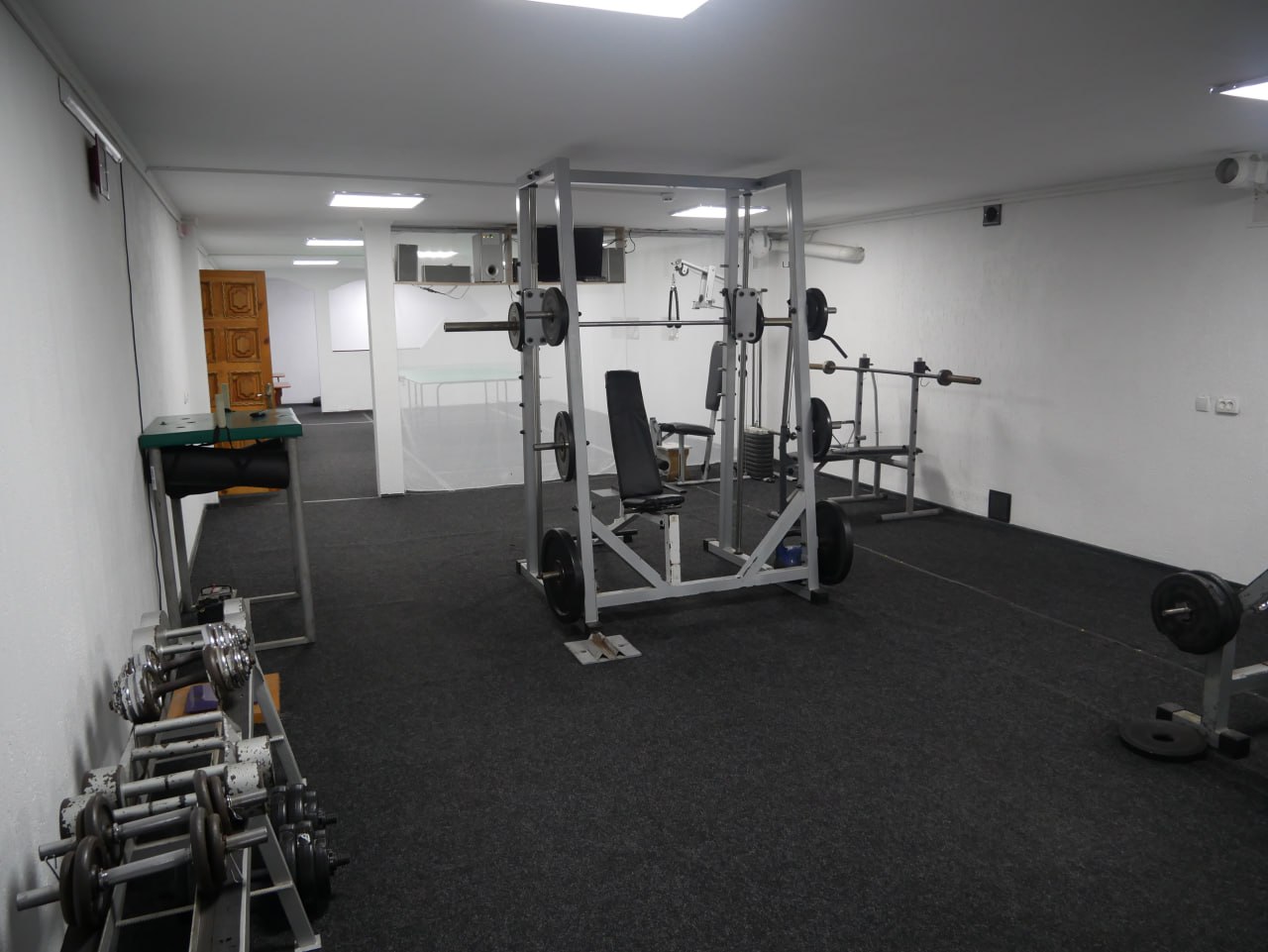
Shelter arrangements for persons held in penal institutions must be assessed in the light of their particular situation: unlike people at liberty, prisoners cannot leave the institution on their own, choose a safer place or seek another shelter. The State therefore bears a heightened positive obligation to give them a real means of protecting their lives and health during hostilities. Article 10 of the Criminal Enforcement Code of Ukraine guarantees prisoners the right to personal safety, and Article 27 of the Constitution of Ukraine obliges the State to protect human life.
In addition, specific regulations for the penitentiary system are laid down in Order of the Ministry of Justice of Ukraine No. 601/5 of 5 March 2024, which approved the Procedure for the Establishment and Functioning of the Civil Protection Shelter Fund of the State Criminal Enforcement Service of Ukraine. Under this Procedure, prisoners and persons remanded in custody are among those who must be sheltered, and protective structures must be kept ready for use as intended. As the Department for the Execution of Criminal Sentences further stated in its reply to an information request from the KHPG, the shelters in State Criminal Enforcement Service institutions are inspected (surveyed) every quarter to check that they are ready for use, and reports are drawn up on the results.
Under Article 32 of the Civil Protection Code of Ukraine, the shelter fund must be established in line with the need to shelter the relevant categories of persons, and protective structures must be sited, designed and built in accordance with established building regulations. The legislation also provides that, during a special period, the shelter fund may be expanded, in particular by fitting out basic shelters.
The shortcomings identified during the monitoring visit are of fundamental importance precisely in terms of people’s actual safety. The absence of a second exit in both premises creates a risk of people being trapped inside if the building is destroyed, collapses or catches fire, or if the single evacuation route is damaged. The lack of sewerage and adequate sanitary conditions, especially in Shelter No. 1, severely limits the possibility of people staying there for long periods. The use of Shelter No. 1 as a clothing store at the same time further reduces the usable space for people and calls for an assessment of whether the premises can be operated safely for their main purpose during an air-raid alert.
In view of Russia’s ongoing armed aggression against Ukraine and the real threat of missile and drone attacks, the mere existence of premises bearing a ‘Shelter’ sign cannot be regarded as an adequate civil protection measure. What matters is their actual condition, their capacity, the possibility of safe entry and evacuation, ventilation, sanitation and whether people can stay there for as long as necessary. Taken together, the findings show that both shelters must be brought into a condition that provides a real, and not merely formal, means of protecting the lives and health of prisoners and staff during air-raid alerts and other military threats.
21. During the monitoring visit, the monitors examined respect for prisoners’ right to work and to social protection, in particular the procedure for involving them in paid work, the legal basis on which their employment is formalised, the recording of working time, the calculation of wages, the payment of the single contribution for compulsory state social insurance (SSC), and the organisation of work by prisoners engaged in the institution’s maintenance or in work for outside businesses.
Under Article 43 of the Constitution of Ukraine, everyone has the right to work, which includes the opportunity to earn a living by work that one freely chooses or freely accepts. The Constitution also guarantees the right to proper, safe and healthy working conditions and to pay no lower than that set by law.
The specific ways in which prisoners exercise this right are laid down in Article 118 of the Criminal Enforcement Code of Ukraine (hereinafter referred to as the CEC of Ukraine), under which persons sentenced to imprisonment have the right to work in places and jobs determined by the colony’s administration. Work is performed voluntarily on the basis of a civil-law contract or an employment contract concluded between the prisoner and the sole proprietor or legal entity for which the prisoner performs work or provides services. Such contracts are approved by the colony’s administration and must specify the procedure for their performance.
Under Article 119 of the CEC of Ukraine, the working week of persons serving sentences of imprisonment may not exceed the standard working hours set by labour legislation. The start and end of work are determined by the colony’s administration. Prisoners are exempt from work on days off and public holidays. Where the nature of the work so requires, aggregate recording of working time is permitted, but average working time over the reference period must not exceed the statutory length of the working day. Article 120 of the CEC of Ukraine provides that the work of persons sentenced to imprisonment is paid according to its quantity and quality.
The institution’s administration provided the monitors with documents on the organisation of prisoners’ work, including a statement of prisoners’ work assignments as of 23 July 2026, the staffing table, fixed-term employment contracts, civil-law contracts, payroll documents, logs of tools and equipment, and catering unit documentation.
An analysis of the fixed-term employment contracts provided shows that they set out the prisoner’s job function, place of work, contract term, working and rest hours, pay conditions, and entitlement to leave and to compulsory state social insurance. In particular, the contracts examined provide for a 40-hour, five-day working week. Persons employed under such contracts are therefore covered by the guarantees established by labour legislation regarding normal working hours, rest time, pay and social insurance.
The institution also uses civil-law contracts. An analysis of their content shows that their subject is the performance of specific work or the provision of services, with remuneration linked to the volume or result of the work performed. This legal arrangement differs fundamentally from an employment contract, the subject of which is the systematic performance by an employee of a defined job function, subject to an established work regime.
An examination of prisoners’ actual work in the catering unit and a comparison of the information obtained with the documentation provided by the administration revealed significant discrepancies between the official records of working time, the types of work recorded and the work that prisoners actually perform.
Thus, Prisoner B. is listed in the statement of work assignments as a kitchen worker engaged in the institution’s maintenance. This type of work corresponds to a permanent job function in the catering unit. According to the payroll documents for June 2026, B. was credited with 26 working days and 174 hours of work, and his gross wages amounted to UAH 8,785.80. After the deduction of UAH 1,581.44 in personal income tax and UAH 439.29 in military levy, UAH 6,765.07 was to be credited to his personal (deposit) account. The SSC accrued amounts to approximately UAH 1,932.88. However, in a confidential conversation, B. said that he had worked in the catering unit for about two years, in particular washing dishes, every day from 06:30 to 20:00 without days off. On such a schedule, his actual working hours would considerably exceed the 174 hours shown in the payroll documents for the month. The information on the prisoner’s actual working schedule is therefore inconsistent with the recorded working time and casts doubt on whether all his working time is recorded and, accordingly, whether all the time he actually works is paid.
As regards Prisoner R., who according to the statement of work assignments is engaged in the institution’s maintenance as a cook, a significant discrepancy was found between the working hours he reported and the recorded working time. According to the prisoner, he has worked in the catering unit for about six months: his working day begins at about 04:00, and from about 07:00–07:30 he continues working in the catering unit until 20:00. However, for June 2026 he was credited with 26 working days and 174 hours, and his gross wages amounted to UAH 8,785.80, from which, after the deduction of UAH 1,581.44 in personal income tax and UAH 439.29 in military levy, UAH 6,765.07 was to be credited to his personal (deposit) account; the SSC accrued was UAH 1,932.88. Consequently, if the working schedule reported by the prisoner is confirmed, the 174 hours recorded do not cover the actual length of his work, which creates a risk that the time he works is incompletely recorded and, accordingly, that the work he actually performs is not properly paid.
As regards Prisoner P., who according to the statement of work assignments is engaged in the institution’s maintenance as a kitchen worker, a significant discrepancy was likewise found between the working hours he reported and the recorded working time. The monitoring visit established that he has worked in the catering unit for about four months, serving food. According to the prisoner, he works every day from about 06:00 to 20:00 without days off. However, the payroll documents for June 2026 credit P. with 26 working days and 174 hours, and his gross wages amounted to UAH 8,785.80, from which, after the deduction of UAH 1,581.44 in personal income tax and UAH 439.29 in military levy, UAH 6,765.07 was to be credited to his personal (deposit) account; the SSC accrued was approximately UAH 1,932.88. Consequently, if the working schedule reported by the prisoner is confirmed, the 174 hours recorded do not cover the actual length of his work, which creates a risk that the time he works is incompletely recorded and, accordingly, that the work he actually performs is not properly paid.
These circumstances are also relevant to assessing the social protection of working prisoners. Payment of the SSC is directly linked to the accrual of an insurance record. According to the available payroll documents for B., R. and P. for June 2026, the SSC was accrued on the full amount of their gross wages. However, for final confirmation that the relevant period counts towards the insurance record, what is legally significant is not only the accrual but also the actual payment of the contribution and the entry of the relevant data in the personalised accounting system.
Of particular concern is not the amount of the documented wages as such, but the relationship between that amount and the actual length of work. According to the administration’s records, each of these workers was credited with 174 hours for June. The working schedule reported by the prisoners, however, from early morning until 20:00 every day without days off, would, if it reflects the actual circumstances, mean considerably longer working hours. In that case, part of the time actually worked is not reflected in the working time records and is therefore not taken into account when determining their pay.
Moreover, the daily nature of the work in the catering unit is not based solely on the prisoners’ oral statements. During the monitoring, the log of quality control of prepared food was examined, and its entries show that prisoners are systematically involved in the catering unit’s work. The information obtained in confidential conversations is thus consistent with the institution’s primary documentation and needs to be assessed precisely in terms of compliance with statutory working hours and the completeness of working time records.
The log of tools and equipment is a further source for verifying actual employment. Its examination revealed that knives and other equipment needed for the work were systematically issued to certain prisoners. These entries can objectively record the presence of specific prisoners at work on specific days and should be consistent with timesheets, work schedules and payroll documents.
At the same time, the catering unit keeps no log of workers’ medical examinations. By the nature of their work, the prisoners are directly involved in preparing and serving food, washing dishes and other operations connected with feeding a large number of people. The lack of proper records of the medical examinations required for such work makes it impossible to confirm that this monitoring is carried out regularly and creates risks both for the occupational safety of the prisoners themselves and for compliance with sanitary and hygiene requirements in catering.
The discrepancies identified during the monitoring between the type of work recorded and the functions actually performed, and between the 174 hours recorded per month and the reports of long daily hours without days off, point to shortcomings in the organisation and documentation of prisoners’ work. In these circumstances, there is a risk that the time actually worked is not properly recorded and that the work performed is not fully paid, resulting in a violation of the guarantees established by Articles 43 and 45 of the Constitution of Ukraine, labour legislation and Articles 118–120 of the CEC of Ukraine.
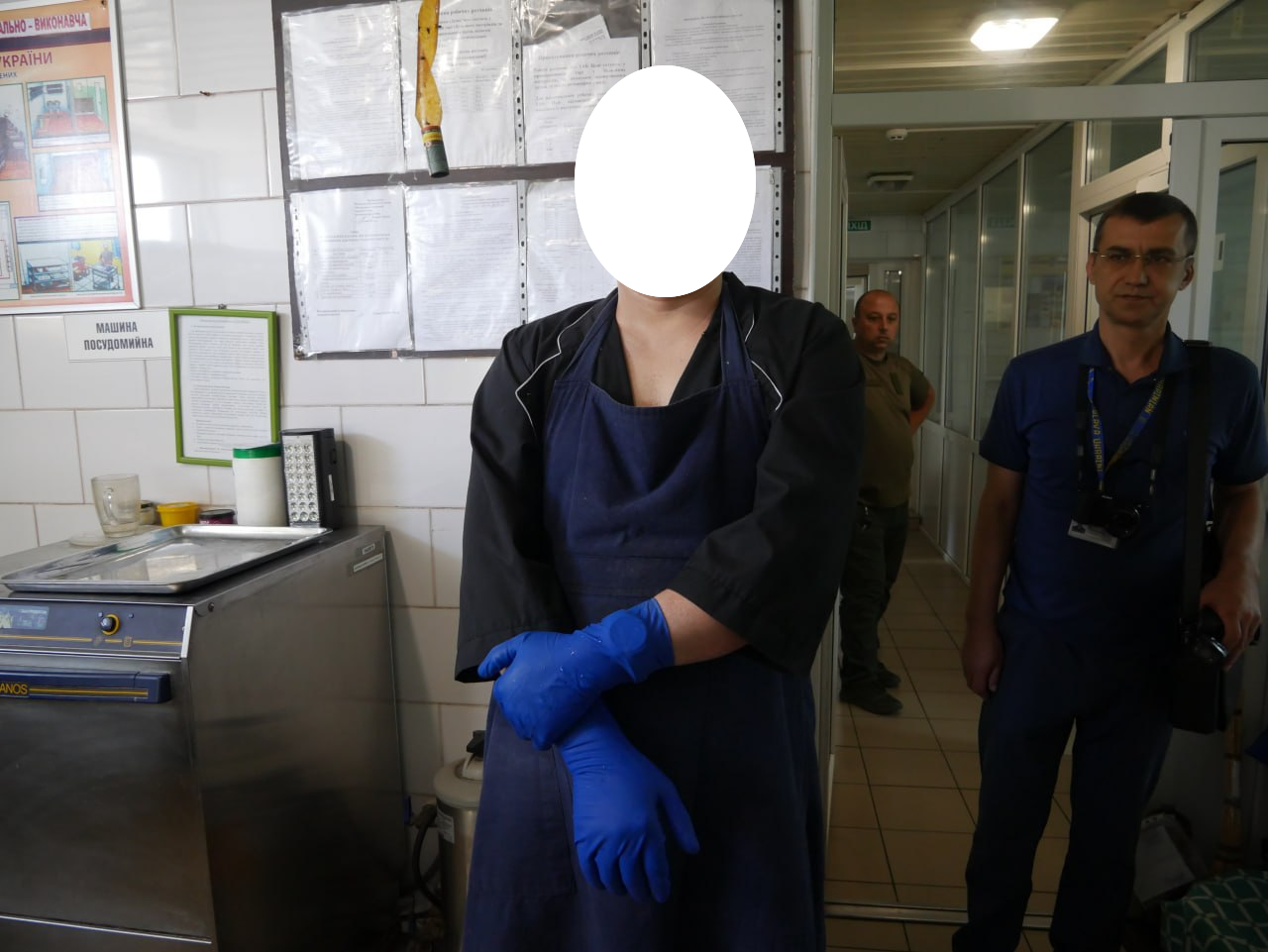
Feldsher Post No. 115 of the Kyiv and Kyiv Region Branch of the SI ‘Health Care Centre of the State Criminal Enforcement Service of Ukraine’
Feldsher Post No. 115 is a structural unit of the Kyiv and Kyiv Region Branch of the Health Care Centre of the State Criminal Enforcement Service of Ukraine, which provides pre-medical care to prisoners on the premises of the penal institution. Its main tasks are to provide pre-medical and emergency medical care, conduct health education, refer patients to health-care facilities for further examination and treatment, use resources efficiently and ensure safe working conditions.
The feldsher at the post is Ihor Ruslanovych Khoptovyi.
At the time of the visit, 2 feldsher posts remained vacant.
During the monitoring visit, the monitors examined medical records, inspected the premises of the feldsher post and held individual interviews with prisoners. As a result, they identified shortcomings in the organisation of medical care that lead to violations of these persons’ rights:
1. During their visit to the feldsher post, the monitors found a breach of paragraph 4 of Section I of the Procedure for Organising the Provision of Medical Care to Persons Sentenced to Imprisonment, approved by Order of the Ministry of Justice of Ukraine and the Ministry of Health of Ukraine No. 1348/5/572 of 15 August 2014 (hereinafter referred to as the Procedure), which requires medical workers to be on duty round the clock in health-care facilities of the State Criminal Enforcement Service of Ukraine.
This breach means that medical care cannot be provided to prisoners without interruption, including in situations requiring urgent medical intervention. This contravenes Rule 27.1 of the UN Standard Minimum Rules for the Treatment of Prisoners (the Nelson Mandela Rules), which requires prisons to ensure prompt access to medical attention in urgent cases.
In addition, according to paragraph 34 of the 3rd General Report of the European Committee for the Prevention of Torture and Inhuman or Degrading Treatment or Punishment (hereinafter referred to as the Committee), persons deprived of their liberty should have access to a doctor at any time, irrespective of their detention regime (CPT/Inf (93) 12-part).
2. According to the Register of Bodily Injuries, not a single case of bodily injury to a prisoner was recorded in the institution between 2024 and 2026. The last entry in the register is dated 23 November 2023. Given the actual number of prisoners, these figures may indicate that bodily injuries are not fully detected and documented, and that prisoners who are injured may not seek medical help.
The failure to record bodily injuries properly is inconsistent with paragraph 60 of the 3rd General Report of the European Committee for the Prevention of Torture and Inhuman or Degrading Treatment or Punishment (CPT/Inf (93) 12-part), according to which prison health-care services should help to prevent ill-treatment by systematically recording injuries and, where appropriate, informing the competent authorities.
3. The feldsher post does not provide opioid substitution therapy (hereinafter referred to as OST) for persons with mental and behavioural disorders due to opioid use in accordance with the Procedure for Providing Substitution Maintenance Therapy to Persons with Mental and Behavioural Disorders due to Opioid Use, approved by Order of the Ministry of Health of Ukraine No. 200 of 27 March 2012.
Drug-dependent persons are not provided with social and psychological support, cognitive behavioural therapy (CBT), relapse prevention, motivational interviewing, mutual support groups and the like.
These persons are therefore deprived of the opportunity to receive OST, which violates their right to choose methods of treatment under Article 38 of the Law of Ukraine ‘Fundamentals of the Legislation of Ukraine on Health Care’.
In its report on its 2023 visit to Ukraine, the Committee states that admission to a penitentiary institution is an opportunity to address drug-related problems, and it is therefore important that appropriate assistance be offered to all those concerned; accordingly, suitable health care must be available in all institutions. The assistance offered to such persons should be varied; substitution programmes for drug-dependent persons should be combined with genuine psychosocial and educational programmes for opioid-dependent persons who are unable to stop using drugs. Furthermore, OST programmes in institutions should be easily accessible and should also be run by prison doctors, who should receive specific training in drug-related issues (CPT/Inf (2024) 20, paragraph 86).
4. The feldsher post has no naloxone, which makes it impossible to provide emergency medical care in cases of opioid overdose.
5. During the visit, the monitors found that when a prisoner is placed in the disciplinary isolation unit, it is the practice to add to his file a medical certificate concluding that his state of health allows him to be held in the DIU/CTP. However, the Committee has repeatedly stressed that requiring prison doctors to certify prisoners as fit to undergo disciplinary punishment is scarcely likely to promote a positive doctor–patient relationship. In principle, medical staff should never take part in any stage of the decision-making process leading to any form of solitary confinement, except where the measure is applied for medical reasons. On the other hand, medical staff should be very attentive to the condition of prisoners held in solitary confinement. Medical staff should be informed immediately of every such placement and should visit the prisoner without delay after placement and thereafter regularly, at least once a day, providing prompt medical assistance and treatment as required. Medical staff should inform the institution’s administration whenever a prisoner’s health is being put seriously at risk by solitary confinement (CPT/Inf (2024) 20, paragraph 104).
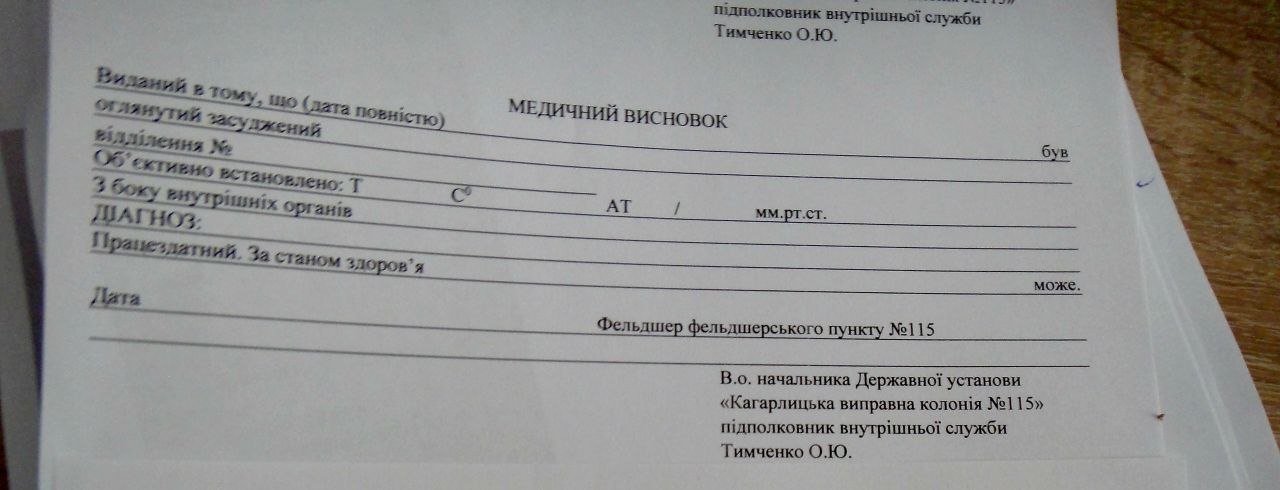
6. In breach of the Standards of Medical Care for HCV in Adults, approved by Order of the Ministry of Health of Ukraine No. 1178 of 23 July 2025, not all persons suspected of having viral hepatitis C undergo PCR testing, and as a result they do not receive the treatment they need, which may lead to a deterioration in their health and to the spread of this infectious disease among prisoners and persons remanded in custody.
7. Fifteen persons with disabilities are under regular medical supervision: 1 with a Group I disability, 5 with Group II and 9 with Group III. However, in breach of the Law of Ukraine ‘On the Rehabilitation of Persons with Disabilities in Ukraine’, persons with disabilities do not receive appropriate diagnostic, treatment and rehabilitation measures, even though there is evidence of persistent impairment of bodily functions caused by illness or the consequences of injury that limits normal daily activities.
Thus, an examination of prisoners’ medical records showed that one person with a disability has no individual rehabilitation programme (hereinafter referred to as IRP). Moreover, IRP recommendations are not followed, and as a result this person does not receive appropriate diagnostic, treatment and rehabilitation measures, even though there is evidence of persistent impairment of bodily functions caused by illness and the consequences of injury that limits normal daily activities.
8. In breach of the Procedure for Organising Medical Care at the Primary, Secondary (Specialised) and Tertiary (Highly Specialised) Levels Using Telemedicine, approved by Order of the Ministry of Health of Ukraine No. 681 of 19 October 2015, technical limitations prevent the staff of the feldsher post from sending requests for telemedicine consultations and obtaining specialist support in providing medical services to prisoners.
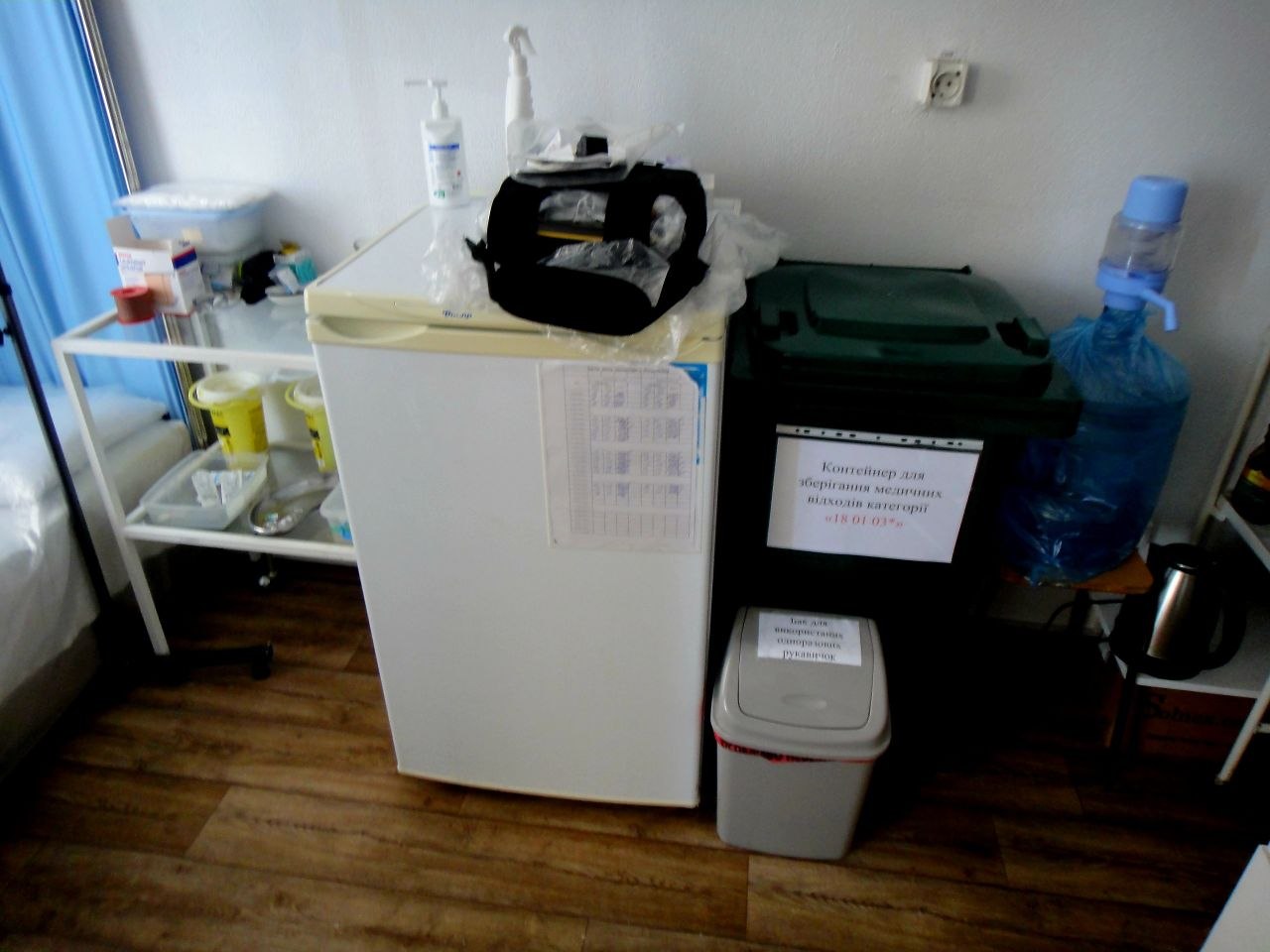
9. In breach of Section IX of the State Sanitary Norms and Rules ‘Procedure for Medical Waste Management, Including Requirements for Human Health Safety during the Generation, Collection, Storage, Transportation and Processing of Such Waste’, approved by Order of the Ministry of Health of Ukraine No. 1827 of 31 October 2024, medical waste at the feldsher post is stored in the very room in which prisoners are seen and given medical care. Storing medical waste in this room does not ensure proper separation between areas for handling medical waste and areas used by patients, which does not comply with sanitary and hygiene requirements and poses potential risks to the health of prisoners and medical staff.
Recommendations
1. Ensure that all members of the working group fully implement the programme for familiarising newly arrived prisoners with the procedure and conditions for serving their sentences, and that the activities conducted in the QDD unit are properly documented.
2. Ensure compliance with the minimum living space of at least 4 m² per prisoner laid down in Part 1 of Article 115 of the CEC of Ukraine, including while repair works are under way.
3. Bring the furnishing and equipment of the QDD unit into line with the established regulatory requirements by fitting out the required rooms for storing personal belongings and clean and dirty clothing and bedding, as well as a drying room; equip the residential rooms with proper facilities for storing and dispensing drinking water.
4. Complete the fitting-out of the DIU cells and auxiliary premises in accordance with the regulatory requirements, and do not place prisoners in premises that lack proper material, living, sanitary and hygiene conditions.
5. Fit out the auxiliary premises in the DIU required by the standards, in particular a shower room, a changing room, rooms for storing clean and dirty clothing, and a separate room in which the administration and medical staff can see prisoners, ensuring the confidentiality of medical examinations.
6. Ensure that the psychologist visits prisoners held in the DIU at the prescribed frequency and that such visits are properly documented.
7. Ensure that a medical worker visits prisoners held in the DIU every day and that the relevant information is entered in the log of visits to disciplinary premises.
8. Ensure that the institution’s shop stocks the range of goods provided for by the IR PI, and add the texts of the European Prison Rules and the UN Standard Minimum Rules for the Treatment of Prisoners (the Nelson Mandela Rules) to the library’s stock.
9. Restore the disinfection chamber to proper working order and ensure the full sanitary treatment of prisoners and of their clothing and bedding in accordance with the established sanitary and anti-epidemic requirements.
10. Ensure that prisoners have access to hairdressing services; fit the shower partitions in the bathhouse with a means of ensuring privacy; properly equip the feldsher’s station for body examinations and the provision of medical care.
11. Ensure that all prisoners arriving at the institution undergo sanitary treatment and that this is properly documented.
12. Discontinue the practice of placing name cards next to prisoners’ beds giving details of the criminal offences they have committed.
13. Take organisational and personnel measures to fill vacant posts and ensure that the institution has sufficient staff to perform its functions properly.
14. Immediately give the head of the Social and Psychological Service unit access to the ‘KASANDRA’ subsystem of the URCD, carry out the necessary assessments of prisoners’ risks and needs, and ensure that diaries of individual work are properly kept and that social and educational work is carried out systematically and on an individual basis in accordance with Articles 123–124 of the CEC of Ukraine.
15. Give prisoners a real opportunity to use the Internet in accordance with Part 7 of Article 110 of the CEC of Ukraine, and not merely to make video calls; ensure that the existing devices can technically be used for their intended purpose and introduce proper records of Internet use and of the e-mail accounts created for prisoners.
16. Bring the shelters designated in the institution into a condition that genuinely protects the lives and health of prisoners and staff during air-raid alerts and other military threats; ensure the possibility of safe evacuation, adequate sanitary and living conditions and sufficient free space, and stop using Shelter No. 1 as a clothing store.
17. Carry out a comprehensive review of the organisation of prisoners’ work, above all of those working in the catering unit, comparing the work actually performed and the hours actually worked with the contracts, timesheets, work schedules, payroll documents, the log of quality control of prepared food and the log of tools and equipment.
18. Ensure accurate and complete records of the time prisoners actually work, compliance with statutory working hours and the right to weekly rest, and proper payment for all work actually performed.
19. Organise proper medical monitoring of persons working in the catering unit and ensure that records of the required medical examinations are kept.
20. Take measures to remedy the human rights violations identified and to prevent cruel, inhuman or degrading treatment and punishment at Feldsher Post No. 115 of the Kyiv and Kyiv Region Branch of the State Institution ‘Health Care Centre of the State Criminal Enforcement Service of Ukraine’.
21. Ensure oversight of the proper keeping of medical records in accordance with the Procedure for Organising the Provision of Medical Care to Persons Sentenced to Imprisonment, approved by Joint Order of the Ministry of Justice of Ukraine and the Ministry of Health of Ukraine No. 1348/5/572 of 15 August 2014, and other regulations.
22. Ensure that bodily injuries to prisoners are recorded promptly and properly.
23. Ensure compliance with paragraph 4 of Section I of the Procedure by organising uninterrupted round-the-clock duty for medical workers at the feldsher post.
24. Discontinue the practice of doctors certifying the state of health of prisoners and persons remanded in custody when they are placed in the DIU/CTP, and ensure compliance with the requirements on medical confidentiality under Article 39-1 of the Law of Ukraine ‘Fundamentals of the Legislation of Ukraine on Health Care’ and the Procedure.
25. Ensure that the telemedicine system works properly so that doctors can request telemedicine consultations.
26. Ensure that all persons suspected of having HCV have access to PCR testing as soon as possible, and arrange the necessary antiviral treatment for those with a confirmed diagnosis.
27. Ensure access to opioid substitution therapy on the basis of a diagnosis of mental and behavioural disorders due to opioid use.
28. Ensure individual rehabilitation for those who need it.
29. Supply the feldsher post with sufficient naloxone to provide timely emergency medical care in cases of opioid overdose.
30. Ensure that medical waste is properly collected and stored in a specially designated and properly equipped room, separate from the areas in which patients are seen and stay.
This material was prepared as part of the project ‘Seeking Justice for Survivors’, funded by the Ministry of Foreign Affairs of Denmark.