Report on the results of the monitoring visit to Bila Tserkva Correctional Colony No. 35
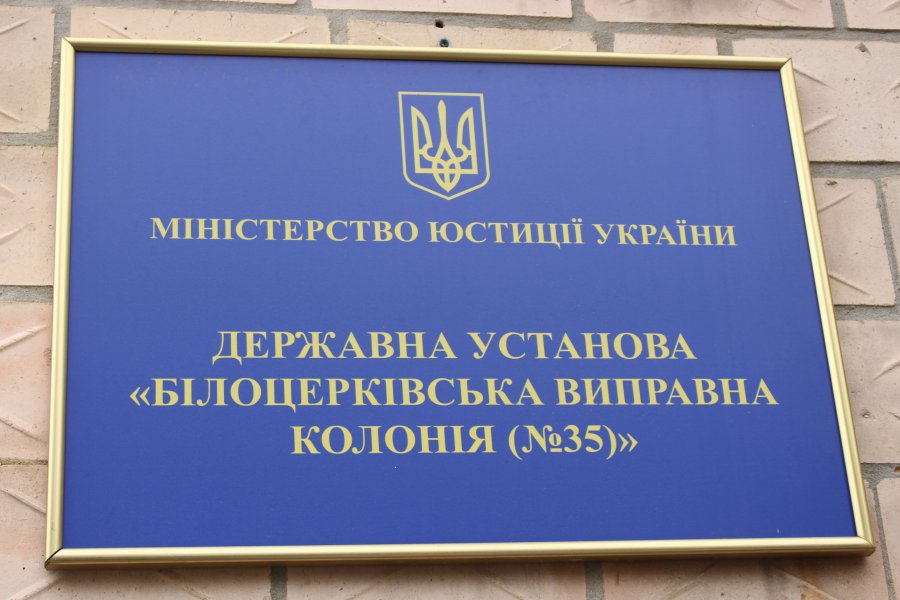
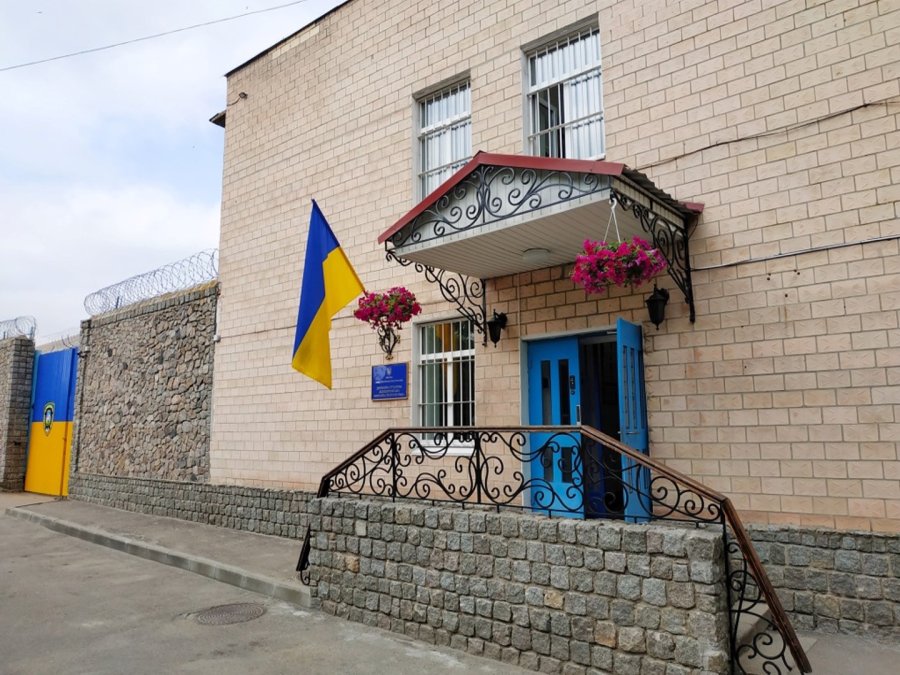
On 17 October 2025, in accordance with the Optional Protocol to the Convention against Torture and Other Cruel, Inhuman or Degrading Treatment or Punishment, taking into account the provisions of the Standard Minimum Rules for the Treatment of Prisoners and the rulings of the European Court of Human Rights, and on the basis of Article 24 of the Criminal Executive Code of Ukraine regarding visits to correctional institutions, a group of monitors from the Kharkiv Human Rights Protection Group and the non-governmental organisation “Protection for Prisoners of Ukraine” conducted a visit to the state institution “Bila Tserkva Correctional Colony (No. 35)” (BVK-35, the institution, the facility, the colony). Another unannounced planned visit was carried out, and all objects of the institution were examined.
The previous visit took place on 03 May 2024.
In preparation for the visit, the monitors used materials from complaints filed by convicts and their relatives, materials from previous reports, as well as reports from monitors of the National Preventive Mechanism under the Commissioner for Human Rights of the Verkhovna Rada of Ukraine (NPM). The visit was conducted within the framework of the project “Reducing the Suffering of Prisoners in the Context of the War in Ukraine”, funded by the government of Denmark in partnership with DIGNITY (Danish Institute Against Torture).
The visit was conducted by the following monitors:
- Andriy Didenko — assistant to the People's Deputy of Ukraine Yaroslav Yurchyshyn, coordinator of programmes at the Kharkiv Human Rights Protection Group, with experience in monitoring visits since 2014, NPM monitor, member of the NPM advisory council;
- Serhiy Zuikov — assistant to the People's Deputy of Ukraine Kostiantyn Kasai, member of the public council under the Ministry of Justice of Ukraine, member of the non-governmental organisation “Protection for Prisoners of Ukraine”, NPM monitor, with many years of experience in monitoring visits;
- Oleh Tsvilyi — member of the public council under the Ministry of Justice of Ukraine, head of the non-governmental organisation “Protection for Prisoners of Ukraine”, with extensive experience in monitoring visits, specialising in issues of torture and cruel, inhuman treatment;
- Tetiana Shulhina, journalist for the news agency “Protection for Prisoners of Ukraine / PROTECTION FOR PRISONERS OF UKRAINE”.
During the monitoring visit to BVK-35, systemic violations of national legislation and international standards for the treatment of prisoners were recorded, which comprehensively affect the conditions of detention, the right to respect for private life, access to reintegration, and the safety of convicts. In the residential premises of the SPS (Socio-Psychological Service) and the KDiR (Quarantine, Diagnostic, and Distribution Unit), the living space standard per person does not reach 4 m²; there are instances of more beds being installed than the floor area permits, temperature regulations are violated, and there is a lack of proper domestic and auxiliary facilities, which leads to overcrowding, unhygienic conditions, and a violation of the right to personal space.
The DICO (Disciplinary Isolation Unit) / CTP (Chamber-Type Premises) facilities do not provide sufficient natural light, ventilation, privacy in the bathrooms, or access to drinking water, and the exercise yards are too small. The institution maintains the practice of posting information on cell doors regarding crimes committed by the convicts, and copies of disciplinary penalty decisions are not issued, which contradicts the requirements of the Criminal Executive Code of Ukraine and the recommendations of the CPT.
Bath and laundry services are organised with numerous violations of disinfection, sanitary, and fire safety requirements; conditions in the canteen do not ensure proper hygiene and privacy.
The “Preparation for Release” programmes are not fully implemented, there are artificial barriers to the application of parole (conditional early release), the commutation of sentences, and transfer to a different security level; the vast majority of short-term visits take place in a non-contact format, and there is a significant staff shortage.
Of the two shelters, only one for extradited persons meets basic safety requirements; the other is in a condition that does not guarantee protection and creates additional health risks for the convicts.
The labour and healthcare sectors are also characterised by systemic violations. In production areas and facility maintenance, convicts work in harmful and hazardous conditions without proper ventilation, protective clothing, safety briefings, or workplace certification, often without formal employment contracts, without days off, and with remuneration that does not meet minimum guarantees, which violates the Constitution of Ukraine, the Criminal Executive Code, the Labour Code, occupational health and safety legislation, and international standards (European Prison Rules, Mandela Rules, ILO standards).
The medical unit functions with a significant staff shortage and fails to ensure proper documentation of bodily injuries, access to opioid agonist therapy, proper infection control, accessibility for persons with limited mobility, full dispensary supervision and rehabilitation for persons with disabilities, adherence to temperature regulations, and dental care standards; the potential of telemedicine is not being utilised. The aggregate of the identified violations indicates a systemic failure to uphold the rights of convicts to proper conditions of detention, labour, healthcare, and preparation for release.
General Information
BVK-35 is a medium-security correctional institution for holding men who have previously served sentences in places of deprivation of liberty.
The institution is located at the following address: 16 Vasyl Symonenko St, Bila Tserkva, Kyiv region, 09109.
BVK-35 is a closed-type institution that has operated under the structure of the State Penitentiary Service of Ukraine since the middle of the 20th century. Originally established as an institution for holding persons sentenced to various terms of imprisonment, it has repeatedly changed its profile in accordance with the regulatory and legal transformations of the penitentiary system. During the Soviet period, it functioned as a general-regime colony, and subsequently as an institution for holding men convicted of serious and particularly serious crimes, with production facilities in woodworking and metalworking.
After Ukraine gained independence, Colony No. 35 was integrated into the State Penitentiary Service of Ukraine and began operating in accordance with the requirements of the Criminal Executive Code of Ukraine. The institution has undergone structural reorganisations and changes in security levels, as well as the modernisation of certain infrastructure objects. Today, BVK-35 specialises in holding men sentenced to imprisonment for a fixed term; it has production workshops to involve convicts in work, as well as functional units to ensure the regime, medical care, and social and educational work.
At the time of the visit, the head of the institution was Colonel of the Internal Service Yevheniy Volodymyrovych Ponochovnyi.
The facility consists of a duty unit, the KDiR unit (Quarantine, Diagnostic, and Distribution Unit), SPS units (Socio-Psychological Service), a canteen, DICO (disciplinary isolation unit) premises, CTP (chamber-type premises), an intensified control unit, a pre-trial detention unit, a medical unit, a bath and laundry complex, visit rooms, a shop, a library, a package receipt room, and administrative premises.
According to the institution's administration, the authorised staff size consists of 262.5 positions. The actual number of staff is 174.5 positions. The total staff shortage in the institution is 88 employees.
The actual number of persons held in the institution is 526. BVK-35 operates 16 SPS units. Two psychologists work at the facility.
During 2025, 390 people arrived at the colony. During 2024, 1 person died, and during the current year, 4 have died.
Under operational and preventive registration, there are: 3 persons prone to suicide, with 1 act of suicide committed during the current year; 17 persons prone to self-harm; 3 prone to escape; 67 persons considered malicious violators of the detention regime.
During 2024, no person filed a complaint regarding improper detention conditions or improper medical care; during the current year, there has been 1 complaint regarding these issues.
14 persons have a disability: 3 persons with group II disability and 11 persons with group III disability.
Convicts have 90 tablets and 71 registered email addresses for their personal use. There are 47 people who have been rejected in total.
During 2024, 12 cases of bodily injuries were recorded: 2 upon arrival and 10 during the stay in the institution. During the current year, 28 cases of bodily injuries were recorded during the stay in the institution.
The monitoring group interviewed about 207 convicts during the visit to production premises, workshops, SPS units, disciplinary premises, and utility facilities, providing consultations, answering questions, surveying on human rights violations, and communicating individually with individuals, including on an anonymous basis.
Positive Experience
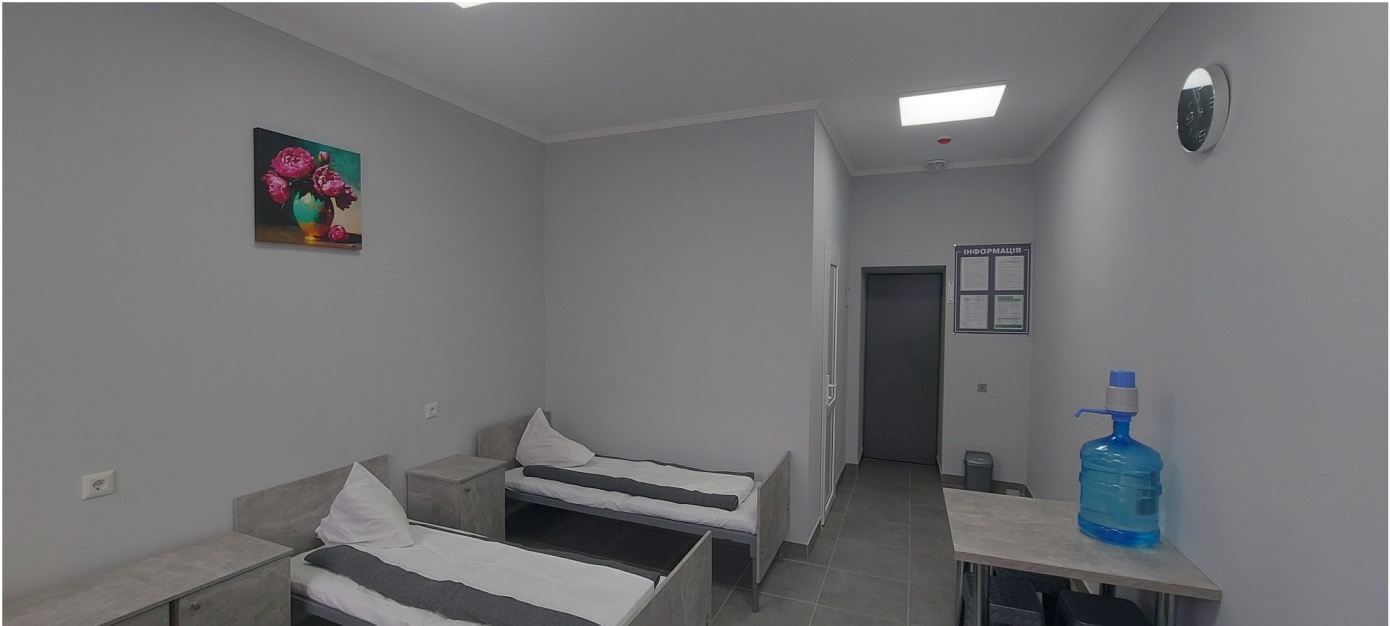
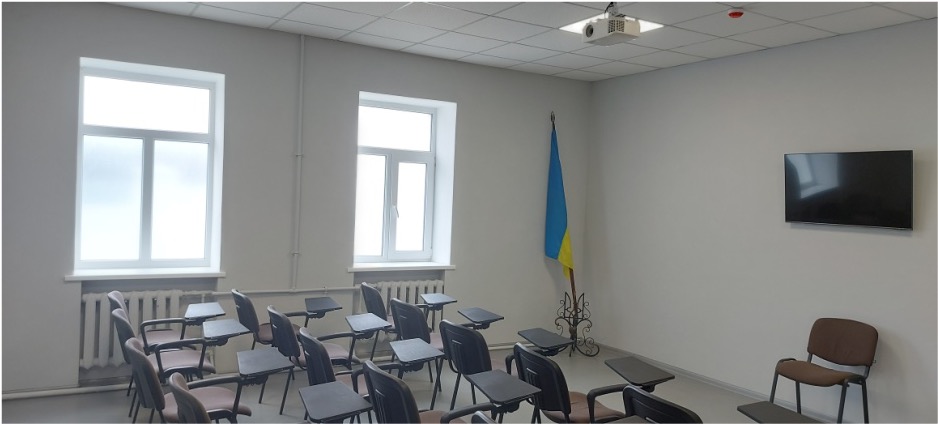
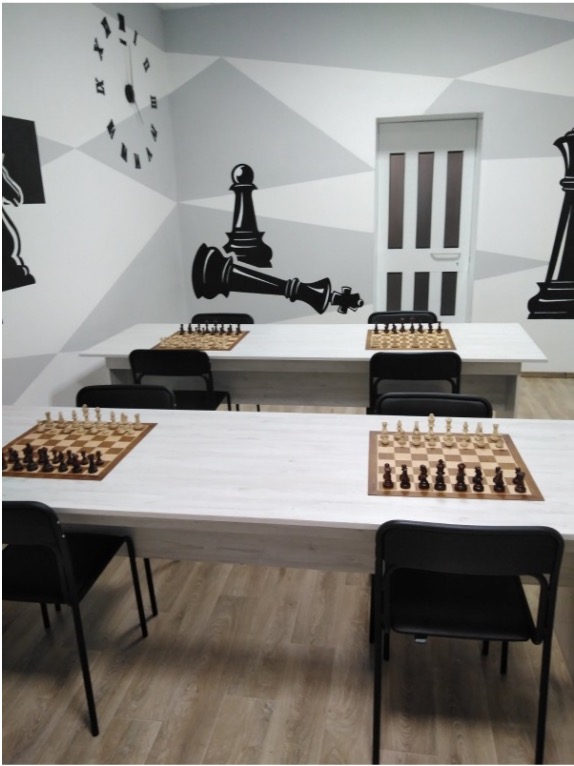
In implementation of Strategic Goal 1 “Creating proper conditions for the detention of convicts and persons taken into custody” of the Strategy for Reforming the Penitentiary System for the period up to 2026, major repairs were carried out in the CTP cells, the sector for extradited persons, the room for short-term visits in closed conditions, dishwashing rooms, a training hall for convicts, a chess room, and the SPS unit.

Identified violations of national and international legislation
During the monitoring visit, violations of national legislation requirements and non-compliance with international recommendations in the field of prisoner treatment were identified, which lead to violations of the rights of convicted persons.
1. In violation of Part 1 of Article 115 of the Criminal Executive Code of Ukraine (hereinafter — the CEC of Ukraine) and Rule 13 of the Standard Minimum Rules for the Treatment of Prisoners, it was established that in some residential premises of the SPS units of the institution, the living space standard per convict is less than 4 m². For instance, in the residential premises of brigade No. 132, where 15 beds are located and 15 people were staying, the area of the room according to the living space measurement certificate is 43.1 m². Thus, the actual area per convicted person was 2.87 m².
In the residential premises of brigade No. 131, where 16 beds are located and 15 people were staying, the area of the room is 46 m². Thus, the actual area per convicted person was 3.06 m².
Similar violations were established in the residential premises of brigades Nos. 141 and 142. Furthermore, it was established that in a number of residential premises, the actual number of sleeping places exceeds what is permissible to ensure the living space standard per person required by legislation. For example, in the residential premises of brigade No. 151, which according to the living space measurement certificate is designed for 12 places at a standard of 4 m² per person, there are 16 beds.
Similar violations were found in the premises of brigades Nos. 152, 131, 132, 141, 142 and in residential premises No. 2 of the KDiR unit. The said violation creates conditions for potential abuse by the institution's administration and staff in the context of compliance with the living space standard per convicted person and does not ensure proper personal space for detained persons in sleeping quarters.
At the same time, point 13 of the 7th General Report of the European Committee for the Prevention of Torture and Inhuman or Degrading Treatment or Punishment (hereinafter — the Committee) states that the problem with overcrowded cell premises leads to unhygienic conditions, a constant lack of privacy, the overloading of medical services and the institution’s infrastructure, and leads to the conclusion that the negative impact of overcrowding quite often resulted in inhuman or degrading conditions of detention for prisoners (CPT/Inf (97) 10).
2. The monitoring group established that the institution's administration and staff do not ensure proper organisation of work with newly arrived convicts. In accordance with points 1 and 2 of Section II of the Regulation on the Quarantine, Diagnostic, and Distribution Unit (hereinafter — the Regulation on KDiR), a working group is created by order of the head of the institution to organise work with newly arrived convicts, which includes deputy heads of the institution, heads of structural units, a psychologist, and a medical worker.
To plan this work, a programme of familiarisation for newly arrived convicts with the order and conditions of serving the sentence is drawn up annually, which is approved by the head of the institution. However, the medical worker who is part of the working group does not properly conduct the measures provided for by the programme of familiarisation for newly arrived convicts, as evidenced by the absence of relevant entries regarding their completion in the register of visits to the quarantine, diagnostic, and distribution unit by representatives of the administration.
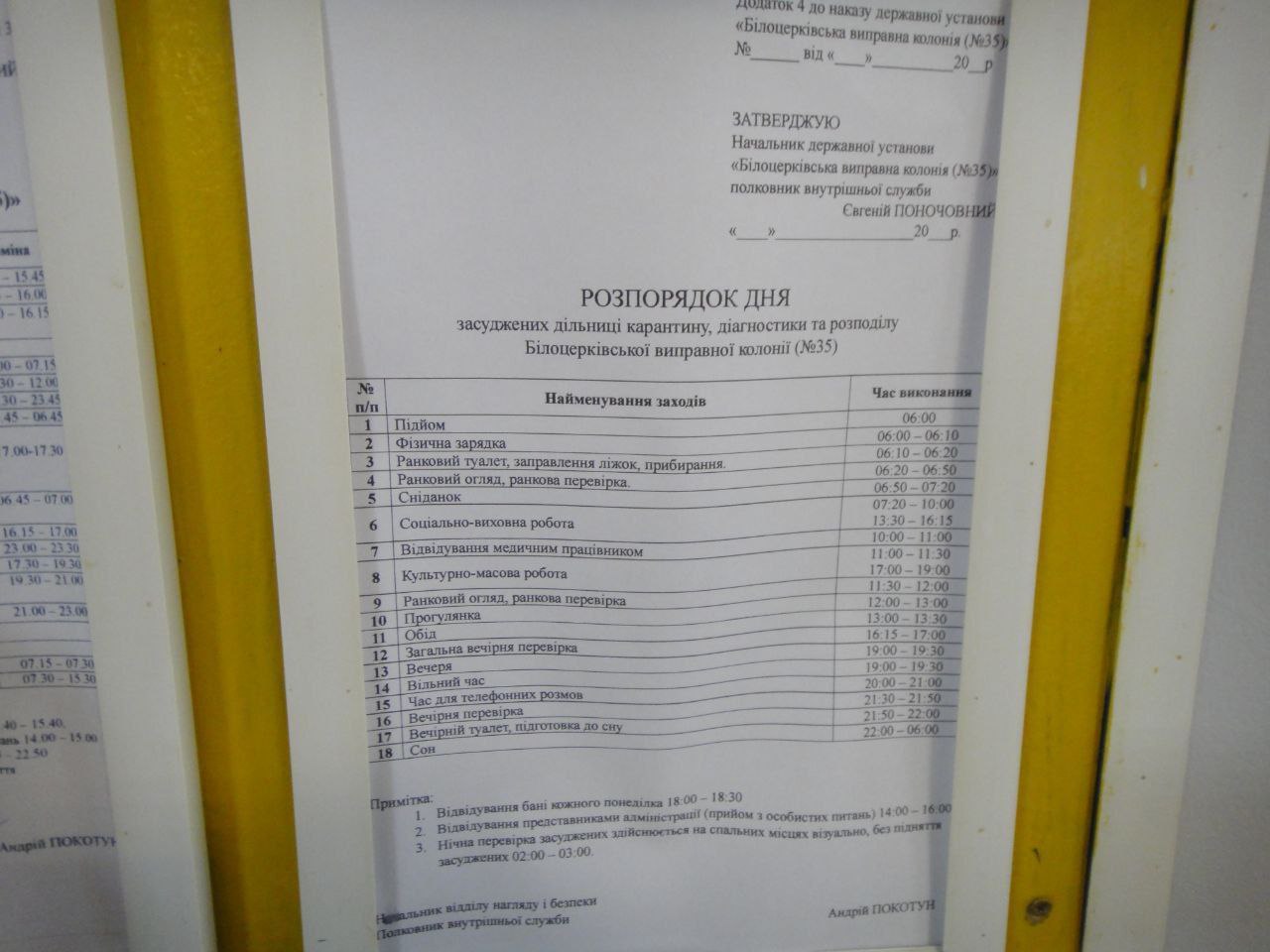
In addition, the monitoring group established the absence of a Daily Routine for convicts in the KDiR unit approved by the head of the institution, which makes it impossible to properly control the implementation of the established regime, creating prerequisites for a breach of discipline and a decrease in the effectiveness of work with newly arrived convicts.
3. The monitoring group established that the material and domestic provision of the KDiR unit does not fully comply with the established regulatory requirements. Thus, in violation of the requirements of the Standards of Provision with furniture, inventory, and household items for a medium-security correctional colony, approved by the order of the Ministry of Justice of Ukraine dated 27.07.2012 No. 1118/5 (hereinafter — the Standards of Provision), the unit lacks a number of premises, namely: a domestic room; a storeroom for the temporary storage of dirty bedding, clothing, and special protective clothing; a room for storing food products.
The absence of these premises creates conditions that do not meet domestic standards, makes it impossible to properly comply with sanitary and hygienic requirements, and complicates the maintenance of cleanliness and order in places where convicts reside. Such a state of domestic organisation negatively affects the general sanitary condition of the institution and may pose a risk to the health of the persons held there.
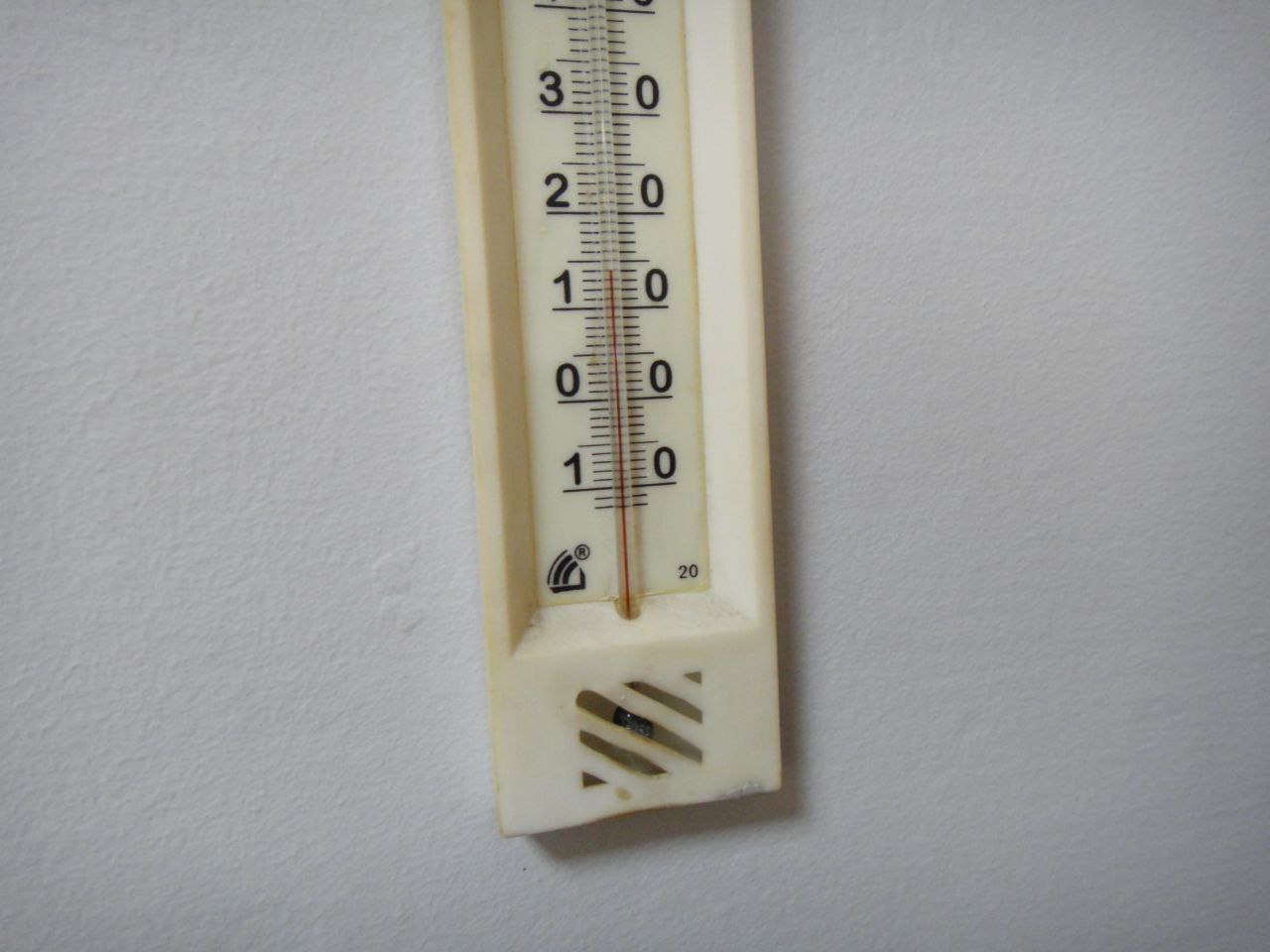
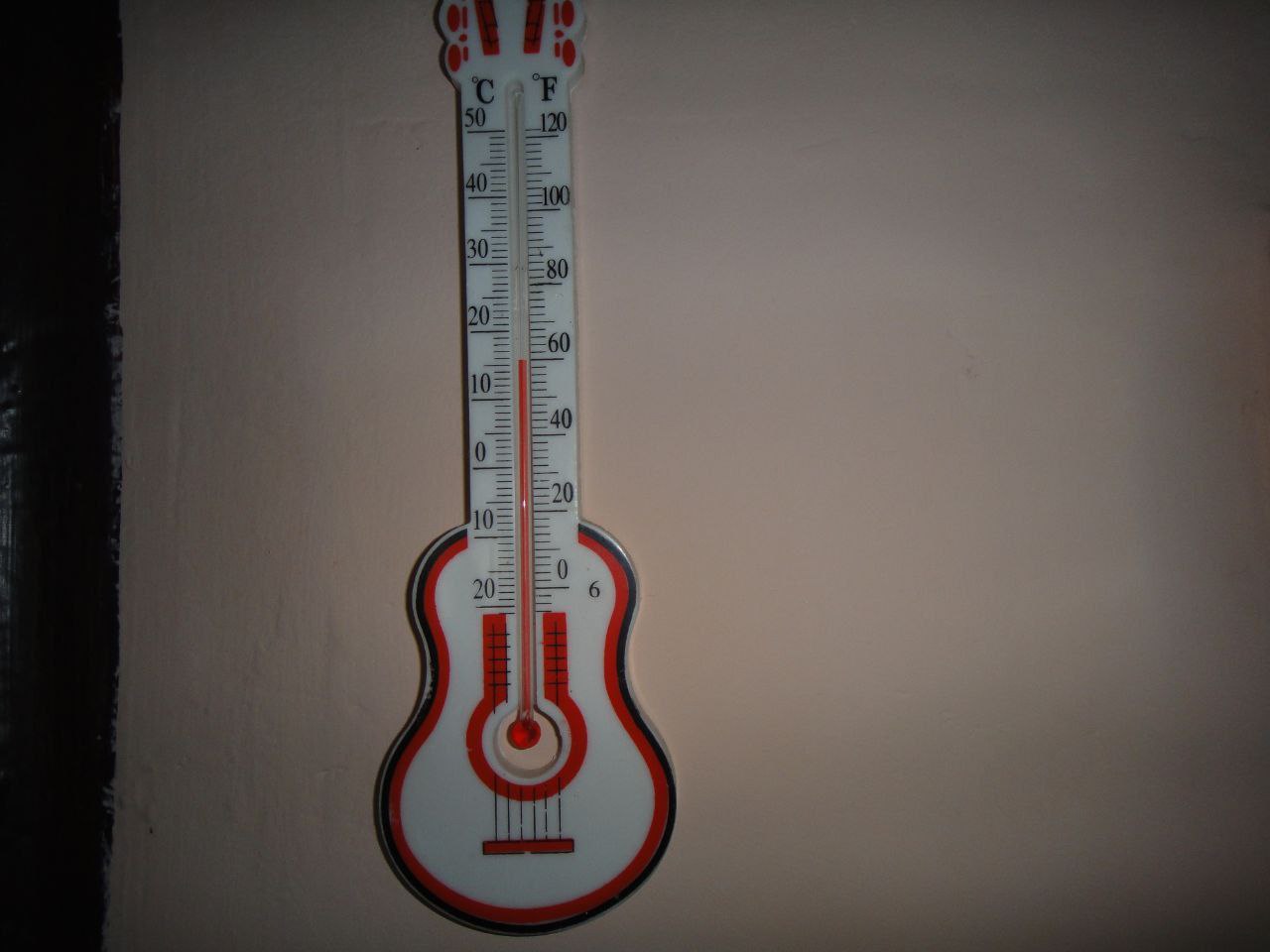
4. In the residential premises of the KDiR unit, the monitoring group recorded a violation of the temperature regime. Thus, at the time of inspection, the air temperature in the residential premises was +14 °C, whereas according to point 1 of Section XXII of the Internal Regulations of Correctional Institutions, approved by the order of the Ministry of Justice of Ukraine dated 28.08.2018 No. 2823/5 (hereinafter — IRCI), in the cold season, the temperature in residential premises of correctional institutions must be maintained at a level no lower than +18 °C. Similar violations were established in the units of the Socio-Psychological Service (hereinafter — SPS), in connection with which convicts are forced to sleep in their outerwear.
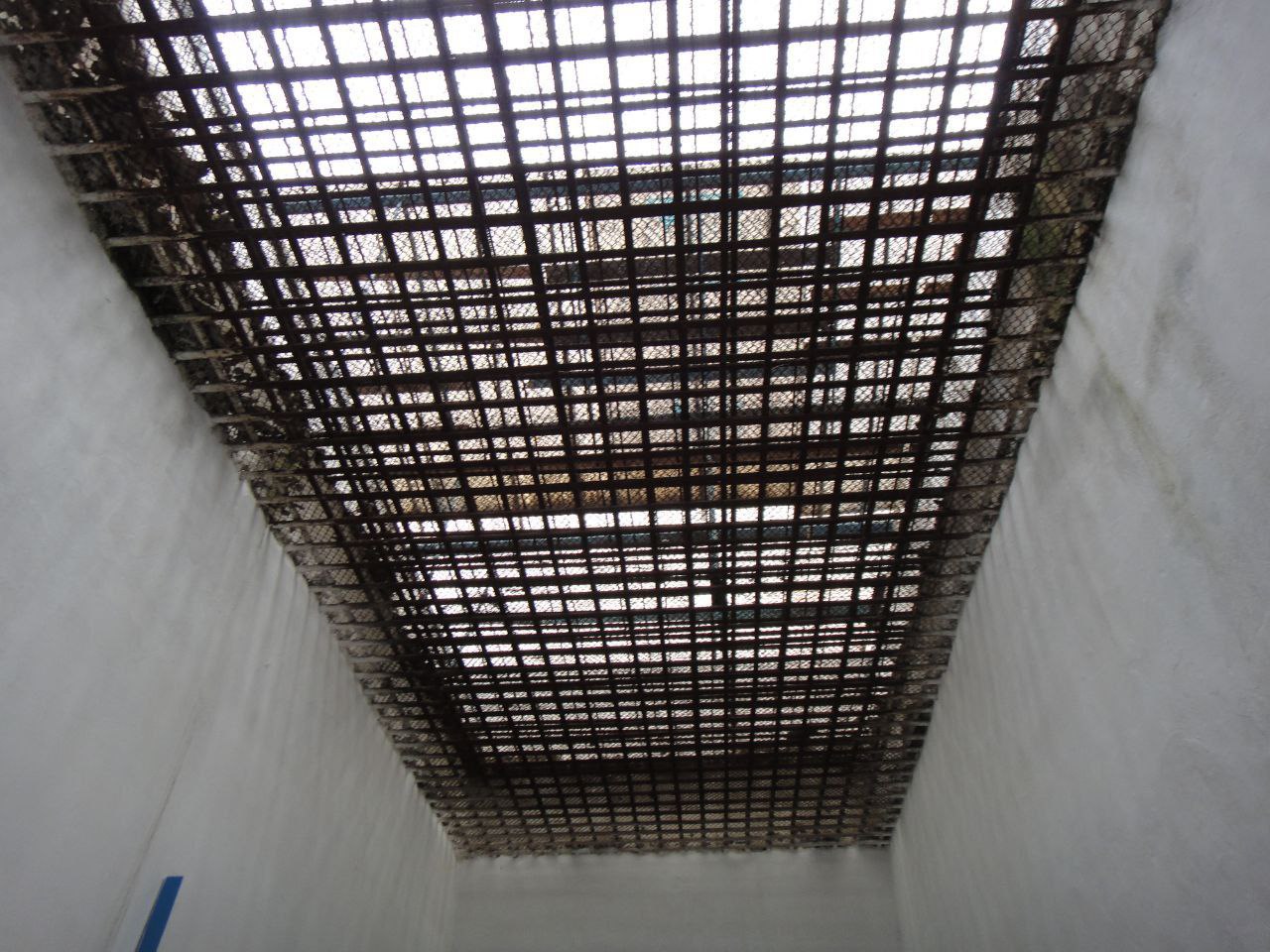
5. The layout of the DICO/CTP premises does not fully comply with the established standards for the treatment of prisoners and does not ensure proper conditions of detention, taking into account their needs. Due to the small size of the windows and excessive bars, a sufficient level of natural lighting is not ensured in the DICO cell premises, as a result of which natural light practically does not penetrate the room, which creates additional psychological pressure on the convicts and reinforces the feeling of isolation.
The mechanical ventilation system is not functioning in the cell premises. The bathrooms in the DICO cell premises are not equipped with sufficient partitions to ensure privacy. Furthermore, the premises are not equipped with containers for drinking water. The above does not comply with the requirements of Rules 18.2 (a), 19.3, and 22.5 of the European Prison Rules and Rules 14, 15, and 22.2 of the UN Standard Minimum Rules for the Treatment of Prisoners (Mandela Rules).
At the same time, in the report of the Government of Ukraine on the results of the 2023 visit, the Committee called on the Ukrainian authorities to take the necessary measures to improve material conditions of detention, in particular, to maintain all places of accommodation for convicts and persons taken into custody, including sanitary facilities, in a proper state of repair and hygiene, to ensure regular and frequent disinfestation, sufficient access to natural light and ventilation in cells, and to fully equip internal sanitary facilities with partitions (i.e., from floor to ceiling) (CPT/Inf (2024) 20, point 58).
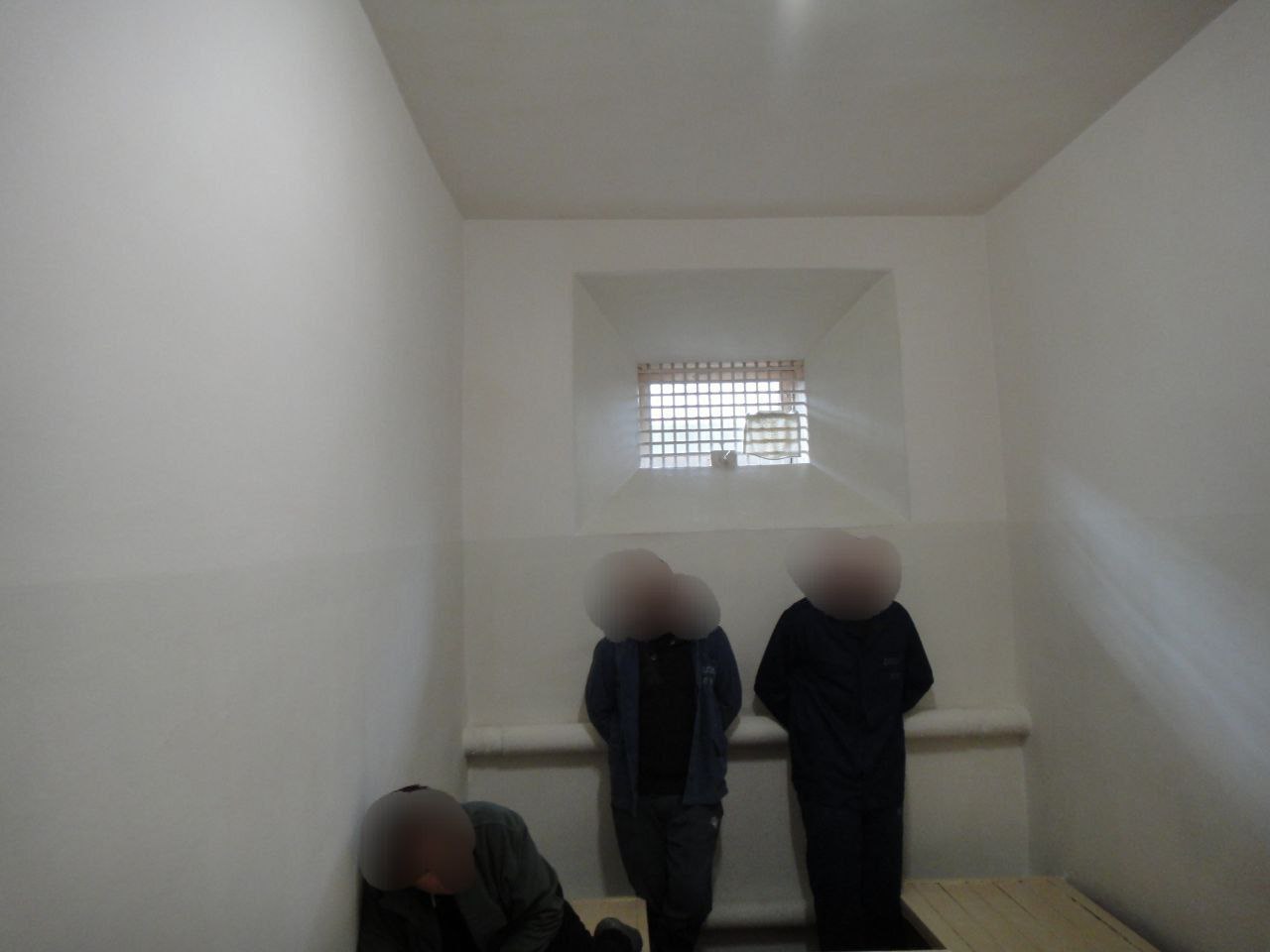

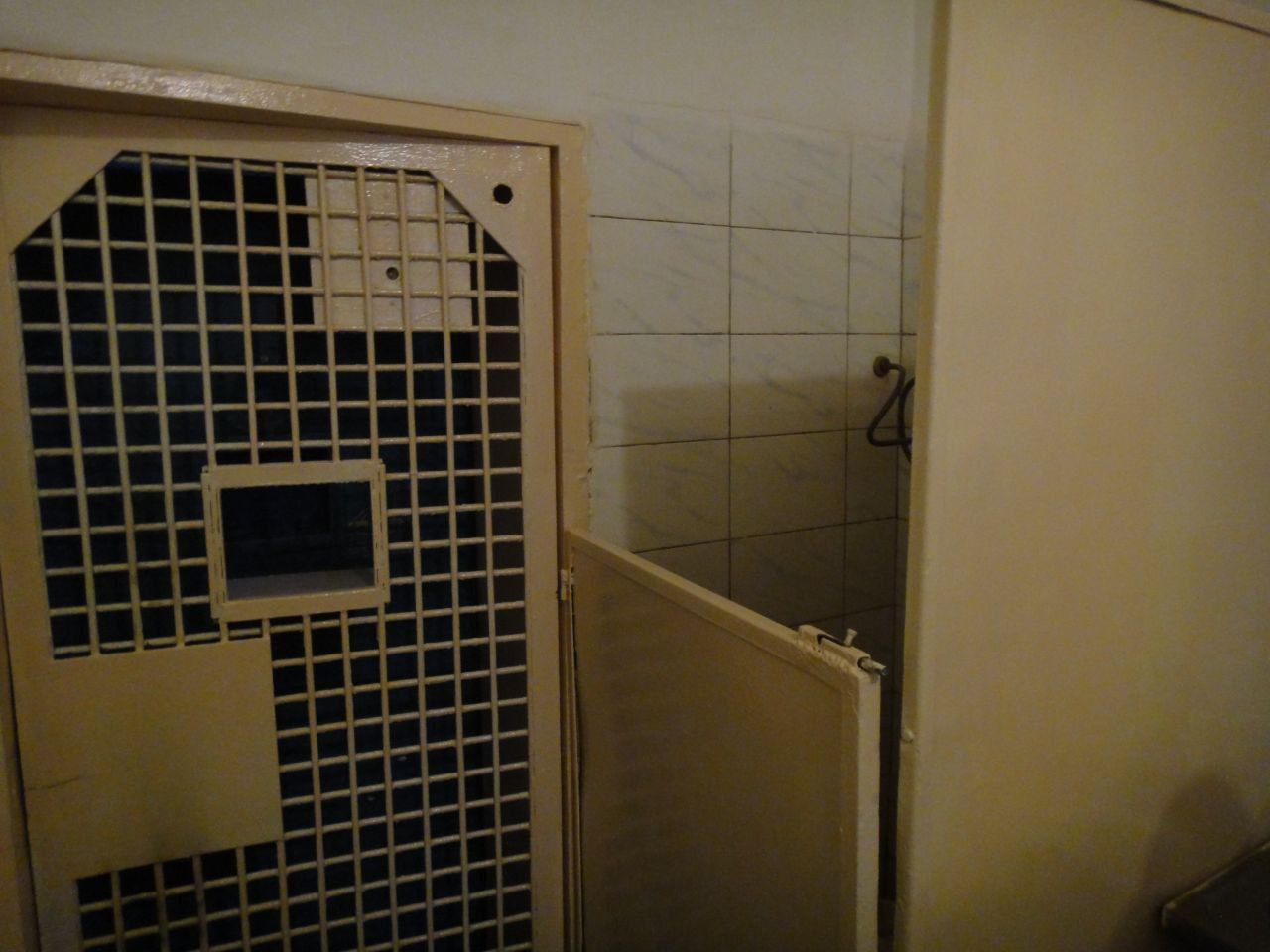
6. During the visit to the DICO/CTP, it was established that the administration of the institution did not issue a copy of the decision on the application of disciplinary penalties to convicts who were serving them, with an indication of the possibility and procedure for appeal, which contradicts Article 135 of the Criminal Executive Code of Ukraine.
At the same time, in the report of the Government of Ukraine on the results of the 2023 visit, the Committee recommends that measures be taken in penitentiary institutions of Ukraine to ensure that convicts to whom a disciplinary penalty is applied systematically receive a copy of the relevant decision. Furthermore, convicts should be informed of their right to access a lawyer in the context of disciplinary proceedings (CPT/Inf (2024) 20, point 103).
7. On the external doors of the DICO cell premises, it was found that cell cards were posted providing information with a brief description of the crimes committed by the persons located in the cells. In its report on the results of the visit to Ukraine in 2020, the Committee noted that this practice should be stopped, as it serves no reasonable purpose and, in addition to stigmatisation, has the effect of damaging the relationship between prisoners and prison staff (CPT/Inf (2020) 40, point 52).
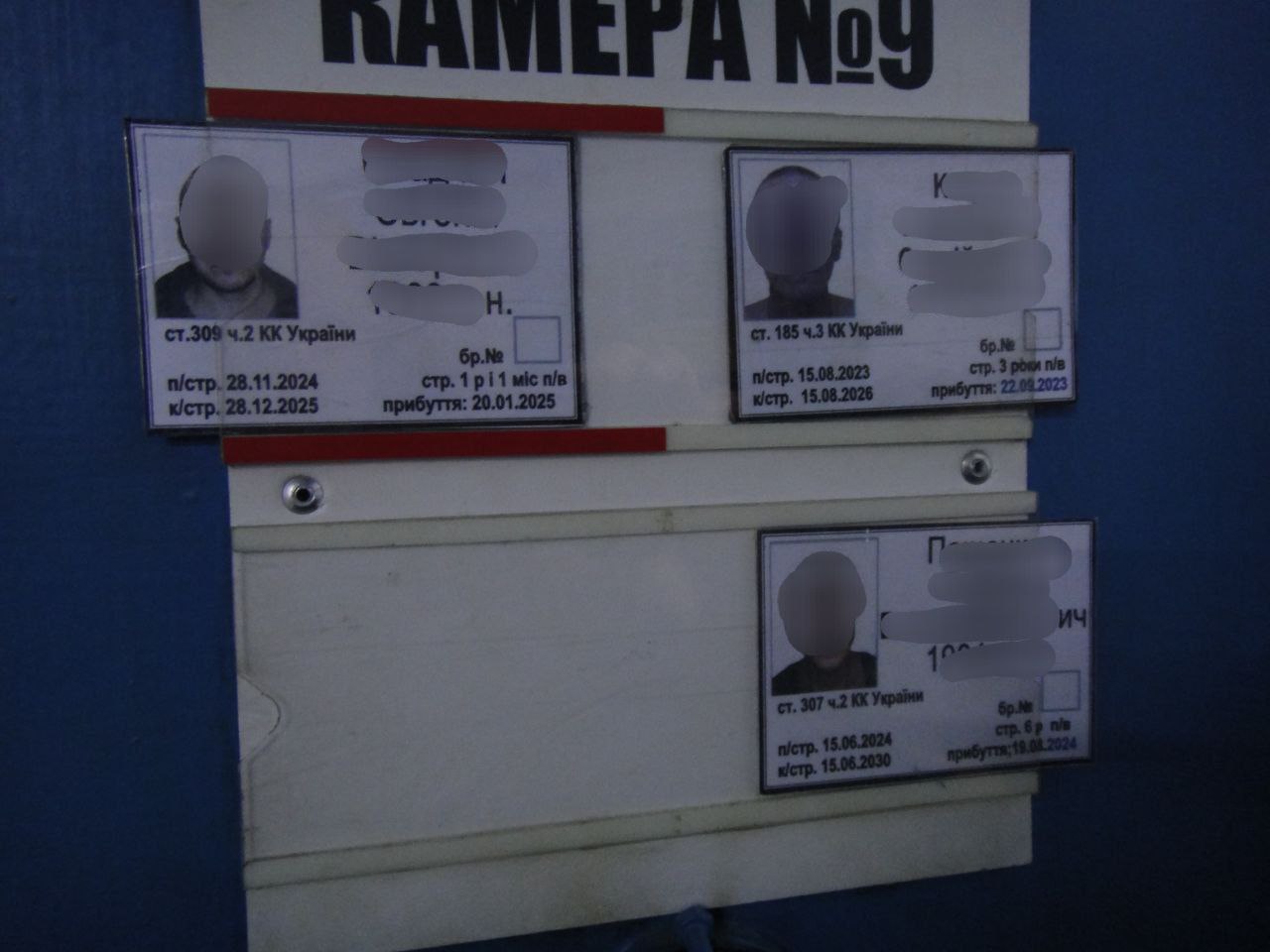
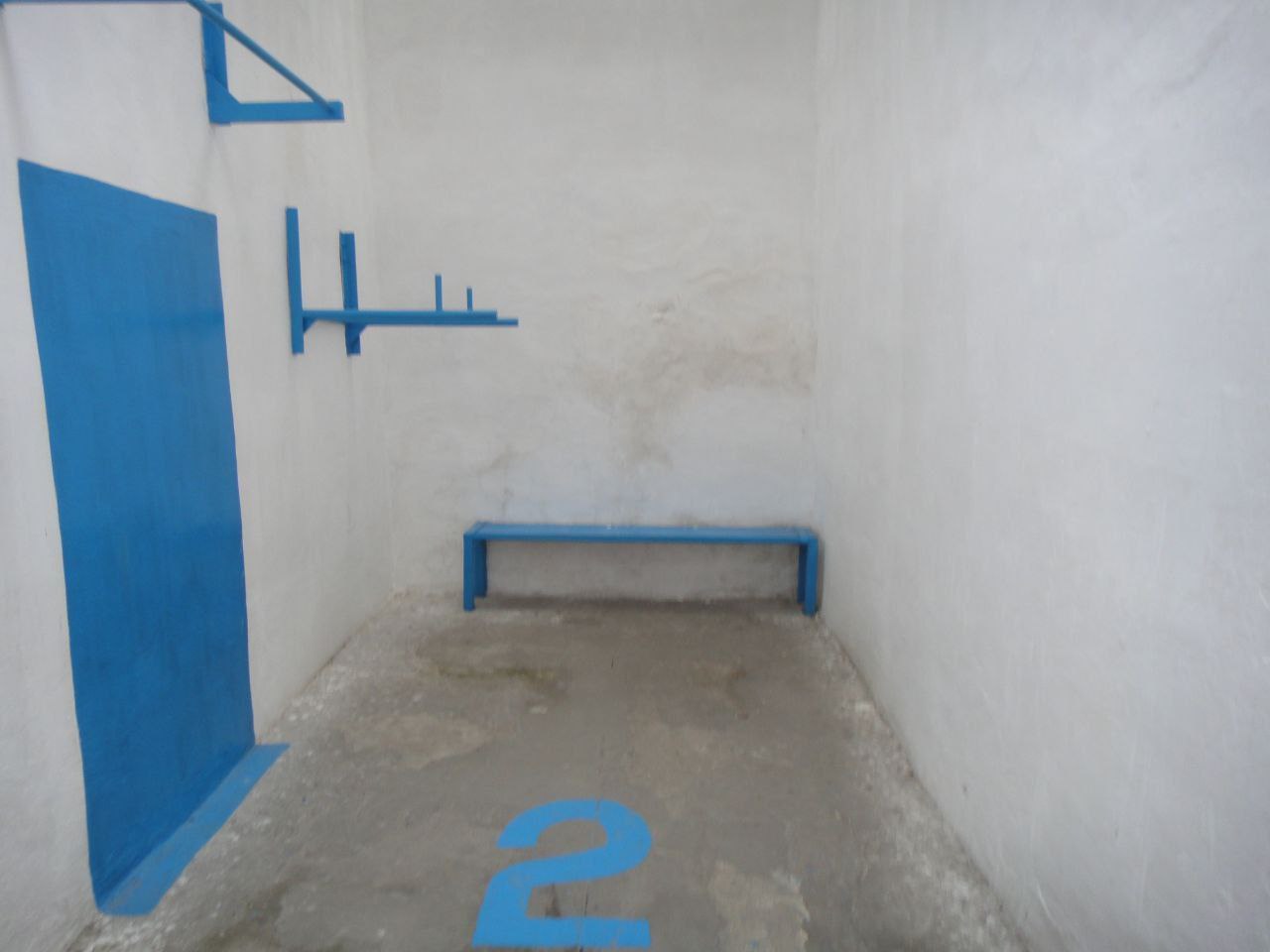
8. During the visit to the exercise yards, it was established that their area is insufficient to ensure full physical activity for the convicts. At the same time, the Committee has repeatedly recommended reviewing the design and size of exercise yards, “from which, at best, there is a view of the sky” (point 122, point 127 (CPT/Inf (2014) 15)).
9. During the visit to the SPS units, it was established that their material and domestic provision does not fully comply with the established regulatory requirements. In SPS units Nos. 12, 13, 14, and 15, there are no refrigerators. In violation of the requirements of the Standards of Provision, SPS unit No. 15 lacks a number of premises, namely a room for storing the replacement stock of bedding, clothing, and special protective clothing, a storeroom for the temporary storage of dirty bedding, clothing, and special protective clothing, a domestic room, and a drying room.
The absence of these premises or their improper arrangement leads to a violation of sanitary and hygienic standards. As a result, the improper organisation of personal item storage complicates the maintenance of cleanliness and order in the premises where convicts are held, which in turn negatively affects the general sanitary condition of the institution.
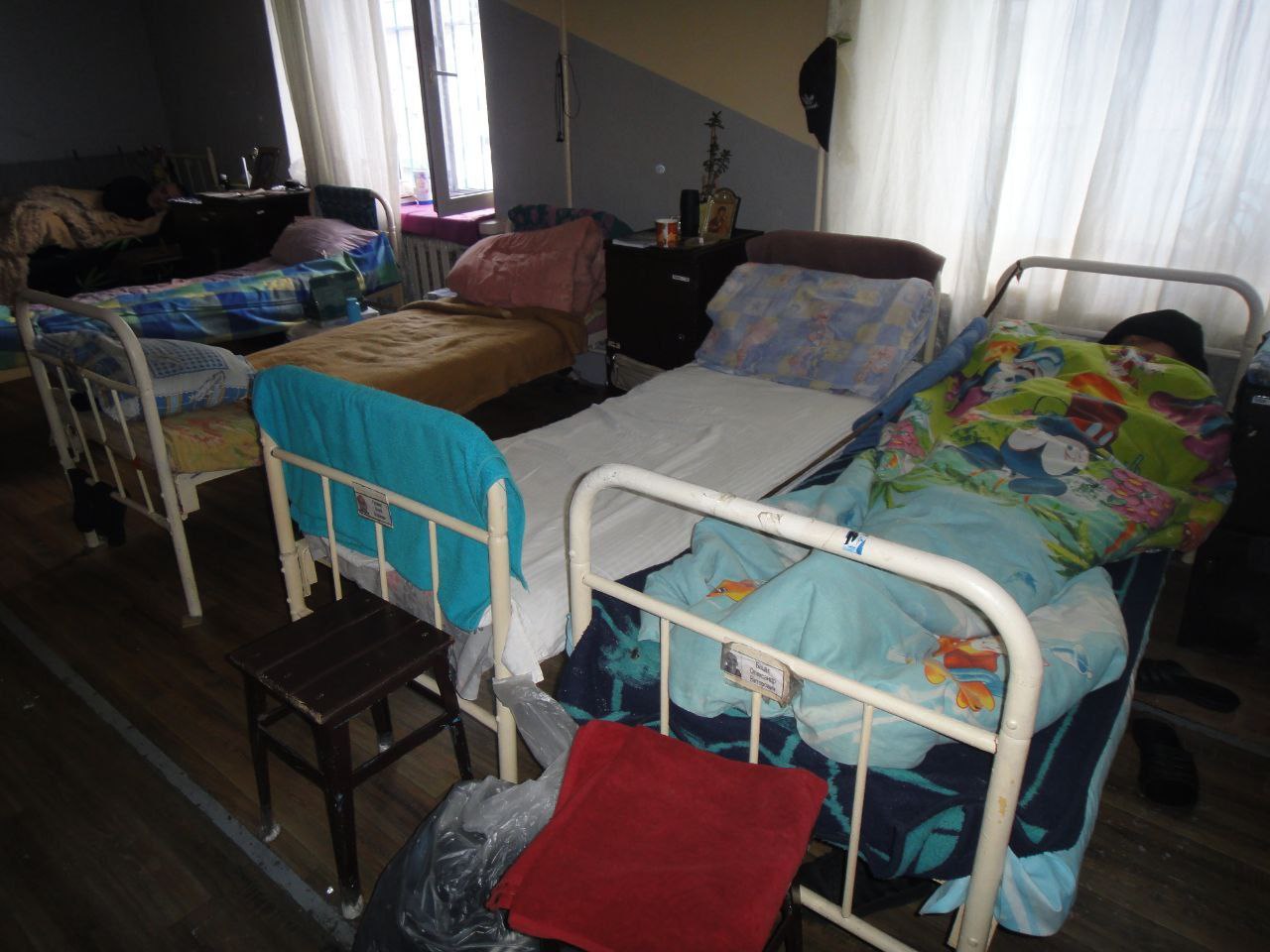
10. In some residential premises of the SPS units, a violation of Article 8 of the Convention for the Protection of Human Rights and Fundamental Freedoms, which guarantees the right to respect for private life, was identified. In violation of Rule 18.1 of the European Prison Rules, beds in the sleeping quarters are located close to each other, which makes it impossible to ensure personal space for the convicts.
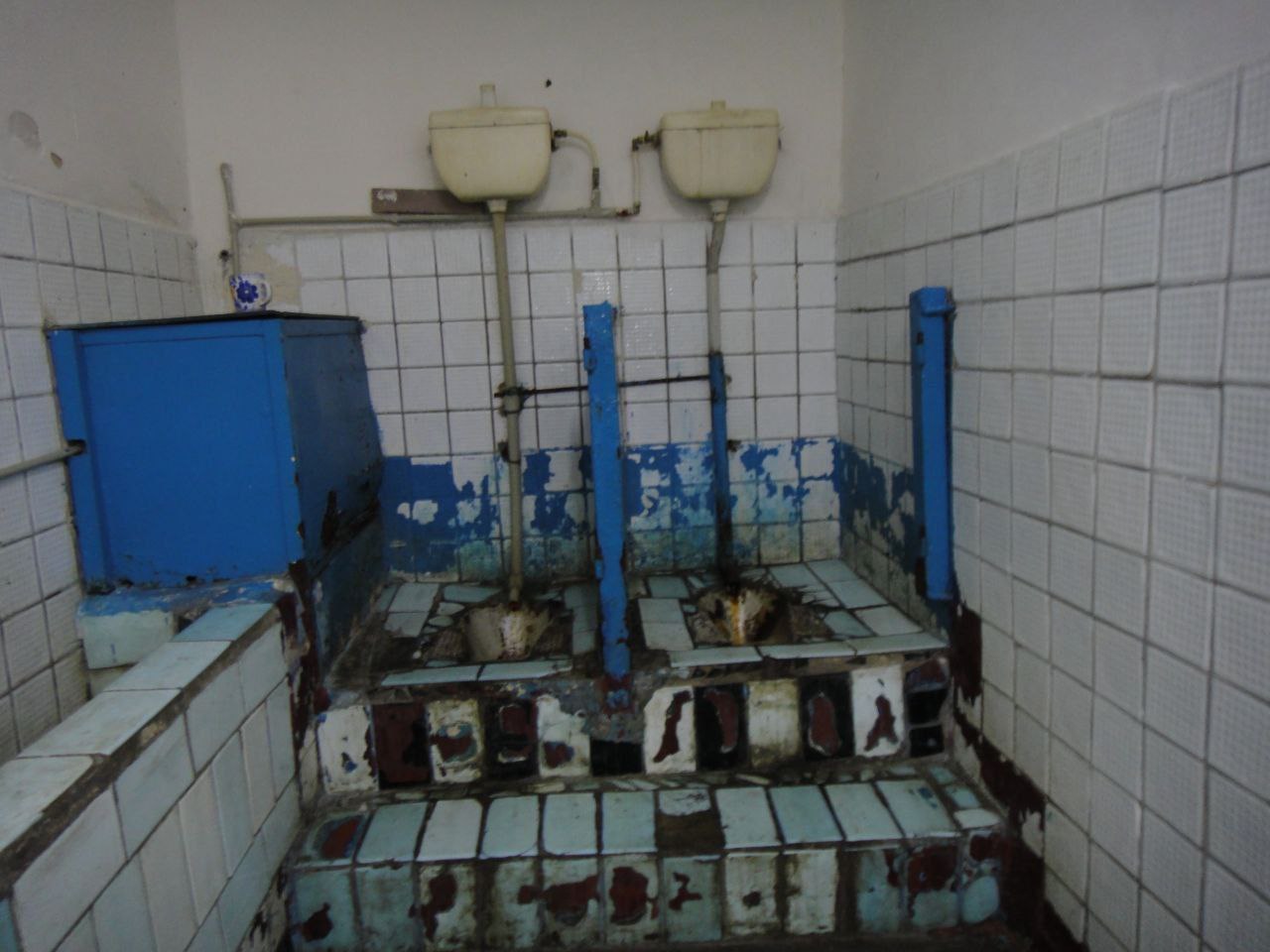
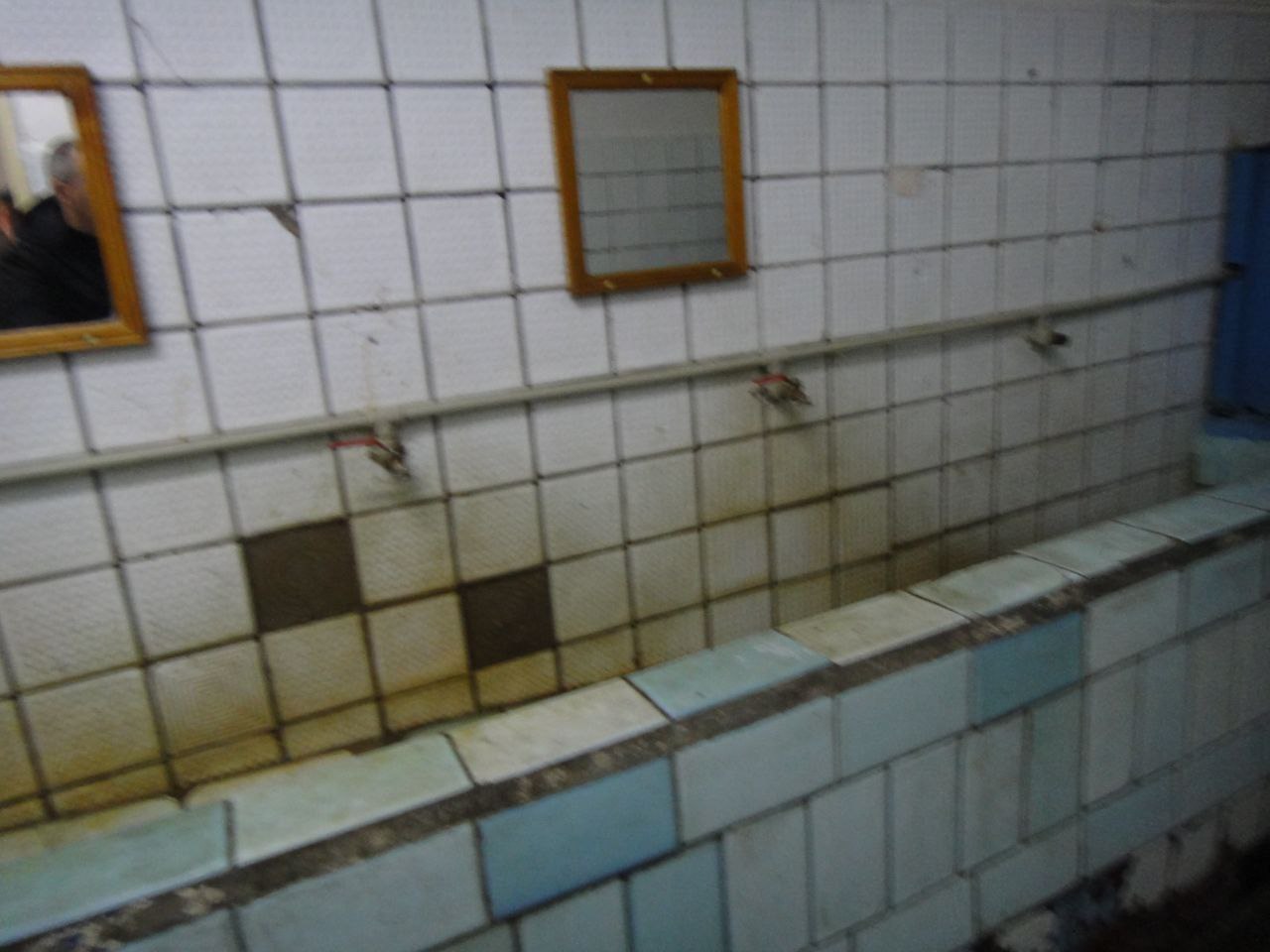
11. In the washbasin and bathroom premises in the canteen, conditions that would meet sanitary and hygiene requirements have not been created, which contradicts the provisions of Article 115 of the CEC of Ukraine, point 1 of Section XXII of the IRCI, Rule 15 of the UN Standard Minimum Rules for the Treatment of Prisoners (Mandela Rules), and Rule 19.3 of the European Prison Rules.
The bathrooms are not equipped with doors or partitions that ensure the possibility of privacy. The premises are in an unsatisfactory sanitary and technical condition, and the temperature regime is violated. In violation of the requirements of the Standards of Provision, there is no cloakroom in the institution's canteen, which leads to the fact that convicts are forced to eat in their outerwear.
12. The monitoring group established a number of violations in the organisation of bath and laundry services for convicts and detained persons. In violation of point 3.19 of Section III of the Regulation on the organisation of bath and laundry services for persons held in correctional institutions and pre-trial detention centres, approved by the order of the Ministry of Justice of Ukraine No. 849/5 dated 08.06.2021 (hereinafter — the Regulation), the sanitary treatment of convicts is not carried out in full.
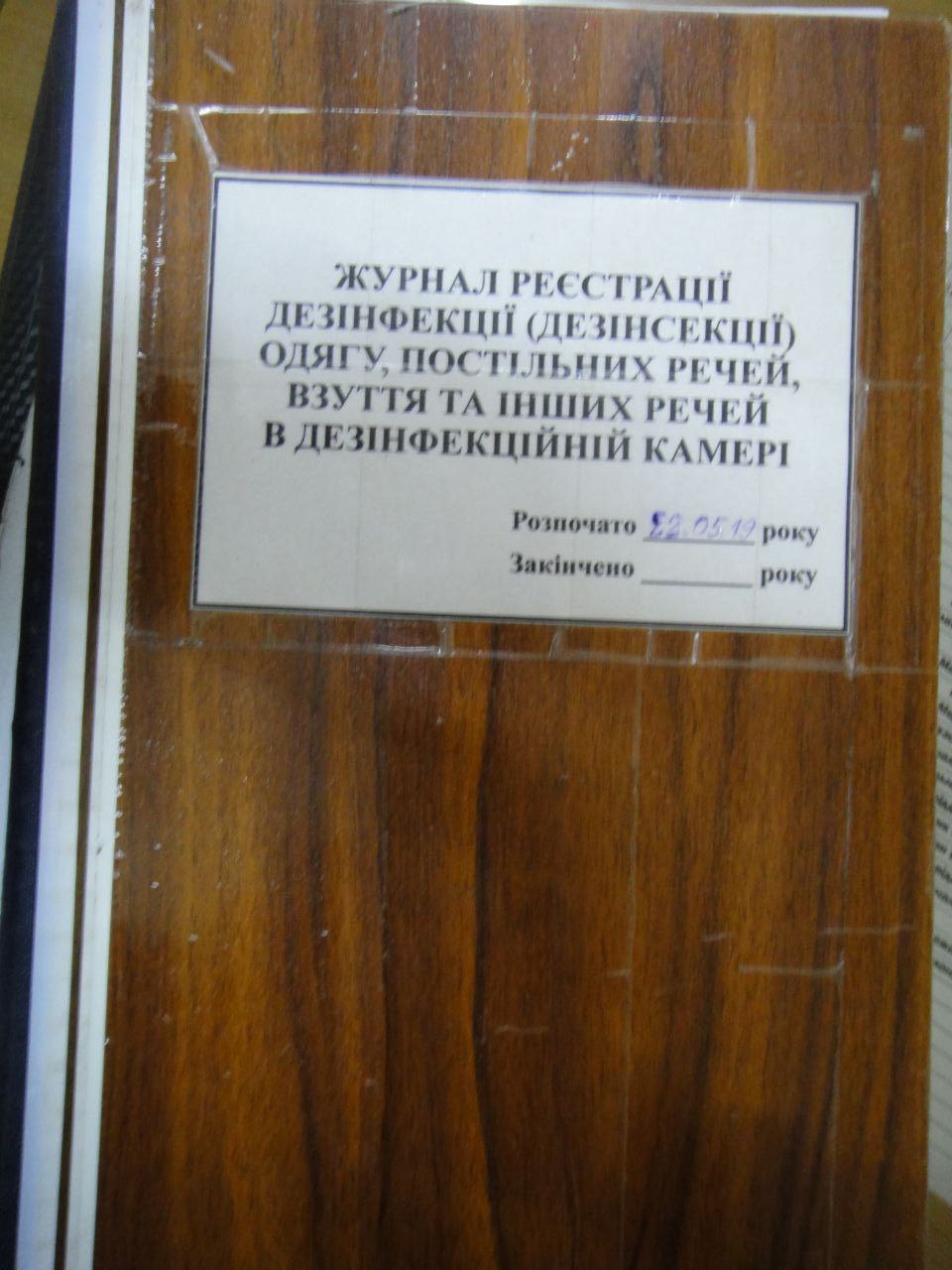
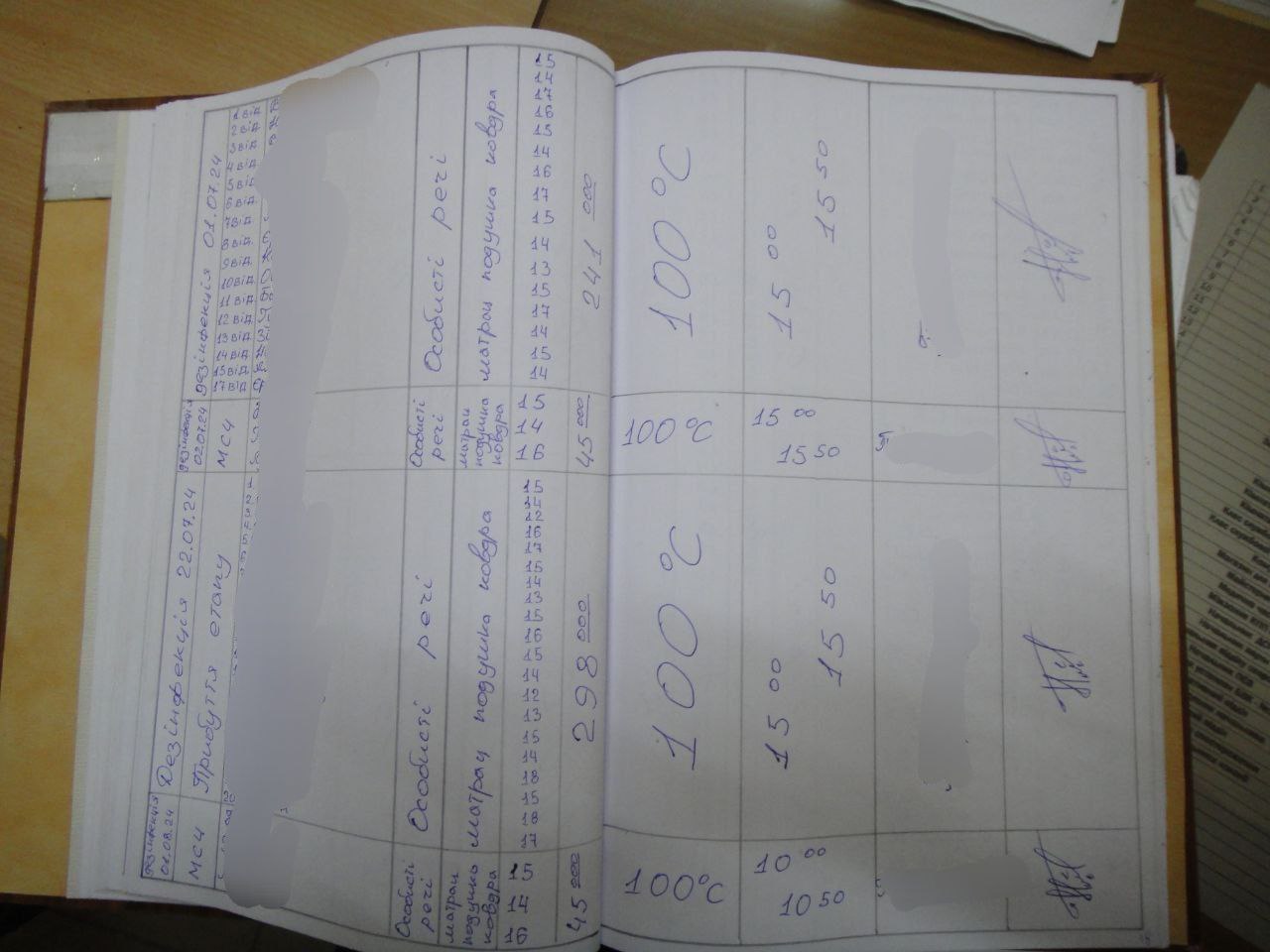
In the disinfection chamber, the monthly planned disinfection and disinfestation of outerwear and bedding (pillows, mattresses, blankets) of the social rehabilitation unit and the pre-trial detention centre is not conducted, which is confirmed by the absence of a relevant entry in the Register of Disinfection and Disinfestation of clothing and bedding in the disinfection chamber. In violation of point 2.11 of Section II of the Regulation, the forced supply and exhaust ventilation system in the laundry room does not work properly.
13. According to the information provided by the administration, from 01.01.2025 to 17.10.2025, 125 passports of a citizen of Ukraine and 29 taxpayer registration numbers (RNOKPP) were issued.
In accordance with sub-point 5 of point 2 of Section IV of the Regulation on the Programme of Differentiated Educational Influence on Convicts “Preparation for Release”, approved by the order of the Ministry of Justice of Ukraine dated 16.05.2016 No. 1418/5, registered with the Ministry of Justice of Ukraine on 17.05.2016 under No. 735/28865, the staff of the socio-psychological service of the institution, who directly organise and carry out measures for the implementation of the “Preparation for Release” programme, are obliged to provide assistance to convicts in obtaining (renewing) a passport of a citizen of Ukraine, a taxpayer registration number (RNOKPP), other personal documents, as well as in processing pensions.
At the same time, 35 convicts need a passport of a citizen of Ukraine, and 13 need an RNOKPP, which indicates insufficient work by the department of social, educational, and psychological work regarding ensuring the processing of necessary documents for convicts who do not have them.
14. The monitoring group established that the institution's administration is likely creating artificial obstacles to the implementation of regulations that provide for the possibility of substituting the unserved part of the sentence with a more lenient one, as well as for the application of parole, which contradicts the principle of phased reintegration of convicts into society.
According to the provided information, during 2025, 98 convicts fell under the provisions of Article 81 of the Criminal Code of Ukraine; the institution's commission considered 98 materials, while 78 convicts were refused the submission of materials to the court regarding parole as having not proven their correction. 99 convicts fell under the provisions of Article 82 of the Criminal Code of Ukraine; the commission considered materials for all persons, but all 99 convicts were refused the submission of materials to the court as having not embarked on the path of correction.
In accordance with Article 101 of the Criminal Executive Code of Ukraine, 211 convicts fell under the provisions on transfer to a different security level, the materials for whom were considered by the institution's commission. Of these, 169 people were refused transfer to a different security level for the same reasons — as having not embarked on the path of correction.
15. According to information provided by the administration, since the beginning of 2025 (as of 17.10.2025), 242 short-term visits have been granted to convicts in the State Institution “Bila Tserkva Correctional Colony No. 35”, of which 187 took place in a non-contact manner — through continuous partition glass using an intercom device.
At the same time, in the report of the Government of Ukraine on the results of the 2023 visit, the European Committee for the Prevention of Torture emphasises that for all categories of convicts, open visits (e.g., at a table) should be the rule, and closed ones the exception, the application of which is allowed only on the basis of well-founded and reasoned decisions after an individual assessment of the potential risk of a specific convict.
In this regard, the Committee calls on the Ukrainian authorities to review the procedure for conducting short-term visits in penitentiary institutions with the aim of ensuring they are held, as a rule, in open conditions (CPT/Inf (2024) 20, point 99).
16. During the visit, the monitoring group recorded that the institution's staff who directly interact with convicts openly carry special means, in particular rubber batons. At the same time, according to the eighth paragraph of point 1 of Section XXVI of the IRCI, the carrying of special means by the staff of correctional institutions within the protected territory of a correctional institution should, if possible, be maximally concealed from others.
At the same time, the Committee recommends that penitentiary officers who work in direct contact with prisoners should not carry special means (such as rubber batons, handcuffs, and canisters equipped with tear gas) openly in front of prisoners. Such carrying hinders the establishment of normal relationships between staff and prisoners (point 85 (CPT/Inf (2011) 29), point 23 (CPT/Inf (2013) 23), point 166 (CPT/Inf (2014) 15)).
17. According to official documentation, the staff shortage in the institution as of 17.10.2025 is 88 staff units. At the same time, in the report of the Government of Ukraine on the results of the 2023 visit, the Committee emphasises that ensuring a positive climate in a penitentiary institution requires the presence of a professional team of staff, who must be present in sufficient numbers at any given time in places of detention.
An insufficient number of staff can increase the risk of violence and intimidation between convicts. The shortage of frontline staff also undermines the quality and level of measures offered to convicts and jeopardises the prospect of preparation for release and social rehabilitation. In this regard, the Committee calls on the Ukrainian authorities to take decisive measures to significantly increase the number of staff in penitentiary institutions of Ukraine where there is a low level of staffing, with the aim of strengthening the presence of security and supervision service staff within the institutions. It is also necessary to take measures to put an end to the 24-hour shift for staff on duty (CPT/Inf (2024) 20, point 93).
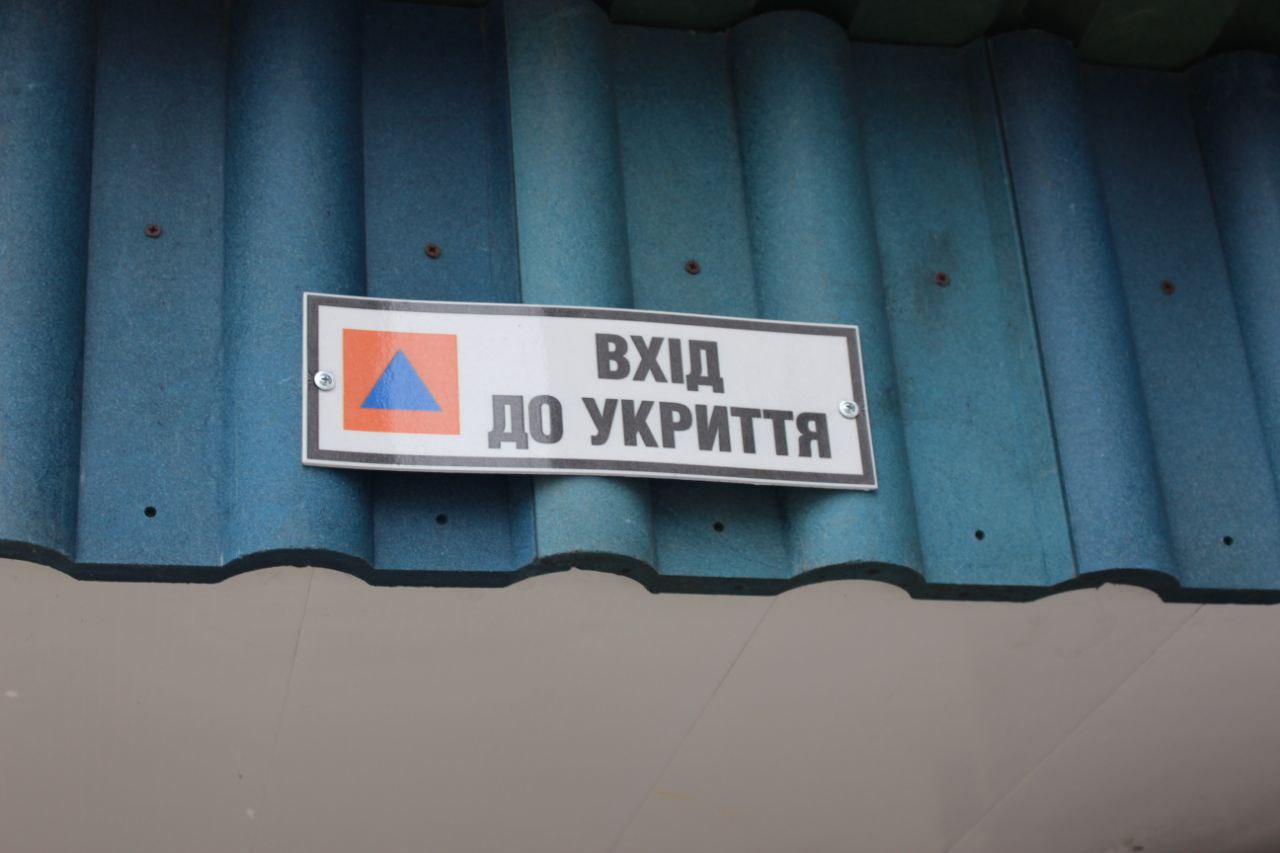
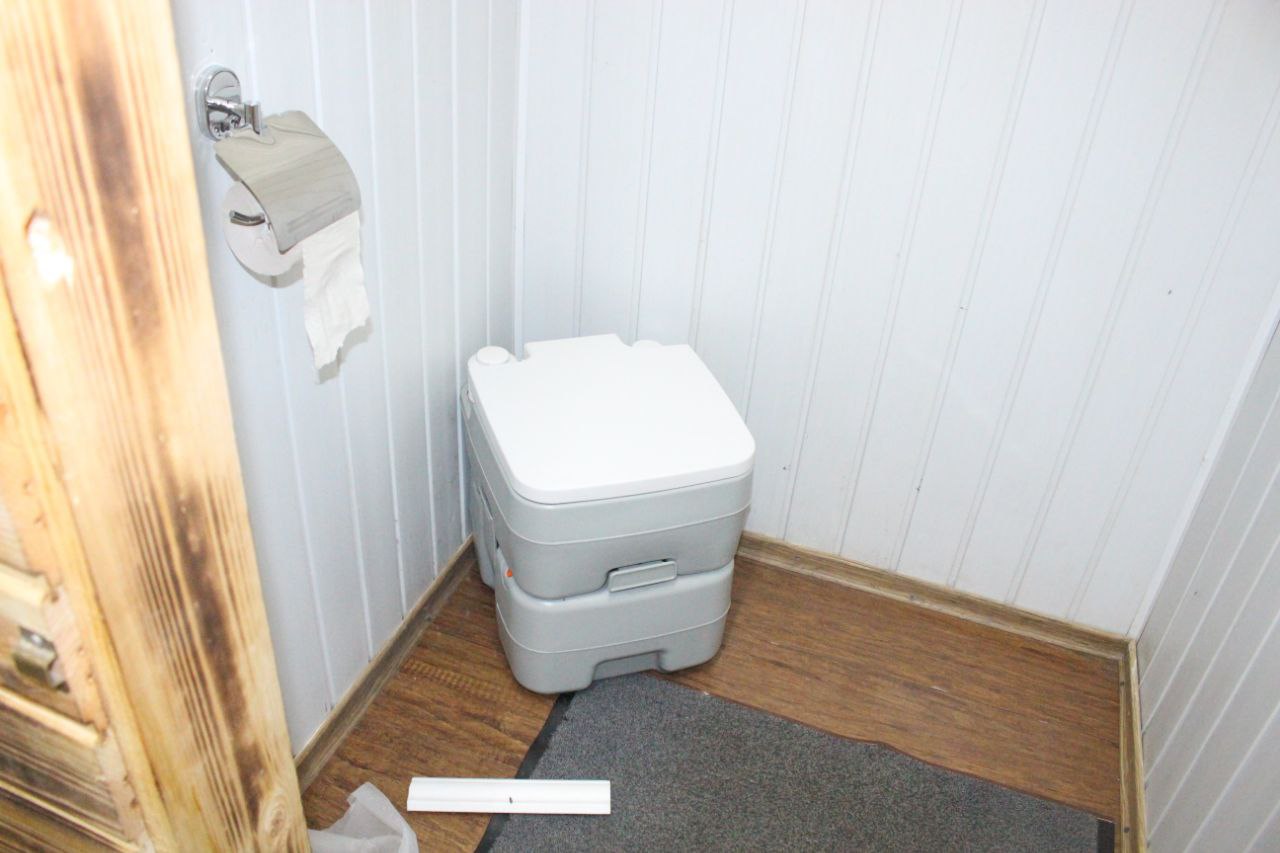
18. Two separate shelters operate in the institution: one intended for persons held for the purpose of extradition, and the second for other convicts. The shelter for extradited persons is equipped with a second emergency exit, has a working ventilation system and a connection to the sewage system, which meets the requirements of points 6.2, 6.4, and 8.4 of DBN V.2.2-5:2023 “Civil protection shelters”. Inside, dry toilets are installed, and at the entrance, there is proper signage “Entrance to the shelter”, which ensures the possibility of prompt evacuation in accordance with Article 20 of the Law of Ukraine “On the legal regime of martial law” and Article 21 of the Civil Protection Code of Ukraine.
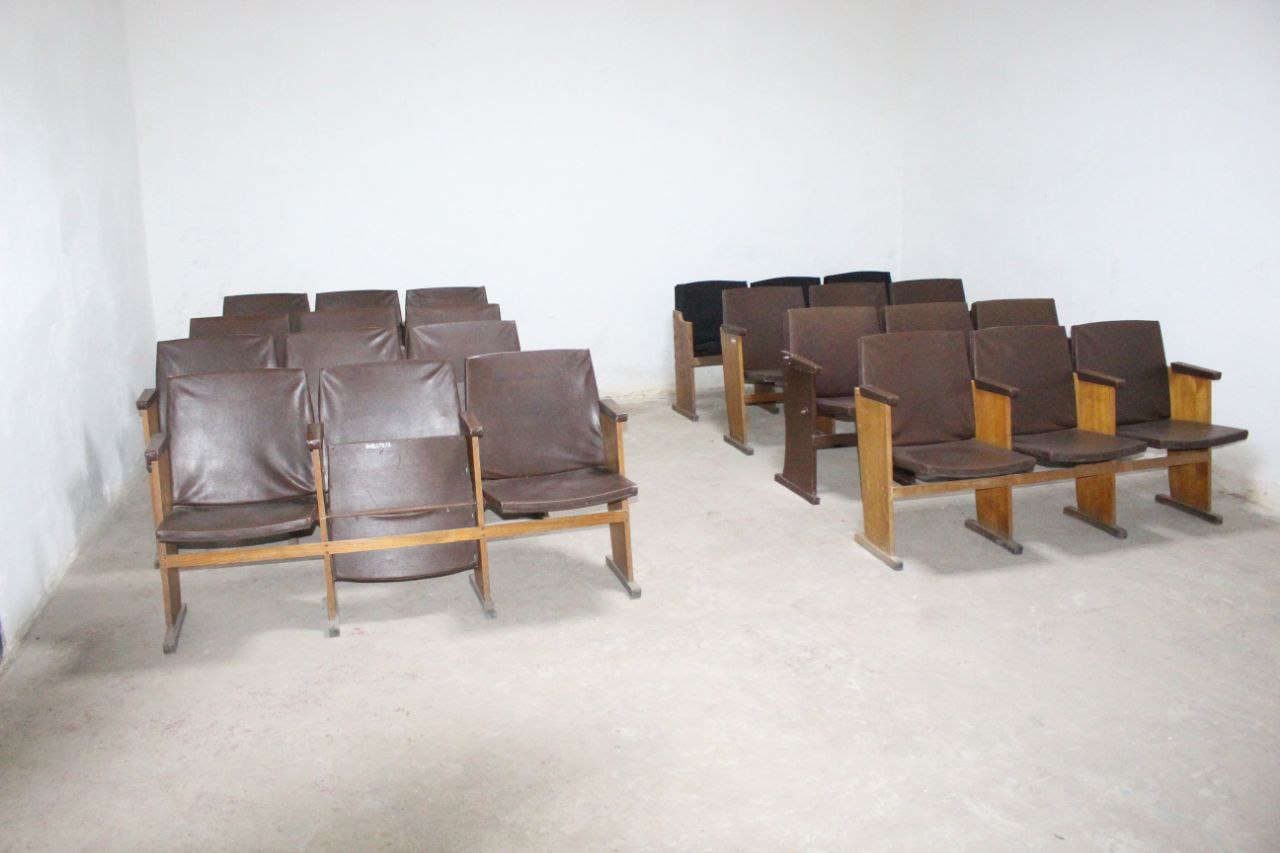
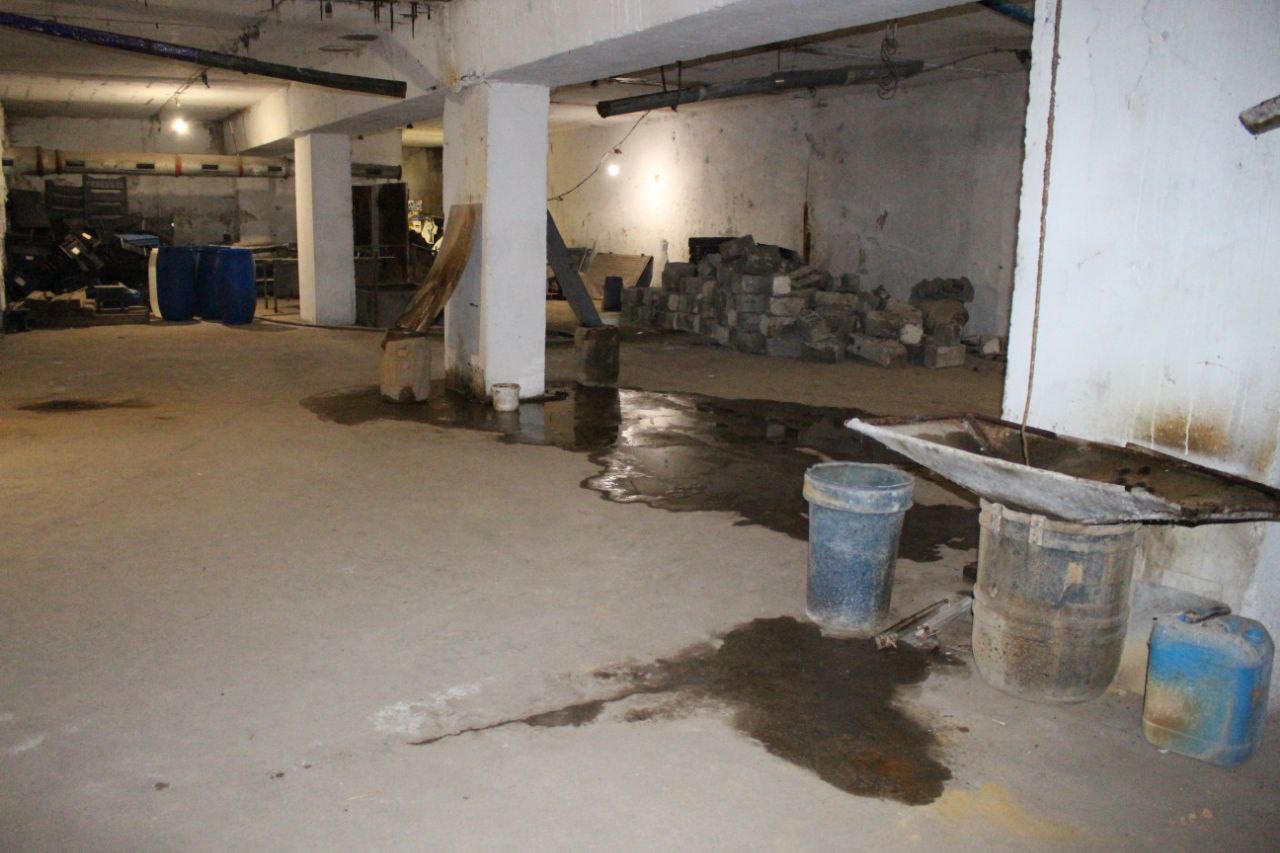
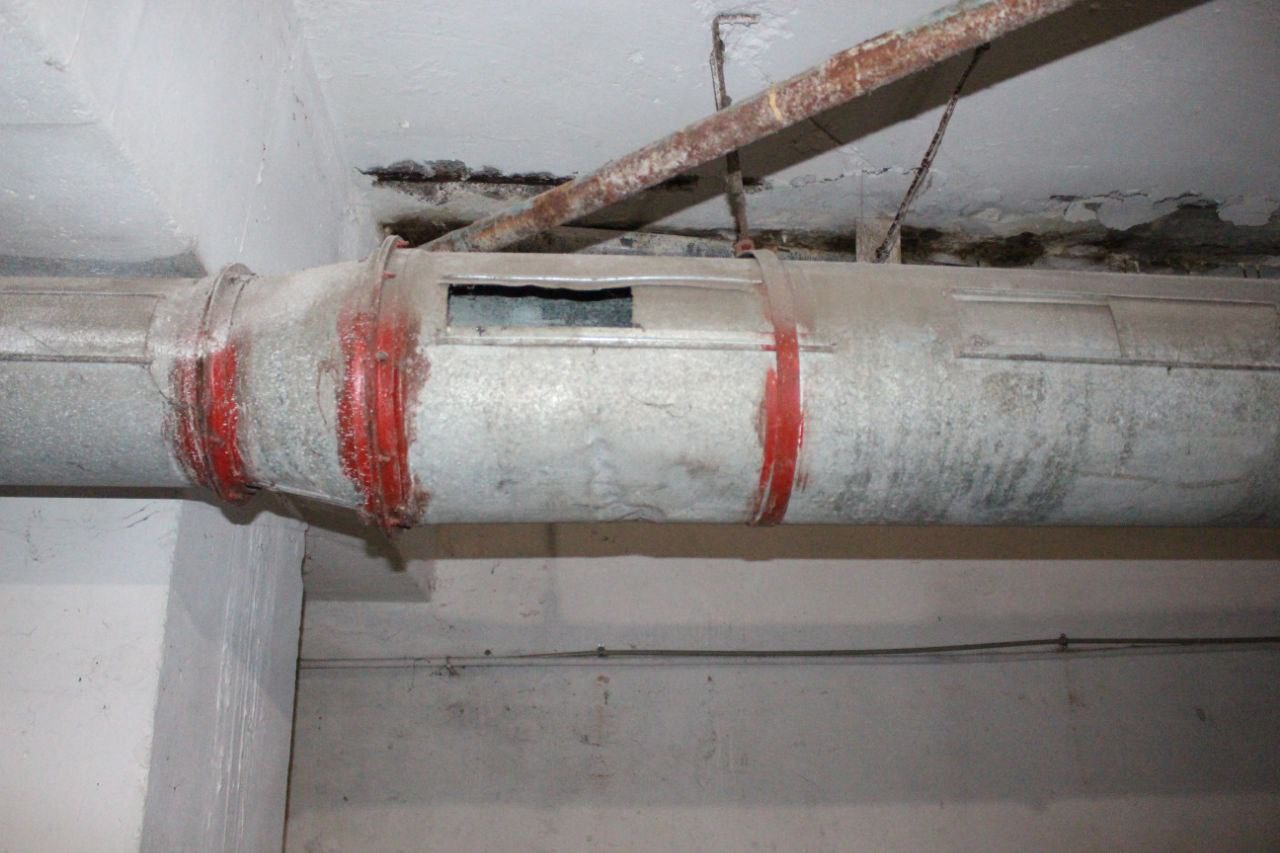
The other shelter used for convicts, although it has a second exit, does not meet the minimum requirements for safe stay. Excessive humidity, flooding, and water puddles were recorded in the premises, which contradicts the requirements of point 8.12 of DBN V.2.2-5:2023 regarding the dryness and suitability of shelters. The shelter is not equipped with a ventilation system, and the existing ventilation pipe is in a non-working condition, which does not ensure the necessary air exchange provided for by points 7.2—7.5 of the DBN.
The absence of sewage and sanitary facilities also violates the requirements for ensuring living conditions during the prolonged stay of people. The combination of these shortcomings creates real health risks for the convicts and does not ensure them the minimum necessary level of protection during air raids, as required by Article 3 of the Constitution of Ukraine and Article 10 of the CEC of Ukraine (the state's duty to guarantee the safety of convicts).
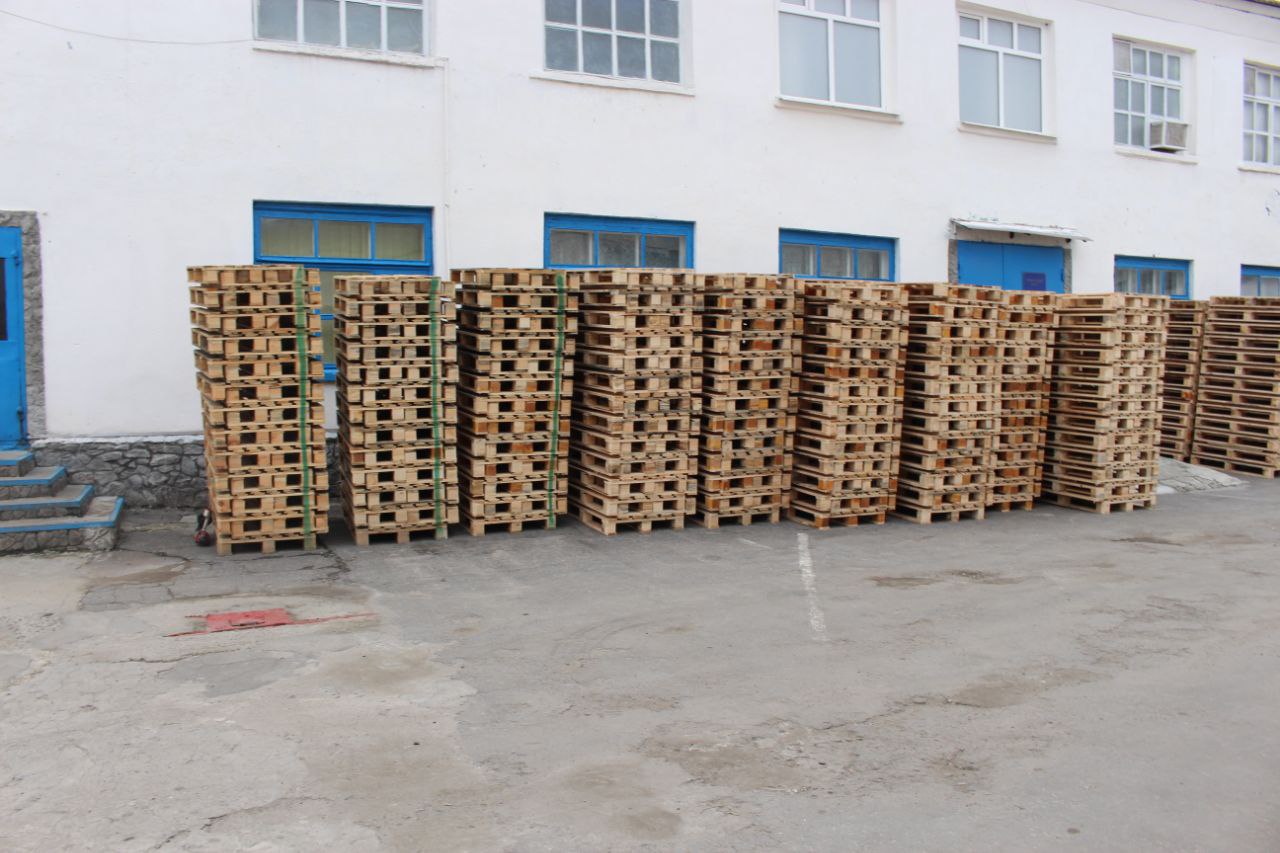
19. Based on the results of the inspection of production premises, communication with convicts and staff, and analysis of provided documents (briefing logs, canteen logs, tool inventory logs, timesheets, lists of convicts, work orders, and other documentation), it was established that BVK-35 operates several main areas of convict employment, in particular: production and utility mechanical workshop (MUM) — locksmith and turning work, welding; workshop No. 2 (garment production, sewing sacks); carpentry workshop (production of pallets); auxiliary farm, repair work in units; canteen, where at least 9 people work.
Some convicts work on the basis of fixed-term employment contracts with private enterprises, others — at the branch of the State Enterprise of the State Penitentiary Service of Ukraine No. 4. Some convicts are involved in work based on the first part of Article 118 of the CEC of Ukraine, others — based on orders of the institution without the formalisation of employment relations.
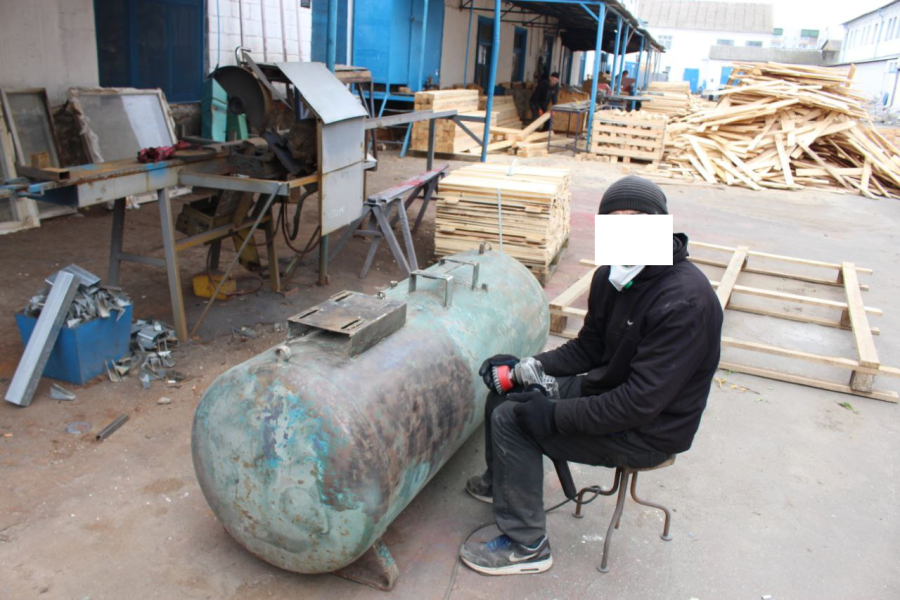
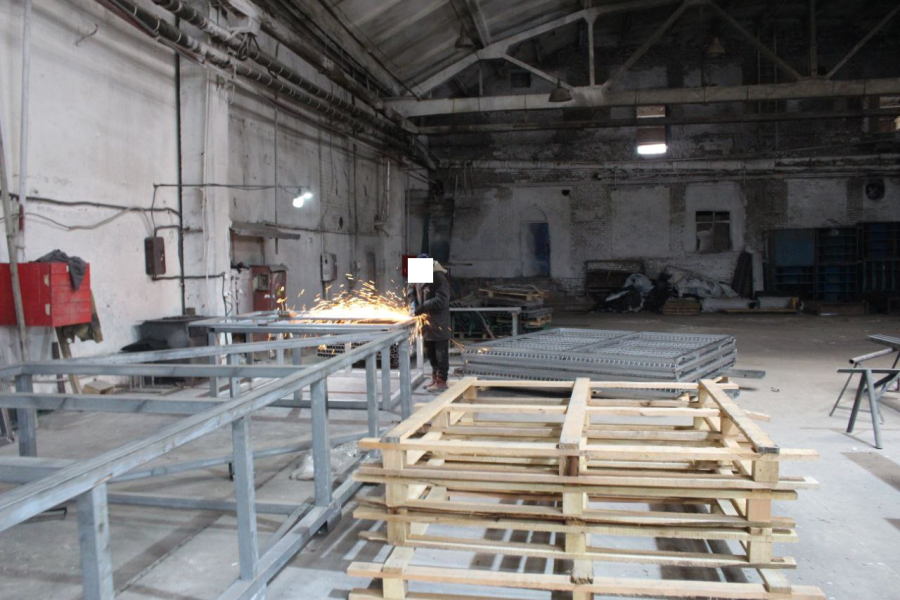
In the institution's production areas, systemic violations of safety and legislation requirements were recorded. In the MUM, where convict locksmiths, turners, and welders work, there is no ventilation, protective clothing, or personal protective equipment, safety briefings and risk assessments are not conducted, and working conditions do not meet sanitary and fire safety standards, which violates the provisions of the Labour Code, the Law of Ukraine “On Occupational Health and Safety”, and international standards.
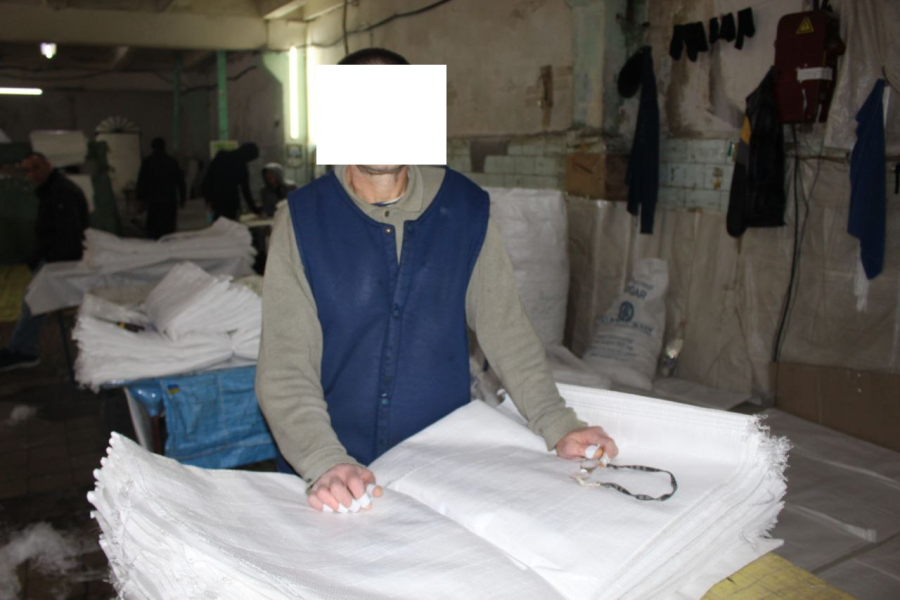
In workshop No. 2 for sewing sacks, work is carried out without ventilation, with a high concentration of polypropylene dust, and without sanitary control, which contradicts labour and sanitary legislation.
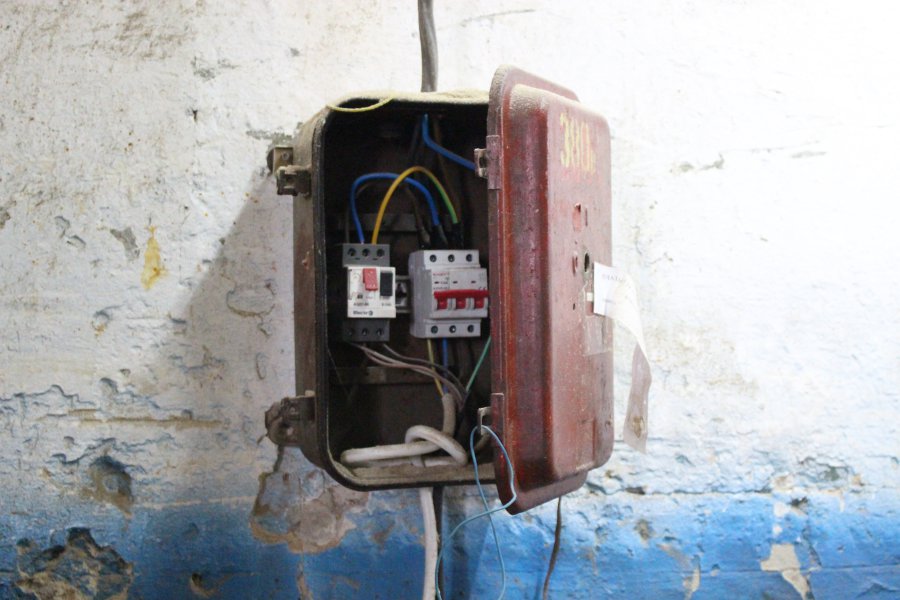
In the carpentry workshop, open electrical panels, dangerous wires, the absence of guards on machines, dust and dirt, and the absence of proper protective clothing were identified. In maintenance work, convicts perform repair and other work without employment contracts, without keeping track of working hours, without days off, and without briefings, which has signs of forced labour and violates the requirements of the CEC of Ukraine, the Labour Code of Ukraine, and occupational health and safety legislation.
9 convicts work in the canteen, in particular B., S., M., B., and others. According to the tools issuance and medical examination logs, the same persons are examined by a doctor daily and receive sharp objects; thus, there is every reason to believe that they work without days off, which is a violation of Articles 50—52 of the Labour Code and Rule 26.4 of the European Prison Rules.
During personal communication with the convicts working in the canteen, it was clarified that S. is involved in dishwashing without pay, and M. works as a cleaner without the formalisation of legal relations and without pay, which is a violation of Article 43 of the Constitution of Ukraine, Article 118 of the CEC of Ukraine, and Articles 21 and 24 of the Labour Code of Ukraine.
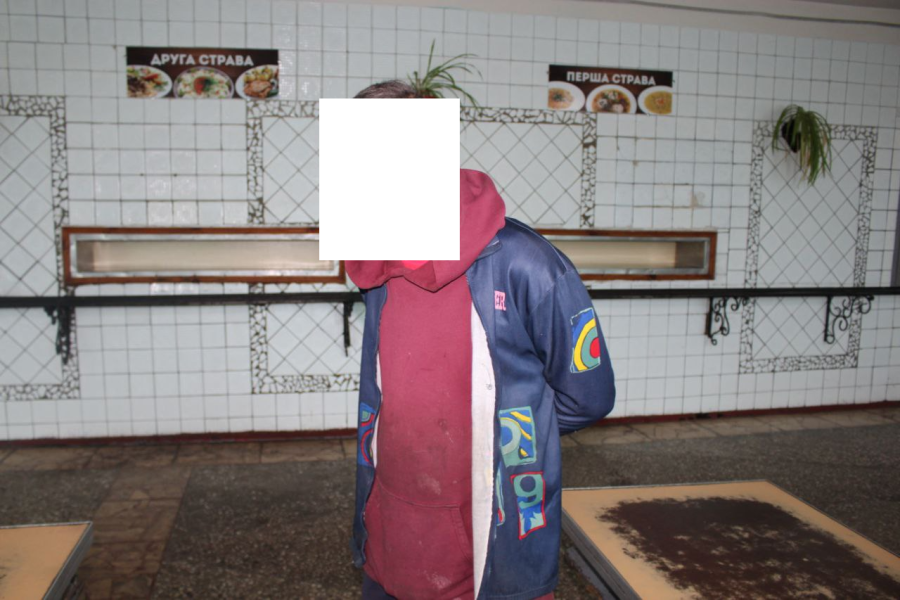
Monitors also encountered an attempt to provide false information: convict B. was noticed in the bread-cutting room in a white coat, but he denied working, which indicates informal employment and irregular record-keeping of labour.
Processed fixed-term employment contracts showed a number of violations of current legislation. Contracts No. 116, No. 363, and others were analysed. The main violations in the content of the contracts: the specific workplace, working conditions, and harmful factors are not defined, which is a violation of Article 29 of the Labour Code. Also, the minimum wage is not established, which leads to wages in the range of 300-900 UAH and is a violation of Article 95 of the Labour Code. The procedure for granting leave, days off, and breaks is not defined, which is a violation of Articles 79 and 66 of the Labour Code.
The institution's administration interferes in labour relations, although it is not an employer, which is a violation of Article 21 of the Labour Code and Article 118 of the CEC of Ukraine. Convict A. has been working for 2.5 years and receives a salary of less than 1,000 UAH per month, which is a violation of Article 95 of the Labour Code. Convict D. has been working for over 2 years and receives an average of 800 UAH per month. Welders do not receive compensation for harmful working conditions. Some facility maintenance workers work without any pay at all.
According to the records from the hourly inspection log of workshop 1, the last inspection is conducted at 15:30. During personal conversations with the convicts, the latter reported that on some days they work from morning until evening for more than 8 hours per shift. This indicates the absence of real tracking of working hours, which is non-compliance with Articles 13 and 18 of the Law of Ukraine “On Occupational Health and Safety”.
The absence of workplace certification was also recorded, which is a violation of the Resolution of the Cabinet of Ministers of Ukraine No. 442, as well as the absence of briefings and occupational health and safety logs. There are cases of work without an employment contract, as well as non-payment of the minimum wage.
Thus, working conditions in most production areas have signs of being dangerous and harmful and are subject to elimination.
Based on the analysis of documents, contracts, testimonies of convicts, and inspection of workplaces, NPM monitors established: systemic violations of the right to work, provided for by Article 43 of the Constitution of Ukraine and Article 118 of the CEC of Ukraine, as well as violations of labour legislation, including the Labour Code and the Law of Ukraine “On Occupational Health and Safety”; the absence of real social guarantees — sick leave, days off, minimum wage; signs of forced labour, in particular in the canteen and in facility maintenance; dangerous working conditions that pose a risk to life and health.
Facts of work without pay were also identified, which is a violation of international standards, European Prison Rules, Mandela Rules, and ILO standards.
The entire aggregate of violations indicates that the violations of the right to work and social guarantees at BVK-35 are systemic in nature and do not meet the requirements of national legislation and international standards.
Medical Unit No. 35 of the branch of the State Institution “Centre for Healthcare of the State Penitentiary Service of Ukraine” in Kyiv and Kyiv Region
Acting Head of Medical Unit No. 83 of the branch of the State Institution “Centre for Healthcare of the State Penitentiary Service of Ukraine” in Kyiv and Kyiv Region — Petro Petrovych Chyrka.
The following positions remain vacant on the medical unit staff: senior paramedic — 1 staff unit, narcologist — 1 staff unit, clinical psychologist — 1 staff unit, infectious disease specialist — 1 staff unit.
During the monitoring visit, violations of national legislation requirements and non-compliance with international recommendations in the field of prisoner treatment were identified, which lead to violations of the rights of convicted persons.
1. During the visit, the monitoring group established that the medical staff does not ensure proper recording and documentation of bodily injuries of persons deprived of their liberty.
In accordance with point 3 and point 4 of Chapter 1 of Section II of the Procedure for organising the provision of medical care to persons sentenced to deprivation of liberty, approved by the order of the Ministry of Justice of Ukraine and the Ministry of Health of Ukraine dated 15.08.2014 No. 1348/5/572 (hereinafter — the Procedure), in case of detection of bodily injuries in a convict, the medical worker who detected such injuries draws up a certificate in triplicate, which details: information (written statement, oral or written explanation of the convict regarding the circumstances of receiving bodily injuries — date, time, place of occurrence, methods of causing injuries, information about the person or persons who, in the convict's opinion, could have caused the injuries), as well as other information regarding the receiving of bodily injuries; an exhaustive description of medical indicators characterising the convict's state of health, the nature of the injuries, their size and location; the assumption of the medical worker based on the information provided by the convict and medical indicators with a justification of their correlation.
Photographs of the existing bodily injuries are attached to the certificate by the medical worker. Two copies of the certificate are attached to the materials of the personal file and the medical card of the outpatient patient (form 025/o), and the third copy is given to the convict. Regarding the fact of detection of bodily injuries, the medical worker promptly, but no later than 24 hours from the moment of detection of such injuries, informs the prosecutor and the administration of the correctional institution by telephone, email, and written notification, and in cases where the convict reports that the bodily injuries were caused by persons of the rank and file and/or command staff of the State Penitentiary Service of Ukraine or by employees of other law enforcement agencies — also the State Bureau of Investigation.
Information about the fact of detection of bodily injuries is entered by the head of the medical unit or the on-duty medical worker into the register of facts of detection of bodily injuries in convicts, the form of which is contained in Appendix 3 to the Procedure and is kept in the relevant healthcare facility of the State Penitentiary Service.
However, during the visit, the monitoring group established the fact of improper recording of bodily injuries. Thus, during the monitoring visit, information was received about convict K., who received an injury at the production zone facility on 27.05.2025 while performing work. Information about the injury was partially entered into the outpatient patient's card (form 025/o). The head of the medical unit and other staff were unable to provide documentary confirmation of the provision of medical care or the recording of injuries in the established order.
Thus, the medical workers did not draw up a certificate in accordance with the requirements of the Instruction on filling out the form of primary accounting documentation No. 511/o “Certificate on the recording of bodily injuries”, approved by the order of the Ministry of Health of Ukraine dated 02.02.2024 No. 186. Entries were also not made in the register of facts of detection of bodily injuries in convicts, and the prosecutor was not notified regarding the relevant facts.
The absence of proper recording of bodily injuries does not comply with point 60 of the Committee's recommendations, which states that medical services in places of deprivation of liberty can contribute to the prevention of violence against persons held in custody by systematically registering bodily injuries, as well as, if necessary, informing the relevant authorities (CPT/Inf (93)12-part).
2. In violation of point 3 of the Instruction on filling out form No. 511/o, approved by the order of the Ministry of Health of Ukraine dated 02.02.2024 No. 186, certificates of form No. 511/o are not attached to the medical card No. 025/o but are stored separately.
3. In violation of the requirements of the tenth paragraph of point 2 of Section XVII of the IRCI, convict G., who performs the function of a duty orderly, stays in the inpatient medical unit around the clock. During confidential communication with the convicts who were undergoing treatment in the inpatient ward, the monitoring group established that he is entrusted with performing various tasks, in particular caring for the seriously ill, cleaning the premises, and he also occupies a sleeping place in one of the wards of the inpatient unit. The above violates Article 96 of the CEC of Ukraine.
At the same time, the Committee has repeatedly recommended ending the practice of using convicts as assistants in medical units and as orderlies (Committee report on the results of the 2005 visit to Ukraine, point 132 (CPT/Inf (2007) 22); 2013, point 151 (CPT/Inf (2014) 15); 2017, point 86 (CPT/Inf (2018) 41)).
4. In the medical unit, the provision of opioid agonist therapy (hereinafter — OAT) for persons with mental and behavioural disorders due to opioid use has not been organised in accordance with the Procedure for conducting opioid agonist therapy for persons with mental and behavioural disorders due to opioid use, approved by the order of the Ministry of Health of Ukraine dated 27.03.2012 No. 200. Drug-dependent persons are not provided with social and psychological support, cognitive-behavioural therapy (CBT), relapse prevention, motivational interviewing, self-help groups, and other types of support.
Thus, these persons are deprived of the opportunity to receive OAT, which violates their right to choose methods of treatment in accordance with Article 38 of the Law of Ukraine “Fundamentals of Ukrainian Legislation on Healthcare”.
At the same time, in the report on the results of the 2023 visit to Ukraine, the Committee notes that admission to a penitentiary institution is an opportunity to solve a problem related to drugs, and therefore it is important that appropriate assistance be offered to all interested persons. Consequently, appropriate medical care must be available in all institutions.
The help offered to such persons should be diverse: substitution therapy programmes for persons with drug addiction should be combined with genuine psychosocial and educational programmes for persons with opioid dependence who are unable to stop using drugs. Furthermore, access to OAT programmes in institutions should be easily available, and they should also be managed by penitentiary doctors who receive special training on issues related to drug use (CPT/Inf (2024) 20, point 86).
5. During the inspection of the DICO, monitors established that when placing a convict in the disciplinary isolation unit, it is common practice to attach a medical certificate to the case, according to the conclusion of which the convict can be held in the DICO/CTP for health reasons. At the same time, the Committee has repeatedly emphasised that the obligation of penitentiary doctors to certify the fitness of convicts to serve a disciplinary penalty is unlikely to contribute to the development of positive relations between doctor and patient.
In principle, medical staff should never participate in any part of the decision-making process regarding the application of any type of solitary confinement, except in cases where this measure is applied for medical reasons. On the other hand, medical staff must be very attentive to the condition of convicts who are in solitary confinement. Medical staff must be informed immediately of every such placement and must visit the convict promptly after placement, and then regularly, at least once a day, and provide prompt medical assistance and treatment if necessary. Medical staff must inform the institution's administration if the convict's health is under serious threat due to solitary confinement (CPT/Inf (2024) 20, point 104).
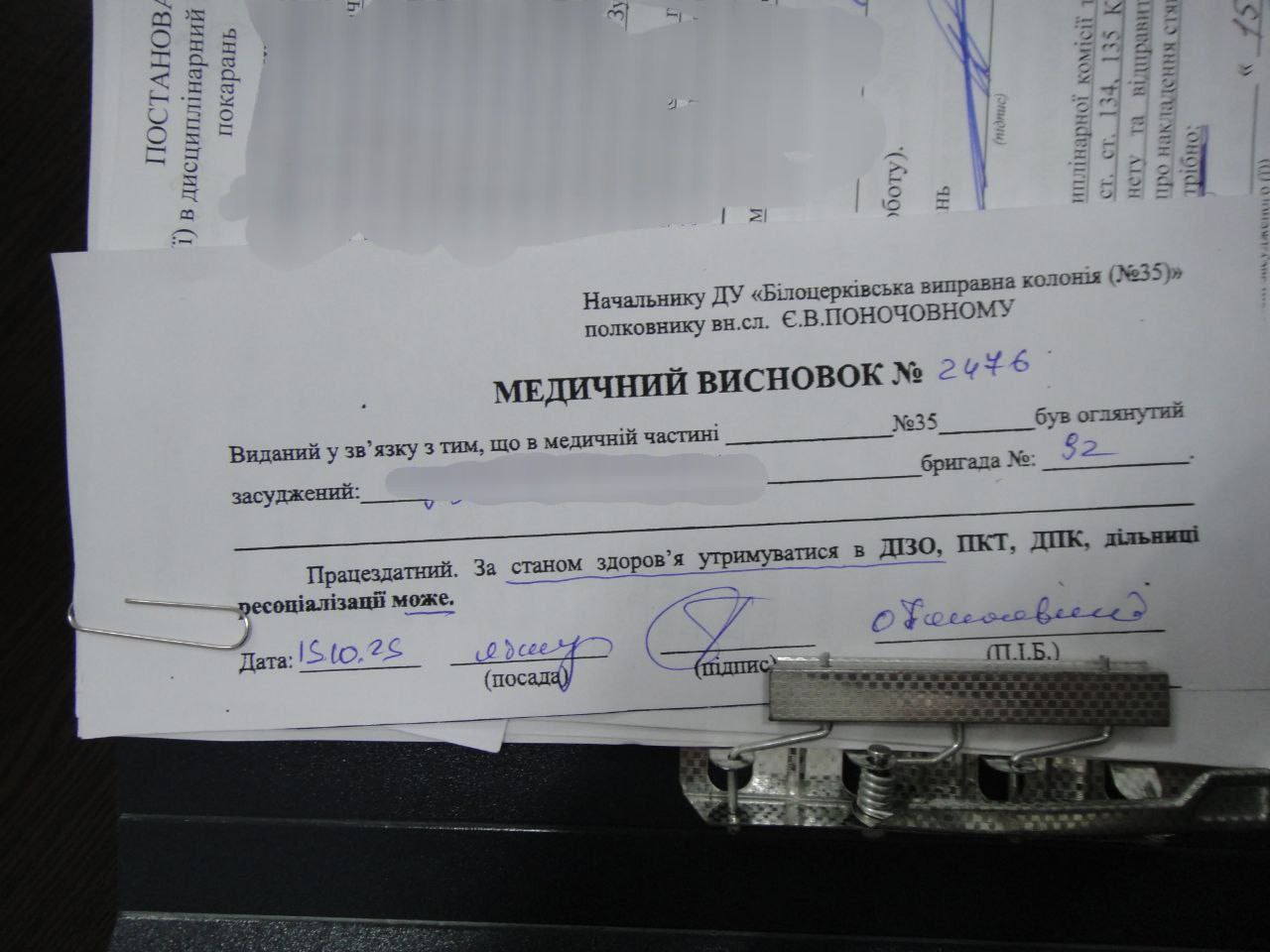
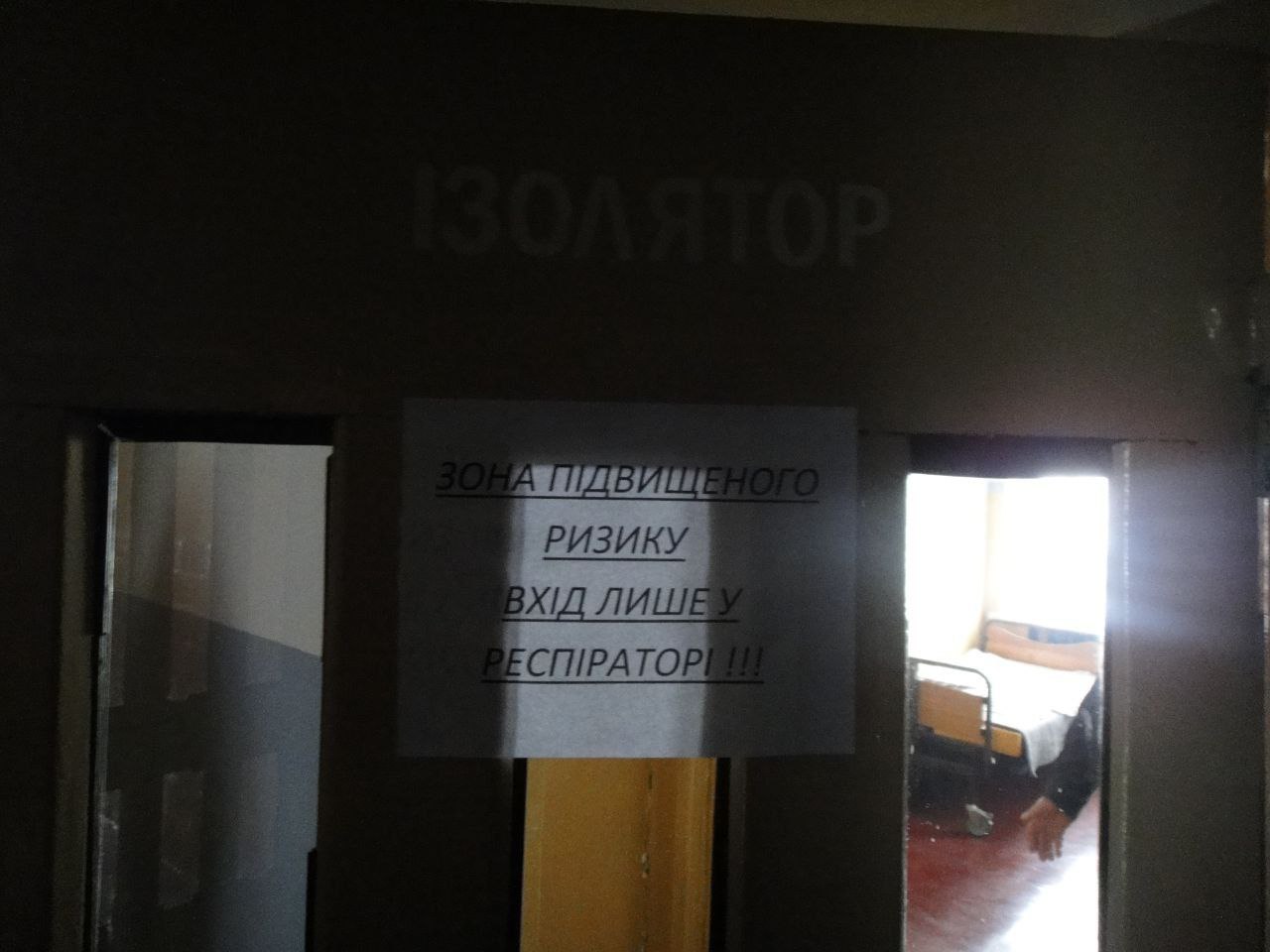
6. In violation of the Measures and means to prevent infection when providing care to patients, approved by the order of the Ministry of Health of Ukraine dated 03.08.2020 No. 1777, the medical unit is equipped with only one isolation ward for infectious patients, which makes it impossible to simultaneously place patients with dangerous infectious diseases separately from each other and from other convicts. Furthermore, the isolation ward for persons with infectious diseases does not meet sanitary and hygienic standards and the requirements of State Building Norms V.2.2-10:2022 “Healthcare facilities. Main provisions”.
The ward intended for holding such patients is not equipped with a shower cabin, which forces infectious patients to use common sanitary facilities together with other persons who are undergoing treatment in the inpatient ward of the medical unit. The absence of proper conditions makes effective isolation of patients impossible, contributes to the spread of infectious diseases, and poses a threat to the health of both convicts and medical staff. In addition, the glass block windows installed in the isolation ward do not ensure a sufficient level of natural lighting. There is no tank with boiled drinking water. The above does not comply with the requirements of Rules 14 and 22.2 of the UN Standard Minimum Rules for the Treatment of Prisoners (Mandela Rules).

7. In violation of the requirements of the Standards of medical care for HCV in adults, approved by the order of the Ministry of Health of Ukraine dated 15.01.2021 No. 51, not all persons (65 people as of 17.10.2025) with suspected viral hepatitis C undergo PCR testing, due to which they do not receive the necessary treatment, which may lead to the deterioration of their health and the spread of this infectious disease among convicts and detained persons.
8. The monitoring group established that the psychiatrist conducts psychiatric examinations of patients without proper execution of written informed consent. In particular, contrary to the requirements of the Instruction on filling out the form of primary accounting documentation No. 003-7/o “Informed consent of a person for conducting a psychiatric examination”, approved by the order of the Ministry of Health of Ukraine dated 15.09.2016 No. 970, it was established that in the medical documentation (in particular, in the medical card of the outpatient patient of form No. 025/o and the medical card of the inpatient patient of form No. 003/o), there is no signed informed consent of the patient for conducting a psychiatric examination.
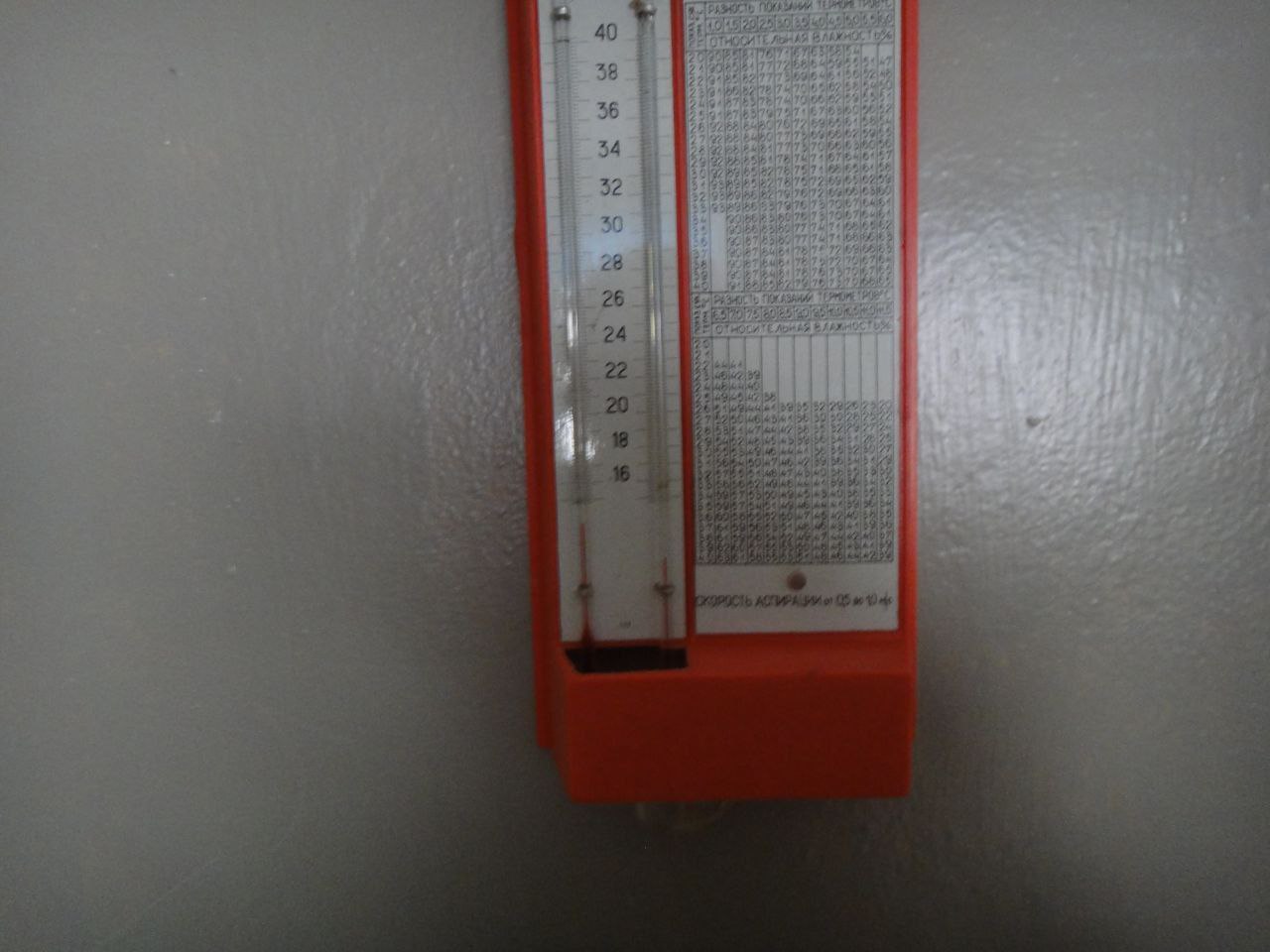
9. In the medical unit, in particular in the wards, the monitoring group recorded a violation of the temperature regime. Thus, at the time of inspection, the air temperature in the premises was below +15 °C, which does not meet the requirements of Section VI of the State Sanitary Norms and Rules, approved by the order of the Ministry of Health of Ukraine dated 02.04.2013 No. 259, and point 1 of Section XXII of the IRCI, according to which in the cold season, the temperature in residential premises of correctional institutions must be maintained at a level no lower than +18 °C.
10. In violation of the requirements of the Standards of entitlement to bedding, special clothing, and special footwear (inventory property) for convicts undergoing treatment in medical and prophylactic institutions, institutions with the rights of medical facilities, and medical units at correctional institutions and pre-trial detention centres, approved by the order of the Ministry of Justice of Ukraine dated 20.02.2012 No. 280/5, convicted persons do not receive hospital property (hospital suit, robe, and shoes). Convicts stay in the inpatient ward in casual clothing, sometimes with their own bedding.
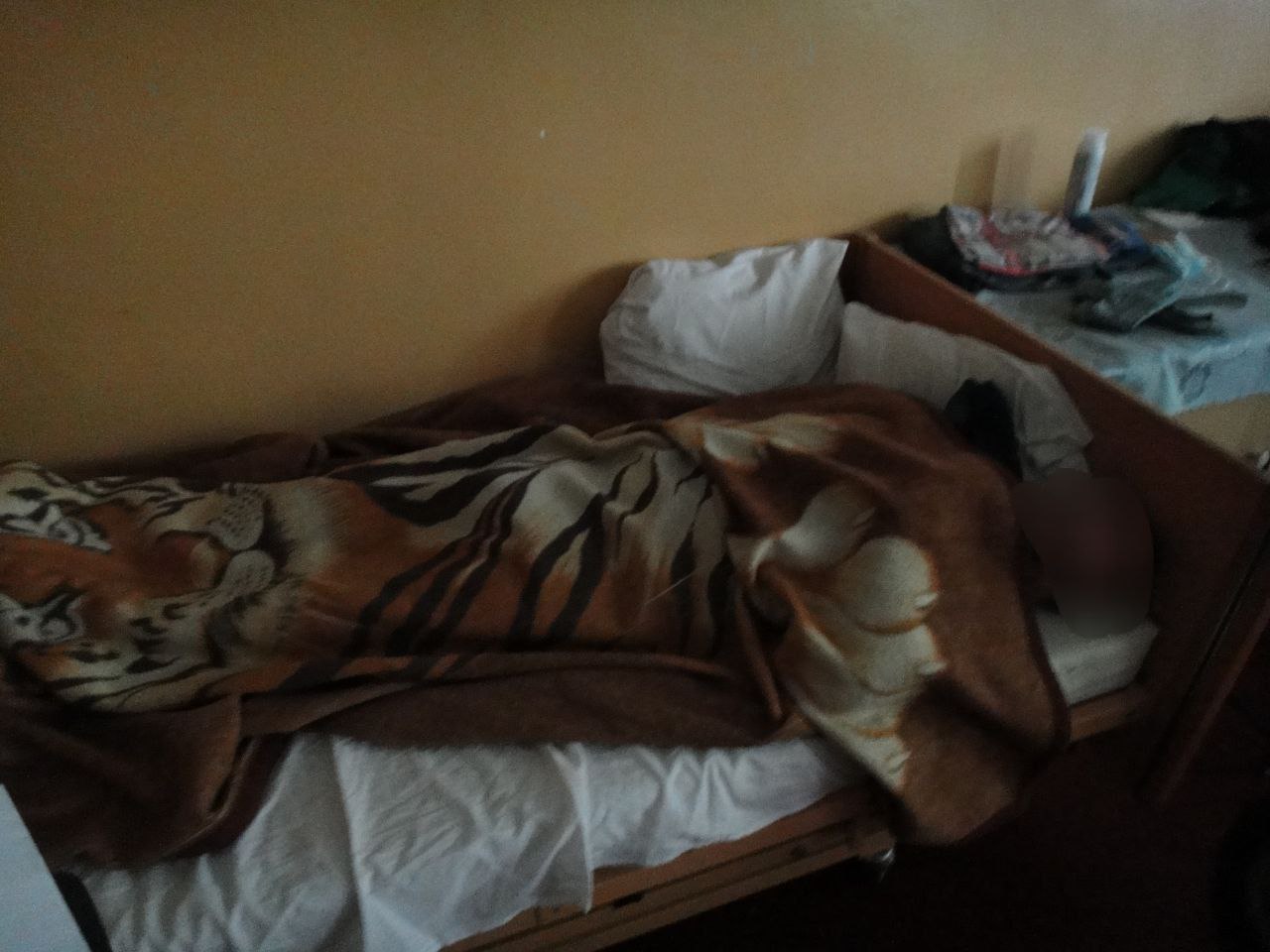
11. Dispensary supervision is carried out for 7 persons with disabilities. Of them: group I — 0 persons; group II — 3 persons; group III — 11 persons. At the same time, in violation of the requirements of the Law of Ukraine “On the rehabilitation of persons with disabilities in Ukraine”, persons with disabilities do not receive proper diagnostic, treatment, and rehabilitation measures in the presence of information confirming persistent impairment of body functions caused by diseases and the consequences of injuries that cause restrictions on normal life activity.
During the study of the medical documentation of the convicts, it was established that 5 persons who have a disability do not have an individual rehabilitation programme (hereinafter — IRP). Furthermore, the recommendations of the IRP are not fulfilled, due to which they do not receive proper diagnostic, treatment, and rehabilitation measures in the presence of information confirming persistent impairment of body functions caused by diseases and the consequences of injuries.
13. In violation of the requirements of the State Building Norms of Ukraine V.2.2-17:2006 “Buildings and structures. Accessibility of buildings and structures for persons with limited mobility”, conditions for holding persons with disabilities have not been created in the medical unit.
14. In violation of point 37 of the Resolution of the Cabinet of Ministers of Ukraine No. 285 dated 02.03.2016 “On approval of Licensing conditions for the conduct of economic activities in medical practice”, the medical unit lacks a conclusion confirming free access for persons with limited mobility to the buildings and premises of the medical institution, the receipt of which is mandatory.
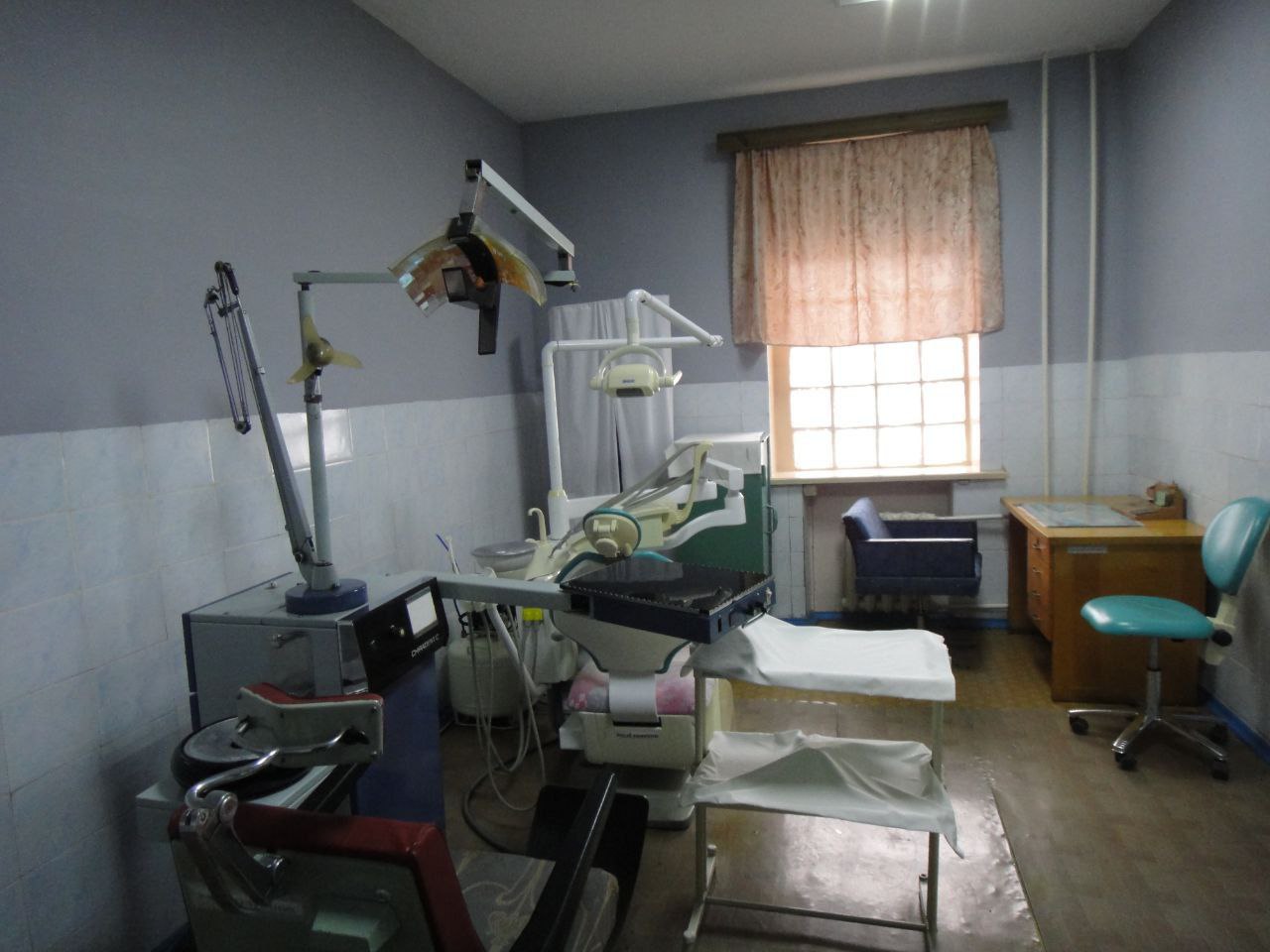
15. In violation of the requirements of the List of equipment for one workplace of a dentist and dental technician, approved by the order of the Ministry of Health of Ukraine dated 11.04.2005 No. 158, the medical unit lacks a dental X-ray machine, which makes it impossible to conduct an in-depth dental examination of convicts and does not ensure the timely provision of proper dental care. According to information provided by the medical unit staff, dental extraction prevails among the available types of dental care, whereas fillings are performed extremely rarely, which significantly limits the right of convicts to receive proper dental care.
16. In violation of the Procedure for organising medical care at the primary, secondary (specialised), and tertiary (highly specialised) levels using telemedicine, approved by the order of the Ministry of Health of Ukraine dated 19.10.2015 No. 681, the medical unit staff, due to technical limitations, is deprived of the opportunity to send requests for telemedicine consultations and receive professional assistance for the provision of medical services to convicts.
17. According to point 7 of Chapter III of Section II of the Procedure, convicts working at food facilities (except for work related to the positions of sellers, heads of food and supply warehouses, storekeepers), the processing industry, in children's homes, general secondary education institutions, vocational training units in special correctional colonies, medical units (paramedic stations), and hospital facilities of the State Penitentiary Service (except for work related to the provision of medical care), laundries, baths, rooms for long-term visits, dormitories, clubs, at water supply and sewage facilities, livestock breeding and rearing units, undergo mandatory preliminary and preventive medical examinations in accordance with the Resolution of the Cabinet of Ministers of Ukraine dated 23.05.2001 No. 559 “On approval of the list of professions, production areas, and organisations whose employees are subject to mandatory preventive medical examinations...”.
For each convict in this category, a form of primary accounting documentation No. 1-OMK “Personal medical book”, approved by the order of the Ministry of Health of Ukraine dated 21.02.2013 No. 150, registered with the Ministry of Justice of Ukraine on 23.04.2013 under No. 662/23194, is created.
However, during the inspection of personal medical books of convicts working in the canteen, it was established that their examination by a general practitioner, dentist, otolaryngologist, and dermatovenerologist was not conducted, which violates the requirements of point 6 of the Rules for conducting mandatory preventive medical examinations of employees of certain professions, production areas, and organisations whose activities are related to serving the population and may lead to the spread of infectious diseases, approved by the order of the Ministry of Health of Ukraine dated 23.07.2002 No. 280 (as amended by the order of the Ministry of Health of Ukraine dated 21.02.2013 No. 150).
17. There is no hot water supply in the doctors' offices, and the workplaces of medical staff do not meet the requirements of current legislation and violate Article 19 of the Law of Ukraine “Fundamentals of Ukrainian Legislation on Healthcare” and Article 13 of the Law of Ukraine “On Occupational Health and Safety”.
18. In violation of the Fire Safety Rules in Ukraine, approved by the order of the Ministry of Internal Affairs of Ukraine dated 30.12.2014 No. 1417, the medical unit premises are not equipped with fire extinguishing and fire alarm systems (except for the pharmacy).
Recommendations:
1. Ensure compliance with the living space standard of 4 m² per person in all residential premises of the SPS and KDiR; bring the number of sleeping places into line with the actual area; dismantle redundant beds.
2. Ensure the full operation of the KDiR: form a working group in accordance with the Regulation; approve and execute the familiarisation programme for newly arrived persons; ensure daily entries by a medical worker; approve a daily routine.
3. Bring the material and domestic provision of the KDiR into compliance with the Standards of Provision: set up a domestic room, storerooms for clean and dirty laundry, and a room for storing food products.
4. Ensure a proper temperature regime (no lower than +18 °C) in the KDiR and SPS premises; repair the heating system and eliminate heat loss.
5. Modernise the DICO/CTP premises: increase access to natural light; restore the ventilation operation; install “floor-to-ceiling” partitions in bathrooms; set up places for drinking water; conduct repairs in accordance with the European Prison Rules and the Mandela Rules.
6. Ensure the issuance of copies of decisions on disciplinary penalties to all convicts with an indication of the procedure for appeal; guarantee notification of the right to a lawyer in disciplinary proceedings.
7. Stop the practice of posting cell cards with descriptions of crimes on DICO cell doors as it has a stigmatising character and contradicts CPT standards.
8. Review the sizes and arrangement of exercise yards, ensuring sufficient area for physical activity and compliance with CPT recommendations.
9. Bring the material and domestic provision of the SPS into compliance with standards: install refrigerators; set up storerooms, domestic rooms, drying rooms, and places for storing items.
10. Ensure the right to privacy in SPS residential premises: arrange beds with due regard for personal space; avoid placing them “close” to each other.
11. Bring the canteen bathrooms and washbasins into proper condition: install doors or partitions; ensure sanitary condition and appropriate temperature regime; set up a cloakroom for removing outerwear.
12. Ensure full bath and laundry service: conduct planned disinfection and disinfestation every month; restore ventilation operation in the laundry; eliminate dangerous heating sources in the drying room and bring it into compliance with Fire Safety Rules.
13. Strengthen work on document processing for convicts: ensure timely issuance of passports and RNOKPPs for all who need them; organise control over the implementation of the “Preparation for Release” programme.
14. Ensure the real application of mechanisms for parole, commutation of sentences, and transfer to a different security level: carry out a re-evaluation of the institution's commission practice; ensure an individual approach and avoid formal refusals.
15. Review the procedure for conducting short-term visits, ensuring most of them are held in an open format; apply the closed form only on the basis of an individual, well-founded decision.
16. Stop the practice of openly carrying special means by staff who directly interact with convicts; ensure concealed carrying in accordance with the IRCI and CPT recommendations.
17. Take measures to increase staff staffing levels, especially for security, supervision, and SPS units; stop the practice of 24-hour shifts; ensure proper training and education of staff.
18. Bring the shelters for convicts into compliance with DBN V.2.2-5:2023: eliminate flooding; ensure ventilation operation; equip a bathroom, dry toilets, and a drainage system; guarantee safe conditions during prolonged air raids.
19. Ensure compliance with the labour rights of convicts, in particular:
- the execution of employment contracts in accordance with the Labour Code;
- the establishment of the minimum wage, tracking of working hours, and days off;
- the conducting of briefings, workplace certification, and the issuance of personal protective equipment;
- the elimination of the practice of “work without pay” and the formalisation of all types of work;
- the provision of proper working conditions, ventilation, and occupational health and safety in all areas;
- the termination of administrative interference in labour relations with external employers;
- the prohibition of engaging in harmful work without compensation and protective equipment.
20. Take measures aimed at eliminating the identified violations of human rights and preventing torture, other cruel, inhuman, or degrading treatment and punishment in Medical Unit No. 83 of the branch of the State Institution “Centre for Healthcare of the State Penitentiary Service of Ukraine” in Kyiv and Kyiv Region.
21. Provide the medical unit staff with specialist doctors in accordance with needs.
22. Ensure control over the proper keeping of medical documentation in accordance with the Procedure for organising the provision of medical care to persons sentenced to deprivation of liberty, approved by the joint order of the Ministry of Justice of Ukraine and the Ministry of Health of Ukraine dated 15.08.2014 No. 1348/5/572, and other regulatory legal acts.
23. Ensure timely and proper recording of bodily injuries in convicts.
24. Stop the practice of using convicts as assistants in medical units and in the institution.
25. Ensure patients' informed consent for examination and treatment is obtained in the established form.
26. Comply with the requirements of point 37 of the Resolution of the Cabinet of Ministers of Ukraine No. 285 dated 02.03.2016 “On approval of Licensing conditions for the conduct of economic activities in medical practice”.
27. Provide the medical unit with hospital property (hospital suit, robe, and slippers).
28. Ensure the possibility of receiving opioid agonist therapy on the basis of a diagnosis of mental and behavioural disorders due to opioid use.
29. Ensure proper record-keeping of preventive medical examinations for the admission of convicts to work at food facilities in accordance with requirements.
30. Ensure proper operation of the telemedicine complex for requests by doctors for telemedicine consultation.
31. Provide all persons with suspected viral hepatitis C with access to PCR testing in the shortest possible time and organise the necessary antiviral treatment for persons with a confirmed diagnosis.
32. Ensure individual rehabilitation for persons who need it.
33. Provide the medical unit with a dental X-ray machine and necessary equipment for conducting a full dental examination and treatment.
34. Set up the necessary number of isolation wards for infectious patients, each of which must be equipped with a separate bathroom and shower cabin, in order to ensure effective isolation of patients and prevent the spread of infectious diseases.
35. Stop the practice of doctors certifying the state of health of convicts and detainees during their placement in the DICO/CTP unit.