Report on the results of the monitoring visit on 1 June 2017 to the Bila Tserkva Penal Colony No. 35
A monitoring group consisting of Oleksandr Pavlichenko and Vasyl Melnychuk visited the Bila Tserkva Penal Colony No. 35, a medium-security institution for housing men who have previously served sentences in places of imprisonment.
At the time of the visit, 650 inmates were serving sentences in the colony; 103 inmates were released in 2017.
DIZO and DPK Section
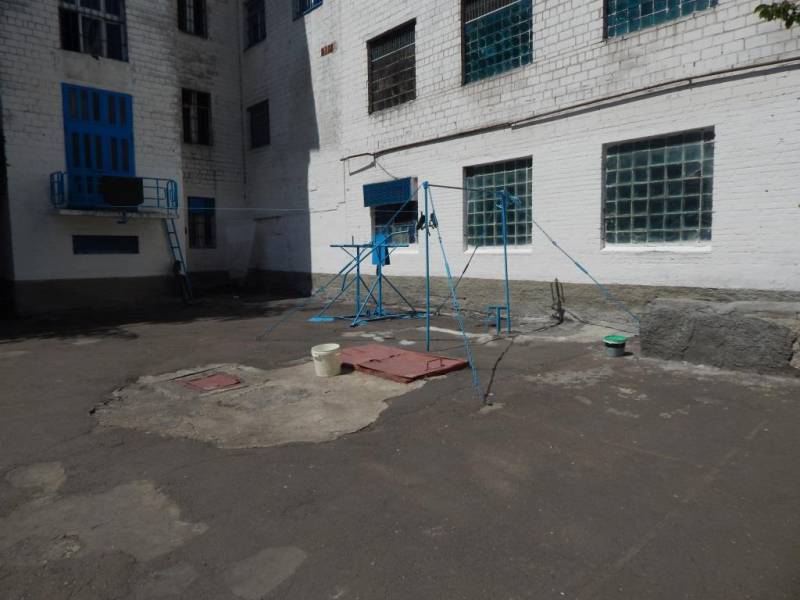
In the disciplinary isolation (DIZO) section, there were six people based on a penalty, and two inmates who were placed there at their own request for isolation from the general mass of inmates for the purpose of their safety. The term of disciplinary penalties applied to the inmates varied from three to fourteen days, depending on the violations. The DIZO premises in which the inmates were held were renovated, the wooden floor was newly laid, the sanitary equipment was replaced, and the toilet was separated from the main room. The DIZO and PKT cells are located in the basement, so natural lighting is insufficient, which is compensated for by proper artificial lighting; the windows are metal-plastic, which allows inmates to independently regulate the ventilation mode. Once a day, for an hour, inmates visit the exercise yard, equipped with a bench and sports equipment (pull-up bar, parallel bars). The yards have partial covering in case of inclement weather. Each DIZO room is equipped with a call button for the attendant. Inmates staying in the DIZO have the opportunity to visit the bathhouse located in this section once a week. The DIZO corridors and exercise yards are equipped with video surveillance. Inmates staying in the DIZO were dressed in special clothing marked with “DIZO”; in our presence, the deputy head suggested that it would be worth abandoning such markings.
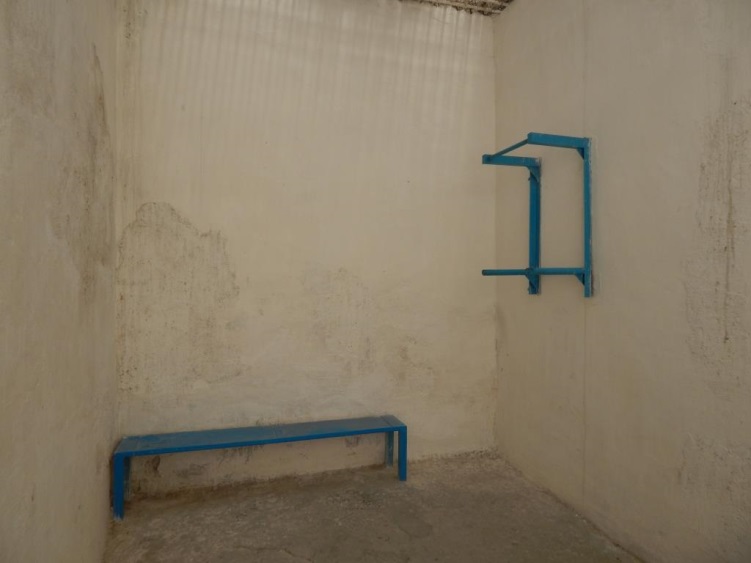
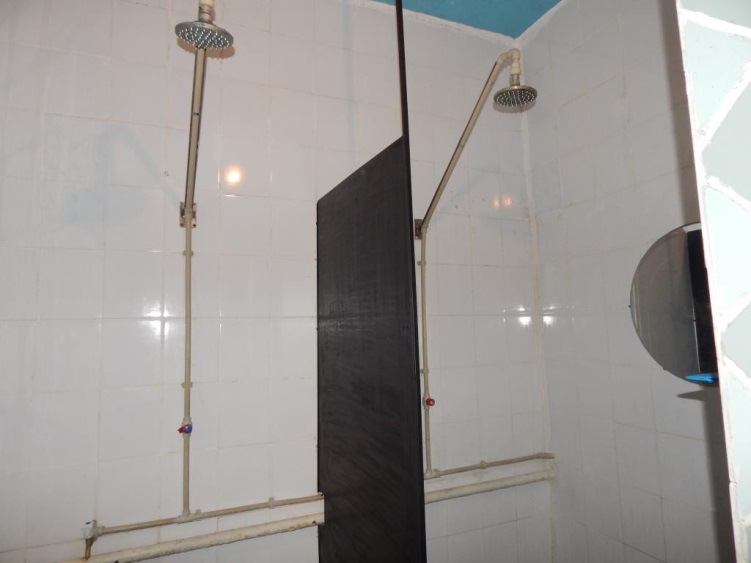
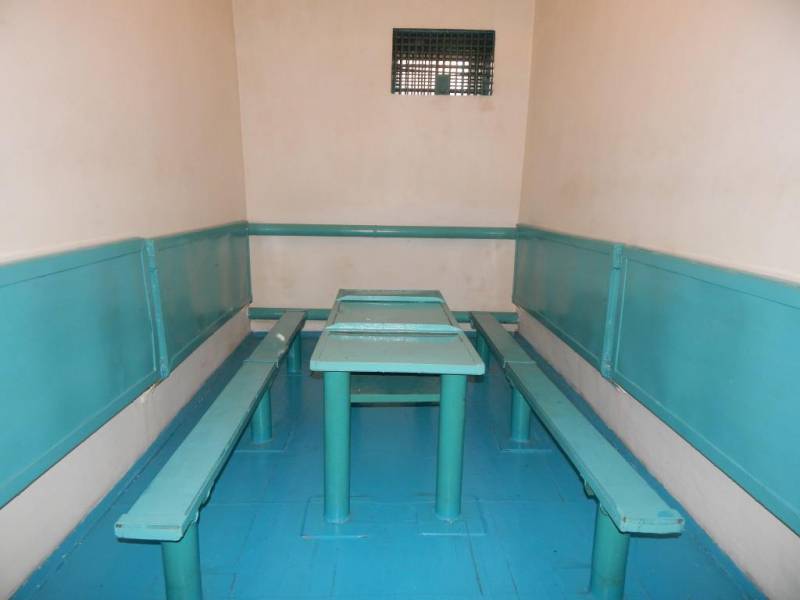
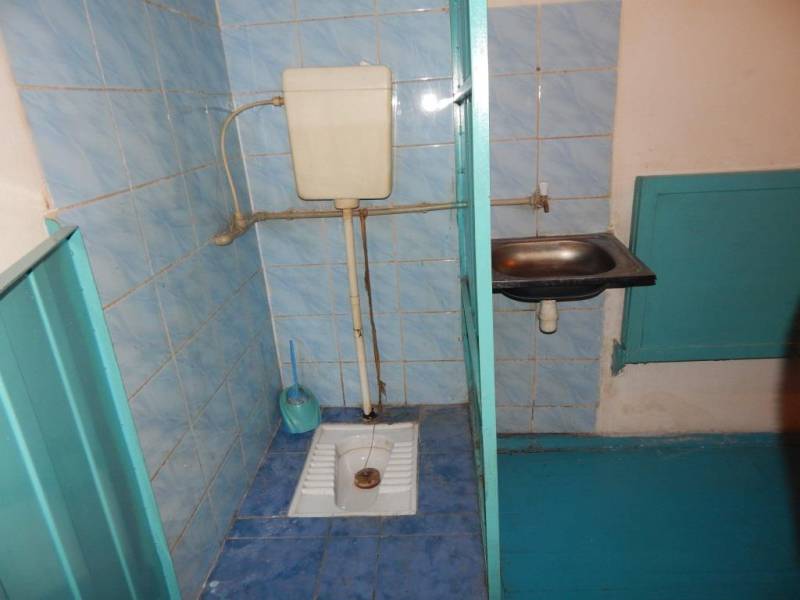
The intensified control (DPK) section is separated from the DIZO and PKT section and is located on the second floor of another building. Moving the DPK from the semi-basement is a positive example of moving away from the long-term practice of locating DIZO, DPK, and PKT sections in semi-basement rooms, where, in addition to punishment in the form of isolation, inmates suffer from cold, dampness, and poor lighting. 5 inmates were held in the DPK. The DPK premises are spacious, with proper natural lighting; these are converted premises for housing inmates with a large total area.
Resocialization Section
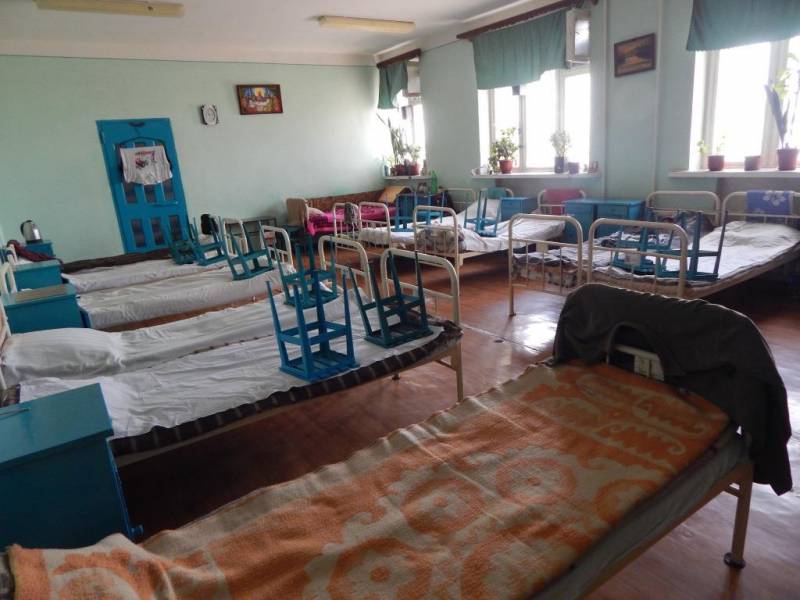
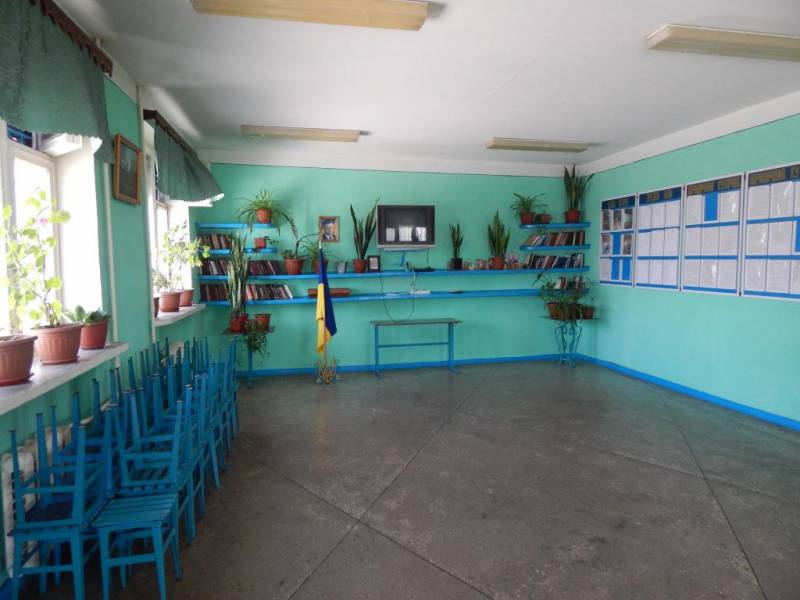
All living quarters where inmates serve their sentences are of the same type and were converted as part of a project supported by the Swiss government from 1998 to 2002. The project also included staffing changes in the administration’s numbers for the purpose of strengthening educational influence on inmates, but this part was not implemented due to a lack of funding. It is worth noting that since 2015, BVK-35 has been participating in a pilot project implemented and supported by the Council of Europe, and within the framework of this project, the colony planned to achieve changes in the resocialization and vocational guidance of inmates.
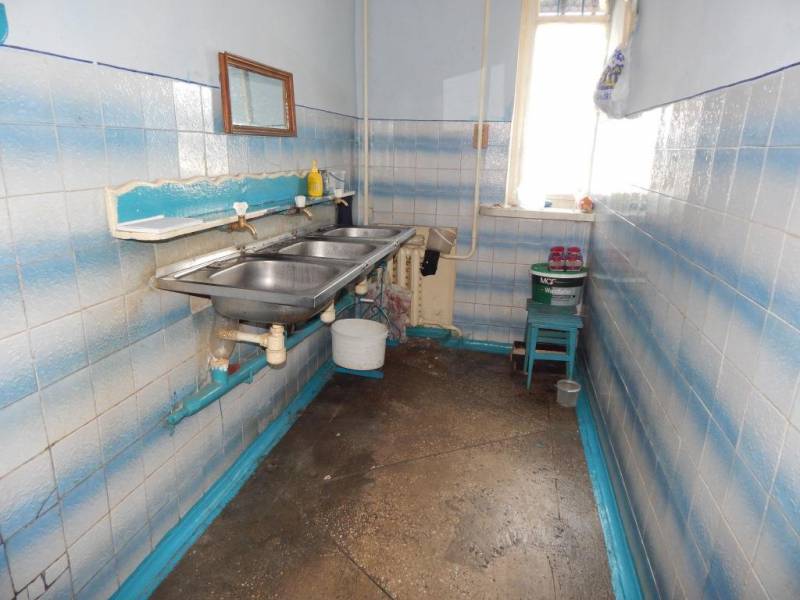
The living quarters in the resocialization sections are divided into living sections where 25–35 inmates are placed; each section is equipped with its own bathroom with sinks and toilets.
The resocialization section yards are equipped with sports grounds.
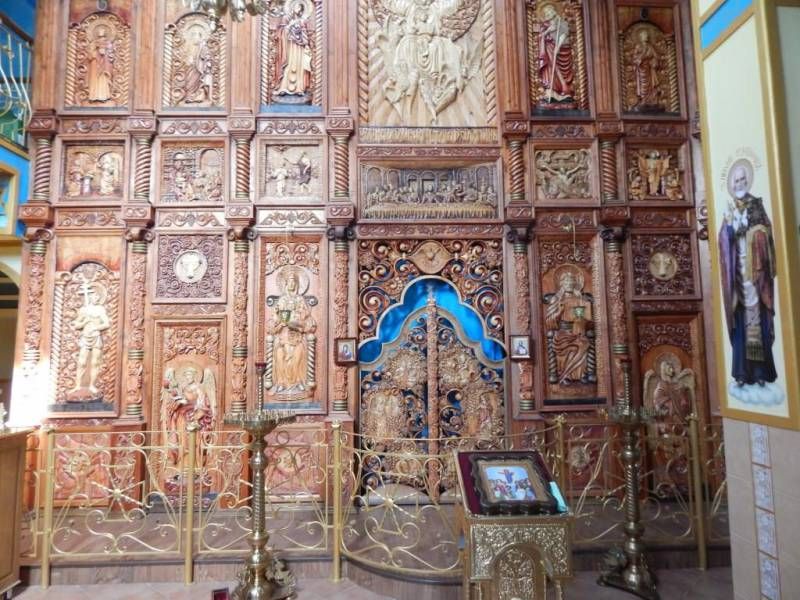
A church with a unique, wood-carved iconostasis functions on the colony's territory.
Medical Unit of the Institution
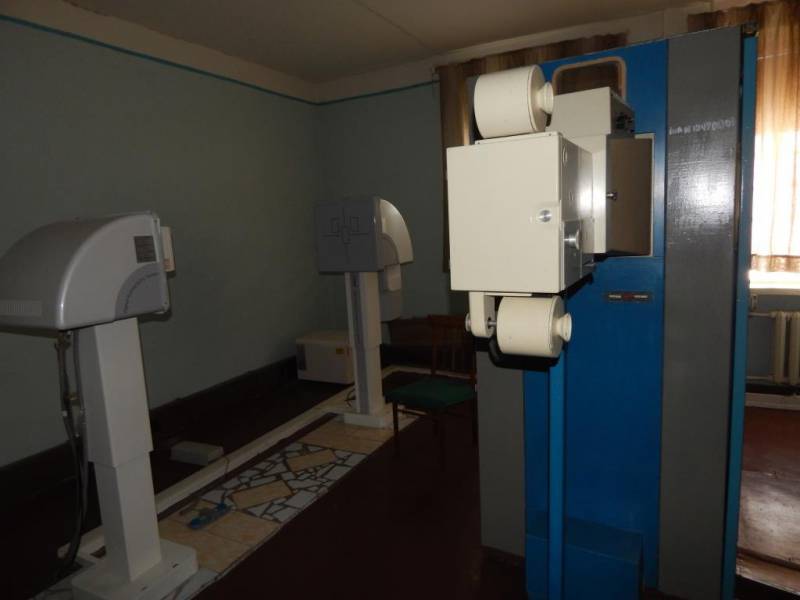
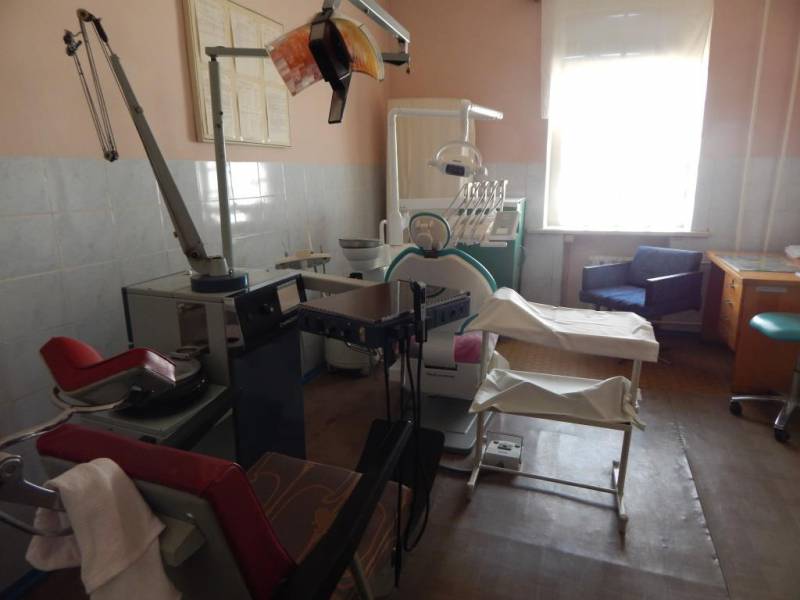
The institution's medical unit has its own laboratory, in which general blood and urine tests, blood sugar tests, and sputum culture are taken and studied by laboratory method. The fluorography room is equipped with a new fluorograph, with which inmates are examined twice a year for the purpose of early detection of tuberculosis, with isolation of inmates with such a disease and subsequent referral for treatment. In the medical unit, there is a dental office equipped with modern inventory; paid dental prosthetic services are provided to inmates. The medical unit is understaffed with doctors of the following specialties: ophthalmologist, psychiatrist, infectious disease specialist, narcologist.
During the visit, two inmates were undergoing inpatient treatment in the medical unit; there were no complaints about medical care and living conditions from them. Repair work was also taking place in the medical unit section.
Evening School, Vocational Technical College
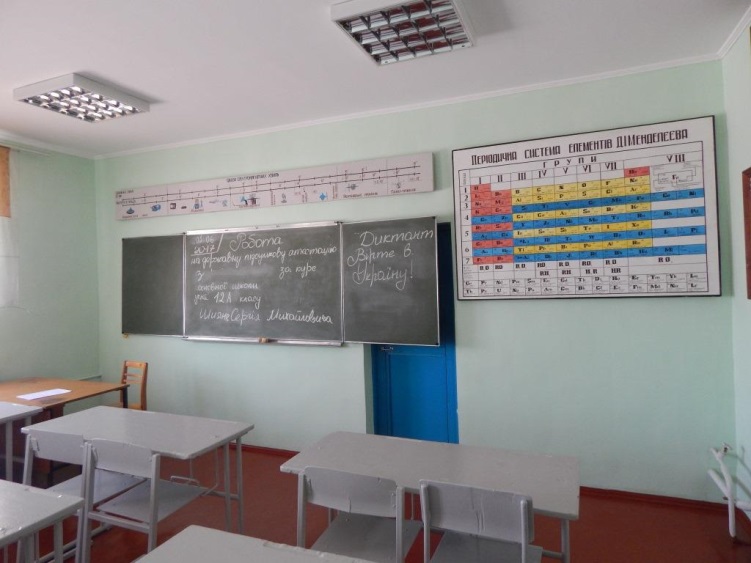
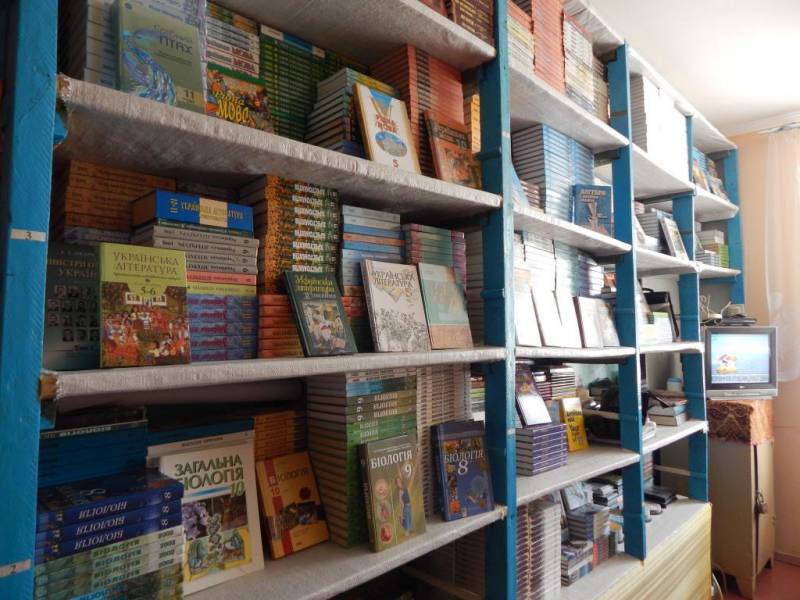
An evening school functions on the colony's base, where they teach from the third to the twelfth grade; upon completion of the educational process, inmates receive a school-leaving certificate and, if they wish, can pass the external independent evaluation.
At the vocational technical college, inmates can obtain a diploma in the following specialties: gas and electric welder, tool locksmith, auto mechanic, plumber, electrician. After receiving a diploma, inmates can increase their rank by working in production in the colony. In the vocational school at the colony, 5 study groups of 10 people each have been formed.
Certificates and diplomas of education in the colony are issued according to the established state sample and do not contain information about their receipt in the colony, which should help in the future when the inmates are seeking employment.
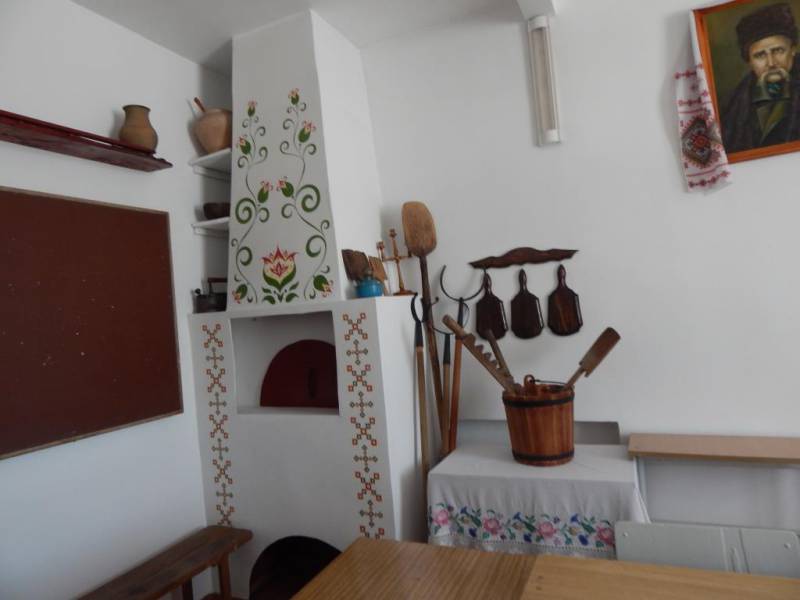
Long-term Meeting Section
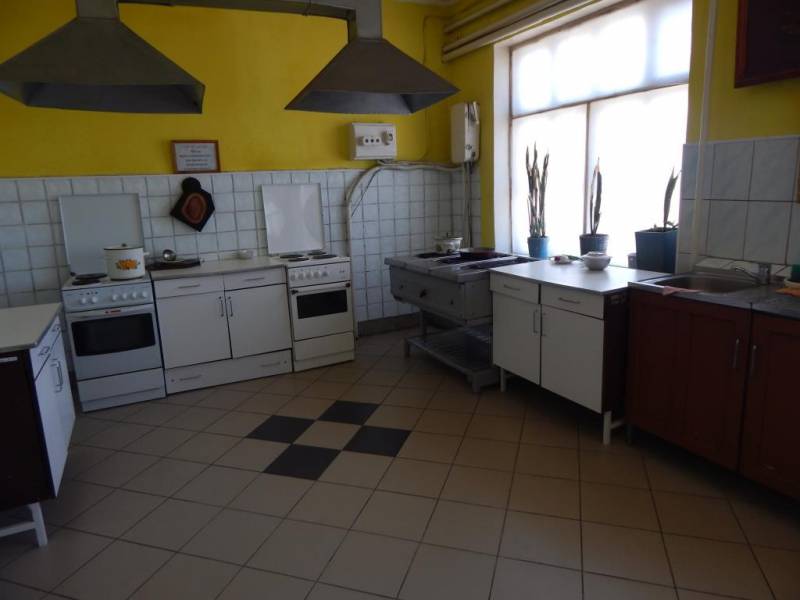
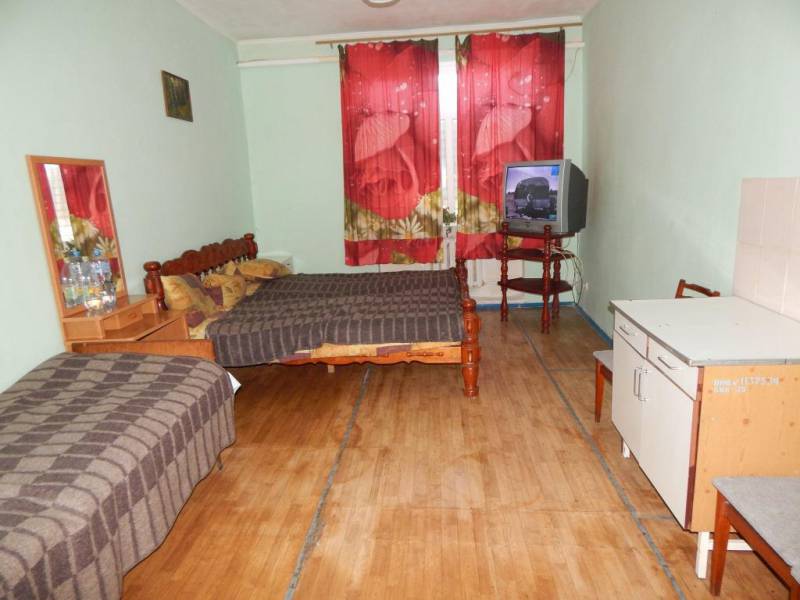
There are 16 standard meeting rooms in the long-term meeting section, which consist of one room equipped with a bed and a sofa, a TV, and furniture; metal-plastic windows are installed in the rooms. The kitchen, children's room, shower, and toilet are shared and are located in the corridor. Renovation of the standard meeting rooms is still ongoing. There are also 4 “luxury” type rooms in the section, which have their own bathroom, kitchen, and living room.
The main problem with long-term meetings, which the inmates emphasized, is their high cost, which in the winter season for the use of a “luxury” room by two people for three days amounted to about 1,600 UAH, which is a very large sum for inmates, of whom approximately 150 work in production, with the amount of credits to a personal account potentially being 150 UAH per month after all deductions.
Video Conferencing and Internet Access Room, Communication of Inmates with the Outside World
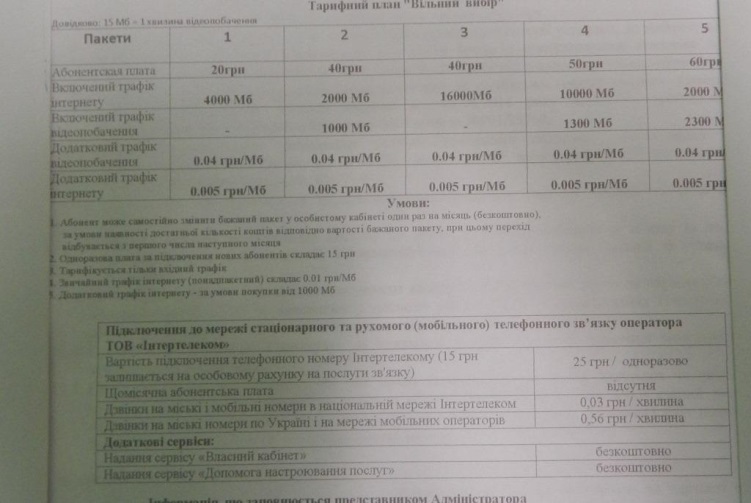
A room for video conferencing with courts has been set up in the colony; also, a computer for inmates to access the Internet is installed in this room, and here the inmates can use tablets with limited access to the Internet (they have special filters installed that do not allow entering email accounts, social networks, or sites prohibited for inmates to visit). However, despite the fact that in the colony where 650 inmates are serving sentences, there is only one computer, and there are no queues of any kind to use it. This only indicates the nominal presence of such a computer and the obvious inconvenience or disadvantage for inmates to use it for various reasons. Among other things, such a reason may be the high cost of usage in view of the low level of wages of the inmates.
Representatives of the colony administration indicated that inmates are not allowed to create email and correspond through it. We draw attention to the fact that in accordance with paragraph 2 of part 7 of Article 110 of the Criminal Executive Code of Ukraine, “Inmates may create an email account and use it under the control of the penal institution's administration.”
In general, the procedure for inmates' access to the Internet, from a simple and understandable order established by the Criminal Executive Code, has become practically inaccessible to inmates after the development of special system software that restricts inmates' access to unauthorized resources. Thus, instead of all inmates getting access to the Internet for 150 UAH per month, each inmate must pay significant funds to use the Internet.

Inmate Labor
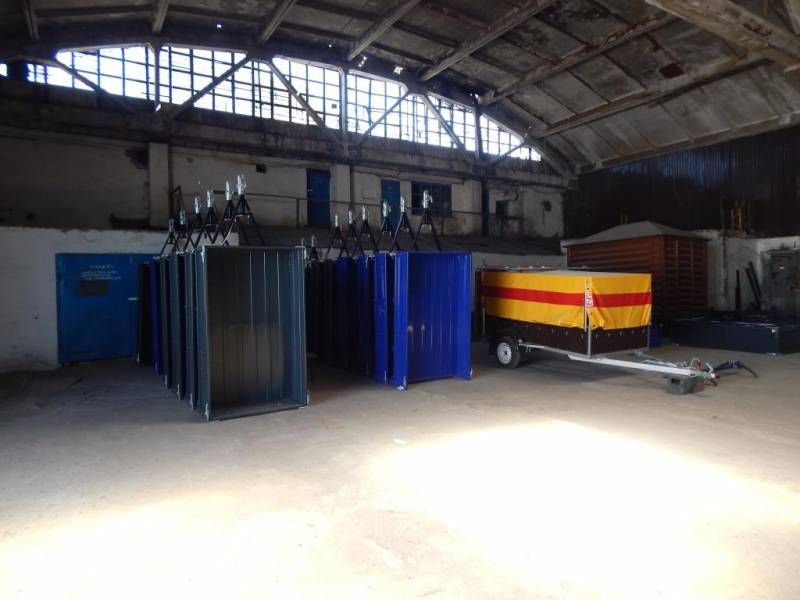
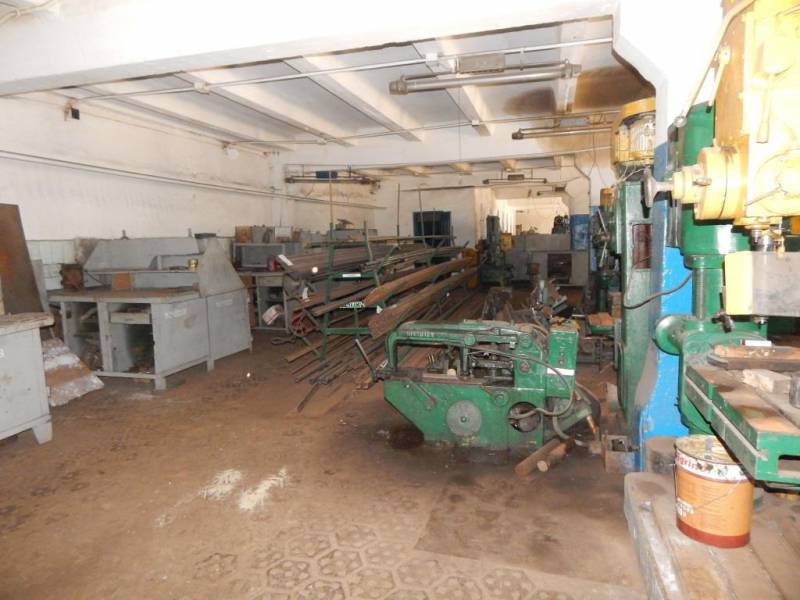
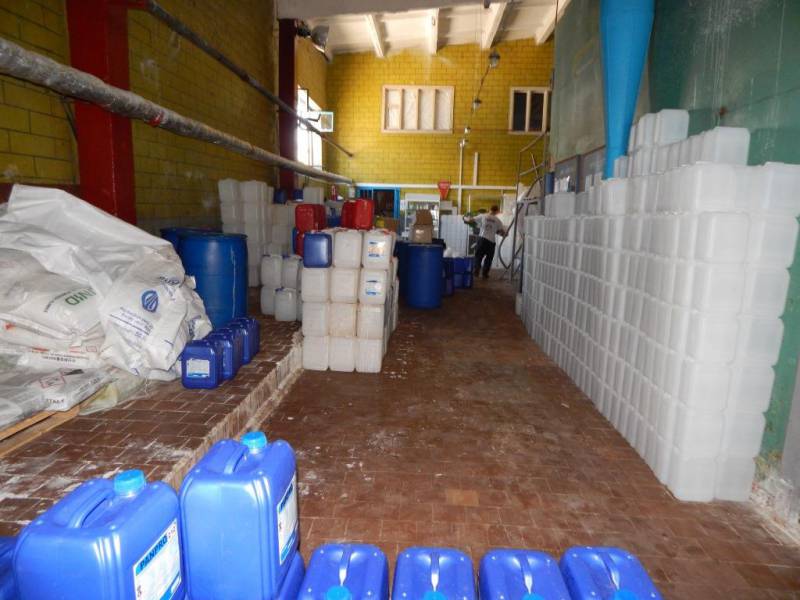
Inmates in the colony work in the production of detergents, bags for bulk products, car trailers, and in a car repair and painting workshop. The inmates' wages are mainly in the range of 50–200 hryvnias per month; only inmates who worked on the production of bags could boast of pay in the range of 500–1,500 hryvnias per month.
All inmates work without signing employment contracts with them, which does not comply with the requirements of Articles 8, 118–122 of the Criminal Executive Code of Ukraine, and this must be eliminated in the shortest possible time, and labour relations regulated in accordance with labour legislation.
In the photo: production workshops for the manufacture of car trailers, sewing of bags for sugar, a workshop for the manufacture of industrial detergents.