Report on the Results of the Monitoring Visit to the Khondnohirska Correctional Colony No. 18
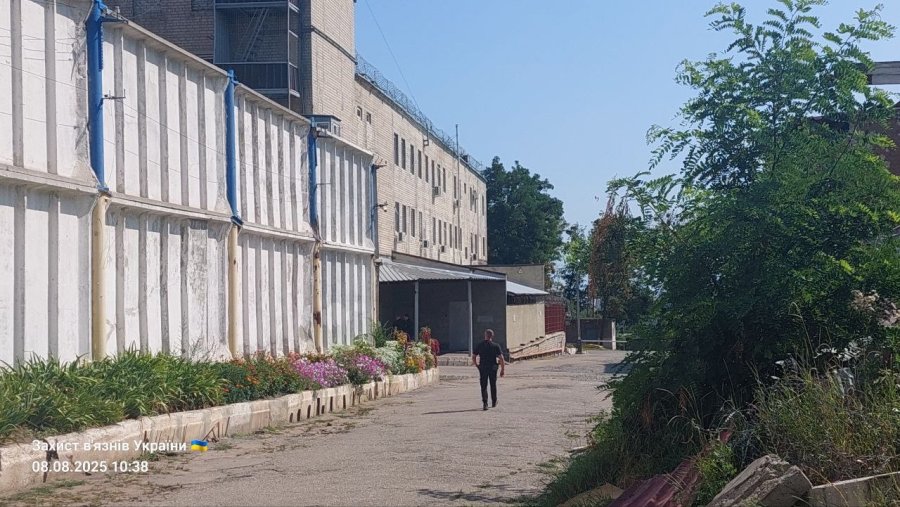
On 08–09 August 2025, in accordance with the Optional Protocol to the Convention against Torture and Other Cruel, Inhuman or Degrading Treatment or Punishment, taking into account the provisions of the United Nations Standard Minimum Rules for the Treatment of Prisoners and the decisions of the European Court of Human Rights, and on the basis of Article 24 of the Criminal Executive Code of Ukraine — Visiting Penal Institutions, a group of monitors from the Kharkiv Human Rights Protection Group and the NGO ‘Protection for Prisoners of Ukraine’ conducted a routine visit to the state institution ‘Khondnohirska Correctional Colony No. 18’ (KhCC-18, the institution, the facility).
The previous visit took place on 21 June 2023. A planned visit was carried out without prior notice, and all facilities of the institution were examined.
During the preparations for the visit, the monitors used materials from the appeals of prisoners/convicted persons and their relatives, materials from previous reports, and the report of the monitors of the National Preventive Mechanism (NPM) under the Commissioner for Human Rights of the Verkhovna Rada of Ukraine.
The visit was conducted within the framework of the project ‘Reducing the Suffering of Prisoners in the Context of the War in Ukraine’, funded by the Government of Denmark in partnership with DIGNITY — Danish Institute Against Torture.
The visit was carried out by the following monitors:
- Andrii Didenko — Assistant to People’s Deputy of Ukraine Yaroslav Yurchyshyn, Programme Coordinator of the Kharkiv Human Rights Protection Group, monitoring visit experience since 2014, NPM monitor, member of the NPM Advisory Council;
- Serhii Zuikov — Assistant to People’s Deputy of Ukraine Kostiantyn Kasai, member of the Public Council under the Ministry of Justice of Ukraine, member of the NGO ‘Protection for Prisoners of Ukraine’, NPM monitor, with many years of experience in monitoring visits;
- Oleh Tsvilyi — Member of the Public Council under the Ministry of Justice of Ukraine, Head of the NGO ‘Protection for Prisoners of Ukraine’, has extensive experience in monitoring visits, specialising in issues of torture and cruel, inhuman treatment.
- Hugues de Suremain — Editor of the information agency ‘Protection for Prisoners of Ukraine’, expert of the working group of international partners of Ukraine on prison reform.
During the monitoring visit, a wide range of systemic violations of national regulations and international standards for the treatment of prisoners was recorded. Critical issues include security: two shelters are unsuitable for real use (lack of ventilation, a second exit, sewage, or night-time access), which creates risks to life during constant air raid alerts.
Practices of informal hierarchy and ‘duty inmates’ were revealed, as well as the segregation of those ‘rejected by the collective’, which degrades human dignity and threatens violence. In the Quarantine, Diagnostics and Distribution Ward (KDiR), violations of the isolation of new arrivals were established, along with overcrowding (3.21 m² per person), a lack of natural light and ventilation, a lack of privacy in sanitary facilities and necessary office space, as well as video surveillance in the residential block and cards with descriptions of crimes placed on beds.
In the disciplinary isolation unit (DIZO)/chamber-type unit (PKT) — inadequate cell sizes, a deficit of light and ventilation, a lack of ‘floor-to-ceiling’ partitions, empty drinking water tanks, the absence of radio systems and call buttons, and darkened, small exercise yards. Additionally, labour abuses were recorded (mass ‘template’ contracts with facsimiles, absence of Unified Social Contribution payments and transparent wages, dangerous working conditions without PPE or ventilation), restrictions on contact with the outside world (no long-term visits, mostly closed short-term visits; fragmented access to the Internet), the open carrying of special equipment by staff, and a significant staff shortage.
A separate block of violations concerns medical care: improper documentation of bodily injuries (instead of the valid form 511/o, outdated forms were used, lack of photos and proper attachment to 025/o records), violations of medical confidentiality in DIZO/PKT cases, instances of absent informed consent, the absence of opioid substitution therapy and psychosocial support for persons with opioid dependence, a lack of accessibility for persons with reduced mobility and mandatory medical conclusions, the absence of hospital clothing, gaps in the testing and treatment of Hepatitis C, the unavailability of telemedicine and record-keeping of preventive check-ups, an unequipped isolation ward for infectious patients, and expired medicines along with a lack of fire safety systems in the medical unit.
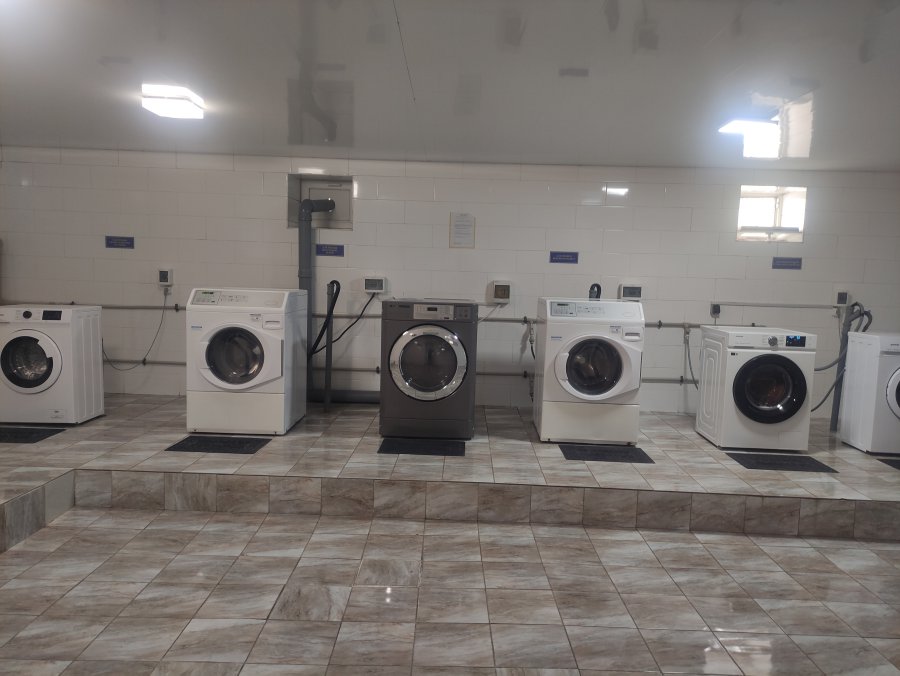
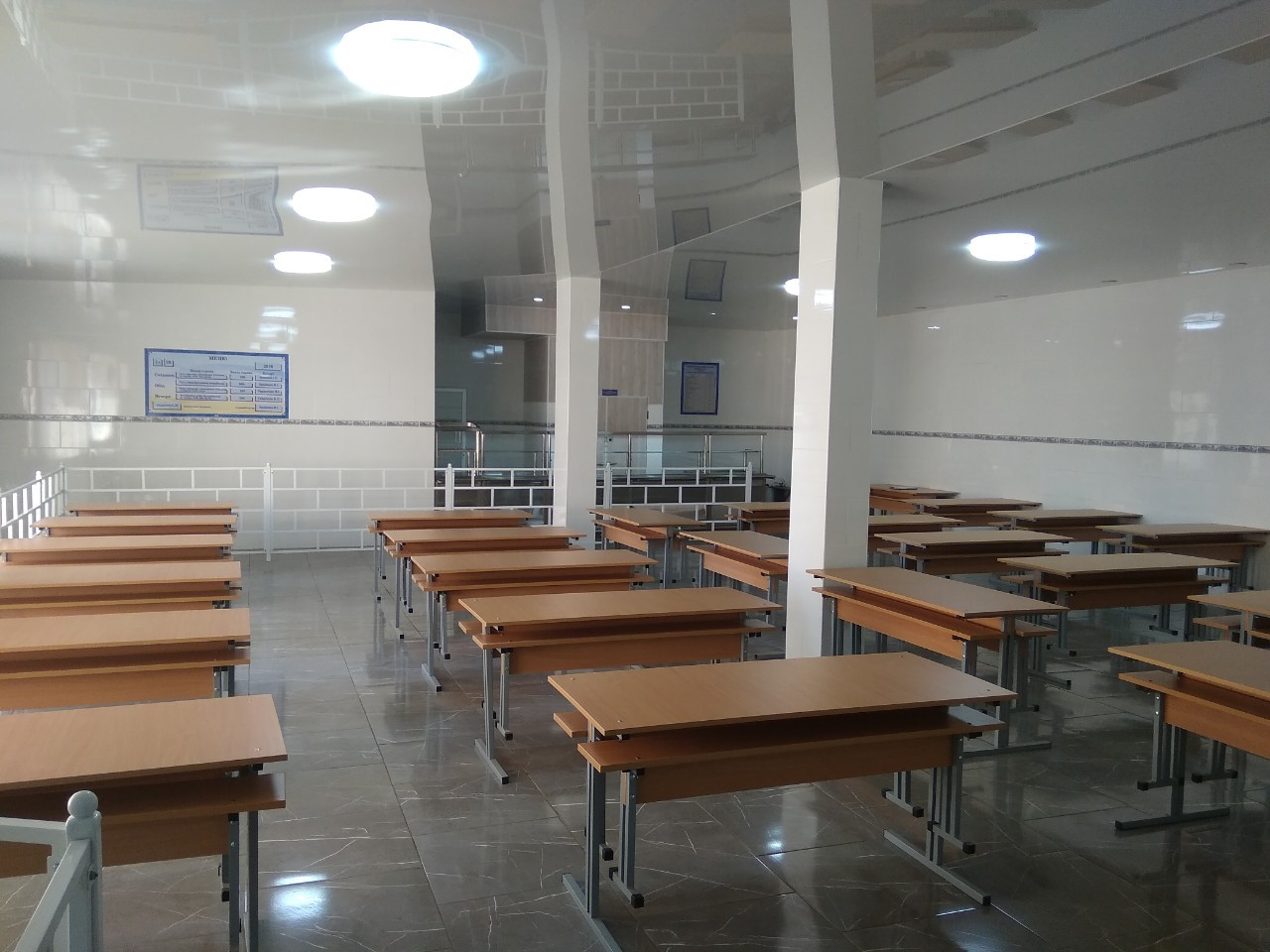
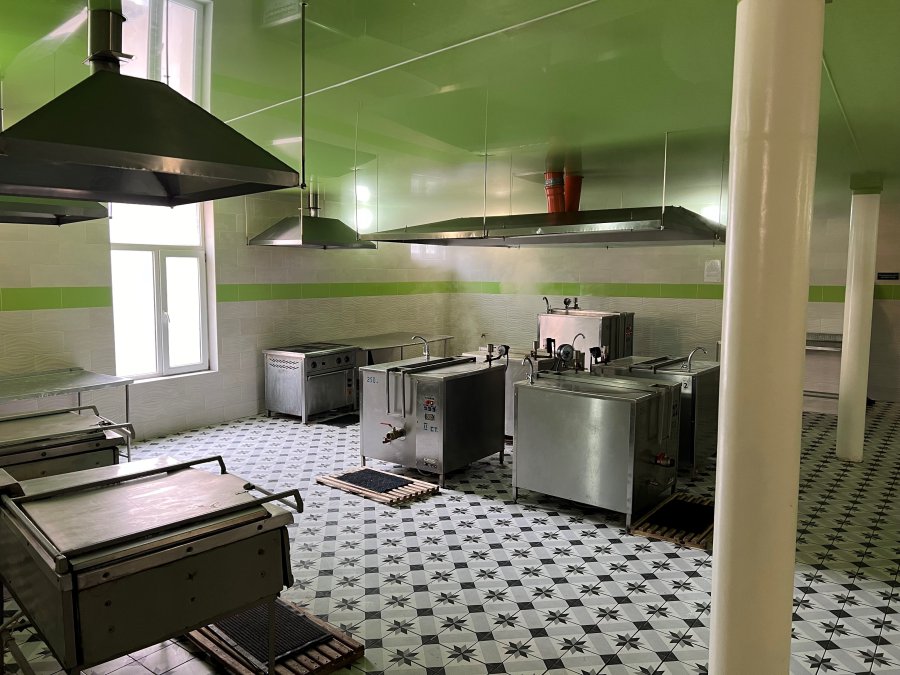
At the same time, positive steps towards improving living conditions were noted — repairs to the canteen, dining hall, and the medical and preventive unit, which require reinforcement with comprehensive changes in the organisation of security, regime, labour, communications, and medical support.
General Information
KhCC-18 is a medium-security correctional facility for holding men convicted for the first time for committing serious and especially serious crimes.
The institution is located at: 4 Rubanivska Street, Kharkiv, Kharkiv Oblast, 61052.
KhCC-18 is one of the oldest penitentiary institutions in Kharkiv, founded at the end of the 19th century as a prison castle. During the Soviet period, it functioned as a high-security place of imprisonment for men convicted of serious and especially serious crimes.
Historically, the colony is known for its massive architecture and for being located in the densely populated Kholodna Hora district of the city, near old railway infrastructure. Over the years, thousands of prisoners have served their sentences there, and the institution itself has repeatedly become a subject of attention for human rights activists due to systemic human rights violations, torture, cruel treatment, conditions of detention, overcrowding, and forced slave labour.
Today, KhCC-18 is part of the State Criminal Executive Service of Ukraine. At the time of the visit, the head of the institution was Colonel of the Internal Service Mark Yuriiovych Markin.
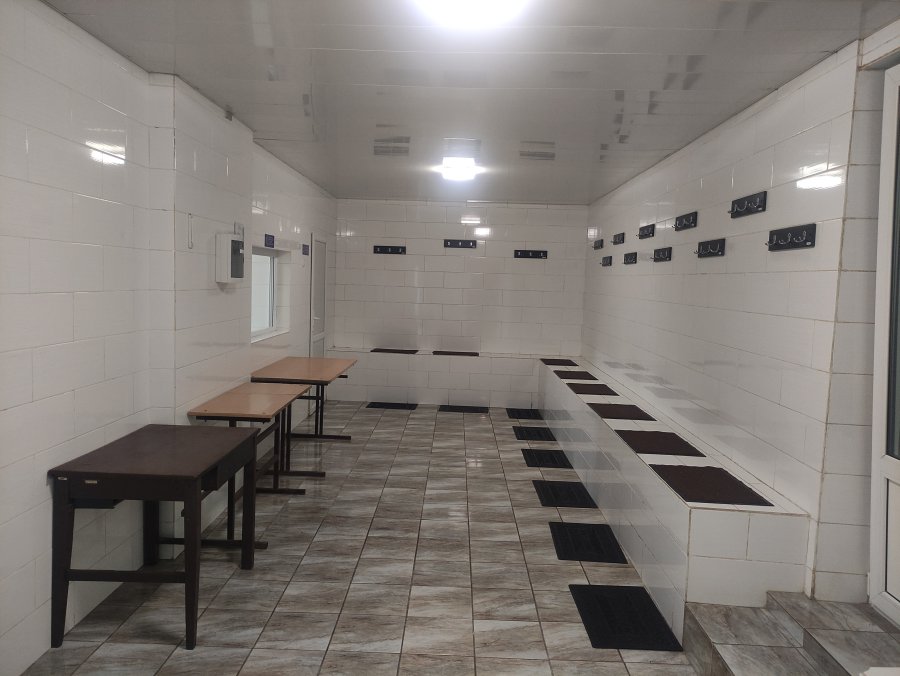
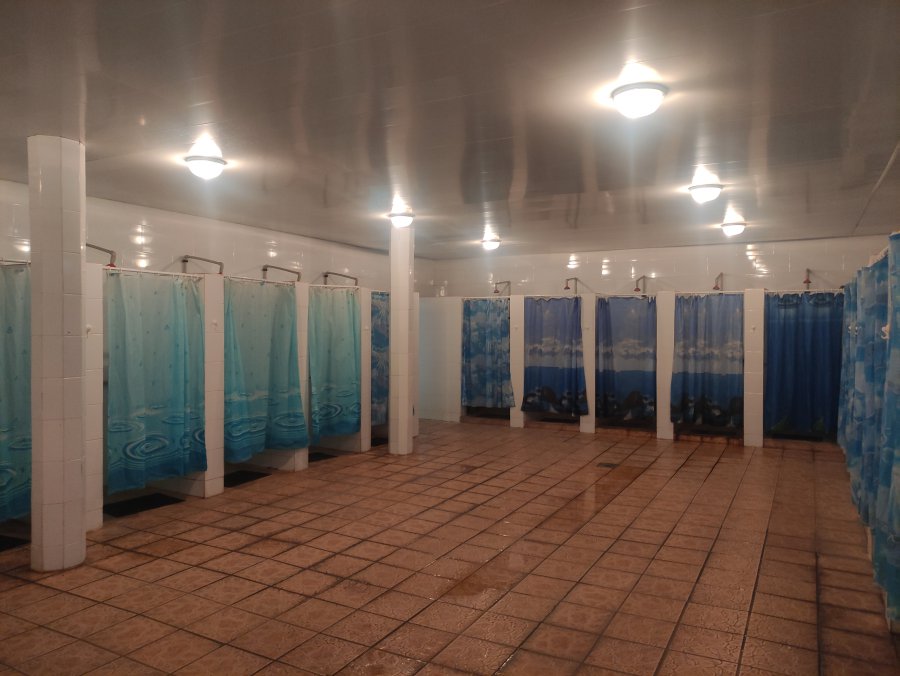
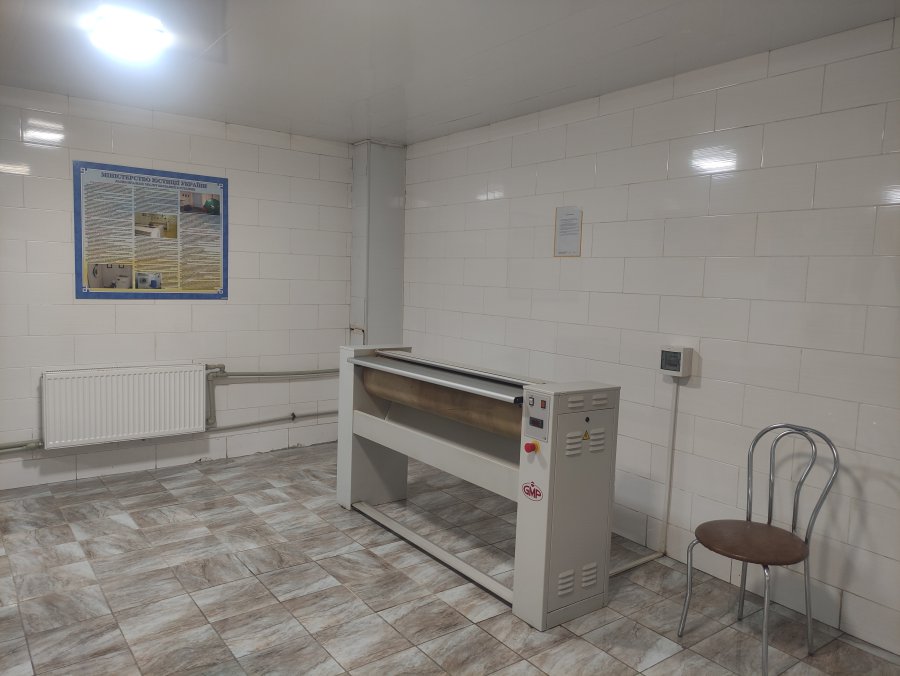
The facility consists of a duty unit, a KDiR ward (quarantine, diagnostics and distribution section), Social-Psychological Service (SPS) sections, a canteen, DIZO (disciplinary isolation unit), PKT (chamber-type unit), DPK (enhanced control section), SIZO (pre-trial detention centre) section, medical unit, bath and laundry complex, visiting rooms, a shop, a library, a parcel reception room, and administrative premises.
According to the administration of the institution, the authorised staff size consists of 228.5 positions. The actual number is 207.5 positions. The total staff shortage for the institution is 21 employees.
The planned capacity of the facility is 915 persons. The actual number of persons held in the institution is 349, of whom 320 convicted persons and 5 prisoners are on the premises, as well as 29 persons outside the institution in the Social Rehabilitation Section (DSR).
There are 8 SPS units operating in the institution. Also, there is 1 psychologist working at the facility (authorised staff — 3). During 2024, 403 persons arrived at the institution; during 2025, 228 persons. The operational-preventive records included: 14 persons prone to suicide, 8 prone to self-harm, 2 prone to escape, and 3 malicious regime violators.
During 2024–2025, no person submitted a complaint regarding inadequate conditions of detention or inadequate provision of medical care. 10 persons have disabilities: 2 persons in group II and 8 persons in group III.
Convicted persons have 8 tablets for personal use; no email addresses have been registered.
During 2024, 1 instance of bodily injury was recorded during the stay in the institution; during the current year, 4 instances of bodily injury during the stay were recorded. The monitoring group interviewed about 185 convicted persons during visits to production facilities, workshops, SPS sections, disciplinary units, and utility rooms, providing consultations, answering questions, polling on human rights violations, and engaging in individual communication with persons, including on an anonymous basis.
Previous Remarks and Remedied Violations
Having reviewed the previous remarks from 21 June 2023 (regarding the cessation of the ban on sitting on beds; the removal of bans on the use of tablets, accessories, and email addresses; and assistance in restoring family ties), we conclude: as a result of the current monitoring visit, these recommendations have been only partially fulfilled.
As of the date of the visit, the access of convicted persons to the Internet and the use of tablets is organised in a fragmented manner; such practice does not meet the requirements of Part 7 of Article 110 of the Criminal Executive Code (CEC) of Ukraine (there are no Wi-Fi points in the SPS and KDiR units; the Internet class operates in narrow time ‘windows’), which indicates the persistence of systemic obstacles in the realisation of the right to electronic communication.
Also, regarding the support of family contacts, restrictions were recorded: long-term visits are not granted, and out of 225 short-term visits, only 6 were held in open conditions — this is the exception rather than the rule, and it does not ensure the proper level of support for family ties. At the same time, isolated positive dynamics were recorded: the administration allows some open short-term visits (which can be viewed as a minimal step towards fulfilling CPT standards regarding ‘open’ visits as a basic model).
At the same time, key ‘old’ risks remain unresolved or unreflected in internal regulations: access to electronic services has not been integrated into the daily routine of the units; the mechanism for facilitating the restoration of family ties (including remote video visits, email correspondence) has not attained the status of a guaranteed practice; and the issue of any informal bans and restrictions in the household rules of living, in particular regarding the use of beds during free time, persists.
Given the scale of the new violations detected (shelters, the practice of ‘duty inmates’ and informal hierarchy, inadequate conditions in the KDiR and DIZO/PKT, labour abuses, and the deficit of medical guarantees), the previous NPM recommendations remain relevant and must be integrated into the institution’s corrective action plan with clear timelines and responsible executors.
Positive Experience
In the state institution KhCC-18, in order to improve the living conditions of convicted persons, repair work was carried out in 2025 in the premises of the canteen, dining hall, and the medical and preventive unit.
Violations of National and International Law Detected
During the monitoring visit, violations of the requirements of national legislation and non-compliance with international recommendations in the field of treatment of prisoners were detected, leading to infringements of the rights of convicted persons:
1. The institution has two shelters, but their technical condition and the organisation of prisoner access do not ensure real compliance with the right to safety of life and health during an air raid alert. The first shelter is located in the residential zone near the Social-Psychological Service section and consists of two rooms. It has a second exit, which is connected to the canteen, and also has a connection to the sewage system, which creates minimal living conditions for staying there.
However, there is a complete lack of a ventilation system in the room, which makes its use for long periods dangerous to health. Access to this shelter is restricted to convicted persons held in SPS units No. 2–3, while other persons cannot enter it without the accompaniment of institution staff. Shelter is particularly problematic at night, when the lack of prompt response from staff effectively makes the evacuation of convicted persons impossible in the event of an air raid signal.
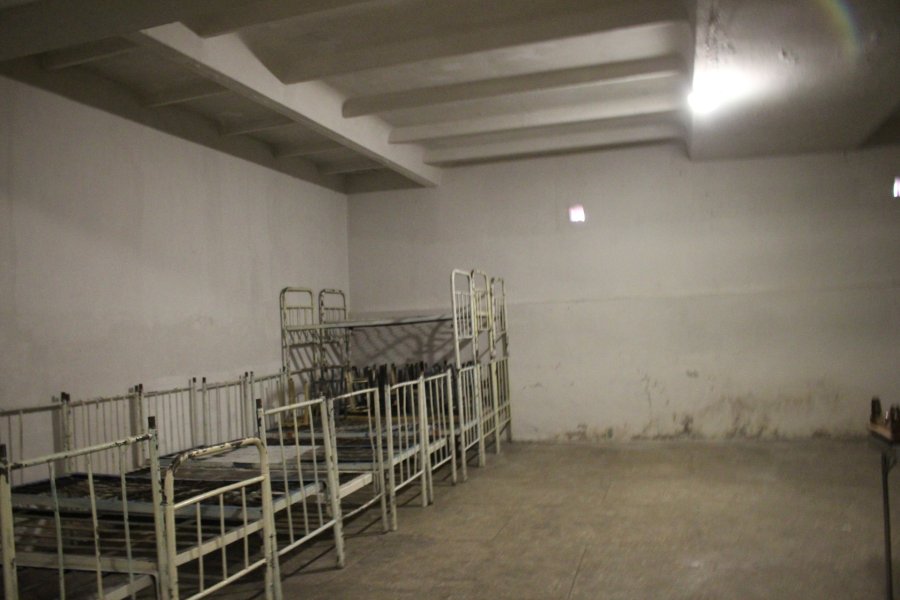
The second shelter is set up in the industrial zone on the basis of a former vegetable storehouse. It does not have a second evacuation exit, a ventilation system, or a sewage system, which contradicts the requirements of civil defence for the population and makes it impossible to use as a safe shelter. It is worth emphasising that the institution is located in a region that is under the constant threat of missile strikes and UAVs. The institution has already been evacuated three times, after which the convicted persons were returned.
Despite this, a proper system for protecting the lives of persons deprived of their liberty has not yet been created, which indicates the improper fulfilment by the state of its obligations under Articles 27 and 28 of the Constitution of Ukraine and Article 2 of the Convention for the Protection of Human Rights and Fundamental Freedoms, which guarantee the right to life and protection from inhuman or degrading treatment.
2. During the visit to the institution, convicted persons complained about ill-treatment, among the manifestations of which the monitoring group recorded a widespread practice of involving individual prisoners in performing functions related to maintaining order and exercising control over the behaviour of other persons held in the institution. Specifically, during confidential interviews, individual prisoners reported that upon arrival at the institution, in the KDiR section, a convicted person named M., who performed the function of a KDiR ‘duty inmate’, forced them to publicly perform humiliating tasks for the purpose of exerting pressure and subjugating them to his will.
One of the convicted persons during a confidential interview reported that after arriving at the institution, he was asked in the presence of other convicted persons to clean the restroom, after which he was classified into the category of persons known as ‘rejected by the collective’. According to the claims of the convicted persons, these facts were known to the administration of the institution and likely occurred with its tacit consent or assistance.
In connection with this, they considered the submission of complaints to be fruitless, as there was no response, and the process itself only created additional danger for the complainants. Such actions are humiliating, violate the principle of respect for human dignity, and testify to the existence of an informal prison hierarchy with signs of a caste system. Persons assigned to lower hierarchical groups, according to the testimonies of the convicted persons themselves, are subjected to discrimination, humiliation, and violence by other prisoners. This leads to conflicts between groups of convicted persons and contributes to the strengthening of the criminal subculture in the institution.
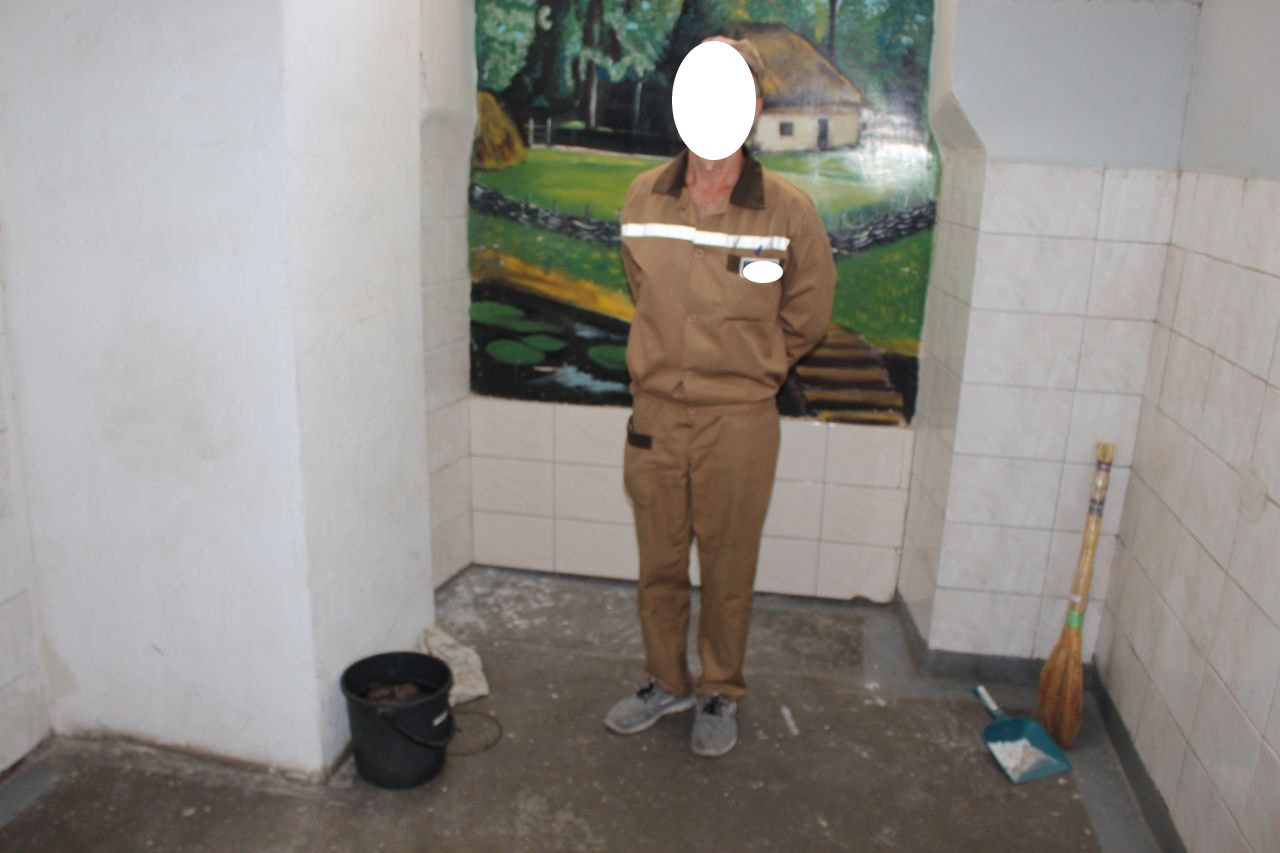
Furthermore, the monitoring group revealed a practice of segregation and stigmatisation of a separate category of particularly vulnerable convicted persons, known as ‘rejected by the collective’. This practice is based on the influence of an informal prison hierarchy and leads to discrimination and restrictions in the realisation of the guaranteed right to respect for human dignity. Convicted persons assigned to this category reported that they are forced to remain in isolation from other prisoners, work separately, perform humiliating work (in particular, cleaning restrooms for others), and use the bathhouse and wash personal belongings separately.
The aforementioned contradicts the requirements of the first and second parts of Article 24 of the Constitution of Ukraine, part five of Article 7 of the Criminal Executive Code of Ukraine (hereinafter — CEC of Ukraine), and point 13 of the European Prison Rules, and may indicate a violation of the right of convicted persons to protection from cruel, inhuman, or degrading treatment, enshrined in Article 28 of the Constitution of Ukraine and Article 3 of the Convention for the Protection of Human Rights and Fundamental Freedoms.
In its report on the results of the visit to Ukraine in 2020, the European Committee for the Prevention of Torture and Inhuman or Degrading Treatment or Punishment (hereinafter — the Committee) expressed serious doubts regarding the practice of using certain prisoners as ‘duty inmates’ who perform functions of control over other prisoners in residential premises and at work, and report to staff about any incidents and regime violations.
Therefore, the Committee noted with concern during this visit that this practice remained. Moreover, unfortunately, despite specific recommendations previously given by the Committee, the practice of using ‘duty inmates’ is also officially provided for by the Internal Regulations of Penal Institutions. As previously emphasised, the Committee believes that any partial abdication of responsibility for order and security in prisons by custodial staff is unacceptable.
Such a practice exposes weaker prisoners to the risk of ill-treatment and exploitation by other prisoners. The Committee calls on the authorities of Ukraine to take all necessary steps — including legislative measures — to put an end to this practice. No prisoner (in any penitentiary institution in the country) should have power over other prisoners. (CPT/Inf (2020) 40, point 27).
Furthermore, in the report on the results of the visit to Ukraine in 2023, the Committee calls on the Ukrainian authorities to develop and implement a comprehensive strategy for combating violence and intimidation among convicted persons and overcoming the phenomenon of informal hierarchy among convicted persons with all its negative consequences. In this context, the penitentiary administration must also rationalise risk and needs assessment, classification, and the distribution of individual convicted persons to ensure that convicted persons are not subjected to the influence of other convicted persons who may cause them harm. (CPT/Inf (2024) 20, point 45).
3. The equipment of the KDiR section does not meet the standards for the treatment of prisoners and conditions of their detention according to their needs. Thus, in violation of the requirements of point 2 of Section 1 of the ‘Regulations on the Quarantine, Diagnostics and Distribution Section’, approved by the order of the Ministry of Justice of Ukraine dated 04.11.2013 No. 2300/5 (hereinafter — Regulations on KDiR), the KDiR section, medical unit, bathhouse, and laundry are located in one local area, which does not ensure the isolated detention of newly arrived convicted persons for the purpose of preventing their communication with other convicted persons.
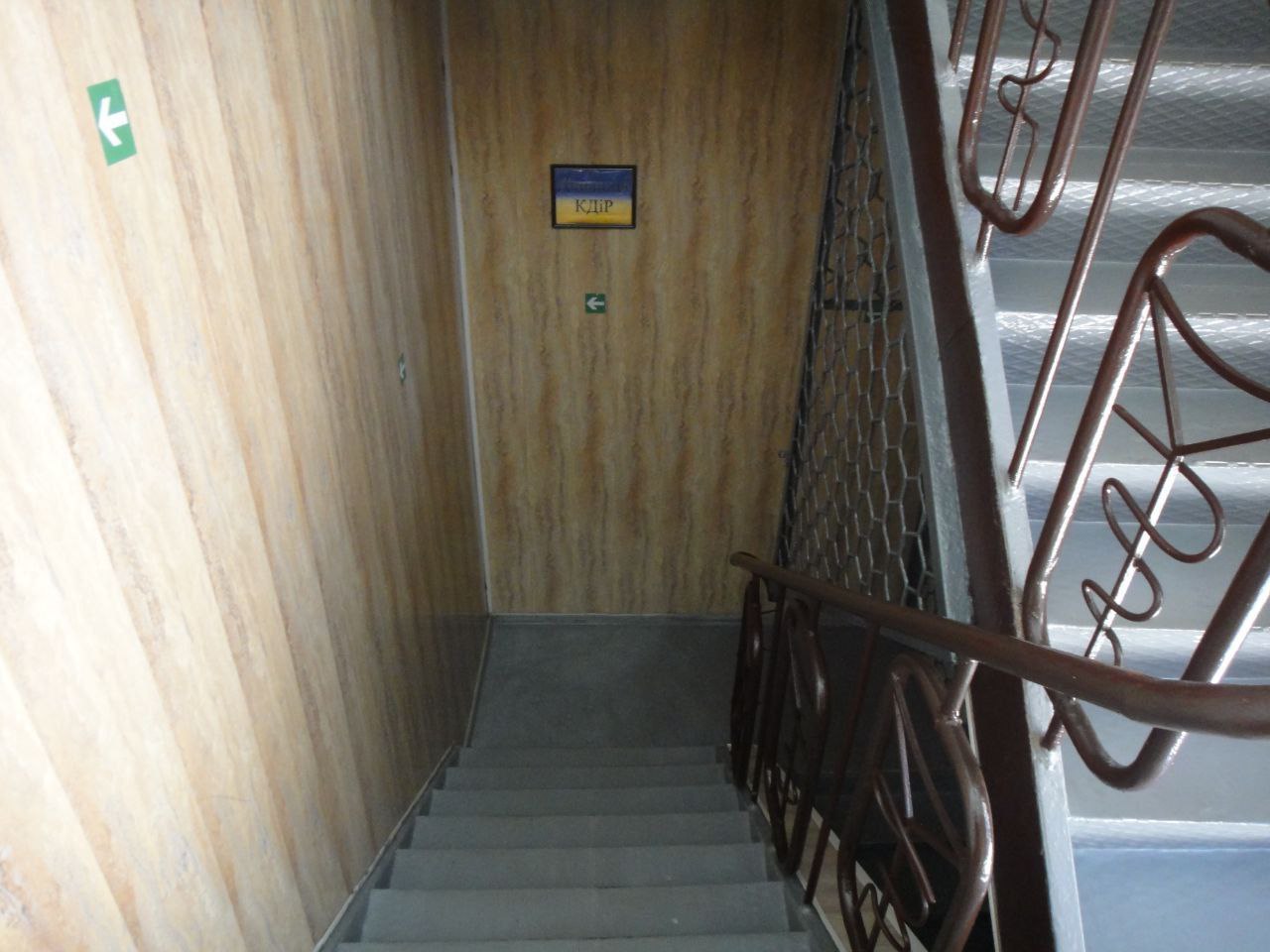
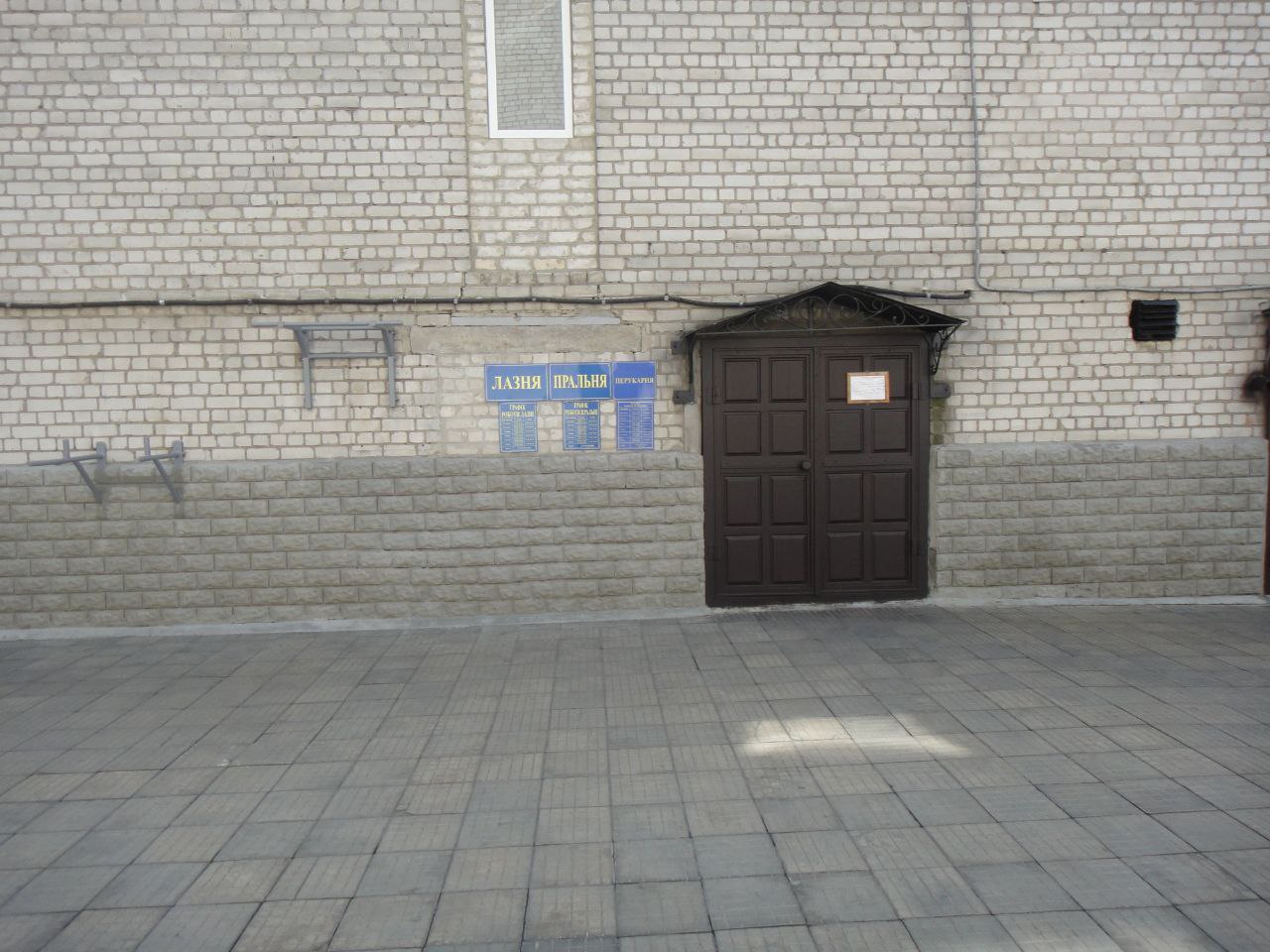
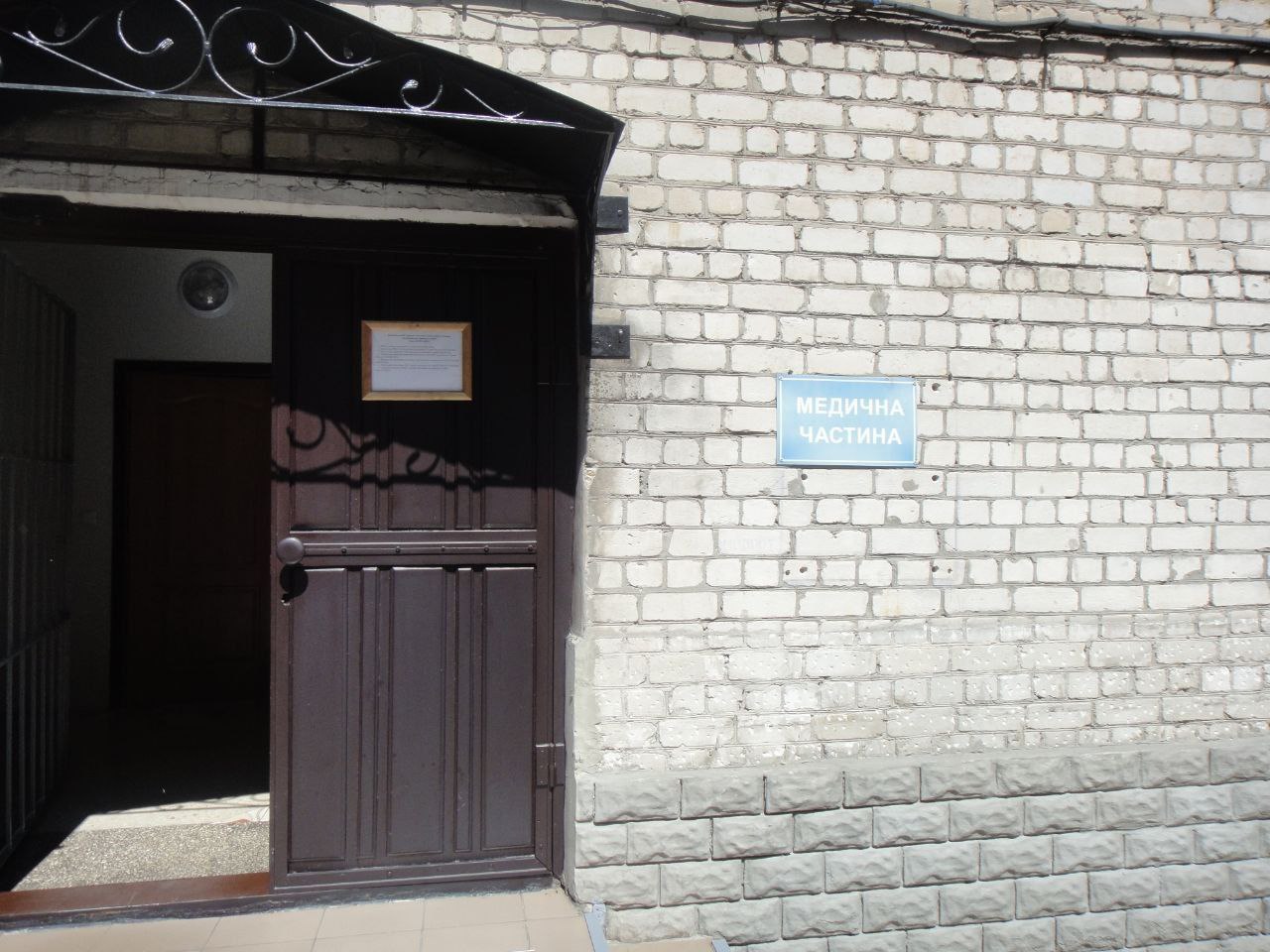
4. In violation of Part 1 of Article 115 of the Criminal Executive Code of Ukraine and Rule 13 of the UN Standard Minimum Rules for the Treatment of Prisoners, it was established that in the sleeping quarters of the KDiR section, the actual presence of sleeping places exceeds the permissible limit, in order to ensure the norm of space per person provided for by legislation.
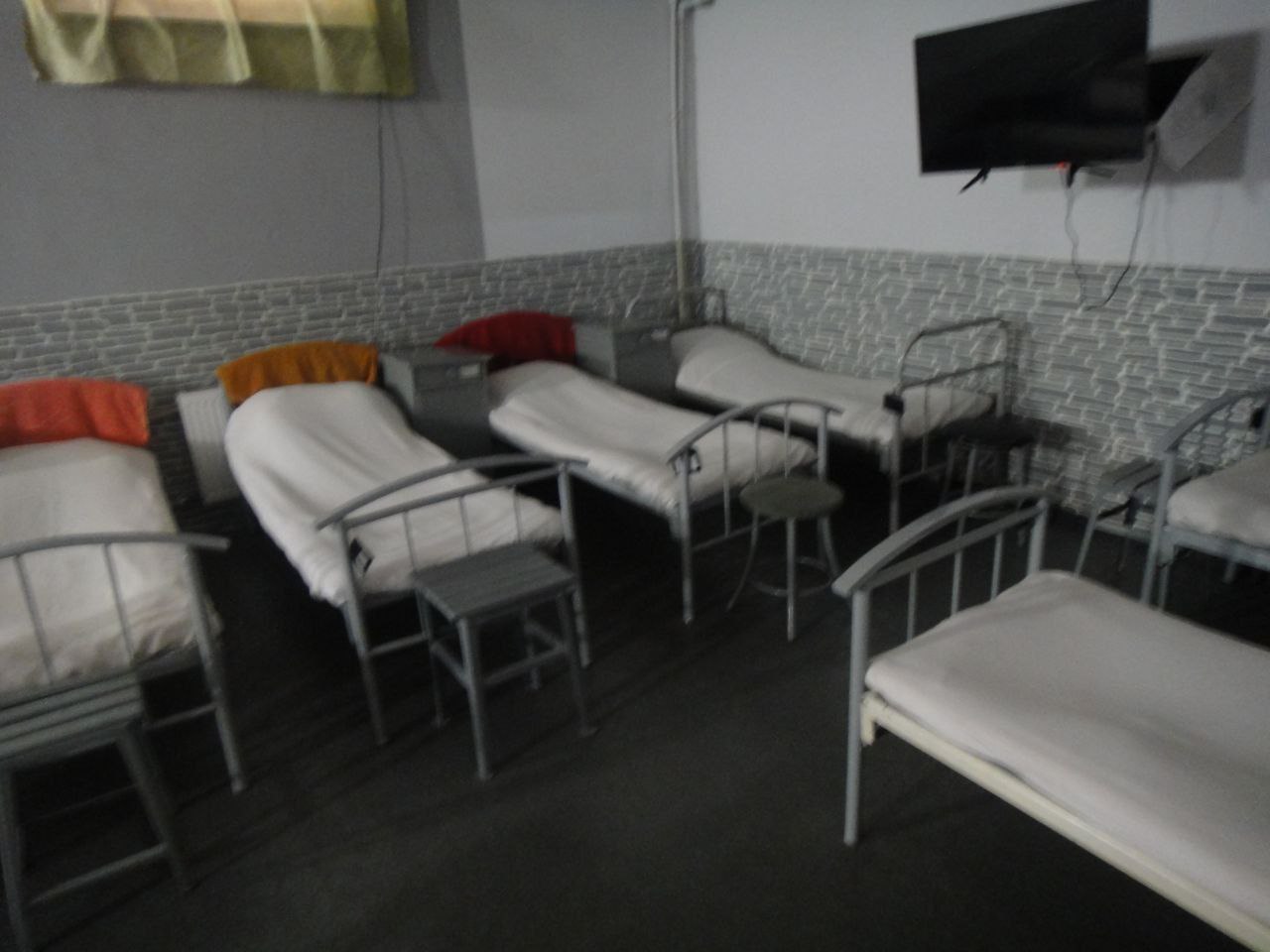
Thus, in the sleeping room of the KDiR section where 16 beds are located, the area of the room, according to the act of measuring the area of the premises of structural sections, is 51.4 m². Consequently, the actual area per convicted person was 3.21 m². The said violation creates conditions for potential abuse by the administration and staff of the institution in the context of compliance with the living space norm per convicted person and does not ensure adequate personal space for held persons in the sleeping quarters.
In point 13 of the Seventh General Report of the Committee, it is noted that the problem of overcrowded cell premises leads to unhygienic conditions, a constant lack of privacy, and the overloading of medical services and the institution’s infrastructure, and concludes that quite often the negative impact of overcrowding resulted in inhuman or degrading conditions of prisoner detention (CPT/Inf (97) 10).
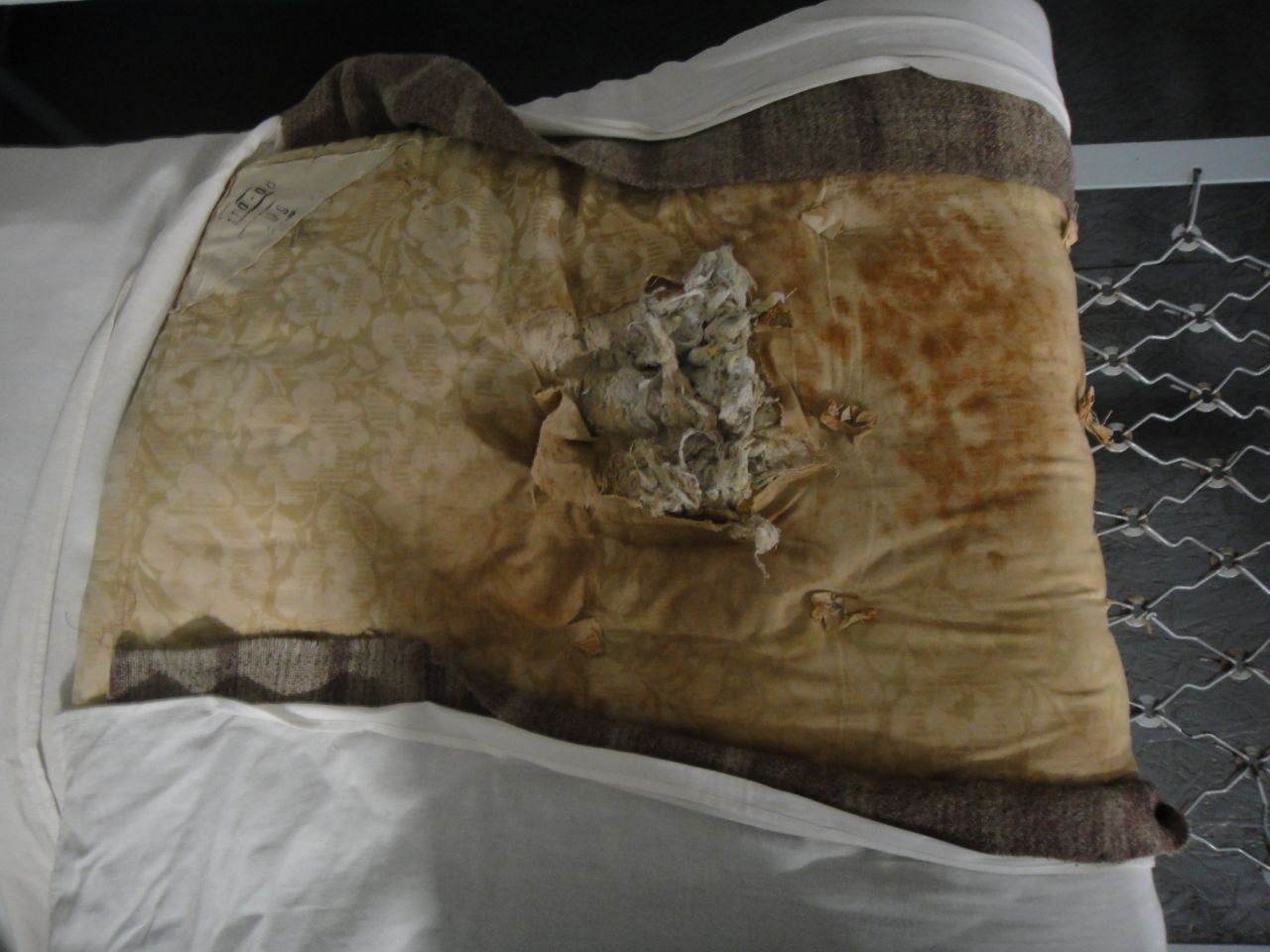
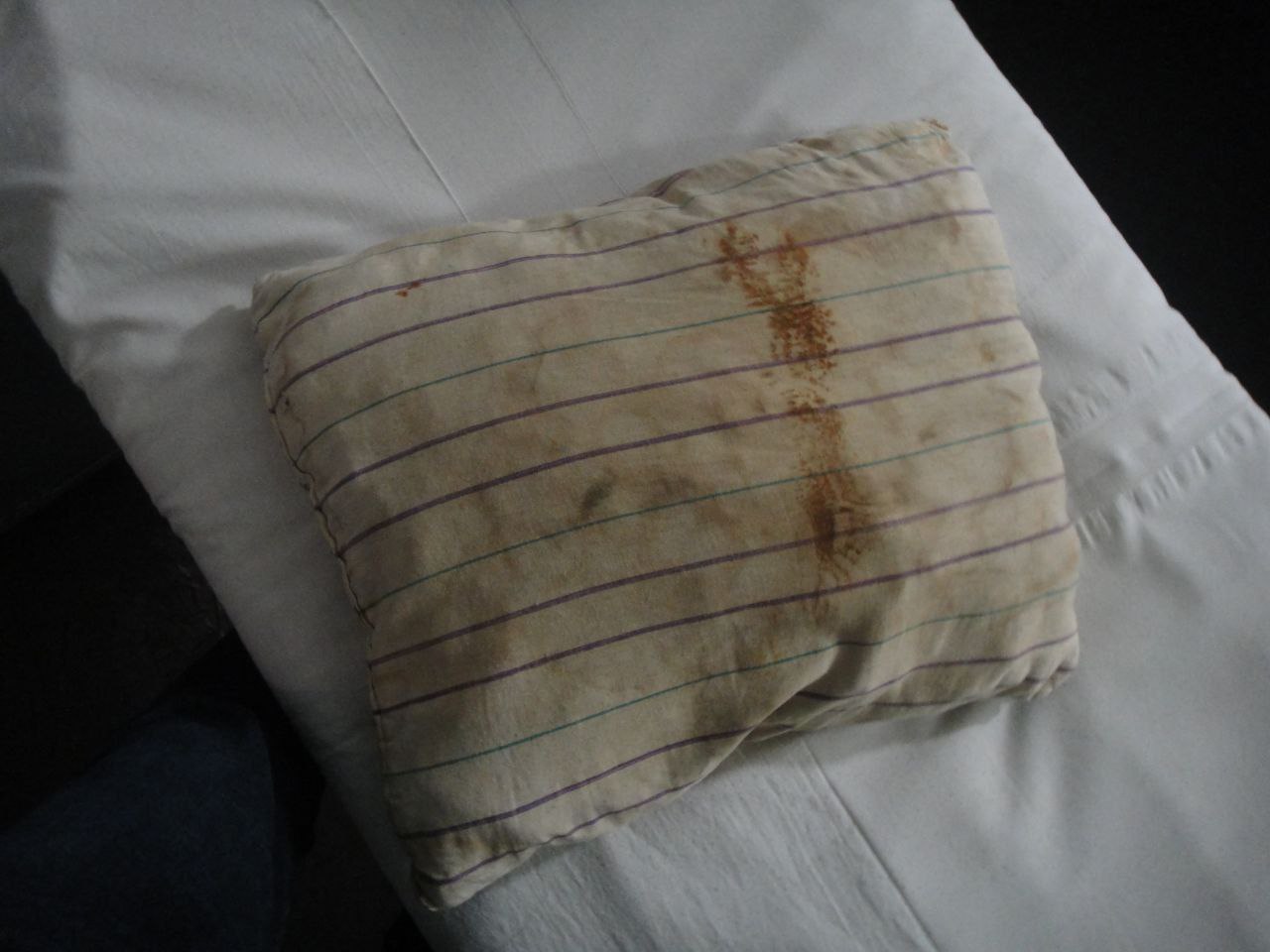
5. Natural light hardly penetrates the sleeping room of the KDiR section due to the fact that the section is located in a semi-basement room and has small windows, which may create additional psychological pressure on the convicted persons. Furthermore, there is no supply-and-exhaust ventilation. The mattresses and pillows need to be replaced. This is a violation of Rules 13 and 14(a) of the UN Standard Minimum Rules for the Treatment of Prisoners, which provide for proper sanitary conditions, in particular sufficient natural lighting and ventilation.
At the same time, contrary to the requirements of Rule 22.5 of the European Prison Rules and the ‘Norms of Provision with Furniture, Inventory and Household Items of a Medium-Security Correctional Colony’, approved by the order of the Ministry of Justice of Ukraine dated 27.07.2012 No. 1118/5 (hereinafter — Provision Norms), the sleeping room is not equipped with a drinking water tank. The restroom is not equipped with sufficient partitions that ensure the possibility of privacy, which violates Rule 19.3 of the European Prison Rules.
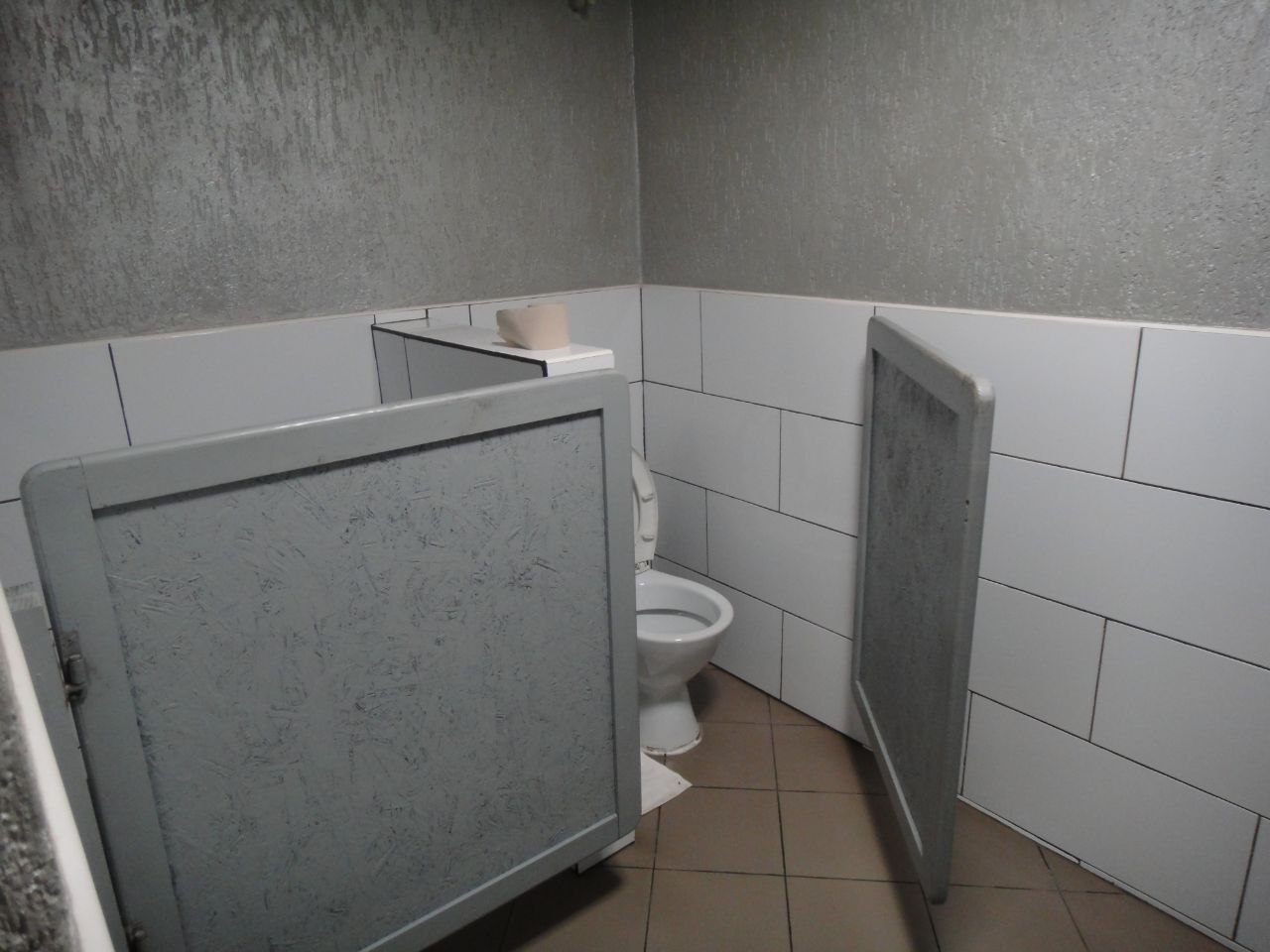
6. In violation of the requirements of the Provision Norms, a number of premises are absent in the KDiR section, namely: an educational work room; a room for storing food products; a room for storing the exchange fund of bedding, clothing items, and special clothing; a storeroom for the temporary storage of dirty bedding, clothing, and special clothing; a cloakroom; a utility room; a drying room.
The absence of these premises or their improper arrangement leads to a violation of sanitary and hygienic norms. Thus, improper organisation of the storage of personal belongings makes it difficult to maintain cleanliness and order in the premises where convicted persons are held, which worsens the general sanitary situation in the institution.
7. Point 1 of Section XXIII of the ‘Internal Regulations of Penal Institutions’, approved by the order of the Ministry of Justice of Ukraine dated 28 August 2018 No. 2823/5, registered with the Ministry of Justice of Ukraine on 5 September 2018 under No. 1010/32462 (hereinafter — IR PI), defines that the supervision of convicted persons is a system of measures aimed at ensuring the serving and execution of criminal punishments in the form of restriction and deprivation of liberty, life imprisonment, and arrest through round-the-clock and constant control over the behaviour of convicted persons in their places of residence and work, preventing and suppressing illegal actions on their part, and ensuring the requirements for the isolation of convicted persons and the safety of the staff of penal institutions.
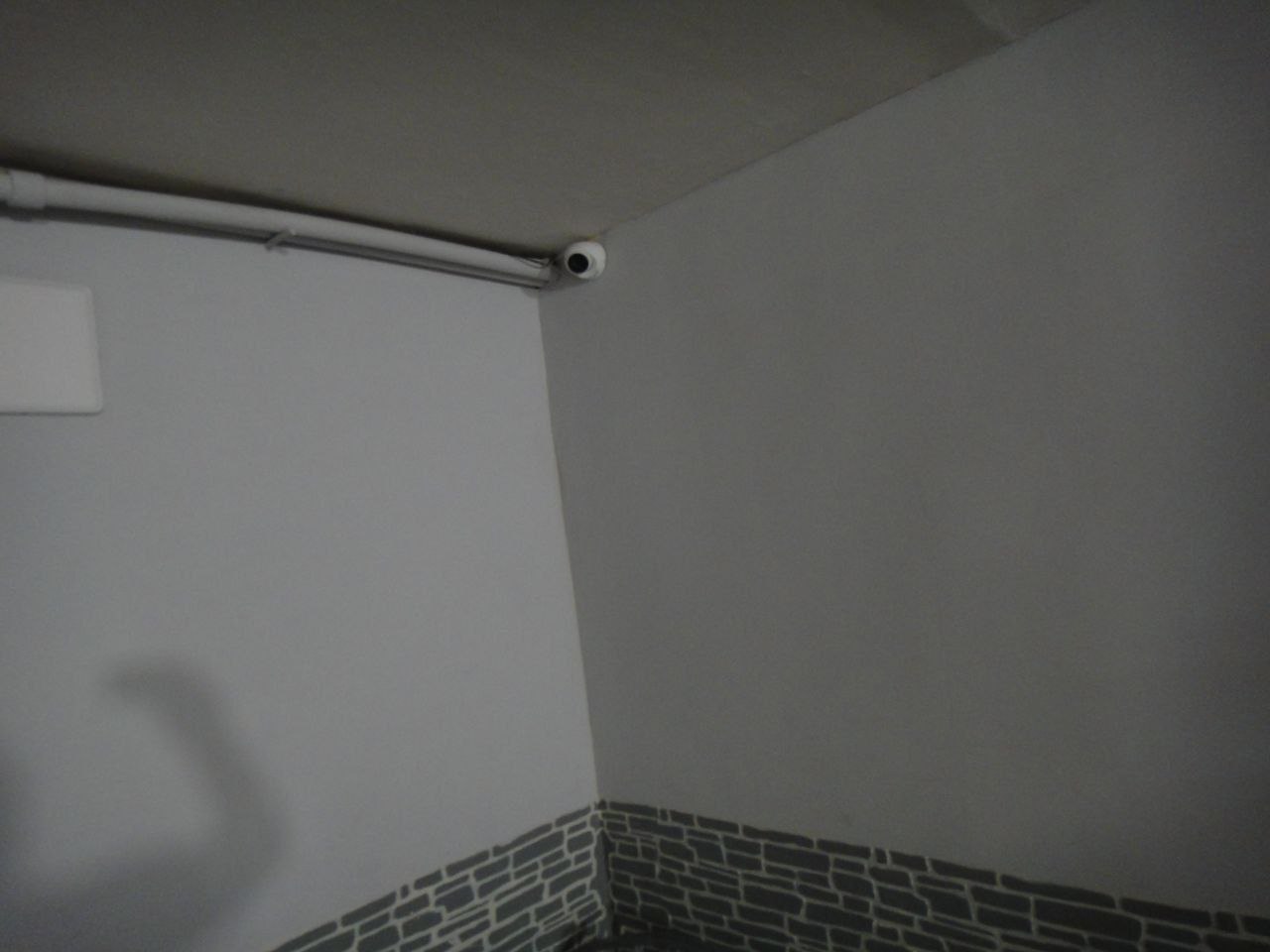
Thus, during the inspection of the KDiR residential premises, an installed video surveillance camera was recorded. At the same time, in its report in 2012, the Committee criticised excessive interference in privacy through the installation of video cameras in prisoners’ living quarters: “The CPT agrees that video surveillance in cells can be a useful safeguard in individual cases, for example, when a person is considered to be of concern regarding the risk of self-harm or suicide, or if there are specific suspicions that a prisoner is performing certain acts in the cell that could jeopardise safety.”
However, any decision to apply video surveillance to a specific prisoner should always be based on an individual assessment of real risks and must be reviewed regularly. Video surveillance is a serious interference in the private life of prisoners and makes the regime even more repressive, in particular, when applied over a long period. (CPT/Inf (2013) 23, point 52).
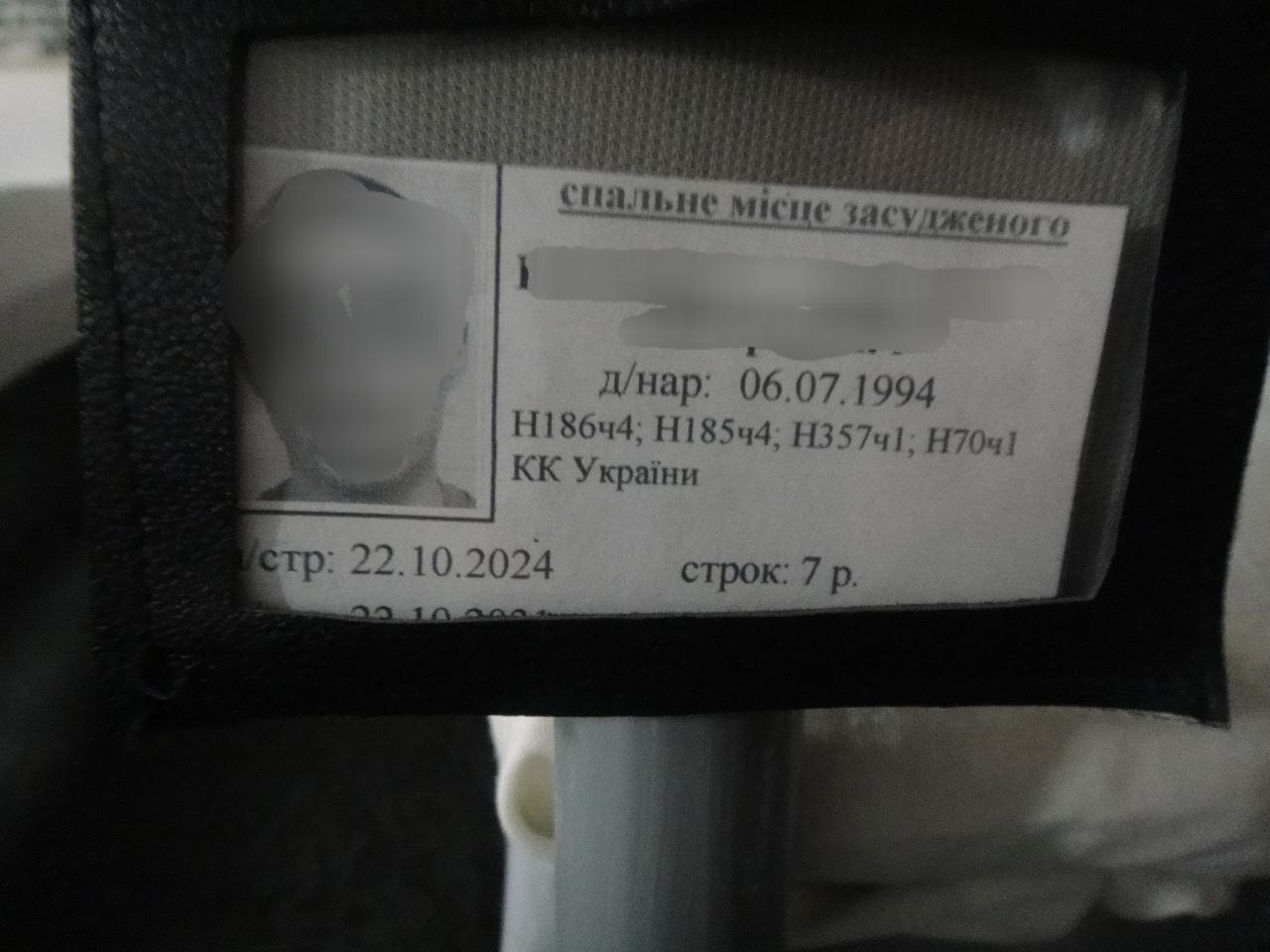
8. During the visit to the KDiR section, it was established that name cards with information providing a brief description of crimes committed by the persons occupying these beds were placed on the beds of the convicted persons in the sleeping room. In its report on the results of the visit to Ukraine in 2020, under similar circumstances, the Committee noted that this practice should be stopped, as it serves no reasonable purpose and, in addition to stigmatisation, has the effect of damaging relationships between prisoners and prison staff. (CPT/Inf (2020) 40, point 52).
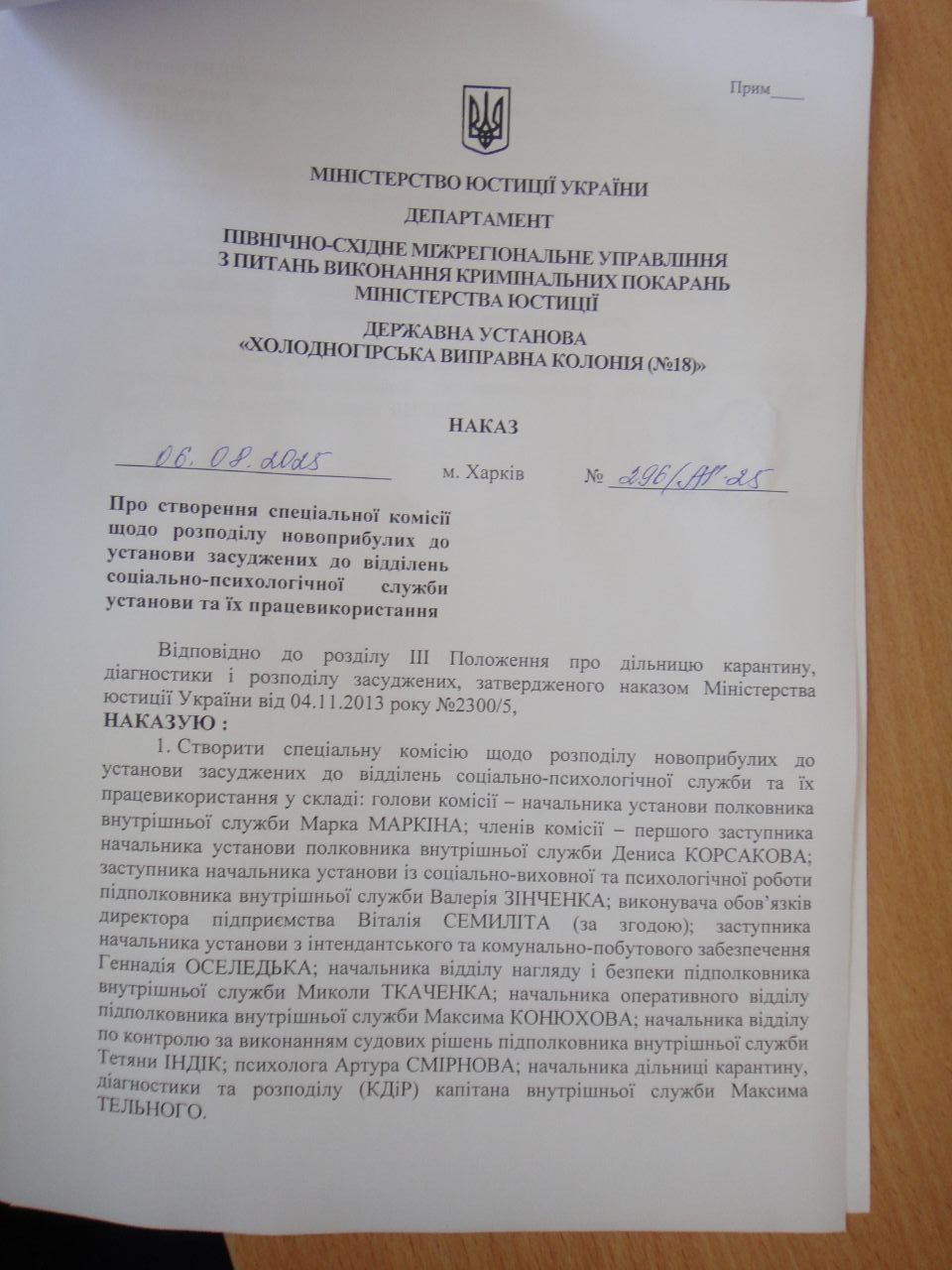
9. In violation of point 1 of Section II of the ‘Regulations on KDiR’, the head of the medical unit was not included in the composition of the special commission for the distribution of newly arrived convicted persons to the Social-Psychological Service sections of the institution.
10. In the Government of Ukraine’s report on the results of the visit to Ukraine in 2012, the Committee notes that any single-occupancy cells must have a living area of no less than 6 m² (not including the built-in toilet); the distance between the cell walls is established to be no less than 2 m. (CPT/Inf (2013) 23, point 45). However, the monitoring group established the use of premises for holding convicted persons that do not meet these recommendations. Specifically, in the cell premises of the institution’s disciplinary isolation unit (hereinafter — DIZO) No. 1, the distance between the walls is less than 2 metres.
11. The equipment of the DIZO/PKT premises does not fully comply with established standards for the treatment of prisoners and does not ensure proper conditions of detention taking into account their needs. Thus, in violation of the requirements of the Provision Norms, a number of premises are absent in the DIZO/PKT, namely: rooms for storing the personal belongings of convicted persons; rooms for storing the exchange fund of bedding, clothing items, and special clothing; a barber shop.
Due to the small size of the windows in the DIZO cell premises, a sufficient level of natural lighting is not ensured, which does not comply with Rule 18.2a of the European Prison Rules and Rule 14(a) of the UN Standard Minimum Rules for the Treatment of Prisoners.
The restrooms in the DIZO/PKT cell premises are not equipped with sufficient partitions that ensure the possibility of privacy, which violates Rule 19.3 of the European Prison Rules. In violation of Rule 22.5 of the European Prison Rules, the drinking water tanks in the cell premises remain empty, which effectively deprives convicted persons of access to clean water.
At the same time, in the Government of Ukraine’s report on the results of the visit in 2023, the Committee called on the Ukrainian authorities to take necessary measures to improve material conditions of detention, in particular, to keep all places of accommodation for convicted persons and persons in custody, including sanitary facilities, in proper repair and hygienic condition; to carry out disinsection regularly and frequently; to ensure sufficient access to natural light and ventilation in the cells; and to fully equip internal sanitary facilities with partitions (i.e., from floor to ceiling). (CPT/Inf (2024) 20, point 58).
12. There is no radio system in the DIZO cell premises, which contradicts the requirements of point 3 of Section XX of the IR PI and point 63 of the UN Standard Minimum Rules for the Treatment of Prisoners.
13. In violation of point 4 of Section IV of the ‘Procedure for the Use of Technical Means of Surveillance and Control in Correctional and Educational Colonies of the State Criminal Executive Service of Ukraine’, approved by the order of the Ministry of Justice of Ukraine dated 26.06.2018 No. 2025/5 (hereinafter — Procedure for the Use of Technical Means), it was established that the DIZO cells are not equipped with personnel call buttons, which makes it difficult for convicted persons to have prompt contact with the institution’s staff.
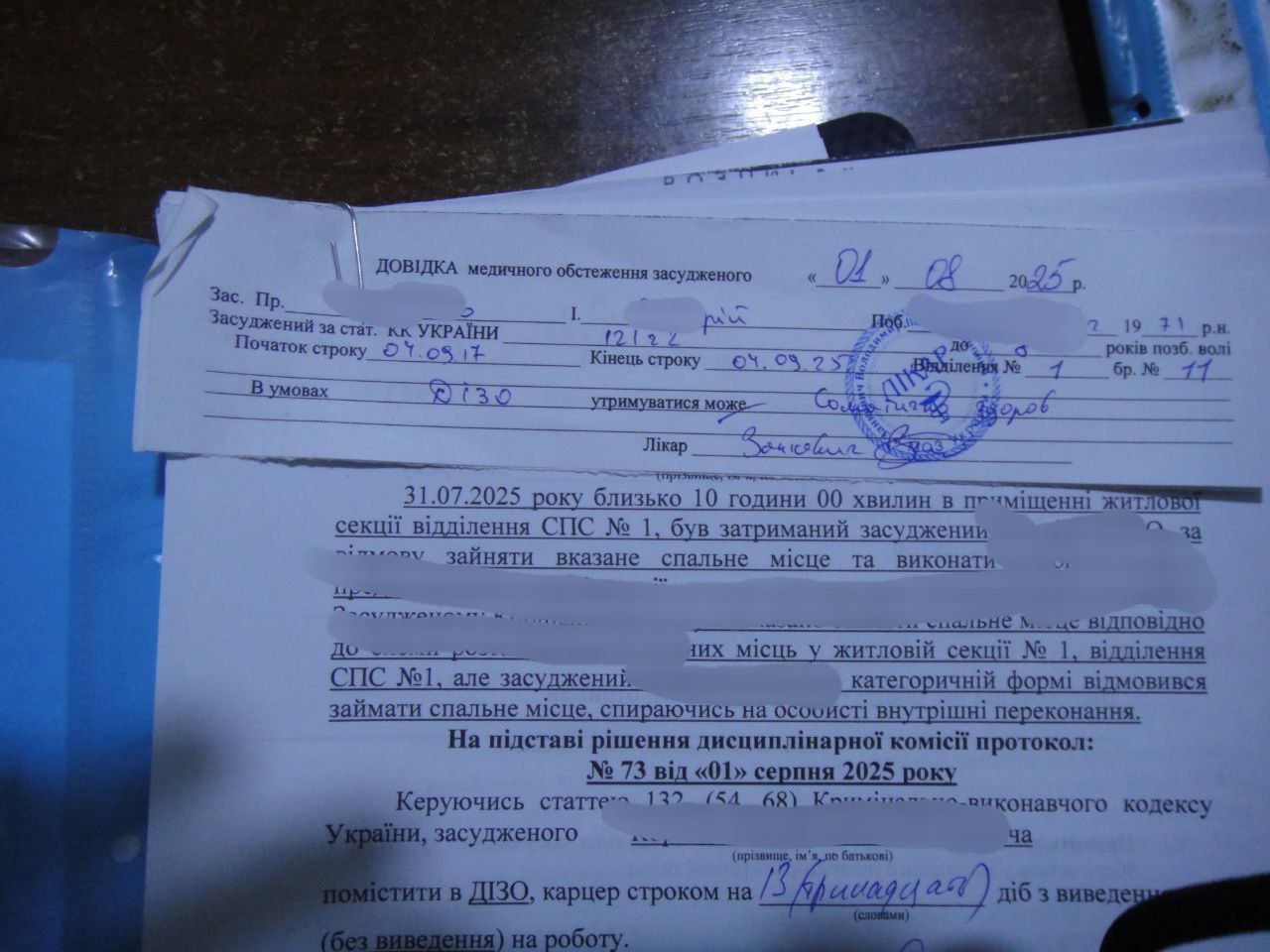
14. During the visit to the DIZO/PKT, it was established that the administration of the institution did not issue a copy of the decision on the application of a penalty, with an indication of the possibility and procedure for its appeal, to a convicted person named K., who was serving a disciplinary penalty for the 8th day in cell premises No. 1, which contradicts Article 135 of the Criminal Executive Code of Ukraine.
At the same time, in the Government of Ukraine’s report on the results of the visit in 2023, the Committee recommends taking measures in the penitentiary institutions of Ukraine to ensure that convicted persons to whom a disciplinary penalty is applied systematically receive a copy of the corresponding decision. Furthermore, convicted persons should be informed of their right to access a lawyer in the context of disciplinary proceedings. (CPT/Inf (2024) 20, point 103).
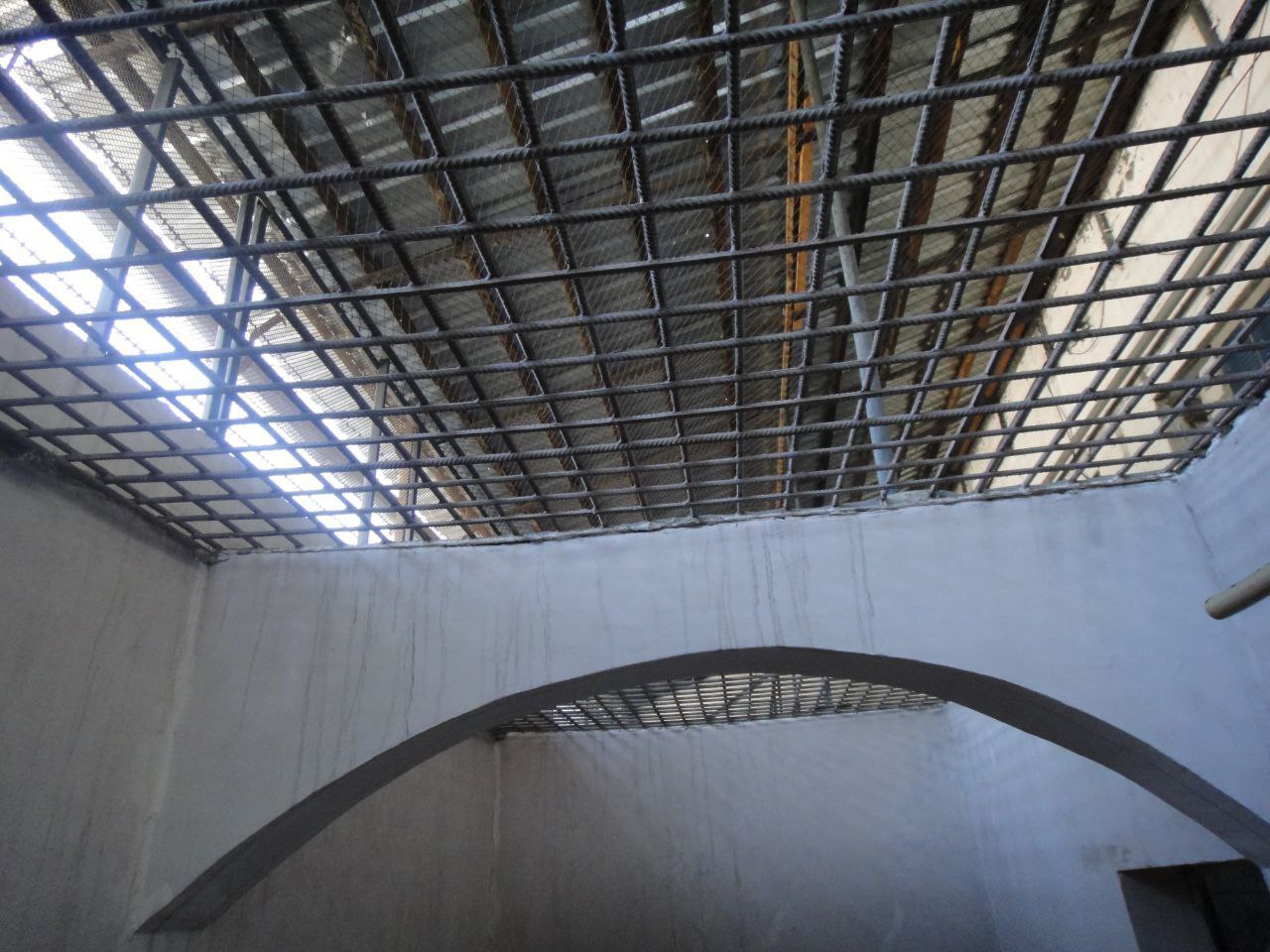
15. Visors that completely block access to natural light have been installed in the exercise yards, which leads to persons being held in constant semi-darkness. In addition, the area of individual yards is insufficient to ensure full physical activity for convicted persons.
At the same time, the Committee has repeatedly recommended reviewing the design and size of exercise yards ‘from which at best one has a view of the sky’. (point 122, point 127 (CPT/Inf (2014) 15).
16. During the monitoring visit, systemic violations of the requirements of legislation in the field of labour and social protection of convicted persons were detected, leading to labour exploitation, the concealment of actual labour relations, and a lack of proper control by the institution’s administration.
The aforementioned contradicts the provisions of Articles 118–120 of the Criminal Executive Code of Ukraine, Article 23 of the Universal Declaration of Human Rights, Article 43 of the Constitution of Ukraine, the Labour Code of Ukraine, and also the requirements of ILO Convention No. 29 concerning Forced Labour.
The monitoring group established that at the industrial zone facilities, the actual number of convicted persons does not correspond to the number indicated in the orders for taking them to work, which is a violation of the requirements of point 3.1.2 of Section III of the ‘Procedure for Organising Production Activities and Involving Convicted Persons in Socially Useful Labour at Enterprises of Correctional Centres, Correctional and Educational Colonies of the State Criminal Executive Service of Ukraine’, approved by the order of the Ministry of Justice of Ukraine dated 03.01.2013 No. 26/5, registered with the Ministry of Justice of Ukraine on 08.01.2013 under No. 68/22600 (hereinafter — Procedure for Organising Production Activities).
Specifically, according to the orders for taking convicted persons to work at the institution’s enterprise and in the institution’s workshops in the period from 04.08.2025 to 09.08.2025, 159 convicted persons were supposed to be taken to work; however, according to the ‘Journal for Receiving (Handing over) Convicted Persons’ by production personnel from 07.08.2025, 171 persons were actually present.
During a confidential interview, convicted persons who were not specified in the orders reported that they are involved in performing work in the order provided for by Part 5 of Article 118 of the Criminal Executive Code of Ukraine. At the same time, the convicted persons noted that their working day in terms of duration and volume does not differ from the working day of employees who receive a salary for similar work — in particular, from 08:30 to 18:00 and longer, six days a week. This indicates a systemic practice of involving convicted persons in labour without concluding labour contracts or civil-law contracts with them and without proper payment, which is a violation of the requirements of the first parts of Articles 118 and 120 of the Criminal Executive Code of Ukraine.

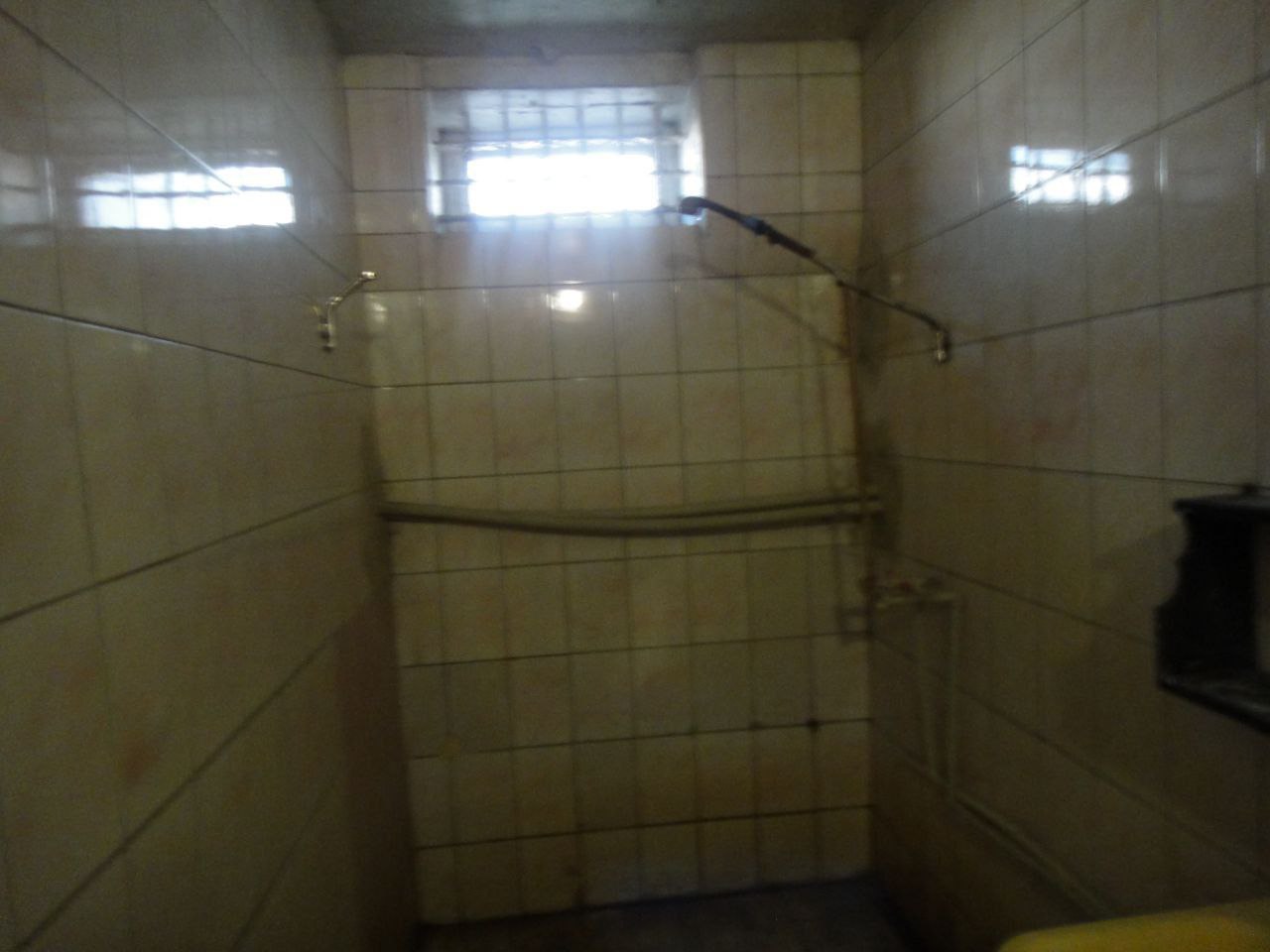
17. The monitoring group established a number of violations in the organisation of bath and laundry services for convicted and held persons. Thus, in violation of point 2.14 of Section II of the ‘Regulations on the Organisation of Bath and Laundry Services for Persons Held in Penal Institutions and Pre-trial Detention Centres’, approved by the order of the Ministry of Justice of Ukraine No. 849/5 dated 08.06.2021 (hereinafter — Regulations), the provision of barber services to convicted and held persons is not ensured in the institution. In violation of the requirements of point 2.11 of Section II of the Regulations, the forced supply-and-exhaust ventilation system is not working in the DIZO shower room.
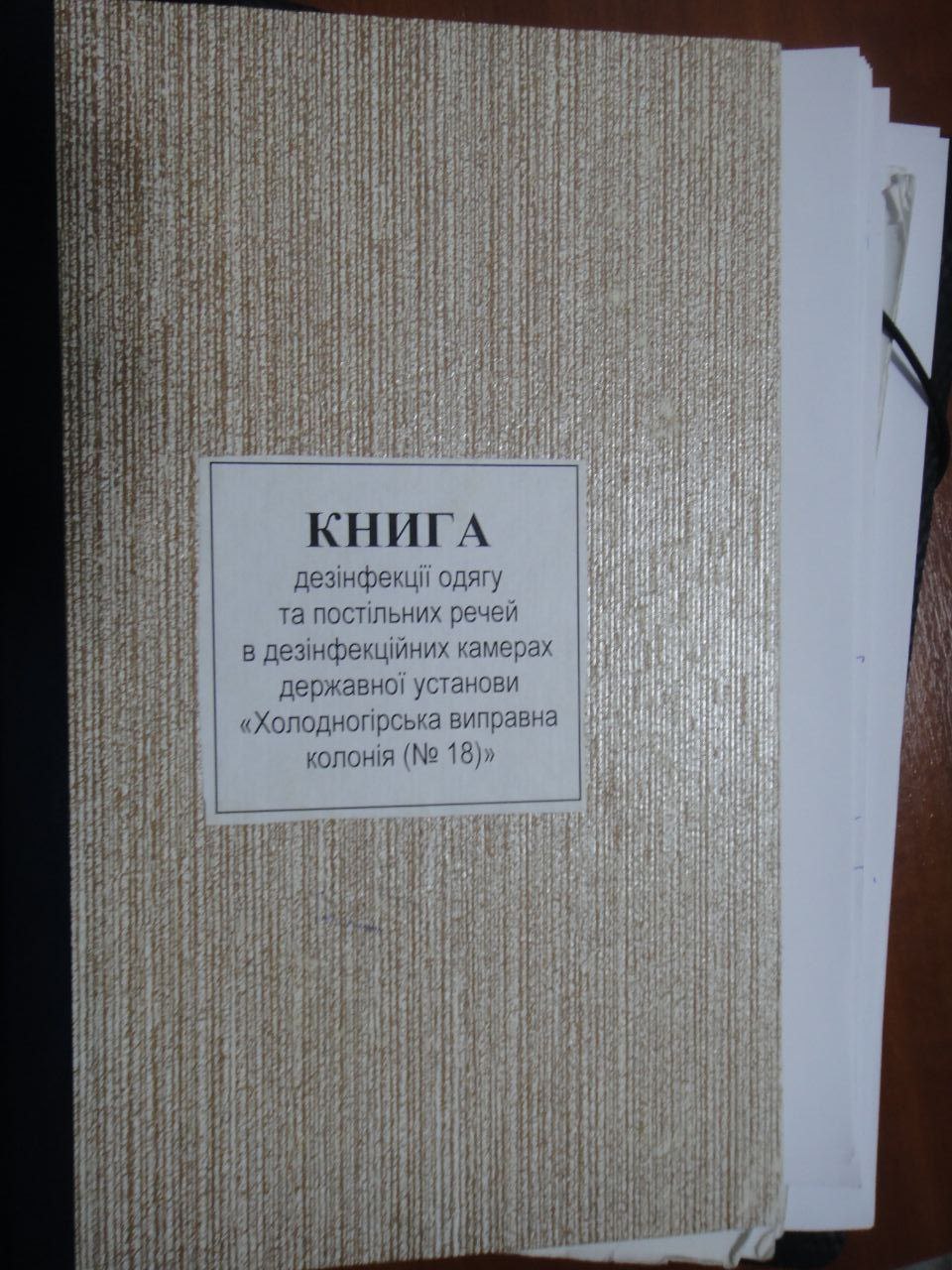
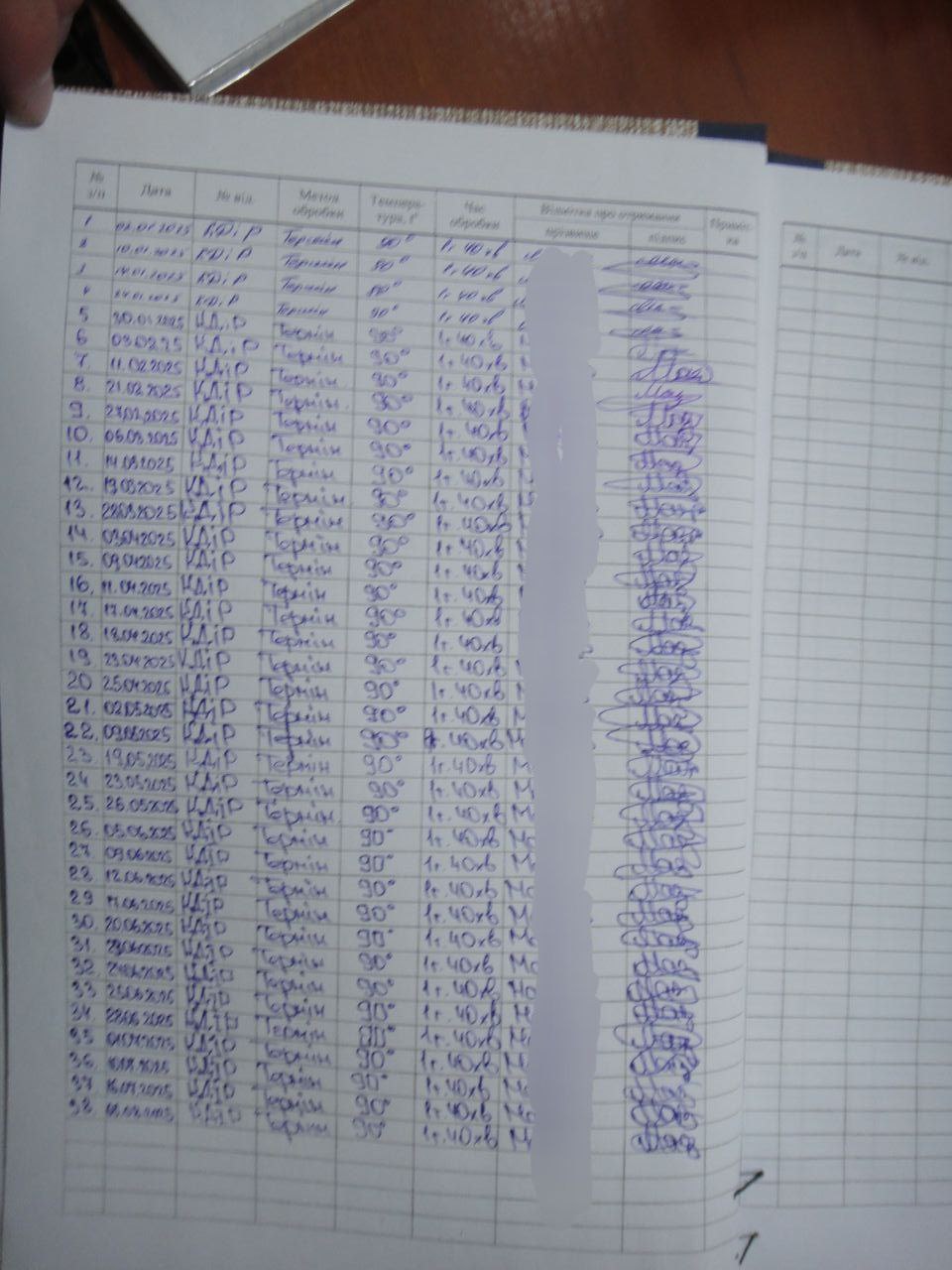
In violation of point 3.19 of Section III of the Regulations, the sanitary processing of convicted persons is not carried out in full. In particular, monthly planned disinfection (destruction of pathogenic microorganisms) and disinsection (destruction of insects and mites — vectors of infectious diseases) of personal clothing and bedding (pillows, mattresses, blankets) is not carried out in the disinfection chamber. Processing is applied exclusively to items used in the KDiR section during the intake of persons who have arrived at the institution, which is confirmed by entries in the ‘Journal of Disinfection (Disinsection) of Clothing and Bedding in the Disinfection Chamber’.
18. The monitoring group established that the administration of the institution does not ensure the realisation of the right of convicted persons to contact with the outside world, in connection with which, in violation of Part 1 of Article 110 of the CEC of Ukraine, point 1 of Section XIV of the IR PI, and Rule 58(b) of the UN Standard Minimum Rules for the Treatment of Prisoners, long-term visits with the right to cohabitation are not granted in the institution.
Furthermore, according to information provided by the administration, since the beginning of 2025 (as of 08.08.2025), 225 short-term visits have been granted in KhCC-18, of which 219 were contactless and 6 were in open conditions (without solid dividing glass and an intercom device).
At the same time, in the report on the results of the visit in 2023, the European Committee for the Prevention of Torture emphasises that for all categories of convicted persons, open visits (for example, at a table) should be the rule, and closed ones the exception, the application of which is allowed only on the basis of justified and reasoned decisions after an individual assessment of the potential risk of a specific convicted person.
In this connection, the Committee calls on the Ukrainian authorities to review the procedure for conducting short-term visits in penitentiary institutions with the aim of ensuring their conduct, as a rule, in open conditions (CPT/Inf (2024) 20, point 99).
Besides this, similar violations became the subject of consideration by the European Court of Human Rights. In particular, in the case of Khoroshenko v. Russia [GC], application No. 41418/04, decision dated 30 June 2015, the Court established that a multi-year ban on long-term family visits for a convicted person serving a sentence in a strict-regime colony constituted a violation of Article 8 of the Convention for the Protection of Human Rights and Fundamental Freedoms (the right to respect for private and family life).
19. The administration of the institution has not fully ensured the right of convicted persons to access the Internet, and the procedure for granting such access only partially meets the established requirements. In particular, in the SPS units and on the territory of the KDiR section, there are no conditions for the realisation by convicted persons of the right to access the Internet through the use of tablets, provided for by Part 7 of Article 110 of the Criminal Executive Code of Ukraine.
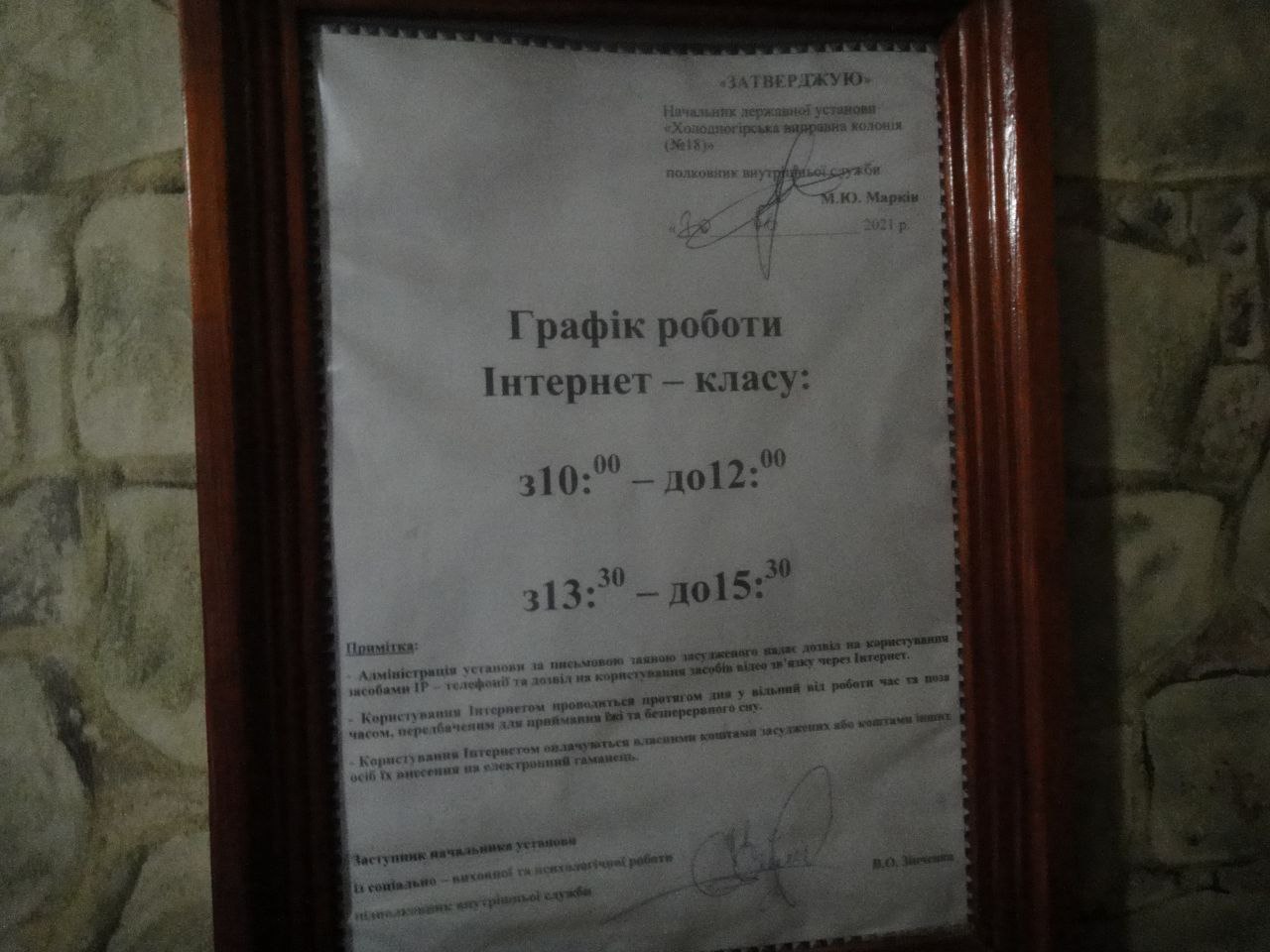
Wi-Fi access points have not been installed on the territory of the SPS units and the KDiR section. Furthermore, convicted persons involved in work in the first shift, contrary to the requirements of paragraph eight of Part 7 of Article 110 of the CEC of Ukraine, are deprived of the opportunity to use the Internet access service. According to the schedule, the Internet class operates from Monday to Friday from 10:00 to 12:00 and from 13:30 to 15:30.
20. During the visit, the monitoring group recorded that the institution’s staff who are in direct contact with convicted persons openly wear special means, in particular rubber batons. At the same time, according to paragraph eight of point 1 of Section XXVI of the IR PI, the wearing by staff of penal institutions of special means within the protected territory of the penal institution should, if possible, be maximally hidden from the surroundings.
At the same time, the Committee recommends that penitentiary staff working in direct contact with prisoners should not openly carry special means (such as rubber batons, handcuffs, and canisters equipped with tear gas) in front of prisoners. Such carrying hinders the establishment of normal relationships between staff and prisoners (point 85 (CPT/Inf (2011) 29), point 23 (CPT/Inf (2013) 23), point 166 (CPT/Inf (2014) 15)).
21. According to official documentation, the staff shortage in the institution as of 08.08.2025 is 21 authorised units. At the same time, in the Government of Ukraine’s report on the results of the visit in 2023, the Committee emphasises that ensuring a positive climate in a penitentiary institution requires the presence of a professional team of staff, who must be present in sufficient numbers at any moment in time in places of detention.
An insufficient number of staff can only increase the risk of violence and intimidation among convicted persons. A shortage of staff on the front line also undermines the quality and level of measures offered to convicted persons and jeopardises the prospect of preparation for release and social rehabilitation. In connection with which, the Committee calls on the Ukrainian authorities to take decisive measures to significantly increase the number of staff in the penitentiary institutions of Ukraine where a low level of staffing is observed, with the aim of strengthening the presence of security and supervision service staff inside the institutions. It is also necessary to take measures to put an end to the 24-hour shifts of staff on duty. (CPT/Inf (2024) 20, point 93).
22. KhCC-18 is one of the largest penal institutions in the Kharkiv region, on the basis of which the State Enterprise ‘Enterprise of the SCES of Ukraine No. 18’ functions. The enterprise has two main production workshops (No. 2 and No. 3), as well as an institution workshop and a canteen section where convicted persons are involved in labour.
Workshop No. 2 specialises in the full cycle of mechanical metalworking (turning, milling, drilling, grinding, welding work, heat treatment). Workshop No. 3 includes a welding, stamping, painting (powder coating), and wire product manufacturing section. Metal structures, in particular two-tier army beds, wire products, and components for wagon building, are manufactured here. The institution’s workshop is engaged in the manufacture of plastic bags, skewers, and wooden boxes.
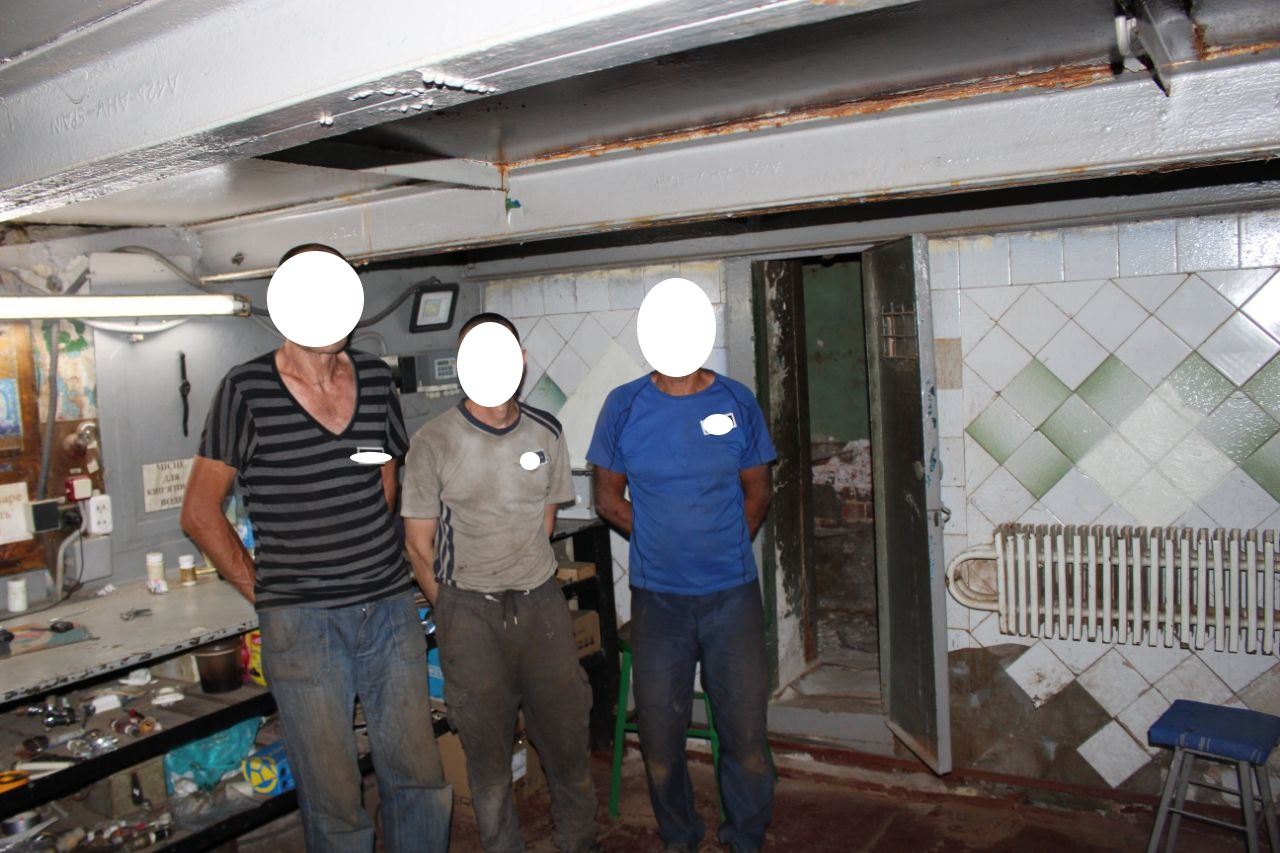
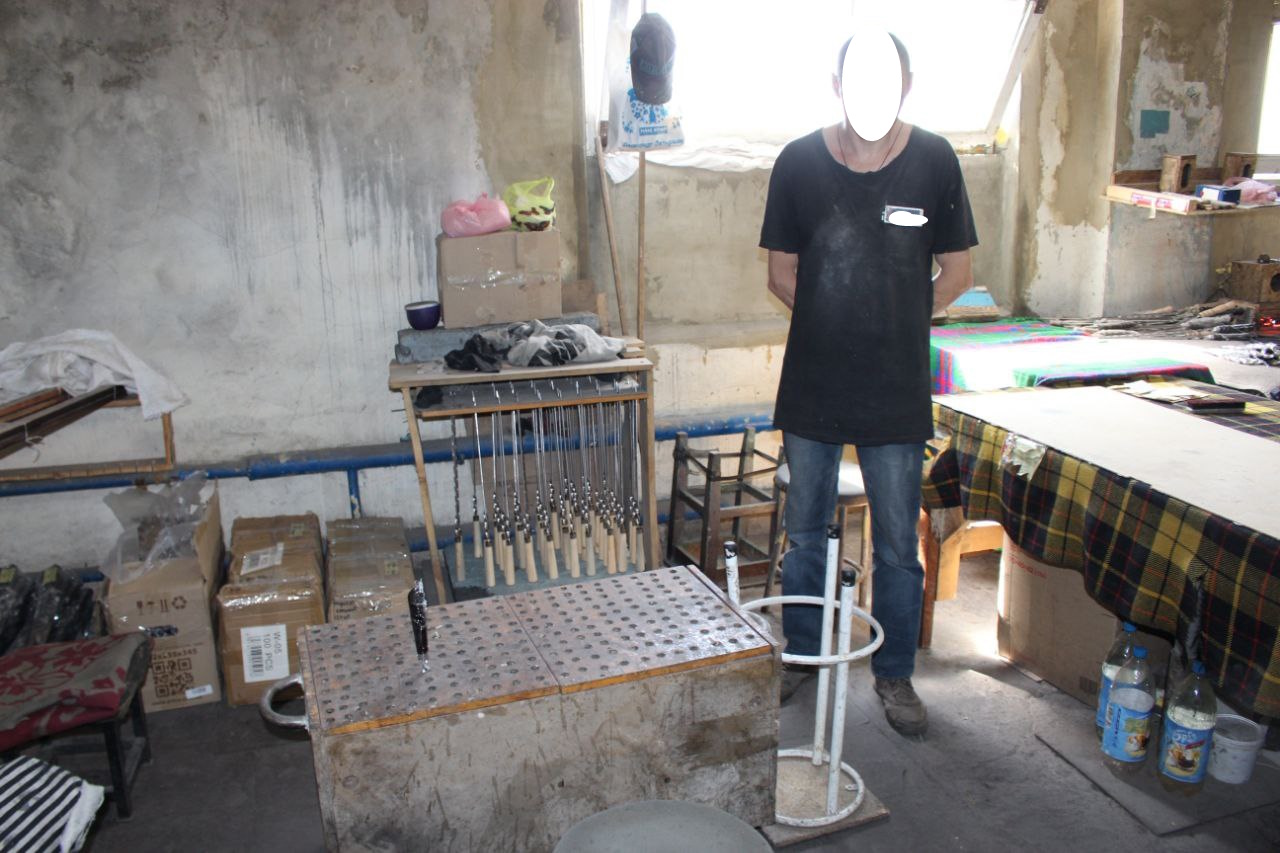
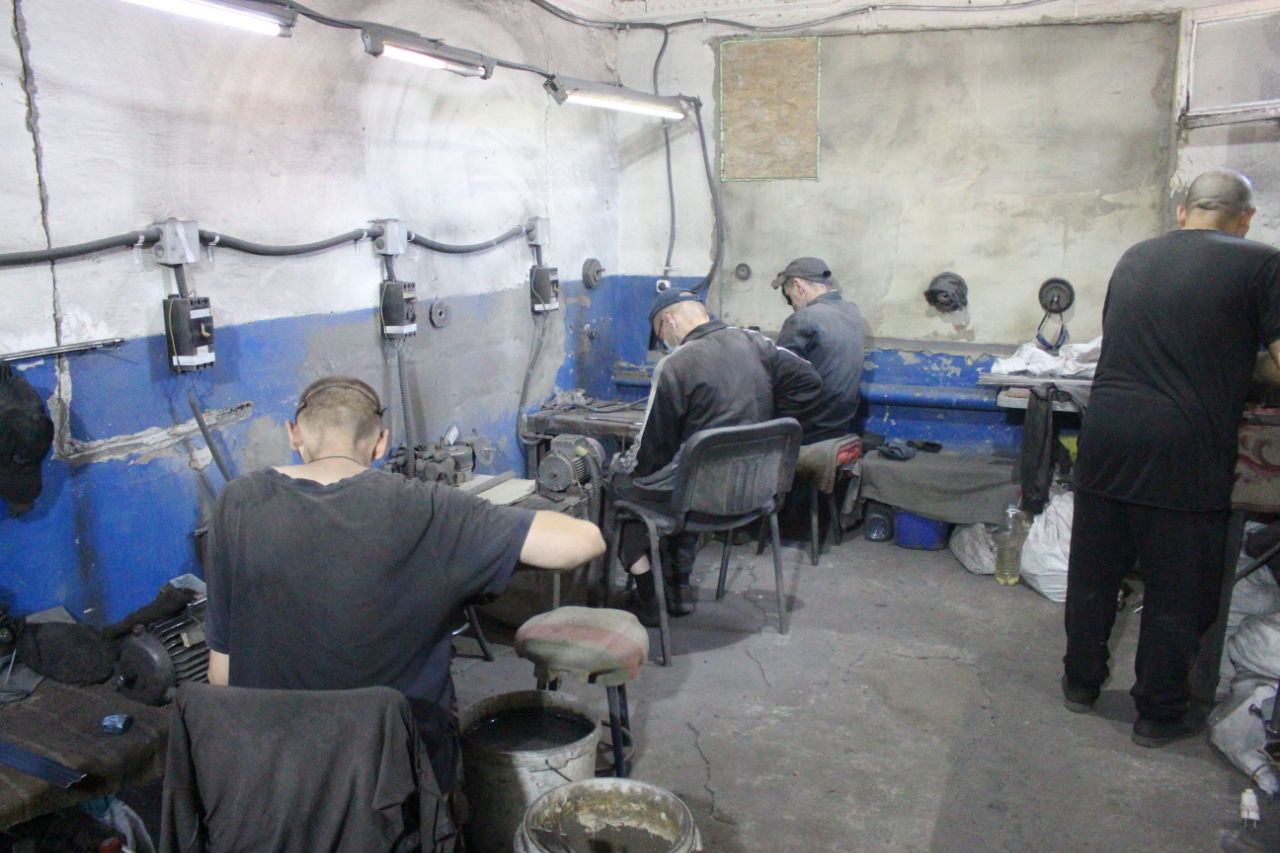
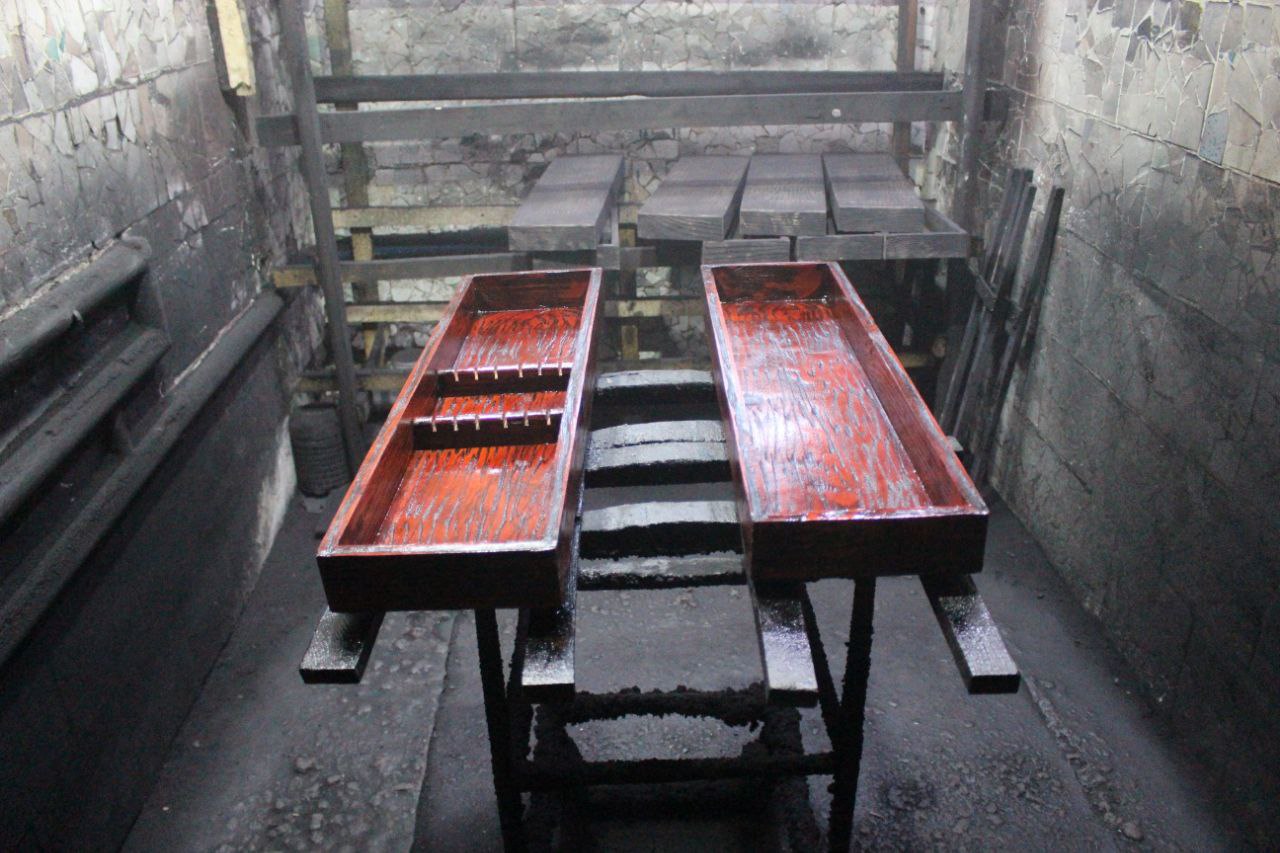
The canteen provides food preparation for convicted persons, where some convicted persons are involved in work involving preparation, food distribution, and sanitary maintenance of the premises. In total, as of August 2025, more than 215 persons were involved in the enterprise and institution facilities; however, most of them do not have properly formalised labour relations, social insurance, or confirmed access to earned funds.
The administration of the institution formally refers to Art. 118 of the CEC of Ukraine, which allows for the involvement of convicted persons in socially useful labour ‘on the basis of a labour contract’. However, in practice, identical fixed-term contracts are concluded, formalised simultaneously (04.08.2025), with dozens of convicted persons — A., I., R., Z., T., and others.
These documents are unified templates, without individual working conditions or the actual signature of the convicted person (a ‘facsimile’ is provided). In applications to the head of the colony, all convicted persons supposedly express a desire to work voluntarily and agree to the use of a facsimile signature. Such practice deprives the principle of voluntary labour of any meaning and effectively creates an illusion of consent, which contradicts Art. 43 of the Constitution of Ukraine, Art. 118 of the CEC of Ukraine, and also Art. 1 of ILO Convention No. 29 concerning Forced or Compulsory Labour.
In metal workshops No. 2 and No. 3, convicted persons perform full-cycle metalworking operations, in particular cutting, welding, grinding, and powder painting. Working conditions are often dangerous (dust, noise, heat, sparks, toxic vapours), however, personal protective equipment is not provided systematically. In the workshop, more than 40 persons are engaged in manual work with wood, wire, and plastic, without mechanical ventilation or certified tools. In the canteen, convicted persons work without health booklets, sanitary certificates, or any formalisation of labour relations.
Fixed-term labour contracts concluded on behalf of the colony administration contain signs of fictitiousness: they are all concluded on the same day (04.08.2025); they contain identical wording without specifying the rate, tariff, duration of the working day, or payment system; they are signed by a facsimile of the convicted person, which contradicts the requirements of Art. 207 of the Civil Code of Ukraine and Art. 24 of the Labour Code of Ukraine, which provide for only a handwritten signature of the employee upon concluding a contract; references to institution orders No. 90/2-25 and No. 90/3-25 do not contain details regarding which specific position or profession the convicted person holds.
Thus, the actual labour of convicted persons is carried out without a real labour contract, and the specified documents are used only as a cover for accounting for production activities. None of the convicted persons whose names are in the payrolls has Unified Social Contribution (USC) payments. This means the absence of any length of service, social protection in case of illness or accident, which directly contradicts Art. 11 of the Law of Ukraine ‘On Mandatory State Social Insurance’ and Art. 19 of the Law ‘On Remuneration of Labour’.
From the analysis of the payment sheets for June 2025, it is apparent that: convicted persons in workshops and facilities were accrued 1,500–3,500 UAH, while more than 40–50% were withheld under the guise of taxes and ‘household expenses’; tax and deduction amounts are identical for all employees (even with different salaries), which indicates automatic duplication of figures without real calculation; there are no signatures of convicted persons in the sheets regarding the receipt of funds or evidence of crediting to personal accounts. Such actions are a violation of Art. 115 of the Labour Code (mandatory payment at least twice a month), Art. 24 of the Law ‘On Remuneration of Labour’ (transparency of calculation), and Art. 118 of the CEC (guaranteed remuneration for labour no lower than the minimum).
Production sections do not meet sanitary and technical norms: painting and welding stations are not equipped with ventilation; woodworking areas lack dust aspiration systems; there is no record of occupational safety briefings, provided for by Art. 18 of the Law ‘On Occupational Safety’ and point 3.1.1. of the contracts; personal protective equipment (masks, gloves, overalls) is absent or issued selectively.
Applications from convicted persons with identical text (‘I request to be sent of my own free will…’) and the formula ‘familiarised with the provisions of Art. 118 of the CEC’ testify to formal, not real, consent to labour. Such practice contradicts Art. 43 of the Constitution of Ukraine and ILO Convention No. 29, according to which work performed under the threat of punishment or administrative coercion is a form of forced labour. Thus, the labour of convicted persons in KhCC-18 is massively formal in nature and is used to fulfil production tasks of the state enterprise without observing labour rights.
The use of facsimile signatures, the absence of social insurance, and the non-compliance of labour payment with legislation create signs of forced labour, prohibited by international standards. The administration of the institution systematically substitutes labour relations with administrative orders, which contradicts Art. 118–120 of the CEC of Ukraine, Art. 21, 24, 94, 115 of the Labour Code of Ukraine, Art. 43 of the Constitution of Ukraine, and ILO Conventions No. 29 and No. 105.
Medical Unit No. 18 of the Branch of the State Institution ‘Centre for Healthcare of the State Criminal Executive Service of Ukraine’ in Kharkiv and Luhansk Regions
Head of Medical Unit No. 18 of the branch of the SI ‘Centre for Healthcare of the State Criminal Executive Service of Ukraine’ in Kharkiv and Luhansk Regions — Yurii Oleksandrovych Pushkariov.
The positions of clinical psychologist (0.25 rate) remain vacant on the medical unit staff.
On the day of the visit, there were 10 sick persons in the inpatient ward.
During the monitoring visit, violations of the requirements of national legislation and non-compliance with international recommendations in the field of treatment of prisoners were detected, leading to infringements of the rights of convicted persons:
1. In violation of the requirements of point 3 of Chapter 1 of Section II of the ‘Procedure for Organising the Provision of Medical Care to Convicted Persons Deprived of Liberty’, approved by the joint order of the Ministry of Justice of Ukraine and the Ministry of Healthcare of Ukraine dated 15.08.2014 No. 1348/5/572 (hereinafter — Procedure), medical staff do not properly draw up certificates in which the nature of bodily injuries, their dimensions, and location are described in detail.
Specifically, instances were established where, instead of the primary accounting documentation form No. 511/o ‘Certificate on the Fixation of Bodily Injuries’ approved by the order of the Ministry of Healthcare of Ukraine dated 02 February 2024 No. 186, medical personnel fill out form No. 318-OD ‘On Approval of the Card for Primary Fixation of External Injuries, Instructions for its Filling, and the Form of the Journal for Accounting of Detected Bodily Injuries’, which, as of 26.04.2025 (the date of filling out the card), had lost its force.
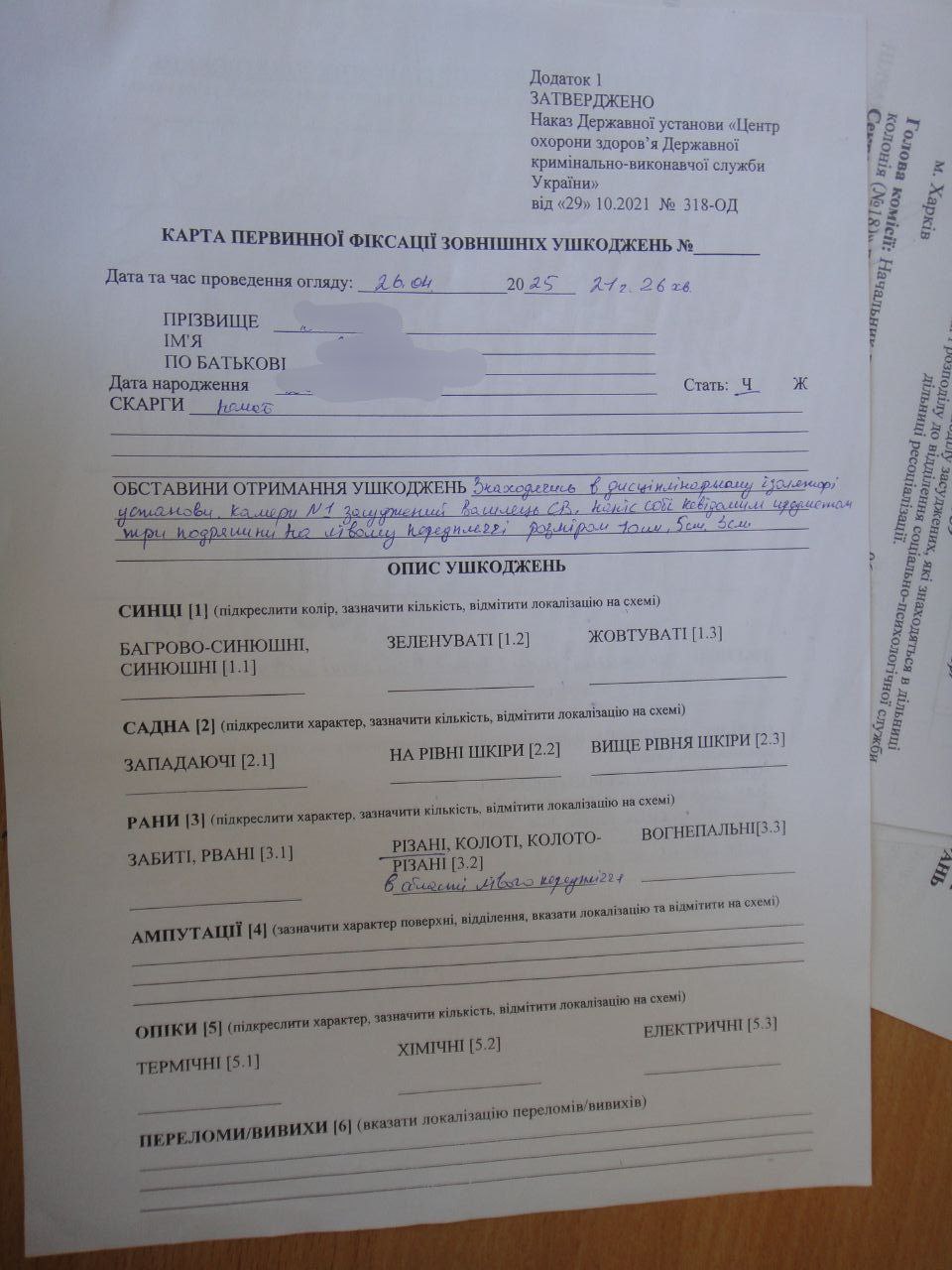
In violation of the requirements of point 3 of the Instructions for filling out the primary accounting documentation form No. 511/o ‘Certificate on the Fixation of Bodily Injuries’, approved by the order of the Ministry of Healthcare of Ukraine dated 02 February 2024 No. 186, instances were established where copies of the certificate form No. 511/o are not attached to the primary accounting documentation form No. 025/o ‘Medical Card of an Outpatient Patient’, but are stored separately.
Thus, the lack of proper fixation of bodily injuries does not comply with point 60 of the Committee’s recommendations (CPT/Inf (93) 12-part), where it is stated that medical services in places of detention can make their contribution to preventing violence against persons held in custody by systematically registering bodily injuries, and also, if necessary, through informing the relevant authorities.
Furthermore, during the study of medical documentation, it was established that in the outpatient medical cards 025/o, photographs of existing bodily injuries are not added to the drawn-up certificates, as provided for in point 3 of Section I, Chapter II of the Procedure. At the same time, in the report on the results of the visit to Ukraine in 2023, the Committee notes that any traumatic injuries discovered during a medical examination should be photographed in detail, and the photographs together with body diagrams should be stored in the individual medical card of the person. (CPT/Inf (2024) 20, point 82).
2. During the inspection of the DIZO/PKT, the monitors established that upon placing a convicted person in the disciplinary isolation unit, a medical certificate is attached to the case materials, which contains information about the state of his health and according to the conclusion of which the convicted person may be held in the DIZO, PKT. This testifies to the awareness of the institution’s employees of confidential information regarding the state of health of convicted persons who are in the DIZO. The said violates the requirements of Article 39-1 of the Law of Ukraine ‘Fundamentals of the Legislation of Ukraine on Healthcare’ regarding the right of an individual to secrecy about the state of health.
At the same time, the Committee has repeatedly emphasised that the obligation of penitentiary doctors to certify the fitness of convicted persons for serving a disciplinary penalty will hardly contribute to the development of positive relations between the doctor and the patient. In principle, medical personnel should never participate in any part of the decision-making process regarding the application of any type of solitary confinement, unless this measure is applied for medical reasons. On the other hand, medical personnel should be very attentive to the state of convicted persons who are in solitary confinement.
Medical personnel should be informed immediately of every such placement and should visit the convicted person without delay after placement, and then regularly, no less than once a day, and provide him with prompt medical aid and treatment if necessary. Medical personnel should inform the administration of the institution if the health of the convicted person is under serious threat due to solitary confinement. (CPT/Inf (2024) 20, point 104).
3. In violation of the requirements of the Instructions for filling out the primary accounting documentation form No. 003-6/o ‘Informed Voluntary Consent of the Patient to Conduct Diagnostics, Treatment, and to Conduct Surgery and Anaesthesia and to the Presence or Participation of Participants in the Educational Process’, approved by the order of the Ministry of Healthcare of Ukraine dated 14.02.2012 No. 110, the absence of signed informed voluntary consent to conduct diagnostics and treatment was established for one patient who was in the inpatient ward of the medical unit.
The said may testify to the absence of the patient’s voluntary consent for the application of diagnostic, preventive, and treatment methods towards him, which is a violation of Article 43 of the Law of Ukraine ‘Fundamentals of the Legislation of Ukraine on Healthcare’ and point 47 of the Committee’s recommendations (CPT/Inf(93)12-part).
4. In the medical unit, the conduct of substitution maintenance therapy (hereinafter — SMT) for persons with mental and behavioural disorders due to opioid use is not organised in accordance with the ‘Procedure for Conducting Substitution Maintenance Therapy for Persons with Mental and Behavioural Disorders due to Opioid Use’, approved by the order of the Ministry of Healthcare of Ukraine dated 27.03.2012 No. 200.
Drug-dependent persons are not ensured social-psychological support, cognitive-behavioural therapy (CBT), relapse prevention, motivational interviewing, mutual aid groups, etc.
Thus, these persons are deprived of the opportunity to receive SMT, which violates their right to choose methods of treatment in accordance with Article 38 of the Law of Ukraine ‘Fundamentals of the Legislation of Ukraine on Healthcare’.
At the same time, in the report on the results of the visit to Ukraine in 2023, the Committee notes that ending up in a penitentiary institution is an opportunity to solve the problem associated with drugs, and therefore it is important that appropriate assistance be offered to all interested persons; therefore, appropriate medical service must be available in all institutions. Assistance offered to such persons should be diverse; substitution therapy programmes for persons with drug dependence should be combined with real psychosocial and educational programmes for persons with opioid dependence who are not able to stop using drugs.
Furthermore, access to SMT programmes in institutions should be easily available, and they should also be managed by penitentiary doctors who must have undergone special training on issues related to drug use. (CPT/Inf (2024) 20, point 86).
5. In violation of point 8 of Chapter 5 of Chapter 2 of the Procedure, there is no equipped isolation ward for persons with mental disorders in the inpatient medical unit for convicted persons who pose a danger to others.
6. In violation of the requirements of the State Building Norms of Ukraine V.2.2-17:2006 ‘Buildings and Structures. Accessibility of buildings and structures for groups of persons with reduced mobility’, conditions for holding persons with disabilities have not been created in the medical unit.
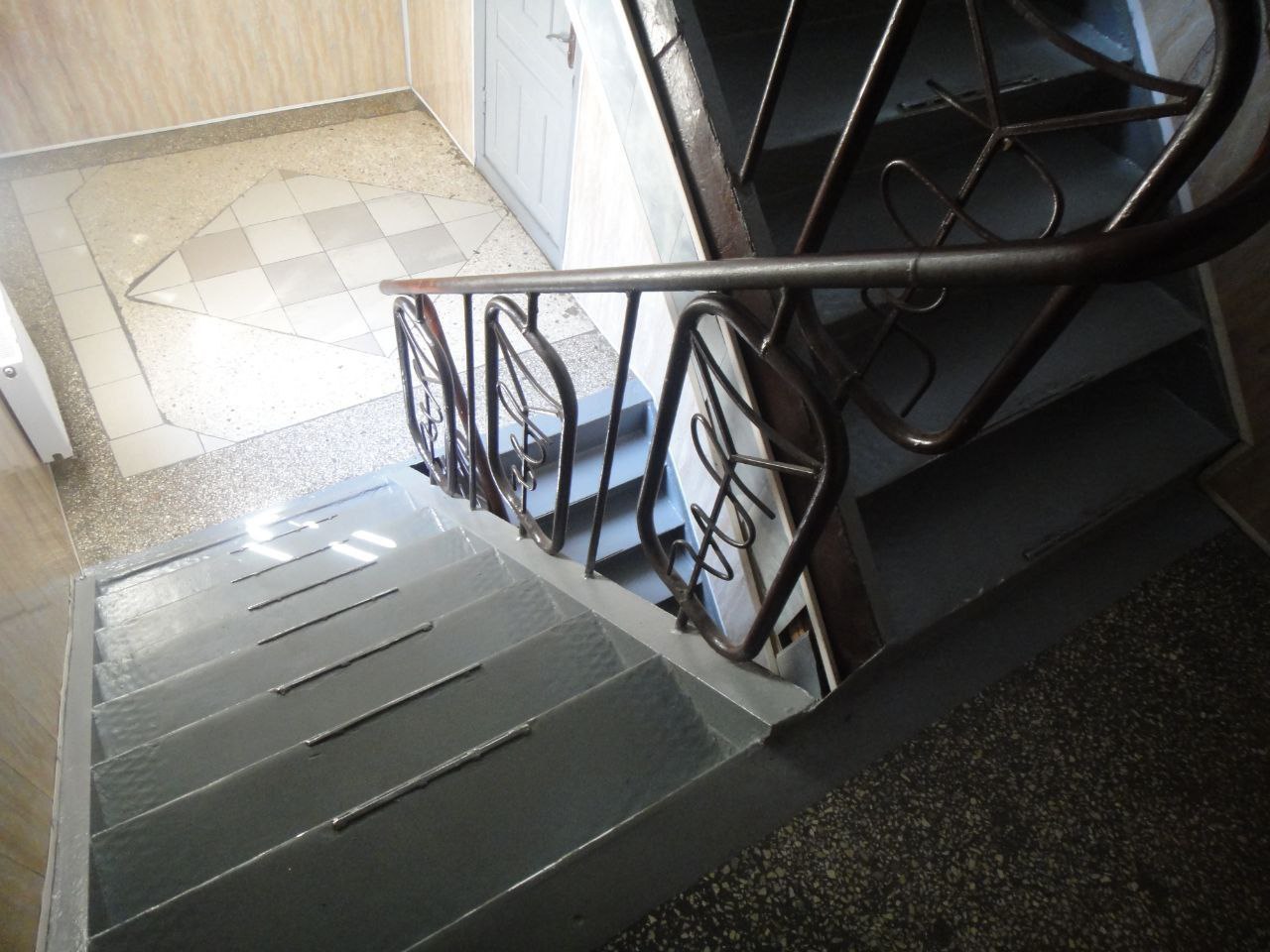
7. In violation of point 37 of the Resolution of the Cabinet of Ministers of Ukraine No. 285 dated 2 March 2016 ‘On Approval of Licensing Conditions for Conducting Economic Activity in Medical Practice’, a conclusion confirming free access to buildings and premises of the medical institution for groups of persons with reduced mobility, the receipt of which is mandatory, is absent in the medical unit.
8. In violation of the requirements of the ‘Norms of Belonging of Bedding, Special Clothing, and Special Footwear (Inventory Property) for Convicted Persons who are Undergoing Treatment in Therapeutic and Preventive Institutions, Institutions on the Rights of Therapeutic Ones, and in Medical Units at Penal Institutions and Pre-trial Detention Centres’, approved by the order of the MoJ of Ukraine dated 20.02.2012 No. 280/5, convicted persons do not receive hospital property (hospital suit, robe, and slippers). Convicted persons stay in the inpatient ward in their everyday clothing, sometimes with their own bedding.
9. In violation of the requirements of the ‘Standards of Medical Care for Hepatitis C in Adults’, approved by the order of the Ministry of Healthcare of Ukraine dated 15.01.2021 No. 51, not all persons (8 persons as of 08.08.2025) with a suspected Hepatitis C virus undergo PCR testing, in connection with which they do not receive the necessary treatment, which may lead to the deterioration of their health and the spread of the specified infectious disease among convicted and held persons.
10. In violation of the ‘Procedure for Organising Medical Care at the Primary, Secondary (Specialised), and Tertiary (Highly Specialised) Levels Using Telemedicine’, approved by the order of the Ministry of Healthcare of Ukraine dated 19.10.2015 No. 681, the personnel of the medical unit are deprived of the opportunity to send requests for telemedicine consultations and receive professional assistance for the provision of medical services to convicted persons due to technical limitations.
11. In violation of point 6 of Chapter 3 of Section II of the Procedure, the ‘Journal of Accounting for Results of Undergoing Preventive Medical Examination’, the form of which is given in Appendix 4 to the Procedure, is not kept in the institution’s medical unit, which testifies to the improper conduct of preventive examinations.
12. In violation of the requirements of the State Building Norms V.2.2-10:2022 ‘Healthcare Institutions. Main Provisions’, the isolation ward for persons with infectious diseases is not equipped with a sanitary unit and a shower cabin, which forces infectious patients to use common sanitary premises together with other held persons who are undergoing treatment in the inpatient medical unit. The absence of proper conditions makes effective isolation of patients impossible, contributes to the spread of infectious diseases, and creates a risk to the health of both convicted persons and the institution’s staff.
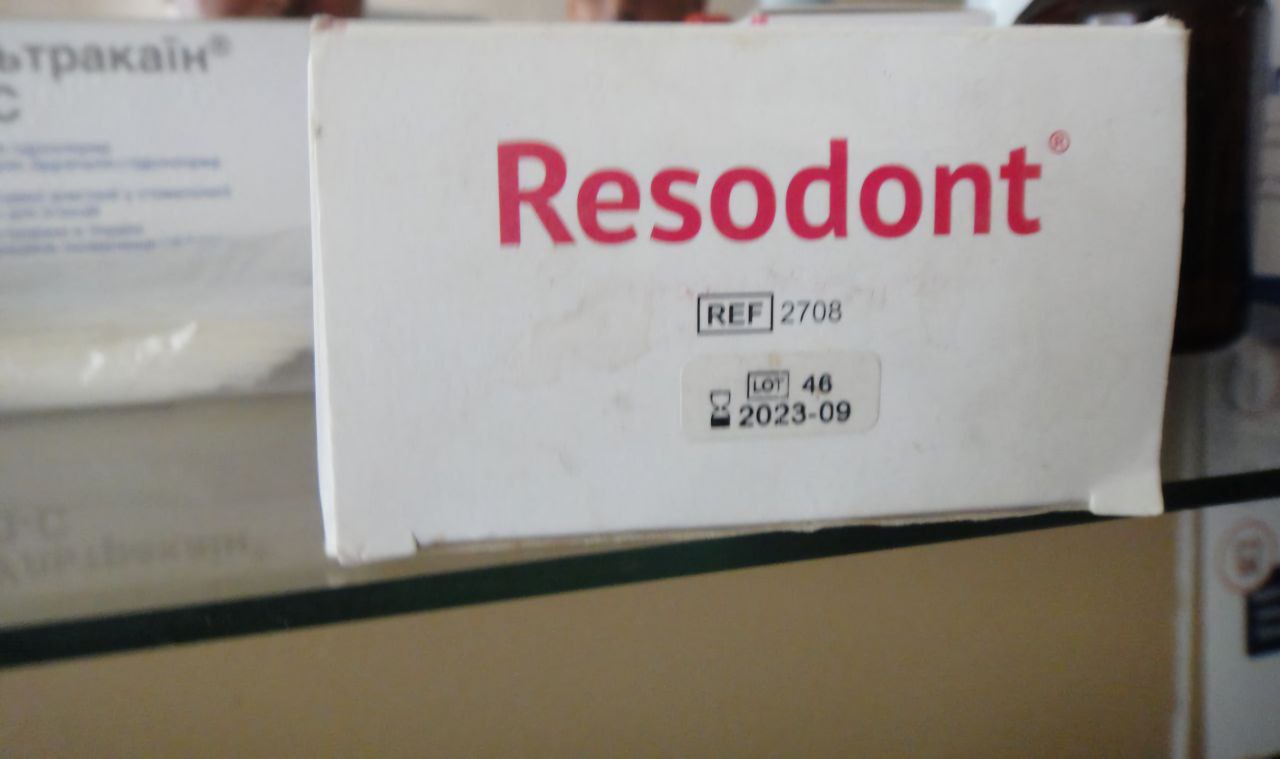
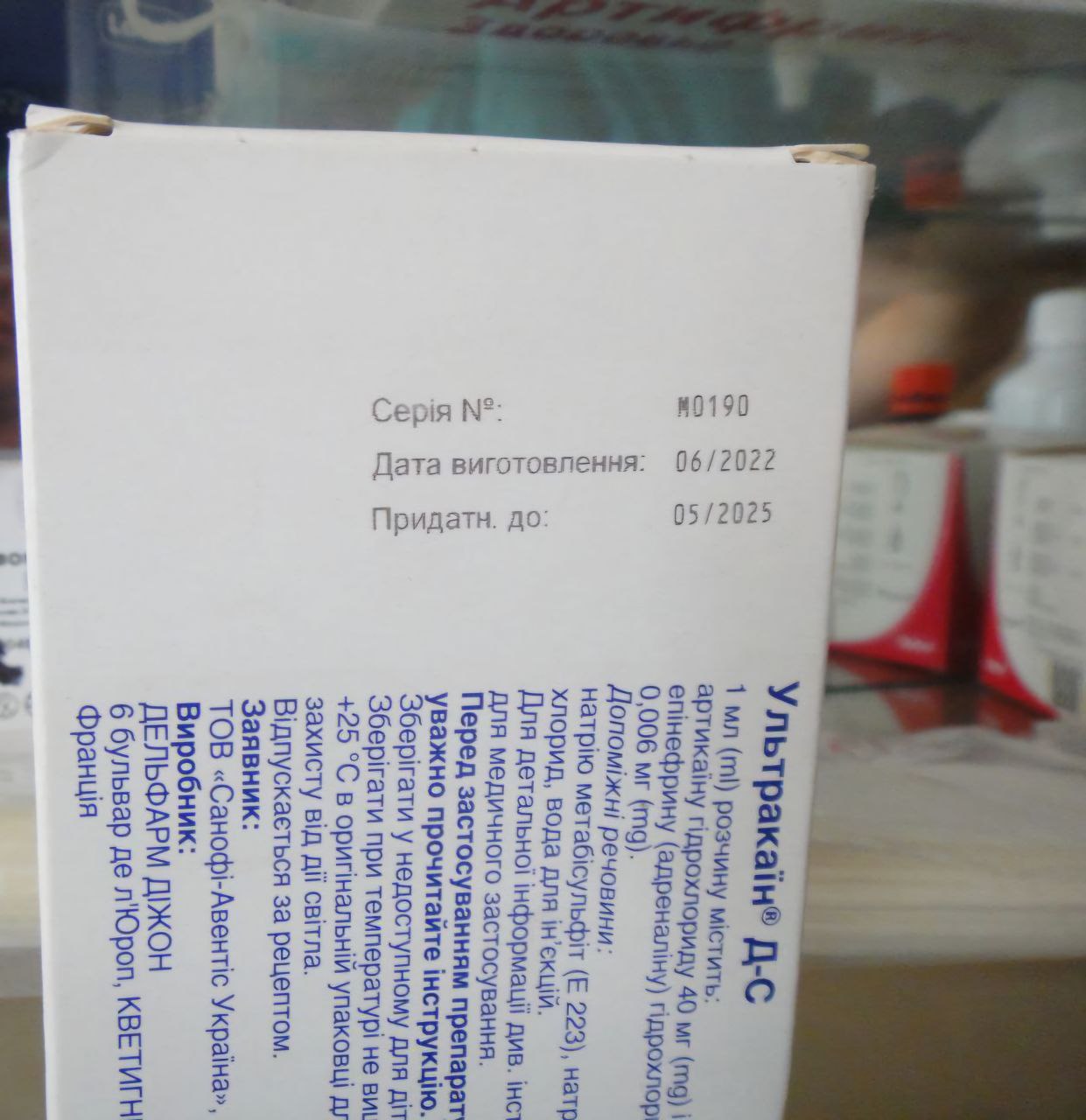
13. In violation of the requirements of point 5 of Section I of the ‘Rules for Storing and Conducting Quality Control of Medicinal Products in Therapeutic and Preventive Institutions’, approved by the order of the Ministry of Healthcare of Ukraine dated 16.12.2003 No. 584, medicinal products with expired storage terms were discovered in the medical unit during the inspection of the dentist’s office.

14. In violation of the Fire Safety Rules in Ukraine, approved by the Ministry of Internal Affairs of Ukraine dated 30.12.2014 No. 1417 (hereinafter — Rules), the medical unit premises are not equipped with fire extinguishing and fire alarm systems.
Recommendations:
- Equip both shelters with ventilation, a restroom (where absent), a second evacuation exit, and constant lighting; ensure unimpeded access for all units, including at night.
- Implement a night-time evacuation algorithm (rotation, duplicate keys, timings, training).
- Immediately prohibit the use of convicted persons for control over other convicted persons (in the KDiR, residential premises, in production).
- Implement an anti-violence strategy: risk assessment upon arrival, classification, and distribution without stigmatisation; prohibition of segregation of those ‘rejected by the collective’.
- Create safe complaint channels (boxes, hotlines, lawyer access) and guarantees against reprisals.
- Separate the local sections of the KDiR, medical unit, bathhouse, and laundry for actual isolation of new arrivals.
- Bring the area per person to the norm (relocation/reduction of the number of beds in the KDiR sleeping room).
- Ensure natural lighting and supply-and-exhaust ventilation, replace worn-out mattresses/pillows, install a drinking water tank and partitions in the restroom (from floor to ceiling).
- Remove and destroy name cards with descriptions of crimes on beds (ending the practice of stigmatisation).
- Review the installation of cameras in residential premises: leave only based on individual risk assessment, with documentation of grounds and periodic review.
- Include the head of the medical unit in the composition of the special commission for the distribution of new arrivals.
- Bring cells to minimum parameters (≥6 m²; width ≥2 m) or decommission unsuitable ones until re-equipped.
- Ensure natural lighting/ventilation; install sanitary partitions ‘from floor to ceiling’; ensure filled drinking water tanks.
- Restore radio systems for DIZO cells.
- Install personnel call buttons in all DIZO/PKT cells.
- Guarantee the issuance of copies of penalty decisions and informing about the right to a lawyer (against signature).
- Review the design of exercise yards: remove the solid light-blocking covering, increase the area for full physical activity.
- Ensure barber services; restore forced ventilation in the DIZO shower; organise monthly disinfection/disinsection of all bedding.
- Restore long-term visits with cohabitation; conduct short-term visits, as a rule, in open conditions (closed — only by individually motivated decision).
- Ensure Internet access in the SPS and KDiR: install Wi-Fi points, expand the Internet class schedule taking into account shift work (morning/evening, weekends), allow tablets according to security rules.
- Ensure hidden carrying of special means or refrain from their open carrying in premises of direct contact; conduct de-escalation training.
- Staffing plan: close 21 vacant positions; optimise schedules, abandon 24-hour shifts; strengthen presence in residential sections.
- Stop the practice of ‘facsimile’ signatures and conclude individual labour contracts (position, tariff/rate, working time, payment, safety conditions), or civil contracts — where permissible; no ‘mass’ simultaneous contracts.
- Ensure the accrual/payment of USC and official record of length of service, transparent payment sheets, payment twice a month, confirmed crediting of funds to personal accounts.
- Working conditions and OSH: ensure PPE (masks, gloves, overalls), mechanical ventilation in painting and welding zones, dust aspiration in woodworking; enter all briefings into journals; health booklets are mandatory for everyone who works in the canteen.
Take measures aimed at eliminating the identified violations of human rights and preventing torture, and other cruel, inhuman, or degrading treatment and punishment in Medical Unit No. 18 of the branch of the State Institution ‘Centre for Healthcare of the State Criminal Executive Service of Ukraine’ in Kharkiv and Luhansk Regions.
- Ensure the medical unit staff has specialist doctors according to needs.
- Ensure control over the proper maintenance of medical documentation in accordance with the ‘Procedure for Organising the Provision of Medical Care to Convicted Persons Deprived of Liberty’, approved by the joint order of the Ministry of Justice of Ukraine and the Ministry of Healthcare of Ukraine dated 15.08.2014 No. 1348/5/572, and other regulatory legal acts.
- Ensure timely and proper fixation of bodily injuries in convicted persons;
- Ensure equipment of an isolation ward for persons with mental and behavioural disorders according to requirements.
- Ensure the receipt of informed consent of patients for examination and treatment in the established form.
- Fulfill the requirements of point 37 of the Resolution of the Cabinet of Ministers of Ukraine No. 285 dated 2 March 2016 ‘On Approval of Licensing Conditions for Conducting Economic Activity in Medical Practice’.
- Provide the medical unit with hospital property (hospital suit, robe, and slippers).
- Ensure the possibility of receiving substitution maintenance therapy on the basis of a diagnosis of mental and behavioural disorders due to opioid use.
- Ensure the conduct of proper accounting for preventive examinations.
- Ensure proper operation of the telemedicine complex for making requests by doctors for telemedicine consulting.
- Ensure all persons with suspected HCV have access to PCR testing in the shortest possible time and organise necessary antiviral treatment for persons with a confirmed diagnosis.
- Ensure the taking of measures for proper storage of medicinal products.
- Eliminate violations of Fire Safety Rules.