‘Complete isolation from society’ — a report on the results of a monitoring visit to Kholodnohirska Correctional Colony No. 18
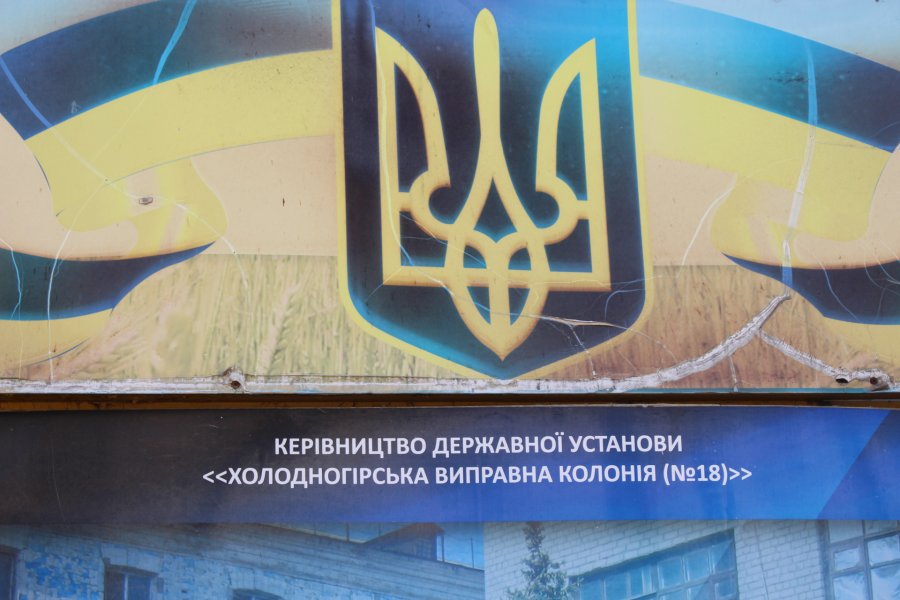
The head of the facility is Colonel of the Internal Service, Mark Markin.
Prior to the visit, a request for public information was sent to the facility's management with the following questions: the number of appeals from convicts during 2022–2023 addressed to the Commissioner for Human Rights of the Verkhovna Rada, the prosecutor's office, human rights organizations, and other state bodies, as well as the number of responses to these appeals.
In the received response to the request, the head of the facility stated that during 2022–2023, there were no appeals from prisoners in the State Institution Kholodnohirska Correctional Colony No. 18 to the Commissioner for Human Rights of the Verkhovna Rada, the prosecutor's office, human rights organizations, or other state bodies. Consequently, there were no responses either.
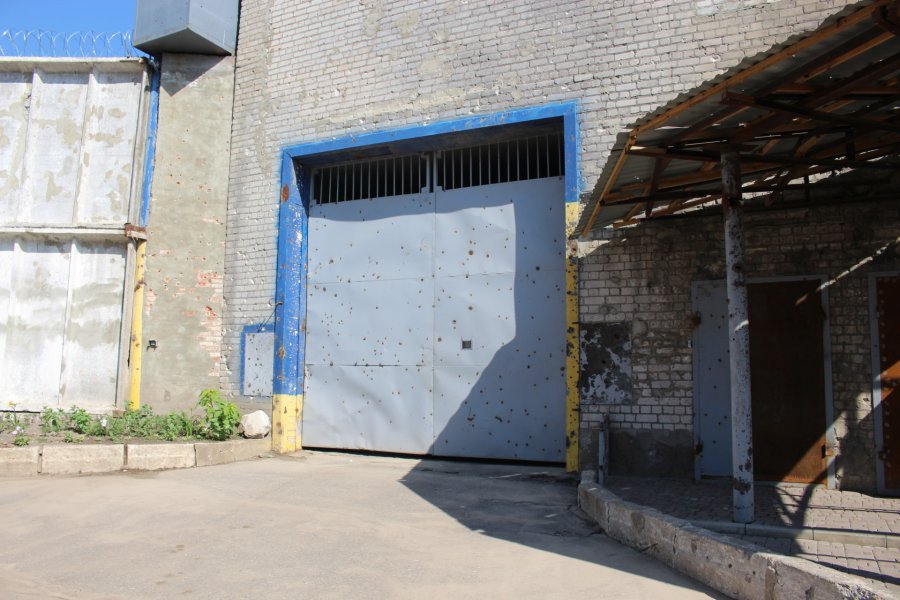
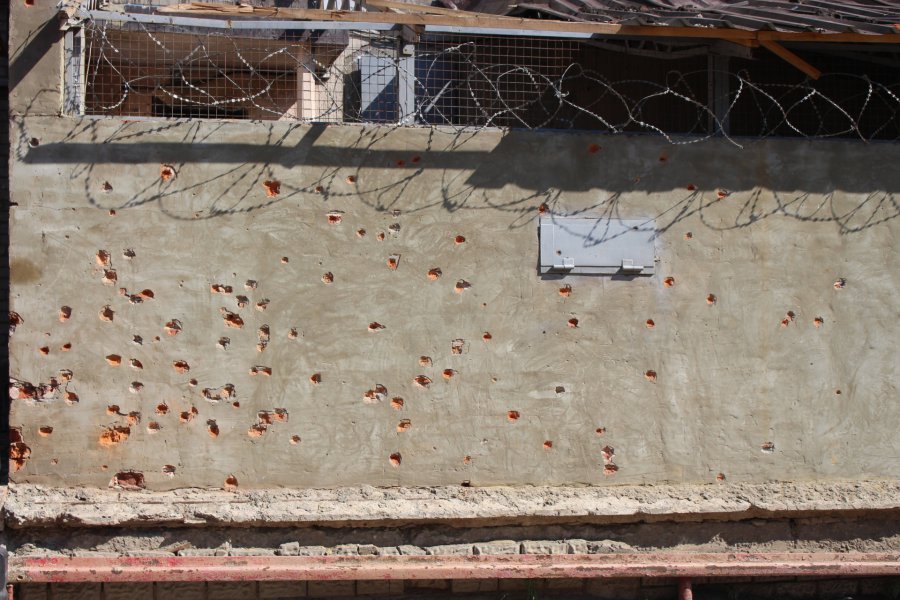
General information
State Institution Kholodnohirska Correctional Colony No. 18 is a medium-security penal institution for the detention of men convicted for the first time for grave and especially grave crimes. At the time of the visit, there were 299 convicts in the facility. There are 12 social and psychological service (SPS) units functioning. During the visit, there were no convicts in the disciplinary isolation cell (DIZO)/high-security unit (PKT)/disciplinary ward (DPK).
According to the management, the facility is a regional leader in obtaining identity documents (passports) for convicts.
The monitors examined the acts of prosecutorial response, the logbook for recording reports on the use of physical force, special means, and straitjackets on convicts, the logbook for recording reports on regime violations and other reports of offenses, and the logbooks for recording the work of SPS departments with convicts. Information regarding the production structure, payroll calculations, work orders, minutes of brigade meetings on the distribution of earnings among convicts according to their labor contribution, employment contracts, and hiring orders were also reviewed. Documentation regarding the provision of medical assistance was also inspected.
As the facility houses individuals serving sentences for grave and especially grave crimes, the administration uses the practice of transferring the convict to a social rehabilitation unit before applying for parole, and then, if the convict has proven themselves well, the management submits a motion to the court for parole. The facility is understaffed, with a 7% vacancy rate among the personnel in the supervision and security department and a 7% vacancy rate among junior inspectors.
Monitors were not provided with a logbook containing the convicts' email addresses. It is assumed that such a logbook does not exist at all. According to official data, correspondence is not being sent due to the lack of email addresses, and consequently, there are no electronic complaints. The convicts are in complete isolation from society, competent authorities, and the human rights environment. Not a single convict in the facility possesses a tablet.
Security
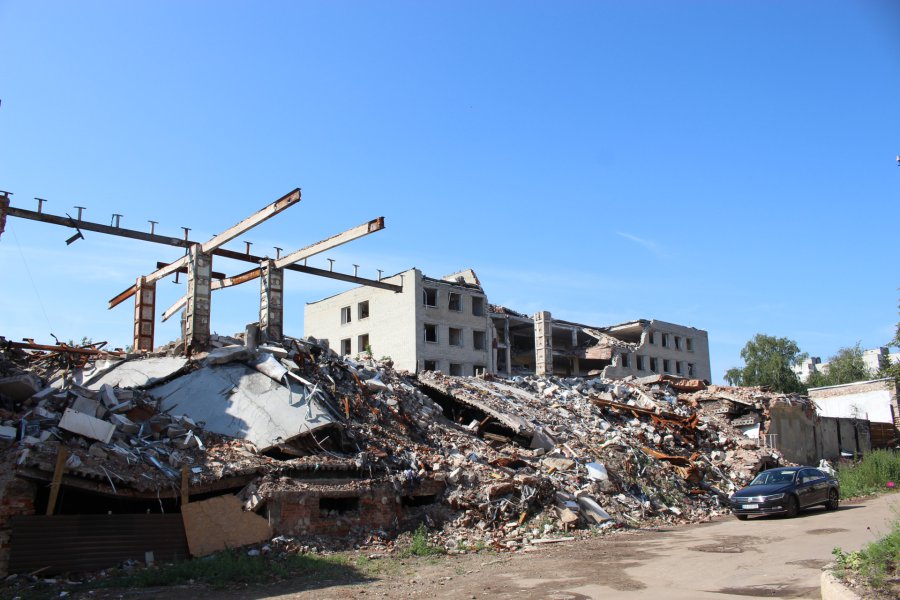
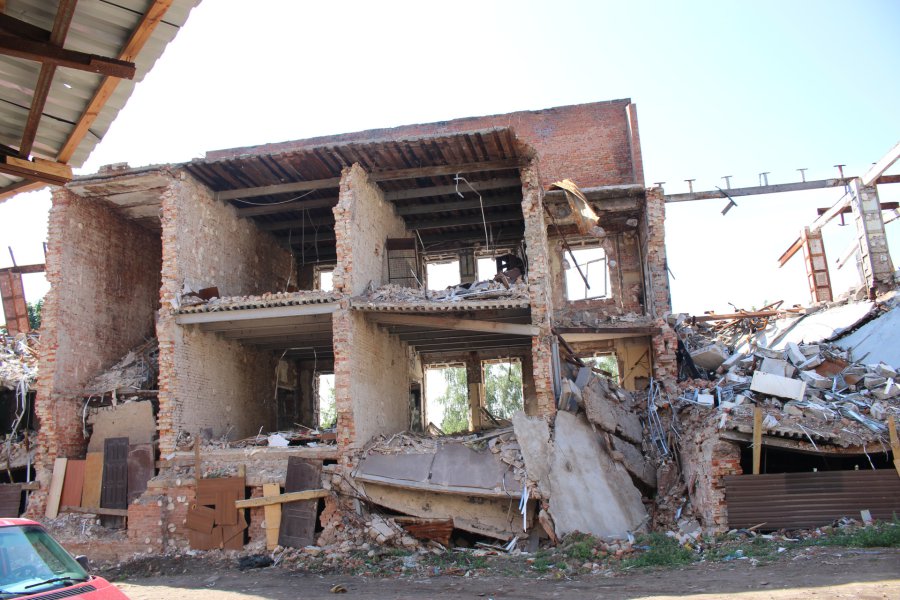
The facility suffered the most during enemy shelling by the Russians. After a direct hit, there was a horrific fire. Since March 2022, the convicts have been evacuated three times and returned three times. The staff remained with the convicts during these difficult times.
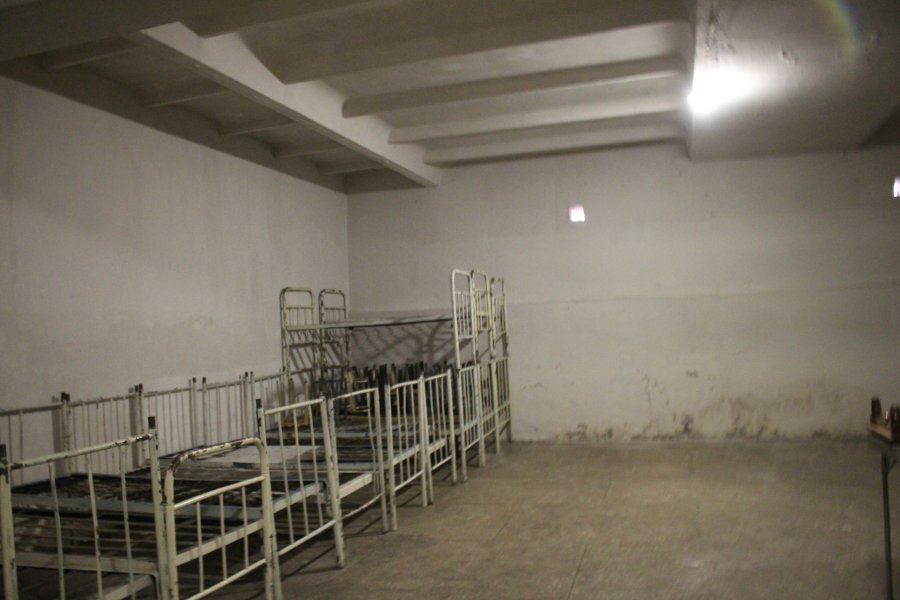
There is a bomb shelter on the premises in both the industrial and residential zones, where everyone hid during shelling: both convicts and staff. The question of evacuating the facility was not raised. A question for the management of the penitentiary system: is it possible to place convicts in less dangerous areas? Especially since a large number of facilities are mothballed.
Bomb shelter
Production
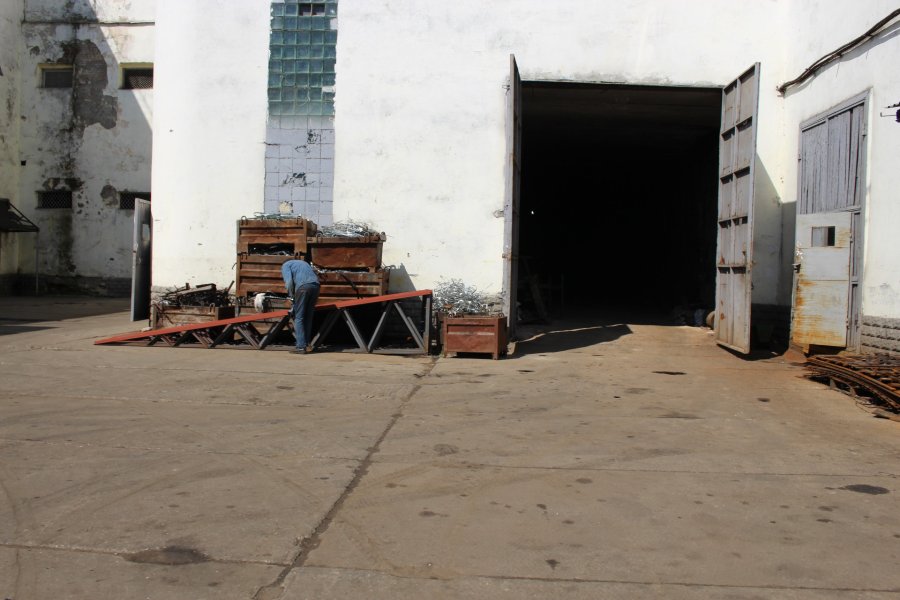
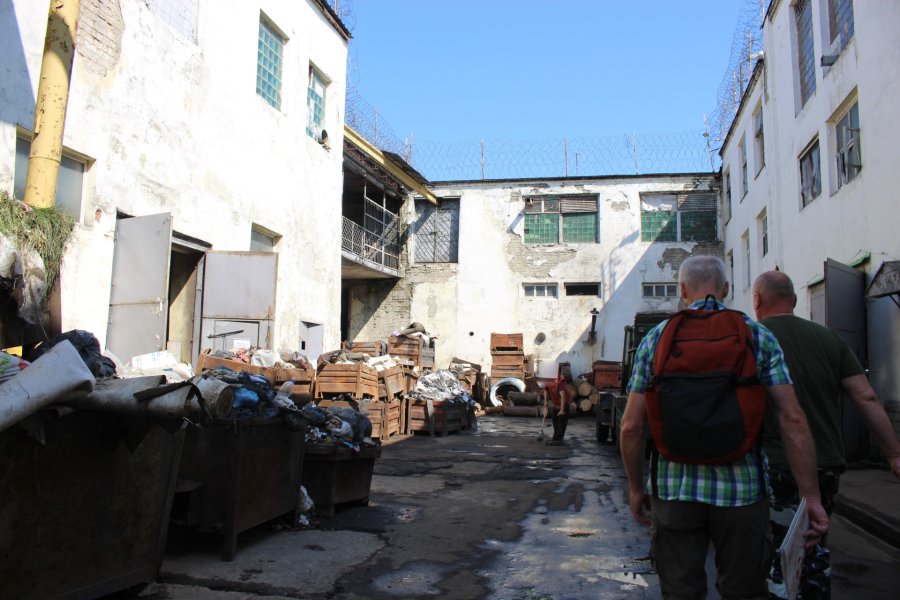
Convicts interviewed on condition of anonymity stated that everyone works, except for pensioners and the disabled. The head of production reported that the enterprise does not have constant state orders.
Monitors visited the sewing workshop, the metalworking workshop, and the car repair workshop. In some production premises, there is very loud noise, and the convicts are without special protection.
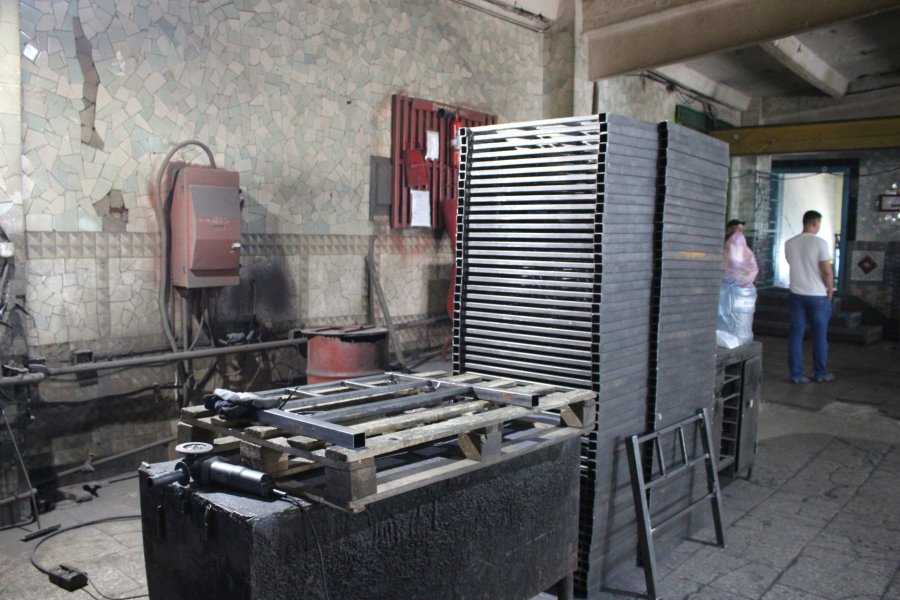
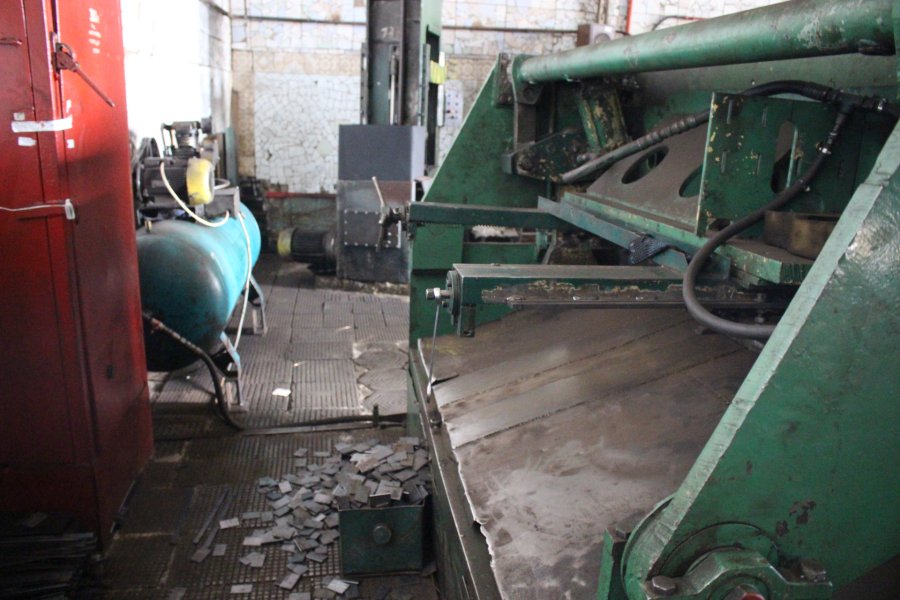

Convict X. works as a welder. He did not disclose information about his earnings or working conditions.
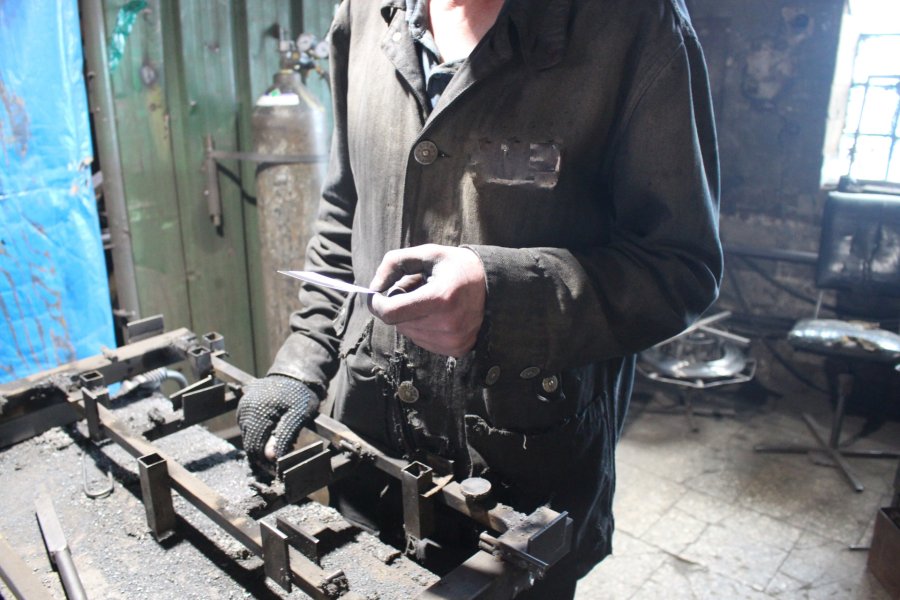
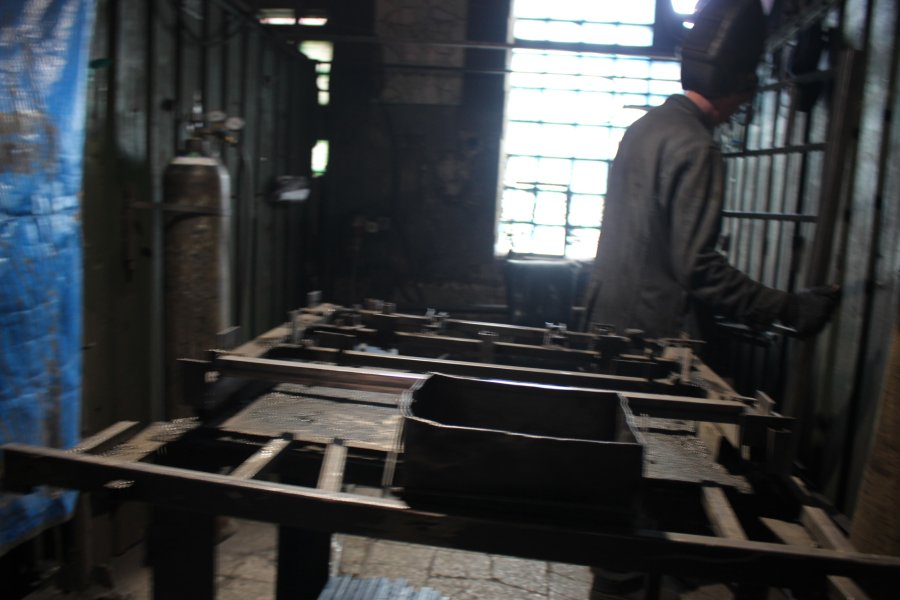
Convict X. has been working in production for four years and does not know how much he earns.
In fact, the convicts work in their own clothing; safety measures are not provided.
Along with the convicts, 9 civilian employees work in production. As the head of production explained, these are former convicts of this institution who previously served their sentences and proved themselves positively. After their release, they applied to the management for employment, passed a probationary period, and are working in accordance with employment contracts.
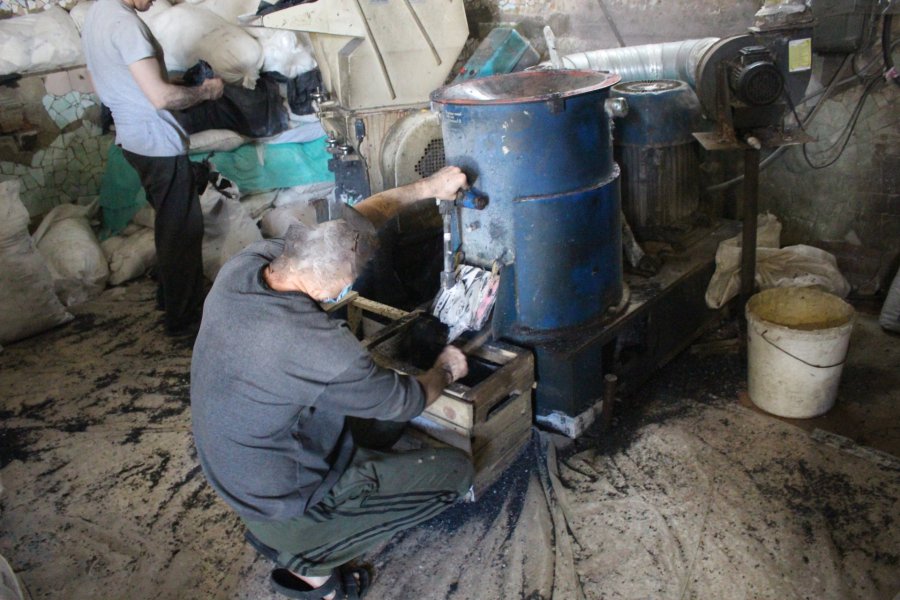
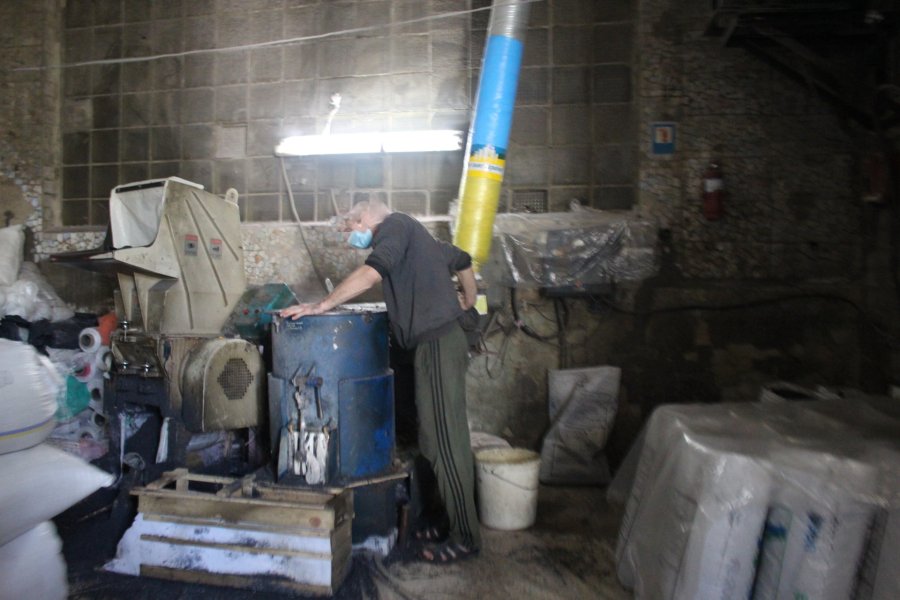
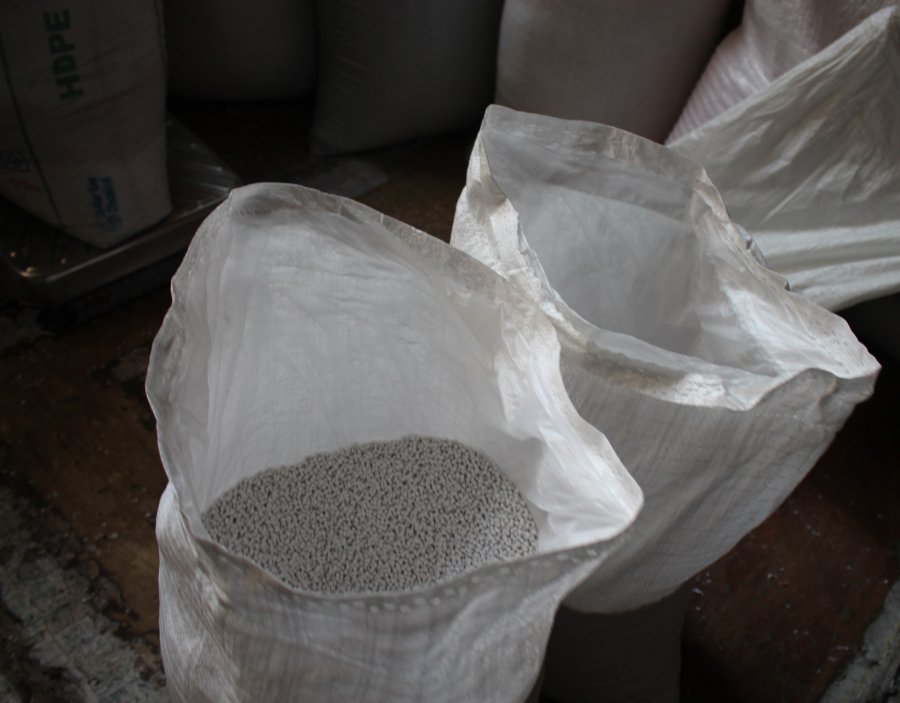
Convicts working in the polyethylene recycling section do not have special clothing.
Bathhouse/laundry
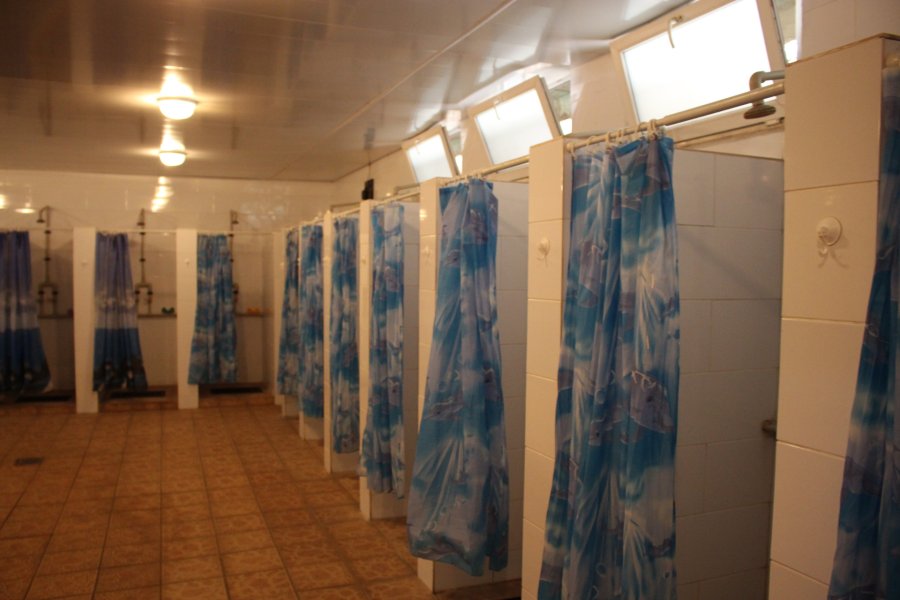
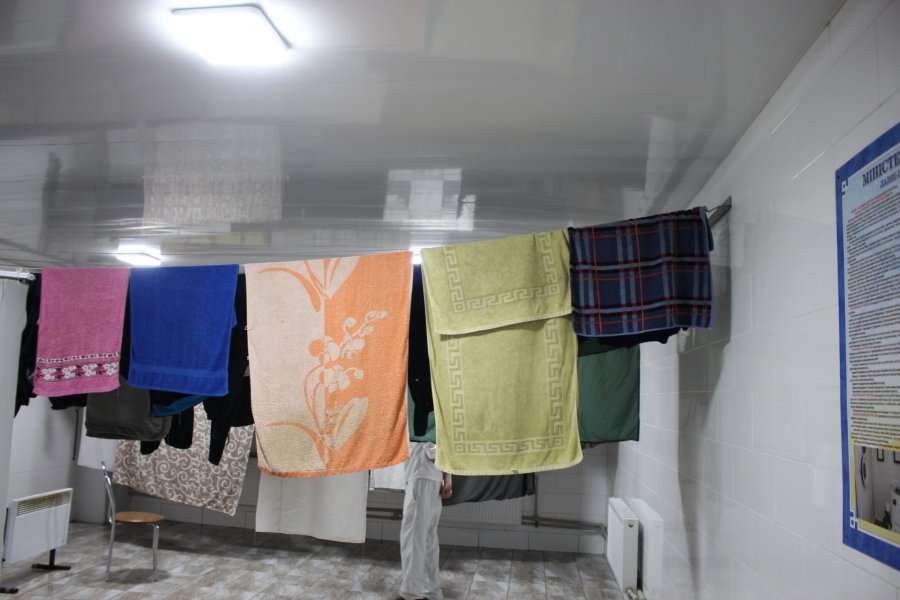
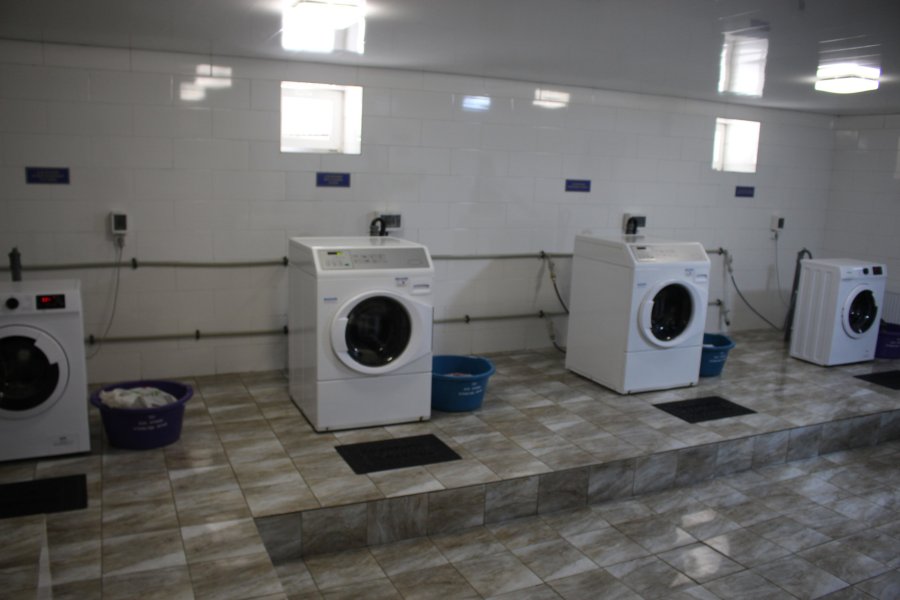
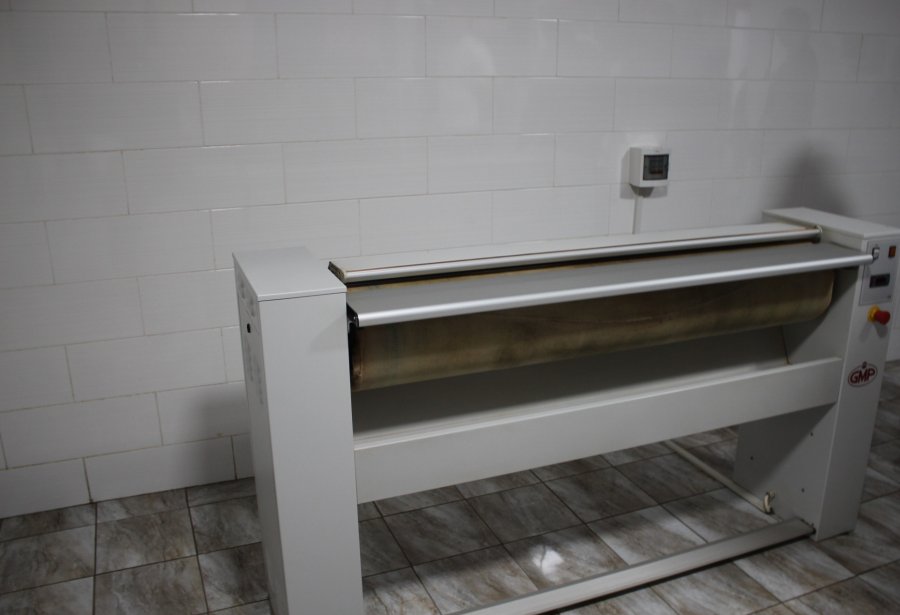
In the laundry room, there are four washing machines and an ironing machine in operation.
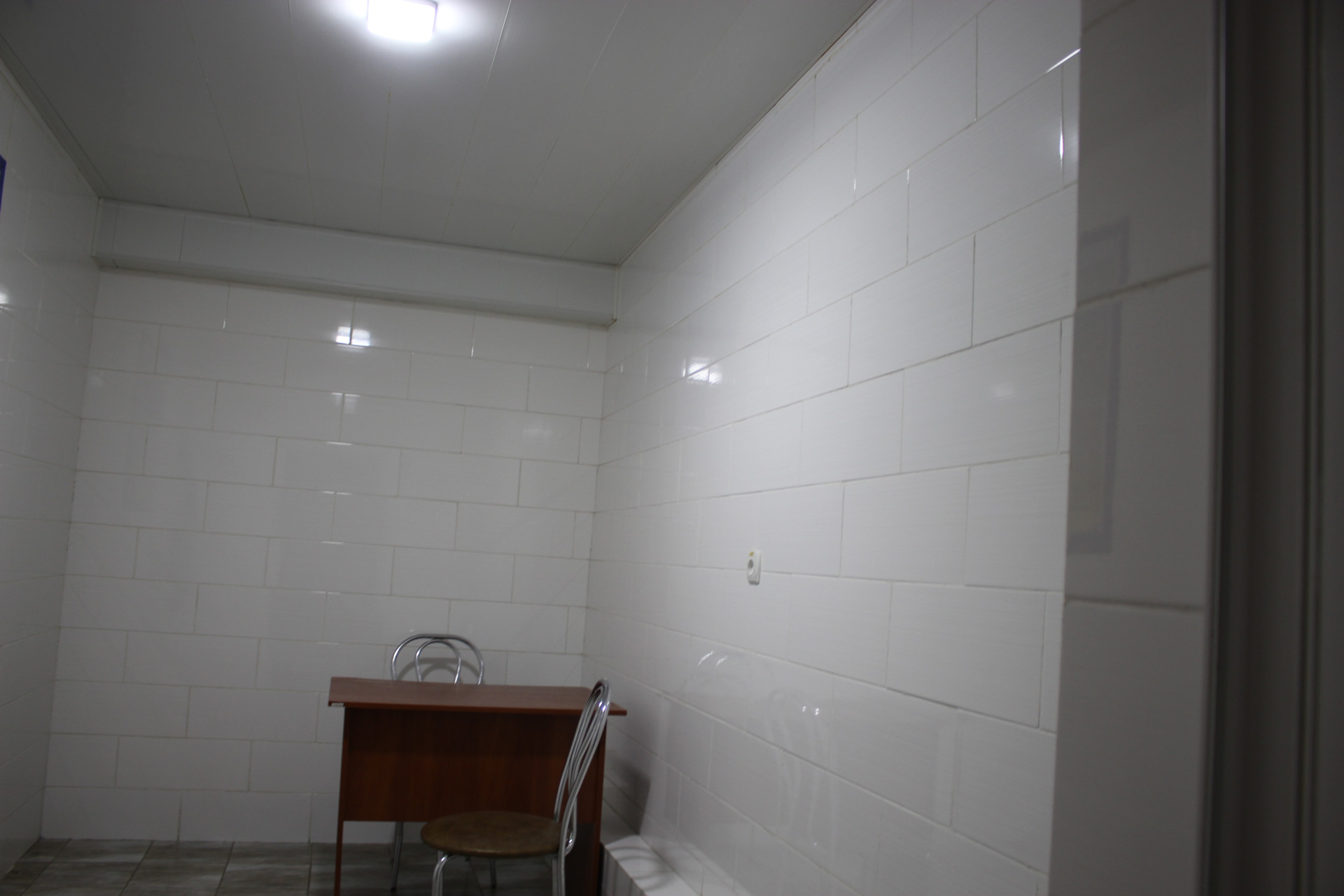
A logbook for bodily injuries is maintained in the bathhouse. There is a separate room available for examination by a paramedic.
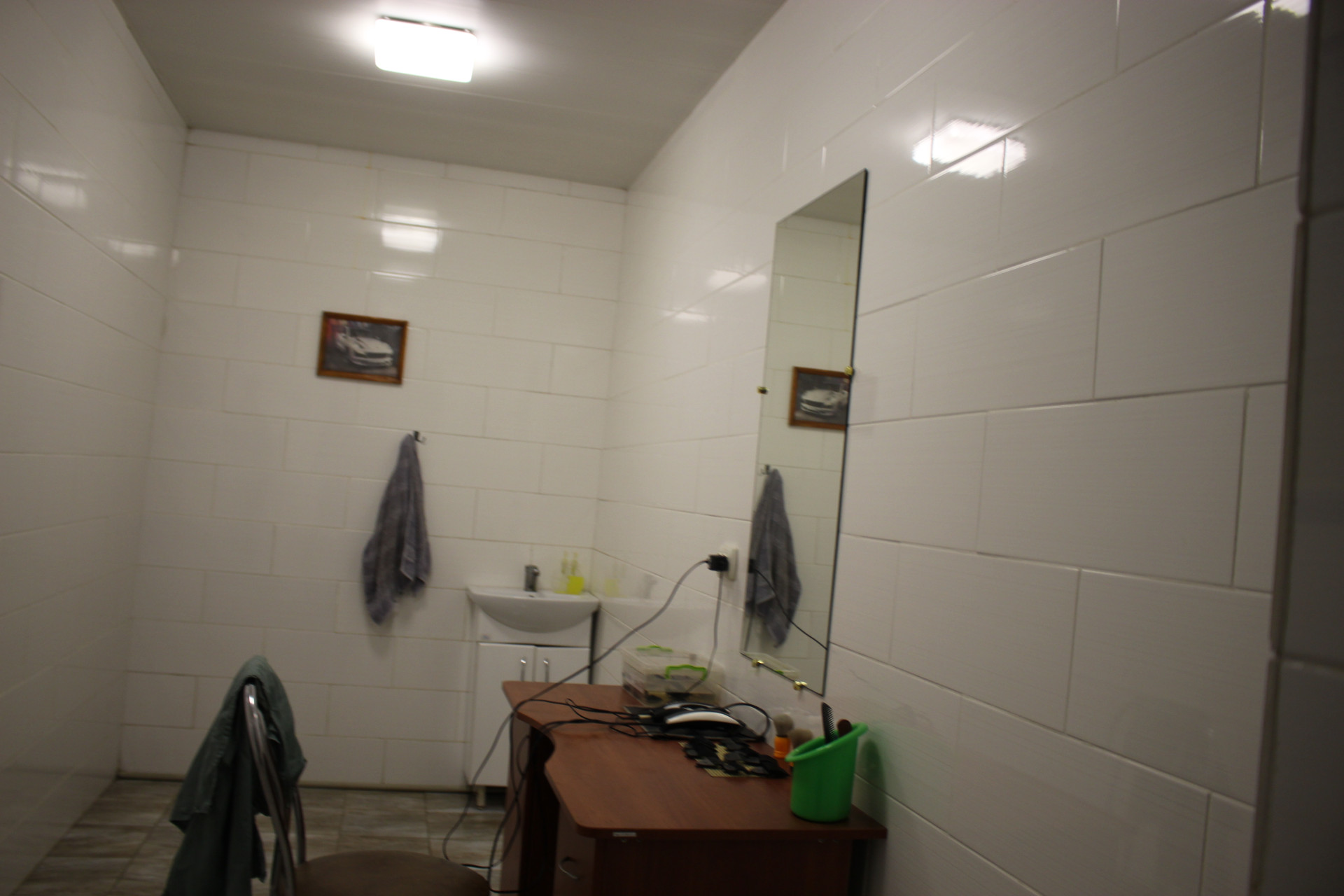
There is a barber's room.
Medical unit
At the time of the visit, there were 3 patients receiving inpatient treatment. Sick convicts undergoing inpatient treatment can move freely within the local sector.
Living quarters
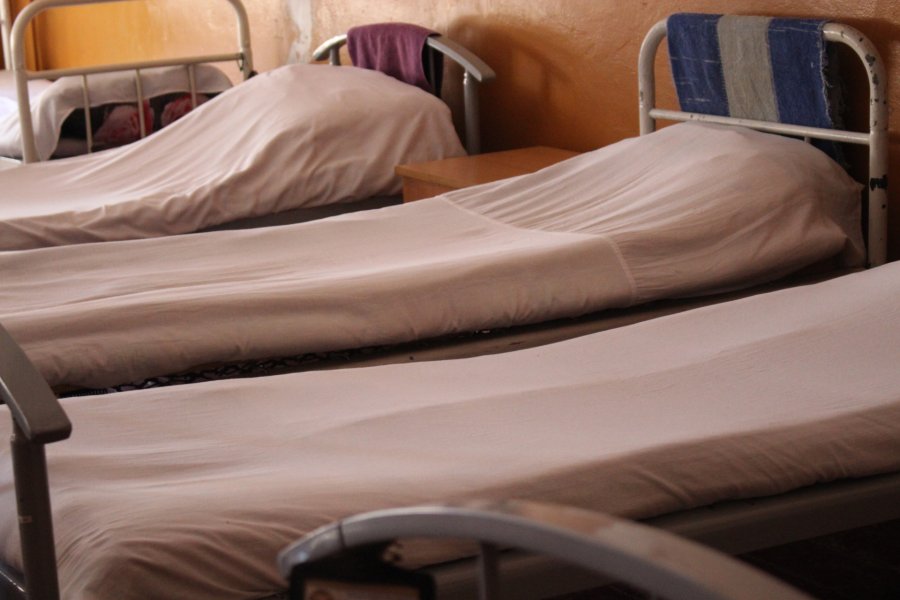
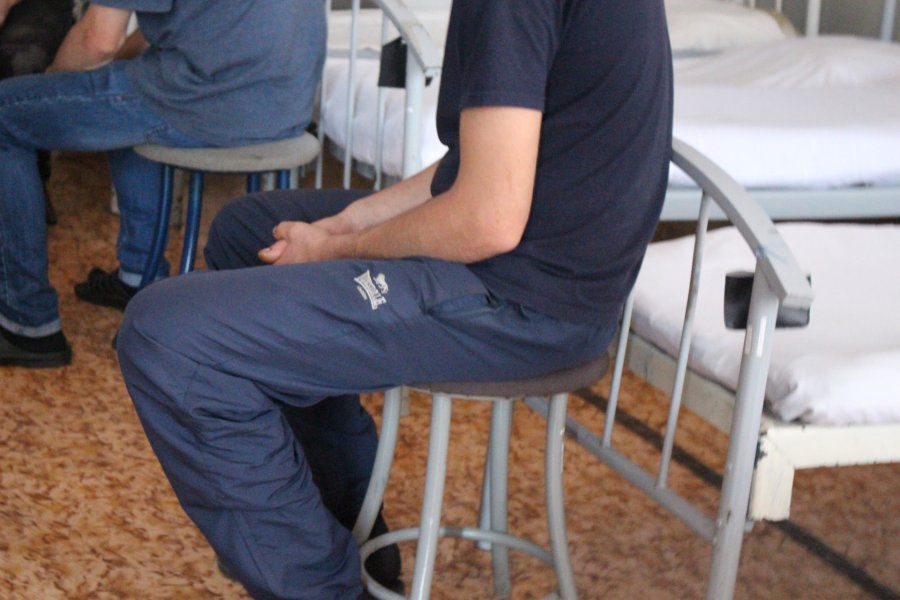
In the living quarters, all beds are single-tier. Some premises are equipped with beds featuring wooden partitions, which ensures the convicts' right to privacy and personal space. Potable boiled water is available.
In the unit visited by the monitors, there were 17 convicts, and 36 were at production sites.
In the living quarters, convicts are forbidden from sitting or lying on their beds.
Kitchen facility
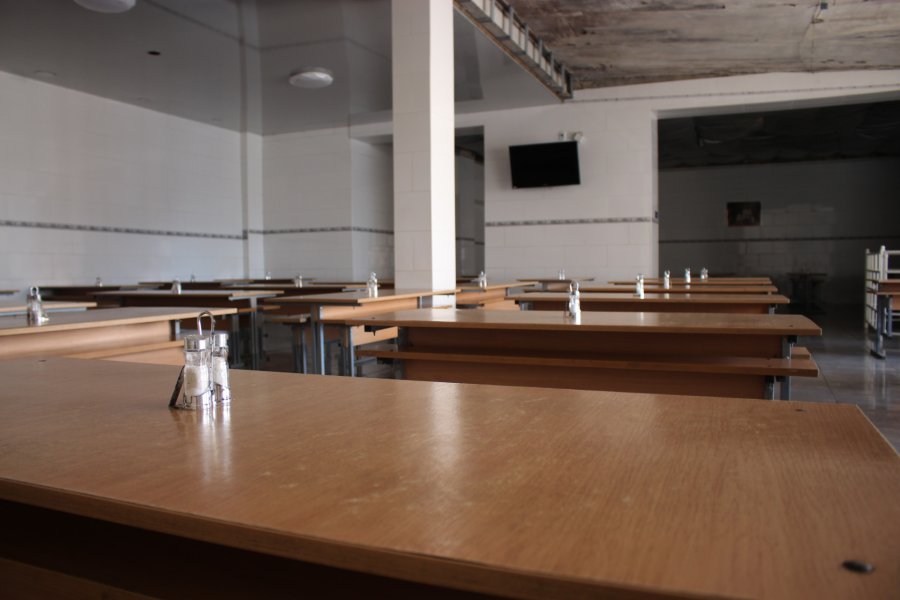
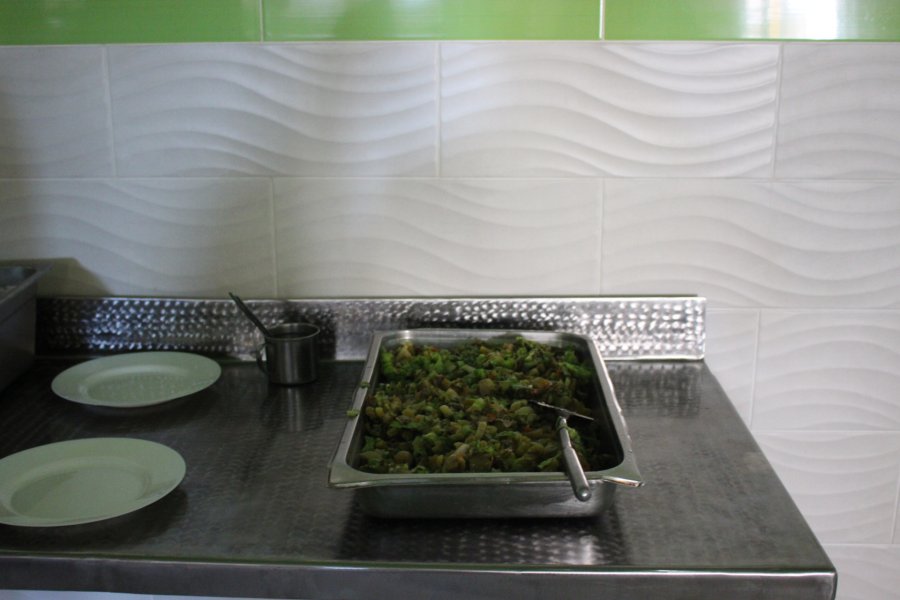
Seven convicts work in the kitchen in two shifts. Five convicts have been prescribed a special diet, and one person receives enhanced nutrition as a ‘Chernobylite’, but on the day of the visit, this nutrition was prescribed for the first time. Meals are served in two shifts. The dining hall is large and, in theory, can accommodate all the convicts.
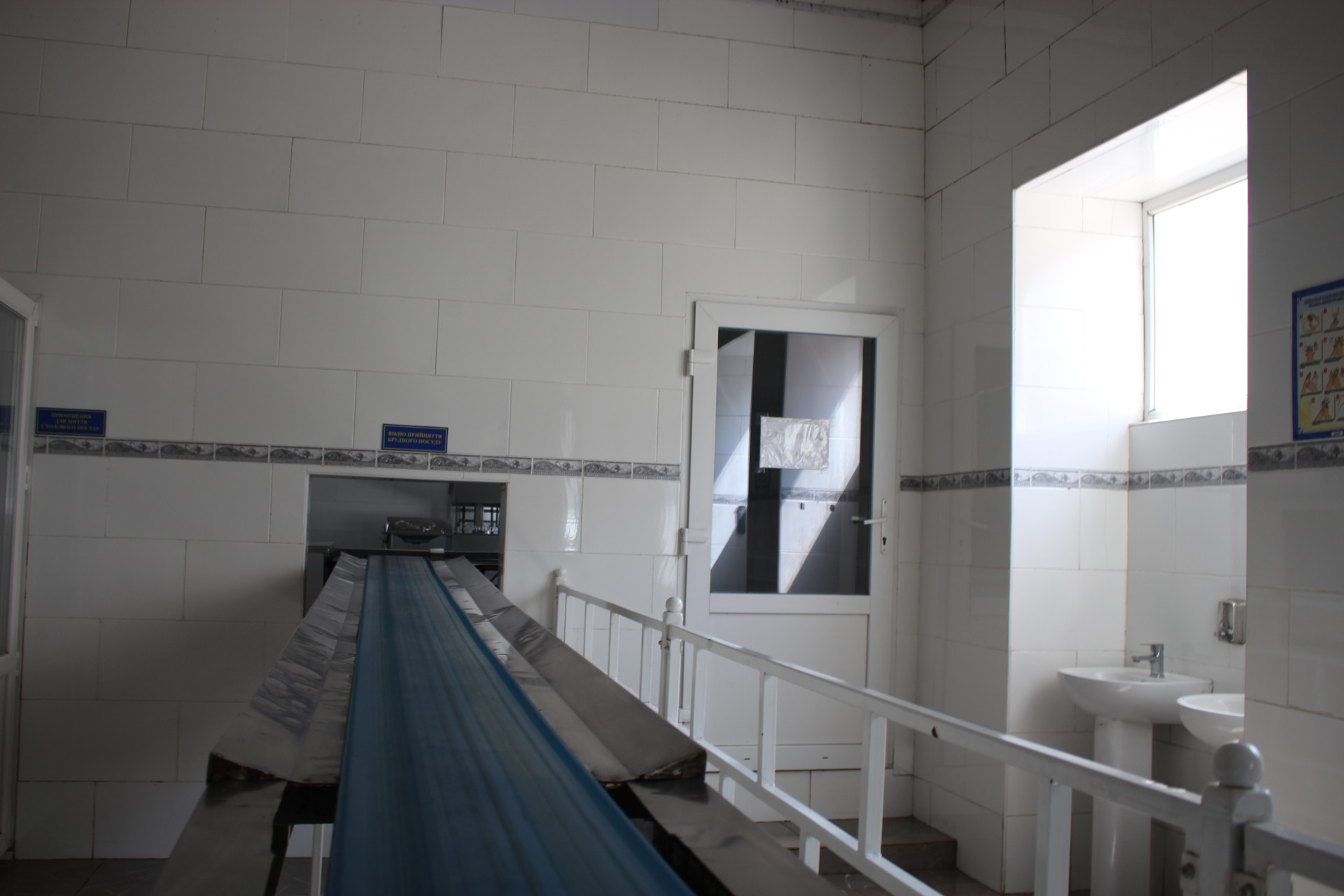
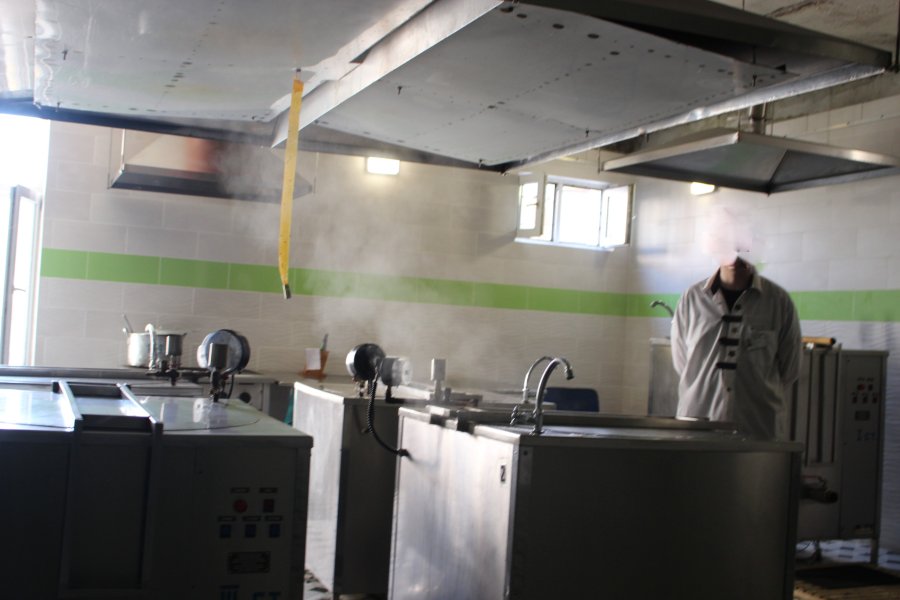
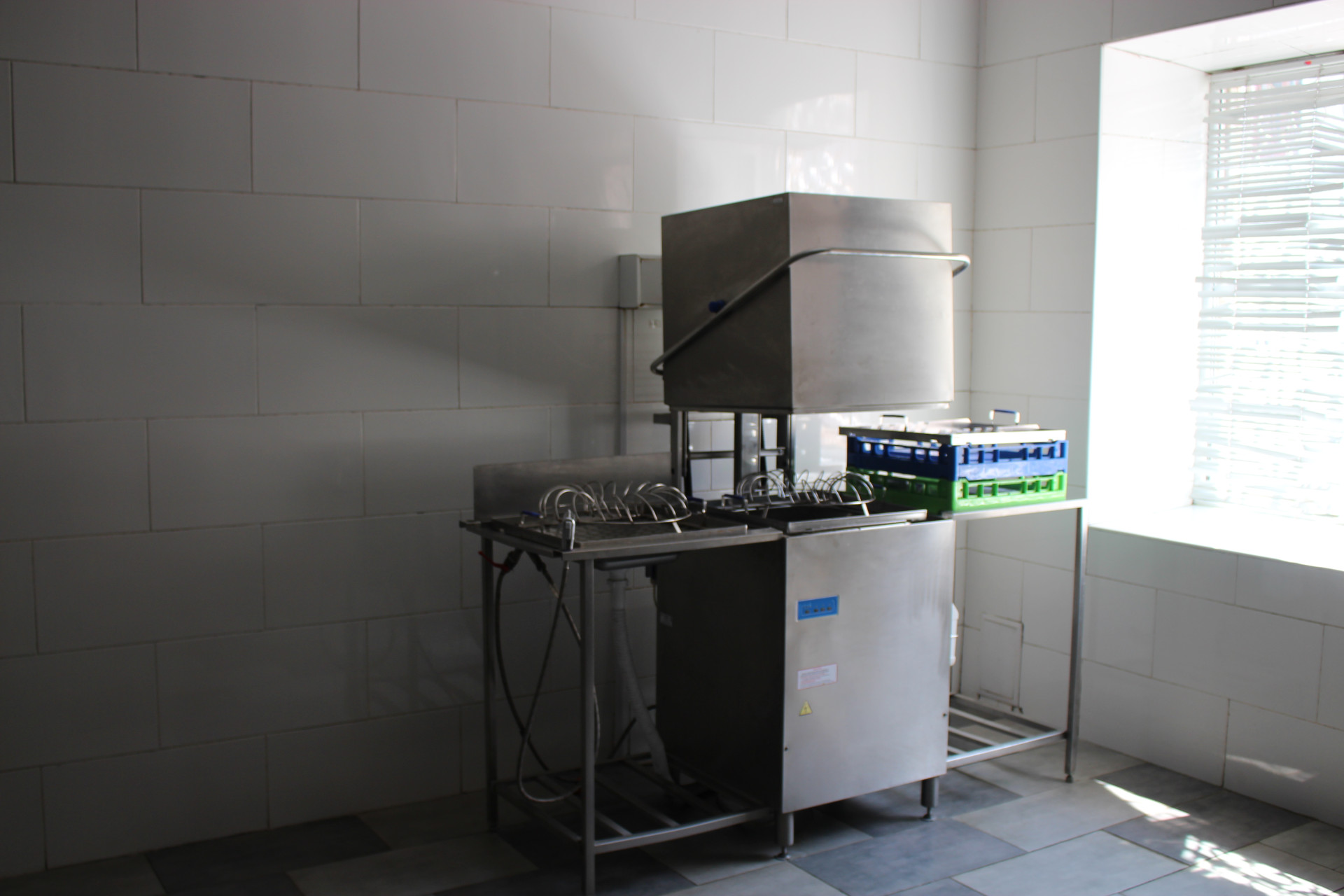
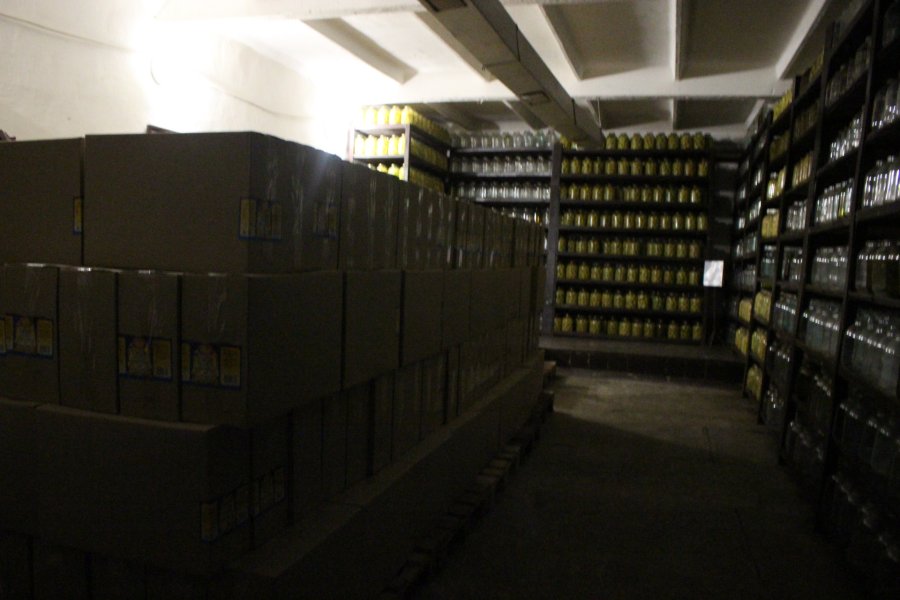
A dishwasher is in operation to improve working conditions. In case of power outages, there is alternative heating, and there is electricity supply. In the basement, there are stocks of preserves. There are supplies of oil in boxes.
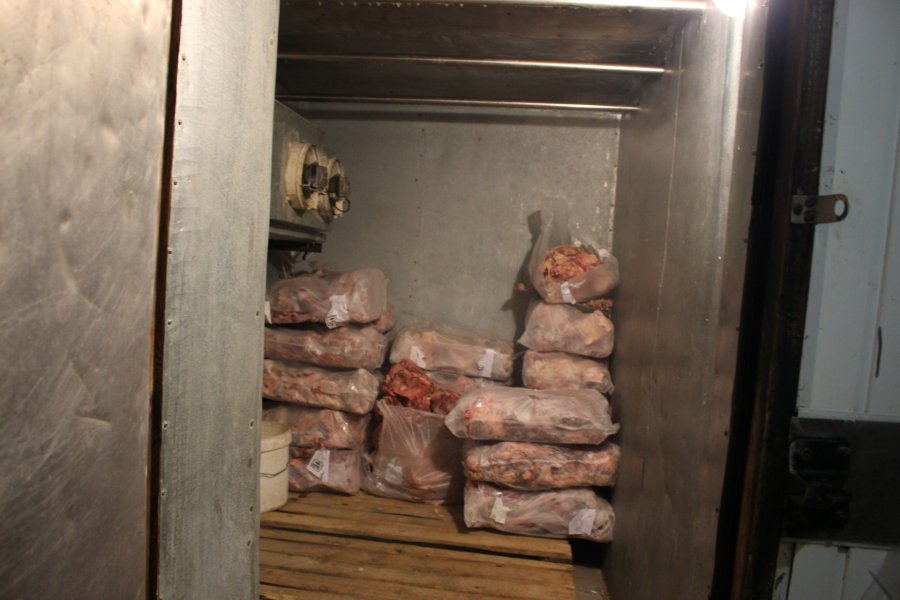
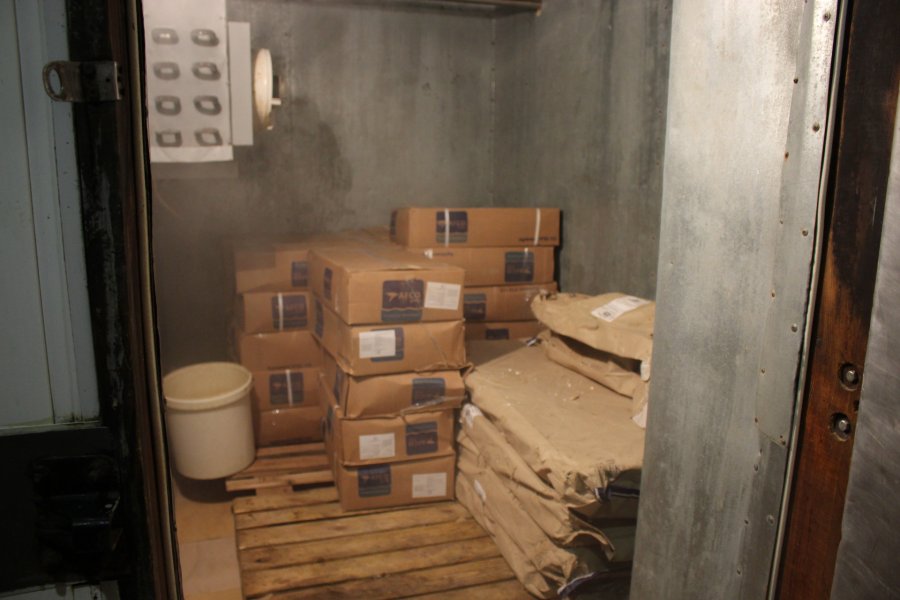
Fish and meat workshops
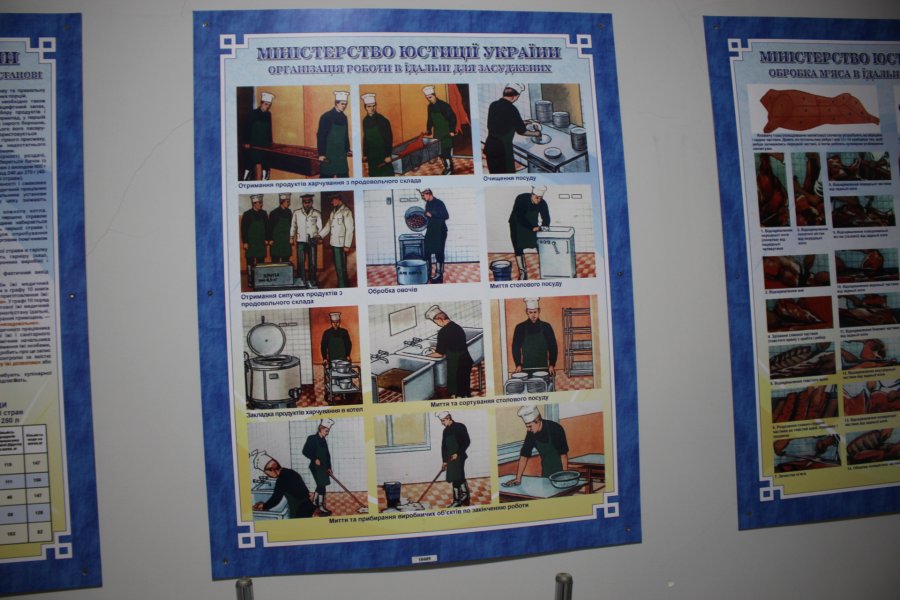
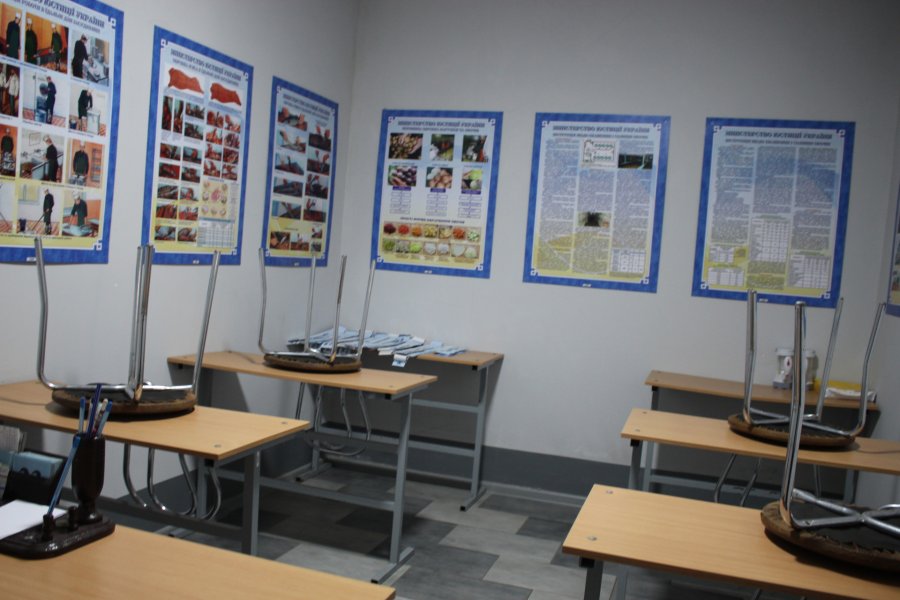
Classroom for training cooks
Telephone conversation room
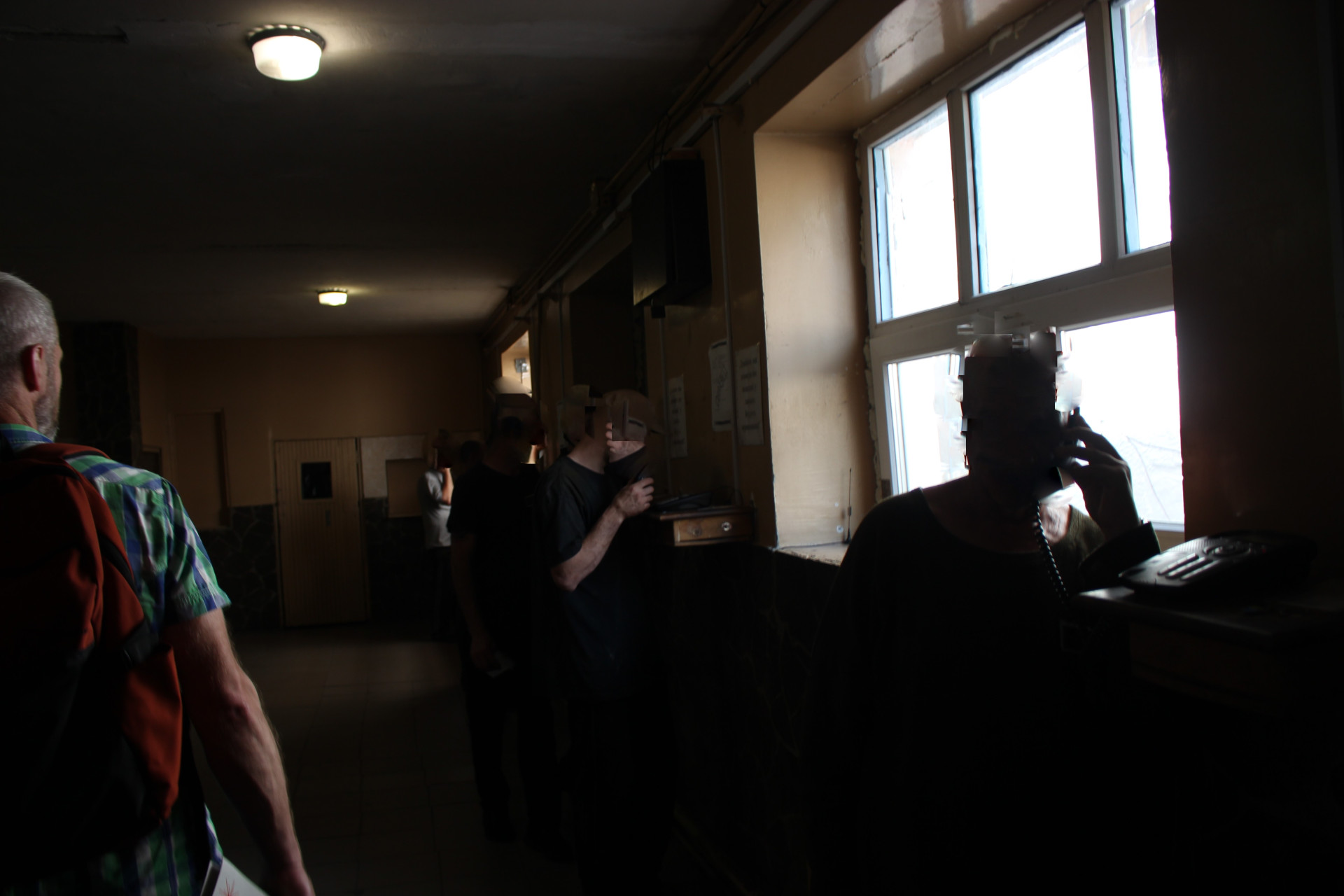
As reported by the convicts, they have the opportunity to call their relatives twice a week. The telephone call log was inspected. One convict can make one or two phone calls at a time. Calls are made by unit according to a schedule. Each convict has a registered SIM card. If a convict (for example, a new arrival) does not have a SIM card, the call is made through the head of the unit, or, by arrangement with another convict, their SIM card can be used.
Computer room
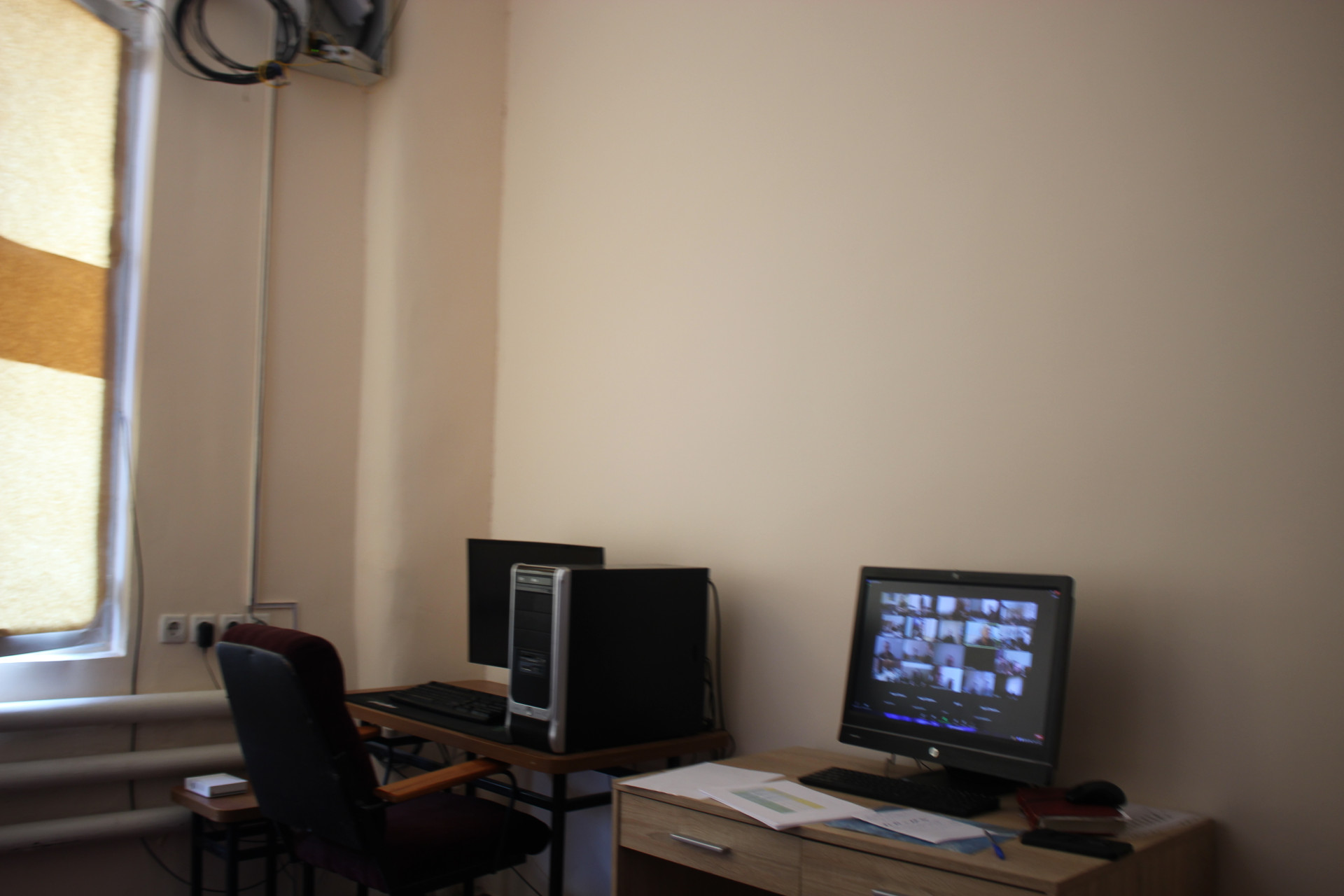
There are 2 computers in the computer room.
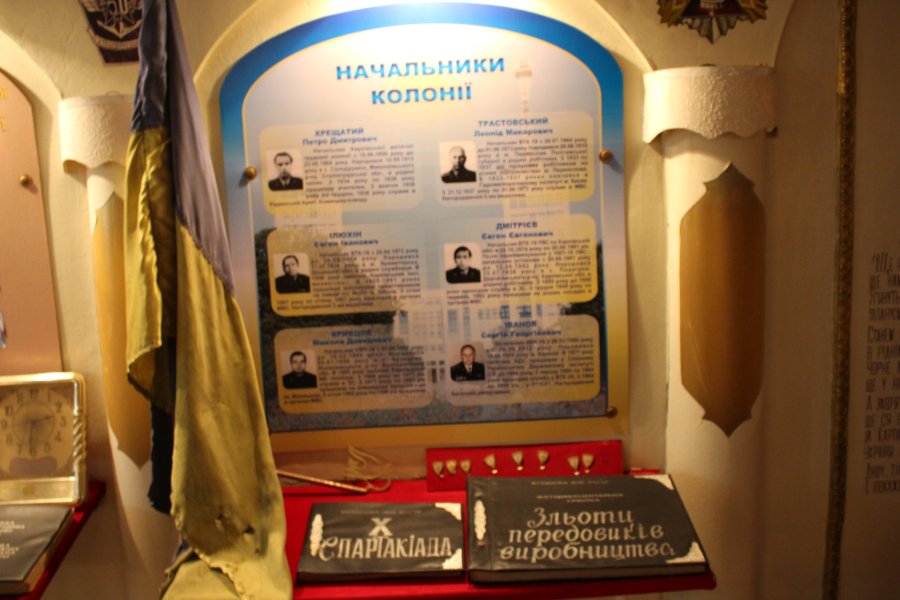
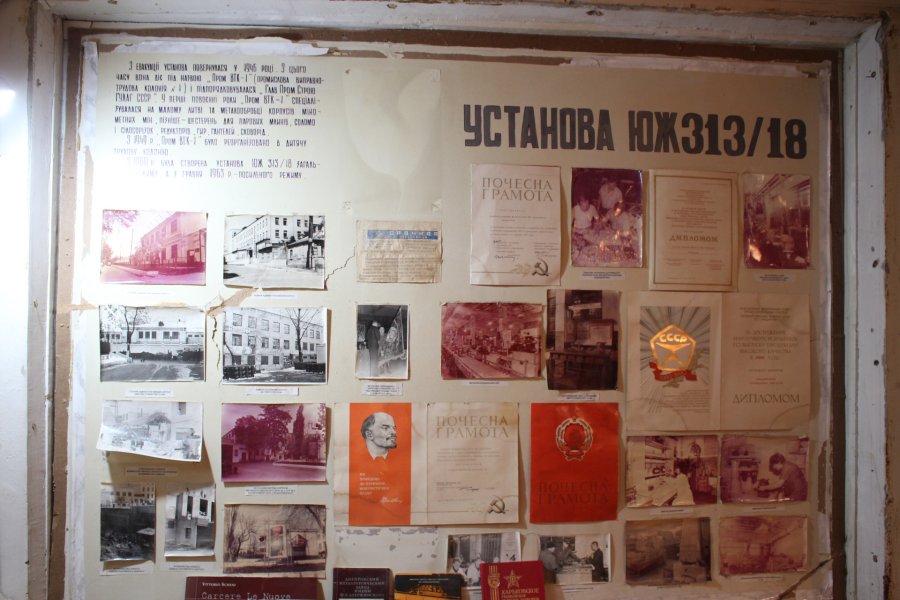
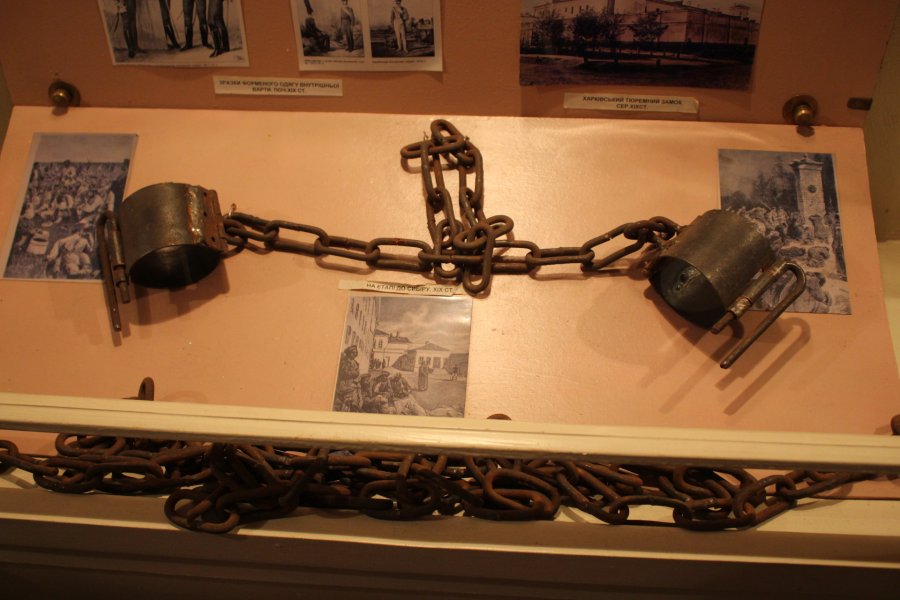
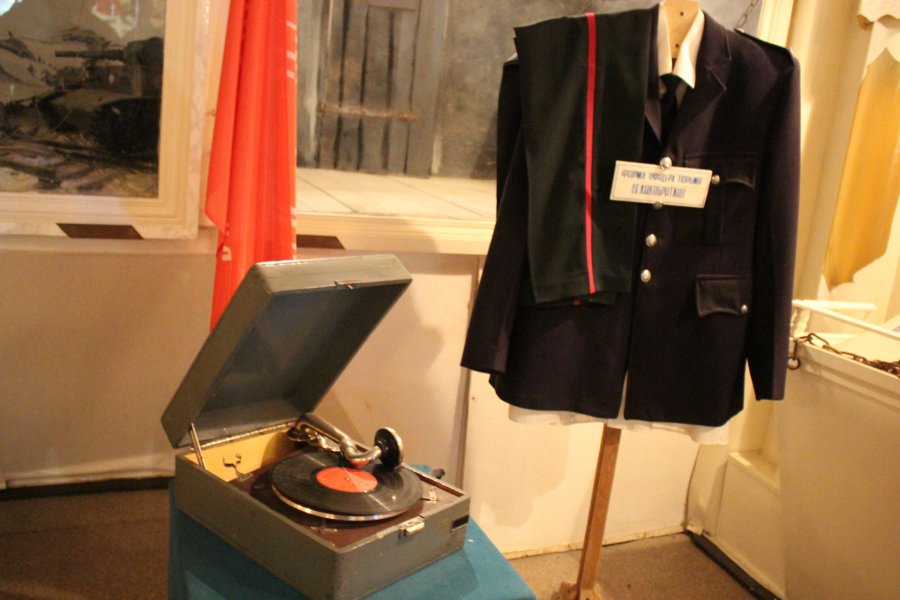
Museum
The institution has its own history, which is recounted in the museum.
CONCLUSIONS AND RECOMMENDATIONS
- End the practice of prohibiting sitting on beds in living quarters;
- End the practice of prohibiting the use of tablet computers and their accessories for personal use, as well as email addresses;
- Assist convicts in restoring family ties lost due to the war or other reasons.
A preventive monitoring visit on human rights compliance in the penitentiary system to Kholodnohirska Correctional Colony No. 18 was carried out by representatives of the NGO ‘Kharkiv Human Rights Protection Group’, consisting of Andrii Didenko and Mykhailo Romanov. The visit was carried out within the framework of the project ‘Reducing the suffering of prisoners in the context of the war in Ukraine’, funded by the government of Denmark in partnership with DIGNITY — Danish Institute Against Torture. The purpose of the visit: analysis of human rights compliance in places of detention during the war.
Date of visit: 21 June 2023