Report on the Results of the Monitoring Visit to Alekseevskaya Correctional Colony No. 25
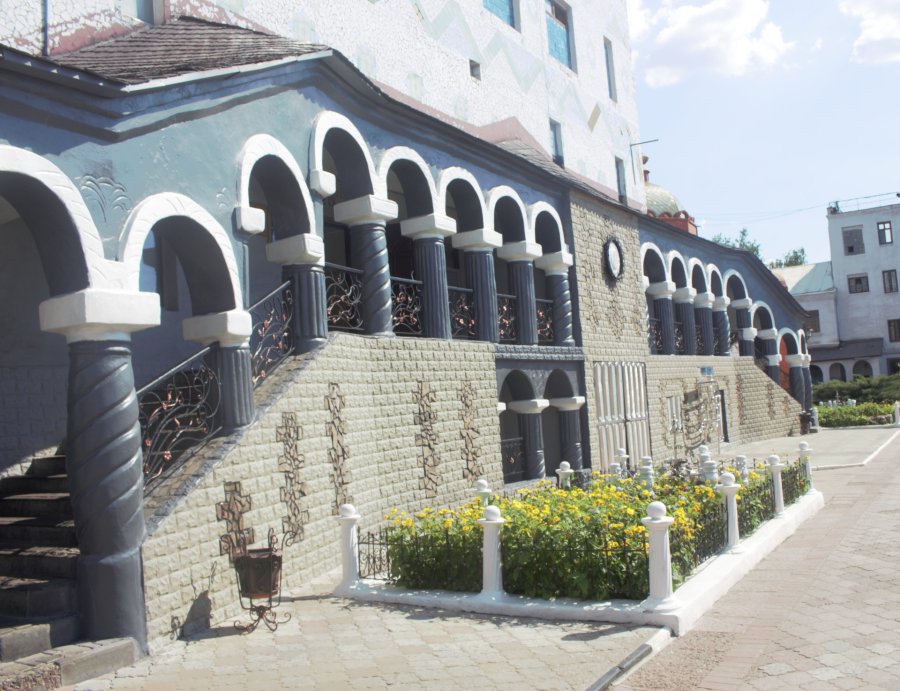
On 21-22 July 2025, in accordance with the Optional Protocol to the Convention against Torture and other Cruel, Inhuman or Degrading Treatment or Punishment, taking into account the provisions of the Standard Minimum Rules for the Treatment of Prisoners and the decisions of the European Court of Human Rights, and pursuant to Article 24 of the Penal Executive Code of Ukraine — Visiting Penal Institutions, a group of monitors from the Kharkiv Human Rights Protection Group and the NGO “Protection of Prisoners of Ukraine” conducted a repeat visit to the state institution Alekseevskaya Correctional Colony (No. 25) (ACC-25, institution, establishment).
The previous visit took place on 1 and 3 July 2024. The planned visit was conducted without prior warning, and all facilities of the institution were examined.
In preparation for the visit, the monitors utilised materials from appeals submitted by prisoners/convicts and their relatives, materials from previous reports, and the report of the monitors of the National Preventive Mechanism (NPM) under the Commissioner for Human Rights of the Verkhovna Rada of Ukraine.
The visit was carried out within the framework of the project “Reducing Prisoners’ Suffering in the Context of the War in Ukraine”, funded by the Government of Denmark in partnership with DIGNITY — Danish Institute Against Torture.
The visit was conducted by the following monitors:
- Andriy Didenko — Assistant to People’s Deputy of Ukraine Yaroslav Yurchyshyn, programme coordinator of the Kharkiv Human Rights Protection Group, experienced in monitoring visits since 2014, NPM monitor (National Preventive Mechanism), and member of the NPM advisory board.
- Serhiy Zuikov — Assistant to People’s Deputy of Ukraine Kostiantyn Kasai, member of the public council under the Ministry of Justice of Ukraine, member of the public organisation “Protection of Prisoners of Ukraine”, NPM monitor, with many years of experience in monitoring visits.
- Oleh Tsvilyi — Member of the public council under the Ministry of Justice of Ukraine, head of the public organisation “Protection of Prisoners of Ukraine”, with extensive experience in monitoring visits, specialising in issues of torture and cruel, inhuman, and degrading treatment.
During the monitoring visit, numerous systemic human rights violations were identified, creating risks to the life, health, and dignity of the convicts. Convicts reported incidents of physical and psychological violence, the delegation of authority to “duty inmates”, and an atmosphere of fear that renders complaints ineffective.
In the quarantine, diagnostic, and distribution unit, premature transfers were recorded, along with formalistic record-keeping and a failure to implement prescribed programmes. In the sphere of labour, signs of exploitation were identified: convicts work overtime, on weekends, and receive nominal payments, often formalised under civil-law contracts without labour guarantees.
Serious problems with detention conditions were identified: video surveillance in living and medical premises, a lack of privacy in disciplinary isolation cells (DIZO/PKT), insufficient lighting, and violations of sanitary standards. The shelter located in the industrial zone is effectively inaccessible to convicts during air raid alerts, which jeopardises their lives and safety.
Medical care is provided improperly: bodily injuries are not recorded in the proper manner, specialists and necessary equipment are lacking, and substitution therapy is not provided.
Furthermore, a significant personnel shortage and the overt display of special equipment were established, which undermines trust and hinders the creation of a safe environment. These violations indicate systemic problems in the organisation of the institution’s work, which require immediate resolution.
General Information
ACC-25 is a medium-security penal institution for the detention of male convicts who have previously served sentences in places of deprivation of liberty.
The institution is located at the following address: 44 Ceasara Kui Street, Kharkiv, Kharkiv Region, 61051.
The colony was established by Order No. 007 of the Internal Affairs Directorate of the Kharkiv Regional Executive Committee on 30 January 1957, in accordance with the orders of the Ministry of Internal Affairs of the USSR dated 14 June 1951 and the Ministry of Internal Affairs of the Ukrainian SSR dated 22 January 1957. Initially, it was located in the Piatykhatky settlement near Kharkiv, but in 1958 it was relocated to the Alekseevka district — currently a large residential neighbourhood of the city of Kharkiv. Construction of living quarters for convicts began in 1959, and production facilities followed in 1960.
At the time of the visit, the head of the institution was Colonel of the Internal Service Andriy Mykolaiovych Olkhovskyi. The establishment consists of a duty unit, a KDiR department (quarantine, diagnostic, and distribution unit), SPS departments (social-psychological service), a dining hall, a disciplinary isolation cell (DIZO), cell-type premises (PKT), a reinforced control unit (DPK), a pre-trial detention centre unit (SIZO), a medical unit, a laundry and bath facility, rooms for visits, a shop, a library, a parcel reception room, and administrative premises.
According to the administration, the authorised staff number is 266.5 positions, with an actual number of 221. The vacancy rate is 45.5 employees. The planned capacity of the facility is 1,112 persons; the actual number is 256 convicts and 4 detainees. During 2025, 123 persons arrived. In 2024, one person died.
210 persons are employed under employment contracts: 65 in production, 118 in workshops, 16 in maintenance work, and 11 under civil-law contracts. The institution operates 13 SPS departments, as well as one DPK unit, one KDiR unit, and one social rehabilitation unit. One psychologist is employed.
On the operational-preventive register, there are: 2 persons prone to suicide; 5 prone to self-harm; 1 prone to escape; there are no malicious violators of the detention regime.
In 2024-2025, no person submitted complaints regarding inadequate detention conditions or inadequate medical care. Eight persons have disabilities: 1 person — Group II, 7 — Group III.
During 2024, no cases of bodily injury were recorded; in 2025, there were 4 cases. Convicts have access to 36 tablets and 12 registered email addresses. 12 persons are ostracised from the collective.
The monitoring group interviewed about 180 persons from among the convicts in production, workshops, SPS units, and disciplinary and maintenance premises. The interviews were conducted in the form of general conversations, consultations, answers to questions, and individual discussions, including on an anonymous basis.
Positive Experience
The administration of ACC-25, within the framework of fulfilling the conditions of the Strategy for Reforming the Penitentiary System for the period up to 2026, is carrying out measures to improve detention conditions for convicts, namely: repair work has been carried out in the department with adherence to requirements for ensuring individual space for convicts.
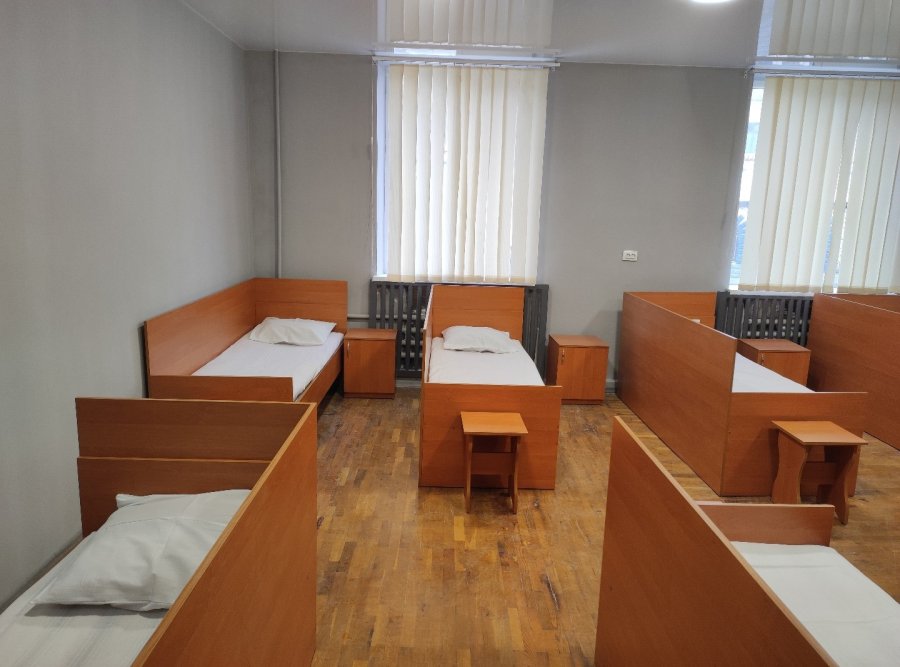
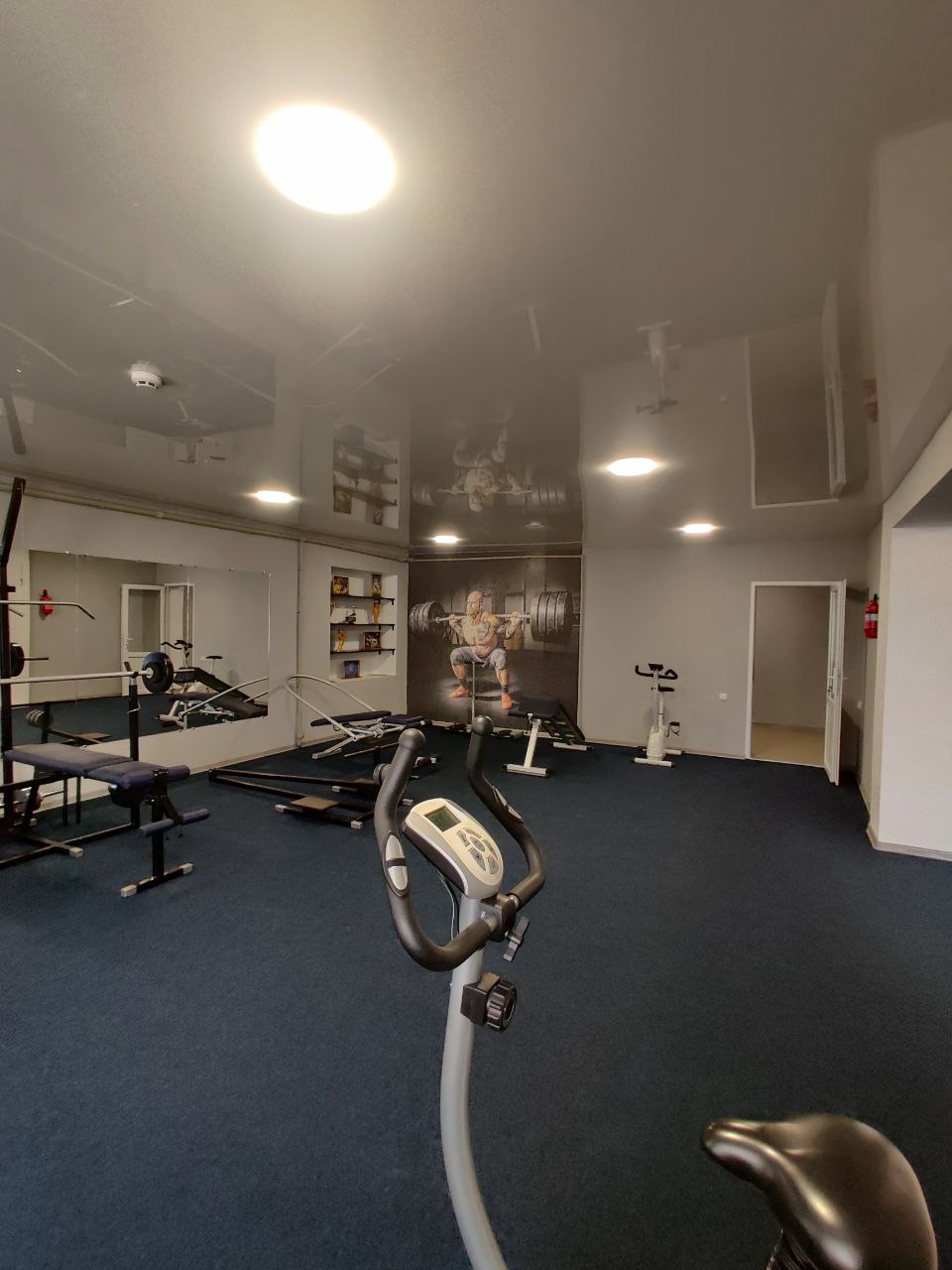
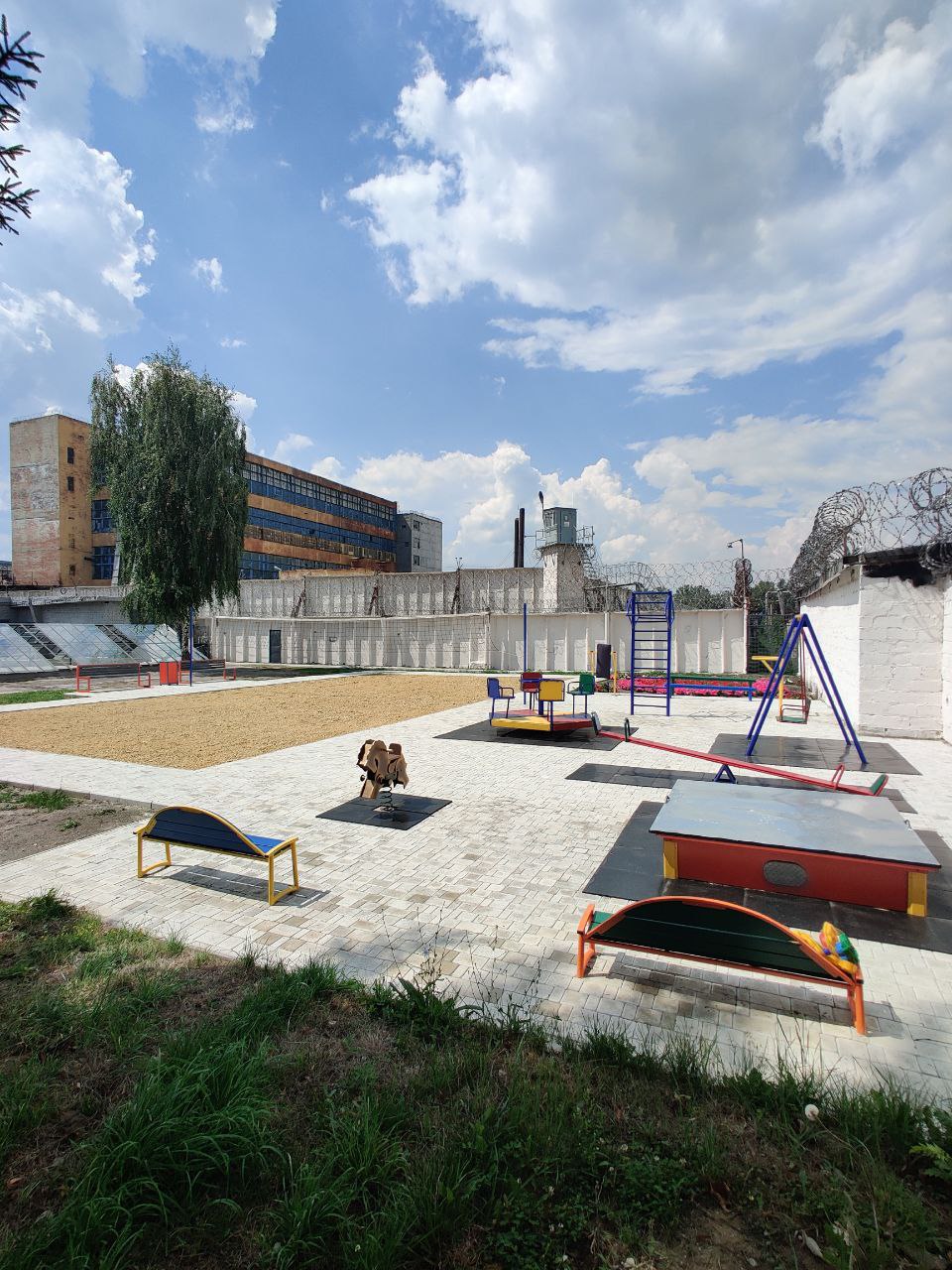
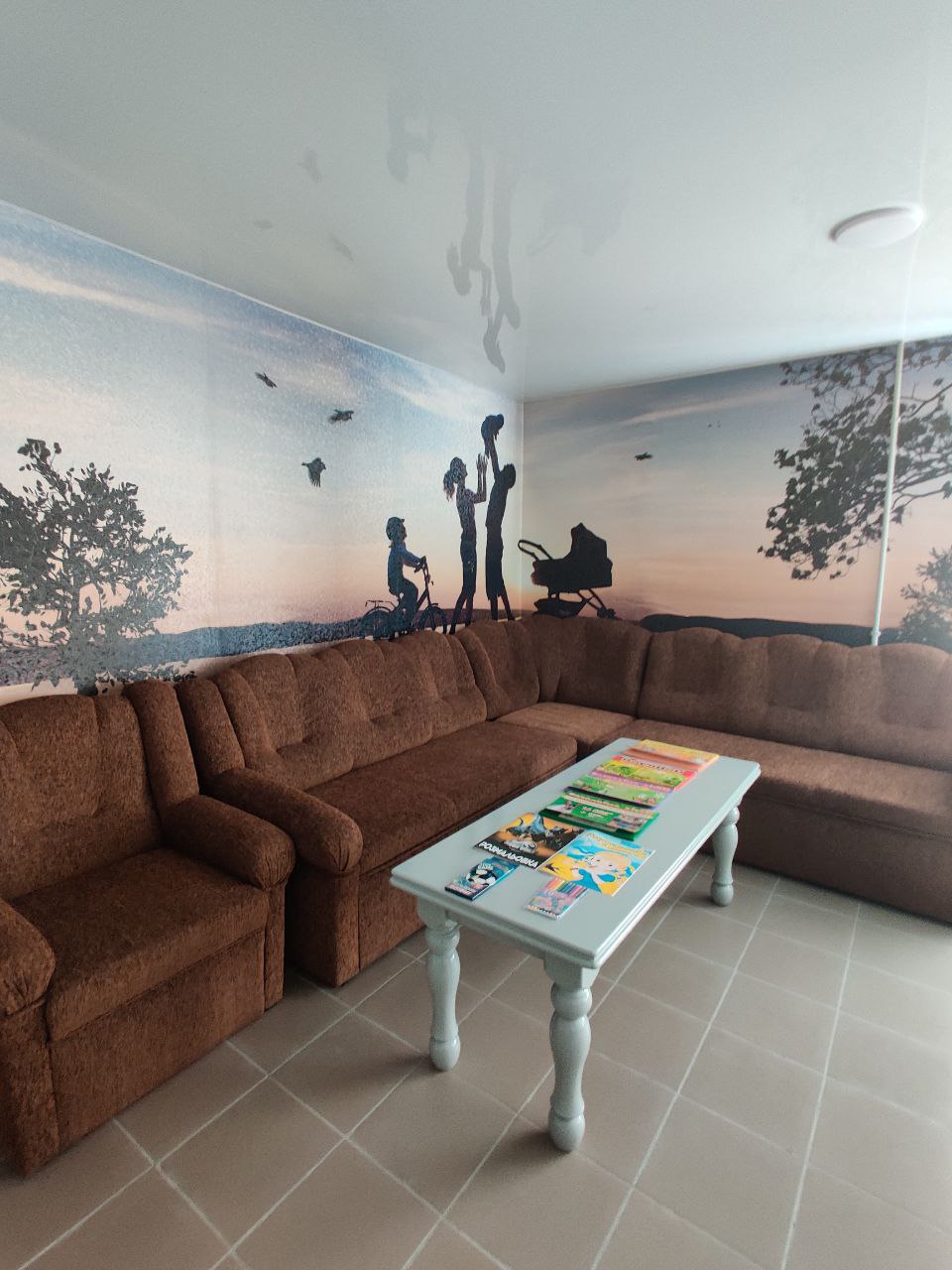
Also, the institution’s social rehabilitation unit has been renovated within the framework of the pilot project “DSR — On the Way Home (SKANDI)”: an outdoor recreation space has been arranged, a visiting room has been renovated, an internet classroom has been created and equipped with modern computers, and a sports hall and cafeteria have been provided.
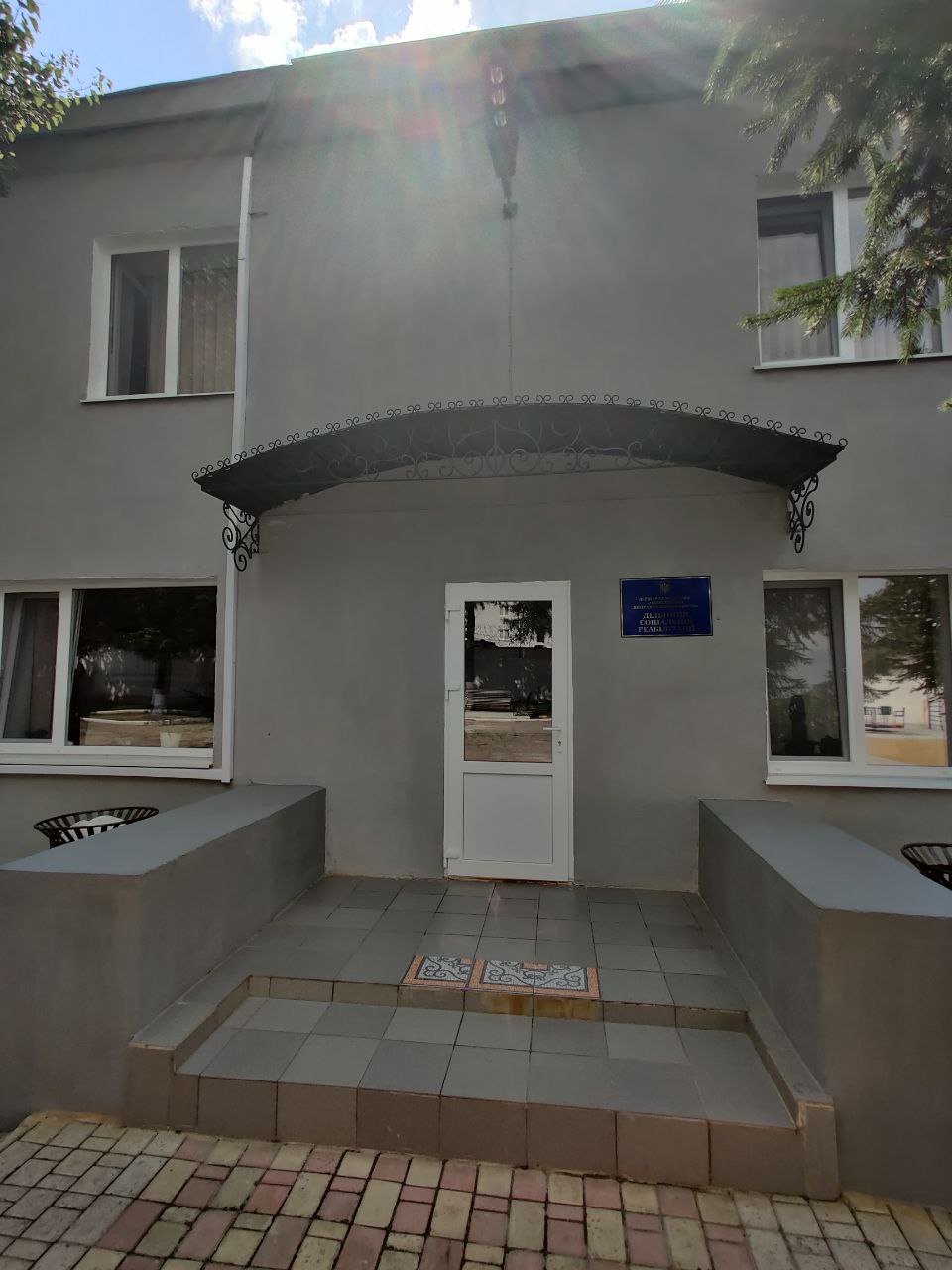

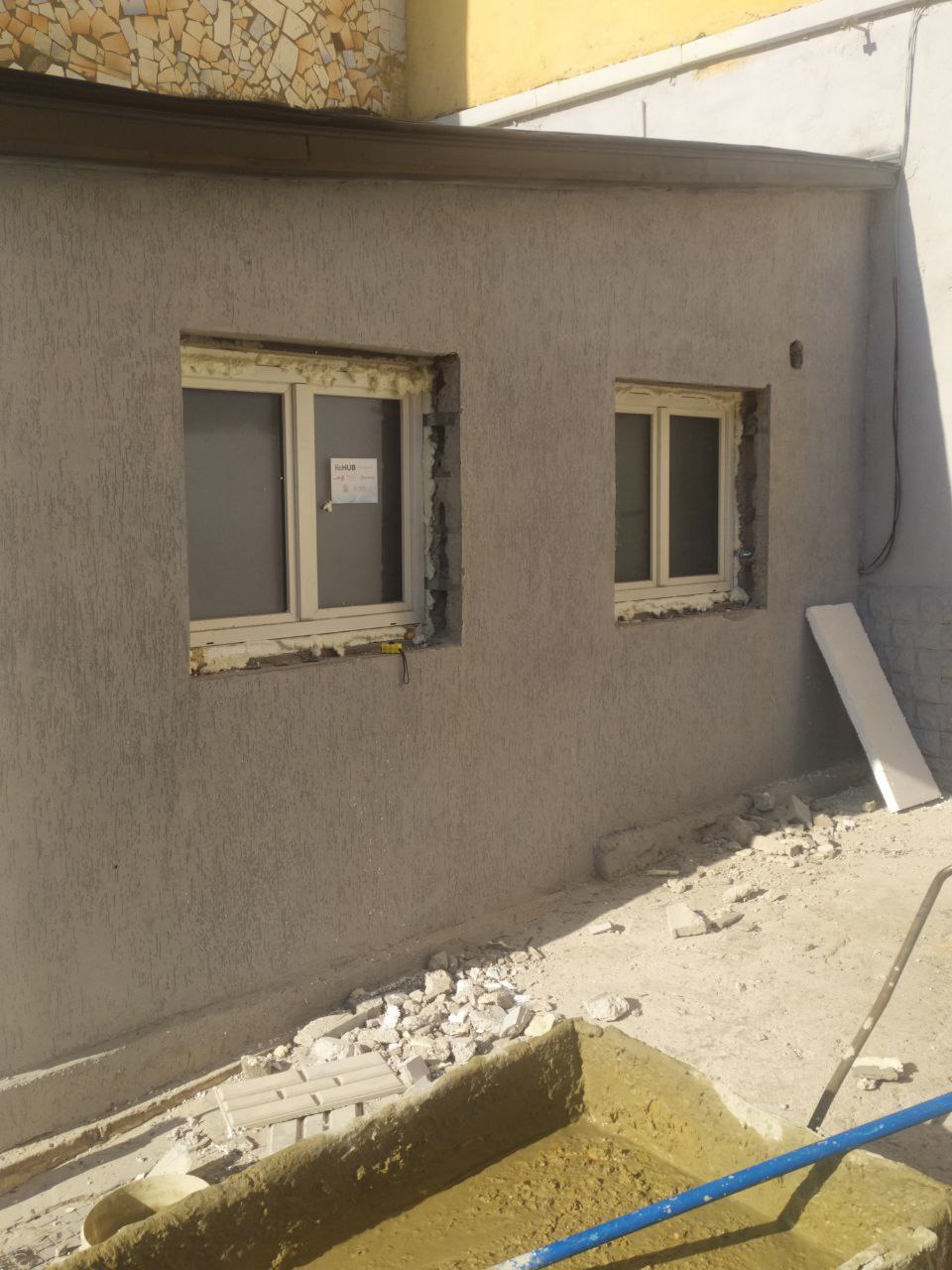
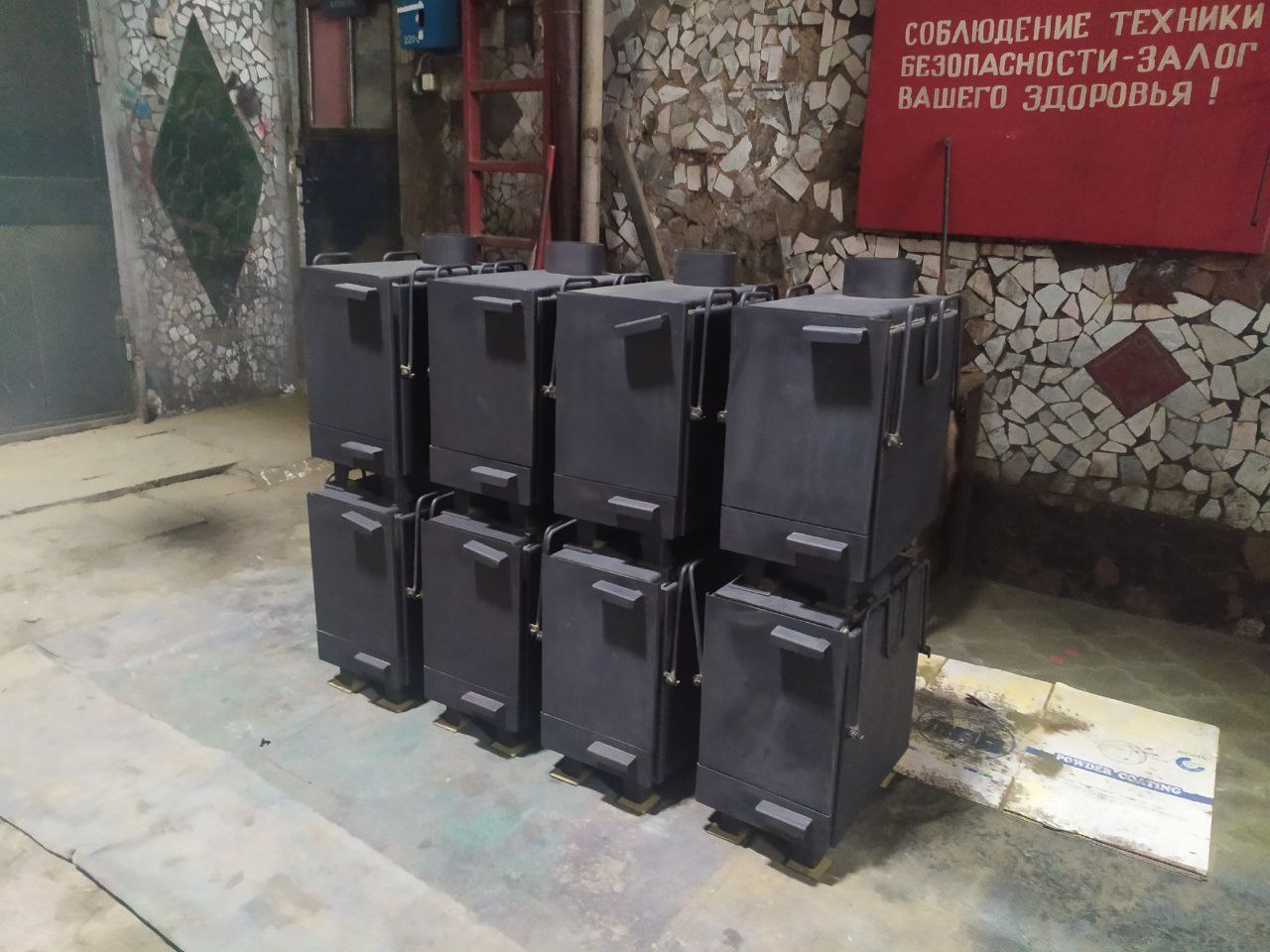
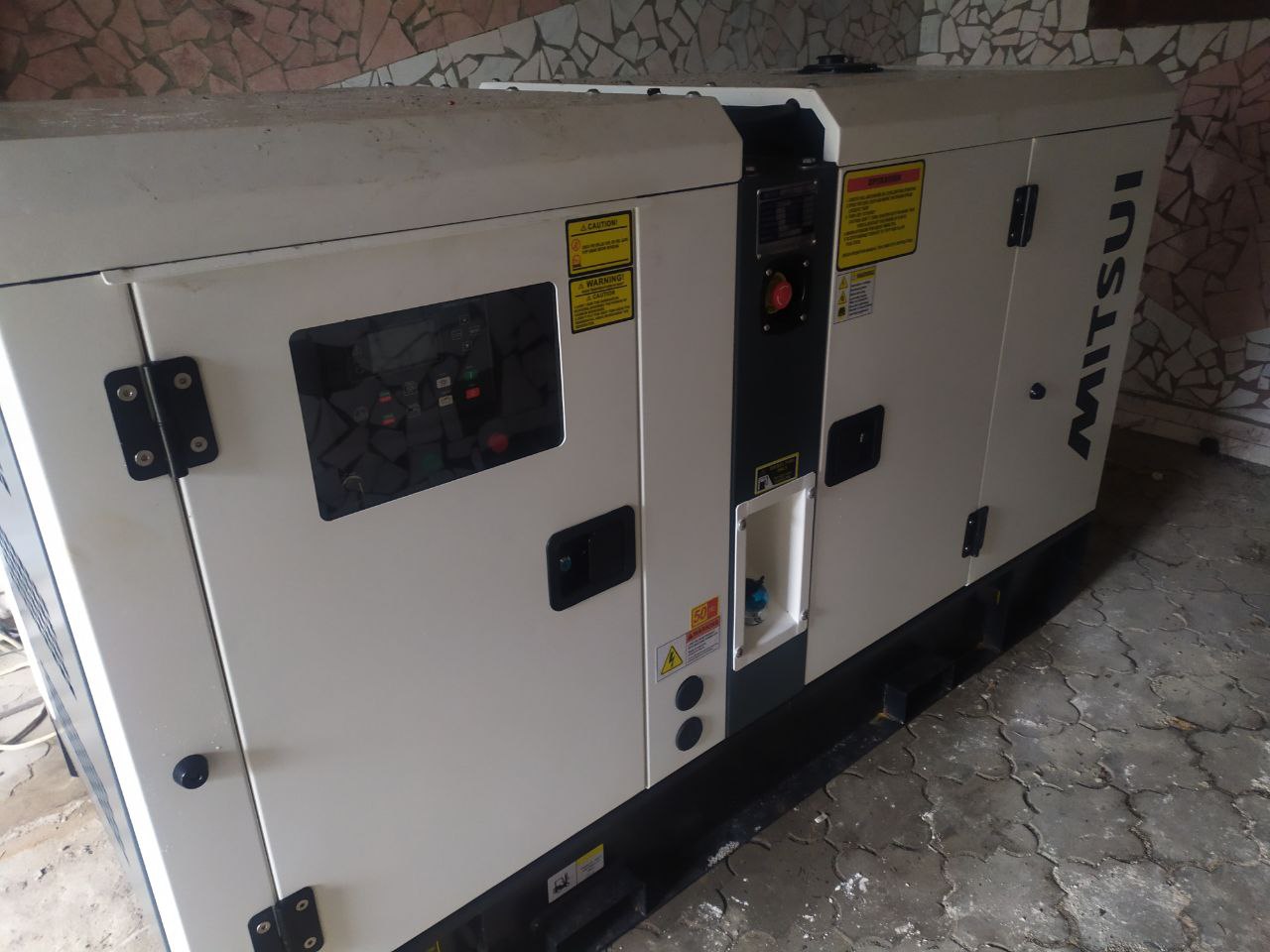
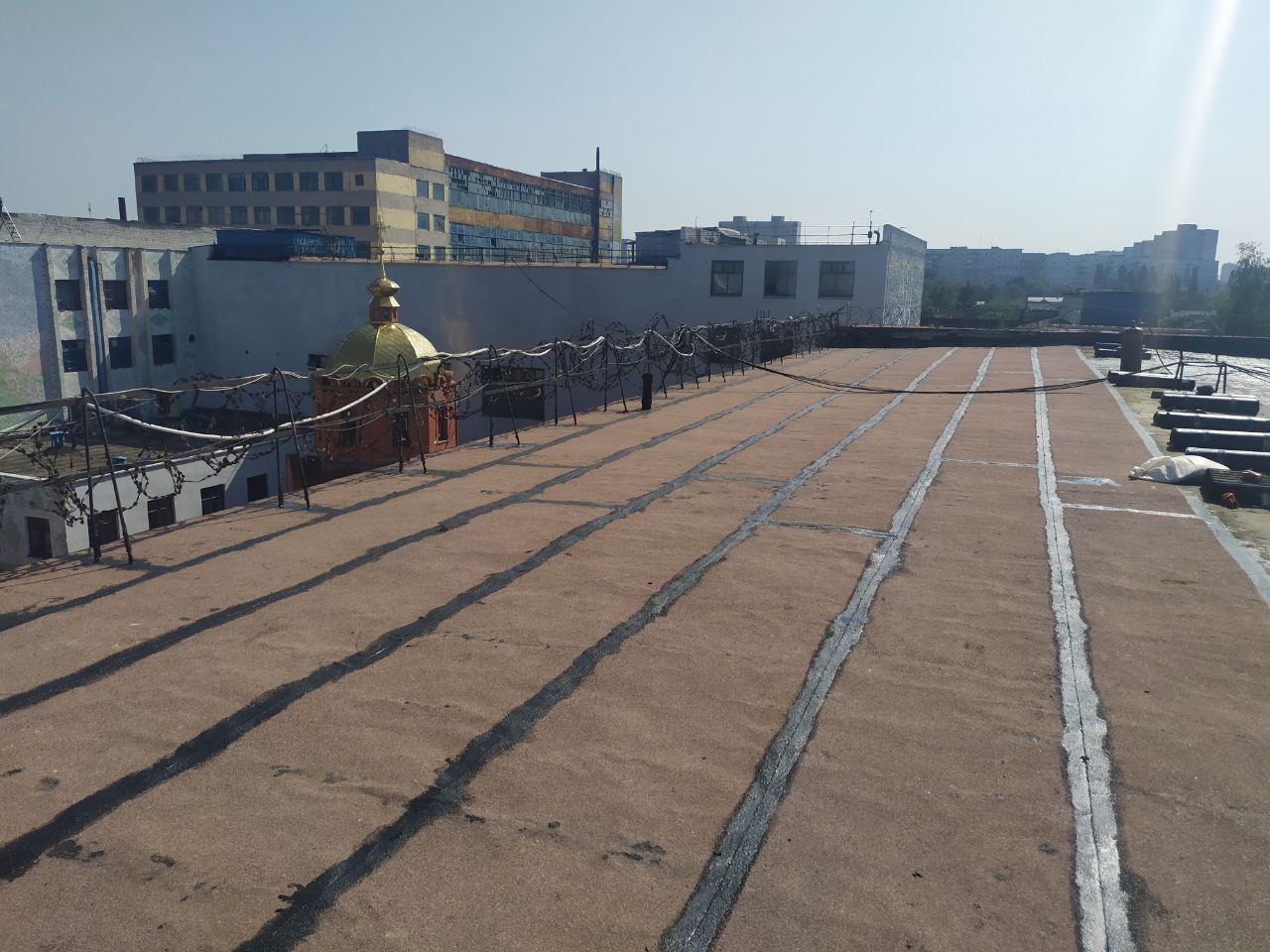
To ensure that convicts have the opportunity to maintain social ties, repair work was carried out in the telephone call room. For energy saving purposes, roof repairs of buildings were carried out, boilers were purchased, the institution was provided with a generator, and old windows were replaced with new ones.
Facts Identified During the Visit
1. During the visit to the institution, the monitoring group received complaints from convicts regarding the application of physical and psychological violence against them. A widespread practice was recorded of involving certain convicts in performing functions related to maintaining order and controlling the behaviour of other persons detained in the institution, with the purpose of their actual exploitation in the form of forced labour.
During the interviews, the existence of a group of convicts was established to whom, according to other individuals, the administration had effectively delegated authority. According to the convicts’ testimonies, the actual leadership of this group was exercised by convicts T. and K. During confidential conversations, the convicts reported that they and other individuals were subjected to physical and psychological violence by these convicts as punishment for refusing to work, failing to meet production quotas in the workshops, not following the daily routine, or violating discipline.
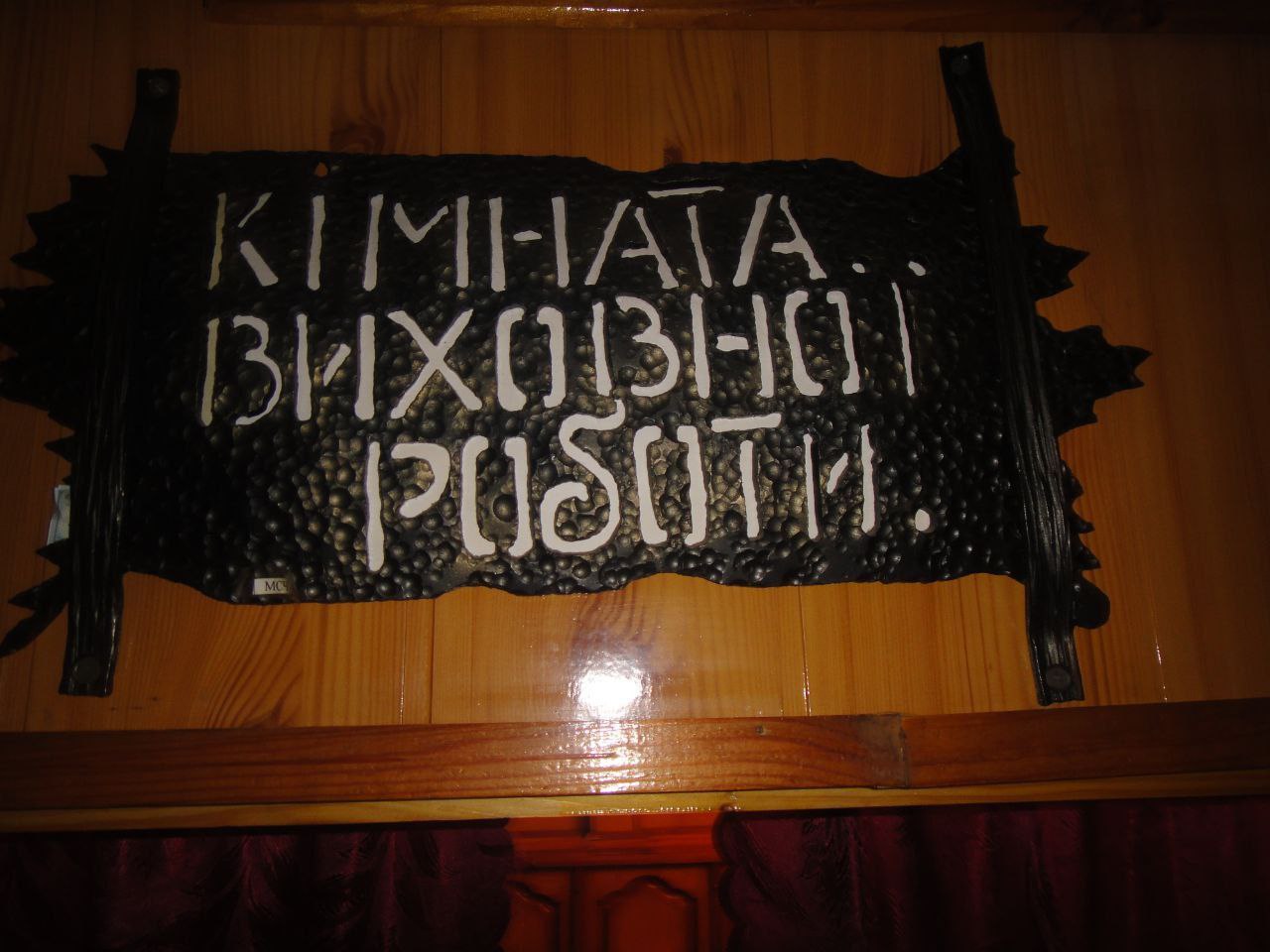
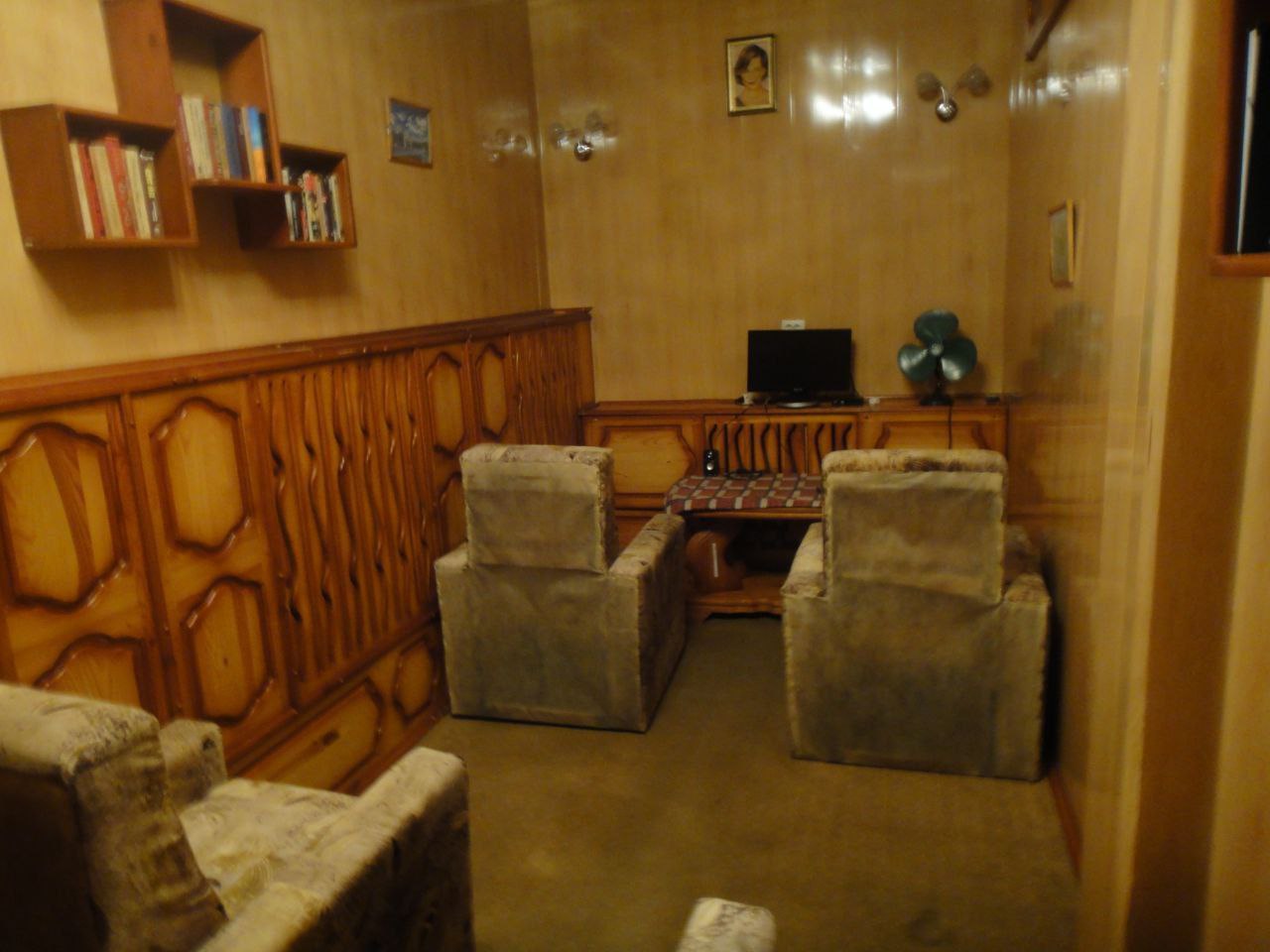
In particular, convict T., who, according to information provided to the monitoring group, had been constantly staying in the institution’s medical unit for over a year without proper grounds and had unauthorisedly set up a sleeping area in one of the wards, systematically applied physical violence to other convicts in a room used as an educational work room. It should be emphasised that the creation and operation of such a room within the structure of the medical unit is not provided for by current legislative acts.
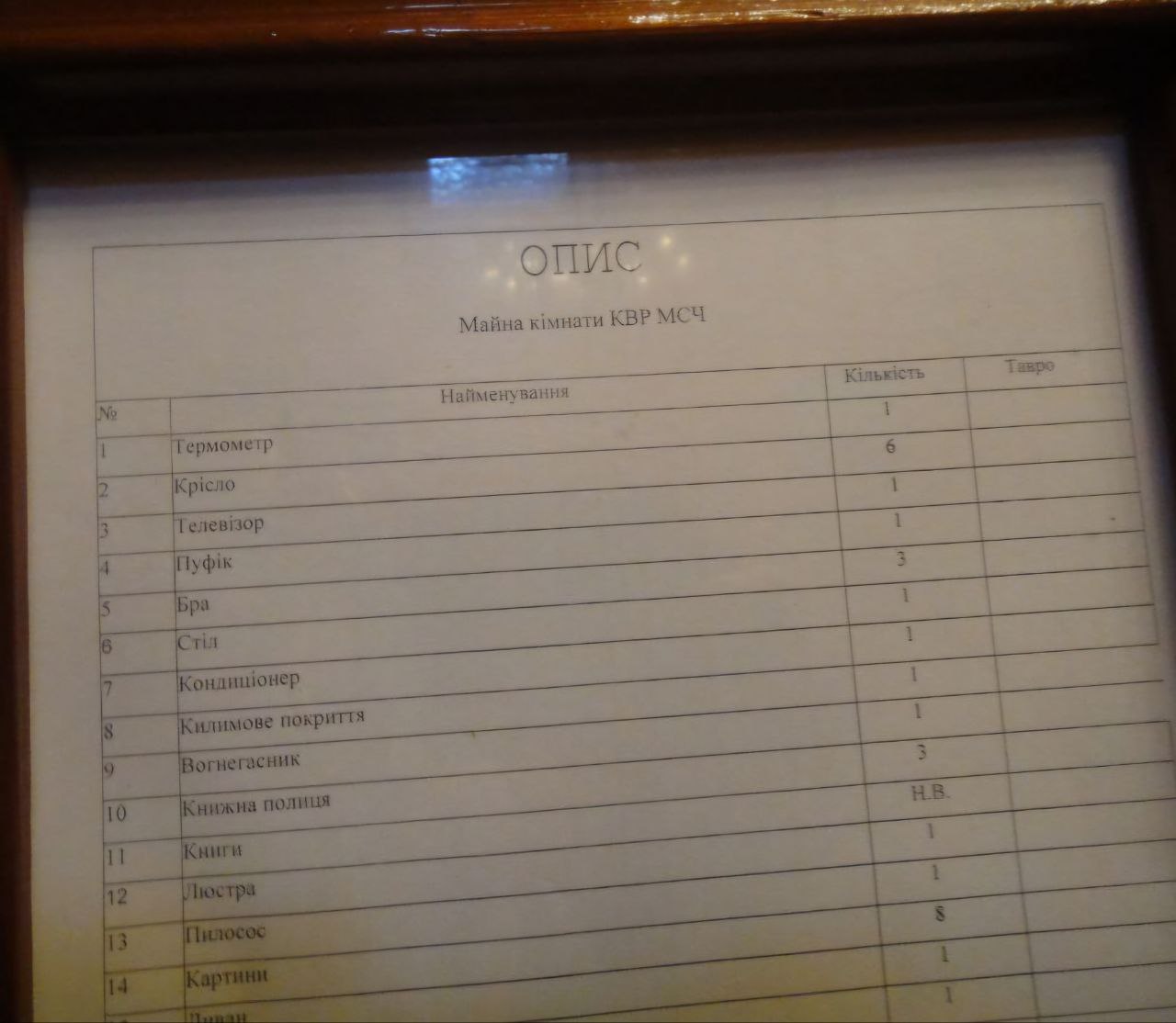
According to the convicts, these facts were known to the institution’s administration and likely occurred with its tacit consent or facilitation. In this regard, they considered submitting complaints to be fruitless, as no reaction occurred, and the process itself only created additional danger for the complainants.
In addition, during confidential conversations, some convicts reported facts of beatings by employees of the operational department and the orderly of the operational department against convict L., which, according to them, took place in an office on the third floor of the administrative building.
Thus, convicts, while under conditions of excessively strict discipline and constant psychological pressure, were forced to perform labour duties overtime in violation of labour legislation requirements, which is confirmed by the violations discovered during the inspection regarding the organisation and procedure for involving convicts in labour and its remuneration.
At the same time, convicts avoided even minor violations of the established procedure for serving their sentences due to fear of possible punitive measures — disciplinary sanctions, acts of intimidation, and physical and psychological violence both from convicts close to the administration and from the institution’s staff.
It should be noted that during the information gathering, an atmosphere of fear prevailed among the convicts: a significant portion refused to communicate, while others replied with template phrases (“no one here will tell you anything”, “you will leave, but we have to live here”), avoiding details due to fears of persecution and possible negative consequences from the institution’s administration.
These actions contradict Part 1 of Article 8 of the Penal Executive Code of Ukraine, Article 3 of the Convention for the Protection of Human Rights and Fundamental Freedoms, as well as the recommendations of the European Committee for the Prevention of Torture and Inhuman or Degrading Treatment or Punishment (hereinafter — the Committee).
In its report on the results of the visit to Ukraine in 2020, the Committee expressed serious doubts regarding the practice of using certain prisoners as “duty inmates” (dnyuvalni), who perform control functions over other prisoners in living quarters and production facilities and report any incidents and violations of the regime to the staff. During this visit, the Committee noted with concern that this practice continues.
Despite specific recommendations previously provided by the Committee, the practice of using “duty inmates” is still officially provided for by the Internal Regulations of Penal Institutions. As previously highlighted, the Committee believes that any partial abdication of responsibility for order and safety in prisons, which should be held by the institution’s regime officers, is unacceptable.
Such a practice exposes more vulnerable prisoners to the risk of ill-treatment and exploitation by others. The Committee calls on the authorities of Ukraine to take all necessary steps, including of a legislative nature, to end this practice. No prisoner in any penal institution in the country should have power over others (CPT/Inf (2020) 40, paragraph 27).
Furthermore, in its report on the results of the visit to Ukraine in 2023, the Committee called on the Ukrainian authorities to develop and implement a comprehensive strategy to combat violence and intimidation among convicts and to overcome the phenomenon of informal hierarchy with all its negative consequences.
In this context, the penal administration must also rationalise the assessment of risks and needs, classification, and distribution of individual convicts to prevent them from being subordinated to others capable of causing harm (CPT/Inf (2024) 20, paragraph 45).
Regarding persecution and possible negative consequences from the institution’s administration for providing information to human rights defenders regarding improper treatment or voicing complaints, the Committee recommends that a clear message be regularly conveyed to management and staff that ill-treatment of prisoners in any form, including threats and intimidation, is unacceptable and entails responsibility.
The Committee also emphasises the need to ensure that staff have a clear understanding that any threats or forms of intimidation intended to prevent the submission of complaints by prisoners are unacceptable (CPT/Inf (2020) 40, paragraph 22).
2. The monitoring group established that the administration and staff of the institution do not ensure proper organisation of work with newly arrived convicts. As during the previous visit, complaints were received from convicts regarding improper treatment by both the institution’s administration and other convicts. Cases were recorded where the administration involved two convicts (L. and F.) in performing work in the quarantine, diagnostic, and distribution unit (hereinafter — KDiR) by assigning them the duties of senior and night duty inmates.
The administration and staff effectively delegated to these duty inmates the functions of constant supervision over newly arrived convicts placed in the KDiR unit, as well as control over their compliance with the internal daily routine.
Such actions contradict the requirements of Article 96 of the Penal Executive Code of Ukraine (hereinafter — PEC of Ukraine), Clause 4 of Section II of the Internal Regulations of Penal Institutions, approved by Order of the Ministry of Justice of Ukraine dated 28.08.2018 No. 2823/5 (hereinafter — IRPI), as well as Clause 2 of Section I of the Regulation on the quarantine, diagnostic, and distribution unit for convicts, approved by Order of the Ministry of Justice of Ukraine dated 04.11.2013 No. 2300/5, registered with the Ministry of Justice of Ukraine on 04.11.2013 under No. 1864/24396 (hereinafter — Regulation on KDiR).
During confidential conversations, certain convicts reported that upon arrival at the institution in the KDiR unit, the duty inmates, for the purpose of coercion, forced them to publicly perform humiliating tasks — to take a rag or broom in their hands and demonstrate cleaning, thereby publicly defining their place in the informal prison hierarchy. Such actions degrade human dignity and have signs of caste division in the informal hierarchy.
As a result, convicts who fall into lower castes often become objects of discrimination, humiliation, and physical violence by others, which can cause conflicts between different groups and generally strengthen the criminal subculture in the institution. According to the information provided, in case of refusal, the duty inmates reported to the administration and/or the institution’s staff, who, through the falsification of materials regarding a disciplinary offence, applied sanctions to the convicts in the form of placement in a disciplinary isolation cell (DIZO).
During previous visits to institutions subordinate to, in particular, the North-Eastern Interregional Department for the Execution of Criminal Sentences of the Ministry of Justice, including ACC-25, convicts reported that under the influence of psychological pressure, threats of violence (including sexual violence), and threats of being transferred to the lowest caste of convicts, known as “the ostracised”, they deliberately violated the detention regime for the purpose of subsequent criminal prosecution under Article 391 of the Criminal Code of Ukraine. This, in turn, was aimed at being transferred to another institution.
According to the testimony, in most such cases, the administration artificially created grounds for disciplinary responsibility, formally using them for subsequent placement in cell-type premises (PKT) and initiating proceedings under Article 391 of the Criminal Code of Ukraine. Such actions by the administration effectively constitute an abuse of power and create conditions for pressure on individual convicts and the arbitrary application of criminal prosecution measures.
In 2016, the Committee recommended reviewing the practice of disciplinary isolation and segregation in Colony No. 25 (and, if necessary, in other institutions) and called for the repeal of Article 391 of the Criminal Code of Ukraine (CPT/Inf (2017) 15, paragraph 46). Subsequently, this recommendation was repeated with a call to repeal Article 391 “without further delay” (CPT/Inf (2018) 41, paragraph 103).
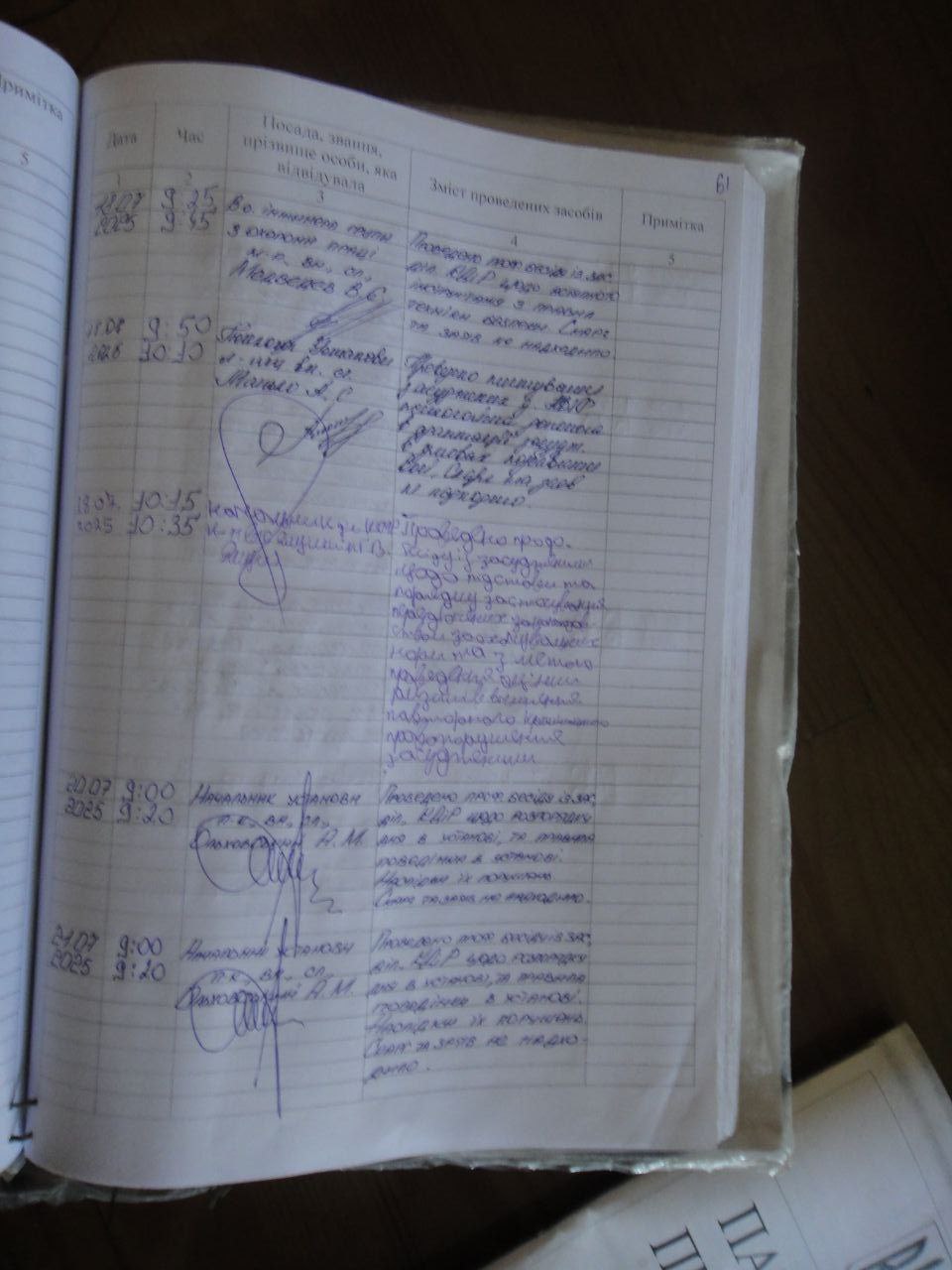
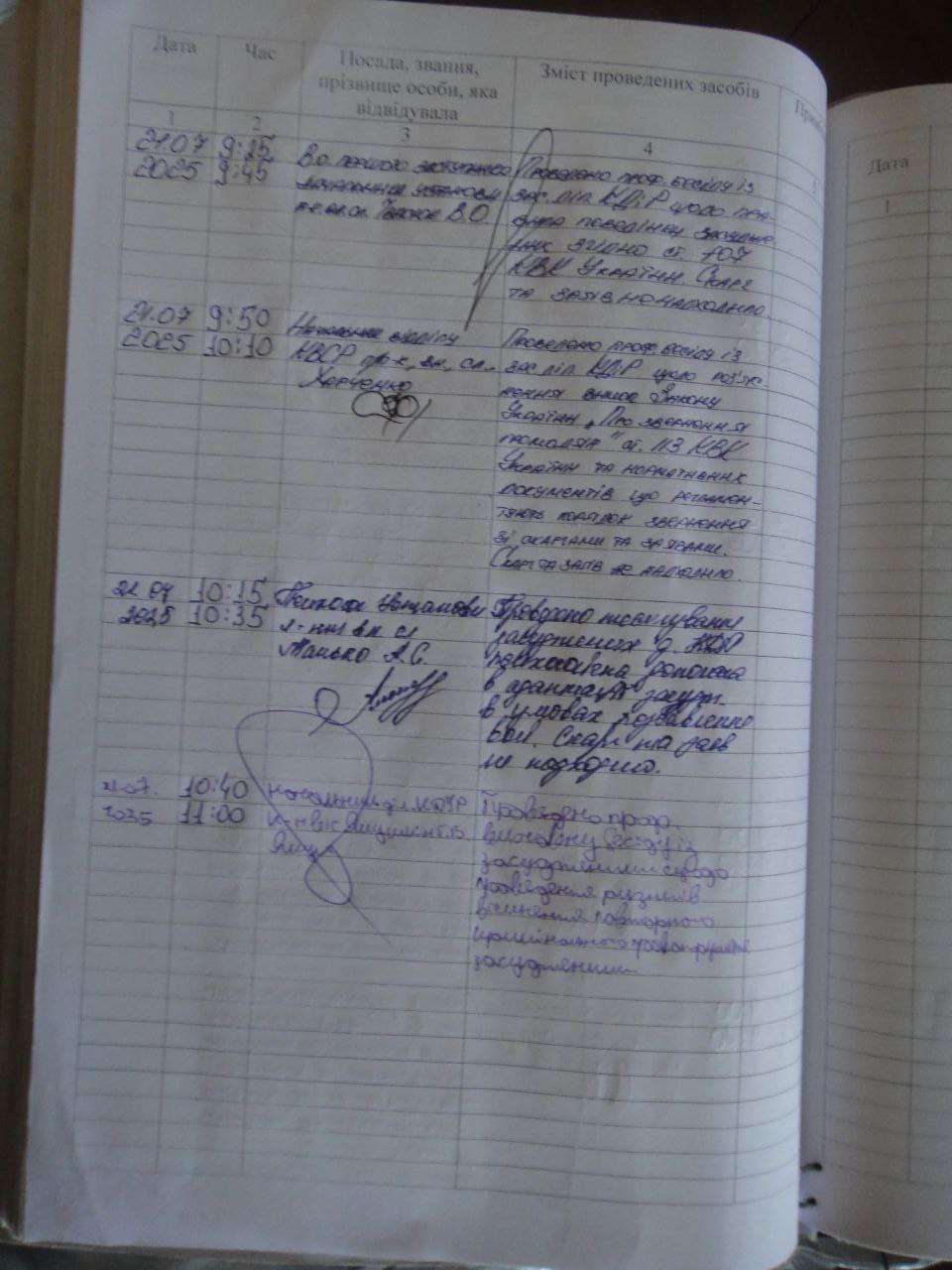
3. During the visit to the quarantine, diagnostic, and distribution unit (KDiR), violations of the requirements of Article 95 of the Penal Executive Code of Ukraine and Clause 3 of Section I of the Regulation on the KDiR unit were identified. Thus, on 10 July 2025, three convicts arrived at the institution, and on 17 July 2025 — another two. According to current legislation, newly arrived persons placed in the KDiR unit must stay there for at least 14 days, during which they must undergo a full medical examination to detect infectious, somatic, and mental diseases, as well as an initial psychological and pedagogical study.
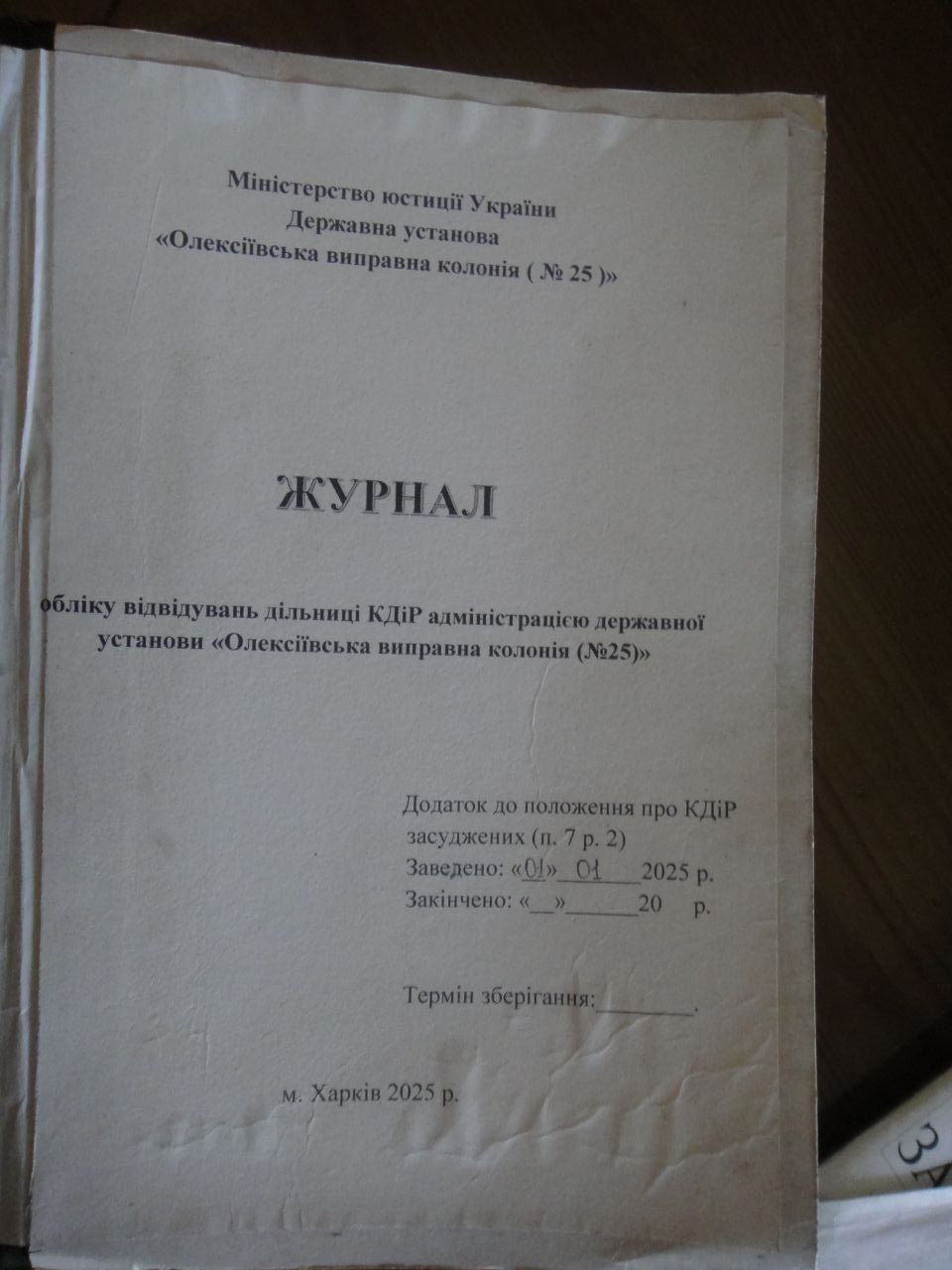
Therefore, the distribution of the three persons who arrived on 10.07.2025 should have taken place no earlier than 24.07.2025, and for the two persons who arrived on 17.07.2025 — no earlier than 31.07.2025. Meanwhile, during the monitoring visit on 21 July 2025, only three newly arrived persons were in the KDiR unit, which is confirmed by records in the KDiR Unit Visitation Log, data from the administration, and the duty shift.
This indicates that two of the five convicts who arrived on 10.07.2025 and 17.07.2025 respectively were prematurely distributed to other units, which is a violation of the established period of stay in the KDiR.
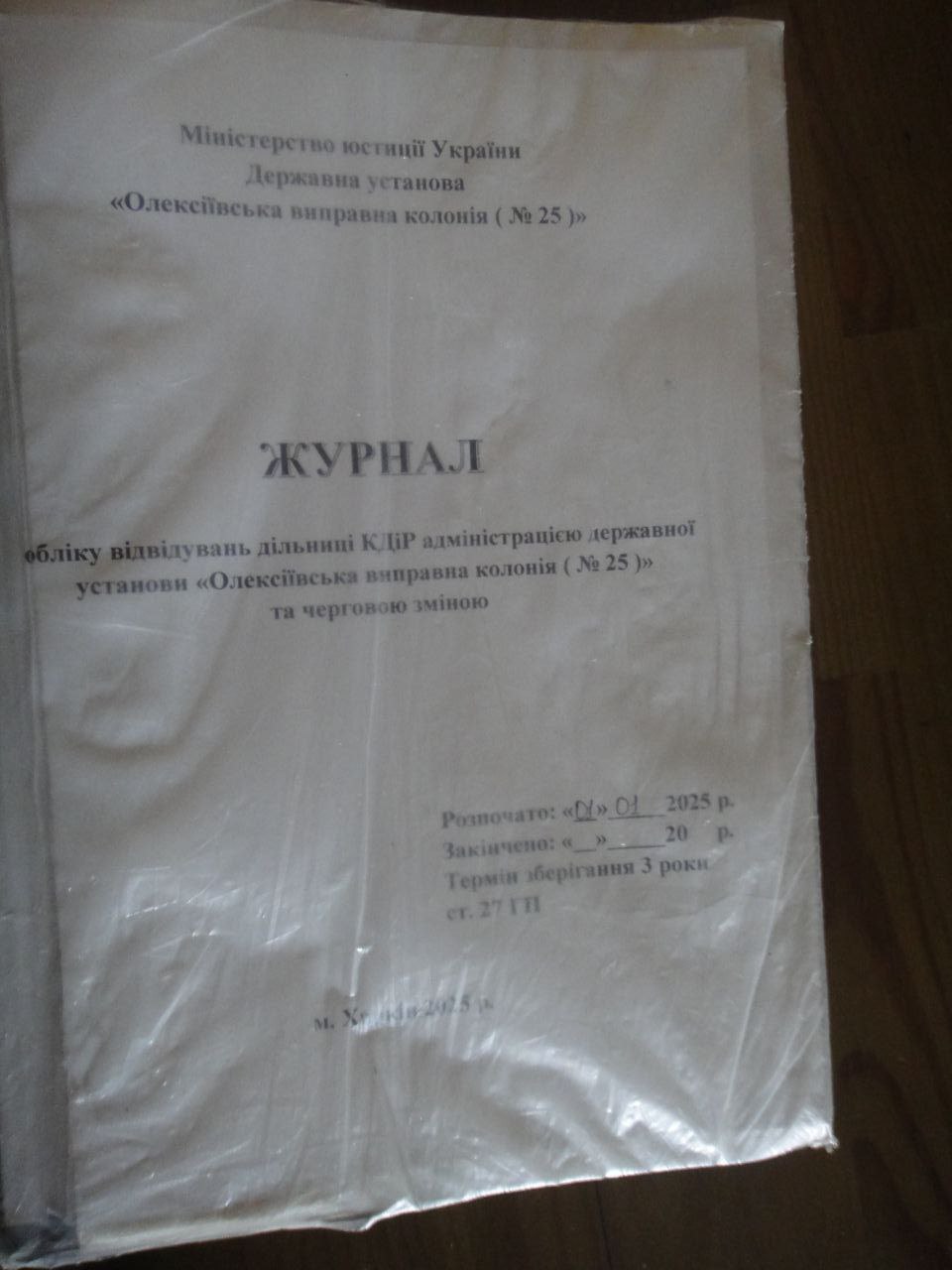
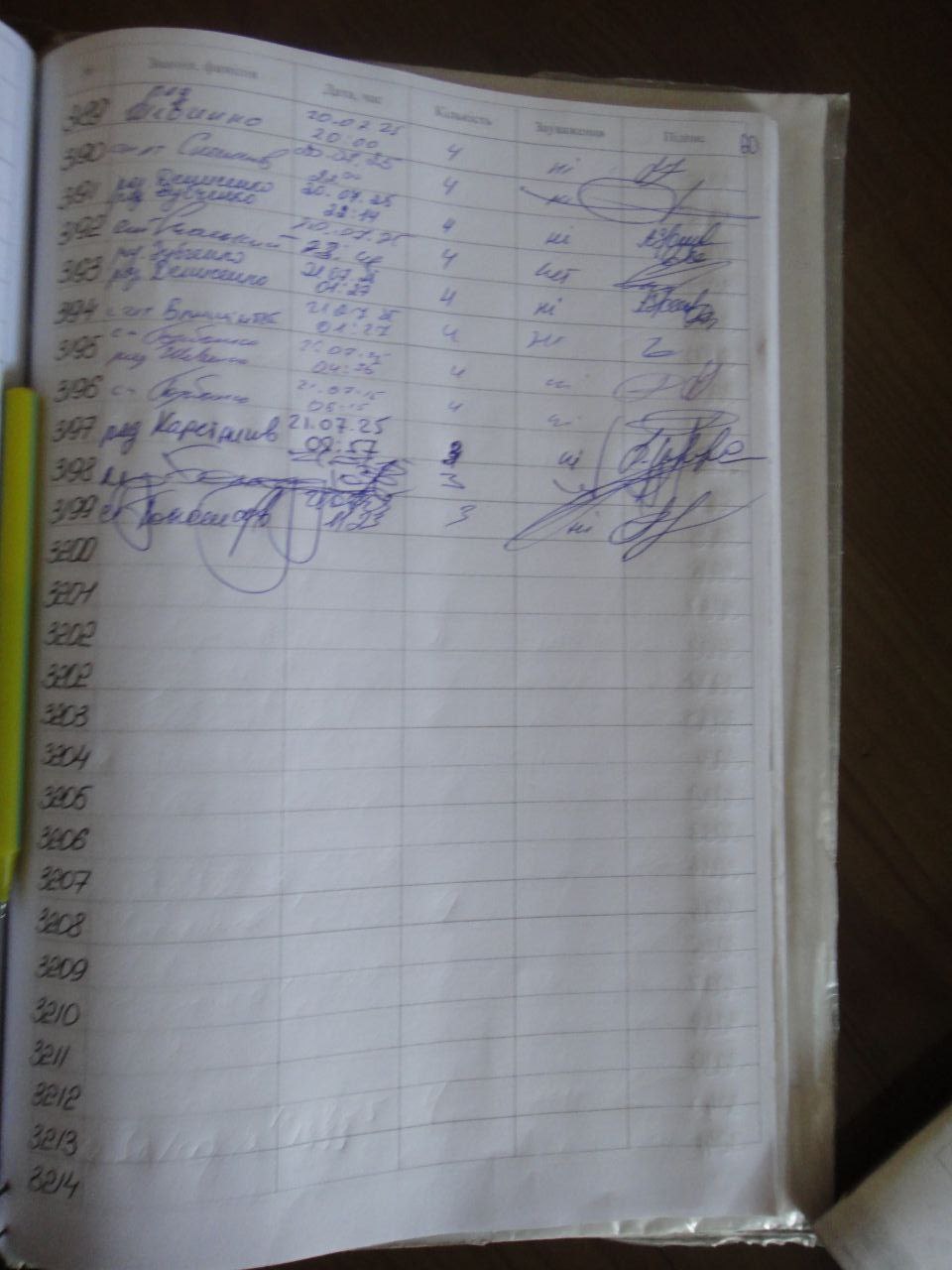
4. By order of the institution’s head dated 02.01.2025 No. 49/AG-25 “On Approval of the Working Group and Organisation of Work with Newly Arrived Convicts in the Quarantine, Diagnostic, and Distribution Unit”, a working group was created to work with newly arrived convicts. For planning this work, a programme for familiarising newcomers with the procedure and conditions of serving the sentence is drawn up and approved annually.
At the same time, the monitoring group established that the members of the working group do not conduct the measures provided for by the said programme. In particular, during a conversation on 21.07.2025, newly arrived convicts were unable to provide information regarding the five measures, records of which were marked in the KDiR Unit Visitation Log by administration representatives — members of the working group on that day.
Members of the monitoring group requested the administration to provide the opportunity to review video recordings from surveillance cameras installed in the KDiR unit to confirm the fact of the working group members visiting the unit. To this, the administration replied that reviewing the video recordings was pointless, as the measures provided for by the programme for familiarising newcomers are not actually conducted, and the KDiR Unit Visitation Log is maintained formalistically.
This contradicts Clauses 5, 6, and 8 of the Regulation on the KDiR Unit.
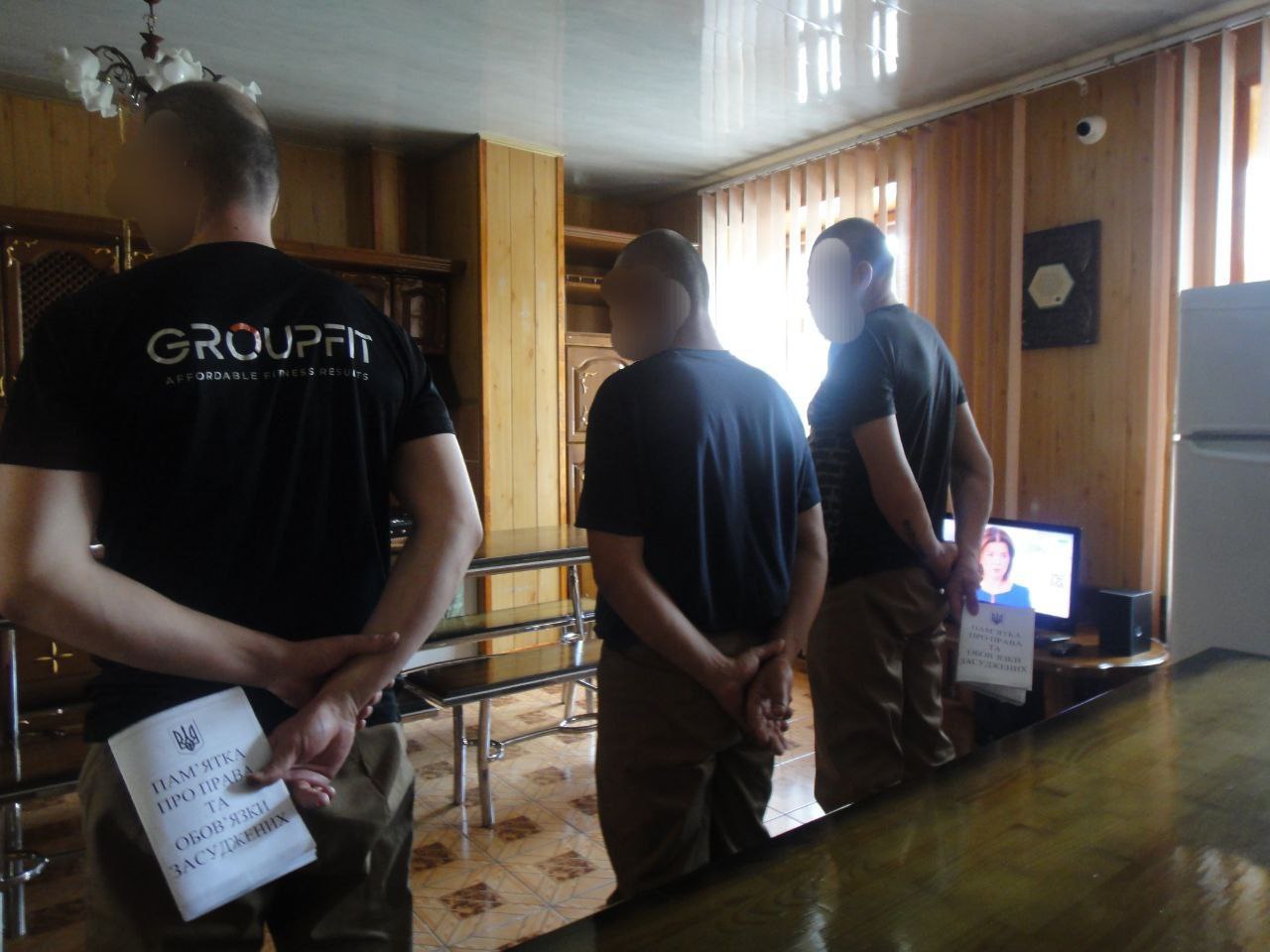
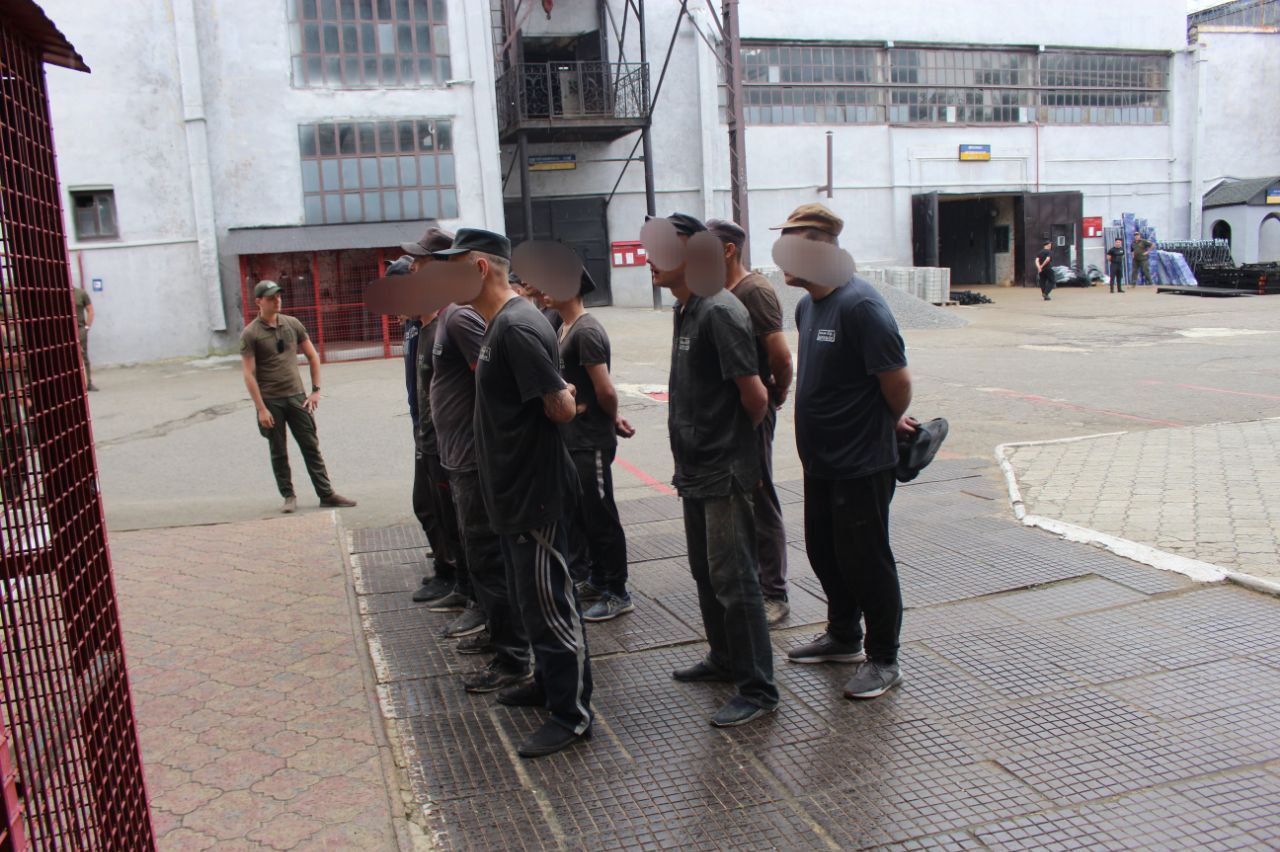
5. During the visit, the monitoring group recorded that the relationships between staff and convicts were formalised, one-sided, and militarised: communication was limited mainly to commands, sometimes in a raised tone, without attempts to establish a dialogue. The convicts displayed ostentatious obedience. Such an approach contradicts the principles of dynamic security, which are based on the formation of positive relationships between the institution’s staff and convicts.
It is worth noting that even during a visit to this institution in 2012, the European Committee for the Prevention of Torture recorded a similar model of relationships and recommended that the Ukrainian authorities take measures to improve the recruitment procedure and professional training of all penitentiary staff. The goal of such changes should be to prepare staff for new, more constructive forms of interaction with convicts instead of continuing the practice of a purely statistical approach to ensuring safety and compliance with the daily routine in correctional colonies (CPT/Inf (2013) 23, paragraph 22).
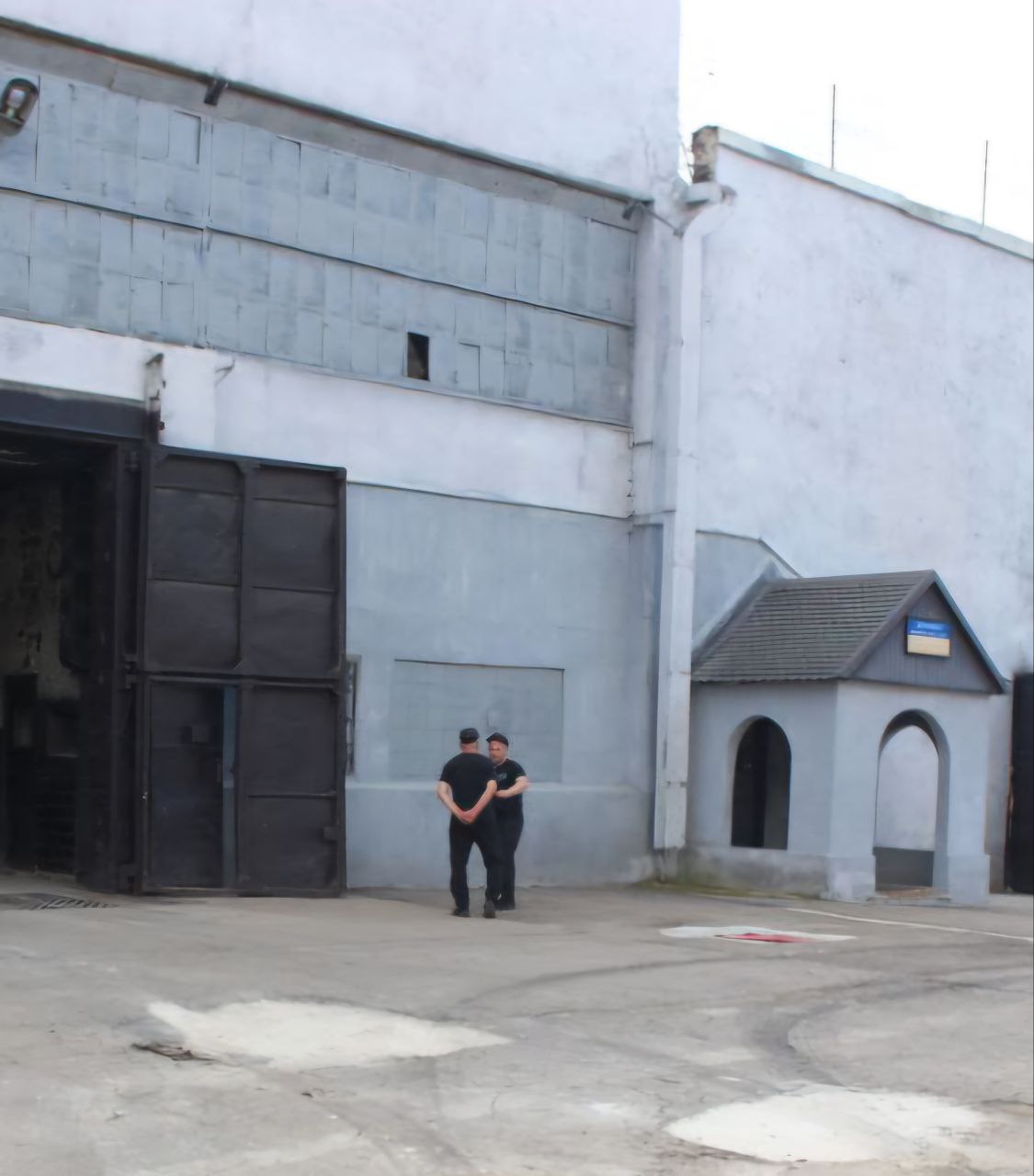
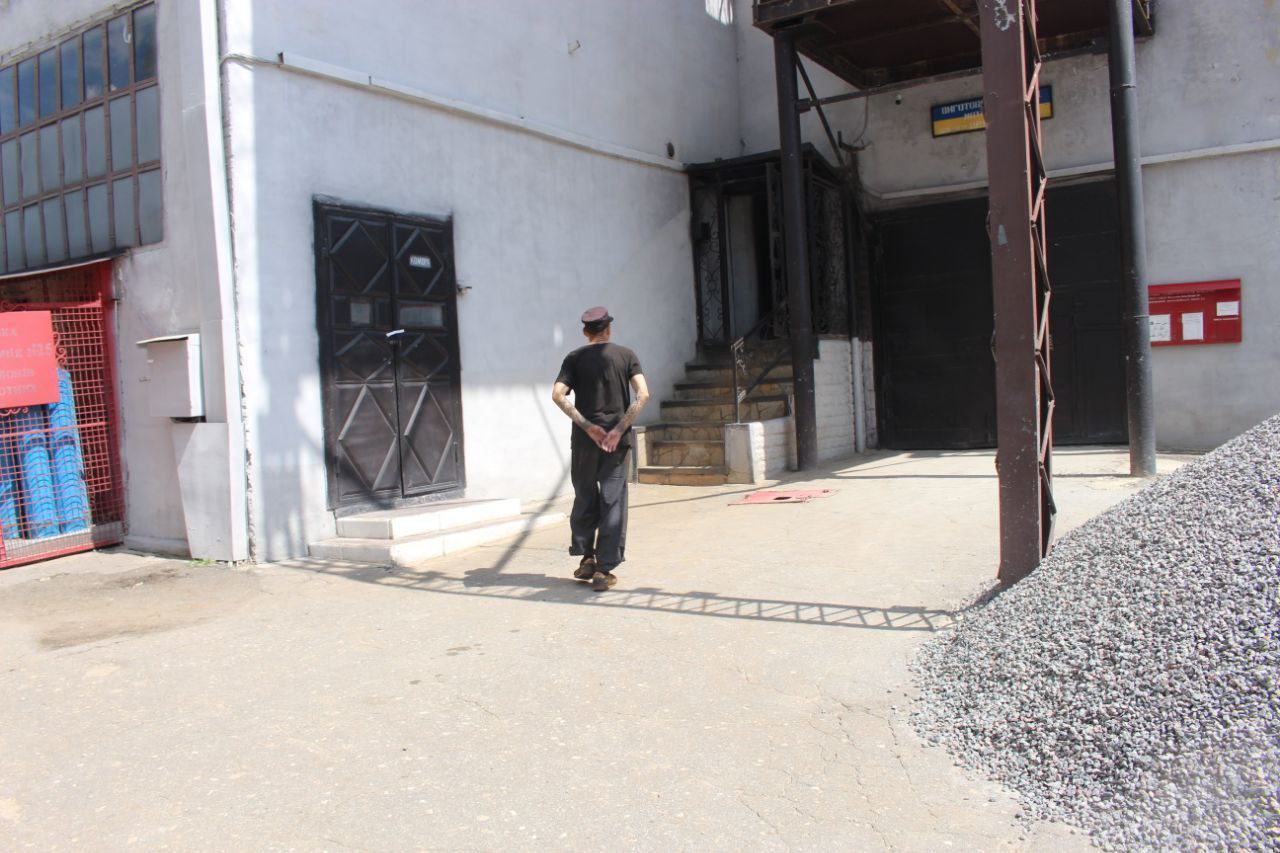
At the same time, the monitoring group recorded an opposite model of attitude towards a specific category of convicts — those who perform the functions of “duty inmates”. To such convicts, the administration and staff effectively delegate functions of supervision over other convicts, control over their compliance with the daily routine, or the fulfilment of production quotas. They demonstrate different, freer behaviour in interaction with staff and administration, behave tactlessly, and move freely, including in violation of requirements regarding localisation.
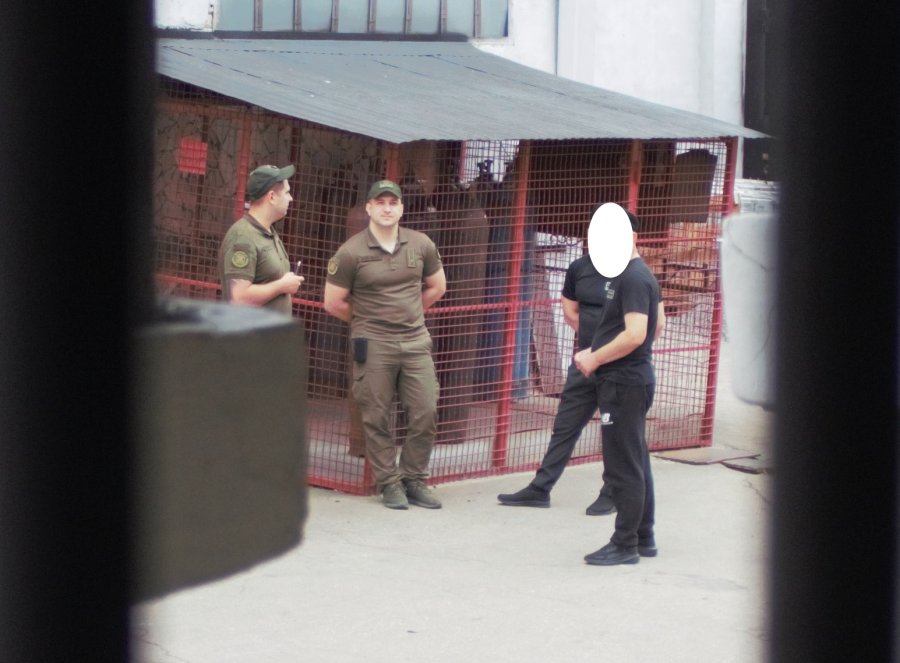
Thus, the monitoring group recorded a case of the administration ignoring the solitary movement of a convict outside the local sector, which is a direct violation of the second paragraph of Clause 1, Section VIII of the IRPI, which prohibits independent movement of convicts without an escort by the institution’s staff.
6. Clause 1 of Section XXIII of the IRPI defines that supervision of convicts is a system of measures aimed at ensuring the serving and execution of criminal sentences in the form of restriction and deprivation of liberty, life imprisonment, and arrest through round-the-clock and constant control over the behaviour of convicts in their places of residence and work, preventing and stopping illegal actions on their part, and ensuring requirements for the isolation of convicts and the safety of personnel of penal institutions.
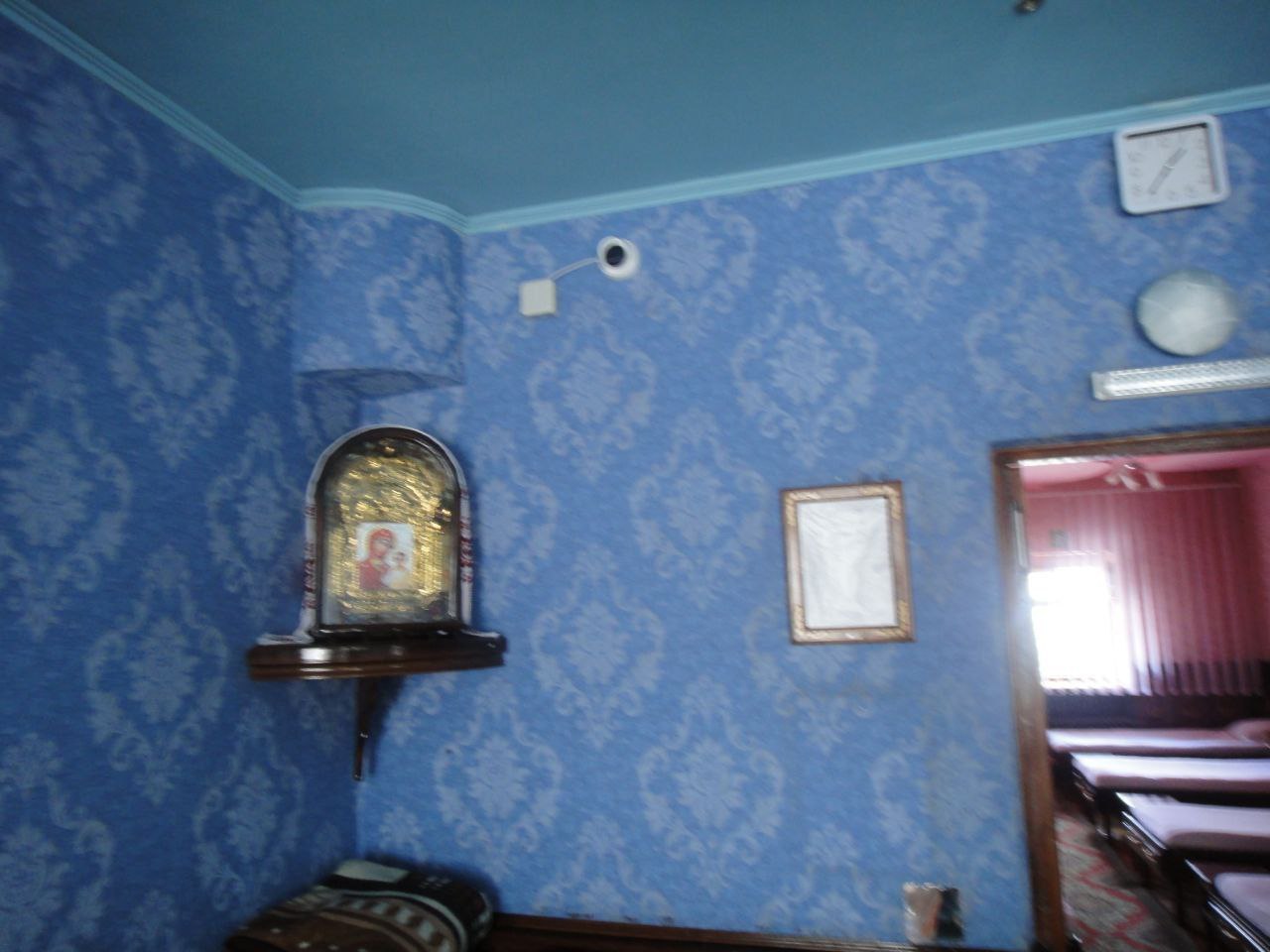
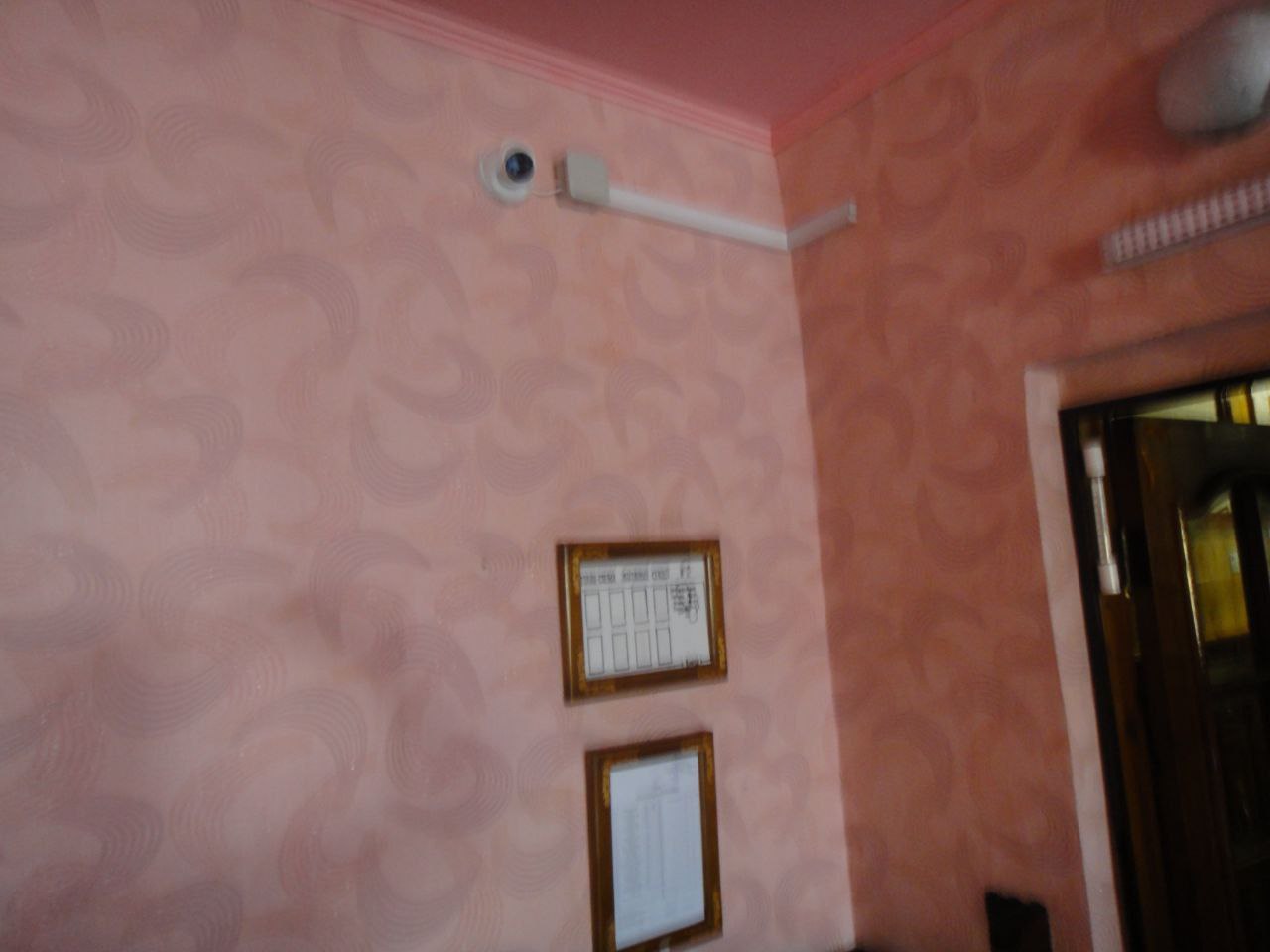
During the inspection of the KDiR living premises, an installed video surveillance camera was recorded. However, in its 2012 report, the Committee criticised excessive interference with privacy through the installation of video cameras in living premises: “The CPT agrees that video surveillance in cells can be a useful safeguard in individual cases, for example, when a person is considered to be of concern regarding the risk of self-harm or suicide, or if there are specific suspicions that a convict is committing certain actions in the cell that could jeopardise safety.
However, any decision to apply video surveillance to a specific convict must always be based on an individual assessment of real risks and must be frequently reviewed on a regular basis. Video surveillance is a serious interference with the private life of prisoners and makes the regime even more repressive, in particular, when applied over a long period of time.” (CPT/Inf (2013) 23, paragraph 52).
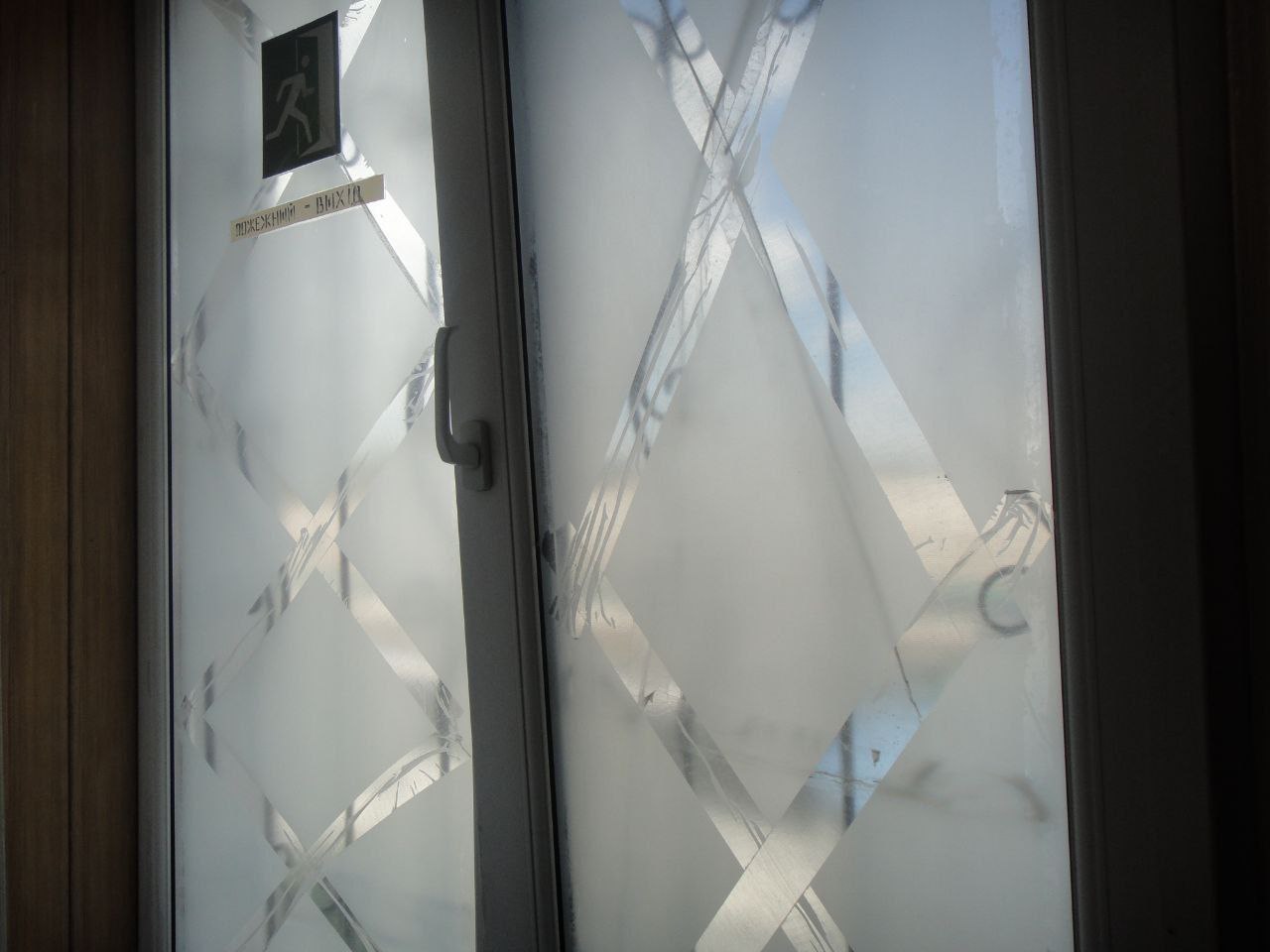
7. In the living premises of the KDiR unit, the monitoring group established the presence of windows equipped with frosted glass, due to which natural light practically does not penetrate the room. In its report on the results of the visit to Ukraine in 2020, the Committee had already drawn attention to this and recommended taking measures to review the design of windows in cells to allow prisoners to see what is outside the cell (CPT/Inf (2020) 40, paragraph 48).
8. The administration of the institution has not fully ensured the convicts’ right to access the Internet, and the procedure for providing it only partially complies with the established requirements. In particular, in the KDiR unit, there are no conditions for convicts to exercise the right to Internet access provided for by Part 7 of Article 110 of the Penal Executive Code of Ukraine, through the use of tablets. A Wi-Fi access point in the KDiR unit is not equipped.
9. The equipment of the institution’s disciplinary isolation cell (hereinafter — DIZO/PKT) does not fully comply with established standards for the treatment of prisoners and does not ensure adequate detention conditions considering their needs. Thus, in violation of the requirements of the Standards for Provision with Furniture, Equipment, and Household Items of a Medium-Security Correctional Colony with General Detention Conditions, approved by Order of the Ministry of Justice of Ukraine dated 27.07.2012 No. 1118/5 (hereinafter — Provision Standards), a number of necessary premises are missing in the DIZO/PKT, namely: a room for storing convicts’ personal belongings, a room for storing the exchange fund of bedding, clothing, and special clothing, and a hairdresser’s.
In the DIZO cell premises, a sufficient level of natural lighting is not provided, as the windows are equipped with frosted (darkened) glass, due to which natural light practically does not penetrate the room. This can create additional psychological pressure on convicts due to the absence of any, even visual, connection with the outside world.

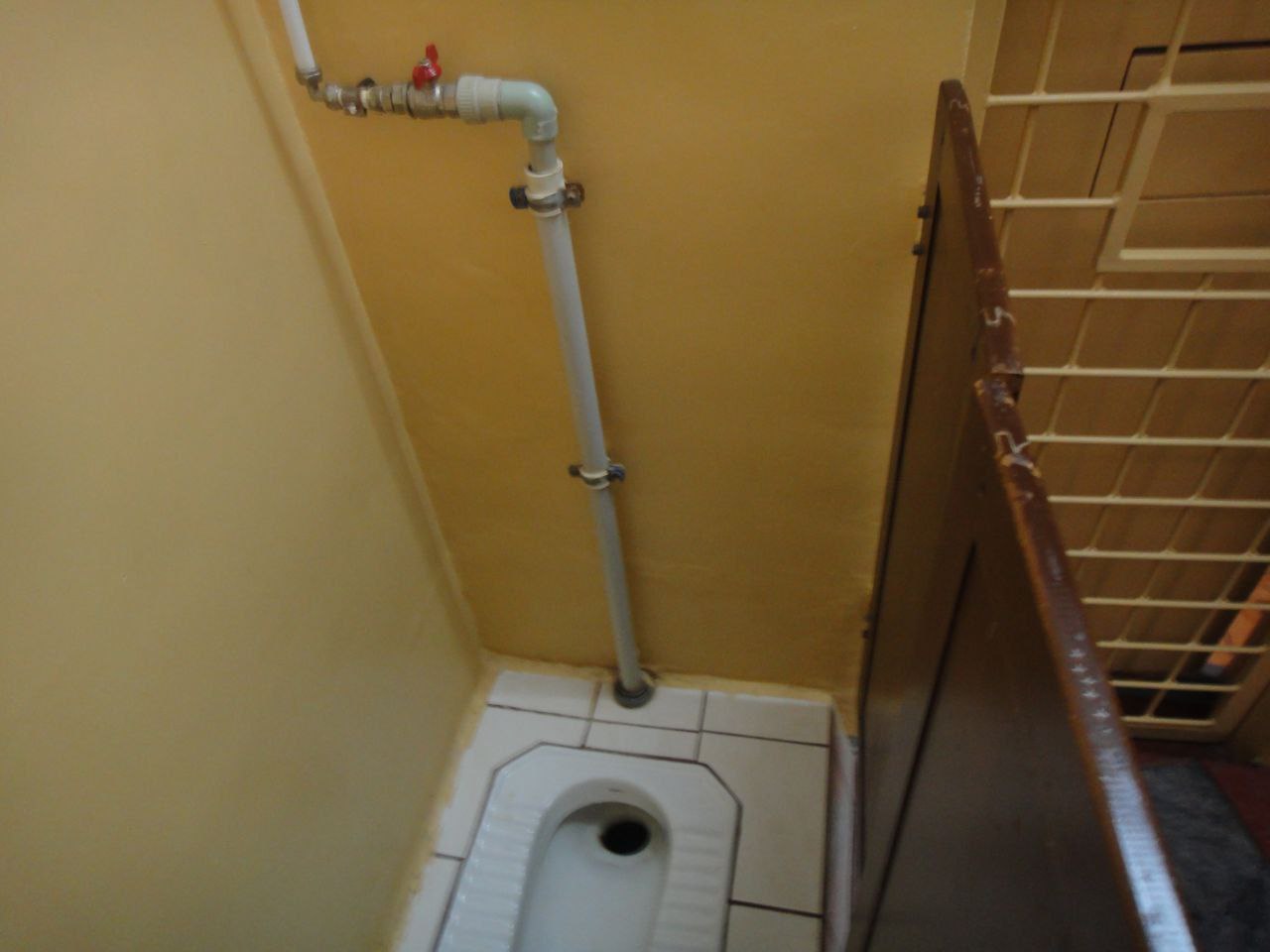
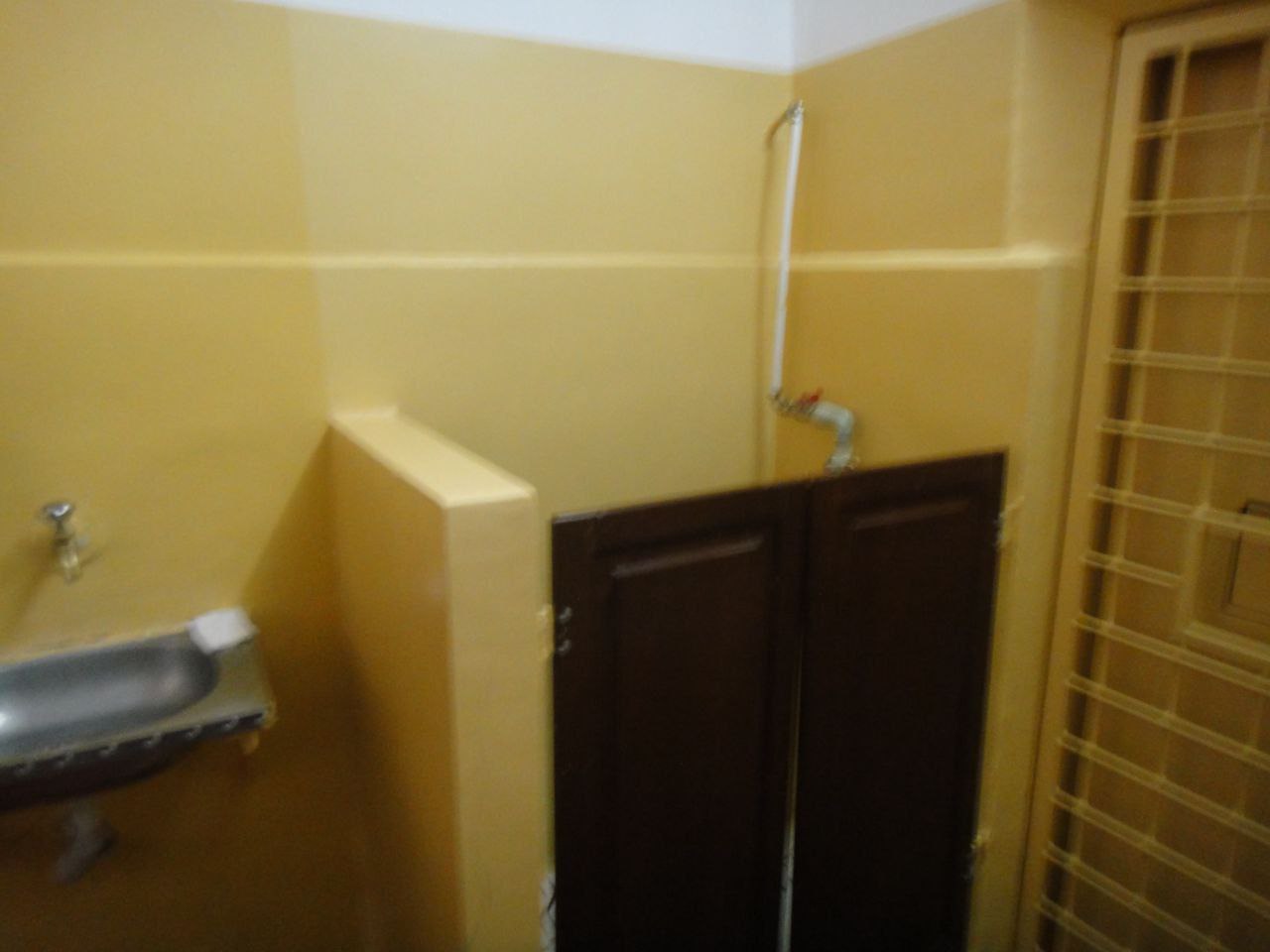
Sanitary facilities in the DIZO/PKT cell premises are not equipped with sufficient partitions that ensure the possibility of privacy, which violates Rule 19.3 of the European Prison Rules. At the same time, in the report to the Government of Ukraine following the 2023 visit, the Committee called on the Ukrainian authorities to take necessary measures to improve the material conditions of detention.
In particular, all places of accommodation of convicts and persons in custody, including sanitary facilities, must be maintained in a proper state of repair and hygiene, regularly and frequently subjected to disinsection, ensure sufficient access to natural light and ventilation, and internal sanitary facilities must be fully equipped with partitions (i.e., from floor to ceiling) (CPT/Inf (2024) 20, paragraph 58).
10. During the visit to the DIZO/PKT, it was established that for a convict who was serving a disciplinary sanction for the third day in cell premise No. 4, the administration of the institution did not issue a copy of the decision on the application of the sanction with an indication of the possibility and procedure for its appeal. This contradicts Article 135 of the Penal Executive Code of Ukraine.
At the same time, in the report to the Government of Ukraine following the 2023 visit, the Committee recommended taking measures in penitentiary institutions to ensure that convicts to whom a disciplinary sanction is applied systematically receive a copy of the corresponding decision. Furthermore, convicts should be informed of their right of access to a lawyer in the context of disciplinary proceedings (CPT/Inf (2024) 20, paragraph 103).
11. According to the twenty-third paragraph of Clause 6, Section XXI of the IRPI, to provide medical assistance, the head of the medical unit (duty doctor) visits the DIZO, punishment cells, and PKT (OK) daily and, if necessary, conducts the reception of convicts. However, during the inspection of the Disciplinary Isolation Cell Visitation Log, the absence of corresponding records by a medical professional regarding visits to the DIZO on the days when convicts were serving sanctions there was established.
12. During the visit to the SPS departments in the living quarters on the convicts’ beds, it was established that there were name cards placed with a brief description of the crimes committed by the individuals occupying these beds. In its report on the results of the visit to Ukraine in 2020, under similar circumstances, the Committee noted that such a practice should be stopped, as it has no reasonable purpose and, besides stigmatisation, negatively affects the relationships between prisoners and the institution’s staff (CPT/Inf (2020) 40, paragraph 52).

13. The monitoring group established a number of violations in the organisation of laundry and bath services for convicts and detainees. Thus, in violation of Clause 2.11 of Section III of the Regulation on the Organisation of Laundry and Bath Services for Persons Held in Penal Institutions and Pre-trial Detention Centres, approved by Order of the Ministry of Justice of Ukraine No. 849/5 dated 08.06.2021 (hereinafter — Regulation), in the laundry, shower, dining hall, and sanitisation unit premises, the forced supply and exhaust ventilation system does not work properly.
In violation of Clause 2.6.2 of Section II of the Regulation, shower heads are not equipped with taps for hot and cold water, due to which convicts, while washing, do not have the ability to regulate the water temperature in the sanitisation unit. In violation of the requirements of Rule 19.3 of the European Prison Rules, the right to privacy is not observed in the sanitisation unit room due to the absence of curtains on the shower partitions.
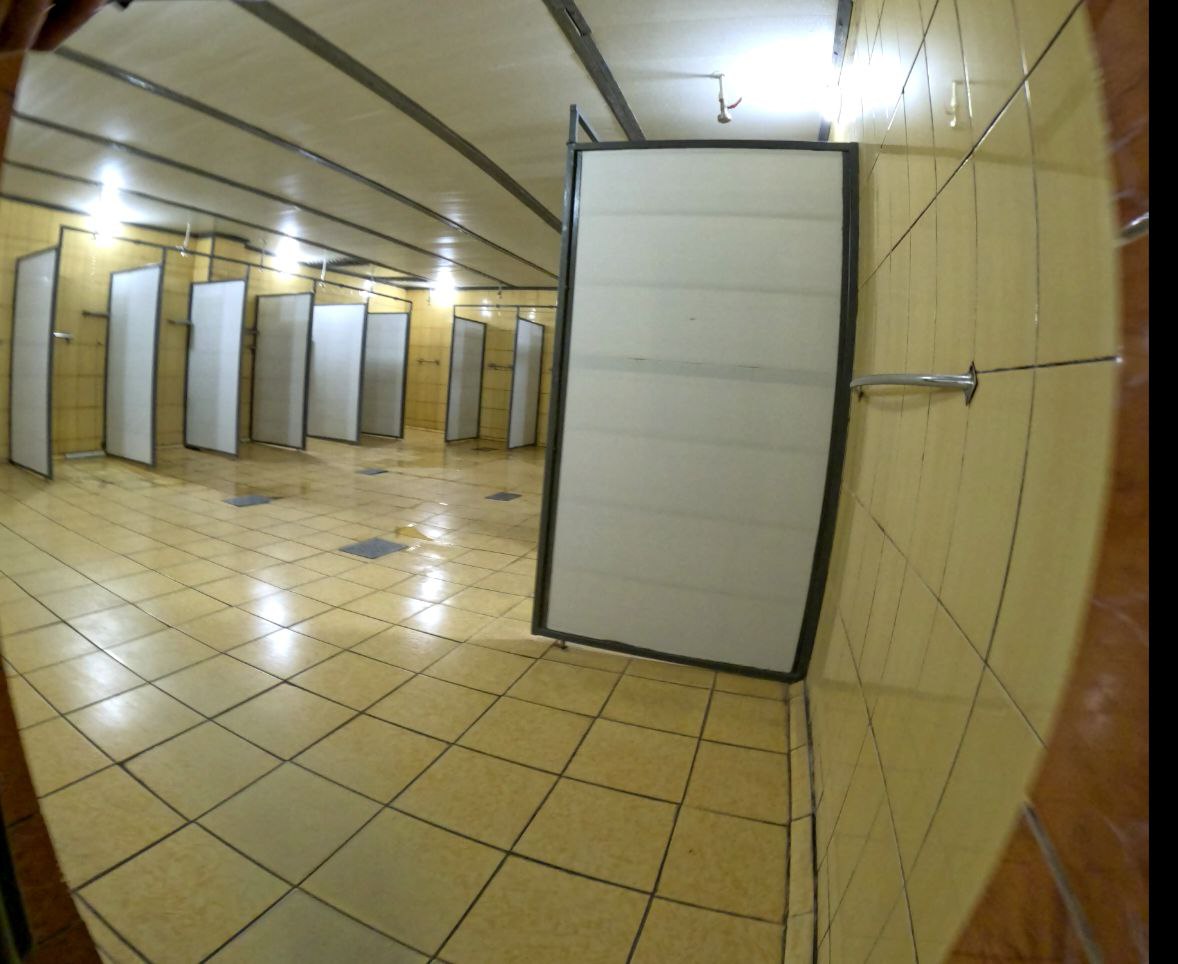
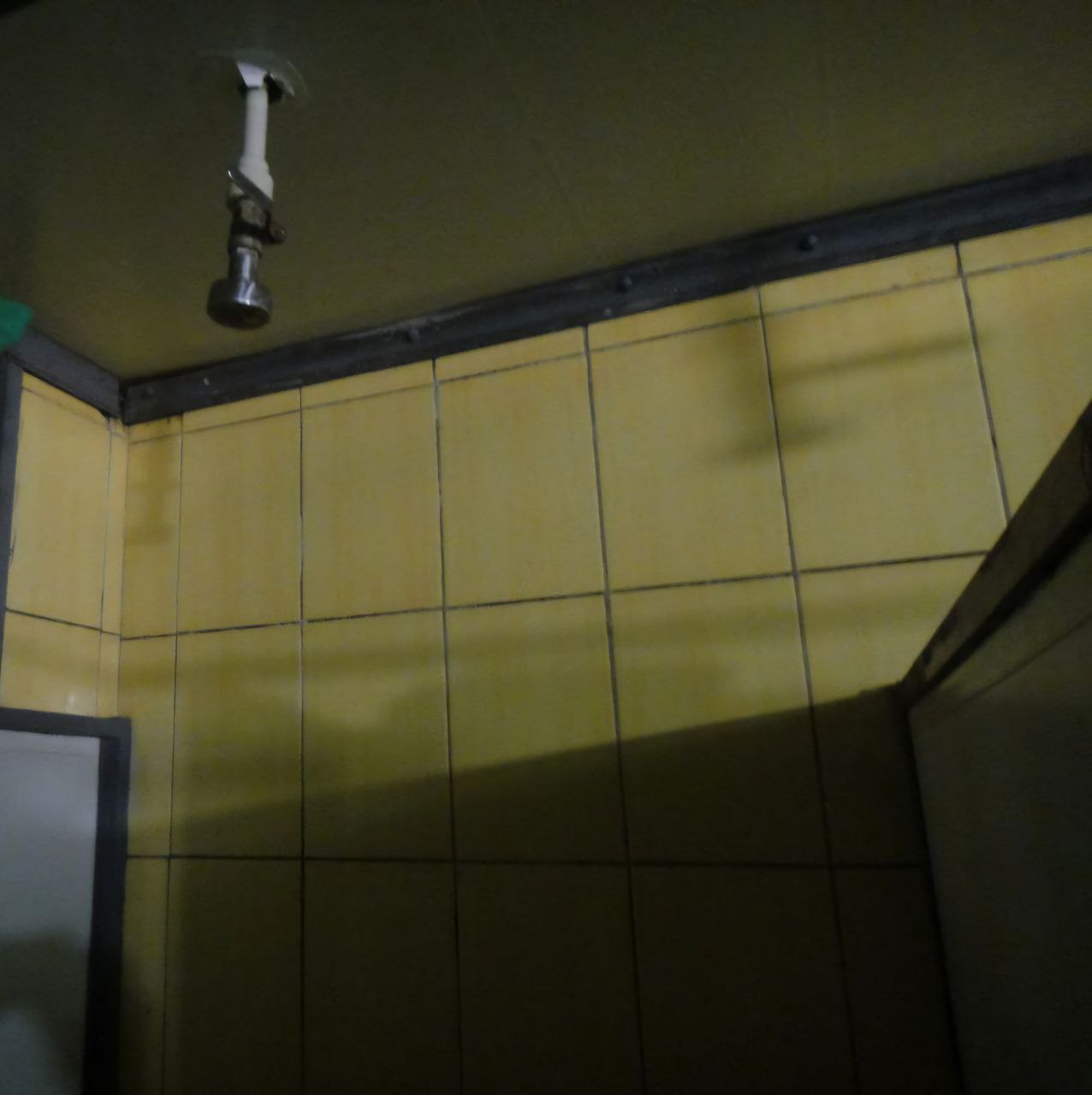
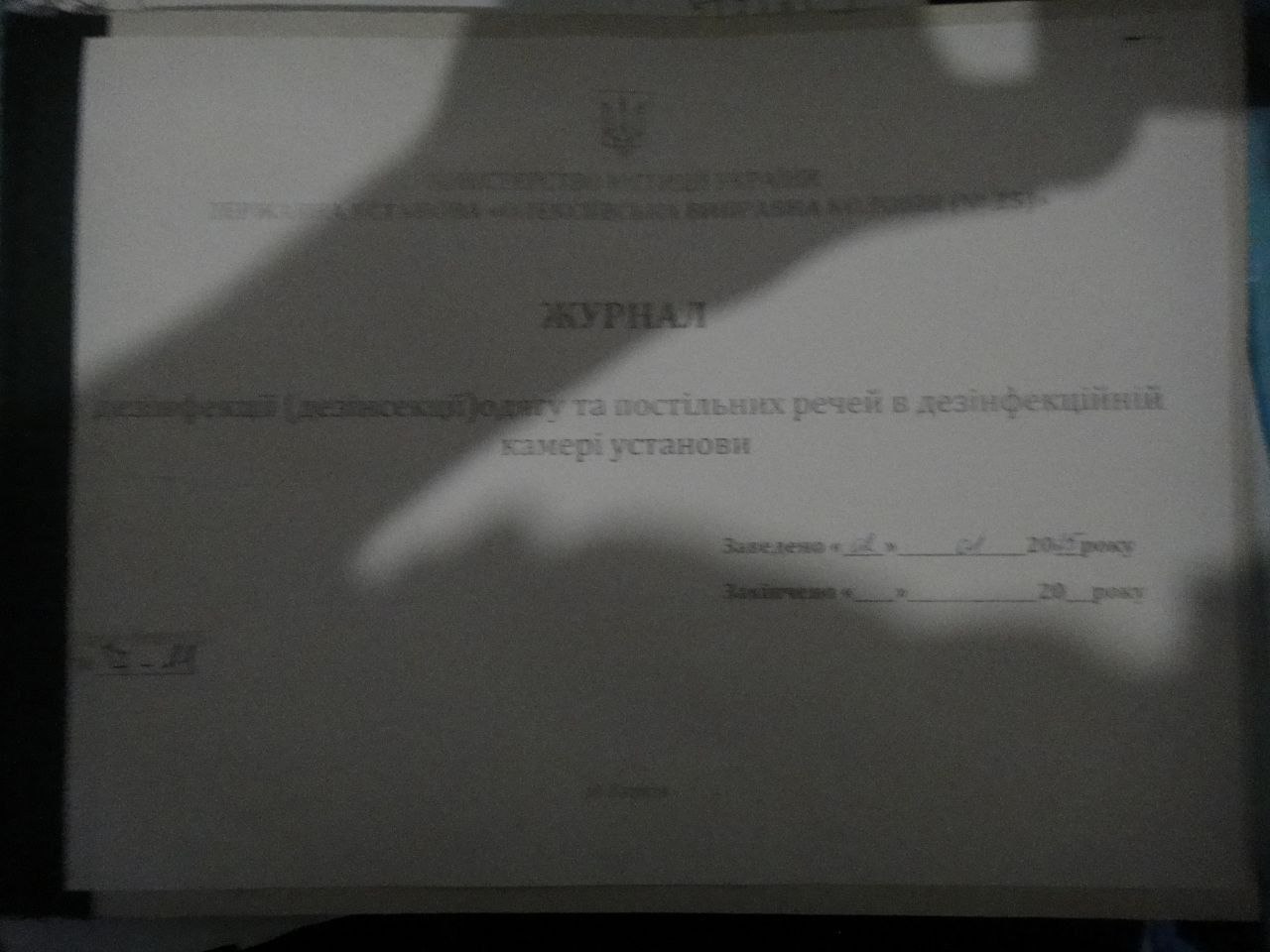
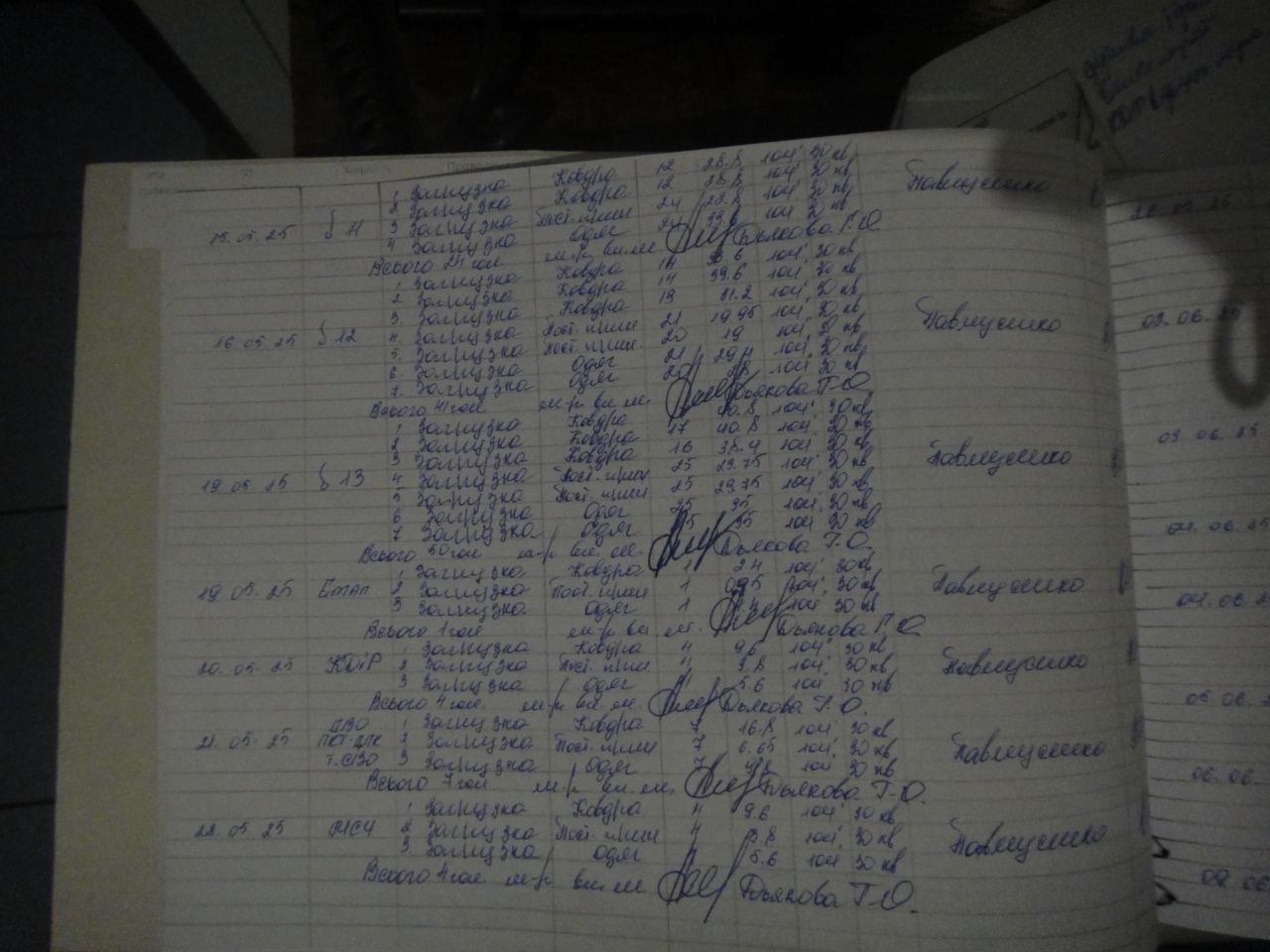
In addition, in violation of Clause 3.19.1 of Section III of the Regulation, the sanitary processing of convicts is not carried out in full. In particular, disinfection (destruction of pathogenic microorganisms) and disinsection (destruction of insects and ticks — vectors of infectious diseases) of pillows and mattresses are not conducted. This is confirmed by the corresponding entries in the Log for Disinfection (Disinsection) of Clothing and Bedding in the disinfection chamber.
14. During the visit to the institution, the monitoring group established that the institution’s shop lacks tobacco products, the availability of which is provided for by Appendix 5 to the IRPI.
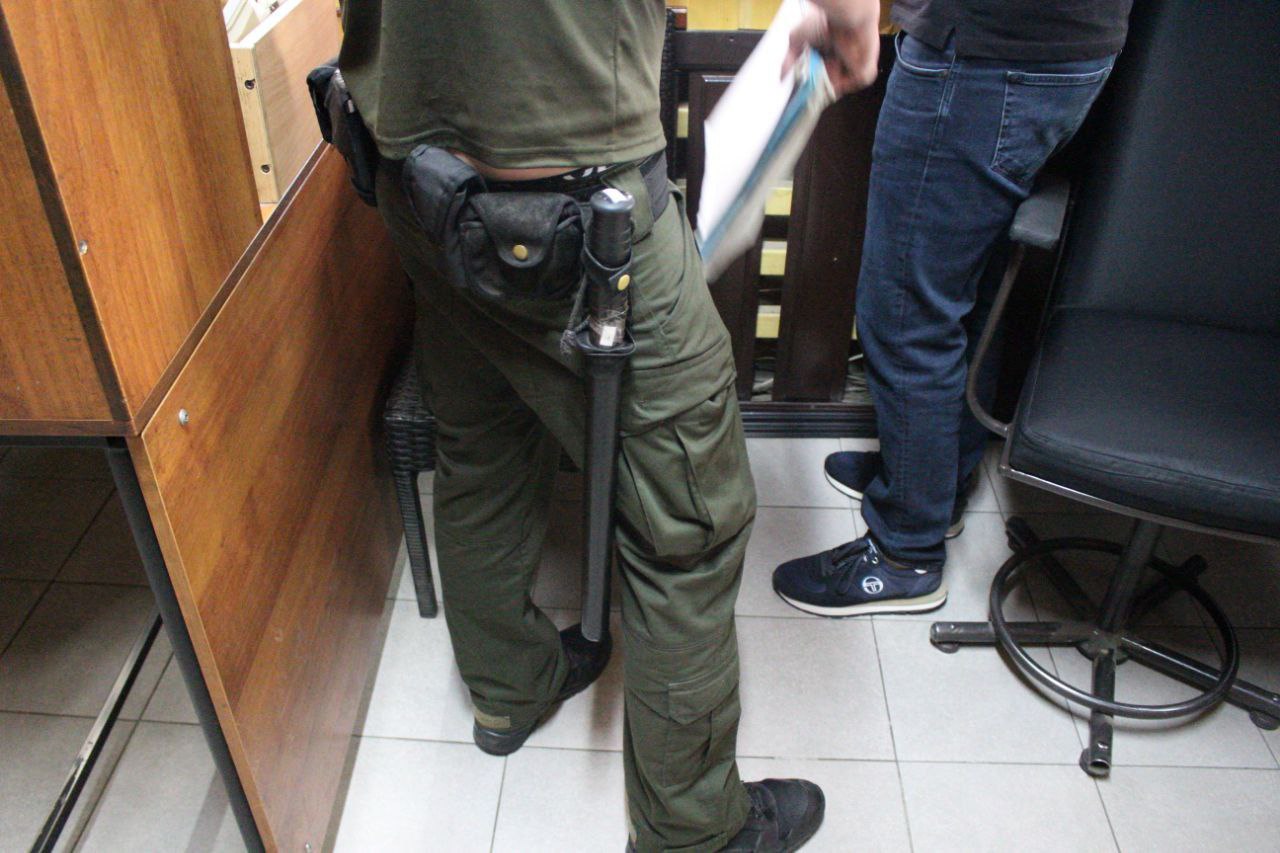
15. During the visit, the monitoring group recorded that the institution’s staff who are in direct contact with convicts openly carry special equipment, in particular rubber batons. At the same time, according to the eighth paragraph of Clause 1, Section XXVI of the IRPI, the carrying of special equipment by personnel of penal institutions within the institution’s territory should be, if possible, maximally hidden from surroundings.
In addition, the Committee recommends that penitentiary staff working in direct contact with convicts should not carry special equipment (such as rubber batons, handcuffs, and tear gas canisters) openly in front of prisoners. Such a practice hinders the establishment of normal relations between staff and convicts (CPT/Inf (2011) 29, paragraph 85; CPT/Inf (2013) 23, paragraph 23; CPT/Inf (2014) 15, paragraph 166).
16. According to official documentation, the staff shortage in the institution as of 21.07.2025 is 45.5 full-time units. At the same time, in the report to the Government of Ukraine following the 2023 visit, the Committee emphasised that ensuring a positive climate in a penitentiary institution requires the presence of a professional team of staff in sufficient numbers, present at any moment in time in places of detention. An insufficient number of staff increases the risk of violence and intimidation among convicts.
A shortage of frontline staff also undermines the quality and level of measures offered to convicts and jeopardises the prospect of their preparation for release and social rehabilitation. In this regard, the Committee called on the Ukrainian authorities to take decisive measures to significantly increase the number of personnel in penitentiary institutions where low staffing levels are observed, with the aim of strengthening the presence of security and supervision service personnel inside the institutions. It is also necessary to take measures to end the practice of 24-hour staff shifts (CPT/Inf (2024) 20, paragraph 93).
17. ACC-25 has several production directions: the workshops contain a car repair unit, a souvenir product manufacturing unit, a polyethylene cape assembly unit, and a separate unit for wire products and metal structures, which allows the institution to combine repair work with the production of commodity goods for various purposes.
During the monitoring visit, systemic violations of legislative requirements in the sphere of labour and social protection of convicts were identified, which lead to labour exploitation, concealment of actual labour relations, and a lack of proper control by the institution’s administration. This contradicts the provisions of Articles 118-120 of the Penal Executive Code of Ukraine, Article 23 of the Universal Declaration of Human Rights, Article 43 of the Constitution of Ukraine, the Labour Code of Ukraine, as well as the requirements of ILO Convention No. 29 concerning Forced Labour.
According to the administration, 210 persons are employed in the institution under employment contracts: 65 in production, 118 in workshops, 16 in maintenance work, and 11 under civil-law contracts (CLC). Employment contracts concluded at ACC-25 are formal in nature and do not meet the requirements of labour legislation: they do not define a specific type of work (which contradicts Art. 24 of the Labour Code of Ukraine, which provides for the mandatory indication of the labour function), and they lack provisions on social guarantees — annual leave (Art. 74-79 of the Labour Code), payment for the period of temporary disability (Art. 22 of the Law of Ukraine “On Mandatory State Social Insurance”), the crediting of insurance record, and the payment of the Single Social Contribution (Art. 10, 19 of the Law of Ukraine “On Mandatory State Pension Insurance”).
Furthermore, such a practice does not align with the requirements of Art. 118 of the Penal Executive Code of Ukraine, which directly defines the application of labour legislation norms to the work of convicts, and violates the provisions of the Standard Minimum Rules for the Treatment of Prisoners (Mandela Rules, p. 97), where the necessity of making conditions of work in places of non-freedom as close as possible to normal employment relations is emphasised.
The monitoring group also examined the CLCs concluded with convicts and established: although Art. 118 of the PEC directly allows their application, this form of labour does not provide basic labour guarantees — paid leave, sick leave, crediting of insurance record, and payment of the single social contribution. Effectively, CLCs reduce work to the provision of services according to acceptance certificates without defining a labour function and working hours, which deprives convicts of legal and social protection.
Despite formal legality, the systemic practice of using CLCs contradicts international standards — the Standard Minimum Rules for the Treatment of Prisoners (Mandela Rules, p. 97) and the European Prison Rules (p. 26.10).
The monitoring group established that at the production zone sites, the actual number of convicts does not correspond to the number indicated in the work assignment sheets (roznariadky), which is a violation of Clause 3.1.2 of Section III of the Procedure for Organisation of Production Activity and Involvement of Convicts in Socially Useful Labour, approved by Order of the Ministry of Justice of Ukraine dated 03.01.2013 No. 26/5, registered with the Ministry of Justice of Ukraine on 08.01.2013 under No. 68/22600 (hereinafter — Procedure for Organisation of Production Activity).
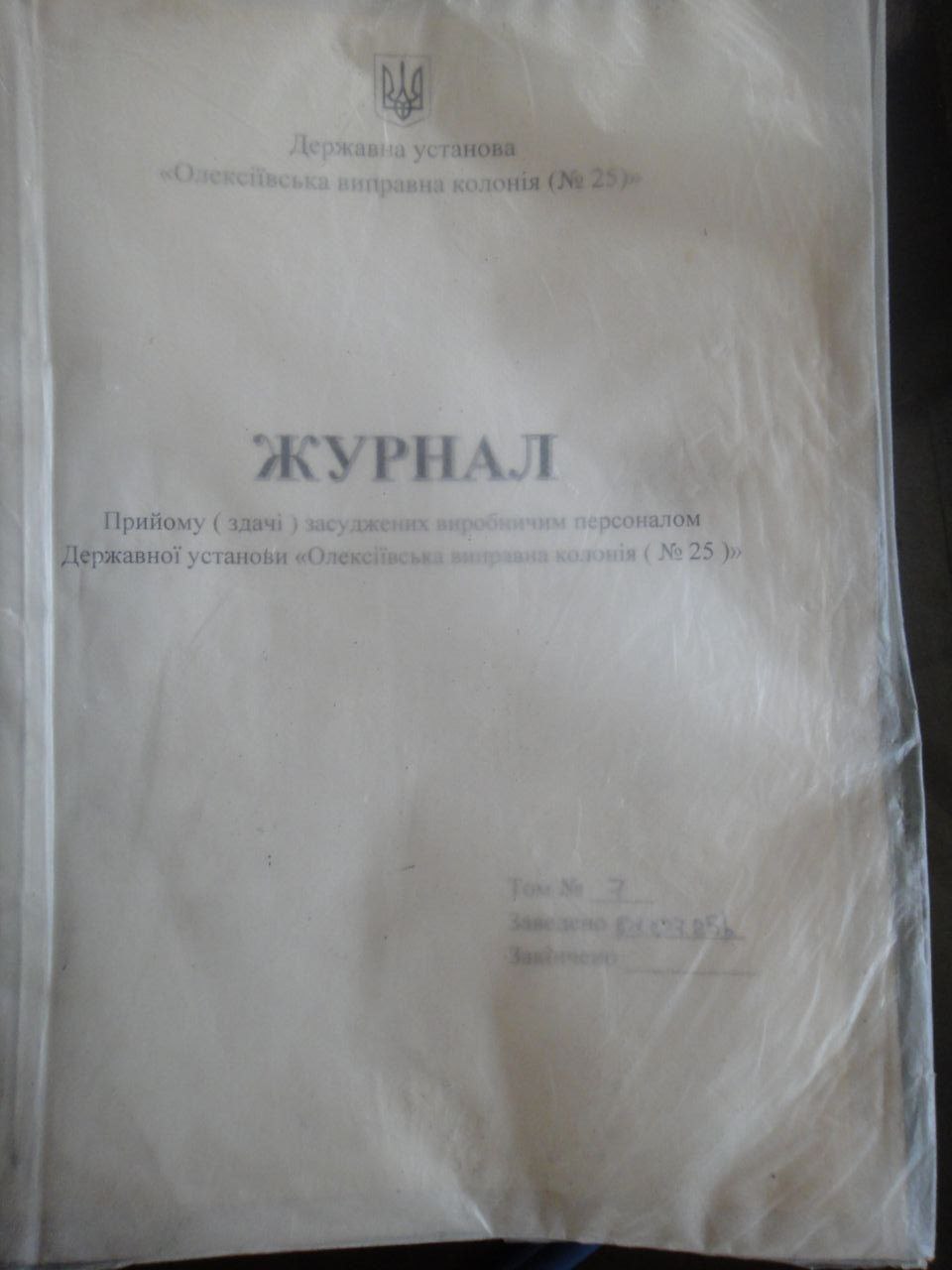
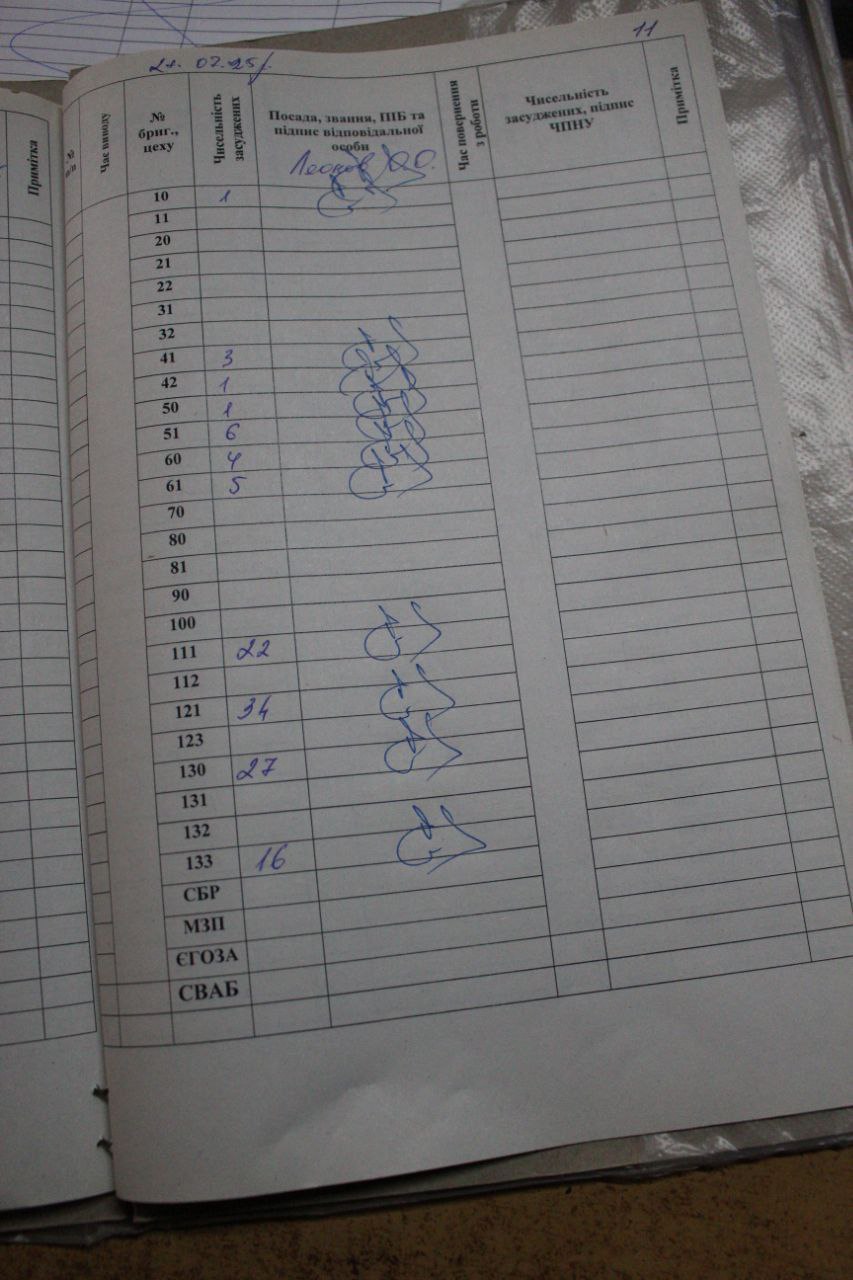
Thus, according to the assignment sheet for 21.07.2025, 79 convicts were sent to the wire product manufacturing unit (brigades Nos. 51, 111, 121, 130, 133), whereas 105 persons were actually working, which is confirmed by data from the Log of Reception (Handover) of Convicts by Production Personnel. Approximately the same number — 105 persons — is recorded in this log starting from 01.06.2025.
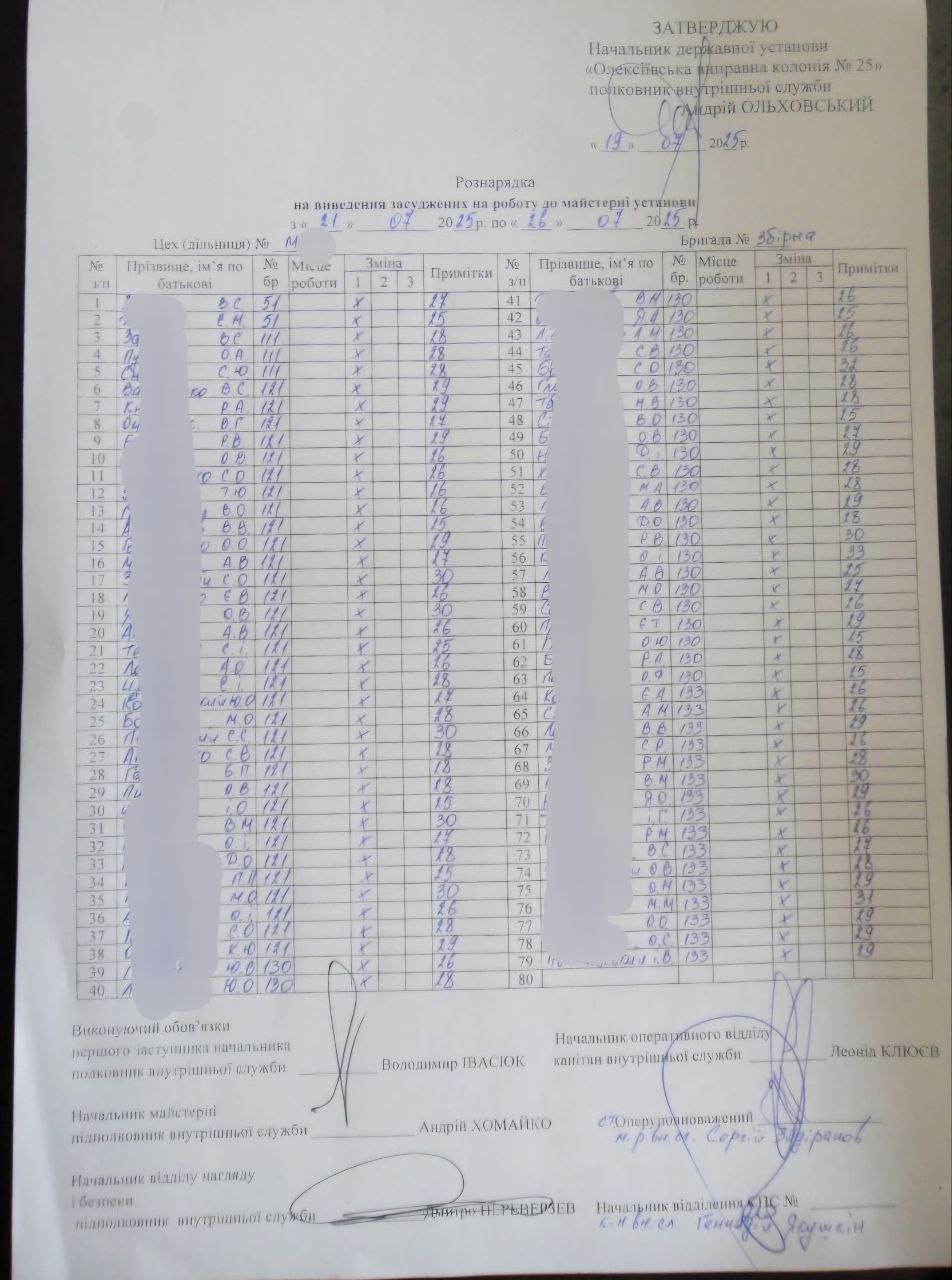
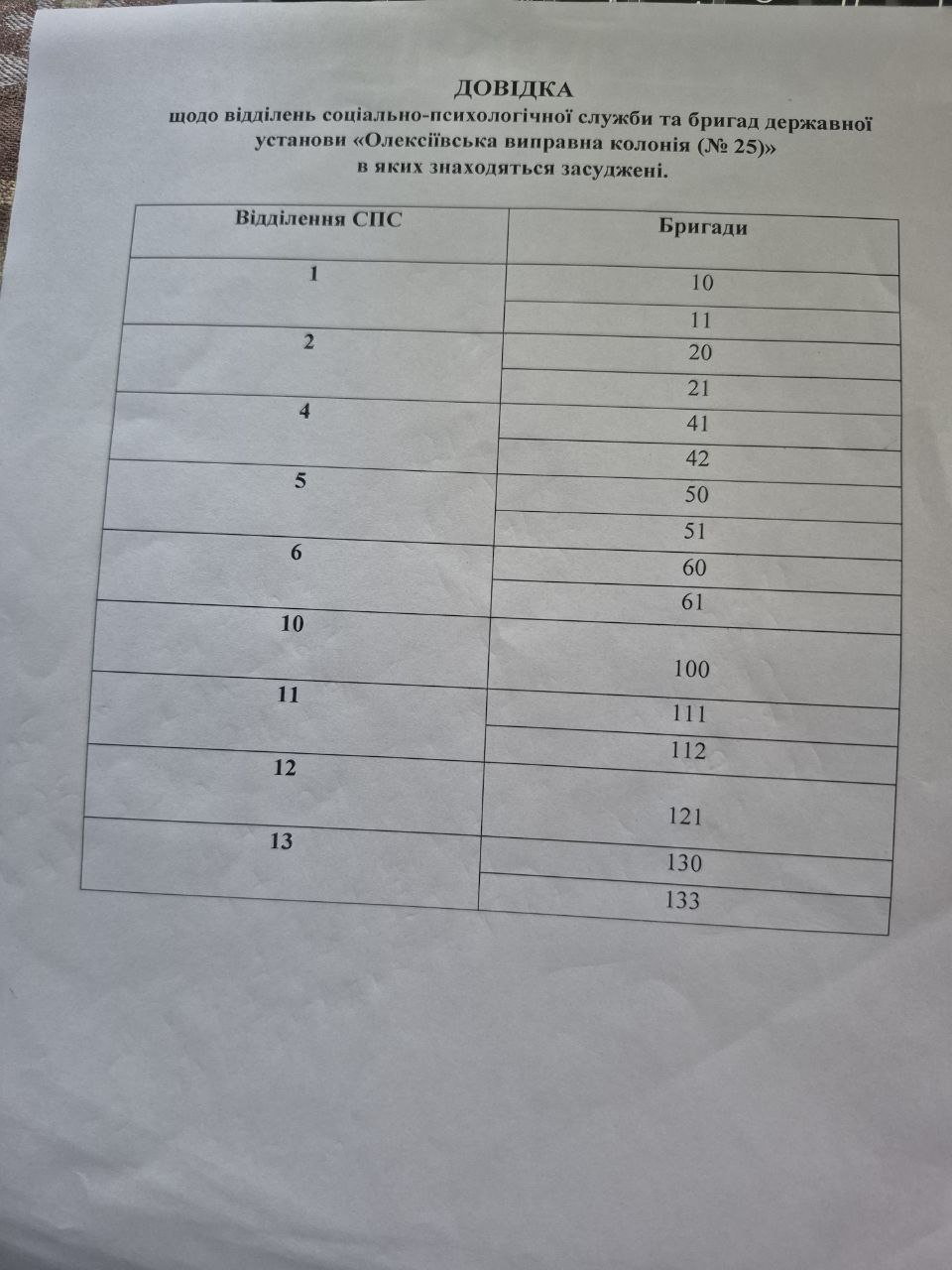
During confidential conversations, convicts not listed in the assignment sheets reported that they are involved in work at the wire product manufacturing unit in accordance with the procedure provided for by Part 5 of Art. 118 of the PEC of Ukraine. At the same time, they emphasised that their working day lasts from 8:30 to 18:00 and longer, six days a week, which is effectively equivalent to the working conditions of free employees. This indicates a systemic practice of involving convicts in labour without concluding contracts and without proper payment, which is a violation of the requirements of Part 1 of Art. 118 and Part 1 of Art. 120 of the PEC of Ukraine.
According to the Convict Reception (Handover) Log, leaving for work begins at 8:30, and returning at 18:10, six, and sometimes seven days a week, including on weekends (06.07.2025, 13.07.2025 — Sunday).
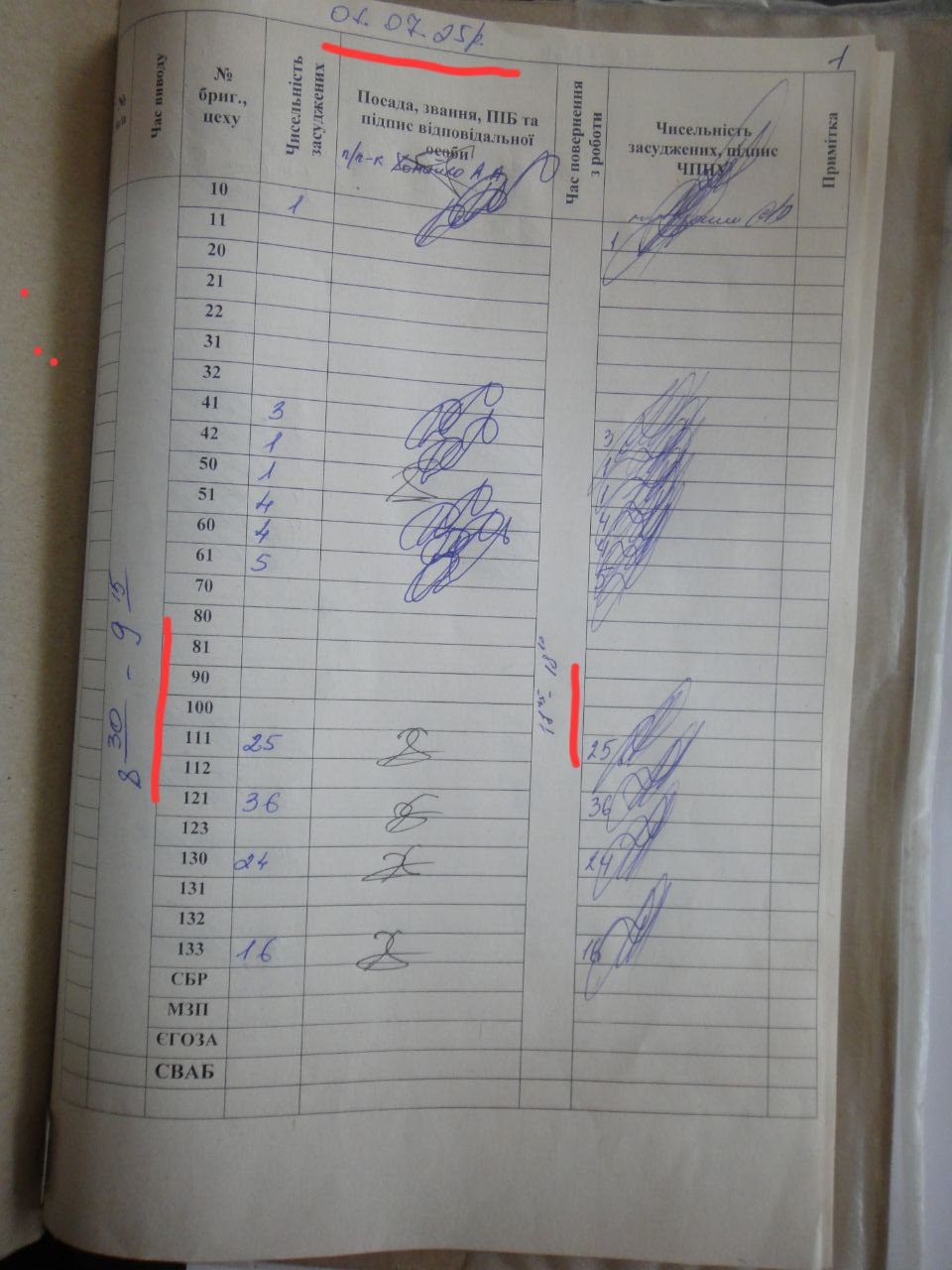
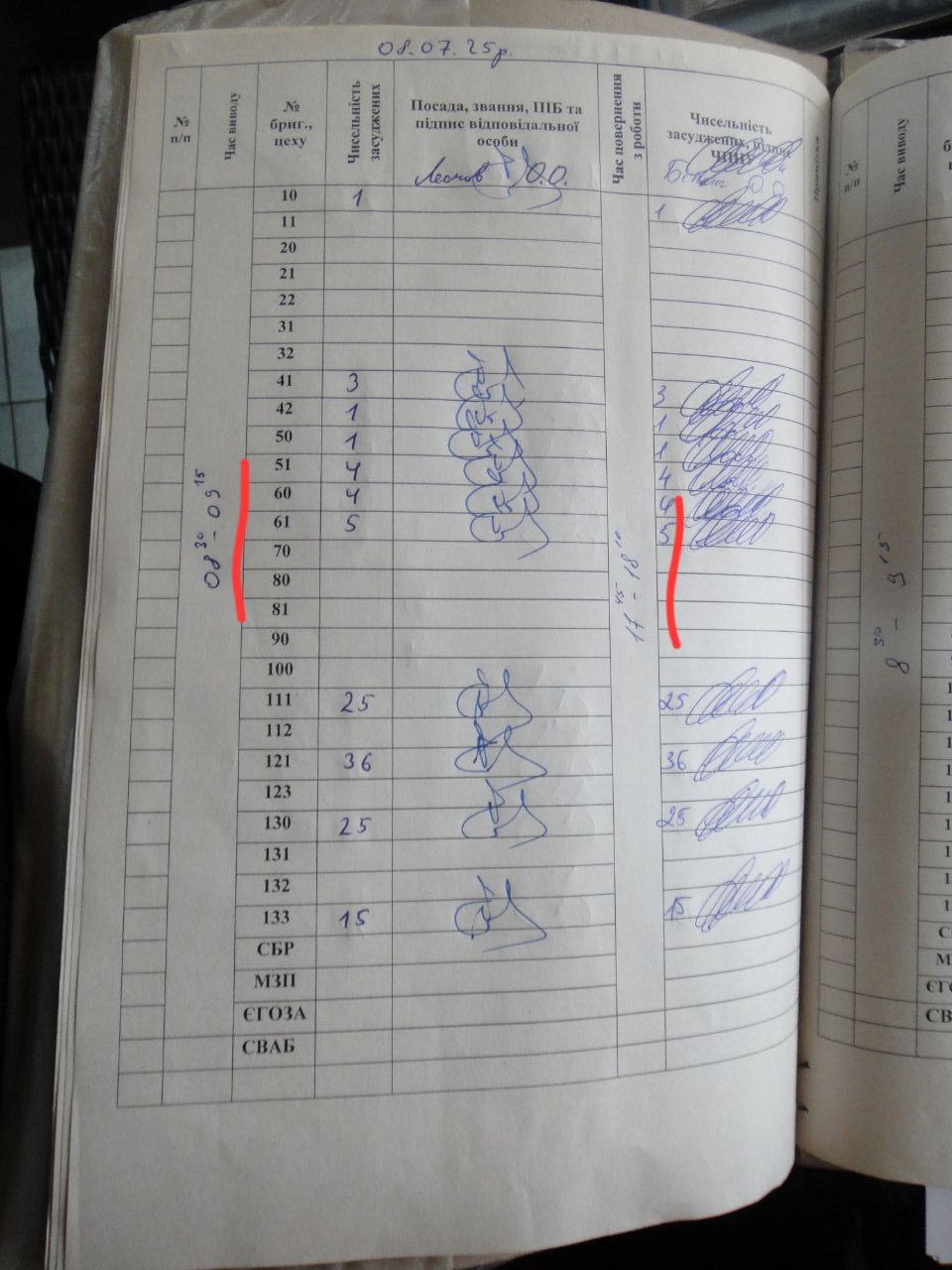
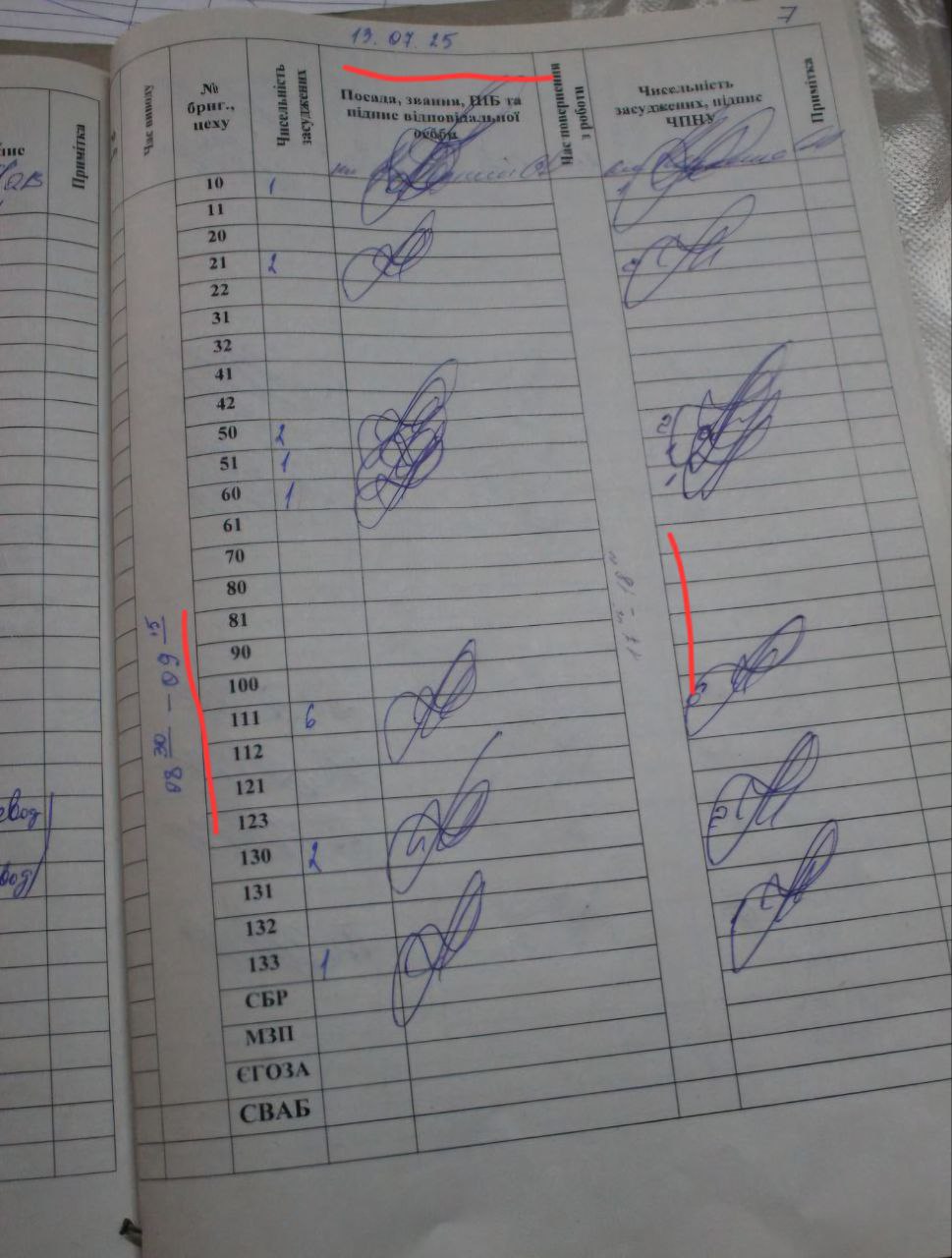
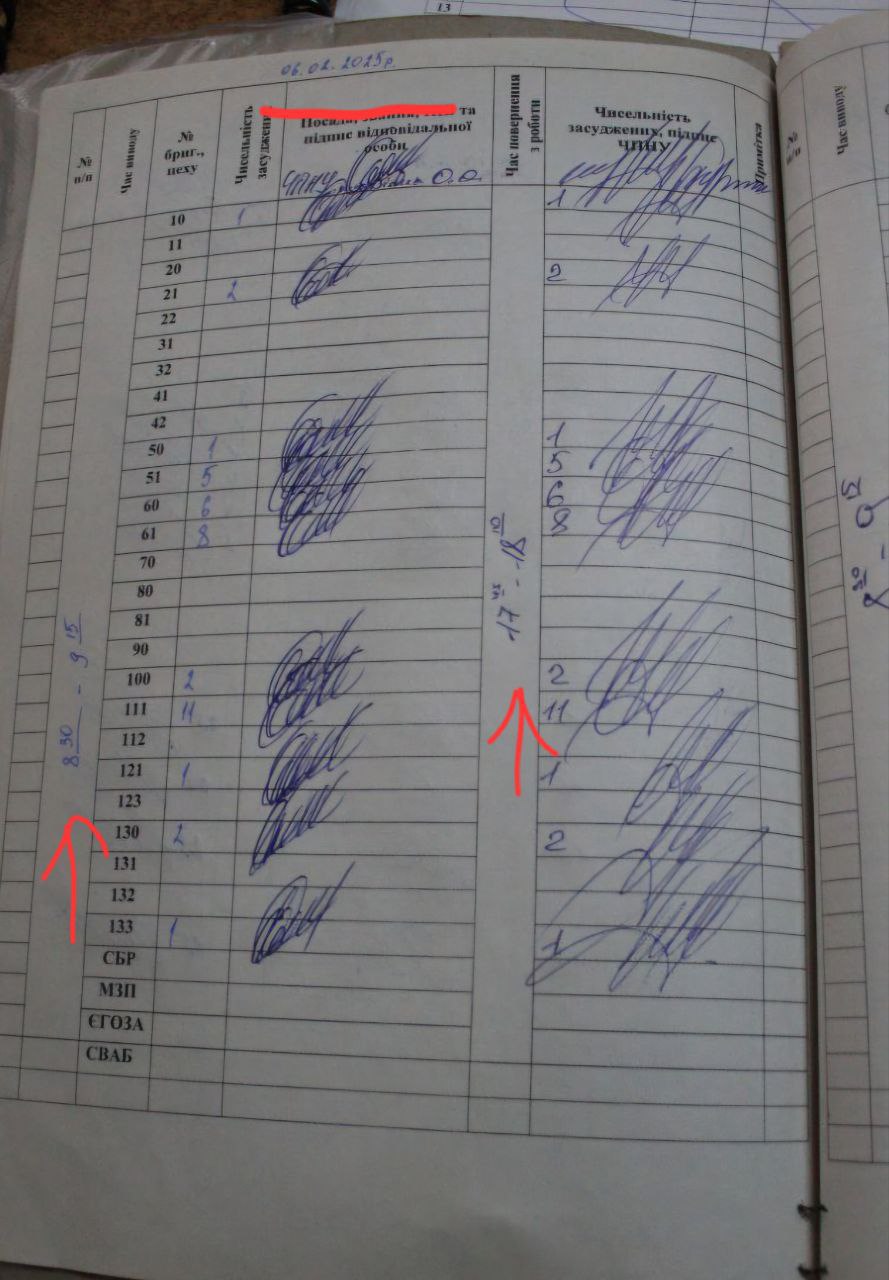
At the same time, in the period from 19.07.2025 to 21.07.2025, the time of convicts leaving and returning to work was not indicated in the log at all.
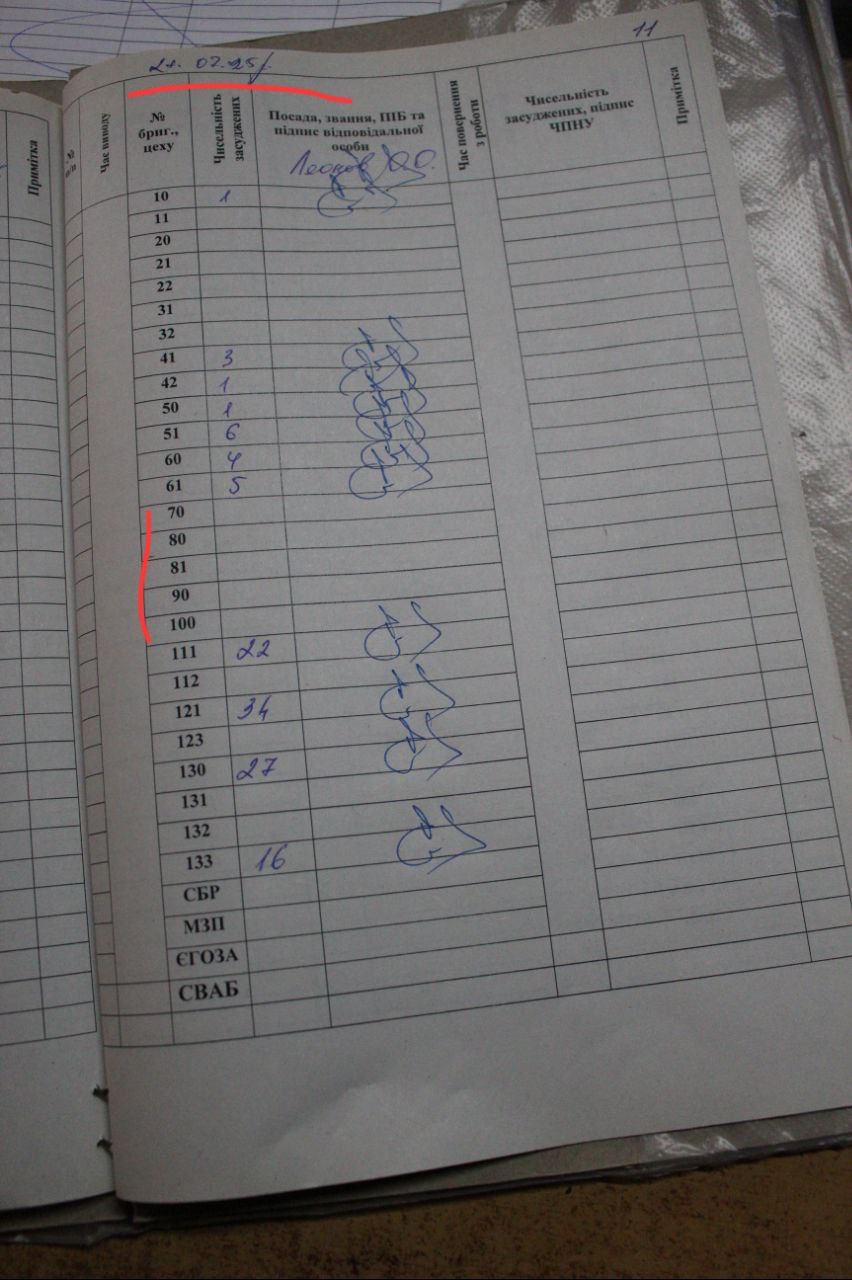
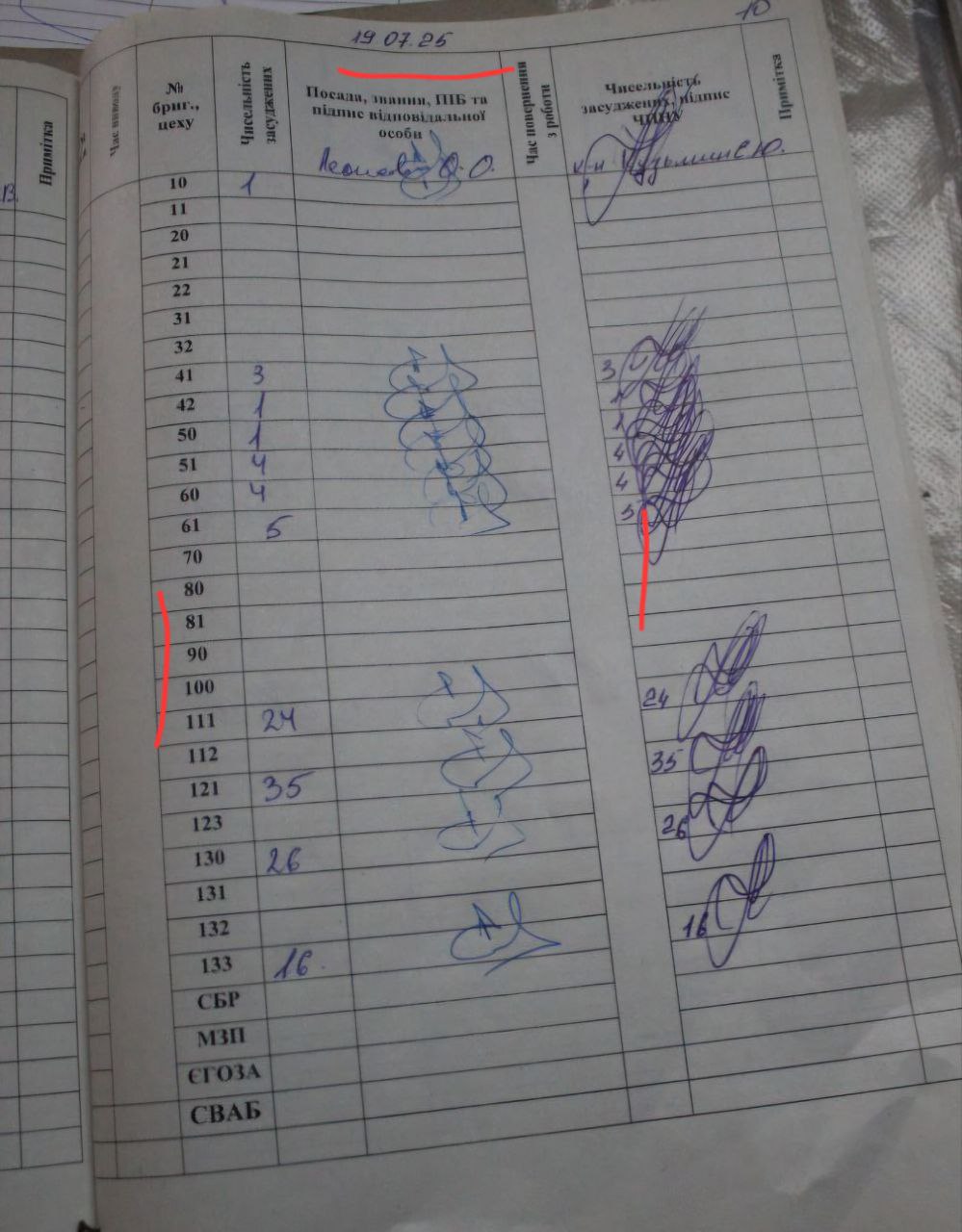
Analysis of the Visitation Log of SPS Department No. 12 (brigade No. 121) showed that on 17.07.2025, in the period from 8:45 to 01:27 the next day, from 3 to 22 out of 50 assigned convicts were in the department; on 18.07.2025, in the period from 8:45 to 22:18 — from 4 to 18 persons. The staff explained their absence by voluntary work in the second shift, while the volume and accounting of work performed were not carried out.
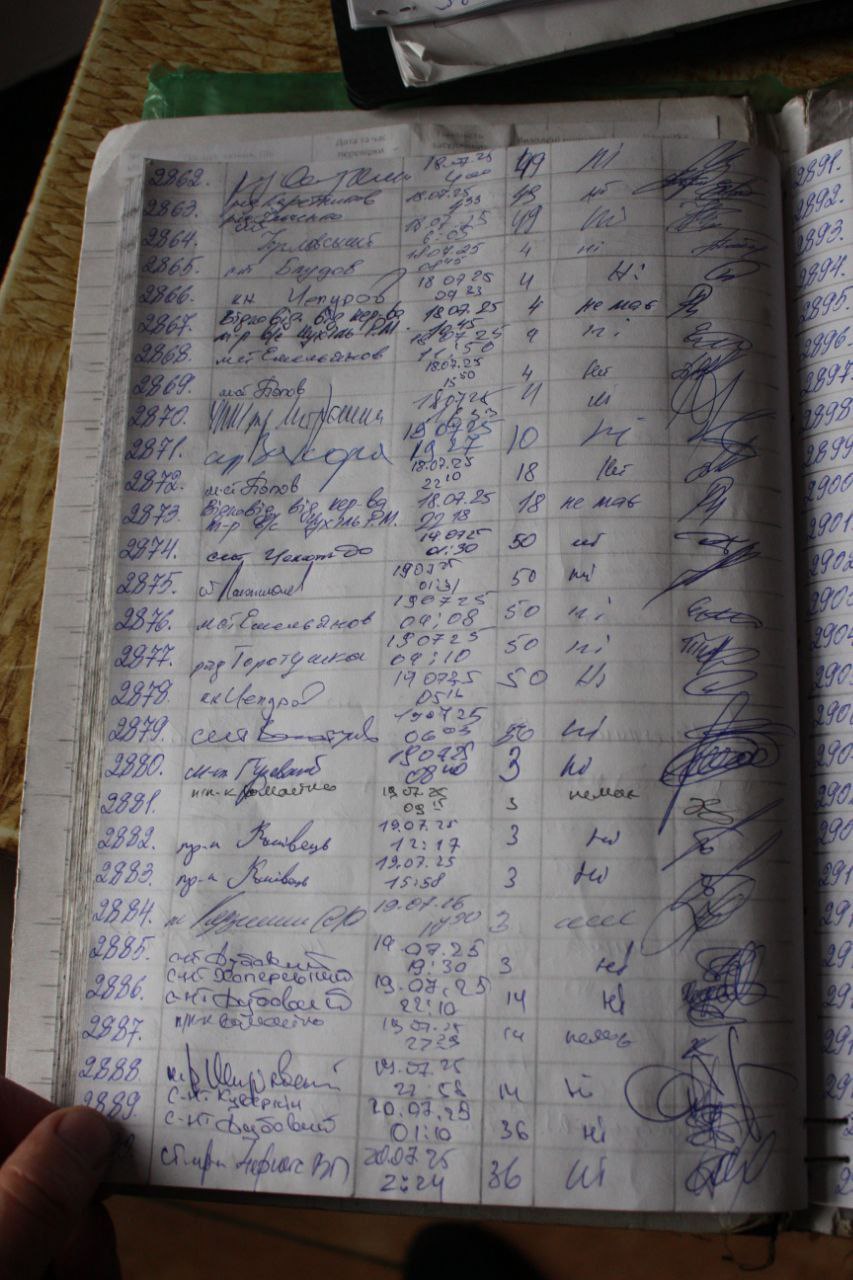
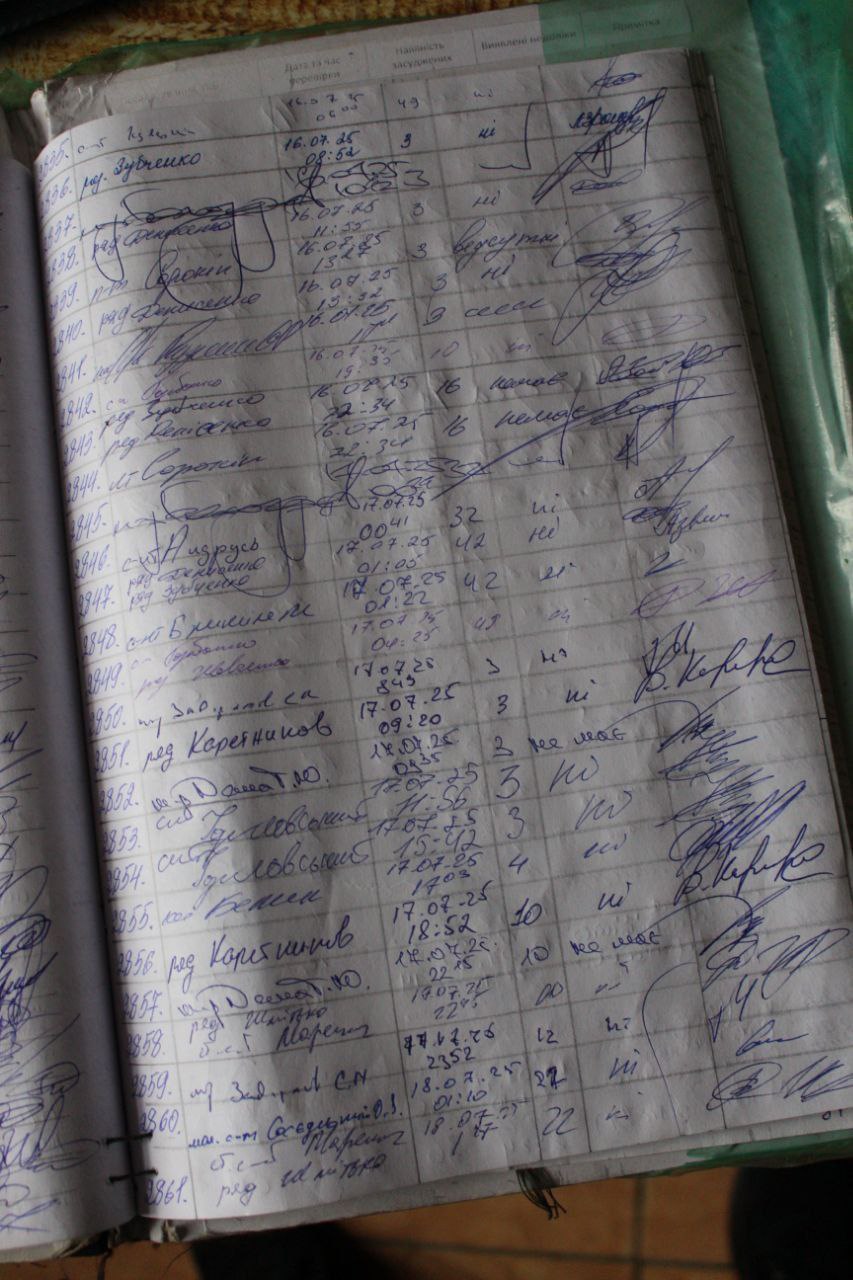
Thus, the actual duration of working time for convicts exceeds 40 hours per week, which is a violation of Art. 50 of the Labour Code of Ukraine, Art. 119 of the PEC of Ukraine, and Clause 5.1 of Section V of the Instruction on Working Conditions and Remuneration of Convicts to Restriction or Deprivation of Liberty, approved by Order of the Ministry of Justice of Ukraine dated 07.03.2013 No. 396/5 (hereinafter — Instruction on Working Conditions).
In addition, in violation of Clause 2.4.2 of the Procedure for Organisation of Production Activity, the wire product manufacturing unit lacks a registry book for assigning convicts to workstations and equipment.
Analysis of the payroll settlement statements for June 2025 and assignment sheets indicates systemic problems in the organisation of labour at ACC-25. Convicts are involved in fulfilling large-scale production contracts. For example, convict T. worked in a production brigade: he was accrued about 10,000 UAH, but after deductions, he was left with ≈2,200 UAH (25%). A similar situation applies to convict L. — with an accrual of over 9,000 UAH, approximately 2,000 UAH was actually paid. This formally complies with Art. 120 of the PEC of Ukraine but contradicts the guarantee of the minimum wage (Art. 95 of the Labour Code of Ukraine).
More than 100 convicts work in brigade No. 35. For example, convict N. worked every day from 08:00 to 21:00, and with an accrual of over 11,000 UAH, received ≈2,300 UAH, without payment for overtime (Art. 62, 106-108 of the Labour Code of Ukraine); convict Sh. received an accrual of about 4,600 UAH, but only 2,000 UAH was actually paid, without any surcharges for working conditions, which contradicts Art. 100, 105 of the Labour Code of Ukraine; convict G., who has been working as a welder for over 7 years, received ≈2,300 UAH after deductions, without surcharges for hazardous conditions (violation of Art. 13 of the Law of Ukraine “On Occupational Safety”).
Convicts K., K., B., T., Ch., L., S., T., S., A. work in the dining hall. Convicts Ch. and K. began work daily at 05:00 but actually received only ≈900—1,100 UAH after all withholdings. Convicts L. and S. had an accrual of 2,000-2,500 UAH, of which 700-800 UAH remained. These are the lowest payments among all categories of work, although the work is socially necessary and performed in an overtime regime.
Therefore, the practice of remunerating the labour of convicts in the colony formally complies with Art. 120 of the PEC of Ukraine (leaving 25%), but in reality, it leads to nominal payments. Convicts who work daily in production, workshops, or the dining hall receive on average 2,000-2,600 UAH, and in the dining hall — even 700-1,200 UAH, which is several times lower than the minimum wage. This contradicts the guarantees of Art. 95, 106-108 of the Labour Code of Ukraine, as well as international standards — the Mandela Rules (p. 97) and the European Prison Rules (p. 26.10).
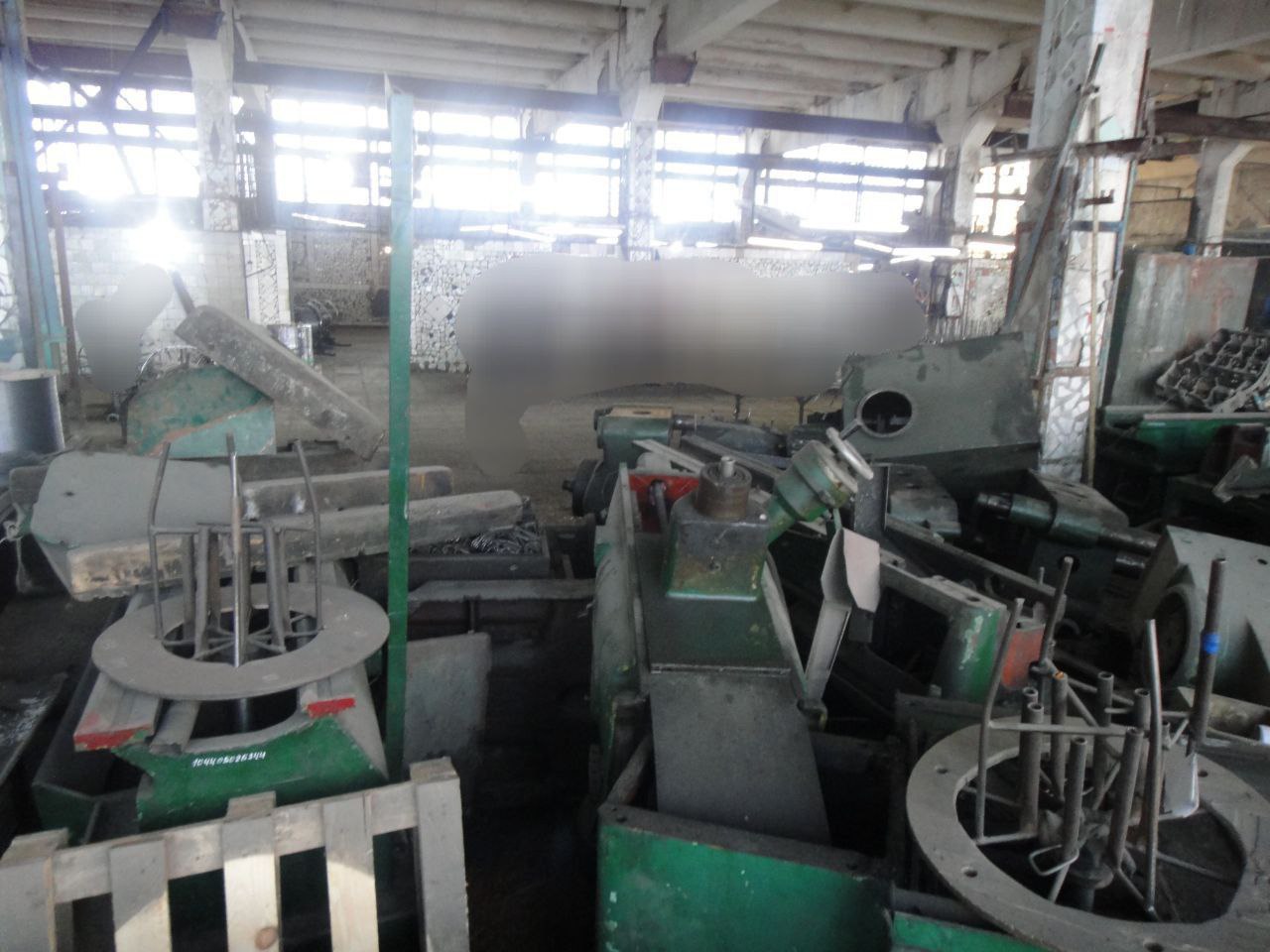
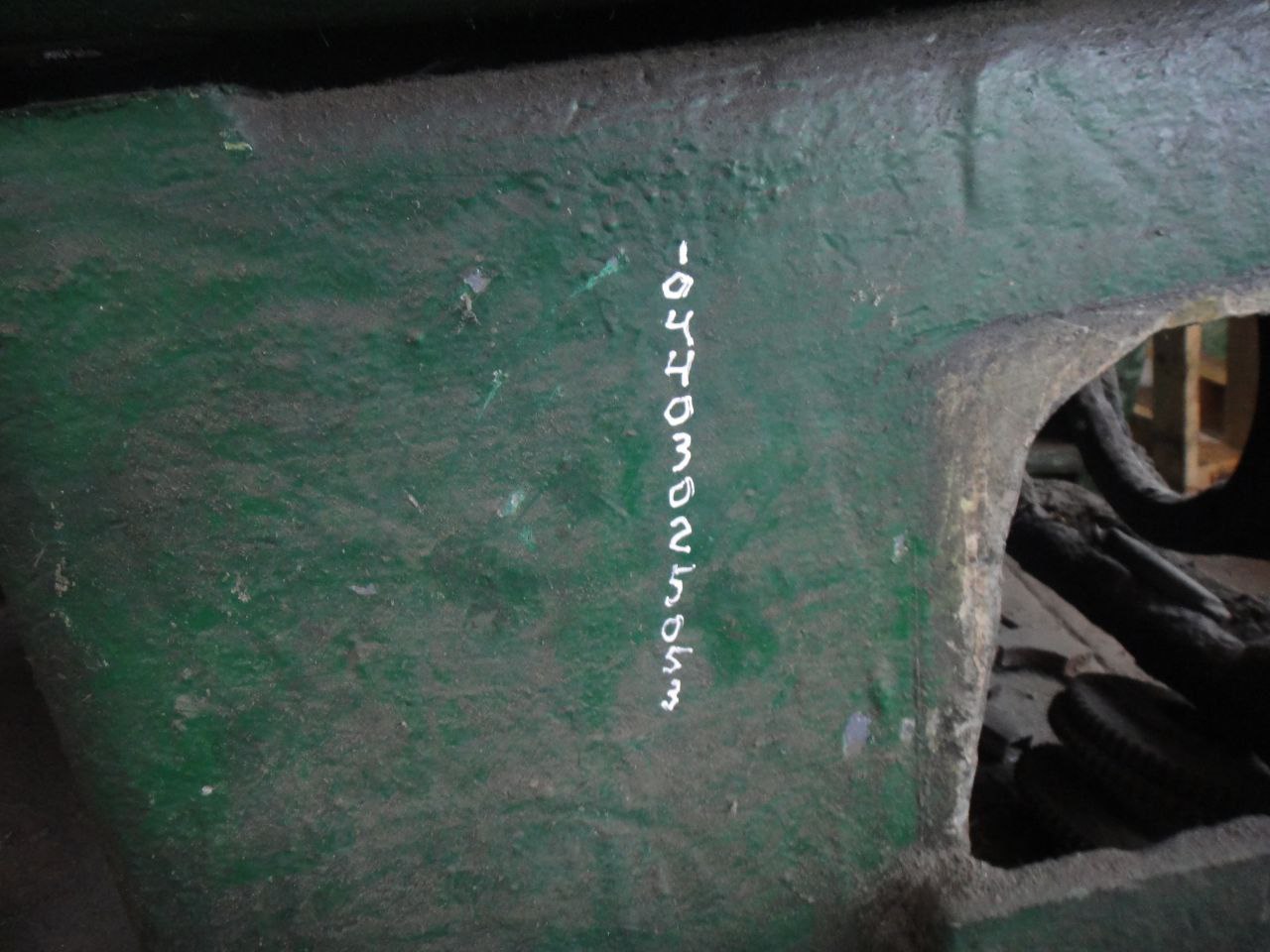
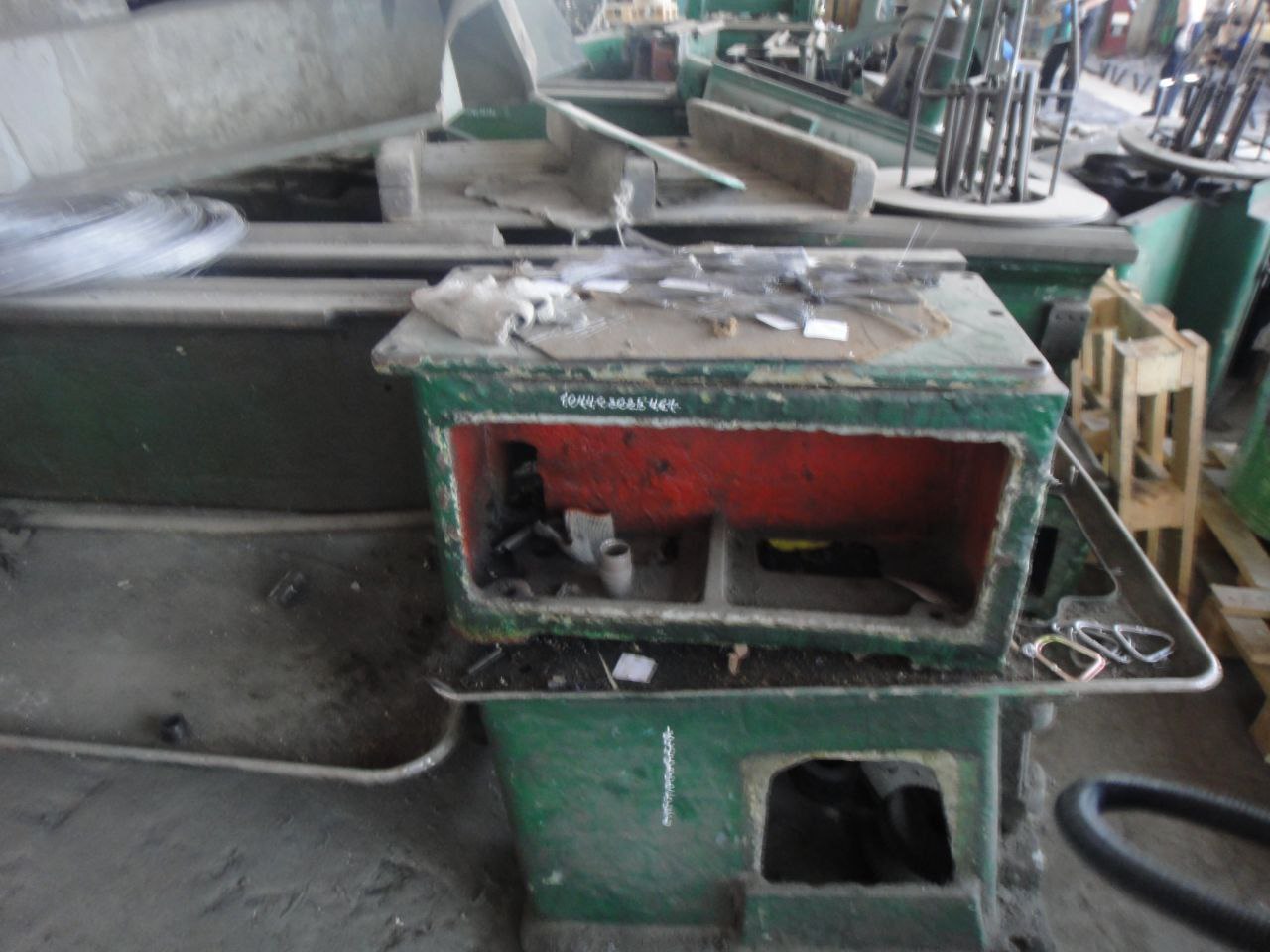
18. During the visit to workshop No. 3 of the wire product manufacturing unit, parts of equipment with marked inventory numbers were identified. According to the administration’s certificate, as of 22.07.2025, such fixed assets are on the balance sheet of the Branch “Alekseevskaya No. 25” of the State Enterprise “Enterprise of the State Penitentiary Service of Ukraine No. 100”: milling machine (inventory number 104450251970); supporting plate CA56G 56G (inventory number 104430255553); lathe (inventory number 104405025344); drilling and mortising machine (inventory number 104403025053); lathe (inventory number 104403025467); lathe model UP6V (inventory number 104405025356); horizontal milling machine model 6M82G (inventory number 104405025368).
For a long time, current repairs of the said fixed assets were not conducted. Given the technical condition of the equipment recorded during the visit (absence of individual structural elements, partial or complete disassembly of components, significant contamination and dustiness of surfaces), as well as the chaotic storage of individual parts, one can conclude that the equipment is in a non-working state and is not effectively used for its intended purpose.
Furthermore, at the time of the visit, no documents were provided confirming the conduct of technical maintenance, diagnostics, or repair of the above-mentioned equipment. This indicates the inaction of the administration regarding ensuring the proper preservation of fixed assets and may indicate a failure by officials to perform their duties to maintain state property in proper condition, creating risks of its deterioration or loss.
19. The monitoring group visited the shelter located on the territory of the ACC-25 industrial zone. During the visit, complicated access to the shelter was identified, which effectively limits the access of convicts: an alarm is triggered when opening the doors, which indicates administrative obstacles to its use. Convicts do not have the opportunity for free and timely entry to the shelter in case of a threat; according to the survey results, they reported that during an air raid alert, they do not use the shelter but continue to perform work in production. This is a systemic violation of their right to safety and creates a real risk to life and health in the context of hostilities.
The current situation indicates that the institution’s administration does not ensure an effective mechanism of civil protection for persons who are under the control of the state. Articles 3 and 27 of the Constitution of Ukraine define human life as the highest social value and place upon the state the duty to protect it. The Law of Ukraine “On the Legal Regime of Martial Law” (Art. 17) guarantees the protection of life and health of persons under the state’s jurisdiction. The Law of Ukraine “On Pre-trial Detention” (Art. 11) and the Penal Executive Code of Ukraine (Art. 7, Art. 115) oblige the administration of institutions to create conditions for the safety of life and health of prisoners and convicts. The Law of Ukraine “On Civil Protection” (Art. 32, Art. 33) requires ensuring public access to protective structures and their proper equipment. The Standard Minimum Rules for the Treatment of Prisoners (Mandela Rules, p. 1, 22, 35) guarantee the right of persons deprived of liberty to safe conditions of detention and protection of life.
The European Prison Rules (p. 18.1, 18.2, 52.1) provide for the state’s duty to take appropriate security measures, particularly in emergency situations. Articles 2 and 3 of the Convention for the Protection of Human Rights and Fundamental Freedoms guarantee the right to life and prohibit inhuman and degrading treatment. The inaccessibility of the shelter, its actual non-use by convicts, and the continuation of work during air raid alerts are a violation of the right to life and safety, indicating a failure by the state to fulfill positive obligations regarding the protection of persons in places of non-freedom and can be regarded as inhuman treatment contrary to the Constitution of Ukraine, legislation in the sphere of civil protection, and international standards.
Medical Unit No. 25 of the Branch of the State Institution “Public Health Centre of the State Penitentiary Service of Ukraine” in Kharkiv and Luhansk Regions
The head of Medical Unit No. 25 of the Branch of the State Institution “Public Health Centre of the State Penitentiary Service of Ukraine” in Kharkiv and Luhansk Regions is Yuriy Ivanovych Khoroshun.
In the medical unit’s staff, the positions of dentist (0.75 full-time equivalent) and clinical psychologist (0.25 full-time equivalent) remain vacant. On the day of the visit, there were 3 sick individuals in the inpatient ward.
During the monitoring visit, violations of national legislation requirements and non-compliance with international recommendations in the sphere of treatment of prisoners were identified, which lead to violations of the rights of convicts:
1. In violation of the tenth paragraph of Clause 2, Section XVII of the Internal Regulations of Penal Institutions, approved by Order of the Ministry of Justice of Ukraine dated 28.08.2018 No. 2823/5, there are two convicts in the hospital who effectively perform the functions of “duty inmates”. Convict B. performs the duties of a senior duty inmate of the medical unit, and convict G. — a night duty inmate.
Thus, the institution’s management and medical personnel have effectively delegated to these convicts powers regarding the organisation of constant supervision over other convicts in the inpatient ward and control over their compliance with the daily routine. At the same time, the Committee has repeatedly recommended ending the practice of using convicts as assistants and orderlies in medical units (Committee report on the results of the visit to Ukraine in 2005, paragraph 132 — CPT/Inf (2007) 22; in 2013, paragraph 151 — CPT/Inf (2014) 15; in 2017, paragraph 86 — CPT/Inf (2018) 41).
2. In accordance with Clause 3, Clause 4 of Chapter 1, Section II of the Procedure for Organisation of Medical Assistance to Convicts to Deprivation of Liberty, approved by Order of the Ministry of Justice of Ukraine and the Ministry of Health of Ukraine dated 15.08.2014 No. 1348/5/572 (hereinafter — Procedure), in the event of detecting bodily injuries on a convict, the medical professional who detects such injuries shall prepare a certificate in three copies, in which the following are detailed: information (written statement, oral or written explanation of the convict regarding the circumstances of receiving bodily injuries (date, time, place of receiving, methods of causing injuries, information about the person(s) who, in the convict’s opinion, caused them), as well as other information regarding receiving bodily injuries); a comprehensive description of medical indicators characterising the convict’s state of health, the nature of injuries, their size, and location; the medical professional’s assumption considering the information provided by the convict and medical indicators, as well as the justification of their correlation.
To the certificate, the medical professional attaches photographs of the convict’s existing bodily injuries. Two copies of the certificate are attached to the materials of the personal file and the medical card of the outpatient patient 025/o, and the third copy is issued personally to the convict. Regarding the fact of detecting bodily injuries on a convict, the medical professional shall inform the prosecutor and the administration of the penal institution immediately, but no later than 24 hours from the moment of detecting such injuries, by phone, email, and written notification, and in cases where the convict reports that the bodily injuries were caused by persons of the rank-and-file and/or command staff of the State Penitentiary Service of Ukraine or employees of other law enforcement bodies, also — the State Bureau of Investigation. Information about the fact of detecting bodily injuries is entered by the head of the medical unit or the duty medical professional into the Log of Facts of Detection of Bodily Injuries in Convicts, the form of which is given in Appendix 3 to this Procedure, which is kept in the corresponding health facility of the SPS.
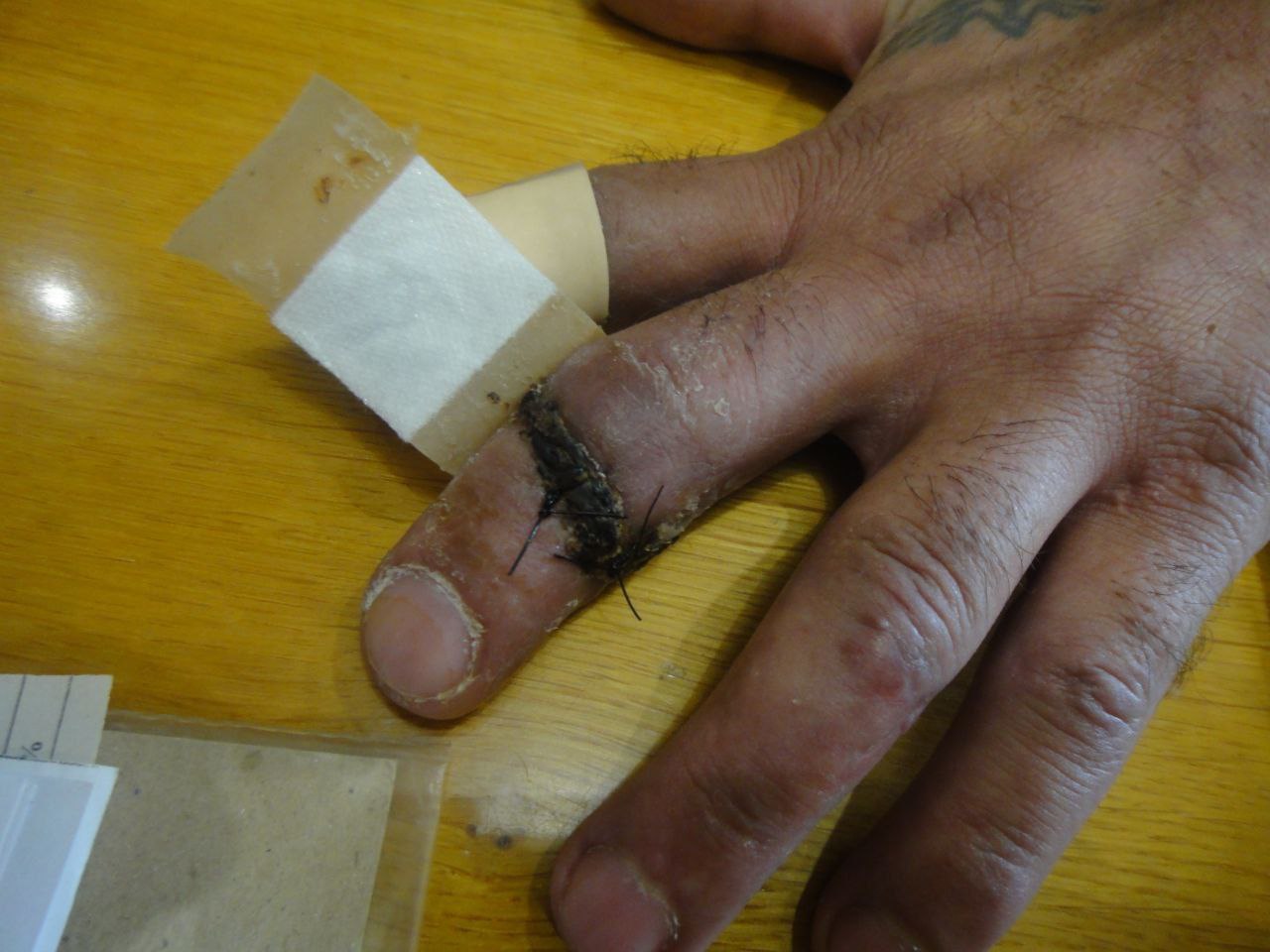
However, during the visit, the monitoring group established facts of improper recording of bodily injuries. Thus, during the monitoring visit, information was received about convicts who received injuries at the industrial zone sites during the performance of work. In particular, convict Sh., assigned to SPS No. 10, brigade No. 100, and convict K., assigned to SPS No. 6, brigade No. 61, were invited to the medical unit.
During the examination of convict Sh., an injury to the index and middle fingers of the left hand was detected. The fingers had a deep traumatic wound in the area of the interphalangeal joints, surgical sutures had been applied, which indicates a serious laceration or rupture of soft tissues. A distortion of the finger was recorded, which may indicate a fracture with displacement or injury to the joint. The skin around it is inflamed, with oedema, a crust, and remnants of dried blood. The convict reported that he received the injury in the industrial zone workshop at the beginning of May 2025 while working on press equipment.
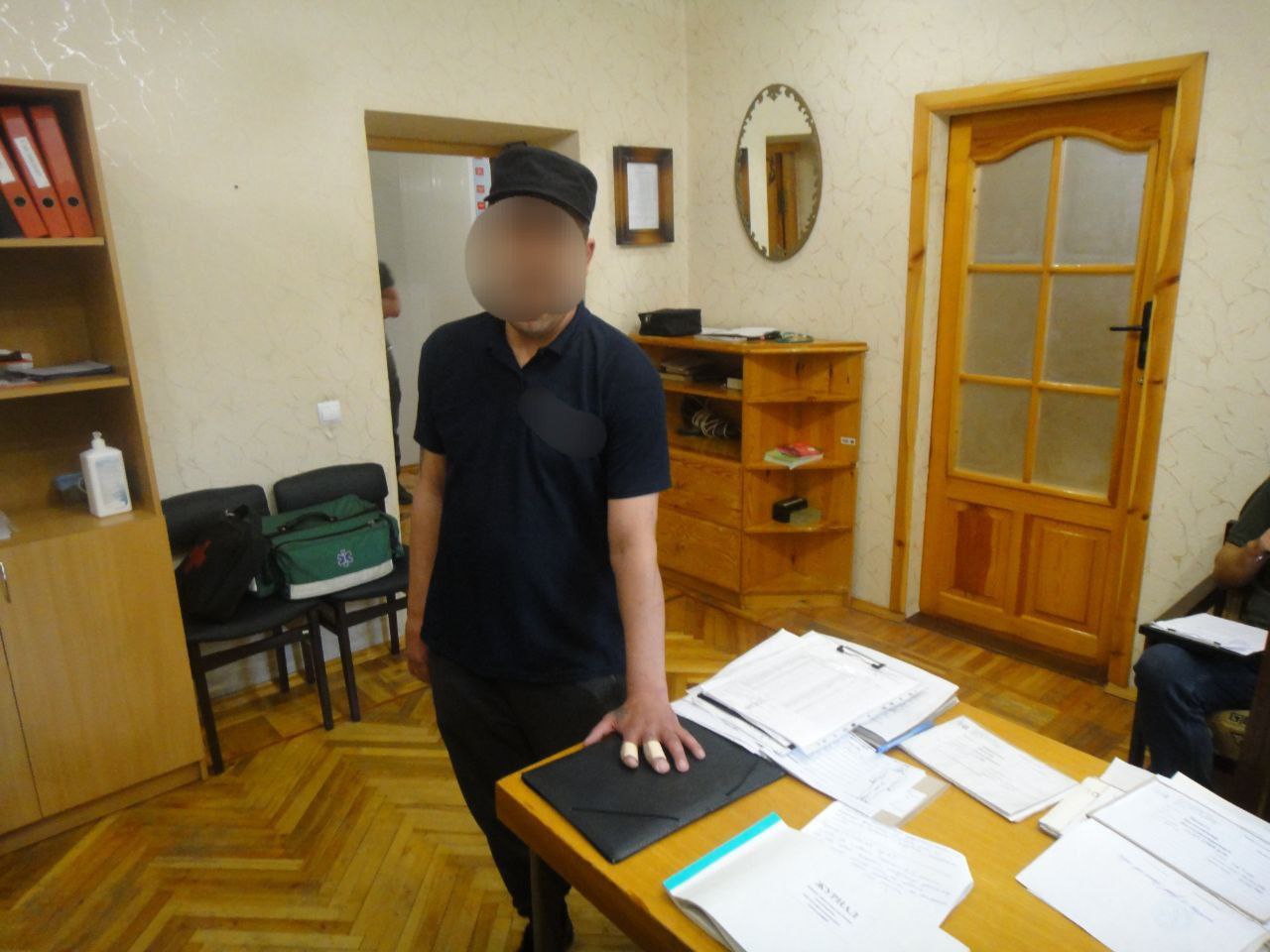
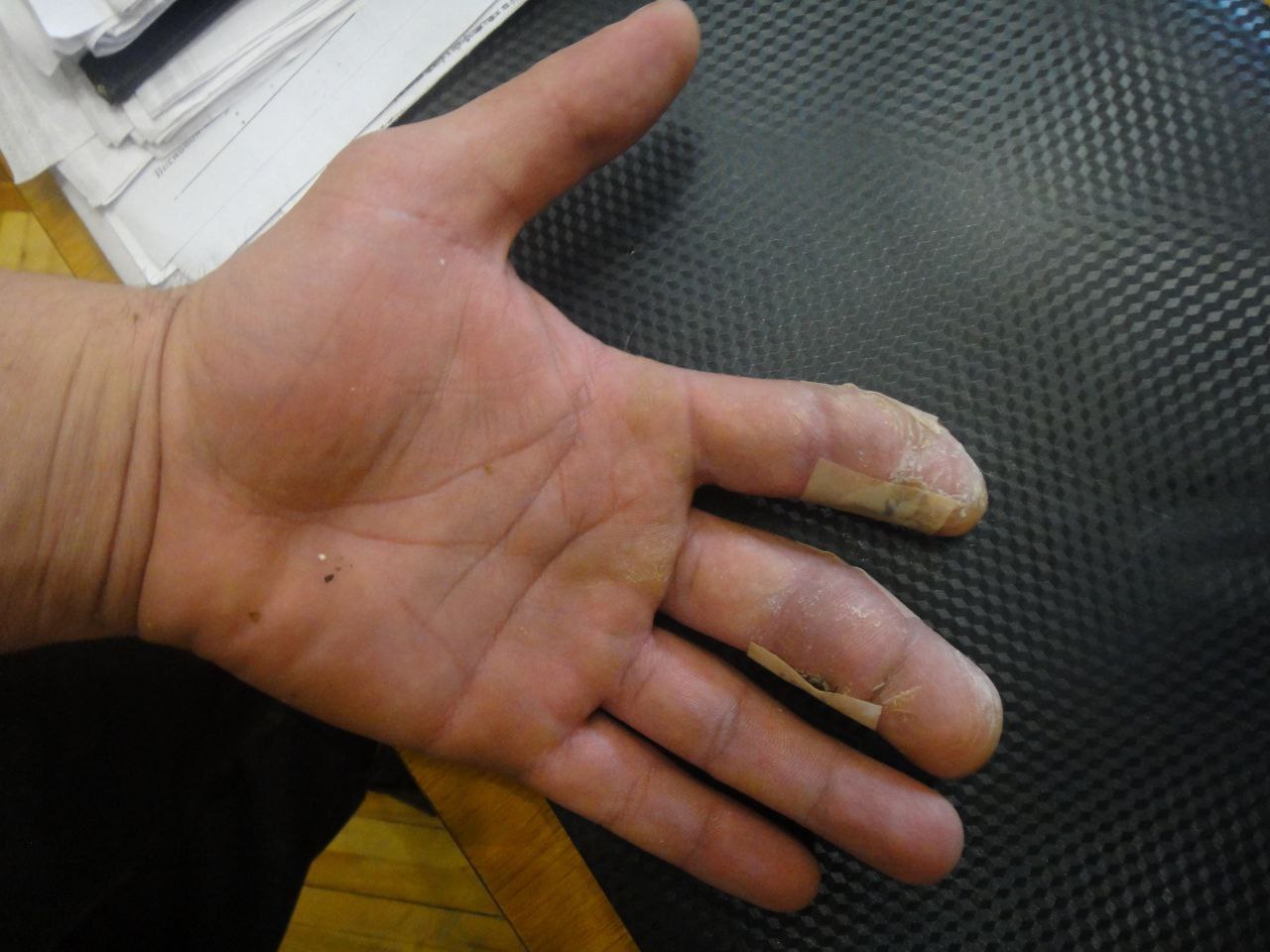
During the examination of convict K., an injury to the index finger of the right hand, bandaged, was recorded. He reported that approximately at the beginning of May 2025, he was injured in the industrial zone workshop as a result of mechanical damage to the hand, which led to a fracture.
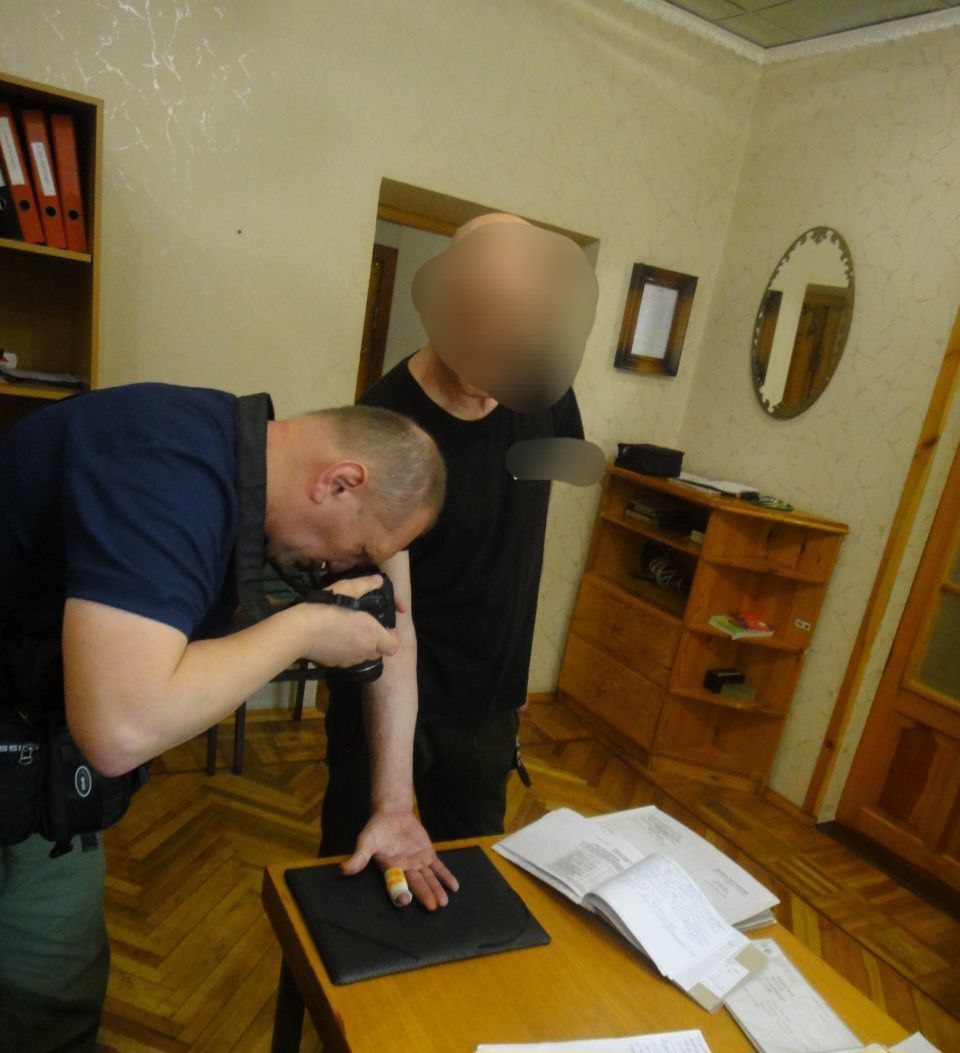
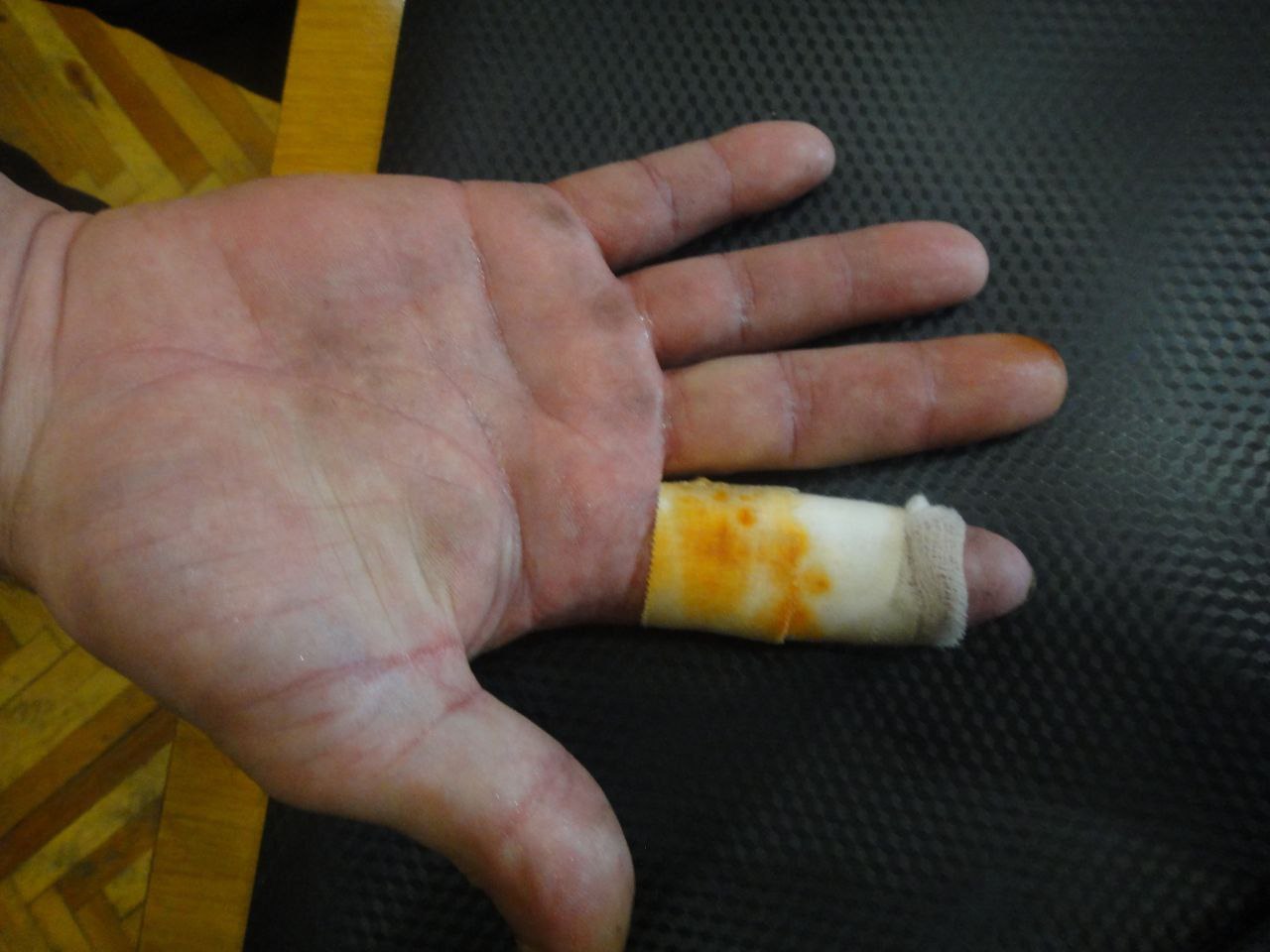
Both convicts noted that medical assistance was provided to them in the medical unit of Institution No. 25. At the same time, the medical unit’s staff lacks the positions of surgeon and traumatologist, which casts doubt on the adequacy of providing specialised medical assistance and may have negative consequences for the convicts’ health. Furthermore, the fact was established that the medical documentation lacks any records of the said cases: in the Log of Bodily Injuries, the X-ray Examination Log, the Outpatient Reception Log, etc.
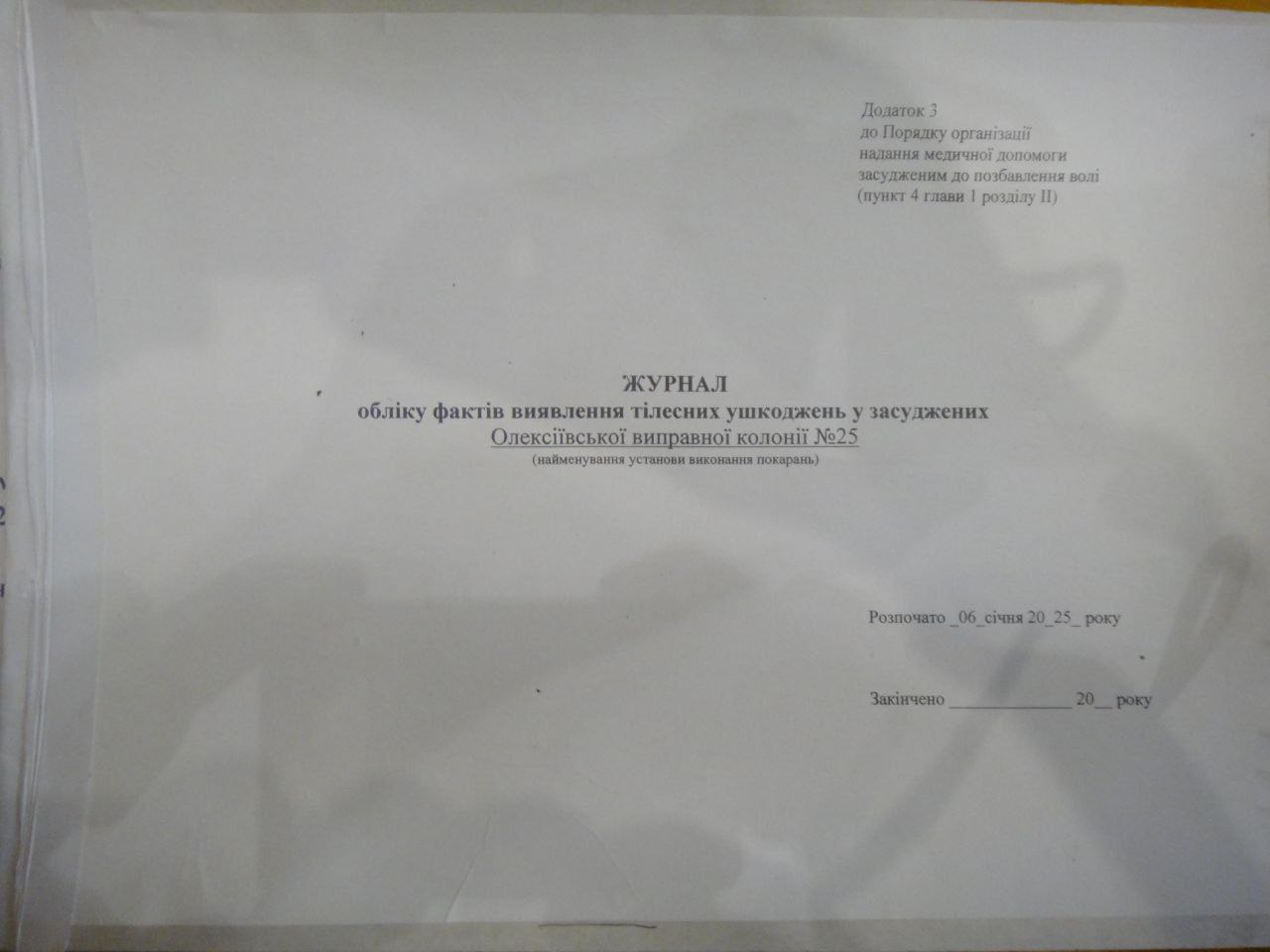

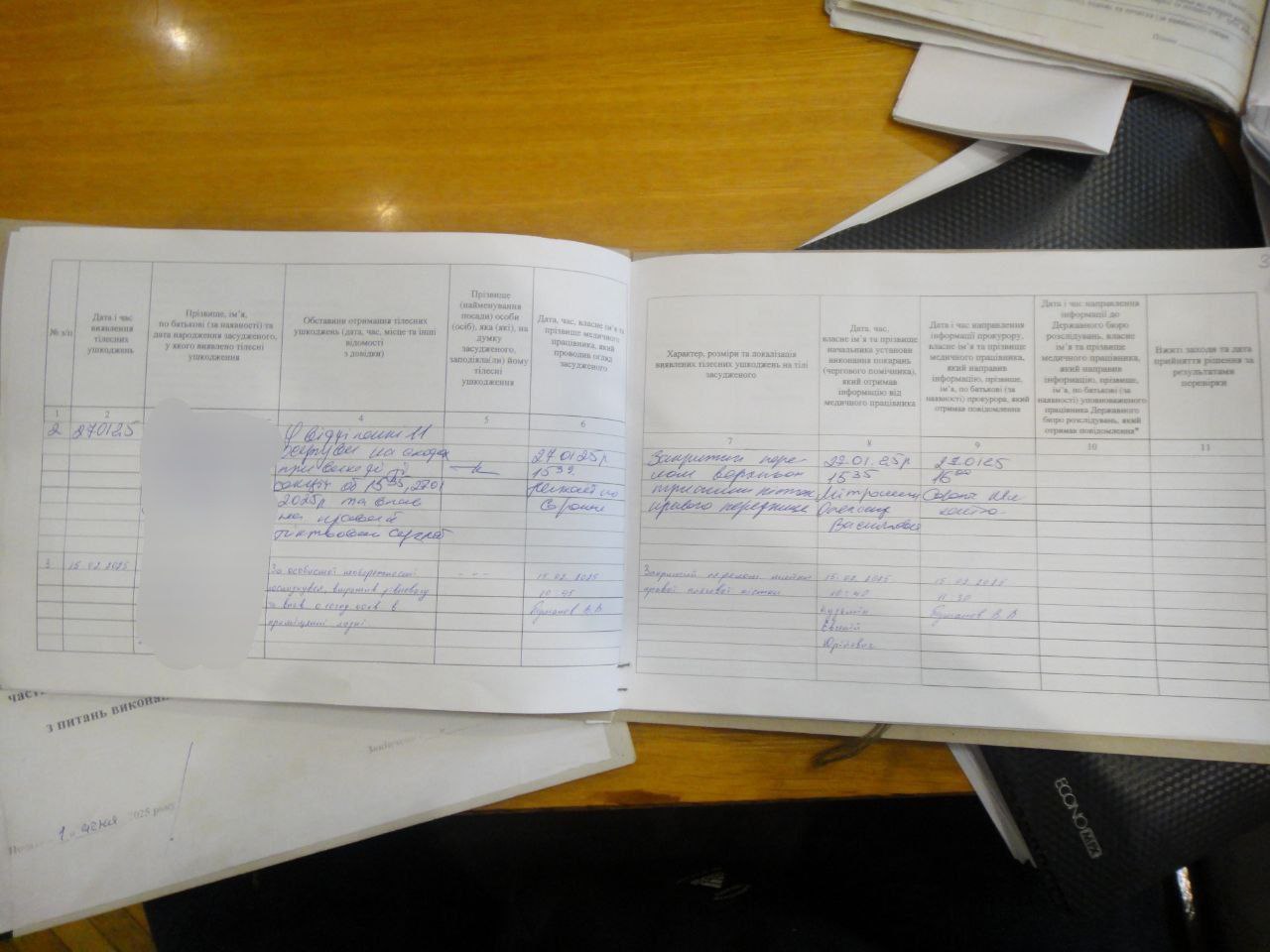
The head of the medical unit and other personnel were unable to provide documentary evidence of providing medical assistance or recording the injuries in the established manner.
Thus, medical professionals did not prepare certificates in accordance with the Instruction on Filling Out the Form of Primary Accounting Documentation No. 511/o “Certificate of Recording Bodily Injuries”, approved by Order of the Ministry of Health of Ukraine dated 02.02.2024 No. 186, information about the fact of detecting bodily injuries was not entered into the Log of Facts of Detection of Bodily Injuries in Convicts, and the prosecutor was not properly notified.
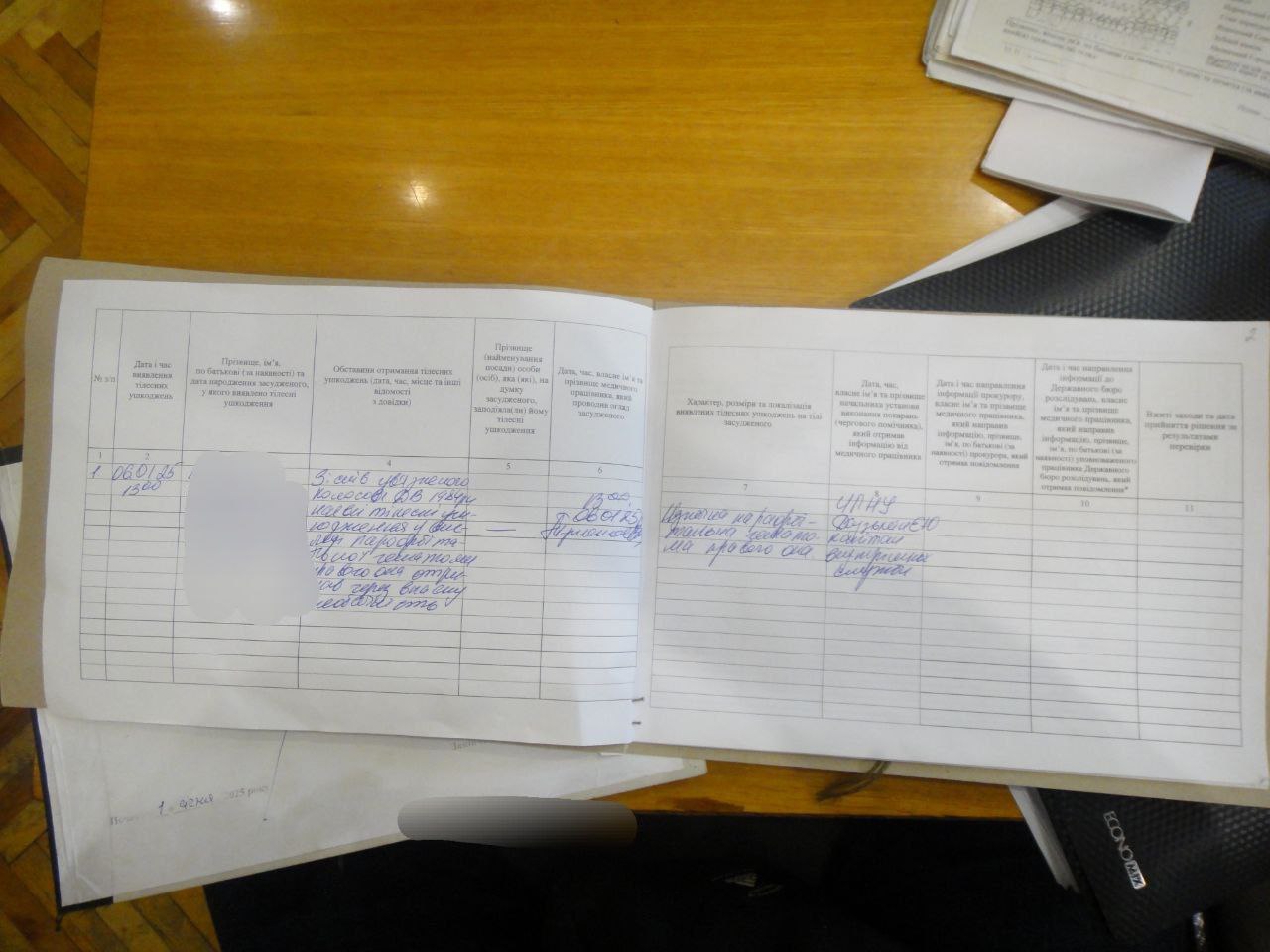
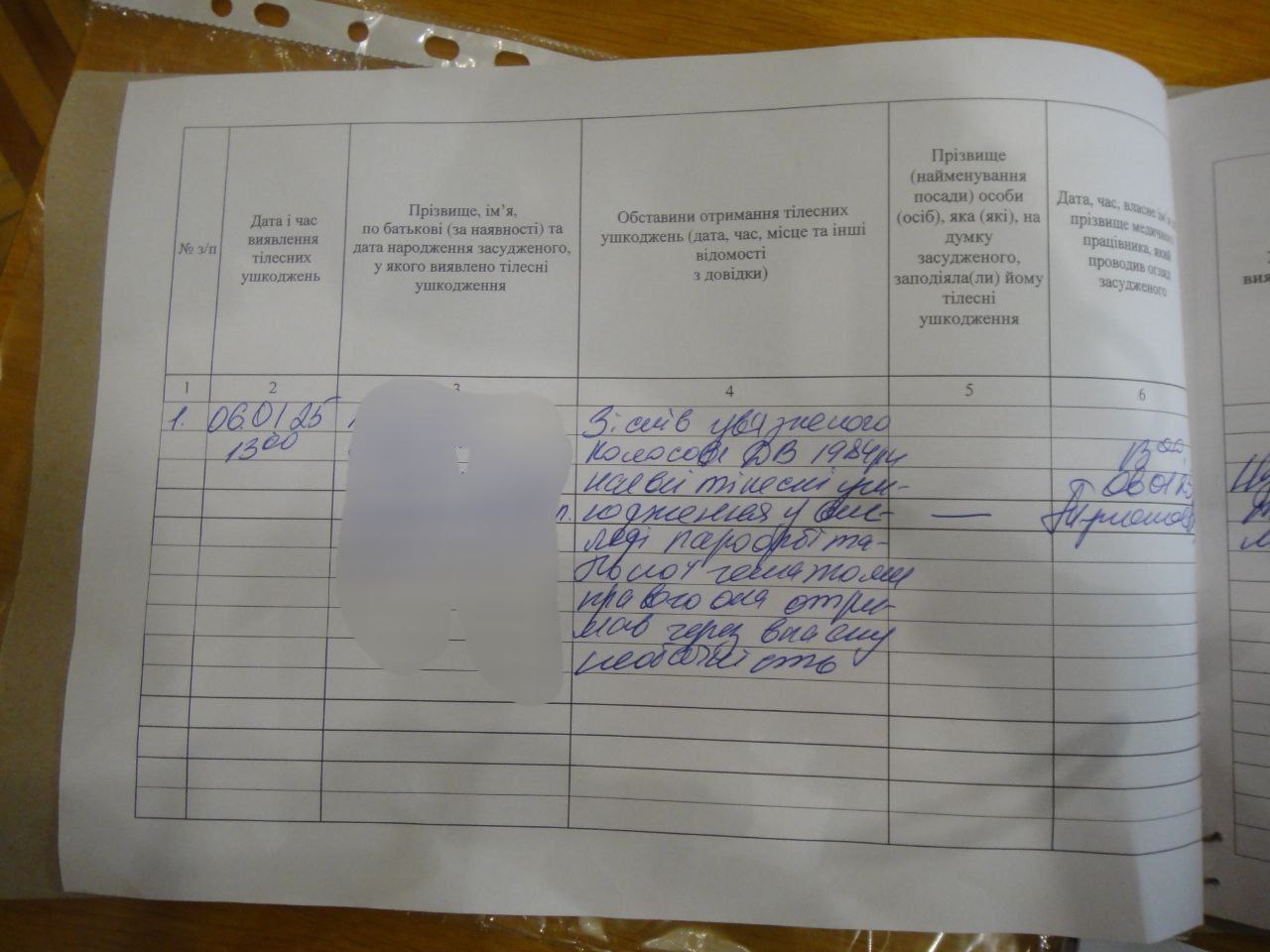
In addition, during the study of the Log of Facts of Detection of Bodily Injuries, it was established that on 06.01.2025, a bodily injury was recorded in detainee K. in the form of a periorbital haematoma of the right eye. Medical personnel prepared a corresponding certificate on the recording of bodily injuries in this regard.
At the same time, the monitoring group discovered a memorandum from the medical unit doctor Khoroshun Yu.I., addressed to the head of the state institution “Alekseevskaya Correctional Colony No. 25” Colonel of the Internal Service Olkhovskyi A.M. It states that on 13.01.2025, during the examination of detainee K. in the TOUPV unit sector, the following bodily injuries were detected: an old bruise in the area of the right eye; confluent bruises on the front surface of the chest and abdomen; minor bruises on the lateral surfaces of both shoulders. During the conversation, detainee K. refused to report the circumstances under which he received the said bodily injuries.
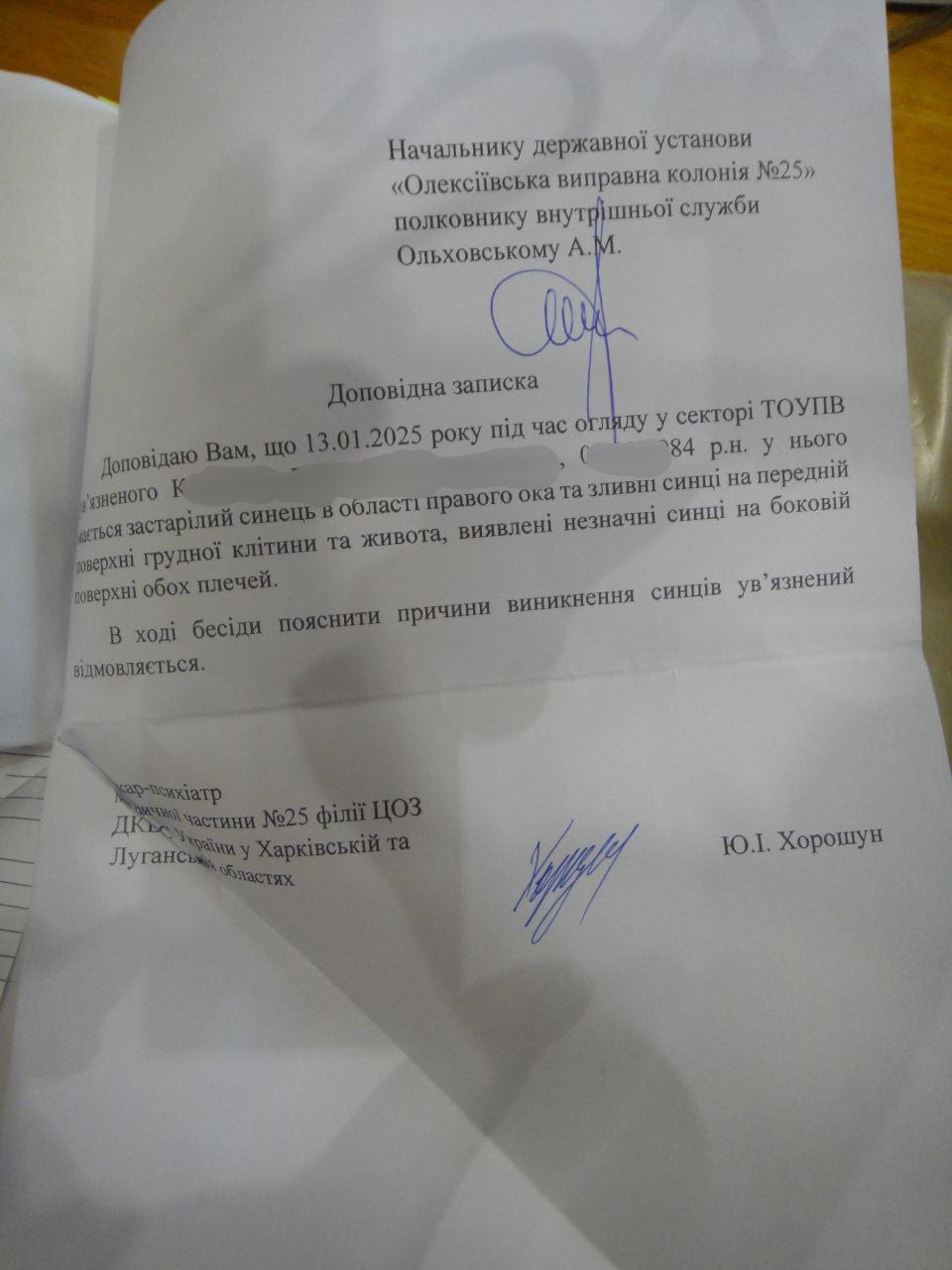
Thus, it was established that after the initial injury (haematoma of the right eye on 06.01.2025), new bodily injuries were detected in this detainee on 13.01.2025, information about which was not entered into the Log of Facts of Detection of Bodily Injuries, was not accompanied by the preparation of a corresponding certificate, and did not become the subject of notification to the prosecutor in the established manner.
Such actions (or inaction) of medical professionals may indicate the concealment of facts of injury to convicts (including in the production zone), the causing of bodily injuries, or the negligent performance of professional duties. This not only violates the convicts’ guaranteed right to proper medical assistance but also makes it impossible to conduct a timely investigation of incidents, which can lead to the impunity of guilty persons.
At the same time, the absence of proper recording of bodily injuries does not comply with Clause 60 of the Committee’s recommendations (CPT/Inf (93) 12-part), where it is stated that medical services in places of deprivation of liberty can contribute to preventing violence against persons held in custody through the systematic registration of bodily injuries, as well as, if necessary, through informing the relevant authorities.
3. During the study of medical documentation, it was established that to the certificates prepared in the medical cards of the outpatient patient form 025/o, photographs of existing bodily injuries are not attached, as provided for by Clause 3, Section I, Chapter II of the Procedure. At the same time, the Committee in its report on the results of the visit to Ukraine in 2023 emphasises that any traumatic injuries detected during a medical examination must be photographed in detail, and photographs together with body diagrams must be kept in the person’s individual medical card (CPT/Inf (2024) 20, paragraph 82).
4. In violation of the requirements of the Instruction on Filling Out the Form of Primary Accounting Documentation No. 003-6/o “Informed Voluntary Consent of the Patient to Conducting Diagnostics, Treatment, and Conducting Surgery and Anaesthesia and to the Presence or Participation of Participants in the Educational Process”, approved by Order of the Ministry of Health of Ukraine dated 14.02.2012 No. 110, the absence of a signed informed voluntary consent for one patient who was in the inpatient ward of the medical unit was established.
This may indicate the absence of the patient’s voluntary consent to the application of methods of diagnostics, prevention, and treatment, which is a violation of Article 43 of the Law of Ukraine “Foundations of the Legislation of Ukraine on Health Care” and Clause 47 of the Committee’s recommendations (CPT/Inf (93) 12-part).
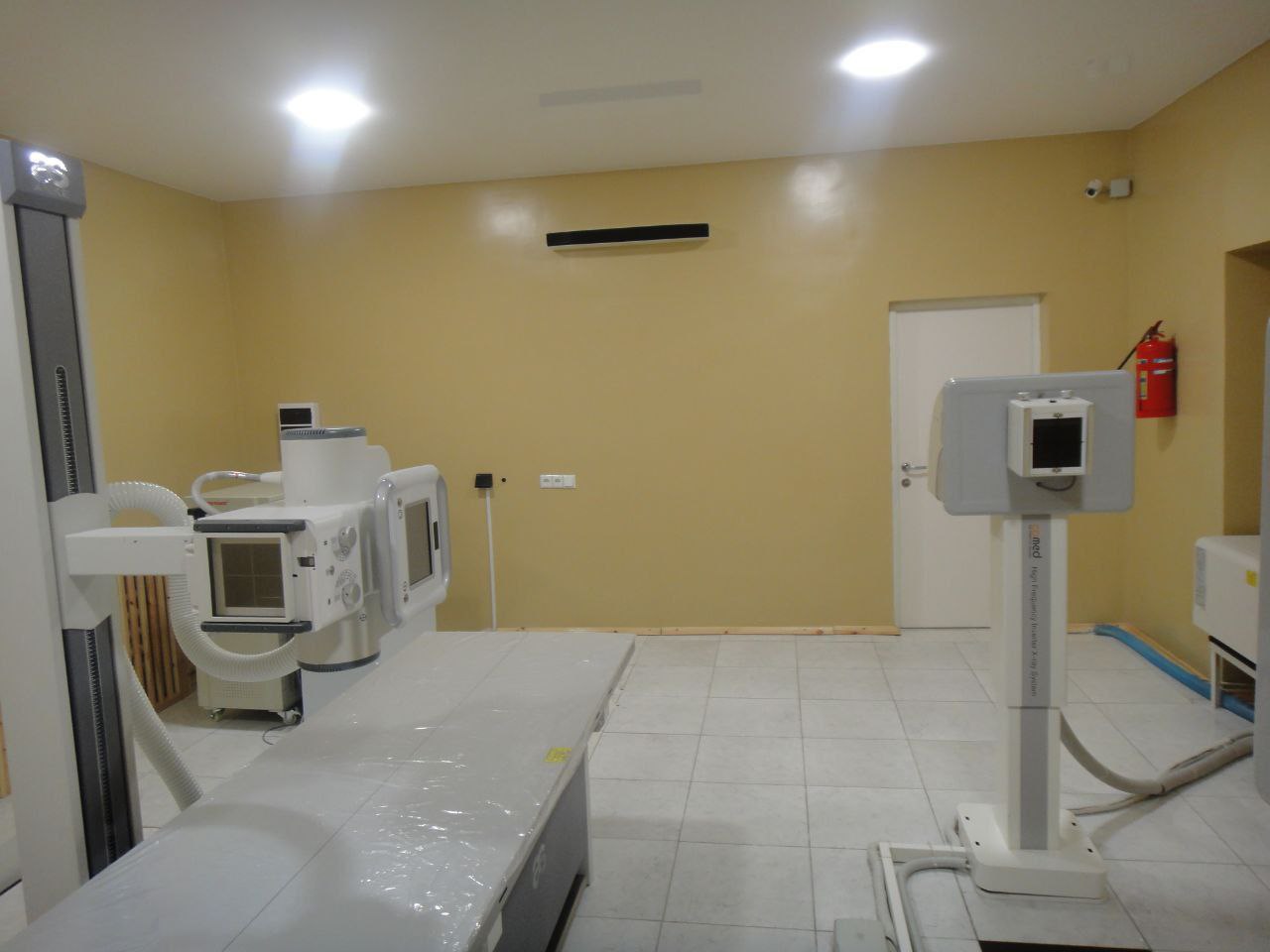
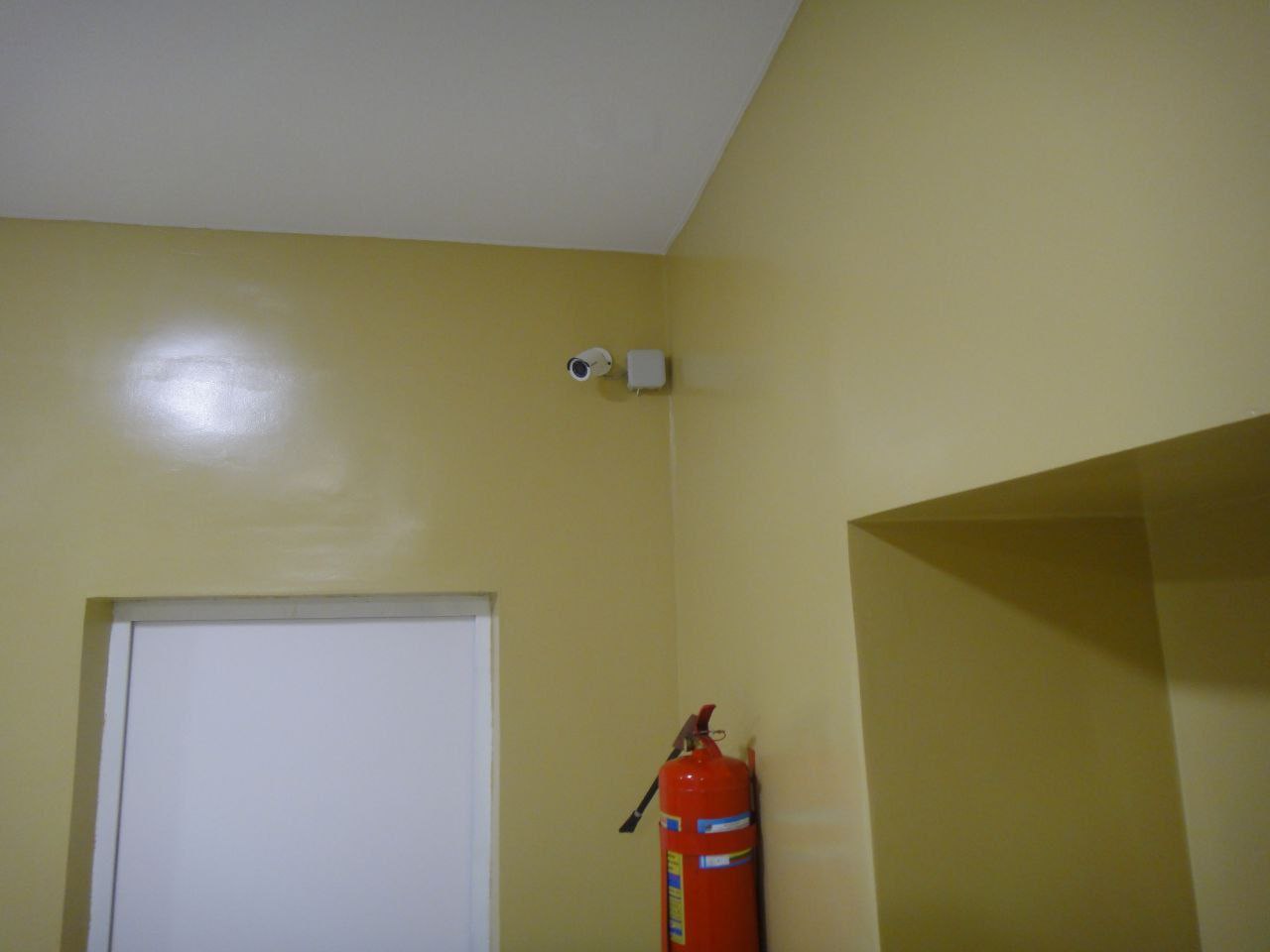
5. The monitoring group recorded the presence of an installed video surveillance camera in the X-ray room. At the same time, according to Clause 8, Section VII of the Procedure for Using Technical Means of Surveillance and Control in Correctional and Educational Colonies of the State Penitentiary Service of Ukraine, approved by Order of the Ministry of Justice of Ukraine dated 26.06.2018 No. 2025/5 (registered with the Ministry of Justice of Ukraine on 02.07.2018 under No. 766/32218), the use of video cameras and portable video recorders is prohibited in premises (cells) where medical examinations (inspections) of convicts are conducted, personal searches with undressing are carried out, as well as in wards of medical units.
This fact indicates a possible violation of the convicts’ right to the confidentiality of health information during medical examinations, procedures, or manipulations. This is a violation of the requirements of Article 39-1 of the Law of Ukraine “Foundations of the Legislation of Ukraine on Health Care” regarding the right of persons to secrecy about health status, as well as Clause 9, Section I of the Procedure.
6. The medical unit is not organised to conduct substitution maintenance therapy (hereinafter — SMT) for persons with mental and behavioural disorders resulting from the use of opioids in accordance with the Procedure for Conducting Substitution Maintenance Therapy for Persons with Mental and Behavioural Disorders Resulting from the Use of Opioids, approved by Order of the Ministry of Health of Ukraine dated 27.03.2012 No. 200.
Persons addicted to drugs are not provided with social-psychological support, cognitive-behavioural therapy (CBT), relapse prevention, motivational interviewing, mutual aid groups, etc. Thus, these individuals are deprived of the opportunity to receive SMT, which is a violation of their right to choose methods of treatment in accordance with Article 38 of the Law of Ukraine “Foundations of the Legislation of Ukraine on Health Care”.
At the same time, the Committee in its report on the results of the visit to Ukraine in 2023 emphasises that admission to a penitentiary institution is an opportunity to solve a problem related to drugs. That is why it is important that appropriate assistance be offered to all interested persons, and therefore, adequate medical service must be available in all institutions.
The assistance offered to such persons must be diverse. Substitution therapy programmes for persons with drug addiction must be combined with genuine psychosocial and educational programmes for persons with opioid addiction who are unable to stop using drugs on their own. In addition, access to SMT programmes in institutions must be easily accessible, and they must be managed by penitentiary doctors who have undergone special training on issues related to drug use (CPT/Inf (2024) 20, paragraph 86).
7. In violation of Clause 8, Chapter 5, Section II of the Procedure, there is no equipped isolation ward for persons with mental disorders among the convicts in the inpatient medical unit, who pose a danger to others.
8. Dispensary surveillance is carried out for 16 persons who have disabilities. Of these: Group I — 0 persons; Group II — 1 person; Group III — 7 persons. At the same time, in violation of the requirements of the Law of Ukraine “On Rehabilitation of Persons with Disabilities in Ukraine”, persons with disabilities do not receive adequate diagnostic, therapeutic, and rehabilitation measures in the presence of information confirming a persistent impairment of body functions caused by diseases and consequences of injuries, which cause restrictions on normal vital activity.
Thus, during the study of the medical documentation of convicts, it was established that for 3 persons who have disabilities, an individual rehabilitation programme (hereinafter — IRP) is missing. Furthermore, the recommendations of the IRP are not fulfilled, due to which they do not receive adequate diagnostic, therapeutic, and rehabilitation measures.
9. In violation of Clause 37 of the Resolution of the Cabinet of Ministers of Ukraine No. 285 dated 02.03.2016 “On Approval of Licensing Conditions for Conducting Economic Activity in Medical Practice”, the medical unit lacks a conclusion confirming free access to the buildings and premises of the medical facility for persons with limited mobility, the receipt of which is mandatory.
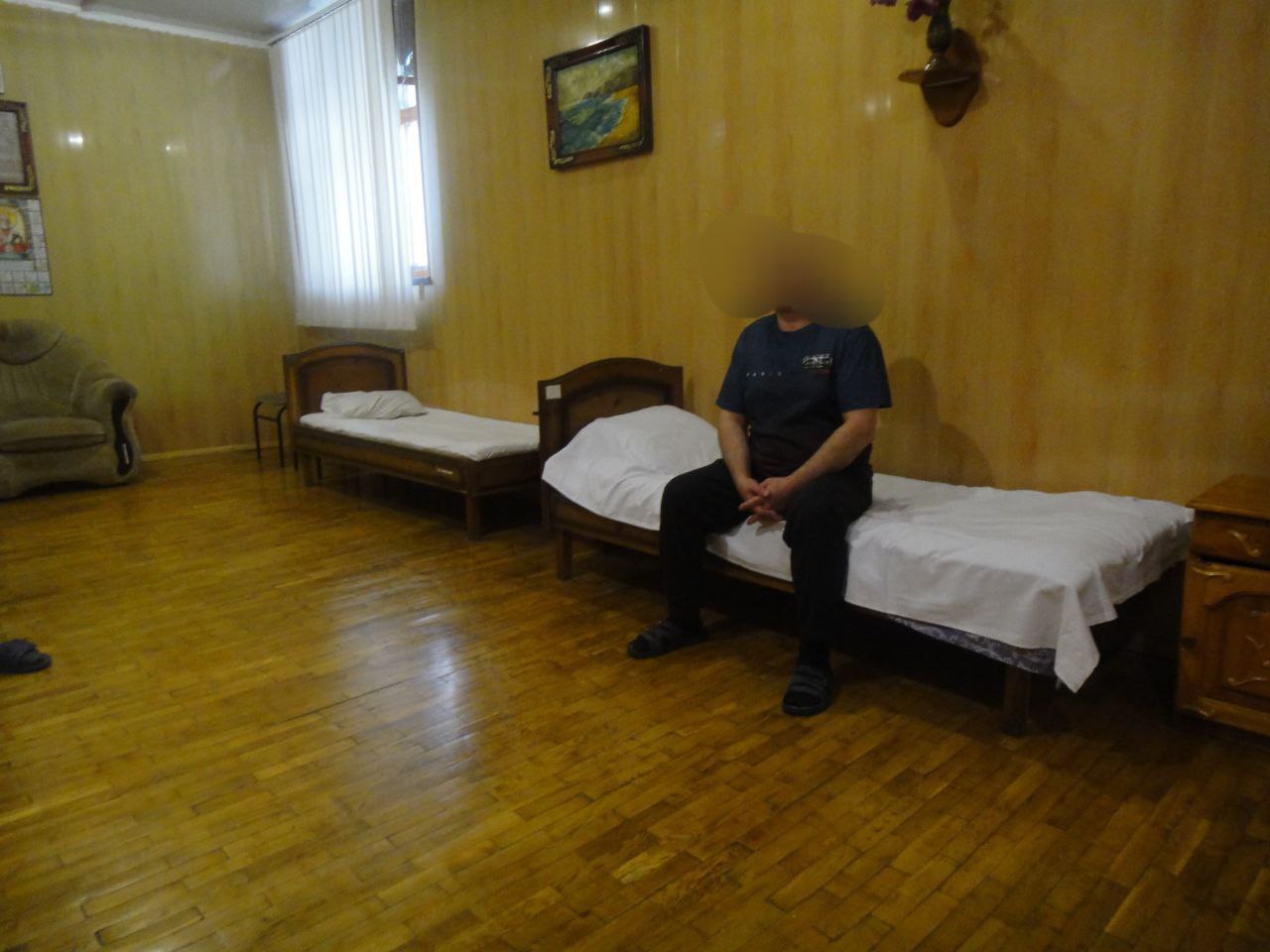
10. In violation of the requirements of the Standards of Provision with Bedding, Special Clothing, and Special Footwear (Inventory Property) for Convicts undergoing treatment in treatment-and-prevention facilities, facilities with the rights of treatment facilities, and in medical units at penal institutions and pre-trial detention centres, approved by Order of the Ministry of Justice of Ukraine dated 20.02.2012 No. 280/5, convicts do not receive hospital property (hospital suit, robe, and slippers). They stay in the inpatient ward in everyday clothes, sometimes with their own bedding.
11. In violation of the requirements of the Medical Care Standards for Viral Hepatitis C in Adults, approved by Order of the Ministry of Health of Ukraine dated 15.01.2021 No. 51, not all persons with suspected viral hepatitis C undergo PCR testing, due to which they do not receive the necessary treatment. This can lead to a deterioration in their state of health and the spread of the said infectious disease among convicts (detainees).
12. In violation of the Procedure for Organisation of Medical Assistance at the Primary, Secondary (Specialised), and Tertiary (Highly Specialised) Levels using telemedicine, approved by Order of the Ministry of Health of Ukraine dated 19.10.2015 No. 681, the medical unit staff, due to technical limitations, are deprived of the ability to send requests for telemedicine consultations and receive expert assistance for providing medical services to convicts.
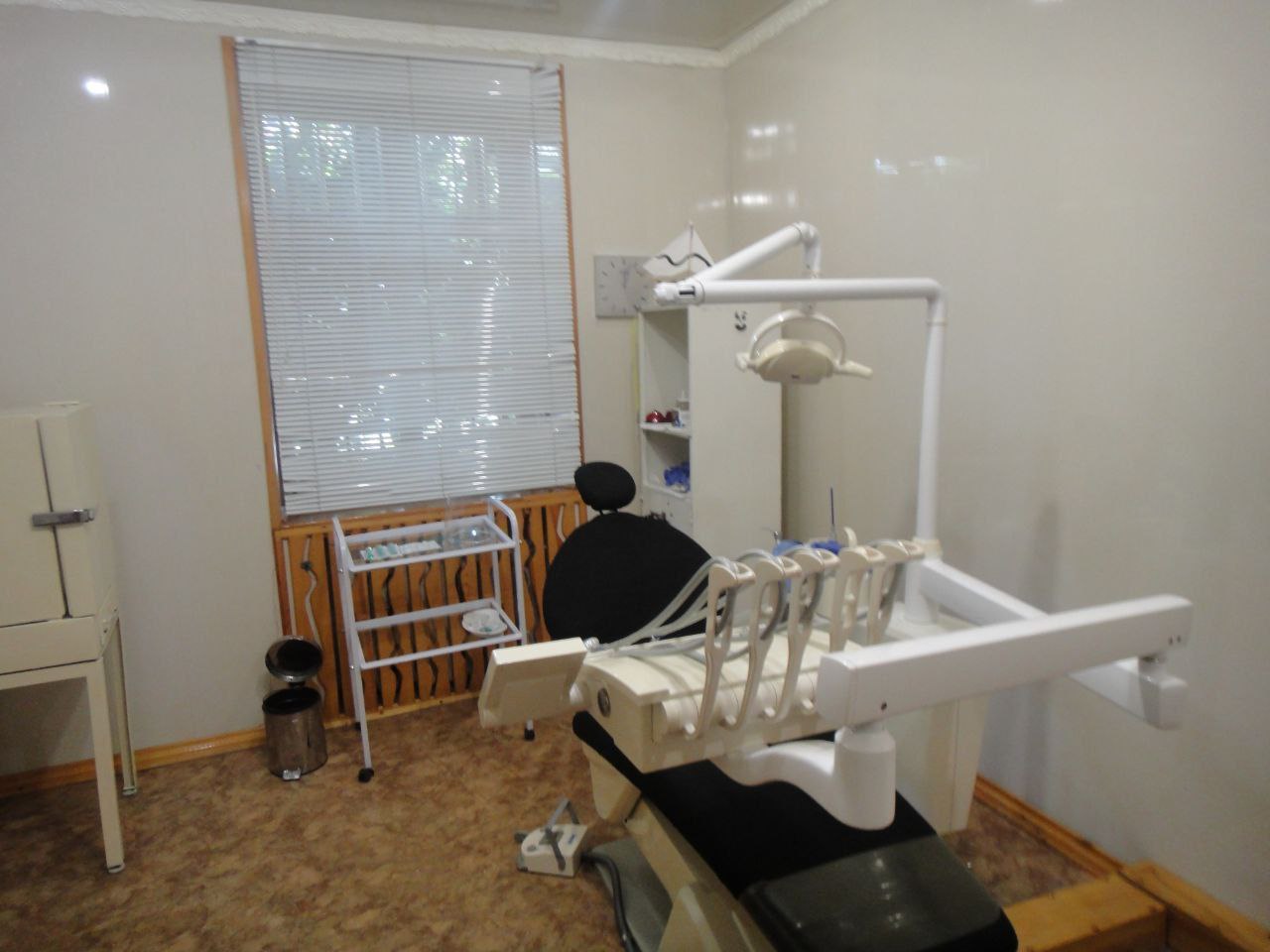
13. In violation of the requirements of the Table of Equipment for One Workplace of a Dentist and Dental Technician, approved by Order of the Ministry of Health of Ukraine dated 11.04.2005 No. 158, the medical unit lacks a dental X-ray machine, which makes it impossible to conduct an in-depth dental examination of convicts and does not ensure the timely provision of proper dental care.
14. There is no hot water supply in the doctors’ offices; the workstations of medical staff do not meet the requirements of current legislation and violate Article 19 of the Law of Ukraine ‘Foundations of the Legislation of Ukraine on Health Care’ and Article 13 of the Law of Ukraine ‘On Occupational Safety’.
Recommendations:
1. End the practice of delegating authority and control functions to convicts (‘duty inmates’) in any form.
2. Ensure an effective mechanism for confidential complaints and protect those who lodge complaints from reprisals.
3. Conduct a full and impartial investigation into reports of physical and psychological violence by convicts close to the administration and by staff; ensure that those responsible are held to account.
4. Introduce regular staff training on the prevention of violence, dynamic security, and de-escalation methods.
5. Ensure actual compliance with the minimum period of stay in the KDiR (quarantine, diagnostic, and distribution unit) and prohibit premature transfers.
6. Conduct all introductory measures prescribed by the programme, with the recording of time, content, and signatures; cease the formalistic maintenance of logs.
7. Cease video surveillance in the KDiR sleeping quarters in the absence of an individually justified need; ensure adequate access to natural light (by removing frosted glass).
8. Provide Internet access for newcomers (tablets, Wi-Fi) in accordance with the established procedure.
9. Formalise the work of convicts primarily through employment contracts with clearly defined job functions; cease substituting employment contracts with civil-law contracts.
10. Normalise and record working hours; guarantee payment for overtime and work on weekends; eliminate ‘second shifts’ without proper recording.
11. Ensure minimum guarantees for remuneration and transparency of deductions; carry out recalculations in the event of underpayments.
12. Maintain a registry of assignments to workstations and equipment and reconcile the actual number of workers with assignment sheets.
13. Ensure privacy in sanitary facilities (full partitions) and sufficient natural lighting (by removing frosted glass).
14. Equip the DIZO/PKT with the required premises (for storing belongings, exchange fund, a hairdresser’s, etc.).
15. Provide convicts with copies of decisions on disciplinary sanctions with an explanation of the appeal procedure; guarantee access to legal assistance in disciplinary proceedings.
16. Carry out daily visits to the DIZO by medical staff with the entry of appropriate records.
17. Ensure staff communication with convicts is based on respect and partnership; move away from a militarised style of communication.
18. Cease the open carrying of special equipment by staff working directly with convicts; update internal instructions.
19. Increase the presence and supervision of staff in residential sectors without involving convicts in control functions.
20. Restore effective ventilation in the laundry, shower, and sanitisation unit; install hot and cold water mixers.
21. Ensure privacy in showers (curtains and partitions).
22. Carry out a full cycle of sanitary processing: regular disinfection and disinsection of bedding, with records kept in logs.
23. Ensure the assortment of goods in the shop is in accordance with the approved list, or officially review the list and inform the convicts.
24. Ensure free and prompt access to the shelter without administrative obstacles; conduct briefings; integrate the action algorithm into production processes and the daily routine.
25. Conduct an inventory of equipment, approve a maintenance and repair plan; properly store components and parts; identify unserviceable property.
26. Reduce staff shortages, optimise service schedules (moving away from 24-hour shifts), and introduce mentoring and systematic training.
27. Take measures aimed at eliminating identified human rights violations and preventing torture, and other cruel, inhuman, or degrading treatment or punishment in Medical Unit No. 25 of the Branch of the State Institution ‘Public Health Centre of the State Penitentiary Service of Ukraine’ in the Kharkiv and Luhansk regions.
28. Ensure the medical unit is staffed with medical specialists according to needs.
29. Ensure control over the proper maintenance of medical documentation in accordance with the Procedure for Organisation of Medical Assistance to Convicts to Deprivation of Liberty, approved by the joint order of the Ministry of Justice of Ukraine and the Ministry of Health of Ukraine dated 15.08.2014 No. 1348/5/572, as well as other legal and regulatory acts.
30. Ensure the timely and proper recording of bodily injuries in convicts.
31. End the practice of using convicts as assistants in medical units and other divisions of the institution.
32. Dismantle video surveillance cameras from the medical unit premises.
33. Equip the medical unit with necessary diagnostic equipment, including a dental X-ray machine.
34. Equip the isolation ward for persons with mental disorders and behavioural disorders in accordance with requirements.
35. Ensure patients’ informed consent for examination and treatment is obtained in the prescribed form.
36. Comply with the requirements of Clause 37 of the Resolution of the Cabinet of Ministers of Ukraine No. 285 dated 02.03.2016 ‘On Approval of Licensing Conditions for Conducting Economic Activity in Medical Practice’.
37. Ensure individual rehabilitation is provided for those who require it.
38. Ensure proper treatment for persons with viral hepatitis C.