Report on the results of the monitoring visit to the Kremenchuk Educational Colony
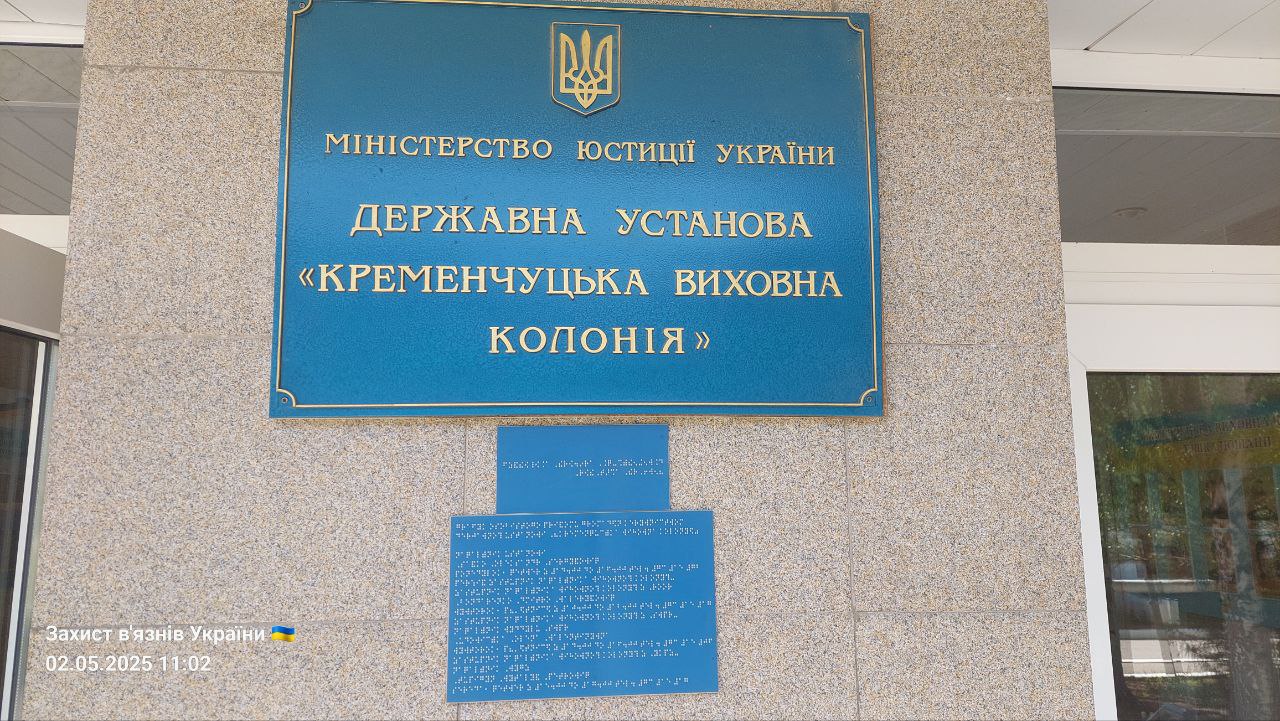
In accordance with the Optional Protocol to the Convention against Torture and other Cruel, Inhuman or Degrading Treatment or Punishment, taking into account the provisions of the Standard Minimum Rules for the Treatment of Prisoners and the decisions of the European Court of Human Rights, and on the basis of Article 24 of the Criminal Enforcement Code of Ukraine — Visiting Penal Institutions, a group of monitors from the Kharkiv Human Rights Protection Group and the NGO “Protection of Prisoners of Ukraine” carried out a follow-up visit to the State Institution “Kremenchuk Educational Colony” (hereinafter — the KEC or the institution).
A planned, regular, full-scale visit was conducted without prior warning, and all facilities were examined.
The previous visit took place in June 2018.
The visit was carried out on 2 May 2025. During preparation, the monitors utilised materials from appeals by relatives of convicts, materials from previous reports, and the report of the monitors of the National Preventive Mechanism under the Commissioner for Human Rights of the Verkhovna Rada of Ukraine (NPM). Complaints from the relatives of the convicts were received via hotlines and to the addresses of the public reception offices of the KHPG and PPU.
The visit was conducted within the framework of the project “Reducing the Suffering of Prisoners in the Context of the War in Ukraine”, funded by the Government of Denmark in partnership with DIGNITY — Danish Institute Against Torture.
The visit was conducted by the following monitors:
- Andrii Didenko — Assistant to the People's Deputy of Ukraine Yaroslav Yurchyshyn, Coordinator of programmes at the Kharkiv Human Rights Protection Group, experienced in monitoring visits since 2014;
- Serhii Zuikov — Assistant to the People's Deputy of Ukraine Kostiantyn Kasai, member of the Public Council under the Ministry of Justice of Ukraine, member of the NGO “Protection of Prisoners of Ukraine”, has many years of experience with monitoring visits;
- Oleh Tsvilyi — member of the Public Council under the Ministry of Justice of Ukraine, Head of the NGO “Protection of Prisoners of Ukraine”, has extensive experience with monitoring visits, specialises in issues of torture and cruel, inhuman treatment.
During the monitoring visit to the SI “Kremenchuk Educational Colony”, numerous and systemic violations of the rights of juvenile convicts were identified, which contradict the requirements of national legislation of Ukraine and international standards in the field of human rights protection. The lack of proper organisation of medical examinations, confidentiality, infrastructure, and sufficient personnel indicates problems in ensuring decent treatment of the persons held in custody.
Of particular concern are the recorded violations of the labour rights of minors, including the use of forced labour without proper legal formalisation. The monitoring group established that minors are engaged in long-term work in production areas without contracts, days off, occupational safety briefings, proper payment, or social protection.
The premises of the disciplinary isolation cell do not meet the minimum requirements regarding area, lighting, and the provision of privacy.
Furthermore, shortcomings were identified in the medical unit of the colony regarding access to medical care, including the absence of isolation wards for infectious patients and persons with mental disorders, problems with telemedicine, failure to maintain temperature regimes for storing medicines, and the lack of dental equipment, hot water, and fire safety systems. This violates the convicts' right to healthcare.
General Information
The KEC is the only specialised institution in Ukraine for the detention of male minors sentenced to imprisonment.
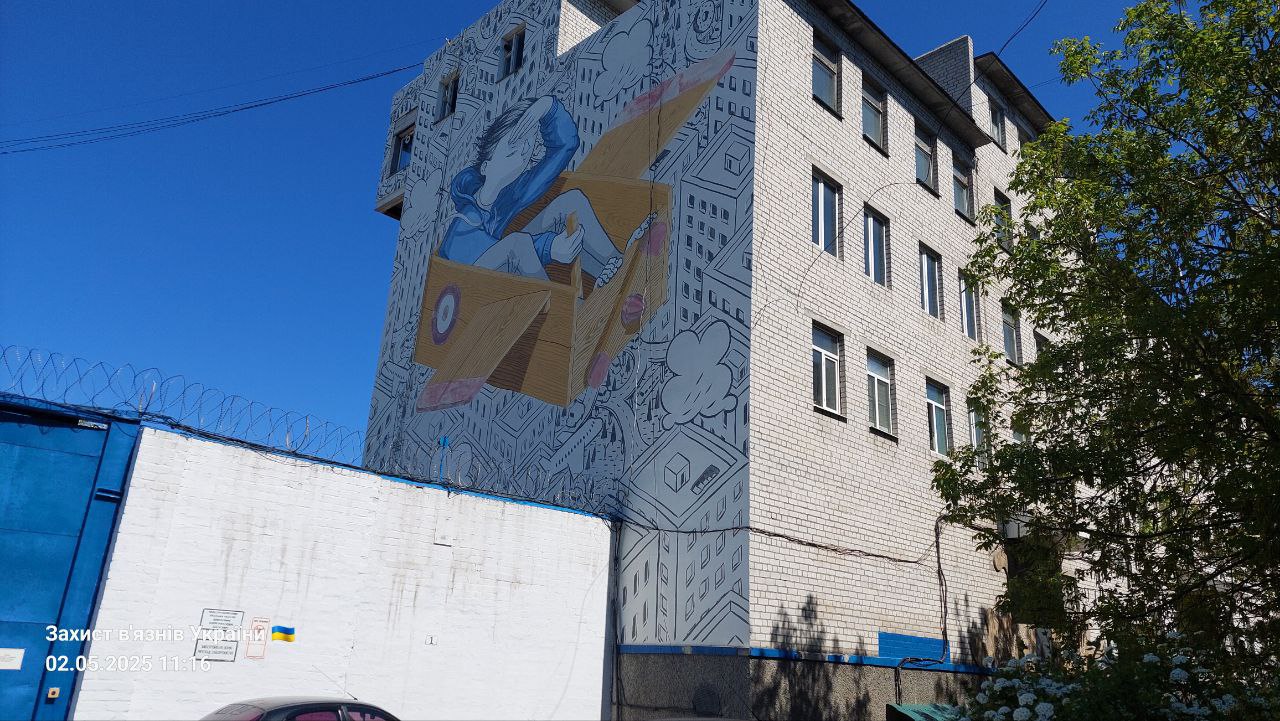
The institution operates within the system of the State Penal Service of Ukraine and is located in the city of Kremenchuk, Poltava Region.
The main purpose of the institution is not only to ensure the regime of serving the sentence but also the upbringing, resocialisation, and preparation of convicts for return to society. General education, vocational training, sports, and cultural activities are organised in the colony, and individual educational work is also carried out.
The history of the creation of educational colonies in Ukraine has deep roots, dating back to the 1920s, when the first Makarenko Labour Colony operated on the territory of the Poltava region under the leadership of Anton Makarenko.
During the Soviet period, the system of educational and labour colonies was formed as a separate segment of the penitentiary system for minors. In independent Ukraine, these institutions have undergone numerous reforms related to the decrease in the number of convicted children, the humanisation of criminal legislation, and the gradual closure of most such colonies due to low occupancy.
As of today, only two educational colonies operate in Ukraine: one for boys and one for girls, whereas in the 2000s there were over 20. This indicates a significant reduction in the network and a change in the state's approach to the punishment of minors, which is increasingly oriented towards alternatives to imprisonment.
The institution is located at: 10/30 Likaria Boiaievskoho Street, Kremenchuk, Poltava Region, 39617.
The Head of the institution is Oleksandr Serhiiovych Saiko.
The facility consists of a duty unit, SPS (Social and Psychological Service) wards, a school, a vocational school, workshops, a canteen, a disciplinary isolation cell (DIS), a medical unit, a bath and laundry complex, visitation rooms, a shop, a library, a parcel reception room, and administrative premises.
According to the administration of the institution, the staff consists of 158 positions. The actual number is 132 positions. The total staff shortage in the institution is 26 employees. The planned capacity of the institution is 184 persons. The actual number of convicts is 59.
There are 2 SPS wards operating in the institution. Two psychologists work at the facility. Twenty-three convicts are employed: 20 under labour contracts and 3 under civil law contracts.
The following numbers were on the operational-preventive register: 7 persons prone to suicide, 8 prone to self-harm, and 2 prone to escape.
During 2024-2025, no one filed complaints regarding inappropriate conditions of detention or improper provision of medical care. One person has a Group III disability. Convicts do not have tablets for their own use and do not have email addresses.
During 2025, 1 case of bodily injury was recorded while in the institution. The monitoring group conducted interviews with about 40 convicts during the visit to the industrial zone, canteen, and SPS wards, holding general conversations, providing consultations, answering questions, surveying on human rights violations, and engaging in individual conversations with persons, including on an anonymous basis.
Positive Experience
The SI “Kremenchuk Educational Colony” has implemented a set of positive practices aimed at ensuring the rights of juvenile convicts, including the right to education, vocational training, decent living conditions, resocialisation, and meaningful leisure. The colony successfully operates Secondary School No. 32 (grades I-III), where, as of 1 May 2025, 32 students were enrolled, including 20 in the 11th grade.
The educational process is organised in accordance with state standards, taking into account individual characteristics, the level of preparation, and the age of the students. The educational institution is provided with the necessary textbooks, qualified teaching staff, and conditions for obtaining a complete general secondary education, which facilitates the further integration of persons into society and reduces the risk of repeat offences.
One of the key practices is the operation within the structure of the institution of the State Vocational Educational Institution “Kremenchuk Vocational School”, which operates under the auspices of the Ministry of Education and Science of Ukraine and the Ministry of Justice of Ukraine. The school conducts vocational training in licensed trades, such as welder, fitter, electrician, plasterer, baker, seamstress, etc.
Practical training is carried out in the colony’s workshops, which are equipped according to safety requirements. Upon completion of training, students receive state-recognised documents, which opens up real prospects for employment after release.
As of May 2025, 19 students were undergoing training, 7 of whom had already completed the course. Such a system of vocational training is an important element of resocialisation, which increases self-esteem, contributes to the formation of labour skills, and reduces the risk of social maladjustment.
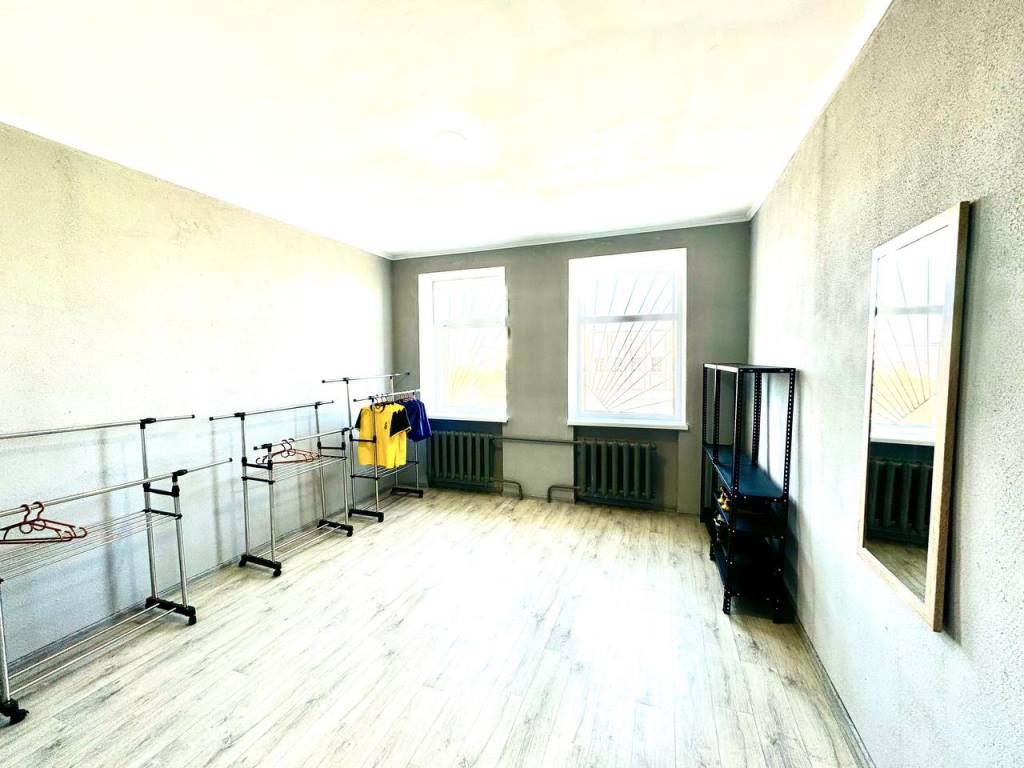
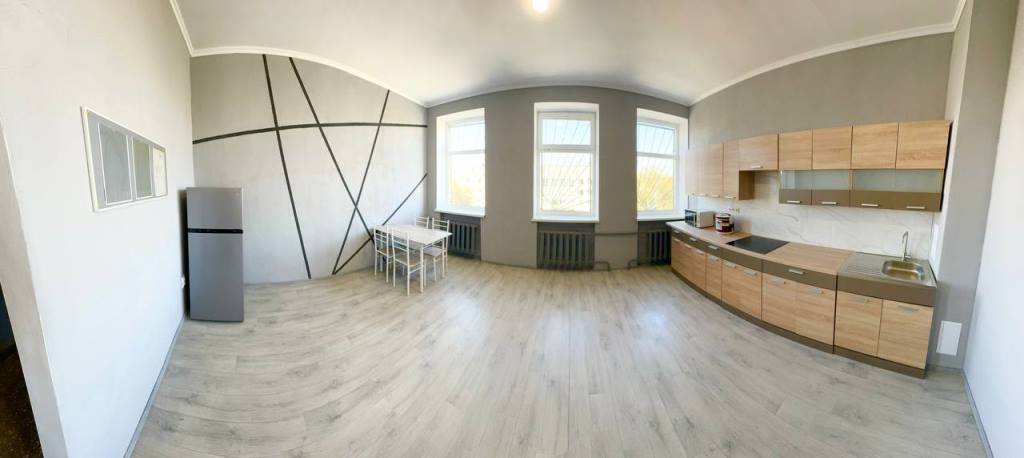
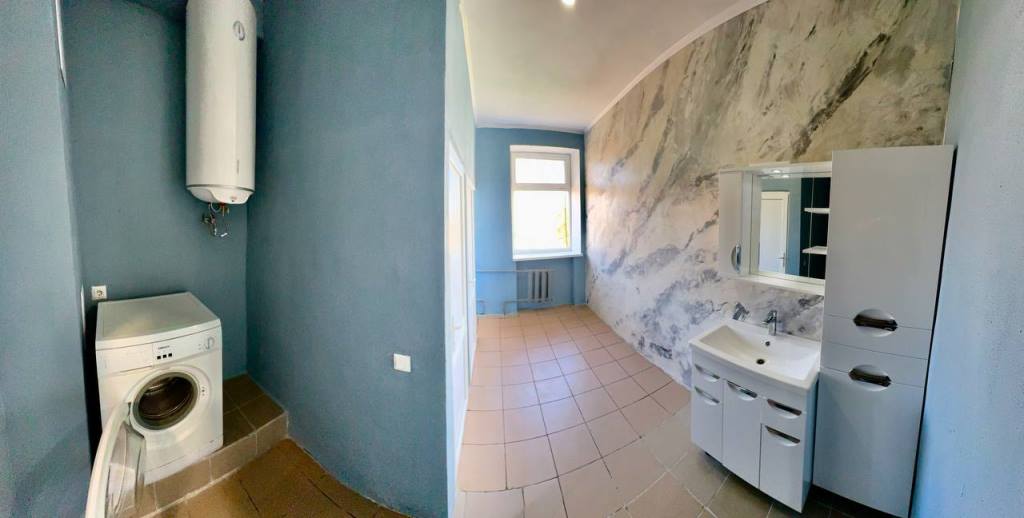
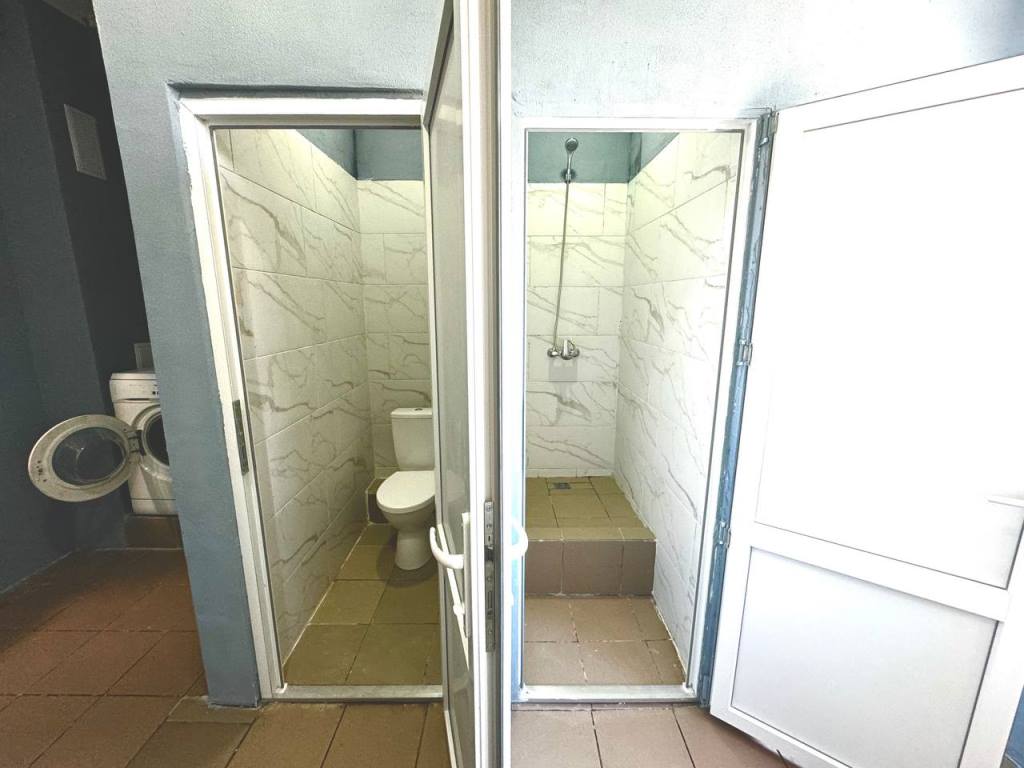
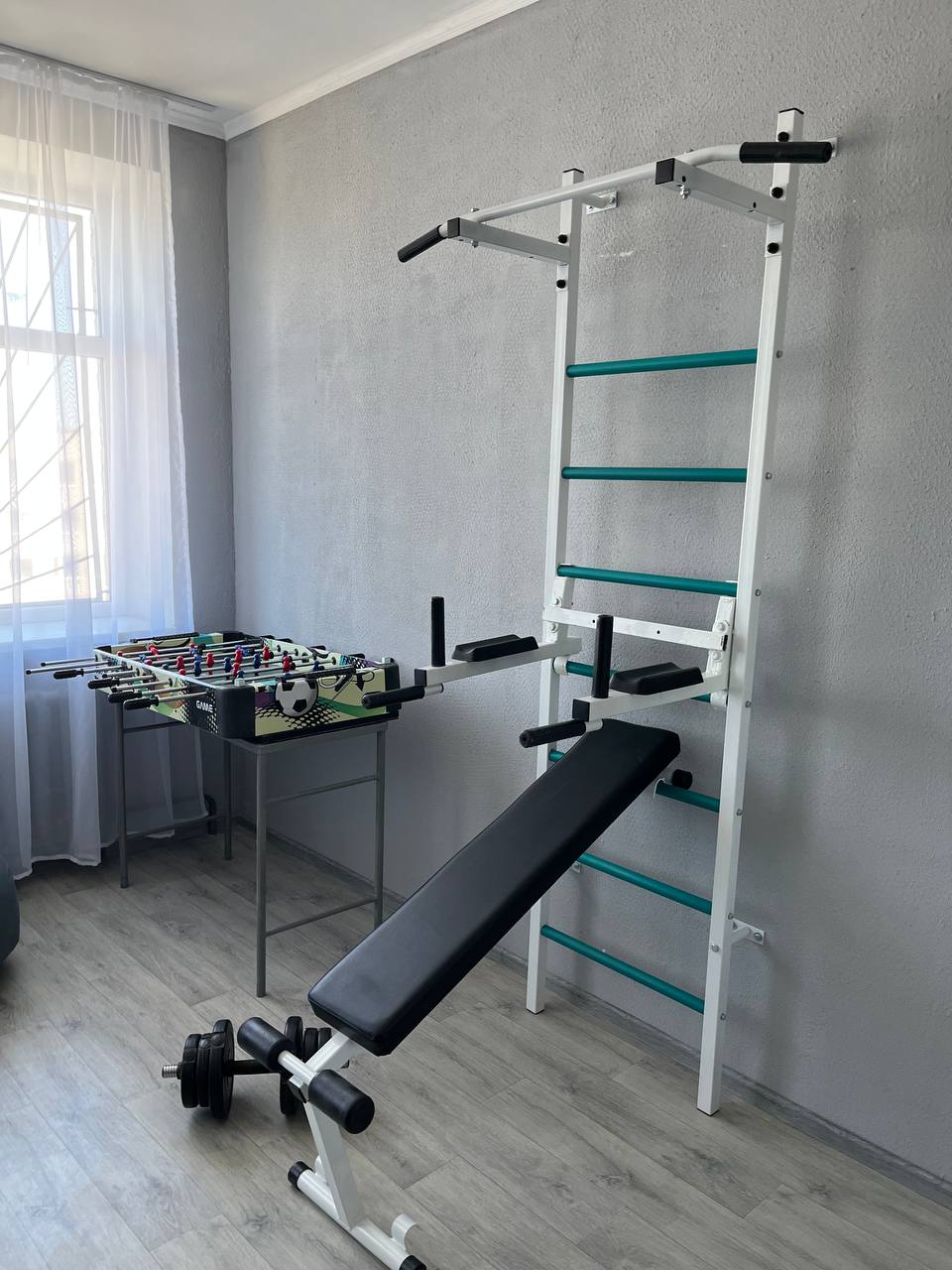
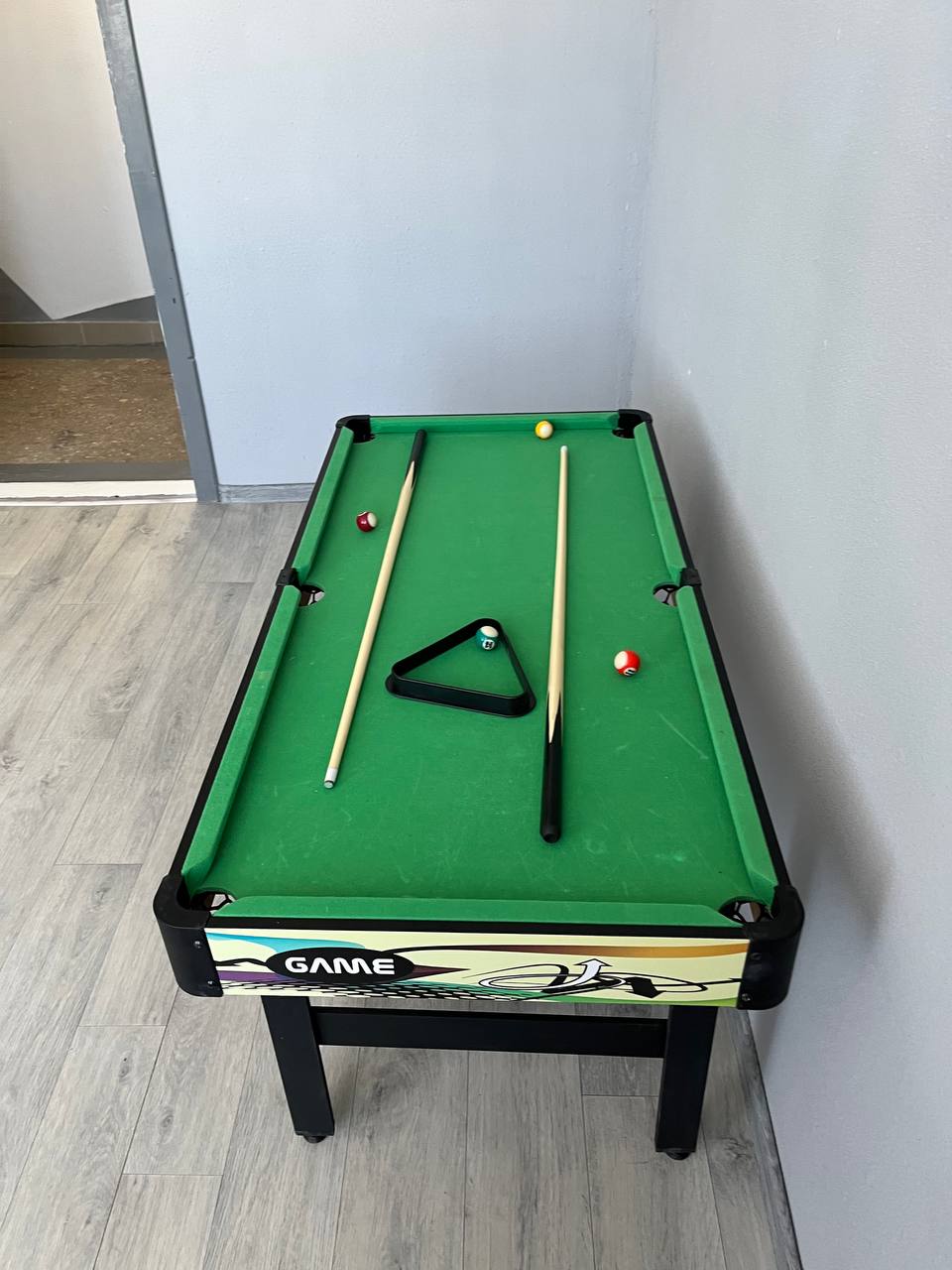
In order to create conditions close to European standards of detention, a significant amount of repair and improvement work has been carried out in the institution. In particular, the premises of the social adaptation ward have been updated, including utility rooms, bedrooms, a room for self-cooking, and a sports area.
Facts Established During the Visit
In the course of the monitoring visit, violations of the requirements of national legislation and non-compliance with international recommendations in the field of prisoner treatment were identified, which lead to violations of the rights of convicts:
1. The equipment of the institution's disciplinary isolation cell (hereinafter — DIS) does not meet the standards for the treatment of prisoners and the conditions of their detention in accordance with their needs. In the Report of the Government of Ukraine on the results of the visit to Ukraine in 2012, the European Committee for the Prevention of Torture or Inhuman or Degrading Treatment or Punishment (hereinafter — the Committee) states that any single cells must have a living space of not less than 6 m² (not including the built-in toilet); the distance between the walls of the cell should be at least 2 m (paragraph 45 (CPT/Inf (2013) 23).
At the same time, the monitoring group established the use of premises for the detention of convicts that do not comply with the specified recommendations. In particular, in DIS cells Nos. 1 and 2, the distance between the walls is less than 2 metres. This results in the fact that, due to the limited space, convicts serving a disciplinary penalty cannot move freely inside the cell, which creates a feeling of physical discomfort.
The cell premises of the DIS are not provided with a sufficient level of natural lighting. Due to the design features of the windows in certain DIS cells, convicts are deprived of the ability to open them themselves.
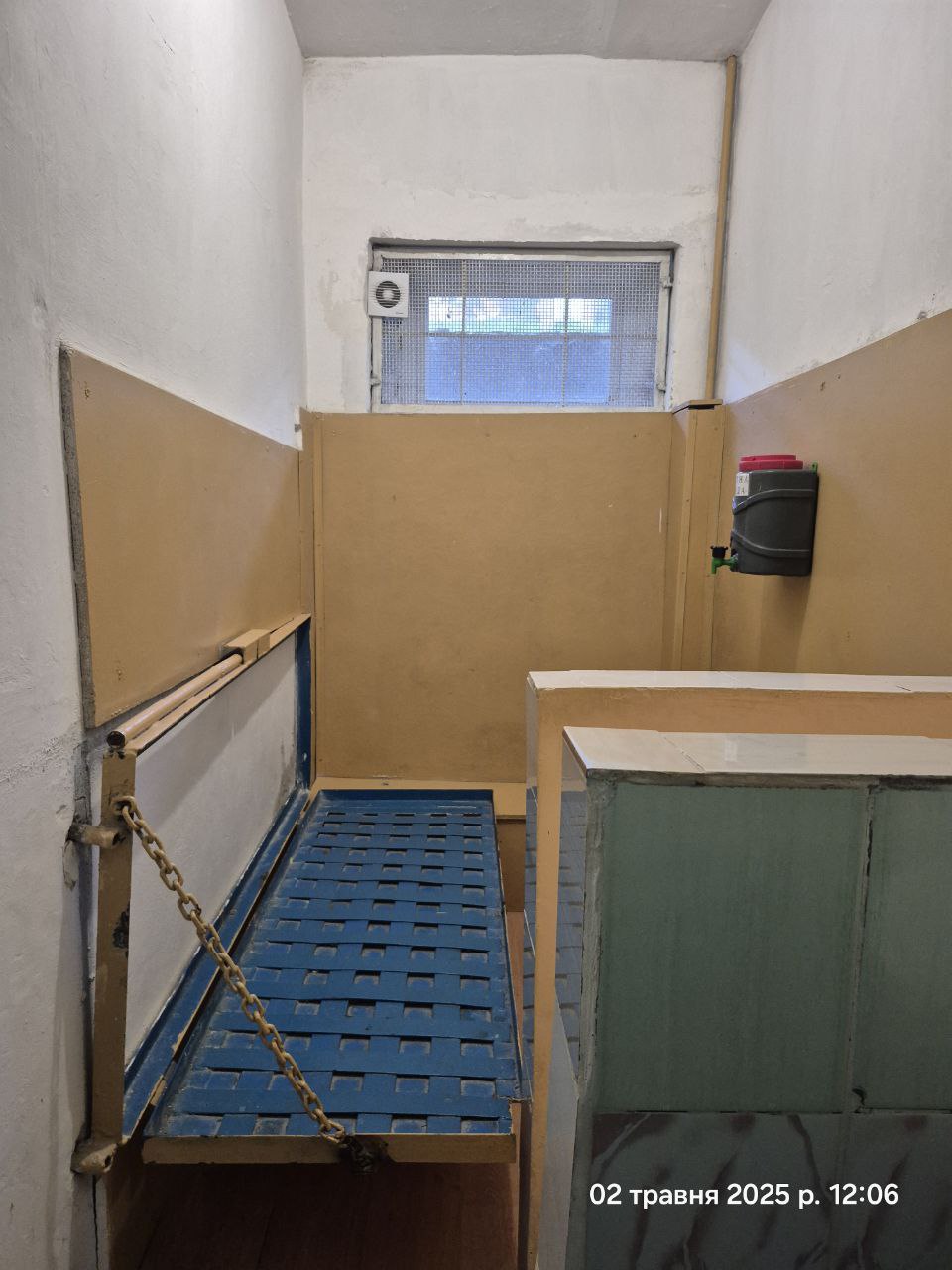
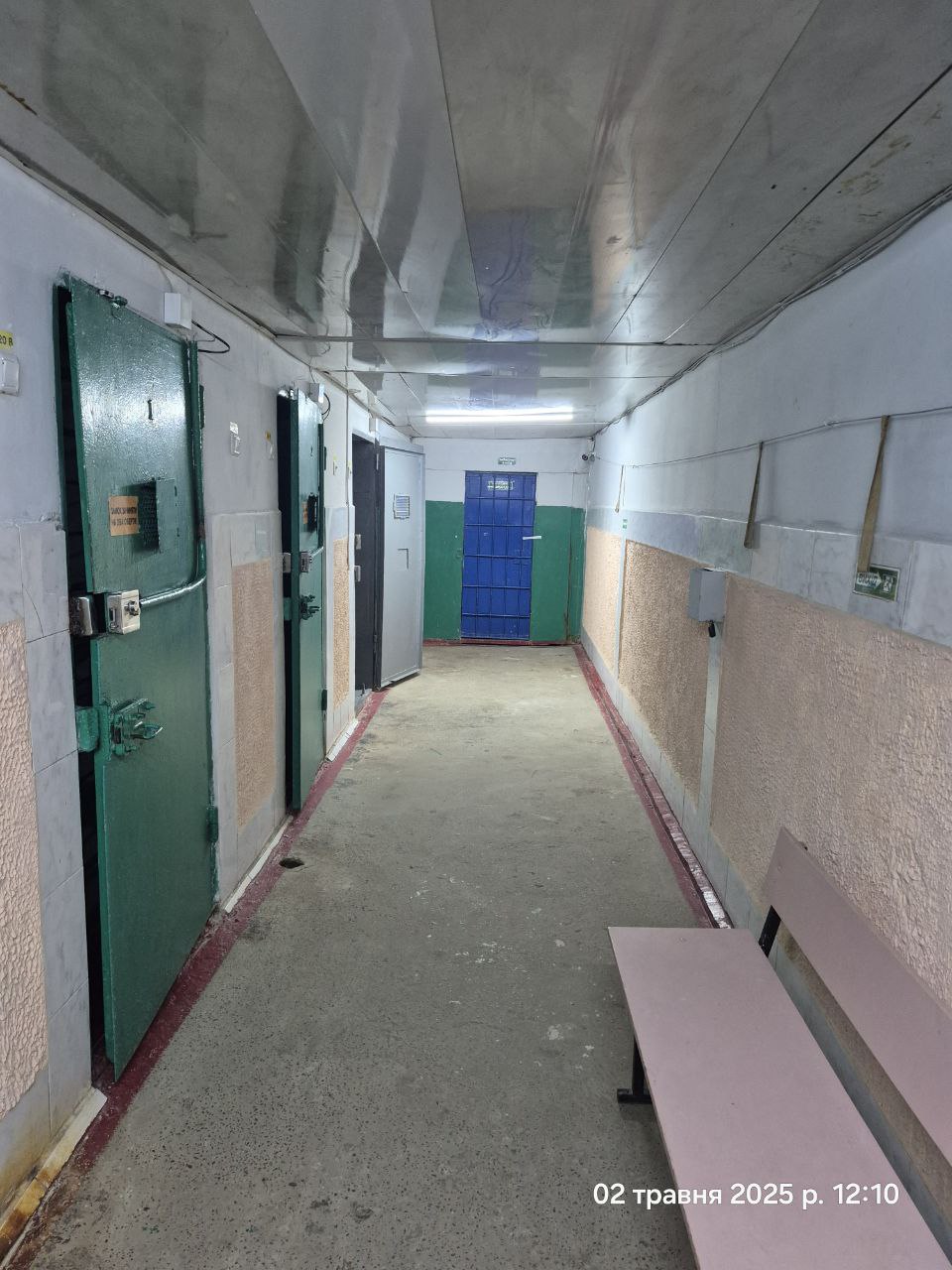
Sanitary facilities in certain cell premises lack doors and sufficient partitions that ensure the possibility of privacy, which is a violation of Rule 19.3 of the European Prison Rules. Thus, the premises do not comply with Part 1 of Article 115 of the Criminal Enforcement Code of Ukraine, and paragraphs 14 and 15 of the UN Standard Minimum Rules for the Treatment of Prisoners (the Nelson Mandela Rules).
2. There is no radio connection in the DIS cell premises, which contradicts the requirements of paragraph 3 of Section XX of the Internal Regulations of Penal Institutions, approved by the Order of the Ministry of Justice of Ukraine dated 28 August 2018 No. 2823/5, registered with the Ministry of Justice of Ukraine on 5 September 2018 under No. 1010/32462 (hereinafter — the IRPI), and paragraph 63 of the UN Standard Minimum Rules for the Treatment of Prisoners.
3. In violation of the requirements of the Standards for the Provision of Furniture, Inventory, and Household Items for Special Educational Institutions, approved by the Order of the Ministry of Justice of Ukraine dated 27 July 2012 No. 1118/5 (hereinafter — the Provision Standards), the DIS/cell-type premises lack a number of facilities, namely: a room for the reception of convicts by the administration and medical staff, a storage room for the temporary keeping of dirty bedding, personal property, and special clothing; a barber shop, a changing room, a room for food distribution, food storage, and dishwashing.
The absence of these premises or their improper arrangement leads to a violation of sanitary and hygienic standards. Thus, the improper organisation of the storage of personal belongings complicates the maintenance of cleanliness and order in the premises where convicts are held, which worsens the general sanitary situation in the institution, and the absence in the DIS/cell-type premises of a room for medical staff to examine convicts, as a result of which the medical examination of convicts is carried out in the duty shift room or in the cell premises, indicates that staff of the institution and other convicts may obtain confidential information about the health status of the convicts during medical examinations, manipulations, or procedures.
This violates the requirements of Article 39-1 of the Law of Ukraine “Fundamentals of Ukrainian Legislation on Healthcare” regarding the right of individuals to confidentiality regarding their state of health and paragraph 9 of Section I of the “Procedure for Organising the Provision of Medical Care to Convicts Sentenced to Imprisonment”, approved by the joint order of the Ministry of Justice of Ukraine and the Ministry of Health of Ukraine dated 15 August 2014 No. 1348/5/572 (hereinafter — the Procedure).
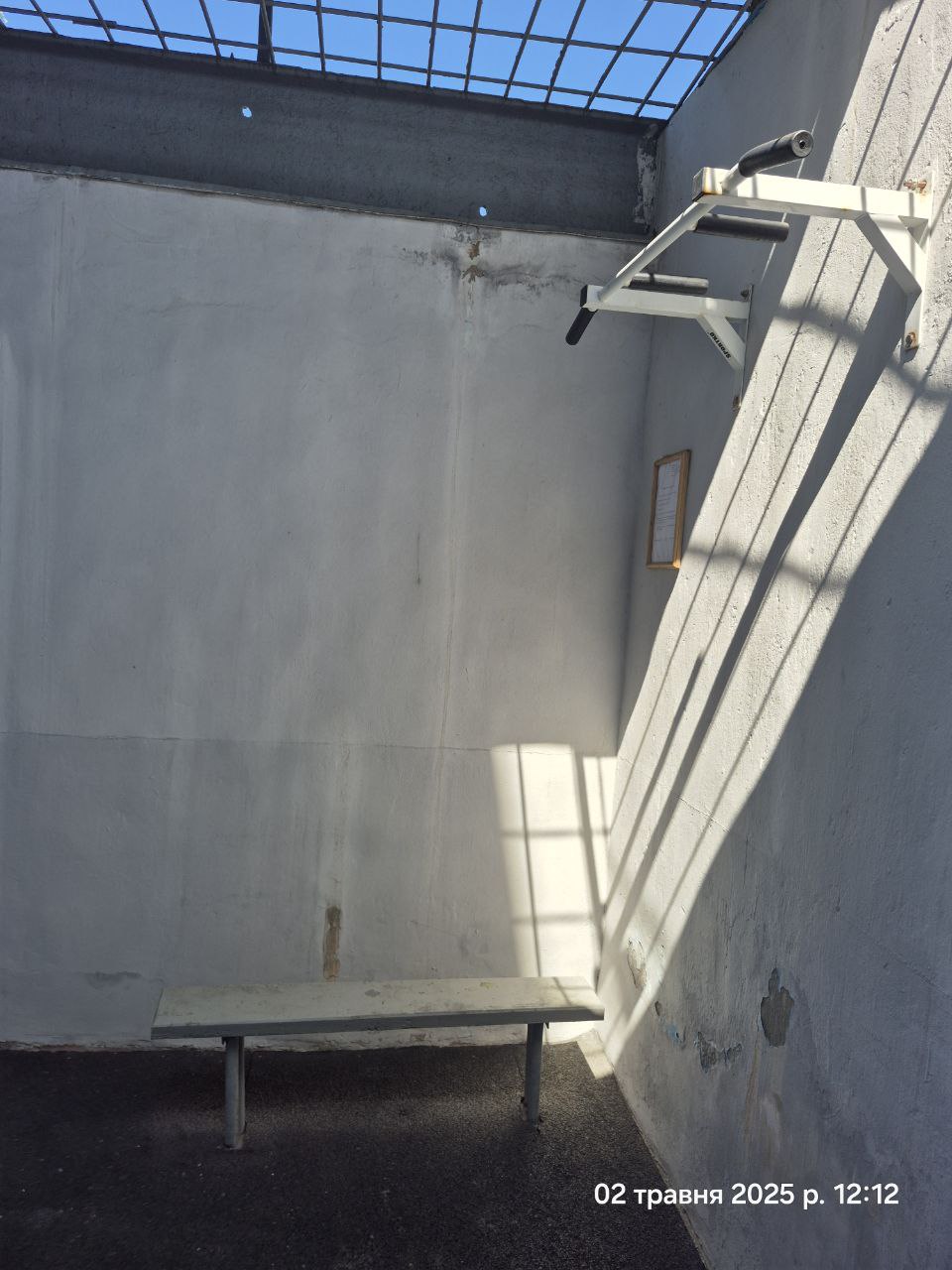
4. Walks for convicts serving a disciplinary penalty are conducted in small yards with a oppressive design, in particular due to high walls that completely limit the view. At the same time, the Committee has repeatedly recommended reviewing the size and architecture of such yards, “from which, at best, there is only a view of the sky” (paragraph 122, paragraph 127 (CPT/Inf (2014) 15).
5. The monitoring group established that the administration and personnel of the institution do not ensure the proper organisation of work with newly arrived convicts. Thus, in accordance with paragraph 5 of Section II of the Regulation on the Quarantine, Diagnostics and Distribution Ward for Convicts, approved by the Order of the Ministry of Justice of Ukraine dated 4 November 2013 No. 2300/5, registered with the Ministry of Justice of Ukraine on 4 November 2013 under No. 1864/24396 (hereinafter — the Regulation on the KDD), the measures of the programme for familiarising newly arrived convicts must be planned in such a way that each member of the working group visits the KDD ward at least once a week.
However, during the analysis of the logbook for visits to the KDD ward, it was established that individual members of the working group — in particular, the deputy head of the institution for social and educational work, the head of the social and psychological service, the chief accountant, the senior operative of the operational group, the legal adviser, and the head of the Kremenchuk city medical unit — do not visit the ward with the required regularity, thereby violating the requirements of the Regulation regarding participation in work with newly arrived convicts.
6. The monitoring group established that the administration of the institution has introduced a practice of prohibiting juvenile convicts from using beds in the sleeping premises of the KDD ward during the day in their free time. Such a practice contradicts paragraph 4 of Annex 8 to the IRPI, according to which convicts are not prohibited from sitting or lying on beds during free time.
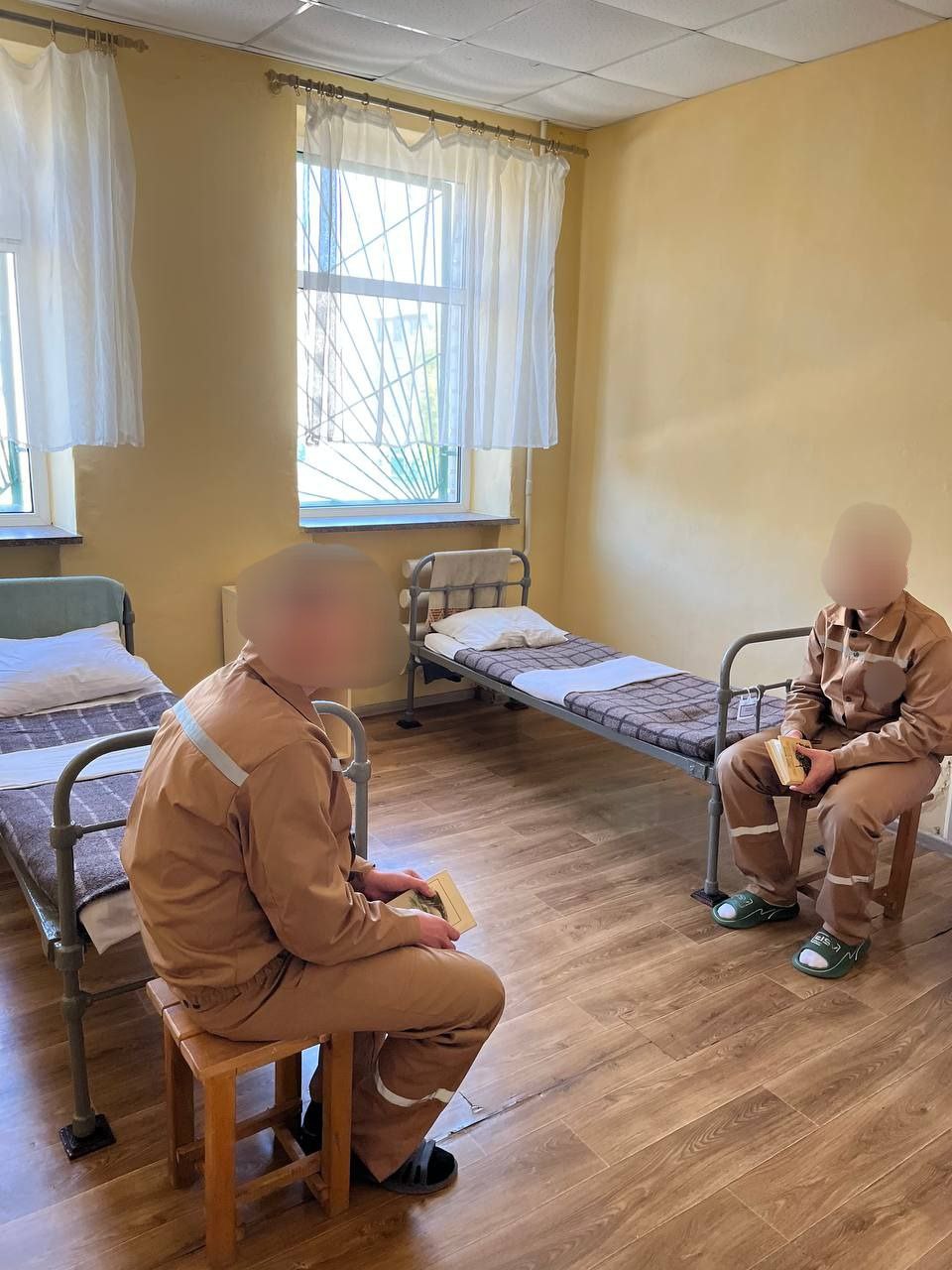
Furthermore, the monitoring group recorded a practice introduced by the administration of the institution of locking juvenile convicts in the sleeping premises of the KDD ward at night, which is not provided for by current regulatory legal acts. Such a practice is particularly sensitive given the age of the detainees, creates physical and psychological discomfort, and contradicts the principles of dynamic security.
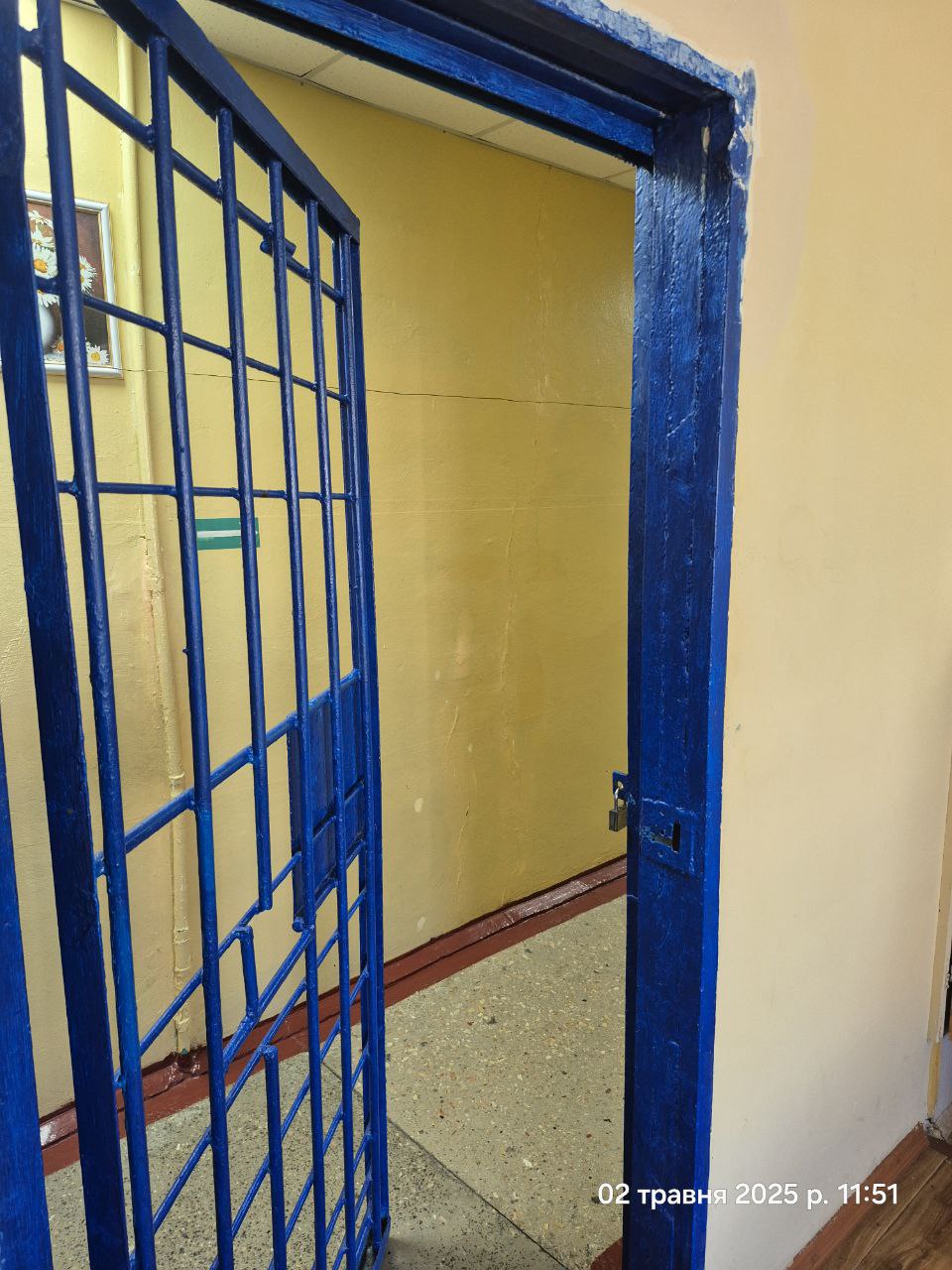
7. The equipment of the KDD ward does not meet the established requirements regarding proper conditions of detention of convicts and their treatment. Thus, in violation of the requirements of the Provision Standards, the ward lacks a number of premises, namely: a room for storing the exchange fund of bedding, personal property, and special clothing; a storage room for the temporary keeping of dirty bedding, personal property, and special clothing; a changing room; a utility room; a drying room.
The absence of these premises or their improper arrangement leads to a violation of sanitary and hygienic standards and contradicts paragraph 1 of Section XII of the IRPI. Thus, the improper organisation of the storage of personal belongings complicates the maintenance of cleanliness and order in the premises where convicts are held, which worsens the general sanitary situation in the institution.
Sanitary facilities in the sleeping premises of the KDD ward are not equipped with sufficient partitions to ensure the possibility of privacy, which violates Rule 19.3 of the European Prison Rules.
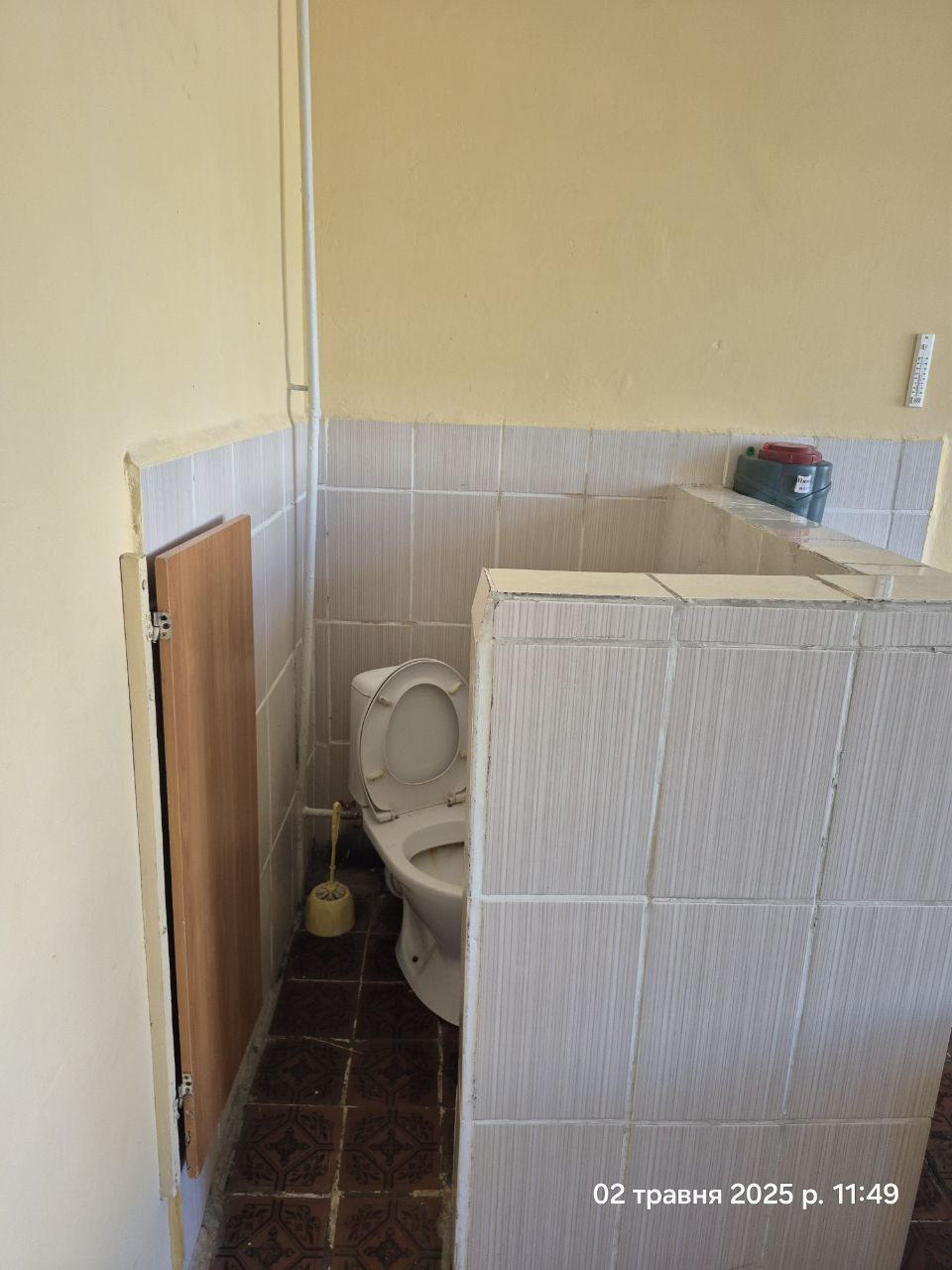
At the same time, in the report of the Government of Ukraine on the results of the visit in 2023, the Committee called on the Ukrainian authorities to take the necessary measures to improve material conditions of detention, in particular, to maintain all places of accommodation of convicts and persons in custody, including sanitary facilities, in a proper state of repair and hygiene, to carry out regular and frequent disinfestation; to ensure sufficient access to natural lighting and ventilation in the cells, and to fully equip internal sanitary facilities with partitions (i.e., from floor to ceiling) (CPT/Inf (2024) 20, paragraph 58).
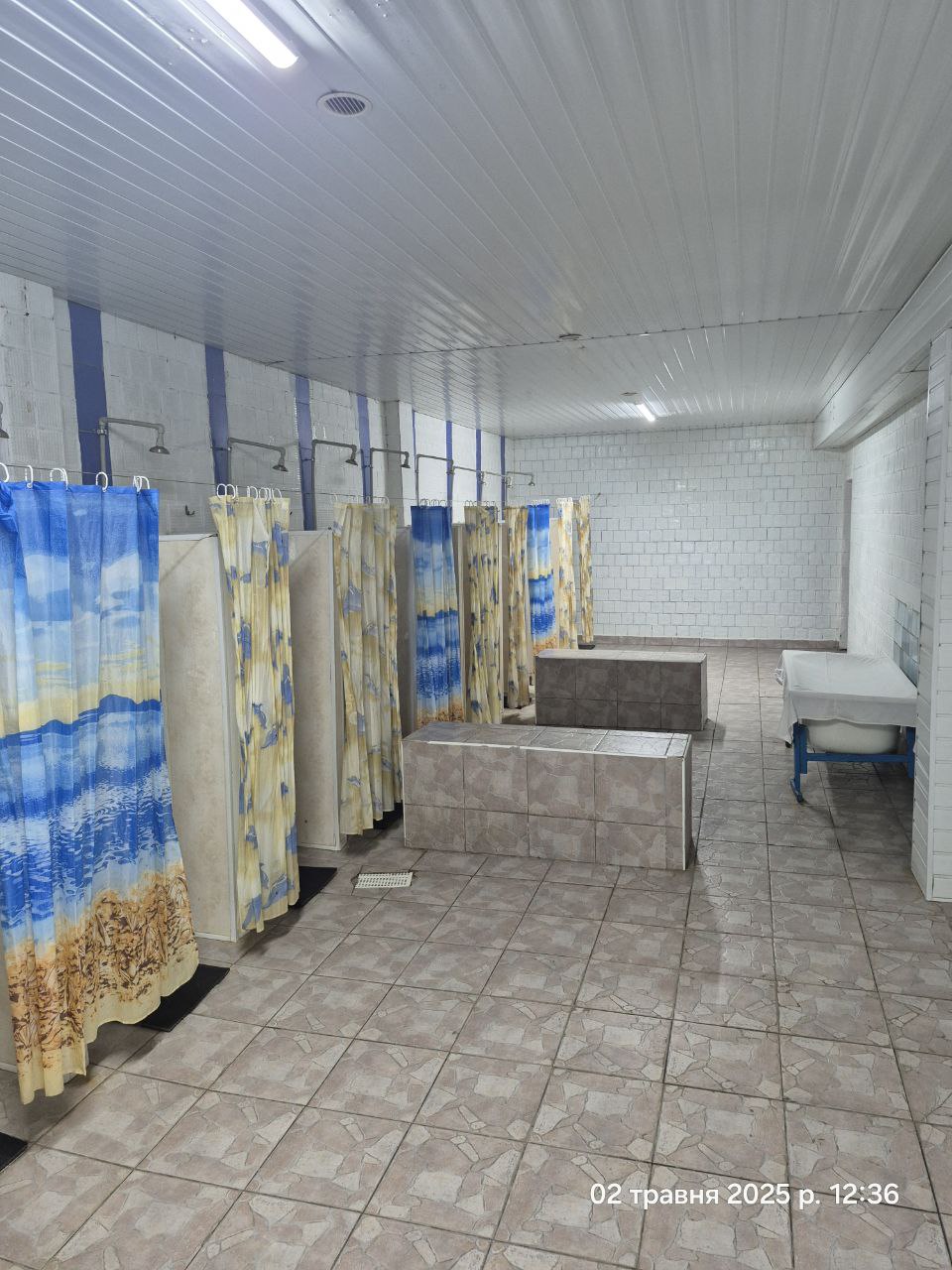
8. The monitoring group established a number of violations in the organisation of bath and laundry services for convicts and persons in custody. Thus, in violation of the requirements of paragraph 4 of Section XXII of the IRPI and paragraph 3.19 of Section III of the Regulation on the Organisation of Bath and Laundry Services for Persons Held in Penal Institutions and Pre-trial Detention Centres, approved by the Order of the Ministry of Justice of Ukraine No. 849/5 dated 8 June 2021 (hereinafter — the Regulation), the implementation of sanitary and hygienic and anti-epidemic rules is not properly ensured.
Sanitary treatment of convicts arriving at the institution is not carried out, which is confirmed by the absence of records of washing in the bathhouse visit log on the corresponding dates of arrival.
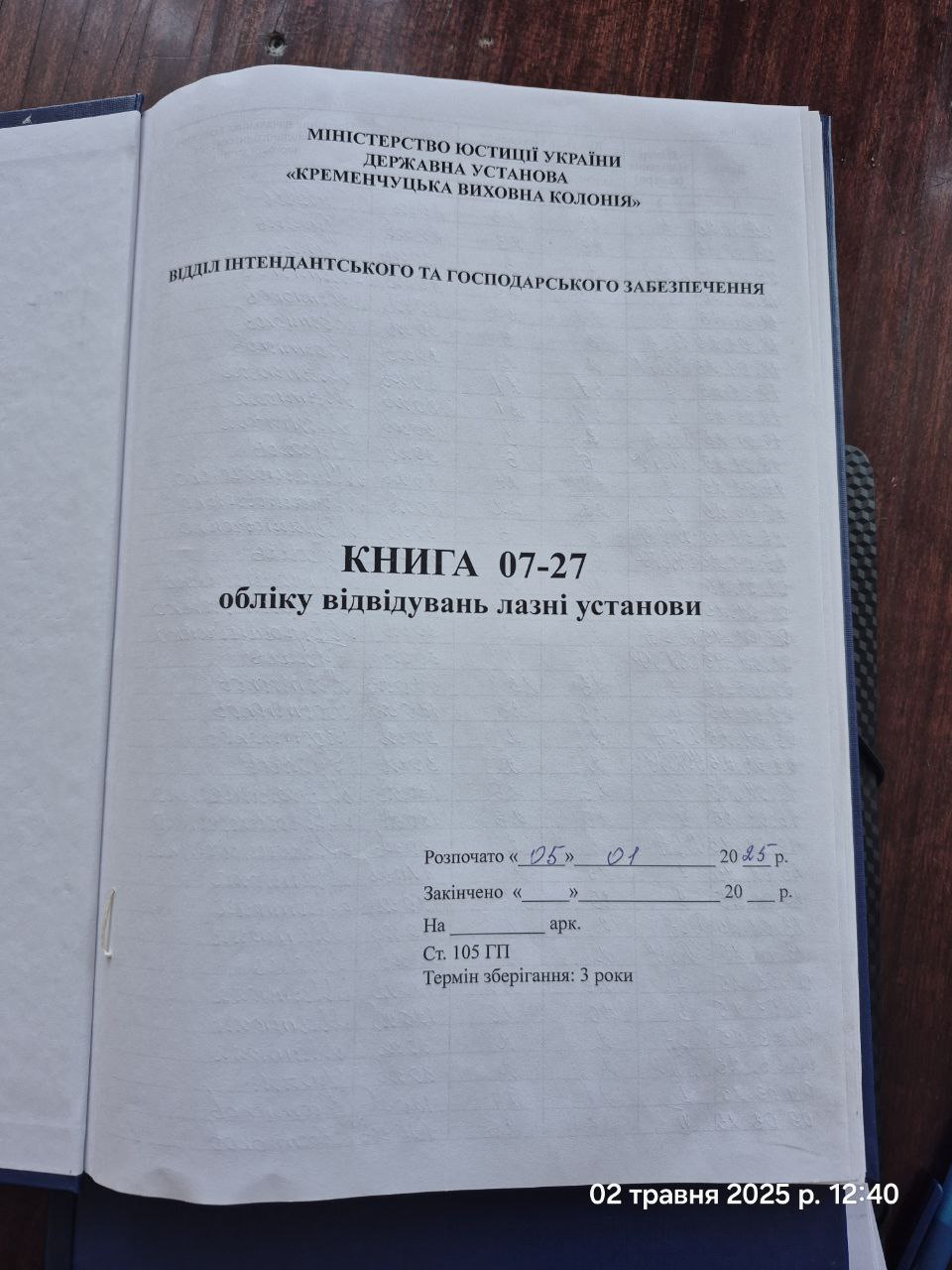
In addition, in violation of paragraph 2.14 of Section II of the Regulation, the institution does not ensure the provision of barber services to convicts. It was also established that forced supply and exhaust ventilation is not functioning in the laundry and shower rooms of the DIS, which violates the requirements of paragraph 2.11 of Section II of the Regulation.
Finally, the duties of supervising compliance with order during the washing of convicts in the bathhouse, controlling cleaning, disinfection of premises, and carrying out medical examinations, provided for by paragraphs 3.10 and 3.11 of the Regulation, are not actually performed by the duty medical worker.
9. During the visit, the monitoring group recorded that the institution's personnel who have direct contact with convicts openly carry special means, including rubber batons.
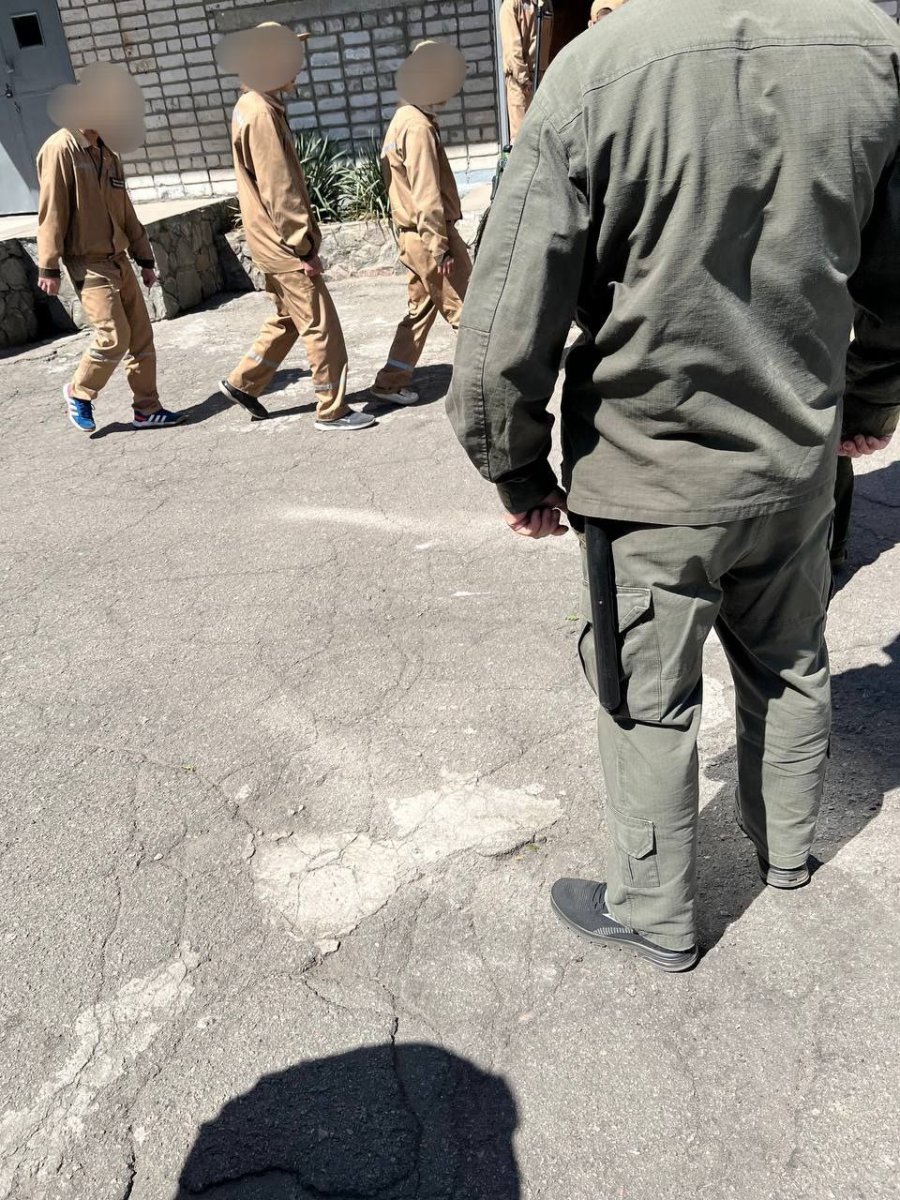
At the same time, according to paragraph 8 of Section XXVI of the IRPI, the carrying of special means by personnel of penal institutions within the guarded territory of the penal institution should, if possible, be as concealed as possible from those around them.
At the same time, the Committee recommends that penitentiary staff working in direct contact with prisoners should not openly carry special means (such as rubber batons, handcuffs, and canisters equipped with tear gas) in front of prisoners. Such carrying prevents the establishment of normal relations between staff and prisoners (paragraph 85 (CPT/Inf (2011) 29), paragraph 23 (CPT/Inf (2013) 23), paragraph 166 (CPT/Inf (2014) 15)).
10. According to official documentation, the staff shortage at the institution as of 1 May 2025 amounted to 26 full-time positions. At the same time, in the report of the Government of Ukraine on the results of the visit in 2023, the Committee emphasises that ensuring a positive climate in a penitentiary institution requires the presence of a professional team of personnel who must be present in sufficient numbers at any time in places of detention.
Insufficient numbers of personnel can only increase the risk of violence and intimidation between convicts. The shortage of frontline staff also undermines the quality and level of activities offered to convicts and jeopardises the prospect of preparation for release and social rehabilitation.
In connection with which, the Committee calls on the Ukrainian authorities to take decisive measures to significantly increase the number of personnel in Ukrainian penitentiary institutions, where a low level of staffing is observed, in order to strengthen the presence of security and supervisory personnel inside the institutions. It is also necessary to take measures to put an end to 24-hour shifts for personnel on duty (CPT/Inf (2024) 20, paragraph 93).
11. During the monitoring visit to the KEC, systemic violations of the labour rights of juvenile convicts were identified. An analysis of the provided fixed-term employment contracts, time-tracking documents, and staffing tables showed that the colony effectively ignores the current labour legislation of Ukraine, the provisions of the Constitution, the state's international obligations regarding the protection of children, and the fundamental principles of combating forced labour.
The institution provided copies of fixed-term employment contracts concluded with convicts aged 16-17: A. (17 years old), B. (17 years old), V. (16 years old), G. (17 years old), and others. An analysis of the content of these contracts revealed a number of gross violations, namely:
- Absence of references to the reduced working hours, which directly violates Article 51 of the Labour Code of Ukraine, which provides for a 36-hour working week (6 hours/day) for minors;
- Use of general wording, such as “in accordance with the law”, without specifying working conditions, work schedule, or the amount of payment, which deprives convicts of the opportunity to defend their rights in case of violation;
- Absence of data on conducting occupational safety briefings and familiarisation with the terms of the contract — a violation of Article 169 of the Labour Code of Ukraine;
- The fixed-term nature of the contracts without proper justification contradicts Part 2 of Article 23 of the Labour Code, according to which a fixed-term contract is allowed only under conditions where employment relations cannot be open-ended due to the nature or conditions of the work;
- Ignoring the special guarantees for minors established by Articles 187 and 198 of the Labour Code of Ukraine, as well as the requirements of ILO Convention No. 138 (on minimum age for admission to employment) and ILO Convention No. 182 (on the worst forms of child labour).
Signs of formal employment without real provision of labour rights were identified, which in the context of the penitentiary system may indicate exploitation in the form of hidden forced labour — a violation of Article 43 of the Constitution of Ukraine and paragraph 64 of the UN Standard Minimum Rules for the Treatment of Prisoners (the Nelson Mandela Rules).
In addition to the contracts, the colony administration provided time sheets for March-April 2025 regarding convicts: P. (born 2006), O. (born 2006), K. (born 2006), O. (born 2006), D. (born 2006), and others. An analysis of the time sheets revealed the following: systemic exceeding of the established norm of working hours for minors — a daily 8-hour load despite the permitted 6 hours. Thus, the duration of the weekly working time reached 40-48 hours, which contradicts Articles 51 and 187 of the Labour Code of Ukraine, as well as ILO Convention No. 138.
Absence of days off, holidays, and any notes about sick leave, training, or vacation regarding kitchen workers — a violation of Articles 67 and 73 of the Labour Code of Ukraine, paragraph 103 of the Mandela Rules, and the Procedure for keeping time sheets in accordance with the Order of the State Statistics Committee No. 489 dated 5 December 2008.
During a personal conversation on the condition of anonymity, to prevent eavesdropping, wiretapping, and interference in confidential communication with the students of the institution, the monitoring group interviewed convicts I. and O., who work as kitchen staff. The students reported that they work every day, without days off or holidays. This information is confirmed by entries in the medical examination logs 07-54 and the log of the issuance of sharp-cutting objects.
Analysis of the staffing table and lists of persons engaged in work in workshops, the laundry, the kitchen, and other subdivisions of the colony showed that some convicts, including minors born in 2006, perform household maintenance work without any legal formalisation. They are not listed in any of the submitted contracts or time sheets, and there are no relevant orders regarding their official involvement in household work.
Such work is not paid, is not counted towards pensionable service, is not accompanied by social guarantees, and can be qualified as hidden or forced labour, which violates the Constitution of Ukraine, the Labour Code, as well as Ukraine's international obligations (in particular, ILO Conventions No. 29 and No. 105).
On the basis of documents provided by the administration of the SI “Kremenchuk Educational Colony”, facts of systemic involvement of juvenile convicts in work in the production area for the manufacture of paper and cardboard products without proper formalisation of labour relations were established.
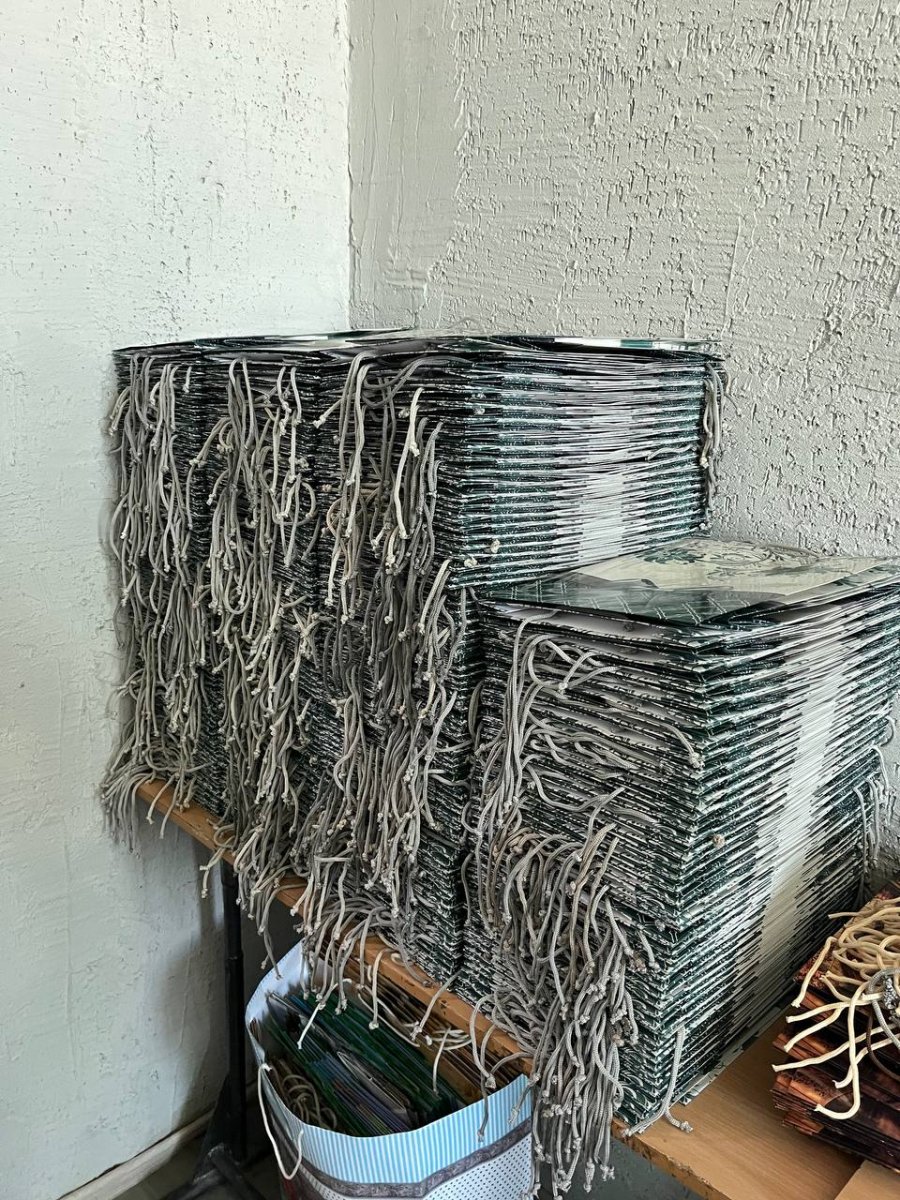
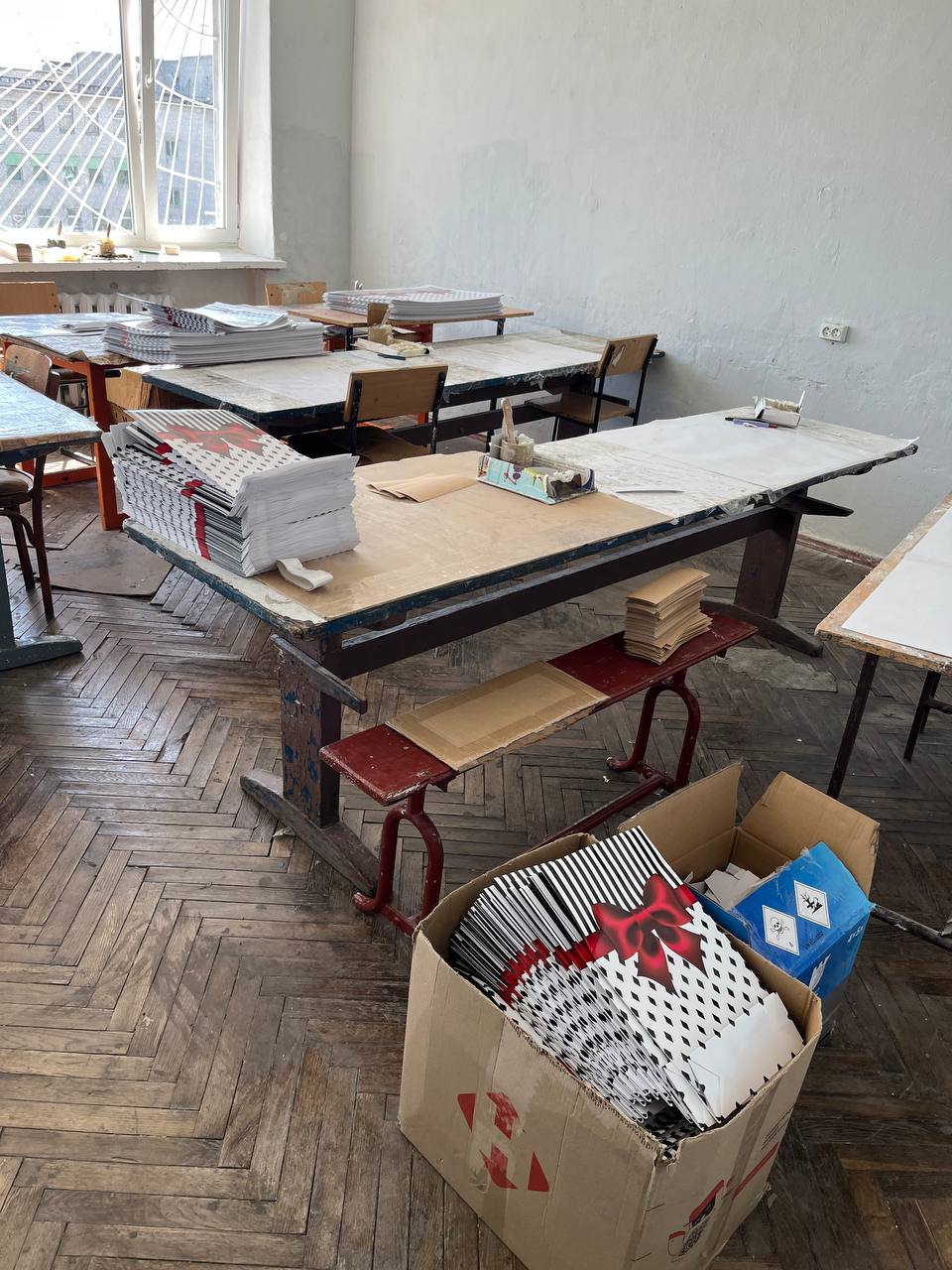
According to work orders and time-tracking logs, at least the following minors were involved daily in the work of gluing, packing, and packaging paper blanks during March-April 2025, namely convicts: L., T.
At the same time, none of these convicts is listed in the fixed-term employment contracts or time sheets submitted by the colony administration, as provided for by Article 107 of the Criminal Enforcement Code of Ukraine.
Thus, the activity of these convicts has all the signs of illegal use of labour without the formalisation of labour relations, which violates Articles 24, 43, 187, 198, 105, and 107 of the Labour Code of Ukraine; contradicts the Constitution of Ukraine (Article 43); is incompatible with Ukraine's international obligations according to ILO Conventions No. 29 and No. 105, as well as the Mandela Rules, and indicates potential signs of hidden forced labour of minors.
It is especially dangerous that these persons were born in 2006, meaning at the time of performing the work they were 17-18 years old and had additional legislative guarantees provided for by Articles 187 and 198 of the Labour Code of Ukraine, which were ignored in the colony.
The established facts indicate a gross and systemic violation of the rights of juvenile convicts in the field of labour. Existing practice points to the exploitation of a vulnerable category of persons in conditions of unfreedom, without payment, without protection, without pensionable service, without briefings, and without control. Under such circumstances, work in the production area does not have the signs of voluntary and safe labour activity, but rather forced labour, hidden under the guise of an “educational process”.
Kremenchuk City Medical Unit of the branch of the State Institution “Centre for Health Care of the State Penal Service of Ukraine” in Poltava Region
The Head of the Kremenchuk City Medical Unit of the branch of the State Institution “Centre for Health Care of the State Penal Service of Ukraine” in Poltava Region (hereinafter — the medical unit) is Oleksandr Viktorovych Horodko.
During the monitoring visit, violations of the requirements of national legislation and non-compliance with international recommendations in the field of prisoner treatment were identified, which lead to violations of the rights of convicts:
1. During the study of medical documentation, it was established that in the outpatient medical records (form 025/o), photographs of existing bodily injuries are not attached to the compiled medical reports, as provided for in paragraph 3 of Section I, Chapter II of the Procedure for Organising the Provision of Medical Care to Convicts Sentenced to Imprisonment, approved by the joint order of the Ministry of Justice of Ukraine and the Ministry of Health of Ukraine dated 15 August 2014 No. 1348/5/572 (hereinafter — the Procedure).
At the same time, the Committee in the report on the results of the visit to Ukraine in 2023 notes that any traumatic injuries detected during a medical examination should be photographed in detail, and the photographs, together with body charts, should be stored in the individual medical record of the person (paragraph 82 (CPT/Inf (2024) 20)).
2. In violation of the requirements of the Instruction on completing the form of primary accounting documentation No. 003-6/o “Informed voluntary consent of the patient to the conduct of diagnostics, treatment, and to the conduct of surgery and anaesthesia and to the presence or participation of participants in the educational process”, approved by the order of the Ministry of Health of Ukraine dated 14 February 2012 No. 110, it was established that two patients who were in the inpatient department of the medical unit lacked signed informed voluntary consent for diagnostics and treatment.
This may indicate the absence of the patient's voluntary consent for the application of diagnostic, preventive, and treatment methods to them, which is a violation of Article 43 of the Law of Ukraine “Fundamentals of Ukrainian Legislation on Healthcare” and paragraph 47 of the Committee's recommendations (CPT/Inf (93) 12-part).
3. In violation of paragraph 8 of Chapter 5 of Section 2 of the Procedure, there is no properly equipped isolation ward in the inpatient department for persons with mental disorders for convicts who pose a danger to others.
4. The monitoring group established that the psychiatrist conducts psychiatric examinations of patients without proper formalisation of written informed consent. In particular, contrary to the requirements of the Instruction on completing the form of primary accounting documentation No. 003-7/o “Informed consent of the person to the conduct of a psychiatric examination”, approved by the order of the Ministry of Health of Ukraine dated 15 September 2016 No. 970, it was established that in the medical documentation (in particular, in the outpatient medical record form No. 025/o and the inpatient medical record form No. 003/o), there is no informed consent signed by the patient to undergo a psychiatric examination.
5. In violation of the requirements of the State Construction Norms of Ukraine V.2.2-17:2006 “Buildings and structures. Accessibility of buildings and structures for persons with limited mobility”, conditions for the maintenance of people with disabilities have not been created in the medical unit.
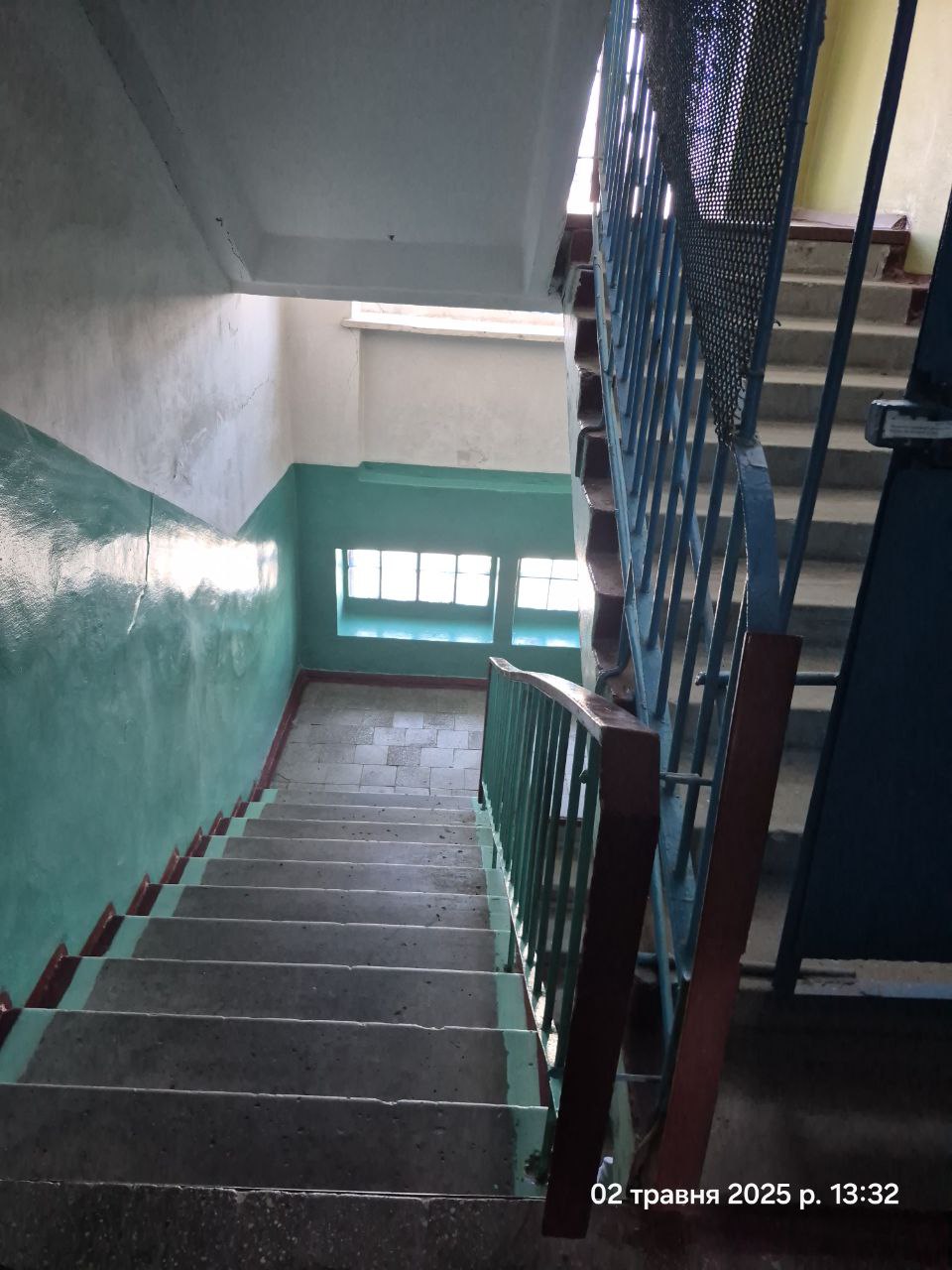
6. In violation of paragraph 37 of the Resolution of the Cabinet of Ministers of Ukraine No. 285 dated 2 March 2016 “On approval of Licensing conditions for the conduct of economic activity in medical practice”, the medical unit lacks a conclusion confirming free access to the buildings and premises of the medical institution for persons with limited mobility, the receipt of which is mandatory.
7. In violation of the Measures and Means for preventing infection during patient care, approved by the order of the Ministry of Health of Ukraine dated 3 August 2020 No. 1777, only one isolation ward for infectious patients is equipped in the medical unit, which makes it impossible to simultaneously place patients with dangerous infectious diseases separately from each other and from other convicts.
In addition, the isolation ward for persons with infectious diseases does not meet sanitary and hygienic standards and the requirements of the State Building Norms V.2.2-10:2022 “Health care institutions. Basic provisions”. Thus, the ward intended for the detention of such patients is not equipped with a shower cabin, in connection with which convicts with infectious diseases are forced to visit the general bathhouse of the institution together with other persons.
It is also worth noting that showers are completely absent in the premises of the medical unit. Thus, the lack of proper conditions makes effective isolation of patients impossible, contributes to the spread of infectious diseases, and creates a threat to the health of both convicts and institution personnel.
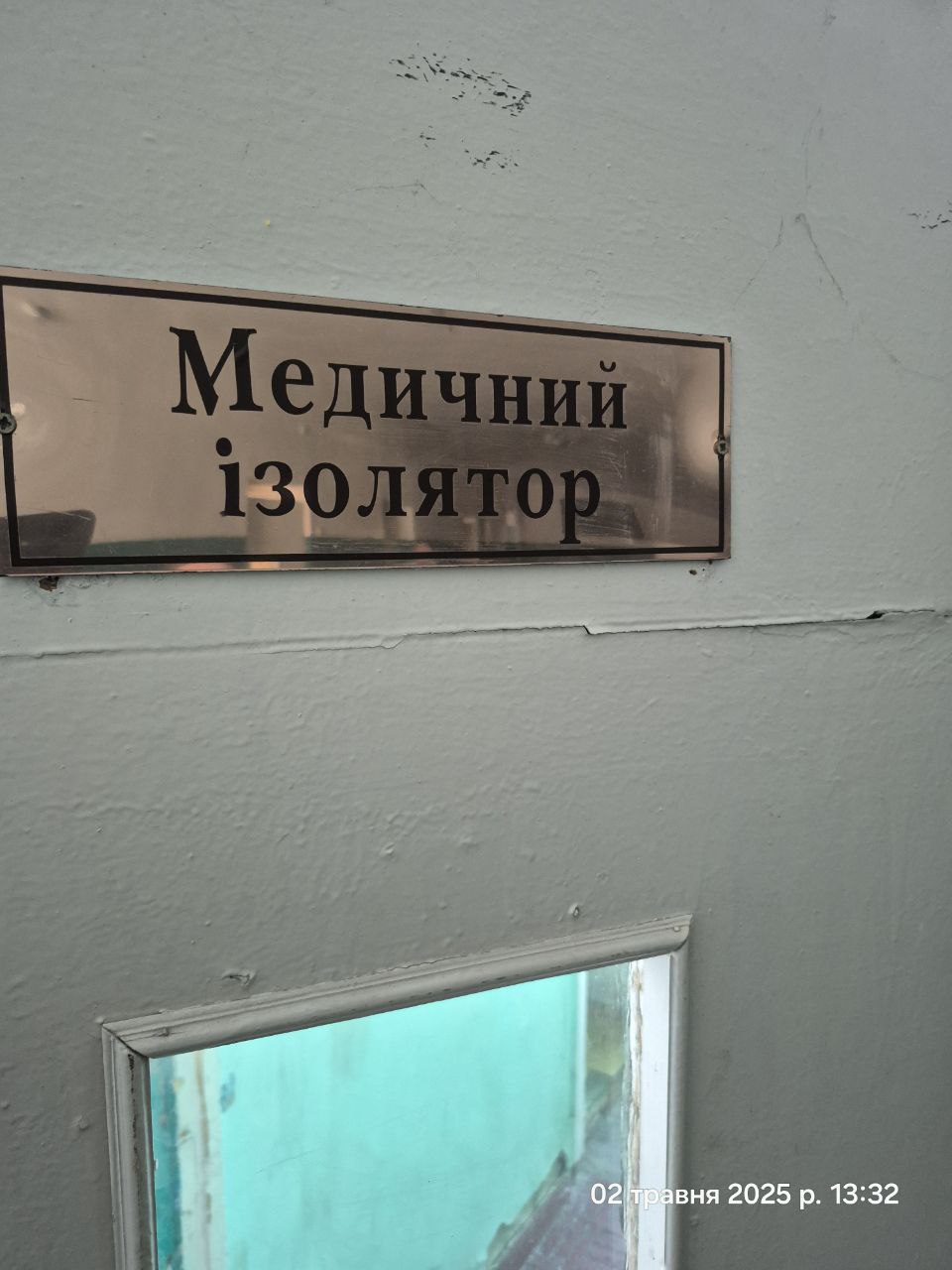
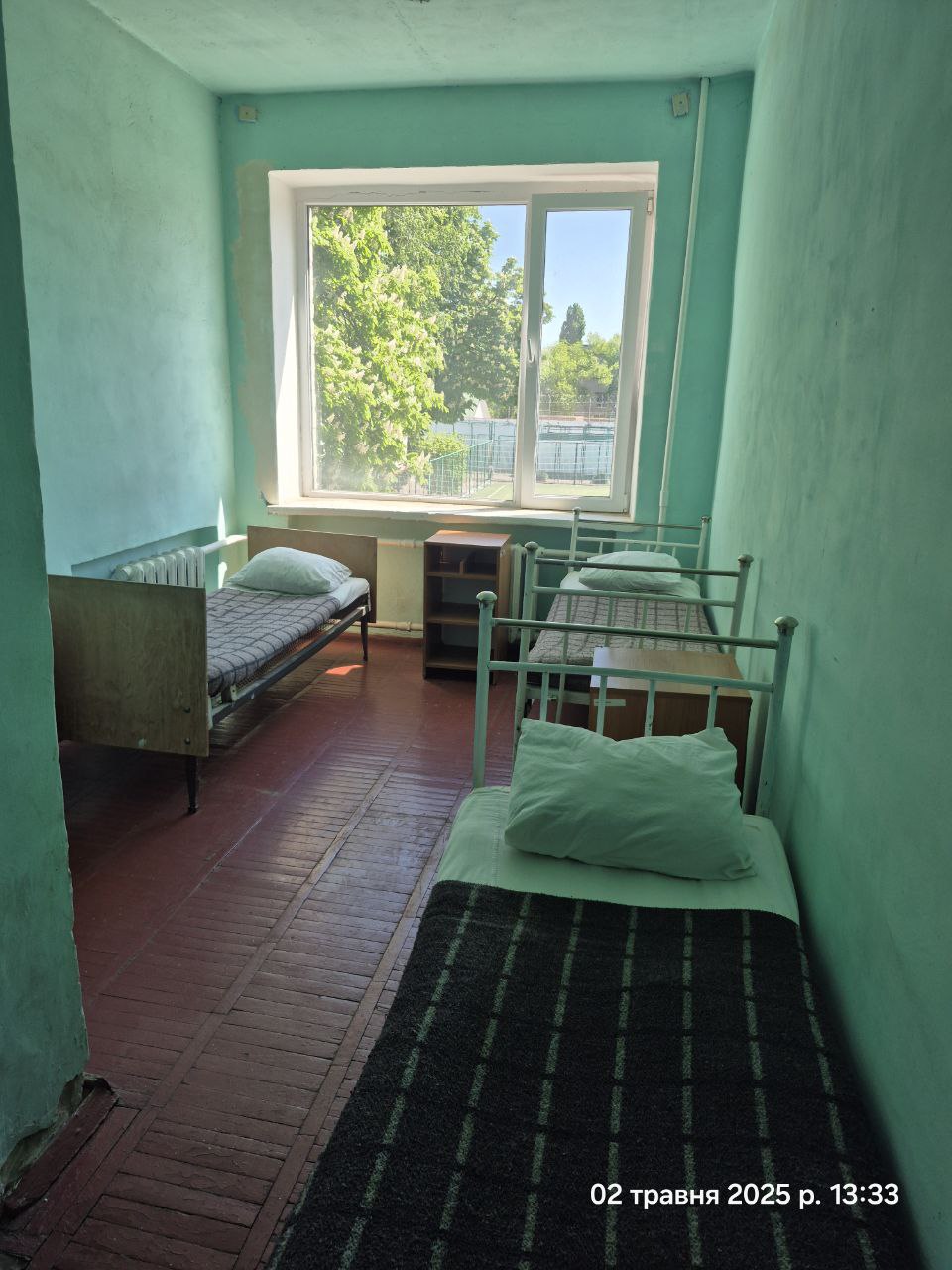
8. In violation of the Procedure for organising medical care at the primary, secondary (specialised), and tertiary (highly specialised) levels using telemedicine, approved by the order of the Ministry of Health of Ukraine dated 19 October 2015 No. 681, the personnel of the medical unit, due to technical limitations, are deprived of the opportunity to send requests for telemedical consultations and receive professional assistance for providing medical services to convicts.
9. In violation of the requirements of the Equipment Table for a dental doctor's and dental technician's workplace, approved by the order of the Ministry of Health of Ukraine dated 11 April 2005 No. 158, there is no dental X-ray machine in the medical unit, which makes it impossible to conduct an in-depth dental examination of convicts and does not ensure the timely provision of proper dental care.
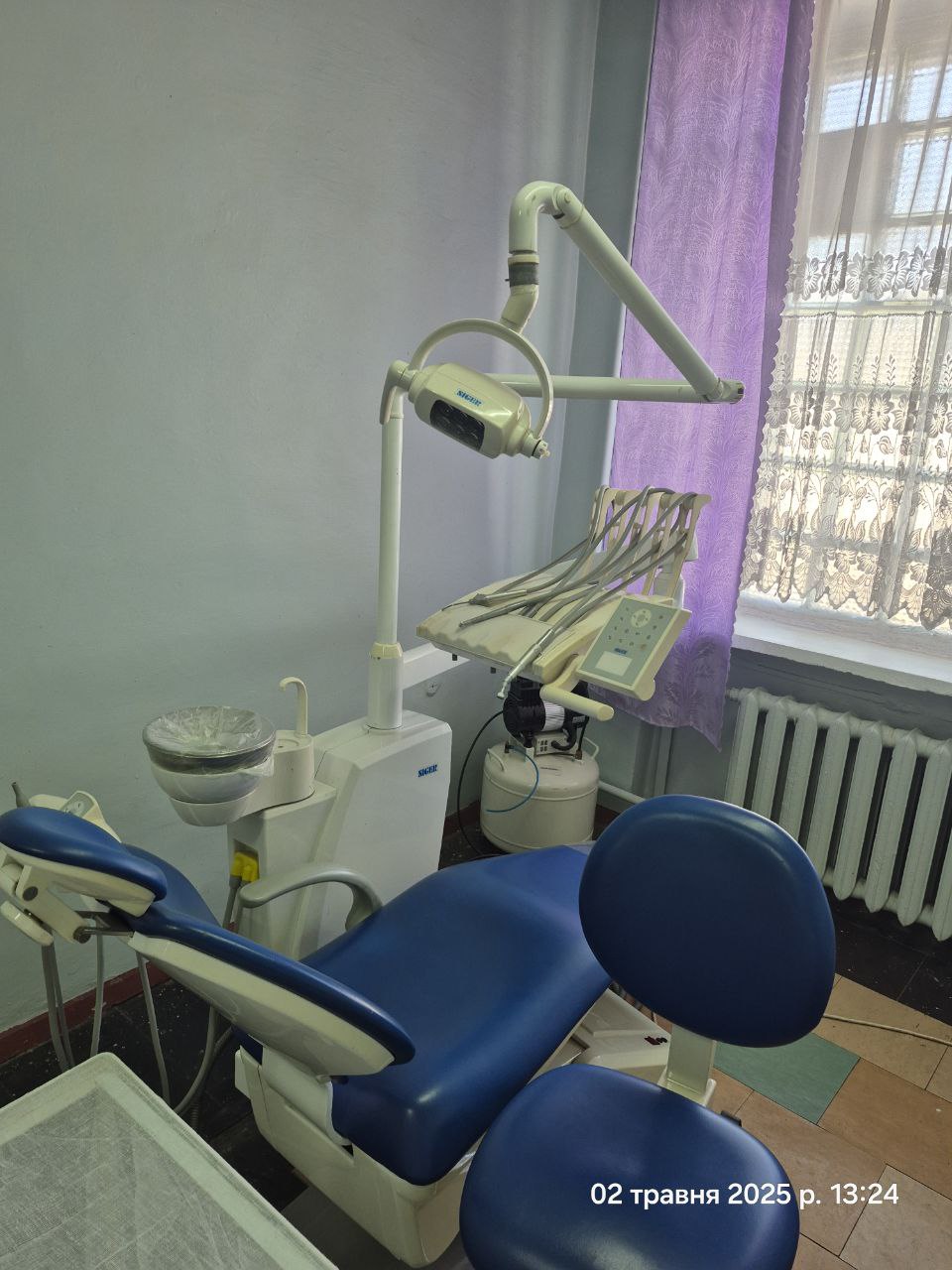
10. There is no hot water supply in the doctors' offices; the workplaces of medical staff do not meet the requirements of current legislation and violate Article 19 of the Law of Ukraine “Fundamentals of Ukrainian Legislation on Healthcare” and Article 13 of the Law of Ukraine “On Occupational Safety”.
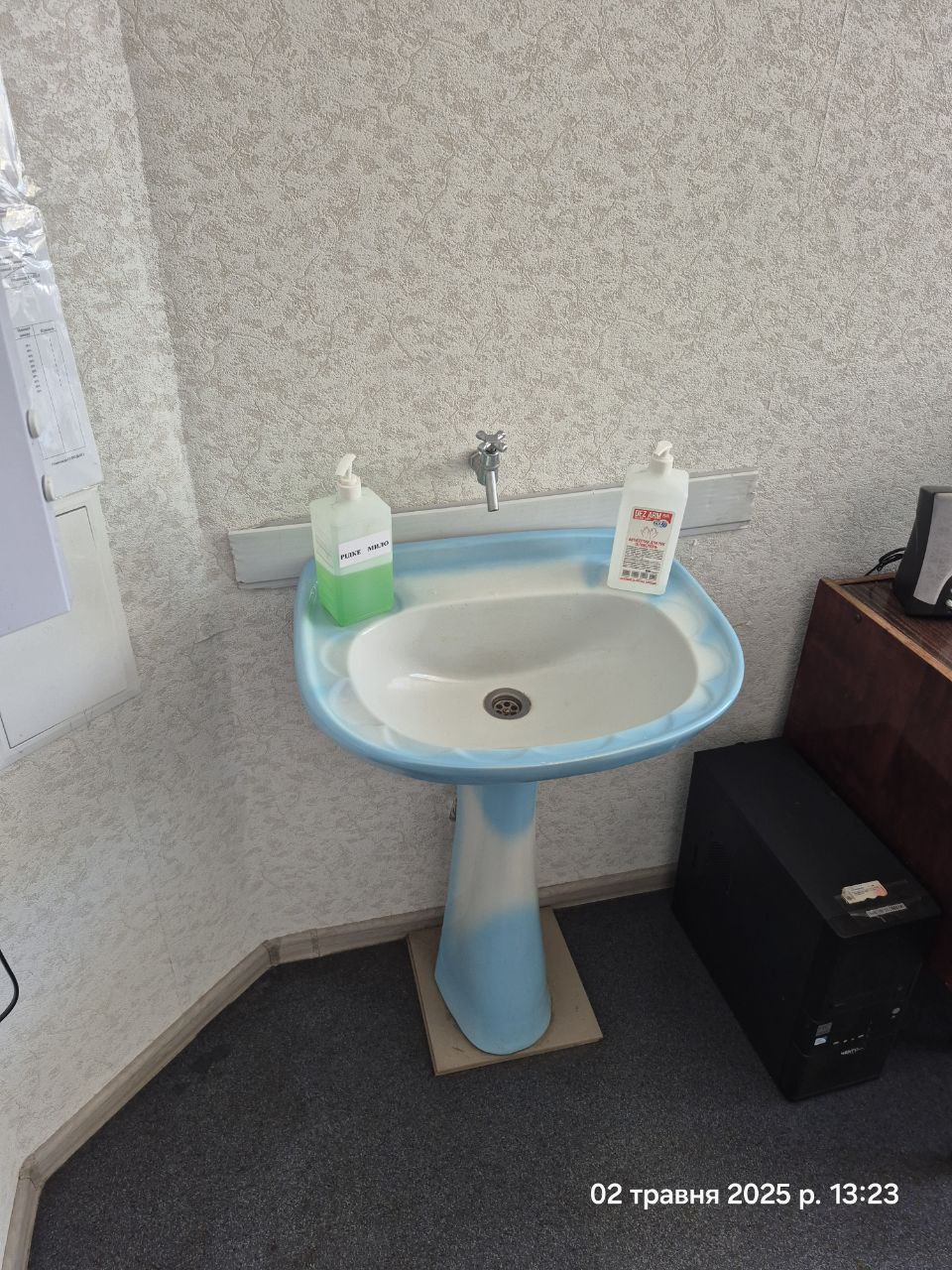
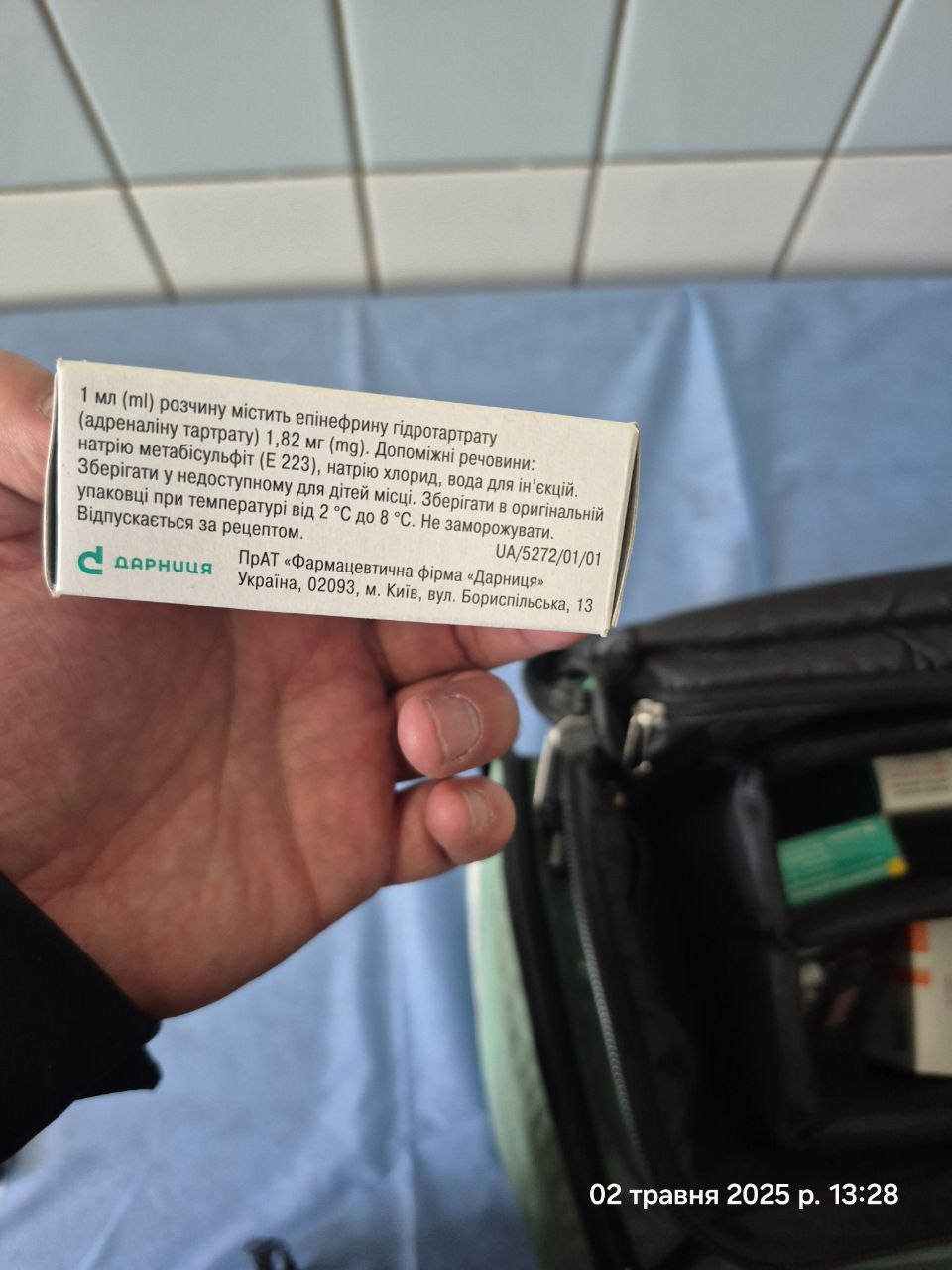
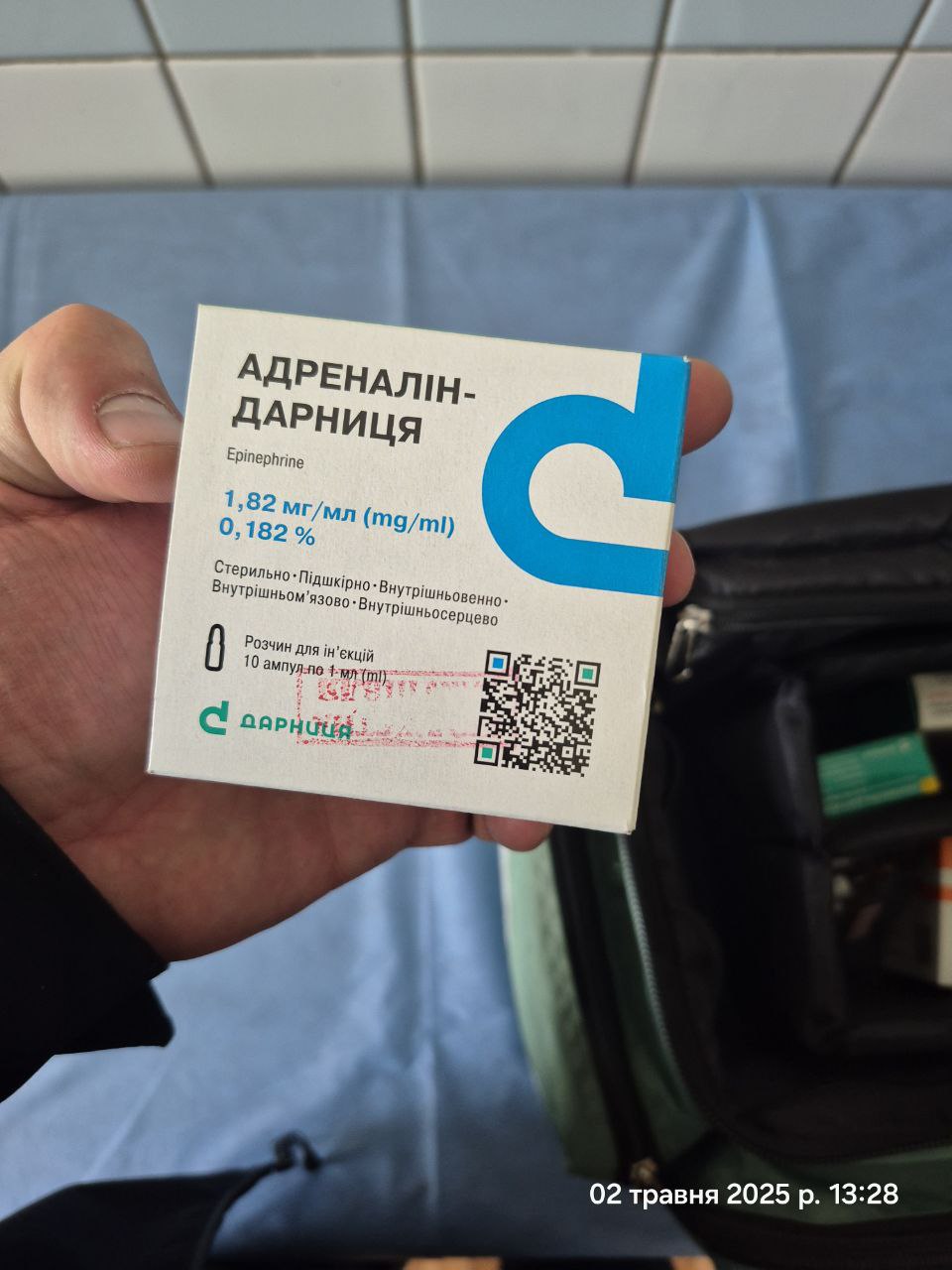
11. In violation of the requirements of the order of the Ministry of Health of Ukraine dated 16 December 2003 No. 584 “On approval of the Rules for storage and quality control of medicinal products in medical and preventive institutions”, medicinal products are stored without observing the temperature regimes established by manufacturers. In particular, in the treatment room, one pack of the medicinal product “Adrenaline”, for which the established maximum storage temperature should not exceed 8°C, was found in the emergency bag. Failure to comply with appropriate conditions can lead to a loss of the effectiveness of the medicinal products, which poses a risk to the life and health of patients.
12. In violation of the Fire Safety Rules in Ukraine, approved by the Ministry of Internal Affairs of Ukraine dated 30 December 2014 No. 1417 (hereinafter — the Rules), the premises of the medical unit are not equipped with fire extinguishing systems and fire alarms.
Recommendations:
1. Bring the conditions of detention in the DIS into compliance with international and national standards, in particular: ensure compliance of the cell area with minimum standards (not less than 6 m² of living space, distance between walls — not less than 2 m); guarantee a sufficient level of natural lighting and ventilation; equip sanitary facilities with partitions that ensure the right to privacy (in accordance with paragraph 19.3 of the European Prison Rules); ensure the possibility of independent opening of windows by convicts.
2. Provide the DIS with proper official and utility premises, in accordance with the Provision Standards: equip the premises with rooms for reception by medical staff, storage rooms for personal belongings, a room for food distribution, a room for a barber, etc.; guarantee confidentiality during medical examinations in accordance with Article 39-1 of the Law of Ukraine “Fundamentals of Legislation on Healthcare”.
3. Review the conditions for walks in disciplinary yards: modernise walking yards taking into account the Committee's recommendations (CPT/Inf (2014) 15) regarding open space, access to a visual environment, and reduction of psychological pressure.
4. Ensure effective work with newly arrived convicts in the KDD ward: adhere to the requirements of the Regulation on the KDD regarding the participation of all members of the working group at least once a week. Introduce systemic control over the fulfilment of these requirements.
5. Stop the practice of locking juvenile convicts at night in the sleeping premises of the KDD: ensure a proper level of dynamic security without introducing restrictions not provided for by legislation; adhere to the right to rest during free time, without restricting the use of beds during the day (paragraph 4 of Annex 8 to the IRPI).
6. Bring the KDD ward into compliance with the requirements of the Provision Standards and the IRPI: equip the ward with appropriate premises: a changing room, a utility room, a drying room, storage rooms for clean/dirty laundry, etc.; install partitions in sanitary facilities, ensure hygienic and private access in accordance with the European Prison Rules (paragraph 58 CPT/Inf (2024) 20).
7. Ensure compliance with the norms of bath and laundry service: organise the washing of newly arrived convicts according to schedules, maintain full records; arrange for the provision of barber services; install ventilation systems in the DIS laundry/shower room; oblige the duty medical worker to perform duties regarding the control of sanitary and hygienic procedures (Regulation, paragraphs 3.10, 3.11).
8. Prohibit the open display of special means by personnel who have contact with convicts: ensure compliance with the requirements of paragraph 1 of Section XXVI of the IRPI regarding the concealed carrying of special means; take into account the Committee's CPT recommendations regarding avoiding psychological pressure (CPT/Inf (2011) 29, paragraph 85; CPT/Inf (2013) 23, paragraph 23).
9. Take measures to eliminate the staff shortage: develop and implement a plan to increase the number of personnel; abandon the practice of 24-hour shifts (CPT/Inf (2024) 20, paragraph 93).
10. Ensure compliance with the labour rights of juvenile convicts: stop the practice of using the labour of minors without formalising labour relations; review fixed-term employment contracts taking into account Articles 23, 51, 187, and 198 of the Labour Code of Ukraine, the requirements of ILO Conventions No. 138, No. 182, No. 29, and No. 105; ensure reduced working hours (6 hours per day); record days off, holidays, sick leave, training, and vacations; conduct occupational safety briefings and documentation.
11. Formalise all forms of labour in accordance with current legislation, with mandatory payment, entry into time sheets, and provision of social guarantees.
12. Take measures aimed at eliminating identified human rights violations and preventing torture, other cruel, inhuman, or degrading treatment or punishment in the Kremenchuk City Medical Unit of the branch of the State Institution “Centre for Health Care of the State Penal Service of Ukraine” in Poltava Region.
13. Ensure control over the proper keeping of medical documentation in accordance with the Procedure for Organising the Provision of Medical Care to Convicts Sentenced to Imprisonment, approved by the joint order of the Ministry of Justice of Ukraine and the Ministry of Health of Ukraine dated 15 August 2014 No. 1348/5/572, and other regulatory legal acts.
14. Fulfil the requirements of paragraph 37 of the Resolution of the Cabinet of Ministers of Ukraine No. 285 dated 2 March 2016 “On approval of Licensing conditions for the conduct of economic activity in medical practice”.
15. Ensure the accessibility of the institution's buildings in accordance with the State Construction Norms of Ukraine V.2.2-17:2006 “Buildings and structures. Accessibility of buildings and structures for persons with limited mobility”.
16. Ensure the proper operation of the telemedicine complex for doctors to make requests for telemedical consultation.
17. Ensure the equipment of an isolation ward for persons with mental and behavioural disorders in accordance with requirements.
18. Ensure the provision of proper psychiatric medical care.
19. Ensure the receipt of informed consent from patients for examination and treatment in the prescribed form.
20. Ensure timely and proper documentation of bodily injuries in convicts. Ensure the equipment of the necessary number of isolation wards for infectious patients.
21. Provide the medical unit with the necessary diagnostic equipment, including a dental X-ray machine.
22. Equip the fire safety system in accordance with established requirements.