Report on the results of the monitoring visit to the Kremenchuk Penal Colony (No. 69)
General Information
“On a hot September day in 1962, two military trucks led by a general pulled up to a sugar beet field... a few days later, the pupils of the Kremenchuk Educational Colony began construction work on the hill, thus marking the beginning of the construction of the Kremenchuk Penal Colony No. 69…” — this was the story immediately recounted to the members of the monitoring group by the acting head of the institution.
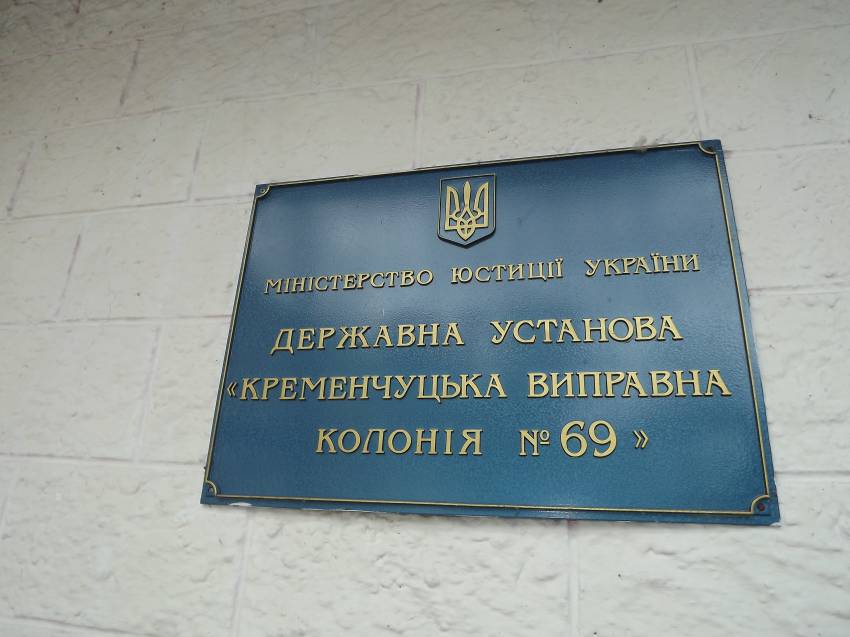
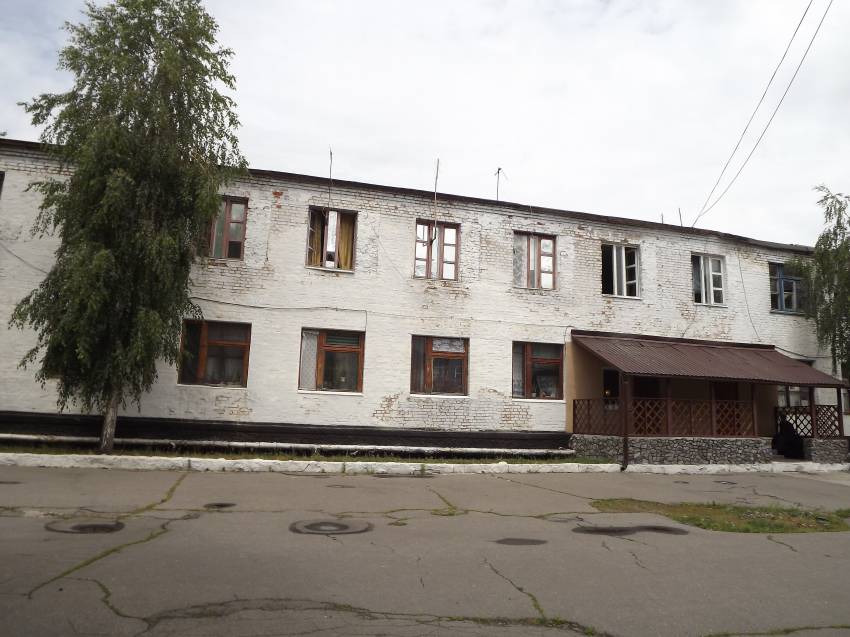
Kremenchuk Penal Colony No. 69 is located at 1 Zonalnyi Drive, in the city of Kremenchuk, at some distance from residential buildings and other structures. Previously, a hospital for tuberculosis patients operated on the territory of the colony; however, it is now closed and in a semi-derelict condition.
At the time of the visit to the institution, the total number of convicts was 363, down from a former planned capacity of 1,200. The colony staff comprises 139 people: 49 sergeants and senior command staff, and 90 junior inspectors. There is a shortfall of 60 junior staff and 39 officers. Among the convicts, 85 individuals are engaged in production work. Over the current year, 102 people have been released.
It was the first time the monitoring group had visited an institution that was “dying”. Almost every employee reported that the colony would soon be closed. The last time new convicts were brought here was a year and a half ago — in February 2017. Since then, the number of convicts has been steadily decreasing — the district court has applied the so-called “Savchenko Law” to many of them, while others have been released upon serving their sentences or through parole. According to the administration’s estimates, there will be approximately 200–250 convicts remaining in the colony by the end of the year. Many of the colony’s employees have already resigned to look for new jobs, and it is impossible to fill vacant positions due to low wages and the obvious temporary nature of the work.
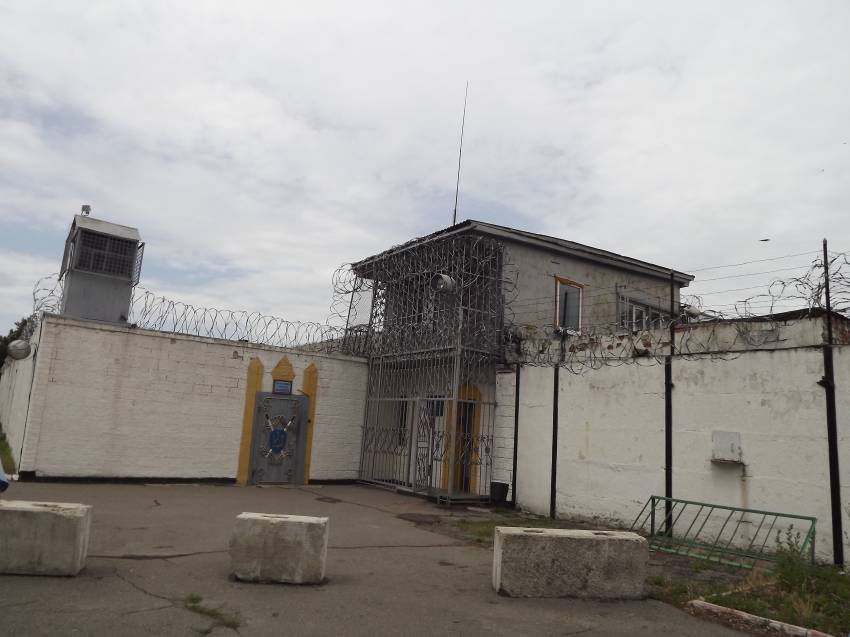
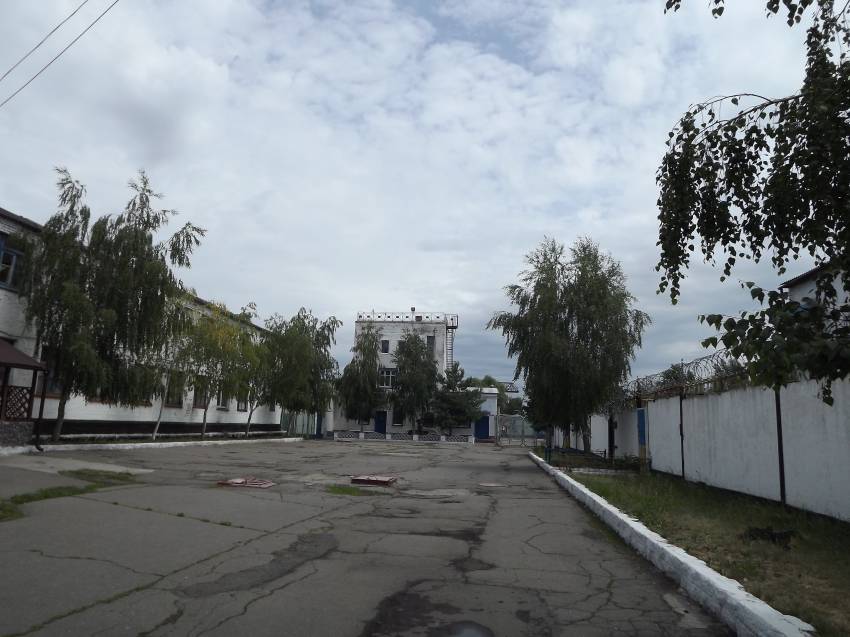
The fact that the colony is “dying” is noticeable at every step. The buildings are old and neglected because funds for their repair were allocated a very long time ago. The colony staff are rather indifferent to the monitoring group’s visit, as if they do not care whether violations are found. They will not be working here for much longer. There are many abandoned and mothballed premises on the site, and from almost every second person we hear: “Back then, here we used to...”, “When I started working here, it was the heyday, but now...”, “Previously, when we didn’t know about the liquidation, we built a solar water collector ourselves, but now...”
The monitoring group remained unclear about the position of the Ministry of Justice of Ukraine, which plans to liquidate Kremenchuk Penal Colony No. 69. Given the repeal of the so-called “Savchenko Law” by the Verkhovna Rada of Ukraine, the rise in crime, and the lack of access to many penal institutions in the Donetsk and Luhansk regions, the liquidation seems to be a short-sighted step. Moreover, this institution is one of many that, according to unofficial data, are to be liquidated. The colonies that remain will face “overcrowding” — where detention space will clearly fail to meet European standards. Perhaps, in the near future, we will face a new wave of applications to the European Court of Human Rights under Article 3 (in the context of inadequate conditions of detention).
Beginning of the visit
The monitoring group was pleasantly surprised by the reception it received at Kremenchuk Penal Colony No. 69. Members of the group were allowed onto the colony grounds in approximately 5–10 minutes. Furthermore, they were immediately invited to inspect the institution and asked where they would like to go first. The acting head of the institution joined the inspection only later. He was present throughout the entire visit. The staff did not obstruct the monitoring group during the inspection, did not cause conflicts, opened and showed any premises, and allowed confidential communication with the convicts. The convicts did not complain about the institution’s administration. According to the impressions of the monitoring group members, the administration’s attitude towards the convicts is loyal, and in some places, even sympathetic. The staff speak about the convicts with pleasure, remember them by name and surname, and claim that they speak to everyone and do not hinder parole. Indeed, among those who petitioned the court for parole, approximately 70–80% were released by the court. This is a very high percentage and unequivocally characterises the administration in a positive light.
Medical unit
Previously, a tuberculosis hospital operated at Kremenchuk Penal Colony No. 69. The hospital employed 25 doctors and 38 nurses (a total of 63 staff members). The hospital had 215 beds. Unfortunately, on 13 April 2018, the hospital was liquidated with the aim of transferring it to the departmental jurisdiction of the Ministry of Health of Ukraine. However, the hospital has still not been transferred anywhere. All staff were dismissed, and most of them are unlikely to return to their old-new workplace, as no one knows exactly when a new staff will be recruited, or what the working conditions and wages will be. Furthermore, considering that the penal institution itself is to be liquidated, the existence of a hospital within it seems questionable.
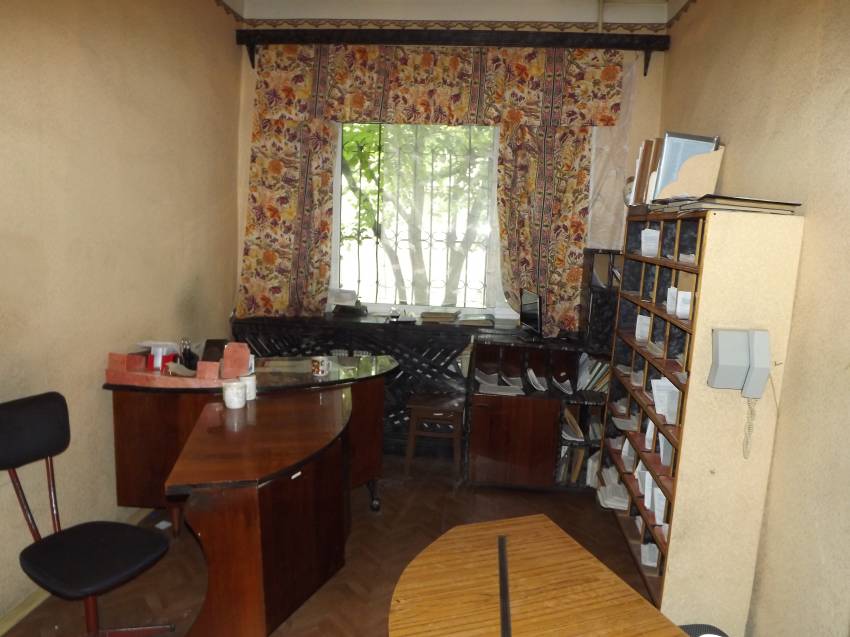
Thus, currently, only an outpatient clinic operates at the hospital within the institution. The staff includes a head who performs the duties of a therapist, a psychiatrist, and a dentist. There are no other doctors. This means that providing quality medical care to convicts is impossible, except in a hospital. Furthermore, according to the head, there are medicines in the outpatient clinic, but no money has been allocated for them since April. In other words, as soon as the supplies run out, there will simply be nothing to treat the convicts with.
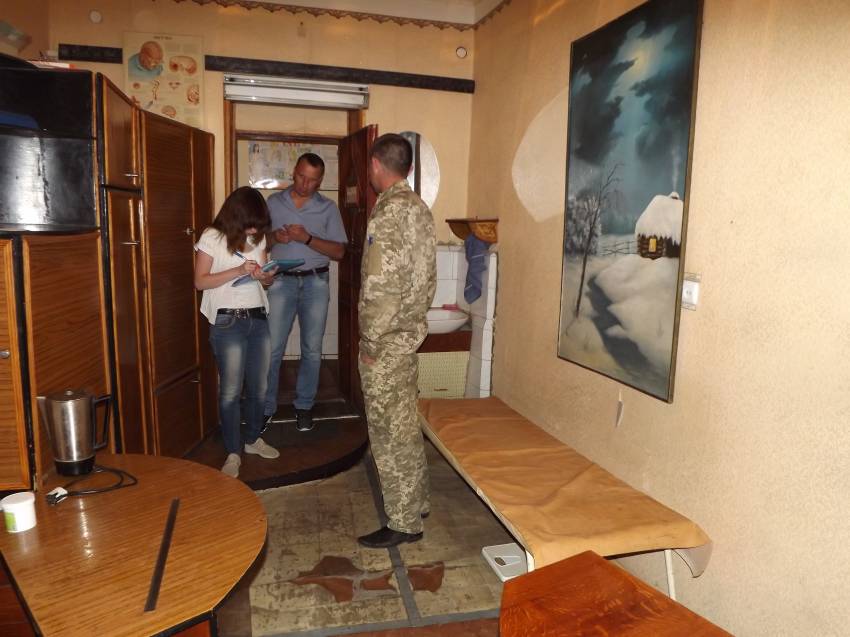
At the time of the monitoring group’s visit, there were four people in the medical unit. The monitors were able to communicate with them without hindrance. None of them complained about the colony administration; all indicated that treatment is being provided. At the same time, the monitors are compelled to state that the conditions of detention in the medical unit are inadequate: the premises are old, there is mould on the walls, and lighting is insufficient.
The administration of the penal colony has concluded an agreement with a local hospital, according to which a special ward for convicts has been equipped with all necessary security measures. Now, convicts can be taken to such a ward at any time, where they will be provided with medical care. The keys to the ward are kept by the duty doctor, as well as by the administration. Such an initiative by the administration is unequivocally positive and testifies to the progressive nature of the administration’s work.
Living area.
The monitoring group visited the premises of the living area, as well as the resocialisation sector.
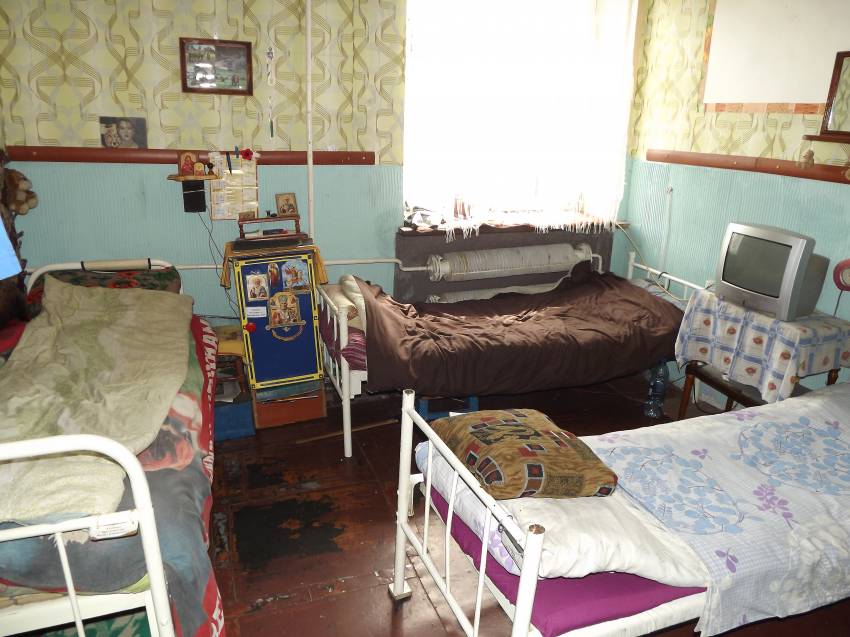
The resocialisation sector clearly has better conditions of detention than the general living area. Approximately half of the beds in this sector are single-tier, and there is sufficient space. However, the monitoring group must emphasise that, according to European standards, all beds without exception should be single-tier. Moreover, the institution is filled to only a quarter of its capacity, so it would not be difficult to accommodate the convicts in such a way that all necessary standards are met. The convicts in this sector have access to drinking water and fresh air, and are able to open the windows. The kitchen and restrooms are in a satisfactory condition.
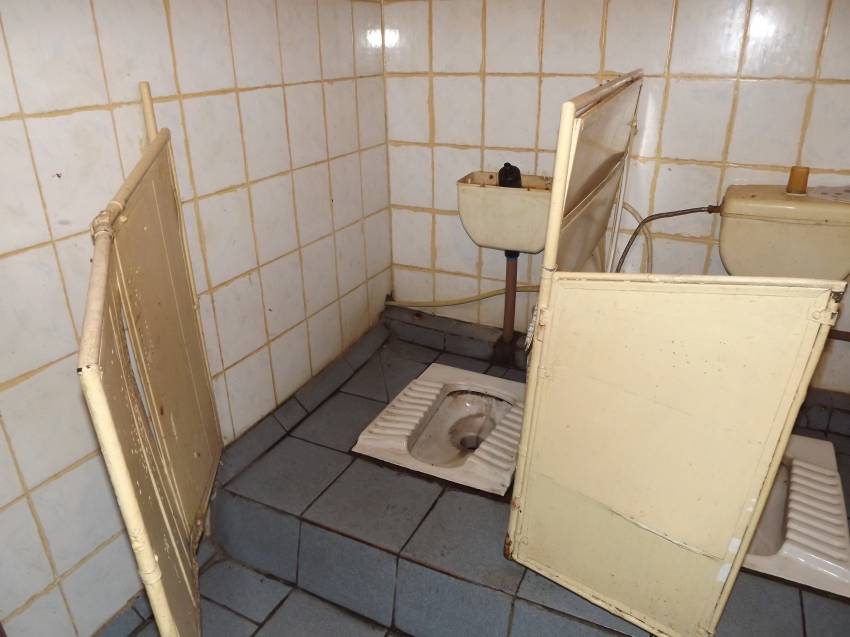
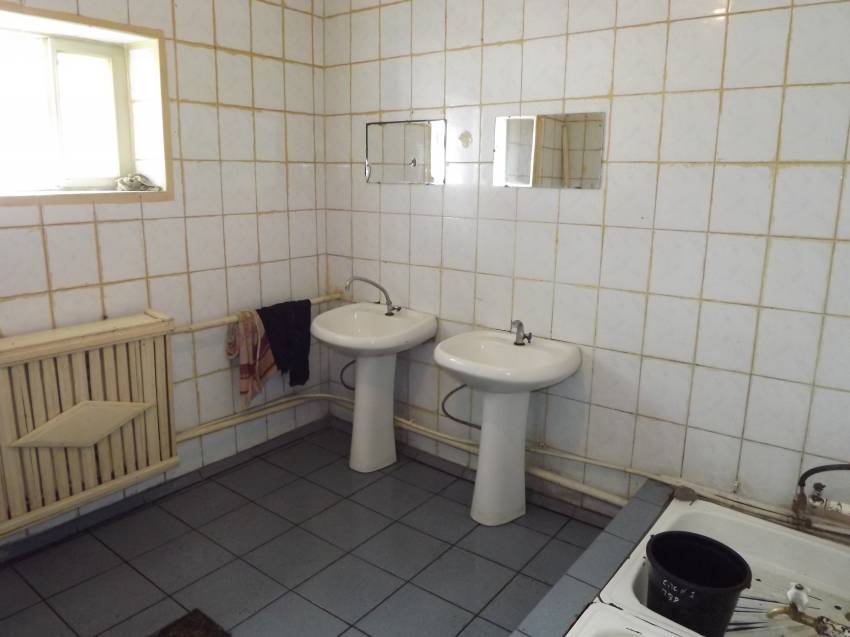
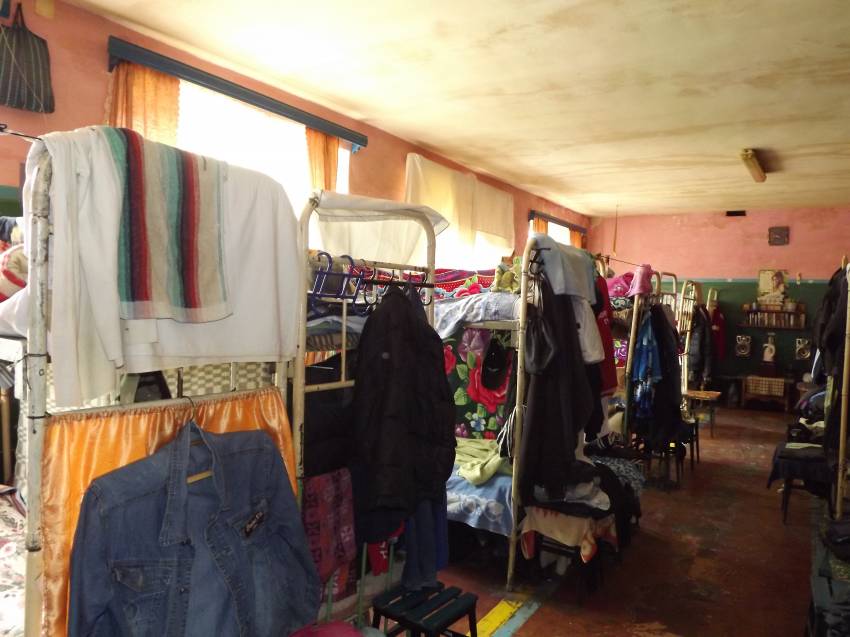
The first thing that catches the eye in the general living area is the clear overcrowding. Almost all beds are double-tier, the rooms are small, and there are many convicts in them. The colony has two departments: in one, 56 people are serving sentences; in the other, 62 people. Floor space standards according to European standards are clearly not being met. The administration’s argument that there used to be 90 people in these same premises and the beds were placed tightly together, and also that some beds are empty due to releases, does not justify the overcrowding. General conditions of detention in the living area are satisfactory, but all premises clearly require renovation.
DIS (Disciplinary Isolation Ward) / PKT (Cell-type premise)
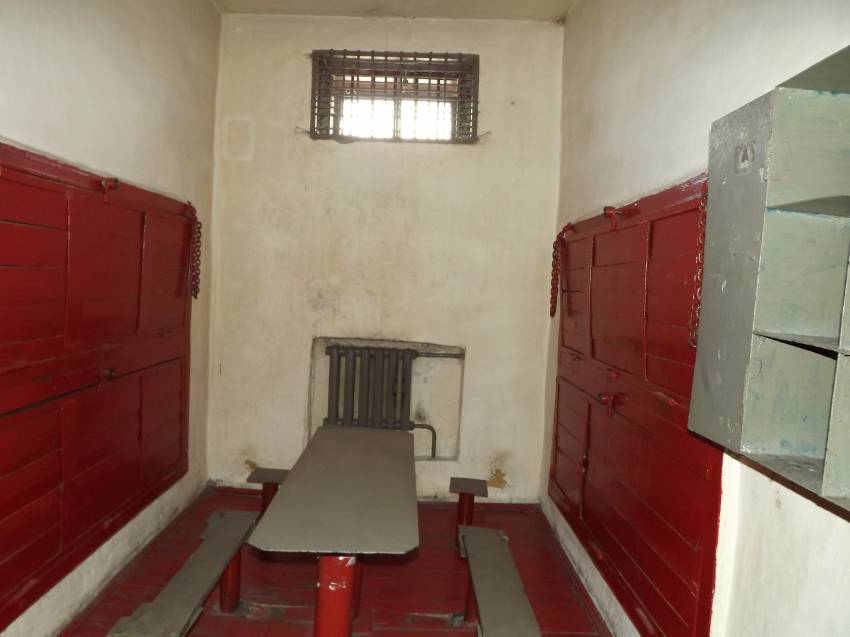
On the day of the monitoring group’s visit, there were 8 people in the DIS and no one in the PKT. Thus, 2% of the total number of convicts serving sentences in the institution were in the DIS. The DIS/PKT sector is in a satisfactory condition. Convicts have the opportunity to ventilate the cells by opening the windows. Unfortunately, there is no drinking water in the cells, although according to the administration, convicts can ask for it to be brought during meal times. The individuals in the DIS did not complain about the conditions of detention. They indicated that they agreed entirely with the disciplinary penalties applied.
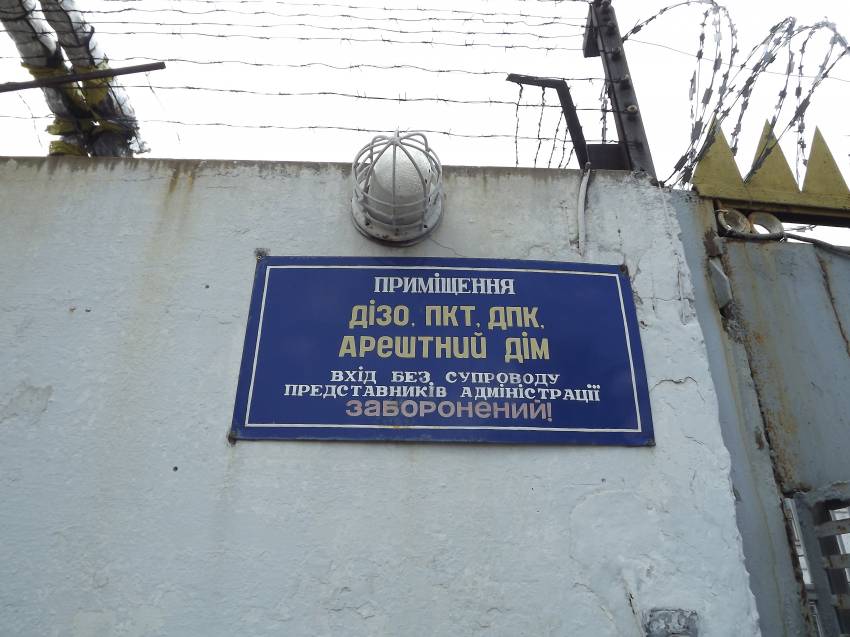
In the PKT and DIS, repairs were being carried out in several cells — the walls had been painted and the ceiling whitewashed. However, the administration pointed to a lack of funds for repairs. The main peculiarity of the DIS/PKT building is the pipes, which are embedded in the walls. Therefore, in the event of a leak, stains form, where fungus subsequently multiplies. The solution to this problem is a capital repair, for which the “dying” institution has no money. The second problem is the floor, which is uneven, sagging, and creaky. However, its repair is also impossible.
Food unit
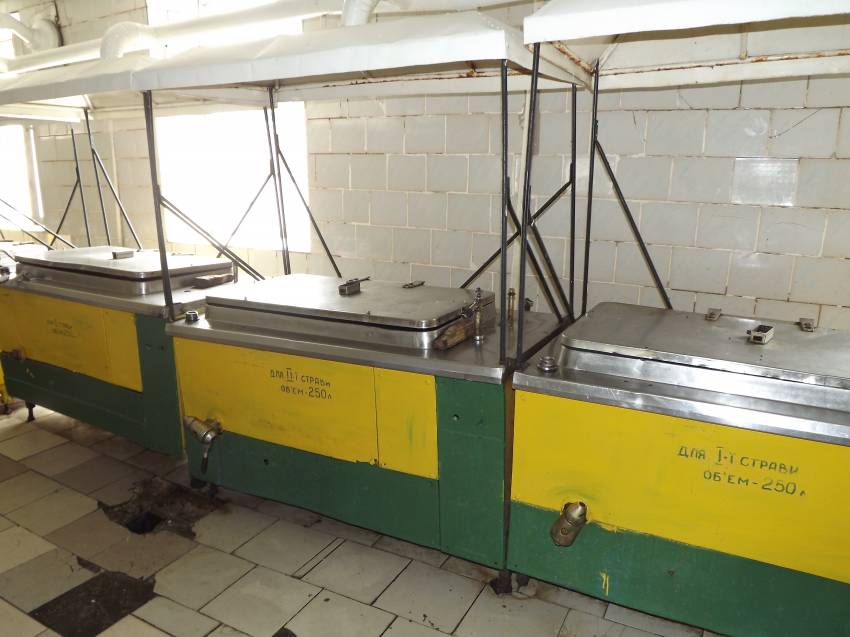
The general impression of the food unit is that it is not entirely tidy. There is a strong smell of decay in the meat defrosting room, but the meat being defrosted itself has no odour. This indicates a general lack of sanitation and the absence of quality cleaning in the premises. In addition, there are many flies in the kitchen. According to the administration, they are fighting them, but the monitoring group did not see the results of such efforts. Cats roam freely in the food unit, which is also unacceptable where food products are stored.
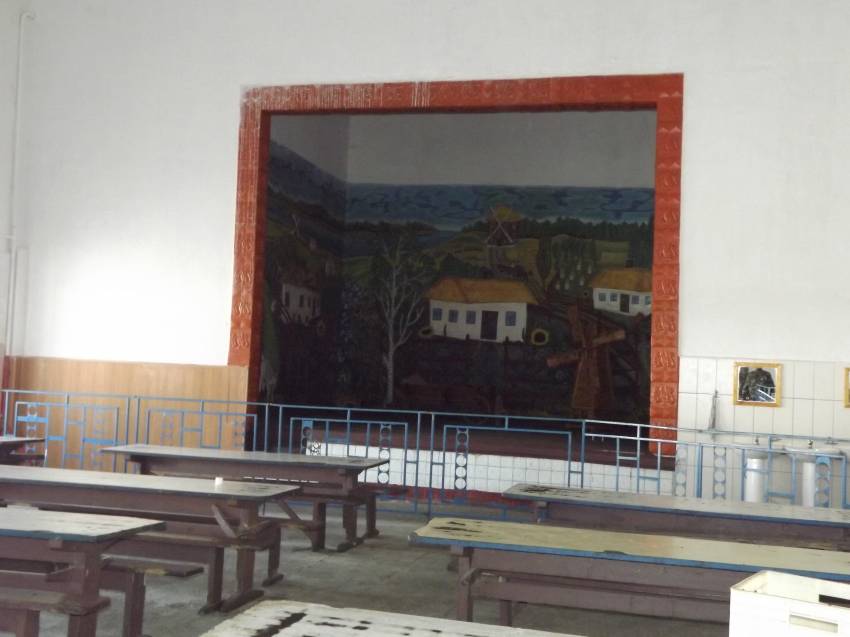
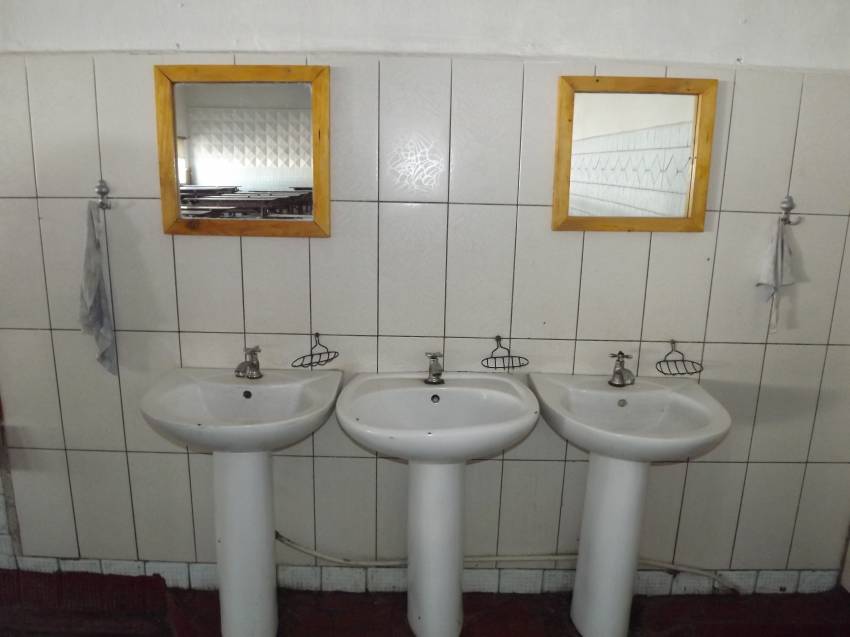
The canteen premises are combined with the assembly hall — there is a stage. According to the administration, festivals are held there, and previously there was a film club. The canteen is quite spacious and airy. There are washbasins, but no soap or towels. According to the administration, there is no soap because lunch is over, but in reality, it is impossible to use up soap completely during a single meal, and besides, there are not even soap dishes. This is another indication that sanitary standards in the colony are not being followed, and their non-observance threatens an epidemic.
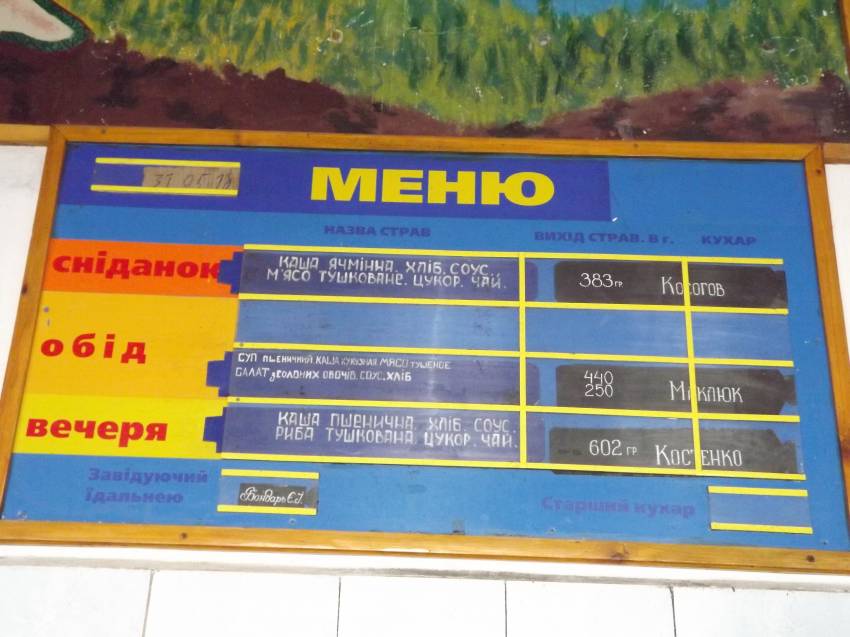
The convicts’ menu is standard; fortunately, it includes meat and fish. At the same time, some convicts receive a dietary menu — there are 26 such people in total. The colony has its own bakery, which bakes 288 loaves of bread per day, i.e., approximately 0.8 loaves per convict. It is quite hot in the bakery, but there is forced ventilation, which is in working order.
Visits
In accordance with the current Penal Code of Ukraine, convicts have the right to long-term and short-term visits.
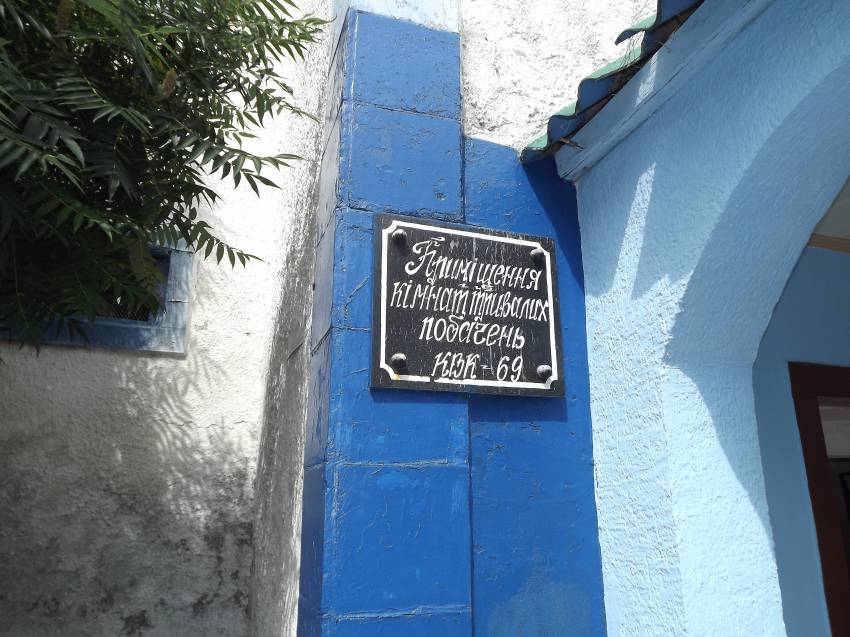
Rooms for long-term visits are equipped with all necessary furniture, are in a satisfactory condition, and are tidy. The colony offers rooms of “standard”, “semi-deluxe”, and “deluxe” levels. They cost 42 hryvnias, 62 hryvnias, and 89 hryvnias per night, respectively. The monitoring group notes that such prices are quite democratic and lower than average prices in the country.
In accordance with modern European standards, a room for short-term visits without partitions has been equipped in the colony. Convicts and visitors can communicate directly while sitting at the same table. They are supervised via a video surveillance system. Such an arrangement of rooms is an unequivocally positive step, as it corresponds to world democratic practice and, moreover, improves the convicts’ social ties with their families.
Bath and laundry complex
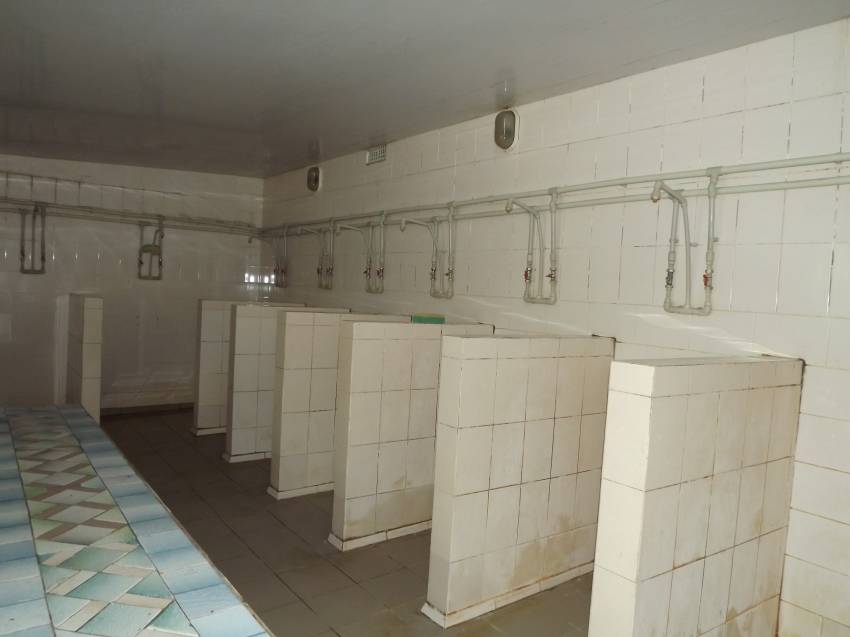
The colony operates a bath and laundry complex. Convicts visit the bath according to a schedule. There are partitions in the bath, but they are quite low; there are no floor mats in the bath, so it is easy to slip. Moreover, the water drains are located not next to each shower, but in the middle of the room and on the sides. Therefore, there is likely a lot of water in the room. Water heating is carried out using the colony’s own boiler room. Hot water is turned on only when the convicts are scheduled to wash.
Leisure
In the Kremenchuk Penal Colony, convicts have the opportunity to attend an Orthodox church, which was built by the convicts themselves. Everything in it, from the building itself to the icons, was made by the hands of the convicts. Services are held in the church constantly; last Christmas, a choir came and sang carols. The church is regularly visited by 10 people, and there are many more who attend less frequently.

In total, six religions are represented in the colony.
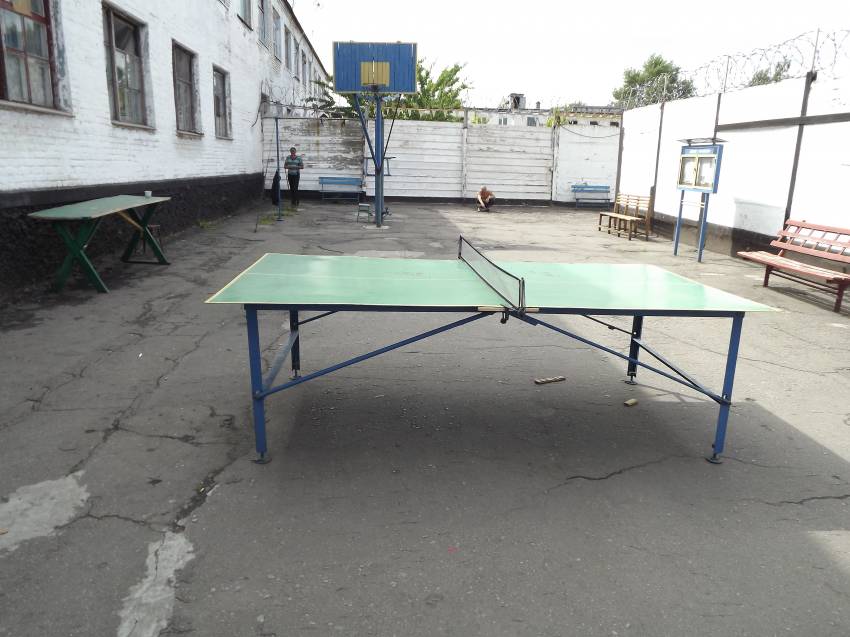
In their free time, convicts can play football — competitions are held every Sunday. There is also table tennis and pull-up bars.
Production.
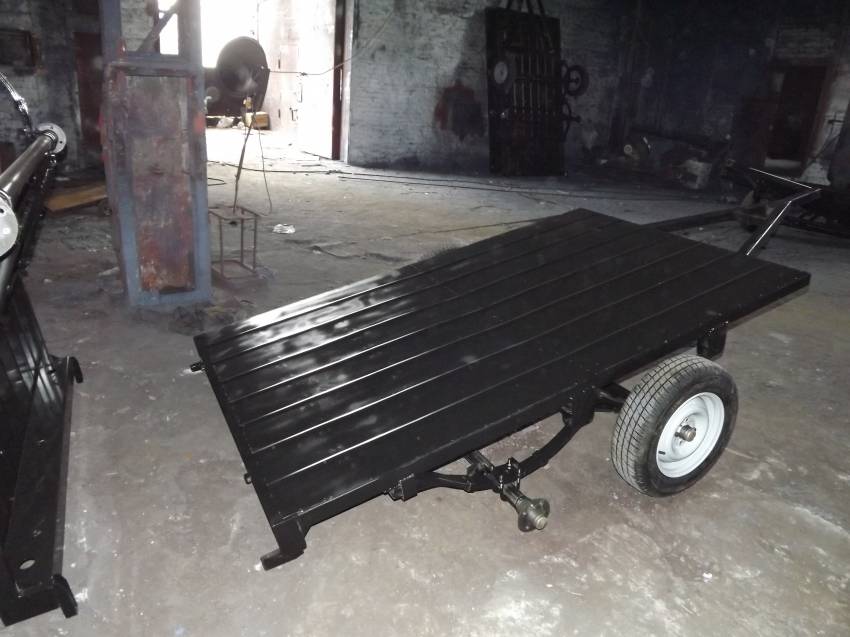
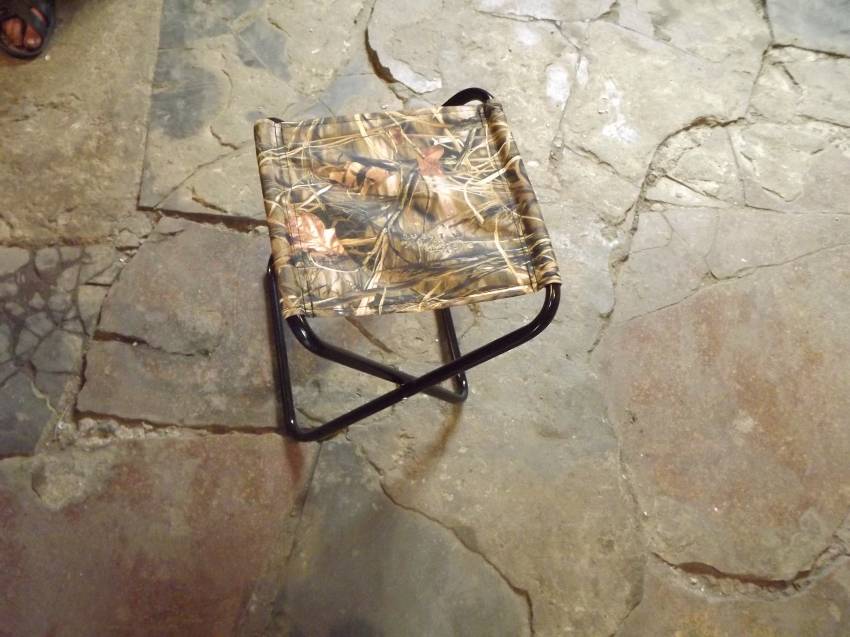
The total production area is 44,201 sq.m., however, currently only 3 workshops are operating: production of components for trailers and the trailers themselves for passenger cars, production of folding chairs and armchairs, as well as sewing components for chairs.
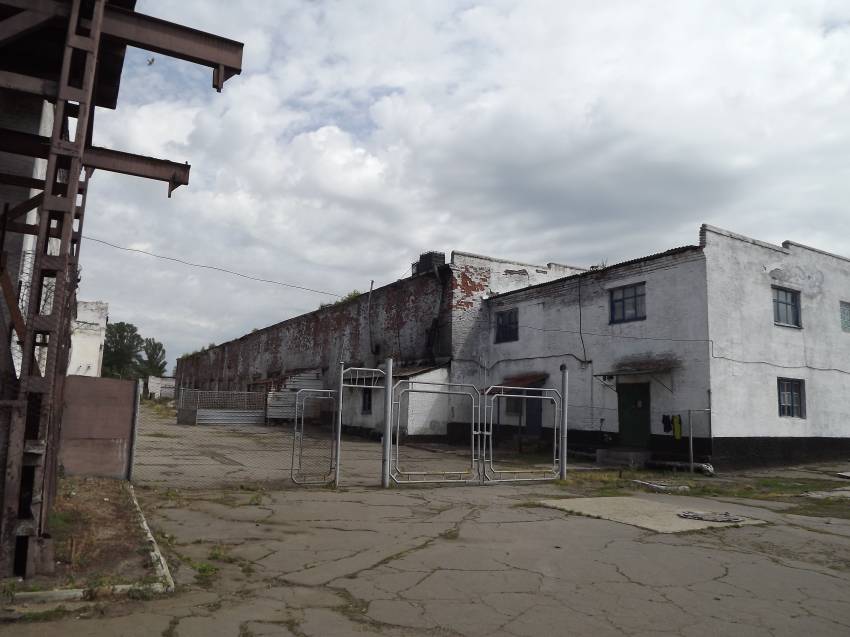
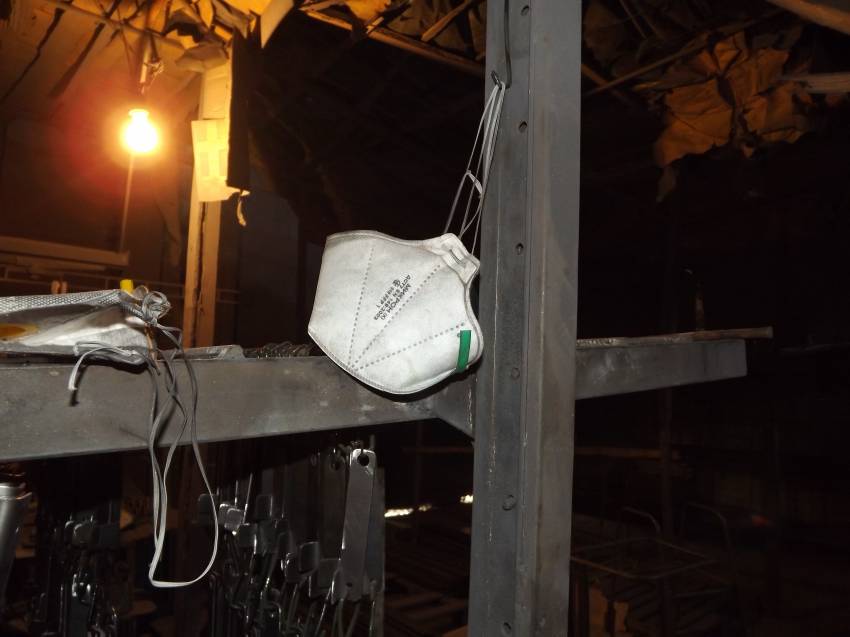
As reported by the administration representatives, previously, in addition to the above, the convicts were involved in assembling respirators, and therefore they are provided with respirators. However, having visited all the production facilities, members of the monitoring group did not see a single working person wearing a respirator; there was only a lone respirator placed on equipment, and the administration’s excuses that the convicts do not wish to wear them do not seem truthful.
Convicts work from 8:00 to 17:00, in one shift, not dressed in special clothing or protective equipment. When asked about wages, the convicts replied that they are paid, but could not name the amount of their wages. One of the workers replied that he earns “...3200 or 3700? What is the minimum wage now?...”, and the answer was very uncertain.
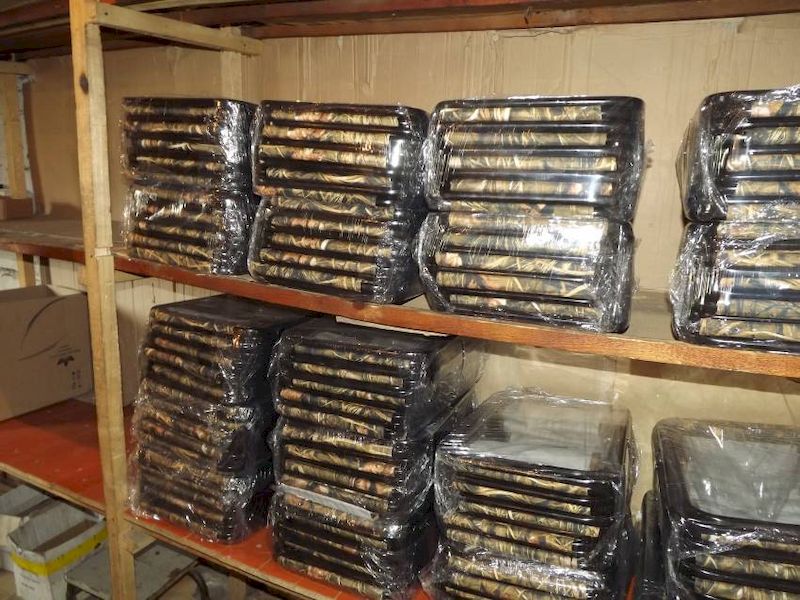
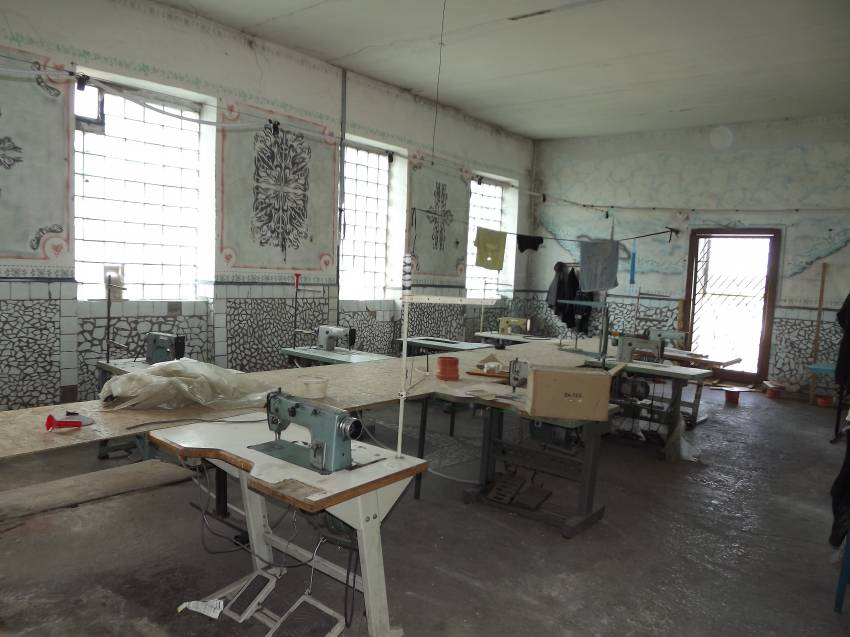
In the sewing workshop, the convicts manufacture components for chairs; the production occupies two floors and has sufficient natural lighting. In addition, the convicts have access to drinking water, but the container in which it is stored is old and covered with sediment and rust.