Report on the Results of a Monitoring Visit to Drohobych Correctional Colony No. 40
On 14–15 March 2025, in accordance with the Optional Protocol to the Convention against Torture and Other Cruel, Inhuman or Degrading Treatment or Punishment, taking into account the provisions of the Standard Minimum Rules for the Treatment of Prisoners and the judgments of the European Court of Human Rights, and pursuant to Article 24 of the Criminal Executive Code of Ukraine — Visiting Penal Institutions, a group of monitors from the Kharkiv Human Rights Protection Group and the NGO “Protection of Prisoners of Ukraine” conducted a repeat visit to the state institution “Drohobych Correctional Colony No. 40” (hereinafter DCC-40, the institution, the facility).
A planned unannounced visit took place. The previous visit occurred on 10 July 2023.
During the preparation for the visit, the monitors used materials from appeals by convicts and their relatives, materials from previous reports, as well as the report of the monitors of the National Preventive Mechanism (NPM) under the Commissioner for Human Rights of the Verkhovna Rada of Ukraine.
The visit was conducted within the framework of the project “Reducing Suffering of Prisoners in the Context of the War in Ukraine”, funded by the government of Denmark in partnership with DIGNITY — Danish Institute Against Torture.
The visit was carried out by the following monitors:
- Andrii Didenko — assistant to the People’s Deputy of Ukraine Yaroslav Yurchyshyn, programme coordinator of the Kharkiv Human Rights Protection Group, with experience in monitoring visits since 2014;
- Serhii Zuikov — assistant to the People’s Deputy of Ukraine Kostiantyn Kasai, member of the public council under the Ministry of Justice of Ukraine, member of the non-governmental organisation “Protection of Prisoners of Ukraine”, with many years of experience in monitoring visits;
- Oleh Tsvilyi — member of the public council under the Ministry of Justice of Ukraine, head of the non-governmental organisation “Protection of Prisoners of Ukraine”, with extensive experience in monitoring visits, specialising in issues of torture and cruel, inhuman treatment.
During the monitoring visit to DCC-40, numerous systemic human rights violations were detected: inadequate conditions of detention (overcrowding, unsanitary conditions, lack of ventilation, lighting, and access to water, breach of privacy), failure to provide medical and sanitary services, non-observance of the right to freedom of religion, opaque use of the “Kassandra” system with disregard for the convicts’ rights to informed consent and access to personal data, the use of civil law contracts instead of employment contracts with wages below the minimum, non-compliance with safety regulations, violation of parole procedures, and limited access to shelters during air raid alerts.
General Information
DCC-40 is a medium-security correctional facility for men convicted of a crime for the first time and sentenced to a term of imprisonment. The facility operates sections for housing convicts of medium, minimum, and maximum security levels.
Located on the premises of the institution is the Psychiatric Ward of the Lviv Multi-profile Hospital No. 19, a branch of the State Institution “Centre for Healthcare of the State Criminal-Executive Service of Ukraine in Lviv Region”.
The facility is located at the address: 82100, Lviv region, Drohobych, 77 Truskavetska Street.
The head of the institution is Colonel of the Internal Service Oleksandr Mykhailovych Kupets.
The facility consists of a duty unit, social and psychological service (SPS) sections, a maximum-security sector, a canteen, a disciplinary isolation ward (DIZO), chamber-type premises (PKT), a disciplinary room (DPK), a medical unit, a bath and laundry complex, visitation rooms, a shop, a library, a room for receiving parcels, and administrative premises.
According to the institution’s administration, the authorised staff headcount of the facility consists of 299.5 posts. The actual number is 267.5 posts. The total staff shortage for the institution is 31 employees.
The planned capacity of the facility is 914 persons. The actual number of prisoners/convicts is 809 persons. The facility has 10 SPS sections. There are 414 medium-security convicts, 130 minimum-security convicts, 23 persons in the hospital, 22 persons in the maximum-security sector, 15 life-sentenced convicts, and 5 persons in the pre-trial detention centre (SIZO) section.
There are 2 psychologists working in the facility to work with convicts and 1 to work with staff. In 2024, 3 persons died, and in 2025, 2 persons died. 154 convicts are employed, 23 under civil law contracts (CLC).
The operational and preventive register of the institution included: 4 convicts prone to suicide, 11 convicts prone to self-harm, and 3 convicts prone to escape.
During 2024, one person was released due to a serious illness. During 2024–2025, no one submitted complaints regarding inadequate conditions of detention or inadequate provision of medical care. 25 persons have disabilities, and 24 persons are categorised as vulnerable in total.
The convicts have 72 tablets in their own possession, and 34 persons have an email address.
There have been 8 acts of prosecutorial response in the last six months. During 2024, 22 cases of bodily injuries were recorded: 2 cases upon arrival and 20 cases during stay in the institution. During the current year, 1 case of bodily injury during the stay in the institution has been recorded.
The monitoring group conducted a survey of about 290 convicts during visits to the industrial zone and SPS sections, holding general conversations, providing consultations, answering questions, surveying regarding human rights violations, and conducting individual interviews with persons, including on the condition of anonymity.
It is worth noting that the institution’s administration adequately responds to complaints from convicts regarding the actions/inaction of the administration. Furthermore, the administration does not conceal cases of human rights violations, which can be considered signs of openness and transparency, and proper, adequate reaction.
Positive Experience
In 2024, the administration of DCC-40 implemented a series of infrastructural, technical, and organisational measures aimed at improving detention conditions, ensuring security, and creating a more favourable environment for staff and convicts. Among the most significant positive practices, major repair works should be noted.
Over the year, comprehensive major repairs of the administrative building and office premises were carried out, which contributed to improving working conditions for staff, ensuring proper sanitary and hygienic standards, and creating conditions for the implementation of social and educational work with convicts.
In particular, the following were renovated: offices (of the department for control over the execution of court decisions, personnel department, deputy heads, psychologist, chaplain, etc.); rooms for psycho-emotional relaxation, processing personal files, receiving citizens, and staff dining; a gym, an assembly hall, corridors, and restrooms; premises for social and educational work (SEW), including training rooms for release preparation, a shop, a library, and rooms for educational work; cells for extradited persons and convicts sentenced to life imprisonment; premises of the security department: checkpoints, posts, and a general staff room.
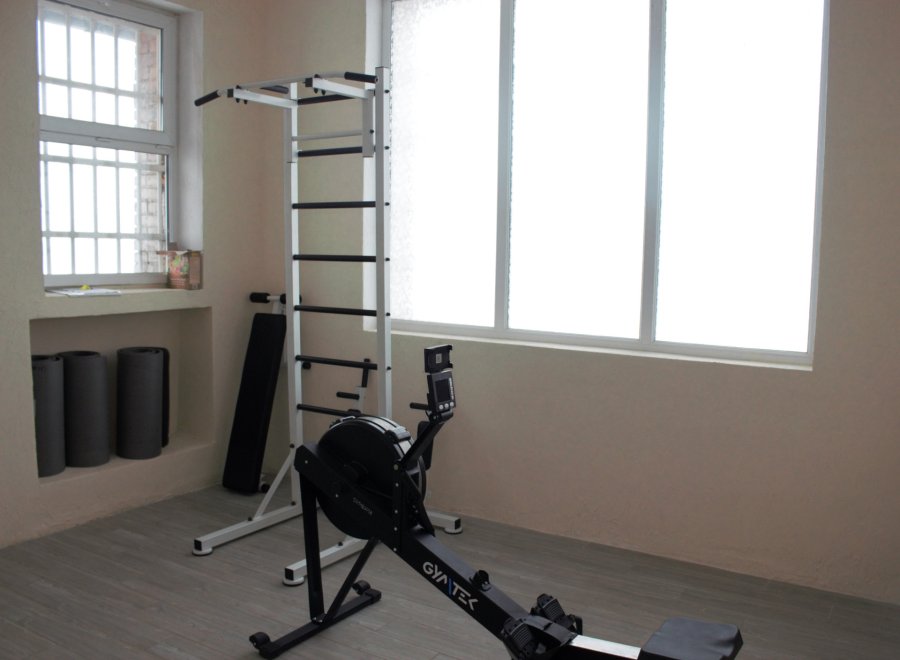
Also, the following work was carried out: updating of technical equipment, replacement of the outdated “Nich-12” security system with the modern integrated “Integra” system; installation of a new “Vellez” alert system; purchase and installation of an automatic telephone exchange and 16 telephone sets; and acquisition of 4 video door phones and 20 portable radio stations for operational communication.
Video surveillance systems were improved, 2 IP video recorders and 16 modern IP video cameras were installed; 4 televisions (50 inches) were installed at video surveillance posts, and 2 televisions in the duty unit. Security was enhanced: two archway metal detectors were installed at the checkpoint and in the facility’s duty unit; and technical access control and security measures were upgraded.
Facts Identified During the Visit
In the course of the monitoring visit, violations of the requirements of national legislation and non-observance of international recommendations in the field of prisoner treatment were identified, which lead to violations of the rights of convicted persons:
1. In violation of Part 1 of Article 115 of the Criminal Executive Code of Ukraine and Paragraph 10 of the Standard Minimum Rules for the Treatment of Prisoners, it was established that in certain residential premises of the Social and Psychological Service (hereinafter — SPS) departments, the standard living space per convict is less than 4 m².
For instance, in sleeping room No. 1 of SPS department No. 3, where 3 persons were housed, the room area, according to the living space measurement report, is 8.80 m². Thus, the actual area per convicted person was 2.93 m².
Similar violations were identified in residential premises Nos. 2, 3, 7, 26, 27 of SPS department No. 3, residential premises Nos. 20, 22 of SPS department No. 4, residential premises Nos. 24, 25, 26, 27, 28 of SPS department No. 5, and residential premises Nos. 9, 20, 21, 25 of SPS department No. 7.
Paragraph 13 of the 7th General Report of the European Committee for the Prevention of Torture and Inhuman or Degrading Treatment or Punishment (hereinafter — the Committee) notes that overcrowding of cell-type accommodation leads to unhygienic conditions, a permanent lack of privacy, overburdening of medical services and institution infrastructure, and often causes inhuman or degrading conditions of detention for prisoners (CPT/Inf (97) 10).
2. During the visit to the facility’s disciplinary isolation ward (hereinafter — DIZO), it was established that the premises do not comply with Part 1 of Article 115 of the Criminal Executive Code of Ukraine (CEC of Ukraine), Paragraph 1 of Section XXII of the Internal Regulations of Penal Institutions, approved by the Order of the Ministry of Justice of Ukraine dated 28 August 2018 No. 2823/5, registered with the Ministry of Justice of Ukraine on 5 September 2018 under No. 1010/32462 (hereinafter — IRPPI), as well as Paragraphs 13, 14, 15 of the UN Standard Minimum Rules for the Treatment of Prisoners (the Nelson Mandela Rules), and may generally indicate cruel, inhuman, or degrading treatment of convicts.
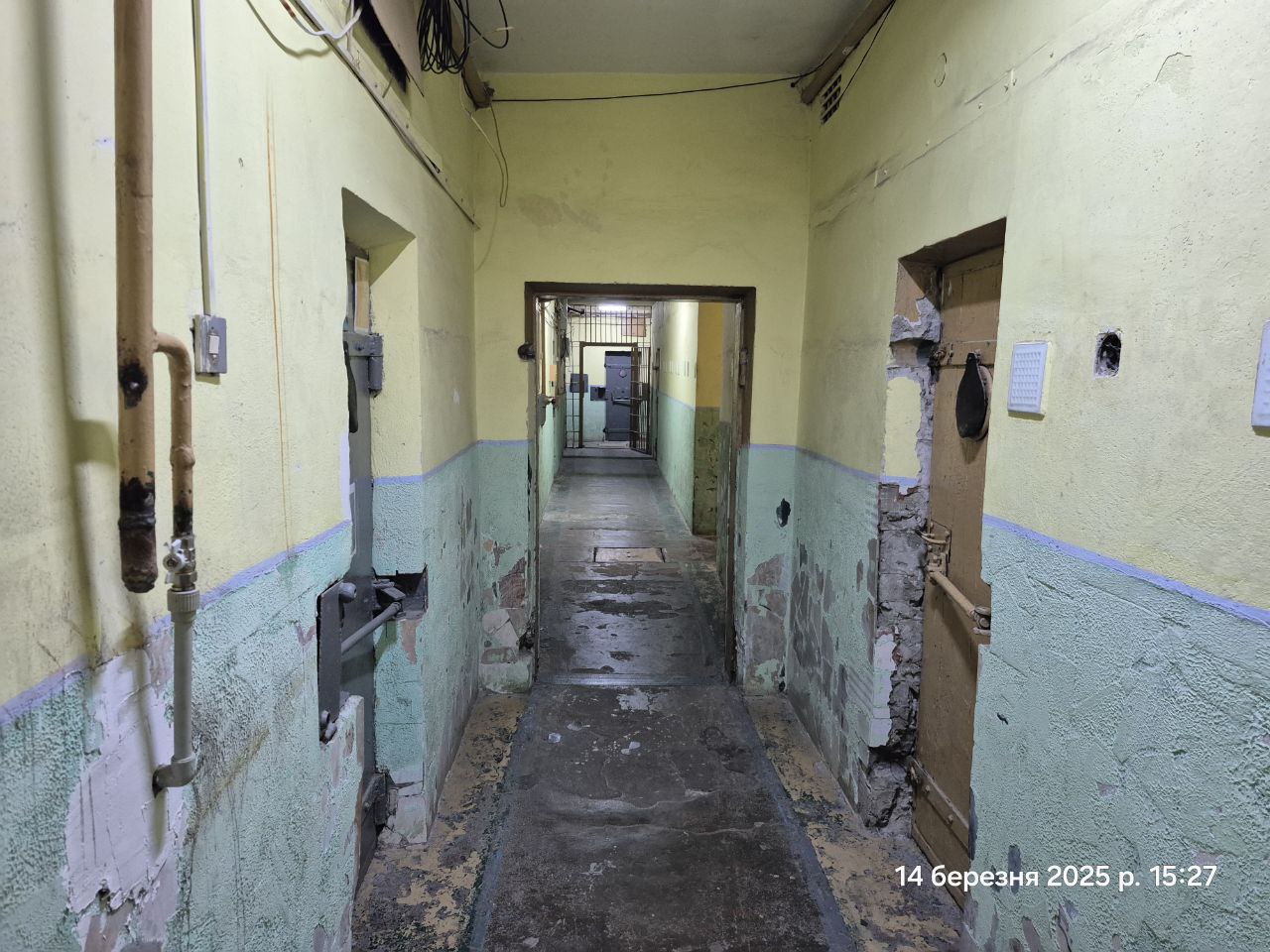
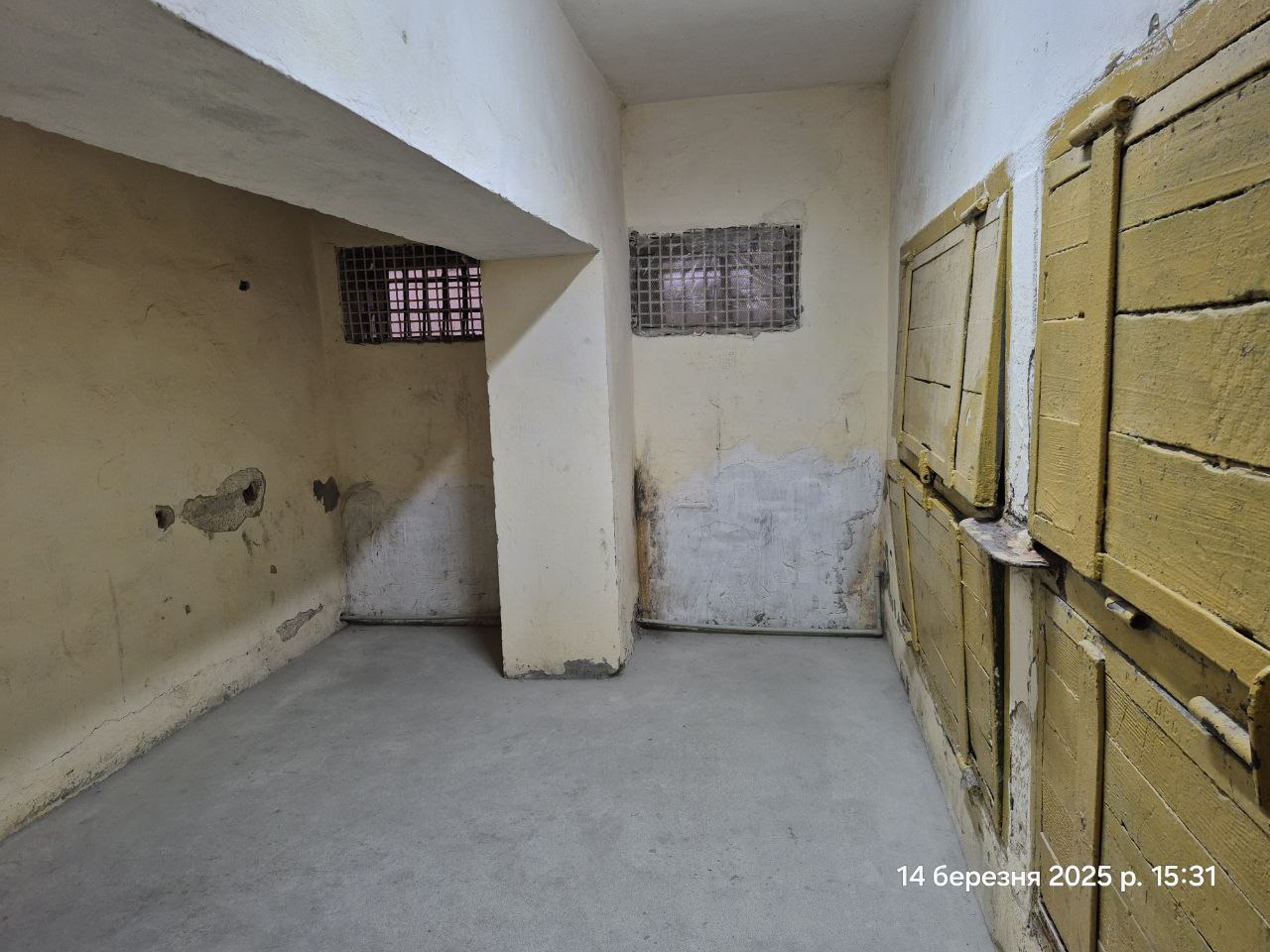
Thus, in the cell-type premises of the DIZO, a sufficient level of natural lighting is not provided, as the windows of cells Nos. 1 and 2 face a wall, due to which natural light practically does not penetrate the room, which may create additional psychological pressure on convicts due to the lack of any, even visual, connection with the outside world.
The toilets are clogged with sewage and are not equipped with a proper flushing system. The toilets do not have doors that provide privacy, which violates Rule 19.3 of the European Prison Rules.
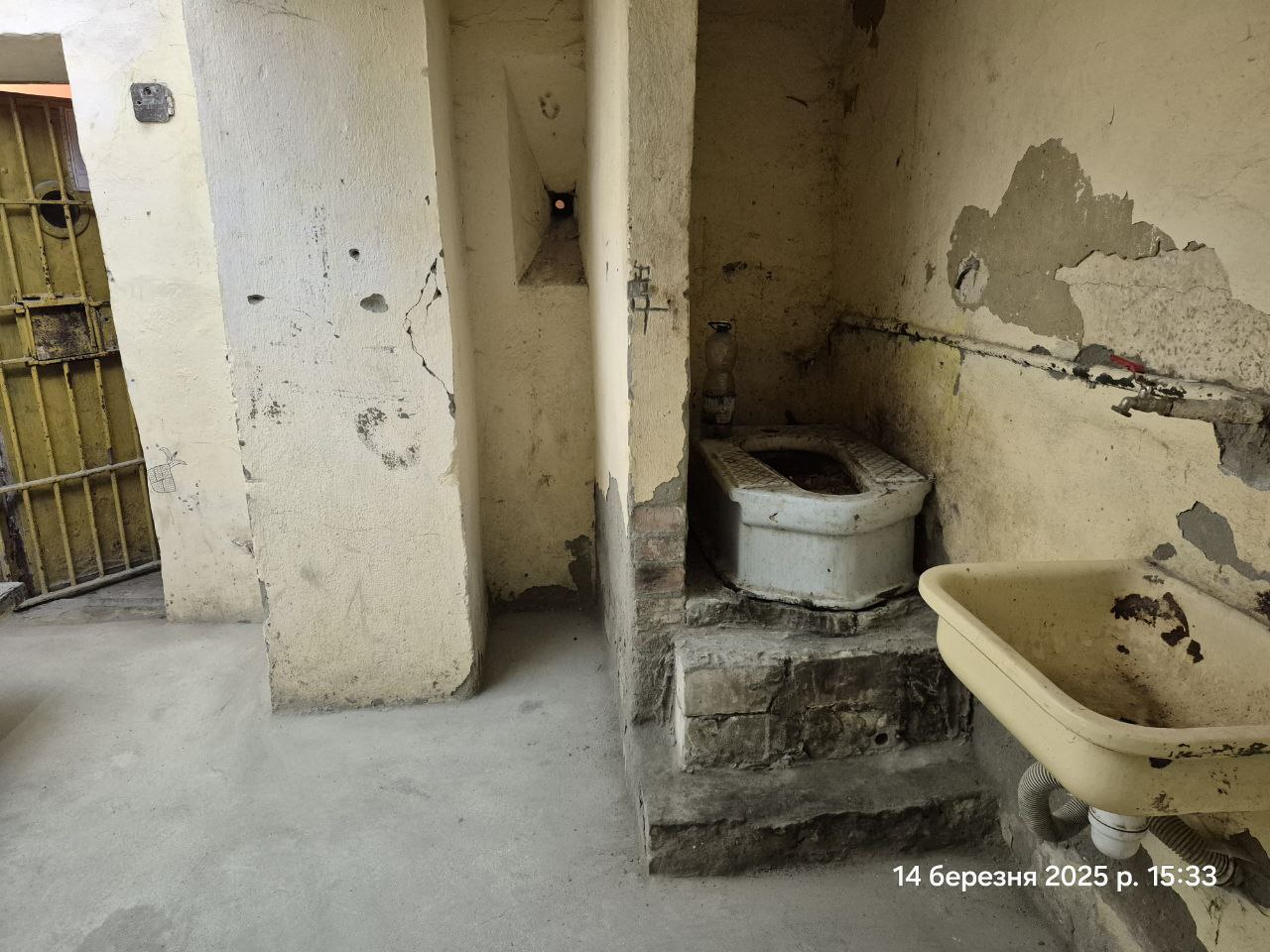
Contrary to the requirements of Rule 22.5 of the European Prison Rules and the Standards for Provision of Furniture, Inventory, and Household Items of a Medium-Security Correctional Colony, approved by the Order of the Ministry of Justice of Ukraine dated 27 July 2012 No. 1118/5 (hereinafter — Provision Standards), the DIZO cell premises are not equipped with drinking water tanks. Supply and exhaust ventilation is absent.
In violation of the Provision Standards, there are no benches or tables in the cell premises, which deprives convicts serving disciplinary penalties in these cells of the possibility to eat in proper conditions.
In addition, in the DIZO cell premises, devices for fixing beds to the walls were found. At the same time, regulatory acts do not provide for locking up folding beds in cell-type premises and disciplinary isolation wards where convicts serve penalties. This creates conditions for potential abuse by the institution’s staff, as convicts may be deprived of the possibility to sit or lie on the bed during the day.
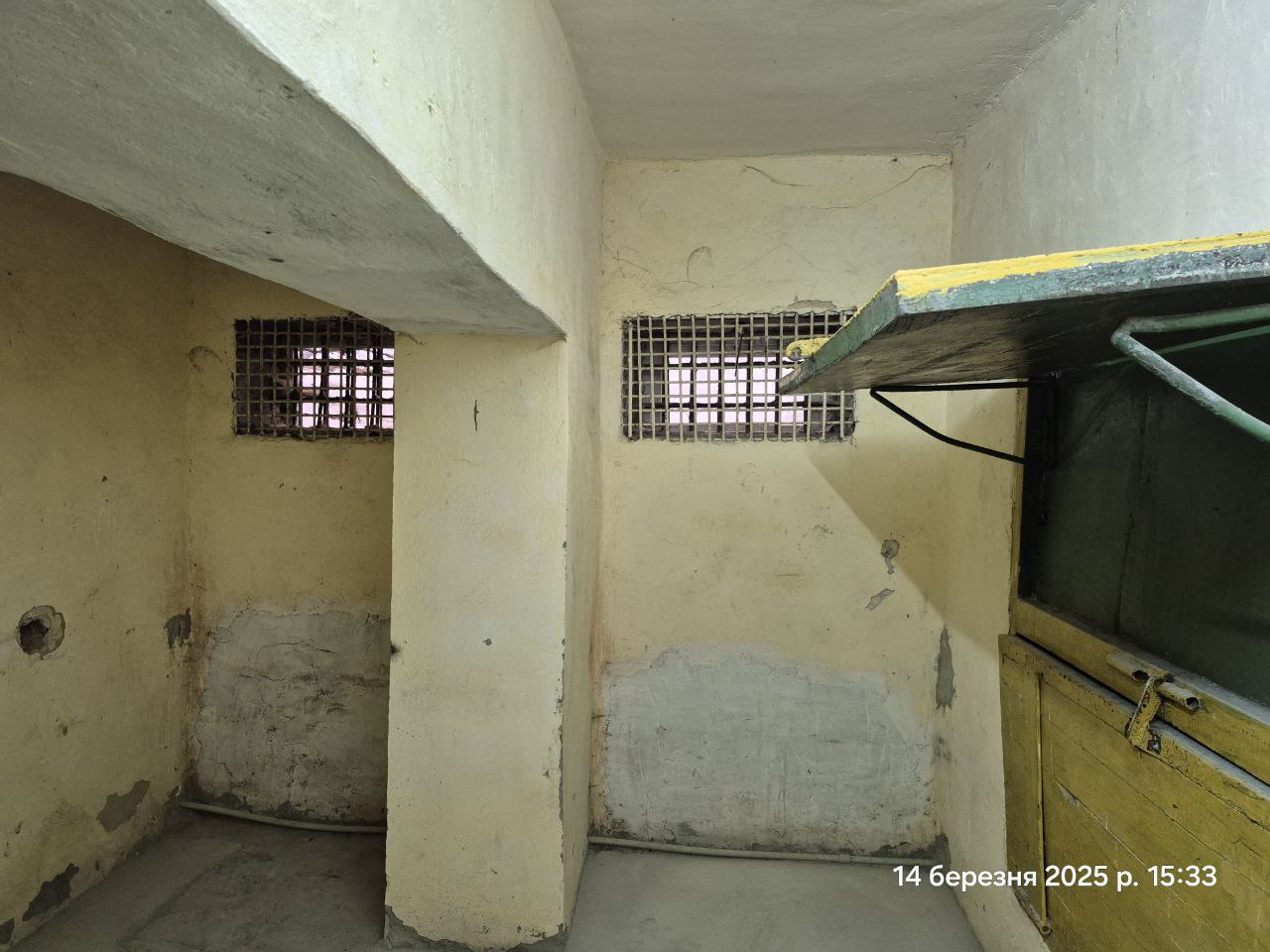
Radio broadcast facilities in the DIZO/PKT cell premises are absent, which contradicts the requirements of Paragraph 3 of Section XX of the Internal Regulations of Penal Institutions (IRPPI) and Paragraph 63 of the UN Standard Minimum Rules for the Treatment of Prisoners.
3. The monitoring group established that there is no quarantine, diagnosis, and distribution (QDD) ward in the correctional colony, which is why the administration and staff of the institution do not ensure proper organisation of work with newly arrived convicts.
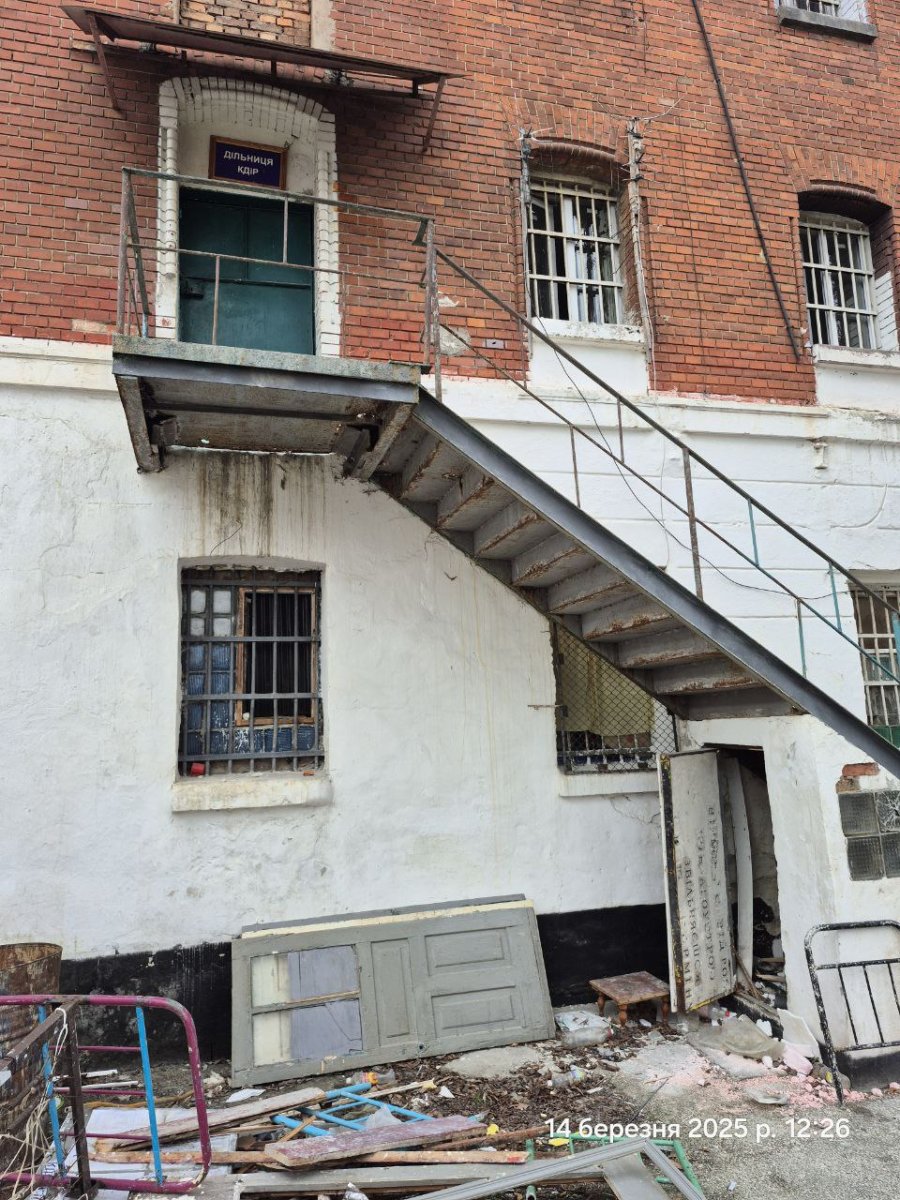
Thus, newly arrived convicts are distributed directly to the Social and Psychological Service (SPS) departments on the day of their arrival at the institution, as a result of which a full medical examination, initial psycho-diagnosis, and psychological and pedagogical study of the newly arrived convicts are conducted while they are already in the SPS departments, rather than in a specially designated period and under appropriate conditions of isolation.
This contradicts the requirements according to which newly arrived convicts must be placed in a quarantine, diagnosis, and distribution ward and undergo a full medical examination within fourteen days to detect infectious, somatic, and mental diseases, as well as initial psychological, pedagogical, and other study, as provided for by Article 95 of the Criminal Executive Code of Ukraine (CEC of Ukraine), Paragraph 1 of Section V of the Internal Regulations of Penal Institutions, approved by the Order of the Ministry of Justice of Ukraine dated 28 August 2018 No. 2823/5 (hereinafter — IRPPI), and the Regulation on the Quarantine, Diagnosis, and Distribution Ward for Convicts, approved by the Order of the Ministry of Justice of Ukraine dated 4 November 2013 No. 2300/5.
4. The monitoring group investigated the issue of compliance with the rights of persons for whom a competent authority of a foreign state has taken a decision on extradition to Ukraine. During conversations with extradited persons, no complaints about improper, cruel, or degrading treatment were recorded. In the pre-trial detention centre section, one renovated cell No. 1 was inspected, where two extradited persons were held, in which renovation works had been carried out in compliance with the living space standard of 4 m² per person.
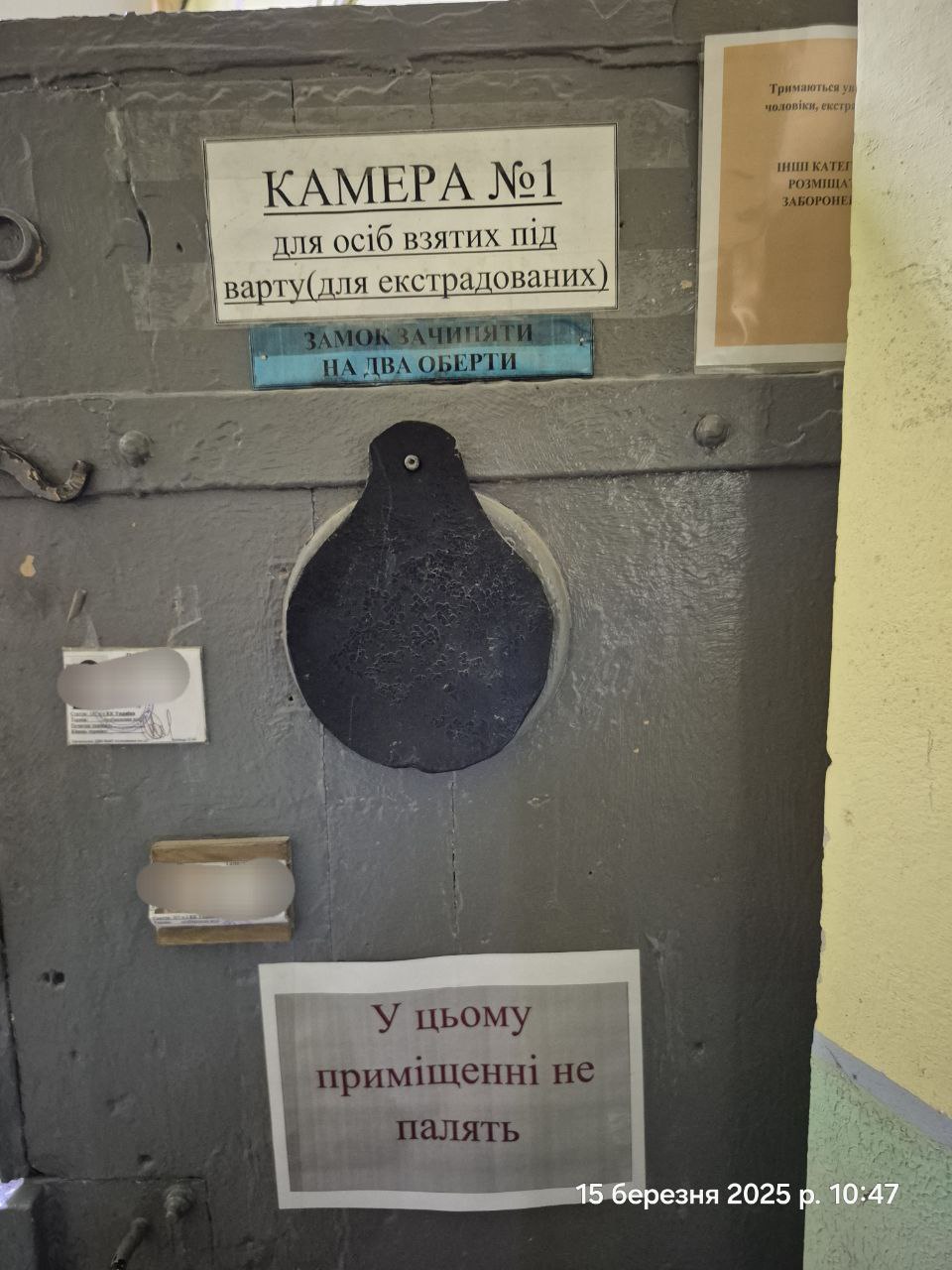
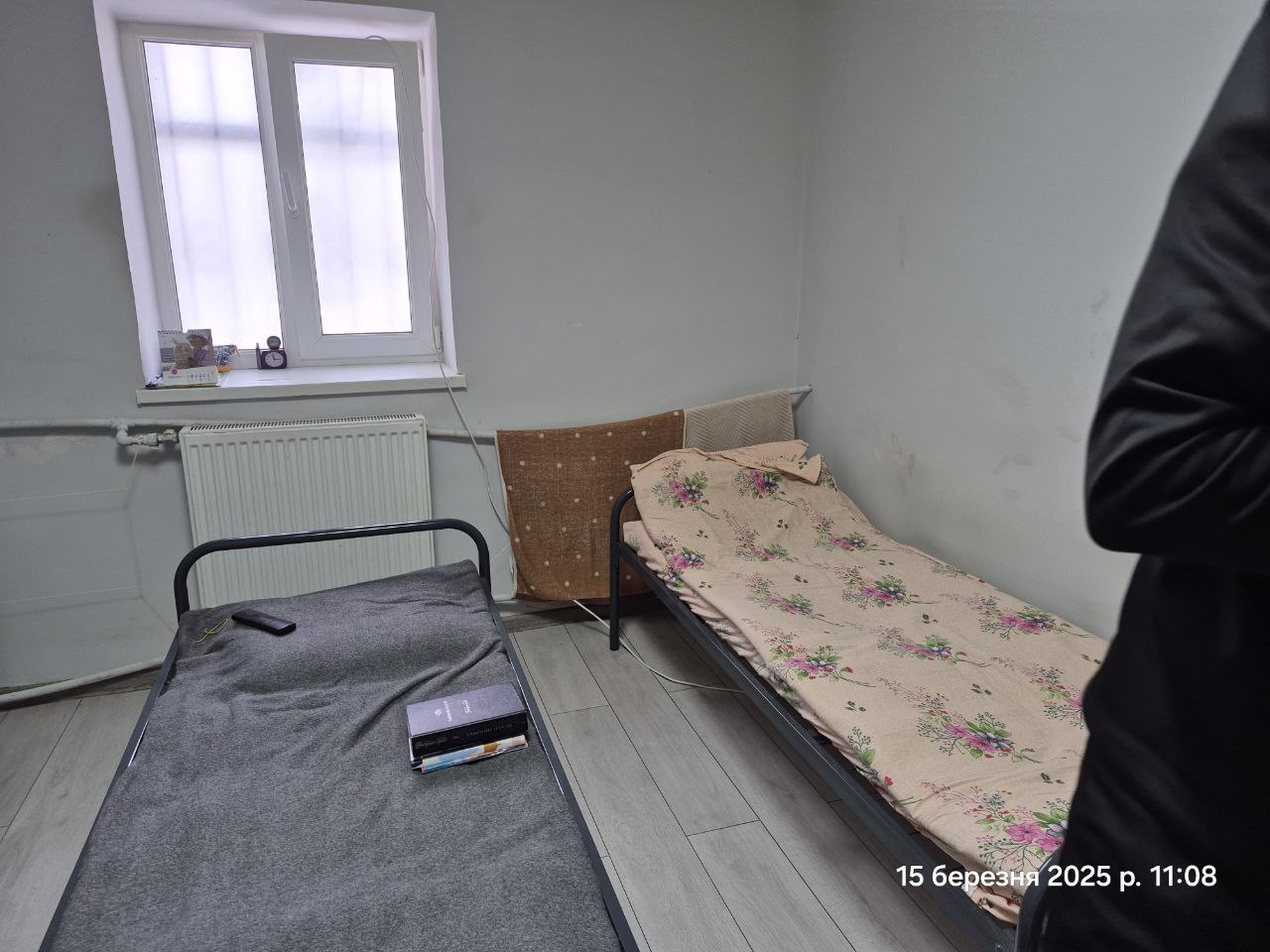
At the same time, the monitoring group identified a number of violations, in particular an insufficient level of natural lighting. In accordance with Annex Zh “Normative Indicators of Lighting for Premises of Residential Buildings” of DBN V.2.5-28:2018 “Natural and Artificial Lighting”, approved by the Order of the Ministry of Regional Development, Construction, and Housing and Communal Services of Ukraine dated 3 October 2018 No. 264, the illumination of work surfaces in sleeping and residential premises must be 150 LUX.
Instead, only 17.6 LUX was recorded in cell No. 16, which is significantly lower than the established standards. This is mainly due to the fact that the windows in the cell are fitted with frosted glass, which may create additional psychological pressure on the prisoners due to the lack of any, even visual, connection with the outside world.
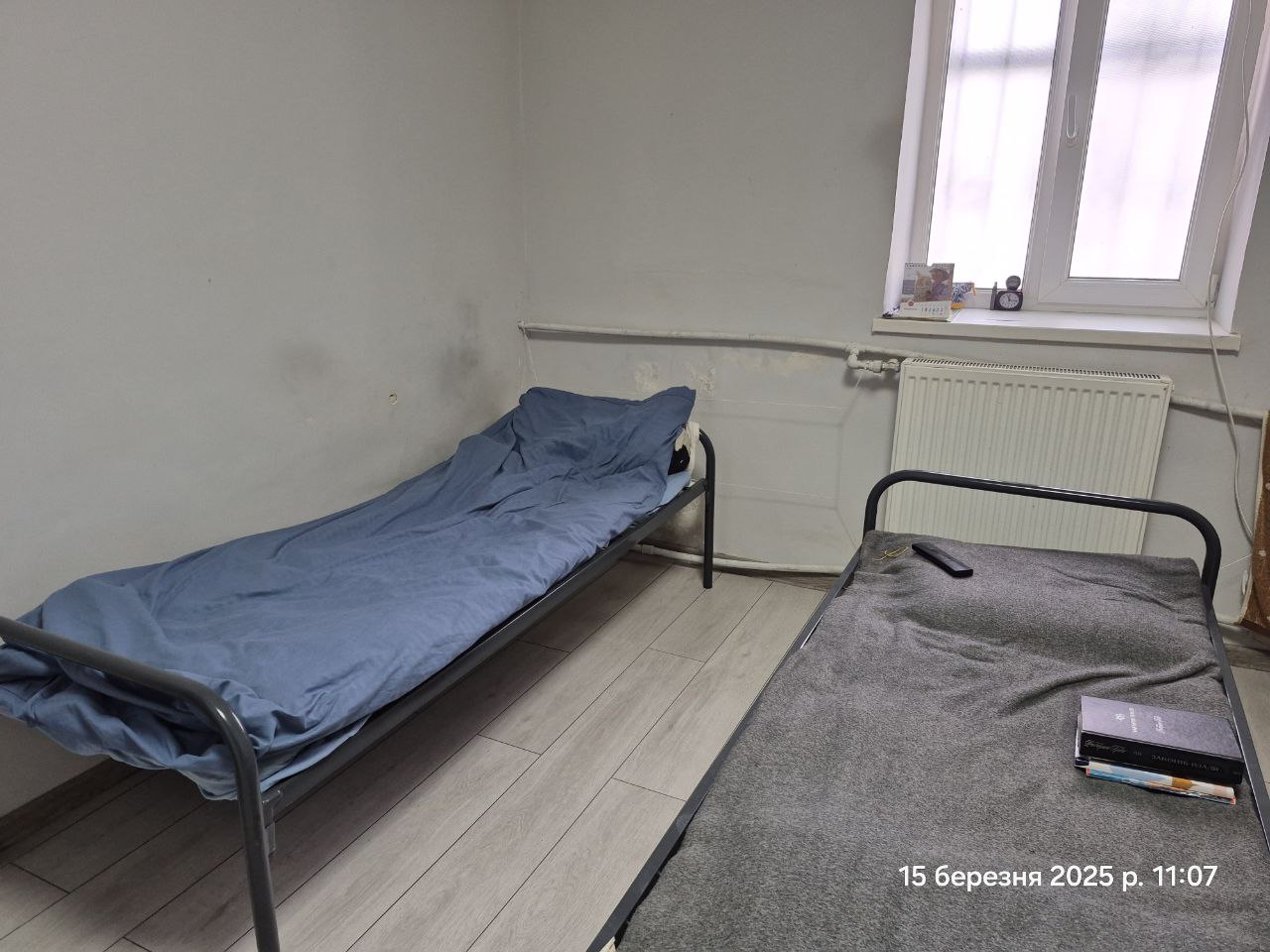
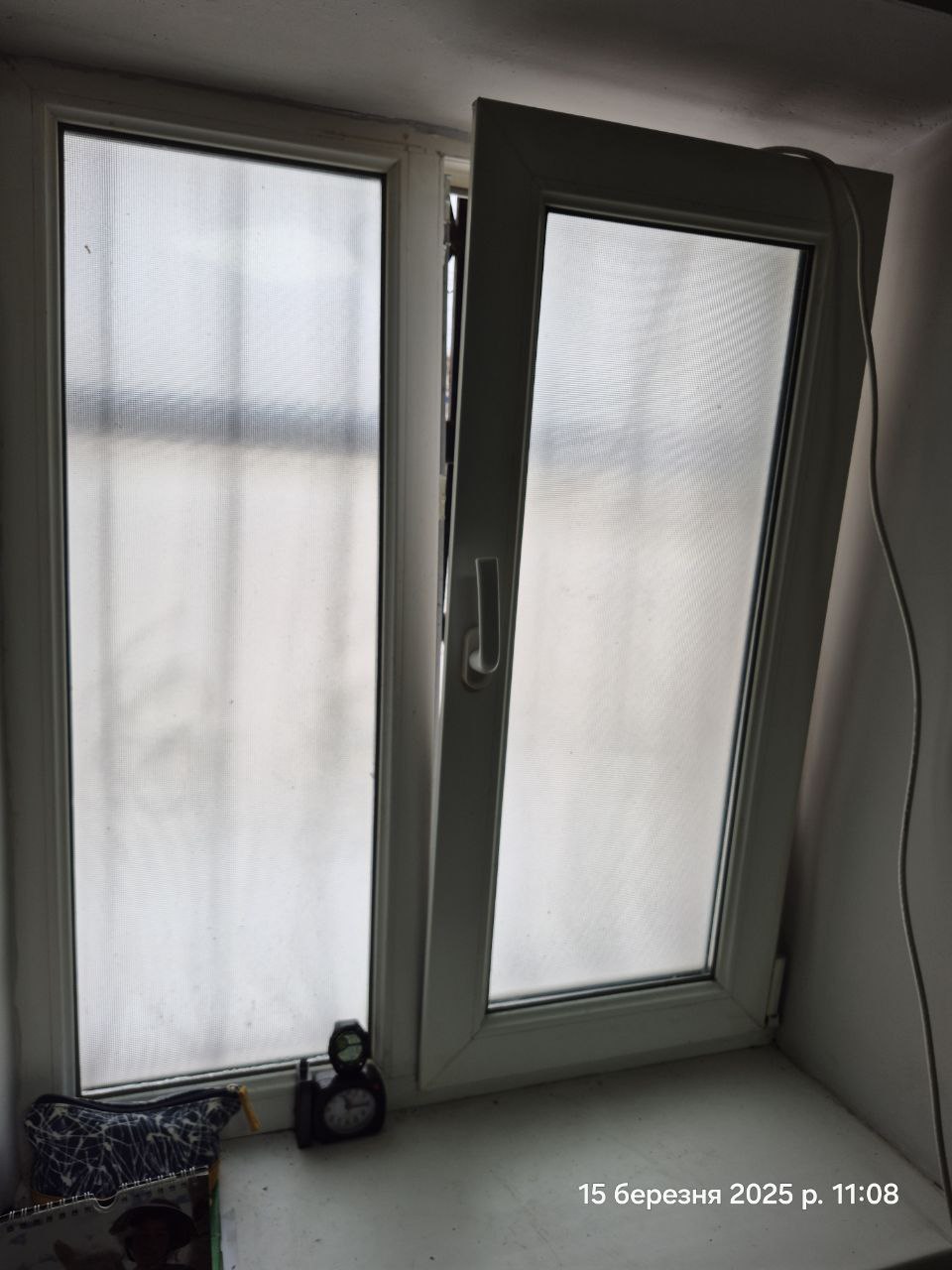
In its report on the results of the visit to Ukraine in 2020, the Committee already drew attention to this and recommended taking measures to review the design of windows in cells in order to allow prisoners to see what is outside the cell. (CPT/Inf (2020) 40, paragraph 48).
In violation of the requirements of Paragraph 22.5 of the European Prison Rules (EPR) and the Standards for Provision of Furniture, Inventory, and Household Items of a Medium-Security Correctional Colony, approved by the Order of the Ministry of Justice of Ukraine dated 27 July 2012 No. 1118/5 (hereinafter — Provision Standards), registered with the Ministry of Justice of Ukraine on 30 July 2012 under No. 1274/21586, the cell premises are not equipped with a 15-litre drinking water tank with a tap, lid, mug, and basin.
In this regard, convicts are forced to consume technical water from the central water supply or buy drinking water in the institution’s shop. It was also established that the colony has a serious problem with water supply: water is supplied on a limited basis, only for about three hours a day. Supply and exhaust ventilation is absent.
During conversations with members of the monitoring group, prisoners complained about the violation of their right to profess any religion or express beliefs related to religion, in particular regarding the free choice and admission of a clergyman to perform religious sacraments and rites, provided for by Paragraph 2 of Section II of the Internal Regulations of Penal Institutions (IRPPI) and Article 8 of the Criminal Executive Code of Ukraine (CEC of Ukraine).
Thus, prisoners appealed to the administration of the institution with a request to visit the prayer room on the territory of the institution, but were refused because the facility’s staff cannot ensure proper isolation of different categories of detainees during the performance of religious rites, which could lead to a violation of Article 8 of the Law of Ukraine “On Pre-trial Detention”.
The aforementioned contradicts Article 35 of the Constitution of Ukraine, which guarantees everyone the right to freedom of worldview and religion, including the free performance of religious rites, Paragraph 8 of Section XX of the IRPPI, and Rule 66 of the UN Standard Minimum Rules for the Treatment of Prisoners (the Nelson Mandela Rules).
Exercise yards are insufficiently equipped with sports equipment or other means for physical activity.

Regarding physical activity and rest outside the cells, prisoners are ensured the right to a daily walk in the fresh air for at least one hour. However, the institution’s staff did not offer any alternative types of out-of-cell activities.
In this context, the Committee in its 2023 report states that the situation with out-of-cell activities for detained persons has not improved since the 2017 visit. As before, with the exception of a small number of working persons, adult detainees (including women) in the visited institutions remain in cells for up to 23 hours a day, having limited access to activities outside the cell, apart from daily walks and, in isolated cases, occasional visits to the sports hall.
Walks last only one hour a day (sometimes a little longer for women) in small courtyards with a depressing design (high walls that limit visibility).
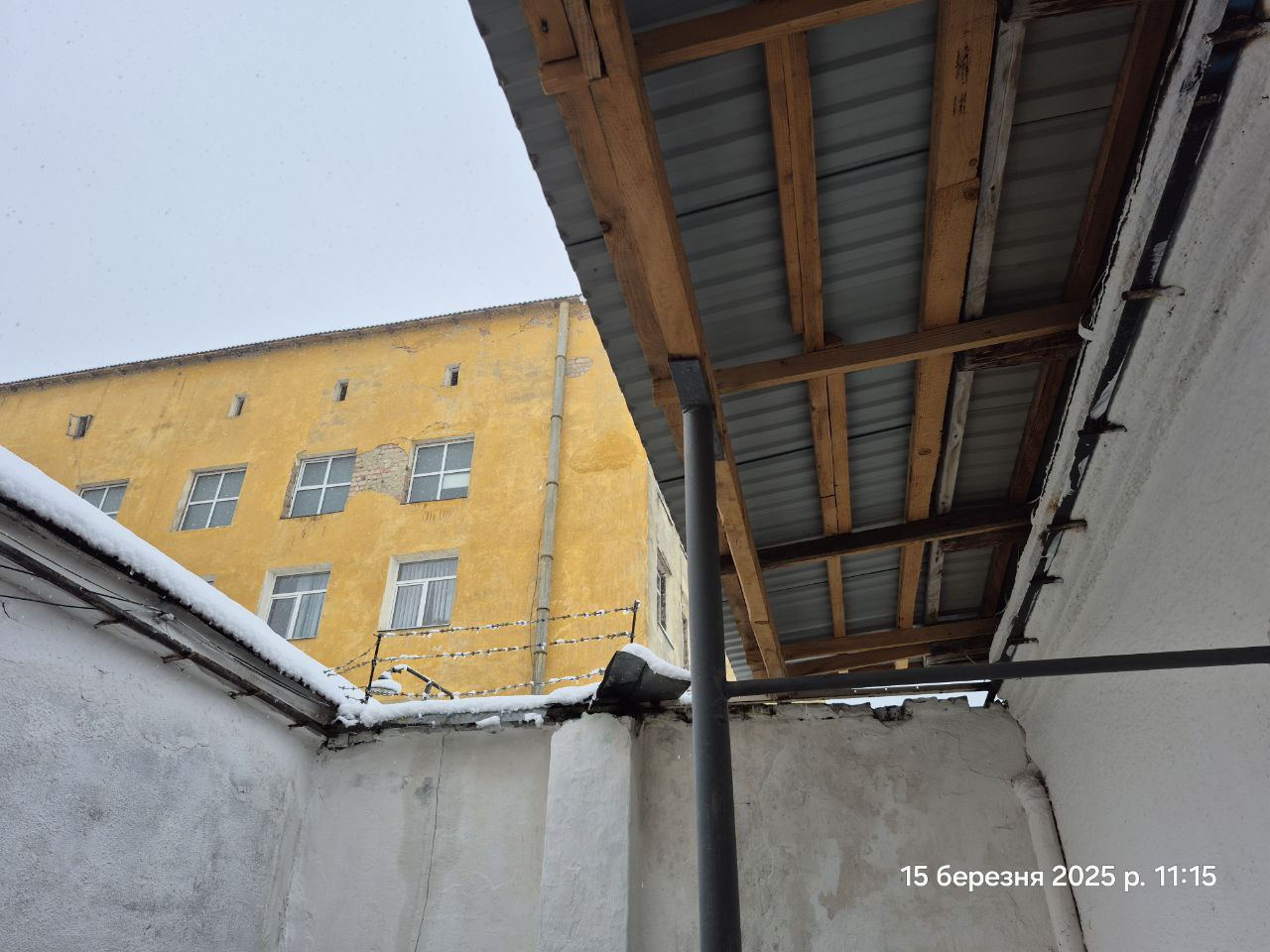
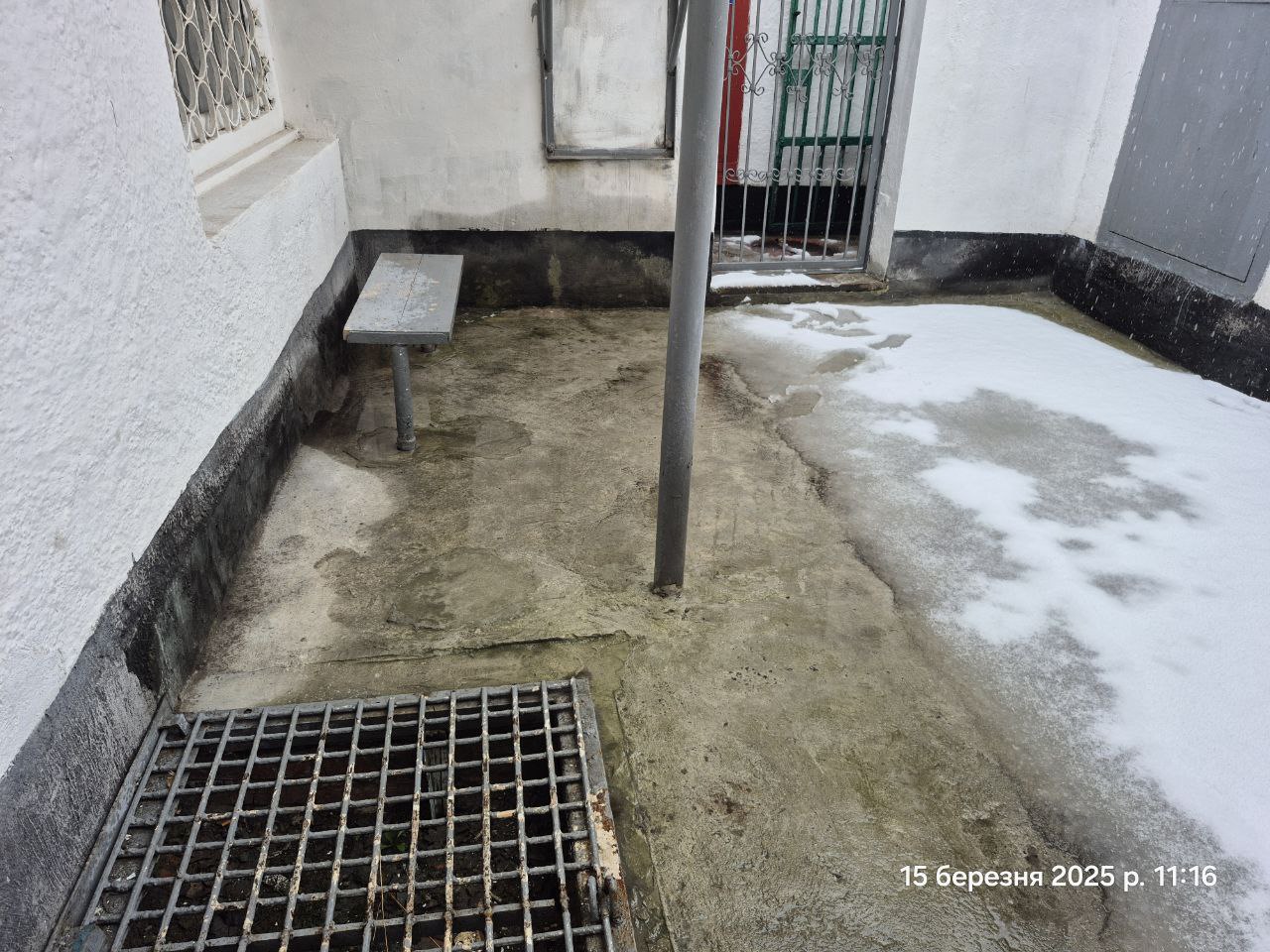
Inside the cells, the main means of leisure are the television, books, and board games. The Committee expresses concern over the prolonged stay of persons in such conditions and calls on the authorities to develop programmes of activities for detainees, as well as to arrange more spacious exercise yards with the possibility of physical exercises and better visibility. (CPT/Inf (2024) 20, paragraph 58).
On the outer doors of the cell premises and on the beds of the SPS sections, name cards are placed with a brief description of the crimes for which the persons in the cells are suspected.
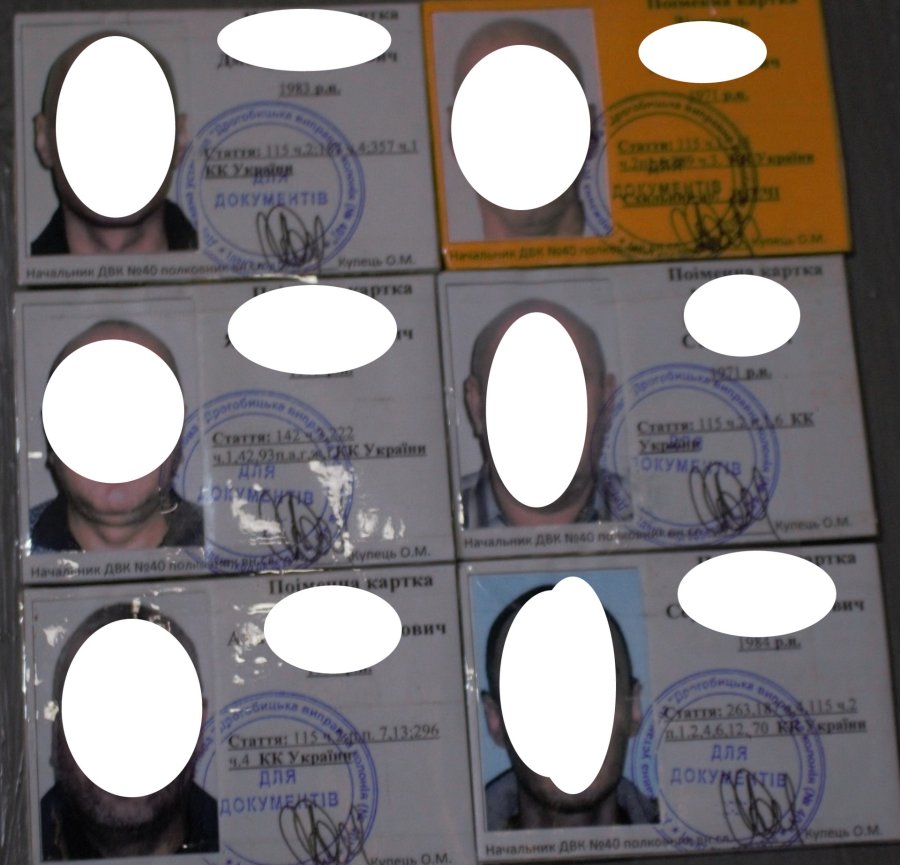
In its report on the results of the visit to Ukraine in 2020, the Committee noted that this practice should be stopped, as it serves no reasonable purpose and, besides stigmatisation, has the effect of damaging the relationship between prisoners and prison staff. (CPT/Inf (2020) 40, paragraph 52).
During conversations, prisoners reported that neither upon arrival at the institution nor subsequently did the administration and staff provide them with any information regarding the availability of a shelter for protection from potential shelling and the procedure of actions in case of an “Air Raid” signal. Moreover, according to them, during an air raid, the institution’s staff did not offer them to descend into the shelter. This indicates that prisoners remain unprotected in the cell premises during an air raid, which creates a real risk to their life and health in the conditions of the armed aggression of the Russian Federation against Ukraine.
The monitoring group investigated the issue of the shelter available at the institution.
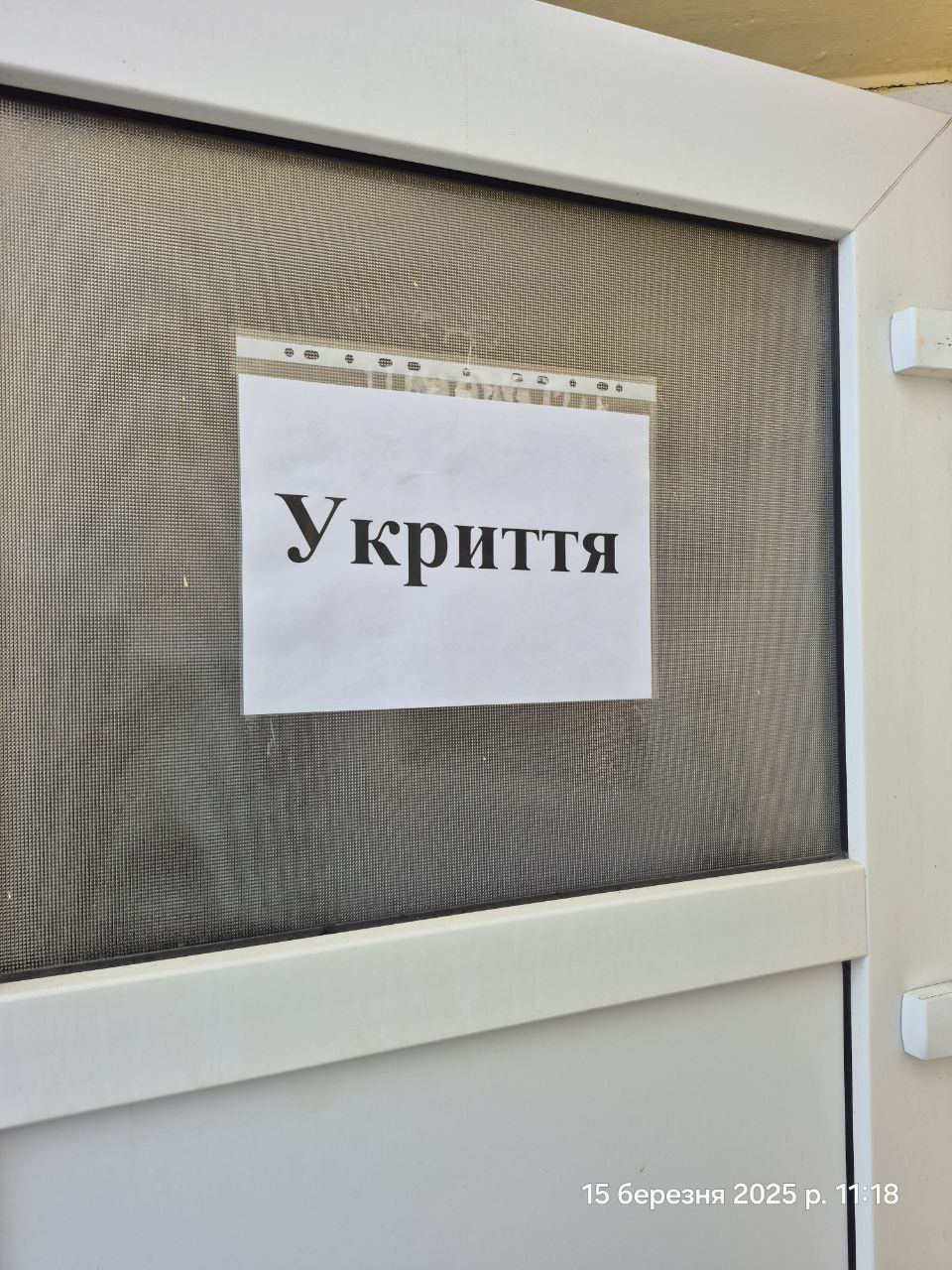
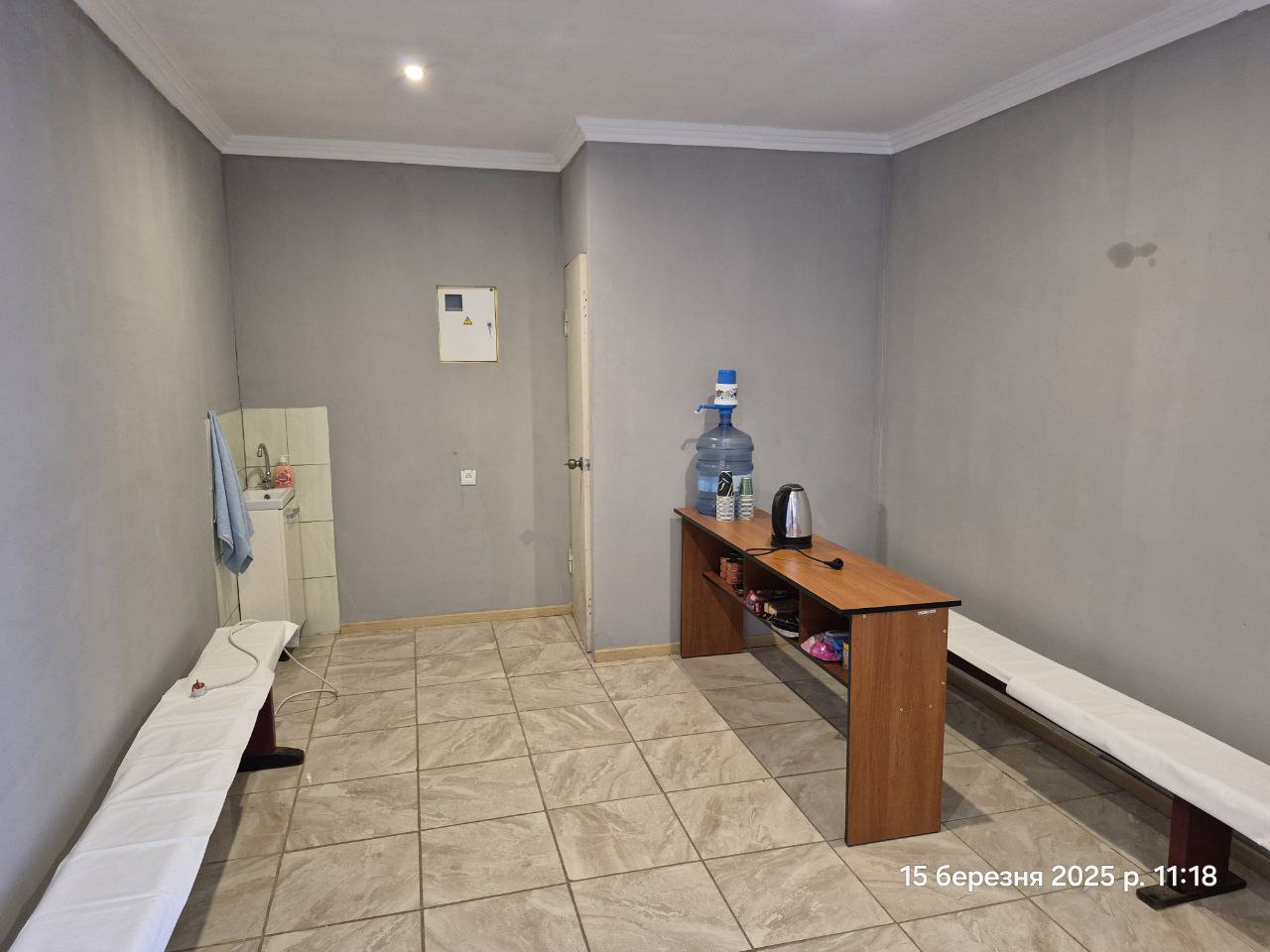
It was established that the area of the shelter premises does not correspond to the number of convicts held in the institution, which makes it impossible to safely accommodate all persons in the event of an emergency. This creates a threat to their life and health, which contradicts Article 3 of the Universal Declaration of Human Rights, Article 2 of the Convention for the Protection of Human Rights and Fundamental Freedoms, and Article 27 of the Constitution of Ukraine.
Thus, these circumstances may significantly influence the decision-making process by competent authorities of foreign states regarding the issue of the extradition of persons suspected or accused of committing a crime to Ukraine.
5. In violation of Paragraph 5 of Section V of the Regulation on the Organisation of Food Supply in the State Criminal-Executive Service of Ukraine in Peacetime, approved by the Order of the Ministry of Justice of Ukraine dated 15 June 2021 No. 2160/5 (hereinafter — Regulation on the Organisation of Food Supply), the meals served for breakfast on 14 March 2025 did not correspond to the approved menu schedule.
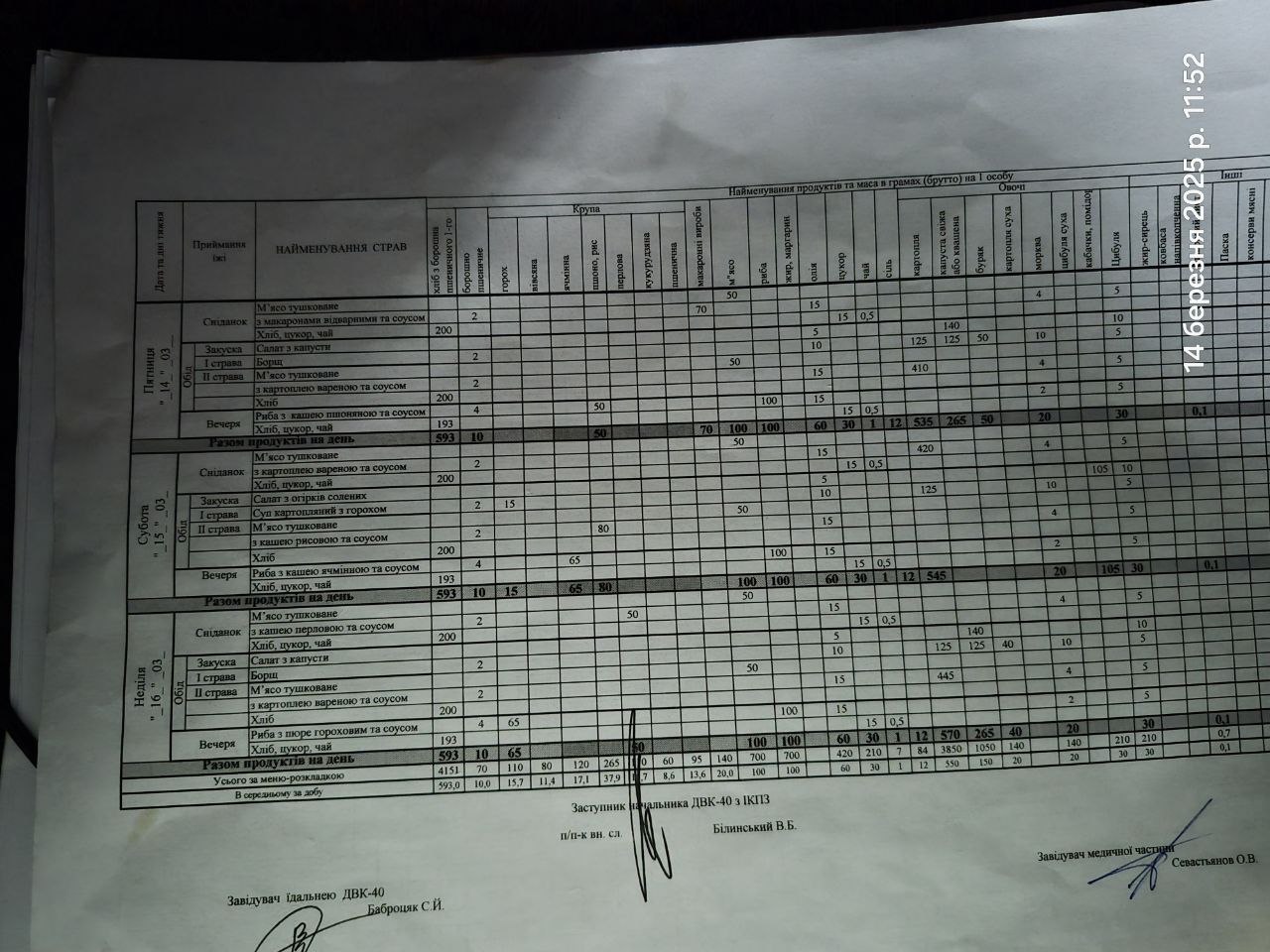
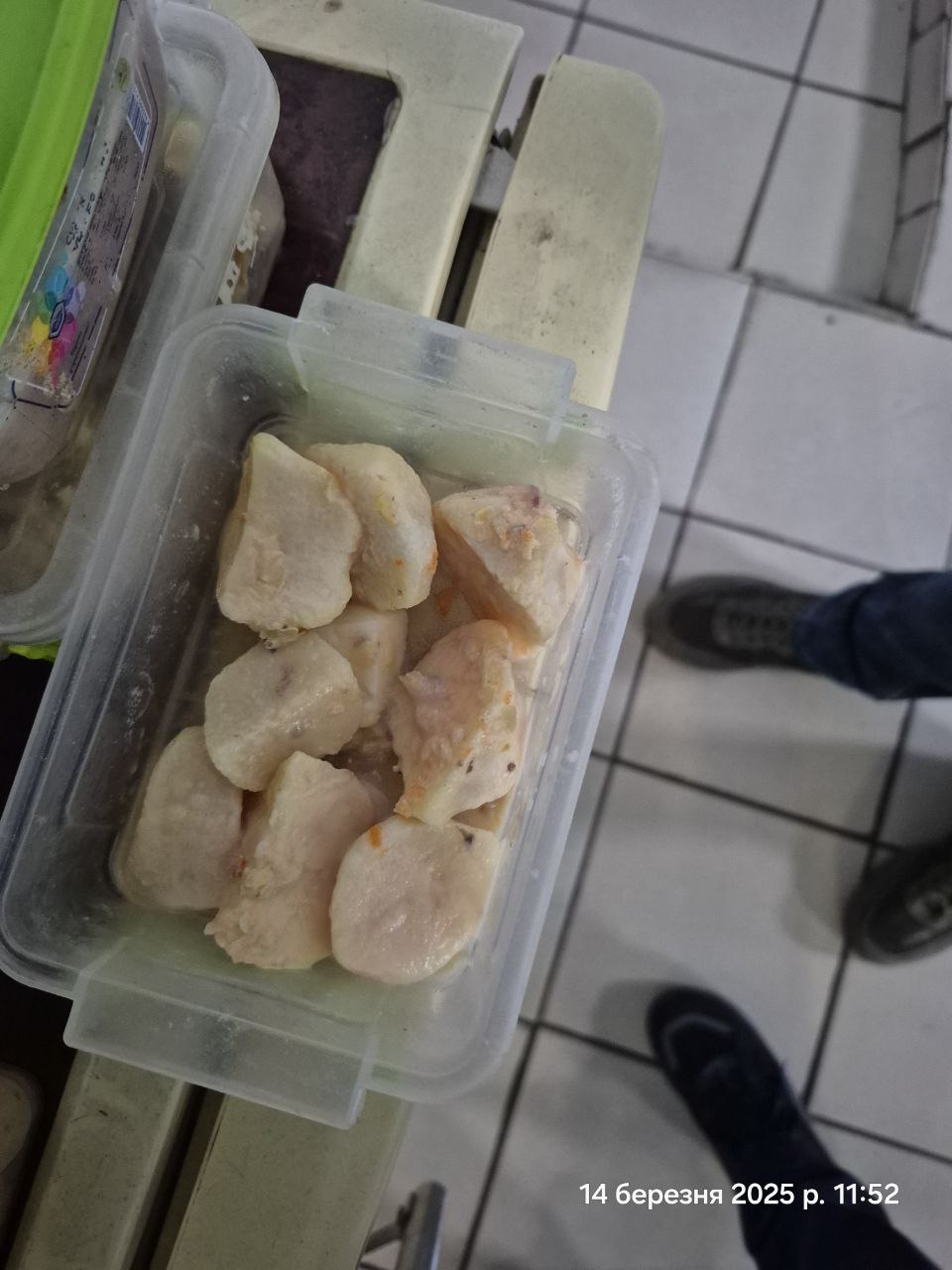
In particular, instead of samples of the provided dish “stewed meat with boiled pasta and sauce”, a sample of a potato dish was provided. These changes were made without the written permission of the head of the institution and without submission of a corresponding report by the deputy head of the institution for logistics and utility support, which is a violation of the established procedure for organising food in the institution.
6. In violation of the requirements of Paragraph 5 of Section IV of the Regulation on the Organisation of Food Supply, the monitoring group established the absence of sufficient functioning refrigeration equipment, due to which the storage of food products is not ensured taking into account commodity compatibility.
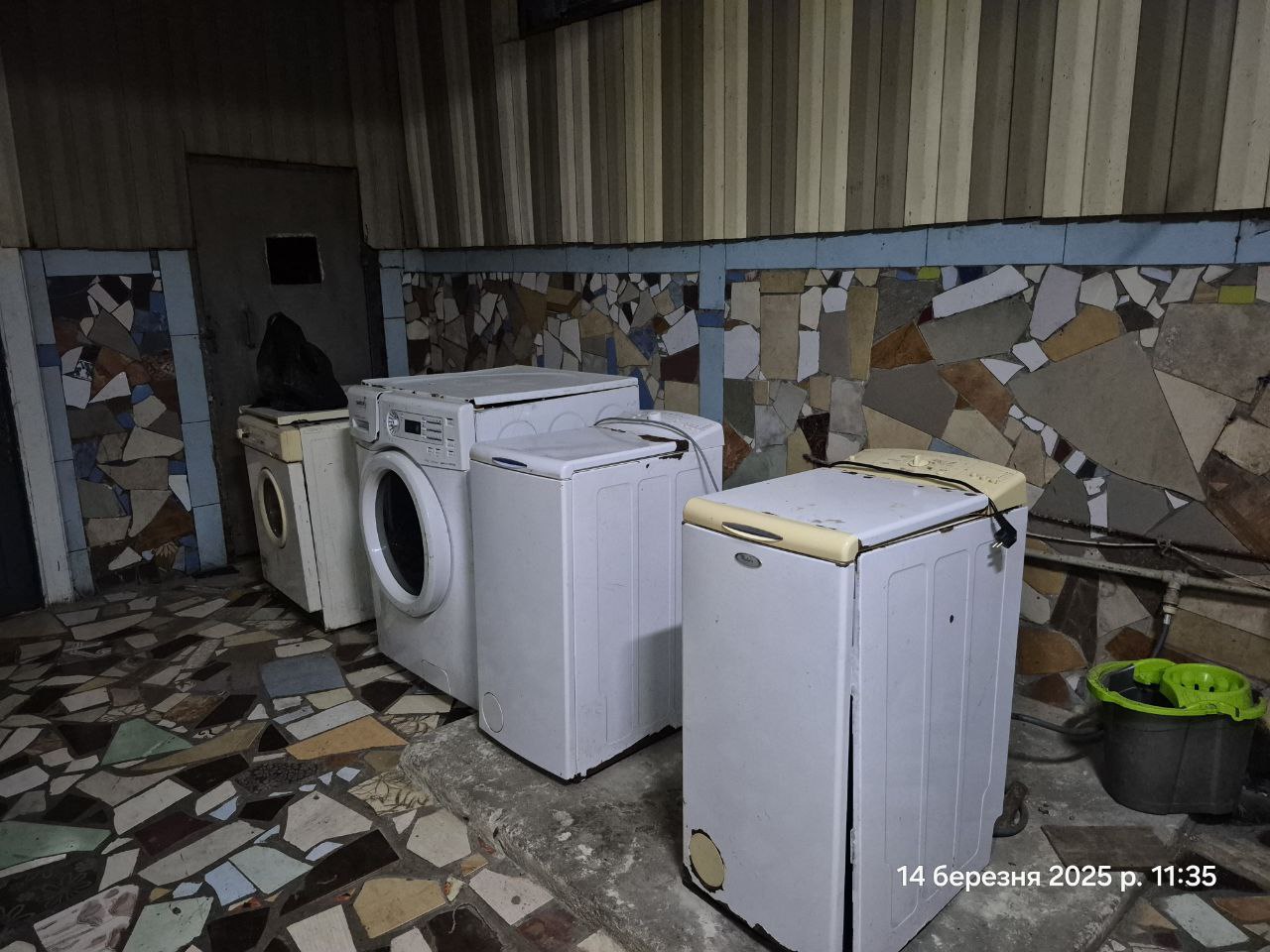
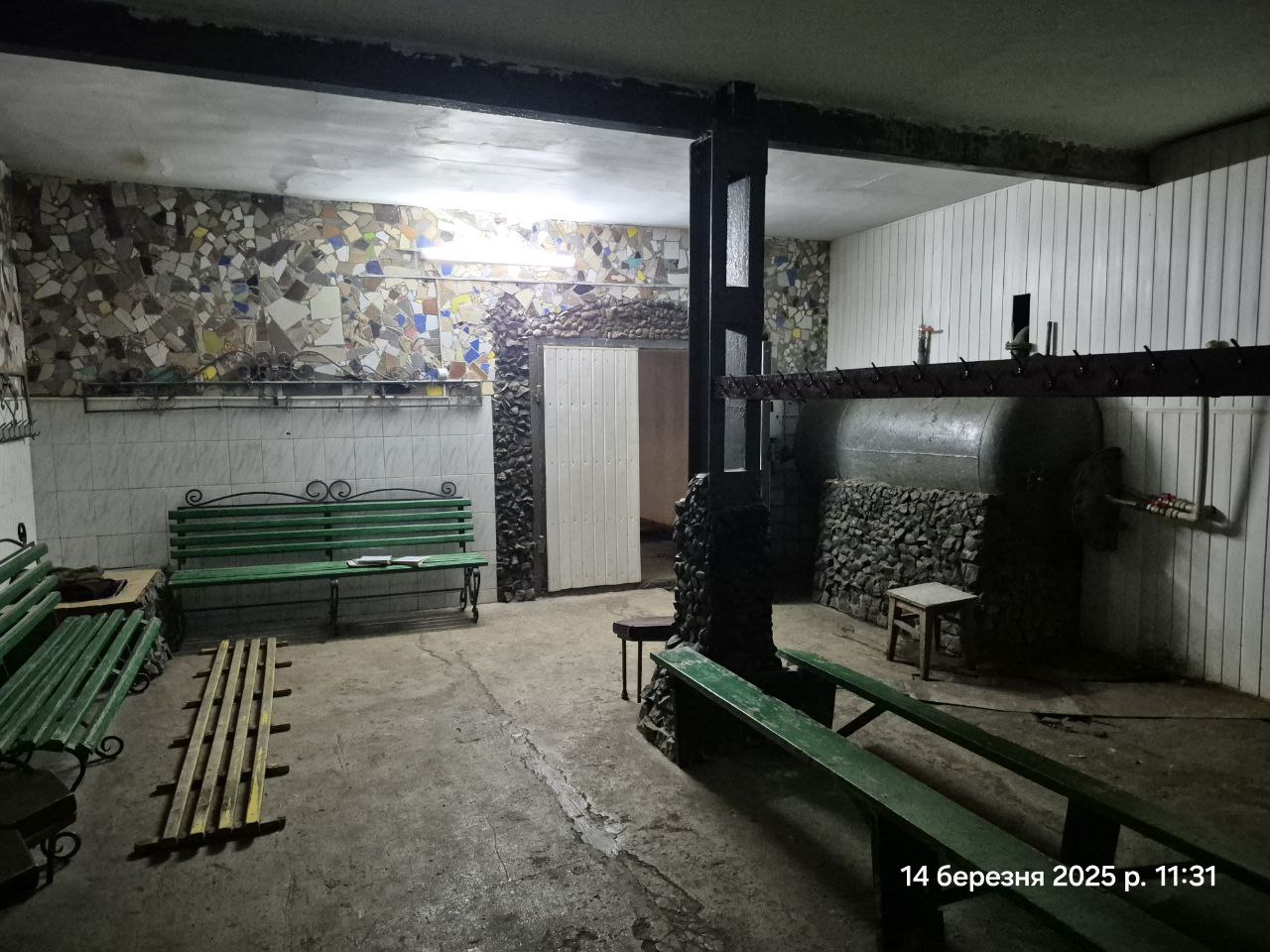
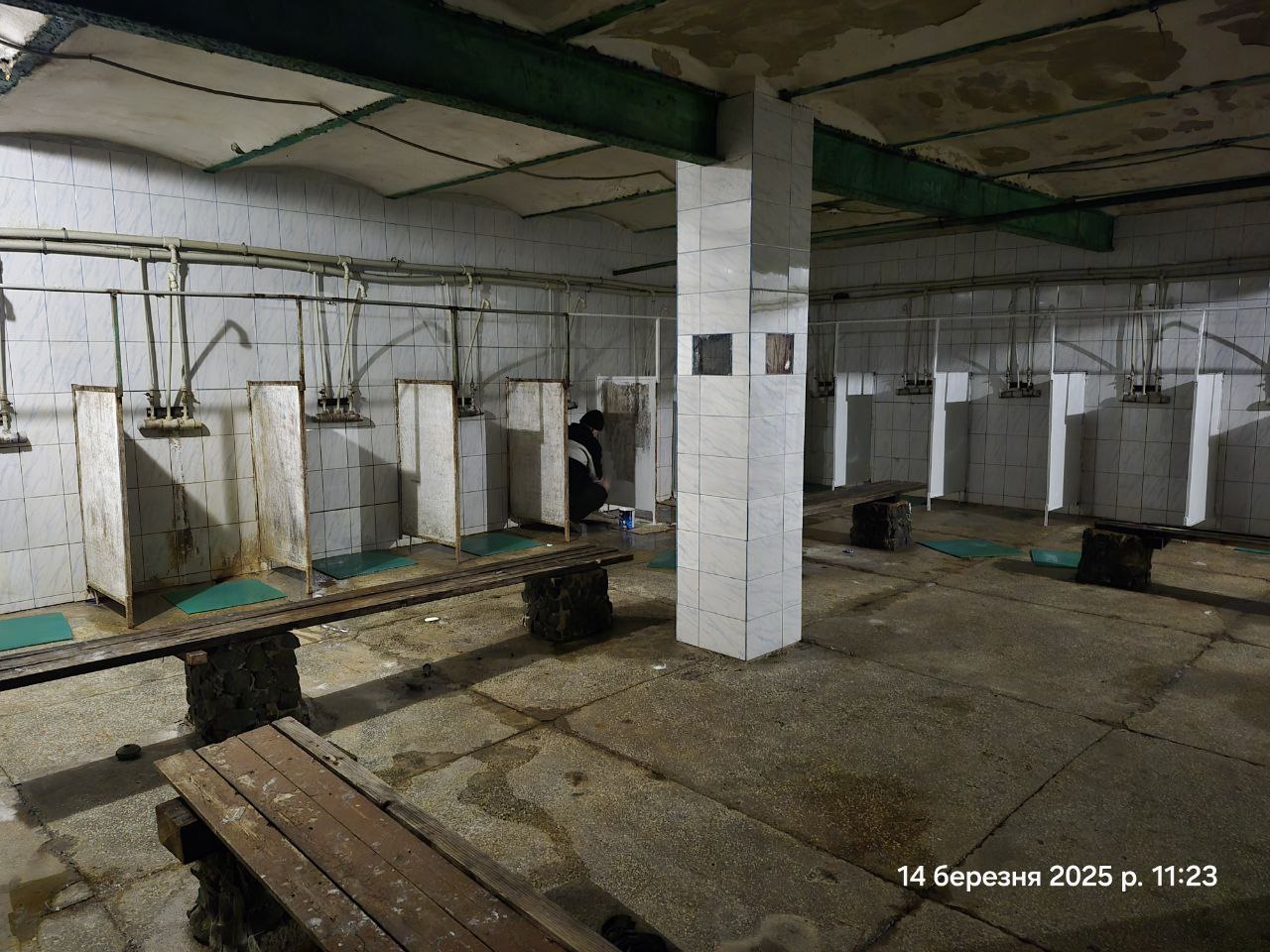
7. The monitoring group established a number of violations in the organisation of bath and laundry services for convicts and detainees. Thus, in violation of Paragraph 2.14 of Section II of the Regulation on the Organisation of Bath and Laundry Services for Persons Held in Penal Institutions and Pre-trial Detention Centres, approved by the Order of the Ministry of Justice of Ukraine No. 849/5 dated 8 June 2021 (hereinafter — the Regulation), the provision of hairdressing services to convicts and detainees is not ensured in the institution.
In violation of the requirements of Paragraph 2.11 of Section II of the Regulation, the forced supply and exhaust ventilation system does not work in the laundry and bathhouse premises.
During conversations with newly arrived persons who arrived at the institution on 12 March 2025, and checking the Register of Disinfection (Disinfestation) of Clothing and Bedding in the institution’s disinfection chambers, it was established that in violation of the requirements of Paragraph 4 of Section XXII of the IRPPI and Paragraph 3.19 of Section III of the Regulation, the implementation of sanitary-hygienic and anti-epidemic rules is not properly ensured.
Sanitary treatment of convicts arriving at the institution is not carried out on time. The bathhouse and laundry premises are in need of repair. In violation of the requirements of Rule 19.3 of the European Prison Rules, the right to privacy is not respected in the bathhouse premises due to the lack of curtains on shower partitions.
8. During the visit, the monitoring group recorded that the institution’s staff who are in direct contact with convicts openly carry special means, in particular rubber truncheons.
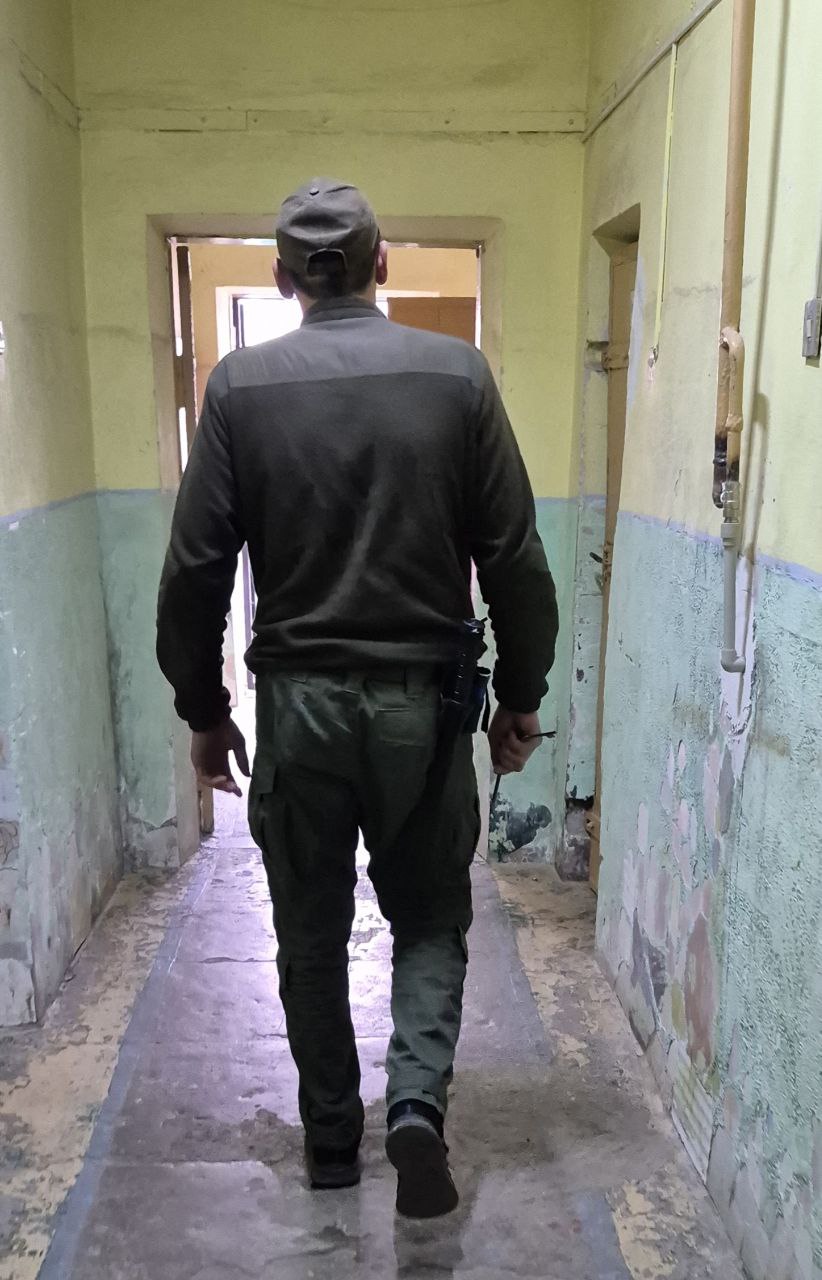
At the same time, according to the eighth paragraph of Paragraph 1 of Section XXVI of the IRPPI, the carrying of special means by the staff of penal institutions within the guarded territory of the penal institution should be as concealed as possible from the surroundings.
Meanwhile, the Committee recommends that prison officers working in direct contact with prisoners should not carry special means (such as rubber truncheons, handcuffs, and tear gas canisters) openly in front of prisoners. Such carrying hinders the establishment of normal relations between staff and prisoners (CPT/Inf (2011) 29, para 85; CPT/Inf (2013) 23, para 23; CPT/Inf (2014) 15, para 166).
9. According to official documentation, the staff shortage in the institution as of 14 March 2025 amounts to 32 (10.6%) authorised units. At the same time, in the Government of Ukraine’s report on the results of the 2023 visit, the Committee emphasises that ensuring a positive climate in a penal institution requires a professional team of staff who must be present in sufficient numbers at any time in detention areas.
An insufficient number of staff can only increase the risk of violence and intimidation between convicts. The shortage of frontline staff also undermines the quality and level of measures offered to convicts and jeopardises the prospect of preparation for release and social rehabilitation.
In this regard, the Committee calls on the Ukrainian authorities to take decisive measures to significantly increase the number of staff in Ukraine’s penal institutions, where a low level of staffing is observed, with the aim of strengthening the presence of security and surveillance service staff inside the institutions. It is also necessary to take measures to put an end to the 24-hour shift for staff on duty. (CPT/Inf (2024) 20, paragraph 93).
10. The monitoring group established that the institution’s administration creates artificial obstacles to the implementation of regulations providing for the possibility of replacing the unserved part of a sentence with a more lenient one, as well as for the application of parole, which contradicts the principle of phased reintegration of the convict into society.
Thus, according to the information provided, during 2025, 24 convicts were eligible for incentive norms in the form of parole from serving a sentence, and Article 81 of the Criminal Code of Ukraine was applied to 2 convicts.
21 convicts were eligible for incentive norms in the form of Article 82 of the Criminal Code of Ukraine, and Article 82 of the Criminal Code of Ukraine was applied to 1 convict (correctional labour).
38 convicts were eligible for incentive norms in the form of Articles 100, 101 of the Criminal Executive Code of Ukraine, and transfer to a social rehabilitation section was applied to 17 convicts.
11. Part of the electrical panels and distribution boards in various premises of the institution, both in the residential and industrial zones, are in an open state, which ensures free access to them for convicts.
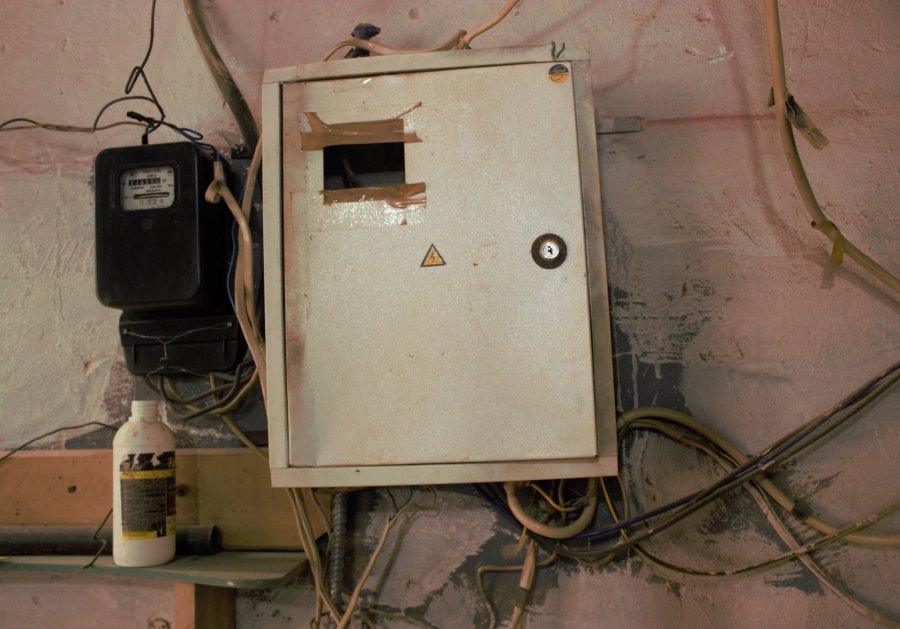
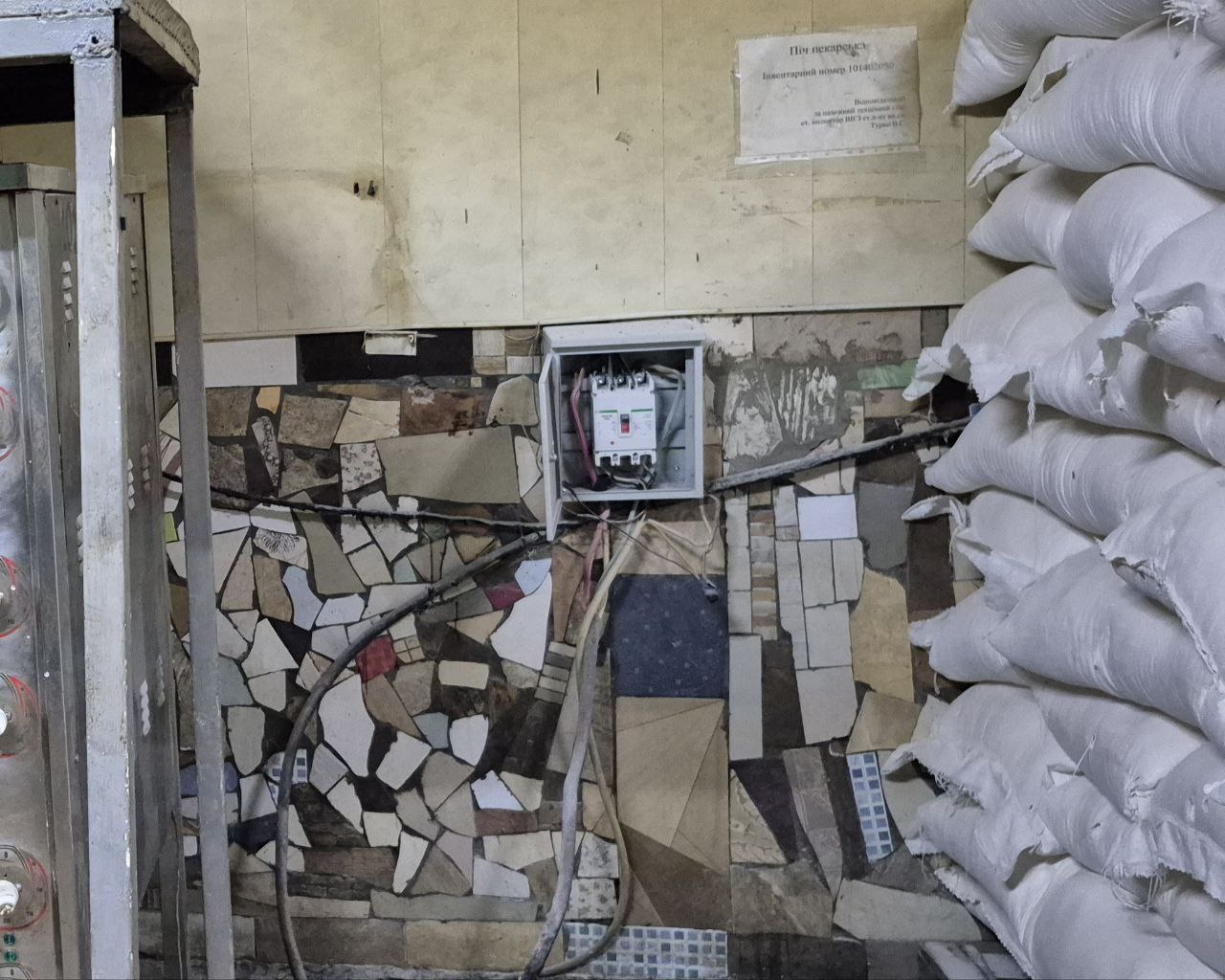
The aforementioned is a gross violation of the Fire Safety Rules in Ukraine, approved by the Order of the Ministry of Internal Affairs of Ukraine dated 30 December 2014 No. 1417, registered with the Ministry of Justice of Ukraine on 5 March 2015 under No. 252/26697 (hereinafter — Fire Safety Rules), and creates the possibility for unauthorised interference in the power grid, an increased threat of fire, and electric shock.
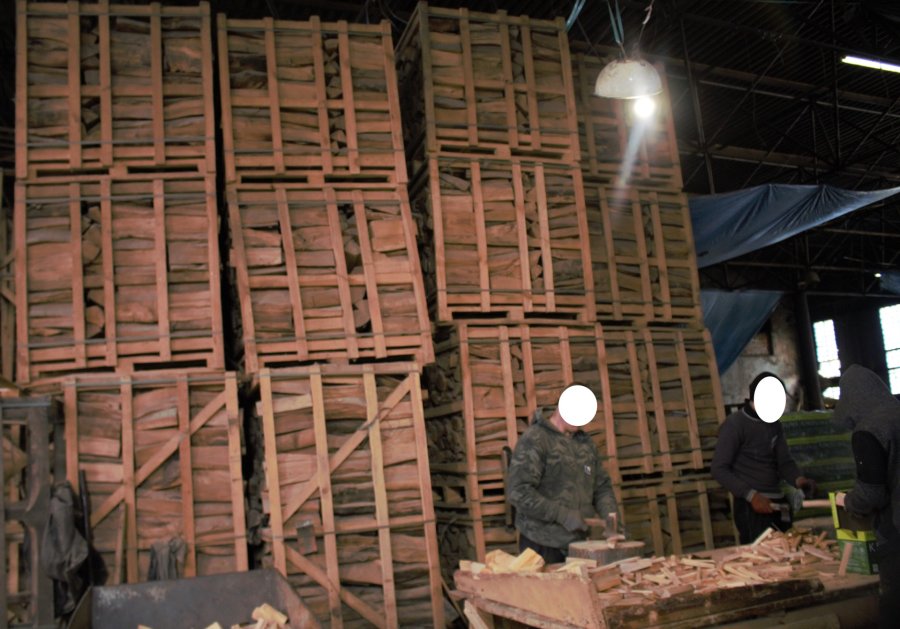
12. Based on the analysis of documentation provided by the administration regarding the labour of convicts, it was established that convicts in the institution are systematically involved in performing work within the framework of contractual relations between the institution and private business entities. Among them are “Karavan Plus” LLC, “Dekor” PE, “Desna-Elit” LLC, Sole Proprietor Dutchak I.R., etc.
The nature of the work covers garment manufacturing, product packaging, woodworking, furniture making, as well as auxiliary manual labour. Despite the active involvement of convicts in labour, the institution’s administration did not ensure proper legal formalisation of employment relations.
In almost all cases, the formalisation is carried out through civil law contracts, however, their content and actual working conditions (regularity, subordination, performance of work on the institution’s territory according to an established schedule) indicate the existence of employment relations disguised as a service contract or contract for the provision of services.
This approach is a violation of: Articles 21, 24 of the Labour Code of Ukraine — an employment contract must be concluded in written form in cases provided for by law, especially when it comes to work within an organisation with subordination to internal regulations.
Article 118 of the Criminal Executive Code of Ukraine (CEC) provides that convicts can be engaged in paid labour in the manner determined by labour legislation. Paragraphs 97–99 of the UN Standard Minimum Rules for the Treatment of Prisoners (the Nelson Mandela Rules) require fair payment, working conditions, and the conclusion of employment contracts that are as close as possible to the free market.
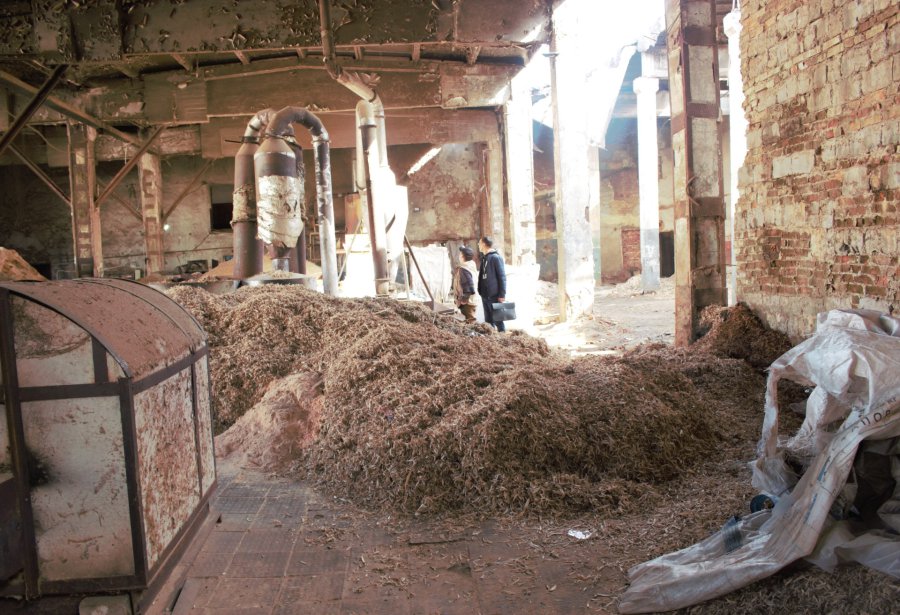

Wages are below the minimum allowable level. Payroll statements certify that after mandatory deductions (including for enforcement documents, food, utility bills, administrative fines, etc.), the actual amount of funds remaining for the convict is often less than 200 UAH per month. In some cases, payments in the range of 3060 UAH were recorded.
This is a violation of: Article 95 of the Labour Code of Ukraine, which guarantees a minimum wage. Article 122 of the CEC of Ukraine, which provides that the remuneration of convicts cannot be lower than the minimum amount established by the state. Article 43 of the Constitution of Ukraine, which guarantees everyone the right to decent working conditions and remuneration for labour.
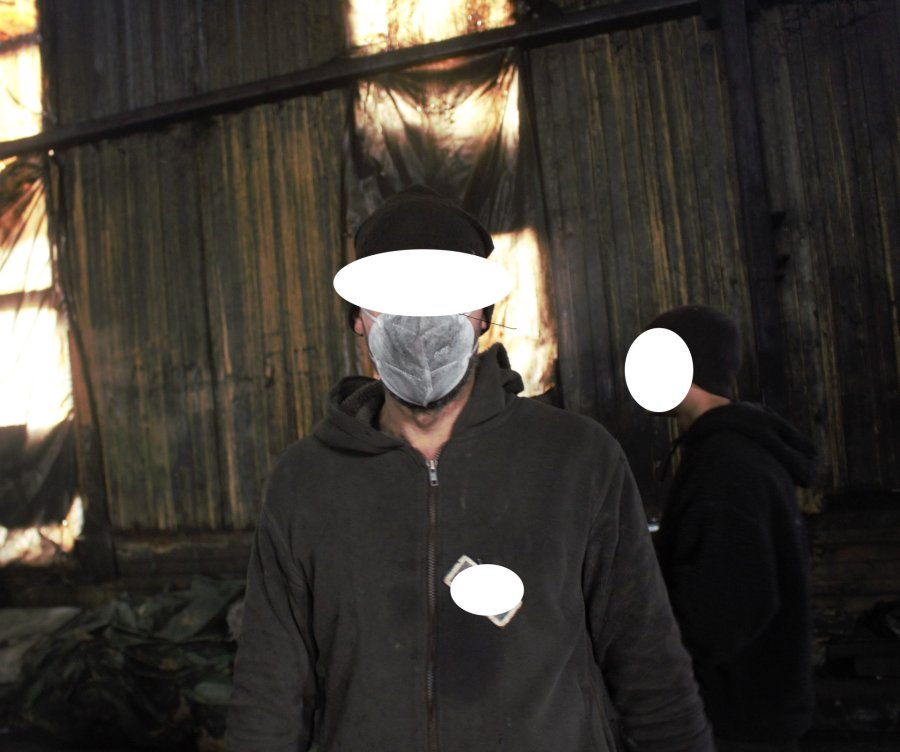
The documentation provided by the institution does not contain the following confirmations: conducting occupational health and safety briefings (violation of Article 169 of the Labour Code of Ukraine); convicts undergoing preliminary and periodic medical examinations (violation of Article 17 of the Law of Ukraine “On Occupational Health and Safety”, Article 119 of the CEC of Ukraine); provision of personal protective equipment, special clothing, and adherence to temperature and sanitary regimes.
This creates increased risks to the life and health of convicts, who actually work in production workshops under conditions as close as possible to commercial production.
A number of contracts stipulate that payments to convicts are made directly by private entrepreneurs or contractors, without the participation of the colony’s accounting department. This makes it impossible for the state institution to effectively control: the completeness of the accounting of accruals; the compliance of rates with labour legislation; compliance with social guarantees.
Such cases open the door to possible abuses, manipulation of working time records, and hidden forms of exploitation. Disguising employment relations as civil law contracts is a systemic practice in the institution — this violates Articles 21, 24 of the Labour Code of Ukraine and Article 118 of the CEC of Ukraine.
The level of actual remuneration for the labour of convicts does not comply with legislative guarantees, which contradicts Article 95 of the Labour Code and Article 122 of the CEC of Ukraine. The absence of occupational health and safety briefings, medical examinations, and protective equipment violates occupational health and safety standards and creates danger for the convicts. Proper financial control over payments is not carried out, which is unacceptable from the point of view of ensuring the rights of convicts.
13. During the monitoring visit on 14 March 2025 to DCC-40, a survey of the institution’s staff and convicts regarding the use of the “Kassandra” subsystem — an electronic tool for assessing the risk of repeat criminal offences — was conducted. The analysis of the collected data points to a number of systemic human rights violations caused by the lack of information provided to convicts, the absence of mechanisms for participation and access to information, and the almost complete impossibility of challenging the assessment results.
Most of the surveyed convicts do not understand what the “Kassandra” subsystem is, do not know who conducts the assessment, on the basis of what criteria it takes place, and what legal consequences it has. The convicts were not present during the data entry, did not sign any documents about familiarisation, and did not receive copies of the results. Thus, the right to informed consent (Article 8 of the Convention for the Protection of Human Rights and Fundamental Freedoms, Article 32 of the Constitution of Ukraine) has been violated.
None of the surveyed convicts reported the possibility of submitting objections to the entered data or challenging the results. The system’s interface does not allow for recording the convict’s objections, which contradicts the principles of a fair trial (Article 6 of the ECHR). There is no established procedure for notifying about assessment results or the periods for their storage and deletion. Data from the “Kassandra” subsystem is used for compiling diaries of individual work, character references, and conclusions about rehabilitation, however, convicts are not involved in this process, do not receive copies of documents, and do not have the opportunity to challenge them.
This violates the right to participate in procedures concerning the individual, and the principle of proper administrative procedure. There is no regulatory framework regarding the periods for data storage and the procedure for deleting data from the subsystem after release. Convicts cannot submit a request for the deletion or correction of information, which violates the Law of Ukraine “On Protection of Personal Data” and GDPR standards. (GDPR (General Data Protection Regulation) is a regulation in EU law on data protection and privacy.
It entered into force on 25 May 2018 and sets the rules by which government agencies, companies, and organisations can collect, store, process, and transmit the personal data of individuals.
Staff members did not receive full training regarding working with the subsystem, in particular regarding compliance with the legal guarantees of convicts. Only fragments of orders and regulations are used without methodological guidance.
Thus, the use of the “Kassandra” subsystem in DCC-40 is a formalised and opaque process without compliance with the fundamental rights of convicts. Violations of the right to informed consent, privacy, fair procedure, access to personal data, and their challenging have been established.
The practice is incompatible with international standards, in particular: the UN Standard Minimum Rules for the Treatment of Prisoners (the Nelson Mandela Rules), paragraphs 54–59; Council of Europe recommendations regarding the participation of convicts in decision-making (Rec(2006)2); and general GDPR principles regarding transparency, access, and control over personal data.
Recommendations:
To the Ministry of Justice of Ukraine
- Develop and approve a regulatory act that comprehensively regulates the use of the “Kassandra” subsystem, taking into account the legal guarantees of convicts: informed consent, access to results, the right to appeal, and the periods for the storage and deletion of personal data.
- Introduce a procedure for mandatory written notification of convicts regarding the conduct of risk assessments and their consequences.
- Initiate the updating of regulations on the procedure for the employment of convicts and prohibit the use of civil law contracts in cases that have signs of employment relations.
- Establish a procedure for regular checks on compliance with living, sanitary, nutritional, water supply, and privacy standards, in particular in the DIZO, PKT, and SPS.
- Provide for the mandatory presence of a QDD ward in each institution, staffed with specialists for medical examination, psycho-diagnosis, and initial study of convicts.
- Ensure the availability and functionality of bath and laundry equipment, refrigeration equipment, and the repair of sanitary and household premises in accordance with standards.
- Contribute to bringing detention conditions in line with CPT standards and the UN Standard Minimum Rules, in particular regarding living space, access to water, natural lighting, ventilation, and privacy in restrooms.
To the Office of the Commissioner for Human Rights of the Verkhovna Rada of Ukraine/NPM
- Conduct a national study on the functioning of the “Kassandra” subsystem in State Criminal-Executive Service institutions, particularly regarding compliance with the right to information, participation, and protection of personal data.
- Prepare recommendations for updating approaches to risk assessment, involving independent experts and human rights organisations.
- Initiate parliamentary oversight regarding the situation with convict labour and the use of civil law contracts in colonies.
- Assess the security situation regarding the accessibility of shelters in deprivation of liberty facilities and prepare a summarised submission to the Cabinet of Ministers of Ukraine.
To the Administration of the State Institution “Drohobych Correctional Colony No. 40”
- Immediately cease the practice of using civil law contracts in employment relations and transition to concluding written employment contracts in compliance with the Labour Code and the Criminal Executive Code of Ukraine.
- Guarantee minimum wage, the arrangement of medical examinations, occupational health and safety, the provision of personal protective equipment, and the regular issuance of payslips.
- Ensure written notification of convicts regarding the purpose and consequences of the assessment in the “Kassandra” system, provide copies of questionnaires, and allow for appeals.
- Ensure access to religious rites, in particular free access to the prayer room and the invitation of clergymen upon request.
- Ensure compliance with requirements for living space, natural lighting, ventilation, drinking water, and privacy in restrooms, including in the DIZO, PKT, SIZO, and SPS.
- Staff the colony with the necessary number of personnel, take measures to overcome staff shortages, and review shift schedules.
- Improve the layout of exercise yards, ensure access to physical activity and out-of-cell activities.
- Equip protected shelters calculated for the actual number of detained persons and ensure the notification of convicts regarding the procedure of actions during an alarm.
- Ensure the functioning of the QDD ward with an appropriate staff of doctors, psychologists, and educators.
- Remove nameplates indicating the crime on cell doors, which are demeaning and contradict CPT standards.
- Bring food storage conditions into line with the requirements of commodity compatibility and ensure the availability of sufficient refrigeration equipment.
- End the practice of open carrying of special means by staff, especially in places of constant contact with convicts.
- Ensure isolation from different categories of persons during religious rites, rather than restricting the right to freedom of religion.
- Prevent convicts’ access to electrical panels and distribution boards, which create a risk of fire and electric shock.