Monitoring visit to the Drohobych Correctional Colony No. 40
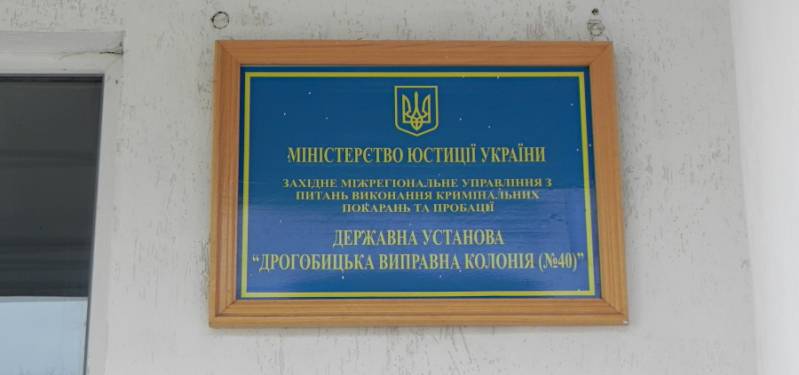
On 20 December 2019, representatives of the Kharkiv Human Rights Protection Group carried out a monitoring visit to the State Institution ‘Drohobych Correctional Colony No. 40’. This correctional facility has a history spanning more than a century. Its construction was completed back during the Austro-Hungarian Empire – in 1911.
Official information: 496 convicts are serving sentences here. There are eight people living in the multi-occupancy cell for convicts sentenced to life imprisonment, and 35 in the high-security sector.
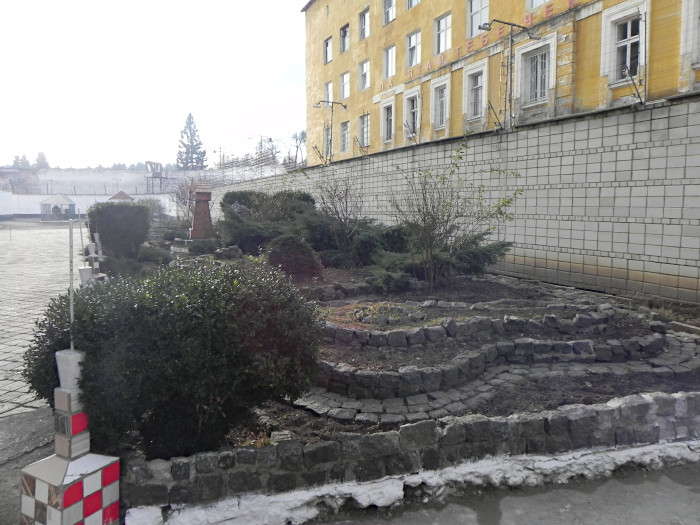
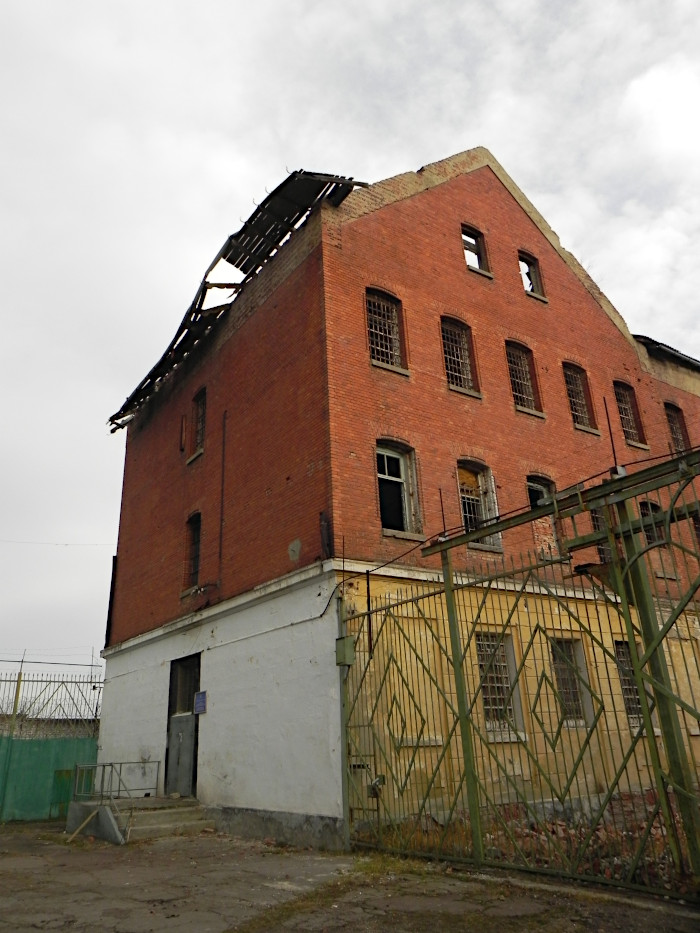
Due to the ‘venerable’ age of the colony, part of the buildings in which convicts are not held is literally crumbling and requires not just repairs, but a thorough reconstruction. Recently, two dormitory roofs were repaired.
As of 20 December, 10 convicts had applied to the administration regarding the issuance of passports. Since the beginning of the year, 48 passports have been issued.
Since 2002, 4 classes of the Drohobych Evening (Shift) School No. 1 have been functioning in the institution. Currently, 85 convicts are receiving a secondary general education.
Living Zone
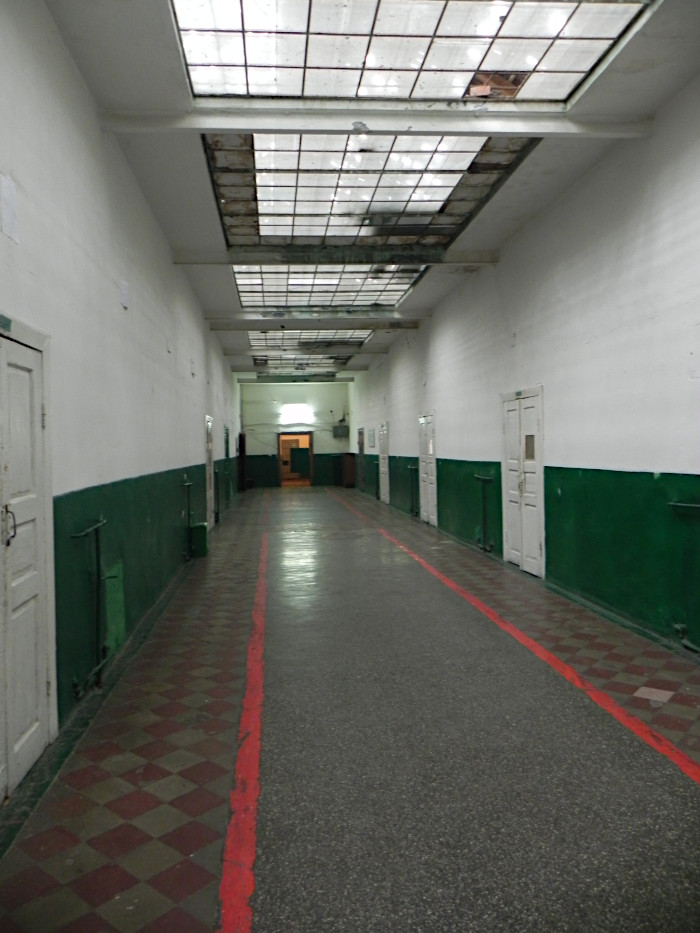
The layout of the living sectors of the Drohobych colony seems to have been preserved from Austro-Hungarian times and is quite sensible: the cells are mostly designed for two convicts, and on the top floor, sunlight enters the shared corridors through a glass ceiling.
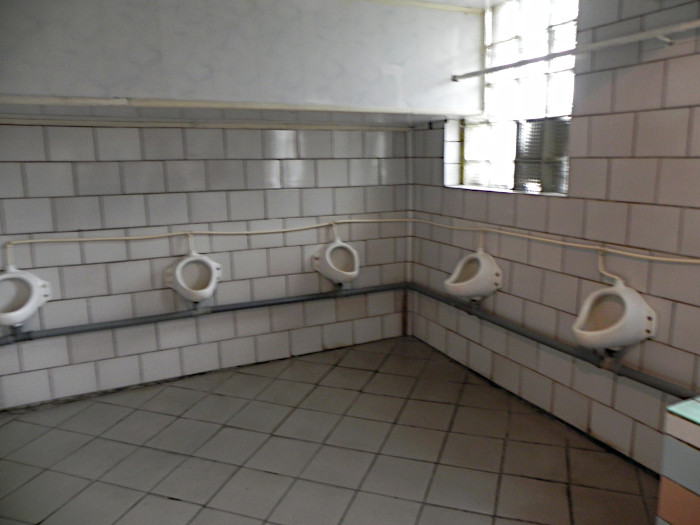
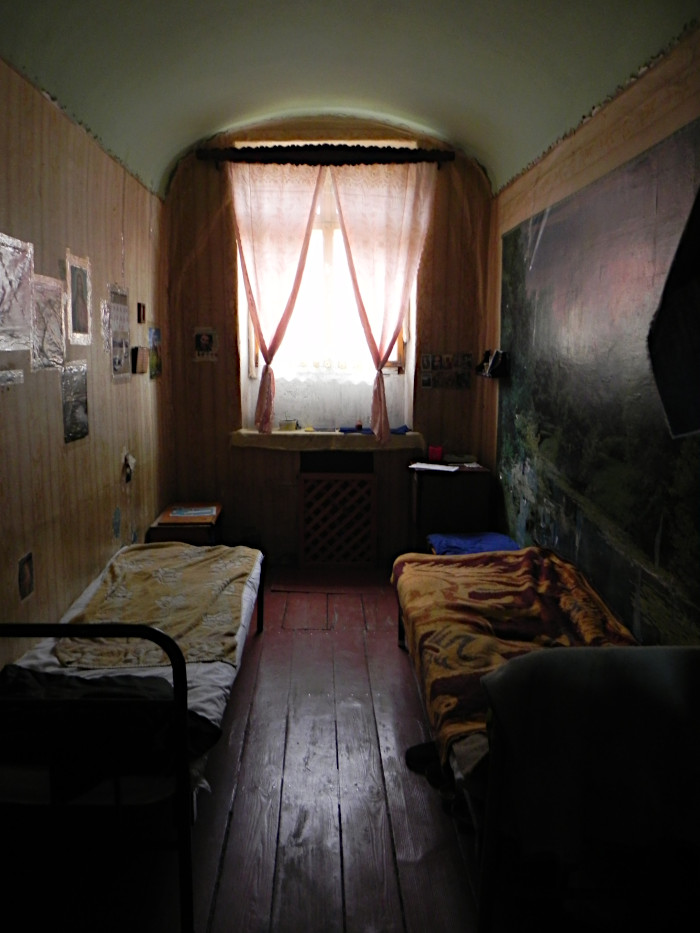
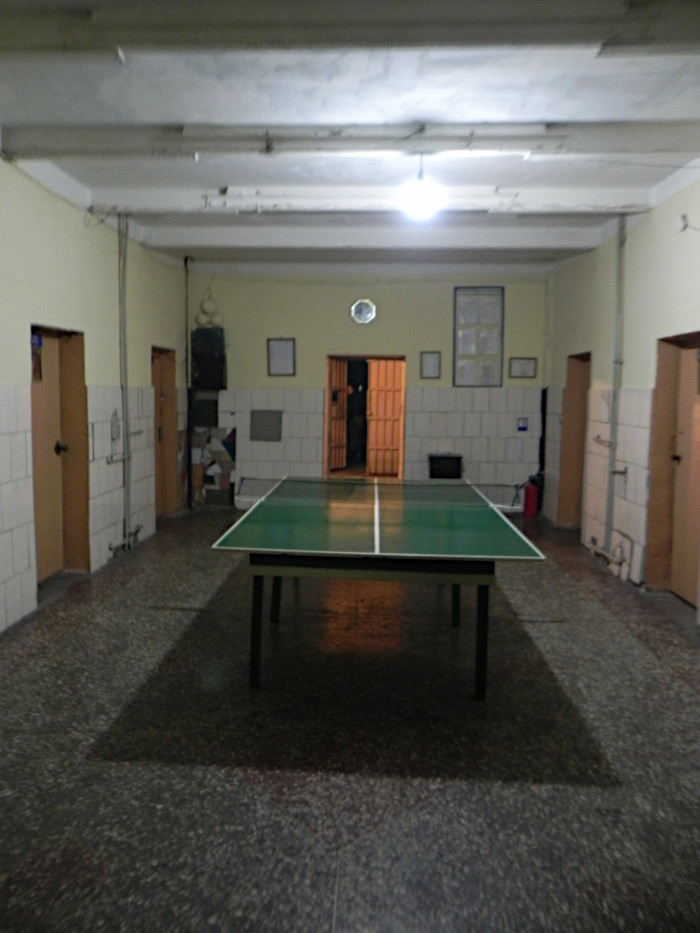
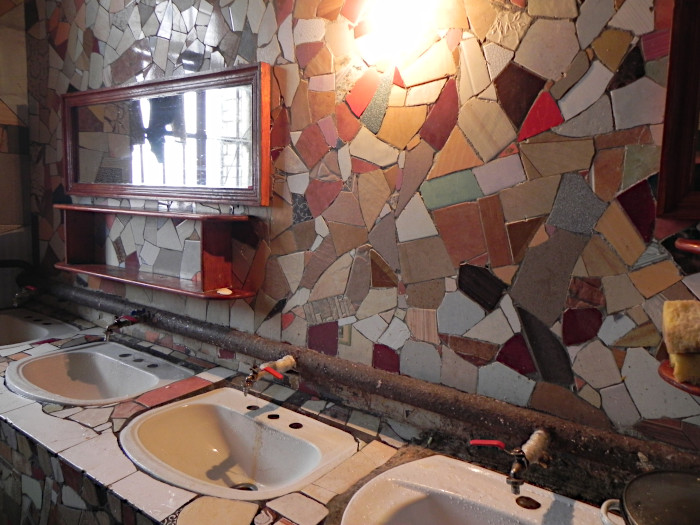
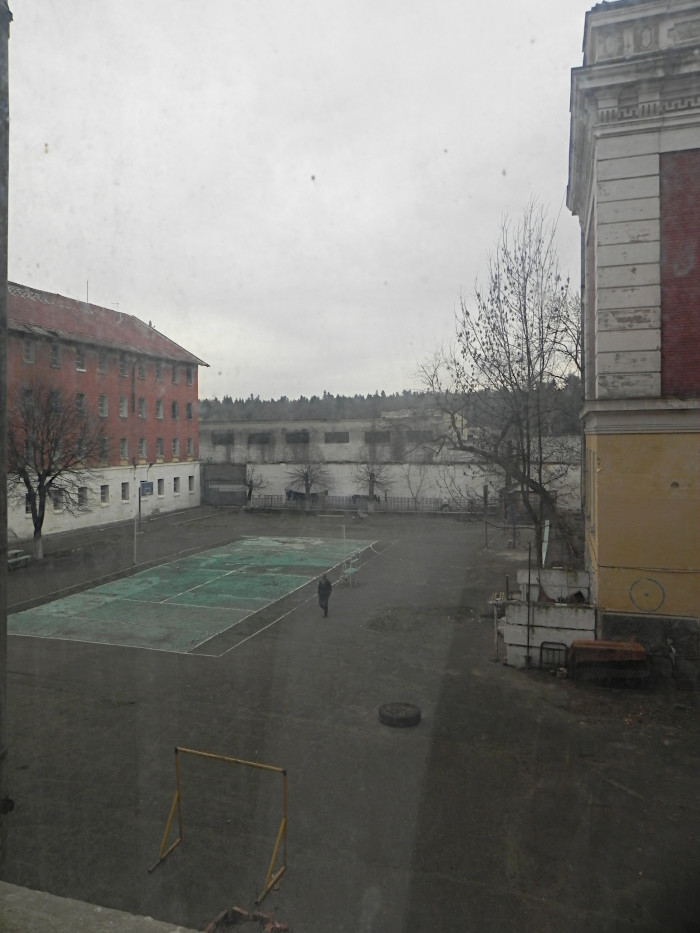
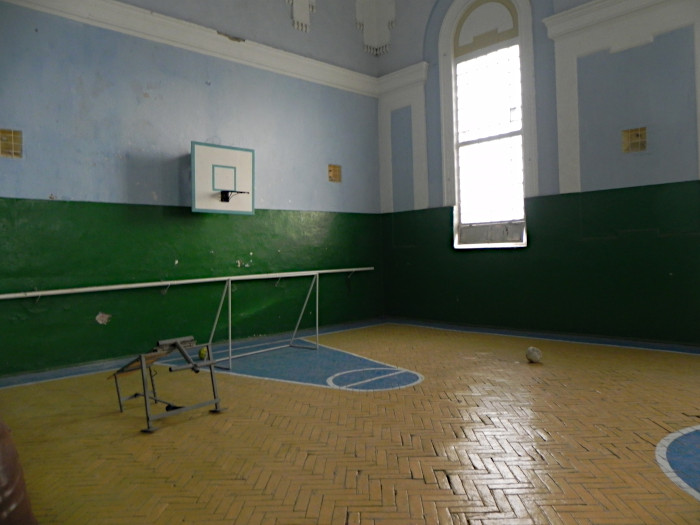
Convicts have access to a sports ground and a gym.
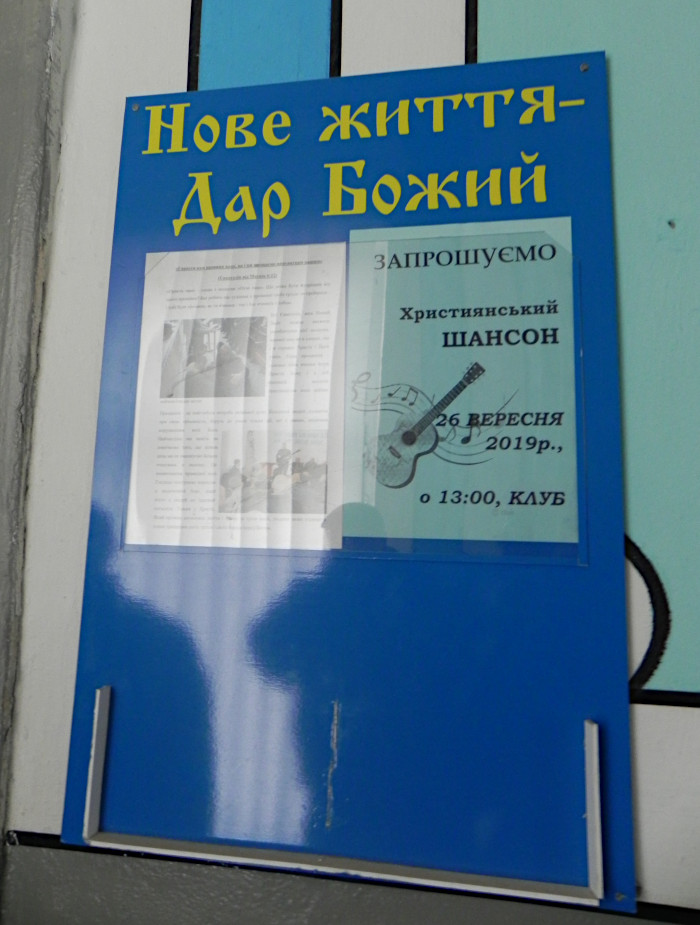
There are rooms for religious services for several denominations, a cinema hall, and an art workshop.
Life-sentenced Prisoners Sector
Living conditions for those sentenced to life imprisonment meet the standards. There is a computer lab.
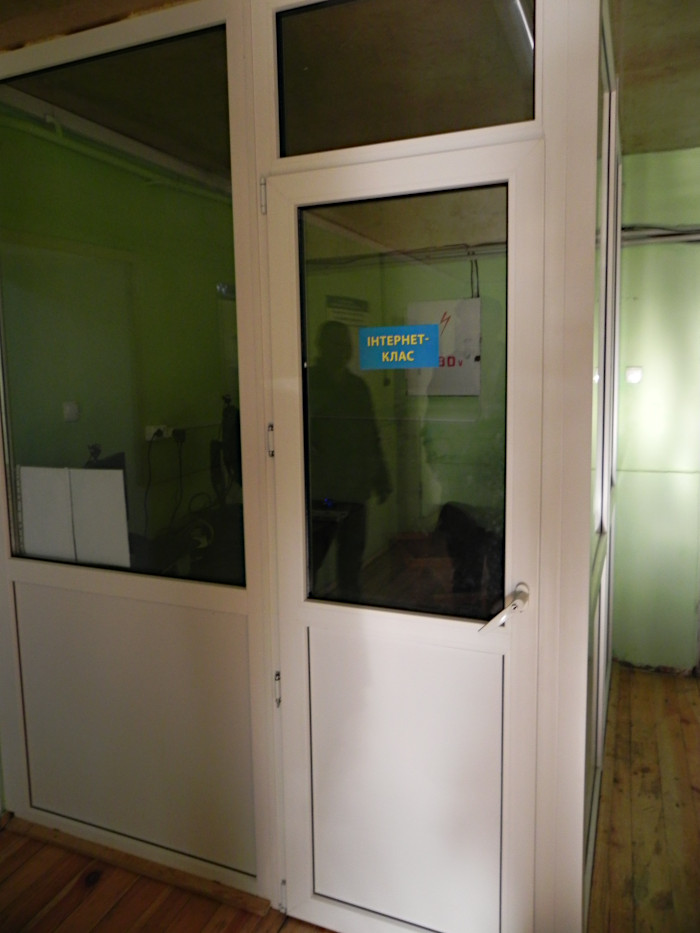
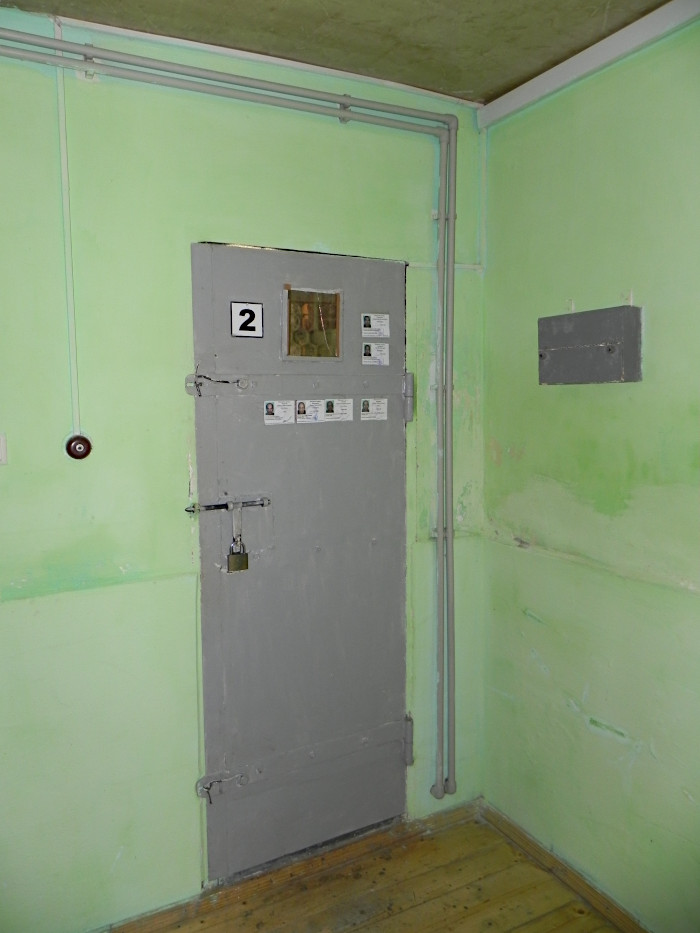
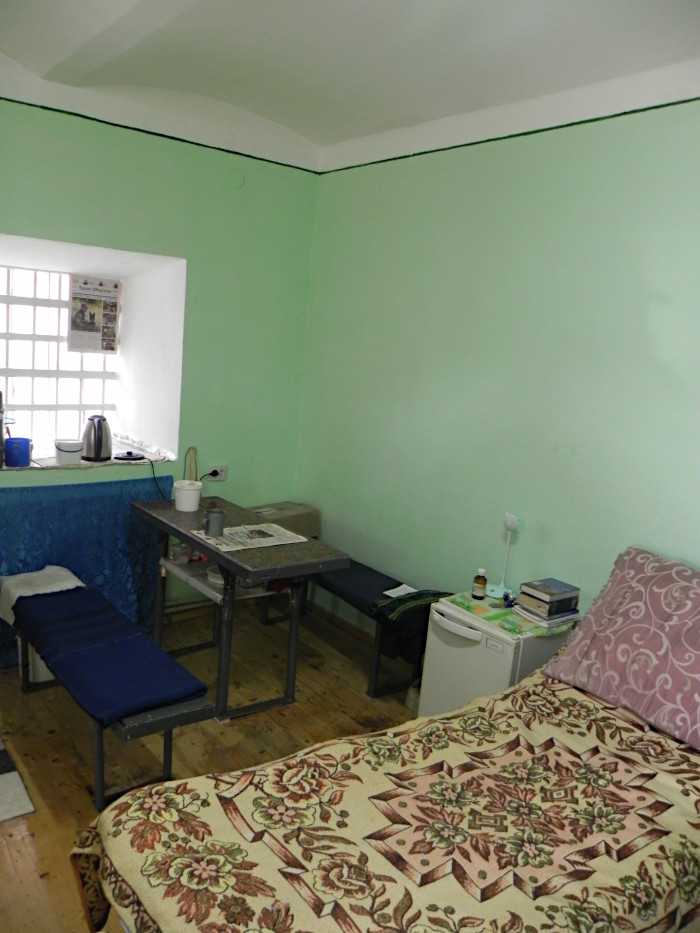
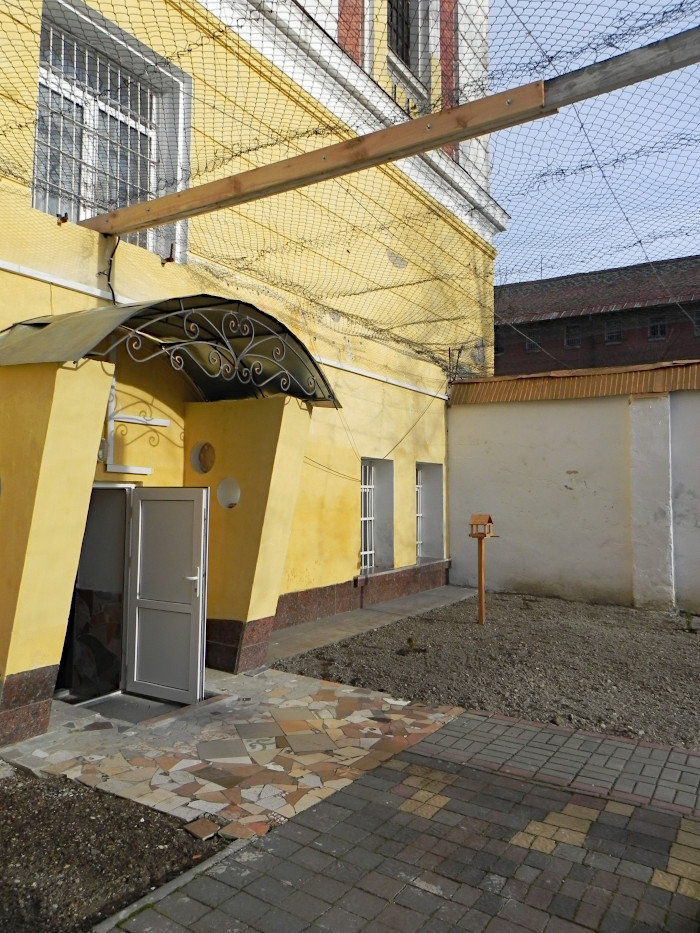
We were somewhat surprised by the bird feeders in the sector’s courtyard (it is covered with a net from above, and no bird can get in here).
Disciplinary Isolation Unit (DIZO)
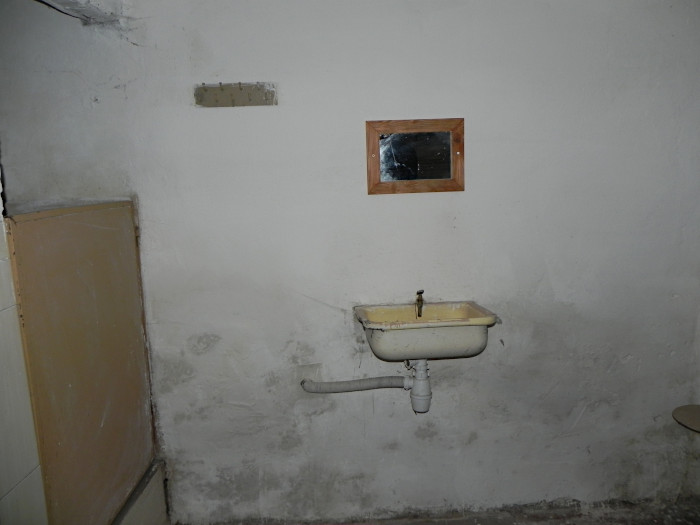
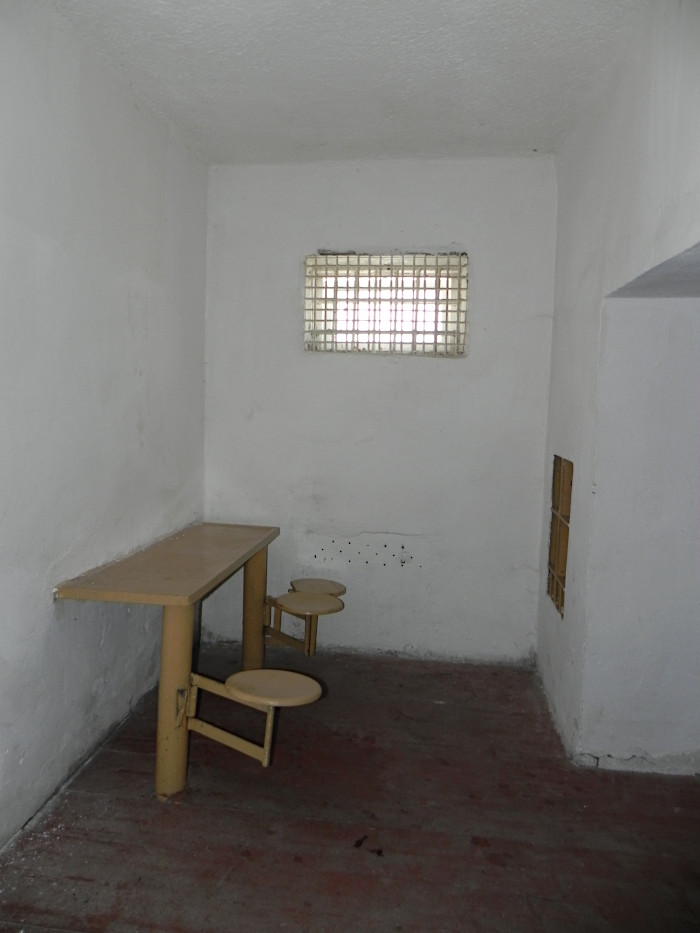
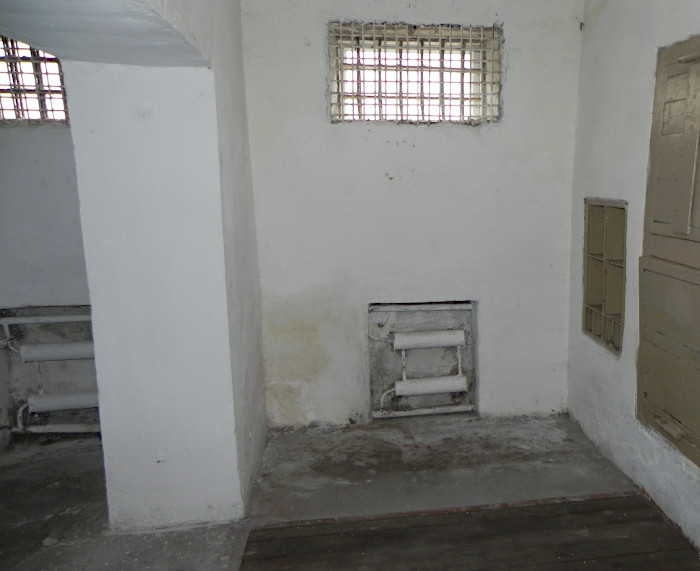
In general, the disciplinary isolation unit has a standard appearance. At the time of the monitoring visit, it was quite cold inside.

Industrial Zone
Currently, the institution’s production is represented by several units: a vehicle repair shop section, a sawmill, a pallet board assembly section, and a timber drying workshop. The administration provided the monitors with an assignment list for moving convicts to the enterprise’s production zone for work. According to this document, 20 convicts were involved in production in the period from 16 to 20 December.
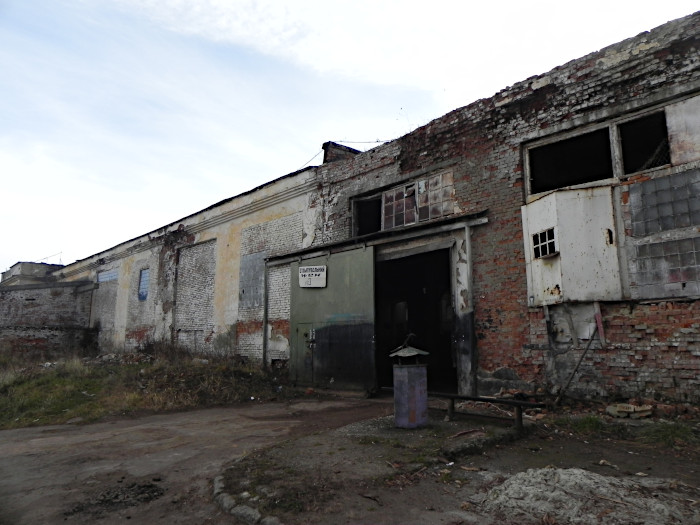
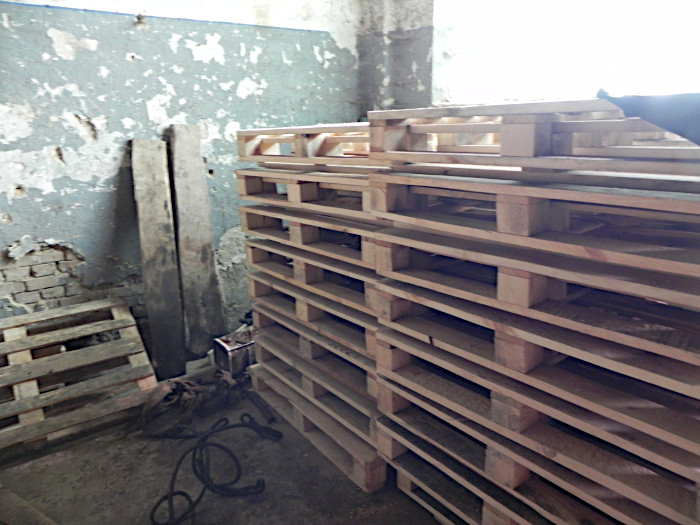
In the colony’s industrial zone, the monitors encountered a convict with a fairly noticeable bruise under his eye. The young man explained that he was hit by a splinter while chopping wood. The convict claimed that he received help in the medical unit on time, but later we found no record of this in the logbook of medical consultations regarding bodily injuries.
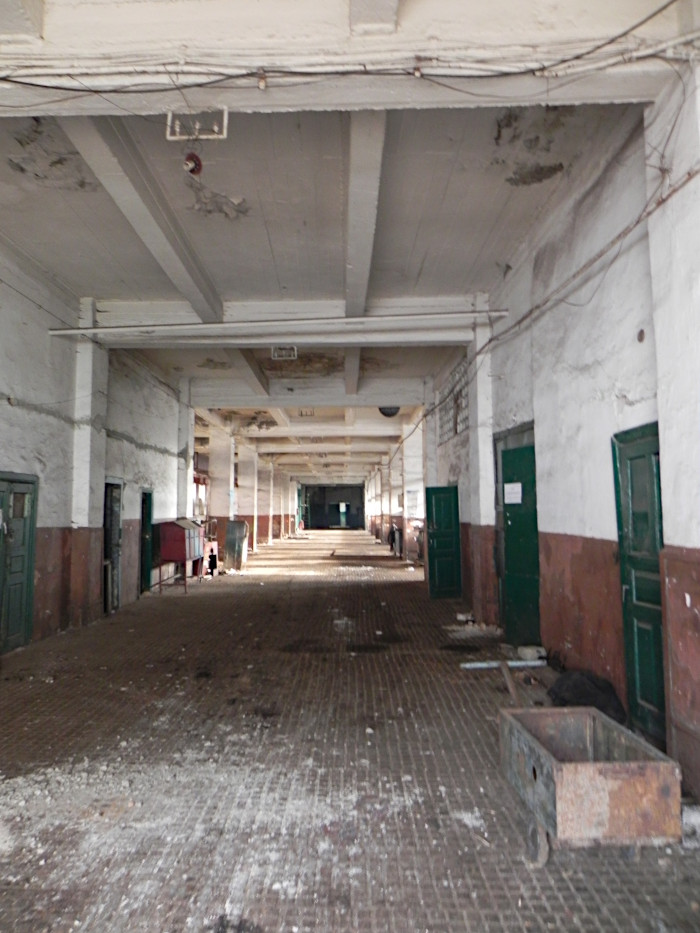
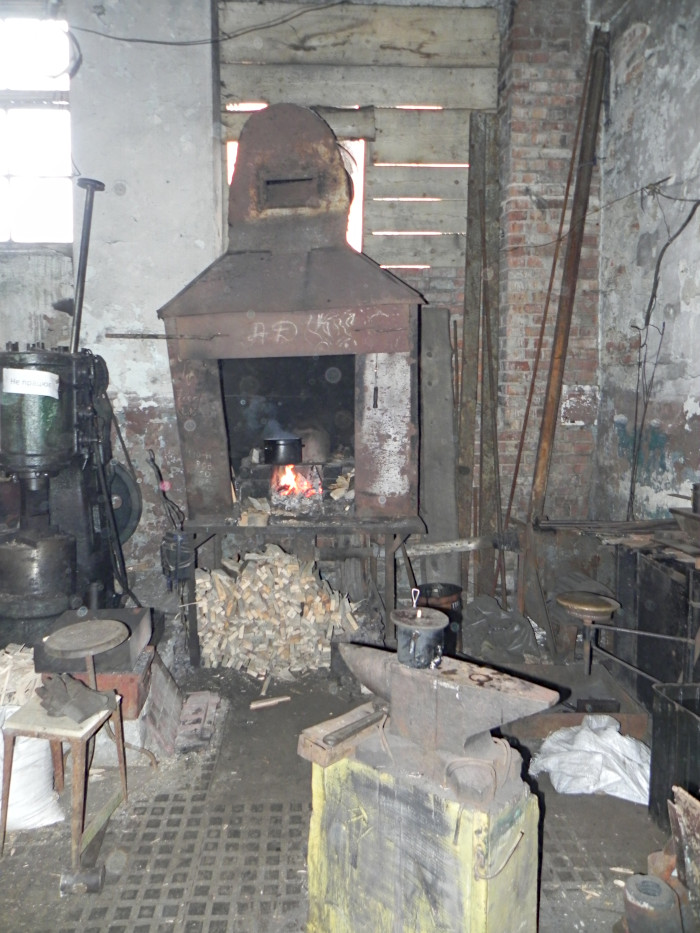
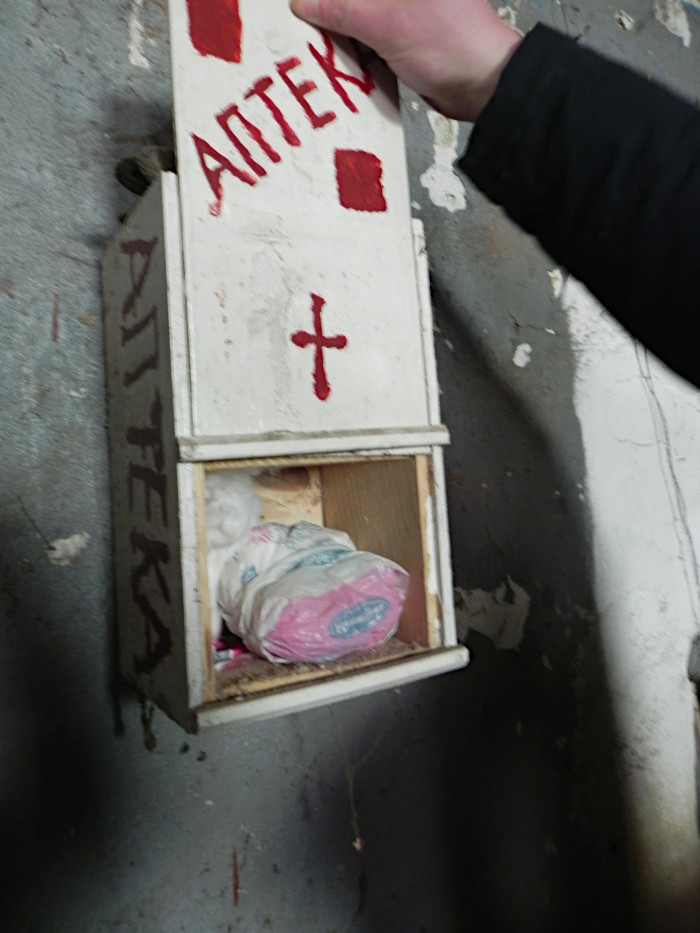
There is a first aid kit in the woodworking shop, but it contains only cotton wool of dubious sterility. No one provided the monitors with an occupational safety logbook for the industrial zone.
Subsidiary Farm
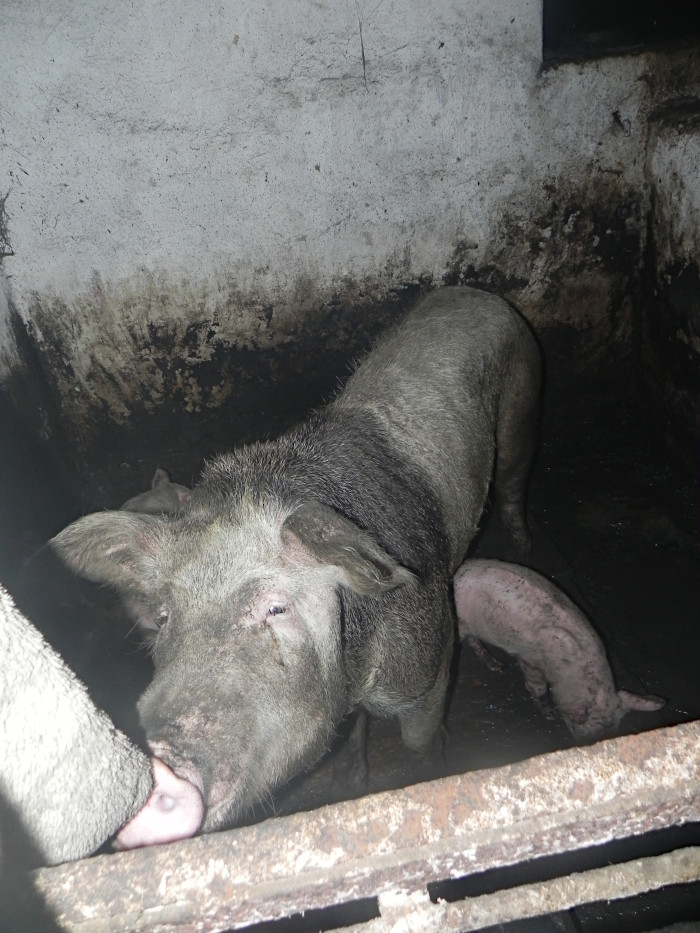
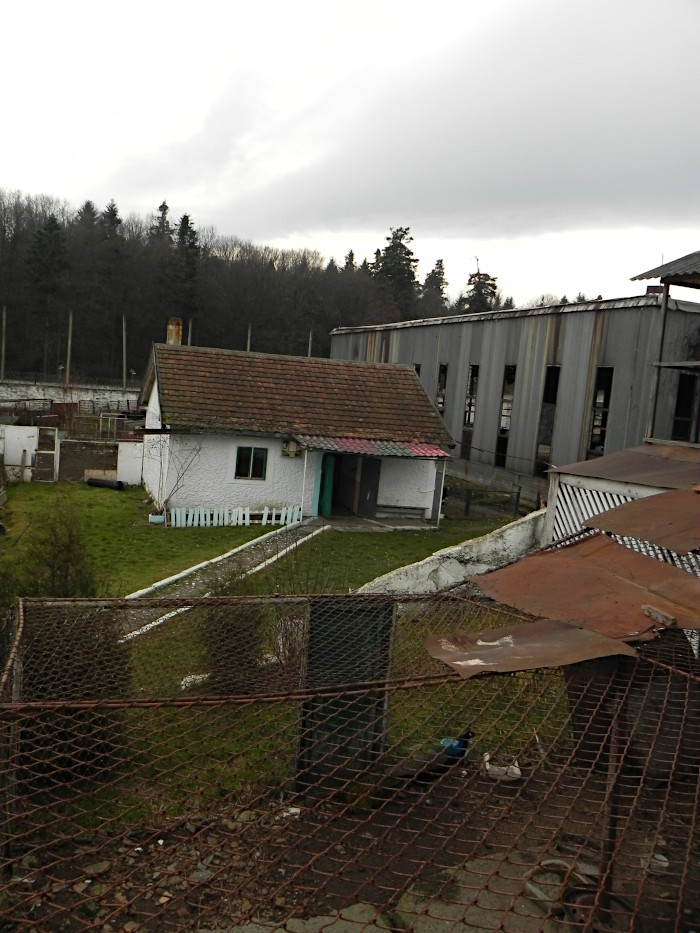
On the subsidiary farm, convicts raise pigs and poultry. The man who looks after the animals lives in a small house next to the poultry house and the stable. The living conditions are like those in a rural cottage; heating is provided by a stove.
Medical Unit
The medical unit’s staff is not fully equipped: there is a shortage of a general practitioner. There are 22 people in the colony living with HIV, all of whom receive antiretroviral therapy.
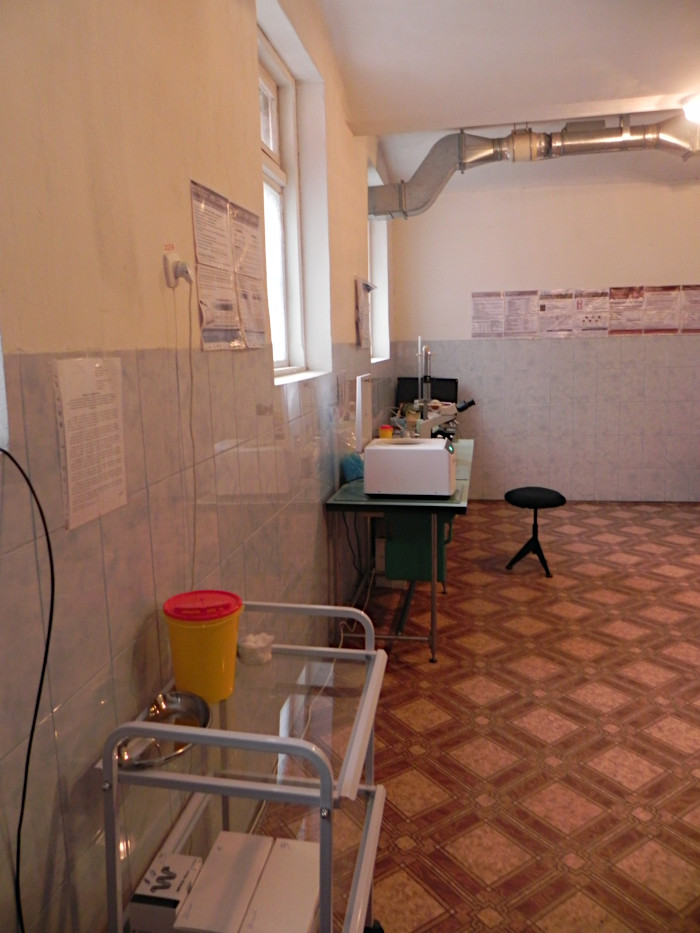
As the representatives of the medical unit assured us, relatives do not send medication to the colony – there is no need.
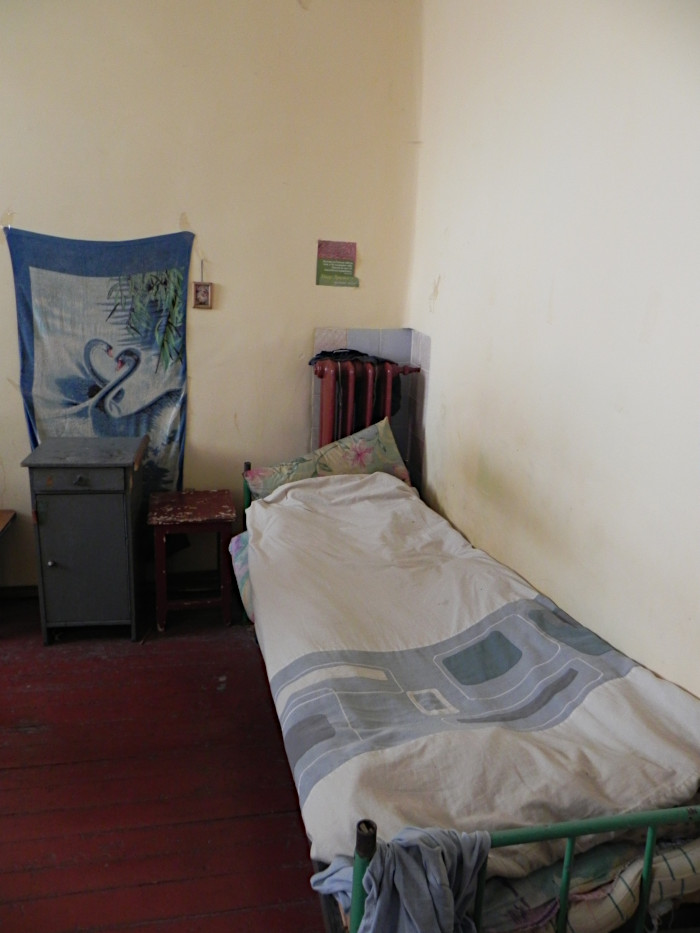
In 2019, not a single death was recorded in the colony, according to the administration representatives, but in 2018 there were two, one of which was a suicide. In the injury log, we found the following entries: ‘traumatic amputation of the nail and middle phalanges of the second and third fingers, lacerations of the fourth and fifth fingers of the right hand’; ‘incised wound of the inner surface of the forearm’; ‘incised wound of the neck’.
The X-ray room, as in other penitentiary institutions in the Lviv region, is being renovated.
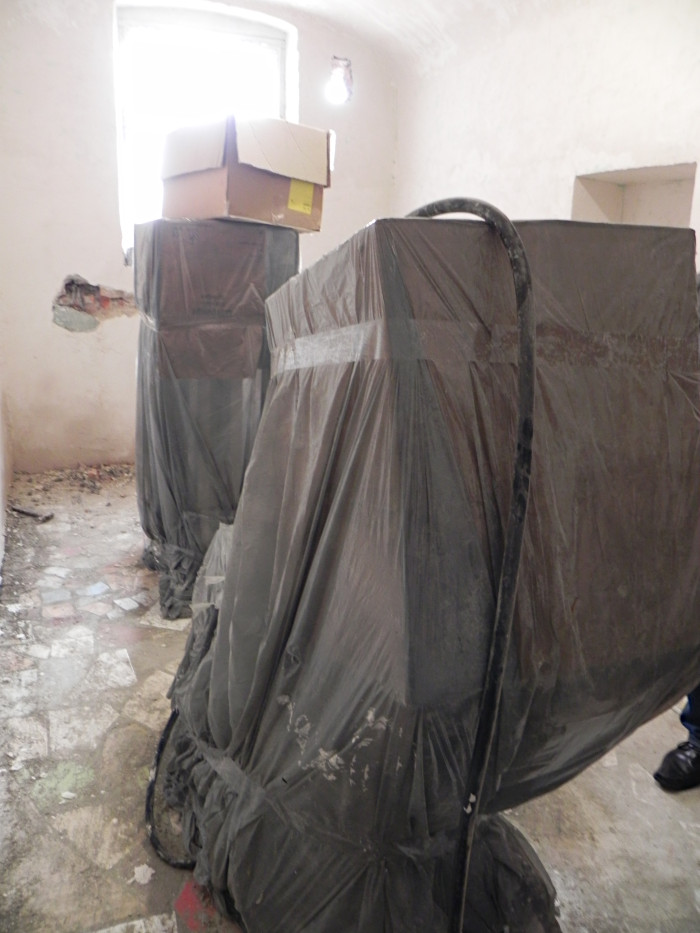
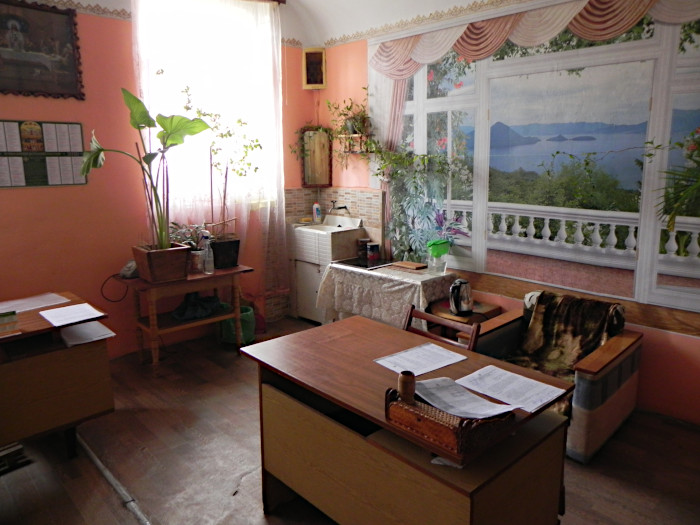
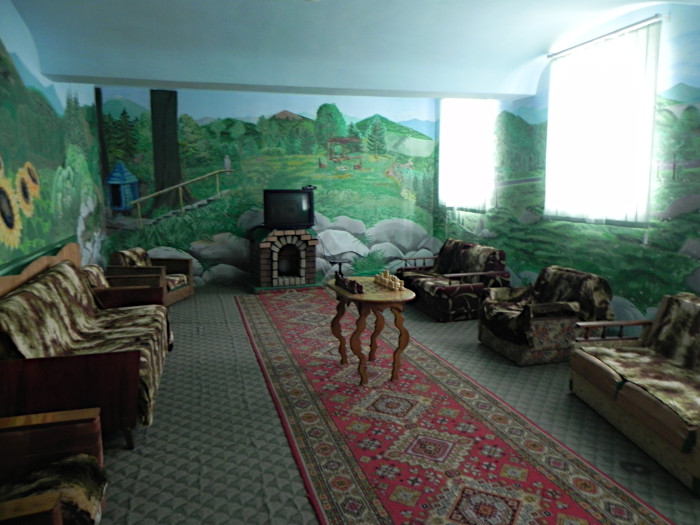
The colony has a well-equipped psychological support office. It should be noted that the doctor actively engages volunteers from among the convicts. They, for example, help identify individuals prone to suicide among their cellmates.
Warehouse and Shop
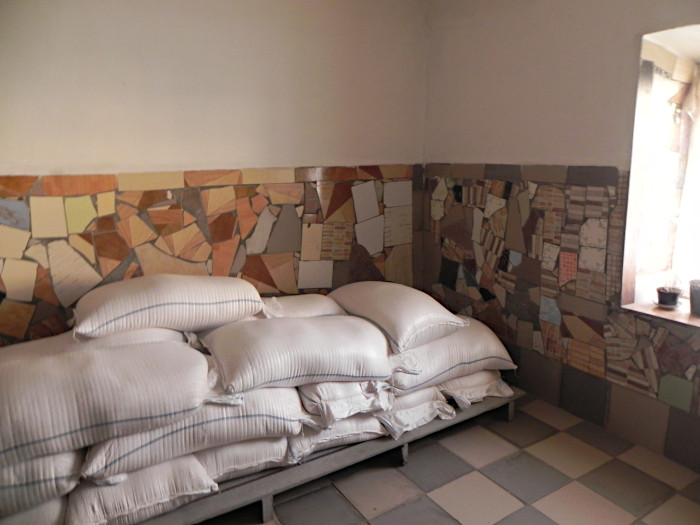
The warehouse is clean, dry, and has large stocks of products.
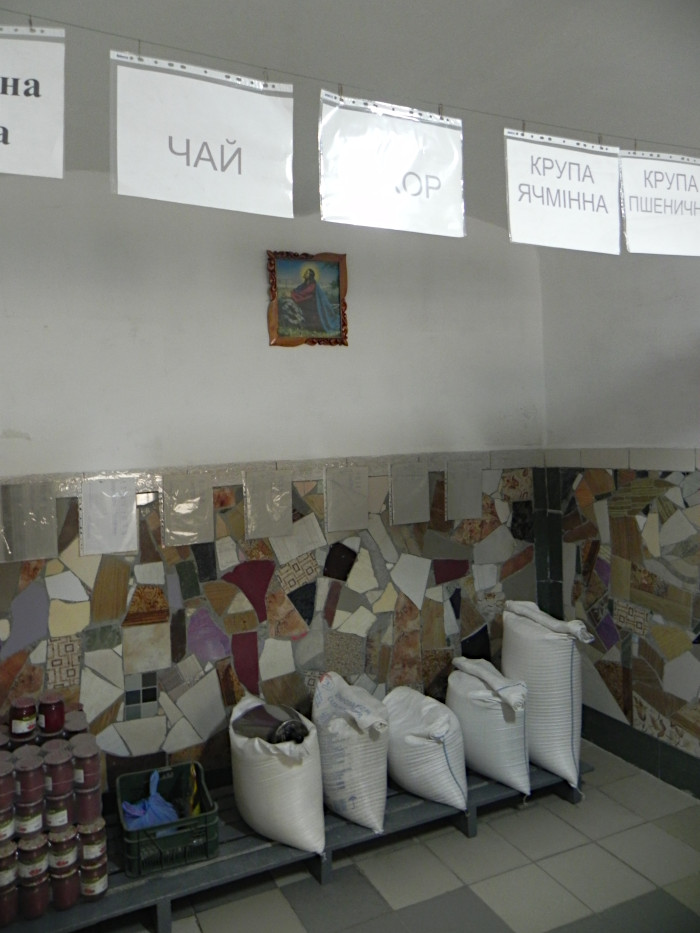
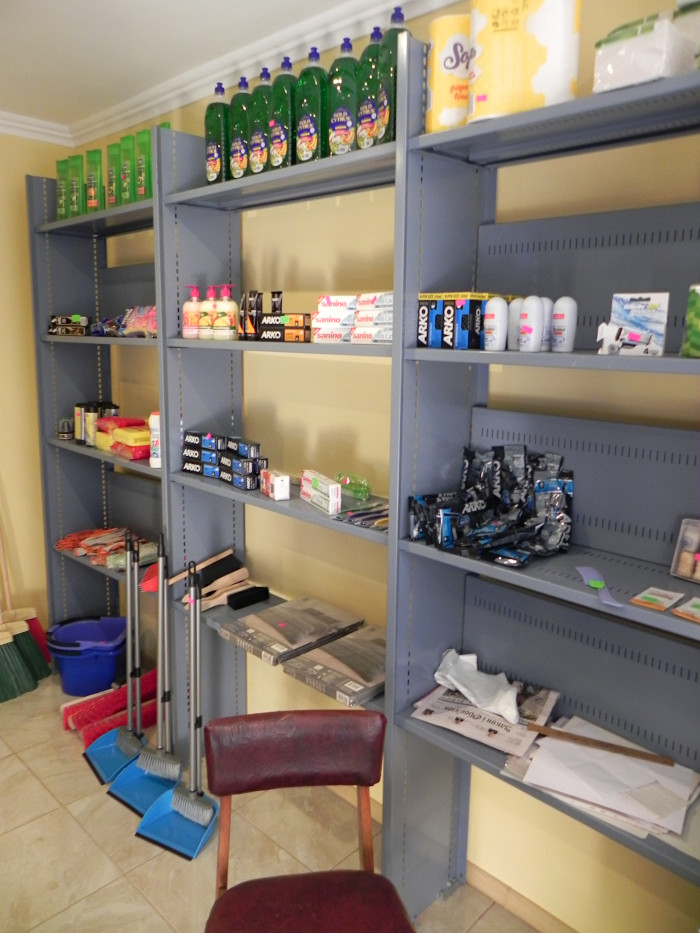
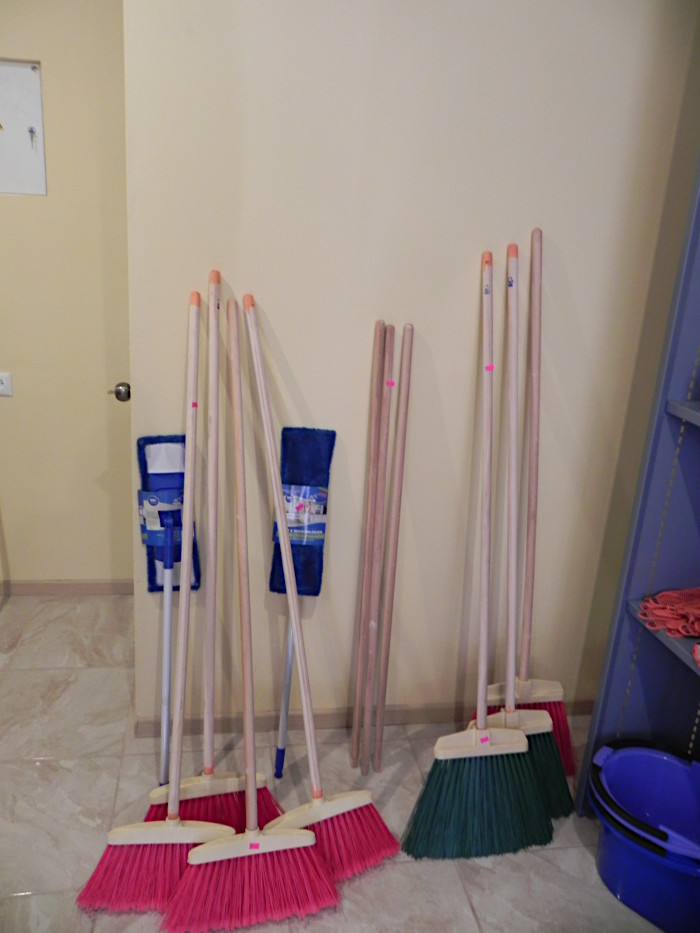
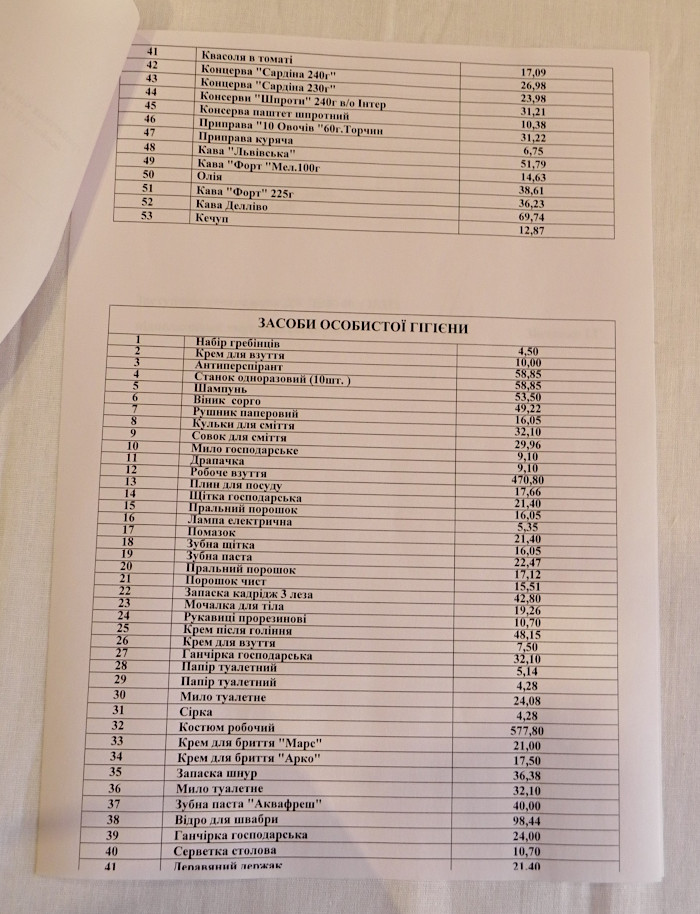
In the shop, not all goods have price tags. We were shown a price list, but it did not specify the volume of the goods in every case. Therefore, it is difficult to judge how much the cost of products in the colony differs from prices outside. For some reason, the most widely represented items in the shop are... brooms. The most expensive item in the shop is a ‘work suit’ for 577 UAH.
Canteen
A few days before the monitoring visit, a transformer burnt down in the institution, so the electric equipment in the kitchen was not working, and water and power were supplied to some parts of the colony on a schedule. While the transformer was being repaired, all food in the colony was cooked over firewood. On this day, they were frying fish and cooking soup. The latter was of a rather strange colour.
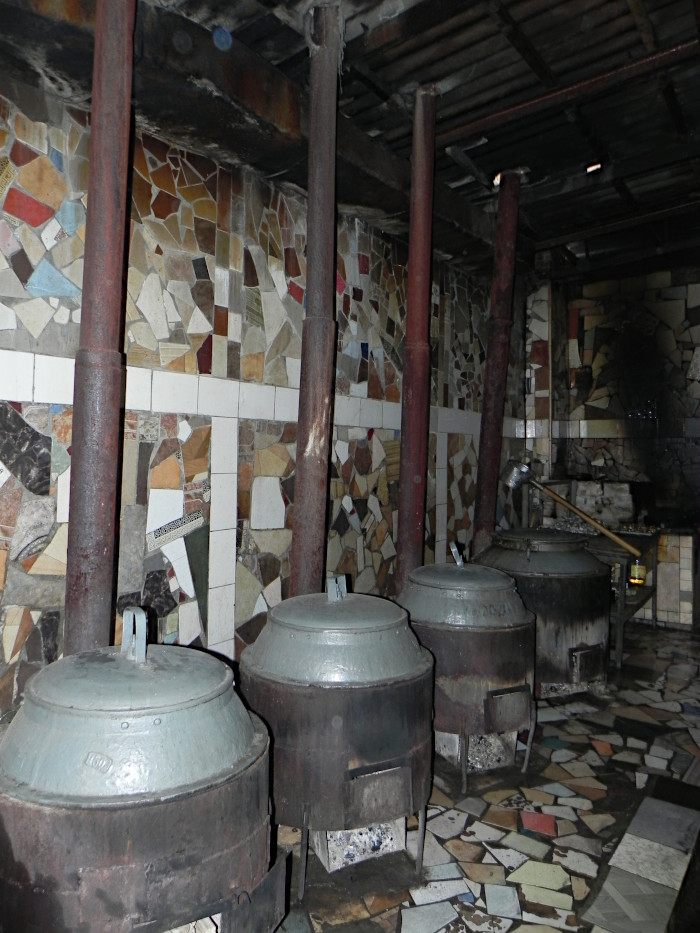
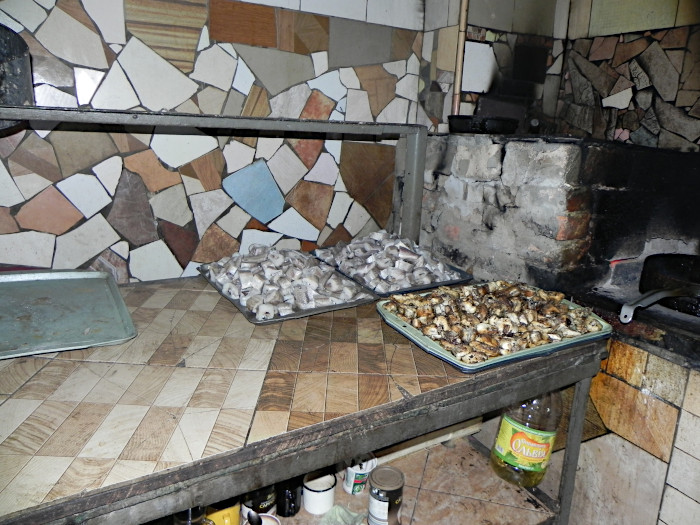
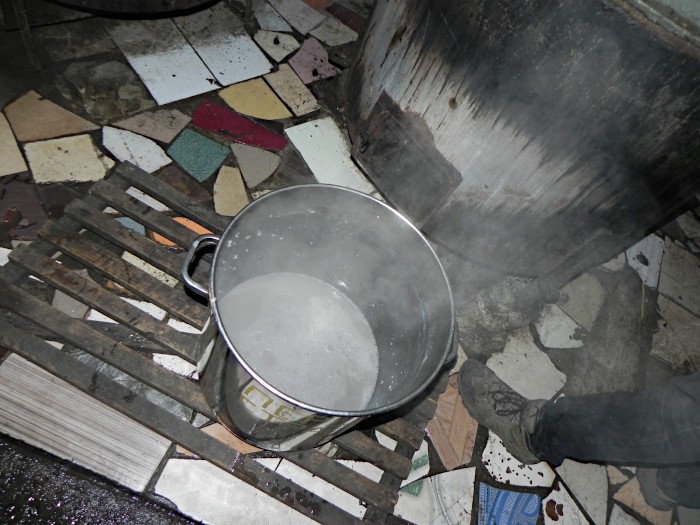
There is a dietary hall in the canteen, but no one receives dietary catering.
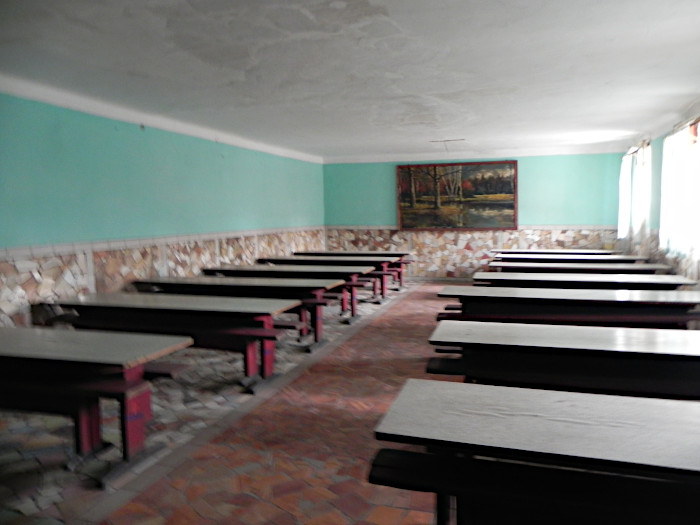
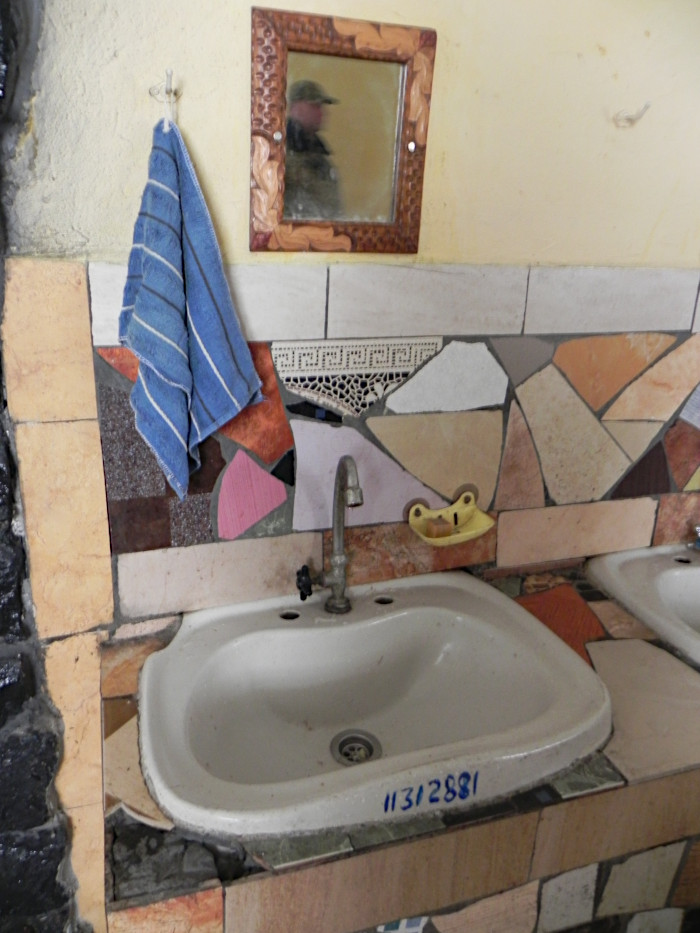
There are towels and soap in the hand-washing area.
Bath Complex
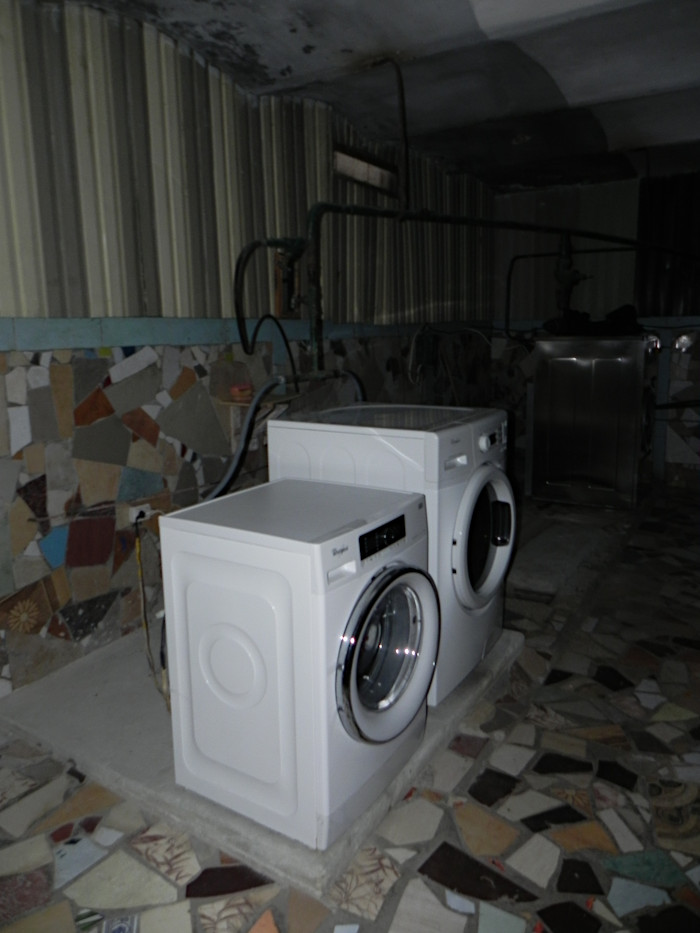
Due to the transformer accident, there was no power in the bathhouse on the day of the visit.
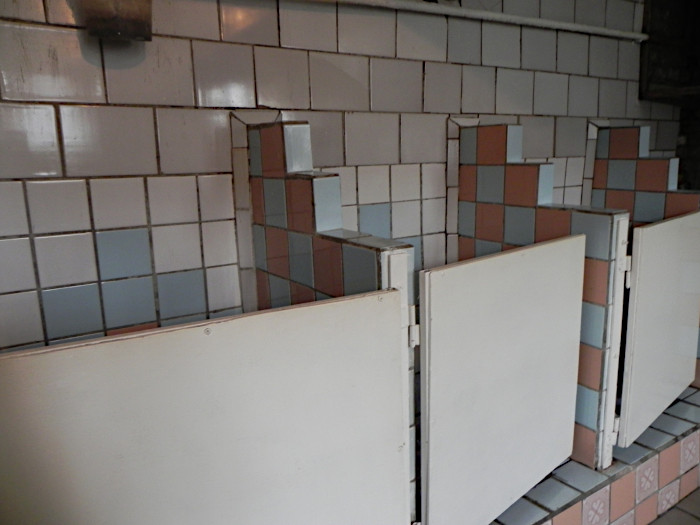
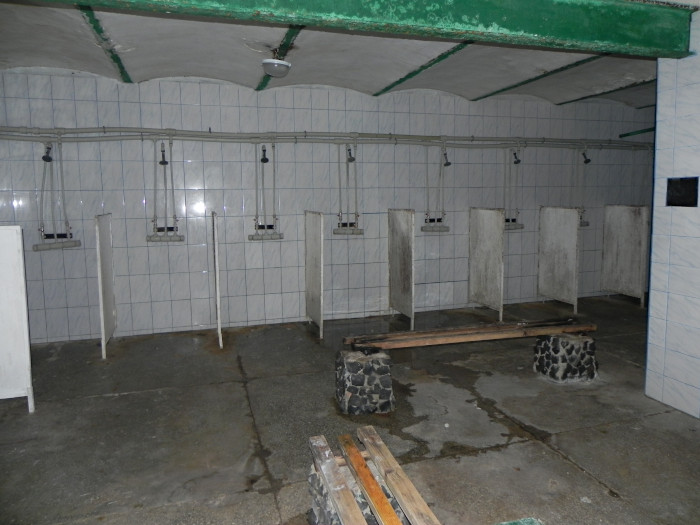
The shower cubicles are open and have no curtains, which violates the right to privacy. We also did not see any rubber mats.
Recommendations
Among the institutions visited in the Lviv region, the monitoring group found the fewest shortcomings in the Drohobych colony. However, there are still a few recommendations:
-
equip the industrial zone with standard first-aid kits with appropriate contents;
-
regularly familiarise industrial zone workers with occupational safety standards and maintain the appropriate logbook;
-
complete repairs to the X-ray room;
-
equip shower cubicles in the bath complex with at least curtains;
-
reconstruct the historical buildings that are slowly crumbling (though this, perhaps, is beyond the power of the colony’s administration without external assistance).
EU Project ‘Fight against torture, ill-treatment and impunity in Ukraine’.