Report on the Results of a Monitoring Visit to Sokyryany Correctional Colony No. 67
On 10 March 2025, in accordance with the Optional Protocol to the Convention against Torture and Other Cruel, Inhuman or Degrading Treatment or Punishment, taking into account the provisions of the Standard Minimum Rules for the Treatment of Prisoners and the rulings of the European Court of Human Rights, and on the basis of Article 24 of the Criminal-Executive Code of Ukraine — Visiting Penitentiary Institutions, a monitoring group from the Kharkiv Human Rights Protection Group and the NGO “Protection of Prisoners of Ukraine” conducted a scheduled visit to the state institution “Sokyryany Correctional Colony No. 67” (hereinafter: SCC-67, the institution, the facility).
All facilities were visited, and the following violations were identified: insufficient living space standards, non-compliance with supply norms, 24-hour video surveillance in sleeping quarters, beds placed directly against each other in living quarters, violation of the temperature regime in the disciplinary ward, lack of natural light and ventilation in DIU cells, display of name cards containing personal data of convicted persons, systemic violations of the right to work and social protection, violations in the organisation of laundry services, open carrying of special equipment by staff, violations of the right to receive adequate medical care, and other infringements.
The visit was carried out by the following monitors:
- Andriy Didenko — Assistant to the People’s Deputy of Ukraine Yaroslav Yurchyshyn, programme coordinator of the Kharkiv Human Rights Protection Group, with experience in monitoring visits since 2014;
- Serhiy Zuikov — Assistant to the People’s Deputy of Ukraine Kostiantyn Kasai, member of the Public Council under the Ministry of Justice of Ukraine, member of the NGO “Protection of Prisoners of Ukraine”, with many years of experience in monitoring visits;
- Oleh Tsvilyi — Member of the Public Council under the Ministry of Justice of Ukraine, head of the NGO “Protection of Prisoners of Ukraine”, with extensive experience in monitoring visits, specialising in issues of preventing torture and cruel, inhuman, or degrading treatment.
General Information
SCC-67 is a medium-security penitentiary institution for the detention of men sentenced to a fixed term of imprisonment.
The facility is located at the following address: 60200 Chernivtsi Region, Sokyryany, Pokrovskyi Lane, 8.
The head of the institution is Colonel of the Internal Service Hennadii Mykolaiovych Martyniuk.
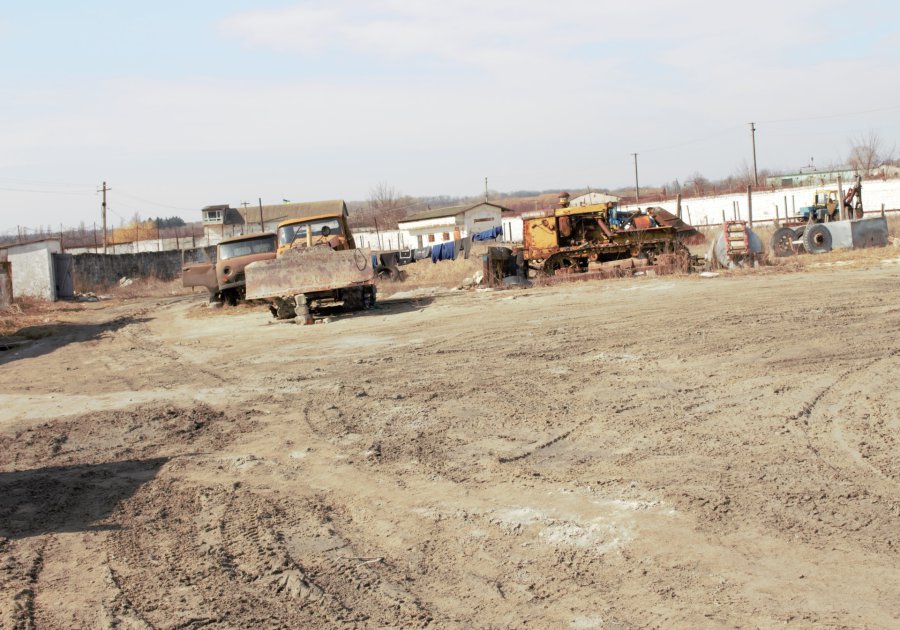
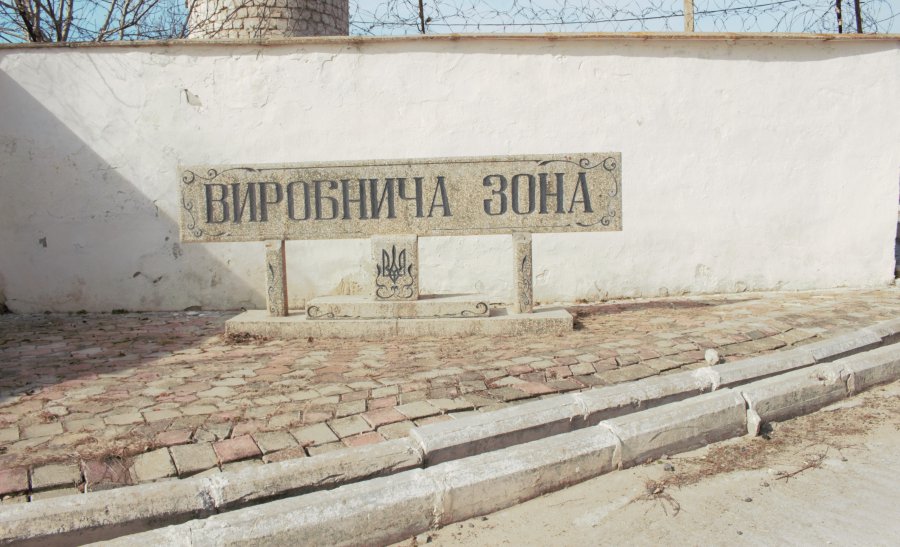
The institution consists of a duty unit, residential and industrial zones, a Disciplinary Isolation Unit/Cell-Type Premises/Unit for Sentenced Persons (DIU/CTP/USP), a pre-trial detention unit, a medical unit, utility and administrative premises, and a maximum-security section for those sentenced to life imprisonment.
According to the institution’s administration, the authorised staff size is 258.5 positions. The actual number of personnel is 201.5 positions. The institution employs 1 psychologist according to the staffing table.
At the time of the visit, there were 459 convicted persons held in the institution, residing in 5 Social and Psychological Service (SPS) units (2 units were mothballed). The institution is designed for 1,229 persons.
During 2024, 299 convicted persons arrived at SCC-67. In 2024, 5 people died in the institution; in 2025, 1 person died.
According to data provided by the management, 186 convicted persons are involved in labour, 6 of whom work under employment contracts and 180 under civil law contracts (CLC).
There are 22 persons on the operational register as prone to suicide, 9 prone to self-harm, and 5 prone to escape. 6 convicted persons are considered malicious violators of the detention regime.
During 2024–2025, no one submitted complaints regarding inadequate conditions of detention or inadequate provision of medical care.
During 2024, 6 cases of bodily injuries were recorded during stays in the institution. In 2025, 1 case of bodily injury was recorded during a stay in the institution. There were 38 convicted persons who were discharged in total.
In the institution, convicted persons have 144 tablets for personal use, but none of the convicted persons have a registered email address.
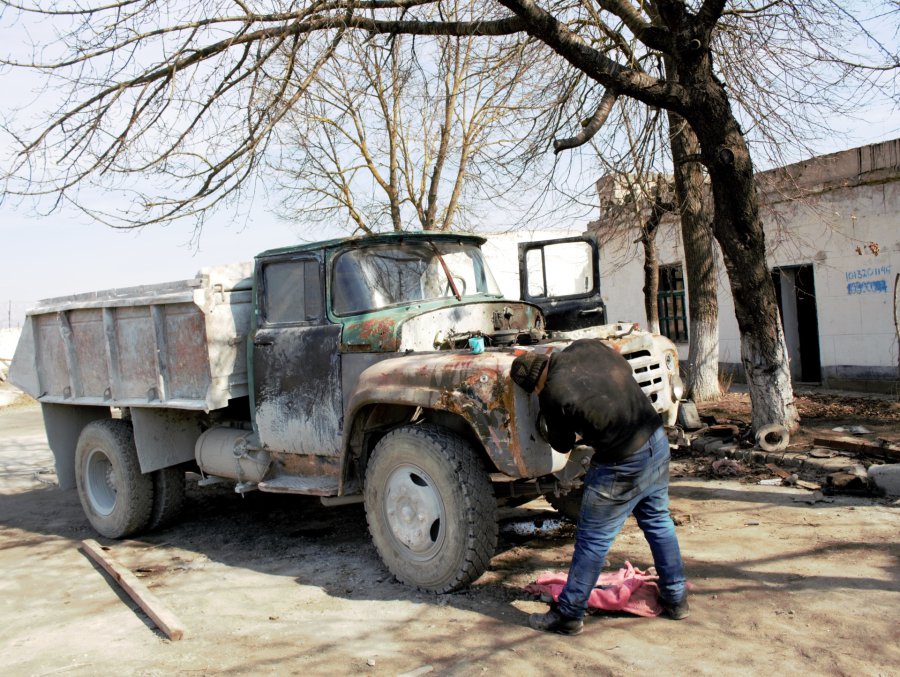
The state-owned enterprise “Enterprise of the State Criminal-Executive Service of Ukraine No. 67” (hereinafter: the enterprise), which is subordinate to the Central-Western Interregional Department for the Execution of Criminal Punishments of the Ministry of Justice of Ukraine, specialises in the extraction and processing of limestone products using the mining method. The main types of products are: wall stone from rocks (GOST 4001-84, DSTU BV 27-42-97), limestone (dolomite) flour according to TU GOST 14050-93, and limestone screenings used as a mineral feed additive for poultry (GOST 26826-88).
The enterprise’s products are sold on the market and supplied to such counterparties as LLC “ENDURENCE AGRO”, LLC “Agrocenterptakhoprom”, FOP Shuptar N.V., LLC VK “Fifth Ocean”, and LLC “Soyuz DAG”. The wage fund for convicted persons in 2024 amounted to 1,515.8 thousand UAH, of which 1,451.7 thousand UAH was paid under civil law contracts, and only 64.1 thousand UAH as wages under employment contracts. The average monthly wage of convicted persons in 2024 was 2,687.59 UAH. In January–February 2025, the wage fund amounted to 172.9 thousand UAH (164.7 thousand UAH under civil law contracts, 8.2 thousand UAH under employment contracts), and the average monthly payment was 2,108.54 UAH.
On the day of the visit, the total number of employed convicted persons was 186, of which 6 were under employment contracts and 180 under civil law contracts. 14 persons under civil law contracts work at the 900-hectare mine, and 10 convicted persons under civil law contracts work in the garage. The other convicted persons under civil law contracts perform the same work consistently throughout the year.
The Director of Production is Ivan Viacheslavovych Moroz.
During the visit, individual communication took place, including under conditions of anonymity, as well as group discussions and consultations with the convicted persons. Interaction occurred with approximately 136 individuals.
Positive Practices
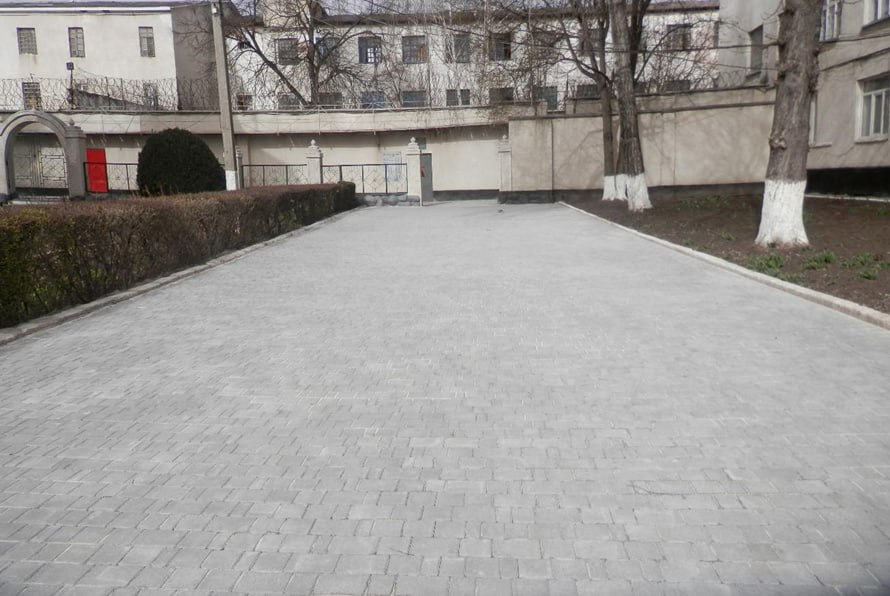
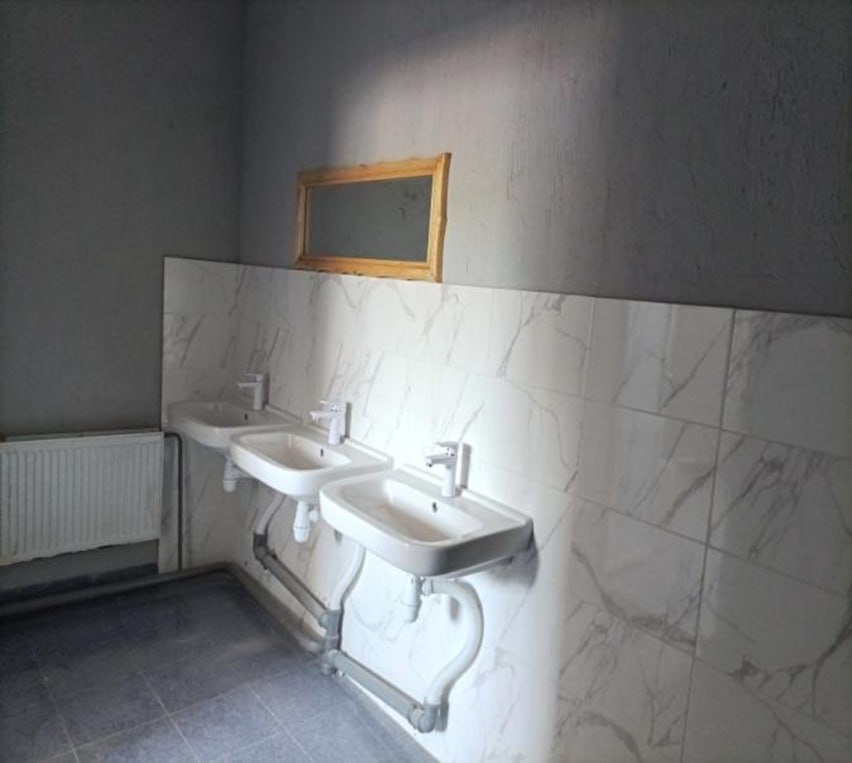
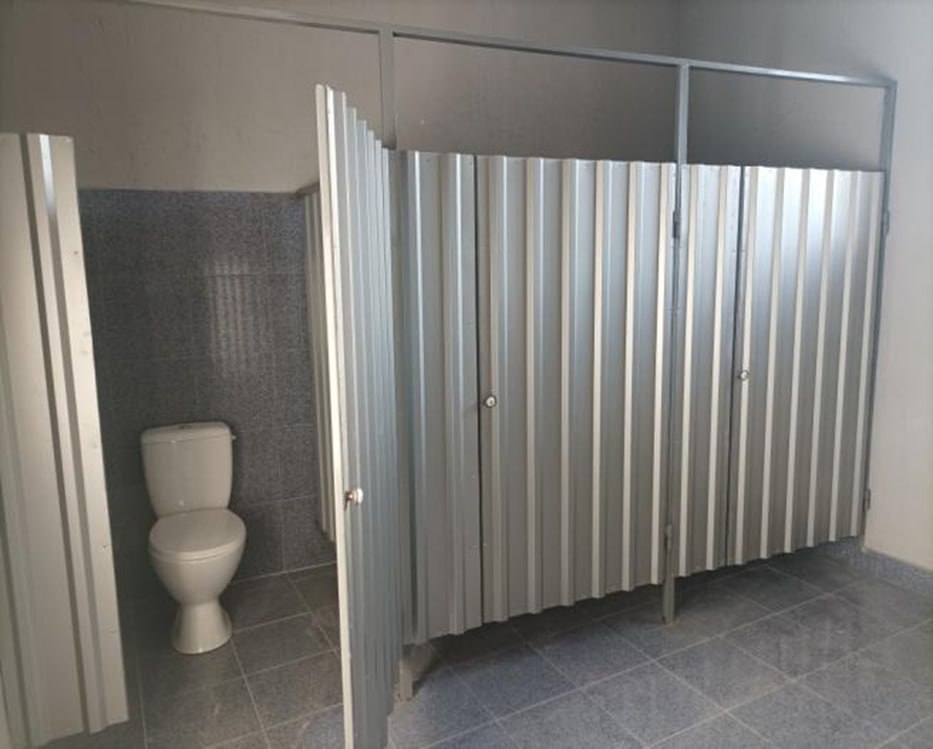
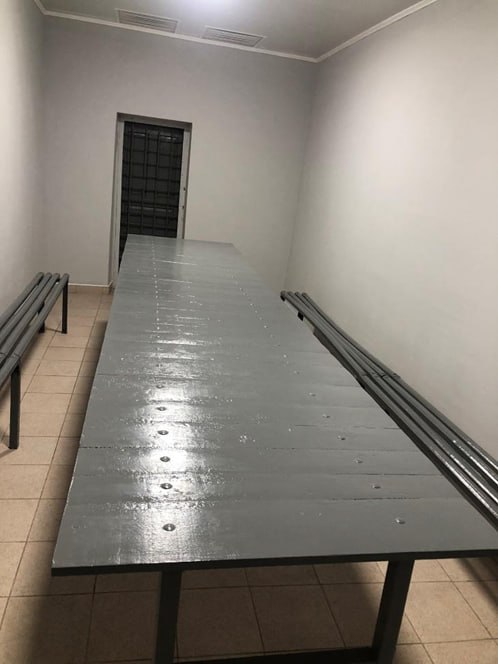
During 2024, the following work was carried out in the institution: paving at the entrance to the secured area of the facility, cosmetic repairs to the work cell in the DIU, cosmetic repairs to the sleeping quarters of the SPS unit (No. 2), and the reconstruction of a two-storey building that was previously unused, for the purpose of housing an SPS unit (No. 1). Repairs were carried out in the corridor of 13 sleeping quarters (calculated for 50 convicted persons), the toilet room and washroom, and cosmetic repairs were made to the corridor, two sleeping quarters of the Quarantine, Diagnostics, and Distribution (QDD) ward, the educational work room, and the washroom.

Facts Discovered During the Visit
During the monitoring visit, violations of national legislation requirements and failure to comply with international recommendations in the field of prisoner treatment were identified, which lead to violations of the rights of convicted persons:
1. In violation of Part 1 of Article 115 of the Criminal-Executive Code of Ukraine and Point 10 of the Standard Minimum Rules for the Treatment of Prisoners, it was established that in certain residential premises of the Social and Psychological Service (SPS) units of the institution, the living space standard per convicted person is less than 4 m². Thus, in sleeping room No. 4 of SPS unit No. 2, where 12 people were held, the area of the room is 47.43 m².
Thus, the actual area per convicted person was 3.95 m². Furthermore, it was established that in sleeping room No. 3, the actual number of sleeping places exceeds the allowable limit to ensure the legislative norm of space per person. Thus, in sleeping room No. 3, where 14 beds are located, the area of the room is 54.35 m². Consequently, the actual area per convicted person was 3.8 m².
A similar violation was established in sleeping room No. 2 of SPS unit No. 2 — the area is 47.22 m² for 14 sleeping places, which comes to 3.37 m² per convicted person. This violation creates conditions for potential abuse by the administration and staff of the institution in the context of observing the living space norm per convicted person and does not ensure proper personal space for the persons held in the sleeping quarters.
At the same time, Point 13 of the 7th General Report of the European Committee for the Prevention of Torture and Inhuman or Degrading Treatment or Punishment (hereinafter: the Committee) notes that the problem of overcrowded cell premises leads to unhygienic conditions, a constant lack of privacy, and the overloading of medical services and the institution’s infrastructure. The Committee concludes that quite often, the negative impact of overcrowding has resulted in inhuman or degrading conditions of detention for prisoners (CPT/Inf (97) 10).
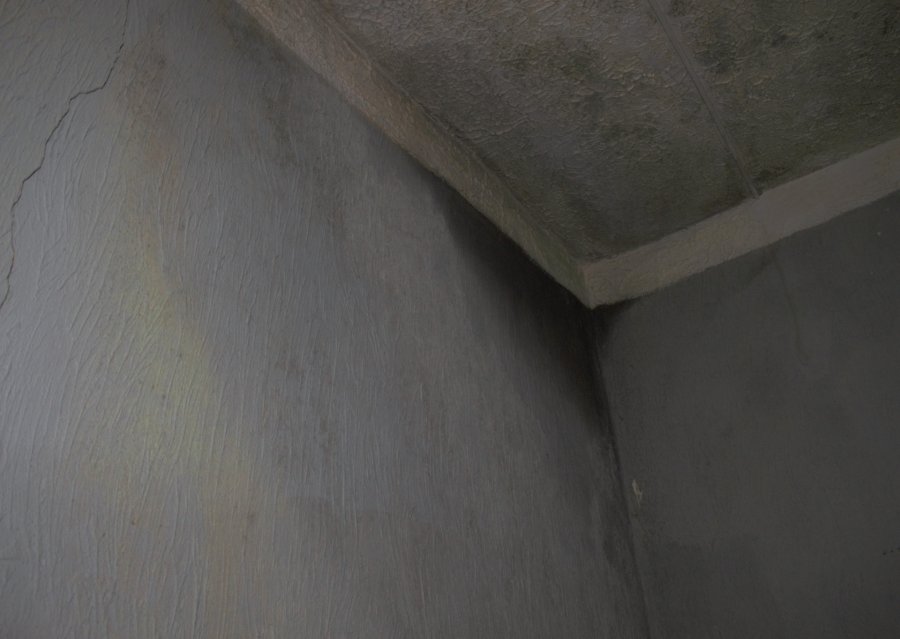
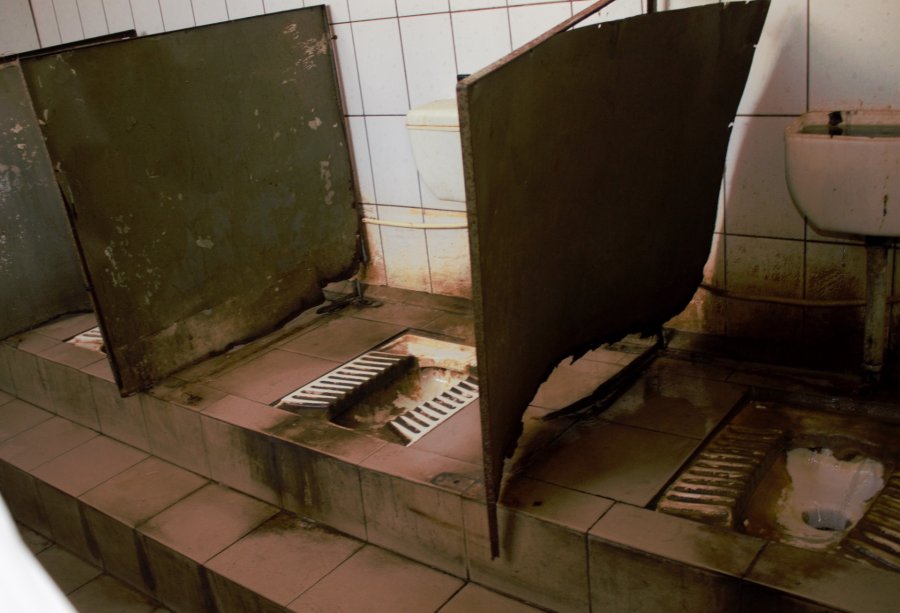
In unit No. 4, the toilet is not screened off, and the state of the toilet is unsanitary. In unit No. 3, in sleeping room No. 3, there is water leakage on the walls.
2. The equipment of SPS unit No. 2 does not fully meet the standards for the treatment of prisoners and the conditions of their detention in accordance with their needs. Thus, in violation of the requirements of the “Norms for Provision with Furniture, Inventory, and Household Items of a Medium-Security Correctional Colony”, approved by Order of the Ministry of Justice of Ukraine dated 27.07.2012 No. 1118/5 (hereinafter: Provision Norms), the unit lacks a number of premises, namely: a room for storing the exchange fund of bedding, clothing, and special protective gear; a storeroom for the temporary storage of dirty bedding, clothing, and special protective gear; a cloakroom; a utility room; drying rooms and rooms for storing food products.
The absence of these premises leads to a violation of sanitary and hygienic standards. Consequently, food products may be stored at improper temperatures, in damp or contaminated rooms, which promotes rapid spoilage, the development of mould, and the reproduction of pathogenic bacteria. Furthermore, the improper organisation of personal item storage complicates the maintenance of cleanliness and order in the premises where convicted persons are held, which worsens the overall sanitary situation in the institution.
3. Point 1 of Section XXIII of the Internal Regulations of Penitentiary Institutions, approved by Order of the Ministry of Justice of Ukraine dated 28.08.2018 No. 2823/5 (hereinafter: IRI), defines that the supervision of convicted persons is a system of measures aimed at ensuring the serving and execution of criminal sentences in the form of restriction and deprivation of liberty, life imprisonment, and arrest through 24-hour and constant control over the behaviour of convicted persons in their places of residence and work, preventing and suppressing unlawful actions on their part, and ensuring the requirements for the isolation of convicted persons and the safety of the staff of penitentiary institutions.
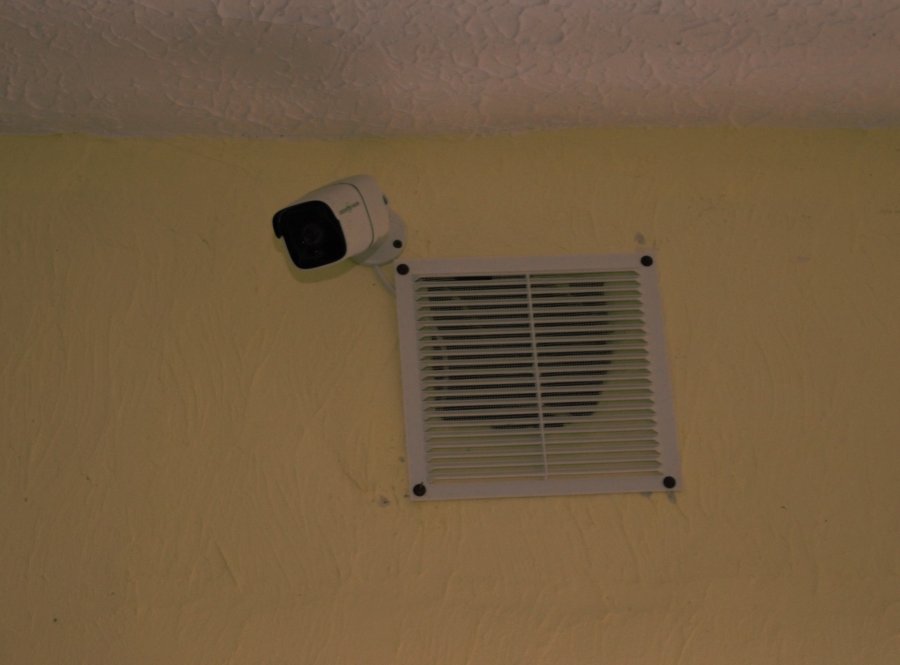
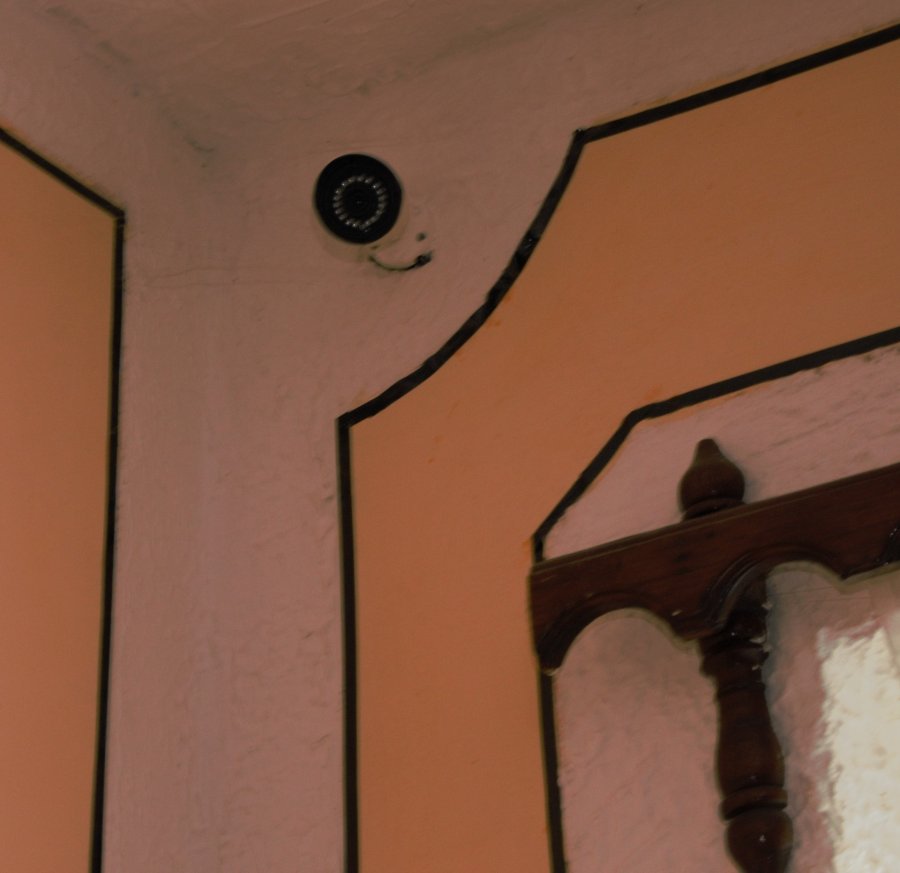
During the inspection of the sleeping quarters of SPS unit No. 2, video surveillance cameras were observed installed. At the same time, in its report in 2012, the Committee criticised excessive intrusion into privacy through the installation of video cameras in the living quarters of prisoners: “The CPT agrees that video surveillance in cells can be a useful safeguard in certain cases, for example, when a person is considered to be of concern regarding the risk of self-harm or suicide, or if there are specific suspicions that a prisoner is carrying out certain actions in the cell that could jeopardise security.
However, any decision to apply video surveillance to a specific prisoner must always be based on an individual assessment of real risks and must be reviewed frequently on a regular basis. Video surveillance is a serious intrusion into the private life of prisoners and makes the regime even more repressive, especially when applied over a long period of time.” (CPT/Inf (2013) 23) point 52).
4. Beds in some sleeping quarters, particularly in sleeping room No. 1 of SPS unit No. 5, are placed directly against each other, which does not ensure personal space for convicted persons, as provided for by Rule 18.1 of the European Prison Rules (EPR), and violates their right to privacy.
5. During the visit to the Quarantine, Diagnostics, and Distribution (QDD) section, the monitoring group discovered the absence of premises provided for by the Provision Norms, which makes it impossible to create proper conditions for the detention of convicted persons in accordance with established requirements. In particular, the absence of a room for storing the exchange fund of bedding, clothing, and special protective gear; a storeroom for the temporary storage of dirty bedding, clothing, and special protective gear; a cloakroom; a utility room; a drying room; a room for storing food products; and a shower stall in the washroom was established.
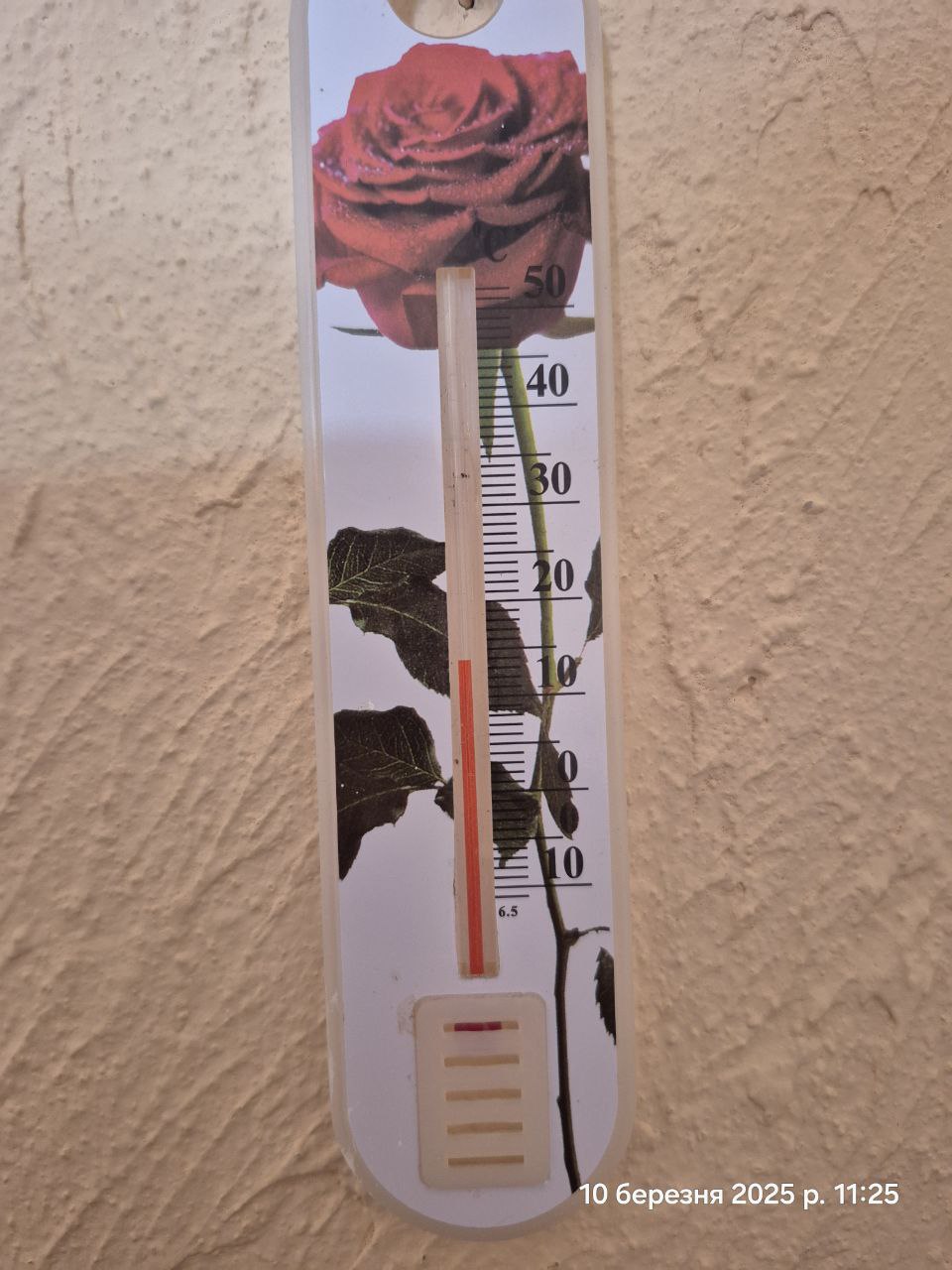
6. In the residential premises of the QDD section, the monitoring group recorded a violation of the temperature regime. At the time of the inspection, the air temperature in the residential premises was plus 14 °C, whereas according to Point 1 of Section XXII of the IRI, during the cold season, the temperature in residential premises of penitentiary institutions must be maintained at a level of no less than plus 18 °C.
7. During the visit to the institution’s disciplinary isolation unit (hereinafter: DIU), it was established that in violation of Point 3 of Section XX of the IRI, radio facilities in the DIU cell premises are absent. The cell premises are not provided with a sufficient level of natural light and ventilation. Sanitary facilities in individual cell premises do not have sufficient partitions to ensure the possibility of privacy, which is a violation of Rule 19.3 of the European Prison Rules.
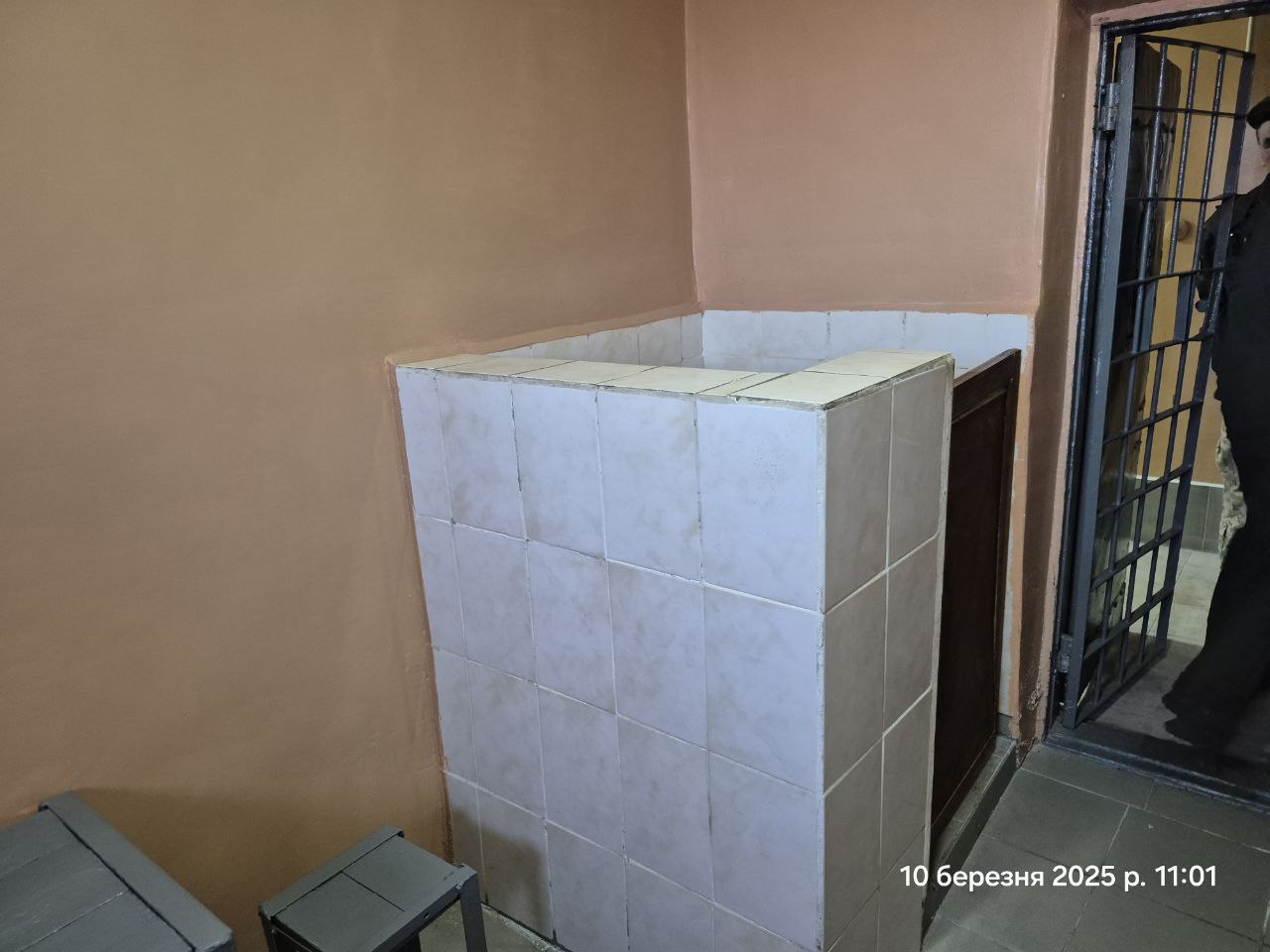
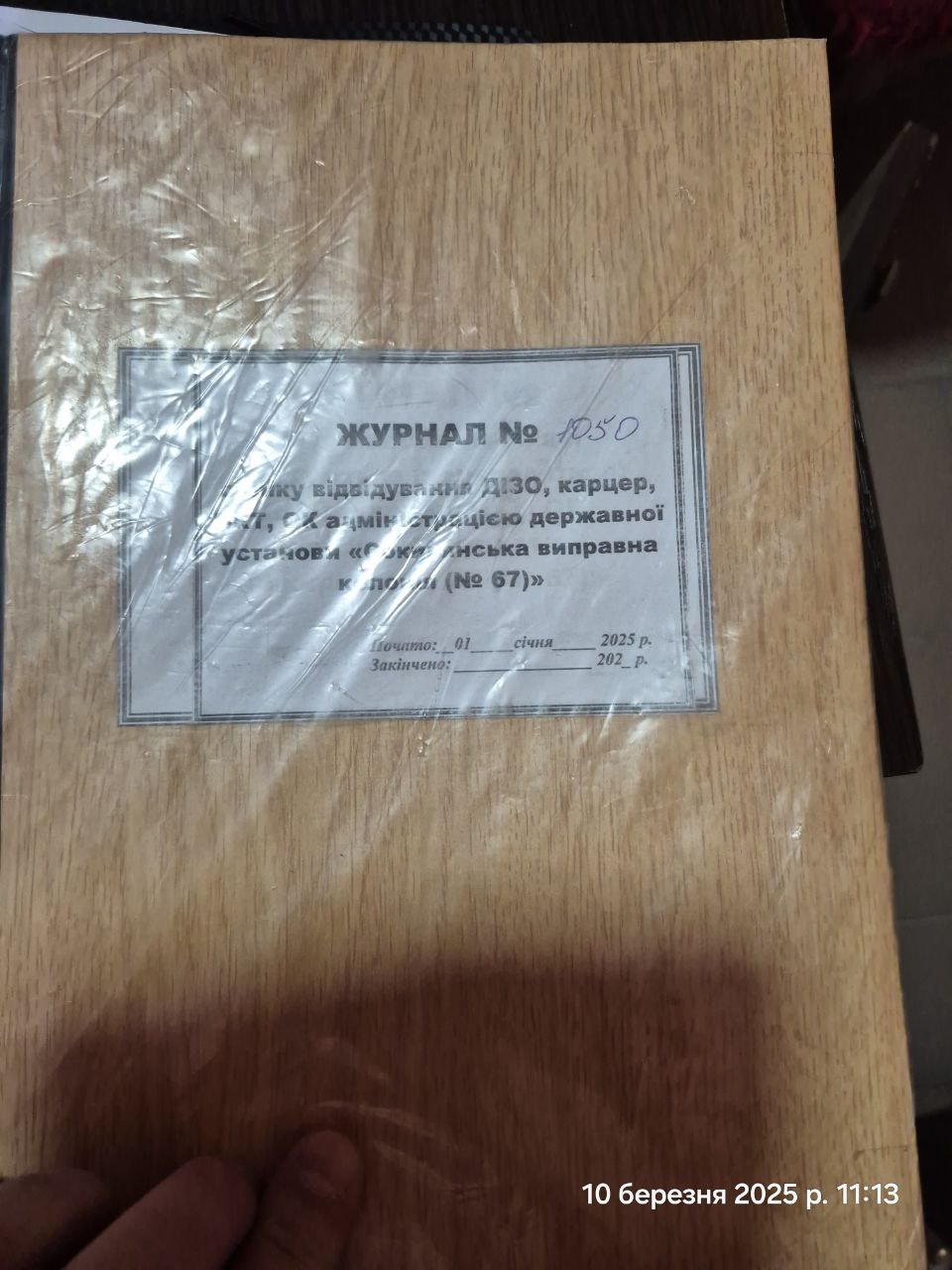
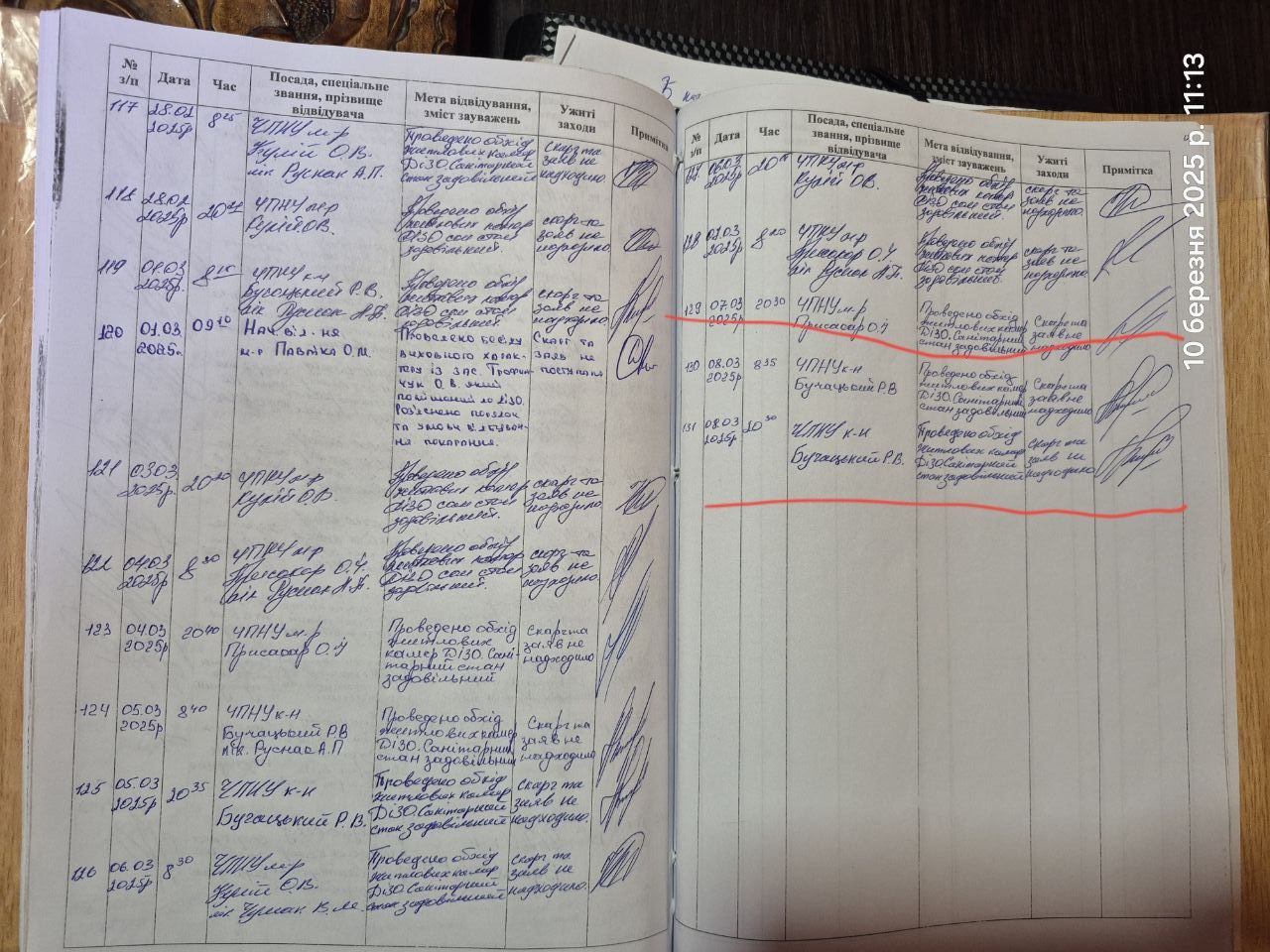
In violation of the Provision Norms requirements, the absence of a barbershop, a room for storing the personal belongings of convicted persons, and a disinfection chamber reception area was established. In violation of the twenty-third paragraph of Point 6 of Section XXI of the IRI, the head of the medical unit (the doctor on duty) does not perform daily visits to the DIU, penal cells, CTP (OP), and does not conduct intake of convicted persons. This is confirmed by the absence of their signature in the logbook of visits to the disciplinary isolation unit, cell-type premises, single cells, and the penal cell by the administration of the penitentiary institution.
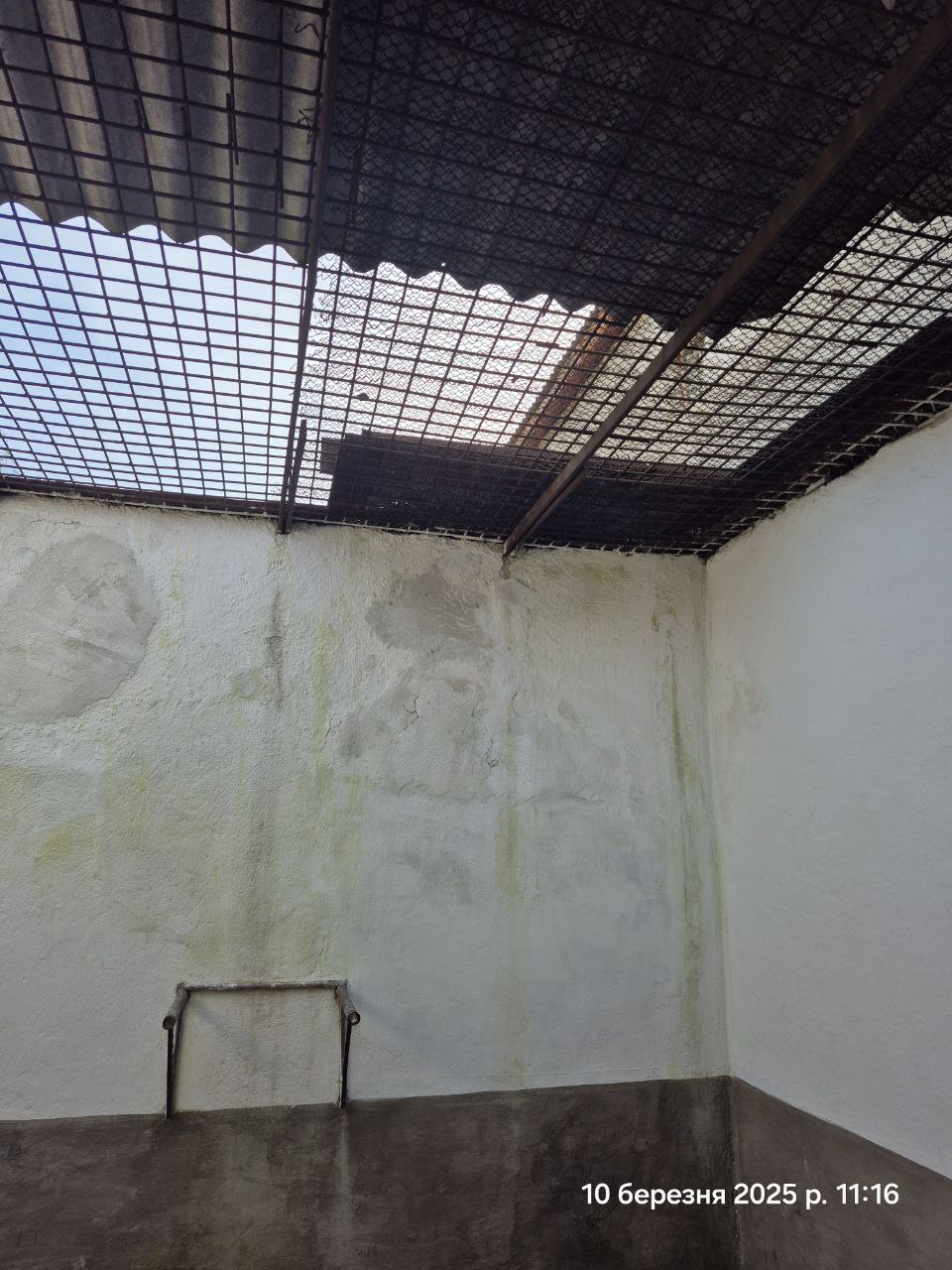
Exercise yards Nos. 1, 2, and 3 require repair work with roof replacement. At the same time, the Committee has repeatedly recommended reviewing the design and size of exercise yards “from where, at best, a view of the sky is opened” (point 122, point 127 (CPT/Inf (2014) 15)).
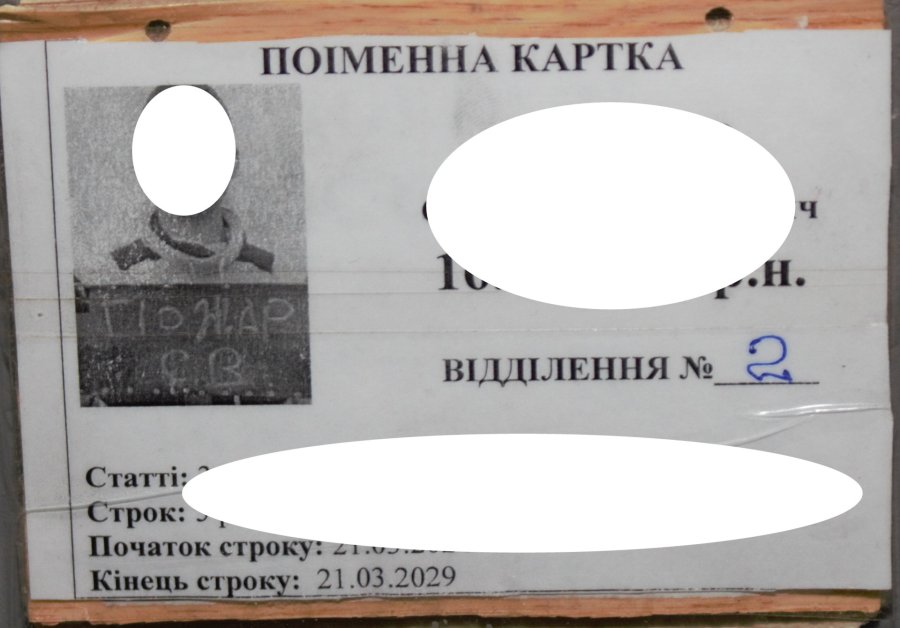
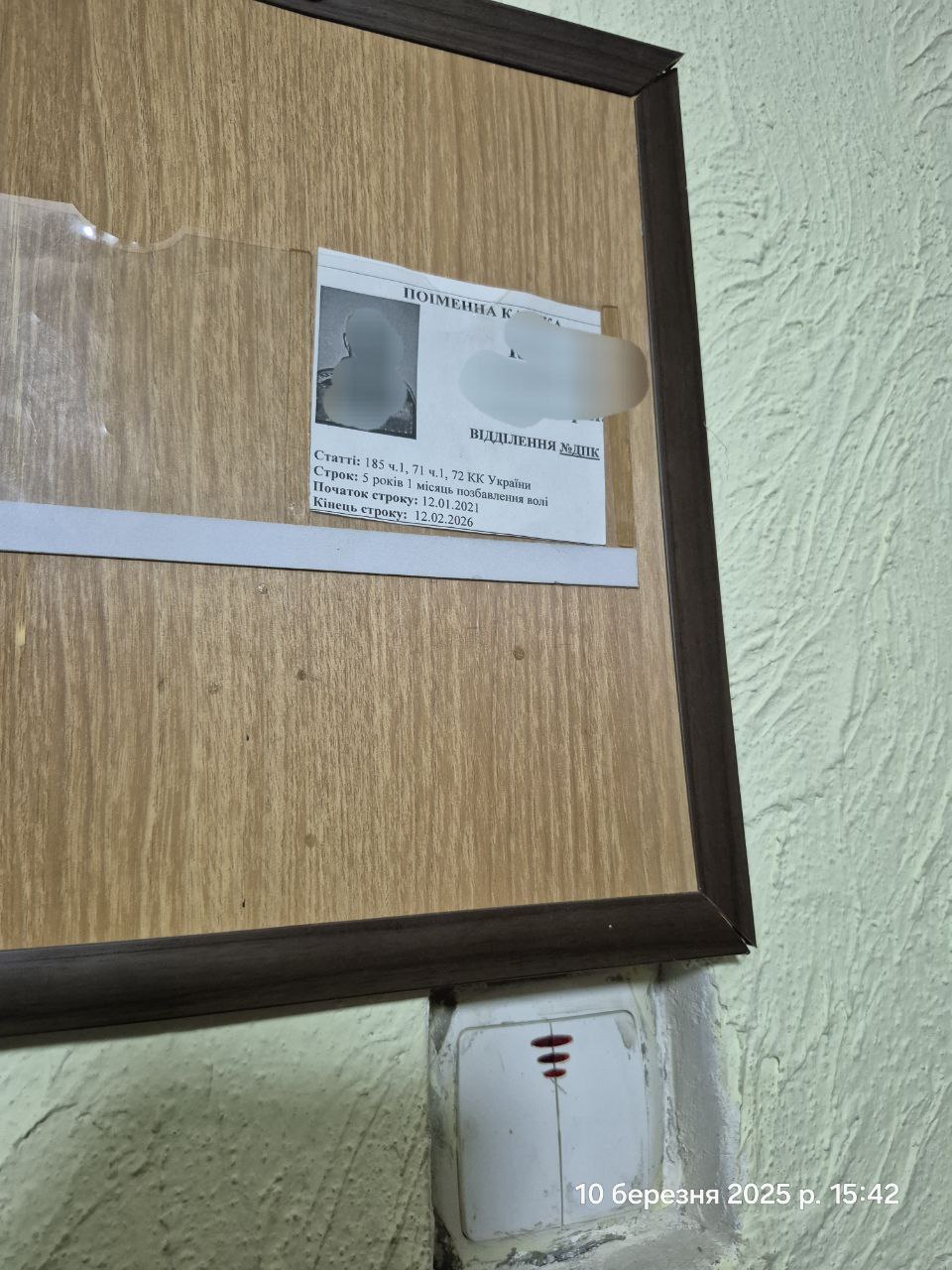
8. During the visit to the High-Security Section (DPC) and SPS units, it was found that on the wall near the external doors of the cell premises, as well as on the beds in the SPS units, there were name cards placed providing information with a brief description of the crimes committed by the persons located in the cells. In its report following the 2020 visit to Ukraine, the Committee noted that this practice should be stopped, as it serves no reasonable purpose and, in addition to stigmatisation, has the effect of damaging the relationship between prisoners and prison staff (CPT/Inf (2020) 40, point 52).
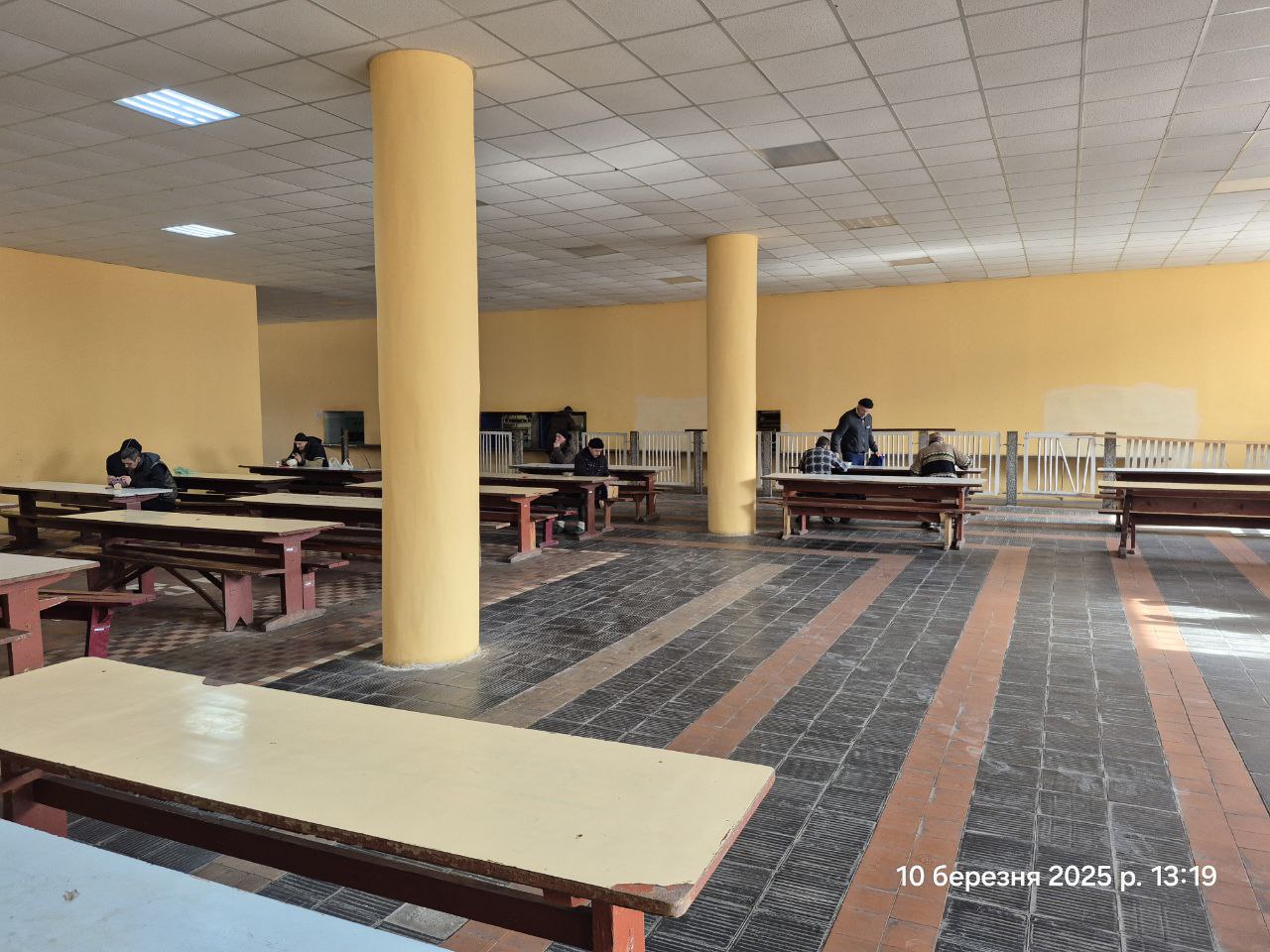
9. In violation of the Provision Norms requirements, the institution’s canteen lacks a cloakroom, which leads to convicted persons being forced to eat while wearing outdoor clothing.
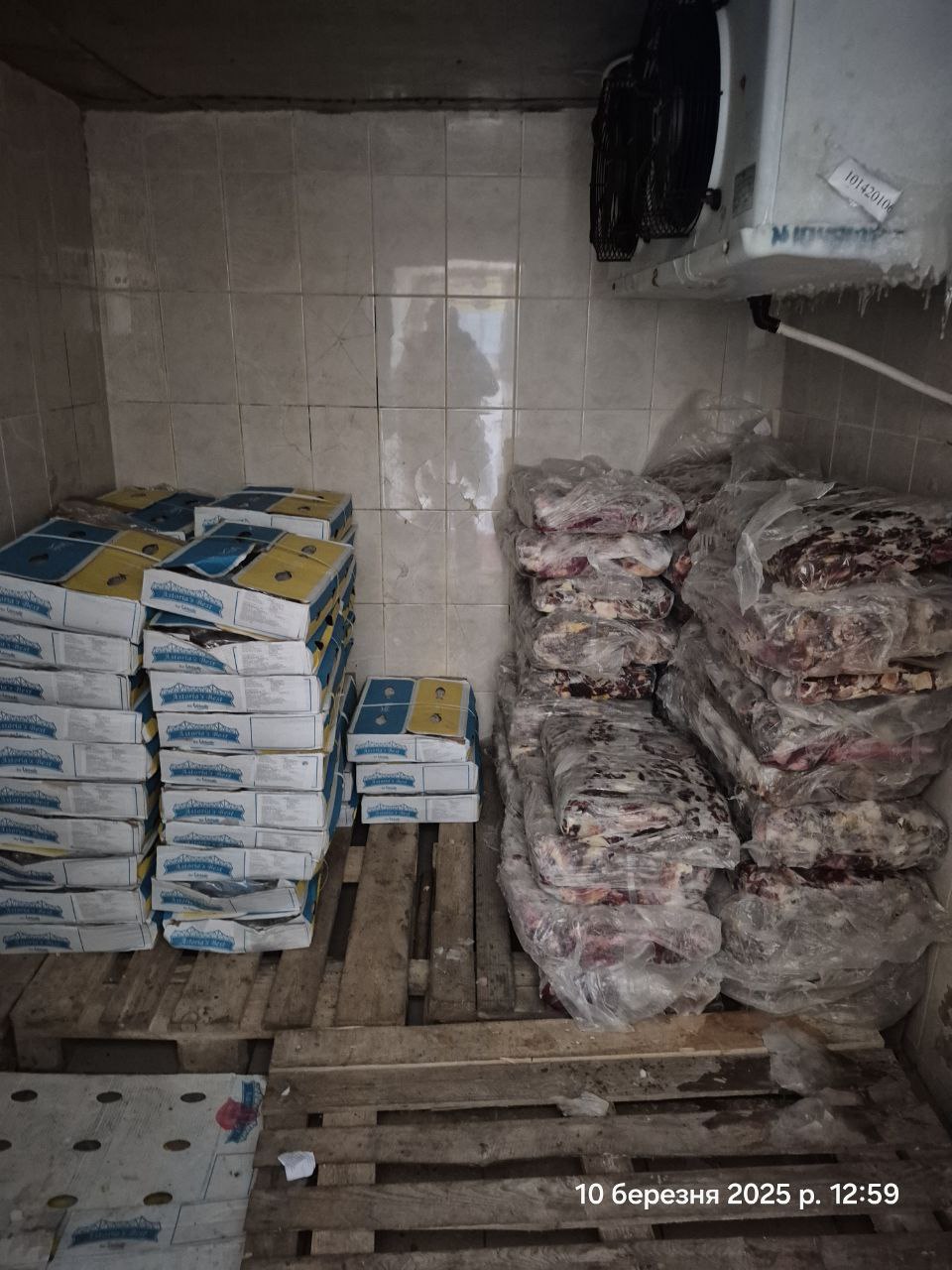
10. In violation of the requirements of Point 5 of Section IV of the “Regulations on the Organisation of Food Provision in the State Criminal-Executive Service of Ukraine during Peacetime”, approved by Order of the Ministry of Justice of Ukraine dated 15.06.2021 No. 2160/5, the monitoring group established a lack of sufficient functioning refrigeration equipment, due to which the storage of food products is not ensured taking into account commodity compatibility.
11. The right to work is one of the fundamental human rights enshrined in Article 43 of the Constitution of Ukraine, as well as in international acts such as the Universal Declaration of Human Rights (Art. 23) and ILO Convention No. 29 on Forced Labour. In the context of the penitentiary system of Ukraine, it is regulated by the Criminal-Executive Code of Ukraine (CEC), the Labour Code of Ukraine, and relevant international standards, in particular, the UN Standard Minimum Rules for the Treatment of Prisoners (“Nelson Mandela Rules”).
During the visit, mass usage of civil law contracts instead of employment contracts was recorded. Convicted persons performing permanent work should be employed under employment contracts in accordance with Art. 21 of the Labour Code of Ukraine. The use of civil law contracts deprives convicted persons of the right to social insurance, sick pay, and pension contributions, which violates Art. 118–121 of the CEC of Ukraine. The labour of convicted persons in penitentiary institutions should not be a form of exploitation or forced labour in accordance with ILO Convention No. 105 on the Abolition of Forced Labour.
Such a form of labour utilisation under civil law contracts indicates a violation of the rights of convicted persons, namely the lack of social guarantees (insurance and pension contributions are not paid). Also, this form of concluding labour relations creates an opportunity for the institution’s administration to avoid fulfilling labour obligations towards convicted persons, as well as the actual masking of employment relations, which contradicts international standards.
Systemic violations of the labour rights of convicted persons were discovered in the Enterprise’s activities. The bulk of the work is performed under civil law contracts, which effectively masks employment relations and deprives convicted persons of social guarantees — sick leave, vacations, and pension contributions. The wage is significantly lower than the minimum set by the state. Such practice contradicts the requirements of the Labour Code of Ukraine, the Criminal-Executive Code, the Constitution of Ukraine, and the state’s international obligations, in particular ILO Conventions No. 29 and No. 105.
Furthermore, remuneration is underpaid and non-transparent. The average wage of convicted persons under civil law contracts in 2024 was 2,629.89 UAH/month, which is significantly lower than the minimum wage in Ukraine (Art. 95 of the Labour Code). Most of the convicted persons’ funds are transferred to the institution’s account, not to their personal accounts, which violates Art. 120 of the CEC of Ukraine. There is an absence of a transparent mechanism for wage formation (Art. 97 of the Labour Code). During the examination of documentation, the actual exploitation of convicted persons without appropriate compensation was recorded. As a result, there is a failure by the state to fulfil its obligations regarding the provision of decent wages, as well as potential corruption risks associated with the distribution of the wage fund.
An important factor is the absence of labour guarantees: concluding civil law contracts with convicted persons entails a lack of guarantees for sick leave, insurance payments, and pension contributions for convicted persons, and contradicts Art. 43 of the Constitution of Ukraine and international standards. Working conditions for convicted persons are not regulated by collective agreements or internal labour regulations, which contradicts Art. 142 of the Labour Code. The consequences of civil law contracts are a low level of social security for convicted persons after release, a lack of legal mechanisms for protection against unfair working conditions, and a violation of the principle of equal pay (ILO Convention No. 111 on Discrimination in Respect of Employment and Occupation).
Thus, the actual use of civil law contracts for the vast majority of convicted persons at SCC-67 is a gross violation of labour legislation and international labour standards. It deprives convicted persons of social guarantees, promotes exploitation, and may contain signs of forced labour. Furthermore, during the examination of documentation, non-transparent payment terms, price manipulation, lack of product quality control mechanisms, and public monitoring are recorded. Such shortcomings indicate potential inefficient use of funds and underpayment for the labour of convicted persons.
Therefore, the terms of the contract need to be reviewed, taking into account standards of transparency, labour rights, and social protection for workers.
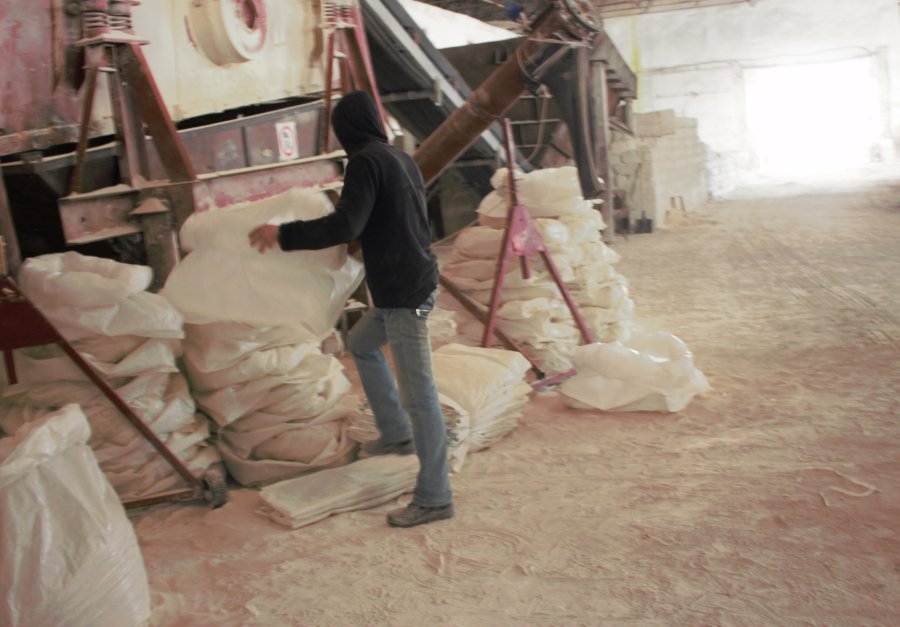
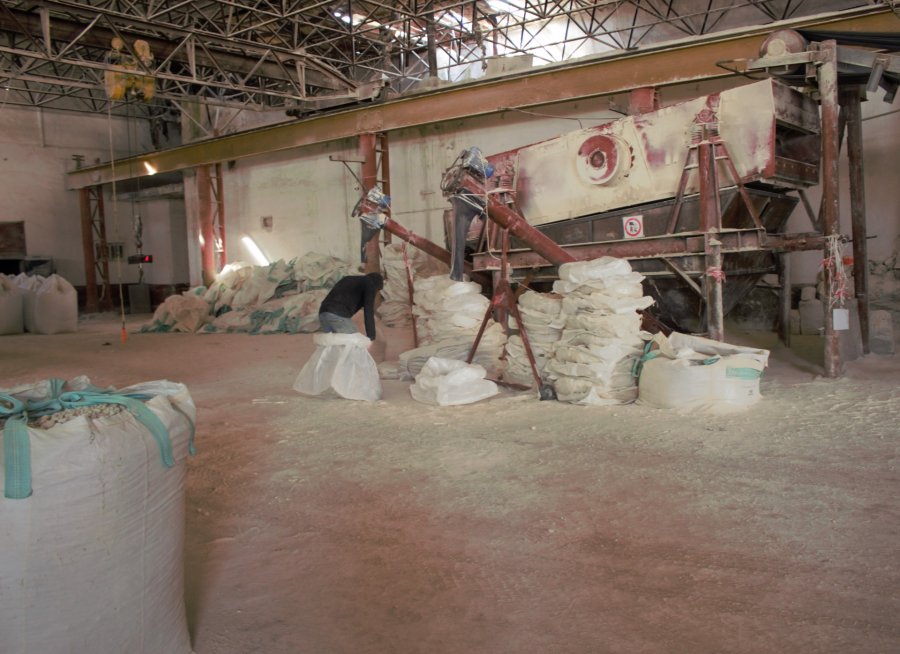
Having examined the supply contracts with LLC “ENDURENCE AGRO” and other counterparties, it can be concluded that the supply contracts were concluded without taking into account the labour rights of the convicted persons who are actually involved in the production of goods. Most of them work under civil law contracts. There is no mention in the contract of working conditions or monitoring the observance of the rights of prisoners, which creates a risk of hidden exploitation. All contracts were concluded without tenders — a violation of the Law of Ukraine “On Public Procurement”. Prices were set without market justification (e.g., 540 UAH/tonne of flour — below market price), and prices were changed without explanation.
There is no mechanism for quality control and responsibility of the parties. High financial risks — 100% prepayment without guarantees. Consequently, there are possible corruption schemes, non-transparent use of convict labour in production, as well as the informal nature of the execution of agreements, and hidden profit-sharing schemes. Supply contracts for products manufactured with the use of convict labour were concluded with numerous violations of the principles of transparency and public administration. The contracts do not provide for either ethical standards regarding prisoner labour or mechanisms for independent monitoring of production, which creates risks of corruption, inefficient use of funds, and human rights violations.
The factual basis indicates the need for immediate intervention by state and monitoring bodies. It is recommended: to transfer all employed convicted persons to official employment contracts, ensure they have equal access to social protection, review all commercial contracts for the purpose of bringing them into compliance with legislative requirements, and implement constant independent monitoring of working conditions. The identified violations are grounds for an audit and further checks by control and supervisory bodies. The investigated circumstances of labour utilisation of convicted persons at SCC-67 with concluded civil law contracts indicate the presence of signs of employment relations: regular work, a schedule, and subordination. Payments are made to the institution’s account, not the convicted persons’ — a violation of Art. 120 of the CEC. Inability to refuse work — potential forced labour (ILO Convention No. 105, Art. 4 ECHR).
According to the administration, 6 convicted persons in the institution work according to fixed-term employment contracts. Examination of the contracts shows the presence of elements of the Labour Code and the CEC, and they contain definitions of rights and obligations. However, among the shortcomings, there is no clear contract end date, no mechanism for appealing the employer’s actions, and no provisions on force majeure are written. These contracts need to include a duration, mechanisms for termination and appeal, and penalties for violations of labour rights.
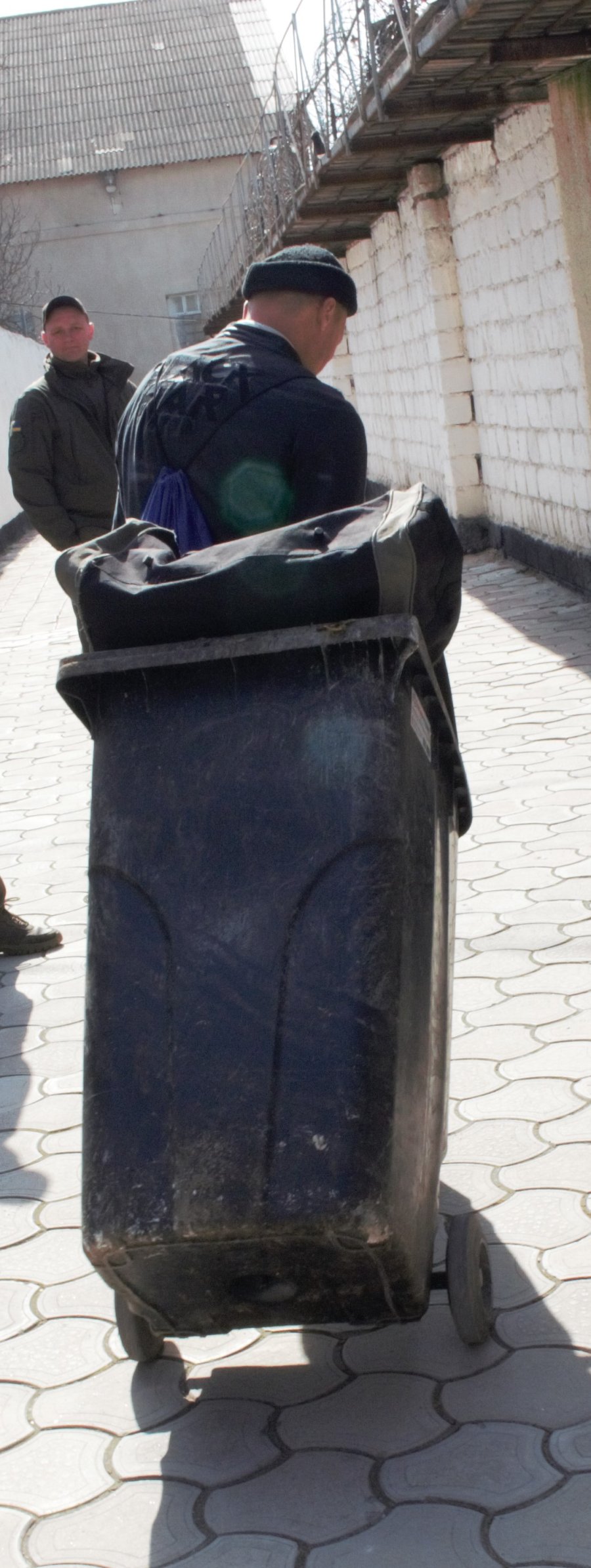
General conclusion: At SCC-67, there is a systemic use of convict labour while concealing employment relations, which creates significant legal and ethical risks. All contracts require review, taking into account the legislation of Ukraine, ILO Conventions, and principles of transparency. Intervention by control bodies is necessary. Also, the use of convicted persons’ labour without payment was recorded. Convicted person V. works on cleaning up trash in the residential zone; the working day is not defined, and he may work from morning until evening. Payment is not made, and employment relations are not formalised.
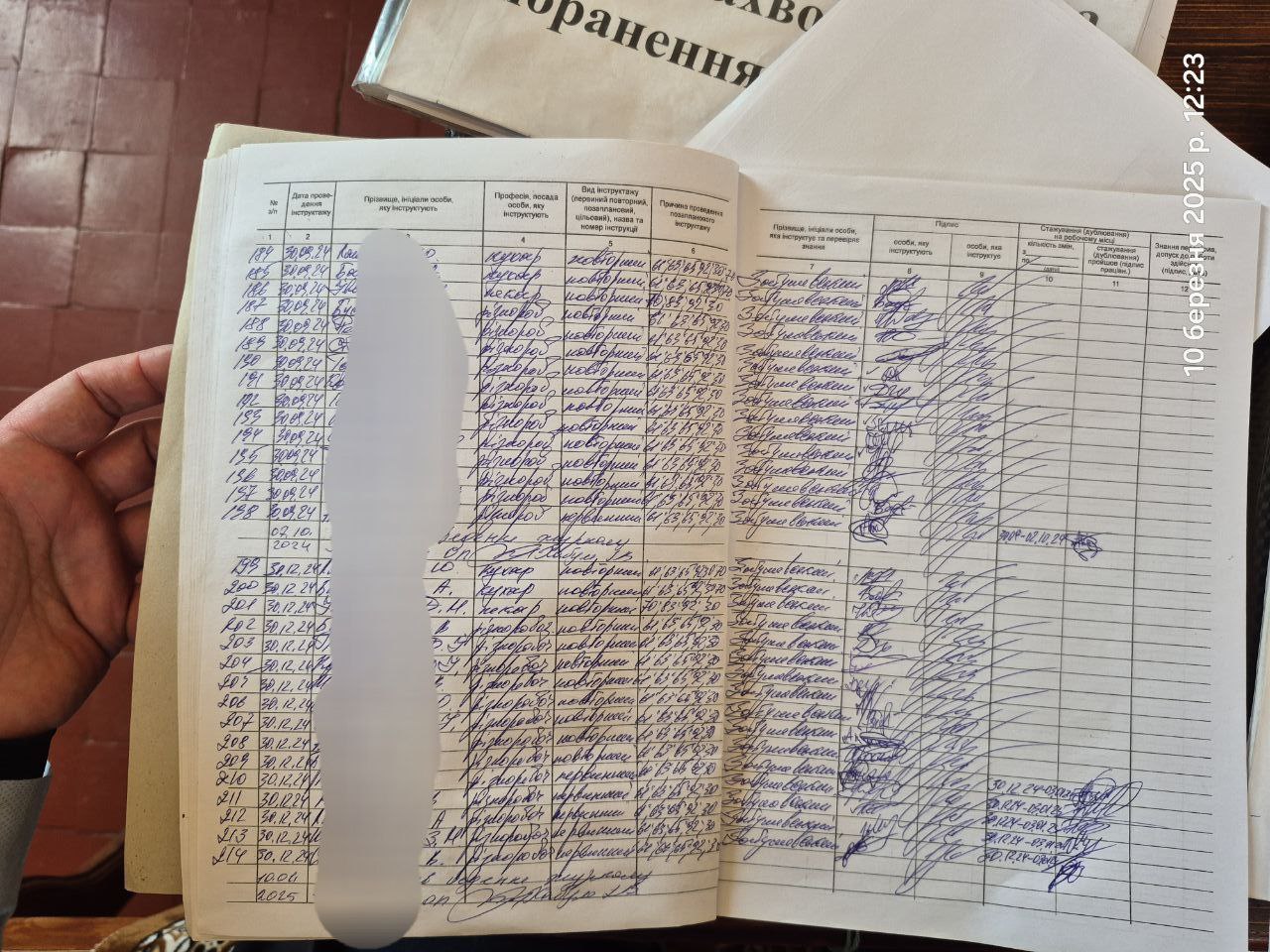
In violation of the requirements of Article 118 of the Criminal-Executive Code of Ukraine and Article 153 of the Labour Code of Ukraine, convicted persons who have been working in the canteen since 2025 do not timely undergo training on occupational health and safety. This is confirmed by the absence of relevant entries in the Logbook for Registration of Occupational Health and Safety Briefings at the Workplace.
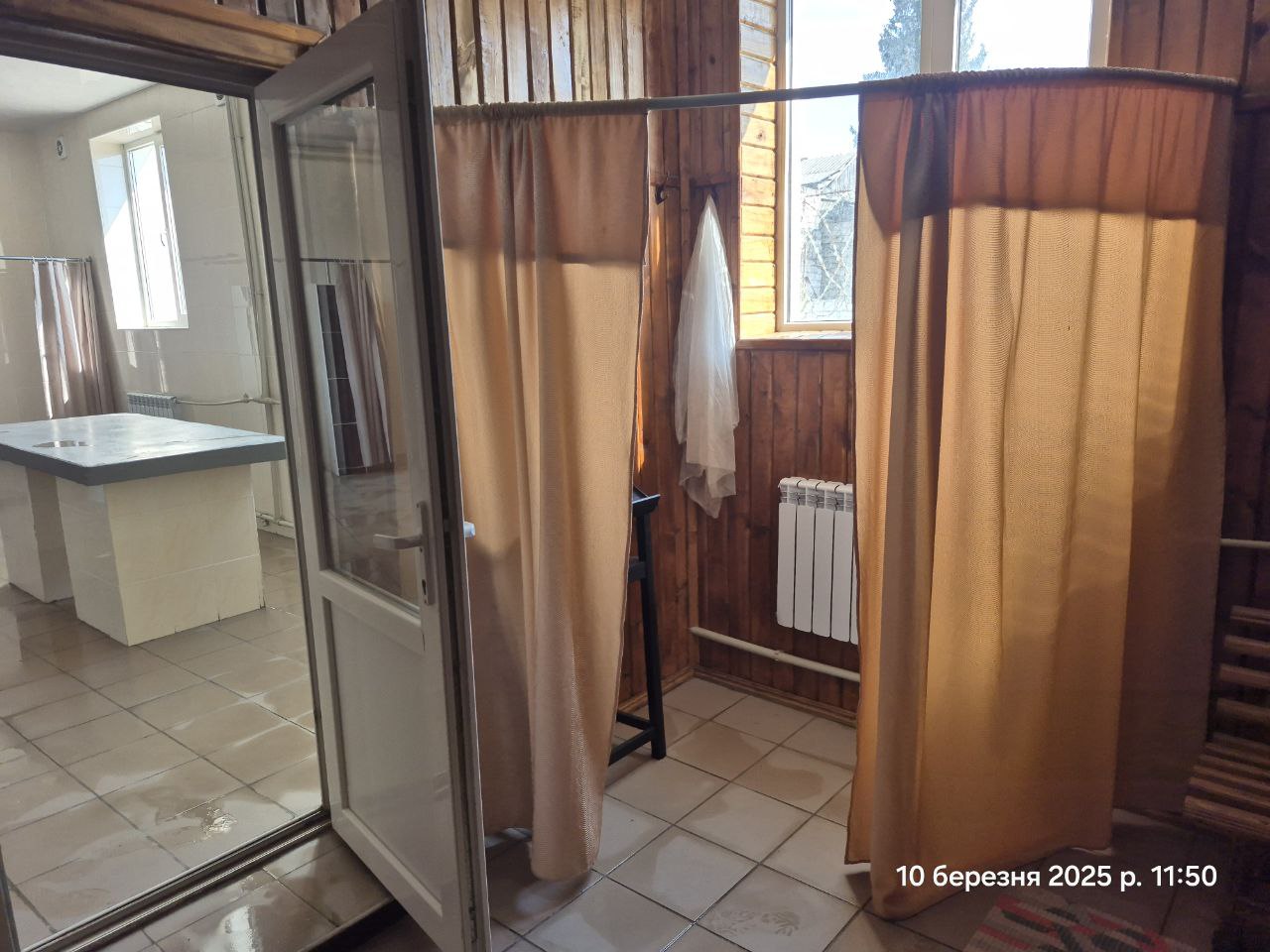
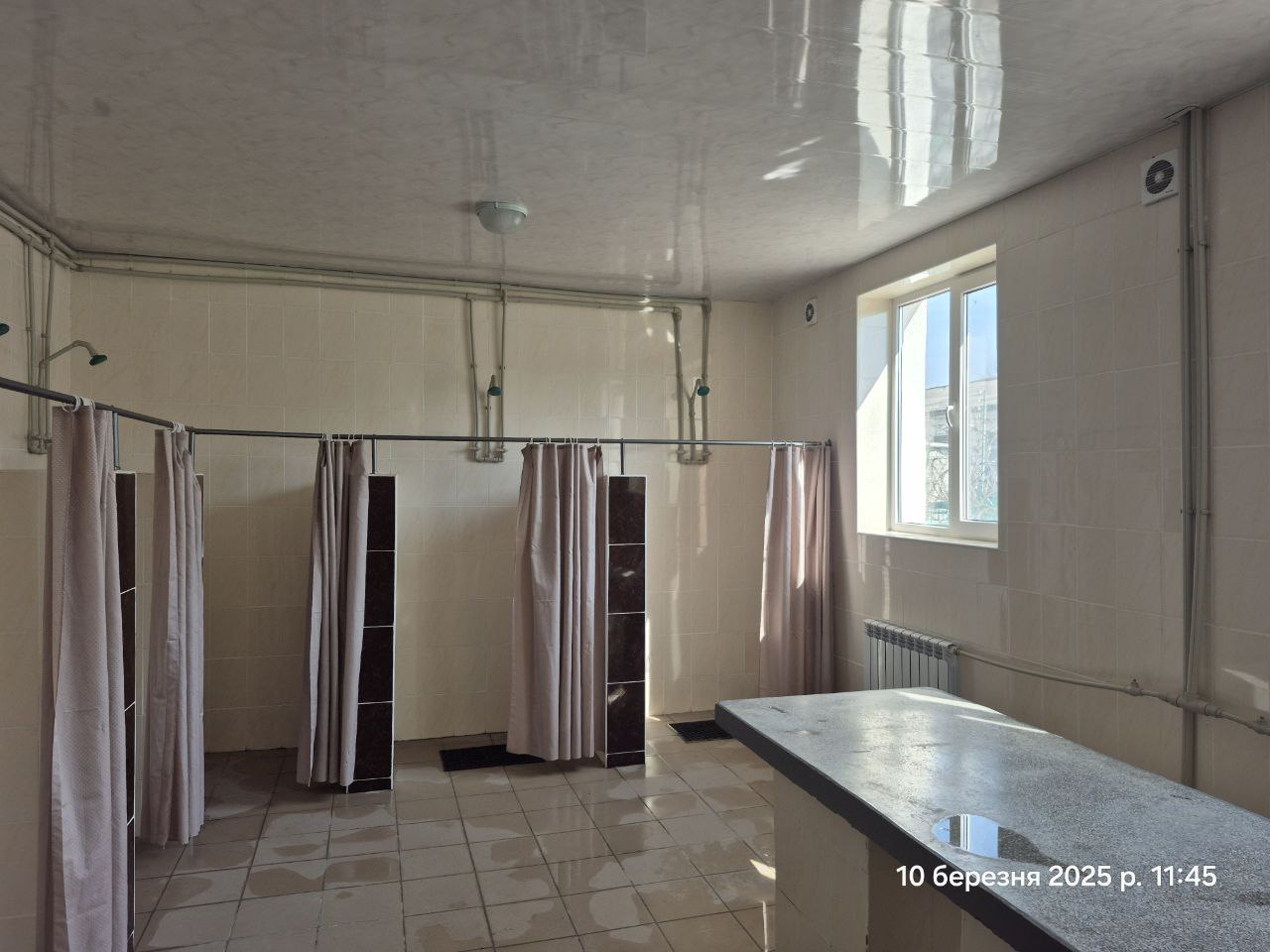
12. The monitoring group identified a number of violations in the organisation of laundry services for convicted persons and detainees. In accordance with Point 3.19.1 of Section III of the “Regulations on the Organisation of Laundry Services for Persons Held in Penitentiary Institutions and Pre-Trial Detention Centres”, approved by Order of the Ministry of Justice of Ukraine No. 849/5 dated 08.06.2021 (hereinafter: Regulations), sanitary processing involves washing convicted persons (persons taken into custody) in a bathhouse using soap and a washcloth, mandatory replacement of bedding and underwear, as well as disinfection (destruction of pathogenic microorganisms) and disinsection (destruction of insects and ticks that are carriers of infectious diseases) of personal clothing and bedding (pillows, mattresses, blankets) in a disinfection chamber.
However, as established by the monitoring group, a disinfection chamber is absent in the institution, which makes proper sanitary processing of bedding and clothing impossible, increases the risk of the spread of infectious diseases among convicted persons and staff, and contradicts established sanitary and hygienic standards.
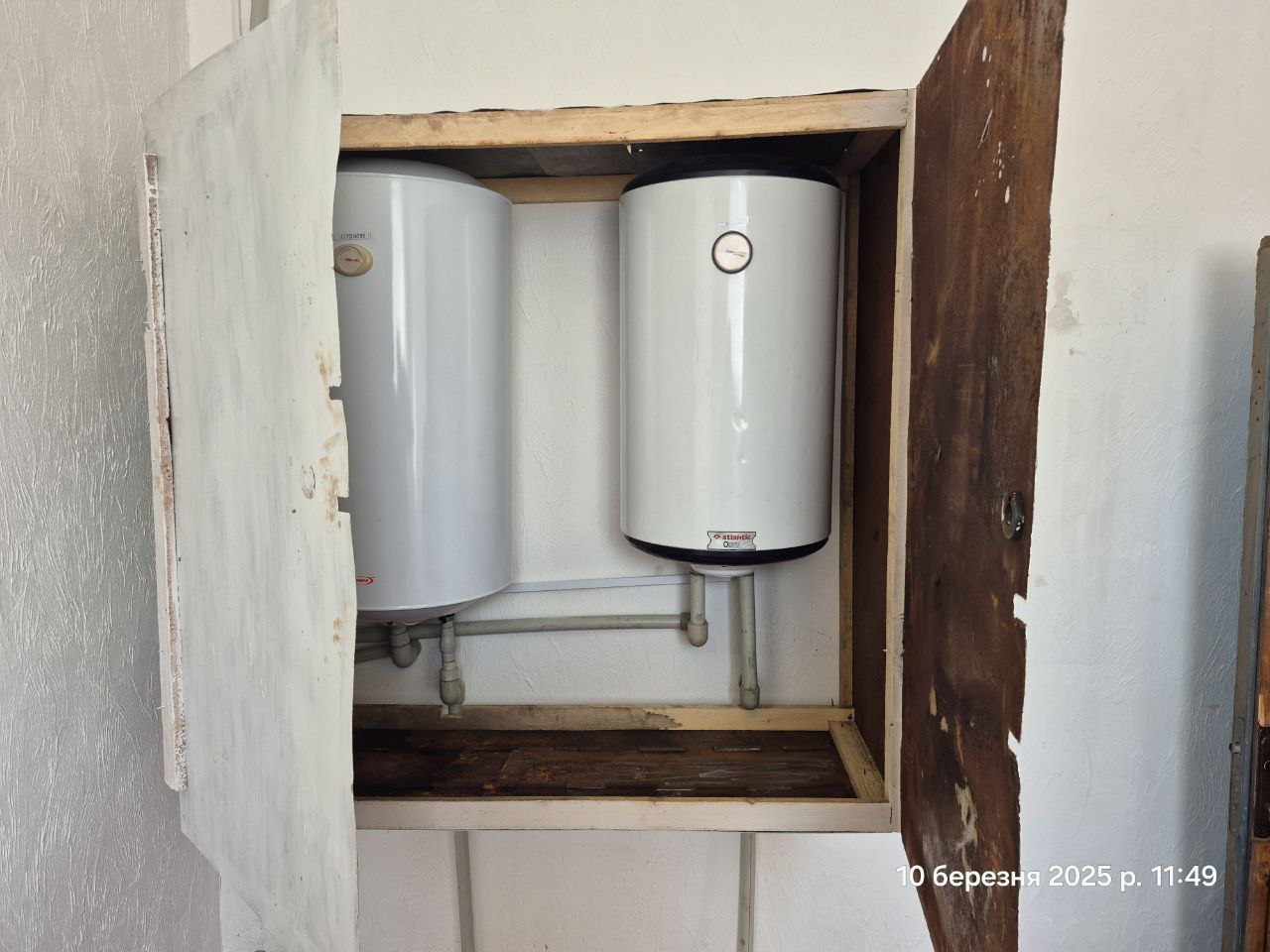
In violation of the requirements of Point 2.11 of Section II of the Regulations, the forced supply and exhaust ventilation system does not work in the laundry room. In violation of Point 3.5 of Section III of the Regulations, the administration of the institution does not ensure the established duration of washing convicted persons in the bathhouse (no less than 40 minutes). The existing water heating system, which consists of two boilers with volumes of 80 and 100 litres, does not provide the necessary amount of hot water, which makes it impossible to organise the washing of convicted persons in accordance with the requirements.
In violation of the requirements of Point 3.11 of Section III of the Regulations, in the undressing (dressing) room intended for conducting physical examinations and providing medical assistance to convicted persons, there is no properly equipped medic’s corner, which should be provided with a table and chair.
13. According to official documentation, the staff shortage in the institution as of 05.03.2025 amounts to 57 positions (22%). The shortage of middle and senior command staff is 12 positions. The shortage of rank-and-file and junior command staff is 42 positions. The shortage of civilian employees is 3 positions.
At the same time, in the Report of the Government of Ukraine on the results of the 2023 visit, the Committee emphasises that ensuring a positive climate in a penitentiary institution requires the presence of a professional team of staff who must be present in sufficient numbers at any moment in time in places of detention. An insufficient number of staff can only increase the risk of violence and intimidation among convicted persons. The lack of staff who are on the front line also undermines the quality and level of measures offered to convicted persons and jeopardises the prospect of preparation for release and social rehabilitation.
In connection with this, the Committee calls on the Ukrainian authorities to take decisive measures to significantly increase the number of staff in penitentiary institutions of Ukraine where a low level of staffing is observed, with the aim of strengthening the presence of security and supervision service personnel inside institutions. It is also necessary to take measures to put an end to the 24-hour shift of personnel on duty (CPT/Inf (2024) 20) point 93).
14. During the visit, the monitoring group recorded that the institution’s staff who are in direct contact with convicted persons openly carry special equipment, including rubber batons. At the same time, according to the eighth paragraph of Point 1 of Section XXVI of the IRI, the carrying of special equipment by staff of penitentiary institutions within the secured territory of the penitentiary institution should, if possible, be maximally concealed from the environment. At the same time, the Committee recommends that penitentiary staff working in direct contact with prisoners should not carry special equipment (such as rubber batons, handcuffs, and tear gas canisters) openly before prisoners. Such carrying prevents the establishment of normal relationships between staff and prisoners, p. 85 (CPT/Inf (2011) 29), p. 23 (CPT/Inf (2013) 23), p. 166 (CPT/Inf (2014) 15).
Medical Unit No. 67 of the Branch of the State Institution “Centre for Healthcare of the State Criminal-Executive Service of Ukraine” in Chernivtsi, Ivano-Frankivsk, Zakarpattia, and Ternopil Regions
The head of Medical Unit No. 67 of the branch of the state institution “Centre for Healthcare of the State Criminal-Executive Service of Ukraine” in Chernivtsi, Ivano-Frankivsk, Zakarpattia, and Ternopil Regions (hereinafter: medical unit) is Anatolii Petrovych Rusnak.
According to information provided by the medical unit staff, the following doctor positions are staffed: head of the medical unit-doctor — 1 position; dentist — 0.5 position; psychiatrist — 0.5 position; radiologist — 0.5 position.
The positions of therapist (0.5 position) and infectious disease specialist (0.5 position) remain vacant.
During the visit, the monitoring group studied the medical documentation, inspected the premises of the medical unit for their compliance with the requirements of the legislation of Ukraine and international standards, and identified shortcomings in the work of the medical unit.
15. According to Point 2, Point 3 of Chapter III of Section II of the “Procedure for Organising the Provision of Medical Assistance to Persons Sentenced to Imprisonment”, approved by the joint order of the Ministry of Justice of Ukraine and the Ministry of Health of Ukraine dated 15.08.2014 No. 1348/5/572 (hereinafter: Procedure), a therapist (or general practitioner — family doctor), psychiatrist, and dentist must participate in the preventive medical examination.
At the same time, the medical unit has a vacant position for a therapist, which indicates that the primary and preventive medical examination is not being conducted fully, due to which convicted persons and detainees do not receive proper medical care. This violates Point 38 of the Committee’s recommendations (CPT/Inf (93) 12-part), which states that medical services in places of detention must be able to provide medical assistance and treatment, as well as an appropriate diet, physiotherapy, rehabilitation, or any other special care at the same level as that offered to patients in civilian medical facilities. Provision must be made for the availability of medical, auxiliary medical, and technical personnel, and appropriate premises, equipment, and apparatus must be provided.
16. The medical unit has not organised the provision of opioid agonist treatment (hereinafter: OAT) for persons with mental and behavioural disorders due to opioid use in accordance with the “Procedure for Conducting Opioid Agonist Treatment for Persons with Mental and Behavioural Disorders due to Opioid Use”, approved by Order of the Ministry of Health of Ukraine dated 27.03.2012 No. 200.
Drug-dependent individuals are not provided with psychosocial support, cognitive behavioural therapy (CBT), relapse prevention, motivational interviewing, self-help groups, etc.
Thus, these individuals are deprived of the opportunity to receive OAT, which violates their right to choose methods of treatment in accordance with Article 38 of the Law of Ukraine “Fundamentals of Legislation of Ukraine on Healthcare”.
At the same time, in its report following the 2023 visit to Ukraine, the Committee notes that admission to a penitentiary institution is an opportunity to solve the problem associated with drugs, and therefore it is important that appropriate assistance be offered to all interested persons; therefore, appropriate medical service must be available in all institutions. Assistance offered to such persons should be diverse; substitution therapy programmes for persons with drug dependence should be combined with genuine psychosocial and educational programmes for persons with opioid dependence who are unable to stop using drugs. Furthermore, access to OAT programmes in institutions should be easily accessible and managed by penitentiary doctors who must undergo special training on issues related to drug use (CPT/Inf (2024) 20) point 86).
17. In violation of the requirements of Point 3 of Section 1, Chapter II of the Procedure, medical workers do not properly complete reports that describe in detail the nature of bodily injuries, their size, and location. In particular, in violation of the requirements of the “Instruction on Filling out Form No. 511/o ‘Certificate on Recording Bodily Injuries’”, approved by Order of the Ministry of Health of Ukraine dated 02 February 2024 No. 186, medical personnel fill out form No. 318-OD “On the Approval of the Map of Primary Recording of External Injuries, Instructions for its Completion, and the Form of the Logbook for Recording Identified Bodily Injuries”, which has lost its validity.
Thus, the lack of proper recording of bodily injuries does not comply with Point 60 of the Committee’s recommendations (CPT/Inf (93) 12-part), which states that medical services in places of detention can contribute to the prevention of violence against persons held in custody through the systematic registration of bodily injuries, as well as, if necessary, through informing the relevant authorities.
18. During the study of medical documentation, it was established that in the outpatient patient medical records 025/o, photographs of existing bodily injuries are not attached to the compiled certificates, as provided for in Point 3 of Section I, Chapter II of the Procedure. At the same time, the Committee in its report following the 2023 visit to Ukraine notes that any traumatic injuries detected during a medical examination should be photographed in detail, and the photographs, together with body diagrams, should be kept in the individual medical file of the person (CPT/Inf (2024) 20) point 82).
19. In violation of the requirements of the “Instruction on Filling out Form No. 003-6/o ‘Informed Voluntary Consent of the Patient to Conduct Diagnostics, Treatment, and to Perform Surgery and Anaesthesia and to the Presence or Participation of Participants in the Educational Process’”, approved by Order of the Ministry of Health of Ukraine dated 14.02.2012 No. 110, the absence of signed informed voluntary consent forms for diagnostics and treatment from patients who were in the inpatient department of the medical unit was established.
This may indicate the lack of informed voluntary consent of the patient for the application of methods of diagnostics, prevention, and treatment, which is a violation of Article 43 of the Law of Ukraine “Fundamentals of Legislation of Ukraine on Healthcare” and Point 47 of the Committee’s recommendations (CPT/Inf(93)12-part).
20. In violation of Point 7 of Chapter III of Section II of the Procedure, the monitoring group established that in the personal medical records and medical documentation of canteen staff, the results of examinations conducted by medical specialists are absent, in particular laboratory, clinical, and other studies necessary for obtaining clearance to work at food facilities.
21. The monitoring group established that convicted person Yu., who is assigned to SPS unit No. 3 and performs the function of a duty orderly, is staying in the medical unit. During confidential communication with convicted persons who were undergoing treatment in the inpatient department, the monitoring group established that he is tasked with performing various types of work, including taking care of the seriously ill and cleaning premises. At the same time, the Committee has repeatedly recommended stopping the practice of using convicted persons as assistants in medical units and as orderlies (Committee report on the results of the visit to Ukraine in 2005 (point 132. CPT/Inf (2007) 22), in 2013 (point 151. CPT/Inf (2014) 15), in 2017 (point 86. CPT/Inf (2018) 41)).
22. The monitoring group established that newly arrived persons are not given a full primary medical examination, as provided for by Point 2 of Section II of the Procedure. Thus, during the study of medical documentation (outpatient patient medical records of primary accounting form No. 025/o) of persons newly arrived at the institution, it was established that convicted persons and detainees are not examined by a dentist, as evidenced by the absence of a relevant record by the specified specialist.
23. In violation of the requirements of the “Standards of Medical Care for Hepatitis C in Adults”, approved by Order of the Ministry of Health of Ukraine dated 15.01.2021 No. 51, not all persons (10 persons as of 10.03.2025) with suspected viral hepatitis C undergo PCR testing, due to which they do not receive the necessary treatment, which may lead to the deterioration of their health and the spread of the specified infectious disease among convicted persons and detainees.
24. In violation of the “Measures and Means for Preventing Infection during Patient Care”, approved by Order of the Ministry of Health of Ukraine dated 03.08.2020 No. 1777, only one isolation ward for infectious patients is equipped in the medical unit, which makes it impossible to simultaneously house patients with dangerous infectious diseases separately from one another and from other convicted persons.
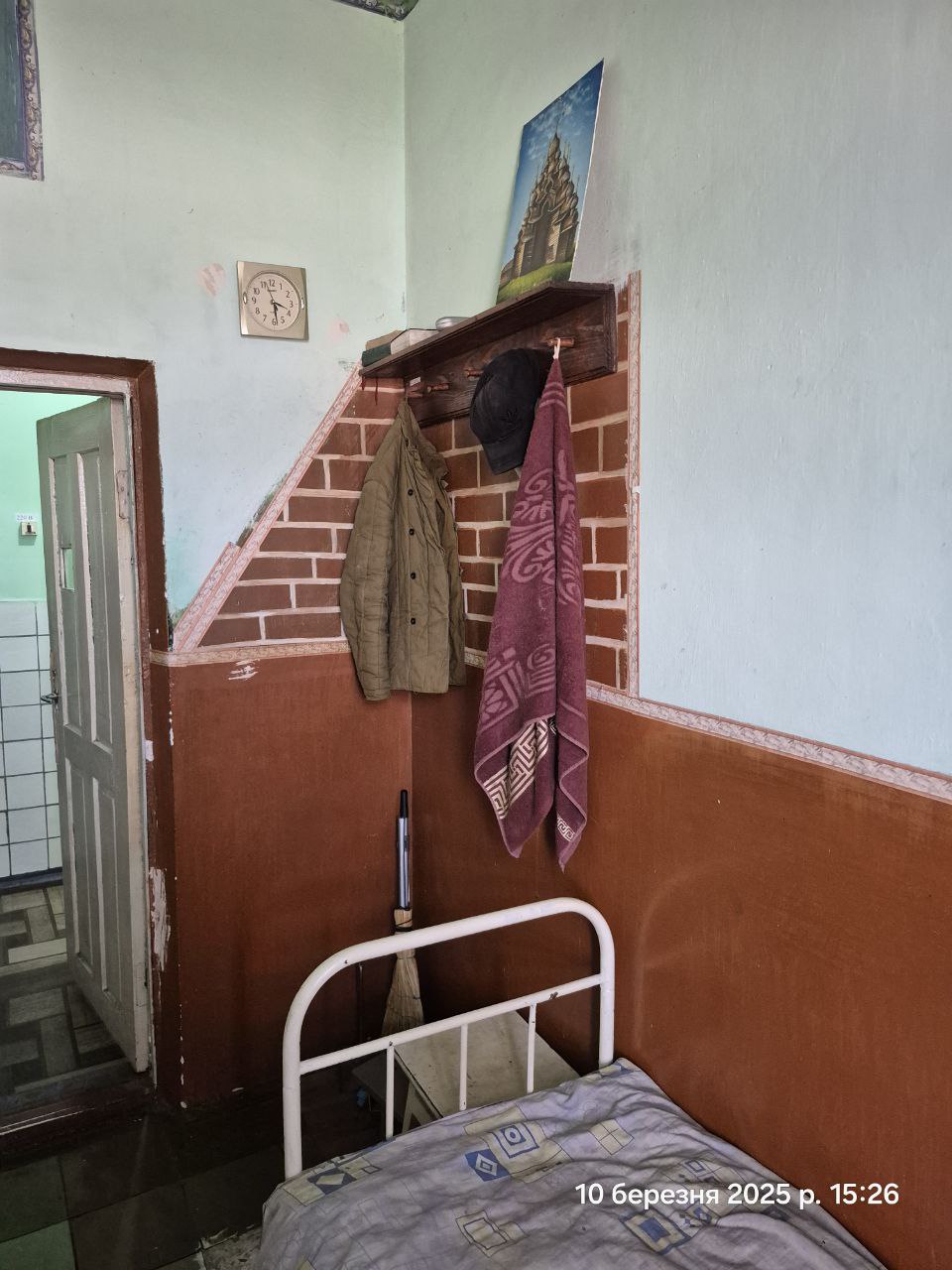
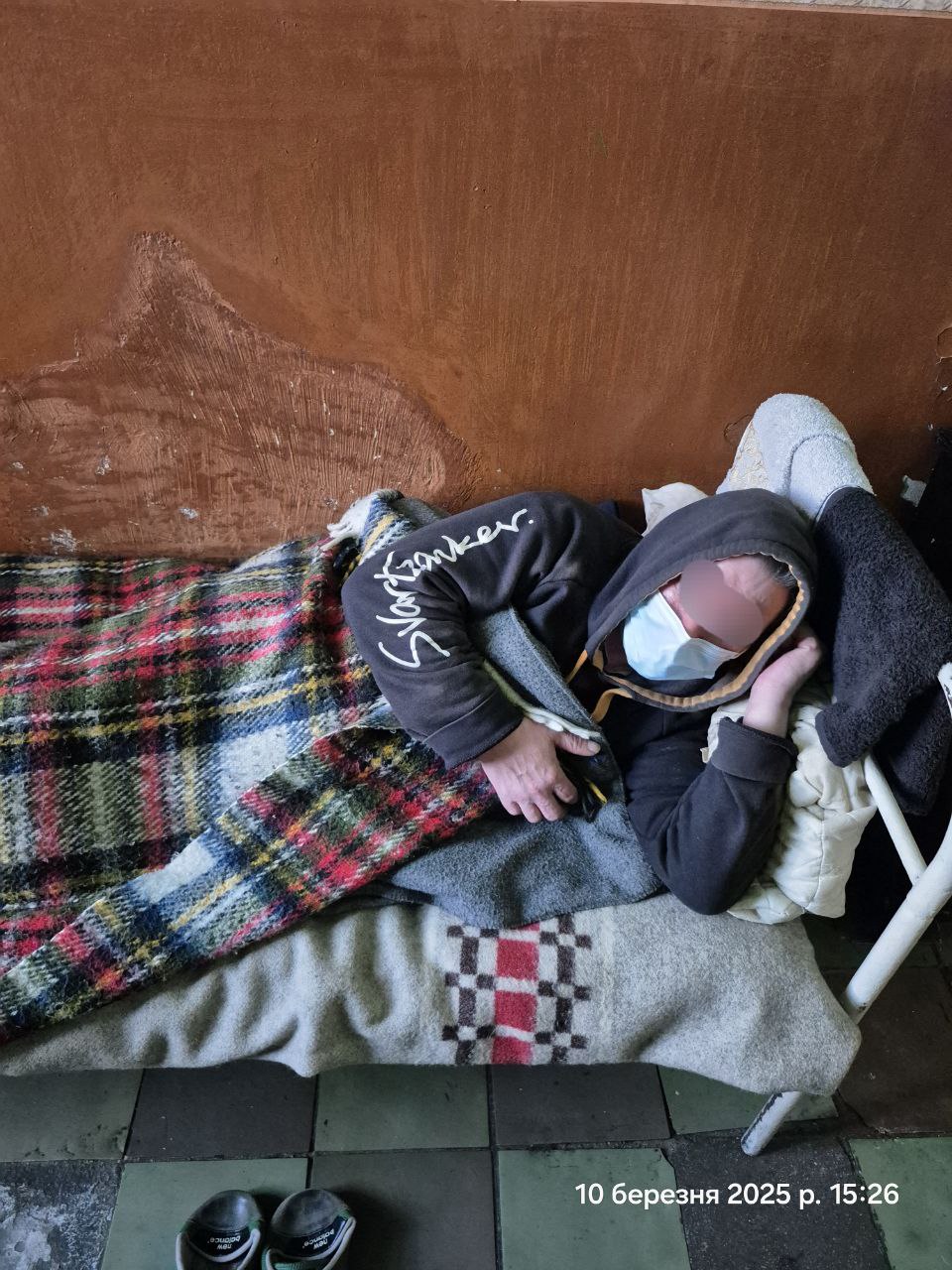
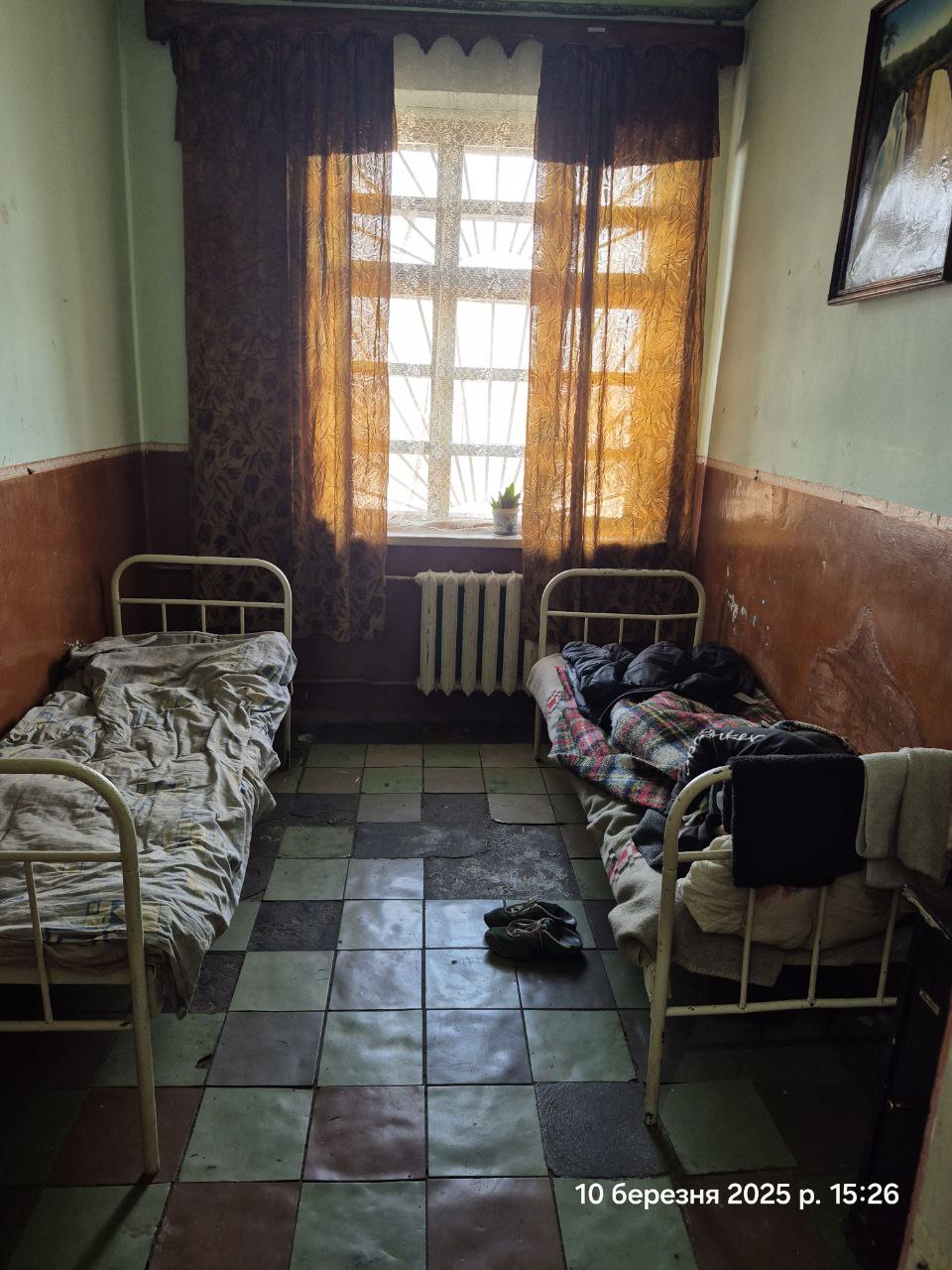
Furthermore, the isolation ward for infectious patients does not meet sanitary and hygienic standards and the requirements of the State Building Codes V.2.2-10:2022 “Healthcare Institutions. Basic Provisions”. Thus, the ward intended for housing such patients is not equipped with a sanitary facility and shower stall, which forces infectious patients to use common sanitary facilities together with other detainees who are undergoing treatment in the inpatient department of the medical unit. The absence of proper conditions makes effective isolation of patients impossible, promotes the spread of infectious diseases, and creates a threat to the health of both convicted persons and the institution’s staff.
25. In violation of Point 8 of Chapter 5 of Chapter 2 of the Procedure, there is no equipped isolation ward in the inpatient department of the medical unit for persons with mental disorders for convicted persons who pose a danger to those around them.
26. Dispensary observation is carried out for 16 persons with disabilities. Of them, Group I — 0 persons; Group II — 5 persons; Group III — 11 persons. At the same time, in violation of the requirements of the Law of Ukraine “On Rehabilitation of Persons with Disabilities in Ukraine”, persons with disabilities do not receive proper diagnostic, treatment, and rehabilitation measures in the presence of information confirming a persistent impairment of body functions caused by diseases or the consequences of injuries, which causes limitations in normal life activity.
Thus, during the study of the medical documentation of convicted persons, it was established that 5 persons with disabilities lack an Individual Rehabilitation Programme (hereinafter: IRP). Furthermore, IRP recommendations are not being implemented, due to which they do not receive proper diagnostic, treatment, and rehabilitation measures in the presence of information confirming a persistent impairment of body functions caused by diseases and the consequences of injuries, which causes limitations in normal life activity.
27. In violation of the requirements of the State Building Codes of Ukraine V.2.2-17:2006 “Buildings and Structures. Accessibility of buildings and structures for low-mobility groups of the population”, conditions for housing people with disabilities have not been created in the medical unit.
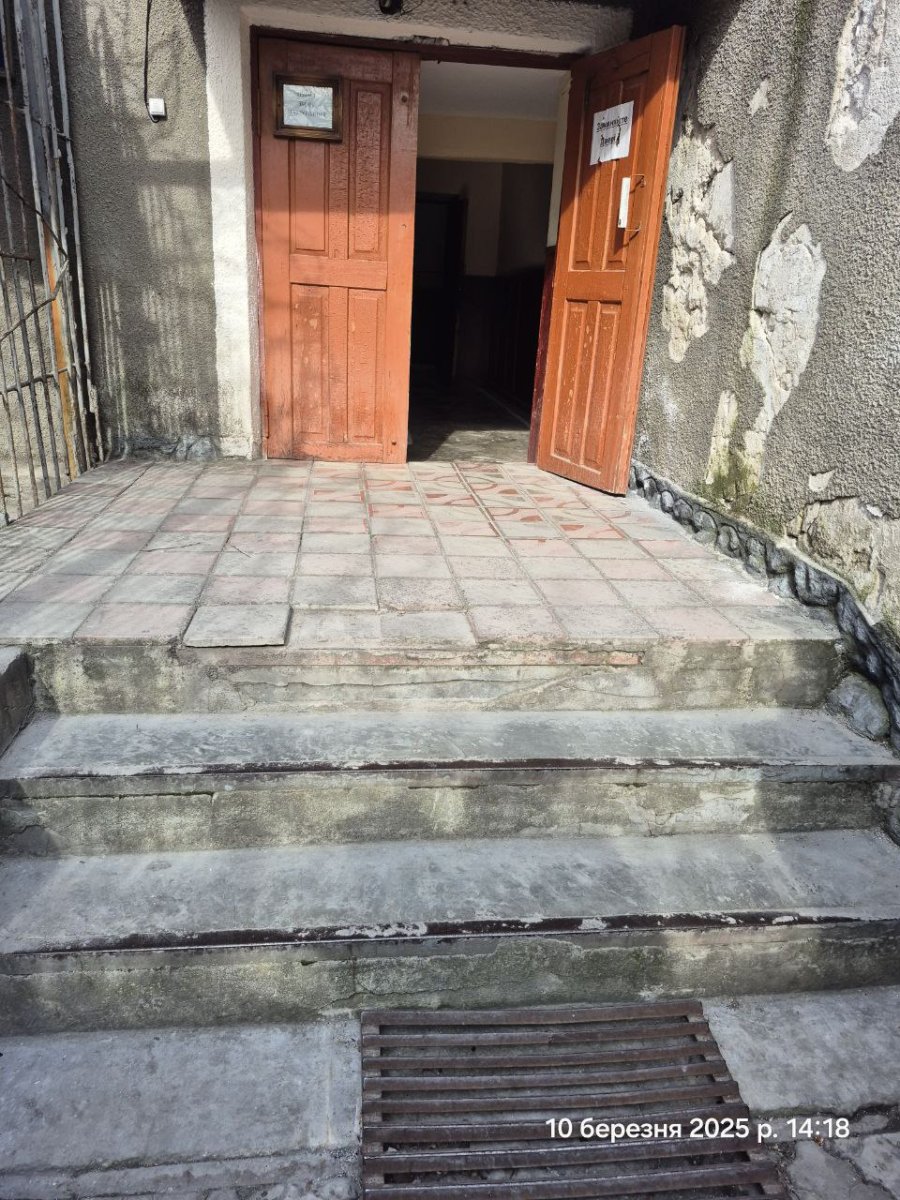
28. In violation of Point 37 of the Resolution of the Cabinet of Ministers of Ukraine No. 285 dated 2 March 2016 “On Approval of Licensing Conditions for Conducting Business Activities in Medical Practice”, the medical unit lacks a conclusion confirming free access to the buildings and premises of the medical facility for low-mobility groups of the population, the receipt of which is mandatory.
29. In violation of the “Procedure for Organising Medical Assistance at the Primary, Secondary (specialised), and Tertiary (highly specialised) Levels using Telemedicine”, approved by Order of the Ministry of Health of Ukraine dated 19.10.2015 No. 681, the staff of the medical unit are deprived of the opportunity to send requests for telemedicine consultations and receive professional assistance for providing medical services to convicted persons due to technical limitations.
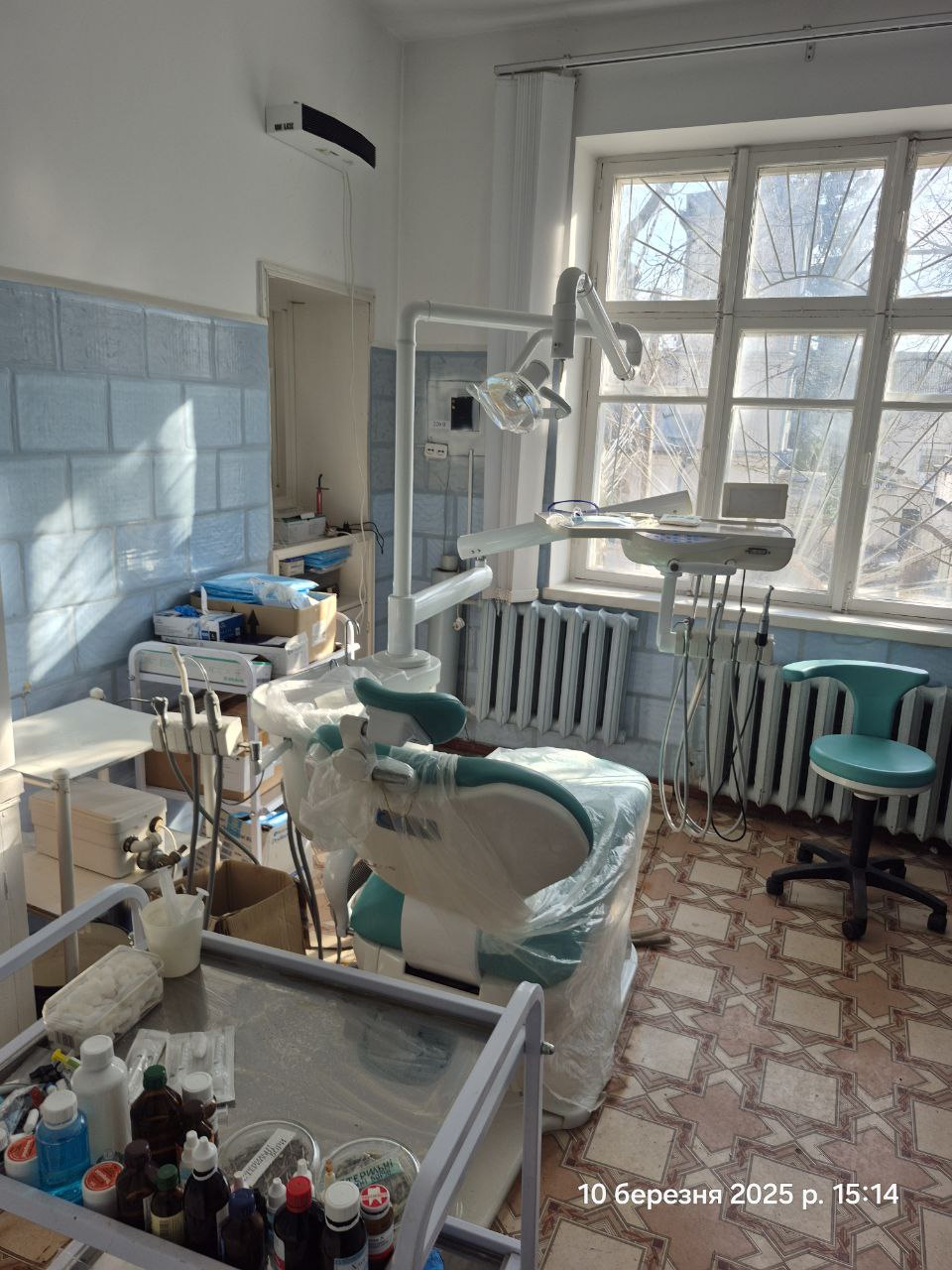
30. In violation of the requirements of the “Schedule of Equipment for One Workstation of a Dentist and Dental Technician”, approved by Order of the Ministry of Health of Ukraine dated 11.04.2005 No. 158, the medical unit lacks a dental X-ray machine, which makes it impossible to conduct an in-depth dental examination of convicted persons and does not ensure the timely provision of proper dental care. Furthermore, the monitoring group established that among the types of dental care, only tooth extraction is practised, which limits the patients’ right to receive proper dental care.
31. During the inspection of the DIU/CTP, it was established by monitors that when placing a convicted person in the disciplinary isolation unit, it is common practice to attach to the case a medical certificate containing the state of health, and according to the conclusion of which the convicted person is able to follow the daily routine for health reasons and is fit for work. Facts have been identified that prove the institution’s employees possess confidential information regarding the state of health of convicted persons who are in the DIU/CTP.
This violates the requirements of Article 39-1 of the Law of Ukraine “Fundamentals of Legislation of Ukraine on Healthcare” regarding the right of individuals to secrecy about the state of health. At the same time, the Committee has repeatedly emphasised that the obligation of penitentiary doctors to certify the fitness of convicted persons to serve a disciplinary penalty is unlikely to contribute to the development of positive relationships between doctor and patient. In principle, medical personnel should never participate in any part of the decision-making process regarding the application of any form of solitary confinement, except in cases where this measure is applied for medical reasons.
On the other hand, medical personnel must be very attentive to the condition of convicted persons who are in solitary confinement. Medical personnel must be informed immediately of every such placement and must visit the convicted person immediately after placement, and then regularly, no less than once a day, and provide them with prompt medical assistance and treatment if necessary. Medical personnel must inform the institution’s administration if the health of a convicted person is under serious threat due to solitary confinement (CPT/Inf (2024) 20) point 104).
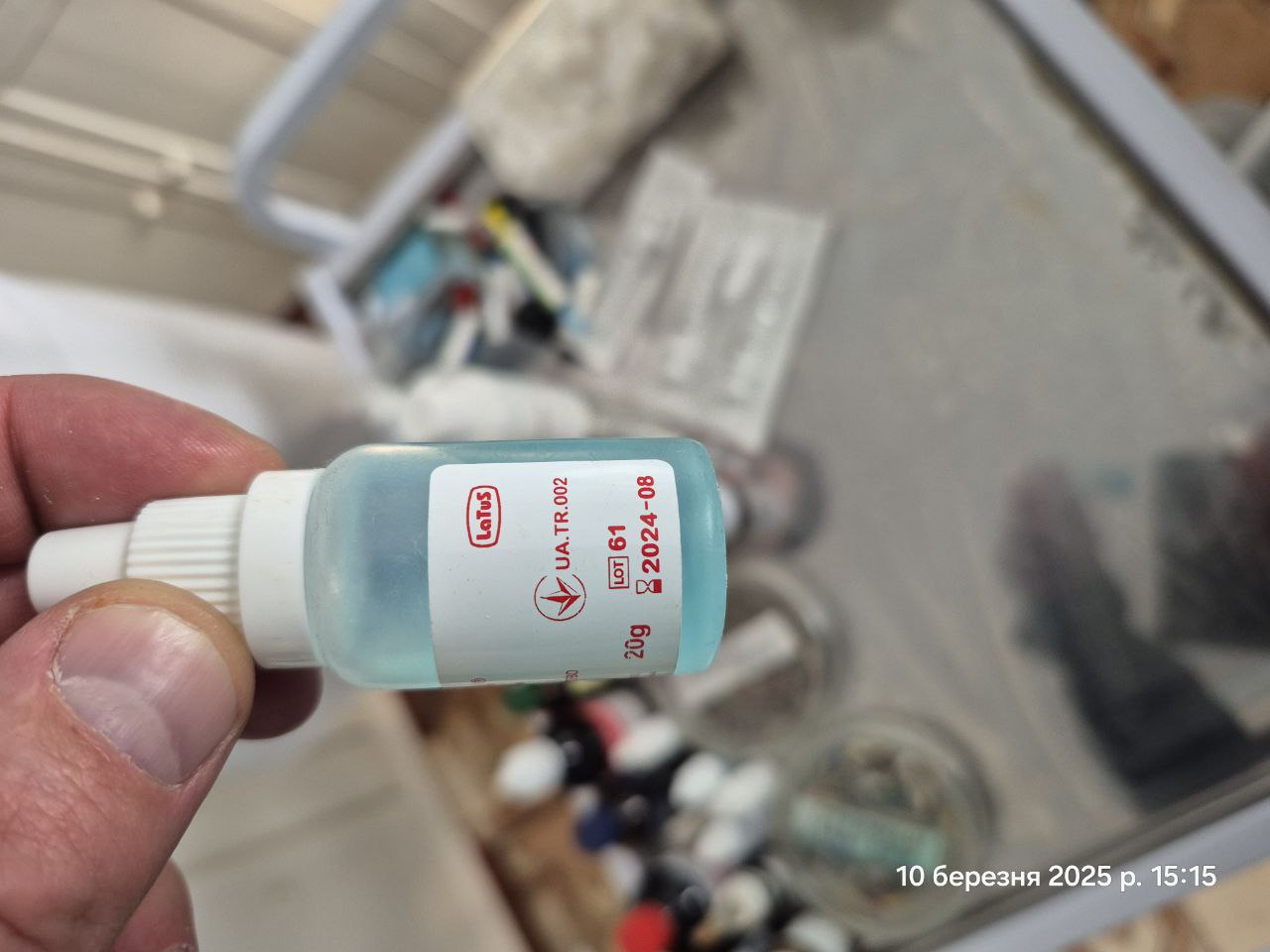
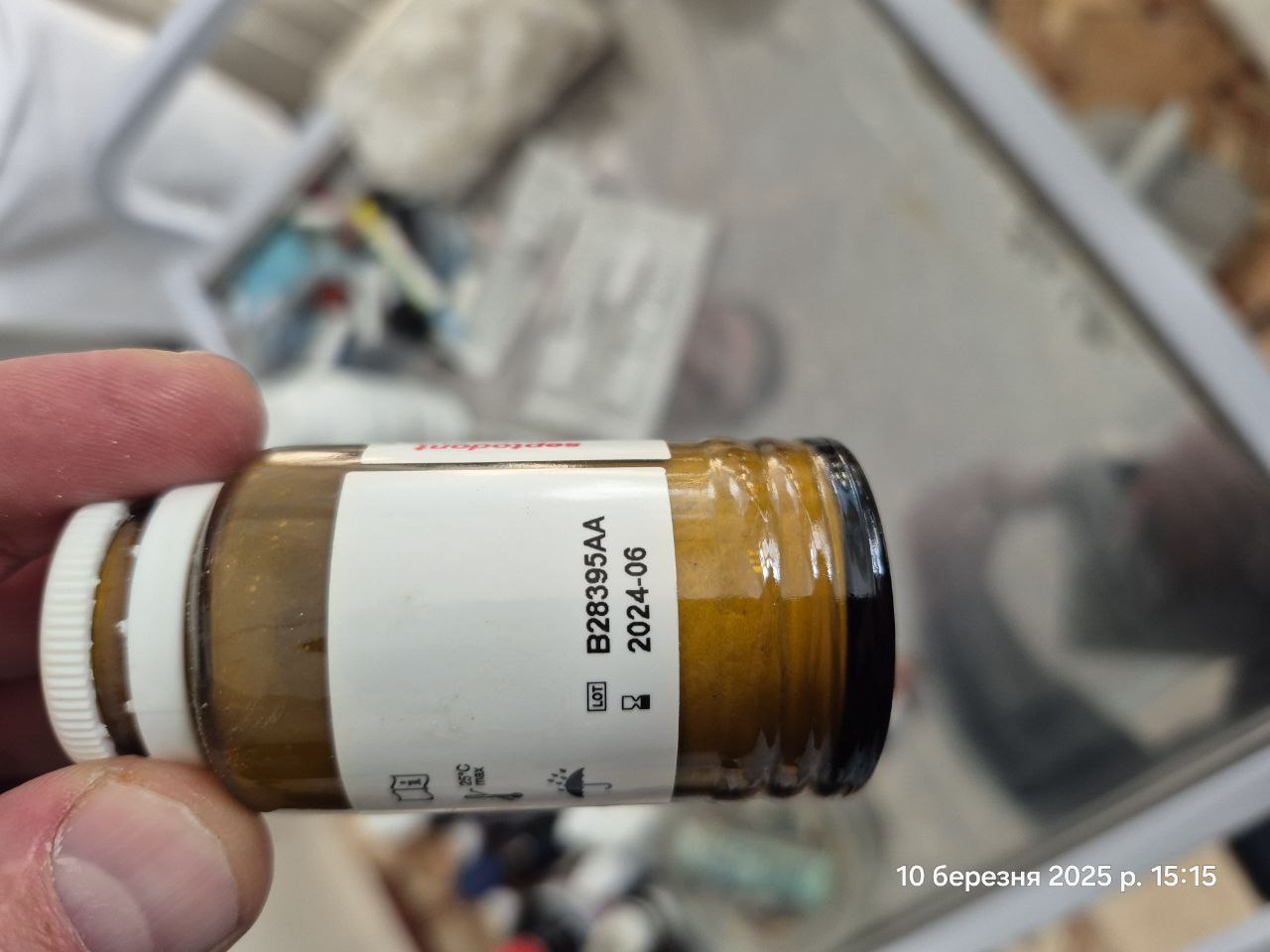
32. In violation of the requirements of Point 5 of Section I of the “Rules for Storage and Quality Control of Medicinal Products in Treatment and Prevention Facilities”, approved by Order of the Ministry of Health of Ukraine dated 16.12.2003 No. 584, during the inspection of the dentist’s office in the medical unit, medicinal products whose shelf life had expired were discovered.

33. The premises of the doctor’s office and the X-ray room are not provided with fire extinguishers, which is a violation of the requirements of Point 3.6 of Chapter 3 of Section V of the Rules and a violation of Point 10.18 of Chapter 10 of the State Sanitary Rules and Norms “Hygienic requirements for the arrangement and operation of X-ray rooms and conducting radiological procedures”, approved by Order of the Ministry of Health of Ukraine dated 04.06.2007 No. 294, registered with the Ministry of Justice of Ukraine on 07 November 2007 under No. 1256/14523.
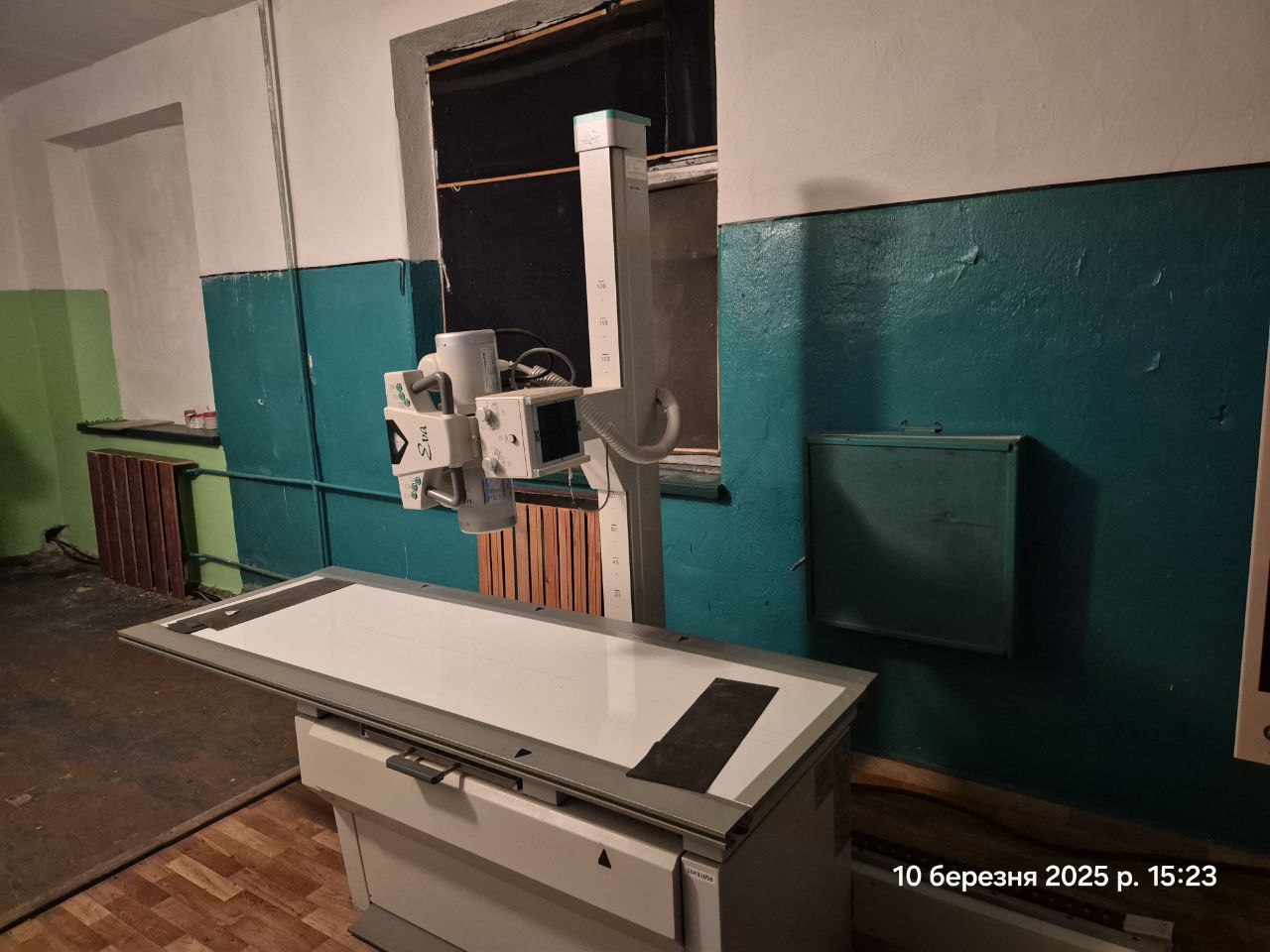
34. In violation of the Fire Safety Rules in Ukraine, approved by the Ministry of Internal Affairs of Ukraine dated 30.12.2014 No. 1417 (hereinafter: Fire Safety Rules), the medical unit premises are not equipped with fire extinguishing and fire alarm systems.
Recommendations:
- Stop the practice of violating minimum living space standards per convicted person;
- Ensure compliance with the Provision Norms by creating appropriate premises in the SPS units;
- Stop the practice of using video surveillance cameras in the sleeping quarters of SPS units;
- Stop the practice of placing beds directly against each other in the sleeping quarters of SPS units;
- Ensure compliance with the Provision Norms in the QDD section by creating appropriate premises;
- Ensure compliance with the temperature regime in the QDD section;
- Stop the practice of using the personal data of convicted persons on cell cards in the SMRB and SPS units;
- Provide the canteen with a cloakroom for storing outdoor clothing during meals;
- Ensure the availability of refrigeration equipment for food storage, taking into account commodity compatibility;
- Ensure the possibility of conducting disinfection of convicted persons’ belongings;
- Immediately transfer all employed convicted persons from civil law contracts to employment contracts in accordance with Art. 21 of the Labour Code of Ukraine;
- Ensure wage payments in accordance with the legally established minimum, taking into account a transparent mechanism for its formation;
- Prohibit the involvement of convicted persons in labour without proper formalisation of social insurance, pension contributions, and occupational health and safety guarantees;
- Review all current supply contracts, taking into account the requirements of the Law of Ukraine “On Public Procurement” — introduce tender procedures, price justification, and mechanisms for party responsibility;
- Establish transparent reporting regarding the wage fund of convicted persons, with clear distribution of expenses and control over the receipt of funds to personal accounts;
- Establish regular audits of working conditions, contracts, and financial reporting of the enterprise by state control bodies;
- Take measures aimed at eliminating identified human rights violations and preventing torture and other cruel, inhuman, or degrading treatment and punishment in Medical Unit No. 67 of the branch of the state institution “Centre for Healthcare of the State Criminal-Executive Service of Ukraine” in Chernivtsi, Ivano-Frankivsk, Zakarpattia, and Ternopil Regions;
- Ensure the medical unit is staffed with specialist doctors in accordance with needs;
- Ensure control over the proper keeping of medical documentation in accordance with the Procedure for Organising the Provision of Medical Assistance to Persons Sentenced to Imprisonment, approved by the joint order of the Ministry of Justice of Ukraine and the Ministry of Health of Ukraine dated 15.08.2014 No. 1348/5/572 and other regulatory legal acts;
- Fulfill the requirements of Point 37 of the Resolution of the Cabinet of Ministers of Ukraine No. 285 dated 2 March 2016 “On Approval of Licensing Conditions for Conducting Business Activities in Medical Practice”;
- Ensure the receipt of informed consent from patients for examination and treatment in the prescribed form;
- Ensure the equipment of an isolation ward for persons with mental and behavioural disorders in accordance with requirements;
- Ensure the equipment of the necessary number of isolation wards for infectious patients;
- Ensure repair work is carried out in the premises of the medical unit;
- Ensure that a proper medical examination is conducted for persons working with food products, and the issuance of personal medical record books;
- Ensure the conduct of individual rehabilitation for persons who need it;
- Ensure the accessibility of the institution’s buildings in accordance with the State Building Codes of Ukraine V.2.2-17:2006 “Buildings and Structures. Accessibility of buildings and structures for low-mobility groups of the population”;
- Ensure the timely and proper recording of bodily injuries in convicted persons and detainees;
- Ensure proper medical care for persons suffering from viral hepatitis C;
- Provide the medical unit with the necessary diagnostic equipment, including a dental X-ray machine;
- Stop the practice of doctors certifying the health status of convicted persons and detainees when placing them in the DIU/CTP section;
- Stop the practice of using convicted persons as assistants in medical units and the institution;
- Ensure the proper operation of the telemedicine complex for doctors to send requests for telemedicine consultations;
- Ensure the possibility of receiving opioid agonist treatment based on a diagnosis of mental and behavioural disorders due to opioid use;
- Ensure measures are taken for the proper storage of medicinal products;
- Eliminate violations of the Fire Safety Rules.