Monitoring visit to State Institution “Sokyriany Correctional Colony (No. 67)”
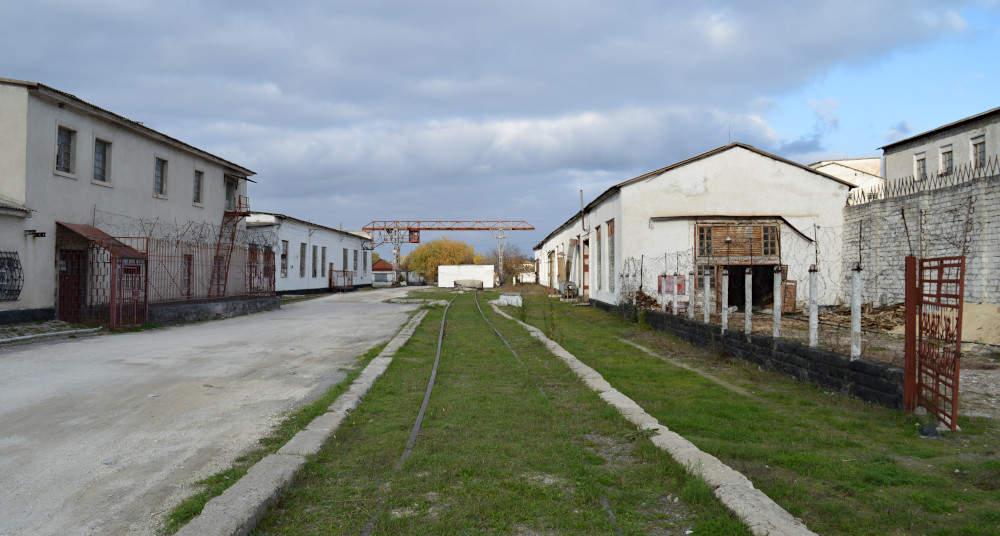
I. General information
On 4 November 2020, a KHPG monitoring group consisting of the assistant to the People's Deputy Maksym Revyakin and two journalists, Ihor Sosonskyi and Pavlo Shvab, visited the State Institution “Sokyriany Correctional Colony (No. 67)”. The institution has been operating since 1961.
This institution is located in the town of Sokyriany, Chernivtsi region, in a controlled border strip near the border with the Republic of Moldova.
The colony is a medium-security institution for men who are serving their sentence for the first time. On the territory of the institution, there is a maximum-security sector, a detention house, and a sector for the social rehabilitation of convicts. At the time of the visit, 273 people were serving their sentences in the colony. The administrative staff of the institution consists of 210 employees. Since the beginning of this year, 134 people have been released from the colony.
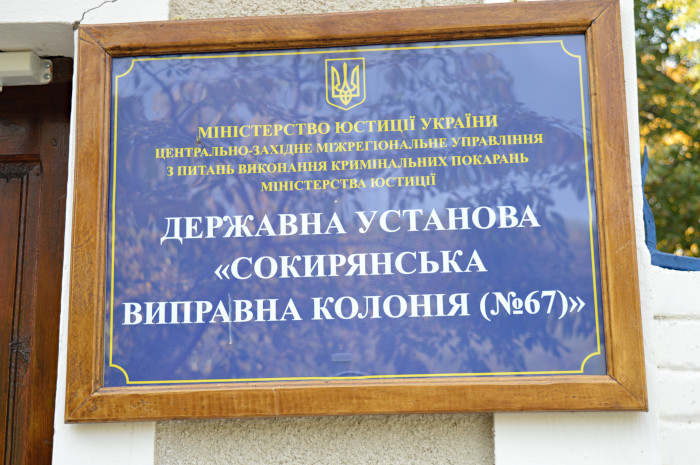
The monitoring group entered the territory of the colony quickly and without obstacles. While passing the checkpoint, the monitors underwent temperature screening; a disinfection barrier and disinfection agents were also available.
II. Living quarters of the medium-security sector
The colony has five residential units of this security level in two local sectors; two units are mothballed. All units follow a block system. 176 convicts are serving their sentences in the sector.
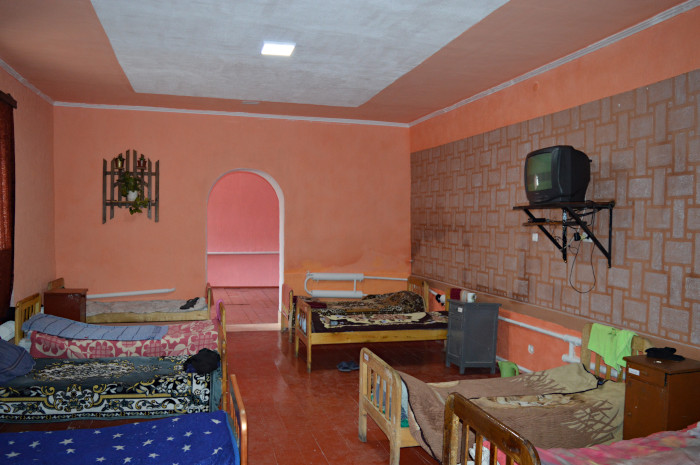
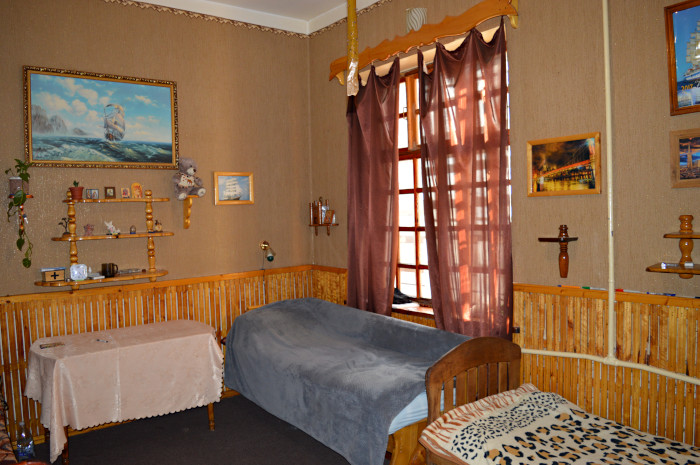
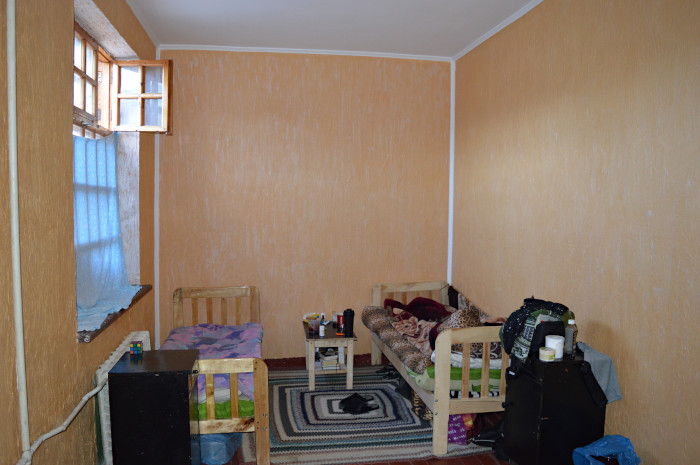
All units have been cosmetically renovated. Less than half of the living premises are equipped with double-glazed windows, while others have wooden ones. The beds are metal and wooden, installed in compliance with the residential space standards per convict and social distancing; there are no bunk beds in the sector. The premises are sufficiently bright, but in some bedrooms, the windows are covered with curtains.
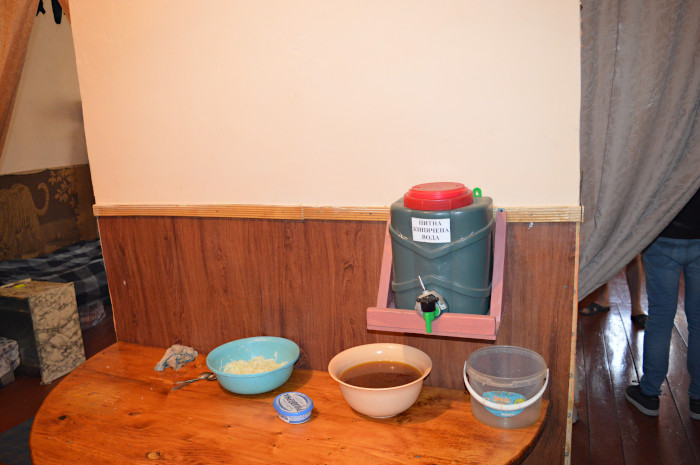
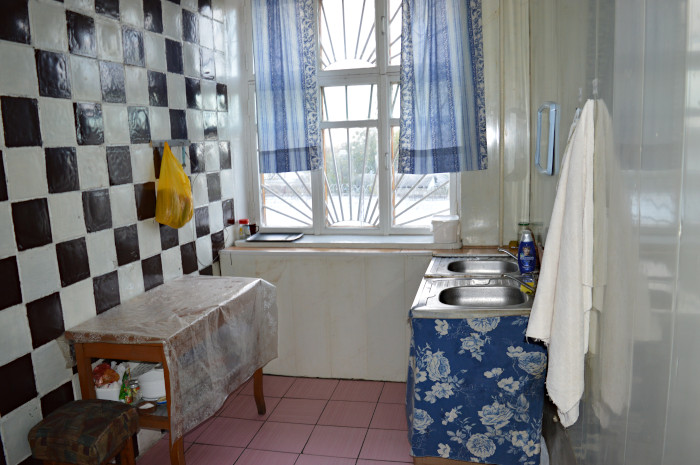
The dining rooms are clean and bright with sufficient kitchen utensils and household appliances, but some residential units are equipped more poorly. Drinking water was completely absent in all units. Representatives of the colony claimed that in five units, the tanks had been removed simultaneously for cleaning.
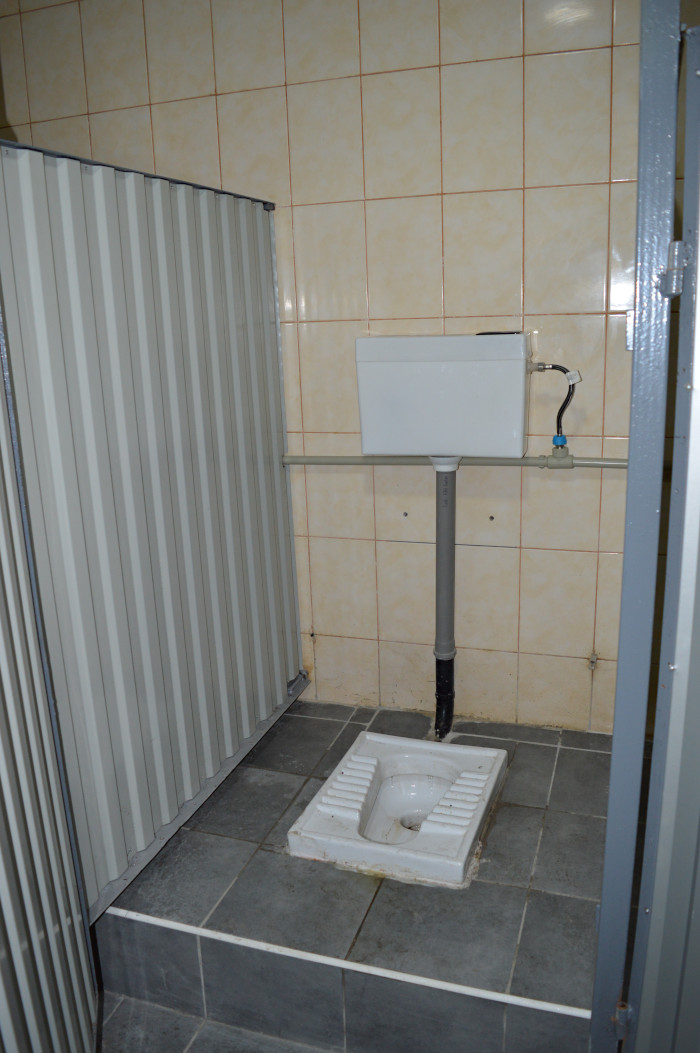
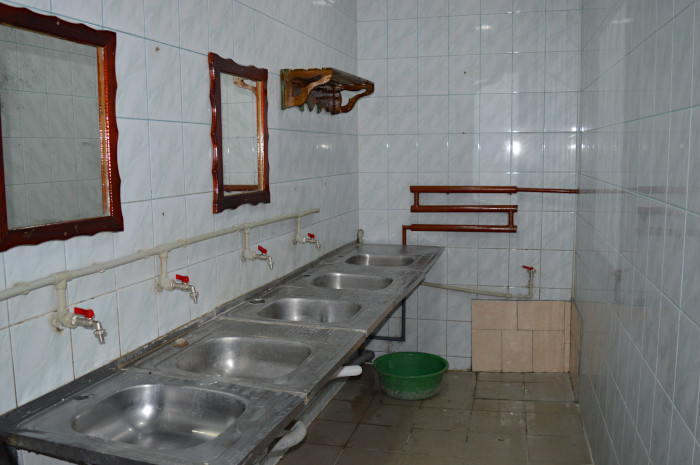
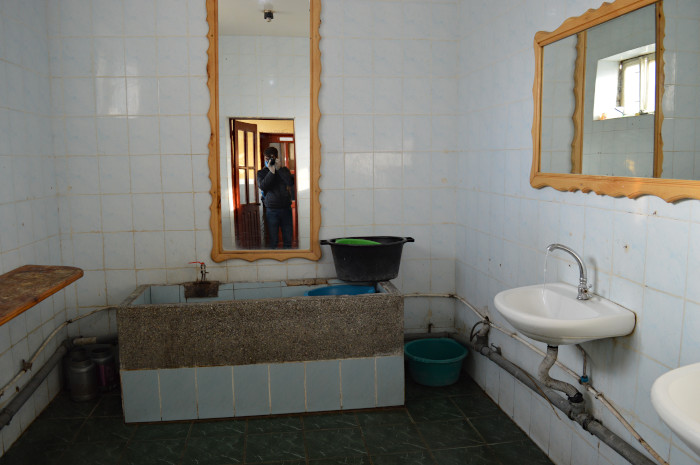
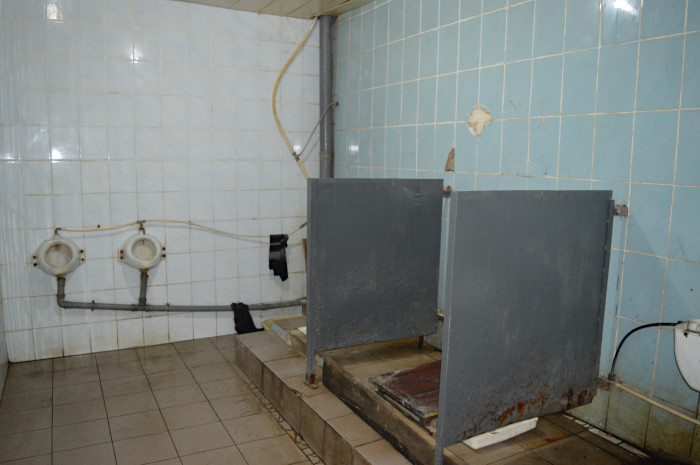
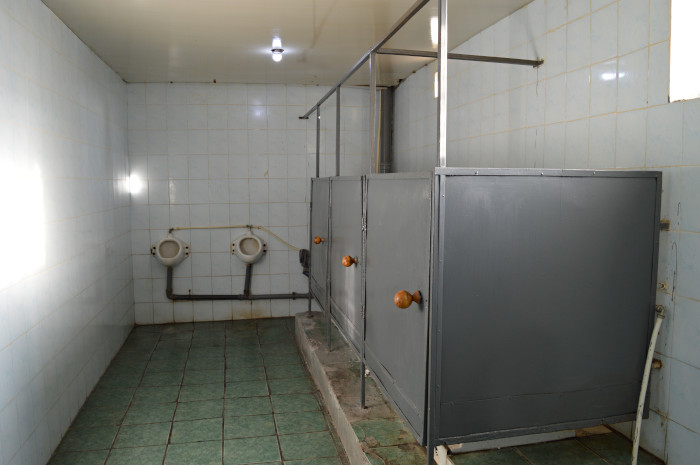
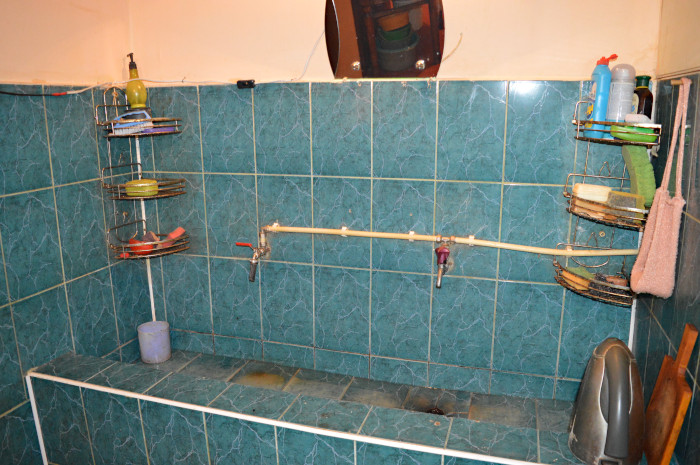
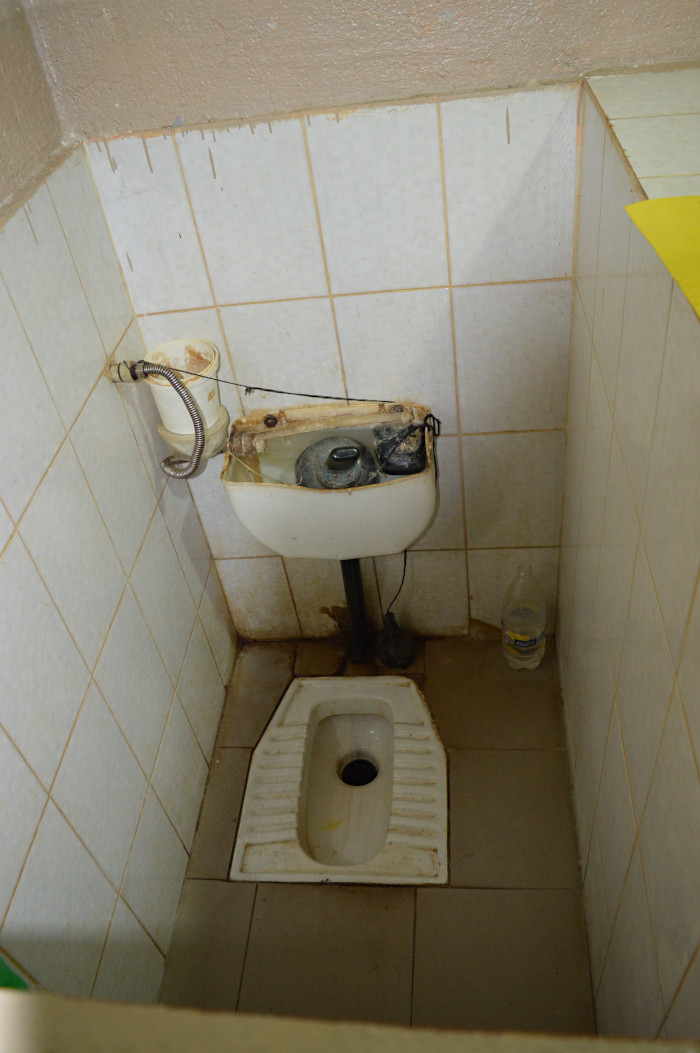
Washbasins are installed in the sanitary facilities, and in some places, a washbasin system is installed. Toilets are separated by low dividing walls and have no doors. Also, there was an unpleasant, specific smell in the toilet. In addition, in one unit, the dividing walls and doors are installed at a sufficient height, which fully ensures the privacy of the convicts.
At the time of the monitors' visit, the residential premises were not heated. According to the colony's representatives, there was a breakdown in the individual gas boiler room. Also, the convicts were dressed in warm clothing.
The monitors spoke with the people serving their sentences, who were generally satisfied with the conditions of detention and had no complaints.
III. Maximum-security sector
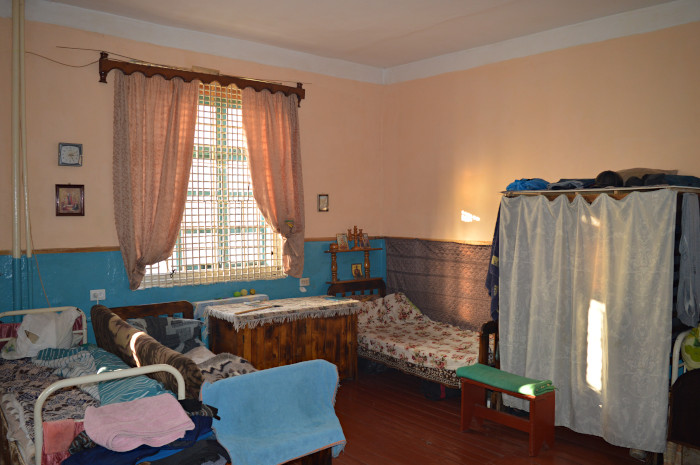
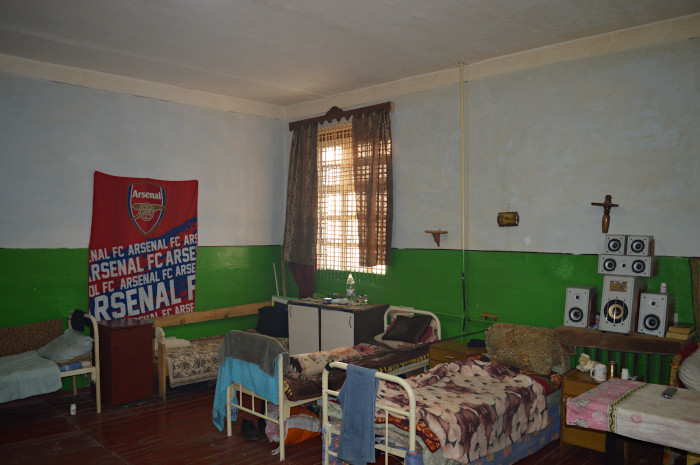
In this sector, persons sentenced for grave and especially grave intentional crimes serve their sentences. Convicts serve their sentences in cells that can be considered separate block-type sleeping quarters (the size of one of the visited cells is 52 square metres). 65 people are serving their sentences in the sector.
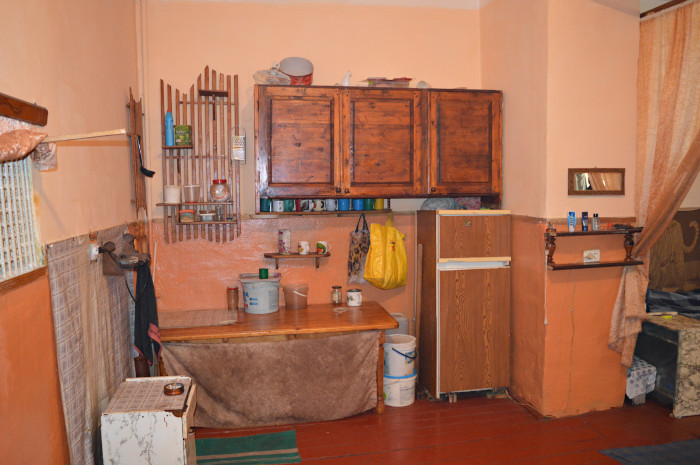
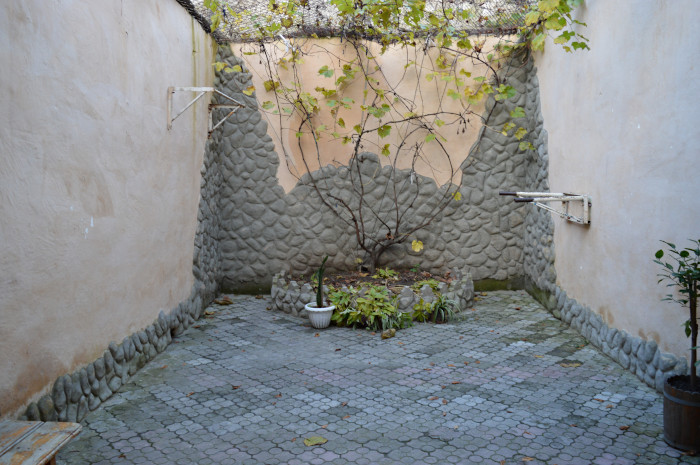
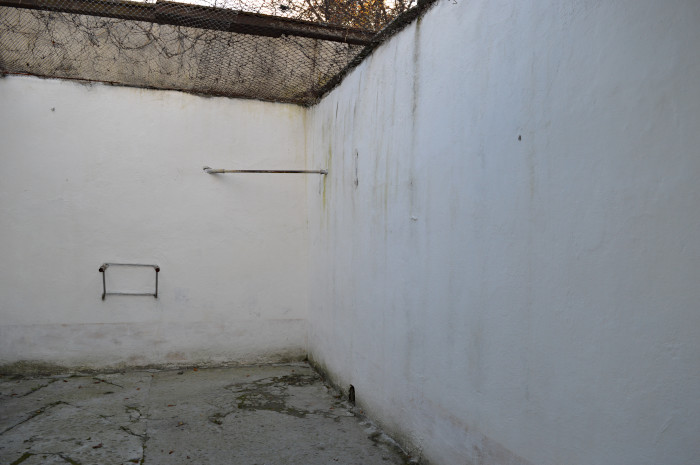
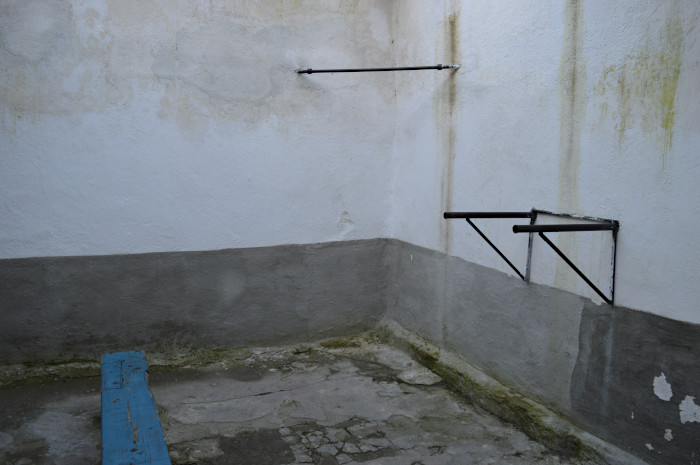
There are from 8 to 10 people in the cells. In each cell, a corner for preparing and eating food is equipped. There is a toilet partitioned off with a wall and a door. Opposite the toilet, a washbasin system is located. The cells are tidy and bright, although the renovation is outdated. The windows are wooden, and convicts can open them on their own. In each cell, there is a drinking water tank. One walking courtyard is renovated; others require renovation. A sufficient amount of sunlight reaches the courtyards, and there is a small canopy for protection from precipitation. There is a bench for sitting and sports equipment.

IV. Canteen/Kitchen
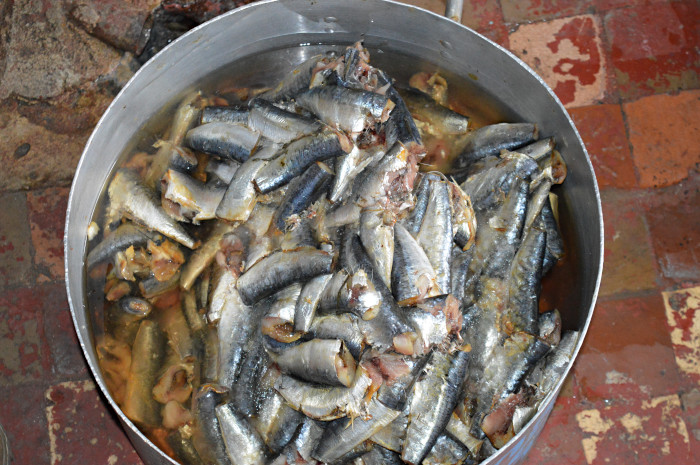
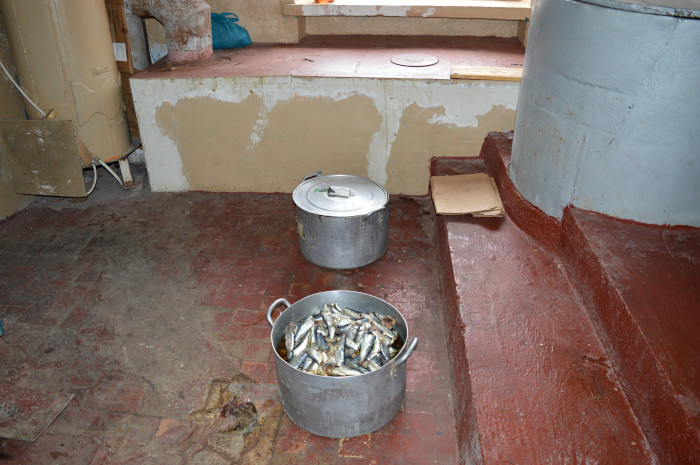
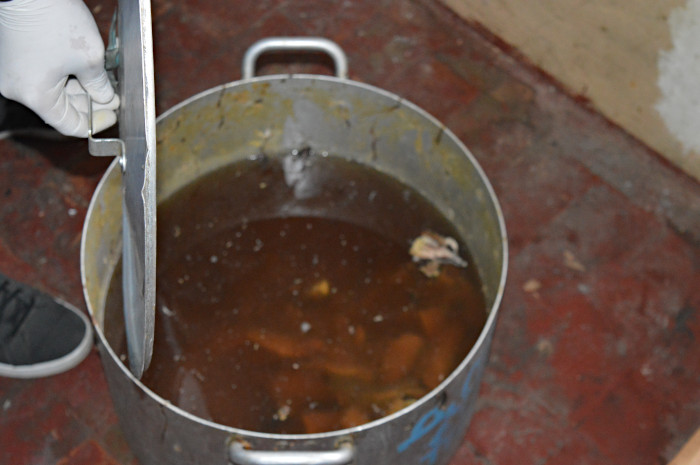
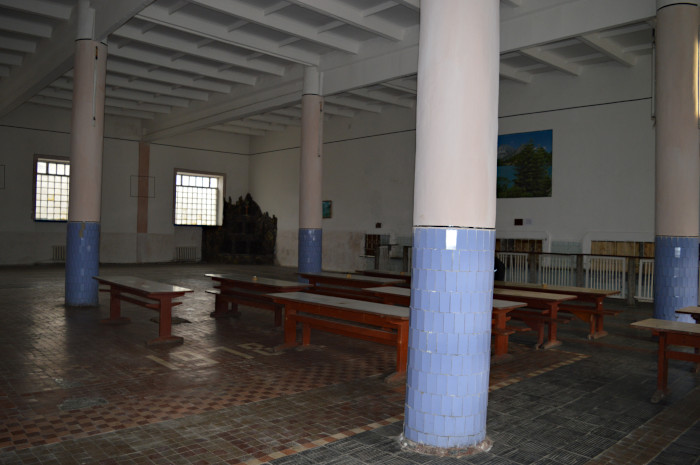
The canteen and kitchen are located on two floors. On the first floor, there are rooms for storing products, dishwashing, and a backup kitchen, where repairs were being carried out simultaneously while fish that had an unpleasant appearance and smell was defrosting. On the second floor, there is the main kitchen and the canteen premises.
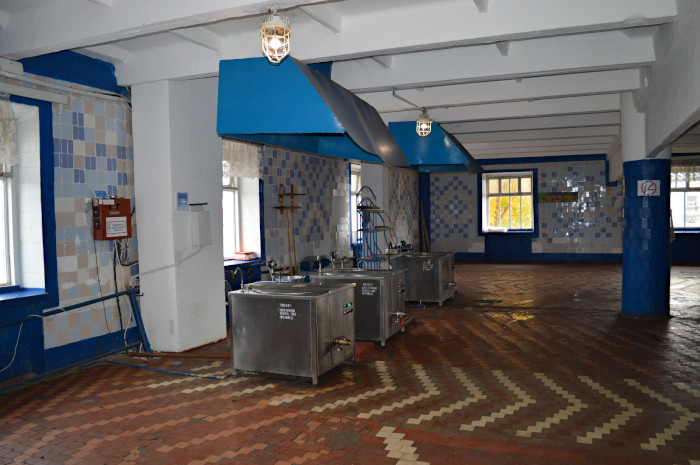
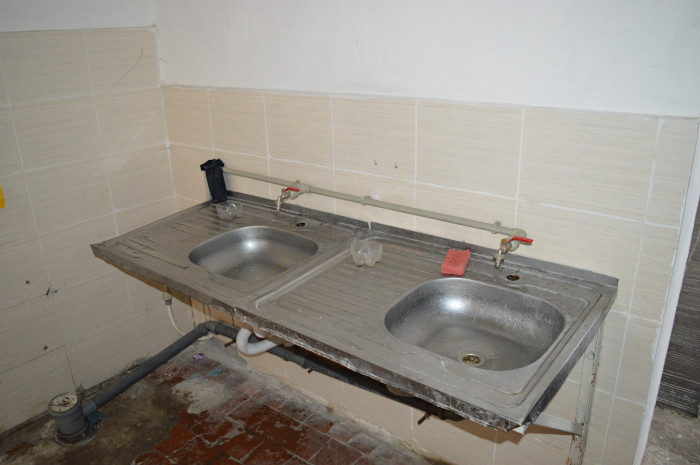
The cooking unit of the main kitchen is equipped with new boilers; at the time of the visit, dinner was being prepared in them. But, unfortunately, the monitors did not smell the pleasant aroma of food. The canteen is sufficiently large and bright. There are two washbasins; soap, towels, and disinfectants were absent.
The convicts working in the kitchen had not undergone a scheduled medical examination, and no corresponding entries were made in their medical records.

V. Production
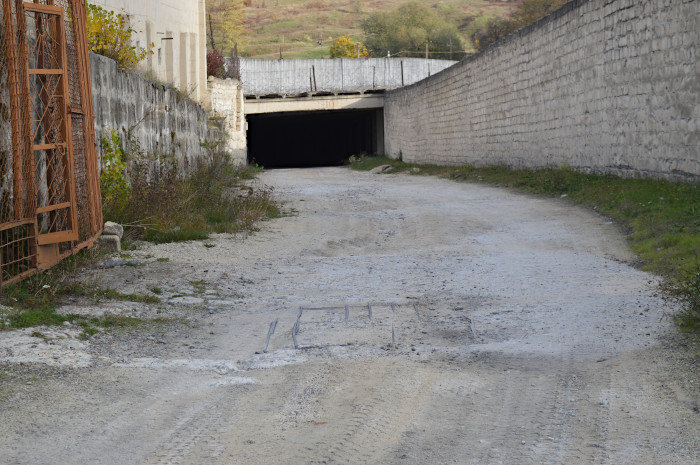
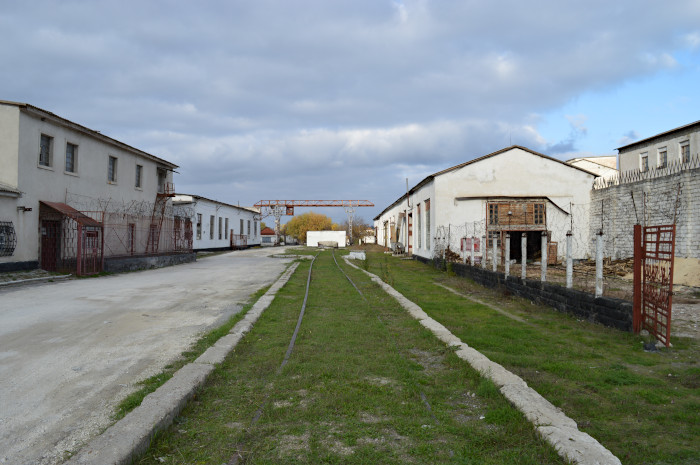
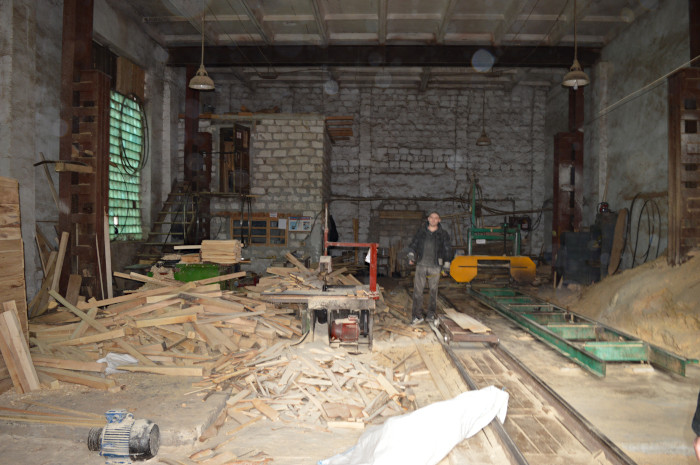
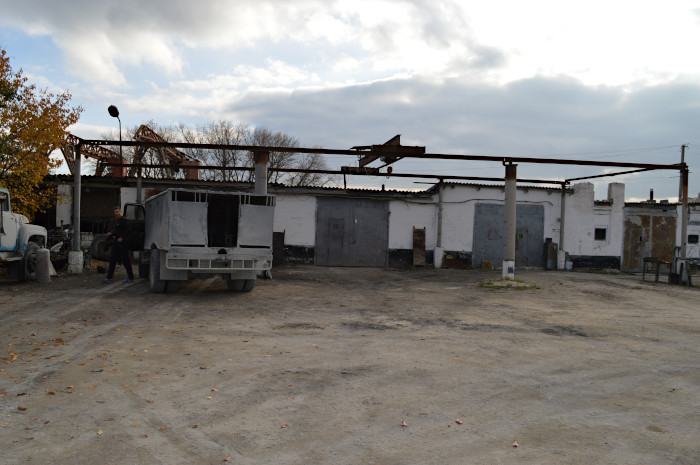
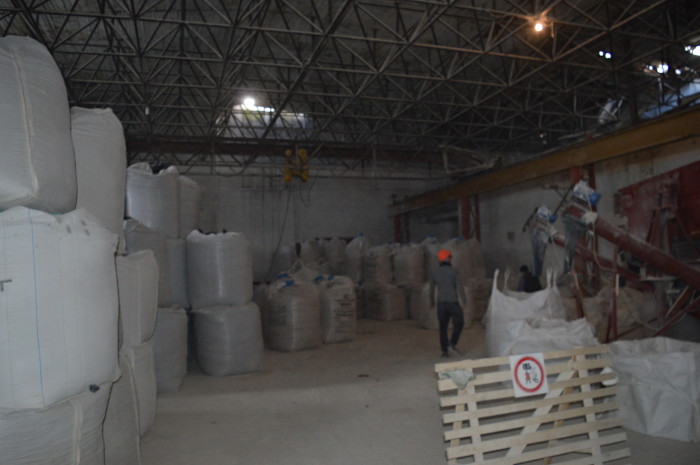
The institution’s production consists of a woodworking shop, a car repair shop, and a mine. 105 convicts work in the indicated production facilities. A feature of the production is the mine, where convicts extract coquina (shell limestone) and sand. The horizon of the mine is at a depth of 50 metres. The transport of workers to the mine takes place using specialized vehicles.
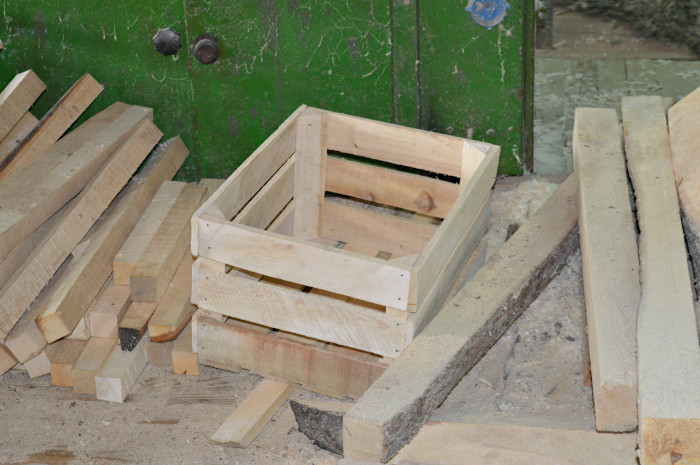
In the woodworking shop, they produce crates. The monitors spoke with the working convicts, who could not answer accurately regarding the amount of their salary. Almost all the convicts claimed that they were working for their first month. Such responses caused doubts among the monitors regarding transparent labour relations between the production facility and the convicts.
The monitors also note that the convicts barely used protective gear when working with mechanisms, which raised doubts about their awareness and the completion of safety training in production.
VI. Bath and laundry complex
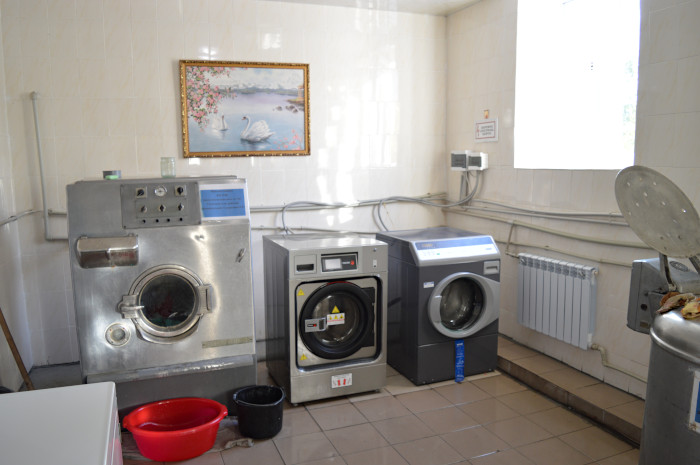
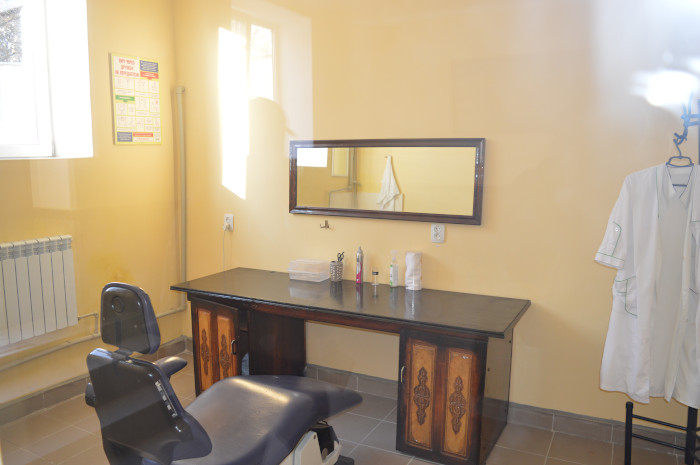
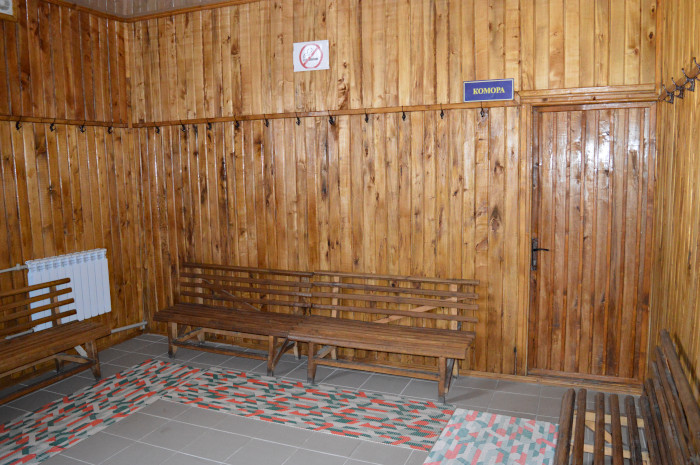
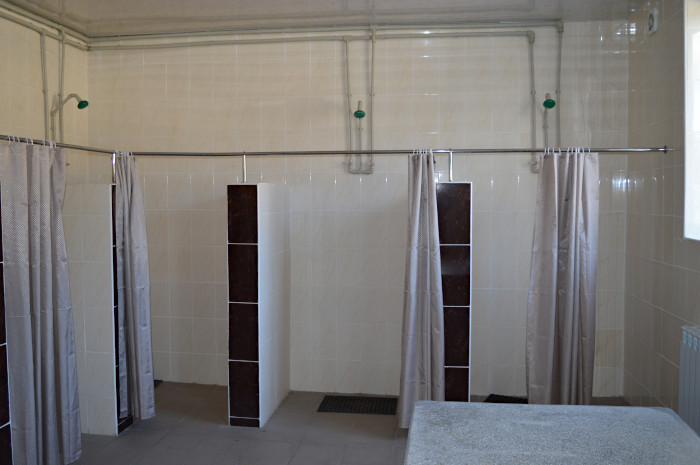
There are three washing machines and one dryer in the complex. The shower stalls are separated by partitions; rubber mats are available, and there are curtains. The monitors positively note the presence of an isolated paramedic room for a surface inspection of convicts, which allows for examinations to be conducted separately from other convicts. The complex also has a barbershop, where convicts can get a tidy haircut for free in accordance with internal regulations.
VII. Medical unit
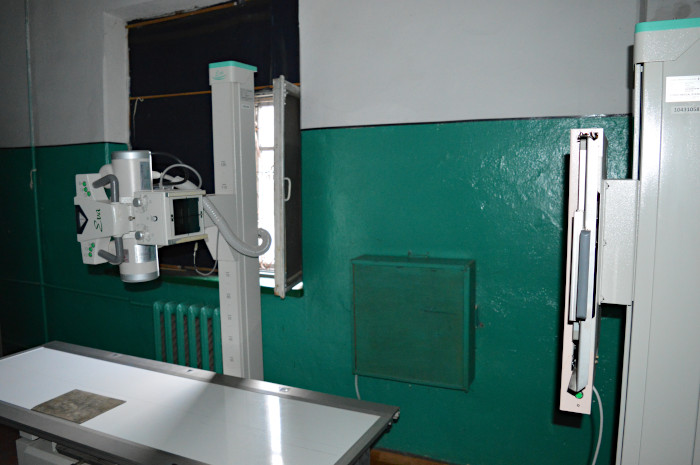
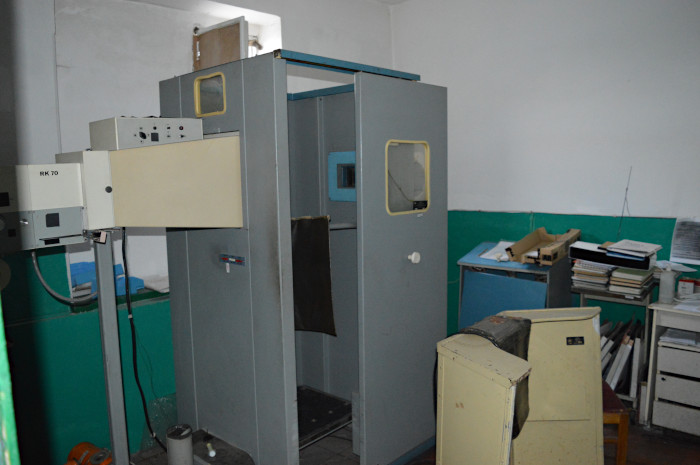
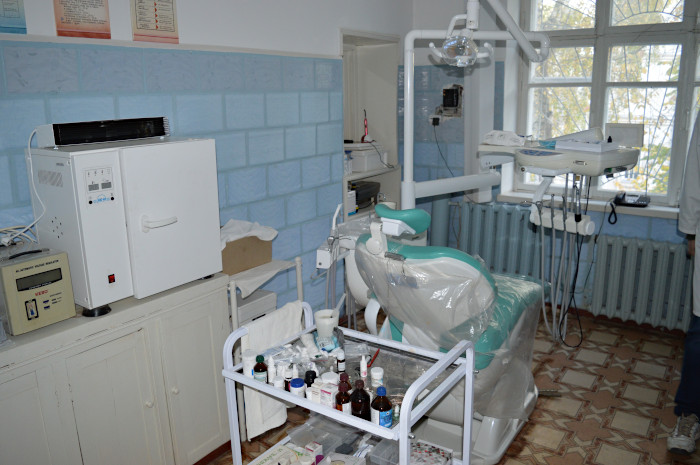
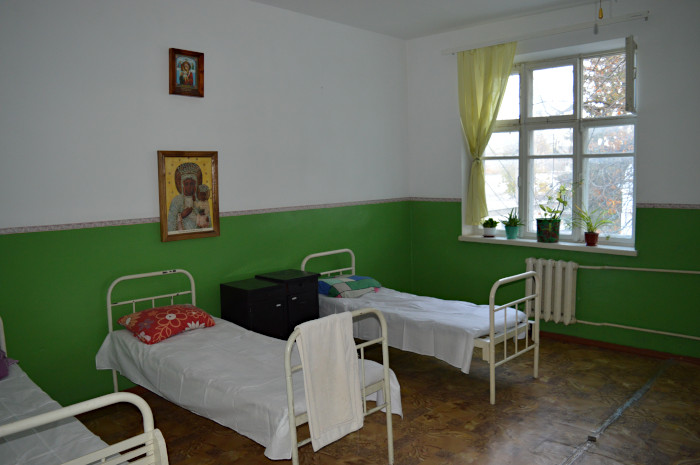
The medical unit staff is 90% full; there is a vacant position of a pharmacist, who should be responsible for medicinal products for convicts. The medical unit is equipped with an X-ray machine. Next year, an update of the fluorography machine is planned. The dentist’s office is equipped with a modern dental chair. Testing for HIV/AIDS and hepatitis is carried out in the medical unit. In total, 9 convicts with HIV are registered in the medical unit. Viral load testing is conducted at least once a month. The infectious disease specialist comes to the institution once every three months. The inpatient wards are clean and bright, and cosmetic repairs have been completed. At the time of the visit, 2 sick convicts were in the inpatient unit, and they had no complaints about the quality of treatment. The provision of medicines, disinfectants, and protective gear is carried out in full.
During the COVID-19 coronavirus pandemic, 11 members of the administration fell ill.
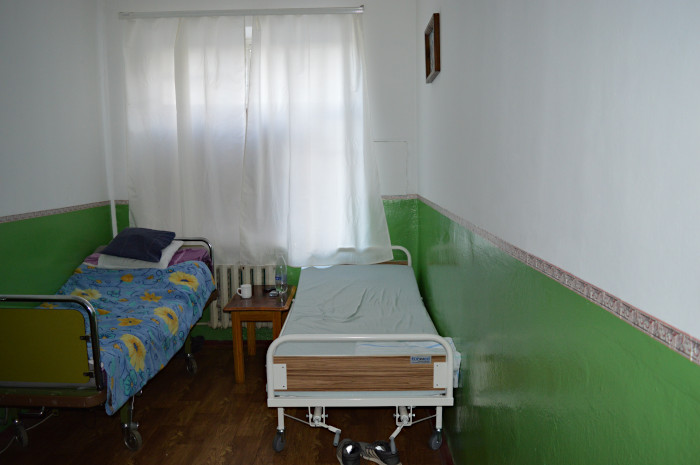
VIII. Detention house
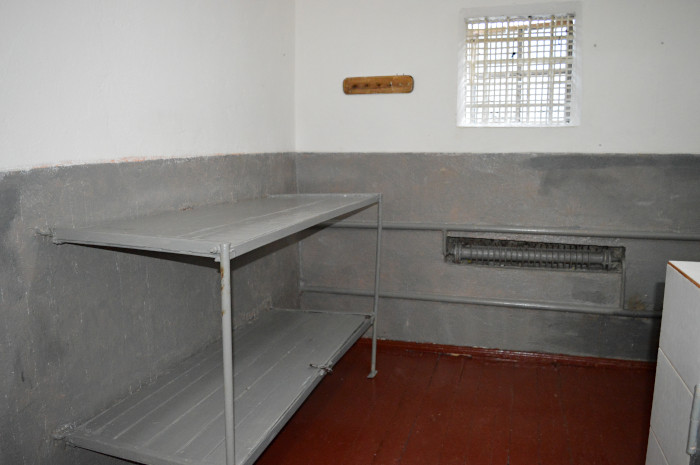
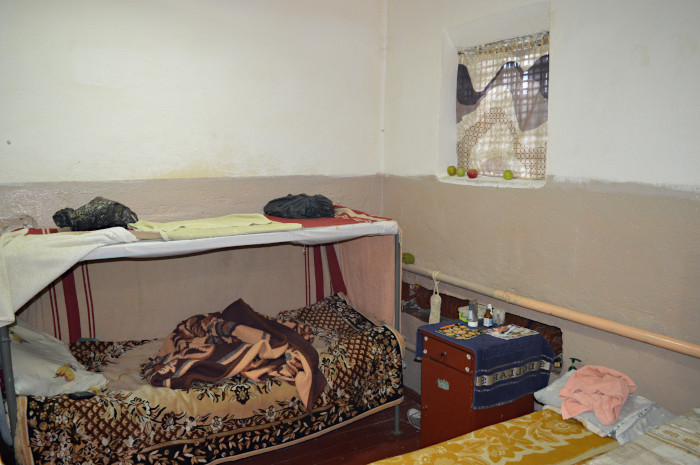
13 people are serving their sentences in the detention house. In this section, some cells are equipped with bunk beds. When asked by the monitors about the availability of drinking water, the convicts answered that they drink water from the tap. The cells are in a neglected state and lack sufficient daylight because the windows are covered with rags.
IX. DIZO/PKT
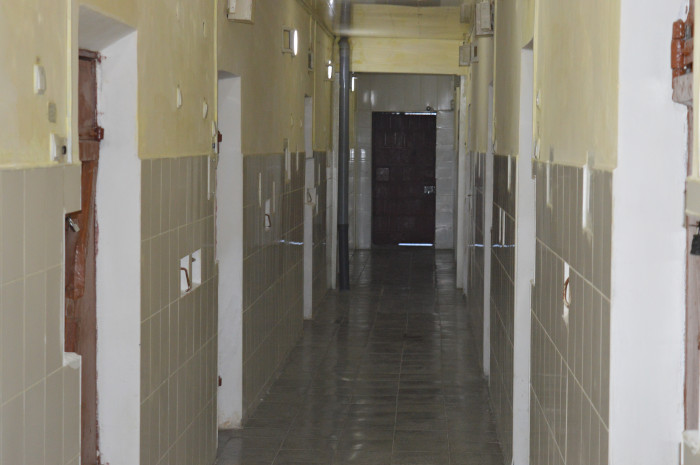
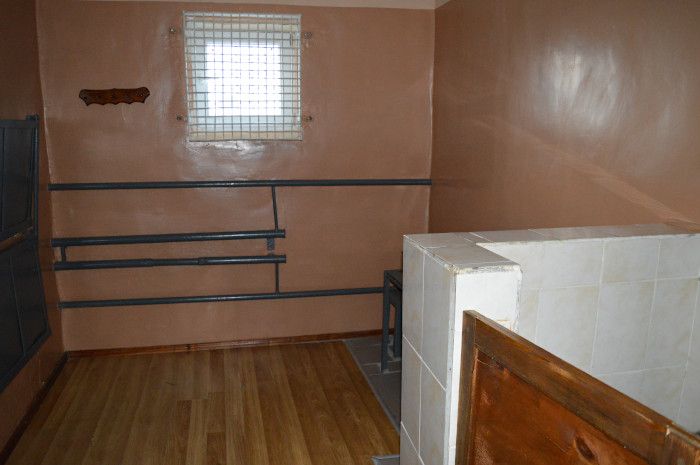
During the visit, convicts who had been subjected to penalties were absent in the DIZO/PKT sector. In total, since the beginning of the year, a disciplinary penalty in the form of placement in DIZO/PKT has been applied 51 times. All cells have been renovated and equipped with double-glazed windows. If necessary, these windows can be opened from the inside. There is no forced ventilation. Toilets are equipped with small walls and doors.
The walking courtyards are outdated and require renovation; they are equipped with sports equipment and a bench.
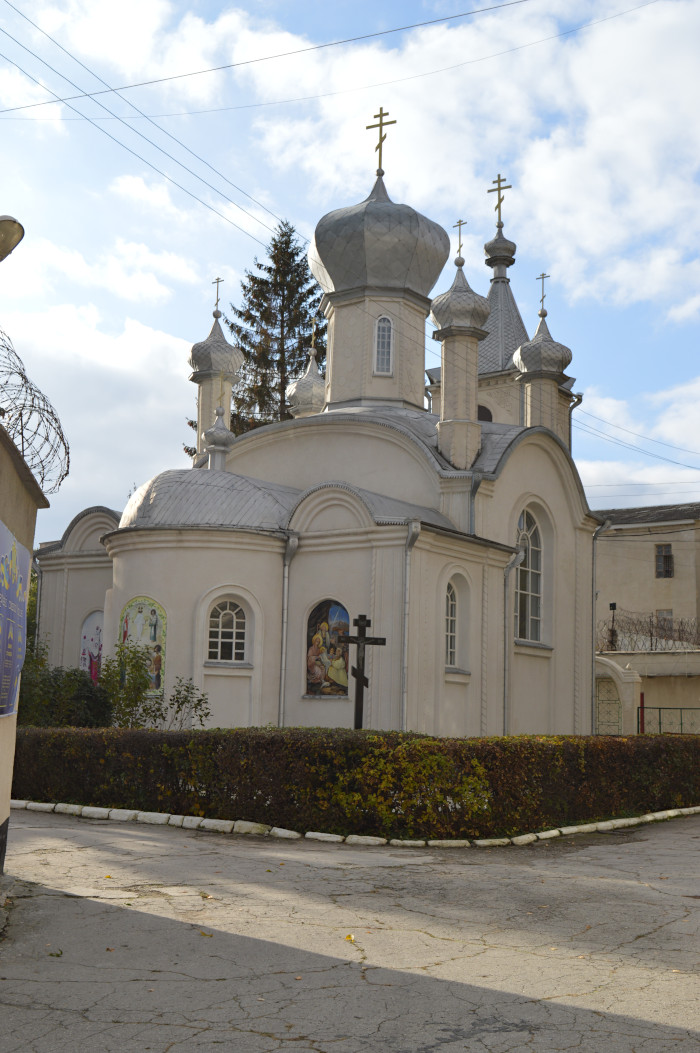
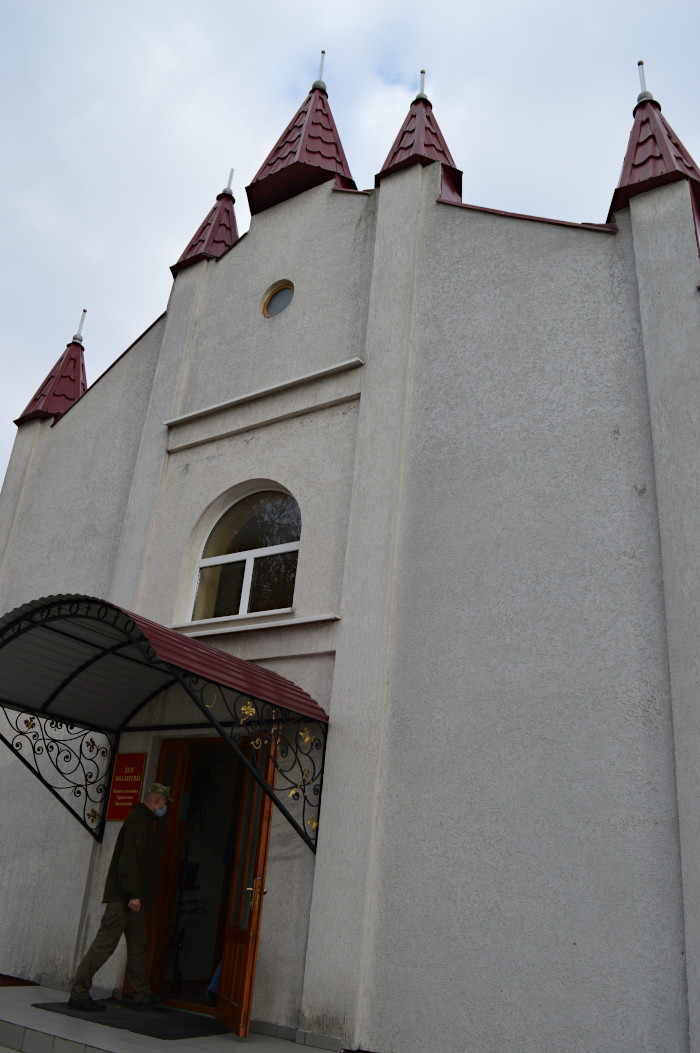
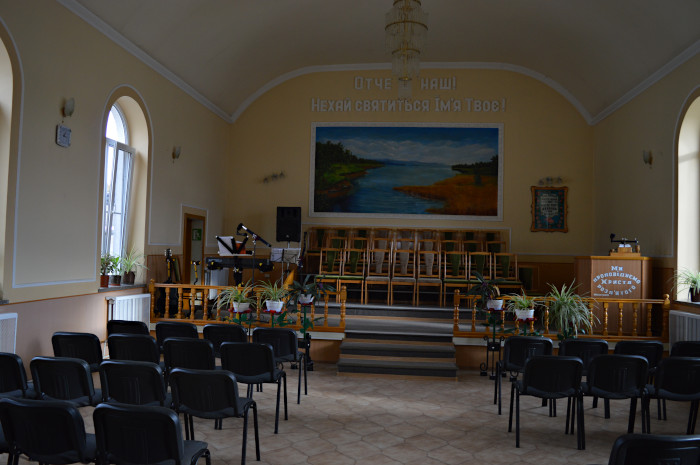
There are 2 religious movements in the institution; there are also two large religious buildings: an Orthodox church and a house of prayer. Convicts are able to obtain a complete secondary and technical vocational education. There is a functioning library that has, in particular, current versions of regulatory acts. There is also a club, where cultural and mass events were held before the quarantine. The monitors positively note the administration’s attempts to improve conditions not only for convicts but also for the institution’s employees: the renovation of the room for junior inspectors is almost finished.

EU Project “Combating Torture, Ill-Treatment and Impunity in Ukraine”