Report on the Results of a Monitoring Visit to the Romny Correctional Colony No. 56
On 5 March 2025, in accordance with the Optional Protocol to the Convention against Torture and Other Cruel, Inhuman or Degrading Treatment or Punishment, taking into account the provisions of the Standard Minimum Rules for the Treatment of Prisoners and decisions of the European Court of Human Rights, on the basis of Article 24 of the Criminal Executive Code of Ukraine — Visiting penal institutions, a group of monitors from the Kharkiv Human Rights Protection Group and the NGO ‘Protection of Prisoners of Ukraine’ visited the state institution ‘Romny Correctional Colony No. 56’ (hereinafter RVC-56, the institution, the facility).
A repeat unannounced visit took place following numerous reports of human rights violations from prisoners. The previous visit took place on 9 October 2023.
During the preparation for the visit, the monitors used materials from appeals by prisoners and their relatives, materials collected during the previous visit, as well as the report of the National Preventive Mechanism (NPM) under the Commissioner for Human Rights of the Verkhovna Rada of Ukraine.
The visit was conducted within the framework of the project ‘Reducing Prisoner Suffering in the Context of the War in Ukraine’, funded by the Government of Denmark in partnership with DIGNITY — Danish Institute Against Torture.
The visit was conducted by the following monitors:
- Iryna Yakovets — Assistant to the People’s Deputy of Ukraine Oleksandra Ustinova, member of the Public Council under the Ministry of Justice of Ukraine, Doctor of Law, Head of the Centre for Legal Support of Science and Technology at the Research Institute of Intellectual Property of the National Academy of Legal Sciences of Ukraine; she has many years of experience in monitoring visits;
- Oksana Kashyntseva — Journalist for the media outlet ‘Protection of Prisoners of Ukraine’ (PROTECTION FOR PRISONERS OF UKRAINE);
- Andrii Didenko — Assistant to the People’s Deputy of Ukraine Yaroslav Yurchyshyn, programme coordinator of the Kharkiv Human Rights Protection Group, experienced in monitoring visits since 2014;
- Artemii Shumnyi — Journalist for the media outlet ‘Protection of Prisoners of Ukraine’ (PROTECTION FOR PRISONERS OF UKRAINE);
- Serhii Zuikov — Assistant to the People’s Deputy of Ukraine Kostiantyn Kasai, member of the Public Council under the Ministry of Justice of Ukraine, member of the NGO ‘Protection of Prisoners of Ukraine’; he has many years of experience in monitoring visits;
- Oleh Tsvilyi — Member of the Public Council under the Ministry of Justice of Ukraine, head of the NGO ‘Protection of Prisoners of Ukraine’; he has extensive experience in monitoring visits and specialises in issues of preventing torture and cruel, inhuman, or degrading treatment.
General Information
RVC-56 is a maximum-security penal institution for holding men sentenced to a fixed term of imprisonment, as well as to life imprisonment.
The facility is located at the address: 19 Vyshneva Street, Perekhrestivka village, Romny district, Sumy region, 42073.
The head of the facility is Colonel of the Internal Service Oleksii Oleksandrovych Stepaniuk.
The institution consists of a duty unit, residential and industrial zones, a disciplinary isolation ward (DIZO)/a disciplinary room (PKT)/a reinforced control ward (DPK), a maximum-security sector for holding prisoners sentenced to life, a medical unit, and auxiliary and administrative premises.
According to the institution’s administration, the authorised staff number consists of 275.5 positions. The actual number is 245 positions. The total staff shortage in the institution is 30.5 employees. At the time of the visit, there were no psychologists working at the institution.
The institution held 357 prisoners. The prisoners live in 10 social and psychological service (SPS) units. The institution is designed (capacity limit) for 525 people.
During 2024, 225 prisoners arrived at RVC-56. In 2024, 2 prisoners died in the institution. According to data provided by the management, 144 prisoners are employed, all of whom work under an employment contract.
There was 1 prisoner held in the disciplinary isolation ward (DIZO), and 7 prisoners in the reinforced control ward (DPK). There are 2 people on the operational register as prone to suicide, 8 prone to self-harm, and 4 prone to escape.
One person was released due to a serious illness in 2024. During 2023 and 2024, no one submitted complaints regarding inadequate conditions of detention or inadequate medical care.
During 2024, 5 cases of bodily injuries were recorded during time spent in the institution. There are 67 ‘outcasts’ in total.
In the institution, prisoners have 244 tablets and 70 registered email addresses for their own use.
On the territory of the institution, there is a workshop, a sawmill section, a sewing section, and a car repair section.
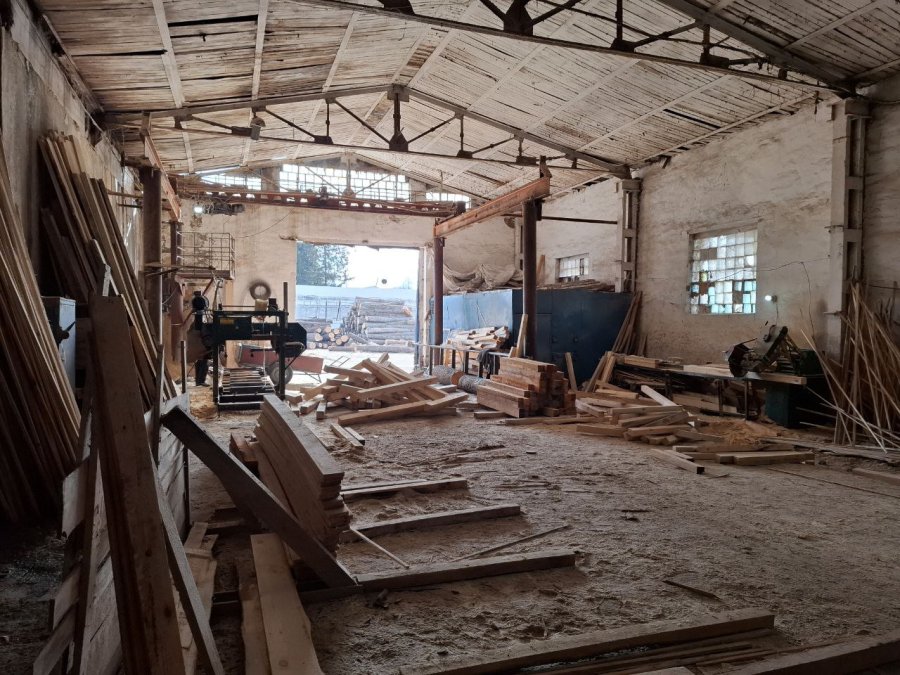

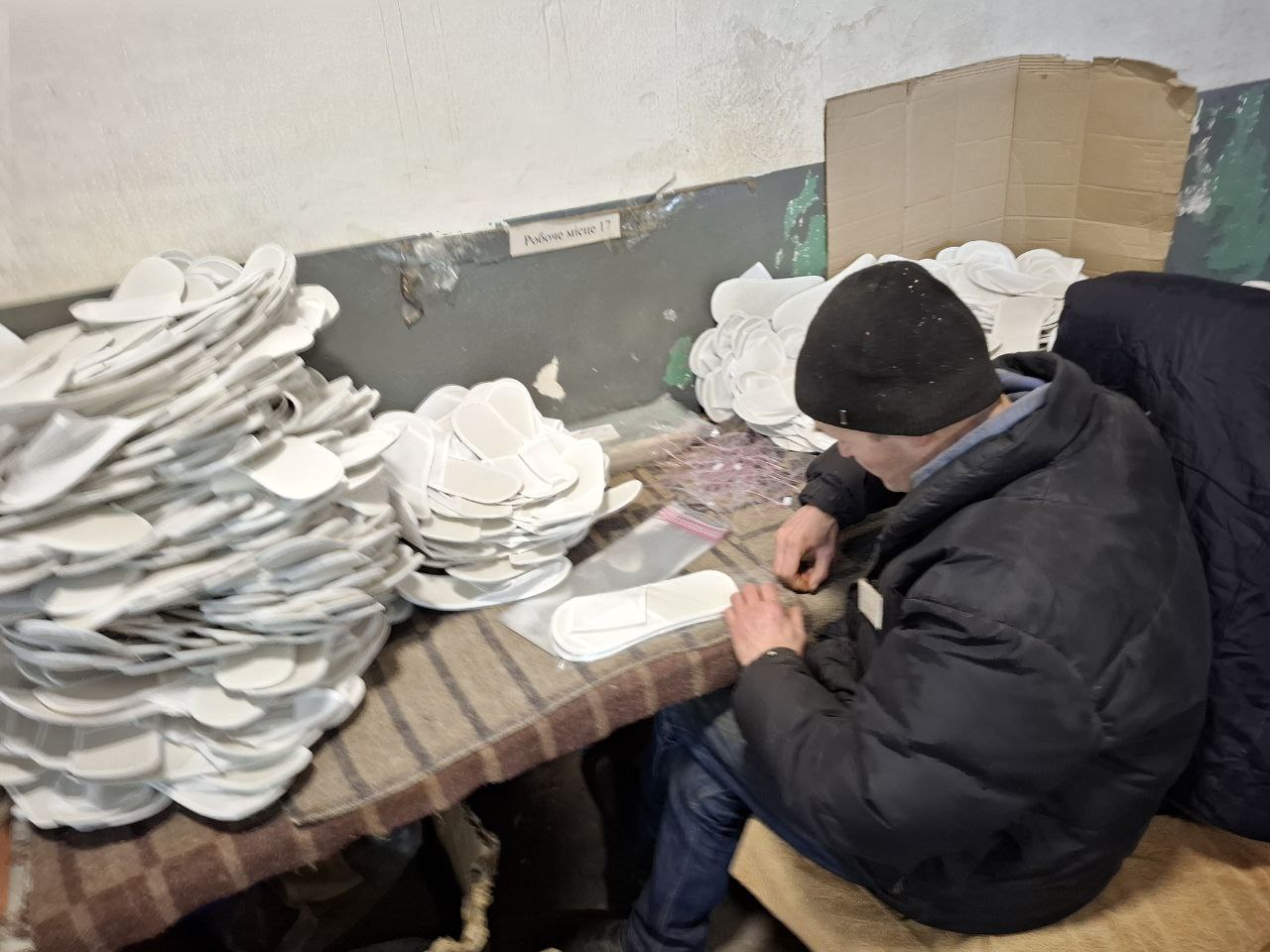
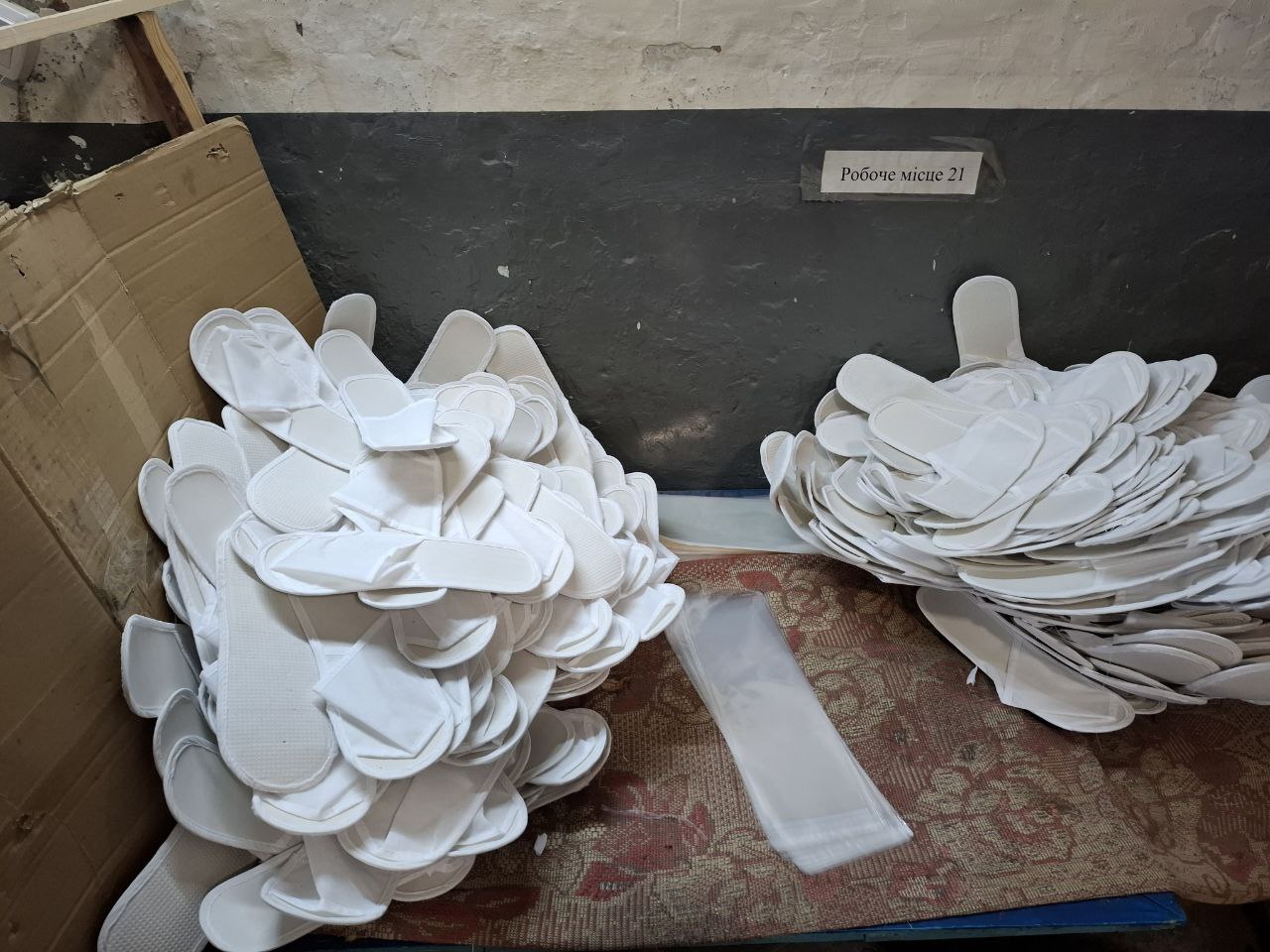
According to the payroll sheet in February 2025, on the basis of employment contracts, 122 people were involved in work in the workshop, and 121 people in January. The wages of prisoners depend on hourly work and range from 100 to 4,000 UAH per month, and after deductions — from 50 to 2,000 UAH per month.
In the institution, prisoners are also engaged on the basis of employment contracts to perform work on household maintenance. According to the excerpt from the order regarding the staff of the maintenance personnel among the prisoners for 2025, 9 staff positions have been approved.
In total, as of 05.03.2025, there are 19 maintenance personnel among the prisoners who are engaged in paid work at the institution:
- Kitchen: 6 workers (cooks, bakers, kitchen workers);
- Maintenance personnel for the residential area: 2.25 positions;
- Subsidiary farm: 0.25 positions;
- Long-term visit rooms: 0.5 cleaner positions.
All prisoners in the institution work under employment contracts.
Facts Discovered During the Visit
1. The monitoring group identified non-compliance with the procedure and conditions for receiving and placing newly arrived persons at the institution with the established requirements. Thus, in violation of Clause 1 of Section V of the Internal Regulations of Penal Institutions, approved by the order of the Ministry of Justice of 28.08.2018 No. 2823/5, registered with the Ministry of Justice of Ukraine on 05.09.2018 under No. 1010/32462 (hereinafter — Internal Regulations), it was established that the institution’s personnel involve prisoners held in the quarantine, diagnosis, and distribution ward (hereinafter — KDiR) in landscaping work outside the specified ward.
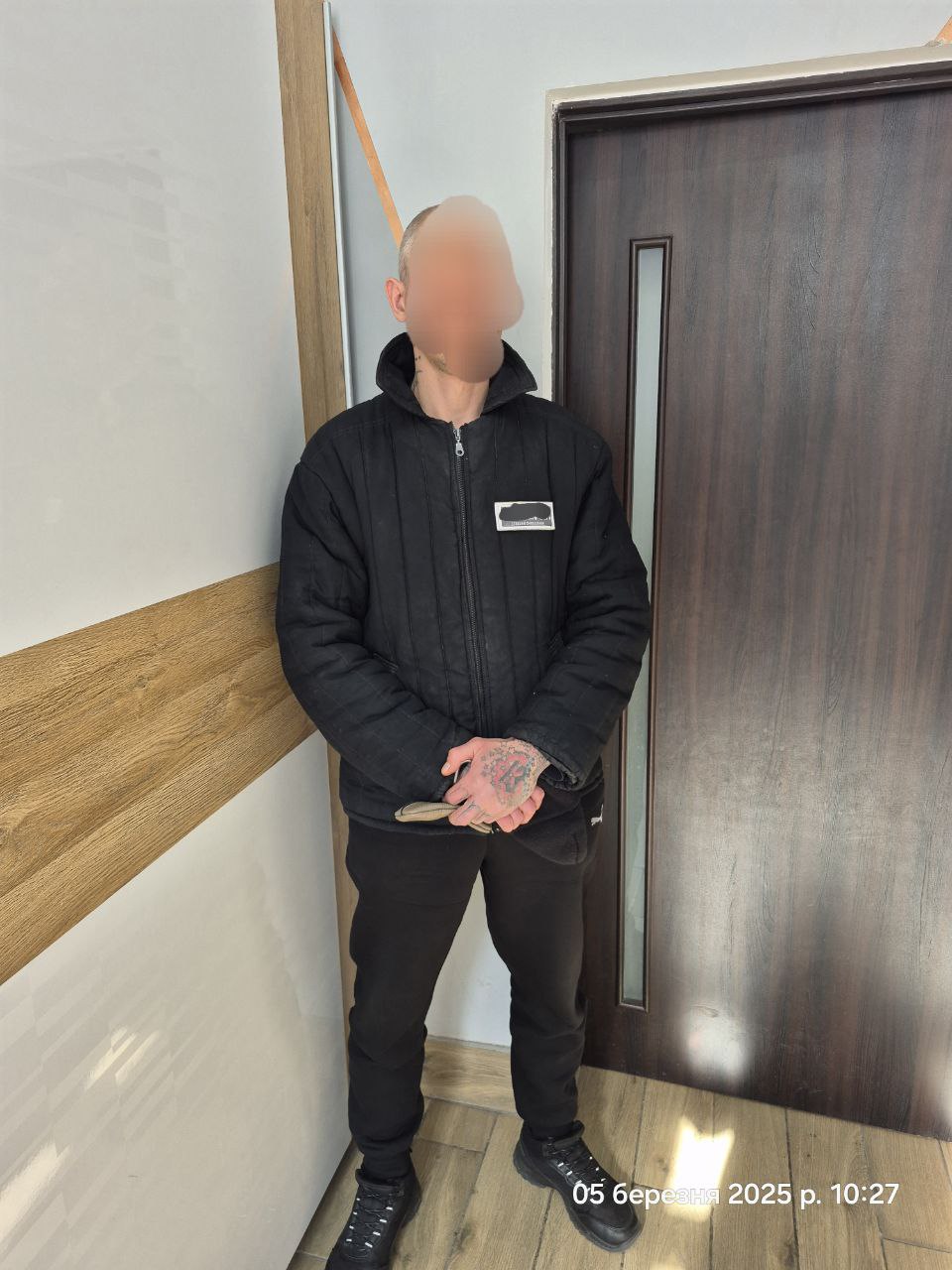
In particular, during the visit to the ward, the absence of a newly arrived prisoner B. was established, who later reported that he had been performing cleaning and rubbish removal work in the industrial zone for a week with another prisoner serving a sentence in the institution.
In violation of the requirements of Article 95 of the Criminal Executive Code of Ukraine, Clause 4 of Section II of the Internal Regulations, the monitoring group established that the institution’s personnel involve prisoner T. in work in the KDiR ward as a dormitory orderly, who, according to him, supervises the behaviour of newly arrived prisoners, their compliance with regime requirements, and the maintenance of proper sanitary conditions.
The aforementioned contradicts Clause 2 of Section I of the Regulation on the Quarantine, Diagnosis, and Distribution Ward for prisoners, approved by the order of the Ministry of Justice of Ukraine of 04.11.2013 No. 2300/5, which provides that newly arrived prisoners are placed in the KDiR ward in order to prevent uncontrolled communication with other prisoners.
In its report on the results of the visit to Ukraine in 2020, the European Committee for the Prevention of Torture and Inhuman or Degrading Treatment or Punishment (hereinafter — the Committee) expressed serious doubts about the practice of using certain prisoners as ‘dormitory orderlies’ who perform control functions over other prisoners in living quarters and at work and report any incidents and violations of the regime to the staff.
Therefore, the monitoring group noted with concern during this visit that this practice remained. Moreover, unfortunately, despite specific recommendations previously made by the Committee, the practice of using ‘dormitory orderlies’ is also officially provided for by the Internal Regulations of penal institutions. As emphasised previously, the Committee believes that any partial abdication of responsibility for order and safety in prisons borne by the institution’s regime staff is unacceptable.
Such a practice exposes weaker prisoners to the risk of abuse and exploitation by other prisoners. The Committee calls on the Ukrainian authorities to take all necessary steps — including of a legislative nature — to put an end to this practice. No prisoner (in any penal institution in the country) should have power over other prisoners. (CPT/Inf (2020) 40, paragraph 27).
2. The equipment of the KDiR ward does not meet the standards for the treatment of prisoners and the conditions of their detention according to their needs. Thus, in violation of the requirements of the Standards for the provision of furniture, inventory, and household items for maximum-security correctional colonies, approved by the order of the Ministry of Justice of Ukraine of 27.07.2012 No. 1118/5 (hereinafter — Standards of Provision), the ward lacks a number of premises, namely: a room for storing food; a room for storing prisoners’ personal belongings; a room for storing the exchange fund of bedding, clothing, and special clothing; a storeroom for temporary storage of dirty bedding, clothing, and special clothing; a cloakroom; a utility room; a drying room.
The absence of these premises leads to a violation of sanitary and hygienic standards. Consequently, food products may be stored at inappropriate temperatures, in damp or contaminated rooms, which contributes to their rapid spoilage, the development of mould, and the reproduction of pathogenic bacteria, and the improper organisation of personal belongings storage complicates the maintenance of cleanliness and order in the premises where prisoners are held, which worsens the overall sanitary situation in the institution.
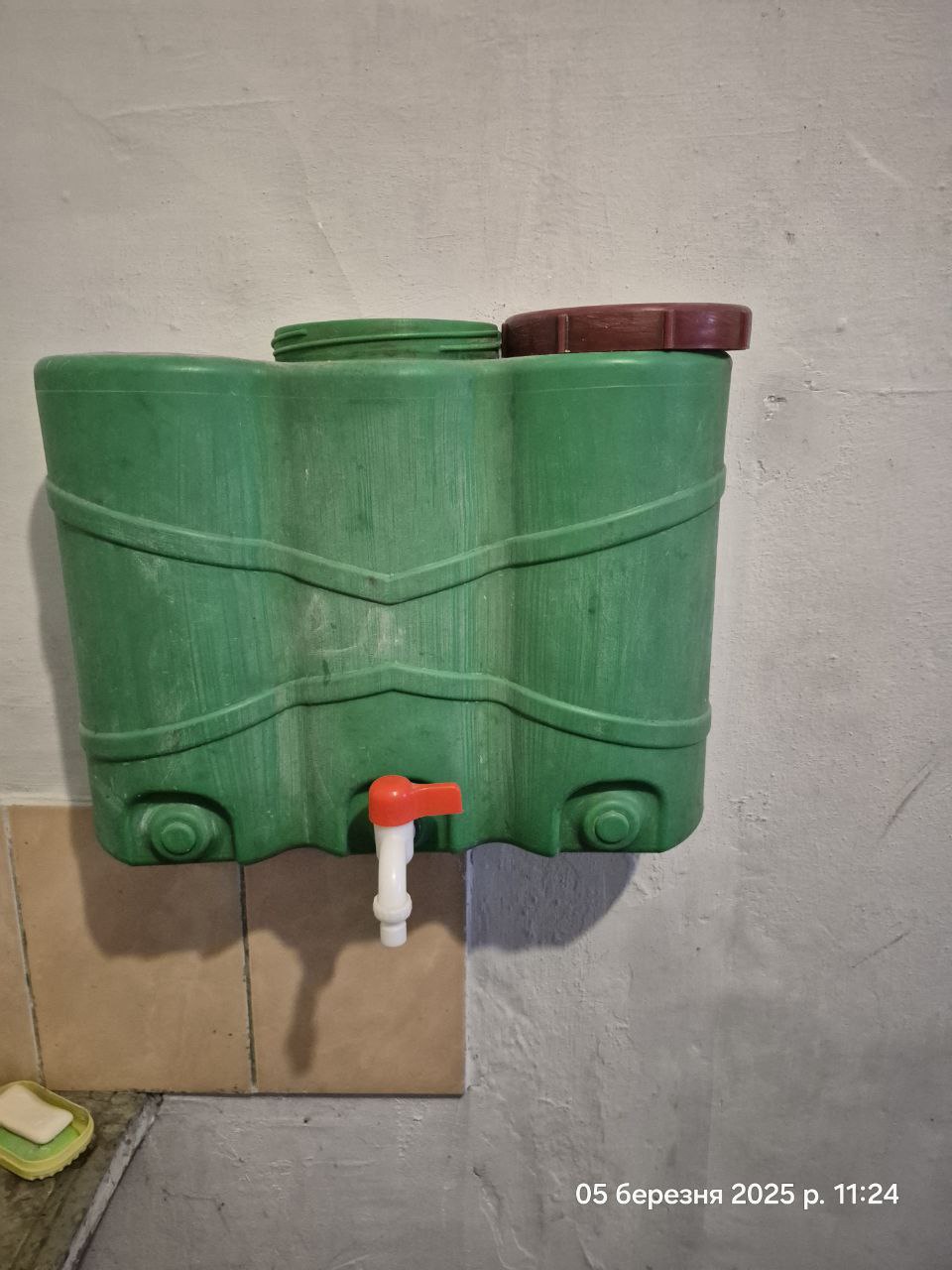
Certain bedding, mattresses, and pillows need replacement. In violation of the requirements of Rule 22.5 of the European Prison Rules and the Standards of Provision, the sleeping premises of the ward are not provided with containers for drinking water. Furthermore, the toilet cubicles in the ward do not contain sufficient partitions and doors that allow for privacy, which violates the requirement of Rule 19.3 of the European Prison Rules.
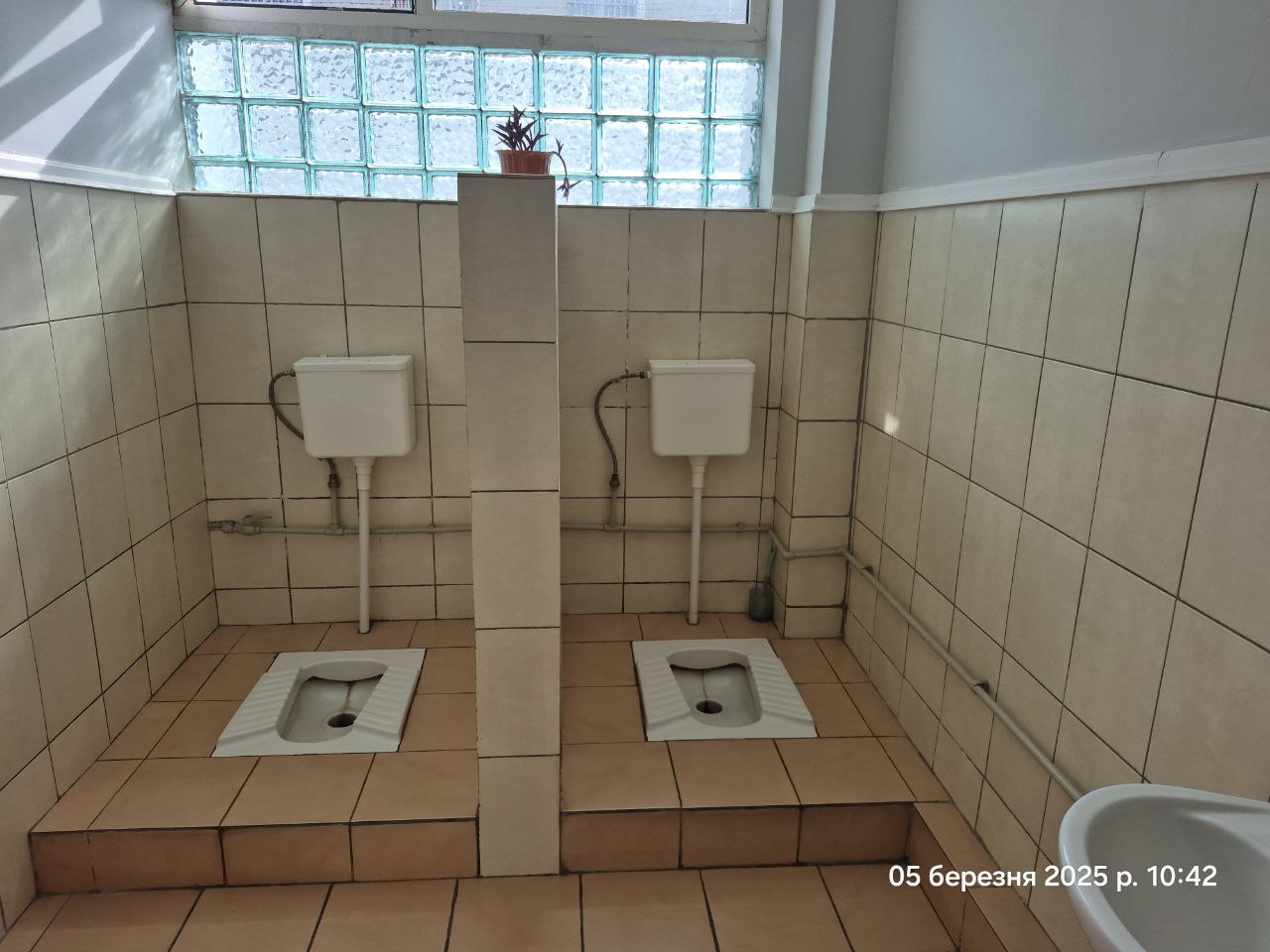
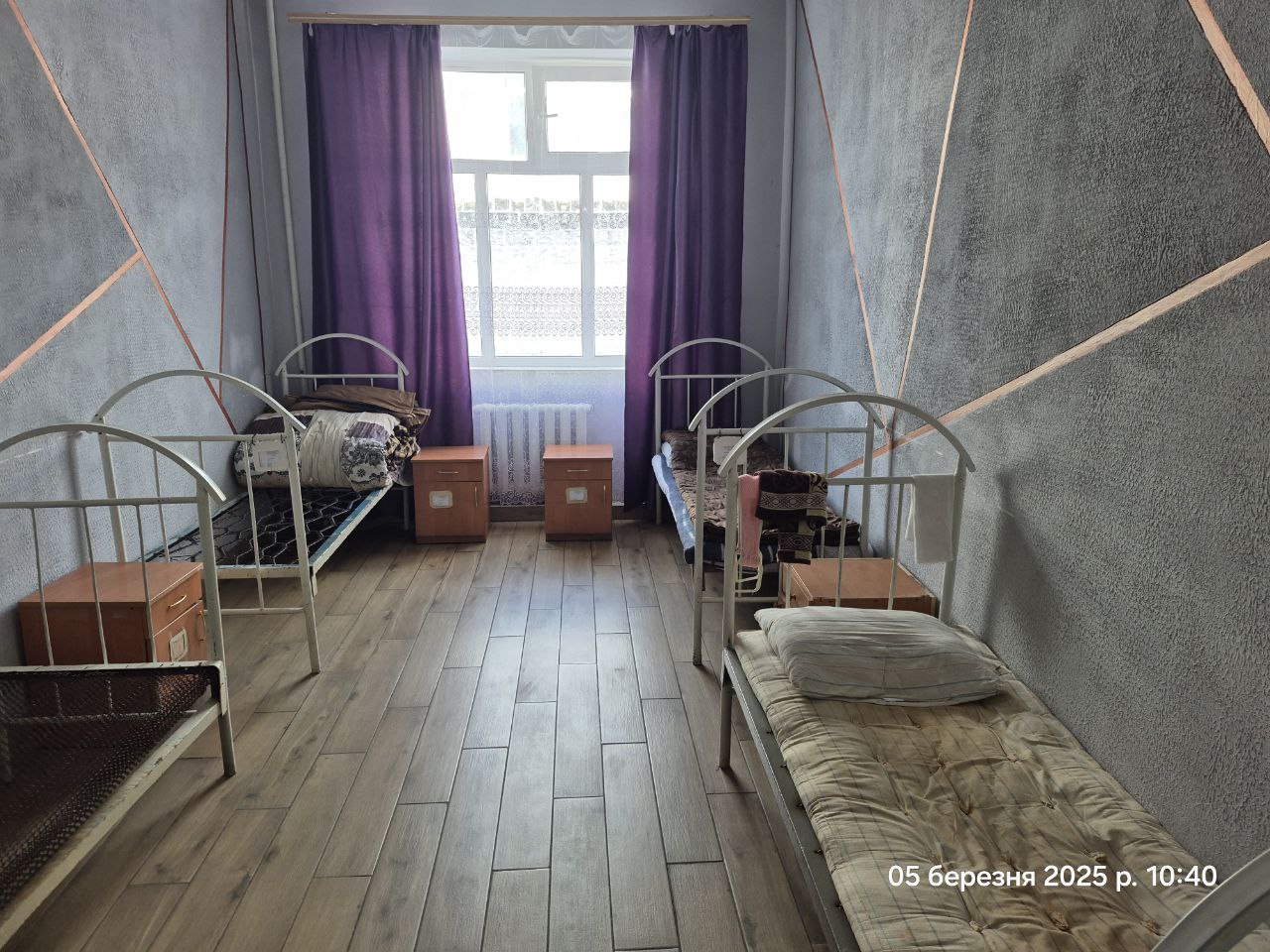
3. During the visit to the institution, complaints were received from prisoners about ill-treatment by other prisoners, the administration, and the institution’s personnel. Thus, during a confidential interview, prisoner I. reported the use of physical force against him by the dormitory orderly of the social and psychological service (hereinafter — SPS) unit No. 10.
Prisoner I. reported that cases of physical and psychological violence against him were systematic in nature, in connection with which he had repeatedly filed complaints to the institution’s administration. However, his appeals remained without proper response, which may indicate improper performance of their official duties by officials and a violation of the prisoner’s right to protection from cruel, inhuman, or degrading treatment, enshrined in Article 28 of the Constitution of Ukraine and Article 3 of the Convention for the Protection of Human Rights and Fundamental Freedoms.
Members of the monitoring group escorted prisoner I. to medical unit No. 56 of the branch of the Centre for Health Care of the State Penitentiary Service of Ukraine in the Sumy region, where medical staff conducted a medical examination and recorded the existing bodily injuries.
At the same time, prisoner I. expressed reasonable fears regarding possible persecution by other prisoners and/or the application of illegal disciplinary measures against him by the institution’s administration in connection with providing information to human rights defenders.
In this context, the Committee recommends regularly conveying a clear message to the colony management that ill-treatment of prisoners in any form, including threats, is unacceptable and will be punished accordingly. It also recommends providing staff with a clear message that any threats or intimidation aimed at preventing prisoners from filing complaints are unacceptable. (CPT/Inf (2020) 40, paragraph 22).
In the report to the Government of Ukraine on the results of the visit in 2023, the Committee emphasises that the personnel and administration of penal institutions as a whole are obliged to protect the physical and psychological integrity of all prisoners, including from attacks by other prisoners. This positive obligation implies that prison staff must take decisive measures to prevent episodes of intimidation and violence between prisoners and intervene immediately if such acts occur. (CPT/Inf (2024) 20, paragraph 44).
4. The monitoring group identified an existing practice of segregation and stigmatisation of a specific, particularly vulnerable category of prisoners, known as ‘outcasts’, which is based on the negative influence of the informal prison hierarchy and leads to discrimination, unacceptable restrictions on the recognition, realisation, and enjoyment of the universally recognised fundamental right to respect for human dignity for these individuals.
Thus, prisoner I., who reported cases of physical and psychological violence against him and who (according to him) was classified as an ‘outcast’, reported that, together with other prisoners of this category, he is forced to be in isolation from the general mass of prisoners. As a result, he is deprived of the opportunity to exercise his right to work and is forced to perform compulsory work without pay, in particular, cleaning work.
At the same time, in its report on the results of the visit to Ukraine in 2023, the Committee calls on the Ukrainian authorities to develop and implement a comprehensive strategy to combat violence and intimidation among prisoners and to overcome the phenomenon of the informal hierarchy among prisoners with all its negative consequences.
In this context, the penal administration must also rationalise risk and needs assessment, classification, and distribution of individual prisoners with the aim of ensuring that prisoners are not exposed to the influence of other prisoners who may cause them harm. (CPT/Inf (2024) 20, paragraph 45).
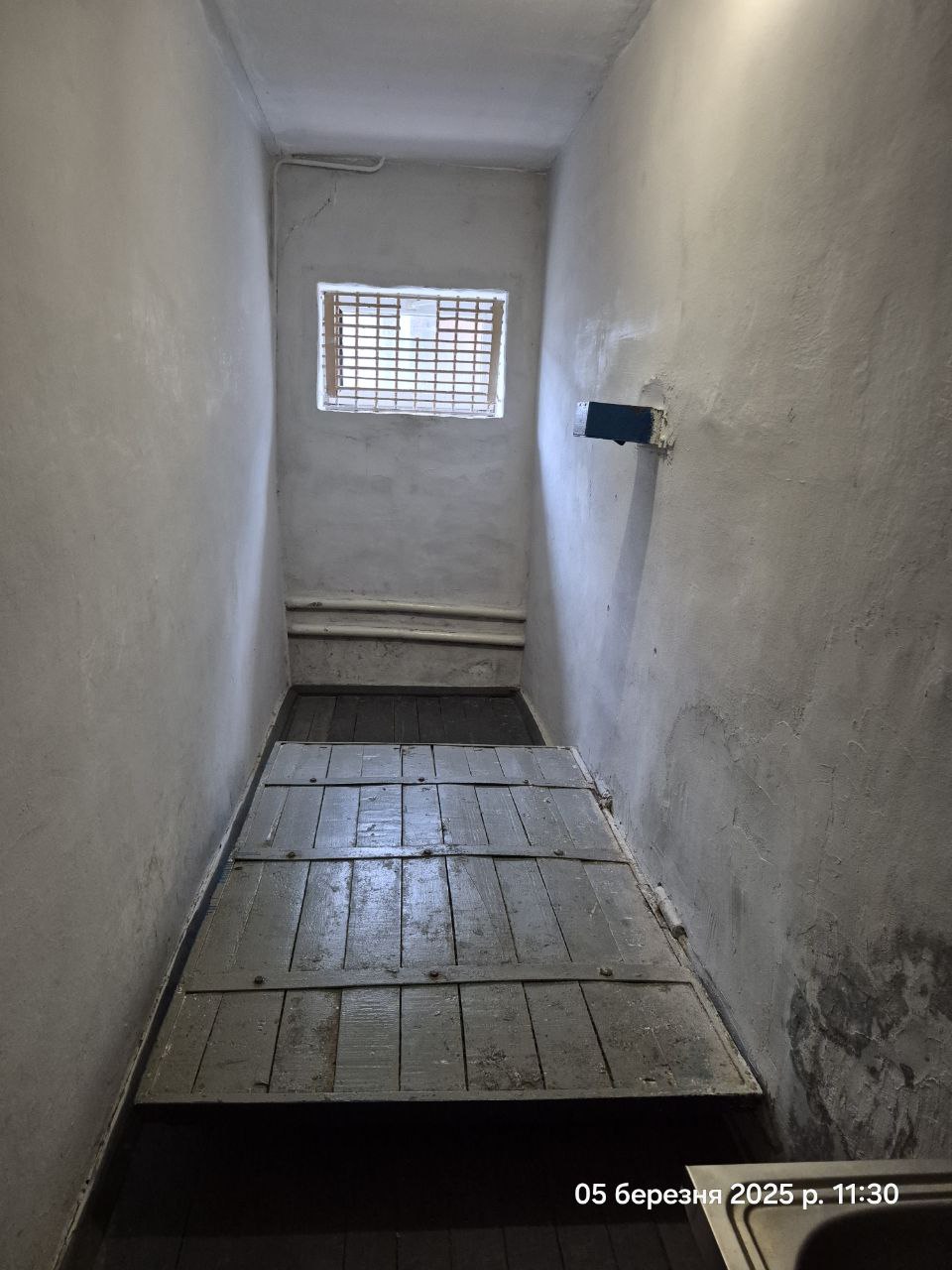
5. The equipment of the DIZO premises does not meet the standards for the treatment of prisoners and the conditions of their detention according to their needs. In the Report to the Government of Ukraine on the results of the visit to Ukraine in 2012, the Committee notes that any solitary confinement cells should have a living area of no less than 6 m² (excluding the built-in toilet); the distance between the cell walls is set at no less than 2 m (paragraph 45, CPT/Inf (2013) 23).
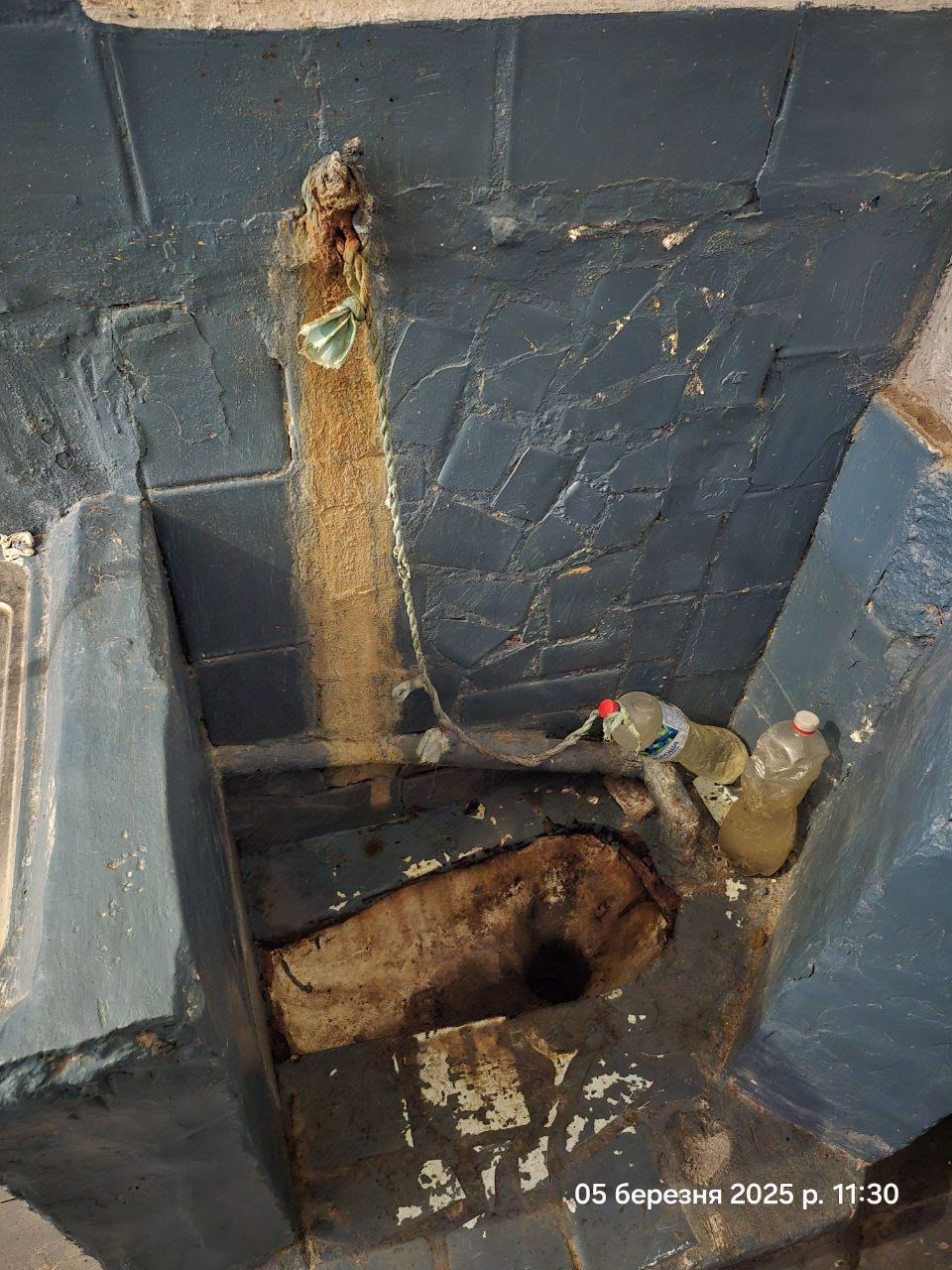
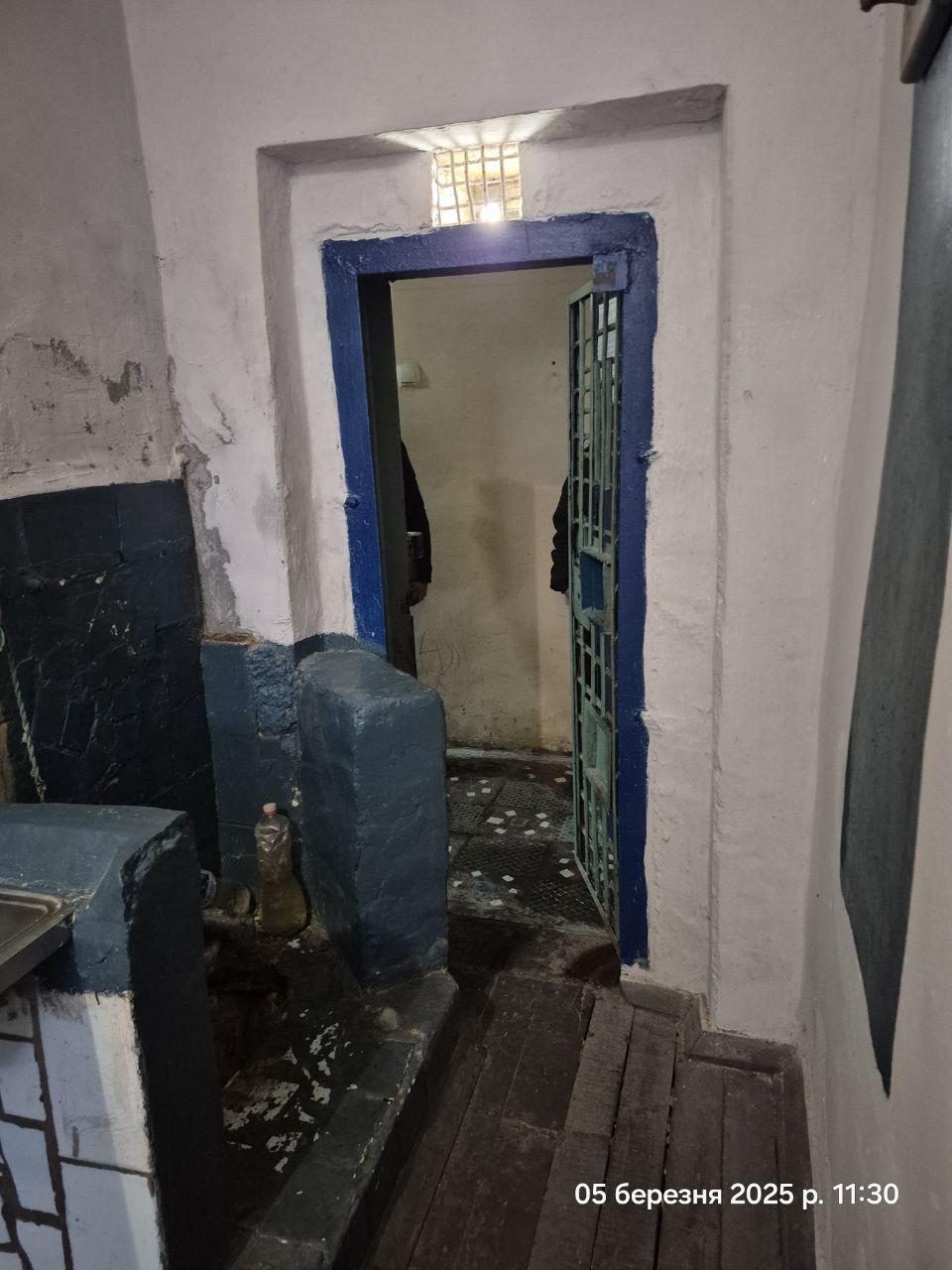
At the same time, the monitoring group identified the use of premises for holding prisoners that do not meet these recommendations. Specifically, in DIZO cells No. 7, 9, 10, the distance between the walls is less than 2 metres. Due to the lack of free space, these DIZO cells lack benches and tables, which deprives prisoners serving disciplinary penalties in these cells of the opportunity to take meals under proper conditions.
In violation of the requirements of the Standards of Provision, the DIZO lacks a number of premises, namely: a room for storing prisoners’ personal belongings, a room for storing the exchange fund of bedding, clothing, and special clothing, and a hairdresser’s room.
In the DIZO cell premises, a sufficient level of natural light and ventilation is not ensured. The toilets in certain cell premises do not have doors and sufficient partitions that provide for the possibility of privacy, which is a violation of Rule 19.3 of the European Prison Rules.
In violation of the requirements of Rule 22.5 of the European Prison Rules, the cell premises are not provided with clean water in drinking water containers. In violation of Clause 3 of Section XX of the Internal Regulations, there is no radio connection in the DIZO cell premises. In violation of Clause 4 of Section IV of the Procedure for the use of technical surveillance and control means in correctional and educational colonies of the State Penitentiary Service of Ukraine, approved by the order of the Ministry of Justice of Ukraine of 26.06.2018 No. 2025/5 (hereinafter — Procedure for the use of technical means), it was established that the DIZO cells are not equipped with buttons for calling personnel, which makes operational contact between prisoners and the institution’s staff difficult.
Cell premises No. 7, 9, 10 require renovation work with the replacement of sanitary equipment.
Thus, the premises do not meet the first part of Article 115 of the Criminal Executive Code of Ukraine, and Clauses 14 and 15 of the UN Standard Minimum Rules for the Treatment of Prisoners (Nelson Mandela Rules).
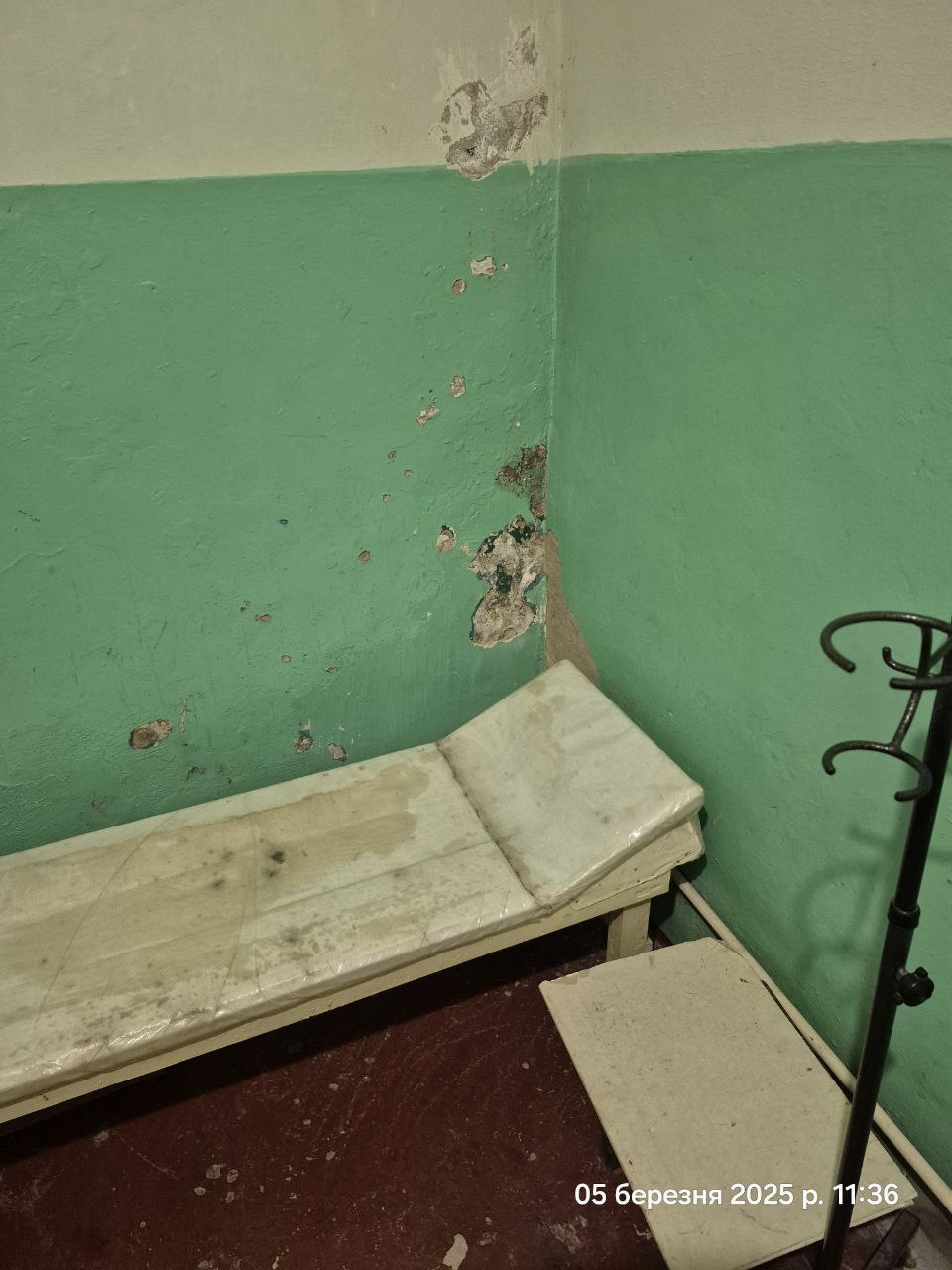
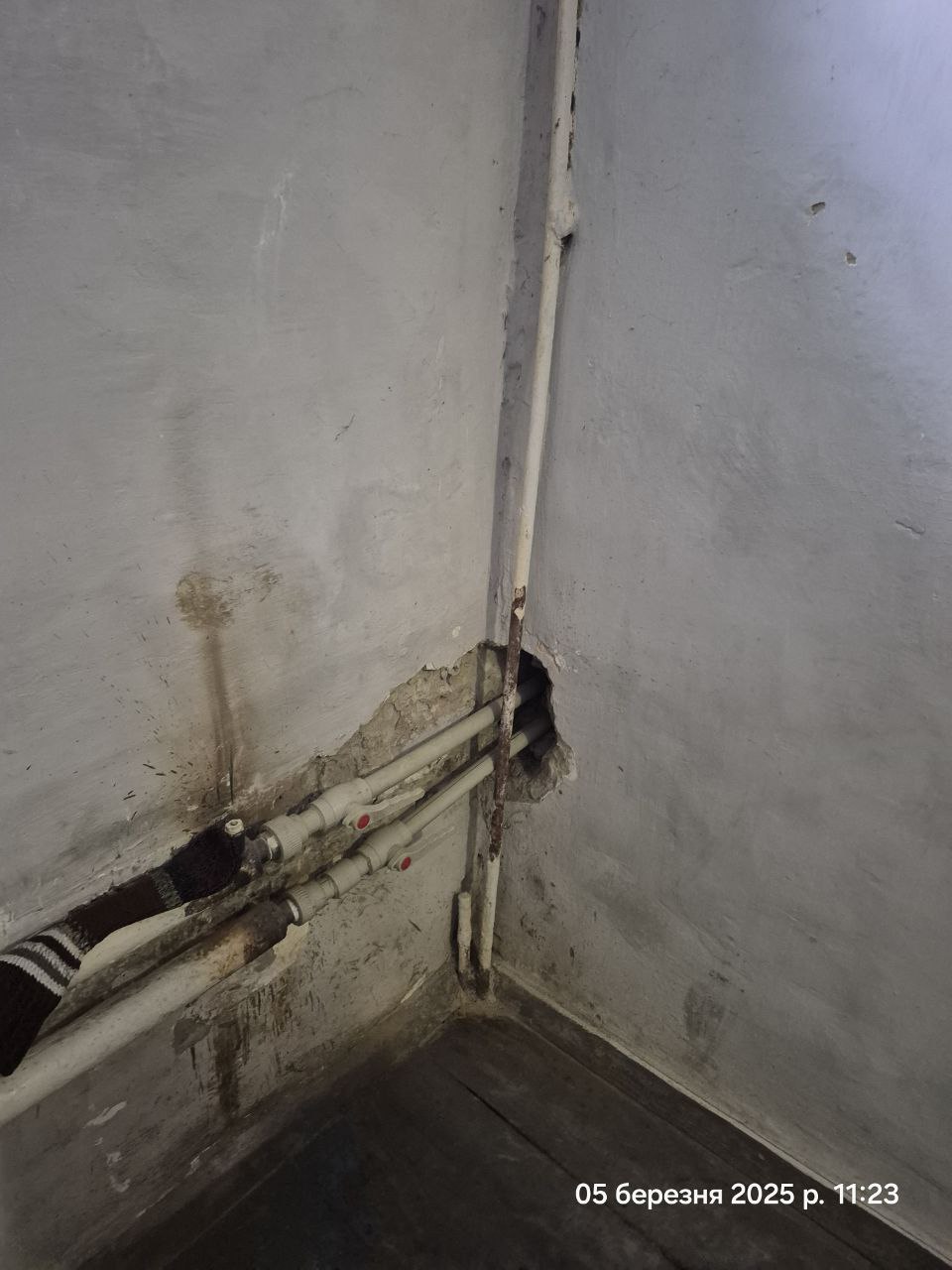
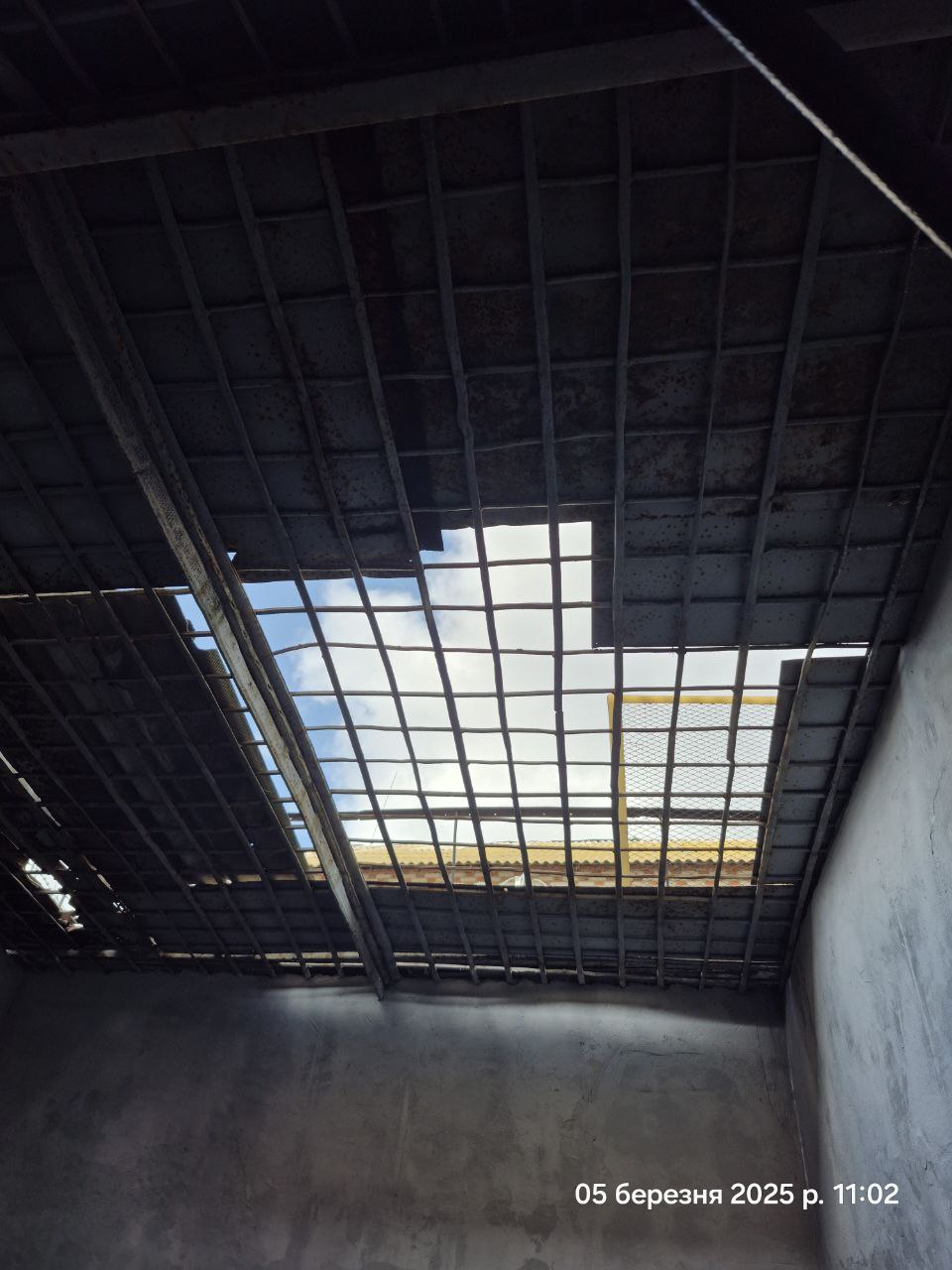
6. The exercise yards require renovation work with roof replacement. In exercise yard No. 1, a roof is installed that blocks access to natural light, which leads to keeping persons in semi-darkness.
At the same time, the Committee has repeatedly recommended reviewing the design and size of exercise yards ‘from which at best one gets a view of the sky’. (paragraph 122, paragraph 127 (CPT/Inf (2014) 15).
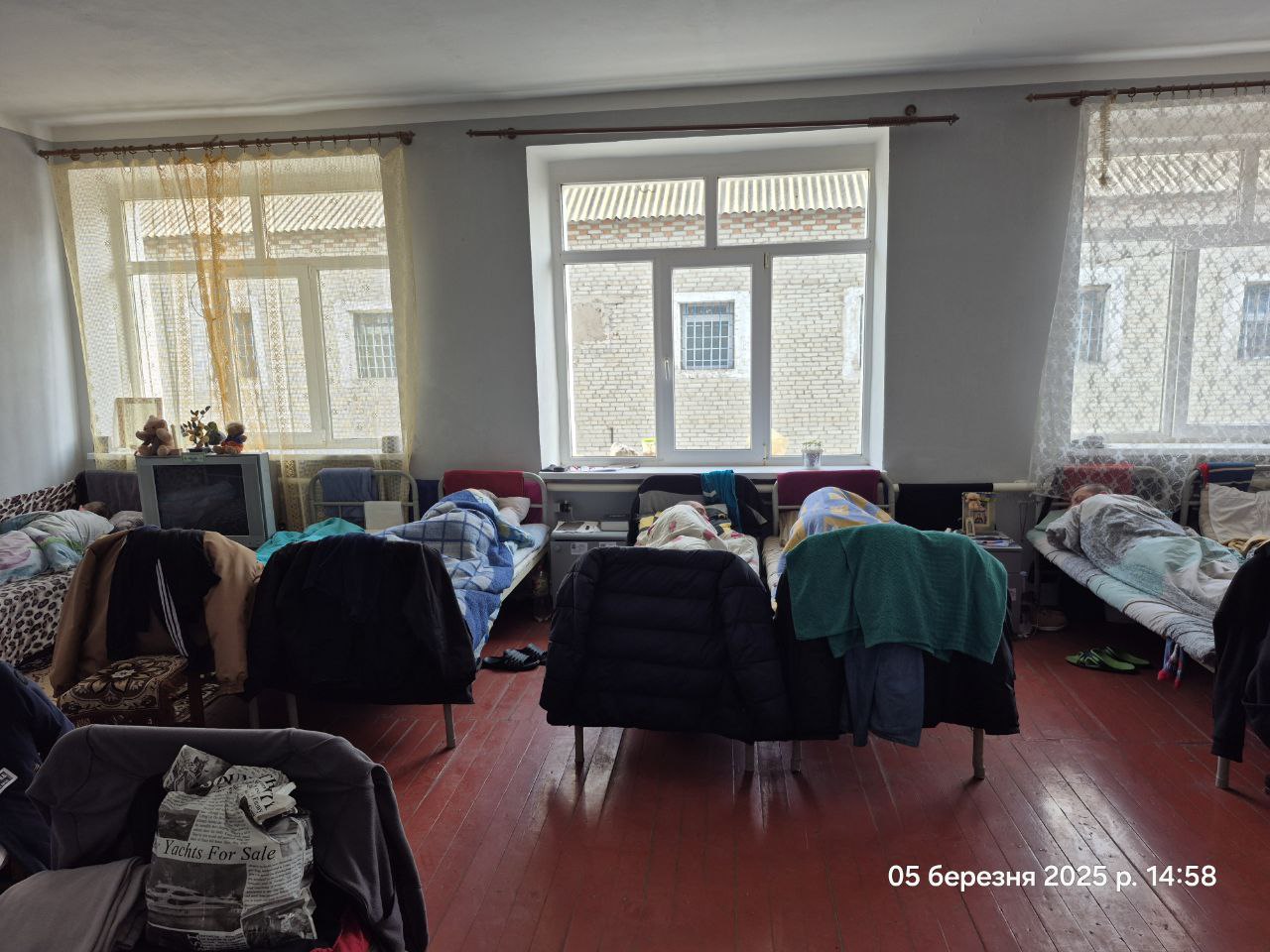
7. In violation of Rule 18.1 of the European Prison Rules, beds in residential premises No. 2 of SPS unit No. 10 are located close to each other, which does not provide prisoners with personal space.
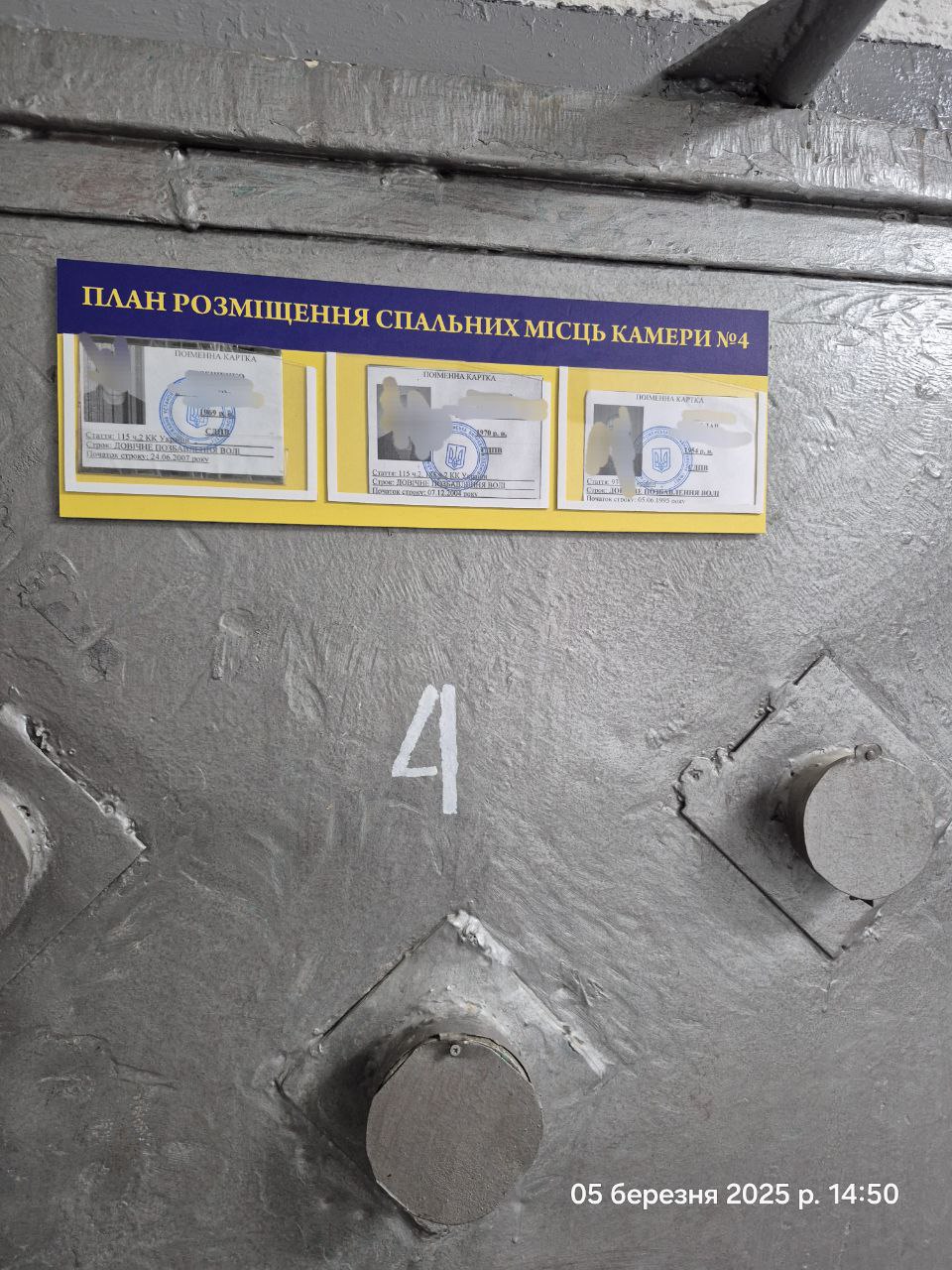
8. During the visit to the maximum-security sector, it was found that name cards containing information and a brief description of the crimes committed by the persons located in the cells were placed on the external doors of the cells for holding prisoners sentenced to life imprisonment.
In its report on the results of the visit to Ukraine in 2020, the Committee noted that this practice should be stopped, as it serves no reasonable purpose and, apart from stigmatisation, has the effect of damaging the relationship between prisoners and prison staff. (CPT/Inf (2020) 40, paragraph 52).
9. During the visit, the monitoring group recorded that the institution’s personnel who are in direct contact with prisoners openly carry special means, in particular rubber batons. At the same time, according to the eighth paragraph of Clause 1 of Section XXVI of the Internal Regulations, the carrying of special means by personnel of penal institutions within the guarded territory of a penal institution should be as hidden from others as possible.
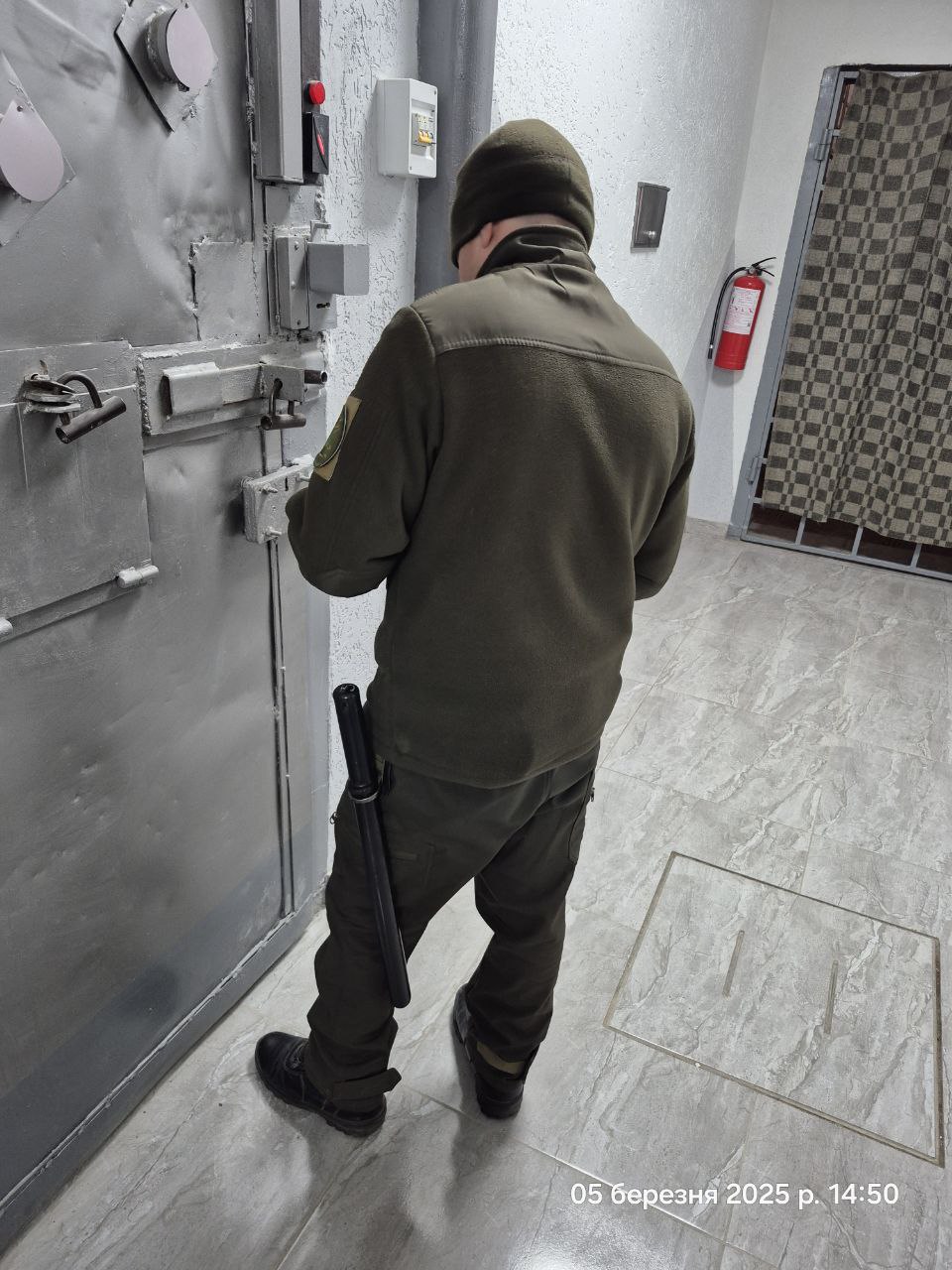
At the same time, the Committee recommends that prison staff working in direct contact with prisoners should not carry special means (such as rubber batons, handcuffs, and canisters equipped with tear gas) openly in front of prisoners. Such carrying hinders the establishment of normal relations between staff and prisoners (paragraph 85, CPT/Inf (2011) 29; paragraph 23, CPT/Inf (2013) 23; paragraph 166, CPT/Inf (2014) 15).
10. According to Clause 3.1 of the Instructions on working conditions and wages of persons sentenced to restriction of liberty or deprivation of liberty, approved by the order of the Ministry of Justice of Ukraine of 07.03.2013 No. 396/5 (hereinafter — Instructions on working conditions), work is carried out on a voluntary basis on the basis of a civil law contract or an employment contract, which is concluded between the prisoner and a natural person-entrepreneur or a legal entity for whom the prisoners perform work or provide services.
At the same time, it was established that the institution’s administration uses the labour of prisoners in positions of maintenance personnel in the canteen without payment.
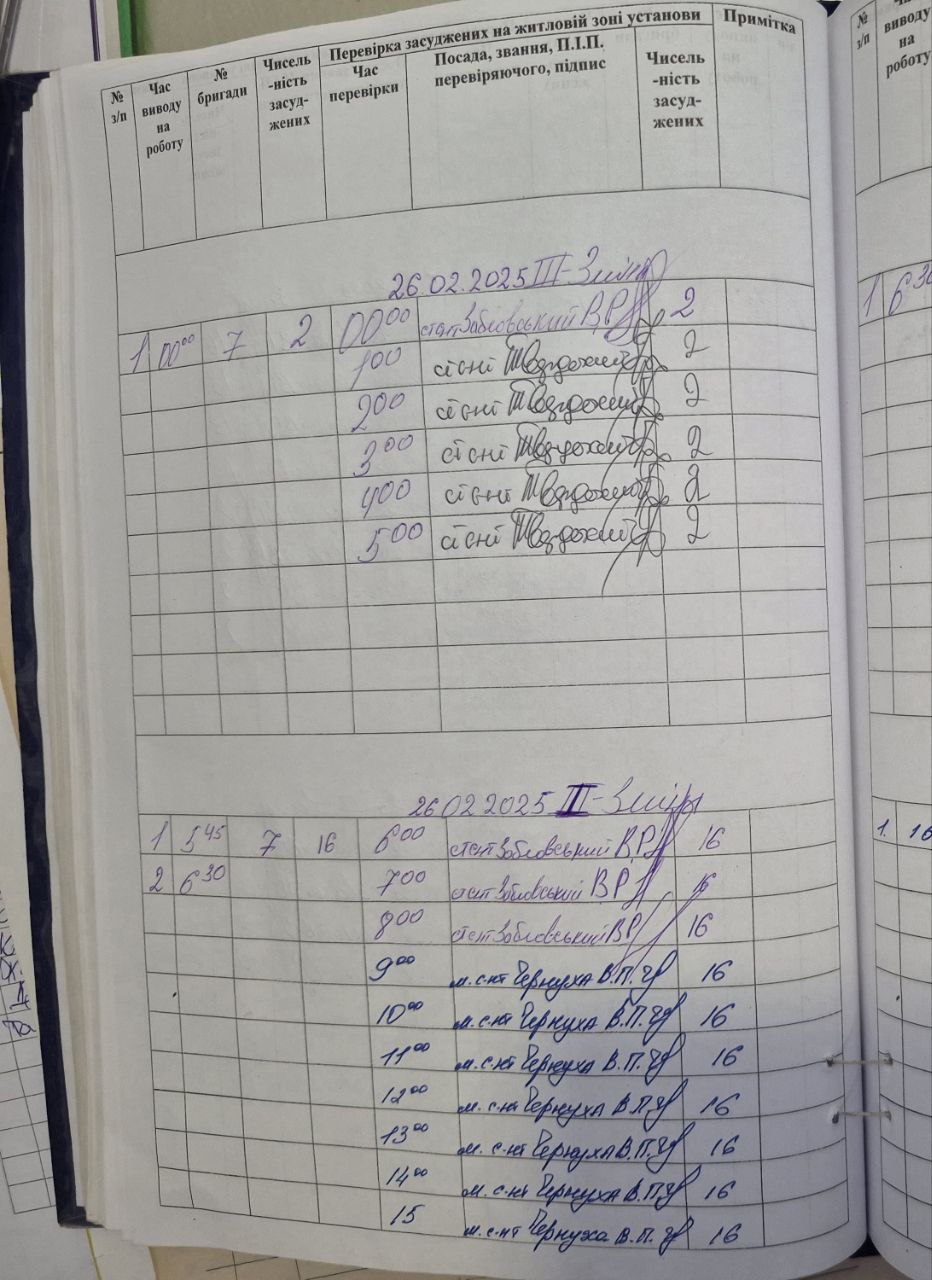
Thus, according to the payroll sheet No. 2/1 on the accrual of wages to persons among the prisoners who work in the canteen-kitchen, for February 2025, remuneration was paid to 13 prisoners who were involved in the work.
At the same time, when checking the log of the examination of canteen workers by medical staff, it was established that in February 2025, a medical examination before the start of work was conducted for 18 prisoners. The specified number of prisoners who were involved in work in the canteen is also confirmed by corresponding entries in the Log of checking prisoners at workplaces. Thus, 5 prisoners perform work in the canteen without proper remuneration.
Furthermore, in violation of Article 119 of the Criminal Executive Code of Ukraine, Article 52 of the Labour Code of Ukraine, and the Instructions on working conditions and wages of persons sentenced to restriction of liberty or deprivation of liberty, approved by the order of the Ministry of Justice of Ukraine of 07.03.2013 No. 396/5, the monitoring group established that the duration of the working day of prisoners engaged in household maintenance in the canteen is longer than 8 hours and reaches 10-11 hours per day, and the working week consists of six, and in some cases seven, days.
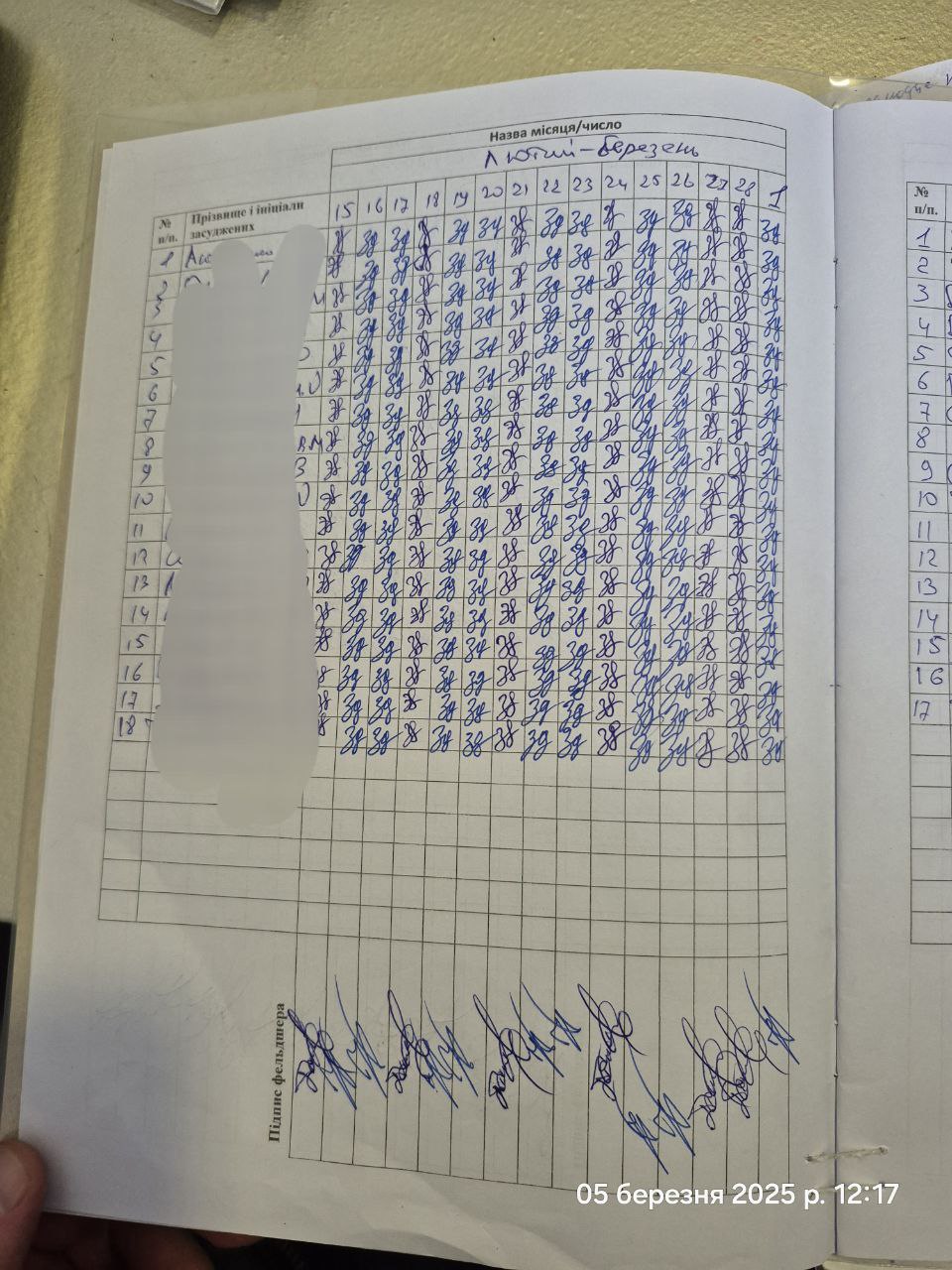
11. The monitoring group identified a number of violations in the organisation of laundry and bathing services for prisoners and detained persons. Thus, in violation of Clause 2.14 of Section II of the Regulation on the organisation of laundry and bathing services for persons held in penal institutions and pre-trial detention centres, approved by the order of the Ministry of Justice of Ukraine No. 849/5 of 08.06.2021 (hereinafter — Regulation), the institution does not ensure the provision of hairdressing services to prisoners and detained persons.
Thus, during the study of documentation, the monitoring group established that the fixed-term employment contract No. T-81, on the basis of which prisoner N. performed functional duties for haircuts, in accordance with the position of ‘residential area hairdresser’, ceased its effect on 26 February 2025. In addition, it was established that prisoner N. did not undergo instructions on occupational health and safety, as evidenced by the absence of a corresponding entry in the Log of registration of instructions on occupational health and safety at the workplace.
The aforementioned indicates a violation of the requirements of Article 118 of the Criminal Executive Code of Ukraine and Article 153 of the Labour Code of Ukraine. At the same time, prisoners are forced to perform haircuts themselves, often using technically faulty or outdated hairdressing equipment, which can lead to injury, violation of sanitary and hygienic standards, and the spread of infectious diseases.
In violation of the requirements of Clause 2.11 of Section II of the Regulation, the forced supply and exhaust ventilation system does not work in the laundry, bath, and shower rooms of the DIZO.
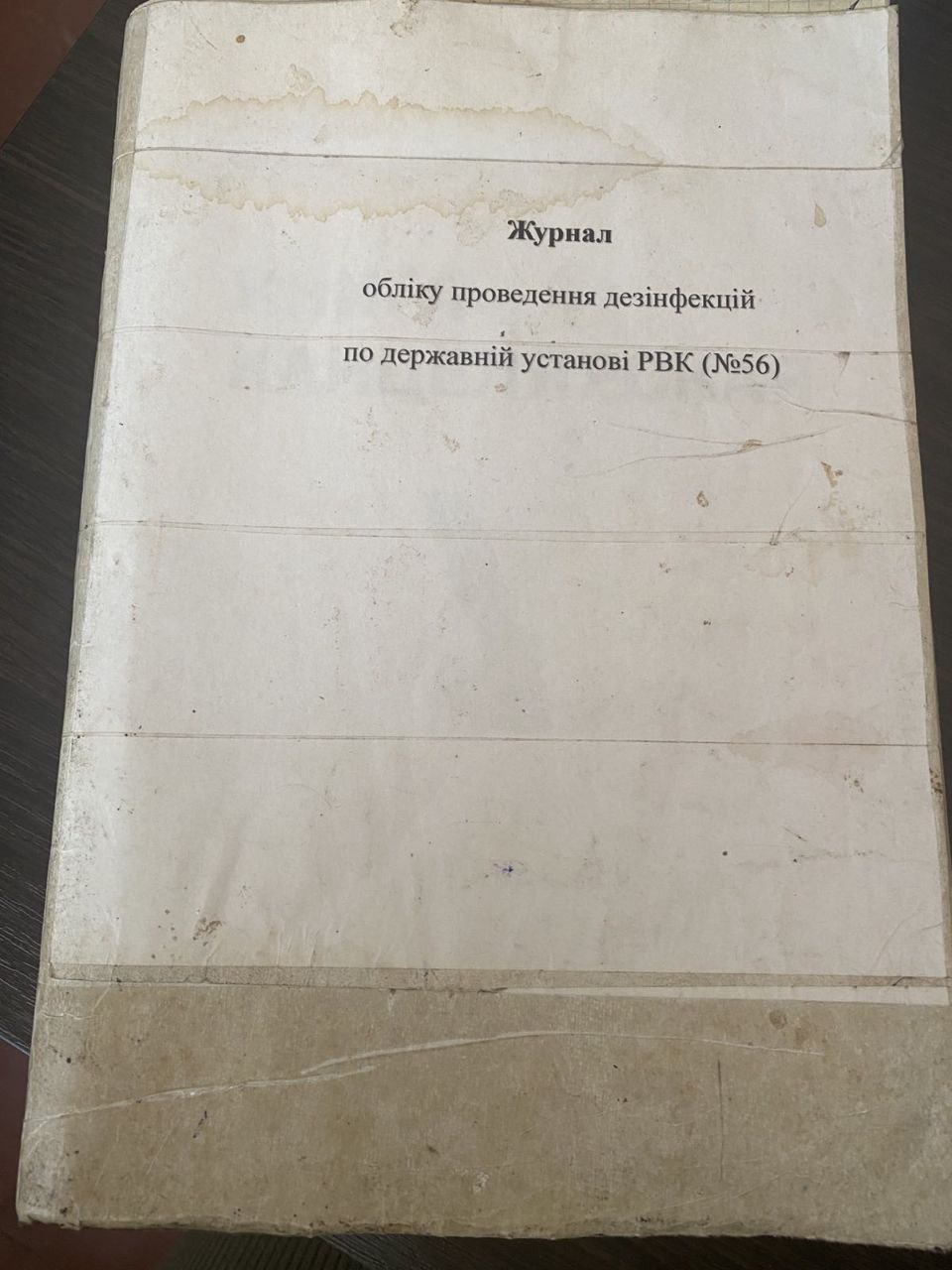
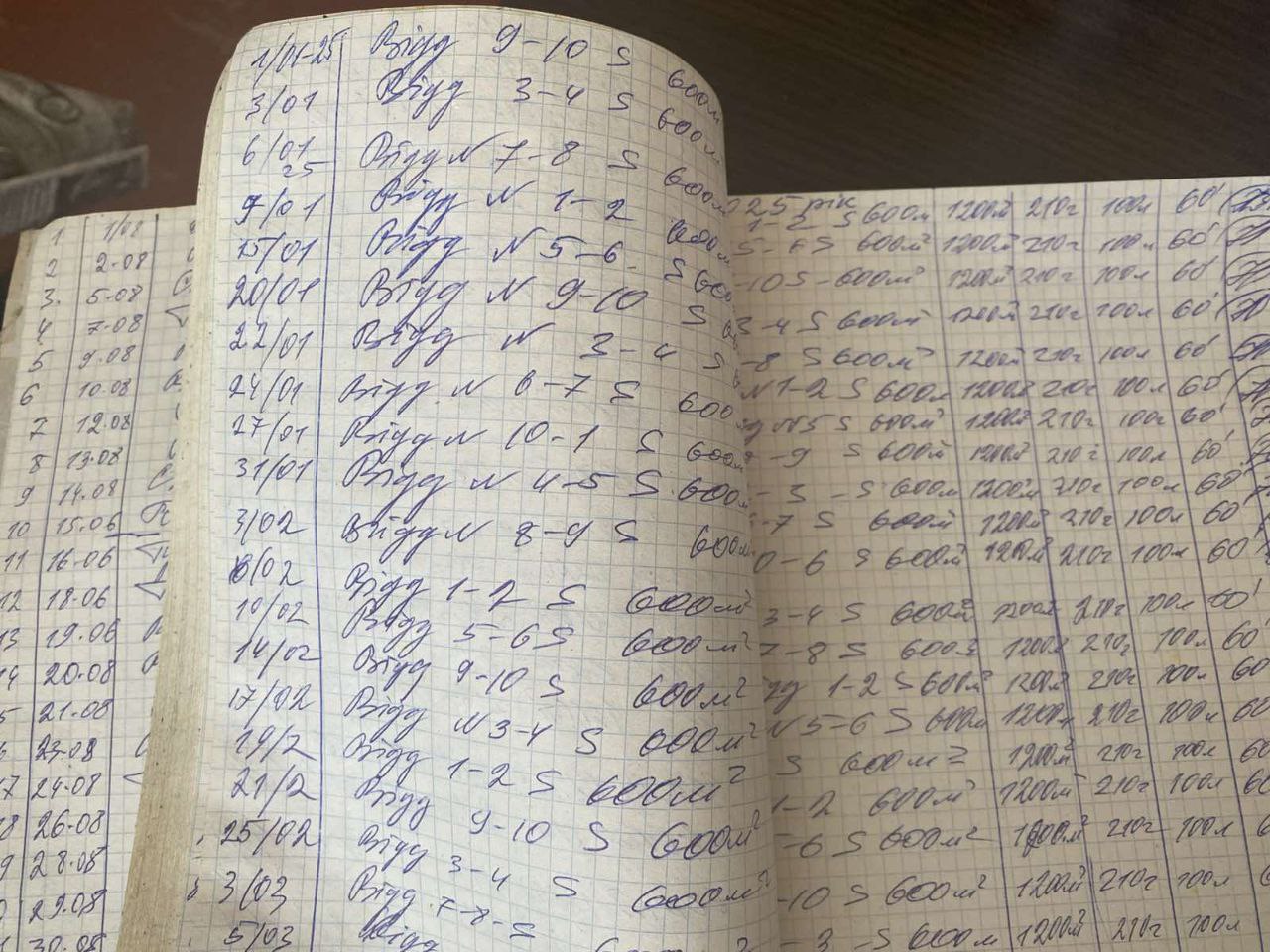
During the conversation with newly arrived persons who were in the KDiR ward and checking the Log of disinfection (disinsection) of clothes and bedding in disinfection chambers, it was established that in violation of the requirements of Clause 4 of Section XXII of the Internal Regulations and Clause 3.19 of Section III of the Regulation, the implementation of sanitary-hygienic and anti-epidemic rules is not properly ensured.
Sanitary processing of prisoners arriving at the institution is not carried out in full. In particular, disinsection (destruction of insects and ticks, which are transmitters of infectious diseases) of personal clothing and bedding (pillows, mattresses, blankets) in a disinfection chamber is not carried out.
The medical assistant’s place (corner) of the medical unit for conducting physical examinations, equipped in the room for undressing (dressing), does not meet the established requirements of Clause 3.11 of Section III of the Regulation and does not ensure privacy during the examination.
In violation of the requirements of Rule 19.3 of the European Prison Rules, the right to privacy is not observed in the bathhouse due to the absence of curtains on the shower partitions.
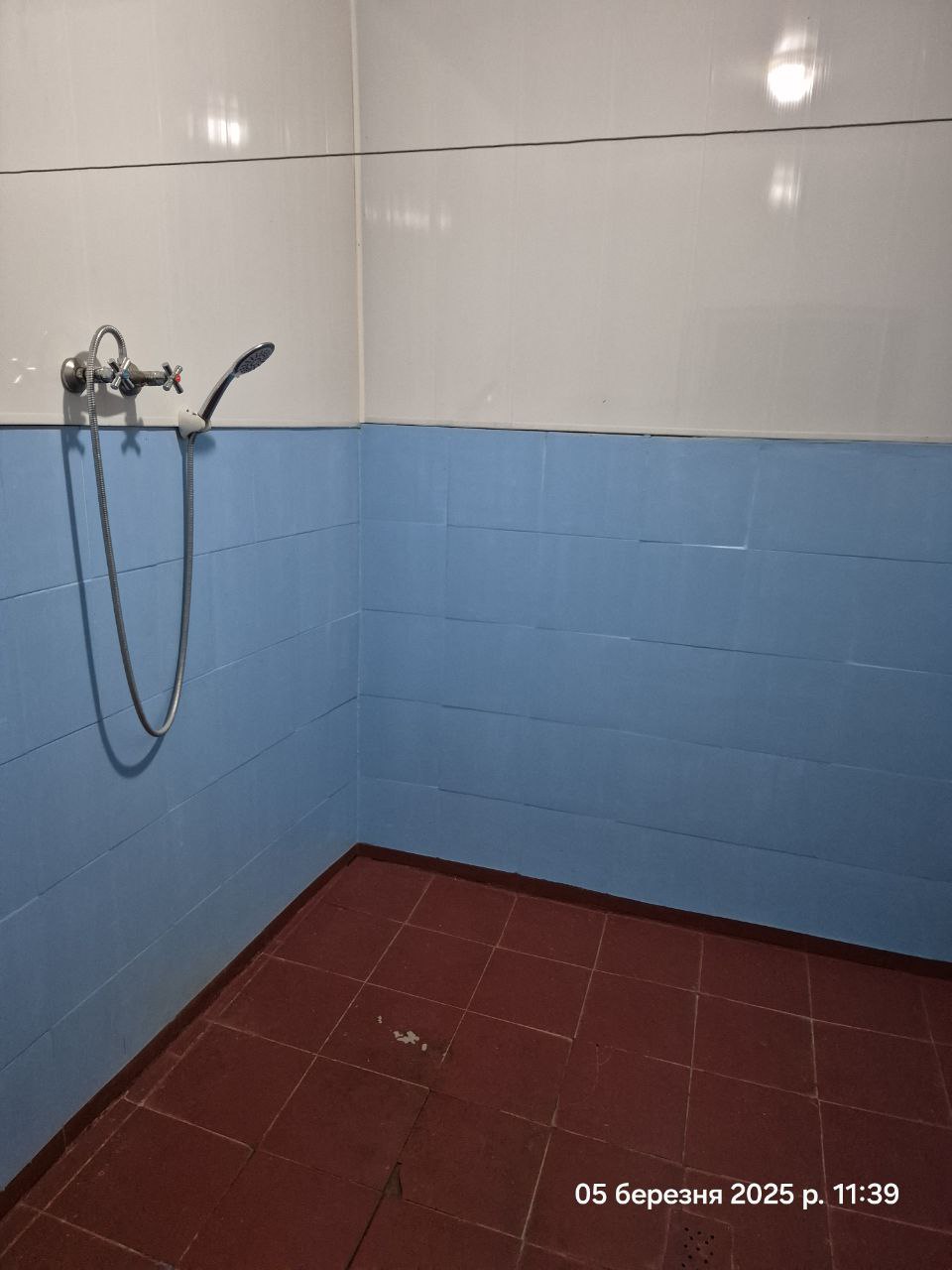
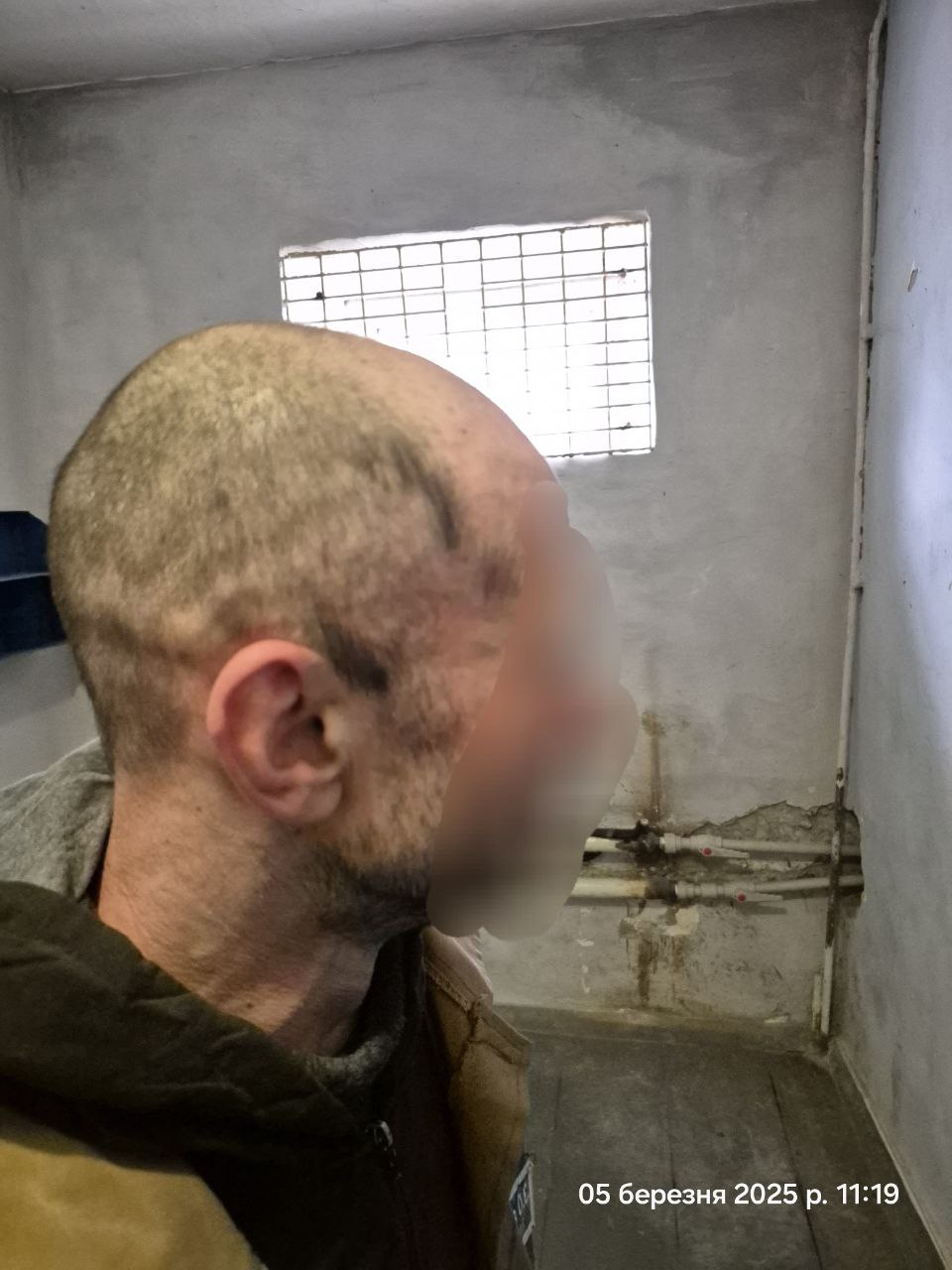
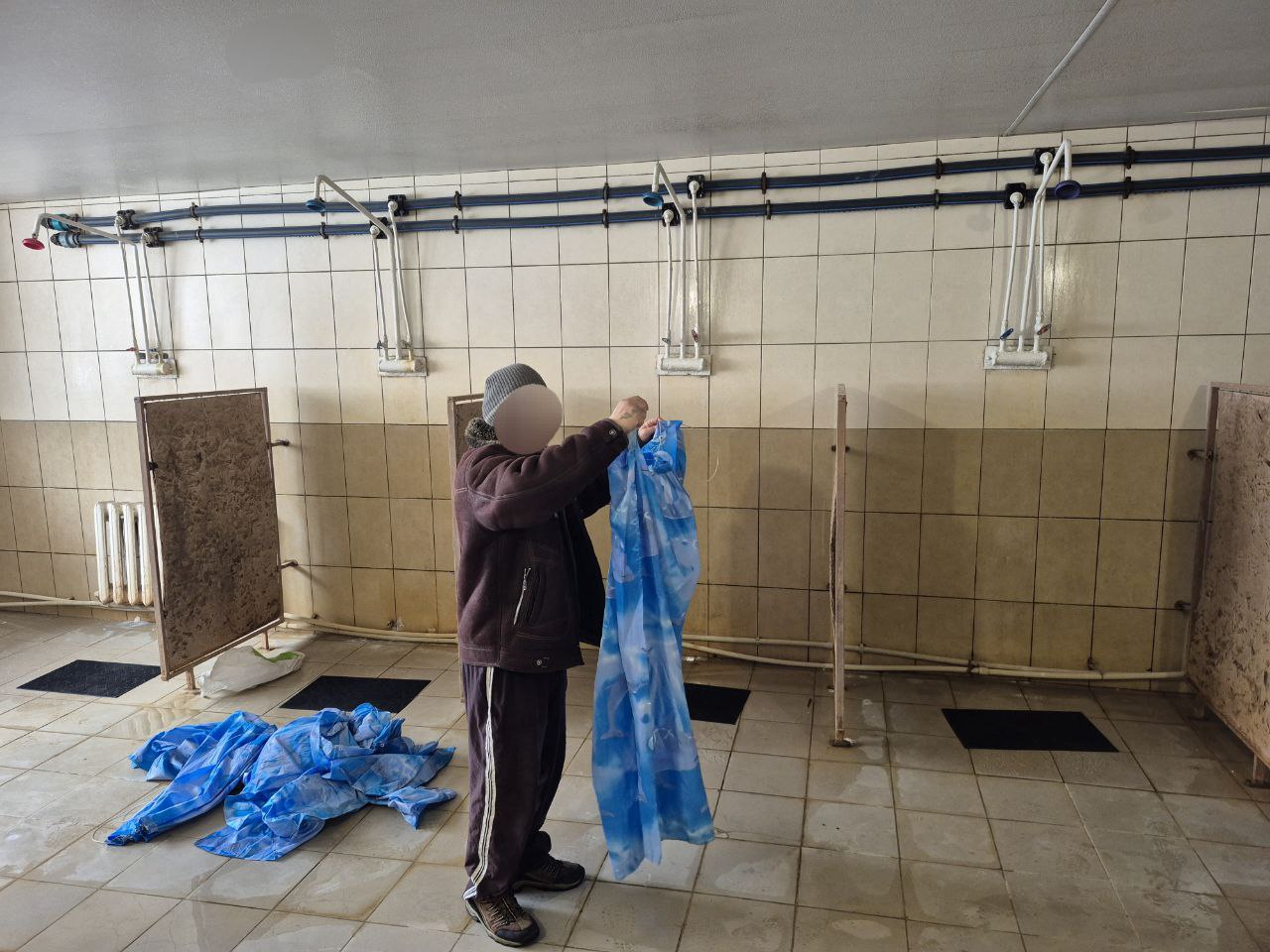
12. Violations of the requirements of Clause 5 of Section IV of the Regulation on the organisation of food supply in the State Penitentiary Service of Ukraine for peacetime, approved by the order of the Ministry of Justice of Ukraine of 15.06.2021 No. 2160/5, were detected. The monitoring group established the absence of sufficient functioning refrigeration equipment, due to which the placement and storage of food, taking into account commodity neighbourhood, is not ensured.
13. According to official documentation, the staff shortage in the institution as of 05.03.2025 is 30.5 positions (11%). At the same time, in the report to the Government of Ukraine on the results of the visit in 2023, the Committee emphasises that ensuring a positive climate in a penal institution requires a professional team of staff who must be present in sufficient numbers at any given time in places of detention. An insufficient number of staff can only increase the risk of violence and intimidation between prisoners.
The shortage of staff on the front line also undermines the quality and level of measures offered to prisoners and jeopardises the prospect of preparation for release and social rehabilitation.
In connection with this, the Committee calls on the Ukrainian authorities to take decisive measures to significantly increase the number of personnel in Ukrainian penal institutions where low staffing levels are observed, in order to strengthen the presence of security and supervision service personnel inside the institutions. Measures must also be taken to put an end to the 24-hour shift for staff on duty. (CPT/Inf (2024) 20, paragraph 93).
14. The monitoring group established that the institution’s administration creates artificial obstacles to the realisation of norms that provide for the possibility of replacing the unserved part of the sentence with a more lenient one, as well as for applying parole, which contradicts the principle of step-by-step reintegration of the prisoner into society.
Thus, according to the provided information, during 2024, 56 prisoners fell under the effect of Article 81 of the Criminal Code of Ukraine; the institution’s commission considered 56 files, and 55 prisoners were denied the submission of materials to the court regarding parole as having not proven their correction.
70 prisoners fell under the effect of Article 82 of the Criminal Code of Ukraine; the commission considered 70 files, 64 prisoners were denied the submission of materials to the court as having not embarked on the path of correction, 6 prisoners were granted, 2 were transferred.
48 prisoners fell under the effect of Article 101 of the Criminal Executive Code of Ukraine; the commission considered files on 48 prisoners, 44 were denied transfer to another security level as having not embarked on the path of correction.
4 prisoners fell under the effect of Article 151-1 of the Criminal Code of Ukraine; the commission considered 4 files, 3 prisoners were denied transfer to ordinary living quarters of the maximum-security correctional colony and to the medium-security colony as persons not embarking on the path of correction, and 1 prisoner was granted.
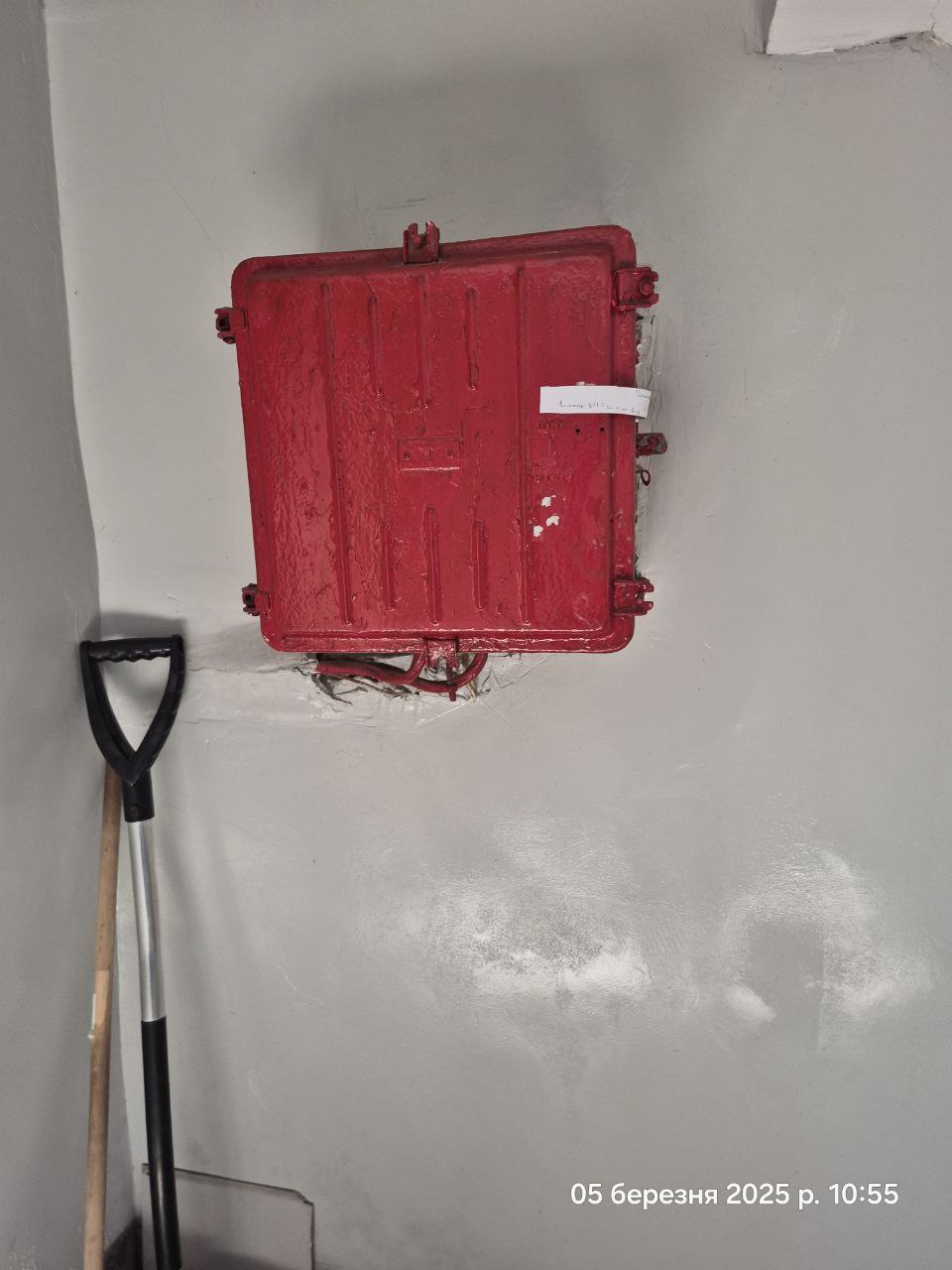
15. Part of the electrical panels and distribution cabinets in various rooms of the institution are in an open state, which provides prisoners with free access to them. This is a gross violation of the Fire Safety Rules in Ukraine, approved by the order of the Ministry of Internal Affairs of Ukraine of 30.12.2014 No. 1417, registered with the Ministry of Justice of Ukraine on 05.03.2015 under No. 252/26697 (hereinafter — Fire Safety Rules), and creates the possibility for unauthorised interference with the electrical network, an increased threat of fire, and electric shock.
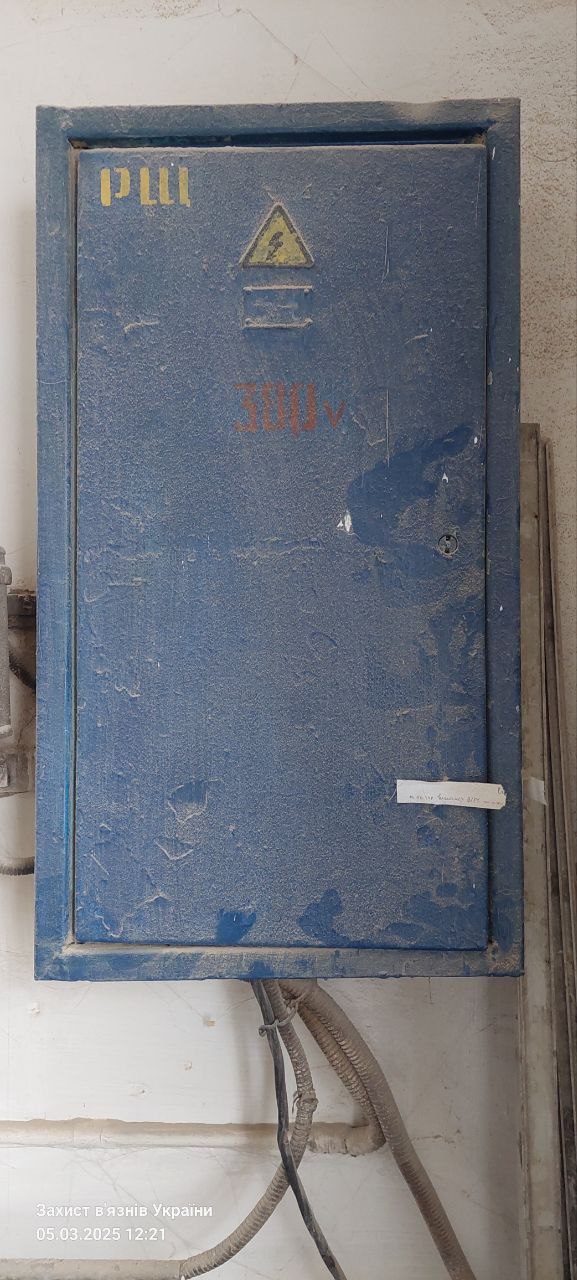
16. In violation of the requirements of the Standards of Provision, the maximum-security sector lacks premises for an educational work room and a room for performing religious rites. The aforementioned contradicts Clause 8 of Section XX of the Internal Regulations.
11. There are systemic violations of the requirements of Article 118 of the Criminal Executive Code of Ukraine, which provides that work is carried out on a voluntary basis on the basis of a civil law contract or an employment contract, which is concluded between the prisoner and a natural person-entrepreneur or a legal entity for whom the prisoners perform work or provide services.
In accordance with Article 23 of the Labour Code of Ukraine, an employment contract can be concluded: for an indefinite period (indefinite employment contract); for a definite period, established by agreement of the parties (fixed-term employment contract); for the time of performing a certain work (fixed-term employment contract).
At the same time, the above-mentioned norm establishes that a fixed-term employment contract is concluded in cases where labour relations cannot be established for an indefinite period, taking into account the nature of the work, or the conditions of its performance, or the interests of the employee, and in other cases provided for by legislative acts.
From the certificate provided by the institution’s lawyer upon the request of the monitoring group, no argumentation follows regarding exactly which “nature of the work or conditions of its performance, or interests of the employee” is the basis for concluding employment contracts with prisoners exclusively for 1-2 months. At the same time, subsequently, new employment contracts are concluded for the same period.
In accordance with Part 1 of Article 118 of the Criminal Executive Code of Ukraine, prisoners sentenced to deprivation of liberty have the right to work and are engaged in socially useful work in places and jobs defined by the colony administration, taking into account available production capacities, while considering gender, age, work capacity, state of health, and speciality.
Workers among the prisoners work more than the required working time duration determined by labour legislation, because they are registered under a fixed-term employment contract for 0.5 positions, and accordingly, they should work no more than 4 hours a day with a 5-day working week.
According to Part 1 of Article 119 of the Criminal Executive Code of Ukraine, for persons serving a sentence of deprivation of liberty, the working week cannot exceed the standard of working time duration established by labour legislation.
Positions of bakers, cooks, etc., belong to work according to the Resolution of the Cabinet of Ministers of Ukraine of 17 November 1997 No. 1290 “On the approval of Lists of productions, works, workshops, professions and positions, employment in which gives the right to annual additional leave for work with harmful and heavy working conditions and for the special nature of work”.
Since these works belong to heavy working conditions and have a special nature of work, persons should be admitted to independent performance of work after undergoing a preliminary medical examination and in the absence of contraindications for health reasons to perform this work.
Remuneration for work with harmful conditions according to the Labour Code of Ukraine is carried out in an increased amount. According to Clause 5.6 of the Instructions, the sizes of surcharges for work in heavy, harmful, especially harmful working conditions apply to prisoners. Surcharges for working conditions are determined based on the data of the certification of workplaces and assessment of working conditions in amounts not less than those provided by legislation.
Detected cases of non-compliance of the occupied position under a fixed-term employment contract and the actually occupied position include: the position of a washing and repair machine operator for special clothing in the residential area is listed, but in fact, the person works in the institution’s boiler room.
All prisoners performing certain work in the industrial zone work in workshops. According to the administration, rates for the cost of work and the time for performing a certain operation in the workshops are set by the institution’s administration, and this directly affects the labour of the prisoners, because the amount of prisoners’ wages depends on the hours worked.
Breakdown of material costs per unit of production, namely “icon”. The following rates are indicated: total cost of materials including energy costs: 15.25 UAH.
In the breakdown of labour costs per unit of production, three main operations are indicated:
1. Cleaning of parts:
- Performer: 1st-grade worker.
- Time for operation: 0.1 hour.
- Cost of work: 47.76 UAH/hour.
2. Sanding of the board:
- Performer: 1st-grade worker.
- Time: 0.04 hour.
- Cost: 47.76 UAH/hour.
3. Carving and burning on the board:
- Performer: 1st-grade worker.
- Time: 2.5 hours.
- Cost: 47.76 UAH/hour.
Total cost of labour costs for making an icon (hours): 2.640 hours.
Total cost of labour costs for making an icon (UAH): 126.10 UAH.
Labour costs for the production of a unit of the “Icon” product are set improperly. For February 2025, the wages of prisoner Sh., who was engaged in making the icon, amounted to 126.10 UAH, including a deduction of 63.05 UAH.
12. Article 24 of the Labour Code of Ukraine stipulates that an employment contract is concluded, as a rule, in writing. However, regarding prisoners, such contracts must be concluded exclusively in writing. This follows from the above-mentioned provision of Article 118 of the Criminal Executive Code of Ukraine, according to which “Such contracts are agreed upon by the colony administration and must contain the procedure for their execution”.
Furthermore, an employee cannot be admitted to work without the conclusion of an employment contract, drawn up by an order or directive of the employer, and notification of the central executive authority on issues of ensuring the formation and implementation of state policy on the administration of a single contribution to mandatory state social insurance about the hiring of an employee in the order established by the Cabinet of Ministers of Ukraine (Article 24 of the Labour Code of Ukraine).
Hence — apart from the employment contract, there must also be an order about its registration. According to established practice, this is fixed in the document “Order (directive) on hiring”, which has a standard form approved by the order of the State Statistics Committee “On the approval of standard forms of primary accounting documentation on labour statistics” of 05.12.2008 No. 489.
However, if necessary, the employer can supplement it with some information or make other changes to it. Also, they have the right to develop their own, convenient form of order (directive).
The order of the Ministry of Justice of Ukraine of 08.06.2012 No. 847/5 “On the approval of the Instructions on the work of departments (groups, sectors, senior inspectors) of control over the execution of court decisions of penal institutions and pre-trial detention centres” stipulates that “Documents reflecting the process of their holding in the pre-trial detention centre and serving the sentence in the institution are attached to the second part of the prisoner’s (person taken into custody) personal file. Other documents concerning a specific person are also attached to the prisoner’s (person taken into custody) personal file”.
That is, both the employment agreement and the hiring order must be attached to the prisoner’s personal file. Certain features of maintaining records on personnel issues are defined by the Law of Ukraine “On the organisation of labour relations in the conditions of martial law”, but all of them concern the situation in combat zones and do not affect the ensuring of reliable accounting: “Article 7. Features of document exchange, organisation of personnel records, and archival storage of personnel documents at the employer.
- During the period of martial law, the procedure for organising records on labour relations issues, execution and maintenance of work books and archival storage of relevant documents in areas of active combat operations is determined by the employer independently, provided that reliable accounting of the work performed by the employee and accounting of labour costs are ensured.
- During the period of martial law, the parties to the employment contract may agree on alternative methods of creation, sending, and storage of orders (directives) of the employer, notifications, and other documents on labour relations issues and on any other available method of electronic communication, which is chosen by agreement between the employer and the employee”.
Therefore, upon hiring a prisoner, the following documents must be drawn up: an employment contract and a hiring order. Also, the employer must send a notification to the State Tax Service. Copies of such documents must be attached to the prisoner’s personal file. No hiring order was provided during the visit.
13. Regarding all prisoners, labour rights are violated, in particular, the right to leave. Concluding contracts for 1-2 months allegedly becomes the basis for the administration not to grant such leave, and for employers — not to pay compensation. There is an impression that the institution’s administration, on which, according to Article 18 of the Law of Ukraine “On the State Penitentiary Service of Ukraine”, the duty is placed to ensure respect for human and citizen rights, the realisation of the legal rights and interests of prisoners and persons taken into custody, instead allows the creation of prerequisites for restricting prisoners in labour rights.
As directly provided for in Article 7 of the Criminal Executive Code of Ukraine, prisoners enjoy all human and citizen rights provided for by the Constitution of Ukraine, with the exception of restrictions defined by this Code, laws of Ukraine, and established by a court verdict.
The Criminal Executive Code of Ukraine, as well as other legislative acts, do not contain provisions regarding the cancellation of leave for working prisoners. The Law of Ukraine “On Leave” establishes that citizens of Ukraine who are in labour relations with enterprises, institutions, organisations, regardless of forms of ownership, type of activity, and branch affiliation, as well as work under an employment contract for a natural person (hereinafter — enterprise), have the right to leave.
Foreigners and stateless persons working in Ukraine have the right to leave on an equal basis with citizens of Ukraine. The right to leave is ensured by: guaranteed provision of leave of a specified duration with retention of the job (position) for its period, wages (allowances) in cases provided for by this Law; a ban on replacing leave with monetary compensation, except in cases provided for by Article 24 of this Law (stipulates that “In case of dismissal of an employee, he is paid monetary compensation for all days of annual leave not used by him”).
Annual basic leave is granted to employees with a duration of at least 24 calendar days for an worked working year, which is counted from the day the employment contract is concluded (Article 6 of the above-mentioned Law). Furthermore, as established in Article 29 of the Labour Code of Ukraine, before starting work, the employer is obliged to inform the employee in a way agreed with the employee about:
- the place of work (information about the employer, including their location), the labour function that the employee is obliged to perform (position and list of job duties), the date of commencement of work;
- the designated workplace, provision with necessary means for work;
- rights and duties, working conditions;
- the presence of dangerous and harmful production factors at the workplace that have not yet been eliminated, and possible consequences of their impact on health, as well as about the right to benefits and compensation for work in such conditions in accordance with legislation and the collective agreement — under signature;
- rules of internal labour regulations or conditions for establishing the working regime, duration of working time and rest, as well as about the provisions of the collective agreement (in case of its conclusion);
- undergoing instructions on occupational safety, industrial sanitation, occupational hygiene, and fire safety;
- organisation of professional training of employees (if such training is provided);
- duration of annual leave, conditions and size of wages;
- the procedure and deadlines established by this Code for notification of termination of the employment contract, which must be observed by the employee and the employer.
It is also necessary to keep in mind that certain categories of employees also have the right to additional leave (in particular, cooks working at the stove, medical assistants, casters, etc.). Their list is provided for by the Resolution of the Cabinet of Ministers of Ukraine of 17 November 1997 No. 1290 “On the approval of Lists of productions, works, workshops, professions and positions, employment in which gives the right to annual additional leave for work with harmful and heavy working conditions and for the special nature of work”.
Prisoners are not deprived of all these benefits and advantages, therefore, when employed in corresponding positions in penal institutions or on the basis of labour and other agreements, they should be granted appropriate leave, payments, etc. At the same time, the Law of Ukraine “On the organisation of labour relations in the conditions of martial law” does not establish significant restrictions in the realisation of such a right: “
1. During the period of martial law, the granting of annual basic leave to an employee by the employer’s decision may be limited to a duration of 24 calendar days for the current working year. If the duration of an employee’s annual basic leave exceeds 24 calendar days, the granting of days of such leave not used during the period of martial law is transferred to the period after the termination or cancellation of martial law.
During the period of martial law, the employer may refuse an employee the granting of unused days of annual leave. The norms of part seven of Article 79, part five of Article 80 of the Labour Code of Ukraine and part five of Article 11, part two of Article 12 of the Law of Ukraine “On Leave” do not apply during the period of martial law. In case of dismissal of an employee during the period of martial law, he is paid monetary compensation in accordance with Article 24 of the Law of Ukraine “On Leave”.
2. During the period of martial law, the employer may refuse an employee the granting of any type of leave (except leave in connection with pregnancy and childbirth and leave for childcare until the child reaches the age of three), if such an employee is involved in performing work at critical infrastructure facilities.
3. During the period of martial law, at the employee’s request, the employer may grant him leave without retention of wages without the limitation of the term established by part one of Article 26 of the Law of Ukraine “On Leave”. Therefore, prisoners have the right to annual and additional leave, as well as to compensation in case of non-use of such leave. This also applies to leave without retention of wages. And in the institution, not a single case of granting any type of leave was established.
14. Violations of the requirements of Article 49-6 of the Labour Code of Ukraine regarding the content of employment contracts are common. In fact, all possible provisions are included in their content, which either do not concern the work performed or directly contradict it. Employment contracts do not clearly state all necessary essential conditions. Essential conditions of an employment contract are:
- place of work (indicating the structural unit) or other place of work, if the employee performs their duties under remote work conditions;
- date of entry into force of the employment contract, and in case of concluding an employment contract for a definite period — the term of the contract;
- employee’s duties;
- conditions of remuneration (including the size of the tariff rate or salary (official salary), surcharges, bonuses, allowances, incentive and compensation payments, payment for work at night and overtime, on holidays, non-working and weekends);
- working regime, duration of working time and rest, work at night and overtime;
- duration of annual basic leave, the procedure for its granting in accordance with legislation, granting of annual additional leave (amounts of their payment);
- guarantees and compensation for work with harmful and/or dangerous working conditions, in case of the presence of relevant conditions at the employee’s workplace, indicating their characteristics;
- working conditions;
- deadlines for notification of termination of the employment contract at the employer’s initiative;
- procedure and form of information exchange between the employer and the employee;
- procedure and deadlines for notifying the employee about changes in essential working conditions (in case of their deterioration). The employee must be notified about a change in essential working conditions no later than the deadline defined by Article 32 of this Code;
- conditions and procedure for making other changes to the employment contract, as well as the procedure and form of informing about the change of the employment contract;
- conditions of non-disclosure of trade secrets, ensuring the protection of intellectual property and use of copyright objects (in case of their use or creation in the process of labour activity) and responsibility for their violation;
- conditions of occurrence and procedure for resolving a conflict of interests;
- compensation payment to the employee in case of termination of the employment contract at the employer’s initiative;
- responsibility of the employer for violation of the deadlines for the payment of wages, which provides for the definition in the employment contract of the amount of compensation (as a percentage of the amount of wages (tariff rate or salary (official salary)) which is paid by the employer to the employee for each day of delay in wage payment.
This information is absent in the studied employment contracts with prisoners.
15. The rights of prisoners and the provisions of the Labour Code of Ukraine regarding the involvement of prisoners in work at night are violated. Current regulatory acts do not provide for a direct ban on involving prisoners in work at night. But at the same time, the requirements established by the Labour Code of Ukraine and the Ministry of Justice of Ukraine must be met. First of all, work at night must be reflected in the employment contract and belongs to its essential conditions under the simplified regime of regulating labour relations: “Essential conditions of an employment contract are:
- place of work (indicating the structural unit) or other place of work, if the employee performs their duties under remote work conditions;
- date of entry into force of the employment contract, and in case of concluding an employment contract for a definite period — the term of the contract;
- employee’s duties;
- conditions of remuneration (including the size of the tariff rate or salary (official salary), surcharges, bonuses, allowances, incentive and compensation payments, payment for work at night and overtime, on holidays, non-working and weekends);
- working regime, duration of working time and rest, work at night and overtime;
- duration of annual basic leave, the procedure for its granting in accordance with legislation, granting of annual additional leave (amounts of their payment);
- guarantees and compensation for work with harmful and/or dangerous working conditions, in case of the presence of relevant conditions at the employee’s workplace, indicating their characteristics;
- working conditions;
- deadlines for notification of termination of the employment contract at the employer’s initiative;
- procedure and form of information exchange between the employer and the employee;
- procedure and deadlines for notifying the employee about changes in essential working conditions (in case of their deterioration). The employee must be notified about a change in essential working conditions no later than the deadline defined by Article 32 of this Code;
- conditions and procedure for making other changes to the employment contract, as well as the procedure and form of informing about the change of the employment contract;
- conditions of non-disclosure of trade secrets, ensuring the protection of intellectual property and use of copyright objects (in case of their use or creation in the process of labour activity) and responsibility for their violation;
- conditions of occurrence and procedure for resolving a conflict of interests;
- compensation payment to the employee in case of termination of the employment contract at the employer’s initiative;
- responsibility of the employer for violation of the deadlines for the payment of wages, which provides for the definition in the employment contract of the amount of compensation (as a percentage of the amount of wages (tariff rate or salary (official salary)) which is paid by the employer to the employee for each day of delay in wage payment.
The employment contract, by agreement between the employee and the employer, may provide for the grounds and procedure for involving the employee in work during overtime and at night, on holidays, non-working and weekends, indicating the amount of payment for such work. At the same time, the amount of such payment cannot be lower than the amount determined by Articles 72, 106, 107, 108 of this Code.
Article 54 of the Labour Code of Ukraine stipulates that when working at night, the established duration of work (shift) is reduced by one hour. This rule does not apply to employees for whom a reduction in working time is already provided. Night time is considered the time from 10 p.m. to 6 a.m.
Work at night is paid in an increased amount, established by general, sectoral (regional) agreements and the collective agreement, but not lower than 20 percent of the tariff rate (salary) for each hour of work at night (Article 108 of the Labour Code of Ukraine).
Similar provisions are also contained in the Instructions on working conditions and wages of persons sentenced to restriction of liberty or deprivation of liberty, approved by the order of the Ministry of Justice of Ukraine of 07.03.2013 No. 396/5.
According to this act, when prisoners work at night (from 10 p.m. to 6 a.m.), the established duration of work (shift) is reduced by one hour. This rule does not apply to prisoners engaged in work with harmful working conditions, for whom, in accordance with Clause 2 of the first part of Article 51 of the Labour Code of Ukraine, a reduced duration of working time is already provided.
The duration of night work is equated to daytime work in those cases when it is necessary due to production conditions, in particular in production with a continuous technological process, as well as in shift work with a six-day working week with one day off.
Also, the Instructions outline approaches to the duration of working time for prisoners engaged in work with harmful working conditions, established in accordance with Clause 2 of the first part of Article 51 of the Labour Code of Ukraine. The work of prisoners in the open air in the cold season or in closed unheated premises, including loaders, is regulated by Article 168 of the Labour Code of Ukraine. On the eve of holidays and non-working days, the duration of work of prisoners, except for juvenile prisoners and prisoners engaged in work with harmful working conditions, for whom a reduced working time duration is established according to legislation, is reduced by one hour. On the eve of weekends, the duration of work during a six-day working week cannot exceed 5 hours.
Therefore, prisoners can be involved in work at night, but this must be stipulated by the employment contract, and also paid according to the rules established by the Labour Code of Ukraine, at increased rates.
None of the studied contracts contained conditions regarding work at night. Similarly, other requirements regarding wages for such work were not met.
16. At the institution’s production site, occupational safety standards are violated, prisoners work in appalling conditions, the temperature in the premises does not comply with standards, there is no access to fresh air in the workshops and work areas, and prisoners are not provided with drinking water in a normal sanitary and hygienic condition. Prisoners cannot state their wage amount, and medical staff do not monitor working conditions.
The cost of work for the production of certain types of products (for example, souvenir icons, coils of low-visibility obstacles, etc.) is determined without any regulatory basis. As a result, a prisoner receives 126 UAH 10 kopecks for making one icon, having worked for 4 working days.
According to the administration, to determine the cost of a prisoner’s labour, they give such work to one person and time how long it takes them to do it, and multiply by the cost of one hour at the minimum wage size. There is a gross violation of the requirements of the Constitution of Ukraine here, as the administration of the institution and the institution’s enterprise perform functions and powers not granted to them.
17. On the subsidiary farm, the requirements of the Occupational Safety Rules in Agricultural Production, approved by the order of the Ministry of Social Policy of 29.08.2018 No. 1240, are not observed, in particular, regarding safety requirements for production equipment and organisation of workplaces; safety requirements during the preparation of feed; safety requirements during loading, transportation, and distribution of feed; safety requirements during pig keeping.
The worker who ensures the care of animals is registered for 0.25 positions, however, he provides care for animals practically around the clock and, as the representatives of the administration emphasised, exclusively independently, without any help.
The status of such a “subsidiary farm” is also unclear, because according to the documents, it is practically an enterprise that provides services for fattening pigs and other animals for individuals (not for the needs of the institution). The conditions of animal keeping also do not meet established standards (regarding the quality of feed, sizes of pens, and compliance with sanitary and hygienic conditions).
18. The right of prisoners to receive necessary medical care is violated. There is no doctor appointment schedule in the medical unit. According to the schedule available on the website of the Health Care Centre of the State Penitentiary Service of Ukraine, doctors see patients mainly in the second half of the day, and during the working day, this is done by a medical assistant. At the time of the monitoring visit, the doctors were not on site according to the work schedule, they appeared with a 40-minute delay, while not considering such a violation of labour discipline as something egregious.
As a result, during the monitoring visit, the medical assistant was busy providing medical care to a prisoner who lost consciousness and did not have time to record the bodily injuries that another prisoner had.
Medical Unit No. 56 of the Branch of the State Institution “Health Care Centre of the State Penitentiary Service of Ukraine” in the Sumy Region
On the day of the visit, the position of the head of the medical unit was vacant. According to the information provided by the medical unit staff, the following doctor positions are staffed: general practitioner — family doctor — 1 position; dentist — 1 position; psychiatrist — 0.5 position; infectious disease specialist — 0.5 position; phthisiatrist — 0.5 position; radiologist — 0.5 position; surgeon — 1 position.
The positions remaining vacant are: head of the medical unit-doctor — 1 position; psychiatrist — 0.5 position; medical assistant — 2 positions.
During the visit, the monitoring group studied medical documentation, inspected the medical unit premises for their compliance with the requirements of Ukrainian legislation and international standards, and identified shortcomings in the medical unit’s work.
17. In violation of the requirements of Clause 3 of Section 1, Chapter II of the Procedure for organising the provision of medical care to prisoners sentenced to deprivation of liberty, approved by the joint order of the Ministry of Justice of Ukraine and the Ministry of Health of Ukraine of 15.08.2014 No. 1348/5/572 (hereinafter — Procedure), medical staff do not draw up certificates in which the nature of bodily injuries, their dimensions, and location are described in detail.
Thus, the absence of a completed form of primary accounting documentation No. 511/o “Certificate on the recording of bodily injuries”, approved by the order of the Ministry of Health of Ukraine of 2 February 2024 No. 186, was established for prisoners P. and K., who received bodily injuries on 27.11.2024, in accordance with the information entered into the Log of recording facts of detection of bodily injuries in prisoners.
The lack of proper recording of bodily injuries does not meet Clause 60 of the recommendations of the European Committee for the Prevention of Torture and Inhuman or Degrading Treatment or Punishment (hereinafter — the Committee), where it is stated that medical services in places of deprivation of liberty can contribute to the prevention of violence against persons held in custody by systematically recording bodily injuries, as well as, if necessary, by informing the relevant authorities. (CPT/Inf(93)12-part).
18. During the study of medical documentation, it was established that in the outpatient patient medical records 025/o, photographs of existing bodily injuries are not added to the drawn-up certificates, as provided for in Clause 3 of Section I, Chapter II of the Procedure. At the same time, the Committee in its report on the results of the visit to Ukraine in 2023 notes that any traumatic injuries discovered during a medical examination should be photographed in detail, and the photographs together with body charts should be stored in the individual medical record of the person. (CPT/Inf (2024) 20, paragraph 82).
19. In violation of the requirements of the Instructions on filling out the form of primary accounting documentation No. 003-6/o “Informed voluntary consent of the patient to the conduct of diagnostics, treatment and the conduct of an operation and anaesthesia and to the presence or participation of participants in the educational process”, approved by the order of the Ministry of Health of Ukraine of 14.02.2012 No. 110, the absence of signed informed voluntary consent for diagnostics and treatment by patients who were in the hospital ward was established.
The aforementioned may indicate the absence of voluntary consent of patients for the application of methods of diagnostics, prevention, and treatment regarding them, which is a violation of Article 43 of the Law of Ukraine “Fundamentals of the legislation of Ukraine on health care” and Clause 47 of the Committee’s recommendations (CPT/Inf (93)12-part).
20. In violation of the requirements of the tenth paragraph of Clause 2 of Section XVII of the Internal Regulations of penal institutions, approved by the order of the Ministry of Justice of Ukraine of 28.08.2018 No. 2823/5 (hereinafter — Internal Regulations), a prisoner who performs the function of a dormitory orderly is present in the medical unit ward around the clock.
During a confidential conversation with prisoners who were undergoing treatment in the ward, the monitoring group established that the performance of various tasks is assigned to him, in particular, caring for the seriously ill, cleaning premises, and also that he occupies a sleeping place in one of the wards of the hospital.
Thus, the institution’s personnel and medical staff delegated the right to the dormitory orderly regarding the organisation of constant supervision over prisoners in the hospital ward, control over their compliance with the internal daily routine, etc.
The aforementioned violates Article 96 of the Criminal Executive Code of Ukraine (hereinafter — Criminal Executive Code of Ukraine). At the same time, the Committee has repeatedly recommended stopping the practice of using prisoners as assistants in medical units and as orderlies. (Committee Report on the results of the visit to Ukraine in 2005 (paragraph 132, CPT/Inf (2007) 22), in 2013 (paragraph 151, CPT/Inf (2014) 15), in 2017 (paragraph 86, CPT/Inf (2018) 41)).
21. In violation of the Measures and Means for preventing infection when providing care to patients, approved by the order of the Ministry of Health of Ukraine of 03.08.2020 No. 1777, the medical unit is equipped with only one isolation ward for infectious patients, which makes it impossible to simultaneously place patients with dangerous infectious diseases separately from each other and other prisoners.
22. In violation of the requirements of the Medical care standards for HCV in adults, approved by the order of the Ministry of Health of Ukraine of 15.01.2021 No. 51, not all persons (41 persons as of 05.03.2025) with suspected viral hepatitis C undergo PCR testing, due to which they do not receive the necessary treatment, which can lead to a deterioration in their state of health and the spread of the specified infectious disease among prisoners and detained persons.
23. In accordance with Clause 1 of Chapter 2 of Section II of the Procedure, during the fourteen days of prisoners’ stay in the quarantine, diagnosis, and distribution ward, they are subject to a full medical examination, which is carried out by doctors of the relevant profile. However, during the analysis of the medical documentation of prisoners, in particular, outpatient patient medical records of the form of primary accounting documentation No. 025/o, it was established that prisoners do not undergo an examination by a psychiatrist, as evidenced by the absence of a corresponding entry by the specified specialist. Failure to comply with the requirements regarding a full medical examination can lead to untimely detection and provision of necessary psychiatric care.
24. In violation of Clause 8 of Chapter 5 of Chapter 2 of the Procedure, there is no equipped isolation ward for persons with mental disorders for prisoners who pose a danger to others in the medical unit ward.
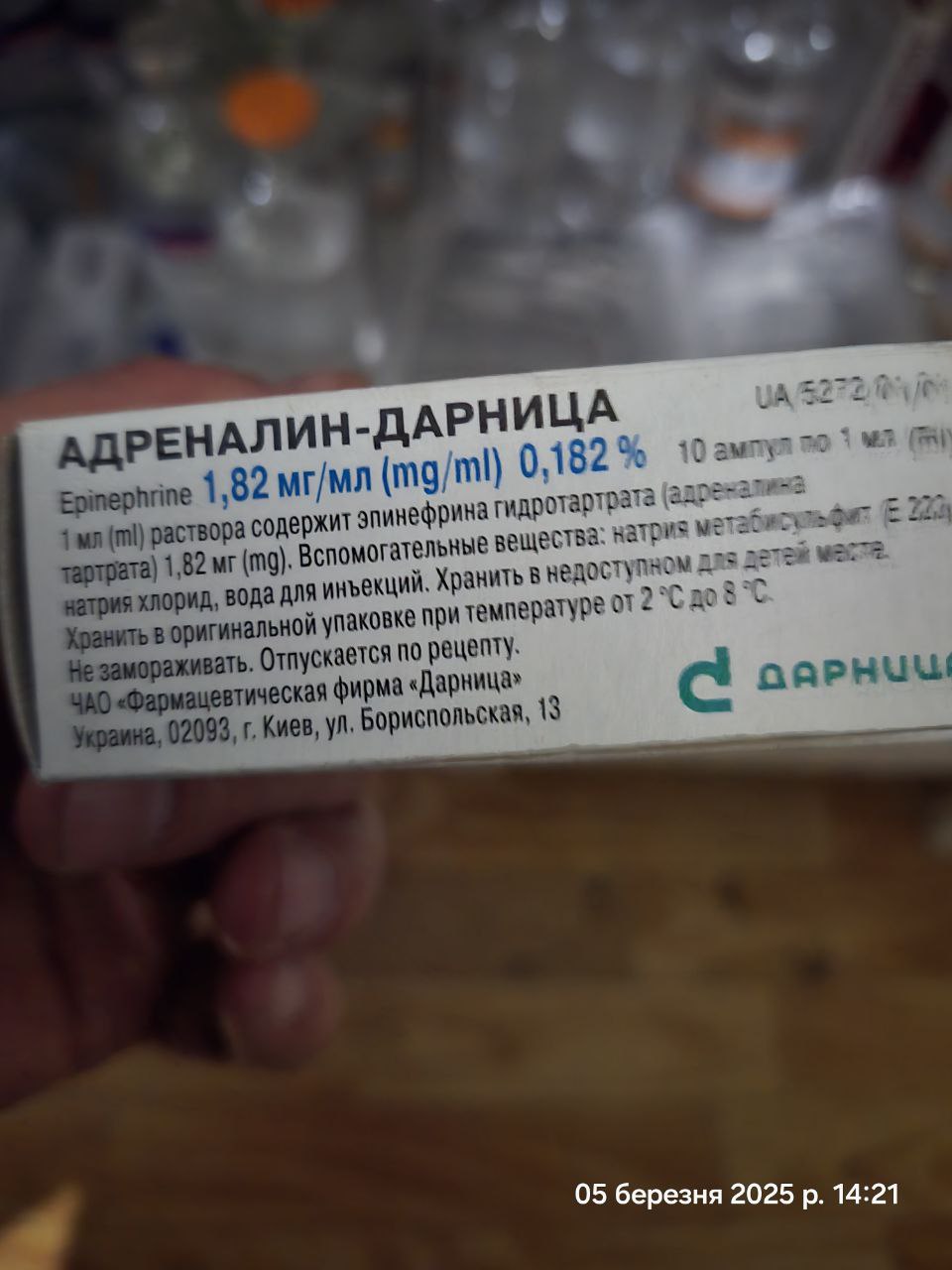
25. In violation of the requirements of the order of the Ministry of Health of Ukraine of 16.12.2003 No. 584 “On the approval of the Rules for storage and quality control of medicinal products in medical and preventive institutions”, medicinal products are stored without compliance with the temperature regimes established by manufacturers.
In particular, in the room of the manipulation office, in a cabinet and on a table, one package of the medicinal product “Adrenaline” and one package of “Ascorbic Acid” were found, for which the established maximum storage temperature should not exceed 8° C. Non-compliance with the relevant conditions can lead to a loss of effectiveness of medicinal products, which poses a risk to the life and health of patients.

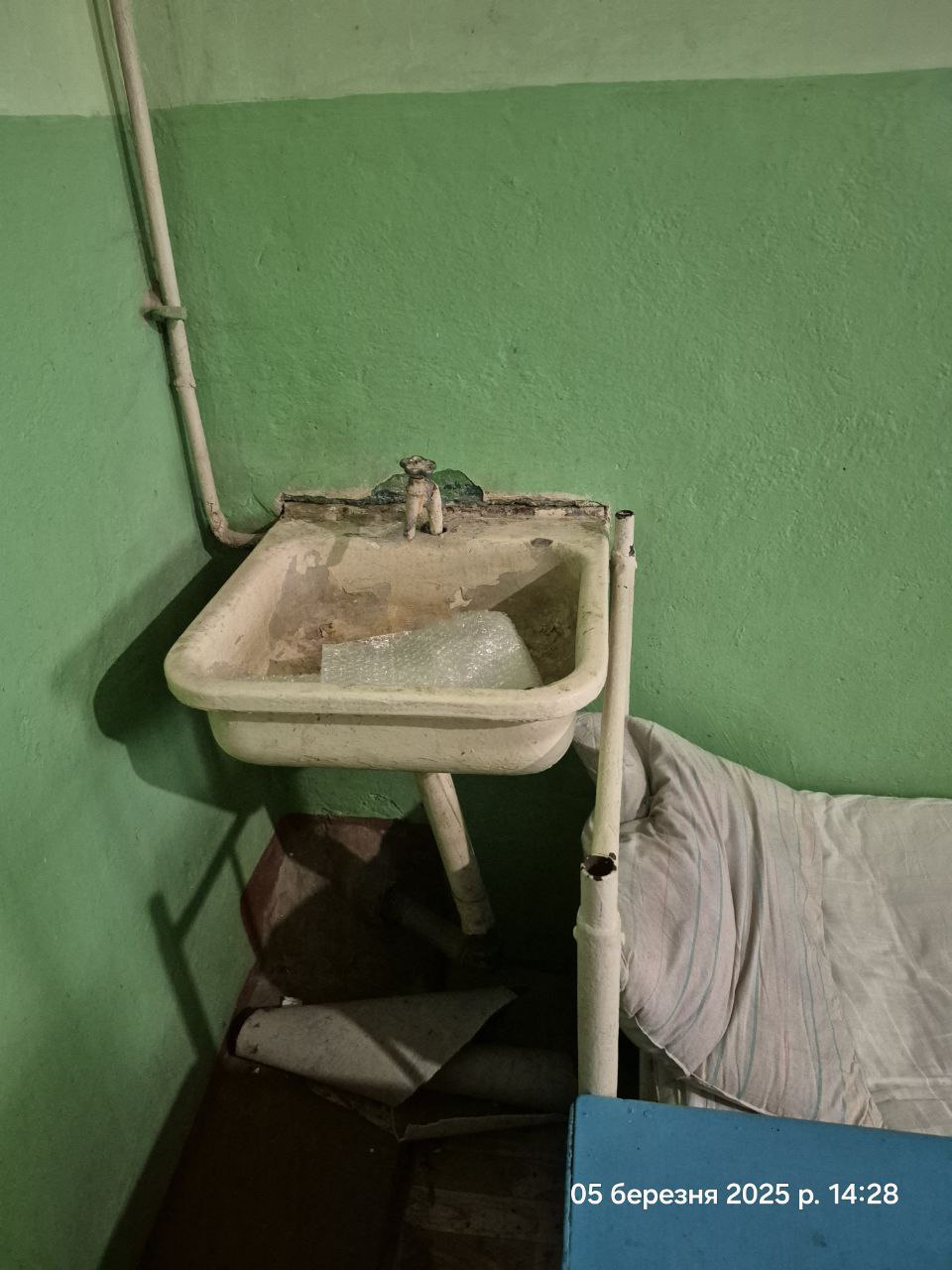
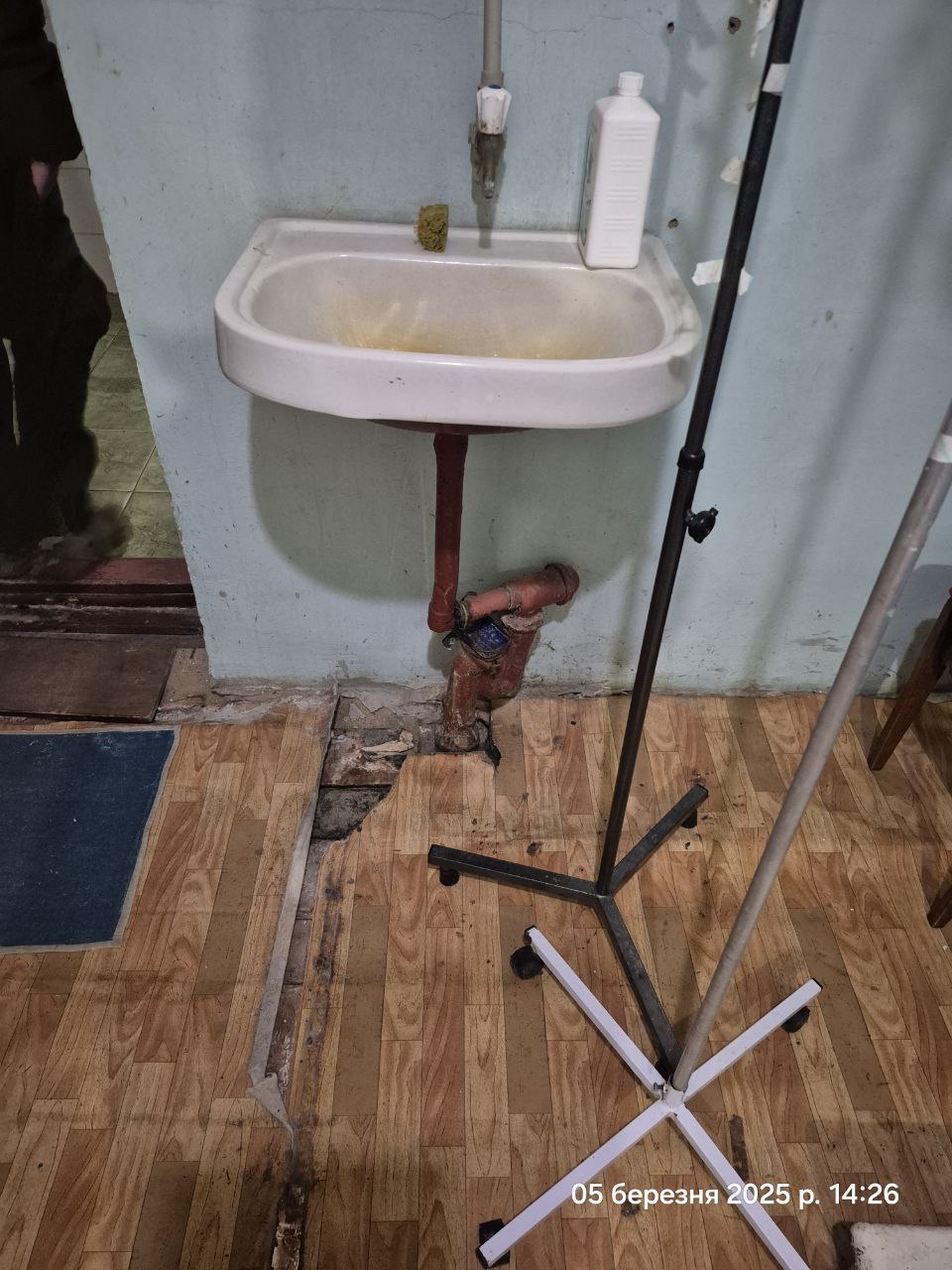
26. In violation of the first and second parts of Article 115 of the Criminal Executive Code of Ukraine, most of the inspected ward premises require renovation work with the installation of plastic windows, sanitary equipment, and replacement of the electrical network.
Four wards for somatic patients, as well as the isolation ward for infectious patients, are not equipped with water supply and sewerage systems, which makes it impossible to comply with sanitary and hygienic standards. In addition, there is only one toilet with one toilet bowl in the medical unit, which is insufficient to ensure the needs of the held persons.
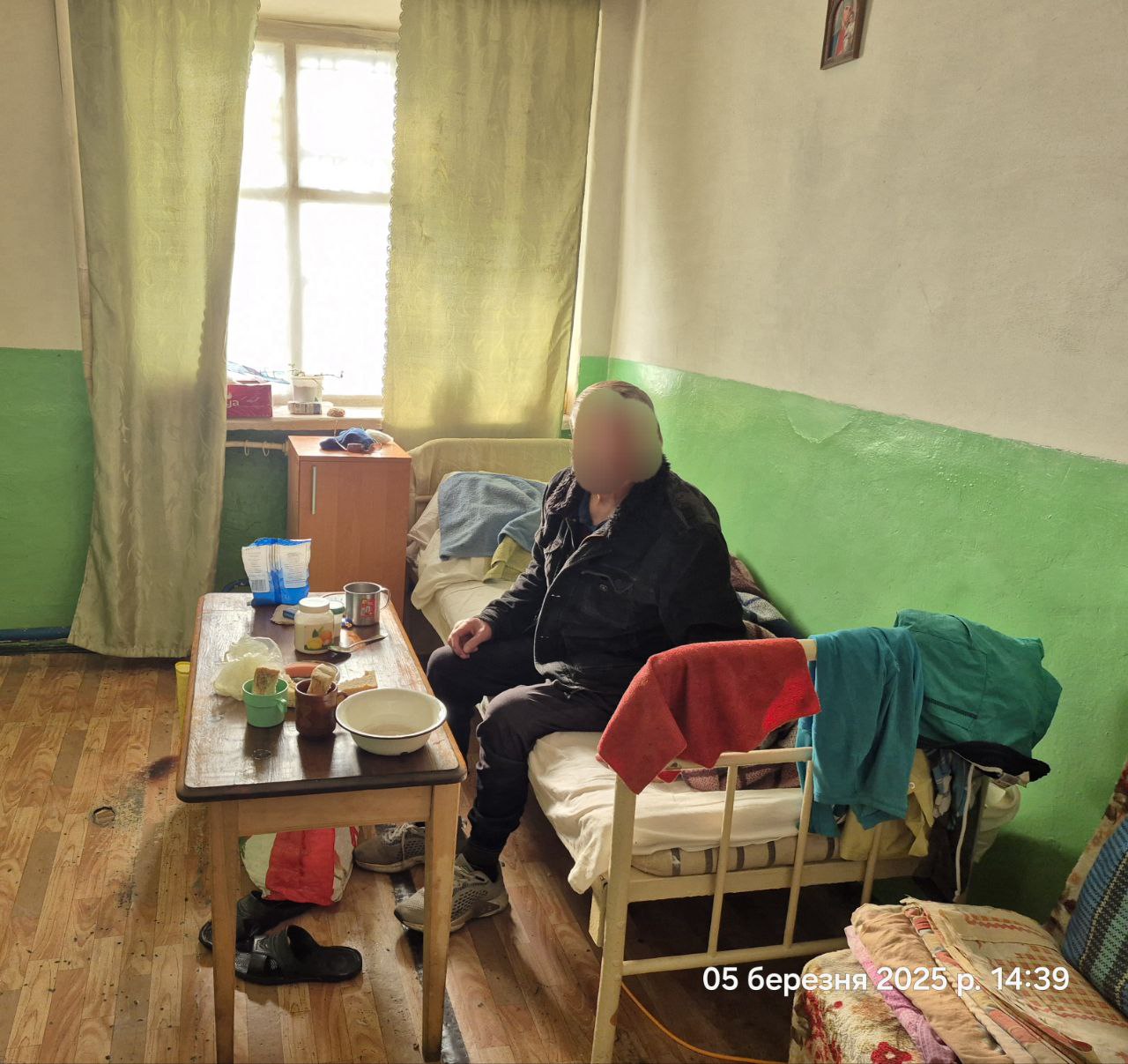
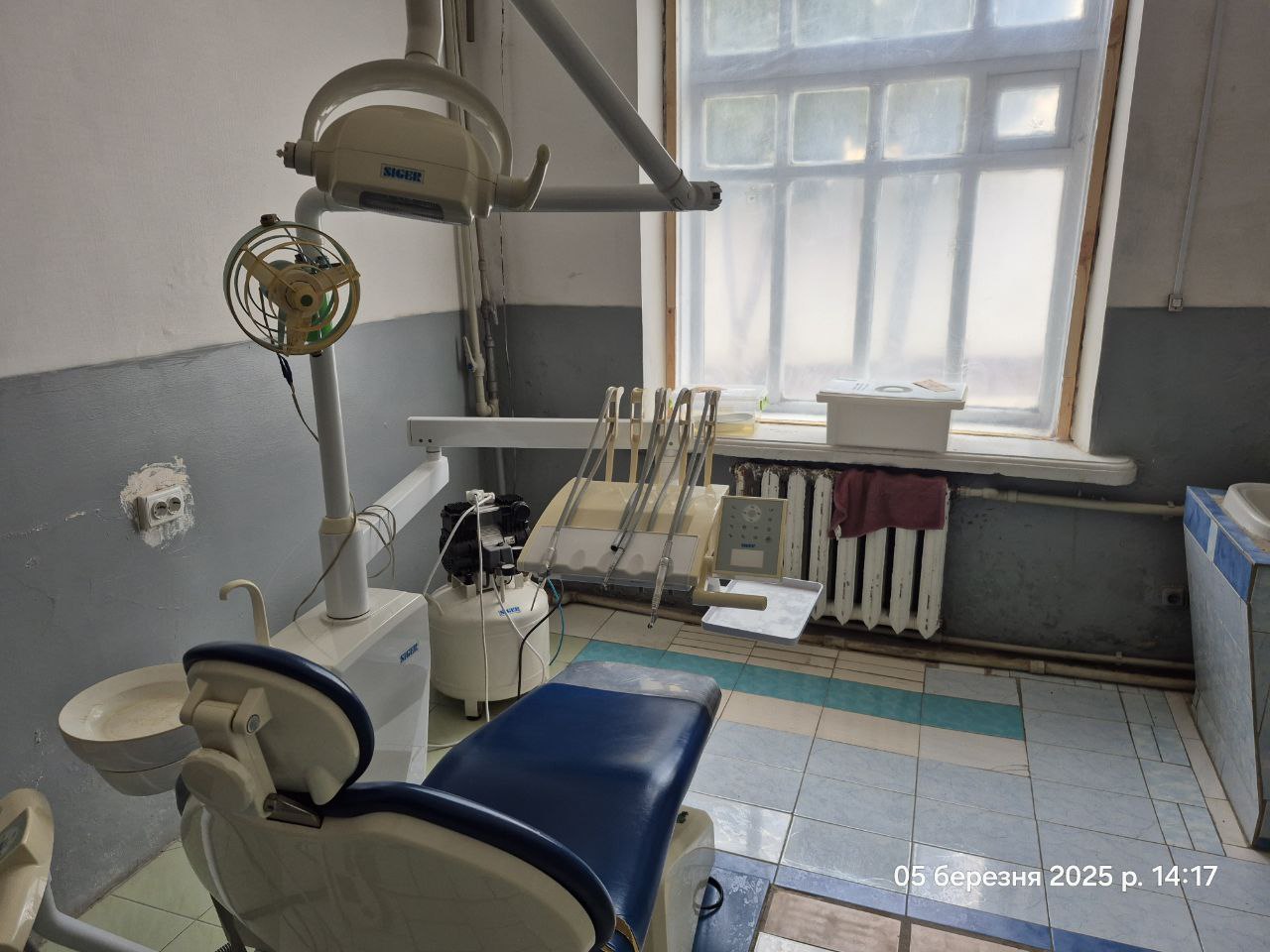
27. Dispensary observation is carried out for 16 persons who have a disability. Of them, group I — 0 persons; group II — 3 persons; group III — 13 persons. At the same time, in violation of the requirements of the Law of Ukraine “On the rehabilitation of persons with disabilities in Ukraine”, persons with disabilities do not receive proper diagnostic, treatment, and rehabilitation measures in the presence of information confirming persistent impairment of body functions caused by diseases, consequences of injuries that cause limitations in normal life activity.
Yes, during the study of the medical documentation of the prisoners, it was established that 2 persons with disabilities lack an individual rehabilitation programme (hereinafter — IRP). In addition, IRP recommendations are not being fulfilled, which results in them not receiving appropriate diagnostic, treatment, and rehabilitation measures, despite the existence of data confirming persistent impairment of body functions caused by diseases and consequences of injuries that cause limitations in normal daily activities.
28. In violation of the requirements of the State Building Norms of Ukraine V.2.2-17:2006 ‘Buildings and structures. Accessibility of buildings and structures for low-mobility population groups’, conditions for keeping people with disabilities have not been created in the medical unit.
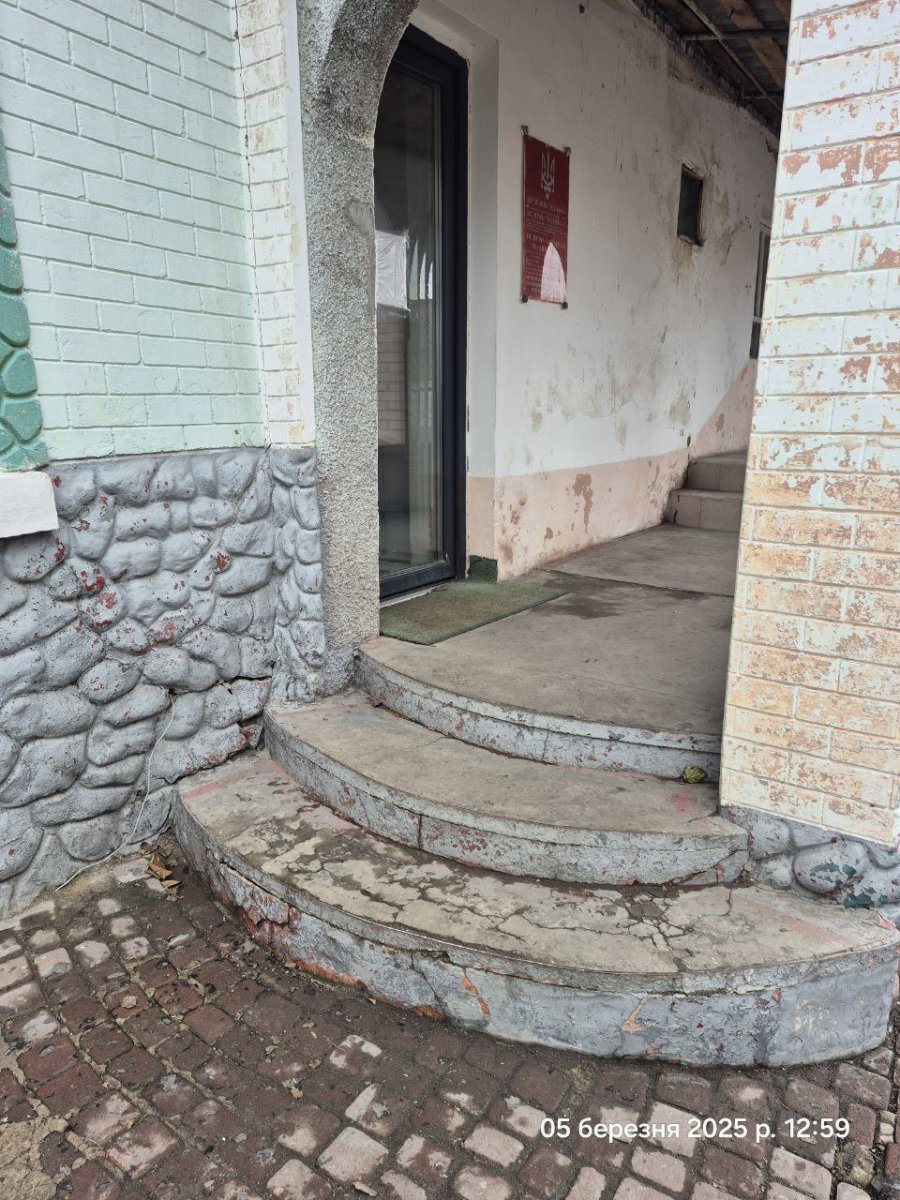
29. In violation of Clause 37 of the Resolution of the Cabinet of Ministers of Ukraine No. 285 of 2 March 2016 ‘On the approval of Licensing conditions for conducting business activities in medical practice’, the medical unit lacks a conclusion confirming free access to the buildings and premises of the medical institution for low-mobility population groups, which is mandatory to obtain.
30. In violation of the requirements of the Norms of ownership of bedding, special clothing, and special footwear (inventory property) for prisoners undergoing treatment in medical and preventive institutions, institutions with the status of medical ones, and medical units at penal institutions and pre-trial detention centres, approved by the order of the MoJ of 20.02.2012 No. 280/5, prisoners do not receive hospital property (suit, gown, and hospital shoes). Prisoners stay in the hospital in everyday clothes, sometimes with their own bedding.
31. In violation of Clause 7 of Chapter III of Section II of the Procedure, the monitoring group recorded the absence of a personal medical book for four canteen workers and the lack of examination results in the medical documentation, which are conducted by medical specialists (including laboratory, clinical, and other studies) and are necessary for admission to work at food facilities.
At the same time, during the check of the existing personal medical books of the prisoners working in the canteen, it was established that these workers were not examined by a dermatovenereologist, which violates the requirements of Clause 6 of the Rules for conducting mandatory preventive medical examinations of employees of certain professions, industries, and organisations whose activity is related to serving the population and may lead to the spread of infectious diseases, approved by the order of the Ministry of Health of Ukraine of 23.07.2002 No. 280 (as amended by the order of the Ministry of Health of Ukraine of 21.02.2013 No. 150).
32. During the inspection of the DIZO, the monitors established that when a prisoner is placed in the disciplinary isolation ward, it is common practice to attach a medical certificate to the file, according to the conclusion of which the prisoner is fit to be held in the DIZO due to their state of health. At the same time, the Committee has repeatedly emphasised that the obligation of prison doctors to certify the fitness of prisoners to serve a disciplinary penalty is unlikely to contribute to the development of positive relationships between doctor and patient.
In principle, medical staff should never be involved in any part of the decision-making process regarding the application of any form of solitary confinement, unless this measure is applied for medical reasons. On the other hand, medical staff must be very attentive to the condition of prisoners who are in solitary confinement.
Medical staff should be immediately informed of every such placement and should visit the prisoner promptly after placement, and then regularly, at least once a day, and provide them with urgent medical assistance and treatment if necessary. Medical staff must inform the institution’s administration if the prisoner’s health is subjected to serious threat due to solitary confinement. (CPT/Inf (2024) 20, paragraph 104).
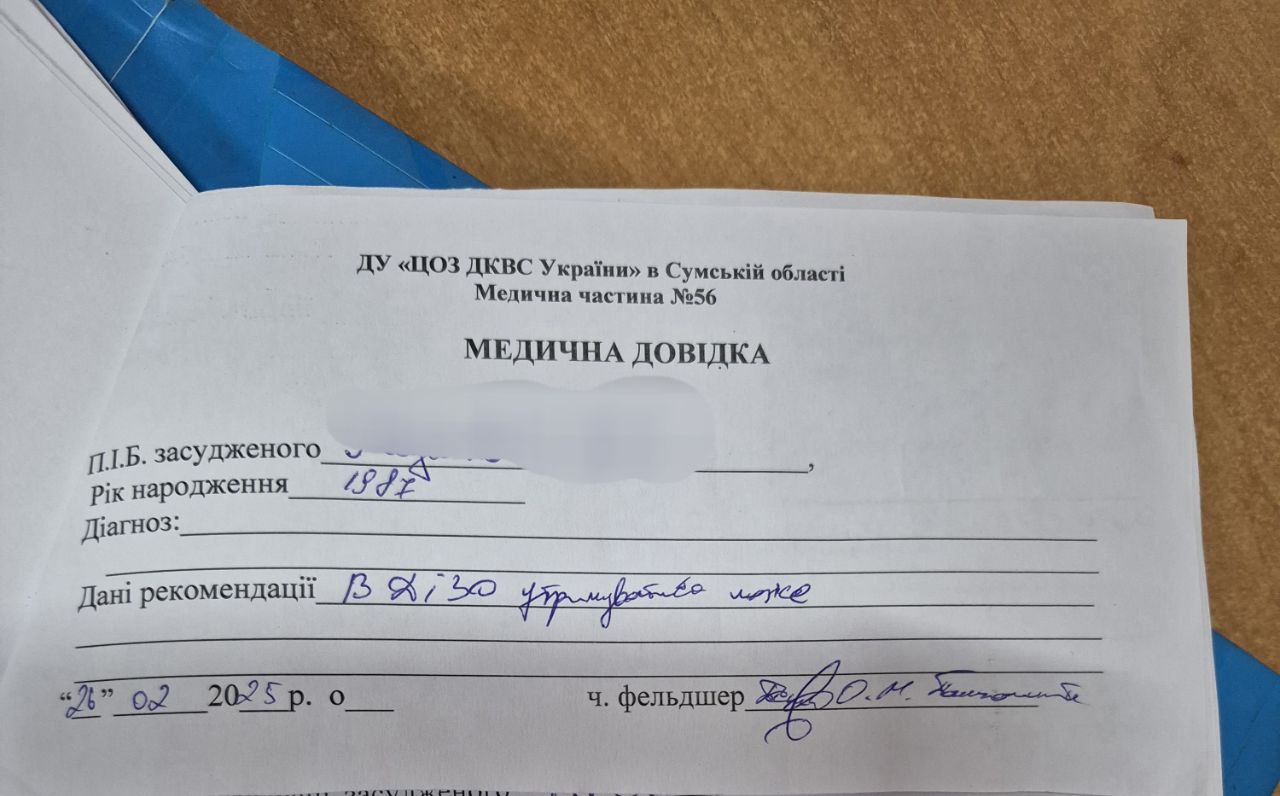 33. The medical unit lacks separate offices for the infectious disease specialist and the psychiatrist. These doctors examine sick detainees and prisoners in the therapist’s office, which does not ensure confidentiality and may lead to a violation of the right to privacy during medical examinations.
34. In violation of the Procedure for organising medical care at the primary, secondary (specialised), tertiary (highly specialised) levels using telemedicine, approved by the order of the Ministry of Health of Ukraine of 19.10.2015 No. 681, the medical unit staff are deprived of the opportunity to make requests for telemedicine consultation and receive consultation for providing medical care to detainees and prisoners for technical reasons.
35. In violation of Part 5 of Article 110 of the Criminal Executive Code of Ukraine, prisoners, while staying in the medical unit ward, are not provided with the right to use the global Internet. Lack of access to the Internet limits their ability to receive information, exercise the right to education, self-education, and maintain social ties, which contradicts Clause 63 of the Committee’s recommendations (CPT/Inf(93)12-part).
36. In violation of the Fire Safety Rules in Ukraine, approved by the Ministry of Internal Affairs of Ukraine of 30.12.2014 No. 1417 (hereinafter — Rules), the medical unit premises (except for the OST office) are not equipped with fire extinguishing and fire alarm systems.
37. In violation of the requirements of Sub-clause 2.12 of Clause 2 of Section III of the Rules, the doors of the electrical switchboard room in the medical unit lobby were not locked.
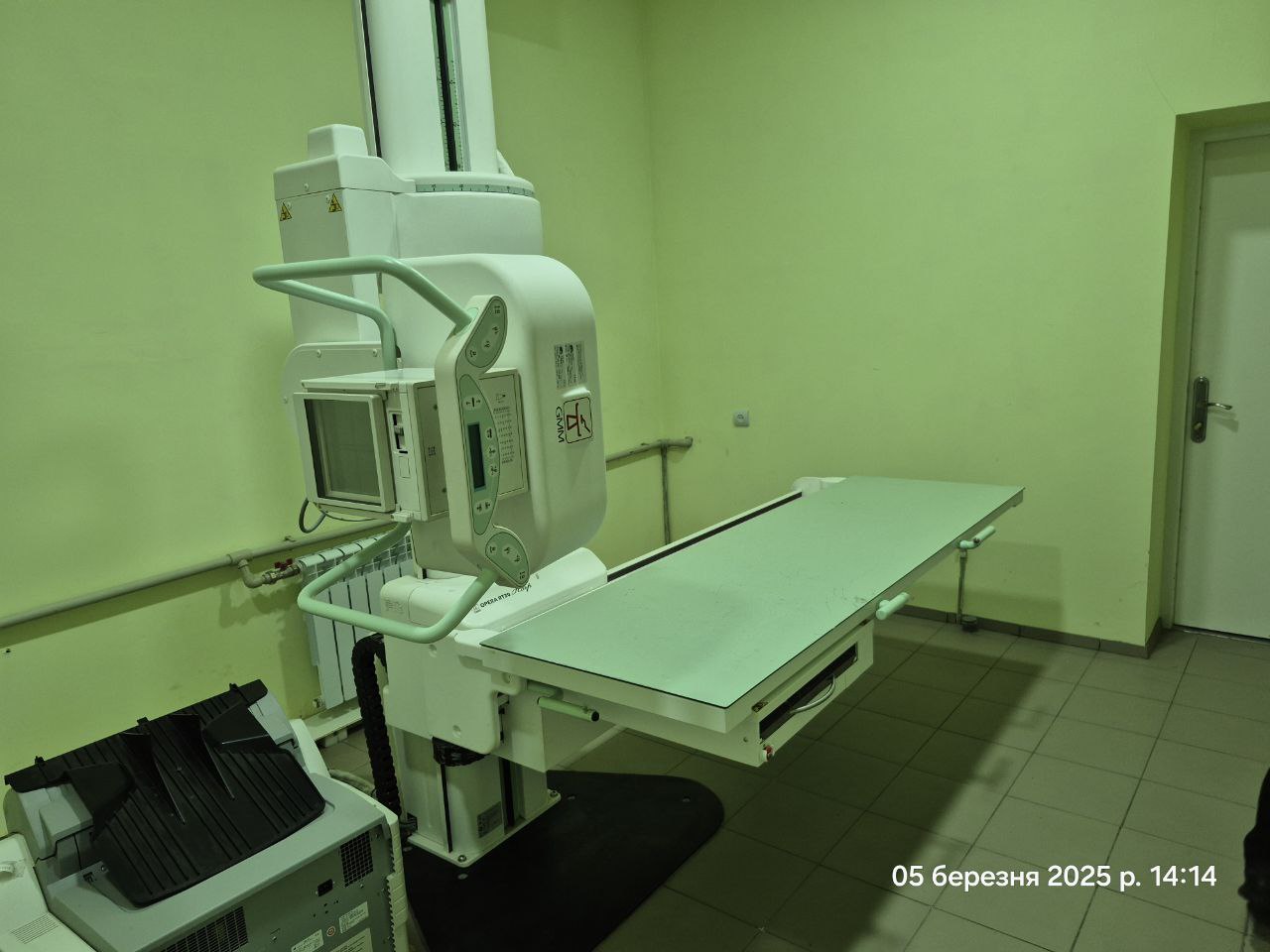
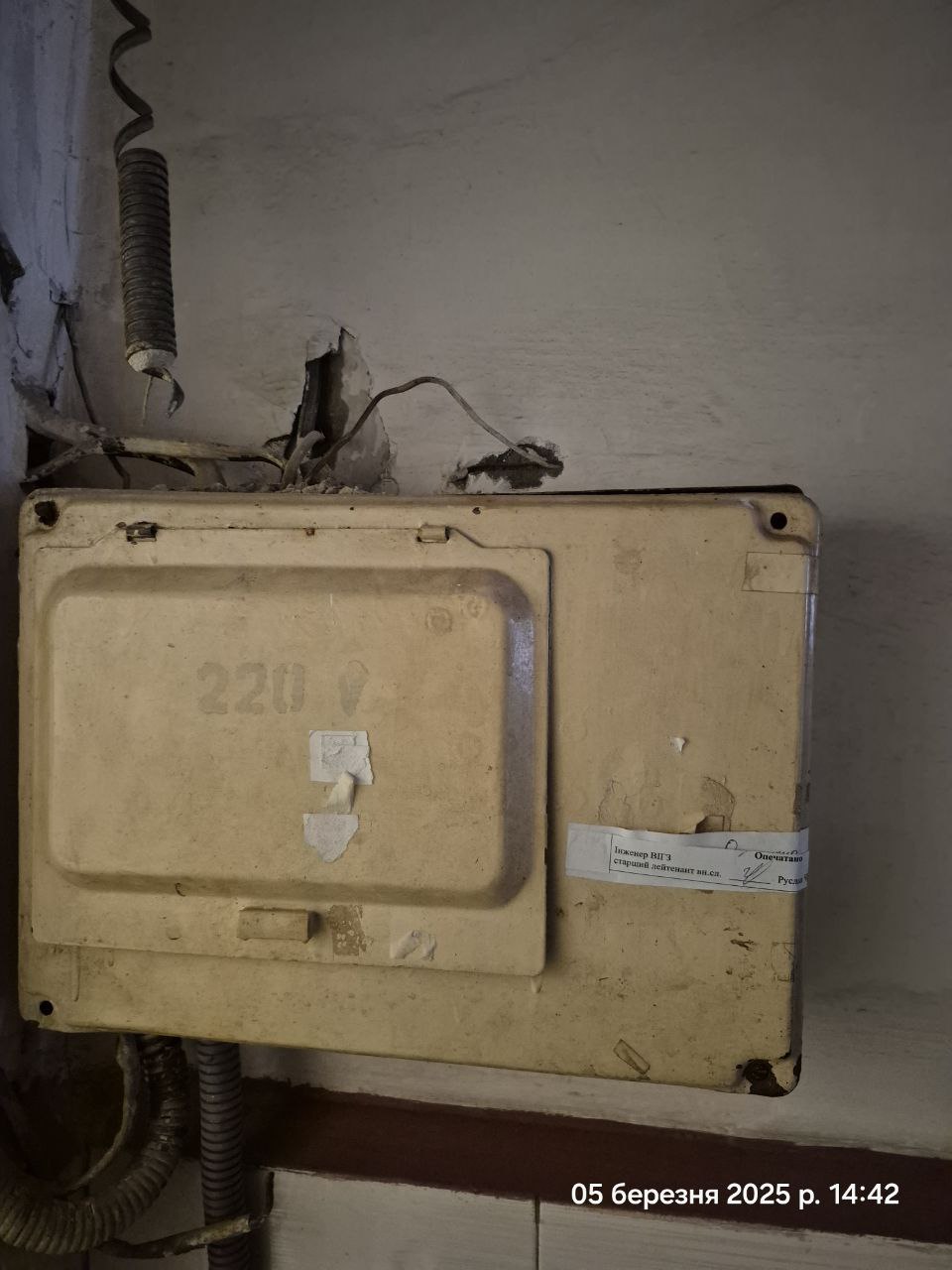 38. The rooms of the doctors’ office and the X-ray room are not equipped with fire extinguishers, which is a violation of the requirements of Clause 3.6 of Chapter 3 of Section V of the Rules and a violation of Clause 10.18 of Chapter 10 of the State Sanitary Rules and Norms ‘Hygienic requirements for the arrangement and operation of X-ray rooms and the conduct of radiological procedures’, approved by the order of the Ministry of Health of Ukraine of 04.06.2007 No. 294, registered with the Ministry of Justice of Ukraine on 07 November 2007 under No. 1256/14523.
 Recommendations:
- End the practice of involving prisoners in the quarantine, diagnosis, and distribution (KDiR) ward in work outside this ward, which contradicts legal requirements and violates the principle of separation.
- Eliminate the involvement of prisoners in control functions over other inmates (dormitory orderlies), which may lead to abuse and ill-treatment, in accordance with the recommendations of the European Committee for the Prevention of Torture (CPT).
- Equip the KDiR ward in accordance with approved standards, including rooms for storing food, personal belongings, and the exchange fund of bedding.
- Ensure sanitary and hygienic conditions, including proper storage of food products and provision of drinking water containers.
- Install partitions in toilet cubicles to ensure the right to privacy, in accordance with the European Prison Rules.
- Introduce an effective mechanism for responding to prisoner complaints regarding violence and ill-treatment, in particular, ensuring the confidentiality of appeals.
- Ensure continuous monitoring of personnel regarding inappropriate treatment of prisoners and strengthen accountability for untimely responses to their complaints.
- Eliminate the practice of segregation and stigmatisation of particularly vulnerable groups of prisoners (‘outcasts’), which contradicts international human rights standards.
- Ensure that the disciplinary isolation ward (DIZO) premises meet requirements regarding space, lighting, and sanitary conditions, in accordance with the Standard Minimum Rules for the Treatment of Prisoners (Nelson Mandela Rules).
- Review the design of exercise yards for prisoners, in particular, remove obstacles to accessing natural light.
- Abandon the practice of openly carrying special means (rubber batons, handcuffs) by personnel in the presence of prisoners, which contradicts international recommendations on the prevention of ill-treatment.
- Eliminate violations in the organisation of prisoner labour, including the mandatory conclusion of employment contracts with proper conditions and payment in accordance with labour legislation.
- Ensure compliance with prisoners’ labour rights, including limiting working hours to 8 hours and adhering to wage standards.
- Eliminate violations in the field of occupational health and safety, including the lack of necessary instructions and compliance with safe working conditions in the institution’s production zones.
- Improve the organisation of laundry and bathing services, including ensuring proper conditions for hygiene and access to hairdressing services.
- Install necessary refrigeration equipment to ensure proper food storage.
- Ensure proper staffing of the colony and medical unit, considering the high level of staff shortages.
- Eliminate administrative obstacles to the realisation of prisoners’ rights to parole and changes in security levels.
- Strengthen control over technical safety in the institution, in particular, ensure the proper condition of electrical switchboards and eliminate free access to them by prisoners.
- Improve the system of medical care for prisoners, in particular, the completion of medical documentation, proper recording of bodily injuries, and the organisation of medical examinations.
- Eliminate the practice of delegating medical functions to prisoners (dormitory orderlies), which contradicts international standards.
- Expand the capabilities of the medical unit by equipping an isolation ward for infectious patients, offices for specialised doctors, and creating conditions for access to telemedicine.
- Eliminate violations of medication storage rules and ensure proper temperature regimes.
- Bring detention conditions for prisoners into compliance with fire safety norms, including the provision of necessary fire extinguishing equipment.
- Ensure the realisation of prisoners’ right to Internet access in accordance with legislation.
- Eliminate the practice of doctors certifying the health status of prisoners before placement in DIZO, which contradicts the principles of independent medical care.
- Ensure the social rehabilitation of prisoners by improving working conditions, granting leave, and professional development opportunities.
- Ensuring the implementation of these recommendations will contribute to compliance with human rights and improvement of detention conditions for prisoners at the SI ‘Romny Correctional Colony No. 56’ in accordance with international and national standards.