Monitoring visit to the Romny Penal Colony No. 56
General Information
Romny Penal Colony No. 56 is a maximum-security penal institution for men sentenced to imprisonment for a fixed term and to life imprisonment. The colony was founded in 1959 on the site of a distillery. Today, 594 convicts are serving sentences in the colony, and the administration numbers 287 people.
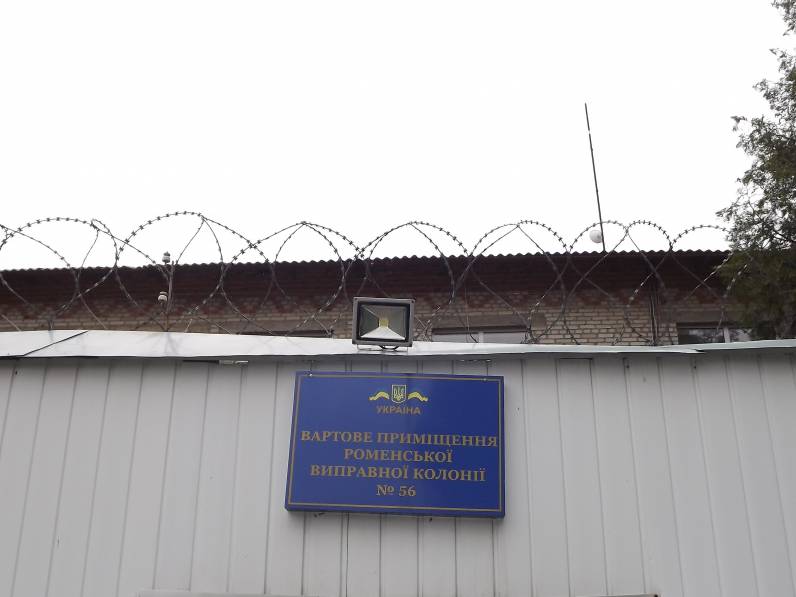
The colony is located in the village of Perekhrestivka (Sumy region). The nearest large town is Romny, which is slightly more than 12 kilometres away. The colony can be reached by car or by one of the buses that pass through the village on the highway.
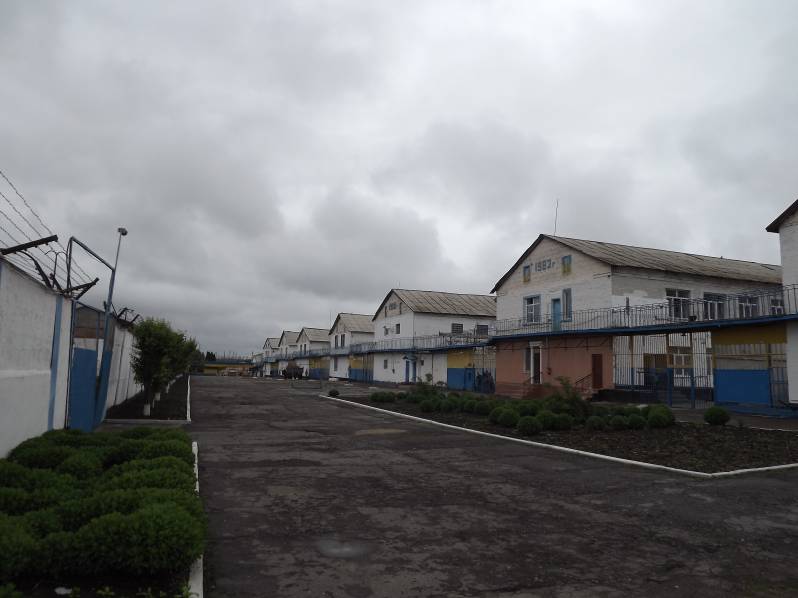
Industrial zone
The industrial zone of the colony consists of four separate production areas: an auto-mechanic workshop, a woodworking shop, a sewing shop, and a subsidiary farm.


A boiler room is also in operation. A vocational and technical school functions on the territory of the colony, from which convicts have the opportunity to obtain one of four specialties, including welder and auto-mechanic, which are quite prestigious and in-demand specialties. 39 people are studying at the school. Classes are held every other day before lunch. Practical training at the production facility takes place according to a similar schedule.


The auto-mechanic workshop consists of several large rooms for preparing vehicles for painting and a paint department. At the time of the monitors’ visit, about six convicts were working in the workshop. Their working conditions did not meet standards. For instance, almost no natural light entered the workshop premises. The convicts preparing the car for painting were working without special clothing or special equipment (at the very least, masks or respirators and gloves), while the working conditions were characterised by excessive dust.


It is very hot and stuffy in the paint department. There is a strong smell of paint. It is almost impossible to breathe. And the convicts are there without masks or respirators. On the demand of the monitors, they show the respirators, but there are only two respirators for three workers. The room is equipped with forced ventilation, but at the time of the visit, it was not working; the convicts turn it on upon request.
A similar situation is also observed in the woodworking shop and the boiler room. There is a lot of dust and stench. However, the convicts work there without masks or gloves. According to the administration, none of the workers have special clothing, but they are provided with masks and gloves, yet they refuse to wear them themselves. There is constant loud banging, vibration is felt, but headphones are also not issued to workers at the sawmill.


The situation is better in the sewing shop. Convicts there sew bags. At the time of the visit, the premises were more or less ventilated. There is enough space to work. There are no foreign odours.


At the same time, none of the workers could accurately state the amount of their wages. Some of them indicated that it depends on output and amounts to 200–300 hryvnias. Others refused to name figures at all. The number of workers also remained undetermined. During the inspection of the territory, a representative of the colony administration named the figure of 36 people, but while filling out the general information about the institution at the request of the monitors, the column “number of workers” indicated 22 people, of whom 13 were in production. The monitors cannot definitively confirm this, but in their subjective view, they saw more than 13 convicts in production. In addition, one of the workers let slip that there are two shifts at the enterprise. The first starts at 8:00 AM and lasts until 4:00 PM. The colony administration claims that there is no second work shift in the institution.
The small number of workers in production, according to the administration, is due to the lack of state orders.
Living area.
Convicts in the colony are housed in ten barrack-type departments for convicts serving fixed-term sentences and two cell-type departments for convicts sentenced to life imprisonment.
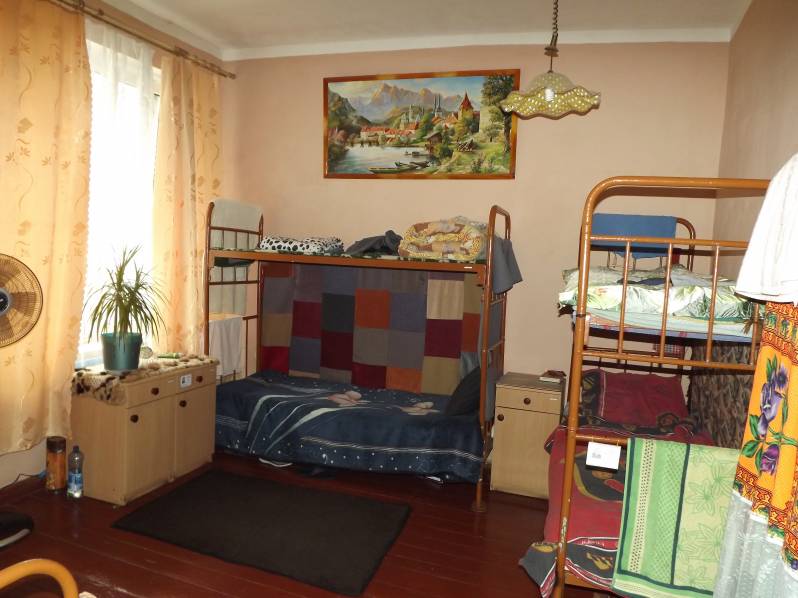
The departments for convicts serving fixed-term sentences are in a satisfactory condition. Convicts live in rooms designed for six to ten people. Unfortunately, most of the beds in the colony remain double-tier. Living space standards are not always met. The colony administration admits that the problem exists, but they are unable to change anything. New buildings for convicts were built in 2004. At that time, they met the living space standards that were established in the country. But over time, the standards have risen, and along with them, the number of convicts in the colony has increased. In addition, the number of penal institutions with a similar regime in Ukraine has decreased, including due to the conflict in the Donbas. As a result, overcrowding has arisen.


Each of the departments is equipped with a psychological relaxation room, a sanitary facility, and a kitchen. The equipment is in varying conditions: in one of the departments, the toilets are completely renovated; in another, they require urgent refurbishment.


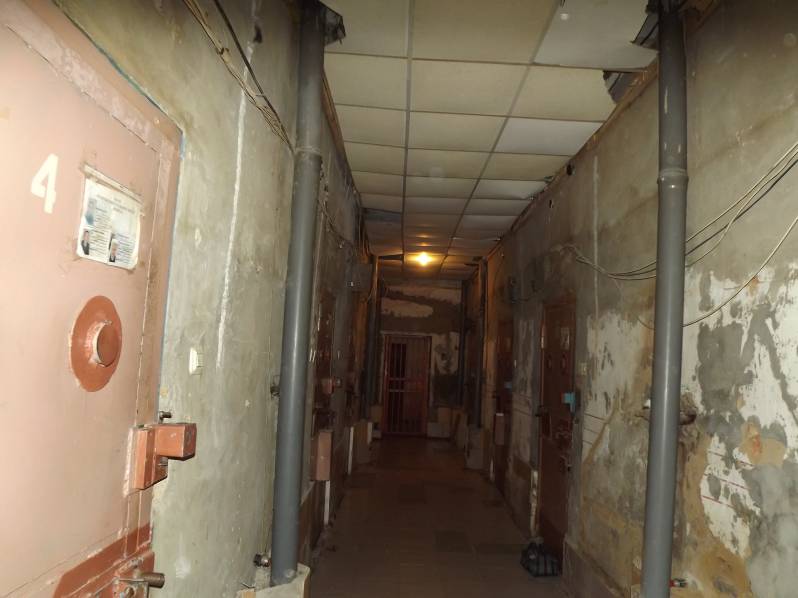
On the day of the monitors’ visit, repairs were underway in the building for those sentenced to life imprisonment. 129 people are serving sentences there, housed in two- and four-person cells. The administration is repairing the corridor and replacing the electrical wiring. Plastic windows are installed in the cells, and it is possible to ventilate the room. The convicts did not complain about the conditions of detention in the institution. However, the monitors noticed that the convicts do not have access to drinking water.
Food unit
At the time of the monitors’ arrival, lunch had just ended in the colony. On that day, the convicts were given porridge and chicken. But, according to some of the interviewed convicts, meat is not always present in the diet. For dinner, they promised to cook fish (sardinella).
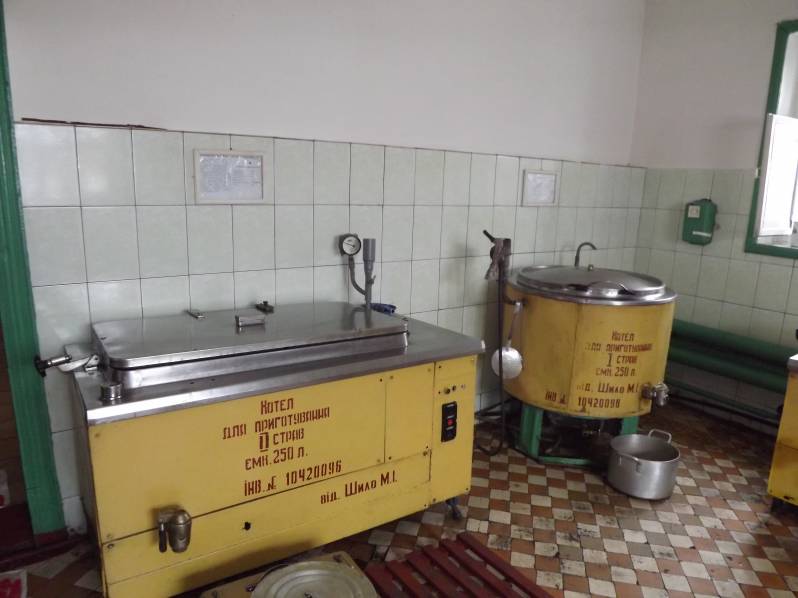
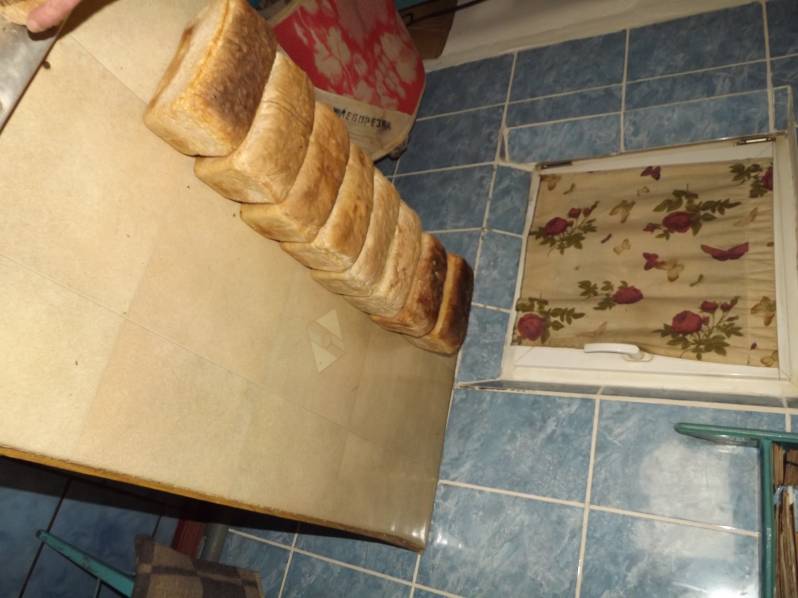
The food unit is clean. The convicts who work there have health booklets. But upon inspection, it turned out that some of the convicts’ health booklets were expired, and one convict’s was not filled out at all. The colony has a hot kitchen, a cold kitchen, and its own bakery. In the bakery, 21 trays of bread are baked daily, with 21 loaves per tray.
Some of the convicts receive food according to diets 8-A, 8-B, and 7.
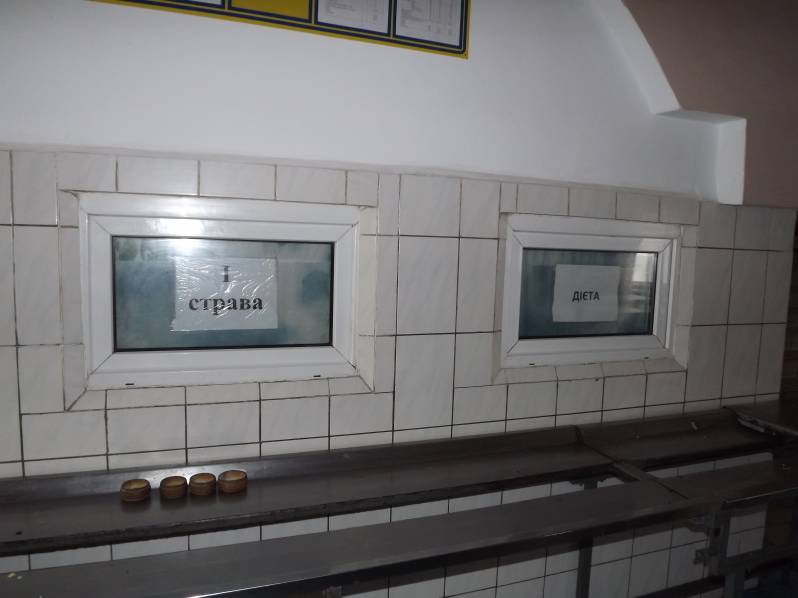
The colony canteen is equipped with washbasins for hygienic procedures before meals. There was water in the washbasins, but no soap. According to the administration, the soap was used up during lunch; they will put out new soap in the evening.


Medical unit
On the day of the visit, eight people were in the colony’s medical unit. They did not complain about the treatment; medical supplies were provided to them. The colony administration indicated that there are generally enough medicines, but there are problems with funding — the last time they received money was in March, so they are waiting for new arrivals.
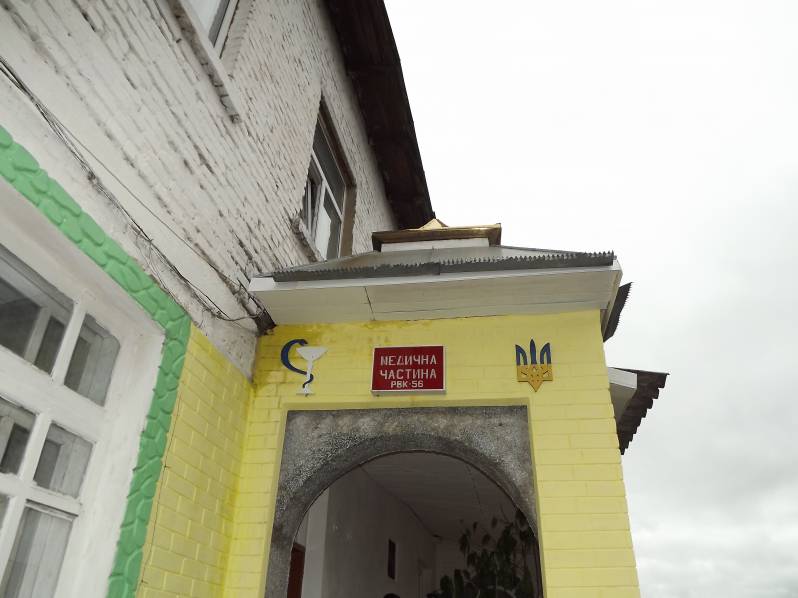
The staff of doctors is fully equipped: there is a general practitioner, a psychiatrist, a dentist, and a narcologist. The dental office is well equipped, and the dental unit is new. The wards are in a satisfactory condition: there is a washbasin in each ward. The repairs are not recent, but the premises are tidy.


Bath and laundry complex
Convicts take showers in the colony according to a schedule. The shower room is renovated, but there are absolutely no partitions between the cabins. According to the administration, there used to be partitions, but they were removed for reconstruction. The partitions were chest-high, and now they plan to install higher ones. But at the moment, there are no partitions. The administration could not say how long this situation has existed, nor could they report how much time is still needed for restoration.


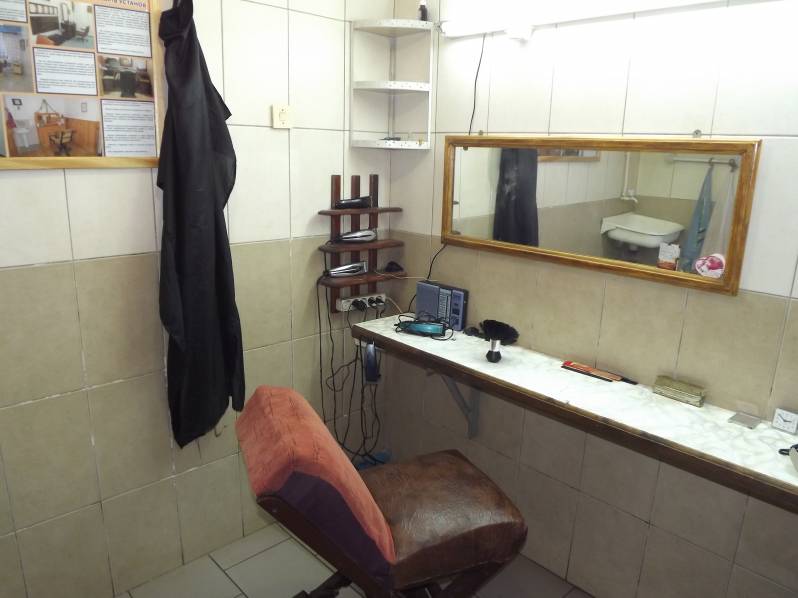
A barbershop also operates at the bath and laundry complex, which convicts can visit from Monday to Friday.
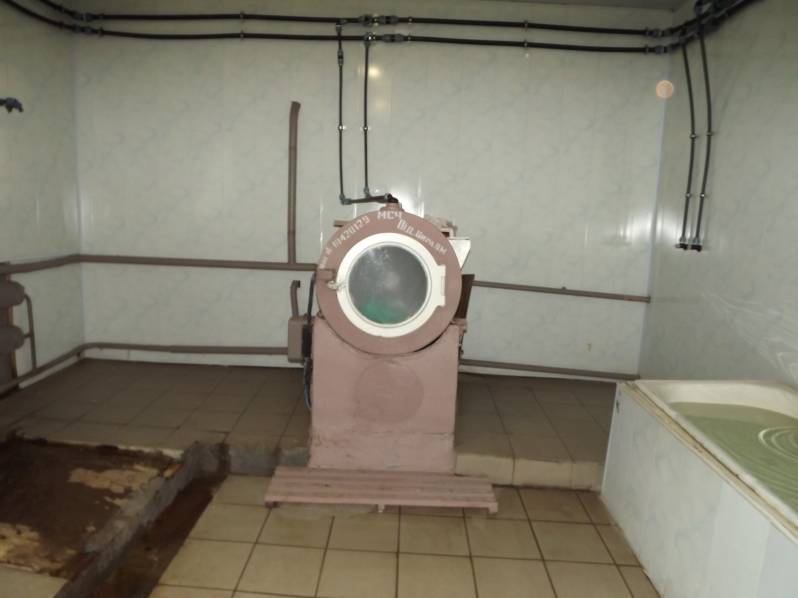
The colony has two washing machines in operation; two more machines have been bought but have not yet been installed. One washing machine is decommissioned and needs repair. In the opinion of the monitors, two washing machines are few for a colony where almost six hundred men are serving sentences.
Leisure
Convicts serving sentences in the colony have the opportunity to sign up for the library, which has a book collection of nearly six thousand items. The library contains legal literature with regular updates and fiction. Those sentenced to life imprisonment also have the opportunity to read books. The librarian comes to them and receives orders by genre of literature. However, the maintenance of cards for such convicts remained unclear, as only one card has been created for all of them.


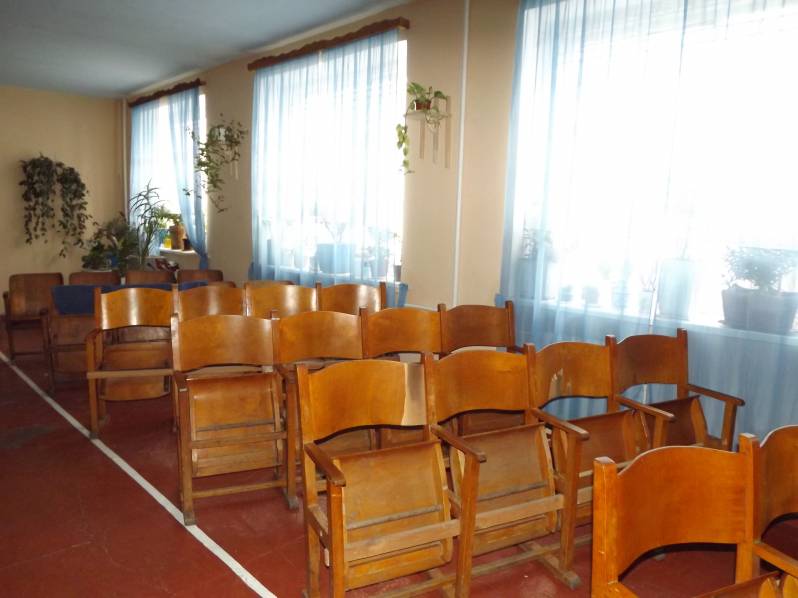
The colony has an asphalt football field where convicts can spend their leisure time. A vocal-instrumental ensemble, “Immanuel”, also operates. Festive events are held in the club, but its assembly hall is very small and holds approximately 100 people, which is clearly insufficient for such a large colony.
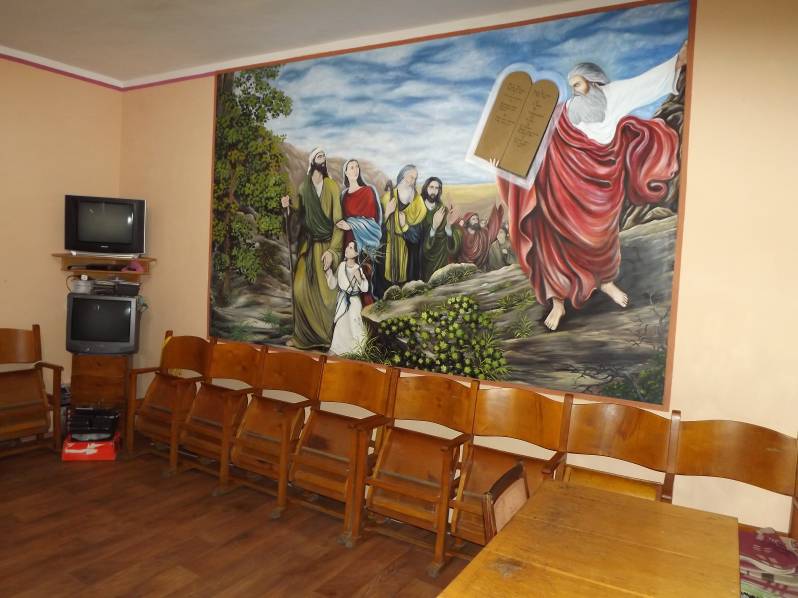
An Orthodox church operates on the territory, where various rituals are performed, in particular, very often — weddings. Convicts have the opportunity to profess one of 12 different religions by turning to one of six denominations. There is a special prayer room where meetings between convicts and church ministers are held.
General impression
The colony generally gives a satisfactory impression, but it is in a slightly neglected state. Insufficient funding leads to poor material and living conditions of detention and non-compliance with living space standards per convict. In parallel, there are problems that can be solved without significant financial investment, such as providing drinking water or detergents and installing partitions between shower stalls. Working conditions in the industrial zone of the colony are unacceptable and could quickly worsen the health of the workers. The wage payment scheme for convicts and the number of actually working convicts also raise reasonable doubts. The administration should carefully monitor the timeliness of processing medical booklets for convicts.
At the same time, the monitoring visit is remembered for the benevolent attitude of the administration towards the monitors. The administration did not in any way hinder the visit or detain the monitors at the entrance to “buy time and hide something”. The monitors were able to start inspecting the institution almost immediately after arriving there. In addition, the relations between the management and the convicts appear to be loyal.