Report on the Results of the Monitoring Visit to Solonyanska Correctional Colony No. 21
On 25 December 2024, in accordance with the Optional Protocol to the Convention against Torture and Other Cruel, Inhuman or Degrading Treatment or Punishment, taking into account the provisions of the Standard Minimum Rules for the Treatment of Prisoners and the decisions of the European Court of Human Rights, on the basis of Article 24 of the Criminal Executive Code of Ukraine — Visiting Penal Institutions, a group of monitors from the Kharkiv Human Rights Protection Group and the NGO “Protection of Prisoners of Ukraine” visited the state institution “Solonyanska Correctional Colony No. 21” (hereinafter referred to as SCC-21, the institution, the facility).
A repeat general planned, unannounced visit to SCC-21 took place; the previous visit was on 10 August 2022.
In preparation for the visit, the monitors used materials from appeals made by convicts and their relatives, materials collected during the previous visit, as well as the report of the National Preventive Mechanism (NPM) under the Commissioner for Human Rights of the Verkhovna Rada of Ukraine.
The visit was conducted within the framework of the project “Reducing Prisoners’ Suffering in the Context of the War in Ukraine”, funded by the government of Denmark in partnership with DIGNITY — The Danish Institute Against Torture.
The visit was carried out by the following monitors:
- Andrii Didenko — assistant to the People's Deputy of Ukraine Yaroslav Yurchyshyn, programme coordinator of the Kharkiv Human Rights Protection Group, has experience with monitoring visits since 2014;
- Serhii Zuikov — assistant to the People's Deputy of Ukraine Kostiantyn Kasai, member of the public council under the Ministry of Justice of Ukraine, member of the non-governmental organisation “Protection of Prisoners of Ukraine”, has many years of experience with monitoring visits;
- Oleh Tsvilyi — member of the public council under the Ministry of Justice of Ukraine, head of the non-governmental organisation “Protection of Prisoners of Ukraine”, has extensive experience with monitoring visits, specializes in issues of preventing torture, cruel, and inhuman treatment.
General Information
Solonyanska Correctional Colony No. 21 is a medium-security penal institution for holding men who have previously served sentences in places of deprivation of liberty.
The institution is located at the address: 37 Viiskove Mistechko, Apollonivka village, Solonianskyi district, Dnipropetrovsk region, 52406.
The head of the institution is Oleksandr Volodymyrovych Pustovit.
The institution consists of a duty unit, a residential and industrial zone, a DIZO/PKT/DPK/remand centre unit, a medical unit, and administrative and utility buildings.
According to the institution’s administration, the authorised staff number is 262.5 positions. The actual number is 222 positions. There are 2 psychologists working in the institution according to the staffing schedule.
At the time of the visit, 637 convicts were held in the institution, living in 20 Social-Psychological Service (SPS) detachments; 1 detachment is mothballed. The institution is designed for 602 persons.
During 2024, 271 convicts arrived at SCC-21. In 2023, 2 persons died in the institution; in 2024, 1 person died.
According to data provided by the management, 191 convicts are engaged in labour — this is 40.4 per cent of the total number of convicts. 28 persons work under an employment contract, 163 convicts work under a civil law contract (CLC).
Under operational surveillance are: 2 persons prone to suicide, 48 prone to self-harm, 5 prone to escape, and 19 malicious violators of the detention regime. There are 77 individuals considered “outcasts” in total in the institution. During 2023–2024, no convict submitted complaints regarding inadequate conditions of detention or improper provision of medical care.
In preparation for the visit, a request was sent to the institution’s management to clarify the circumstances of correspondence dispatch, and a response was received stating that during the first half of 2023, 3 appeals were sent to the Commissioner for Human Rights of the Verkhovna Rada. During the first half of 2024, there were 5 such appeals, and 1 response was received. During the first half of 2023, 7 appeals were sent to the prosecutor's office; during the first half of 2024, 12 appeals were sent, and 18 responses were received. During the first half of 2023, 0 appeals were sent to human rights organisations; during the first half of 2024, 1 appeal was sent.
During 2023, 38 cases of bodily injuries while in the institution were recorded. During 2024, 29 cases of bodily injuries while in the institution were recorded.
The convicts have 325 tablets in their personal possession; 325 persons have registered email addresses.
The monitoring group conducted interviews with about 144 convicts.
Facts Discovered During the Visit
During the monitoring visit, violations of national legislation requirements and non-compliance with international recommendations in the sphere of prisoner treatment were discovered, which lead to violations of the rights of convicted persons:
1. Obstruction of the monitoring visit
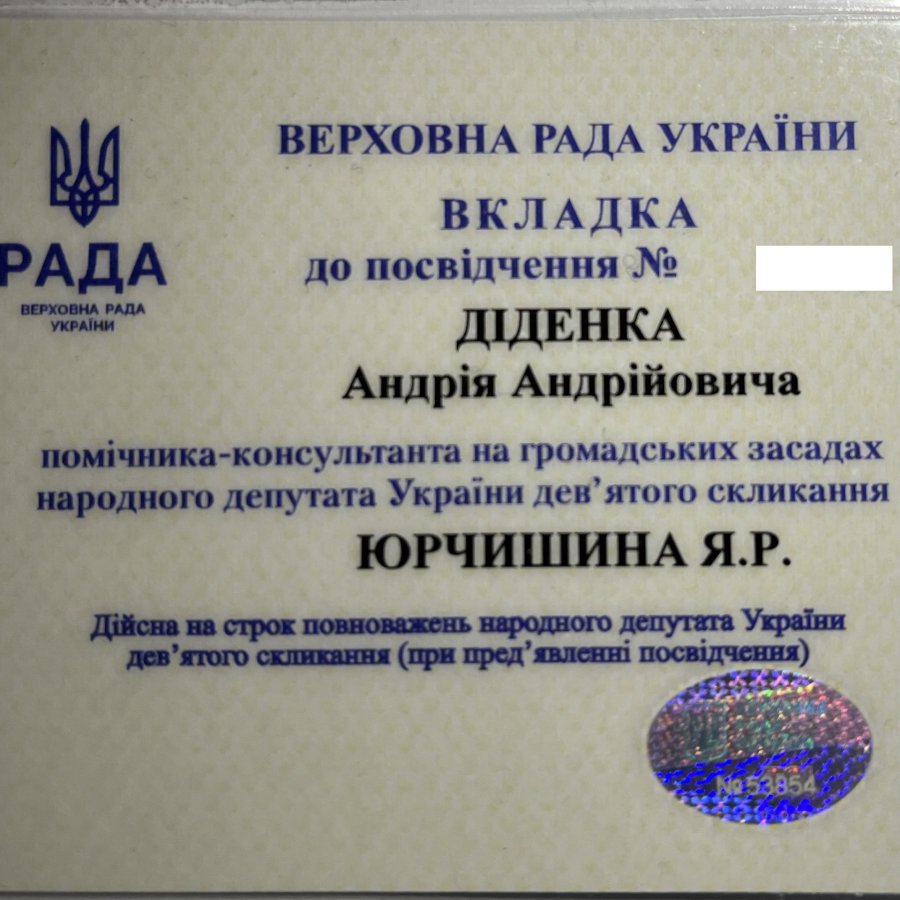
In accordance with the provisions of Article 24 of the Criminal Executive Code (CEC) of Ukraine, “People's Deputies of Ukraine and their consultant assistants... have the right to visit penitentiary institutions at any time without hindrance and without special permission (accreditation) for the purpose of exercising control and conducting inspections (optionally accompanied by up to three medical professionals for the medical examination of convicts and up to two representatives of the mass media).”
During the monitoring visit, the institution’s management created obstacles for the People's Deputies' consultant assistants Serhii Zuikov and Andrii Didenko in the exercise of their powers.
The administration representatives explained their prohibition by claiming that the presented certificates of the People's Deputies' assistants were invalid because the certificates allegedly expired on 20 October 2024. However, as an extension of the validity of the certificates, the Verkhovna Rada Apparatus issued inserts to the People's Deputies and their assistants, stating that the certificate is valid for the term of office of the People's Deputy of Ukraine of the ninth convocation. We consider such actions by the management of SCC-21 to be an obstruction of the performance of the functional duties of the People's Deputies' assistants.
2. During the visit to the institution, numerous complaints were received from convicts regarding improper treatment by the administration and the institution's staff. Specifically, during a confidential conversation, the majority of prisoners reported that upon arrival at the institution in the Quarantine, Diagnostics, and Distribution (KDiR) ward, staff members, in order to force them to perform actions contrary to their will, compelled them in the presence of other convicts to perform humiliating tasks, in particular, to demonstrate cleaning in public, thereby publicly determining their place in the informal prison hierarchy, while recording these actions using technical devices/tools with photo and filming, video recording functions.
In case of refusal, disciplinary penalties were applied to the convicts, including placement in a disciplinary isolation ward (DIZO) with the prospect of Article 391 of the Criminal Code of Ukraine being applied to them. These actions are degrading to human dignity, contradict the principles of dynamic security, and have signs of caste division in the informal prison hierarchy. As a result, prisoners who end up in lower castes often become objects of discrimination, humiliation, and physical violence by other convicts, which can provoke conflicts between different groups of prisoners and, in general, strengthen the criminal subculture within the institution.
Furthermore, the monitoring group established an existing practice of segregation and stigmatization of a separate, particularly vulnerable category of prisoners, known as “outcasts”, which is based on the negative influence of the informal prison hierarchy and leads to discrimination and unacceptable restrictions in the recognition, realisation, and enjoyment of the universally recognised fundamental right to respect for human dignity of these persons.
Thus, during a confidential conversation, convicts classified as the “outcast” category reported that, along with other prisoners of this category, they are forced to stay in isolation, eat separately, and wash their personal clothing. They also reported facts of their labour exploitation carried out by both the institution's staff and other convicts.
At the same time, the European Committee for the Prevention of Torture and Inhuman or Degrading Treatment or Punishment (hereinafter — the Committee), in its report on the results of the visit to Ukraine in 2023, calls on the Ukrainian authorities to develop and implement a comprehensive strategy for combating violence and intimidation among convicts and overcoming the phenomenon of the informal hierarchy among convicts with all its negative consequences.
In this context, the penitentiary administration must also rationalise risk and needs assessment, classification, and allocation of individual convicts to ensure that convicts are not exposed to the influence of other convicts who may cause them harm (CPT/Inf (2024) 20, point 45).
3. The equipment of the KDiR ward does not meet the standards for the treatment of prisoners and the conditions of their detention in accordance with their needs. Thus, in violation of the requirements of the “Norms for Provision with Furniture, Inventory, and Household Items for Medium-Security Correctional Colonies”, approved by Order of the Ministry of Justice of Ukraine dated 27.07.2012 No. 1118/5 (hereinafter — the Norms of Provision), a number of premises are missing in the ward, namely: a room for storing the exchange fund of bedding, clothing, and special workwear; a storeroom for the temporary storage of dirty bedding, clothing, and special workwear; a cloakroom; a utility room; and a drying room.
The sleeping quarters of the ward are not provided with a sufficient number of stools, calculated at one stool per person. The absence of these premises and their improper equipment leads to a violation of sanitary and hygienic standards. Thus, the improper organisation of the storage of personal belongings makes it difficult to maintain cleanliness and order in the premises where convicts are held, which worsens the overall sanitary situation in the institution.
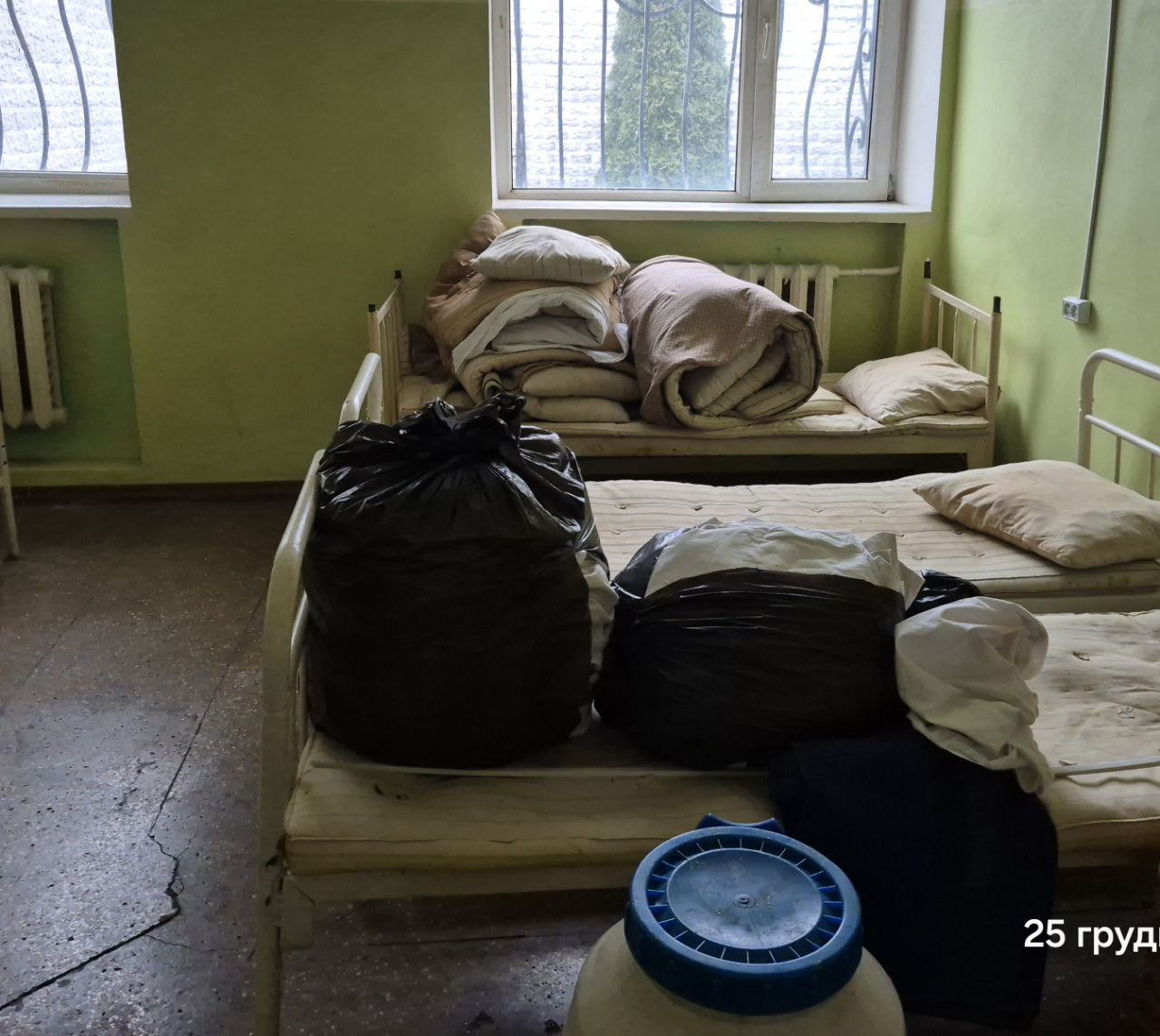
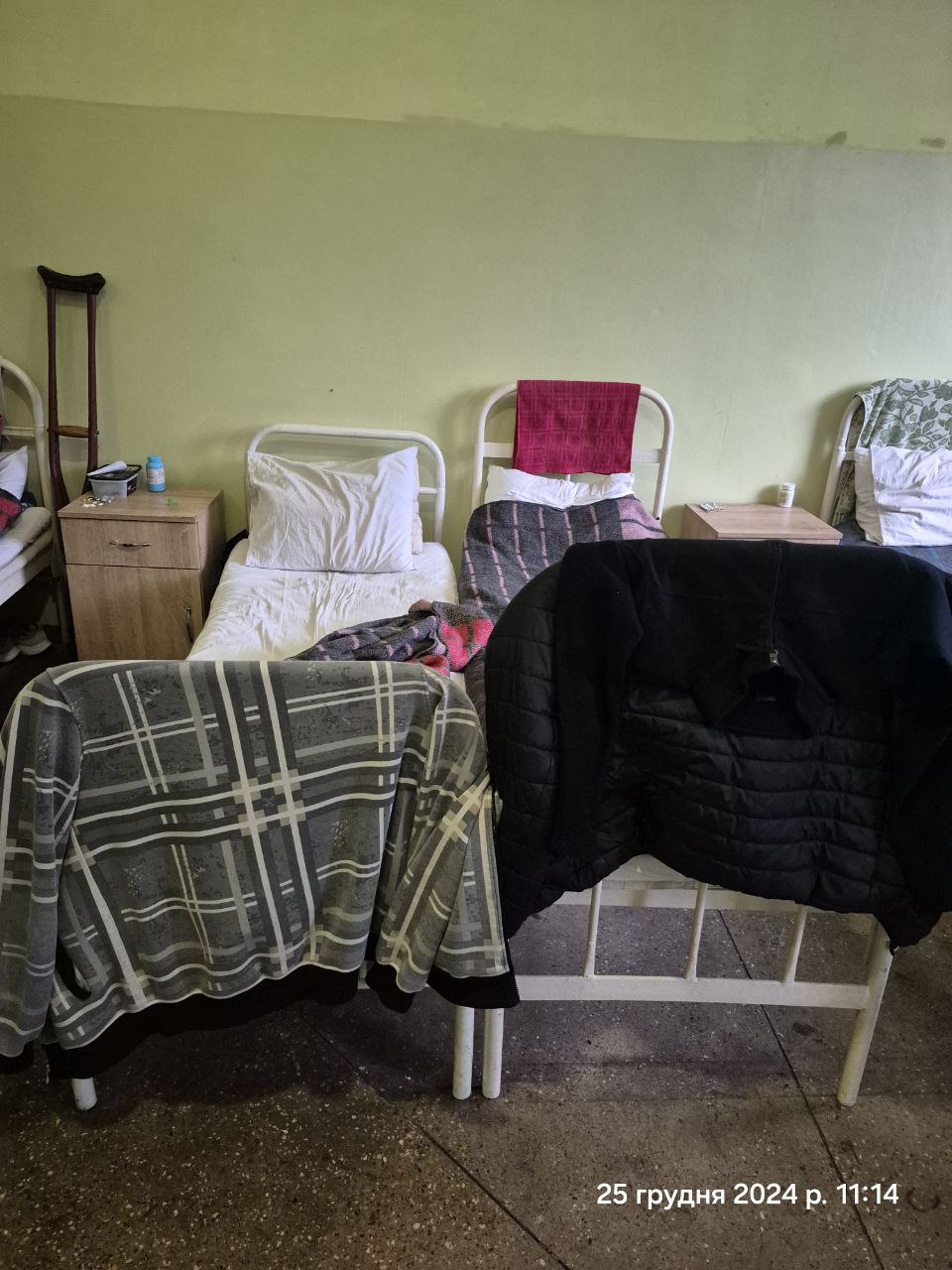
At the same time, it was established that the actual number of sleeping places in the sleeping quarters exceeds the permissible limit required to ensure the area per person stipulated by legislation. Specifically, in sleeping quarter No. 1 of the KDiR, which, according to the living space measurement certificate, is designed for 7 places based on the standard of 4 m² per person, there are 8 beds. Similar violations of the area standard were established in sleeping quarters Nos. 2 and 3 of the ward.
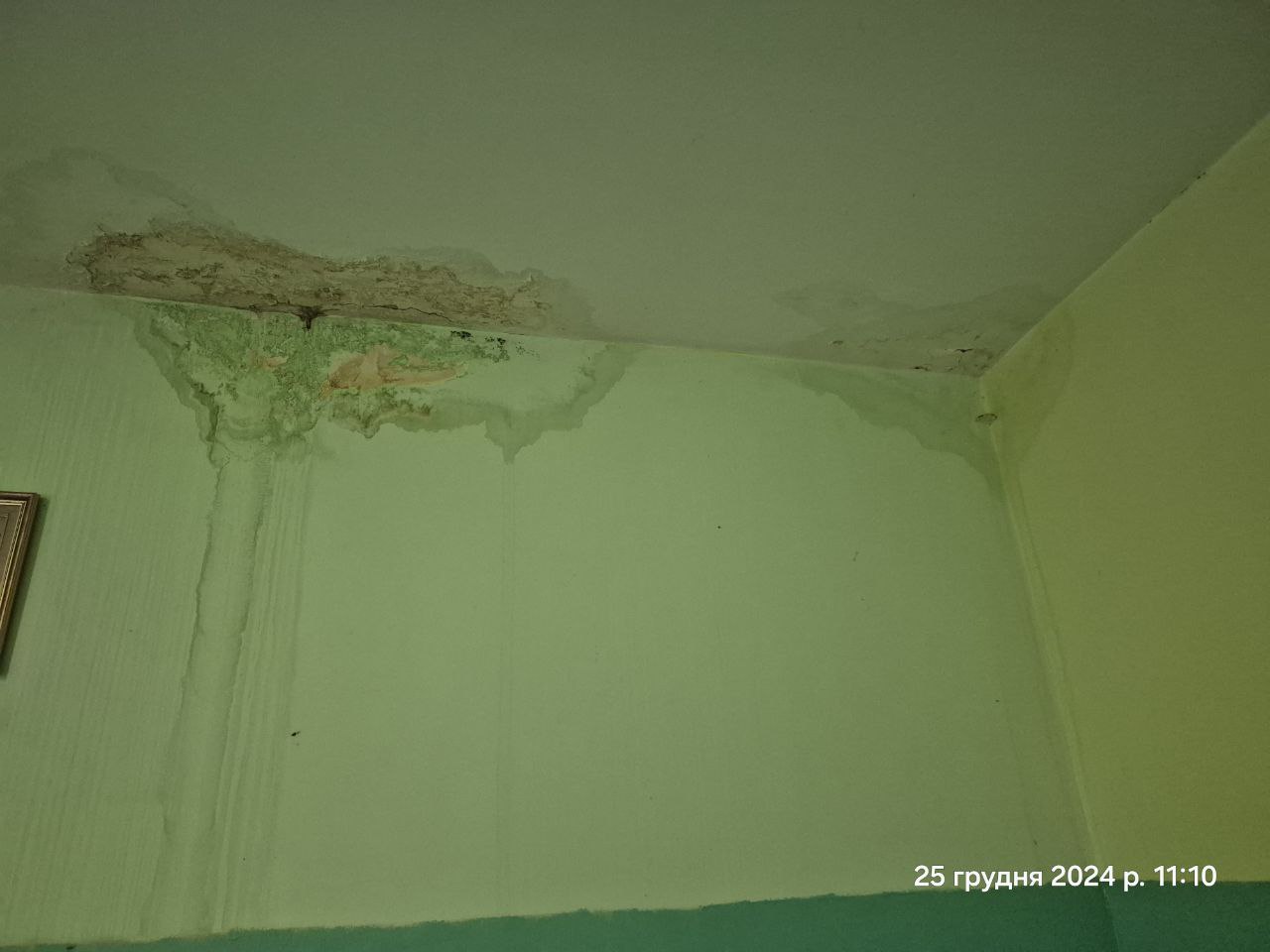
The stated violation creates conditions for potential abuse by the administration and staff of the institution in the context of complying with the living space standard per convict and does not provide adequate personal space for the persons held in the sleeping quarters. In sleeping quarter No. 1, there are traces of water leakage on the walls, which causes increased humidity and creates unfavourable conditions for newly arrived convicts. Furthermore, in violation of Rule 18.1 of the European Prison Rules, the beds in sleeping quarters Nos. 2 and 3 are placed flush against one another, which does not provide the newly arrived convicts with personal space. In violation of the requirements of Rule 22.5 of the European Prison Rules and the Norms of Provision, the ward's sleeping quarters are not equipped with tanks for drinking water.
4. During the visit to the institution's disciplinary isolation ward (hereinafter — DIZO), it was established that, in violation of point 3, section XX of the Internal Regulations of Penal Institutions, approved by the Order of the Ministry of Justice of Ukraine dated 28.08.2018 No. 2823/5 (hereinafter — IRPI), there is no radio communication in the DIZO cell premises.
In violation of point 4, section IV of the “Procedure for the Use of Technical Surveillance and Control Devices in Correctional and Educational Colonies of the State Criminal-Executive Service of Ukraine”, approved by the Order of the Ministry of Justice of Ukraine dated 26.06.2018 No. 2025/5 (hereinafter — the Procedure for the Use of Technical Devices), it was established that the DIZO/PKT cells are not equipped with personnel call buttons, which complicates the operational contact of convicts with the institution's staff.
The premises do not comply with the first part of Article 115 of the CEC of Ukraine and points 14 and 15 of the UN Standard Minimum Rules for the Treatment of Prisoners (Nelson Mandela Rules). The cell premises do not ensure a sufficient level of natural lighting and ventilation. Bathrooms in certain cell premises do not have doors and sufficient partitions that ensure the possibility of privacy, which is a violation of Rule 19.3 of the European Prison Rules.
In violation of the requirements of the Norms of Provision, in the DIZO cell premises Nos. 13, 12, and 11, there are no benches and tables, which deprives convicts serving disciplinary penalties in these cells of the possibility to eat under proper conditions. As a result, they are forced to eat on the floor. These circumstances may be regarded as degrading to human dignity and contrary to Article 3 of the Convention for the Protection of Human Rights and Fundamental Freedoms.
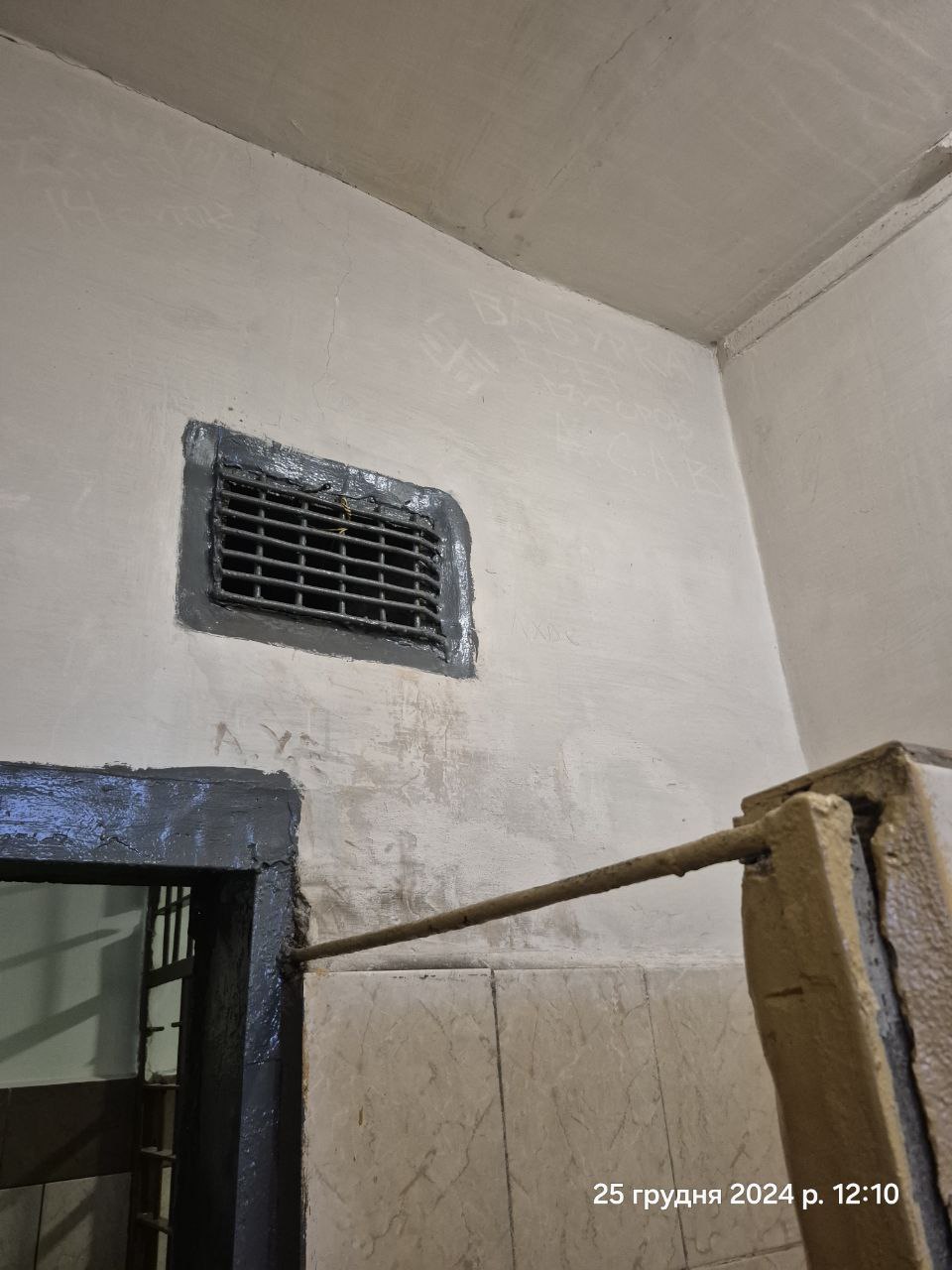
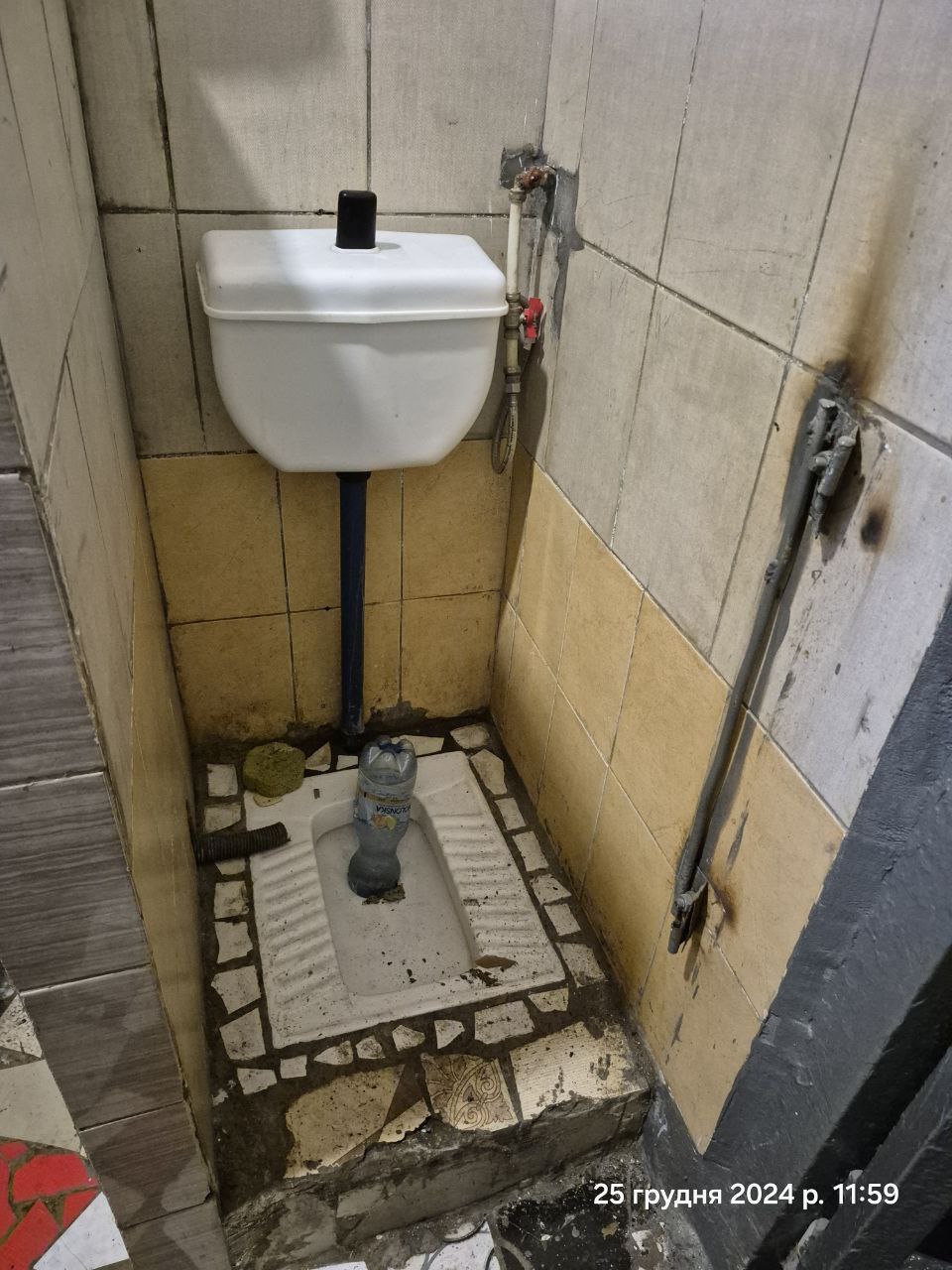
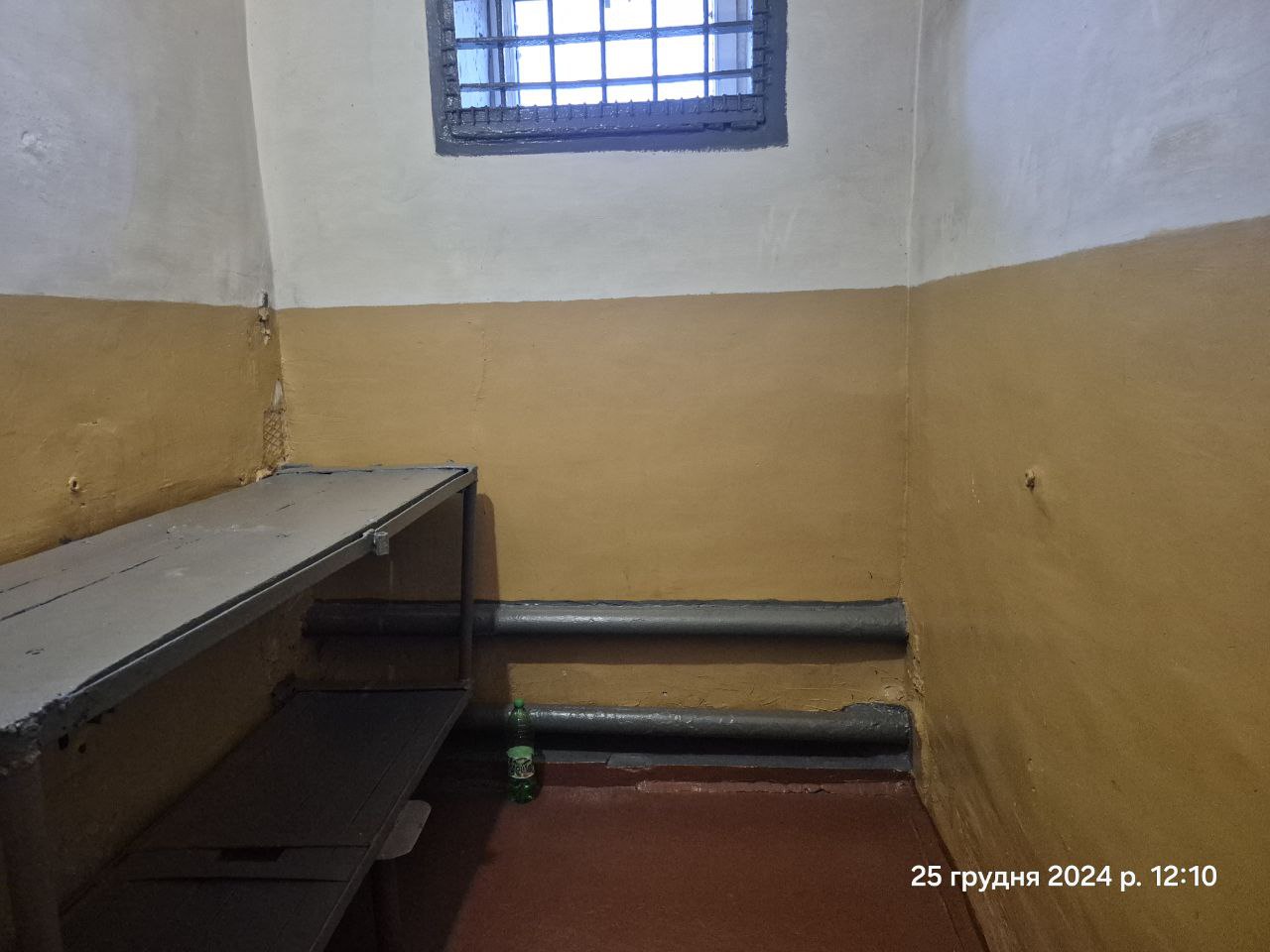
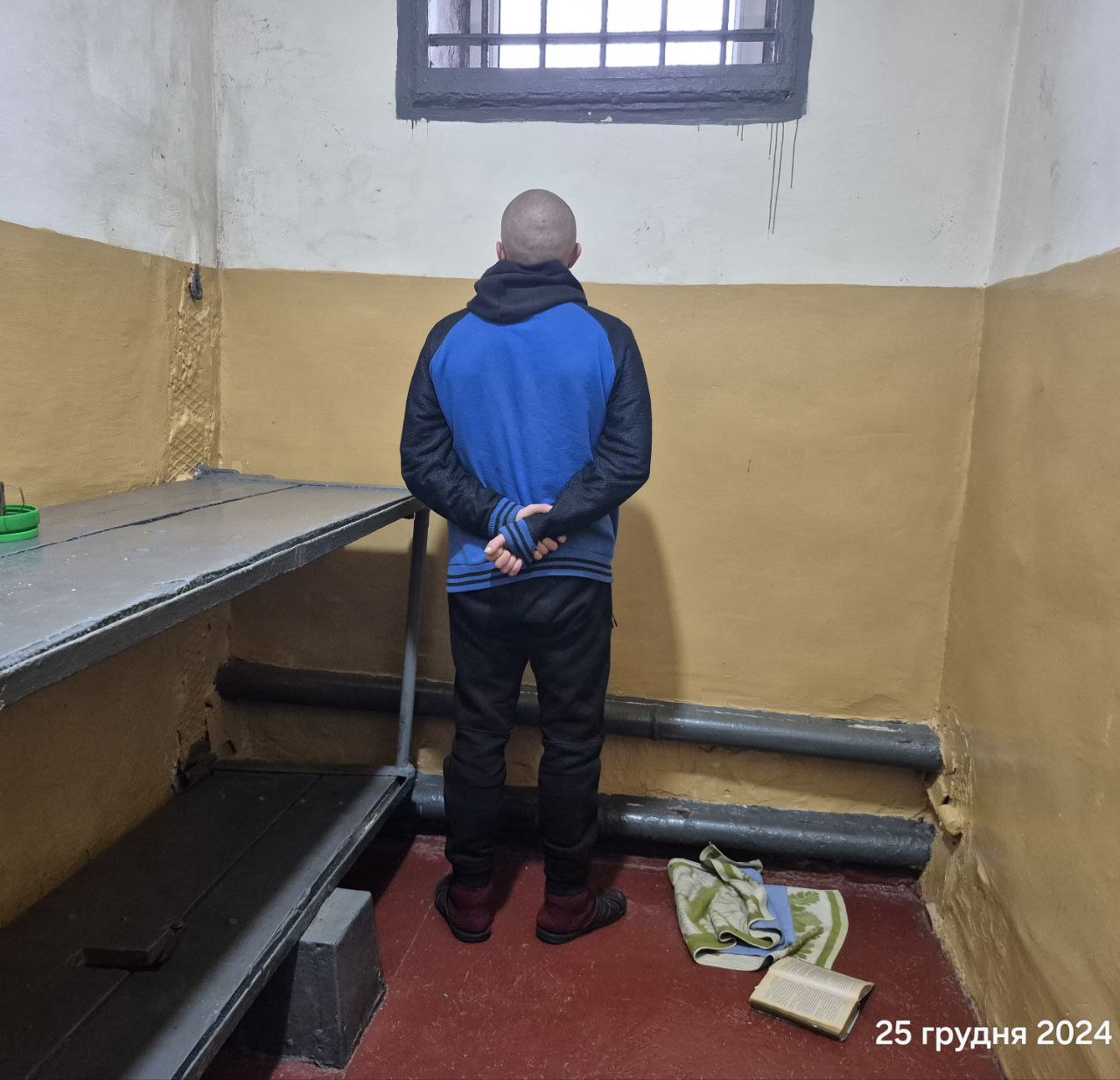
5. During the visit to the dormitories of the SPS detachments, it was established that the living conditions of convicts in some of them are unsatisfactory, violate their right to dignified conditions of detention, and do not comply with the first part of Article 115 of the CEC of Ukraine and points 14 and 15 of the UN Standard Minimum Rules for the Treatment of Prisoners (Nelson Mandela Rules).
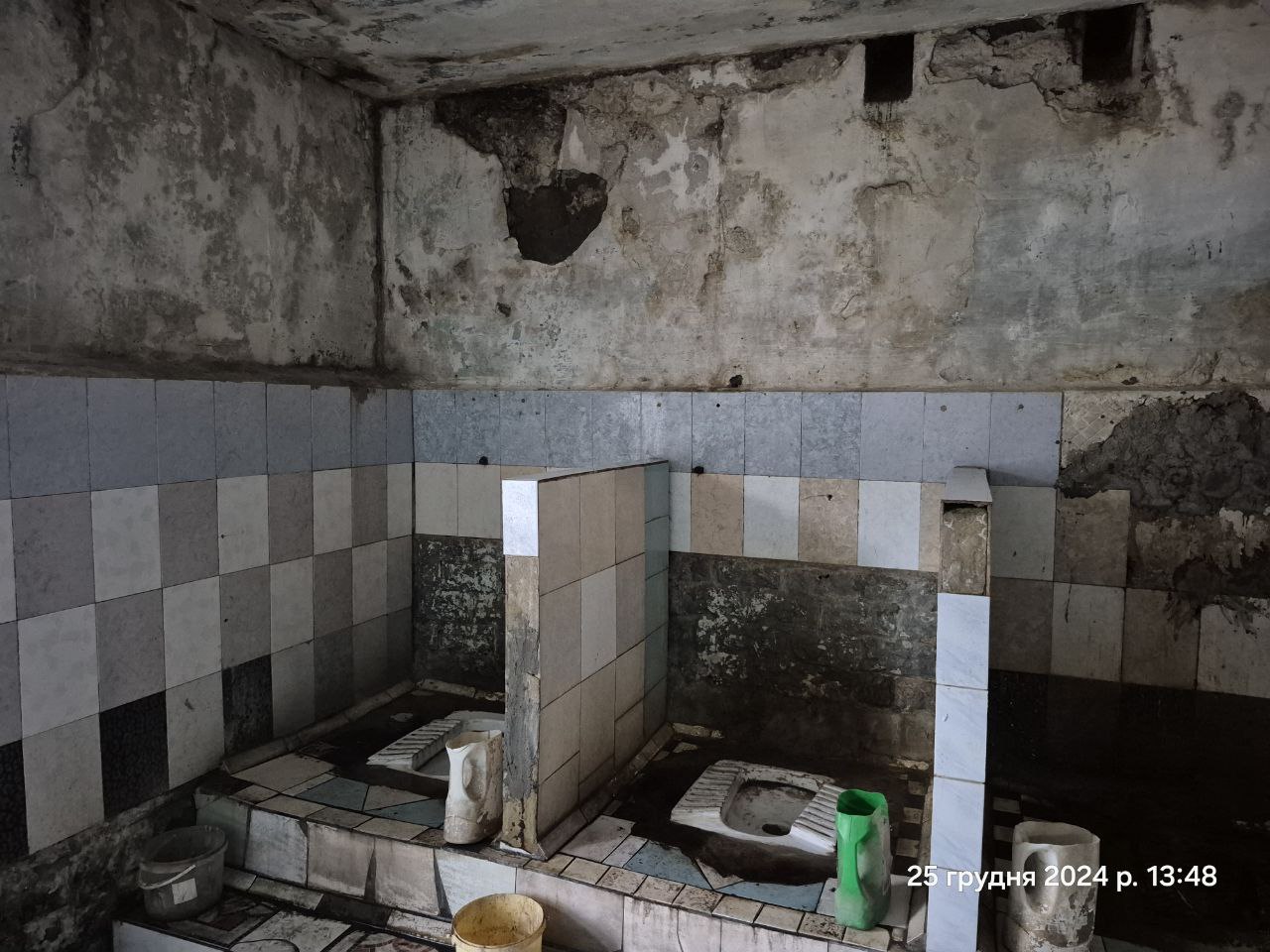
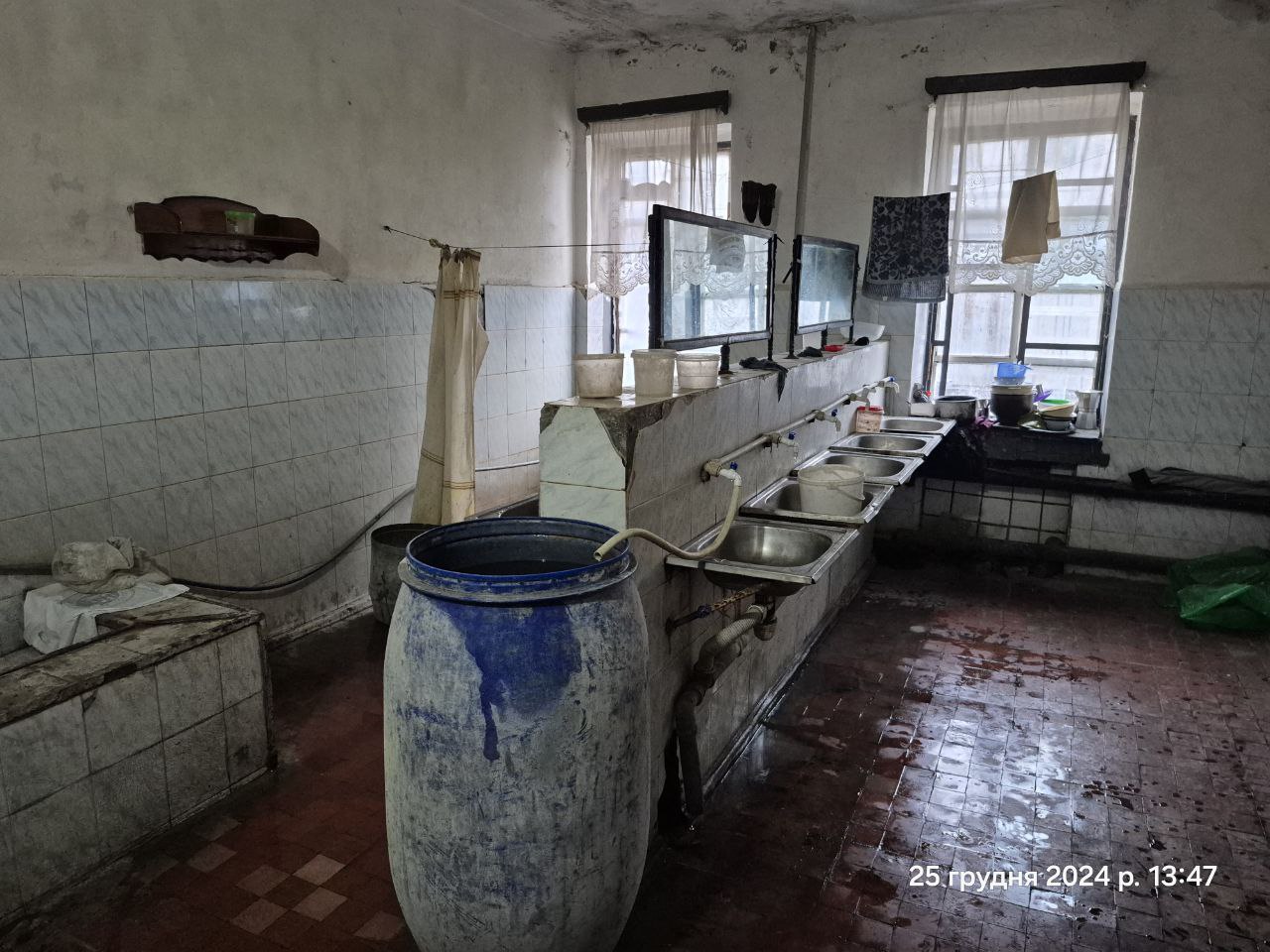
Thus, in SPS detachment No. 7, in connection with the improper arrangement of the room for eating, which contradicts the requirements of the Norms of Provision, dishwashing by convicts is carried out in the washing room, which borders the bathroom. At the same time, the premises of the washing room and the bathroom are in an unsatisfactory condition, do not comply with sanitation and hygiene rules, and require capital repairs with the replacement of sanitary and technical equipment.
There is a persistent unpleasant odour in the premises, unsanitary conditions are observed, and the walls are covered with mould due to significant water leakage. The bathrooms are not equipped with toilet bowls and a proper water flushing system, and they do not have sufficient doors and partitions that ensure the possibility of privacy, which is a violation of Rule 19.3 of the European Prison Rules. The ward's sleeping quarters do not have a sufficient number of stools, calculated at one stool per person.
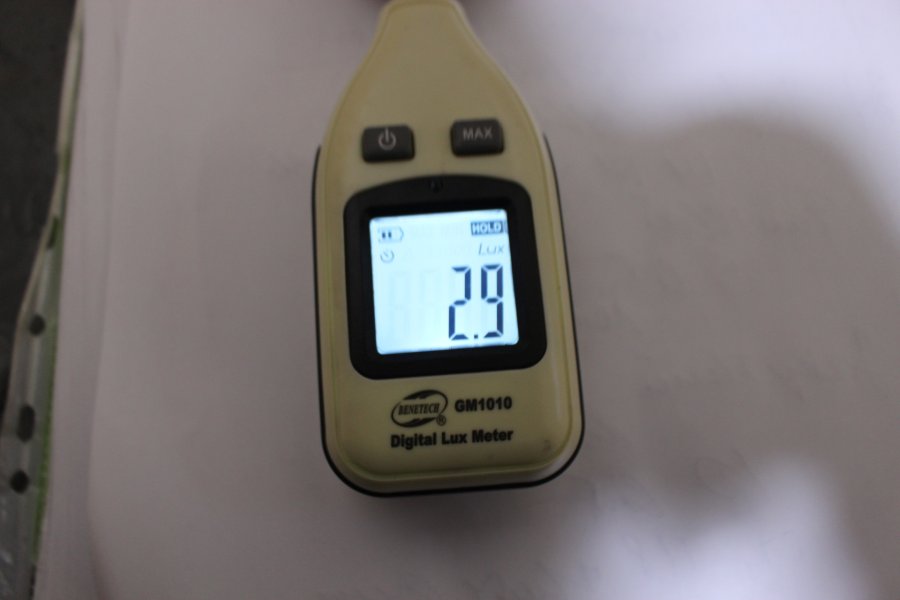
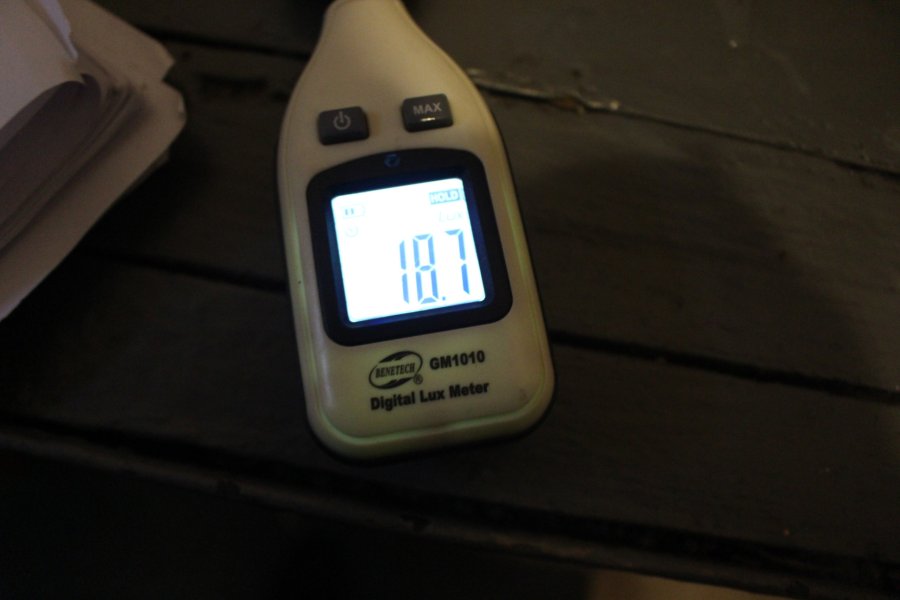
There is an insufficient level of natural and artificial lighting. According to Annex Zh “Normative Indicators of Lighting for Premises of Residential Buildings”, DBN V.2.5-28:2018 “Natural and Artificial Lighting”, approved by the order of the Ministry of Regional Development, Construction, and Housing and Communal Services of Ukraine dated 03.10.2018 No. 264, the illumination of work surfaces in bedrooms and living rooms should be 150 Lux.
In the sleeping room of SPS detachment No. 13, 2.9 LUX of natural lighting was recorded; and in the sleeping room of detachment No. 10, 18.7 LUX of artificial lighting and 2.7 LUX of natural lighting were recorded. There is significant clutter with bags and personal belongings.
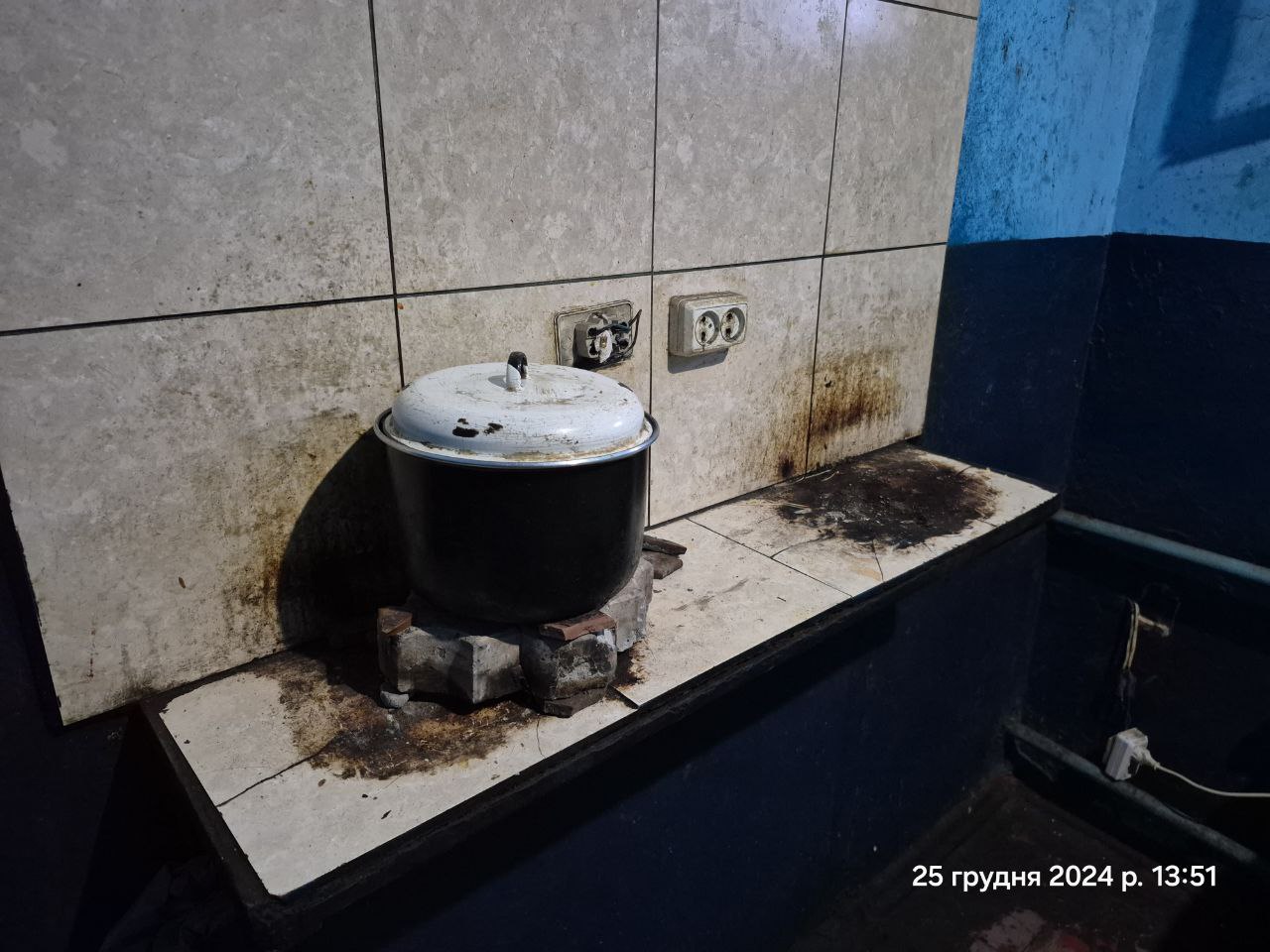
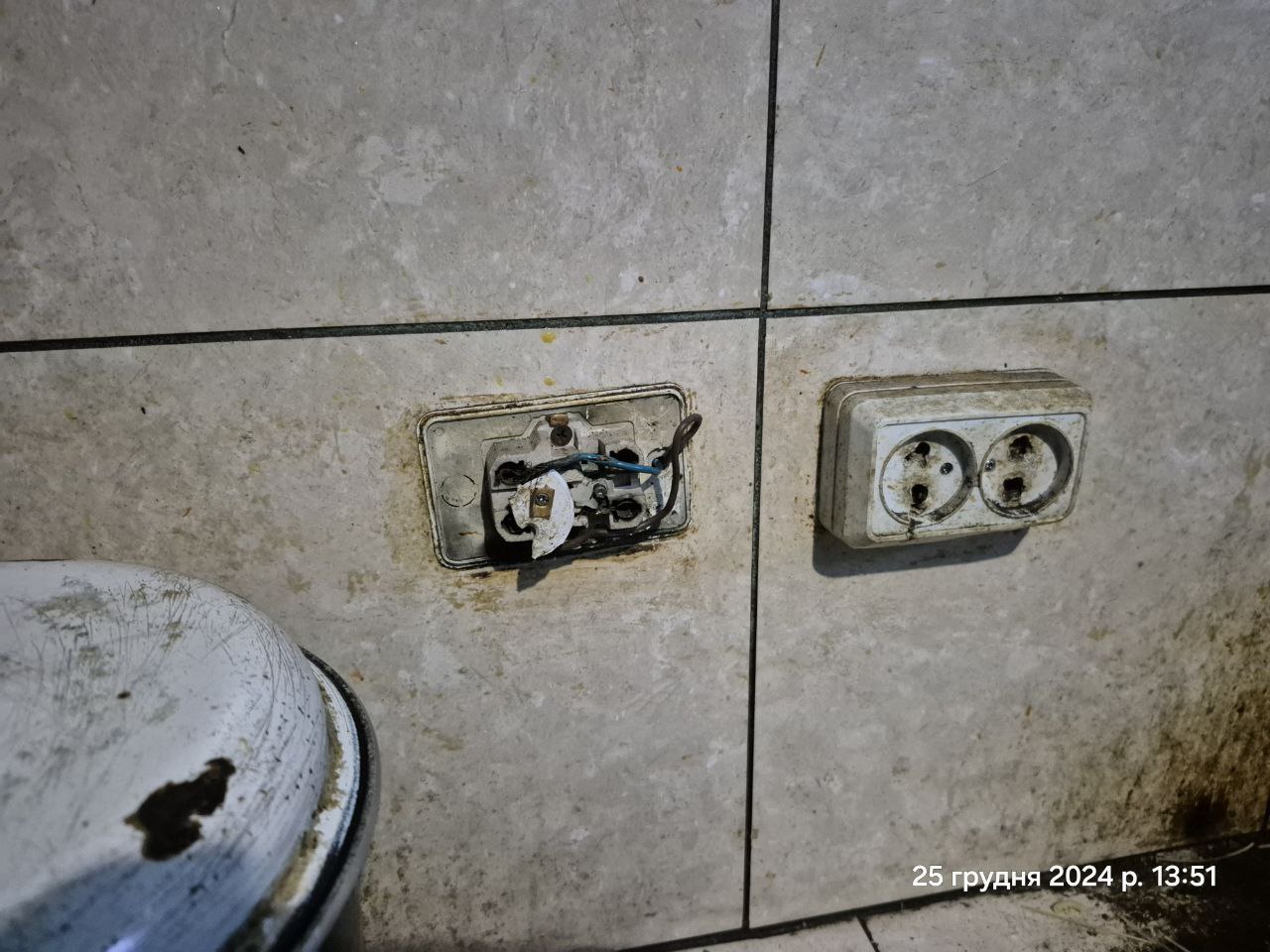
In addition, the requirements of the “Fire Safety Rules in Ukraine”, approved by the Order of the Ministry of Internal Affairs of Ukraine dated 30.12.2014 No. 1417, are grossly violated in the detachment. In particular, sockets used by the convicts are in an unsatisfactory technical condition, electric wires are bare, and wire connections are made without insulation, which could lead to electric shock to the convicts or the institution's staff and other negative consequences.
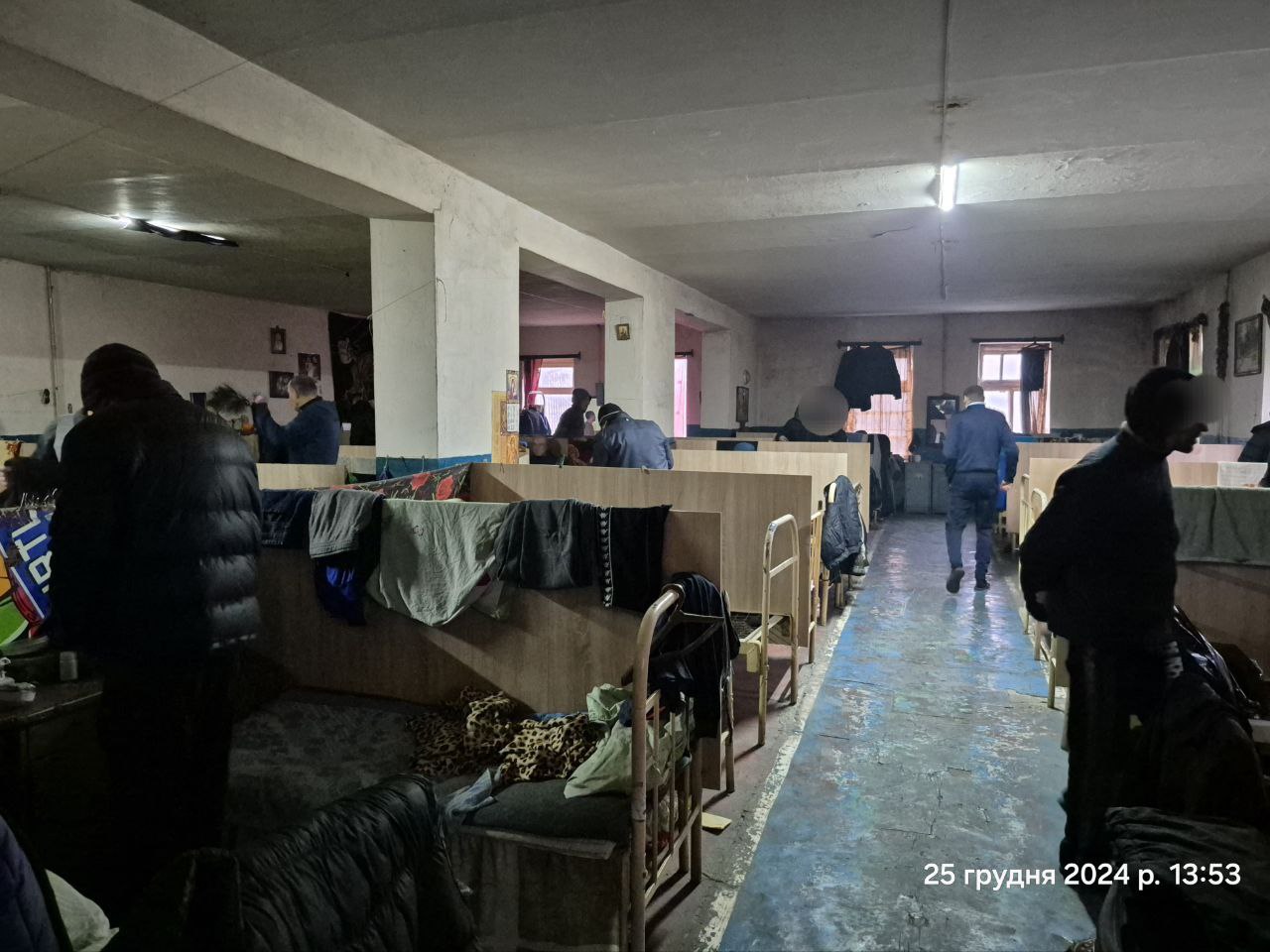
6. Point 1, section XXIII of the IRPI stipulates that the surveillance of convicts is a system of measures aimed at ensuring the serving and execution of criminal punishments in the form of restriction and deprivation of liberty, life imprisonment, and arrest through 24-hour and continuous control over the behaviour of convicts in places of their residence and work, preventing and stopping illegal actions on their part, ensuring the requirements for the isolation of convicts and the safety of the staff of penal institutions. Thus, during the inspection of the sleeping quarters of SPS detachment No. 7, installed video surveillance cameras were recorded.
At the same time, in its 2012 report, the Committee criticised excessive interference with privacy through the installation of video cameras in the living premises of convicts: “The CPT agrees that video surveillance in cells can be a useful safeguard in certain cases, for example, when a person is considered a cause for concern regarding the risk of self-harm or suicide, or if there are specific suspicions that a convict is carrying out certain actions in the cell that could jeopardise security.
However, any decision to use video surveillance regarding a specific convict must always be based on an individual assessment of real risks and must be reviewed frequently on a regular basis. Video surveillance is a serious interference with the private life of prisoners and makes the regime even more repressive, in particular, when applied over a long period of time.” (CPT/Inf (2013) 23, point 52).
7. According to point 3.1 of the “Instructions on Working Conditions and Wages of Convicts Sentenced to Restriction or Deprivation of Liberty”, approved by the Order of the Ministry of Justice of Ukraine dated 07.03.2013 No. 396/5 (hereinafter — the Instructions on Working Conditions), labour is carried out on a voluntary basis on the basis of a civil law contract or an employment contract concluded between the convict and a self-employed person or a legal entity for whom the convicts perform work or provide services.
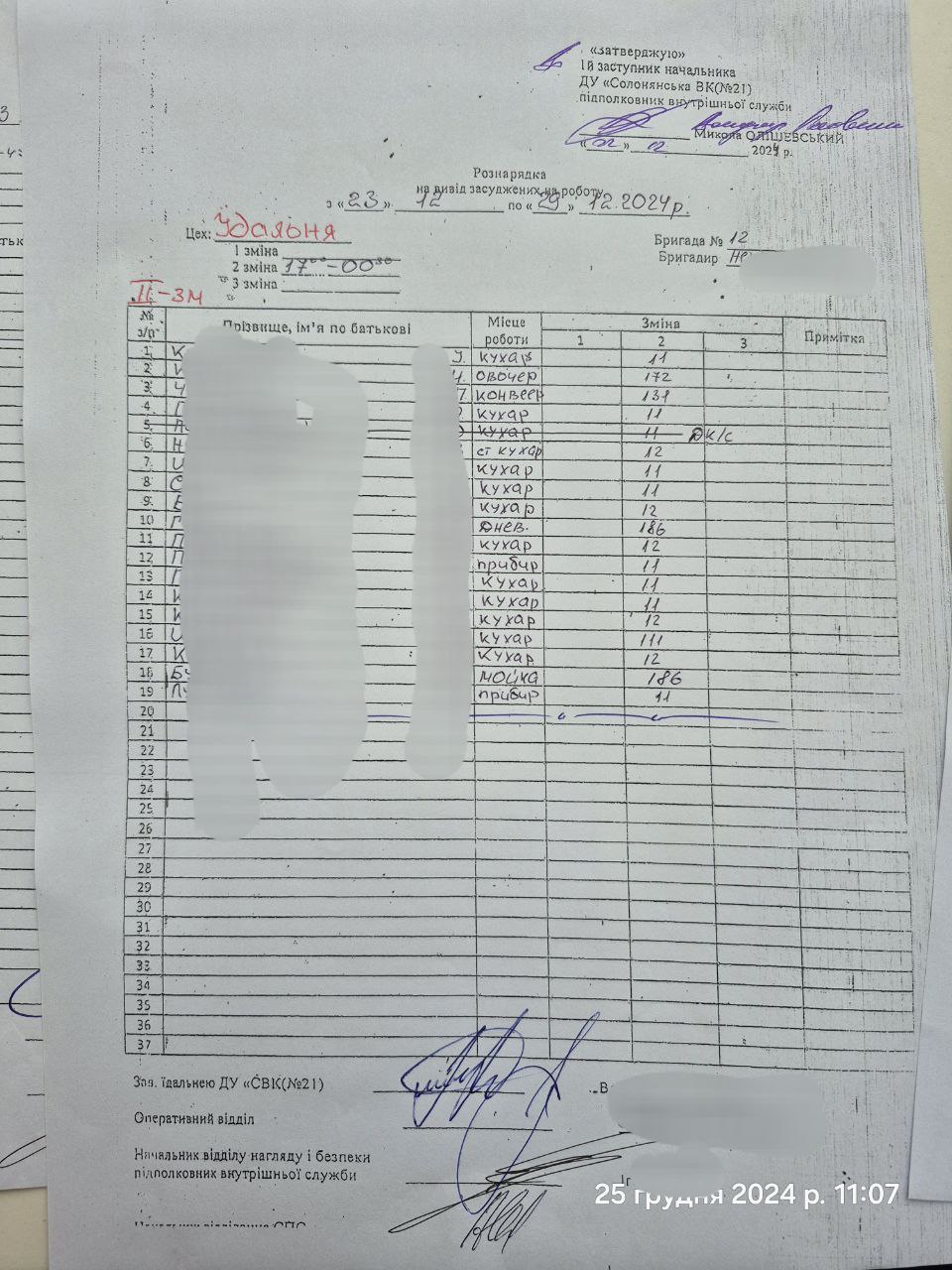
At the same time, it was established that the institution's administration uses the labour of about 12 convicts in positions of canteen staff without pay. Thus, according to the payroll data for convicts in the canteen, only 6 convicts received wages for November 2024, whereas according to the assignments for convicts’ work and the Journal of Hourly Checks of Convicts at workplaces in the canteen, about 20 convicts are involved in the work. During confidential communication, it was established that some convicts have been working without concluding an employment contract as a cook since the beginning of the year.
Furthermore, in violation of Article 119 of the CEC of Ukraine, Article 52 of the Labour Code of Ukraine, and the Instructions on Working Conditions and Wages of Convicts Sentenced to Restriction or Deprivation of Liberty, approved by the Order of the Ministry of Justice of Ukraine dated 07.03.2013 No. 396/5, the monitoring group established that the duration of the working day for convicts in the canteen’s household service is longer than 8 hours and reaches 10–11 hours per day.
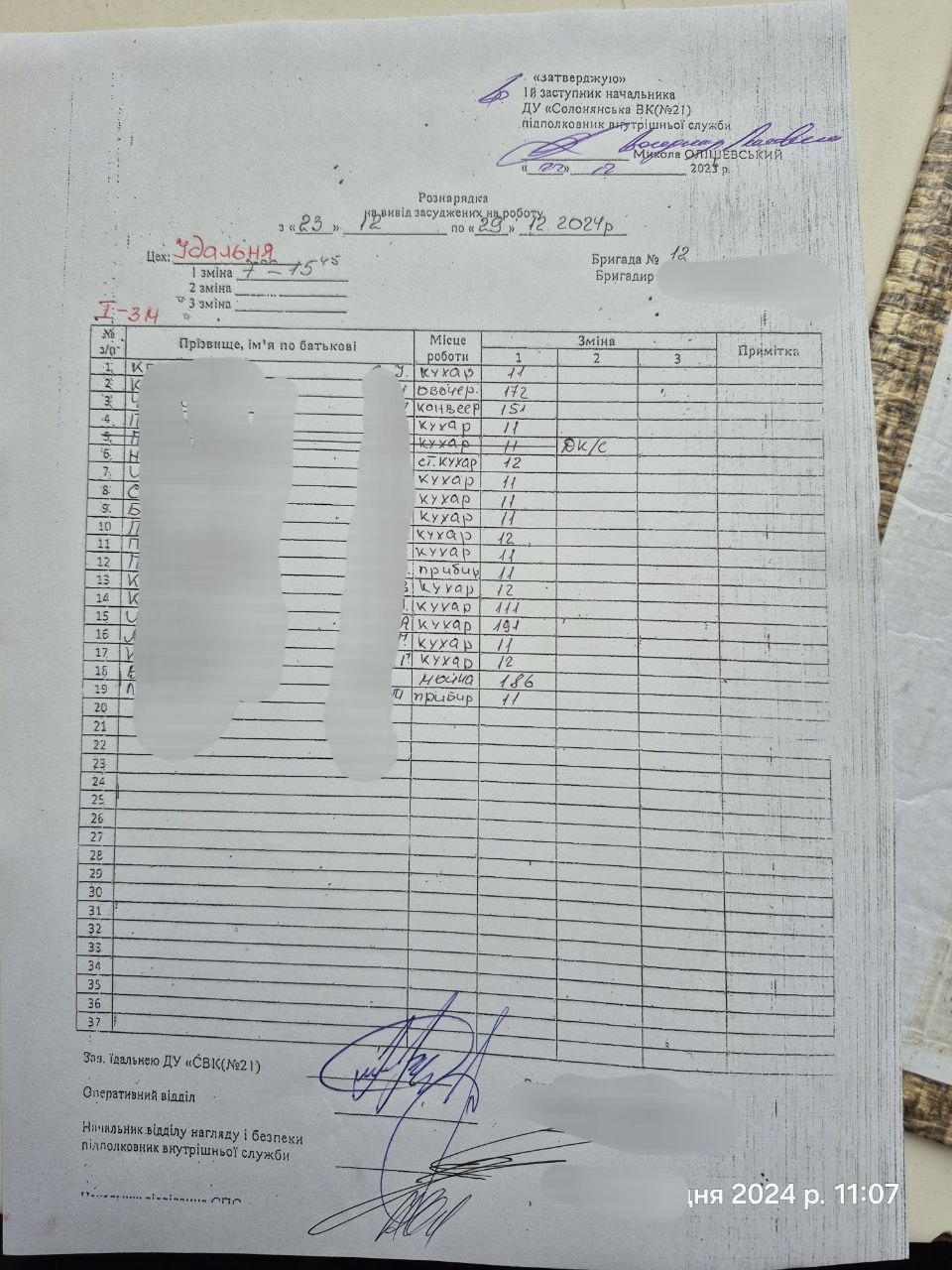
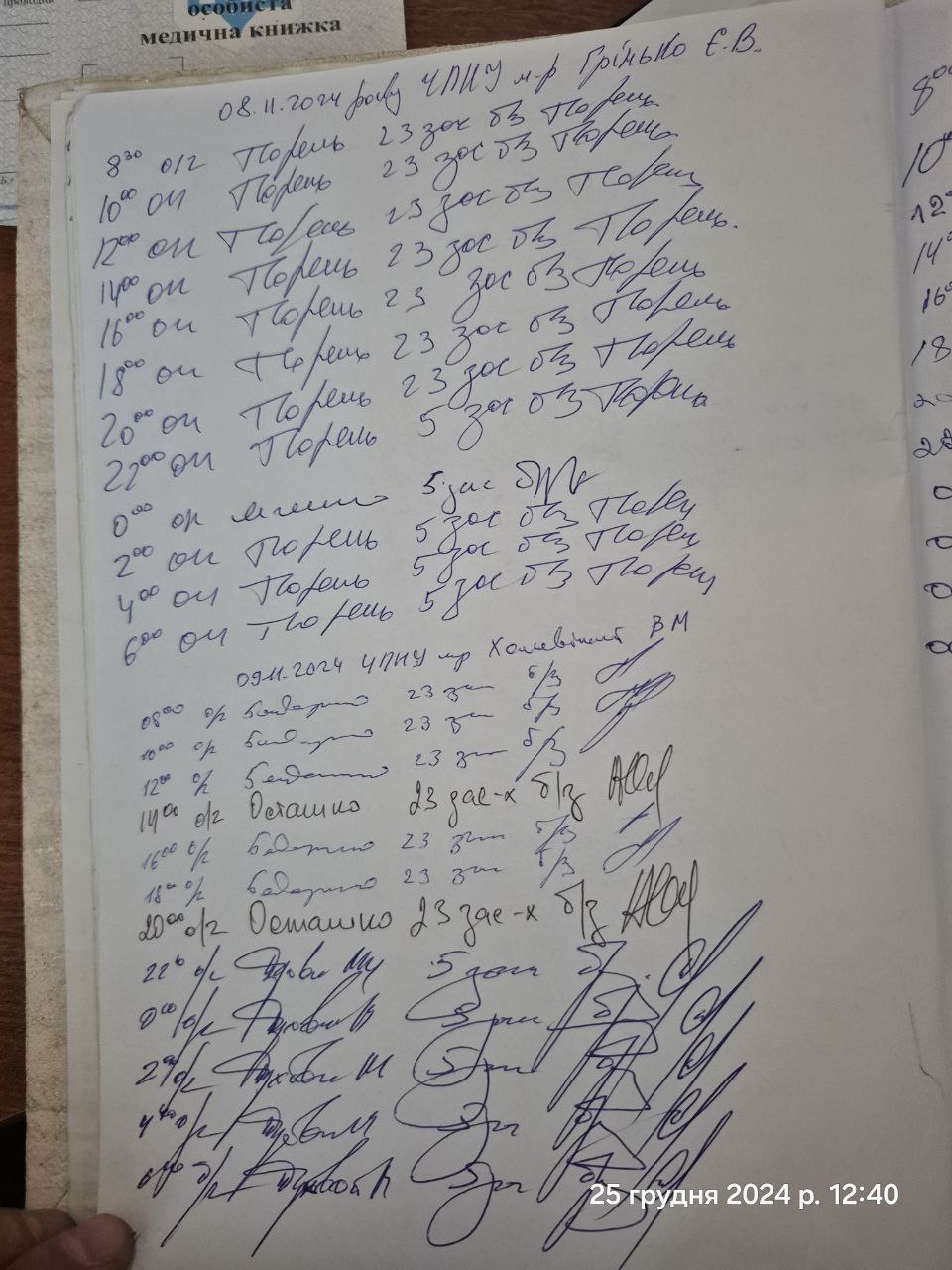
During the monitoring visit to SCC-21, facts of violation of labour legislation requirements when engaging convicts in socially useful labour were discovered. According to information received from the institution's management, 163 convicts of the institution work within the framework of concluded civil law contracts (CLCs), while performing the same work for a long period of time. A clear distinction should be made between the possibility of a convict performing work under an employment contract and a civil law contract.
The determining factor in resolving disputed legal relations regarding the formalisation of convicts' working conditions — whether civil or labour — is the presence of signs of labour legal relations between the employee-convict and the employer. In this case, the employees among the convicts perform systematically defined labour functions. Civil relations differ from labour relations in that labour legislation regulates the process of organising labour activity. Under a civil law contract, the process of organising labour activity remains outside the scope of the contract; the purpose of the contract is to obtain a certain material result.
Unlike wages under an employment contract, remuneration under a CLC is established exclusively by agreement of the parties; the work must not be systematic; the result is formalised by acts of acceptance and delivery of performed work (provided services), and payment is made based on them. In particular, when concluding a CLC, the employee does not submit an application for employment, the enterprise does not issue an order for their appointment to a certain position, and no entry is made in the employment record book. The conclusion of a civil law agreement is not regulated by Article 24 of the Labour Code of Ukraine (hereinafter — LC of Ukraine), so notification about the start date of concluded civil law contracts with employees among convicts does not need to be submitted to the State Fiscal Service authorities.
Since a contractor under a CLC must independently organise their work, which is inappropriate for the working conditions of convicts in conditions of deprivation or restriction of liberty, work under a CLC for convicts is mostly a controversial issue. At the same time, systematic activity should be considered the conclusion of a CLC more than three times within one calendar year, which would be grounds to consider such a contract as a labour contract. Thus, a clear distinction should be made between the possibility of performing work under an employment contract and a civil law contract.
The Supreme Court in a resolution dated 04.07.2018 (USRDR, registry No. 751488848) expressed a position regarding the presence of signs of labour legal relations when concluding contracts for work so that issues with such contracts do not arise in the future from the State Labour Service. These main signs include:
- Individuals did not organise their work independently, did not perform it at their own risk and discretion, but obeyed the relevant officials;
- The concluded contracts do not define the scope of work to be performed, but fix the obligation to perform work (provide services);
- The contracts do not specify exactly what result of work the performer must transfer to the customer, no list of tasks is provided, etc.;
- The subject of the concluded contracts is the process of labour, not the final result.
Since 185 persons in the institution perform work on a permanent basis under a CLC, they are deprived of the right to accumulate seniority and, accordingly, social guarantees, including pension provision. Convicts who work both in production and within the framework of household services are deprived of the right to social benefits and guarantees, namely: the right to annual leave, social protection in the event of an industrial accident, and sick pay is not provided to persons who become ill due to the lack of coordination with the Ministry of Health regarding the sick leave form for convicts.
8. According to point 17 of Section V of the “Regulation on the Organisation of Food Supply in the State Criminal-Executive Service of Ukraine in Peacetime”, approved by the Order of the Ministry of Justice of Ukraine dated 15.06.2021 No. 2160/5, daily samples of each dish of the ration remain in the institution's canteen. Sample collection is carried out by the cook from the pot in the presence of a medical worker of the healthcare facility in a clean container with a lid (previously washed and boiled) before the food is served. Daily samples are stored in the canteen refrigerator at a temperature from +4 to +8 °C. Samples of dishes from each meal are stored for 24 hours until the end of the similar meal on the next day. However, in violation of this, the monitoring group, during the inspection of the canteen premises, established the absence of samples of the evening dish, in particular, fish.
9. The monitoring group established a number of violations in the organisation of laundry and bath services for convicts and detained persons. Thus, in violation of the requirements of point 2.11 of Section II of the “Regulation on the Organisation of Bath and Laundry Services for Persons Held in Penal Institutions and Pre-trial Detention Centres”, approved by the Order of the Ministry of Justice of Ukraine No. 849/5 dated 08.06.2021 (hereinafter — the Regulation), the forced supply-and-exhaust ventilation system in the bathhouse and shower room does not work properly. There is significant condensation on the walls and ceiling.
During conversations with newly arrived persons who were in the KDiR ward and verification of the Institution's Bath Visit Log, it was established that, in violation of the requirements of point 4 of Section XXII of the IRPI and point 3.19 of Section III of the Regulation, the implementation of sanitary-hygienic and anti-epidemic rules is not properly ensured. The sanitary treatment of convicts arriving at the institution is not carried out.
In violation of the requirements of Rule 19.3 of the European Prison Rules, the right to privacy in the DIZO/PKT shower room is not respected due to the lack of curtains on the shower partitions. In violation of the requirements of Article 118 of the CEC of Ukraine and Article 153 of the Labour Code of Ukraine, convicts working in the bathhouse and laundry do not undergo occupational health and safety training, as evidenced by the absence of a Journal for Registration of Briefings on Occupational Health and Safety at the workplace.
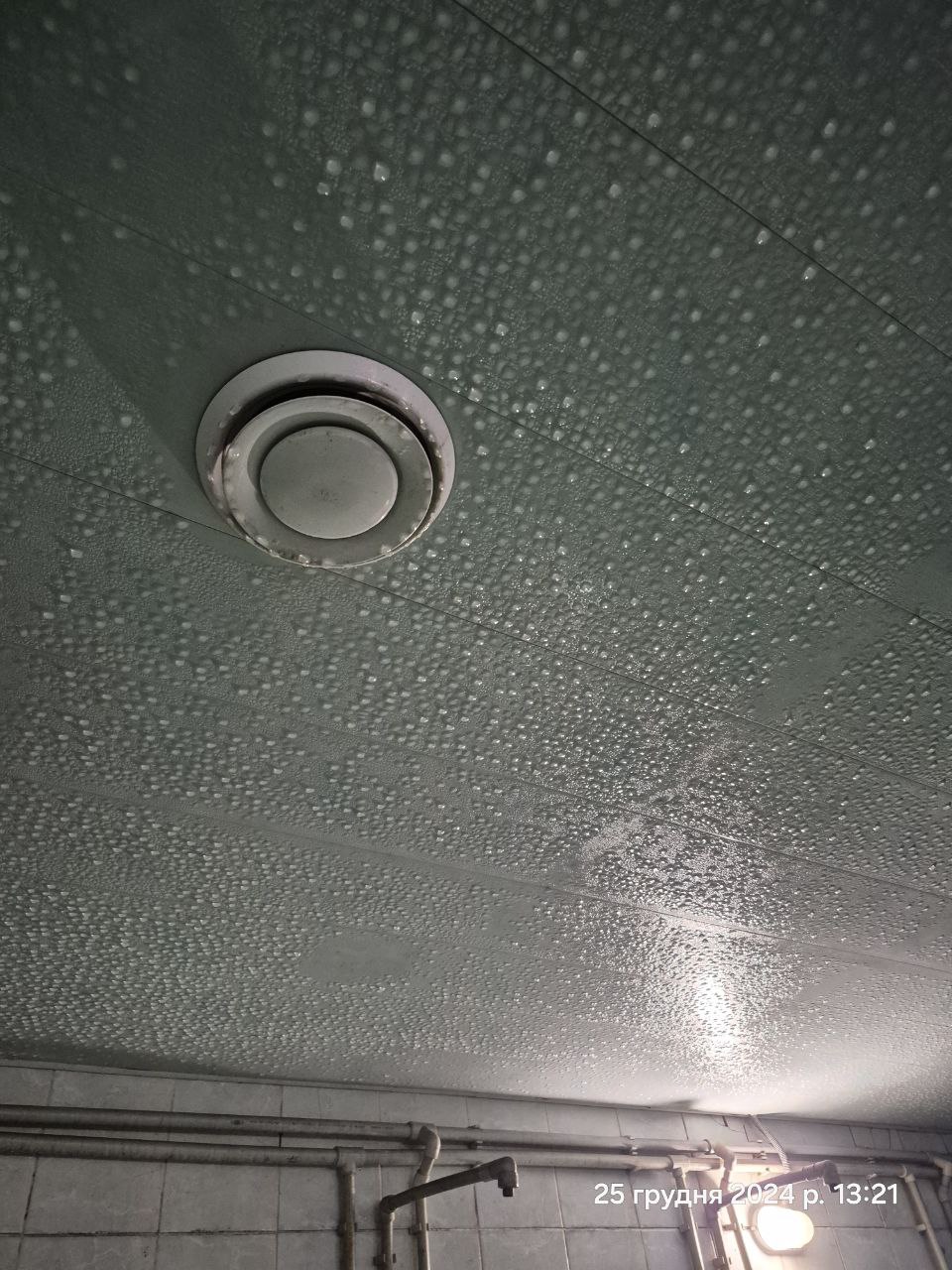
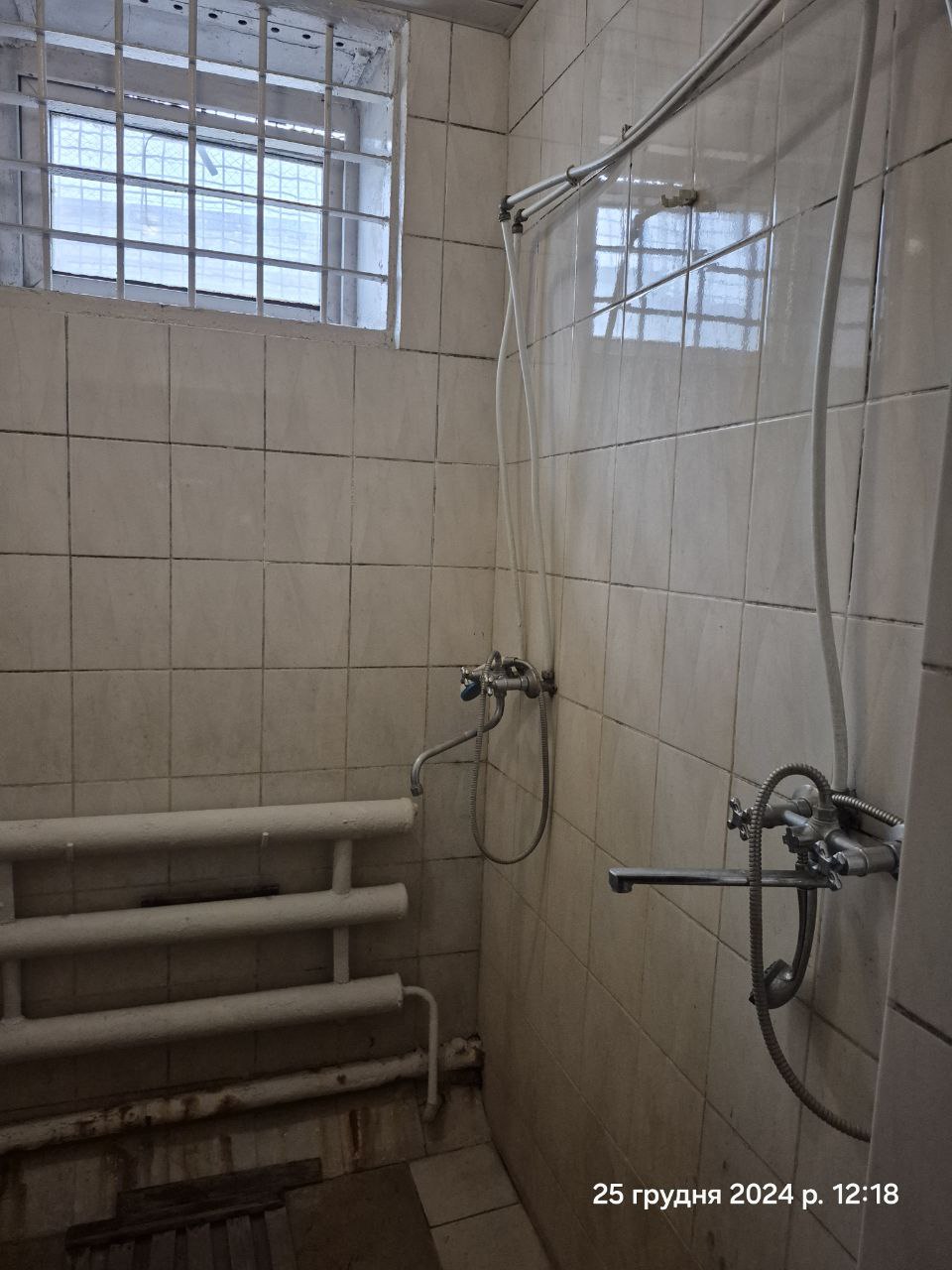
10. According to official documentation, the staff shortage in the institution as of 25.12.2024 is 41 positions. The shortage of middle and senior command staff is 8 positions. The shortage of rank-and-file and junior command staff is 28 positions. At the same time, in the Report of the Government of Ukraine on the results of the visit in 2023, the Committee emphasises that ensuring a positive climate in a penitentiary institution requires the presence of a professional team of staff who must be present in sufficient numbers at any given moment in places of detention.
An insufficient number of staff can only increase the risk of violence and intimidation among convicts. The shortage of staff on the front line also undermines the quality and level of measures offered to convicts and jeopardises the prospect of preparation for release and social rehabilitation. In this regard, the Committee calls on the Ukrainian authorities to take decisive measures to significantly increase the number of staff in penitentiary institutions of Ukraine, where a low level of staffing is observed, with the aim of strengthening the presence of security and surveillance service staff within institutions. Measures must also be taken to put an end to the 24-hour shifts of staff on duty. (CPT/Inf (2024) 20, point 93).
11. During the visit, the monitoring group recorded that the institution's staff who are in direct contact with convicts openly carry special means, in particular, rubber batons. At the same time, according to the eighth paragraph of point 1, section XXVI of the IRPI, the carrying of special means by the staff of penal institutions within the protected territory of a penal institution should, if possible, be hidden from the surroundings. At the same time, the Committee recommends that penitentiary officers who work in direct contact with prisoners should not carry special means (such as rubber batons, handcuffs, and canisters filled with tear gas) openly in front of prisoners. Such carrying prevents the establishment of normal relations between staff and prisoners. (p. 85 (CPT/Inf (2011) 29), p. 23 (CPT/Inf (2013) 23), p. 166 (CPT/Inf (2014) 15)).
Medical Unit No. 21 of the branch of the State Institution “Centre for Healthcare of the SCES of Ukraine” in Dnipropetrovsk and Donetsk regions
Head of Medical Unit No. 21 of the branch of the State Institution “Centre for Healthcare of the State Criminal-Executive Service of Ukraine” in Dnipropetrovsk and Donetsk regions (hereinafter — the medical unit) — M. A. Dementievskyi.
During the visit, the monitoring group studied medical documentation, inspected the premises of the medical unit for their compliance with the requirements of Ukrainian legislation and international standards, and deficiencies in the work of the medical unit were discovered.
1. According to point 2 and point 3 of Chapter III, Section II of the “Procedure for Organising the Provision of Medical Care to Convicts Sentenced to Deprivation of Liberty”, approved by the joint order of the Ministry of Justice of Ukraine and the Ministry of Health of Ukraine dated 15.08.2014 No. 1348/5/572 (hereinafter — the Procedure), a therapist (or general practitioner – family doctor), psychiatrist, and dentist must participate in the preventive medical examination.
At the same time, positions of the therapist and psychiatrist are vacant in the medical unit, which indicates the incompleteness of the primary and preventive medical examination, due to which convicts and detained persons do not receive proper medical care.
This violates point 38 of the recommendations of the European Committee for the Prevention of Torture and Inhuman or Degrading Treatment or Punishment (CPT/Inf(93) 12-part) (hereinafter — the Committee), which states that medical services in places of deprivation of liberty must be able to provide medical care and treatment, as well as an appropriate diet, physiotherapy, rehabilitation, or any other special care at the same level as offered to patients in civilian medical facilities. The provision of medical, auxiliary medical, and technical personnel must be ensured, and appropriate premises, equipment, and facilities must be provided.
2. The monitoring group established that two convicts are in the medical unit. Convict S. performs the function of a ward orderly. Thus, the institution’s management and medical staff delegated to the convict the right to exercise the organisation of constant supervision over convicts in the inpatient facility and control over their compliance with the daily internal routine.
At the same time, the Committee has repeatedly recommended ending the practice of using convicts as assistants in medical units and as orderlies (Report of the Committee on the results of the visit to Ukraine in 2005 (point 132, CPT/Inf (2007) 22), in 2013 (point 151, CPT/Inf (2014) 15), in 2017 (point 86, CPT/Inf (2018) 41)).
3. In violation of the requirements of point 3 of the “Instructions on Filling out the Form of Primary Accounting Documentation No. 511/o ‘Certificate of Recording Bodily Injuries’”, approved by the Order of the Ministry of Health of Ukraine dated 02 February 2024 No. 186, copies of the certificate of form No. 511/o are not attached to the form of primary accounting documentation No. 025/o “Medical Card of an Outpatient”, but are kept separately.
At the same time, the lack of proper recording of bodily injuries does not comply with point 60 of the recommendations of the Committee's Third General Report, which states that medical services in places of deprivation of liberty can contribute to the prevention of violence against persons held in detention through the systematic registration of bodily injuries, as well as, if necessary, through informing the relevant authorities (CPT/Inf(93) 12-part).
4. During the study of medical documentation, it was established that in the medical cards of the outpatient (025/o), photographs of existing bodily injuries are not attached to the completed certificates, as provided for in point 3 of Section I, Chapter II of the Procedure. At the same time, the Committee, in its report on the results of the visit to Ukraine in 2023, notes that any traumatic injuries discovered during a medical examination should be photographed in detail, and the photographs, along with diagrams of the body, should be kept in the individual medical card of the person (CPT/Inf (2024) 20, point 82).
5. Substitution maintenance therapy (hereinafter — SMT) for persons with mental and behavioural disorders due to opioid use is not organised in the medical unit in accordance with the “Procedure for Conducting Substitution Maintenance Therapy for Persons with Mental and Behavioural Disorders due to Opioid Use”, approved by the Order of the Ministry of Health of Ukraine dated 27.03.2012 No. 200.
Drug-dependent persons are not provided with social-psychological support, cognitive-behavioural therapy (CBT), relapse prevention, motivational interviewing, mutual aid groups, etc.
Thus, these persons are deprived of the opportunity to receive SMT, which violates their right to choose methods of treatment in accordance with Article 38 of the Law of Ukraine “Fundamentals of Ukrainian Legislation on Healthcare”.
At the same time, the Committee, in its report on the results of the visit to Ukraine in 2023, notes that admission to a penitentiary institution is an opportunity to solve the problem related to drugs, and therefore it is important that appropriate assistance be offered to all interested persons; therefore, appropriate medical care should be available in all institutions. The assistance offered to such persons should be diverse; substitution therapy programmes for persons with drug dependence should be combined with genuine psychosocial and educational programmes for persons with opioid dependence who are unable to stop using drugs. Furthermore, access to SMT programmes in institutions should be easily available, and they should also be managed by penitentiary doctors, who should undergo special training on issues related to drug use (CPT/Inf (2024) 20, point 86).
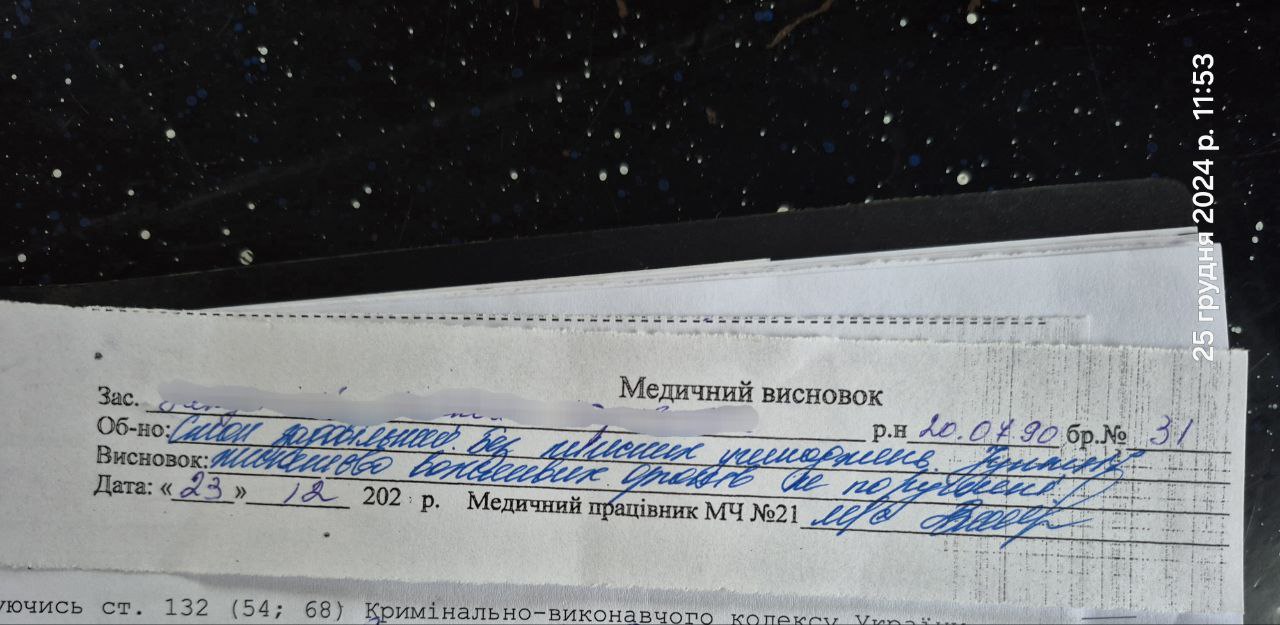
6. During the inspection of the DIZO/PKT, monitors established that when a convict is placed in a disciplinary isolation ward, it is common practice to attach a medical certificate containing health status information to the case file. The discovered facts prove that the institution's staff possess confidential information regarding the health status of convicts who are in the DIZO unit. This violates the requirements of Article 39-1 of the Law of Ukraine “Fundamentals of Ukrainian Legislation on Healthcare” regarding the right of persons to secrecy about their state of health.
At the same time, the Committee has repeatedly emphasised that the obligation of penitentiary doctors to certify the fitness of convicts to serve a disciplinary penalty is unlikely to contribute to the development of positive relations between doctor and patient. In principle, medical staff should never participate in any part of the decision-making process regarding the application of any type of solitary confinement, except in cases where this measure is applied for medical reasons.
On the other hand, medical staff must be very attentive to the condition of convicts who are in solitary confinement. Medical staff should be immediately informed about each such placement and should visit the convict immediately after placement, and then regularly, at least once a day, and provide them with prompt medical care and treatment if necessary. Medical staff should inform the institution's management if the convict's health is seriously threatened by solitary confinement (CPT/Inf (2024) 20, point 104).
7. In violation of the “Measures and Means for Preventing Infection when Providing Patient Care”, approved by the Order of the Ministry of Health of Ukraine dated 03.08.2020 No. 1777, only one isolation ward for infectious patients is equipped in the medical unit, which makes it impossible to place patients with dangerous infectious diseases separately from each other and other convicts simultaneously.
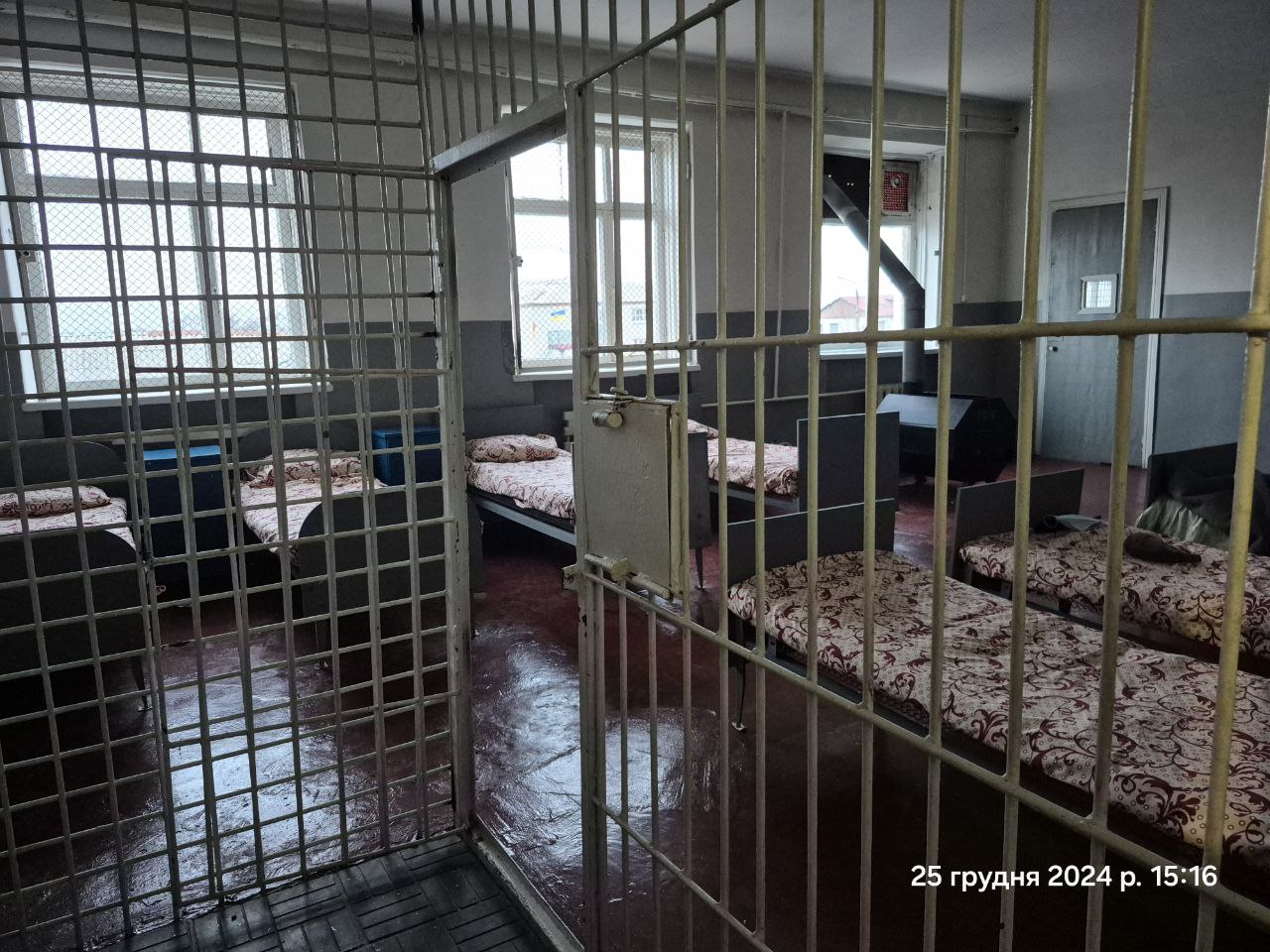
8. In violation of the requirements of point 1, Section II of the “Standard for Infection Control for Healthcare Facilities Providing Care to Tuberculosis Patients”, approved by the Order of the Ministry of Health dated 01.02.2019 No. 287, the requirements for the isolation of tuberculosis patients are not met in the medical unit; the ward is used for more than one or two persons (1 ward-cell for 7 beds); the door to the ward is not equipped with a sealed threshold or seals around the edges; air recirculation using mechanical ventilation is not ensured.
9. In violation of the requirements of the “Standards of Medical Care for HCV in Adults”, approved by the Order of the Ministry of Health of Ukraine dated 15.01.2021 No. 51, not all persons (36 persons as of 26.12.2024) with suspected viral hepatitis C undergo PCR testing, due to which they do not receive the necessary treatment, which may lead to a deterioration of their health condition and the spread of the mentioned infectious disease among convicts and detained persons.
10. In violation of the requirements of the State Building Norms of Ukraine V.2.2-17:2006 “Buildings and Structures. Accessibility of Buildings and Structures for Persons with Limited Mobility”, no conditions for the detention of persons with disabilities have been created in the medical unit.

11. Dispensary supervision is carried out for 26 persons who have disabilities. Of them, group I — 0 persons, group II — 5 persons; group III — 21 persons. At the same time, in violation of the requirements of the Law of Ukraine “On Rehabilitation of Persons with Disabilities in Ukraine”, persons with disabilities do not receive proper diagnostic, treatment, and rehabilitation measures in the presence of information confirming a persistent violation of the body's functions, caused by diseases, consequences of injuries, which cause restrictions on normal life activities.
Thus, during the study of the medical documentation of convicts, it was established that for 1 person who has a disability, an individual rehabilitation programme (hereinafter — IRP) is missing. Furthermore, the recommendations of the IRP are not being fulfilled, due to which they do not receive proper diagnostic, treatment, and rehabilitation measures in the presence of information confirming a persistent violation of the body's functions, caused by diseases and consequences of injuries, which cause restrictions on normal life activities.
12. In violation of point 37 of the Resolution of the Cabinet of Ministers of Ukraine No. 285 dated 2 March 2016 “On Approval of Licensing Conditions for Conducting Economic Activity in Medical Practice”, the medical unit lacks a document confirming free access to the buildings and premises of the medical facility for persons with limited mobility, the receipt of which is mandatory.
13. In violation of the “Procedure for Organising Medical Care at the Primary, Secondary (Specialised), Tertiary (Highly Specialised) Levels Using Telemedicine”, approved by the Order of the Ministry of Health of Ukraine dated 19.10.2015 No. 681, the medical unit staff are deprived of the possibility to make requests for telemedicine consultation and receive consultation for providing medical care to detained and convicted persons due to technical reasons.
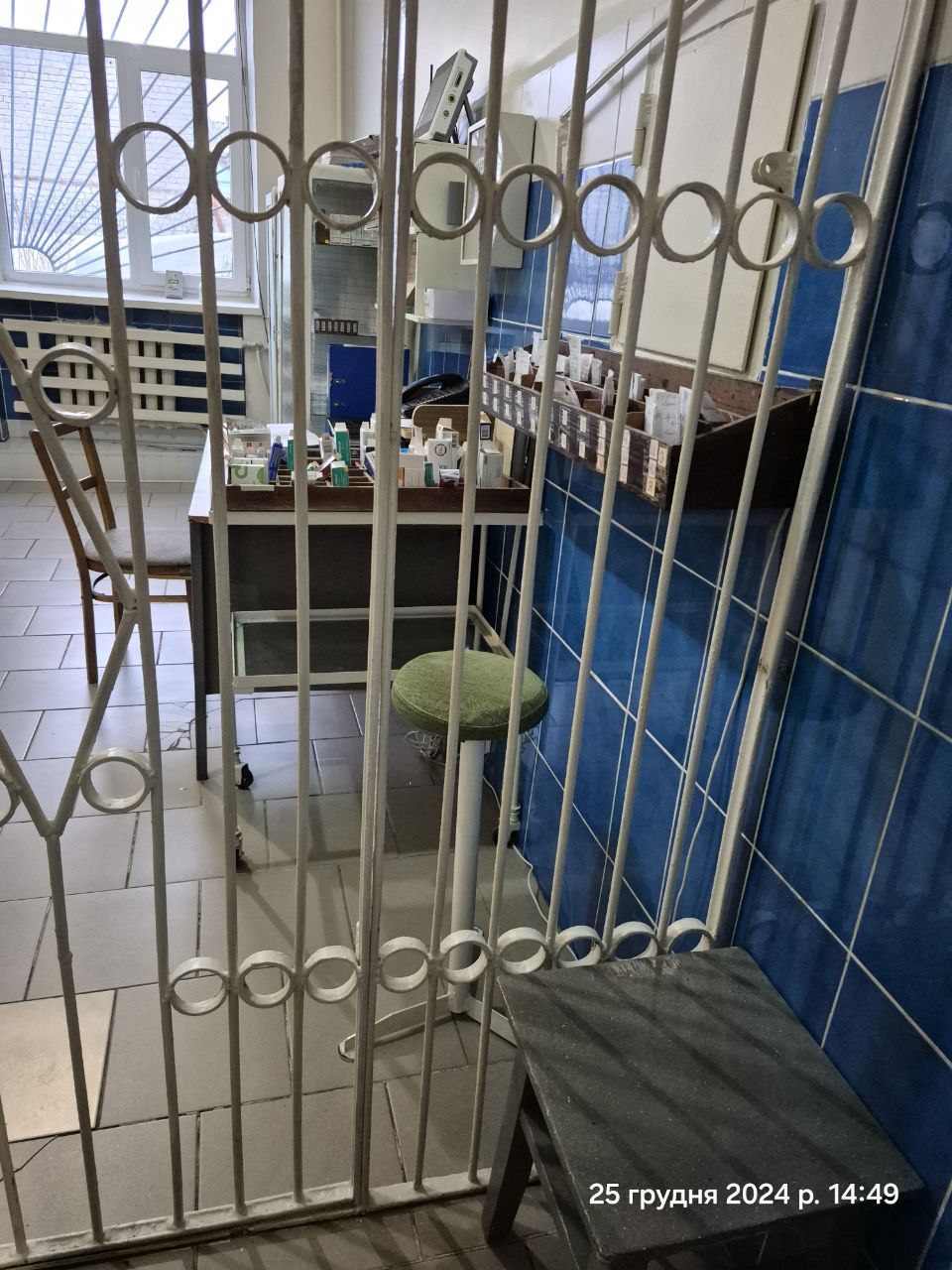
14. During communication with convicts and inspection of medical offices, wards, and other premises, the monitoring group established that medical staff continue the systematic practice of conducting medical examinations and medical procedures for convicts through bars. At the same time, the European Committee for the Prevention of Torture and Inhuman or Degrading Treatment or Punishment regularly criticises excessive security measures and considers such practices unacceptable because they infringe on the dignity of prisoners, hinder the development of proper relations between medical staff and the patient, and, possibly, interfere with the establishment of an objective medical conclusion (Report of the Committee on the results of the visit to Ukraine in 2009 (129, CPT/Inf (2011) 29), 2012 (50, CPT/Inf (2013) 23)).
15. In violation of Article 115 of the Criminal Executive Code of Ukraine, in ward for somatic patients No. 4, the requirements regarding the standard of living space per convict in conditions of inpatient treatment (not less than 5 m²) are violated. Thus, the total area of the ward for somatic patients No. 1, where 4 beds are located, according to the building plan is 13.5 m². Thus, the actual area per one convicted person is 3.37 m².
16. In violation of the requirements of the “Norms of Belonging of Bedding, Special Clothing, and Special Footwear (Inventory Property) for Convicts Undergoing Treatment in Medical-Prophylactic Institutions, Institutions with Rights of Medical Facilities, and Medical Units at Penal Institutions and Pre-trial Detention Centres”, approved by the Order of the Ministry of Justice of Ukraine dated 20.02.2012 No. 280/5, convicted persons do not receive hospital property (hospital suit, robe, and shoes). Convicts stay in the inpatient unit in everyday clothes, sometimes with their own bedding.
17. In violation of the Fire Safety Rules in Ukraine, approved by the Ministry of Internal Affairs of Ukraine dated 30.12.2014 No. 1417 (hereinafter — the Rules), the medical unit premises are not equipped with fire extinguishing and fire alarm systems.
18. According to point 7, Chapter III, Section II of the Procedure, convicts working at food facilities (except for work related to the positions of salespeople, heads of food and supply warehouses, storekeepers) and the processing industry, in children's homes, general secondary education institutions, vocational training units in special educational colonies, medical units (feldsher stations), and hospital facilities of the SCES (except for work related to the provision of medical care), laundries, bathhouses, rooms for long-term visits, dormitories, clubs, at water supply and sewage facilities, livestock breeding and rearing units, undergo mandatory preliminary and preventive medical examinations in accordance with the Resolution of the Cabinet of Ministers of Ukraine dated 23 May 2001 No. 559 “On Approval of the List of Professions, Industries, and Organisations Whose Employees Are Subject to Mandatory Preventive Medical Examinations, the Procedure for Conducting These Examinations and Issuing Personal Medical Books”; for each convict of the specified category, a form of primary accounting documentation No. 1-OMK “Personal Medical Book” is created, approved by the Order of the Ministry of Health of Ukraine dated 21 February 2013 No. 150, registered with the Ministry of Justice of Ukraine on 23 April 2013 under No. 662/23194.
At the same time, the monitoring group recorded the absence of a personal medical book for some canteen workers and the absence of results of examinations in the medical documentation, which are conducted by specialist doctors (including laboratory, clinical, and other studies), which are necessary for admission to work at food facilities.
Recommendations:
- Stop the practice of obstructing the work of People's Deputies' assistants regarding monitoring visits;
- Stop the practice of forcing newly arrived convicts to perform public cleaning, which violates honour and dignity in the KDiR ward;
- Ensure the availability of appropriate premises in the KDiR ward in accordance with the Norms of Provision, as well as compliance with minimum standards of living space per convict;
- Ensure radio communication in DIZO cells, equip cells with personnel call buttons;
- Ensure proper conditions in the dormitories of SPS detachments, ensure sanitary-hygienic conditions, as well as proper lighting;
- Dismantle video surveillance cameras in sleeping quarters;
- Stop the practice of using unpaid convict labour;
- Stop the practice of an overtime working day for convicts working in the food unit;
- Conclude employment contracts with convicts working on a permanent basis in production;
- Ensure proper services in the bath and laundry complex;
- Stop the practice of staff openly carrying special means;
- Take measures aimed at eliminating discovered human rights violations and preventing torture and other cruel, inhuman, or degrading treatment and punishment in Medical Unit No. 21 of the branch of the State Institution “Centre for Healthcare of the State Criminal-Executive Service of Ukraine” in Dnipropetrovsk and Donetsk regions;
- Ensure control over proper maintenance of medical documentation in accordance with the “Procedure for Organising the Provision of Medical Care to Convicts Sentenced to Deprivation of Liberty”, approved by the joint order of the Ministry of Justice of Ukraine and the Ministry of Health of Ukraine dated 15.08.2014 No. 1348/5/572, and other regulatory legal acts;
- Staff the medical unit with specialist doctors in accordance with needs;
- Fulfil the requirements of point 37 of the Resolution of the Cabinet of Ministers of Ukraine No. 285 dated 2 March 2016 “On Approval of Licensing Conditions for Conducting Economic Activity in Medical Practice”;
- Ensure the conduct of proper medical examinations for persons working with food products and the issuance of personal medical books;
- Ensure the accessibility of the institution's buildings in accordance with the State Building Norms of Ukraine V.2.2-17:2006 “Buildings and Structures. Accessibility of Buildings and Structures for Persons with Limited Mobility”;
- Stop the practice of doctors certifying the health status of convicts and detained persons when placing them in the DIZO/PKT ward;
- Ensure the conduct of individual rehabilitation for persons who need it;
- Ensure timely and proper recording of bodily injuries in convicts;
- Ensure the proper operation of the telemedicine complex for doctors to make requests for telemedicine consultation;
- Ensure the possibility of receiving substitution maintenance therapy based on a diagnosis of mental and behavioural disorders due to opioid use;
- Ensure the equipping of the necessary number of isolation wards for infectious patients;
- Ensure proper medical care for persons suffering from viral hepatitis C;
- Stop the practice of conducting medical examinations and medical procedures for convicts and detained persons through bars;
- Ensure compliance with the established area standard calculated for one convicted person in accordance with the requirements of Article 115 of the Criminal Executive Code;
- Equip the fire safety system in accordance with established requirements.