Monitoring visit to the State Institution 'Solonyanska Correctional Colony (No. 21)'
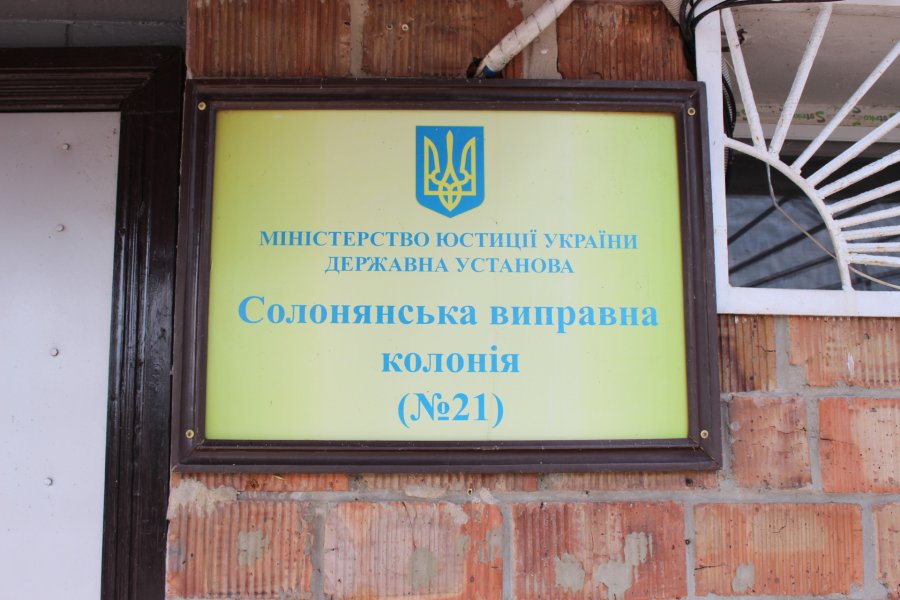
On 10 August 2022, a monitoring group consisting of an assistant to the People's Deputy of Ukraine Kostiantyn Kasai, a member of the Public Council under the Ministry of Justice of Ukraine Serhiy Zuikov, an assistant to the People's Deputy of Ukraine Yaroslav Yurchyshyn, a coordinator of KHPG programmes Andriy Didenko, as well as a journalist from the Information Agency 'Poryad z vamy' ('Beside You') Oleksa Yaroslavtsev, conducted a scheduled visit to the state institution 'Solonyanska Correctional Colony (No. 21)'.
The previous visit of the KHPG monitors — at this link.
The main tasks of the monitoring visit were to analyse the institution’s operation during the war and to determine its humanitarian needs.
Upon arrival at the institution, the monitors waited for 29 minutes to be granted access to the premises. After being granted access, they had the opportunity to visit any of the institution's premises, communicate with prisoners, including under conditions of anonymity, collect information, verify it, and had access to relevant documents.
The head of the institution is Oleksandr Volodymyrovych Pustovit.
General information
Solonyanska Correctional Colony (No. 21) is a medium-security penal institution for the detention of prisoners who have previously served sentences in places of deprivation of liberty. There are 20 units of the social and psychological service (SPS) operating in the institution, one of which is mothballed. The institution has a social rehabilitation ward, which contained 3 people.
Due to evacuations from the eastern regions, 82 prisoners were transferred to the institution. 10 people were released on parole during the year, and 2 people were pardoned for service in the Armed Forces of Ukraine.
204 people were placed in the disciplinary isolation ward (DIZO) and cell-type premises (PKT) during the year.
2 prisoners were notified of suspicion under Article 391.
During the current year, special means were applied 3 times.
Representatives of the administration reported a problem with the use and smuggling of the narcotic substance methadone into the institution. This substance is difficult to trace at the moment of transfer. The administration appealed to the Ministry of Health to provide tests for detecting narcotic intoxication among prisoners, but they were refused.
Air raid sirens sound in the institution. Explanatory work regarding how to behave during an air raid is conducted by inspectors.
Every Friday, the institution's management holds a personal reception for prisoners.
The administration reported that in connection with the martial law, it experienced significant delays in financial payments, which are processed through the State Treasury.
During the visit, the monitors reviewed the logs of reports on violations of the established detention regime and other offences by prisoners; logs of individual educational work among prisoners; logs of records of bodily injuries detected in persons arriving at the penal institution; diaries of social and educational work with prisoners; acts on the use of special means, straitjackets, and physical force against prisoners; and medical documentation. They had access to information on the accrual of wages to prisoners at the institution's enterprise; acts of registration of prisoners working at the penal institution's production facilities; and lists of prisoners involved in work in the penal institution's workshops. They reviewed the orders on placing prisoners in the disciplinary isolation ward; the log of visits to the disciplinary isolation ward and cell-type premises by the institution's administration; and the personal files of prisoners who gave their consent for this.
The monitors noted the normal attitude of the staff towards the prisoners. The prisoners are not intimidated and freely express their complaints and ask questions in the presence of the administration.
DIZO/PKT
At the time of the visit, 10 people were being held in the DIZO.
Prisoner P. was held on a daily basis for consuming alcoholic beverages and was waiting for a commission decision on a disciplinary penalty. The prisoner is unaware that he has the right to free legal aid.
The beds in the cells were fastened.
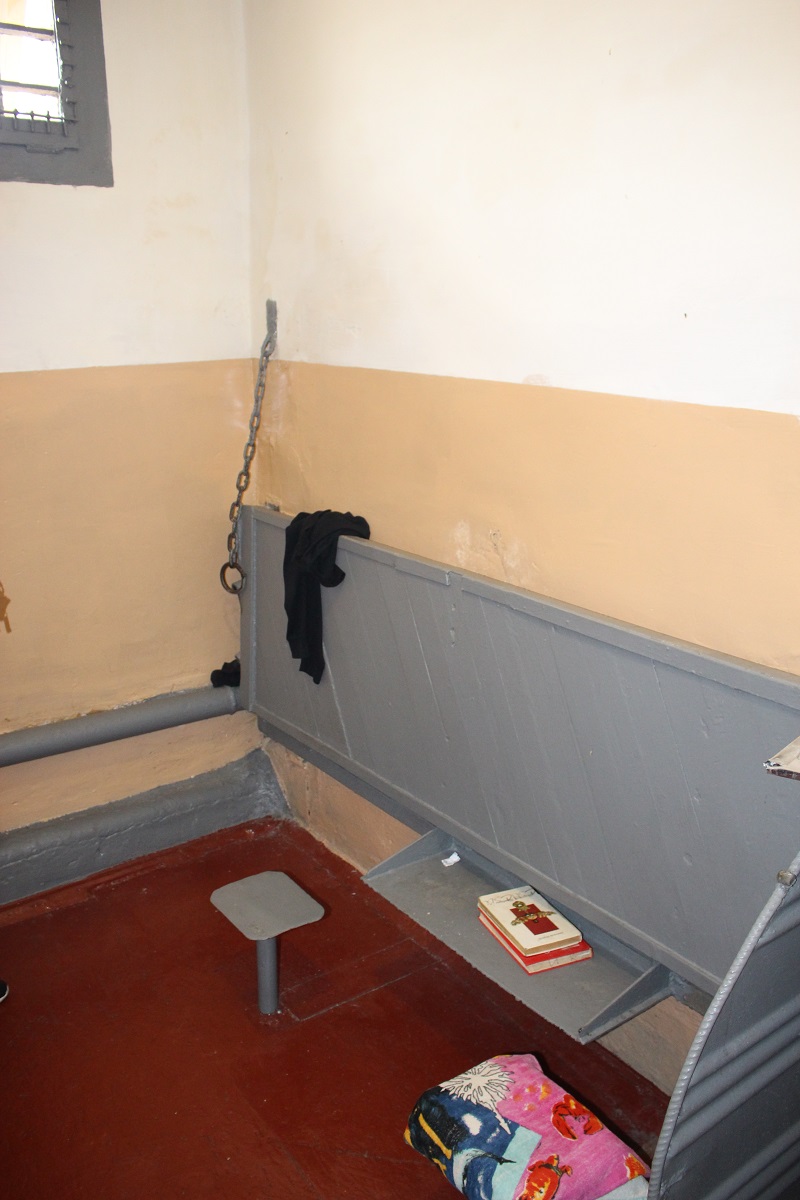
In accordance with the explanatory letter No. 1876/32249-33-20/27 dated 26 November 2020, signed by the Deputy Minister of Justice of Ukraine Olena Vysotska, the locking of folding beds in cell-type premises (single cells) and disciplinary isolation wards (punishment cells), where prisoners are serving penalties, is not provided for by regulatory legal acts.
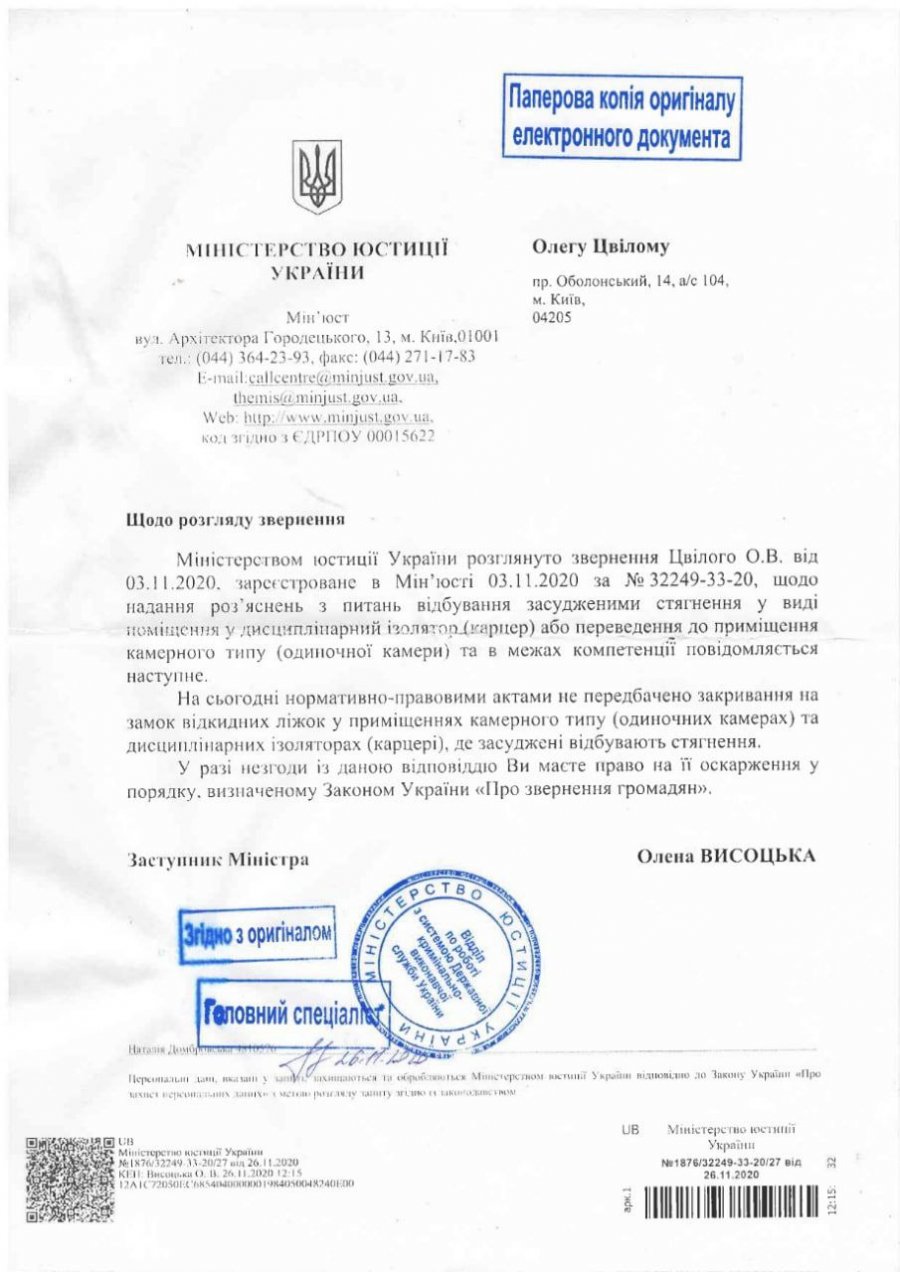
The existence of this explanatory letter was brought to the attention of the accompanying staff, however, despite the comments, the beds were not unfastened.
There are no tanks with drinking water in the cells. A tank with drinking water is located in the corridor.
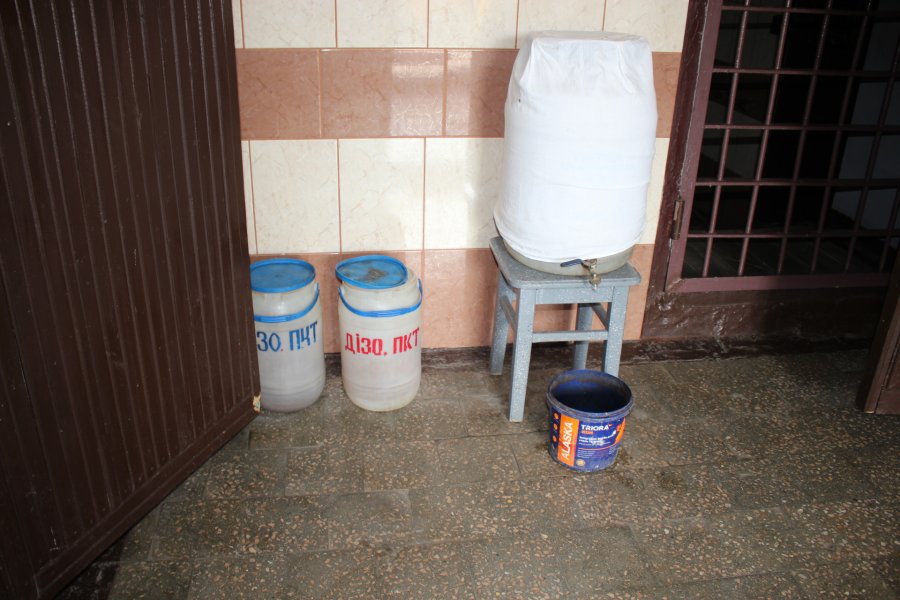
Prisoners can open and close the windows themselves.
None of the prisoners attempted to appeal the disciplinary penalty.
There is a room for examination by a medical professional.
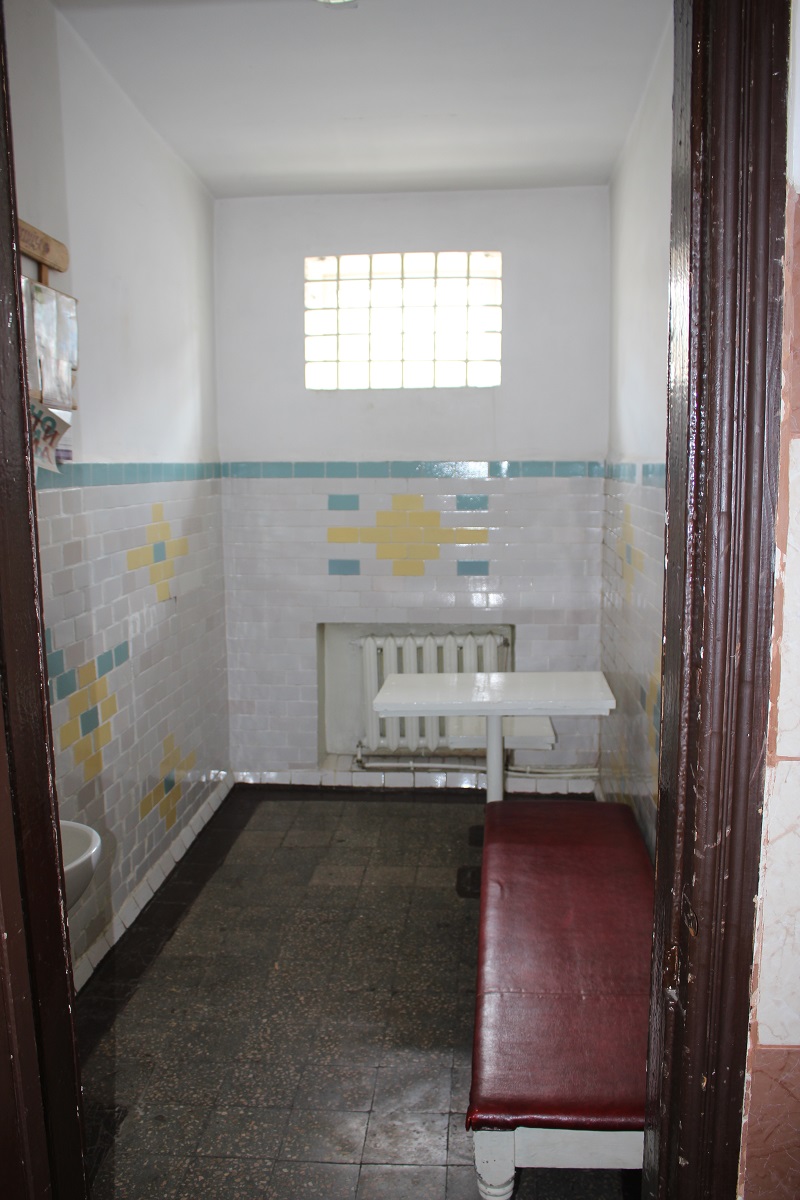
The orders on placement in the DIZO and the log of visits to the disciplinary isolation ward were examined.
Prisoner Z. received 7 days of disciplinary punishment for refusing to clean. The prisoner complained that he was not refusing to clean up after himself, but was refusing to do so publicly, in the presence of the administration, when his actions were being recorded on a video camera. He considers such actions by the administration to be a humiliation of his honour and dignity. The prisoner reported that it had not been explained to him that he had the right to appeal the disciplinary penalty, in particular, to exercise his right to free legal aid.
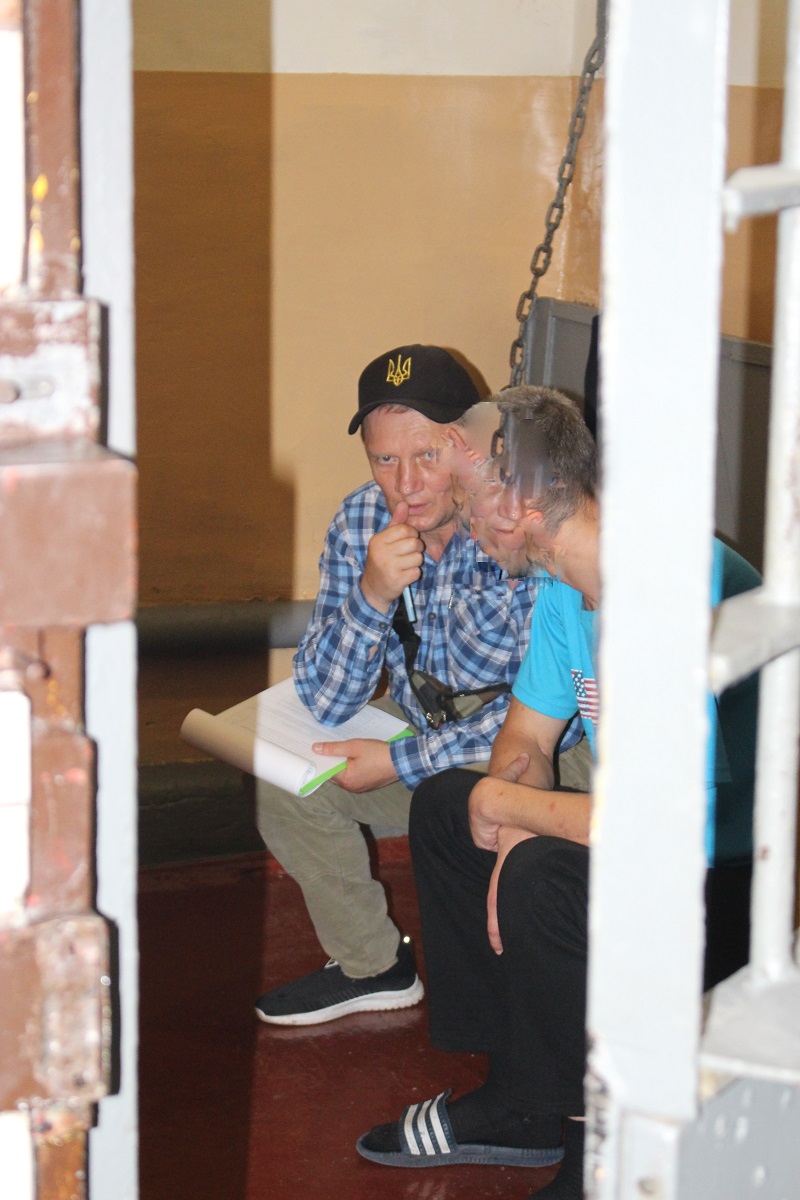
Prisoner T. was in the KDiR (accommodation and rest room) and was placed in the DIZO for refusing to clean. He did not attempt to appeal the disciplinary penalty.
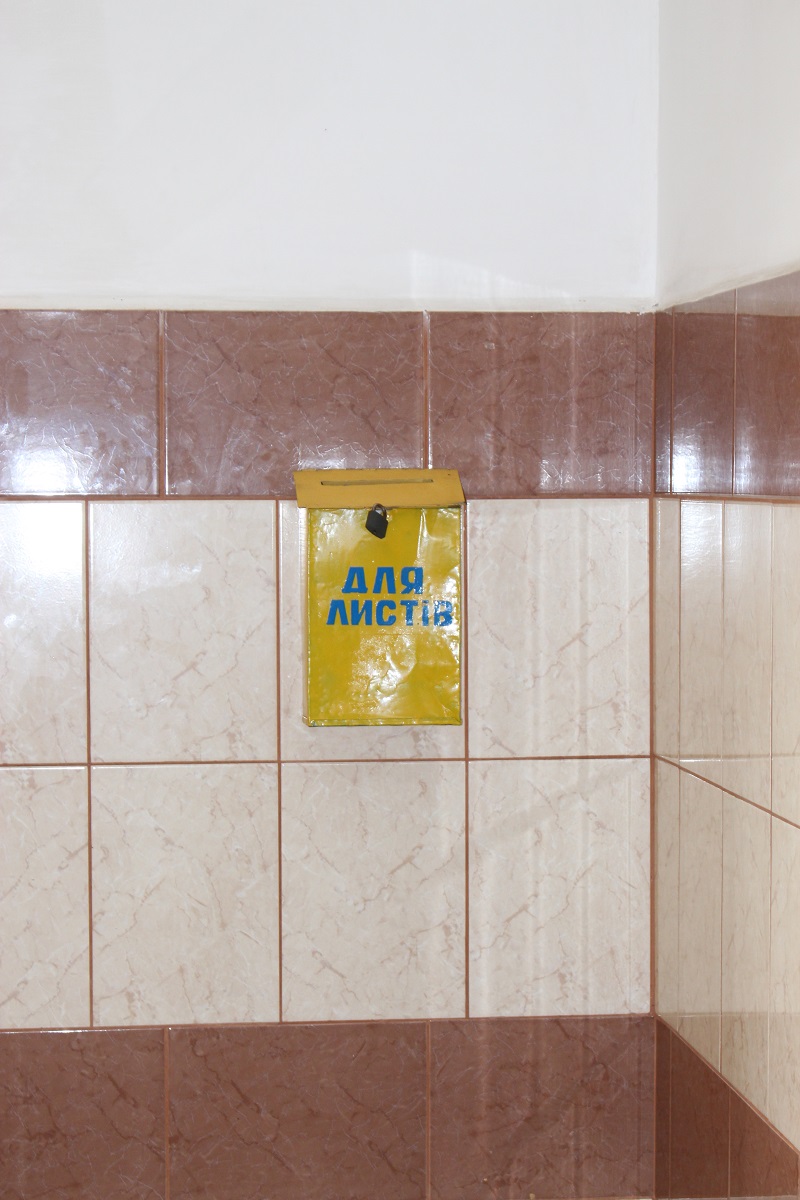
Letterbox:
The temporary detention centre cell is empty.
The PKT cells are empty. There is also not a single person in the DPK (disciplinary unit). The accompanying administration representatives reported that the DPK cells have not been used for 5 years.
In the management's opinion, the number of disciplined prisoners has decreased due to the overall decrease in the number of prisoners.
In the DIZO premises, there is no accessible information about free legal aid.
Service training classroom, recreation room
Renovation work is underway in the service training classroom.
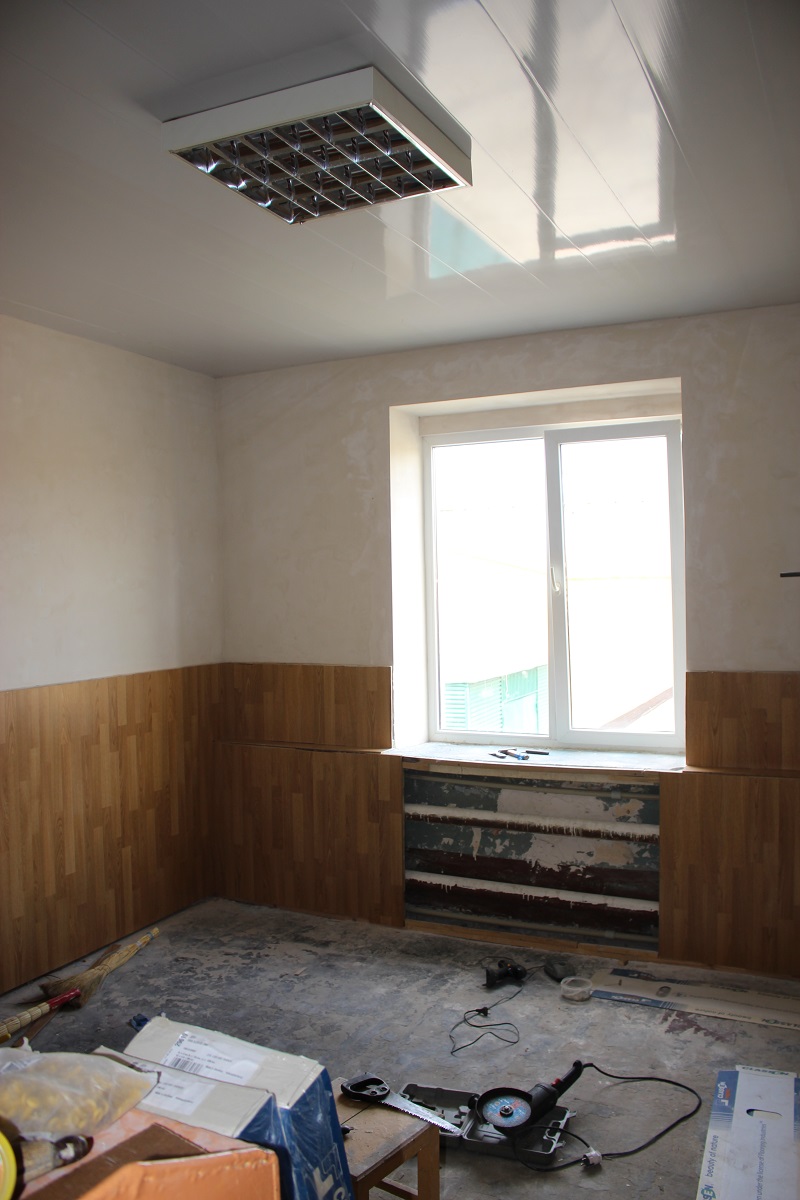
Staff recreation room:
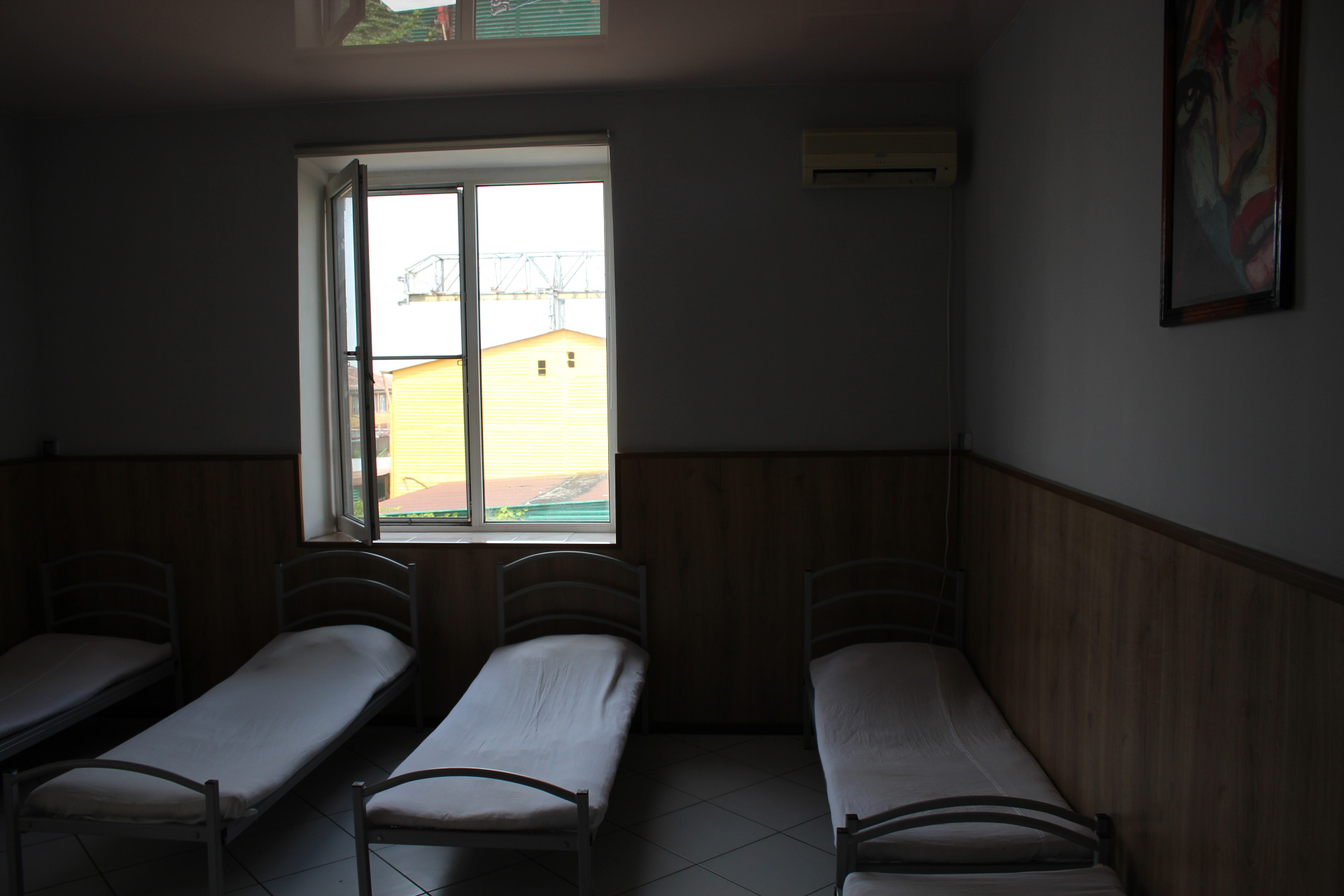
Living quarters
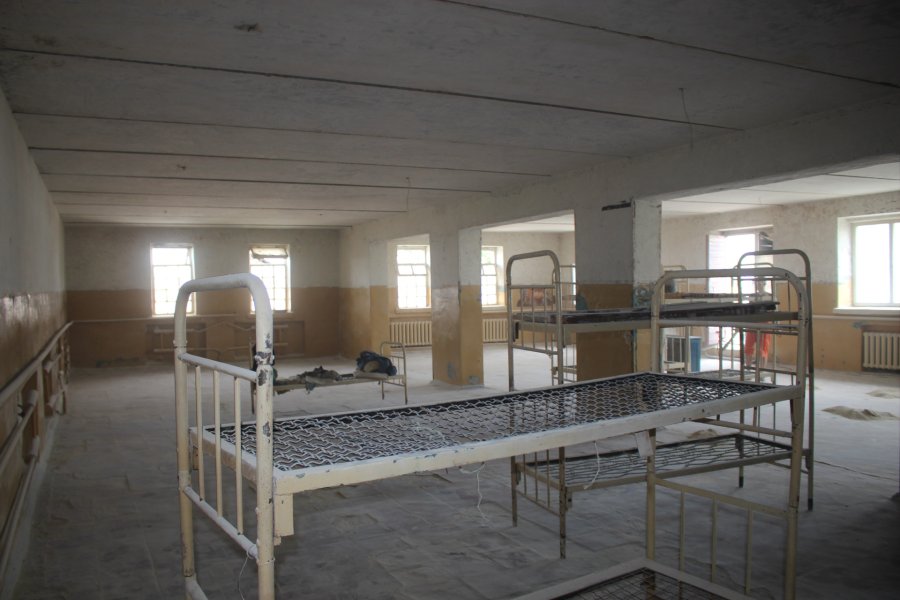
In general, prisoners in the institution are kept in barracks-type premises.
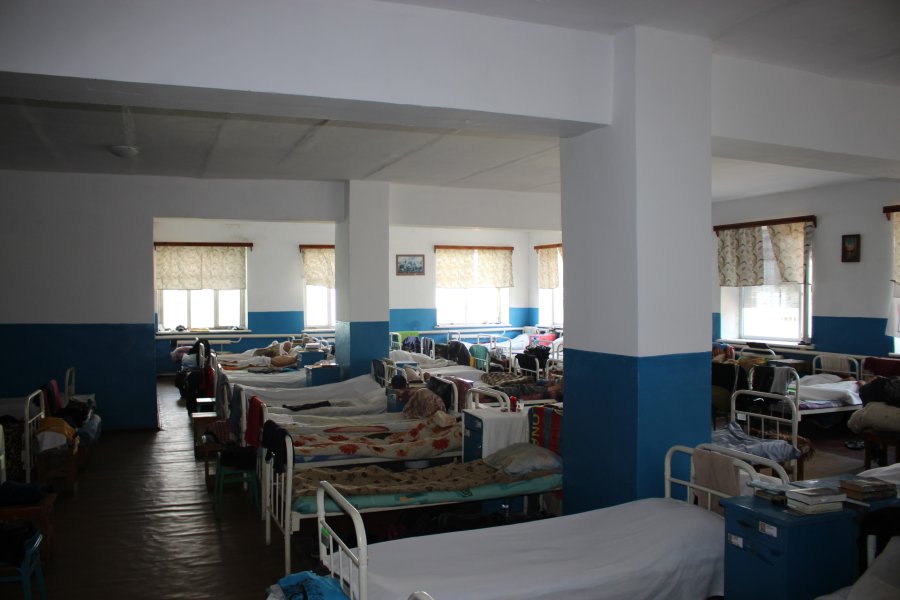
Some premises have already been converted to a cubicle system. Renovation work is ongoing.
In the living quarters, educational work logs were present and inspected by the monitors.
Living quarters are divided into those where prisoners work in production and those where prisoners who do not work live. Prisoners cannot find employment without a passport and an identification code.
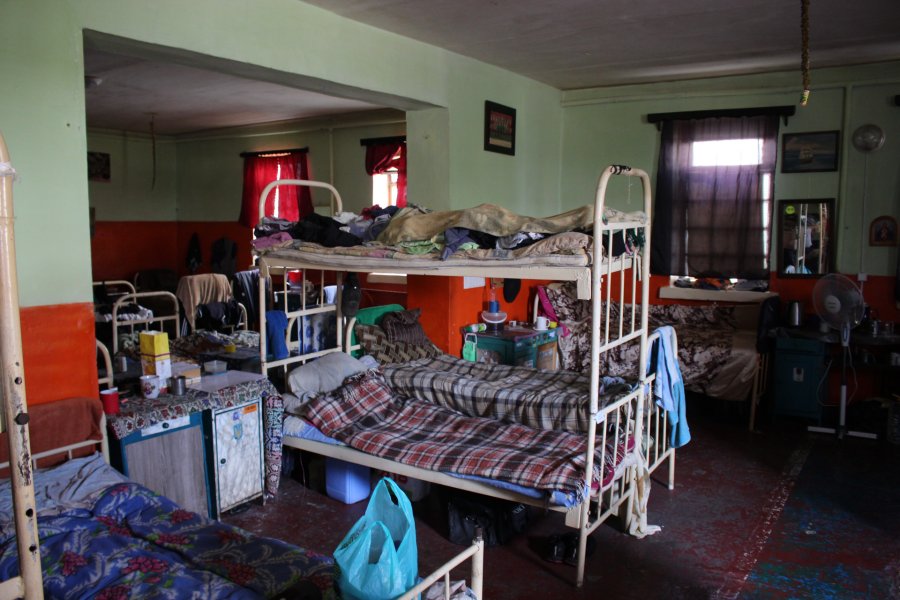
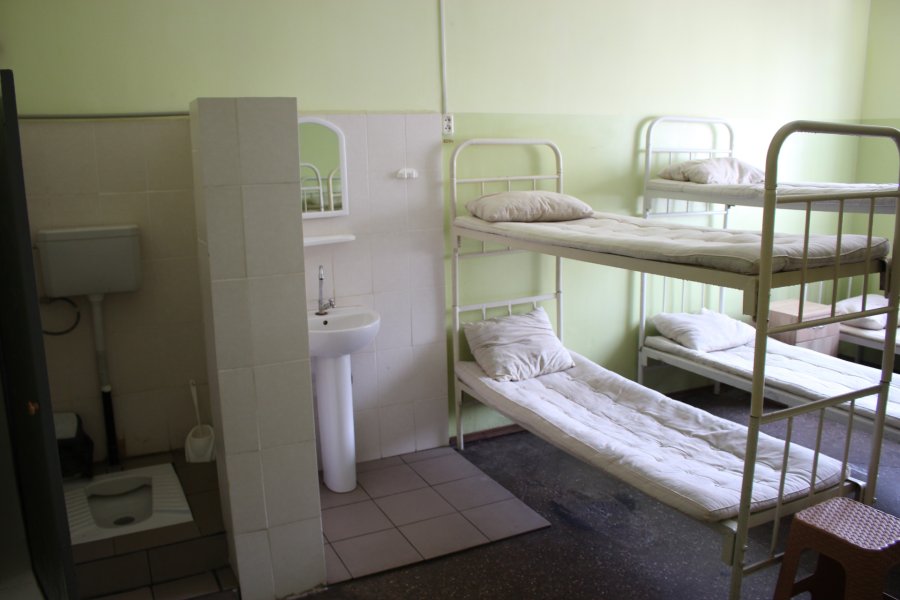
In some units, bunk beds still remain. According to the administration's explanation, bunk beds are used in premises where renovation work is taking place.
Disinfection is carried out in the premises, and once a month, quartz lamp sterilisation takes place in all units.
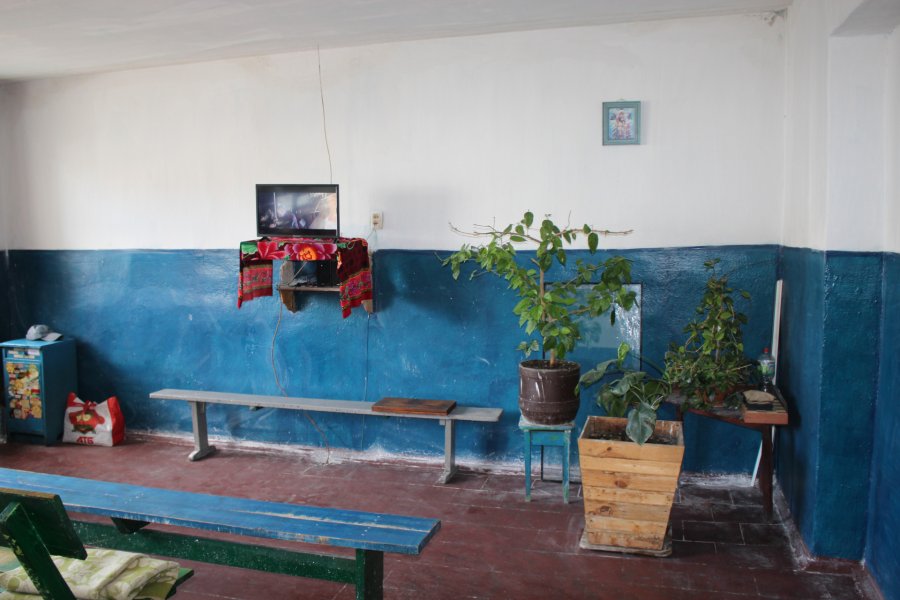
Wireless Internet access has been organised in the premises. Prisoners can use electronic tablets without SIM card support: the administration only blocks the camera on the device, and the prisoner is required to give an undertaking that they will not attempt to unblock the camera. In total, there are more than a hundred electronic tablets in use in the institution. All prisoners use the Internet for free.
The institution has three tablets for Skype communication on its balance sheet. Every prisoner can use e-mail.
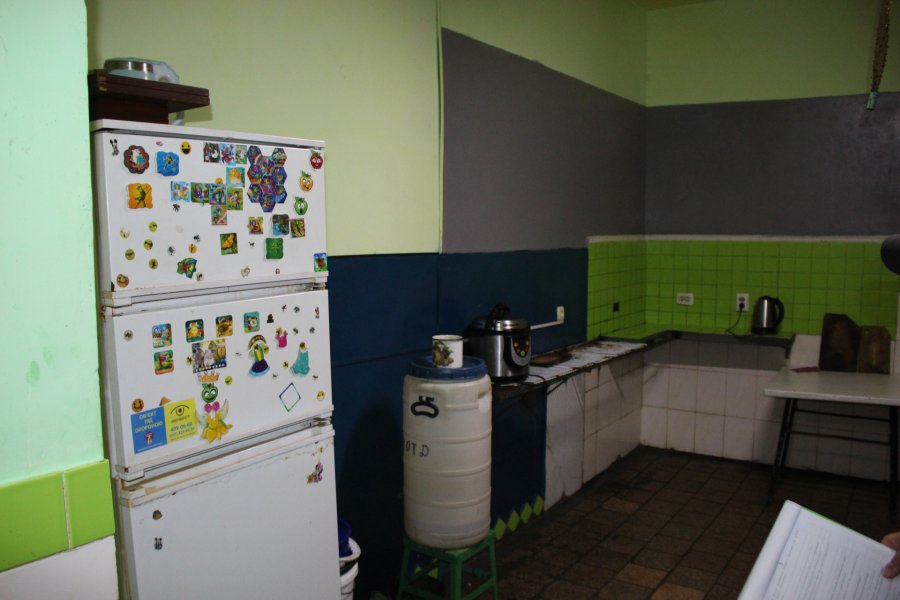
There are multicookers in the units. Drinking water is brought to all units.
The water running from the tap is technical and cannot be consumed. This is a problem for the entire institution.
There is a sports ground outside.
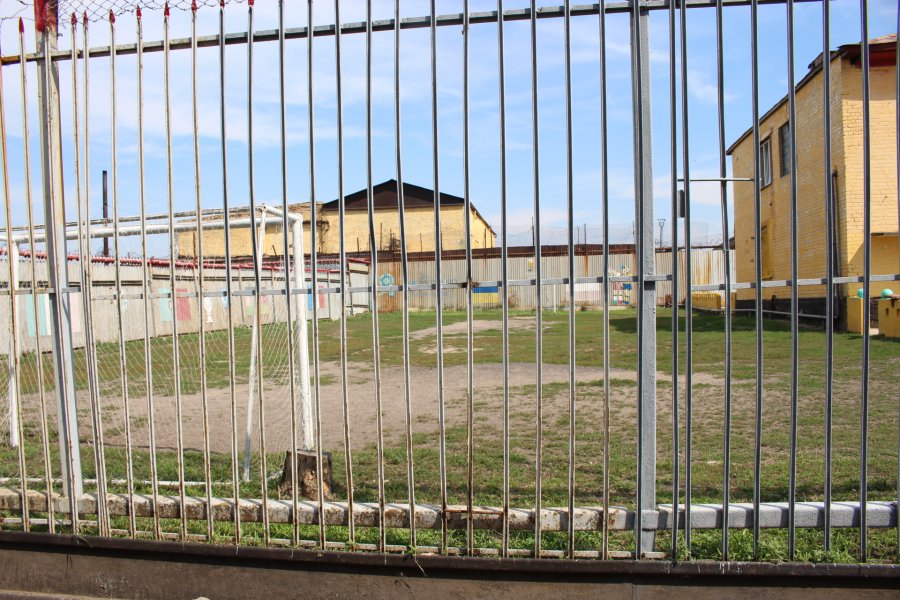
Prisoners complain that receiving canned goods is prohibited. Representatives of the administration explain this ban by the fact that, in accordance with Section 12 of the Internal Regulations: 'It is prohibited to transfer food products in glass and metal containers to prisoners in parcels and transmissions, except in cases of purchasing such products in the penal institution's shop'. Prisoners suggest that if they cannot receive canned goods, they could open them and transfer them to a container provided by the prisoners. The administration interprets this ban literally and does not issue canned goods. At the same time, canned goods can be bought in the institution's shop.
At the time of the visit, the shop was not working.
Some prisoners who were evacuated from Bakhmut complained that they do not have documents and cannot find employment.
Renovations of living quarters are taking place, and the renovation of basement premises, equipped as a bomb shelter, is ongoing.
There is a renovated ward where 18 people live. These are people who work as daily staff for the headquarters, who have performed well, or who participated in the renovation work of this ward.
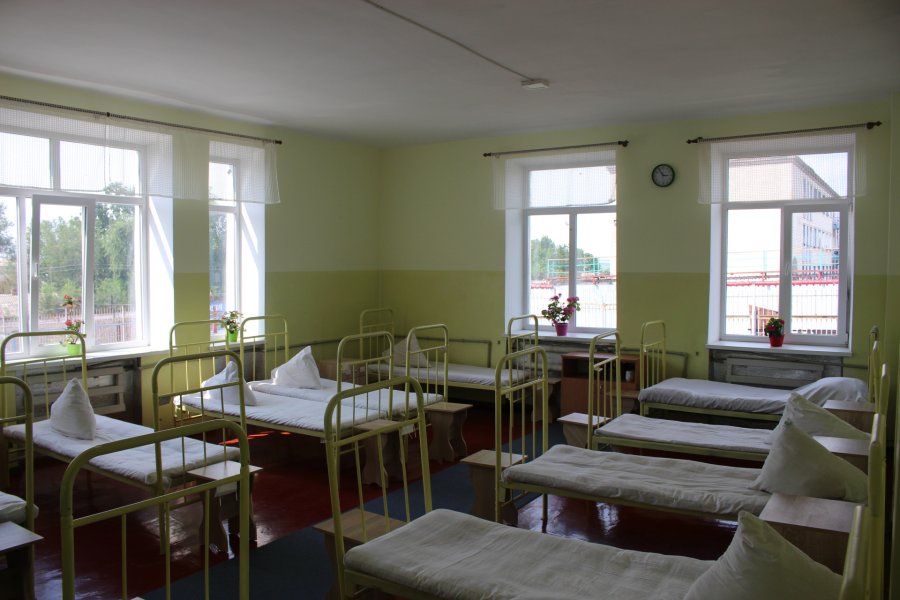
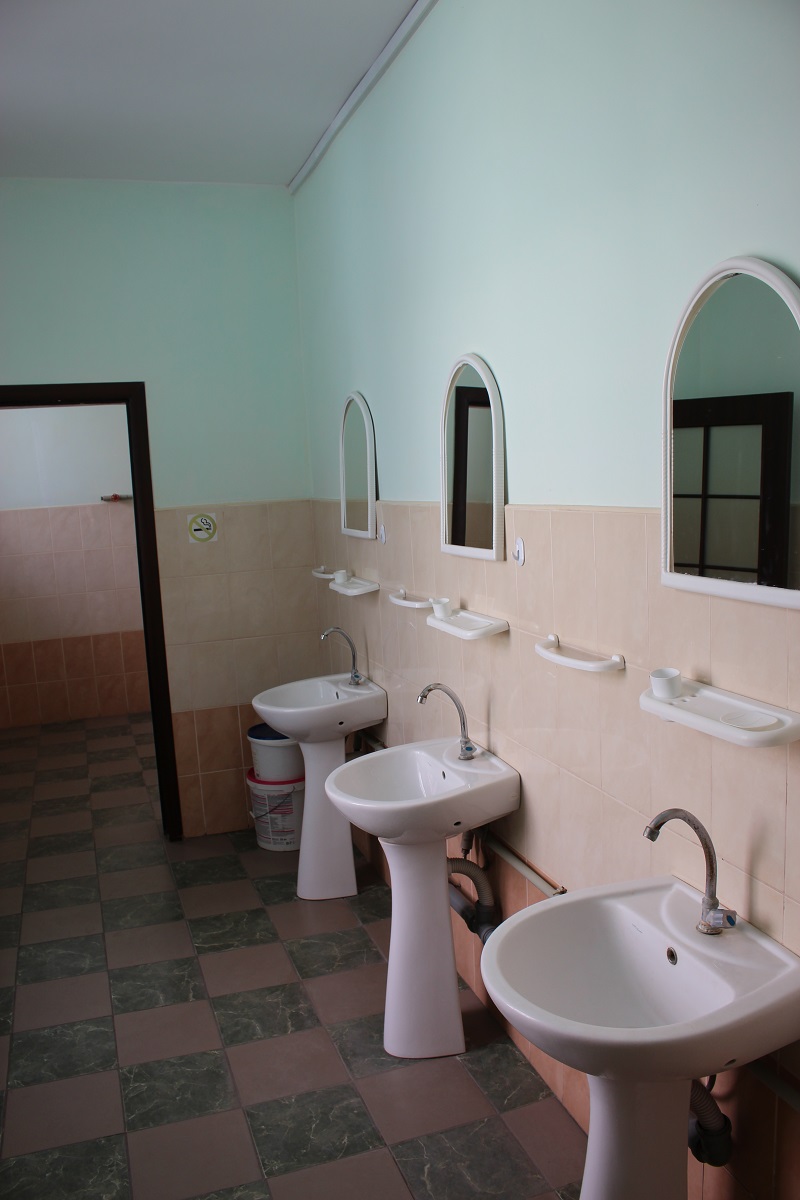
There is no drinking water in the bomb shelter, and there are no stocks of food and medicine. Issues regarding central heating are being resolved.
During the monitors' conversation with the prisoners, P. complained that benefits are not applied to him.
Prisoner T. complained that incentives do not give the right to release or substitution with milder conditions. Parole in the institution, according to the prisoners, is not utilised.
Prisoner R. complained that he cannot get his money. He worked in the institution, then went for treatment to colony 55, and when he returned, there was no money in his personal account.
Prisoner V. complained that he has 8 incentives but cannot be released on parole.
Prisoners complained that, in addition to canned goods, it is impossible to receive eggs and meat.
Prisoners reported that the shop in the colony has not been working for more than two years.
Medical unit
The head of medical unit No. 21 of the branch of the state institution 'Centre for Health Care of the State Criminal-Executive Service of Ukraine' in the Dnipropetrovsk and Donetsk regions (hereinafter — the medical unit) is Andriy Mykolaiovych Dementievskyi.
During the visit, the monitoring group inspected the premises of the medical unit without hindrance and familiarised themselves with the conditions for providing medical care to prisoners.
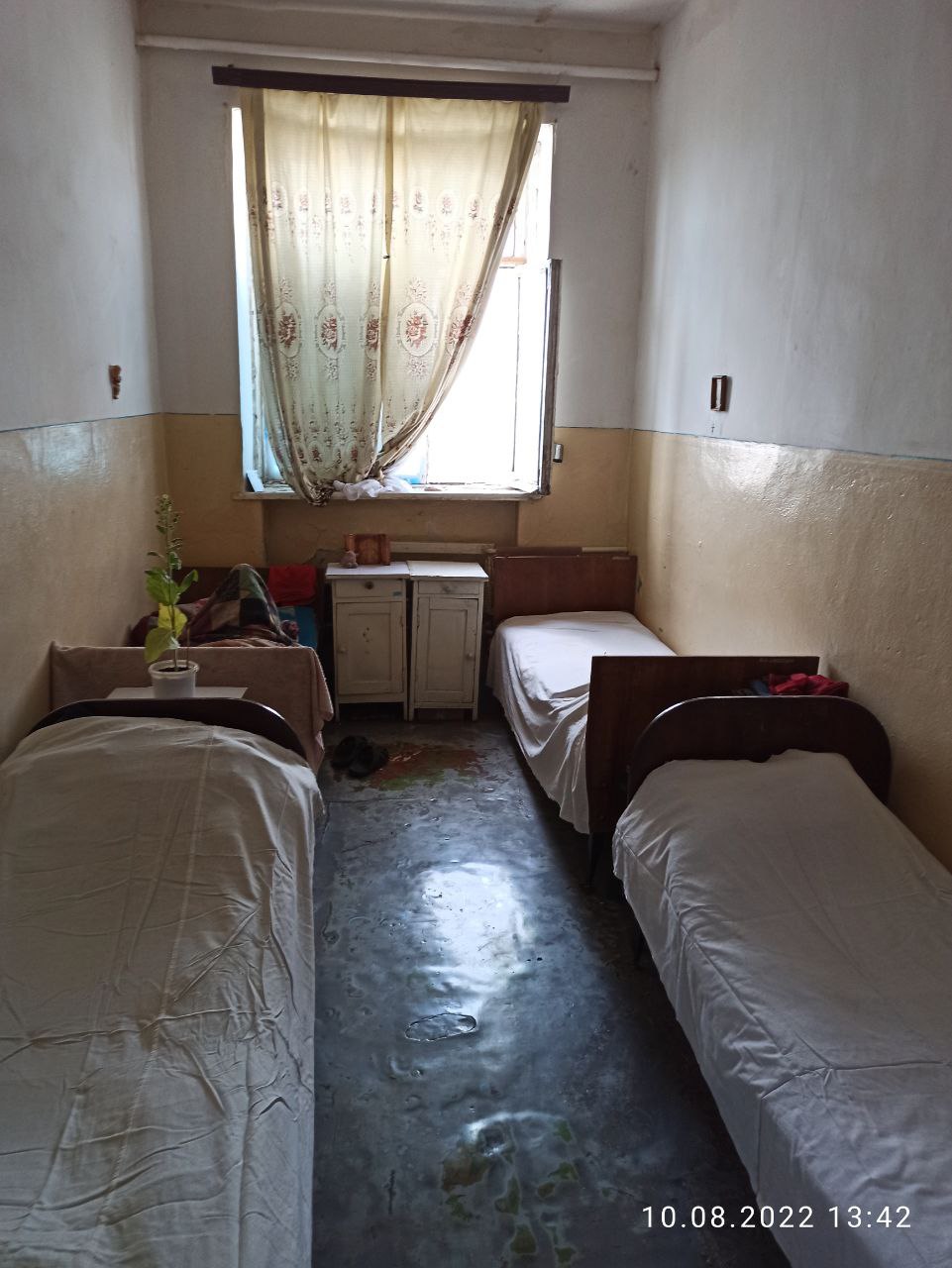
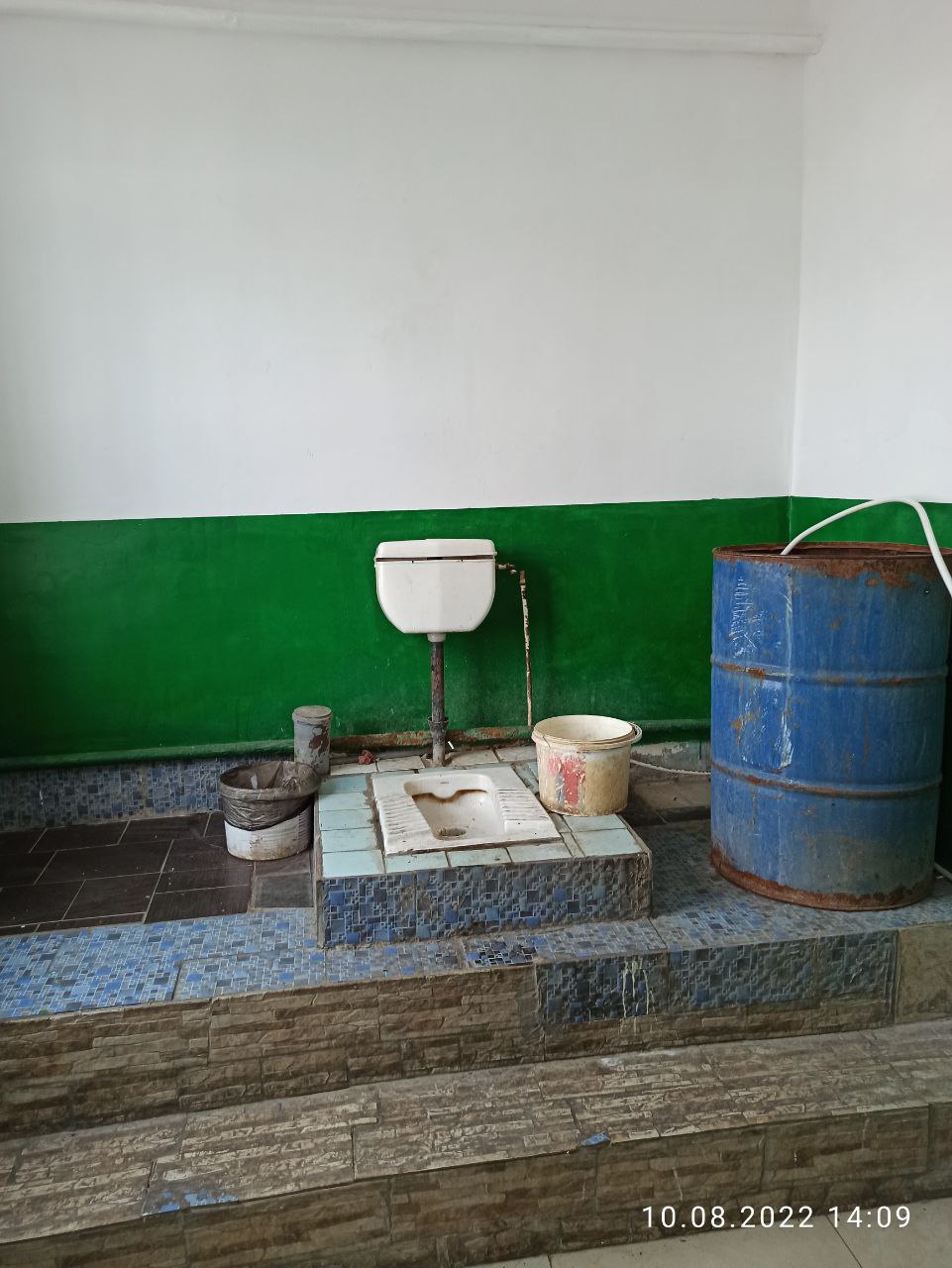
The toilet is not enclosed.
During the conversation, no complaints were received from prisoners regarding unlawful actions by medical personnel and institution staff, including torture, cruel, inhuman, or degrading treatment or punishment.
The medical unit provides 24-hour duty by medical professionals to provide emergency medical care and provide prisoners with medicines. On the day of the visit, 6 people were in the medical unit's inpatient facility. There are 17 people with disabilities on the dispensary register. Of these, one person is in disability group 2, and sixteen people are in group 3. There are no conditions for holding persons with disabilities: the medical unit lacks ramps, handrails, and other equipment.
According to the medical unit staff, 842 people underwent a preventive medical examination in the current year. At the same time, the monitors could not verify this information due to the absence of a preventive examination log.
The medical unit includes an inpatient facility — six wards, which are designed for 15 beds for patients with general somatic diseases, two wards for 8 people for infectious patients, and one ward with 4 beds for patients with mental disorders.
Outpatient department: office of the head of the medical unit, laboratory research office, X-ray room, phthisiology office, dental office.
In accordance with the staffing schedule, a staff of 13.5 positions has been approved. Of these, the following remain vacant: position of general practitioner — 0.5 rate; psychiatrist — 0.5 rate; paramedic — 1 rate.
The staffing schedule does not provide for the positions of an infectious disease doctor and an epidemiologist. An infectious disease doctor is engaged with the help of the charitable organisation 'Free Zone'. A psychiatrist is engaged from specialised tuberculosis hospital No. 89 of the Branch of the Centre for Health Care of the State Criminal-Executive Service.
In order to detect and prevent the spread of infectious and parasitic diseases, and to detect general somatic and mental diseases among prisoners in the penal institution, a preventive medical examination is conducted once a year.
At the same time, the staffing schedule does not provide for the positions of an infectious disease doctor, a narcologist, or an epidemiologist, which indicates that for a long time, there has been a lack of consultations for prisoners and the conduct of initial and full preventive examinations.
Therefore, in violation of Chapter 2 of the Procedure, the preventive medical examination is not carried out in full.
Psychiatric care in the medical facility is provided improperly. In particular, the psychiatrist visits the institution only upon request. At the same time, on the day of the monitoring visit, 60 prisoners are under the supervision of a psychiatrist.
Consequently, the actual absence of a psychiatrist indicates a lack of medical care for various mental illnesses during the detention of mentally ill persons at Solonyanska Correctional Colony No. 21, which creates a dangerous environment among the prisoners and endangers the institution's staff.
762 people were tested for HIV infection with rapid tests. There are 160 HIV-infected persons registered (146 are receiving ART). In the current year, 116 immunological examinations (CD-4) and 139 virological examinations (viral load) were conducted. There are 36 prisoners suffering from stage 4 HIV.
The staffing schedule does not provide for an infectious disease doctor. An infectious disease doctor is engaged with the help of the charitable organisation 'Free Zone'. There is no schedule for the infectious disease doctor's reception.
It is worth noting that the infectious ward is not equipped with a shower room. Thus, sick prisoners are deprived of the right to maintain hygiene, or their washing must be carried out in general showers. Because of this, the principle of isolation of patients with infectious diseases is not observed.
Some mattresses and pillows in the wards need replacement; the floor and windows in some wards are wooden.
The medical unit is equipped with functional fluorographic equipment; 906 examinations were conducted in the current year.
The medical unit has a laboratory where sputum microscopy analysis is conducted. GXpert analyses are sent for examination to specialised tuberculosis hospital No. 89 of the Branch of the Centre for Health Care of the State Criminal-Executive Service (turnaround time 1–2 days). At the time of the visit, there was a person in the medical unit with a suspected active tuberculosis infection.
The medical unit lacks a properly equipped sputum collection point, which creates prerequisites for the spread of infectious diseases among detained prisoners and also violates the order of the Ministry of Health of Ukraine dated 01.02.2019 No. 287 'On approval of the Standard of infection control for health care institutions providing care to tuberculosis patients'.
In the current year, 11 cases of bodily injuries have been registered. The log of bodily injuries is kept not in the medical unit, but in the duty unit of the institution. At the same time, there are no photographs of existing bodily injuries in the outpatient medical record 025/o, as provided for in clause 3 of section 1, chapter II of the joint Order of the Ministry of Justice of Ukraine and the Ministry of Health of Ukraine dated 15.08.2014 No. 1348/5/572 'On approval of the Procedure for organising the provision of medical care to persons sentenced to deprivation of liberty'.
Replacement maintenance therapy (RMT) is not provided in the institution.
There is no naloxone in the medical unit, which makes it impossible to provide emergency medical care in case of an opioid overdose.
The practice of providing medical services through bars is used in the institution, including the issuance of medicines, injections, and communication.
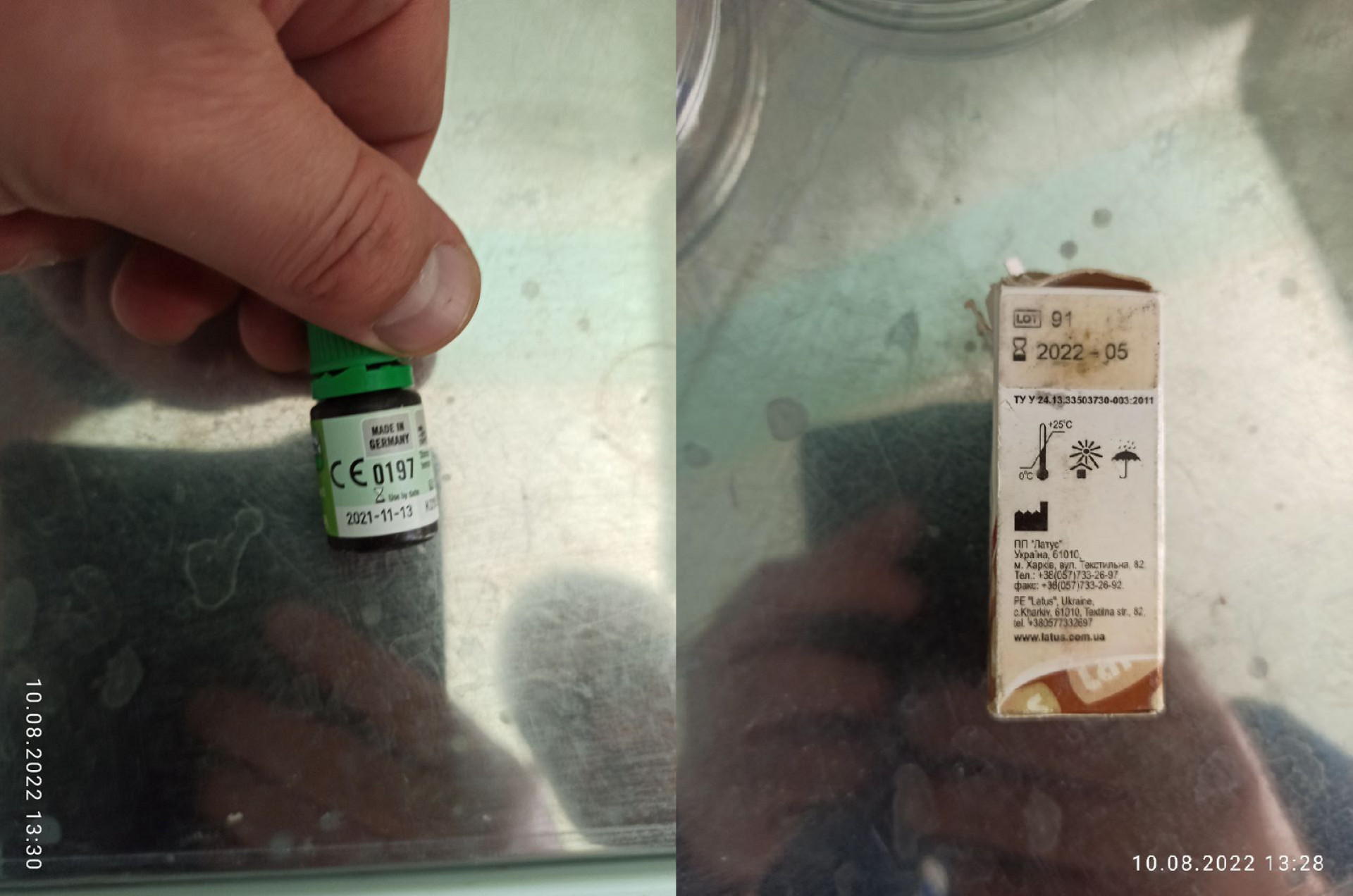
During the inspection of the dental office, the monitors discovered medications with expired shelf lives.
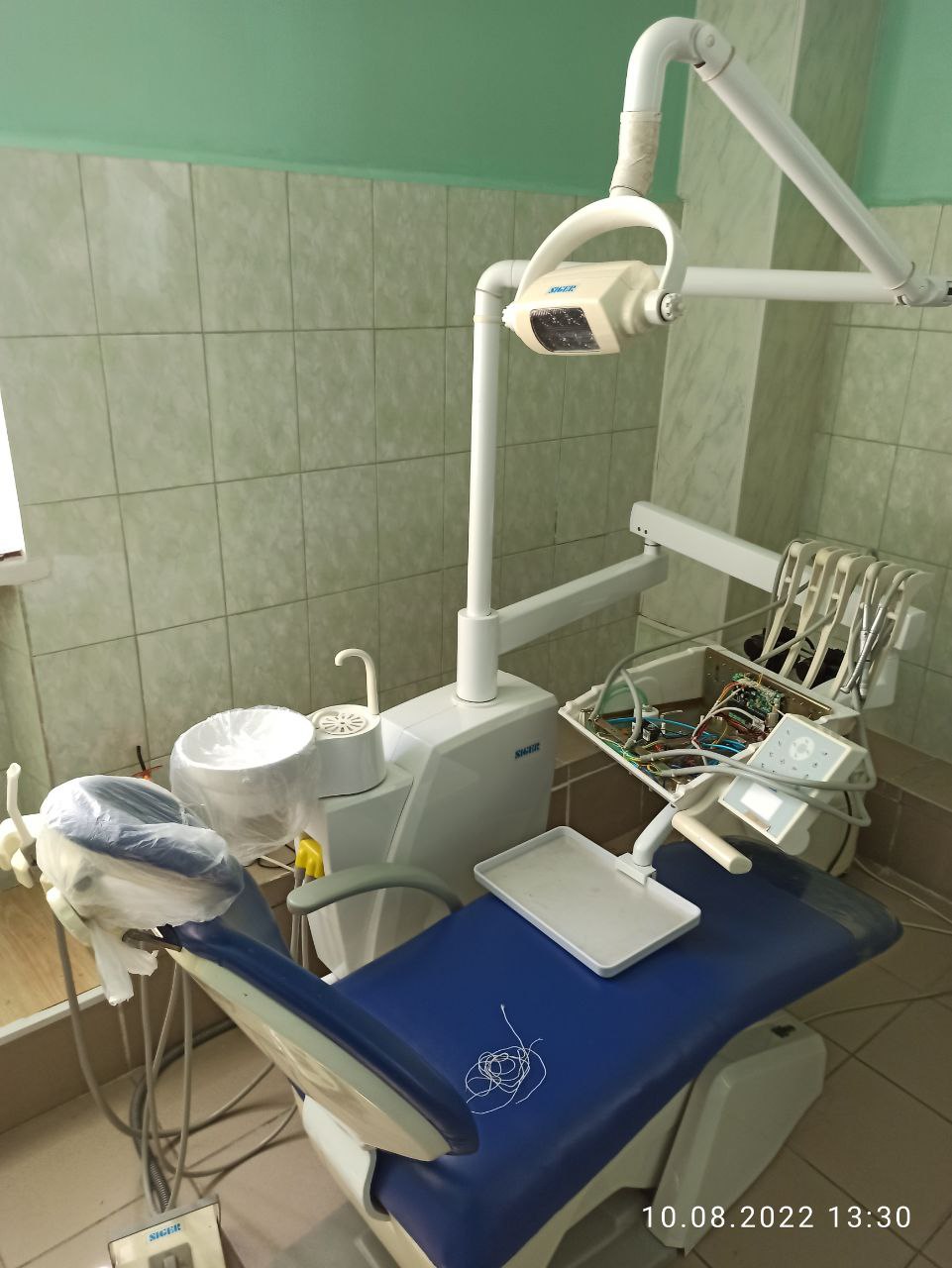
Furthermore, the dental office last worked on 30.07.2022 due to non-functioning (damaged) medical equipment. The practice of involving daily staff in work in the medical unit is applied in the institution. In the current year, one person was released due to illness in accordance with Article 84 of the Criminal Code of Ukraine.
In the current year, prisoners and new arrivals were not tested for coronavirus infection.
Patients of the medical unit do not have access to boiled water, so they drink technical water from the tap, which they pre-settle.
Video surveillance cameras are installed in the lobby of the medical unit, however, the Procedure for the use of technical means of supervision and control in correctional and educational colonies of the State Criminal-Executive Service of Ukraine, approved by the Order of the Ministry of Justice of Ukraine dated 26 June 2018 No. 2025/5 (Registered at the Ministry of Justice of Ukraine on 02 July 2018 under No. 766/32218), does not provide for the installation of video surveillance in the premises of the medical unit.
In the general bathhouse, the room for the medical professional, necessary for conducting the examination of prisoners, is not properly equipped. Medical examination is conducted in the presence of other prisoners.
There is a doctor's office in the DIZO/PKT and KDiR premises.
KDiR ward
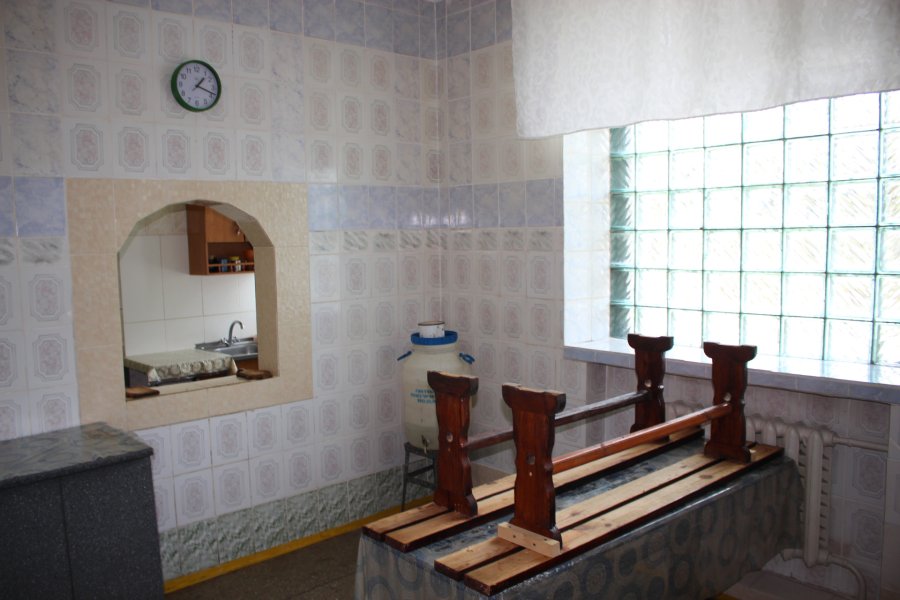
On the day of the monitoring visit, only a prisoner who lives and works in the ward as a daily staff member is in the ward. Civil law relations have not been formalised. There is a separate place for smoking in the ward. There is a multicooker and an electric kettle for cooking and eating.
Canteen
Repairs were made six years ago, but the premises are clean, there is no unpleasant smell.
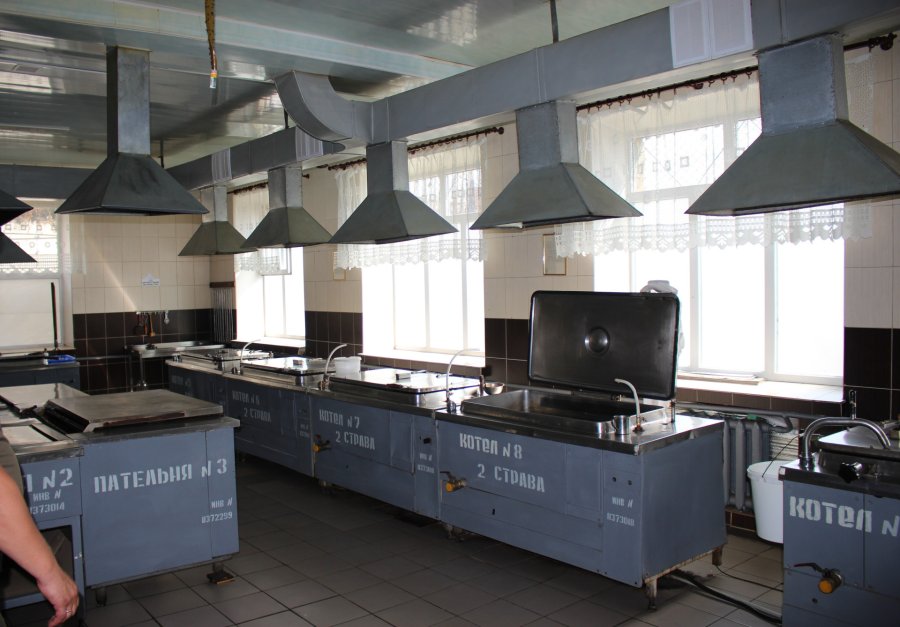
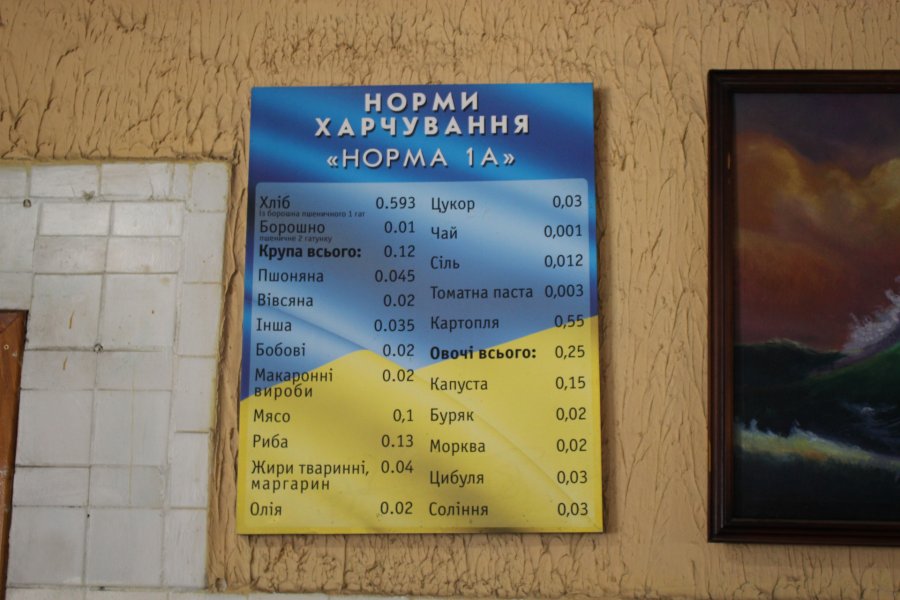
There are 14 prisoners on the dietary register.
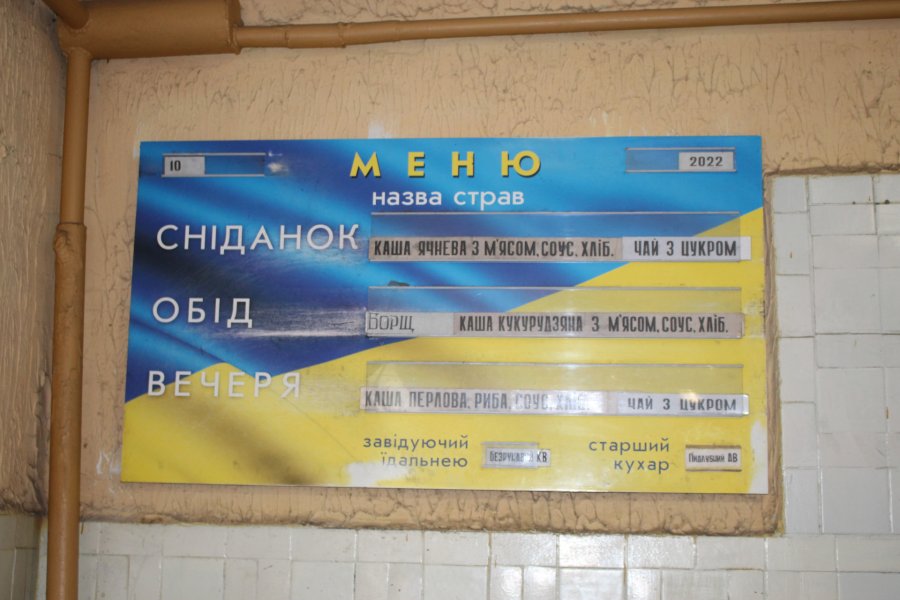
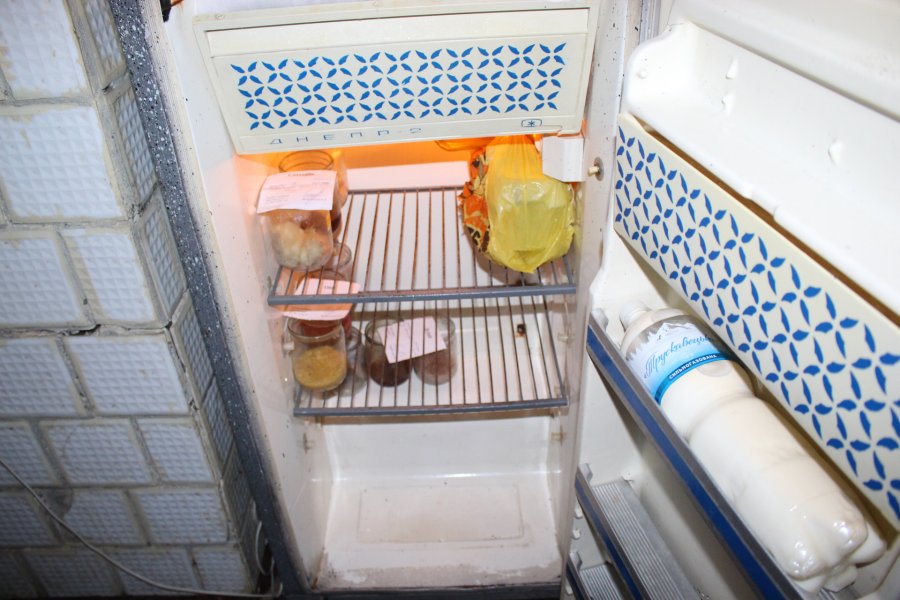
There are sample portions in the refrigerator.
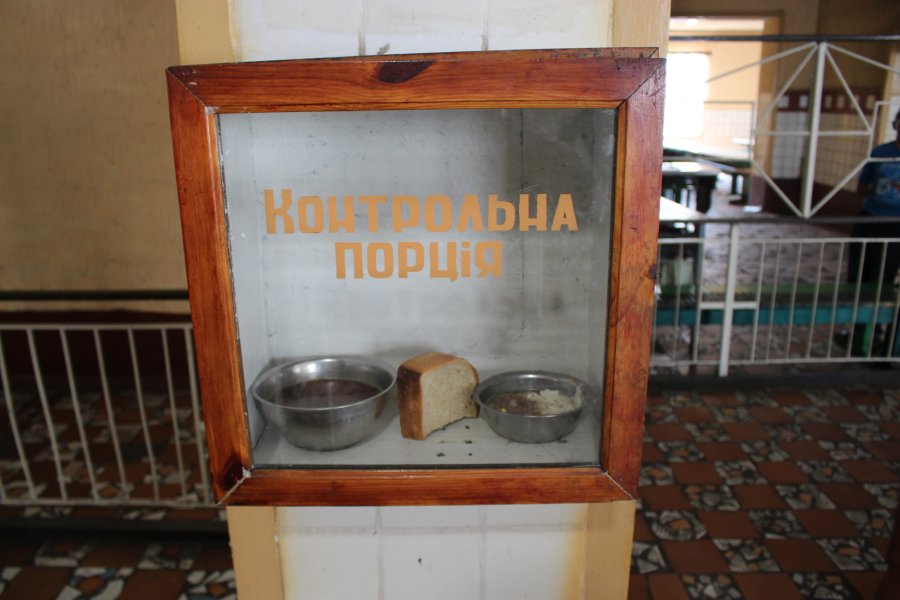
Control portions of food are available in the hall.
There is hot water in the taps.
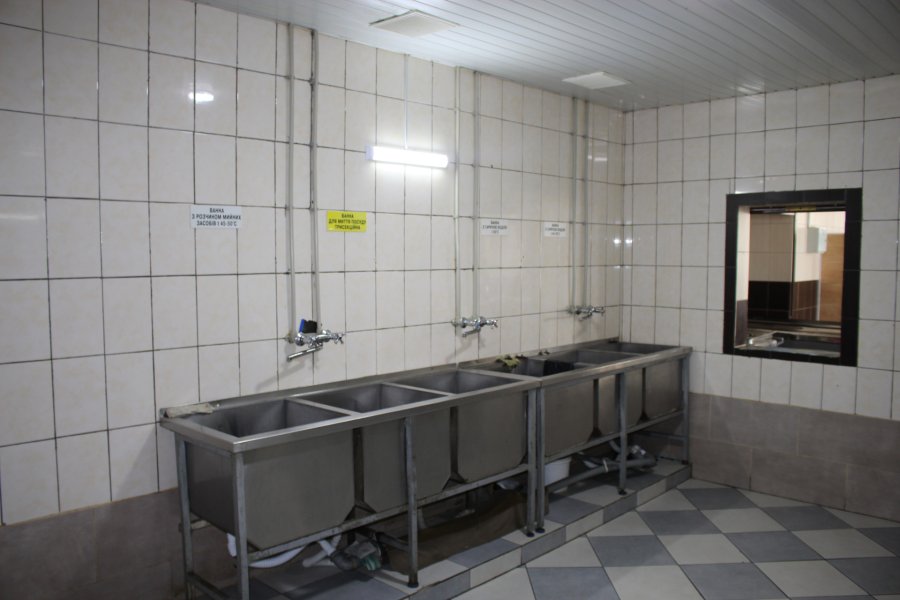
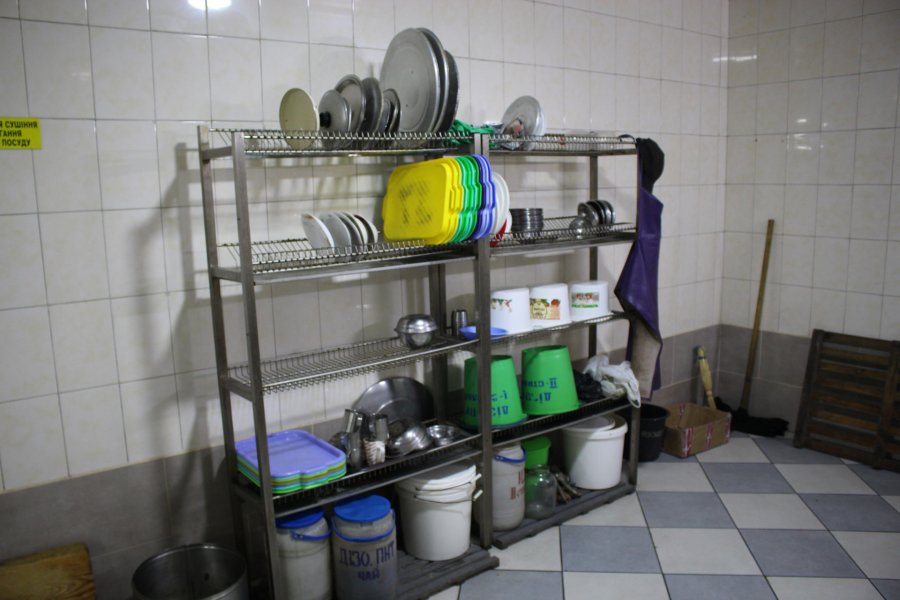
26 prisoners work in the canteen, however, there is no information about medical examinations in their medical personal files.
In the general dining hall, prisoners are provided with trays with portions of food. There have been no problems with food supplies during the war. The hall is large and divided into several rooms.
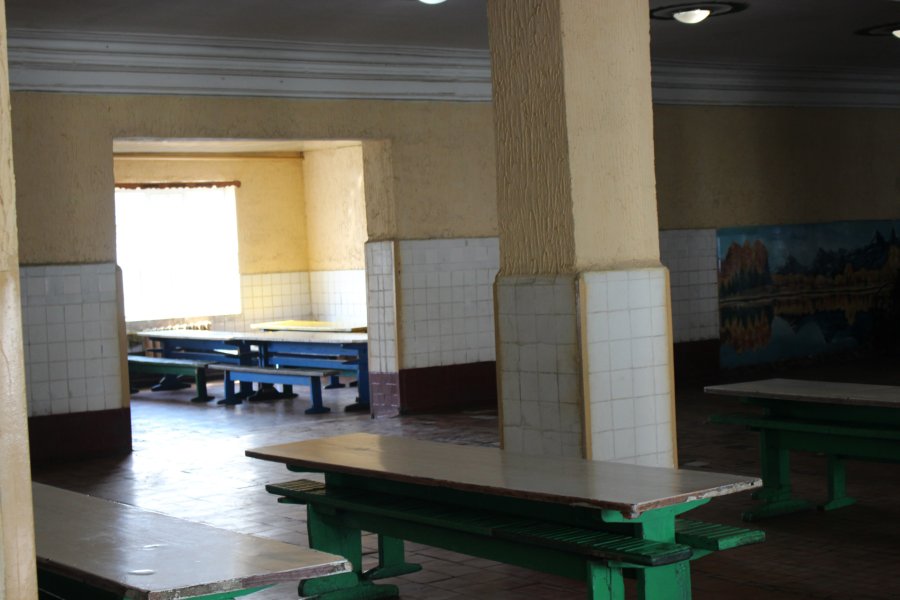
Bread is baked in-house in the bakery.
Shop
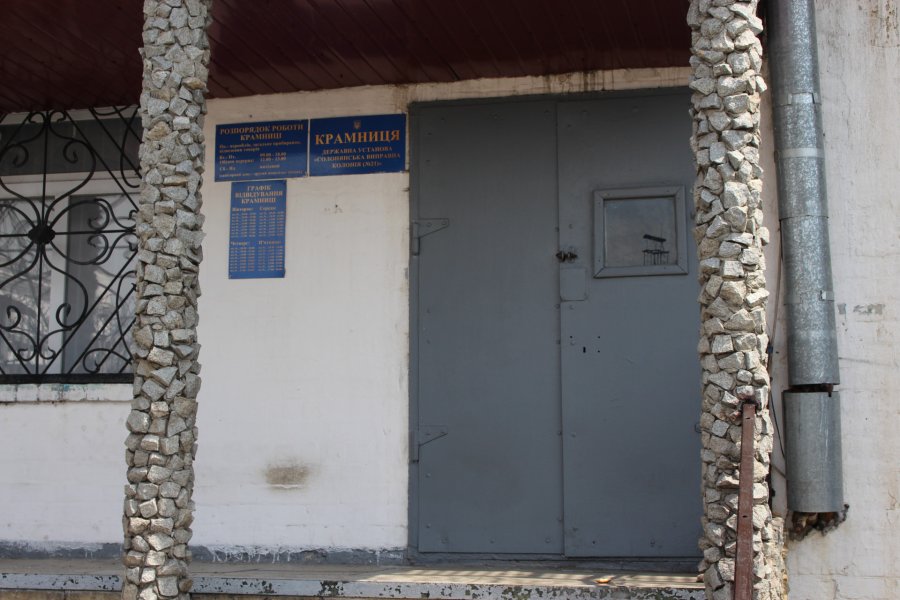
The shop was not working at the time of the visit.
Bath and laundry complex
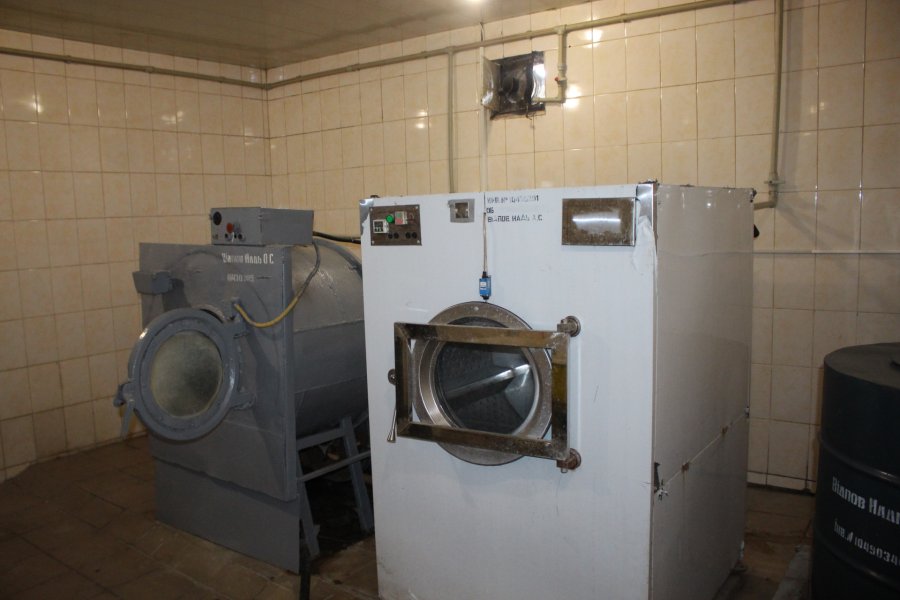
Three washing machines operate for washing clothes — one new and two old.
If necessary, soap is issued to prisoners (cut into 25-gram pieces). 100 grams of soap is provided every month in the unit.
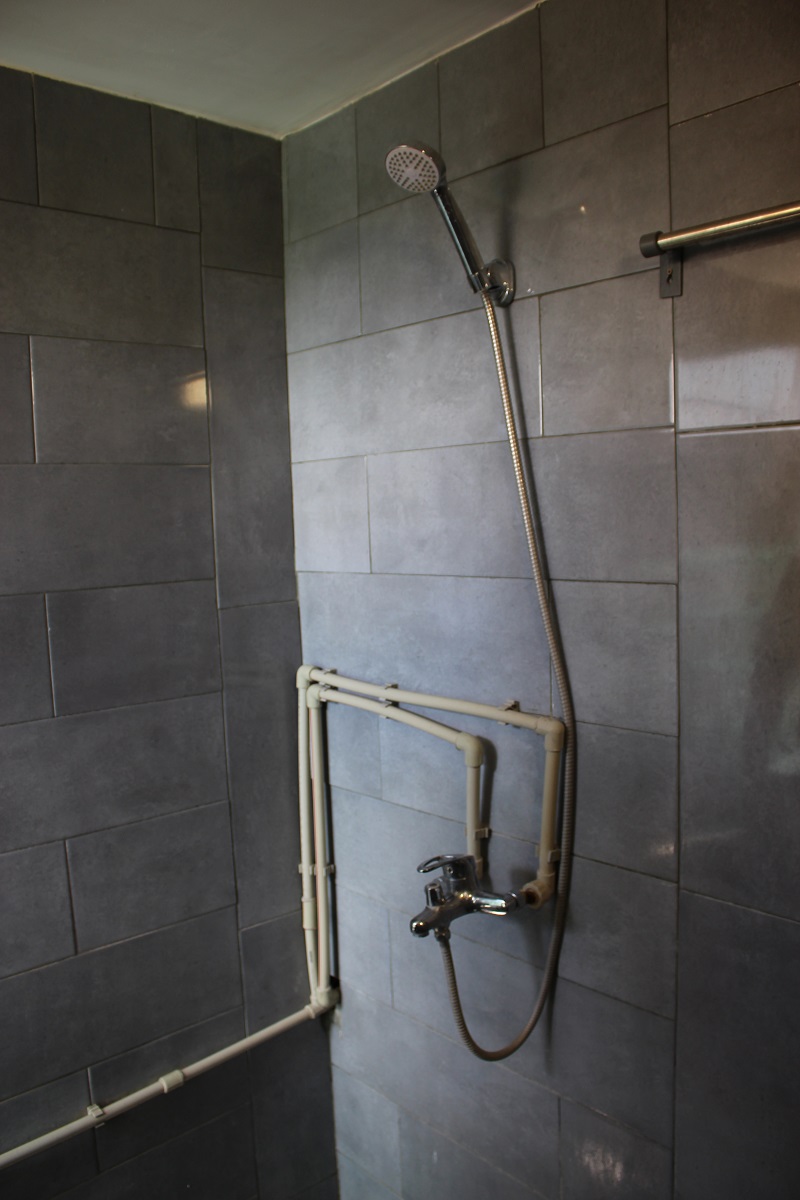
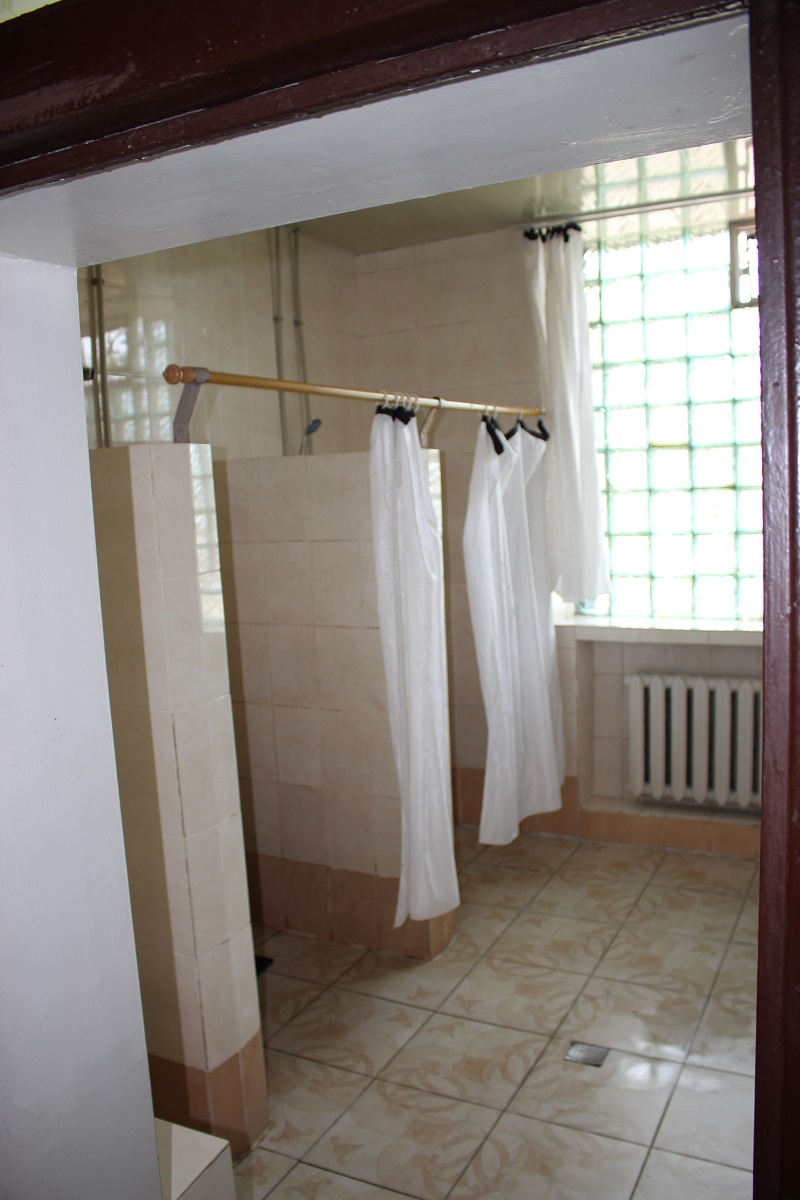
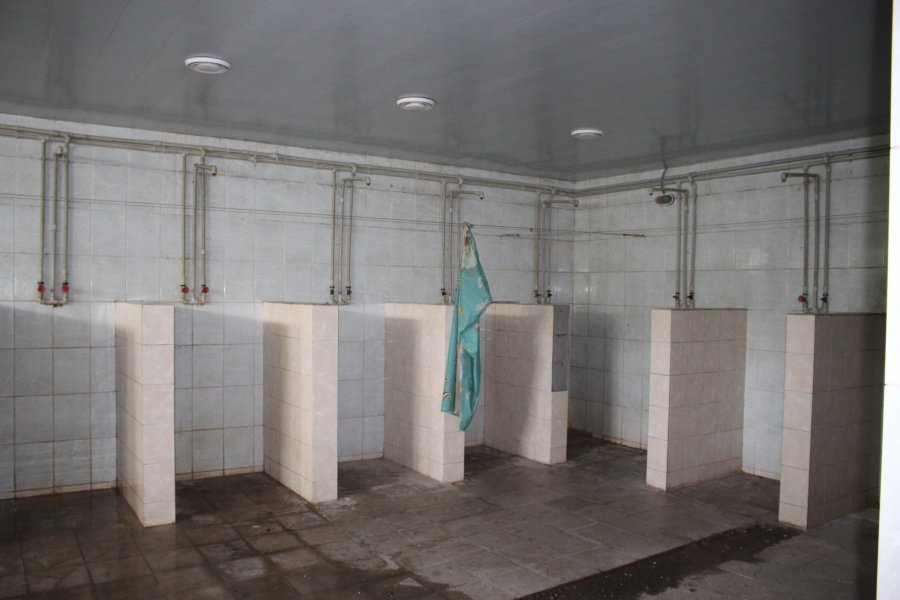
The cabins are fenced and closed with curtains.
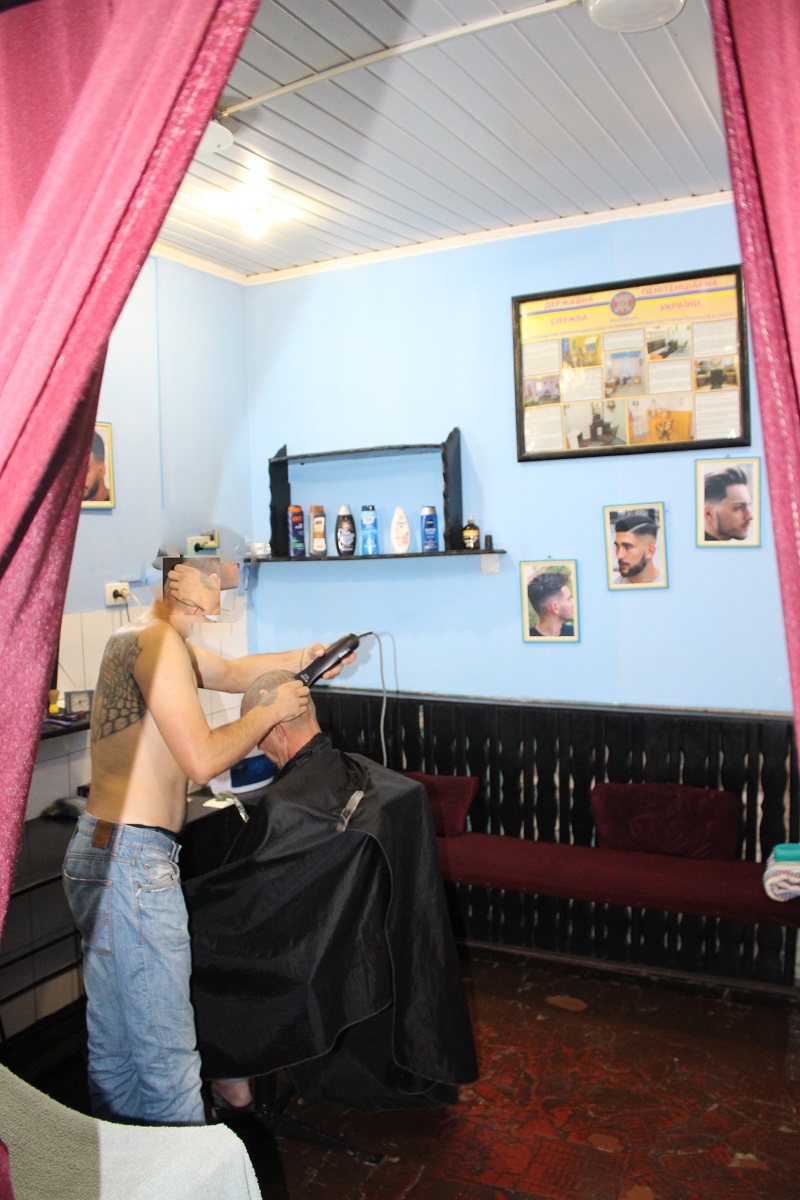
A barbershop is operating.
Renovation work is taking place in some premises.
There is a workshop for repairing shoes and other items.
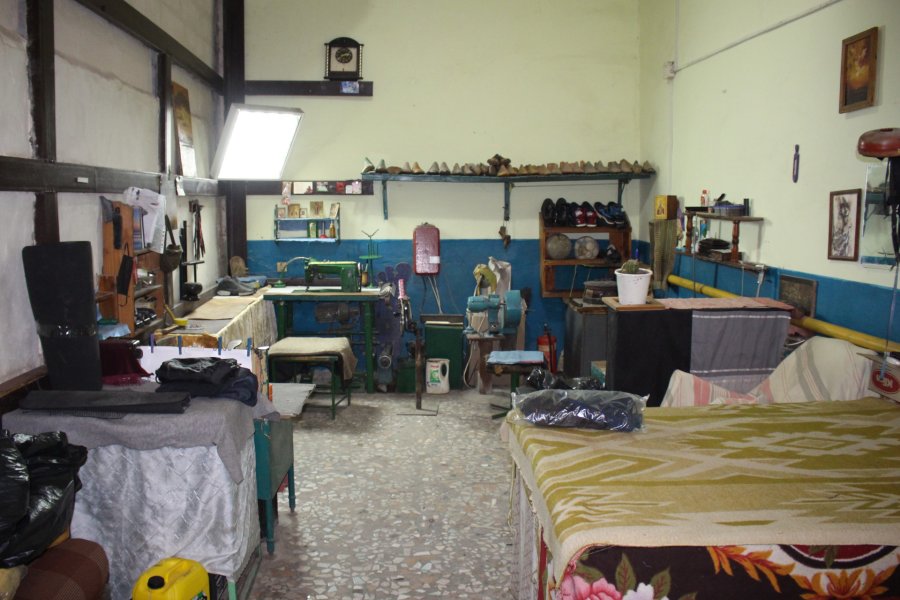
The prisoner working in the workshop does not have a contractual relationship with the institution and does not receive a salary. According to him, it is his own initiative and he works of his own free will.
Industrial zone
There is a secondary school and a vocational school in the colony, where one can obtain the specialty of a turner, mason, and gas-electric welder.
There is a garden on the territory, and vegetables are grown.
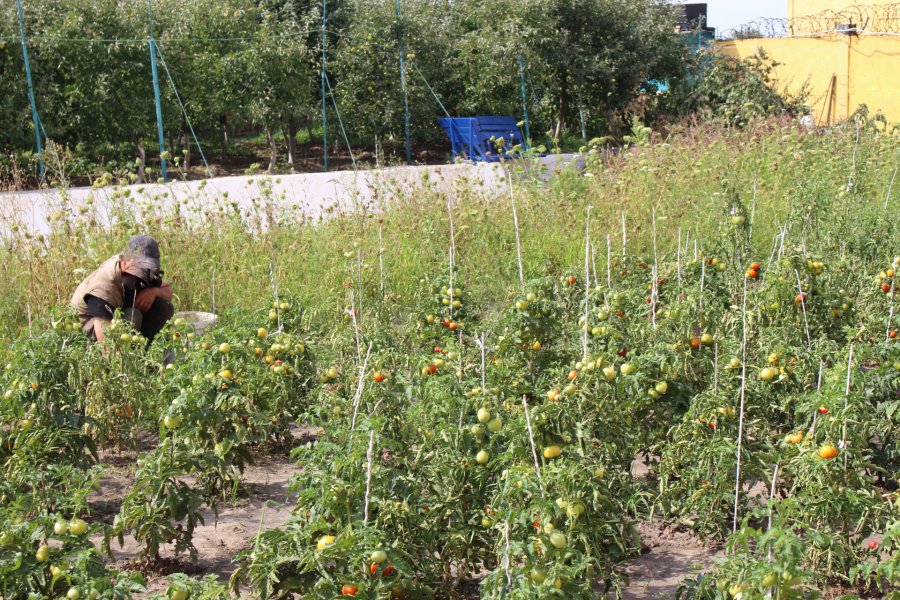
Canning storage:
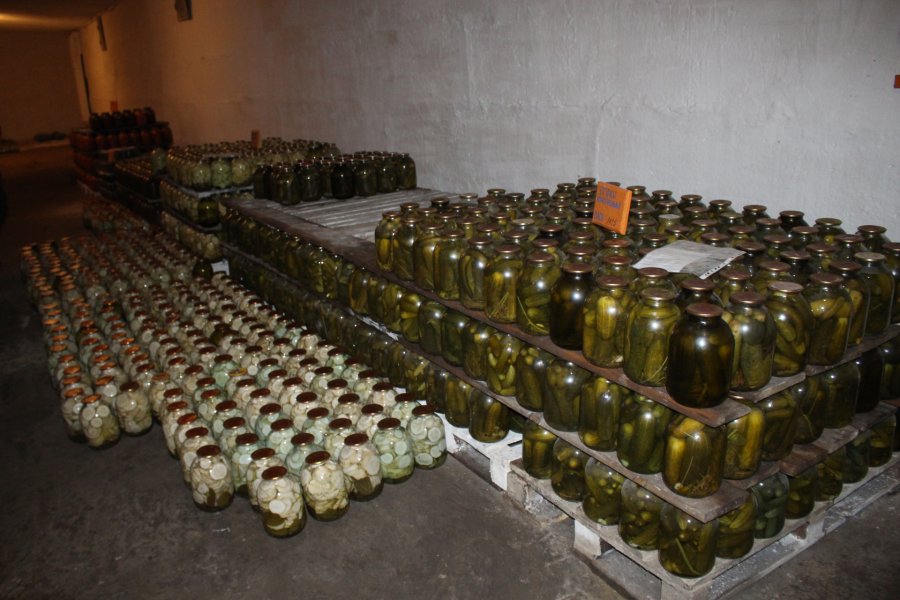
All vegetables and fruits are grown on the institution's territory. Vegetable stocks:
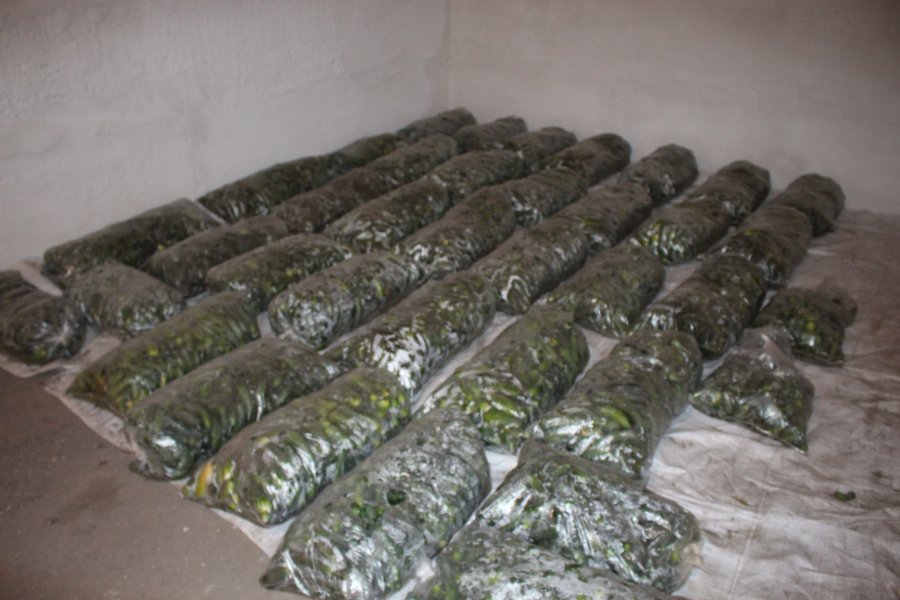
The main production is polyethylene products. Bin liners, brown pellets for the manufacture of other polyethylene products. Due to the war, production volume has decreased due to lost communications.
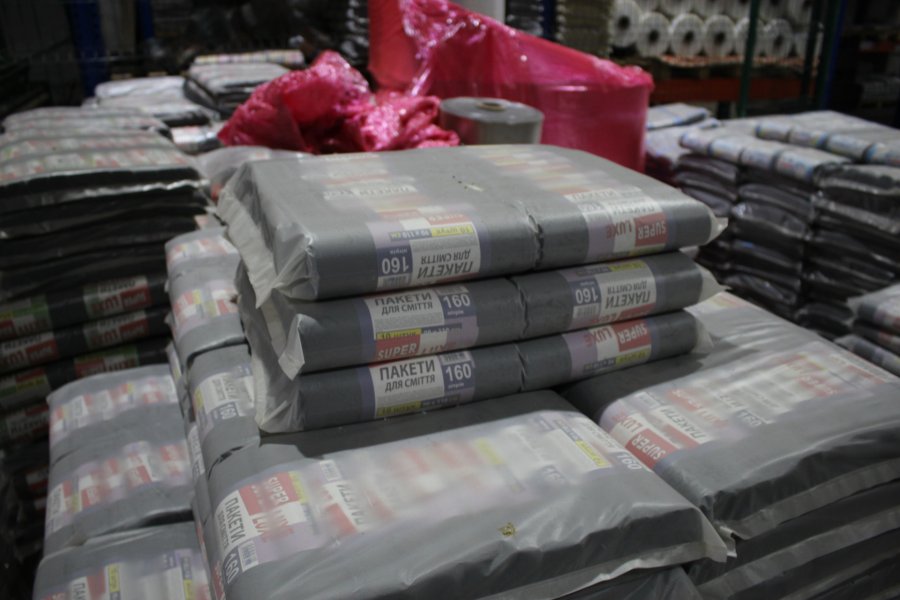
Modern equipment is used in production, and about 200 prisoners work there. All are employed within the framework of civil law relations. Earnings depend on output.
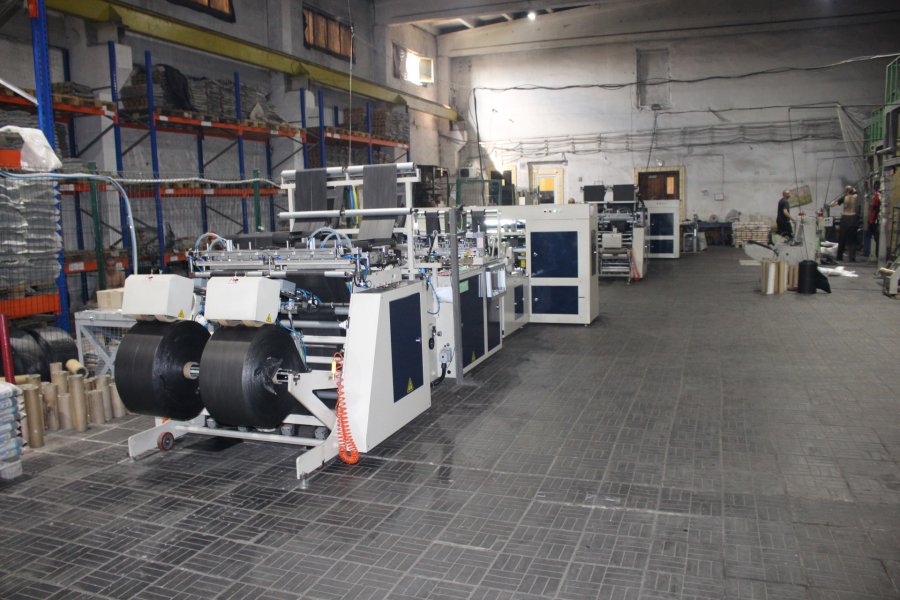
There is a problem in that prisoners want to work but do not have documents (passport, code). This is especially true for persons who have arrived from temporarily occupied territories. The management can only send inquiries but does not have the ability to facilitate the obtaining of documents.
There are showers and changing rooms so that people have the opportunity to take a shower after work.
Weaving section:
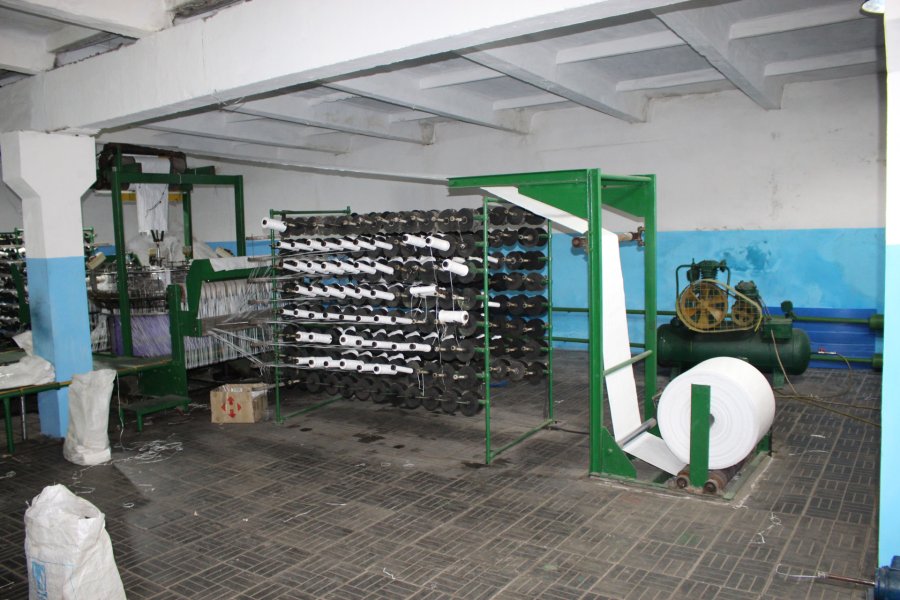
Sacks are produced from the pellets. This product is used, in particular, for grain. Currently, order volumes have increased. Raw materials have become twice as expensive.
Acts of work performed and a log of hourly checks of prisoners' work are available.
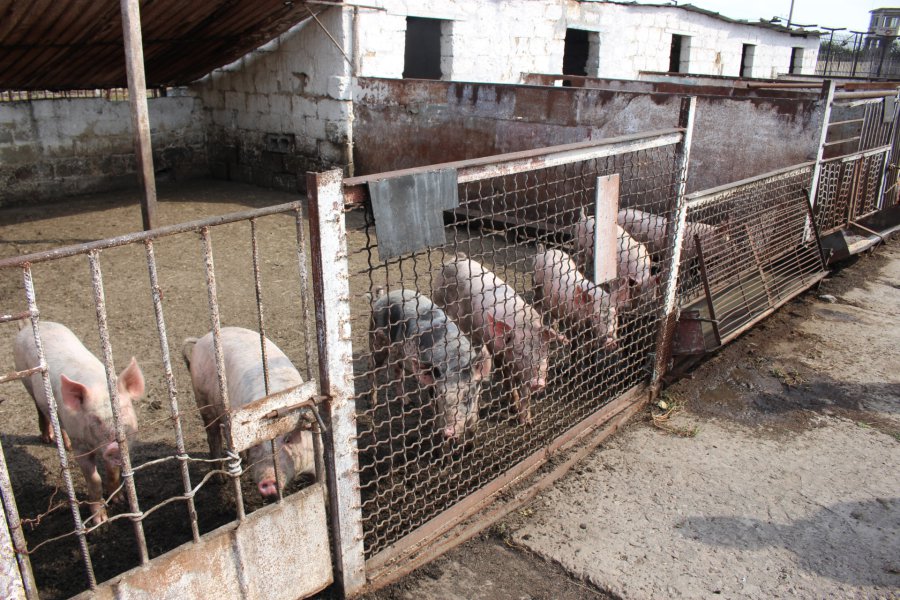
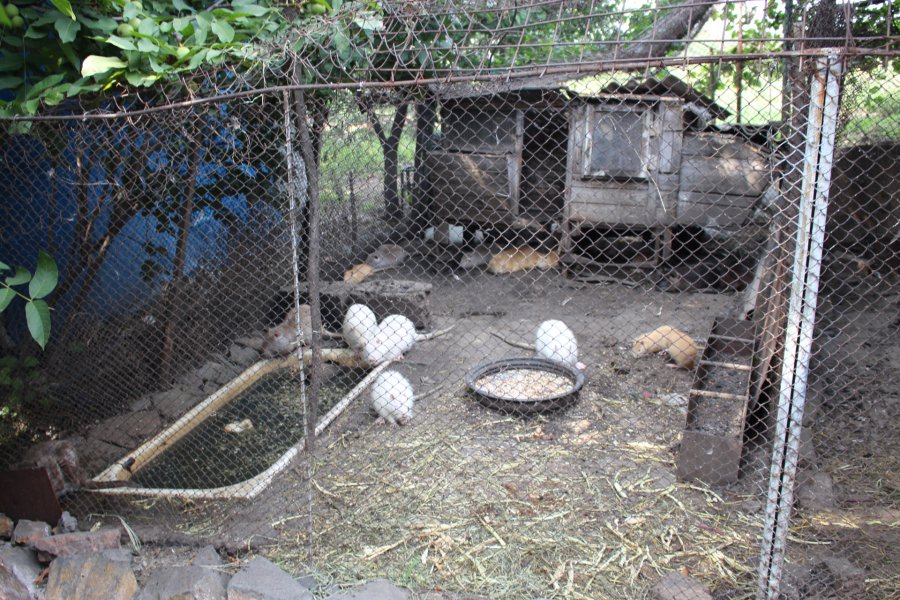
Own farm: