Report on the findings of a monitoring visit to the Chernihiv Pre-Trial Detention Centre
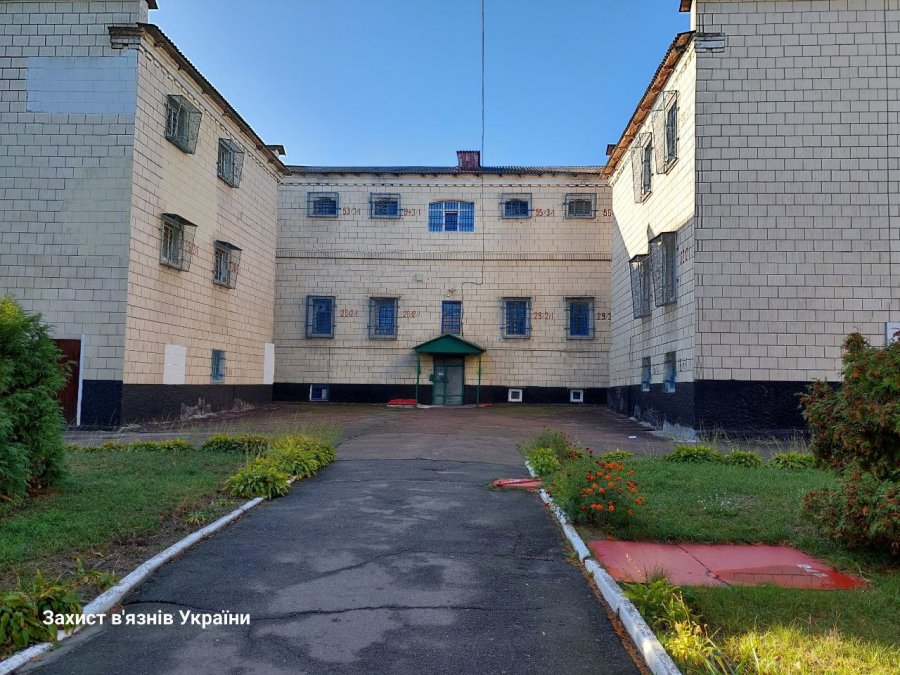
Historical background
The first mentions of penal bodies in the Chernihiv region appear at the beginning of the 19th century, when the accession of Emperor Alexander I was marked by the centralisation of the prison system. “Model” designs for prison castles were developed for the needs of provincial cities. The building of the Chernihiv Prison Castle remained in its original form until the mid-19th century. In 1849, the wooden wings and the stone building were replaced by a single two-storey stone building. In 1910, a third floor was added to the main building. Such a significant building in the city could not help but play a part in its life, although its residents performed unpleasant work. The Chernihiv prison had contracts for sanitary cleaning. Prisoners were used for disinfection during epidemics, which were very frequent. According to historical records in the Central Archive of Chernihiv, from 1918 to 1920, the facility was named “Chernihiv Provincial Prison No. 1”. In 1920, the prison was renamed the “Chernihiv Provincial House of Compulsory Public Works” (BUPR). This name remained until 1923. In 1925, the Chernihiv Provincial BUPR was renamed the “District House of Compulsory Public Works”.
During the German occupation, over 7,000 Soviet citizens were taken from the Chernihiv prison and tortured to death. Archival information indicates that some cells held 40-60 people. During the Soviet era, some buildings were extended and rebuilt. From 1952 to 1962, the institution was named “Chernihiv Prison of the Regional Internal Affairs Directorate in Chernihiv Region”. From 1962 to 1980, it was a penal institution of the Internal Affairs Directorate of the Chernihiv Regional Executive Committee. From 1980 until 1998, the institution was called the “Chernihiv Pre-Trial Detention Centre of the Regional Internal Affairs Directorate in Chernihiv Region”. Due to the subordination of penal institutions to the State Penitentiary Service in the Chernihiv region, from 1998 the institution became known as the “Chernihiv Pre-Trial Detention Centre”.
General part
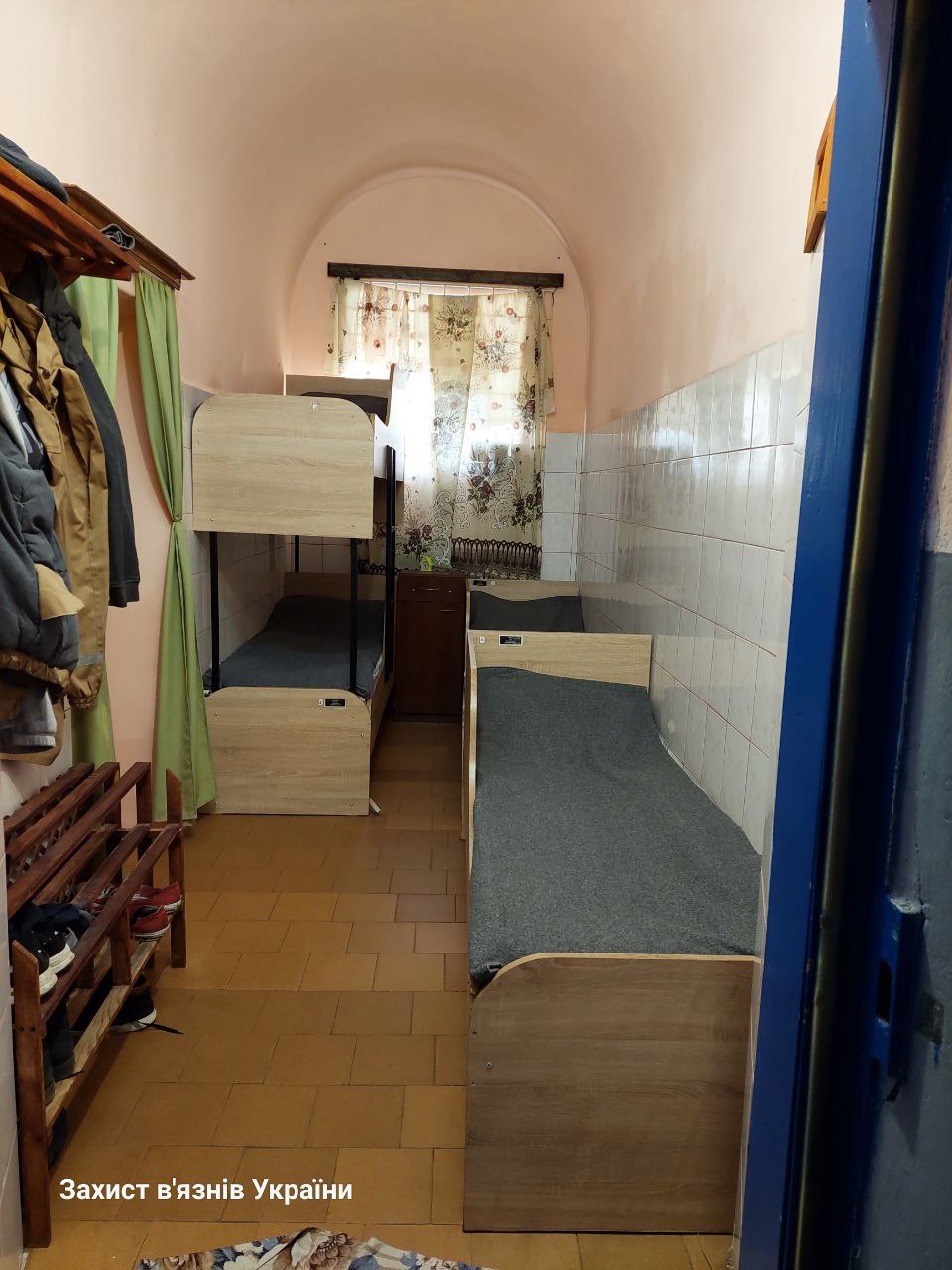
The State Institution “Chernihiv Pre-Trial Detention Centre” is a closed-type institution that performs law enforcement and custodial functions. The pre-trial detention centre holds persons for whom a court has chosen detention as a preventive measure, or to whom temporary or extradition arrest has been applied. It also holds convicted persons whose sentences have not entered into legal force and for whom detention has been chosen as a preventive measure, as well as those sentenced to imprisonment who have been left to perform work related to maintenance. For pre-trial detainees, an IP-telephony project is in operation.
According to the facility's management, at the time of the monitoring visit, 368 people were being held in the institution, including seven life-sentenced prisoners, two minors, and 24 women. During the current year, 481 people arrived at the detention centre. In 2022, three people died in the institution; in 2023, also three people. There is one psychologist working in the detention centre. 12 people are employed in maintenance work. One person was in the medical unit. There was no one in the punishment cell. The administration's attitude towards prisoners is humane. There are 31 people registered with HIV/AIDS, five prone to suicide, 10 prone to self-harm, and five prone to escape. In 2022, one person was released due to health reasons. In 2022, three complaints regarding inappropriate conditions of detention and inadequate medical care were registered. In 2023, one complaint. 15 people are registered with disabilities. 2nd group — two people; 3rd group — 13 people.
During 2022, 161 people were released. Of these, one was released on parole, and one person had their detention regime changed to a milder one. In 2023, 114 people were released, three of them on parole, and one person had their detention regime changed to a milder one. During 2022, there were 17 ambulance calls, and in 2023, 13 cases. In 2022, 49 cases of bodily injuries were recorded: 31 upon arrival and 18 during their stay in the institution. In 2023, 45 cases: 23 upon arrival and 22 during their stay in the institution. There are six prisoners in the institution who are completely ostracised. Five convicted persons have tablets for their own use. During 2022, there were 10 long-term visits, and in 2023, 24. Short-term visits: in 2022, 258 through glass and 70 contact visits; in 2023, 440 through glass and 116 contact visits. In the current year, 2,202 telephone calls were made within the framework of the IP telephony project and 4,085 mobile phone calls.
There is a staff shortage of 10 employees in the institution. Regarding humanitarian needs, the institution requires new tableware.
During the visit, the monitoring group examined the documentation relating to the life of the institution, medical records, inspected the assembly unit posts, cells for holding pre-trial detainees, those sentenced to life imprisonment, cells for women, utility rooms, the medical unit, and the arrest house for their compliance with the requirements of Ukrainian legislation and international standards.
Monitors from the Kharkiv Human Rights Protection Group conducted research on the sending and receiving of correspondence. During 2022, 69 appeals were sent to the Ukrainian Parliament Commissioner for Human Rights in sealed form, and 29 in 2023. Received: in 2022 — 61 letters, in 2023 — 22 letters. Sent to the prosecutor's office: 224 appeals in 2022, and 87 in 2023. Received: 224 letters in 2022, and 71 letters in the current year. To other state bodies, 1,887 appeals were sent during 2022, and 778 in 2023. 41 letters were sent to human rights organisations during 2022, and 12 letters during 2023.
The head of the pre-trial detention centre is Colonel of the Internal Service Ihor Valentynovych Drozd. The monitors were accompanied by the deputy head of the pre-trial detention centre, Lieutenant Colonel of the Internal Service Yevhen Valentynovych Pochepnya.
Chernihiv City Medical Unit
The head of the Chernihiv City Medical Unit of the branch of the Centre for Health Care of the State Penitentiary Service of Ukraine in the Chernihiv region (hereinafter — the medical unit) is Serhii Anatoliyovych Kurylo.
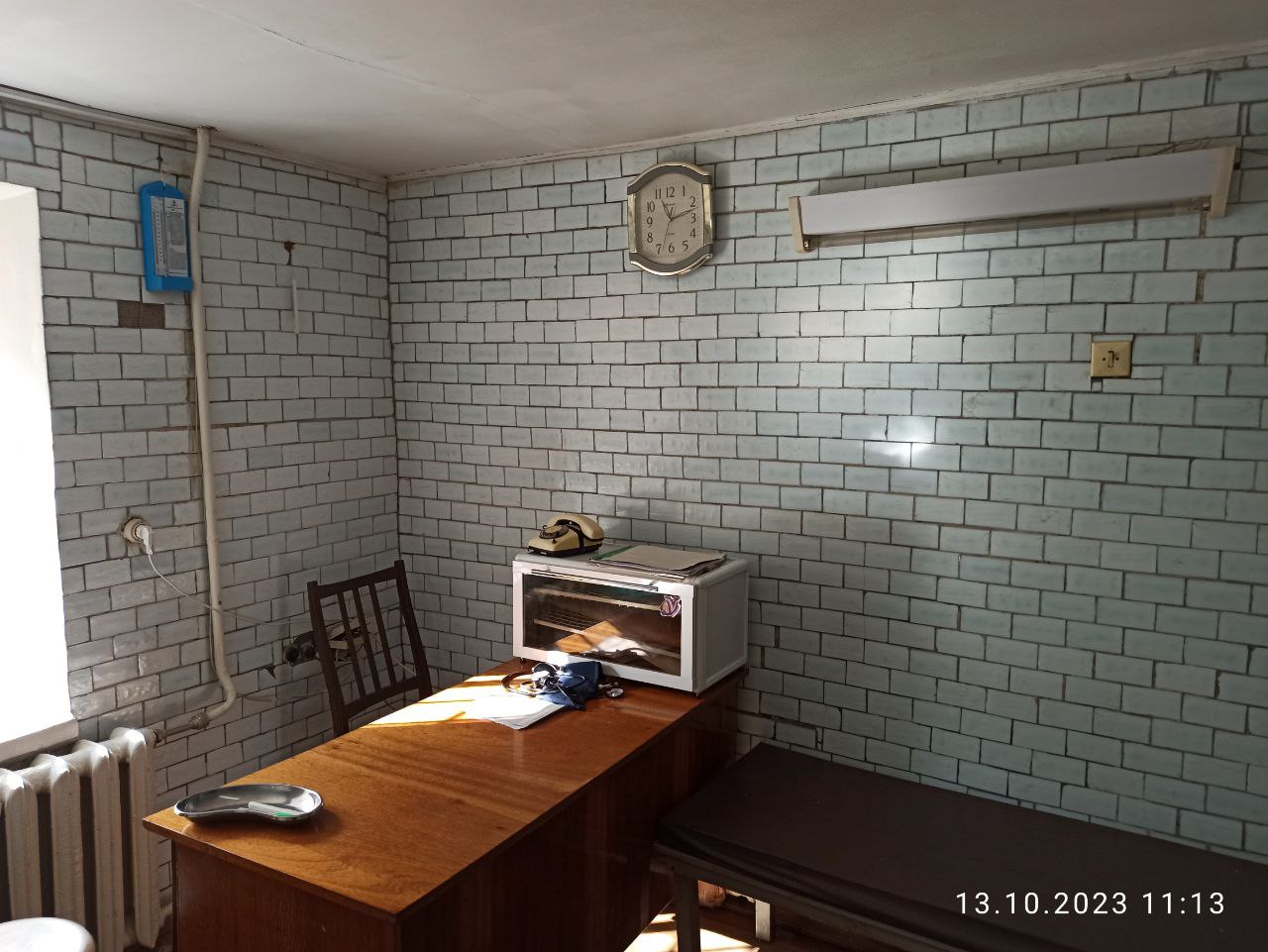
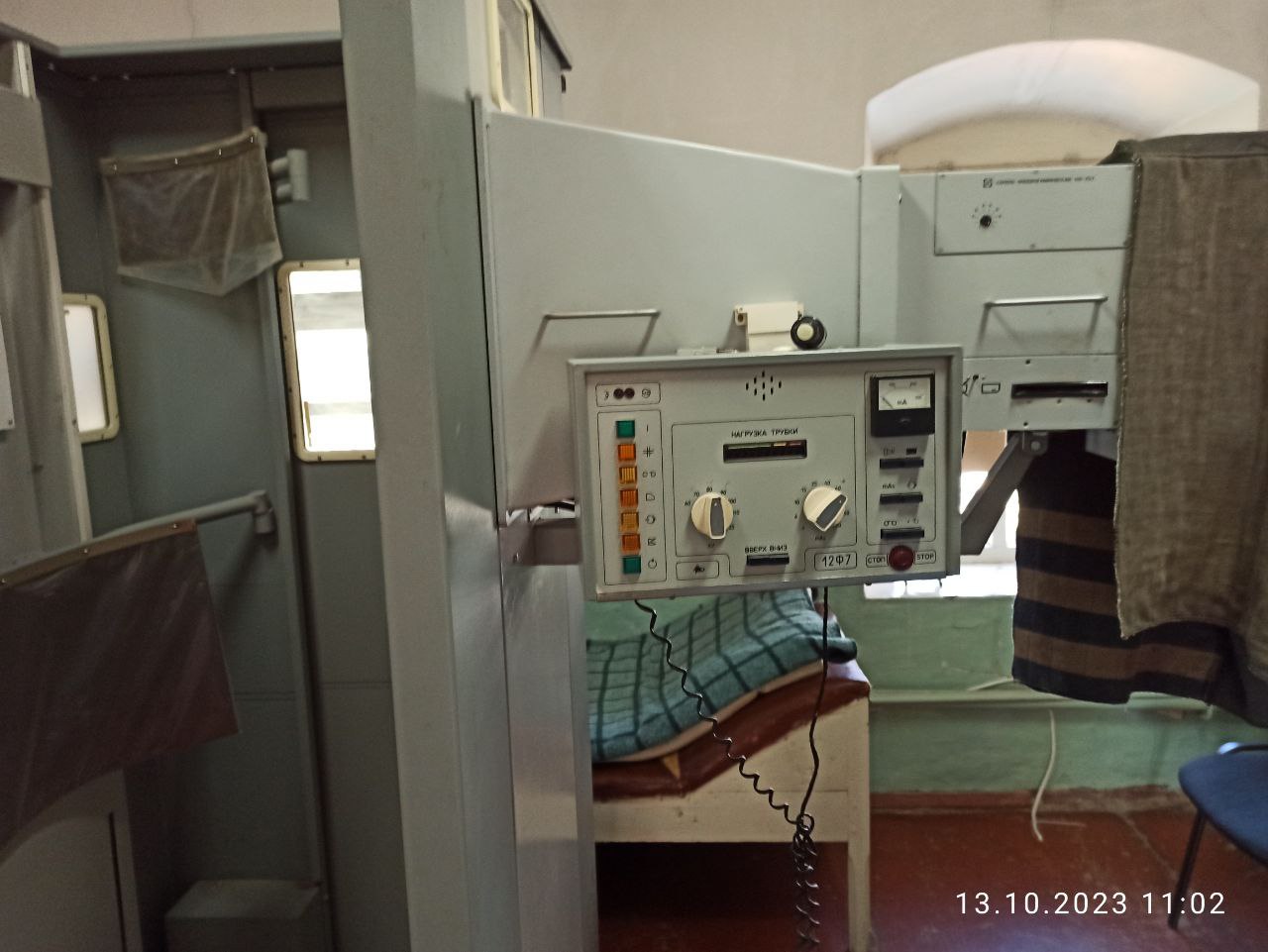
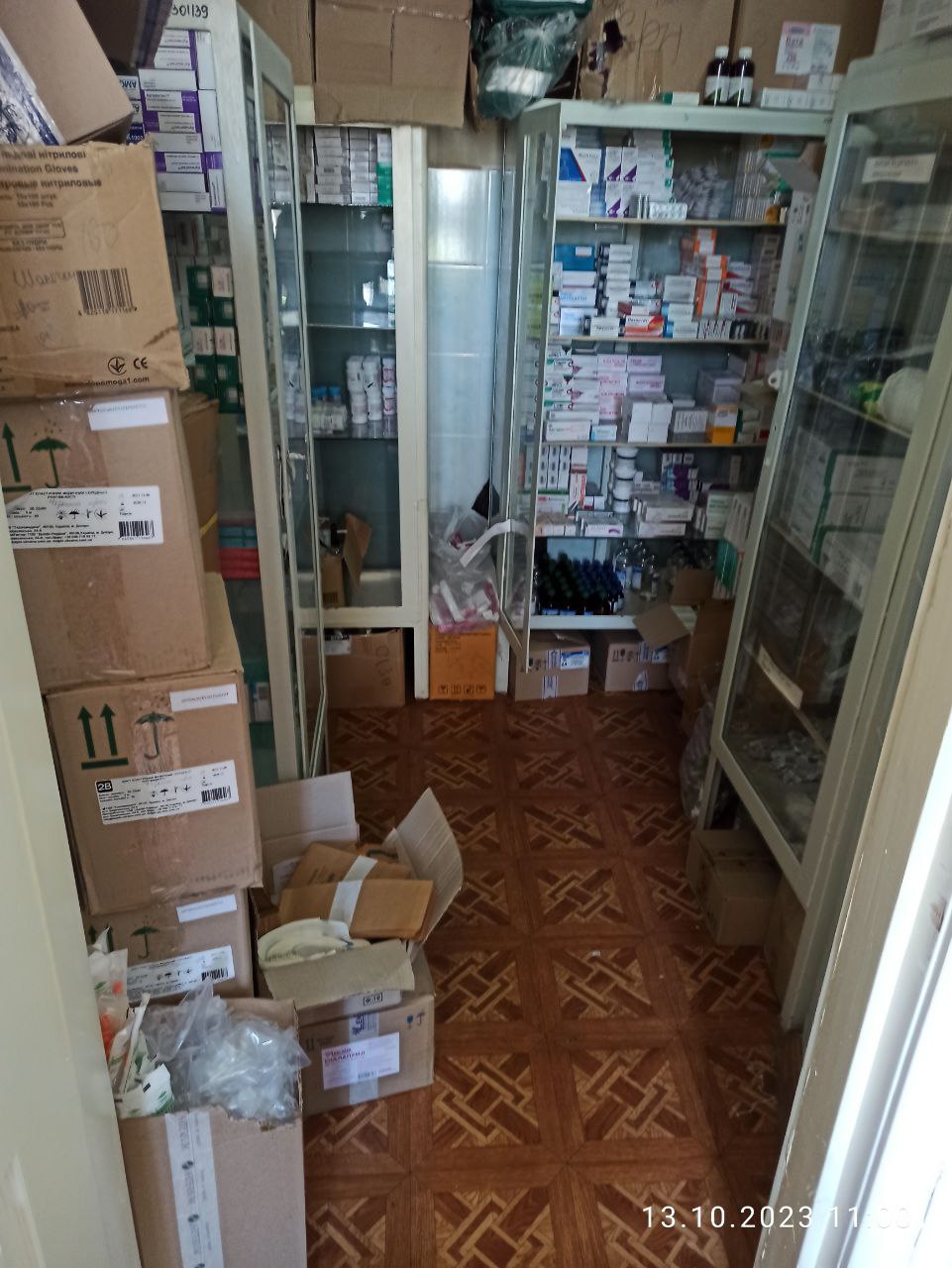
During the visit, the monitoring group studied medical records and inspected the premises of the medical unit for their compliance with the requirements of Ukrainian legislation and international standards. Deficiencies were identified in the work of the Chernihiv City Medical Unit, which lead to the violation of the rights of convicts and other persons, in particular:
1. Violation of the rights of convicts and detainees when providing medical care
The medical unit does not provide inpatient medical care, namely:
1.1 Inpatient examination and treatment of patients with an estimated length of stay of up to 30 days.
1.2 Inpatient treatment of non-transportable persons taken into custody and convicts who are left until their condition stabilises before being sent to healthcare institutions.
1.3 Temporary isolation in the isolation ward of the city medical unit for infectious patients or patients with suspected infectious diseases to provide them with primary medical care, supervision and observation, to collect materials necessary for diagnosing the disease, and for referral to specialised medical facilities.
1.4 Treatment of patients after discharge from healthcare institutions, in accordance with the conclusions of healthcare specialists. Detention of patients who are subject to release due to illness, in case it is impossible for them to be kept in cells.
At the same time, only outpatient medical care is organised in the medical unit. This situation has arisen due to the lack of the necessary separate premises for creating a medical inpatient ward. In his response to letter No. 599/4G-21 dated 27.05.2021 from the head of the branch of the State Institution “Centre for Health Care of the State Penitentiary Service of Ukraine” in the Chernihiv region, where it was proposed to consider the issue of having a separate room (a separate block in the secure housing unit) at the SI “Chernihiv Pre-Trial Detention Centre” for creating a medical inpatient ward, the head of the SI “Chernihiv Pre-Trial Detention Centre”, Ihor Drozd, notes: “According to the floor area measurement certificate of the institution's premises dated 19.03.2020, the occupancy limit is 375 people. Allocating a separate room (a separate block in the secure housing unit) is only possible by reducing the institution's planned capacity and allocating significant funds for the necessary repair works to equip a medical inpatient ward. The management cannot resolve these issues (independently reduce the institution's capacity limit), and the available funding for repairs is insufficient. Consequently, the institution's management cannot currently accommodate your request for the allocation of a separate block in the secure housing unit with all the proper facilities for a medical inpatient ward.” Since then, this situation has not changed in any way, which fails to ensure the provision of adequate medical care to convicts and detainees.
2. Violation of the rights of persons with disabilities (Article 9 of the UN Convention on the Rights of Persons with Disabilities)
Dispansery supervision is carried out for 15 persons with disabilities. Of them, group II — two persons; group III — 13 persons. During the examination of convicts' medical records, it was established that there are no Individual Rehabilitation Programmes (hereinafter — IRP). Furthermore, the monitoring group established that IRP recommendations are not being implemented, as a result of which prisoners do not receive appropriate diagnostic, treatment, and rehabilitation measures, despite evidence confirming persistent impairment of body functions caused by diseases and the consequences of injuries, which cause restrictions on normal life activities.
3. Violations during preventive medical check-ups and medical examinations. Violation of convicts' rights to medical care
3.1 A general practitioner (or general practice/family doctor), a psychiatrist, and a dentist must participate in the preventive medical check-up. At the same time, the position of a general practice/family doctor is vacant, which indicates that the primary and preventive medical examination is incomplete.
3.2 There is no logbook for recording the results of preventive medical check-ups at the SI “Chernihiv Pre-Trial Detention Centre”.
4. Violation of convicts' right to choose methods of treatment and improper documentation, violation of the right to privacy
4.1 The medical unit does not provide substitution maintenance therapy (hereinafter — SMT) for persons with mental and behavioural disorders due to opioid use. Drug-dependent persons are not provided with social-psychological support, cognitive behavioural therapy (CBT), relapse prevention, motivational interviewing, self-help groups, etc.
4.2 It was established that the outpatient patient medical records (form 025/o) lack the patient's signed informed voluntary consent for diagnosis and treatment.
4.3 The medical unit lacks separate doctor's offices for receiving patients, in particular a gynaecologist. The aforementioned specialist conducts examinations of sick convicts in the fluorography room, where a gynaecological chair is located, which does not ensure confidentiality and may lead to a violation of the right to privacy during medical examinations.
5. Lack of equipment, medical products, and medicinal products in the medical unit
5.1 The medical unit lacks a dental X-ray machine, which makes it impossible to conduct in-depth dental examinations of convicts and does not ensure the timely provision of proper dental care.
5.2 During the inspection of the medical unit's dental office, expired medicinal products were found.
5.3 The medical unit's pharmacy is not provided with the medical products and medicinal products necessary for treatment. Filling material is missing.
5.4 Medicinal products were stored on the floor of the medical unit's premises.
5.5 During the inspection of the defibrillator's functionality, it was established that the expiration date of the electrodes had passed.
6. Improper storage of medicines received from relatives
There is no separate cabinet for storing medicines from relatives in the medical unit. Furthermore, there are no applications from the relatives of convicts or other persons regarding the transfer of medicines or medical products in the medical records (medical card No. 025/o or No. 003/o).
7. Violation of the rights of persons with viral hepatitis C
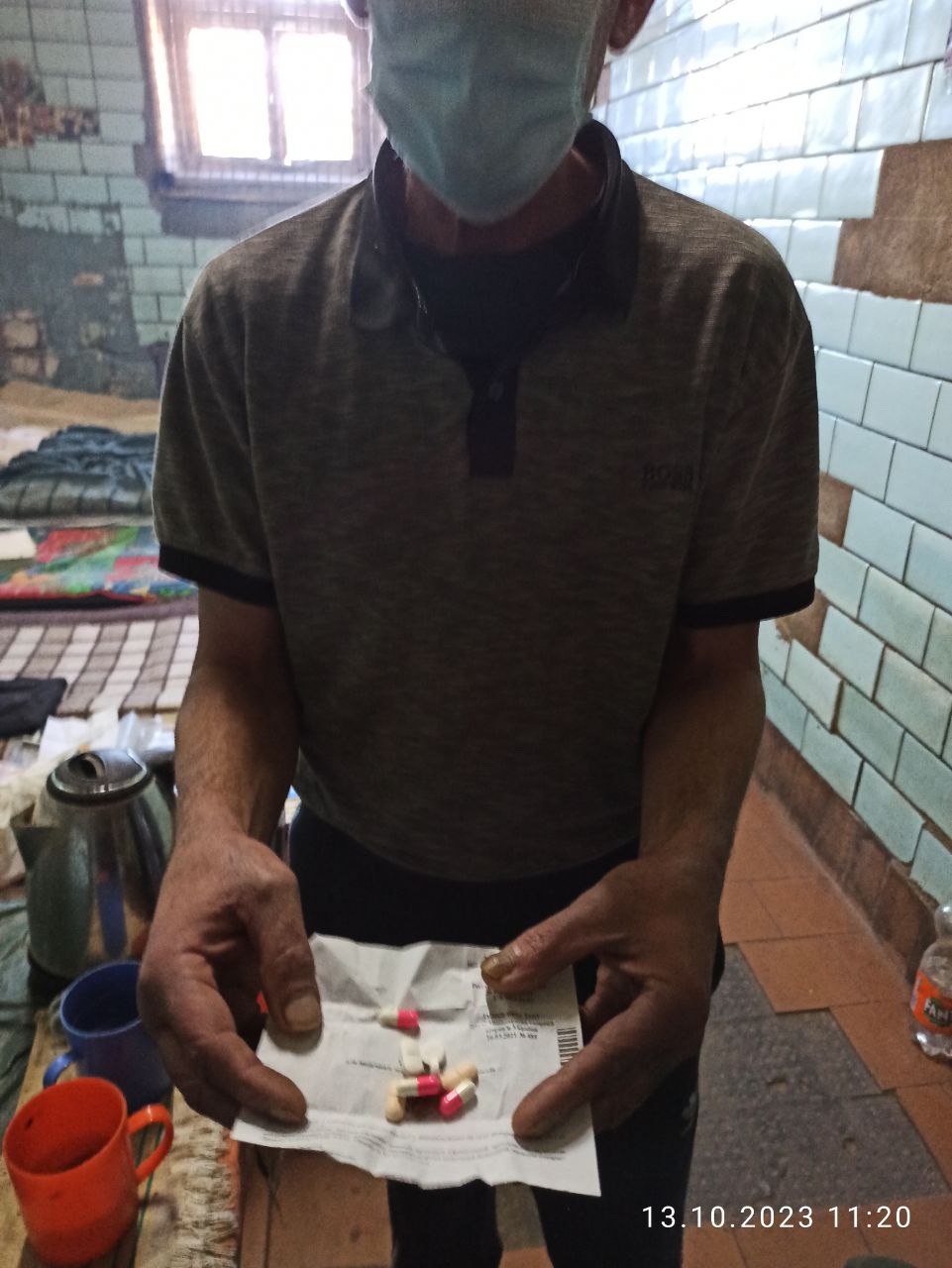
During 2023, 350 people were tested for viral hepatitis C in the medical unit using rapid tests, of which 69 people were suspected of having the disease. Not all persons with suspected viral hepatitis C undergo PCR testing, as a result of which they do not receive the necessary treatment, which may lead to the deterioration of their health and the spread of the aforementioned infectious disease among convicts and detainees. Furthermore, the medical unit's pharmacy is not provided with test systems for determining the presence of antibodies to the hepatitis C virus.
8. Non-compliance with infection control and epidemiological surveillance
8.1 The medical unit does not comply with the requirements for the isolation of tuberculosis patients; in particular, there are no partitions with doors or airlocks at the boundaries of clean zones and high-risk zones. Patient wards are used for more than one or two people (two ward-cells for seven beds). The doors to the ward are not equipped with a sealed threshold or seals on the edges. Air recirculation using mechanical ventilation is not ensured.
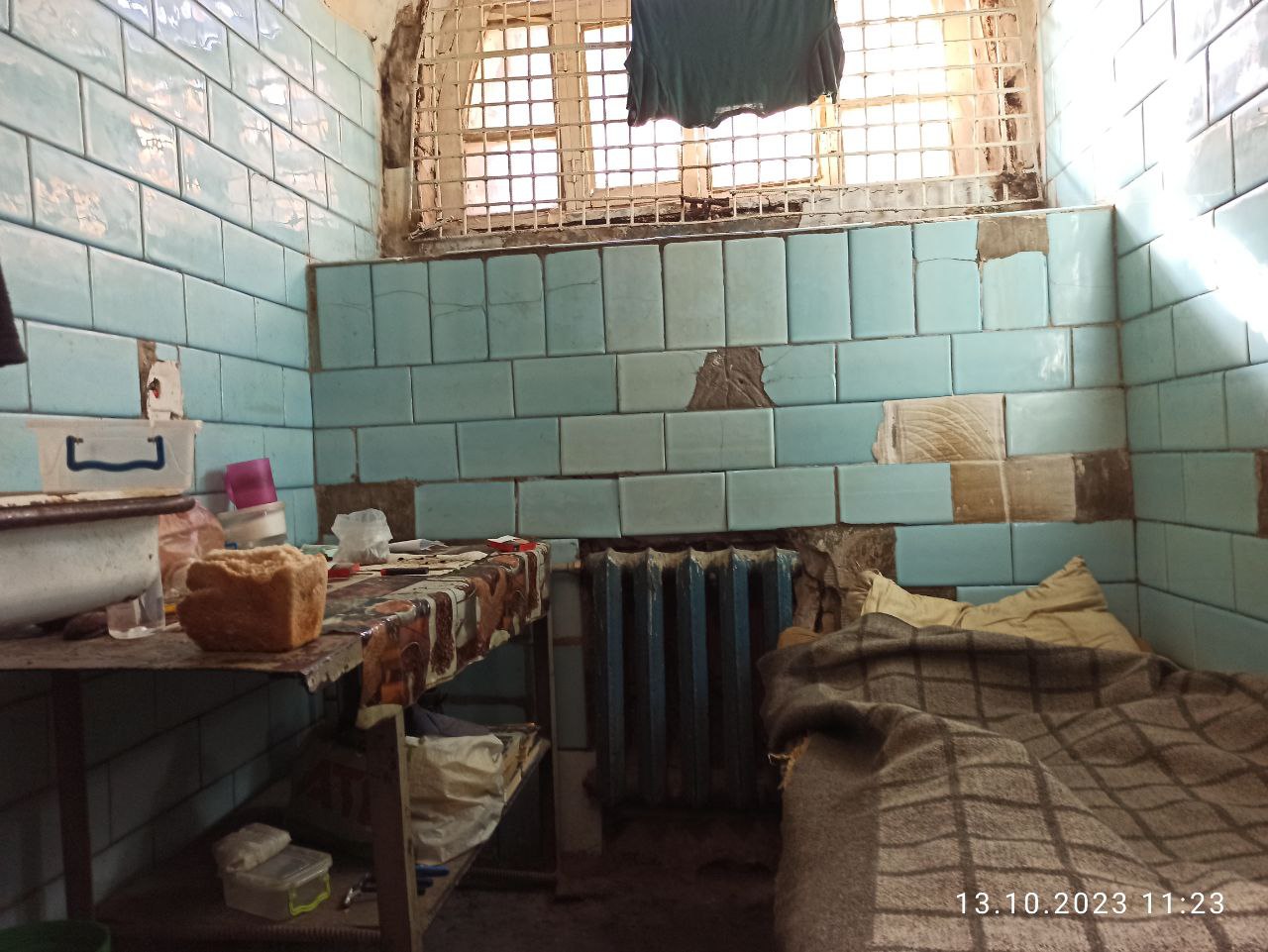
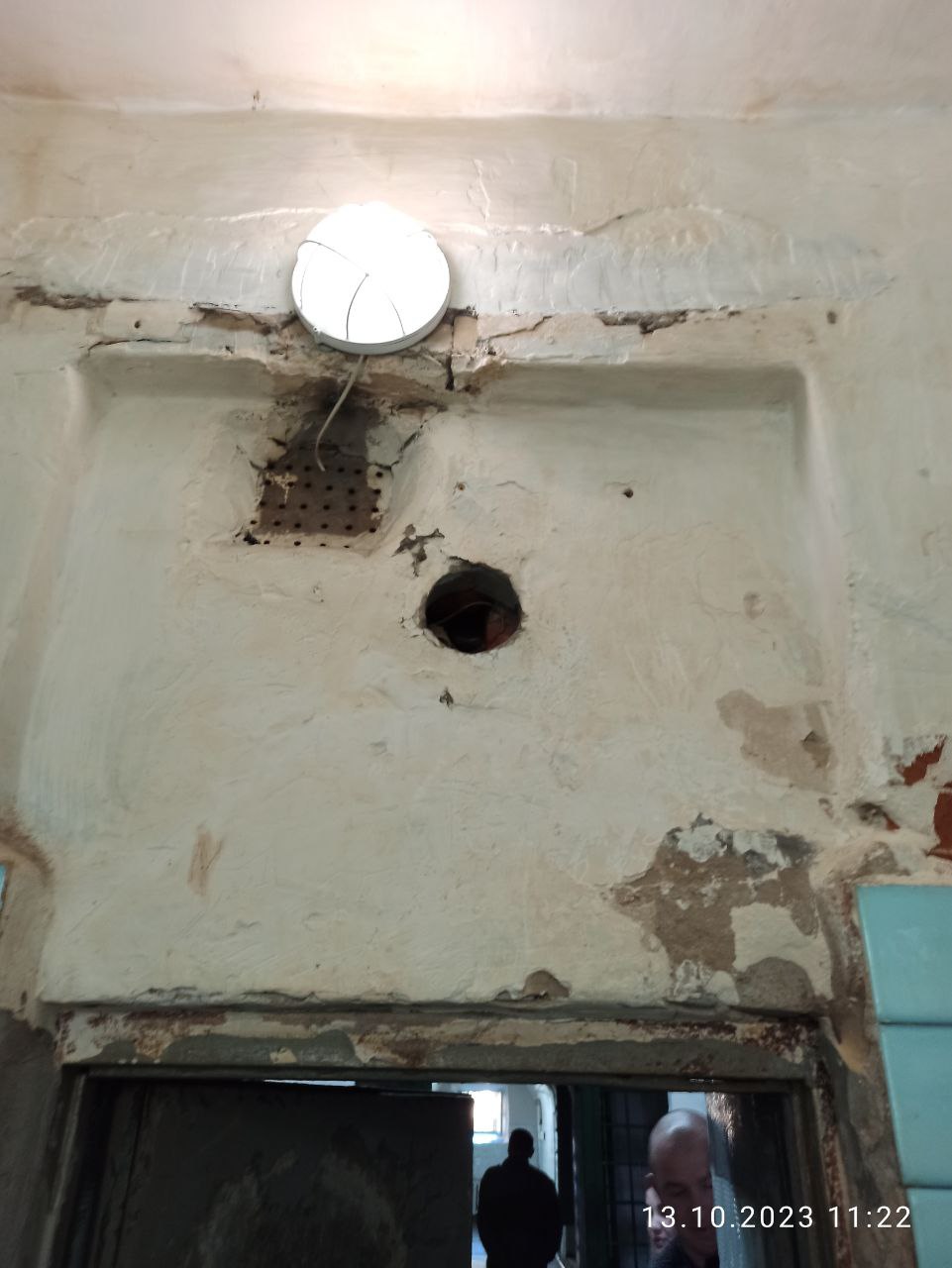
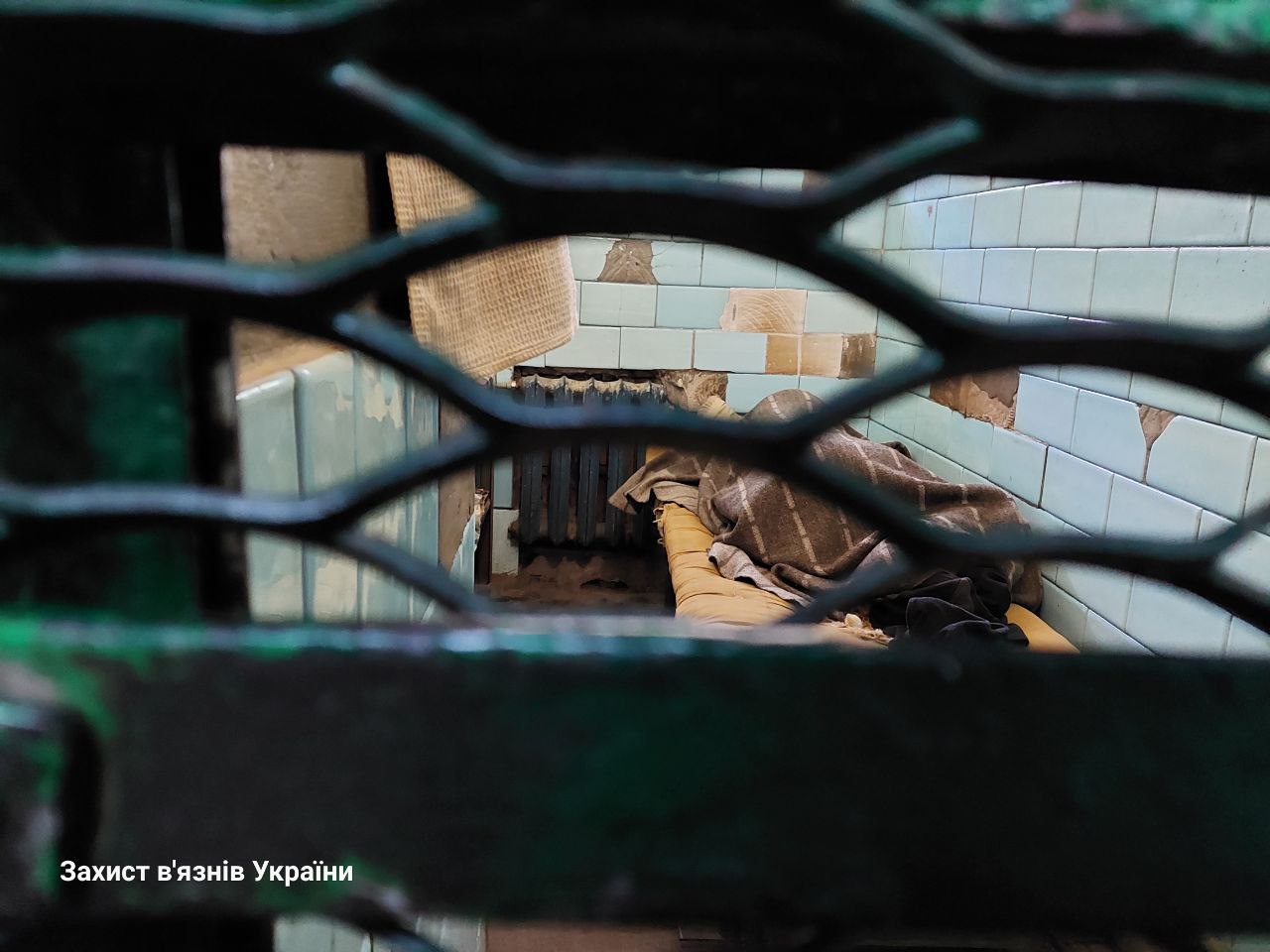
8.2 Some premises of the medical unit — isolation cells — require repair works. The floor and the bathroom require repairs; walls have peeling paint in places and detached tiles. This complicates the disinfection of these premises.
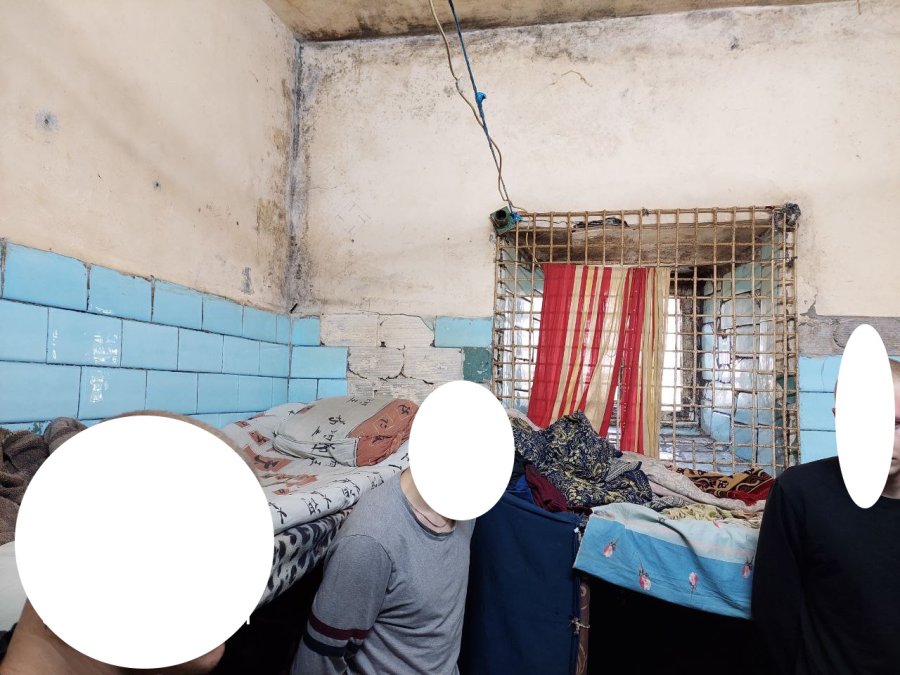
8.3 In the premises where convicts are kept, in particular in ward departments, beds are placed close to each other, which violates the requirements of the State Building Norms of Ukraine, as well as the right of convicts to personal space.
8.4 Convicts do not receive hospital property (hospital suits, robes, and shoes). Convicts stay in the inpatient ward in their everyday clothes.
9. Violation of the right to proper psychiatric care
There is no isolation ward in the inpatient unit for persons with mental disorders who pose a danger to others.
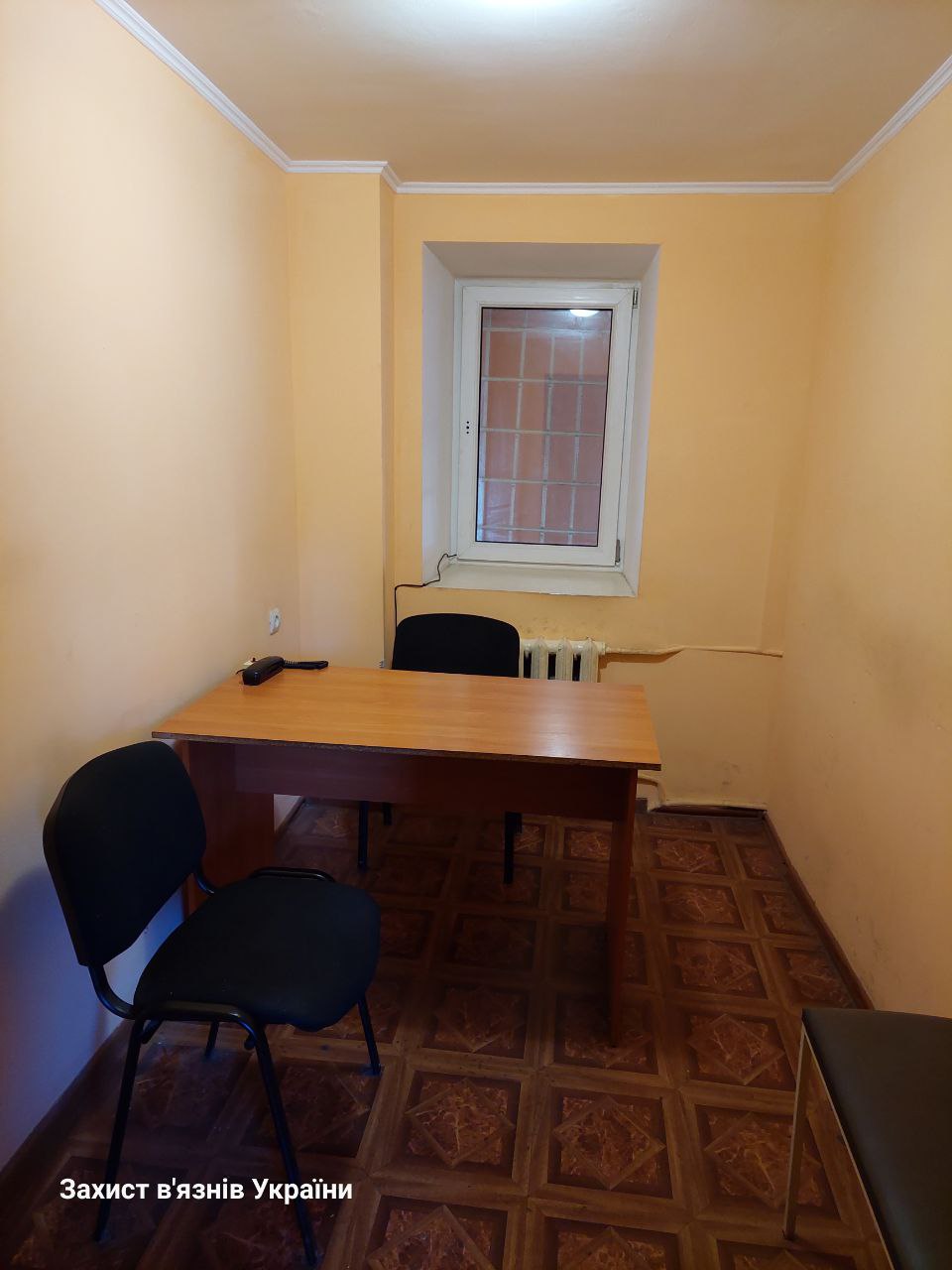
Investigation rooms
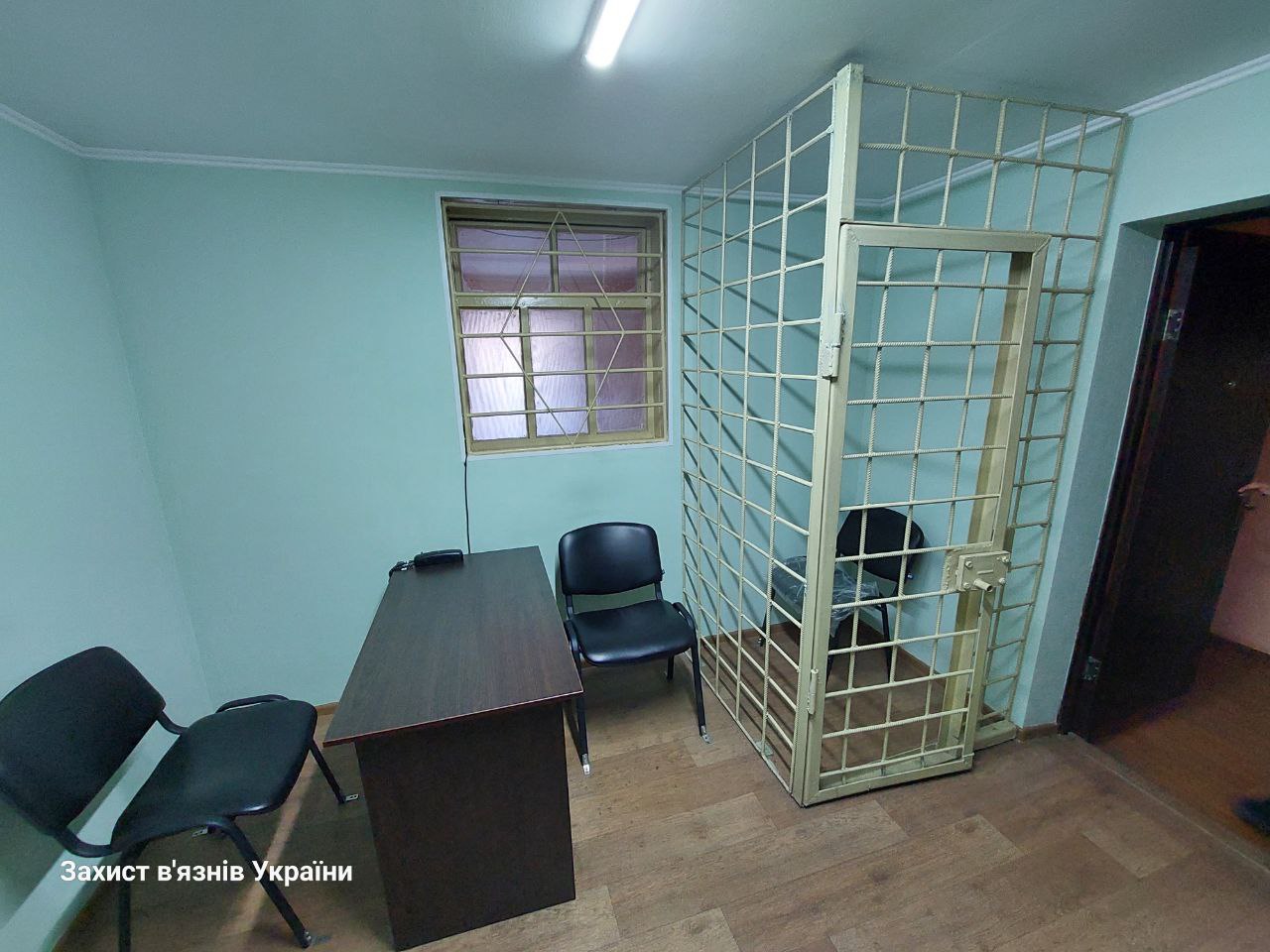
Investigation rooms are equipped with a panic button.
Cells
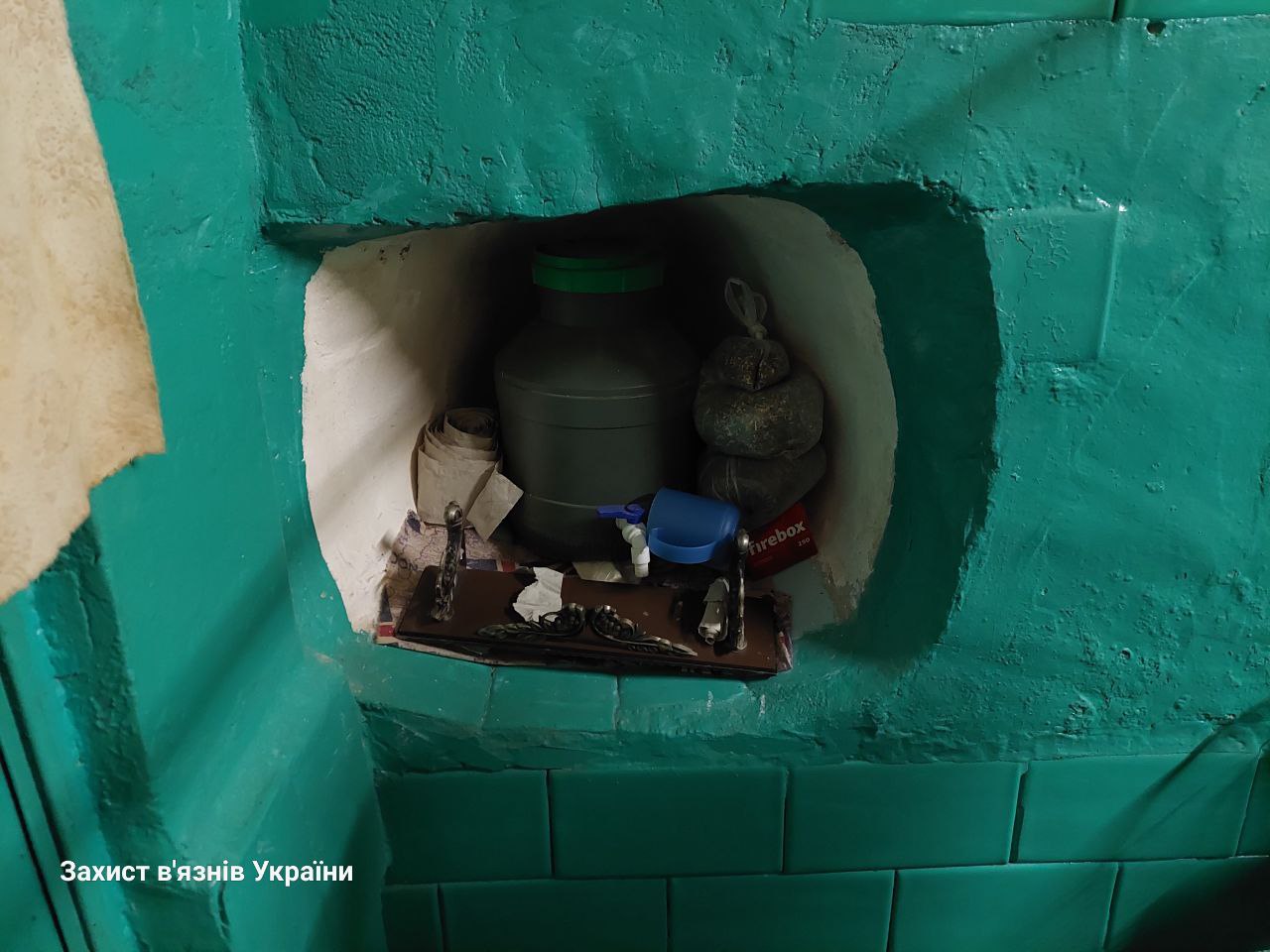
The institution has cells for holding male pre-trial detainees.
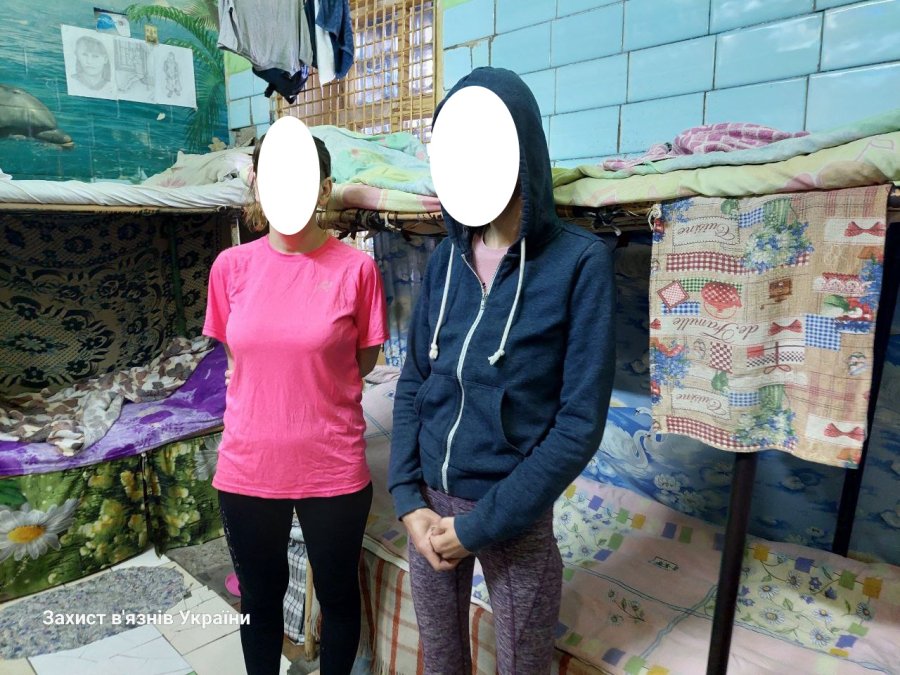
Women's cells.
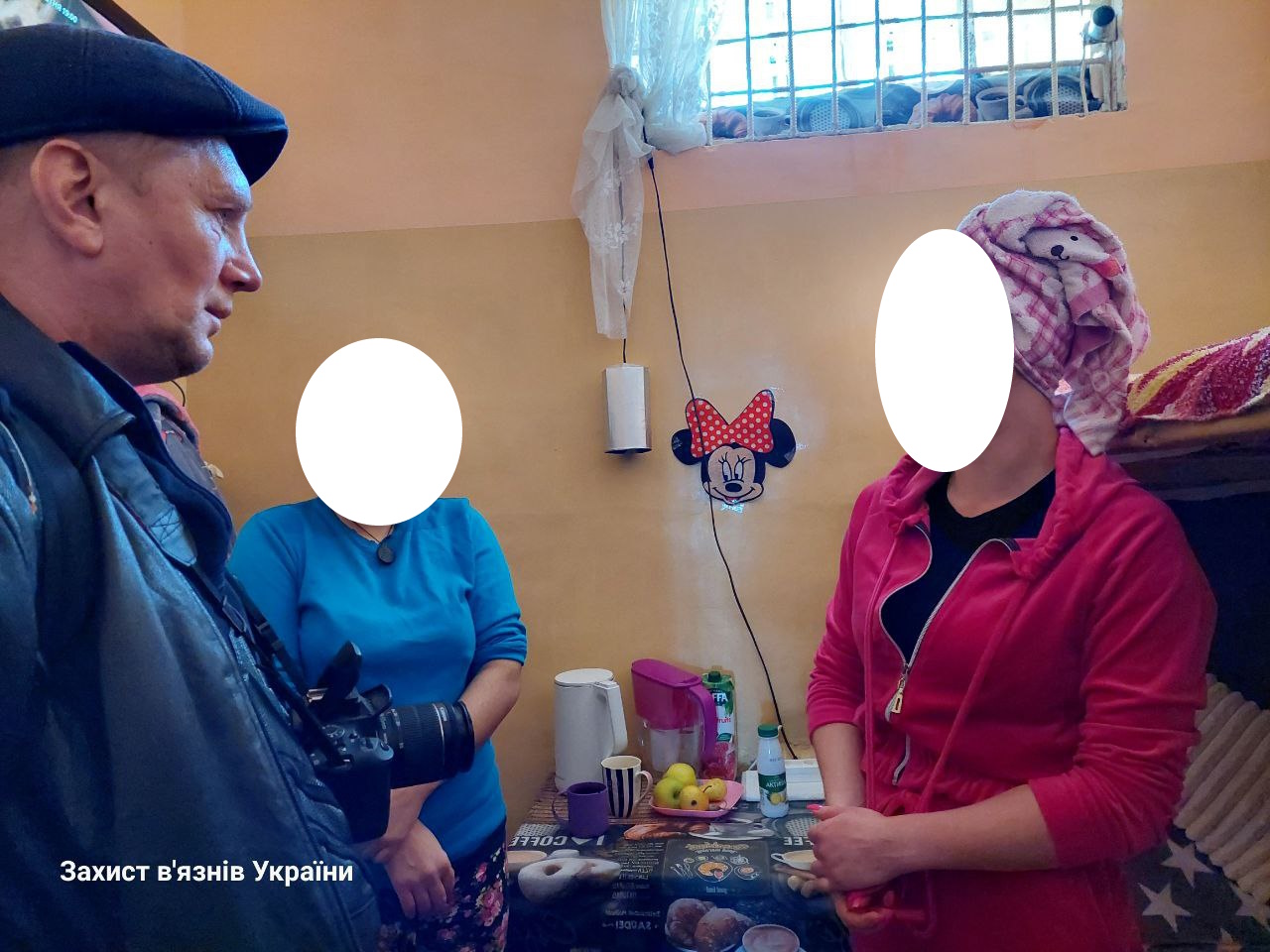
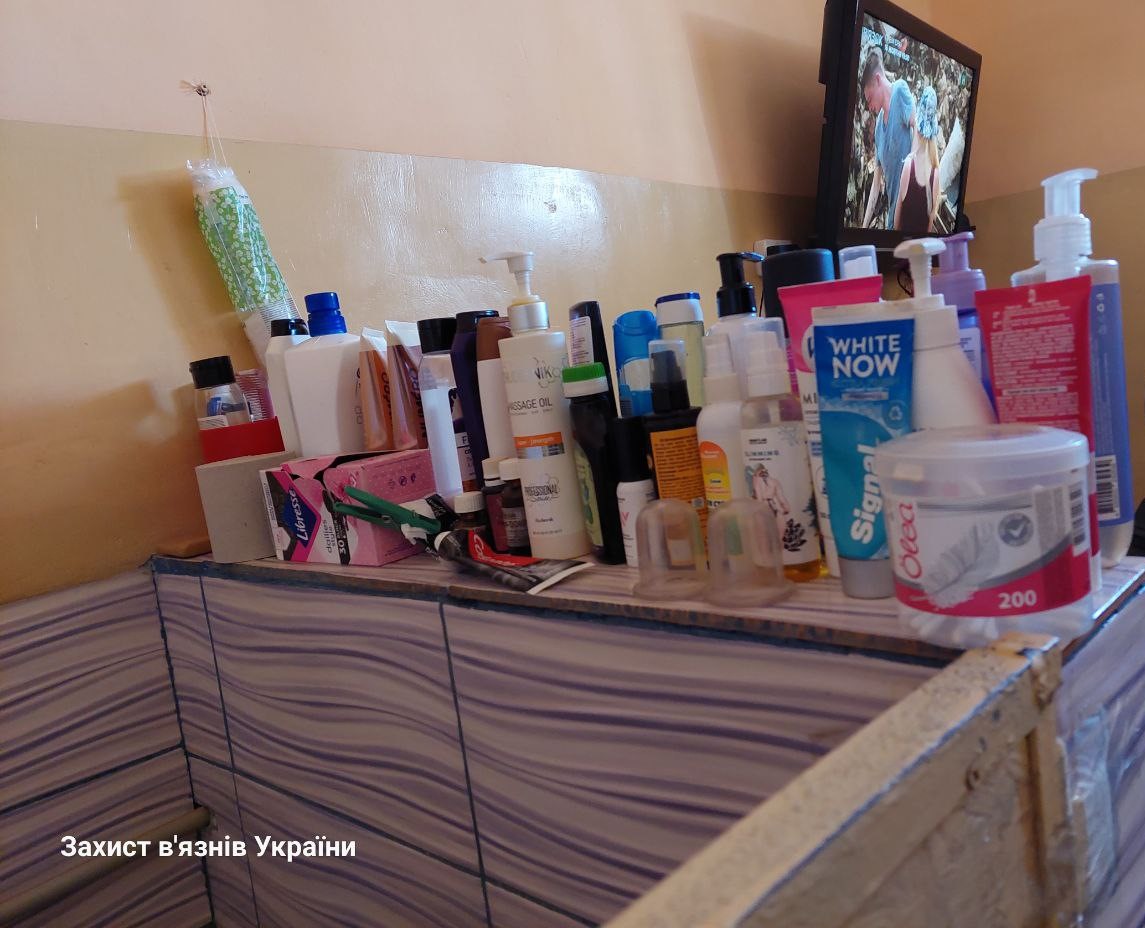

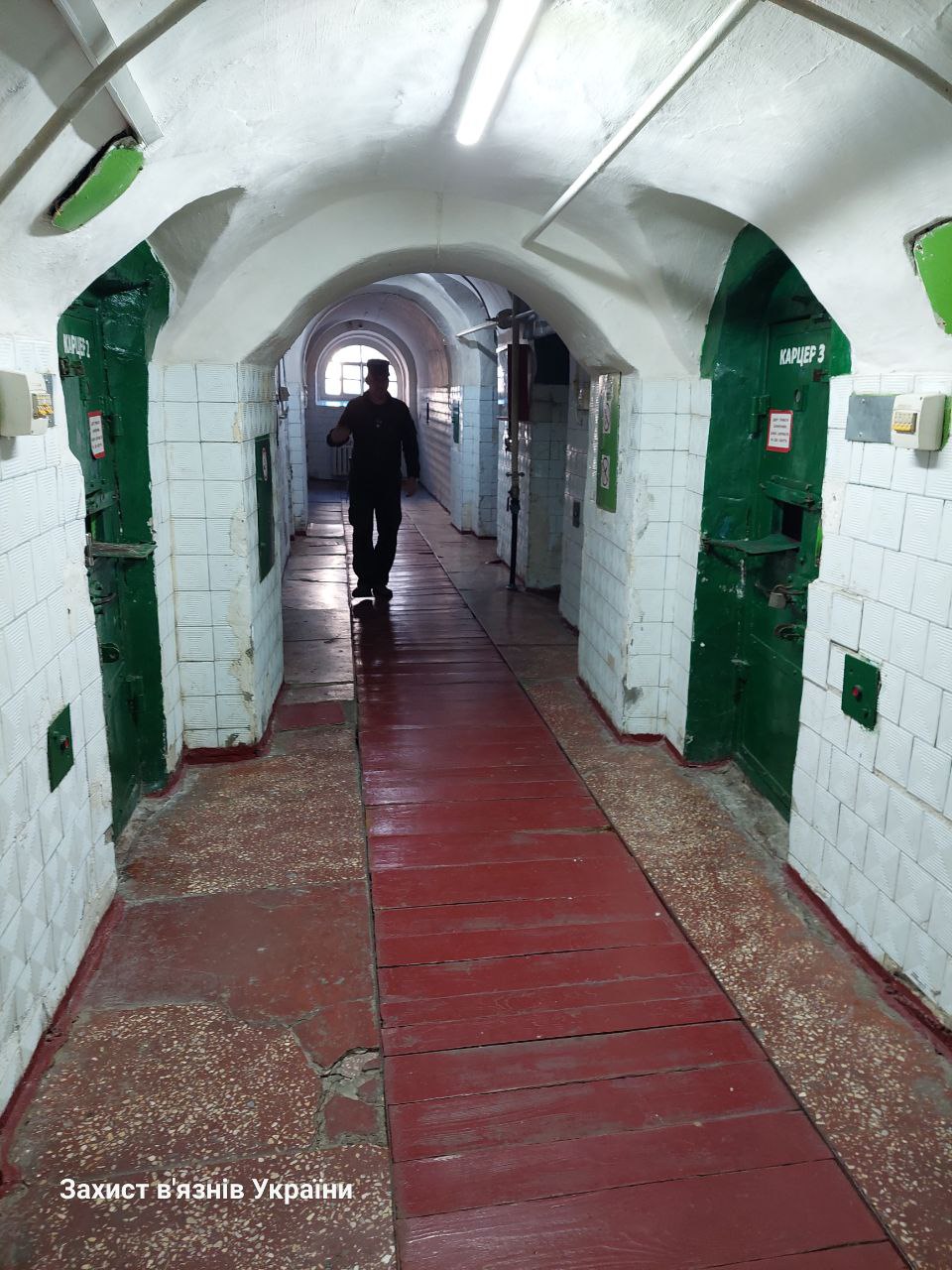
Cells for holding life-sentenced prisoners.
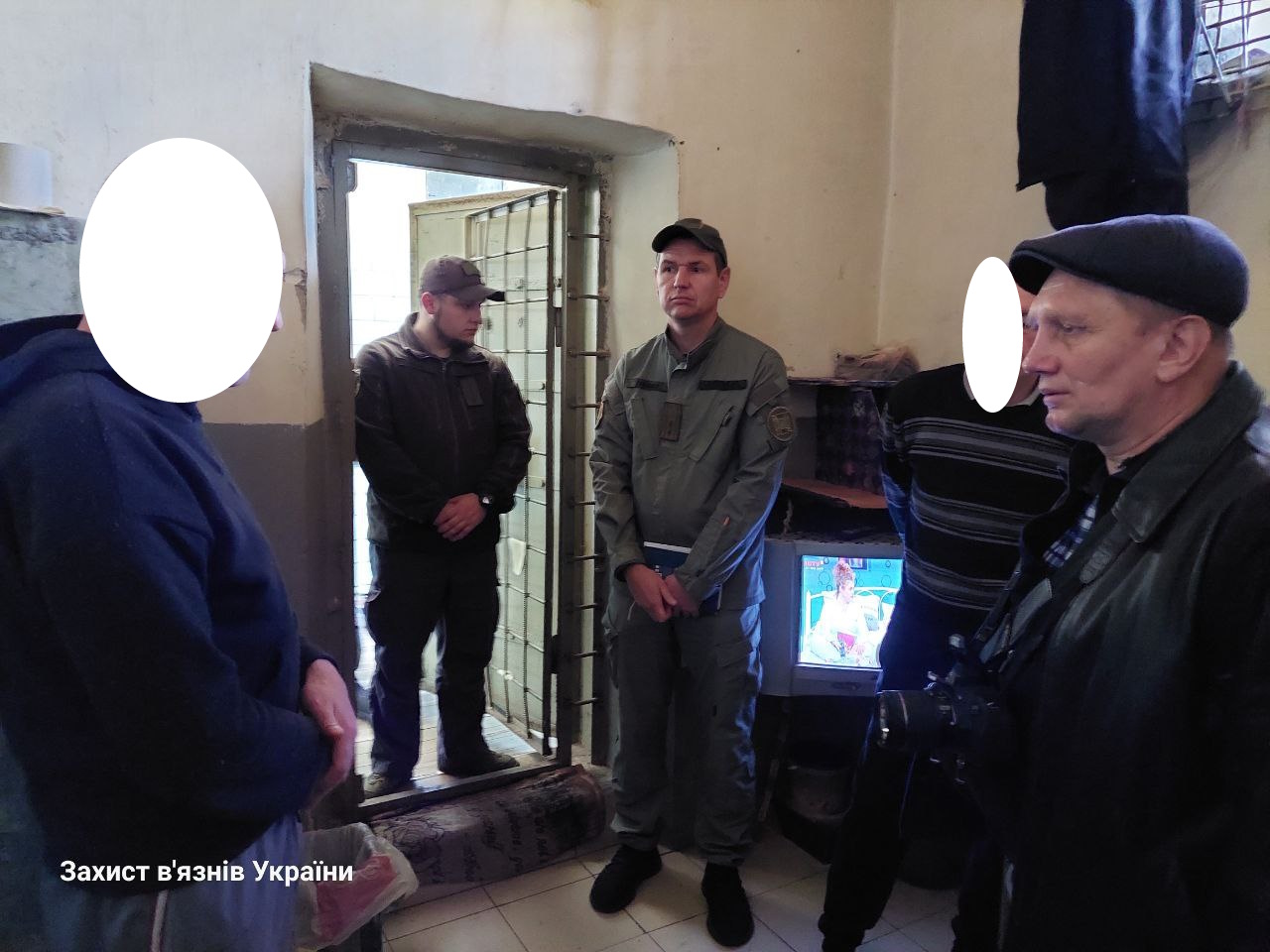
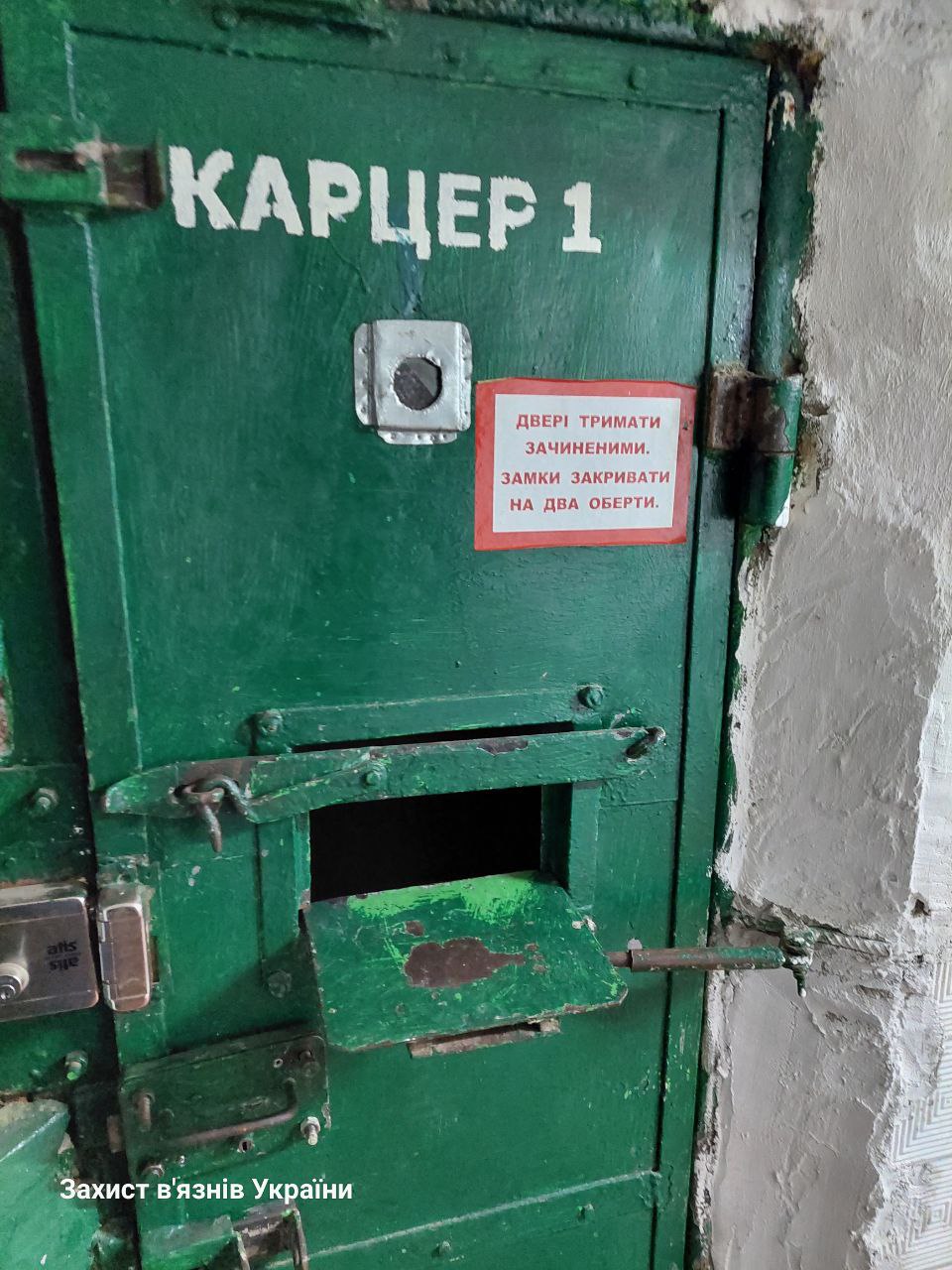
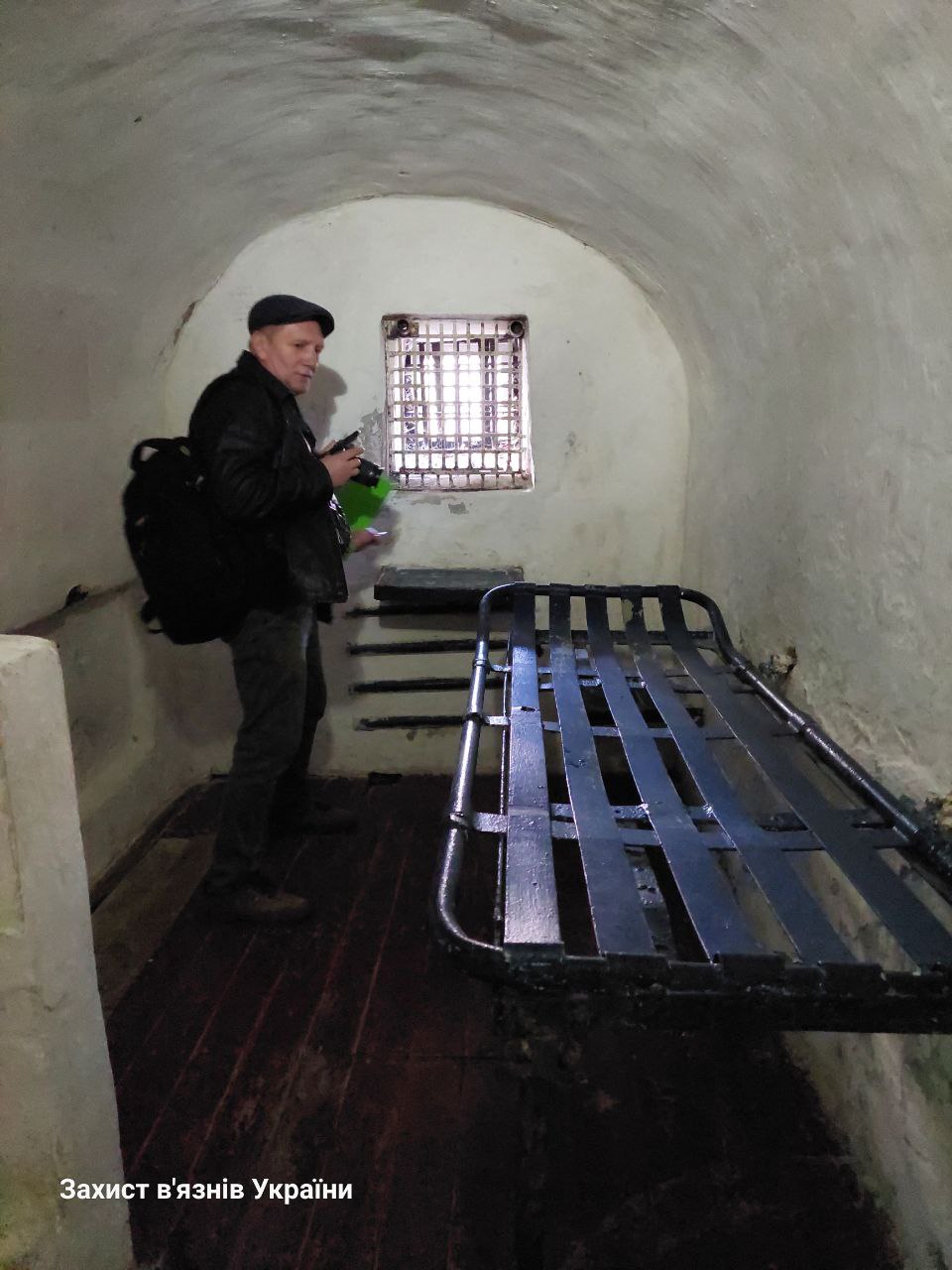
The institution has four punishment cells.
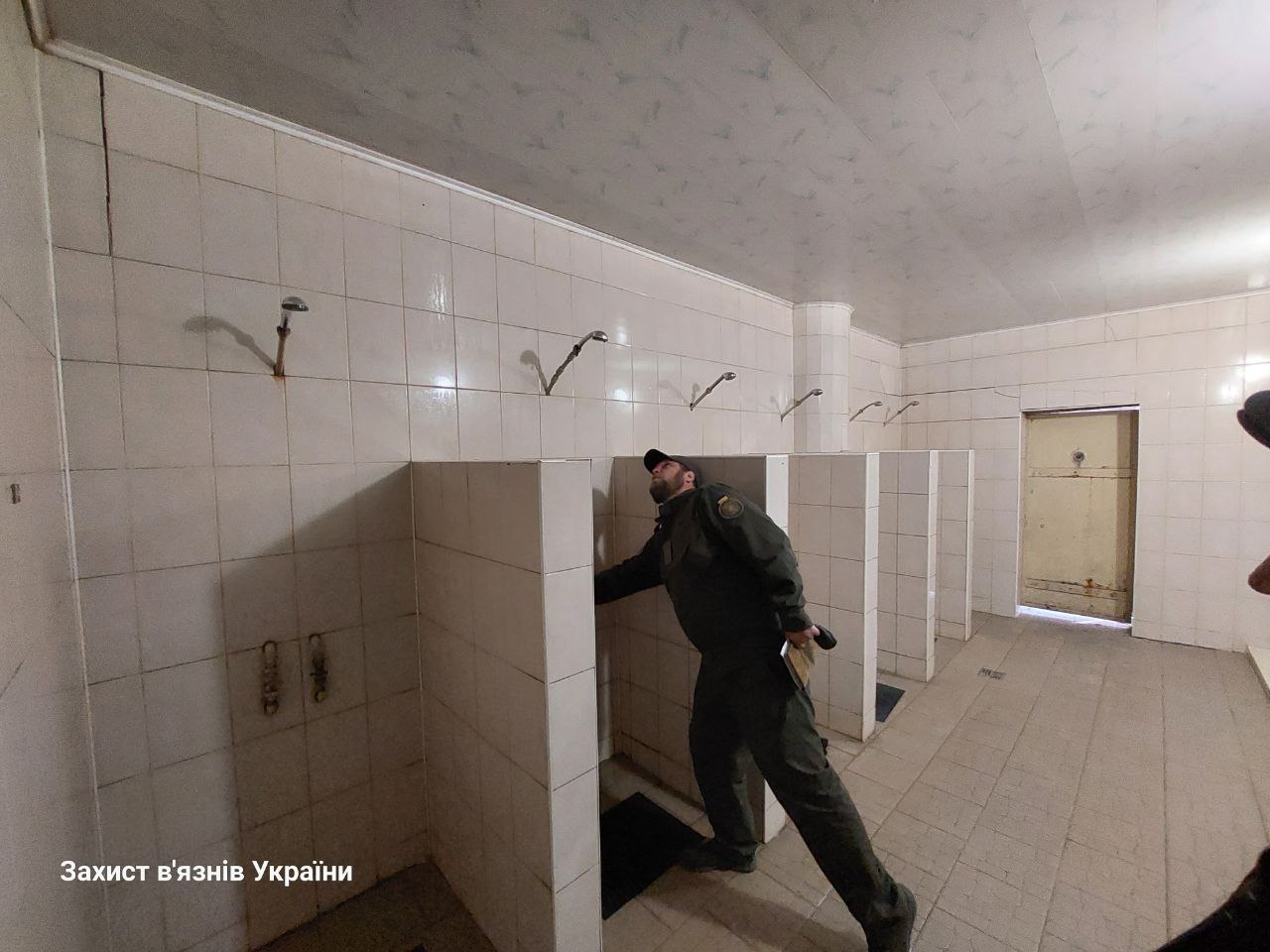
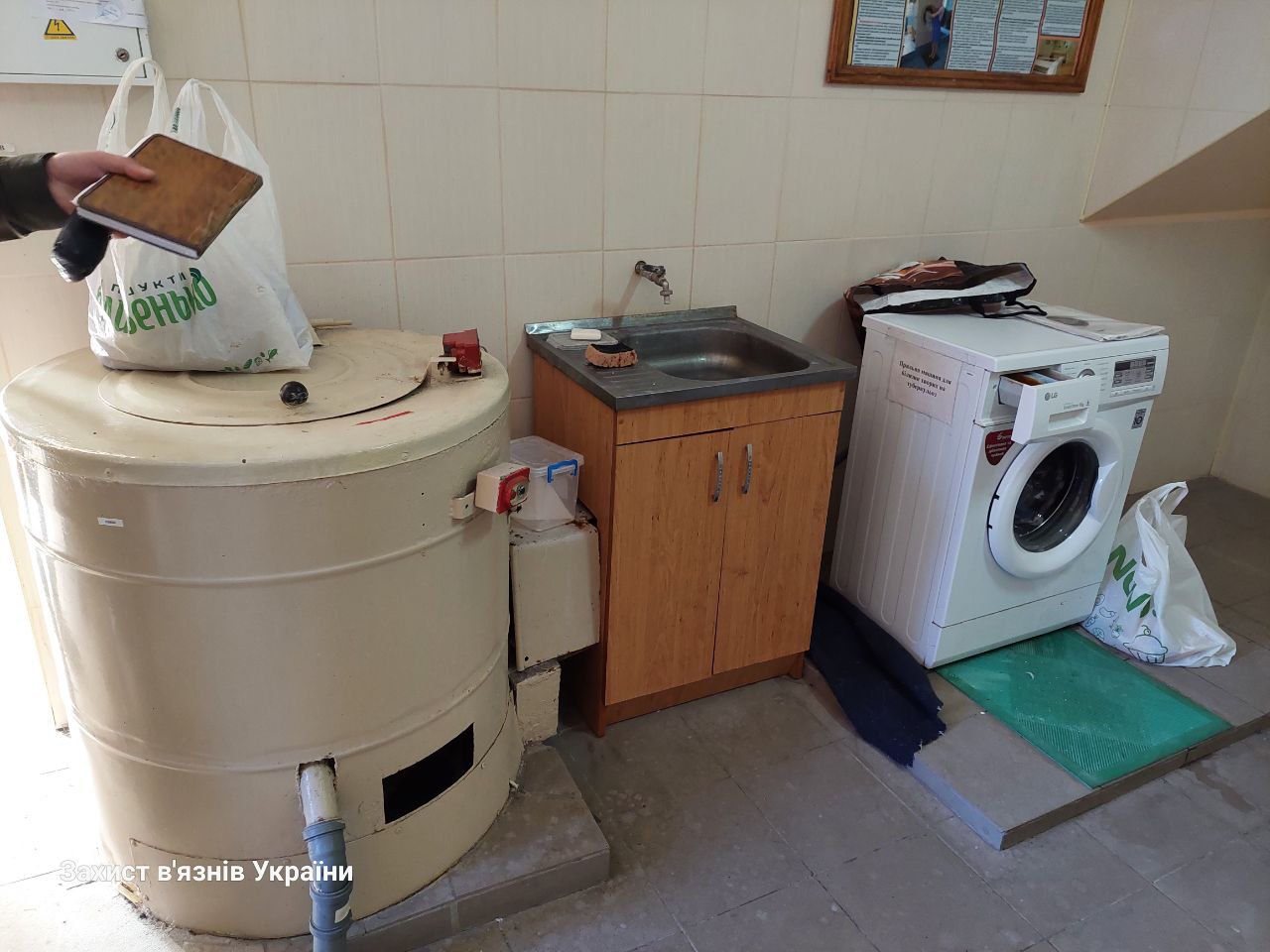
Bath and laundry complex
The paramedic's corner is separated.
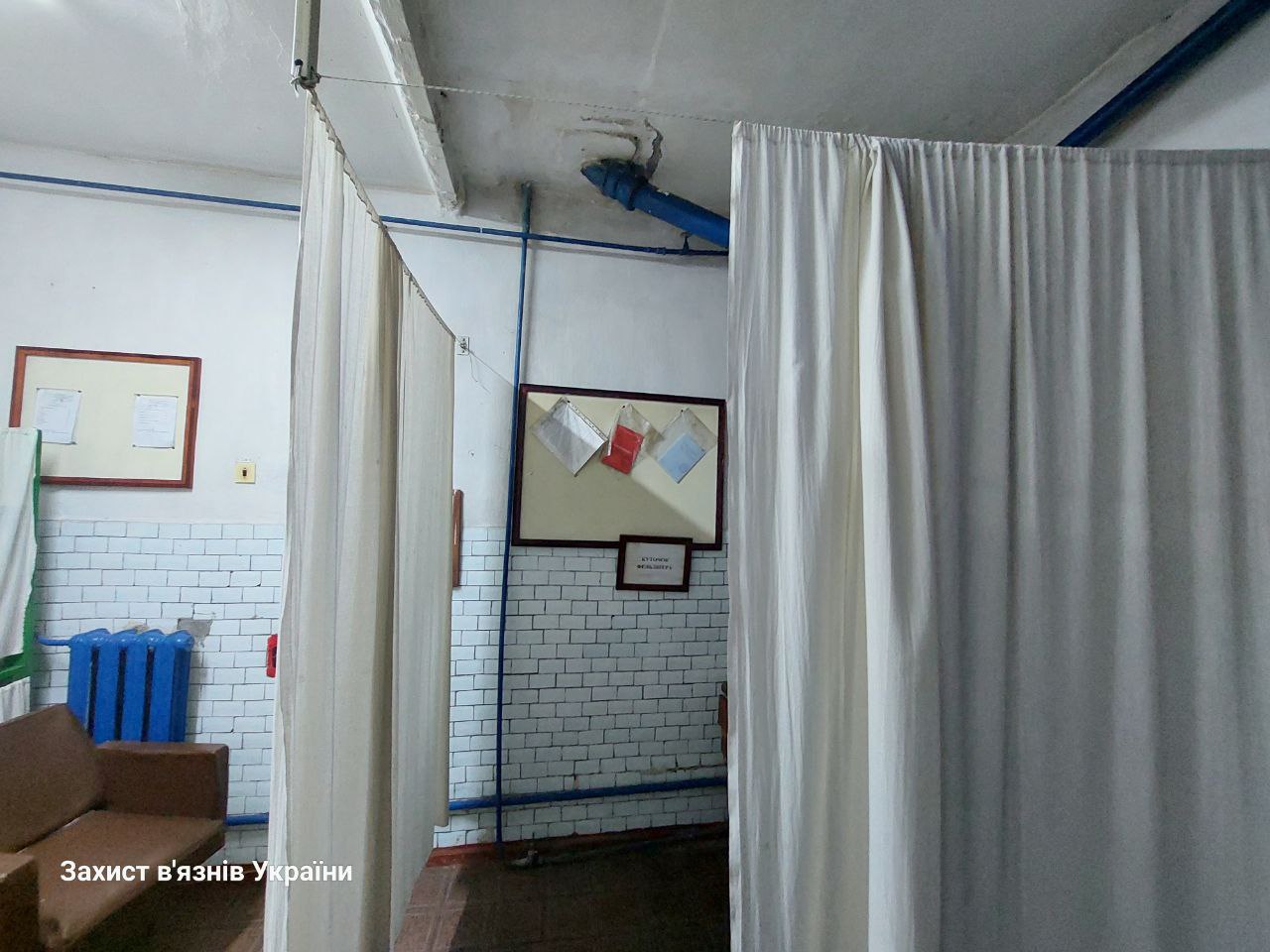
The cubicles in the bathhouse are not screened, which is a violation of the right to privacy.
Washing machines are available.
Maintenance service
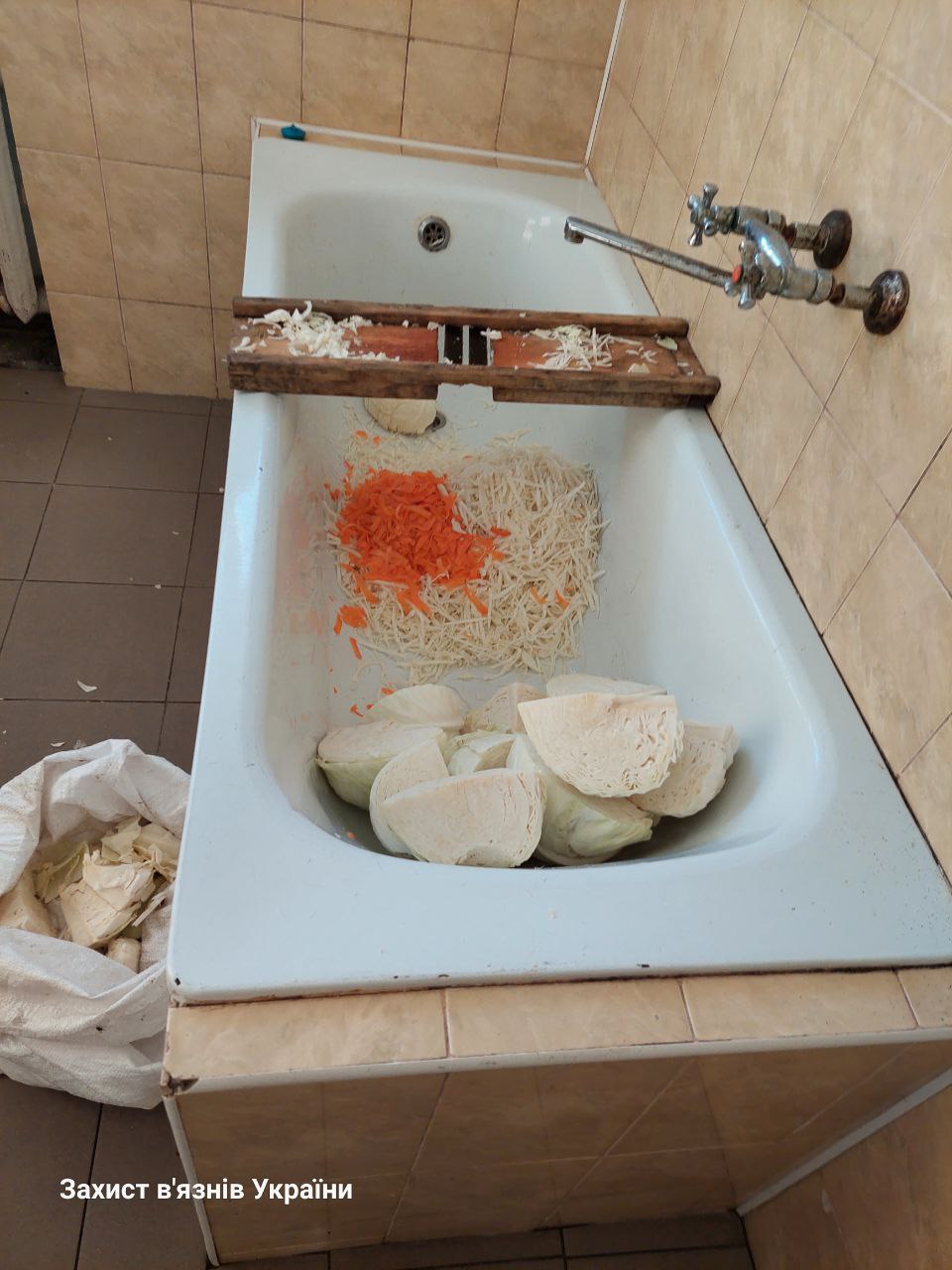
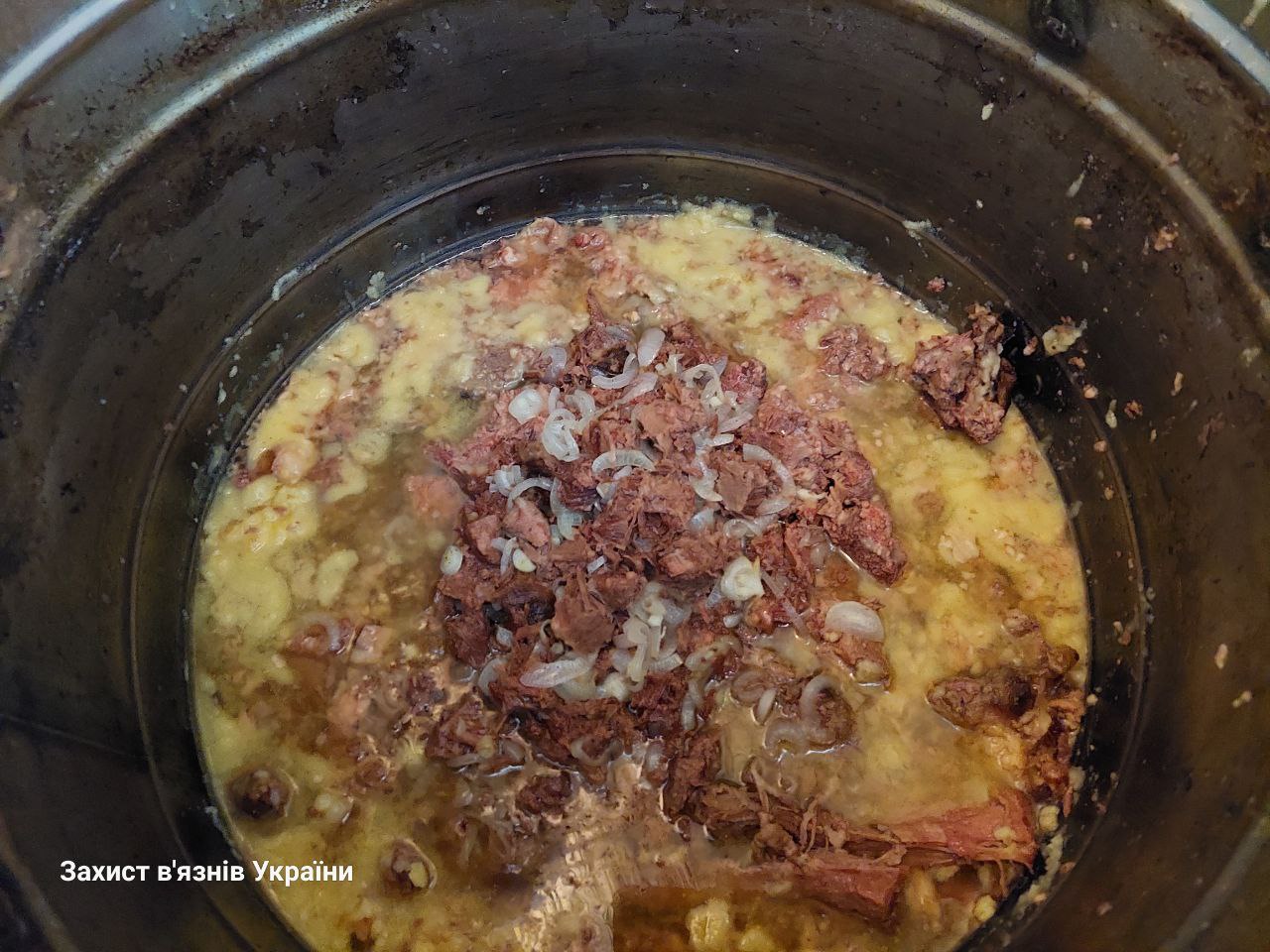
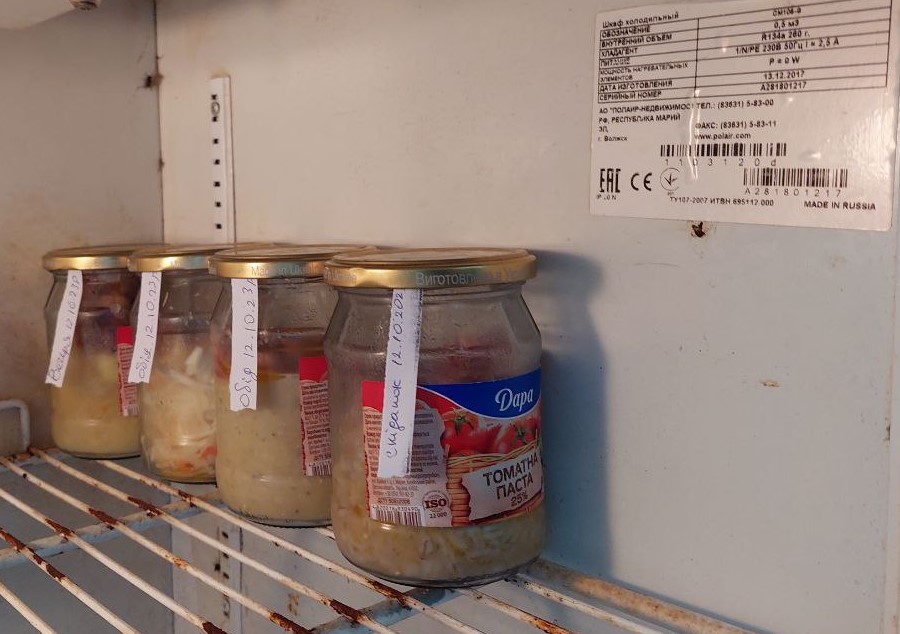
Kitchen
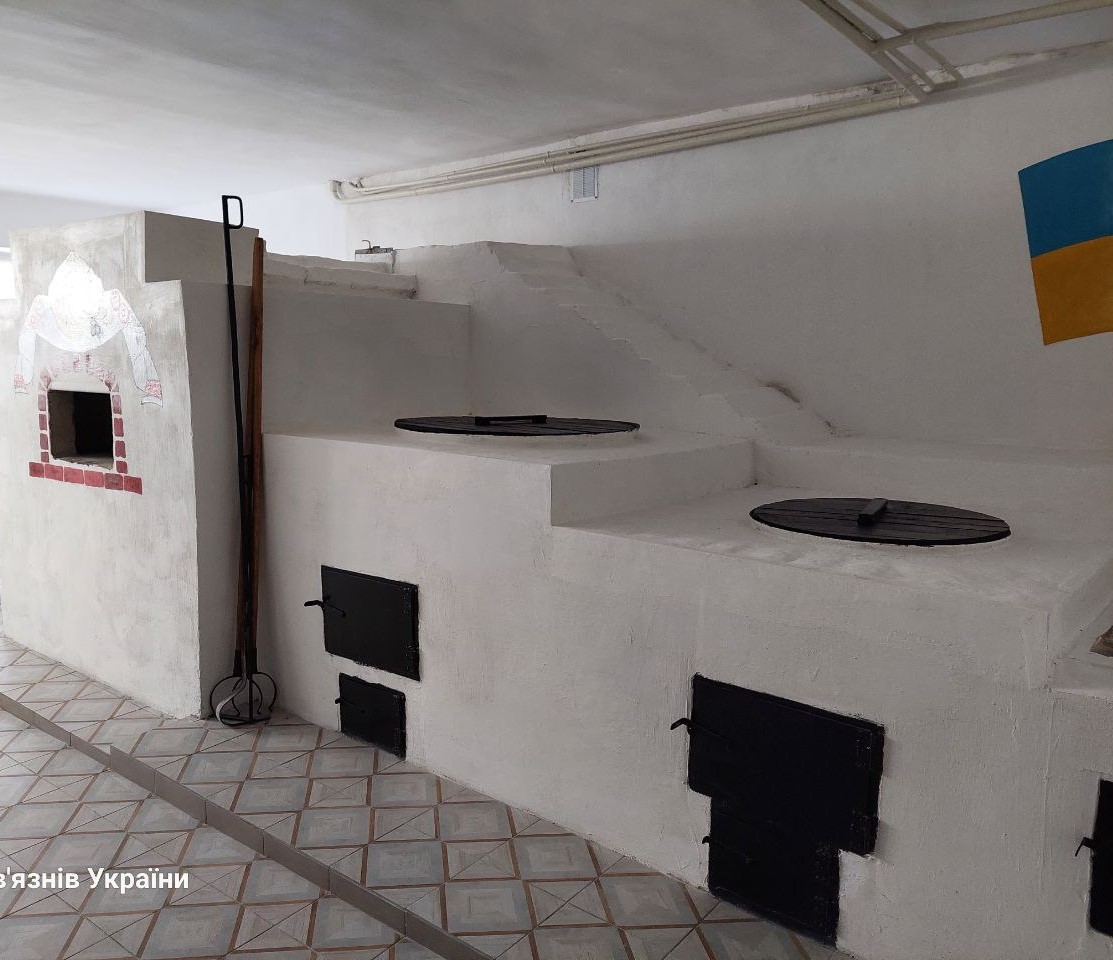
Alternative sources for food preparation are available in case of power outages.
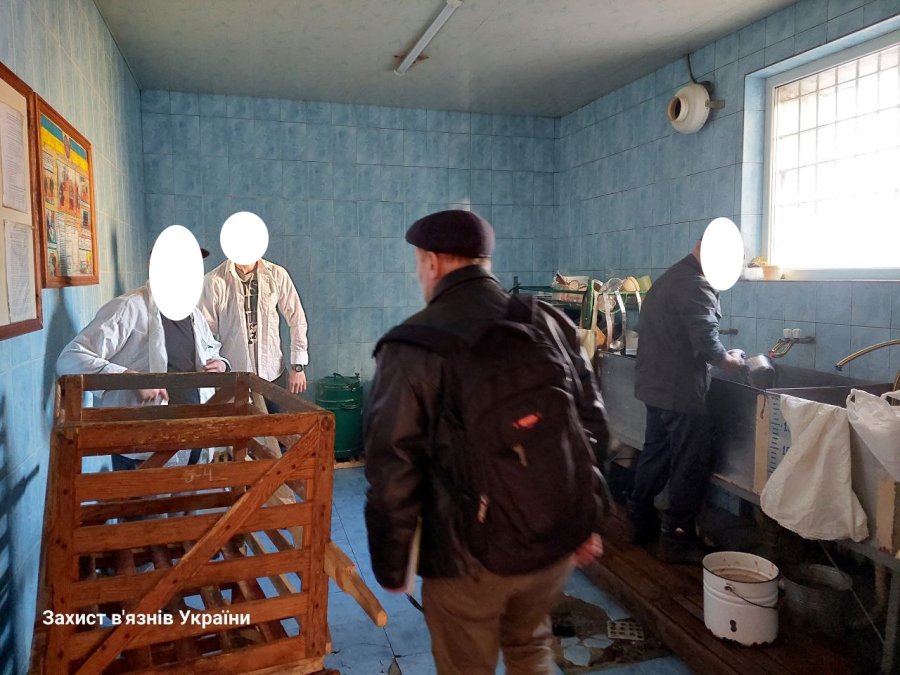
Convicts working in the kitchen are employed under labour contracts.
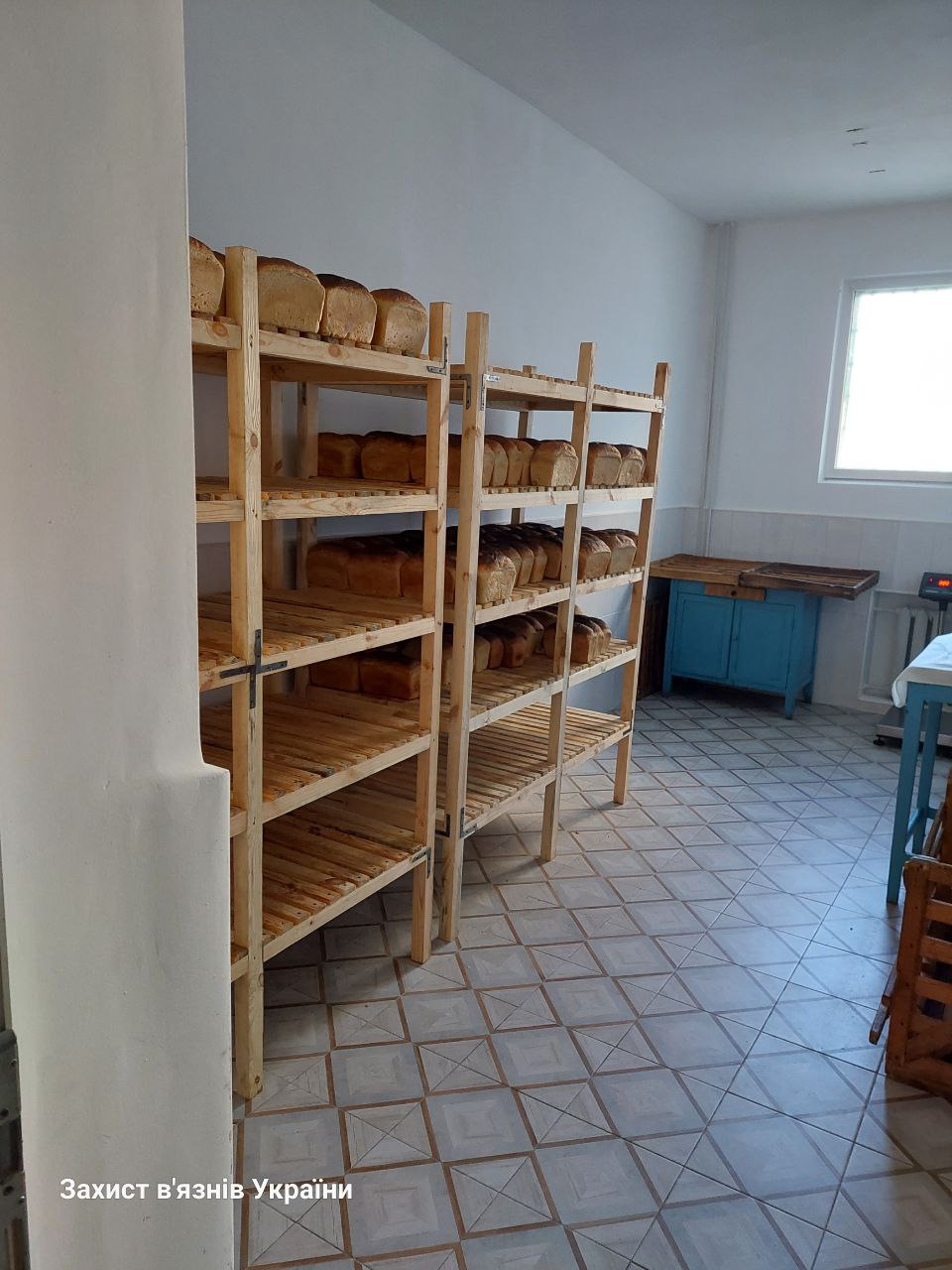
Convicts bake bread themselves.
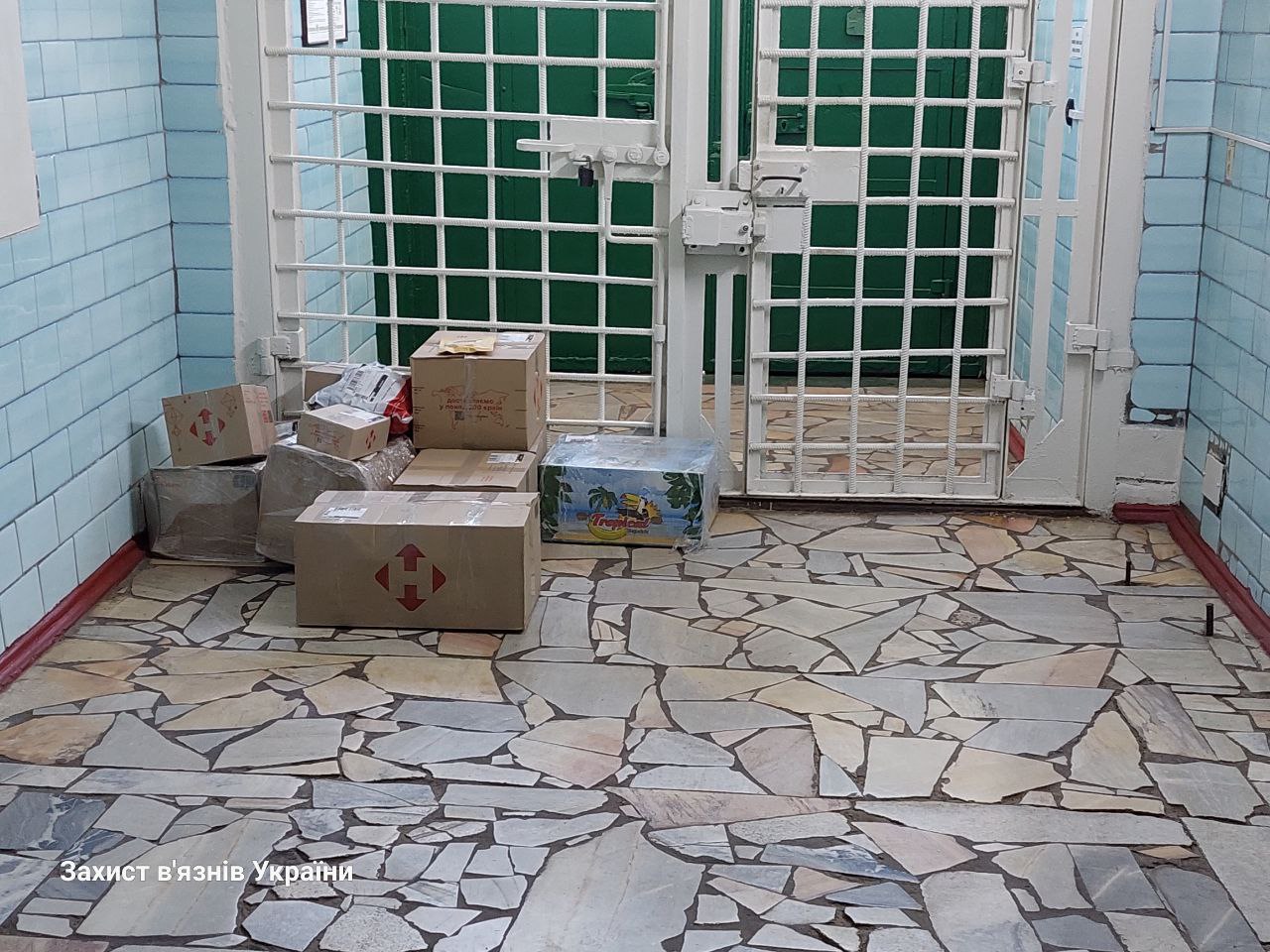
Parcels can be sent via “Nova Poshta”.
A preventive monitoring visit on the observance of human rights in the penitentiary system to the SI “Chernihiv Pre-Trial Detention Centre” was carried out by the NGO “Kharkiv Human Rights Protection Group” together with the NGO “Protection of Prisoners of Ukraine”, consisting of an assistant to People's Deputy Kostyantyn Kasai, Serhiy Zuikov, a member of the Public Council under the Ministry of Justice, Oleh Tsvilyi, a member of the Public Council under the Ministry of Justice of Ukraine, and Andriy Didenko, an assistant to People's Deputy of Ukraine Yaroslav Yurchyshyn. The visit was carried out within the framework of the project “Reducing the Suffering of Prisoners in the Context of the War in Ukraine”, funded by the Government of Denmark in partnership with DIGNITY — The Danish Institute Against Torture. The purpose of the visit: analysis of human rights observance in places of detention during the war.
Date of visit: 13 October 2023
Editor: Emilia Prytkina