‘Without the Right to Complain’ — A visit to Kachanivska Penal Colony No. 54
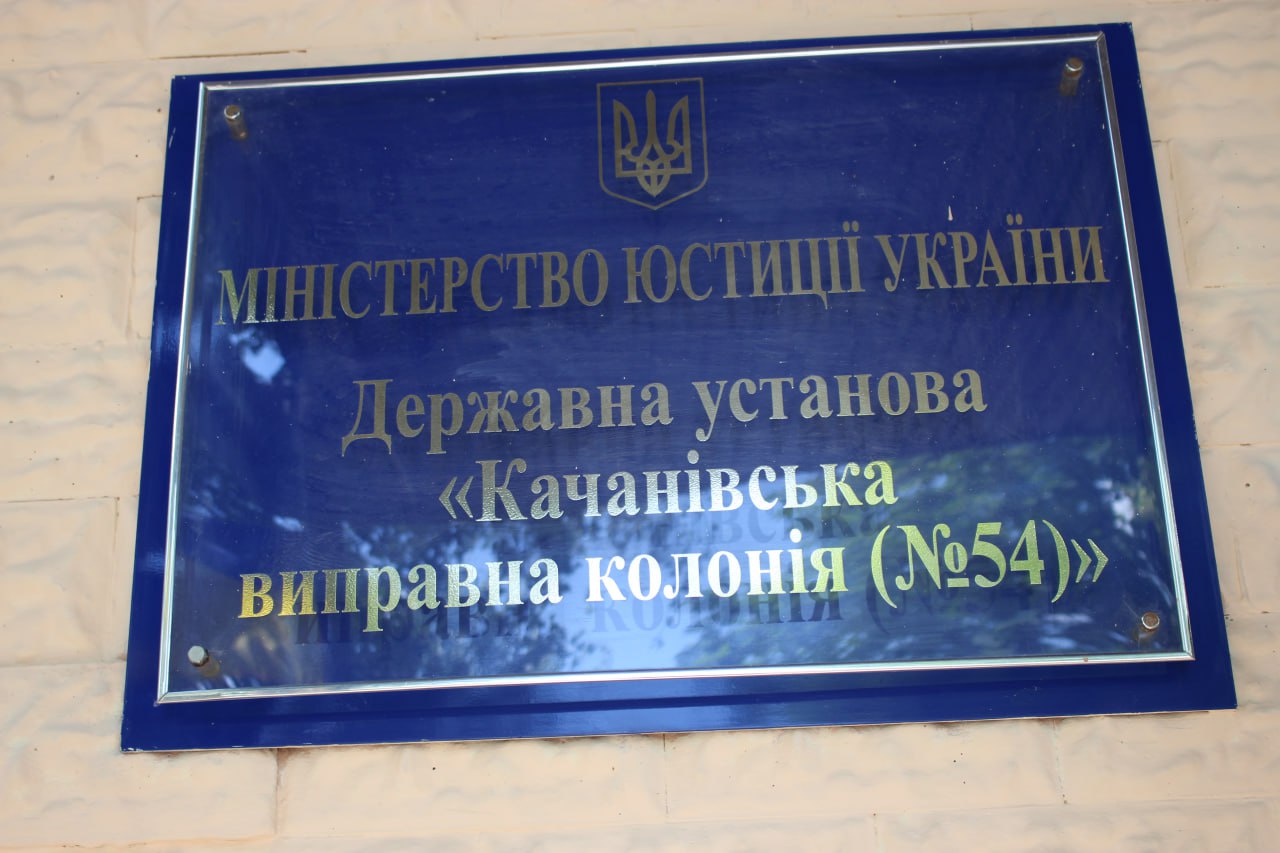
The head of the State Institution Kachanivska Penal Colony No. 54 and the head of the remand centre is Colonel of the Internal Service Dmytro Mykhailovych Shamakhov. Prior to the visit, a request for public information was sent to the management of the institution with the following questions: the number of complaints from convicts submitted during 2022-2023 to the Ukrainian Parliament Commissioner for Human Rights, the prosecutor's office, human rights organisations, and other state bodies, as well as the number of responses to these complaints.
In the response received (signed by the acting head of the State Institution Kachanivska Penal Colony No. 54, Colonel of the Internal Service Yakiv Hordienko), it was stated that ‘during 2022 and 2023, there were no complaints from prisoners at the State Institution “Kachanivska Penal Colony No. 54” to the Ukrainian Parliament Commissioner for Human Rights, the prosecutor's office, human rights organisations, or other state bodies. There were no replies either.’
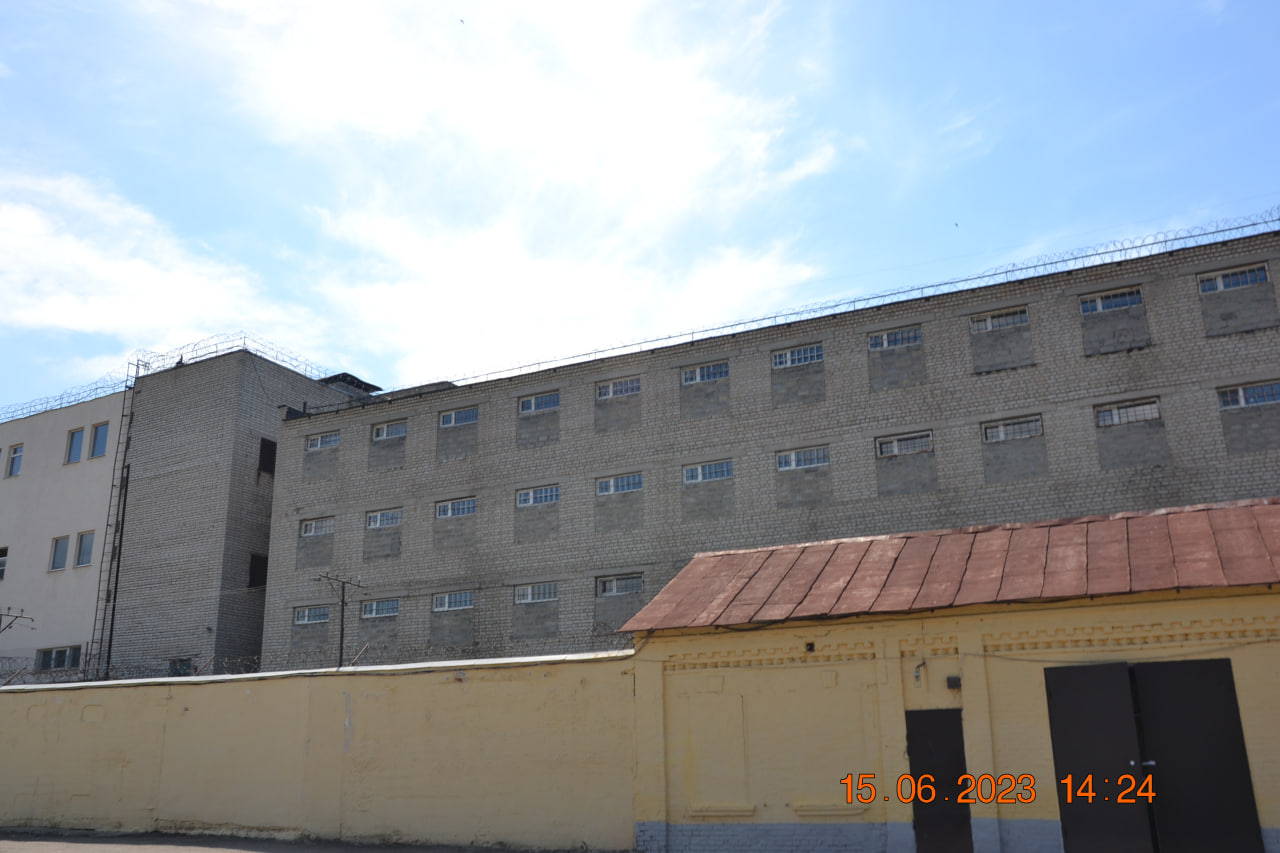
Obstacles during access to the institution's premises
As part of the monitoring visit, an assistant to the People's Deputy of Ukraine Kostiantyn Kasai — Serhii Zuikov — was denied unhindered access to Kachanivska Penal Colony No. 54, contrary to Article 24 of the Penal Code of Ukraine. The reason for the refusal was allegedly the insufficiency of the documents presented by the assistant to the People's Deputy. Specifically, a staff member of the institution — Major of the Internal Service A. V. Kurylenko — insisted that, in addition to the assistant to the People's Deputy identification card, a mandate from the deputy to visit the institution was required.
Article 24 of the Penal Code of Ukraine, which regulates the procedure for unannounced visits to penitentiary institutions, does not provide for any additional documents other than an identification card confirming that the person is a People's Deputy or an assistant to a People's Deputy.
Furthermore, at the checkpoint to the institution, a pat-down search of the monitors was conducted, including checking their clothing and searching the contents of their bags and personal items. At the same time, the procedure for conducting searches and inspections of citizens who are on the territory of the institution, as provided for by Chapter XXIV. “Procedure for conducting inspections and searches”, was violated, namely: before the start of the inspection, the grounds and procedure for conducting it were not announced, nor were the rights of the persons subject to the search or inspection to appeal against the actions of the staff regarding the implementation of the mentioned actions.
On the territory of the institution, the monitors had the opportunity to visit any premises of the institution without hindrance, including contact with prisoners (including confidentially, with one exception), gather information, verify it, and have access to relevant documents. Registers, medical documentation, materials related to labour relations and the calculation of wages for convicts, documentation regarding disciplinary penalties, and other materials related to the functioning of the institution were examined.
General information
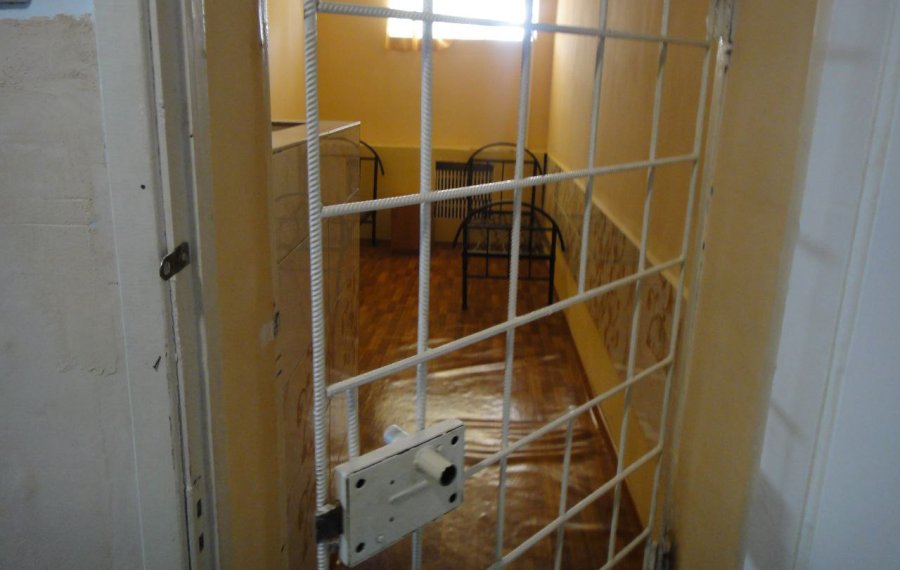
The State Institution “Kachanivska Penal Colony No. 54” is a minimum-security correctional colony with general living conditions for women convicted of imprisonment for the first time. On the territory of the institution, there is a medium-security sector for women sentenced to life imprisonment. According to data obtained from the colony's management, on the day of the visit, 278 people were held in the institution, with a planned capacity of 829 beds. During the current year, 69 people have arrived at the facility, of which 35 are new arrivals. During the current year, 10 people have been released from the institution on parole (Article 81 of the Criminal Code), and 1 person has had their sentence replaced with a more lenient one (Article 82 of the Criminal Code).
There are 8 Social and Psychological Service (SPS) units operating on the colony's territory. According to the staffing schedule, the actual number of personnel is 201.5 units, while the approved staff number is 182.5 units. There are 3 psychologists working at the institution. The total number of convicts employed under an employment contract is 216 people, with an average monthly salary of 1,588.00 hryvnias, which is lower than the minimum wage stipulated by law. There are 15 people registered as prone to self-harm, 17 people prone to suicide, and 3 people prone to escape. No person has been released from the institution due to a serious illness during 2022-2023.
During 2022-2023, not a single complaint from convicts/prisoners regarding inappropriate detention conditions, failure to provide medical assistance, etc., was officially registered in the institution. There are 2 people with group II disability and 7 people with group III disability. In the current year, 11 long-term visits and 94 short-term visits have been conducted, of which only 6 were contact visits (not through glass) and 54 were non-contact (through glass), 28 visits were with convicts serving sentences in the Social Rehabilitation Sector, and 6 visits were with convicts who are under restrictions of liberty.
Living quarters
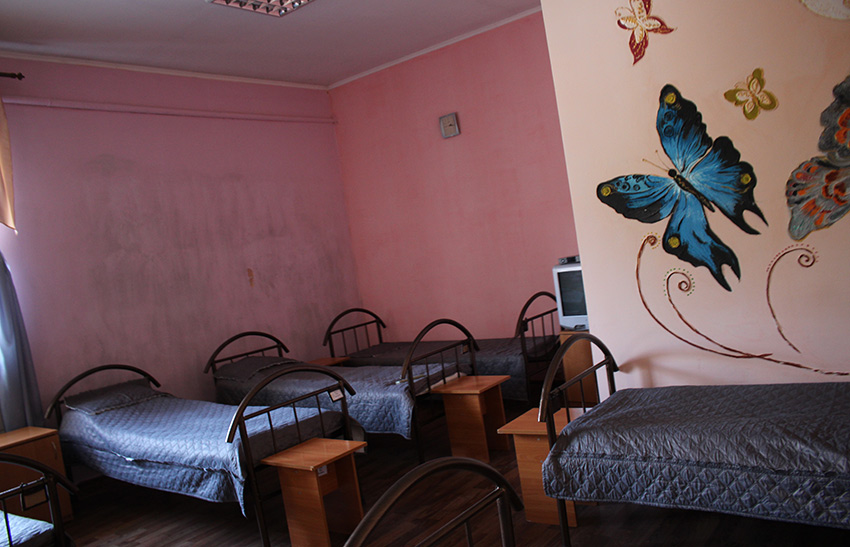
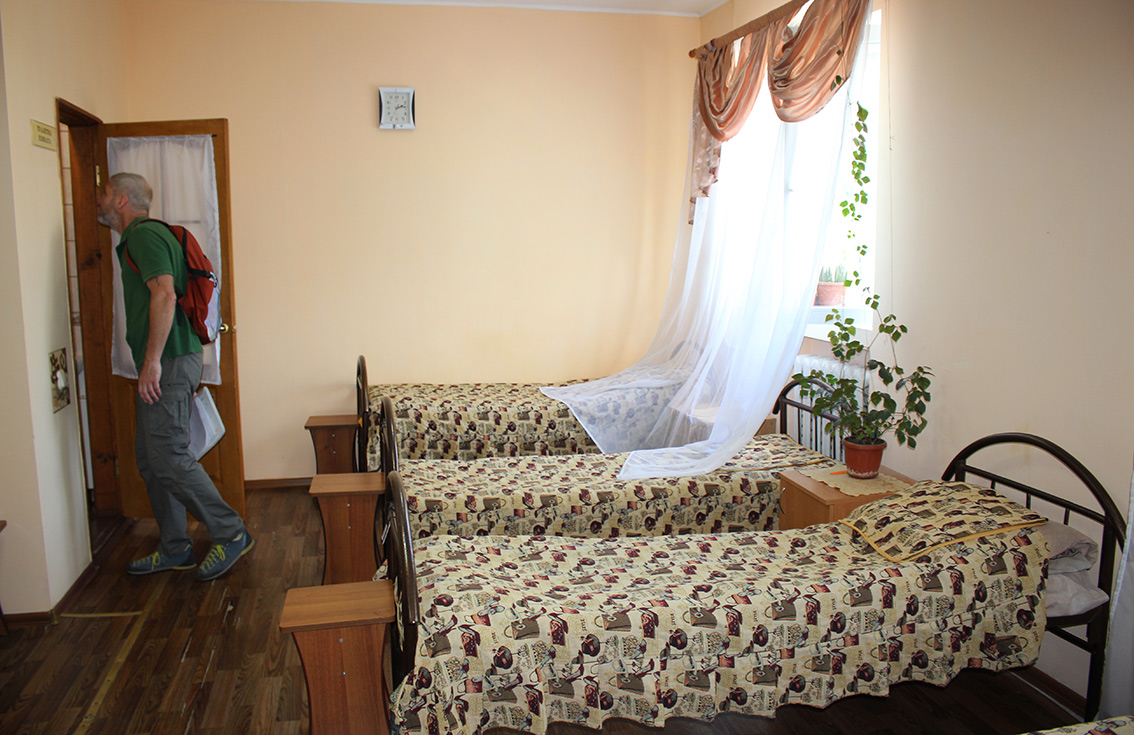
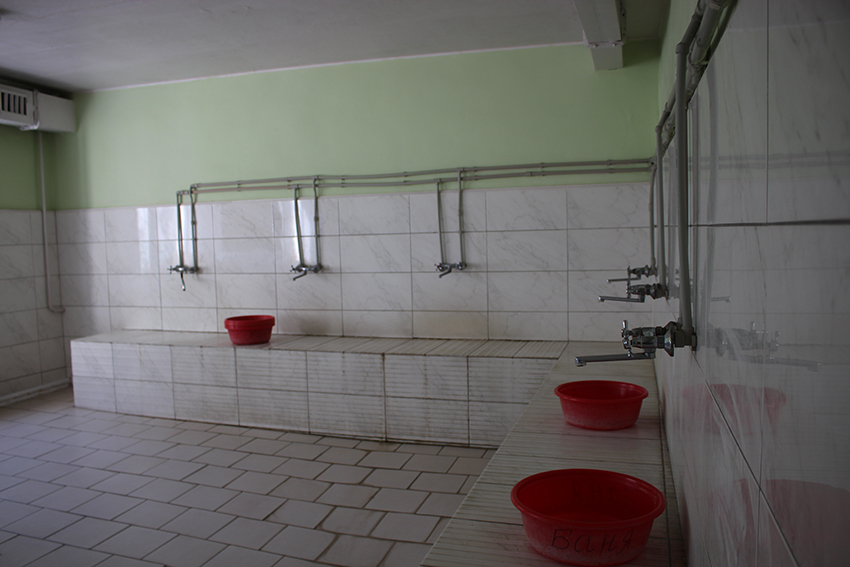
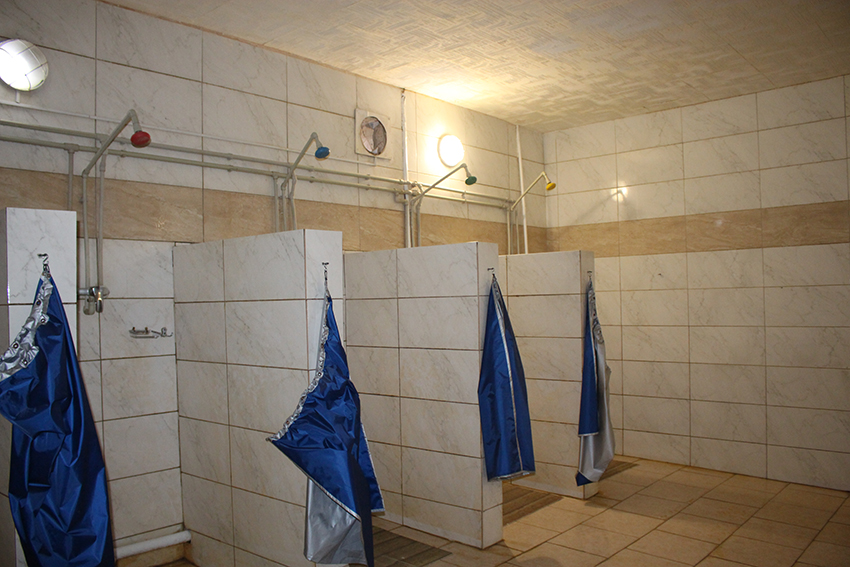
The living quarters are renovated and in a tidy condition, based on a dormitory system. Each room has a toilet and a shower, but there is no hot water. Hot water is only available in the bathhouse, where women can bathe twice a week. The beds in the living quarters are ‘made up’, which may mean that the women cannot sit or lie down on the bed for rest during the day. Those women who are in the living quarters and are not involved in work during the day must sit on stools or stay outside.
There are benches outside. When the monitors approached the women, they were standing. Among them were elderly women. When asked why they were standing, they replied: because staff members of the institution are present on the territory, and the women are obliged to stand up and greet when an employee or someone else appears, and to stand until the employee has passed by or left.
When asked if, should they meet the same employee several times a day, they are obliged to greet and stand each time, the convicts replied: ‘Yes, that is how we are taught to express respect for the “uniform”. Our staff are good, they do everything for us, and the Kyiv authorities do not think about us at all.’ ‘And why do you think that they do not think about you in Kyiv?’ ‘That is how the staff explain it to us.’ When the monitors asked the staff to step away and allow them to speak with the women confidentially, they were refused.
Industrial zone
Right to work and social protection
At the institution, convicts work in production, in workshops, and on maintenance tasks. About 160 female workers, divided into three brigades, work in the institution's production facilities. According to the administration, all convicts work in one shift for no more than 40 hours per week. While speaking with the convicts at their workplaces, the impression was that the women were afraid to share the real information about their wages and working conditions. None of the convicts agreed to speak on the condition of anonymity.
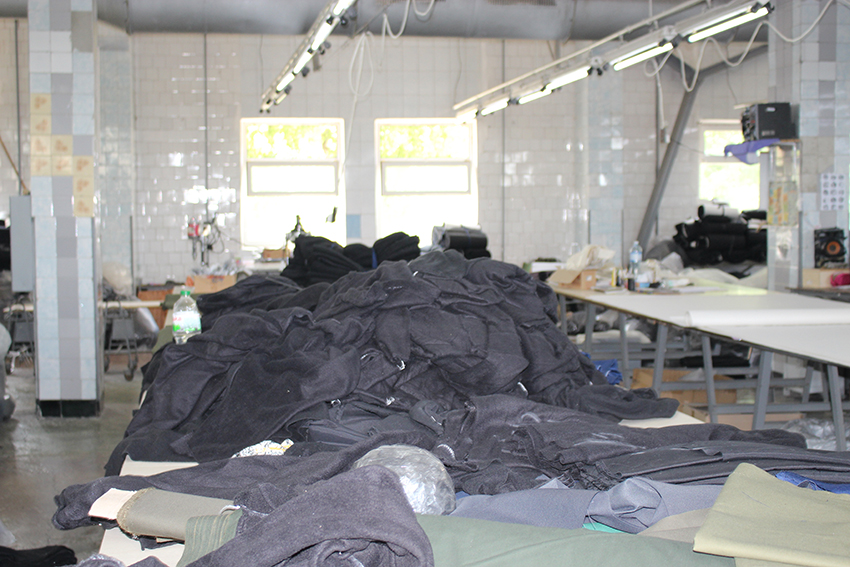
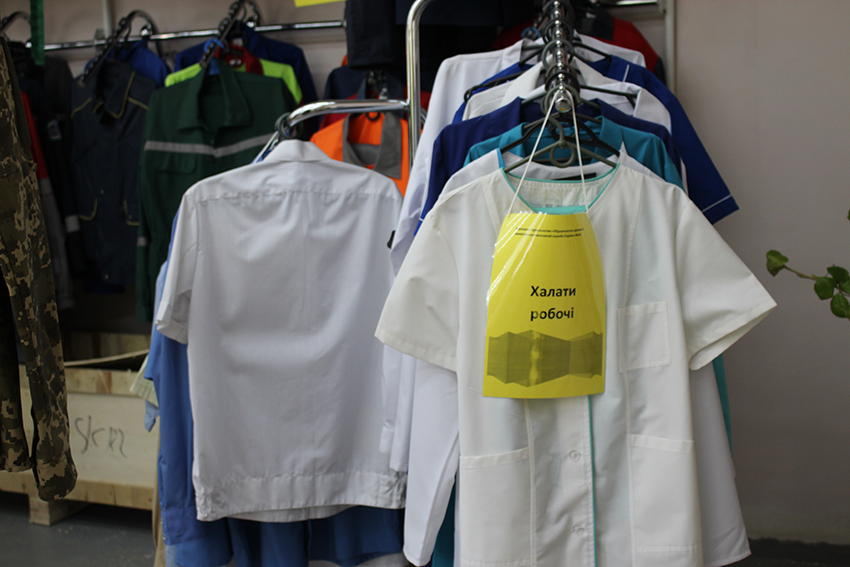
According to the administration, women's wages depend on the work performed. Every two months, the convicts write an application requesting to be involved in socially useful work. By order, they are hired and a corresponding general-form contract is concluded, which is called a ‘Fixed-term Employment Contract’, with a number and a note that this contract is concluded in accordance with Article 118 of the Penal Code of Ukraine.
Statements and accounting calculations for March-May were provided. From these records, it can be concluded that convicts working in garment production receive, on average, less than a thousand hryvnias per month after all deductions. Convict Kh. received 381 and 923 hryvnias for March and April; convict D. — 594 and 764; convict H. — 532 and 753; convict Kh. — 713 and 924; convict K. — 109 and 293; convict B. — 583 and 832; convict Ye. — 270 and 50 hryvnias.
Three convicts work in the workshops, in the social rehabilitation sector. Individuals working in maintenance have employment contracts. All women who work do not have leave and do not receive compensation for unused leave upon dismissal.
Right to file complaints
The institution has created conditions where the very fact of a convict appealing to the Ukrainian Parliament Commissioner for Human Rights, the management of the State Penitentiary Service, the prosecutor's office, other competent state bodies, or human rights defenders is unacceptable. The absence of a single appeal from convicts over the years creates a danger to the realisation of all other rights.
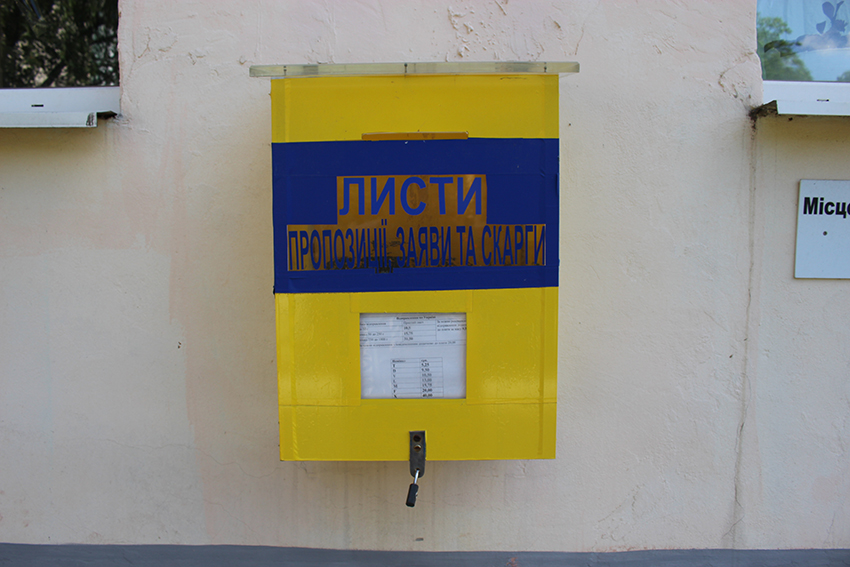
In the institution, tablets are only available to convicts held in the cell system, in the medium-security sector for convicts sentenced to life imprisonment. Convicts held in SPS units and those sentenced to imprisonment for the first time do not have any tablets, do not have access to the internet, and have not even heard of the concept of an ‘electronic complaint’. In the SPS units, there is no information about the hotline of the Secretariat of the Ukrainian Parliament Commissioner for Human Rights.
Telephone conversation room
The interviewed convicts had never contacted competent state bodies or the Ukrainian Parliament Commissioner for Human Rights by telephone to file complaints.
Internet room
In the internet room, convicts use internet access exclusively for video conferences — calls with relatives. This is evidenced by the entries in the user log, which indicate that individuals used the internet for an average of 20 to 30 minutes.
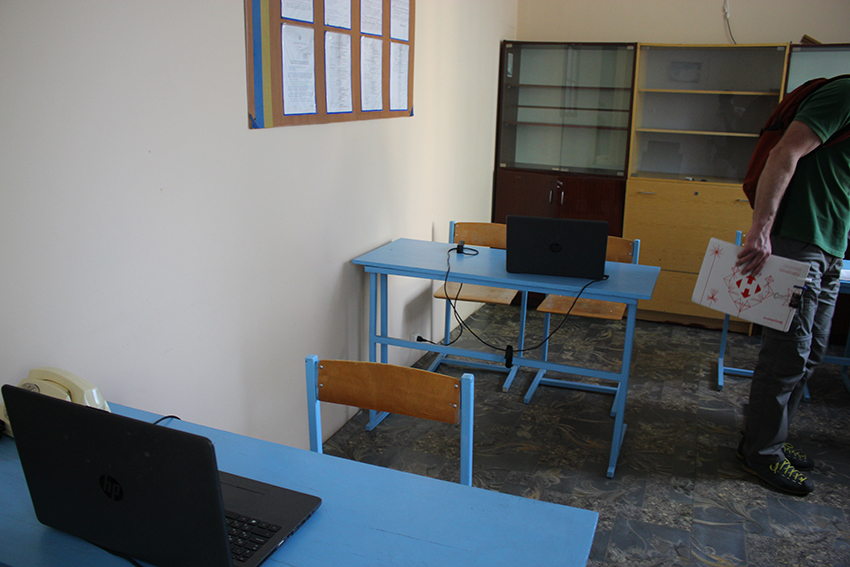
A representative of the administration explained that the convicts do not use the internet to access websites on the list of permitted sites. There is also no practice of sending electronic complaints to the prosecutor's office, the State Bureau of Investigation (SBI), the Ukrainian Parliament Commissioner for Human Rights, human rights organisations, etc. Not a single convict has an email address, and the institution does not even have a log for tracking the email addresses of convicts. An email address is necessary to send an electronic complaint.
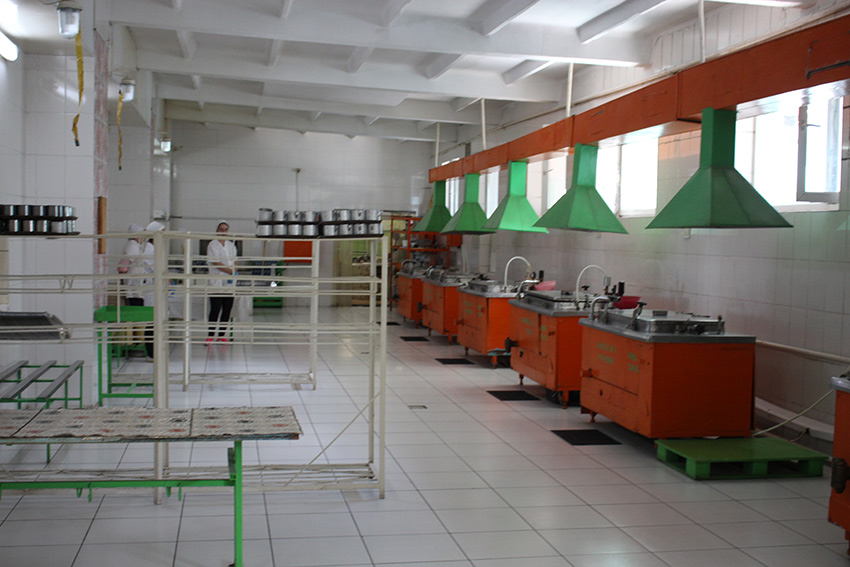
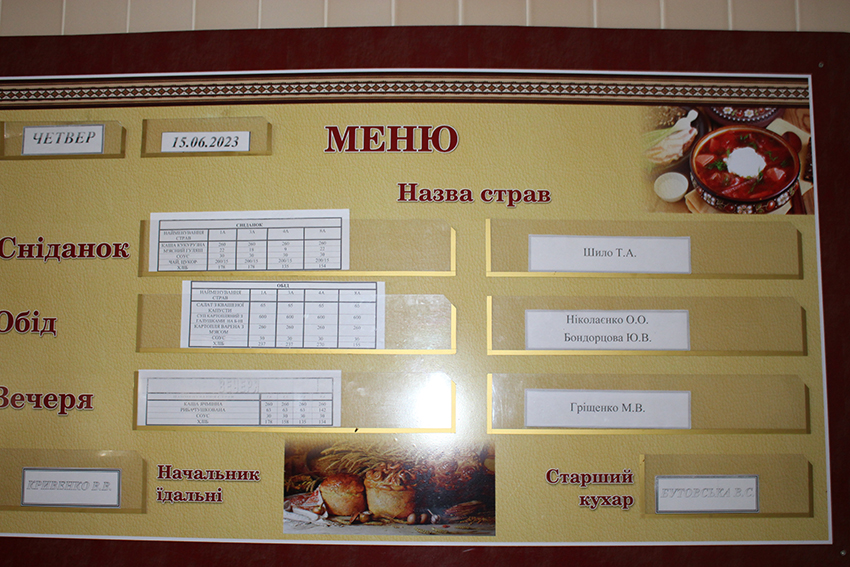
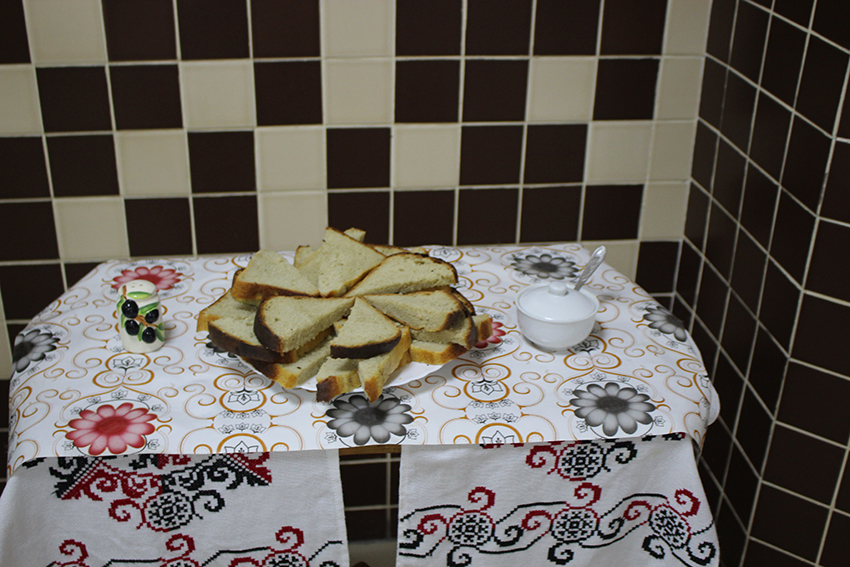
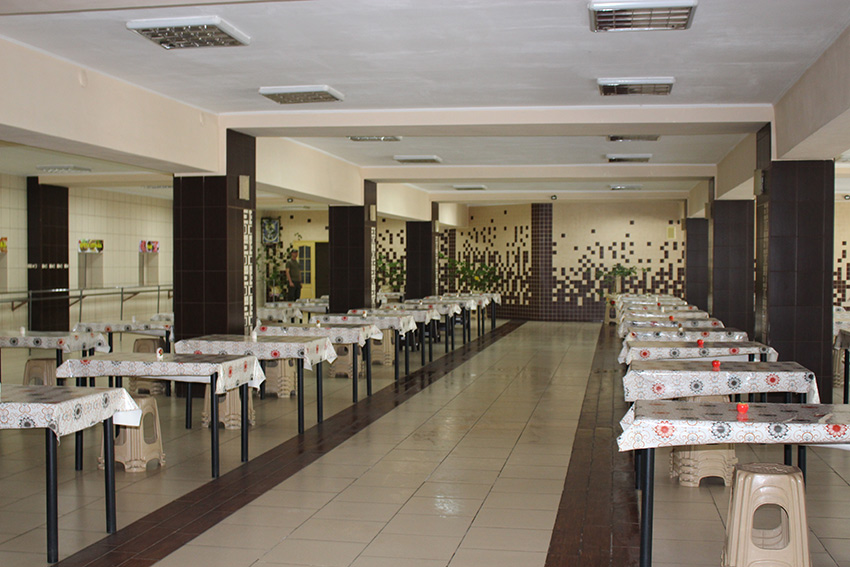
Dining hall
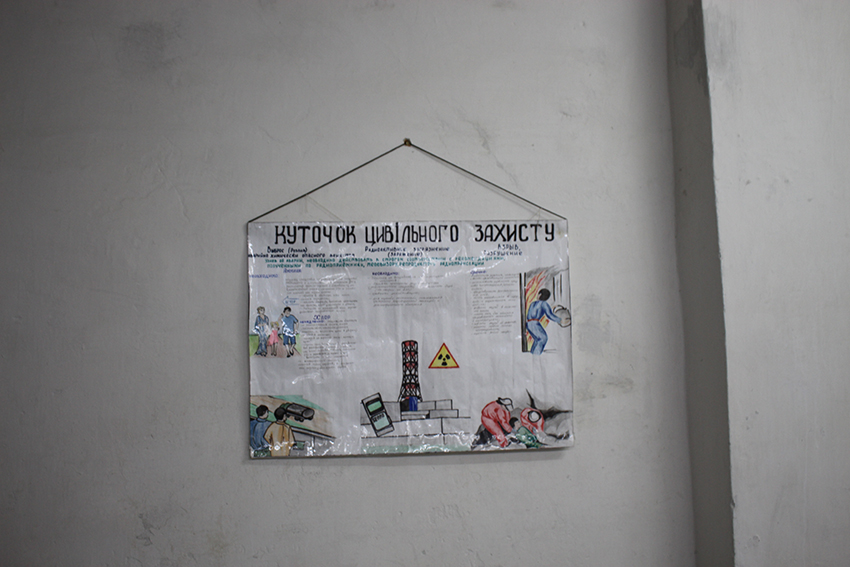
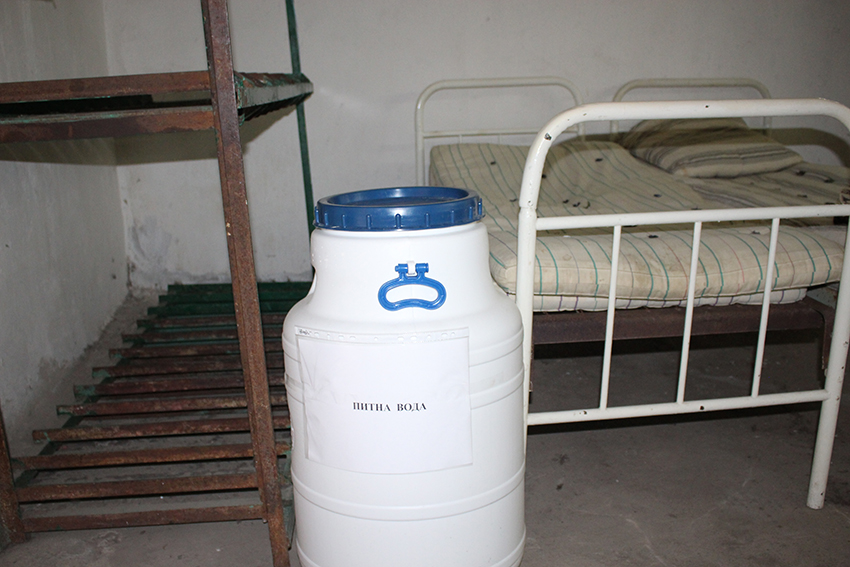
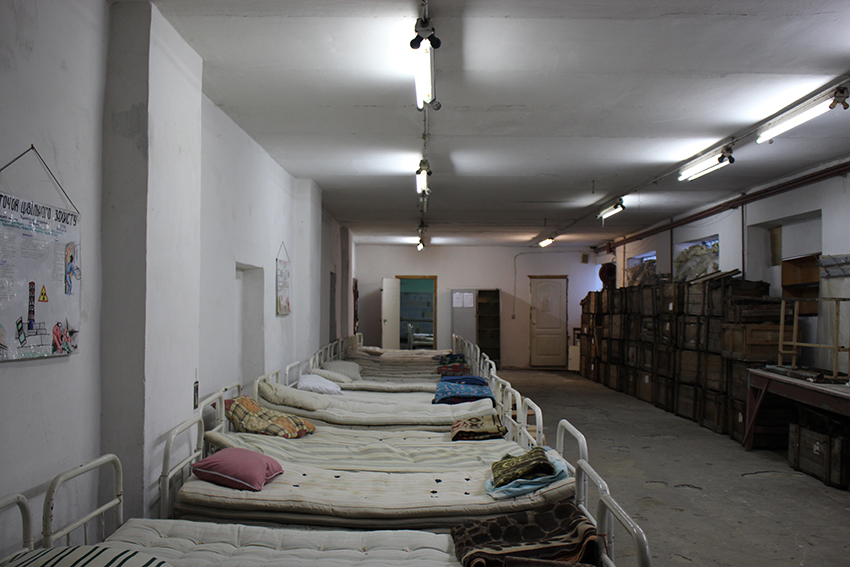
Bomb shelter
Bathhouse
Medium-security sector for women sentenced to life imprisonment
Located on the territory of the institution is a medium-security sector where 22 women sentenced to life imprisonment are serving their sentences.
During the conversation, women who have been serving their sentences for more than 20-25 years emphasised that the established mechanism for release from serving a sentence places them at an absolute disadvantage compared to convicts who have served their sentences for less than 15 years.
Sector for restriction of liberty
A sector for those sentenced to restriction of liberty has been created on the territory of the penal colony. During the visit, one person was being held in the sector.
While speaking with the convict and the institution's administration, the monitors found that medical care for the convict under restriction of liberty is provided by representatives of the Healthcare Centre of the State Penitentiary Service, who, in essence, have no relation to the convict. Furthermore, the medical record of the convict is not kept by a family doctor (or the convict themselves), but in the medical unit of the penal colony.
Medical Unit No. 54 of the branch of the State Institution “Healthcare Centre of the State Penitentiary Service of Ukraine” in the Kharkiv and Luhansk regions
The head of the medical unit is Viktoriia Mykhailivna Syta. During the visit, the monitoring group freely examined the premises of the medical unit, familiarised themselves with the conditions for the organisation and provision of medical care to prisoners, and studied the medical documentation. The medical unit's inpatient facility has 4 wards for somatic patients, designed for 20 beds, 1 infectious disease isolation ward, designed for 2 beds, and a psychiatric isolation ward for 2 beds. On the day of the visit, there were 5 people in the inpatient facility of the medical unit.
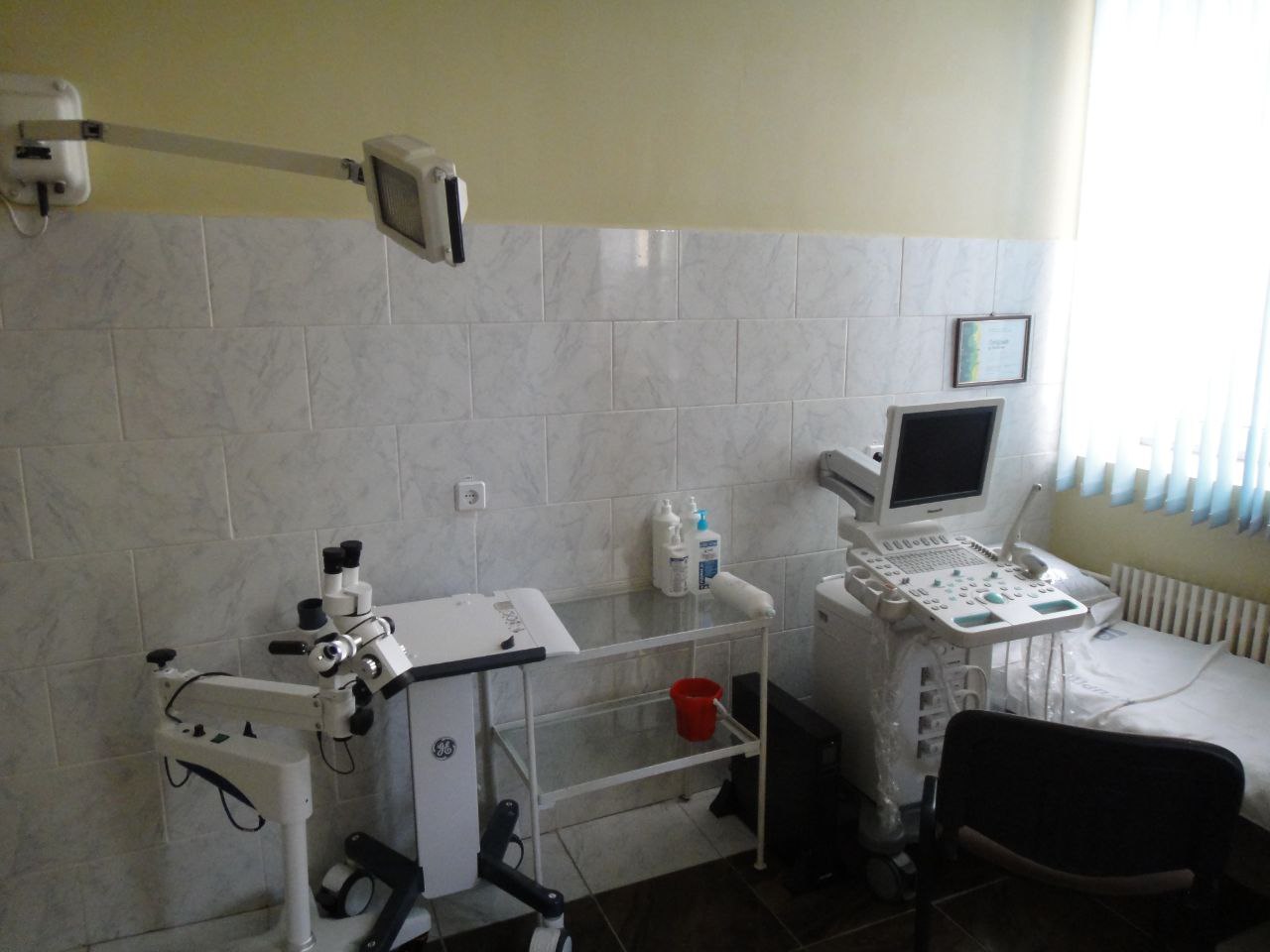
The medical unit includes offices for: a therapist, a psychiatrist, a narcologist, a dentist, a gynaecologist, an X-ray room, a staff room, a pre-examination room, a treatment room, laboratories, and a telemedicine complex. According to the staffing schedule provided by the head of the medical unit, the following positions are filled: head of the medical unit — 1 post, general practitioner — 1.5 posts, psychiatrist — 1 post, dentist — 1 post, radiologist — 0.5 posts, narcologist — 0.5 posts, gynaecologist — 1 post, X-ray technician — 0.5 posts. During the monitoring visit, shortcomings were identified in the work of Medical Unit No. 54, leading to violations of the rights of convicts at the State Institution “Kachanivska Penal Colony No. 54”, in particular:
1. Failure to provide primary, secondary, and tertiary care
Due to the absence of signed declarations with a family doctor, convicts do not have the opportunity to receive prescriptions for medicine and the necessary medical services at the expense of the National Health Service of Ukraine (NHSU), to which they are entitled.
2. Violation of the rights of persons with disabilities (Article 9 of the UN Convention on the Rights of Persons with Disabilities)
Dispensary monitoring is carried out for 18 people with disabilities. Of these, 2 are group II; 7 are group III. During the study of the medical documentation of the convicts, it was established that not all persons with disabilities have individual rehabilitation programmes (hereinafter — IRP). Furthermore, the recommendations of the IRP are not being fulfilled.
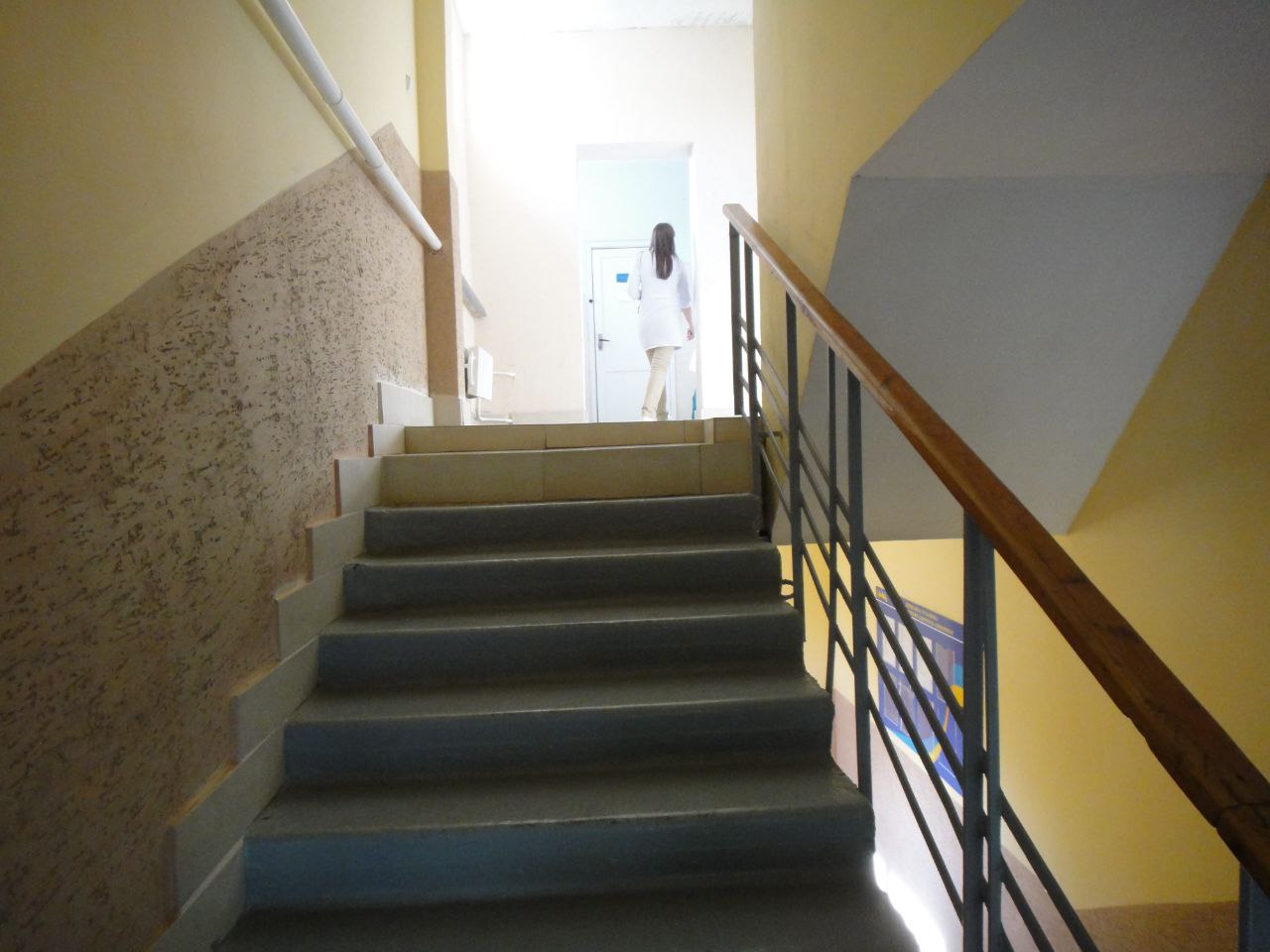
The institution has not created conditions for the accommodation of persons with disabilities; the inpatient facility is located on the second floor (there are no ramps, handrails, etc.).
3. Violation of the rights of persons with hepatitis C
As of 01.06.2023, 189 rapid tests had been conducted in the medical unit for hepatitis C, of which 55 people were suspected of having the disease. In violation of the requirements of the Standards of Medical Care for HCV in Adults, approved by Order of the Ministry of Health of Ukraine dated 15.01.2021 No. 51, persons with suspected viral hepatitis C do not undergo PCR testing, due to which they do not receive the necessary treatment, which may lead to a deterioration in their health and the spread of the specified infectious disease among convicts and prisoners.
4. Improper storage of medicines received from relatives
The medical unit has a separate cabinet for storing medicines from relatives. At the same time, in the medical documentation (medical record No. 025/o or No. 003/o) there are no statements from the relatives of the convicts or other persons regarding the transfer of medicines or medical supplies, which violates clause 22 of section I of the General Provisions of the Procedure for organising the provision of medical care to convicts sentenced to imprisonment.
5. Violation of the right of convicts and prisoners to information about their health, methods of treatment, and improper maintenance of documentation
5.1 In violation of the requirements of sub-paragraph 5 of paragraph 5 of section II of the Procedure, for some patients undergoing inpatient treatment in the medical unit, primary accounting documentation form No. 003/o ‘Inpatient medical record’ has not been opened.
5.2 In violation of the requirements of the Instructions for filling out primary accounting documentation form No. 003-6/o, an absence of informed voluntary consent for diagnostics and treatment was established in the inpatient medical records No. 003/o. This may indicate a lack of voluntary consent from patients for the application of diagnostic, preventive, and treatment methods to them.
5.3 The medical unit has not organised substitution maintenance therapy (hereinafter — SMT) for persons with mental and behavioural disorders resulting from opioid use.
Drug-dependent individuals are not provided with social-psychological support, cognitive-behavioural therapy (CBT), relapse prevention, motivational interviewing, mutual aid groups, etc.
6. Lack of equipment, medical supplies, and medicinal products in the medical unit
6.1 The medical unit lacks a dental X-ray machine, which makes it impossible to conduct an in-depth dental examination of convicts and does not ensure the timely provision of appropriate dental care.
6.2 During the examination of the contents of the medical unit's pharmacy, expired medicinal products were found.
6.3 During the inspection of the defibrillator's functionality, it was established that the electrodes were missing.
6.4 In the current year, the medical unit has not been supplied with ‘Naloxone’, which makes it impossible to provide emergency medical assistance in cases of opioid overdose.
7. Violations in the operation of the premises where medical unit medicinal products are stored
In violation of the requirements of the order of the Ministry of Health of Ukraine dated 16.12.2003 No. 584 ‘On approval of the Rules for storage and quality control of medicinal products in healthcare institutions’, medicinal products are stored without taking into account the temperature regimes indicated by the manufacturers. There is no air conditioner in the room for storing medicinal products.
8. Violation of fire safety rules
In violation of the Fire Safety Rules in Ukraine, approved by the Ministry of Internal Affairs of Ukraine dated 30.12.2014 No. 1417, the premises of the medical unit are not equipped with fire extinguishing and fire alarm systems. Furthermore, the doctors' office and X-ray room are not equipped with fire extinguishers. This does not ensure safe conditions for patients in the inpatient facility and may pose a threat to their life and health.
9. Failure to observe infection control and epidemiological surveillance
In violation of the Measures and Means for preventing infection during patient care, approved by the Order of the Ministry of Health of Ukraine dated 03.08.2020 No. 1777, the medical unit is equipped with only one isolation ward for infectious patients, which makes it impossible to simultaneously separate patients with dangerous infectious diseases from each other and other convicts.
Persons held in the medical unit are not fully provided with personal protective equipment, strict control over compliance with the mask regime is not carried out on the territory of the institution among prisoners, and daily temperature screening of convicts is not conducted.
10. Violation of the right of convicts to proper sanitary and hygienic conditions in a healthcare facility
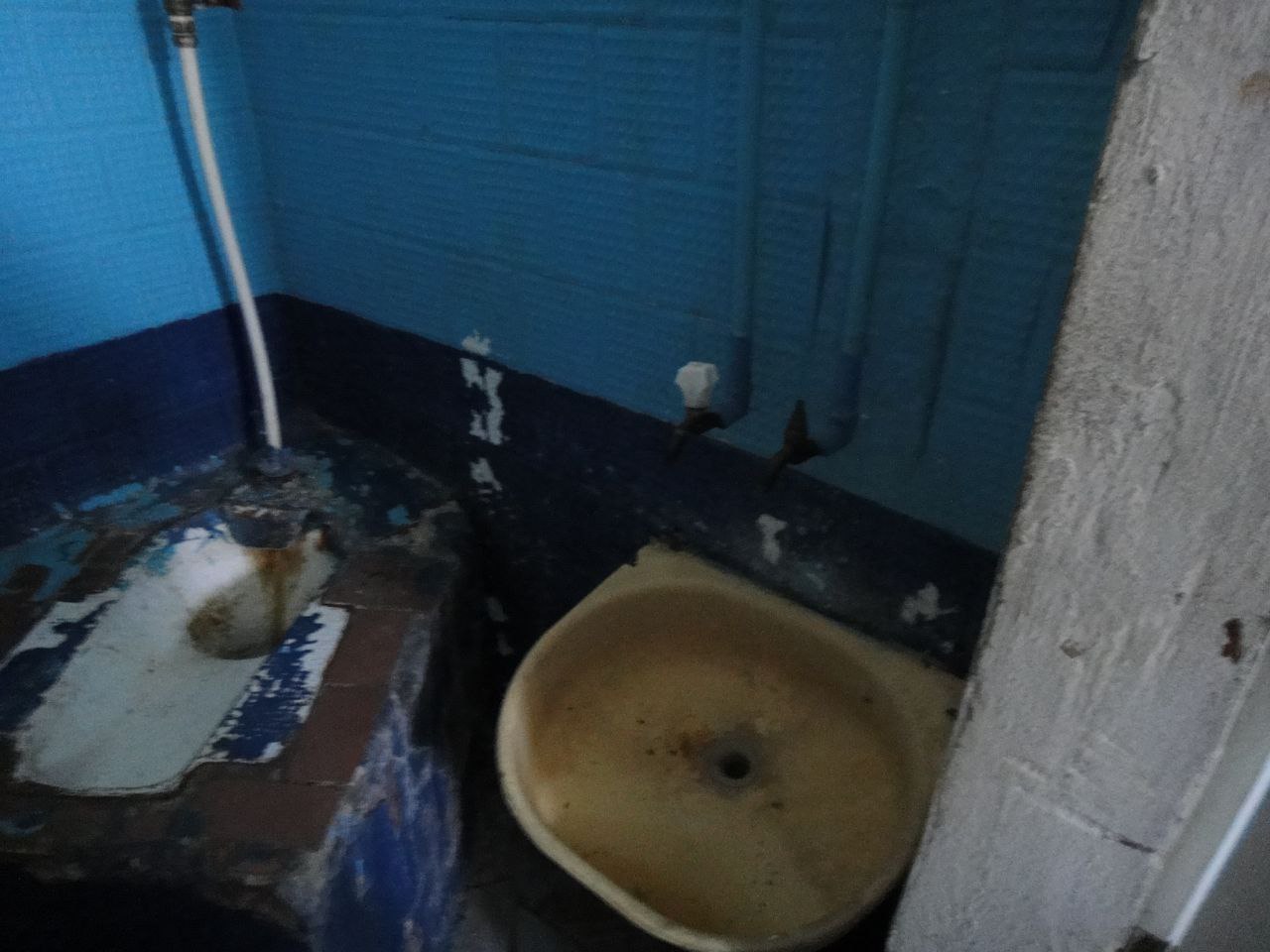
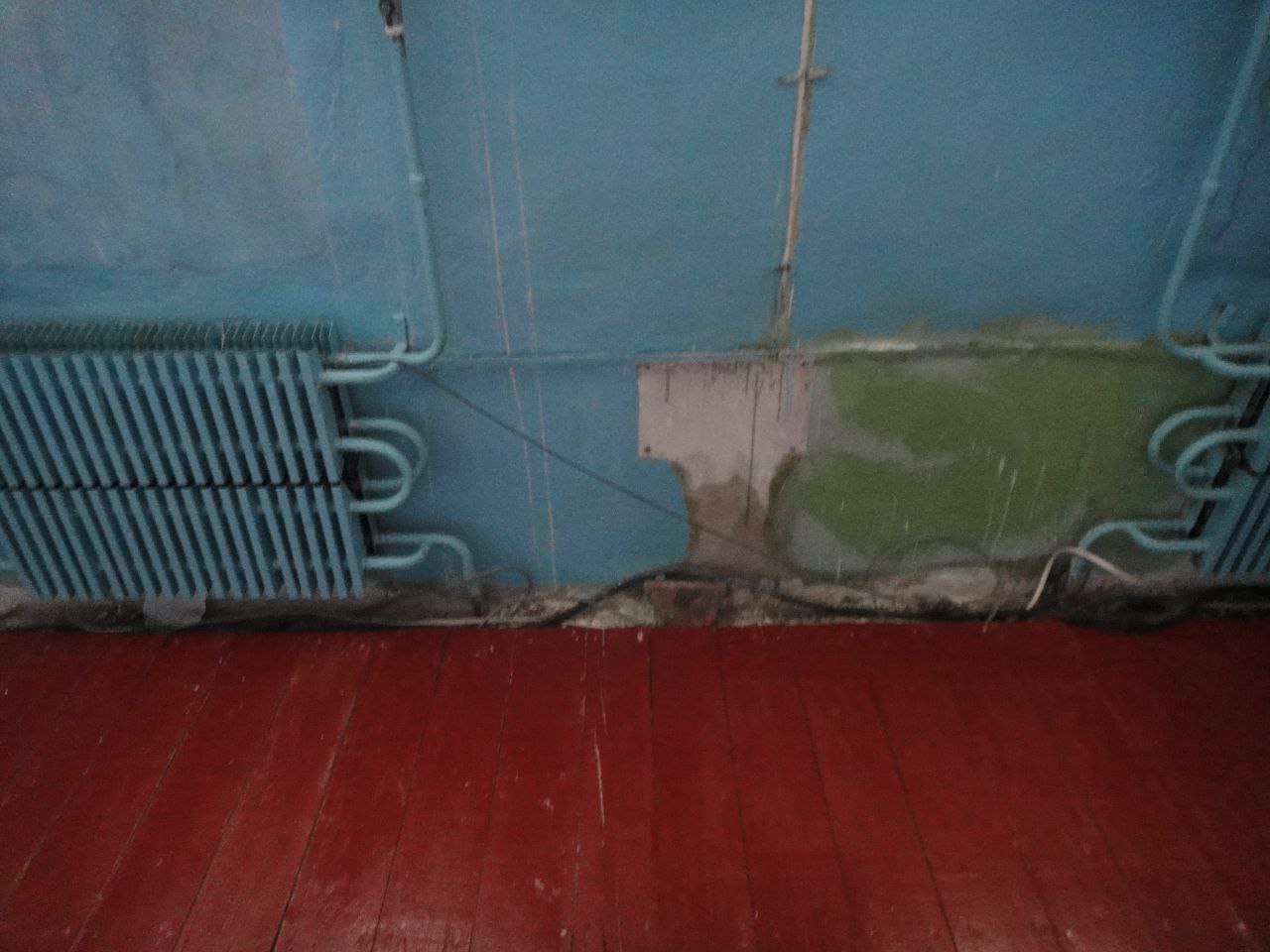
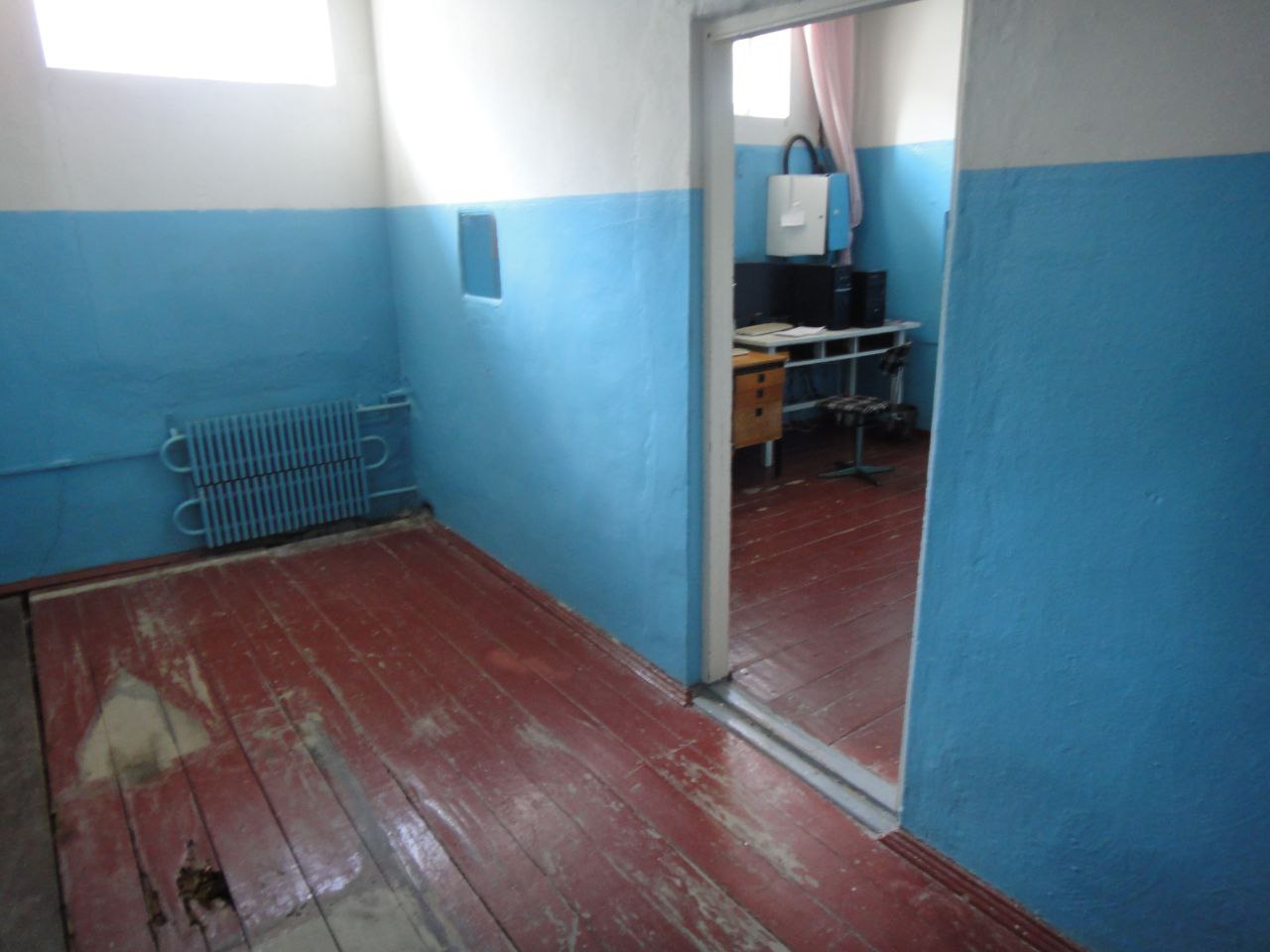
Some wards and the corridor of the medical unit's inpatient facility require repairs.
Conclusions and recommendations
- Stop creating an atmosphere of psychological pressure on convicts in the institution;
- Ensure the right to leave and payment for unused leave;
- End the practice of prohibiting sitting on beds in living quarters;
- End the practice of prohibiting the use of tablet computers and their accessories for personal use;
- Assist convicts in restoring family ties lost due to the war.
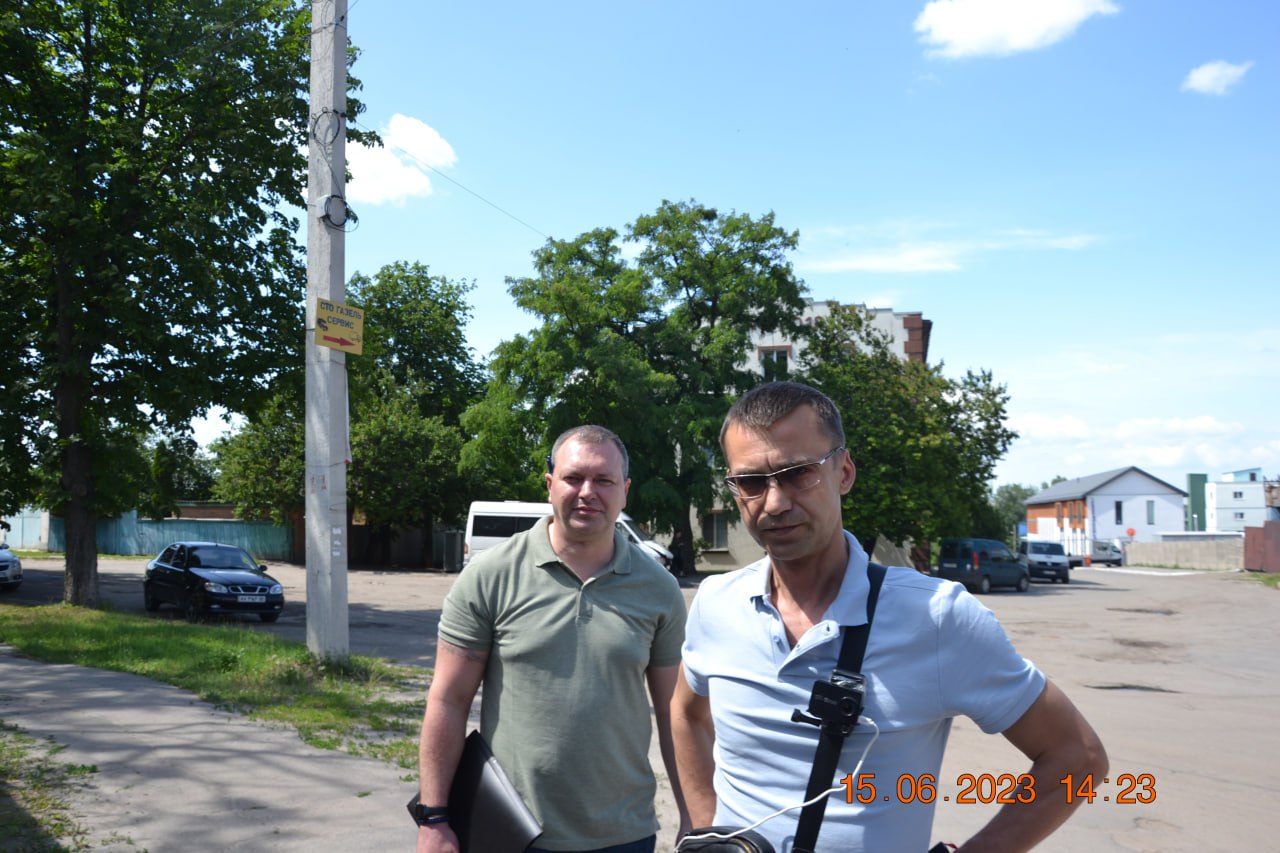
A preventive monitoring visit regarding the observance of human rights in the penitentiary system was carried out by representatives of the NGO ‘Protection of Prisoners of Ukraine’ and the NGO ‘Kharkiv Human Rights Protection Group’. The monitoring group consisted of an assistant to the People's Deputy of Ukraine Kostiantyn Kasai, members of the Public Council under the Ministry of Justice of Ukraine Serhii Zuikov, Hanna Skrypka, and Oleh Tsvilyi, as well as an assistant to the People's Deputy of Ukraine Yaroslav Yurchyshyn, programme coordinator of the Kharkiv Human Rights Protection Group (KHPG) Andrii Didenko, and correspondent of the ‘Human Rights’ newsletter of the Kharkiv Human Rights Protection Group Mykhailo Romanov.
Date of visit: 15 June 2023.