Report on the monitoring visit to the Kachanivska Penal Colony No. 54
1. General information
The Kachanivska Penal Colony No. 54 (hereinafter referred to as the colony) is a minimum-security penal institution for women who have been deprived of liberty for the first time. The colony is located in the Slobidskyi district of Kharkiv at the following address: 16 Vyshnevyi Lane, 61124. It is subordinate to the North-Eastern Interregional Department for the Execution of Criminal Punishments and Probation of the Ministry of Justice of Ukraine.
On 24 February 2020, a monitoring group of the Kharkiv Human Rights Protection Group (KHRPG), consisting of Maksym Revyakin, Tamara Horbachevska, and Pavlo Shvab, visited the colony to monitor compliance with the rights of persons serving sentences, living conditions, access to medical care, and compliance with working conditions in production.
2. Living conditions in the residential zone
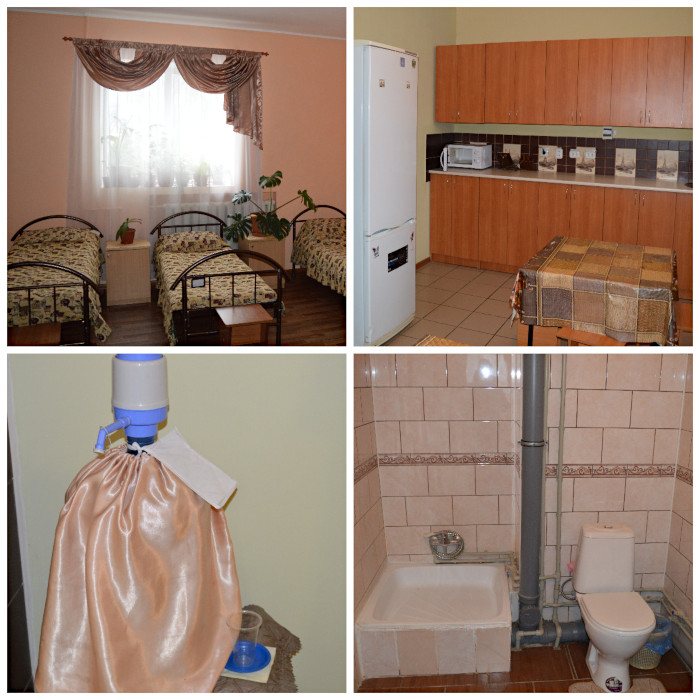
The monitoring group visited the second and fourth departments of the residential zone. The premises are clean and renovated. The rooms are designed for 10–15 people. Inside, it is clean, tidy, renovated, and decoratively furnished. Also, in each room, there is a toilet and a shower, although the monitors detected an unpleasant smell from the water and, in some places, mould. In each department, there is a spacious dressing room for belongings and a separate room for storing food products belonging to the convicts. The windows are plastic. The kitchens are equipped with microwave ovens and refrigerators. There are coolers with drinking water.
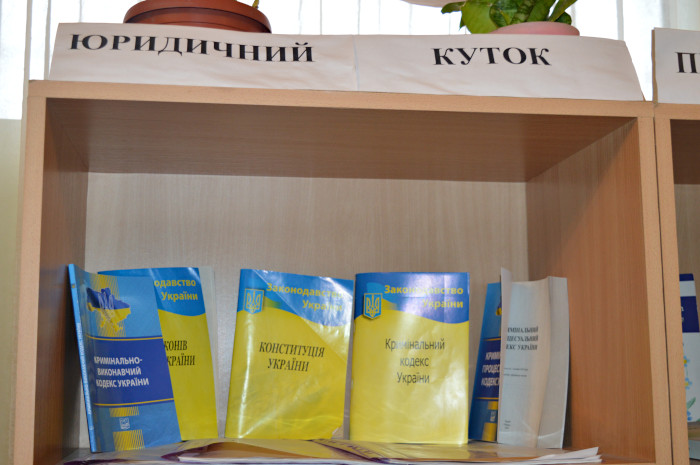
In the leisure room, there is a corner with legal literature that is relevant at the present time. However, in some rooms (Room No. 1 of the VSPS, in particular), a temperature of +16 °C was recorded.
3. Bathhouse
The bath and laundry complex was completely renovated a few years ago. Both new and old washing machines are available. At the time of the visit, the old washing machines were marked ‘Repair’. The maximum load of the largest washing machine is 20 kilograms.
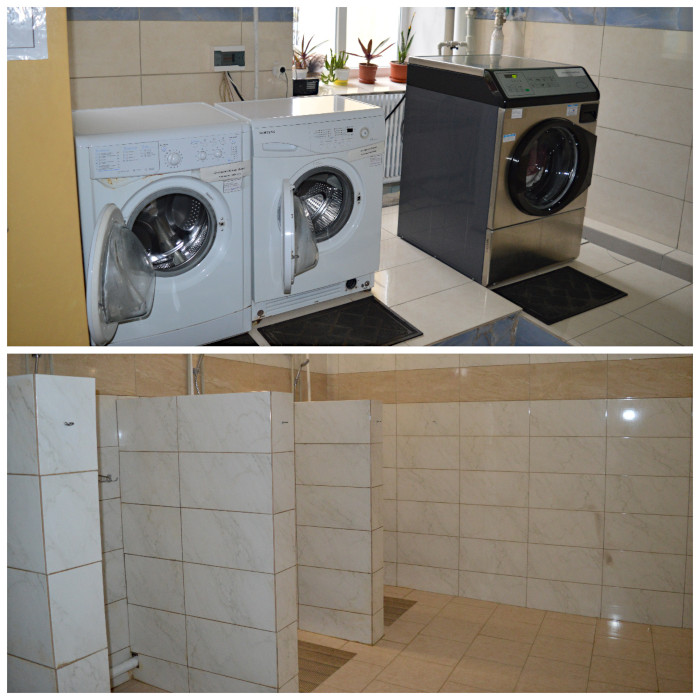
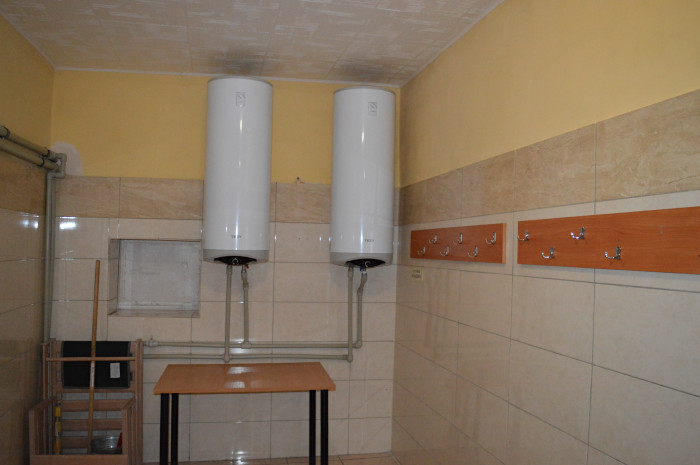
Laundry is dried in the yard or in a special room. The colony has a changing room. The shower cubicles are separated from each other by high partitions. There are also mats available in each cubicle. Curtains on the shower cubicles were absent, but the administration assured us that they exist. Hot water is heated using a water heater (boiler).
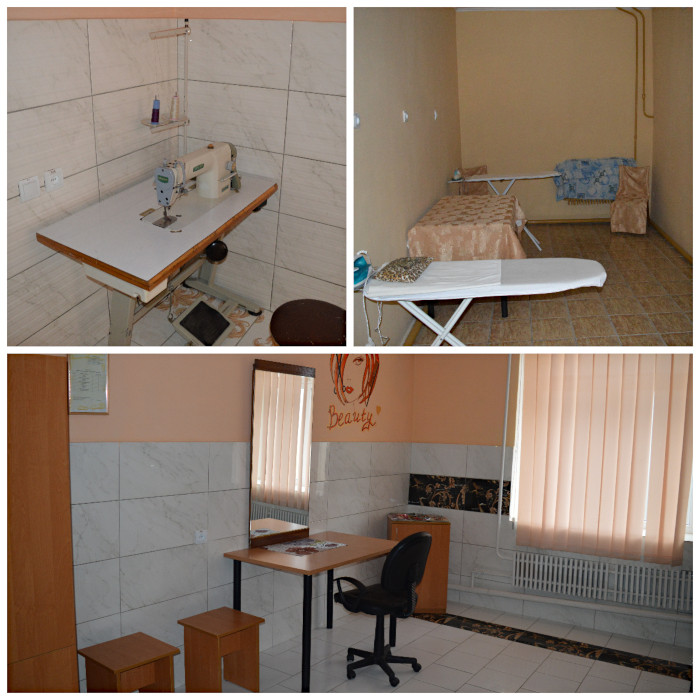
Attached to the bath and laundry complex is a workshop for repairing clothing, where convicts can mend clothes on their own. There is also a hairdressing room where convicts can get a haircut.
4. Medical Unit
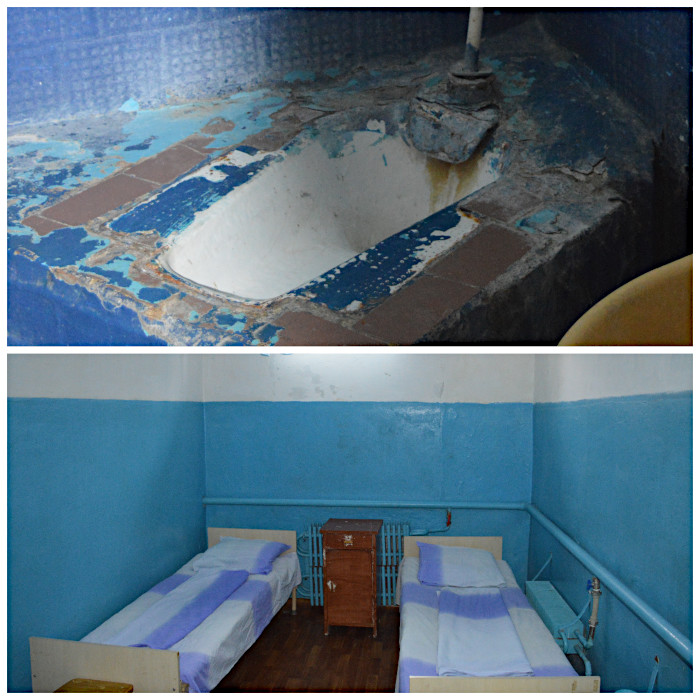
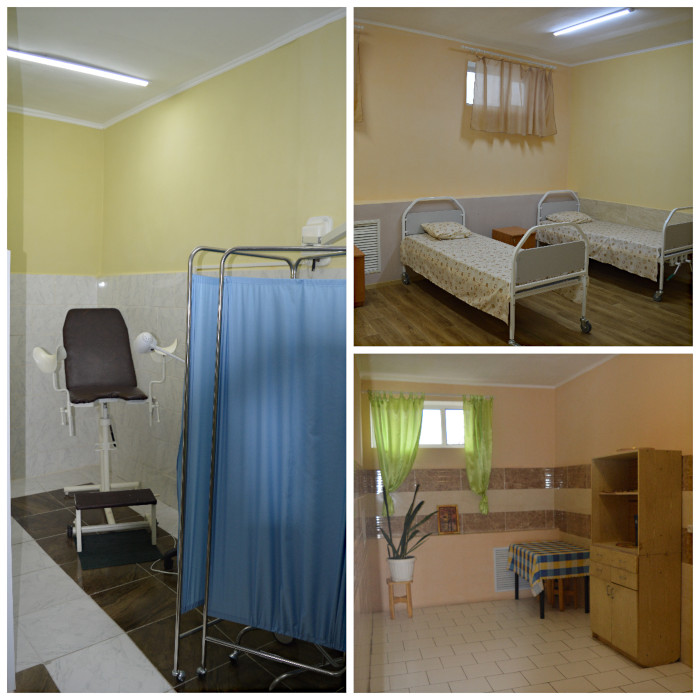
During the visit, renovations in the doctors' offices were completed in the medical unit premises. Repairs have also been made in some wards of the inpatient department. However, individuals receiving treatment as inpatients were staying in wards without renovations, and the restored wards were kept locked. A separate ward for individuals diagnosed with tuberculosis is without renovation and in a terrible state.
The monitors inspected the stock of medicines: there was a sufficient supply of general-purpose medicines; medicines for the special needs of each inmate are provided by the persons serving the sentences themselves. The main drawback of the medical unit is the lack of single-use kits in the gynaecological room. In a penal institution where more than 340 women are staying, the administration of the medical unit failed to show proper and sufficient instrumentation for carrying out gynaecological examinations and procedures.
Numerous requests from the monitors were rejected due to the ‘absence of keys to the doctor's safe, which are taken away by the colony officials’. Moreover, the colony administration refused to provide medical documentation regarding injuries received by women at the production facility.
5. Canteen
The premises of the food block in the colony are clean and tidy. At the time of the monitors' visit, lunch was just being prepared. The canteen is equipped with washbasins. All sink taps are functional, and there is water in the taps. Towels and soap were missing. At the entrance to the canteen hangs a menu with all the necessary details—the date for which it was compiled, the list of dishes, as well as the list and composition of dietary tables.
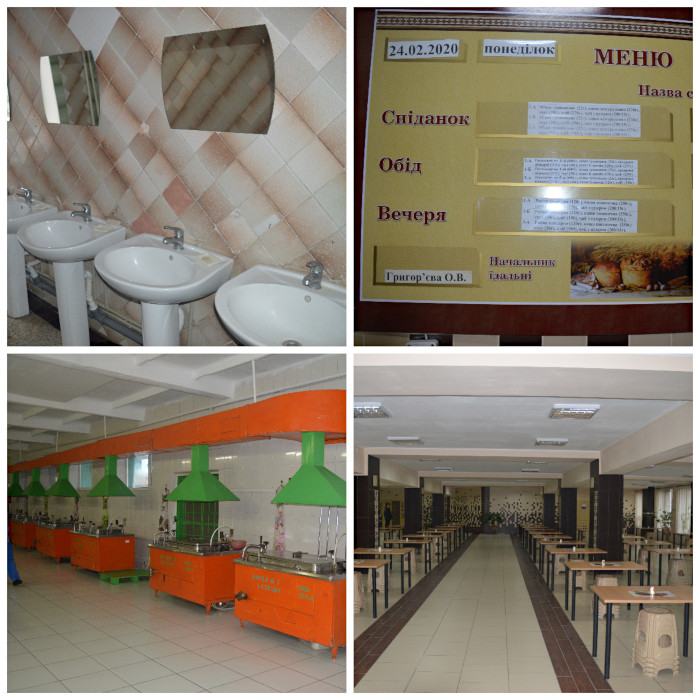
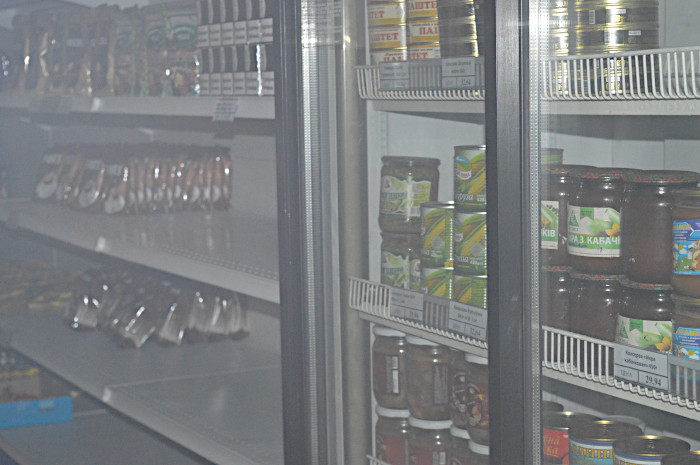
The canteen premises are spacious, and the tables are clean. According to the administration, a medical unit staff member is always present during meal times. However, in the storage rooms where food supplies (cereals, tea, sugar, fish, meat) are supposed to be kept, the monitors found practically nothing—only a small amount of rice, salt, and tinned fish; other compartments were empty. According to the administration, meat is delivered every day in portions, but no confirmation of this was provided. There is also a food shop functioning in the colony. When requested by the monitors to provide receipts confirming purchases made by inmates, the administration once again referred to the fact that it lacked the corresponding keys to the closed shop premises, which were with the person responsible, who was absent from the workplace.
6. Production
Sewing production is concentrated in the Kachanivska Penal Colony No. 54. Sewing production consists of several floors of workshops. The colony receives various orders from state bodies and local self-government authorities for tailoring uniforms for the police, military, emergency services, and public utilities. Mainly, the primary customer is the Ministry of Defence of Ukraine. There is also a workshop where, during the visit, approximately 30 people were working. In the workshop, women were making artificial flowers.
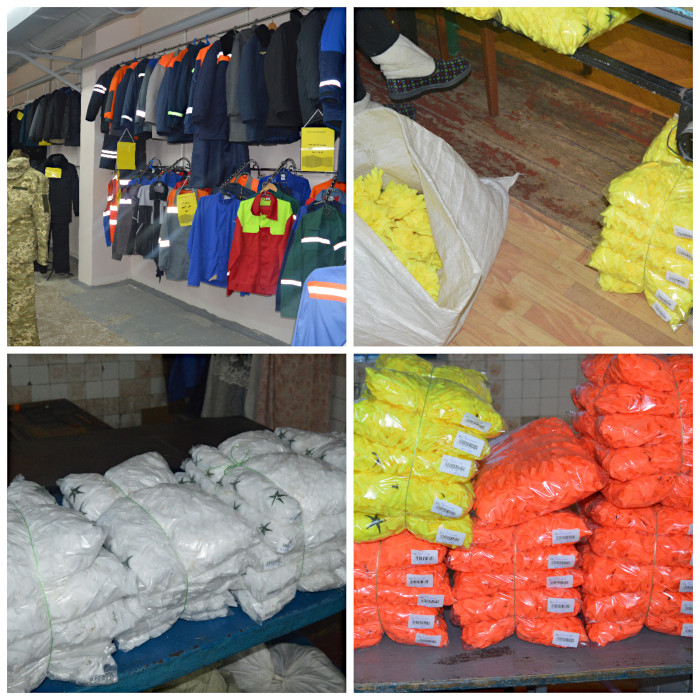
The equipment in the sewing production is not new, but it is functional. The workshops are equipped with forced-air ventilation. However, at the time of the visit, this ventilation was not working. In some production workshops, there was so much smoke and an unpleasant smell of burnt plastic that it immediately caused coughing. At the same time, all female employees of these departments were working without proper protection (protective masks, clothing). When asked by the monitors about working in such conditions, the convicts did not dispute anything and could not provide a substantive answer.
The production process is built on a conveyor-belt principle. Along the walls in the workshop where materials are unloaded for the subsequent manufacture of finished products lie large bundles of patterns. The monitors weighed these folded patterns and found that the bundle weighs more than 20 kg, which exceeds the weight permissible for women to lift (10 kg). According to the administration, the convicts lift the bundles together and it is not difficult for them. When asked by the monitors about the heaviness of the materials, the convicts refused to answer or simply remained silent in response.
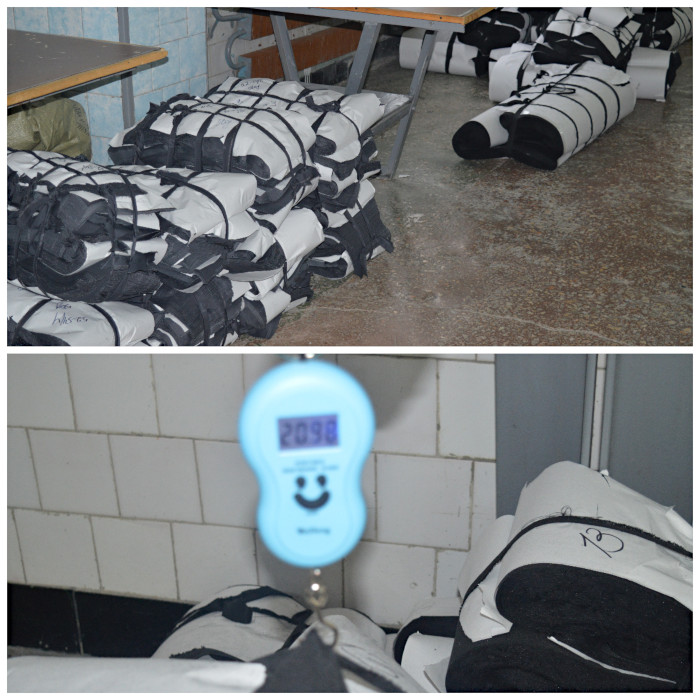
The monitors also visited the finished goods warehouse, where approximately 15 people were working. The finished products are packed in plastic bags and stacked on shelves. The weight of these packages again exceeded the permissible weight of 10 kg and was 13 kg. Furthermore, the method of loading and unloading the warehouse occurs by lifting and lowering them via narrow and steep stairs, which are inconvenient and extremely ill-suited for this type of work.
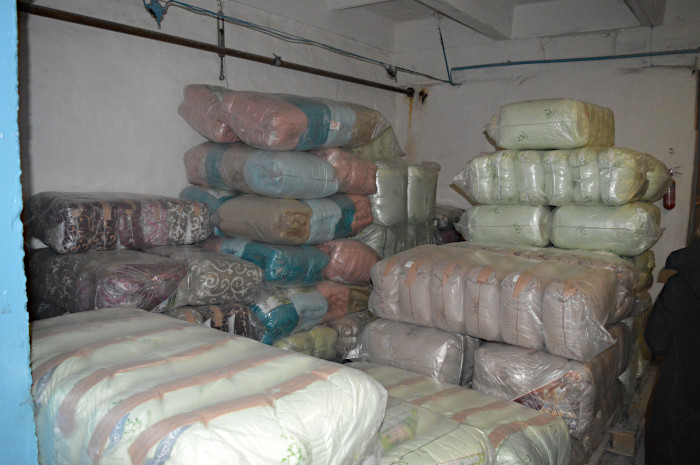
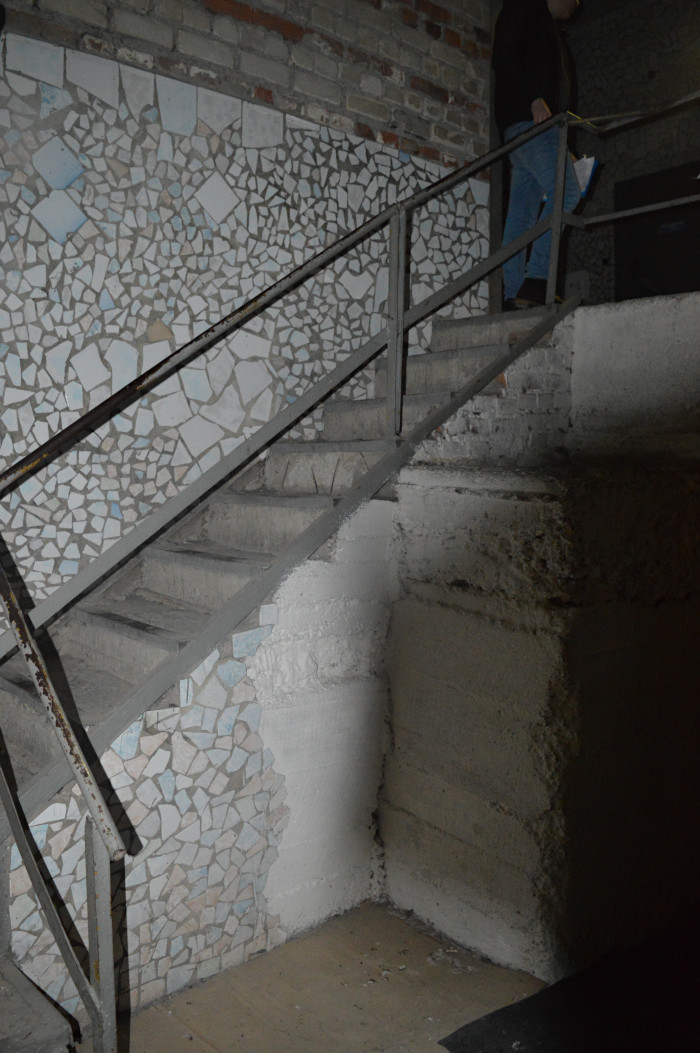
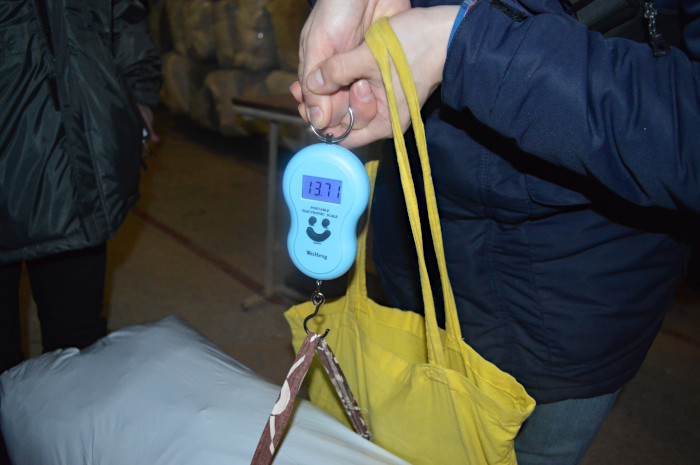
According to the administration, the average salary in the institution is 3,600–4,000 hryvnias. However, the convicts themselves cited quite different figures. For some, the salary was 1,200 hryvnias (convicts who work in housekeeping), for others—100–400 hryvnias (convicts who work in sewing production).
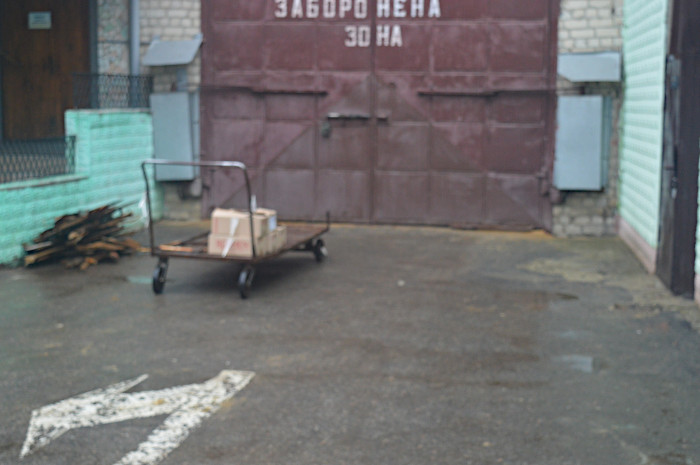
The monitors also noticed a convict pushing a metal wheelbarrow in front of her, and a man was simply walking beside her. The monitors tried to move the loaded metal wheelbarrow themselves, and it turned out to be quite heavy. That is, women serving sentences often perform strenuous labour.
EU project ‘Fight against torture, ill-treatment and impunity in Ukraine’.