Monitoring visit to the Polytska Penal Colony (No. 76) state institution
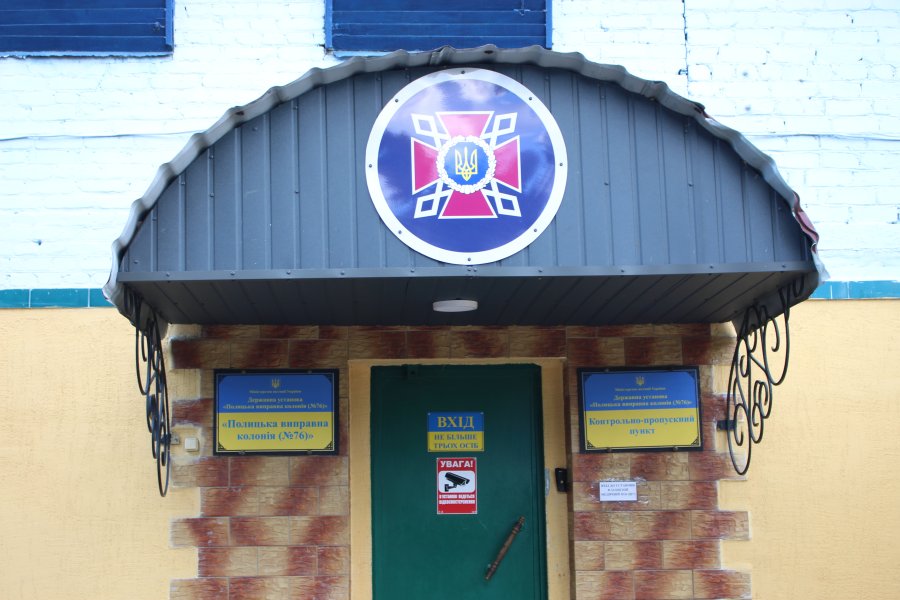
On 4 July 2022, a monitoring group consisting of an assistant to a People’s Deputy of Ukraine, Kostyantyn Kasai; a member of the Public Council under the Ministry of Justice of Ukraine, Serhii Zuikov; an assistant to a People’s Deputy of Ukraine, Yaroslav Yurchyshyn; the coordinator of the KHPG programmes, Andrii Didenko; as well as a journalist for the “Poryad z vamy” (Beside You) information agency, Oleksa Yaroslavtsev, visited the Polytska Penal Colony (No. 76) state institution.
The main tasks of the monitoring visit were to analyse the institution’s operations during the war and to determine the humanitarian needs of the facility.
The monitors had the opportunity to visit any premises, communicate with prisoners on the condition of anonymity, collect information, verify it, and obtain relevant materials with the prisoners’ consent, including personal files and medical records.
The head of the institution is the acting governor of the colony, Lieutenant Colonel of the Internal Service Ruslan Mykolaiovych Bodashenko.
GENERAL INFORMATION
The Polytska Penal Colony No. 76 is a medium-security penal institution for the detention of men who have previously served sentences of imprisonment. There are approximately 3.22 prisoners per staff member. The cost of maintaining one prisoner per day is 59.1 hryvnias.
In 2022, 420 people arrived at the institution; 106 people are employed. According to the administration, the average monthly salary of prisoners in the current year is 4,733 hryvnias.
There were 4 people in the disciplinary cell (DIZO) and 1 in the prison-type cell (PKT); 4 people were in the medical facility of the Health Care Centre of the State Penal Service (located on the territory of the institution). There are 20 prisoners registered with HIV/AIDS; 8 people are prone to suicide. In 2021, there was 1 suicide; in 2022, no such cases occurred. 2 people are prone to self-harm; 9 prisoners are prone to escape. 18 people are registered as malicious violators of the detention regime. Over the last two years, no prisoner has been released due to health reasons. Not a single complaint has been recorded for 2021 and 2022 regarding inappropriate conditions of detention or inadequate medical care. 4 people have a disability of the second group, and 16 prisoners are persons with disabilities of the third group.
In 2021, 82 people were released. 52 were released on parole (Article 81 of the Criminal Code of Ukraine), and 19 were transferred to more lenient conditions (Article 82 of the Criminal Code of Ukraine). In 2022, the total number of released individuals was 85. 60 people were released on parole, and 11 were transferred to more lenient conditions.
During 2021 and 2022, an ambulance was not called a single time. In 2021, 3 cases of bodily injuries were recorded: one upon arrival, and others during their stay at the institution. In 2022, there were 4 cases, all occurring during their stay at the institution. This year, no use of special equipment against prisoners has been recorded.
Four workstations have been set up with internet access for distance learning. The cost of internet is 6 hryvnias per hour. Also, in 2022, 68 visits using video calls were granted. In 2021, 17 long-term and 305 short-term visits took place. In 2022, 5 long-term and 55 short-term visits were granted. The standard living space per prisoner is 4 square metres.
This year, 207 prisoners were tested for SARS-CoV-2 (IgG, IgM). 11 prisoners had recovered from SARS-CoV-2 (IgG, IgM), and 96 prisoners have been vaccinated.
According to the administration, 19 people submitted applications for release to serve in the Armed Forces of Ukraine; all applications were supported by the institution’s management, and 4 of them were released for service in the Armed Forces of Ukraine.
All prisoners are dressed in standard-issue clothing; violations of this requirement result in disciplinary punishment. There is strict discipline in the institution.
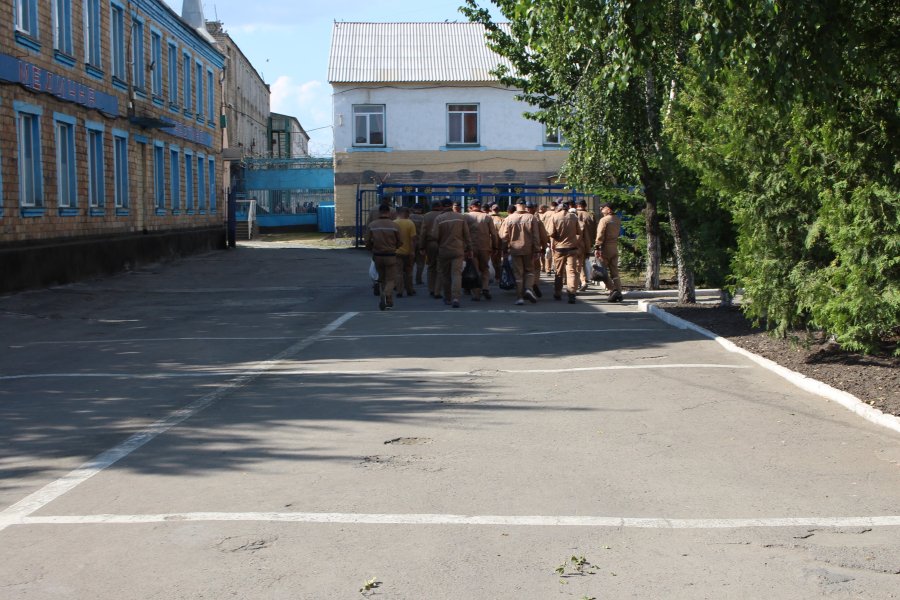
HUMANITARIAN NEEDS
The institution requires humanitarian aid in the form of building materials for the renovation of prisoner dormitories. There is a need for footwear and winter clothing for the prisoners.
DISPLACED PERSONS
The residential premises housing individuals who were transferred from dangerous areas are in a dilapidated state. All individuals were transferred to the fifth (residential) unit from the Vilnyansk Penal Colony No. 20. They are fully isolated from the general population and effectively do not leave the unit; even their food is brought to them from the canteen. The living conditions are poor.
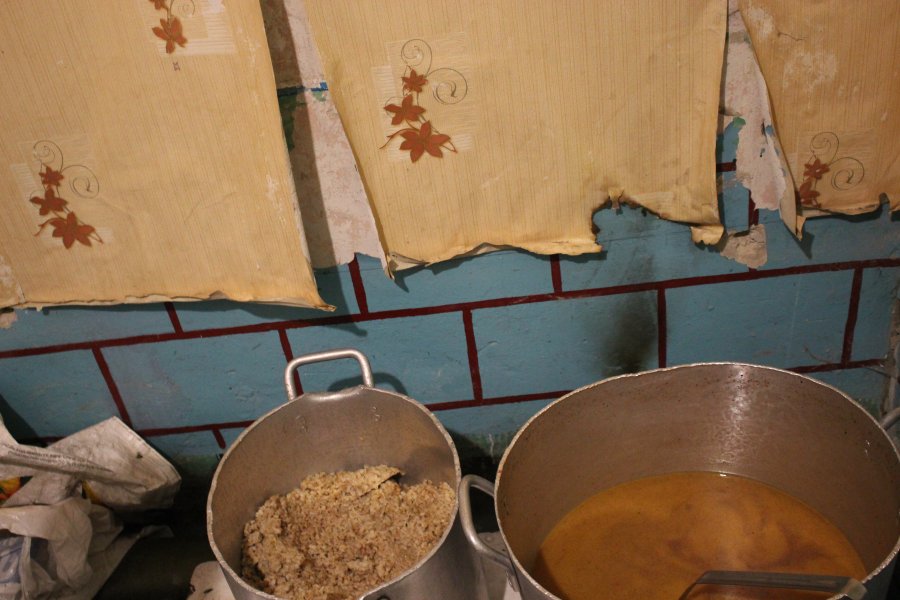
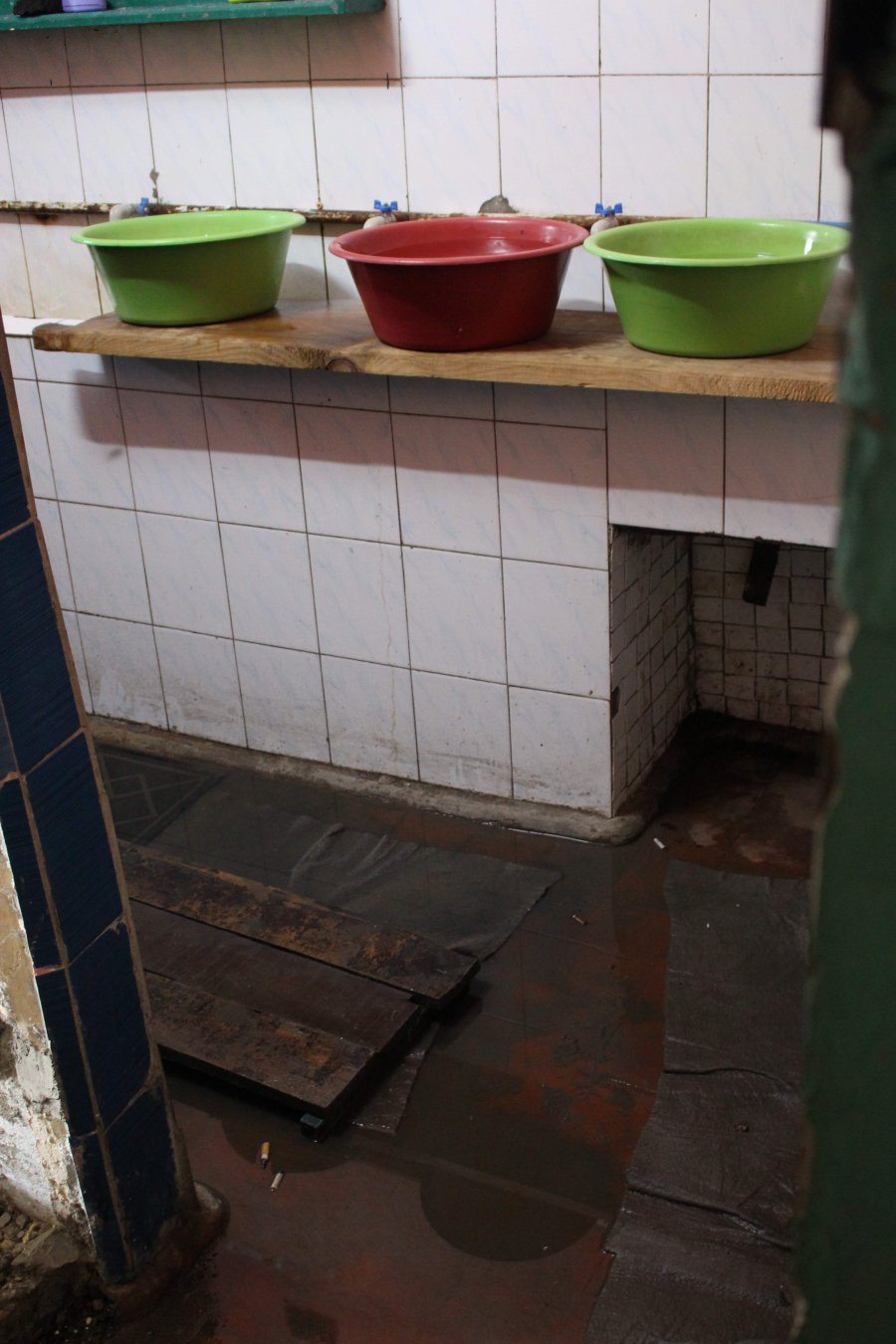
Prisoner Z. complained that when they were taken out of the Vilnyansk colony, humanitarian aid was handed over, but it never reached them. They arrived at the Polytska Colony No. 76, into a unit that had been mothballed and was not in use. The room temperature was 4 degrees Celsius. This situation lasted for about two weeks. The food was poor, living conditions were bad, the toilet was terrible, there was no shower in the unit, and the bathhouse was only available once a week. Prisoners also complain that they have no opportunity to call their relatives.
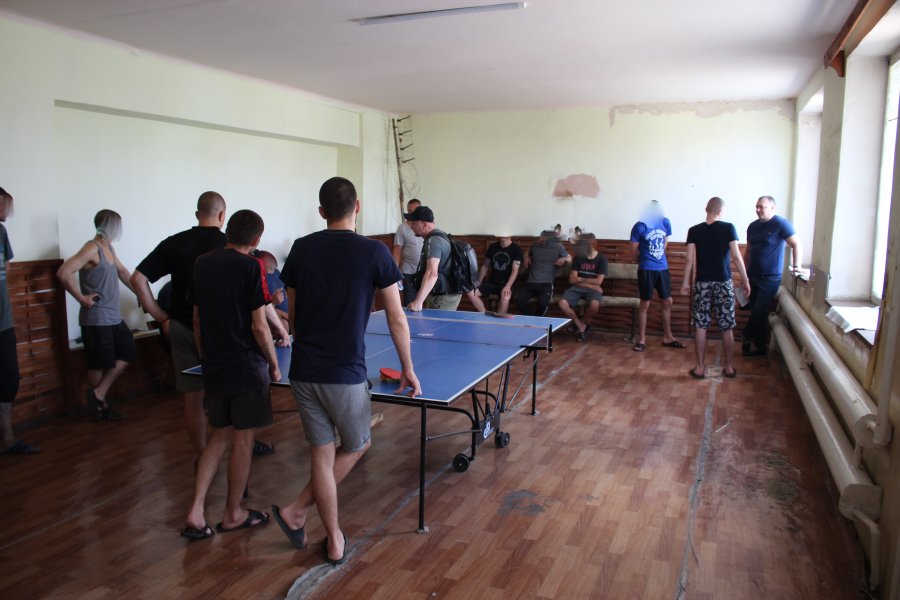
There are 80 people in the unit who complain that they have been unable to call their relatives since April. During this time, only 4 prisoners were able to make a phone call.
The prisoners noted that after speaking with the monitors, they might face problems from the administration in the form of disciplinary persecution. The prisoners provided examples: when prisoner B. complained to the prosecutor’s office, persecution began. Prisoner Sh. complained of moral pressure from the administration: because he is Russian-speaking, he is called a “separatist”. Prisoner B. complained that he has no opportunity to call his relatives. According to him, when they were in the quarantine section, the administration allowed calls, but that was in April, and since then, there has been no such possibility.
Prisoner O. submitted a complaint regarding the denial of medical assistance.
Prisoners of the fifth unit complained that the attitude from the administration is negative, belongings were confiscated, and some things went missing. Inspections had arrived, and they were informed about the missing items, but nothing changes.
The prisoners have been unable to contact their relatives since 2 March. Also, many prisoners from Mariupol are unable to find their relatives.
Representatives of the administration stated that there is a special place in the institution where phone calls take place, each prisoner has their own SIM card, and calls are made daily. They claimed that the prisoners in the fifth unit specifically do not want to wear the uniform, do not want to call, and generally have a negative outlook.
Prisoners complain that they do not have the opportunity to work. Some prisoners have tablets, but they cannot actually use them due to the lack of internet. Representatives of the administration emphasise that internet is available, but with restrictions on certain websites prohibited by the Ministry of Justice.
The outdoor toilet is in a terrible state.
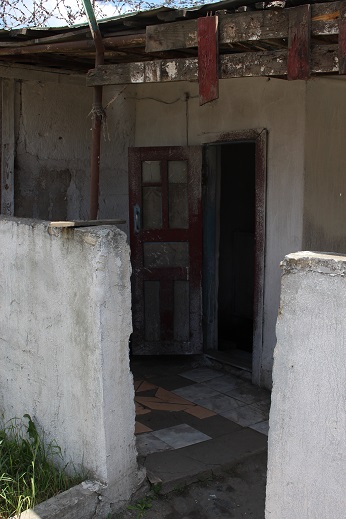
Representatives of the administration reported that they did not expect such a number of displaced persons and were not prepared for the fact that the number of prisoners would almost double due to the evacuation.
DIZO/PKT/DPK
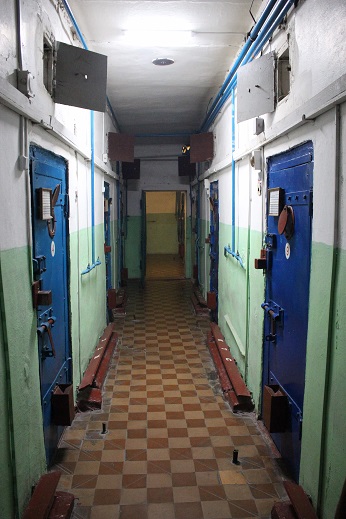
Prisoner L. is being held in the reinforced control section (DPK).
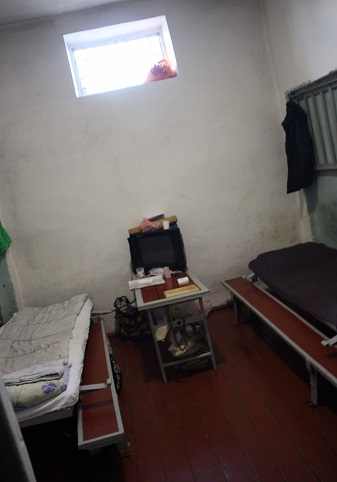
The reason for his detention is his refusal to wear the standard-issue clothing. The prisoner explains his refusal by stating that he suffers from psoriasis. His illness is confirmed in the prisoner’s medical record.
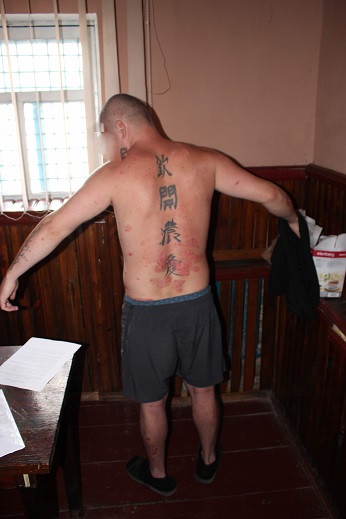
Prisoners in the DPK complain that they ask the administration for permission to bring them permitted items, such as multicookers, but their requests are ignored.
All prisoners held in disciplinary units agreed to a confidential interview. For this purpose, a separate room was provided by the facility staff.
Prisoner P. was held in the PKT for refusing to clean. According to the prisoner, he cleans the room he is in but does not agree to do so publicly under the supervision of the colony administration, as he considers it an insult to his honour and dignity.
Prisoner S. is considered a malicious violator of the detention regime and is held in the DIZO and PKT on a permanent basis. The prisoner claims that he disagrees with the quality of the food, the coercion to wear the standard-issue uniform, and the coercion to perform public cleaning, etc. For this, he is repeatedly punished in a disciplinary manner by being placed in the DIZO and PKT. The prisoner has not attempted to appeal the disciplinary penalties.
Prisoner M. served a disciplinary penalty of 14 days in the DIZO. According to him, he behaved rudely towards representatives of the administration and accepts the penalty. On 14 July, his main sentence term ends. The prisoner is in need of humanitarian aid: he plans to go to Zaporizhzhia after his release, but does not know how to travel or how to afford it.
PRE-TRIAL DETENTION CENTRE SECTION
Prisoner E. was held in the pre-trial detention section. In 2018, a decision was made by the Mukachevo City District Court sentencing him to 15 years in prison. However, according to him, the verdict has already been overturned eight times by the Supreme Court. The case is currently sent to the appellate instance. The prisoner claims that he did not commit the crime and that the case materials were fabricated. The prisoner has an alibi, which the court does not take into account. The prisoner has been fighting for justice in the courts for five years.
MEDICAL UNIT
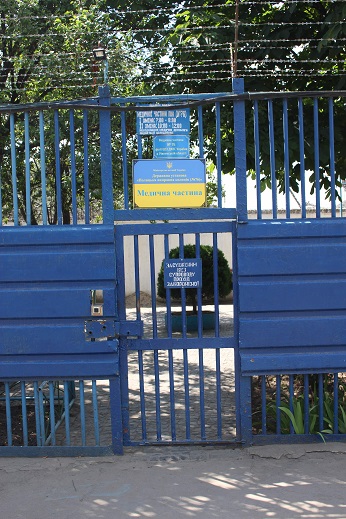
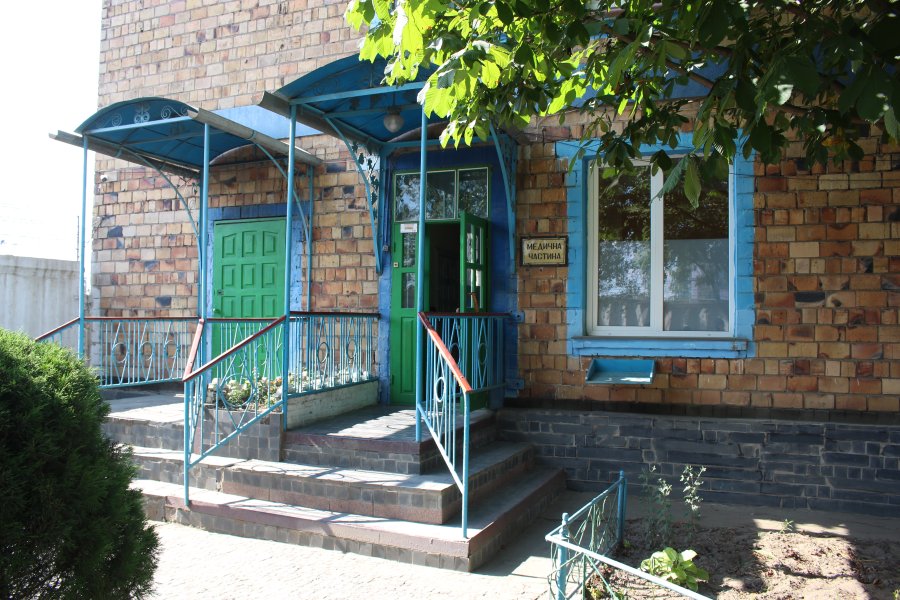
The head of Medical Unit No. 76 of the branch of the state institution “Health Care Centre of the State Penal Service of Ukraine” in the Volyn and Rivne regions (hereinafter – the medical unit) is Viktor Kalish.
On the day of the visit, the following positions were staffed: head of the medical unit – 1 position; therapist – 0.5 positions; dentist – 0.5 positions; radiologist – 0.25 positions; paramedic – 4.5 positions; X-ray technician – 0.5 positions; pharmacist – 1 position; laboratory assistant – 0.5 positions; junior nurse – 0.5 positions.
The position of psychiatrist – 0.25 positions – remains vacant according to the staffing schedule.
The absence of a psychiatrist indicates a lack of a comprehensive preventive examination, since, according to the Regulations, a psychiatric examination is mandatory during preventive medical check-ups.
The medical unit includes: an examination room, a procedure room, a dental office, an X-ray room, and a laboratory.
During the visit, the monitoring group inspected the premises of the medical unit without obstruction, familiarised itself with the conditions of medical care for prisoners, and studied the medical documentation.
On the day of the visit, there were 4 people undergoing treatment in the medical unit’s inpatient ward.
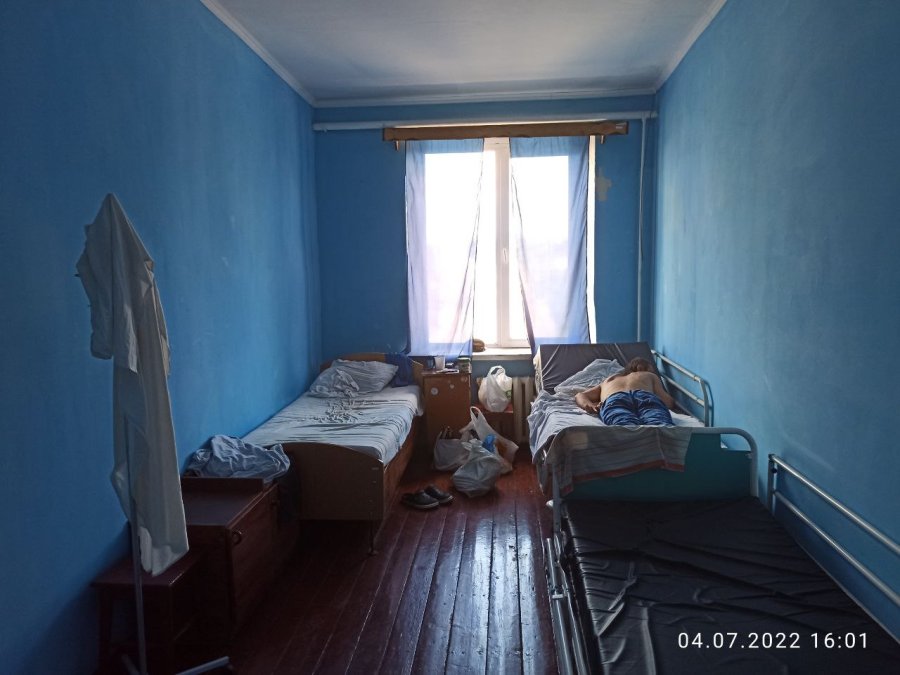
Inpatient medical records (Form 003/o) have been created for all patients.
Since the beginning of the year, 80 people have been screened for HIV infection using rapid tests, and 1 infected person was identified. There are 20 HIV-infected individuals registered (20 are receiving ART).
During the current year, 20 immunological tests (CD-4) were conducted, but not a single virological test (viral load). Thus, it can be argued that the monitoring of antiretroviral therapy is not carried out in full, which should include control of treatment effectiveness, adverse reactions, and adherence to treatment in accordance with the new clinical protocol for the use of antiretroviral drugs for the treatment and prevention of HIV infection, approved by the Order of the Ministry of Health of Ukraine No. 1292 on 05.06.2019.
In the current year, 420 people underwent a preventive medical examination.
Since the beginning of the year, 207 people have been tested with SARS-CoV-2 rapid tests.
The number of prisoners who have recovered from SARS-CoV-2 is 11.
The number of people who received two doses of vaccination is 96.
No complaints have been received from prisoners regarding unlawful actions by medical staff or institution employees, including torture, cruel, inhuman, or degrading treatment or punishment.
According to the injury log, 4 such cases were recorded this year, all occurring during their stay at the institution. Upon reviewing the medical documentation, it was established that the outpatient medical records (Form 025/o) lack photographs of existing bodily injuries, as required by Clause 3, Section 1, Chapter II of the Joint Order of the Ministry of Justice of Ukraine and the Ministry of Health of Ukraine dated 15.08.2014, No. 1348/5/572 “On Approval of the Procedure for Organizing Medical Care for Persons Sentenced to Imprisonment”.
Drug-dependent individuals are NOT provided with social-psychological support, cognitive-behavioural therapy (CBT), relapse prevention, motivational interviewing, self-help groups, etc. Substitution maintenance therapy (SMT) is also absent.
The medical unit lacks naloxone, which makes it impossible to provide emergency medical assistance in cases of opioid overdose.
Conditions for the maintenance of persons with disabilities are absent; specifically, there are no ramps, handrails, or other similar equipment.
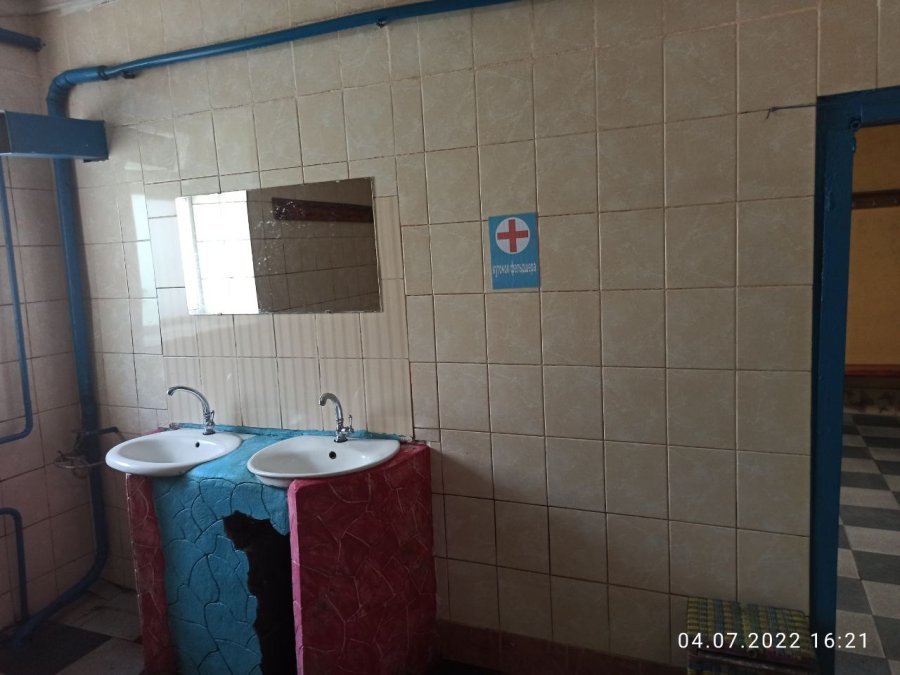
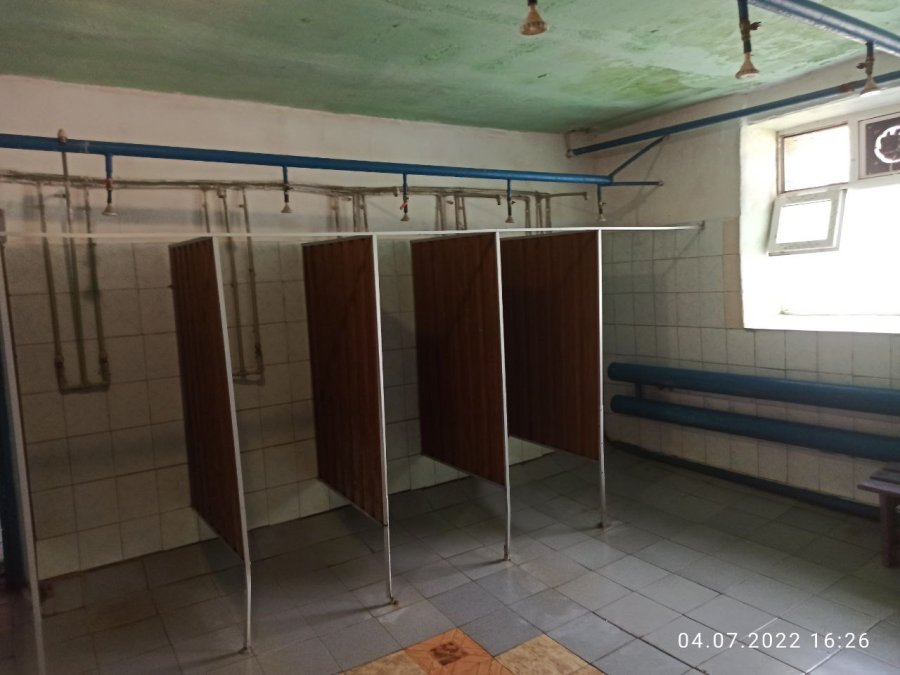
The general bathhouse is not equipped with a room for a medical worker, which is necessary for the examination of prisoners; meaning that medical examinations are conducted in the presence of other prisoners. Shower stalls are not equipped with curtains, which prevents prisoners from exercising their right to privacy during hygiene procedures.
LIFE-SENTENCED PRISONERS
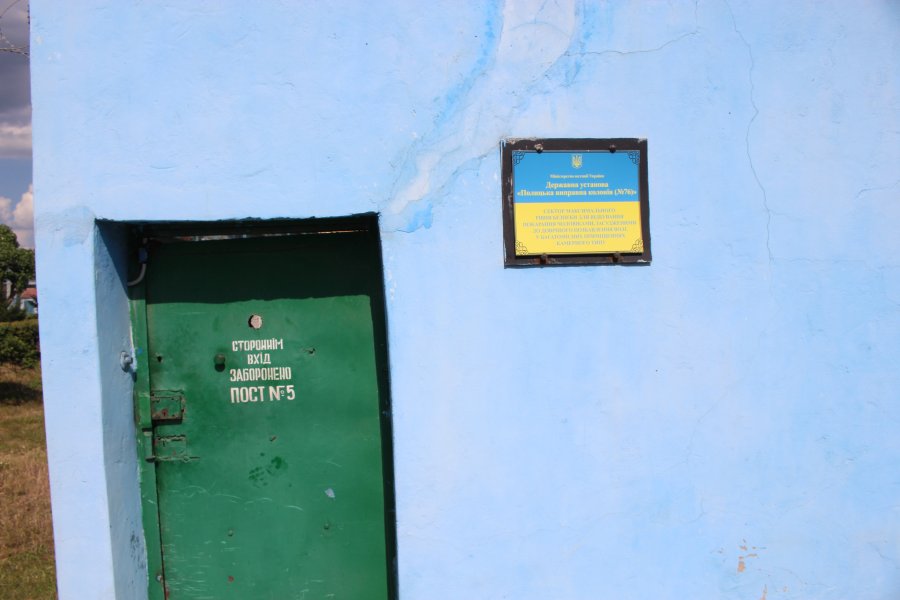
The institution has a separate maximum-security section for the detention of life-sentenced prisoners.
The cells are large, and the conditions for life-sentenced prisoners are significantly more spacious compared to the cells in Vinnytsia State Institution No. 1 and Zhytomyr State Institution No. 8.
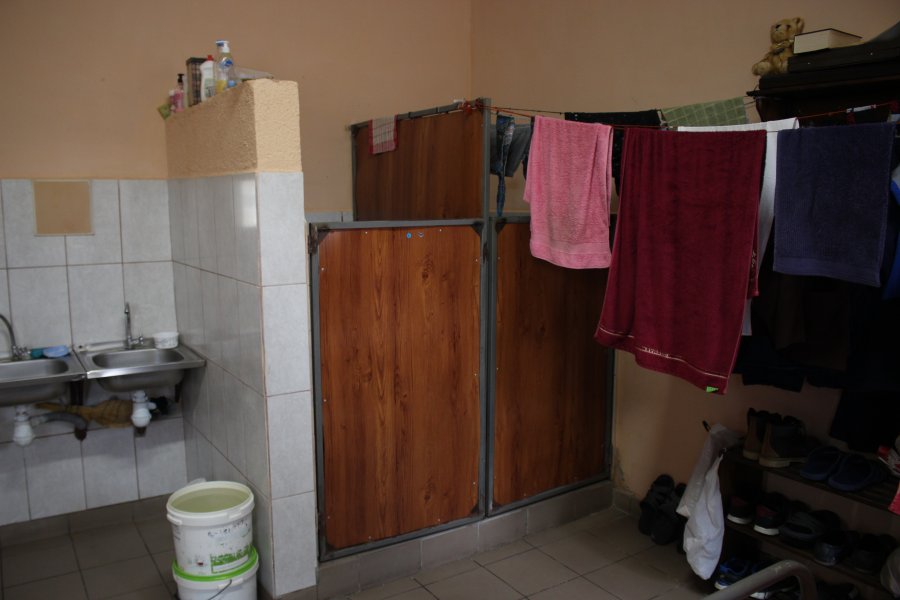
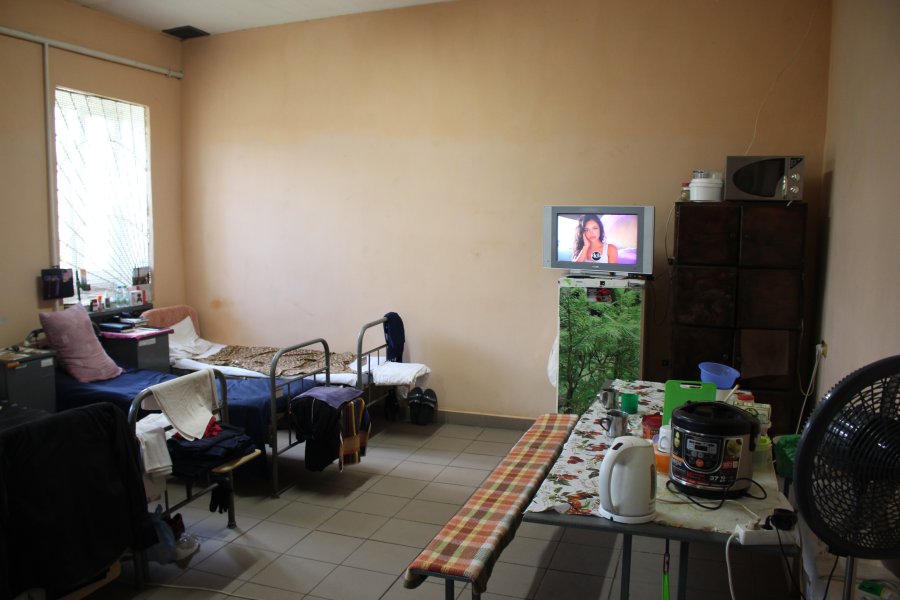
At the time of the visit, there were 14 life-sentenced prisoners in the section. All prisoners are held in two multi-person cells.
Prisoner B. complained that he was transferred to this institution illegally. According to him, there is an administrative court decision that obliged the interregional office to return the prisoner to the Horodyshche Penal Colony No. 96 in the Rivne region.
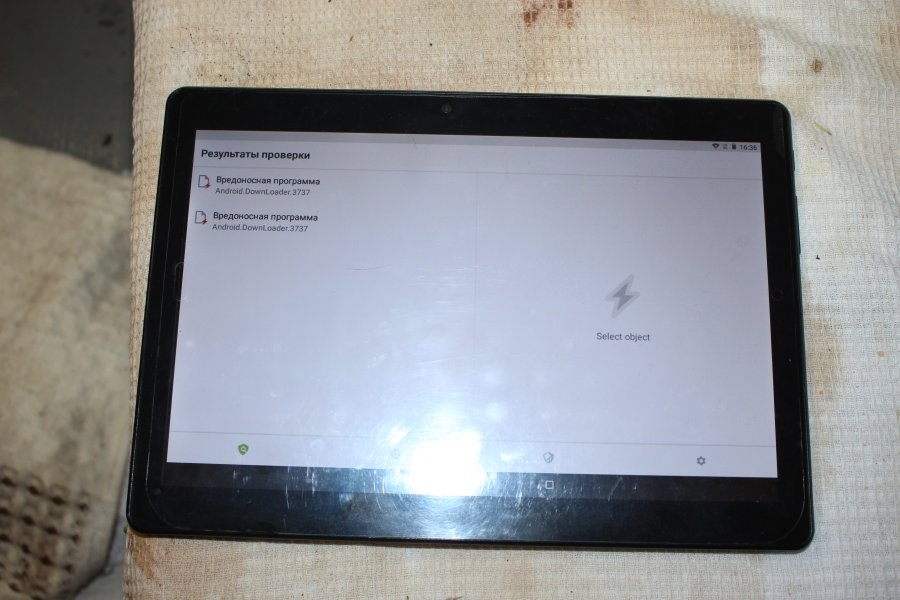
Two prisoners complain that the tablets they received from their relatives were damaged by the administration. Prisoners are not allowed to use video recording or take photos, so these functions on the tablet should be blocked. However, according to the prisoners, during such blocking by the administration, two tablets were infected with a system virus. The prisoners claim that these tablets were destroyed in this way.
GREENHOUSE
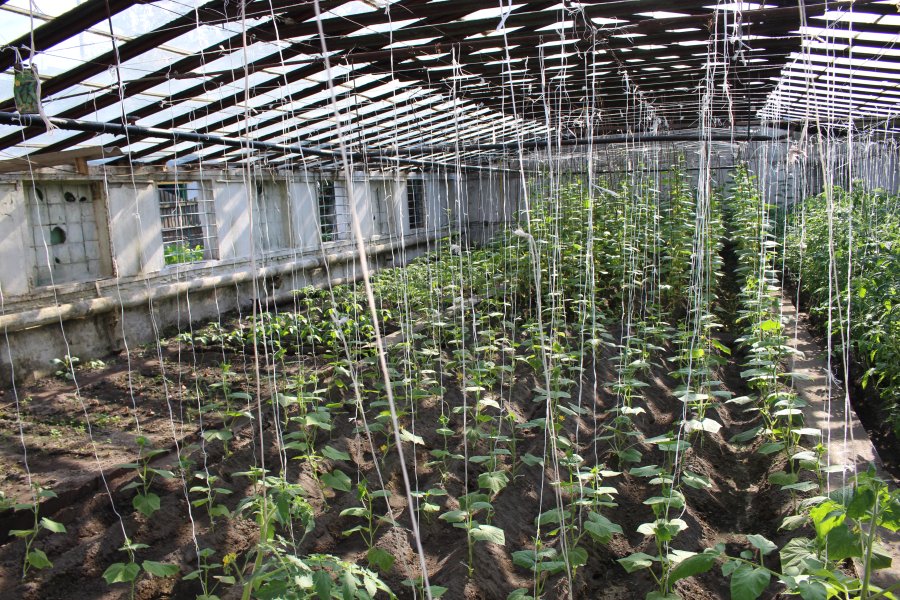
The institution grows its own agricultural products.
HOUSE OF PRAYER
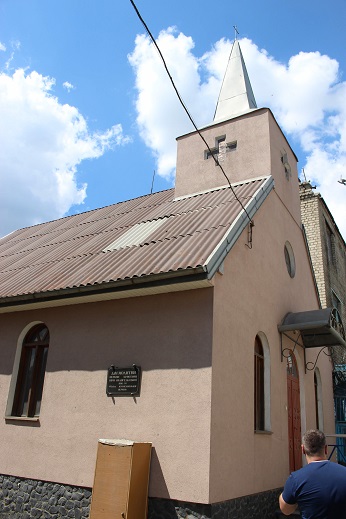
A house of prayer functions on the territory of the institution.
PRISONER APPEALS
A prisoner awaiting extradition to Moldova submitted an appeal; the documents are being processed, and he is awaiting a speedy procedure.
A number of prisoners requested assistance with their release for service in the Armed Forces of Ukraine. These are prisoners who have combat experience, as well as those who do not have combat experience but have a strong desire to be useful to the country during the war.
KITCHEN, CANTEEN
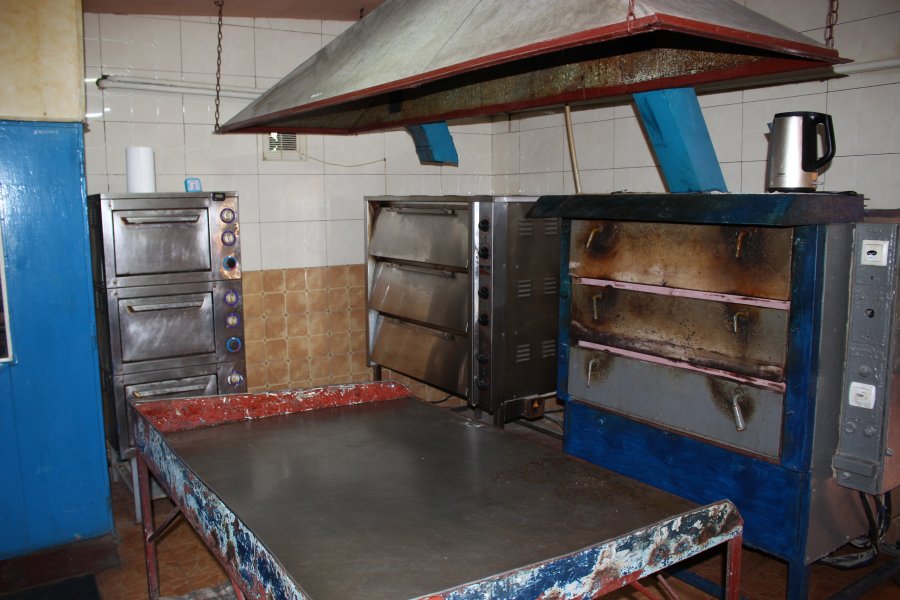
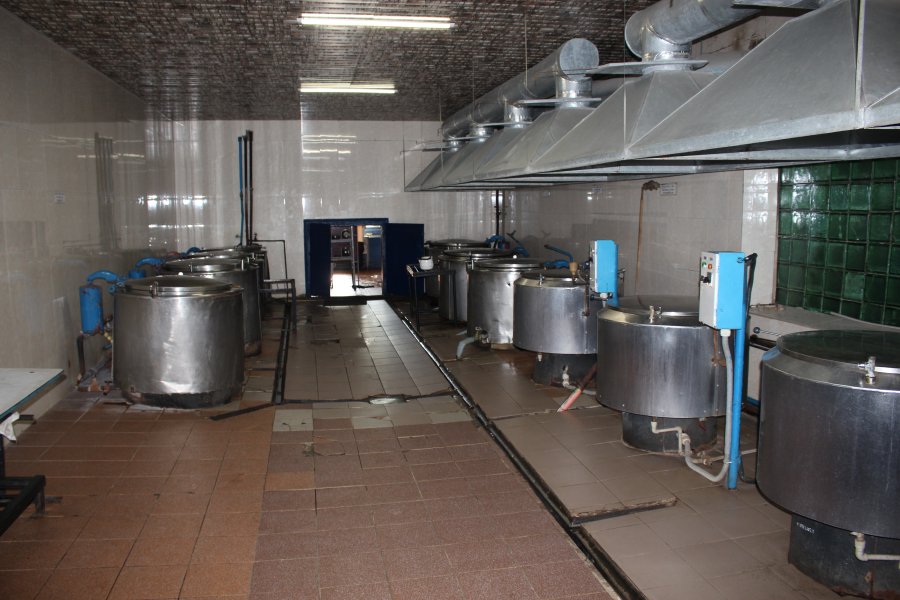
The kitchen is clean, and the boilers and cupboards are scrubbed.
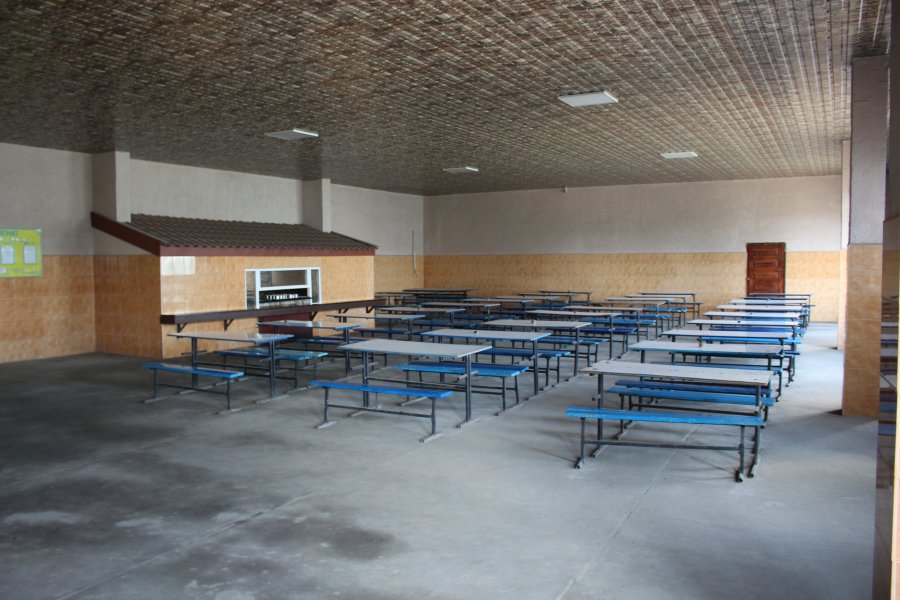
The dining hall is in a tidy state.
PRODUCTION
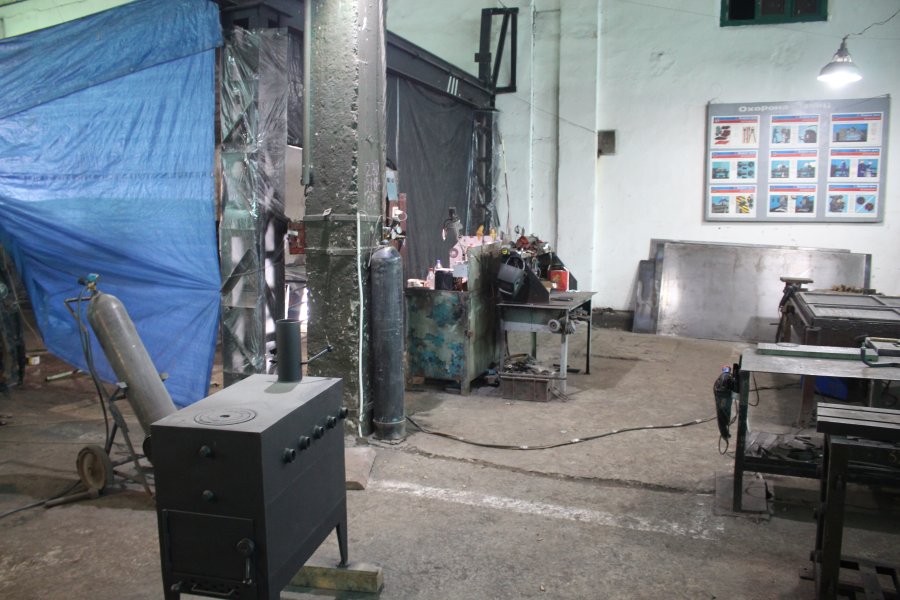
Production has decreased significantly during the war. All equipment is outdated but fit for use.
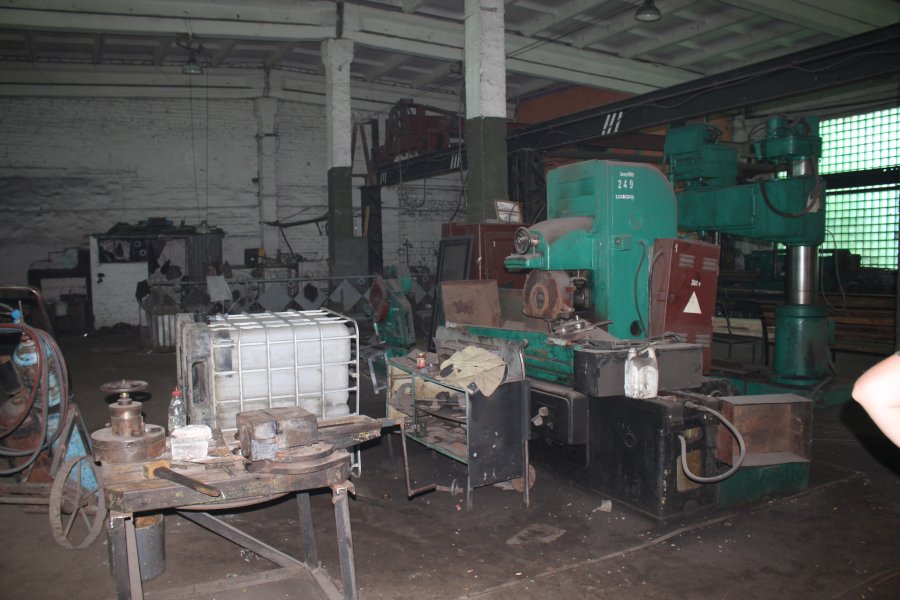
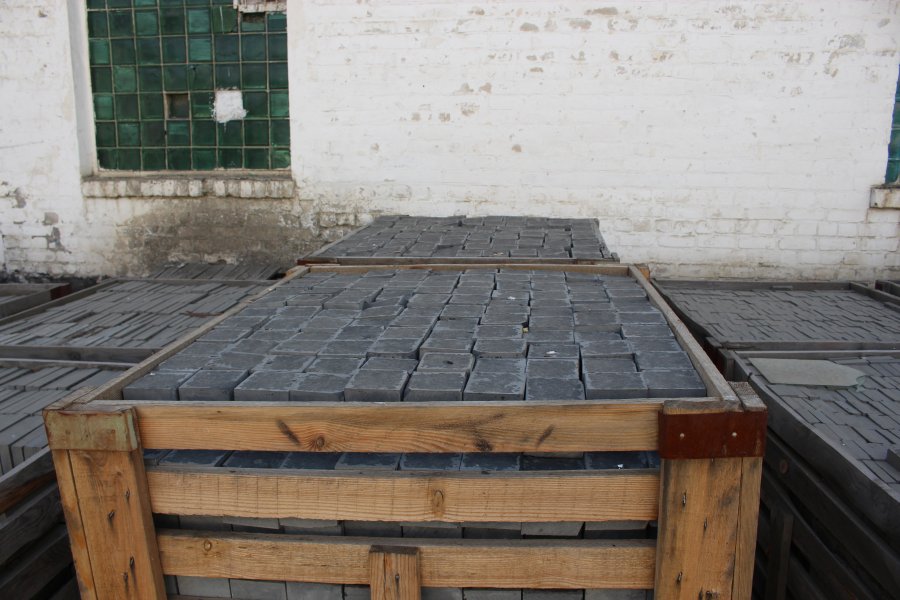
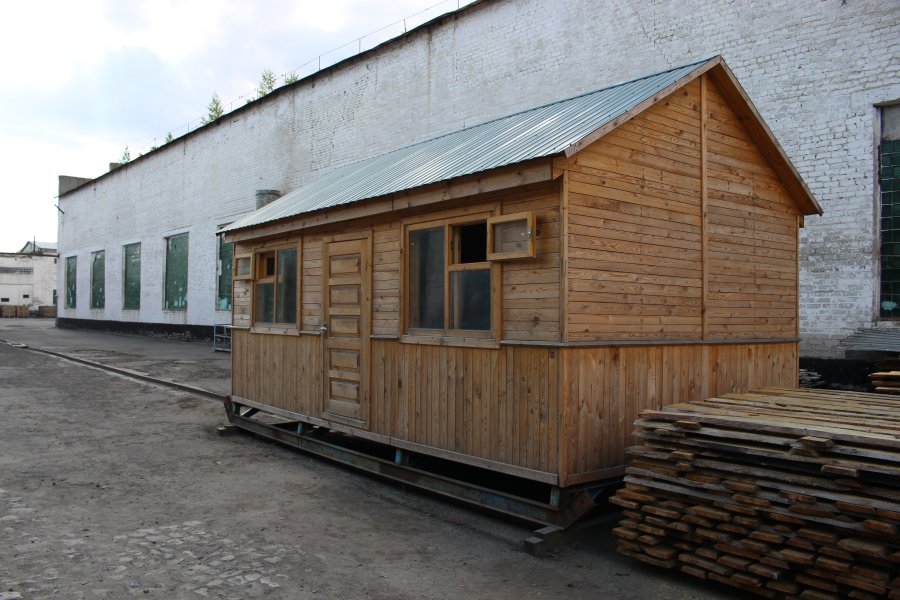
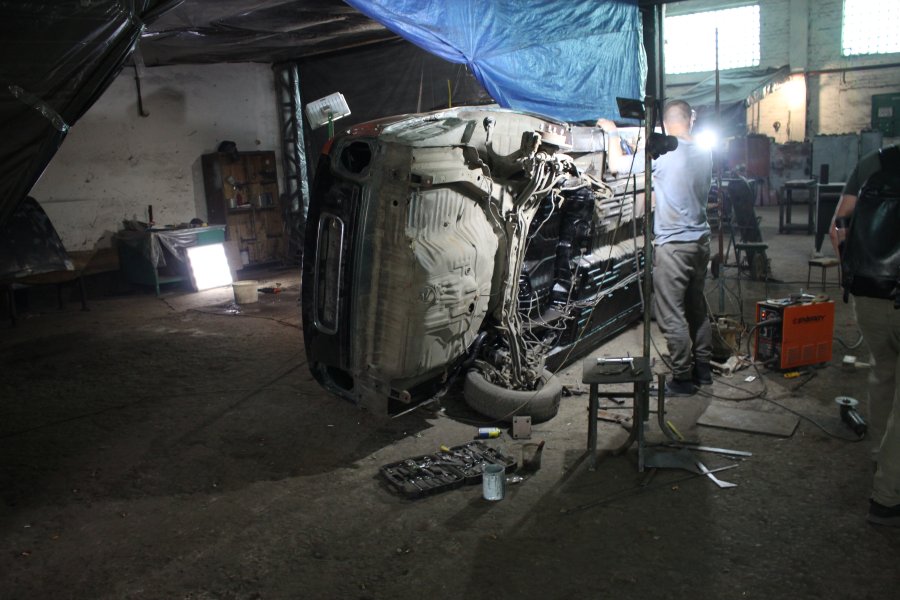
They produce portable “burzhuyka” (potbelly) stoves that can be used in field conditions, paving slabs, wooden products, and perform car repairs.
They also made about 400 load-bearing vests and bags for the military.