Monitoring visit to the State Institution ‘Zhytomyr Correctional Colony (No. 4)’
On 21 June 2022, a monitoring team consisting of the assistant to a People’s Deputy of Ukraine, Kostiantyn Kasai, and a member of the Public Council under the Ministry of Justice of Ukraine Serhii Zuikov, the assistant to a People’s Deputy of Ukraine, Yaroslav Yurchyshyn, the programme coordinator of the KHPG, Andrii Didenko, as well as the journalist of the ‘Poryad z vamy’ [Alongside You] news agency Oleksii Yaroslavtsev, carried out a follow-up visit to the state institution ‘Zhytomyr Correctional Colony No. 4’.
The institution is located in the city of Zhytomyr and is a medium-security correctional colony for holding men who have been sentenced to imprisonment for the first time for committing grave and especially grave crimes. The previous visit by the KHPG monitors is available at this link.
The main objectives of the monitoring visit were to compare the indicators of previous visits with current ones, to compare the work of penitentiary institutions with different levels of security, to analyse the institution’s work during the war, and to clarify humanitarian needs.
The team was accompanied by the head of the institution, Colonel of the Internal Service Oleksandr Yosypovych Bochkovskyi.
During the visit, the monitors were unable to visit the industrial zone. The management of the institution explained this by the absence of the head of production.
GENERAL INFORMATION
The colony is located in the city of Zhytomyr and is a medium-security facility for men sentenced to imprisonment for the first time for committing grave and especially grave crimes.
Compared to the previous visit, the number of convicts has increased by 33 people.
During the previous visit, it was found that the institution required an increase in staff, as the average ratio of convicts to staff was 1 staff member per 5 convicts, whereas in other institutions this figure is 1 staff member per 2–3 convicts. This situation has remained unchanged. However, it should be noted that despite the staff shortage in the institution, the management manages to maintain order at an appropriate level.
There are 3 psychologists working at the institution. The cost of maintaining one convict per day is 75.5 hryvnias. During the current year, 173 convicts arrived at the institution; in 2021, 5 convicts died, and in 2022, 2 died; the total number of employed persons is 36, and there are 0 employed under labour contracts; the average monthly salary in the current year is 1,833.39 hryvnias. There were 6 convicts in the disciplinary isolation cell (DIZO) and 0 in the cell-type room (PKT); there were 0 patients in the Centre for Health Care of the State Penitentiary Service on the territory of the institution, and 0 in the Ministry of Health hospitals; 40 people are registered with HIV/AIDS; 7 are prone to suicide; in 2021, 1 suicide was committed, and in 2022, none; 48 convicts are prone to self-harm; 15 convicts are prone to escape; 73 people are recognised as malicious violators of the regime of detention; no convicts were released due to illness in 2021 and 2022; 1 convict has a group I disability, 9 have group II, and 8 have group III. In 2021, 256 convicts were released, 122 on parole (Article 81 of the Criminal Code of Ukraine), and 27 persons under Article 82 of the Criminal Code of Ukraine; in 2022, the total number of released persons is 153, with 69 on parole (Article 81 of the Criminal Code of Ukraine) and 22 persons under Article 82 of the Criminal Code of Ukraine.
There were 8 ambulance calls in 2021 and 6 in 2022; 36 cases of bodily injuries were recorded in 2021, of which 1 occurred upon arrival and 35 while staying at the institution; in 2022, 0 cases were recorded upon arrival and 8 while staying at the institution. This year, special equipment was used against convicts 3 times; 372 visits were conducted using video conferencing via the internet. The institution has 7 workstations with internet access for distance learning. The institution has set up a free internet network for convicts; in 2021, there were 13 long-term visits, and in 2022, 2; there were 382 short-term visits in the period of 2021 and 28 short-term visits in the current year.
The standard of living space per one convict is 5.1 square metres. 304 people have been tested for SARS-CoV-2 (IgG, IgM), 22 convicts have had SARS-CoV-2 (IgG, IgM), and 810 convicts have been vaccinated. There were no complicated cases of coronavirus. Recently, the sewage system and power supply cables have been replaced.
According to the administration, 32 convicts filed petitions for a pardon for the purpose of serving in the Armed Forces of Ukraine (AFU); all 32 petitions were supported by the administration, and 32 people were released to serve in the AFU. According to data obtained as a result of a survey of convicts, almost everyone applied for a pardon and expressed a desire to serve in the AFU, but they did not receive responses to their appeals.
The management of the institution tries to have professional relationships with the convicts and believes that it is precisely because of this practice that the number of disciplinary offences has decreased significantly.
Almost all convicts need to be trained; they are mostly young people, and many are drug-addicted. Access to narcotic substances is minimised in the colony. Alcoholic beverages, such as home-brew, are also identified very quickly.
Since the beginning of the large-scale aggression of the Russian Federation against Ukraine, the institution’s personnel have been transferred to an enhanced version of duty under martial law.
During the hottest days of February and March 2022, the most important task was to calm the prisoners, ensure the necessary explanatory work was carried out, inform them about events in the state, and at the same time adjust the institution’s work to the realities of wartime.
From the first days of the war, the institution joined the process of manufacturing products necessary for the military—plate carriers, pouches, chest rigs, and other equipment, which are constantly supplied to our defenders.
HUMANITARIAN NEEDS OF THE INSTITUTION
1. To strengthen and restore the immune system of convicts who have recovered from COVID-19, the medical unit needs multivitamin preparations.
2. Provision of humanitarian aid to convicts who arrived at the institution from regions where active hostilities are ongoing.
As of 21 June 2022, 54 convicts who were evacuated from the State Institution ‘Bakhmut Execution of Sentences Institution (No. 6)’ are serving their sentences in the institution. In this regard, there is a need to provide the mentioned convicts, and convicts who will arrive at the institution in the future due to Russia’s armed aggression, with the following items: clothing (seasonal clothing and summer/winter footwear), 60 cotton mattresses, and 255 beds.
3. Since the moment of the full-scale armed aggression of Russia against Ukraine, the institution has not received humanitarian aid from the International Committee of the Red Cross, UN institutions, or other international organisations.
DISCIPLINARY ISOLATION CELL (DIZO), CELL-TYPE ROOM (PKT), DISCIPLINARY CELL-TYPE FACILITY (DPK)
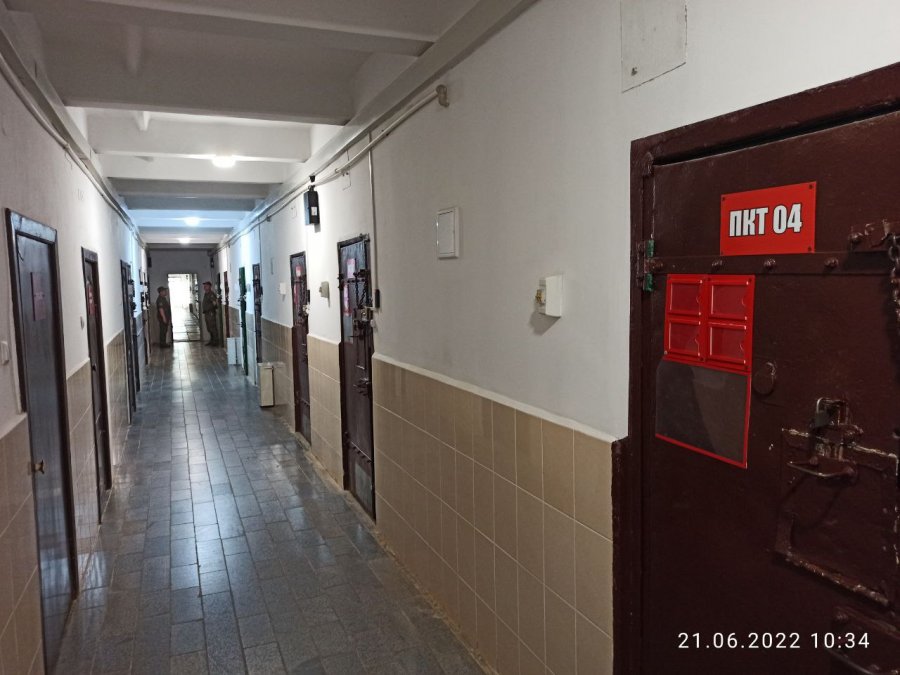
At the time of the visit, six people were serving disciplinary sanctions in the DIZO; no one was in the PKT.
During the monitoring, all convicts who were serving sanctions in the DIZO were interviewed. Violations included, for example: found a SIM card for a phone, did not stand up after the wake-up call, etc.
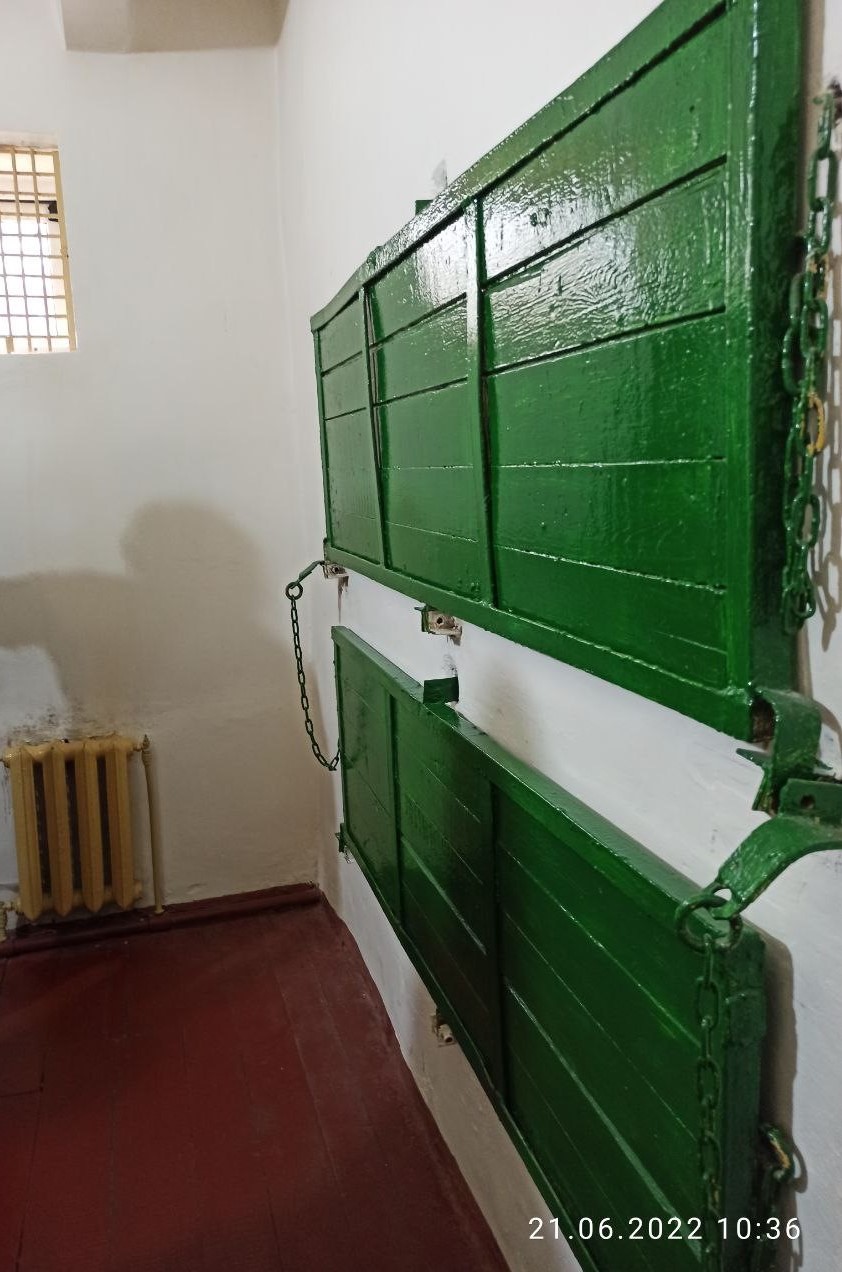
I would like to point out that, despite previous remarks, Zhytomyr Correctional Colony No. 4 is perhaps the only institution where the practice of ‘raised beds’ continues, where the beds in the DIZO cell are fastened to the wall during the day. The management of the institution was shown a clarification on this matter from the Deputy Minister, Olena Vysotska, but no appropriate reaction was taken by the management, and the beds in the DIZO were not unlocked. The management of the colony considers such a practice of closed sleeping beds normal for fostering disciplinary, law-abiding behaviour.
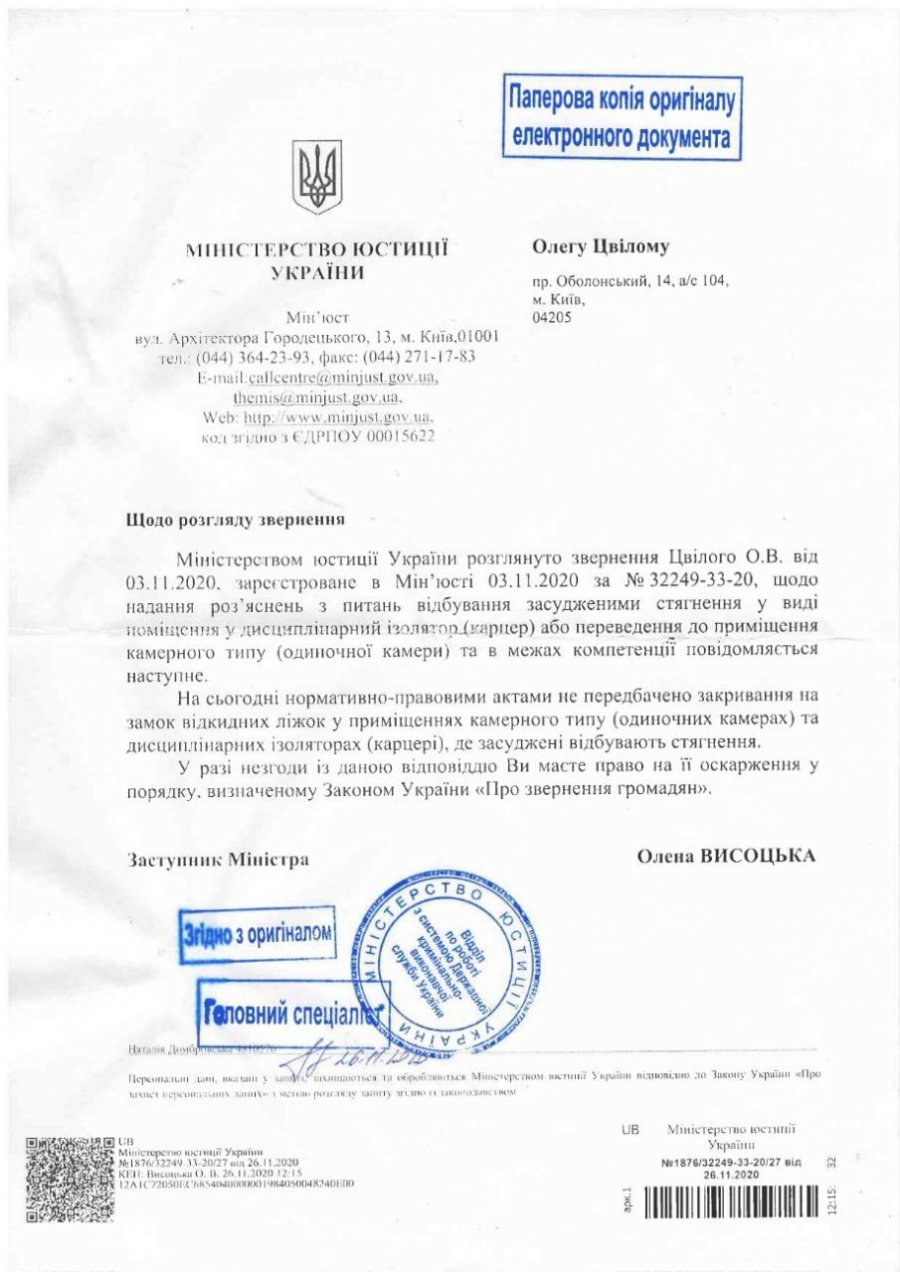
Clarification from the Deputy Minister of Justice of Ukraine, O. V. Vysotska, regarding the locking of folding beds in the PKT and DIZO
There is a stench in the DPK cell. Convicts in the DPK are allowed parcels and deliveries.
Convict A., who was in the DPK, complained about the lack of medical assistance. He complained about ear pain and vision problems and noted that he had repeatedly appealed to the head of the medical unit.
Convicts complain about incomprehensible disciplinary punishments, in particular for refusing to introduce themselves or failing to turn up for morning exercise.
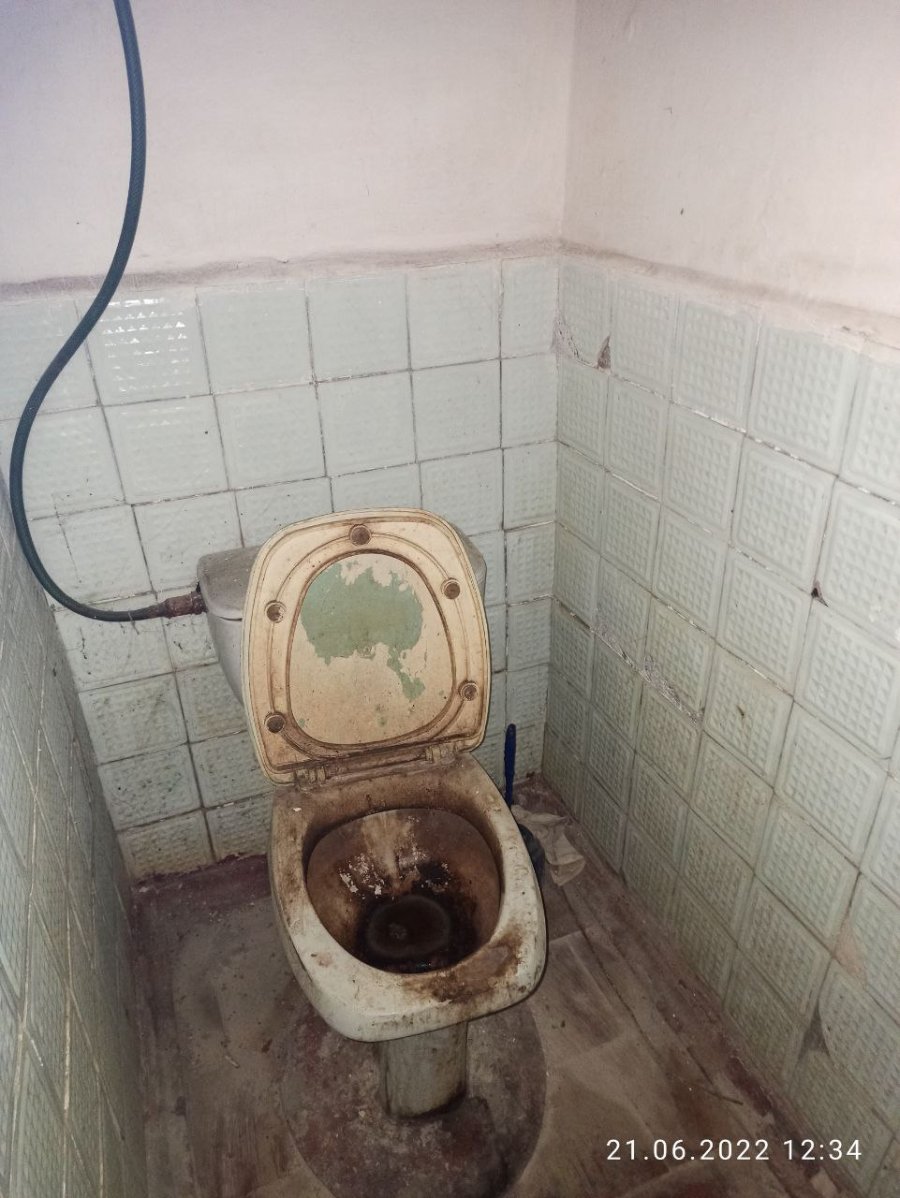
Toilets are separated by a low wall without doors and are in a neglected state.
Walking yards are equipped with a bench and sports equipment.
QUARANTINE AND DIAGNOSTICS DEPARTMENT
People from the new intake were in the section. No complaints or remarks were expressed.
BATH AND LAUNDRY
Equipment is available. A new washing machine was purchased in 2020. Two old machines are also working properly. Drying of clothes and linen takes place in a separate room. Individuals working in the bath receive a salary within the framework of civil law contracts.
There are no curtains in the shower stalls.
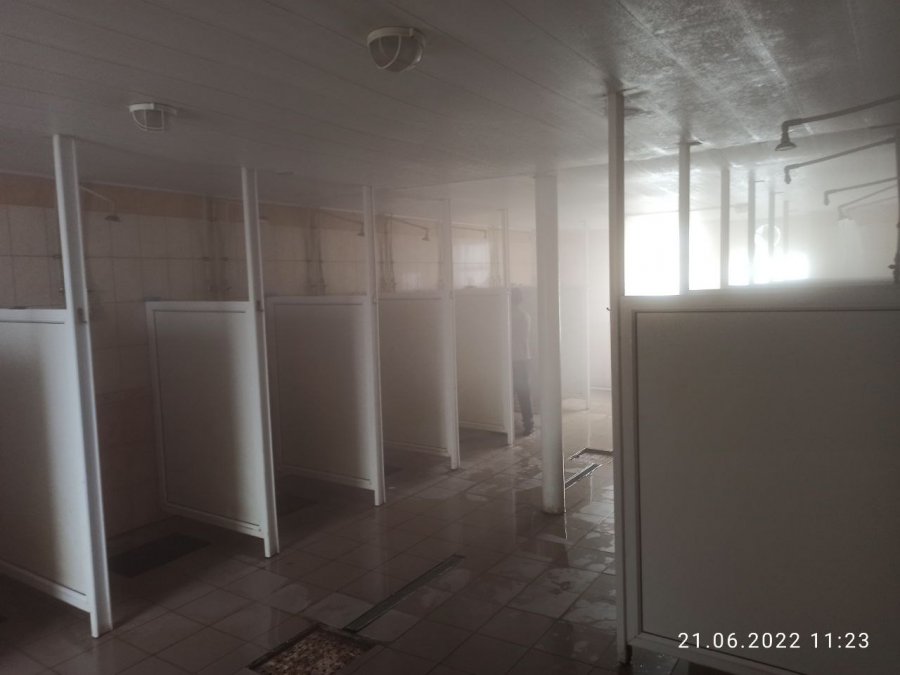
In the general bath, there is no room equipped for a medical professional required for the examination of convicts, meaning the medical examination is conducted in the presence of other convicts.
LIVING PREMISES
Repairs and refurbishment of living quarters are underway. A toilet is being built inside the room, which was previously located outside. The administration is trying to take into account the right to privacy of the convicts when placing sleeping beds. In the rooms for storing and consuming food, there are refrigerators and multicookers.
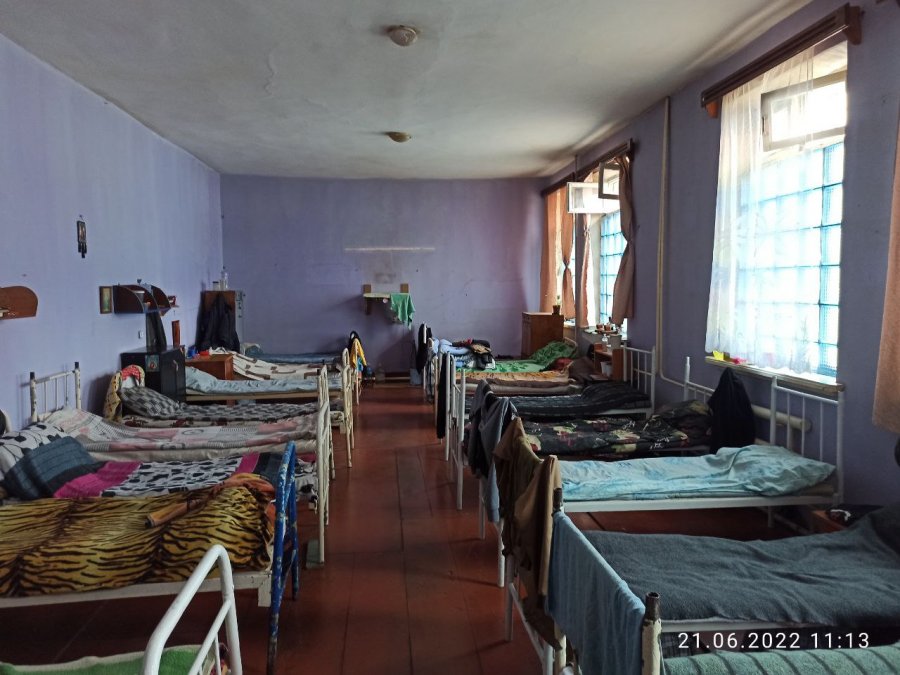
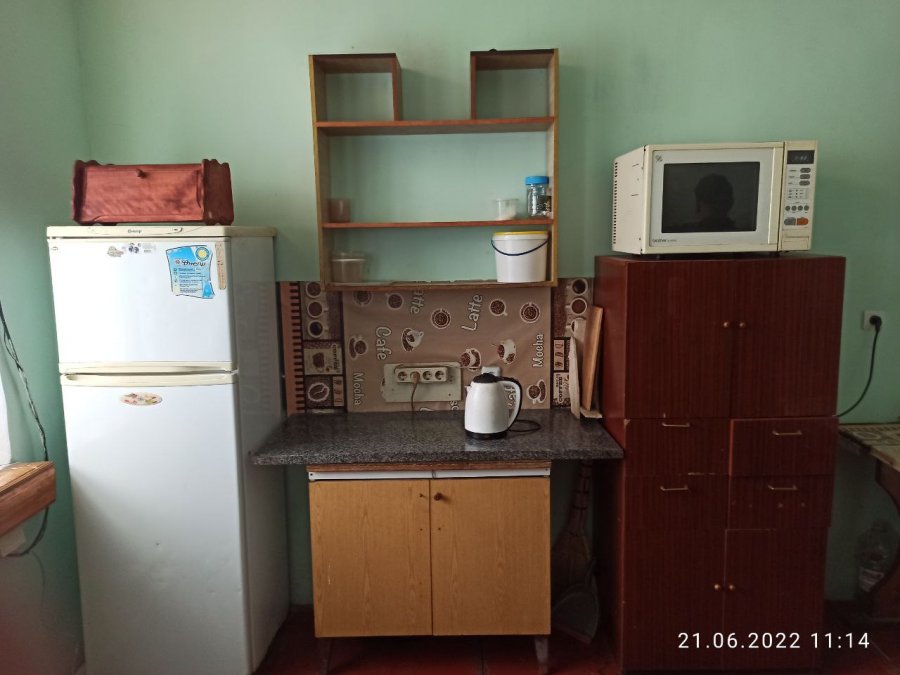
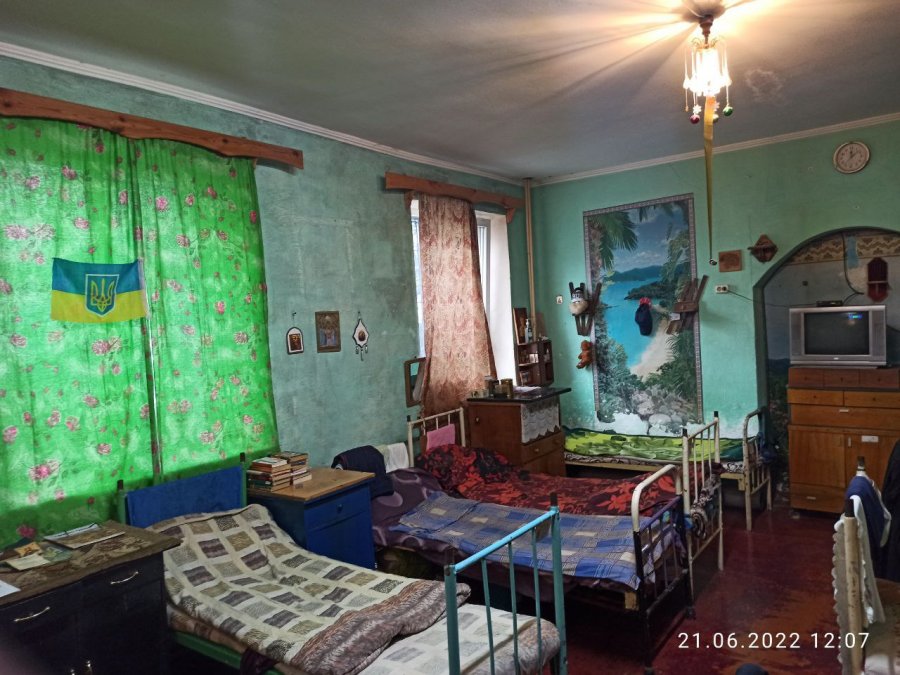
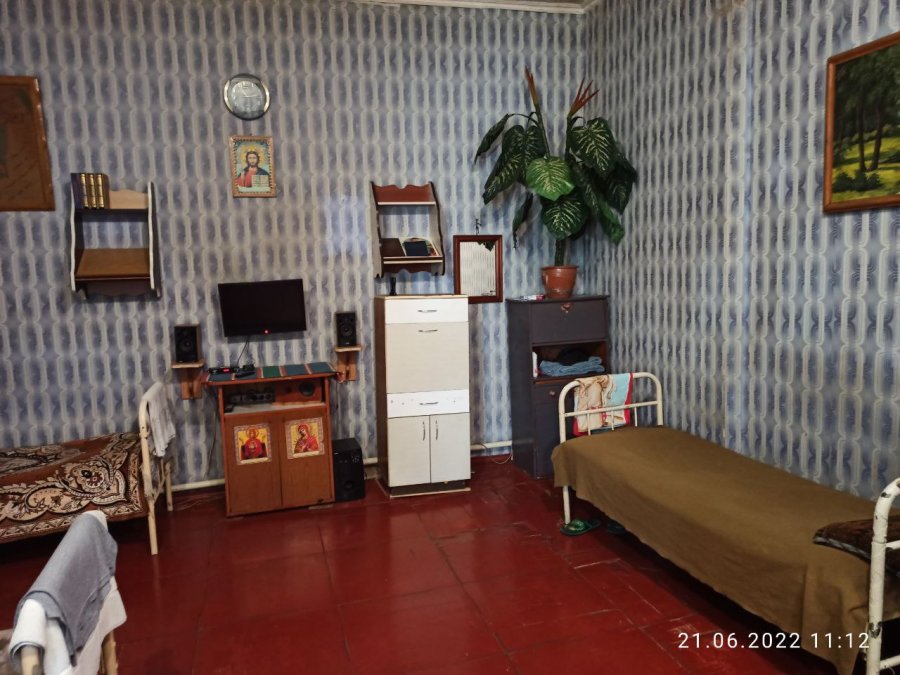
Convicts do not wish to communicate regarding human rights violations. This is certainly not connected to the fact that these violations do not exist. Most likely, the convicts do not believe in the effectiveness of complaints and, considering that each convict builds personal relationships with the institution's management and wishes to be released as soon as possible, they do not complain due to fear of consequences in the form of persecution by the administration, imposition of disciplinary sanctions, non-submission of a petition for early release, etc.
Convicts testified that, in production, they earn on average 500–800 hryvnias per month after all deductions.
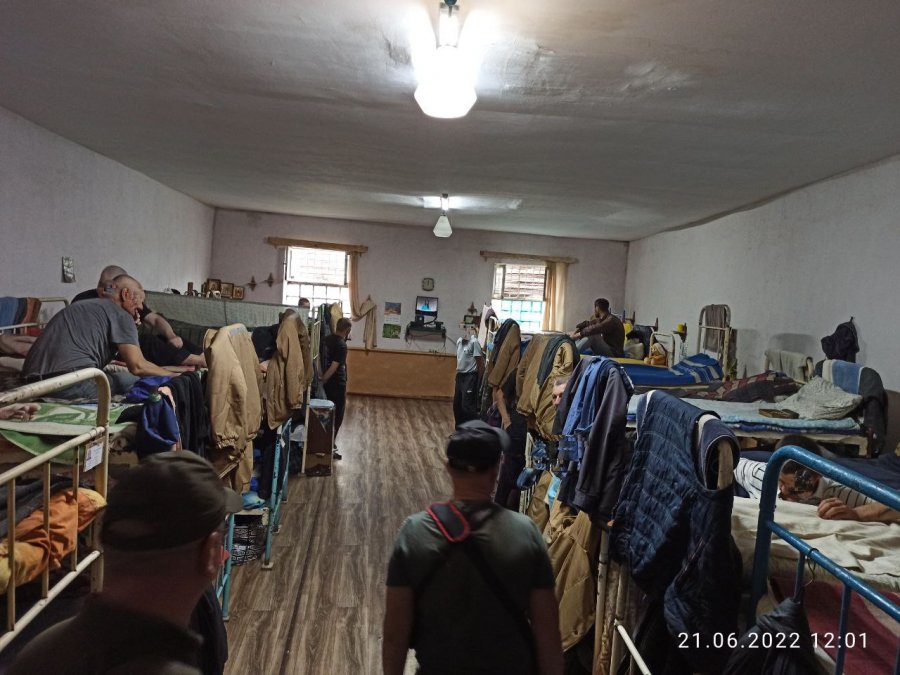
Department No. 5 still has bunk beds, but this situation is gradually being resolved in favour of single-tier beds.
The toilet stalls are not enclosed.
In one of the rooms, there are bunk beds, and mostly elderly convicts are gathered there. As explained by the head of the institution, disabled people and elderly people are gathered here. These older people look for ‘their own’, and it is convenient for them here because it is not far from the medical unit. These explanations are not very understandable, considering that the monitors visited spacious departments where the beds are single-tier, while, at the same time, among the disabled and elderly, there is, on the contrary, great overcrowding and two-tier beds.
MEDICAL UNIT
According to the staffing table, 15 staff members should work in the medical unit. On the day of the visit, the positions of radiologist, psychiatrist (0.25 rate), and X-ray technician remained vacant. According to the head of the medical unit, the institution is fully provided with medicines.
The medical unit carries out 24-hour duty by medical staff to provide emergency medical assistance and ensure convicts have access to medicines.
The institution lacks information regarding convicts who have declared a family doctor while at liberty.
The medical unit includes: the office of the head of the medical unit, an intervention room, a procedure room, a dental office, and a psychiatrist’s office.
The medical unit’s inpatient department has 5 wards for somatic patients, designed for 15 bed spaces; in the infectious isolation ward, which has 2 wards designed for 4 people, repair work is underway. There is also a separate room for tuberculosis patients, which is designed for 20 bed spaces.
The medical unit lacks opioid agonist therapy (OAT).
Sputum microscopy is not performed in the institution due to the lack of a laboratory; therefore, it is sent to the laboratory in Execution of Sentences Institution (UVP) No. 8. No work is being carried out regarding the prevention of infectious diseases among convicts, medical unit staff, and the correctional colony—namely, the sputum collection point is equipped improperly, which creates favourable conditions for the infection of healthy people with tuberculosis and violates the Order of the Ministry of Health of Ukraine dated 01.02.2019 No. 287 ‘On Approval of the Standard of Infection Control for Healthcare Institutions Providing Assistance to Patients with Tuberculosis’.
For the current year, 8 cases were recorded in the log of bodily injuries. At the same time, the patient’s card 025/o lacks photographs of existing bodily injuries, as provided for in item 3 of section 1, chapter II of the joint Order of the Ministry of Justice of Ukraine and the Ministry of Health of Ukraine dated 15.08.2014 No. 1348/5/572 ‘On Approval of the Procedure for Organising the Provision of Medical Care to Convicts to Imprisonment’. The doctor explained this by stating that photos of bodily injuries are kept in electronic form. This is due to the fact that the institution has a black-and-white printer and there is no possibility of printing colour photos.
It was established that, due to the lack of the necessary number of medical staff, the institution is unable to form a medical-consultative commission (hereinafter LKK) for conducting a medical-social expert examination for a patient for their subsequent referral to a medical-preventive institution to pass the MSEC; therefore, to pass the LKK, convicts are sent to the specialised hospital of the Centre for Health Care of the State Penitentiary Service. There are no conditions for maintaining persons with disabilities; in particular, there are no ramps, handrails, and other equipment, which is a violation of the rights of persons with disabilities.
It is also important to note that the monitors recorded only one general bathroom and shower for the medical unit, which occupies two floors of rooms for wards and medical staff offices. Furthermore, when examining the ward for somatic patients, the monitors drew attention to the belongings of the convicts and signs of staying in the ward where, according to the doctor, no one is receiving treatment. In one of the wards, a convict came out to meet the monitors who, according to him, performs the function of a medical worker. The monitors managed to find out that the convict himself is attached to one of the institution’s departments, where he should be during his free time.
During the inspection of the register of convicts seen by the dentist, the monitors recorded that the last entry was dated 30.05.2022. According to information provided by the medical worker, it became known that the dentist was on sick leave on the day of the visit, which is why the reception of convicts has not been conducted for a long time.
Again, as during the previous visit, it was observed that there was not a single patient in the inpatient department. In reality, this looks quite unusual, considering the number of convicts in the institution.
However, a healthy convict lives in the medical unit. The on-duty doctor explained that this is an orderly who helps during the transport of patients. But no patients were found in the medical unit during the second visit. It is not clear what the need is to keep an orderly in a medical unit that has no patients? Could this convict live together with everyone else and perform the functions of an orderly if necessary? This question remained unresolved.
The on-duty doctor said that convict A. had turned up a month and a half ago regarding ear pain; he had a plug in his ear and was provided with medical assistance.
LIBRARY
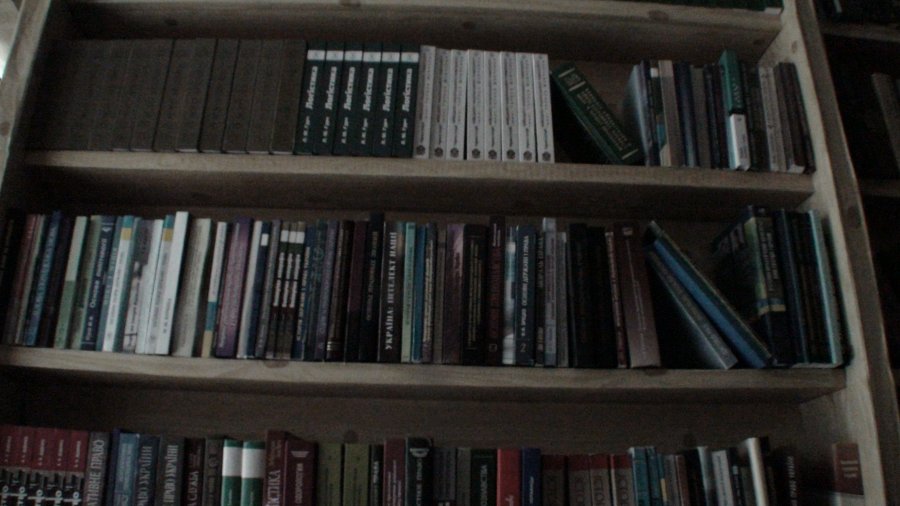
The library is in tidy condition; there are about 50–60 books on hand with the convicts; legal literature is available. The Criminal Executive Code in the quantity of about 5 copies is on hand and is in demand.
Perhaps it is worth sending a selection of books from the KHPG library to the library of this institution.
CLUB
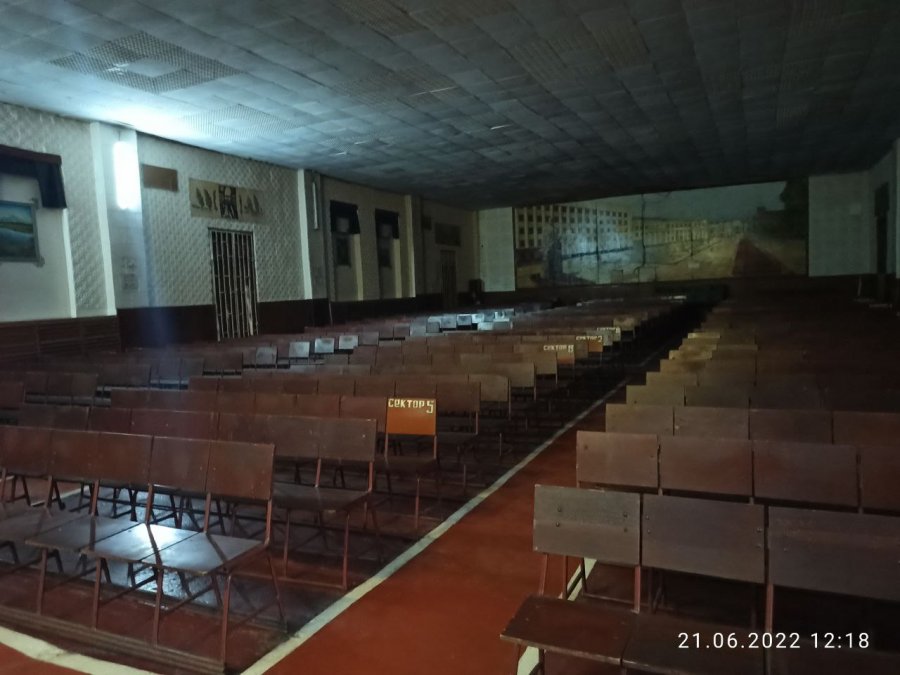
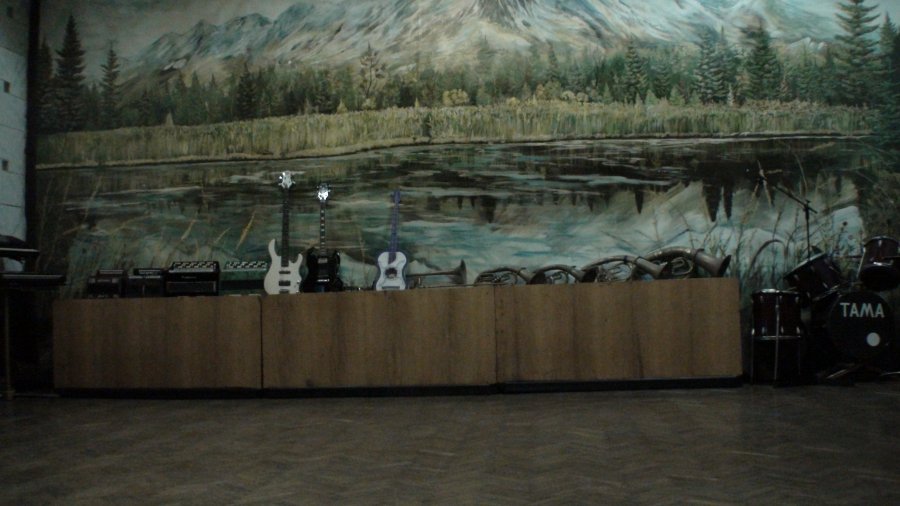
The institution's club is large. According to the administration representatives, there is an intention to create a reading room for the convicts.
PRODUCTION
According to the institution’s management, woodworking is operating; previous orders from Kharkiv have been suspended. The head of production, Oleksii Kondratiuk, in response to our request to provide a sample of a labour contract with a convict, said that all these contracts are located outside the zone. The monitors did not wait for the return of the production director, and without the director, the monitors were not allowed onto the territory of production.
SHOP
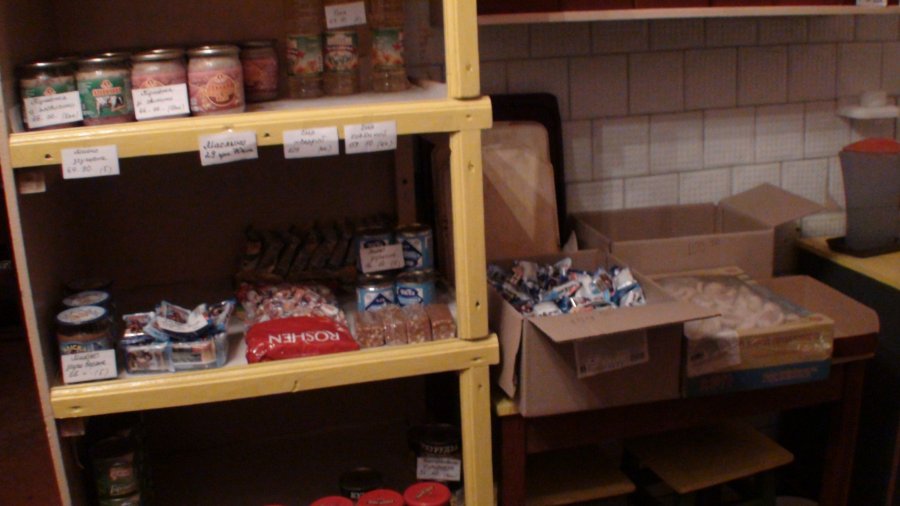
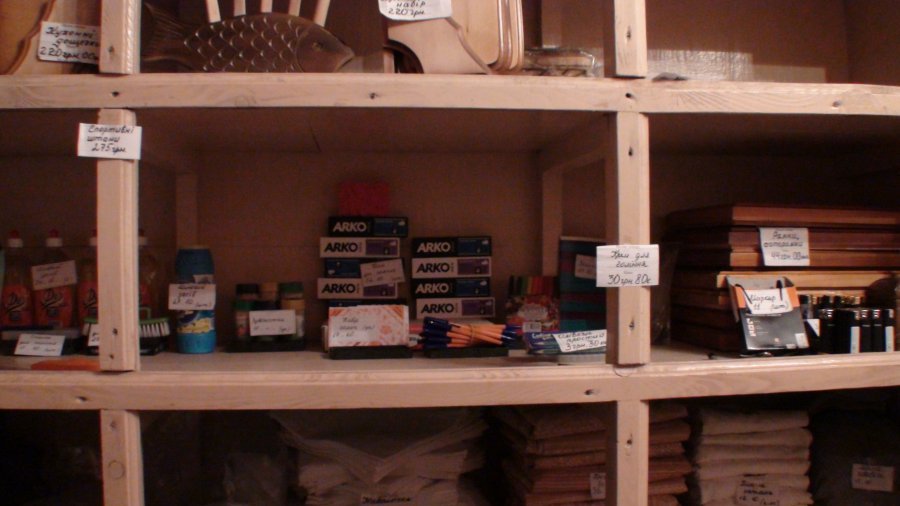
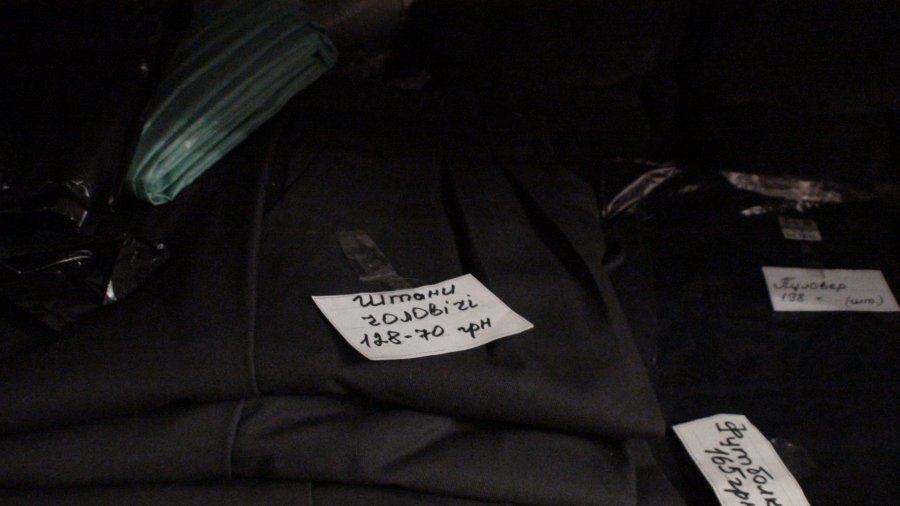
Operation of the shop in wartime conditions. Goods are brought once a month. The assortment is based on the applications of convicts. Every convict who wishes to buy items in the shop makes an application and subsequently realises their needs through the shop. A salesperson and an accountant work in the shop. In June, goods worth 40,050 hryvnias were sold. There are significant problems with transport and logistics. Convicts make a request, and within two to three weeks, the sale takes place. And then a request for the next month is formed. The suppliers of the goods are private entrepreneurs (FOPs), who supply the goods and then wait for payment.
BOMB SHELTER
The bomb shelter is small in size and unable to accommodate all convicts.
When the shelling occurred, information was given to the convicts that in case of danger, the first dormitories would be immediately evacuated to the vegetable store, and those from the first to the third would move to the bomb shelter. The administration was familiar with the action plan, and the convicts were likewise familiarised with it. In the first days, representatives of the personnel were constantly present in the institution together with the convicts, and the heads of departments took all measures for evacuation during the first weeks.
EVACUEES FROM BAKHMUT
There is a problem with clothing and basic necessities. 54 convicts arrived from Bakhmut during the hostilities. The convicts effectively arrived without any belongings. During a personal conversation, they said that during the transfer, representatives of the National Guard treated them politely. Physical force and psychological pressure were not applied. In the carriage compartment during transportation, there were 11 people; they were taken to the toilet every three hours. There is a need for humanitarian aid, as the displaced convicts do not have elementary things, basic necessities, clothing, etc. The convicts do not have the opportunity to receive deliveries or make phone calls.