Monitoring visit to Khrolivskyi Corrective Centre No. 140
I. General information
On 25 May 2021, the KHPG monitoring group, consisting of Maksym Revyakin, Tamara Horbachevska, and Pavlo Shvab, conducted a monitoring visit to State Institution ‘Khrolivskyi Corrective Centre No. 140’.
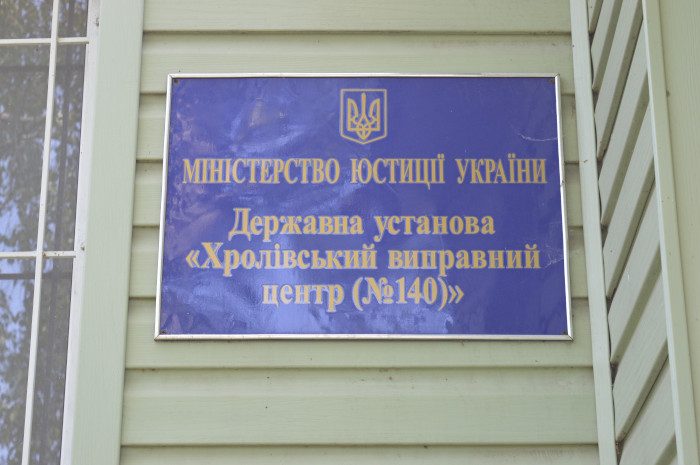
The Khrolivskyi Corrective Centre is located in the village of Khroly, Kharkiv district, Kharkiv region. It should be noted that finding the centre was quite difficult, as it has no identifying signs or name on the fence at the entrance to the territory.
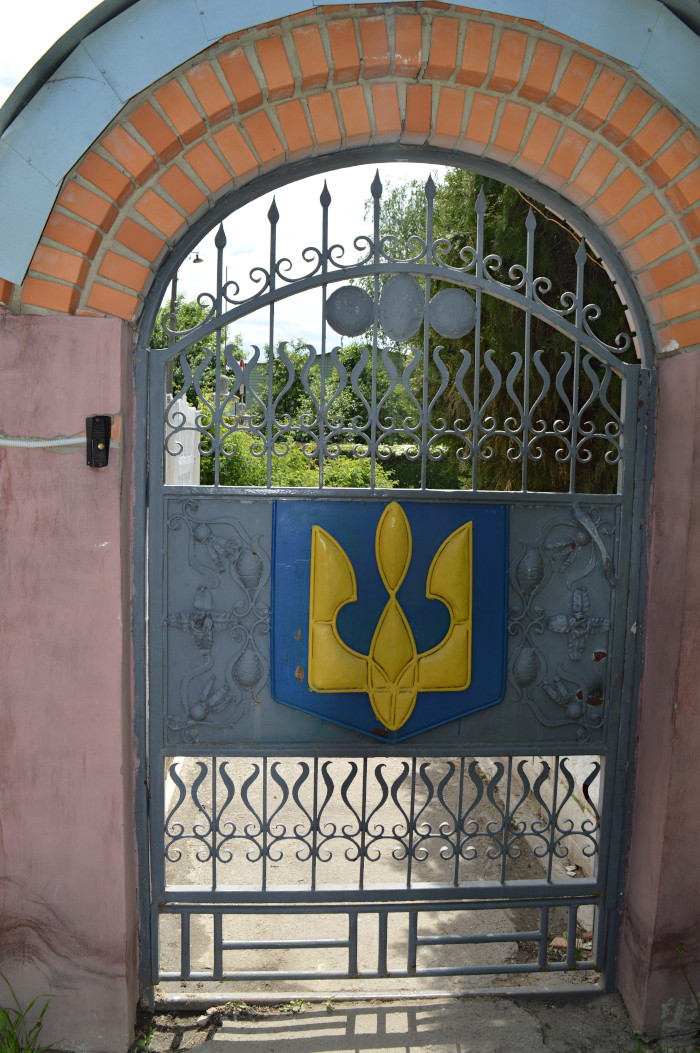
To see the name of the institution, one needs to enter the territory of the centre, for which a pass is required. The monitors were not allowed onto the territory immediately, with the excuse that a prosecutor was visiting the centre. However, the presence of up to 10 outside persons is allowed on the territory. Therefore, three monitors were unreasonably denied access to the territory of the centre, given that there was only 1 prosecutor present.
At the time of the visit, 158 prisoners were serving sentences in the centre, which exceeds the maximum capacity of the centre (122 people). 10 prisoners were released on parole during the current year. The number of administration staff is 79, while the staff establishment lists 88.5 people.
Upon arrival at the institution, the monitors underwent temperature screening. There were disinfectant barriers at the checkpoint.
II. Living quarters
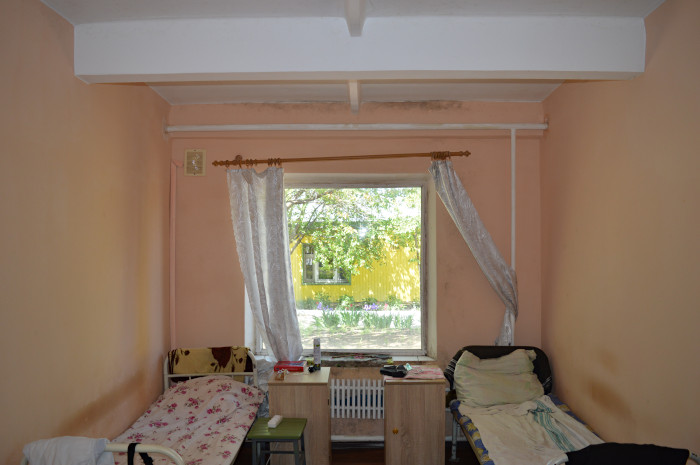
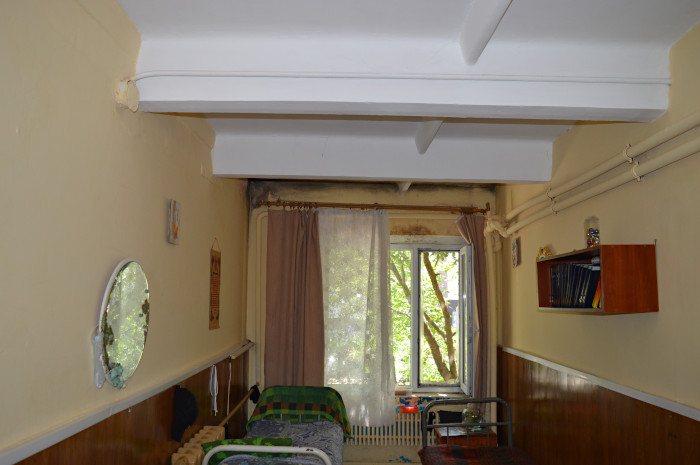
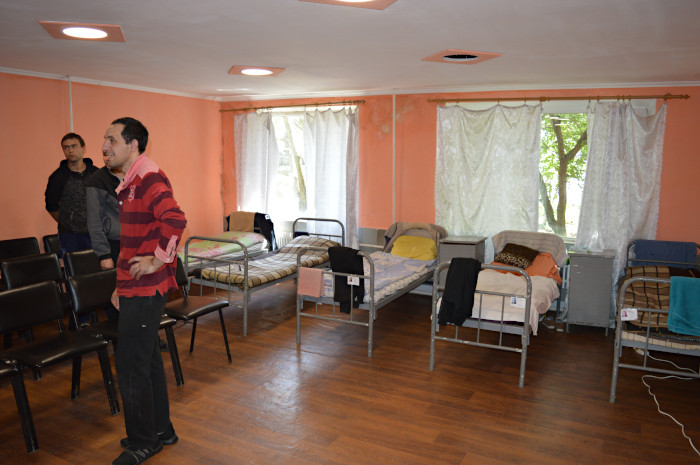
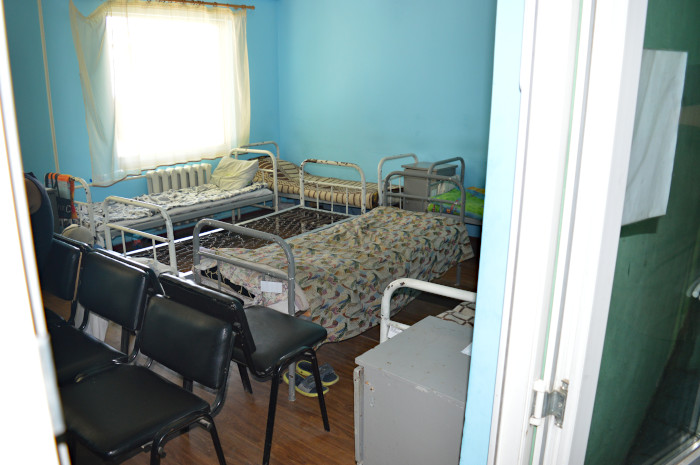
Living quarters are located in two buildings on the ground floors; the third living quarter is mothballed. The monitors note that the repairs in the rooms are outdated, mould is appearing on the walls in the bedrooms, and a specific smell of sewage is felt in all rooms. Metal-plastic windows are installed in the living quarters. Long-term visits are practically not held due to quarantine, and prisoners are also not allowed to go on weekly weekend leaves due to quarantine restrictions, which was standard practice before the introduction of quarantine measures.
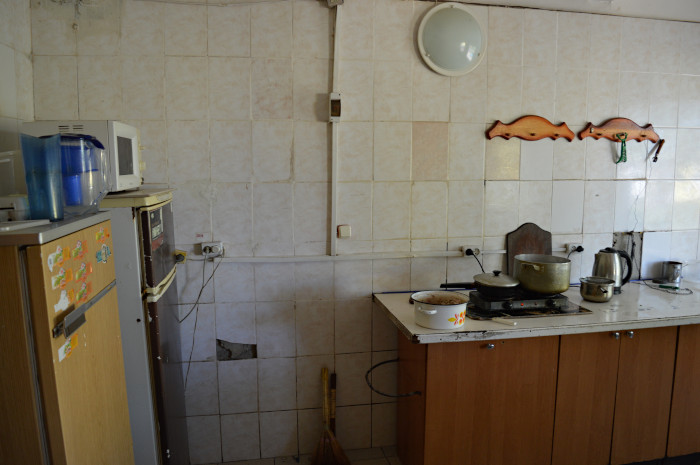
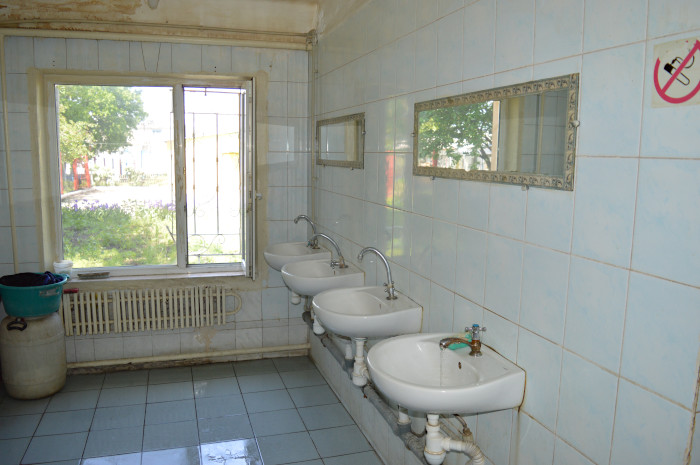
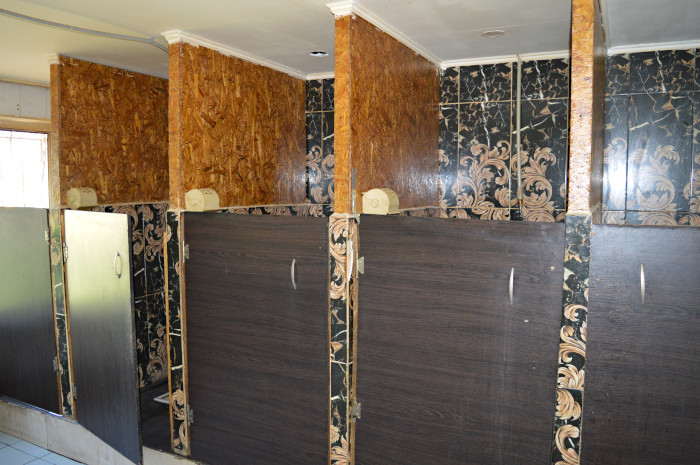
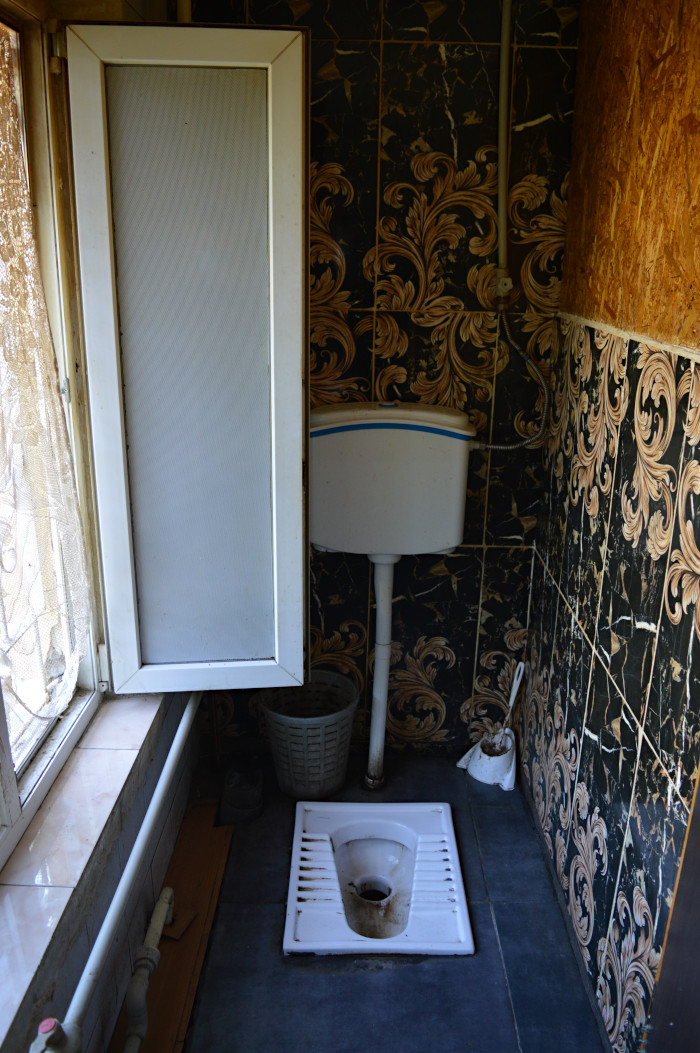
Dining rooms are equipped with kitchen utensils, and tanks with drinking water are available. Sanitary units are equipped with functional plumbing, which is partitioned off by high dividers and doors that ensure privacy. However, mould is present in some places. In some toilet rooms, there are basins with clothes soaking for washing, which raises doubts that the laundry’s capacity meets the institution’s needs.
The main problem with the centre’s living quarters is the overcrowding of residential rooms, because due to the decriminalisation of some articles of the Criminal Code of Ukraine, a large number of prisoners are transferred to corrective centres, in particular to Khrolivskyi. Beds are placed even in recreation rooms where prisoners gather to watch television. Administration representatives also explain this by the liquidation of other corrective centres and the transfer of prisoners to this institution.
III. Bath-laundry complex
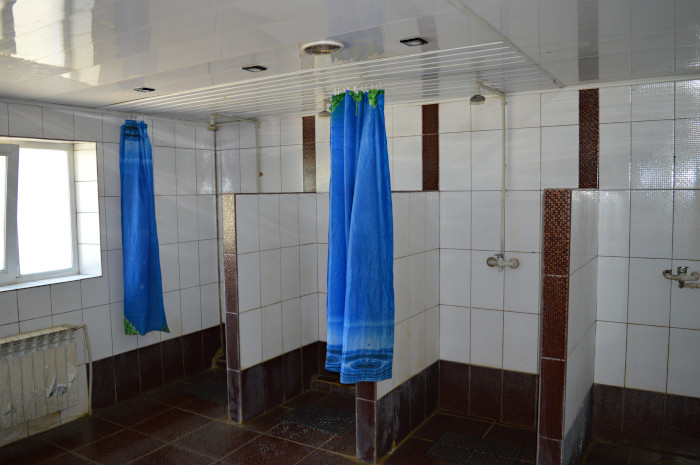
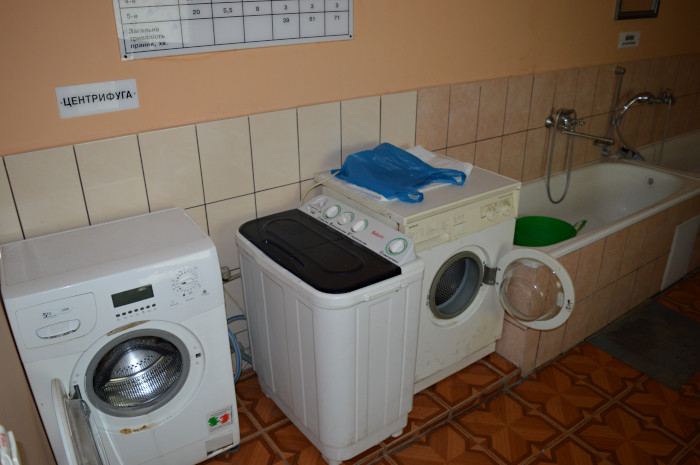
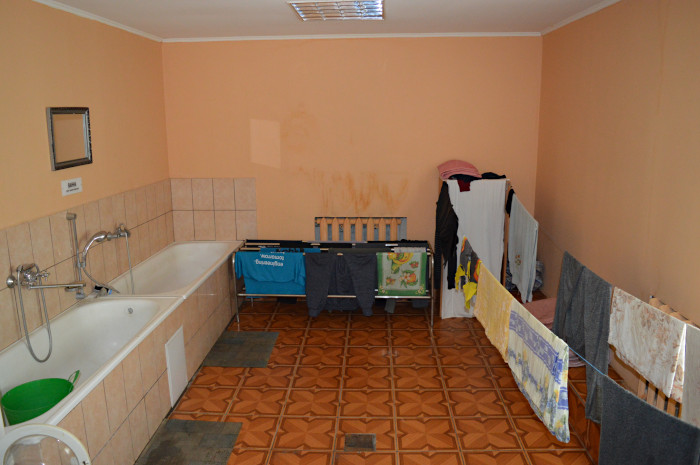
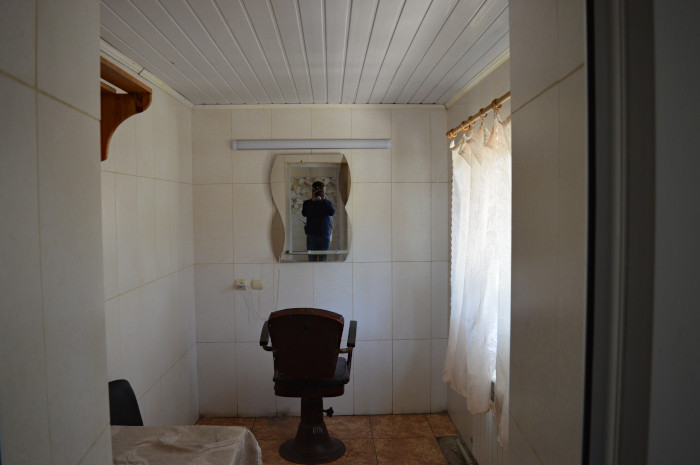
In the bath-laundry complex, domestic water heaters are installed, and major repairs have been carried out. The shower is separated by partitions and floor mats, and there are curtains. There is a barbershop, but no one works there, and prisoners go to town to get a haircut. In the laundry, there are three functional domestic washing machines, the capacity of which, in the opinion of the monitors, does not satisfy the needs of the prisoners. According to the centre’s administration, prisoners bathe daily.
IV. Canteen
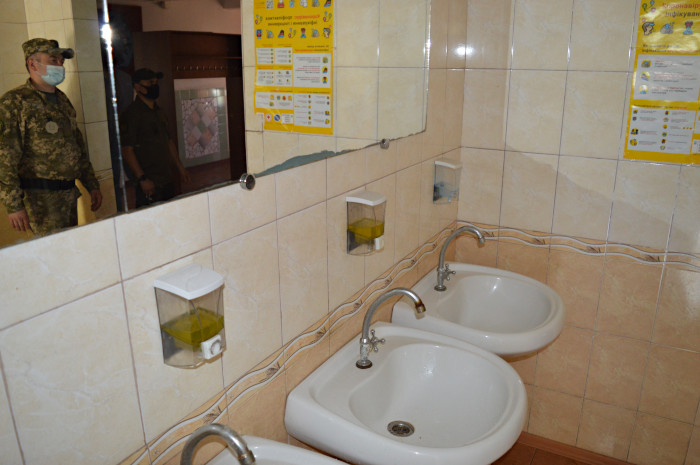
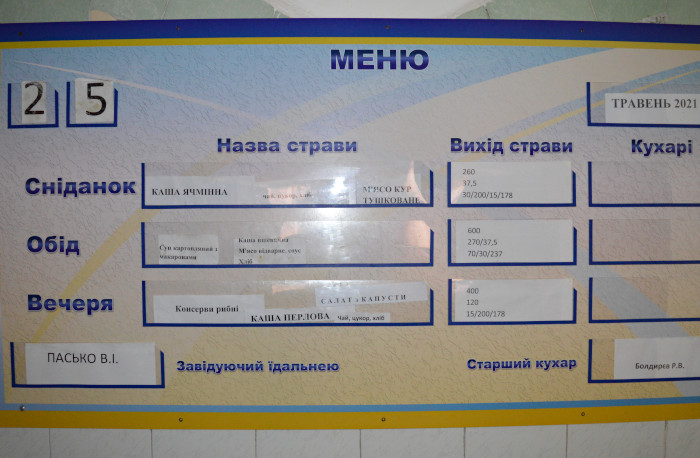
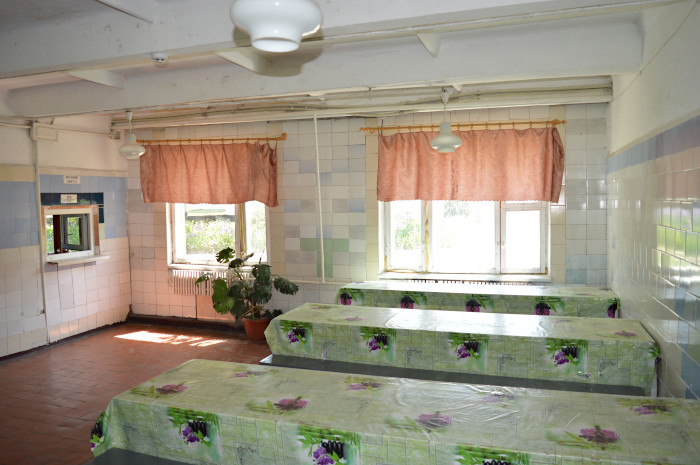
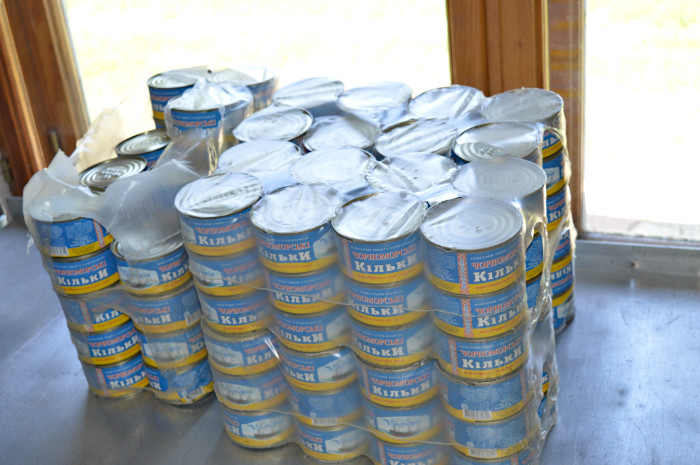
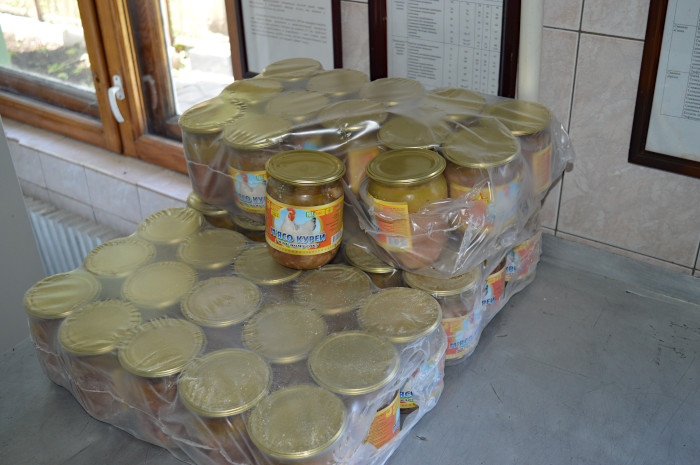
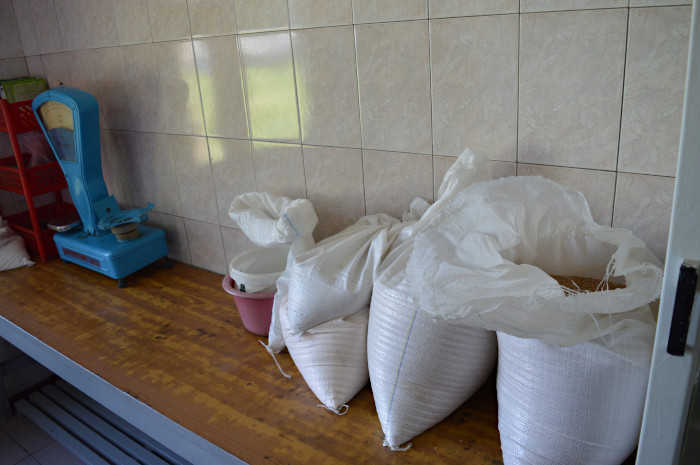
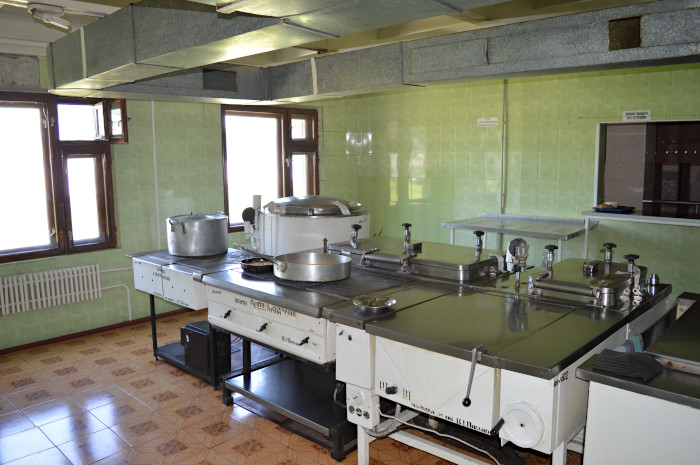
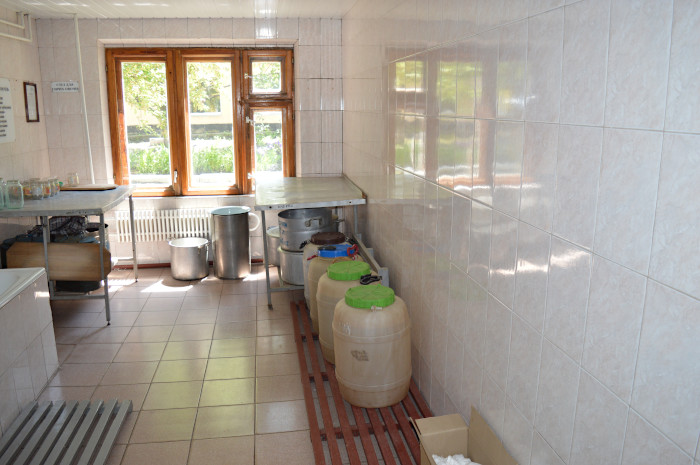
The kitchen and the dining hall have been renovated. At the entrance to the canteen, there are hand basins. There are disinfectants and soap. On the information board, the menu lists boiled meat, but the institution only has fish (sprats) and meat canned in tins; fresh meat is absent. The organoleptic qualities of the porridge and soup are satisfactory. Some prisoners complained that they are given the same porridge for every meal. According to the prisoners, practically half of them do not eat in the canteen—they receive food from relatives. However, the centre’s administration still deducts funds for food from the personal accounts of all prisoners and does not accept official refusals of food. Also, the prisoners reported that the quality of the canned food is quite low and it is almost impossible to eat it, so the prisoners take their daily ration of canned food from the canteen and feed it to cats.
V. DIZO (Disciplinary isolation cell)
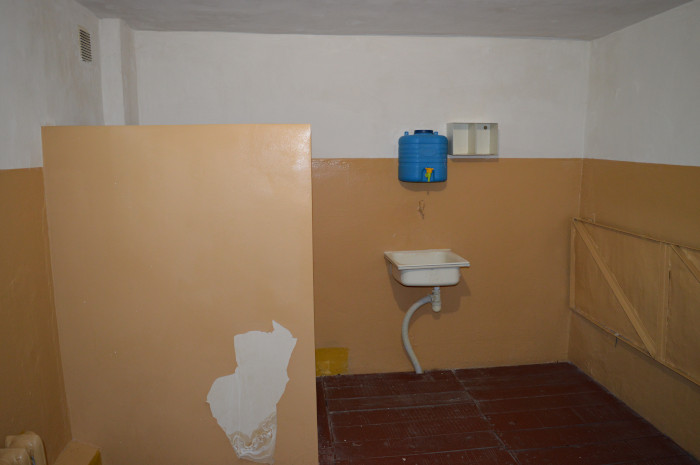
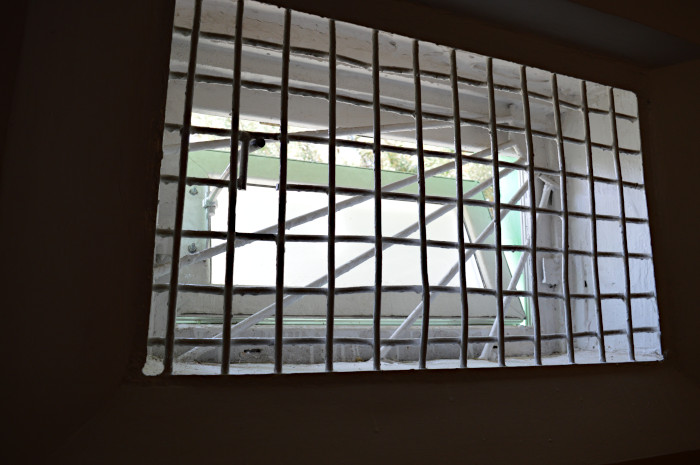
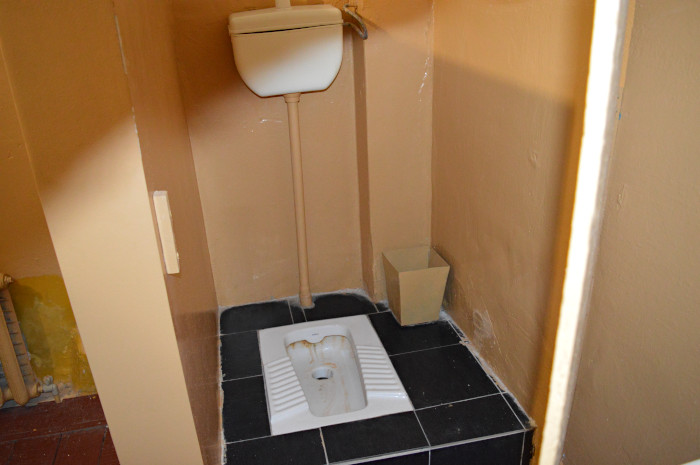
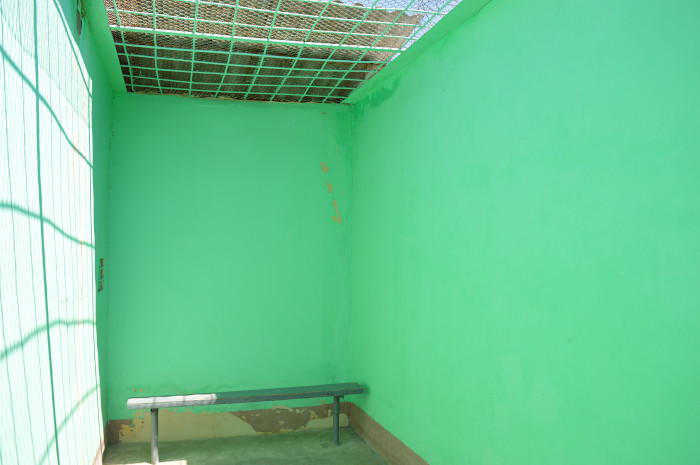
At the time of the visit to the institution, there were no regime violators in the disciplinary isolation unit. Since the beginning of the year, 16 prisoners have been subjected to disciplinary action. Special equipment has been used against 2 prisoners since the beginning of the year. The cells are renovated, with small metal-plastic windows installed through which almost no daylight enters. Prisoners can independently regulate the supply of fresh air to the cell. The toilet is separated by a low wall and has no door. There are several walking yards.
VI. Workshop
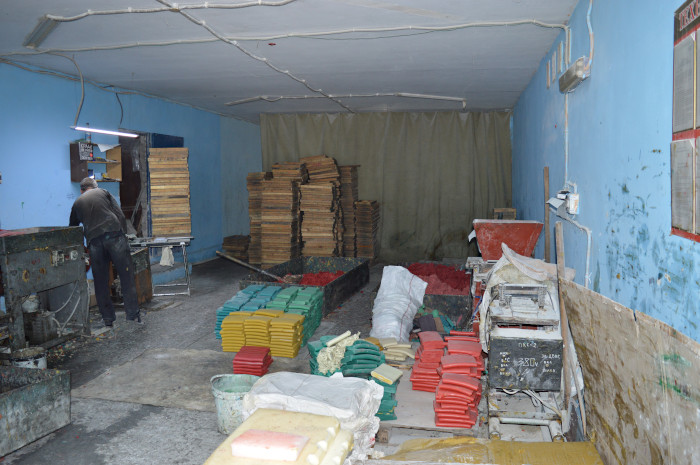
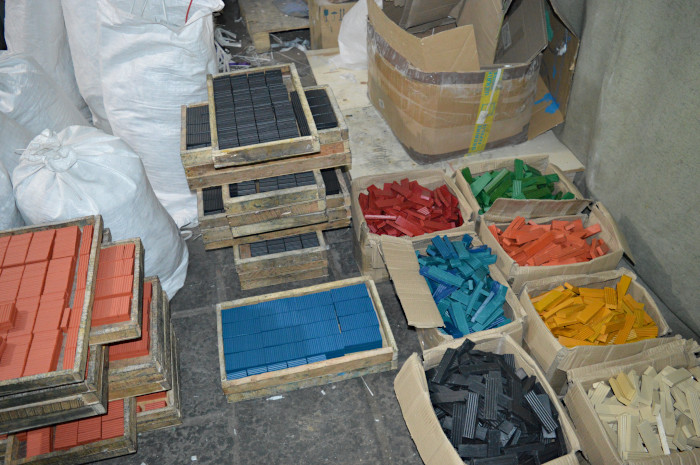
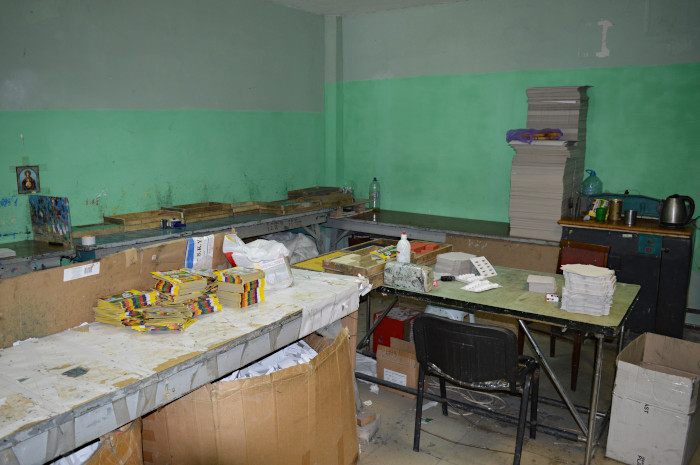
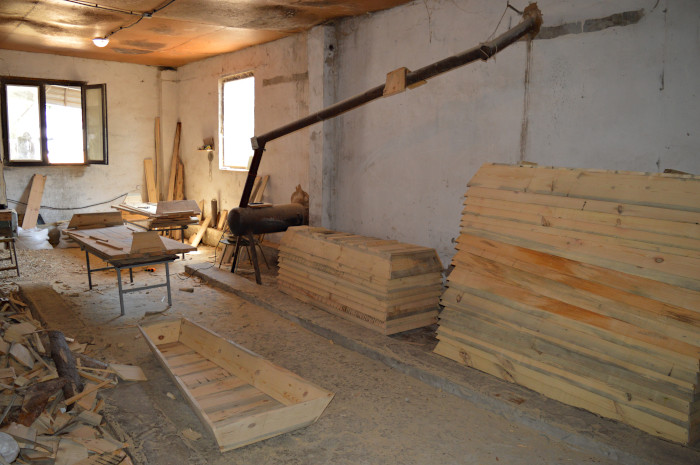
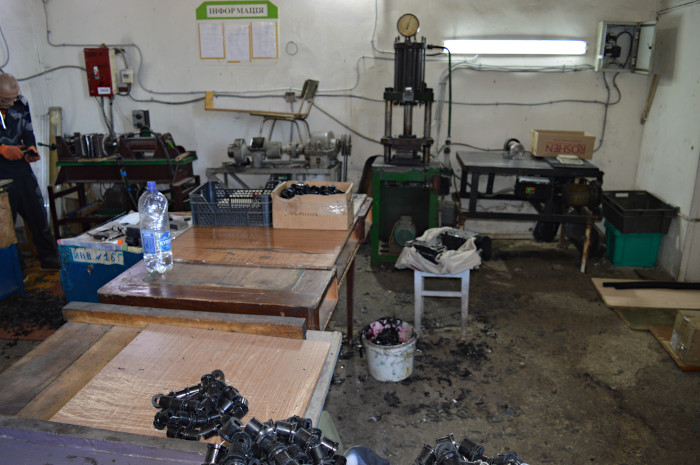
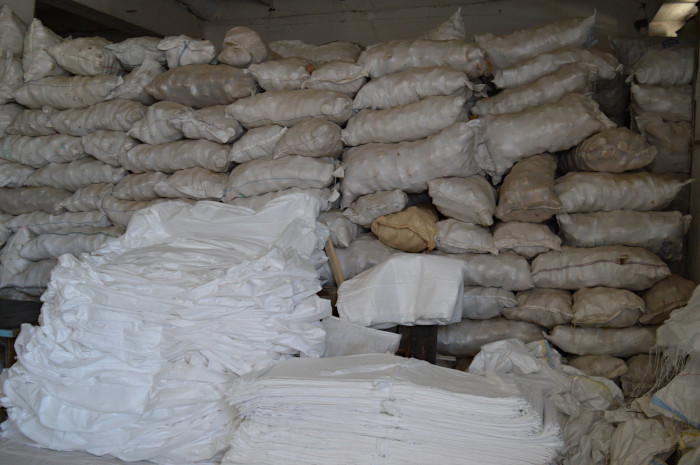
The centre has a functioning workshop, and some prisoners also go to work outside the centre. In the workshop, they produce plasticine, gouache paint, garbage bags, iron wires, plastic parts, and make coffins.
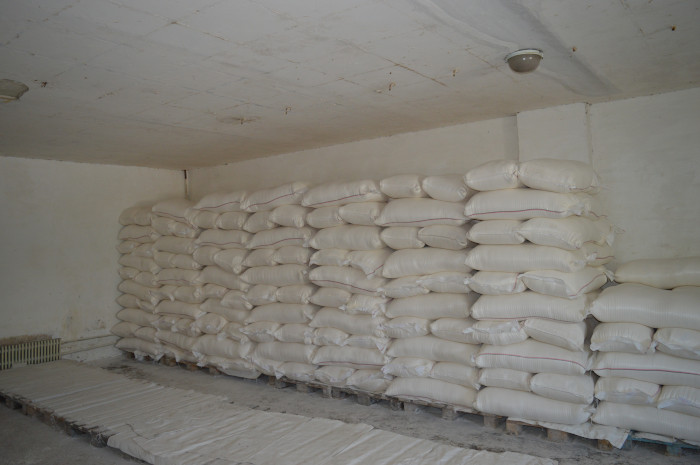
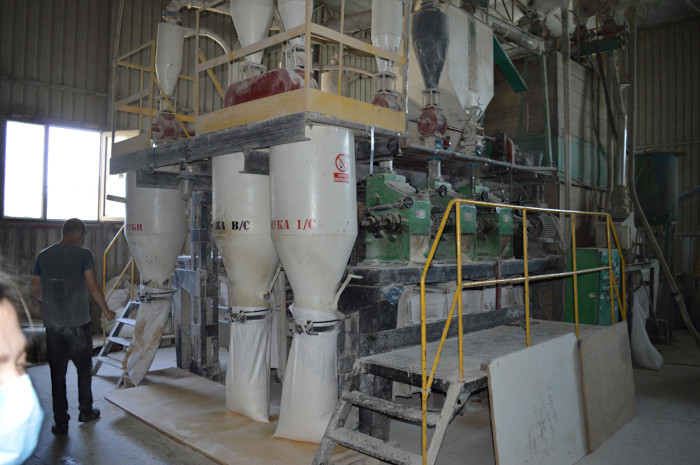
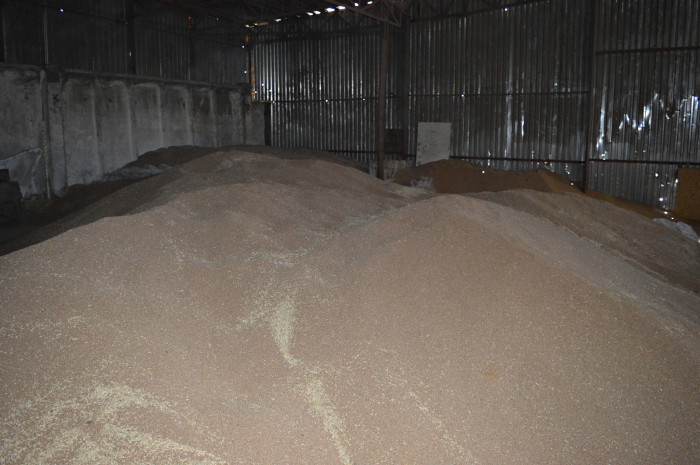
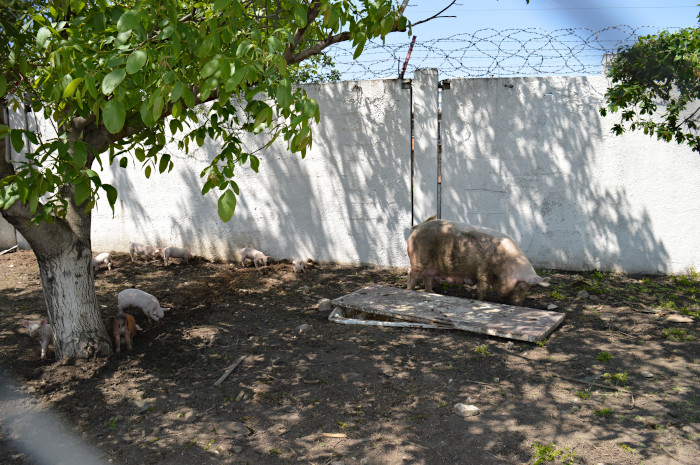
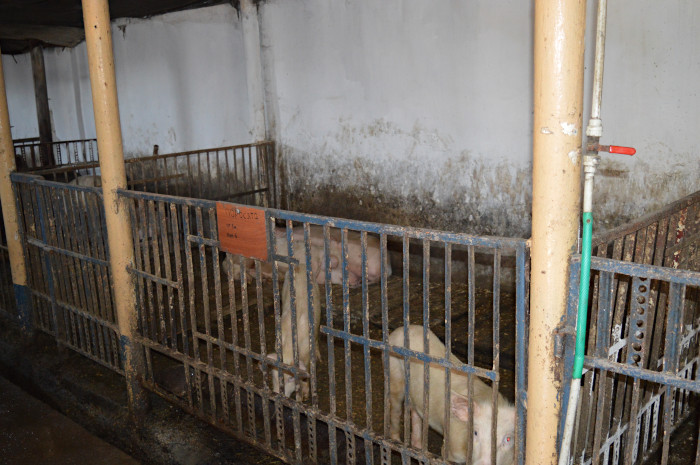
There is also a small number of domestic animals. On the territory of the centre, there is also a mill where prisoners process wheat.
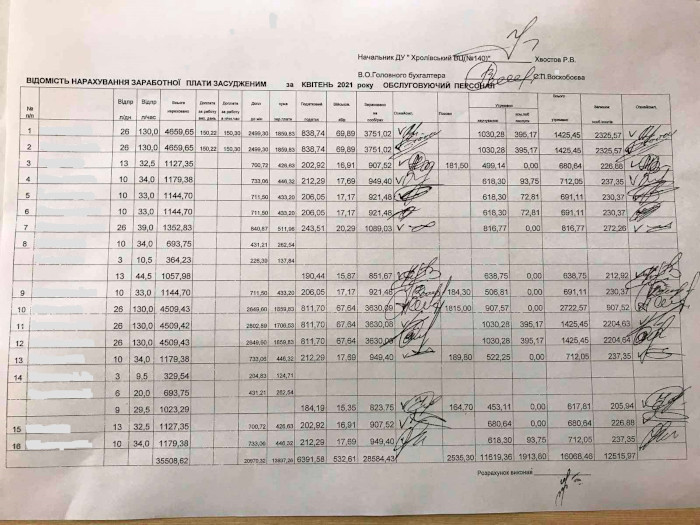
84 prisoners do not work. The monitoring group received complaints from many prisoners that the centre’s administration responds to their requests to work with refusals or simply ignores such requests. Also, the prisoners complain that the money they earn cannot be received in cash; it is kept in the prisoners’ personal accounts, which they can spend exclusively in the institution’s shop, where prices exceed average market prices. They point out that along with the deductions from wages provided for in Article 60 of the Criminal Executive Code of Ukraine, funds for communal services and food are also deducted from the prisoners’ wages. It is impossible to become acquainted with the methodology for calculating such deductions. The balance of funds in the personal account of some prisoners is only 20 percent of their salary, although Article 60 of the Criminal Executive Code of Ukraine prohibits paying prisoners less than 75 percent of their earnings, and in the presence of enforcement documents, less than 50 percent.
Prisoners who work with toxic materials do so without any protective equipment (masks, respirators, gloves). Also, several tons of pellets have been stored in the centre’s warehouses for more than a year, which were supposed to be used in the centre for heating, but the prosecutor’s office seized them due to suspicion that the centre’s administration bought them at an inflated price. Due to a long investigation, the material has become unusable.
VII. Medical care
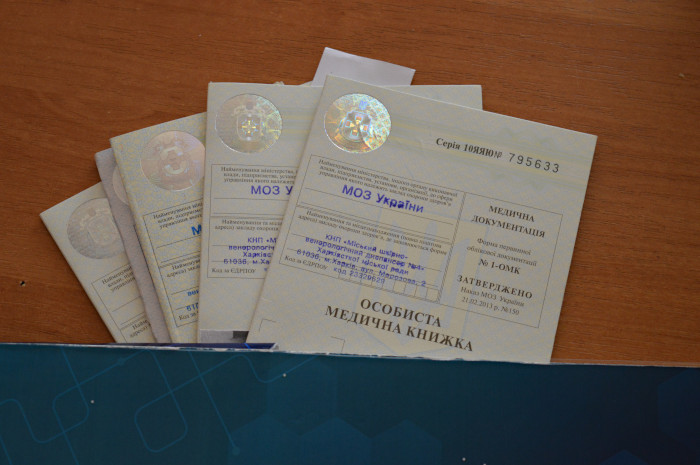
There is no medical unit in the institution. There is no paramedic, and there are no medical preparations. In case of need for medical assistance, prisoners must write an application to visit a local hospital accompanied by an administration representative. There is also a problem with providing medical services to prisoners without a passport, as they cannot sign a declaration with a doctor. Since the beginning of the year, an ambulance has been called for prisoners 18 times, there have been 89 trips for doctor consultations, and 8 hospitalisations of prisoners. 5 representatives of the centre’s administration were or are suffering from coronavirus.
VIII. Right to freedom of religion in the institution
In the centre, prisoners profess religions such as Orthodox Christianity, Greek Catholicism, and Baptism. Every week, prisoners have meetings with representatives of the Ukrainian Orthodox Church of the Moscow Patriarchate, the Greek Catholic Church, and the Baptist Church. Prisoners have their own religious literature. There is a chapel on the institution’s territory. None of the prisoners make requests to receive food in accordance with their religious beliefs.
Separately, the monitors were struck by the fact that before the start of personal legal consultations with a prisoner in the head of the institution’s office, representatives of the administration brought a separate chair for the prisoner, because, according to their argument, prisoners are ‘not allowed’ to sit on the chairs used by everyone else. This is a manifestation of an attitude towards prisoners as second-class citizens.
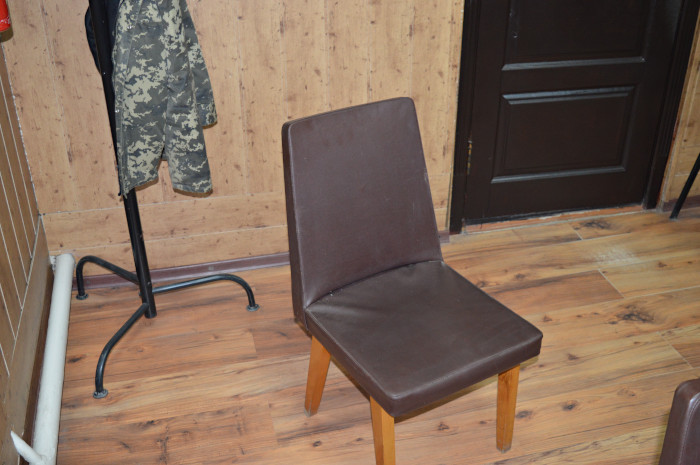
Before the start of personal legal consultations in the head of the institution’s office, representatives of the administration brought a separate chair for the prisoners, arguing that prisoners are ‘not allowed’ to sit on the chairs used by everyone else. This is a manifestation of an attitude towards prisoners as second-class citizens.

The project ‘Promoting the exercise of freedom from torture and the rights of prisoners to medical care in Ukraine based on international human rights standards’, funded by the Embassy of the Federal Republic of Germany in Ukraine.