Monitoring visit to the State Institution ‘Orikhiv Correctional Colony (No. 88)’
I. General information
On 28 October 2020, a monitoring group from the Kharkiv Human Rights Protection Group, consisting of assistant to the People’s Deputy Maksym Revyakin and journalists Pavlo Shvab and Ihor Sosonskyi, conducted a monitoring visit to the State Institution ‘Orikhiv Correctional Colony (No. 88)’.
The specified institution is a medium-security colony for men serving repeat sentences. The planned capacity of the colony is 744 persons; on the day of the visit, there were 399 convicted persons in the colony. This colony has been in operation since 1962.
The monitoring visit began with a wait at the institution’s checkpoint. The group’s waiting time was 45 minutes. During this time, various representatives of the colony approached the monitoring group members to clarify the same information repeatedly.
At the entrance to the institution, temperature screening was conducted for the monitors, but the monitors noted that there were no disinfectants or barriers at the checkpoint entrance.
II. Living quarters
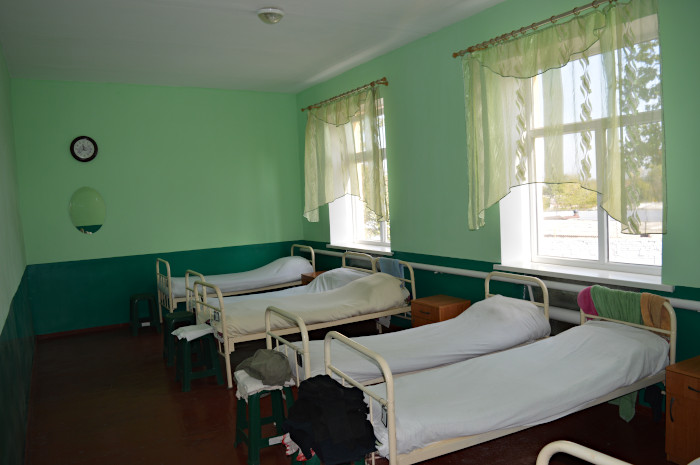
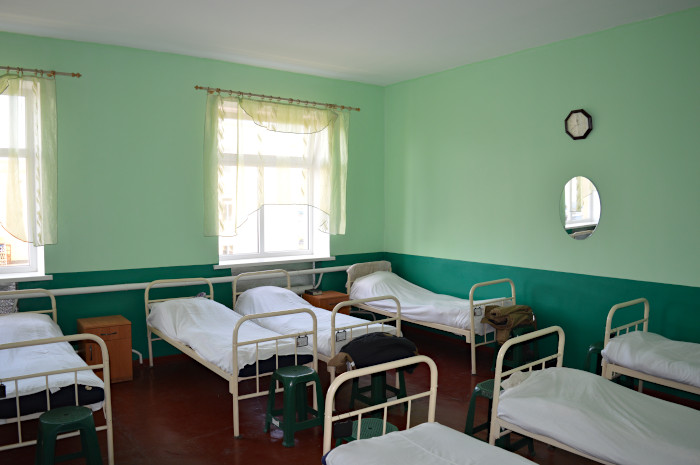
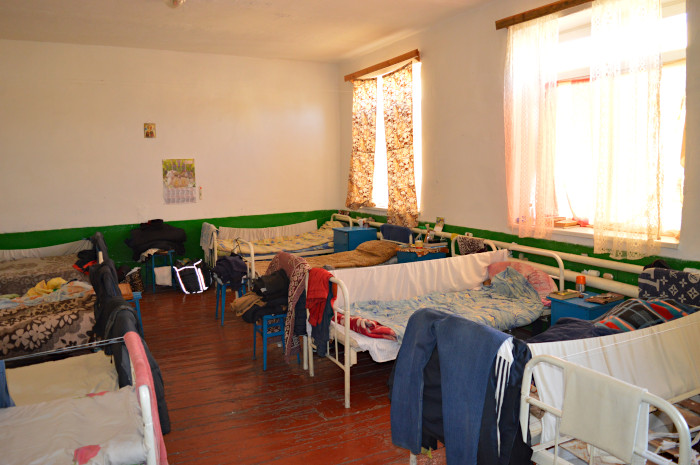
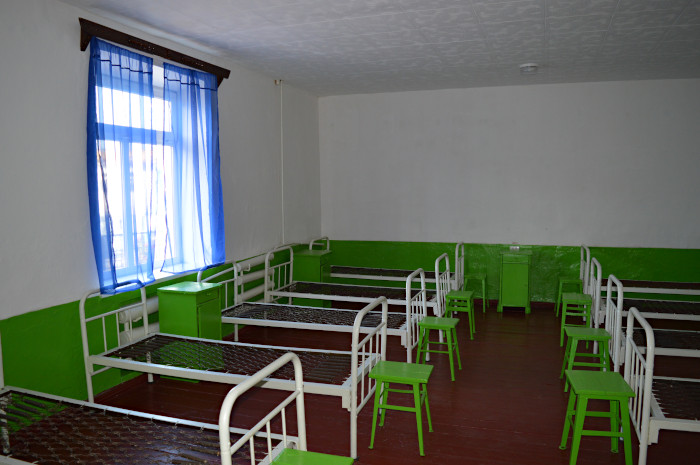
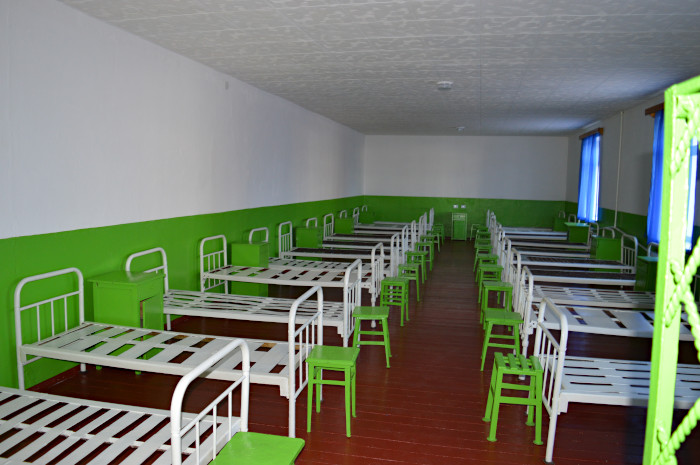
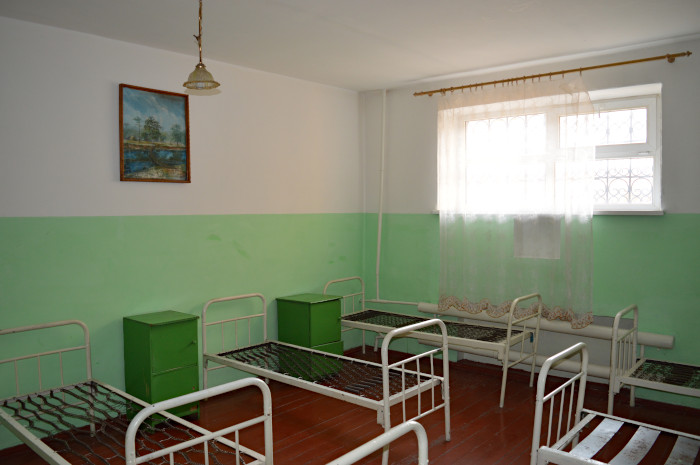
There are 13 residential units functioning in the colony, 3 of which are in reserve and not in use. All units follow a block system. The monitors note that over the last 4 years, uPVC windows have been installed and major roof repairs have been carried out in all units. The monitors observe that some units have undergone major refurbishments, while others have received current repairs. The sleeping quarters are clean, tidy, have sufficient natural lighting, and the air is fresh. All units comply with the space standards per inmate.
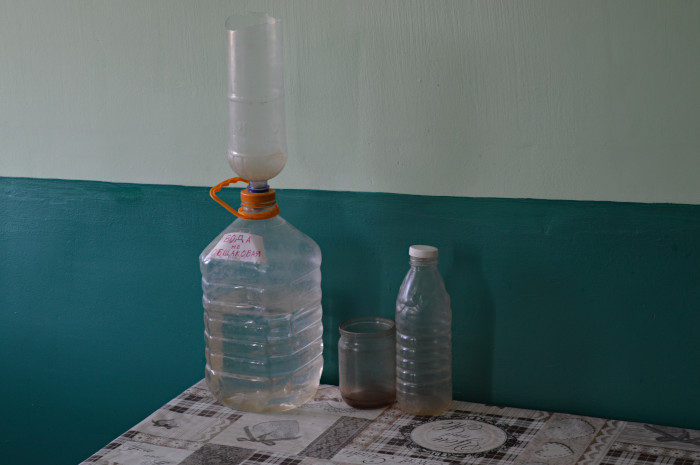
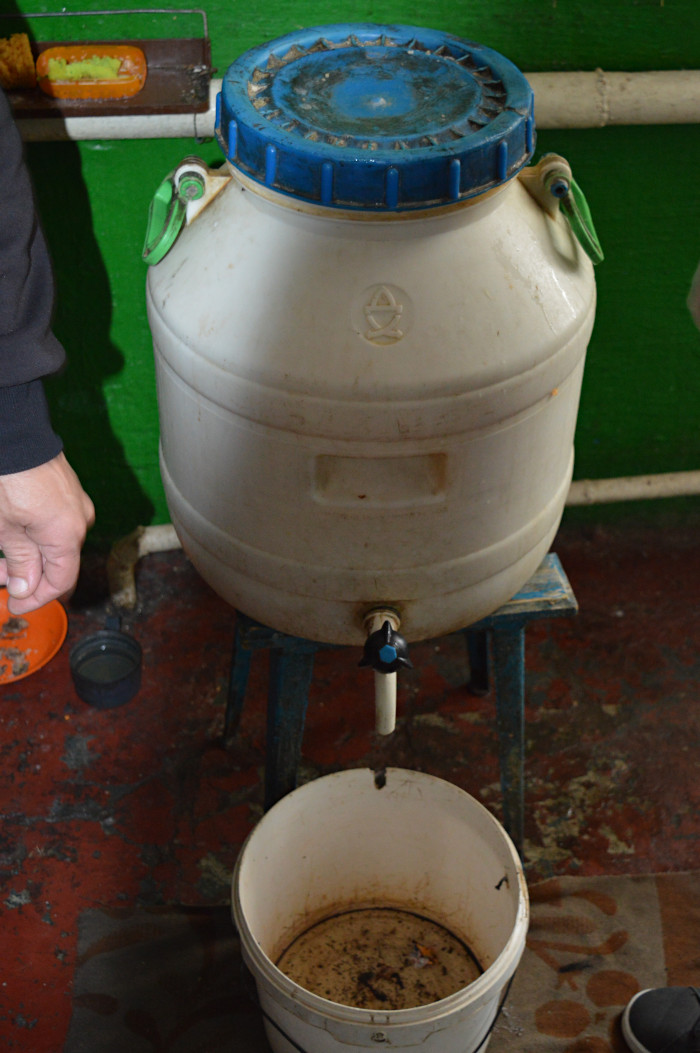
According to colony representatives, water is supplied from their own borehole. Each unit has a tank with boiled drinking water. However, inmates are forced to construct various water purification devices themselves to filter drinking water from the tanks, which raises doubts about the quality of this water. In some units, the monitors did not find water in the drinking water tank. At the time of the visit, the residential premises were not yet heated; according to colony representatives, the boiler room was currently being prepared for the heating season. Colony staff also reported that they had replaced all water supply pipes with plastic ones over the last five years.
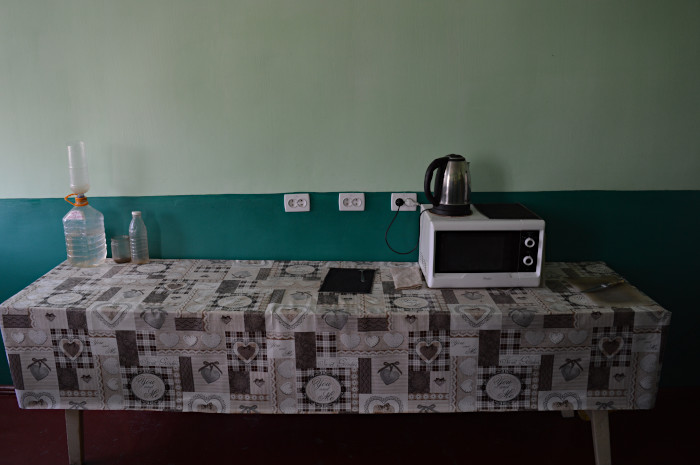
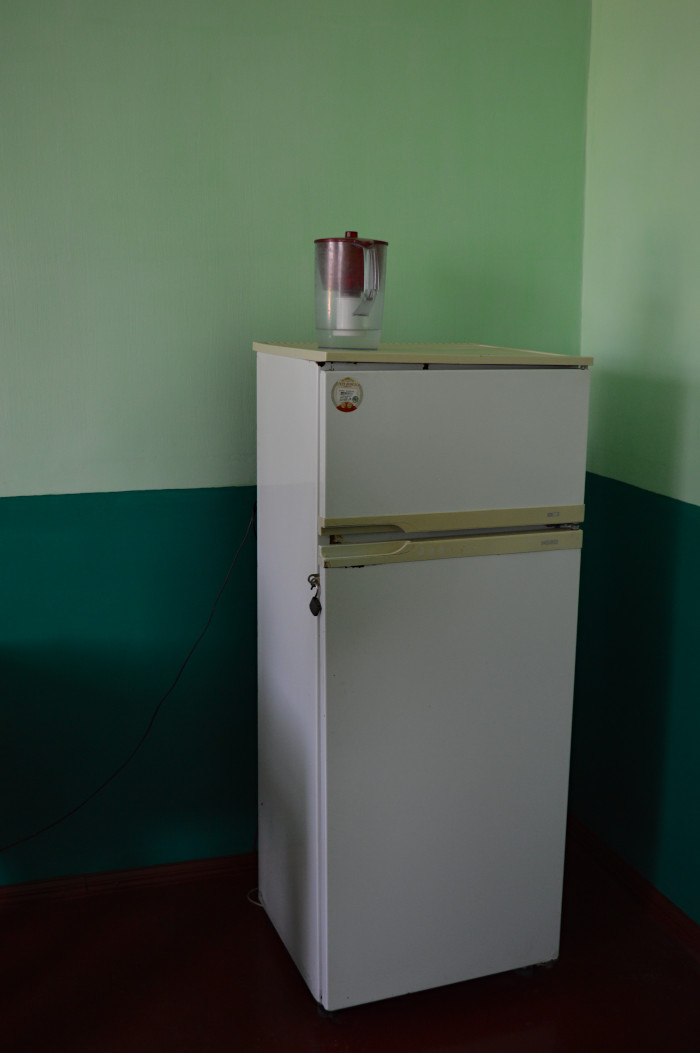
The dining rooms are equipped with an electric kettle, a refrigerator, and a microwave. Regarding the recently permitted multicookers, they were absent in the units visited by the monitors.
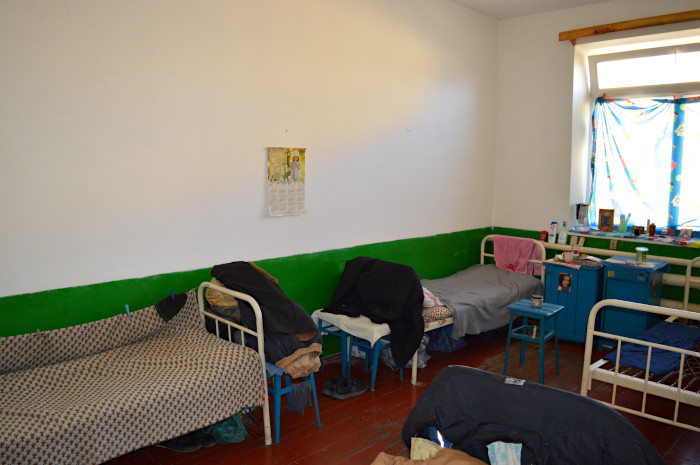
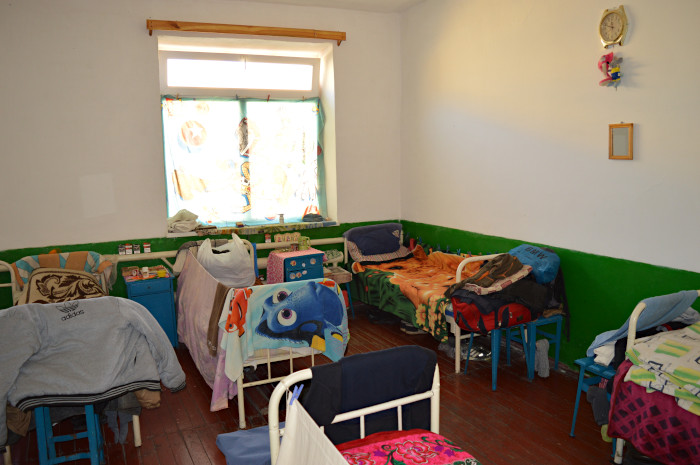

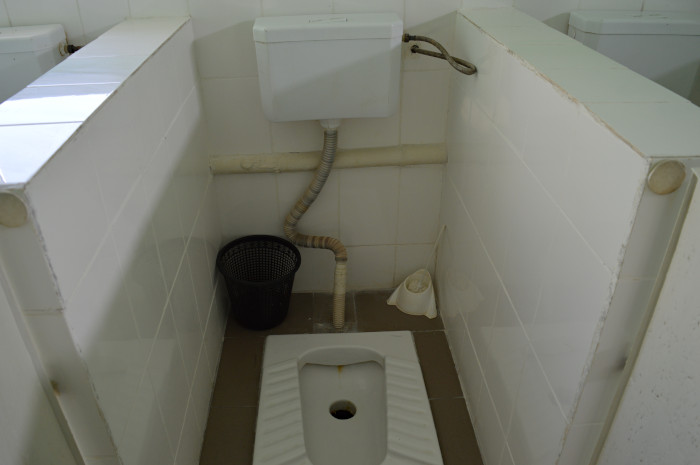
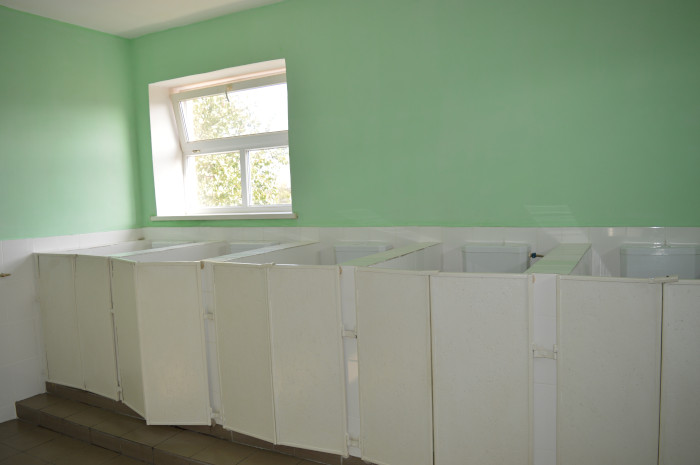
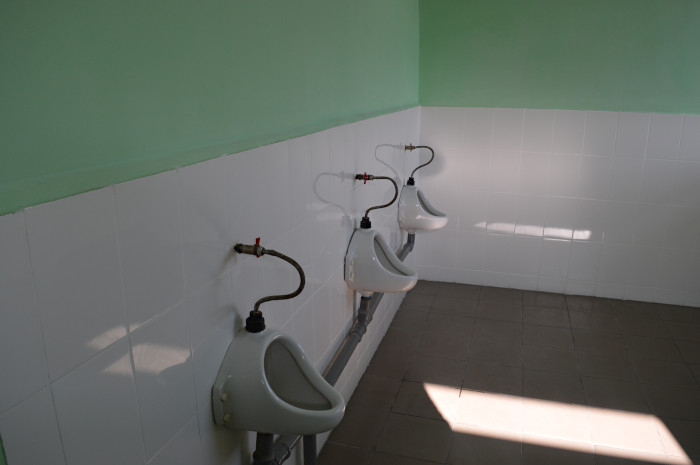
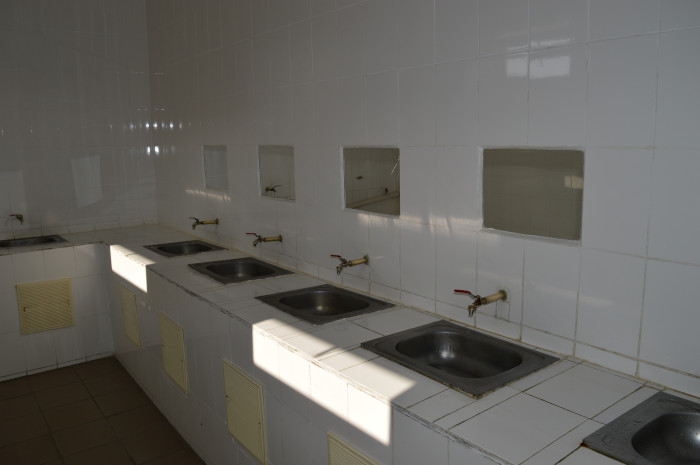
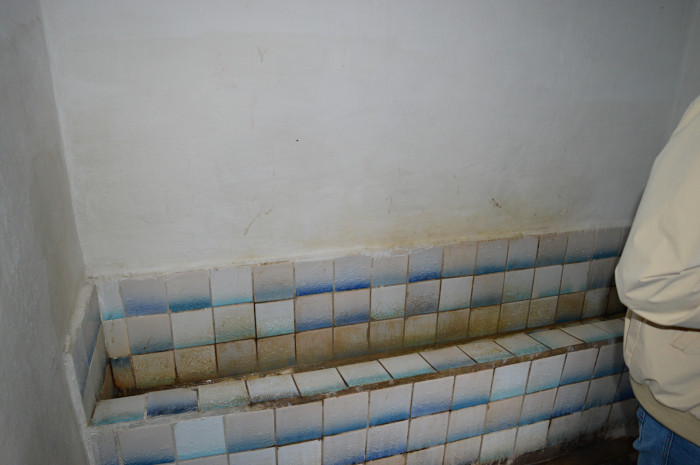
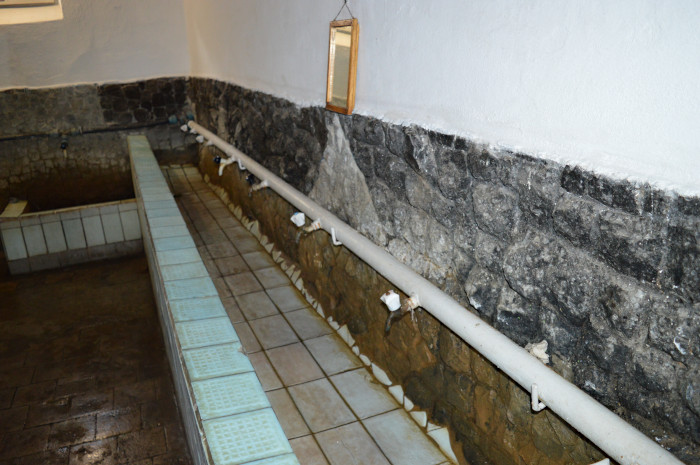
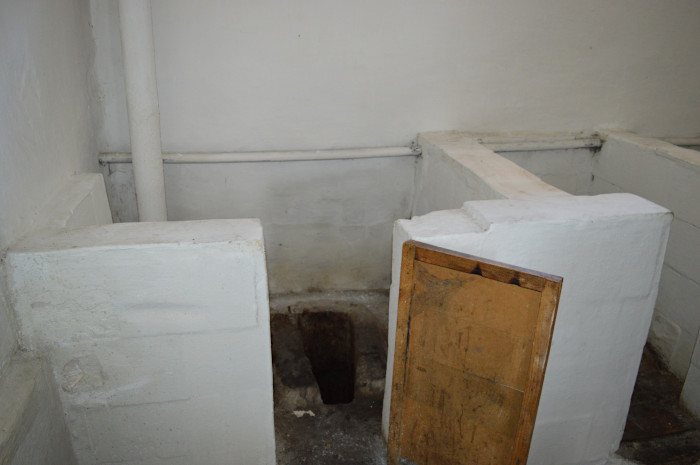
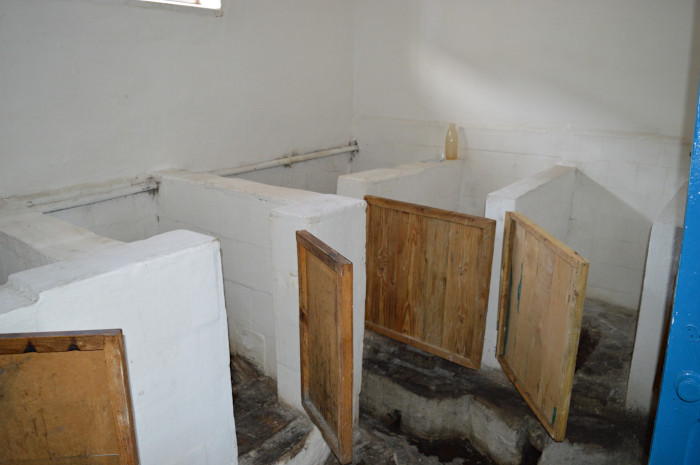
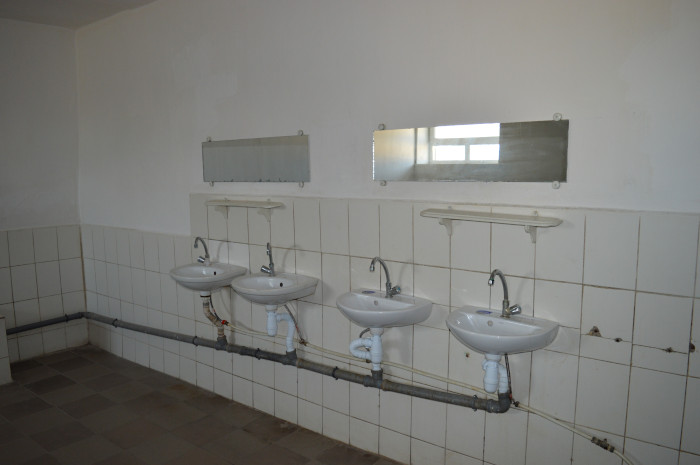
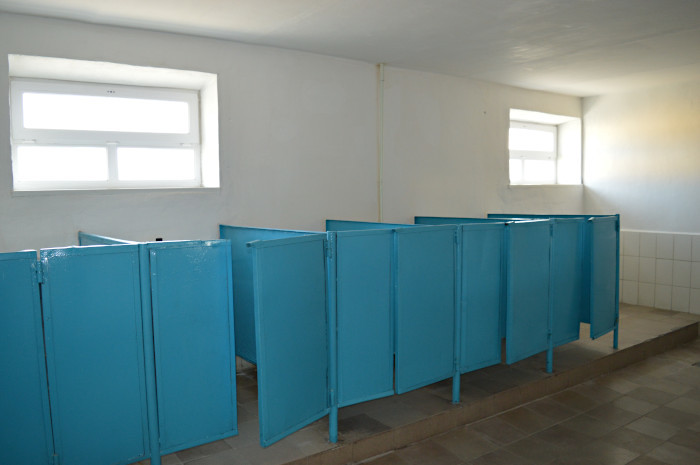
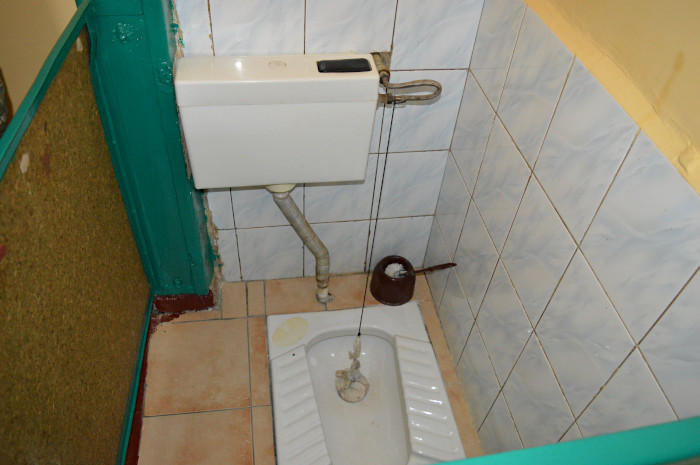
Sanitary facilities in the fully refurbished premises are located inside the building. In other units, all sanitary facilities are located outdoors, and some serve two units. A specific pungent odour is noticeable in the toilets. The partitions and doors are too low to provide inmates with a sufficient level of privacy. There is an old hand-washing system in the sanitary facilities, and dampness is perceptible. The monitors note that the outdoor location of the toilets means that during the cold season, inmates are forced to perform hygiene procedures with icy water in a cold room.
One residential unit has been refurbished but is not in use. According to the administration, it has been prepared as a reserve in case of a coronavirus infection outbreak among the inmates.
III. DIZO/PKT section
At the time of the monitors' visit, there were 9 persons in the DIZO and 1 in the PKT. In total, since the beginning of the year, disciplinary sanctions in the form of placement in the DIZO have been applied 239 times, and in the PKT 9 times.
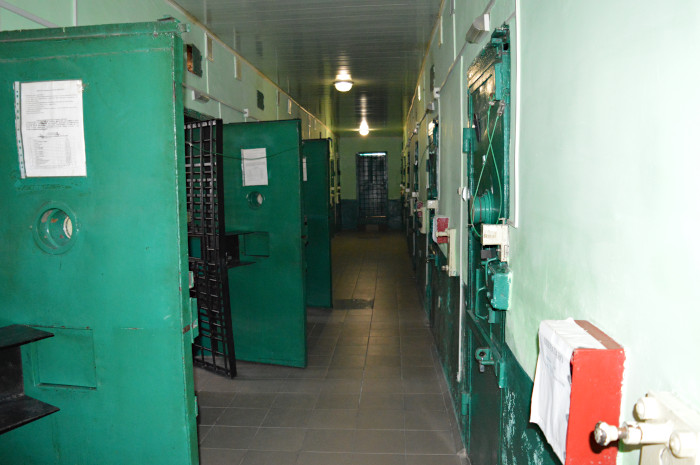
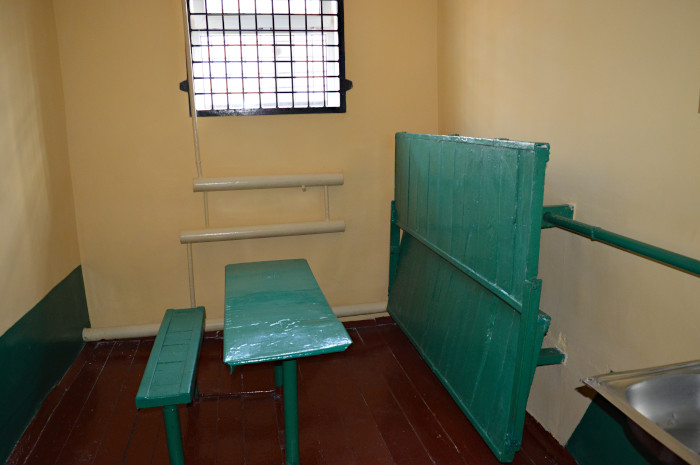
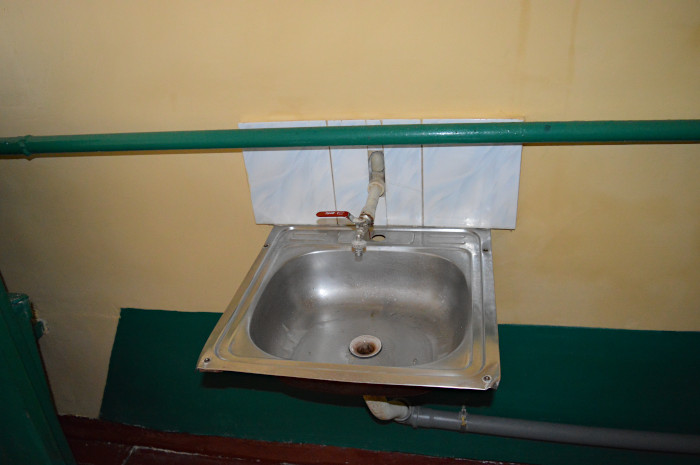
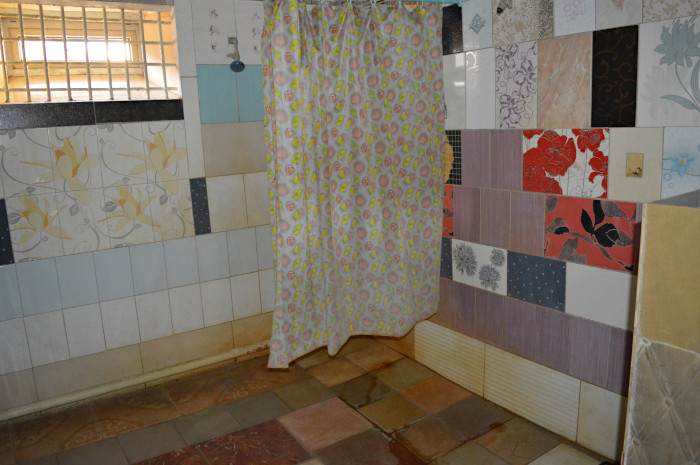
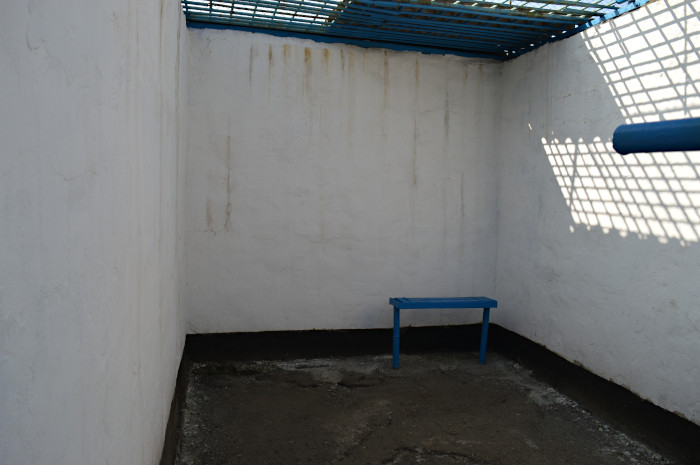
The cells in this section have undergone cosmetic repairs and uPVC windows have been installed. Inmates are able to open the window themselves. The cells are divided into two types: single and double. The cells have a toilet, partitioned by a wall, and a washbasin is installed. The monitors spoke with the persons staying in the section. The inmates had no complaints; all agreed with the fairness of the disciplinary sanction applied. The monitors note that there are no drinking water tanks in the cells, and inmates are forced to drink water from the tap or ask the attendant on duty in the section. The section has a bathhouse. The exercise yards are equipped with sports equipment.
IV. Canteen
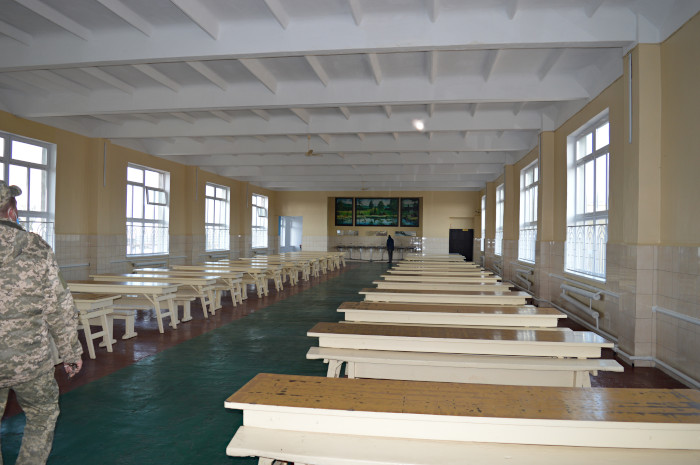
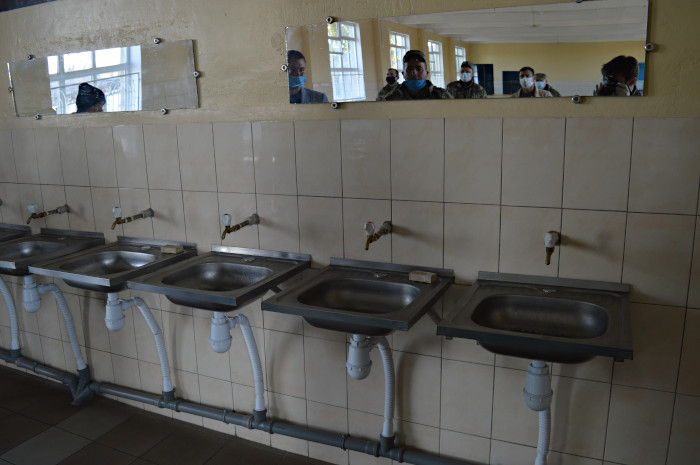
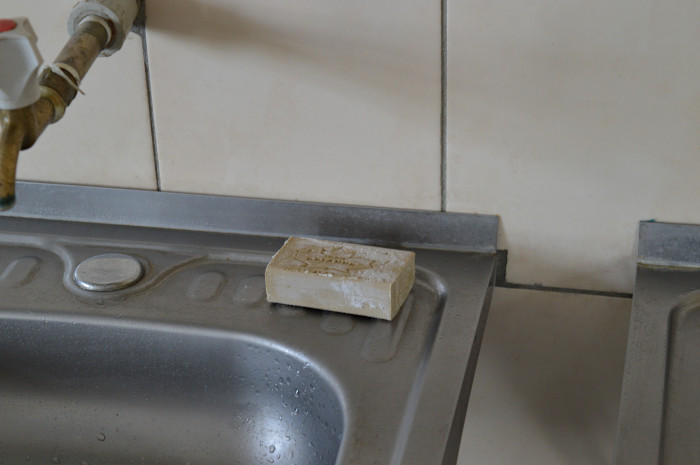
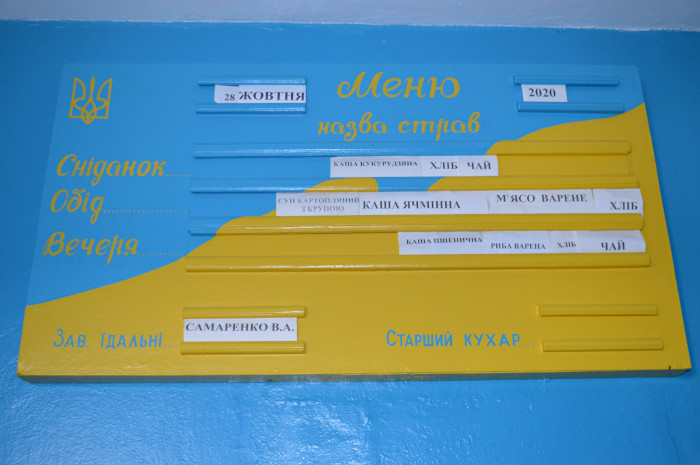
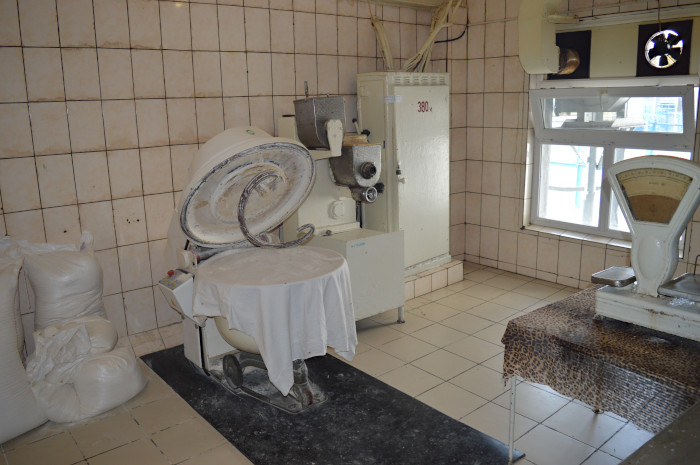
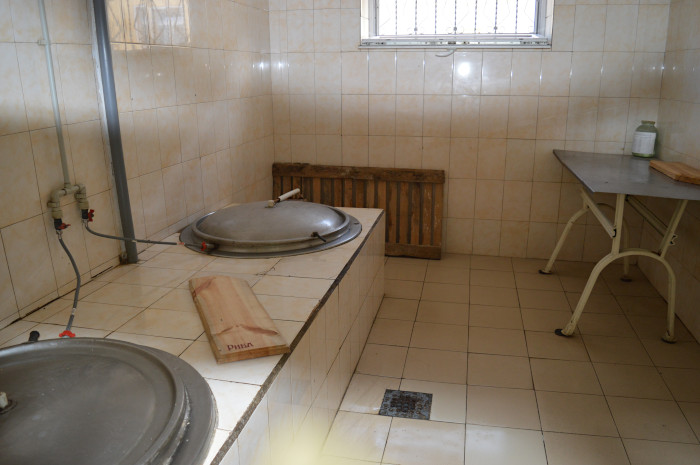
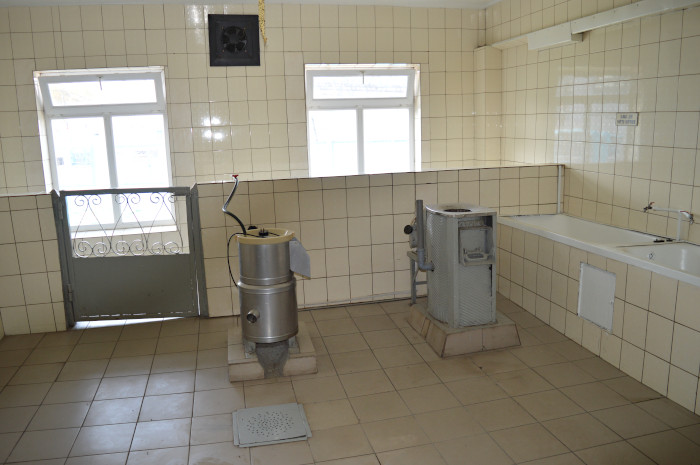
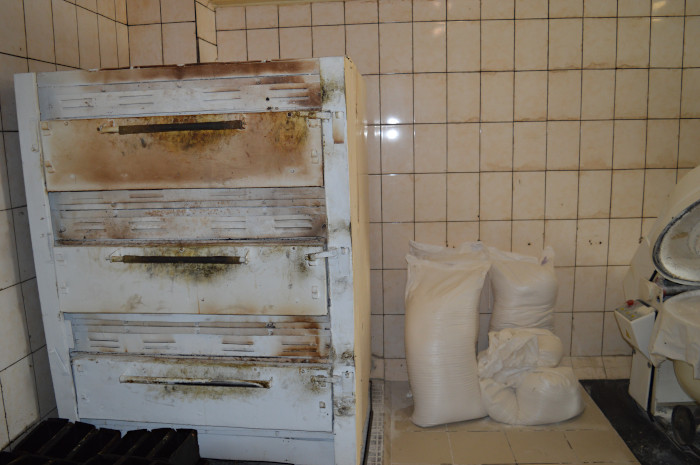
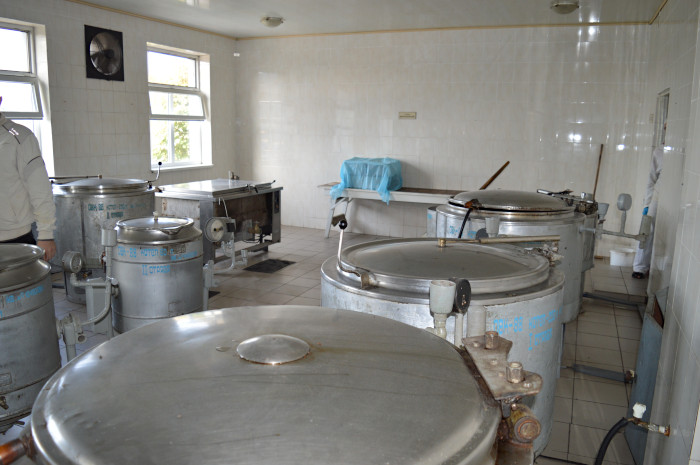
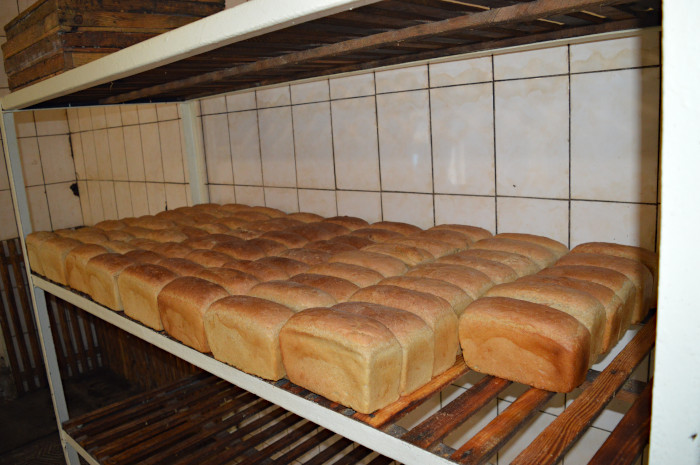
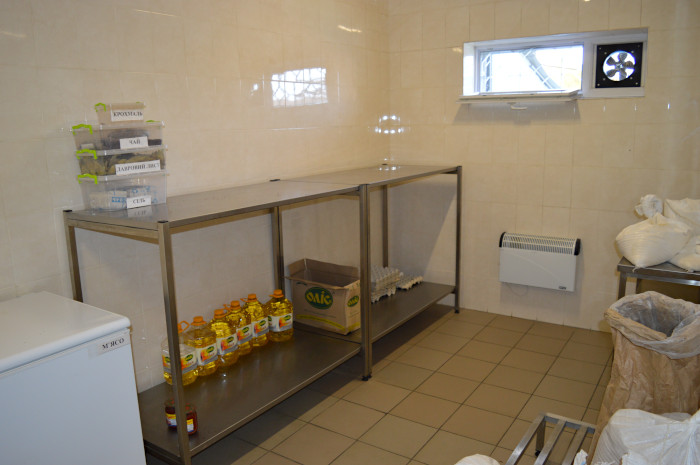
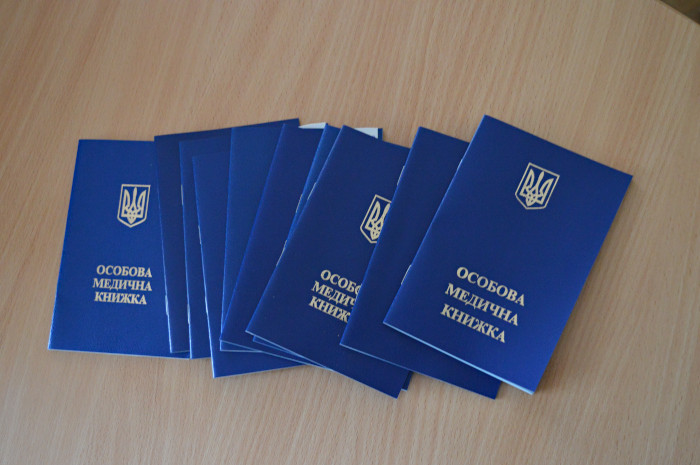
Next, the monitors visited the canteen. It is located at the production facility. The canteen hall is spacious and bright, and cosmetic repairs were carried out in 2019. There is an information board about the menu. Washbasins are also installed. The monitors note that the soap at the washbasins was not being used. According to colony representatives, each inmate has their own soap and uses that specifically. The kitchen was filled with a pleasant smell of prepared food. The monitors tasted the prepared food and noted that its organoleptic properties were quite decent. There is an in-house bakery. The dry food storage room has two new freezers. All inmates working in the kitchen have properly issued medical certificates.
V. Production
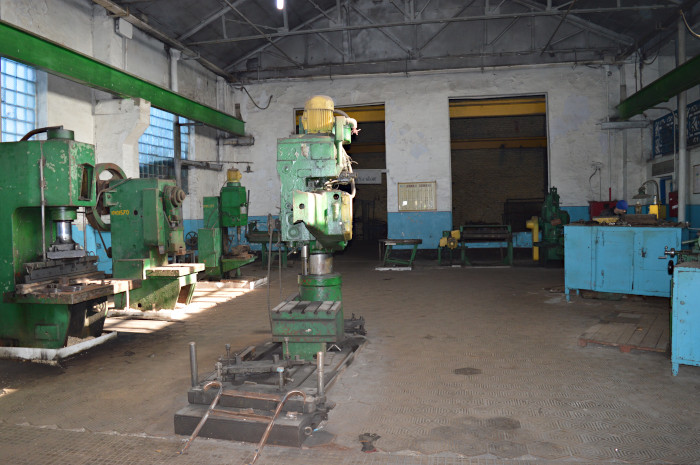
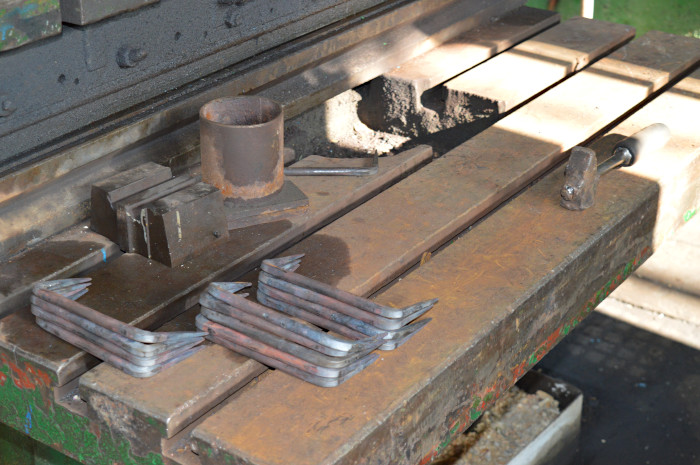
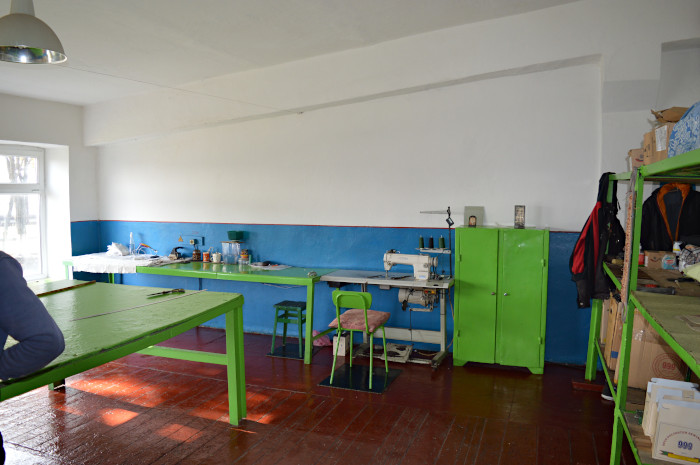
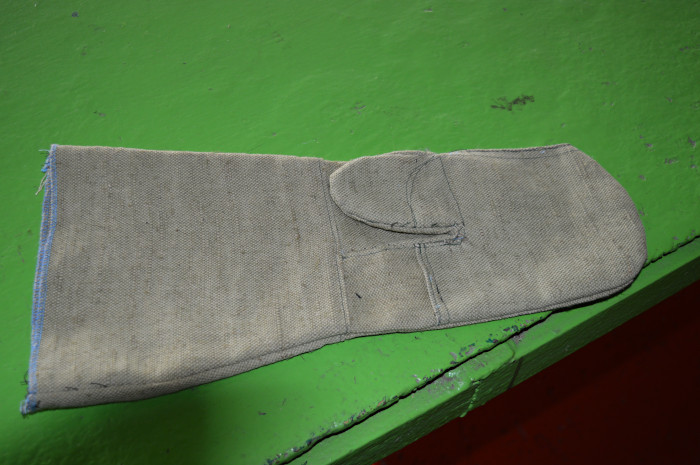
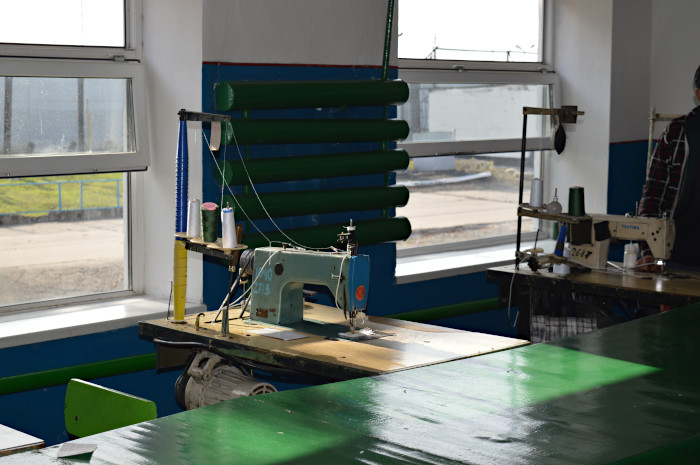
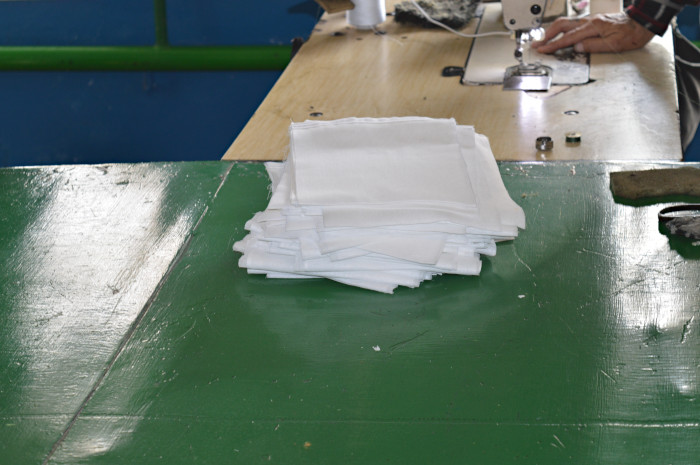
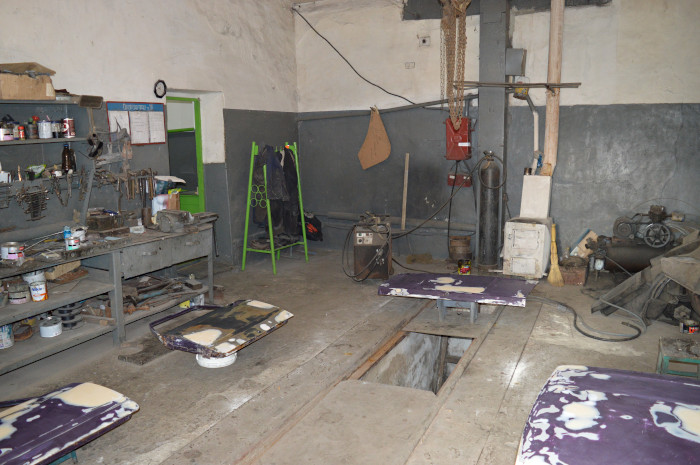
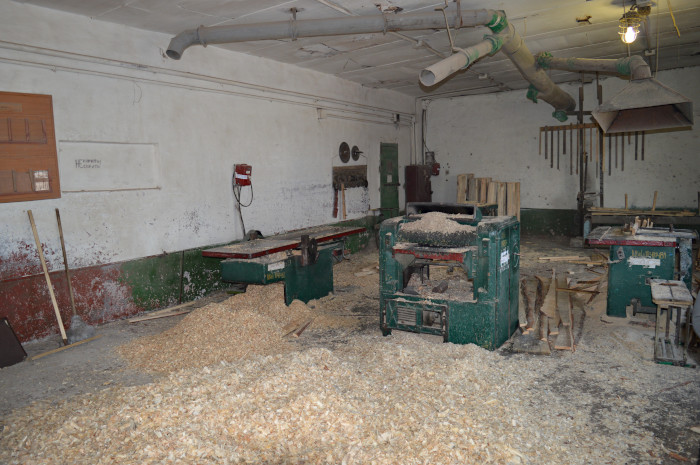
The production zone occupies more than half of the institution's territory. However, only a few workshops are functioning. The colony manufactures metal products, waste bins, and wooden drums; there is also a sewing workshop and a garage where vehicle parts are repaired. In the mechanical repair shop, metal brackets are manufactured. In the sewing workshop, canvas gloves and medical masks are made. Painting work was being carried out in the garage. In the woodworking shop, timber was being prepared for the manufacture of wooden drums for high-voltage wires. The monitors spoke with every worker at the facility in different workshops. We note that absolutely everyone, except for one foreman in the sewing workshop, could not answer about the amount of their remuneration for the work done. The monitors also note that workers are not familiar with safety and occupational health rules. They do not use personal protective equipment – safety goggles, gloves, and earplugs – although they are available, except for the earplugs.
VI. Bath and laundry complex
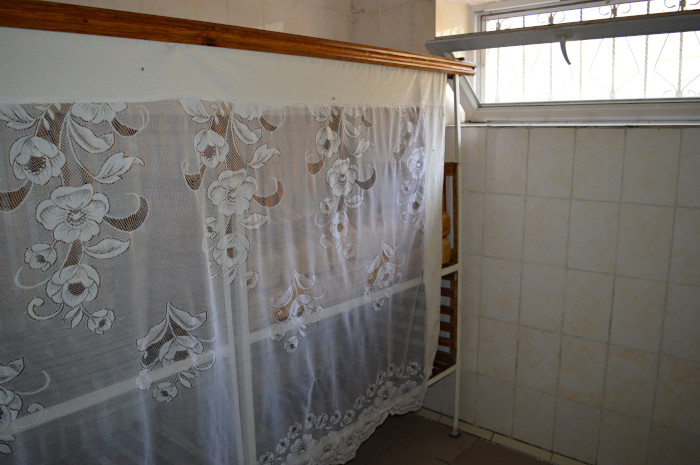
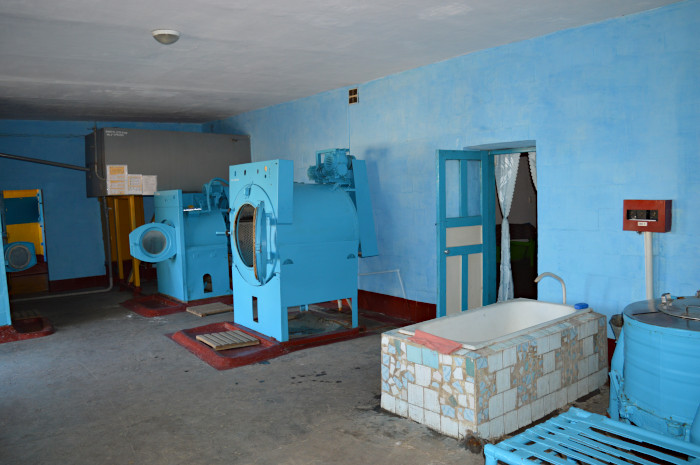
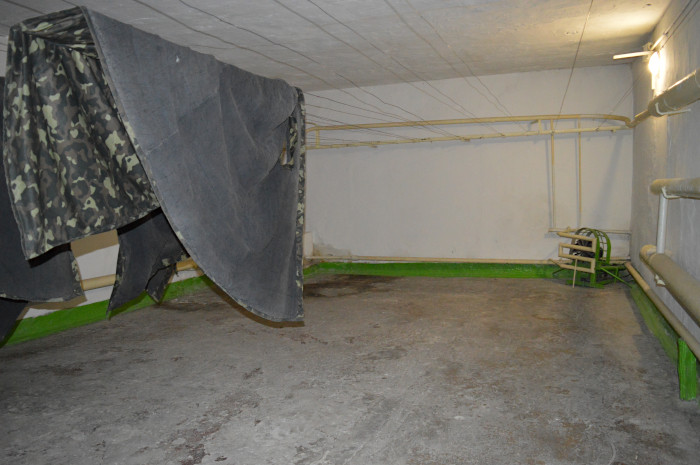
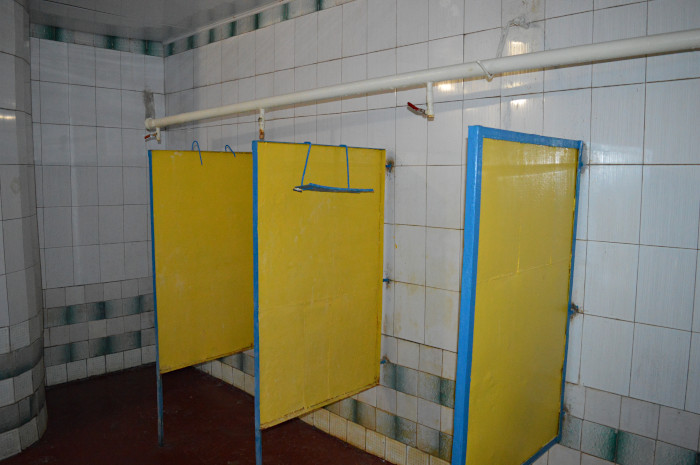
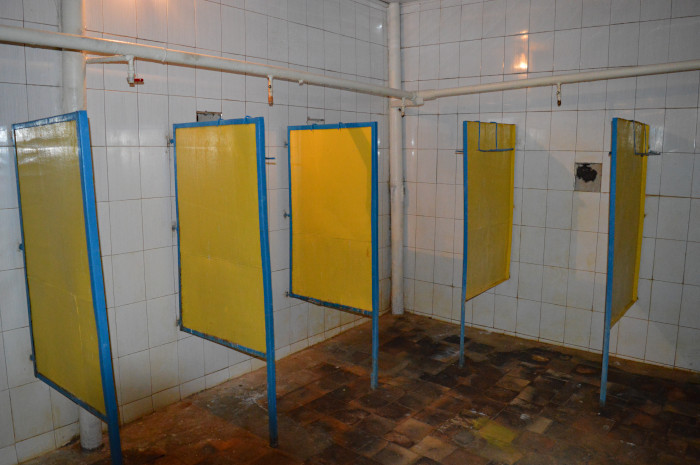
Then, the monitors visited the bathhouse and laundry. The laundry uses old but serviceable washing machines and an industrial dryer. The complex has heated rooms for drying inmates' laundry in damp weather and during the winter period. The shower cubicles are separated by partitions. At the time of the visit, the mats were drying in another room. Curtains were missing, which contradicts the European Prison Rules and does not provide inmates with a sufficient level of privacy. The complex has a paramedic's room, where inmates are examined for bodily injuries and other health complaints are addressed. The monitors positively note the availability of an isolated room for the anonymous examination of inmates.
VII. Medical unit
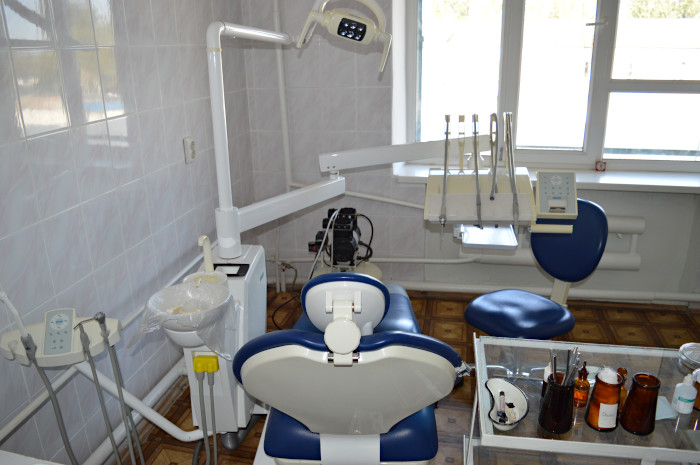
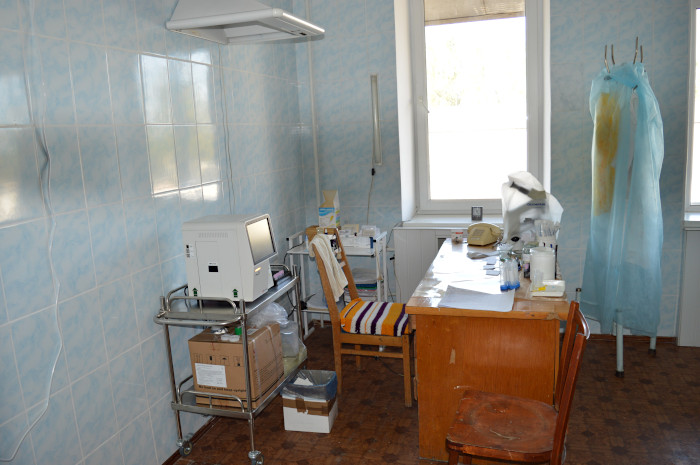
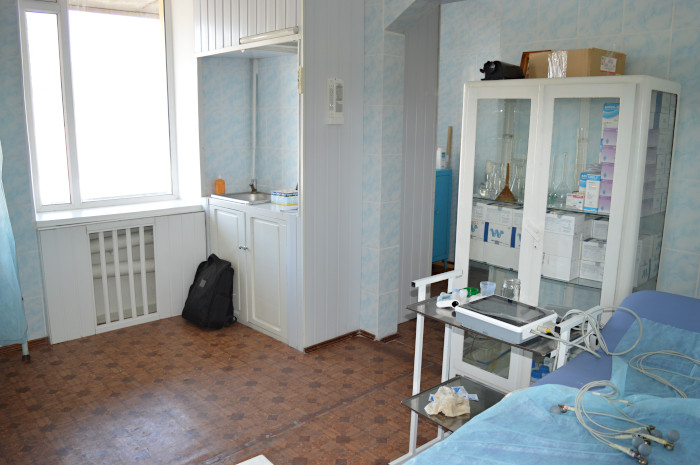
The medical unit is equipped with new and necessary medical equipment, including new X-ray machines, ECGs, and dental equipment. Medicines are supplied in full, disinfectants are sufficient, but there is a shortage of medical masks. The staff is almost fully equipped (except for the phthisiatrician position). The dentist has the opportunity to perform extractions and oral cavity sanitation.
At the time of the visit, 6 persons were undergoing inpatient treatment in the medical unit, and another 2 were in the infectious ward with tuberculosis. The patients had no comments.
EU project ‘Resisting torture, ill-treatment and impunity in Ukraine’