Monitoring visit to the Starobabanivska Penal Colony No. 92
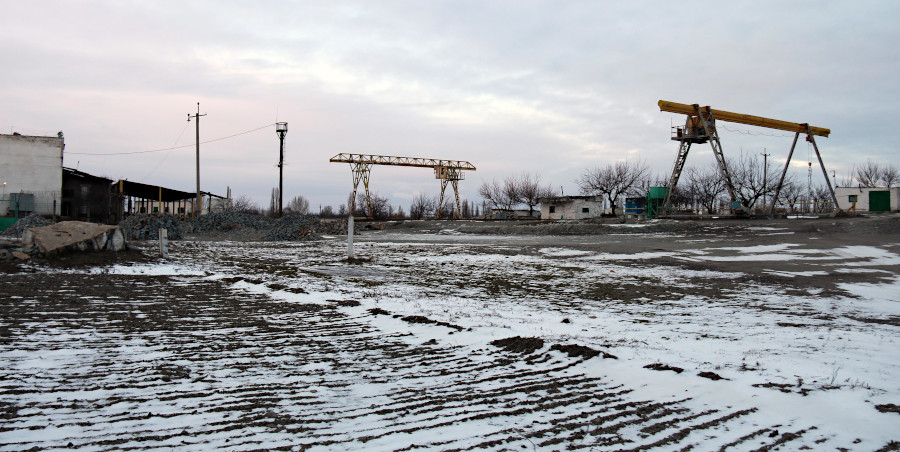
A group of monitors from the KHRPG, consisting of Oleksandr Pavlichenko and Taras Ratushnyi, visited the Starobabanivska Penal Colony No. 92 on 8 February, in which 770 convicted persons were serving their sentences on the day of the visit. During the visit, the monitors were accompanied by the head of the colony, Chornopyskyi Valentyn Anatoliiovych.
DIZO-PKT (Disciplinary cell / Chamber-type premises)
At the time of the visit, 13 convicts were serving disciplinary punishments in the DIZO-PKT. Two terms of punishment were applied to them—7 and 10 days. The reasons for the sanctions, as defined in the documents, were refusal to undergo a personal search, rude reaction to remarks from an administration representative, absence of a name badge on clothing, and violation of localisation.
The documents for placement in the DIZO are processed in the proper order, with a doctor's conclusion on the ability to serve the punishment.
There is a question regarding the walk. It is too ‘early morning’, and this is fixed in the daily schedule.
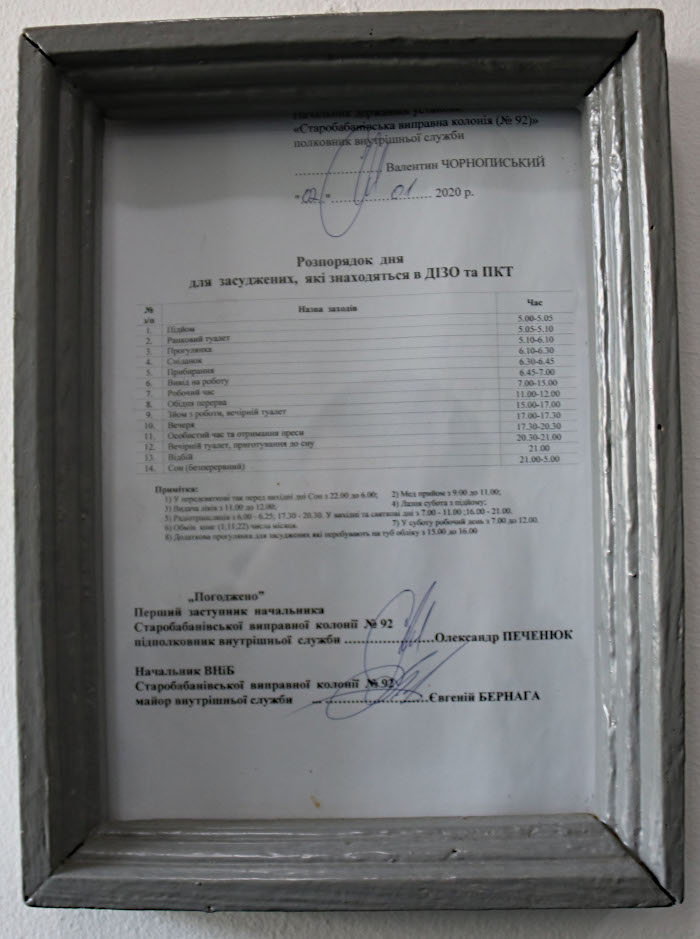
Wake-up for convicts in the DIZO is at 5:00, from 5:10 to 6:10 is a walk, effectively in the dark and cold time of day. During the daylight hours, the convicts stay in the DIZO cells. The monitors drew attention to this fact and recommended shifting the time of the walks. The walking courtyards themselves, of which there are two, are properly equipped and are in a satisfactory condition.
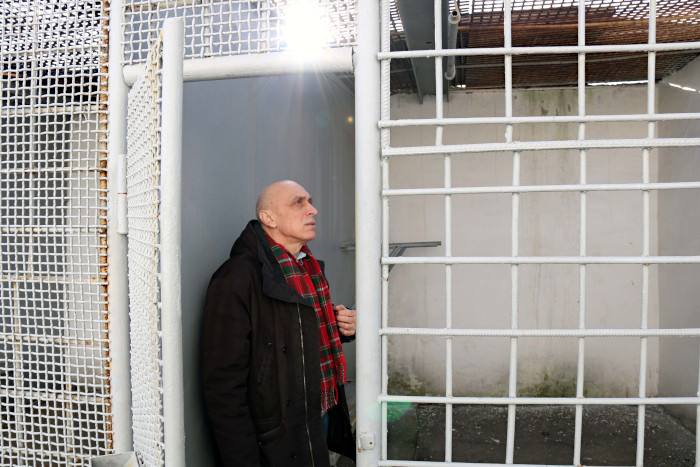
Walking courtyard
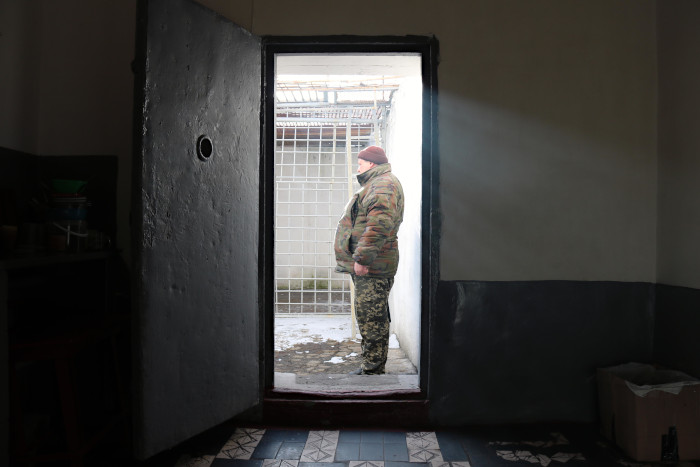
Exit to the walking courtyard from the DIZO-PKT premises
The DIZO premises, like the rest of the colony's premises, have autonomous solid-fuel heating, and the temperature in the premises and cells was high, despite the visit taking place on one of the cold winter days when the temperature was -4 °C.
The DIZO cells are in a satisfactory condition, however, the bathrooms are fitted out with an obvious failure to comply with standards for attending to physiological needs.
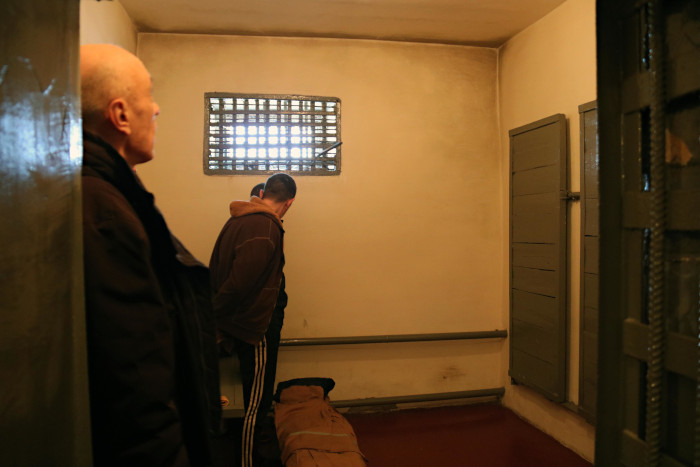
DIZO cell where two convicts were staying
In fact, the toilet is a hole in the floor, which the convicts traditionally block with a plastic bottle to reduce the smell from the cesspit, at the same time, the convict relieves himself without being shielded from the second convict who is staying with him in the cell, because the ‘walls’ of such a toilet are up to 40 cm high and do not allow for privacy in such a delicate matter as attending to physiological needs. This defect should be eliminated.
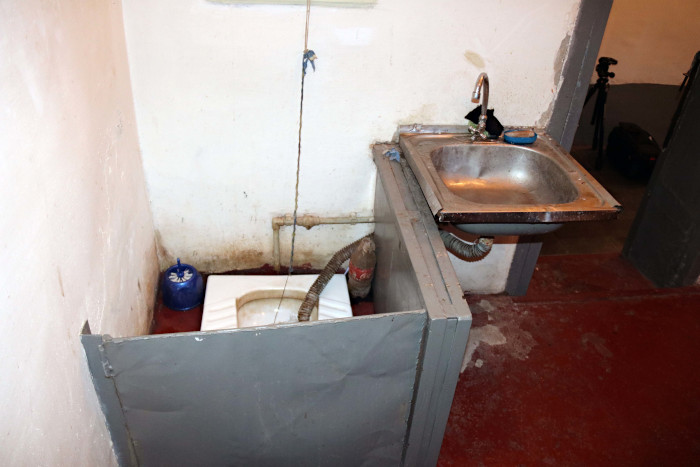
Bathroom in the DIZO cell
The colony consumes water from its own wells; there were no complaints about the water quality.
On 6 February, two days before the monitors from the KHRPG visited, a convict was found hanged in this colony, because of which a criminal case was opened against the head of the colony under Article 367 of the Criminal Code of Ukraine, ‘Official negligence’. The convict committed suicide at night, having left the residential building and used a horizontal bar.
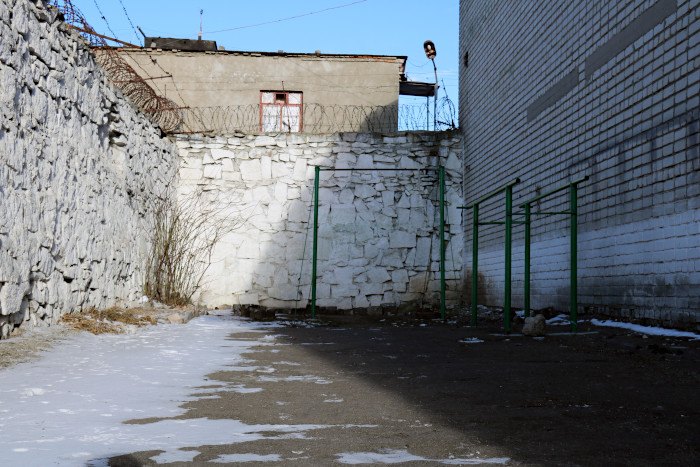
Place where the hanged man was found
After the body was found, there were attempts at resuscitation, but they were unsuccessful. The reasons for such an act can be established after conducting an investigation; visible preliminary reasons (pressure or bullying by the administration or other convicts, a difficult situation, possible debts) were not established, one of the hypotheses is personal motives and experiences due to the breakup with a woman with whom the convict had marital relations.
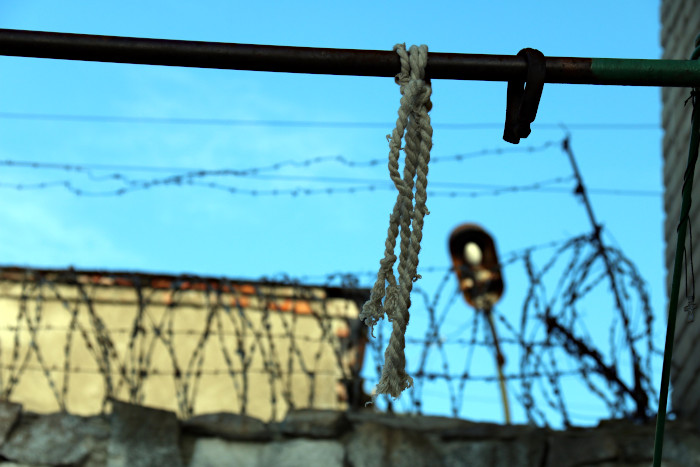
Remains of the rope on which the prisoner hanged himself
Residential premises
During the visit, the residential premises were inspected. The convicts in the colony live in barracks-type premises, approximately 50 people in one large room, the beds are located in one tier, however, it would be worth starting a transition to re-equipping the premises in order to move to a cubicle system of convict accommodation.
Medical sanitary unit
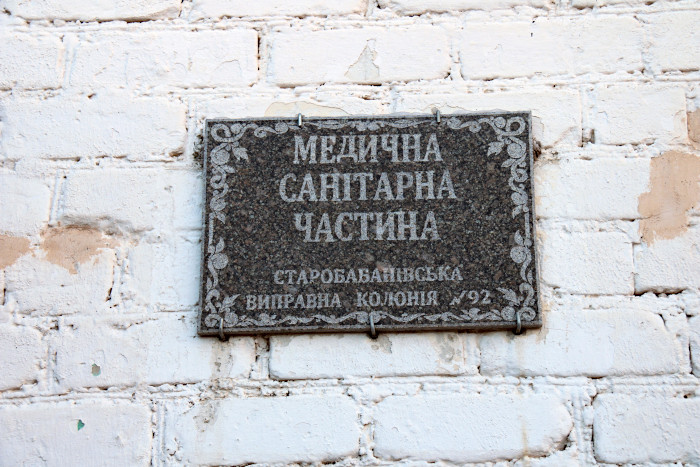
During the visit to the medical-sanitary unit, it was established that among the 770 convicts serving their sentences in this colony, 124 people have the status of HIV-positive, with 110 people taking ART, and 14 consciously refusing for various reasons. Testing for CD4 cell count and viral load is carried out with the help of volunteers from non-governmental organisations, but this testing covers all convicts with the status. Only a few weeks ago, in January 2020, the colony's medical unit received licences from the Ministry of Health for the corresponding types of medical assistance and the possibility of keeping strong painkiller medications.
During the conversation with the head physician, it was possible to find out that another consequence of the ‘reform’ of penitentiary medicine is the practical impossibility of receiving treatment that requires surgical intervention at the BVK-85, where convicts are sent to the Interregional Hospital. Medical provision in the penitentiary system is currently in an unsatisfactory state and requires immediate changes. Locally, as in VK-92, over the recent years of ‘reforming’ the penitentiary system, the situation has not changed significantly for the worse in general and in medicine in particular, due to the ‘compensatory’ attitude on the part of the facility administration, which provides opportunities for taking convicts to local hospitals, reaching appropriate agreements for this and providing transport and convoying.
The colony expressed a single wish—to assist with transport for moving sick convicts (TB, general illnesses), as the need for such transport arises often.
In the inpatient facility, 3 convicts were staying, one of whom suffers from epilepsy and requires appropriate care and treatment. In the colony, he is provided with certain supportive medical treatment, but in the opinion of the monitors, the question of the appropriateness of individuals in such a state of health staying in places of detention should be raised, and the issue of placing them in specialised medical institutions should be resolved.
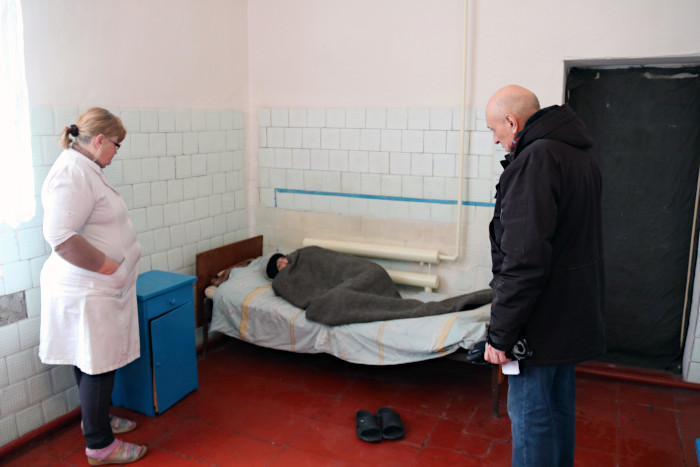
The aforementioned sick convict
Industrial zone
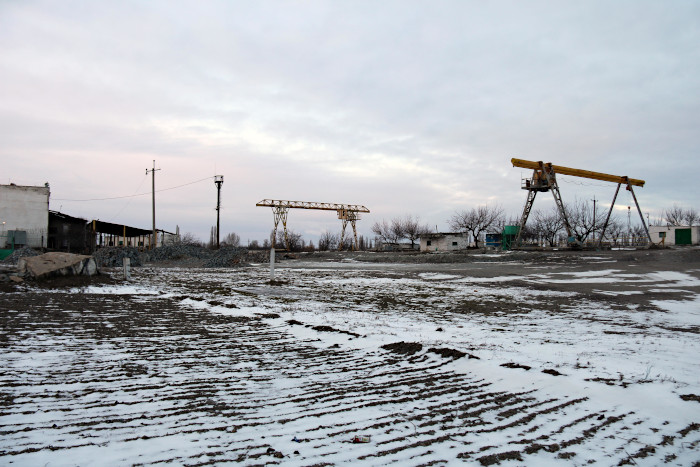
Convicts in the colony are involved in quarrying and subsequent processing of granite stone. On the territory of the colony, signs with the names of services and individual premises are made of granite (see the medical unit sign).
Up to 30–40 convicts work at the quarry, up to 120–150 people are involved in work within the colony itself at different times; these works are often seasonal and are also linked to orders. In total, out of the convicts, up to 200 people are involved in work during the busiest season.
The colony also has woodworking, which consists of sawing firewood for subsequent use for individual heating, however, this is seasonal and inconsistent work.
EU project ‘Fight against torture, ill-treatment and impunity in Ukraine’.