Report on the results of the monitoring visit to Kryvyi Rih Correctional Colony No. 80
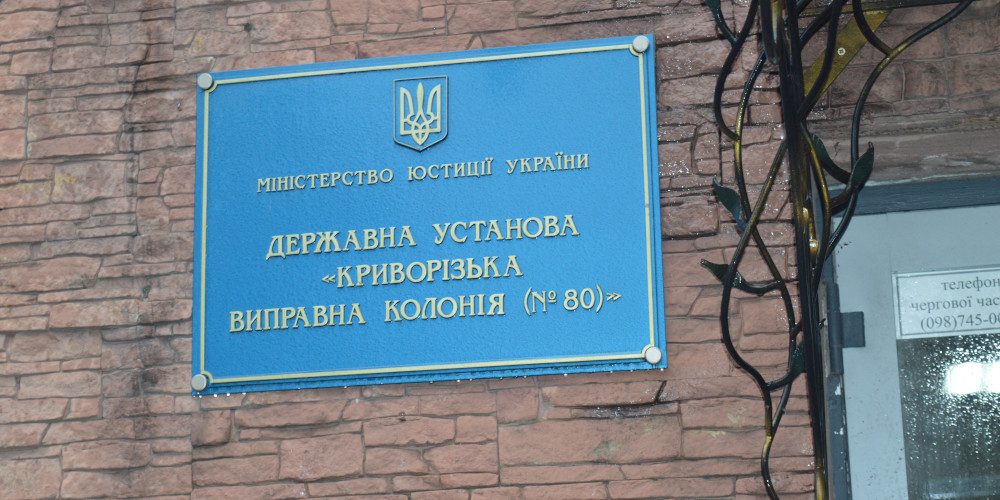
On 5 November 2019, a monitoring group from the Kharkiv Human Rights Group, consisting of Maksym Revyakin, Tamila Bespala, and Volodymyr Hlushchenko, an assistant-consultant to a Member of Parliament of Ukraine, visited the penal institution ‘Kryvyi Rih Correctional Colony (No. 80)’.
At the entrance to the colony, the monitoring group was met personally by the head of the institution, who checked their documents and admitted them to the colony without delay. What was striking, first of all, was the institution’s territory, which covers an area of 38 hectares. Of course, the main part is an industrial zone.
KCC No. 80 is a medium-security institution for men sentenced to imprisonment for a definite term for the first time. In 1954, Camp Branch No. 80 was established on the territory of a former prisoner-of-war camp. In April 1961, the construction of a new complex of the colony’s main buildings was completed, in connection with which the special contingent was moved to a new location, where it is still situated today. The name ‘Camp Branch No. 80’ was renamed to Kryvyi Rih Correctional Colony No. 80. This is a fairly old penal institution, built during the Soviet era, which requires repairs and significant investment from the state budget.
At the time of the visit, 675 convicts were serving their sentences at the institution, 78 of whom were working in production.
Residential premises
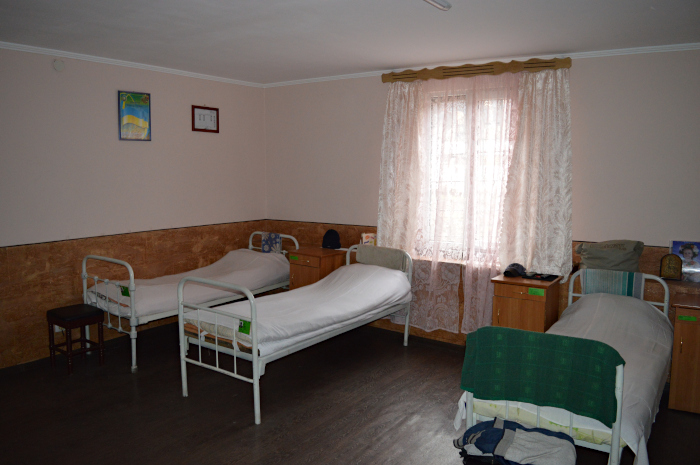
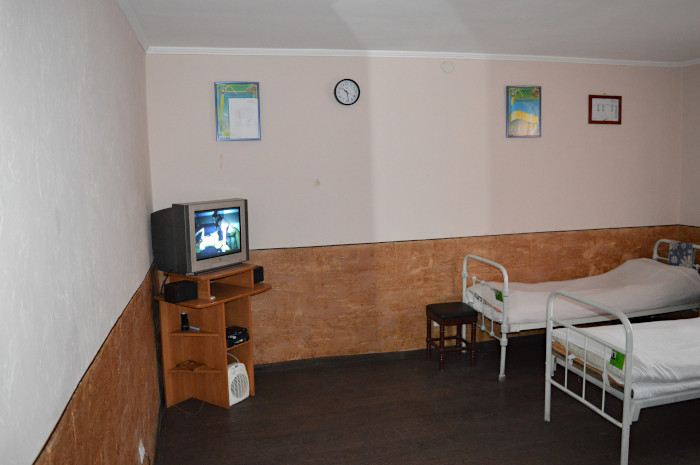
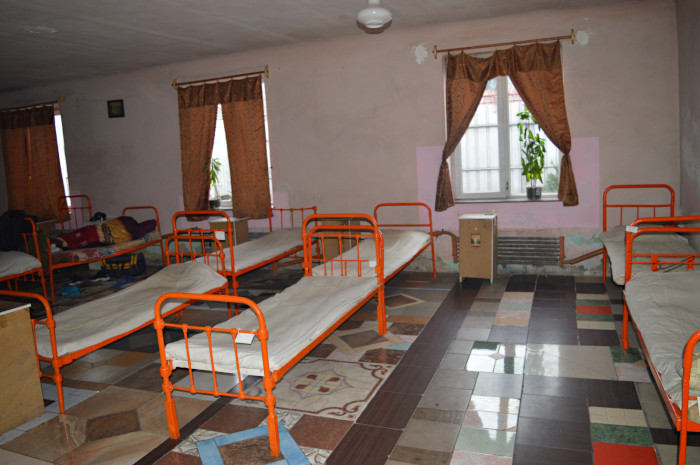
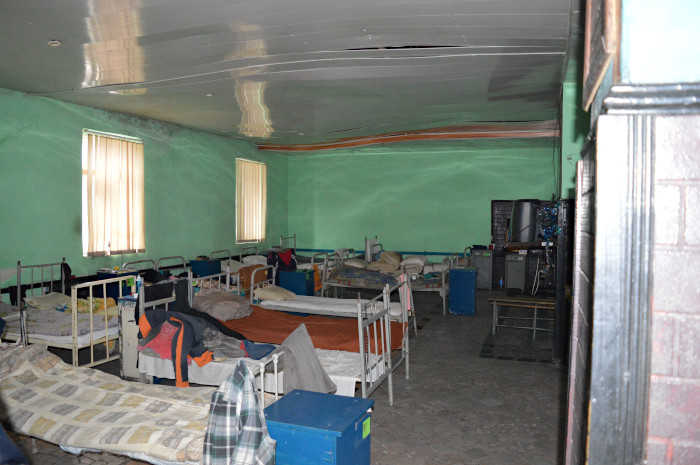
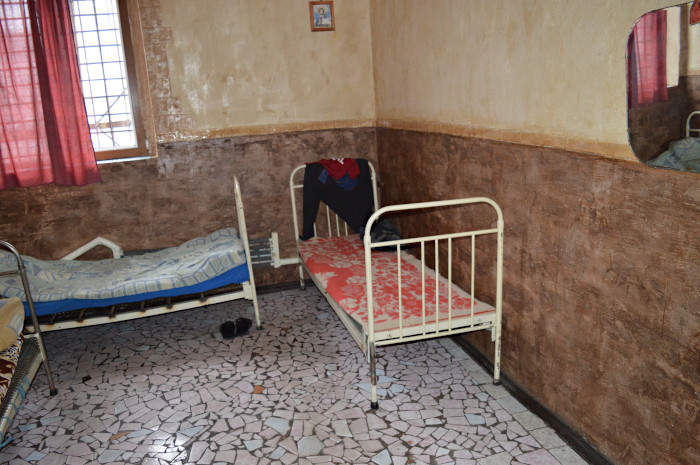
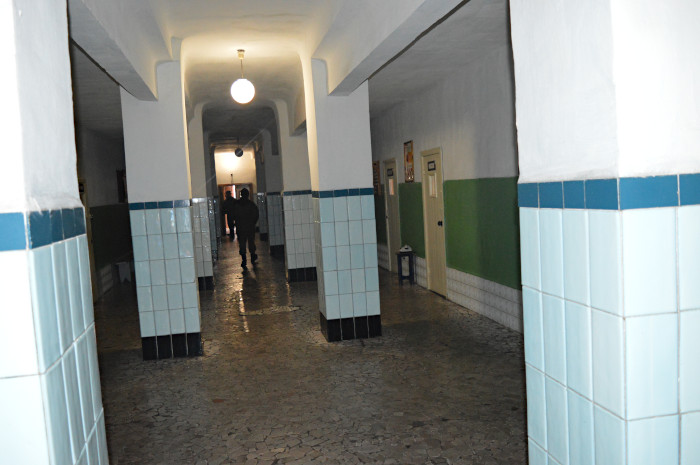
The monitoring group visited two residential wards, one of which has been renovated, while the second is undergoing renovation. The premises are quite clean, the bedding on the beds is also clean and tidy, the sleeping places are covered with sheets, and there are no unpleasant odours. There is drinking water in tanks. In the room undergoing renovation, building materials are stored, and plastic panels have come away from the ceiling. In the section of the social and psychological service, where the residential area had just been renovated, the bathroom is located in a separate room, meaning the entrance to it is from the street. In general, there is no overcrowding in the residential premises, and no flagrant violations of sanitary standards were detected during the inspection of the living quarters. In each room, there are wooden boxes for appeals to the prosecutor and requests for the psychologist. The boxes are sealed by the prosecutor and the psychologist personally.
Canteen
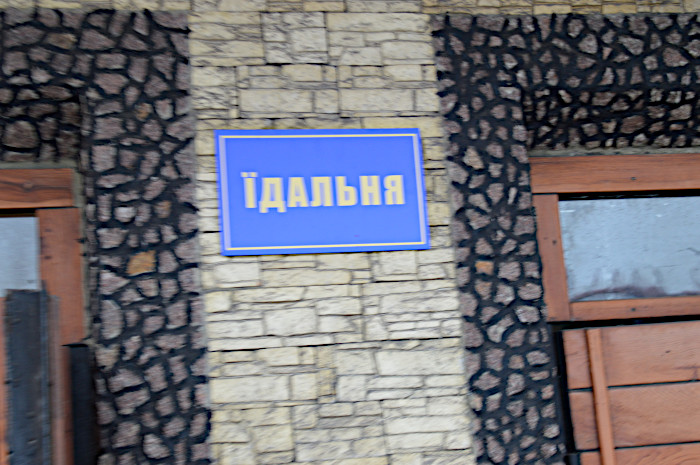
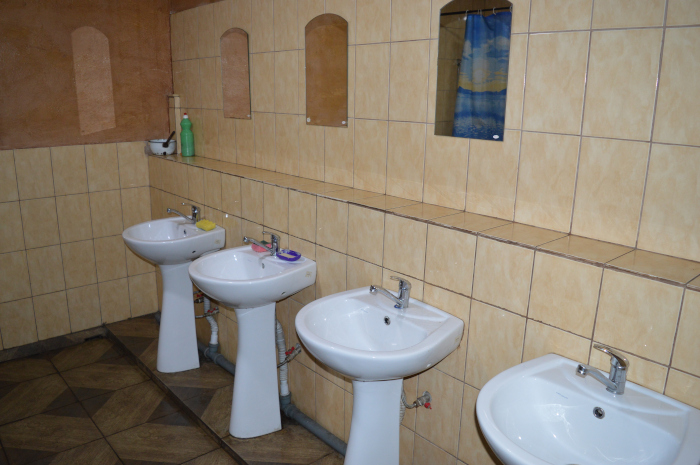
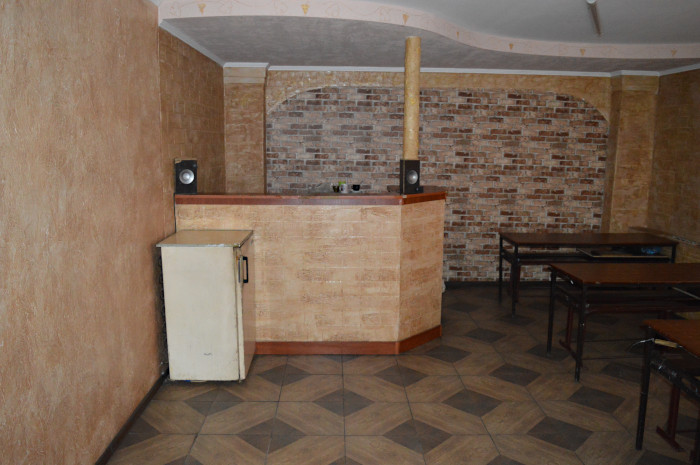
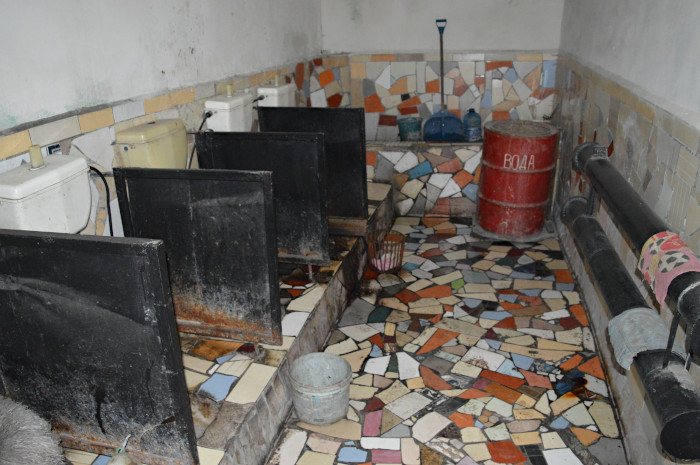
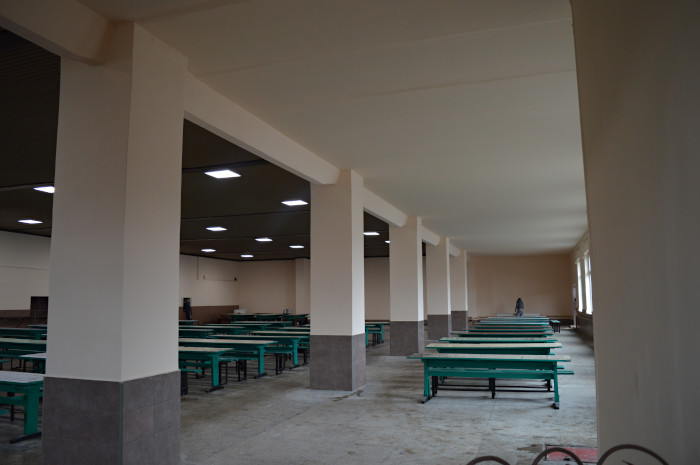
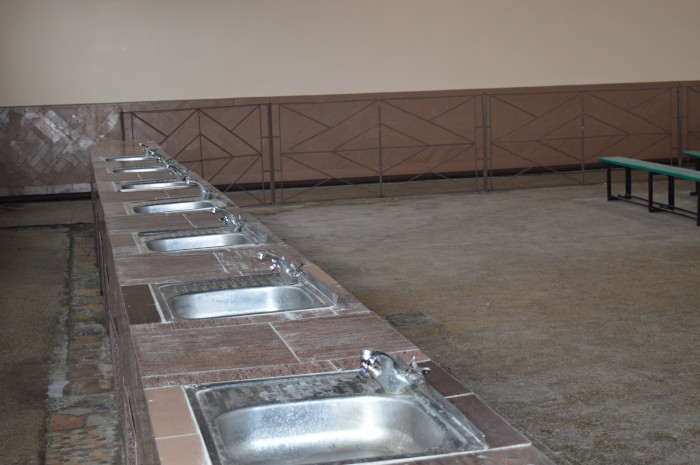
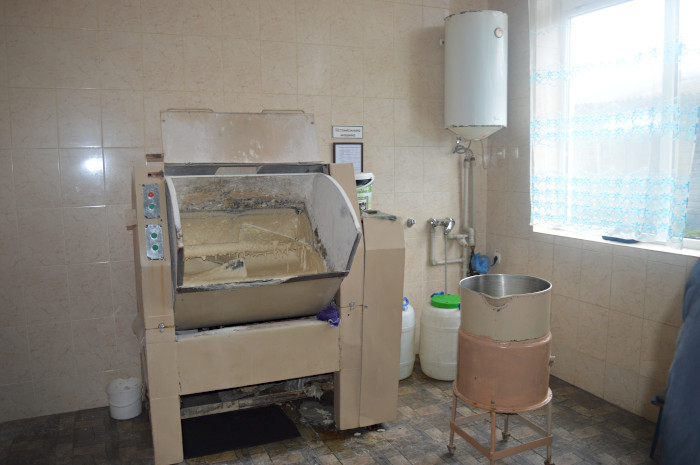
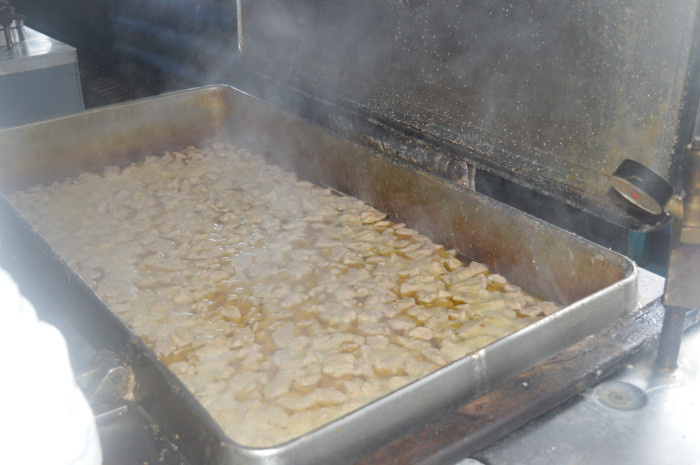
Repair work was also being carried out in the canteen. The dining hall was being renovated; there was a smell of paint and building materials present. The canteen area is quite large, and the tables were placed haphazardly in the hall. Water flowed in the washbasin when the taps were opened, but there was no soap or towels for drying hands. At the time of the visit, there was no menu, which was brought to the attention of the administration representatives. About five minutes later, it did appear, but it had not been posted in the dining hall. The kitchen staff worked in clean white coats. In the cooking block, it smelled of food, and there were no foreign odours. For the first course, there were dumplings (halushky), and for the second, stewed meat with pasta. In general, the convicts did not complain about the quality and quantity of food.
DIS-PKT
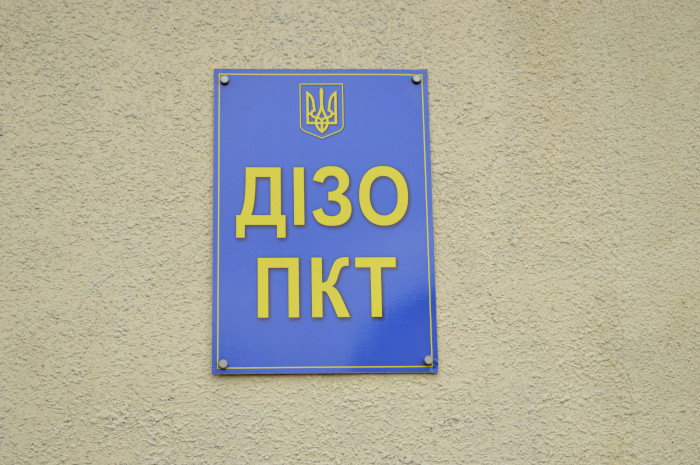
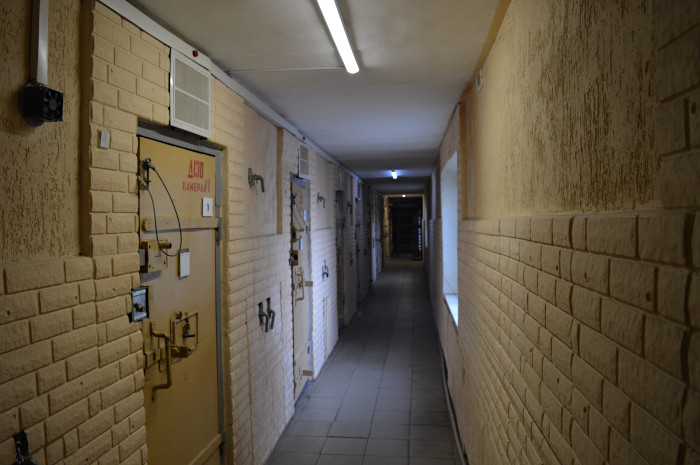
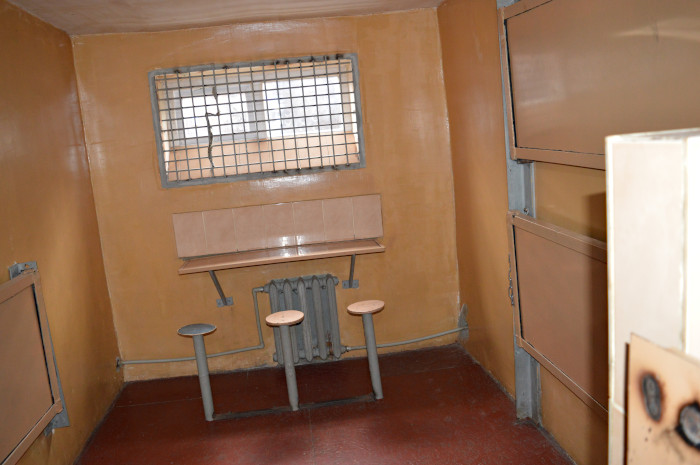
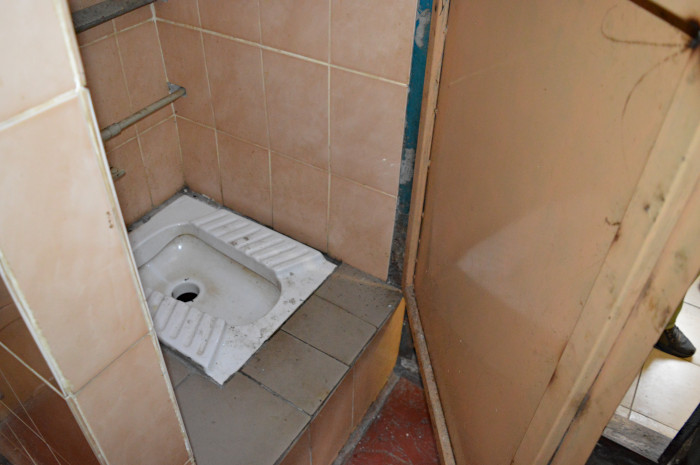
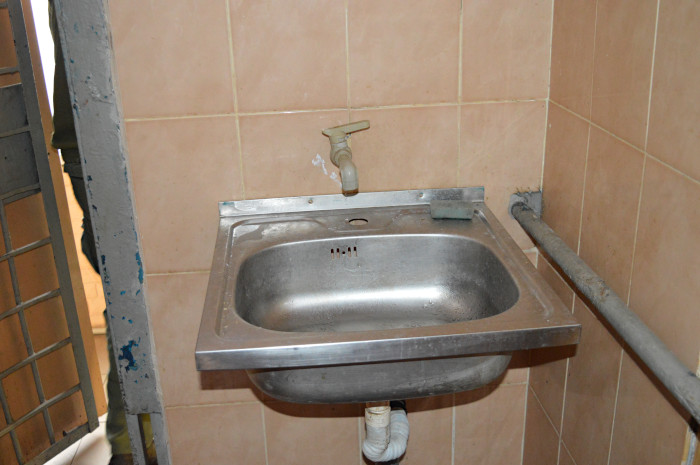
The monitoring group visited the cells of the DIS (Disciplinary Isolation Cell) and PKT (Cell-type Premise). At the time of the monitors’ visit, there were 9 convicts in the DIS and none in the PKT. The cells held between one and three convicts. The stay conditions are standard: bunks are lifted, and one can only sit on a stool or bench. The DIS-PKT cells are warm, slightly stuffy, and free of foreign odours. LED lights are installed in the corridors and cells to save money and ensure a proper level of lighting. During conversations with everyone present in the DIS section, there were no complaints about baseless prosecution; food is satisfactory, and the temperature, lighting, and attitude of the administration, according to the convicts, meet standards. There were complaints about the lack of proper medical care and the inattentiveness of the therapist to their duties. However, the number of convicts placed in the DIS since the beginning of the year—427—is alarming. This is very high compared to other penal institutions.
Medical unit
Unfortunately, the situation with medical assistance is very difficult. At the time of the visit, only a therapist from the Zhovti Vody Correctional Colony No. 26 was working as a doctor; he had been asked to temporarily perform duties at the institution. All other medical specialists were absent. The reason is the specific nature of the contingent and the low salary. Not a single medical logbook, which should be in the medical unit of the institution, was provided to the monitoring group. There are doubts that they even exist in the medical unit. The acting head of the medical unit is on leave and, according to the management, does not plan to return. At the time of the visit, 9 patients were undergoing treatment. They try to send convicts in need of full treatment to the multi-disciplinary hospital in Dnipro, located on the territory of the Penal Institution No. 4. However, applications are submitted, but there is no response. For one of the sick convicts, four applications for hospitalisation at the inter-regional hospital have already been submitted, but he is still in the medical unit, which is unable to provide treatment adequate to his condition due to the lack of doctors. There is a dental office in the building, but no dentist. There are 36 people in the institution with a diagnosis of HIV, 29 of whom are receiving antiretroviral therapy.
Industrial zone
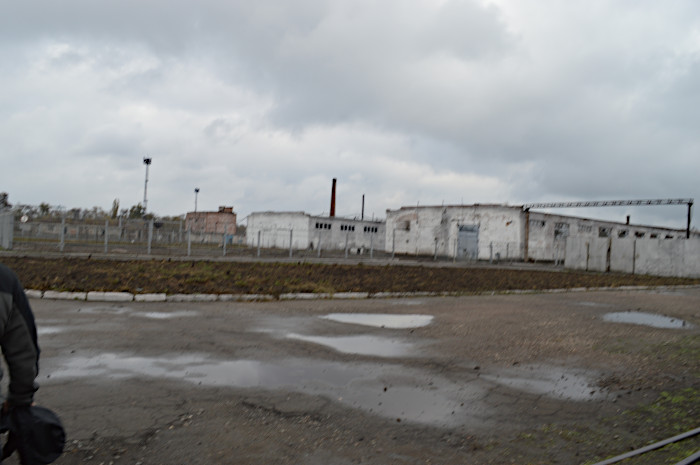
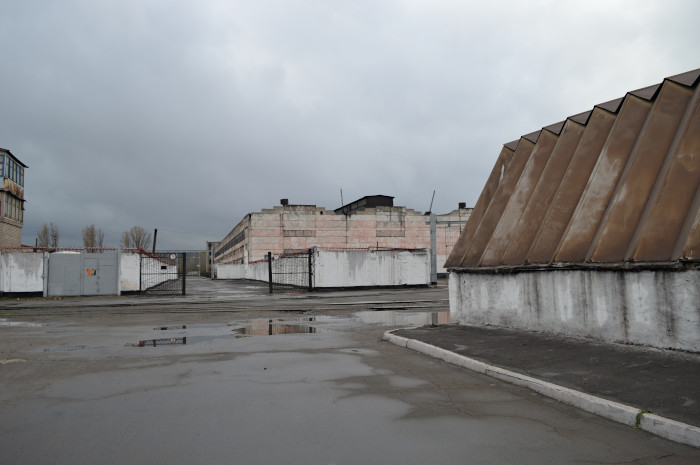
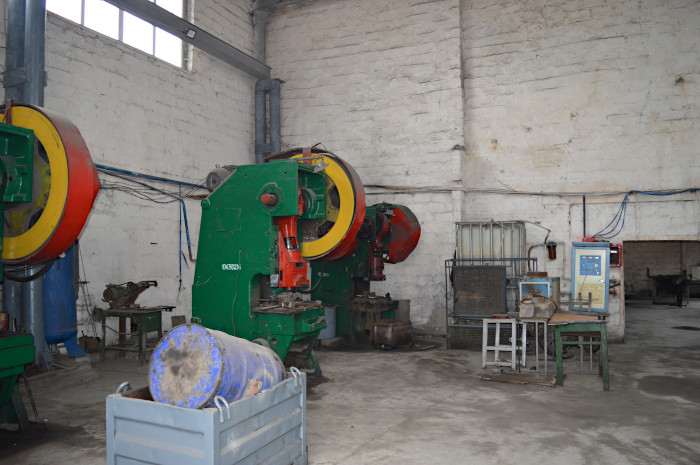
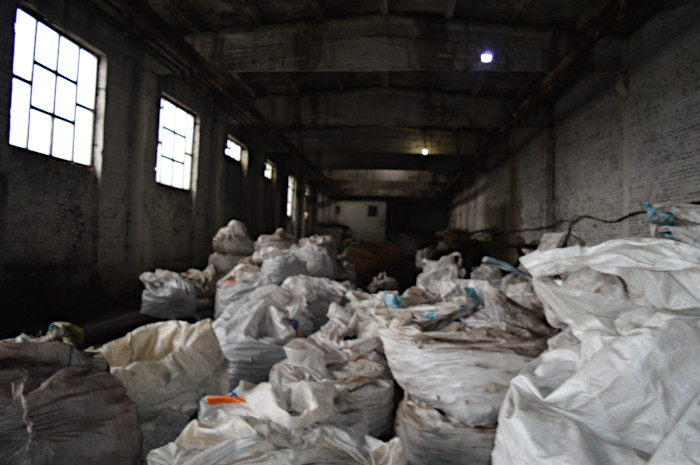
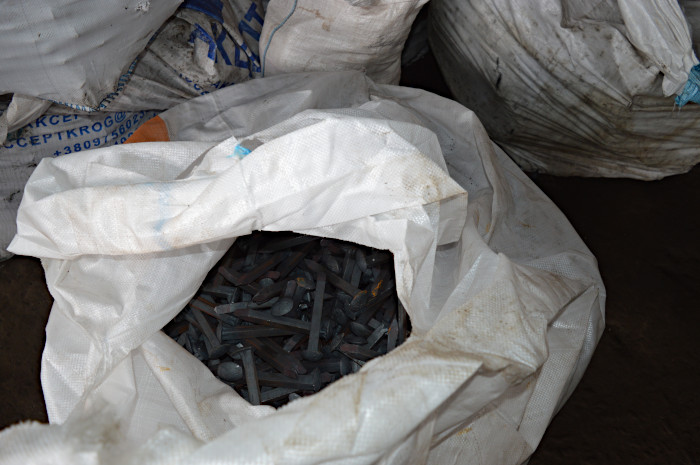
The industrial zone of the institution is divided into several production facilities of different focus. In total, 78 convicts work here, as mentioned above. The industrial zone is very large in area, most of the workshop buildings have collapsed over time, and their windows have been boarded up by the administration. The doors were left open for access and control by colony staff. They are trying to repair the workshops that are in operation; they have been lit with LED lamps, and the level of lighting is satisfactory. In the working workshops, there are changing rooms that are warm, as well as separate showers. A workshop for the manufacture of spare parts for the railway, namely spikes and brackets, was in operation. According to the administration, they are able to increase production capacity if they receive relevant orders. The convicts worked in regular clothes; workwear was absent. No one complained about working conditions or salary payments; they stated that they receive their wages on time and in accordance with the work performed.
Bathhouse
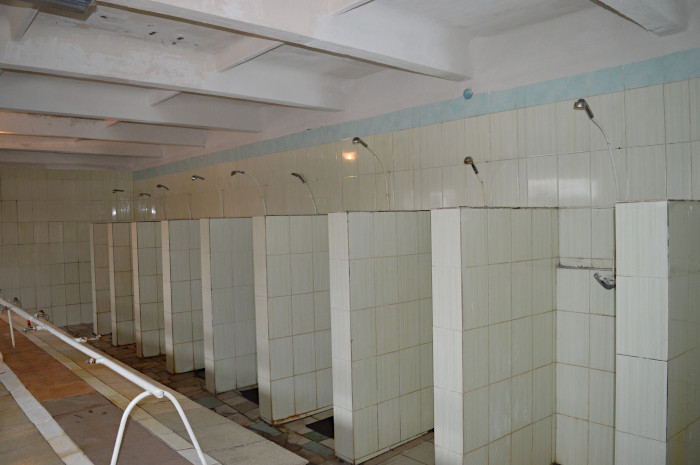
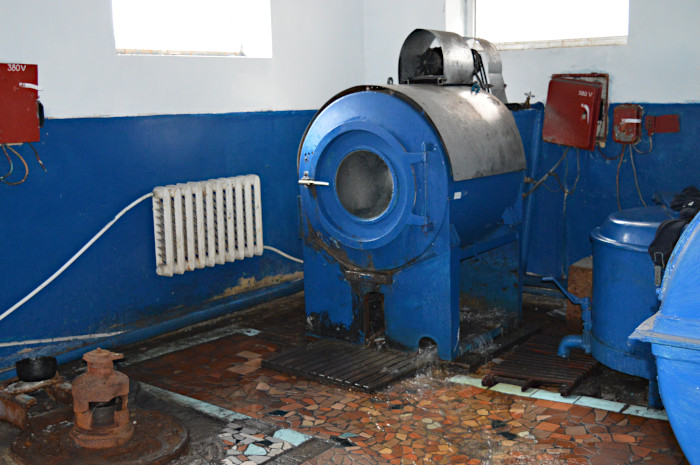
At the time of the visit, repair work was also being carried out in the bathhouse. According to the institution’s management, the renovation has been going on for almost a month. During this time, the convicts only take showers in the residential wards. However, there is only one shower stall in the residential ward, which is problematic given the number of convicts.
Visiting rooms
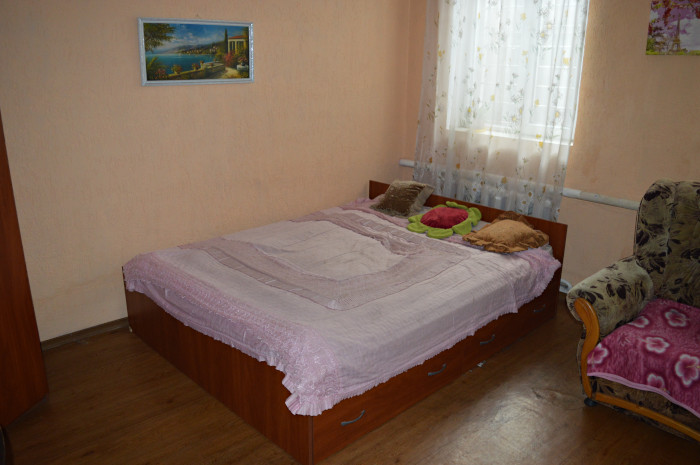
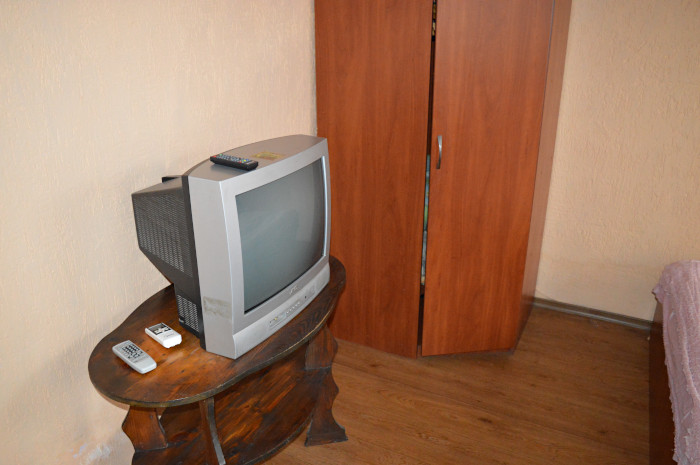
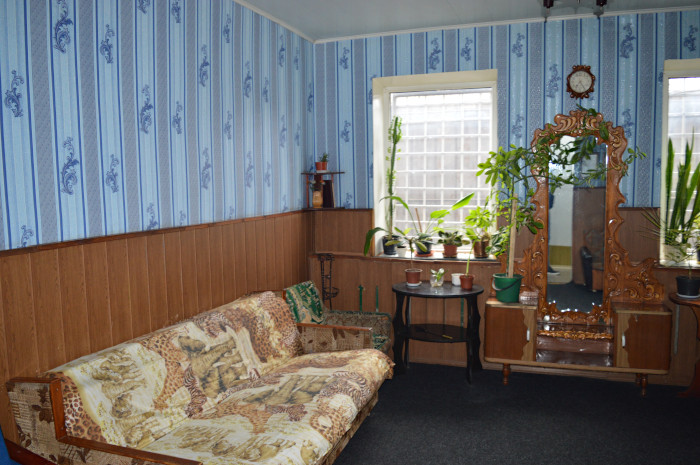
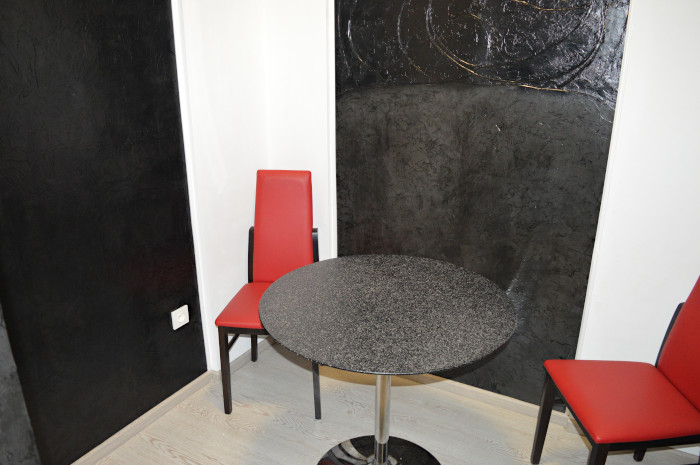
Convicts use the rooms in the order established by law, and there were no complaints about this. The cost of a short-term visit service is 14 UAH; a long-term visit per person per day is 85 UAH; a long-term visit in a high-comfort room: per person per day is 150 UAH. The rooms are equipped with appliances and soft upholstered furniture; there are conditions for cooking and for children to stay. Unfortunately, in the same city, namely at the State Institution ‘Kryvyi Rih Penal Institution (No. 3)’, a long-term visit in a high-comfort room for 2 people per day with heating costs 550 UAH.
Problems
The colony’s management drew the monitors’ attention to the problem regarding the parole of convicts who are eligible and have only received commendations. Materials regarding such convicts are sent to court, but the prosecutor’s office objects to such a release. Even if the district prosecutor’s office agrees with the release and the court of first instance satisfies the motion, an appeal is filed, and the regional prosecutor’s office always objects to parole in the appellate hearing—the decision of the court of first instance is cancelled.
The problem with the State Migration Service regarding the issuance of passports to convicts was also voiced. This especially applies to the confirmation of citizenship regarding a certain period of time. In most cases, the refusal to process a passport for a convict is not based on the letter of the law; they are refused only on formal grounds.
Currently, lawyers from the KHRG are studying these problems and possible ways to solve them.
EU project ‘Fight against torture, ill-treatment and impunity in Ukraine’