Unannounced monitoring visit to Kryvyi Rih Correctional Colony No. 80
On 16 January 2019, a group of monitors consisting of Dmytro Reva, Maryna Davydova, and Volodymyr Pletenko visited the Kryvyi Rih Correctional Colony No. 80 for an unannounced monitoring visit. This institution specialises in the detention of men sentenced to imprisonment for the first time.
Upon arrival, the monitors were met by: Lieutenant Colonel O. V. Chuban, Captain I. O. Diadiushka, Captain D. V. Mishchenko, Captain Y. M. Sereda, Senior Lieutenant H. H. Shpylovyi, Lieutenant A. O. Chernous, and Captain V. O. Chervonyi. The head of the institution was absent during the visit, as were the first deputies; therefore, the monitors were met and accompanied by staff members responsible for security and oversight.
Statistics
Currently, 681 people are serving their sentences in the colony, overseen by 199 administrative staff. The number of prisoners convicted under Article 391 of the Criminal Code of Ukraine is 14; the number of prisoners convicted under Article 345 of the Criminal Code of Ukraine is 0; the number of prisoners prone to suicide is 16; the number of prisoners prone to self-harm is 40; the number of prisoners prone to escape is 7; the number of malicious offenders is 152; the number of prisoner complainants is 0; and 4 people have been released during the current year. There are 3 religions represented in the colony.
Disciplinary cells (DIZO) and cell-type premises (PKT)
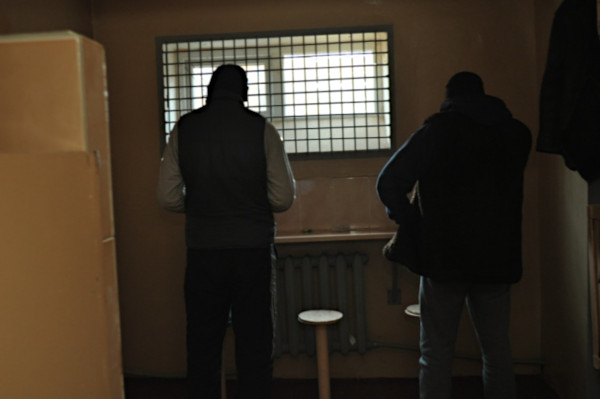
The monitors first visited the maximum-security wing and, in particular, the DIZO-PKT cells. At the time of the visit, there were 14 people in the DIZO and two in the PKT. Depending on the occupancy of the section, there are between two and three people in each cell. The conditions are standard: bunks are raised, and one may sit only on a stool or bench. The monitors had the opportunity to speak with everyone present in the DIZO-PKT section, and complaints regarding the administration's decisions were received from two individuals. According to them, the punishment was too severe given the gravity of the offence committed. The individuals complained about the cold and excessive humidity in the living quarters, which they had attempted to resolve using a domestic heating element; however, the administration confiscated the device and assigned 14 days in the DIZO to its two most active defenders. According to the administration, the prisoners were somewhat dishonest, failing to mention that they had offered physical resistance to the administration during the conflict over the heater. A criminal proceeding under Article 345 of the Criminal Code of Ukraine has been opened against one of the complainants, and an investigation is ongoing. In general, there were no complaints about the conditions (with the exception of the aforementioned individuals); food, temperature, lighting, the administration’s attitude, and medical care meet the standards.
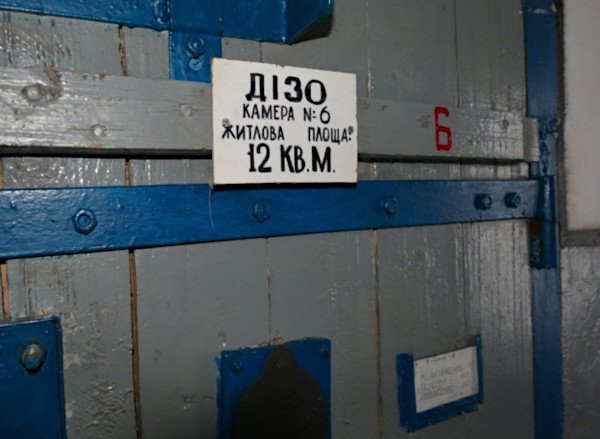
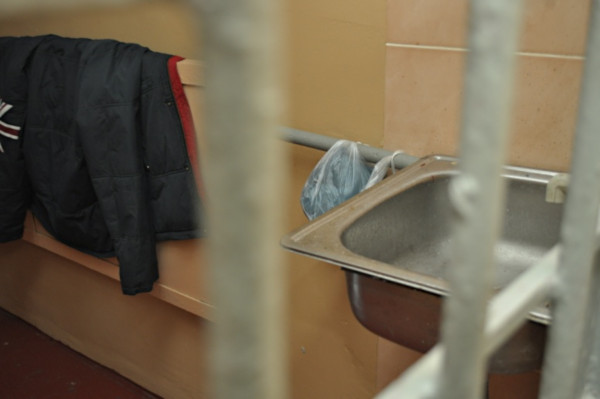
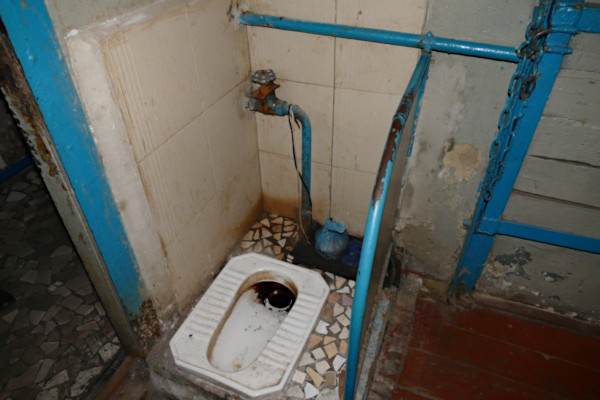
On the door of each cell, there is a sign indicating the number and total square footage, and next to the doors are cards with the full names of those in the DIZO. Each of the cells requires major repairs. Prisoners in the DIZO have the opportunity to go for a one-hour walk in the yard every day; the exercise area is equipped with bars, and the prisoners also have the opportunity to use a complaint box. The daily schedule for prisoners is: wake-up at 5 a.m., lights out at 9 p.m. After lights out, prisoners go to the storage room, collect their personal linen and mattresses, and make their beds. The DIZO-PKT cells are warm, slightly stuffy, and heavily smoked in some areas. LED lights are installed everywhere (in corridors and cells) to save costs and ensure an adequate level of lighting. The toilets in the DIZO cells are cleaned by the prisoners themselves, so their condition and any lingering odours depend on the conscientiousness of those occupying the cells.
Living quarters
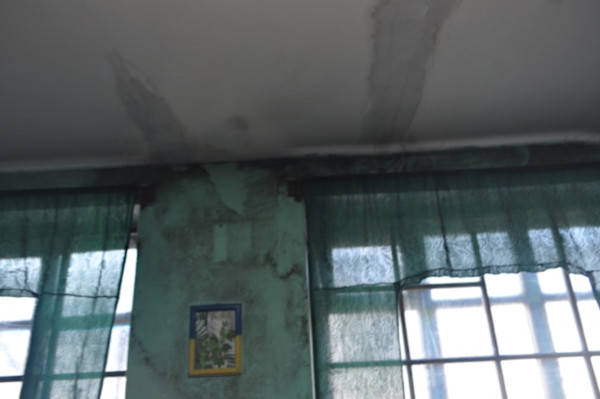
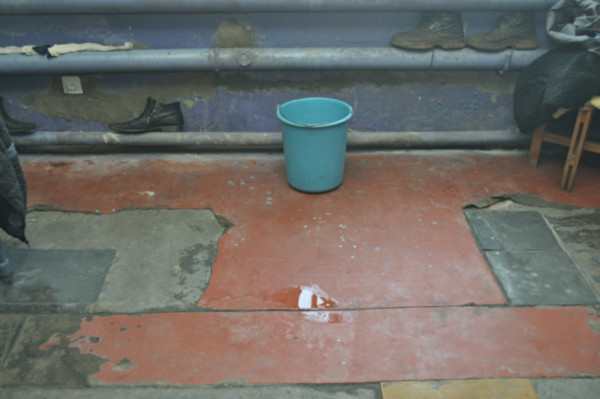
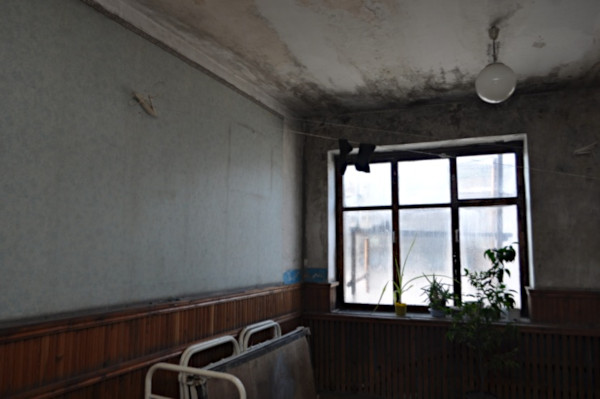
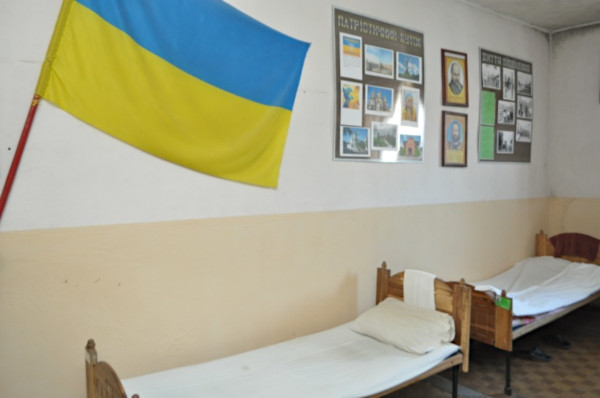
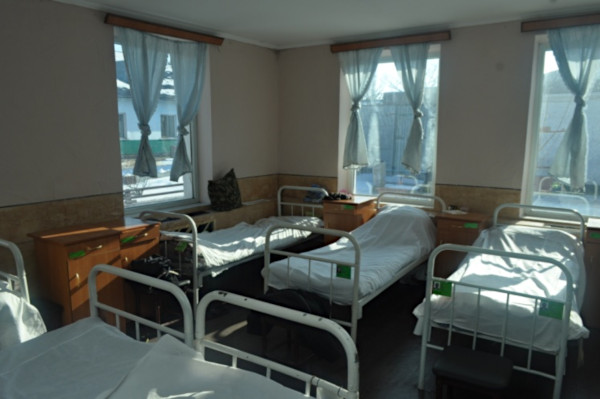
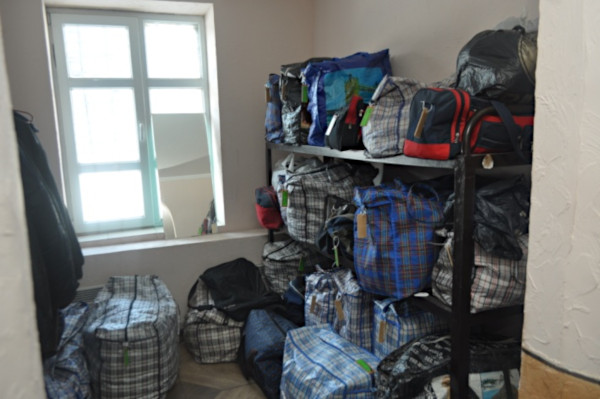
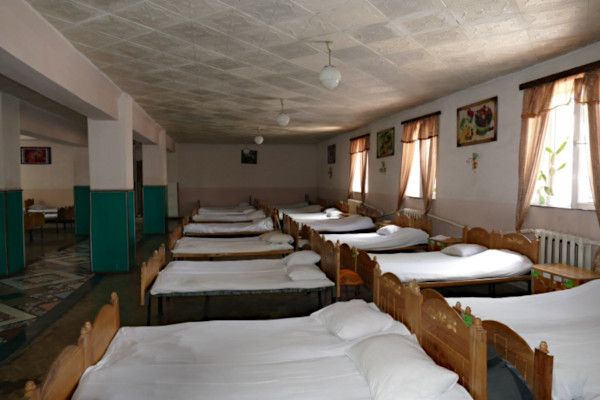
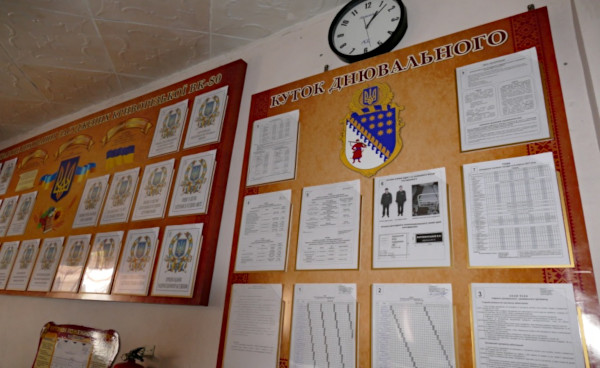
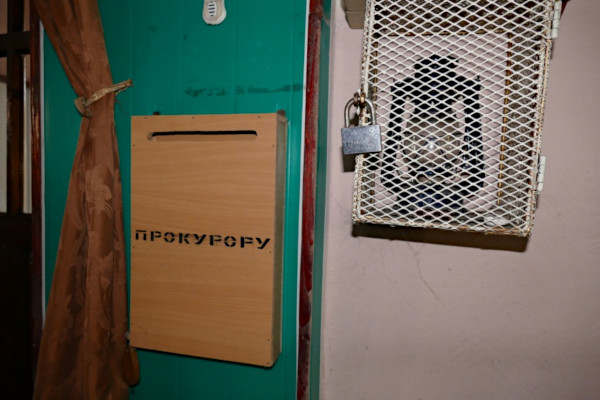
The monitors first visited the 3rd detachment, where the conflict over living conditions took place. The ground floor is noticeably damp; there is water on the glass and a puddle on the floor, but it is very warm, and the prisoners are in the room in their underwear, without socks, with a window open for ventilation. As the prisoners explained, water leaks from the second floor. The second floor is also warm and damp, with mould on the walls in some places. As the administration representatives explained, they had planned to re-roof the building since spring and had purchased building materials (indeed, there are signs of started but unfinished repairs on the exterior), but the prisoners had long refused to work on improving the living conditions and only came together on the eve of the snowfall, which prevented the work from being completed. The roof leaks only in detachment No. 3; others have been renovated and are kept clean. As for external odours, only cigarette smoke was noted; prisoners secretly smoke in toilets and recreation rooms despite the rules, and lie on their beds during the day to read. In general, the barracks housing prisoners employed in production or maintenance show much better order and general condition. During the day, only the orderlies are present there, as all other prisoners are at work. Overall, the barrack is designed for 50 people, and each sleeping place has a card with the prisoner’s full name, photograph, and article of conviction. The bed linen is clean and tidy, sleeping places are covered with sheets, and there are no unpleasant odours. Before entering each barrack, there is a room where prisoners remove their shoes, as well as space for hygiene procedures and cooking (if necessary). Each barrack has wooden boxes for appeals to the prosecutor and applications for the psychologist. The boxes are sealed by the prosecutor and the psychologist personally. Prisoners are not restricted in their correspondence or use of mobile phones with their families, and there are no complaints from them on this matter. Near the barracks, there are equipped recreational areas: benches, gazebos, and smoking areas. The barracks feature paintings, leisure corners, and information boards with announcements and useful legislative links. The daily routine is standard: wake-up at 6:00, lights out at 22:00.
Opposite the barrack buildings is a security structure where special equipment is stored: shields, helmets, handcuffs, batons, body armour, and tear gas. This facility also houses the logbook for the use of special equipment. Since the beginning of 2019, special equipment has been used once at the correctional colony No. 80.
Visitation rooms
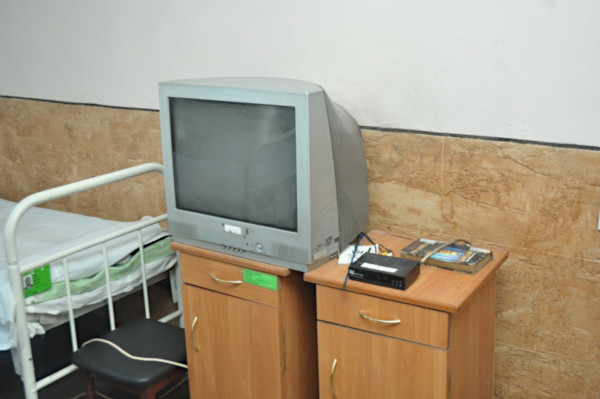
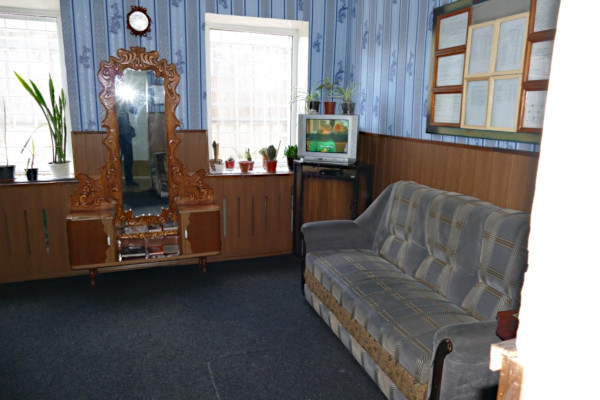
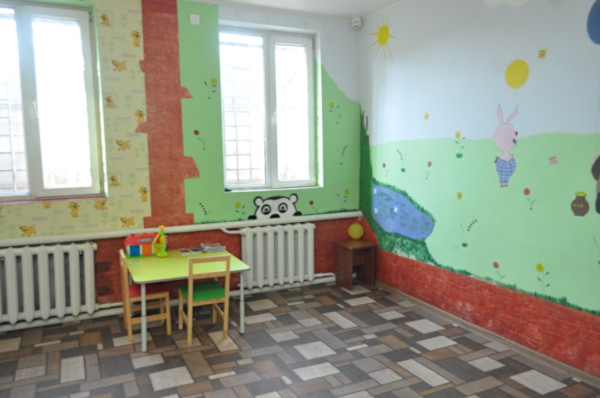
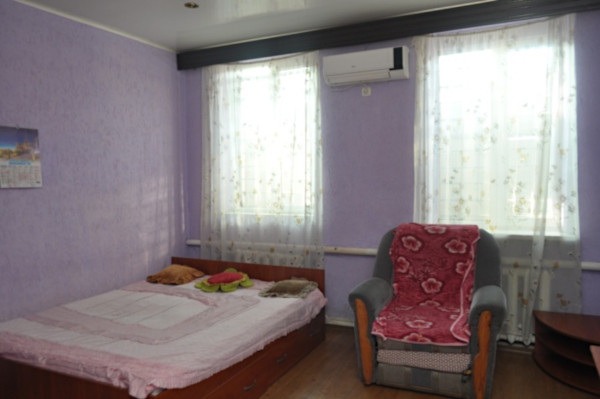
Prisoners use the rooms in accordance with the law, and there were no complaints from them regarding this. The cost of a short-term visit is 20 UAH, a long-term visit per person per day is 120 UAH, and a long-term visit in a comfort-plus room is 197 UAH per person per day. The rooms are equipped with appliances and soft furniture, and there are facilities for cooking and for children to stay.

Canteen and food storage warehouses
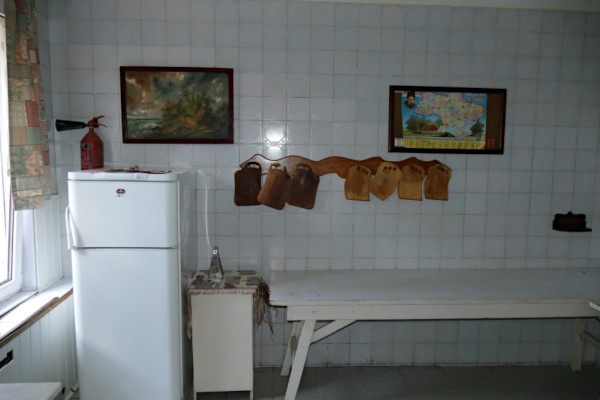
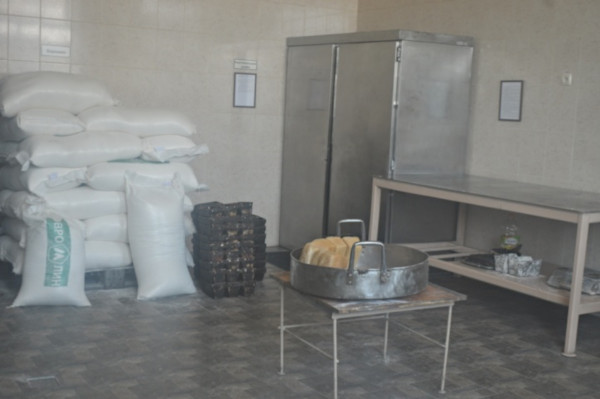
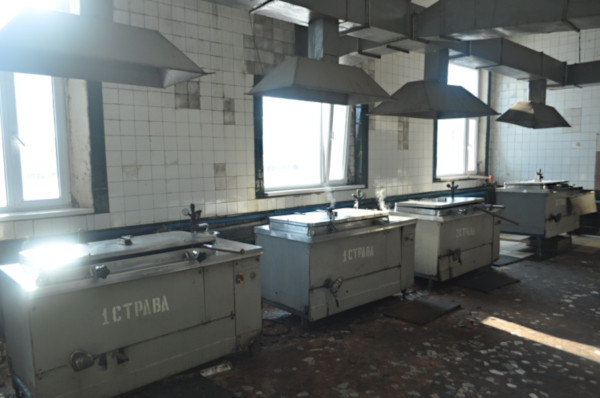
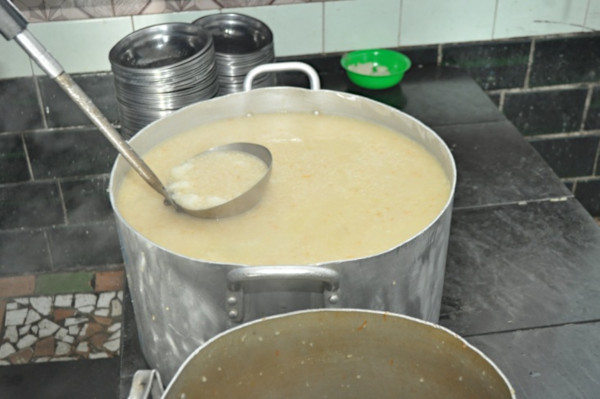
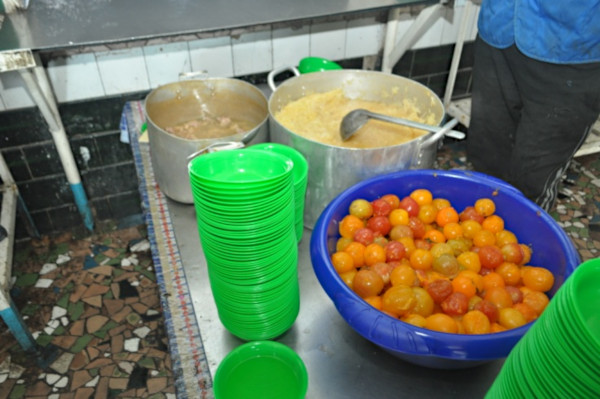
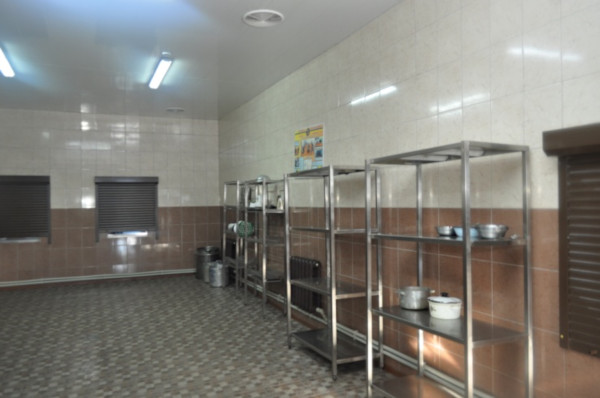
The canteen of correctional colony No. 80 is located in a separate building, together with the kitchen and bakery. The premises are neat, clean, and free of unpleasant odours. The kitchen is clean, and staff are dressed in uniforms. Adjacent to the kitchen are rooms for storing bulk goods and bread. There are separate units for meat storage and fish processing. At the time of the monitors' visit, a block of chicken was defrosting in the meat storage area for the preparation of dinner. The storage facilities are spacious, well-ventilated, and have separate storage for potatoes, onions, and other vegetables, as well as a separate room for canned goods: tomatoes, cucumbers, sauerkraut, and carrots. Each jar bears a label with the date of preservation, the expiration date, and the product name.
Bathhouse
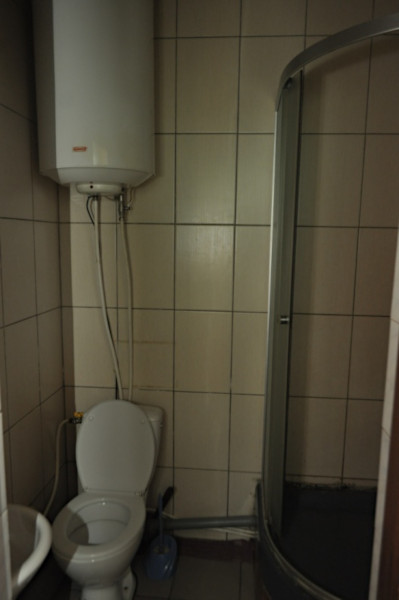
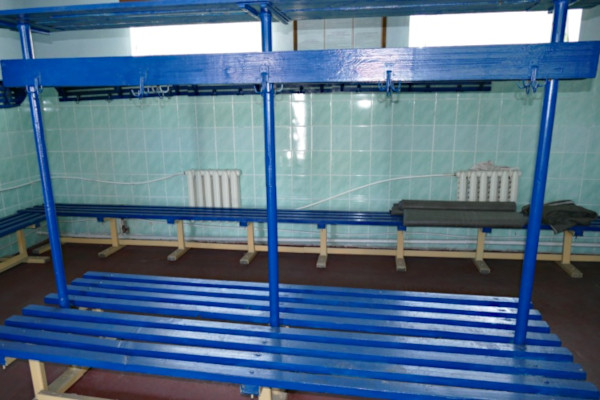
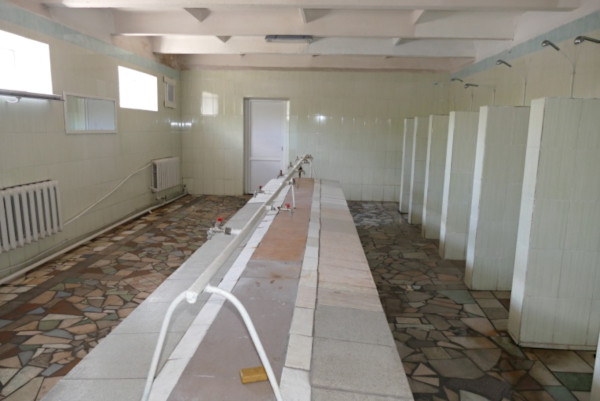
Prisoners use the bathhouse once a week according to their detachment; there is a usage schedule. The bathhouse is equipped with individual shower stalls and sinks for washing personal linen. The premises are clean and tidy, and the air is fresh. There is a disinfection unit on the colony grounds. Once a month, all linen and clothing are treated with hot steam for disinfection.
Medical unit
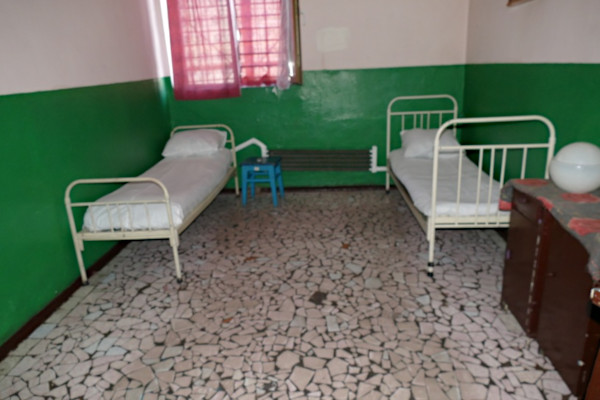
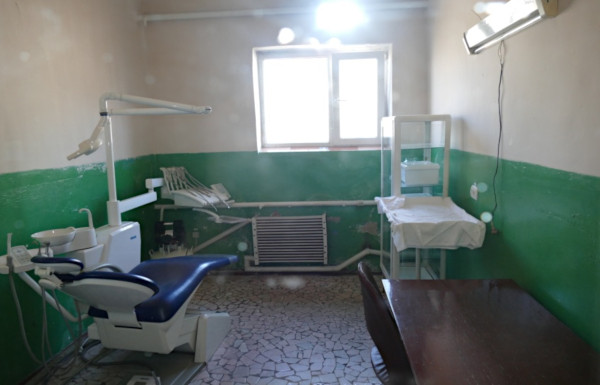
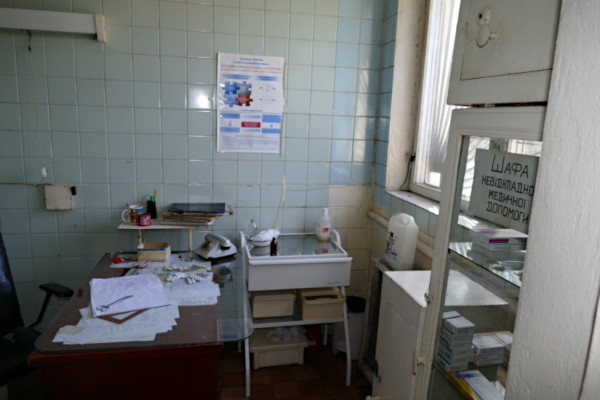
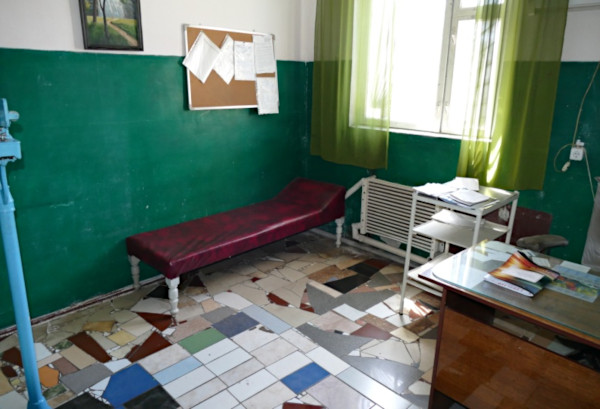
The medical unit of correctional colony No. 80 is located in a separate building. At the time of the monitoring, 8 people were in the medical unit. The reasons for their presence were general illnesses, and one person with a disability. During the visit, out of 12.5 medical staff positions, there were only two employees: 1 head of the medical unit and a therapist working on a 0.5-time basis. All other specialists were absent. The reason given was the specific nature of the contingent and low wages. According to staff, there are currently 29 people in the colony diagnosed with HIV, 28 of whom are receiving antiretroviral therapy. One person refused ART. There are no syphilis patients. According to the head of the unit, the medical unit has a three-month supply of antiretroviral drugs and viral load testing systems. Information corners are set up for prisoners, and there is a procedure room, an inpatient ward, and a medical isolation ward. The medical unit is provided with all necessary means to provide emergency care; in extreme situations, an ambulance is called. Since the beginning of the year, its services have been used seven times. For comprehensive treatment, prisoners are sent to a multidisciplinary hospital in the city of Dnipro on the premises of Correctional Colony No. 4. The building has a dental office, but no dentist. If prisoners need to undergo a medical and social expert commission (MSEC), the institution’s management invites the necessary doctors—specialists from the hospitals of Kryvyi Rih. At the time of the monitors' visit, two prisoners with third-group disabilities were being prepared for the MSEC.
Industrial zone
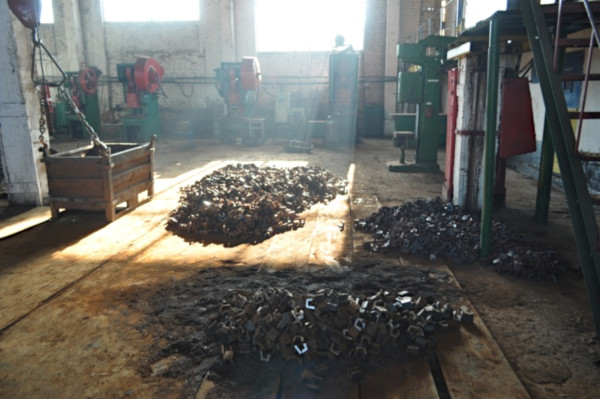
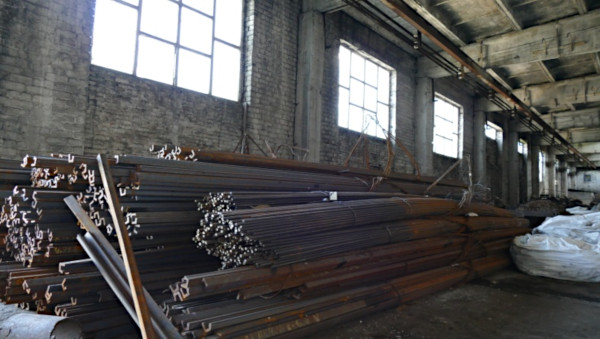
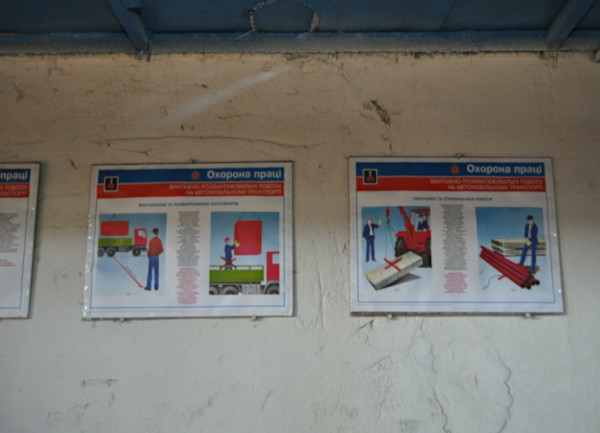
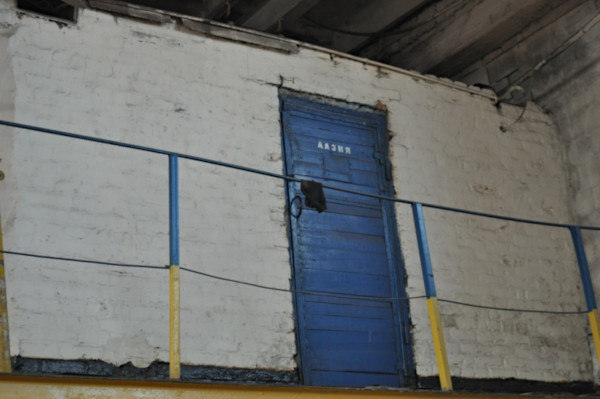
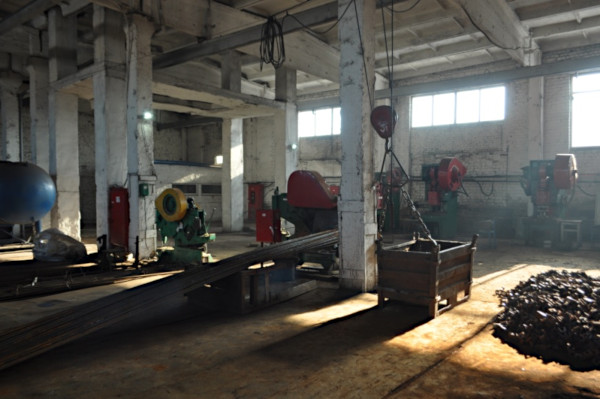
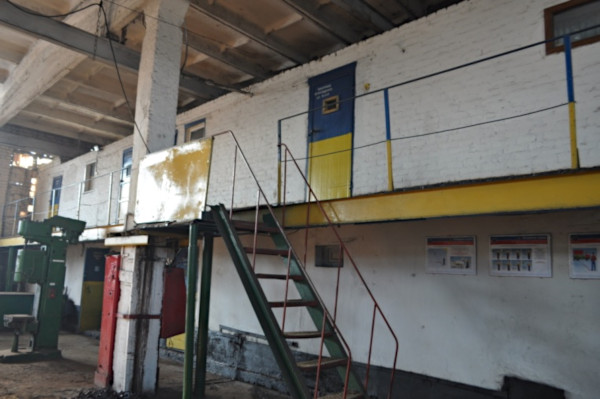
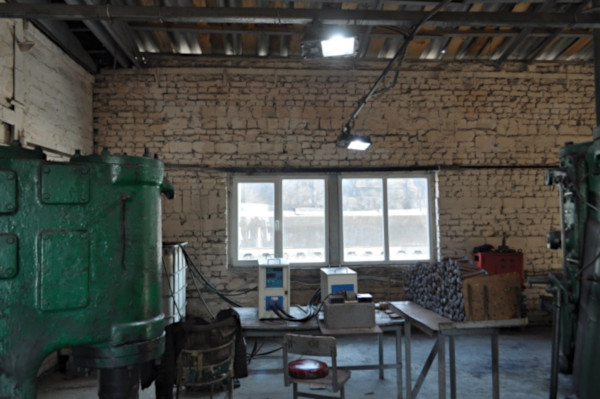
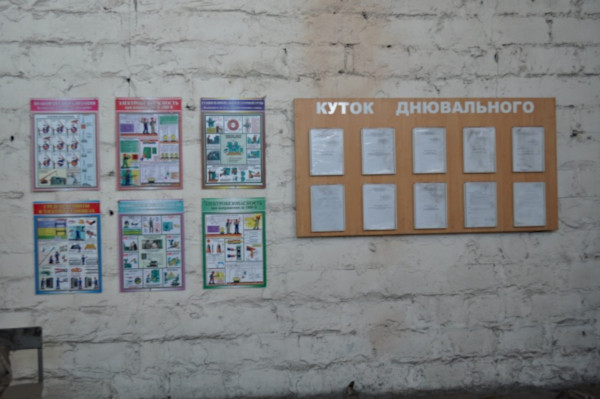
The industrial zone of the correctional colony No. 80 is divided into several workshops of different types. In total, 102 people work here out of nearly seven hundred prisoners. The management operates on a tolling scheme, whereby the customer provides materials and the prisoners work on them. At the time of the monitors' visit, workshops for the production of spare parts for the railway, specifically spikes and staples, were in operation. According to the administration, the colony is able to provide work for all willing prisoners, but they note that due to legislative changes making work optional, the number of volunteers has significantly decreased. Prisoners' wages depend on the number of hours worked and range from 2,000 to 3,000 UAH in hand, which was confirmed by the prisoners themselves. Some noted that they are able to send part of their earnings to relatives in the free world to help them financially. Prisoners receive individual protection equipment: overalls, gloves, and respirators. Gloves are worn when working with metal, but respirators are neglected, with prisoners arguing that it is difficult to breathe in them. Information posters on occupational safety compliance are hung in the workplaces, the workshops are illuminated with LED lights, and the level of lighting is satisfactory. There are no equipped recreational areas in the industrial zone; changing rooms and separate showers are provided in the workshop.
Recreational zone
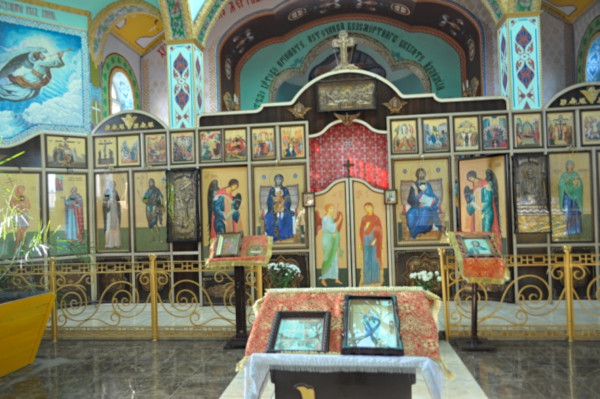
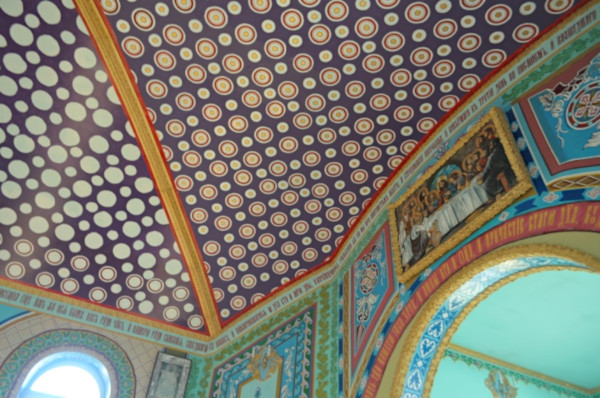
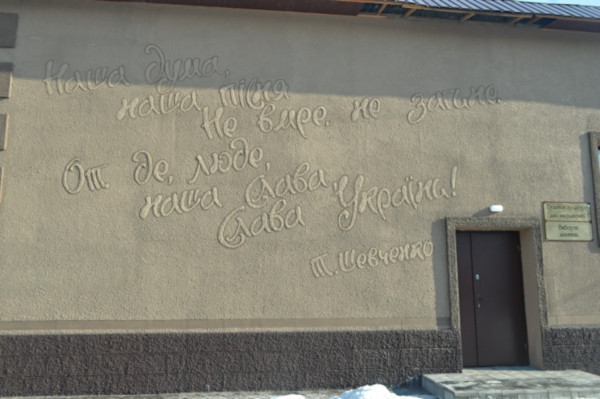
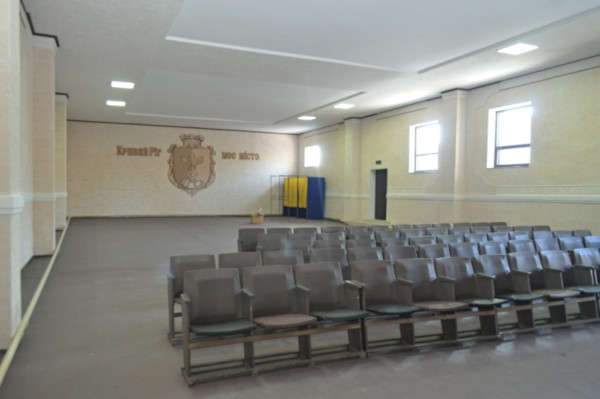
An evening school and a library operate in the colony. There is a church on the territory of the colony, which was entirely built and painted by the prisoners. According to the staff, activists from religious organisations are permitted on the territory. There is a psychologist’s office, which prisoners have the opportunity to visit privately. There is also a vocational school where one can receive a state-recognised diploma in specialisations such as welder, stone carver, blacksmith, slinger, and auto mechanic. Creative workshops for organising leisure activities are active on the territory of the correctional colony. 3 prisoners have a great desire to receive higher education, and the administration and teachers help them prepare for the Independent External Evaluation (ZNO).
Complaints
In addition to those in the DIZO, five prisoners approached the monitors with a common problem. The prisoners work diligently and conscientiously to meet the needs of the colony, specifically a brigade of cooks and bakers who, among other things, also helped with repair work. Their rehabilitation is confirmed by the colony’s applications to the court for parole, but the prosecutor’s office is resisting and will not release the prisoners. The colony administration confirmed the existence of the problem and asked for help in resolving it, as the opposition of the prosecutor’s office negates such a tool for influencing prisoners as preferential parole, for the sake of which many prisoners strive to follow the path of rehabilitation. Lawyers from the NGO ‘Human Rights Group "SICH"’ are currently studying the problem.