Monitoring Visit to I hren Correction Center No. 133
Convicts serving sentences at the Ihren Correction Center No. 133 turned to the office of the Human Rights Group “SICH”, complaining that they are forced to recycle canisters with residues of toxic pesticides. On 6 August, a group of monitors visited the institution to verify the validity of the complaints and the existence of violations.
Industrial Zone
Most of the convicts complained about terrible working conditions, so the human rights activists visited the industrial zone first. On the territory of the correction center, there is a foundry, a workshop for processing eggs into egg powder, and a workshop for processing non-food plastic containers and bottling “Bilizna” (bleach). In the latter, significant violations of labor and environmental legislation were discovered. Near the workshop, on the site, human rights activists recorded a large dump of containers from pesticides.
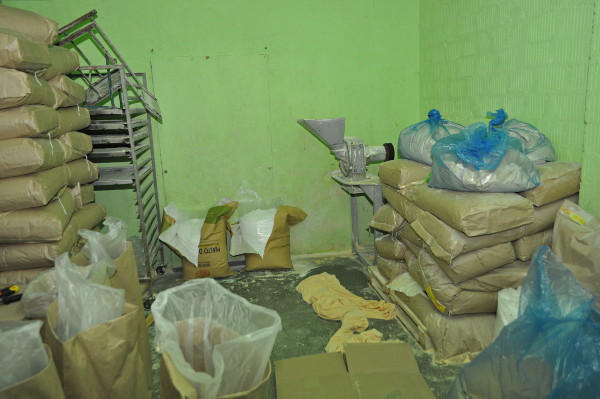
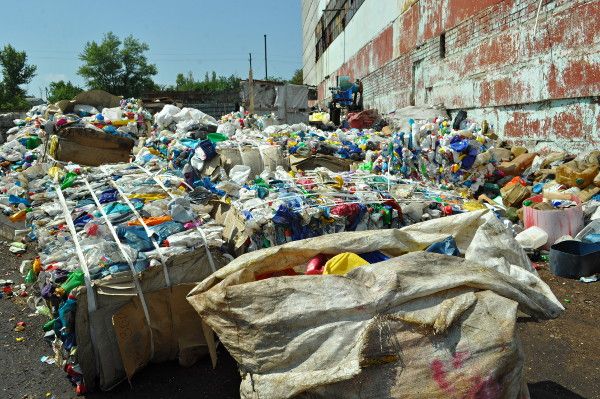
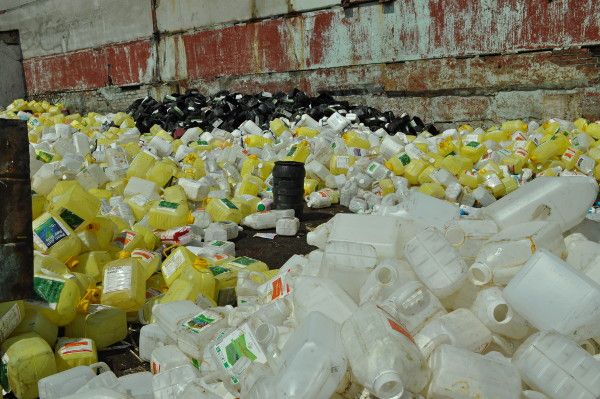
“In these containers, there were residues of toxic substances: herbicides, fungicides, and fertilizers. Residues of these chemicals belong to the I–IV hazard classes; they can be processed only in production facilities with a license from the Ministry of Ecology, and only certified specialists can work with them. In the conditions of a correctional facility, this should not happen, yet prisoners work with chemicals without proper safety equipment,” said journalist and human rights activist of the NGO “Human Rights Group ‘SICH’” Maryna Davydova.

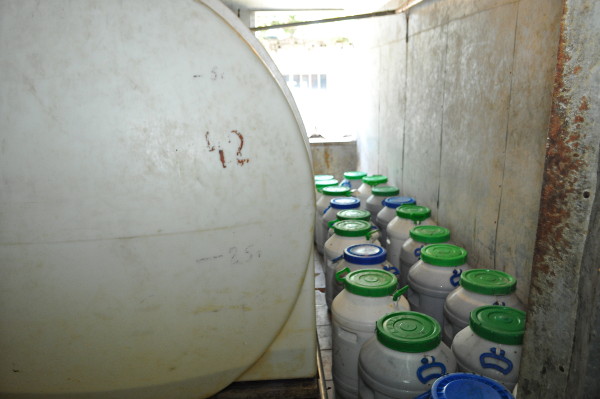
Ihren Correction Center has a contract according to which it receives plastic containers for processing, shreds them, melts them down into bottles, and fills them with a solution of sodium hypochlorite, “Bilizna.” Near the plastic processing workshop, canisters labeled “Challenge,” “Targa Super EC,” “Falcon,” “Sencor,” and others were unloaded, containing liquid residues. The monitors found that some substances (fungicides) in the safety data sheets contain warnings about the high toxicity of the active ingredients, a prohibition against draining them into the soil and into sewage waters. And regarding the disposal of pesticides, the manufacturer gives clear instructions: the substance must be delivered to an incineration plant, and the container must be emptied as much as possible and also burned.
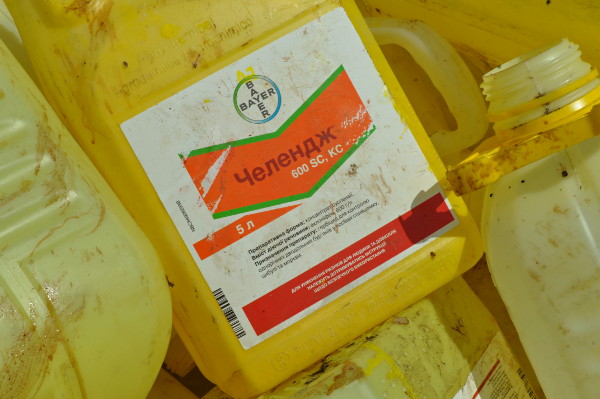
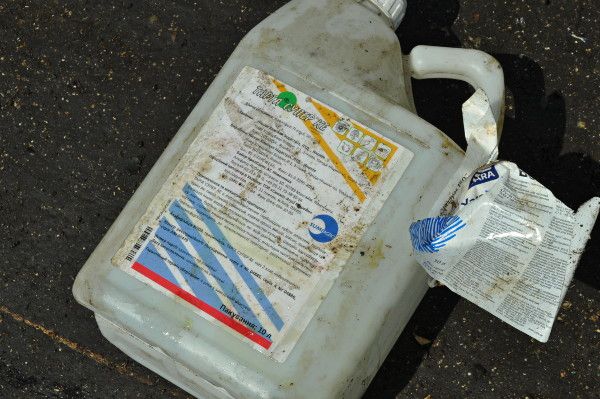
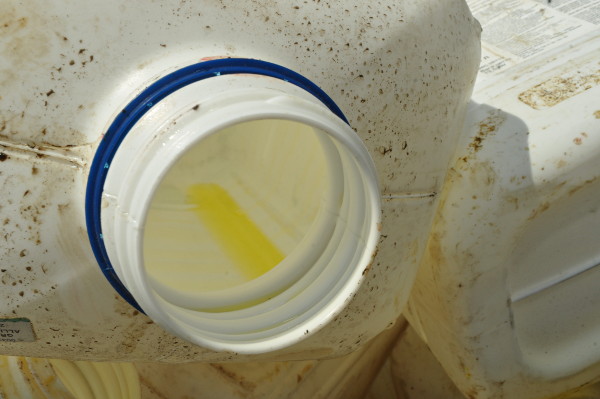
“Residues of these substances belong to the I–IV hazard classes; they can be processed only in production facilities with a license from the Ministry of Ecology, and only certified specialists can work with them,” added Maryna Davydova.
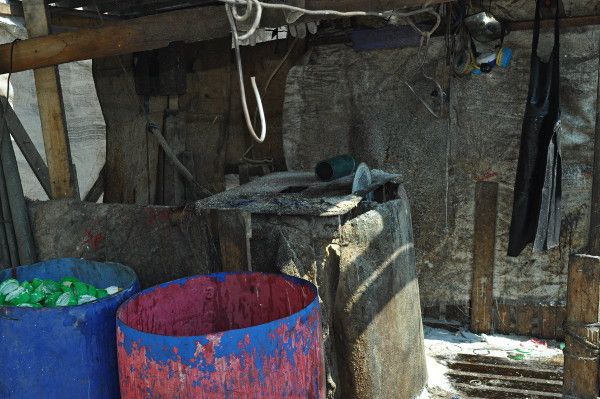
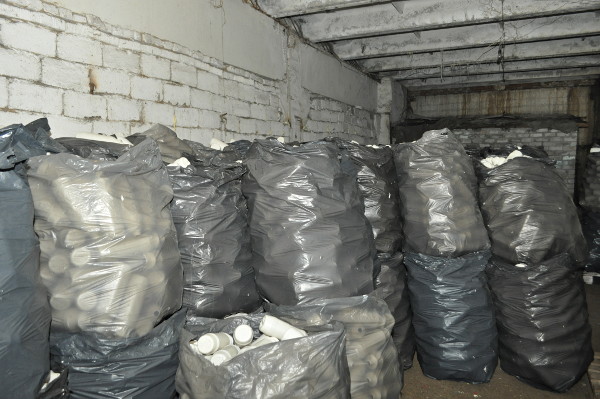
In general, the law clearly states that the processing and disposal of unsuitable pesticides and agrochemicals, as well as the containers themselves, “are carried out by the enterprises where they were manufactured, as well as by other enterprises that have a license from the Ministry of Ecology for operations in the field of hazardous waste management, a positive conclusion of state sanitary-epidemiological expertise, on contractual terms.” They must also have an appropriate material-technical base and qualified personnel. At the Ihren Correction Center No. 133, they treat the disposal of pesticide residues and the processing of containers much more simply: prisoners cut canisters with pesticide residues with a circular saw, which splatter in all directions, and the resulting pieces are crushed in a vat and simultaneously washed from the poison. This same water is drained directly onto the floor of the workshop… The washed and shredded plastic is melted into containers for “Bilizna,” and in the neighboring workshop, it is filled and packaged.
Pollution
When asked by human rights activists where the convicts drain the water saturated with poison, the production manager assumed that it eventually goes into the sewage system, but he has no certainty about this issue… According to the prisoners themselves, the pipes that carry the liquid out of the workshop are not connected to the sewage system but are led out to open ground far from the buildings, and the poison is poured directly onto the land. Considering that different substances require completely different disposal processes, and safety data sheets for some pesticides directly emphasize the inadmissibility of substance residues entering sewage waters and the soil—violations of environmental legislation are obvious.
Working Conditions
Human rights activists also recorded violations of the convicts' working conditions.
“The premises are insufficiently lit. It is dirty and stifling. While sawing the canisters with liquid, drops of poison get into the respiratory tract, onto the skin, and into the eyes of the convicts, causing burns and lesions,” says the monitor.
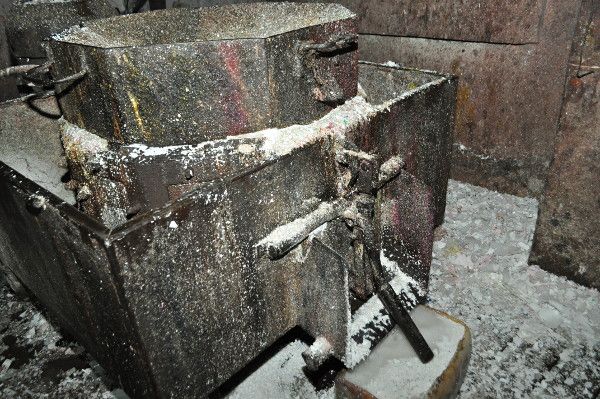
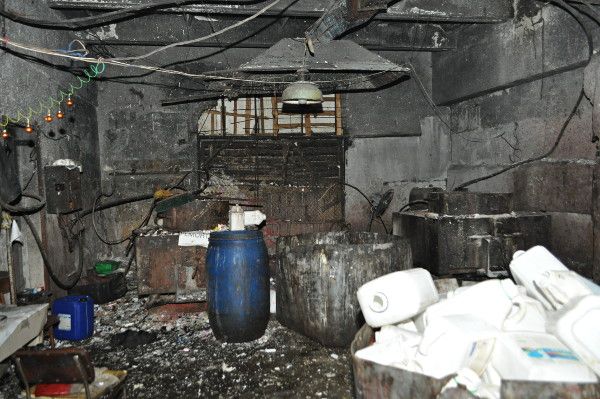
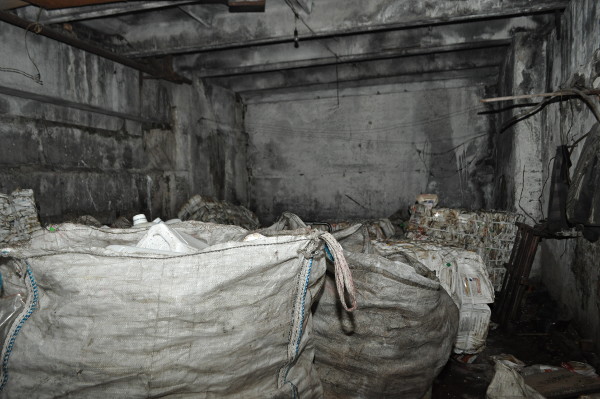
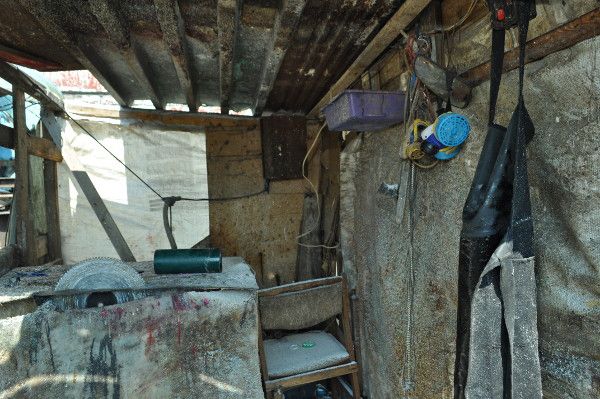
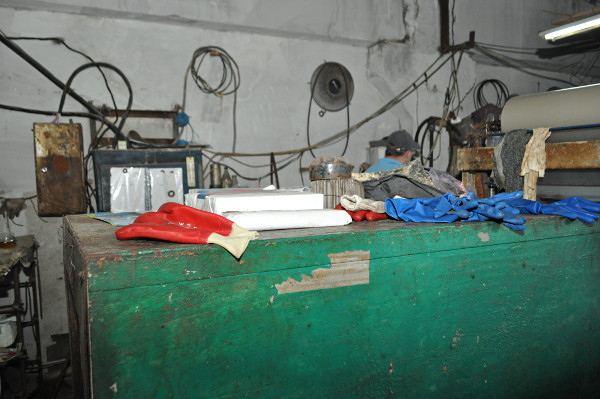
According to the convicts, there are no proper protective means for working with toxic substances in the workshop; only rubber gloves, respirators with filters, rubber aprons, and masks that do not fit the face are available. Yet, in the workshop manager’s cabinet, an absolutely new chemical protection suit and two boxes of gloves and respirators were found. Injuries received through contact with poisonous substances are not reflected in the industrial accident log and are treated by the convicts at their own expense.
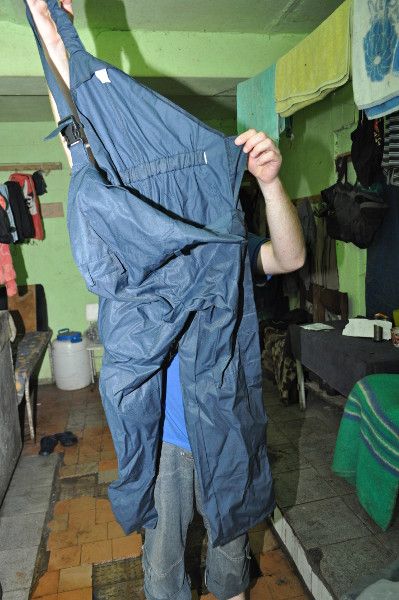
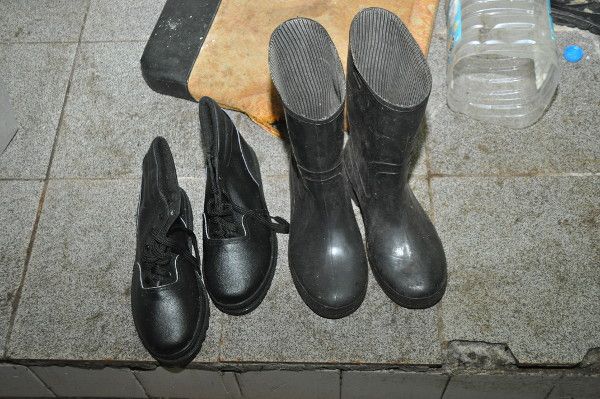
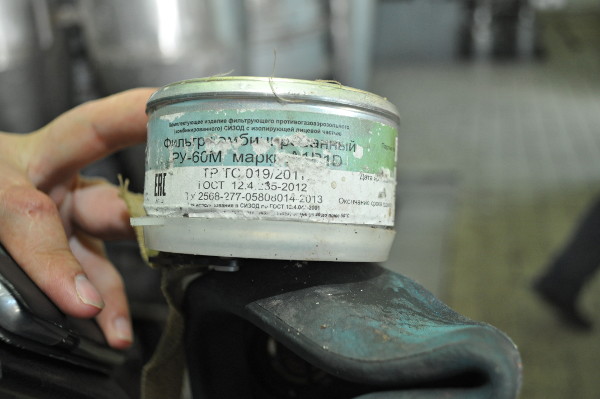
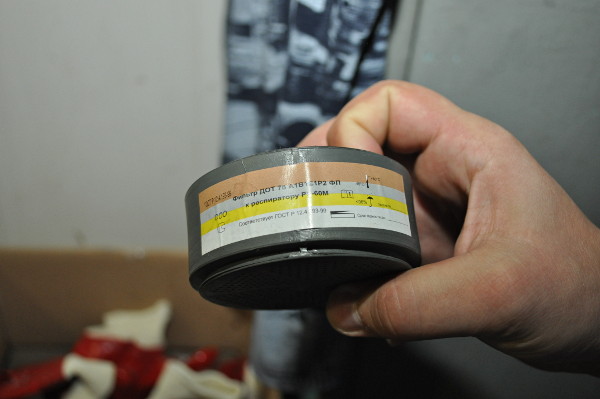
Due to harmful vapors, workshop workers complain of nausea, headaches, coughing, dizziness, and weight loss. And air testing, which was carried out by a Ministry of Health enterprise as early as 19 October 2017, revealed an excess concentration of chlorine vapors at the “Bilizna” bottling operator's workplace—by 1.53 times. Working conditions were classified as Class 3, Degree 1 of harmfulness: “characterized by levels of harmful factors of the production environment and labor process that cause functional changes that go beyond physiological fluctuations (the latter are restored after a break in contact with harmful factors that is longer than the start of the next shift) and increase the risk of health deterioration, including the emergence of occupational diseases, which implies compensation and benefits.” The convicts have not even heard of this.
According to the Law of Ukraine “On Pesticides and Agrochemicals,” workers who are directly engaged in work with pesticides and dangerous agrochemicals “have the right to a preferential pension, additional leave, and a shortened working day according to current legislation,” however, the convicts complain of a prolonged working day, additional workloads outside the schedule, and frequent injuries.
Financial Issues
The convicts told the human rights activists that labor in the production facility is unregulated and that employment contracts are not concluded with them, in connection with which difficulties arise regarding access to information about the duration of the shift, the amount of salary, etc.
“The absence of a contract negates the articles of the Correctional Code (KVK) that protect the convict from dismissal and guarantee continuous access to work. According to the prisoners, they are drawn into work by order of the administration, which is a direct violation of legislation,” said human rights activist Natalia Kozhyna.
Due to the lack of transparent salary and deduction calculations and limited access to financial documentation, the convicts are not oriented in the funds owed to them and cannot control them. Not infrequently, despite constant employment in production, a negative balance appears on the prisoners' accounts, and they even remain debtors to the correctional facility. The administration could not explain why this happens. At the same time, convicts who try to obtain explanations on their own complain about repressions by the management in the form of removal from the industrial zone (de facto “dismissal”), deprivation of leave, negative character references at court for early release, etc. And this happens despite the fact that the law clearly provides for the crediting of 75% of earnings to the convict, taking into account all expenses.
Living Conditions
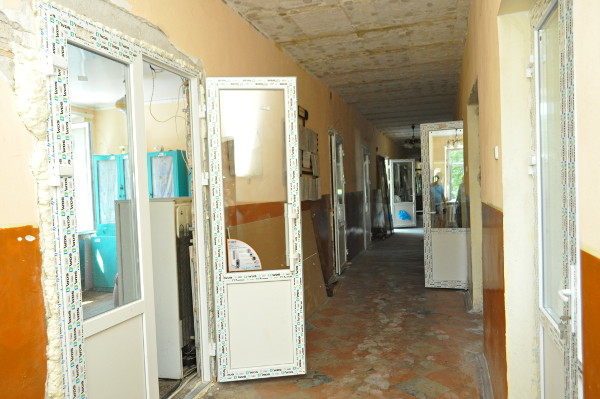
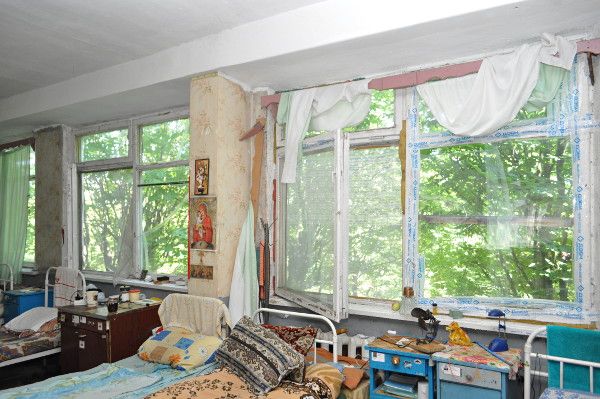
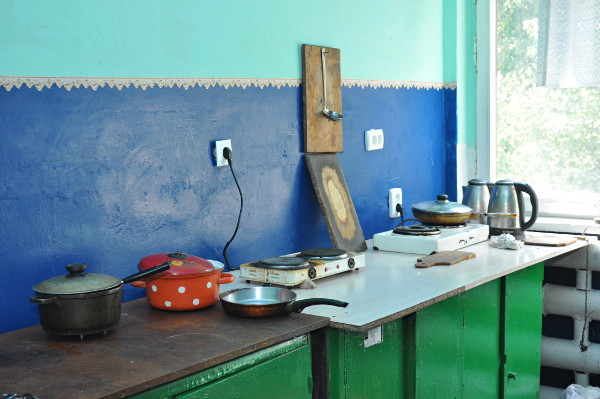
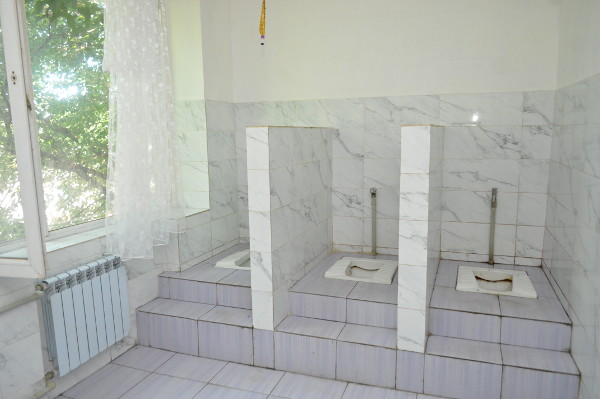
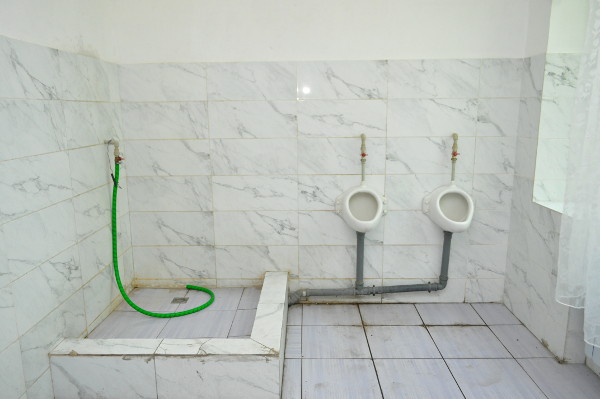
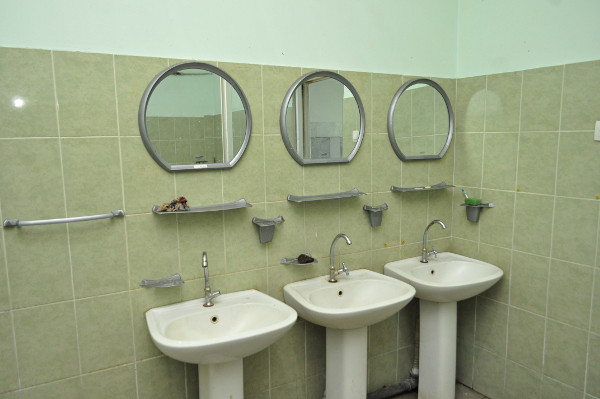
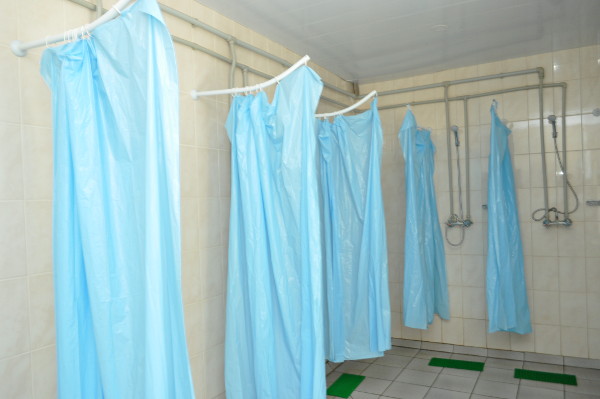
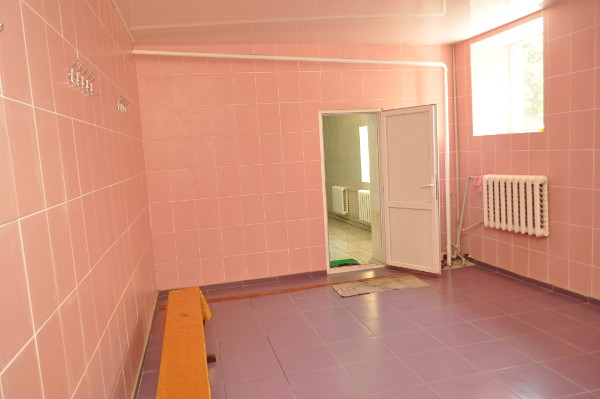
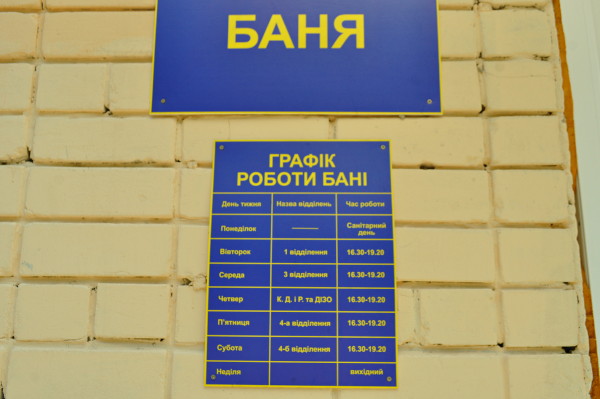
In some buildings of the correction center, repairs are underway, metal-plastic windows and doors are being installed, and the roof is being repaired, but some residential rooms still remain in an unsanitary state. There are broken windows in the premises, and the area standards per one convict are not observed. Utilities in the restrooms also require repair. Recently, a bathhouse opened on the territory of the correction center; until this time, the convicts heated water and washed in washbasins.

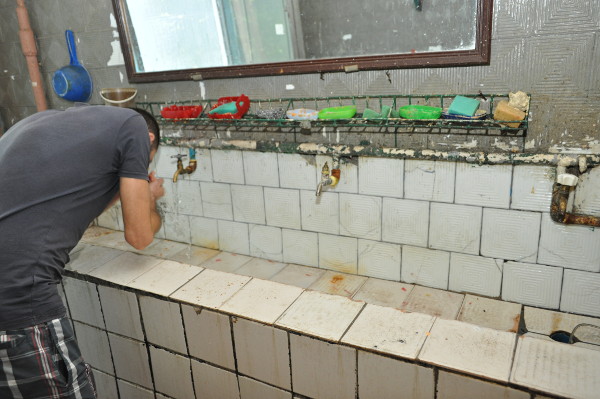
“The convicts complain about the lack of tableware in the dining hall and small portions, and sugar, for which funds are deducted from them, is absent. In general, quite a few services for which funds are forcibly withdrawn from the convicts' accounts are, according to them, of low quality. For example, it is cold in the rooms in winter. Some convicts refuse to eat in the dining hall because of the poor quality of food—and cook food themselves,” said human rights activist Maryna Davydova.
Also, the convicts told us that the administration puts pressure on convicts who communicate with journalists and human rights activists regarding violations in the correctional facility.
Neighbors
Processing containers with residues of poisonous substances is not the first production that causes concern for human rights activists. Citizens living nearby have repeatedly complained about the harmful influence of production on the territory of the institution. Previously, they produced soap from animal remains here, household chemicals, a foundry operated, and charcoal was manufactured by burning wood.
Last summer, local residents filed a collective appeal to the Samarskyi District Police Department with a request to check the workshops for the legality of production and compliance with sanitary-epidemiological standards. As a result of the inspection, a criminal proceeding was opened. A criminal investigation is also ongoing regarding the so-called “lake”—a pit on the territory of the industrial zone, which, according to the administration, is filled with rainwater, but convicts testify that production waste is drained there, including poisonous substances from container recycling.
What to Do
Specialists of the NGO “Human Rights Group ‘SICH’” sent complaints and appeals against the pollution of the environment with pesticides and the violation of the working conditions of convicts at the Ihren Correction Center.
“We have prepared complaints to the State Fiscal Service (DFS) and the Main Department of the State Labor Service (Derzhpratsi), as well as two reports on the commission of a criminal offense due to land pollution and violations of occupational safety rules. In general, quite a few violations were discovered: the administration of the Ihren Correction Center does not have a license to operate in the workshop, convicts suffer from improper working conditions and complain about their state of health,” explained the lawyer of the NGO “HRG ‘SICH’” Volodymyr Pletenko.
Human rights activists also appealed to the Ministry of Ecology and Natural Resources for conducting research and control measures so that a similar situation would not repeat.
“We will use all legal grounds to bring the guilty parties to justice and protect the rights of the prisoners. Places of deprivation of liberty a priori limit a person, so no penal institution has the right to cause additional suffering. And what we saw is a sort of demonstration of the attitude towards a person, towards a prisoner in Ukraine. This is already a slave who can be forcibly sent to any, even harmful, work,” the human rights activists add.