The prosecution and the court ignore the European Court’s ruling
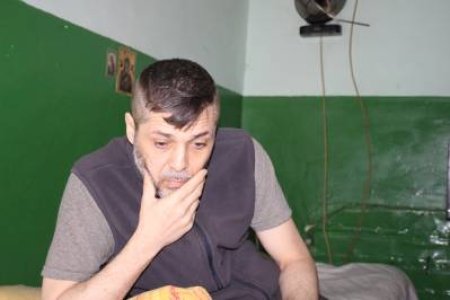
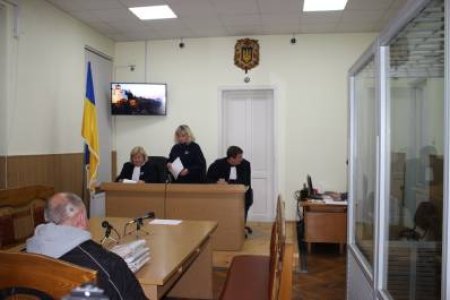
On 12 December, the Lviv Court of Appeal refused to release Vitaliy Matukhno, a life prisoner suffering from stage-four cancer, on health grounds. And this was despite the ECtHR’s ruling under Rule 39. The court did not even add this document to the case file. After all, it was... in English! The translation provided by the defence did not satisfy the judges either.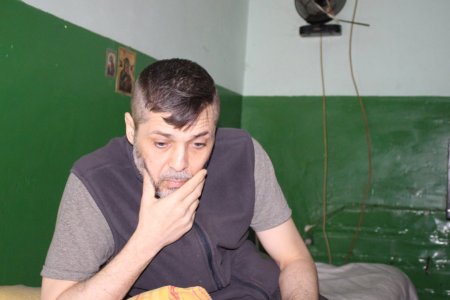
ECHR applied Rule 39 to a life prisoner
Yesterday, 9 December, the European Court of Human Rights issued an urgent decision under Rule 39 in respect of Vitaliy Matukhno, a life prisoner suffering from cancer. In accordance with this decision, the Government of Ukraine must ensure the man receives a proper medical examination to assess his current state of health, provide him with the necessary medical assistance, and identify a medical institution capable of providing the patient with an adequate level of care.
Kherson prisoners deported to Russian colonies and tortured – human rights defenders
‘They stripped the Ukrainians naked and forced them to sit crowded together and wait.’ Prisoners from Kherson were moved to the territory of the Russian Federation a week before the retreat, the human rights project ‘Gulagu.net’ reports.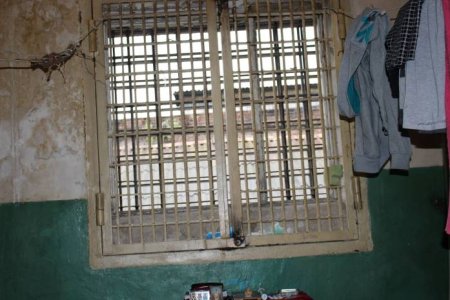
A hospital resembling a foul-smelling coffin
Stale air, a foul stench, exposed wiring, a lack of water – people are kept in these conditions for months: with no medical care and no contact with their families, they are doomed to die slowly in this foul-smelling coffin. This concerns the multidisciplinary hospital at the State Institution ‘Dnipro Penitentiary Establishment No. 4’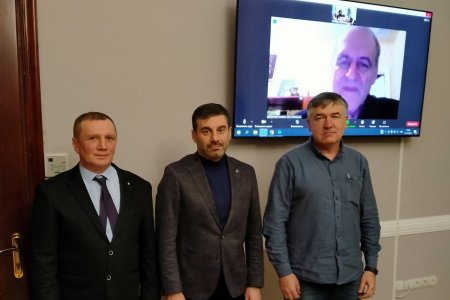
The Ombudsman must protect the rights of the arbitrarily convicted
Ukraine has declared its commitment to European values and the direction of its development. To secure membership in the EU and NATO, it is necessary to overcome enemies within the country: corruption, lawlessness, and abuses of power by officials. One of the priorities in this regard is an independent and effective judicial branch. However, without the correction of judicial errors and without the review of sentences handed down to the arbitrarily convicted who continue to serve their terms, reforming the judicial system is simply impossible.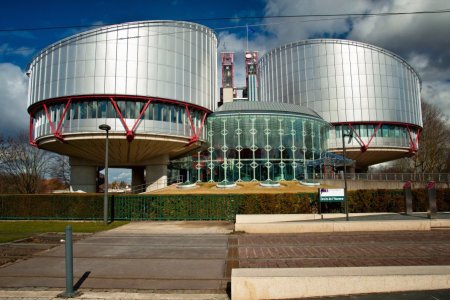
An open letter from human rights organisations to the President of Ukraine regarding the veto of Bill No. 4049
The enacted law provides for a minimum of 30 years' imprisonment for life-sentenced prisoners, and for those who have already served 25–28 years — a minimum of 40–43 years!