Report on the Monitoring Visit to the Lutsk Pre-Trial Detention Centre
On 16 September 2026, in accordance with the Optional Protocol to the Convention against Torture and Other Cruel, Inhuman or Degrading Treatment or Punishment, taking into account the provisions of the Standard Minimum Rules for the Treatment of Prisoners and the judgments of the European Court of Human Rights, and on the basis of Article 24 of the Criminal Enforcement Code of Ukraine (Visits to Penal Institutions), a group of monitors from the Kharkiv Human Rights Protection Group and the NGO ‘Protection of Prisoners of Ukraine’ visited the state institution ‘Lutsk Pre-Trial Detention Centre’ (the SIZO, the institution, the facility).
This was a regular, scheduled, unannounced visit; the previous visit took place on 7 February 2023. All of the institution’s premises were inspected.
In preparing for the visit, the monitors made use of complaints from detainees and convicted prisoners and their relatives, materials from previous visits, and the report of the monitors of the National Preventive Mechanism under the Ukrainian Parliament Commissioner for Human Rights (NPM).
The visit was carried out as part of the ‘Seeking Justice for Survivors’ project, funded by the Ministry of Foreign Affairs of Denmark with the support of DIGNITY – Danish Institute Against Torture.
The visit was carried out by the following monitors:
- Andrii Didenko — assistant to Member of Parliament Yaroslav Yurchyshyn, programme coordinator at the Kharkiv Human Rights Protection Group, with experience of monitoring visits since 2014, NPM (National Preventive Mechanism) monitor and member of the NPM Advisory Council;
- Serhii Zuikov — assistant to Member of Parliament Kostiantyn Kasai, member of the Public Council under the Ministry of Justice of Ukraine, member of the NGO ‘Protection of Prisoners of Ukraine’, NPM monitor, with many years’ experience of monitoring visits;
- Oleh Tsvilyi — member of the Public Council under the Ministry of Justice of Ukraine, head of the NGO ‘Protection of Prisoners of Ukraine’, with extensive experience of monitoring visits, specialising in issues of torture and cruel and inhuman treatment.
The monitoring visit to the SIZO established a number of violations of the rights of detainees and convicted prisoners relating to inadequate material conditions of detention, the organisation of medical care, the safeguarding of labour and social rights, and safety under martial law.
In the reception unit and the punishment cells, the monitors found that certain cells were too small and lacked natural light, adequate ventilation, sanitary facilities and access to drinking water. They also recorded shortcomings in ensuring privacy, breaches of the requirements on the separation of detainees, inadequate organisation of bathing and laundry services and restricted opportunities for maintaining social contacts. A staff shortage was also identified.
In the field of medical care, shortcomings were found in the organisation of inpatient care, the isolation of patients with infectious diseases, the conduct of preventive and bodily examinations, the diagnosis of viral hepatitis C, the accessibility of medical premises and fire safety. An examination of the organisation of prisoners’ work revealed entries in the medical examination logs of kitchen workers for dates that had not yet arrived, as well as circumstances that make it impossible to confirm that the part-time working hours recorded in the documents correspond to the prisoners’ actual employment.
An inspection of the shelter revealed a lack of adequate ventilation and sewerage, the poor condition of some utility systems, structural damage and localised flooding, all of which pose risks to people’s safety while sheltering during air-raid alerts.
At the same time, the monitors noted positive measures taken by the administration to repair premises, restore damaged infrastructure, modernise utility networks and attract additional resources with the support of local authorities and charitable organisations.
Despite these efforts, the violations identified point to systemic shortcomings in ensuring adequate conditions of detention, healthcare, safety and respect for the human dignity of detainees and convicted prisoners.
General Information
The state institution ‘Lutsk Pre-Trial Detention Centre’ is the main pre-trial detention facility in the Volyn region and holds persons remanded in custody, as well as certain categories of convicted prisoners, in accordance with the current legislation of Ukraine.
The history of the institution dates back at least to August 1953, when it operated as a prison of the Volyn Regional Department of the Ministry of Internal Affairs. In 1964 the facility acquired the status of a pre-trial detention centre of the Volyn Regional Department of the Ministry of Internal Affairs, and in 1970 it was renamed in line with the structure of the internal affairs bodies at that time. After Ukraine declared independence, the institution continued to operate within the system of internal affairs bodies. In 1999, following the reform of the penal system and the creation of the State Department of Ukraine for the Execution of Sentences, it was transferred to the jurisdiction of the newly established agency. Subsequently, the organisational structure and subordination of the institution changed in step with the reform of Ukraine’s penitentiary system.
At the time of the visit, the head of the institution was Colonel of the Internal Service Ihor Zinoviiovych Turkalevych.
The state institution ‘Lutsk Pre-Trial Detention Centre’ is a closed-type institution intended for holding persons remanded in custody, as well as certain categories of convicted prisoners, in accordance with the legislation of Ukraine.
The institution’s infrastructure comprises a secure zone and a utility zone. The secure zone houses the cells for detainees and convicted prisoners, the reception unit, the punishment cells, the exercise yards and other facilities needed to maintain the prescribed detention regime. The institution also includes a social and psychological service unit for convicted prisoners retained to carry out general maintenance work, a kitchen, a bath and laundry complex, and administrative, storage, utility and technical premises. Medical care is provided by the Lutsk City Medical Unit of the Volyn and Rivne Regional Branch of the State Institution ‘Health Care Centre of the State Criminal Executive Service of Ukraine’.
According to information provided by the administration, the institution’s planned capacity is 282 persons. As of 16 September 2026, 204 persons were actually being held there.
The staff establishment comprises 135 posts, with 112 actually filled. The staff shortage amounts to 23 posts, or approximately 17% of the approved establishment. The establishment provides for one psychologist post.
According to the administration, at the time of the monitoring visit the institution was holding four persons with disabilities. Fourteen persons living with HIV were registered. In 2025 there were three deaths of detainees and convicted prisoners, and in 2026 there has been one.
In 2025, 127 cases of bodily injuries upon arrival and 17 cases during detention at the institution were registered; in 2026, there have been 157 cases of bodily injuries upon arrival at the institution and 12 persons injured while held at the SIZO. In 2025 one person was released on account of serious illness; no such cases have been recorded in 2026. This year, 364 persons have been admitted to the institution.
Good Practice
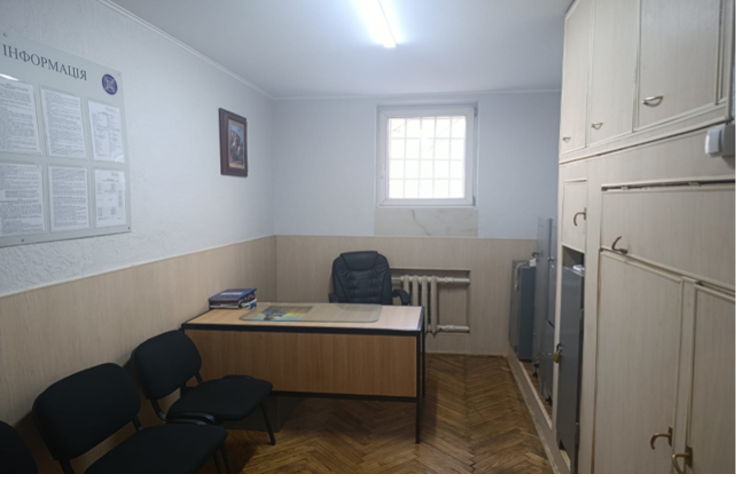
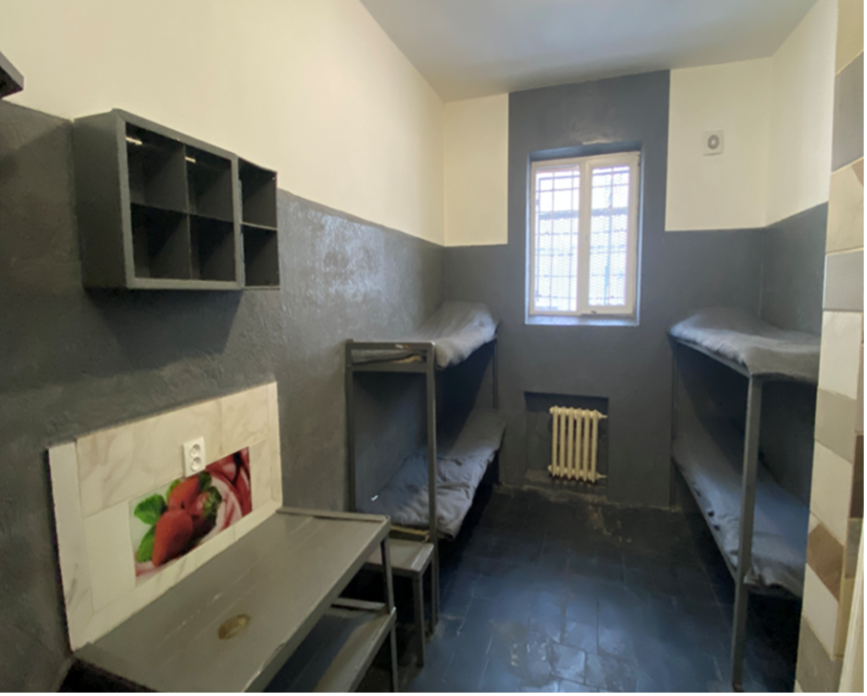
During the monitoring visit to the SIZO, the monitors noted positive measures taken by the administration to improve the material conditions of detention for detainees and convicted prisoners, upgrade the infrastructure and ensure the proper functioning of the institution.
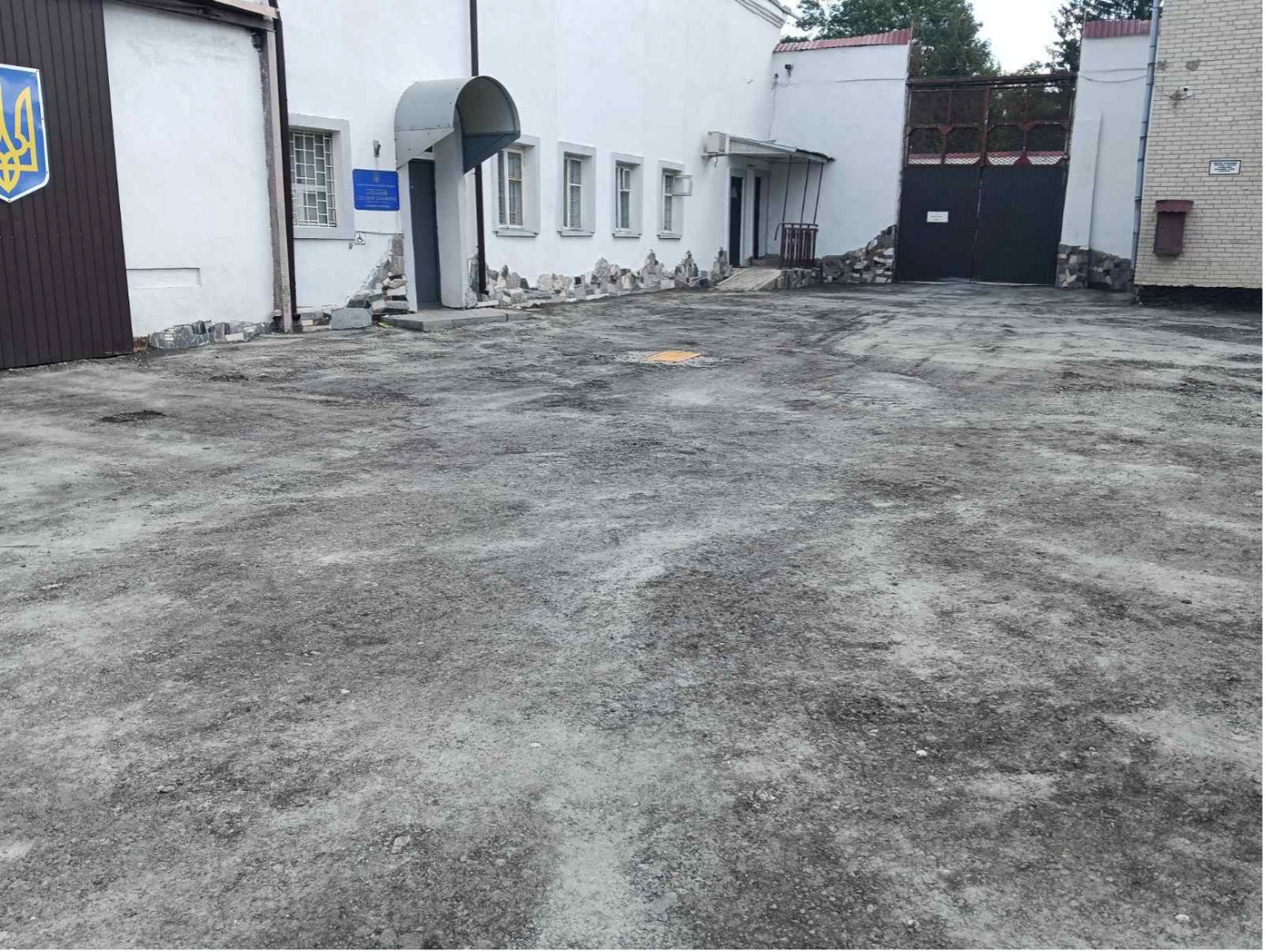
According to the administration, certain cells and secure, administrative and utility premises have been repaired, windows and doors have been replaced, and work has been carried out to modernise the utility networks and landscape the grounds. Particular attention has been paid to restoring facilities damaged by Russian shelling, as well as to strengthening the institution’s energy self-sufficiency, fire safety and technical provision.
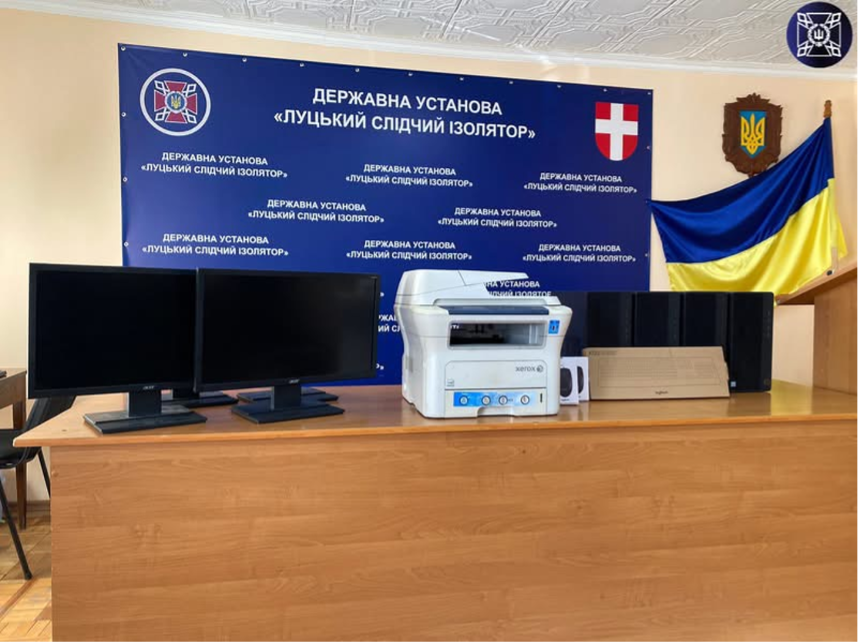
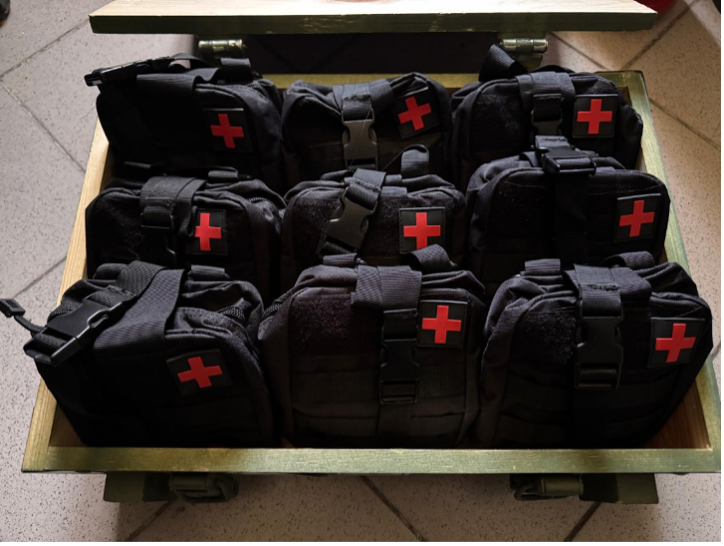
A positive development is the cooperation established with local authorities, charitable organisations and humanitarian partners, which has brought in additional funding, equipment and building materials. In particular, Lutsk City Council has allocated funds for the restoration of the water supply system and the major repair of the damaged roof of the secure block.
Overall, these measures demonstrate the administration’s efforts to keep the institution in good technical condition, gradually improve conditions of detention and restore damaged infrastructure under martial law.
Identified Violations of National and International Law
The monitoring visit revealed breaches of national legislation and non-compliance with international recommendations on the treatment of prisoners, resulting in violations of the rights of detainees and convicted prisoners:
1. During the visit to the reception unit premises, it was established that their furnishing does not fully comply with the Standards for the Provision of Furniture, Equipment and Household Items to Pre-Trial Detention Centres, approved by Order of the Ministry of Justice of Ukraine No. 1118/5 of 27.07.2012 (hereinafter, the Supply Standards), Rules 13, 14, 15 and 22.2 of the UN Standard Minimum Rules for the Treatment of Prisoners (hereinafter, the Nelson Mandela Rules), or the recommendations of the European Committee for the Prevention of Torture and Inhuman or Degrading Treatment or Punishment (hereinafter, the Committee), which may indicate a violation of detainees’ right to humane treatment and respect for human dignity guaranteed by Article 1(3) of the Law of Ukraine ‘On Pre-Trial Detention’.
Paragraph 59 of the Committee’s 21st General Report states that any cell measuring less than 6 m² should not be used for accommodating prisoners (CPT/Inf (2011) 28).
In its report on the 2012 visit to Ukraine, the Committee stated that single-occupancy cells should measure at least 6 m² of living space (excluding the sanitary facilities), with at least 2 metres between the walls (CPT/Inf (2013) 23, paragraph 45).
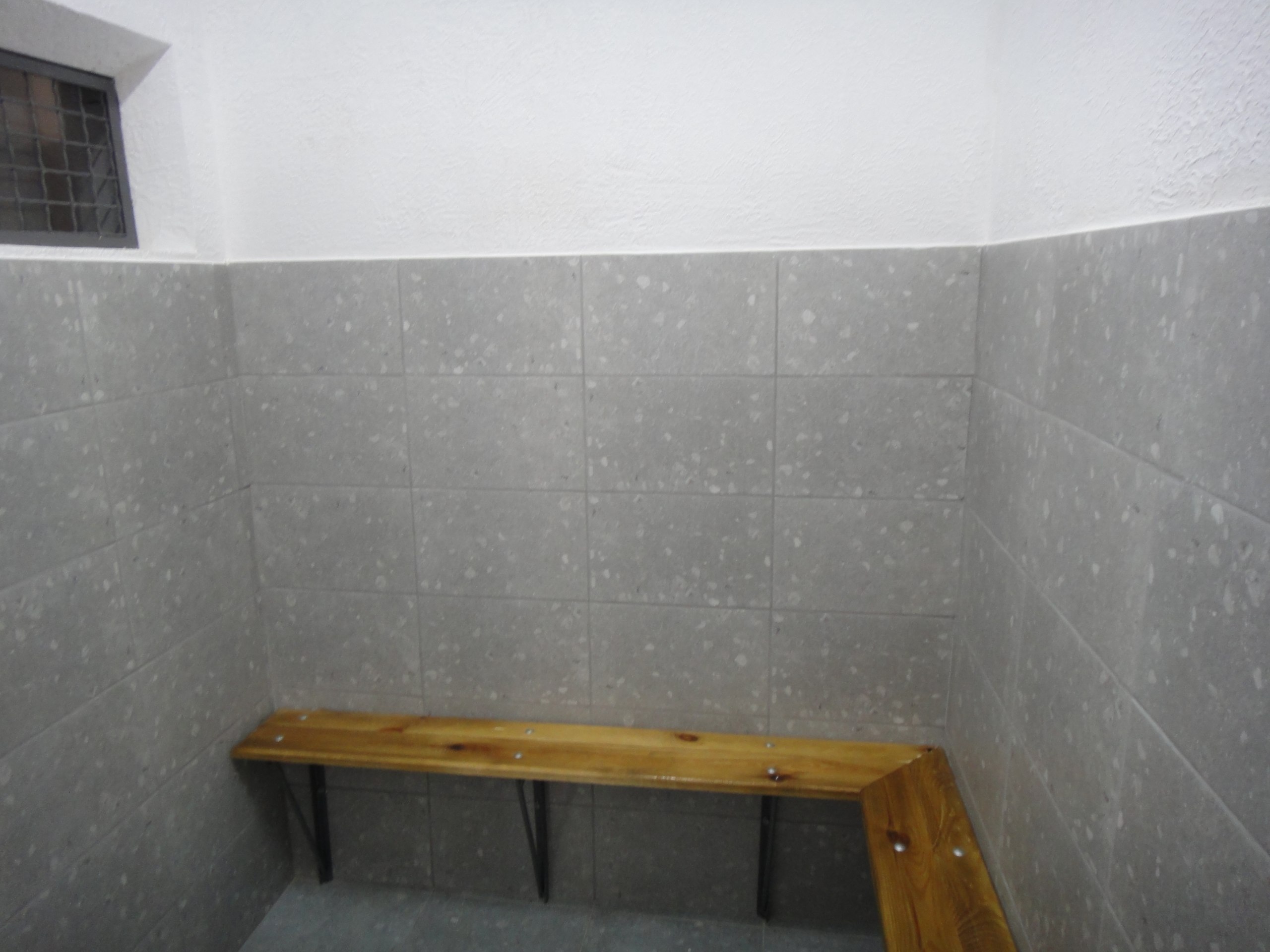
However, the monitoring group found that rooms for the temporary holding of remand prisoners measuring less than 6 m², with less than 2 metres between the walls, were in use, which does not meet these requirements.
Similar violations, in particular the use of cells measuring less than 6 m², were found in rooms Nos. 18, 19, 22, 23, 33, 34 and 38.
2. An inspection of the rooms for the temporary holding of remand prisoners revealed a lack of natural light owing to the absence of windows, which creates additional psychological pressure as there is no visual contact with the outside world.
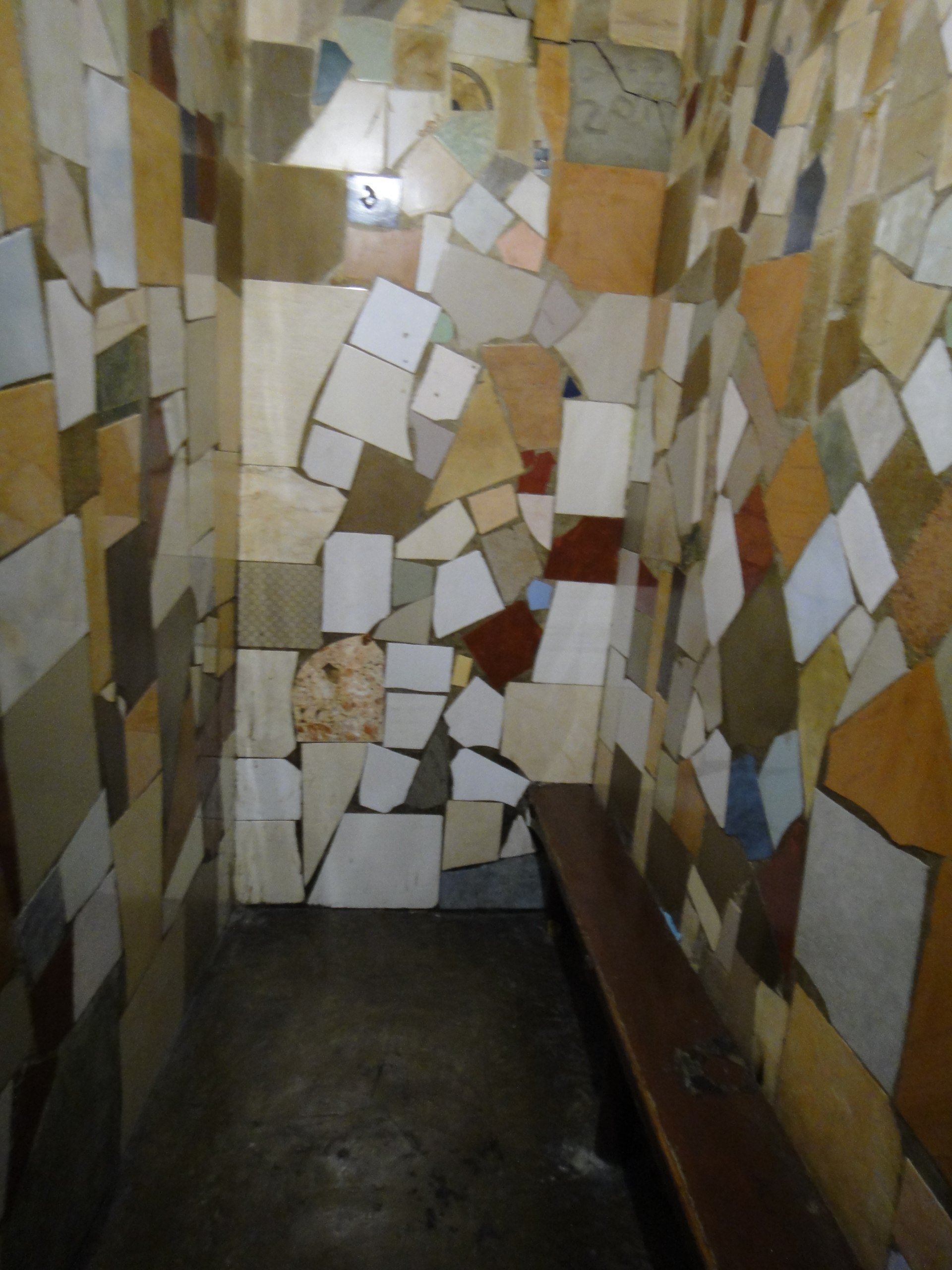
3. Owing to the absence of water supply and drainage systems, rooms Nos. 4, 5 and 6 for the temporary holding of remand prisoners are not equipped with toilets or washbasins, making it impossible to maintain adequate sanitary and hygienic conditions.
4. Rooms Nos. 4, 5 and 6 for the temporary holding of remand prisoners are not provided with drinking-water tanks, which means that persons held there do not have adequate access to drinking water.
5. In breach of the Supply Standards, the reception unit lacks the following premises: a room for the regime and security department; a room for processing documents; a doctor’s surgery; a treatment room; a storeroom for the exchange stock of bedding and clothing; a storeroom for the temporary storage of soiled bedding and clothing; a shower room; a quarantine cell; and a cell for sick persons (isolation cell).
Moreover, owing to the absence of an equipped doctor’s surgery in the reception unit, the medical examination of new arrivals is carried out in the search room, that is, in conditions that do not ensure an adequate level of privacy and confidentiality. This creates a risk that confidential information about a person’s state of health may be disclosed to institution staff and to other detainees and convicted prisoners during the medical examination.
This constitutes a breach of paragraph 7 of Chapter 2 of Section X of the Internal Regulations of Pre-Trial Detention Centres of the State Criminal Executive Service of Ukraine, approved by Order of the Ministry of Justice of Ukraine No. 1769/5 of 14.06.2019 (hereinafter, the SIZO Internal Regulations), of Article 39-1 of the Law of Ukraine ‘Fundamentals of the Legislation of Ukraine on Health Care’ concerning the right to confidentiality of health information, and of paragraph 9 of Section I of the Procedure for the Organisation of Medical Care for Persons Sentenced to Imprisonment, approved by Joint Order of the Ministry of Justice of Ukraine and the Ministry of Health of Ukraine No. 1348/5/572 of 15.08.2014 (hereinafter, the Procedure).
Furthermore, the absence of a quarantine cell and a cell for sick persons (isolation cell) in the reception unit creates conditions for the spread of infectious diseases among detainees and convicted prisoners, increases the risk of epidemiological complications and makes the timely detection and isolation of sick persons impossible, which poses a threat both to those held in the institution and to its staff.
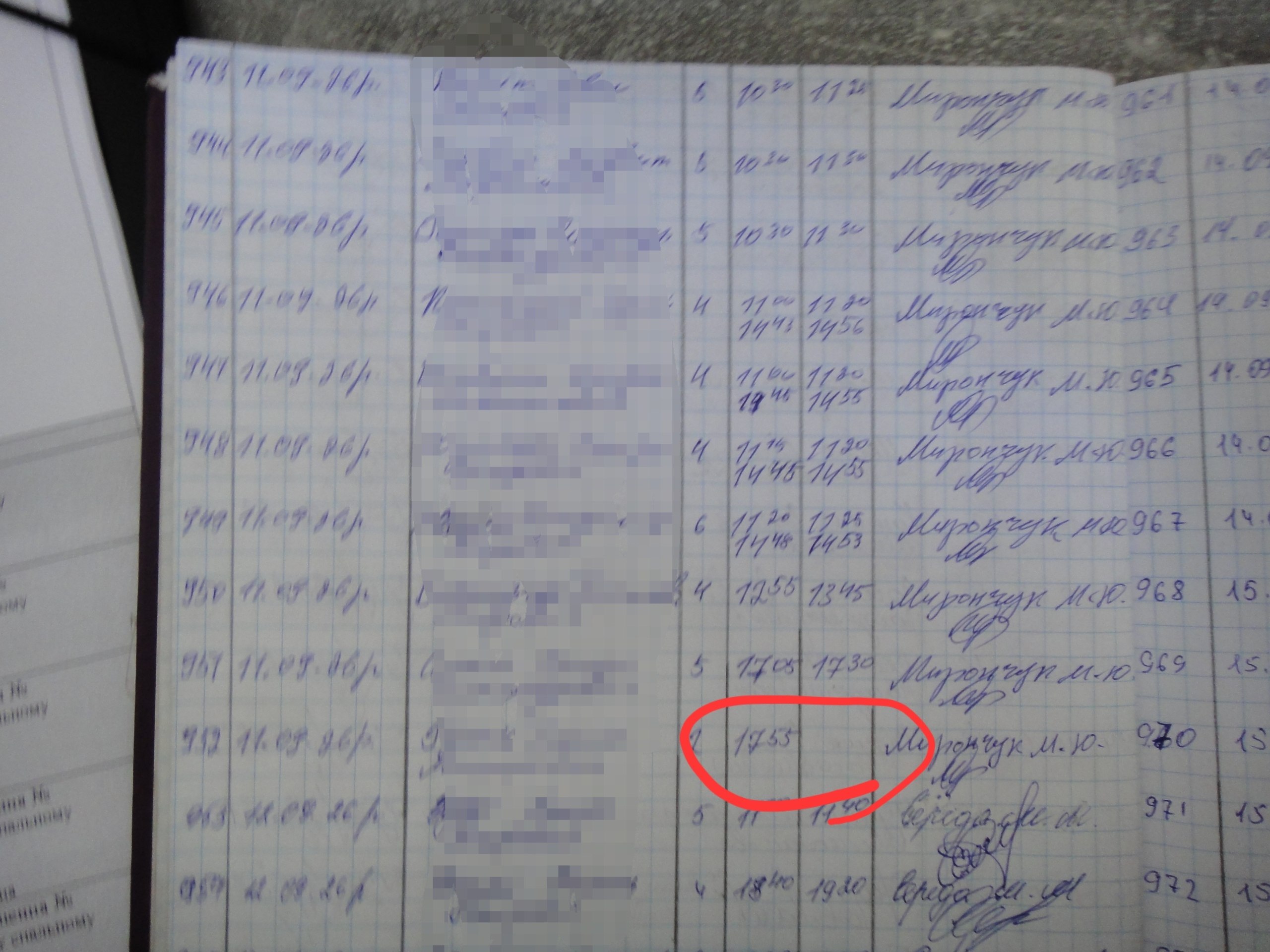
6. Under paragraph 10 of Chapter 2 of Section II of the SIZO Internal Regulations, while their registration documents are being processed, detainees and convicted prisoners are placed in the reception unit premises for no longer than two hours, subject to the requirements of separation. The time at which persons are placed in the reception unit and the time at which they are transferred to cells must be recorded in the reception unit duty log.
However, the inspection revealed a case in which these requirements had been breached. In particular, according to the log entry of 11.09.2026, a detainee was placed in the unit at 17:55, but the time of transfer to a cell was not recorded, making it impossible to establish from the log how long the person actually spent in the reception unit.

7. During the visit to the rooms for the temporary holding of remand prisoners, the reception unit and the punishment cells, it was found that no information was displayed giving the telephone numbers of ‘hotlines’ or the postal and e-mail addresses of the Ministry of Justice of Ukraine, the Ukrainian Parliament Commissioner for Human Rights, the European Court of Human Rights, the State Bureau of Investigation, the Office of the Prosecutor General, the regional and district prosecutor’s offices, the interregional department, the Department, the Commission for the Consideration of Complaints about Inadequate Conditions of Detention in Pre-Trial Detention Facilities and Penal Institutions, or the regional centre for free legal aid.
This is contrary to paragraph 14 of Chapter 2 of Section II of the SIZO Internal Regulations.
8. The furnishing of the punishment cells does not ensure adequate conditions of detention for remand prisoners and convicted prisoners that take account of their individual needs, which fails to meet international standards on the treatment of prisoners and the established requirements.
Thus, the insufficient floor area of punishment cell No. 4 and the distance of less than 2 metres between its walls significantly restrict the ability of persons to move freely within the cell, which may cause physical discomfort.
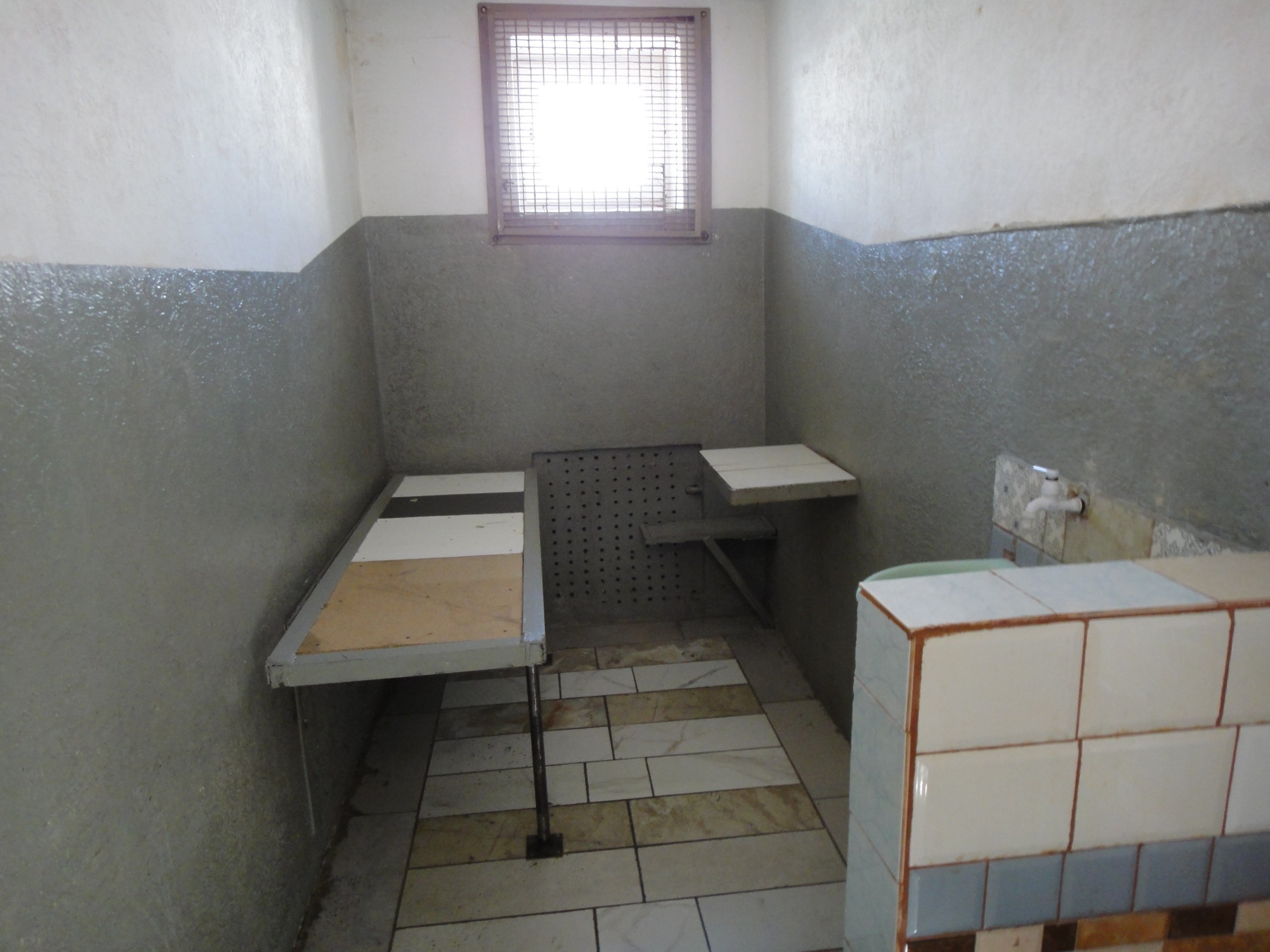
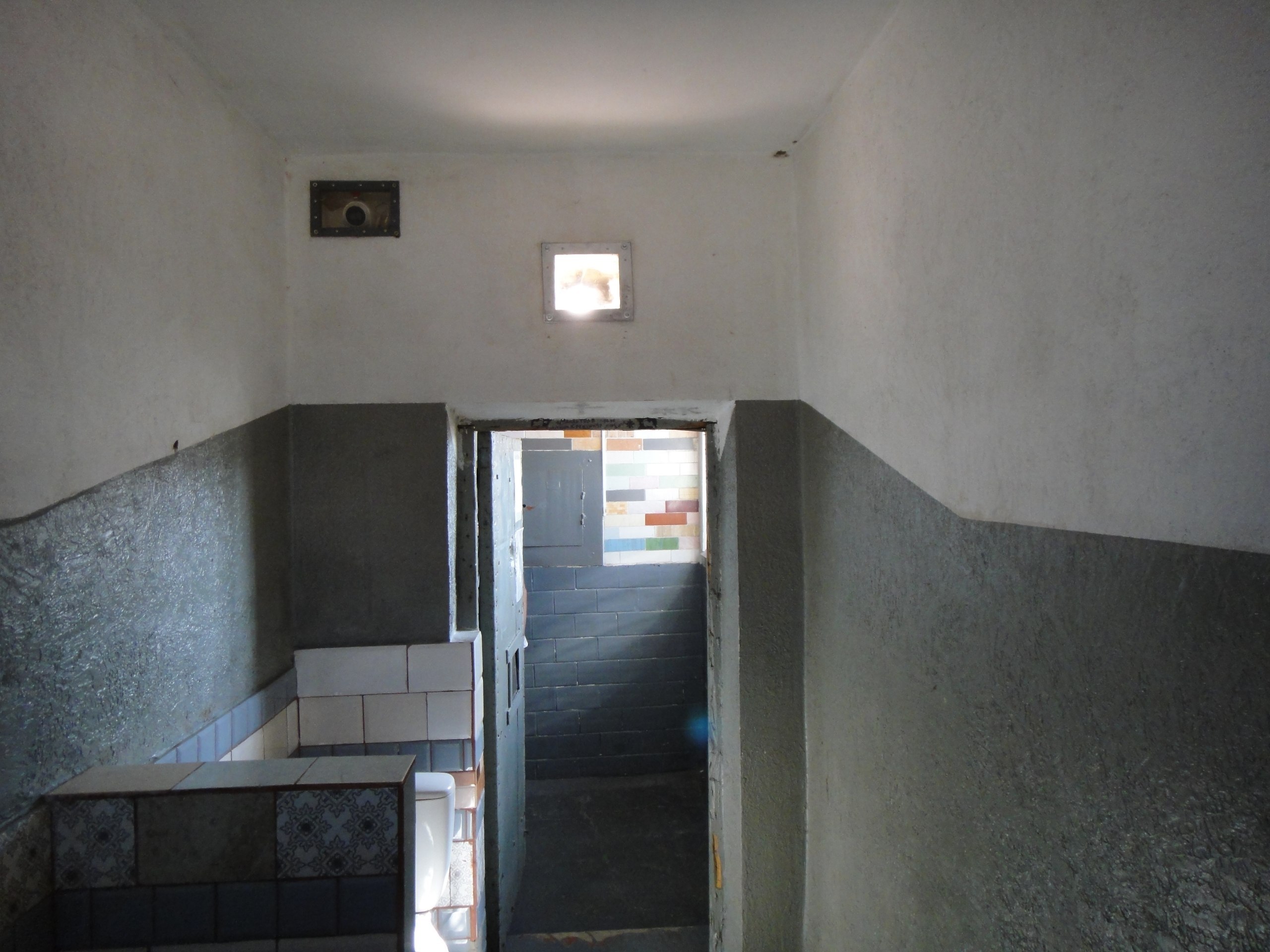
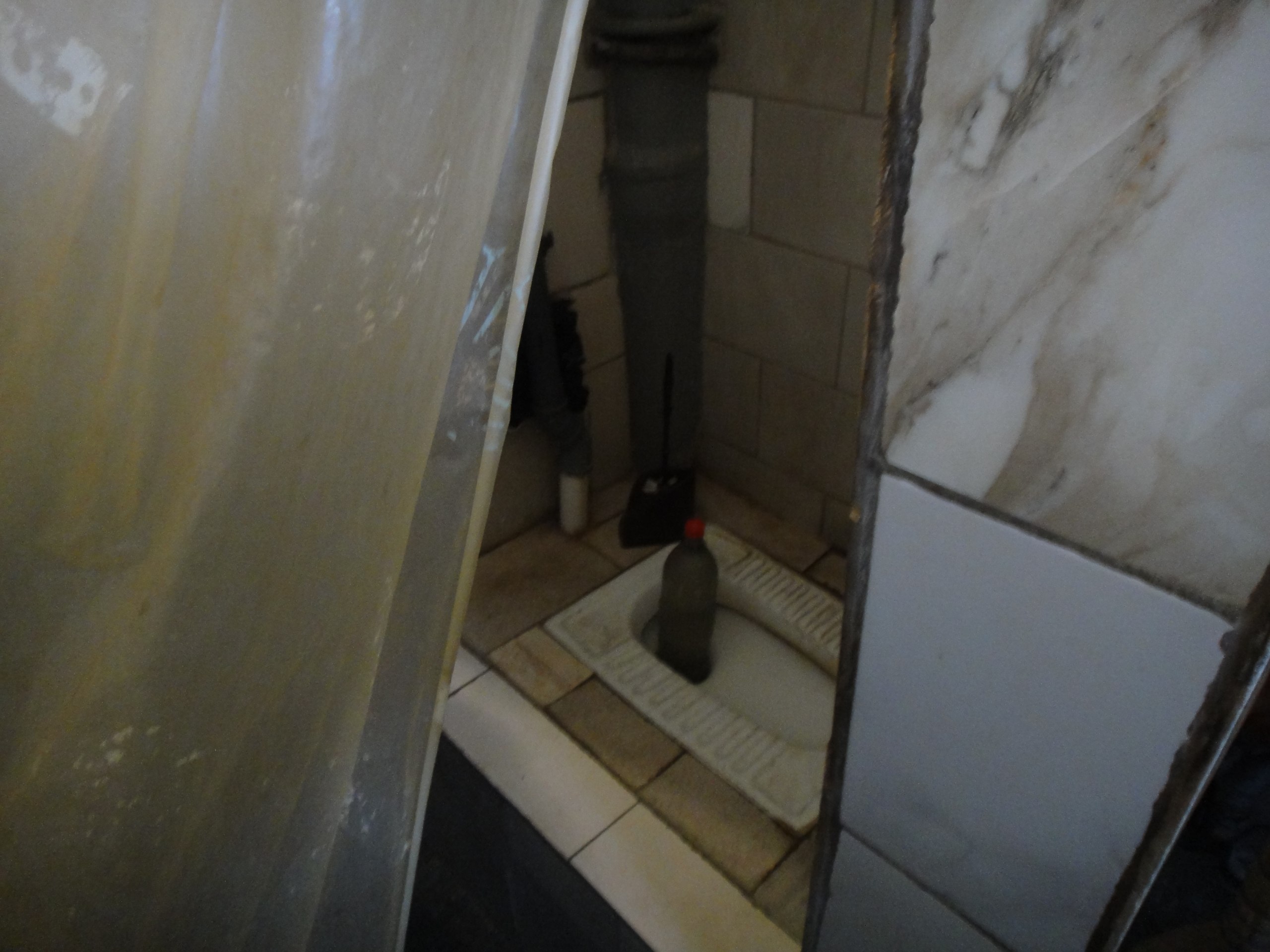
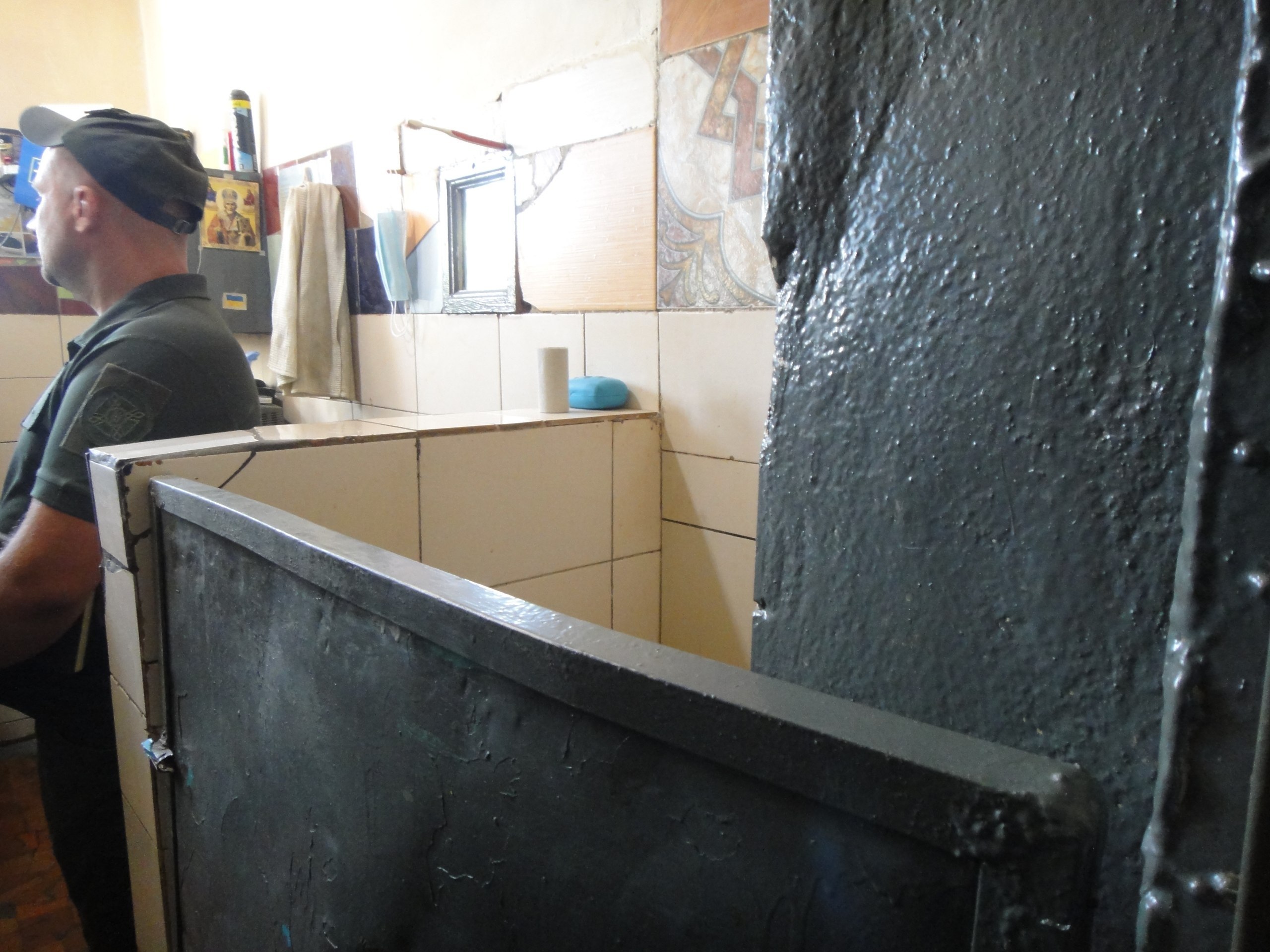
9. The toilets in the punishment cells are not fitted with adequate partitions and, in some cases, doors that would afford privacy, which fails to comply with Rule 19.3 of the European Prison Rules and Rule 15 of the Nelson Mandela Rules.
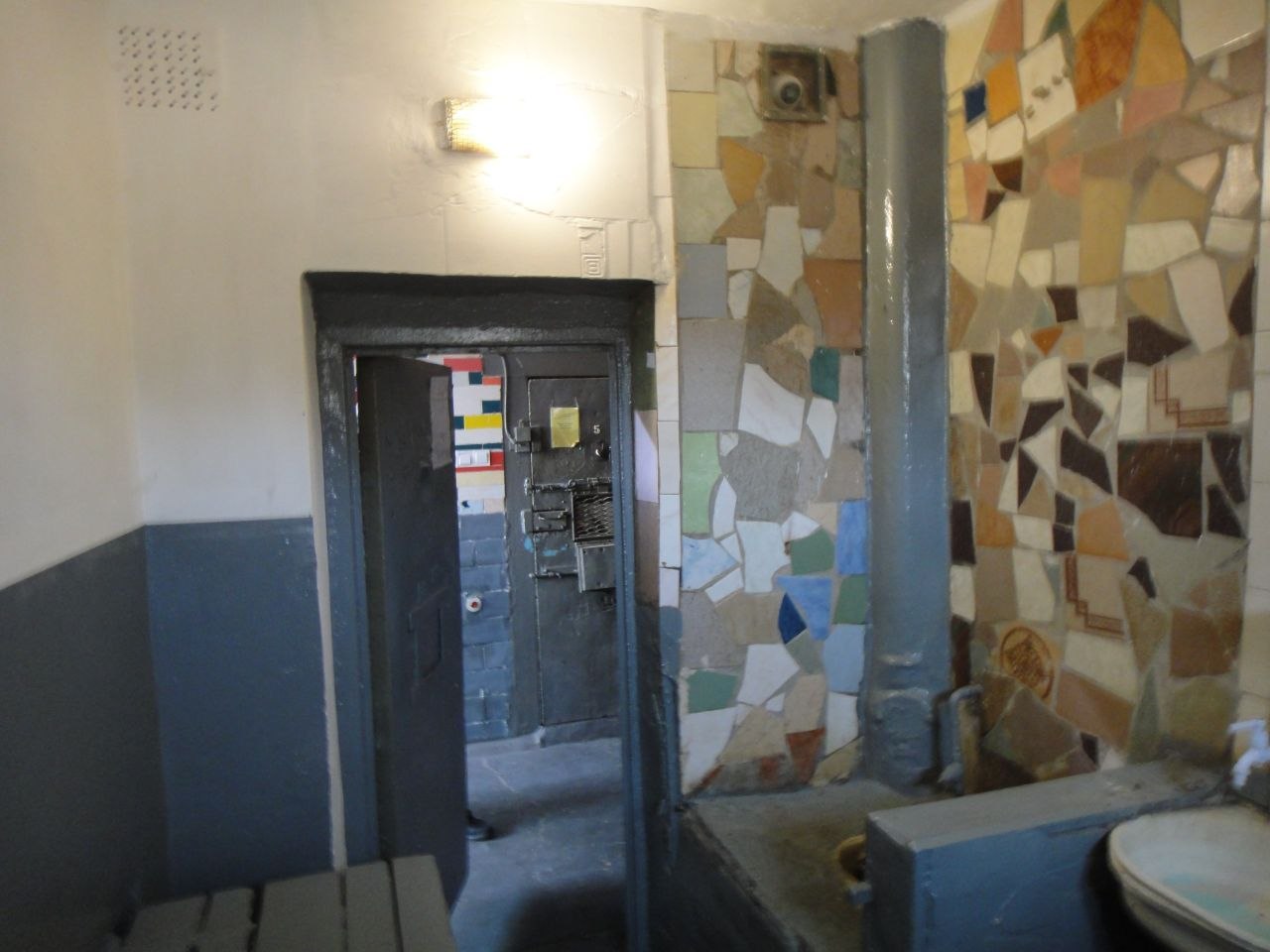
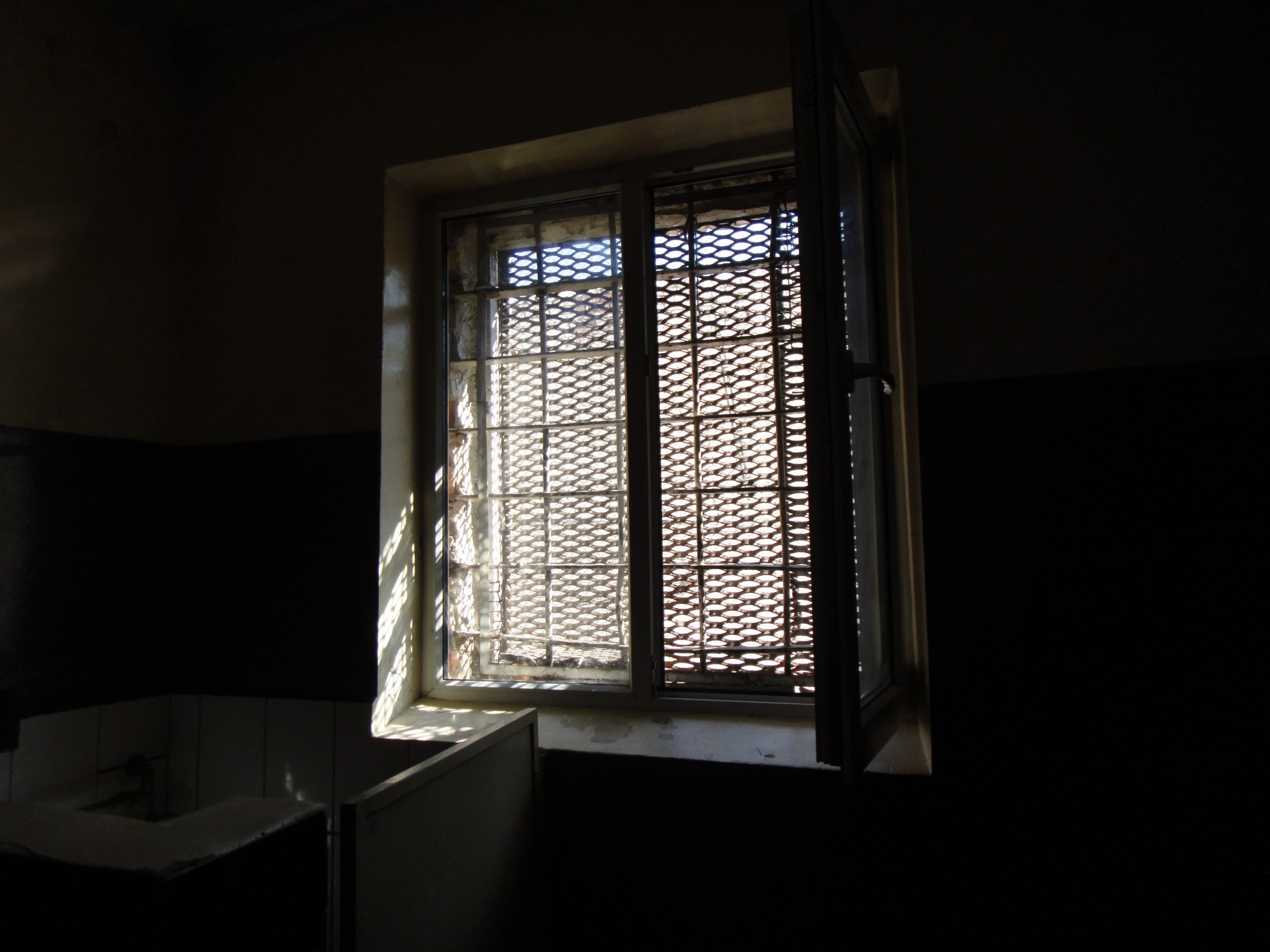
10. The punishment cells do not have an adequate level of natural light, as the cell window is set high up, is small and is excessively barred, so that natural light barely enters the cell. This does not comply with Rule 18.2(a) of the European Prison Rules or Rule 14 of the Nelson Mandela Rules.
11. The mechanical ventilation in the punishment cells is not working, which does not comply with Rule 13 of the Nelson Mandela Rules.
12. Paragraph 4 of Chapter 2 of Section III of the SIZO Internal Regulations provides for the use of audiovisual, electronic and other technical means to ensure security and to prevent escapes, the commission of criminal offences and breaches of the established rules of custody.
During the inspection of the punishment cells, the monitoring group recorded that CCTV cameras had been installed.
However, in its 2012 report the Committee stated that video surveillance in living quarters constitutes a significant intrusion into prisoners’ privacy and renders the detention regime more repressive, especially when applied for prolonged periods (CPT/Inf (2013) 23, paragraph 52).
13. In breach of Article 8 of the Law of Ukraine ‘On Pre-Trial Detention’ and Rule 17.2 of the European Prison Rules, the monitors found cases in which the requirements on the separation of detainees had been violated. Thus, a random check revealed that cell No. 49 held a person who had previously served a prison sentence together with persons facing criminal charges for the first time. Similar violations were found in cell No. 62.
This indicates that the institution’s administration has failed to exercise proper control over the placement of detainees, which is inconsistent with the principles of dynamic security and results in a violation of prisoners’ right to personal safety, contrary to national legislation and international standards, in particular Article 3 of the Convention for the Protection of Human Rights and Fundamental Freedoms.
14. Contrary to Article 11 of the Law of Ukraine ‘On Pre-Trial Detention’ and paragraph 1 of Chapter 4 of Section IX of the SIZO Internal Regulations, detainees are not fully provided with adequate material living conditions that meet the rules of sanitation and hygiene.
The inspection of the cells revealed breaches of Rules 13, 14, 15 and 22.2 of the Nelson Mandela Rules and of Article 8 of the Convention for the Protection of Human Rights and Fundamental Freedoms, which guarantees the right to respect for private life.
In particular, the toilets in some cells are not fitted with adequate partitions or doors to afford privacy, in breach of Rule 19.3 of the European Prison Rules (cells Nos. 13, 17, 18, 19, etc.).
In a number of cells, an adequate level of natural light is not ensured owing to excessive barring.
Some cells require repairs, including the replacement of sanitary fittings and electrical wiring.
Detainees are forced to wash and dry their clothes in the cells, which may indicate inadequate organisation of bathing and laundry services.
Moreover, in its report on the 2023 visit to Ukraine, the Committee called on the Ukrainian authorities to take the necessary steps to improve the material conditions of persons deprived of their liberty, in particular to ensure that all living and sanitary areas are kept in a good state of repair and hygiene, that pest control is carried out regularly, that there is sufficient access to natural light and ventilation, and that toilets are fitted with full floor-to-ceiling partitions (CPT/Inf (2024) 20, paragraph 58).
15. The radio broadcasting system in the cells is not working, which is contrary to paragraph 2 of Chapter 3 of Section VIII of the SIZO Internal Regulations and Rule 63 of the UN Standard Minimum Rules for the Treatment of Prisoners.
16. The premises of the social and psychological service unit for convicted prisoners retained to carry out general maintenance work do not fully comply with the Supply Standards. In particular, the following premises are missing: a storeroom for the exchange stock of bedding, clothing and workwear; a storeroom for the temporary storage of soiled bedding, clothing and workwear; a utility room; a drying room; and a room for physical exercise. The absence of these premises leads to breaches of sanitary and hygiene standards. Thus, inadequate arrangements for storing personal belongings make it difficult to keep the premises where convicted prisoners are held clean and tidy, which worsens the overall sanitary situation in the institution.
17. The monitoring group identified a number of violations in the organisation of bathing and laundry services for convicted prisoners and detainees.
Thus, the visit established that convicted prisoners are able to use the bathhouse only once a week. This does not comply with Rule 19.4 of the European Prison Rules, under which prisoners must be able to have a shower, if possible daily, but at least twice a week, or with paragraph 3.1 of Section III of the Regulations on the Organisation of Bathing and Laundry Services for Persons Held in Penal Institutions and Pre-Trial Detention Centres, approved by Order of the Ministry of Justice of Ukraine No. 849/5 of 08.06.2012 and registered with the Ministry of Justice of Ukraine on 13.06.2012 under No. 947/21259 (hereinafter, the Regulations on Bathing and Laundry Services), which provides for convicted prisoners (persons remanded in custody) to wash in the bathhouse at least twice a week.
18. In breach of paragraph 2.14 of Section II of the Regulations on Bathing and Laundry Services, the institution does not provide hairdressing services to convicted prisoners.
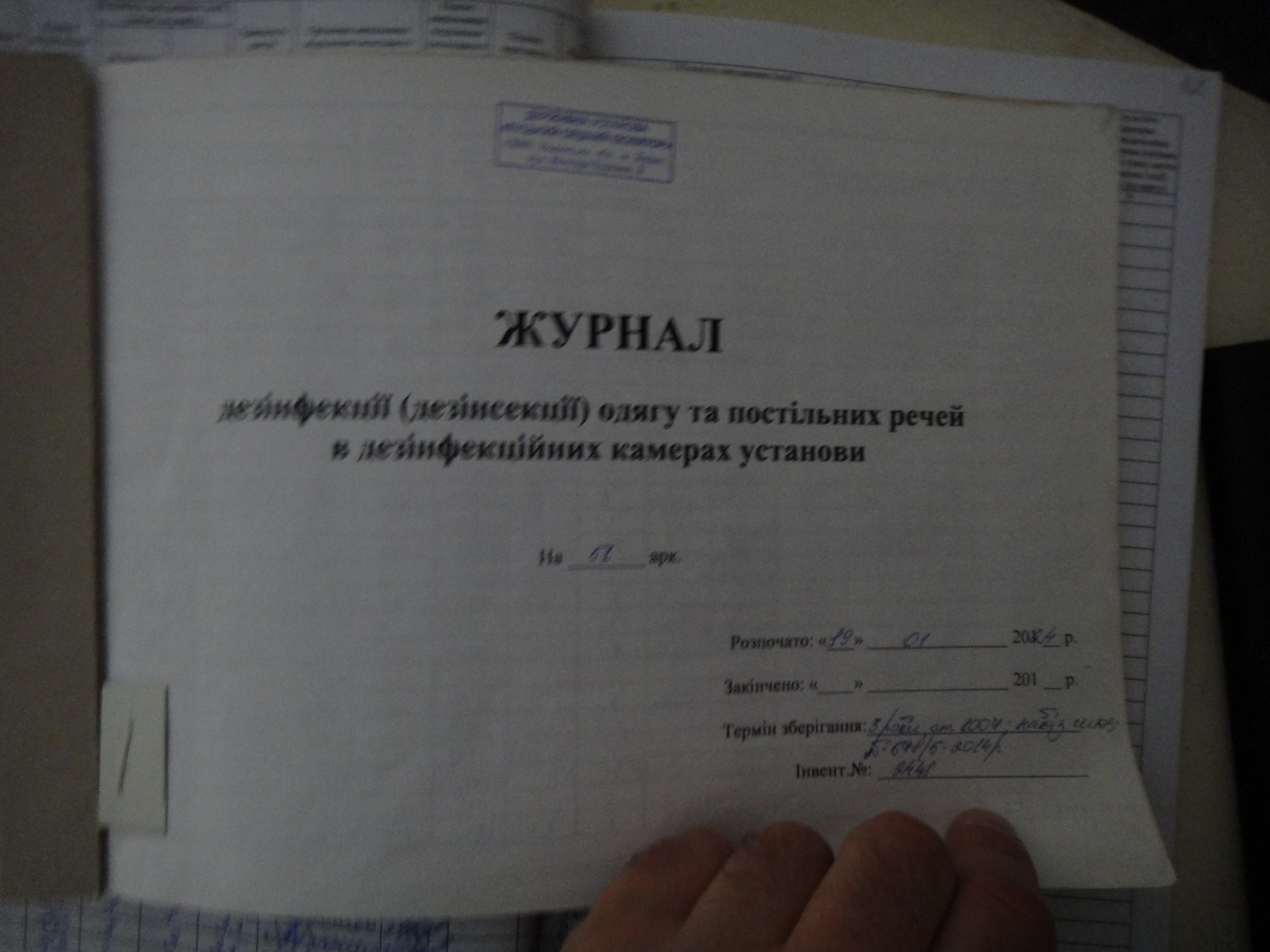
19. In breach of paragraph 3.19 of Section III of the Regulations, the sanitary treatment of detainees and convicted prisoners is incomplete. In particular, the monthly scheduled disinfection (destruction of pathogenic micro-organisms) and disinsection (destruction of insects and mites that carry infectious diseases) of bedding (pillows, mattresses, blankets) is not carried out in the disinfection chamber. Only the personal clothing of convicted prisoners and detainees is treated, as confirmed by the entries in the Log of Disinfection (Disinsection) of Clothing and Bedding in the Disinfection Chamber.
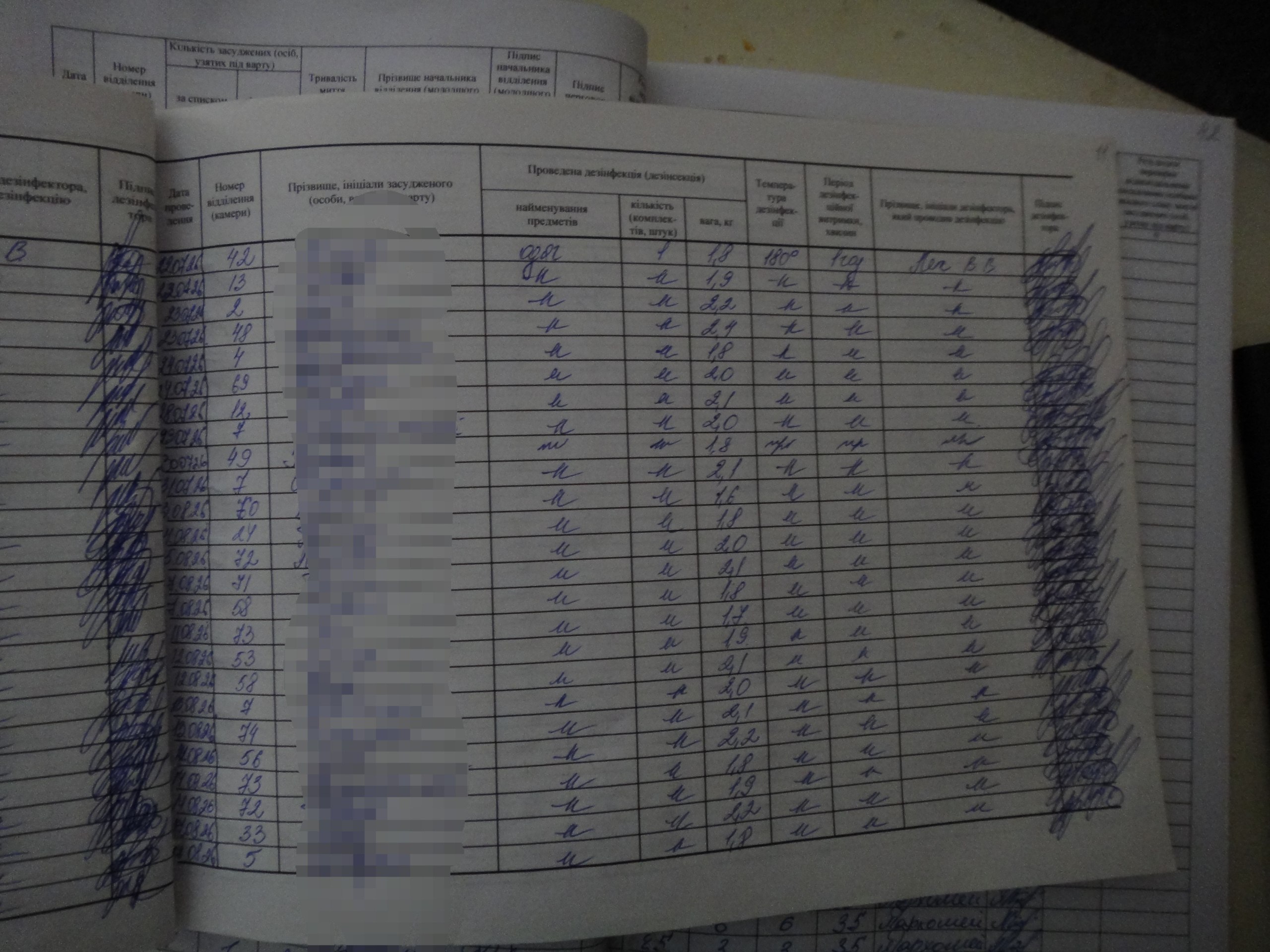
20. During the visit, the monitoring group recorded that institution staff in direct contact with convicted prisoners openly carry special equipment, in particular rubber truncheons. However, under the eighth sub-paragraph of paragraph 8 of Chapter 1 of Section V of the SIZO Internal Regulations, special equipment carried by SIZO staff within the guarded territory of the SIZO should, as far as possible, be kept out of sight. The Committee likewise recommends that prison staff working in direct contact with prisoners should not openly carry special equipment (such as rubber truncheons, handcuffs and tear-gas canisters) in front of prisoners, as this hinders the development of normal relations between staff and prisoners: paragraph 85 (CPT/Inf (2011) 29), paragraph 23 (CPT/Inf (2013) 23), paragraph 166 (CPT/Inf (2014) 15).
21. According to information provided by the administration, from the beginning of 2026 (as of 16.09.2026) the state institution ‘Lutsk Pre-Trial Detention Centre’ granted detainees and convicted prisoners 284 short-term visits, 222 of which were conducted without physical contact, through a solid glass partition using an intercom.
However, in its report to the Government of Ukraine on the 2023 visit, the European Committee for the Prevention of Torture stressed that for all categories of prisoners open visits (for example, at a table) should be the rule and closed visits the exception, permissible only on the basis of well-founded and reasoned decisions following an individual assessment of the potential risk posed by the particular prisoner. The Committee therefore called on the Ukrainian authorities to review the arrangements for short-term visits in penitentiary institutions so that, as a rule, they take place in open conditions (CPT/Inf (2024) 20, paragraph 99).
22. According to official records, the institution’s staff shortage as of 16.09.2026 stood at 23 posts. In its report to the Government of Ukraine on the 2023 visit, the Committee stressed that a positive climate in a penitentiary institution requires a professional team of staff present in sufficient numbers at all times in detention areas. Insufficient staffing can only increase the risk of violence and intimidation between prisoners. A shortage of frontline staff also undermines the quality and level of activities offered to prisoners and jeopardises the prospects of preparation for release and social rehabilitation. The Committee therefore called on the Ukrainian authorities to take resolute measures to significantly increase staffing levels in Ukrainian penitentiary institutions where staffing is low, with a view to strengthening the presence of custodial and supervisory staff inside the establishments. Steps should also be taken to put an end to 24-hour shifts for duty staff (CPT/Inf (2024) 20, paragraph 93).
23. During the monitoring visit to the SIZO, the premises designated by the administration as a shelter during air-raid alerts and other threats associated with hostilities were inspected. The shelter is located in the basement of the institution. Signs are posted along the routes leading to it, and the entrance door is marked as a shelter.
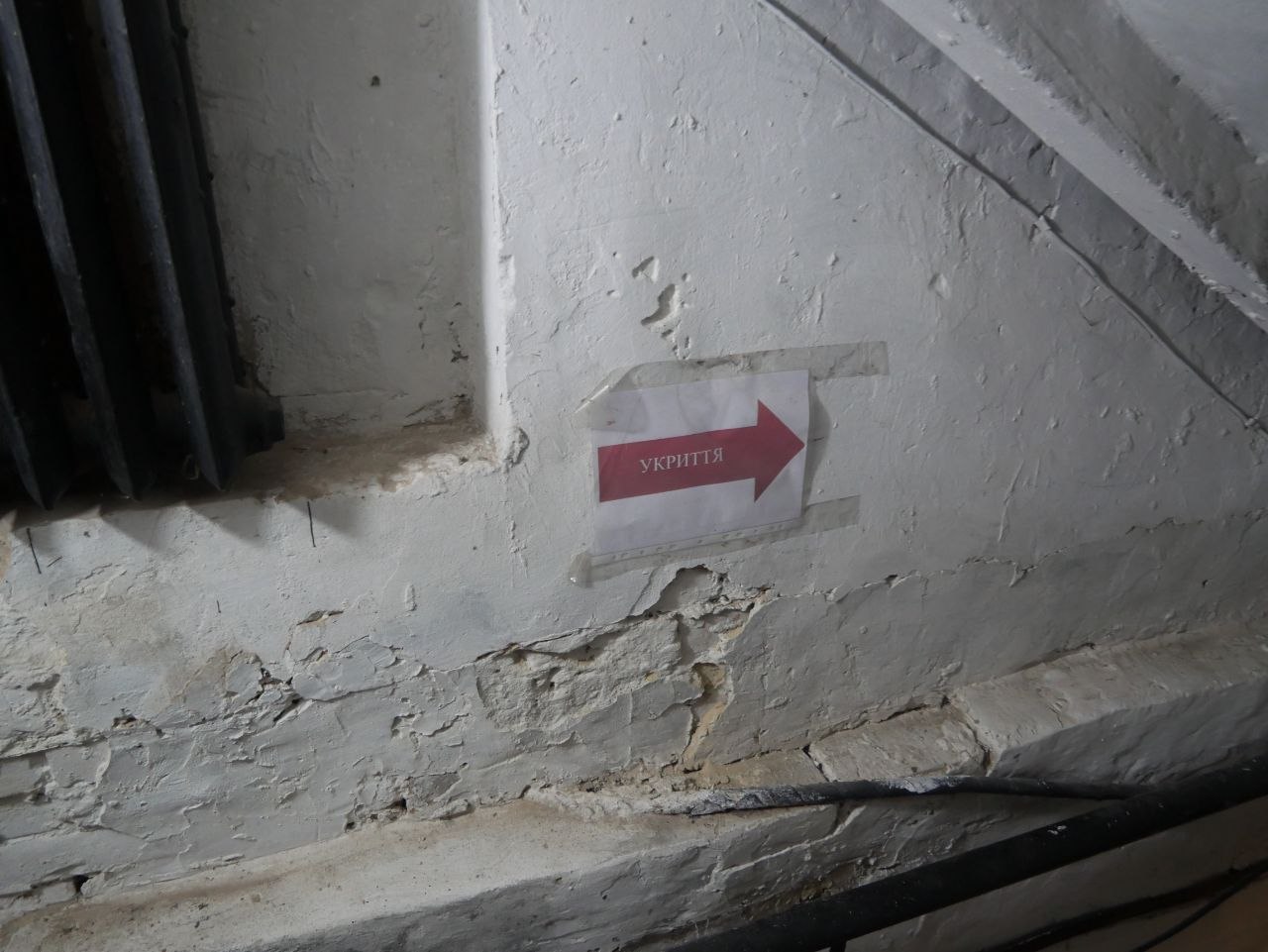
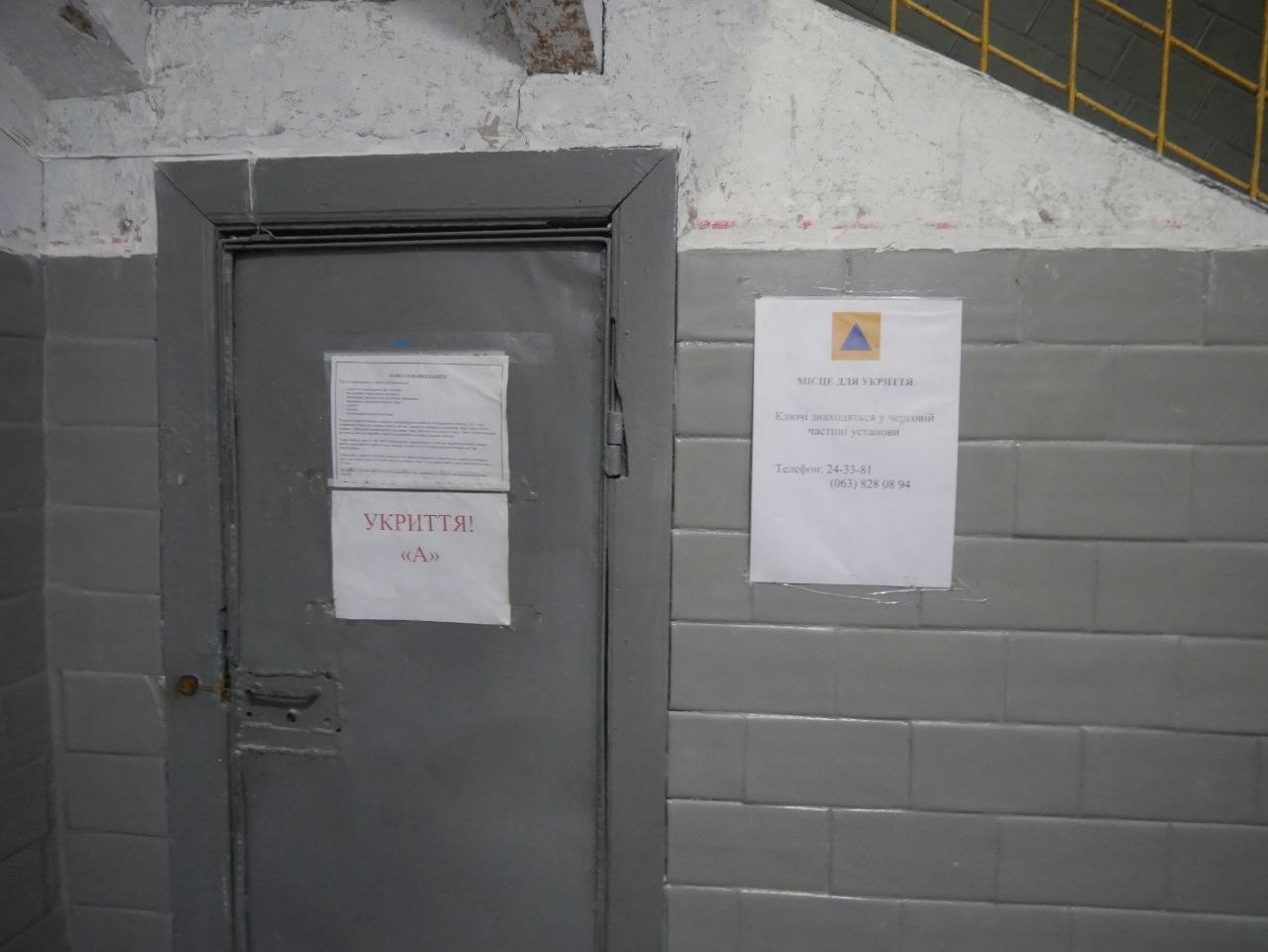
The premises have two exits, providing an alternative evacuation route. However, a direct inspection revealed significant shortcomings in the technical condition and fitting-out of the shelter.
In particular, the shelter is not equipped with an adequate ventilation system, so there is no organised air exchange while people are inside. The lack of ventilation creates risks of deteriorating air quality, increased humidity and the accumulation of carbon dioxide, especially when a large number of people remain in the enclosed basement space for a long time.
It was also found that there is no sewerage and no properly equipped toilets. In these circumstances, adequate conditions for meeting the basic sanitary and hygienic needs of persons forced to remain in the shelter for extended periods are not ensured.
The inspection recorded the poor technical condition of some rooms and utility systems. Numerous cracks, damage and flaking plaster were found on the walls and ceilings, with brickwork exposed in places. Metal pipework shows pronounced signs of corrosion, and some electrical cables and other services are laid exposed. Where pipes and cables pass through walls and ceilings, there are unsealed openings and damage to the finishes. Some technical rooms are cluttered with building materials, dismantled structures and miscellaneous objects. Standing water was recorded on the floor of one of the rooms. The localised flooding, corrosion of metal services and damage to walls and ceilings indicate that the premises in question are poorly maintained and create additional risks when they are used.
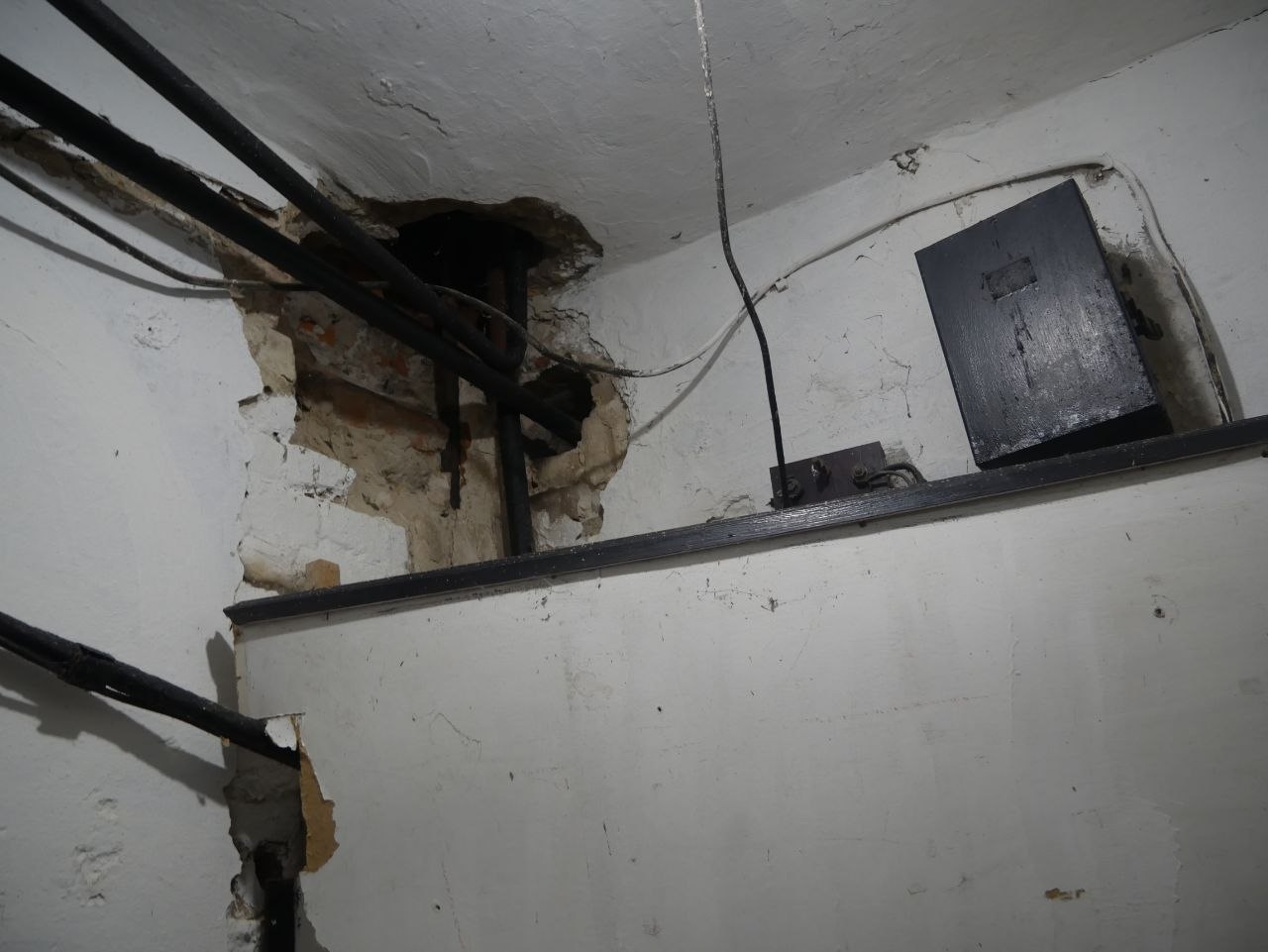
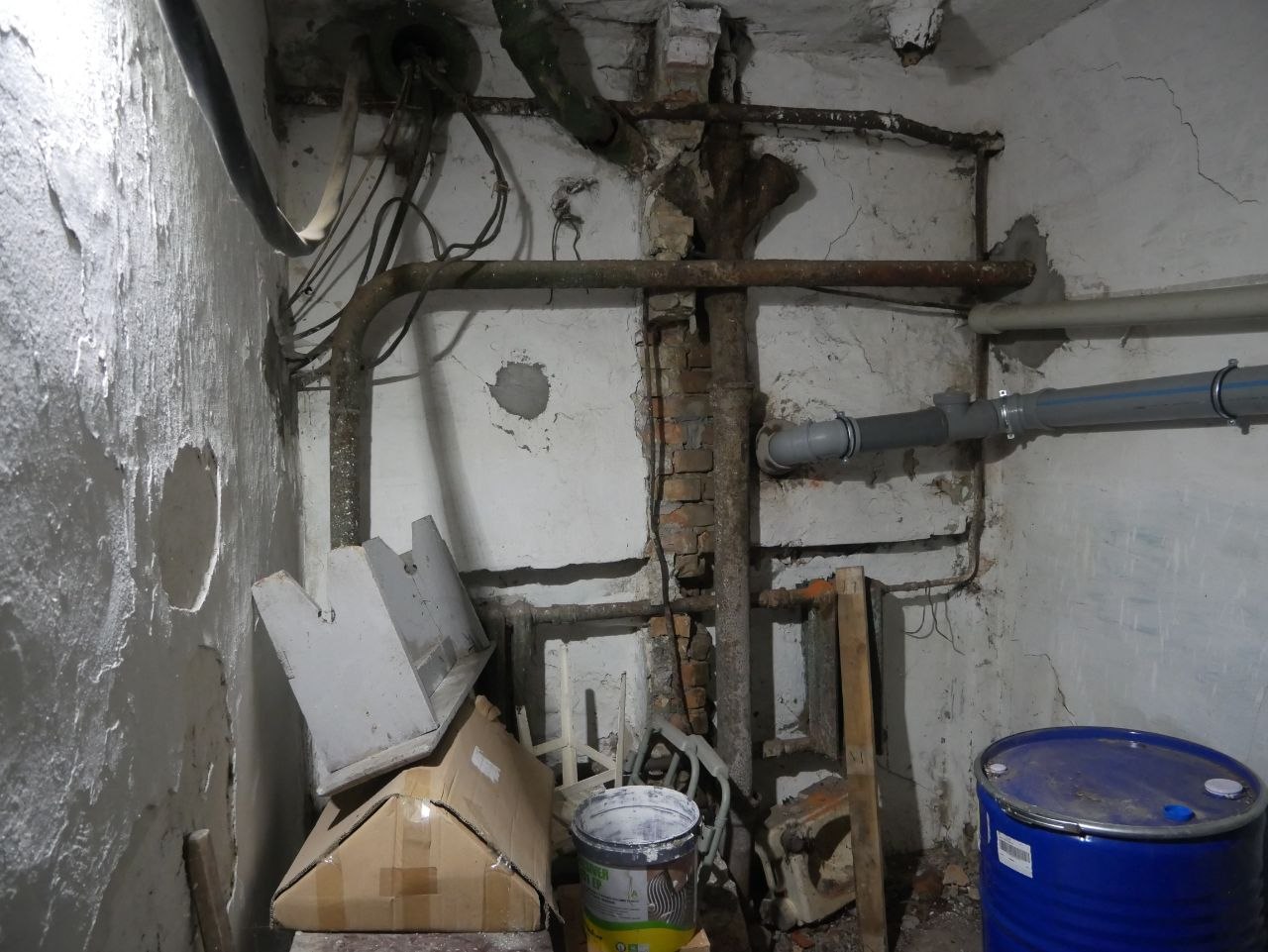
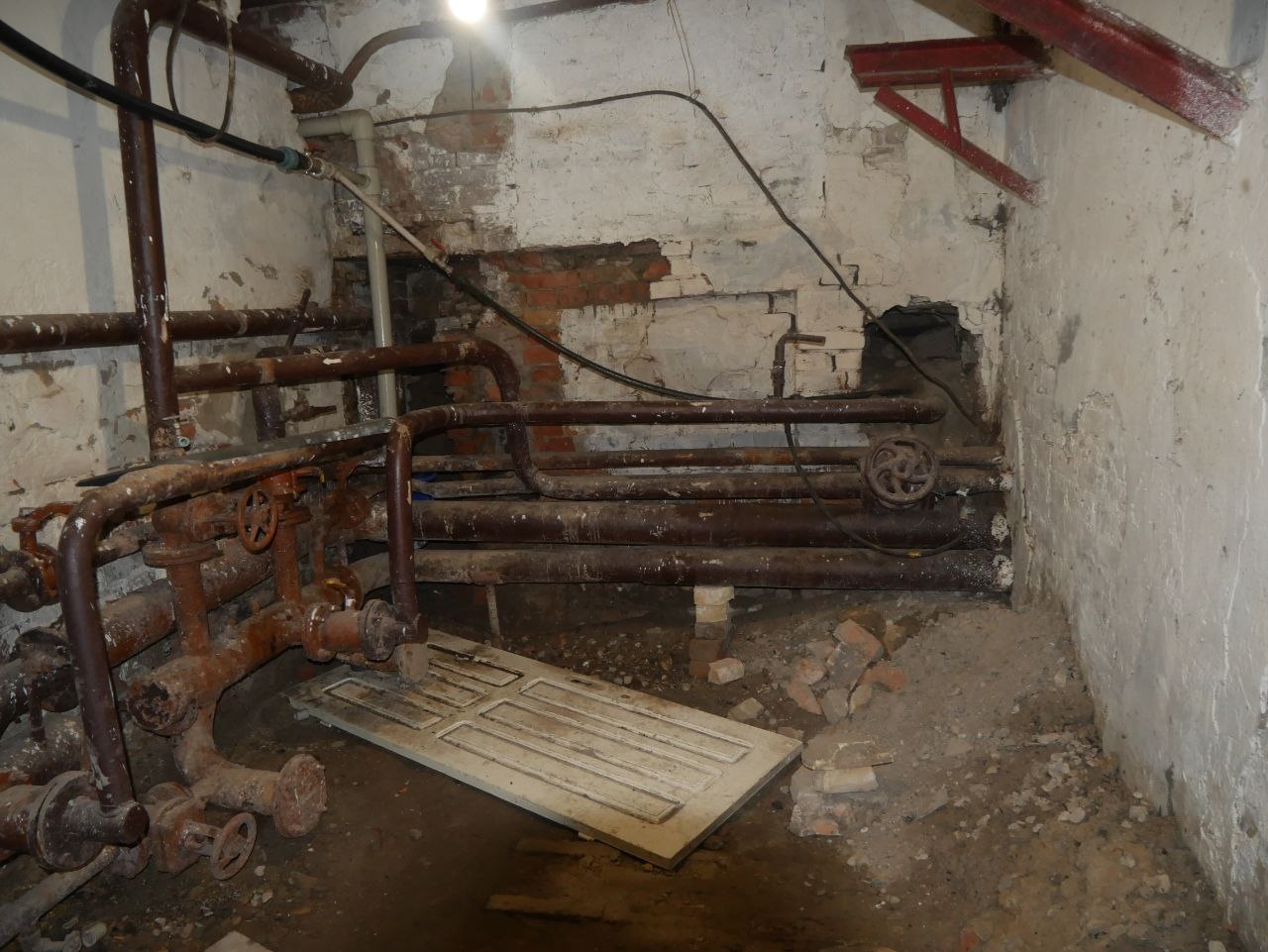
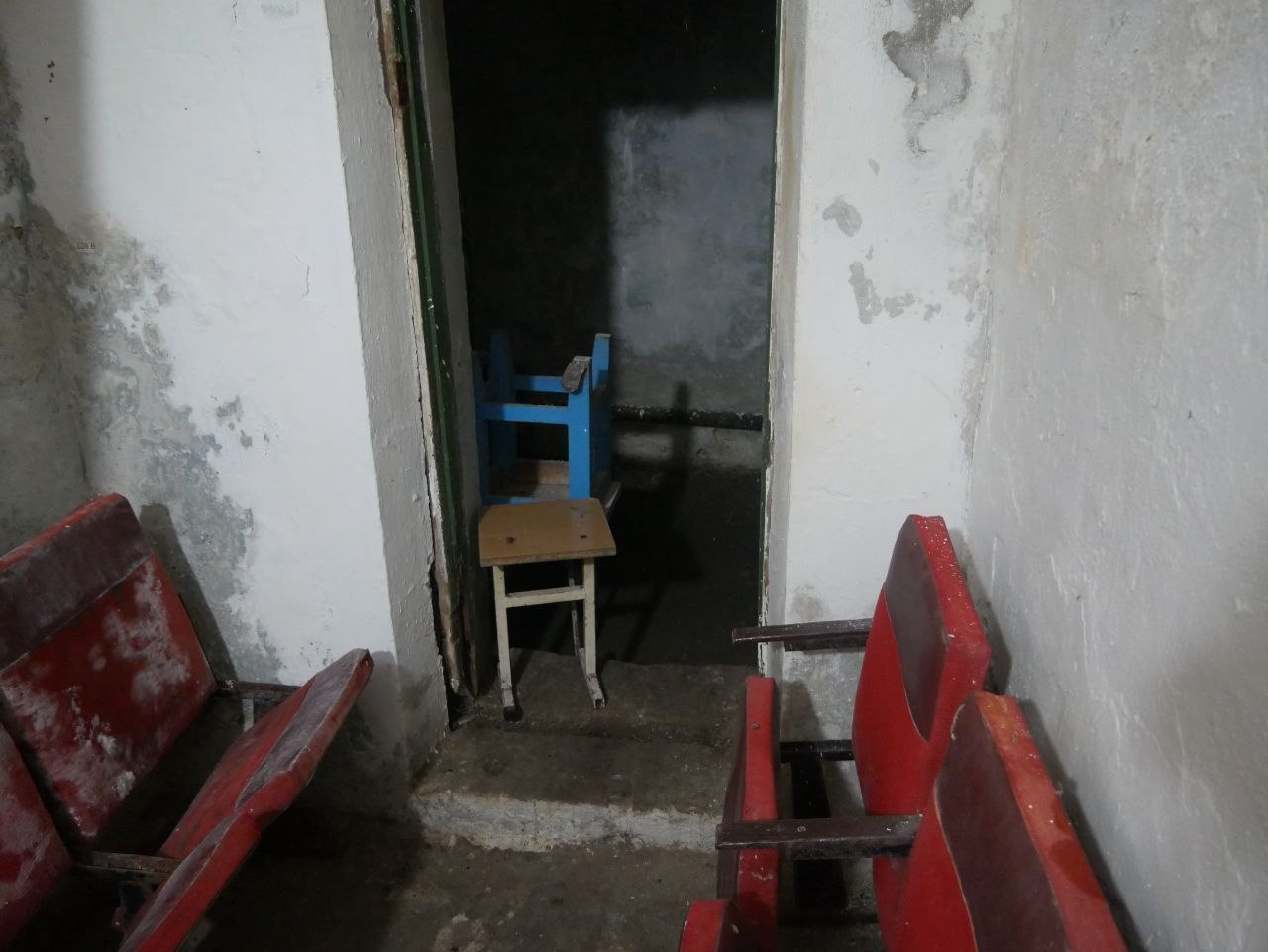
Some of the rooms have benches, armchairs and chairs for seating. However, the availability of seating does not remedy the shortcomings associated with the lack of ventilation, sewerage and adequate sanitary and hygienic conditions.
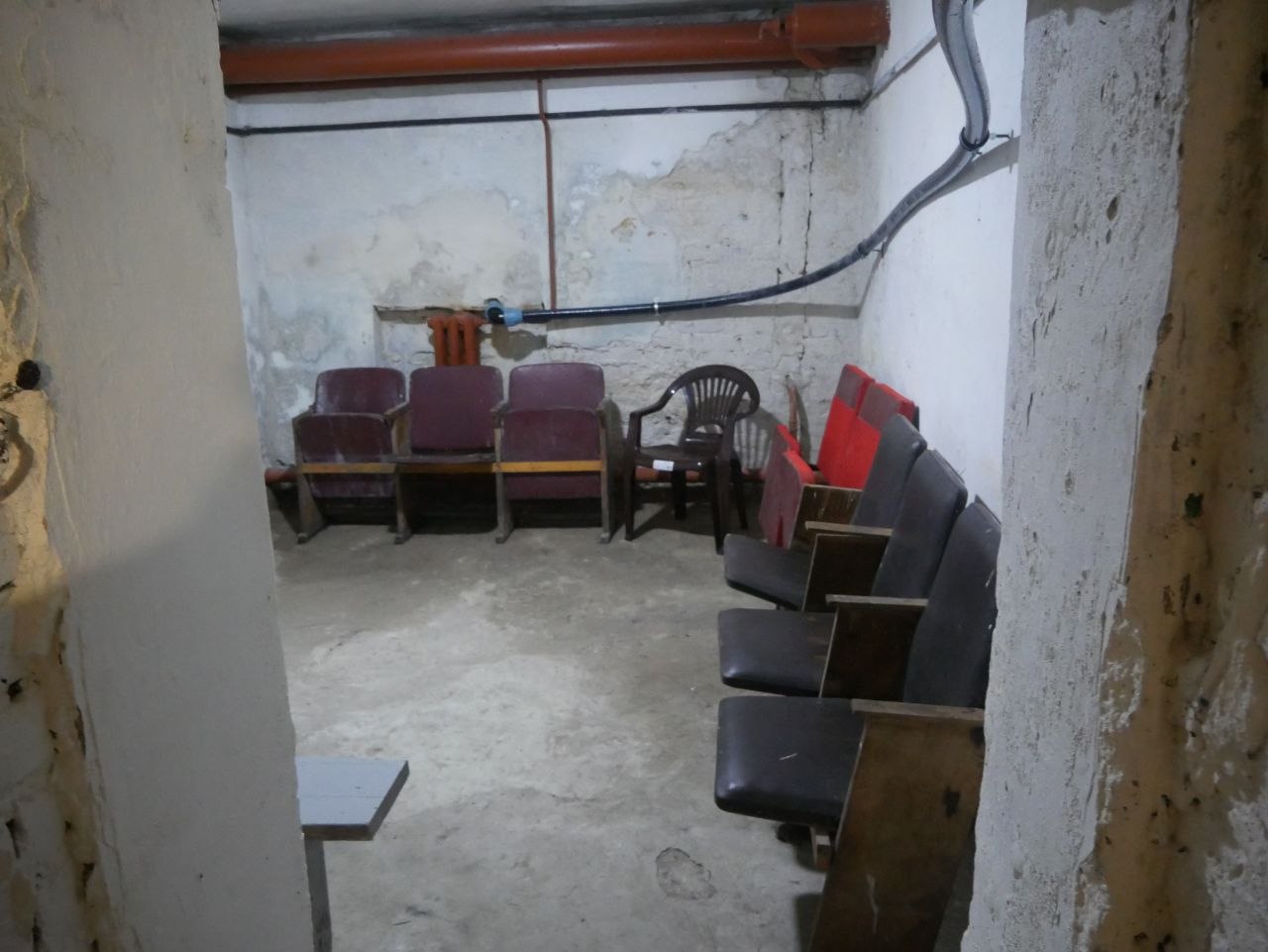
Thus, the monitoring visit established significant shortcomings in the fitting-out and maintenance of the premises designated as a shelter for persons held at the Lutsk Pre-Trial Detention Centre. Despite the existence of a second emergency exit, the shelter is not equipped with an adequate ventilation system or sewerage. In addition, the poor technical condition of some utility systems, damage to walls and ceilings, corrosion of pipework, localised flooding and cluttered technical rooms were recorded.
Taken together, these findings indicate inadequate conditions for people to remain in the shelter for long periods during air-raid alerts and pose risks to their health and safety. These shortcomings are all the more significant given that convicted prisoners and detainees cannot choose a safe place for themselves and are entirely dependent on the institution’s administration to protect their lives and health in the face of wartime threats.
24. During the monitoring visit to the SIZO, the monitors examined compliance with the labour and social rights of convicted prisoners engaged in the institution’s general maintenance work. The monitoring group analysed the staffing schedule, fixed-term employment contracts, timesheets, and the logs of medical examinations of kitchen workers and of the quality control of prepared food. Some information was obtained through direct conversations with convicted prisoners.
The 2026 staffing schedule for the maintenance team provides for 10 posts, including two cooks and three kitchen hands. The total monthly payroll of basic salaries amounts to UAH 37,532. This sum reflects the planned expenditure on wages under the staffing schedule and does not indicate the wages actually paid to convicted prisoners.
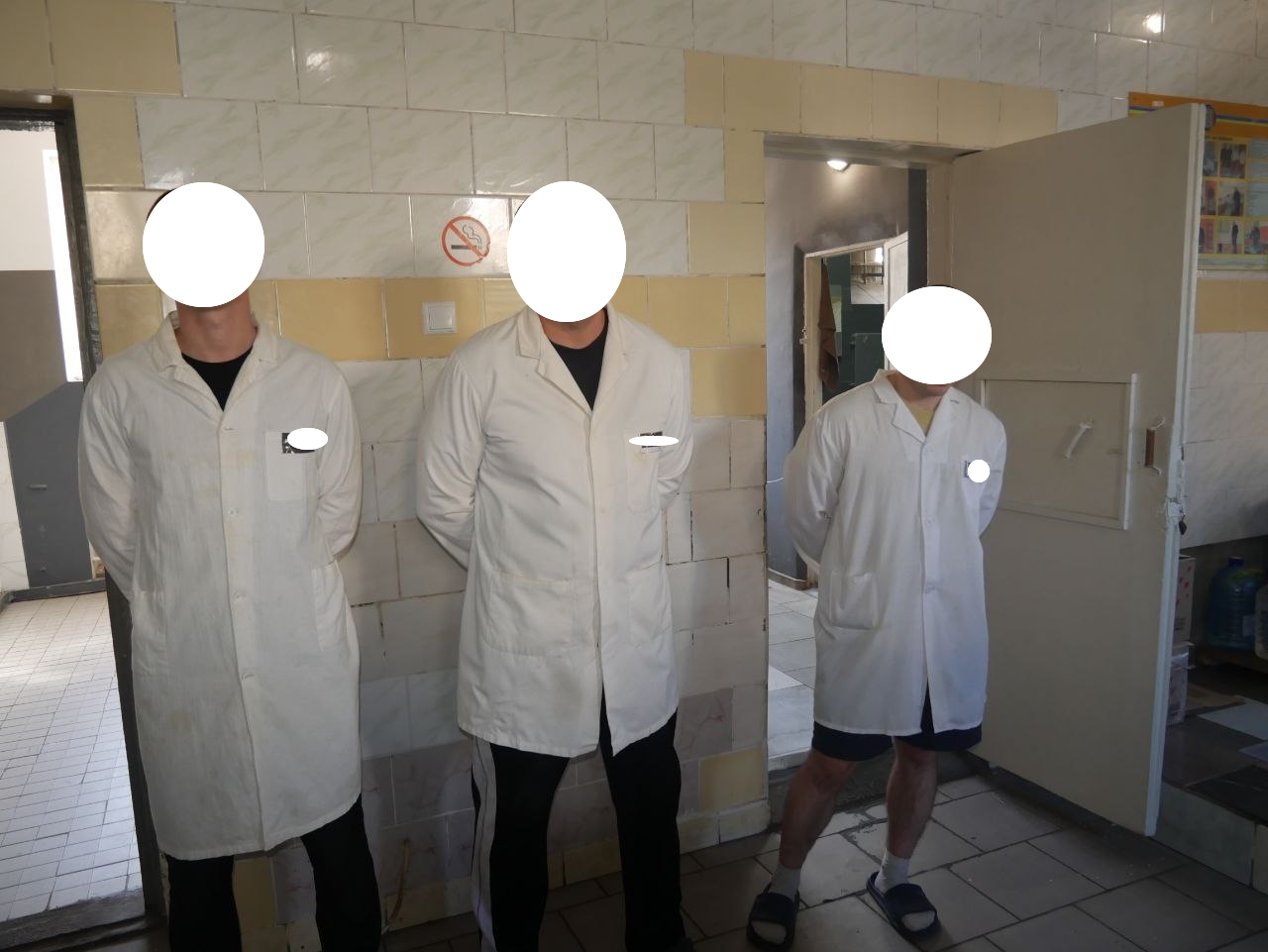
The visit established that five persons work in the kitchen. Among them are convicted prisoner K., who stated that he has been working there for a year and a half, and convicted prisoner M. At the same time, the workers performing the duties of cooks are employed part-time, at 0.5 of a full-time post.
An analysis of the documents provided and of the organisation of work in the kitchen revealed circumstances that call into question whether the working arrangements recorded in the documents correspond to the prisoners’ actual employment.
In particular, the medical examination log for kitchen workers records an examination of four persons every day, including weekends. Yet five persons are actually employed in the kitchen. Thus, the daily attendance of workers as recorded in the documents needs to be checked against the terms of their employment contracts and the record of hours actually worked.
Of particular significance is the established fact that the logs were not properly kept. At the time of the monitoring visit, the food quality log already contained an entry for 17 and 18 September 2026 bearing the names of the cooks, that is, for dates that had not yet arrived at the time of the inspection. Similar signs of perfunctory record-keeping were found in the doctor’s examination log.
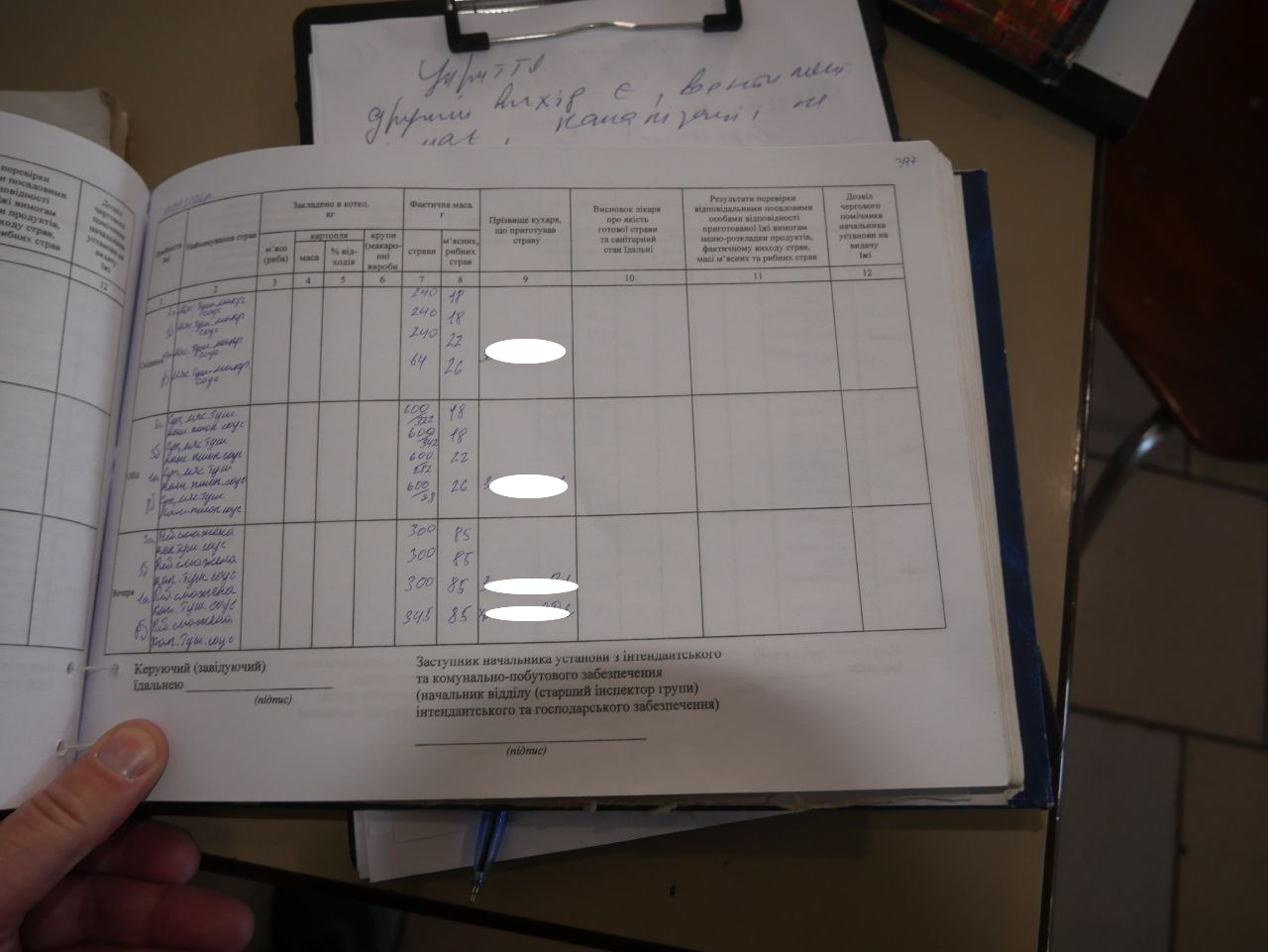
Entering information about a medical examination before the relevant date has arrived means that such an entry cannot be relied upon as confirmation of an examination already carried out. At the same time, the existence of these entries does not in itself make it possible to reliably determine how long each convicted prisoner worked, since the medical examination log is not a primary record of working time.
The monitors also examined the remuneration of convicted prisoners. It was established that employing cooks at 0.5 of a full-time post entails pay in proportion to the hours set and actually worked. In these circumstances, it is crucial that the wages paid correspond to the actual hours worked, particularly where workers are engaged in their duties at weekends.
The staffing schedule provided contains information on basic salaries and the payroll fund, but does not confirm the actual individual payments made to each convicted prisoner. The monthly basic-salary payroll of UAH 37,532 therefore cannot be regarded as the total actual earnings of the maintenance workers.
Nor do the available materials make it possible to reliably determine the wages actually paid to K., M., K. and other kitchen workers, the deductions made, or the individual amounts of single social contribution accrued and paid. Accordingly, there are insufficient documentary grounds to conclude that each of these convicted prisoners has accrued their full insurance record.
Under Article 56 of the Labour Code of Ukraine, part-time work is established by agreement between the employee and the employer, and pay is calculated in proportion to the hours worked or according to output. Part-time work does not restrict the scope of an employee’s labour rights.
Article 50 of the Labour Code of Ukraine sets the general normal working time, which may not exceed 40 hours per week. Articles 66–72 of the Labour Code of Ukraine provide guarantees concerning rest periods, days off and compensation for work on days off. The specific application of these guarantees under martial law is governed by the Law of Ukraine ‘On the Organisation of Labour Relations under Martial Law’.
Article 30 of the Law of Ukraine ‘On Remuneration of Labour’ obliges the employer to keep accurate records of the work performed by employees and to account for payroll costs in the prescribed manner.
In addition, Article 118 of the Criminal Enforcement Code of Ukraine sets out the specific features of the exercise of convicted prisoners’ right to work, and the legislation on compulsory state social insurance provides for corresponding social protection guarantees for persons working under employment contracts. Proper documentation of employment relations and of the payment of wages and the single social contribution has a direct bearing on the accrual of convicted prisoners’ insurance records.
Thus, the monitoring visit established shortcomings in the record-keeping relating to the kitchen, in particular entries concerning medical examinations made for dates that had not yet arrived. At the same time, the daily recording of workers in the relevant logs, including at weekends, while the cooks are employed at 0.5 of a full-time post, makes it impossible, without further cross-checking against primary documents, to confirm that the recorded working hours correspond to actual employment.
These findings indicate that certain documents relating to the organisation of work in the kitchen are insufficiently reliable and limit the possibility of objectively assessing compliance with convicted prisoners’ labour and social guarantees. At the same time, the available materials do not provide sufficient grounds to assert specific amounts of unpaid wages or unpaid single social contributions.
Lutsk City Medical Unit of the Volyn and Rivne Regional Branch of the State Institution ‘Health Care Centre of the State Criminal Executive Service of Ukraine’
The head of the Lutsk City Medical Unit of the Volyn and Rivne Regional Branch of the State Institution ‘Health Care Centre of the State Criminal Executive Service of Ukraine’ (hereinafter, the medical unit) is Tetiana Serhiivna Vasyliuk.
The medical unit’s establishment has the following vacancy: general practitioner — 0.25 of a full-time post.
During the monitoring visit, the monitoring group examined medical records, inspected the premises of the medical unit and held individual interviews with convicted prisoners and persons remanded in custody, as a result of which shortcomings in the organisation of medical care were identified that lead to violations of these persons’ rights:
1. In breach of paragraph 4 of Chapter 1 of Section X of the Internal Regulations of Pre-Trial Detention Centres of the State Criminal Executive Service of Ukraine (hereinafter, the SIZO Internal Regulations), approved by Order of the Ministry of Justice of Ukraine No. 1769/5 of 14.06.2019, and of the Regulations on the Lutsk City Medical Unit of the Volyn and Rivne Regional Branch of the State Institution ‘Health Care Centre of the State Criminal Executive Service of Ukraine’, full inpatient care has not been organised at the medical unit.
In particular, from the beginning of 2026 up to 16.09.2026, inpatient care was provided only twice, as confirmed by the entries in the log of admissions, discharges and refusals of hospitalisation.
This may restrict the access of convicted prisoners and persons remanded in custody to proper medical supervision and inpatient treatment and create risks of deterioration in their health, complications of chronic diseases and other adverse health consequences, which is inconsistent with the guarantees of the right to health care and medical assistance enshrined in Article 49 of the Constitution of Ukraine.
Furthermore, this is inconsistent with the Committee’s recommendations set out in paragraph 38 of the relevant report, according to which health-care services in places of deprivation of liberty should be able to provide medical treatment and nursing care, as well as appropriate diets, physiotherapy, rehabilitation or any other necessary special facility, in conditions comparable to those enjoyed by patients in the outside community. Provision in terms of medical, nursing and technical staff, as well as premises, installations and equipment, should be geared accordingly (CPT/Inf(93)12-part).
2. In breach of paragraph 4 of Chapter 1 of Section X of the SIZO Internal Regulations, the inpatient ward of the medical unit has no equipped isolation room for persons with mental disorders.
3. The inpatient ward of the medical unit has two isolation rooms for patients with infectious diseases. However, the isolation room does not meet sanitary and hygiene requirements or the requirements of State Building Standards of Ukraine V.2.2-10:2022 ‘Healthcare Facilities. Basic Provisions’.
Thus, the isolation ward has no shower, so such patients are forced to use shared sanitary facilities together with other persons held in the institution. These circumstances make it impossible to maintain a proper anti-epidemic regime and effective isolation of patients with infectious diseases, create a risk of the spread of infection and pose a threat to the health of both patients and medical staff.
4. Under paragraph 3.11 of the Regulations on the Organisation of Bathing and Laundry Services for Persons Held in Penal Institutions and Pre-Trial Detention Centres, approved by Order of the Ministry of Justice of Ukraine No. 849/5 of 08.06.2021 (hereinafter, the Regulations on Bathing and Laundry Services), the bathhouse changing rooms must have a place (corner) for a paramedic of the medical unit (paramedic post) of the State Institution ‘Health Care Centre of the State Criminal Executive Service of Ukraine’ for the purpose of carrying out bodily examinations and providing medical assistance to convicted prisoners (persons remanded in custody), equipped with a table, a chair and a log of bodily examinations in the bathhouse kept in the form set out in Annex 6 to those Regulations. However, the monitoring visit established, in particular through observation and interviews with convicted prisoners and detainees, that bodily examinations are not in fact carried out by medical staff and that the log of bodily examinations in the bathhouse is kept merely as a formality. The failure to properly conduct and document bodily examinations hampers the timely detection and proper recording of bodily injuries, prevents effective medical monitoring of the health of convicted prisoners and detainees, and reduces the effectiveness of preventing ill-treatment and violence.
5. In breach of the Procedure for the Organisation of Medical Care at the Primary, Secondary (Specialised) and Tertiary (Highly Specialised) Levels Using Telemedicine, approved by Order of the Ministry of Health of Ukraine No. 681 of 19.10.2015, the staff of the medical unit are unable, owing to technical limitations, to send requests for telemedicine consultations and to obtain specialist assistance in providing medical services to convicted prisoners.
6. Under paragraph 10 of Chapter 2 of Section IX of the SIZO Internal Regulations, convicted prisoners retained at the SIZO to carry out general maintenance work are subject to a mandatory preventive medical examination in accordance with Resolution of the Cabinet of Ministers of Ukraine No. 559 of 23 May 2001 ‘On Approval of the List of Occupations, Industries and Organisations Whose Employees Are Subject to Mandatory Preventive Medical Examinations, the Procedure for Conducting Such Examinations and the Issuance of Personal Medical Books’.
For each convicted prisoner in this category, primary record form No. 1-OMK ‘Personal Medical Book’ must be issued, as approved by Order of the Ministry of Health of Ukraine No. 150 of 21 February 2013, registered with the Ministry of Justice of Ukraine on 23 April 2013 under No. 662/23194.
However, the monitoring group found that 5 of the 10 convicted prisoners retained at the institution for general maintenance work had no personal medical books, and that their medical records lacked the results of the examinations by medical specialists (including laboratory, clinical and other tests) required for admission to work.
7. In breach of State Building Standards of Ukraine V.2.2-40:2018 ‘Inclusiveness of Buildings and Structures. Basic Provisions’, the medical unit has not created conditions for accommodating persons with disabilities.
8. In breach of paragraph 37 of Resolution of the Cabinet of Ministers of Ukraine No. 285 of 2 March 2016 ‘On Approval of the Licensing Conditions for Conducting Business Activities in Medical Practice’, the medical unit lacks the mandatory certificate confirming unobstructed access to the buildings and premises of the medical facility for persons with reduced mobility.
9. In breach of the Standards of Medical Care for Viral Hepatitis C in Adults, approved by Order of the Ministry of Health of Ukraine No. 1178 of 23.07.2025, not all persons suspected of having viral hepatitis C (11 persons as of 16.09.2026) undergo PCR testing, so the diagnosis is not confirmed in good time and the necessary antiviral therapy is not prescribed. This may lead to a deterioration in patients’ health and contribute to the spread of infection among convicted prisoners and detainees.
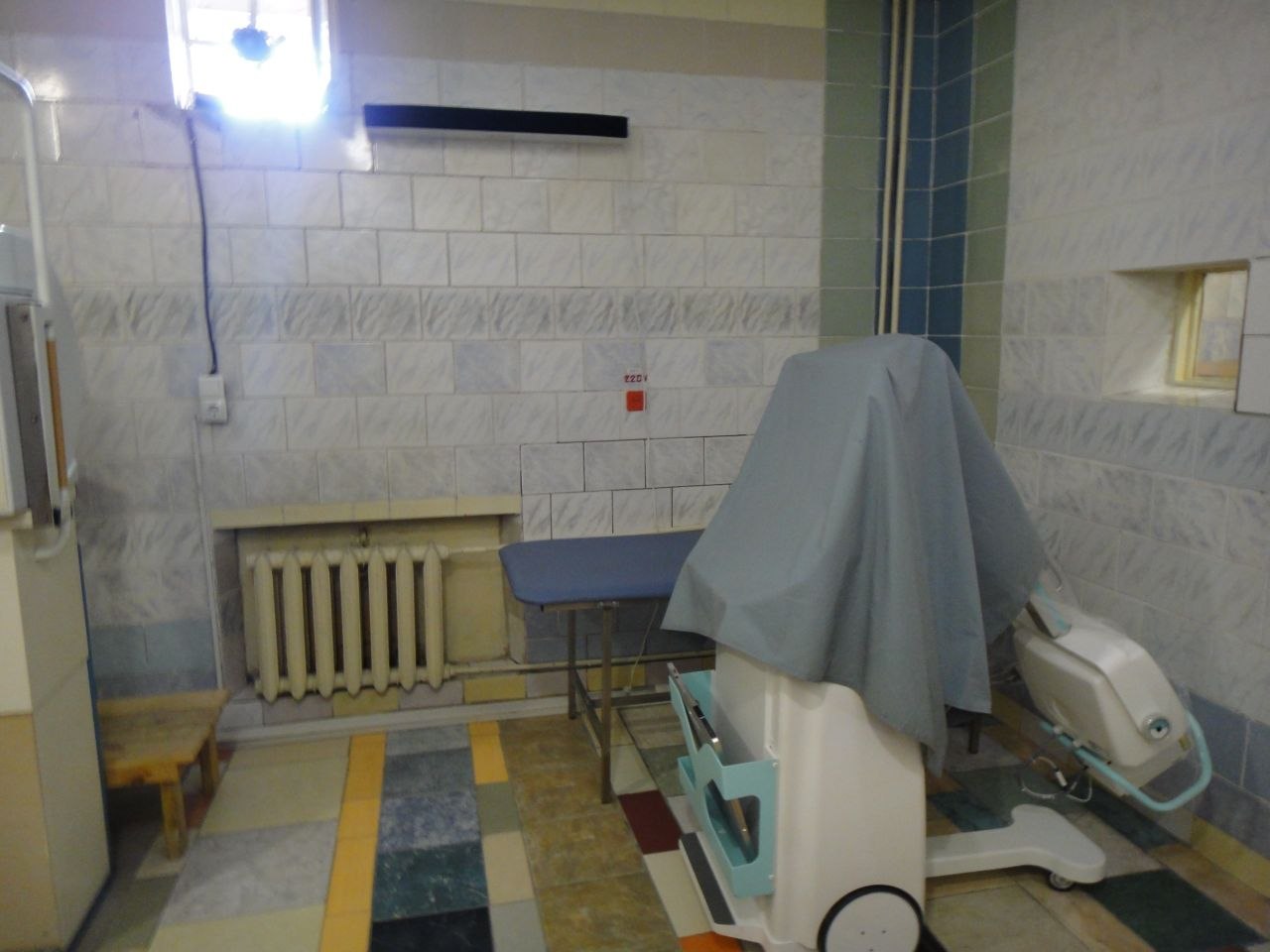
10. The doctors’ office and the X-ray room are not provided with fire extinguishers, which is in breach of paragraph 3.6 of Chapter 3 of Section V of the Rules and of paragraph 10.18 of Chapter 10 of the State Sanitary Rules and Norms ‘Hygienic Requirements for the Arrangement and Operation of X-ray Rooms and the Conduct of X-ray Procedures’, approved by Order of the Ministry of Health of Ukraine No. 294 of 04.06.2007 and registered with the Ministry of Justice of Ukraine on 7 November 2007 under No. 1256/14523.
11. In breach of the Fire Safety Rules in Ukraine, approved by Order of the Ministry of Internal Affairs of Ukraine No. 1417 of 30.12.2014, the premises of the medical unit are not equipped with fire-extinguishing or fire-alarm systems (except for the opioid substitution therapy room and the pharmacy).
Recommendations:
-
Bring the reception unit premises, cells and punishment cells into line with national legislation and international standards on the treatment of prisoners, and in particular cease using for detention any premises whose floor area and dimensions do not meet the established standards.
-
Ensure adequate natural light and functioning ventilation in the cells and punishment cells, and remove excessive obstructions to the entry of daylight.
-
Equip the reception unit premises with toilets, washbasins, and water supply and drainage systems, and ensure constant access to drinking water.
-
Provide the reception unit with the premises required under the established standards, in particular a doctor’s surgery, a treatment room, a shower room, a quarantine cell, an isolation cell and rooms for storing clean and used clothing and bedding. Arrange for new arrivals to be medically examined in conditions that guarantee privacy and the confidentiality of medical information.
-
Ensure proper recording of the time detainees and convicted prisoners spend in the reception unit, with mandatory recording of the times of their placement there and transfer to cells, and compliance with the established maximum duration of stay.
-
Display accessible information in the reception unit and punishment cells on how to contact state bodies, the Ukrainian Parliament Commissioner for Human Rights, the prosecution authorities, the State Bureau of Investigation, the European Court of Human Rights, free legal aid bodies and other competent institutions.
-
Ensure adequate privacy when using the toilets in the cells and punishment cells by installing full partitions and doors.
-
Ensure compliance with the statutory requirements on the separation of different categories of detainees, in particular persons who have previously served prison sentences and persons facing criminal charges for the first time.
-
Carry out the necessary repairs in the cells and ensure that sanitary fittings, electrical wiring and other utility systems are in good technical and sanitary condition.
-
Restore the radio broadcasting system in the cells.
-
Provide the social and psychological service unit for convicted prisoners retained for general maintenance work with the necessary domestic premises, in particular a drying room and rooms for storing clothing, for household needs and for physical exercise.
-
Ensure that detainees and convicted prisoners can use the bathhouse or shower at least twice a week; organise the washing and drying of personal clothing properly; provide hairdressing services; and carry out regular disinfection and disinsection of bedding, with proper documentation of these measures.
-
Ensure compliance with the established requirements on the carrying of special equipment by staff, avoiding its open display during direct contact with detainees and convicted prisoners, except where required for security reasons.
-
Ensure that short-term visits take place, as a rule, in open conditions, and that closed visits are used only where duly justified on the basis of an individual risk assessment.
-
Take measures to fill vacant staff posts at the institution, ensure a sufficient staff presence in areas where detainees and convicted prisoners are held, and organise staff working arrangements properly.
-
Ensure that the shelter functions properly, in particular by installing an effective ventilation system, sewerage and toilets, eliminating the localised flooding, repairing damaged structures and utility systems, removing corrosion from pipework, ensuring that electrical cables are laid safely and clearing technical rooms of extraneous objects. Ensure that the conditions for people sheltering there meet civil protection requirements, taking into account the shelter’s official status.
-
Ensure that the logs of medical examinations of kitchen workers and of the quality control of prepared food are kept accurately and promptly, ruling out entries concerning measures that have not yet actually been carried out.
-
Ensure full individual recording of the hours actually worked by convicted prisoners engaged in the institution’s general maintenance work, including weekend work; ensure that actual employment corresponds to the terms of the employment contracts concluded; ensure the proper calculation and payment of wages; and ensure the individual accrual and payment of the single social contribution so that convicted prisoners’ insurance records are accrued.
-
Ensure that video surveillance in the punishment cells is applied in accordance with the principles of necessity, proportionality and respect for the private life of detainees and convicted prisoners, ruling out unjustified intrusion into their privacy.
-
Take measures to remedy the human rights violations identified and to prevent torture and other cruel, inhuman or degrading treatment or punishment at the Lutsk City Medical Unit of the Volyn and Rivne Regional Branch of the State Institution ‘Health Care Centre of the State Criminal Executive Service of Ukraine’.
-
Ensure oversight of the proper keeping of medical records in accordance with the Procedure for Cooperation between Healthcare Institutions of the State Criminal Executive Service of Ukraine and Other Healthcare Institutions on the Provision of Medical Care to Persons Remanded in Custody, approved by Joint Order of the Ministry of Justice of Ukraine and the Ministry of Health of Ukraine No. 239/5/104 of 10.02.2012, the Procedure for the Organisation of Medical Care for Persons Sentenced to Imprisonment, approved by Joint Order of the Ministry of Justice of Ukraine and the Ministry of Health of Ukraine No. 1348/5/572 of 15.08.2014, and other regulations.
-
Staff the medical facility with medical specialists according to need.
-
Organise the provision of inpatient care at the medical unit in accordance with the Internal Regulations of Pre-Trial Detention Centres (SIZO Internal Regulations) and the Regulations on the Lutsk City Medical Unit.
-
Equip an isolation room for persons with mental and behavioural disorders in accordance with the requirements.
-
Provide all persons suspected of having HCV with access to PCR testing as soon as possible and arrange the necessary antiviral treatment for those with a confirmed diagnosis.
-
Ensure the accessibility of the institution’s buildings in accordance with State Building Standards of Ukraine V.2.2-40:2018 ‘Inclusiveness of Buildings and Structures. Basic Provisions’.
-
Comply with paragraph 37 of Resolution of the Cabinet of Ministers of Ukraine No. 285 of 2 March 2016 ‘On Approval of the Licensing Conditions for Conducting Business Activities in Medical Practice’.
-
Equip an isolation room at the medical unit for patients with infectious diseases in accordance with the law, and create adequate conditions for isolating such patients in order to prevent the spread of infectious diseases.
-
Comply with paragraphs 3.10 and 3.11 of the Regulations by arranging proper medical supervision while convicted prisoners are washing and by keeping the log of bodily examinations in full.
-
Ensure that the telemedicine system works properly so that doctors can request telemedicine consultations.
-
Ensure that convicted prisoners retained at the institution for general maintenance work undergo mandatory preventive medical examinations and are issued with personal medical books in accordance with the requirements.
-
Install a fire protection system in accordance with the established requirements.
-
Provide the X-ray room with a fire extinguisher.