Report on the Monitoring Visit to ‘Manevychi Correctional Colony No. 42’
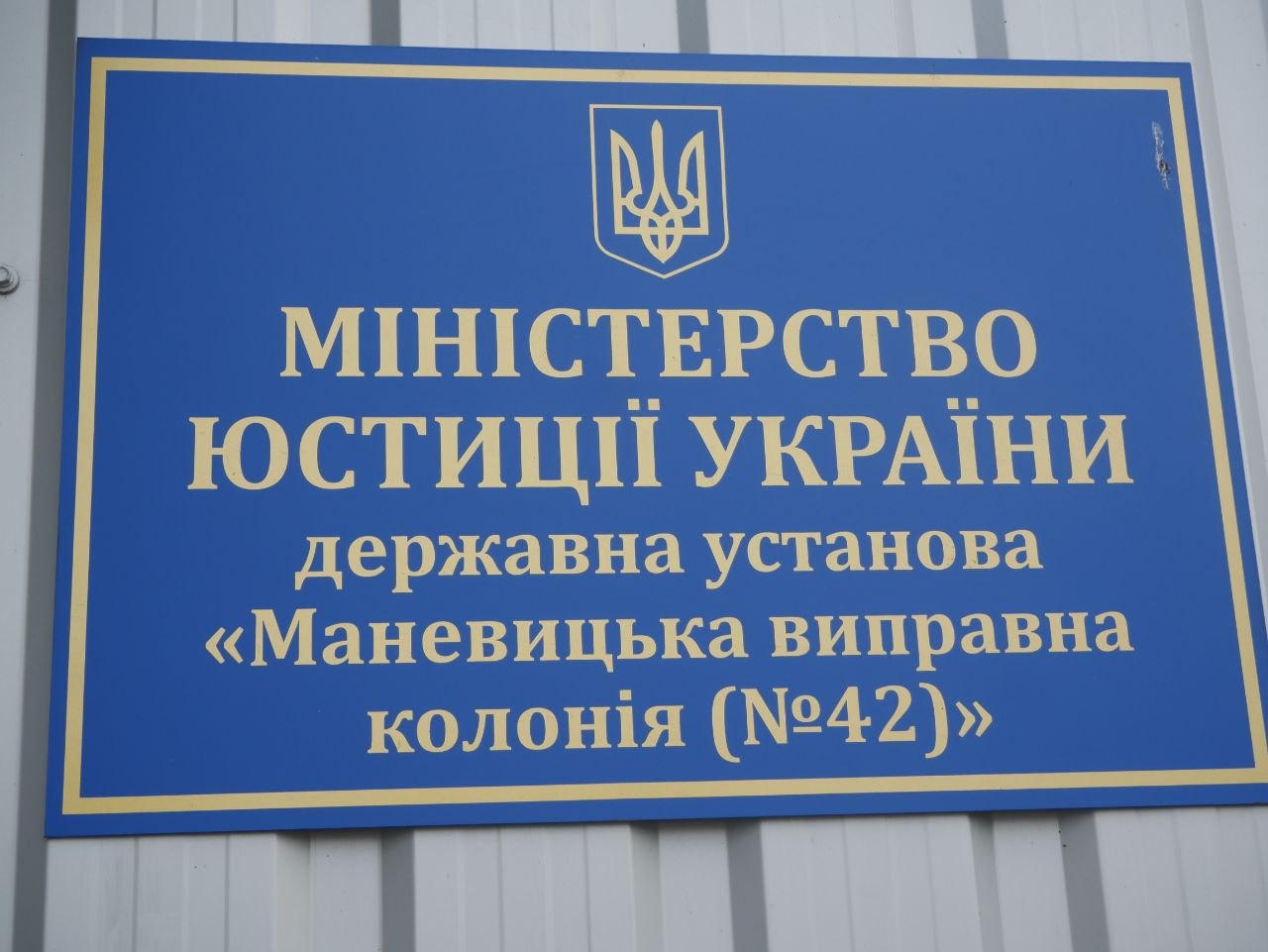
On 15.09.2026, in accordance with the Optional Protocol to the Convention against Torture and Other Cruel, Inhuman or Degrading Treatment or Punishment, taking into account the provisions of the United Nations Standard Minimum Rules for the Treatment of Prisoners (the Nelson Mandela Rules) and the judgments of the European Court of Human Rights, and on the basis of Article 24 of the Criminal Enforcement Code of Ukraine, ‘Visits to Penal Institutions’, a group of monitors from the Kharkiv Human Rights Protection Group and the NGO ‘Protection of Prisoners of Ukraine’ visited the state institution ‘Manevychi Correctional Colony (No. 42)’ (hereinafter — MCC-42, the institution, the facility, the colony).
This was a regular, scheduled, unannounced visit, during which all of the institution’s facilities were examined. The previous visit took place on 06.02.2023.
In preparing for the visit, the monitors used complaints from prisoners and their relatives, materials from previous reports, and reports by monitors of the National Preventive Mechanism under the Ukrainian Parliament Commissioner for Human Rights (NPM).
The visit was carried out as part of the project ‘Seeking Justice for Survivors’, funded by the Ministry of Foreign Affairs of Denmark with the support of the Danish Institute Against Torture — DIGNITY.
The visit was carried out by the following monitors:
- Andrii Didenko — assistant to Member of Parliament of Ukraine Yaroslav Yurchyshyn, programme coordinator at the Kharkiv Human Rights Protection Group, with experience of monitoring visits since 2014, NPM (National Preventive Mechanism) monitor, member of the NPM Advisory Council;
- Serhii Zuikov — assistant to Member of Parliament of Ukraine Kostiantyn Kasai, member of the Public Council at the Ministry of Justice of Ukraine, member of the NGO ‘Protection of Prisoners of Ukraine’, NPM monitor, with many years’ experience of monitoring visits;
- Oleh Tsvilyi — member of the Public Council at the Ministry of Justice of Ukraine, head of the NGO ‘Protection of Prisoners of Ukraine’, with considerable experience of monitoring visits, specialising in torture and cruel, inhuman or degrading treatment.
The monitoring visit to MCC-42 revealed a number of systemic shortcomings in respect for prisoners’ rights. In particular, violations were found in the organisation of work with newly arrived prisoners in the QDD (quarantine, diagnostics and distribution) unit, inadequate material and living conditions in the QDD unit and the DIU/CTP, insufficient privacy, natural light and ventilation, shortcomings in social and educational work, bathing and laundry services and the organisation of visits, as well as a significant staff shortage.
The exercise of the right to work and to social protection requires particular attention. Cases were found of prisoners being systematically engaged in unpaid work in the catering unit for long periods, with reference to part five of Article 118 of the Criminal Enforcement Code of Ukraine. The need to ensure proper individual records of wages, the single social contribution (SSC) and the accrual of insurance service was also identified.
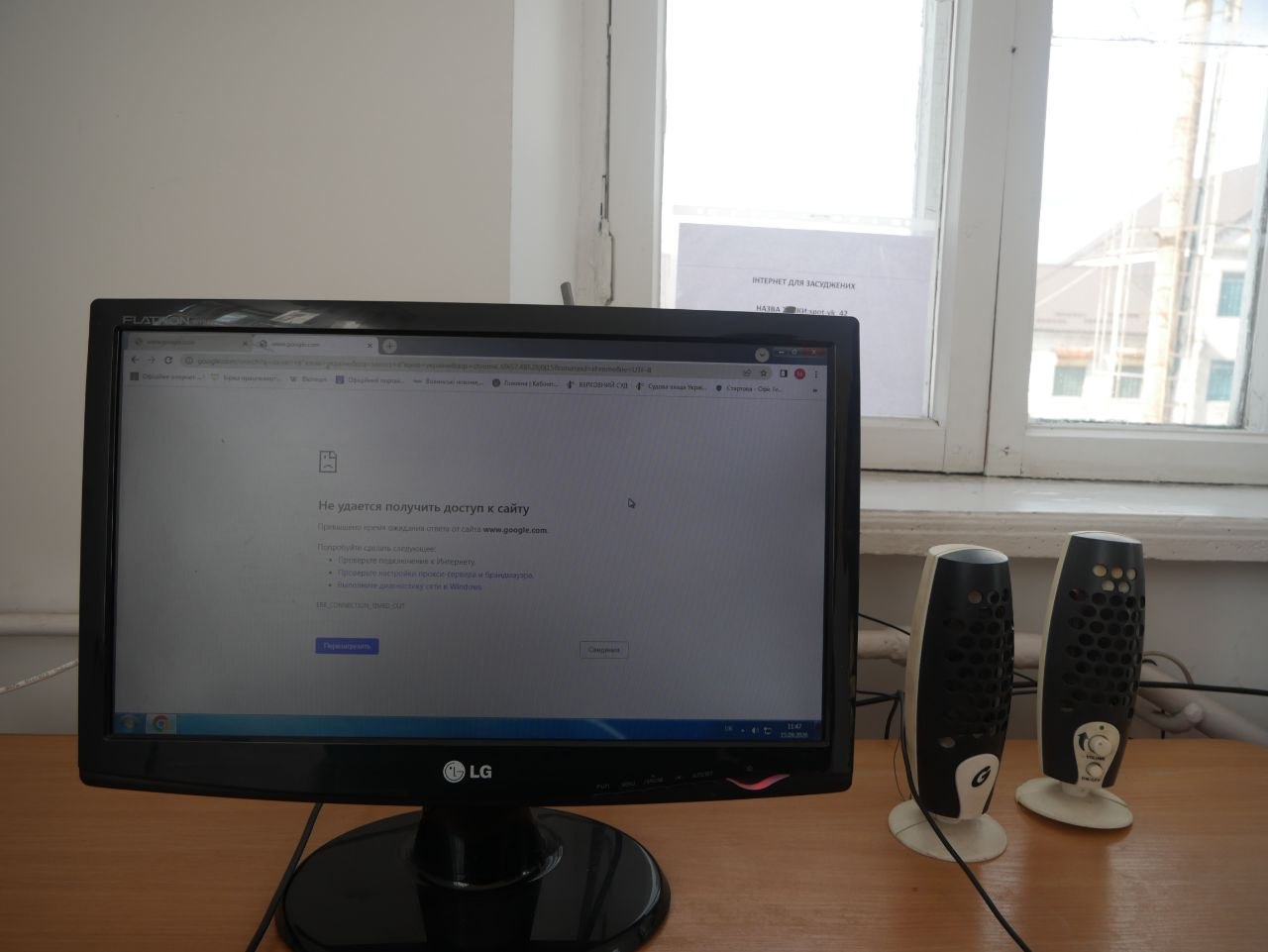
Opportunities to use the Internet have in practice been restricted: the last entry in the relevant log is dated 30.07.2026, no log of video calls is kept, and the websites of the Kharkiv Human Rights Protection Group (KHPG) and the NGO ‘Protection of Prisoners of Ukraine’ (PPU) cannot be accessed from the computers in the Internet room. The bomb shelter is in a neglected state, has no ventilation, sewerage or working toilet, and lacks a second exit.
In the medical unit, a staff shortage was found, along with shortcomings in recording patients’ informed consent, the absence of opioid substitution therapy (OST), and problems with the provision of psychiatric and psychological care, PCR testing for viral hepatitis C, the rehabilitation of persons with disabilities, accessibility for persons with reduced mobility, the use of telemedicine, dental diagnostics and the provision of hospital supplies.
At the same time, positive notes were made of the renovation works carried out, the refurbishment of residential and sanitary premises, improved conditions for visits, the modernisation of the heating system and of certain elements of the institution’s material and technical provision.
General Information
MCC-42 is a medium-security penal institution for men who have previously served sentences of imprisonment.
The facility is located at 25 Andriia Snitka Street, Manevychi, Kamin-Kashyrskyi district, Volyn region.
The history of the state institution ‘Manevychi Correctional Colony (No. 42)’ dates back to 1958. The institution was established in March 1958. In the initial period, residential and industrial buildings, a bathhouse, a group boiler house and a wicker furniture workshop were built simultaneously. In 1958, a secondary school began operating on the colony’s premises, and in May 1959 the production of wicker furniture was launched. Woodworking subsequently became one of the institution’s traditional areas of production.
At the time of the visit, the head of the institution was Oleksandr Vasylovych Muzyka.
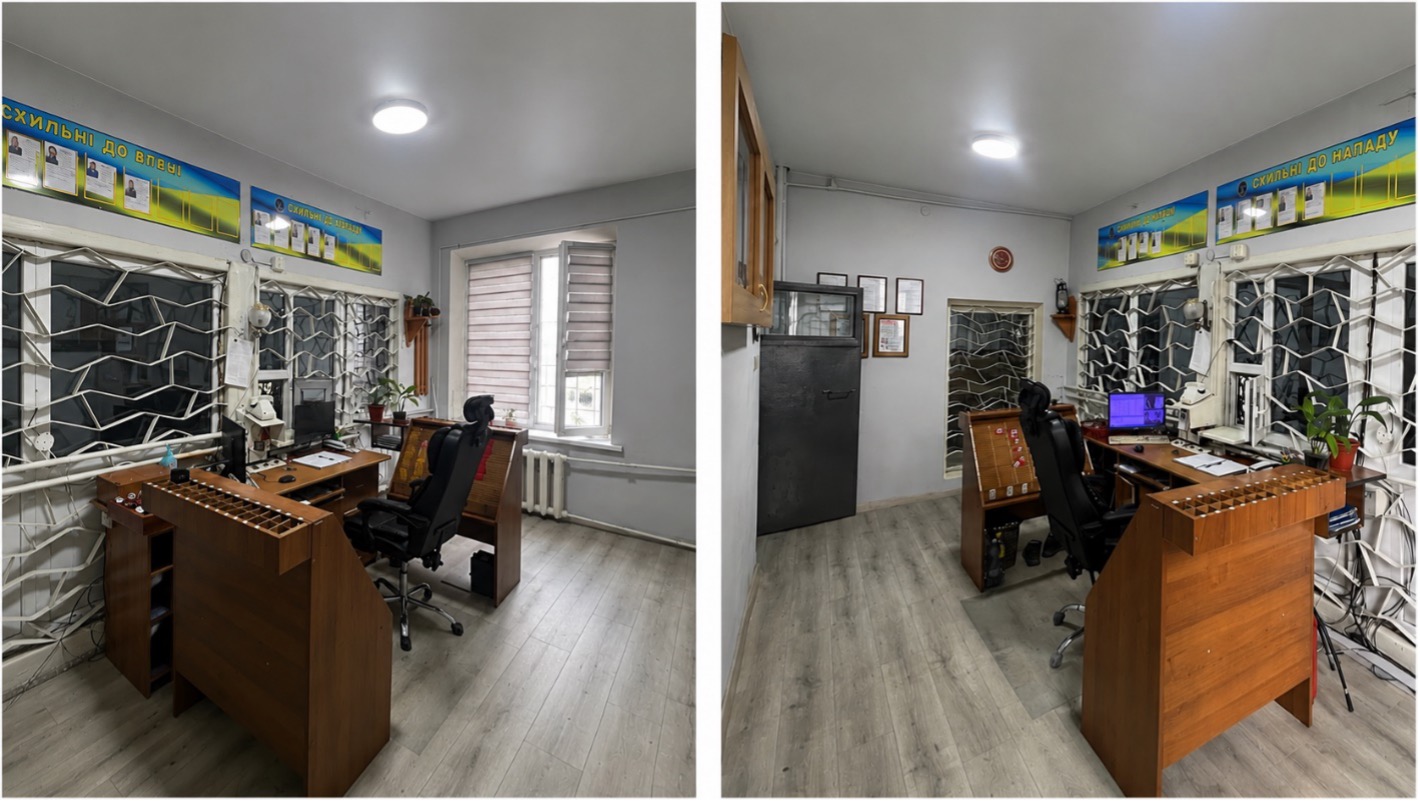
The facility comprises administrative buildings, the duty unit, the residential and industrial zones, the QDD (quarantine, diagnostics and distribution) unit, SPS (social and psychological service) sections, the DIU/CTP (disciplinary isolation unit/cell-type premises), a canteen and catering unit, a medical unit, a bath and laundry complex, premises for short-term and long-term visits, a shop, a club, a library, classrooms, sports facilities, production premises and workshops, and utility and storage premises.
According to the institution’s administration, the staff establishment is 329.2 positions, of which 110 are additional. The actual staff numbers 198.5 positions. The staff shortage is 21 persons, of whom 5 are middle and senior command staff, 11 are rank-and-file and junior command staff, and 5 are civilian employees. The facility’s planned capacity is 1,062 persons. The actual number of persons held at the institution is 310, of whom 19 are remand prisoners and 291 are convicted prisoners. In 2026, 188 persons arrived at the colony. In 2025, 4 persons died; in 2026, 1 prisoner died.
The following are registered on preventive watch lists: prone to suicide — 10 convicted prisoners and 1 remand prisoner; prone to self-mutilation — 4 convicted prisoners and 1 remand prisoner; prone to escape — 4 convicted prisoners; persistent violators of the established regime — 33 convicted prisoners and 2 remand prisoners. In 2026, 1 person was released owing to serious illness. 1 person has a Group I disability, 3 persons have a Group II disability and 7 persons have a Group III disability. In 2025, 7 cases of bodily injury sustained while in the institution were recorded, and 6 cases in 2026. Prisoners have 122 tablets for personal use, and 37 email addresses are registered. In total, there are 38 ostracised persons. Over the last six months, 8 prosecutorial response acts have been recorded. One criminal case under Article 391 of the Criminal Code of Ukraine was registered in 2025, and one in 2026.
The monitors interviewed and spoke with approximately 160 prisoners while visiting the residential premises, SPS sections, the DIU/CTP, production premises and workshops, the medical unit, the catering unit, utility and other premises of the institution. General conversations were held, with consultations and answers to questions, as well as surveys about possible human rights violations and individual conversations, including on condition of anonymity.
Positive Practice
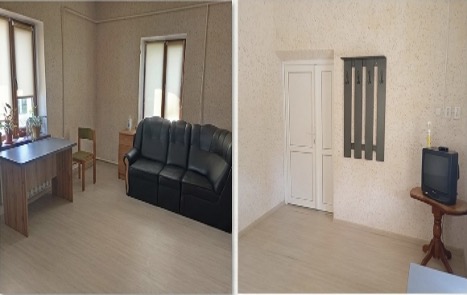
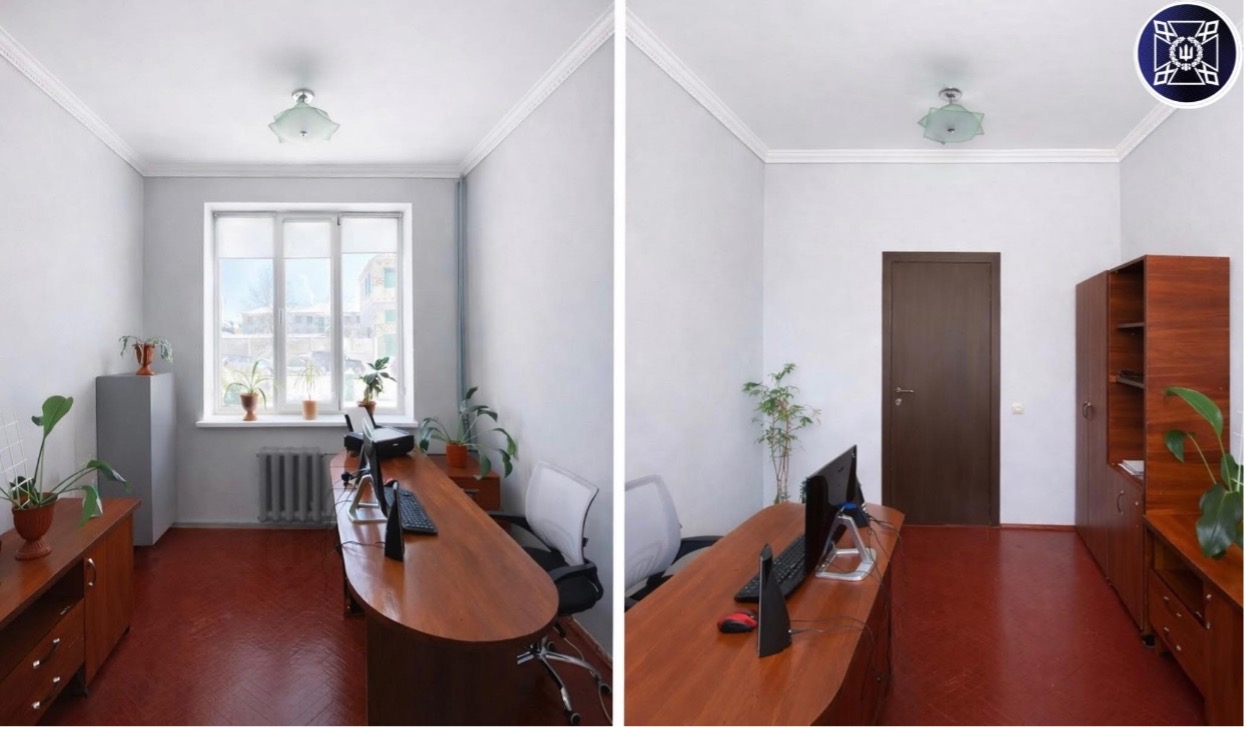
During the monitoring visit, positive note was taken of a range of renovation and maintenance works carried out at the institution aimed at improving prisoners’ conditions of detention and upgrading its material and technical base.
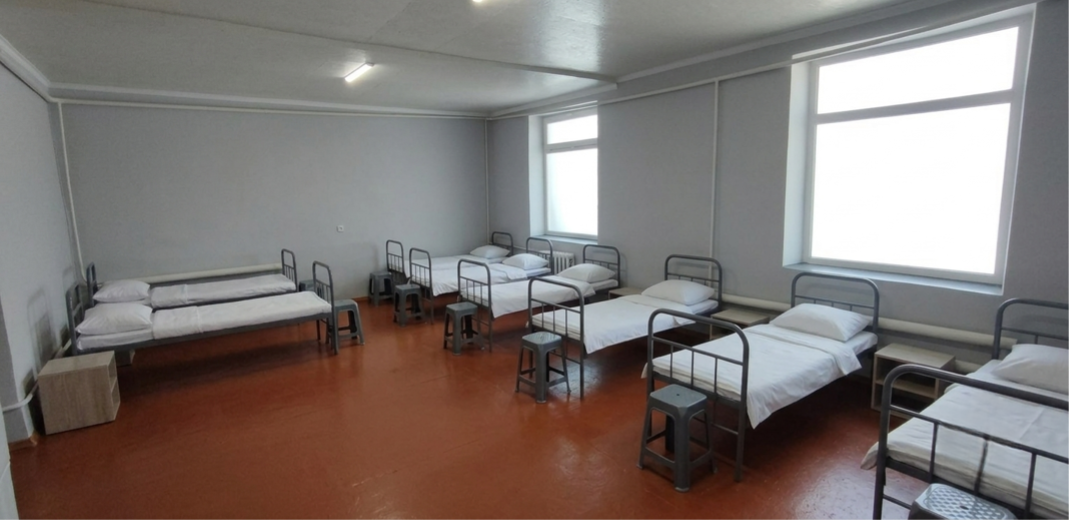
During the period under review, the quarantine, diagnostics and distribution unit, the residential premises of the social and psychological service sections and the social rehabilitation unit were renovated. Roofs, electrical wiring, doors and windows were replaced, and dormitories and corridors were repaired. Sleeping areas were arranged with regard to individual space, and rooms for meals, educational work and psycho-emotional relief were refurbished.
Measures to improve sanitary and living conditions are positive. Doors are being installed in sanitary facilities to ensure privacy, water supply systems and plumbing are being upgraded, and washrooms are being renovated. UPVC windows were purchased and installed using a subvention from the Manevychi Settlement Council.
Cells in the DIU and the SIZO (pre-trial detention unit) were renovated: in particular, the walls, ceilings and floors were refurbished, and some of the wooden windows were replaced with modern uPVC units.
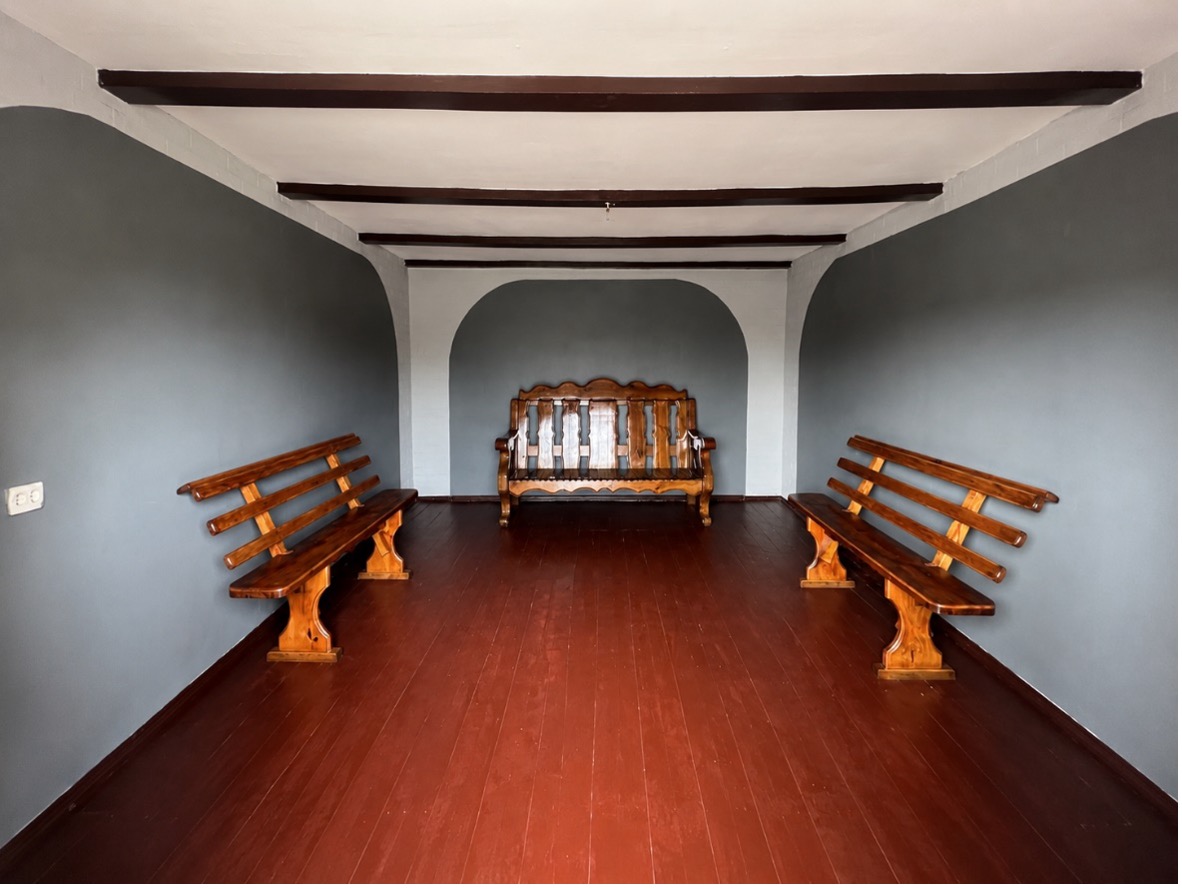
The improvement of conditions enabling prisoners to maintain socially useful contacts deserves special mention. The enhanced-comfort visiting room was renovated, its plumbing was upgraded and a modern shower area was installed. The institution purchased mobile phones for prisoners’ telephone calls.
The heating system has also been modernised, and technical security equipment, fire-fighting equipment and means of communication are being upgraded.
Overall, the work carried out at the institution demonstrates a gradual renewal of its material and living facilities. From the standpoint of ensuring prisoners’ rights, the measures to improve residential and sanitary conditions, ensure privacy, refurbish premises for social and educational work and create better conditions for maintaining contact with loved ones are particularly positive.
Violations of National and International Law Identified
During the monitoring visit, breaches of national legislation and failures to comply with international recommendations on the treatment of prisoners were identified, resulting in violations of prisoners’ rights:
1. The procedure and conditions for admitting prisoners to the institution do not fully comply with the requirements of the current legislation of Ukraine and international standards on the treatment of prisoners.
Under paragraphs 1 and 2 of Section II of the Regulations on the Quarantine, Diagnostics and Distribution Unit, approved by Order of the Ministry of Justice of Ukraine No. 2300/5 of 04.11.2013 (hereinafter — the Regulations on the QDD Unit), a working group is set up by order of the head of the institution to organise work with newly arrived prisoners, comprising the deputy heads of the institution, the heads of structural units, a psychologist and a medical worker.
To plan this work, a programme familiarising newly arrived prisoners with the procedure and conditions for serving their sentences is drawn up every year and approved by the head of the institution.
Under paragraph 8 of Section II of the Regulations on the QDD Unit, holding prisoners in isolation (quarantine) entails, among other things, implementing the programme familiarising prisoners with the conditions and procedure for serving their sentences.
Under paragraph 5 of Section II of the Regulations on the QDD Unit, the activities of the familiarisation programme for newly arrived prisoners are to be planned so that each member of the working group visits the QDD unit at least once a week.
However, it was found that the activities provided for by the programme familiarising newly arrived prisoners with the procedure and conditions for serving their sentences are carried out in breach of the frequency requirements, in particular the obligation of each member of the working group to visit the QDD unit at least once a week.
Thus, in the period from 07.09.2026 to 13.09.2026, according to the log of visits to the QDD unit by members of the administration, activities with newly arrived prisoners were conducted by only seven of the ten members of the working group, which does not comply with paragraph 5 of Section II of the Regulations on the QDD Unit.
2. In breach of paragraph 1 of Section II of the Regulations on the QDD Unit, the working group for newly arrived prisoners does not include a medical worker or the head of the financial support and accounting department (the chief accountant).
3. During the visit to the quarantine, diagnostics and distribution (hereinafter — QDD) unit, a practice was recorded of engaging certain prisoners in functions relating to maintaining order and monitoring the behaviour of other prisoners. In effect, the administration delegated to three prisoners (orderlies) the authority to supervise newly arrived prisoners and to monitor their compliance with the daily routine, which is unacceptable.
This contravenes paragraph three of point 4 of Section II of the Internal Regulations of Penal Institutions, approved by Order of the Ministry of Justice of Ukraine No. 2823/5 of 28.08.2018 (hereinafter — the IRPI), as well as paragraph 2 of Section I of the Regulations on the QDD Unit.
Moreover, in its report on the 2020 visit to Ukraine, the European Committee for the Prevention of Torture and Inhuman or Degrading Treatment or Punishment (hereinafter — the Committee) expressed serious misgivings about the practice of using certain prisoners as ‘orderlies’ who monitor other prisoners in residential and work areas and report any incidents and breaches of the regime to staff. Furthermore, despite specific recommendations previously made by the Committee, the practice of using ‘orderlies’ is also formally provided for in the Internal Regulations of Penal Institutions. As previously emphasised, the Committee considers that any partial abdication of responsibility for order and security in prisons, which rests with the institution’s custodial staff, is unacceptable. Such a practice exposes weaker prisoners to the risk of ill-treatment and exploitation by other prisoners. The Committee calls upon the Ukrainian authorities to take all necessary measures, including of a legislative nature, to put an end to this practice. No prisoner in any penitentiary establishment in the country should be in a position of authority over other prisoners (CPT/Inf (2020) 40, paragraph 27).
4. The monitoring group found that the material and living provision of the QDD unit does not fully comply with the established regulatory requirements. Thus, in breach of the Standards for the Provision of Furniture, Equipment and Household Items for a Medium-Security Correctional Colony, approved by Order of the Ministry of Justice of Ukraine No. 1118/5 of 27.07.2012 (hereinafter — the Provision Standards), the unit lacks a number of rooms, namely: a room for educational work, a cloakroom and a household room.
The absence of these rooms and their inadequate fitting-out fail to ensure proper material, living, sanitary and hygienic conditions of detention, make it difficult to maintain proper sanitation and order, and adversely affect newly arrived prisoners’ adaptation to the conditions of serving their sentences.
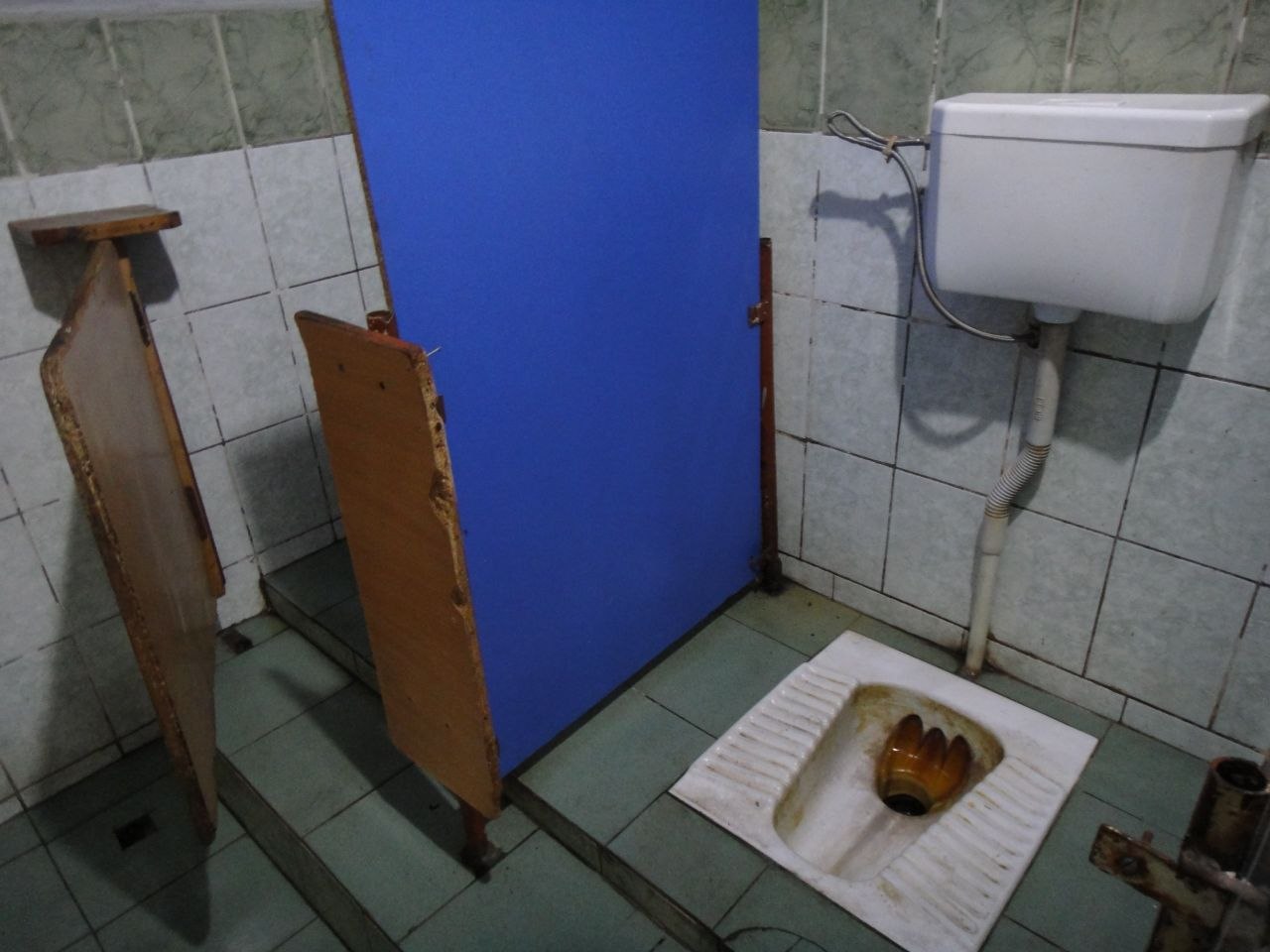
5. The toilet in the QDD unit is not fitted with doors or adequate partitions to provide privacy, in breach of Rule 19.3 of the European Prison Rules and Rule 15 of the United Nations Standard Minimum Rules for the Treatment of Prisoners (the Nelson Mandela Rules).
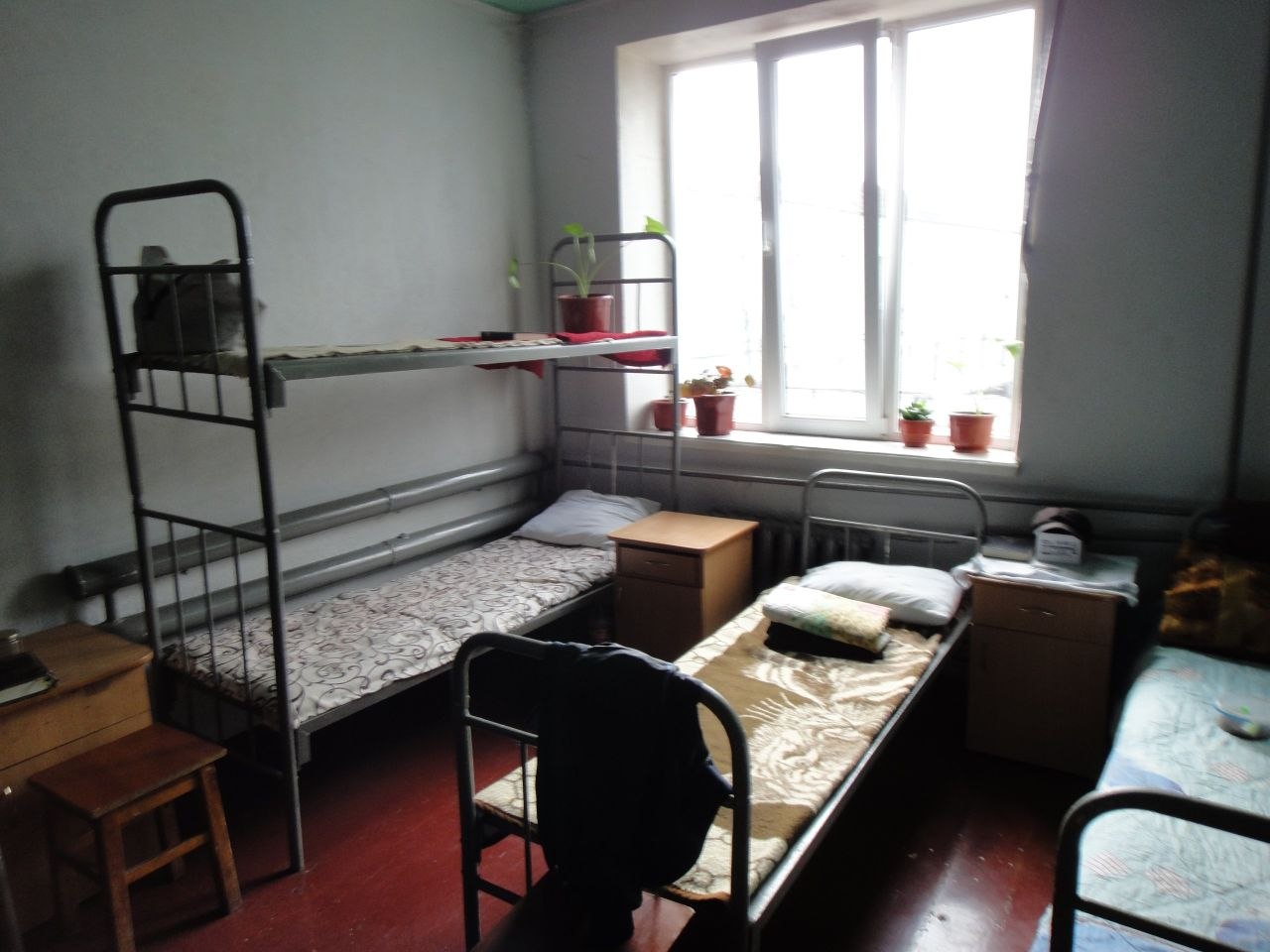
6. In breach of Rule 22.5 of the European Prison Rules, Rule 22.2 of the United Nations Standard Minimum Rules for the Treatment of Prisoners (the Nelson Mandela Rules) and the Provision Standards, the residential room of the QDD unit is not provided with a 15-litre drinking-water tank with a tap, lid, mug and basin.
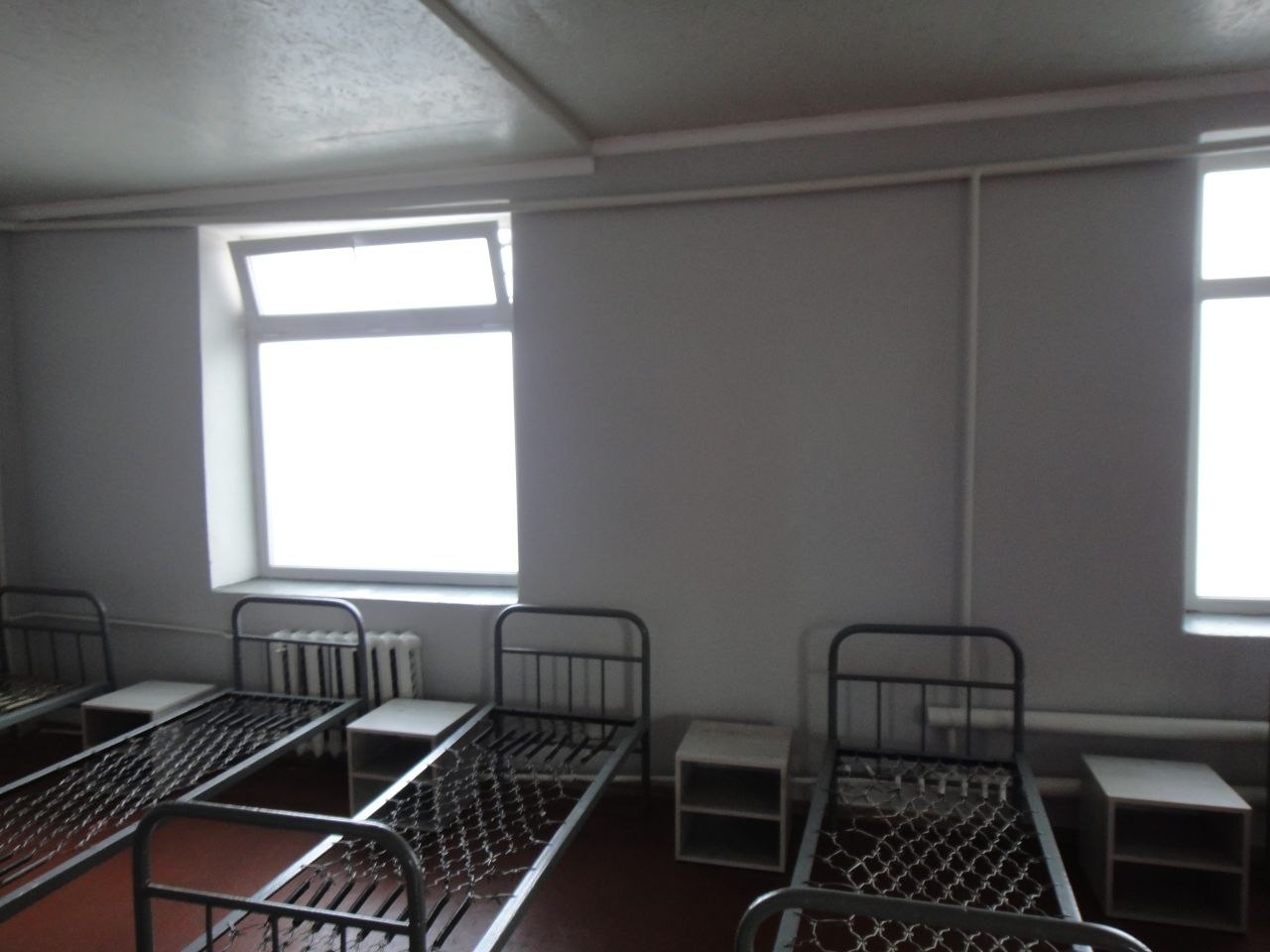
7. In residential room No. 3 of the QDD unit, the monitoring group found windows fitted with frosted (obscured) glass, which significantly restricts the penetration of daylight into the room. Such conditions adversely affect prisoners’ psycho-emotional state and in effect deprive them of visual contact with the outside world.
This does not comply with Rule 18.2 (a) of the European Prison Rules and Rule 14 (a) of the United Nations Standard Minimum Rules for the Treatment of Prisoners (the Nelson Mandela Rules).
In its report on the 2020 visit to Ukraine, the Committee had already drawn attention to this and recommended that steps be taken to review the design of cell windows so as to allow prisoners to see outside the cell (CPT/Inf (2020) 40, paragraph 48).
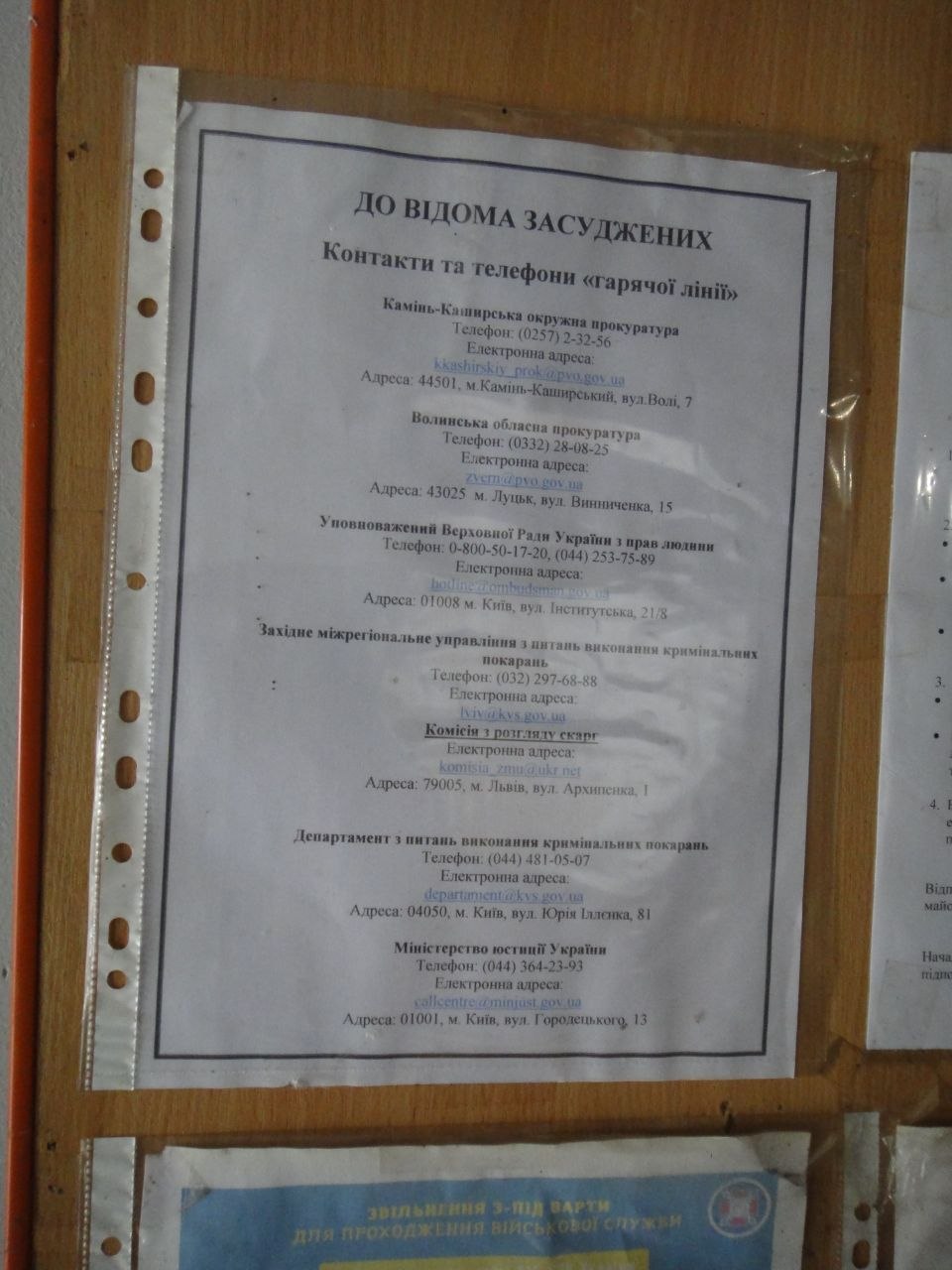
8. During the visit to the QDD unit, it was found that there was no posted information giving the ‘hotline’ telephone number or the postal and email addresses of the State Bureau of Investigation and the regional centre for free legal aid. This contravenes paragraph 6 of Section II of the IRPI.
9. The fitting-out of the DIU/CTP premises does not fully meet the established standards on the treatment of prisoners and does not ensure proper material, living, sanitary and hygienic conditions, resulting in violations of prisoners’ rights.
The DIU/CTP cells do not have an adequate level of natural light, as the cell windows are small, set high up and excessively barred, so that access to natural light is limited and insufficient to ensure normal living conditions. These conditions cause additional psychological discomfort for convicted and remand prisoners owing to their restricted visual contact with the outside world.
This does not comply with Rule 18.2 (a) of the European Prison Rules and Rule 14 of the United Nations Standard Minimum Rules for the Treatment of Prisoners (the Nelson Mandela Rules).
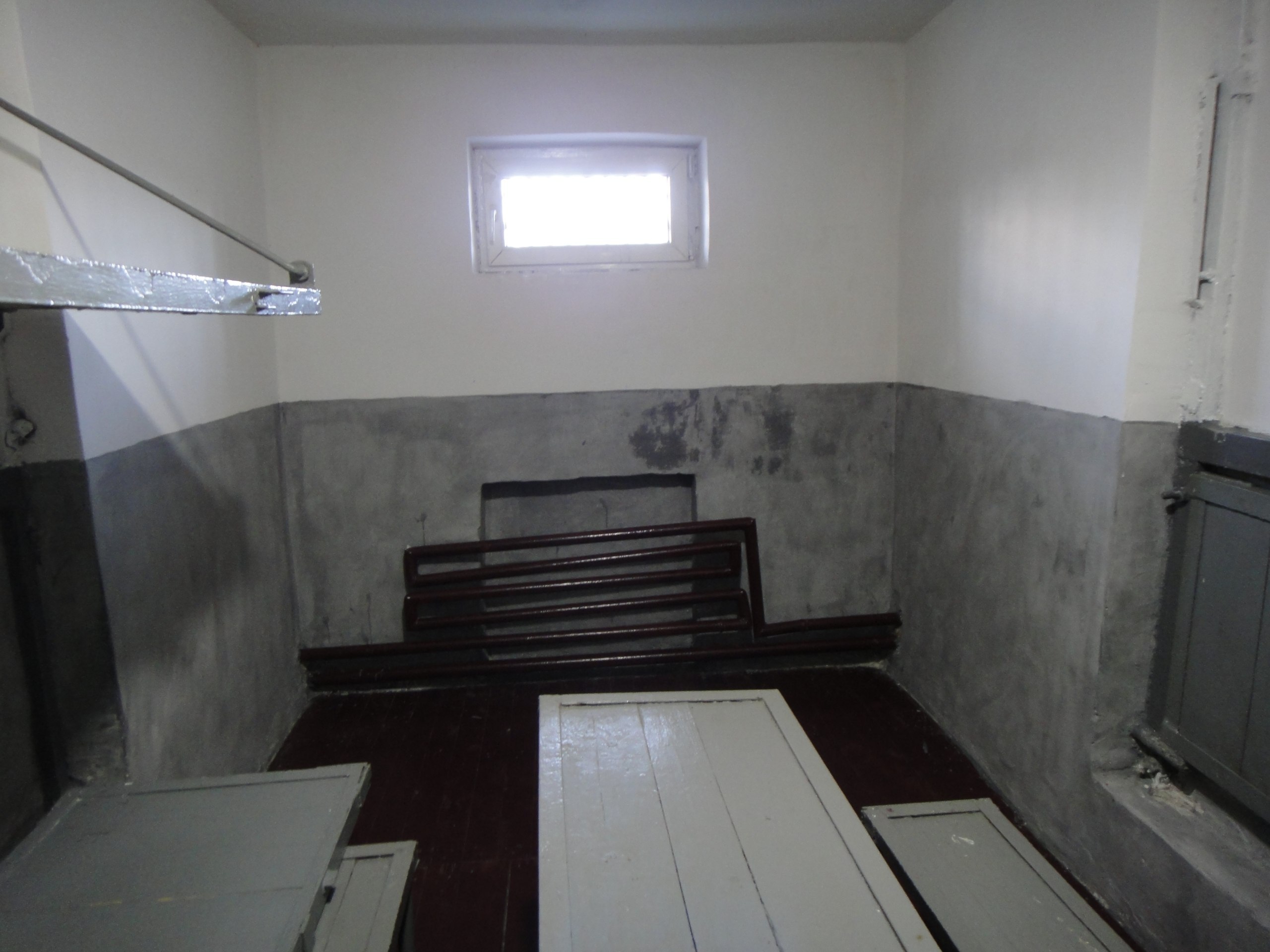
10. The mechanical ventilation in the DIU/CTP cells is not working, which does not comply with Rule 13 of the United Nations Standard Minimum Rules for the Treatment of Prisoners (the Nelson Mandela Rules).
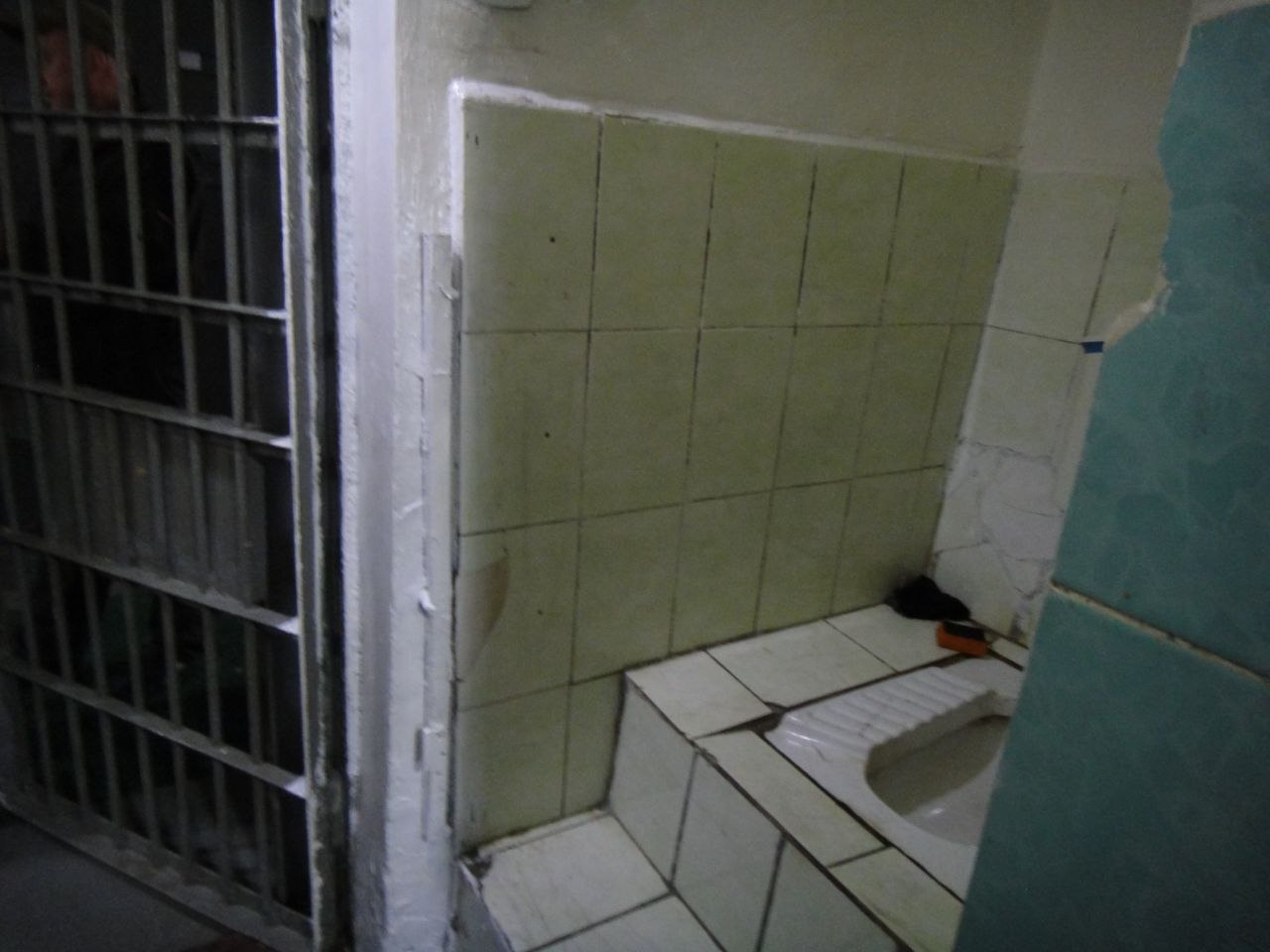
11. The toilets in certain DIU cells are not fitted with doors or adequate partitions to provide privacy when using the sanitary facilities, which does not comply with Rule 19.3 of the European Prison Rules and Rule 15 of the United Nations Standard Minimum Rules for the Treatment of Prisoners (the Nelson Mandela Rules).
Moreover, in its report on the 2023 visit to Ukraine, the Committee called upon the Ukrainian authorities to take the necessary steps to improve the material conditions of detention, in particular: to keep all accommodation for convicted and remand prisoners, including sanitary facilities, in a good state of repair and hygiene; to carry out disinfestation regularly and frequently; to ensure adequate access to natural light and ventilation in cells; and to fully partition in-cell sanitary facilities (that is, from floor to ceiling) (CPT/Inf (2024) 20, paragraph 58).
12. In the DIU/CTP, the radio broadcasting system is provided only in the common corridor, and prisoners are unable to switch it on or off or adjust the volume themselves. The radio does not work in the DIU/CTP cells, which contravenes paragraph 3 of Section XX of the IRPI and Rule 63 of the United Nations Standard Minimum Rules for the Treatment of Prisoners (the Nelson Mandela Rules).
13. During the visit to the DIU/CTP cells, it was found that there was no posted information giving the ‘hotline’ telephone numbers or the postal and email addresses of the Ministry of Justice of Ukraine, the Ukrainian Parliament Commissioner for Human Rights, the European Court of Human Rights, the State Bureau of Investigation, the Office of the Prosecutor General, the regional and district prosecutor’s offices, the Department, the interregional directorate and the regional centre for free legal aid. This contravenes paragraph 6 of Section II of the IRPI.
14. Under paragraph twenty-three of point 6 of Section XXI of the IRPI, in order to carry out individual preventive work, the head of a social and psychological service section visits the DIU, punishment cells and CTP (single cells) whenever a prisoner is placed or transferred there, and at least once a week. Following such visits, he is required to make the relevant entries in the log of visits by the penal institution’s administration to the disciplinary isolation unit, cell-type premises, single cells and punishment cell.
However, an examination of the log of visits to the DIU/CTP by members of the penal institution’s administration revealed no entries recording visits by the head of social and psychological service section No. 6 to prisoner K., who was held in the DIU on general grounds, in the period from 07.09.2026 to 13.09.2026.
This may indicate that the heads of the social and psychological service section and the QDD unit failed to fulfil their duty to carry out individual preventive work with a prisoner placed in the DIU, and that social, educational and psychological work is poorly organised.
15. During the visit to the DIU/CTP, it was found that prisoners serving disciplinary penalties had not been given copies of the decisions imposing those penalties, stating the possibility of and procedure for appeal, which contravenes Article 135 of the Criminal Enforcement Code of Ukraine.
At the same time, in its report on the 2023 visit to Ukraine, the Committee recommended that steps be taken in Ukrainian penitentiary establishments to ensure that prisoners on whom a disciplinary penalty has been imposed systematically receive a copy of the relevant decision. In addition, prisoners should be informed of their right of access to a lawyer in the context of disciplinary proceedings (CPT/Inf (2024) 20, paragraph 103).
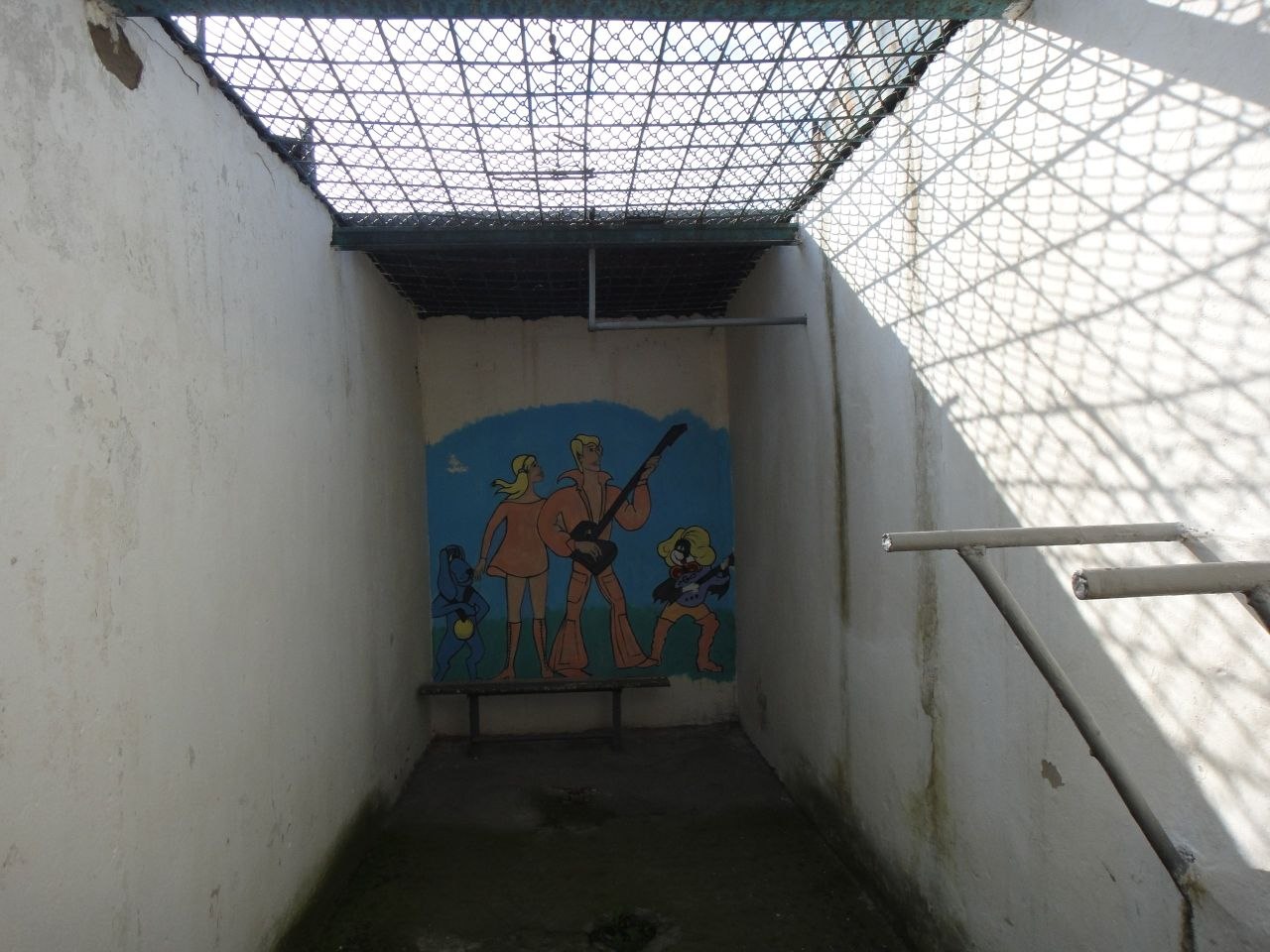
16. Some of the exercise yards are too small to allow prisoners proper physical activity. Furthermore, they are covered with bars or metal mesh, which creates psychological pressure and restricts the sense of space.
The Committee has repeatedly recommended reviewing the design and size of exercise yards, ‘from which at best a view of the sky can be had’ (CPT/Inf (2014) 15, paragraphs 122 and 127).
17. The institution has no functioning enhanced supervision unit (hereinafter — ESU). However, an ESU is a structural unit of a medium-security correctional colony, and the procedure for holding prisoners in such a unit is laid down in Article 97 of the Criminal Enforcement Code of Ukraine and other regulatory acts.
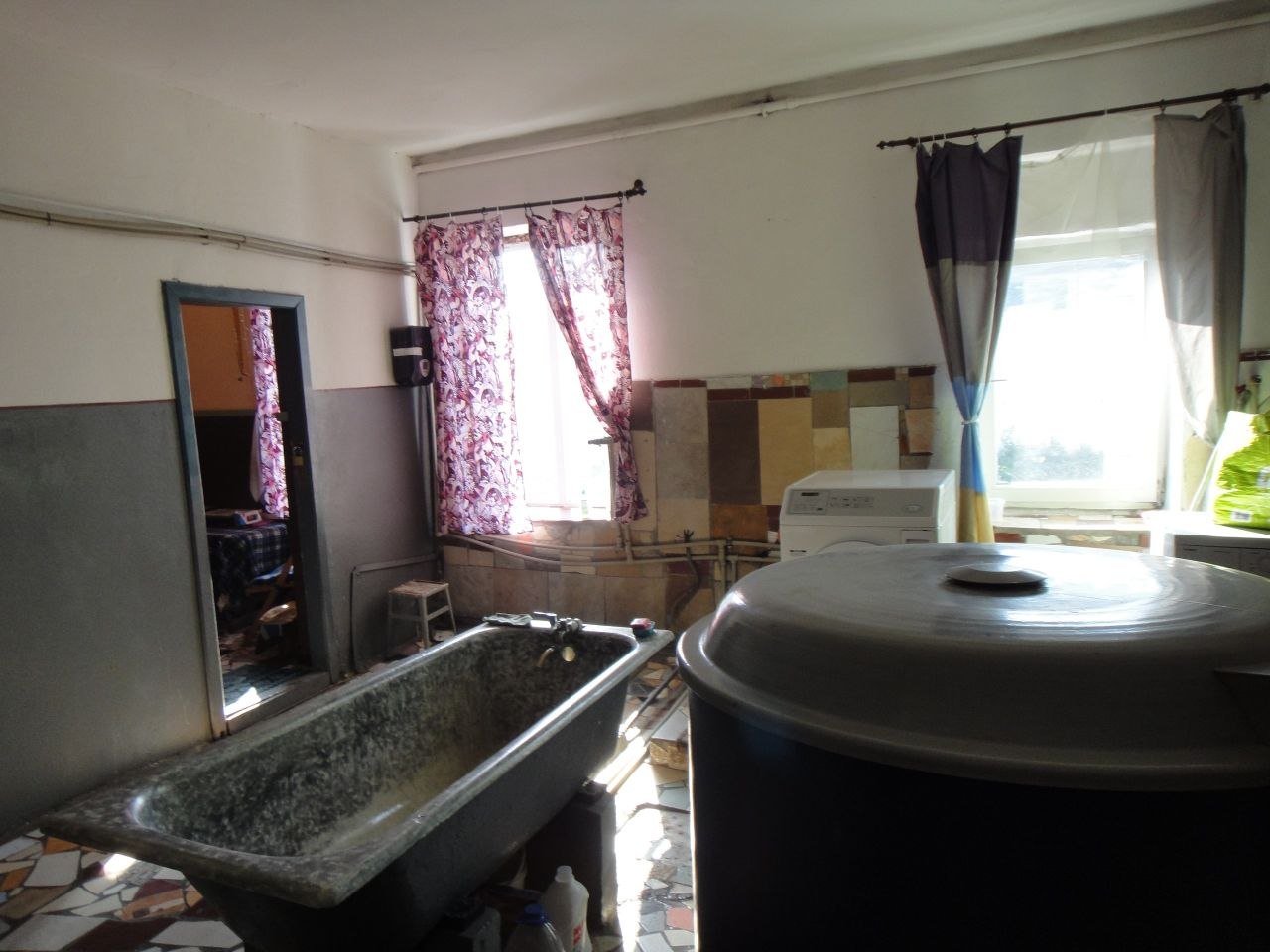
18. The monitoring group identified a number of violations in the organisation of bathing and laundry services for convicted and remand prisoners.
Thus, in breach of paragraph 2.14 of Section II of the Regulations on the Organisation of Bathing and Laundry Services for Persons Held in Penal Institutions and Pre-trial Detention Centres, approved by Order of the Ministry of Justice of Ukraine No. 849/5 of 08.06.2012 and registered with the Ministry of Justice of Ukraine on 13.06.2012 under No. 947/21259 (hereinafter — the Regulations on Bathing and Laundry Services), the institution does not provide hairdressing services to prisoners.
19. In breach of Rule 19.3 of the European Prison Rules, the right to privacy is not ensured in the DIU/CTP shower room, as there are no curtains on the shower partitions.
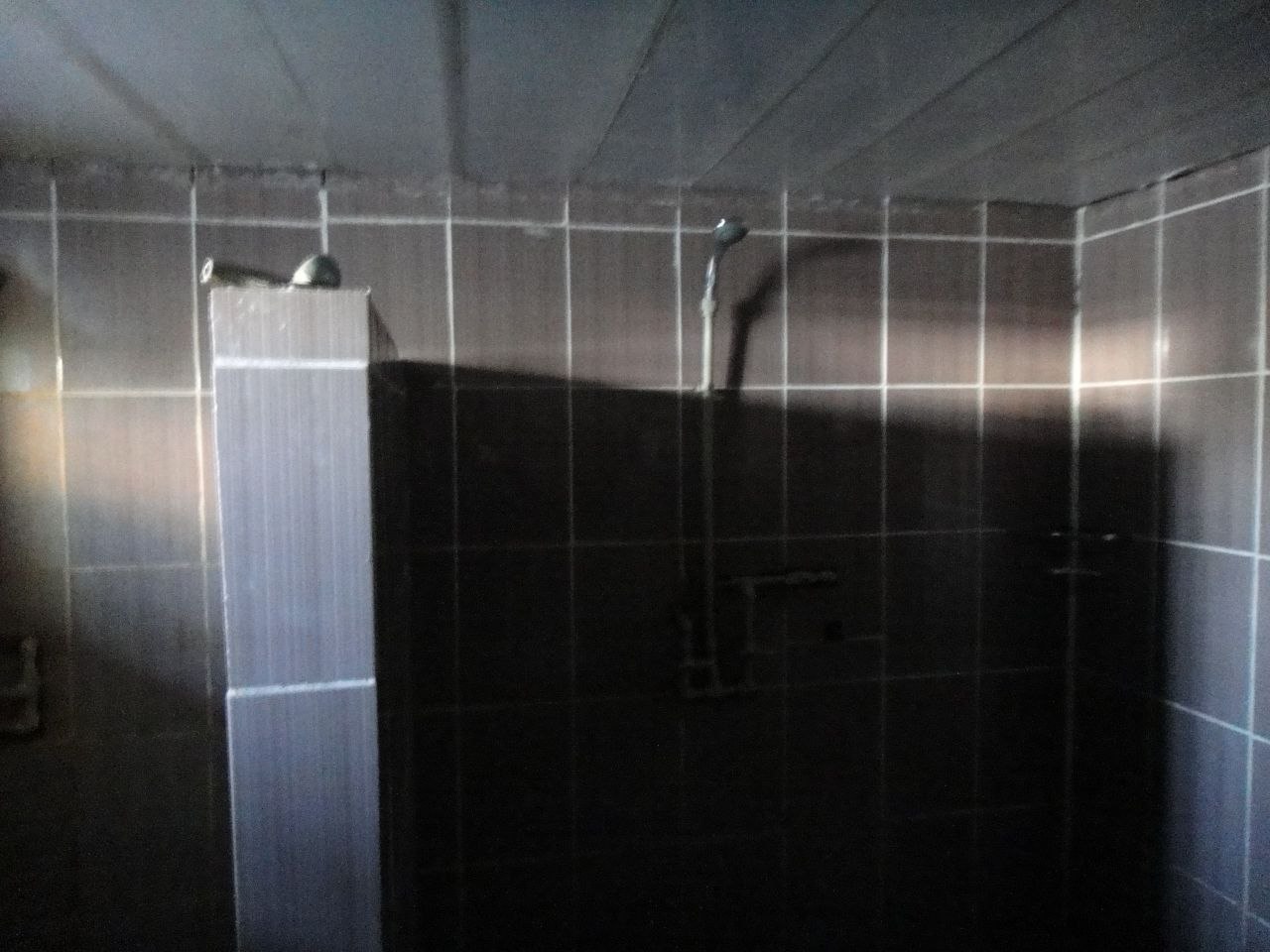
20. In breach of paragraph 2.11 of Section II of the Regulations on Bathing and Laundry Services, the forced supply-and-exhaust ventilation system in the bathhouse and laundry is not working properly.
21. During the visit, the monitoring group noted that institution staff in direct contact with prisoners openly carry special equipment, in particular rubber truncheons.
However, under paragraph eight of point 1 of Section XXVI of the IRPI, special equipment carried by penal institution staff within the guarded territory of the institution must be concealed from view as far as possible.
The Committee recommends that prison staff in direct contact with prisoners should not openly carry special equipment (such as rubber truncheons, handcuffs and tear-gas canisters) in front of prisoners. Carrying such equipment hinders the development of normal relations between staff and prisoners (CPT/Inf (2011) 29, paragraph 85; CPT/Inf (2013) 23, paragraph 23; CPT/Inf (2014) 15, paragraph 166).
22. Under subparagraph 5 of paragraph 2 of Section IV of the Regulations on the Programme of Differentiated Educational Influence on Prisoners ‘Preparation for Release’, approved by Order of the Ministry of Justice of Ukraine No. 1418/5 of 16.05.2016 and registered with the Ministry of Justice of Ukraine on 17.05.2016 under No. 735/28865, the staff of the institution’s social and psychological service who directly organise and implement the ‘Preparation for Release’ programme are required to assist prisoners in obtaining (or renewing) a Ukrainian citizen’s passport, a taxpayer registration number (RNOKPP) and other personal documents, and in arranging pensions.
Yet 22 prisoners need a Ukrainian citizen’s passport and 10 need an RNOKPP, which indicates that the social, educational and psychological work department is not doing enough to ensure that prisoners who lack the necessary documents obtain them.
23. According to information provided by the institution’s administration, in 2026 prisoners at the state institution ‘Manevychi Correctional Colony (No. 42)’ were granted 81 short-term visits, 11 of which were held without physical contact — through a solid glass partition using an intercom.
However, in its report on the 2023 visit to Ukraine, the Committee emphasises that, for all categories of prisoners, open visits (for example, around a table) should be the rule and closed visits the exception, permitted only on the basis of reasoned and justified decisions following an individual assessment of the risk posed by the particular prisoner. In this connection, the Committee calls upon the Ukrainian authorities to review the arrangements for short-term visits in penitentiary establishments so that they are, as a rule, held in open conditions (CPT/Inf (2024) 20, paragraph 99).
24. According to official records, the institution’s staff shortage as at 15.09.2026 stood at 21 positions.
However, in its report on the 2023 visit to Ukraine, the Committee emphasises that ensuring a positive climate in a penitentiary establishment requires a professional team of staff, who must be present in sufficient numbers at any given time in detention areas. An inadequate number of staff can only increase the risk of inter-prisoner violence and intimidation. A shortage of front-line staff also undermines the quality and level of the activities offered to prisoners and jeopardises the prospect of preparation for release and social rehabilitation.
In this connection, the Committee calls upon the Ukrainian authorities to take decisive steps to significantly increase staffing levels in those Ukrainian penitentiary establishments where staffing is low, with a view to reinforcing the presence of custodial and supervisory staff inside the establishments. Steps should also be taken to put an end to 24-hour shifts for staff on duty (CPT/Inf (2024) 20, paragraph 93).
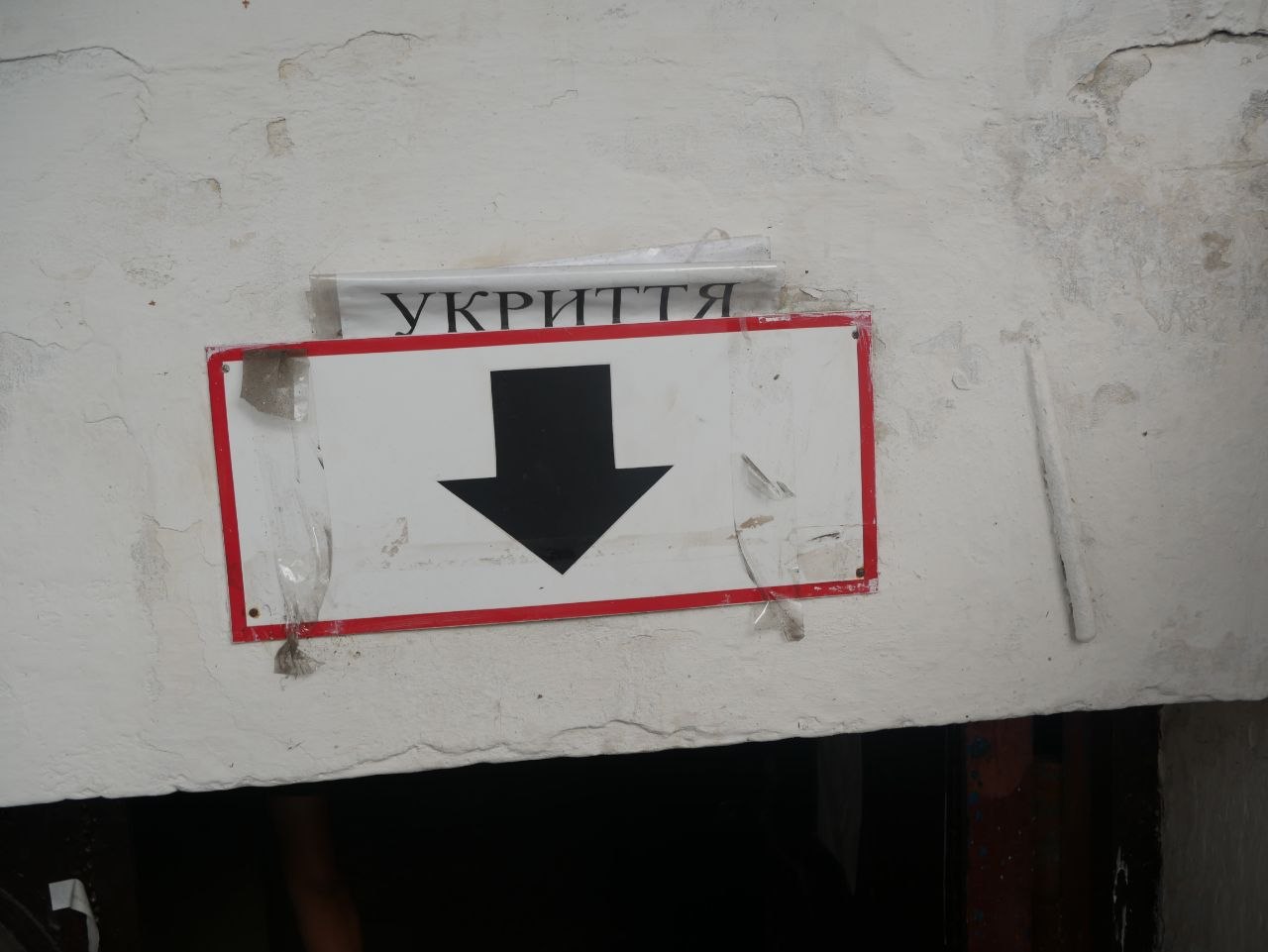
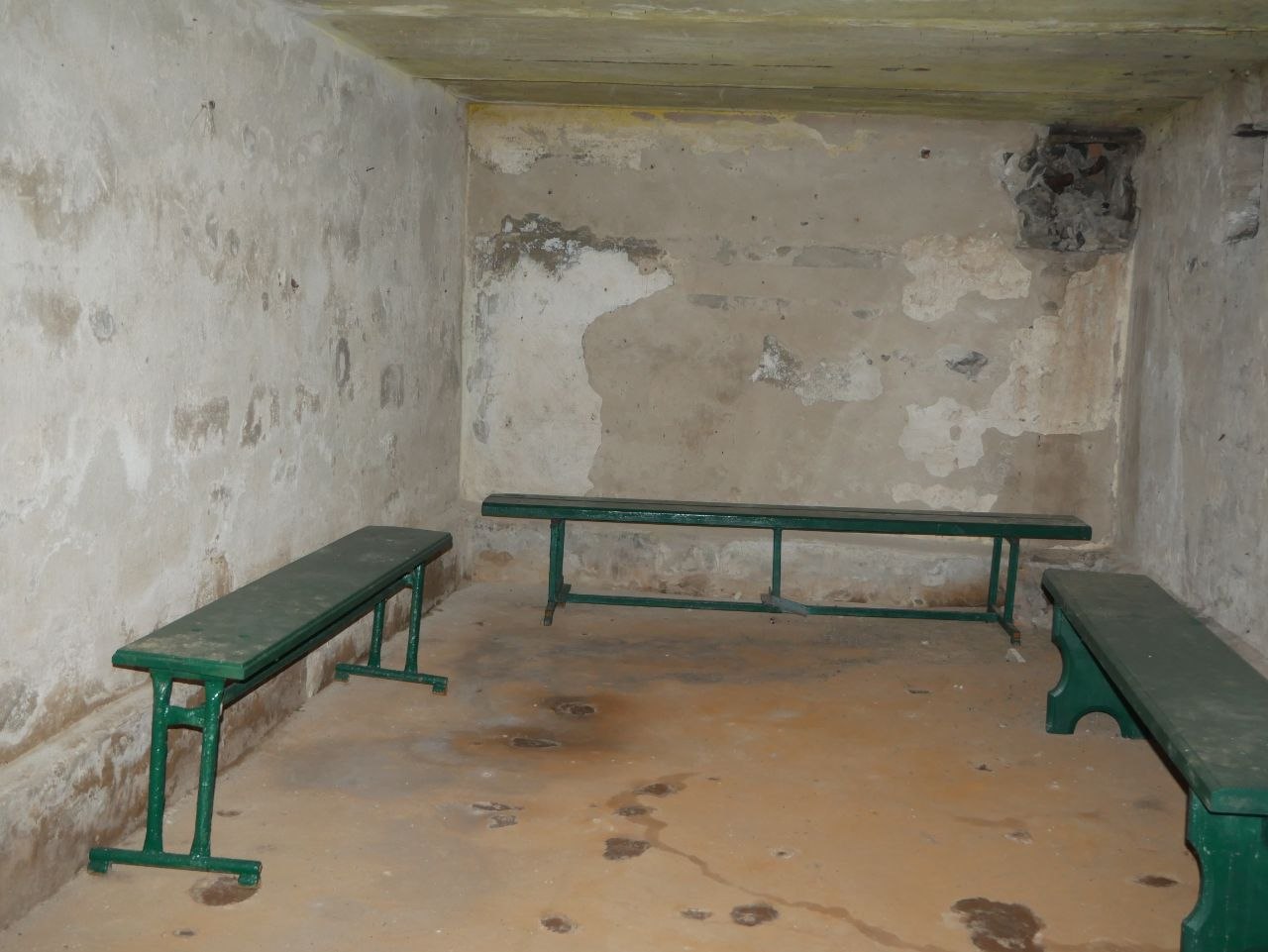
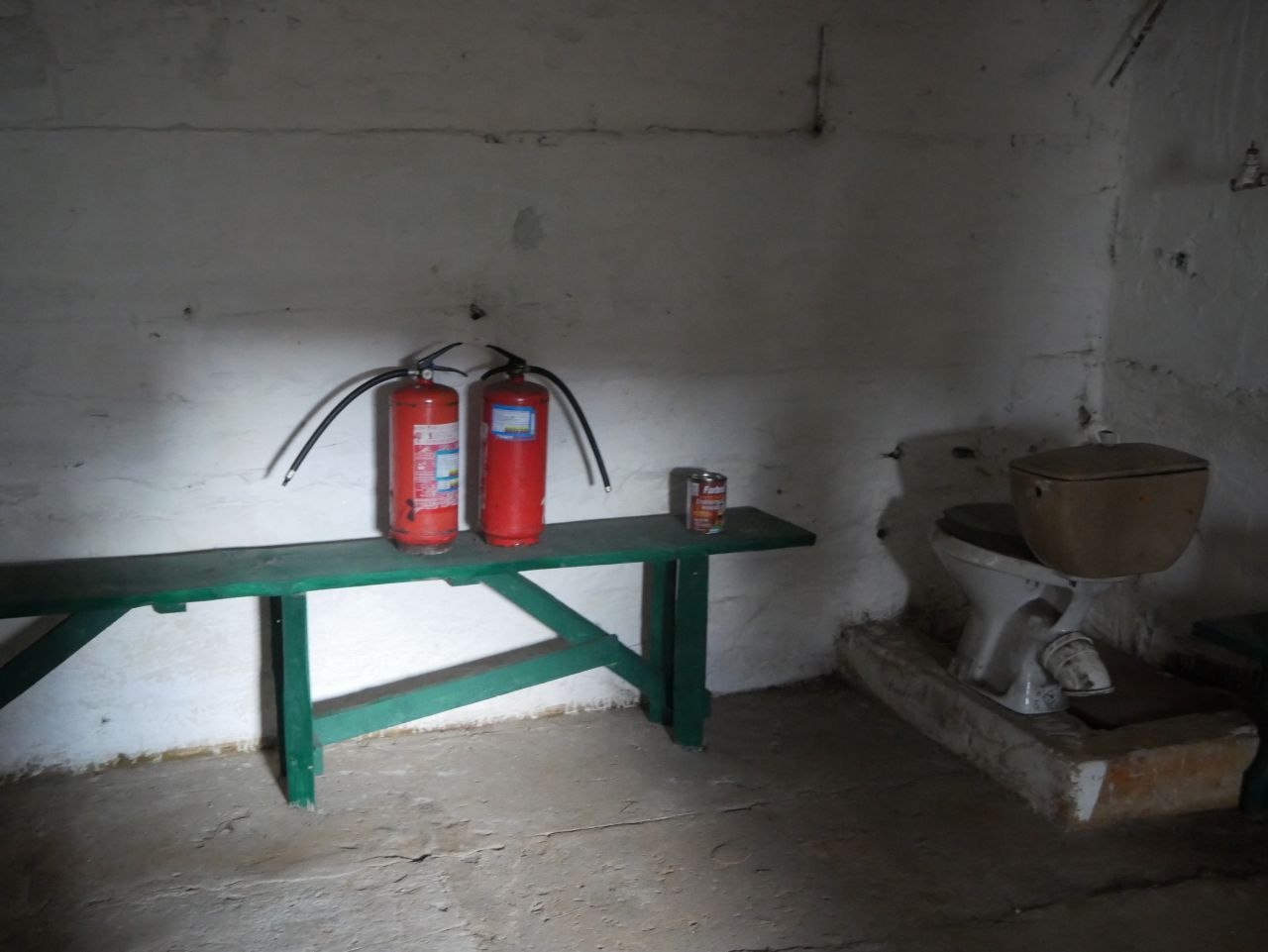
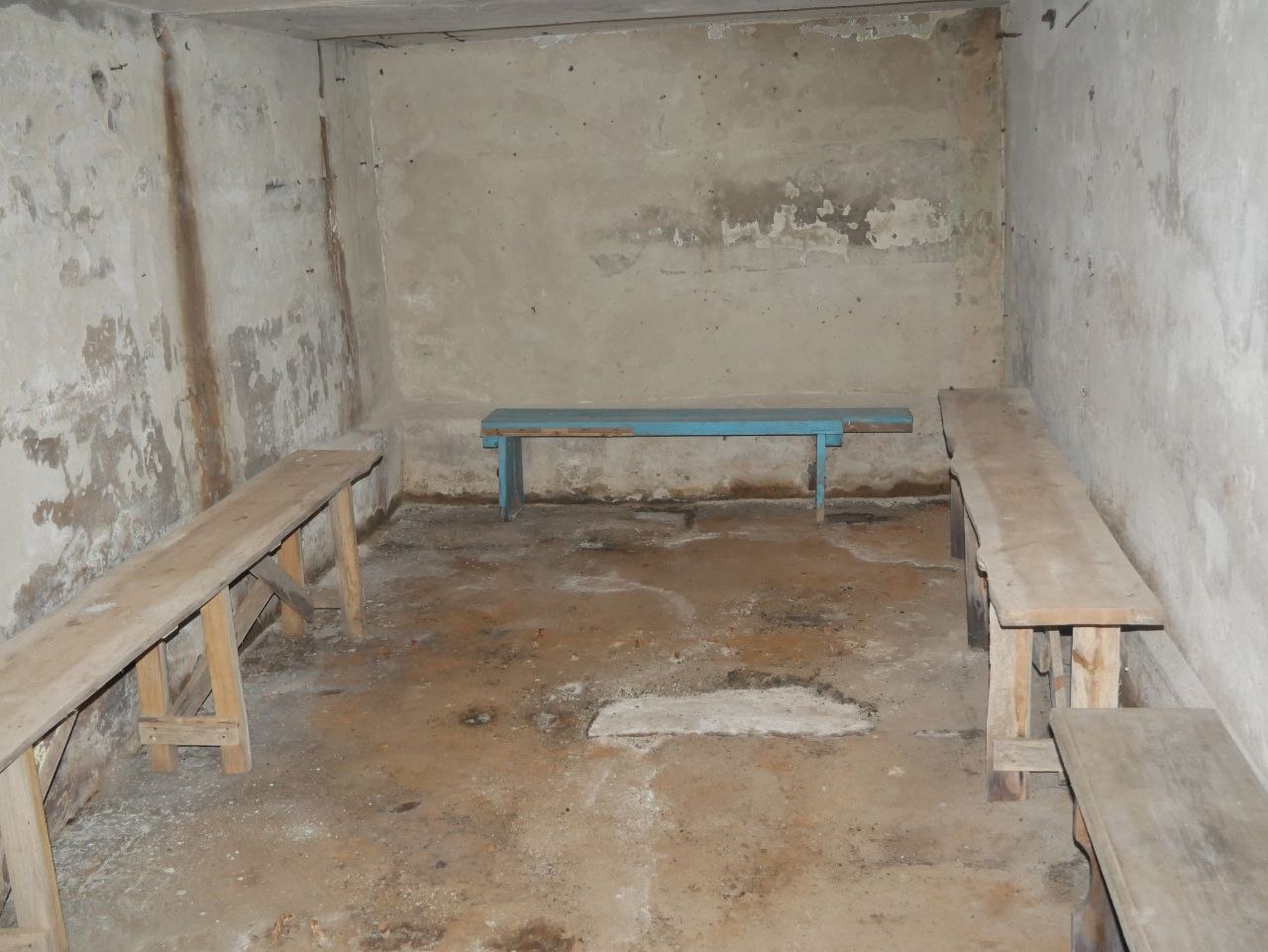
25. During the monitoring visit, the premises designated by the institution as a bomb shelter were inspected. The entrance is marked with an appropriate sign. Benches have been installed inside for people to sit on, and fire extinguishers are available.
However, the shelter is in a neglected state. There is significant damage to the walls and ceiling, peeling finishes and signs of damp; the floor is in poor condition. The premises have no ventilation system and no sewerage.
A toilet has been installed in the premises, but it is not connected to the sewerage system and is in effect non-functional. There is therefore in effect no toilet in the shelter, and no provision is made for people to relieve themselves while in the shelter.
Furthermore, the shelter has only one exit; there is no second (emergency) exit.
Taken together, these circumstances — the lack of ventilation, sewerage, a working toilet and a second exit, as well as the generally neglected state of the premises — mean that the institution’s shelter does not provide adequate conditions for prisoners to stay in it safely and for prolonged periods during an air-raid alert or other threat.
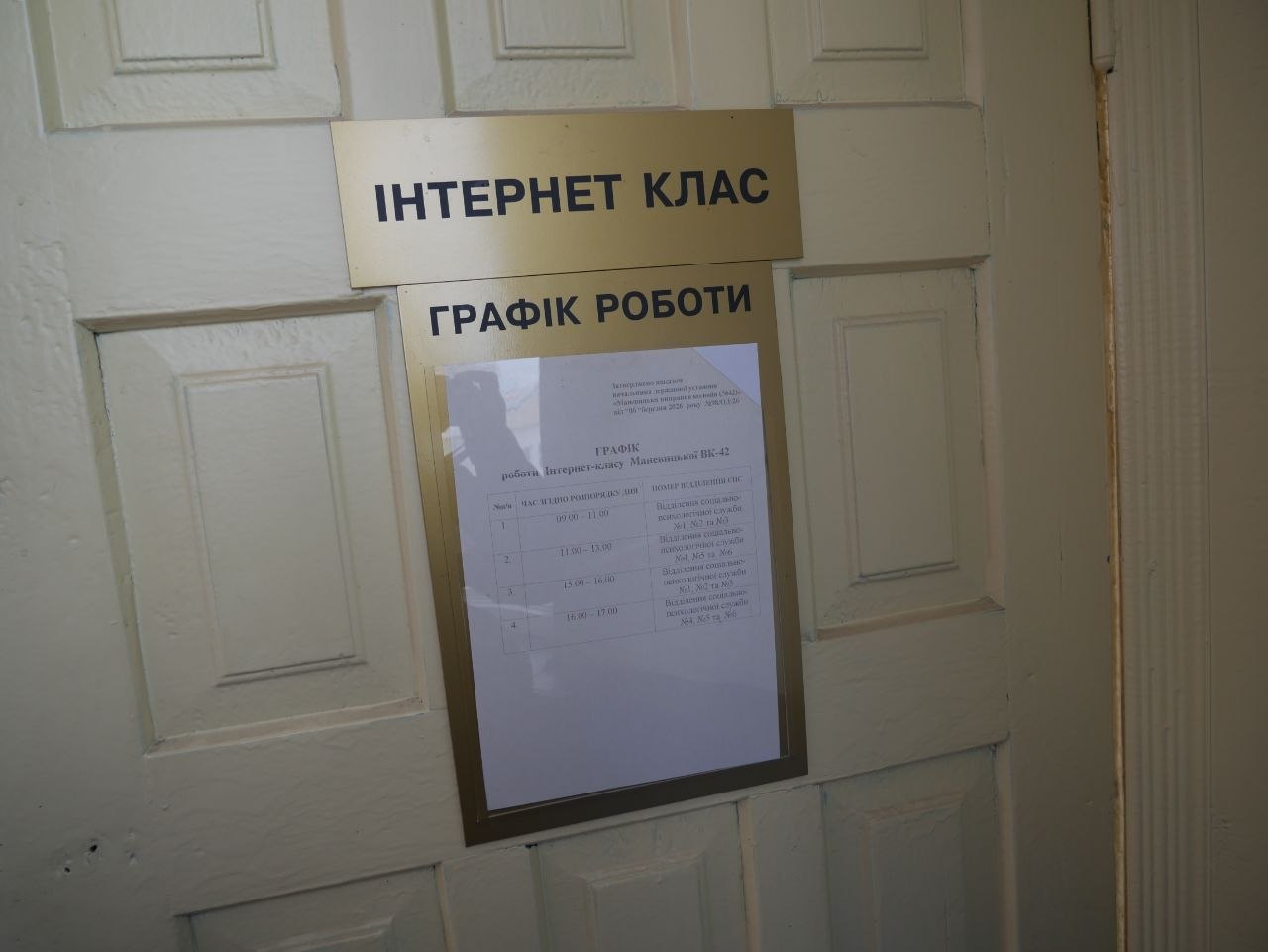
26. During the monitoring visit, it was found that the institution has a dedicated Internet room with three computers for prisoners’ use. The room’s opening hours are posted on the door. The administration keeps a ‘Log of Prisoners’ Access to the Internet’.
An examination of this log showed that the last entry recording prisoners’ use of the Internet was dated 30.07.2026. At the time of the monitoring visit, the subsequent pages of the log contained no entries. Consequently, for more than a month and a half, not a single instance of prisoners being given Internet access had been documented.
No log of prisoners’ video calls is kept at the institution. Accordingly, there are no documentary records of prisoners’ use of video communication, including the number of such calls and how often this facility is used.
On directly checking the computer equipment in the Internet room, the monitoring group also found that the websites of the Kharkiv Human Rights Protection Group (KHPG) and the NGO ‘Protection of Prisoners of Ukraine’ (PPU) were inaccessible: attempts to open these web resources from the Internet room computers failed.
Thus, despite the institution having an equipped Internet room with three computers and approved opening hours, documented use of the Internet by prisoners in effect ceased after 30.07.2026, video calls are not recorded, and the KHPG and PPU websites cannot be accessed from the computers intended for prisoners. These circumstances indicate de facto restrictions on prisoners’ exercise of their statutory right to use the Internet and video communication.
27. During the monitoring visit, particular attention was paid to respect for prisoners’ right to work and to social protection. The monitoring group examined the employment contracts and civil law contracts (CLCs) provided by the administration, timesheets, payroll records, tax returns, payment documents for the single contribution to compulsory state social insurance (SSC), nominal lists of prisoners engaged in work, occupational safety documents, and the logs of medical examinations, the issue of sharp and cutting implements, the quality of prepared food and hourly checks of the catering unit. The documentary records were compared with the facts established during the inspection of workplaces and with information obtained in confidential conversations with prisoners.
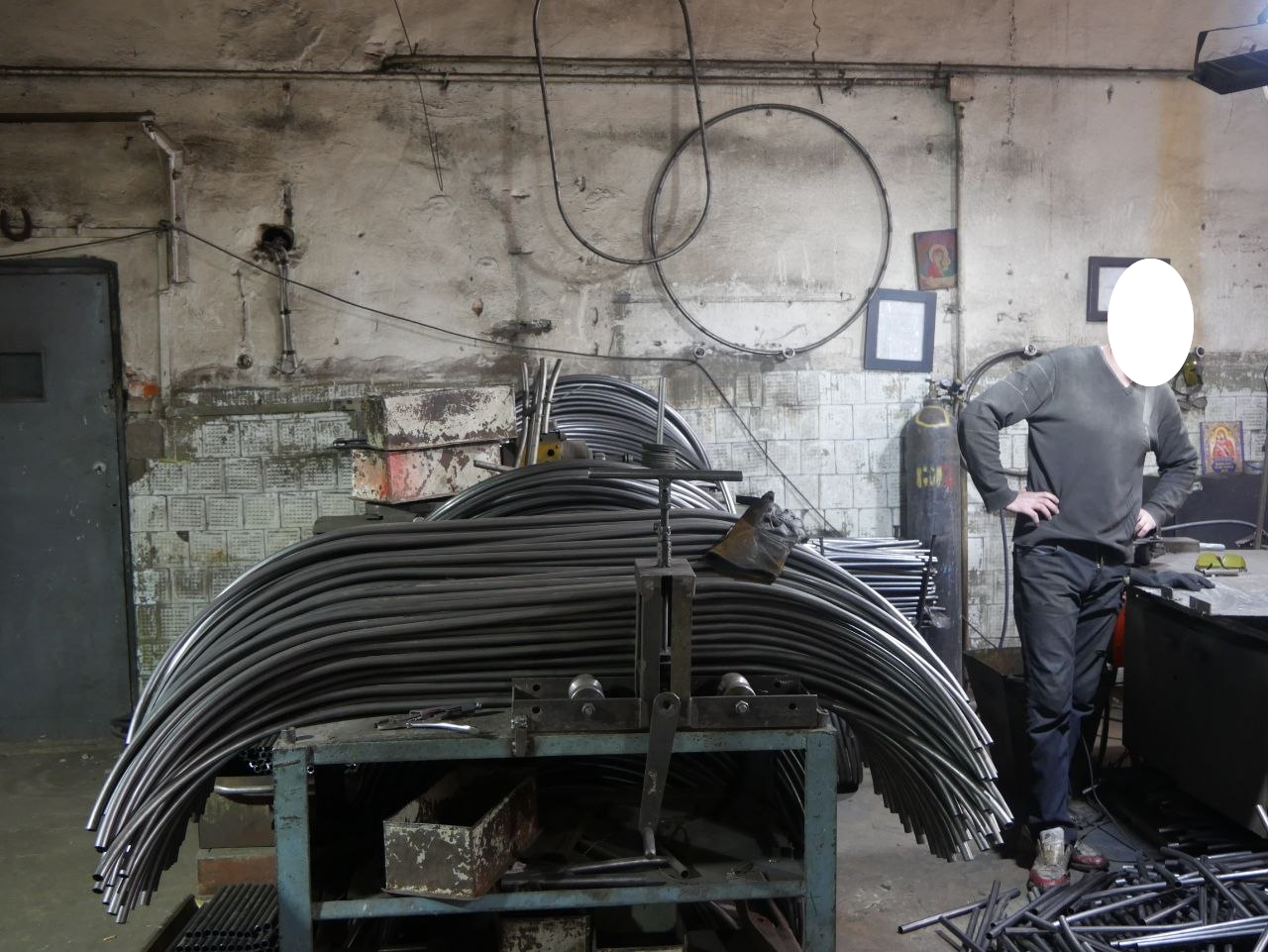
According to the administration, a total of 80 persons are employed: 6 under employment contracts and 74 under civil law contracts.
Confidential conversations established that prisoner B. has been working in workshop No. 4 for about four months, L. in workshop No. 6 for about two months, K. for about two months, and P. in the repair and mechanical workshop for about nine months. For these persons, the documentation provided did not make it possible to establish a complete individual chain of ‘legal basis for engagement in work — record of time actually worked or volume of work performed — wages or remuneration accrued — SSC accrued and paid’. In these circumstances, the presence in the materials of general documents on the institution’s transfer of the SSC for the prison population is not sufficient to conclude that the contribution was paid in respect of each of these prisoners and that the relevant periods were counted towards their insurance service. Law of Ukraine No. 2464-VI governs the base for calculating and paying the SSC; however, assessing the social rights of a particular person requires individual records.
The work of prisoners engaged in maintenance services was examined separately. According to the nominal list provided, prisoner B. is listed as a baker, M. as a stoker, S. as a cook, K. as a bath attendant, L. as a canteen worker and L. as an auxiliary worker under employment contracts. The institution also uses civil law contracts. Thus, the monitoring established two contractual forms of paid work — employment contracts and CLCs — alongside the engagement of some prisoners in unpaid work on the basis of part five of Article 118 of the Criminal Enforcement Code of Ukraine.
The documents concerning the maintenance staff make it possible to trace individual records of the work of certain prisoners. In particular, the timesheets for August 2026 record 21 working days and 168 hours each for B., K. and L. The same figures — 21 days and 168 hours — appear in L.’s personal timesheet. For K., who according to the documents started work as a bath attendant in mid-August, an incomplete working month is recorded. This broadly corresponds to the date on which his contract was concluded — 14.08.2026.
The payroll for August 2026 made it possible to compare the timesheet records with pay. For 21 working days, B. was paid UAH 9,338.76, K. UAH 9,684.64, L. UAH 8,647 and L. UAH 8,647. K. was paid UAH 4,941.14 for an incomplete month. The payroll also shows personal income tax, military levy, other deductions, amounts to be credited to personal accounts and the accrued SSC. In particular, the SSC is shown as UAH 2,054.53 for B., UAH 2,130.62 for K., UAH 1,087.05 for K., and UAH 1,902.34 each for L. and L. Thus, for this part of the maintenance staff, the documents make it possible to trace the link between the formalisation of work, timesheet records, the accrual of wages and the SSC.
At the same time, records of accrued SSC and general payment documents on its transfer do not in themselves warrant the conclusion that the relevant month has already been reflected in the insurance service of a particular person. Final confirmation requires comparison with the individual data of the register of insured persons. The monitoring results therefore confirm the documentary accrual of the SSC for the persons named, but whether the relevant periods have actually been reflected in their insurance service needs to be verified against personalised records. Law of Ukraine No. 2464-VI remains in force as of 2026 and sets out the legal framework for the calculation and recording of the SSC.
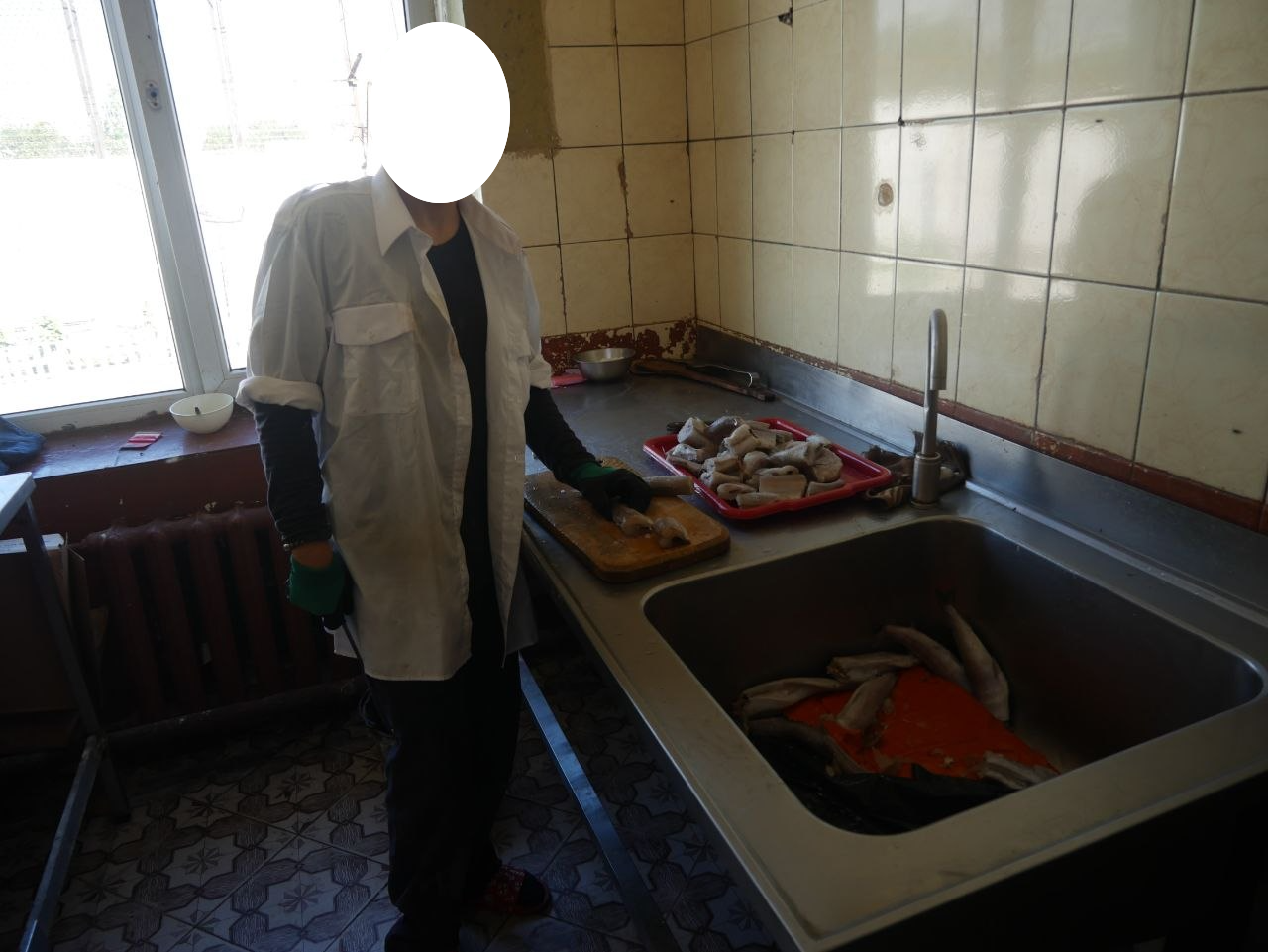
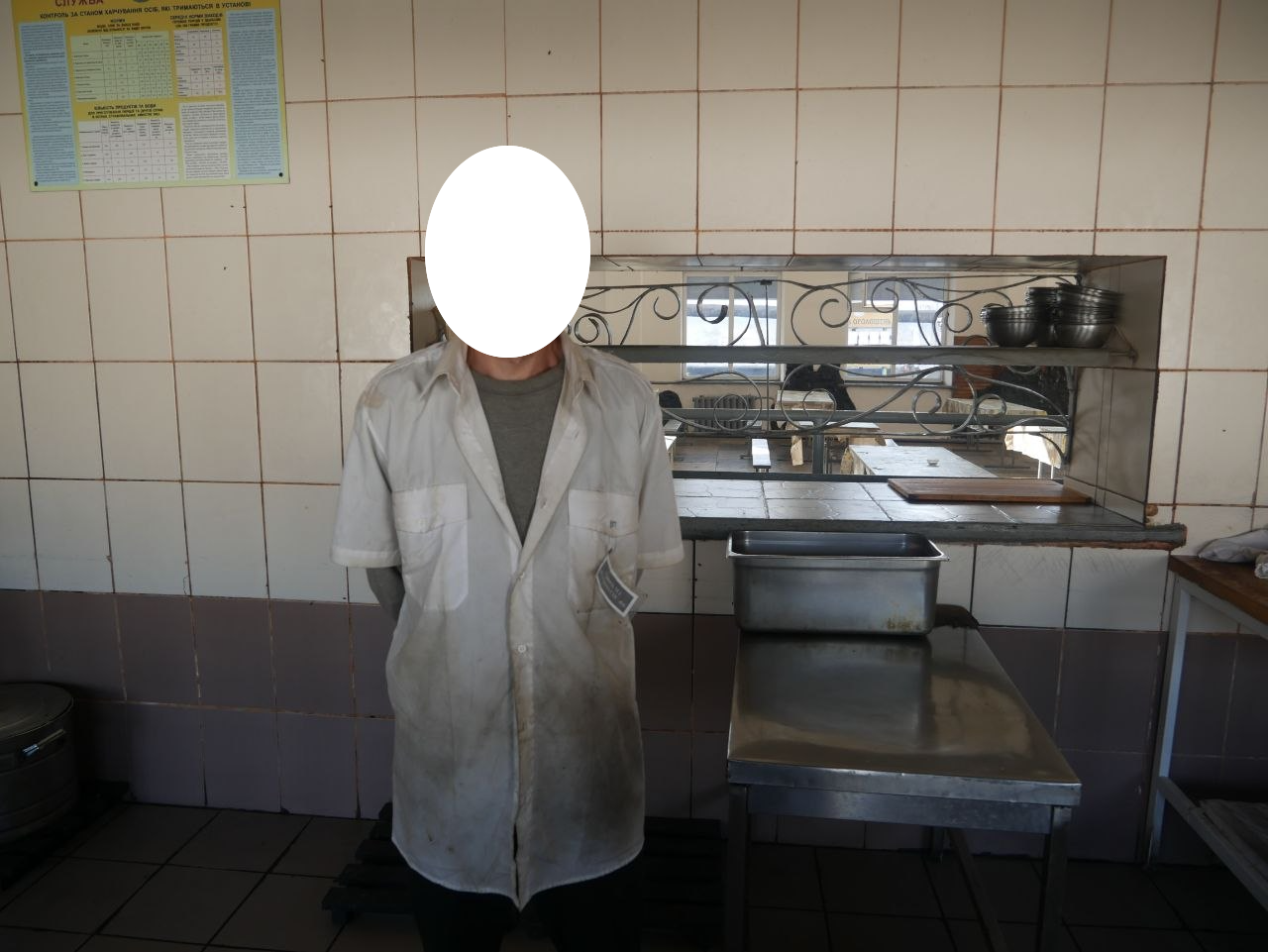
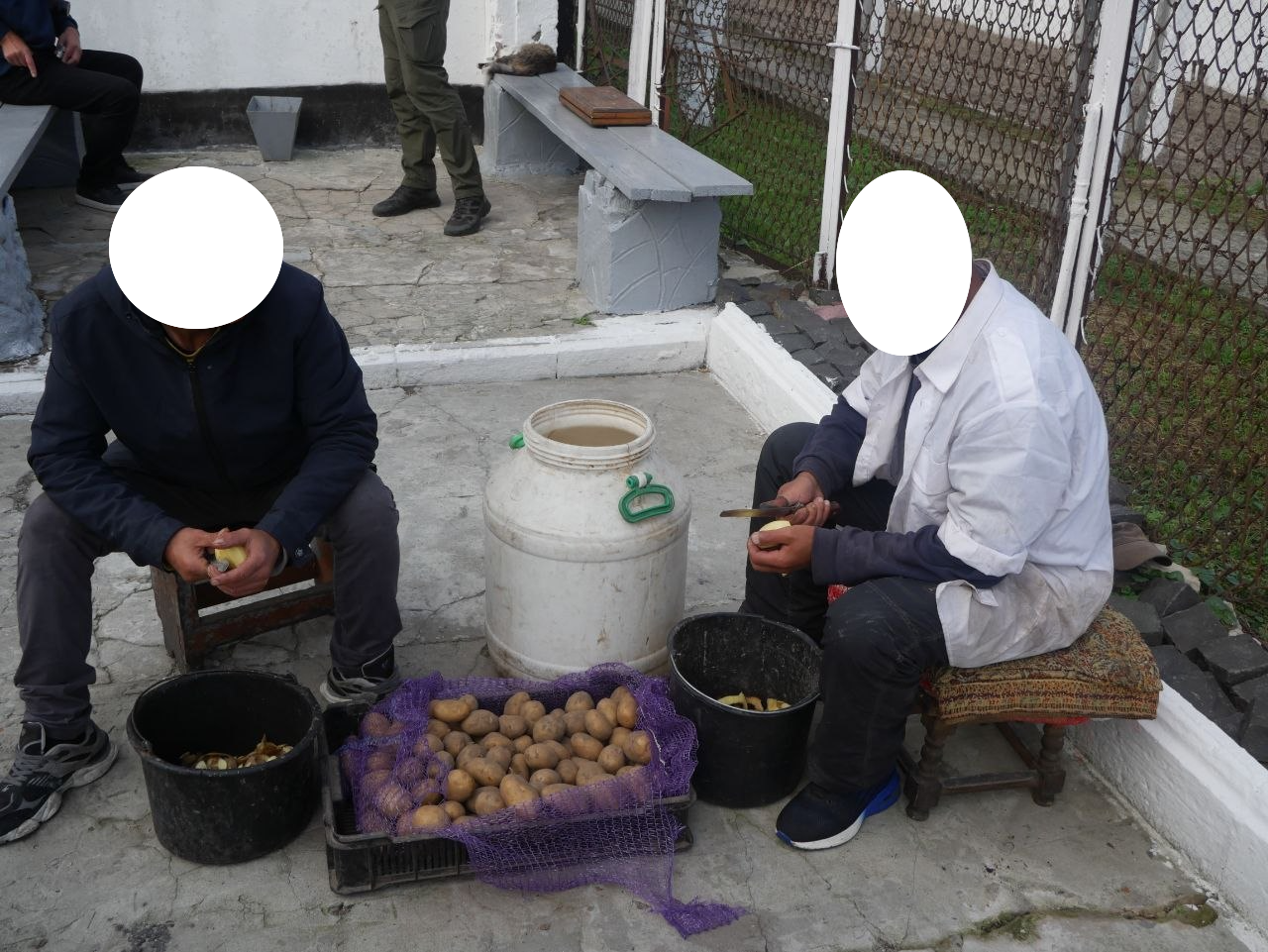
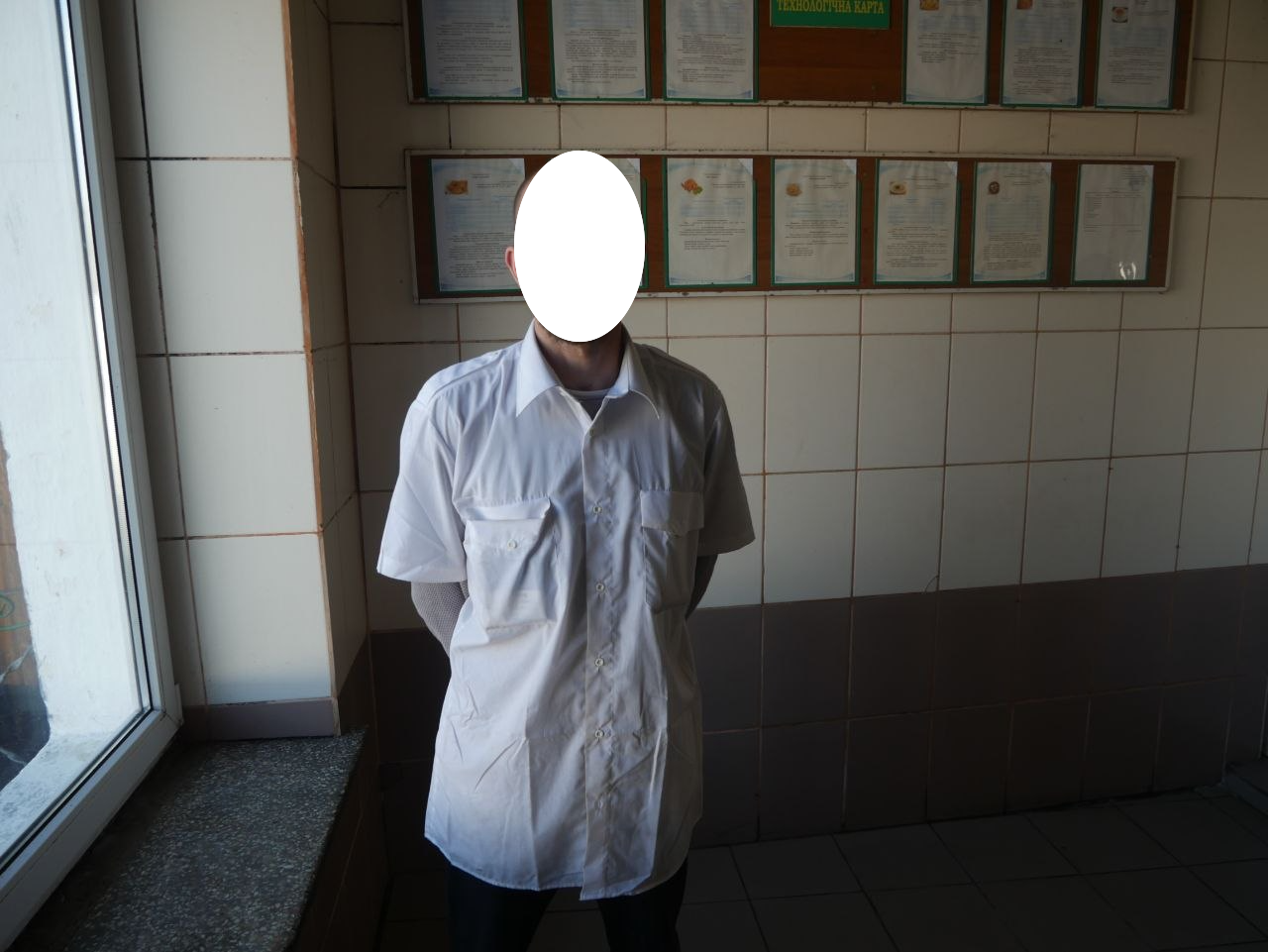
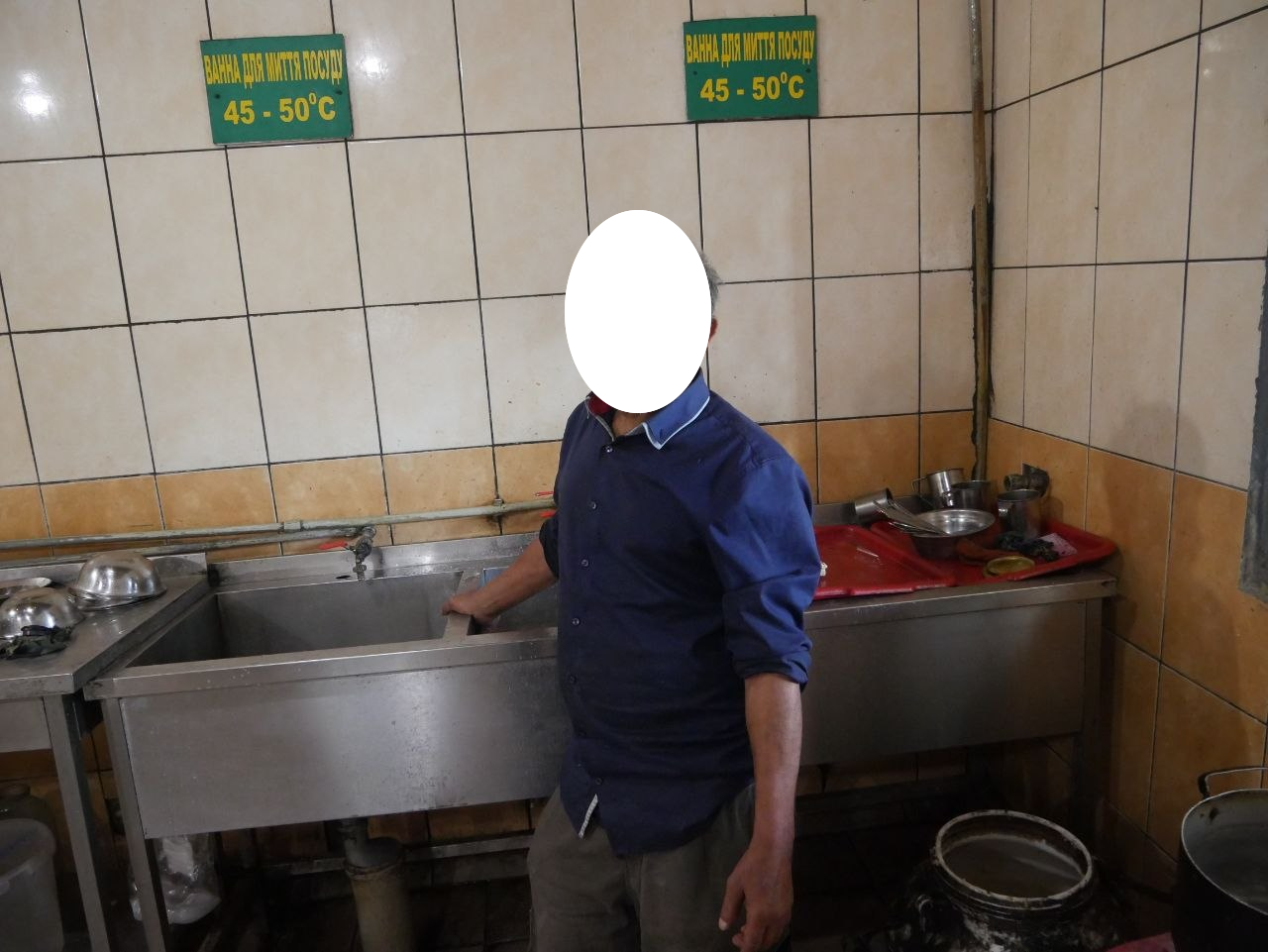
The actual organisation of work in the catering unit requires particular attention. At the time of the visit, 12 prisoners were actually present and working there. According to information obtained during the monitoring, only three of them were employed with pay, while nine were engaged in unpaid work with reference to part five of Article 118 of the Criminal Enforcement Code of Ukraine.
The application of this provision cannot be regarded as a universal basis for the systematic use of unpaid labour. Part five of Article 118 of the Criminal Enforcement Code of Ukraine allows prisoners to be engaged without pay only in work specified by law — the upkeep of colonies and adjacent areas, improving prisoners’ living conditions, or auxiliary work to supply colonies with food. The law also lays down additional safeguards: such work is, as a rule, assigned on a rota basis, outside working hours and for no more than two hours a day.
It is for this reason that the circumstances established during the visit concerning certain prisoners raise well-founded questions as to whether actual practice complies with these statutory restrictions. M. is engaged in work in the fish workshop with reference to part five of Article 118 of the Criminal Enforcement Code of Ukraine. Ch. has been serving first courses without pay for about a month. K., according to the information obtained, has for about three years been performing unpaid work preparing food products for the SIZO. The most significant information concerns P., who has a Group III disability. According to him, for about six months he has been working without pay every day from 06:00 to 20:00, with part five of Article 118 of the Criminal Enforcement Code of Ukraine cited as the legal basis. Moreover, the systematic performance by one person of a permanent function over several months indicates de facto features of paid work which, under Articles 118 and 120 of the Criminal Enforcement Code of Ukraine, must be properly formalised and paid.
The working circumstances of Yu. were recorded separately. In a confidential conversation, he reported that for the second week he had been peeling potatoes every day from about 06:00 to 20:00. At the same time, the log of the issue of sharp and cutting implements for 14.09.2026 records him receiving a knife at 06:30 and returning it at 21:30. This entry does not in itself prove 15 hours of continuous work, but it is an objective documentary indicator consistent with the prisoner’s report of very long daily working hours. In these circumstances, reliable records of the time he actually worked and verification of the legal basis for and payment of his work are required.
Under Article 119 of the Criminal Enforcement Code of Ukraine, prisoners’ working hours must not exceed the norm established by labour legislation. Article 50 of the Labour Code of Ukraine sets normal working hours at no more than 40 hours per week, and the employer is obliged to keep records of working time, including overtime. Articles 66–67 of the Labour Code of Ukraine establish guarantees of rest periods and days off. Reports of systematic work from early morning until evening, especially every day and without days off, therefore cannot be left without proper documentary records and legal assessment.
The log of the quality of prepared food is an additional source for verifying actual work. Prisoner S. is systematically recorded in it as the person who prepared the dishes. According to the information obtained, these functions had previously been performed by K., who subsequently left the institution. This is consistent with K. appearing in the timesheet and payroll for August 2026, while S. appears in the current nominal list under an employment contract dated 08.09.2026. These documents therefore rather reflect a change of worker over time than a discrepancy between records.
The medical examination log also contains daily entries for eight persons who are examined in connection with their work in the catering unit. Such entries are not in themselves a timesheet and do not prove the specific length of the working day, but they are an additional source for identifying the persons systematically engaged in this work.
However, the log of hourly checks of the catering unit does not accurately reflect the actual situation. At the time of the monitoring group’s direct inspection, 12 prisoners were present in the catering unit, whereas the log systematically recorded only three. This discrepancy casts doubt on whether the log can be used as a reliable record of the actual presence of persons engaged in work and makes it harder to monitor the real length of their working hours and compliance with rest periods.
The practice of concluding civil law contracts with prisoners requires separate analysis. The use of CLCs does not in itself give grounds for regarding such relationships as unlawful. However, when assessing each contract, its subject matter must be compared with the work actually performed. What is decisive for civil law relationships is the performance of the agreed work and the receipt of its result, whereas the systematic performance over a long period of a permanent work function under a set regime, at a designated workplace and under organisational control requires an assessment of whether the chosen form of contract corresponds to the actual substance of the relationship. The materials provided on prisoners engaged under CLCs contain no individual comparison of contracts, certificates of completed work, actual volume and duration of work, accrued remuneration and the SSC.
Thus, the documentation examined shows that the institution employs some prisoners under employment contracts, keeping timesheets, accruing wages, making statutory deductions and accruing the SSC. Alongside this, civil law contracts are used, whose correspondence to the actual nature of the work performed must be assessed on a case-by-case basis.
However, the most significant risks to labour and social rights were found in the practice of engaging prisoners in unpaid work in the catering unit with reference to part five of Article 118 of the Criminal Enforcement Code of Ukraine. The information obtained about the same persons performing permanent functions for many months, and in one case for several years, as well as reports of daily work substantially exceeding two hours, are inconsistent with the auxiliary nature of such work provided for by law, the rota principle and the statutory limit on its duration.
The monitoring revealed incomplete individual documentation of certain prisoners’ work. The documents examined did not in every case contain information making it possible to trace the legal basis for a particular person’s engagement in work, the work actually performed and its duration, the wages or remuneration accrued, the deductions made, the accrual and payment of the SSC and the reflection of the relevant period in personalised records for the purposes of insurance service.
Discrepancies were also found between prisoners’ actual employment and its documentary reflection. In particular, 12 prisoners were actually working in the catering unit during the monitoring visit, whereas the log of hourly checks recorded only three. In confidential conversations, some prisoners reported working every day from 06:00 to 20:00, including without days off. At the same time, some of the prisoners actually working in the catering unit had been engaged in unpaid work on the basis of part five of Article 118 of the Criminal Enforcement Code of Ukraine.
Thus, for some of the persons examined, the documentation did not fully reflect, on an individual basis, all components of their engagement in work: the legal basis for engagement, the work actually performed and its duration, the wages or remuneration accrued, the deductions made, the accrual and payment of the SSC and the reflection of the relevant period in personalised records for the purposes of insurance service.
Medical Unit No. 42 of the Volyn and Rivne Regional Branch of the State Institution ‘Health Care Centre of the State Criminal Enforcement Service of Ukraine’
The head of Medical Unit No. 42 of the Volyn and Rivne Regional Branch of the State Institution ‘Health Care Centre of the State Criminal Enforcement Service of Ukraine’ (hereinafter — the medical unit) is Andrii Adamovych Makovetskyi.
At the time of the visit, the following positions in the medical unit were vacant: general practitioner — family medicine, 0.5 FTE; clinical psychologist, 0.5 FTE; ultrasound diagnostics doctor, 0.25 FTE; infectious disease specialist, 0.25 FTE.
During the monitoring visit, the monitoring group examined medical records, inspected the premises of the medical unit and held individual interviews with prisoners, as a result of which shortcomings in the organisation of medical care were identified that lead to violations of these persons’ rights:
1. In breach of the Instructions for Completing Primary Record Form No. 003-6/o ‘Informed Voluntary Consent of the Patient to Diagnosis, Treatment, Surgery and Anaesthesia and to the Presence or Participation of Participants in the Educational Process’, approved by Order of the Ministry of Health of Ukraine No. 110 of 14.02.2012, five of the eight patients in the medical unit’s inpatient ward had no signed informed voluntary consent to diagnosis and treatment.
This may indicate that patients did not voluntarily consent to the methods of diagnosis, prevention and treatment applied to them, which is a violation of Article 43 of the Law of Ukraine ‘Fundamentals of the Legislation of Ukraine on Health Care’ and paragraph 47 of the recommendations of the European Committee for the Prevention of Torture and Inhuman or Degrading Treatment or Punishment (hereinafter — the Committee) (CPT/Inf (93) 12-part, paragraph 47).
2. The medical unit does not provide opioid substitution therapy (hereinafter — OST) for persons with mental and behavioural disorders due to opioid use in accordance with the Procedure for Providing Opioid Substitution Therapy to Persons with Mental and Behavioural Disorders due to Opioid Use, approved by Order of the Ministry of Health of Ukraine No. 200 of 27.03.2012.
Drug-dependent persons are not provided with psychosocial support, cognitive behavioural therapy (CBT), relapse prevention, motivational interviewing, participation in mutual aid groups, etc.
These persons are thus deprived of the opportunity to receive OST, which violates their right to choose methods of treatment under Article 38 of the Law of Ukraine ‘Fundamentals of the Legislation of Ukraine on Health Care’.
Moreover, in its report on the 2023 visit to Ukraine, the Committee states that entering a penitentiary establishment presents an opportunity to address drug-related problems, and it is therefore important that appropriate assistance be offered to all those concerned and that the relevant medical services be available in all establishments. The assistance offered to such persons should be varied; substitution therapy programmes for persons with drug dependence should be combined with appropriate psychosocial and educational programmes for opioid-dependent persons who are unable to stop using drugs. In addition, OST programmes in establishments should be readily accessible and should also be run by prison doctors who have received specific training in drug-related issues (CPT/Inf (2024) 20, paragraph 86).
3. The post of clinical psychologist in the medical unit is vacant, which hampers the timely and effective provision of mental health care to prisoners.
In its report on the 2023 visit to Ukraine, the Committee recommends further strengthening the provision of psychological care in establishments and developing the training and role of prison psychologists, especially as regards therapeutic clinical work with prisoners. In this context, efforts should be made to recruit clinically trained psychologists, who should form part of the healthcare team and should not combine two different roles in their work — risk assessment and therapeutic clinical work (CPT/Inf (2024) 20, paragraph 85).
4. In breach of paragraph 8 of Chapter 5 of Section II of the Procedure for Organising Medical Care for Prisoners Sentenced to Imprisonment, approved by Joint Order of the Ministry of Justice of Ukraine and the Ministry of Health of Ukraine No. 1348/5/572 of 15.08.2014 (hereinafter — the Procedure), the medical unit’s inpatient ward has no equipped isolation room for persons with mental disorders who pose a danger to others.
5. The monitoring group found cases in which the psychiatrist conducts psychiatric examinations of patients without duly recording written informed consent. In particular, contrary to the Instructions for Completing Primary Record Form No. 003-7/o ‘Informed Consent of a Person to Psychiatric Examination’, approved by Order of the Ministry of Health of Ukraine No. 970 of 15.09.2016, the medical records, in particular outpatient medical card form No. 025/o, contained no informed consent to psychiatric examination signed by the patient.
6. During the monitoring visit, windows made of glass blocks were found in certain wards of the medical unit, so that virtually no natural light enters the rooms. This does not comply with Rule 18.2 (a) of the European Prison Rules and Rule 14 of the United Nations Standard Minimum Rules for the Treatment of Prisoners (the Nelson Mandela Rules).
In its report on the 2020 visit to Ukraine, the Committee had already drawn attention to this and recommended that steps be taken to review the design of cell windows so as to allow prisoners to see outside the cell (CPT/Inf (2020) 40, paragraph 48).
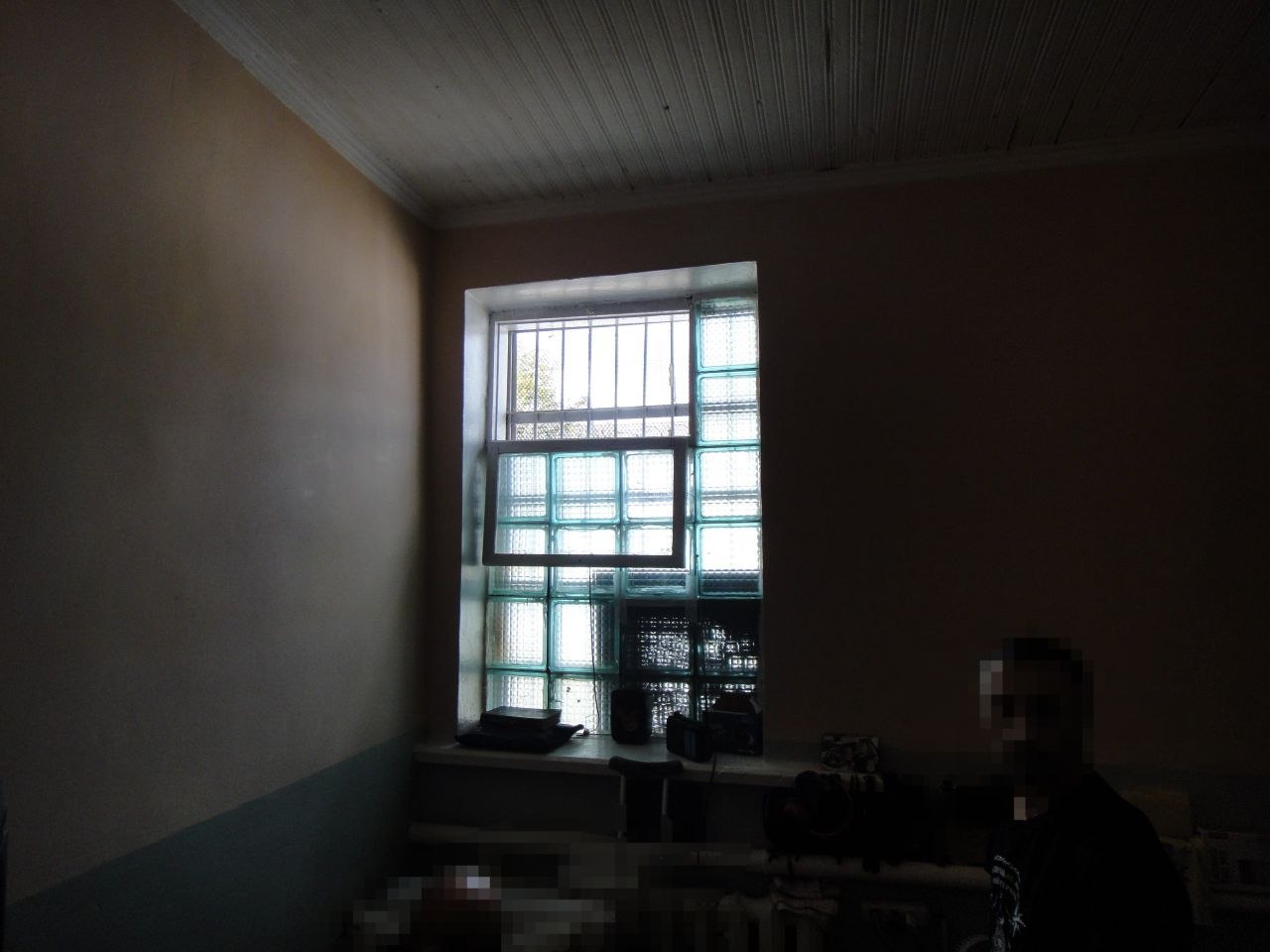
7. The toilets in certain wards, in particular ward No. 3 for the treatment of somatic patients, are not fitted with doors to provide privacy when using the sanitary facilities, which does not comply with Rule 19.3 of the European Prison Rules and Rule 15 of the United Nations Standard Minimum Rules for the Treatment of Prisoners (the Nelson Mandela Rules).
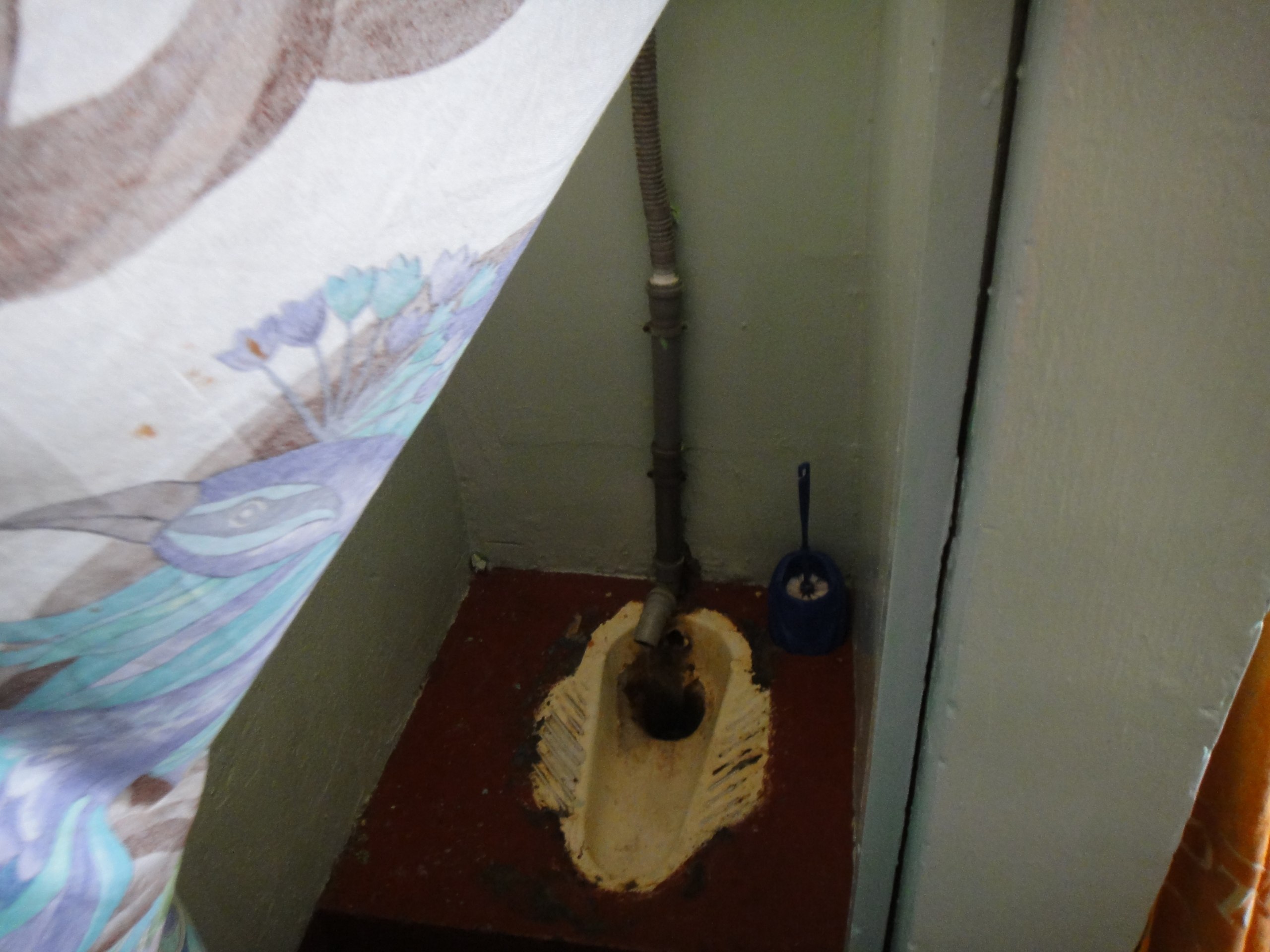
8. In breach of the Standards of Medical Care for Viral Hepatitis C in Adults, approved by Order of the Ministry of Health of Ukraine No. 1178 of 23.07.2025, not all persons with suspected viral hepatitis C — of whom there were 20 as at 15.09.2026 — undergo PCR testing, as a result of which the diagnosis is not confirmed in good time and the necessary antiviral therapy is not prescribed.
Such circumstances may lead to a deterioration in patients’ health and contribute to the spread of infection among convicted and remand prisoners.
9. Eleven persons with disabilities are under follow-up observation: 1 with a Group I disability, 3 with a Group II disability and 7 with a Group III disability.
However, in breach of the Law of Ukraine ‘On the Rehabilitation of Persons with Disabilities in Ukraine’, persons with disabilities are not provided with proper diagnostic, therapeutic and rehabilitation measures that take into account their persistent impairments of bodily functions caused by illnesses and the consequences of injuries that limit their daily activities.
An examination of prisoners’ medical records showed that 2 persons with disabilities have no individual rehabilitation programme (hereinafter — IRP). The absence of an IRP makes it impossible to properly implement the measures and recommendations it sets out, which are necessary to maintain and restore impaired bodily functions.
10. In breach of State Building Standards of Ukraine V.2.2-40:2018 ‘Inclusiveness of Buildings and Structures. Basic Provisions’, the medical unit has not created adequate conditions for persons with disabilities.
11. In breach of paragraph 37 of Resolution of the Cabinet of Ministers of Ukraine No. 285 of 02.03.2016 ‘On Approval of the Licensing Conditions for Conducting Business Activities in Medical Practice’, the medical unit lacks the mandatory certificate confirming unimpeded access to the medical facility’s buildings and premises for persons with reduced mobility.
12. In breach of the Procedure for Organising Medical Care at the Primary, Secondary (Specialised) and Tertiary (Highly Specialised) Levels Using Telemedicine, approved by Order of the Ministry of Health of Ukraine No. 681 of 19.10.2015, the medical unit staff are unable, owing to technical limitations, to send requests for telemedicine consultations and to obtain specialist assistance in providing medical services to prisoners.
13. In breach of the Schedule of Equipment for a Single Workstation of a Dentist and a Dental Technician, approved by Order of the Ministry of Health of Ukraine No. 158 of 11.04.2005, the medical unit has no dental X-ray machine, which makes in-depth dental examination of prisoners impossible and prevents the timely provision of adequate dental care.
14. In breach of the Standards for Bedding, Special Clothing and Special Footwear (Inventory Property) for Prisoners Receiving Treatment in Medical and Preventive Institutions, Institutions with the Status of Medical Institutions and Medical Units at Penal Institutions and Pre-trial Detention Centres, approved by Order of the Ministry of Justice of Ukraine No. 280/5 of 20.02.2012, prisoners do not receive hospital supplies (hospital suit, gown and slippers). Prisoners stay in the inpatient ward in their everyday clothes and sometimes use their own bed linen.
15. In breach of the Fire Safety Rules, the premises of the medical unit are not equipped with fire-extinguishing systems or fire alarms.
Recommendations:
1. Ensure the proper implementation of the familiarisation programme for newly arrived prisoners in the QDD unit and the participation of all members of the working group at the established frequency, and bring the composition of the working group into line with regulatory requirements.
2. Discontinue the practice of assigning prisoners the functions of supervising other prisoners and monitoring their behaviour and compliance with the daily routine.
3. Bring the material and living provision of the QDD unit into line with the established standards: fit out the rooms required by the regulations, and ensure privacy in the toilet, constant access to drinking water and adequate natural light in the residential premises.
4. Post in the QDD unit and the DIU/CTP, in a place accessible to prisoners, the information required by law on ‘hotline’ telephone numbers and the postal and email addresses of the relevant state bodies and free legal aid institutions.
5. Ensure an adequate level of natural light in the DIU/CTP cells, working mechanical ventilation, privacy when using the toilets and a functioning radio system that prisoners can operate themselves.
6. Ensure that prisoners held in the DIU/CTP are visited systematically by the heads of the relevant social and psychological service sections at the frequency established by law, and that such visits are properly documented.
7. Ensure that prisoners are given copies of decisions imposing disciplinary penalties, stating the possibility of and procedure for appeal, and that they are informed of their right to legal aid.
8. Ensure adequate conditions for prisoners’ daily outdoor exercise in the DIU/CTP, including sufficient space for physical activity and the greatest possible access to open space and natural light.
9. Ensure the operation of the enhanced supervision unit provided for in the structure of a medium-security correctional colony, in accordance with criminal enforcement legislation.
10. Ensure proper bathing and laundry services for prisoners: hairdressing services, a working forced supply-and-exhaust ventilation system and privacy when using the showers.
11. Ensure that staff comply with the established requirements to carry special equipment concealed from view as far as possible when in direct contact with prisoners.
12. Ensure that prisoners are issued with or have renewed in good time their Ukrainian citizen’s passports, RNOKPPs and other personal documents necessary for exercising their rights and preparing for release.
13. Ensure that short-term visits are, as a rule, held in open conditions; apply the no-contact format as an exception, on the basis of a reasoned decision taking into account an individual risk assessment.
14. Take steps to fill vacant positions and ensure sufficient staffing levels for the proper performance of the institution’s functions.
15. Bring the premises designated as a bomb shelter into a proper technical and sanitary condition, and provide them with ventilation, sewerage, a working toilet and a second (emergency) exit.
16. Ensure that prisoners have a genuine opportunity to use the Internet and video communication regularly, that the relevant records are properly kept, and that the KHPG and PPU websites can be accessed from the Internet room computers.
17. Ensure that each prisoner’s work is properly formalised, that full and accurate records are kept of the time actually worked, including work on days off and beyond the established working hours, and that wages or remuneration are properly accrued and paid, the SSC is accrued and paid, and insurance service is accrued.
18. Ensure that prisoners are engaged in unpaid work on the basis of part five of Article 118 of the Criminal Enforcement Code of Ukraine only in the cases specified by law, on a rota basis, outside working hours and for no more than two hours a day. Do not allow prisoners to perform permanent work functions systematically without their work being properly formalised and paid.
19. Ensure that accurate records are kept of prisoners’ work in the catering unit, reflecting all persons actually engaged, the real length of their work and compliance with the established rest periods.
20. Ensure that civil law contracts are used in accordance with the actual nature of the work performed by prisoners; where a permanent work function is performed systematically, ensure that the employment relationship is properly formalised, working time is recorded, and wages and social insurance are paid.
21. Take measures to eliminate the human rights violations identified and to prevent torture and other cruel, inhuman or degrading treatment or punishment in Medical Unit No. 42 of the Volyn and Rivne Regional Branch of the State Institution ‘Health Care Centre of the State Criminal Enforcement Service of Ukraine’. Ensure oversight of the proper keeping of medical records in accordance with the Procedure for Organising Medical Care for Prisoners Sentenced to Imprisonment, approved by Joint Order of the Ministry of Justice of Ukraine and the Ministry of Health of Ukraine No. 1348/5/572 of 15.08.2014, and other regulatory acts.
22. Ensure that the medical unit is staffed with medical personnel according to need.
23. Ensure that patients’ informed consent to examination and treatment is obtained in the prescribed form.
24. Ensure that an isolation room for persons with mental disorders is equipped in accordance with the established requirements.
25. Ensure that persons diagnosed with mental and behavioural disorders due to opioid use can receive opioid substitution therapy.
26. Bring the windows of certain wards of the medical unit into line with the requirements of the European Prison Rules and the United Nations Standard Minimum Rules for the Treatment of Prisoners (the Nelson Mandela Rules) by replacing the glass blocks with window units that provide adequate natural light and allow a view of the outside.
27. Fit the toilets in the medical unit’s wards with doors that ensure adequate privacy when using the sanitary facilities, in accordance with the requirements of the European Prison Rules and the United Nations Standard Minimum Rules for the Treatment of Prisoners (the Nelson Mandela Rules).
28. Ensure individual rehabilitation for those who need it.
29. Ensure the accessibility of the institution’s buildings in accordance with State Building Standards of Ukraine V.2.2-40:2018 ‘Inclusiveness of Buildings and Structures. Basic Provisions’.
30. Ensure that the telemedicine system works properly so that doctors can send requests for telemedicine consultations.
31. Ensure compliance with paragraph 37 of Resolution of the Cabinet of Ministers of Ukraine No. 285 of 02.03.2016 ‘On Approval of the Licensing Conditions for Conducting Business Activities in Medical Practice’.
32. Ensure that all persons with suspected viral hepatitis C have access to PCR testing as soon as possible, and arrange the necessary antiviral treatment for those with a confirmed diagnosis.
33. Provide the medical unit with hospital supplies (hospital suits, gowns and slippers).
34. Provide the medical unit with a dental X-ray machine and the equipment needed for full dental examination and treatment.
35. Remedy the breaches of fire safety requirements.