In Simferopol's SIZO-2, the occupiers are holding dozens of people incommunicado — CTRC
Without contact with the outside world
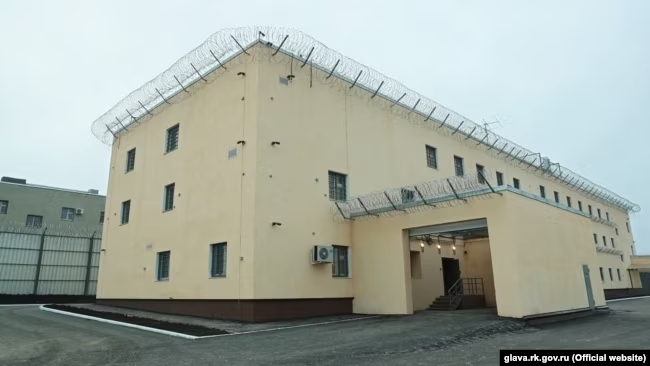
On the third floor of Simferopol’s SIZO-2, the Russian occupiers are holding dozens of people incommunicado (‘frozen’ prisoners). As reported by Zarema Bariieva, manager of the Crimean Tatar Resource Centre (CTRC), the occupiers are concealing the names, status, and whereabouts of these prisoners even from their families.
The third floor of the detention centre houses at least 20 cells where people abducted from the newly occupied territories of Ukraine are being held — activists, farmers, military personnel, and representatives of self-government bodies who refused to cooperate. According to Bariieva, the prisoners are subjected to systematic torture: they are beaten (including having their bones broken), tortured with electric shocks, and attacked by dogs. In cells without video surveillance, the administration resorts to psychological pressure and the deprivation of all rights.
As journalist from Crimea Lutfiye Zudiyeva wrote on 4 April this year, based solely on public data, more than half a hundred women have already passed through Crimean pre-trial detention centres. Read more about some of the RF’s captives via the link.
General context
International institutions and human rights defenders qualify enforced disappearances as a crime against humanity. According to the “Tribunal for Putin” (T4P) initiative and Amnesty International, Russia is deliberately isolating Ukrainian civilians and military personnel, creating a network of “places of non-freedom,” including SIZO No. 1, No. 2, and No. 8 in Simferopol, which are under the control of the FSB. Such actions are aimed at the dehumanisation of prisoners and evading international oversight.
Previously, it became known about a “decision” by the RF that allows for the detention of individuals accused of “opposing the SMO” without trial. The situation worsened after Russia’s withdrawal from the European Convention against torture. Human rights defenders have documented hundreds of places of non-freedom where thousands of Ukrainian citizens are being illegally held, which is a gross violation of international humanitarian law and the Fourth Geneva Convention.
More detailed information about the places where Ukrainian prisoners are held can be found on the interactive map of the T4P initiative.