A trap behind bars
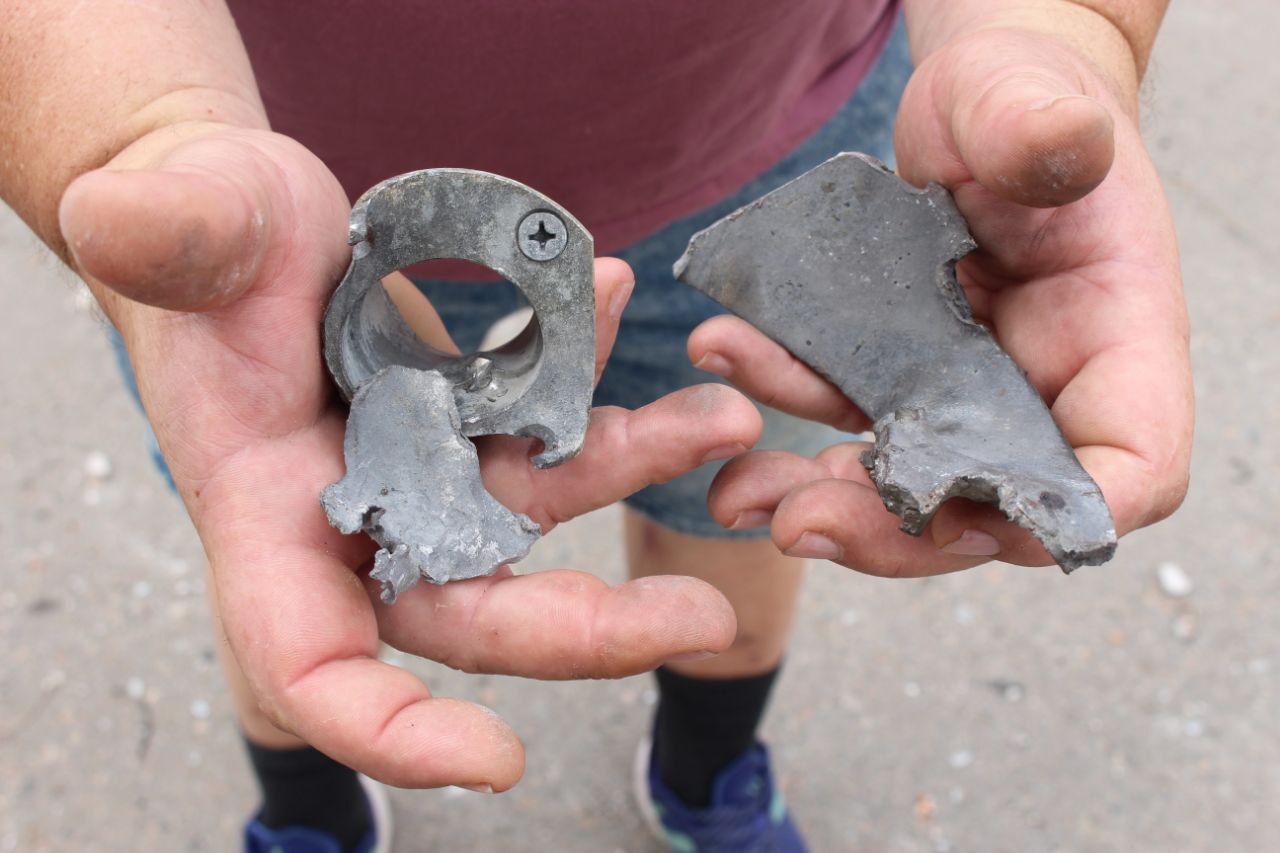
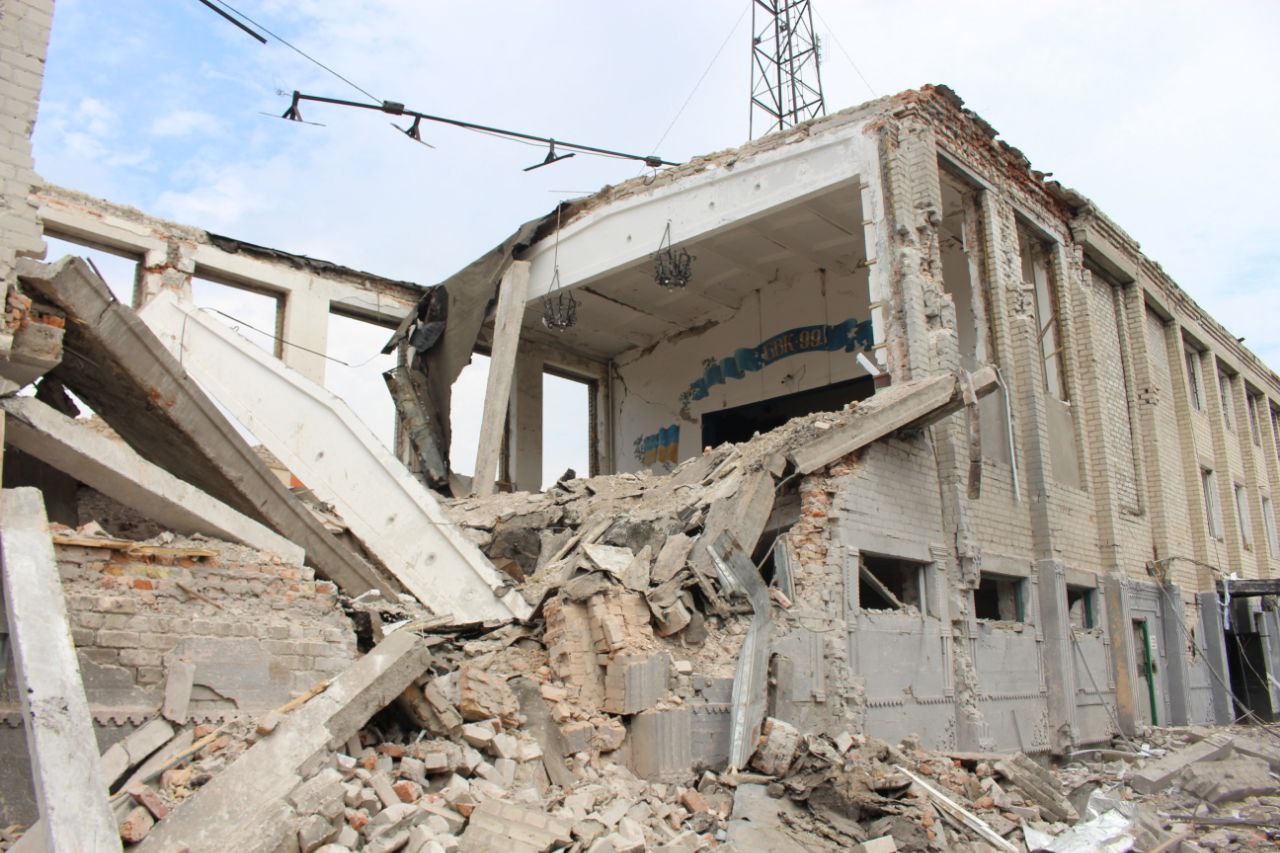
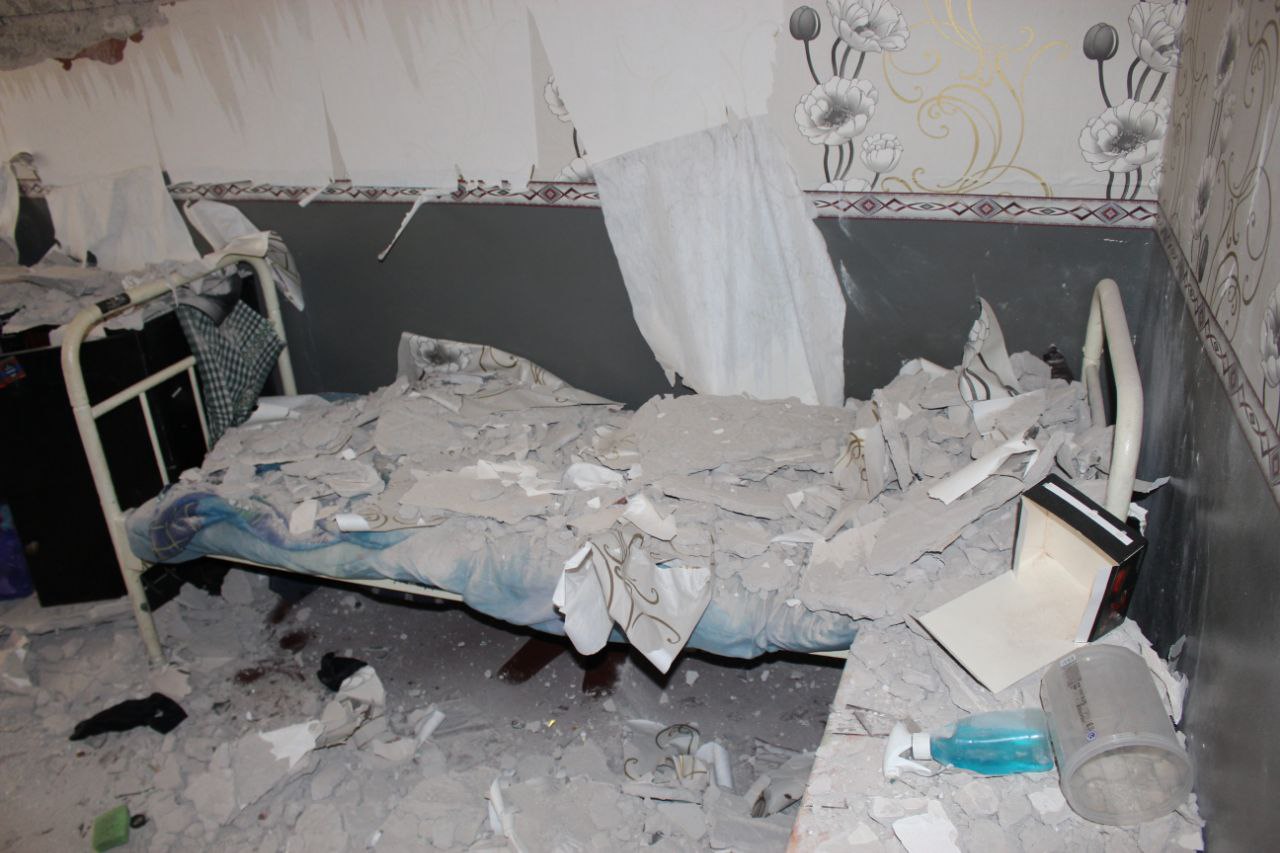
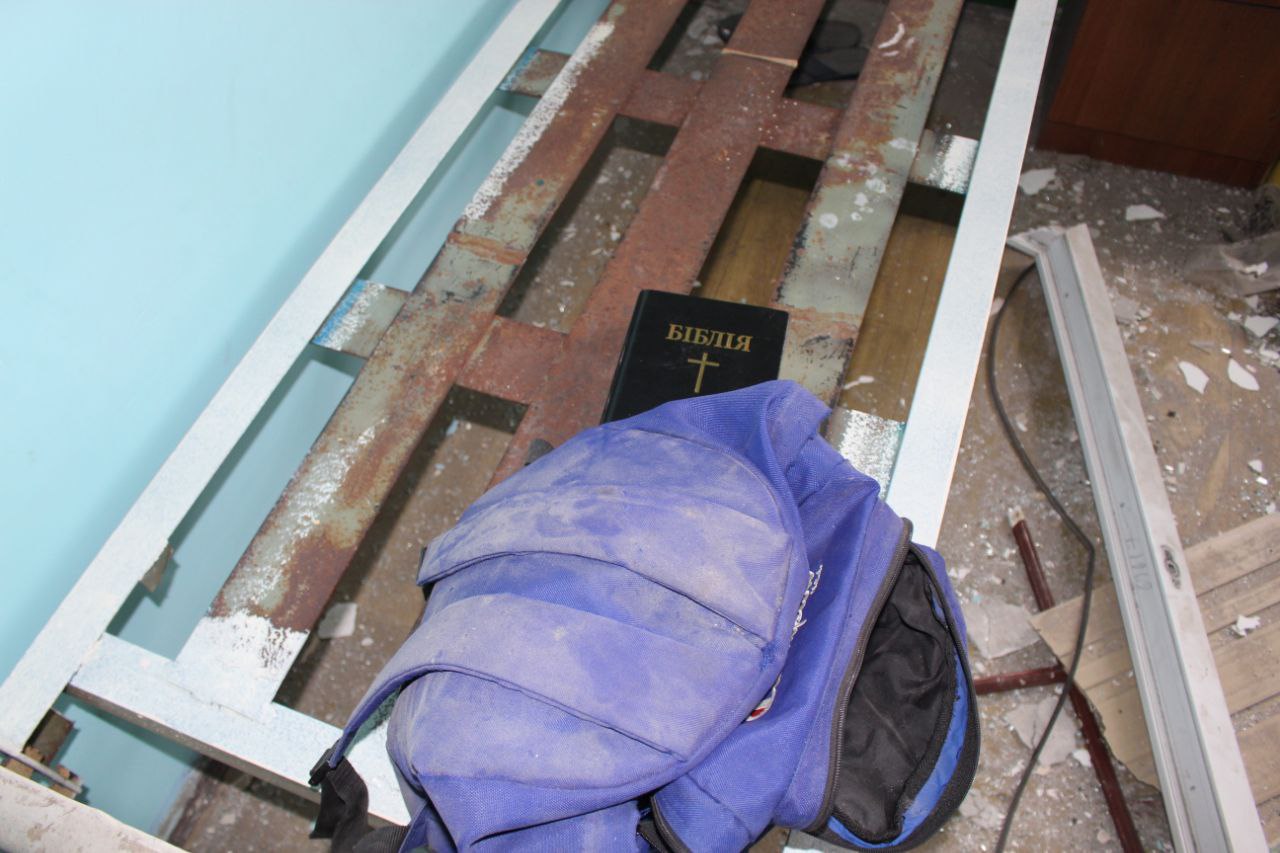
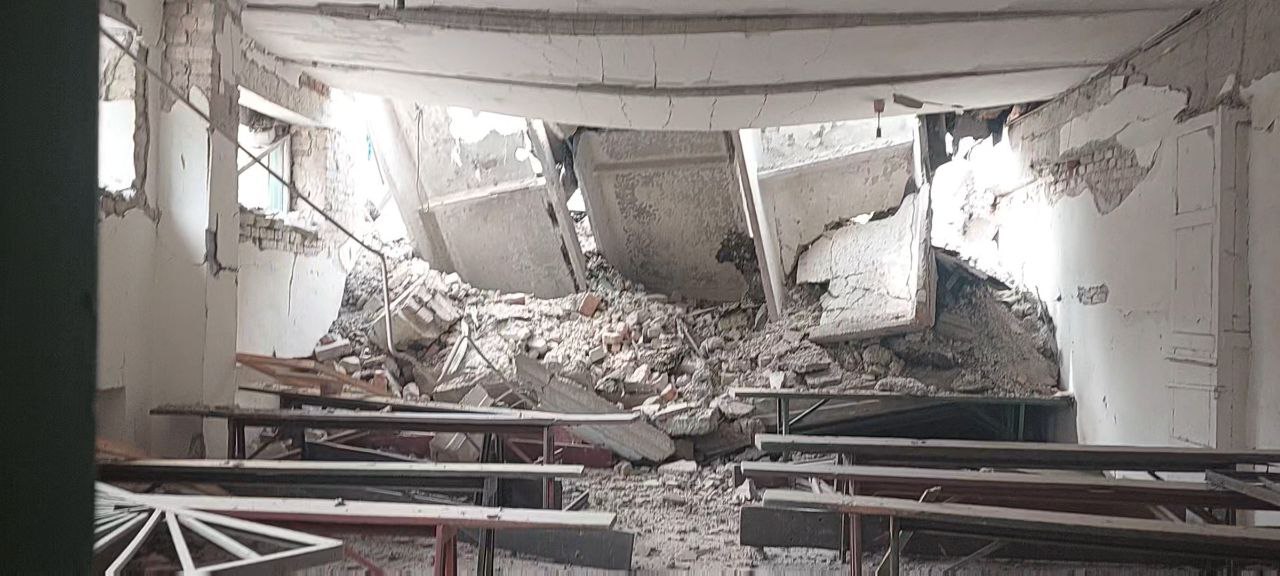
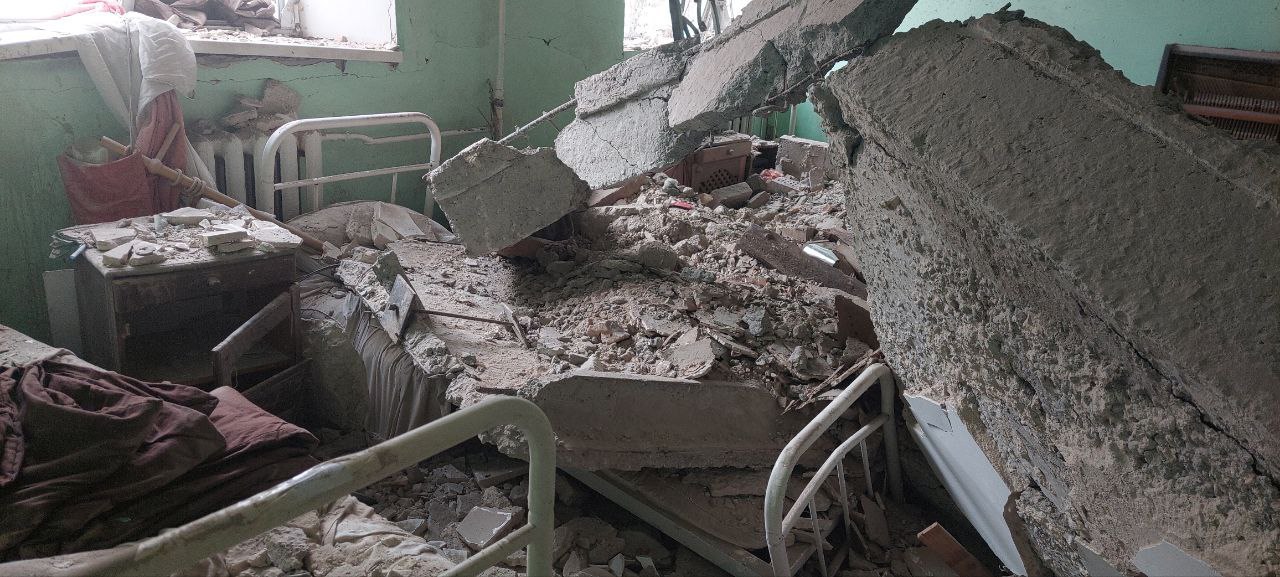
In the darkness of the night between 28 and 29 July 2025, four powerful explosions echoed over the Bilenke Penal Colony No. 99 (Zaporizhzhia Region). They were guided aerial bombs (KABs) dropped by the Russian air force. Debris, concrete, collapsed walls, and screams from under the rubble. Officially, there were 17 dead and 42 injured.
This was not only a war crime by Russia, but also a crime of state indifference by Ukraine. These deaths were made possible by years of ignoring threats, the absence of basic security measures, and neglect of duties directly prescribed by law.
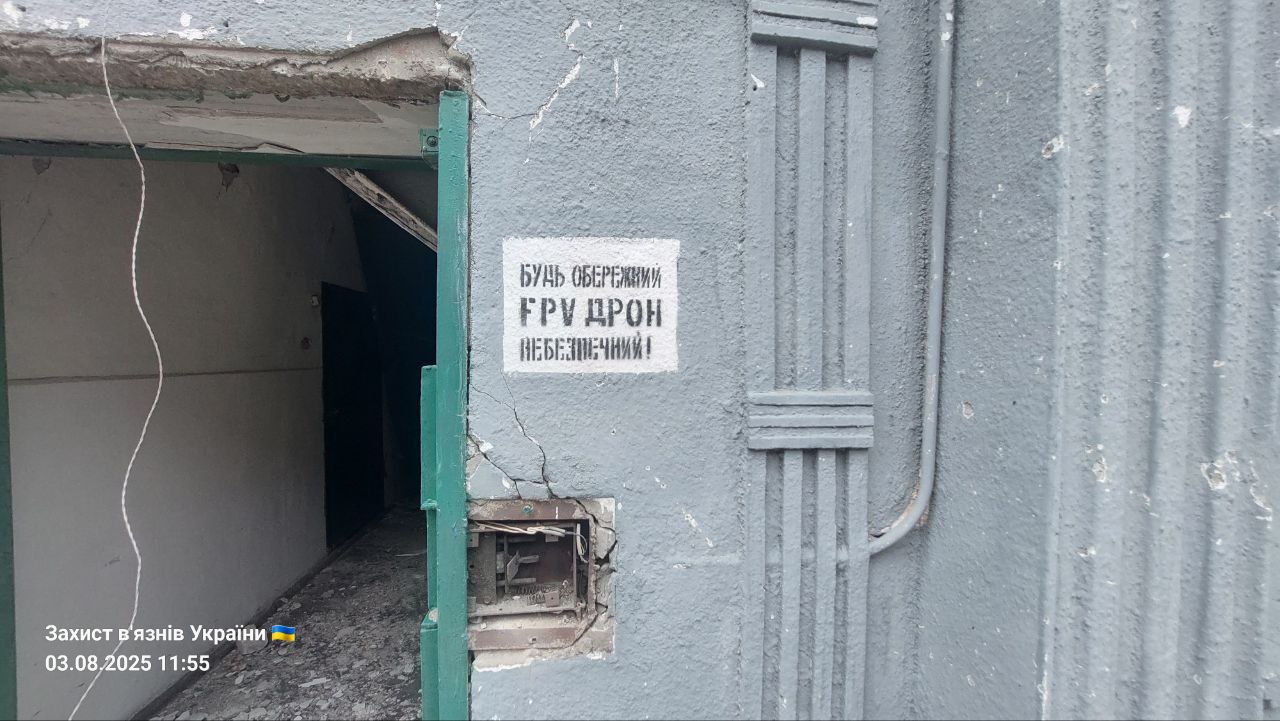
We visited the site of the tragedy and spoke to the victims and the institution's management, attempting to determine whether there had been even the slightest possibility of avoiding casualties. On the grounds of the institution, we noticed warnings about drone hazards in many places; however, in practice, the situation proved to be entirely different.
The right to life — even behind bars
- Article 27 of the Constitution of Ukraine: every person has an inalienable right to life, and the state is obliged to protect it.
- Criminal Executive Code of Ukraine (CEC) (Arts. 8, 10, 102): the administration of penal institutions is obliged to ensure the safety of convicts and create proper conditions of detention.
- Article 130 of the Civil Protection Code of Ukraine places a duty on the employer to develop a plan/instruction for responding to emergency situations, including missile strikes and related air raids, which must contain, in particular: actions of staff after an air raid alert begins, evacuation routes for staff to safe locations, their sheltering in civil protection facilities, etc. Such a plan/instruction must be brought to the attention of employees. Failure to take necessary measures to ensure the safety of employees may lead to administrative or even criminal liability for the employer’s officials, depending on the consequences of such inaction.
- The Geneva Convention (III) of 1949, European Prison Rules, and Mandela Rules: even in a war zone, the state must take all possible measures to protect the life and health of persons deprived of liberty.
These norms are not merely recommendations, but obligations of the state regarding the protection of the civilian population. After a court selects a preventive measure in the form of detention, the state bears full responsibility for the life and health of every person in custody. This is especially important during wartime, when defenceless people are unable to save themselves from missile or artillery strikes, drone attacks, or other threats. Those responsible for the life and health of these people are agents of the State, whose names and positions are public and known.
Warnings had been coming for years
In the official response to a request by the NGO ‘Protection of Prisoners of Ukraine’ from the Zaporizhzhia Regional Military Administration, it is clearly stated: ‘From 24 February 2022 to 17 August 2025, 35 cases of hostile strikes on areas adjacent to the colony and the institution itself were recorded.’
Thirty-five strikes in three and a half years is not a ‘sudden attack’, but a systemic and predictable threat that should have been grounds for the immediate evacuation of people back in 2022.
The shelling occurred with varying intensity: from artillery and mortar hits to attacks by kamikaze drones and aerial bombs. Explosions on the territory of the institution itself were recorded repeatedly, which has been officially confirmed.
The administration of Bilenke Penal Colony No. 99 and the Ministry of Justice of Ukraine were informed of the real threat. Each incident was recorded, impact sites were inspected, and corresponding reports were drawn up. However, after each new strike, the convicts returned to sleep in the same buildings, with the same fragile windows, without any safe shelter.
During this time, not a single certified shelter that met civil protection standards appeared at Bilenke Penal Colony No. 99. No full-scale drills, practice of evacuation routes, or distribution of people to safer sectors were carried out. Most importantly, the obvious step was not taken: the evacuation of the institution from the impact zone.
This was not an oversight, but conscious inaction. Thirty-five warning signals, thirty-five opportunities to prevent the tragedy — and none of them were utilised.
Inadequate shelters that were impossible to access
According to the documents, the colony had two shelters. In reality, these were rooms without a second exit, ventilation, or sewage, with a capacity of 15–20 people.

They were located in restricted areas: one in the catering unit, and the second in the Quarantine and Diagnostics Ward, which convicts could not access without an escort. To the victims we spoke with, we asked the same question: ‘In the event of an air raid signal heard at night, did you have a real opportunity to reach the shelter?’
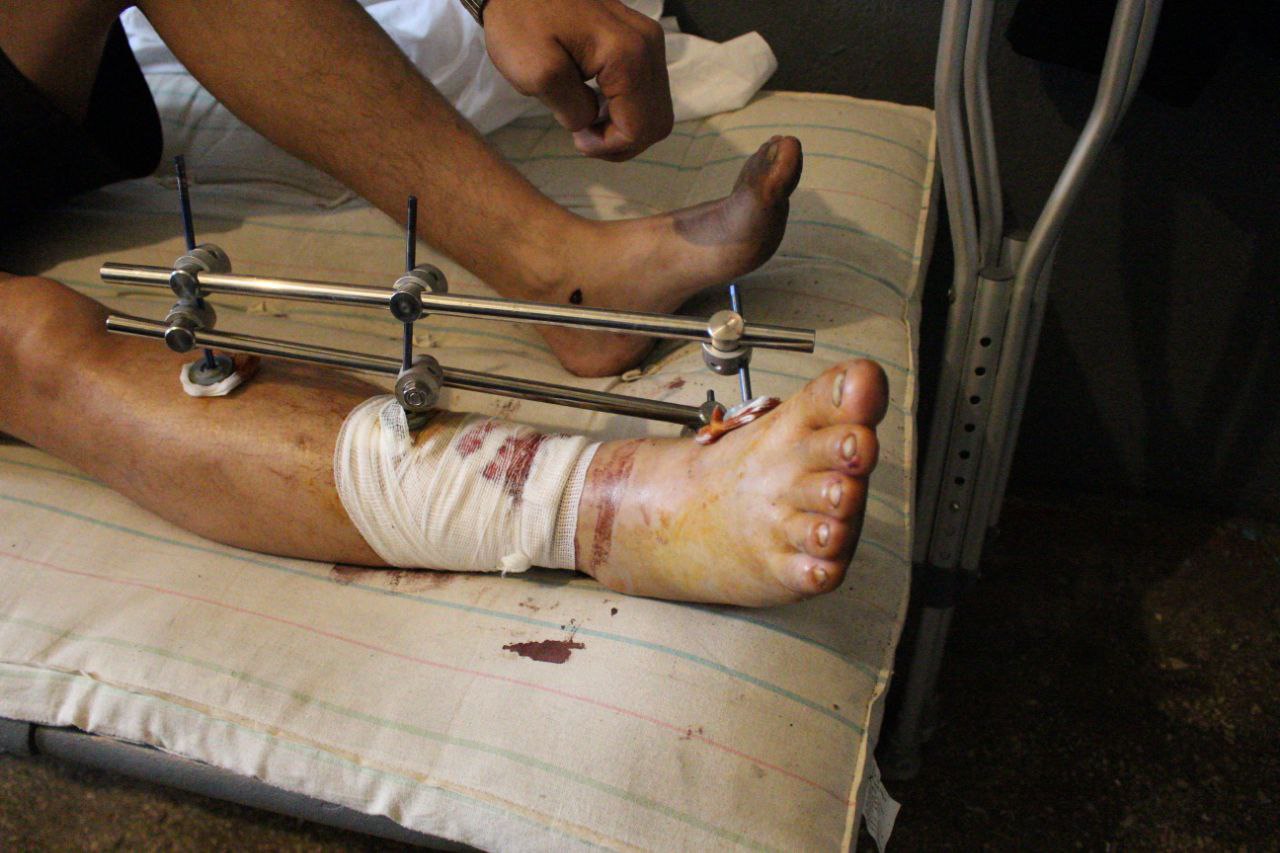
Convict D.:
‘We called the shelter a mass grave. We only went down there once for a drill. During an alert, I was supposed to call an inspector, but the inspectors were hiding themselves. Even if we had all been able to squeeze into those so-called shelters that night, the casualties would have been significantly higher.’
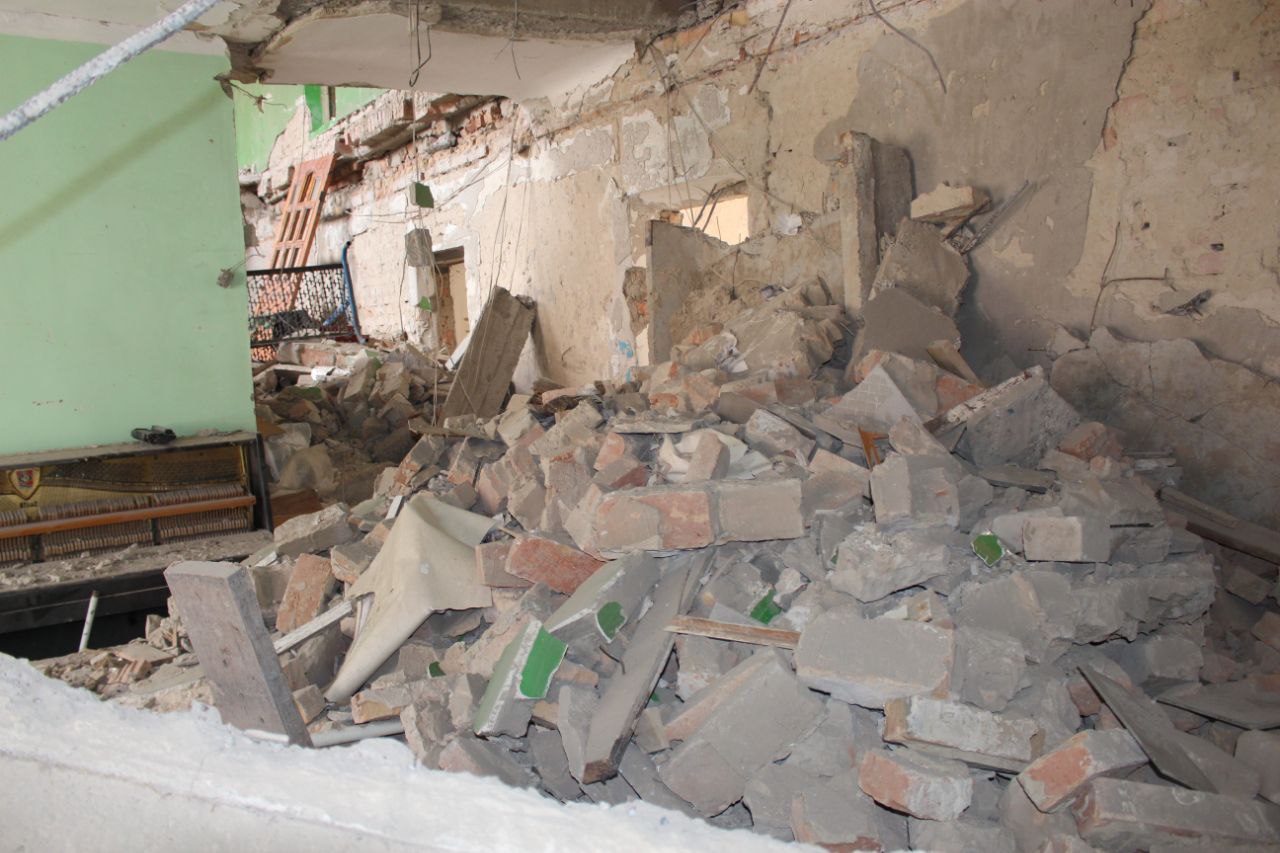
Convict B.:
‘Not a single briefing was conducted. We could not get to the shelter on our own. The siren did not sound, and the staff only appeared after the explosions. We saved ourselves.’
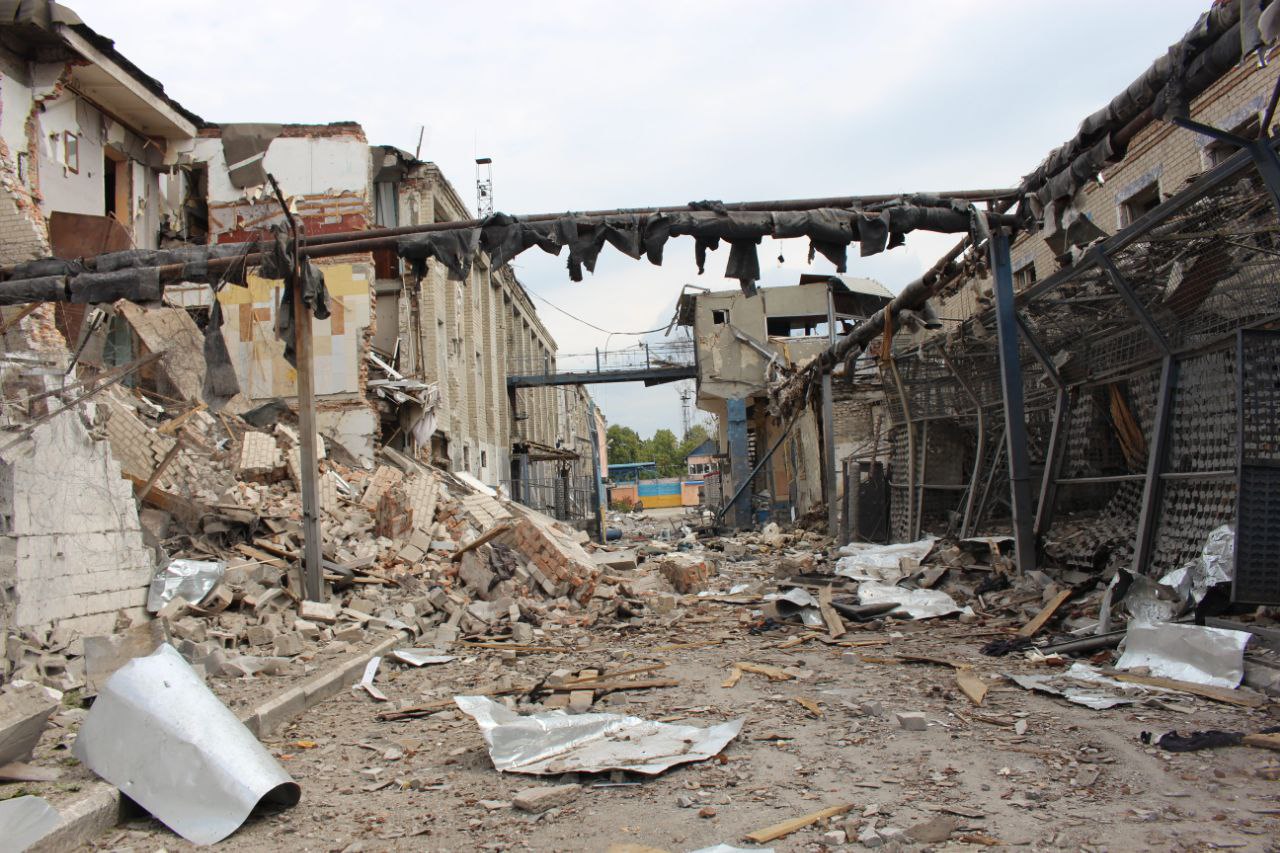
The story of convict A.: he worked, hoped for parole, and became disabled
A. arrived at the colony in June 2024. After quarantine and diagnostics, he was immediately sent to a metal production workshop. Working days lasted from 7:30 to 18:00, sometimes until 20:00. Production quotas increased, and days off were granted once every two weeks. A. did not refuse to work in order to avoid conflicts, hoping for parole.
Drones buzzed over the colony every day, sometimes flying into the workshop gates. The shelter under the barracks remained inaccessible — one had to wait for an inspector, who would disappear during alerts.
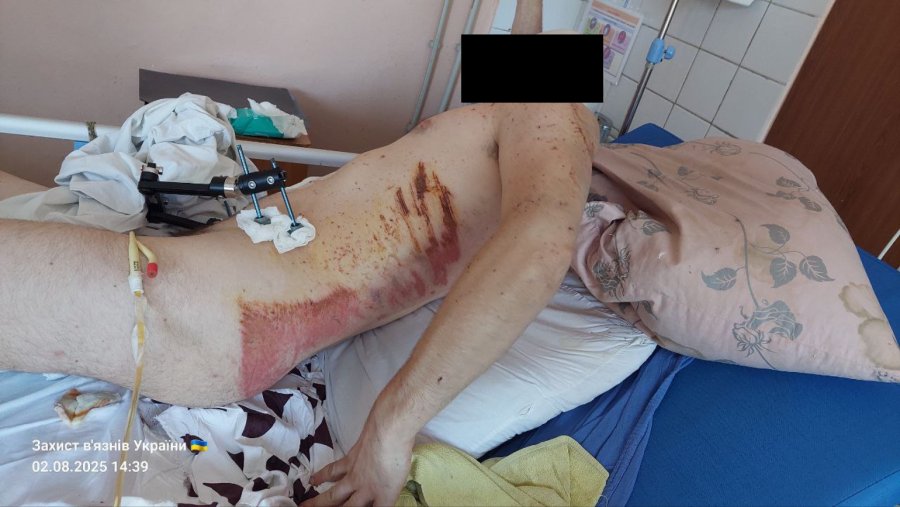
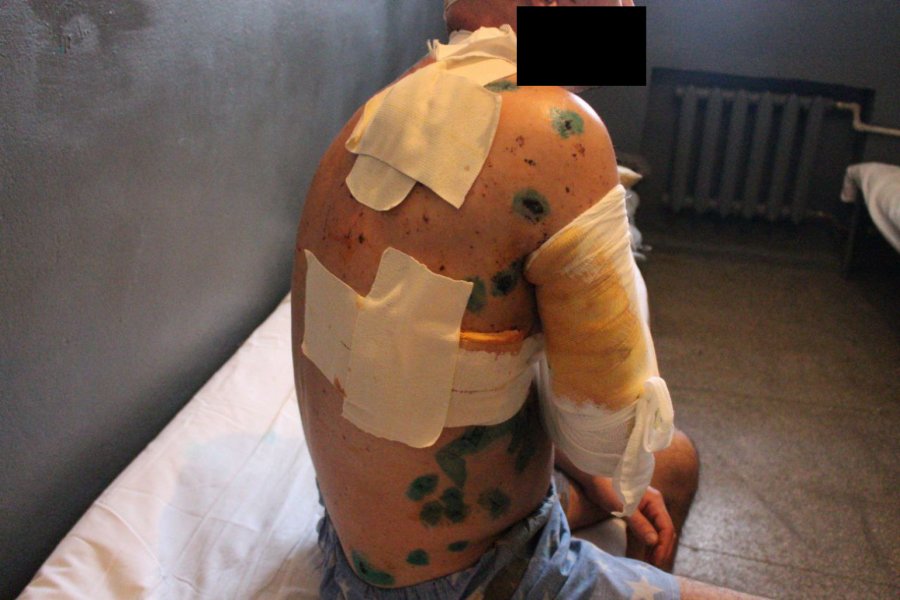
On the night of the tragedy, the first explosion woke A., and the second threw him along with the floor to the lower level. He was covered in debris, and his head and arm were cut. Barefoot and in shorts, he climbed out among body parts and charred corpses.
‘I saw 17–18 bodies shredded by shrapnel. Some were completely burned, black. And at that moment, the head of the unit was asking the foreman: “Vova, are the boards intact?” — referring to the boards for backgammon, mass-produced items,’ recalls A.
Now he cannot walk properly and requires external assistance even for basic care.
The story of convict V., who survived by chance
V. arrived at Bilenke Penal Colony No. 99 in the autumn of 2023. No evacuation was carried out, even though the shelling had become regular. The two shelters were merely a formality — without free access or real chances to escape.
At 23:20 on the night of the tragedy, after the first explosion outside the institution, V. started waking his neighbours. Four minutes later, a second explosion occurred, which blew out the windows and doors.
V. survived by a miracle, but sustained serious injuries and is now bedridden, unable to move on his own.
The story of convict P.
After arriving at the institution in June 2024, he worked in the industrial zone, where the main and effectively only production was the manufacture of metal structures. The working day lasted from 7:30 to 18:00, and if the quota was not met, until 20:00. The salary was approximately 1,800–3,100 UAH per month; days off were granted rarely and depended on meeting the plan. The shelters under the barracks were effectively inaccessible to convicts, and during air raids, the administration would scatter, leaving people without instructions or the possibility to take cover.
The convict testifies that drones regularly flew over the colony, recording the location of production and living quarters. On the night of the tragedy, four KAB aerial bombs hit the territory of the institution — specifically between the fifth and sixth barracks and the canteen. The buildings were destroyed, and many people died instantly. The convicts themselves retrieved the wounded and the dead.
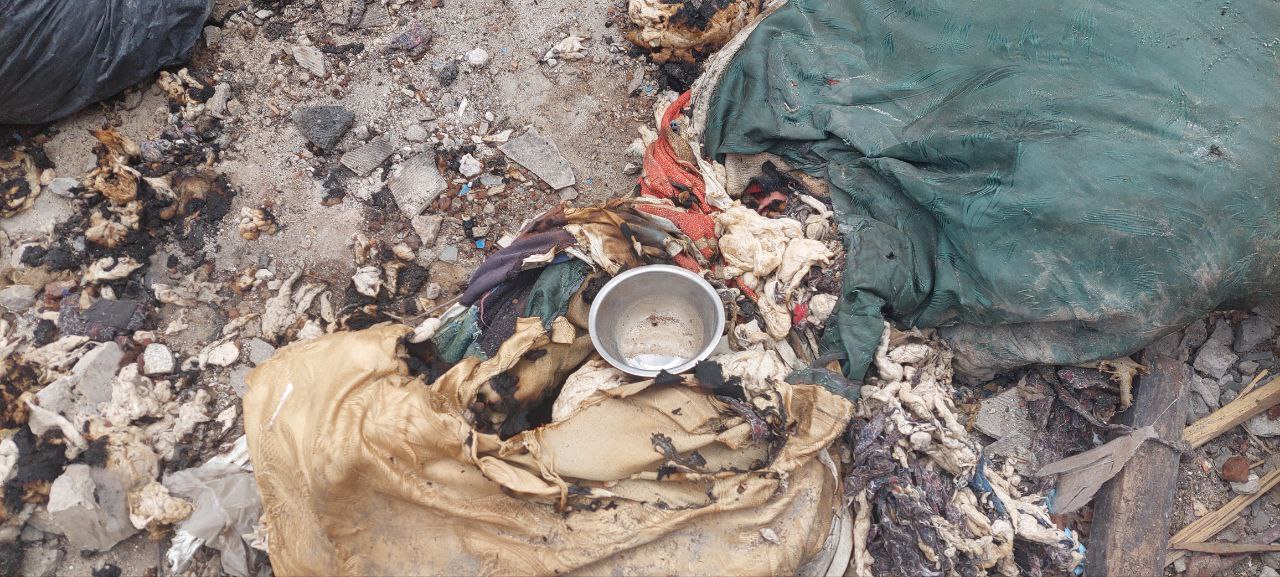
Chaos and indifference during the strike
In the first minutes after the shelling, the colony administration was absent from the scene. Other convicts pulled the victims out from under the rubble. Firefighters arrived first, and the ambulances only arrived after 20 minutes.
Convict G.:
‘For the first 20 minutes, we carried out rescues on our own. I pulled both the living and the dead from under the rubble. Someone’s legs were hanging from the gantry. I closed the eyes of eight deceased. If they had evacuated us earlier, no one would have died.’
After the tragedy
After the shelling, they began to evacuate penitentiary institutions in the Zaporizhzhia region.
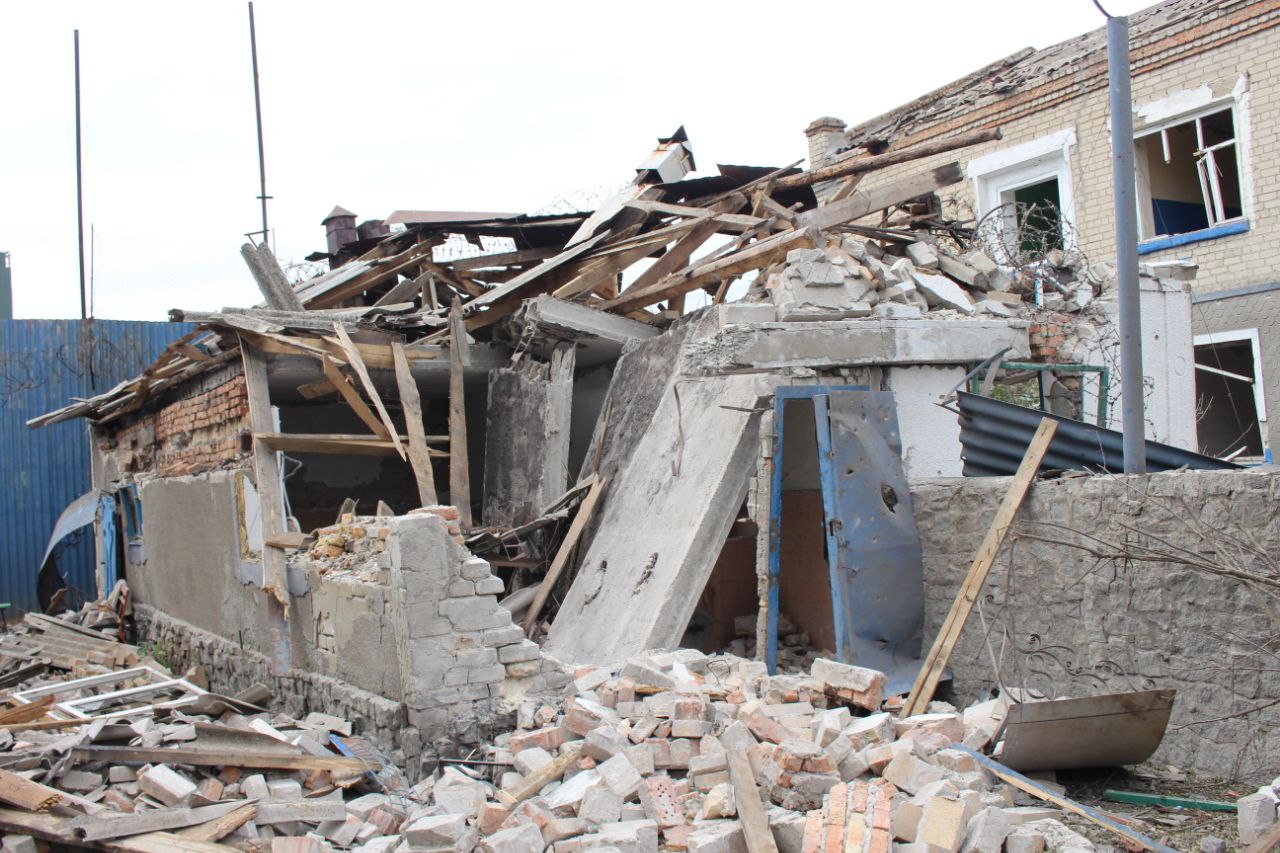
However, thousands of convicts are still in danger zones — in the Kharkiv, Donetsk, and front-line areas of the Sumy and Mykolaiv regions. Security conditions there are no better, and the risk of a repeat of the Bilenke tragedy remains high. Considering that the front line is constantly changing and the danger can increase at any moment:
- Sumy Penal Colony No. 116 is located 44 km from the front line;
- Kachanivka Penal Colony No. 54 for women in the Kharkiv region — 25 km;
- Kharkiv Penal Colony No. 43 — 48 km;
- Oleksiyivska Penal Colony No. 25 — 25 km;
- Temnivska Penal Colony No. 100 — 50 km.
The need to hold the guilty accountable
The Bilenke tragedy is not an ‘accident’ and not an ‘inevitable consequence of war’. It is the consequence of the conscious inaction of officials who:
- knew about the constant threat;
- had a legal obligation to evacuate or protect people;
- did not take any effective measures.
Responsibility for the lives of the convicts lies with the state and its representatives — from the management of the State Penitentiary Service and the Ministry of Justice to specific officials of the colony. Their actions and inaction must receive a proper legal assessment under the Criminal Code of Ukraine and become a subject of investigation not only by national bodies but also by international judicial institutions.
Deprivation of liberty is not a death sentence. A state that does not understand this becomes a complicit party to murder.