Report on the Results of the Monitoring Visit to Zhytomyr Penitentiary Institution No. 8
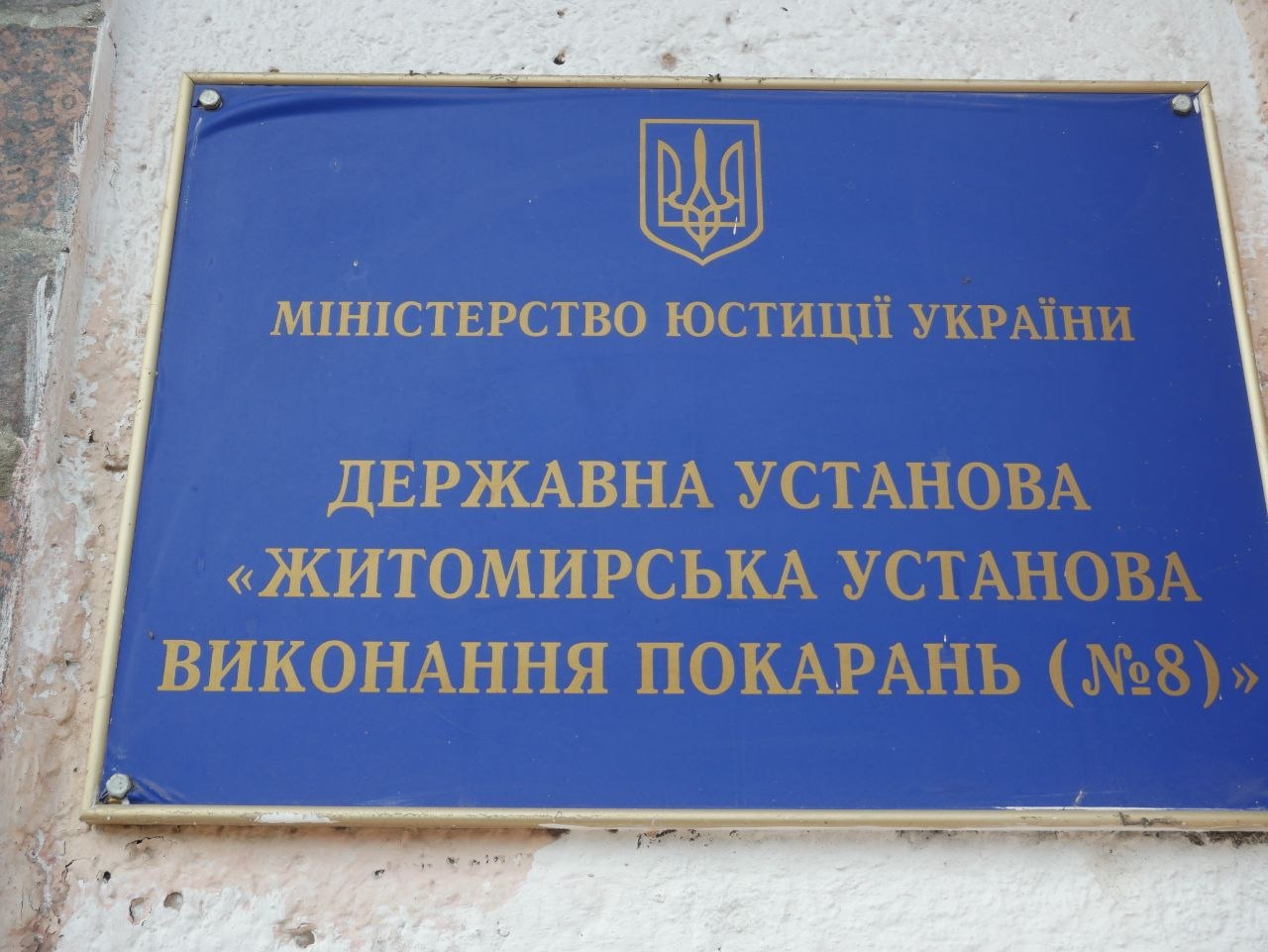
On 14 July 2026, pursuant to the Optional Protocol to the Convention against Torture and Other Cruel, Inhuman or Degrading Treatment or Punishment, taking into account the provisions of the UN Standard Minimum Rules for the Treatment of Prisoners (the Nelson Mandela Rules) and the case law of the European Court of Human Rights, and on the basis of Article 24 of the Criminal Executive Code of Ukraine, ‘Visits to Penitentiary Institutions’, a monitoring group from the Kharkiv Human Rights Protection Group and the NGO ‘Protection for Prisoners of Ukraine’ conducted a visit to the state institution ‘Zhytomyr Penitentiary Institution (No. 8)’ (hereinafter referred to as ZhPI-8, the institution, or the facility).
This was a regular scheduled, unannounced visit. The previous visit took place on 29 April 2024. During the visit, all facilities of the institution were inspected.
Whilst preparing for the visit, the monitors made use of complaints and petitions submitted by detainees, convicted prisoners, and their relatives, materials from previous visits, as well as the report of monitors from the National Preventive Mechanism under the Ukrainian Parliament Commissioner for Human Rights (NPM).
The visit was carried out as part of the ‘Seeking Justice for Survivors’ project, funded by the Ministry of Foreign Affairs of Denmark with the support of the DIGNITY Danish Institute Against Torture.
The visit was conducted by the following monitors:
- Andrii Didenko — assistant to Yaroslav Yurchyshyn, Member of the Parliament of Ukraine; programme coordinator at the Kharkiv Human Rights Protection Group; conducting monitoring visits since 2014; NPM (National Preventive Mechanism) monitor; member of the NPM Advisory Council;
- Serhii Zuikov — assistant to Kostiantyn Kasai, Member of the Parliament of Ukraine; member of the Public Council under the Ministry of Justice of Ukraine; member of the NGO ‘Protection for Prisoners of Ukraine’; NPM monitor with extensive experience in monitoring visits;
- Artemii Shumnyi — journalist for the news agency ‘Protection for Prisoners of Ukraine / PROTECTION FOR PRISONERS OF UKRAINE’; lawyer at the Kharkiv Human Rights Protection Group; NPM monitor.
During the monitoring visit to ZhPI-8, a series of systemic violations of the rights of detainees and convicted persons was uncovered. The monitors recorded non-compliance with statutory living space standards, substandard material, living, and sanitary conditions in certain cells, inadequate natural light and ventilation, a lack of privacy in sanitary facilities, violations of cellular separation requirements, shortcomings in the operation of the admissions and distribution unit, deficiencies in the organisation of laundry, bathing, and catering services, the absence of a functioning shop, a non-functioning radio broadcast network, the use of video surveillance inside cells, and the continued practice of displaying name cards detailing committed offences outside the cells of prisoners sentenced to life imprisonment. A matter of particular concern is the complete absence of a shelter in the institution: given the cellular confinement regime, detainees and convicts are unable to leave their cells independently and proceed to a safe place during air-raid alerts. A substantial staff shortage also persists at the facility.
Certain systemic problems were identified in the spheres of labour, social protection, medical care, and resocialisation. Long-term performance by convicts of permanent duties in the catering unit, workshops, and general maintenance is formalised primarily through civil law contracts in the virtual absence of employment contracts; issues were identified regarding the recording of working hours, documentary evidence of remuneration for certain individuals, transparency in the payment of the Single Social Contribution (SSC), and the accumulation of pensionable service, whilst the administration refused to provide part of the SSC reporting records, citing personal data protection. An examination of the application of the ‘Cassandra’ subsystem, which included interviewing 19 convicts (among them 9 life prisoners), revealed a significant gap between the formal conduct of risk assessments and the actual awareness of the convicts: the interviewees did not understand the purpose of the subsystem, the assessment procedure, or its results.
In the medical unit, shortcomings were identified in the provision of psychiatric care, the diagnosis and treatment of viral hepatitis C, the safeguarding of the rights of persons with disabilities, infection control, and other areas of medical provision. At the same time, positive note was made of the renovations carried out between 2025 and 2026 in the cells and the catering unit, the establishment of a gym for juvenile detainees, and the creation of a local unit with standard detention conditions for adult male convicts held under maximum-security conditions.
General Information
ZhPI-8 is located at: 172 Nezalezhnosti Avenue, Zhytomyr.
The head of the institution is Colonel of the Internal Service Andrii Viktorovych Kvasnyi.
ZhPI-8 is one of Ukraine’s oldest penitentiary institutions and possesses a distinct functional status, combining the functions of a correctional facility and a pre-trial detention centre (SIZO). The history of the institution dates back to the early 20th century: construction of the Zhytomyr prison commenced in 1907 and was completed in 1914. Owing to the challenging geological conditions of the plot selected on the then-outskirts of Zhytomyr, the foundations of the building complex were laid on oak piles.
Originally, the facility operated as a provincial prison with a cellular confinement regime, designated both for persons under investigation and for convicted offenders. Over various historical eras, it fell under the jurisdiction of different governing authorities, and following Ukraine’s independence, it became part of the state penal system. Subsequently, as a result of penal system reforms, the institution acquired its current functional status, under which individuals remanded in custody, those sentenced to fixed-term imprisonment, life prisoners, and other categories of persons specified by law are held within the same complex.
The structure of the institution includes pre-trial detention facilities, maximum-security sectors, quarters for life prisoners, a maintenance and service unit, a medical unit, a catering block, manufacturing and utility facilities, a laundry and bath complex, and other facilities necessary to support institutional operations.
The design capacity of the facility is 1,296 persons. On the day of the monitoring visit, 695 individuals of various legal categories were held in the institution. Of these, 522 were at the stage of pre-trial investigation and judicial proceedings, and 164 were serving sentences of life imprisonment. In addition, 9 individuals subject to extradition proceedings were being held at the facility.
The authorised staff establishment of the institution is 392 posts, with an actual staffing level of 292 individuals. Thus, the staff deficit stands at 100 posts, or approximately 25.5% of the approved establishment. A significant staffing deficit represents a major factor capable of directly affecting the facility’s ability to maintain discipline, safety, and security, conduct social and educational work, and ensure the realisation of the rights of the individuals held within it.
At the time of the visit, 2 individuals were held in punishment cells (punishment isolation). Thirty-nine persons were registered as HIV/AIDS-positive. Forty-nine individuals were on the operational-preventive register as suicide-prone, 11 as prone to self-harm, 7 as escape-prone, and 7 persons were categorised as persistent violators of the detention regime.
According to data provided by the administration, 101 cases of bodily injuries upon admission and 19 cases of bodily injuries sustained during detention at the facility were recorded during 2025. In the current year, 41 cases of bodily injuries upon admission and 9 cases sustained during detention have been recorded.
A distinctive feature of ZhPI-8 remains the high number of life-sentenced prisoners, which necessitates heightened attention to safeguarding their rights, ensuring adequate living conditions, and providing opportunities for resocialisation and prospects of release.
Positive Developments
During the monitoring visit, positive note was made of the substantial volume of repair and renovation work carried out by the administration of ZhPI-8 throughout 2025 and the first half of 2026, aimed at improving the living, material, and sanitary conditions of individuals held in the institution.
In 2025, a complete overhaul of the catering block’s premises was undertaken, particularly in the vegetable processing area and the kitchen staff room. Ceilings were repaired, the power supply system, water mains, and sewage networks were replaced, new lighting was fitted, walls and floors were tiled, and windows and doors were replaced.
Special praise was given to the creation of proper conditions for physical exercise for juvenile detainees. The gym underwent full refurbishment: walls, ceilings, and flooring were renewed, electrical wiring was replaced, and the room was equipped with sporting apparatus.
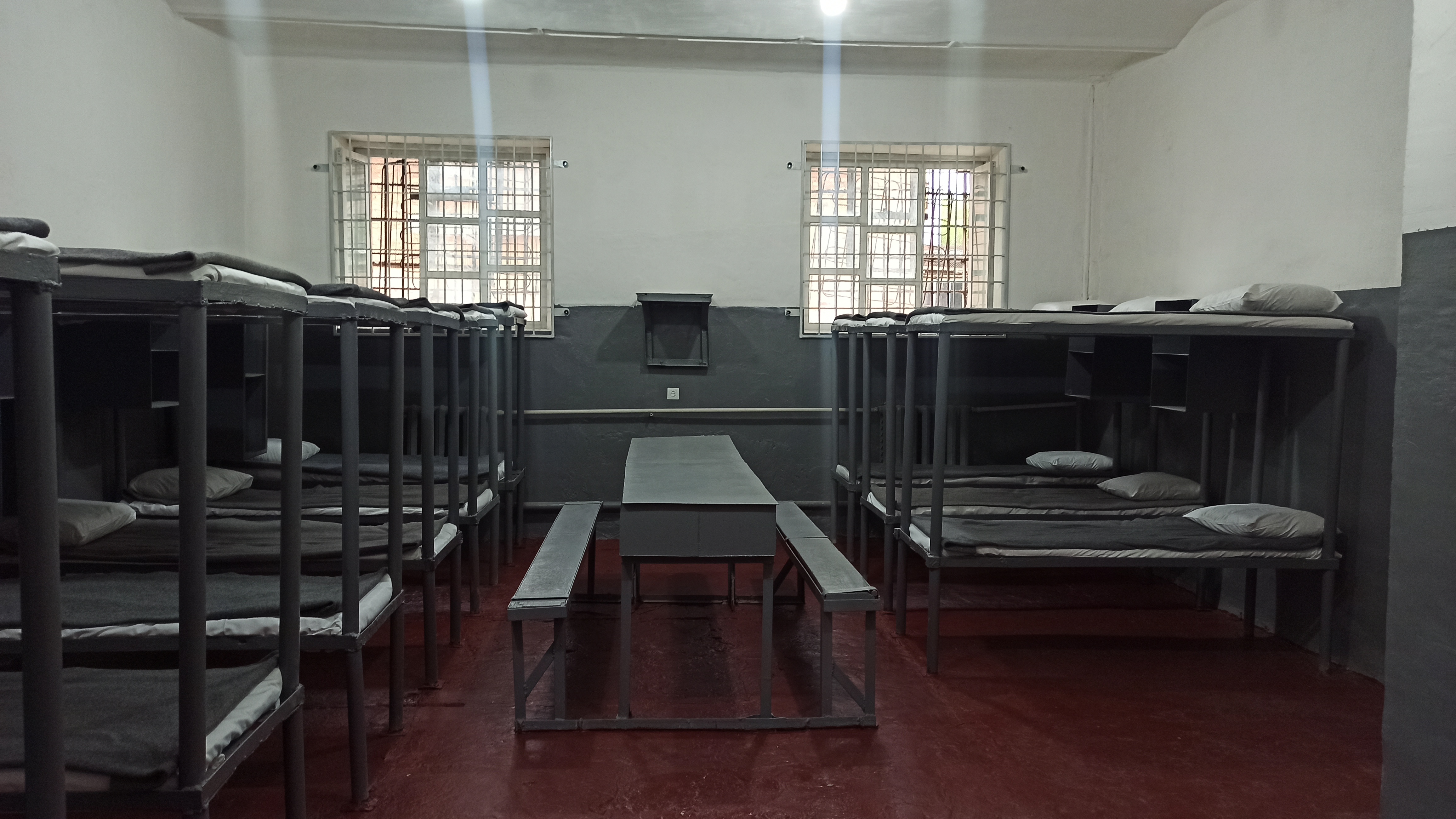
During 2025, 17 cells with a total capacity of 135 places were also renovated. Electrical, water supply, and drainage networks were replaced in these cells, sanitary installations were repaired, new furniture was fitted, finishing works were carried out, and windows were replaced.
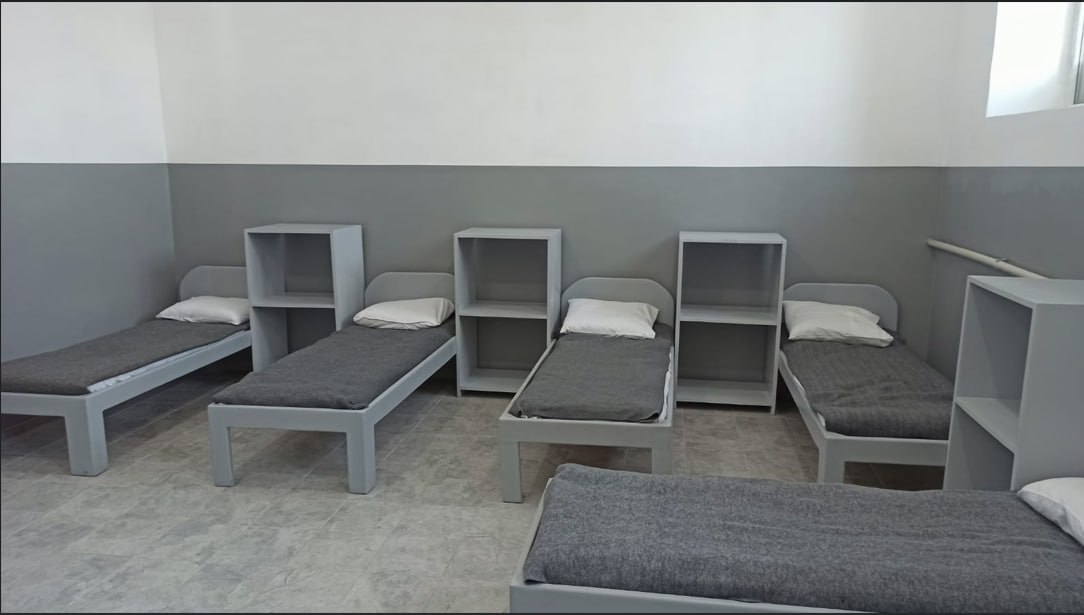
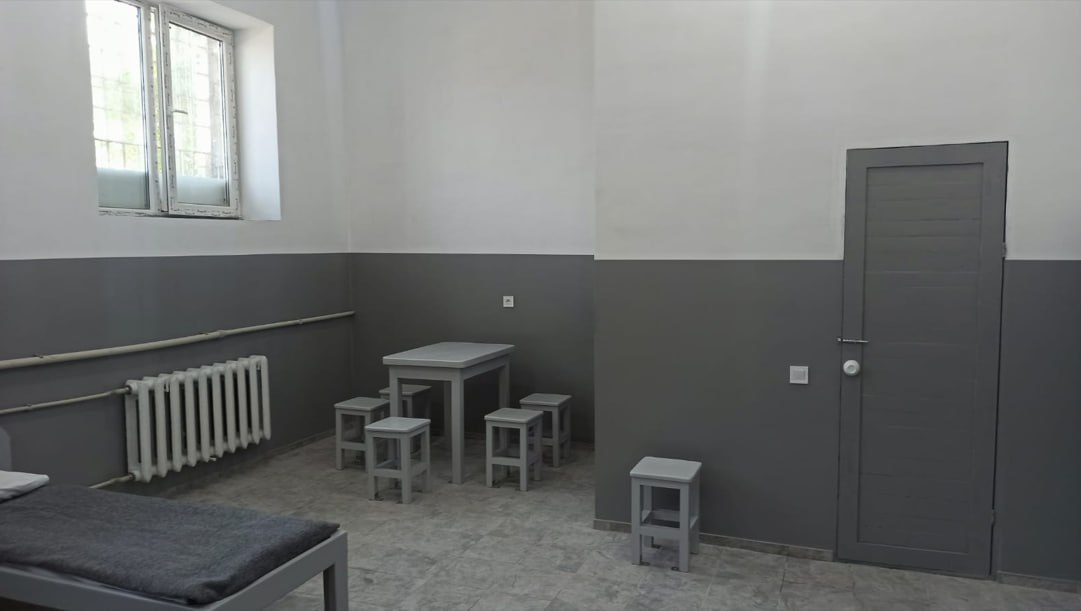
The creation of a local unit with standard detention conditions for adult male convicts held in the maximum-security sector represents a commendable practice. The unit comprises living quarters, a dining hall, sanitary and domestic rooms, an exercise yard, an office for the head of the unit, and a room for educational work. This approach helps improve everyday living conditions and fosters a more suitable environment for social and educational work with convicts.
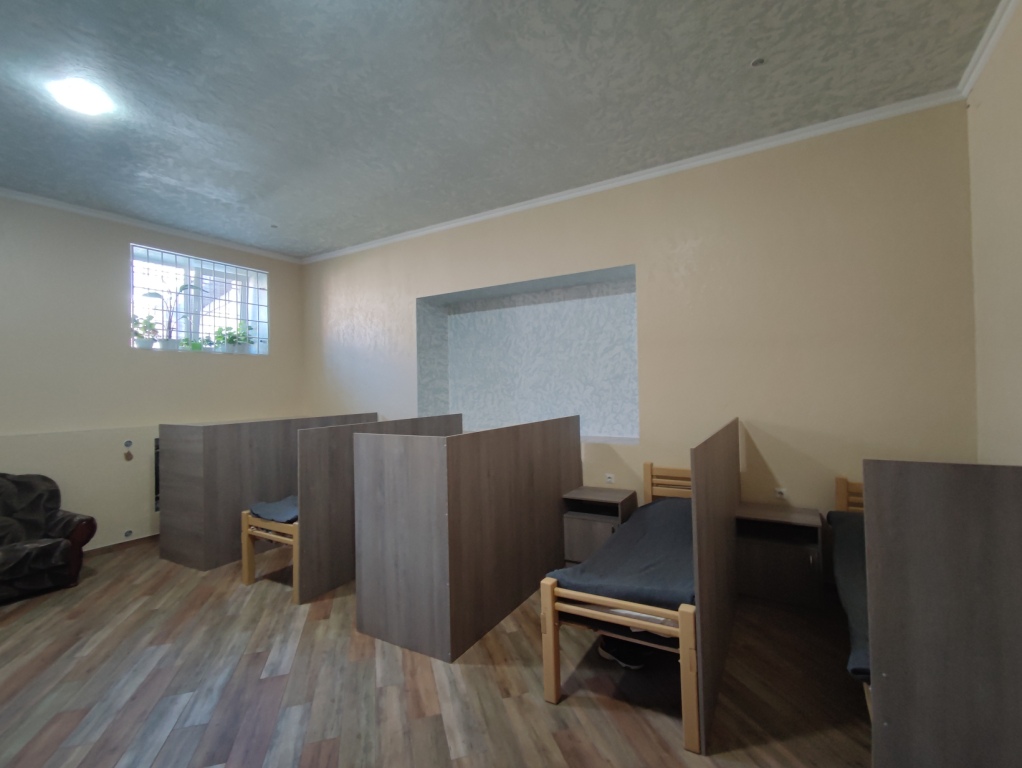
Works aimed at improving conditions continued into the first half of 2026. Cells with a total capacity of 52 places were refurbished. In these premises, utility networks, sanitary fixtures, electrical wiring, and water supply elements were replaced, furniture was updated, metal-plastic windows were installed, decorative finishes were applied, and sanitary facilities were tiled.
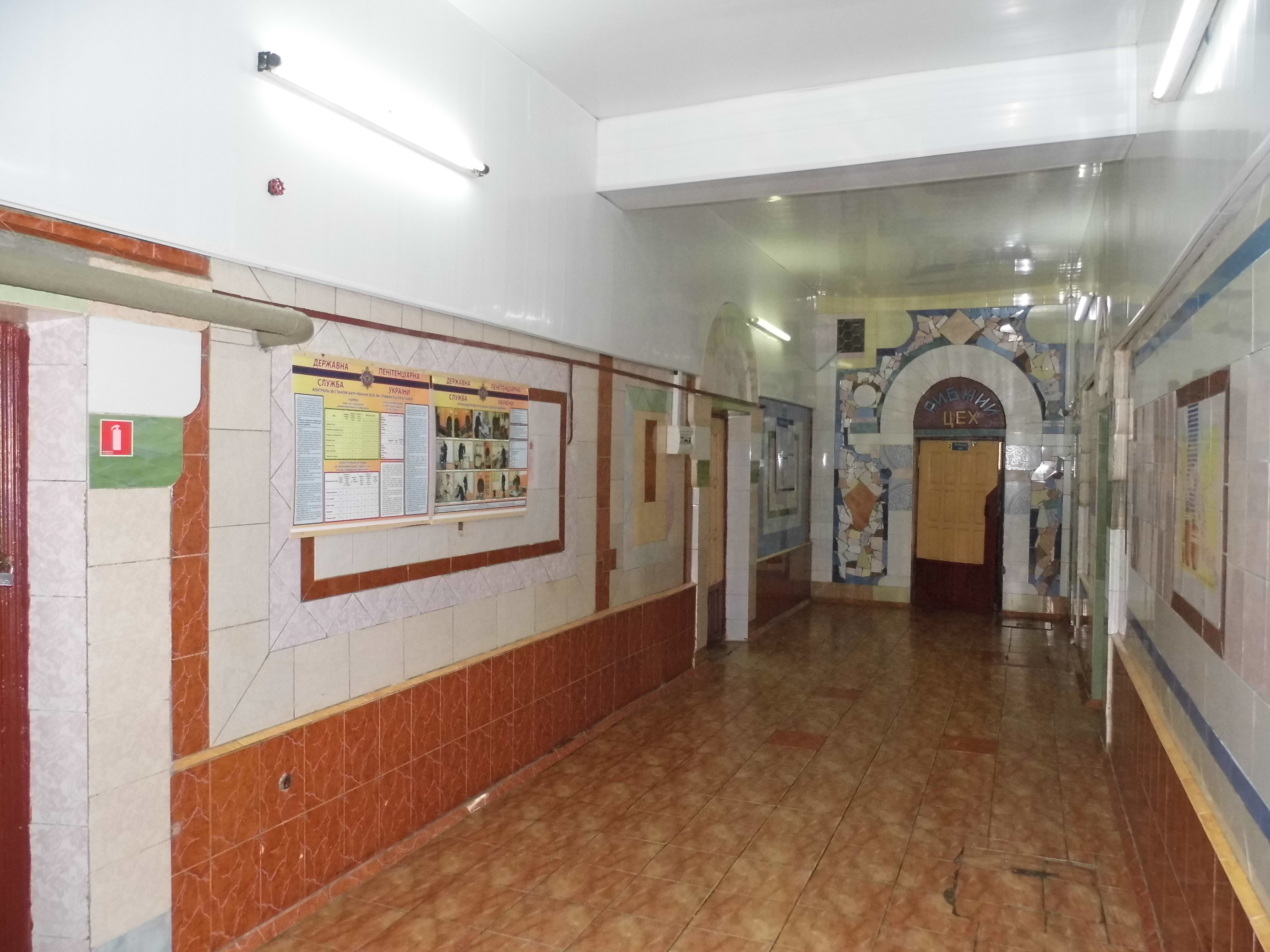
Furthermore, the corridor, changing room, and sanitary facilities of the catering block were renovated, including the replacement of utility lines, tiling of surfaces, fitting of suspended ceilings, and installation of new doors.
Thus, positive note was taken of the consistent implementation of renovation work at the facility throughout 2025–2026, which went beyond mere cosmetic updates to include the replacement of utilities, water supply, sewerage, and electrical systems, the repair of sanitary facilities, the renewal of furniture, and the improvement of conditions for physical exercise and educational work. The refurbishment of cells, the overhaul of the catering block and juvenile gym, and the establishment of a local unit with standard detention conditions for maximum-security male convicts warrant particularly high commendation.
Identified Violations of National and International Law
During the monitoring visit, violations of national statutory requirements and failure to adhere to international recommendations regarding the treatment of prisoners were identified, resulting in infringements of the rights of detainees and convicted persons:
1. During the monitoring visit, a number of systemic violations were established, including failure to observe statutory living space standards for convicted and remanded persons in cells, alongside other infractions evidencing substandard detention conditions. Such conditions may be construed as cruel, inhuman, or degrading treatment or punishment and may lead to fresh applications being lodged against Ukraine with the European Court of Human Rights under Article 3 of the Convention for the Protection of Human Rights and Fundamental Freedoms.
In particular, in violation of Part 1 of Article 115 of the Criminal Executive Code of Ukraine (hereinafter referred to as the CEC of Ukraine) and Rule 13 of the UN Standard Minimum Rules for the Treatment of Prisoners (the Nelson Mandela Rules), it was found that in certain cells of the institution’s maximum-security sector (hereinafter referred to as the MSS), the living space per convict was less than 4 m².
For instance, in cell No. 140, two persons were held, whereas, according to the official certificate of area measurements for the institution’s structural units, it was designed to accommodate only 1 person (the area of the room according to the certificate being 5.4 m²). Consequently, the actual living space available per prisoner was only 2.7 m², which fails to meet the minimum standard of 4 m² set for convicted persons.
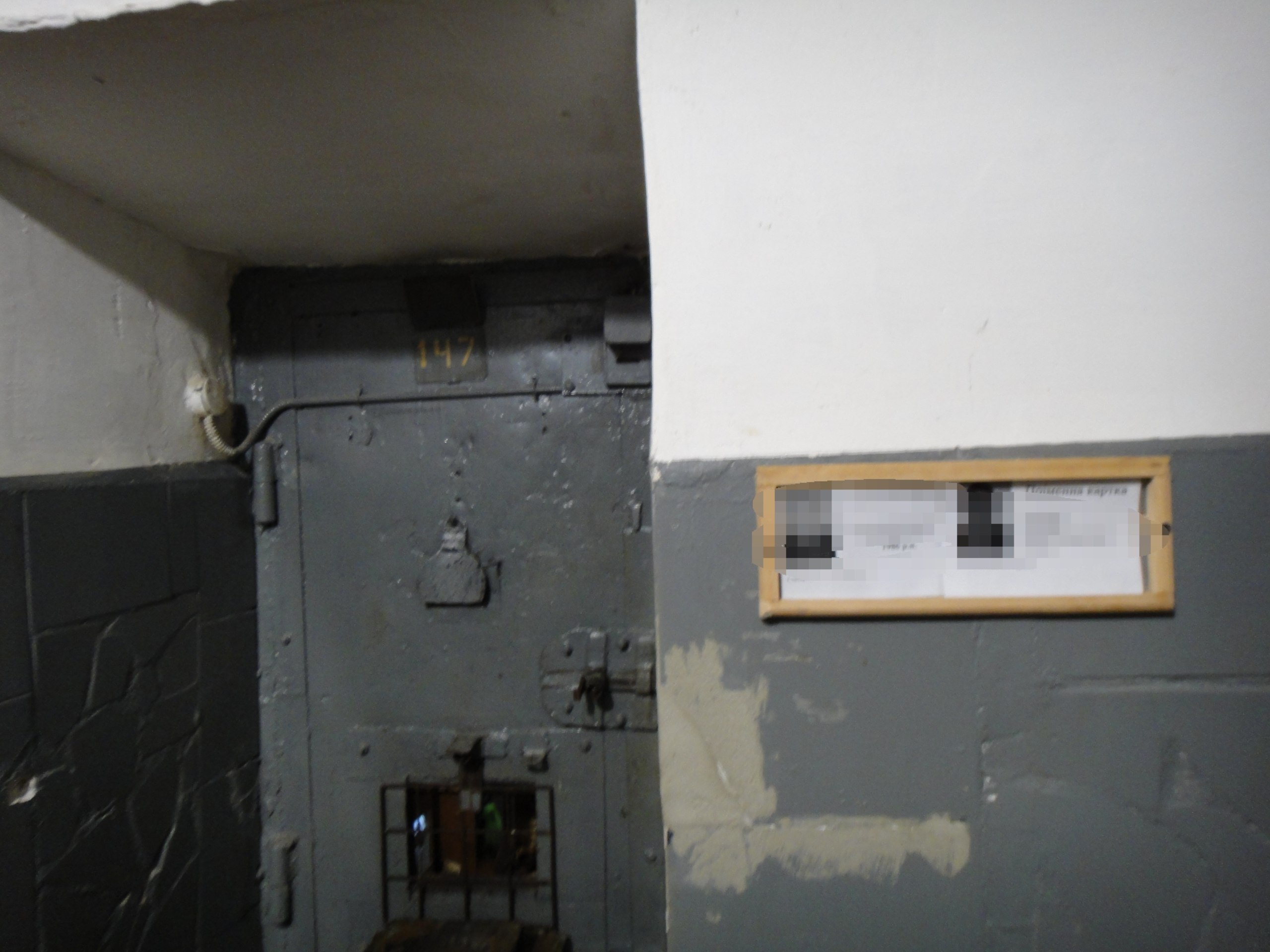
Similar violations were identified in cells Nos 143, 145–147, 149, 150, 152–154, 156, 241, 251, 354, 445, 501, and 509.
Furthermore, in violation of Paragraph 1 of Chapter 2 of Section III of the Internal Rules of Remand Prisons of the State Criminal-Executive Service of Ukraine, approved by Order of the Ministry of Justice of Ukraine No. 1769/5 dated 14 June 2019 (hereinafter referred to as the SIZO Internal Rules), it was established that in several cells the actual number of sleeping berths exceeded the permissible number required to ensure the statutory space standard per person.
This violation creates conditions for potential abuses by the administration and staff of the institution with regard to compliance with per-person living space standards, and deprives detained persons of adequate personal space.
Paragraph 13 of the 7th General Report of the European Committee for the Prevention of Torture and Inhuman or Degrading Treatment or Punishment (hereinafter referred to as the Committee or CPT) notes that overcrowded cells result in unhygienic conditions, a persistent lack of privacy, and overburdened medical services and institutional infrastructure. The Committee concludes that, all too often, the negative impact of overcrowding leads to inhuman or degrading conditions of detention (CPT/Inf (97) 10).
2. Paragraph 59 of the 21st General Report of the Committee states that any cell measuring less than 6 m² should not be used to accommodate prisoners (CPT/Inf (2011) 28).
In its report on the 2012 visit to Ukraine, the Committee noted that single-occupancy cells should offer at least 6 m² of living space (excluding the sanitary annexe), and the distance between walls should be at least 2 metres (CPT/Inf (2013) 23, paragraph 45).
Nevertheless, the monitoring group established the ongoing use of cells Nos 140–157, 240–252, and 254–257, the floor space of which, according to the official area measurement certificate of the facility’s units, is less than 6 m².
Measurements taken in cells Nos 145, 152, and 156 showed that the distance between the walls was less than 2 metres, failing to meet the established requirements.
3. In accordance with Paragraph 43 of the 3rd General Report of the European Committee for the Prevention of Torture, persons with mental disorders should be accommodated and treated in specialised medical facilities, such as psychiatric hospitals or properly equipped units within the penitentiary system.
According to Paragraph 44 of the said report, the treatment of persons with mental disorders must be conducted under proper medical supervision, with appropriate care and, where necessary, pharmacotherapy (CPT/Inf (93) 12).
However, during the visit to the facility, an individual with a mental disorder was discovered in cell No. 110 living in conditions that can be characterised as cruel, inhuman, or degrading treatment, failing to comply with Article 3 of the Convention for the Protection of Human Rights and Fundamental Freedoms.
Specifically, this cell was found not to comply with Article 11 of the Law of Ukraine ‘On Pre-trial Detention’, the first indent of Paragraph 1 of Chapter 4 of Section IX of the SIZO Internal Rules, or Rules 13, 14, 15, 17, 21, and 22.2 of the UN Standard Minimum Rules for the Treatment of Prisoners (the Nelson Mandela Rules).
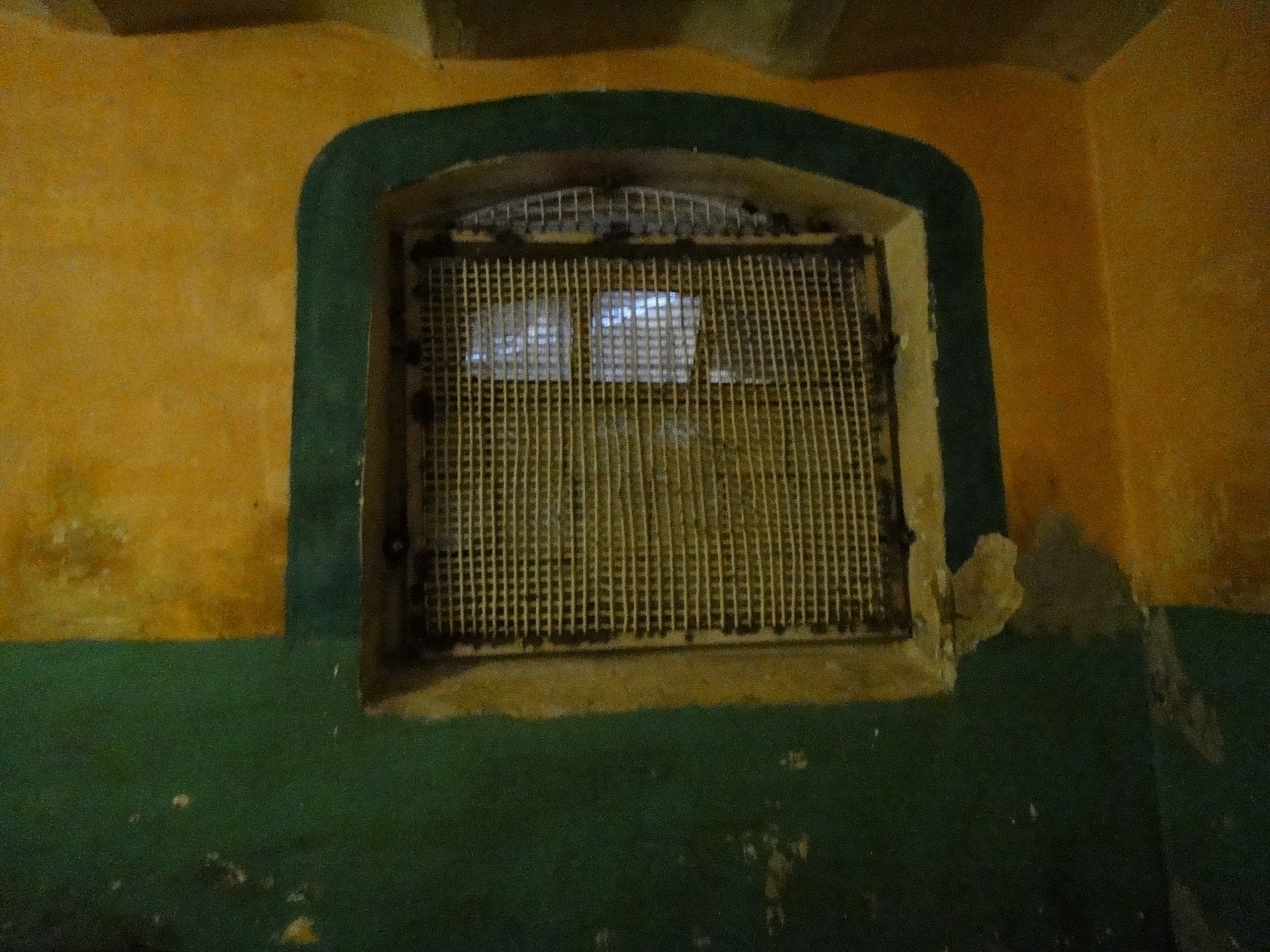
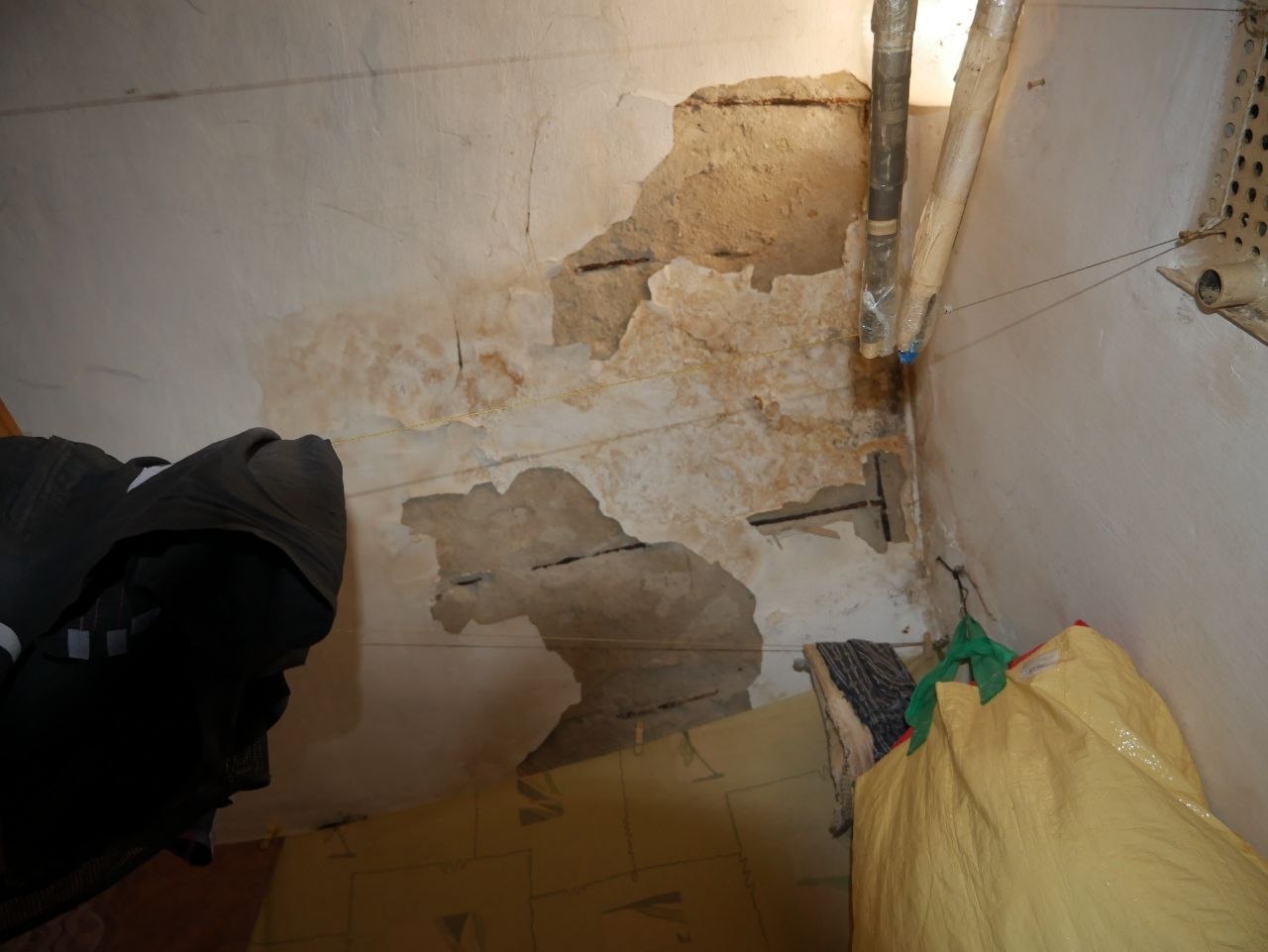
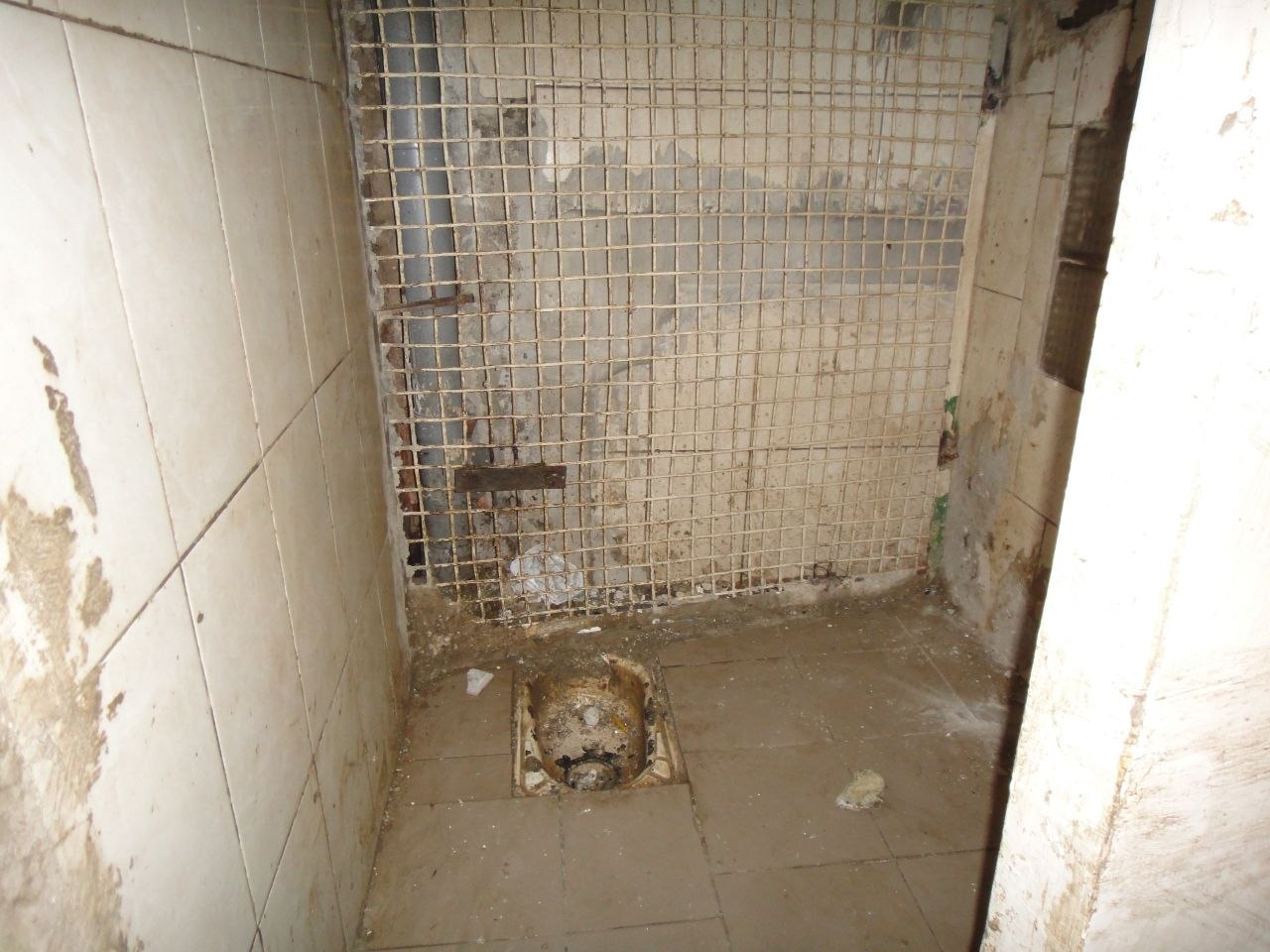
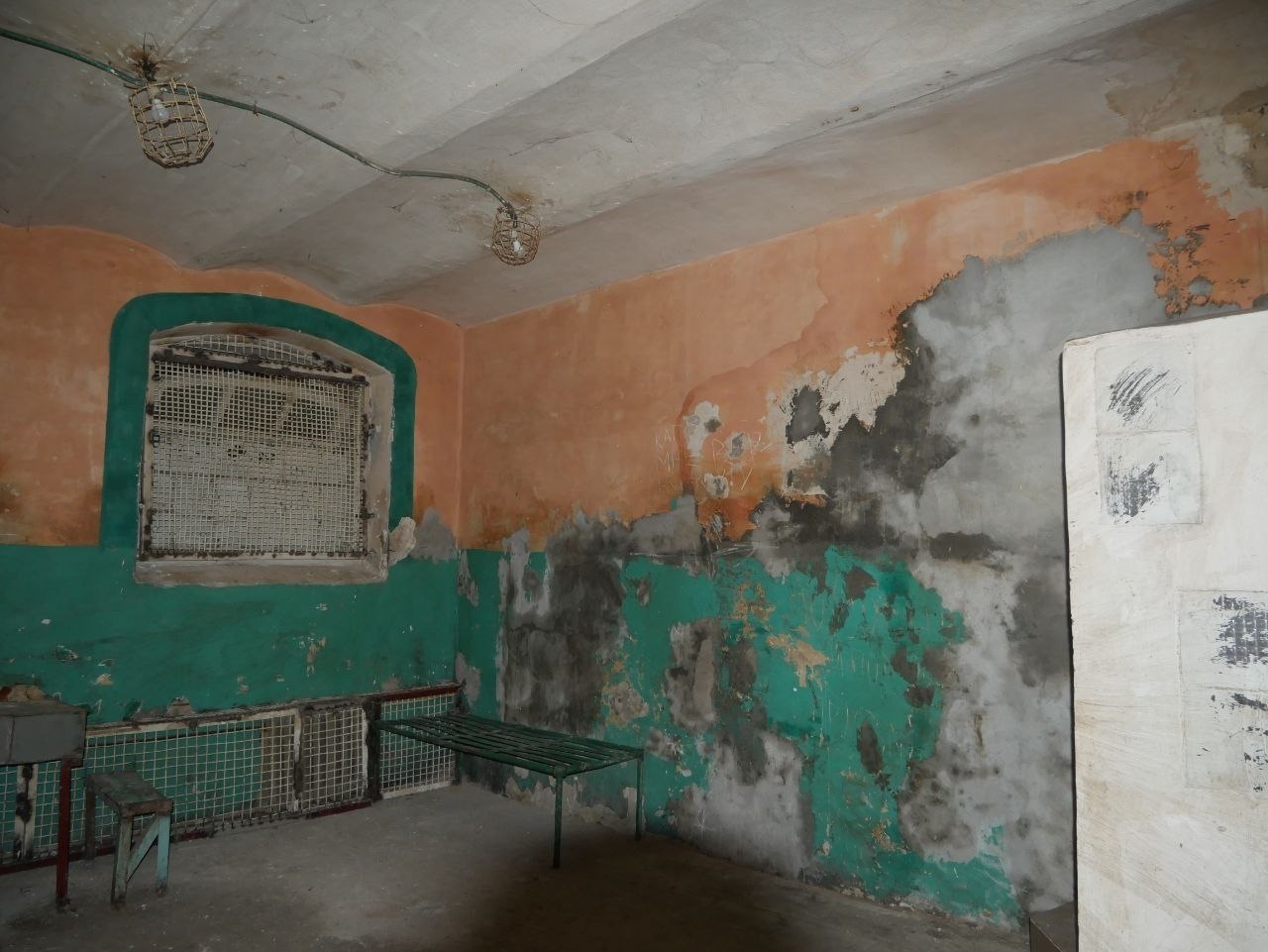
During the inspection of the cell, the monitoring team found that the toilet was not equipped with a functioning flush system, and the washbasin was broken and out of order. There were no adequate partitions or doors to ensure privacy. Natural light scarcely entered the room, as the window was small and fitted with dense metal bars, completely depriving the occupant of any view outside the cell. In addition, artificial lighting was insufficient. The cell lacked a drinking water container and had no mechanical ventilation system. A persistent, unpleasant odour hung in the air, the sanitary state was unsatisfactory, walls displayed mould and water seepage, and the floor was filthy. Furthermore, the cell lacked a mattress and bed linen.
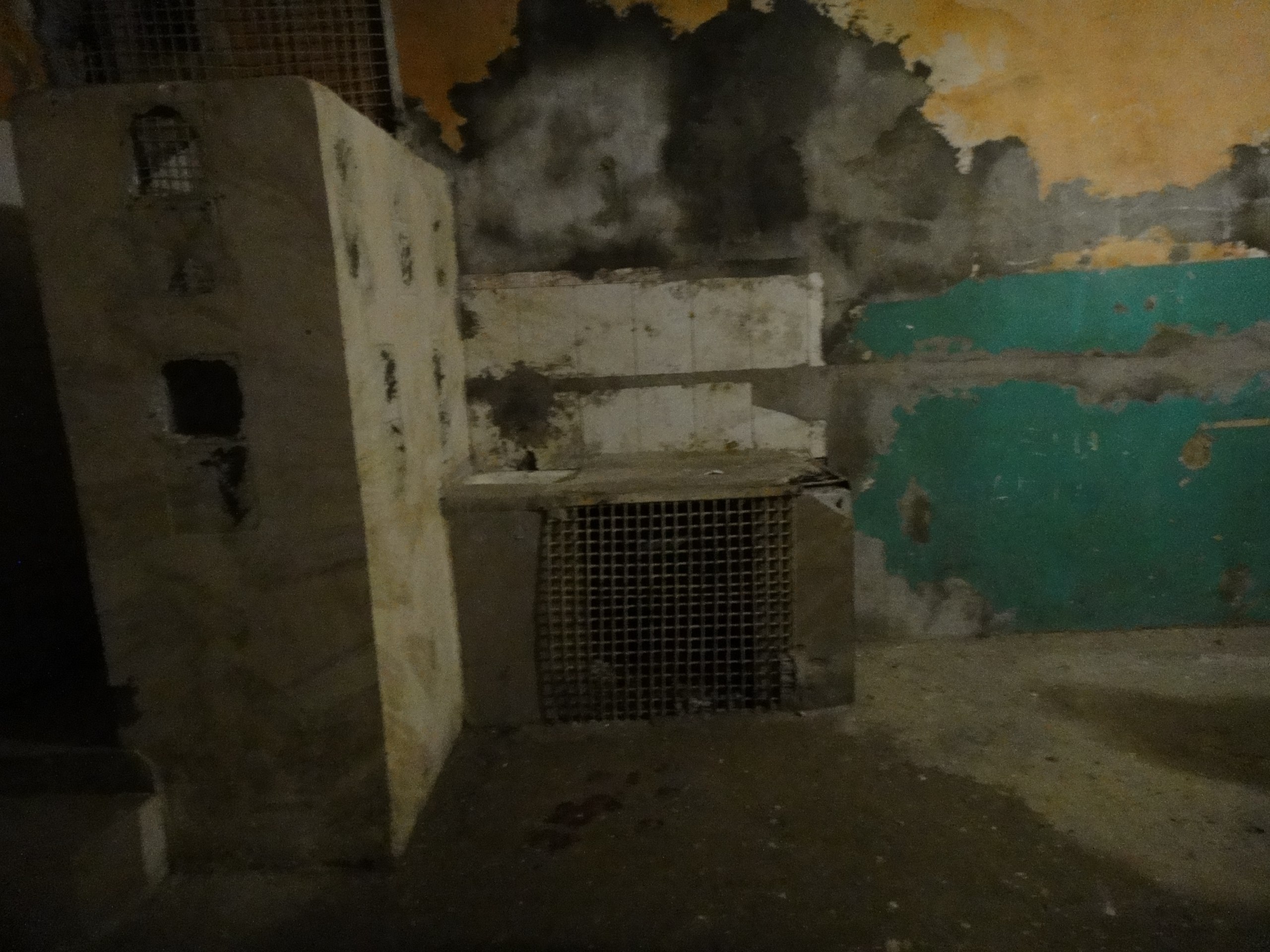
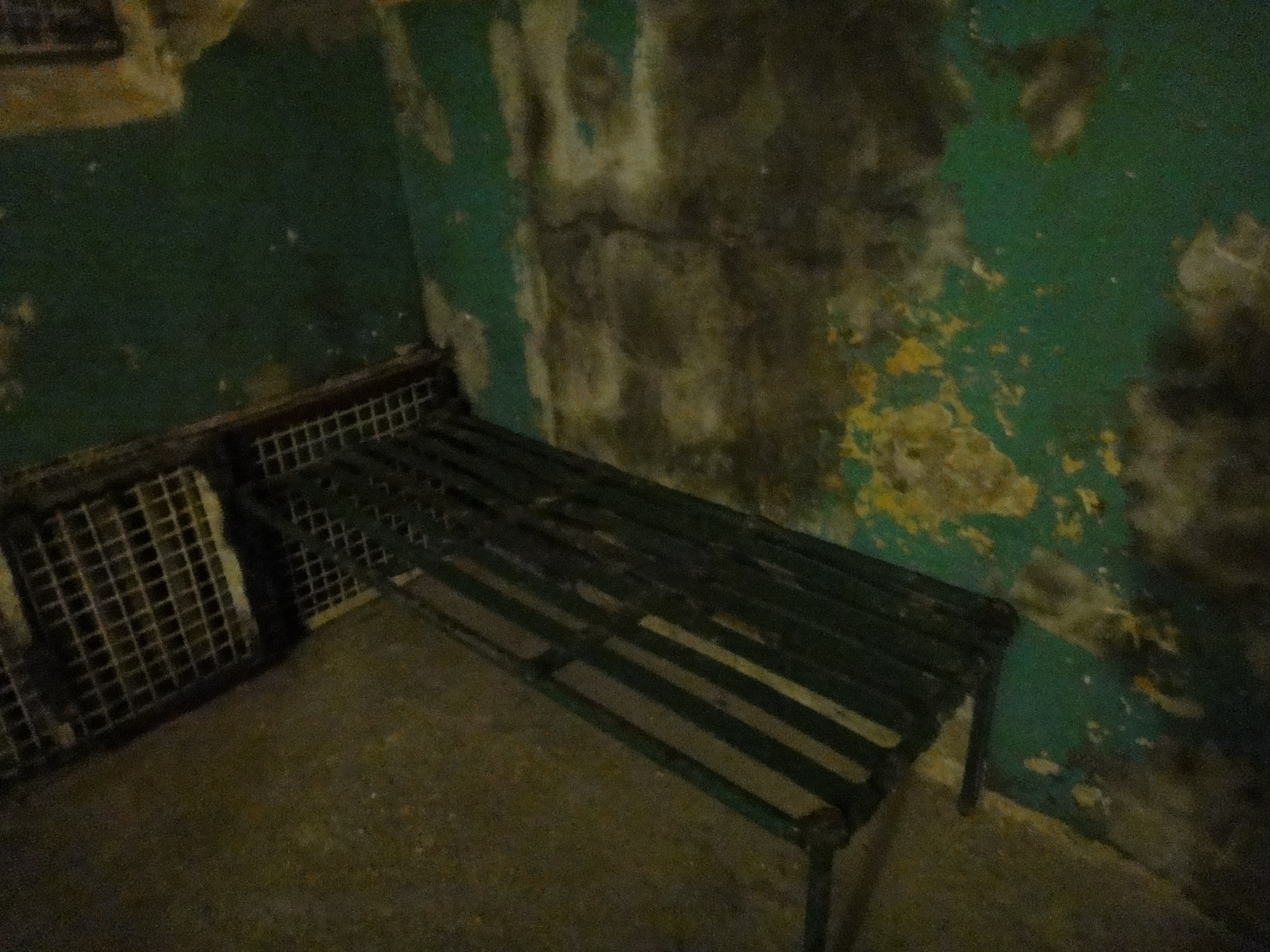
4. During the inspection of the admissions and distribution unit, it was established that its layout and equipment did not fully meet the requirements of the Standards for Equipping Pre-trial Detention Centres with Furniture, Inventory, and Household Items, approved by Order of the Ministry of Justice of Ukraine No. 1118/5 dated 27 July 2012 (hereinafter referred to as the Equipping Standards), as well as Rules 13, 14, 15, 17, and 22.2 of the UN Standard Minimum Rules for the Treatment of Prisoners (the Nelson Mandela Rules), which may constitute a violation of the detainees’ right to humane treatment and respect for human dignity guaranteed by Part 3 of Article 1 of the Law of Ukraine ‘On Pre-trial Detention’.
The admissions and distribution unit possesses three holding rooms for the temporary placement of remanded persons. However, the monitoring group discovered two additional temporary holding rooms set up inside the search room, where three detainees were held at the time of the visit.
The monitoring team noted that these rooms lacked numbering. Consequently, when detainees and convicts are placed in these premises, facility staff fail to enter the relevant details into the unit’s duty logbook, in contravention of Paragraph 10 of Chapter 2 of Section II of the SIZO Internal Rules.
This infraction creates conditions for potential abuse by the administration and staff, precluding proper monitoring of compliance with per-person space norms and creating grounds for the breach of Article 8 of the Law of Ukraine ‘On Pre-trial Detention’ and Rule 17.2 of the European Prison Rules regarding the cellular separation of prisoners.
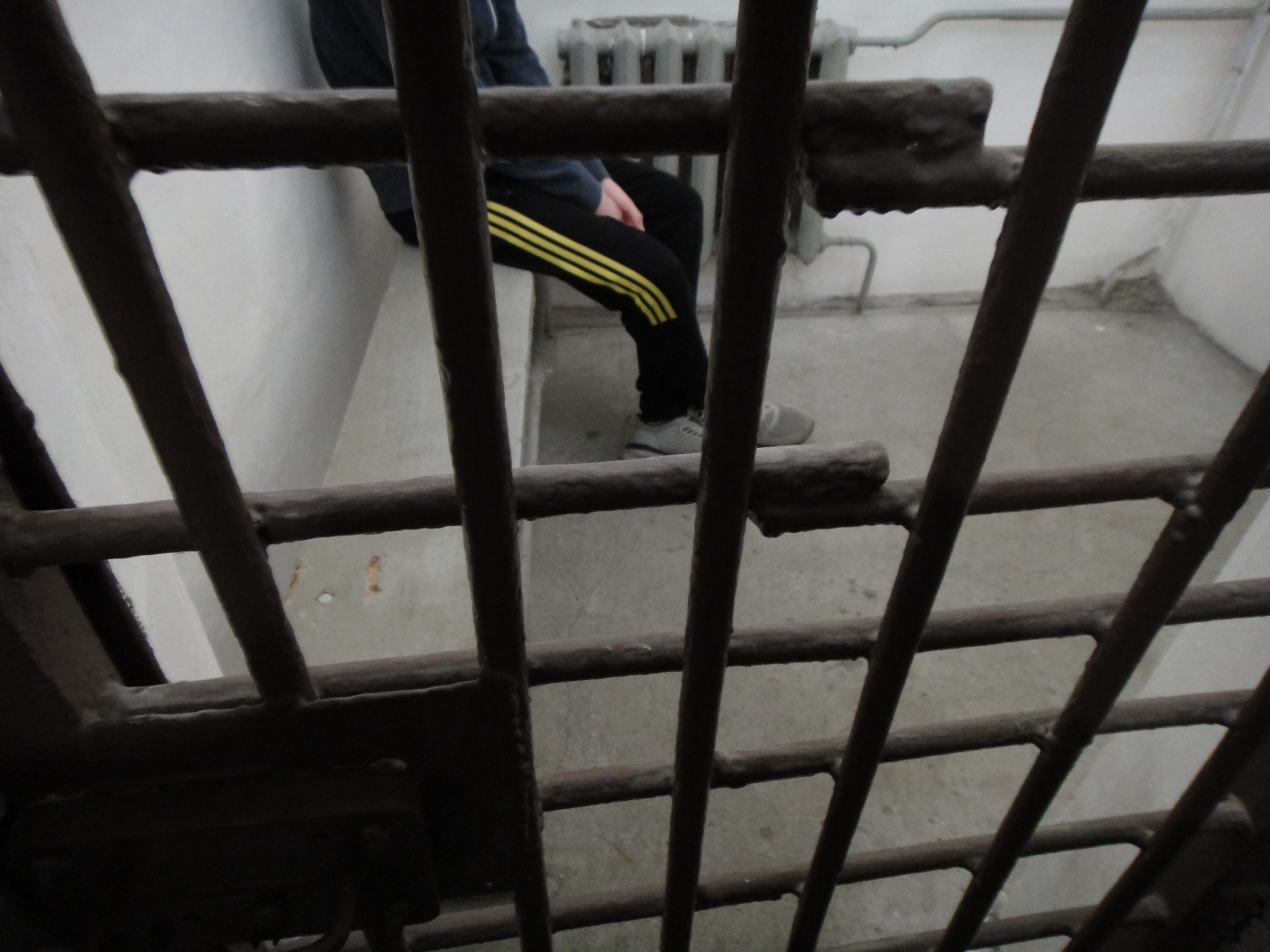
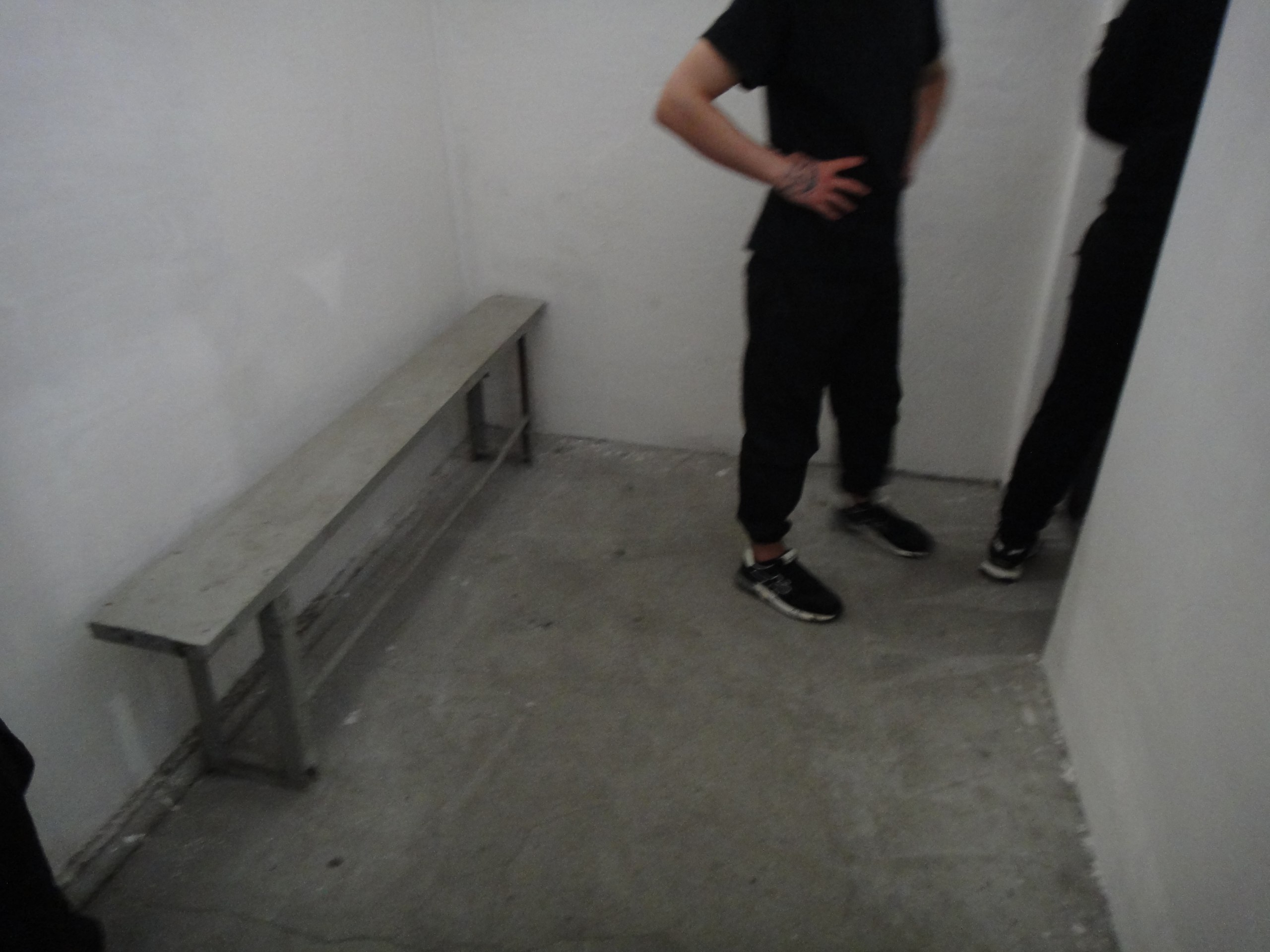
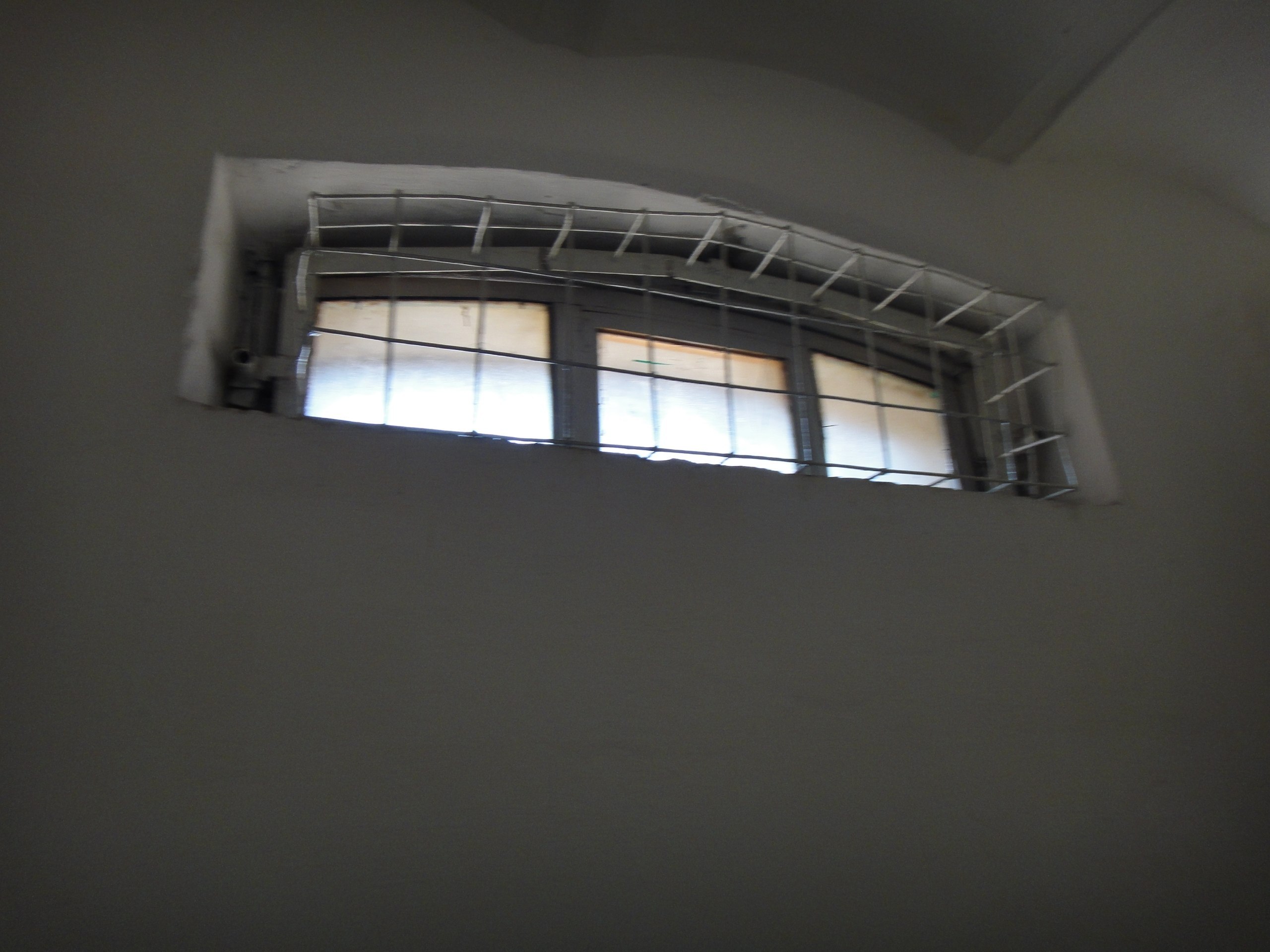
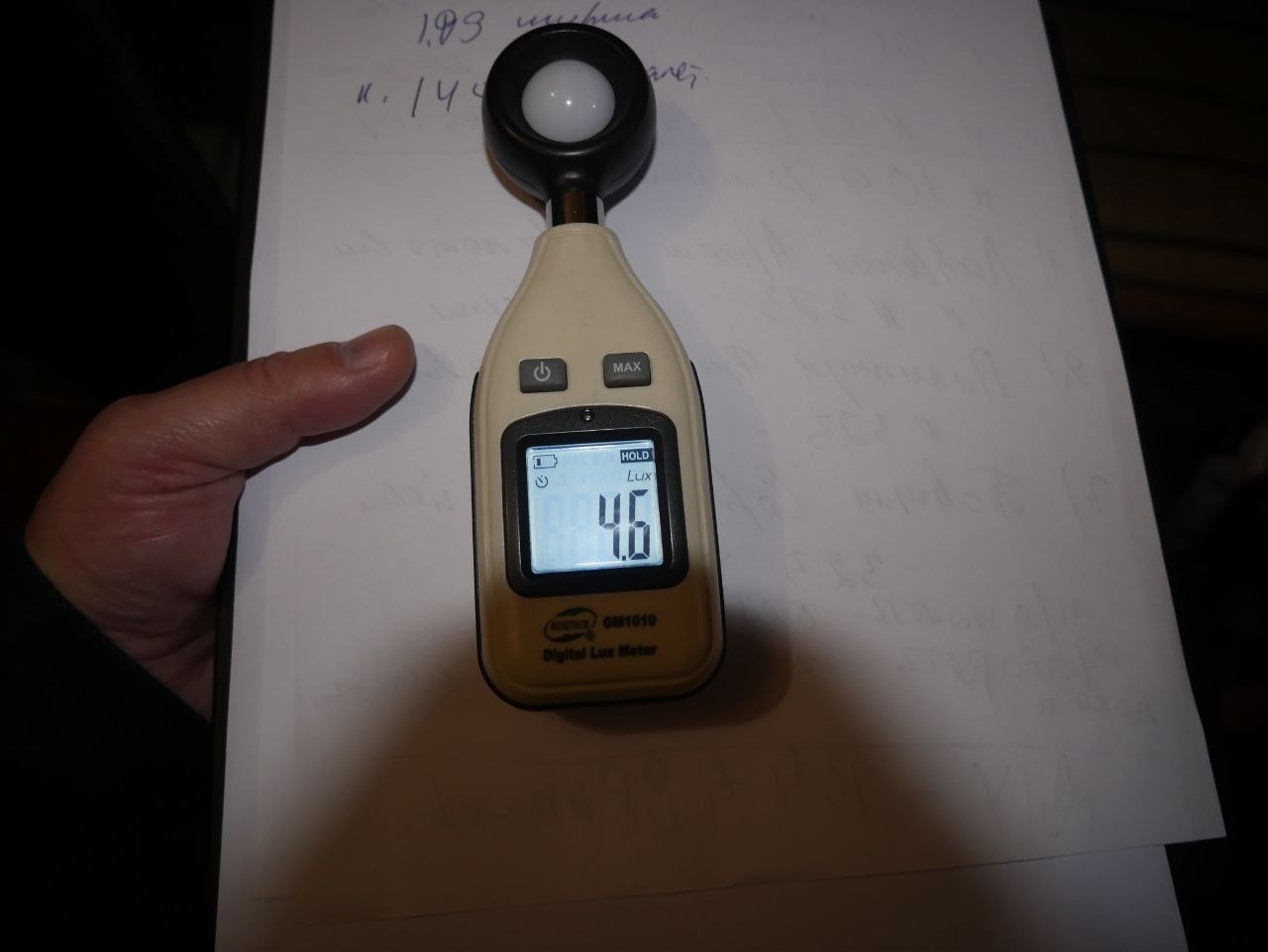
5. An inspection of these holding rooms revealed that adequate natural lighting is not provided; the windows are small, positioned high up, and heavily barred, severely restricting natural daylight. An instrumental light-meter measurement carried out during the visit recorded a level of just 4.6 lux — over 32 times lower than the minimum standard of 150 lux stipulated by sanitary norms for living premises. Such a reading indicates not merely an insufficiency of natural light, but the de facto prolonged confinement of detainees and convicts in conditions of severe light deprivation, which is inconsistent with sanitary and hygienic standards for long-term human occupancy and standards of humane treatment of persons deprived of liberty. Furthermore, the mechanical ventilation system in these rooms was inoperative.
Moreover, the rooms are not provided with drinking water containers. Owing to the absence of water supply and drainage systems, they lack sanitary conveniences and washbasins, rendering it impossible to maintain decent hygiene and sanitary standards.
6. In violation of the Equipping Standards, the admissions and distribution unit lacks the following required facilities: a storage room for exchange bed linen and clothing; a storeroom for temporary storage of soiled bed linen and clothing; a barber’s room; a shower room; a quarantine cell; and an isolation cell for sick prisoners. The absence of a quarantine cell and an isolation cell in the unit fosters conditions for the transmission of infectious diseases among new arrivals, increases the risk of epidemiological outbreaks, and impedes the timely detection and isolation of sick persons, posing a threat to both detainees and staff.
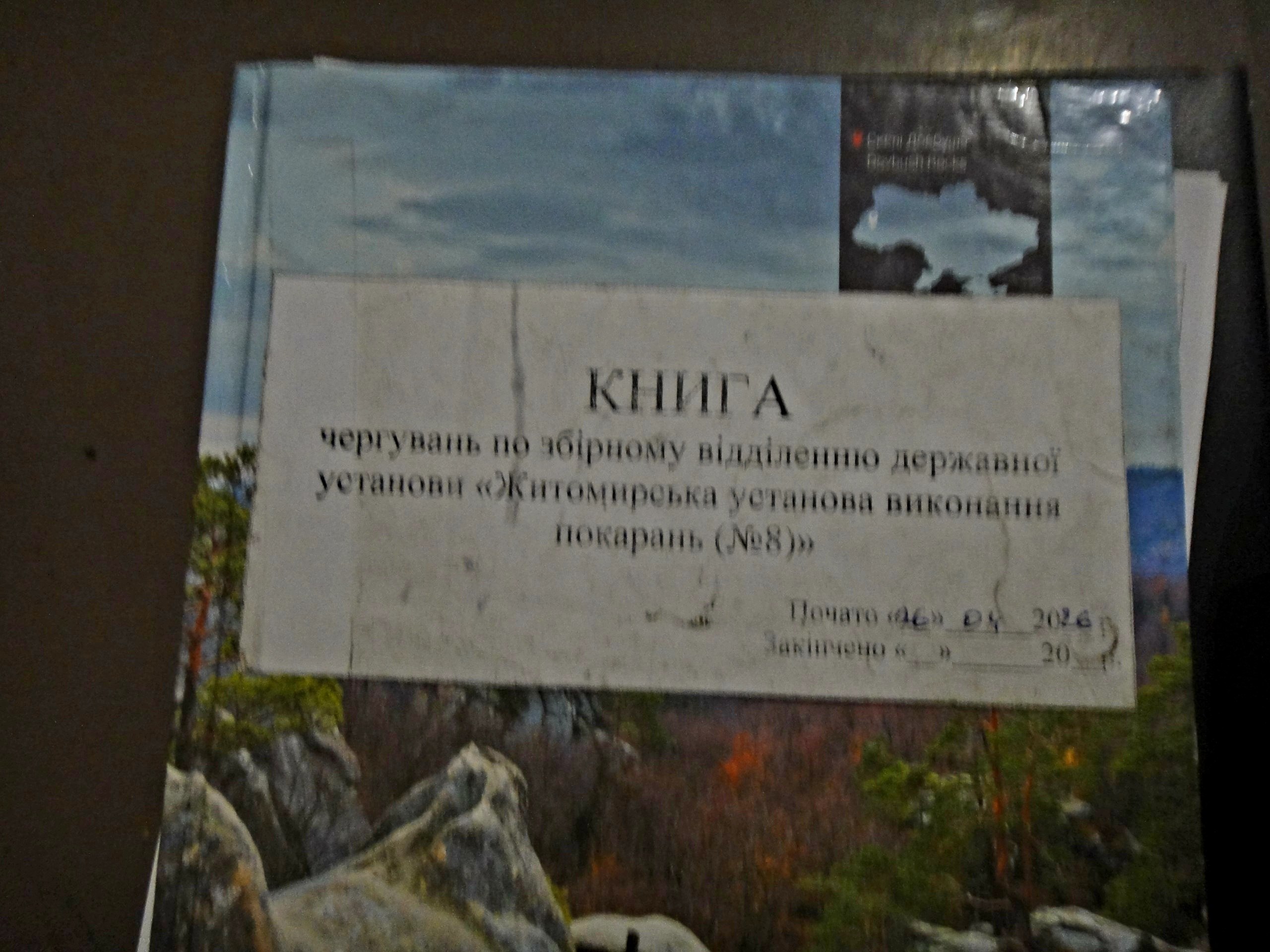
7. According to Paragraph 10 of Chapter 2 of Section II of the SIZO Internal Rules, detainees and convicts are to be accommodated in admissions and distribution rooms for no longer than two hours whilst their intake records are processed, in strict compliance with separation requirements. The time of arrival in the unit’s holding rooms and the time of transfer to cells must be recorded in the unit’s duty logbook.
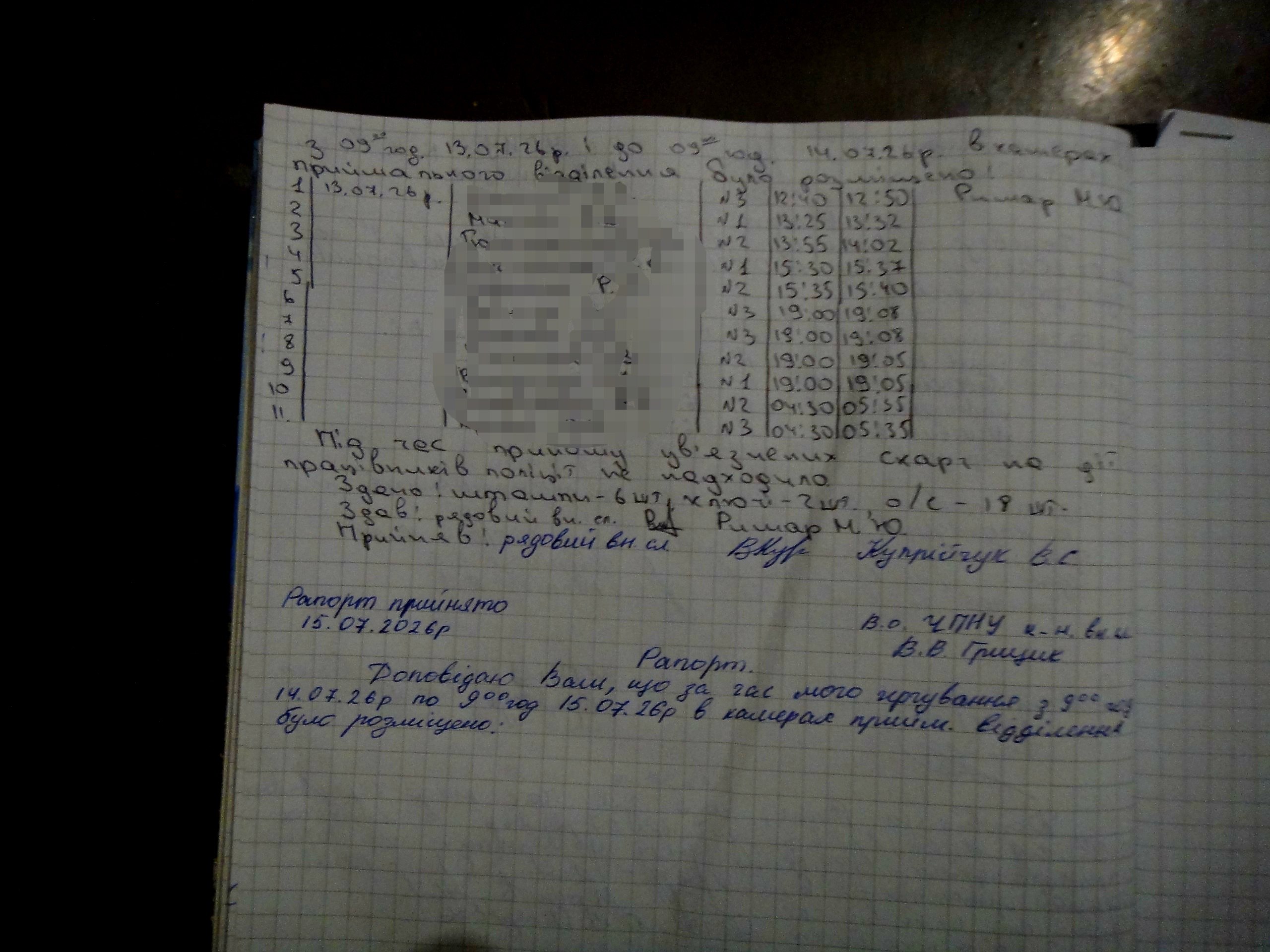
However, the inspection uncovered gross violations of these rules. In particular, the maintenance of the unit’s duty logbook is purely perfunctory: arrival, transfer, and departure times of detainees and convicts are not recorded in a timely fashion, and effective supervision over time limits spent in the admissions unit is virtually non-existent.
Thus, as of 14 July 2026, the last entry in the unit’s duty logbook was dated 13 July 2026. At the same time, detainees were present in the holding rooms during the visit, yet no record of their placement had been made in the logbook. According to a staff member, details concerning the arrival, departure, and placement of detainees and convicts are entered into the book only at the end of the shift.
8. In violation of Article 8 of the Law of Ukraine ‘On Pre-trial Detention’ and Rule 17.2 of the European Prison Rules, monitors identified breaches of cellular separation requirements. A spot check revealed that cell No. 102 held an individual with prior custodial convictions alongside individuals facing criminal charges for the first time. Similar violations were identified in cells Nos 105 and 166.
This demonstrates a failure by the facility’s administration to maintain adequate oversight over inmate allocation, runs contrary to the principles of dynamic security, and violates the prisoners’ right to personal safety, breaching both national legislation and international standards, notably Article 3 of the European Convention on Human Rights.
9. Paragraph 4 of Chapter 2 of Section III of the SIZO Internal Rules provides for the use of audio-visual, electronic, and other technical equipment to ensure security, prevent escapes, forestall criminal offences, and prevent breaches of detention rules.
During the inspection of certain cells, the monitoring group noted the installation of video surveillance cameras.
In this regard, the Committee noted in its 2012 report that video surveillance in living areas constitutes a serious intrusion into the private lives of prisoners and renders detention regimes more oppressive, particularly when applied over extended periods (CPT/Inf (2013) 23, paragraph 52).
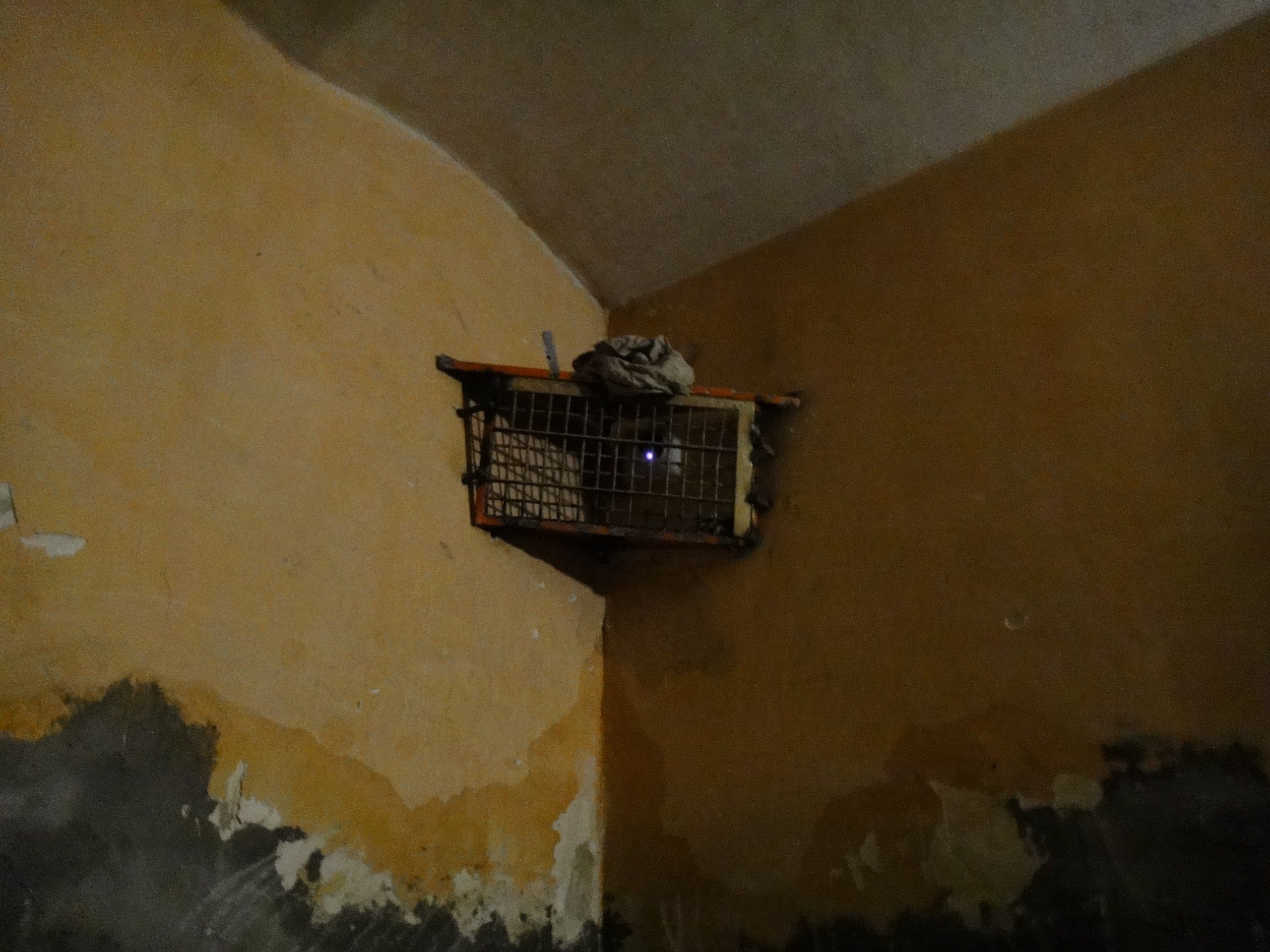
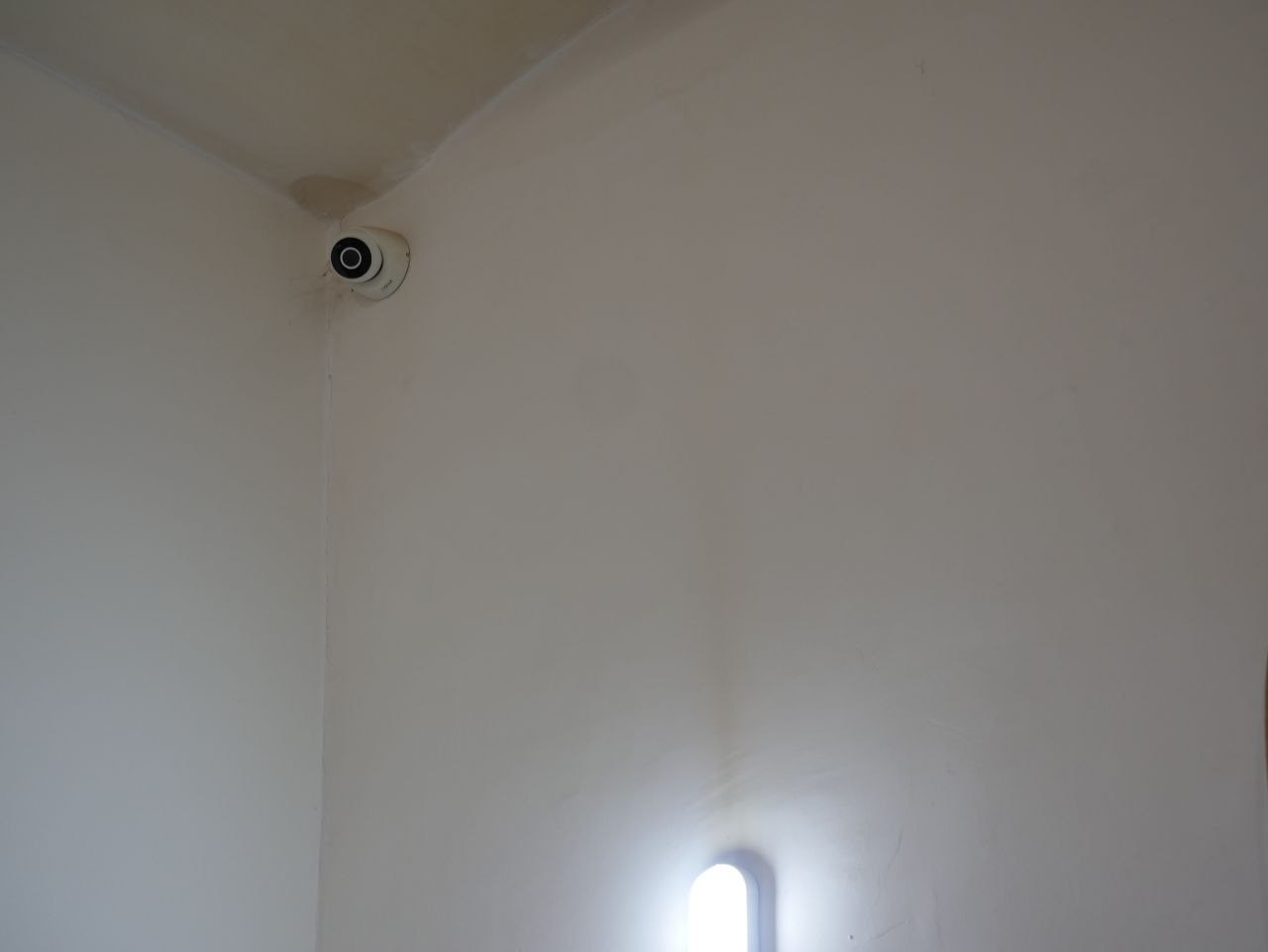
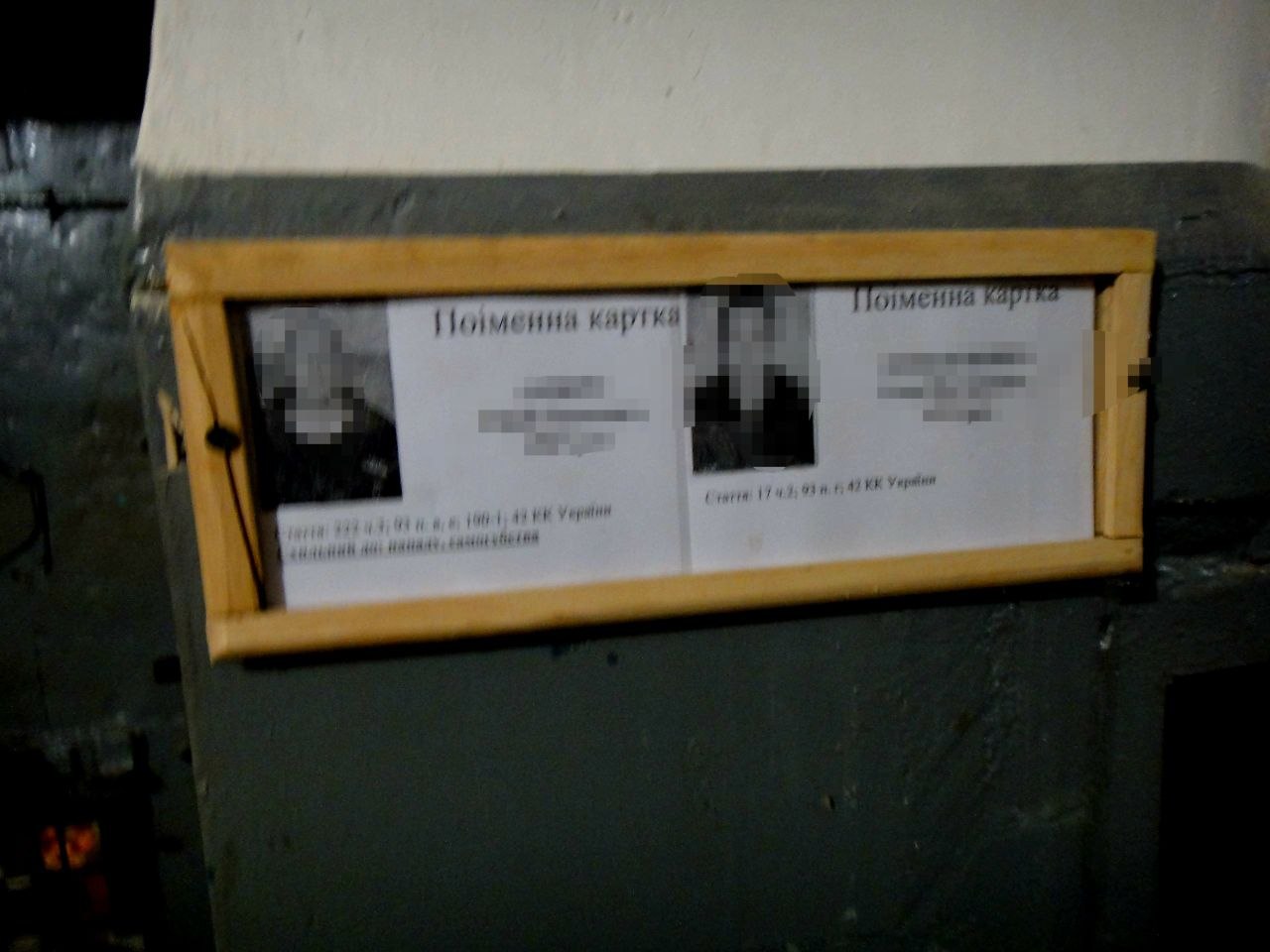
10. When visiting the MSS, name cards containing brief summaries of the crimes committed by occupants were observed displayed outside the cell doors of life-sentenced prisoners. In its report on the 2020 visit to Ukraine, the Committee stated that this practice should be brought to an end, as it serves no reasonable purpose and, in addition to stigmatising inmates, negatively affects relations between prisoners and staff (CPT/Inf (2020) 40, paragraph 52).
11. An inspection of the punishment cells and the temporary holding rooms of the admissions and distribution unit revealed a complete absence of informational posters displaying helpline telephone numbers, postal addresses, and email addresses for the Ministry of Justice of Ukraine, the Ukrainian Parliament Commissioner for Human Rights, the European Court of Human Rights, the State Bureau of Investigation, the Prosecutor General’s Office, regional and district prosecutor’s offices, the interregional administration, the Department, the Commission for Reviewing Complaints of Substandard Detention Conditions in Pre-trial Detention and Penal Institutions, and the regional free legal aid centre.
This contravenes the requirements of Paragraph 14 of Chapter 2 of Section II of the SIZO Internal Rules.
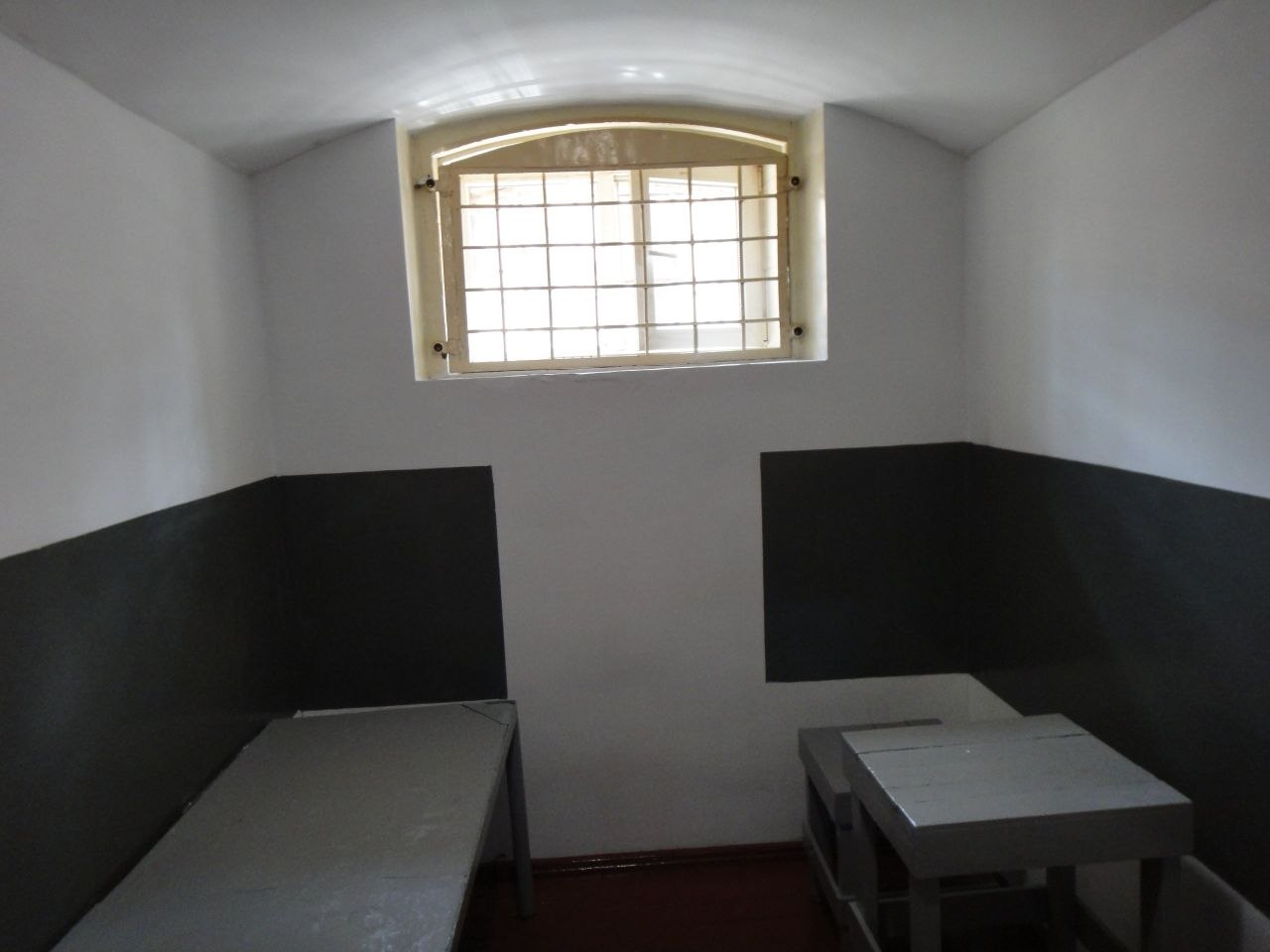
12. In violation of Paragraph 4 of Section IV of the Procedure for the Use of Technical Surveillance and Control Equipment in Correctional and Juvenile Colonies of the State Criminal-Executive Service of Ukraine, approved by Order of the Ministry of Justice of Ukraine No. 2025/5 dated 26 June 2018 (hereinafter referred to as the Technical Equipment Procedure), the punishment cells are not equipped with staff call buttons, hindering prompt communication between convicts and staff.
13. Contrary to Article 11 of the Law of Ukraine ‘On Pre-trial Detention’ and Paragraph 1 of Chapter 4 of Section IX of the SIZO Internal Rules, detainees are not provided with adequate material and living conditions meeting sanitary and hygienic standards.
An inspection of the cells revealed breaches of Rules 13, 14, 15, and 22.2 of the UN Standard Minimum Rules for the Treatment of Prisoners (the Nelson Mandela Rules), as well as Article 8 of the Convention for the Protection of Human Rights and Fundamental Freedoms, which guarantees the right to respect for private life.
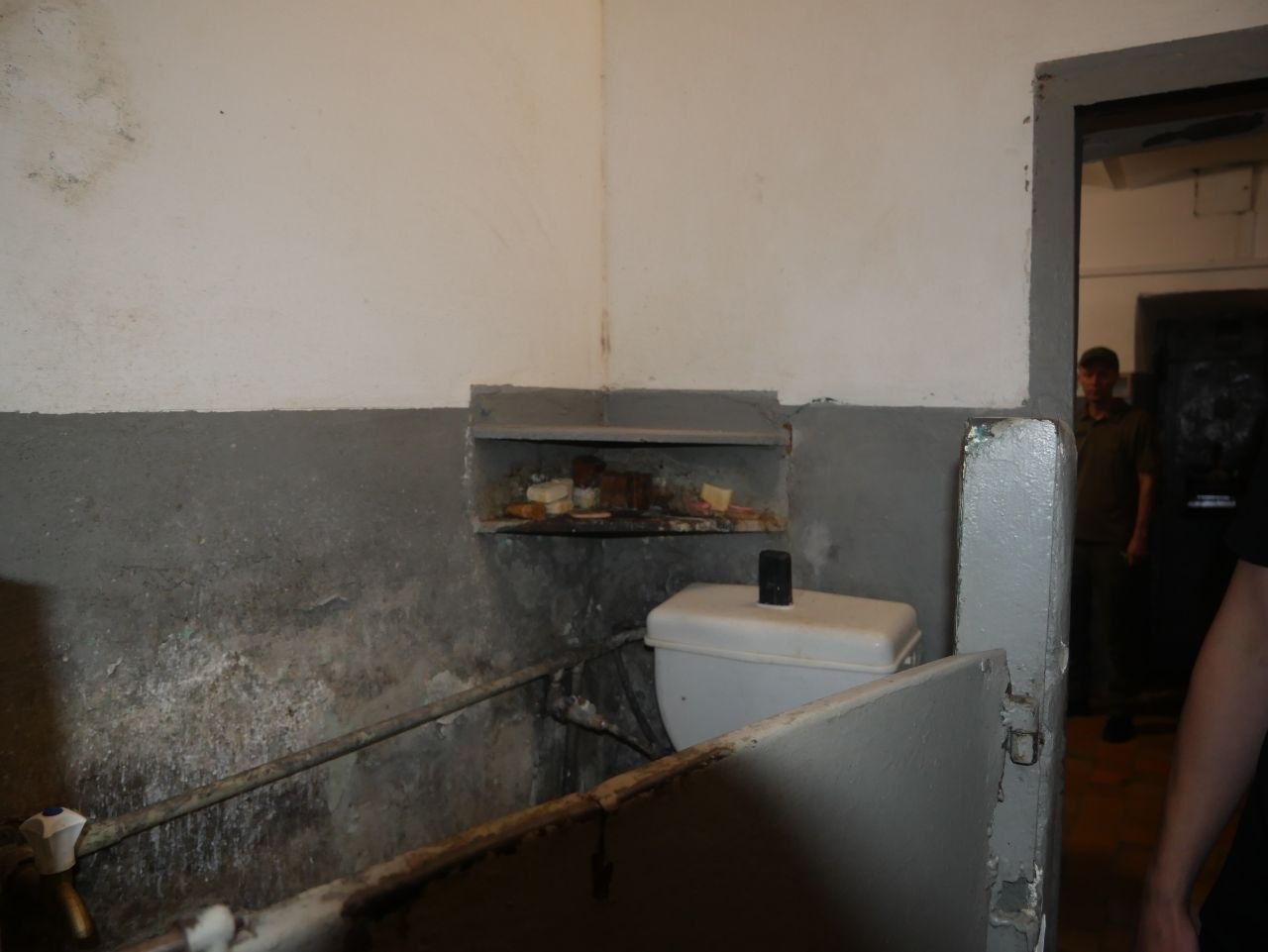
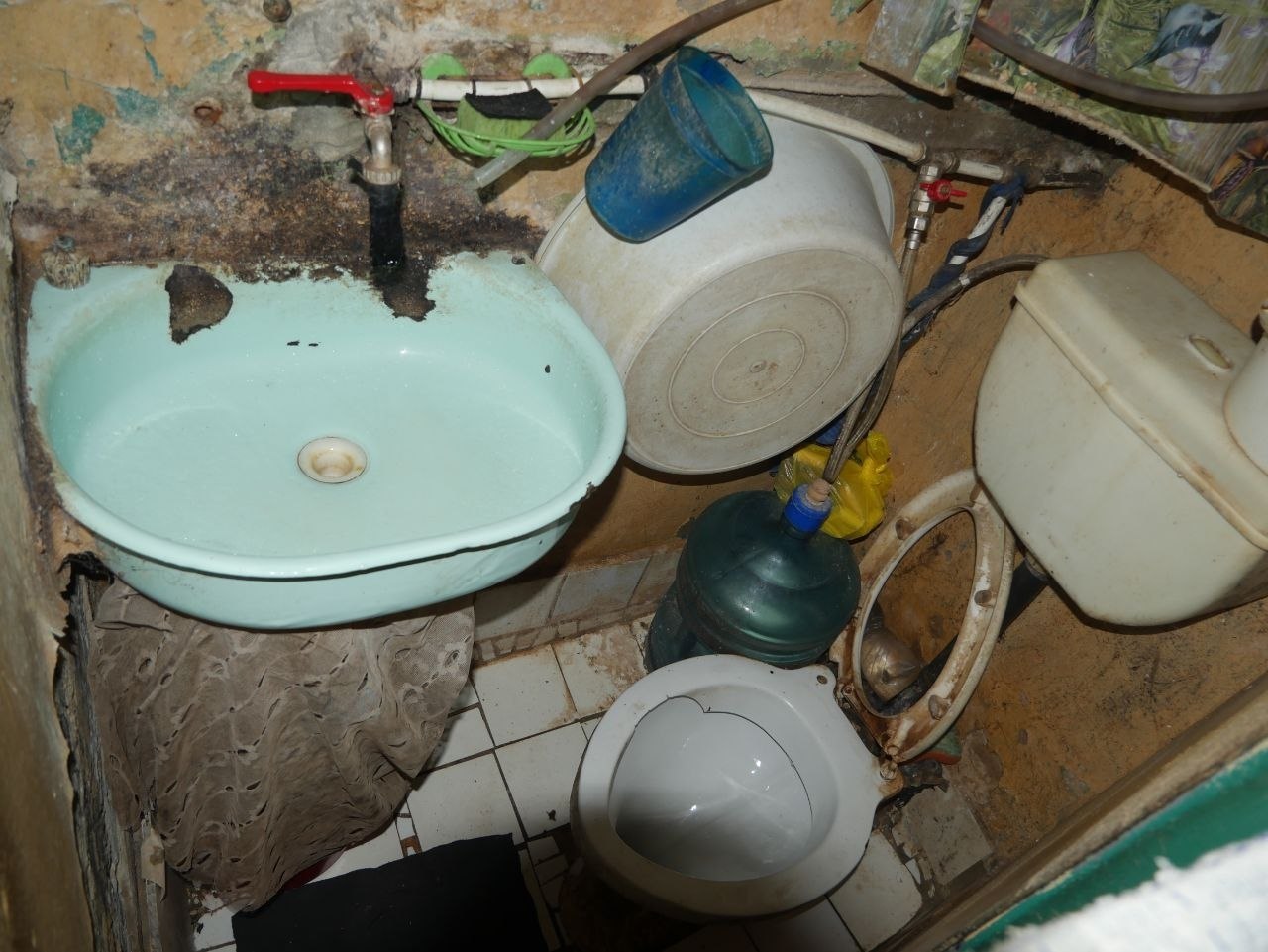
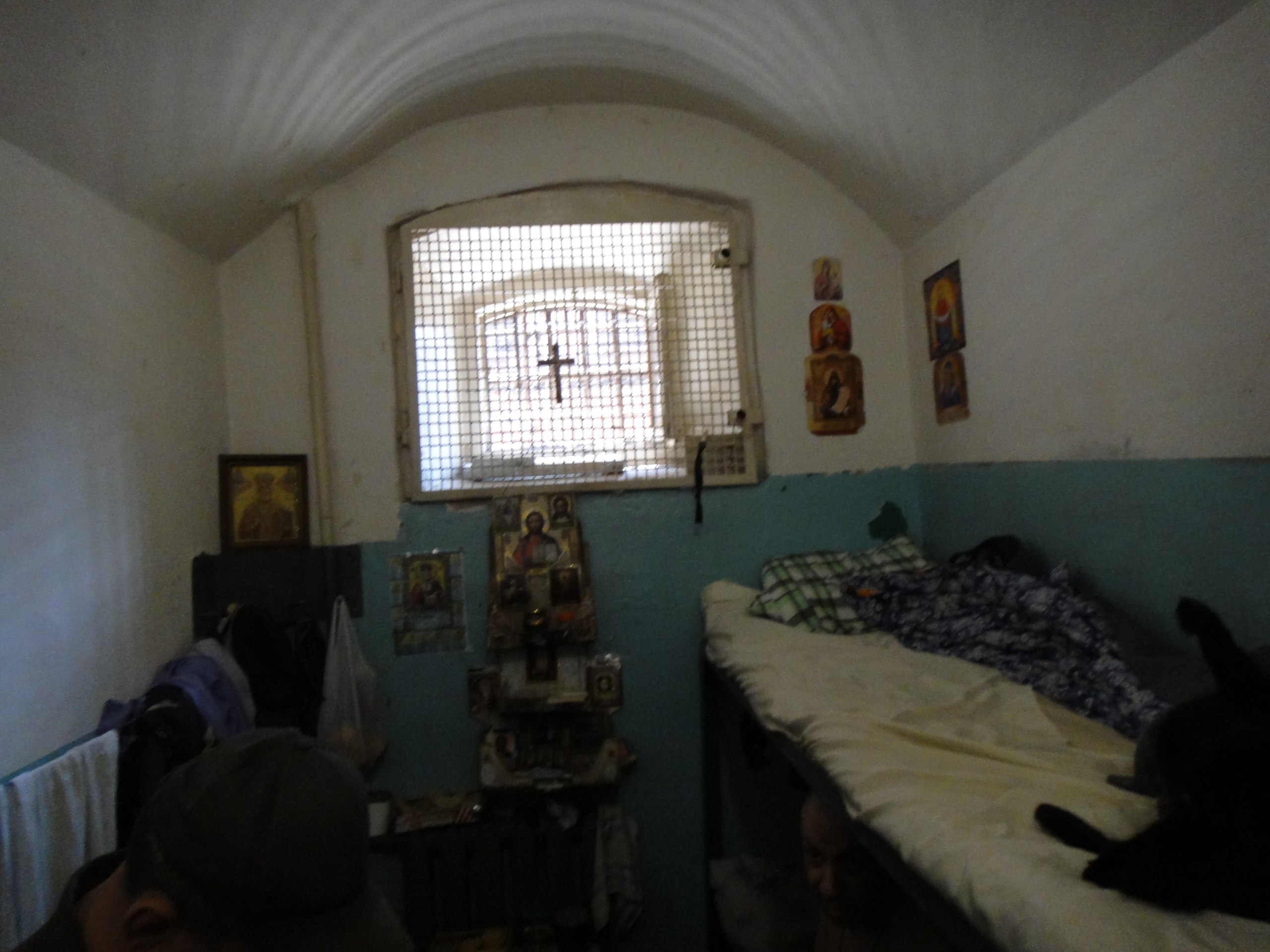
In particular, toilets in several cells are not fitted with adequate partitions or doors ensuring privacy, in violation of Rule 19.3 of the European Prison Rules (cells Nos 143, 145, 151, 152, 156, 241, 345, 445, 501, etc.).
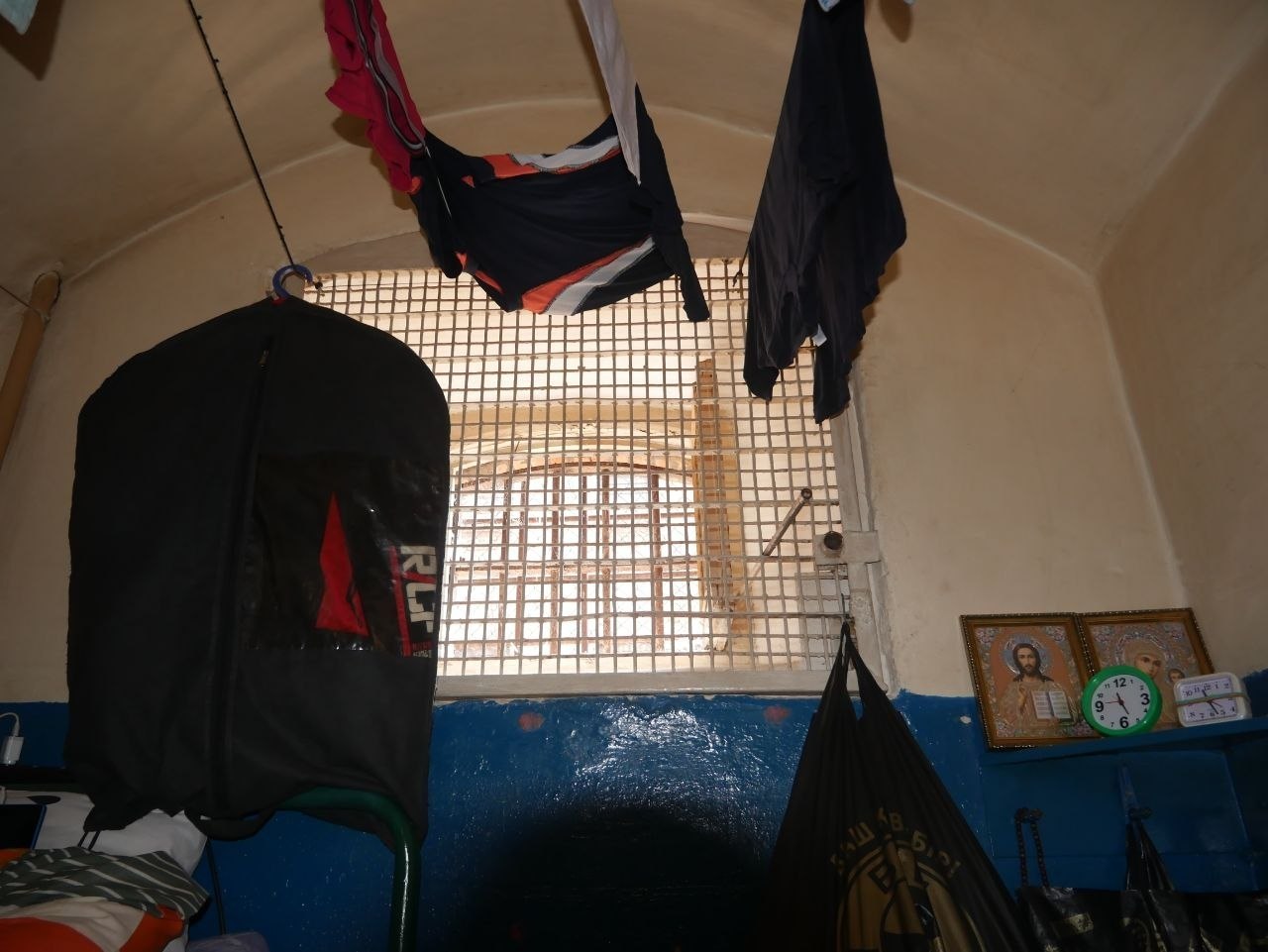
In several cells, adequate natural light is lacking due to small window sizes and heavy bar grilles.
Furthermore, contrary to Rule 22.5 of the European Prison Rules, certain cells lack drinking water containers, compelling detainees to drink tap water from the main supply, which does not meet drinking quality standards (cells Nos 145, 151, 156, etc.).
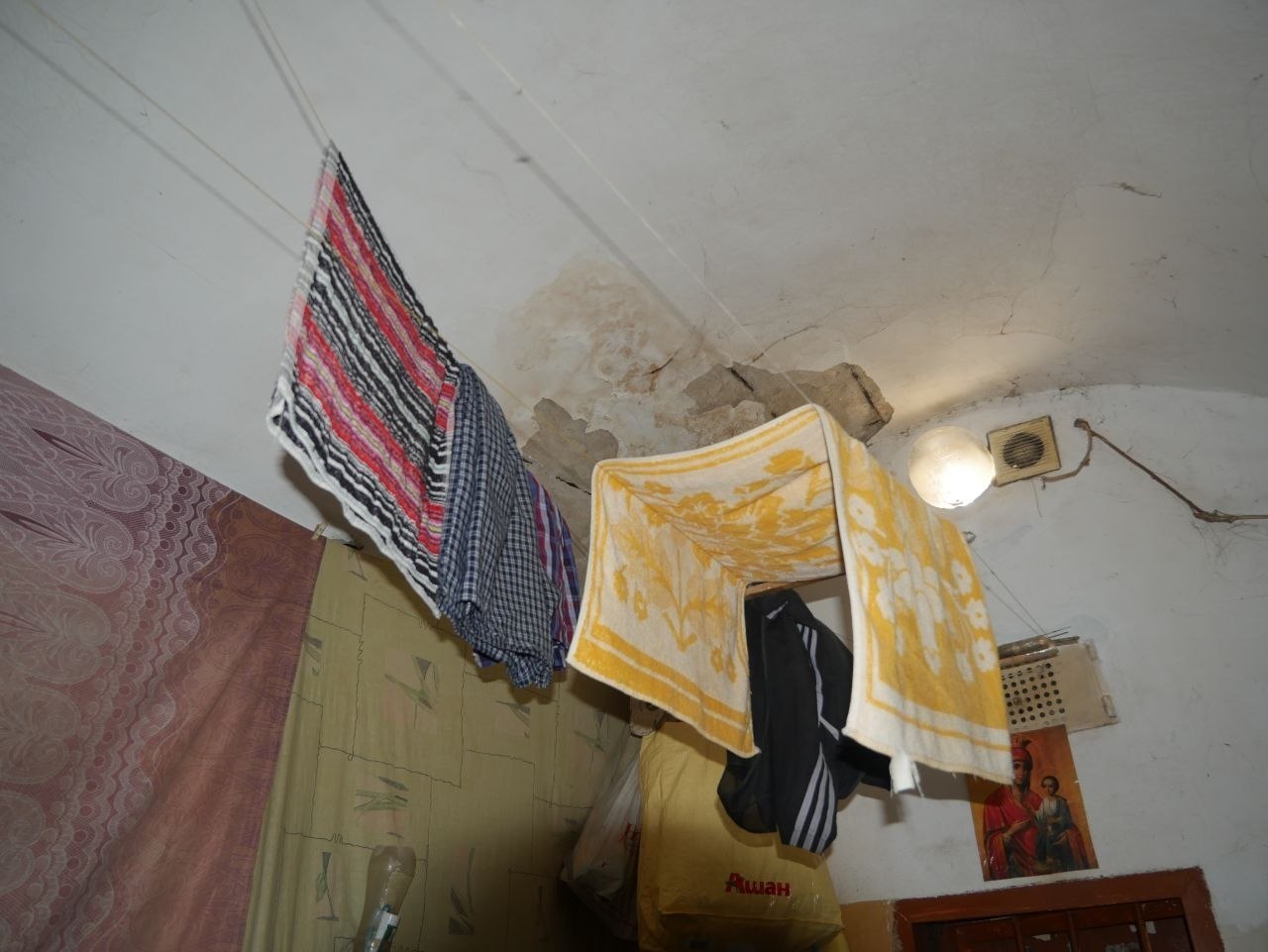
Certain cells require renovation, including the replacement of plumbing fixtures and electrical wiring. High humidity, mould, and water streaks were found on the walls.
Detainees are forced to wash and dry laundry inside their cells, pointing to inadequate organisation of laundry and bathing facilities.
In its report on the 2023 visit to Ukraine, the European Committee for the Prevention of Torture (CPT) urged the Ukrainian authorities to take the necessary steps to improve material detention conditions, ensuring that all living and sanitary areas are maintained in good repair and hygiene, regular disinfestation is carried out, sufficient access to natural light and ventilation is provided, and toilets are enclosed with full-height floor-to-ceiling partitions (CPT/Inf (2024) 20, paragraph 58).
14. The radio broadcast system inside the cells is out of order, in contravention of Paragraph 2 of Chapter 3 of Section VIII of the SIZO Internal Rules and Rule 63 of the UN Standard Minimum Rules for the Treatment of Prisoners (the Nelson Mandela Rules).
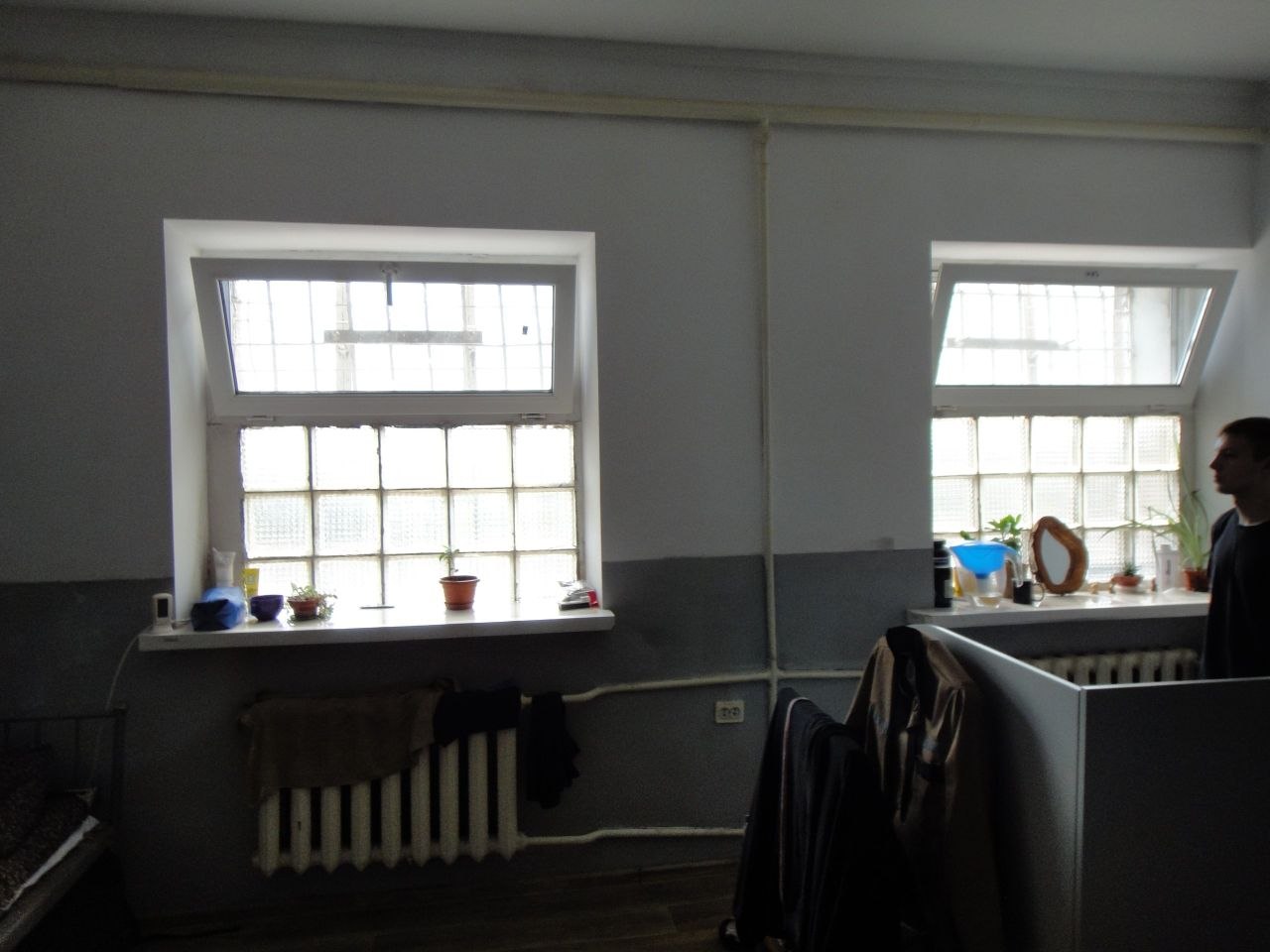
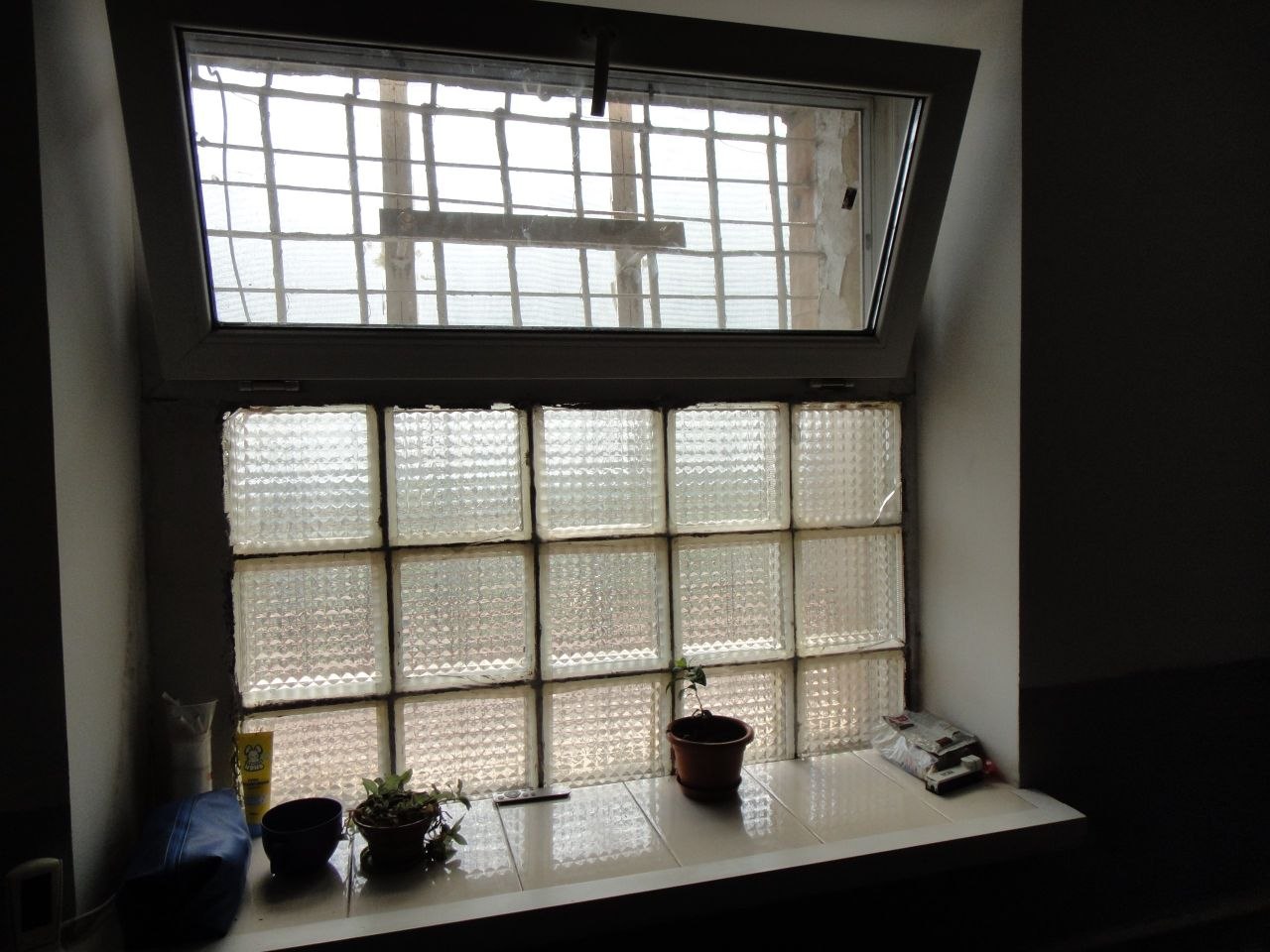
15. During a visit to the socio-psychological service unit (hereinafter referred to as the SPS) for convicts assigned to general maintenance work, the monitoring group noted that living quarters Nos 271, 273, and 275 had windows fitted with opaque glass blocks, almost entirely preventing natural daylight from entering. In its report on the 2020 visit to Ukraine, the Committee highlighted an identical issue and recommended measures to redesign cell windows to allow inmates to see outside (CPT/Inf (2020) 40, paragraph 48).
16. The premises of the SPS unit for maintenance convicts do not fully conform to the Equipping Standards. Specifically, the unit lacks a room for religious observance, an exercise/fitness room, and a drying room.
17. In violation of Paragraph 1 of Chapter 1 of Section VI of the SIZO Internal Rules, the administration has failed to ensure the operation of an inmates’ shop for purchasing foodstuffs and essential items.
18. The monitoring group identified multiple deficiencies in the organisation of laundry and bathing services for convicts and remanded persons.
Thus, in breach of Paragraph 3.19 of Section III of the Regulations on the Organisation of Bathing and Laundry Services for Persons Held in Penal and Remand Institutions, approved by Order of the Ministry of Justice of Ukraine No. 849/5 dated 8 June 2021 (hereinafter referred to as the Regulations), sanitary treatment of detainees and convicts is not carried out in full. Specifically, monthly scheduled disinfection (elimination of pathogenic micro-organisms) and disinfestation (elimination of insects and mites that transmit infectious diseases) of bedding (pillows, mattresses, blankets) is not performed in the disinfection chamber. Only outer clothing is treated, as confirmed by entries in the Register of Disinfection (Disinfestation) of Clothing and Bedding in the Disinfection Chamber.
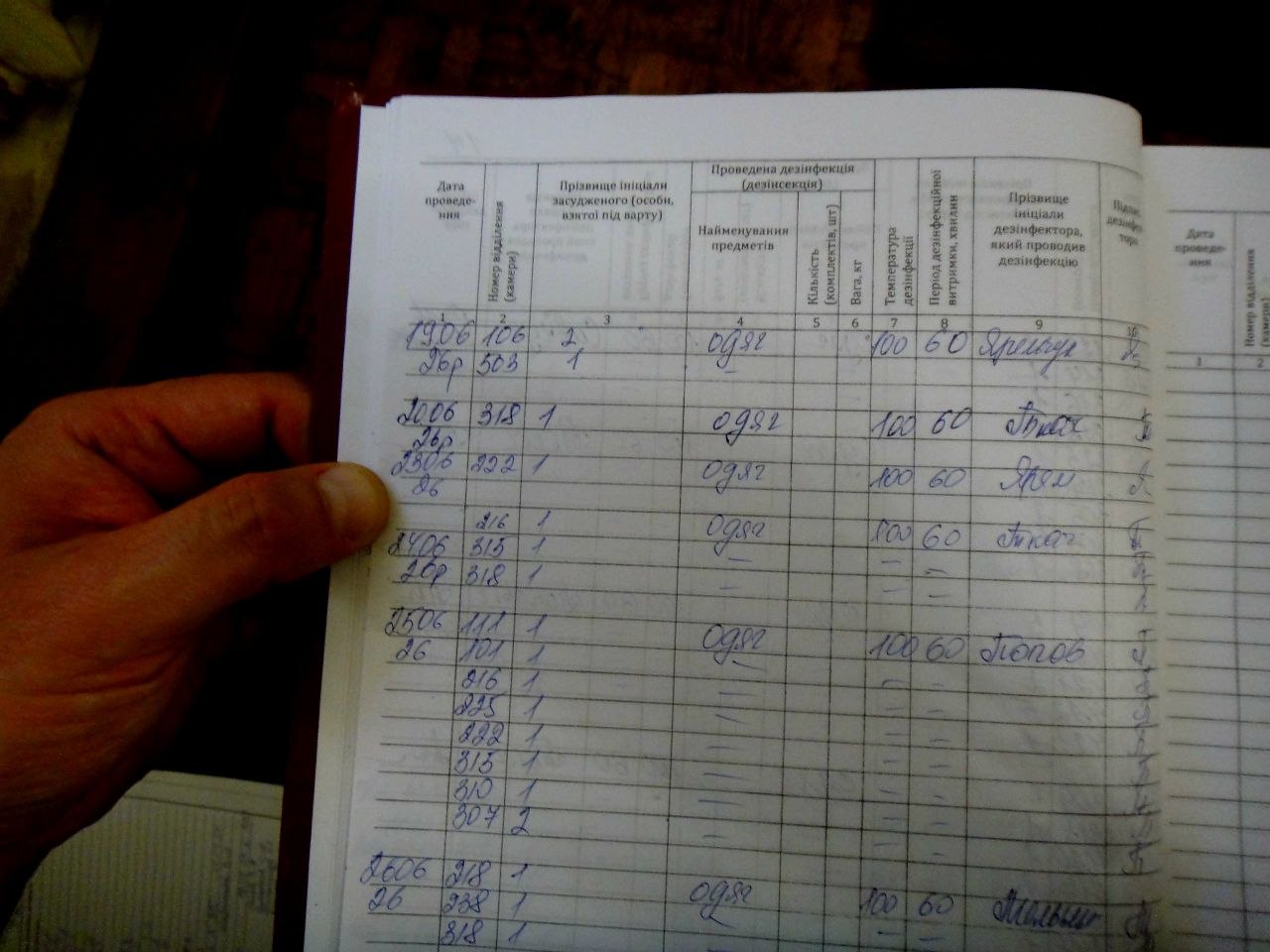
19. In violation of Appendix 3 to the Regulations on the Organisation of Bathing and Laundry Services, the laundry facility lacks a staff shower room and a staff break room.
20. In violation of Paragraph 2.11 of Section II of the Regulations, the forced supply-and-exhaust ventilation system in the laundry room is not operating.
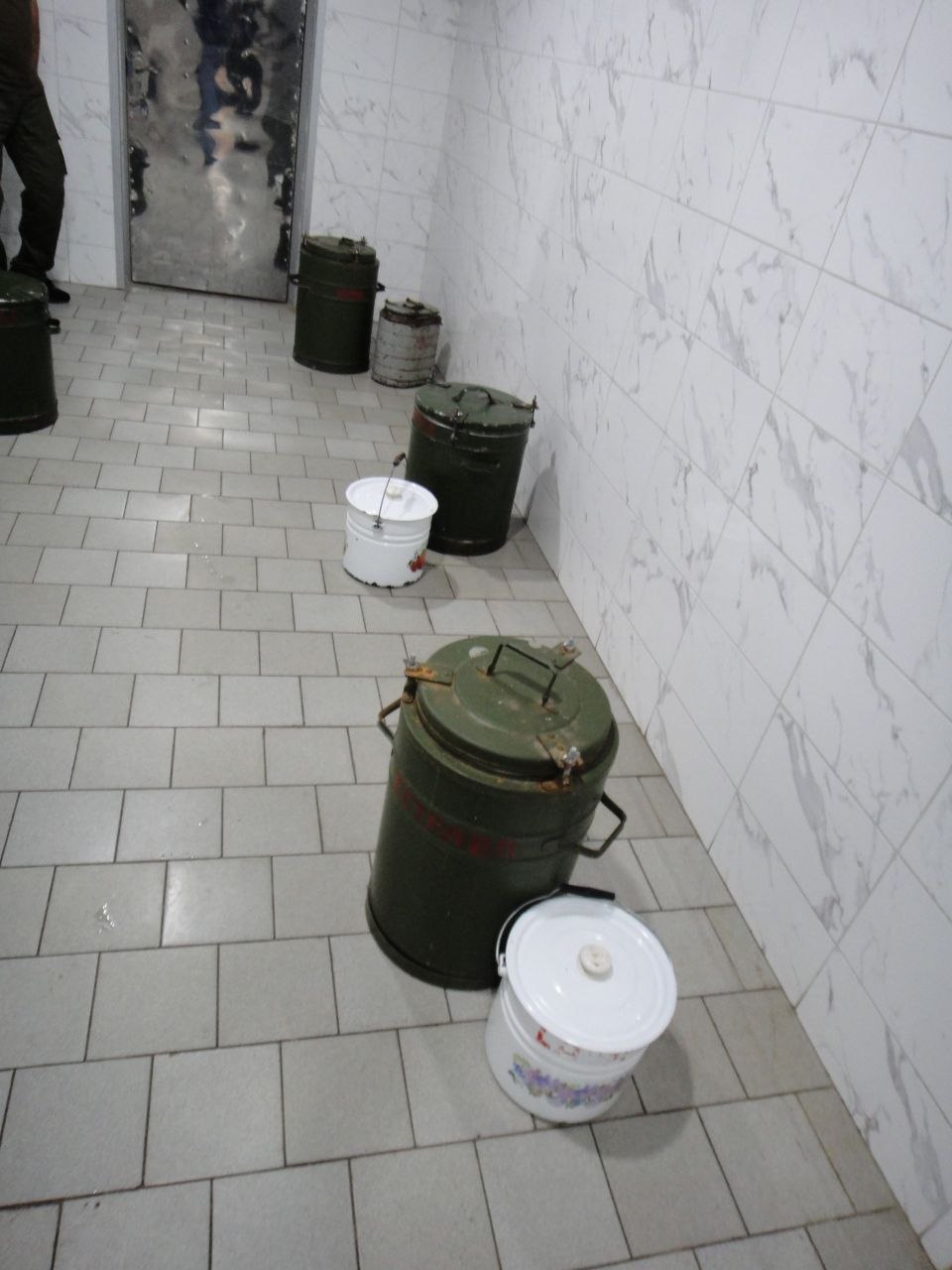
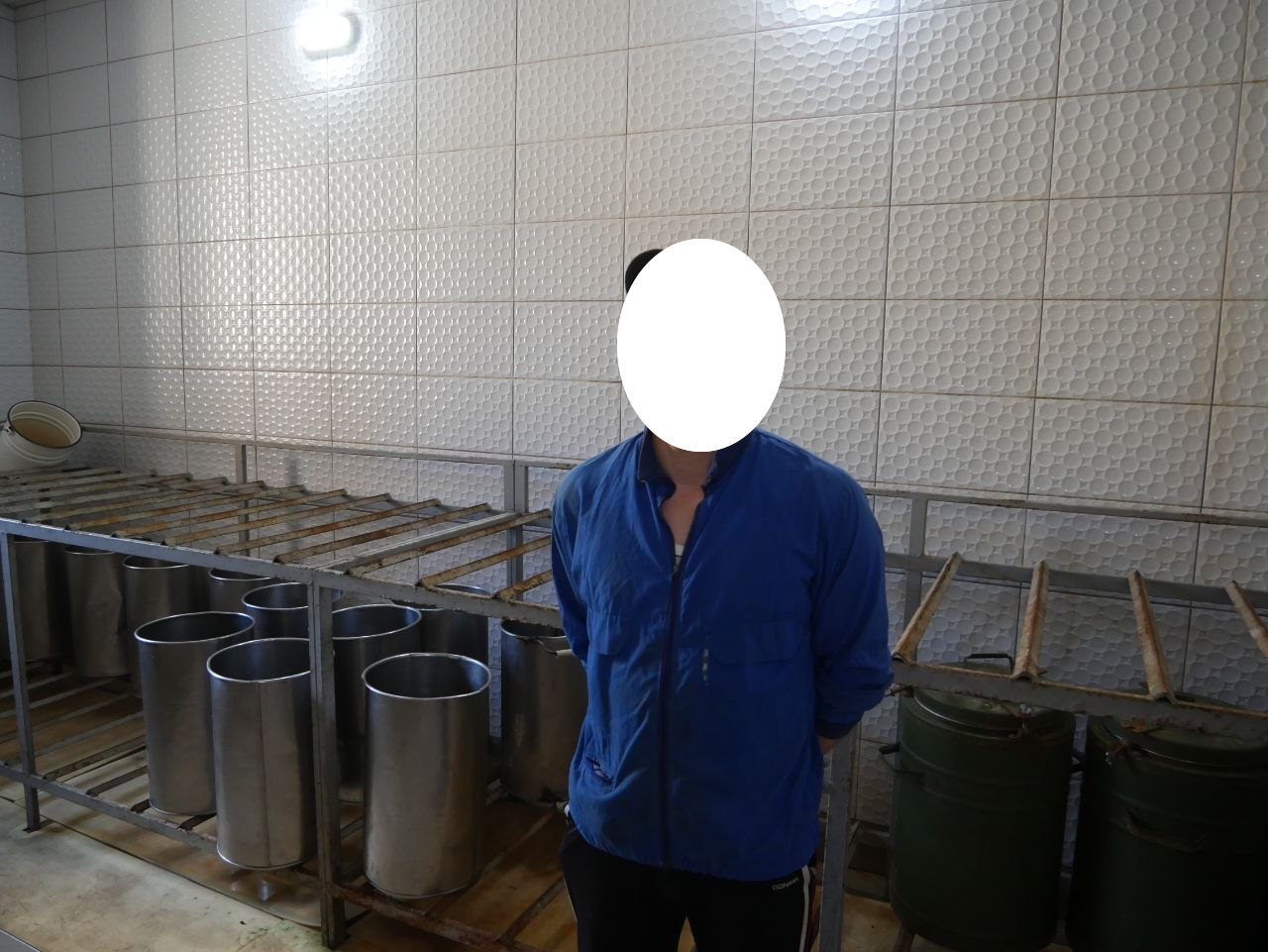
21. In violation of Paragraph 14 of Section V of the Regulations on the Organisation of Food Provision in the State Criminal-Executive Service of Ukraine in Peacetime, approved by Order of the Ministry of Justice of Ukraine No. 2160/5 dated 15 June 2021 (hereinafter referred to as the Food Provision Regulations), food is delivered from the kitchen to detainees and convicts in metal pots rather than labelled thermal containers.
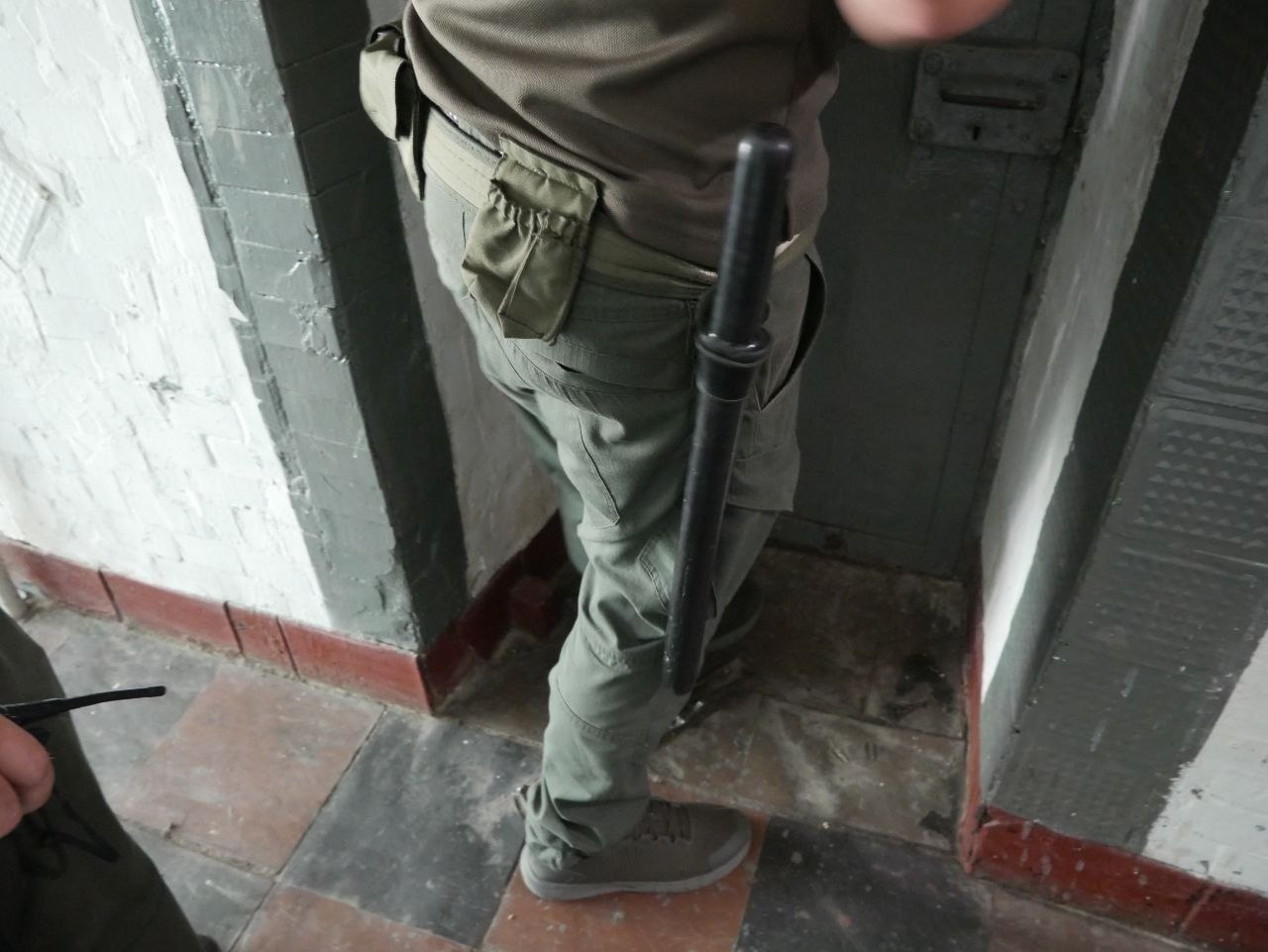
22. During the visit, the monitoring group observed that staff in direct contact with prisoners carried special equipment, notably rubber truncheons, openly. However, pursuant to the eighth indent of Paragraph 8 of Chapter 1 of Section V of the SIZO Internal Rules, staff carrying special equipment within the secure perimeter of a SIZO must keep it concealed from view as far as possible.
Furthermore, the Committee recommends that prison officers in direct contact with inmates should not carry special equipment (such as rubber batons, handcuffs, and tear-gas canisters) overtly. Such open display impedes the development of positive staff-prisoner relations (CPT/Inf (2011) 29, paragraph 85; CPT/Inf (2013) 23, paragraph 23; CPT/Inf (2014) 15, paragraph 166).
23. According to data provided by the administration, since the beginning of 2026, 347 short-term visits between inmates and close relatives or other persons have taken place at the state institution ‘Zhytomyr Penitentiary Institution (No. 8)’, 276 of which were conducted without physical contact — through solid glass partitions using an intercom device.
In its report on the 2023 visit to Ukraine, the European Committee for the Prevention of Torture stressed that, for all categories of prisoners, open visits (e.g. seated at a table) should be the rule and closed visits the exception, applied only on the basis of reasoned, substantiated decisions following an individual risk assessment. In this regard, the Committee urged the Ukrainian authorities to revise the short-term visit regime in penitentiary institutions to ensure that visits are, as a rule, held under open conditions (CPT/Inf (2024) 20, paragraph 99).
24. According to official records, the staff deficit as of 14 July 2026 stood at 100 posts. In its report on the 2023 visit, the Committee emphasised that maintaining a positive climate in a penal institution requires a professional team of staff present in sufficient numbers at all times in detention areas. An inadequate staffing level can only heighten the risk of inter-prisoner violence and intimidation.
A shortage of frontline staff also undermines the quality and scope of activities offered to prisoners, jeopardising preparation for release and social rehabilitation. The Committee therefore called on the Ukrainian authorities to take decisive action to significantly increase staffing levels in Ukrainian penitentiary facilities experiencing shortages, in order to reinforce the custodial and supervisory staff presence inside institutions. Steps must also be taken to put an end to 24-hour shifts for operational staff (CPT/Inf (2024) 20, paragraph 93).
25. During the monitoring visit, particular attention was devoted to the application of the ‘Cassandra’ subsystem and the risk assessment of reoffending among convicted prisoners.
To ascertain the prisoners’ actual awareness of these assessments and their understanding of the purpose, procedure, and results, the monitoring group interviewed 19 convicts, comprising 10 maintenance workers and 9 life-sentenced prisoners.
The survey results demonstrated an extremely low level of awareness among convicts regarding the ‘Cassandra’ subsystem. The interviewees were unable to explain what the subsystem is, what it is used for, or the significance of the risk assessment carried out with its aid. Specifically, convicts possessed no information regarding who conducts the assessment, how frequently it is performed, when their last assessment took place, or what its findings were.
Illustrative responses from several interviewed convicts were recorded in the questionnaire of 14 July 2026. When asked about reoffending risk assessments and the ‘Cassandra’ subsystem, they stated that they had no knowledge of them. Likewise, they did not know why risk assessments are carried out, which staff member is responsible for them, whether their rights and obligations had been explained to them, how often assessments are conducted, or when the last one occurred.
Under these circumstances, having established that the convicts were entirely unaware of the ‘Cassandra’ subsystem and lacked any comprehension of the assessment process, subsequent questions in the survey largely lost practical relevance. Individuals unaware that such a procedure has been conducted in respect of them cannot meaningfully state whether they participated in the evaluation, had the opportunity to verify the data used, raised objections to its contents, had their objections considered, or were able to instruct legal counsel.
This issue is particularly acute in the case of the 9 interviewed life prisoners. For this category of inmates, risk assessment cannot be treated purely as an internal technical or administrative bookkeeping exercise. Given the length of their sentences and the importance of evaluating behaviour, personal change, and the resocialisation process, a prisoner must at least understand what is being assessed, on what information the assessment is based, and what outcome was reached.
Conversely, information obtained from convicts stood in stark contrast to the responses provided by institutional staff.
According to staff, the ‘Cassandra’ subsystem has been in use at the facility since 2021, and 100% of risk assessments are conducted through it. Staff members also claimed that convicts are notified of the purpose and procedure of the assessment, have their rights explained during the evaluation, and are briefed on the results upon completion.
Nonetheless, the responses of the staff themselves revealed substantial restrictions on inmate participation. Notably, according to the staff, convicts take no direct part in entering information into the subsystem; the ‘Cassandra’ user interface provides no facility for entering prisoner objections; and any objections raised by an inmate are not directly reflected in the assessment results.
The monitoring team therefore established a substantial disparity between the procedure officially declared by staff and the actual perception of the process by convicts. On the one hand, staff report systematic use of ‘Cassandra’, conducting 100% of assessments through it and keeping convicts informed. On the other hand, interviewed convicts have no understanding of what ‘Cassandra’ is, why it is used, when or by whom assessments are carried out, or what results were obtained.
This situation points to a purely formalistic approach to communication with convicts during risk assessments. The mere entry of data into an information system and the formal conduct of an assessment cannot be regarded as sufficient if the individual directly concerned does not understand its substance or outcomes.
Under such conditions, a convict’s ability to verify the accuracy of the data used for the assessment, point out factual errors or omissions, and provide personal explanations or objections is severely curtailed. The lack of any mechanism within the subsystem to record the prisoner’s position directly further exacerbates the one-sided nature of the process.
Consequently, the findings from interviewing 19 convicts, including 9 life prisoners, taken alongside the staff responses, demonstrate a significant divide between the technical execution of risk assessments in the ‘Cassandra’ subsystem and the genuine participation and awareness of the individuals evaluated. The observed practice fails to ensure procedural transparency for the convict and casts doubt on their ability to participate meaningfully in generating and reviewing the information directly characterising their personality, behaviour, and resocialisation process.
26. During the visit, it was established that the state institution ‘Zhytomyr Penitentiary Institution (No. 8)’ lacks any bomb shelter designed to protect detainees and convicts during air-raid alerts and other threats arising from military operations.
This circumstance is of critical significance given the nature of the facility as a pre-trial detention centre and its cellular confinement regime. Detainees and convicts are locked inside cells and cannot, upon the sounding of an air-raid siren, leave their cells independently or accompanied by staff to move to a safer part of the building or a nearby protective structure. Any movement out of cells and across institutional grounds is conducted exclusively by custodial staff in accordance with strict security protocols.
Thus, unlike free citizens who can independently seek shelter upon receiving an air-raid warning, persons detained in a SIZO are entirely deprived of this possibility. In the absence of a shelter, they are forced to remain in their cells regardless of the nature or severity of the aerial threat, unable to take independent steps to safeguard their lives and health. This circumstance substantially elevates the state’s responsibility for ensuring their safety. It is the state that determines their place of confinement, restricts their freedom of movement, and exercises full control over their conditions of detention. Consequently, protecting detainees and convicts from foreseeable external hazards cannot be left to the individuals themselves and depends entirely on measures organised by the state.
Amid the ongoing armed aggression of the Russian Federation against Ukraine and the frequent use of missile strikes and uncrewed aerial vehicles, the absence of a shelter creates a real threat to the life and health of persons confined to cells who cannot physically leave them when danger arises.
Pursuant to Article 27 of the Constitution of Ukraine, everyone has an inalienable right to life, and it is the state’s duty to protect human life. Article 2 of the Convention for the Protection of Human Rights and Fundamental Freedoms likewise guarantees everyone’s right to life. In respect of persons deprived of their liberty and wholly reliant on the state, this duty takes on particular weight, as they cannot choose their location or leave hazardous premises.
Under the Civil Protection Code of Ukraine, one of the primary measures for protecting the population from emergencies and hazardous factors is sheltering in civil protection facilities. The legal status of a detainee or convict does not extinguish their right to civil protection nor absolve the state of its duty to maintain an adequate standard of such protection.
Rule 1 of the UN Standard Minimum Rules for the Treatment of Prisoners (the Nelson Mandela Rules) provides that all prisoners shall be treated with the respect due to their inherent dignity and value as human beings, and their safety must be ensured at all times. This principle is of paramount importance during martial law, when individuals under total state control cannot independently avoid external threats.
The problem identified at ZhPI-8 reflects a broader systemic issue across pre-trial detention facilities as a whole. The operational reality of a SIZO entails cellular confinement, strictly regulated movement out of cells, and the mandatory separation of different prisoner categories. Detainees cannot move to a shelter on their own when an air-raid alert is sounded — their movement depends entirely on staff, security regulations, building layout, and the availability of adequate protective facilities.
Accordingly, the issue of civil protection in remand prisons and penal institutions serving as SIZOs cannot be reduced merely to the formal presence of a protective structure. The nature of cellular confinement requires the genuine capacity for timely, organised evacuation of large numbers of people to a safe location, taking into account facility occupancy, architectural design, security protocols, and the need to maintain separate confinement for specific categories of prisoners.
The lack of a shelter at ZhPI-8 is a clear manifestation of this systemic deficiency. During air raids, inmates remain locked in cells, unable to access one of the most fundamental measures of civil protection: moving to a protective structure or other safe refuge.
Consequently, ZhPI-8 fails to provide shelter for detainees and convicts during air-raid alerts. Given their cellular confinement, this places these individuals in an exceptionally vulnerable position: not only are they exposed to the general threat of aerial attacks faced by the public, but, unlike individuals at liberty, they are deprived of the ability to leave a dangerous building and seek shelter. Under these circumstances, the lack of shelter directly engages the state’s positive obligation to protect the right to life and physical safety of persons under its total control.
27. During the monitoring visit, it was found that convict labour at ZhPI-8 is utilised both for institutional maintenance and for manufacturing operations.
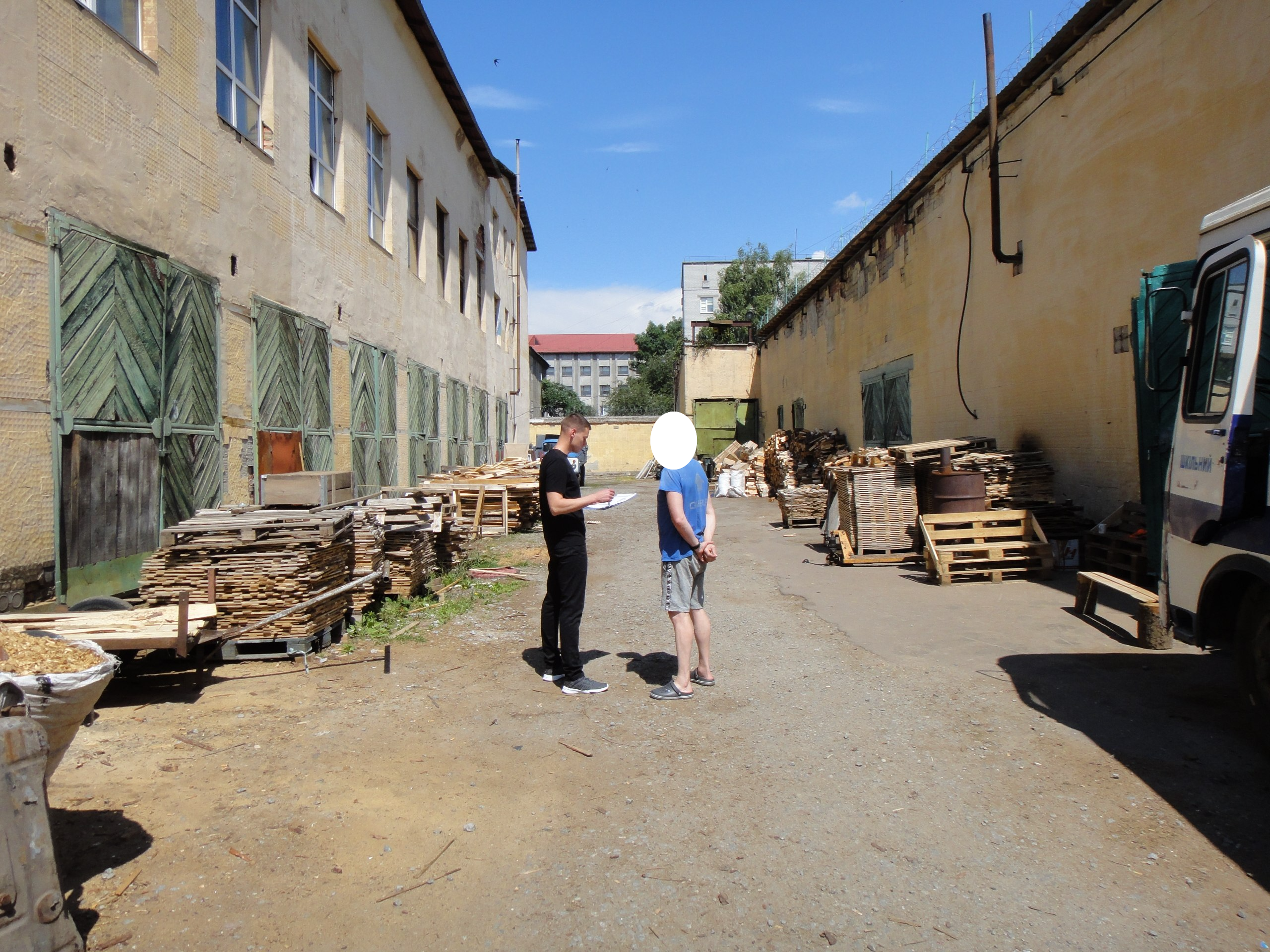
According to an explanatory note provided by the administration, systematic work was undertaken throughout 2025 and the first half of 2026 to develop and restore production capacities. In particular, woodworking, metalworking, sewing, and other equipment were repaired, and production workshops were renovated. Workshops carry out woodworking and metalworking, vehicle repairs, manufacture of wooden products, decorative shoe bows, and shoe inserts, as well as locksmithing, electrical, plumbing, construction, and other works. Certain convicts are engaged in cleaning duties.
Convicts are also systematically assigned to duties in the catering block: food preparation, meal distribution, dishwashing, and other routine tasks essential for its daily operation.
According to the administration’s note, no employment contracts have been concluded with convicts. Persons engaged in paid work in both the workshops and the kitchen work on the basis of civil law contracts. There is no official staff establishment for the catering block.
However, the actual nature of the work performed by many convicts exhibits characteristics not of one-off task execution or the delivery of a specific contractual output under a civil contract, but of continuous, systematic performance of ongoing employment duties.
Thus, during the visit, it was established that convict H. has worked in food distribution for approximately three years, O. for about two years, H. for about four years, K. and S. for about two years, N. for about two months, and H. for about four months. D. was also engaged in food distribution.
Convict Ch. has performed dishwashing duties in the kitchen for approximately four years. In conversation, he stated that he performs this work seven days a week without days off. His engagement in paid labour in June 2026 is confirmed by a remuneration payroll sheet listing him by name. However, the documentation provided contained no individualised working time records covering his extended period of work, which would make it possible to determine authoritatively the number of days actually worked and rest days granted.
According to information obtained during the visit, convict M. had been working in food distribution for approximately two and a half years and had de facto performed the duties of a cook as a ‘trainee’ for about one month. No separate legal formalisation of such status was found among the documents provided. At the same time, M. was listed on the remuneration payroll sheet for June 2026.
A similar situation is evident in the workshops and during general maintenance of the facility. According to information obtained during the visit, Sh. has been working as an electrician for approximately six months, K. as an electrician for about three years, H. as a plumber for about a year and a half, R. as a locksmith for about two years, and L. has been engaged in construction work for approximately four months. K. has been performing vehicle repair work for about three years and reported working daily without any days off. B. has been working as a cleaner for approximately six months and also reported working daily without days off.
Thus, in a number of instances, the same individuals have been carrying out permanent functions over months or even years, without which the normal functioning of the catering block, workshops, and general maintenance infrastructure of the facility would be impossible.
Pursuant to Article 43 of the Constitution of Ukraine, everyone has the right to labour, and the use of forced labour is prohibited. The specific features of the exercise of convicted persons’ right to work are defined primarily by Articles 118–120 of the Criminal Executive Code of Ukraine. In particular, Part 1 of Article 118 of the CEC of Ukraine provides for the right of persons sentenced to imprisonment to work in locations and at jobs determined by the colony administration, establishing the possibility of engagement in paid labour under an employment contract or a civil law contract. Furthermore, the nature of the actual legal relationship must be assessed not merely by the title of the instrument concluded, but by the real substance of the work performed.
The civil law contracts examined during the monitoring visit stipulate the systematic performance of specified tasks, establish the place of work, the scope of duties, the procedure for admission to work, requirements for adhering to the rules established in the institution, remuneration for the work performed, and other terms. One of the contracts provided explicitly states that the contractor is subject to mandatory state social insurance.
At the same time, the nature of the actual relationships with certain convicts differs substantially from the classic civil law model, the subject matter of which ought to be a specific deliverable or outcome of work. The prolonged, daily performance of the functions of a cook, food server, dishwasher, electrician, plumber, locksmith, cleaner, or a person permanently repairing the facility’s motor vehicles points to the systematic execution of a specific employment function.
The situation in the catering block is particularly telling. In the absence of a staff establishment table, the permanent functions of food preparation and distribution, dishwashing, and maintaining kitchen operations are de facto performed by convicts on the basis of civil law contracts. The fact that the same individuals have carried out these duties for two, three, or four years further attests to their permanent, rather than one-off, nature.
This creates a risk of the de facto substitution of employment relationships with civil law contracts. Such a model has a material bearing on the exercise of the convicts’ right not only to fair remuneration, but also to guaranteed rest periods, proper recording of working hours, safe working conditions, and full social protection.
Article 119 of the CEC of Ukraine provides that, for persons serving sentences of imprisonment, the working week may not exceed the standard working hours established by labour legislation, whilst the start and finish times of work are determined in accordance with the institution’s internal rules. Convict labour must be organised in compliance with occupational health, industrial safety, and workplace sanitation standards.
Against this background, the accounts given by Ch., K., and B. regarding systematic work without days off take on particular significance. The materials provided by the administration contain no personalised records of working time for the entire specified period that would refute the information obtained during direct communication regarding such working arrangements.
An analysis of the payroll records established that H., H., M., O., S., Ch., Sh., R., B., and K. were listed by name in the remuneration payroll sheets for June 2026. Thus, the accrual of monetary remuneration for the respective month was documentary confirmed for these individuals.
However, according to the personal details recorded during the monitoring visit, D., N., K., and H. were absent from the provided June 2026 payroll sheets, even though their actual involvement in food distribution duties was established during the visit. Thus, the financial documents provided by the administration contain no records of remuneration being accrued to these individuals for June 2026.
The remuneration records provided by the institution contain certain figures for the accrual of the Single Social Contribution (SSC) for mandatory state social insurance. This is of fundamental importance, as it is the proper assessment and payment of the SSC in accordance with statutory procedures that is tied to the realisation of a working person’s right to social insurance and the accumulation of pensionable service.
At the same time, the institution’s finance department stated in writing that information regarding the accrued pensionable service of working convicts was not held at the facility, since maintaining such records does not fall within the remit of the institution, but is instead conducted via the personalised record-keeping system of the Pension Fund of Ukraine.
Furthermore, the institution failed to provide copies of the SSC reporting records. The written note from the finance department stated that the institution ‘has no legal grounds for providing copies of Single Social Contribution (SSC) reporting, as such returns contain personal data and information concerning facility employees, access to which is restricted in accordance with the legislation of Ukraine on personal data protection’.
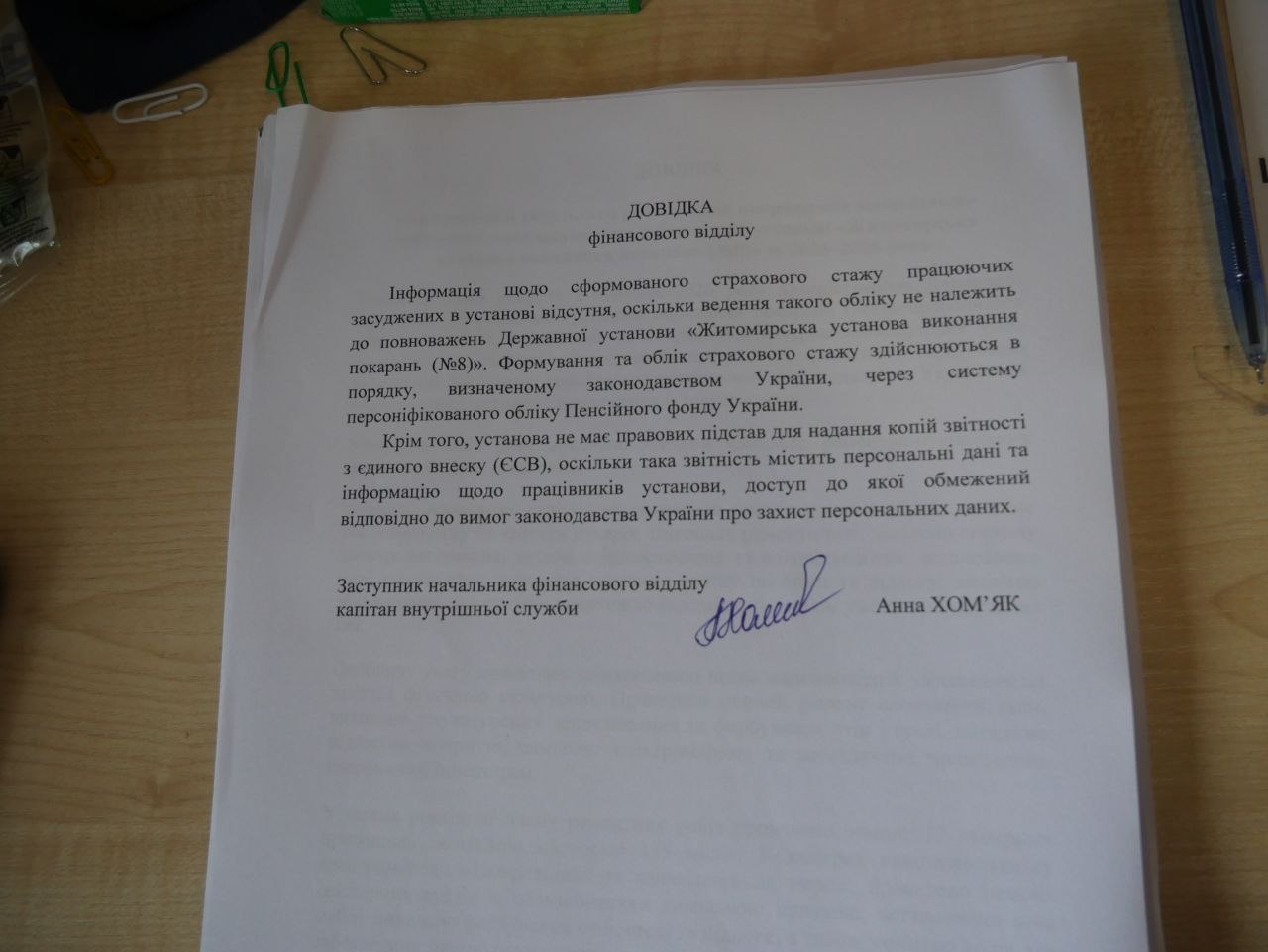
Such justification is unacceptable in the context of conducting statutory monitoring oversight over the observance of the rights of persons in places of detention.
Pursuant to Part 3 of Article 24 of the CEC of Ukraine, persons authorised by law to visit penitentiary institutions without special permission are entitled, during such visits, inter alia, to inspect reporting documentation, including statistical returns, carry out inspections, and execute other oversight measures prescribed by law. The very nature of such oversight presupposes access to the documents necessary to determine the actual observance of the rights of specific convicts.
The presence of personal data in documents does not in itself render such records inaccessible to oversight bodies authorised by law. Legislation on personal data protection governs the legal grounds and procedures for data processing; it does not establish an absolute prohibition on access in cases where such access is directly linked to the performance of statutory functions.
Moreover, the administration’s position is inherently contradictory. The monitoring group was in fact provided with remuneration payroll records that already contained the personal data of working convicts, including full names, individual tax numbers, information on accrued remuneration, deductions, and SSC assessments. At the same time, access to the very documents that would allow monitors to trace the subsequent reflection of the assessed SSC in the relevant returns was denied on grounds of protecting those very same personal data.
Under these circumstances, citing personal data protection legislation served in practice as a means to obstruct a comprehensive documentary verification of the social rights of working convicts, specifically preventing monitors from tracing the link between the actual performance of work, the accrual of remuneration, the assessment and payment of the SSC, and the accumulation of pensionable service.
The totality of the examined materials points to systemic problems in the organisation of labour and the provision of social guarantees for working convicts. Employment contracts with convicts are virtually non-existent in the institution; instead, civil law contracts are also applied to individuals who systematically perform permanent functions over extended periods. This is particularly pronounced in the catering block, which has no official staff establishment table, even though its daily operation is sustained by convict labour.
Cases were identified of individuals performing the same duties over two, three, and four years; reports were received from certain convicts regarding work without days off; proper personalised working time records for the respective extended periods were absent from the submitted materials; and several individuals actually engaged in work were missing from the June 2026 financial payroll.
At the same time, despite the presence of SSC accrual data in internal financial records, the administration failed to provide the reporting returns that would enable monitors to trace how these accruals were recorded in the mandatory state social insurance system, citing personal data protection.
Thus, the materials provided by the facility do not ensure a transparent and continuous documentary link between the actual performance of work by a specific individual, the legal grounds for their employment, the recording of actual hours worked, the accrual of remuneration, the assessment and payment of the SSC, and the accumulation of pensionable service. Combined with the multi-year performance of permanent employment duties by certain convicts on the basis of civil law contracts, this demonstrates substantial risks of substituting employment relationships with civil law contracts and of failing to properly safeguard the statutory right of convicts to labour and social protection.
Zhytomyr Municipal Medical Unit of the Branch of the State Institution ‘Healthcare Centre of the State Criminal-Executive Service of Ukraine’ in Zhytomyr Region
The Head of the Zhytomyr Municipal Medical Unit of the Branch of the State Institution ‘Healthcare Centre of the State Criminal-Executive Service of Ukraine’ in Zhytomyr Region is Oleksii Borysovych Metelov.
As of 14 July 2026, the following posts remained vacant on the medical unit’s staff establishment: psychiatrist — 0.5 FTE; general practitioner/family doctor — 0.5 FTE.
During the monitoring visit, the monitoring team reviewed medical documentation, inspected the medical unit’s premises, and conducted individual interviews (surveys) with convicts and remanded persons, identifying shortcomings in the organisation of healthcare provision that lead to infringements of the rights of the said individuals:
1. In violation of the requirements of Paragraph 4 of Chapter 1 of Section X of the Internal Rules of Remand Prisons of the State Criminal-Executive Service of Ukraine, approved by Order of the Ministry of Justice of Ukraine No. 1769/5 dated 14 June 2019 (hereinafter referred to as the SIZO Internal Rules), the inpatient ward of the medical unit lacks a properly equipped isolation room for holding persons with mental disorders.
Nevertheless, during the visit to the facility, the monitoring group established that an individual with a mental disorder was being held in cell No. 110 under conditions of isolation that may be construed as cruel, inhuman, or degrading treatment.
Specifically, this cell was found not to meet the requirements of Article 11 of the Law of Ukraine ‘On Pre-trial Detention’, the first indent of Paragraph 1 of Chapter 4 of Section IX of the SIZO Internal Rules, or Rules 13, 14, 15, 17, 21, and 22.2 of the UN Standard Minimum Rules for the Treatment of Prisoners (the Nelson Mandela Rules).
During the inspection of the cell, the monitoring team found that the sanitary annexe was not equipped with a functioning flush system, and the washbasin was broken and inoperative. There were no adequate partitions or doors to ensure privacy. Natural light scarcely penetrated the room, as the window was small and fitted with a dense metal grille, completely depriving the occupant of any view outside the cell. In addition, an insufficient level of artificial lighting was recorded. The cell was not provided with a drinking water container and was not equipped with a mechanical ventilation system. A persistent unpleasant odour hung in the room, the sanitary condition was unsatisfactory, mould and water ingress marks were present on the walls, and the floor was soiled. Furthermore, the cell lacked a mattress and bedding.
According to explanations from facility staff, the placement of the detainee in the said cell was prompted by his aggressive and inappropriate behaviour. However, such circumstances point to improper organisation of psychiatric care, since an individual exhibiting signs of a mental disorder requires timely examination by a psychiatrist, continuous medical supervision, appropriate treatment, and, where clinically indicated, accommodation in a specially equipped room of the medical unit rather than in standard cell isolation.
Taken together, these circumstances may be regarded as evidencing a violation of the right to healthcare guaranteed by Article 49 of the Constitution of Ukraine, as well as treatment contrary to the requirements of Article 3 of the Convention for the Protection of Human Rights and Fundamental Freedoms.
In this connection, according to Paragraph 43 of the 3rd General Report of the European Committee for the Prevention of Torture and Inhuman or Degrading Treatment or Punishment (hereinafter referred to as the Committee), a prisoner with a mental disorder ought to be kept and cared for in a hospital facility which is adequately equipped and staffed by suitably trained personnel. Such a facility could be a standard (civilian) psychiatric hospital or a specially equipped psychiatric facility within the penitentiary system.
According to Paragraph 44 of the Committee’s 3rd General Report, the treatment of a mentally disturbed and violent patient should be conducted under close supervision, with appropriate care and, if deemed necessary, with the administration of sedatives (CPT/Inf (93) 12-part).
2. In violation of the Standards of Medical Care for Viral Hepatitis C in Adults, approved by Order of the Ministry of Health of Ukraine No. 1178 dated 23 July 2025, not all persons suspected of having viral hepatitis C (200 persons as of 14 July 2026) undergo PCR testing, as a result of which diagnoses are not confirmed in a timely manner and necessary antiviral therapy is not prescribed. Such circumstances may lead to a deterioration in patients’ health and foster the transmission of infection among convicted and remanded persons.
Furthermore, the monitoring group established that the medical unit maintains outpatient dispensary supervision over two patients with chronic viral hepatitis C requiring antiviral therapy. However, as of the day of the visit, the relevant medicines were absent from the medical unit’s pharmacy. The lack of timely treatment increases the risk of disease progression, development of severe liver damage, and poses a risk of viral hepatitis C transmission to other patients, infringing upon the convicts’ right to receive proper medical care.
3. Outpatient dispensary supervision is conducted for 23 persons with disabilities: Group I — 1 person, Group II — 9 persons, Group III — 13 persons. However, in violation of the Law of Ukraine ‘On Rehabilitation of Persons with Disabilities in Ukraine’, persons with disabilities do not receive proper diagnostic, therapeutic, and rehabilitative measures despite the presence of documented evidence confirming persistent bodily dysfunctions caused by illnesses and consequences of injuries that lead to limitations in normal daily living.
Specifically, an examination of convicts’ medical records revealed that two persons with disabilities lacked an Individual Rehabilitation Programme (hereinafter referred to as the IRP). Furthermore, IRP recommendations are not being implemented, as a result of which they do not receive proper diagnostic, therapeutic, and rehabilitative measures despite records confirming persistent bodily dysfunctions resulting from diseases and injury sequelae that cause restrictions in normal life activities.
4. In violation of the State Building Codes of Ukraine DBN V.2.2-40:2018 ‘Inclusiveness of Buildings and Structures. Basic Provisions’, the medical unit has not created adequate conditions for accommodating persons with disabilities.
5. In violation of Paragraph 37 of Resolution of the Cabinet of Ministers of Ukraine No. 285 dated 2 March 2016 ‘On Approval of the Licensing Conditions for Conducting Economic Activity in Medical Practice’, the medical unit lacks the mandatory certificate confirming unimpeded access to the healthcare facility’s buildings and premises for persons with reduced mobility.
6. The medical unit includes infectious isolation wards for accommodating tuberculosis patients. However, in violation of the Measures and Means for the Prevention of Infection in Patient Care, approved by Order of the Ministry of Health of Ukraine No. 1777 dated 3 August 2020, as well as Paragraph 4 of Chapter 1 of Section X of the SIZO Internal Rules, the medical unit has not equipped an isolation ward for patients with enteric infections, failing to ensure proper patient isolation and creating a risk of spreading infectious diseases contrary to infection prevention requirements in healthcare provision.
7. In violation of Paragraph 2 of Section II of the ‘Infection Control Standard for Healthcare Facilities Providing Care to Tuberculosis Patients’, approved by Order of the Ministry of Health of Ukraine No. 287 dated 1 February 2019 (hereinafter referred to as the Standard), the medical unit fails to comply with requirements for the isolation of tuberculosis patients. In particular, ward-cell No. 428 is used to accommodate more than one or two persons and is fitted with 4 beds.
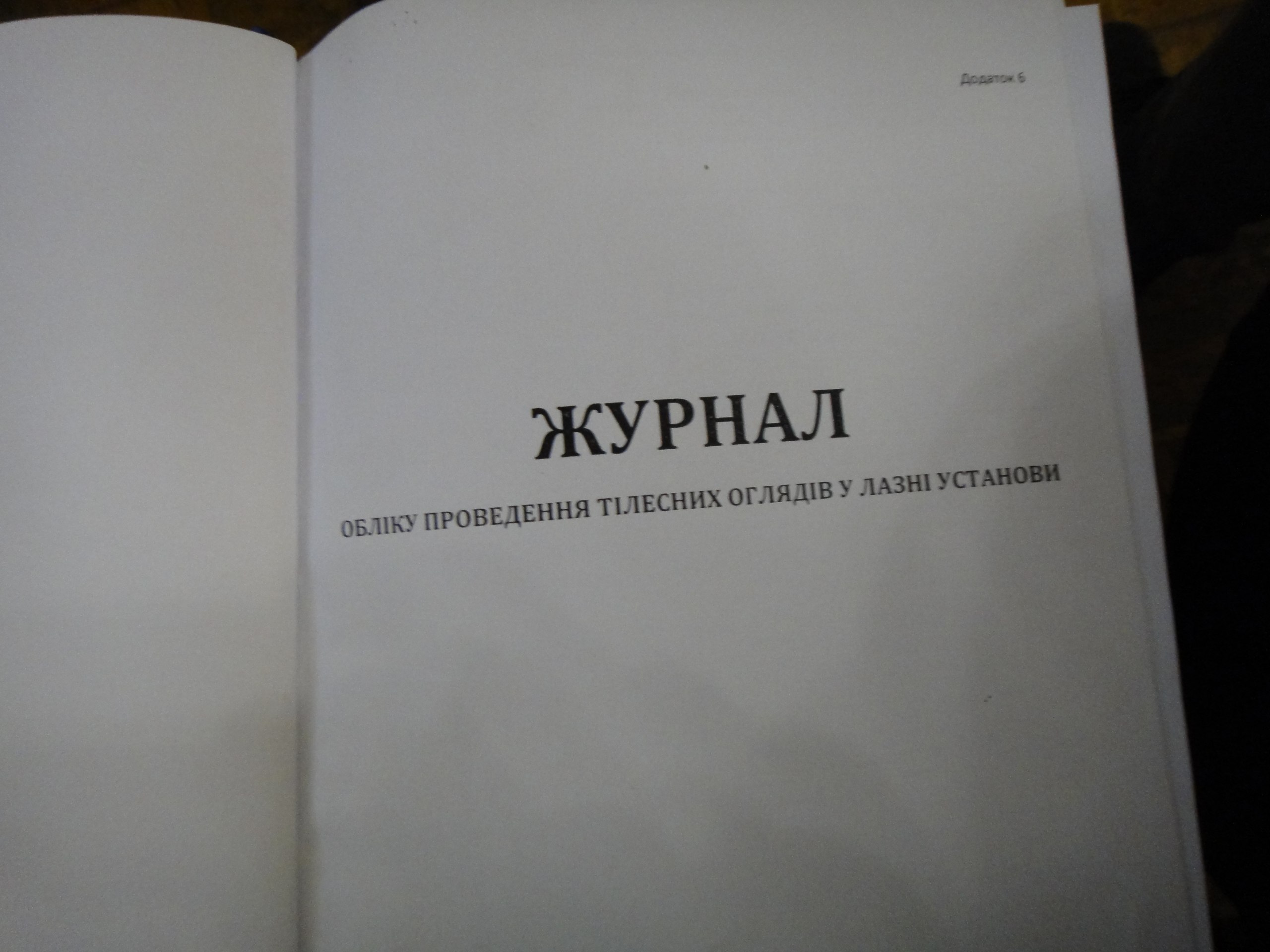
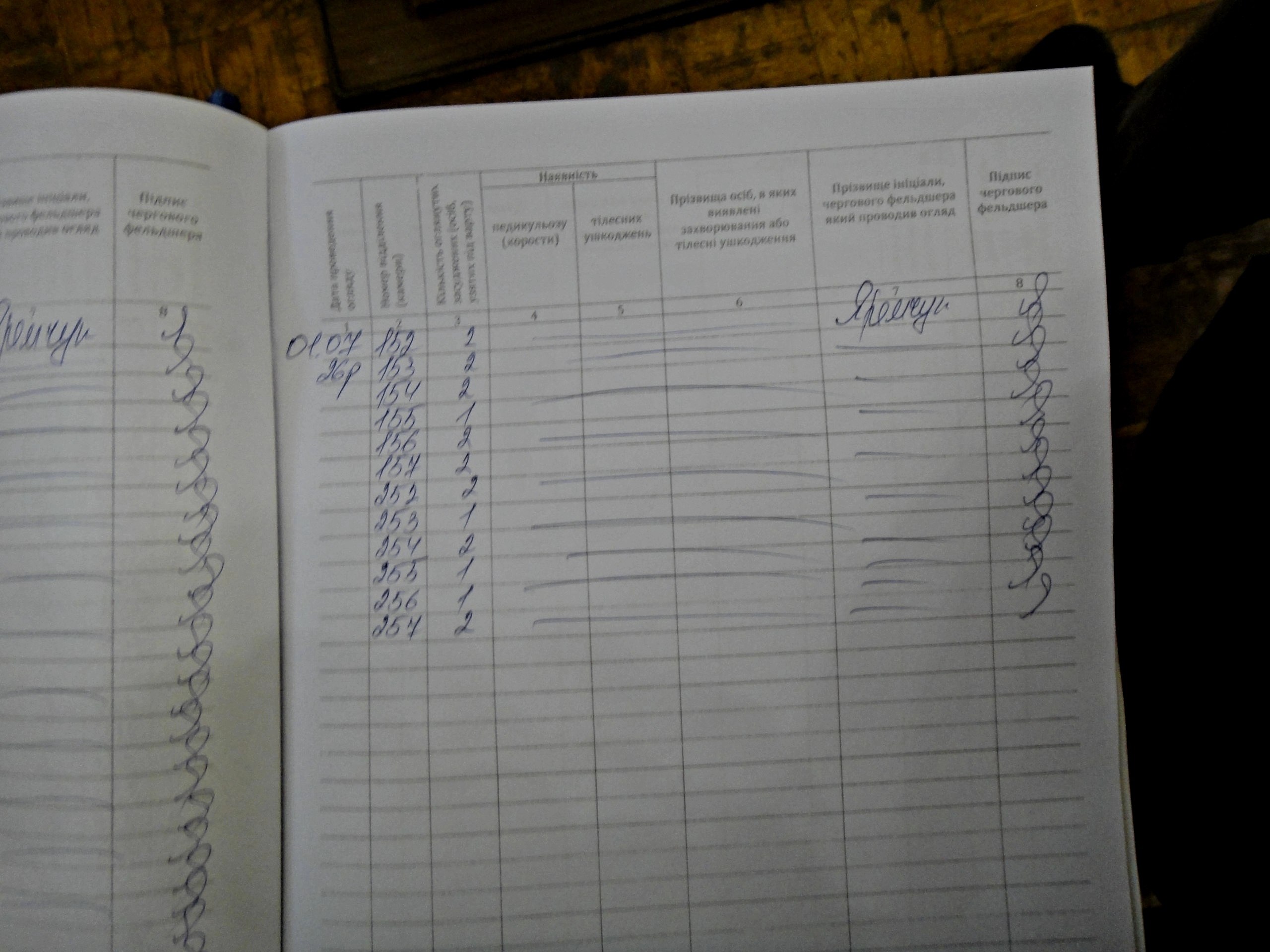
8. Pursuant to Paragraph 3.11 of the Regulations on the Organisation of Bathing and Laundry Services for Persons Held in Penal and Remand Institutions, approved by Order of the Ministry of Justice of Ukraine No. 849/5 dated 8 June 2021 (hereinafter referred to as the Bathing and Laundry Regulations), the changing areas of the bathhouse must be equipped with a station (corner) for the medical assistant (feldsher) of the medical unit (feldsher post) of the State Institution ‘Healthcare Centre of the State Criminal-Executive Service of Ukraine’ for conducting physical examinations and providing medical assistance to convicts (remanded persons), supplied with a desk, a chair, and a register of physical examinations conducted in the bathhouse, maintained according to the form prescribed in Appendix 6 to these Regulations.
However, an examination of the bathhouse physical examination register revealed that, as of 14 July 2026, the last entry made by a healthcare worker was dated 1 July 2026, demonstrating an absence of proper recording of physical examination results for convicts during this period.
Such inaction fails to ensure the timely detection and documentation of potential bodily injuries, precludes effective medical monitoring of convicts’ health status, and diminishes the effectiveness of preventing acts of violence.
This also fails to conform to Paragraph 60 of the Committee’s recommendations, according to which medical services in places of detention can contribute to the prevention of violence against persons in custody through the systematic recording of injuries and, where appropriate, notifying the relevant authorities (CPT/Inf (93) 12-part).
9. In violation of the Procedure for Organising Medical Care at the Primary, Secondary (Specialised), and Tertiary (Highly Specialised) Levels with the Use of Telemedicine, approved by Order of the Ministry of Health of Ukraine No. 681 dated 19 October 2015, medical unit staff are deprived of the ability to submit requests for telemedicine consultations and obtain specialist assistance for providing healthcare services to convicts due to technical limitations.
10. Pursuant to Paragraph 10 of Chapter 2 of Section IX of the SIZO Internal Rules, convicts retained at the SIZO for general maintenance work are subject to mandatory preventive medical screening in accordance with the requirements of Resolution of the Cabinet of Ministers of Ukraine No. 559 dated 23 May 2001 ‘On Approval of the List of Occupations, Industries, and Organisations Whose Employees Are Subject to Mandatory Preventive Medical Examinations, the Procedure for Conducting These Examinations, and the Issuance of Personal Medical Booklets’.
For each convict in this category, primary record form No. 1-OMK ‘Personal Medical Booklet’, approved by Order of the Ministry of Health of Ukraine No. 150 dated 21 February 2013, registered with the Ministry of Justice of Ukraine on 23 April 2013 under No. 662/23194, must be issued.
However, the monitoring group noted the absence of personal medical booklets for 42 out of 54 convicts retained at the facility for general maintenance work, as well as the absence from their medical records of examination results conducted by medical specialists, including laboratory, clinical, and other tests required for clearance to work.
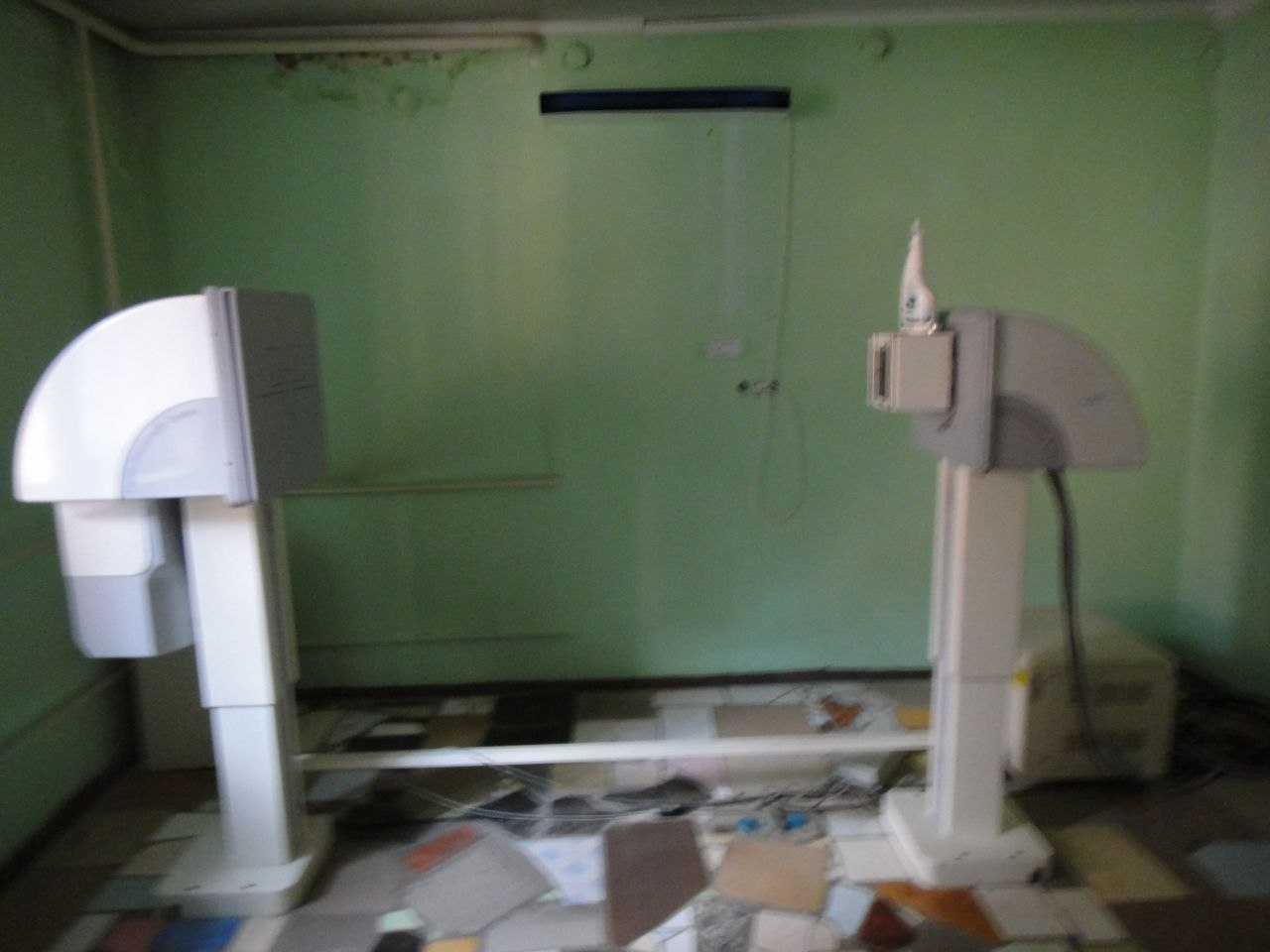
11. The doctors’ consulting room and the X-ray room are not equipped with fire extinguishers, violating Paragraph 3.6 of Chapter 3 of Section V of the Rules and Paragraph 10.18 of Chapter 10 of the State Sanitary Rules and Norms ‘Hygienic Requirements for the Arrangement and Operation of X-ray Rooms and the Conduct of Radiological Procedures’, approved by Order of the Ministry of Health of Ukraine No. 294 dated 4 June 2007, registered with the Ministry of Justice of Ukraine on 7 November 2007 under No. 1256/14523.
12. In violation of the Fire Safety Rules in Ukraine, approved by Order of the Ministry of Internal Affairs of Ukraine No. 1417 dated 30 December 2014, the premises of the medical unit are not equipped with fire suppression and fire alarm systems, with the exception of the OST (Opioid Substitution Therapy) room and the pharmacy.
Recommendations
1. Ensure compliance with statutory living space standards per person and discontinue the use of cells measuring less than 6 m² for single occupancy.
2. Bring material, living, and sanitary conditions in cells into compliance with national and international standards by ensuring adequate natural and artificial lighting, ventilation, serviceable plumbing, access to drinking water, and privacy in sanitary facilities.
3. Ensure proper detention conditions and medical support for persons with mental disorders.
4. Bring the premises of the admissions and distribution unit into line with established equipping standards, furnish missing rooms, ensure their proper numbering, and maintain adequate sanitary and hygienic conditions.
5. Ensure the timely logging of admission and discharge times of individuals in the admissions and distribution unit and adherence to the maximum permissible duration of stay therein.
6. Ensure strict compliance with cellular separation requirements for different categories of detainees.
7. Review the practice of employing video surveillance inside cells, taking into account the right of detainees and convicts to privacy.
8. Cease the practice of displaying name cards containing summaries of committed offences outside the cells of life-sentenced prisoners.
9. Display in punishment cells and the admissions and distribution unit the statutory information regarding bodies and institutions to which detainees may submit complaints and applications.
10. Equip punishment cells with staff call buttons.
11. Restore the functioning of the radio broadcast system in cells.
12. Ensure adequate access to natural daylight in the living quarters of the socio-psychological service unit and bring the composition of its premises into line with established standards.
13. Ensure the operation of an inmates’ shop for the purchase of foodstuffs and essential items by detainees and convicts.
14. Rectify violations in the organisation of laundry and bathing services, ensure proper disinfection and disinfestation of bedding, restore the laundry ventilation system, and equip the required ancillary rooms.
15. Ensure that meals are delivered to detainees and convicts in designated, labelled thermal containers.
16. Ensure that staff carry special equipment concealed from view as far as possible during direct contact with detainees and convicts.
17. Ensure that short-term visits are conducted, as a rule, under open conditions, applying the non-contact format only on the basis of an individual risk assessment.
18. Take measures to fill vacant posts and reduce the existing staff deficit in the institution.
19. Ensure genuine, rather than perfunctory, informing of convicts regarding the purpose, procedure, and results of risk assessments conducted using the ‘Cassandra’ subsystem, as well as the opportunity to examine the data used and put forward comments and objections.
20. Ensure a realistic opportunity for detainees and convicts to take shelter during air-raid alerts, taking into account cellular confinement, security regulations, and the need for organised and timely evacuation to a safe location.
21. Bring the organisation of convict labour into alignment with the actual nature of the work performed, and prevent the substitution of employment relationships with civil law contracts in cases of systematic performance of permanent labour duties.
22. Ensure proper personalised recording of actual working hours, working days, and rest days for convicts engaged in labour.
23. Ensure documentary consistency between the actual engagement of a specific individual in work, the legal basis for such engagement, and the accrual of monetary remuneration.
24. Ensure the proper assessment and payment of the SSC for working convicts and maintain a transparent documentary link between the work performed, remuneration accrued, SSC payments, and the accumulation of pensionable service.
25. Prevent unjustified restrictions on access by authorised monitoring bodies to documents and records necessary for verifying compliance with convicts’ labour and social rights on the pretext of personal data protection.
26. Take measures aimed at remedying the identified human rights violations and preventing torture and cruel, inhuman, or degrading treatment or punishment at the Zhytomyr Municipal Medical Unit of the Branch of the State Institution ‘Healthcare Centre of the State Criminal-Executive Service of Ukraine’ in Zhytomyr Region.
27. Ensure oversight of the proper maintenance of medical records in accordance with the Procedure for Interaction between Healthcare Facilities of the State Criminal-Executive Service of Ukraine and Public Healthcare Facilities on the Provision of Medical Care to Persons Remanded in Custody, approved by Joint Order of the Ministry of Justice of Ukraine and the Ministry of Health of Ukraine No. 239/5/104 dated 10 February 2012; the Procedure for Organising the Provision of Medical Care to Convicts Sentenced to Imprisonment, approved by Joint Order of the Ministry of Justice of Ukraine and the Ministry of Health of Ukraine No. 1348/5/572 dated 15 August 2014; and other regulatory legal acts.
28. Staff the healthcare facility with specialist medical practitioners according to clinical needs.
29. Ensure the proper organisation of psychiatric care for persons with mental disorders, their accommodation in specially equipped medical premises, and the alignment of their detention conditions with statutory requirements and international standards.
30. Ensure that an isolation ward for persons with mental and behavioural disorders is equipped in accordance with regulatory requirements.
31. Provide all persons suspected of having HCV with prompt access to PCR testing and organise necessary antiviral treatment for those with confirmed diagnoses.
32. Ensure the provision of individual rehabilitation for persons in need thereof.
33. Ensure the accessibility of institutional buildings in accordance with the State Building Codes of Ukraine DBN V.2.2-40:2018 ‘Inclusiveness of Buildings and Structures. Basic Provisions’.
34. Fulfil the requirements of Paragraph 37 of Resolution of the Cabinet of Ministers of Ukraine No. 285 dated 2 March 2016 ‘On Approval of the Licensing Conditions for Conducting Economic Activity in Medical Practice’.
35. Ensure that the medical unit is equipped with an isolation ward for patients with enteric infections in accordance with statutory requirements, and establish appropriate conditions for the isolation of such patients to prevent the spread of infectious diseases.
36. Ensure compliance with requirements for the isolation of tuberculosis patients in accordance with the Standard.
37. Ensure compliance with the requirements of Paragraphs 3.10 and 3.11 of the Regulations by organising proper medical supervision during inmate bathing and the diligent maintenance of the physical examination register.
38. Ensure the proper functioning of the telemedicine suite to enable doctors to submit requests for telemedicine consultations.
39. Ensure the conduct of mandatory preventive medical examinations for convicts retained at the facility for general maintenance work, and the issuance of personal medical booklets in accordance with regulations.
40. Equip the premises of the medical unit with fire suppression and fire alarm systems in accordance with established standards.
41. Provide the X-ray room with a fire extinguisher.
This material was prepared within the framework of the ‘Seeking Justice for Survivors’ project, funded by the Ministry of Foreign Affairs of Denmark.