Report on the results of the monitoring visit to Vinnytsia Correctional Colony No. 86
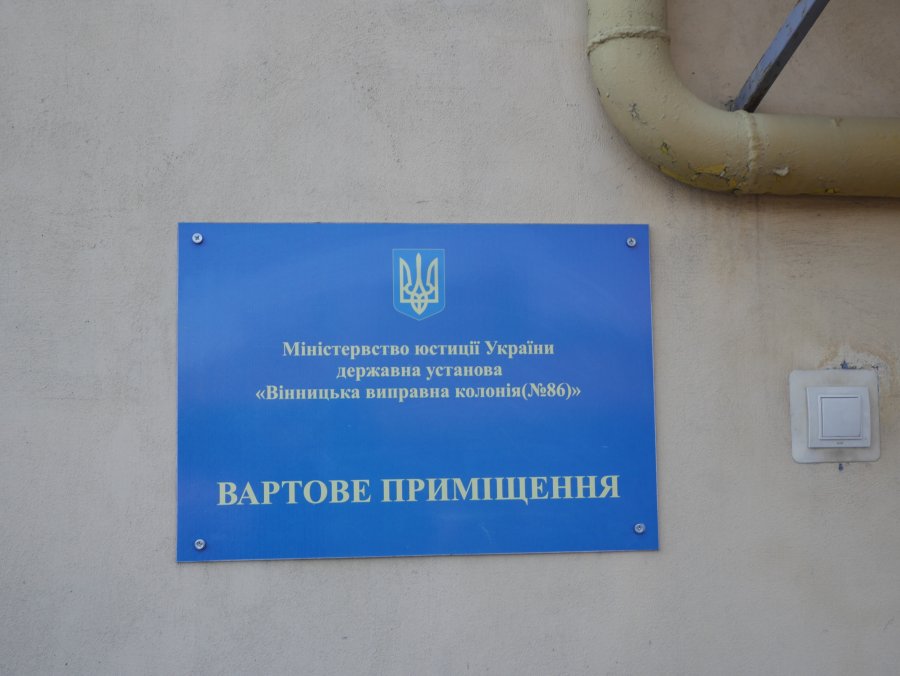
On 9 June 2026, in accordance with the Optional Protocol to the Convention against Torture and Other Cruel, Inhuman or Degrading Treatment or Punishment, taking into account the provisions of the UN Standard Minimum Rules for the Treatment of Prisoners (the Nelson Mandela Rules) and the case law of the European Court of Human Rights, and pursuant to Article 24 of the Criminal Executive Code of Ukraine ‘Visiting Penitentiary Institutions’, a monitoring group from the Kharkiv Human Rights Protection Group and the NGO ‘Protection of Prisoners of Ukraine’ visited the State Institution ‘Vinnytsia Correctional Colony (No. 86)’ (VCC-86, the institution, facility, or colony). The visit was routine and unannounced; all facilities of the institution were inspected. The previous visit took place on 5 June 2025.
In preparing for the visit, the monitors used materials from appeals by convicts and their relatives, previous reports, and reports by monitors of the National Preventive Mechanism under the Ukrainian Parliament Commissioner for Human Rights (NPM).
The visit was conducted as part of the project ‘Reducing Suffering of Prisoners in the Context of the War in Ukraine’, funded by the Government of Denmark in partnership with DIGNITY – Danish Institute Against Torture.
The visit was carried out by the following monitors:
- Andriy Didenko – assistant to the Member of Parliament of Ukraine Yaroslav Yurchyshyn, programme coordinator of the Kharkiv Human Rights Protection Group, monitoring experience since 2014, NPM (National Preventive Mechanism) monitor, member of the NPM advisory board;
- Serhiy Zuykov – assistant to the Member of Parliament of Ukraine Kostiantyn Kasai, member of the Public Council under the Ministry of Justice of Ukraine, member of the non-governmental organisation ‘Protection of Prisoners of Ukraine’, NPM monitor, with many years of experience in monitoring visits;
- Oleh Tsvilyi – member of the Public Council under the Ministry of Justice of Ukraine, head of the non-governmental organisation ‘Protection of Prisoners of Ukraine’, with extensive experience in monitoring visits, specialising in issues of torture, cruel, inhuman, or degrading treatment and punishment.
During the monitoring visit to VCC-86, a number of violations of national legislation and international standards in the field of the execution of criminal penalties were identified. Specifically, deficiencies were established in the organisation of the quarantine, diagnostics, and distribution section, substandard material and living conditions in the disciplinary isolation ward, lack of full access to the Internet for convicts in the QDD (quarantine, diagnostics, and distribution) section, violations of requirements regarding the organisation of social and educational work with convicts, deficiencies in the functioning of the bath and laundry complex and the ventilation of certain rooms, as well as cases of staff openly carrying special equipment, contrary to the recommendations of the European Committee for the Prevention of Torture (CPT). At the same time, the review of documents revealed no systemic violations regarding the implementation of the convicts’ right to work, remuneration, and social insurance.
In the medical unit, violations of the convicts’ right to proper medical care were identified, including the absence of substitution maintenance therapy, deficiencies in the organisation of psychiatric care, staff shortages in the medical unit, violations of the procedure for obtaining informed voluntary consent from patients, non-compliance with accessibility requirements, lack of tele-medicine capabilities, and inadequate fire safety measures.
General Information
Vinnytsia Correctional Colony (No. 86) is a medium-security correctional facility for men. The institution is located at 26 Pryvokzalna Street, Vinnytsia, Vinnytsia Oblast, 21100.
Head of the institution – Dmytro Mykolayovych Petryk.
Vinnytsia Correctional Colony No. 86 is one of the oldest penitentiary institutions in Vinnytsia Oblast. The facility operates within the State Criminal Executive Service of Ukraine and ensures the execution of custodial sentences for men. The facility includes a residential area, a quarantine, diagnostics, and distribution section (QDD), a disciplinary isolation ward (DIW), an enhanced control section (ECS), a medical unit, industrial facilities, administrative offices, and other premises necessary to support the facility’s operations.
According to information provided by the administration, the authorised staff establishment is 261.5 posts, with the actual number being 183.25. The total vacancy rate stands at 78.25 posts. The facility employs one psychologist. The planned capacity of the colony is 670 individuals, while the actual number of convicts is 170. The structure of the institution includes a residential area, a QDD section, a department for social, educational, and psychological work, and an enhanced control section. In 2026, 168 convicts arrived at the facility. In 2025, two convicts died in the facility, and no deaths have been recorded in 2026.
The institution employs 39 convicts, of whom 15 work under employment contracts and 24 under civil law contracts. The following individuals are on operational and preventive monitoring: 5 prone to suicide, 8 prone to self-harm, 3 prone to escape, and 5 persistent violators of the established rules of serving sentences.
During 2025–2026, there were no cases of convicts being released due to illness. The administration also reported that there were no complaints from convicts regarding substandard conditions of detention or inadequate medical care. There are four convicts with Group III disabilities in the institution.
In 2025, 15 cases of bodily injuries among convicts during their stay in the institution were recorded, and in 2026, there were 5 such cases. At the same time, no cases of bodily injuries were detected upon the arrival of convicts at the facility in 2025–2026.
Positive Practices
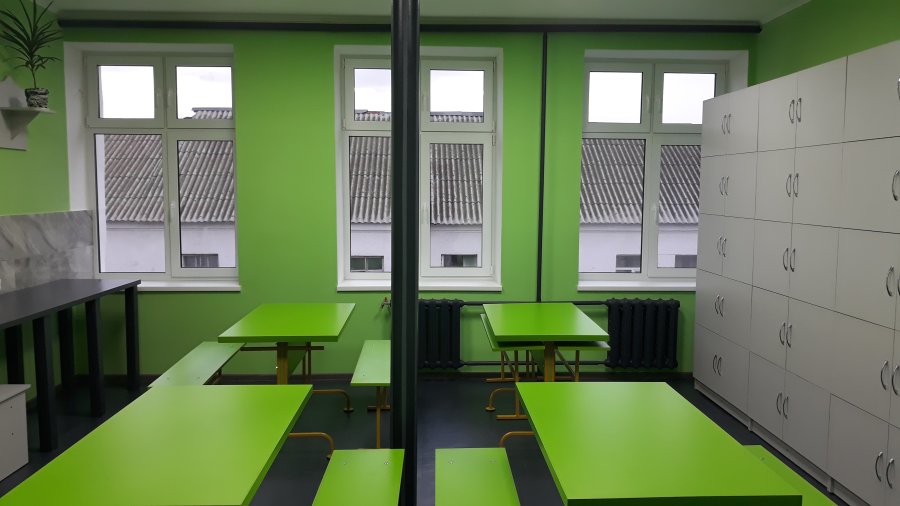
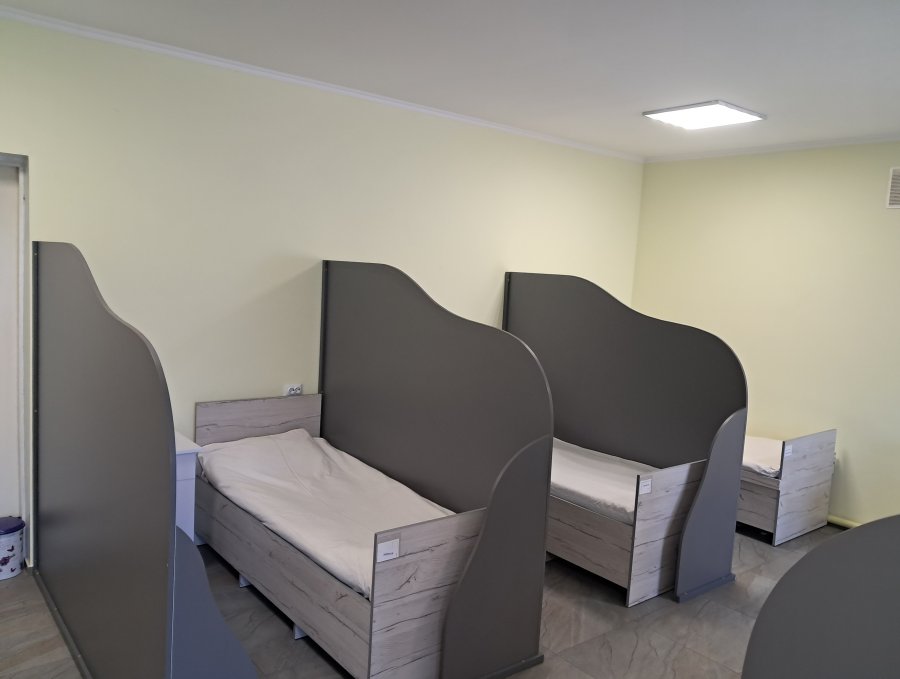
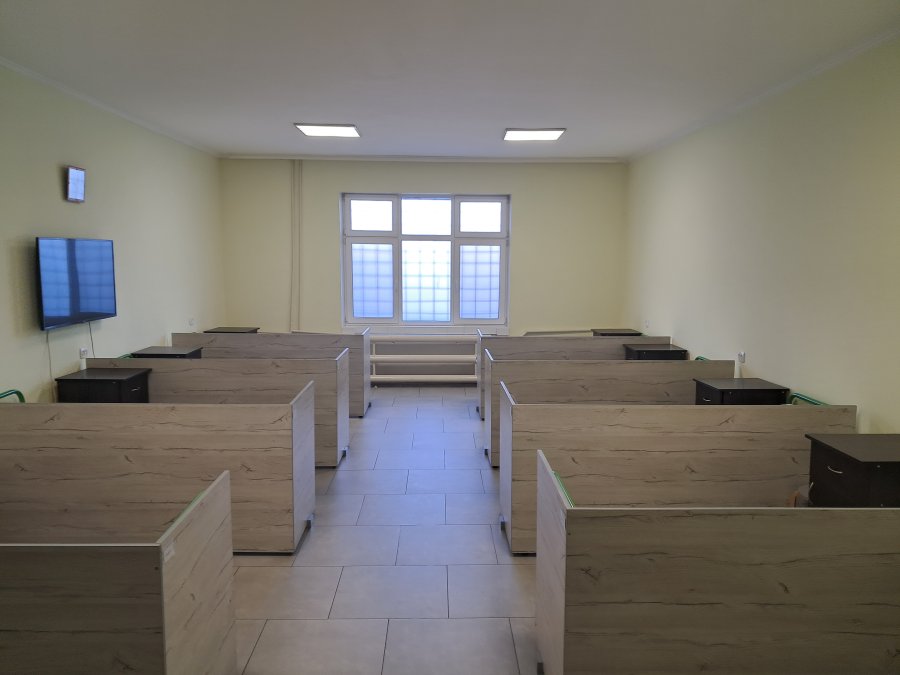
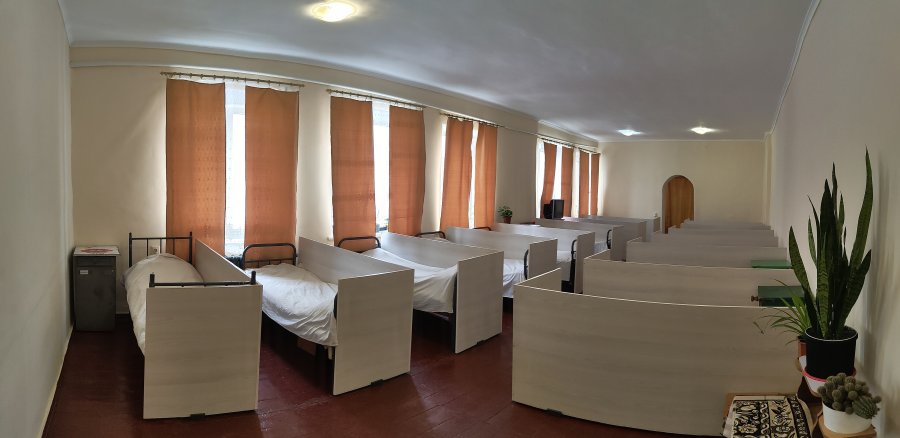
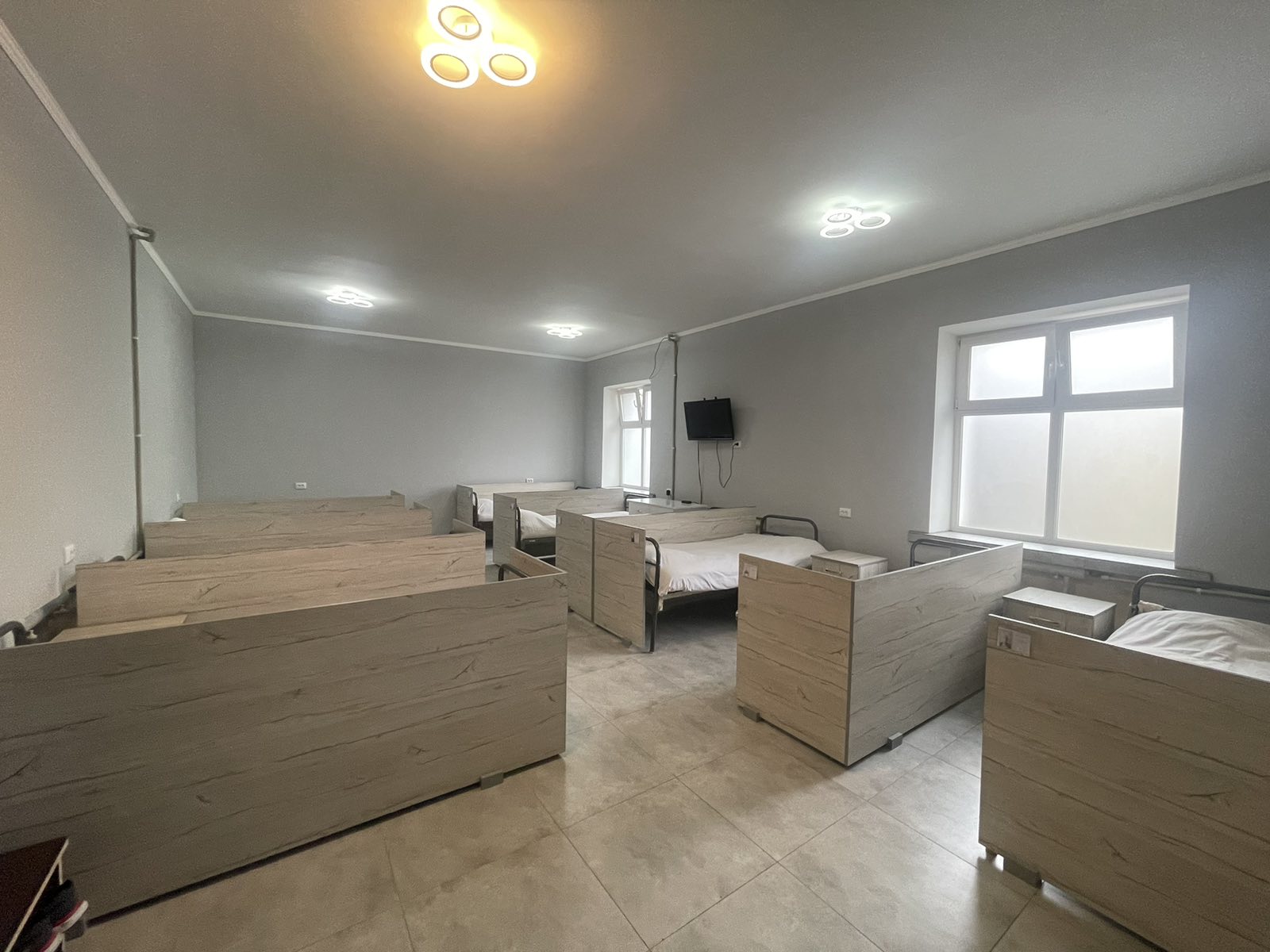
During the monitoring visit, a number of positive practices aimed at improving the conditions of detention and humanising the execution of criminal sentences were noted. Specifically, the administration has carried out a significant amount of renovation work in the residential areas of various security sectors. The dormitories in the medium, maximum, and minimum security sectors are in proper sanitary and technical condition. The rooms have been modernised, the furniture replaced, and individual living spaces with partitions have been set up, providing convicts with a much higher level of privacy compared to traditional barracks. The rooms have sufficient natural and artificial light, are equipped with televisions and bedside tables, and are kept clean and tidy.
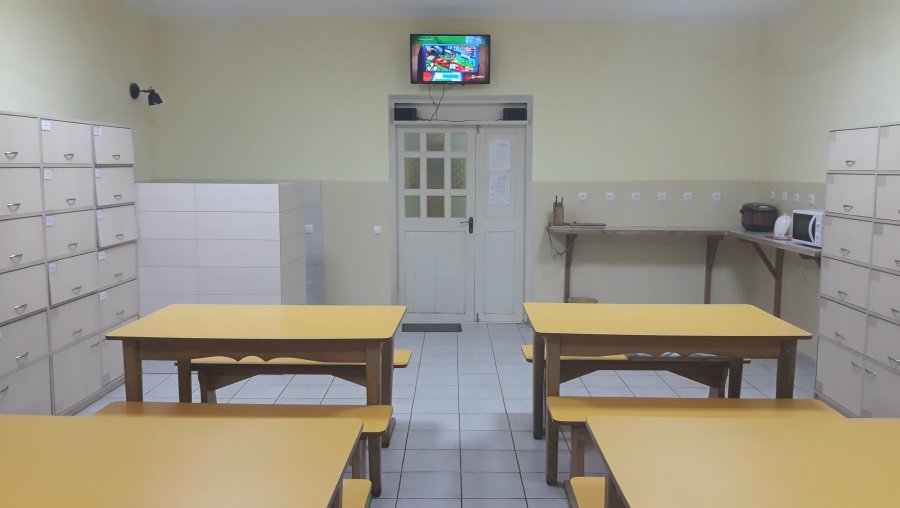
The arrangement of dining rooms in the departments of the social and psychological service deserves positive appraisal. The premises are equipped with modern furniture, domestic appliances, areas for reheating food, and individual lockers for storage, which creates more comfortable living conditions for the convicts and aligns with the principles of respect for human dignity.
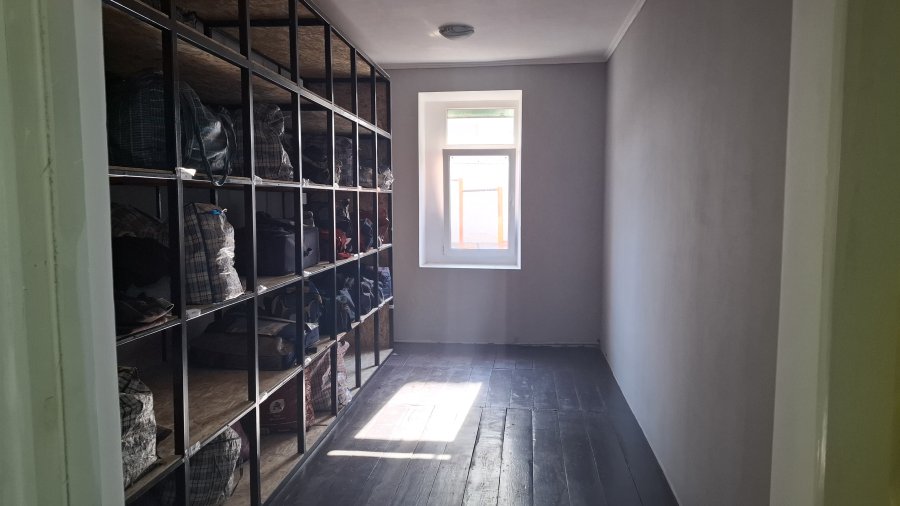
The organisation of storage rooms for the personal belongings of convicts also deserves a positive assessment. Belongings are stored in an orderly manner in specially equipped rooms, which helps ensure their preservation and maintains a proper sanitary state.
During the visit, a proper level of organisation of the convicts’ paid labour was also established. The administration has ensured the official formalisation of employment relations, the conclusion of fixed-term employment contracts and civil law contracts in accordance with legal requirements, the keeping of working hours records, the calculation of wages, and the payment of the single social contribution. A documentary audit revealed no systemic violations of convicts’ labour rights.
Overall, the results of the monitoring visit indicate that the administration of the SI ‘Vinnytsia Correctional Colony (No. 86)’ pays significant attention to improving material and living conditions, creating a more private and comfortable living environment for convicts, and ensuring the exercise of their right to work and social protection. However, the shortcomings identified during the monitoring must be addressed to bring the institution’s activities into full compliance with the requirements of national legislation and international standards for the treatment of persons deprived of their liberty.

Identified Violations of National and International Legislation
During the monitoring visit, violations of national legislation and failure to comply with international recommendations on the treatment of prisoners were identified, resulting in violations of the rights of convicts:
1. The procedure and conditions for admitting convicts to the institution do not fully comply with the requirements of the current legislation of Ukraine and international standards for the treatment of prisoners.
In violation of Paragraph 1 of Section II of the Regulations on the Quarantine, Diagnostics, and Distribution Section, approved by Order of the Ministry of Justice of Ukraine No. 2300/5 dated 4 November 2013 (hereinafter — the Regulations on the QDD Section), the working group for newly arrived convicts does not include the head of the financial support and accounting department – the chief accountant.
2. The monitoring group established that the material and living provisions in the quarantine, diagnostics, and distribution section (hereinafter — the QDD) do not fully meet the established regulatory requirements. Specifically, in violation of the Requirements for Provision of Furniture, Inventory, and Household Items of Medium-Security Correctional Colonies, approved by Order of the Ministry of Justice of Ukraine No. 1118/5 dated 27 July 2012 (hereinafter — the Provision Requirements), the section lacks an educational work room.
It was also established that the washroom is not equipped in accordance with the Provision Requirements, specifically lacking a shower cubicle with a mixer tap and a flexible shower hose, and therefore failing to provide adequate conditions for maintaining convicts’ personal hygiene.
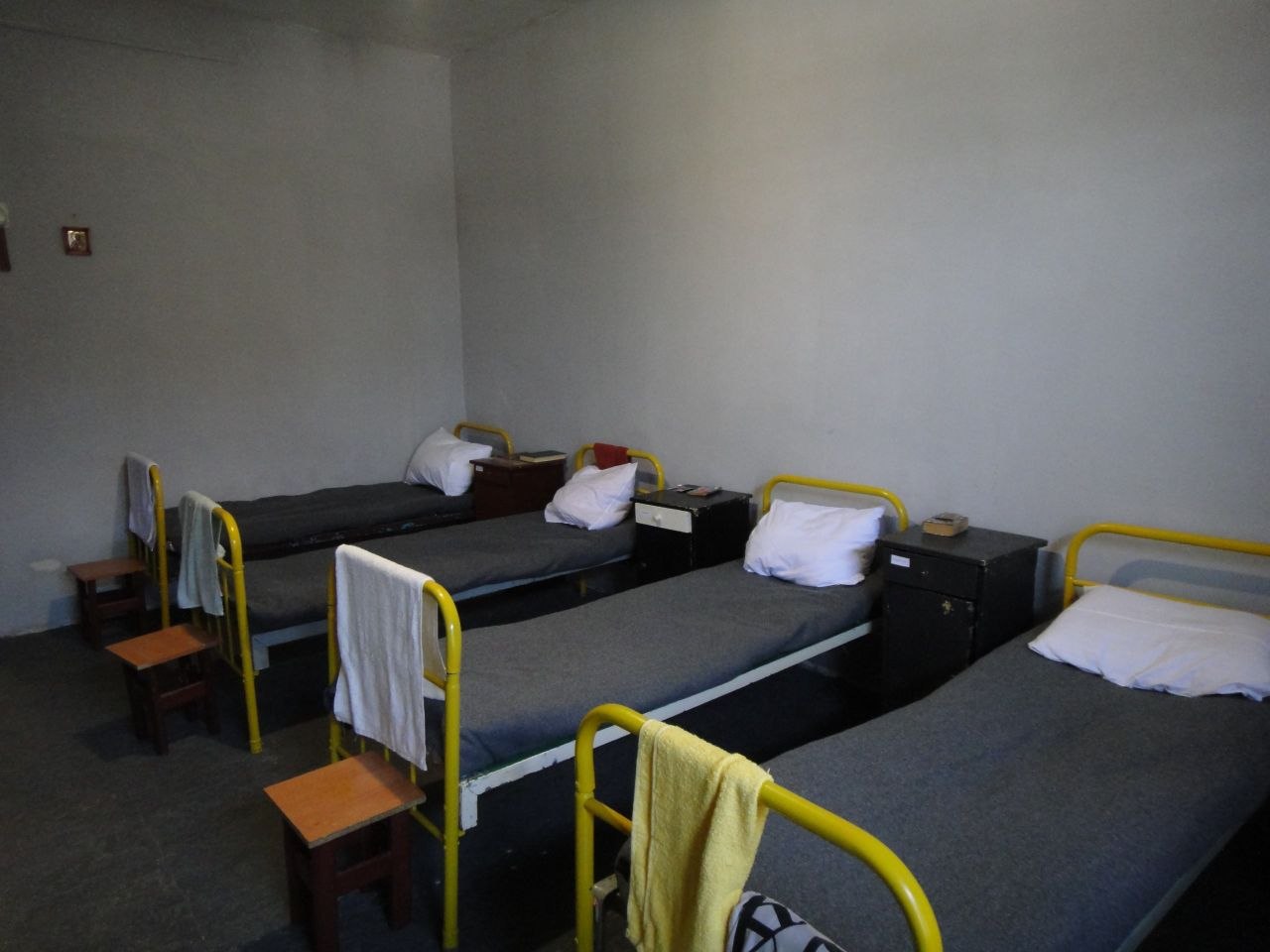
3. The facility’s administration has not fully ensured the convicts’ right to access the Internet, and the procedure for providing such access only partially complies with the established requirements. Specifically, within the QDD section, there are no facilities for convicts to exercise their right of access to the Internet via tablet computers, as provided for in Part Seven of Article 110 of the Criminal Executive Code of Ukraine. No Wi-Fi access point is installed in the QDD section.
4. The arrangement of the institution’s disciplinary isolation ward and cell-type premises (hereinafter — DIW/CTP) does not fully comply with established standards for the treatment of prisoners and fails to provide adequate material, living, and sanitary conditions, resulting in violations of the rights of convicts.
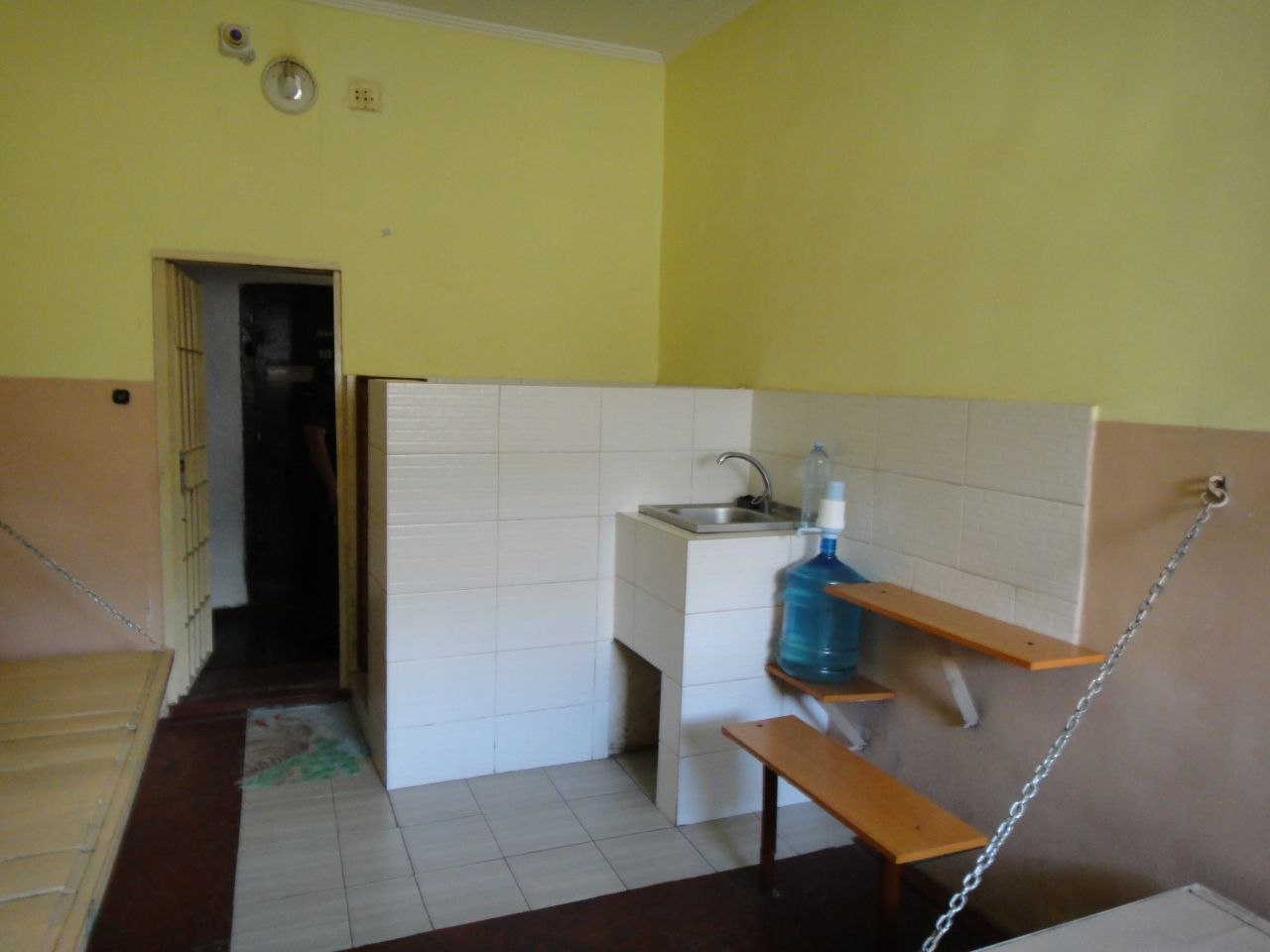
In particular, the toilets in the DIW/CTP cells are not equipped with adequate partitions to ensure privacy, which violates Rule 19.3 of the European Prison Rules, as well as Rule 15 of the UN Standard Minimum Rules for the Treatment of Prisoners (the Nelson Mandela Rules).
At the same time, in its report on the 2023 visit to Ukraine, the Committee urged the Ukrainian authorities to take the necessary measures to improve material conditions of detention, in particular: to keep all accommodation for convicts and remand prisoners, including sanitary facilities, in a proper state of repair and hygiene; to ensure regular and frequent disinfestation; to provide adequate access to natural light and ventilation in the cells; and to ensure that in-cell sanitary facilities are fully partitioned (i.e. from floor to ceiling) (CPT/Inf (2024) 20, paragraph 58).
5. Under Paragraph 23 of Clause 6 of Section XXI of the Internal Rules of Penitentiary Institutions, approved by Order of the Ministry of Justice of Ukraine No. 2823/5 dated 28 August 2018 (hereinafter — the Internal Rules), in order to conduct individual preventive work, the head of the social and psychological service department must visit the DIW, punishment cells, and CTP (single cells) upon admission/transfer of a convict, and at least once a week thereafter. Following these visits, they are required to make corresponding entries in the logbook of visits by the administration of the penitentiary institution to the disciplinary isolation ward, cell-type premises, single cells, and punishment cells.
However, during the inspection of the logbook of visits to the disciplinary isolation ward (DIW), it was established that entries were missing which, in accordance with regulatory requirements, should have been made by the head of the social and psychological service department No. 2 during the period a convict was serving a disciplinary sanction from 1 June 2026 to 7 June 2026.
This violation may indicate a failure on the part of the head of the social and psychological service department No. 2 to perform their duties, along with poor organisation of social, educational, and psychological work.
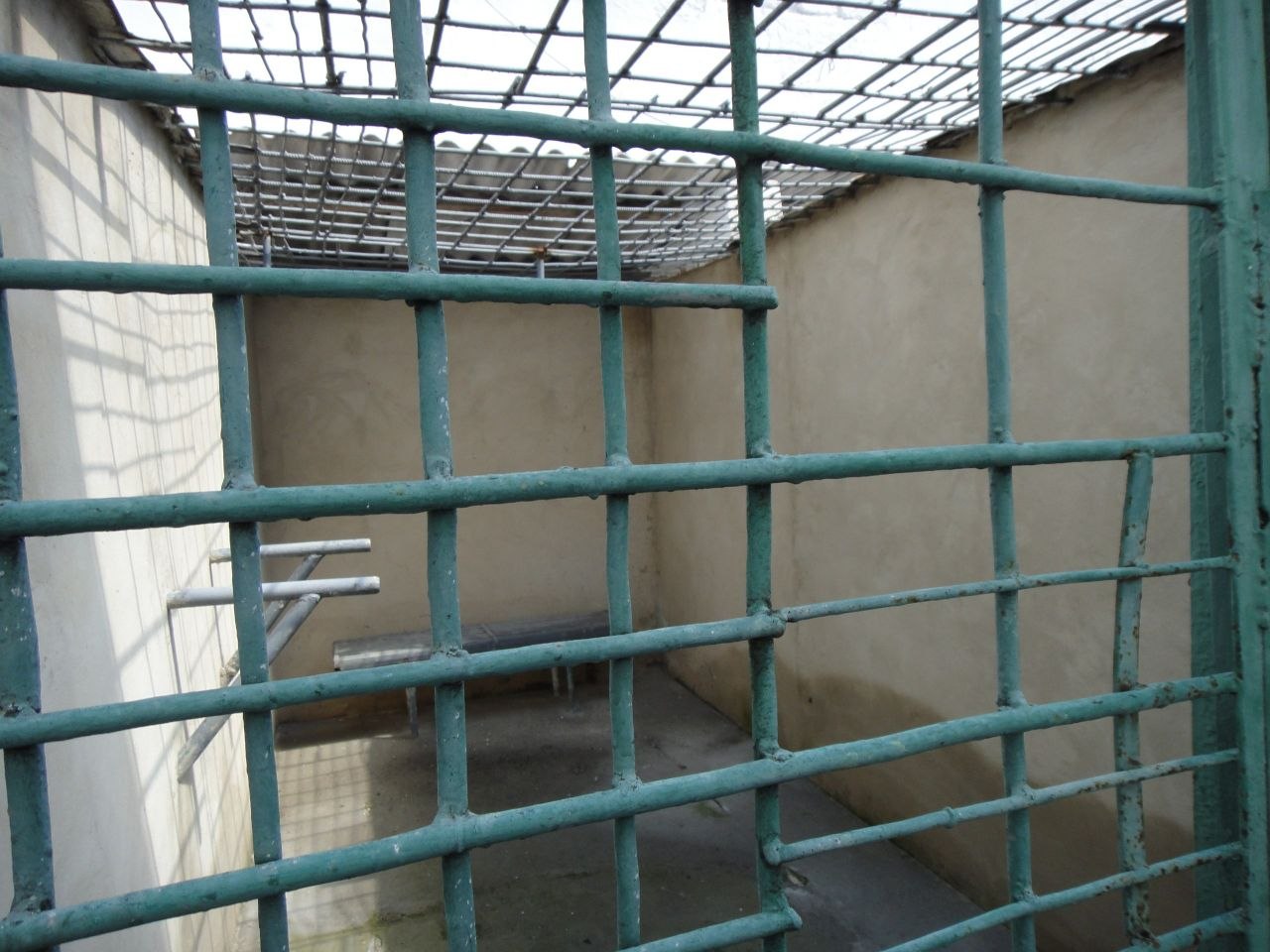
6. The size of some exercise yards in the DIW/CTP is insufficient to ensure adequate physical activity for convicts. In addition, the Committee has repeatedly recommended reviewing the design and size of exercise yards, ‘which offer at best a view of the sky’ (CPT/Inf (2014) 15, paragraphs 122, 127).
7. The enhanced control section (hereinafter — the ECS) is a structural division of a medium-security correctional colony, and the procedure for detaining convicts in such a section is defined by Article 97 of the Criminal Executive Code of Ukraine and other regulatory acts. However, the ECS is temporarily closed due to ongoing renovation work.
8. The monitoring group identified a number of violations in the organisation of the bath and laundry services for convicts and detainees.
In violation of Paragraph 4 of Section XXII of the Internal Rules and Paragraph 3.19 of Section III of the Regulations on the Organisation of Bath and Laundry Services for Persons Held in Penitentiary Institutions and Remand Prisons, approved by Order of the Ministry of Justice of Ukraine No. 849/5 dated 8 June 2021 (hereinafter — the Regulations), the institution failed to comply with sanitary-hygienic and anti-epidemic requirements.
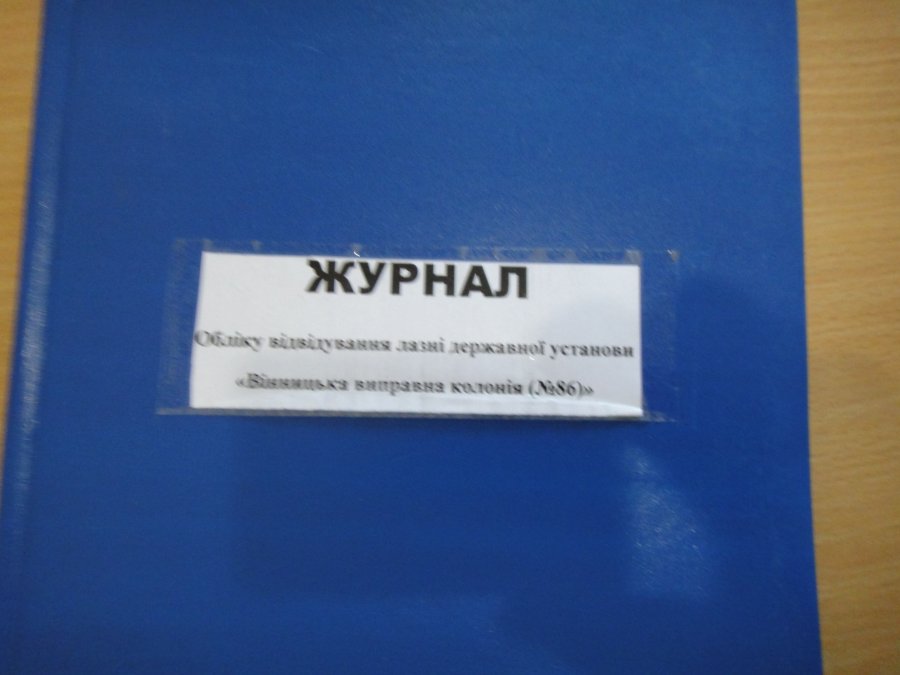
In particular, newly arrived convicts do not undergo sanitary treatment. For example, convicts arrived at the facility on 7 June 2026, but there are no records of their washing in the bathhouse attendance log.
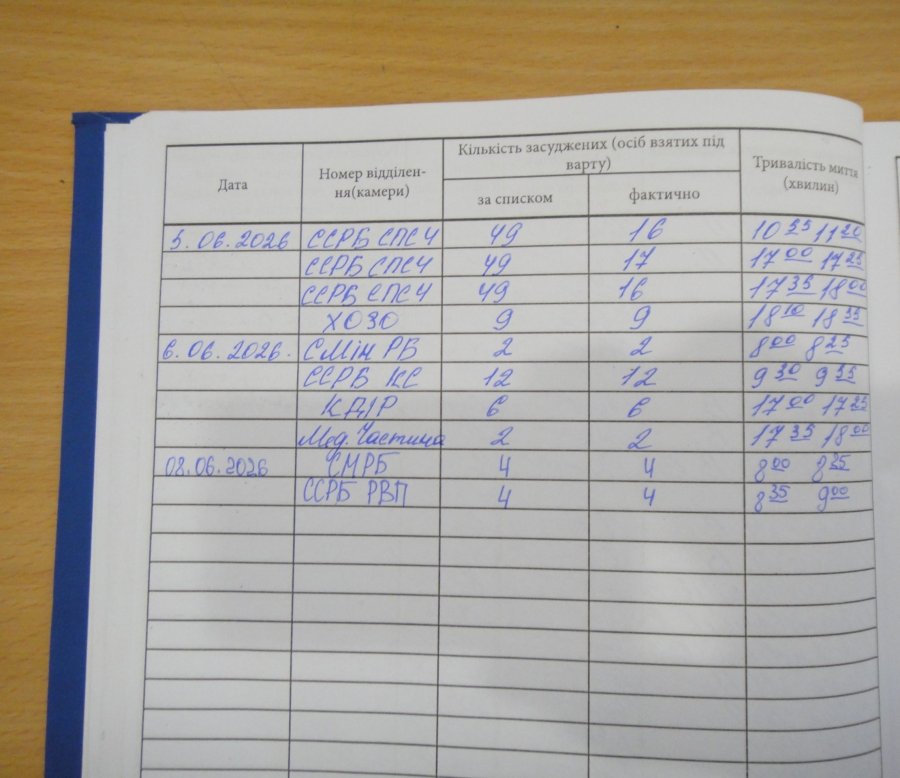
9. In violation of Paragraph 2.11 of Section II of the Regulations, the mechanical supply and exhaust ventilation system in the laundry room is not functioning properly.
10. During the visit, the monitoring group noted that staff in direct contact with convicts openly carried special equipment, including rubber truncheons. However, under Paragraph 8 of Clause 1 of Section XXVI of the Internal Rules, the carrying of special equipment by staff within the secured perimeter of a penitentiary institution must, as far as possible, be concealed from view. Furthermore, the Committee recommends that prison staff working in direct contact with prisoners should not openly carry special equipment (such as rubber truncheons, handcuffs, and tear gas canisters) in front of prisoners, as this hinders the establishment of positive relations between staff and inmates (CPT/Inf (2011) 29, paragraph 85; CPT/Inf (2013) 23, paragraph 23; CPT/Inf (2014) 15, paragraph 166).
11. During the monitoring visit, the monitoring group reviewed the exercise of the convicts’ right to work, compliance with labour rights and social guarantees, the formalisation of employment relations, the use of civil law contracts, remuneration, and the payment of the single social contribution. In accordance with Articles 118, 119, and 122 of the Criminal Executive Code of Ukraine, convicts have the right to voluntary paid work, which is carried out on the basis of an employment contract or a civil law contract. Convicts engaged in paid work under fixed-term employment contracts are subject to compulsory state social insurance, and their working hours must not exceed the limits established by labour legislation. According to the institution’s administration, VCC-86 operates a woodworking workshop, a firewood production section, a secondary raw materials packaging section, a furniture and wooden products manufacturing section, a metalworking section, a branch of the state enterprise ‘P.’, and the institution’s utility and maintenance service.
On the day of the monitoring visit, 39 convicts were engaged in paid work, of whom 15 worked under fixed-term employment contracts and 24 worked under civil law contracts. The monitoring group examined several fixed-term employment contracts concluded between convicts and the facility’s administration, as well as between convicts and the branch of the state enterprise ‘P.’. Analysis of these contracts shows that they contain all the material terms of employment relations, defining the employee’s job role, working schedule, remuneration procedure, social insurance, occupational safety guarantees, the rights and obligations of both parties, and the procedure for terminating employment. The contracts provide for compulsory state social insurance and the payment of the single social contribution for the working convicts.
The monitoring group paid close attention to the use of civil law contracts. During the review, it was established that the facility’s administration uses civil law contracts for the execution of specific, defined tasks with a determined result. For instance, an inspected contract provided for the manufacture of two wardrobes, specifying the scope of work, its value, the procedure for accepting the finished products, and the payment of remuneration upon the signing of an acceptance certificate. The contract explicitly states that it does not establish employment relations but regulates the execution of work in accordance with the requirements of civil legislation.
The monitoring group points out that, pursuant to Part One of Article 118 of the Criminal Executive Code of Ukraine, paid labour by convicts may be carried out either under a fixed-term employment contract or under a civil law contract. However, the use of civil law contracts is only lawful provided they do not substitute employment relations and are directed towards the execution of specific tasks or the achievement of a defined result. An analysis of the provided documents revealed no signs of civil law contracts being used to disguise employment relations.
During the audit of time sheets, work attendance logs, the staff establishment of the utility and maintenance service, and payroll records, no significant discrepancies between the hours actually worked and the wages calculated were found. Working hours are recorded separately for industrial sections and the utility service, and the records of hours worked correspond with the payroll documentation.
An examination of the payroll documents established that convicts’ wages are calculated according to hours worked or volume of work completed, subject to statutory deductions, including personal income tax, military tax, and the single social contribution. After mandatory deductions, the remaining funds are credited to the personal accounts of convicts in accordance with the requirements of Article 120 of the Criminal Executive Code of Ukraine.
The monitoring group also reviewed documents concerning the payment of the single social contribution (SSC). The provided payment orders, tax reports, and information from the accounting department confirm that SSC is calculated and paid for officially employed convicts, ensuring the accumulation of their insurance record in accordance with Article 122 of the Criminal Executive Code of Ukraine and the Law of Ukraine ‘On Compulsory State Social Insurance’.
Medical Unit No. 86 of the Branch of the State Institution ‘Center for Healthcare of the State Criminal Executive Service of Ukraine’ in Vinnytsia Oblast
The head of Medical Unit No. 86 is S.V. Syomkin, a doctor at the branch of the State Institution ‘Center for Healthcare of the State Criminal Executive Service of Ukraine’ in Vinnytsia Oblast (hereinafter — the medical unit).
At the time of the visit, the following posts remained vacant: general practitioner/family doctor — 1 full-time equivalent; clinical psychologist — 0.5 full-time equivalent.
There were two individuals undergoing inpatient treatment.
During the monitoring visit, the monitoring group reviewed medical documentation, inspected the premises of the medical unit, and conducted individual interviews (surveys) with convicts, which revealed deficiencies in the organisation of healthcare provision, resulting in violations of their rights:
1. The medical unit does not provide substitution maintenance therapy (hereinafter — SMT) for individuals with mental and behavioural disorders due to opioid use, in accordance with the Procedure for Providing Substitution Maintenance Therapy to Individuals with Mental and Behavioural Disorders Due to Opioid Use, approved by Order of the Ministry of Health of Ukraine No. 200 dated 27 March 2012.
Drug-dependent individuals are not provided with social and psychological support, cognitive behavioural therapy (CBT), relapse prevention, motivational interviewing, mutual support groups, etc.
Thus, these individuals are deprived of the opportunity to receive SMT, which violates their right to choose methods of treatment under Article 38 of the Law of Ukraine ‘Fundamentals of Ukrainian Legislation on Healthcare’.
Furthermore, in its report on the 2023 visit to Ukraine, the Committee states that admission to prison represents an opportunity to address drug-related problems, and it is therefore essential that appropriate support is offered to all individuals concerned; consequently, suitable healthcare services should be available in all institutions. The assistance offered to such individuals should be diverse; substitution therapy programmes for drug-dependent persons should be combined with genuine psychosocial and educational programmes for opioid-dependent individuals who are unable to stop using drugs. Moreover, access to SMT programmes in prisons should be straightforward, and they should also be managed by prison doctors who have received specific training in drug-related issues (CPT/Inf (2024) 20, paragraph 86).
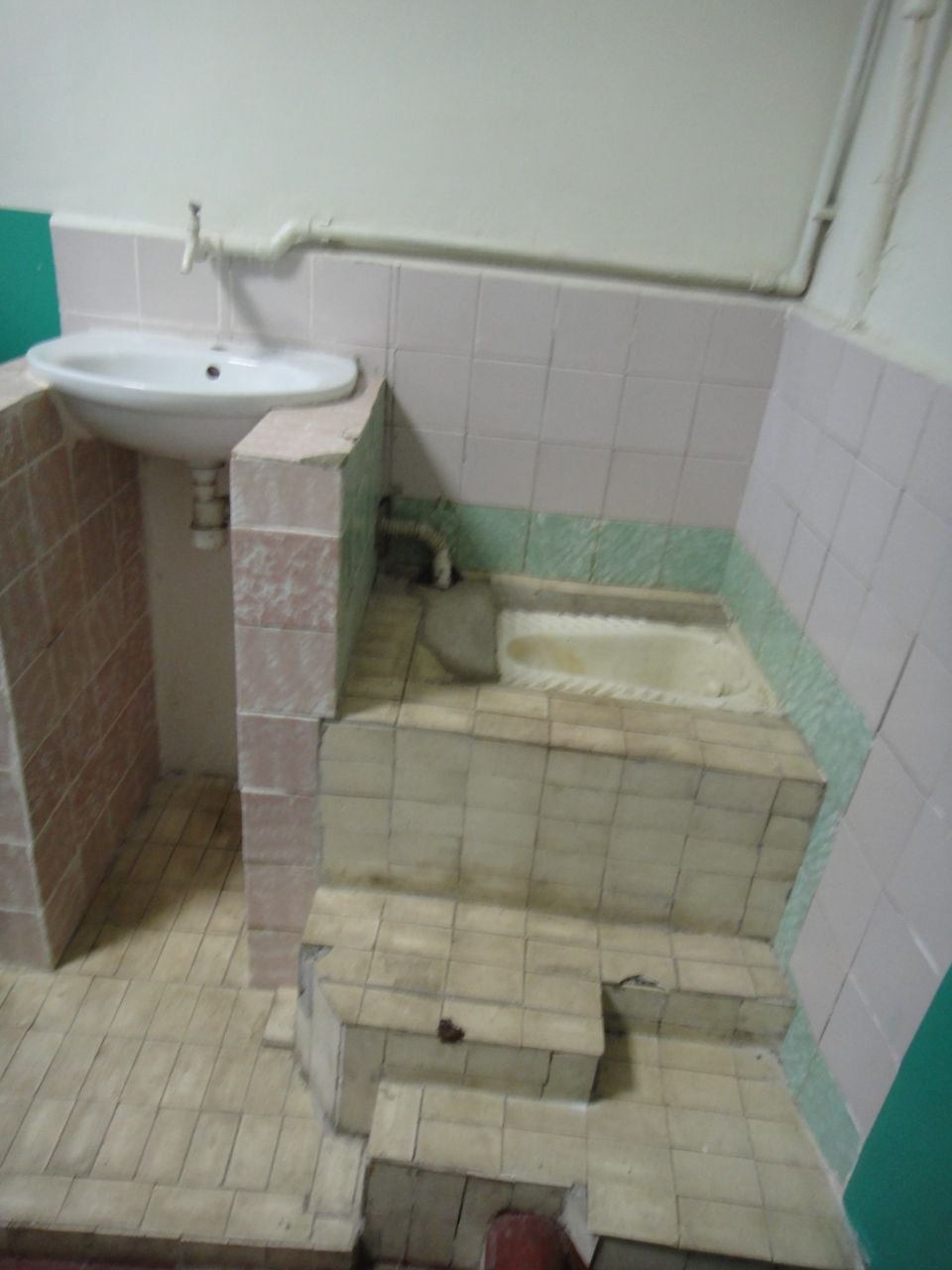
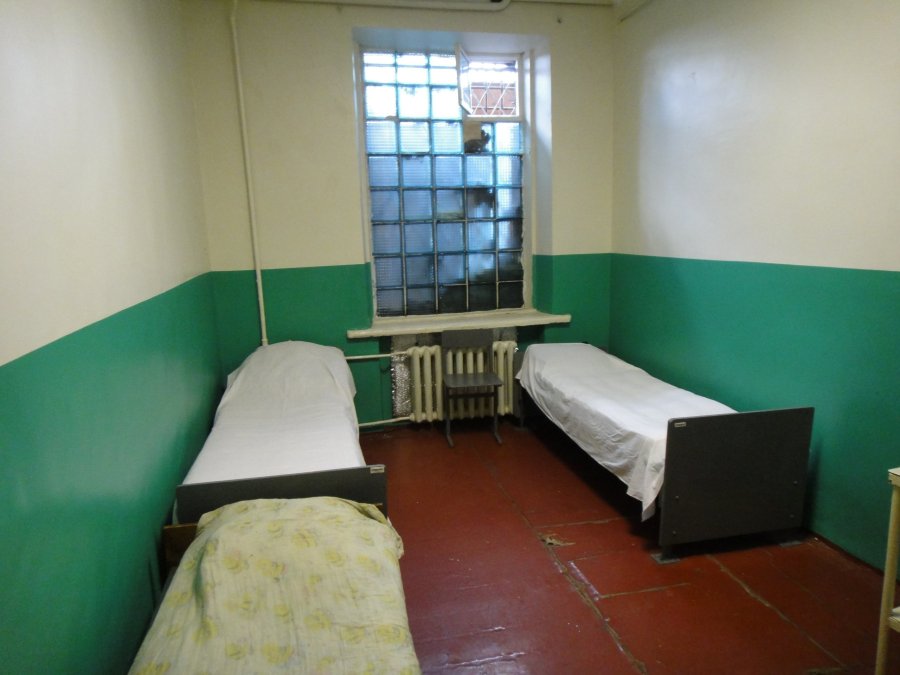
2. In violation of Paragraph 9 of the Rules on the Use of Physical Restraint and/or Isolation in the Provision of Psychiatric Care to Persons Suffering from Mental Disorders, approved by Order of the Ministry of Health of Ukraine No. 240 dated 24 March 2016, registered with the Ministry of Justice of Ukraine on 15 April 2016 under No. 570/28700, as well as Paragraph 8.3.4 of the State Building Codes of Ukraine DBN V.2.2-10:2022 ‘Healthcare Facilities’, the isolation ward for persons with mental disorders does not meet the established requirements.
The room is designed to accommodate three individuals, which contradicts the principles of isolation. The toilet facility is not equipped with doors or adequate partitions, failing to guarantee the right to privacy.
In addition, the window is made of glass blocks, as a result of which virtually no natural light enters the room.
3. In violation of the Instructions for Filling in the Primary Records Form No. 003-6/o ‘Informed Voluntary Consent of a Patient to Diagnostics, Treatment, Surgery, Anaesthesia, and the Presence or Participation of Educational Process Participants’, approved by Order of the Ministry of Health of Ukraine No. 110 dated 14 February 2012, it was established that there was no signed informed voluntary consent to diagnostics and treatment from a patient undergoing inpatient treatment in the medical unit. This may indicate that the methods of diagnostics, prevention, and treatment were applied without the patient’s voluntary consent, in violation of Article 43 of the Law of Ukraine ‘Fundamentals of Ukrainian Legislation on Healthcare’ and paragraph 47 of the Committee’s recommendations (CPT/Inf (93) 12-part).
4. The post of clinical psychologist in the medical unit remains vacant, which hinders the timely and effective provision of mental healthcare to convicts. In its report on the 2023 visit to Ukraine, the Committee recommends further strengthening the provision of psychological care in institutions, as well as developing the training and role of prison psychologists, especially in terms of therapeutic clinical work with convicts. In this context, efforts should be made to recruit clinically trained psychologists, who must be part of the healthcare team and should not combine two distinct roles in their work, namely risk assessment and therapeutic clinical work (CPT/Inf (2024) 20, paragraph 85).
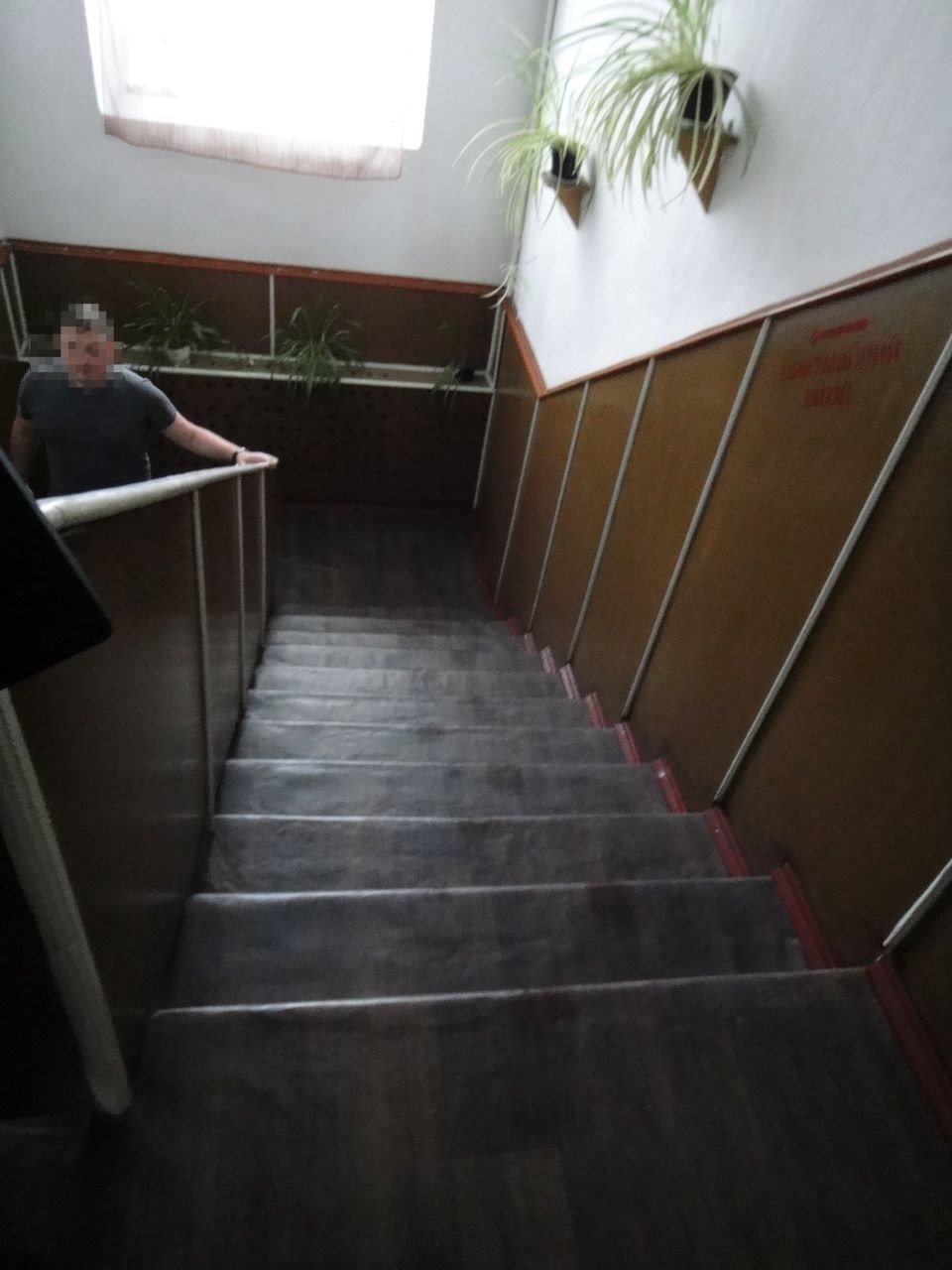
5. In violation of the State Building Codes of Ukraine DBN V.2.2-40:2018 ‘Inclusiveness of Buildings and Structures. General Provisions’, no provisions have been made in the medical unit for holding persons with disabilities. The inpatient facility is located on the first floor.
6. In violation of Paragraph 37 of Resolution of the Cabinet of Ministers of Ukraine No. 285 dated 2 March 2016 ‘On Approval of Licensing Conditions for Conducting Business Activities in Medical Practice’, the medical unit lacks the mandatory official report confirming barrier-free access to the buildings and premises of the medical facility for persons with reduced mobility.
7. In violation of the Procedure for Organising Medical Care at Primary, Secondary (Specialised), and Tertiary (Highly Specialised) Levels Using Tele-medicine, approved by Order of the Ministry of Health of Ukraine No. 681 dated 19 October 2015, the medical unit staff are, due to technical limitations, unable to send requests for tele-medicine consultations or obtain professional assistance to provide healthcare services to convicts.
8. In violation of the Fire Safety Rules in Ukraine, approved by Order of the Ministry of Internal Affairs of Ukraine No. 1417 dated 30 December 2014, the premises of the medical unit are not equipped with fire suppression or fire alarm systems.
Recommendations
1. Ensure the functioning of the quarantine, diagnostics, and distribution section in compliance with regulatory requirements, including the composition of the working group, material and living provisions, and the implementation of the rights of newly arrived convicts.
2. Address the deficiencies in the material and living provisions of the disciplinary isolation ward and cell-type premises, ensuring adequate sanitary and hygienic conditions, privacy during the use of toilets, and the compliance of exercise yards with international standards.
3. Ensure the proper organisation of social, educational, and individual preventive work with convicts, including during their stay in the disciplinary isolation ward and cell-type premises.
4. Take steps to restore the functioning of the enhanced control section in accordance with criminal executive legislation.
5. Ensure the proper organisation of bath and laundry services for convicts, the sanitary treatment of newly arrived individuals, and the correct functioning of ventilation systems.
6. Ensure compliance with legislative requirements and the recommendations of the European Committee for the Prevention of Torture regarding the carrying of special equipment by staff during direct contact with convicts.
7. Ensure continued compliance with legislative requirements regarding the implementation of the convicts’ right to work, social protection, and the correct formalisation of employment and civil law relations.
8. Take measures to address identified human rights violations and prevent torture or cruel, inhuman, or degrading treatment and punishment in Medical Unit No. 86 of the Branch of the State Institution ‘Center for Healthcare of the State Criminal Executive Service of Ukraine’ in Vinnytsia Oblast.
9. Ensure control over the proper maintenance of medical documentation in accordance with the Procedure for Organising the Provision of Medical Care to Persons Sentenced to Imprisonment, approved by Joint Order of the Ministry of Justice of Ukraine and the Ministry of Health of Ukraine No. 1348/5/572 dated 15 August 2014, and other regulatory acts.
10. Ensure the medical unit is staffed with specialist doctors in accordance with requirements.
11. Ensure access to substitution maintenance therapy for individuals diagnosed with mental and behavioural disorders due to opioid use.
12. Ensure that the isolation ward for individuals with mental and behavioural disorders is equipped in accordance with established requirements.
13. Ensure that the informed consent of patients for examination and treatment is obtained in the prescribed form.
14. Ensure the accessibility of the facility’s buildings in accordance with the State Building Codes of Ukraine DBN V.2.2-40:2018 ‘Inclusiveness of Buildings and Structures. General Provisions’.
15. Comply with the requirements of Paragraph 37 of Resolution of the Cabinet of Ministers of Ukraine No. 285 dated 2 March 2016 ‘On Approval of Licensing Conditions for Conducting Business Activities in Medical Practice’.
16. Ensure the proper functioning of the tele-medicine complex to enable doctors to make requests for tele-medicine consultations.
17. Rectify the violations of fire safety requirements.