Report on the Results of the Monitoring Visit to Raikivska Correctional Colony No. 73
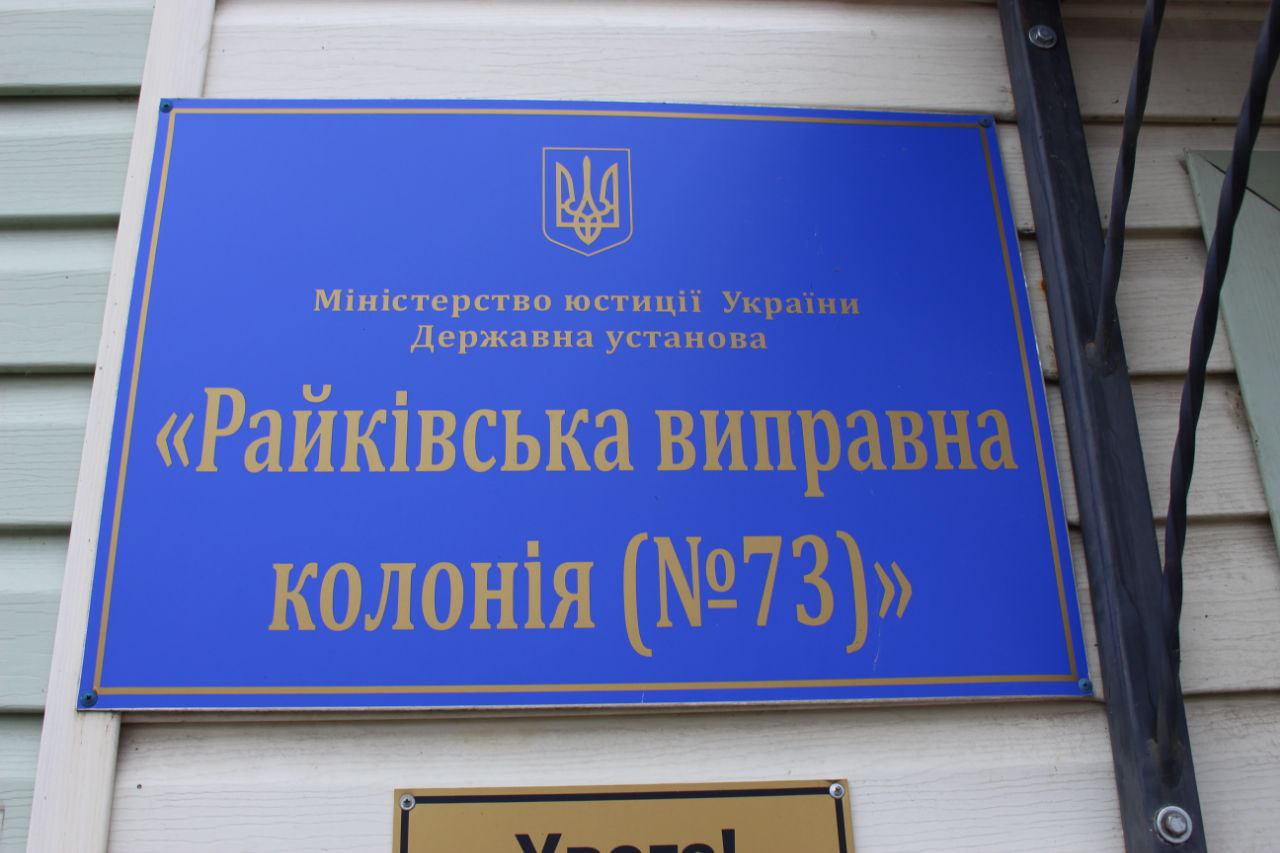
On 13/11/2025, in accordance with the Optional Protocol to the Convention against Torture and Other Cruel, Inhuman or Degrading Treatment or Punishment, taking into account the provisions of the United Nations Standard Minimum Rules for the Treatment of Prisoners and the decisions of the European Court of Human Rights, and on the basis of Article 24 of the Criminal Executive Code of Ukraine “Visiting penal institutions”, a group of monitors from the Kharkiv Human Rights Protection Group and the non-governmental organisation “Protection of Prisoners of Ukraine” conducted a visit to the state institution “Raikivska Correctional Colony No. 73” (hereinafter — RVK-73, institution, facility, colony).
A standard unannounced visit was conducted, and all areas of the institution were examined. The previous visit took place on 23/06/2022.
During the preparation for the visit, the monitors used materials from complaints filed by convicts and their relatives, as well as materials from previous reports.
The visit was carried out within the framework of the project “Reducing the Suffering of Prisoners in the Context of the War in Ukraine”, funded by the Government of Denmark in partnership with DIGNITY (Danish Institute Against Torture).
The visit was carried out by the following monitors:
- Andriy Didenko — assistant to the People's Deputy of Ukraine Yaroslav Yurchyshyn, programme coordinator of the Kharkiv Human Rights Protection Group, has experience in monitoring visits since 2014, NPM (National Preventive Mechanism) monitor, member of the NPM advisory council;
- Serhiy Zuikov — assistant to the People's Deputy of Ukraine Kostiantyn Kasai, member of the public council under the Ministry of Justice of Ukraine, member of the non-governmental organisation “Protection of Prisoners of Ukraine”, NPM monitor, has many years of experience in monitoring visits;
- Oleh Tsvilyi — member of the public council under the Ministry of Justice of Ukraine, head of the non-governmental organisation “Protection of Prisoners of Ukraine”, has significant experience in monitoring visits, specialises in issues of torture, cruel and inhuman treatment.
During the monitoring visit to the state institution “Raikivska Correctional Colony No. 73”, systemic violations of the rights of convicts were identified, indicating that the conditions of detention, the organisation of life support, and management practices do not meet basic standards. The admission and initial placement of new arrivals are improperly organised: due to the lack of a separate quarantine unit for persons sentenced to imprisonment for the first time, they are effectively placed in the hospital wards of the medical unit without proper isolation, which creates health and safety risks for both new arrivals and other convicts.
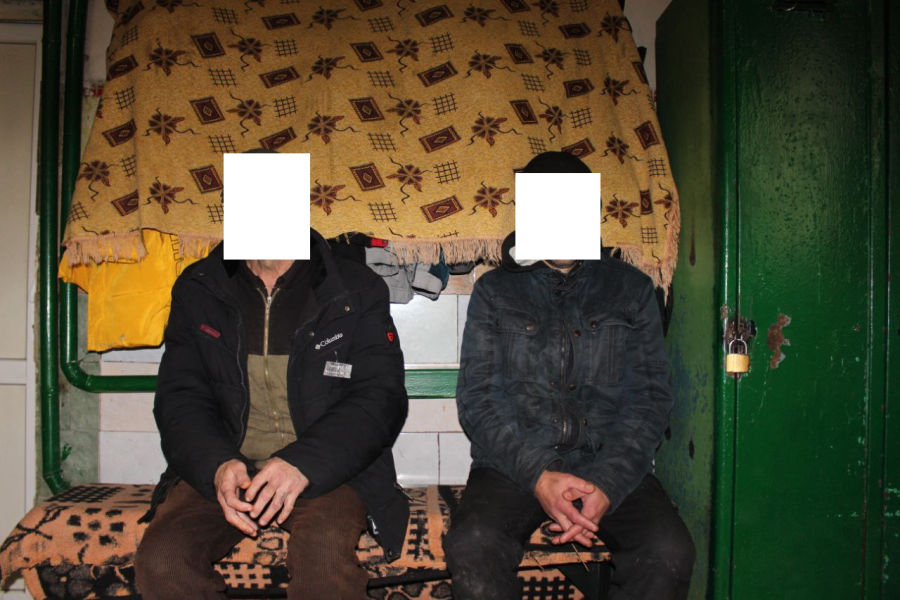
Conditions of detention in the QDD (Quarantine, Diagnostics and Distribution) unit, the disciplinary isolation unit, and individual units of the SPS (Social and Psychological Service) do not meet minimum requirements: dampness, violations of sanitary and hygienic conditions, insufficient natural lighting, violations of the right to privacy due to the dense placement of beds and improper arrangement of sanitary facilities, as well as the stigmatising practice of placing information about the crimes for which persons have been convicted near their sleeping places were recorded. At the same time, violations were identified in disciplinary procedures, in the sphere of fire and electrical safety, the organisation of catering and bath and laundry services, as well as staff shortages and the practice of open carrying of special means by the institution's staff.
Significant problems were recorded in the sphere of health care and safety: the medical unit is understaffed, new arrivals are held in the hospital together with the sick, degrading practices are used during the provision of medical care, a full range of preventive check-ups, addiction treatment, and proper protection of medical confidentiality are not ensured.
Of particular concern is the lack of shelters for convicts and staff in the conditions of a military threat, as well as systemic violations in the sphere of convict labour, in particular, involvement in work without proper registration, recording of working hours, and payment guarantees. The set of identified facts indicates the presence of deep structural problems that require an urgent comprehensive response.
General Information
RVK-73 is a medium-security penal institution for the detention of men who have previously served sentences in places of deprivation of liberty.
The institution is located at the address: 1 Tsentralna Street, Raiky village, Berdychiv district, Zhytomyr region, 13333.
RVK-73 belongs to the number of penal institutions with a long institutional history, which was formed back in the Soviet period. Its creation and development in the 1960s were conditioned by the needs of the centralised penitentiary system of the USSR, within which the institution performed not only the functions of isolation and forced labour but also specialised medical-correctional tasks. In various periods, a medical unit for the detention and treatment of convicts with socially significant and chronic diseases operated on the basis of the colony, which significantly influenced the profile of the contingent, regime requirements, and the spatial organisation of the institution. These features led to a combination of punitive and medical elements in the practice of executing sentences.
After Ukraine gained independence, the institution underwent organisational and legal transformations, and in 2000 it was registered as a state institution within the system of the State Penitentiary Service of Ukraine. In the modern period, RVK-73 functions as a medium-security institution for the detention of men sentenced to deprivation of liberty, having preserved a significant part of the infrastructure formed in the second half of the 20th century.
At the time of the visit, the head of the institution was Lieutenant Colonel of the internal service Oleksandr Petrovych Syroiyid.
The facility consists of a duty unit, the QDD unit (quarantine, diagnostics and distribution unit), SPS units (social and psychological service units), a canteen, DIZO premises (disciplinary isolation unit), PKT premises (cell-type premises), DPK unit (enhanced supervision unit), remand prison unit, medical unit, bath and laundry complex, visitation rooms, a shop, a library, a room for receiving parcels, and administrative premises.
According to the institution's administration, the authorised staff number is 264 positions, with a actual number of 228 positions. The total staff shortage for the institution is 36 employees. The planned capacity of the facility is 908 persons. The actual number of persons held in the institution is 421. There are 10 SPS units operating in RVK-73, one SPS unit is mothballed. Two psychologists work at the facility.
During 2025, 290 persons arrived at the colony. Two persons died during 2024, and three persons died during the current year. On operative-preventive registration were: prone to suicide — 16 persons, prone to self-harm — 28 persons, prone to escape — one person, malicious violators of the detention regime — 57 persons.
During 2024-2025, no person submitted complaints regarding inappropriate conditions of detention or inappropriate provision of medical care. 13 persons have a disability, of whom five are group II and eight are group III.
The convicts have 54 tablets in their own possession, and 45 email addresses have been registered. The total number of rejected persons is 30. During 2024, 19 cases of bodily injuries were recorded, of which one occurred during arrival and 18 during the stay in the institution. During the current year, 24 cases of bodily injuries were recorded during the stay in the institution.
The group of monitors conducted interviews with about 230 persons among the convicts during visits to production premises, workshops, SPS units, disciplinary and utility rooms, in the course of general conversations with the provision of consultations, answers to questions, surveys regarding possible human rights violations, as well as individual communication with persons, including on conditions of anonymity.
Positive Experience
In implementation of the strategic goal “Creating proper conditions for the detention of convicts and persons taken into custody”, defined by the Strategy for Reforming the Penitentiary System for the period up to 2026, a number of measures aimed at improving the material and living conditions and the general environment of convict detention have been implemented in the institution in 2024-2025.
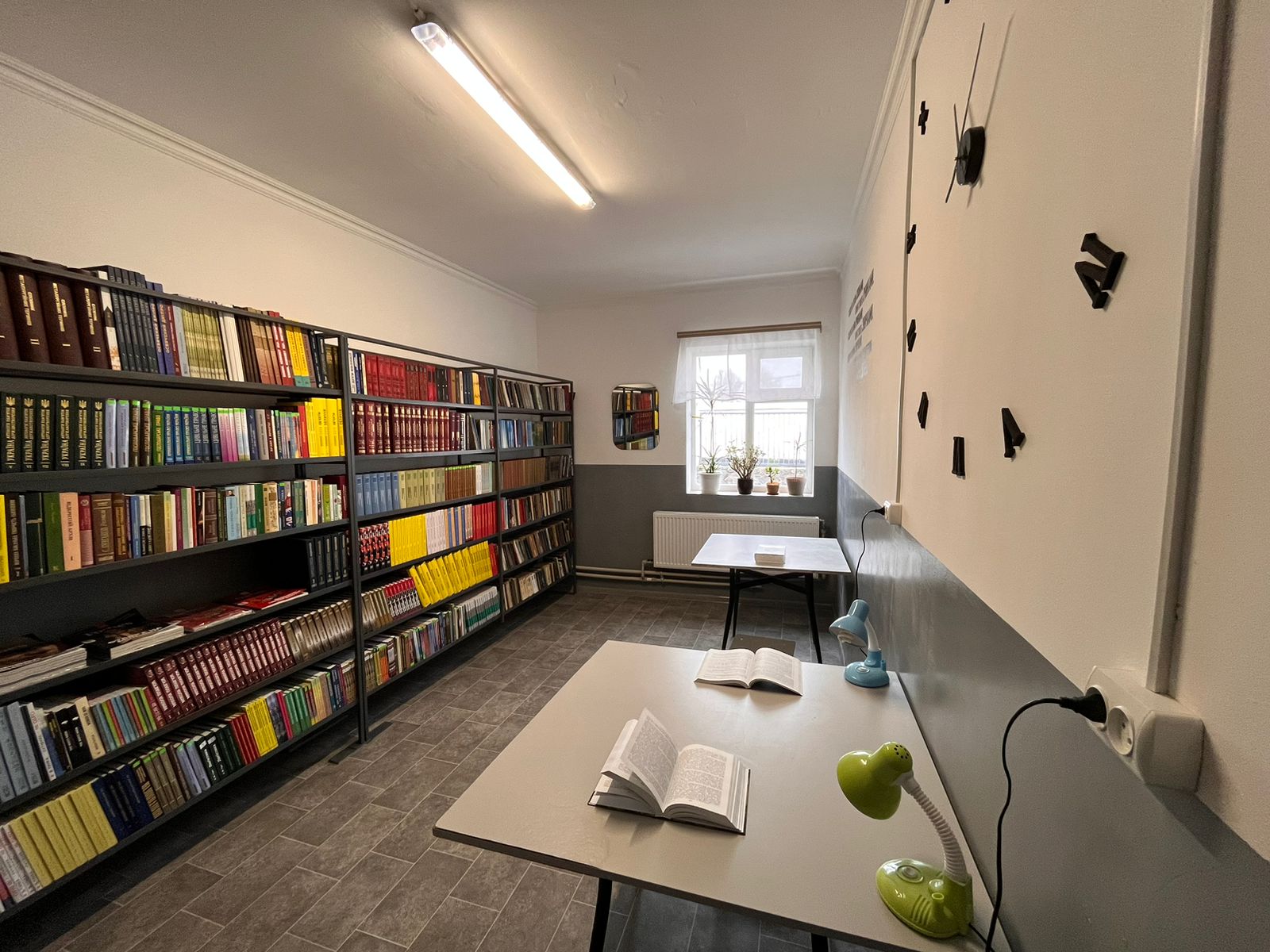
In particular, a capital repair of the library was carried out.
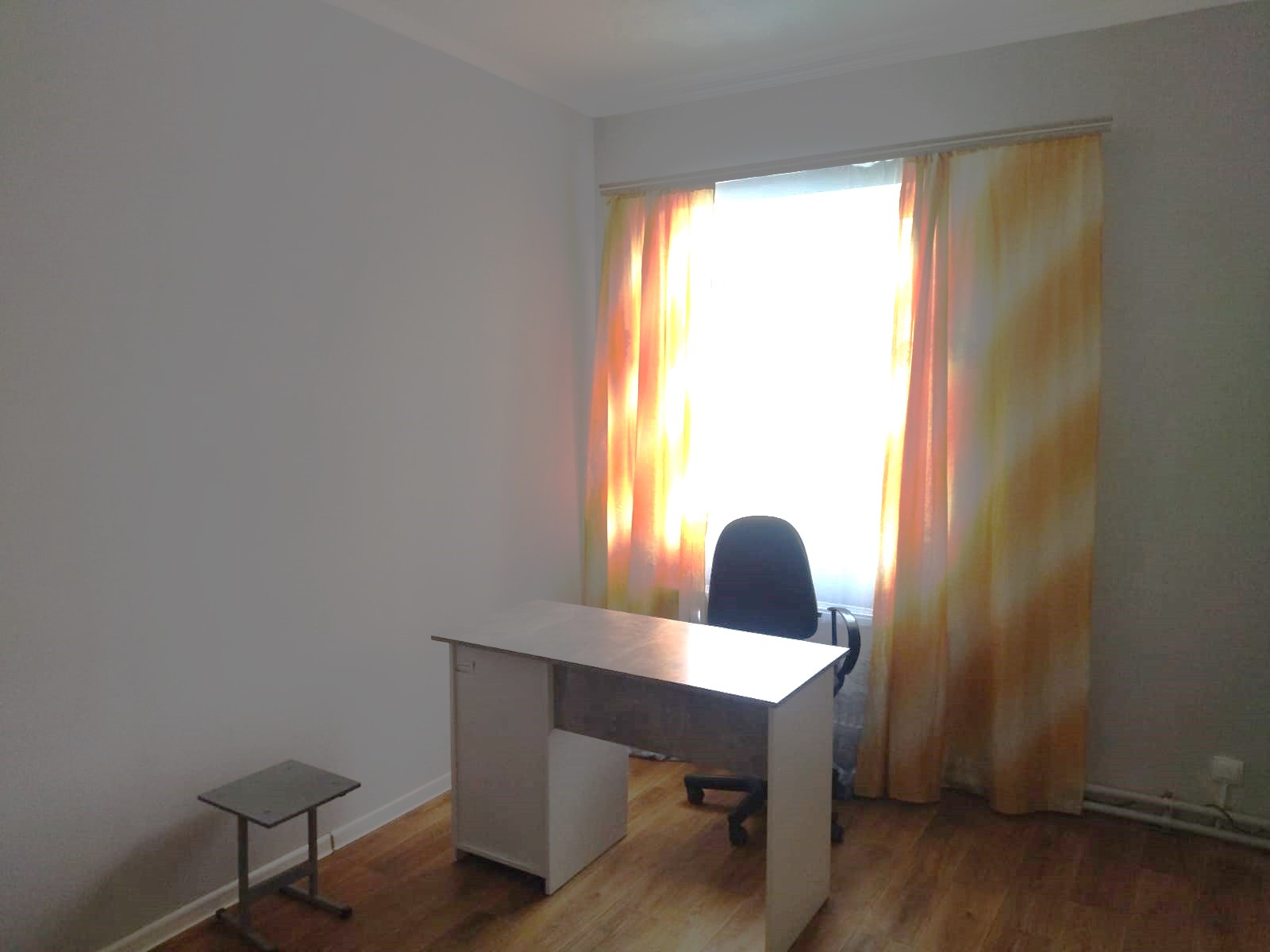
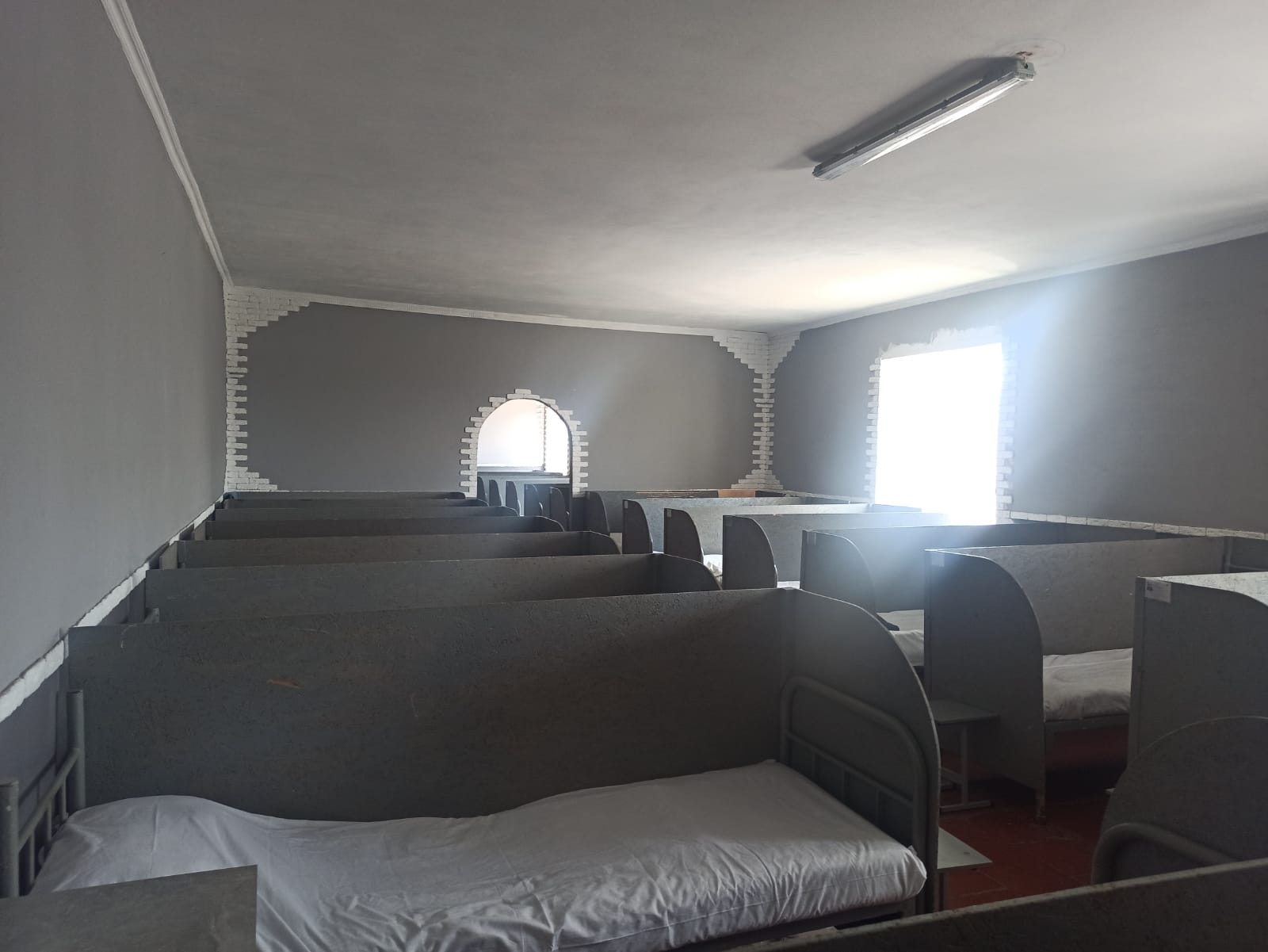
Repair works were carried out in the dormitories of the social and psychological service units with the arrangement of individual space for convicts, a room for storing personal belongings, as well as offices for unit heads.

Identified Violations of National and International Law
During the monitoring visit, violations of the requirements of national legislation and non-compliance with international recommendations in the sphere of the treatment of prisoners were identified, which leads to violations of the rights of convicted persons:
1. The procedure for admitting convicts to the institution does not fully comply with the requirements of current legislation, standards for the treatment of prisoners, and the conditions of their detention according to individual needs. The state institution “Raikivska Correctional Colony No. 73” is a medium-security institution for the detention of men sentenced to imprisonment for a specific term who have previously served a sentence in the form of imprisonment.
On the basis of the order of the Ministry of Justice of Ukraine dated 09/06/2025 No. 1600/5 “On the creation in the state institution ‘Raikivska Correctional Colony No. 73’ of a medium-security sector for men sentenced to imprisonment for the first time”, a corresponding structural unit has been created in the institution. At the same time, despite the functioning of a quarantine, diagnostics and distribution (QDD) unit in the institution for persons who have previously served a sentence in the form of imprisonment, no QDD unit for men sentenced to imprisonment for the first time has been created in the colony.
In this regard, this category of convicts is placed in the hospital wards of the institution's medical unit. During the visit to the medical unit, it was established that new convict arrivals are in the wards together with other convicts, use the same premises, and communicate without control. Such an arrangement does not ensure their isolation, creates health risks in connection with being together with convicts undergoing inpatient treatment, and violates the requirements regarding the separate detention of different categories of convicts.
This contradicts the principles of dynamic security and does not meet the established standards for the treatment of convicts. These circumstances are not consistent with the requirements of paragraphs 1, 2 of Article 94 and Article 95 of the Criminal Executive Code of Ukraine (hereinafter — CEC of Ukraine), paragraph 1 of section V of the Internal Regulations of Penal Institutions, approved by the order of the Ministry of Justice of Ukraine dated 28/08/2018 No. 2823/5 (hereinafter — IRIU), section I of the Regulation on the QDD unit, approved by the order of the Ministry of Justice of Ukraine dated 04/11/2013 No. 2300/5 (hereinafter — Regulation on the QDD unit), as well as paragraph 1 of chapter 5 of section II of the Procedure for organising the provision of medical care to convicts sentenced to imprisonment, approved by the order of the Ministry of Justice of Ukraine and the Ministry of Health of Ukraine dated 15/08/2014 No. 1348/5/572 (hereinafter — Procedure).
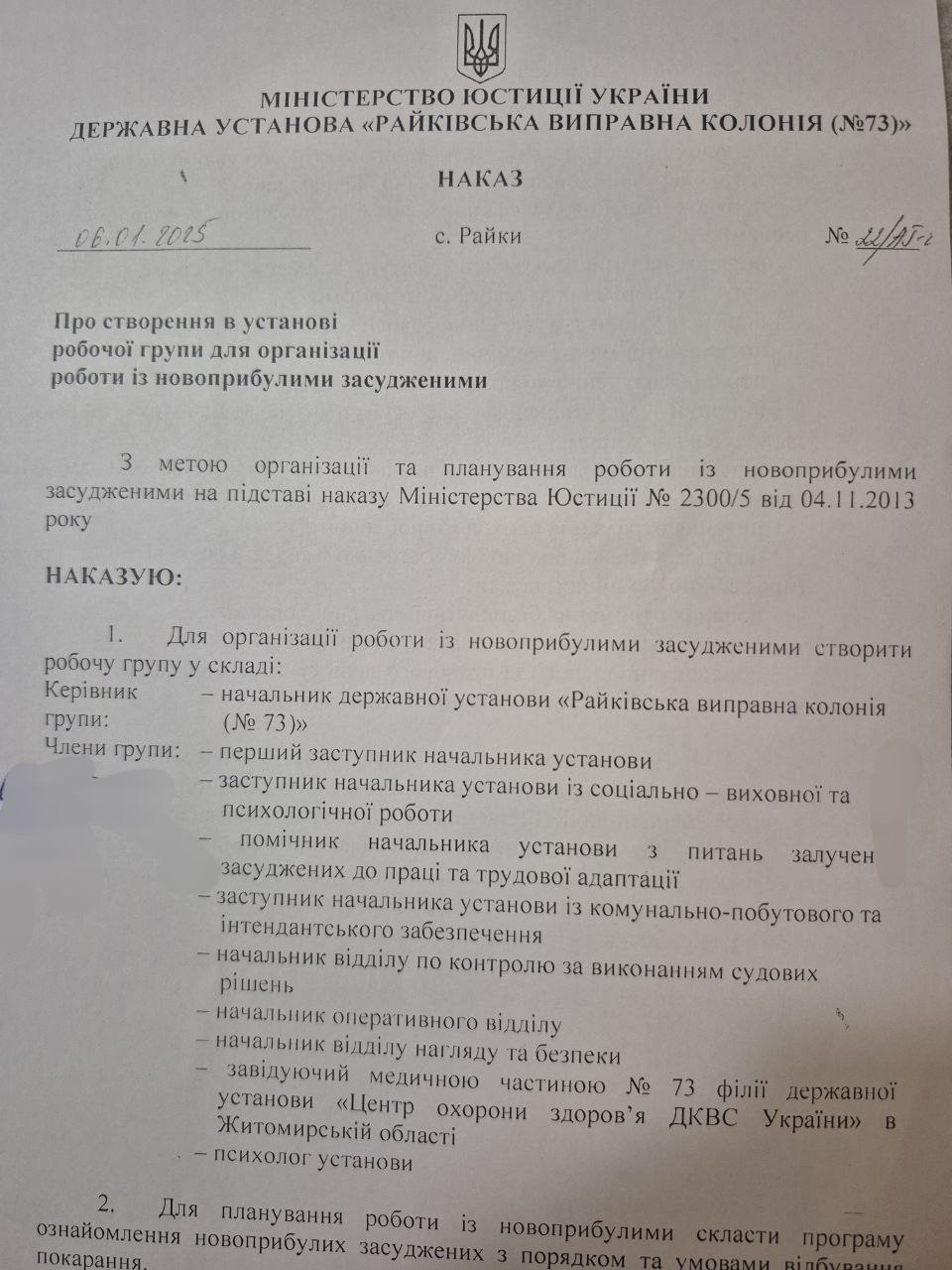
2. In violation of paragraph 1 of section II of the Regulation on the QDD unit, the head of the financial support and accounting department — chief accountant is not part of the working group for working with newly arrived convicts.
3. The monitoring group established that the material and living support of the QDD unit does not meet the established regulatory requirements. Thus, in violation of the requirements of the Norms for provision with furniture, inventory and household items of a medium-security correctional colony, approved by the order of the Ministry of Justice of Ukraine dated 27/07/2012 No. 1118/5 (hereinafter — Norms for provision), the unit lacks a number of premises, namely: an educational work room; a room for storing the exchange fund of bedding, clothing and special clothing; a storeroom for the temporary storage of dirty bedding, clothing and special clothing; a cloakroom.
The absence of these premises creates conditions that do not meet living standards, makes it impossible to properly observe sanitary and hygienic requirements, and complicates the maintenance of cleanliness and order in the places where convicts reside. Such a state of organisation of living conditions negatively affects the general sanitary state of the institution and may pose a risk to the health of persons held in it.
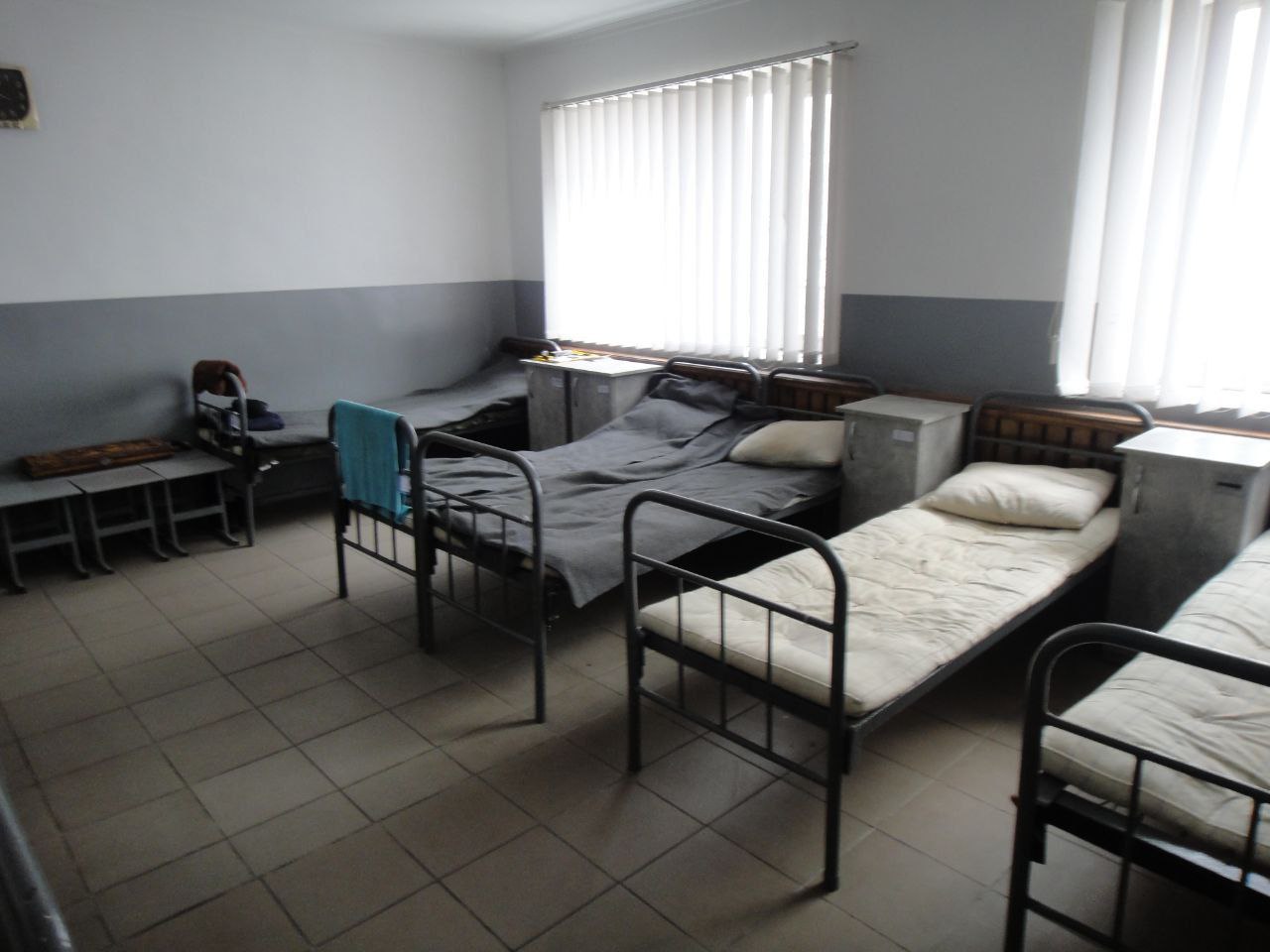
4. In the living premises of the QDD unit, a violation of Article 8 of the Convention for the Protection of Human Rights and Fundamental Freedoms, which guarantees the right to respect for private life, was established. In particular, in violation of rule 18.1 of the European Prison Rules, beds are placed close to each other, which does not provide convicts with proper personal space.
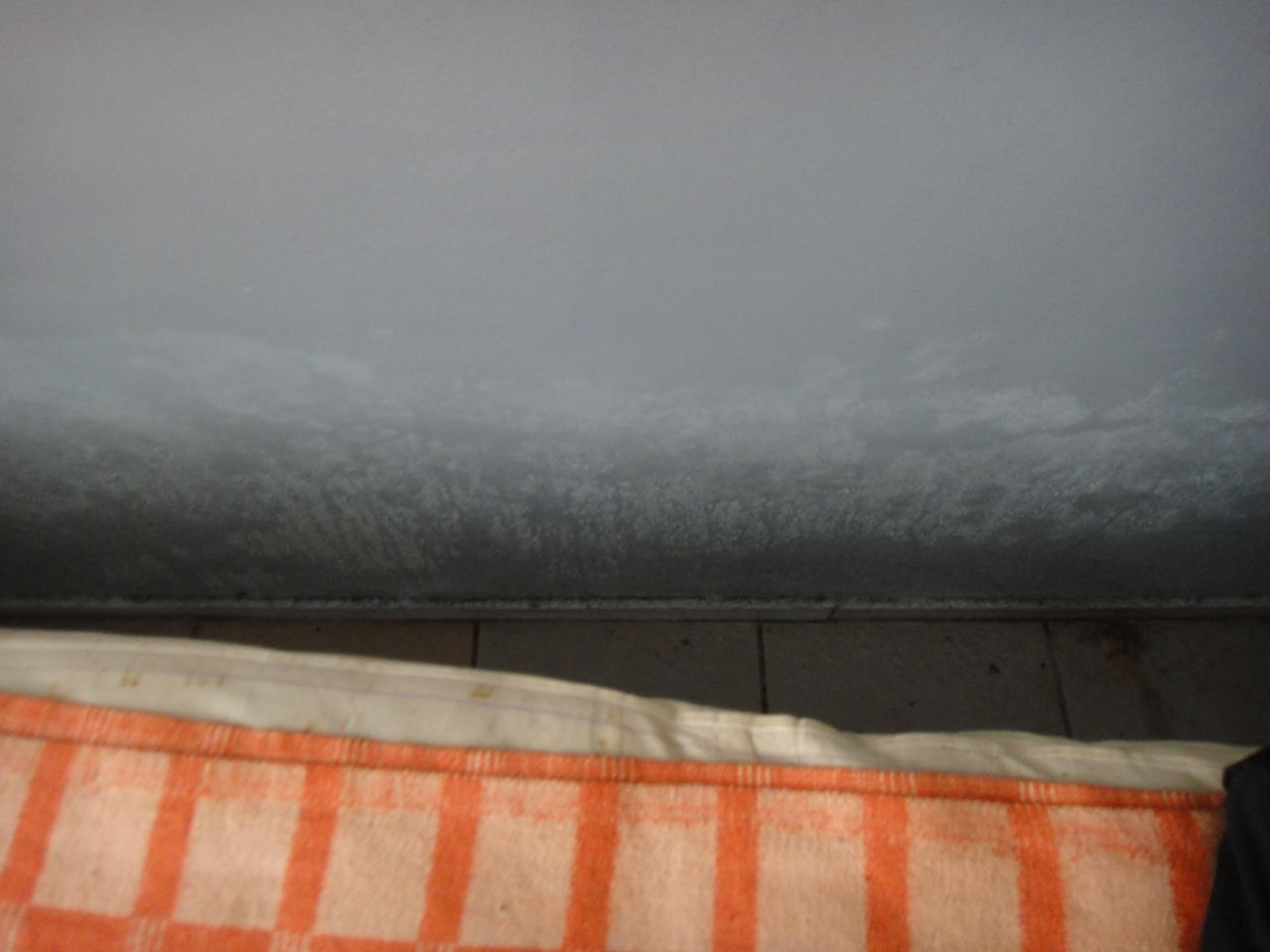
5. In the living premises of the QDD unit, significant dampness of the floor and walls was recorded. Such a state creates significant health risks for the held persons in connection with prolonged stay in a humid environment, the probable formation of mould, and an increased risk of developing respiratory, skin and infectious diseases. This contradicts the requirements of Article 115 of the Criminal Executive Code of Ukraine.
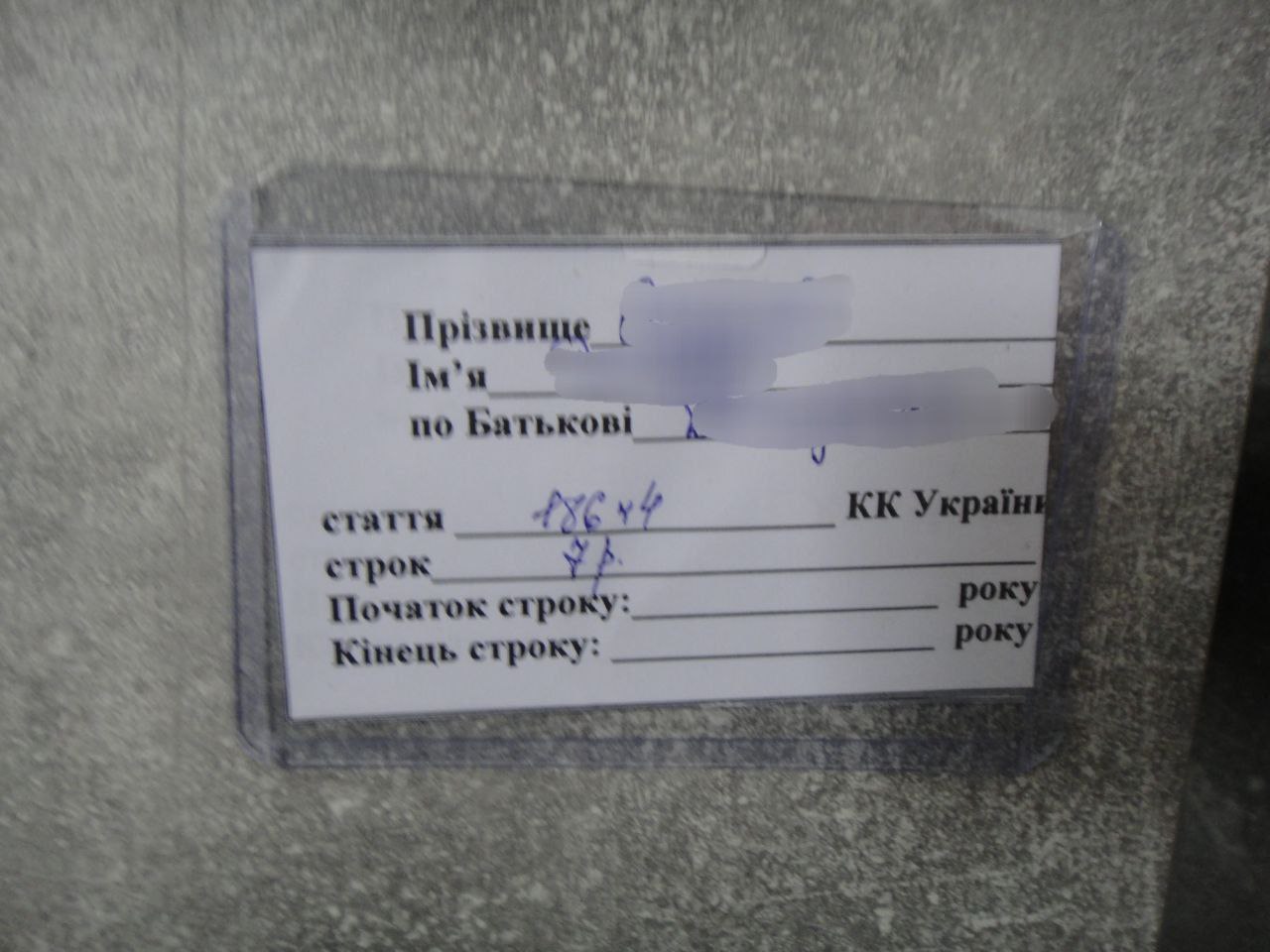
6. During the visit to the QDD unit in the living area, the placement of name cards on bedside tables with information providing a short description of the crimes committed by the persons occupying the respective beds was established. Similar violations were established in the premises of the institution's disciplinary isolation unit.
In its report on the results of the visit to Ukraine in 2020, under similar circumstances, the European Committee for the Prevention of Torture and Inhuman or Degrading Treatment or Punishment (hereinafter — the Committee) noted that this practice should be stopped, as it does not serve any reasonable purpose and, in addition to stigmatisation, has a negative impact on the relationship between prisoners and prison staff (CPT/Inf (2020) 40, paragraph 52).
7. In violation of the requirements of rule 22.5 of the European Prison Rules and the Norms for provision, the living premises of the unit are not equipped with 15-litre drinking water tanks with a tap, a lid, a mug, and a basin.
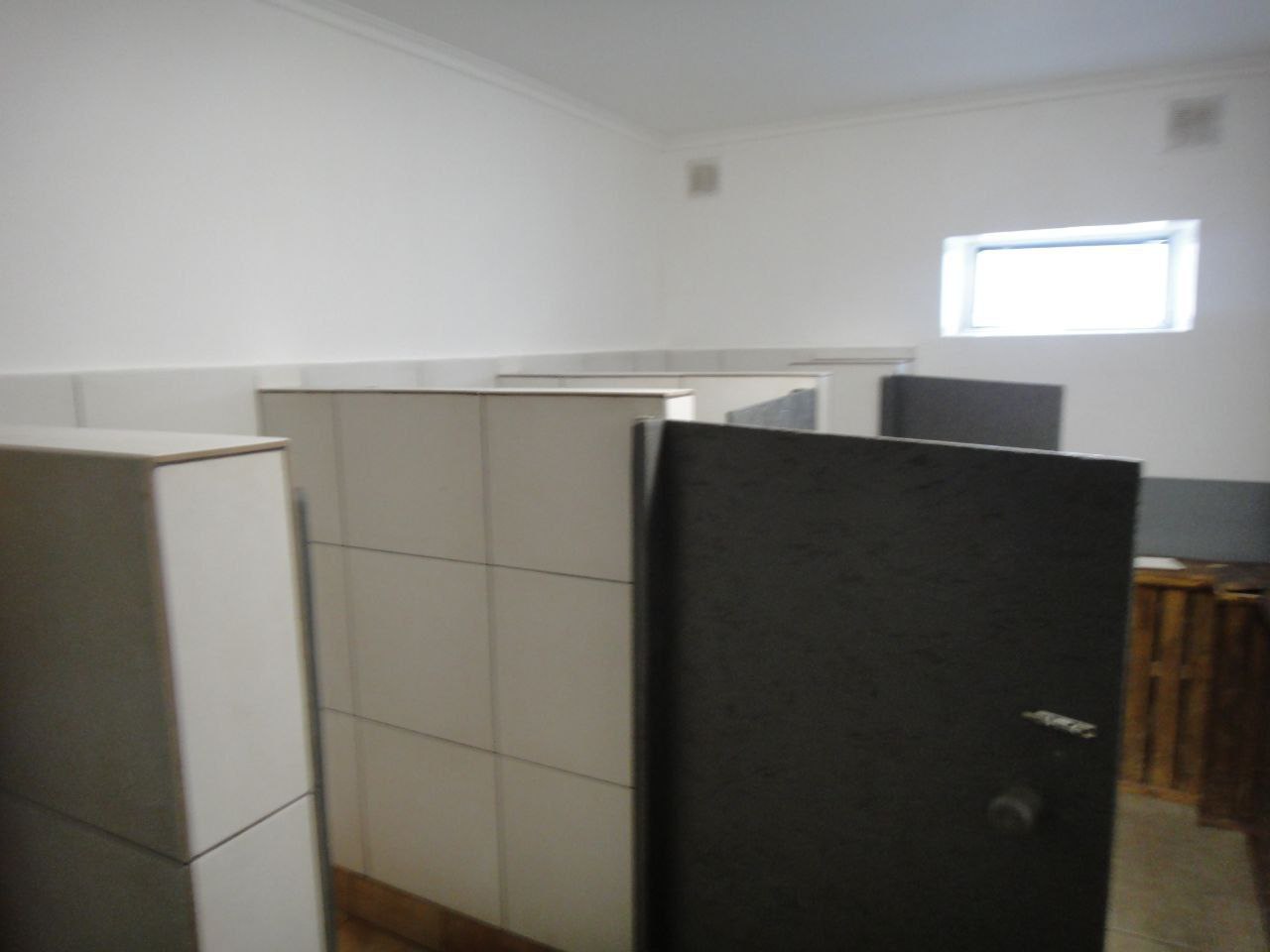
8. Sanitary facilities are not equipped with sufficient partitions that ensure the possibility of privacy, which violates the requirements of rule 19.3 of the European Prison Rules. At the same time, in the report to the Government of Ukraine following the 2023 visit, the Committee called on the Ukrainian authorities to take the necessary measures to improve the material conditions of detention, in particular, to keep all places where convicts and persons taken into custody are placed, including sanitary facilities, in a proper state of repair and hygiene, to ensure regular and frequent disinsection, sufficient access to natural light and ventilation in cells, and to fully equip internal sanitary facilities with partitions (i.e., from floor to ceiling) (CPT/Inf (2024) 20, paragraph 58).
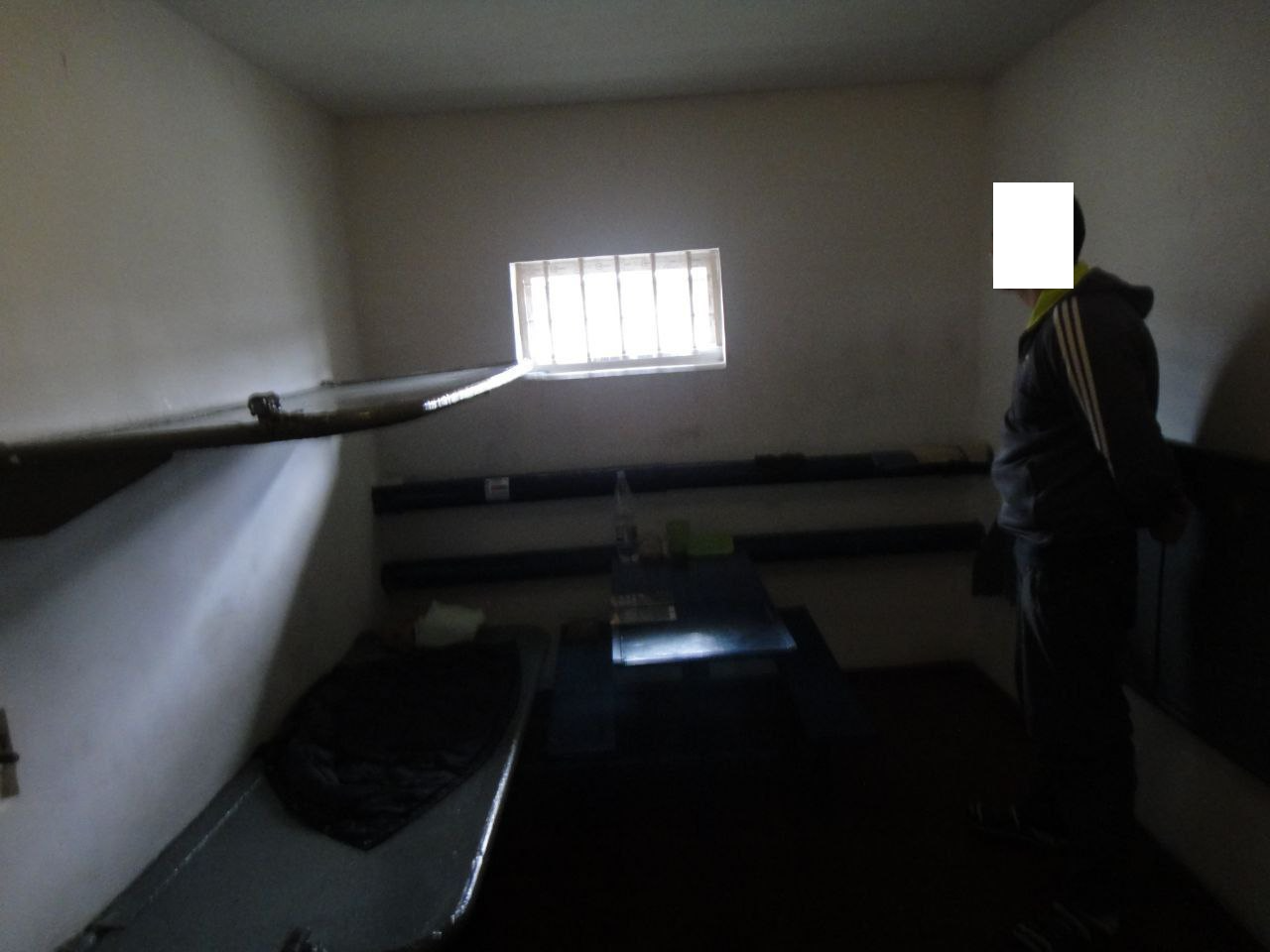
9. During the visit to the premises of the disciplinary isolation unit (hereinafter — DIZO), it was established that due to the small size of the windows in the DIZO cell premises, an adequate level of natural lighting is not ensured, which does not meet the requirements of rule 18.2a of the European Prison Rules and rule 14 of the United Nations Standard Minimum Rules for the Treatment of Prisoners (the Nelson Mandela Rules).
10. During the visit to the DIZO/PKT, it was established that convicts who had served a disciplinary penalty were not issued copies of the decisions on the imposition of penalties with an indication of the possibility and procedure for their appeal by the administration of the institution, which contradicts the requirements of Article 135 of the Criminal Executive Code of Ukraine.
At the same time, in the report to the Government of Ukraine following the 2023 visit, the Committee recommends taking measures in penitentiary institutions of Ukraine to ensure that convicts to whom a disciplinary penalty has been applied systematically receive a copy of the relevant decision. In addition, convicts should be informed of their right to access a lawyer in the context of disciplinary proceedings (CPT/Inf (2024) 20, paragraph 103).
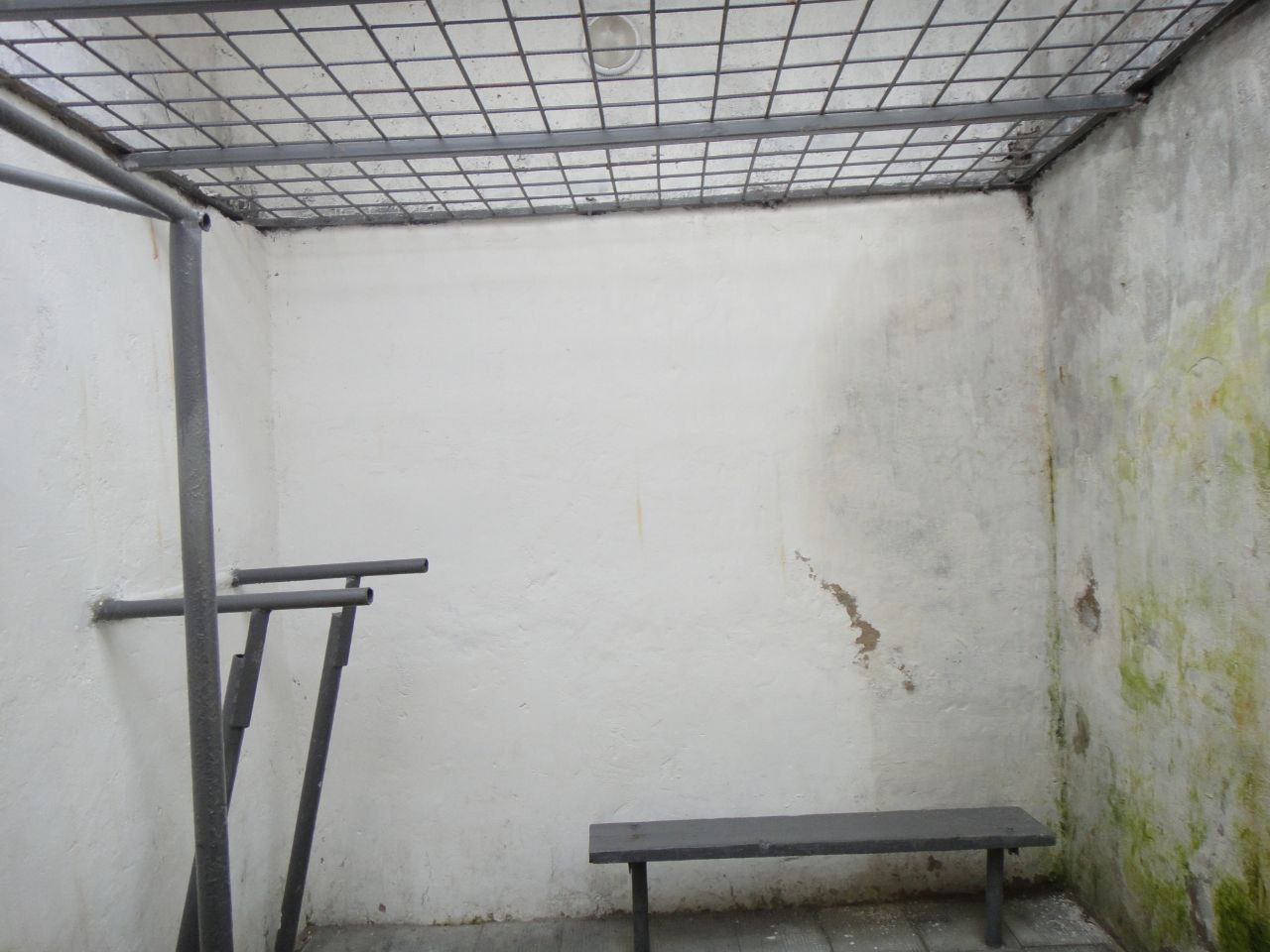
11. The area of some exercise yards is insufficient to ensure the full physical activity of convicts. The exercise yards are in need of repair work. At the same time, the Committee has repeatedly recommended reviewing the design and size of exercise yards, “which at best offer a view of the sky” (paragraphs 122, 127 (CPT/Inf (2014) 15)).
12. The enhanced supervision unit (hereinafter — DPK) is not functioning in the institution. At the same time, the DPK is a structural unit of a medium-security correctional colony, and the procedure for the detention of convicts in such a unit is provided for by Article 97 of the Criminal Executive Code of Ukraine and other regulatory acts.
13. During the visit to the living premises of the Social and Psychological Service (hereinafter — SPS) unit No. 2, it was established that the conditions of detention do not meet the requirements of part one of Article 115 of the Criminal Executive Code of Ukraine, paragraph 1 of section XXII of the Internal Regulations of Penal Institutions, as well as rules 13, 15, 22.2 of the United Nations Standard Minimum Rules for the Treatment of Prisoners (the Nelson Mandela Rules). In particular, in living premise No. 1, a violation of Article 8 of the Convention for the Protection of Human Rights and Fundamental Freedoms, which guarantees the right to respect for private life, was identified. Thus, in violation of rule 18.1 of the European Prison Rules, the beds in the sleeping quarters are placed close to each other, which makes it impossible to provide convicts with proper personal space.
In violation of the requirements of rule 22.5 of the European Prison Rules and the Norms for provision, the living premises are not equipped with 15-litre drinking water tanks with a tap, a lid, a mug, and a basin. The sanitary facilities of the said unit are not equipped with sufficient partitions and doors, which does not allow convicts to ensure privacy while using them, which violates the requirements of rule 19.3 of the European Prison Rules.
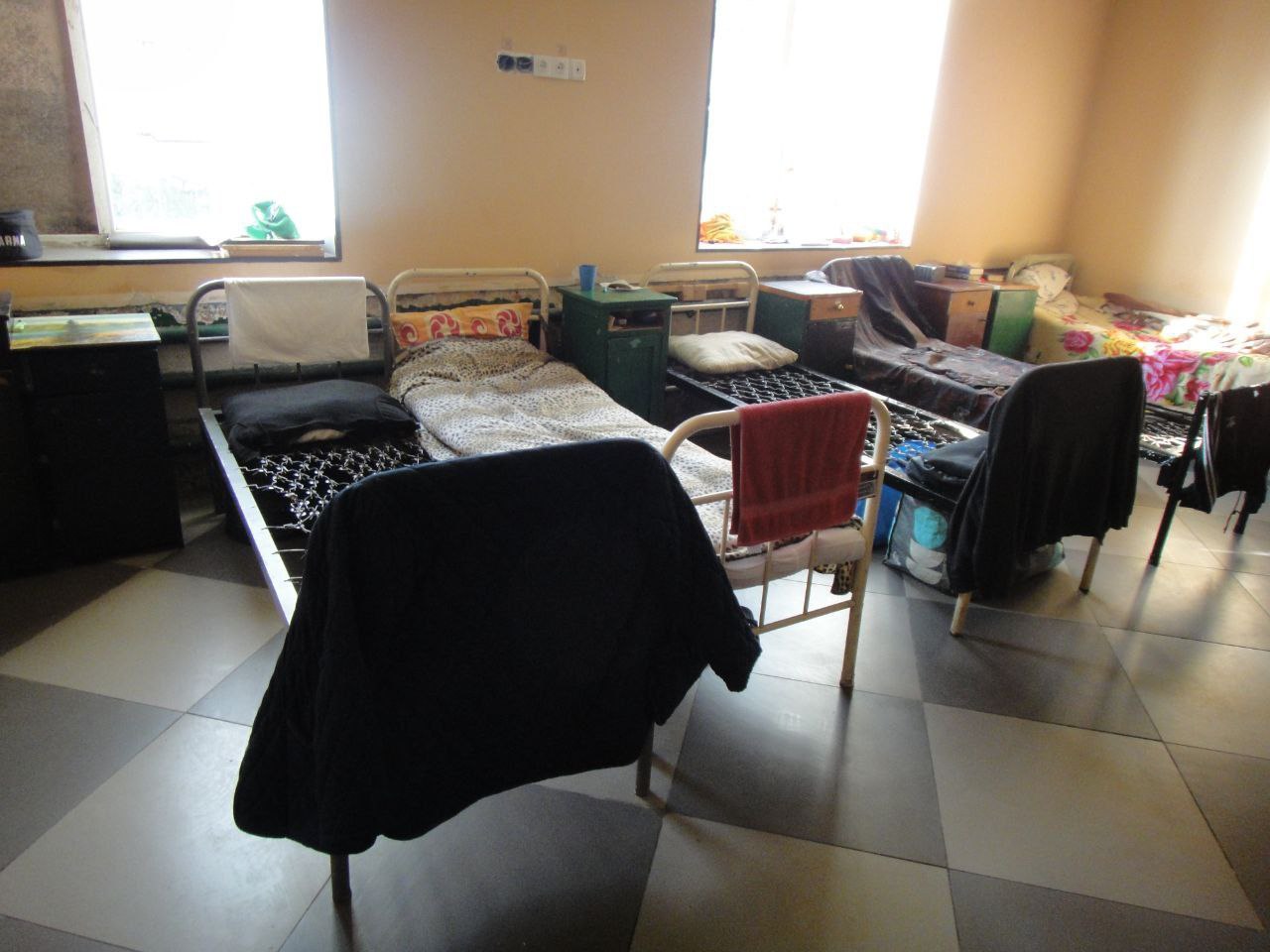
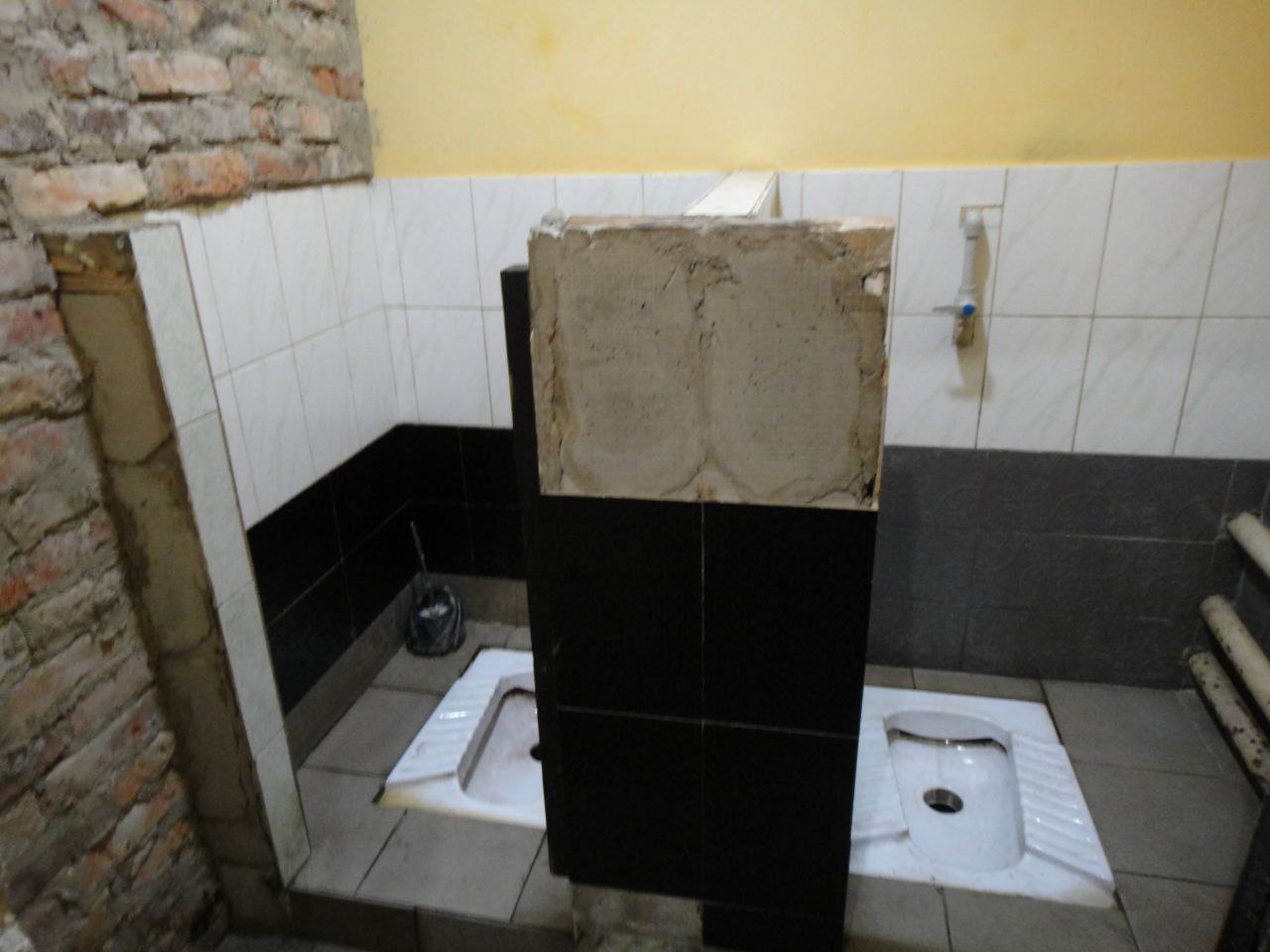
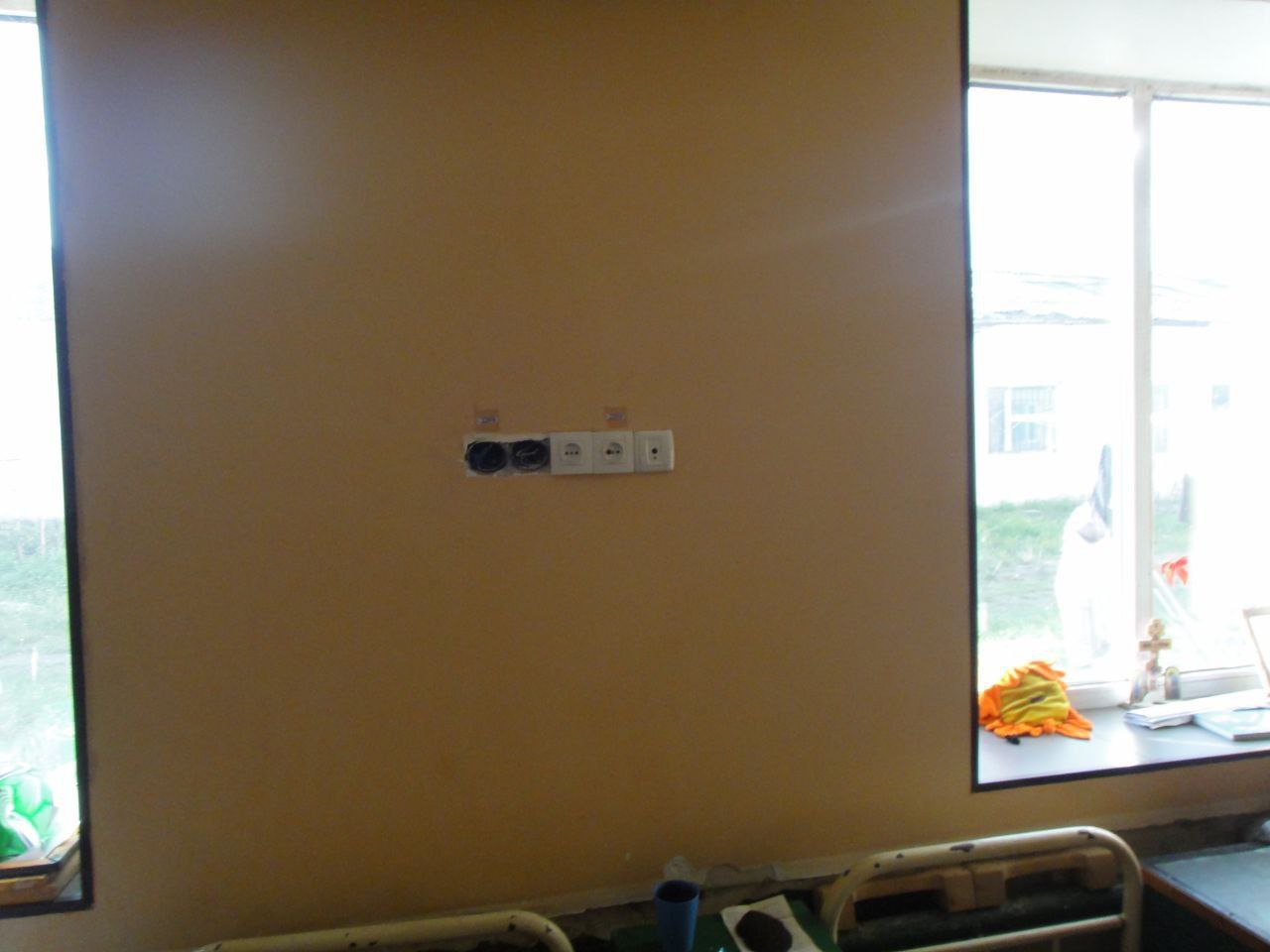
14. Furthermore, the unit grossly violates the requirements of the Fire Safety Rules in Ukraine, approved by the order of the Ministry of Internal Affairs of Ukraine dated 30/12/2014 No. 1417. In particular, the sockets used by convicts are in an unsatisfactory technical condition, electric wires are bare, which can lead to electric shock to convicts or the institution's staff and other negative consequences.
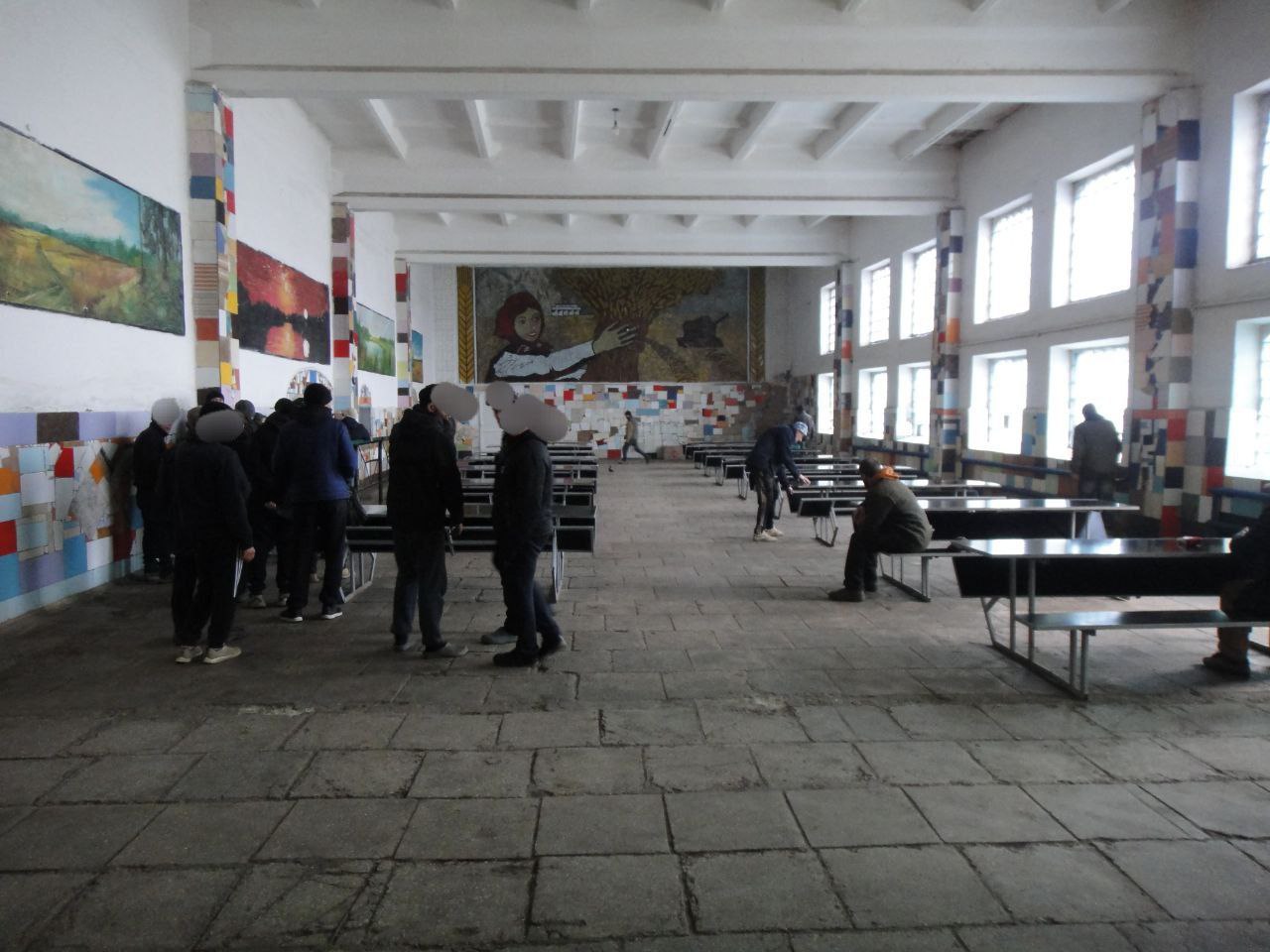
15. In violation of the requirements of the Norms for provision, there is no washbasin or cloakroom in the institution's canteen, as a result of which convicts are forced to eat in their outerwear and do not have the opportunity to ensure proper hand hygiene before eating. This creates significant sanitary and hygienic risks and increases the likelihood of the spread of infectious diseases.
16. According to paragraph 17 of section V of the Regulation on the organisation of food supply in the State Penitentiary Service of Ukraine for peacetime, approved by the order of the Ministry of Justice of Ukraine dated 15/06/2021 No. 2160/5 (hereinafter — Regulation on the organisation of food supply), daily samples of each dish of the ration remain in the institution's canteen.
Sampling is carried out by the cook from the cauldron in the presence of a medical worker of the healthcare facility into clean dishes with a lid (previously washed and boiled) before the food is served. Daily samples are stored in the canteen's refrigerator at a temperature from +4 to +8°C. Samples of dishes for each meal are stored for a day until the end of the same meal the next day.
At the same time, the monitoring group, during the inspection of the canteen premises, established that the daily samples were stored on the table in violation of the specified temperature regime.
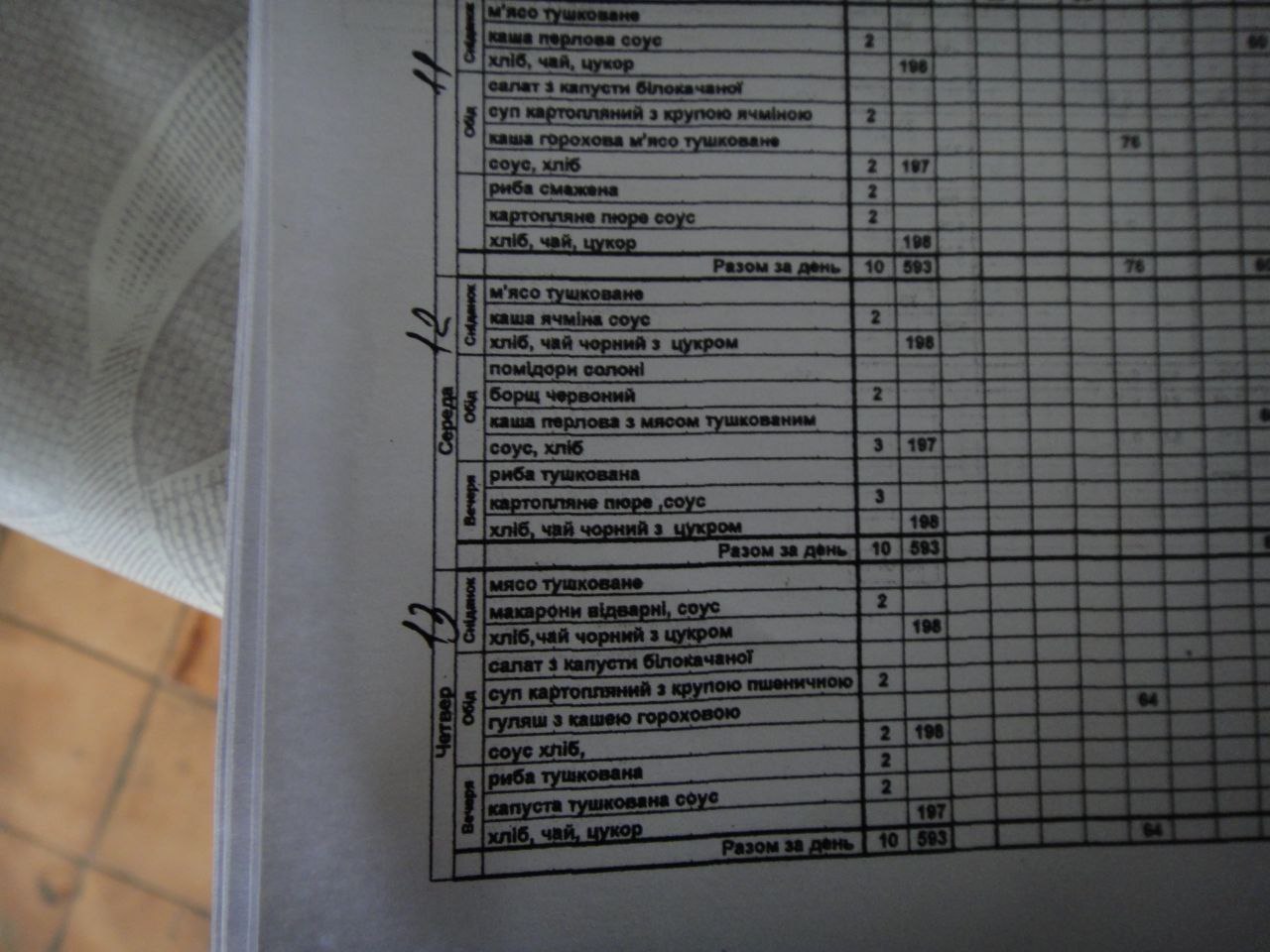
17. In violation of paragraph 5 of section V of the Regulation on the organisation of food supply, the dishes served for dinner on 12/11/2025 did not correspond to the approved menu-schedule. In particular, instead of the provided dish “stewed fish”, a sample of the dish “fried fish” was provided. These changes were made without the written permission of the head of the institution and without the submission of the corresponding report by the deputy head of the institution for logistics and utility services, which is a violation of the established procedure for organising food in the institution.
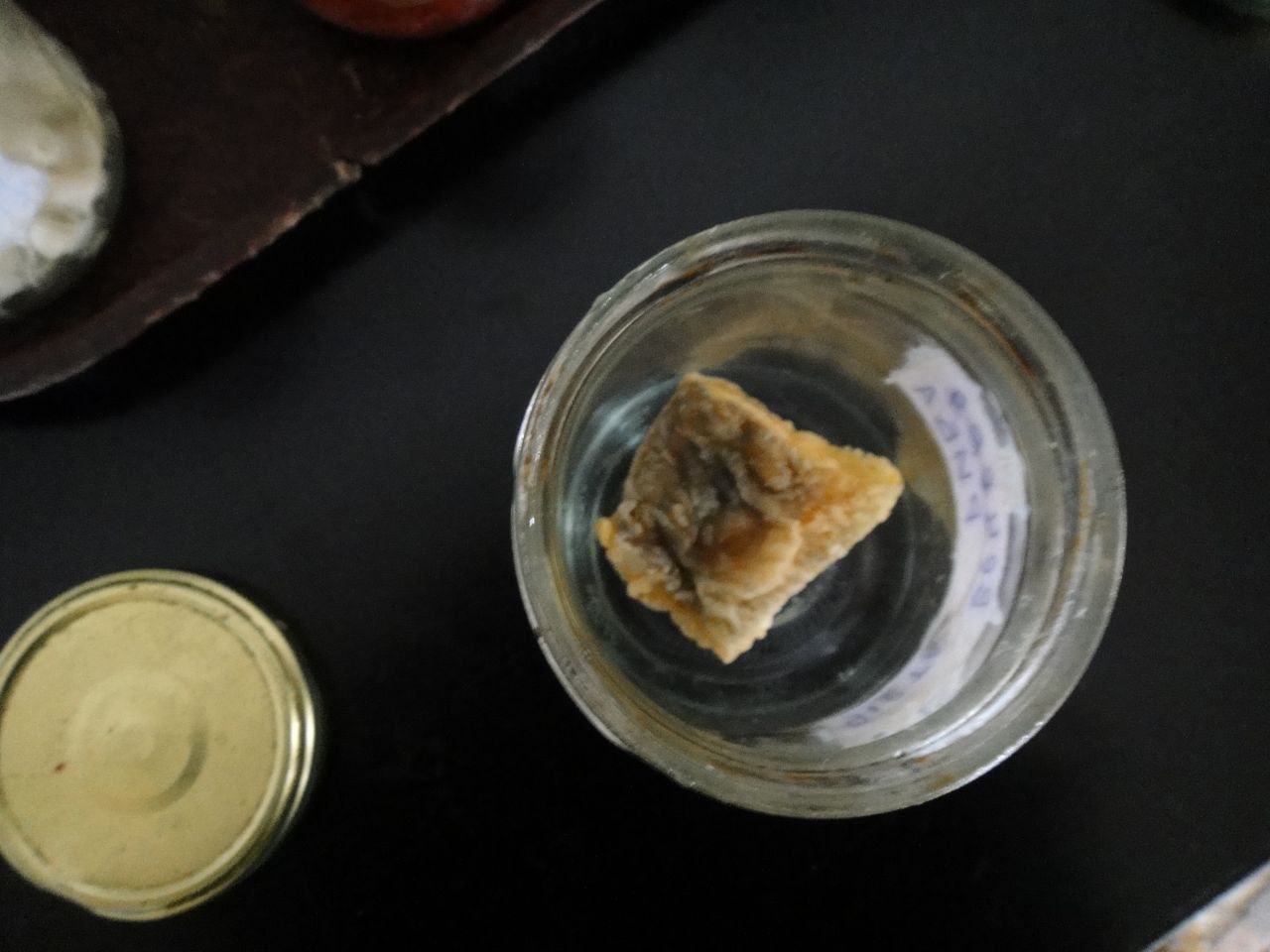
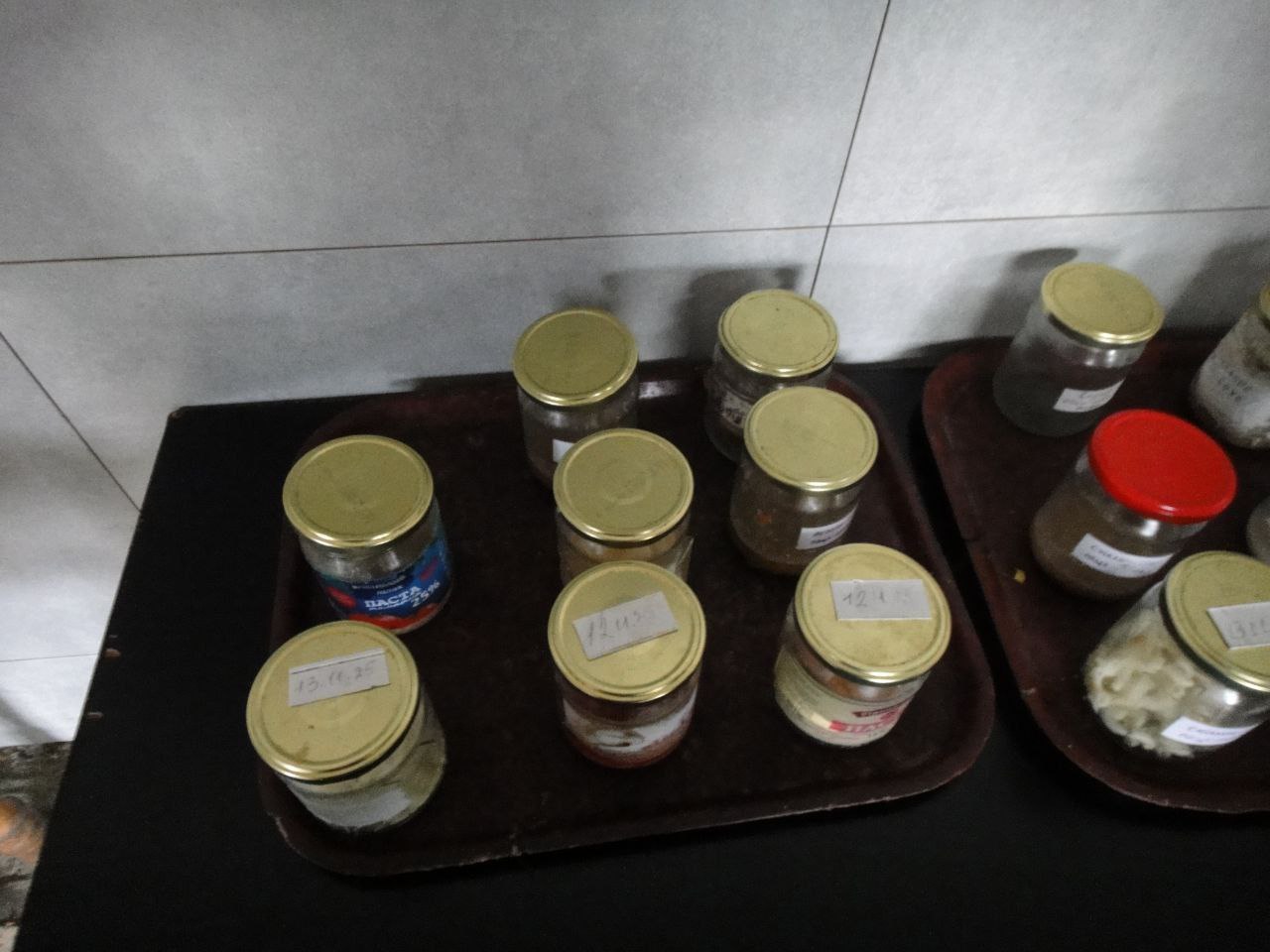
18. The monitoring group identified a number of violations in the organisation of bath and laundry services for convicts and detained persons. In accordance with paragraph 3.19.1 of section III of the Regulation on the organisation of bath and laundry services for persons held in penal institutions and remand prisons, approved by the order of the Ministry of Justice of Ukraine dated 08/06/2021 No. 849/5 (hereinafter — Regulation), sanitary treatment involves washing convicts (persons taken into custody) in a bath using soap and a washcloth, the mandatory replacement of bedding and underwear, as well as the disinfection and disinsection of personal clothing and bedding (pillows, mattresses, blankets) in a disinfection chamber.
However, as established by the monitoring group, the disinfection chamber in the institution is not working, which makes proper sanitary treatment of bedding and clothing impossible, increases the risk of the spread of infectious diseases among convicts and staff, and contradicts established sanitary and hygienic standards.
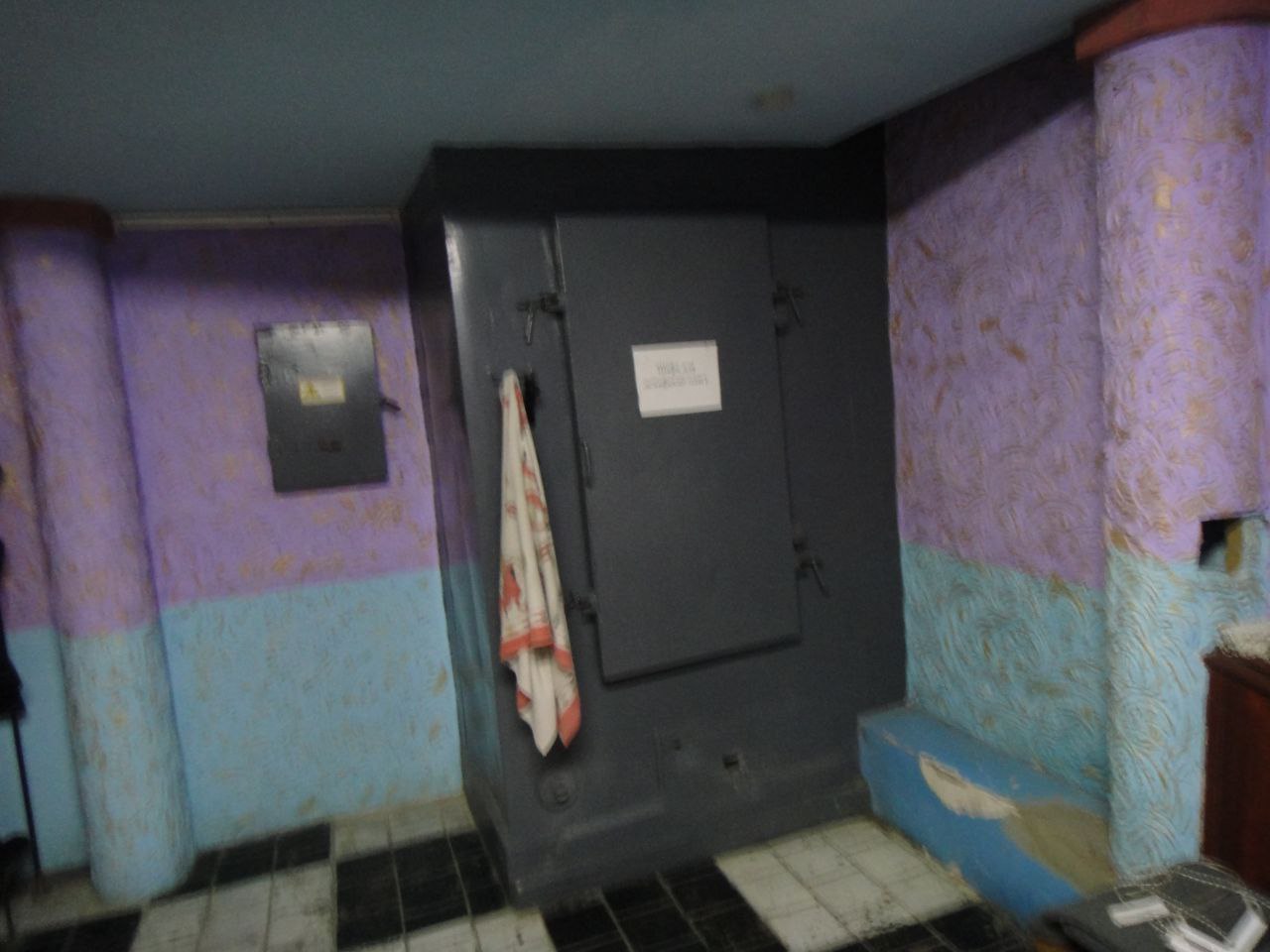
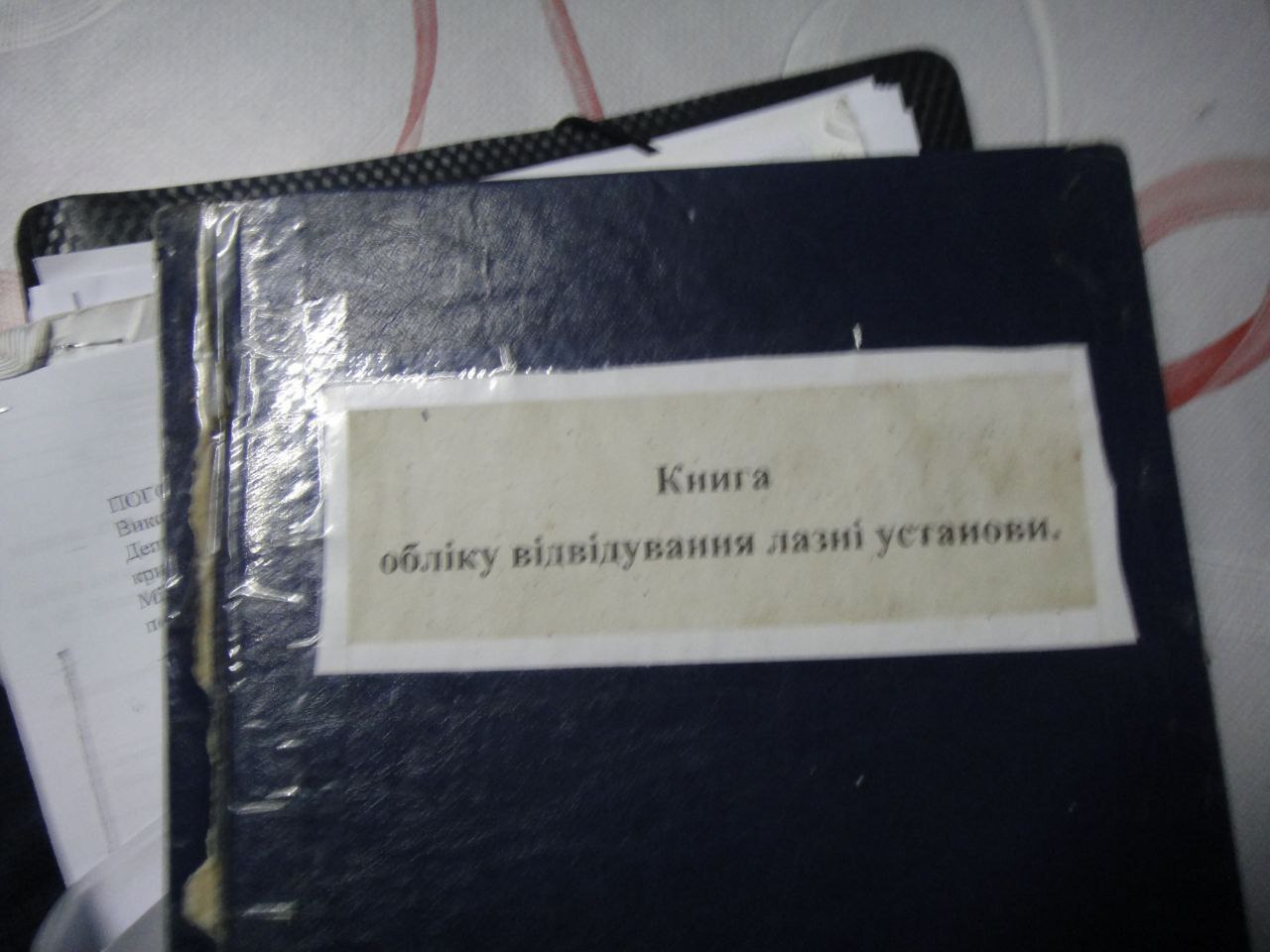
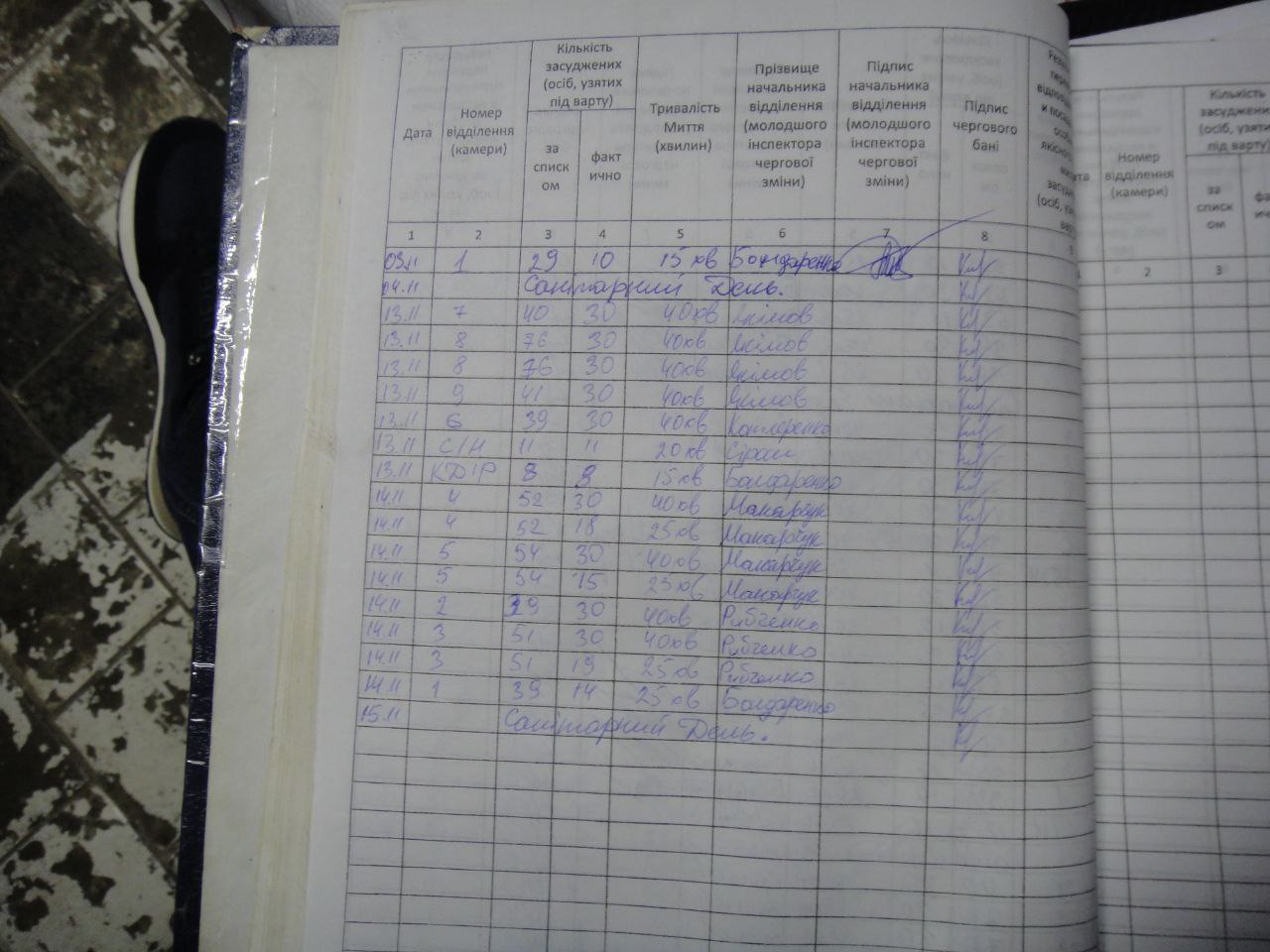
19. In violation of the requirements of paragraph 4 of section XXII of the IRIU and paragraph 3.19 of section III of the Regulation on the organisation of bath and laundry services, the implementation of sanitary, hygienic and anti-epidemic rules is not ensured. Sanitary treatment of convicts arriving at the institution is not carried out in full. Thus, on 06/11/2025, convicts arrived at the institution, however, there are no records of them being washed in the bath attendance logbook.
20. In violation of the requirements of paragraph 2.11 of section II of the Regulation, the forced supply-exhaust ventilation system is not working in the laundry room.
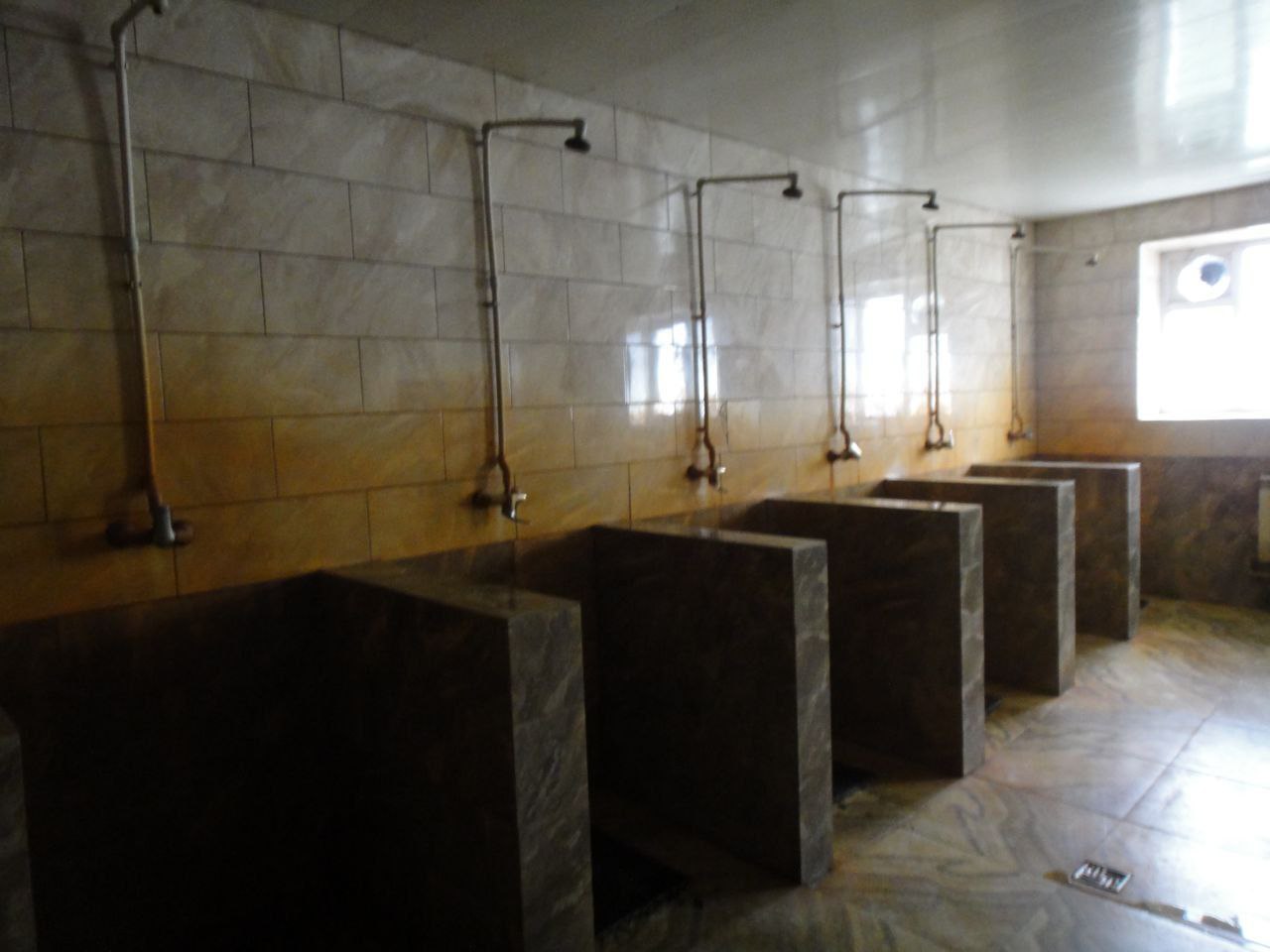
21. In violation of the requirements of rule 19.3 of the European Prison Rules, the right to privacy is not ensured in the shower room due to the absence of curtains on the shower partitions.
22. In violation of the requirements of appendix 3 to the Regulation, there is no toilet or shower for employees in the laundry.
23. In violation of paragraph 2.14 of section II of the Regulation, the provision of hairdressing services to convicts and detainees is not ensured in the institution.
24. During the visit to the institution, the monitoring group studied the issue of the quality of drinking water consumed by the convicts. According to the provided documentation, in particular, the results of the sanitary-microbiological examination No. 10 dated 12/05/2025, the water meets the requirements of normative-technical documents. In accordance with the drinking water testing protocol No. 298 dated 14/05/2025, its quality also meets the requirements of the State Sanitary Norms and Rules “Hygienic requirements for drinking water intended for human consumption” (DSanPiN 2.2.4-171-10).
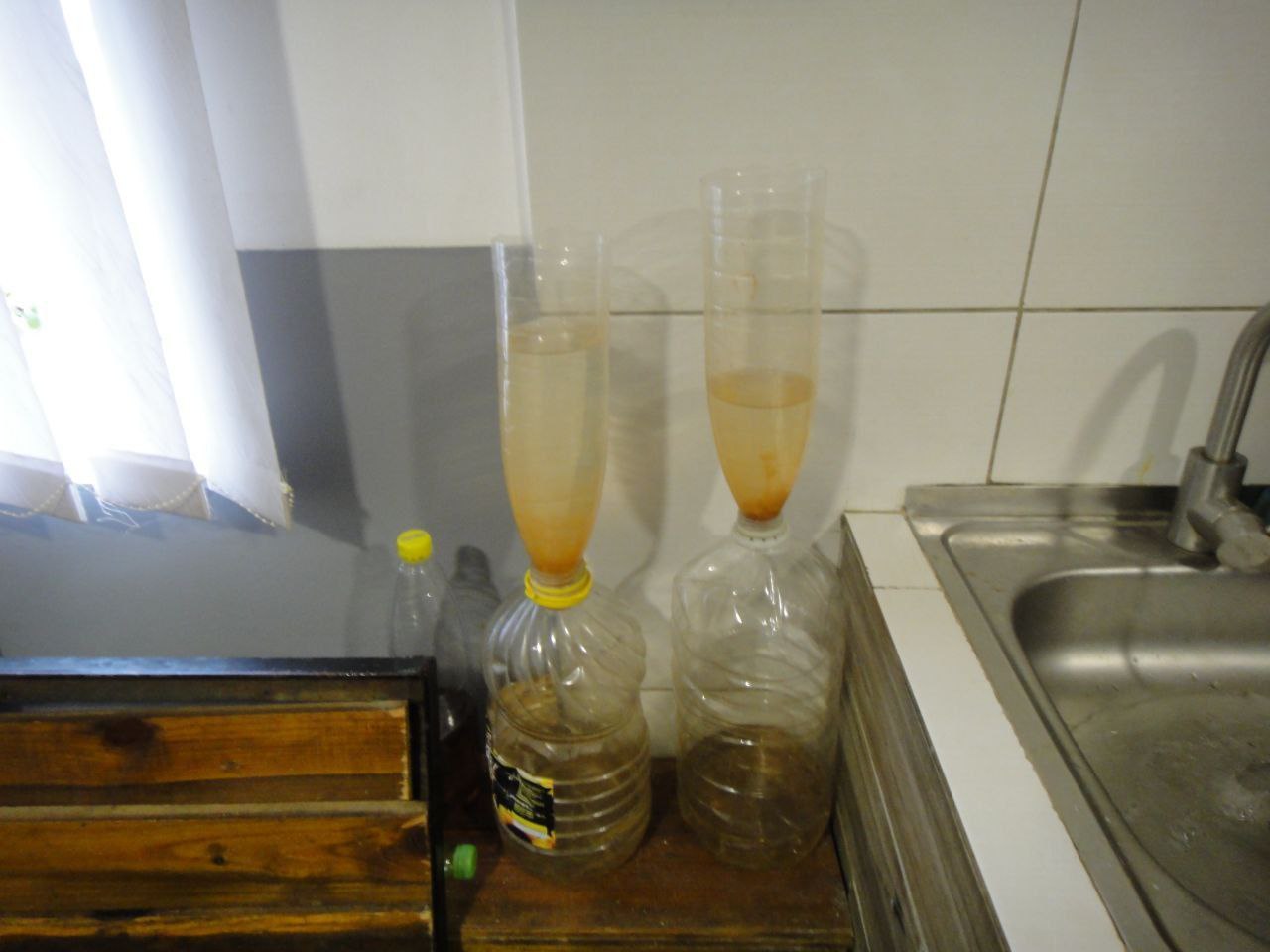
At the same time, during the tour of the SPS unit dormitories, it was established that convicts are forced to install additional filters for water purification due to its yellowish colour when supplied from the water supply system. Such a discrepancy between the official laboratory test results and the actual state of the water on the spot may indicate unstable water quality in its distribution system within the institution and creates reasonable doubts among the convicts regarding its safety.
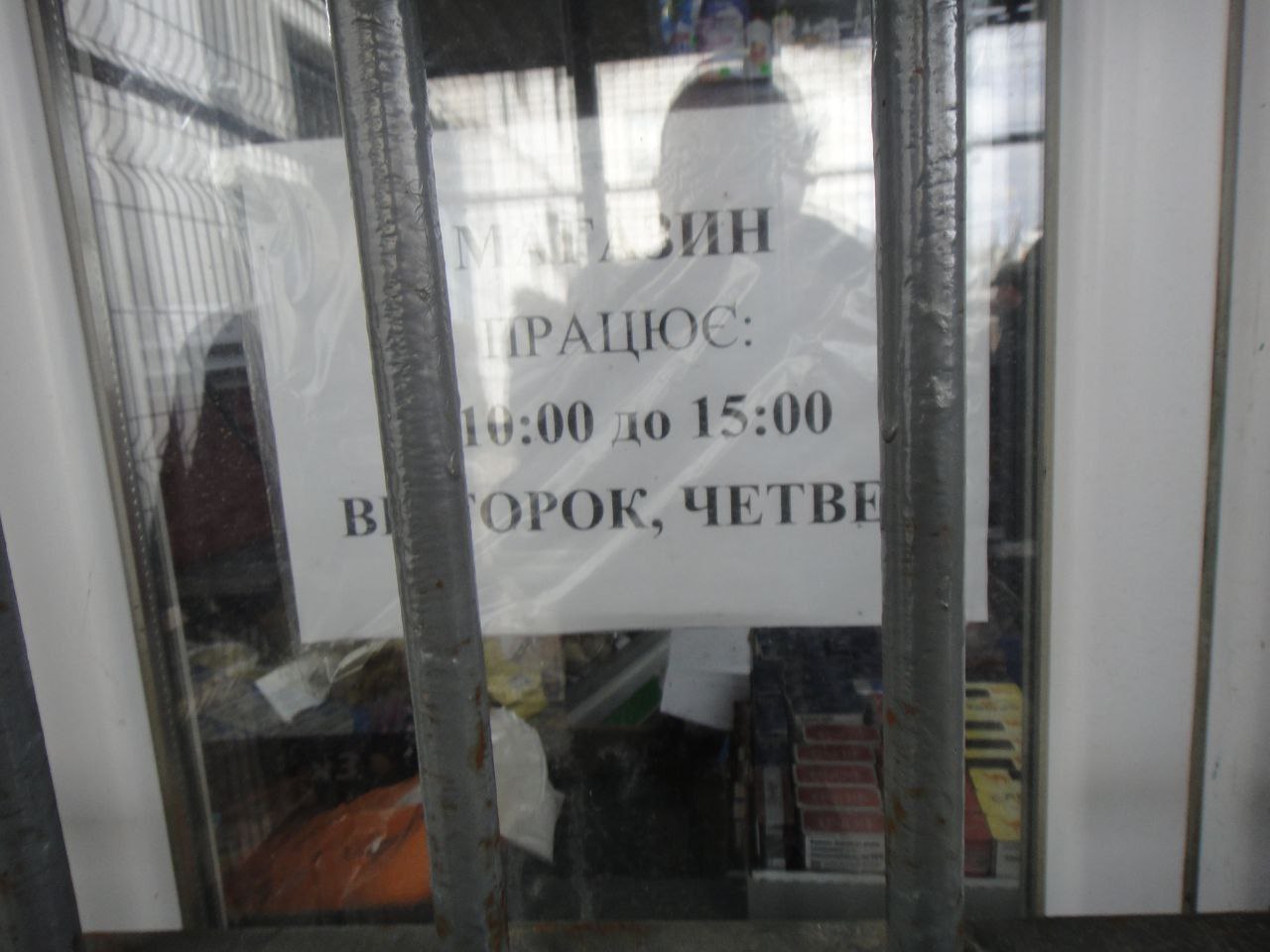
25. In order to realise the right of convicts and persons taken into custody to purchase food products and basic necessities, provided for by Article 108 of the Criminal Executive Code of Ukraine, a shop operates in the institution. At the same time, the monitoring group established that the requirement of paragraph 1 of section XI of the IRIU regarding the daily operation of the shop is not being fulfilled. According to the schedule established in the institution, the shop is open only on Tuesday and Thursday from 10:00 to 15:00.
26. During the visit, the monitoring group recorded that the institution's staff, who are in direct contact with the convicts, openly carry special means, including rubber truncheons. At the same time, according to the eighth paragraph of paragraph 1 of section XXVI of the IRIU, the carrying of special means by the staff of penal institutions within the guarded territory of the penal institution should, if possible, be maximally hidden from the surroundings.
At the same time, the Committee recommends that penitentiary staff working in direct contact with prisoners should not carry special means (such as rubber truncheons, handcuffs and canisters equipped with tear gas) openly in front of prisoners, as such carrying hinders the establishment of normal relationships between staff and prisoners (CPT/Inf (2011) 29, paragraph 85); (CPT/Inf (2013) 23, paragraph 23); (CPT/Inf (2014) 15, paragraph 166).
27. The monitoring group established that the special means available in the institution, in particular protective helmets and bulletproof vests, are not equipped with proper individual numbering. Under such conditions, in the event of the use of physical force by an employee, it is effectively impossible to identify the person who used the respective special means.
At the same time, the Committee in its report on the results of the visit to Ukraine in 2012 drew attention to the problem of personnel identification during interventions in institutions and recommended ensuring that each element of clothing or protective helmet had a clear identification number that would allow the employee to be identified if necessary (CPT/Inf (2013) 23, paragraph 21).
28. In accordance with subparagraph 5 of paragraph 2 of section IV of the Regulation on the programme of differentiated educational influence on convicts “Preparation for release”, approved by the order of the Ministry of Justice of Ukraine dated 16/05/2016 No. 1418/5, registered with the Ministry of Justice of Ukraine on 17/05/2016 under No. 735/28865, the staff of the institution's social and psychological service, who directly organise and carry out measures for the implementation of the “Preparation for release” programme, are obliged to provide convicts with assistance in obtaining (renewing) a passport of a citizen of Ukraine, the registration number of the taxpayer's account card (RNTK), other personal documents, as well as in applying for pensions.
At the same time, a significant number of convicts need to obtain a passport of a citizen of Ukraine and a registration number of the taxpayer's account card (RNTK), which indicates insufficient work carried out by the social-educational and psychological work department regarding ensuring the issuance of necessary documents for convicts who do not have them.
29. According to the information provided by the administration, from the beginning of 2025 (as of 13/11/2025), 66 short-term visitations were granted to convicts in the state institution “Raikivska Correctional Colony (No. 73)”, 27 of which took place in a non-contact way — through a solid partition glass using an intercom device.
At the same time, in the report to the Government of Ukraine on the results of the 2023 visit, the Committee emphasises that for all categories of convicts, open visitations (for example, at a table) should be the rule, and closed ones should be the exception, the application of which is allowed only on the basis of justified and reasoned decisions after an individual assessment of the potential risk of a specific convict. In this regard, the Committee calls on the Ukrainian authorities to review the procedure for conducting short-term visitations in penitentiary institutions in order to ensure they are conducted, as a rule, in open conditions (CPT/Inf (2024) 20, paragraph 99).
30. According to official documentation, the staff shortage in the institution as of 13/11/2025 is 34 full-time positions. At the same time, in the report to the Government of Ukraine following the 2023 visit, the Committee emphasises that ensuring a positive climate in a penitentiary institution requires a professional team of staff, who must be present in sufficient numbers at any given time in places of detention. An insufficient number of staff can only increase the risk of violence and intimidation between convicts. The shortage of staff on the front line also undermines the quality and level of measures offered to convicts and jeopardises the prospect of preparation for release and social rehabilitation.
In this regard, the Committee calls on the Ukrainian authorities to take decisive measures to significantly increase the number of staff in penitentiary institutions of Ukraine, where a low level of staffing is observed, with the aim of strengthening the presence of security and surveillance service personnel inside the institutions. Measures must also be taken to put an end to the 24-hour shift for personnel on duty (CPT/Inf (2024) 20, paragraph 93).
31. During the monitoring visit, it was established that there are no civil protection structures (shelters) in RVK-73 suitable for the stay of convicts and staff during an air raid alert or shelling. According to the institution's administration, the arrangement of stationary shelters (including basement or underground structures) is technically impossible due to the high level of groundwater and the specifics of the local geological conditions. Thus, the institution is effectively deprived of the engineering capabilities to ensure the minimum level of physical safety of persons who are under the complete control of the state.
The lack of shelters contradicts the state's positive obligations regarding the protection of the life and safety of persons deprived of liberty. In accordance with Article 3 of the Constitution of Ukraine, a person, their life and health are recognised as the highest social value, and the state is responsible for ensuring them. Articles 7 and 10 of the Criminal Executive Code of Ukraine enshrine the state's duty to guarantee respect for the human dignity of convicts and to ensure safe conditions for serving a sentence.
Similar requirements follow from Article 2 of the Convention for the Protection of Human Rights and Fundamental Freedoms, which places on the state the duty to take all reasonable measures to protect the lives of persons within its jurisdiction, as well as from Article 3 of the Convention regarding the prohibition of inhuman or degrading treatment.
From the point of view of international standards, the UN Rules for the Treatment of Prisoners (the Nelson Mandela Rules) require that conditions of detention do not pose a threat to the life and health of prisoners, and the European Prison Rules oblige the state to ensure the safety of persons deprived of liberty, taking into account emergency situations. In the conditions of full-scale armed aggression and the regular threat of missile strikes, the absence of shelters in a place of non-freedom acquires a systemic character and cannot be justified solely by technical or geological limitations.
Under such circumstances, the state is obliged to develop and implement alternative, compensatory protection mechanisms (in particular, organisational, engineering or evacuation), since convicts are deprived of the opportunity to take care of their own safety independently.
The unsettled issue of shelters in RVK-73 indicates a structural problem in ensuring the right to life and safety in places of non-freedom and requires a systemic response at the level of central executive bodies responsible for the execution of sentences and civil protection of the population.
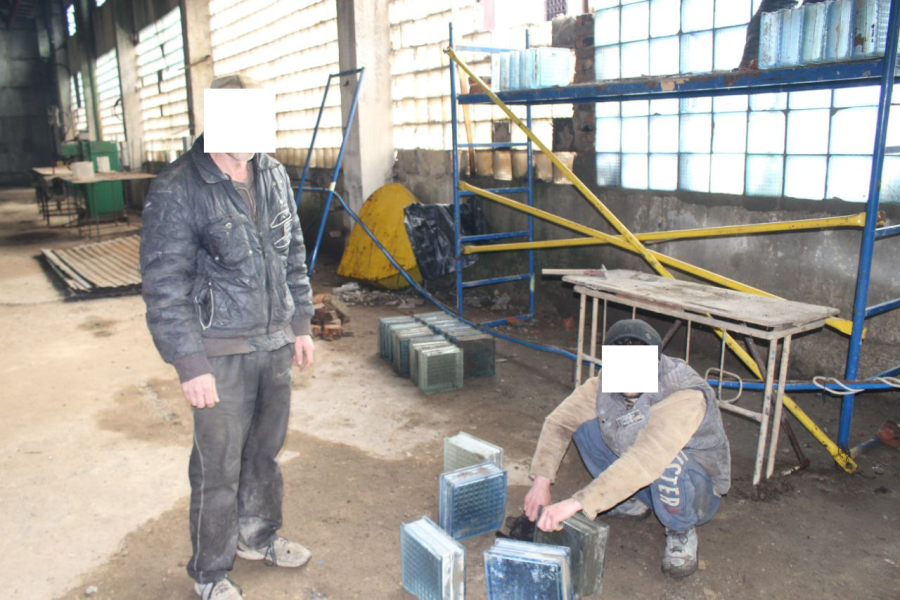
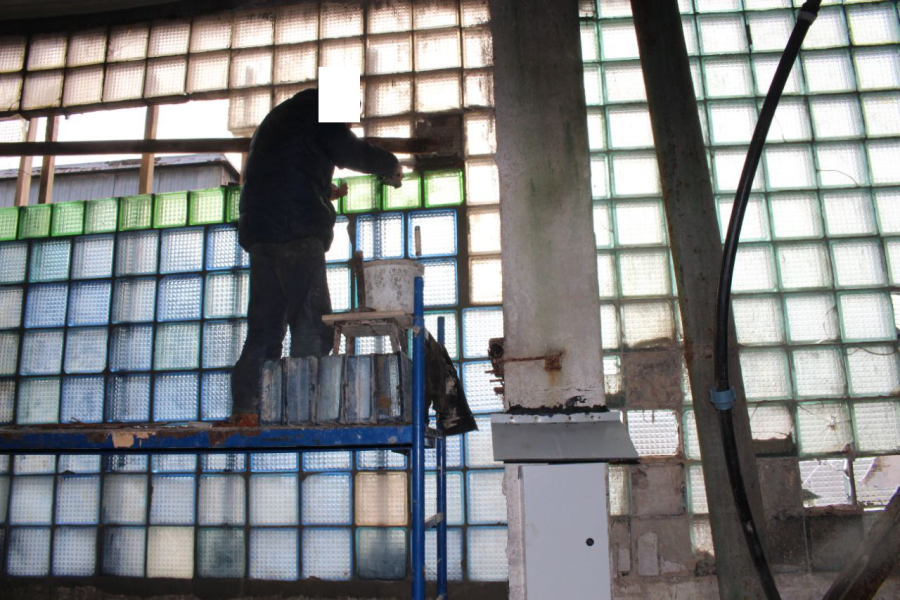
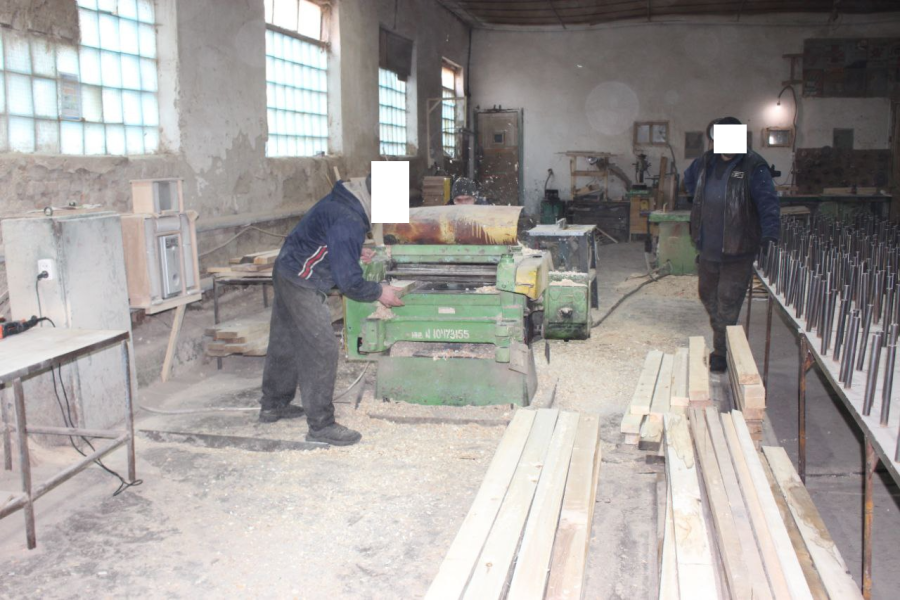
32. In the institution, convicts are involved in labour in several main areas. These are works in the production zone and workshops (in particular, shops, carpentry unit, repair works in the industrial zone, vehicle repair/maintenance), as well as work on ensuring the institution's vital activity, primarily in the canteen. According to the provided data, a significant part of the work is stable, daily in nature, performed in designated premises of the institution according to a schedule, under the control of staff, and subject to the internal regime. The combination of these features indicates the existence of actual labour relations, which in some cases are either not properly registered or are registered using forms that do not correspond to the actual content of the work being performed.
In the course of the study, it was established that the institution uses various methods of registering employment, including fixed-term employment contracts, as well as civil-law contracts for the performance of work/provision of services. Individual types of work are actually performed without transparent documentary confirmation of employment conditions, volume of working hours, work regime, and guaranteed payment. The use of civil-law contracts for work that is of a permanent nature, performed under conditions of labour discipline, according to a schedule and under the subordination of the administration, creates a risk of substituting labour relations and deprives convicts of labour and social guarantees, including payment guarantees, length of service recording, and proper social insurance.
Works in production and workshops are organised through shops and repair units. In particular, in the workshop (shop No. 3), production works are performed, while it was recorded that the temperature in the shop is about +14°C, which calls into question compliance with the requirements for safe and harmless working conditions. Separately, attention is drawn to the fact that convict Ye. works without a passport, which directly affects the possibility of proper registration of labour relations, the accrual and payment of wages, as well as the realisation of social rights.
In shop No. 2, according to available information, a portion of the convicts is involved for a long time in cleaning and repair works in the industrial zone, with the repair team actually performing regular work in the institution for months and years. Also, work is organised in the institution in the carpentry unit and work on vehicle repair/maintenance. By their nature, these works have signs of permanent employment, and therefore require transparent labour registration, recording of working hours, and confirmed payment.
A separate area is the canteen, where the riskiest practices from the point of view of accounting for labour, working hours, and payment guarantees were recorded. It is indicated that there is no staff list for the canteen, working hours are not recorded, the logbook of hourly checks in the canteen is not kept, and the visitor logbook of the SPS unit No. 1 administration does not reflect the actual number of convicts, as the inspector does not perform a recount of persons during checks. Under such conditions, it is effectively impossible to establish the real number of persons who work daily in the canteen, the duration of their work, the availability of days off, and the grounds for accruing wages.
At the same time, from the logbook for inspection for pustular diseases, it follows that the doctor examines 10 convicts daily; in the absence of recording working hours, this creates a reasonable suspicion that the same group of persons may be involved in work daily without a proper rest regime and without transparent confirmation of payment.
The identified facts as a whole indicate systemic violations of the right of convicts to labour, wages, and social protection.
Firstly, there are signs of admission to work without proper registration of labour relations or with registration that does not correspond to the actual content of the work, which undermines the guarantees provided for by labour legislation and contradicts the requirement to organise the labour of convicts in compliance with labour rights and guarantees.
Secondly, the lack of proper recording of working hours in individual units, primarily in the canteen, makes it impossible to control compliance with the normal duration of working hours, the work regime, weekly rest, and also deprives convicts of the opportunity to confirm the volume of work performed and protect the right to fair payment.
Thirdly, there are signs of violations of occupational health and production safety, in particular, the performance of work in a cold room, as well as risky practices of organising the circulation of cutting-piercing inventory in the canteen, when one convict receives knives, axes, and other inventory for the whole group without individual recording of receipt by each user, which creates dangers and undermines proper control.
Violations that require verification of documentation and actual payment concern, in particular, convicts involved in production work in the shop No. 3 workshop: A., Ye., Sh., B., D., T., F., S., as well as persons involved in work in shop No. 2 and the repair team, and in the carpentry unit. Separately, attention is drawn to Ye., who works without a passport, which creates a risk of actual labour without proper registration, without a full social package, and without guaranteed payment.
In the canteen, information regarding the work regime and payment of K., who, according to the provided information, performs work from morning until late at night for six months, as well as F., who performs work on the vegetable slicer for five months, and M. as the head cook, requires special attention, given the lack of proper recording of working hours and documents confirming the conditions of employment and payment.
In terms of wage payment and social protection, the key problem is the lack of a transparent connection between the actually worked hours and the accrual of wages, as well as the risk of the presence of persons who actually work for a long time without confirmation of receiving payments.
Without keeping timesheets, hourly logs, without a defined staff list for the canteen, and without correct reflection of the number of persons involved in work, it is impossible to properly check whether all convicts who actually work receive wages, whether minimum payment guarantees are observed, and whether the necessary deductions related to social insurance and length of service are made. This creates increased risks of exploitative practices, hidden labour, and systemic violation of the socio-economic rights of convicts.
Given the established circumstances, the existing practice contradicts the requirements of Article 118 of the CEC of Ukraine regarding the organisation of labour of convicts in compliance with labour legislation, as well as a number of norms of the Labour Code of Ukraine: regarding the inadmissibility of admission to work without proper registration of labour relations, regarding the duty to keep accurate records of working hours and work performed, regarding compliance with the normal duration of working hours and weekly rest, and also regarding guarantees of wage payment and fair remuneration.
In the context of wage payment and social protection, the guarantees enshrined by the Constitution of Ukraine and the Law of Ukraine “On Remuneration of Labour” are also relevant, and the use of civil-law contracts as a tool for substituting labour relations creates risks of non-compliance with requirements regarding social insurance and crediting of insurance service.
In summary, the identified facts indicate the presence of a systemic problem in the organisation of the labour of convicts in RVK-73: part of the work has signs of stable labour employment but is not provided with proper labour registration, recording of working hours, payment guarantees, and social protection. The state of accounting and control, especially in the canteen, does not allow for reliably establishing who exactly works, for how long, on what terms, and whether they receive payment, which requires correction, carrying out a full reconciliation of actual employment with documents, as well as bringing labour registration practices into compliance with the requirements of labour legislation and international standards.
Medical Unit No. 73 of the branch of the state institution “Centre for Health Care of the State Penitentiary Service of Ukraine” in Zhytomyr region
Head of the Medical Unit No. 73 of the branch of the state institution “Centre for Health Care of the State Penitentiary Service of Ukraine” in Zhytomyr region (hereinafter — medical unit) — Viacheslav Mykolaiovych Sirosh.
At the time of the visit, the vacant positions were therapist doctor — 0.5 full-time unit, clinical psychologist — 0.5 full-time unit.
1. During the visit to the medical unit, it was established that newly arrived convicts, instead of being placed in the quarantine, diagnostics and distribution (QDD) unit for 14 days, are effectively placed in the hospital wards of the medical unit. Such an arrangement does not ensure their proper isolation and creates health risks in connection with being together with convicts undergoing inpatient treatment.
These circumstances contradict the requirements of paragraph 1 of chapter 5 of section II of the Procedure for organising the provision of medical care to convicts sentenced to imprisonment, approved by the order of the Ministry of Justice of Ukraine and the Ministry of Health of Ukraine dated 15/08/2014 No. 1348/5/572 (hereinafter — Procedure).
2. During the visit to the institution's medical unit, the monitoring group identified the presence of a metal cage in the manipulation room, which is used for the safety of medical personnel from convicts and detained persons. It should be noted that in its report on the results of the visit to Ukraine in 2020, the European Committee for the Prevention of Torture and Inhuman or Degrading Treatment or Punishment (hereinafter — the Committee) expressed concern about the practice of installing cages or metal barriers in medical offices where prisoners were usually held during medical consultations or procedures, including for the administration of injections.
The Committee emphasised that although the use of additional security measures may be justified in isolated cases, the systemic practice of placing prisoners in cages while receiving medical care grossly violates human dignity, hinders the formation of trusting relationships between patient and doctor, and may hinder the objectivity of the medical conclusion. The Committee strongly recommends that the Ukrainian authorities immediately dismantle cages and barred structures from medical units of institutions and completely stop such practice in all penal institutions (CPT/Inf (2020) 40, paragraph 60).
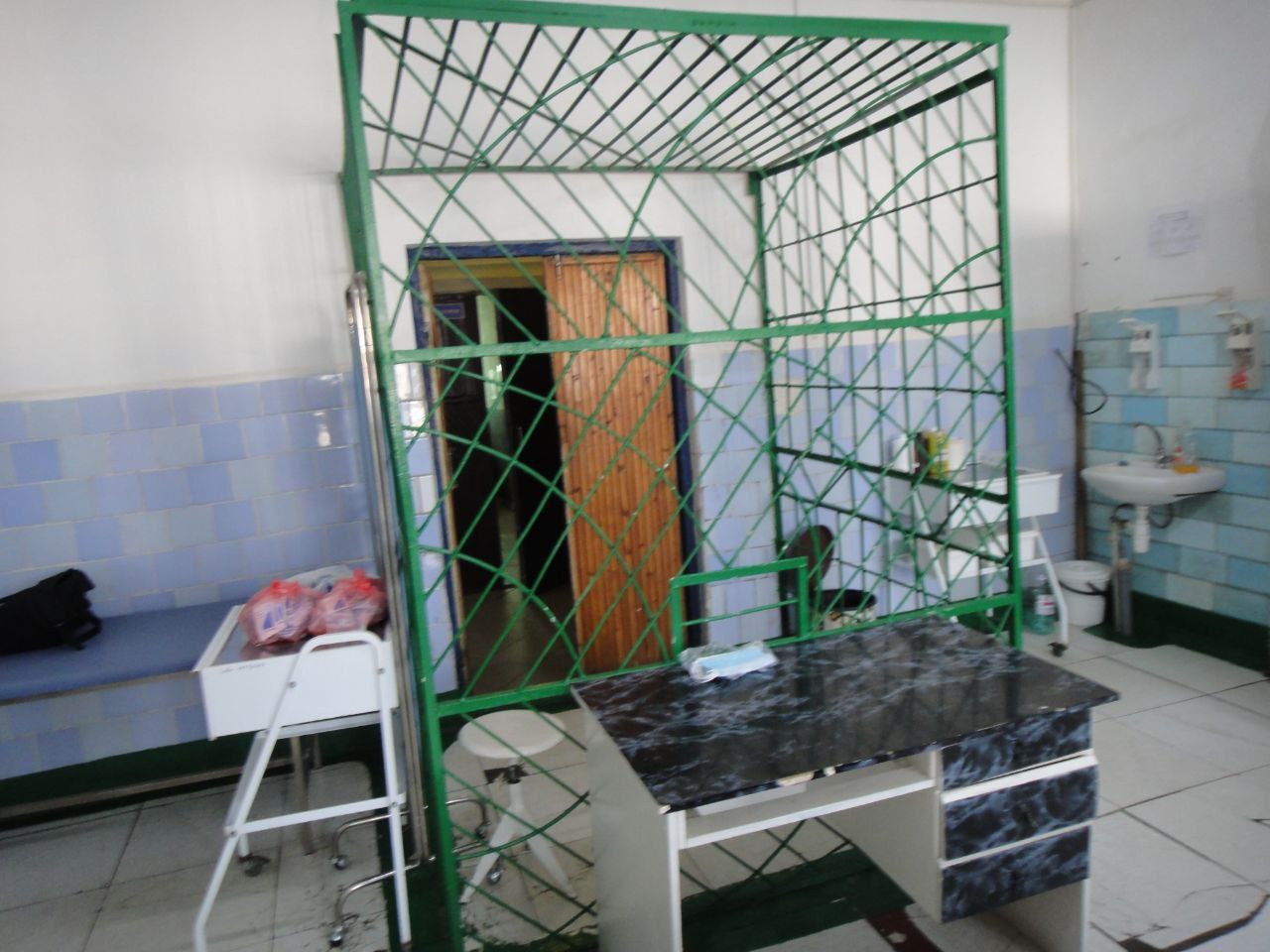
3. Substitution maintenance therapy (hereinafter — SMT) for persons with mental and behavioural disorders as a result of opioid use is not organised in the medical unit, in accordance with the Procedure for conducting substitution maintenance therapy for persons with mental and behavioural disorders as a result of opioid use, approved by the order of the Ministry of Health of Ukraine dated 27/03/2012 No. 200.
Drug-addicted persons are not provided with social-psychological support, cognitive-behavioural therapy (CBT), relapse prevention, motivational interviewing, mutual aid groups, etc.
Thus, these persons are deprived of the opportunity to receive SMT, which violates their right to choose methods of treatment in accordance with Article 38 of the Law of Ukraine “Foundations of the Legislation of Ukraine on Health Care”.
At the same time, the Committee in the report following the visit to Ukraine in 2023 notes that entering a penitentiary institution is an opportunity to solve the problem associated with drugs, and therefore it is important that appropriate help be offered to all interested persons. Thus, appropriate medical service must be available in all institutions.
The help offered to such persons should be diverse; substitution therapy programmes for persons with drug addiction should be combined with genuine psychosocial and educational programmes for persons with opioid dependence who are unable to stop using drugs. In addition, access to SMT programmes in institutions should be easily accessible, and they should also be managed by penitentiary doctors who have undergone special training on issues related to drug use (CPT/Inf (2024) 20, paragraph 86).
4. In violation of the requirements of the tenth paragraph of paragraph 2 of section XVII of the IRIU, a convict H., who performs the duties of a duty attendant, stays in the medical unit hospital around the clock. During a confidential conversation with the convicts who were undergoing treatment in the hospital, the monitoring group established that various works are assigned to him, including caring for the seriously ill, cleaning premises, and that he occupies a sleeping place in one of the hospital wards.
The above violates the requirements of Article 96 of the Criminal Executive Code of Ukraine. At the same time, the Committee has repeatedly recommended stopping the practice of using convicts as assistants in medical units and as orderlies (Committee report on the results of the visit to Ukraine in 2005 (paragraph 132 (CPT/Inf (2007) 22), in 2013 (paragraph 151 (CPT/Inf (2014) 15) and in 2017 (paragraph 86 (CPT/Inf (2018) 41)).
5. The monitoring group established that the preventive medical examination of convicts is not carried out in full, as provided by the Procedure. In particular, the examination was not conducted by a psychiatrist and a dentist, whose participation in the preventive medical examination of convicts is mandatory. This is evidenced by the absence of the results of the preventive medical examination entered into the medical card of an outpatient patient, form No. 025/o. The above contradicts the requirements of paragraph 2 of chapter 3 of section II of the Procedure.
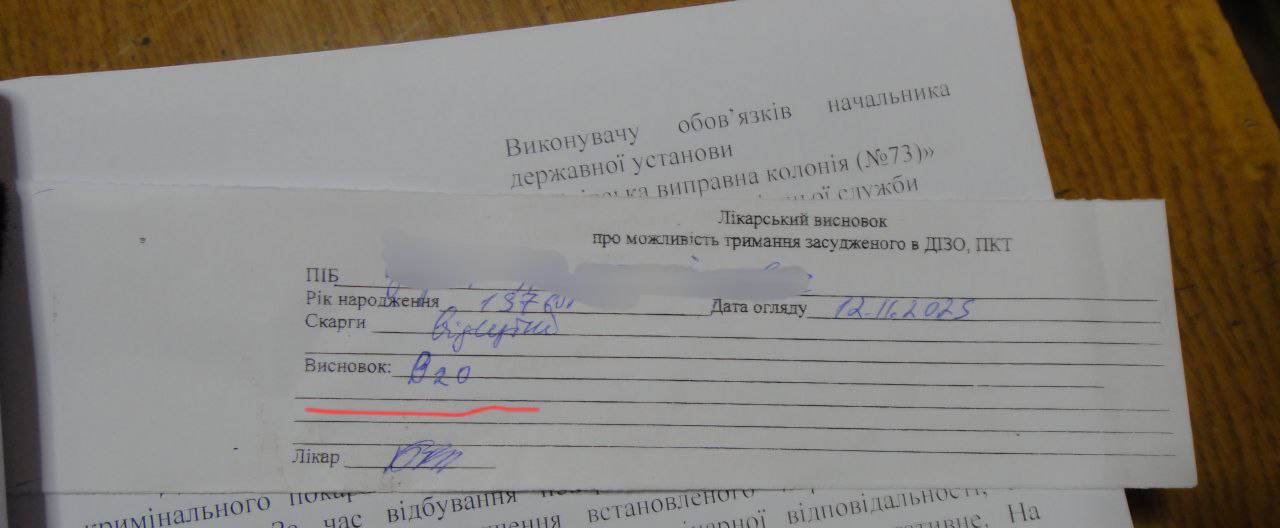
6. During the inspection of the DIZO/PKT, the monitors established that when a convict is placed in the disciplinary isolation unit, a medical certificate is attached to the case file, according to the conclusion of which the convict can be held in the DIZO/PKT due to the state of health, while the certificate contains information about the diagnosis and other data of a medical nature.
This indicates the institution staff's awareness of confidential information regarding the health status of convicts who are in the DIZO. The above violates the requirements of Article 391 of the Law of Ukraine “Foundations of the Legislation of Ukraine on Health Care” regarding the right of a person to confidentiality about their health status and does not meet the fourth paragraph of paragraph 3 of chapter 1 of section II of the Procedure. At the same time, the Committee has repeatedly emphasised that placing on penitentiary doctors the duty to certify the suitability of convicts for serving a disciplinary penalty does not contribute to the development of positive relations between doctor and patient (CPT/Inf (2024) 20, paragraph 104).
7. In violation of the requirements of the Instruction on filling out the primary accounting documentation form No. 003-6/o “Informed voluntary consent of the patient to the conduct of diagnostics, treatment and the conduct of an operation and anaesthesia and to the presence or participation of participants in the educational process”, approved by the order of the Ministry of Health of Ukraine dated 14/02/2012 No. 110, the absence of the signature of the doctor who provided the patient with the information contained in the specified form of primary accounting documentation was established.
8. In violation of the requirements of paragraph 8 of chapter 5 of section II of the Procedure, there is no equipped isolation ward in the medical unit hospital for persons with mental disorders who pose a danger to others.
9. In violation of the requirements of the Standards of medical care for viral hepatitis C in adults, approved by the order of the Ministry of Health of Ukraine dated 15/01/2021 No. 51, not all persons (30 persons as of 13/11/2025) with suspected viral hepatitis C undergo PCR testing. In this regard, they do not receive the necessary treatment, which may lead to a deterioration in their health and the spread of the specified infectious disease among convicts and detained persons. In addition, on the day of the visit, there were no medicinal products for the treatment of viral hepatitis C in the medical unit pharmacy.
10. Dispensary supervision is provided for 17 persons with disabilities. Of these, there are 0 persons with Group I disability, 5 persons with Group II disability, and 12 persons with Group III disability. At the same time, in breach of the requirements of the Law of Ukraine “On Rehabilitation of Persons with Disabilities in Ukraine”, persons with disabilities do not receive appropriate diagnostic, treatment and rehabilitation measures despite the existence of records confirming persistent impairments of bodily functions caused by diseases and the consequences of injuries that result in limitations to normal daily activities.
During the review of prisoners’ medical records, it was established that three persons with disabilities do not have an Individual Rehabilitation Programme (hereinafter — IRP). Furthermore, the recommendations of the IRPs are not being implemented, as a result of which these individuals do not receive appropriate diagnostic, treatment and rehabilitation measures.
11. In breach of the requirements of State Building Standards of Ukraine B.2.2-40:2018 “Inclusiveness of Buildings and Structures. Basic Provisions”, no conditions have been created in the medical unit to accommodate persons with disabilities.
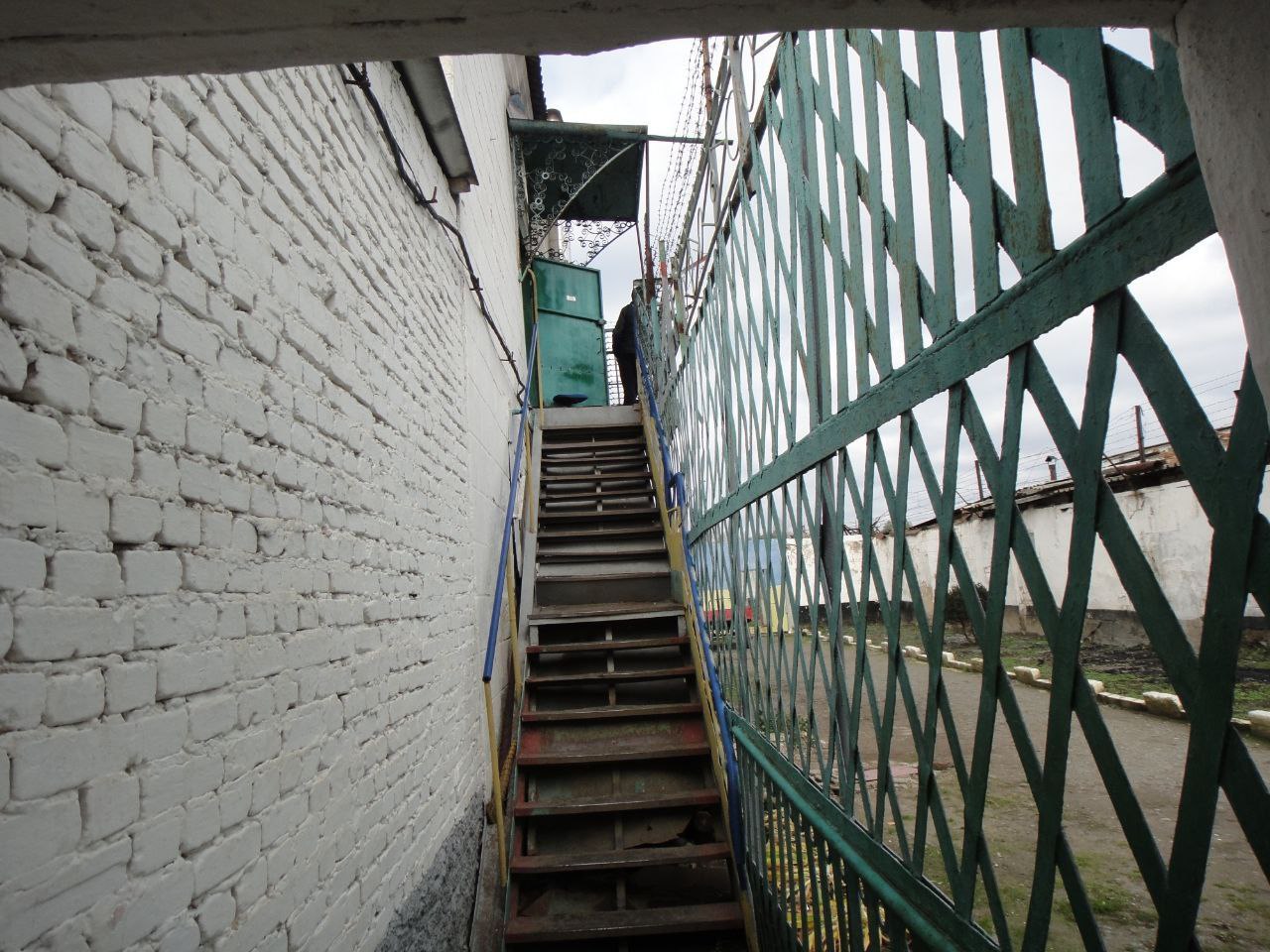
12. In breach of paragraph 37 of Resolution No. 285 of the Cabinet of Ministers of Ukraine dated 02 March 2016 “On Approval of the Licensing Conditions for Conducting Economic Activities in Medical Practice”, the medical unit lacks a conclusion confirming unrestricted access to the buildings and premises of the medical institution for persons with reduced mobility, the obtaining of which is mandatory.
13. In breach of the requirements of the Standards for the Provision of Bedding, Special Clothing and Special Footwear (inventory property) for prisoners undergoing treatment in medical and preventive care institutions, institutions with the status of medical establishments, and medical units at penal institutions and remand centres, approved by Order No. 280/5 of the Ministry of Justice of Ukraine dated 20 February 2012, prisoners do not receive hospital clothing and equipment (suit, gown and hospital slippers) upon admission to hospital. Prisoners remain in inpatient care wearing their everyday clothes, sometimes using their own bed linen.
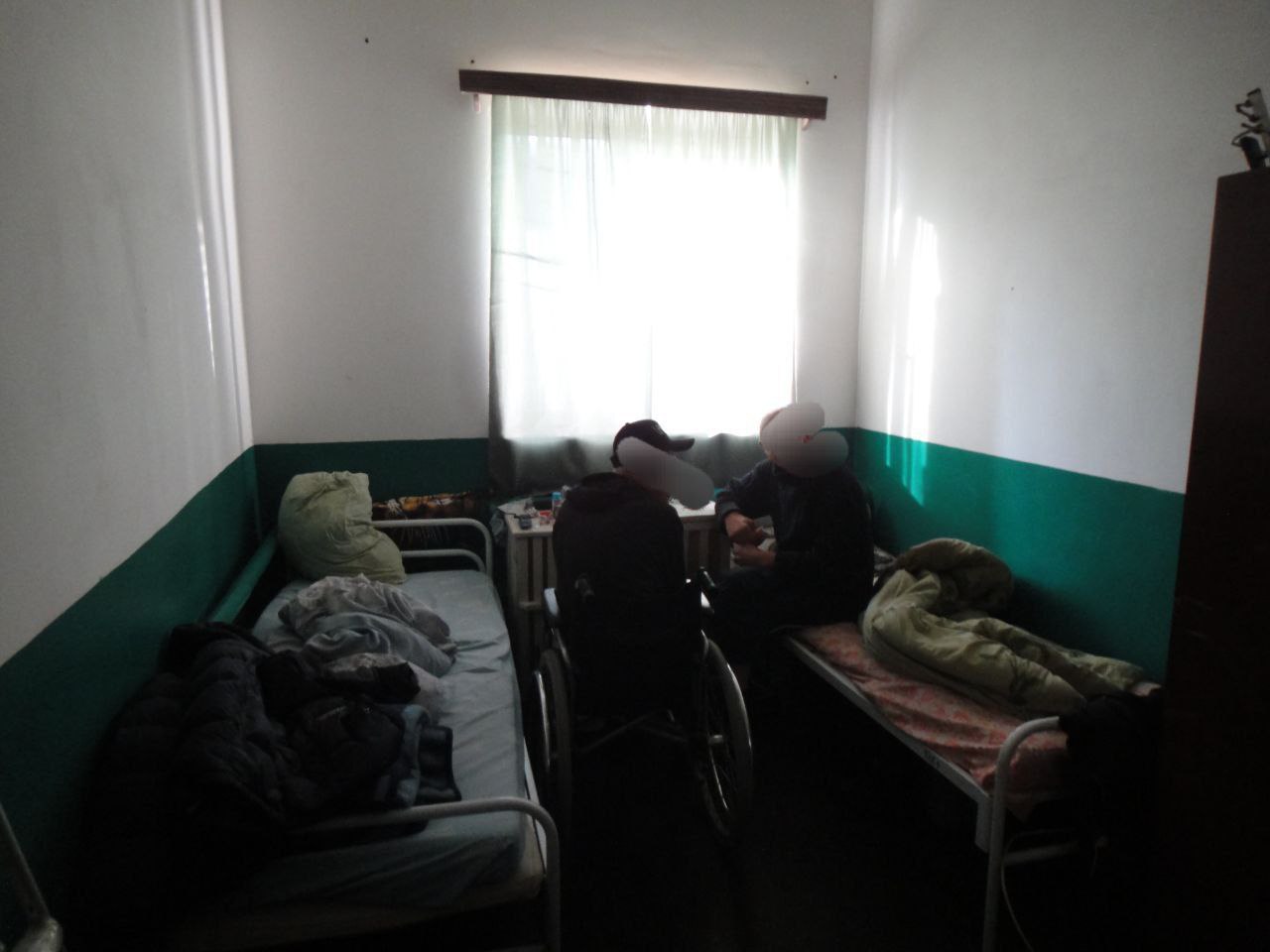
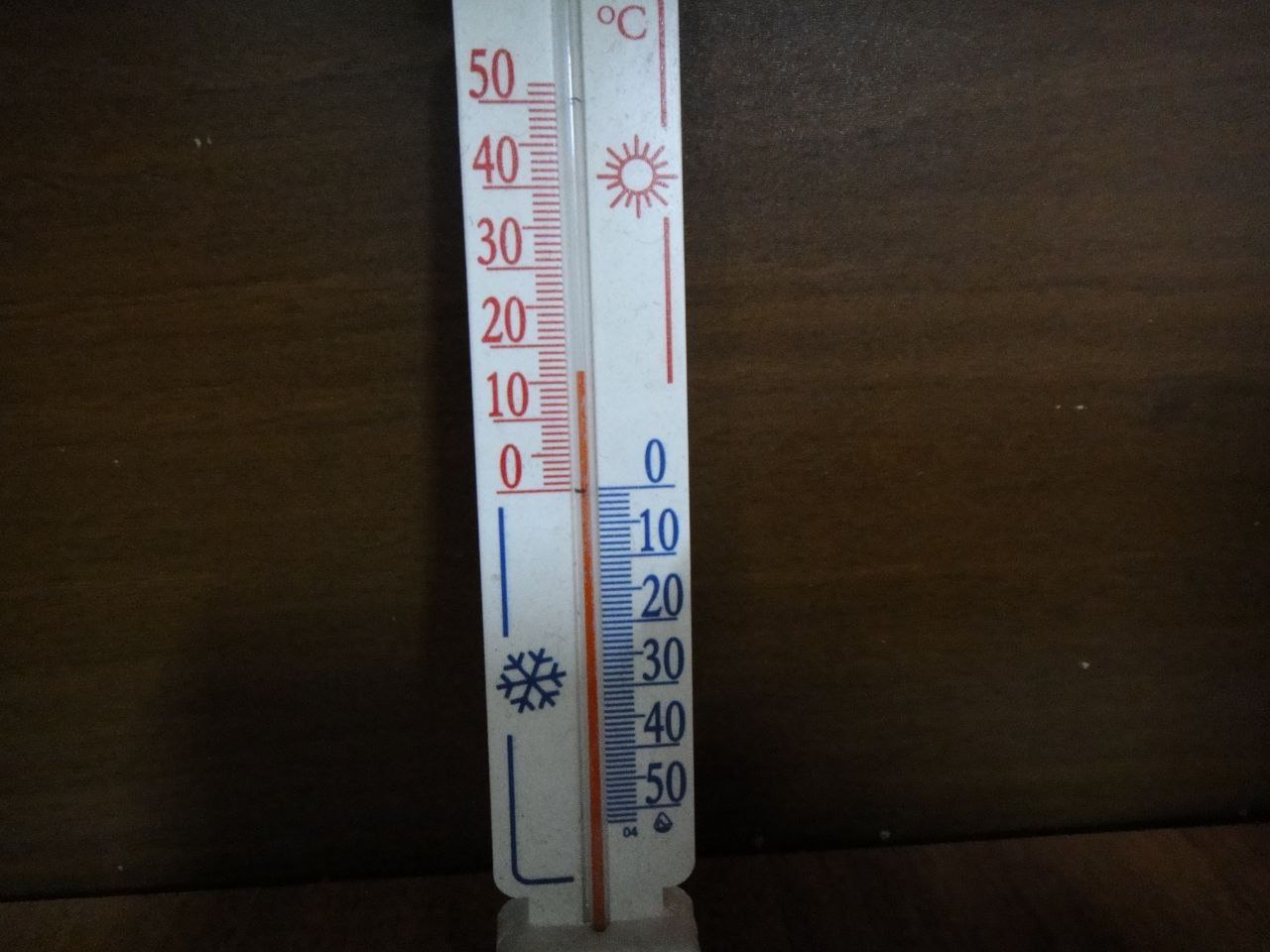
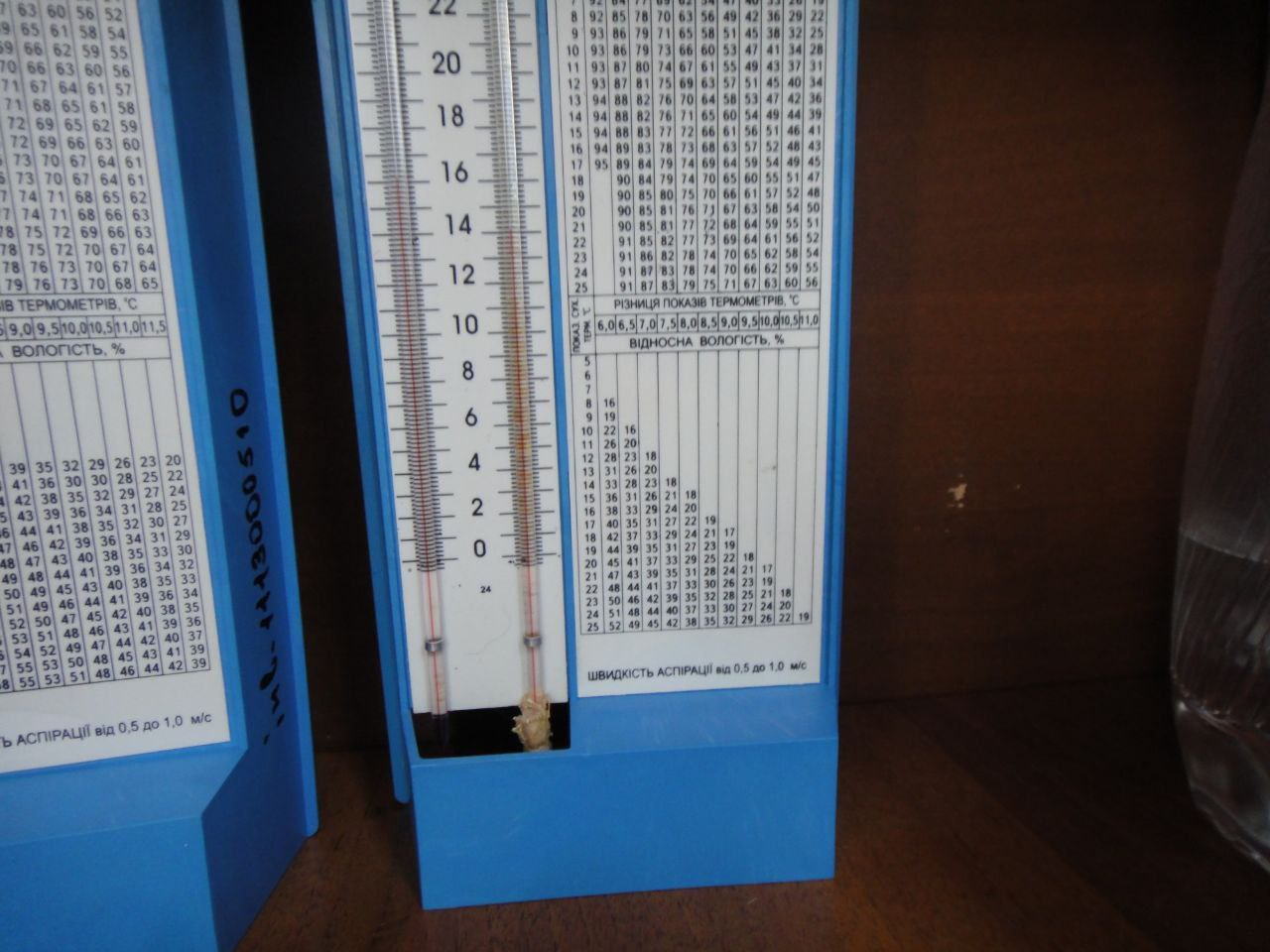
14. In the medical unit, particularly in wards and doctors’ offices, the monitoring group recorded breaches of the required temperature regime. At the time of the inspection, the air temperature in certain rooms was +16°C, which does not comply with the requirements of Section VI of the State Sanitary Norms and Rules approved by Order No. 259 of the Ministry of Health of Ukraine dated 02 April 2013, nor with paragraph 1 of Section XXII of the Internal Regulations of Penal Institutions, according to which during the cold season the temperature in residential premises of penal institutions must be maintained at no lower than +18°C.
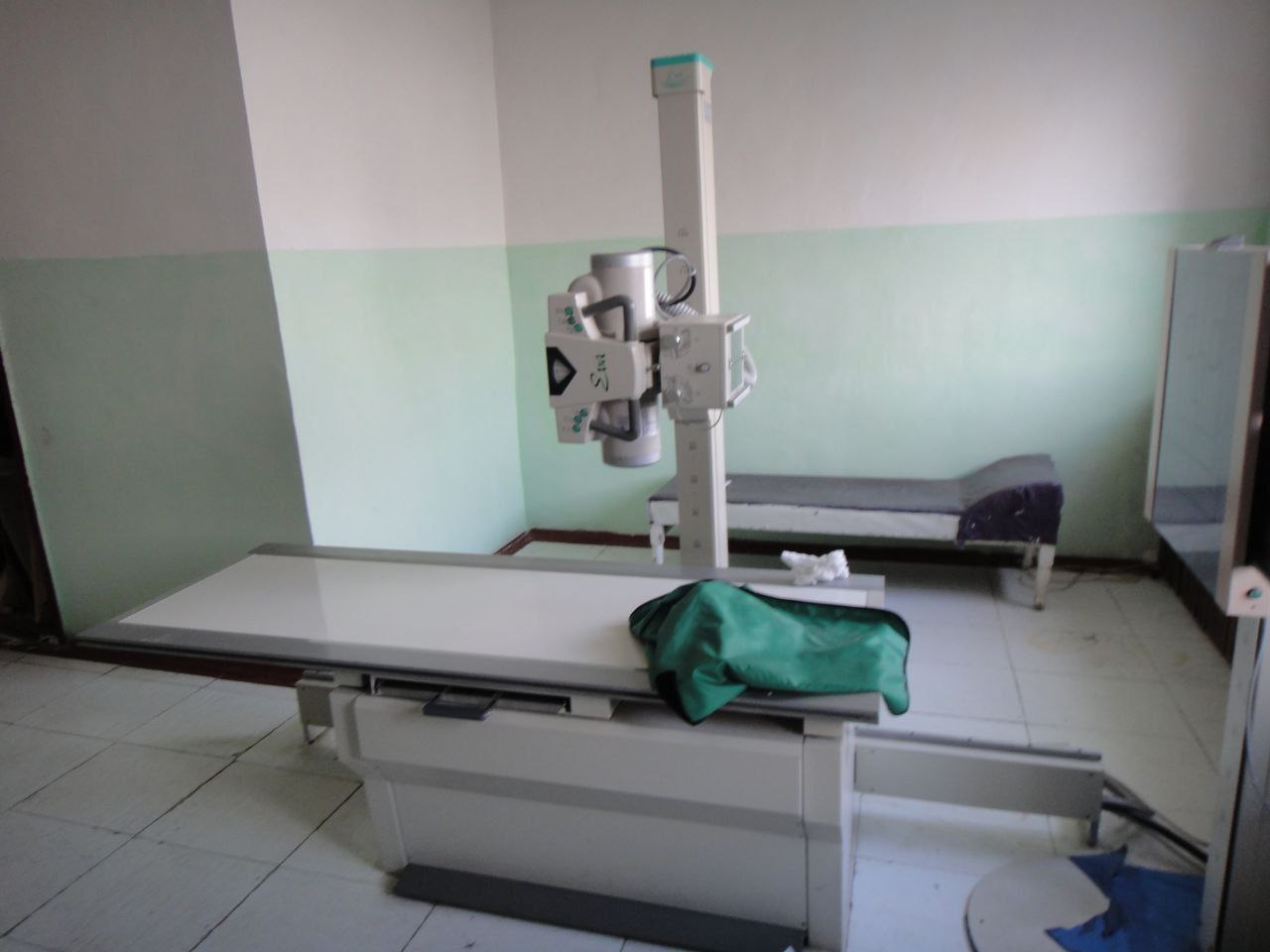
15. In breach of the requirements of the Equipment Schedule for One Workplace of a Dentist and Dental Technician, approved by Order No. 158 of the Ministry of Health of Ukraine dated 11 April 2005, the medical unit lacks a dental X-ray machine, making it impossible to conduct comprehensive dental examinations of prisoners and preventing the timely provision of appropriate dental care.
16. In breach of the requirements of the Procedure for Organising Medical Care at the Primary, Secondary (Specialised) and Tertiary (Highly Specialised) Levels Using Telemedicine, approved by Order No. 681 of the Ministry of Health of Ukraine dated 19 October 2015, the staff of the medical unit are unable, due to technical limitations, to submit requests for telemedicine consultations and obtain specialist assistance in providing medical services to prisoners.
17. In breach of paragraph 7 of Chapter III, Section II of the Procedure, the monitoring group recorded the absence of personal medical record books for canteen staff and the absence in medical records of examination results conducted by specialist doctors (including laboratory, clinical and other tests), which are required for authorisation to work in food service facilities.
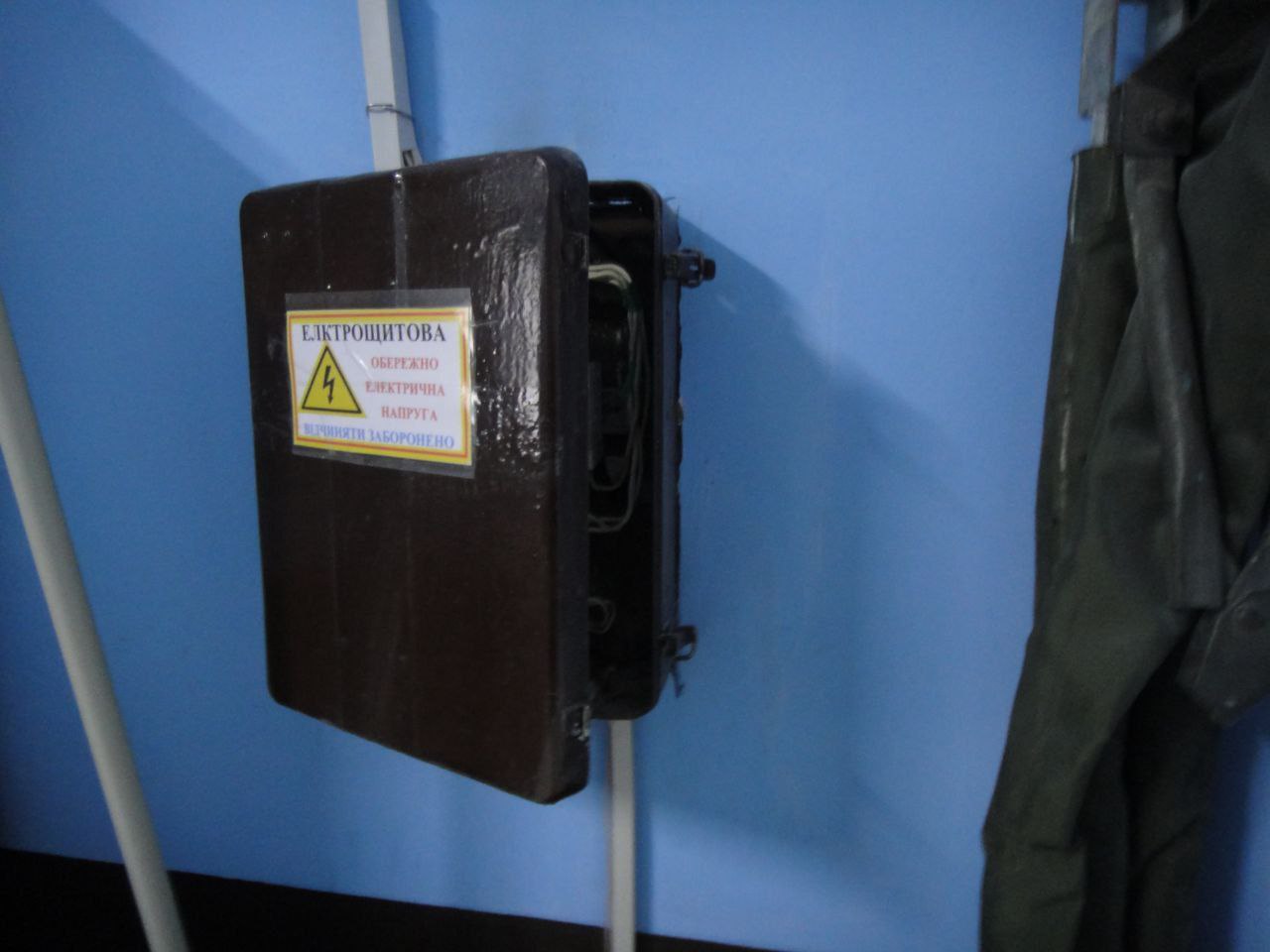
18. In breach of the requirements of subparagraph 2.12 of paragraph 2, Section III of the Fire Safety Rules in Ukraine, approved by Order No. 1417 of the Ministry of Internal Affairs of Ukraine dated 30 December 2014, the door to the electrical switchboard room in the lobby of the medical unit was left unlocked.
19. The doctors’ office and X-ray room are not equipped with fire extinguishers, which constitutes a breach of paragraph 3.6 of Chapter 3, Section V of the Fire Safety Rules in Ukraine, as well as paragraph 10.18 of Chapter 10 of the State Sanitary Rules and Standards “Hygienic Requirements for the Arrangement and Operation of X-ray Rooms and the Conduct of Radiological Procedures”, approved by Order No. 294 of the Ministry of Health of Ukraine dated 04 June 2007 and registered with the Ministry of Justice of Ukraine on 07 November 2007 under No. 1256/14523.
20. In breach of the requirements of the Fire Safety Rules, the premises of the medical unit are not equipped with fire suppression systems or fire alarm systems.
Recommendations:
1. Immediately cease placing newly arrived prisoners in the inpatient wards of the medical unit together with patients and ensure their initial accommodation exclusively in conditions that guarantee the separate detention of different categories of prisoners.
2. Establish and ensure the actual functioning of a quarantine, diagnosis and allocation unit for persons sentenced to imprisonment for the first time, in accordance with its intended purpose.
3. Bring the composition of the working group dealing with newly arrived prisoners into compliance with regulatory requirements by including the Head of the Financial Support and Accounting Department.
4. Remedy deficiencies in the material and living conditions of the quarantine, diagnosis and allocation unit by providing the missing facilities required by regulations (rooms for educational work, storage rooms for bedding and special clothing, cloakrooms and storerooms).
5. Ensure the minimum personal living space for prisoners in residential premises by reviewing bed arrangements and reducing overcrowding.
6. Eliminate dampness in the residential premises of the quarantine, diagnosis and allocation unit and ensure proper sanitary conditions, effective ventilation and adequate natural lighting.
7. Completely discontinue the practice of displaying name cards in residential premises and disciplinary isolation cells containing information about prisoners’ offences.
8. Equip sanitary facilities in residential premises with partitions and doors that ensure privacy during use.
9. Provide all residential premises with drinking water tanks fitted with taps and the necessary equipment.
10. Ensure an adequate level of natural lighting in the cells of the disciplinary isolation unit or restrict their use until the identified violations have been remedied.
11. Ensure that prisoners are always provided with copies of decisions imposing disciplinary sanctions, together with an explanation of the procedure and deadlines for appeal.
12. Repair the exercise yards and bring their size and technical condition into compliance with requirements necessary to ensure genuine physical activity for prisoners.
13. Ensure the functioning of the enhanced supervision unit or bring the organisation of prisoner detention into compliance with legal requirements through a clear separation of regimes.
14. Remedy deficiencies in detention conditions within the social and psychological service units, particularly regarding privacy, sanitary conditions and fire safety.
15. Equip the dining hall with a washbasin and cloakroom and ensure the possibility of observing personal hygiene rules before meals.
16. Ensure strict compliance with approved menus, temperature requirements for storing daily food samples, and the established procedures for organising meals.
17. Restore the operation of the disinfection chamber, ensure comprehensive bathing and laundry services, and provide proper functioning of the laundry ventilation system.
18. Ensure that all mandatory record-keeping journals (bathhouse attendance, hourly inspections and sanitary treatment) are maintained fully and accurately.
19. Ensure the daily operation of the prison shop in accordance with established requirements.
20. Discontinue the practice of staff openly carrying special equipment in areas of contact with prisoners and ensure individual identification of such equipment.
21. Ensure that all prisoners who do not possess them are issued with Ukrainian citizen passports and taxpayer registration numbers (RNOKPP) as a mandatory condition for exercising labour and social rights.
22. Develop and implement alternative safety measures in the event of air raid alerts and shelling (clear action algorithms, evacuation solutions and organisational measures), taking into account the absence of permanent shelters.
23. Conduct a comprehensive review of prisoner employment, particularly regarding the work actually performed, the forms of employment arrangements used, working time records, and the calculation and payment of wages.
24. Discontinue the use of civil law contracts for work of a permanent nature performed under conditions of labour discipline.
25. Ensure the maintenance of working time records at all production sites and in the catering unit.
26. Ensure the payment of wages to all prisoners who are actually working, with a clear link between hours worked and remuneration, and ensure appropriate social insurance coverage.
27. Take measures aimed at eliminating the identified human rights violations and preventing torture and other cruel, inhuman or degrading treatment or punishment in Medical Unit No. 73 of the branch of the State Institution “Healthcare Centre of the State Criminal Executive Service of Ukraine” in Zhytomyr Region.
28. Ensure proper control over the maintenance of medical documentation in accordance with the Procedure for Organising Medical Care for Persons Sentenced to Imprisonment, approved by Joint Order No. 1348/5/572 of the Ministry of Justice of Ukraine and the Ministry of Health of Ukraine dated 15 August 2014, and other regulatory legal acts.
29. Ensure that the medical unit is staffed with specialist doctors in accordance with actual needs.
30. Remove the metal cage from the institution’s medical unit and bring detention conditions into line with the recommendations of the European Committee for the Prevention of Torture, ensuring dignified treatment of detainees.
31. Ensure access to opioid substitution maintenance therapy for persons with mental and behavioural disorders resulting from opioid use, on the basis of an established diagnosis.
32. Discontinue the practice of using prisoners as assistants in medical units.
33. Ensure that preventive medical examinations of prisoners are carried out in full, involving all necessary specialist doctors.
34. Ensure the confidentiality of medical information and discontinue the practice whereby doctors certify the health status of prisoners and detainees when placing them in disciplinary isolation units or cell-type premises.
35. Ensure that informed voluntary consent for examination and treatment is obtained from patients in the prescribed form.
36. Ensure the fitting out of the isolation unit for persons with mental disorders after completion of renovation works in accordance with the requirements of paragraph 8 of Chapter 5, Section II of the Procedure.
37. Ensure that all persons suspected of having hepatitis C have access to PCR testing as quickly as possible and organise the necessary antiviral treatment for those with a confirmed diagnosis.
38. Ensure the provision of individual rehabilitation for persons with disabilities in accordance with their individual rehabilitation programmes.
39. Ensure the accessibility of the institution’s buildings in accordance with State Building Standards of Ukraine B.2.2-40:2018 “Inclusiveness of Buildings and Structures. Basic Provisions”.
40. Comply with the requirements of paragraph 37 of Resolution No. 285 of the Cabinet of Ministers of Ukraine dated 02 March 2016 “On Approval of the Licensing Conditions for Conducting Economic Activities in Medical Practice”.
41. Ensure that prisoners are issued with hospital clothing and equipment during hospitalisation in accordance with established entitlement standards.
42. Ensure that the temperature in the premises of the medical unit is maintained at no lower than +18°C.
43. Equip the medical unit with a dental X-ray machine and the necessary equipment for comprehensive dental examination and treatment.
44. Ensure the proper operation of the telemedicine system to enable doctors to submit requests for telemedicine consultations.
45. Ensure that all canteen employees possess personal medical record books and the full set of medical examinations required by the Procedure for authorisation to work in food service facilities.
46. Eliminate all identified fire safety violations.