Report on the results of the monitoring visit to Mashivska Correctional Colony No. 9
On 22 October 2025, in accordance with the Optional Protocol to the Convention against Torture and Other Cruel, Inhuman or Degrading Treatment or Punishment, taking into account the provisions of the Standard Minimum Rules for the Treatment of Prisoners and the decisions of the European Court of Human Rights, and on the basis of Article 24 of the Criminal Executive Code of Ukraine — Visiting penitentiary institutions, a group of monitors from the Kharkiv Human Rights Protection Group and the NGO “Protection of Prisoners of Ukraine” visited the state institution “Mashivska Correctional Colony (No. 9)” (MCC-9, institution, facility, colony).
A planned unannounced visit was conducted, and all facilities of the institution were examined. In preparation for the visit, the monitors used materials from appeals by convicts and their relatives, as well as materials from reports by monitors of the National Preventive Mechanism under the Commissioner for Human Rights of the Verkhovna Rada of Ukraine (NPM).
The visit was conducted within the framework of the project “Reducing prisoners’ suffering in the context of the war in Ukraine,” funded by the government of Denmark in partnership with DIGNITY (Danish Institute Against Torture).
The visit was carried out by the following monitors:
- Andrii Didenko — assistant to the People's Deputy of Ukraine Yaroslav Yurchyshyn, programme coordinator of the Kharkiv Human Rights Protection Group, experienced in monitoring visits since 2014, NPM monitor, and member of the NPM advisory board.
- Serhii Zuykov — assistant to the People's Deputy of Ukraine Kostiantyn Kasai, member of the public council under the Ministry of Justice of Ukraine, member of the public organisation “Protection of Prisoners of Ukraine,” NPM monitor, with many years of experience in monitoring visits.
- Oleh Tsvilyi — member of the public council under the Ministry of Justice of Ukraine, head of the public organisation “Protection of Prisoners of Ukraine,” has extensive experience in monitoring visits, and specialises in issues of torture and cruel, inhuman treatment.
Within the framework of implementing the Penitentiary System Reform Strategy, MCC-9 has carried out a number of infrastructure improvements, including the renovation of certain premises, the replacement of windows, and the modernisation of the canteen. At the same time, the results of the monitoring visit revealed systemic violations of national and international standards that significantly affect the rights of convicts.
Unlawful accommodation of persons sentenced to restriction of liberty in a closed-type colony was identified, as well as violations regarding the separation of inmates in the QDD, unsatisfactory sanitary and living conditions, failure to maintain temperature standards, excessive video surveillance, lack of internet access, deficiencies in the Disciplinary Isolation Unit (DIU), ineffective organisation of laundry and bathing services, open carrying of special equipment, problems with the “Preparation for Release” programme, and a significant staff shortage.
Additionally, violations in the healthcare sector were recorded: lack of 24-hour medical duty, improper documentation, unjustified refusals of OST (Opioid Substitution Therapy), and the unavailability of rehabilitation services.
The monitoring also revealed systemic violations of labour and social rights: the use of labour without proper legal formalisation, the mixing of different categories of convicts in production, a lack of working time tracking, non-transparent calculation of wages, formalised contracts, and a lack of occupational safety guarantees. This indicates a failure of the state to meet basic labour and social obligations towards the persons engaged in work.
Two shelters are currently operating on the premises of MCC-9 — one for convicts and one for staff and the community. Both are in working order, equipped with two exits and ventilation, yet they require completion of repairs and technical upgrades.
Overall, the situation in the institution demonstrates systemic human rights violations that require urgent elimination and the alignment of operations with the Criminal Executive Code, the Labour Code, healthcare legislation, the Mandela Rules, and the European Prison Rules.
General Information
MCC-9 is a minimum-security correctional facility with low-security conditions (for men convicted for the first time for crimes committed through negligence), which also houses a section for holding persons sentenced to restriction of liberty.
The institution is located at the following address: Poltava region, Poltava district, Kustolovo-Sukhodilka village, Lisna Street, building 1/1.
MCC-9, as an independent legal entity, was registered on 29 November 1999 and is the successor to the Mashivska Correctional Colony of the State Penitentiary Service of Ukraine in the Poltava region. In 2017, the colony was renamed in the format of its current organisational and legal form as the State Institution “Mashivska Correctional Colony (No. 9)”.
The institution is part of the network of penitentiary facilities in the Poltava region and functions as an element of the penal system, focused on holding persons convicted for the first time for crimes committed through negligence, with a formal emphasis on resocialisation and gradual relaxation of the regime.
The head of the correctional colony is Oleksii Valeriiovych Shapovalov.
The facility consists of a duty unit, a QDD department (Quarantine, Diagnostics, and Distribution), sections of the SPS (Socio-Psychological Service) for persons deprived of liberty and for persons with restricted liberty, a canteen, DIU premises (disciplinary isolation unit), a pre-trial detention section, a medical unit, a laundry and bathhouse facility, visitation rooms, a shop, a library, a parcel reception room, and administrative premises.
The authorised staffing level of the institution is 77 positions (as of 22 October 2025), with a total shortfall of 7 positions. The actual number of staff is 70. The planned capacity of the correctional colony is 371 persons. On the day of the visit, there were 177 persons in the institution. The following were registered under operational-preventive supervision: 5 persons prone to suicide, and 2 persons prone to self-harm.
During 2024–2025, no one filed a complaint regarding improper conditions of detention or inadequate medical care. Twenty-five persons have disabilities: 10 persons have group II disability, and 15 persons have group III disability.
Convicts have 85 tablets in their personal use and zero registered email addresses. One short-term trip outside the institution was carried out due to exceptional circumstances.
During 2024, 2 cases of bodily injuries were recorded while in the institution; during the current year, 1 case of bodily injuries was recorded while in the institution.
The monitoring group surveyed about 103 convicts during visits to production facilities, workshops, SPS sections, utility rooms, and during general conversations, providing consultations, answering questions, conducting surveys regarding possible human rights violations, and holding individual conversations with persons, including on the condition of anonymity.
Positive Experience
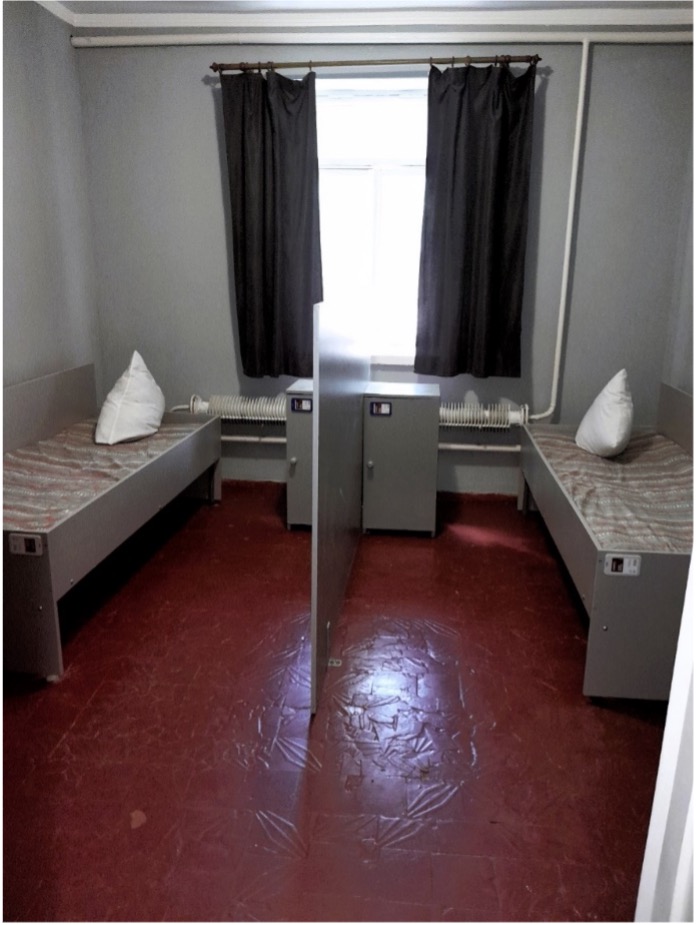
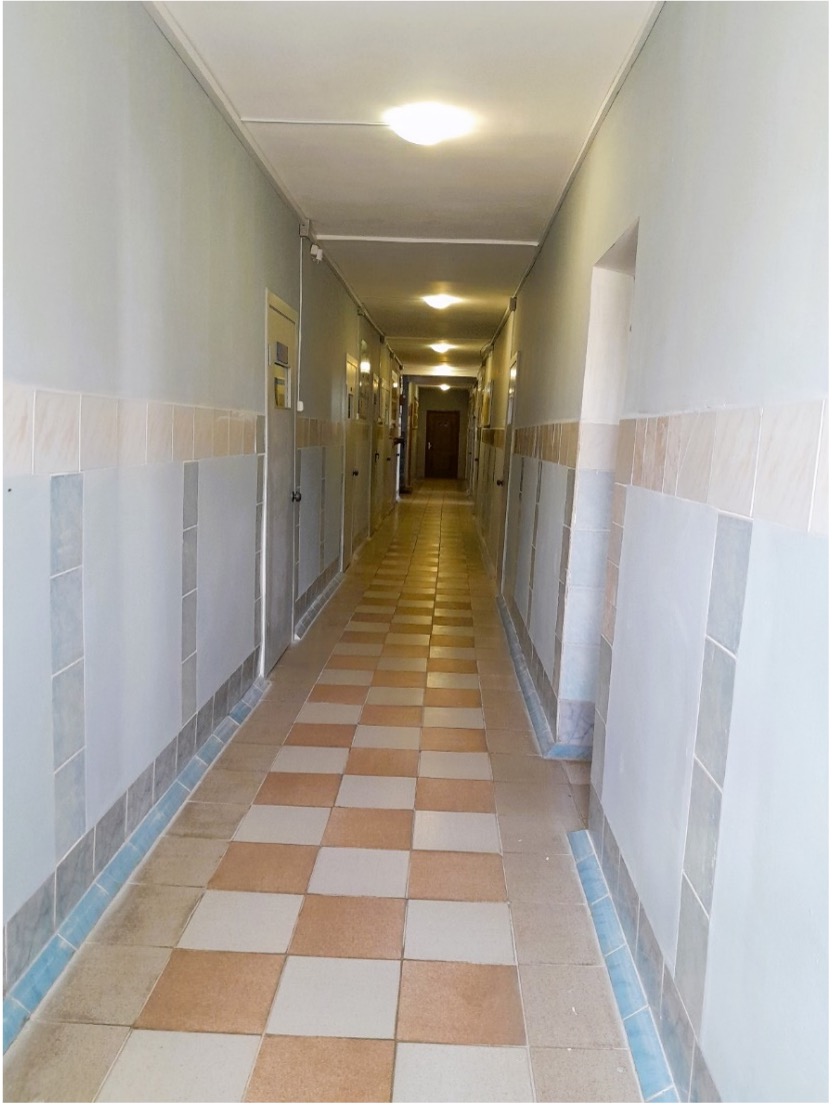
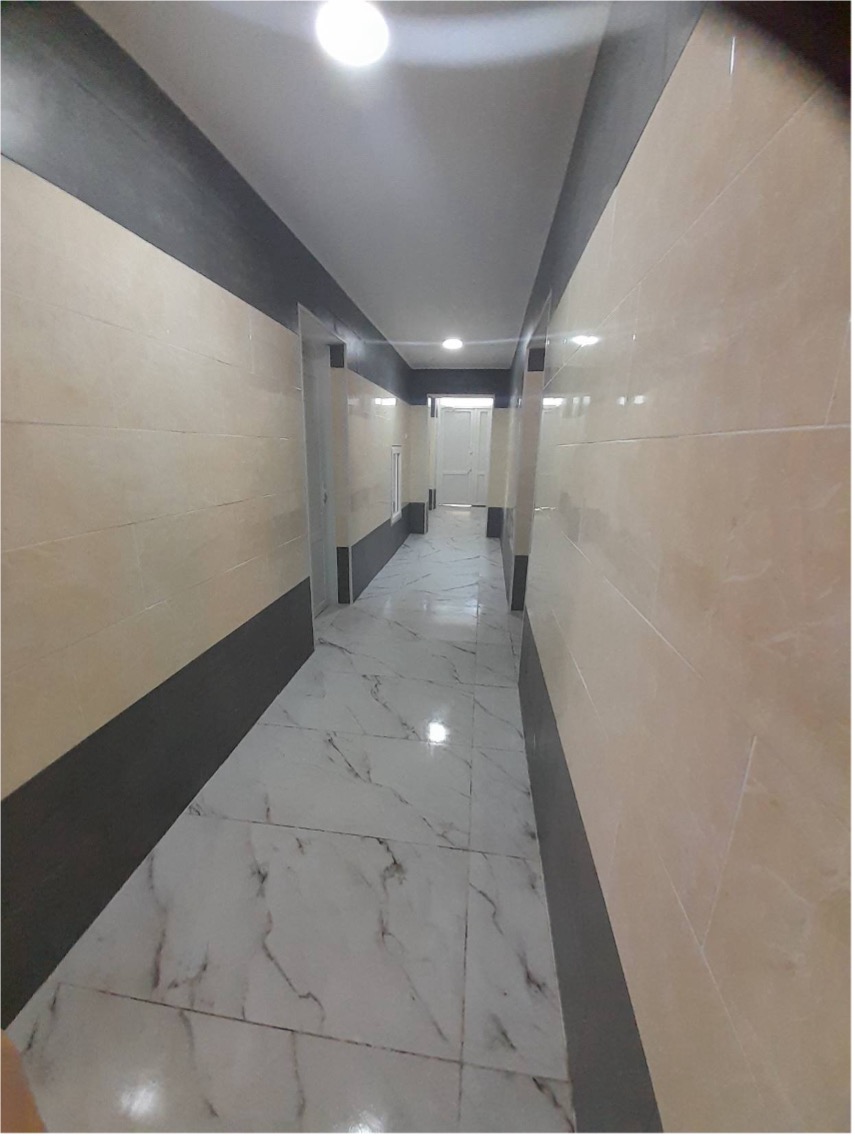
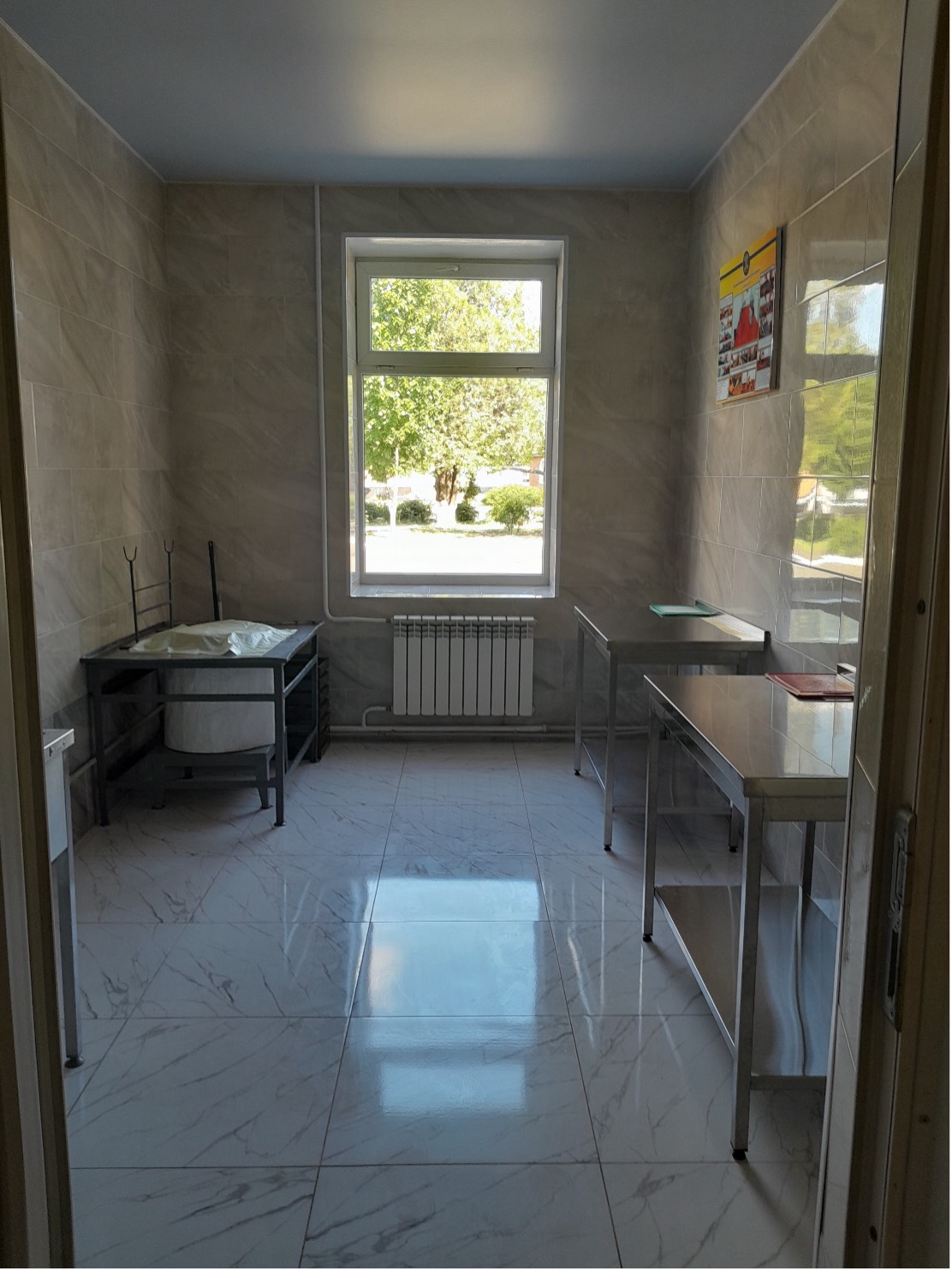
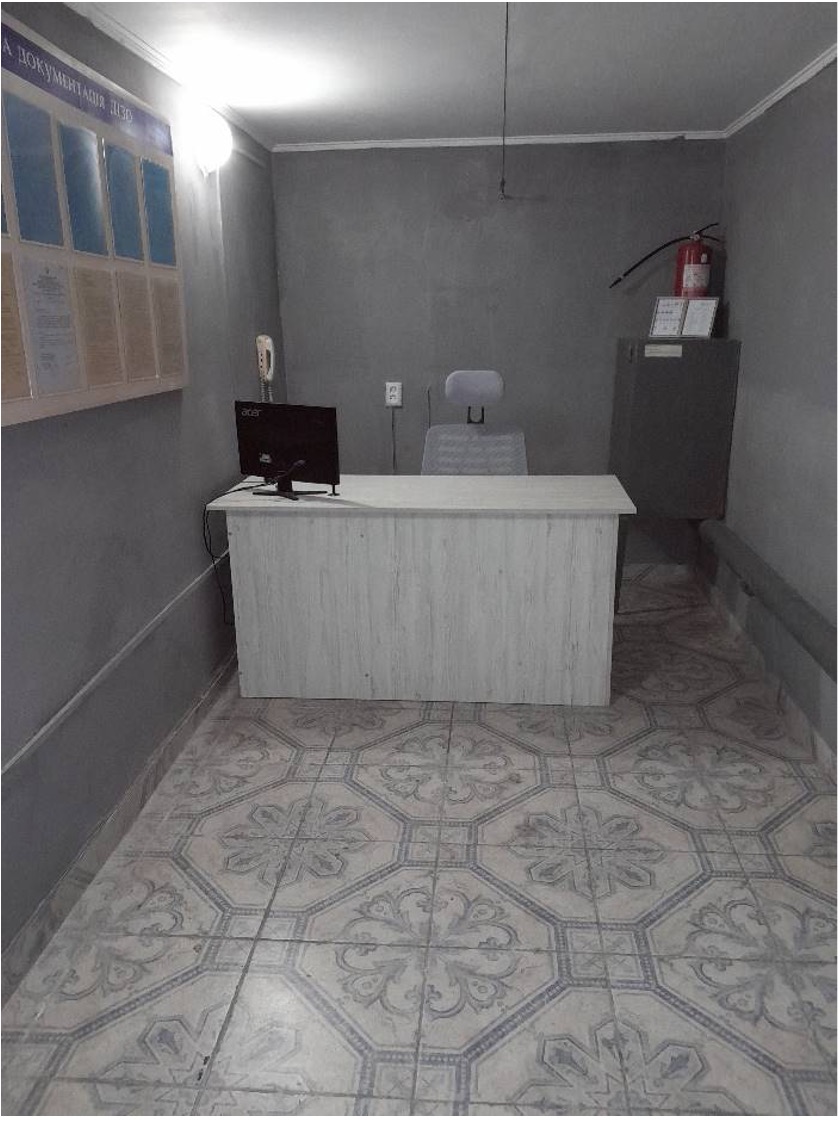
In implementation of the strategic goal “Creating proper conditions for the detention of convicts and persons taken into custody” of the Penitentiary System Reform Strategy for the period up to 2026, MCC-9 continues its course towards the humanisation of detention conditions: prisoner accommodation areas have been equipped to ensure individual space in SPS units, corridors have been renovated, wooden windows have been replaced with metal-plastic ones, and a room for storing personal belongings has been equipped in the DIU, as well as canteen corridors, canteen workshops, junior inspector rooms, and other premises.
Detected Violations of National and International Legislation
During the monitoring visit, violations of the requirements of national legislation and non-compliance with international recommendations in the field of prisoner treatment were identified, leading to violations of the rights of convicts:
1. During the visit to the institution, the monitoring group established that on the territory of the minimum-security correctional colony with low-security conditions (for men convicted for the first time for crimes committed through negligence), which, in accordance with Article 11 of the Criminal Executive Code of Ukraine (hereinafter — the CEC of Ukraine), is a closed-type penitentiary institution, there is a section for holding persons sentenced to restriction of liberty.
This does not comply with the requirements of Article 61 of the Criminal Code of Ukraine (hereinafter — the CC of Ukraine), according to which the punishment in the form of restriction of liberty involves holding a person in open-type penitentiary institutions (correctional centres) without isolation from society.
Furthermore, in accordance with Article 16 of the CEC of Ukraine, correctional centres execute punishments in the form of restriction of liberty for persons convicted of misdemeanours and minor crimes, as well as for persons to whom this type of punishment is prescribed in accordance with Articles 82 and 389 of the CC of Ukraine. Under these circumstances, holding persons sentenced to restriction of liberty on the territory of a correctional colony is an unjustified restriction of their right to freedom of movement, which may constitute a violation of the guarantees of Article 5 of the Convention for the Protection of Human Rights and Fundamental Freedoms.
In addition, in the current situation, it is impossible to ensure proper isolation between those sentenced to deprivation of liberty and those sentenced to restriction of liberty, which violates the requirements for their separate detention and contradicts the principles of dynamic security, as it makes effective control over the behaviour of different categories of convicts impossible and increases the risks of conflict situations.
2. The layout of the Quarantine, Diagnostics, and Distribution Ward (hereinafter — QDD) does not meet the standards for the treatment of prisoners and conditions of their detention in accordance with their needs. Since the institution has a section for holding persons sentenced to restriction of liberty, but the QDD ward is not equipped with separate rooms for accommodating newly arrived persons sentenced to restriction of liberty and those sentenced to deprivation of liberty, this leads to a violation of the requirements for their separate detention and contradicts the principles of dynamic security.
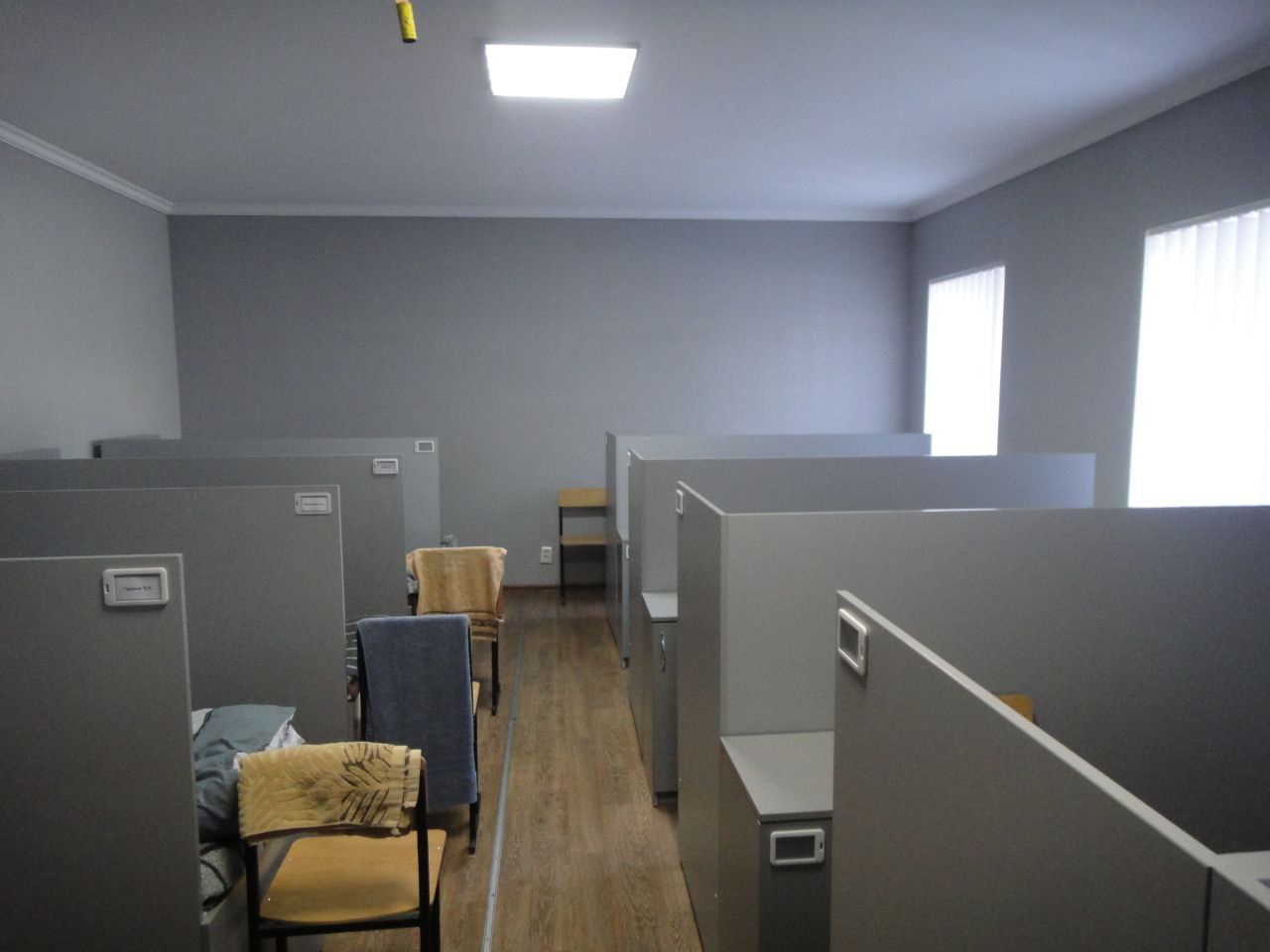
3. The monitoring group established that the material and living conditions of the QDD ward do not fully comply with established regulatory requirements. Specifically, in violation of the requirements of the Standards for the Provision of Furniture, Inventory, and Household Items for a minimum-security correctional colony with low-security conditions, approved by Order of the Ministry of Justice of Ukraine dated 27 July 2012 No. 1118/5 (hereinafter — Provision Standards), the ward lacks a number of premises, namely: a food storage room; a room for storing the exchange fund of bedding, clothing, and special protective gear; a storeroom for temporary storage of soiled bedding, clothing, and special gear; a cloakroom; a utility room; and a drying room.
The absence of these premises creates conditions that do not meet living standards, makes it impossible to properly adhere to sanitary and hygienic requirements, and complicates the maintenance of cleanliness and order in the living areas of convicts. Such a state of organisation of living conditions negatively affects the overall sanitary state of the institution and may pose a risk to the health of the persons held there.
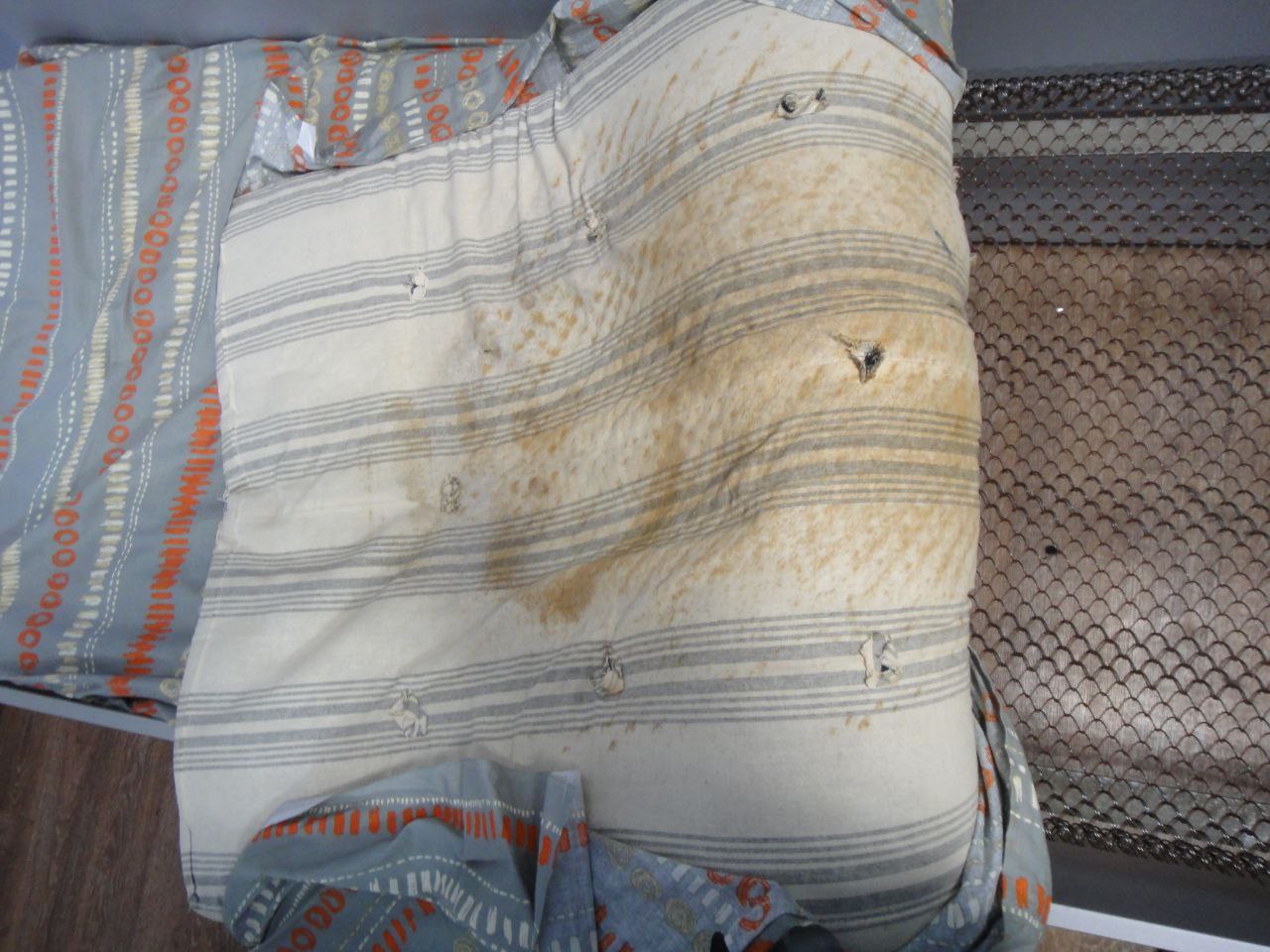
4. Some mattresses were in an unsatisfactory condition and did not meet sanitary and hygienic standards, and therefore require replacement. This contradicts Rule 21 of the UN Standard Minimum Rules for the Treatment of Prisoners (the Mandela Rules).
5. Contrary to the requirements of Rule 22.5 of the European Prison Rules and the Provision Standards, living quarters are not equipped with drinking water containers.
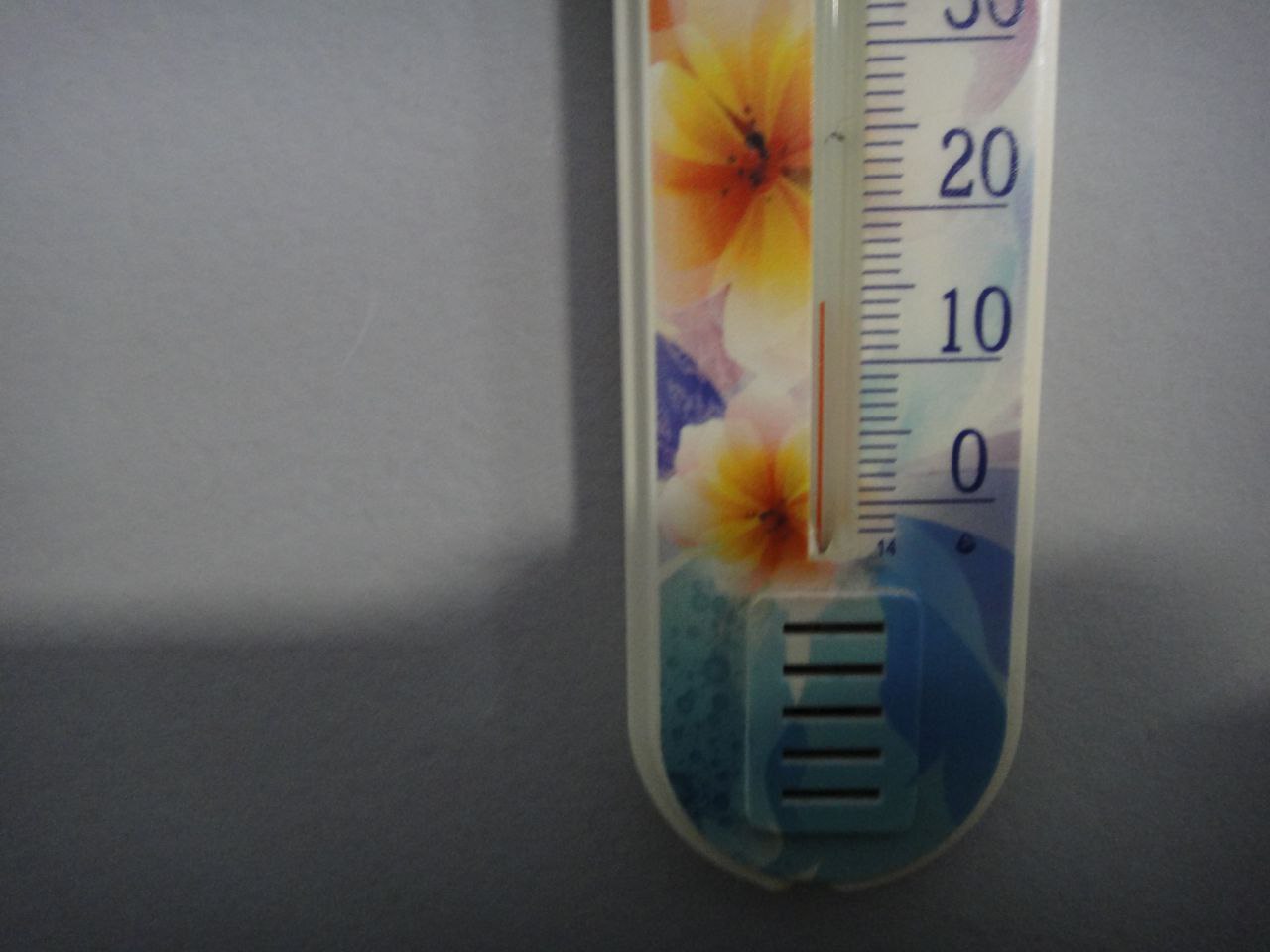
6. In the living quarters of the QDD ward, the monitoring group recorded a violation of the temperature regime. Thus, at the time of the inspection, the air temperature in the living quarters was +14 °C, whereas according to Clause 1 of Section XXII of the Internal Regulations of Penitentiary Institutions, approved by Order of the Ministry of Justice of Ukraine dated 28 August 2018 No. 2823/5 (hereinafter — IRPI), during the cold season, the temperature in the living quarters of penitentiary institutions must be maintained at a level no lower than +18 °C.
7. Clause 1 of Section XXIII of the IRPI defines that the supervision of convicts is a system of measures aimed at ensuring the serving and execution of criminal punishments in the form of restriction and deprivation of liberty, life imprisonment, and arrest through 24-hour and constant control over the behaviour of convicts in their places of residence and work, preventing and stopping illegal actions on their part, and ensuring the requirements of isolation of convicts and the safety of the personnel of penitentiary institutions.
Thus, during the inspection of the living quarters of the QDD ward, a video surveillance camera was found installed. At the same time, in its report in 2012, the European Committee for the Prevention of Torture and Inhuman or Degrading Treatment or Punishment (hereinafter — the Committee) criticised excessive interference in privacy through the installation of video cameras in living quarters: “The Committee agrees that video surveillance in cells can be a useful safeguard in certain cases, for example, when a person is considered a risk of self-harm or suicide, or if there are specific suspicions that a convict is committing certain acts in the cell that could jeopardise safety.
However, any decision to apply video surveillance to a specific convict should always be based on an individual assessment of real risks and must be reviewed frequently on a regular basis. Video surveillance is a serious interference with the privacy of prisoners and makes the regime even more repressive, particularly when applied for long periods. (CPT/Inf (2013) 23) paragraph 52).”
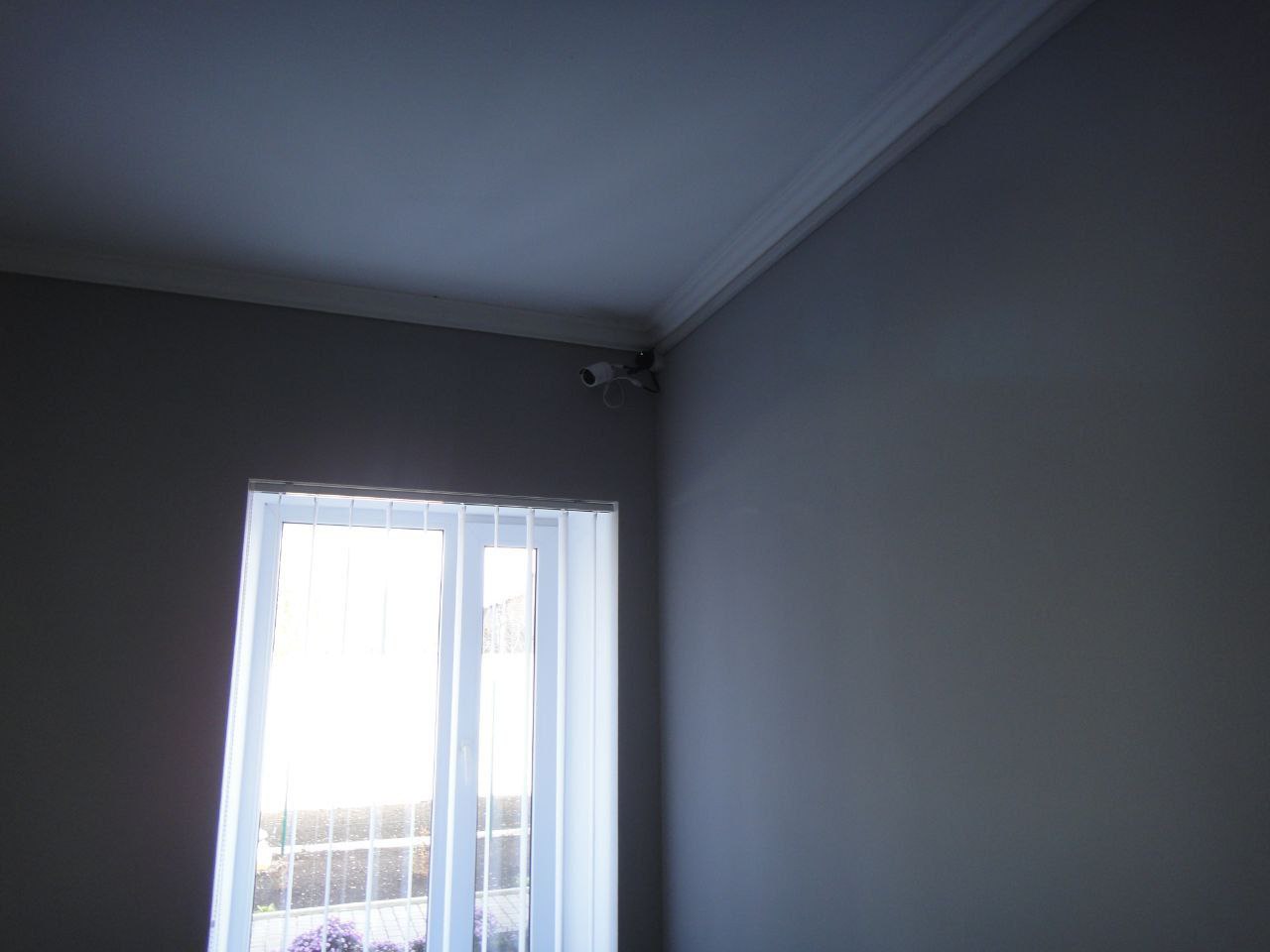
8. The institution's administration has not fully ensured the right of convicts to access the internet, and the procedure for providing such access only partially meets the established requirements. Specifically, on the territory of the Quarantine, Diagnostics, and Distribution Ward, there are no conditions for the realisation of the convicts' right to access the internet, provided for by Part 7 of Article 110 of the Criminal Executive Code of Ukraine, through the use of tablets. There is no Wi-Fi access point in the QDD ward.
9. The layout of certain premises of the institution's disciplinary isolation unit (hereinafter — DIU) does not meet the standards for the treatment of prisoners and conditions of their detention in accordance with their needs. Thus, due to the small size of the window in cell No. 5 of the DIU, a sufficient level of natural lighting is not ensured, as a result of which natural light practically does not penetrate the room. Such a state creates additional psychological pressure on the convicts and reinforces the feeling of isolation.
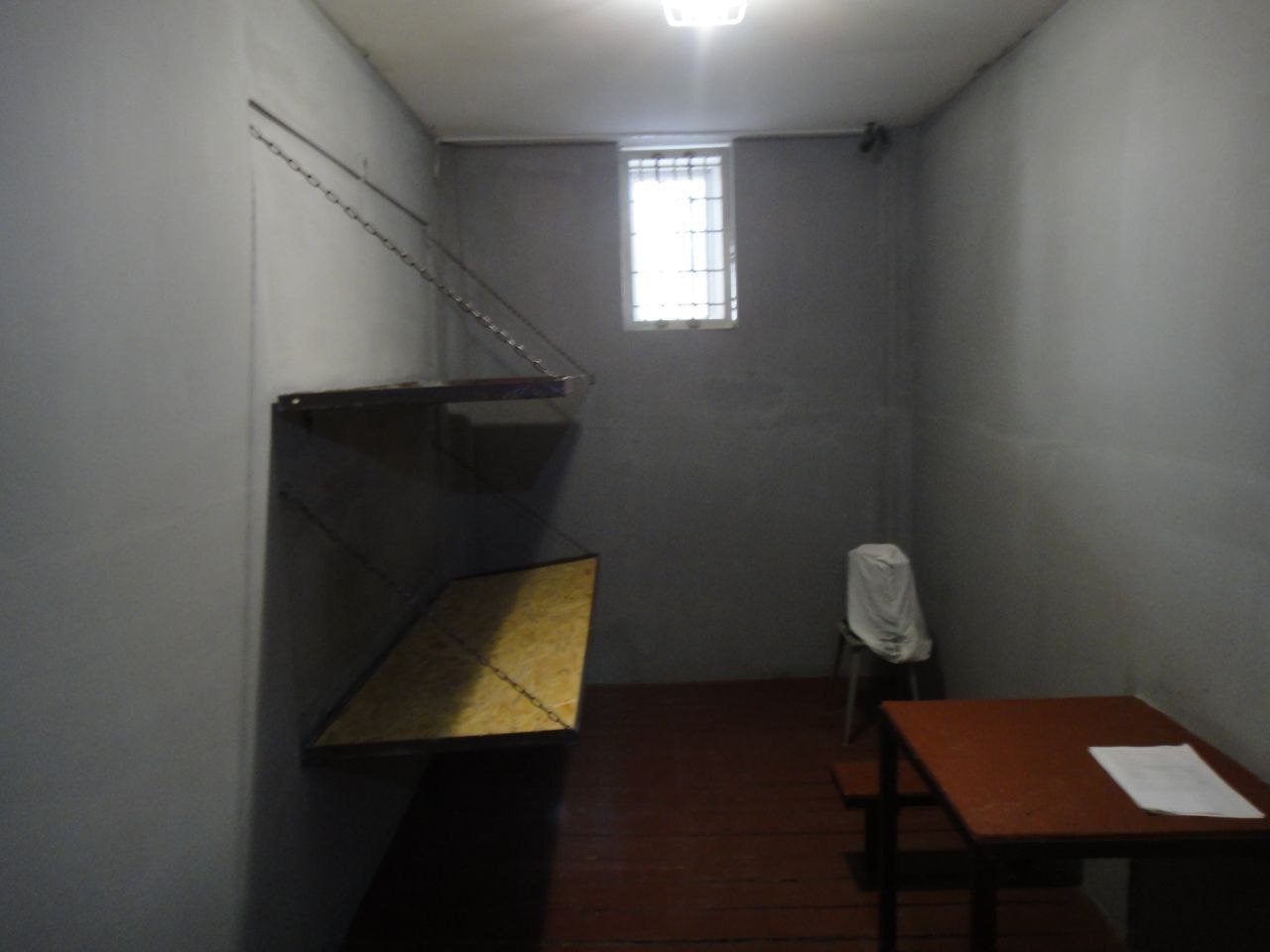
10. There is no radio installation in the DIU cells, which contradicts the requirements of Clause 3 of Section XX of the IRPI and Clause 63 of the UN Standard Minimum Rules for the Treatment of Prisoners.
11. According to the twenty-third paragraph of Clause 6 of Section XXI of the IRPI, to provide medical assistance, the head of the medical unit (the duty doctor) visits the DIU, punishment cells, and Pre-trial Detention/Intensive Supervision cells daily and, if necessary, conducts medical examinations of convicts. At the same time, during the inspection of the Logbook of Visits to the Disciplinary Isolation Unit by Medical Personnel, the absence of relevant records regarding visits to the DIU by a medical worker was established for the period from 26 September 2025 to 28 September 2025, when convicts serving disciplinary penalties were present there.
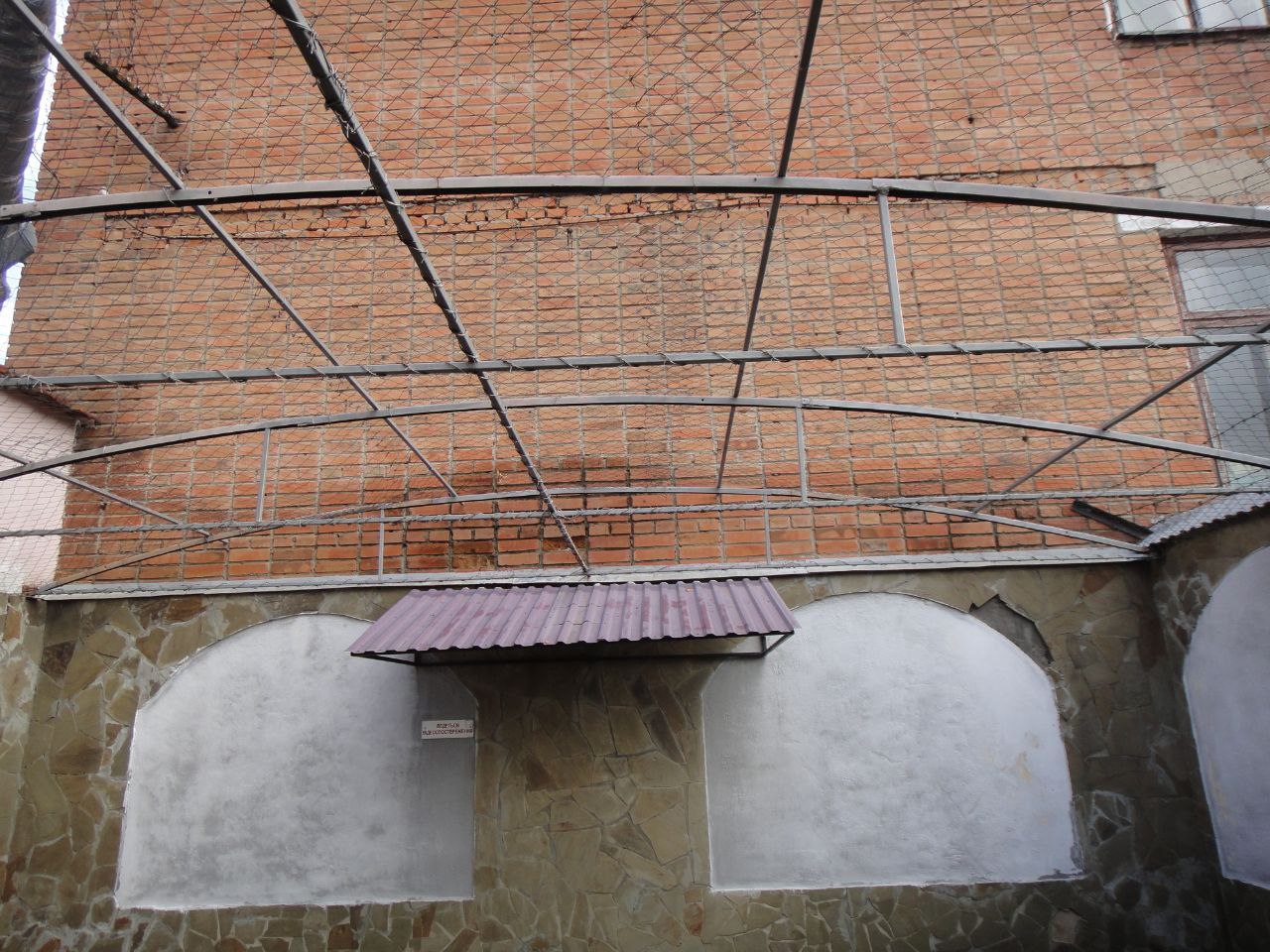
12. Walking yards are not equipped with proper shelter for protection against atmospheric precipitation. At the same time, the Committee, in its second General Report, emphasises that the daily stay of persons in the fresh air should be carried out on a site of sufficient area, and the walking zones themselves should, as far as possible, be equipped with shelter in case of adverse weather conditions (CPT/Inf (92) 3) paragraph 48).
13. In violation of the requirements of the Provision Standards, the institution lacks a club facility, the presence of which is a mandatory condition for the organisation of cultural, mass, educational, and awareness-raising work with convicts, as well as for the realisation of their right to participate in socially beneficial programmes, leisure activities, and social-educational events.
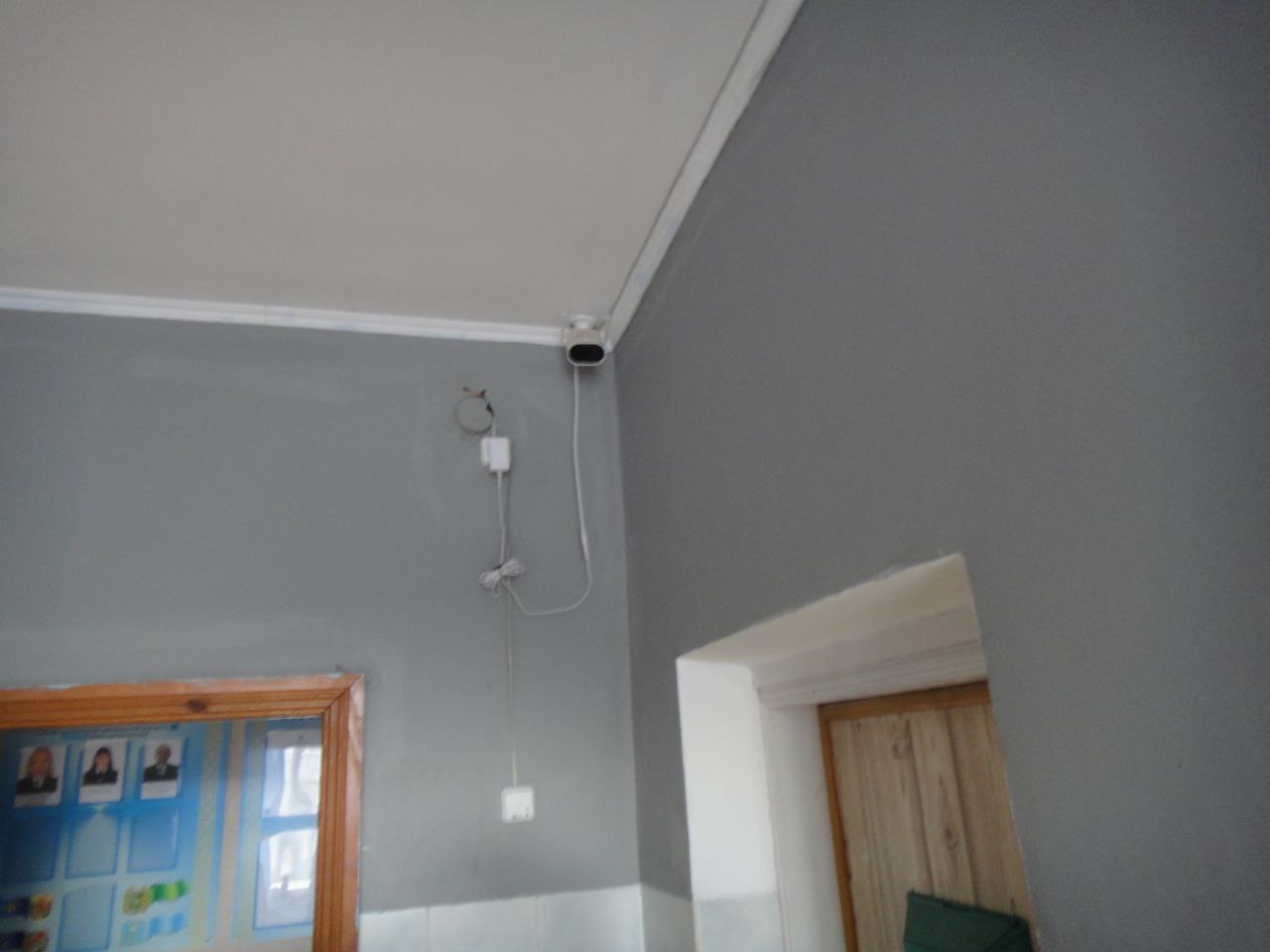
14. In the search room, the monitoring group recorded an installed video surveillance camera. However, according to Clause 8 of Section VII of the Procedure for the Use of Technical Means of Supervision and Control in Correctional and Educational Colonies of the State Criminal Executive Service of Ukraine, approved by Order of the Ministry of Justice of Ukraine dated 26 June 2018 No. 2025/5 (hereinafter — Procedure for the Use of Technical Means of Supervision and Control), it is prohibited to use video cameras and portable video recorders in premises (cells) where medical examinations (checks) of convicts are conducted, personal strip searches, as well as in wards of medical units.
15. According to Clause 17 of Section V of the Regulation on the Organisation of Food Provision in the State Criminal Executive Service of Ukraine during Peacetime, approved by Order of the Ministry of Justice of Ukraine dated 15 June 2021 No. 2160/5, daily samples of each dish of the ration must be kept in the institution's canteen every day. The sampling is carried out by the cook from the pot in the presence of a medical worker of the healthcare facility in a clean dish with a lid (previously washed and boiled) before the food is served.
Daily samples are stored in the canteen refrigerator at a temperature of +4 to +8 °C and must be kept for 24 hours until the end of the equivalent meal the next day. However, in violation of these requirements, during the inspection of the canteen refrigerator, the monitoring group established the absence of dinner samples for 21 October 2025, as well as breakfast and lunch samples for 22 October 2025 according to standard No. 8B.
16. The monitoring group established a number of violations in the organisation of laundry and bathing services for convicts and detainees. Thus, in violation of Clause 2.14 of Section II of the Regulation on the Organisation of Laundry and Bathing Services for Persons Held in Penitentiary Institutions and Pre-trial Detention Centres, approved by Order of the Ministry of Justice of Ukraine dated 8 June 2021 No. 849/5 (hereinafter — the Regulation), the institution does not provide hairdressing services to convicts and detainees.
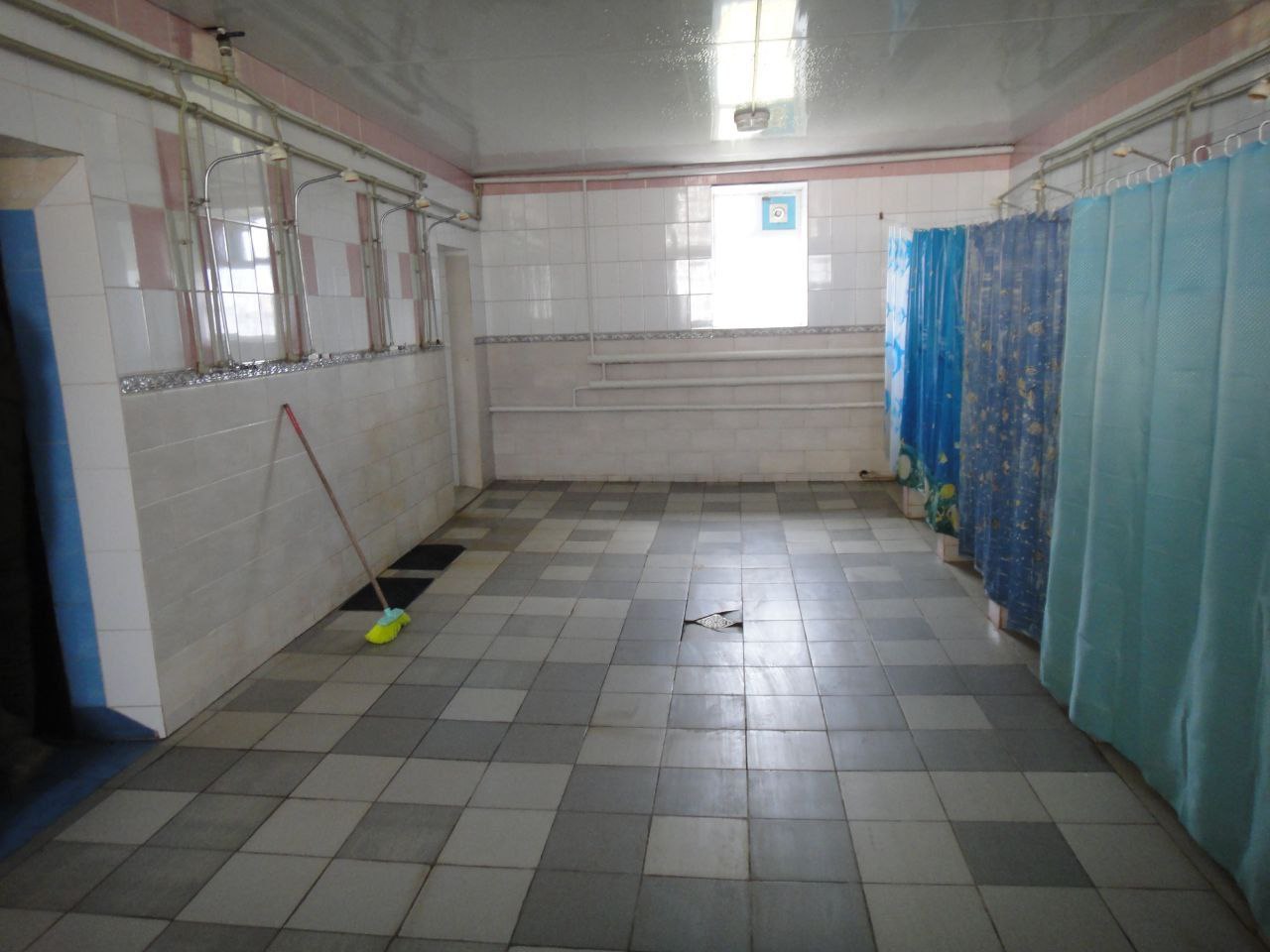
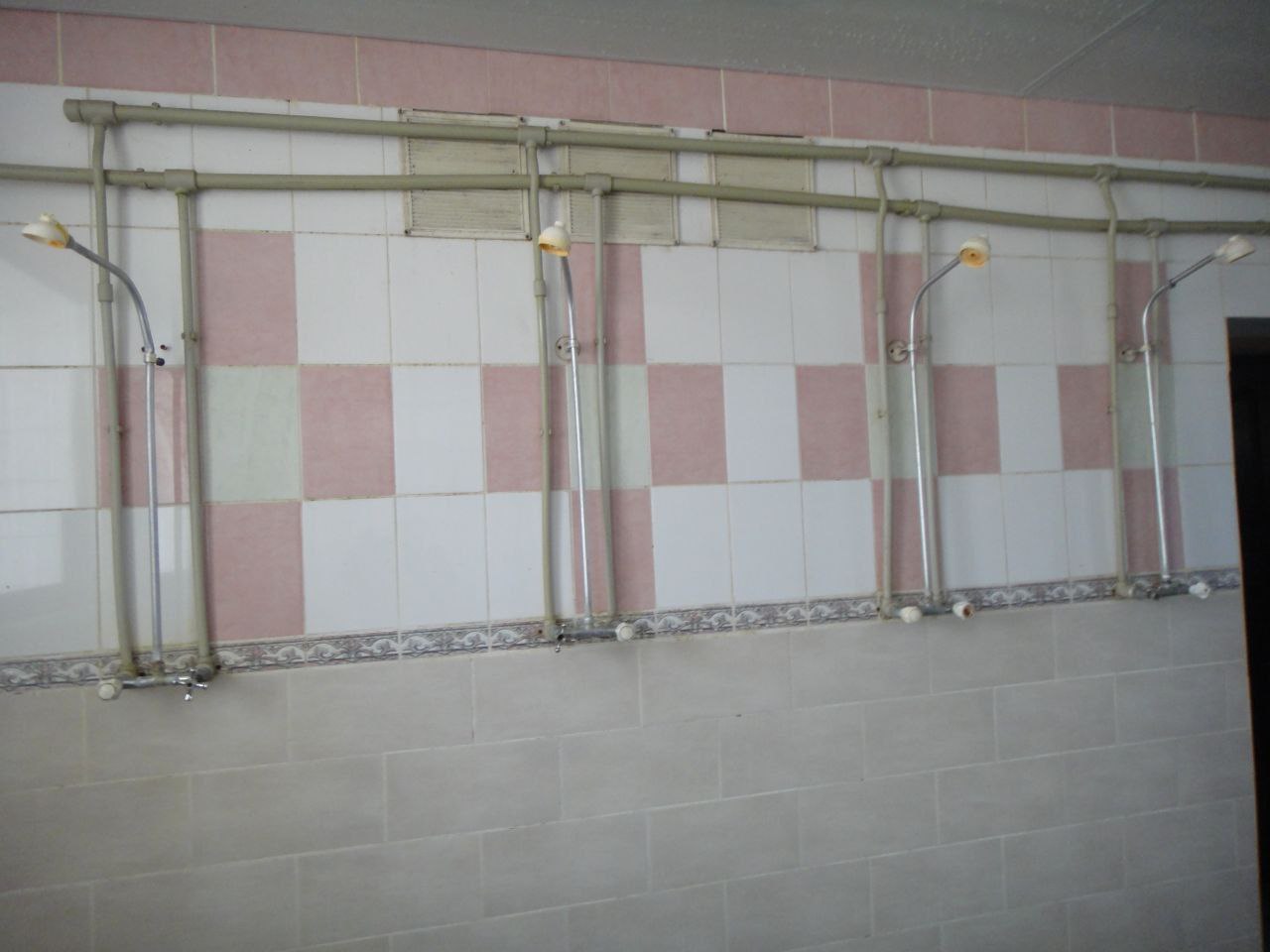
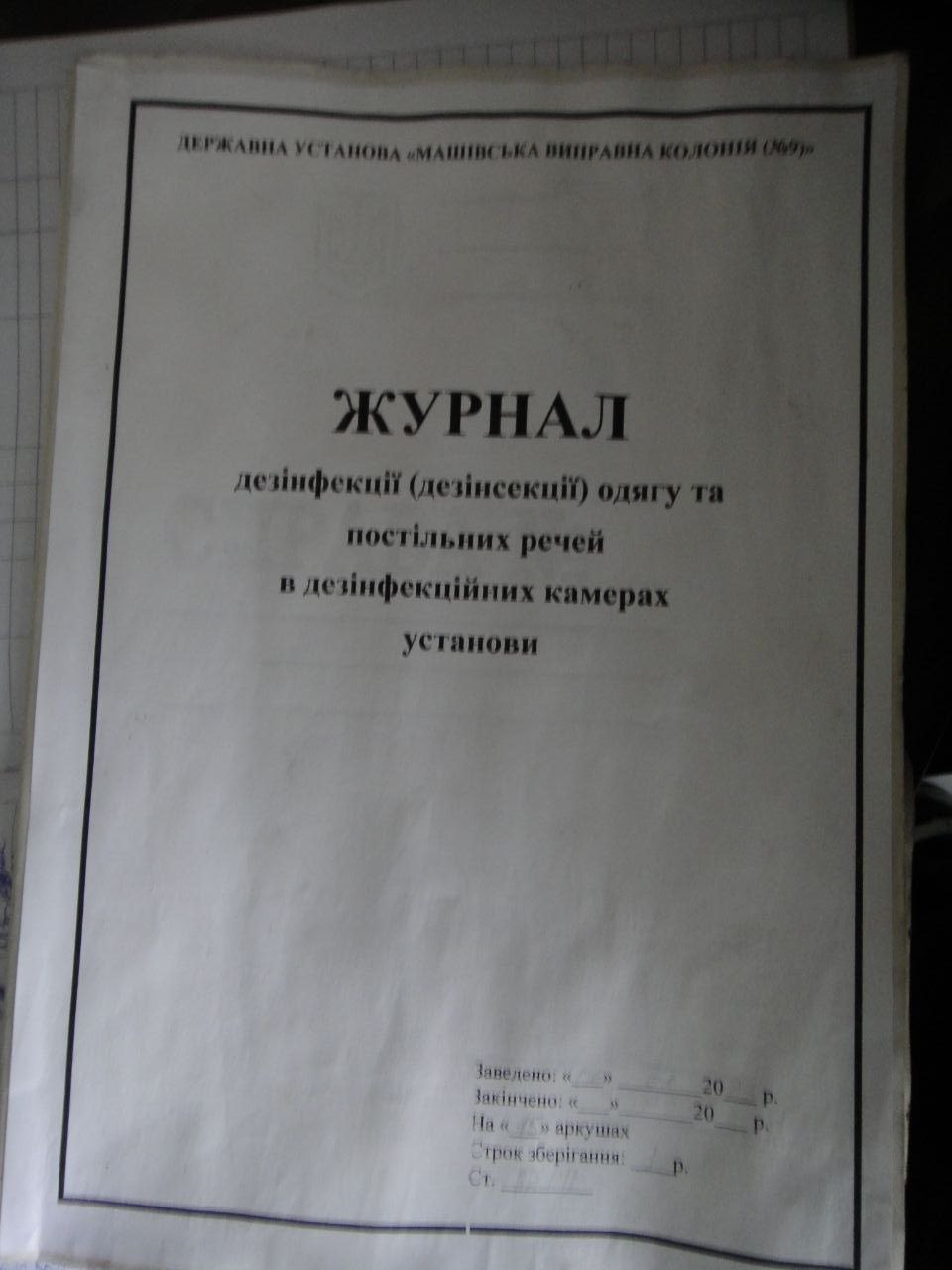
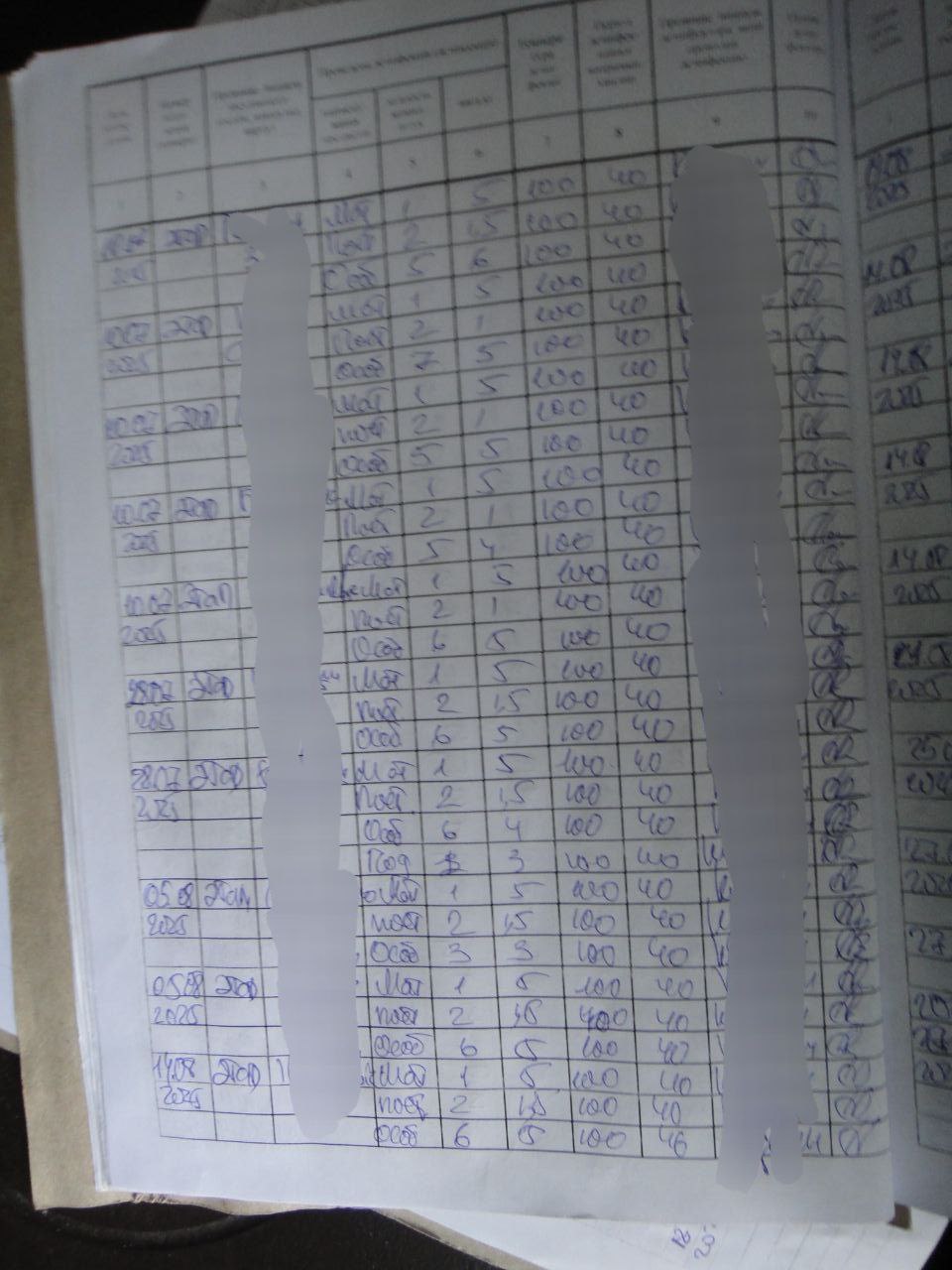
In violation of the requirements of Clause 2.11 of Section II of the Regulation, the forced supply-and-exhaust ventilation system in the shower rooms of the QDD, DIU, and laundry is not working. In violation of Clause 3.19 of Section III of the Regulation, sanitary processing of convicts is not carried out in full. In particular, the disinfection chamber does not undergo monthly planned disinfection (destruction of pathogenic microorganisms) and disinsection (destruction of insects and ticks — vectors of infectious diseases) of personal clothing and bedding (pillows, mattresses, blankets). Only items used in the QDD ward during the reception of persons arriving at the institution are subject to processing, which is confirmed by records in the Logbook of Disinfection (Disinsection) of Clothing and Bedding in the Disinfection Chamber.
In violation of the requirements of Rule 19.3 of the European Prison Rules, the right to privacy is not respected in the sanitary inspection room due to the absence of shower partitions and curtains. During conversations with convicts, the monitoring group established that convicts have the opportunity to visit the bathhouse only once a week. This violates the requirements of Clause 19.4 of the European Prison Rules. In violation of the requirements of Appendix 3 to the Regulation, the laundry room lacks the required premises, namely: a restroom with a washbasin and a shower for staff.
17. During the visit, the monitoring group recorded that the institution's personnel who are in direct contact with convicts openly carry special equipment, including rubber batons. However, according to the eighth paragraph of Clause 1 of Section XXVI of the IRPI, the carrying of special equipment by personnel of penitentiary institutions within the territory of the guarded penitentiary institution should, if possible, be kept as concealed as possible from those around them.
At the same time, the Committee recommends that penitentiary staff working in direct contact with prisoners should not carry special equipment (such as rubber batons, handcuffs, and tear gas canisters) openly in front of prisoners. Such carrying hinders the establishment of normal relations between staff and prisoners (CPT/Inf (2011) 29) paragraph 85; (CPT/Inf (2013) 23) paragraph 23; (CPT/Inf (2014) 15) paragraph 166).
18. In accordance with Subparagraph 5 of Clause 2 of Section IV of the Regulation on the Programme of Differentiated Educational Influence on Convicts “Preparation for Release,” approved by Order of the Ministry of Justice of Ukraine dated 16 May 2016 No. 1418/5, registered with the Ministry of Justice of Ukraine on 17 May 2016 under No. 735/28865, the staff of the institution’s socio-psychological service, who directly organise and carry out measures to implement the “Preparation for Release” programme, are obliged to provide assistance to convicts in obtaining (renewing) a passport of a citizen of Ukraine, the taxpayer registration card number (TRCN), other personal documents, as well as in applying for pensions.
At the same time, 5 convicts are in need of obtaining a passport of a citizen of Ukraine, and 2 are in need of obtaining a TRCN, which indicates insufficiently conducted work by the social-educational and psychological work department regarding ensuring the issuance of necessary documents for convicts who do not have them.
19. According to official documentation, the staff shortage in the institution as of 22 October 2025 is 7 authorised positions. At the same time, in the report of the Government of Ukraine following the visit in 2023, the Committee emphasises that ensuring a positive climate in a penitentiary institution requires a professional team of staff who must be present in sufficient numbers at any given time in places of detention. Insufficient staff numbers can only increase the risk of violence and intimidation among convicts.
A shortage of frontline staff also undermines the quality and level of measures offered to convicts and jeopardises the prospect of preparation for release and social rehabilitation. In this regard, the Committee calls on the Ukrainian authorities to take decisive measures to significantly increase the number of staff in penitentiary institutions of Ukraine, where a low level of staffing is observed, with the aim of strengthening the presence of security and supervision service staff inside the institutions. Measures must also be taken to put an end to 24-hour shifts for staff on duty (CPT/Inf (2024) 20) paragraph 93).
20. On the territory of MCC-9, there is a shelter for convicts that is in a satisfactory technical condition: it has two exits, which ensures the possibility of safe evacuation, and is equipped with working mechanical ventilation and an alternative manual air supply system suitable for use in case of power failure.
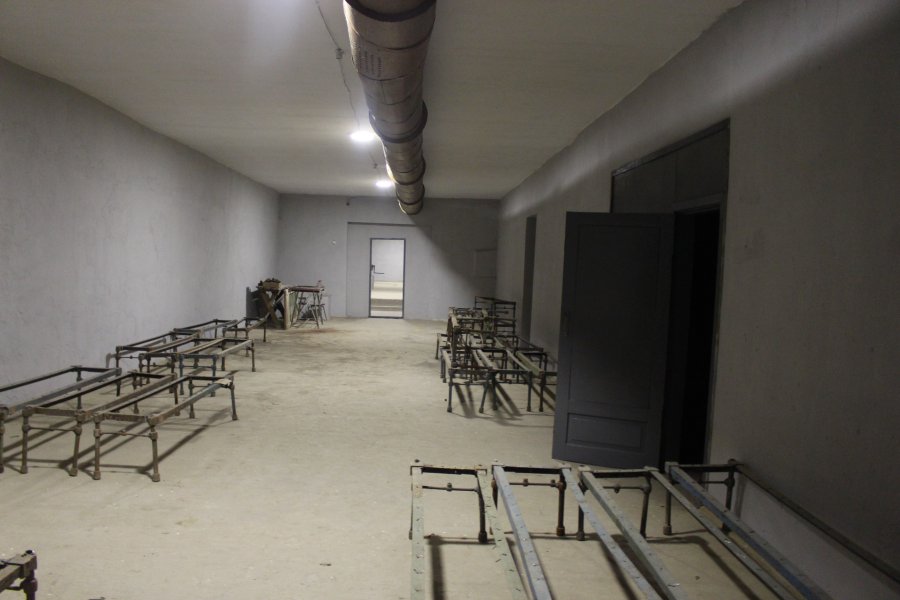
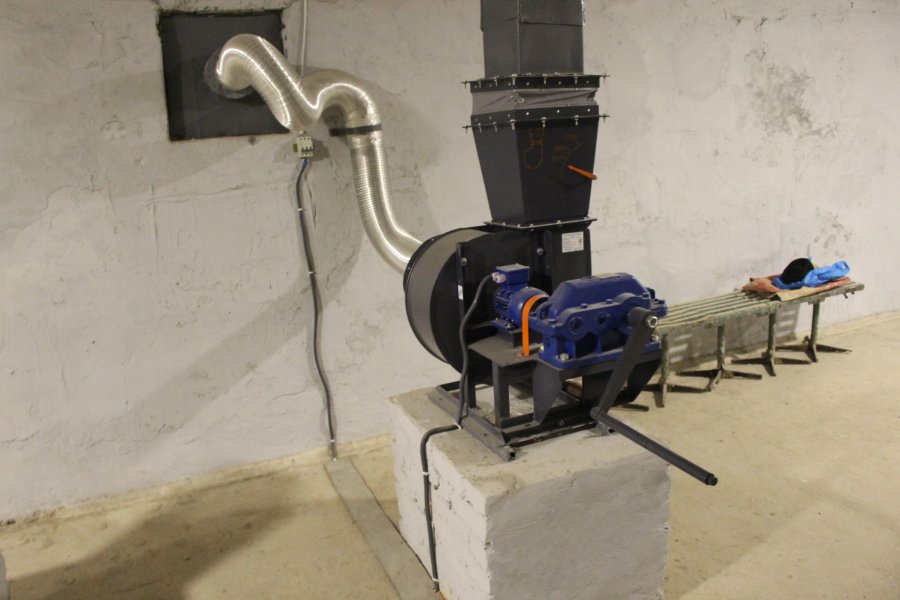
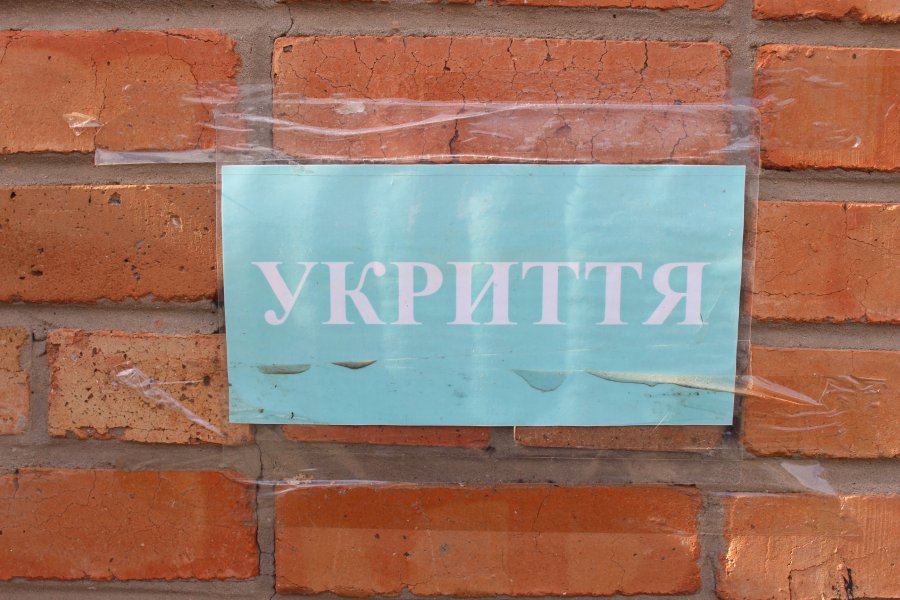
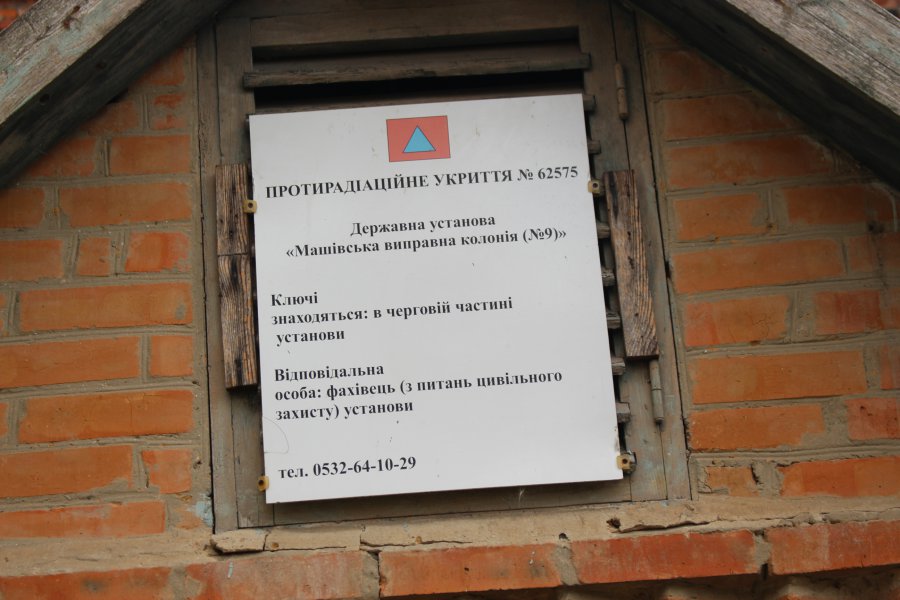
Internal premises are dry, illuminated, and cleaned, although some metal seating structures are worn and require repair. The sewage system is in the process of restoration, which limits the possibility of a large number of people staying underground for a long time. During the monitoring, it was established that the shelter is effectively accessible and can be used for its intended purpose in the event of an air raid siren. Informational signs and the facility’s passport are posted properly, and the keys are in the duty unit.
At the same time, the inspection report confirms that a portion of the electrical networks and certain structural elements require updating or additional fire-retardant treatment. This does not render the shelter unsuitable, but indicates the need for timely maintenance to bring the structure into full compliance with the requirements of State Building Norms (DBN) and Fire Safety Rules (PPBU).
Outside the colony, there is a second shelter intended for the institution's employees, which simultaneously serves as a civil protection facility for the local community. It is used by teachers, children from the local school, and residents of nearby areas during air raid sirens. This shelter is equipped with a second evacuation exit, a ventilation system, and sewage, ensuring the possibility of safe and relatively long-term stay for the population. The shelter is in working order and plays an important role in ensuring community safety under martial law.
21. During the monitoring visit, it was established that at MCC-9, the work of convicts is organised in several main forms: work in production workshops, engagement in utility services, work in the canteen, and the performance of work at contractor facilities — a branch of the State Enterprise “Enterprise of the State Criminal Executive Service of Ukraine” and LLC “T.”. Formally, convicts are employed on the basis of fixed-term employment contracts. However, the analysis established that these contracts do not ensure comprehensive compliance with labour rights, and a portion of their provisions is declarative in nature and does not correspond to the actual working conditions.
In total, more than 80 convicts are engaged in work, however, the level of pay and the work regime do not meet the requirements of the Constitution of Ukraine, the Labour Code of Ukraine, the CEC of Ukraine, and international human rights standards. At least 19 convicts work in the workshops. Types of work include locksmithing, woodworking, repair, and other operations. An analysis of wage calculation statements for September 2025 showed that the standard is 134–170 hours/month, and convicts receive from 164 UAH to 1,800 UAH as payment. Most payments do not even reach 10% of the minimum wage, which indicates a violation of Articles 95–96 of the Labour Code of Ukraine.
The following violations were identified: lack of proper personal protective equipment; lack of proof of safety briefings; work involving increased hazards performed without medical examinations; undefined job duties; lack of transparency in the mechanism of wage deductions. At least 19 convicts work in utility services: cleaners, warehouse workers, laundry workers, boiler room workers, and auxiliary labourers. Pay levels: convict S. — 567 UAH, T. — 346.5 UAH, S. — 3,272 UAH. Most workers receive from 300 to 700 UAH, which is incompatible with Articles 95–96 of the Labour Code and Article 118 of the CEC of Ukraine.
The canteen is one of the most heavily burdened work areas in the colony. The vast majority of canteen workers work 12–15 hours a day, which is 2–3 times the legislative norm. Convicts: N. — works daily from 06:00 to 21:00; K., L. — daily work without days off; T., G., S. — a similar regime. Such duration of work grossly violates Articles 50–52 of the Labour Code of Ukraine, the Mandela Rules (Rule 103), and the European Prison Rules (EPR 26.7).
Wages range from 160 UAH to 1,200 UAH, on average — 300–700 UAH/month, with actual workload at the level of a full production shift. In the logbook for the registration of cutting and piercing objects for persons working in the canteen, it was established that knives are issued to one person for everyone, without personal signatures and proper control. Such a practice creates risks for both staff and convicts. The logbook of daily inspections of canteen workers shows that medical examinations are carried out daily, without days off and without skips on holidays or non-working days. This is direct proof that a certain portion of convicts work without days off, which contradicts Articles 50–52 of the Labour Code of Ukraine, Article 118 of the CEC of Ukraine, the Mandela Rules, and the EPR. The existence of formally daily medical checks does not compensate for the systemic violations of work duration and working time regime.
Convicts work at a branch of the State Enterprise of the SCES of Ukraine and at LLC “T.”. Wages range from 490 UAH to 3,000 UAH, after deductions — 800–1,800 UAH. It was also found: lack of overtime pay; discrepancy between pay and hours worked; lack of briefings and PPE; engagement in high-risk work without medical examinations; discrepancy between contract terms and the actual content of employment relationships. Having analysed the fixed-term employment contracts, one can conclude that the contracts contain general phrases and do not define a specific workplace, an established schedule, a list of functional duties, or safety conditions.
The contracts state: “duration of work does not exceed 3.5 hours.” In fact, convicts work 12–15 hours, which indicates the formality of the contract content. The contracts claim that convicts have been informed about occupational safety, however, convicts reported that briefings were not conducted for them. There are no provisions for minimum guarantees, and the actual payment is 5–10% of the minimum wage. Thus, the contracts do not comply with ILO Convention No. 29, the Mandela Rules (Rules 103–105), and the European Prison Rules (EPR 26.1–26.10).
The monitors established that in one production workshop, persons sentenced to deprivation of liberty and persons sentenced to restriction of liberty work simultaneously. Such a practice contradicts the requirements of Article 92 of the CEC of Ukraine regarding the separate detention of different categories of convicts. It is important that the logbook of hourly checks of those present in the workshop indicates only the total number of workers without distribution by legal status, which makes it impossible to control the fact of unauthorised mixing of contingents. This creates additional security risks, violates the principle of classification of convicts, and testifies to a formal approach to the registration and individual control of persons engaged in work.
The NPM monitoring group established that the labour of convicts is organised with systemic violations: wages are extremely low and do not meet the legislation; canteen workers work without days off and with excessive working days; fixed-term employment contracts do not ensure labour guarantees; briefings and PPE are missing; safety logs are kept formally. Thus, the state of compliance with the right to work at MCC-9 is assessed as not meeting the standards of the Labour Code of Ukraine, the CEC of Ukraine, and international standards, and requires an immediate response.
Medical Post No. 9 of the Branch of the State Institution “Centre for Health Care of the State Criminal Executive Service of Ukraine in the Poltava Region”
Medical post No. 9 is a structural subdivision of the branch of the Centre for Health Care of the SCES of Ukraine, which provides pre-medical and emergency medical assistance to convicts on the territory of the penitentiary institution. Main tasks: providing pre-medical and emergency medical care, conducting health-educational work, referring patients to healthcare facilities for further examination and treatment, rational use of resources, and ensuring safe working conditions.
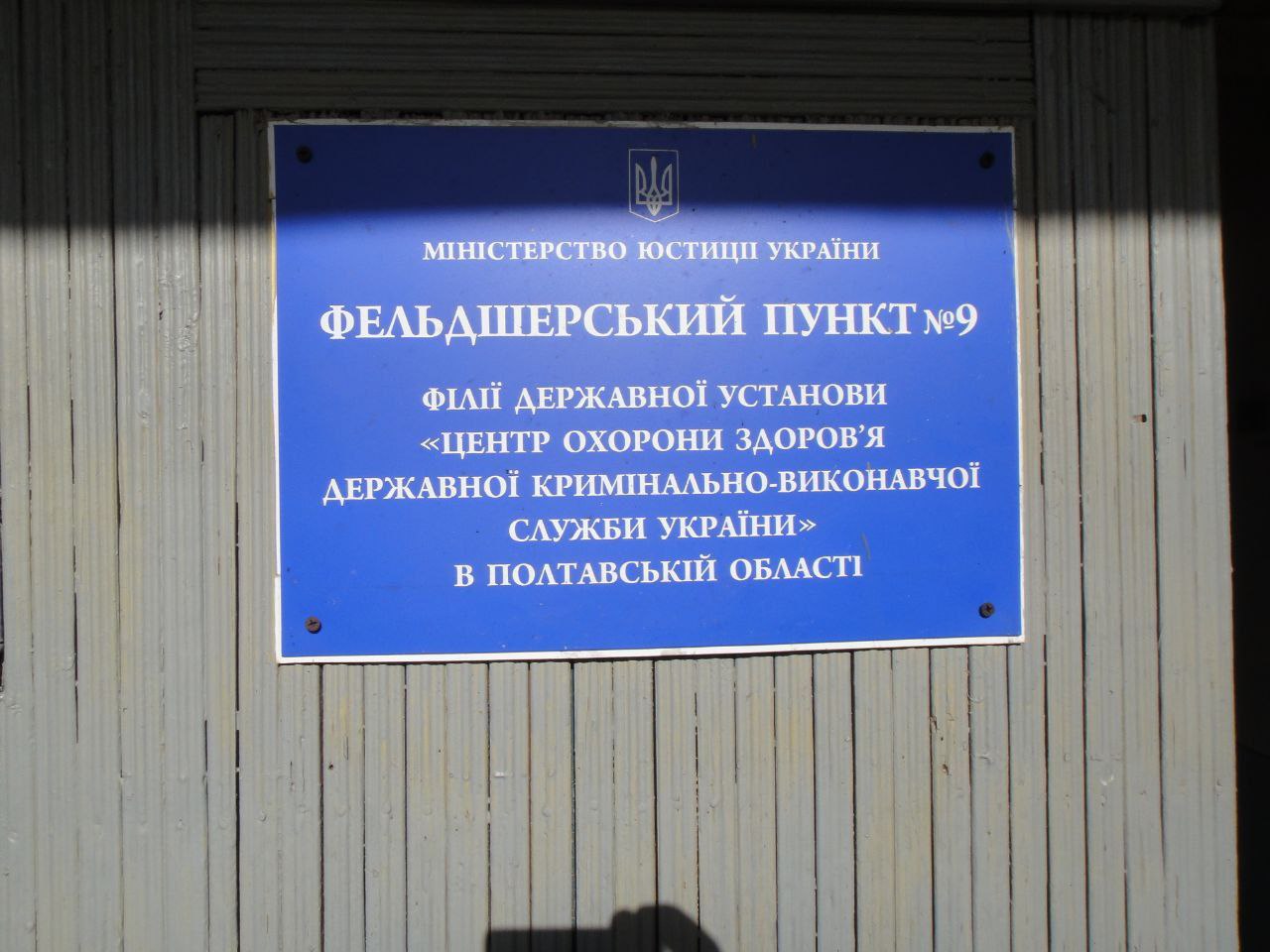
The medical post feldsher is S. A. Kosytsia.
During the monitoring visit, violations of the requirements of national legislation and non-compliance with international recommendations in the field of prisoner treatment were identified, leading to violations of the rights of convicts:
1. During the visit to the medical post, the monitoring group established a violation of the requirements of Clause 4 of Section I of the “Procedure for organising the provision of medical assistance to persons sentenced to deprivation of liberty,” approved by Order of the Ministry of Justice of Ukraine and the Ministry of Health of Ukraine dated 15 August 2014 No. 1348/5/572 (hereinafter — the Procedure), which provides for mandatory 24-hour duty of medical personnel in healthcare facilities of the State Criminal Executive Service of Ukraine.
The identified violation indicates the impossibility of ensuring the continuous provision of medical assistance to convicts, including in situations requiring urgent medical intervention. This contradicts Rule 27 of the UN Standard Minimum Rules for the Treatment of Prisoners (the Mandela Rules), which stipulates that in emergencies, penitentiary institutions must ensure immediate access to medical care.
Furthermore, in accordance with Clause 34 of the Third General Report of the European Committee for the Prevention of Torture and Inhuman or Degrading Treatment or Punishment (CPT/Inf (93) 12-part), persons deprived of liberty must have the opportunity to access a doctor at any time, regardless of the regime of their detention.
2. During the visit, the monitoring group established that medical personnel do not ensure proper recording and documentation of bodily injuries of persons deprived of liberty. In accordance with Clauses 3 and 4 of Chapter 1 of Section II of the Procedure, in case of detecting bodily injuries on a convict, the medical worker prepares a certificate in three copies, in which details are specified: information (written statement, oral or written explanation of the convict regarding the circumstances of receiving bodily injuries (date, time, place of injury, methods of inflicting the injuries, information about the person(s) who, in the convict's opinion, inflicted them), as well as other information regarding receiving bodily injuries); a comprehensive description of medical indicators characterising the convict's state of health, the nature of the injuries, their size and location; assumptions of the medical worker based on the information provided by the convict and medical indicators, as well as the justification of their correlation.
Photographs of the convict's existing bodily injuries are attached to the certificate. Two copies of the certificate are attached to the personal file and the outpatient medical record No. 025/o, and the third copy is given to the convict. The medical worker informs the prosecutor and the administration of the penitentiary institution about the fact of detecting bodily injuries immediately, but no later than 24 hours from the moment of their detection, by phone, email, and written notification, and in cases where the convict reports that the bodily injuries were inflicted by officers of the rank and file and/or command staff of the SCES of Ukraine or by employees of other law enforcement agencies — also to the State Bureau of Investigation.
Information about the fact of detecting bodily injuries is entered by the head of the medical unit or the duty medical worker into the Logbook of Facts of Detecting Bodily Injuries in Convicts, the form of which is shown in Appendix 3 to the Procedure. At the same time, during the visit, the monitoring group established the fact of improper recording of bodily injuries. In particular, in the Quarantine, Diagnostics, and Distribution Ward, a convict S. was identified who arrived at the institution on 10 October 2025 and had head injuries.
According to the convict, he turned to the medical post, where he was examined, the injured area was treated, and a bandage was applied. The medical post feldsher and other medical staff did not provide documentary confirmation of the fact of providing medical assistance or recording the bodily injuries in the established order. Thus, medical workers did not draw up a certificate in accordance with the requirements of the “Instruction on filling out the form of primary accounting documentation No. 511/o ‘Certificate of recording bodily injuries’,” approved by Order of the Ministry of Health of Ukraine dated 2 February 2024 No. 186.
Also, no records were made in the Logbook of Facts of Detecting Bodily Injuries in Convicts, and the prosecutor was not notified of the relevant fact. The lack of proper recording of bodily injuries does not comply with Clause 60 of the Committee's recommendations, which states that medical services in places of deprivation of liberty can contribute to preventing violence against persons held in custody by systematically recording bodily injuries, as well as, if necessary, by informing the relevant authorities (CPT/Inf (93) 12-part).
3. During the study of medical documentation, it was established that photographs of existing bodily injuries are not attached to the certificates in the outpatient medical records No. 025/o, as provided for by Clause 3 of Section I of Chapter II of the Procedure. At the same time, the Committee in its report following the visit to Ukraine in 2023 notes that any traumatic injuries detected during a medical examination must be photographed in detail, and the photographs, together with body diagrams, must be stored in the individual medical record of the person (CPT/Inf (2024) 20) paragraph 82).
4. The monitoring group established that newly arrived convicts, during their stay in the Quarantine, Diagnostics, and Distribution Ward, do not undergo screening and diagnosis for tuberculosis and tuberculosis infection in accordance with the standards of medical care “Tuberculosis,” approved by Order of the Ministry of Health of Ukraine dated 19 January 2023 No. 102. This indicates the incompleteness of the medical examination and contradicts Clause 1 and the first paragraph of Clause 2 of Chapter 2 of Section II of the Procedure.
5. The medical post does not organise Substitution Maintenance Therapy (hereinafter — SMT) for persons with mental and behavioural disorders resulting from the use of opioids in accordance with the “Procedure for conducting substitution maintenance therapy for persons with mental and behavioural disorders resulting from the use of opioids,” approved by Order of the Ministry of Health of Ukraine dated 27 March 2012 No. 200.
Drug-dependent persons are not provided with social-psychological support, cognitive-behavioural therapy (CBT), relapse prevention, motivational interviewing, mutual aid groups, etc. Thus, these persons are deprived of the opportunity to receive SMT, which violates their right to choose methods of treatment in accordance with Article 38 of the Law of Ukraine “Fundamentals of Legislation of Ukraine on Healthcare.”
At the same time, the Committee in its report following the visit to Ukraine in 2023 notes that entering a penitentiary institution is an opportunity to solve the problem associated with drugs, and therefore it is important that appropriate assistance is offered to all interested persons. Thus, appropriate medical services must be available in all institutions.
The assistance offered to such persons should be diverse; substitution therapy programmes for persons with drug dependence must be combined with genuine psychosocial and educational programmes for persons with opioid dependence who cannot stop using drugs. Furthermore, access to SMT programmes in institutions should be easy, and they should also be managed by penitentiary doctors who have undergone special training on issues related to drug use (CPT/Inf (2024) 20) paragraph 86).
6. There is no naloxone medication in the medical post, which makes it impossible to provide emergency medical assistance in cases of opioid overdose.
7. During the inspection of the DIU, the monitors established that upon placing a convict in the disciplinary isolation unit, the practice is to attach a medical certificate to the case, according to the conclusion of which the convict is fit for detention in the DIU/Pre-trial Detention cell due to their state of health. At the same time, the Committee has repeatedly emphasised that the obligation of penitentiary doctors to certify the fitness of convicts to serve a disciplinary penalty is unlikely to contribute to the development of positive relations between doctor and patient.
In principle, medical personnel should never participate in any part of the decision-making process regarding the application of any type of solitary confinement, except in cases where this measure is applied for medical reasons. On the other hand, medical personnel should be very attentive to the state of convicts in solitary confinement. Medical personnel must be immediately informed of each such placement and are obliged to visit the convict immediately after placement, and then regularly, at least once a day, to provide prompt medical assistance and treatment if necessary. Medical personnel must report to the institution's administration if the convict's health is subjected to a serious threat due to solitary confinement (CPT/Inf (2024) 20) paragraph 104).
8. The monitoring group established that medical personnel do not carry out screening (testing) of convicts for viral hepatitis C (hereinafter — VHC) with the aim of timely detection of the disease, both upon their arrival at the institution and repeatedly, which contradicts Appendix 1 to the Standards of Medical Care for VHC in adults, approved by Order of the Ministry of Health of Ukraine dated 23 July 2025 No. 1178. In addition, antiviral therapy for the treatment of VHC was absent in the medical post pharmacy, which makes it impossible to timely prescribe and conduct the necessary treatment for convicts in case of a confirmed diagnosis.
9. The monitoring group established cases where convict persons are not offered the signing of informed voluntary consent to undergo testing for HIV, as required by the “Instruction on filling out the form of primary accounting documentation No. 503-1/o ‘Informed consent to undergo an HIV test’,” approved by Order of the Ministry of Health of Ukraine dated 19 August 2005 No. 415.
During the inspection, the absence of properly executed and signed informed voluntary consents to undergo HIV testing by patients in the outpatient medical records (form No. 025/o) was revealed, which is a violation of Clause 7 of Section I of the aforementioned Procedure. Such circumstances indicate improper documentation of the patients' voluntary consent for diagnostic, preventive, and therapeutic measures, which contradicts the requirements of Article 43 of the Law of Ukraine “Fundamentals of Legislation of Ukraine on Healthcare.”
10. During the visit, the monitoring group established the absence of a defibrillator in the medical post, which creates risks of untimely provision of emergency medical care. At the same time, the Committee recommended that medical services in all penitentiary institutions of Ukraine be equipped with life-saving equipment (Report of the Committee following the visit to Ukraine in 2017 (CPT/Inf (2018) 41) paragraph 87)).
11. Dispensary supervision is carried out for 25 persons with disabilities. Of them: Group I — 0 persons; Group II — 9 persons; Group III — 16 persons. At the same time, in violation of the requirements of the Law of Ukraine “On Rehabilitation of Persons with Disabilities in Ukraine,” persons with disabilities do not receive proper diagnostic, therapeutic, and rehabilitation measures, despite information confirming a persistent impairment of body functions caused by diseases or the consequences of injuries that lead to restrictions on normal life activity.
During the study of the medical documentation of convicts, it was established that not all persons with disabilities are provided with an individual rehabilitation programme (hereinafter — IRP). Furthermore, the recommendations of the IRP are not fulfilled, as a result of which such persons do not receive proper diagnostic, therapeutic, and rehabilitation measures, despite information confirming a persistent impairment of body functions caused by diseases and consequences of injuries that lead to restrictions on normal life activity.
12. In violation of the requirements of the State Building Norms of Ukraine V.2.2-17:2006 “Buildings and structures. Accessibility of buildings and structures for persons with limited mobility,” conditions for holding persons with disabilities have not been created in the medical post.
13. In violation of the “Procedure for organising medical assistance at the primary, secondary (specialised), and tertiary (highly specialised) levels using telemedicine,” approved by Order of the Ministry of Health of Ukraine dated 19 October 2015 No. 681, the medical post staff, due to technical limitations, are deprived of the ability to send requests for telemedicine consultations and receive professional assistance for providing medical services to convicts.
14. In the premises of the medical post, the monitoring group recorded a violation of the temperature regime. At the time of the inspection, the air temperature in the premises was less than +14 °C, which does not meet the requirements of Section VI of the State Sanitary Norms and Rules, approved by Order of the Ministry of Health of Ukraine dated 2 April 2013 No. 259, as well as Clause 1 of Section XXII of the IRPI, which determines that during the cold season, the temperature in the living quarters of penitentiary institutions must be maintained at a level no lower than +18 °C.
Recommendations:
1. Cease the detention of persons sentenced to restriction of liberty in a closed-type correctional colony and transfer them to open-type institutions in accordance with Art. 61 of the Criminal Code of Ukraine and Art. 16 of the Criminal Executive Code of Ukraine, ensuring separate detention in accordance with Art. 92 of the CEC.
2. Equip separate rooms in the QDD ward for newly arrived persons depending on the type of punishment (restriction or deprivation of liberty), ensuring compliance with dynamic security requirements.
3. Bring the material and living conditions of the QDD ward into compliance with Order of the Ministry of Justice of Ukraine dated 18 August 2020 No. 2823/5, creating all necessary utility rooms and storage spaces for belongings.
4. Replace worn-out mattresses and ensure the compliance of household items with sanitary and hygienic standards and the Mandela Rules.
5. Equip the QDD living quarters with drinking water containers according to the Provision Standards and the European Prison Rules.
6. Ensure compliance with the temperature regime in living quarters (no lower than +18 °C) in accordance with the IRPI.
7. Cease unmotivated video surveillance in the QDD living quarters and ensure the use of cameras only based on individual risk assessment in accordance with CPT recommendations.
8. Ensure the right of convicts in the QDD to access the internet by installing and maintaining the operation of a Wi-Fi access point.
9. Ensure a proper level of natural lighting in the DIU, in particular by enlarging the window opening in cell No. 5.
10. Restore the radio installation in the DIU cells in accordance with the IRPI and the Mandela Rules.
11. Ensure daily documented visits to the DIU by a medical worker in accordance with the IRPI.
12. Equip walking yards with shelter against atmospheric precipitation in accordance with CPT recommendations.
13. Create a club facility in the colony for the realisation of the rights of convicts to participate in cultural, social, and educational events.
14. Dismantle the video surveillance camera in the search room, as its placement violates the right to privacy, contradicts the requirements of international standards (European Prison Rules, Mandela Rules), and does not comply with the principles of preventing the humiliation of dignity in accordance with Art. 28 of the Constitution of Ukraine.
15. Ensure compliance with the rules for sampling and storing daily meal samples in the canteen, guaranteeing the daily presence of samples in the refrigerator.
16. Bring the organisation of laundry and bathing services into compliance with Regulation No. 849/5, ensuring ventilation, regular disinfection, and compliance with privacy in shower rooms.
17. Ensure concealed carrying of special equipment by staff and cease its open, demonstrative carrying in accordance with the IRPI and CPT recommendations.
18. Strengthen the work of the social-educational and psychological work department regarding the issuance of documents for convicts, ensuring the production of passports and TRCNs for all who need them.
19. Eliminate the staff shortage, ensuring a sufficient number of employees for security, supervision, and the implementation of resocialisation programmes in accordance with CPT recommendations.
20. Complete the restoration of the sewage system, update structures, and ensure maintenance of the shelter for convicts, bringing it into compliance with the DBN and PPBU.
21. Bring the organisation of convict labour into compliance with Art. 50–52 and Art. 95–96 of the Labour Code of Ukraine and Art. 118 of the CEC of Ukraine, eliminating the excessive duration of the working day, the lack of days off, and ensuring a proper level of payment.
22. Ensure the conduct of briefings, the issuance of personal protective equipment, regular medical examinations, and proper control over the occupational safety of convicts.
23. Bring fixed-term employment contracts into compliance with actual working conditions, defining the real schedule, functions, safety guarantees, and remuneration in accordance with national legislation and international standards.
24. Cease the mixing of contingents of convicts sentenced to different types of punishment in production workshops and other workplaces; ensure the maintenance of registration logs that display the categories of convicts.
25. Ensure transparent and accurate accounting of labour, including actual hours, remuneration, deductions, and distribution by type of work.
26. Take measures aimed at eliminating the identified human rights violations and preventing torture and other cruel, inhuman, or degrading treatment or punishment at Medical Post No. 9 of the branch of the State Institution ‘Centre for Health Care of the State Criminal Executive Service of Ukraine’ in the Poltava region.
27. Ensure control over the proper maintenance of medical documentation in accordance with the ‘Procedure for Organising the Provision of Medical Assistance to Persons Sentenced to Deprivation of Liberty’, approved by the joint order of the Ministry of Justice of Ukraine and the Ministry of Health of Ukraine dated 15 August 2014 No. 1348/5/572, and other regulatory legal acts.
28. Ensure timely and proper recording of bodily injuries in convicts.
29. Ensure compliance with the requirements of Clause 4, Section I of the Procedure by organising continuous 24-hour duty of medical personnel at the medical post.
30. Cease the practice of doctors certifying the health status of convicts and detainees upon their placement in the DIU/Pre-trial Detention section and ensure compliance with medical confidentiality requirements in accordance with Art. 39-1 of the Law of Ukraine ‘Fundamentals of Legislation of Ukraine on Healthcare’ and the Procedure.
31. Ensure the proper operation of the telemedicine complex for doctors to submit requests for telemedicine consultations.
32. Ensure that medical personnel conduct full screening of convicts for viral hepatitis C in accordance with the Standards of Medical Care, and stock the medical post pharmacy with the necessary antiviral drugs for the timely prescription of treatment.
33. Ensure the receipt and proper documentation of informed voluntary consent of convicts to undergo HIV testing in accordance with the requirements of current legislation.
34. Ensure the medical post is equipped with a defibrillator and other necessary life-saving equipment in accordance with the recommendations of the European Committee for the Prevention of Torture.
35. Ensure the possibility of receiving substitution maintenance therapy based on a diagnosis of mental and behavioural disorders resulting from the use of opioids.
36. Ensure the conduct of individual rehabilitation for persons who require it.
37. Ensure the accessibility of the institution's buildings in accordance with the State Building Norms of Ukraine V.2.2-17:2006 ‘Buildings and structures. Accessibility of buildings and structures for persons with limited mobility’.
38. Ensure compliance with the established temperature regime in the wards of the medical unit by immediately bringing the air temperature into compliance with the requirements of the State Sanitary Norms and Rules and Clause 1 of Section XXII of the IRPI.