Report on the Results of the Monitoring Visit to Naderzhynshchynska Corrective Colony No. 65
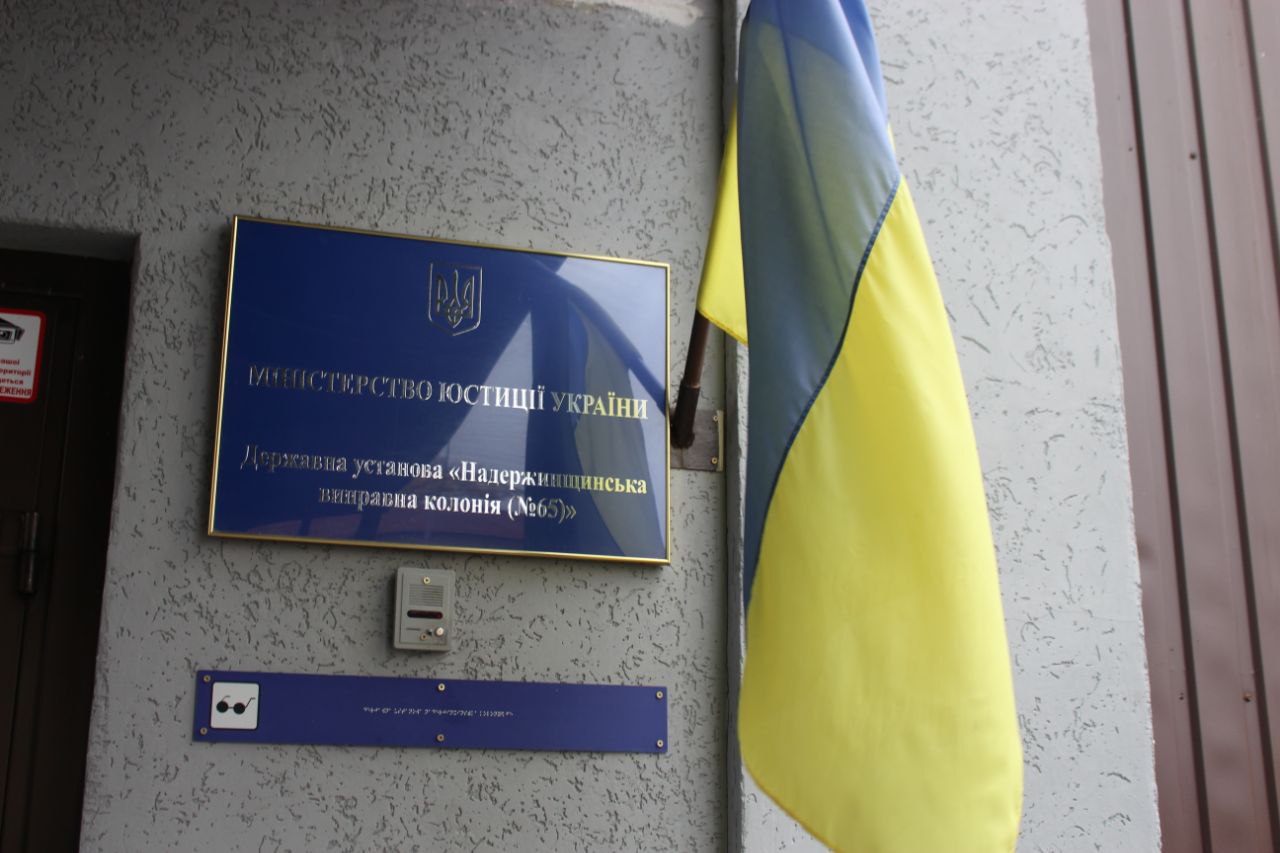
On 21 October 2025, in accordance with the Optional Protocol to the Convention against Torture and Other Cruel, Inhuman or Degrading Treatment or Punishment, taking into account the provisions of the Standard Minimum Rules for the Treatment of Prisoners and the rulings of the European Court of Human Rights, on the basis of Article 24 of the Criminal Executive Code of Ukraine — Visiting Institutions of Execution of Sentences, a group of monitors from the Kharkiv Human Rights Protection Group and the NGO “Defenders of Prisoners of Ukraine” conducted a visit to the state institution “Naderzhynshchynska Corrective Colony (No. 65)” (NCC-65, institution, establishment, colony). A routine planned visit was carried out without prior warning, and all facilities of the institution were inspected.
The previous visit took place on 05.04.2024.
During the preparation for the visit, the monitors used materials from appeals by convicts and their relatives, materials from previous reports, and reports from monitors of the National Preventive Mechanism under the Commissioner for Human Rights of the Verkhovna Rada of Ukraine (NPM).
The visit was conducted within the framework of the project “Reducing Prisoners’ Suffering in the Context of the War in Ukraine”, funded by the government of Denmark in partnership with DIGNITY (Danish Institute Against Torture).
The visit was carried out by the following monitors:
- Andrii Didenko — Assistant to the People's Deputy of Ukraine Yaroslav Yurchyshyn, programme coordinator of the Kharkiv Human Rights Protection Group, experienced in monitoring visits since 2014, NPM (National Preventive Mechanism) monitor, member of the NPM advisory board;
- Serhii Zuykov — Assistant to the People's Deputy of Ukraine Kostiantyn Kasai, member of the public council under the Ministry of Justice of Ukraine, member of the NGO “Defenders of Prisoners of Ukraine”, NPM monitor, with many years of experience in monitoring visits;
- Oleh Tsvilyi — Member of the public council under the Ministry of Justice of Ukraine, head of the NGO “Defenders of Prisoners of Ukraine”, has extensive experience in monitoring visits, specialises in issues of torture, cruel and inhuman treatment.
NCC-65 declares a policy of humanising detention conditions: in 2025, capital repairs were carried out in separate units of the Social-Psychological Service (SPS), and the condition of the shelter and its accessibility for persons with limited mobility were partially improved. At the same time, the monitoring visit revealed systemic violations of national legislation and international standards for the treatment of prisoners. In particular, the QDD unit is overcrowded and does not provide standard living space, proper domestic facilities, temperature control, the isolation of newly arrived prisoners, or respect for privacy; forbidden video surveillance and the recording of strip searches are also being recorded.
The premises of the disciplinary isolation ward (DIW) do not meet the requirements regarding lighting, the privacy of restrooms, cultural and domestic provision, the organisation of outdoor exercise, and the storage of medical and personal information. The labour of convicts is used as a key resource for the production and economic activities of the institution, in the absence of proper formalisation of employment relationships, adequate remuneration, occupational safety, and the right to rest, which creates risks of forced labour.
In the healthcare sector, violations were recorded in the maintenance of medical records, the unavailability of certain types of treatment (in particular, antiviral therapy for HCV), the absence of a clinical psychologist, inadequate inpatient conditions, and insufficient access to medical care, which together threaten the right of convicts to decent detention conditions, safety, and healthcare.
General Information
NCC-65 is a minimum-security penal institution for the detention of women who have previously served sentences in places of deprivation of liberty.
The institution is located at the following address: 12 Parkova St., Bozhkivske village, Poltava district, Poltava region, 38718.
The colony was established in the Soviet period as a penal institution for women sentenced to deprivation of liberty. For a long time, the institution functioned as a corrective labour facility, where the emphasis was on involving convicts in mass production, which corresponded to the Soviet model of forced labour. The colony gradually expanded its infrastructure, including production workshops and residential buildings, and became one of the key women's facilities in the central region of Ukraine.
After Ukraine gained independence, NCC-65 was reorganised in accordance with the new norms of the Criminal Executive Code and integrated into the structure of the State Criminal-Executive Service. In the 1990s and 2000s, programmes for psychological, social, and educational work began to be implemented at the institution; however, NCC-65 has repeatedly attracted the attention of human rights organisations due to problems with detention conditions, access to medical care, and the provision of proper standards of treatment for women. To this day, NCC-65 remains one of the main women's corrective colonies in Ukraine, which requires systemic infrastructure renewal, the improvement of medical services, and the implementation of modern approaches to the resocialisation of women.
At the time of the visit, the head of the institution is Lieutenant Colonel of the internal service Stanislav Stanislavovych Bahlaienko.
The facility consists of a duty unit, a QDD unit (Quarantine, Diagnostic, and Distribution unit), SPS units (Social-Psychological Service), a canteen, DIW premises (disciplinary isolation ward), a pre-trial detention unit, a medical unit, a bath and laundry complex, visitation rooms, a shop, a library, a parcel collection room, and administrative premises.
According to the institution's administration, the authorised staff number is 166 positions, with an actual number of 154 positions. The total staff shortage is 15 employees. The planned capacity of the facility is 426 persons, with an actual number of 191 persons being detained in the institution. One psychologist works at the facility.
During 2025, 116 convicts and 10 detainees arrived at the colony. One person died during 2025. On the operational-preventive register, there were: 3 persons prone to suicide, 13 persons prone to self-harm, and 1 person prone to escape.
During 2024-2025, no person submitted a complaint regarding inadequate detention conditions or inadequate provision of medical care. Nine people have Group III disability.
Convicts have 36 tablets for their own use, and 36 email addresses have been registered. During 2024, 10 cases of bodily injury were recorded: 1 upon arrival, 9 during stay at the institution; during the current year, 8 cases of bodily injury were recorded: 4 upon arrival and 4 during stay at the institution.
The monitoring group conducted interviews with about 110 people from among the convicts during visits to production premises, workshops, SPS units, and utility rooms, during general conversations providing consultations and answering questions, conducting surveys on human rights violations, as well as individual communication with persons, including on an anonymous basis.
Positive Experience
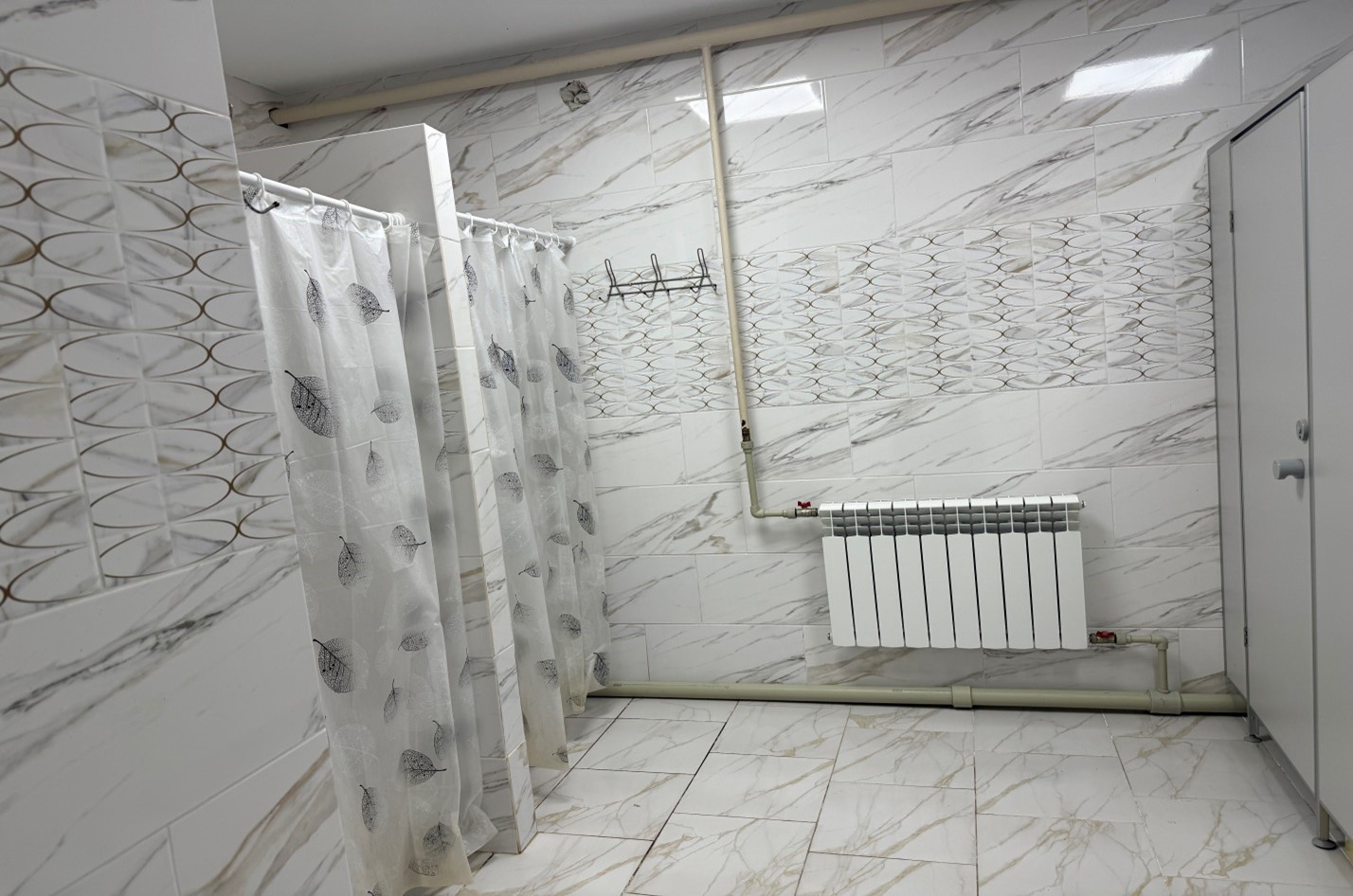
In fulfillment of the strategic goal “Creating proper conditions for the detention of convicts and persons taken into custody” of the Penitentiary System Reform Strategy for the period up to 2026, NCC-65 continues its course towards the humanisation of detention conditions. For convicts of the social rehabilitation unit, a comprehensive capital repair of the hygiene room was carried out in the summer of 2025, which became an important step in ensuring decent living conditions for serving a sentence.
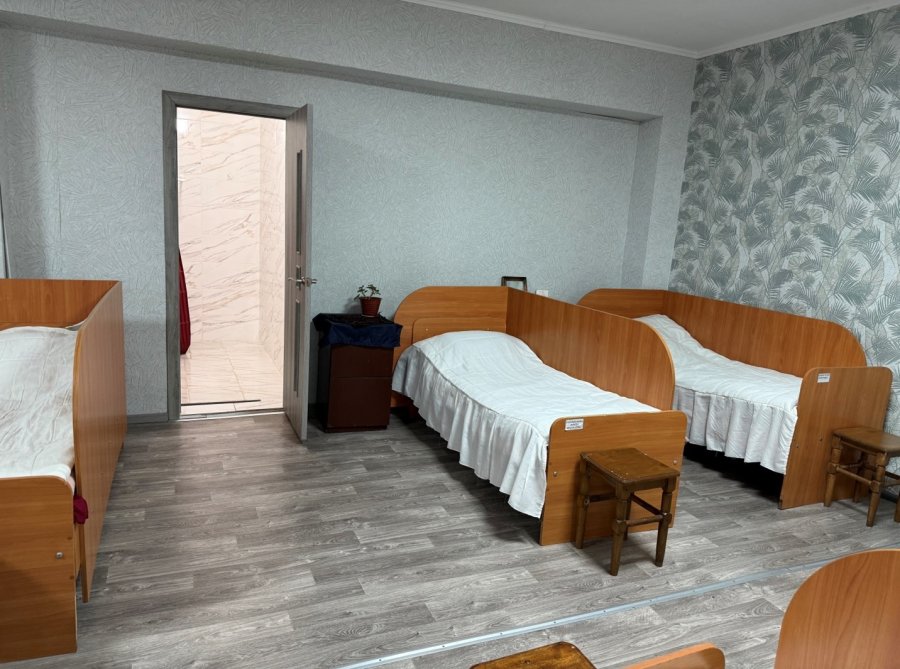
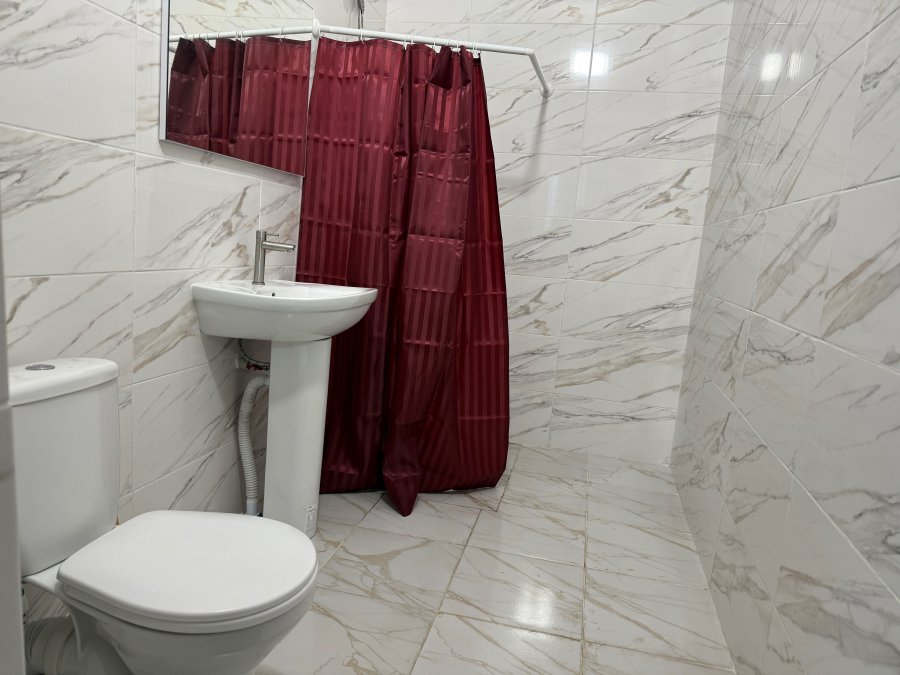
In addition, a new sleeping room has been created in the SPS unit on the territory of the institution, with its own individual sanitary unit. This decision is aimed at increasing comfort and ensuring a more private living area for the convicts of this unit.
Identified Violations of National and International Legislation
In the course of the monitoring visit, violations of national legislation requirements and non-compliance with international recommendations in the field of prisoner treatment were identified, which leads to the violation of the rights of convicted persons:
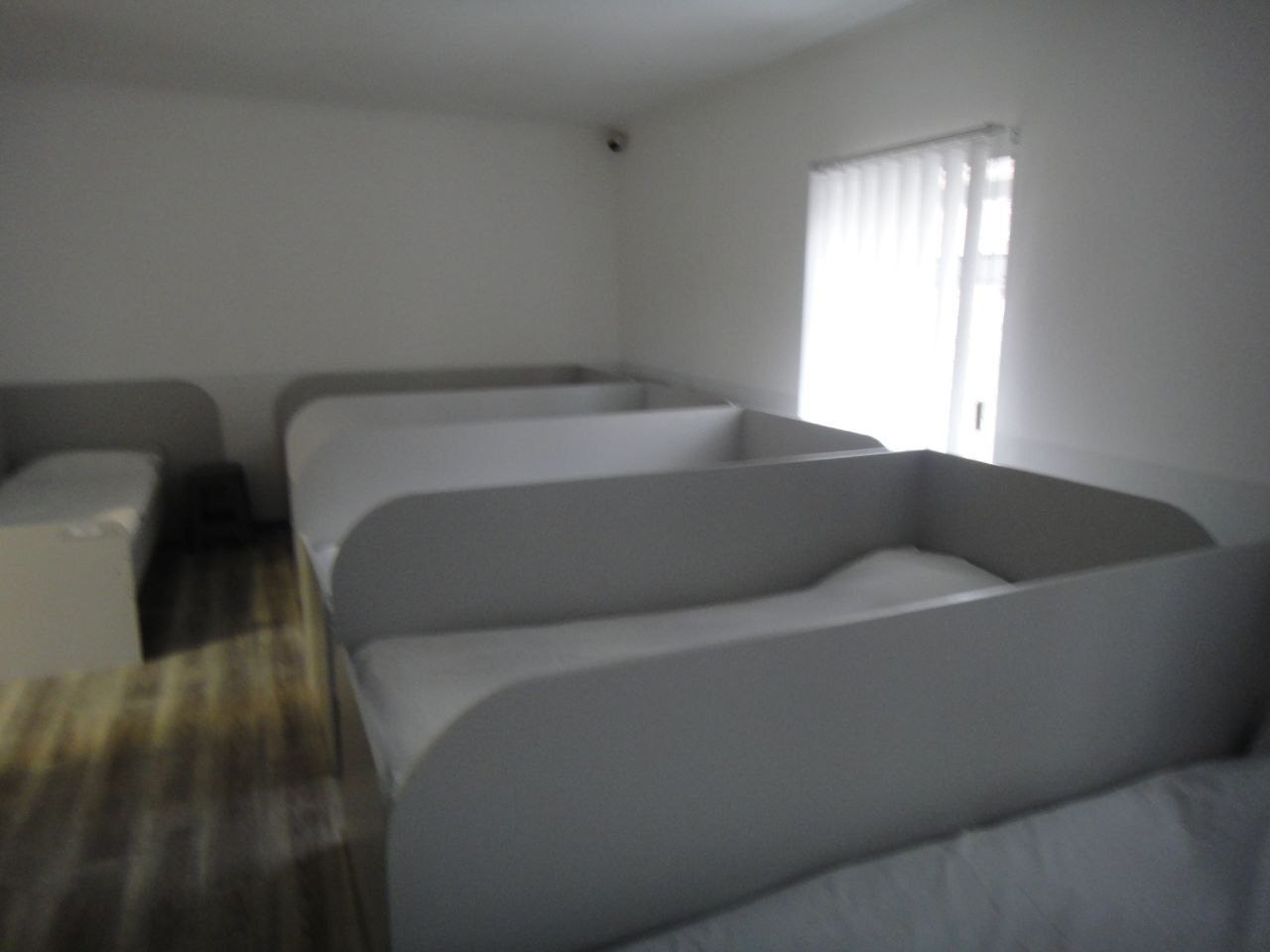
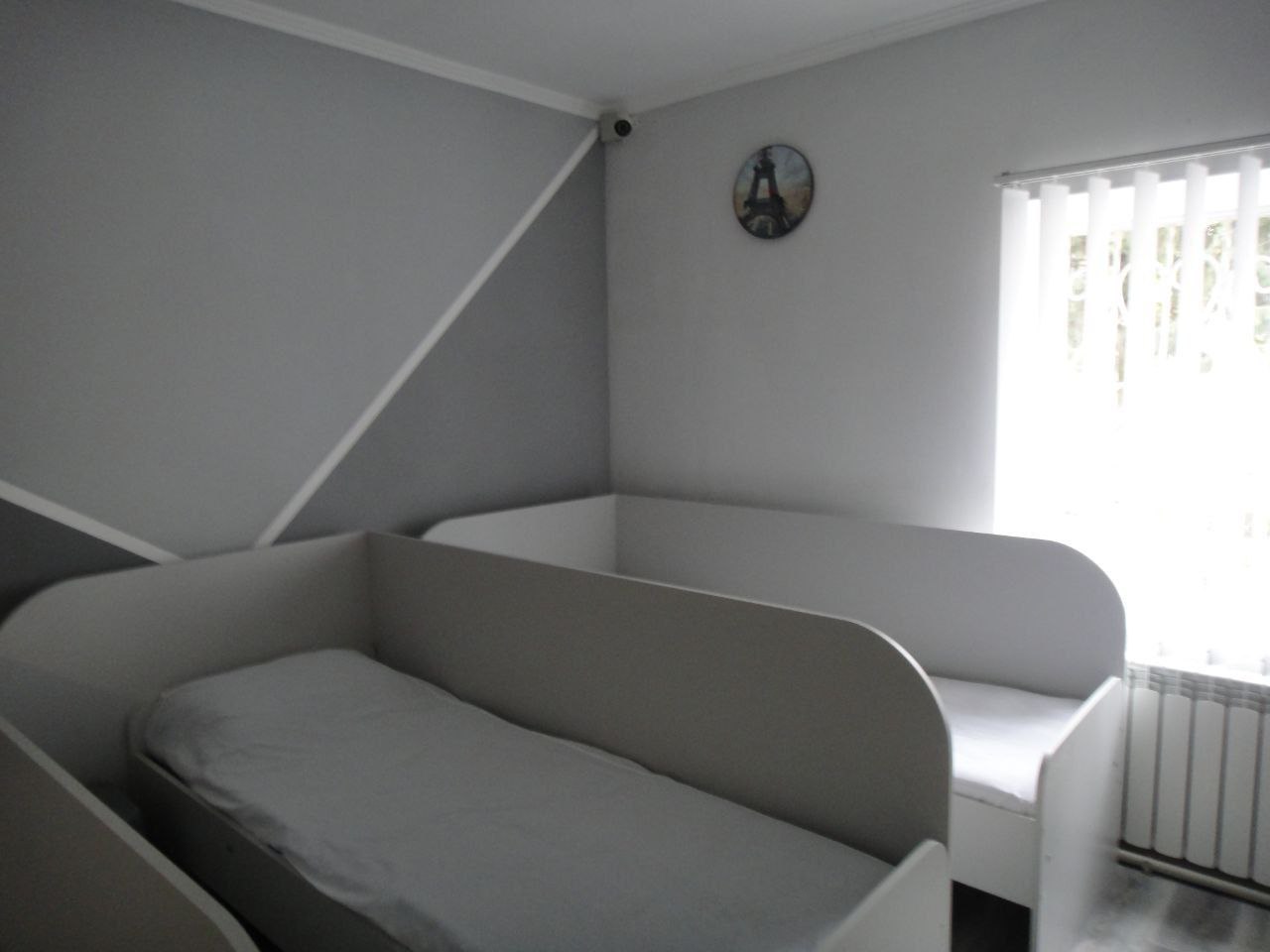
1. The layout of the QDD unit does not meet the standards for the treatment of prisoners and conditions of their detention according to their needs. Thus, in violation of Part 1 of Article 115 of the Criminal Executive Code of Ukraine (hereinafter — CEC of Ukraine) and Point 13 of the Standard Minimum Rules for the Treatment of Prisoners, it was established that in separate living quarters of the institution's QDD unit, the living space per convicted person is less than 4 m². In living quarters No. 1 of the QDD unit, where 8 beds are located and 7 people were present, the area of the room, according to the living space measurement certificate, is 27.8 m². Thus, the actual area per convicted person was 3.97 m².
In Point 13 of the Seventh General Report of the European Committee for the Prevention of Torture and Inhuman or Degrading Treatment or Punishment (hereinafter — the Committee), it is noted that the problem of overcrowded cell premises leads to unhygienic conditions, a constant lack of privacy, the overloading of medical services and the institution’s infrastructure, and the Committee concludes that the negative impact of overcrowding often caused inhuman or degrading detention conditions for prisoners (CPT/Inf (97) 10).
2. In accordance with Point 2 of Section I of the Regulations on the Quarantine, Diagnostic, and Distribution Unit for convicts, approved by Order of the Ministry of Justice of Ukraine dated 04.11.2013 No. 2300/5 (hereinafter — Regulations on QDD), newly arrived convicts are placed in the QDD unit in order to prevent uncontrolled communication with other convicts. At the same time, the monitoring group established that newly arrived convicts visit the canteen, where they have the opportunity to contact other convicts of the institution, which violates the requirements for their isolation during their stay in the QDD unit.
3. The monitoring group established that the material and domestic provision of the QDD unit does not fully comply with established regulatory requirements. Thus, in violation of the requirements of the Norms for the Provision of Furniture, Inventory, and Household Items for a Minimum Security Corrective Colony with general detention conditions, approved by Order of the Ministry of Justice of Ukraine dated 27.07.2012 No. 1118/5 (hereinafter — Provision Norms), the unit lacks a number of necessary rooms, namely: a room for storing food products; a room for storing the exchange fund of bedding, clothing, and overalls; a pantry for the temporary storage of dirty bedding, clothing, and overalls; a cloakroom; a utility room; a drying room.
The absence of these premises creates conditions that do not meet domestic standards, makes it impossible to properly comply with sanitary and hygienic requirements, and complicates the maintenance of cleanliness and order in the places where convicts reside. Such a state of domestic organisation negatively affects the general sanitary state of the institution and may pose a risk to the health of persons held there.
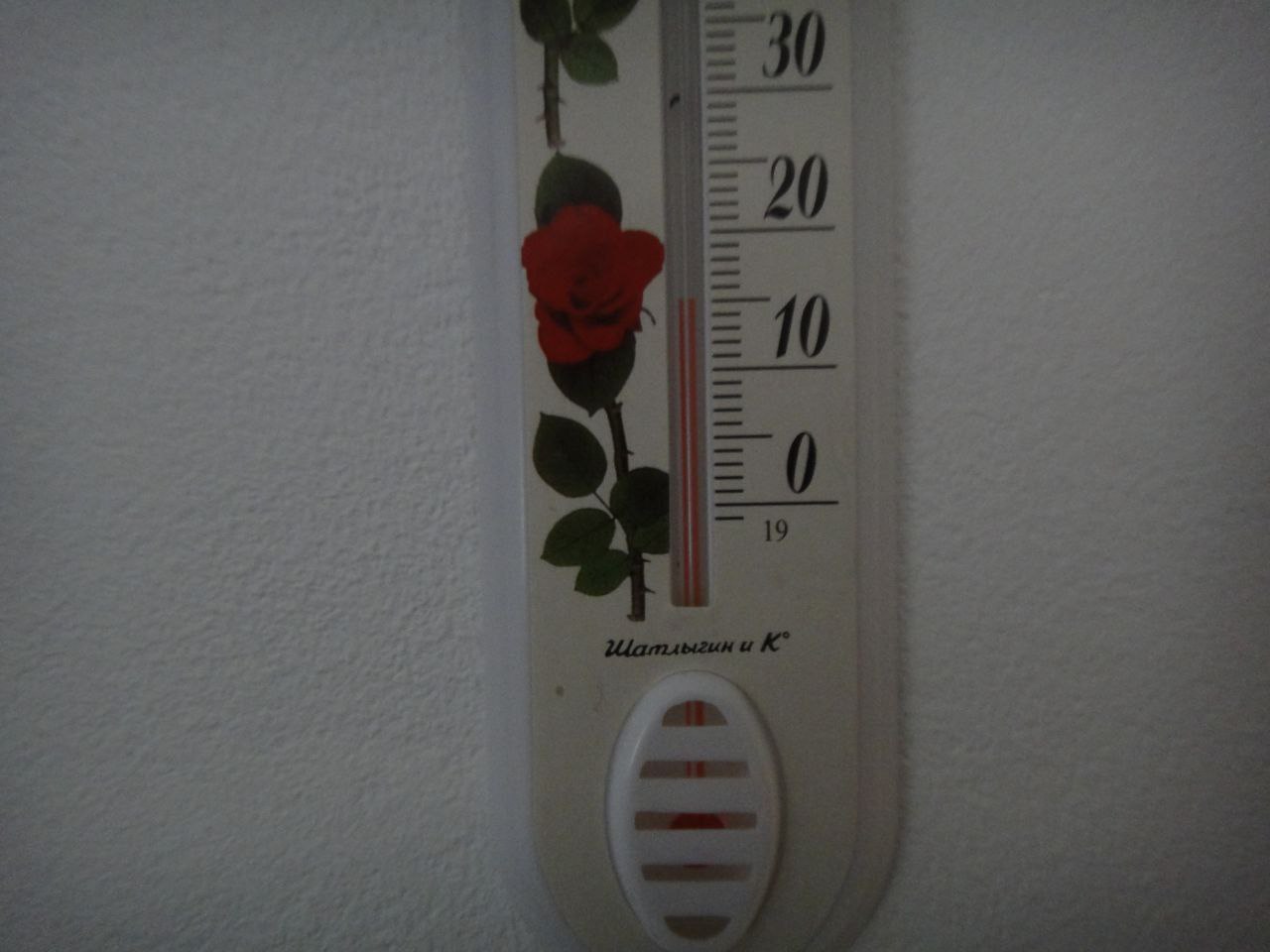
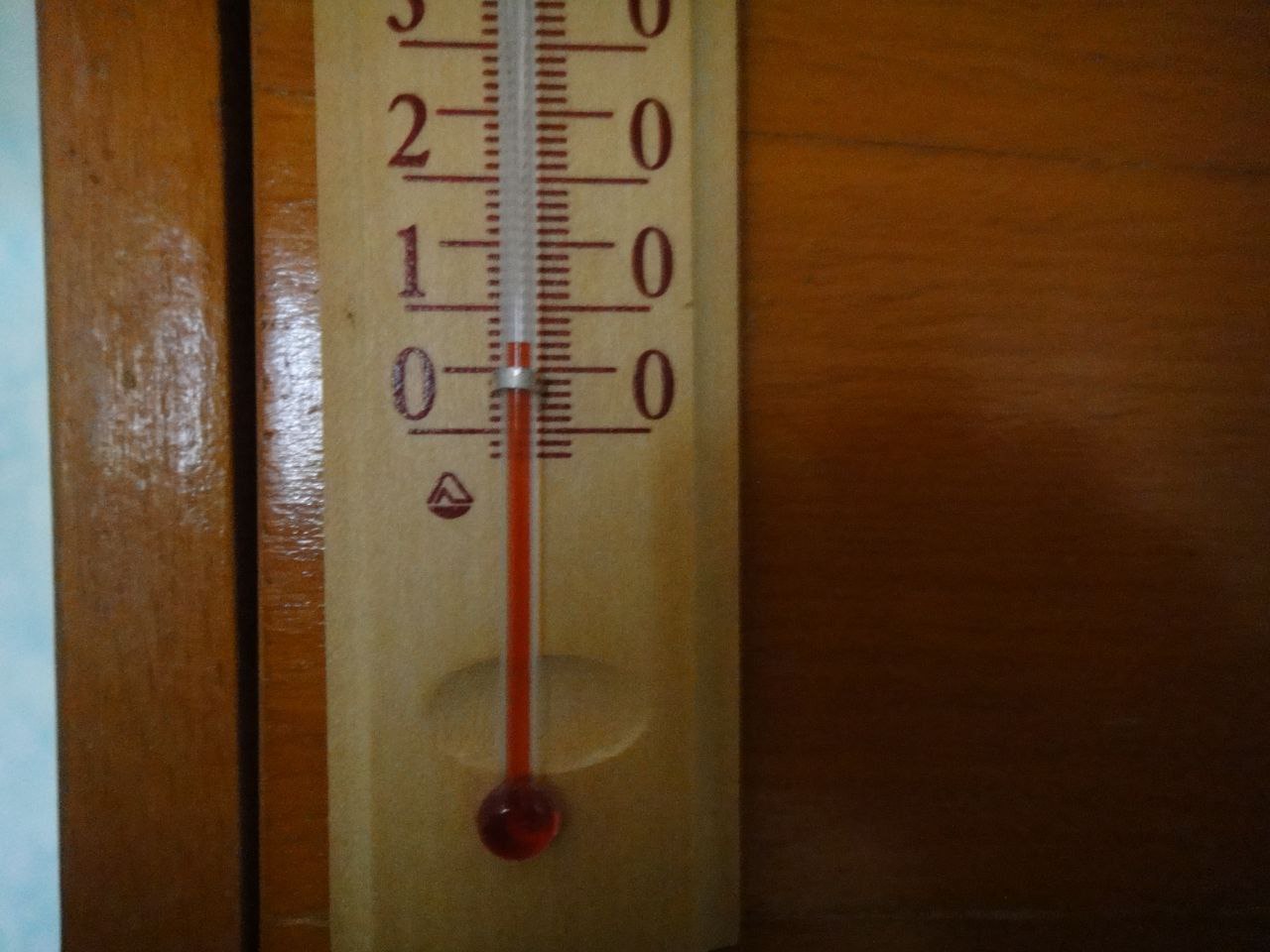
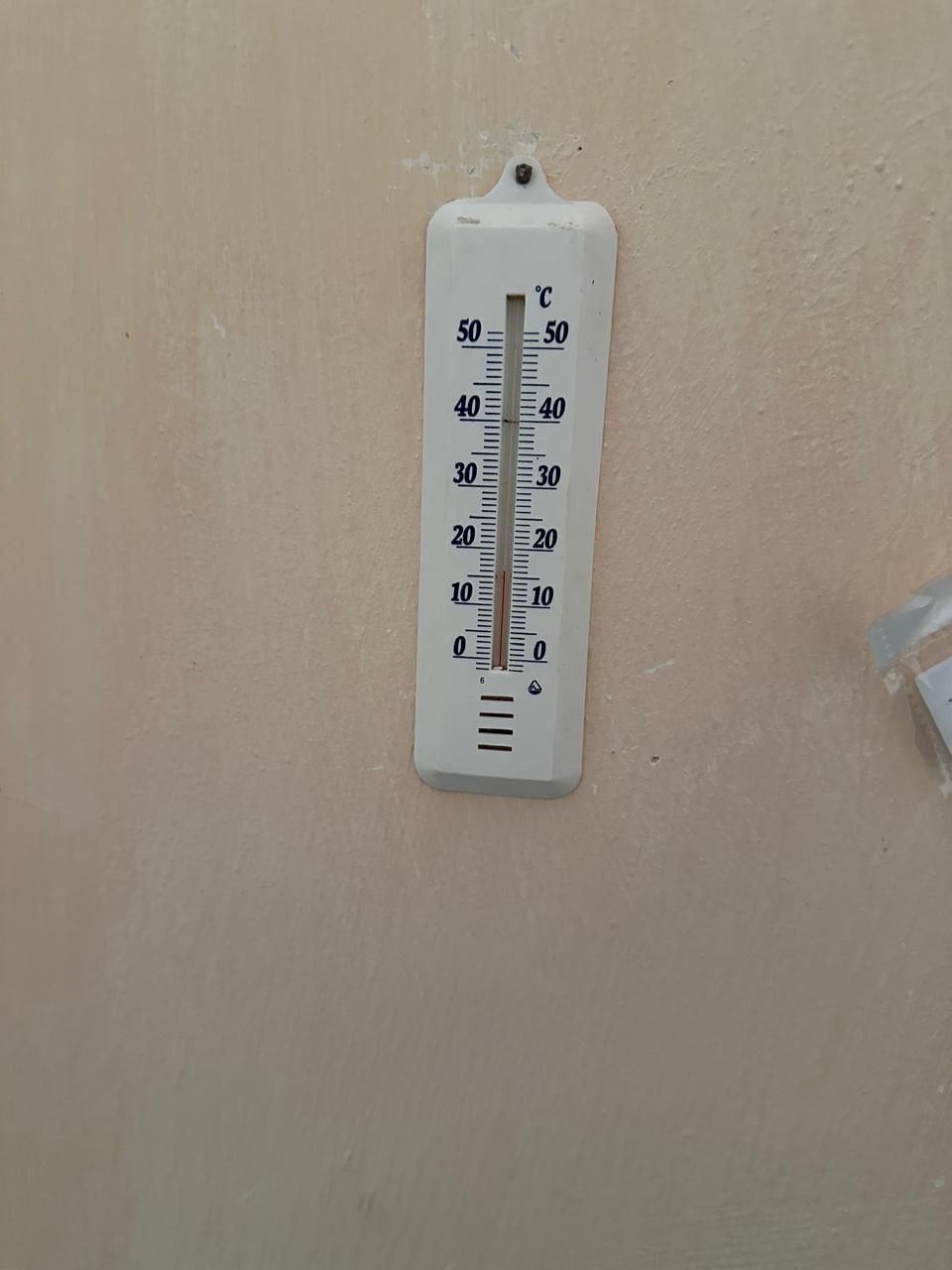
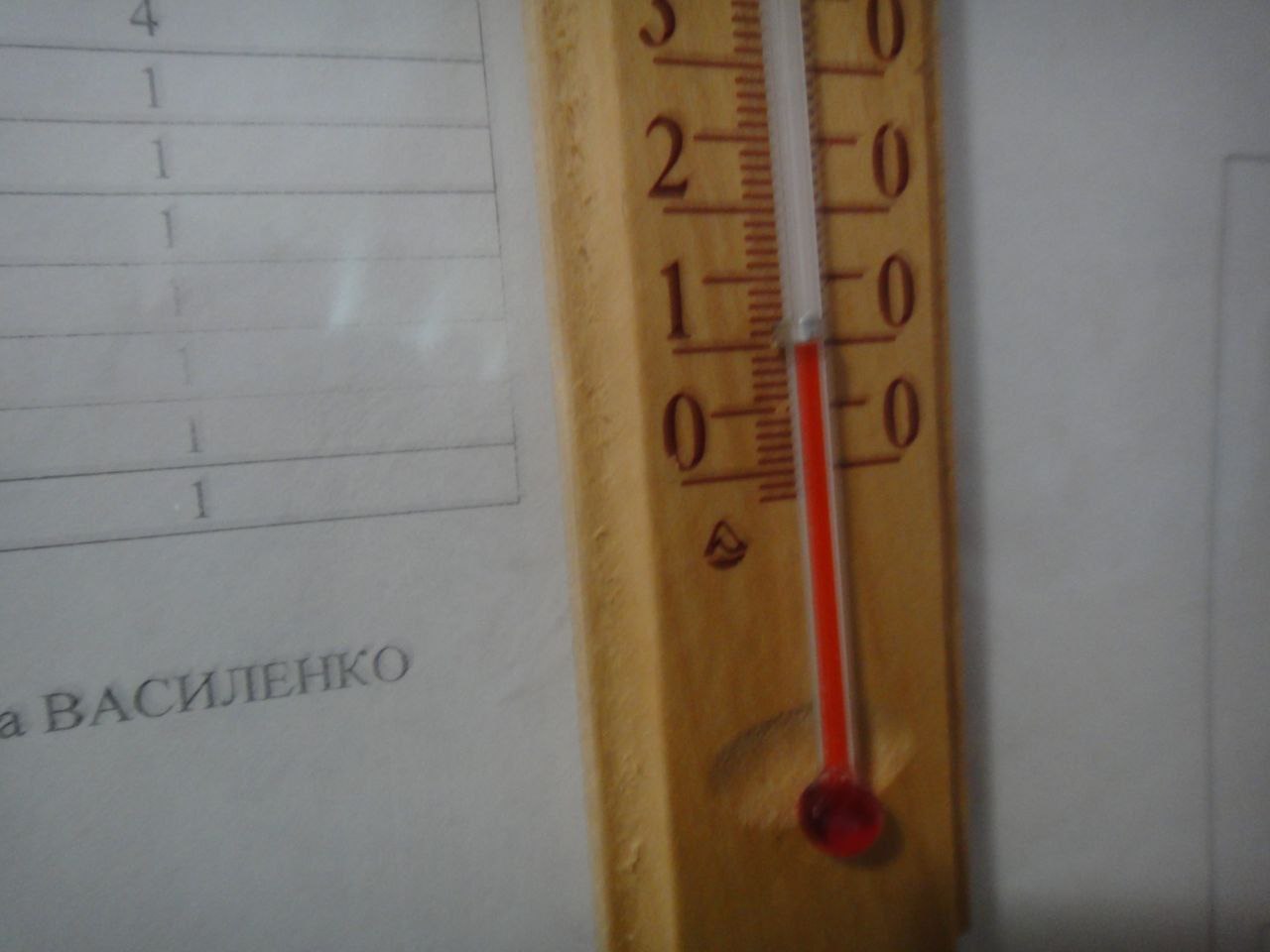
4. In the living quarters of the QDD unit, the monitoring group recorded violations of the temperature regime. Thus, at the time of the inspection, the air temperature in the living quarters was +15 °C, whereas, in accordance with Point 1 of Section XXII of the Internal Regulations of Penal Institutions, approved by Order of the Ministry of Justice of Ukraine dated 28.08.2018 No. 2823/5 (hereinafter — IRPI), during the cold season, the temperature in the living quarters of penal institutions must be maintained at a level of no less than +18 °C. Similar violations were established in the living quarters of the SPS, the wards of the medical unit, and the premises of the disciplinary isolation ward.
5. During the visit, the monitoring group received complaints from convicts that the institution’s staff carry out video recording using a body-worn video camera during strip searches of newly arrived convicts. At the same time, in accordance with Point 8 of Section VII of the Procedure for the Use of Technical Supervision and Control Means in Corrective and Educational Colonies of the State Criminal-Executive Service of Ukraine, approved by Order of the Ministry of Justice of Ukraine dated 26.06.2018 No. 2025/5, the use of video cameras and portable video recorders in premises where medical examinations of convicts or strip searches are conducted is prohibited.
6. Point 1 of Section XXIII of the IRPI defines that supervision of convicts is a system of measures aimed at ensuring the serving and execution of criminal penalties in the form of restriction and deprivation of liberty, life imprisonment, and arrest through round-the-clock and constant control over the behaviour of convicts in their places of residence and work, the prevention and suppression of unlawful actions on their part, and ensuring the requirements for the isolation of convicts and the safety of the personnel of penal institutions.
Thus, during the inspection of the living quarters of the QDD unit, an installed video surveillance camera was recorded. At the same time, in its 2012 report, the Committee criticised excessive interference in privacy through the installation of video cameras in prisoners' living quarters: “The Committee agrees that video surveillance in cells can be a useful safeguard in specific cases, for example, if a person is considered to be a cause for concern regarding the risk of self-harm or suicide, or if there are specific suspicions that a convict is carrying out certain actions in the cell that could jeopardise safety.
However, any decision to apply video surveillance to a specific convict should always be based on an individual assessment of real risks and must be reviewed frequently on a regular basis. Video surveillance is a serious interference in the private life of prisoners and makes the regime even more repressive, particularly when applied over a long period of time” (CPT/Inf (2013) 23) Point 52).
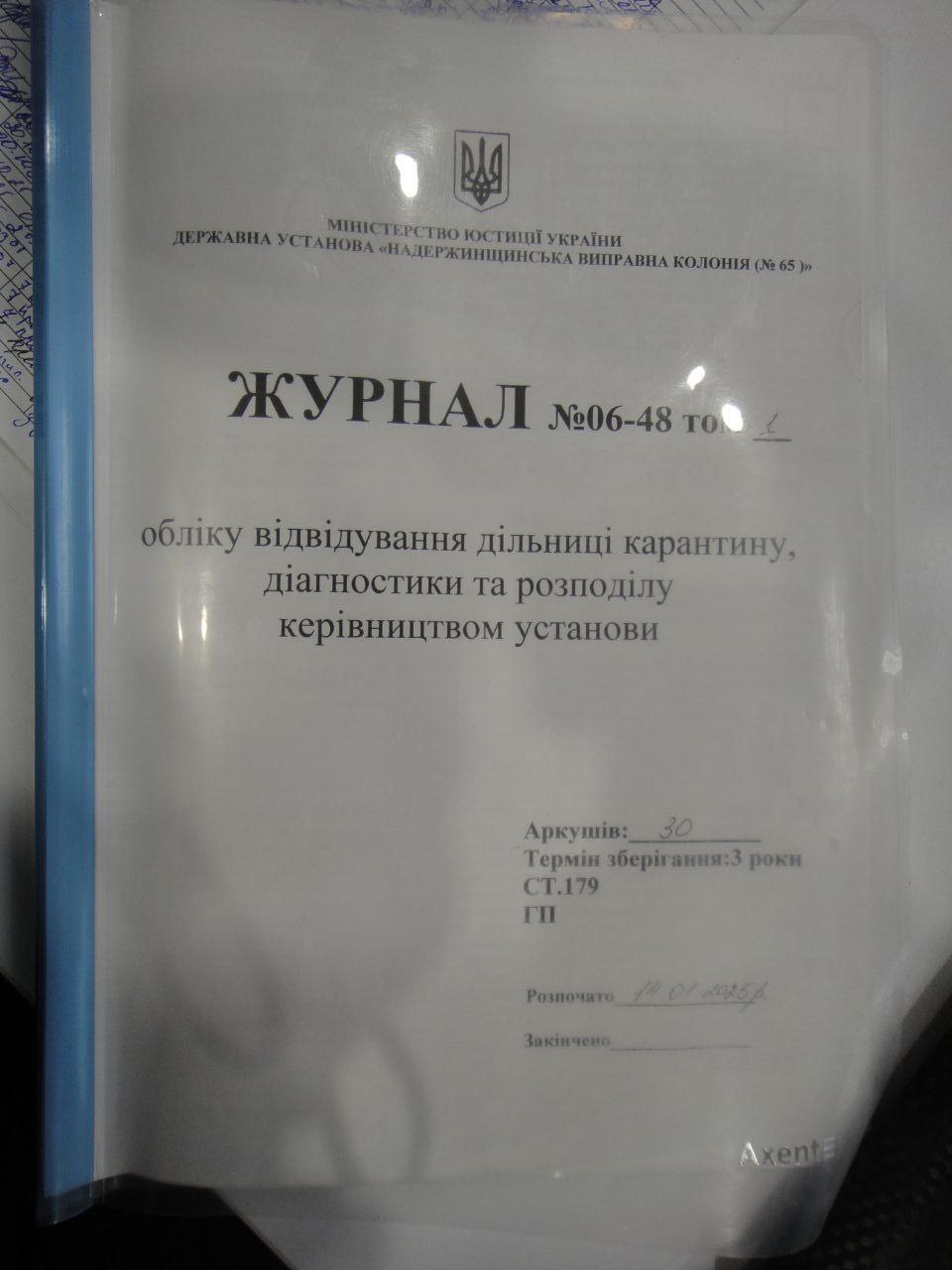
7. The monitoring group established that the administration and personnel of the institution do not ensure the proper organisation of work with newly arrived convicts. In accordance with Points 1 and 2 of Section II of the Regulations on QDD, a working group is created by order of the head of the institution to organise work with newly arrived convicts, which includes deputy heads of the institution, heads of structural units, a psychologist, and a medical worker. In order to plan this work, a programme for familiarising newly arrived convicts with the order and conditions of serving the sentence is drawn up annually, which is approved by the head of the institution.
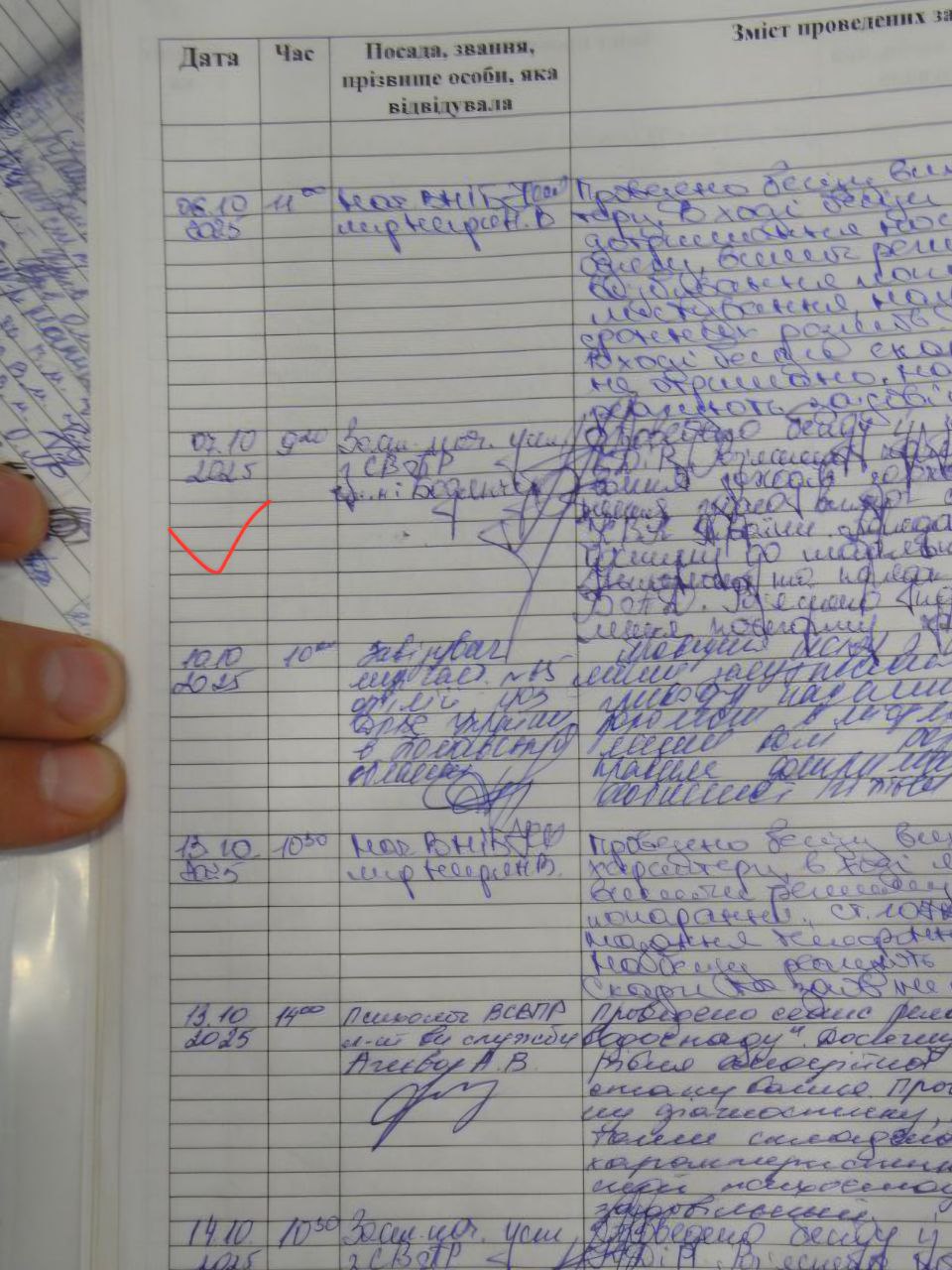
At the same time, during confidential communication with convicts and the analysis of official documentation, the monitoring group established that the members of the working group do not fully carry out the measures provided for by the mentioned programme. The lack of systemic organisation of work is confirmed by the relevant entries in the register of visits to the QDD unit by representatives of the administration.
As an example: according to a certificate provided by the institution’s administration, on 08.10.2025 (Wednesday), convict B. arrived at the institution. At the same time, according to the entries in the register of visits to the QDD unit by representatives of the administration, on 08.10.2025 and 09.10.2025, the relevant measures were not carried out, and there are no marks from working group members regarding the implementation of the relevant measures.
8. The administration of the institution has not fully ensured the right of convicts to access the Internet, and the procedure for granting such access only partially complies with the established requirements. In particular, on the territory of the quarantine, diagnostic, and distribution unit, there are no conditions for the realisation by convicts of the right to access the Internet, provided for by Part 7 of Article 110 of the Criminal Executive Code of Ukraine, through the use of tablets. A Wi-Fi access point on the territory of the QDD unit is not equipped.
9. The equipment of the disciplinary isolation ward premises of the institution (hereinafter — DIW) does not meet the standards for the treatment of prisoners and conditions of their detention according to their needs. Thus, in the cell premises of the DIW, a sufficient level of natural lighting is not ensured, as the windows of the cell premises face a wall, due to which natural light practically does not penetrate the room, which may create additional psychological pressure on convicts due to the lack of any, even visual, connection with the outside world.
The restrooms are not equipped with doors of sufficient height, which does not ensure the privacy of use, thereby violating Rule 19.3 of the European Prison Rules. There is no radio installation in the cell premises of the DIW, which contradicts the requirements of Point 3 of Section XX of the IRPI and Point 63 of the UN Standard Minimum Rules for the Treatment of Prisoners.
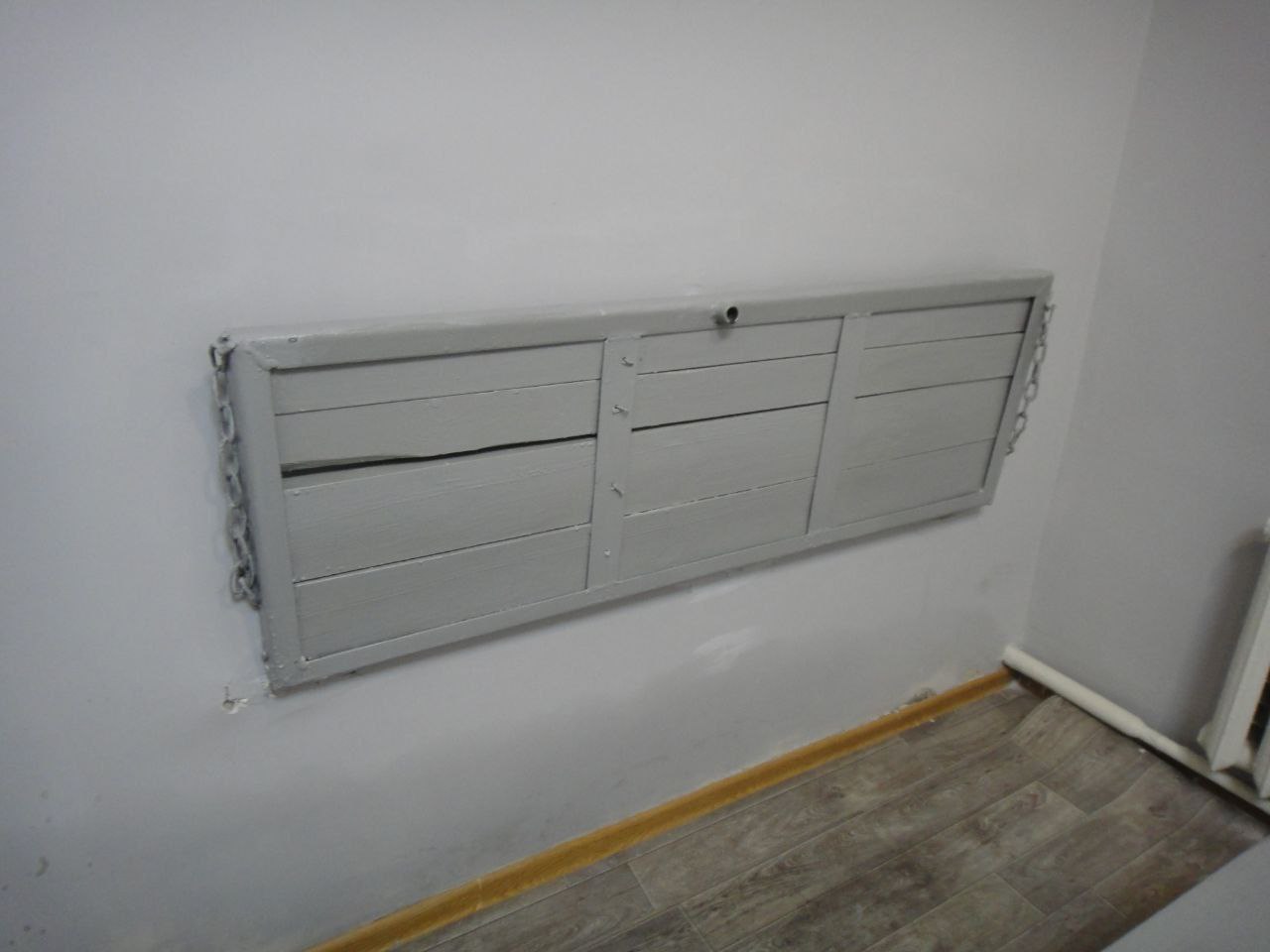
In addition, in the cell premises of the DIW, means for fixing beds to the walls are installed. At the same time, legal acts do not provide for locking folding beds in cell-type premises and disciplinary isolation wards where convicts are serving penalties. This creates conditions for possible abuse by the institution's staff, as convicts can be deprived of the opportunity to sit or lie on the bed during the day.
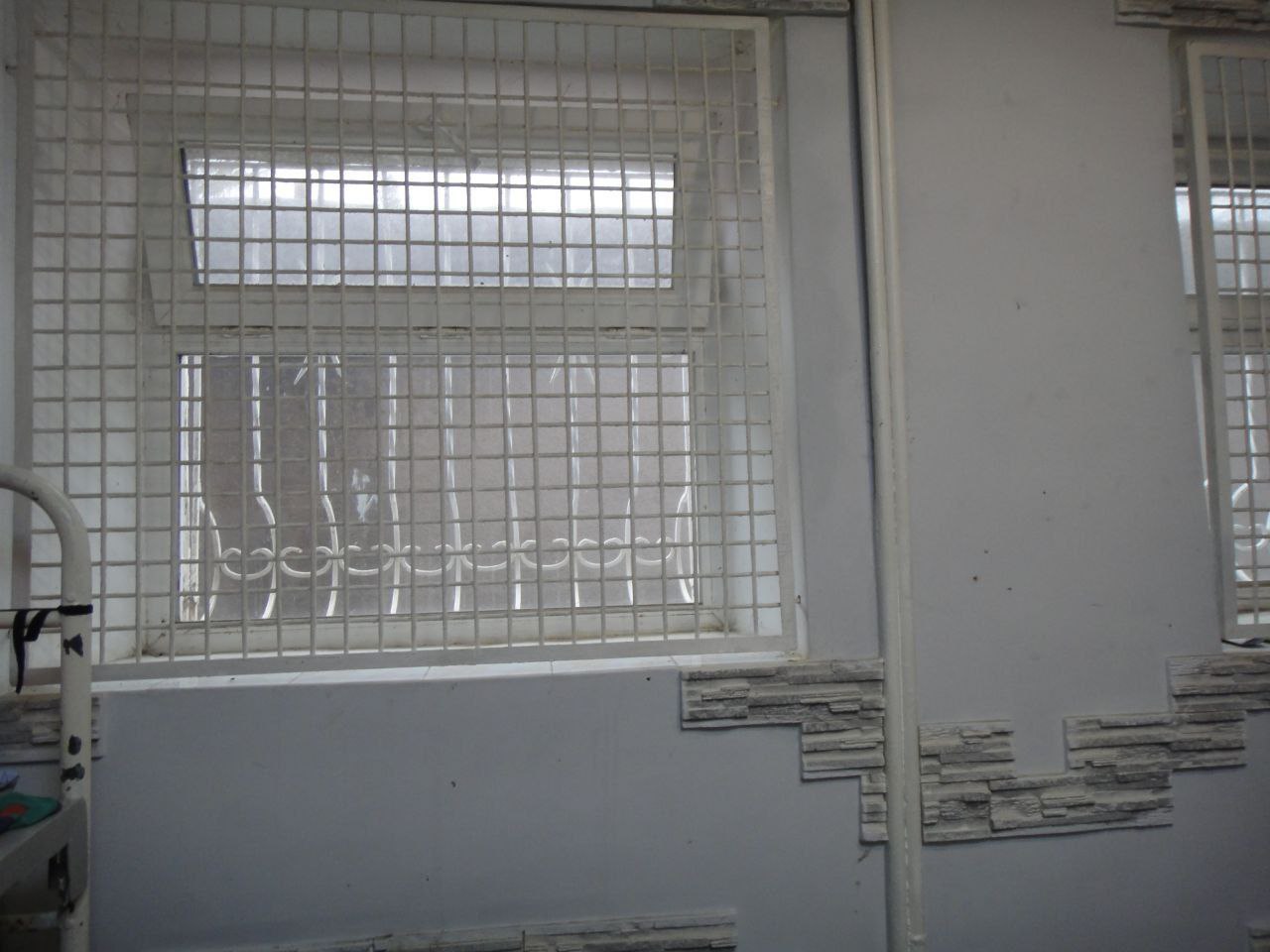
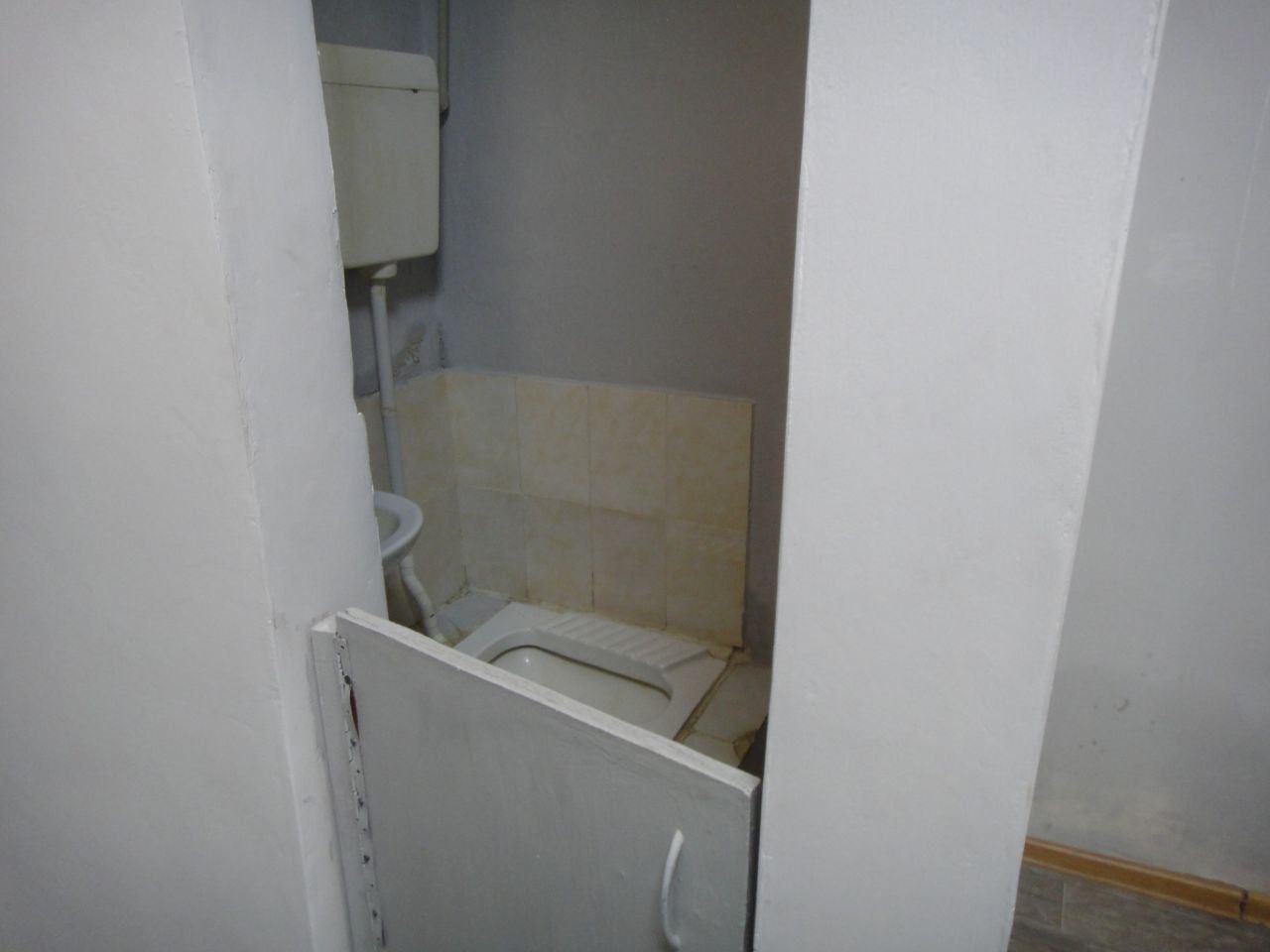
10. In violation of the requirements of the Provision Norms, the DIW/PKT (cell-type premises) lacks a number of rooms, namely: a room for receiving convicts by the administration and medical staff; a room for storing the exchange fund of bedding, clothing, and overalls; a pantry for the temporary storage of dirty bedding, clothing, and overalls; rooms for distributing food, storing food products, and washing tableware; and a barbershop.
The absence of these premises or their improper equipment leads to a violation of sanitary and hygienic norms. Thus, the improper organisation of personal belongings storage complicates the maintenance of cleanliness and order in the premises where convicts are held, which worsens the overall sanitary situation in the institution, and the room for receiving convicts by medical personnel is absent in the DIW/PKT, as a result of which medical examinations of convicts are conducted in the corridor or in the cell premises, which indicates that institution staff and other persons from among the convicts receive confidential information about the health status of convicted persons during a medical examination, manipulation, or procedure.
The aforementioned violates the requirements of Article 39-1 of the Law of Ukraine “Fundamentals of Ukrainian Legislation on Healthcare” regarding the right of persons to secrecy about their state of health and Point 9 of Section I of the “Procedure for Organising the Provision of Medical Care to Convicts to Deprivation of Liberty”, approved by the joint order of the Ministry of Justice of Ukraine and the Ministry of Health of Ukraine dated 15.08.2014 No. 1348/5/572.
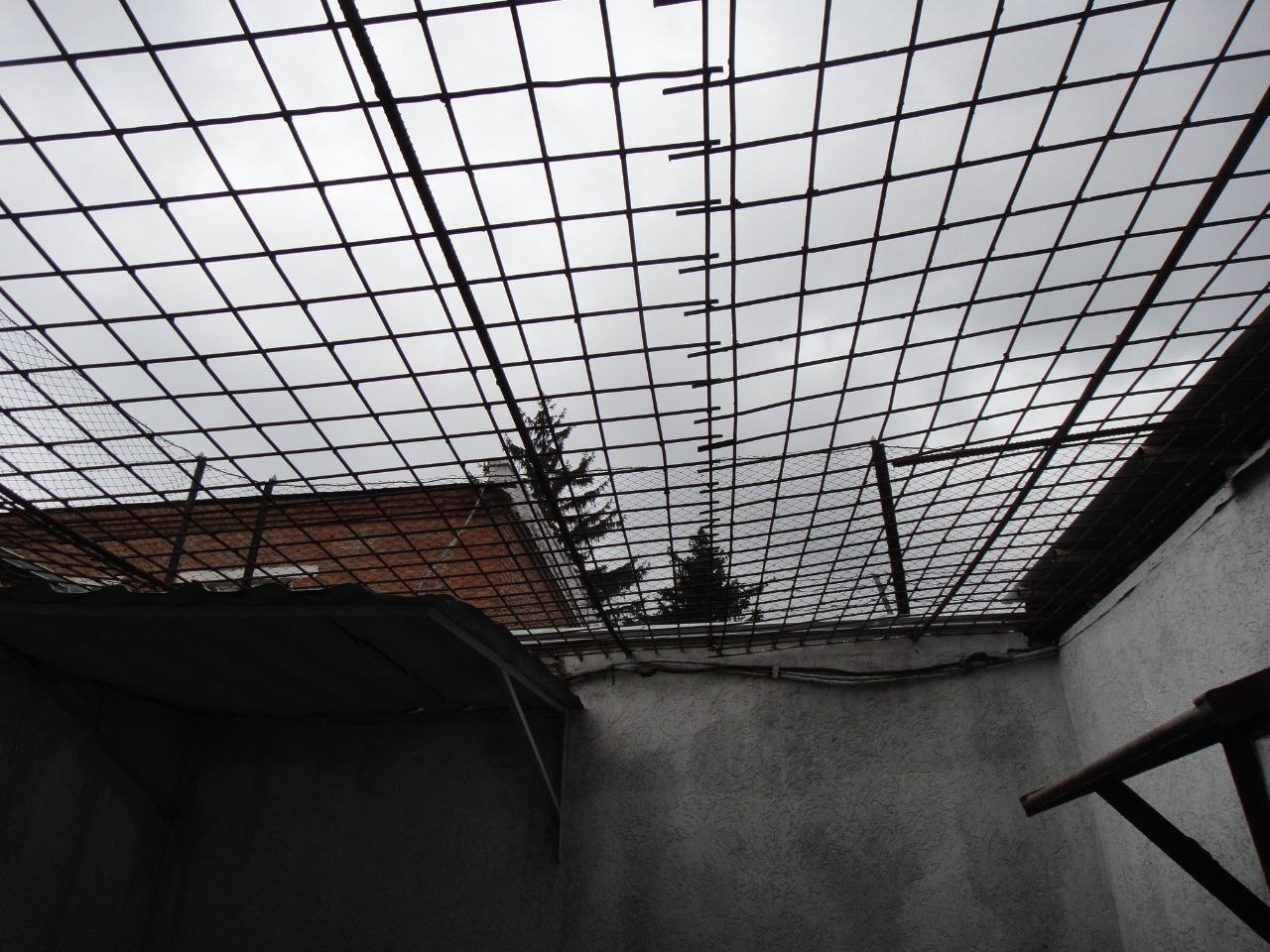
11. The exercise yards are not equipped with proper shelter for protection against atmospheric precipitation, and the area of individual yards is insufficient to ensure full physical activity for the convicts. At the same time, the Committee in its Second General Report emphasises that the daily stay of persons in the fresh air should be carried out on a site of sufficient area, and the exercise areas, as far as possible, should be equipped with shelter in case of adverse weather conditions (CPT/Inf (92) 3) Point 48).
12. In violation of the requirements of the Provision Norms, the institution lacks a club room, the presence of which is a mandatory condition for organising cultural, educational, and awareness-raising work with convicts, as well as for the realisation of their right to participate in socially useful programmes, leisure activities, and socio-educational events.
13. According to Point 17 of Section V of the “Regulation on the Organisation of Food Supply in the State Criminal-Executive Service of Ukraine in Peacetime”, approved by Order of the Ministry of Justice of Ukraine dated 15.06.2021 No. 2160/5, daily samples of each dish of the ration must be kept in the institution’s canteen. Sampling is carried out by the cook from the pot in the presence of a medical worker of the healthcare facility into clean dishes with a lid (pre-washed and boiled) before the food is served.
Daily samples are stored in the canteen refrigerator at a temperature of +4 to +8 °C and must be kept for 24 hours — until the end of the corresponding meal the next day. At the same time, in violation of the specified requirements, during the inspection of the canteen refrigerator, the monitoring group established the absence of samples of dinner dishes for 20.10.2025, as well as breakfast and lunch for 21.10.2025 according to norms No. 8A, 8B, 1B, 8B, 3B.
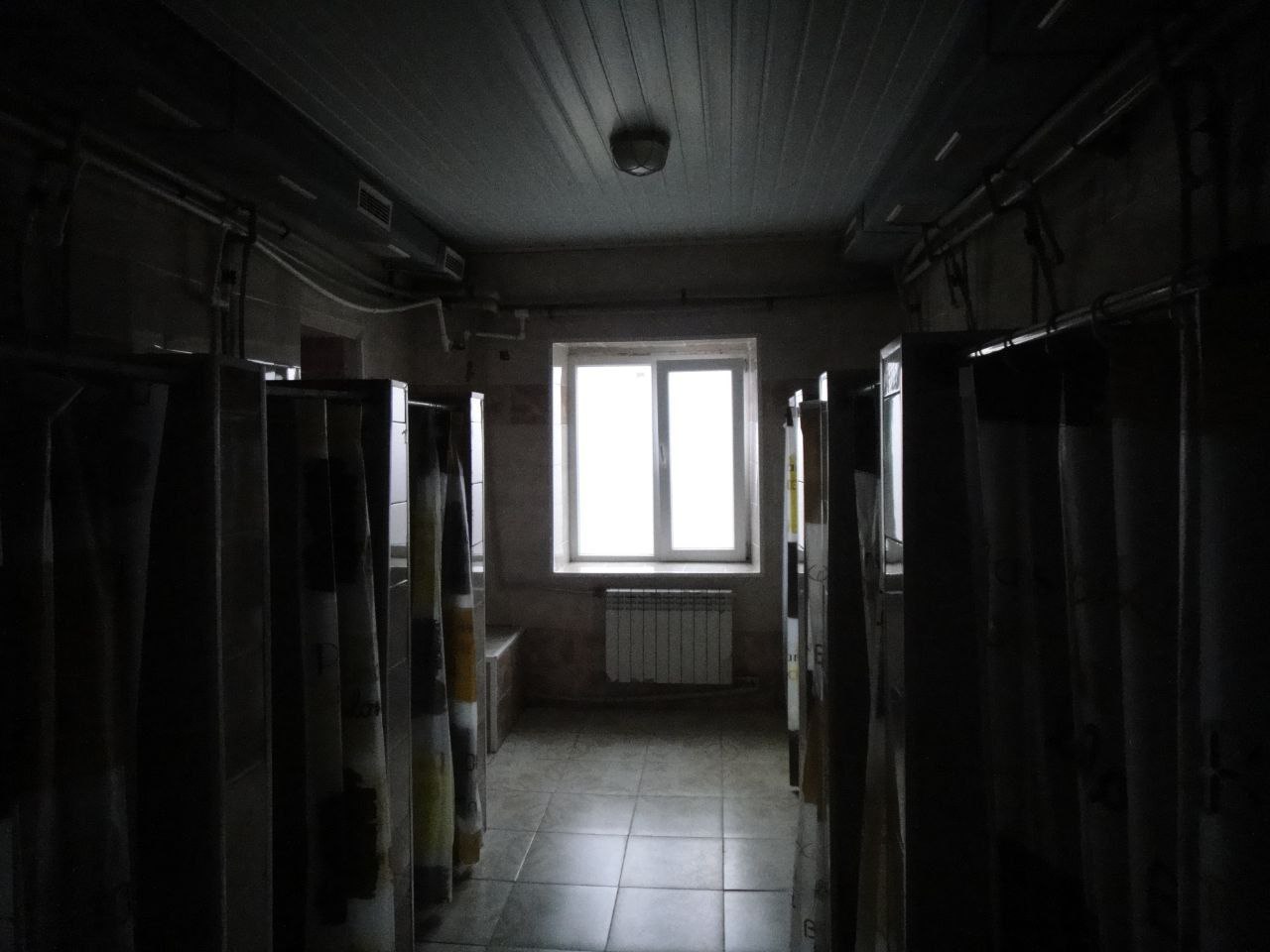
14. The monitoring group established a number of violations in the organisation of bath and laundry services for convicts and detainees. In accordance with Point 3.19.1 of Section III of the “Regulation on the Organisation of Bath and Laundry Services for Persons Held in Penal Institutions and Pre-trial Detention Centres”, approved by Order of the Ministry of Justice of Ukraine dated 08.06.2021 No. 849/5 (hereinafter — Regulation), sanitary treatment involves washing convicts (persons taken into custody) in a bath using soap and a washcloth, the mandatory replacement of bedding and underwear, as well as carrying out disinfection (destruction of pathogenic microorganisms) and disinsection (destruction of insects and ticks that are carriers of infectious diseases) of personal clothing and bedding (pillows, mattresses, blankets) in a disinfection chamber.
However, as established by the monitoring group, the disinfection chamber in the institution is not working, which makes proper sanitary treatment of bedding and clothing impossible, increases the risk of the spread of infectious diseases among convicts and personnel, and contradicts established sanitary and hygienic norms. In violation of Point 2.14 of Section II of the Regulation, the institution does not ensure the provision of hairdressing services to convicts and detainees. In violation of the requirements of Point 2.11 of Section II of the Regulation, the forced supply-exhaust ventilation system is not working in the bathhouse premises.
During communication with convicts, the monitoring group established that female convicts have the opportunity to visit the bath only once a week. This violates the requirements of Point 19.4 of the European Prison Rules and Point 3.2 of the Regulation. In violation of the requirements of Appendix 3 to the Regulation, the laundry premises lack the provided rooms, namely: a room for laundry staff, a restroom with a washbasin, and a shower for employees.
15. During the visit, the monitoring group recorded that the institution's personnel who are in direct contact with convicts openly carry special means, including rubber batons. At the same time, according to the eighth paragraph of Point 1 of Section XXVI of the IRPI, the carrying of special means by personnel of penal institutions within the protected territory of the penal institution must, if possible, be as concealed as possible from the environment.
At the same time, the Committee recommends that penitentiary staff working in direct contact with prisoners should not carry special means (such as rubber batons, handcuffs, and canisters equipped with tear gas) openly in front of prisoners. Such carrying prevents the establishment of normal relations between staff and prisoners (Point 85 (CPT/Inf (2011) 29), Point 23 (CPT/Inf (2013) 23), Point 166 (CPT/Inf (2014) 15)).
16. In accordance with Subparagraph 5 of Point 2 of Section IV of the Regulations on the Programme of Differentiated Educational Influence on Convicts “Preparation for Release”, approved by Order of the Ministry of Justice of Ukraine dated 16.05.2016 No. 1418/5, registered with the Ministry of Justice of Ukraine on 17.05.2016 under No. 735/28865, the personnel of the social-psychological service of the institution, who directly organise and carry out measures for the implementation of the “Preparation for Release” programme, are obliged to provide assistance to convicts in issuing (renewing) a passport of a citizen of Ukraine, the registration number of the taxpayer's account card (RNOKPP), other personal documents, as well as in applying for pensions.
At the same time, 42 convicts require the issuance of a passport of a citizen of Ukraine, and 23 require obtaining an RNOKPP, which indicates insufficient work by the department of social-educational and psychological work regarding ensuring the issuance of necessary documents for convicts who do not have them.
17. According to the information provided by the administration, since the beginning of 2025 (as of 21.10.2025), 40 short-term visits were granted to convicts at the state institution “Naderzhynshchynska Corrective Colony (No. 65)”, 30 of which took place in a non-contact manner — through a solid dividing glass using an intercom device.
At the same time, in the Report of the Government of Ukraine on the results of the visit in 2023, the European Committee for the Prevention of Torture emphasises that for all categories of convicts, open visits (for example, at a table) should be the rule, and closed visits should be the exception, the application of which is allowed only on the basis of substantiated and motivated decisions after an individual assessment of the potential risk of a specific convict.
In this regard, the Committee calls on the Ukrainian authorities to review the procedure for conducting short-term visits in penitentiary institutions with the aim of ensuring they are conducted, as a rule, in open conditions (CPT/Inf (2024) 20) Point 99).
18. According to official documentation, the staff shortage in the institution as of 21.10.2025 is 15 staff units. At the same time, in the Report of the Government of Ukraine on the results of the visit in 2023, the Committee emphasises that ensuring a positive climate in a penitentiary institution requires the presence of a professional team of personnel, who must be present in sufficient numbers at any moment in time in places of detention.
Insufficient personnel can increase the risk of violence and intimidation between convicts. A shortage of frontline personnel also undermines the quality and level of measures offered to convicts and jeopardises the prospect of preparation for release and social rehabilitation. In this regard, the Committee calls on the Ukrainian authorities to take decisive measures to significantly increase the number of personnel in penitentiary institutions of Ukraine, where a low level of staffing is observed, with the aim of strengthening the presence of security and supervision service personnel inside the institutions. It is also necessary to take measures to put an end to the 24-hour shift of personnel on duty (CPT/Inf (2024) 20) Point 93).
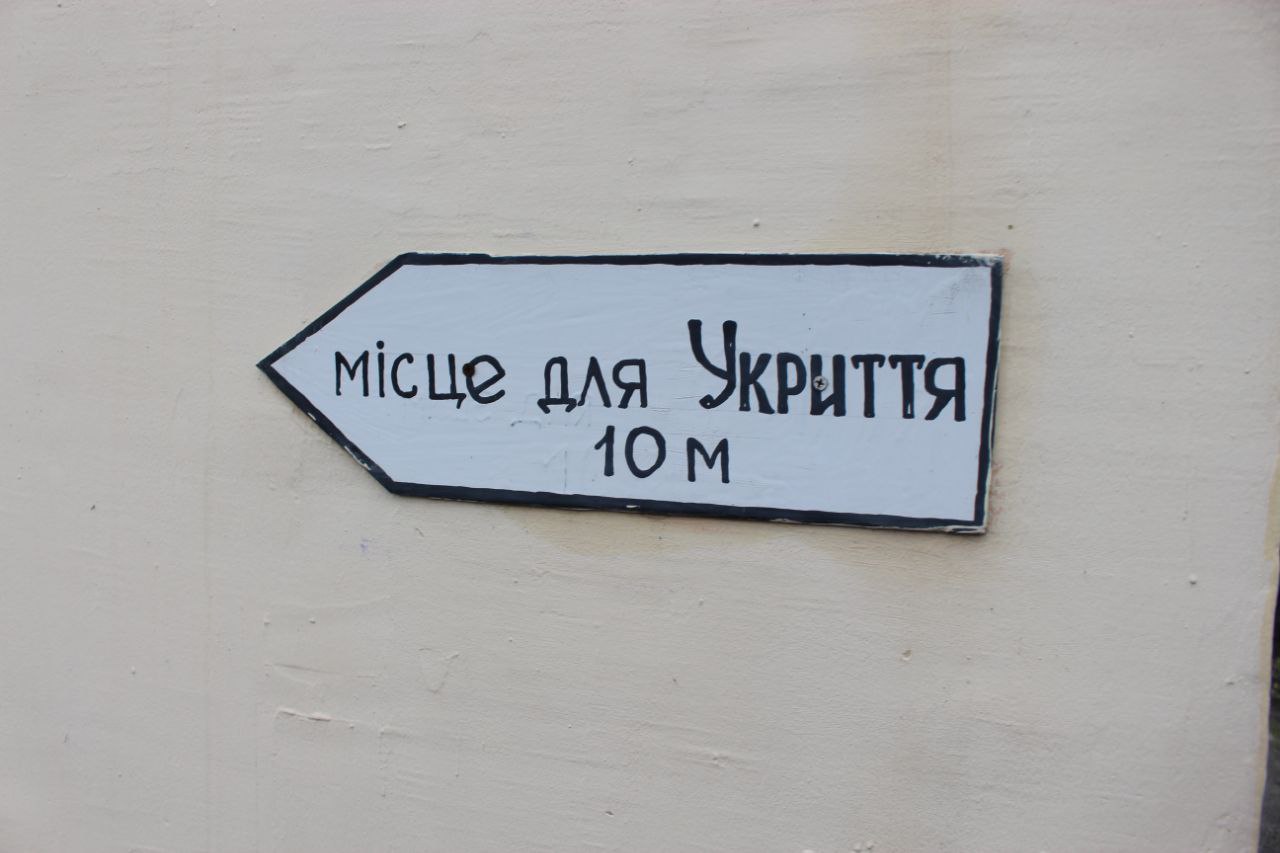
19. The monitoring group inspected the shelter located on the territory of the institution with the aim of assessing its compliance with the requirements of safety, accessibility, and the provision of minimum conditions for the stay of convicts during an air raid and other emergency situations.
The entrance to the shelter is marked with an informative sign indicating the distance (10 m), which complies with the requirements of Point 4.5 of DBN V.2.2-5:2023 and allows for quick orientation during an alert.
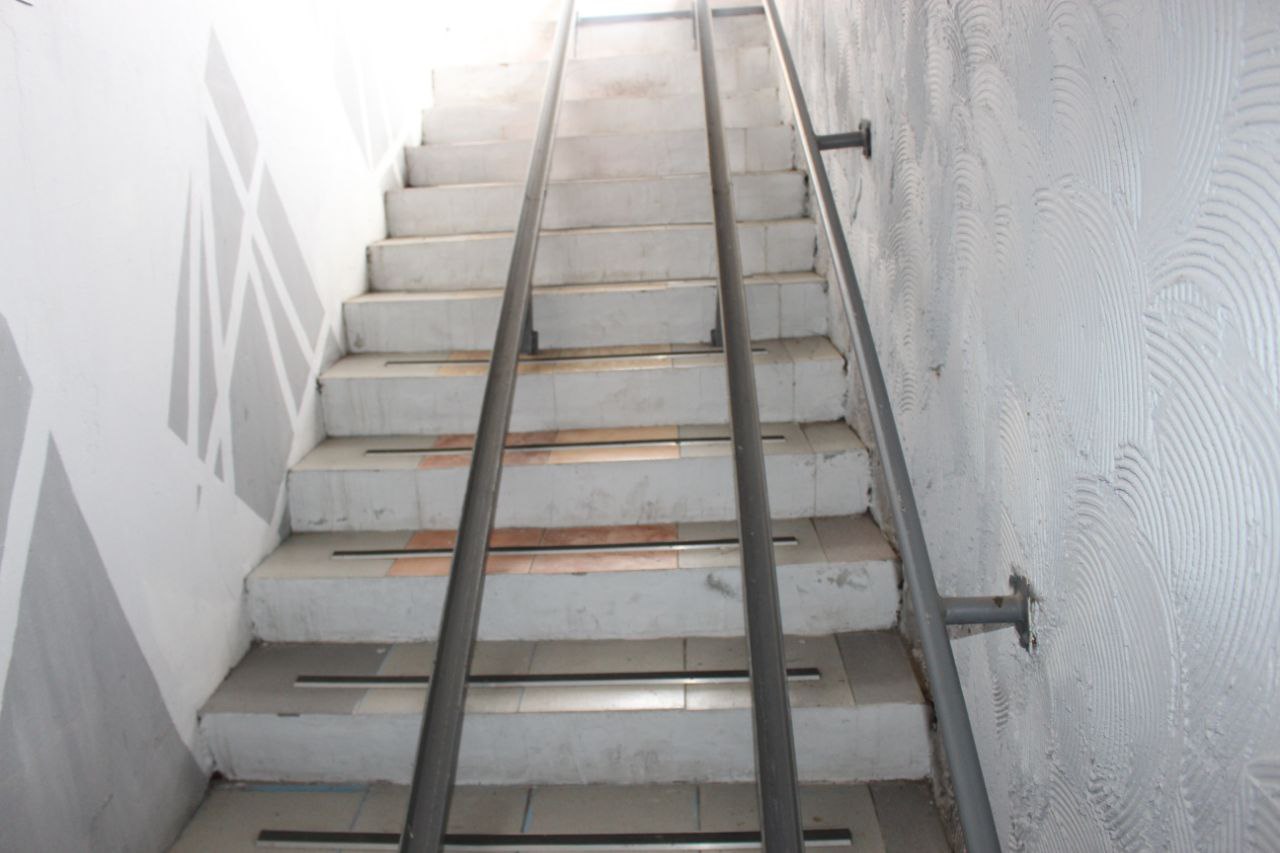
The stairs leading to the shelter are equipped with special metal ramp rails for persons with limited mobility, which is a positive element in the context of Article 9 of the UN Convention on the Rights of Persons with Disabilities and corresponds to the principles of accessibility.
The shelter premises are in a satisfactory but not completely safe condition. Namely: the walls are whitewashed, with partially updated coverage; there are benches and metal beds for accommodating people; the object shows signs of maintenance (painting, cleaning).
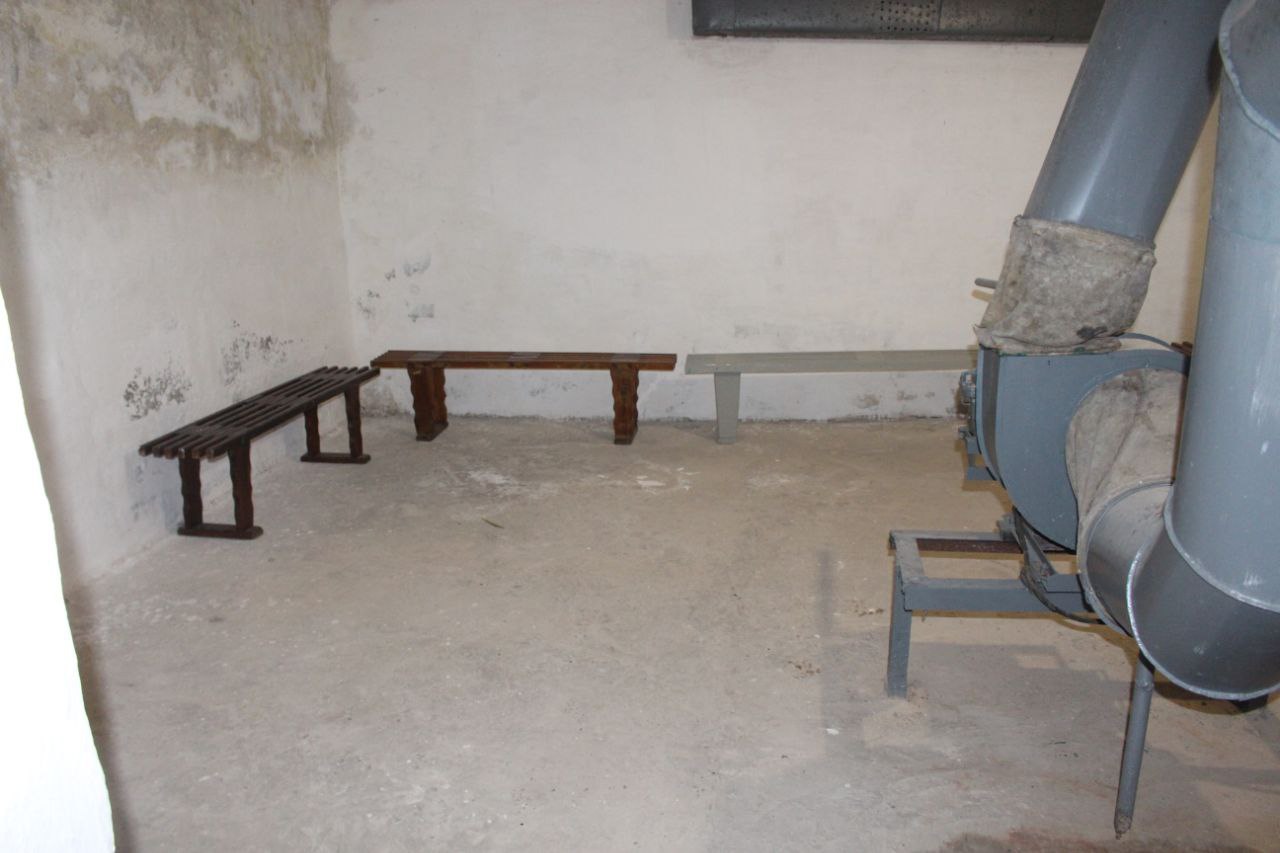
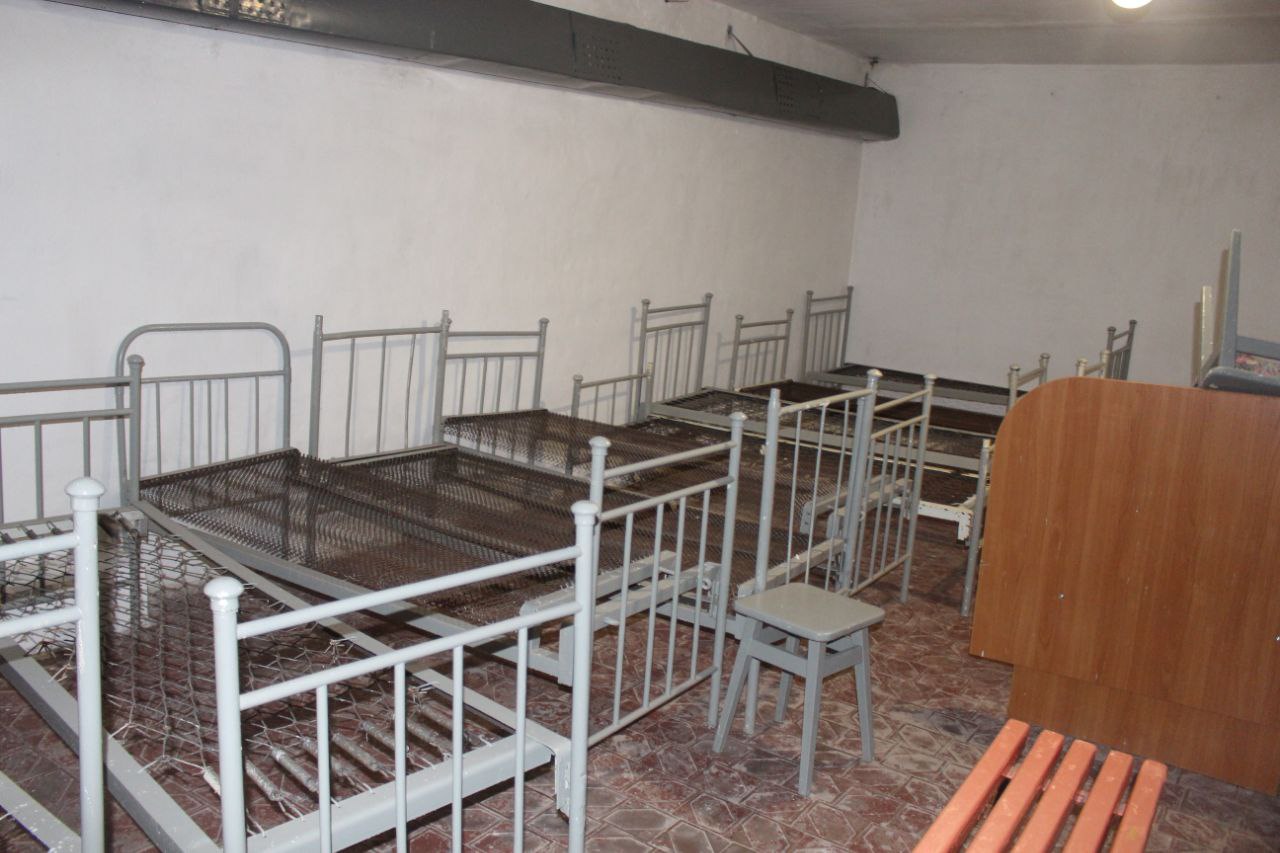
At the same time, the following shortcomings were identified: there are traces of dampness and mould on the walls; the floor is concrete, damaged in places, with visible signs of moisture; furniture is not arranged in an orderly manner, which reduces the potential capacity of the shelter. The shelter is equipped with a full-fledged second emergency exit, which complies with Point 4.7 of DBN V.2.2-5:2023 and is a key safety requirement. This allows for ensuring evacuation in case of collapse or blocking of the main entrance. This element is assessed as a positive and important component of overall safety.
The shelter has an active ventilation system: a mechanical fan is installed (with an electric drive and manual mechanism); air ducts are mounted along the perimeter of the room; the system has a design that allows it to operate in the absence of electricity.
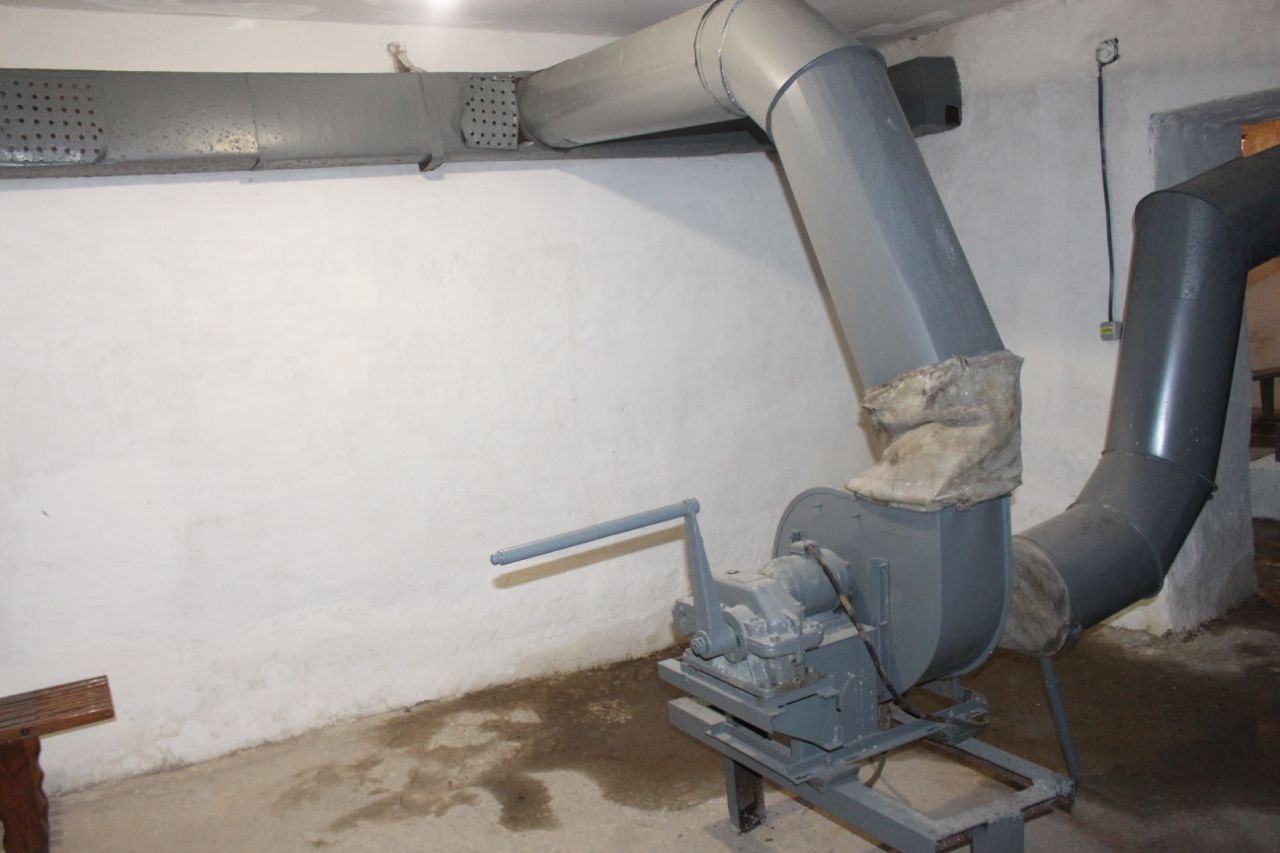
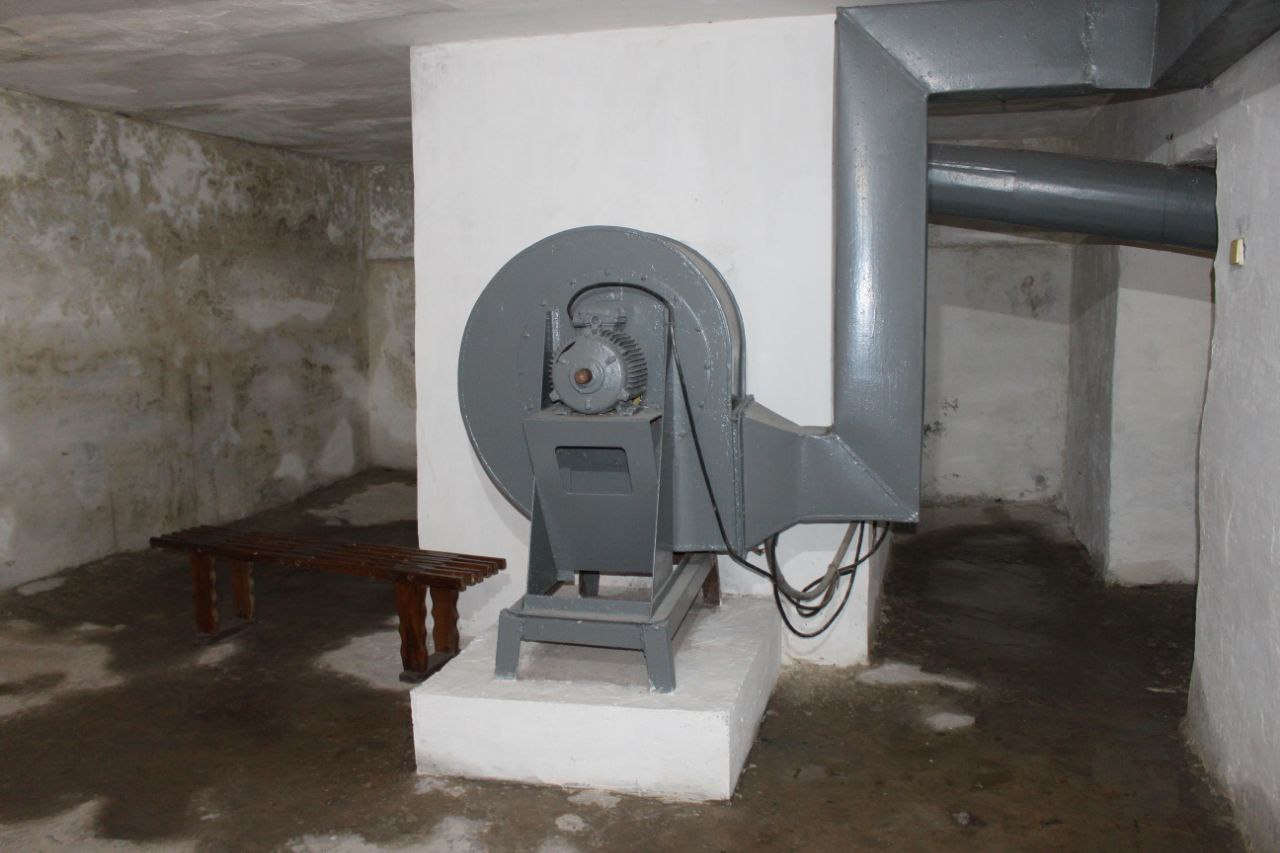
At the same time, individual sections of the air ducts have damage or are wrapped with fabric; there are no supporting documents about the technical verification of operability. According to DSTU 9195:2022 and DBN V.2.2-5:2023, the ventilation system must ensure continuous air exchange, so its condition requires additional diagnostics. At the time of the inspection, one portable bio-toilet was found in the shelter.
This partially solves the problem of sanitary needs, especially in the case of a short-term stay. However, the number of one sanitary facility is disproportionate to the potential number of people who can be in the shelter; there is no sewage or drainage system; no place for hand washing or disinfection is provided. In accordance with Point 6.7 of DBN V.2.2-5:2023, shelters must be provided with the necessary sanitary and household facilities, so this situation requires improvement. The shelter is equipped with benches for sitting, metal beds (folding and stationary), lighting, a ventilation system, and one bio-toilet.
However, the identified shortcomings include: an insufficient number of seats and resting places; the lack of emergency lighting; the lack of a water supply; the lack of a first aid kit; unoptimised organisation of space; the absence of a supply of blankets or thermal protection means. This limits the possibility of long-term stay of people in the shelter. The shelter in the institution partially complies with the basic requirements for shelters in places of deprivation of liberty and contains a number of positive elements, in particular: the presence of a second emergency exit; the presence of a ventilation system; equipped stairs for persons with limited mobility; a navigation sign; the presence of one portable bio-toilet.
At the same time, the shelter does not ensure the full minimum safety standard, namely: insufficient number of sanitary facilities; traces of dampness and mould; partially faulty or worn sections of ventilation; shortage of accommodation places; lack of emergency lighting and water supplies; lack of confirmation of the technical condition of the ventilation system. This contradicts DBN V.2.2-5:2023 and DSTU 9195:2022, as well as the standards of humane treatment defined by the Mandela Rules. The shelter requires the strengthening of sanitary conditions, additional equipment, the elimination of dampness, technical verification of ventilation, and an increase in the level of readiness for prolonged air raids.
20. The colony carries out serial industrial sewing production for a private company, LLC “V.”, as well as the processing and packaging of finished products. Under contracts between the State Enterprise “Enterprise of the SEU of Ukraine” and the customer, convicts manufacture men's work suits, insulated women's trousers, jackets, product samples, and other textile products in significant volumes — from hundreds to thousands of units in each batch.
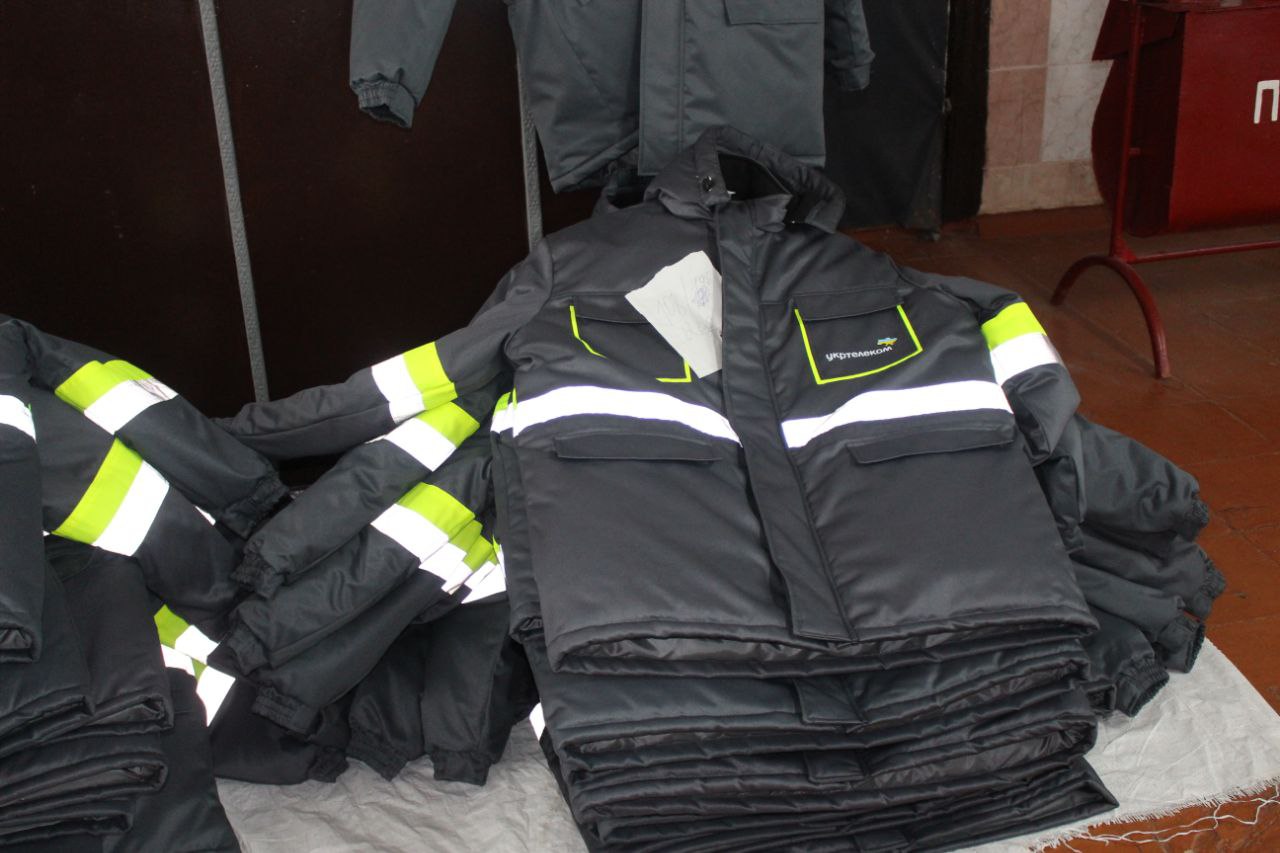
The work is carried out at a branch of the enterprise, in the sewing workshops of the institution, as well as at economic facilities. A separate group of convicts ensures the daily functioning of the canteen, vegetable processing unit, and auxiliary units. 63 convicts work at the branch, distributed among several sewing brigades.
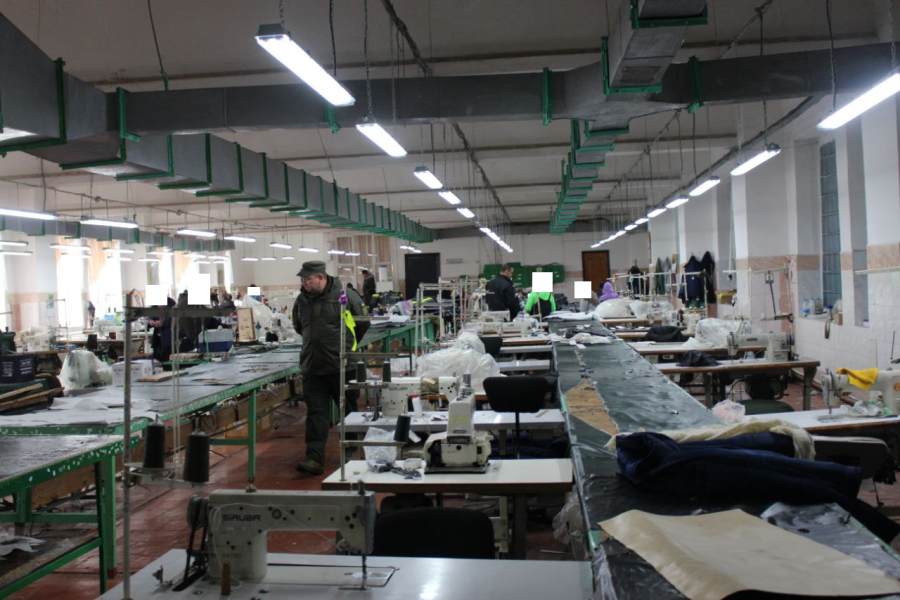
Production is organised in three workshops, where a full cycle is performed: fabric cutting, sewing, ironing, assembly, and packaging of finished products. Specifications for the contracts confirm significant volumes of orders (up to 835 suits and over 600 units of insulated clothing in individual batches). Despite the industrial nature of production, the actual amounts that convicts receive after all mandatory deductions and which are credited to their personal accounts range from 133 to 4,217 UAH per month.
According to the payroll for September 2025, the following amounts of actually credited funds were established: for convict A. — 133 UAH, G. — 862.40 UAH, P. — 1,509.20 UAH, K. — 1,714.71 UAH, O. — 4,217 UAH (the highest indicator among the sample). These amounts do not correspond to the volumes of production and do not ensure the minimum guarantees of Articles 95-96 of the Labour Code of Ukraine and Article 118 of the CEC of Ukraine.
A clear disproportion was established between the actual volume of work and the actual payment. Convicts are also involved in internal work in sewing workshops, repair processes, moving materials, and other household tasks without the conclusion of employment contracts, without keeping records of working hours, and without payment. It was found that occupational safety briefings are not conducted and recorded, medical examinations are not provided, protective equipment is not provided, and records of actual work are kept formally or retroactively. This violates Articles 8, 96, and 118 of the CEC of Ukraine; Articles 24, 29, 50-53 of the Labour Code of Ukraine; and the Law of Ukraine “On Occupational Safety”.
Also, the administration systematically involves convicts in daily physical labour (cleaning, repairs, moving goods), which is formalised as “improvement work lasting 2 hours”. However, it was established that this work is performed daily, without days off, in fact lasts more than 2 hours a day, is not paid for, and goes far beyond the improvement work provided for by Part 5 of Article 118 of the CEC of Ukraine. This has signs of forced labour, prohibited by Article 43 of the Constitution of Ukraine and ILO Conventions No. 29 and No. 105.
Work in the canteen is one of the most intensive. On the day of the visit, 6 convicts were working, but only 5 persons were medically cleared, which indicates a violation of medical control. It was found that individual convicts (in particular, dishwashers) work from 06:00 to 19:00, 7 days a week, formally employed on a 0.75 rate, while actually performing a full working day without days off. On weekends, their work is disguised as “improvement” or is not recorded at all, although they perform a full cycle of canteen work. This violates Articles 50-53 of the Labour Code of Ukraine, Article 118 of the CEC of Ukraine, and Article 45 of the Constitution of Ukraine.
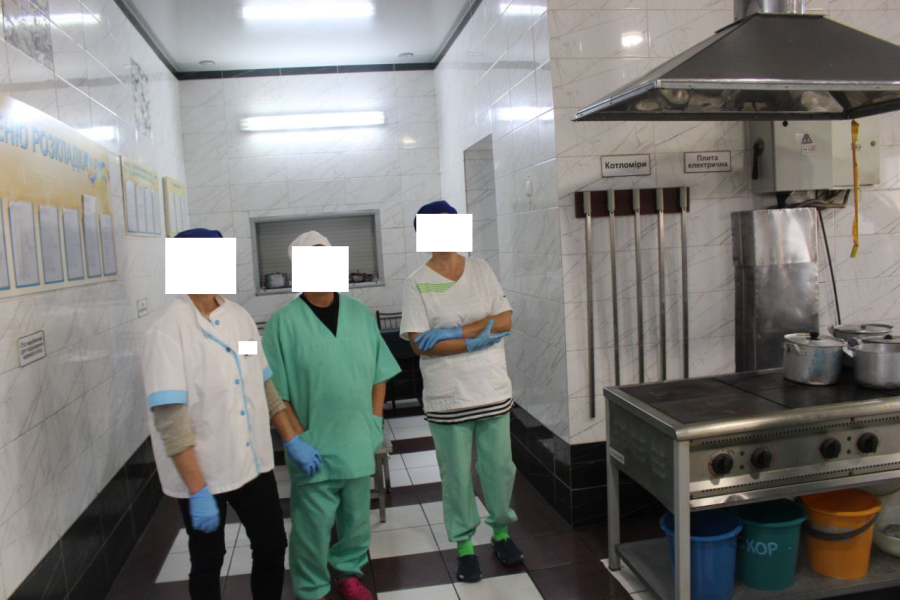
The logs of hourly checks, the issuance of cutting and stabbing objects, and the handover of shifts confirm a continuous mode of operation, which indicates a violation of the right to rest. The monitoring group established: the absence of personal protective equipment, the absence of records of briefings, work sites do not meet sanitary standards, the absence of daily medical examinations for canteen workers, and formal or falsified accounting logs. This contradicts Article 8 of the CEC of Ukraine, the Law of Ukraine “On Occupational Safety”, and the Mandela Rules (Points 22-26).
An analysis of work orders showed the mass involvement of 20-30 convicts in brigades No. 11, 12, 21, 31, and a discrepancy between the work orders and the actual data in the logs; the absence of real accounting of hours worked; and the possible concealment of overtime work. This indicates the systemic and formal nature of documentation, which violates labour legislation.
The monitoring confirms systemic and complex violations of labour rights at NCC-65, in particular: low and irrelevant remuneration for work that does not meet legislative requirements; involvement in work without employment contracts, without accounting for working hours, and without social guarantees; daily unpaid physical labour, formalised as improvement, which has signs of forced labour; gross violations of occupational safety, absence of briefings, medical examinations, and protective equipment; work without days off, which contradicts Articles 50-53 of the Labour Code of Ukraine; and the formal nature and unreliability of accounting documents, including work orders and logs.
The labour of convicts is used as the main source of ensuring the production and economic activities of the colony, but without observing the guarantees of the Labour Code of Ukraine, the CEC of Ukraine, the Law of Ukraine “On Occupational Safety”, ILO Conventions, and the Mandela Rules. Such practices pose a risk of systemic application of forced labour in the institution.
Medical Unit No. 65 of the Branch of the State Institution “Public Health Centre of the State Criminal-Executive Service of Ukraine” in the Poltava Region
The head of Medical Unit No. 65 of the branch of the state institution “Public Health Centre of the State Criminal-Executive Service of Ukraine” in the Poltava region is Oksana Viktorivna Prokofieva.
In the staff of the medical unit, positions of a clinical psychologist — 1 staff unit, and an infectious disease doctor — 0.75 of a staff unit remain vacant. During the monitoring visit, violations of the requirements of national legislation and non-compliance with international recommendations in the field of prisoner treatment were identified, which leads to the violation of the rights of convicted persons:
1. During the visit, the monitoring group established that for four patients who were undergoing inpatient treatment in the medical unit, Form No. 003/o of primary accounting documentation “Medical Card of an Inpatient”, approved by Order of the Ministry of Health of Ukraine dated 14.02.2012 No. 110, had not been opened.
All data regarding treatment and diagnostics in the inpatient ward, including the results of examinations of the convict and the prescription sheet, must be entered into the specified form. The identified violation violates the requirements of Point 5 of Chapter 5 of Section II of the “Procedure for Organising the Provision of Medical Care to Convicts to Deprivation of Liberty”, approved by Order of the Ministry of Justice of Ukraine and the Ministry of Health of Ukraine dated 15.08.2014 No. 1348/5/572 (hereinafter — Procedure).
2. In violation of the requirements of Point 3 of the “Instruction on Filling out Form No. 511/o of Primary Accounting Documentation “Certificate of Recording Bodily Injuries”, approved by Order of the Ministry of Health of Ukraine dated 02.02.2024 No. 186, cases were established where copies of the certificate of Form No. 511/o are not attached to Form No. 025/o of primary accounting documentation “Medical Card of an Outpatient”, but are kept separately.
At the same time, the absence of proper recording of bodily injuries does not correspond to Point 60 of the recommendations of the Third General Report of the Committee, where it is stated that medical services in places of deprivation of liberty can contribute to the prevention of violence against persons held in custody through the systematic registration of bodily injuries, as well as, if necessary, through informing the relevant authorities (CPT/Inf (93) 12-part).
3. During the study of medical documentation, it was established that in medical cards of the outpatient No. 025/o, photographs of existing bodily injuries are not attached to the compiled certificates, as provided for by Point 3 of Section I of Chapter II of the Procedure.
At the same time, the Committee in the report on the results of the visit to Ukraine in 2023 notes that any traumatic injuries discovered during a medical examination must be photographed in detail, and photographs together with body diagrams must be stored in the individual medical card of the person (CPT/Inf (2024) 20) Point 82).
4. The staff of the medical unit lacks the position of a clinical psychologist, which complicates the timely and effective provision of medical care in the field of mental health to convicts. The Committee in the report on the results of the visit to Ukraine in 2023 reiterates its recommendation to further strengthen the provision of psychological assistance in institutions, as well as to develop the training and role of penitentiary psychologists, especially in the part of therapeutic clinical work with convicts.
In this context, it is necessary to make efforts to recruit clinically trained psychologists, who should be part of the medical team and in their work should not combine two different roles — risk assessment and therapeutic clinical work (CPT/Inf (2024) 20) Point 85).
5. In violation of Point 8 of Chapter 5 of Section II of the Procedure, there is no equipped isolation ward for persons with mental disorders who pose a danger to others in the inpatient facility of the medical unit.
6. The monitoring group established that 28 patients with chronic viral hepatitis C (hereinafter — HCV) are registered in the institution and require treatment. As of the day of the visit, antiviral therapy for the treatment of HCV was absent in the pharmacy of the medical unit, which contradicts the requirements of the Standards of Medical Care for HCV in adults, approved by Order of the Ministry of Health of Ukraine dated 23.07.2025 No. 1178.
The absence of timely treatment increases the risk of disease progression, the development of liver complications, and creates a threat of the spread of infection among other patients, violating the right of convicts to receive proper medical care.
7. Dispensary observation is carried out for 9 persons who have disabilities. Of them: Group I — 0 persons; Group II — 0 persons; Group III — 9 persons. At the same time, in violation of the requirements of the Law of Ukraine “On Rehabilitation of Persons with Disabilities in Ukraine”, persons with disabilities do not receive proper diagnostic, treatment, and rehabilitation measures in the presence of information confirming a persistent impairment of the functions of the body, caused by diseases and consequences of injuries, which cause restrictions on normal vital activity.
During the study of the medical documentation of the convicts, it was established that 2 persons who have disabilities do not have an individual rehabilitation programme (hereinafter — IRP). In addition, the recommendations of the IRP are not being fulfilled, due to which they do not receive proper diagnostic, treatment, and rehabilitation measures.
8. In violation of Point 37 of the Resolution of the Cabinet of Ministers of Ukraine dated 02.03.2016 No. 285 “On Approval of Licensing Conditions for the Conduct of Economic Activity in Medical Practice”, the medical unit lacks a conclusion confirming free access to the buildings and premises of the medical facility for groups of persons with limited mobility, the receipt of which is mandatory.
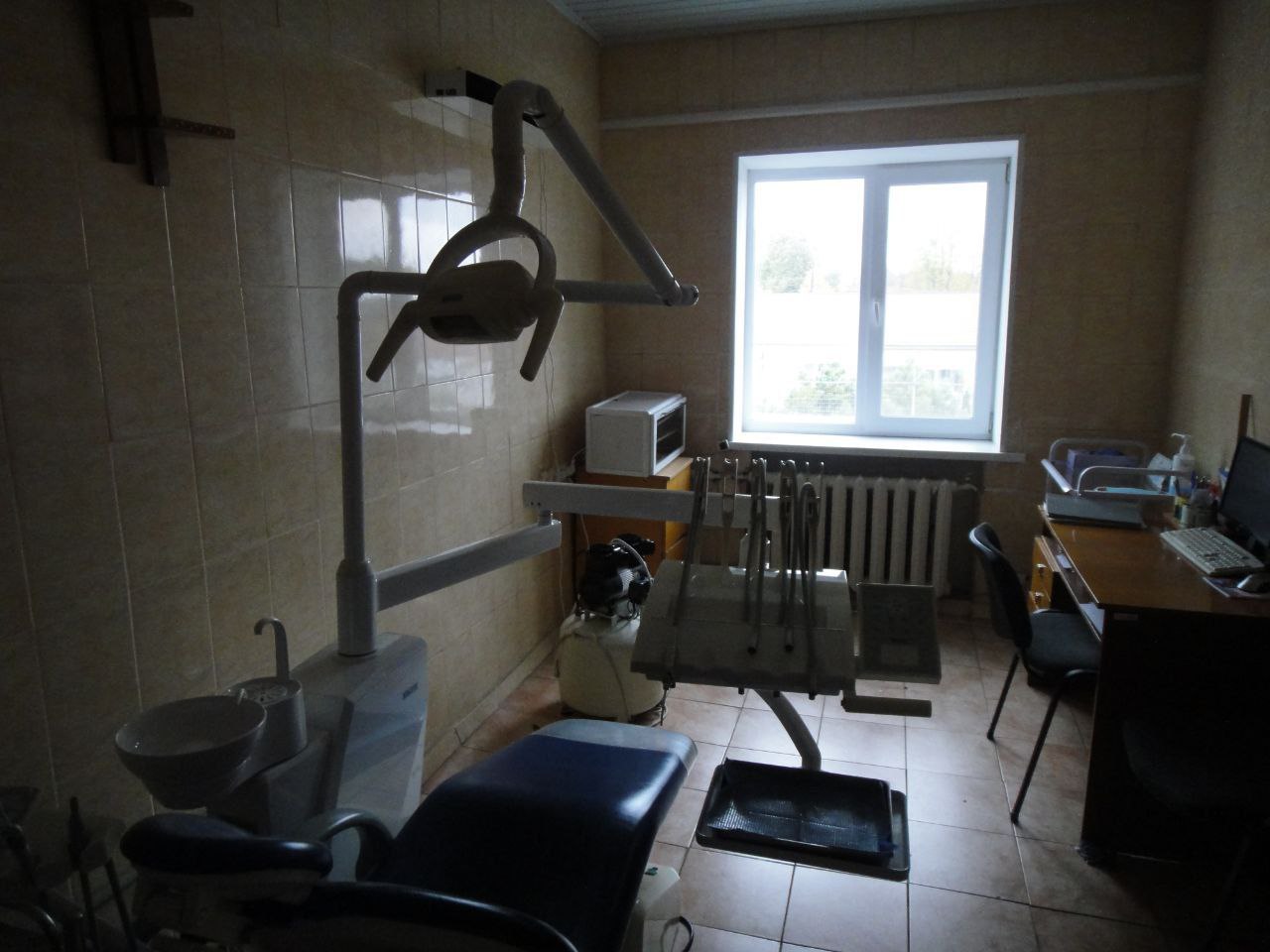
9. In violation of the requirements of the Table of Equipment for one workplace of a dentist and a dental technician, approved by Order of the Ministry of Health of Ukraine dated 11.04.2005 No. 158, the medical unit lacks a dental X-ray machine, which makes it impossible to conduct an in-depth dental examination of convicts and does not ensure the timely provision of proper dental care.
10. In violation of the “Procedure for Organising Medical Care at the Primary, Secondary (Specialised), and Tertiary (Highly Specialised) Levels with the Use of Telemedicine”, approved by Order of the Ministry of Health of Ukraine dated 19.10.2015 No. 681, the personnel of the medical unit, due to technical limitations, are deprived of the opportunity to send requests for telemedicine consultations and receive professional help for the provision of medical services to convicts.
11. According to Point 7 of Chapter III of Section II of the Procedure, convicts working in food facilities (except for work related to the positions of salespeople, heads of food and clothing warehouses, storekeepers), the processing industry, in children's homes, general secondary education institutions, vocational training units in special educational colonies, medical units (feldsher posts), and hospital institutions of the SEU (except for work related to the provision of medical care), laundries, bathhouses, rooms for long-term visits, dormitories, clubs, at water supply and sewage facilities, and sites for breeding and raising animals undergo mandatory preliminary and preventive medical examinations in accordance with the Resolution of the Cabinet of Ministers of Ukraine dated 23.05.2001 No. 559 “On Approval of the List of Professions, Productions, and Organisations whose Employees are Subject to Mandatory Preventive Medical Examinations, the Procedure for Conducting These Examinations and Issuing Personal Medical Records”.
For each convict of the specified category, Form No. 1-OMK of primary accounting documentation “Personal Medical Record”, approved by Order of the Ministry of Health of Ukraine dated 21.02.2013 No. 150, registered with the Ministry of Justice of Ukraine on 23.04.2013 under No. 662/23194, is opened. At the same time, during the verification of personal medical records of convicts working in the canteen, it was established that these employees did not undergo an examination by an otolaryngologist and a dermatovenereologist, which violates the requirements of Point 6 of the “Rules for Conducting Mandatory Preventive Medical Examinations of Employees of Certain Professions, Productions, and Organisations whose Activities are Connected with Serving the Population and May Lead to the Spread of Infectious Diseases”, approved by Order of the Ministry of Health of Ukraine dated 23.07.2002 No. 280 (as amended by Order of the Ministry of Health of Ukraine dated 21.02.2013 No. 150).
12. In violation of the requirements of the “Norms of Belonging of Bedding, Special Clothing, and Special Footwear (Inventory Property) for Convicts undergoing treatment in medical-prophylactic institutions, institutions with rights of medical facilities and in medical units at penal institutions and pre-trial detention centres”, approved by Order of the Ministry of Justice of Ukraine dated 20.02.2012 No. 280/5, convicted persons do not receive hospital property (suit, gown, and hospital slippers). Convicts stay in the inpatient ward in everyday clothes, sometimes with their own bedding.
13. In the medical unit, in particular in the wards, the monitoring group recorded violations of the temperature regime. Thus, at the time of the inspection, the air temperature in separate premises (isolation ward for patients with infections transmitted by airborne droplets) was +10 °C, which does not meet the requirements of Section VI of the “State Sanitary Norms and Rules”, approved by Order of the Ministry of Health of Ukraine dated 02.04.2013 No. 259, and Point 1 of Section XXII of the IRPI, according to which during the cold season, the temperature in the living quarters of penal institutions must be maintained at a level of no less than +18 °C.
Recommendations:
1. Ensure compliance with the living space norm of no less than 4 m² per person in the Quarantine, Diagnostic, and Distribution (QDD) unit and review the occupancy limits of living quarters.
2. Stop the practice of visiting the canteen by newly arrived convicts together with other categories of convicts and ensure their complete isolation in accordance with the Regulations on QDD.
3. Supplement the QDD unit with the prescribed premises for storing food, clean and dirty laundry, clothing, a cloakroom, a utility room, and a drying room.
4. Ensure compliance with the temperature regime in the living quarters of the QDD, SPS, medical unit, and DIW at a level of no less than +18 °C during the cold period of the year.
5. Prohibit the use of body-worn video cameras during strip searches and medical examinations and bring video surveillance into compliance with legislative requirements.
6. Dismantle or limit the use of video surveillance cameras in the living quarters of the QDD, ensuring their use only on the basis of an individual risk assessment.
7. Ensure the actual implementation by members of the working group of the programme for familiarising newly arrived convicts with the order and conditions of serving the sentence and the proper keeping of relevant logs.
8. Equip a Wi-Fi access point and ensure the realisation of the convicts' right to access the Internet in the QDD unit.
9. Ensure a sufficient level of natural lighting in the cell premises of the DIW and remove structural obstacles to the penetration of light.
10. Equip the DIW restrooms with doors of sufficient height to ensure privacy and bring conditions into compliance with the European Prison Rules.
11. Restore the radio installation in DIW cells to ensure convicts’ access to information and compliance with minimum standards.
12. Terminate the practice of fixing folding beds in the DIW in a position that deprives convicts of the opportunity to sit or lie down during the day.
13. Equip the DIW and PKT with all necessary service premises in accordance with the Provision Norms, including rooms for receiving convicts, storing laundry, food organisation, and a barbershop.
14. Equip exercise yards with shelters from atmospheric precipitation and ensure sufficient area for the physical activity of convicts.
15. Equip a club room in the institution for conducting cultural, educational, and awareness-raising events.
16. Ensure compliance with the requirements regarding the sampling and storage of daily food samples in the canteen and control by medical personnel.
17. Restore the operation of the disinfection chamber for the treatment of bedding and clothing of convicts and detainees.
18. Ensure the provision of hairdressing services to convicts and detainees in accordance with regulatory requirements.
19. Restore the operation of the forced supply-exhaust ventilation in the bathhouse premises and ensure appropriate sanitary conditions.
20. Ensure the possibility for female convicts to visit the bathhouse with the frequency established by the European Prison Rules.
21. Equip the laundry with all required premises, including a staff room, a restroom, and a shower.
22. Ensure concealed carrying of special means by personnel in direct contact with convicts, and terminate the practice of openly carrying rubber batons.
23. Ensure the issuance of passports of a citizen of Ukraine and RNOKPP for all convicts who require them, and strengthen work under the “Preparation for Release” programme.
24. Review the practice of conducting short-term visits and ensure that open visits are the rule, while non-contact visits are the exception, applied based on an individual risk assessment.
25. Take measures to eliminate staff shortages by ensuring a sufficient number of employees in the security, supervision, and social-educational work services.
26. Improve the shelter on the institution's territory by eliminating dampness and mould, repairing the floor, organising the space, increasing the number of sanitary facilities, and ensuring emergency lighting, water supplies, blankets, and a first aid kit.
27. Conduct technical diagnostics of the shelter's ventilation system, repair damage, and ensure documentary confirmation of its operability.
28. Ensure payment for the labour of convicts in accordance with Articles 95-96 of the Labour Code and Article 118 of the Criminal Executive Code of Ukraine, and review the accrual system.
29. Terminate the practice of involving convicts in work without concluding employment contracts, without recording working hours, and without payment, by ensuring the formalisation of employment relationships.
30. Terminate the use of unpaid labour under the guise of improvement work exceeding the permissible duration and without days off.
31. Ensure compliance with working time norms, the right to rest, and days off, particularly for canteen staff.
32. Establish real accounting of working time, work orders, and the employment of convicts, excluding retroactive documentation of work.
33. Ensure the conduct of occupational safety briefings, the issuance of personal protective equipment, and regular medical examinations for all working convicts.
34. Take measures aimed at eliminating identified human rights violations and preventing torture, and other cruel, inhuman, or degrading treatment or punishment in Medical Unit No. 65 of the branch of the state institution “Public Health Centre of the State Criminal-Executive Service of Ukraine” in the Poltava Region.
35. Staff the medical unit with specialist doctors according to needs.
36. Ensure control over the proper maintenance of medical documentation in accordance with the “Procedure for Organising the Provision of Medical Care to Convicts to Deprivation of Liberty”, approved by the joint order of the Ministry of Justice of Ukraine and the Ministry of Health of Ukraine dated 15.08.2014 No. 1348/5/572, and other legal acts.
37. Ensure the maintenance of Form No. 003/o “Medical Card of an Inpatient” for all patients undergoing inpatient treatment, in accordance with the requirements of the Procedure.
38. Ensure timely and proper recording of bodily injuries in convicts.
39. Fulfill the requirements of Point 37 of the Resolution of the Cabinet of Ministers of Ukraine dated 02.03.2016 No. 285 “On Approval of Licensing Conditions for the Conduct of Economic Activity in Medical Practice”.
40. Provide the medical unit with hospital property (suit, gown, and hospital slippers).
41. Ensure the restoration and proper outfitting of the isolation ward for persons with mental disorders after the completion of repair work, in accordance with the requirements of Point 8 of Chapter 5 of Section II of the Procedure.
42. Ensure the proper recording of preventive examinations for the admission of convicts to work at food facilities in accordance with requirements.
43. Ensure the proper operation of the telemedicine complex for requests by doctors for telemedicine consultation.
44. Ensure the necessary antiviral treatment for persons with a confirmed diagnosis of HCV in accordance with the requirements of the Standard.
45. Ensure the conduct of individual rehabilitation for persons who require it.
46. Equip the medical unit with a dental X-ray machine and necessary equipment for conducting a full dental examination and treatment.
47. Ensure compliance with the established temperature regime in the wards of the medical unit by immediately bringing the air temperature into compliance with the requirements of the State Sanitary Norms and Rules and Point 1 of Section XXII of the IRPI.