Report on the results of the monitoring visit to the Bozhkivska Correctional Colony No. 16
On 20 October 2025, in accordance with the Optional Protocol to the Convention against Torture and Other Cruel, Inhuman or Degrading Treatment or Punishment, taking into account the provisions of the Standard Minimum Rules for the Treatment of Prisoners and the decisions of the European Court of Human Rights, and on the basis of Article 24 of the Criminal Executive Code of Ukraine — Visiting Penal Institutions, a group of monitors from the Kharkiv Human Rights Protection Group and the NGO “Protection of Prisoners of Ukraine” carried out a visit to the state institution “Bozhkivska Correctional Colony (No. 16)” (BCC-16, the institution, the facility, the colony).
A routine, unannounced visit was conducted, and all facilities of the institution were examined. The previous visit took place on 15 September 2020.
In preparation for the visit, the monitors used materials from appeals by convicts and their relatives, materials from previous reports, as well as reports from monitors of the National Preventive Mechanism under the Commissioner for Human Rights of the Verkhovna Rada of Ukraine (NPM).
The visit was conducted within the framework of the project “Reducing the Suffering of Prisoners in the Context of the War in Ukraine”, funded by the government of Denmark in partnership with DIGNITY (Danish Institute Against Torture).
The visit was carried out by the following monitors:
- Andrii Didenko — assistant to the Member of Parliament of Ukraine Yaroslav Yurchyshyn, coordinator of programmes for the Kharkiv Human Rights Protection Group, with experience in monitoring visits since 2014, NPM monitor (National Preventive Mechanism), and member of the NPM advisory council;
- Serhii Zuikov — assistant to the Member of Parliament of Ukraine Kostiantyn Kasai, member of the public council under the Ministry of Justice of Ukraine, member of the public organisation “Protection of Prisoners of Ukraine”, NPM monitor, with many years of experience in monitoring visits;
- Oleh Tsvilyi — member of the public council under the Ministry of Justice of Ukraine, head of the public organisation “Protection of Prisoners of Ukraine”, who has significant experience in monitoring visits and specialises in issues of torture, and cruel and inhuman treatment.
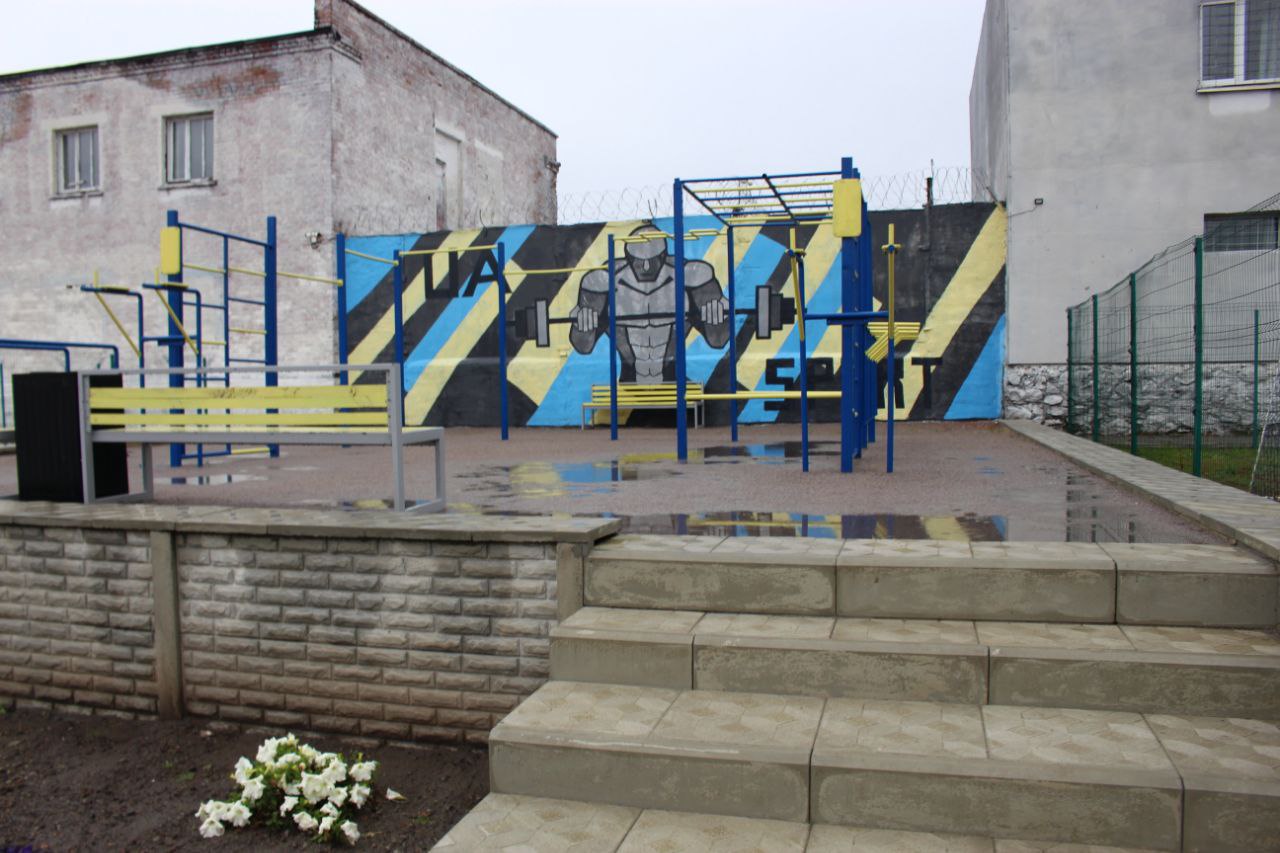
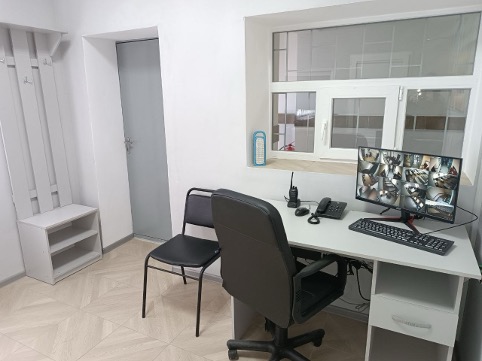
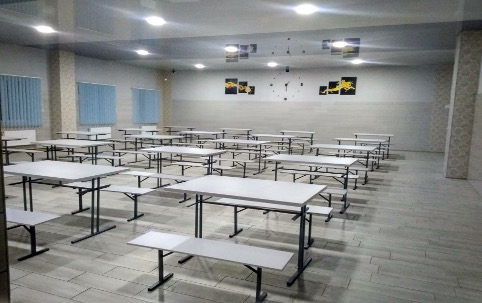
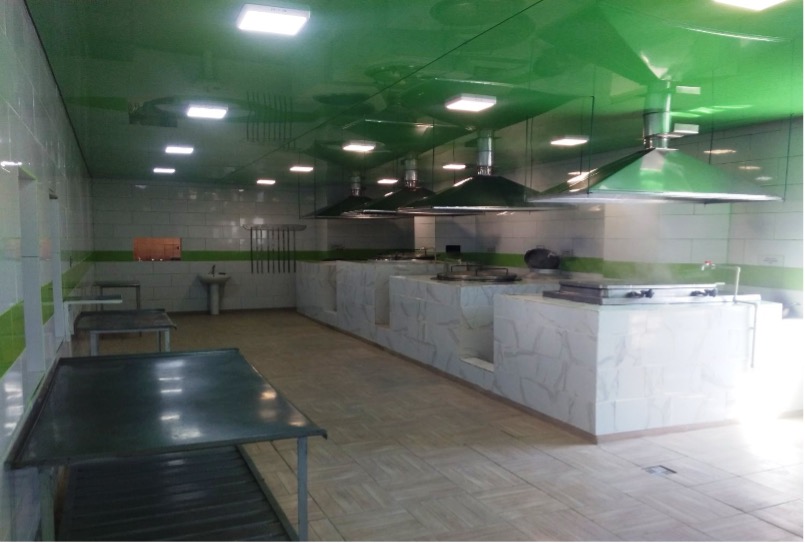
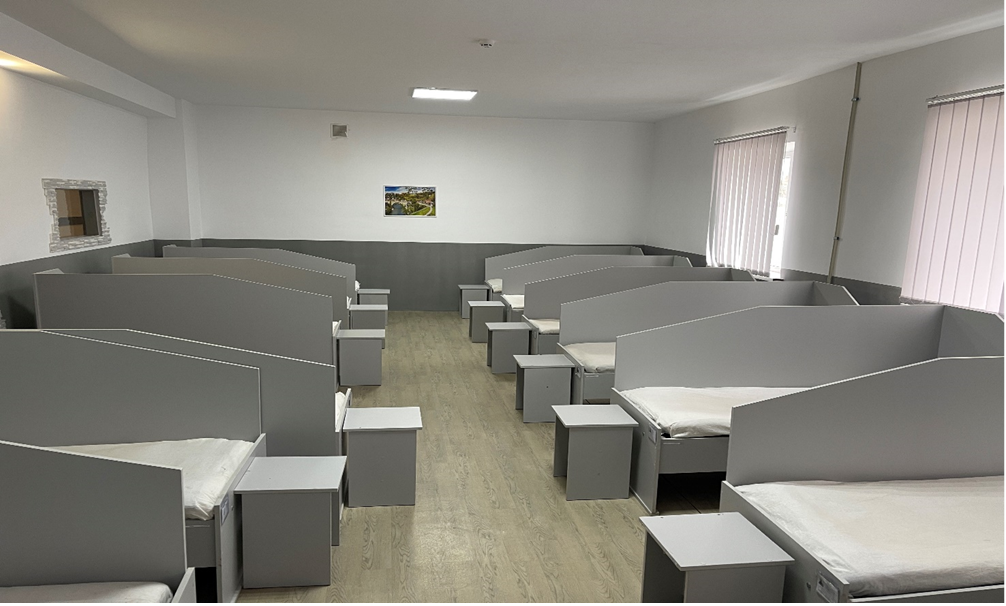
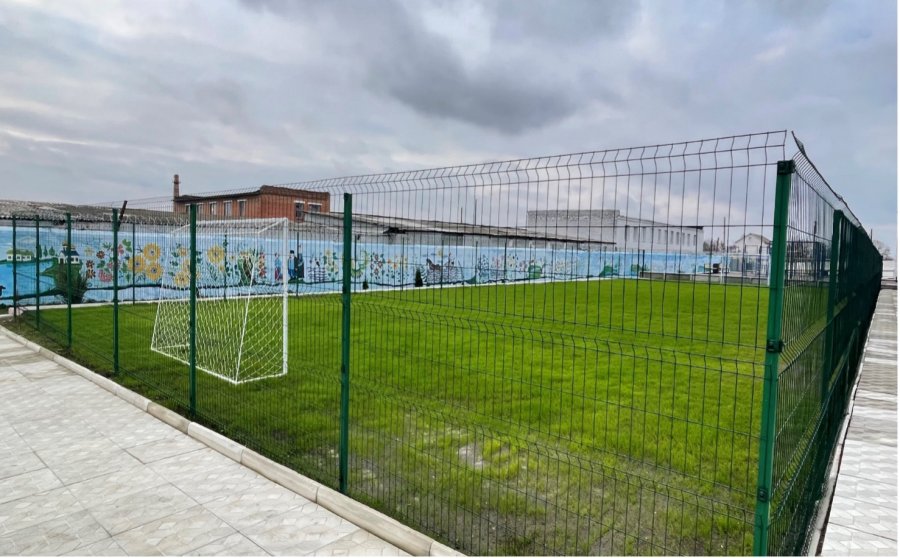
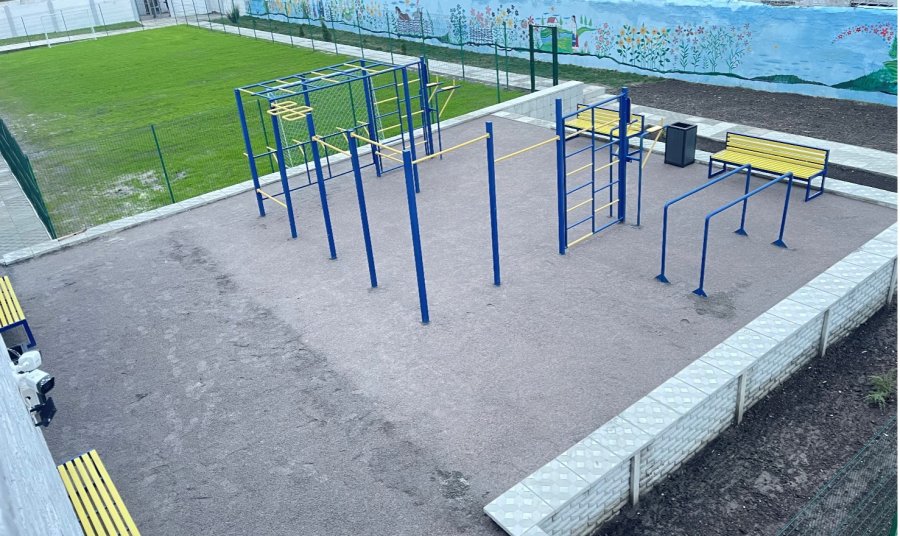
During the monitoring visit to BCC-16, both individual positive steps taken by the administration (capital repairs of the SPS premises, the canteen, the QDD unit, the pre-trial detention unit, the sports ground, and the room for telephone calls) and systemic violations of national legislation and international standards were recorded.
Illegal involvement of convicts in the duties of ‘attendants’ in the QDD unit, improper living conditions, violations of temperature standards, a lack of access to drinking water, and excessive video surveillance were established.
Significant shortcomings were identified in the organisation of disciplinary practice (prolonged placement of persons with mental disorders in the disciplinary isolation unit/cell-type premises, improper conditions of detention, lack of copies of decisions on penalties, improper notification of rights), as well as in the sphere of convicts’ labour — systemic hidden use of labour, substitution of employment relationships with civil-law contracts, lack of working time accounting, lack of protective clothing, and lack of proper payment guarantees.
Additionally, significant problems were identified regarding the organisation of catering, laundry and bath services, staffing levels, the condition of shelters, and healthcare (lack of certain equipment, specialists, accessibility for persons with disabilities, and proper documentation of bodily injuries and implementation of individual rehabilitation programmes).
The totality of the established violations indicates high risks of cruel, inhuman or degrading treatment and requires systemic changes by state bodies in the organisation of the detention of convicts in the colony.
General information
BCC-16 is a minimum-security penal institution with general conditions of detention for men.
The institution is located at the address: 5 Tsentralna St., Bozhkivske village, Poltava District, Poltava Region, 38734.
The institution is situated in the village of Bozhkivske, Poltava Region. It dates back to 1925, when a single institution was created on the basis of several scattered agricultural colonies; for a long time, the colony had a distinct agricultural profile with a significant land fund and developed livestock farming. Between 1957 and 1967, both men and women were held here simultaneously, and from 1961 to 1966, persons undergoing compulsory treatment for alcoholism were kept together with the convicts; later, they were transferred to a separate medical-labour dispensary.
In 1976, part of the agricultural plots was separated into an independent colony, and as of 2008, about 851 convicts were held in the Bozhkivska colony itself. After Ukraine gained independence, the institution was reorganised as the state institution “Bozhkivska Correctional Colony (No. 16)”, legally registered on 29 November 1999.
Currently, it is a minimum-security correctional colony with general conditions of detention, where primarily men, convicted for the first time for non-grave crimes, are held. In the 2020s, the colony became the focus of public attention in connection with investigations by the State Bureau of Investigation and statements by human rights defenders and the Commissioner for Human Rights of the Verkhovna Rada of Ukraine regarding systemic torture and cruel treatment of prisoners; a number of officials were notified of suspicion regarding the organisation of such crimes.
At the time of the visit, the head of the institution was Colonel of the Internal Service Oleksii Ivanovych Domashov.
The facility consists of a duty unit, a QDD unit (Quarantine, Diagnostics, and Distribution unit), SPS units (socio-psychological service), a canteen, DIU premises (disciplinary isolation unit), CTP (cell-type premises), ECU (enhanced control unit), a pre-trial detention unit, a medical unit, a laundry and bath complex, visiting rooms, a shop, a library, a parcel collection room, and administrative premises.
According to the institution’s administration, the authorised staff number is 212 positions, with 186 currently filled. The total staff shortage is 26 employees. The planned capacity of the facility is 496 persons, with 201 persons actually being held in the institution. BCC-16 operates 6 SPS units. There are 3 psychologists working in the facility for convicts and 1 for working with staff.
During 2025, 205 people arrived at the colony. During 2024, 1 person died, and 0 in the current year. On the operational-preventive register there were: 8 persons prone to suicide (1 suicide act was committed in 2024), 15 persons prone to self-harm, 2 prone to escape, and 9 malicious violators of the regime of detention.
During 2024, no one submitted a complaint regarding improper conditions of detention or inadequate medical care; during the current year, there was 1 complaint regarding these issues. Five people have disabilities: 2 persons in group II and 3 persons in group III.
Convicts have 67 tablets for personal use, and 46 email addresses have been registered. Ten people have been released in total. There were 14 short-term trips outside the institution in connection with exceptional circumstances.
During 2024, 17 cases of bodily injuries were recorded: 1 upon arrival and 16 during the stay in the institution. During the current year, 7 cases of bodily injuries during the stay in the institution have been recorded.
The monitoring group interviewed about 127 convicts during the visit to production facilities, workshops, SPS units, disciplinary premises, and utility facilities, in the format of general conversations providing consultations, answering questions, surveying on human rights compliance, as well as individual communication, including on an anonymous basis.
Positive experience
In implementation of the strategic goal “Creating proper conditions for the detention of convicts and persons taken into custody” of the Strategy for Reforming the Penitentiary System for the period up to 2026, the institution carried out capital repairs in the SPS units, the canteen, the QDD unit, the pre-trial detention unit, the room for telephone calls, the sports ground, and other works.
Violations of national and international legislation identified
During the monitoring visit, violations of national legislation requirements and failure to comply with international recommendations in the field of prisoner treatment were identified, which lead to the violation of the rights of convicted persons:
1. The monitoring group established that the institution’s administration and staff do not ensure proper organisation of work with newly arrived convicts. In violation of paragraph nine of part one of Article 8 and part one of Article 118 of the Criminal Executive Code of Ukraine (hereinafter — CEC of Ukraine), facts were established regarding the involvement by the institution’s staff of two convicts in work in the Quarantine, Diagnostics, and Distribution (QDD) unit without the conclusion of an employment contract.
In particular, convicts Sh. and M. were effectively involved in performing the duties of ‘attendants’ without remuneration. Furthermore, it was established that the aforementioned convicts have the opportunity to be in the QDD unit around the clock, have assigned sleeping places, and can independently visit the canteen and the SPS unit, to which each of them is formally assigned. The institution’s administration and staff have effectively delegated to the ‘attendants’ the functions of constant supervision over newly arrived convicts placed in the QDD unit, as well as control over their compliance with the daily schedule, which is unacceptable.
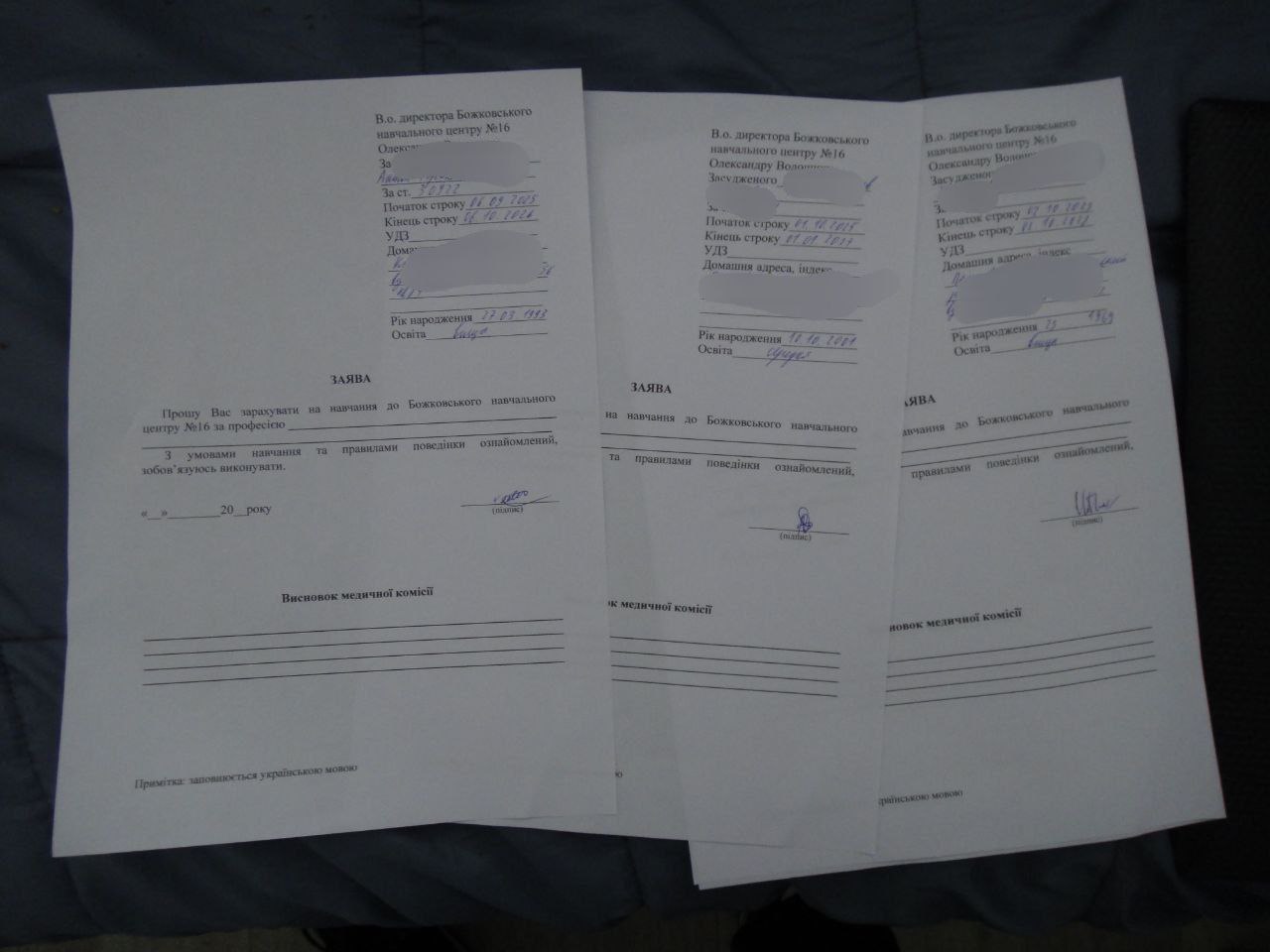
It was also established that the aforementioned convicts carried out work with new arrivals regarding issues of involvement in labour and obtaining professional (vocational-technical) education. Thus, on the bedside table of one of the convicts, applications addressed to the acting director of the Bozhkivskyi Training Centre No. 16, Oleksandr Voloshyn, were discovered; these were submitted by convicts who had arrived at the institution on 17 October 2025 and, at the time of the monitoring visit, were in the QDD unit, requesting enrollment in the training centre No. 16.
The aforementioned facts were confirmed by the statements of the convicts who were in the QDD unit. Such actions contradict the requirements of Article 96 of the CEC of Ukraine, paragraph 4 of section II of the Internal Regulations of Penal Institutions, approved by the order of the Ministry of Justice of Ukraine dated 28.08.2018 No. 2823/5 (hereinafter — IRPI), as well as paragraph 2 of section I of the Regulation on the QDD unit, approved by the order of the Ministry of Justice of Ukraine dated 04.11.2013 No. 2300/5, registered with the Ministry of Justice under No. 1864/24396 (hereinafter — Regulation on the QDD unit).
In the report on the results of the visit to Ukraine in 2020, the European Committee for the Prevention of Torture and Inhuman or Degrading Treatment or Punishment (hereinafter — the Committee) expressed serious doubts regarding the practice of using certain prisoners as ‘attendants’, who perform functions of control over other prisoners in living quarters and at the workplace and report any incidents and violations of the regime to staff. The Committee noted with concern that this practice remained during that visit.
Despite specific recommendations previously given by the Committee, the practice of using ‘attendants’ is still officially provided for by the IRPI. As previously emphasised, the Committee believes that any partial abdication of responsibility for order and safety in prisons, which is borne by the institution’s regime staff, is unacceptable. Such a practice exposes weaker prisoners to the risk of ill-treatment and exploitation by other prisoners.
The Committee calls on the authorities of Ukraine to take all necessary measures — including legislative ones — to end this practice. No prisoner (in any penal institution in the country) should have power over other prisoners (CPT/Inf (2020) 40, paragraph 27).
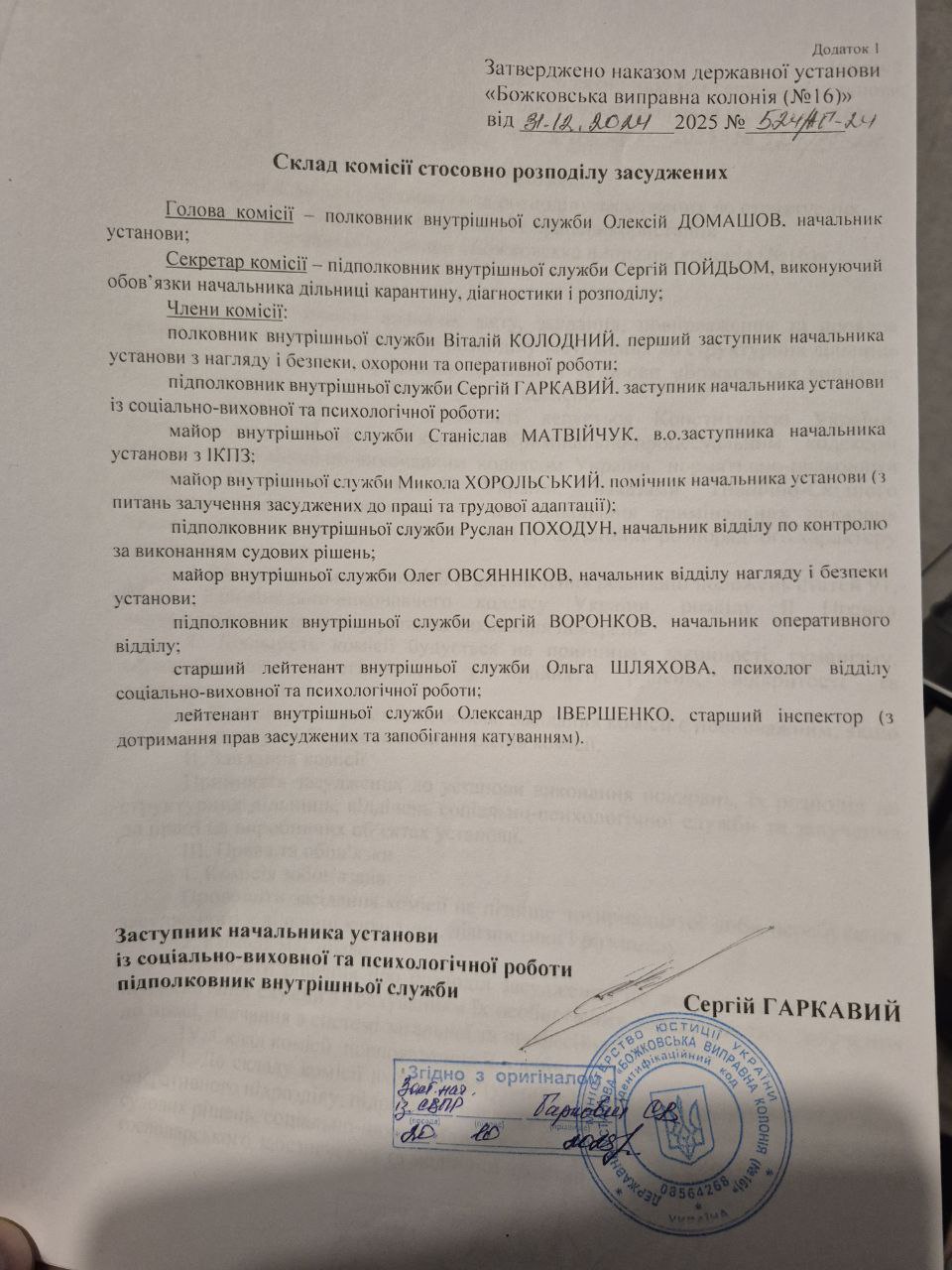
2. In violation of paragraph 3 of section III of the Regulation on the QDD unit, the head of the medical unit was not included in the composition of the special commission for the distribution of newly arrived convicts to the institution’s socio-psychological service units.
3. The monitoring group established that the material and domestic provision of the QDD unit does not fully comply with the established regulatory requirements. Thus, in violation of the requirements of the Norms for provision with furniture, inventory, and household items for a minimum-security correctional colony with general conditions of detention, approved by the order of the Ministry of Justice of Ukraine dated 27.07.2012 No. 1118/5 (hereinafter — Provision Norms), a number of rooms are missing in the unit, namely: a room for storing the exchange fund of bedding, personal property, and special clothing; a storeroom for temporary storage of dirty bedding, personal property, and special clothing; a utility room; a drying room.
The absence of the aforementioned rooms creates conditions that do not meet domestic standards, makes it impossible to properly comply with sanitary-hygienic requirements, and complicates the maintenance of cleanliness and order in the places where convicts reside. Such a state of organisation of living conditions negatively affects the general sanitary state of the institution and may pose a risk to the health of persons held there.
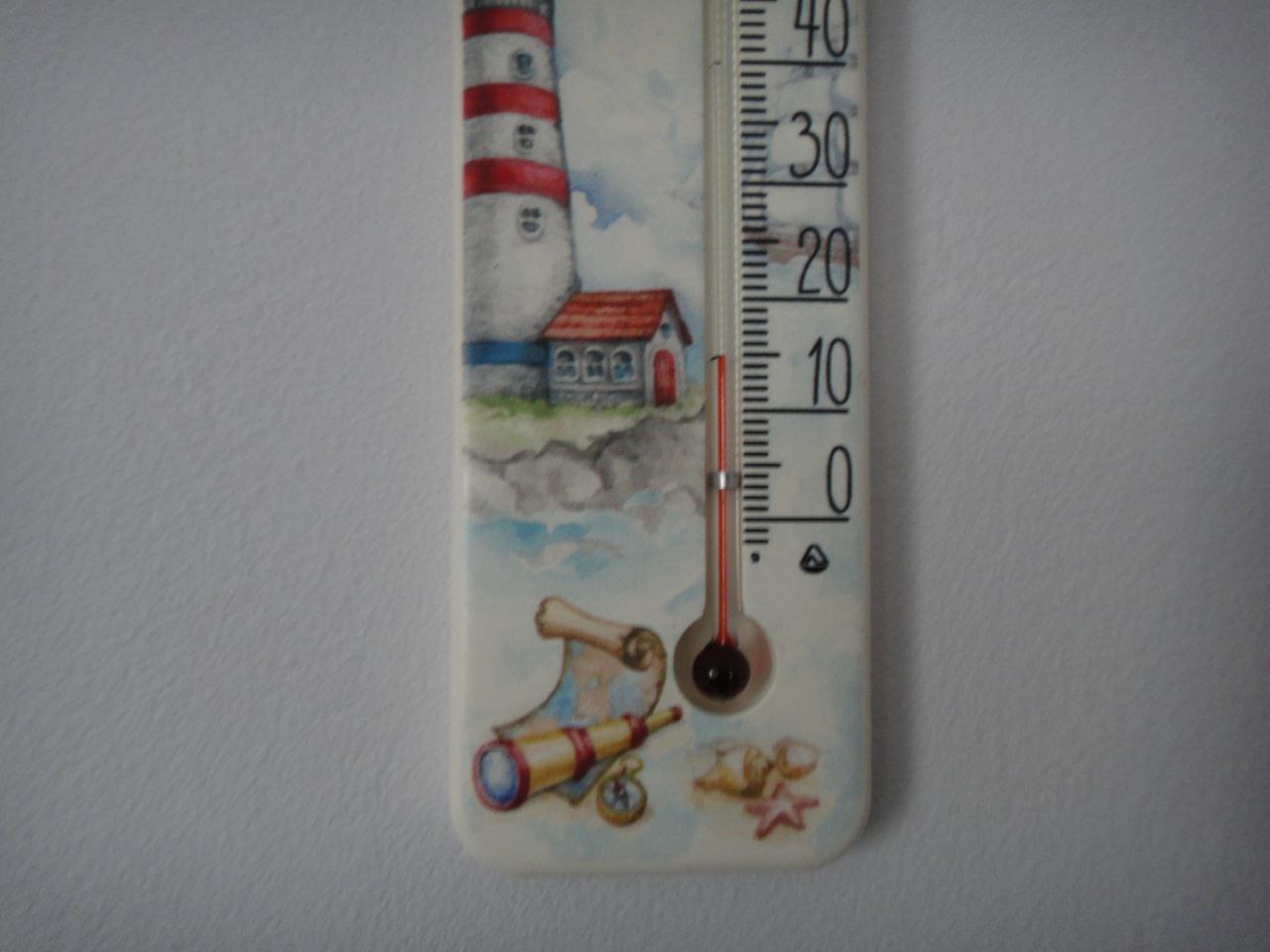
4. In the living quarters of the QDD unit, the monitoring group recorded a violation of the temperature regime. Thus, at the time of the inspection, the air temperature in the living quarters was +15 °C, while in accordance with paragraph 1 of section XXII of the IRPI, in the cold season, the temperature in the living quarters of penal institutions should be maintained at a level of no lower than +18 °C.
5. In violation of the requirements of Rule 22.5 of the European Prison Rules and the Provision Norms, the living quarters of the QDD unit are not equipped with 15-litre drinking water tanks with a tap, lid, mug, and basin, due to which the convicts are forced to drink water from the central water supply.
6. Paragraph 1 of section XXIII of the IRPI defines that the supervision of convicts is a system of measures aimed at ensuring the serving and execution of criminal penalties in the form of restriction and deprivation of liberty, life imprisonment, and arrest through round-the-clock and constant control over the behaviour of convicts in their places of residence and work, preventing and suppressing unlawful actions on their part, and ensuring the requirements for the isolation of convicts and the safety of the staff of penal institutions.
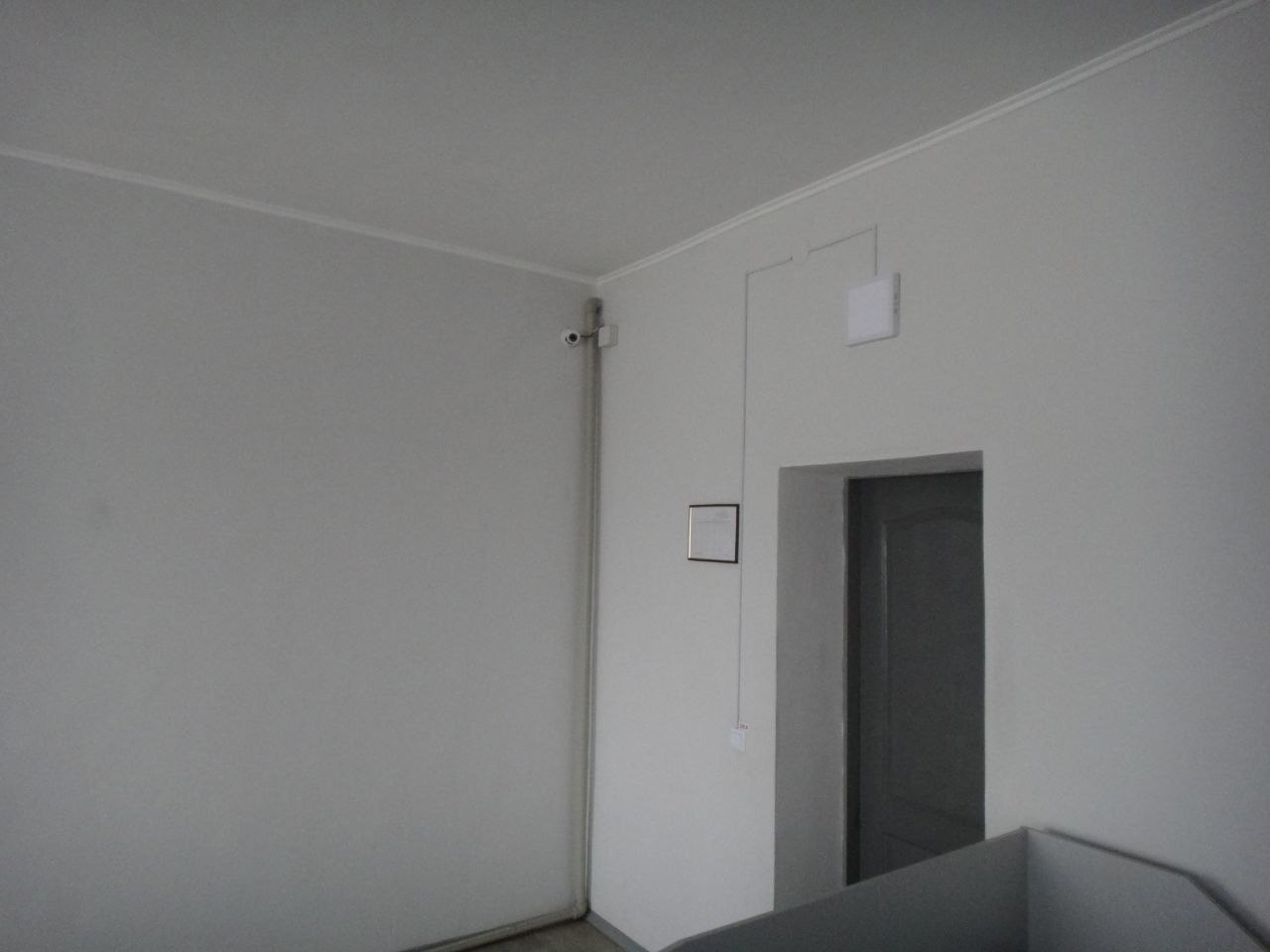
Thus, during the inspection of the living quarters of the QDD unit, an installed video surveillance camera was recorded. At the same time, in its 2012 report, the Committee criticised excessive interference with privacy through the installation of video cameras in convicts’ living quarters: “The Committee agrees that video surveillance in cells can be a useful safeguard in specific cases, for example, when a person is considered to be of concern regarding the risk of self-harm or suicide, or if there are specific suspicions that a prisoner is performing certain actions in the cell that may compromise safety.
However, any decision to apply video surveillance to a specific convict must always be based on an individual assessment of real risks and must be regularly reviewed. Video surveillance is a serious interference with the privacy of prisoners and makes the regime even more repressive, especially when applied over a long period of time” (CPT/Inf (2013) 23, paragraph 52).
7. During the visit to the institution’s disciplinary isolation unit (hereinafter — DIU), facts were established that may indicate cruel, inhuman or degrading treatment of convicts. According to Rule 39.3 of the UN Standard Minimum Rules for the Treatment of Prisoners (Nelson Mandela Rules), before imposing disciplinary sanctions, the prison administration is obliged to determine whether a mental illness or developmental disability of the convict could have influenced their behaviour and caused the violation that led to the disciplinary response.
The institution’s administration should not apply disciplinary sanctions for behaviour that is a direct consequence of a prisoner’s mental disorder or intellectual disability. In accordance with Rule 45.2 of the UN Standard Minimum Rules for the Treatment of Prisoners (Nelson Mandela Rules), the use of solitary confinement is prohibited for prisoners with mental or physical disabilities if such measures could lead to the deterioration of their condition. The use of solitary confinement is also prohibited for women and children, as provided for by international UN norms in the field of criminal justice.
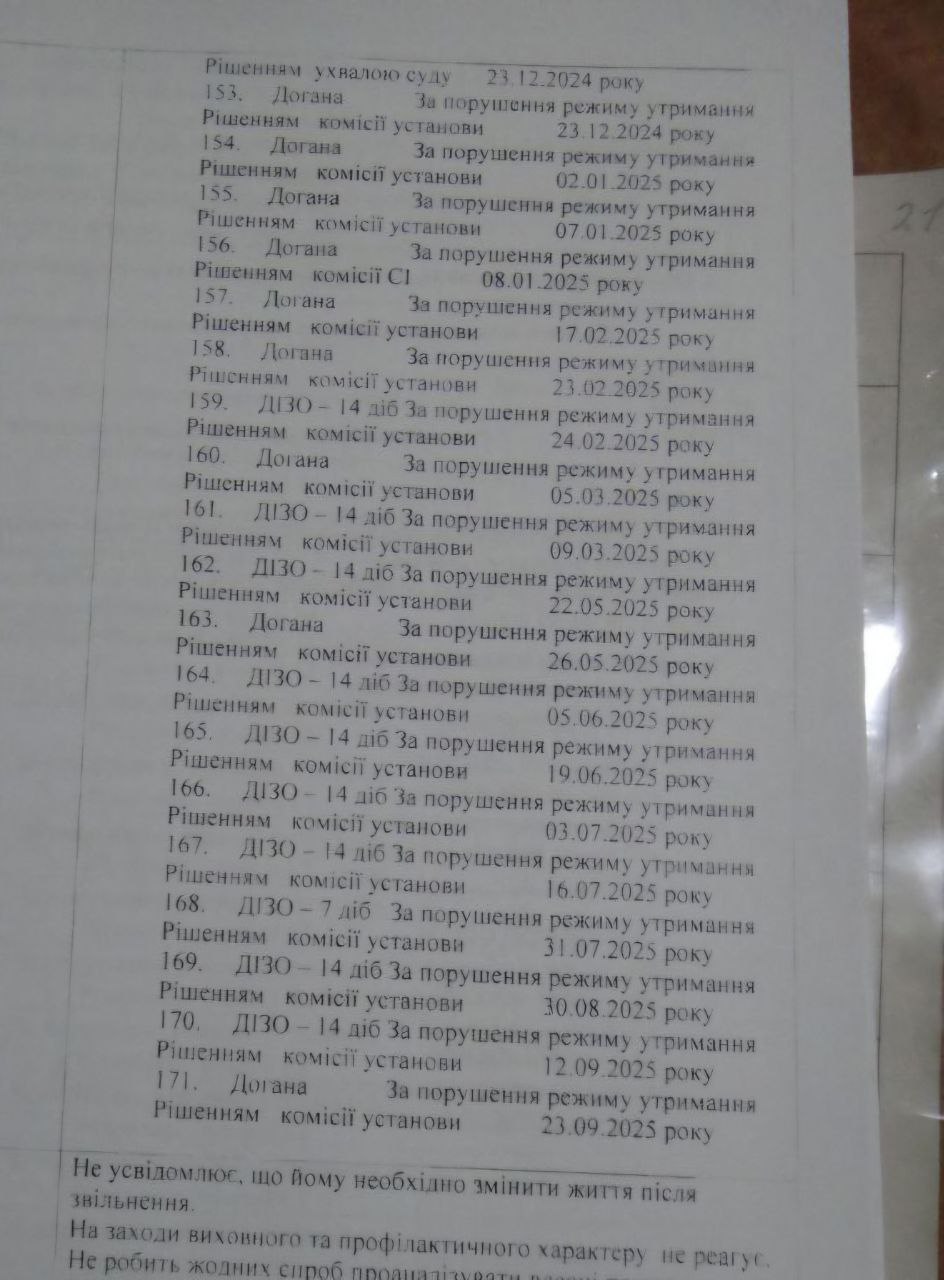
During the visit to cell-type premises No. 2, a convict was discovered who has been held for a long time in conditions of complete isolation (alone in a cell) and has diagnosed mental disorders. According to the record of penalties and incentives, in the period from 24.02.2025 to 20.10.2025, 13 disciplinary sanctions were imposed on him, of which 10 were in the form of placement in the DIU (9 times for 14 days and 1 time for 7 days) for violations of the detention regime.
At the same time, in accordance with paragraph 43 of the Third General Report of the Committee’s recommendations, a mentally ill prisoner should be kept and cared for in a hospital facility with sufficient equipment and properly trained staff. Such a facility could be a regular (civil) psychiatric hospital or a specially equipped psychiatric facility within the penitentiary system. According to paragraph 44 of the Third General Report of the Committee’s recommendations, the treatment of a mentally unstable and violent patient should be carried out under strict supervision with the provision of care for the patient and, if deemed necessary, with the use of sedative medications (CPT/Inf (93)12-part).
It is also necessary to note the duration of the virtually continuous isolation of the convict from the general mass of convicts in the form of placement in the DIU/CTP when applying penalty measures. In this context, the Committee notes that placing convicts with mental disorders in such conditions for a long period can be considered a denial of proper treatment, and therefore, if necessary, such persons should be transferred to specialised institutions (CPT/Inf (2011) 29, paragraph 96).
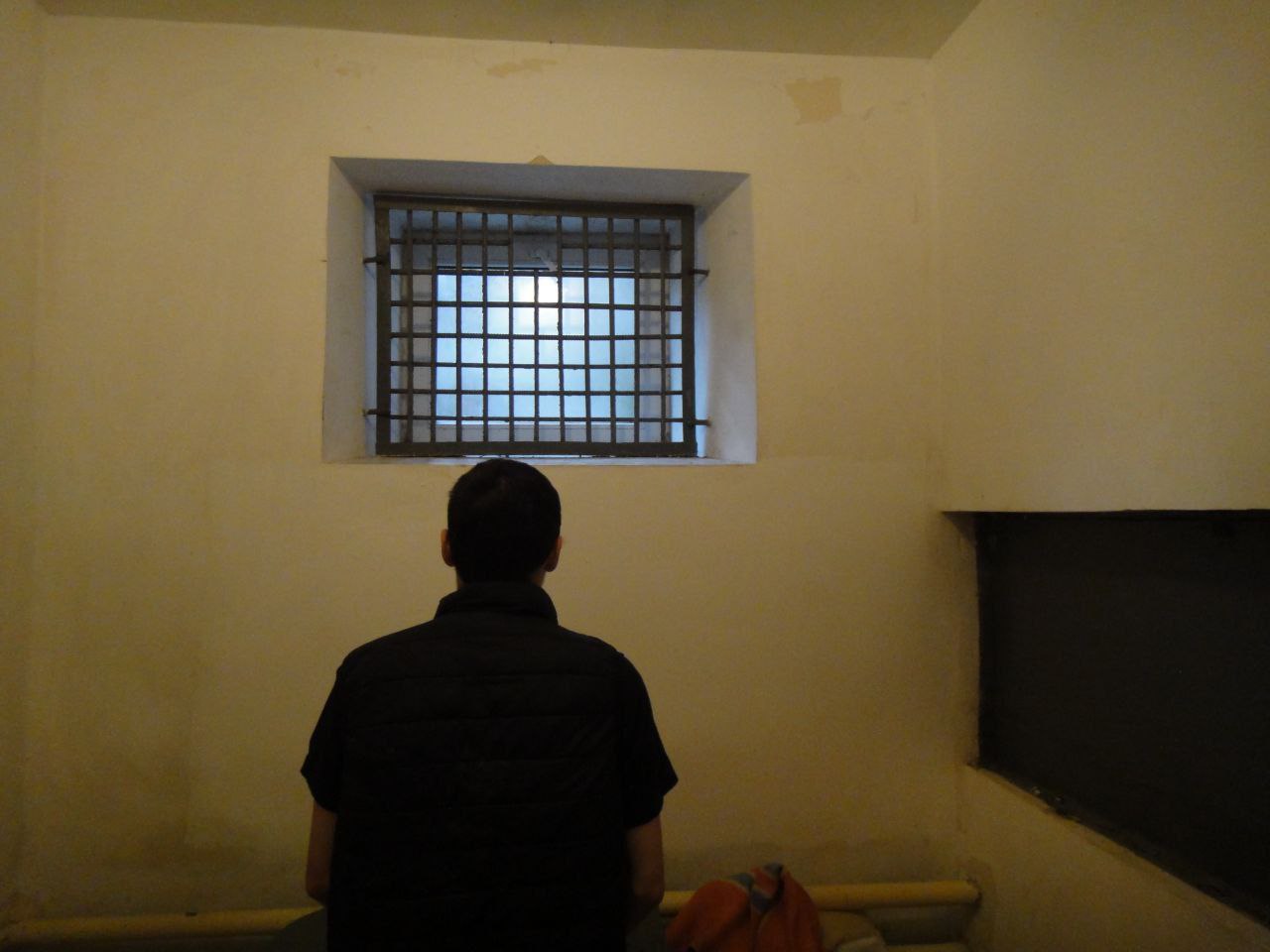
8. The layout of the DIU/CTP premises does not fully comply with the established standards of prisoner treatment and does not ensure proper detention conditions, taking into account their needs. Thus, due to the small size of the windows in the CTP, a sufficient level of natural light is not ensured, as a result of which natural light practically does not penetrate into the room. In DIU cell No. 1, the window faces a wall, which creates additional psychological pressure on the convicts and reinforces the sense of isolation.
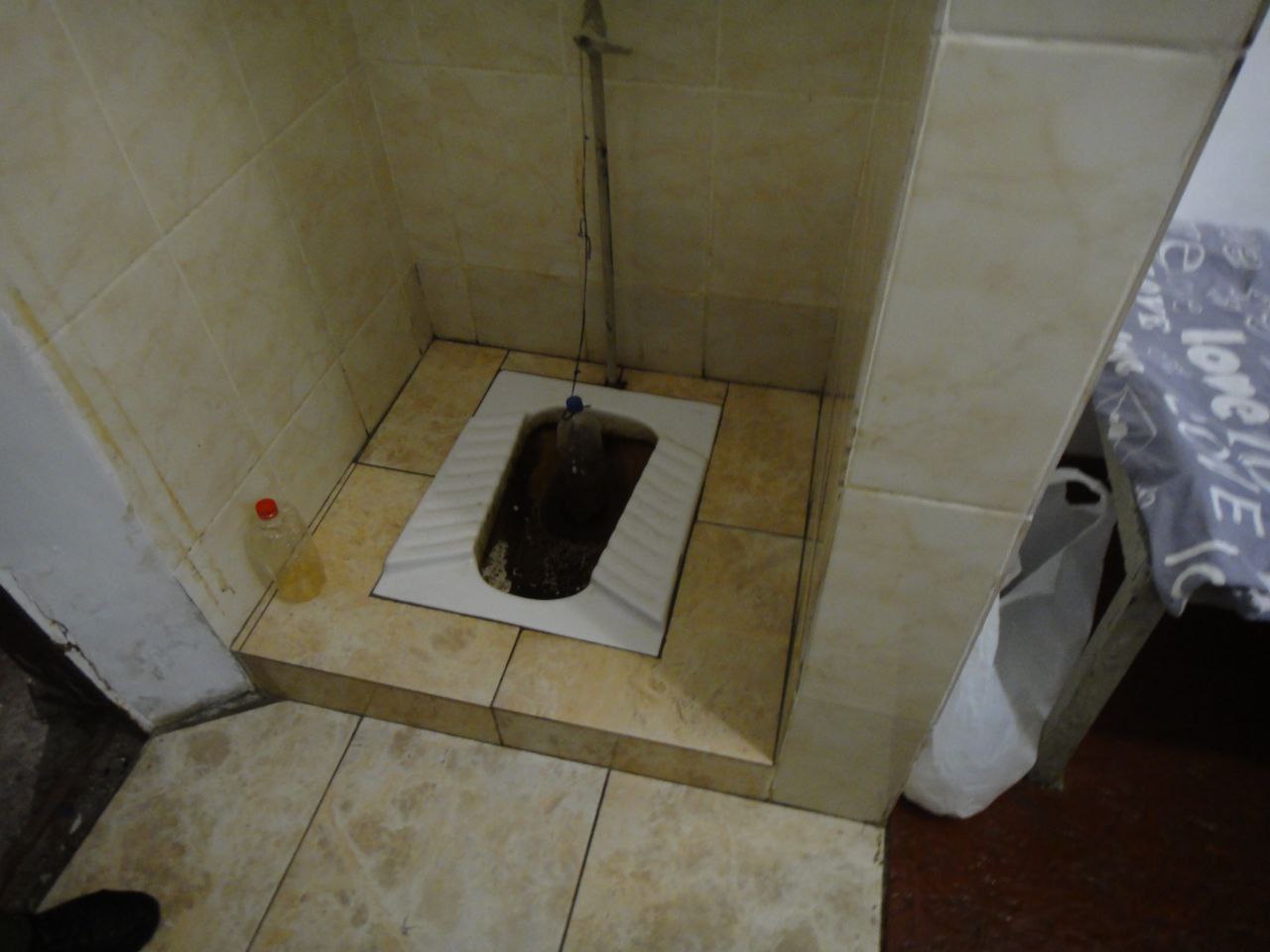
The sanitary facilities in CTP Nos. 1 and 2 are not equipped with doors and sufficient partitions that ensure the possibility of privacy. CTP No. 2 premises requires repair work. In addition, the premises are not equipped with tanks for drinking water. The above does not meet the requirements of Rules 18.2 (a), 19.3, 22.5 of the European Prison Rules and Rules 14, 15 and 22.2 of the UN Standard Minimum Rules for the Treatment of Prisoners (Nelson Mandela Rules).
At the same time, in the report to the Government of Ukraine following the 2023 visit, the Committee called on the Ukrainian authorities to take necessary measures to improve the material conditions of detention, in particular to maintain all places where convicts and persons in custody are housed, including sanitary facilities, in a proper state of repair and hygiene, to regularly and frequently carry out disinsection, to ensure sufficient access to natural light and ventilation in the cells, and to fully equip internal sanitary facilities with partitions (i.e., from floor to ceiling) (CPT/Inf (2024) 20, paragraph 58).
9. During the visit to the DIU/CTP, it was established that convicts who were serving a disciplinary penalty were not issued a copy of the decision on the application of the penalty to them by the institution’s administration, with an indication of the possibility and procedure for appealing it, which contradicts Article 135 of the Criminal Executive Code of Ukraine.
At the same time, in the report to the Government of Ukraine following the 2023 visit, the Committee recommends taking measures in Ukrainian penal institutions to ensure that convicts to whom a disciplinary penalty is applied systematically receive a copy of the relevant decision. In addition, convicts should be informed about their right to access a lawyer in the context of disciplinary proceedings (CPT/Inf (2024) 20, paragraph 103).
10. There is no radio installation in the DIU/CTP cell premises, which contradicts the requirements of paragraph 3 of section XX of the IRPI and paragraph 63 of the UN Standard Minimum Rules for the Treatment of Prisoners.
11. In violation of paragraph 4 of section IV of the Procedure for the use of technical supervision and control means in correctional and educational colonies of the State Criminal-Executive Service of Ukraine, approved by the order of the Ministry of Justice of Ukraine dated 26.06.2018 No. 2025/5 (hereinafter — Procedure for the use of technical means), it was established that the DIU cells are not equipped with staff call buttons, which complicates the operative contact of convicts with the institution’s staff.
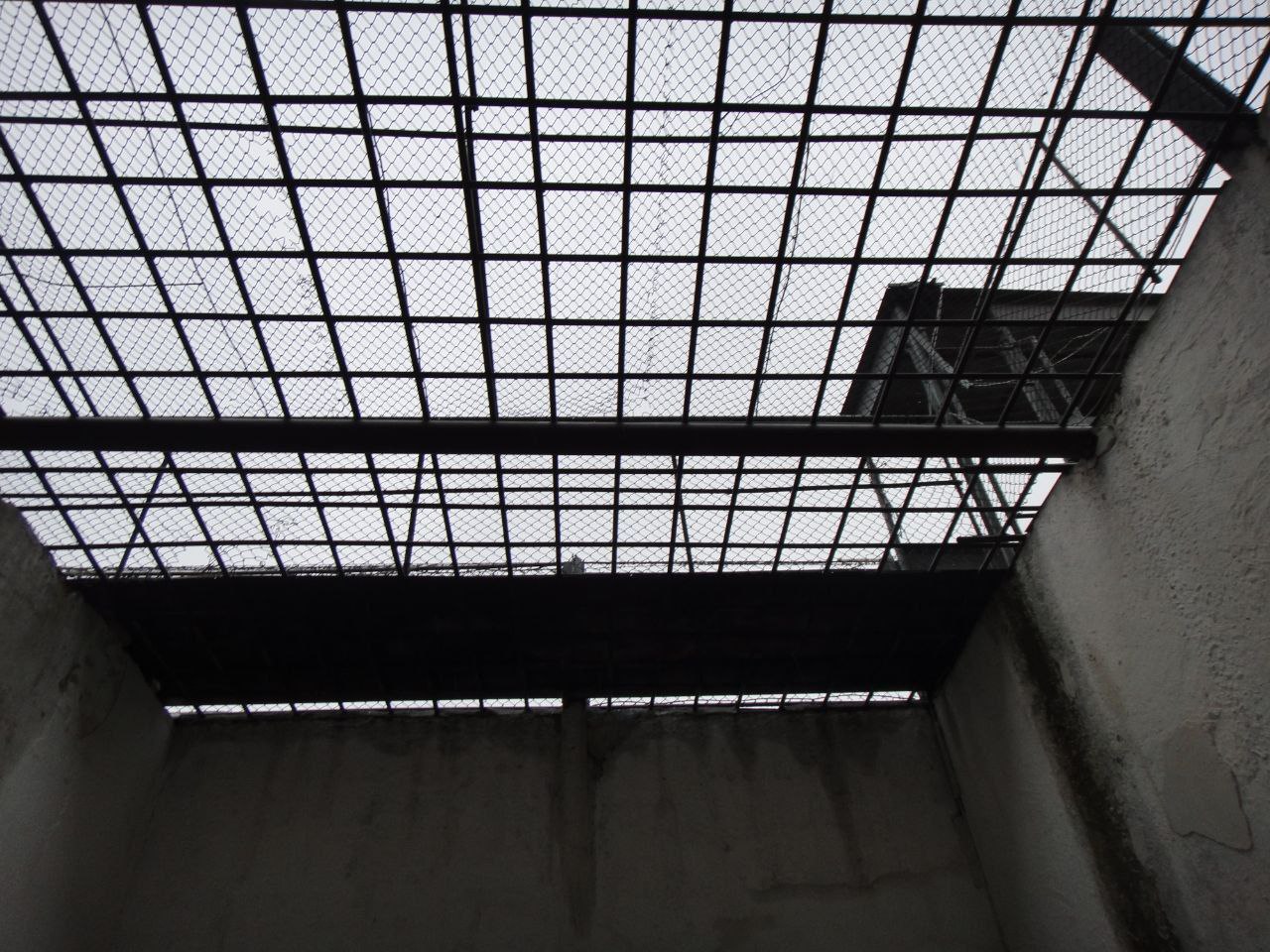
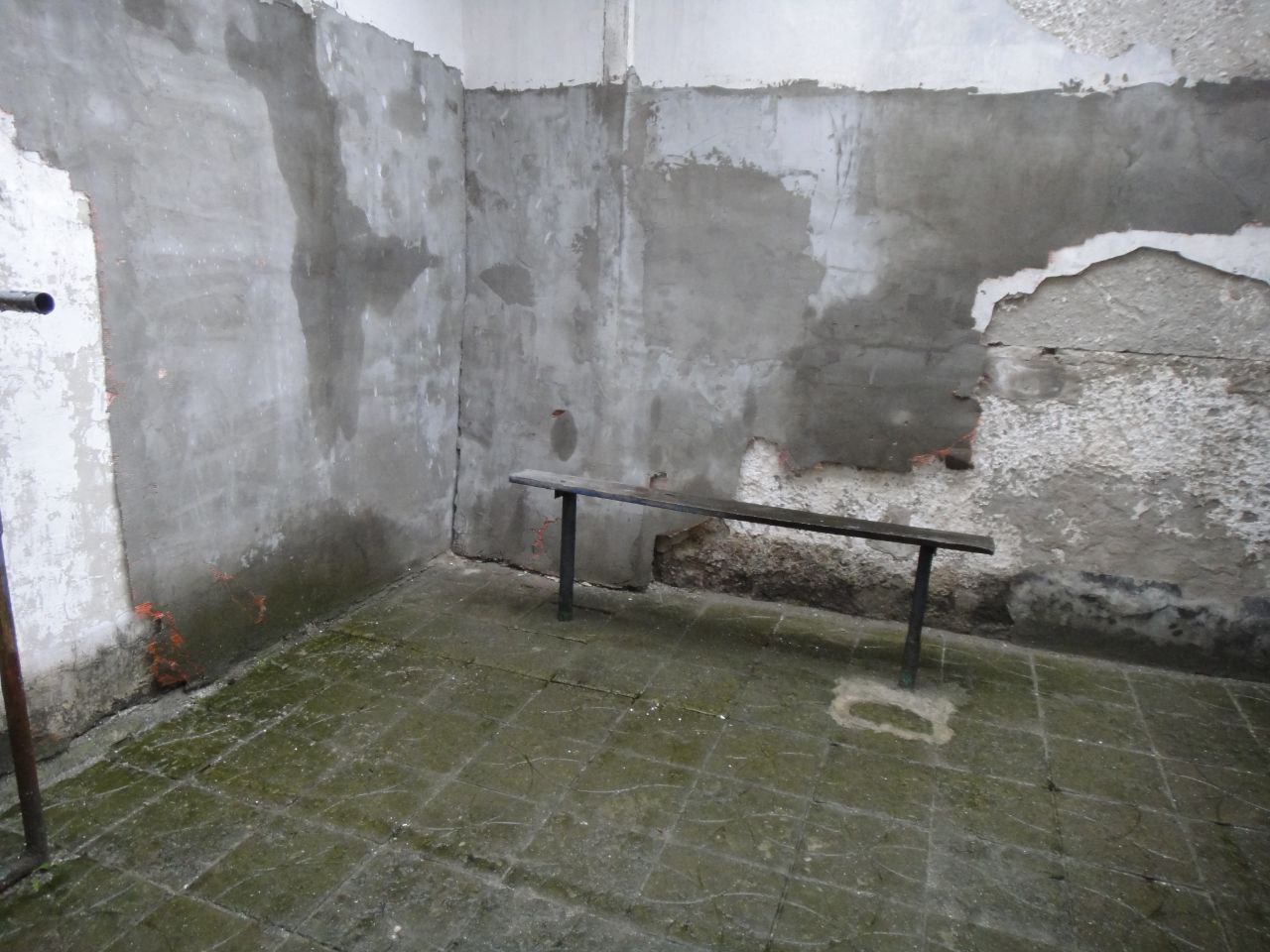
12. The exercise yards are not equipped with a proper shelter for protection against atmospheric precipitation, and the area of individual yards is insufficient to ensure the full physical activity of the convicts. At the same time, the Committee in its Second General Report emphasises that daily time spent by persons in the fresh air should take place in an area of sufficient size, and the exercise zones themselves, as far as possible, should be equipped with a shelter in case of adverse weather conditions (CPT/Inf (92) 3, paragraph 48).
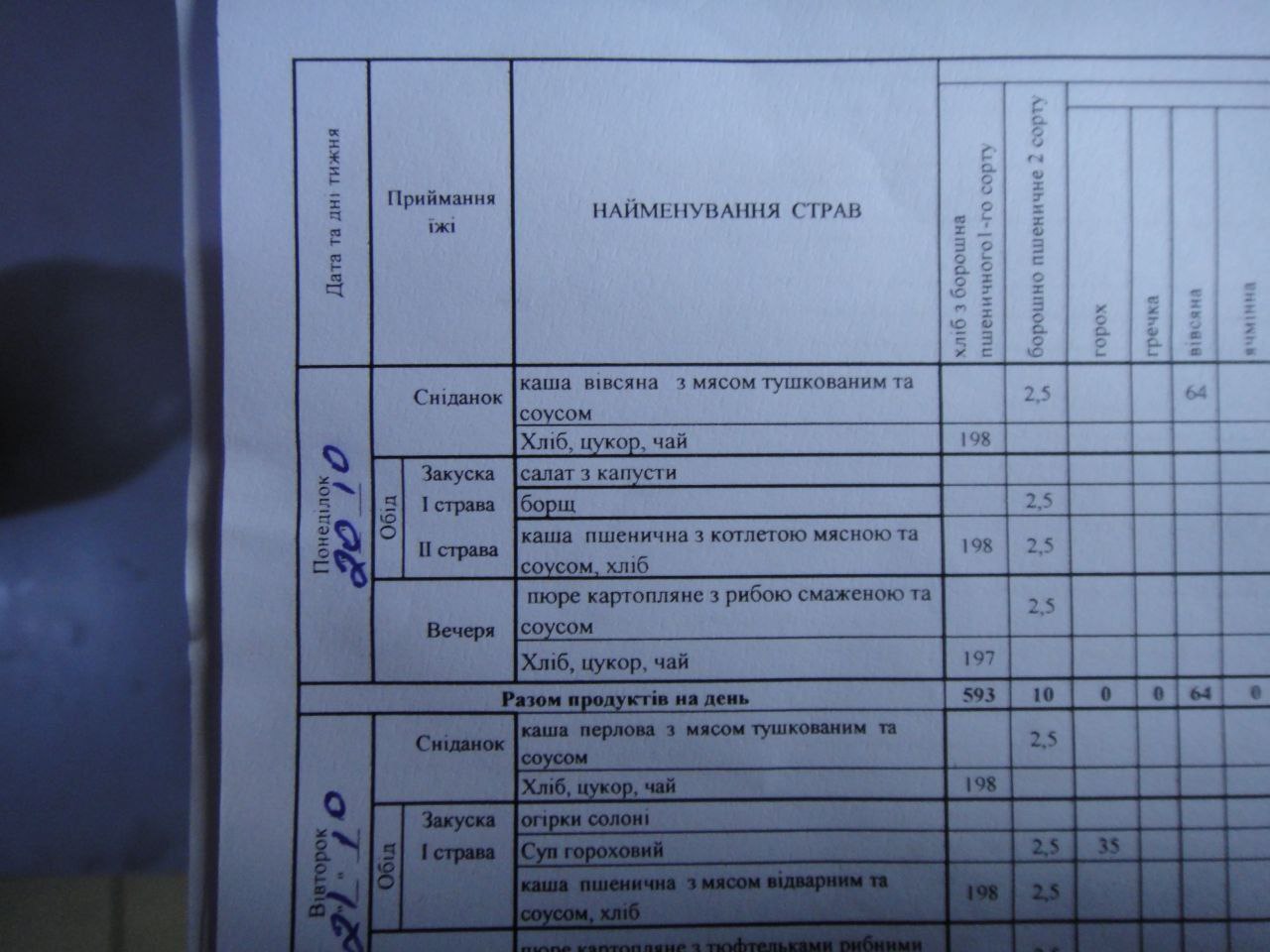
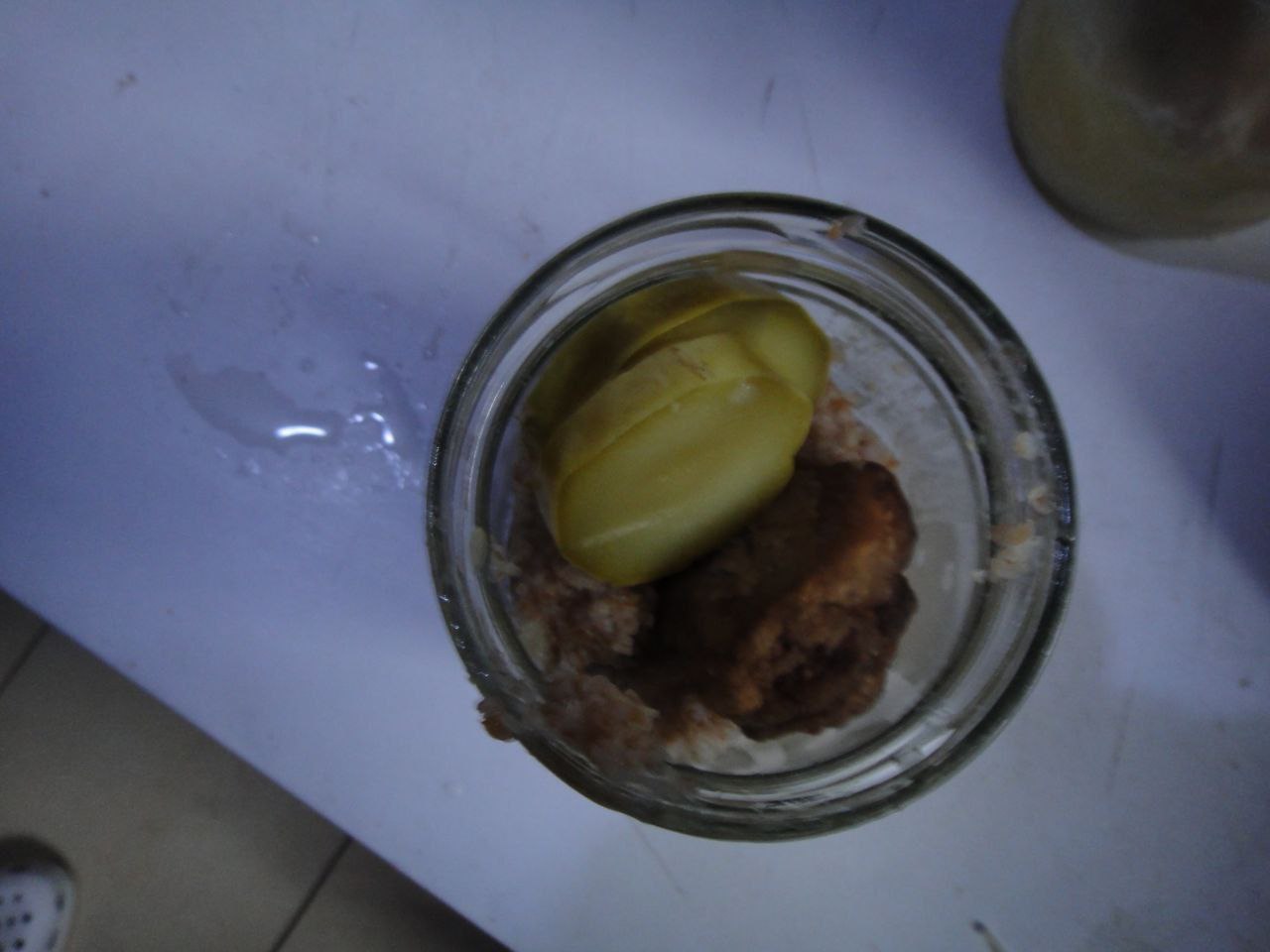
13. In violation of paragraph 5 of section V of the Regulation on the organisation of food provision in the State Criminal-Executive Service of Ukraine in peacetime, approved by the order of the Ministry of Justice of Ukraine dated 15.06.2021 No. 2160/5 (hereinafter — Regulation on the organisation of food provision), the dishes served for breakfast and lunch on 20 October 2025 did not comply with the approved menu schedule.
In particular, instead of the sample of the provided dish for breakfast “wheat porridge with stewed meat and sauce”, a sample of “wheat porridge with a cutlet and sauce” was provided. Instead of the sample of the provided dish for lunch “cabbage salad”, a sample of “courgette salad” was provided. The aforementioned changes were made without the written permission of the head of the institution and without submission of the corresponding report by the deputy head of the institution for logistics and utility provision, which is a violation of the established procedure for organising catering in the institution.

14. The monitoring group established a number of violations in the organisation of laundry and bath services for convicts and persons held in custody. Thus, in violation of paragraph 3.19 of section III of the Regulation on the organisation of laundry and bath services for persons held in penal institutions and pre-trial detention centres, approved by the order of the Ministry of Justice of Ukraine dated 08.06.2021 No. 849/5 (hereinafter — Regulation), sanitary processing of convicts is not carried out in full.
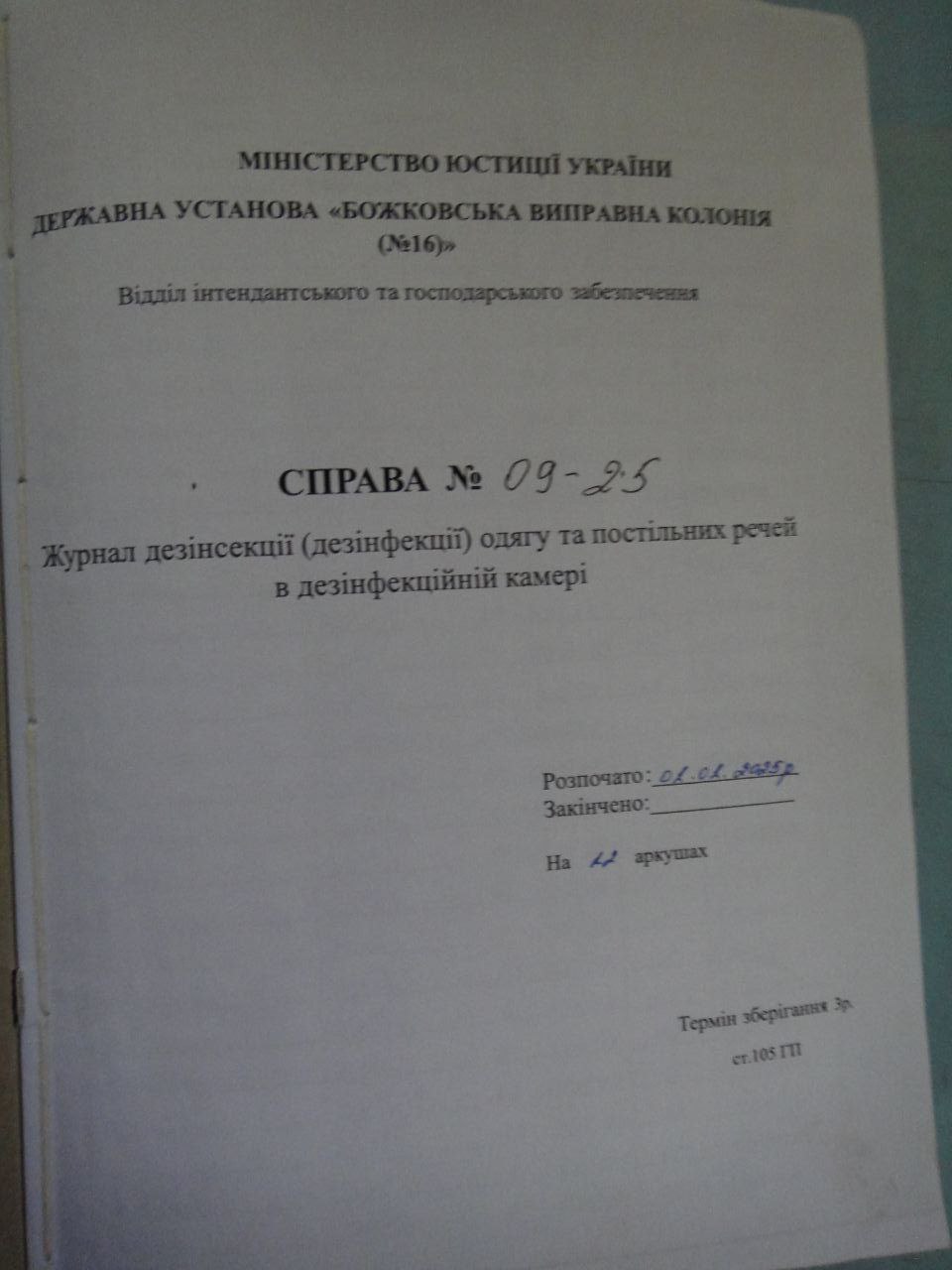
In particular, the monthly planned disinfection (destruction of pathogenic microorganisms) and disinsection (destruction of insects and ticks — vectors of infectious diseases) of outerwear and bedding (pillows, mattresses, blankets) of the DIU and the medical unit are not carried out in the disinfection chamber, which is confirmed by the absence of the corresponding mark in the Journal of disinfection (disinsection) of clothing and bedding in the disinfection chamber.
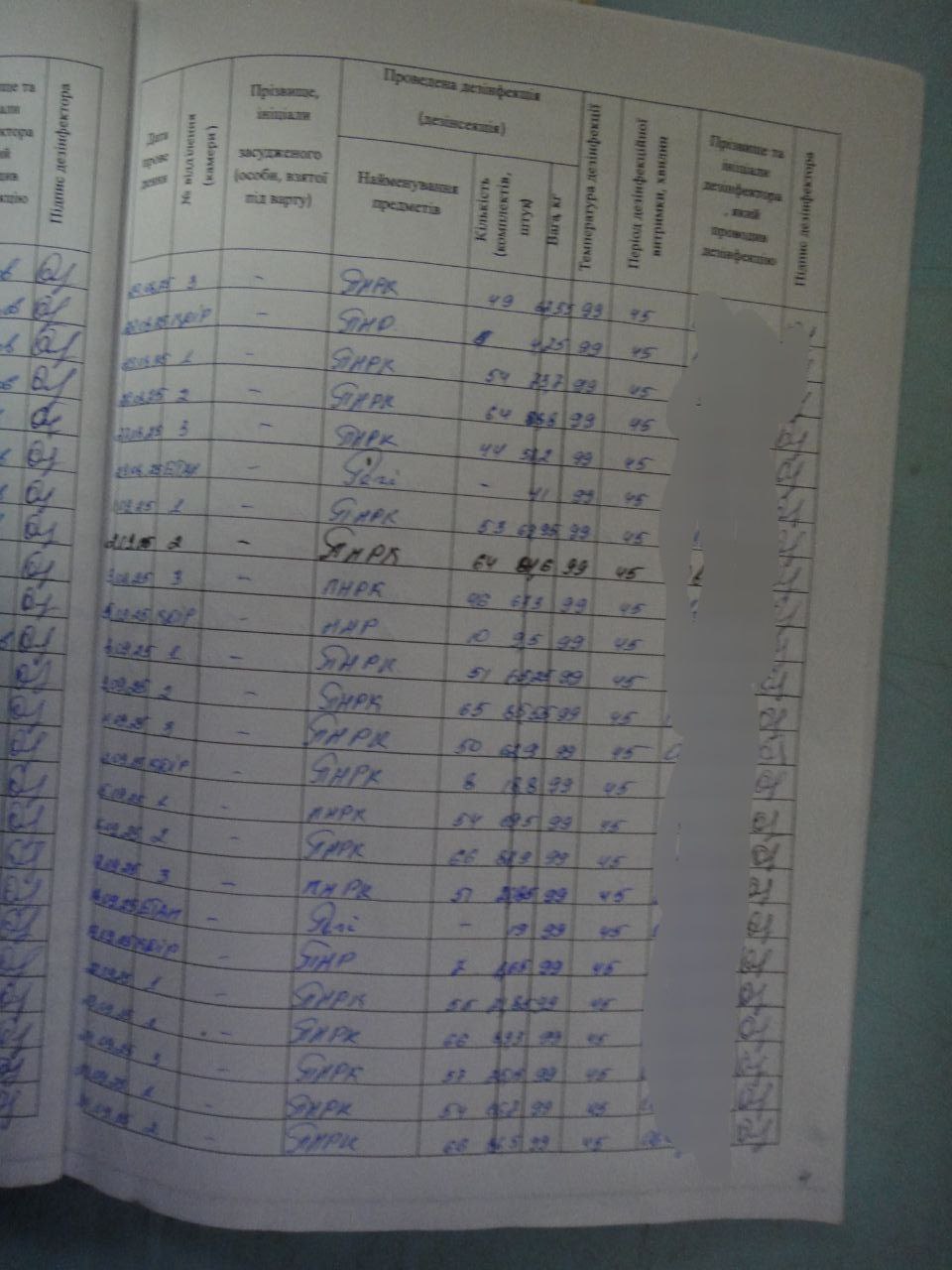
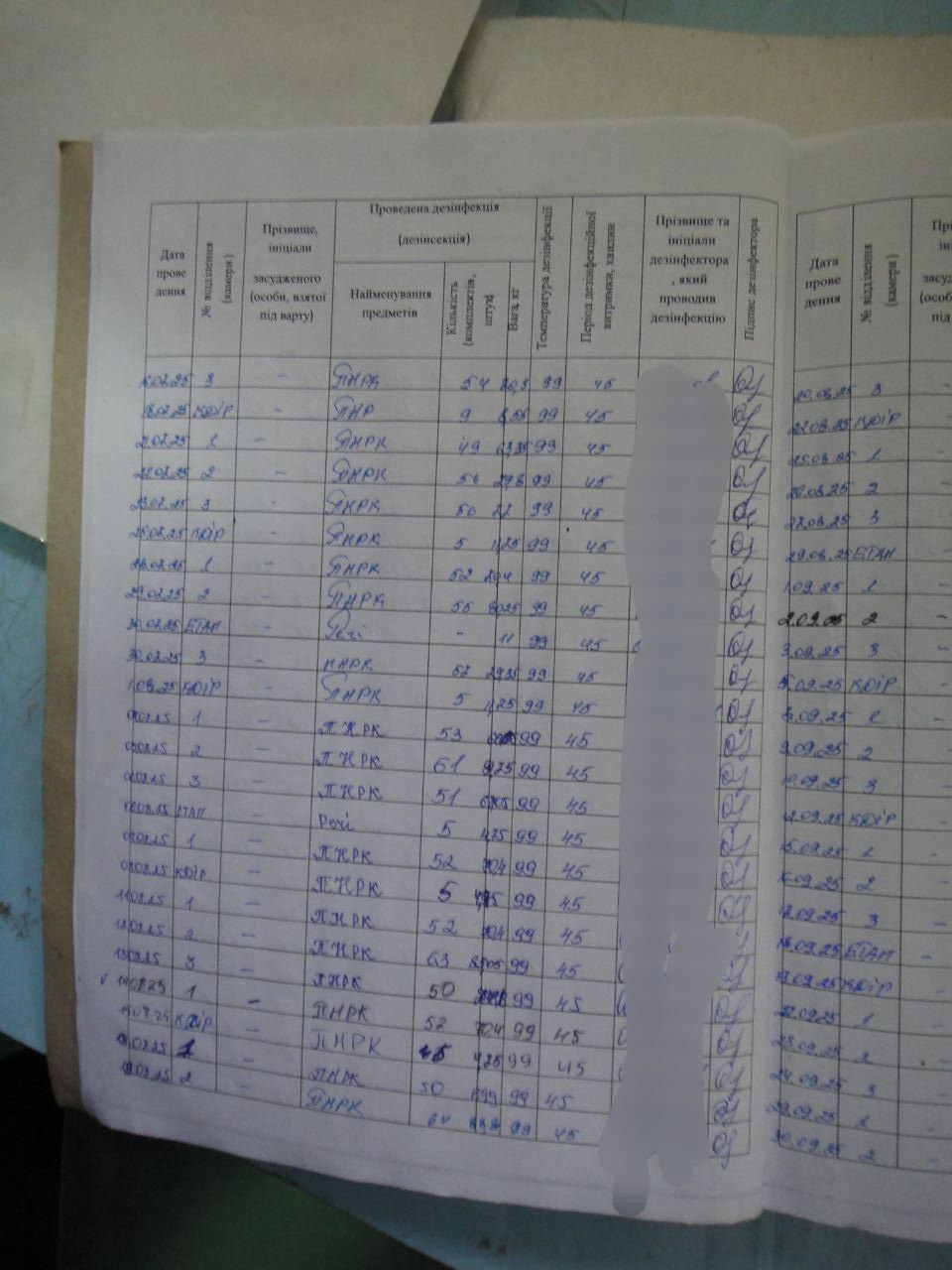
15. In violation of paragraph 2.11 of section II of the Regulation, the forced supply-exhaust ventilation system does not work properly in the laundry room.
16. In the bathhouse premises, a proper temperature regime is not maintained during the working day: during the visit, a temperature of +16 °C was recorded, which contradicts the requirements of paragraph 2.13 of the Regulation.

17. During the visit, the monitoring group recorded that the institution’s staff who are in direct contact with convicts openly carry special means, in particular, rubber batons. At the same time, according to paragraph eight of paragraph 1 of section XXVI of the IRPI, the carrying of special means by staff of penal institutions within the protected territory of the penal institution must be as concealed from the surroundings as possible.
At the same time, the Committee recommends that penitentiary staff working in direct contact with prisoners should not carry special means (such as rubber batons, handcuffs, and canisters equipped with tear gas) openly in front of prisoners, as such carrying prevents the establishment of normal relationships between staff and prisoners (CPT/Inf (2011) 29, paragraph 85), (CPT/Inf (2013) 23, paragraph 23), (CPT/Inf (2014) 15, paragraph 166).
18. In accordance with subparagraph 5 of paragraph 2 of section IV of the Regulation on the programme of differentiated educational influence on convicts “Preparation for release”, approved by the order of the Ministry of Justice of Ukraine dated 16.05.2016 No. 1418/5, registered in the Ministry of Justice of Ukraine on 17.05.2016 under No. 735/28865, the staff of the institution’s socio-psychological service, who directly organise and carry out measures for the implementation of the “Preparation for release” programme, are obliged to provide assistance to convicts in obtaining (renewing) a passport of a citizen of Ukraine, the taxpayer registration card number (TRCN), other personal documents, as well as in processing pensions.
At the same time, 18 convicts require the issuance of a passport of a citizen of Ukraine, 4 require obtaining a TRCN, and 1 requires pension processing, which indicates insufficient work of the department of social-educational and psychological work regarding ensuring the processing of necessary documents for convicts who do not have them.
19. According to the information provided by the administration, since the beginning of 2025 (as of 20 October 2025), 72 short-term visits were granted to convicts in the State Institution “Bozhkivska Correctional Colony (No. 16)”, all 72 of which took place in a non-contact manner — through continuous dividing glass using an intercom device.
At the same time, in the report to the Government of Ukraine following the 2023 visit, the European Committee for the Prevention of Torture emphasises that for all categories of convicts, open visits (for example, at a table) should be the rule, and closed ones — the exception, the application of which is allowed only on the basis of reasoned and justified decisions after an individual assessment of the potential risk of a specific convict. In this regard, the Committee calls on the Ukrainian authorities to review the procedure for conducting short-term visits in penal institutions with the aim of ensuring they are held, as a rule, in open conditions (CPT/Inf (2024) 20, paragraph 99).
20. According to official documentation, the staff shortage in the institution as of 20 October 2025 amounts to 26 authorised positions. At the same time, in the report to the Government of Ukraine following the 2023 visit, the Committee emphasises that ensuring a positive climate in a penal institution requires the presence of a professional team of staff who must be present in sufficient numbers at any moment in time in detention places. An insufficient number of staff can only increase the risk of violence and intimidation between convicts.
A shortage of staff on the front line also undermines the quality and level of measures offered to convicts, and jeopardises the prospect of preparation for release and social rehabilitation. In this regard, the Committee calls on the Ukrainian authorities to take decisive measures to substantially increase the number of staff in penal institutions of Ukraine, where a low level of staffing is observed, with the aim of strengthening the presence of security and supervision service staff inside institutions. It is also necessary to take measures to put an end to the 24-hour shift of staff on duty (CPT/Inf (2024) 20, paragraph 93).
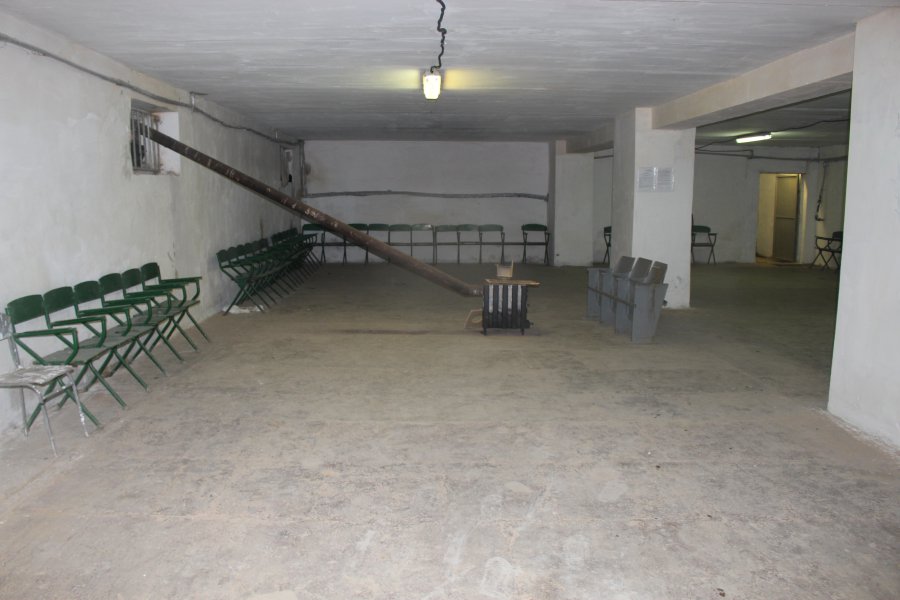
21. During the monitoring visit, the NPM inspected two shelters located in different SPS units. Both premises are used as temporary shelters for convicts during an air raid alert, however, their technical condition and level of safety differ significantly. The shelter located in the premises of the 3rd SPS unit does not meet the key minimum requirements for the safe stay of people during an air threat.
There is no second evacuation exit, which creates a critical risk to life in the event of a collapse of the entrance or a fire, and contradicts the requirements of DBN V.2.2-5:2023 and civil protection standards. There is no sewage system — convicts do not have the ability to satisfy sanitary needs in the event of a prolonged alert, which violates hygienic requirements. There is no ventilation, which creates a threat of carbon dioxide accumulation and high humidity, as a result of which the premises are unsuitable for a long stay of people. The shelter effectively does not perform a protective function, and the lack of ventilation, sanitary conditions, and an alternative exit poses a direct threat to the life and health of convicts and staff.
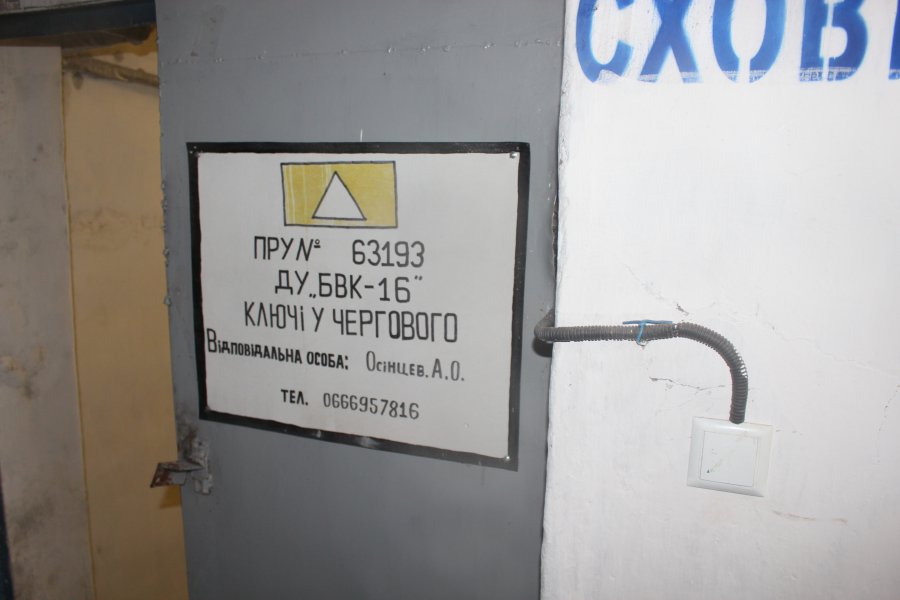
The shelter in the 2nd SPS unit is in a better technical condition and is equipped with basic elements for a safe stay. Advantages: the presence of a second evacuation exit, which makes it possible to ensure safe evacuation in case of blocking of the main entrance; the presence of a sewage system, which ensures minimum sanitary conditions for a long stay; the presence of ventilation (forced or natural), which ensures air exchange and reduces the risks of hypoxia and high humidity.
Thus: the shelter of the 3rd unit is unsuitable and poses a danger due to the lack of a second exit, ventilation, and sanitary conditions; the shelter of the 2nd unit is close to the minimum acceptable standards, however, it requires further improvement (lighting, seating, water supply, etc.). The institution must ensure that all convicts can take shelter in safe premises that meet civil protection requirements and international standards.
22. In BCC-16, convicts are involved in four main types of work: work at the branch of the State Enterprise “Enterprise of the SCES of Ukraine”, work in the institution’s production workshops, work in the units of economic maintenance, and work in the canteen. The branch uses the labour of convicts in accordance with contracts No. G-1 dated 01.01.2025, No. G-429, No. G-499, No. G-563, and civil-law contracts (CLC). The work includes agricultural, loading, and auxiliary operations.
According to the institution’s certificate, 3-5 convicts are officially involved depending on the contract. The contracts contain typical signs of CLCs, but the actual organisation of work corresponds to employment relationships: the work is regular, not one-off; it is performed daily; it is carried out under the control of staff; it has a fixed shift duration; it takes place in the institution’s industrial zone. This contradicts Articles 21 and 24 of the Labour Code and Article 118 of the CEC (convicts’ labour is regulated by labour legislation, not by CLCs).
During the monitoring, it was established that a portion of the convicts who are documented as being registered at the branch actually work in the institution’s industrial zone, performing other work (sorting wire, auxiliary operations) — without conformity to contract No. G-1. Also, the following violations were recorded: lack of actual attendance timesheets; inconsistency between contracts and actual types of work; non-personified acts of performed work (it is not indicated who exactly worked). This is a violation of Articles 30, 31, 24 of the Labour Code; Article 118 of the CEC; Article 43 of the Constitution of Ukraine.
In the workshops at the time of the visit, 127 convicts were working, of whom 124 were under employment contracts, and 3 under a contract with the branch. Main operations: work with wire, cutting, assembly. No violations regarding the number of workers were recorded in the documents, however, other problems were established, in particular: lack of protective clothing. During the inspection, none of the convicts had personal protective equipment, which violates Article 163 of the Labour Code and Article 8 of the Law of Ukraine “On Occupational Health and Safety”.
Work without official instruction was also discovered. Timesheets only contain ‘worked’ marks without reflecting the actual number of hours, which violates Article 30 of the Labour Code. Household works include boiler room operations, cleaning and auxiliary work, and repair operations. Convicts M., B., P., G., K., K., L. are involved in these works. The following violations were recorded: night shifts without recording, namely — convict M. works in the boiler room at night, but there are no corresponding entries in the “Journal of accounting of convicts’ exit to work”; lack of protective clothing; lack of recording of the working time of all listed persons; lack of schedules, orders, and assignments. None of the types of work are properly documented, which is a violation of Article 118 of the CEC; Articles 29, 30, 54, 163 of the Labour Code; Law of Ukraine “On Occupational Health and Safety”.
The largest number of violations was identified in the canteen. During the monitoring, 14 convicts were working simultaneously. During the examination of the “Journal of hourly checks by the duty service”, entries were recorded only regarding the work of 2 workers. Accordingly, in the “Journal of medical examination before admission to work”, the doctor examines only two workers every day. In the “Journal of issuance of sharp and cutting items”, the same two people receive the inventory. At the same time, during the visit, the actual presence of 14 people was recorded, which indicates hidden labour.
During the study of documentation and interviewing of convicts working in the canteen, the following was established: convict T. works every day from 06:30 to 21:00 without days off and holidays, which violates Articles 50—52 of the Labour Code and Article 119 of the CEC. Convict D. works in night shifts from 19:00 to 03:00, but the night work is not recorded in any journal, which is a violation of Article 54 of the Labour Code and Article 118 of the CEC. Thus, a parallel shadow labour accounting system exists in the canteen: officially 2 workers work, in fact — 14. This creates risks for sanitation, safety, and the rights of convicts, which violates Article 46 of the Labour Code, Sanitary rules, Article 118 of the CEC, Rule 22 of the Mandela Rules.
During the analysis of the content of employment contracts and payroll calculation, it was established that CLCs are concluded for permanent, daily work, which is effectively a hidden employment relationship; household contracts (No. G-1, No. G-429, No. G-499, No. G-563) do not contain personification, therefore it is impossible to determine the volume of work of each convict. Also, the contracts do not contain provisions regarding occupational safety, medical examinations, and duration of working hours.
Regarding payroll calculation records: the payout amounts do not correspond to the actual number of hours worked; there is no detail of the work performed by each convict; there are cases where workers work for 14 hours but receive payment as for a standard 8-hour shift; a portion of convicts actually work but are not reflected in the records (canteen). This is a violation of Articles 95, 96 of the Labour Code; Article 118 of the CEC; Article 43 of the Constitution of Ukraine.
Among positive practices regarding labour, it was recorded that the institution allows for a flexible individual work schedule in workshops and the branch, when convicts can coordinate the time of going to work and returning with the staff. This positively affects motivation and adaptation and corresponds to the principle of individualisation (Rule 96 of the Mandela Rules), however, it should only be applied provided there is proper documentation, which is currently absent.
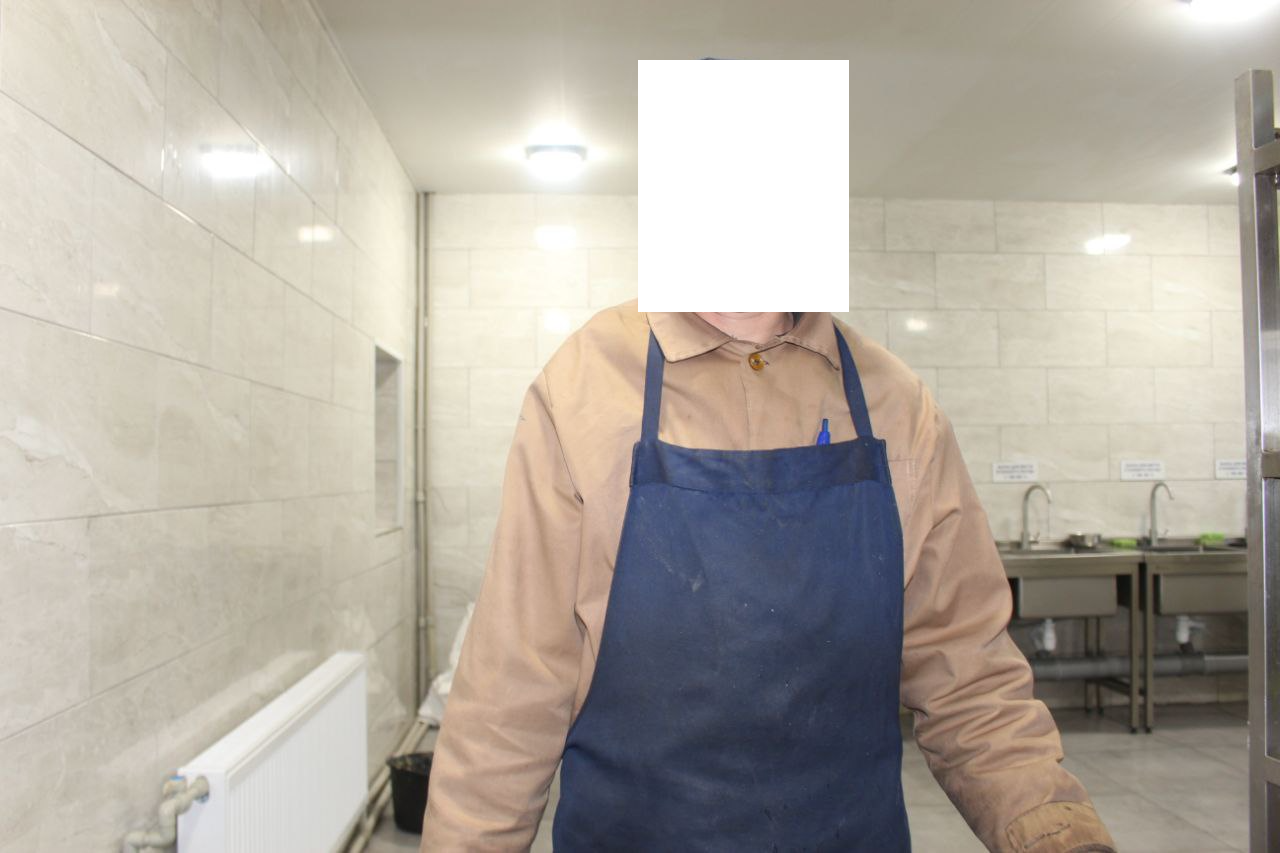
Thus, in BCC-16, there is systemic hidden involvement of convicts in labour, especially in the canteen and in utility services. Violations of working time accounting, occupational safety, shift duration, and medical control were identified in all types of work. Contracts with the branch and CLCs are used to mask employment relationships, which contradicts the Labour Code and the CEC. Payroll calculation is non-transparent and non-personified and does not correspond to actual employment.
In the canteen, the most risky practice was discovered — officially according to the journals, 2 workers work, in fact — 14, which creates a danger for sanitation, health, and the rights of convicts. At the same time, the institution is implementing a positive element — flexible work schedules, which require official regulation.
Medical Unit No. 16 of the branch of the State Institution “Centre for Health Care of the State Criminal-Executive Service of Ukraine” in the Poltava Region
The head of Medical Unit No. 16 of the branch of the State Institution “Centre for Health Care of the State Criminal-Executive Service of Ukraine” in the Poltava Region (hereinafter — medical unit) is Oksana Bida. The position of clinical psychologist remains vacant in the medical unit’s staff — 1 full-time equivalent. During the monitoring visit, violations of the requirements of national legislation and failure to comply with international recommendations in the field of prisoner treatment were identified, leading to violations of the rights of convicted persons:
1. During the inspection of the DIU/CTP, the monitors established that when placing a convict in the disciplinary isolation unit, a medical certificate is added to the case materials, according to the conclusion of which the convict can be held in the DIU/CTP due to their state of health, as well as the primary accounting documentation form No. 511/o “Certificate on the recording of bodily injuries”, approved by the order of the Ministry of Health of Ukraine dated 02.02.2024 No. 186, which contains information about the circumstances of receiving bodily injuries, diagnosis, etc. This indicates the awareness of the institution’s staff of confidential information regarding the state of health of convicts who are in the DIU.
This violates the requirements of Article 39-1 of the Law of Ukraine “Fundamentals of the legislation of Ukraine on health care” regarding a person’s right to confidentiality about their state of health and does not comply with paragraph four of paragraph 3 of chapter 1 of section II of the “Procedure for organising the provision of medical care to convicts to deprivation of liberty”, approved by the order of the Ministry of Justice of Ukraine and the Ministry of Health of Ukraine dated 15.08.2014 No. 1348/5/572 (hereinafter — Procedure). At the same time, the Committee has repeatedly emphasised that the obligation of penitentiary doctors to certify the fitness of convicts for serving a disciplinary penalty will not contribute to the development of positive relations between doctor and patient (CPT/Inf (2024) 20, paragraph 104).
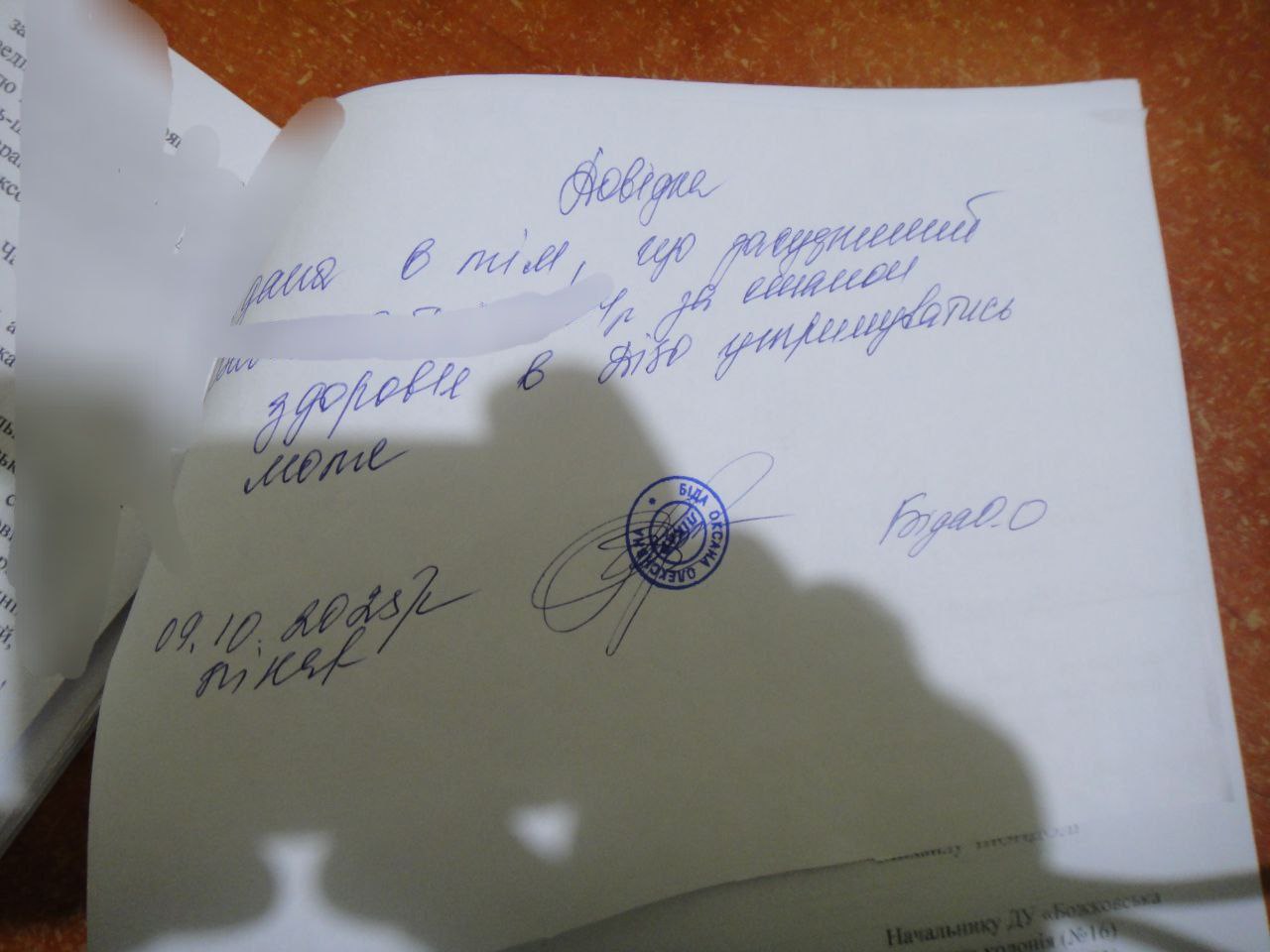
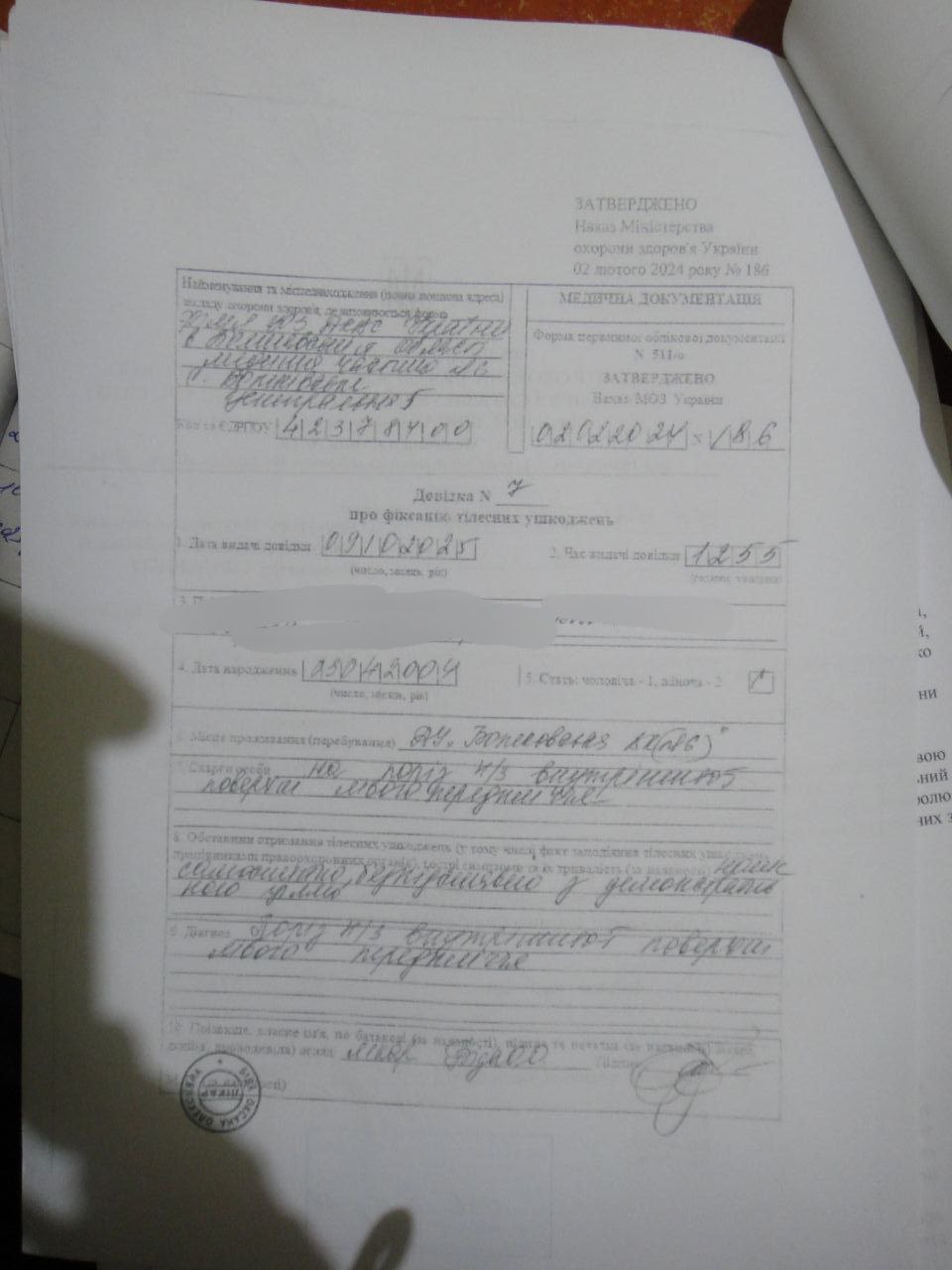
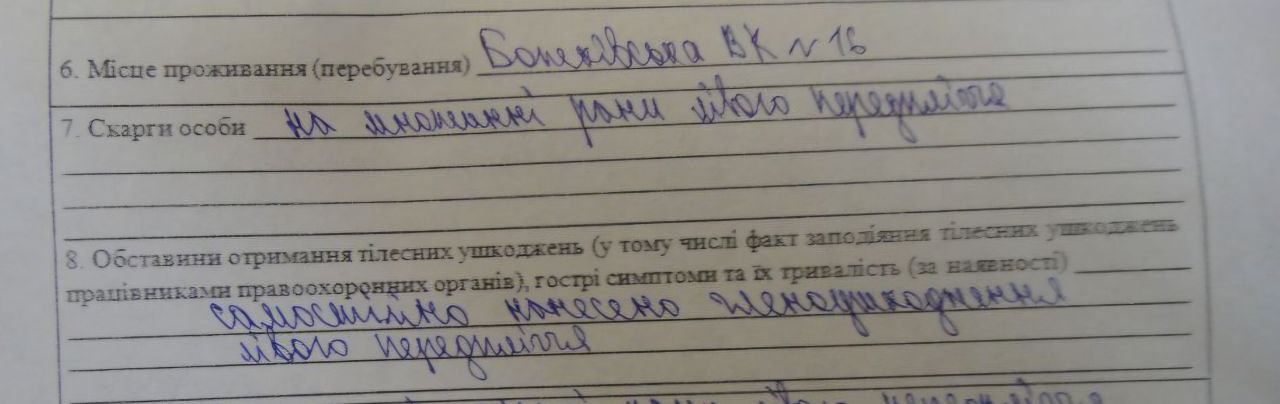
2. In violation of the requirements of paragraph 3 of chapter 1 of section II of the Procedure and the Instruction on filling out the primary accounting documentation form No. 511/o “Certificate on the recording of bodily injuries”, medical staff do not draw up certificates properly. In particular, in most cases, item 8 of the form, which provides for indicating the circumstances of receiving bodily injuries, is filled out formally, without specification, for example: “self-inflicted injury of the left forearm”, which does not allow for identifying the actual circumstances of the incident.
The lack of full documentation of the circumstances of injury and improper recording of bodily injuries does not comply with paragraph 60 of the Committee’s recommendations (CPT/Inf (93) 12-part), which states that medical services in places of deprivation of liberty can contribute to preventing violence against persons held in custody by systematically recording bodily injuries, as well as, if necessary, by informing the relevant authorities.
3. There is no position of clinical psychologist in the hospital facility staff, which complicates the timely and effective provision of medical care in the field of mental health to convicts. In the report on the results of the visit to Ukraine in 2023, the Committee reiterates its recommendation to further strengthen the provision of psychological assistance in institutions, as well as to develop the training and role of penitentiary psychologists, especially in the part of therapeutic clinical work with convicts.
In this context, efforts must be made to recruit clinically trained psychologists, who should be part of the medical team and in their work should not combine two different roles, i.e., risk assessment and therapeutic clinical work (CPT/Inf (2024) 20, paragraph 85).
4. In violation of paragraph 8 of chapter 5 of section II of the Procedure, there is no equipped infectious disease isolation ward and an isolation ward for persons with mental disorders who pose a danger to others in the medical unit’s inpatient ward, due to ongoing repair work.
5. The medical unit is not provided with functioning fluorographic/radiological equipment, as a result of which convicts and persons held in custody do not undergo diagnostic examinations of the thoracic cavity for the purpose of timely detection of respiratory diseases, which indicates the impossibility of early diagnosis of tuberculosis in the medical facility. The above contradicts paragraph 1 and paragraph 2 of chapter 2 of section II of the Procedure.
6. In violation of the requirements of the Standards of medical care for HCV in adults, approved by the order of the Ministry of Health of Ukraine dated 15.01.2021 No. 51, not all persons with suspected viral hepatitis C undergo PCR testing, due to which they do not receive the necessary treatment, which may lead to a deterioration in their state of health and the spread of the aforementioned infectious disease among convicts and persons in custody. Furthermore, on the day of the visit, there were no drugs for the treatment of viral hepatitis C in the medical unit’s pharmacy.
7. Dispensary supervision is carried out for 5 persons who have disabilities. Of them: group I — 0 persons; group II — 2 persons; group III — 3 persons. At the same time, in violation of the requirements of the Law of Ukraine “On the rehabilitation of persons with disabilities in Ukraine”, persons with disabilities do not receive proper diagnostic, treatment, and rehabilitation measures given information confirming a persistent impairment of body functions, caused by diseases and consequences of injuries, which causes restrictions on normal life activity.
During the study of the convicts’ medical documentation, it was established that 2 persons who have disabilities do not have an individual rehabilitation programme (hereinafter — IRP). In addition, the recommendations of the IRP are not fulfilled, due to which they do not receive proper diagnostic, treatment, and rehabilitation measures in the presence of information confirming a persistent impairment of body functions, caused by diseases and consequences of injuries, which cause restrictions on normal life activity.
8. In violation of the requirements of the State Building Norms of Ukraine V.2.2-17:2006 “Buildings and structures. Accessibility of buildings and structures for low-mobility population groups”, conditions for maintaining people with disabilities have not been created in the medical unit.
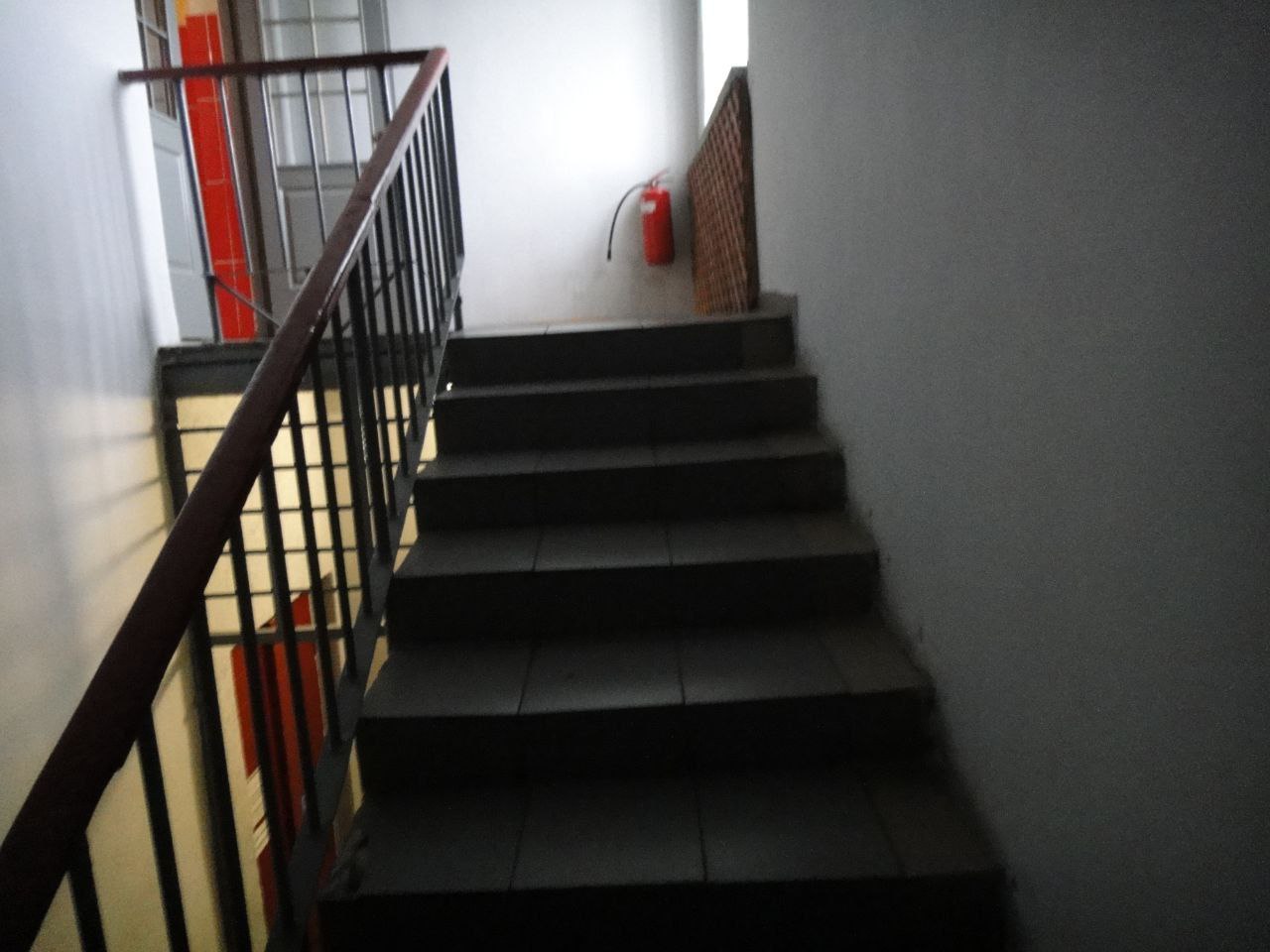
9. In violation of paragraph 37 of the Resolution of the Cabinet of Ministers of Ukraine dated 02.03.2016 No. 285 “On approval of Licensing conditions for the conduct of business activities in medical practice”, there is no conclusion in the medical unit confirming free access to the medical facility’s buildings and premises for low-mobility population groups, the obtaining of which is mandatory.
10. In violation of the requirements of the Table of equipment provision for one workplace of a dentist and a dental technician, approved by the order of the Ministry of Health of Ukraine dated 11.04.2005 No. 158, there is no dental X-ray machine in the medical unit, which makes it impossible to conduct an in-depth dental examination of convicts and does not ensure the timely provision of proper dental care.
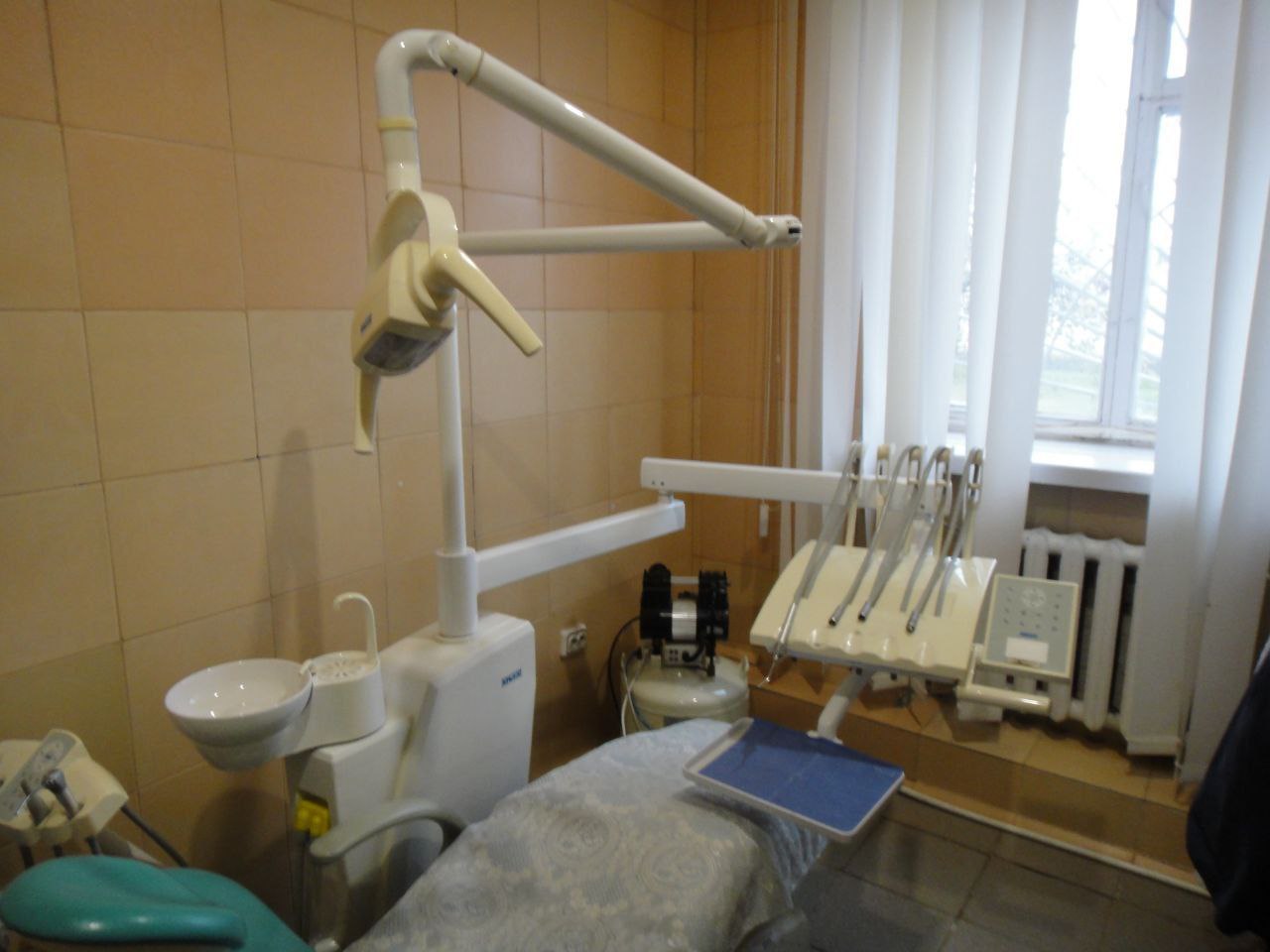
11. In violation of the Procedure for organising medical care at the primary, secondary (specialised), and tertiary (highly specialised) levels using telemedicine, approved by the order of the Ministry of Health of Ukraine dated 19.10.2015 No. 681, the medical unit staff, due to technical limitations, are deprived of the opportunity to send requests for telemedicine consultations and receive professional assistance for providing medical services to convicts.
12. According to paragraph 7 of chapter III of section II of the Procedure, convicts working in catering facilities (except for positions related to salespersons, heads of food and clothing warehouses, storekeepers), the processing industry, in children’s homes, institutions of general secondary education, professional training units in special educational colonies, medical units (feldsher posts), and hospital facilities of the SCES (except for work related to the provision of medical care), laundries, bathhouses, rooms for long-term visits, dormitories, clubs, in water supply and sewage facilities, and livestock breeding and rearing sections, undergo mandatory preliminary and preventive medical examinations in accordance with the Resolution of the Cabinet of Ministers of Ukraine dated 23.05.2001 No. 559 “On approval of the list of professions, production and organisations whose employees are subject to mandatory preventive medical examinations, the procedure for conducting these examinations and the issuance of personal medical books”.
For every convict of the specified category, primary accounting documentation form No. 1-OMK “Personal medical book” is opened, approved by the order of the Ministry of Health of Ukraine dated 21.02.2013 No. 150, registered in the Ministry of Justice of Ukraine on 23.04.2013 under No. 662/23194. At the same time, during the inspection of personal medical books of convicts working in the canteen, it was established that these workers had not undergone an examination by an otolaryngologist and a dermatovenerologist, which violates the requirements of paragraph 6 of the Rules for conducting mandatory preventive medical examinations of employees of certain professions, industries, and organisations whose activity is related to serving the population and may lead to the spread of infectious diseases, approved by the order of the Ministry of Health of Ukraine dated 23.07.2002 No. 280 (as amended by the order of the Ministry of Health of Ukraine dated 21.02.2013 No. 150).
13. In violation of the requirements of the Norms of ownership of bedding, special clothing, and special footwear (inventory property) for convicts undergoing treatment in medical-preventive institutions, institutions with the rights of medical facilities, and medical units in penal institutions and pre-trial detention centres, approved by the order of the Ministry of Justice of Ukraine dated 20.02.2012 No. 280/5, convicted persons do not receive hospital property (hospital suit, robe, and slippers). Convicts stay in the inpatient ward in everyday clothing, sometimes with their own bedding.
14. In the medical unit, in particular in the wards, the monitoring group recorded a violation of the temperature regime. Thus, at the time of the inspection, the air temperature in the premises was below +13 °C, which does not meet the requirements of section VI of the State Sanitary Norms and Rules, approved by the order of the Ministry of Health of Ukraine dated 02.04.2013 No. 259, and paragraph 1 of section XXII of the IRPI, according to which in the cold season, the temperature in the living quarters of penal institutions must be maintained at a level of no lower than +18 °C.
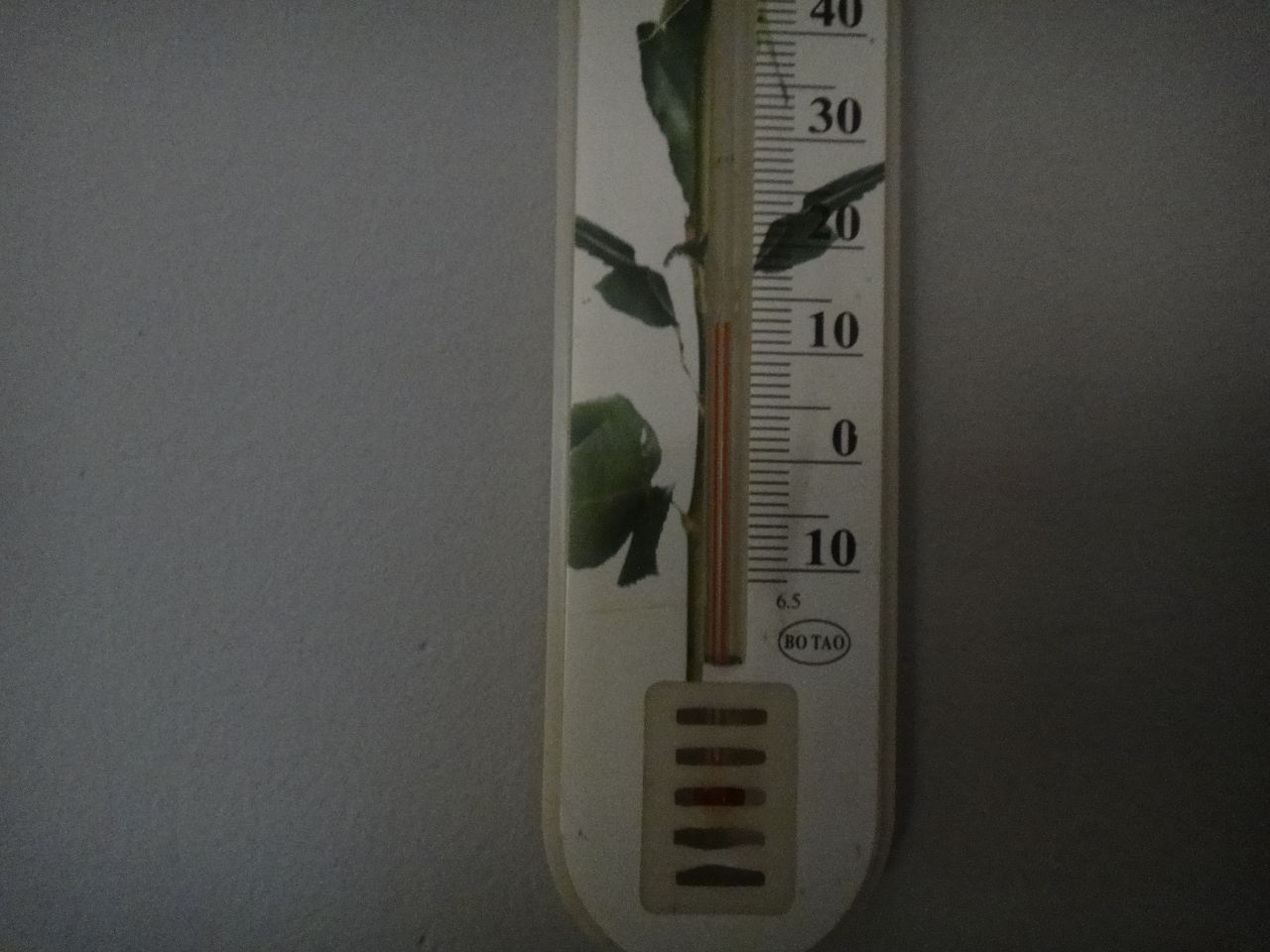
15. In violation of the requirements of Rule 19.3 of the European Prison Rules, the sanitary facility in the medical unit is not equipped with a door, due to which the convicts’ right to privacy is not observed.
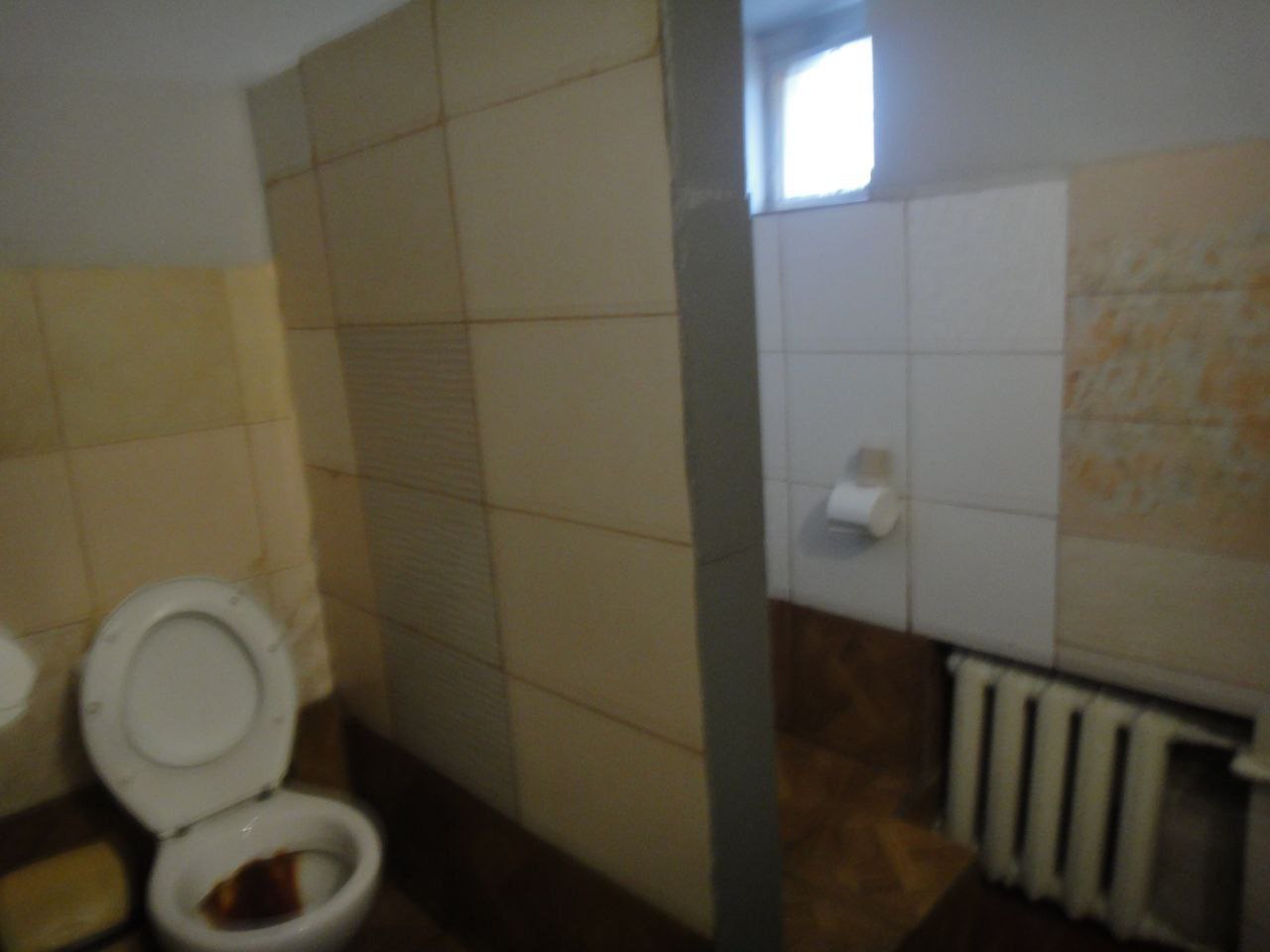
16. In violation of the requirements of subparagraph 2.12 of paragraph 2 of section III of the Fire Safety Rules in Ukraine, approved by the order of the Ministry of Internal Affairs of Ukraine dated 30.12.2014 No. 1417, the door of the electrical switchboard room in the medical unit hall was unlocked.
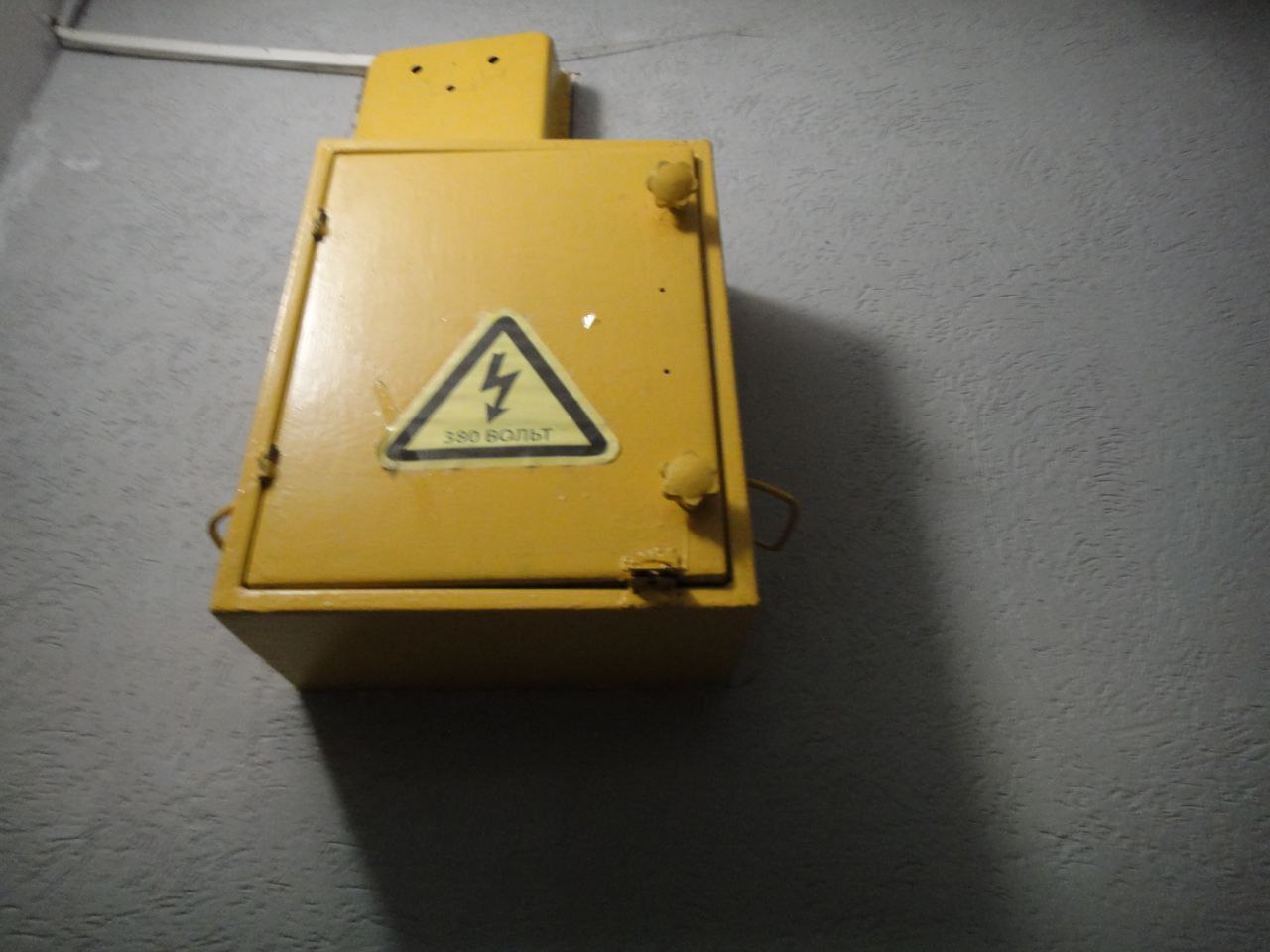
17. In violation of part 5 of Article 110 of the Criminal Executive Code of Ukraine, convicts, while staying in the inpatient ward of the medical unit, are not ensured the right to use the global Internet. Lack of access to the Internet limits their ability to receive information, exercise the right to education, self-education, and maintain social ties, which contradicts paragraph 63 of the Committee’s recommendations (CPT/Inf (93) 12-part).
Recommendations:
1. Cease the use of convicts as ‘attendants’ in the QDD unit, prohibit the delegation of supervision and control functions over new arrivals to them, and ensure the organisation of QDD work exclusively by the institution’s staff in accordance with Articles 8, 96, and 118 of the CEC of Ukraine and CPT recommendations.
2. Include the head of the medical unit in the special commission for the distribution of newly arrived convicts to SPS units in accordance with the Regulation on the QDD unit.
3. Equip the QDD unit with all premises provided for by the Provision Norms (exchange fund room, dirty laundry storeroom, utility room, drying room) for proper sanitary and domestic organisation.
4. Ensure compliance with the temperature regime in the QDD unit of no lower than +18 °C during the cold period of the year through proper heating, insulation, and the elimination of technical defects.
5. Equip the QDD unit’s living quarters with drinking water tanks with taps and necessary inventory, ending the practice of lacking reserve containers for drinking water.
6. Review the practice of video surveillance in the QDD unit’s living quarters, leaving the use of cameras only for exceptional cases based on individual risk assessment and for a limited period.
7. Stop the application of prolonged solitary confinement in the DIU/CTP to persons with mental disorders, ensure their access to proper psychiatric treatment, and, if necessary, initiate transfer to specialised facilities.
8. Improve the material conditions in the DIU/CTP: increase access to natural light, repair CTP No. 2, equip sanitary facilities with full partitions/doors, and ensure the availability of drinking water tanks.
9. Ensure the systematic issuance to convicts of copies of decisions on disciplinary penalties, indicating the procedure for appeal, and inform them of the right to access a lawyer in the context of disciplinary proceedings.
10. Restore the radio installation in DIU/CTP cells to ensure convicts’ access to information, which complies with the IRPI and the UN Standard Minimum Rules.
11. Equip all DIU cells with staff call buttons, ensuring operative contact between convicts and the institution’s staff.
12. Expand and properly equip exercise yards (sufficient area, presence of shelter from precipitation) in accordance with CPT recommendations regarding time spent in the fresh air.
13. Ensure compliance with the approved menu schedule, stop unauthorised substitution of dishes, and process all changes in catering in the established manner with appropriate written permits and reports.
14. Establish a full cycle of laundry and bath services: carry out monthly planned disinfection and disinsection of clothing and bedding with recording in journals, ensure the proper operation of ventilation in the laundry, and compliance with the normative temperature regime in the bathhouse.
15. Change the practice of open carrying of special means by staff, prohibit the open demonstration of rubber batons and other special means in areas of direct contact with convicts, ensuring their maximally concealed or localised storage.
16. Strengthen the work of the Department of Social-Educational and Psychological Work regarding the processing of convicts’ documents, and promptly ensure the production of passports, obtaining of the tax ID number (TRCN), and processing of pensions for those who need it.
17. Review the procedure for conducting short-term visits, establishing open visits as the rule, and non-contact visits as the exception, applied only upon an individually motivated decision.
18. Take measures to staff the 26 vacant authorised positions, strengthen staff presence in places of detention, review the practice of 24-hour shifts, and ensure a safe and rational service regime.
19. Recognise the shelter in the 3rd SPS unit as unsuitable until critical defects are corrected; equip a second evacuation exit, ventilation, and sewage system; and until then, use only premises that meet basic safety requirements for sheltering.
20. Retrofit the shelter in the 2nd SPS unit (lighting, seating, drinking water supply, and basic equipment) and guarantee the possibility of sheltering all convicts in premises that meet civil protection requirements.
21. Review all contracts with the branch of the State Enterprise ‘Enterprise of the SCES of Ukraine’ and CLCs, stop the use of civil-law contracts for regular work, ensure the conclusion of employment contracts with convicts in accordance with the Labour Code and the CEC of Ukraine, and maintain personified records of working time.
22. Provide all working convicts (in the branch, workshops, utility service, and canteen) with necessary personal protective equipment, conduct proper occupational safety training, and prohibit actual work without proper entries in the journals of attendance and medical examinations.
23. Stop the practice of excessive working hours and night work without accounting, bring the duration of the working day and night shifts into compliance with Articles 50—52 and 54 of the Labour Code of Ukraine and the requirements of the CEC of Ukraine, and ensure full accounting of night shifts.
24. Ensure transparent and personified payroll calculation with clear linkage to hours worked and types of work; include all convicts who actually work (in particular in the canteen) in the records, and officially regulate the practice of flexible work schedules through orders, schedules, and timesheets.
25. Take measures aimed at eliminating identified human rights violations and preventing torture, other cruel, inhuman or degrading treatment and punishment in Medical Unit No. 16 of the branch of the State Institution ‘Centre for Health Care of the State Criminal-Executive Service of Ukraine’ in the Poltava Region.
26. Provide the medical unit staff with specialist doctors according to needs.
27. Ensure control over proper maintenance of medical documentation in accordance with the ‘Procedure for organising the provision of medical care to convicts to deprivation of liberty’, approved by the joint order of the Ministry of Justice of Ukraine and the Ministry of Health of Ukraine dated 15.08.2014 No. 1348/5/572, and other regulatory legal acts.
28. Ensure timely and proper recording of bodily injuries in convicts.
29. Stop the practice of doctors certifying the state of health of convicts and persons in custody upon their placement in the DIU/CTP, and ensure compliance with medical confidentiality requirements in accordance with Article 39-1 of the Law of Ukraine ‘Fundamentals of the legislation of Ukraine on health care’ and the Procedure.
30. Fulfil the requirements of paragraph 37 of the Resolution of the Cabinet of Ministers of Ukraine dated 02.03.2016 No. 285 ‘On approval of Licensing conditions for the conduct of business activities in medical practice’.
31. Provide the medical unit with hospital property (hospital suit, robe, and slippers).
32. Ensure the restoration and proper equipment of the infectious disease isolation ward and the isolation ward for persons with mental disorders after the completion of repair work in accordance with the requirements of paragraph 8 of chapter 5 of section II of the Procedure.
33. Provide the medical unit with functioning fluorographic/radiological equipment for the purpose of timely diagnosis of tuberculosis and other respiratory diseases in accordance with the requirements of paragraphs 1 and 2 of chapter 2 of section II of the Procedure.
34. Ensure proper record-keeping of preventive examinations for the admission of convicts to work in catering facilities in accordance with requirements.
35. Ensure the proper operation of the telemedicine complex for doctors to send requests for telemedicine consultations.
36. Ensure all persons with suspected HCV have access to PCR testing in the shortest possible time and organise necessary antiviral treatment for persons with a confirmed diagnosis.
37. Ensure the provision of individual rehabilitation for persons who need it.
38. Provide the medical unit with a dental X-ray machine and necessary equipment for comprehensive dental examination and treatment.
39. Ensure compliance with the established temperature regime in the medical unit wards by urgently bringing the air temperature into compliance with the requirements of the State Sanitary Norms and Rules and paragraph 1 of section XXII of the IRPI.
40. Eliminate violations of fire safety requirements.