Report on the Results of the Monitoring Visit to Pervomaisk Penal Colony No. 117
On 28-29 April 2025, in accordance with the Optional Protocol to the Convention against Torture and other Cruel, Inhuman or Degrading Treatment or Punishment, taking into account the provisions of the Standard Minimum Rules for the Treatment of Prisoners and the decisions of the European Court of Human Rights, and on the basis of Article 24 of the Criminal Executive Code of Ukraine — Visiting Penitentiary Institutions, a group of monitors from the Kharkiv Human Rights Protection Group and the NGO “Defence of Prisoners of Ukraine” conducted a repeat visit to the state institution “Pervomaisk Penal Colony No. 117” (hereinafter referred to as PPC-117, the institution, the facility).
The previous visit took place on 22 December 2023. A full-scale planned visit was carried out without prior notice, and all facilities were examined.
In preparation for the visit, the monitors used materials from complaints filed by convicts and their relatives, materials from previous reports, and the report of the monitors of the National Preventive Mechanism under the Ukrainian Parliament Commissioner for Human Rights (NPM).
The visit was conducted as part of the project “Reducing the Suffering of Prisoners in the Context of the War in Ukraine”, funded by the government of Denmark in partnership with DIGNITY — The Danish Institute Against Torture.
The visit was carried out by the following monitors:
- Andrii Didenko — Assistant to the People's Deputy of Ukraine Yaroslav Yurchyshyn, Coordinator of programmes at the Kharkiv Human Rights Protection Group, experienced in monitoring visits since 2014;
- Serhii Zuikov — Assistant to the People's Deputy of Ukraine Kostiantyn Kasai, member of the Public Council under the Ministry of Justice of Ukraine, member of the public organisation “Defence of Prisoners of Ukraine”, has many years of experience in monitoring visits;
- Oleh Tsvilyi — Member of the Public Council under the Ministry of Justice of Ukraine, Head of the public organisation “Defence of Prisoners of Ukraine”, has extensive experience in monitoring visits, specialising in issues of torture and cruel, inhuman treatment.
During the monitoring visit, systemic violations of the rights of convicts were established, including the use of physical and psychological violence, the involvement of inmates in informal control over other prisoners, and the widespread practice of de facto labour exploitation without proper documentation.
The atmosphere of fear, the lack of an opportunity to lodge complaints without the risk of reprisal, and the implementation of unlawful restrictions, such as the prohibition on using beds or smoking, bear witness to the existence of an informal hierarchy, a lack of proper control by the administration, and the neglect of basic human rights.
Such actions contradict both national legislation and Ukraine’s international obligations, including Article 3 of the European Convention on Human Rights and the recommendations of the Committee for the Prevention of Torture.
Furthermore, the monitoring group identified critical shortcomings in the conditions of detention in the disciplinary isolation unit, the medical unit, and in sanitary and living facilities. The institution is not equipped with proper premises, temperature control, ventilation, fire safety equipment, or access to medical and rehabilitation services for persons with disabilities. Medical care is formal: there is a shortage of doctors, the principle of voluntary informed consent is violated, and in a number of cases, actions were recorded that could be qualified as inhuman treatment.
In view of the facts identified, it is necessary to immediately take systemic measures at the level of the Ministry of Justice and the State Criminal-Executive Service to put an end to unlawful practices, to bring the conditions of detention into compliance with standards, and to ensure real control over the observance of human rights at the institution.
General Information
PPC-117 is a minimum-security penal institution for the detention of men sentenced to a fixed term of imprisonment.
The facility is located at: 132 Prymiska Street, Hrushyne village, Lozova district, Kharkiv region, 64131.
The head of the institution is Colonel of the Internal Service Kostiantyn Volodymyrovych Kozych.
The facility consists of a duty unit, Social and Psychological Service (SPS) sections, a canteen, a disciplinary isolation unit (DIU), a cell-type premise (CTP), a reinforced control unit (RCU), a medical unit, a bath and laundry complex, visitation rooms, a shop, a library, a parcel reception room, and administrative premises.
According to the institution's administration, the authorised staff size consists of 218.5 positions. The actual number is 179.5 positions. The total staff shortage at the institution is 39 employees.
The planned capacity of the facility is 480 people. The actual number of convicts is 99 people. The facility has 8 SPS sections, a Quarantine, Diagnostics and Distribution (QDD) unit, and an RCU. There are 2 psychologists working at the institution.
In 2024, 2 convicts died. 47 convicts were employed. 1 convict was held in the DIU (disciplinary isolation unit), and 2 in the RCU (reinforced control unit). The operational-preventive register included: 3 individuals prone to suicide, 1 prone to self-harm, and 4 convicts defined as malicious violators of the detention regime.
Between 2024 and 2025, no persons submitted complaints regarding inadequate conditions of detention or the improper provision of medical care. 4 people have disabilities. The convicts have 5 tablets for personal use, and 91 people have an email address. Over the last six months, there has been 1 act of prosecutorial response. During 2025, 2 cases of bodily injuries were recorded while in the institution.
The monitoring group conducted interviews with about 70 convicts during visits to the industrial zone, SPS sections, and disciplinary premises, conducting general conversations, providing consultations, answering questions, polling on human rights violations, and holding individual conversations with individuals, including on conditions of anonymity.
Positive Experience
A pilot project regarding the introduction of a modern approach to ensuring supervision of convicts and maintaining law and order based on the principles of service in European countries, in particular the Republic of Poland.
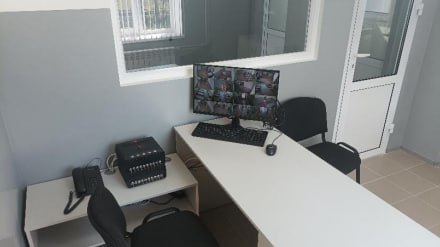
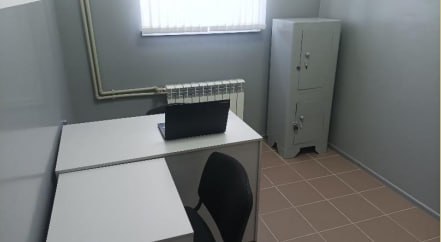
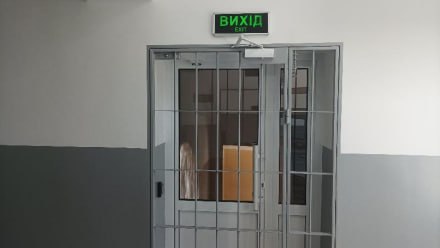
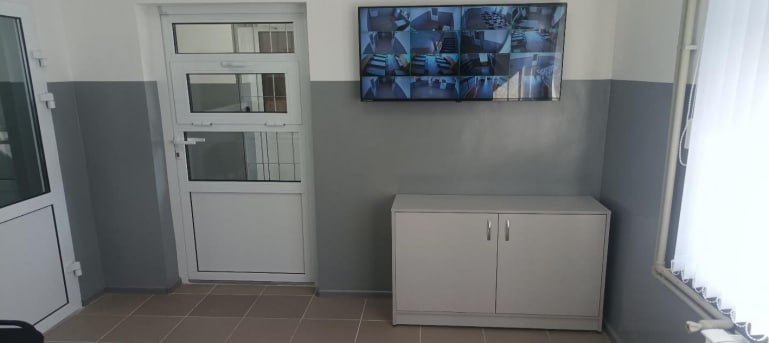
Current repairs of the disciplinary isolation unit cells and cell-type premises have been carried out, with the modernisation of lighting, reconstruction of partitions, and replacement of cell furniture.
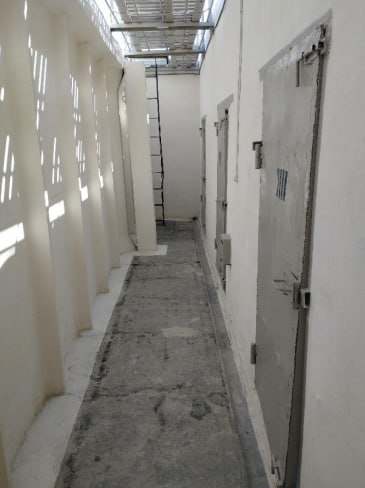
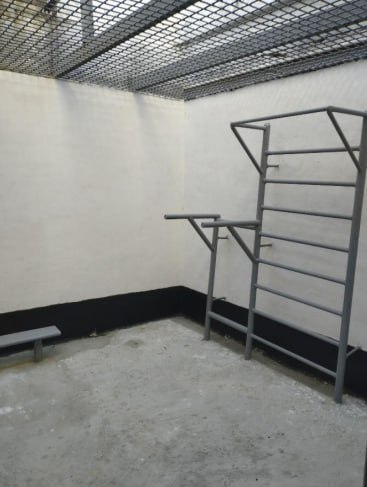
Repair work has been carried out in the exercise yards of the disciplinary isolation unit, cell-type premises, and the reinforced control unit, with the installation of a canopy to protect against atmospheric precipitation covering at least 30% of the total area of the yard.
In accordance with the order of the Ministry of Education and Science of Ukraine and the Ministry of Justice of Ukraine dated 09.01.2024 No. 14/74/5 “On the Establishment of the Pervomaisk Branch of the State Vocational and Technical Educational Institution ‘Temnivskyi Training Centre No. 100’”, the Pervomaisk branch of the state vocational and technical educational institution “Temnivskyi Training Centre (No. 100)” has been created at the institution.
Facts Discovered During the Visit
During the monitoring visit, violations of the requirements of national legislation and non-compliance with international recommendations in the field of prisoner treatment were identified, leading to violations of the rights of convicts:
1. During the visit to the institution, the monitoring group received complaints from convicts regarding the use of physical and psychological violence against them. The monitors recorded a widespread practice of engaging certain convicts to perform functions related to maintaining order and controlling the behaviour of other persons held in the institution, with the aim of their de facto exploitation in the form of forced labour.
In particular, during the interviews, the existence of a group of convicts was established, to whom, according to the testimonies of other inmates, the institution’s administration had effectively delegated authority, led by two convicts — K. and R. During a confidential interview, individual convicts stated that they were subjected to physical and psychological violence as punishment for refusing to work, failing to meet production quotas in the workshops, failure to properly follow the daily routine, and disciplinary violations.
It should be noted that during the information gathering, an atmosphere of fear prevailed among the convicts. A significant portion of the convicts refused to communicate, while others answered with template phrases such as: “nobody will tell you anything here” or “you will leave, but we have to live here”, avoiding details due to fear of reprisals and possible negative consequences from the institution’s administration.
Thus, convicts, while in conditions of excessively strict discipline and constant psychological pressure, avoided even minor violations of the established order of serving their sentences due to fear of possible types of punishment, both from other convicts and from the administration in the form of disciplinary penalties.
At the same time, facts were established regarding the implementation by the institution's administration of requirements that go beyond those established by law. In particular, cases were recorded of a prohibition on using beds during the daytime even for convicts undergoing inpatient treatment in the medical unit, as well as a ban on smoking for persons who did not meet the established production quota in the production workshops, and more.
These actions contradict Part 1 of Article 8 of the Criminal Executive Code of Ukraine, Article 3 of the Convention for the Protection of Human Rights and Fundamental Freedoms, as well as the recommendations of the European Committee for the Prevention of Torture and Inhuman or Degrading Treatment or Punishment (hereinafter — the Committee).
In its report on the results of the visit to Ukraine in 2020, the Committee expressed serious doubts regarding the practice of using certain inmates as “orderlies” (duty inmates) who perform functions of controlling other inmates in living quarters and at the workplace and reporting any incidents and violations of the regime to staff. Therefore, the Committee noted with concern during this visit that this practice remained.
Moreover, unfortunately, despite the specific recommendations previously given by the Committee, the practice of using “orderlies” is also officially provided for by the Internal Regulations of Penal Institutions. As previously emphasised, the Committee believes that any partial abdication of responsibility for order and safety in prisons borne by the institution’s regime staff is unacceptable. Such a practice exposes weaker inmates to the risk of ill-treatment and exploitation by other inmates. The Committee calls on the Ukrainian authorities to take all necessary steps — including legislative ones — to put an end to this practice. No inmate (in any penal institution in the country) should have authority over other inmates. (CPT/Inf (2020) 40, paragraph 27).
Furthermore, in its report following the visit to Ukraine in 2023, the Committee calls on the Ukrainian authorities to develop and implement a comprehensive strategy to combat violence and intimidation among convicts and to overcome the phenomenon of an informal hierarchy among convicts with all its negative consequences. In this context, the prison administration should also rationalise risk and needs assessment, classification, and the distribution of individual convicts to ensure that convicts are not exposed to the influence of other convicts who may harm them. (CPT/Inf (2024) 20, paragraph 45).
Regarding reprisals and potential negative consequences from the institution’s administration for providing information to human rights defenders regarding ill-treatment or voicing complaints, in this context, the Committee recommends regularly conveying a clear message to the management and staff of the institution that ill-treatment of inmates in any form, including threats and intimidation, is unacceptable and carries liability. Furthermore, the Committee stresses the need to convey to staff a clear understanding that any threats or forms of intimidation intended to prevent inmates from filing complaints are unacceptable. (CPT/Inf (2020) 40, paragraph 22).
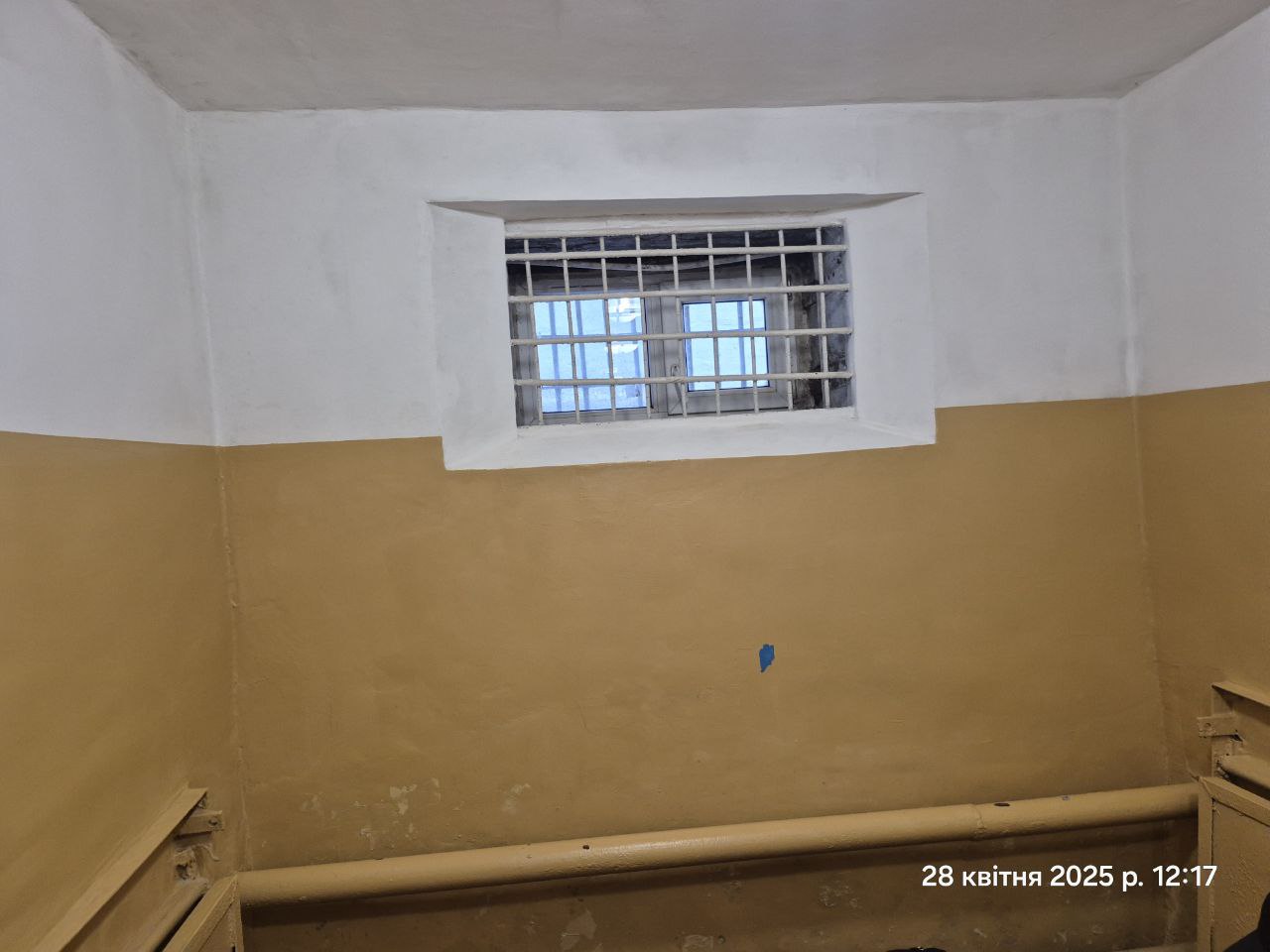
2. The equipment of the institution’s disciplinary isolation unit (hereinafter — DIU) does not meet the standards for the treatment of prisoners and the conditions of their detention in accordance with their needs. Thus, the DIU cell premises do not have a sufficient level of natural lighting, as the windows of cells Nos. 9 and 7 face a wall, due to which natural light practically does not penetrate into the premises, which may create additional psychological pressure on convicts due to the lack of any, even visual, connection with the outside world.
There is no radio installation in the DIU cell premises, which contradicts the requirements of paragraph 3, section XX of the Internal Regulations of Penal Institutions, approved by the order of the Ministry of Justice of Ukraine dated 28 August 2018 No. 2823/5, registered with the Ministry of Justice of Ukraine on 5 September 2018 under No. 1010/32462 (hereinafter — IRPI), and paragraph 63 of the UN Standard Minimum Rules for the Treatment of Prisoners.
In violation of paragraph 4, section IV of the Procedure for the Use of Technical Means of Supervision and Control in Penal and Educational Colonies of the State Criminal-Executive Service of Ukraine, approved by the order of the Ministry of Justice of Ukraine dated 26.06.2018 No. 2025/5 (hereinafter — Procedure for the Use of Technical Means), it was established that the DIU cells are not equipped with staff call buttons, which hinders operational contact between convicts and the institution’s staff.
Furthermore, in the DIU cell premises, devices for fixing beds to the walls have been installed. At the same time, legal acts do not provide for locking folding beds in cell-type premises and disciplinary isolation units where convicts are serving penalties. This creates conditions for potential abuse by the institution’s staff, as convicts can be deprived of the opportunity to sit or lie on the bed during the day.
3. In violation of the requirements of the Standards for Provision with Furniture, Inventory and Household Items for a Minimum-Security Penal Colony with General Detention Conditions, approved by the order of the Ministry of Justice of Ukraine dated 27.07.2012 No. 1118/5 (hereinafter — Provision Standards), the DIU/CTP lacks a number of premises, namely: a room for the reception of convicts by the administration and medical personnel, a room for storing personal belongings of convicts, a room for undressing and dressing, a barbershop, etc.
The absence of these premises or their improper arrangement leads to a violation of sanitary and hygienic standards. Thus, improper organisation of the storage of personal belongings complicates the maintenance of cleanliness and order in the premises where convicts are held, which worsens the overall sanitary situation in the institution, and the lack of a room in the DIU/CTP for medical personnel to examine convicts, as a result of which medical examinations of convicts are conducted in the duty shift room or in the cell itself, indicates that the institution’s staff and other persons among the convicts receive confidential information regarding the health status of convicts during medical examinations, manipulations, or procedures.
The above violates the requirements of Article 39-1 of the Law of Ukraine “Fundamentals of Ukrainian Legislation on Healthcare” regarding the right of individuals to confidentiality of health status and paragraph 9, section I of the “Procedure for Organising the Provision of Medical Care to Convicts to Imprisonment” approved by the joint order of the Ministry of Justice of Ukraine and the Ministry of Health of Ukraine dated 15.08.2014 No. 1348/5/572 (hereinafter — Procedure).
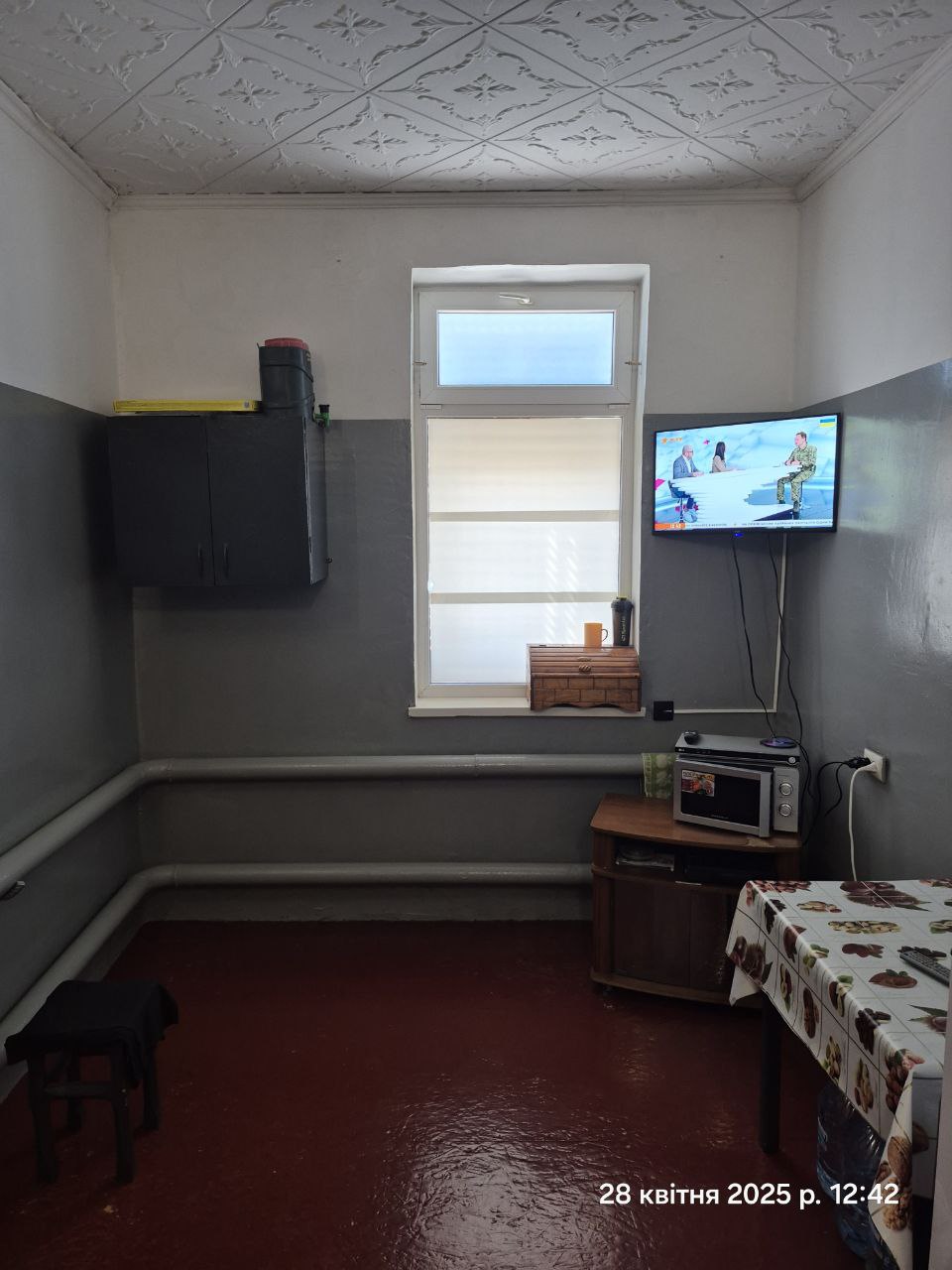
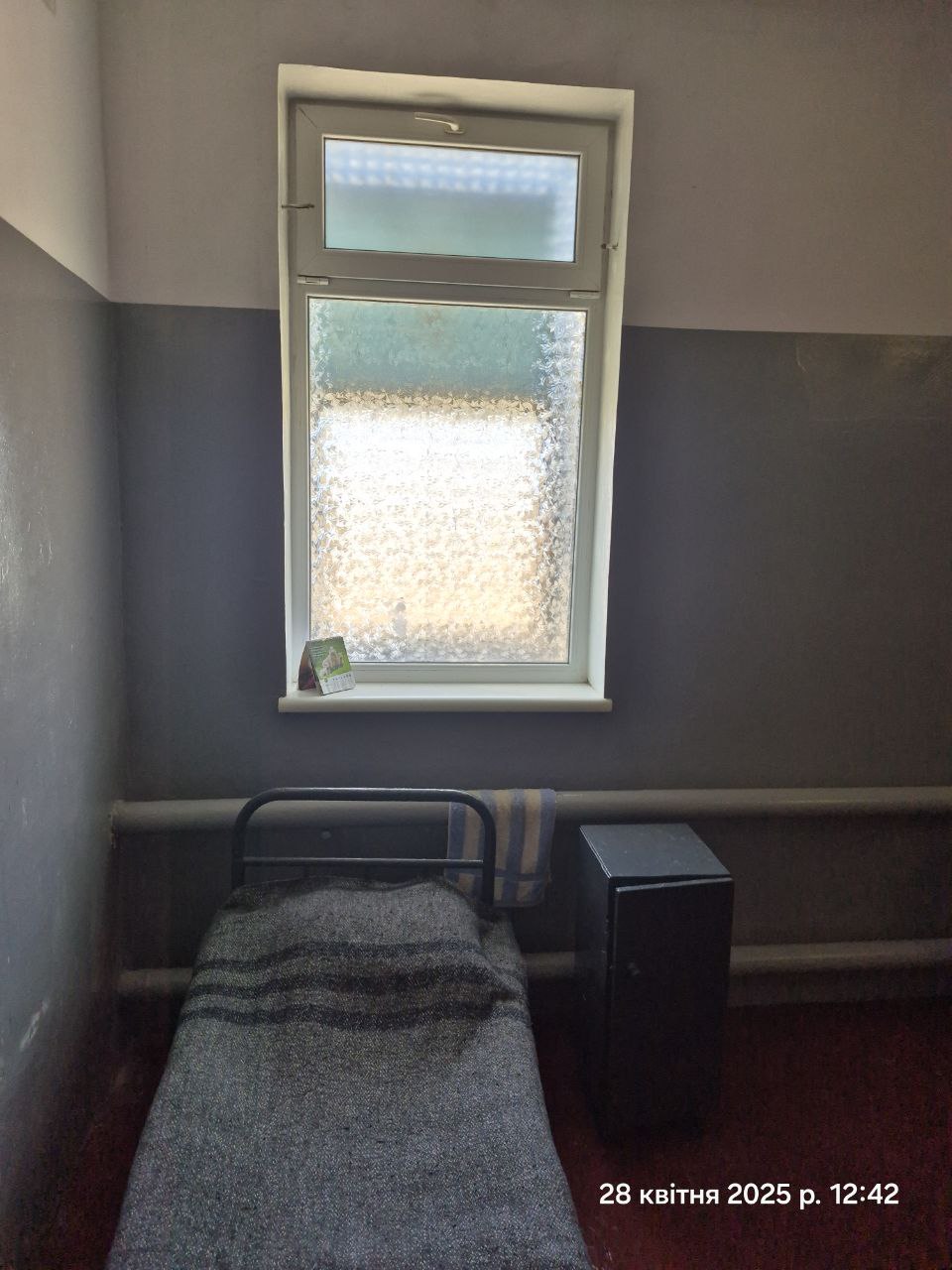
4. In the CTP cell premise, the monitoring group established the presence of windows that had been equipped with tinted (darkened) glass, due to which natural light practically does not penetrate the room. Similar violations were established in the living quarters of the social rehabilitation unit (hereinafter — SRU). In its report on the results of the visit to Ukraine in 2020, the Committee had already drawn attention to this and recommended taking measures to review the design of windows in cells in order to allow inmates to see what is outside the cell. (CPT/Inf (2020) 40, paragraph 48).
5. The bathrooms in the DIU/CTP cell premises are not equipped with sufficient partitions that ensure the possibility of privacy, which violates rule 19.3 of the European Prison Rules. Similar violations were established in the living quarters of the SRU.
At the same time, in the report of the Government of Ukraine following the visit in 2023, the Committee called on the Ukrainian authorities to take the necessary measures to improve the material conditions of detention, in particular, to keep all places where convicts and persons in custody are placed, including sanitary facilities, in a proper state of repair and hygiene, to carry out disinsection regularly and frequently; to ensure sufficient access to natural light and ventilation in cells, and to fully equip internal sanitary facilities with partitions (i.e., from floor to ceiling). (CPT/Inf (2024) 20, paragraph 58).
6. Paragraph 1, section XXIII of the IRPI defines that supervision of convicts is a system of measures aimed at ensuring the serving and execution of criminal penalties in the form of restriction and deprivation of liberty, life imprisonment, and arrest through round-the-clock and constant control over the behaviour of convicts in places of their residence and work, preventing and stopping illegal actions on their part, and ensuring the requirements of isolation of convicts and the safety of the staff of penal institutions.
Thus, during the inspection of the DIU/CTP cell premises and the living premises of the Sector for persons in custody, installed video surveillance cameras were recorded. However, in its report in 2012, the Committee criticised the excessive intrusion into privacy through the installation of video cameras in convicts’ living quarters.
The CPT agrees that video surveillance in cells can be a useful safeguard in specific cases, for example, when a person is considered to be of concern regarding the risk of self-harm or suicide, or if there are specific suspicions that a convict is committing certain acts in the cell that could jeopardise safety. However, any decision to apply video surveillance to a specific convict must always be based on an individual assessment of real risks and must be reviewed on a regular basis. Video surveillance is a serious intrusion into the private life of inmates and makes the regime even more repressive, in particular, when applied for a long time. (CPT/Inf (2013) 23, paragraph 52).
7. Exercise yards Nos. 1, 2, and 3 are not equipped with proper shelter to protect against atmospheric precipitation, and the area of individual yards is insufficient to ensure full physical activity for convicts.
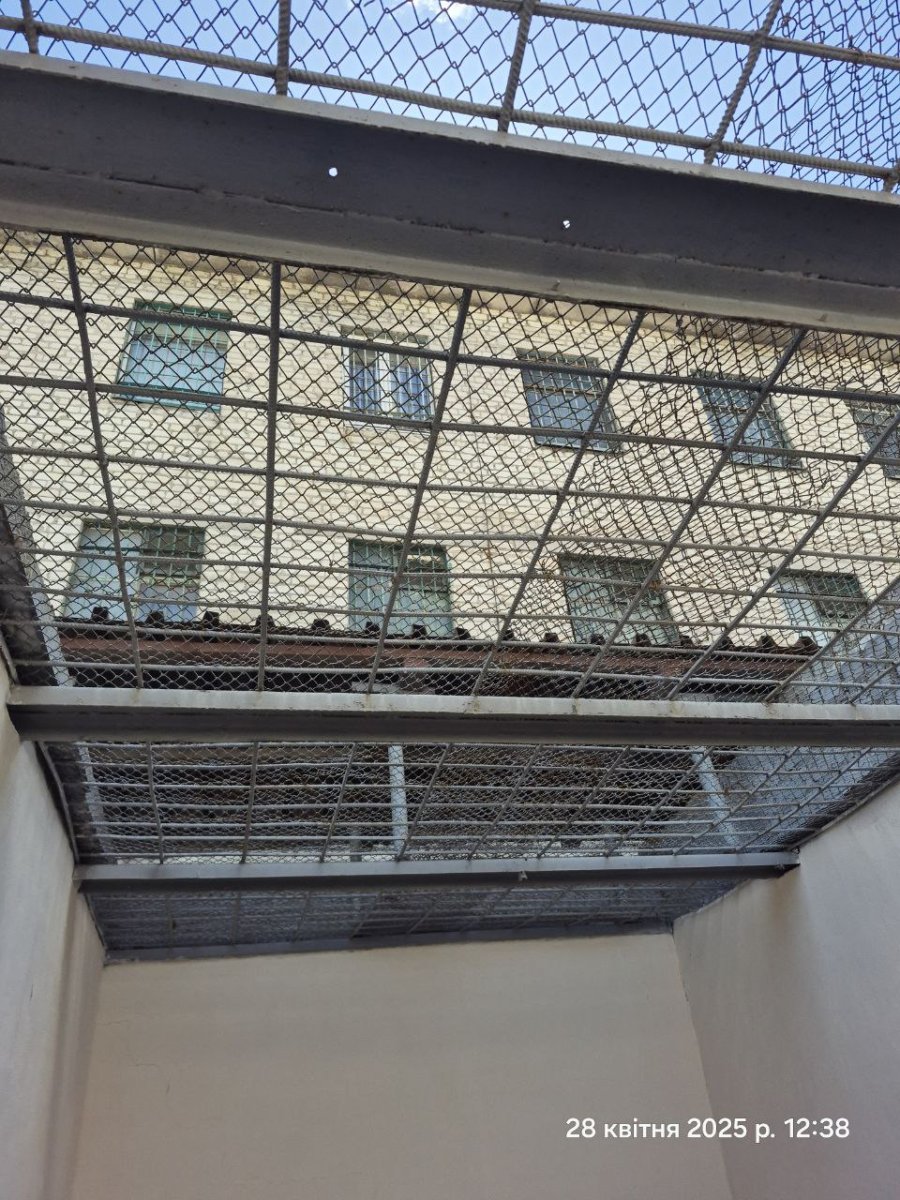
At the same time, the Committee in its second General Report emphasises that the daily stay of persons in the fresh air should take place in a yard of sufficient area, and the exercise areas themselves, as far as possible, should be equipped with shelter in case of unfavourable weather conditions. (CPT/Inf (92) 3, paragraph 48).
8. The equipment of the Quarantine, Diagnostics and Distribution (QDD) unit does not meet the standards for the treatment of prisoners and the conditions of their detention in accordance with their needs. Thus, in violation of the requirements of the Provision Standards, the unit lacks a number of premises, namely: a room for storing the exchange fund of bedding, clothing, and special clothing; a storeroom for temporary storage of dirty bedding, clothing, and special clothing; a utility room; a drying room.
The absence of these premises or their improper arrangement leads to a violation of sanitary and hygienic standards. Thus, improper organisation of the storage of personal belongings complicates the maintenance of cleanliness and order in the premises where convicts are held, which worsens the overall sanitary situation in the institution.
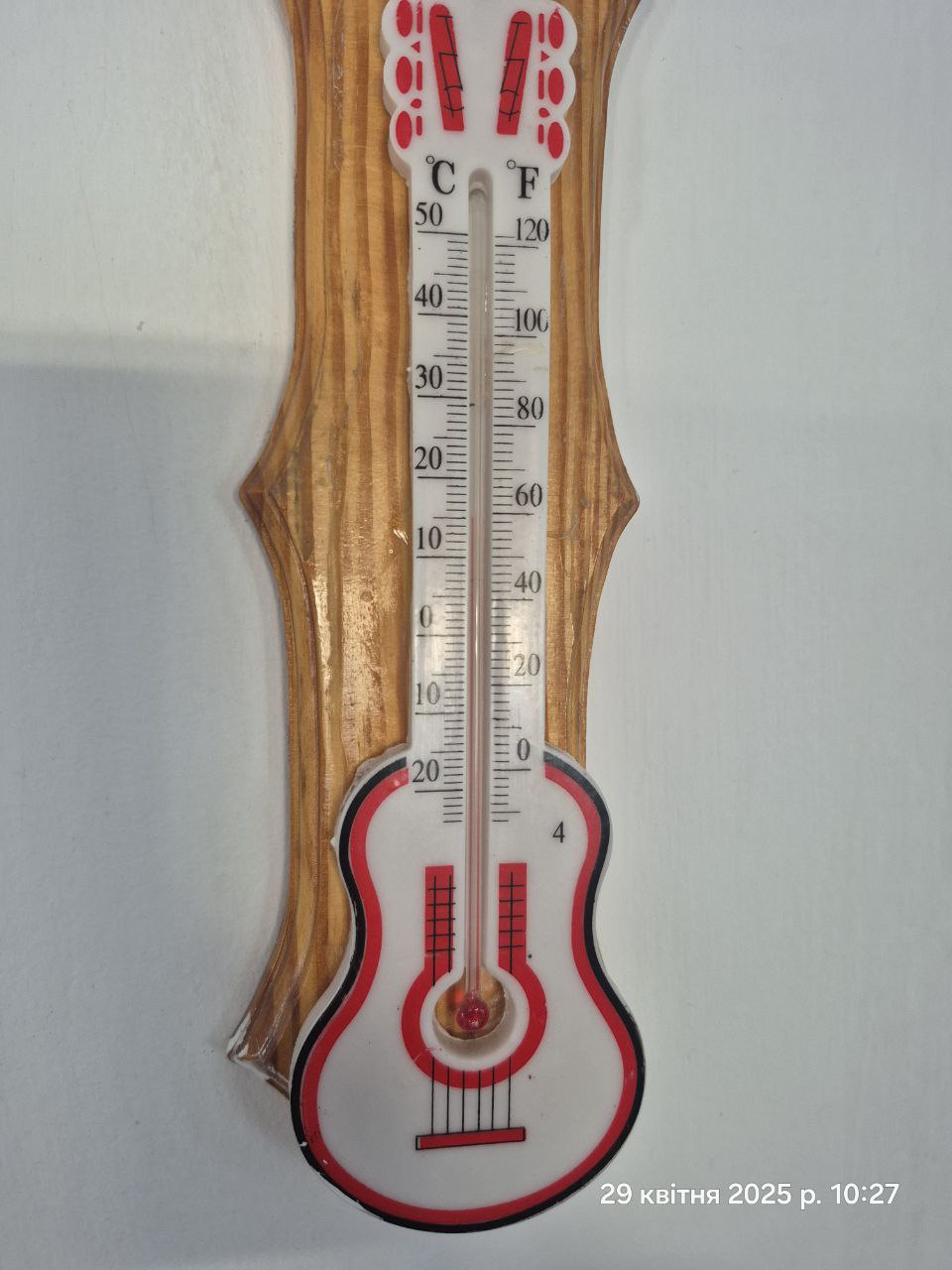
9. The monitoring group recorded a violation of the temperature regime in the SRU living premises. Thus, at the time of the inspection, the air temperature in the living room was 15 °C, while in accordance with paragraph 1, section XXII of the IRPI, the temperature in the living quarters of penal institutions must be maintained at a level of no less than 18 °C.
10. The monitoring group established that there is no separate disciplinary isolation unit (DIU) in the institution for convicts sentenced to restriction of liberty, which makes it impossible to apply to this category of convicts the disciplinary penalty in the form of placement in a DIU for a period of up to 10 days, provided for by Part 1 of Article 68 of the Criminal Executive Code of Ukraine. In the current situation, it is impossible to ensure the necessary regime of isolation and to avoid contact between convicts sentenced to deprivation of liberty and restriction of liberty, which is a violation of the requirements regarding the separate detention of these categories of persons.
11. The monitoring group investigated the issue of the shelter available in the institution, which is located in a vegetable storage facility in the basement. However, contrary to the requirements of the Civil Protection Code of Ukraine, the Procedure for Creating, Maintaining the Fund of Civil Protection Structures, Excluding such Structures from the Fund and Keeping Records of it, approved by the Resolution of the Cabinet of Ministers of Ukraine dated 10.03.2017 No. 138, and the Requirements for Maintaining and Operating Civil Protection Structures, approved by the order of the Ministry of Internal Affairs of Ukraine dated 09.07.2018 No. 579, conditions for staying in the shelter have not been ensured.
In particular, the shelter premises do not meet the established requirements due to the lack of proper artificial lighting, water supply, and sewage systems, which makes it impossible to set up a sanitary unit and washbasin and prevents compliance with sanitary and hygienic standards. Also, the premises are not equipped with ventilation, fire extinguishing equipment, first aid kits, or other necessary elements of a safe shelter.
12. The monitoring group established a number of violations in the organisation of bath and laundry services for convicts and inmates. Thus, in violation of paragraph 2.14, section II of the Regulation on the Organisation of Bath and Laundry Services for Persons Held in Penal Institutions and Pre-trial Detention Centres, approved by the order of the Ministry of Justice of Ukraine No. 849/5 dated 08.06.2021 (hereinafter — Regulation), the institution does not provide hairdressing services to convicts and inmates.
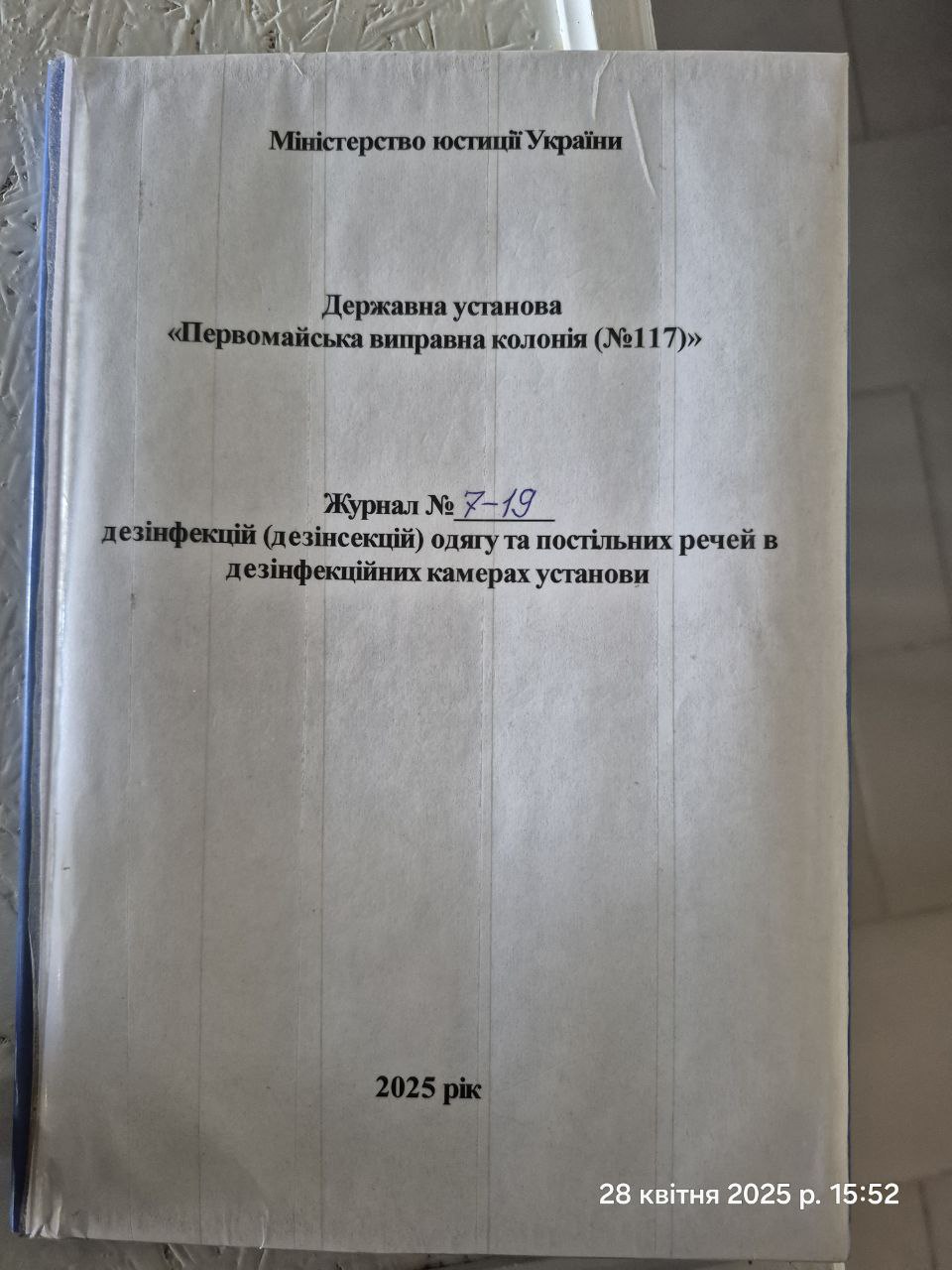
In violation of the requirements of paragraph 2.11, section II of the Regulation, the forced supply and exhaust ventilation system is not working in the laundry and bathhouse premises. In violation of paragraph 3.19.1, section III of the Regulation, the sanitary treatment of convicts is not carried out in full. In particular, disinfection (destruction of pathogenic microorganisms) and disinsection (destruction of insects and ticks that are carriers of infectious diseases) of pillows, mattresses, and blankets in a disinfection chamber are not conducted. Only sheets, pillowcases, and towels are subject to treatment, as evidenced by the corresponding entry in the Journal of Disinfection (Disinsection) of Clothing and Bedding in the disinfection chamber.
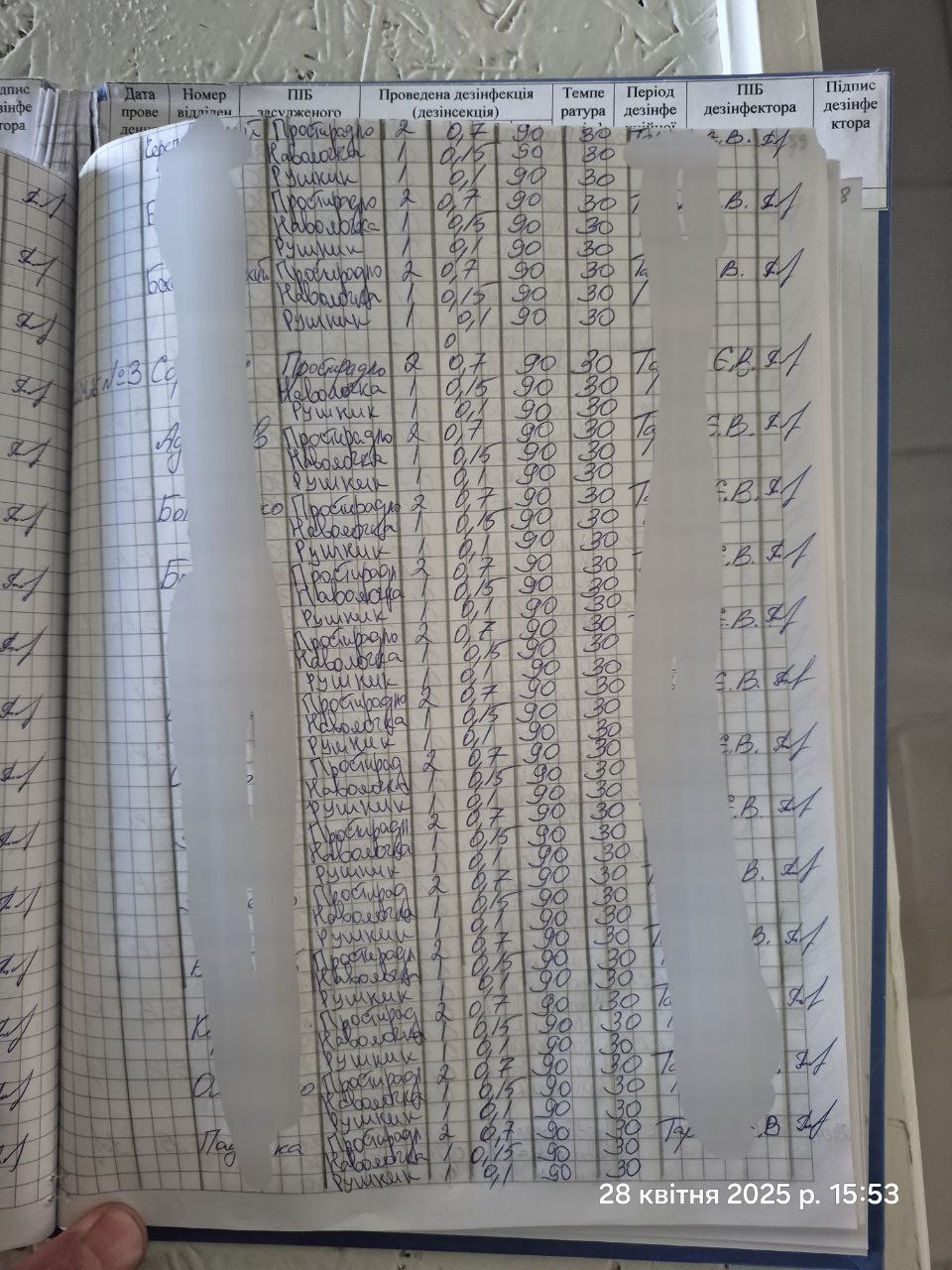
13. According to paragraph 17, section V of the Regulation on the Organisation of Food Supply in the State Criminal-Executive Service of Ukraine in Peacetime, approved by the order of the Ministry of Justice of Ukraine dated 15.06.2021 No. 2160/5 (hereinafter — Regulation on Food Supply), daily samples of each dish of the ration are left in the institution’s canteen.
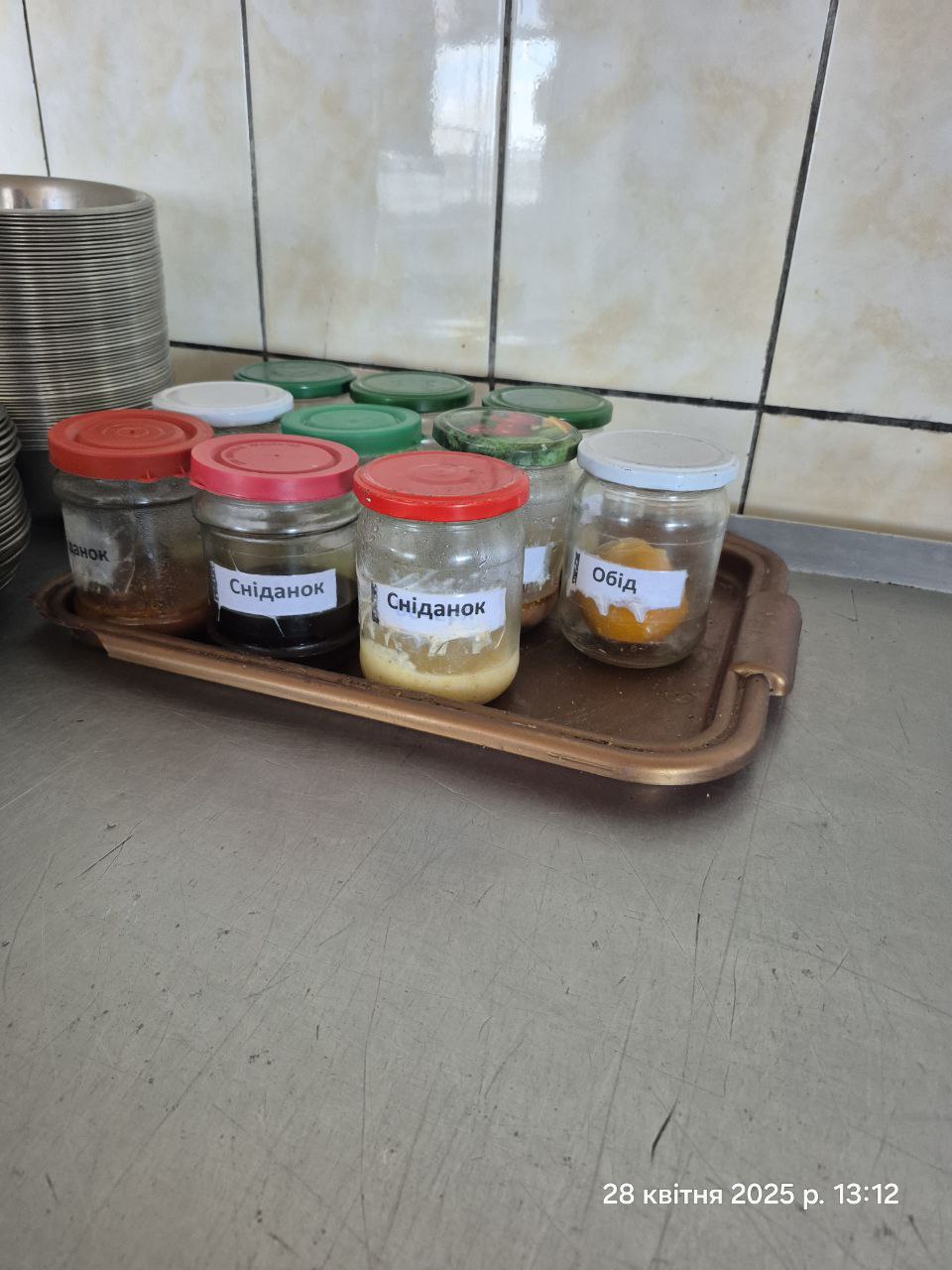
Sampling is carried out by a cook from the cauldron in the presence of a medical worker of the healthcare institution in a clean container with a lid (previously washed and boiled) before food is issued. Daily samples are stored in the canteen refrigerator at a temperature from +4 to +8 °C. Samples of dishes from each meal are stored for 24 hours until the end of the similar meal the next day. However, during the inspection of the canteen premises, the monitoring group established that daily samples were stored on the table in violation of the specified temperature regime.
14. In violation of the requirements of paragraph 5, section IV of the Regulation on Food Supply, the monitoring group established the absence of sufficient working refrigeration equipment, due to which the placement and storage of food, taking into account product compatibility, is not ensured.
15. In violation of the provision standards, the canteen staff cloakroom is not equipped with a shower cabin, due to which convicts working in the kitchen are deprived of the opportunity to maintain proper personal hygiene.
16. During the visit, the monitoring group recorded that the institution’s staff who are in direct contact with convicts openly carry special means, in particular, rubber batons.
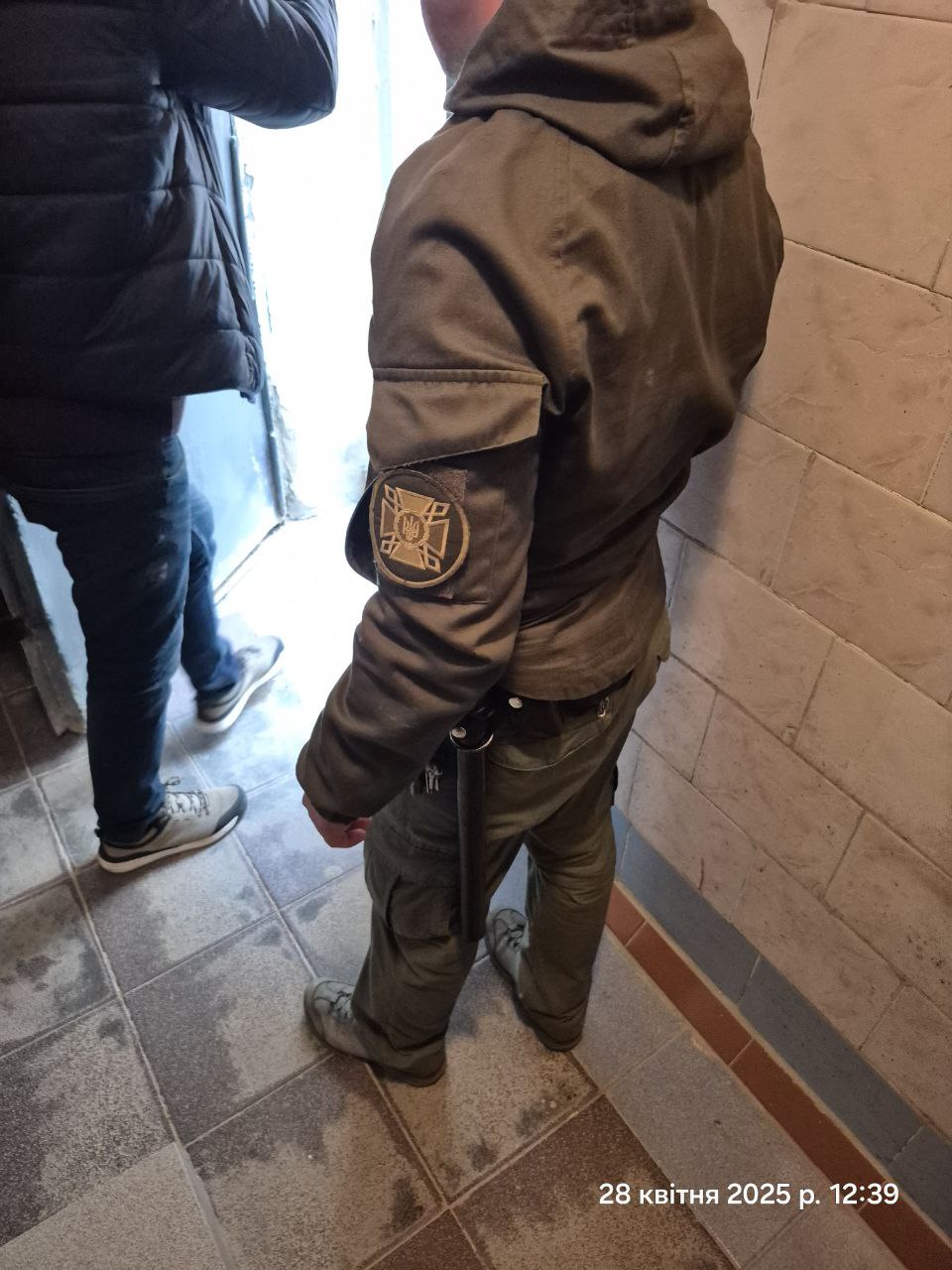
At the same time, according to paragraph 8 of paragraph 1, section XXVI of the IRPI, the carrying of special means by the staff of penal institutions within the guarded territory of the penal institution should, if possible, be kept as hidden from view as possible.
At the same time, the Committee recommends that prison staff working in direct contact with prisoners should not carry special means (such as rubber batons, handcuffs, and tear gas canisters) openly before prisoners. Such carrying hinders the establishment of normal relations between staff and prisoners (paragraph 85 (CPT/Inf (2011) 29, paragraph 23 (CPT/Inf (2013) 23, paragraph 166 (CPT/Inf (2014) 15)).
17. According to service documentation, the staff shortage at the institution as of 10.04.2025 is 39 staff units (17.8%). At the same time, in the report of the Government of Ukraine following the visit in 2023, the Committee emphasises that ensuring a positive climate in a penal institution requires the presence of a professional team of staff, who must be present in sufficient numbers at any given moment in places of detention. Insufficient staff can only increase the risk of violence and intimidation between convicts. A shortage of frontline staff also undermines the quality and level of measures offered to convicts and jeopardises the prospect of preparation for release and social rehabilitation.
In connection with this, the Committee calls on the Ukrainian authorities to take decisive measures to significantly increase the number of staff in penal institutions of Ukraine where there is a low level of staffing, in order to strengthen the presence of security and supervision staff inside the institutions. Measures must also be taken to put an end to the 24-hour shift for staff on duty. (CPT/Inf (2024) 20, paragraph 93).
18. During the monitoring visit, systemic violations of legislative requirements in the sphere of labour and social protection of convicts were identified, leading to labour exploitation, concealment of actual labour relations, and the absence of proper control by the institution’s administration. This contradicts the provisions of Articles 118-120 of the Criminal Executive Code of Ukraine, Article 23 of the Universal Declaration of Human Rights, Article 43 of the Constitution of Ukraine, the Labour Code of Ukraine, as well as the requirements of ILO Convention No. 29 concerning Forced Labour.
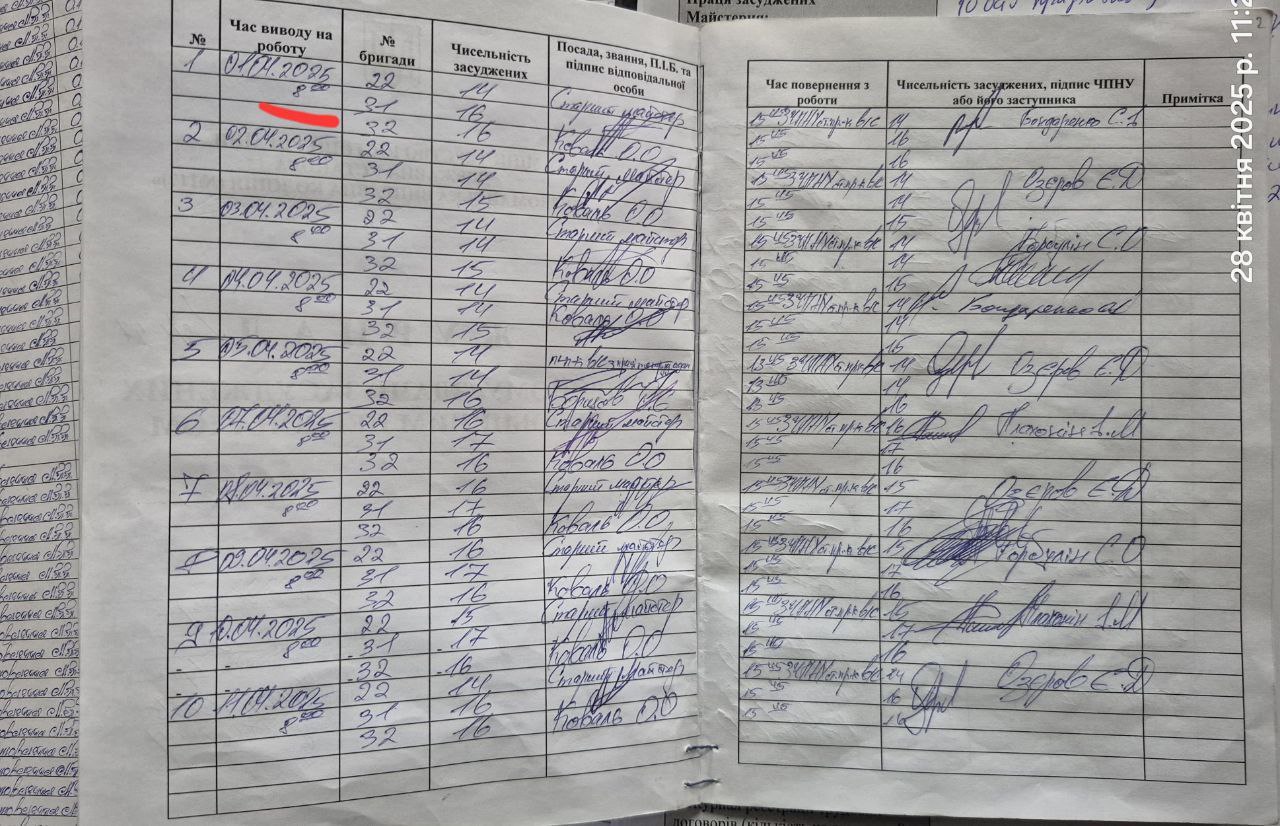
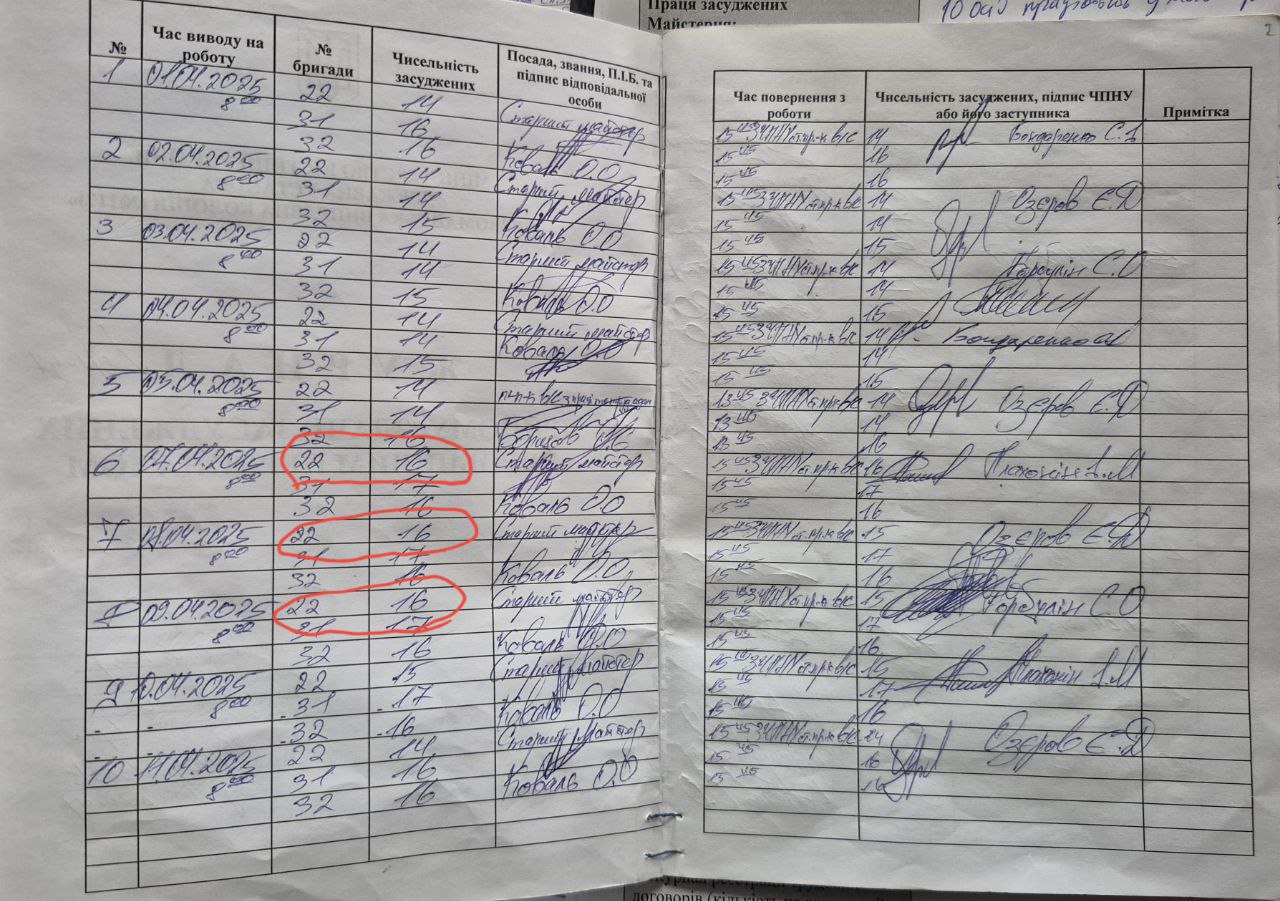
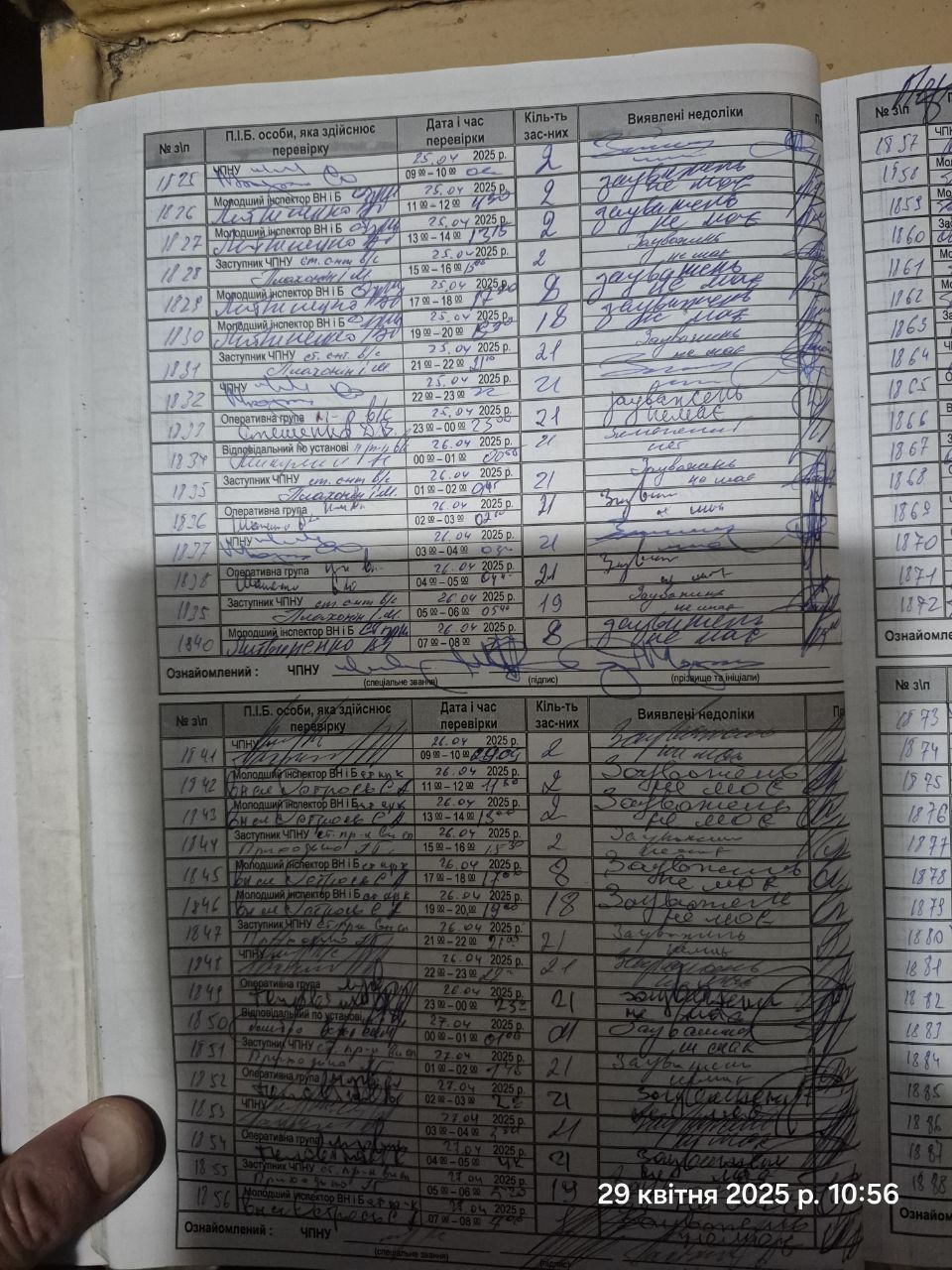
According to the certificate provided by the institution’s administration, as of 28.04.2025, 25 people were engaged in paid work in the institution’s workshop in the wire product manufacturing section. At the same time, according to the Journal of Receiving (Handing over) of Convicts by Production Staff, throughout April, from 27 to 33 convicts were actually engaged in work in the specified section (brigades Nos. 31, 32).
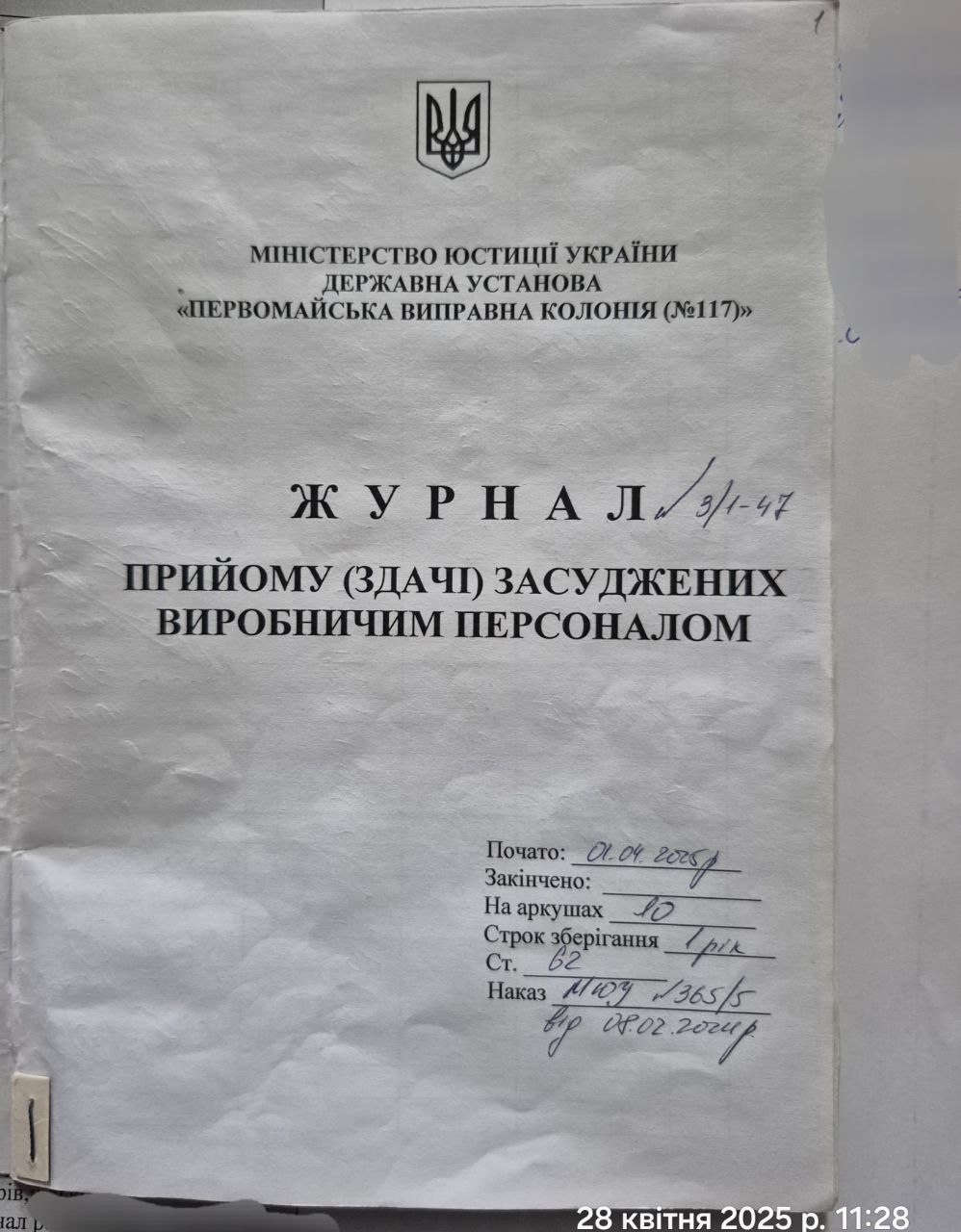
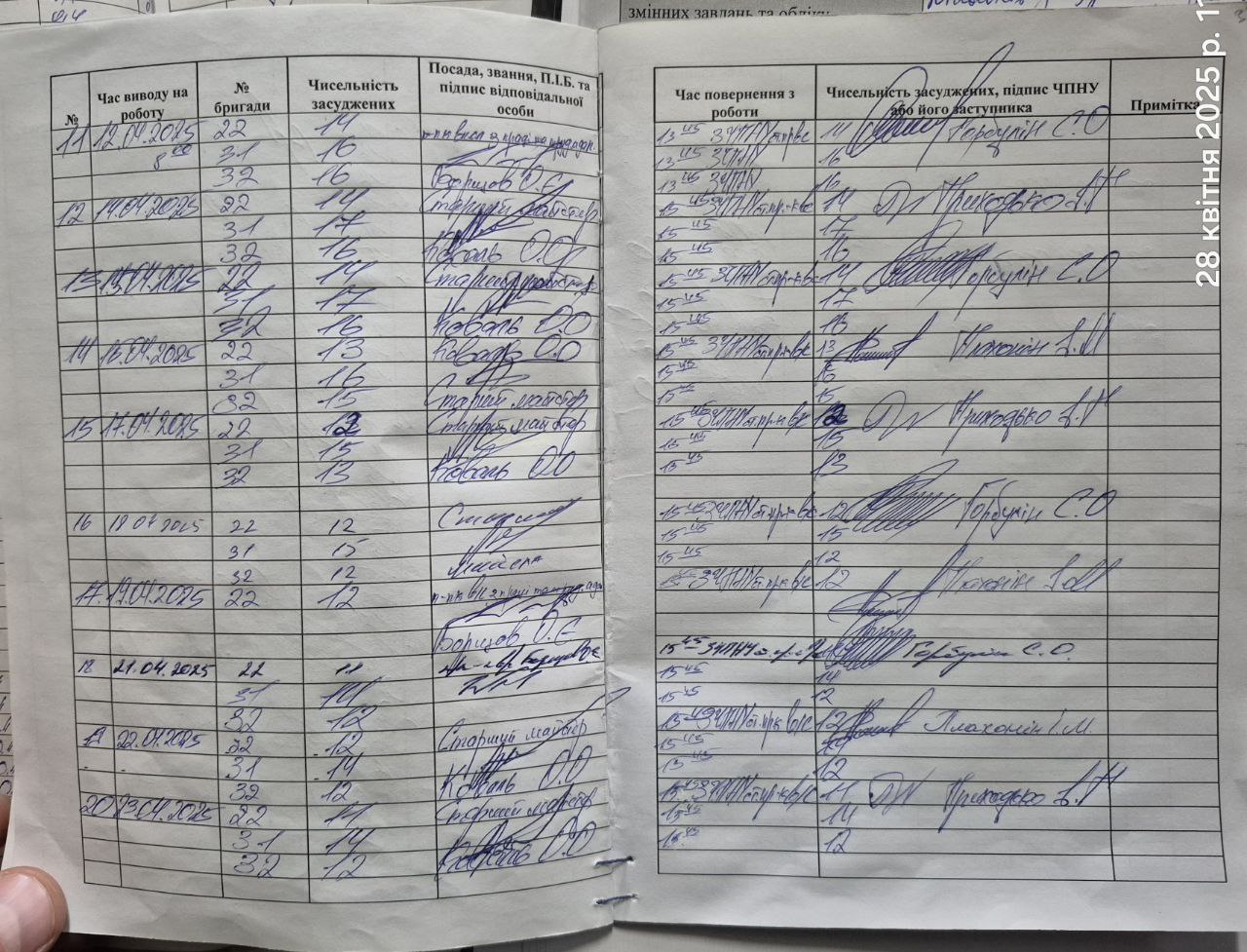
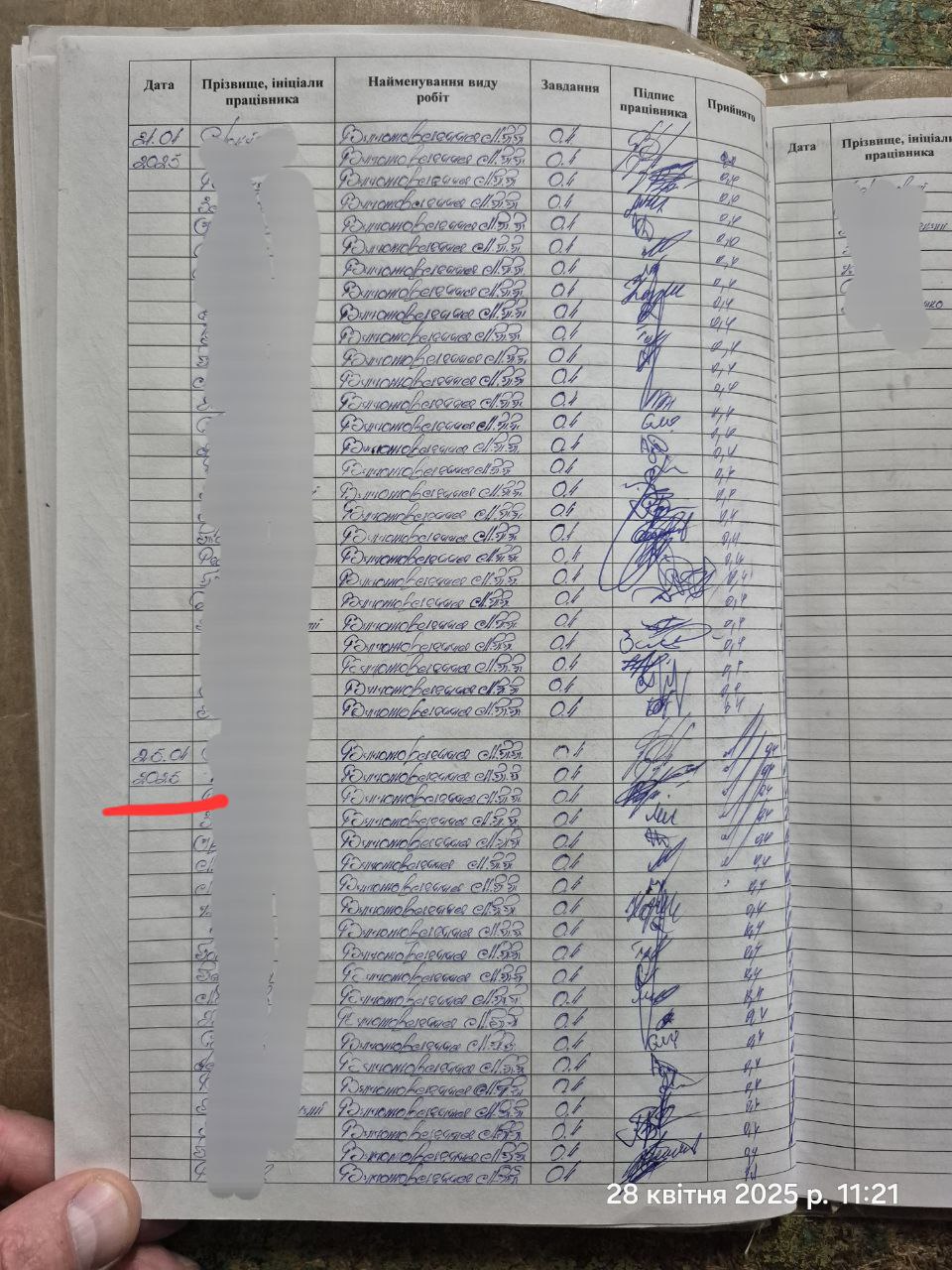
During the inspection of the Book of Issuing Shift Assignments and Accounting of Executed Work in the workshop, it was established that the last entry in it is dated 25.04.2025, that is, information about the execution of work was not entered for three days. This raises reasonable doubts about the reliability of the data specified in the book and contradicts the requirements of paragraph 7.2, section VII of the Regulation on the Workshop of a Penal Institution, Pre-trial Detention Centre, approved by the order of the Ministry of Justice of Ukraine dated 22.03.2012 No. 442/5 (hereinafter — Regulation on the Workshop).
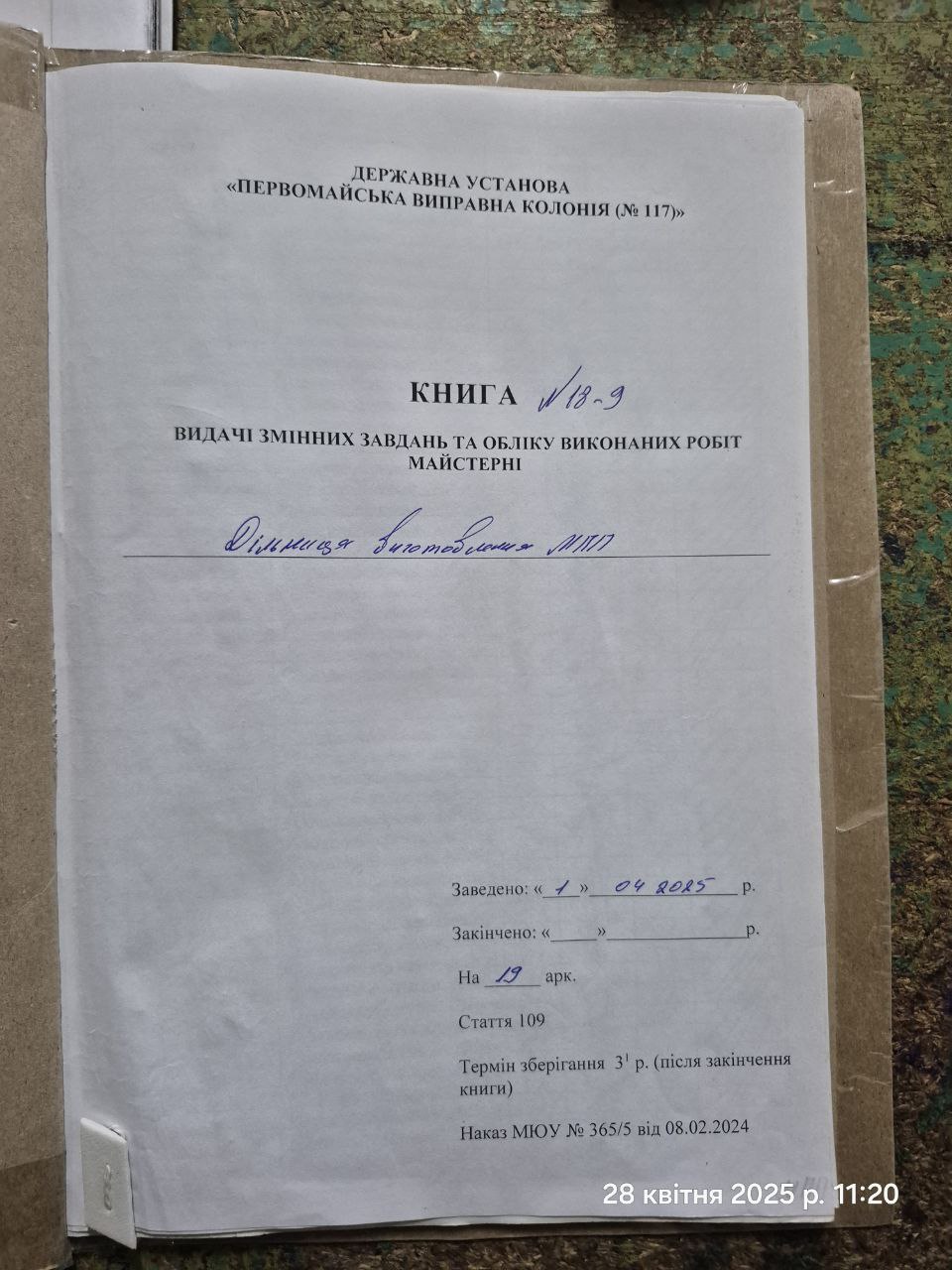
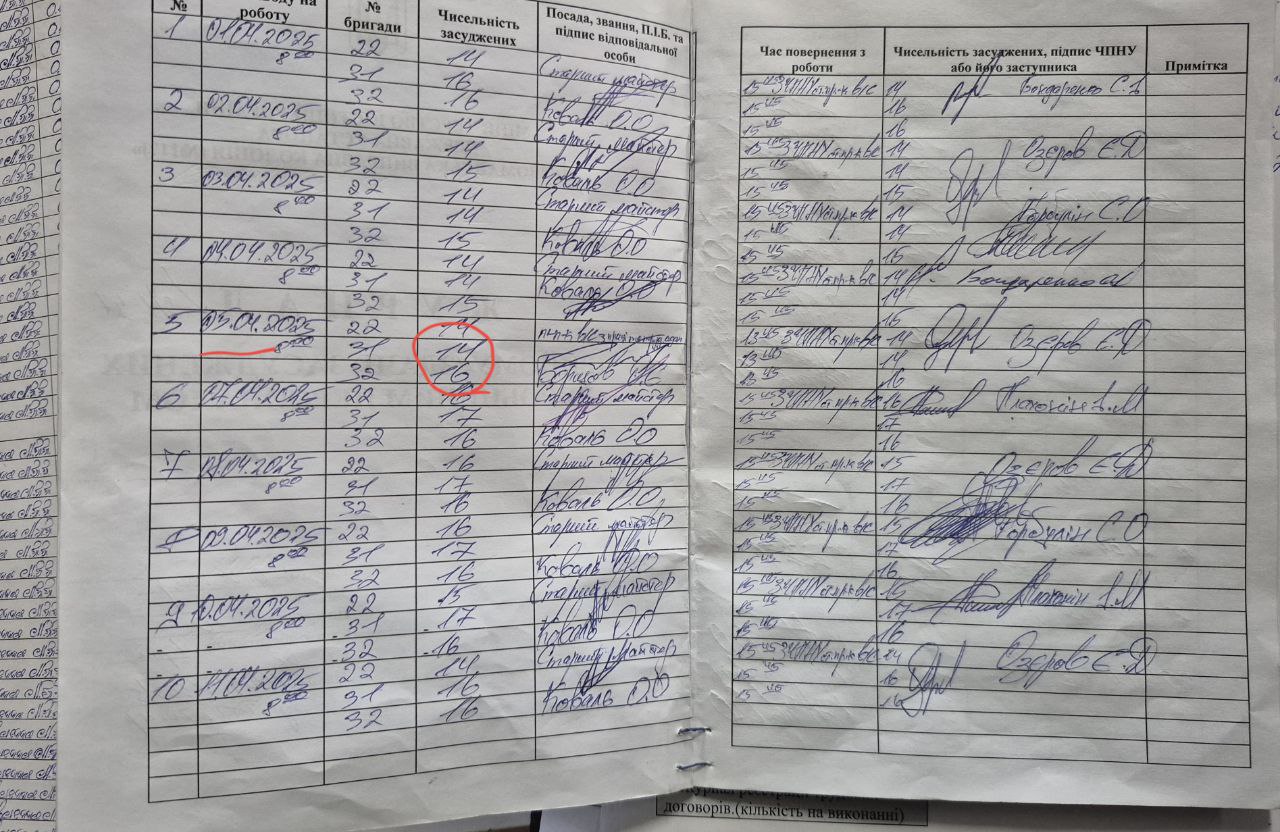
Also, a discrepancy was revealed between the number of convicts brought to work according to the data of the Book of Issuing Shift Assignments and the Journal of Receiving (Handing over) of Convicts by Production Staff. In particular, on 05.04.2025, according to the Journal of Receiving (Handing over), there were 30 convicts in the wire product manufacturing section (14 from brigade No. 31 and 16 from brigade No. 32), while 35 people were indicated in the Book of Issuing Shift Assignments.
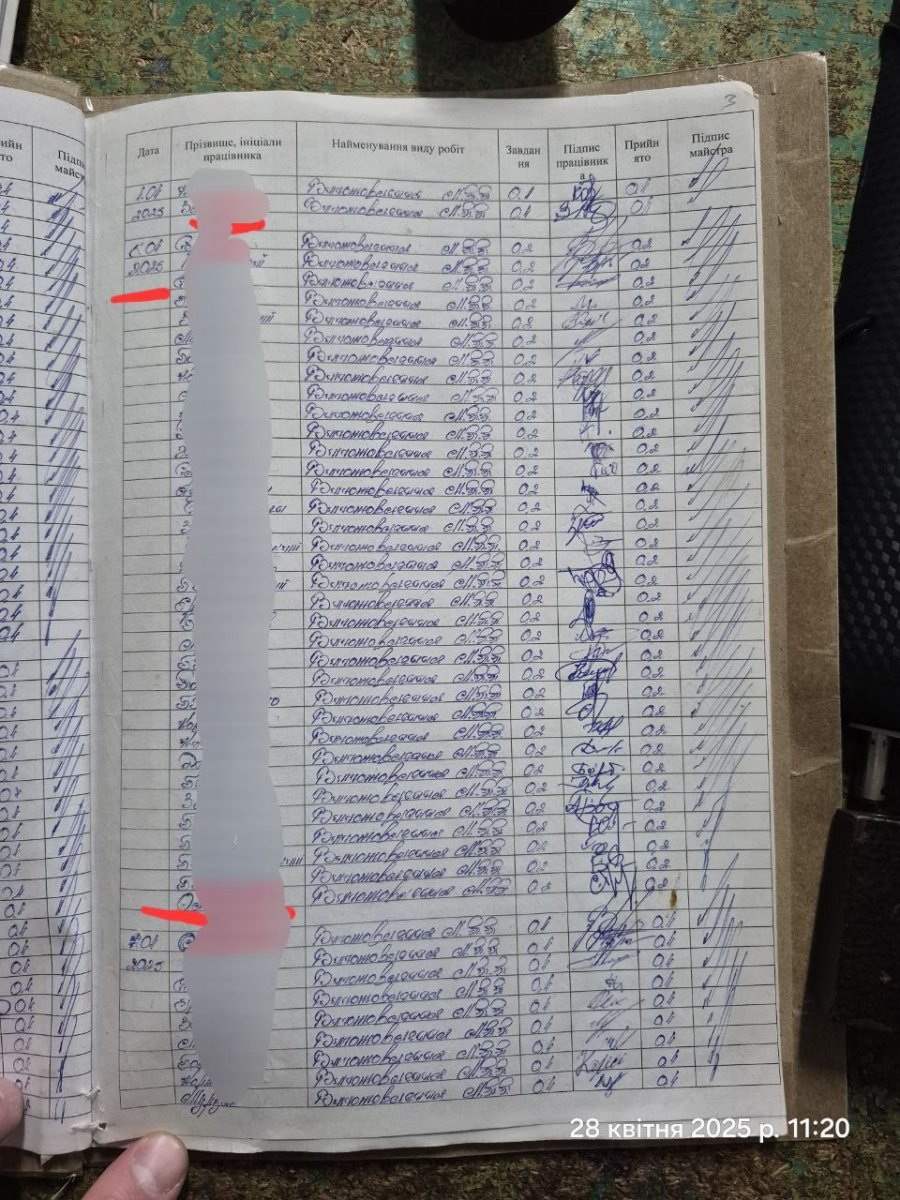
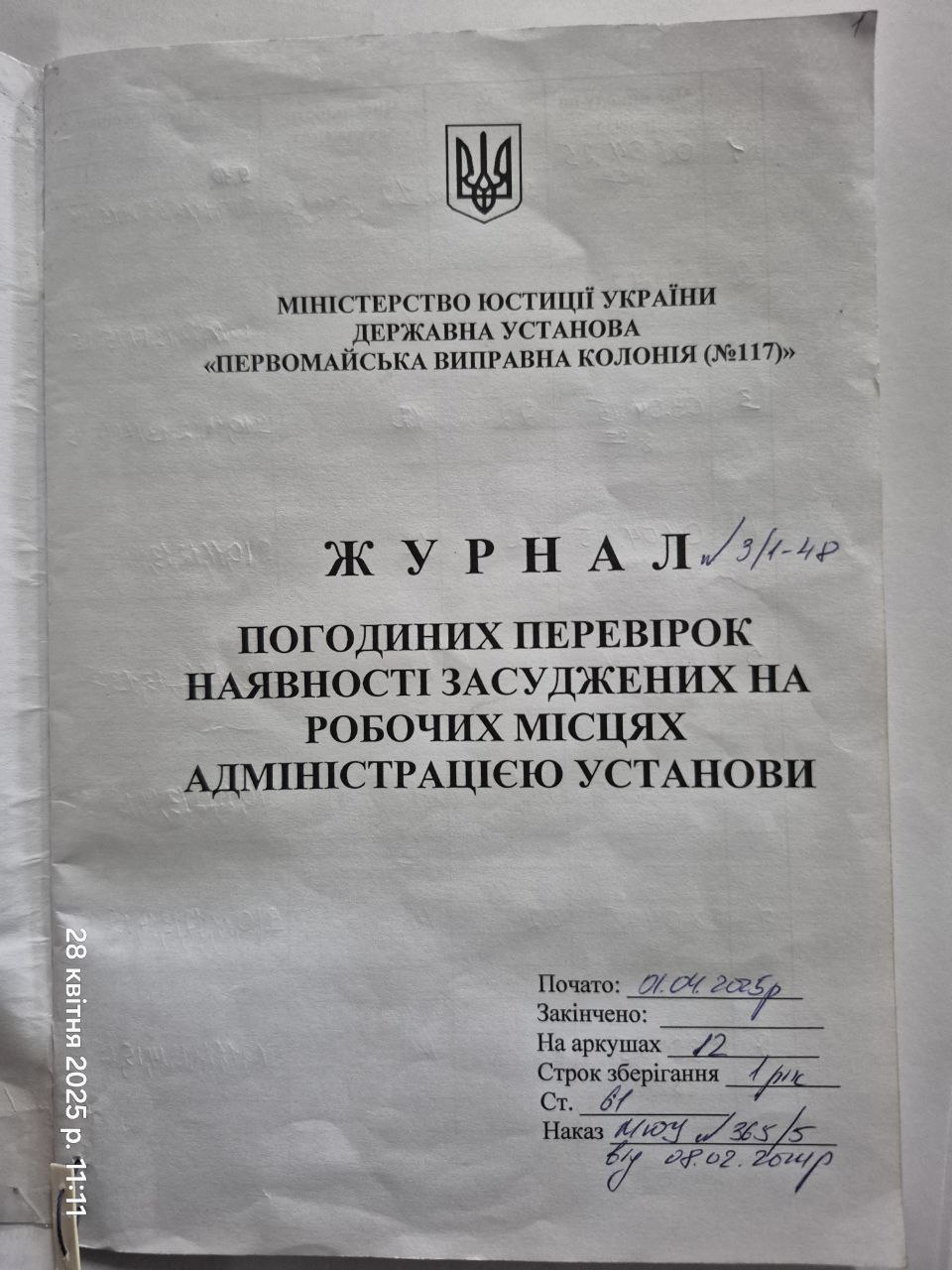
Furthermore, during the visit, the institution’s administration did not provide for review the order for taking convicts to work for the period from 1 to 28 April 2025, which made it impossible to fully verify the lawfulness of their engagement in labour.
The administration also did not ensure the availability and maintenance in the sections of a registration book for assigning workers to workplaces and equipment, provided for by Annex 10 to the Regulation on the Workshop.
Thus, facts of engaging convicts in labour without proper documentary accounting were established, which indicates the practice of using their labour without entering into employment contracts or civil law contracts and, accordingly, without proper payment. This is a violation of Part 1 of Article 118 and Part 1 of Article 120 of the Criminal Executive Code of Ukraine.
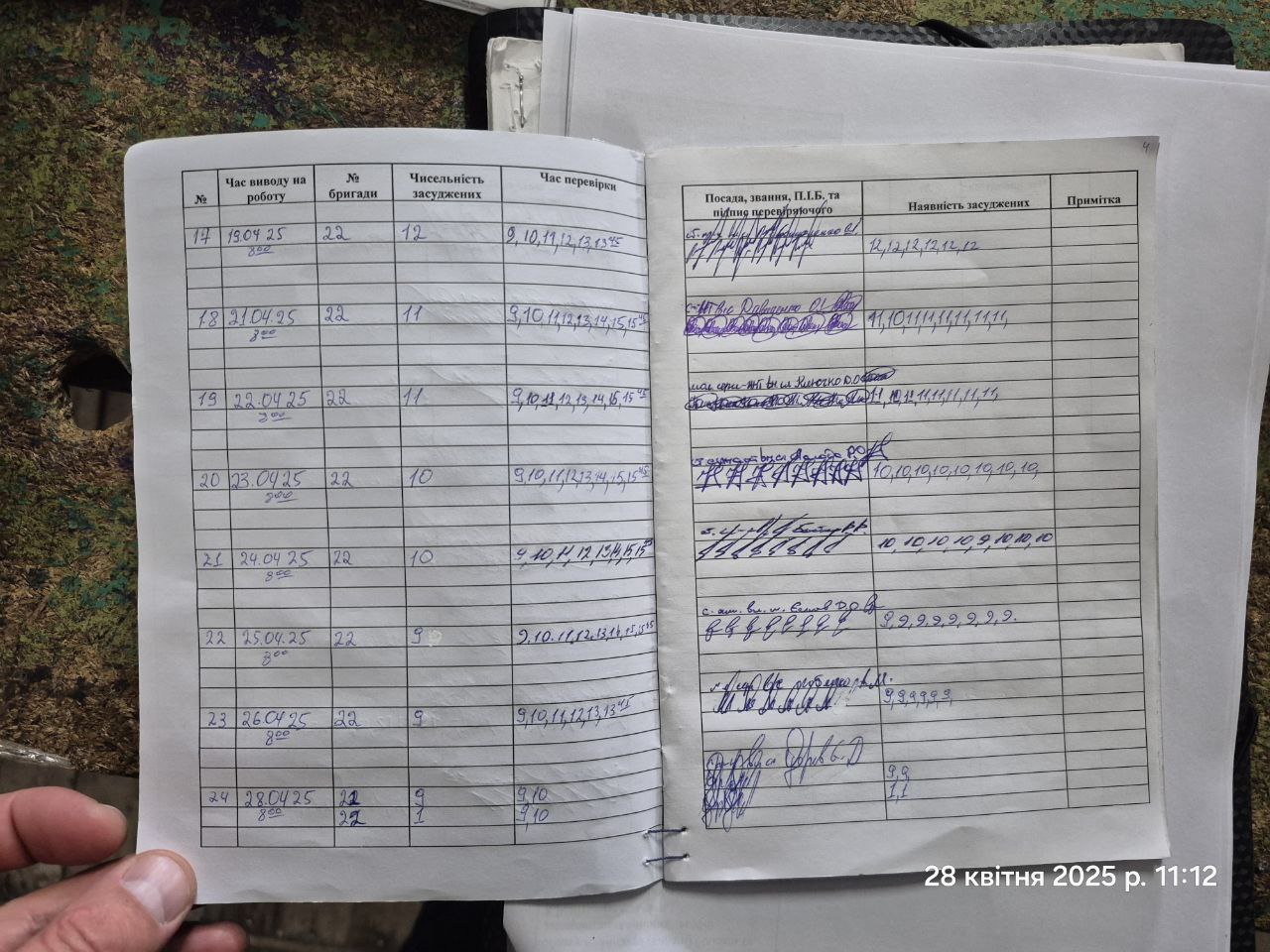
According to the Journal of Receiving (Handing over) of Convicts by Production Staff, it was established that convicts are taken to work starting at 8:00. At the same time, according to entries in the Journal of Hourly Checks of the Presence of Convicts at Workplaces, as of 15:45 they continued to be at their workplaces.
This, as well as the data from the Book of Issuing Shift Assignments and Accounting of Executed Work in the workshop, indicates that the convicts work six days a week for at least eight hours a day. This information was also confirmed by the convicts themselves.
Thus, the actual duration of working hours exceeds 40 hours per week, which is a violation of the requirements of Article 50 of the Labour Code of Ukraine (norm of duration of working hours), Article 119 of the Criminal Executive Code of Ukraine, as well as paragraph 5.1, section V of the Instruction on Conditions of Labour for Convicts.
Similar violations were established in the institution’s workshops in the wood product manufacturing and sewing production sections (brigade No. 22). According to the administration’s certificate, as of 28.04.2025, 10 people were engaged in paid work in these sections. At the same time, entries in the Journal of Receiving (Handing over) of Convicts by Production Staff for April indicate the actual engagement in labour of from 10 to 16 people daily for eight hours six days a week.
On the day of the visit, there were 23 convicts in the social rehabilitation unit (SRU). All of them are not officially employed, however, according to the information provided by the administration, they were engaged in various works on the territory of the institution (landscaping, cleaning, maintenance), approximately two hours a day in the manner provided by Part 5 of Article 118 of the Criminal Executive Code of Ukraine.
At the same time, according to the SRU attendance log, from March to April 2025, approximately 20 convicts were outside the unit daily from 9:00 to 17:00. The institution’s administration was unable to provide proper information regarding the accounting of executed work and the use of the working time of these persons.
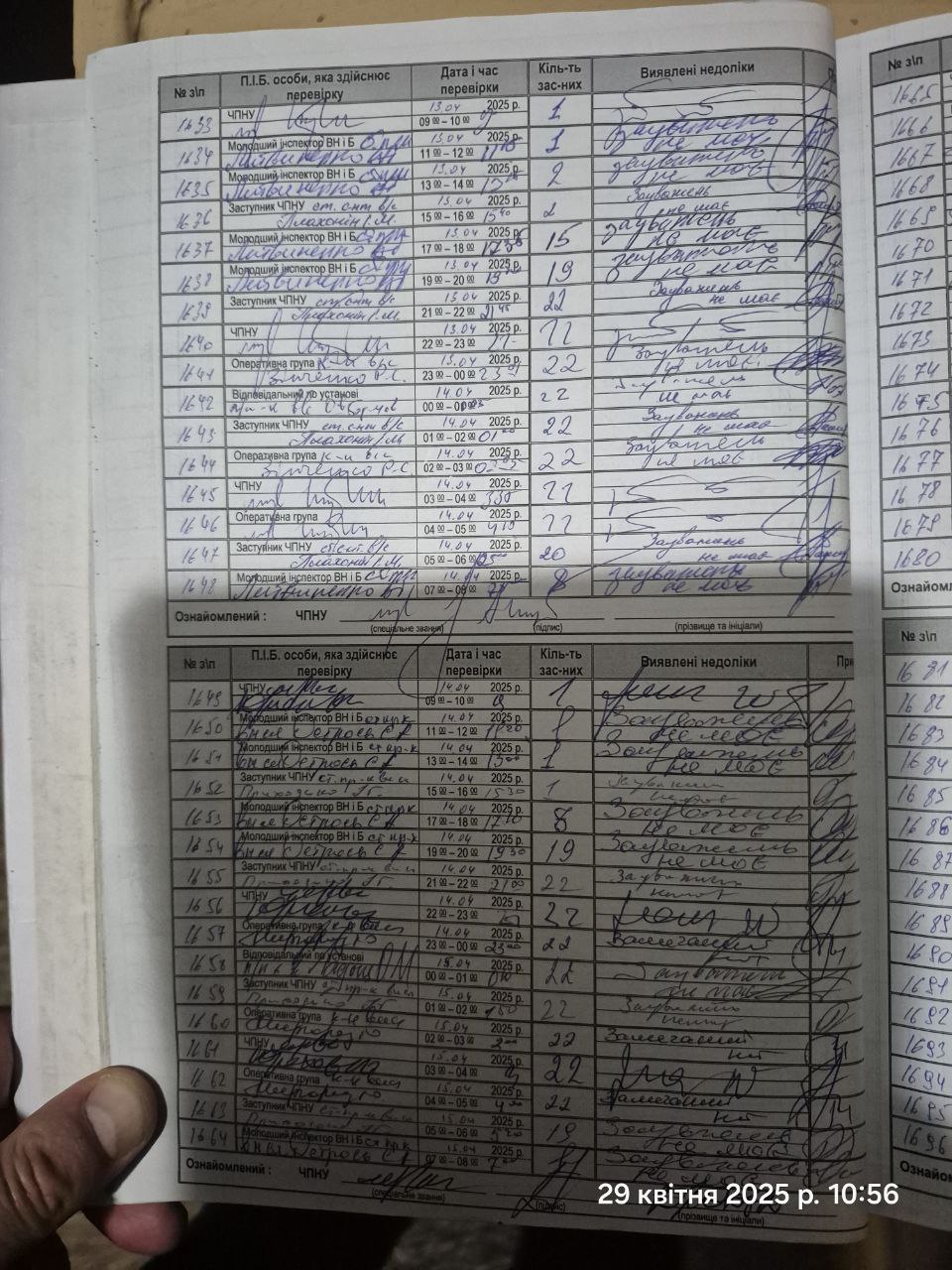
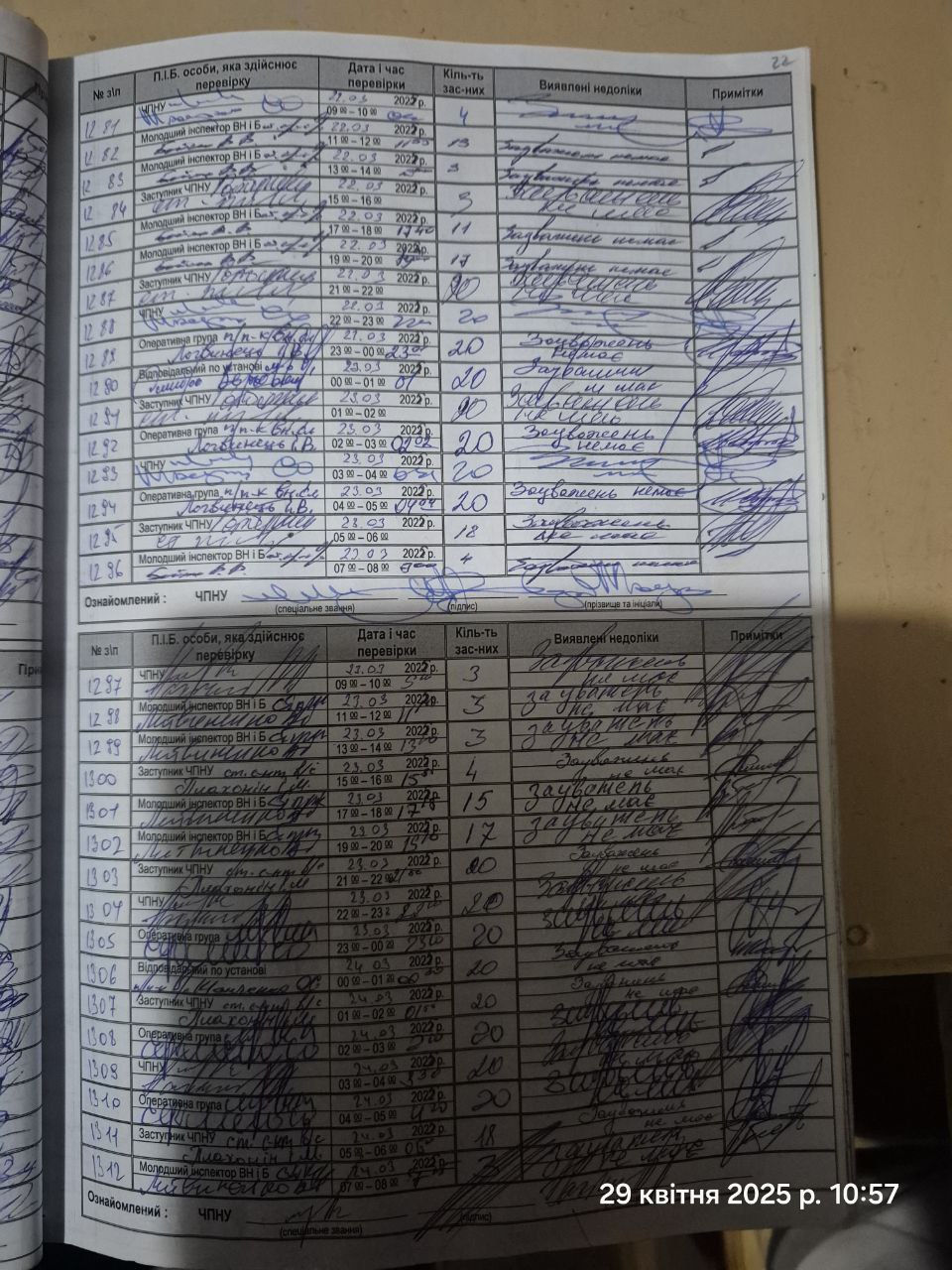
This indicates a systemic practice of engaging convicts in labour without entering into employment contracts or civil law contracts with them and without proper payment, which is a violation of the requirements of Part 1 of Article 118 and Part 1 of Article 120 of the Criminal Executive Code of Ukraine.
Medical Unit No. 117 of the Branch of the State Institution “Health Care Centre of the State Criminal-Executive Service of Ukraine” in Kharkiv and Luhansk Oblasts
Acting Head of Medical Unit No. 117 of the branch of the SI “Health Care Centre of the State Criminal-Executive Service of Ukraine” in Kharkiv and Luhansk Oblasts — V.O. Yermolenko.
During the monitoring visit, violations of the requirements of national legislation and non-compliance with international recommendations in the field of prisoner treatment were identified, leading to violations of the rights of convicts:
1. During the monitoring visit to the institution’s medical unit, facts were established regarding the implementation by the institution’s administration of practices that can be qualified as ill-treatment of persons undergoing inpatient treatment. In particular, the application of a prohibition on the use of beds during the daytime (from 6:00 to 21:30) regarding convicts placed in the inpatient department of the medical unit was recorded.
Furthermore, it was established that a convict who performs the functions of an “orderly” is present in the medical unit around the clock. Thus, the institution’s administration and medical personnel have effectively delegated to this person the authority to organise constant supervision over other convicts, control their behaviour, and ensure compliance with the daily routine, which corresponds neither to the principles of medical ethics nor to patient safety.
These circumstances indicate a violation of the convicts’ right to health protection and proper medical care, and can also be regarded as cruel, inhuman, or degrading treatment. It is worth noting that the European Committee for the Prevention of Torture has repeatedly recommended ending the practice of engaging convicts to perform duties in medical units, in particular as orderlies or assistants to medical personnel. Relevant recommendations are set out, in particular, in the reports on the results of visits to Ukraine: 2005 (paragraph 132, CPT/Inf (2007) 22), 2013 (paragraph 151, CPT/Inf (2014) 15), 2017 (paragraph 86, CPT/Inf (2018) 41).
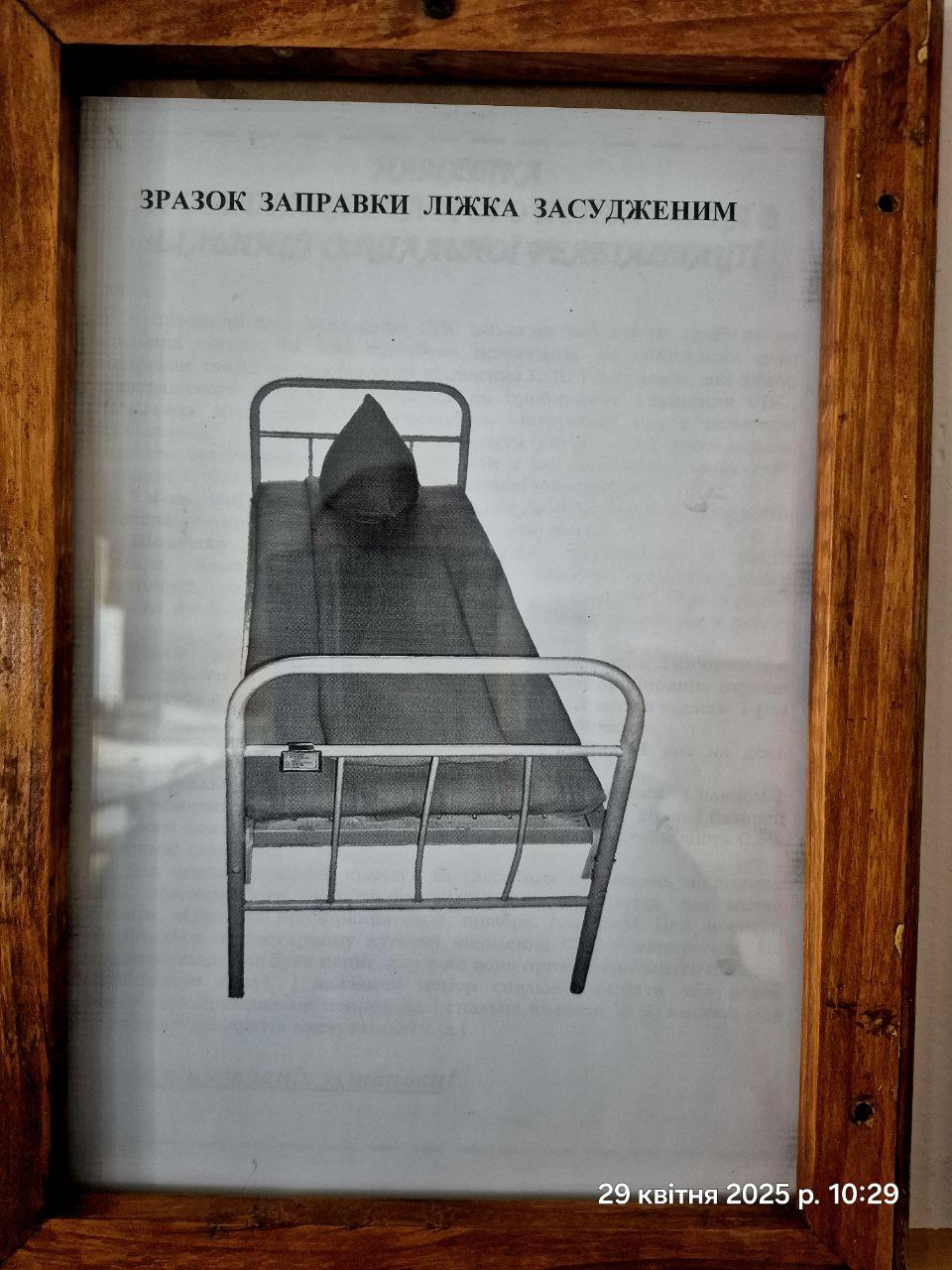
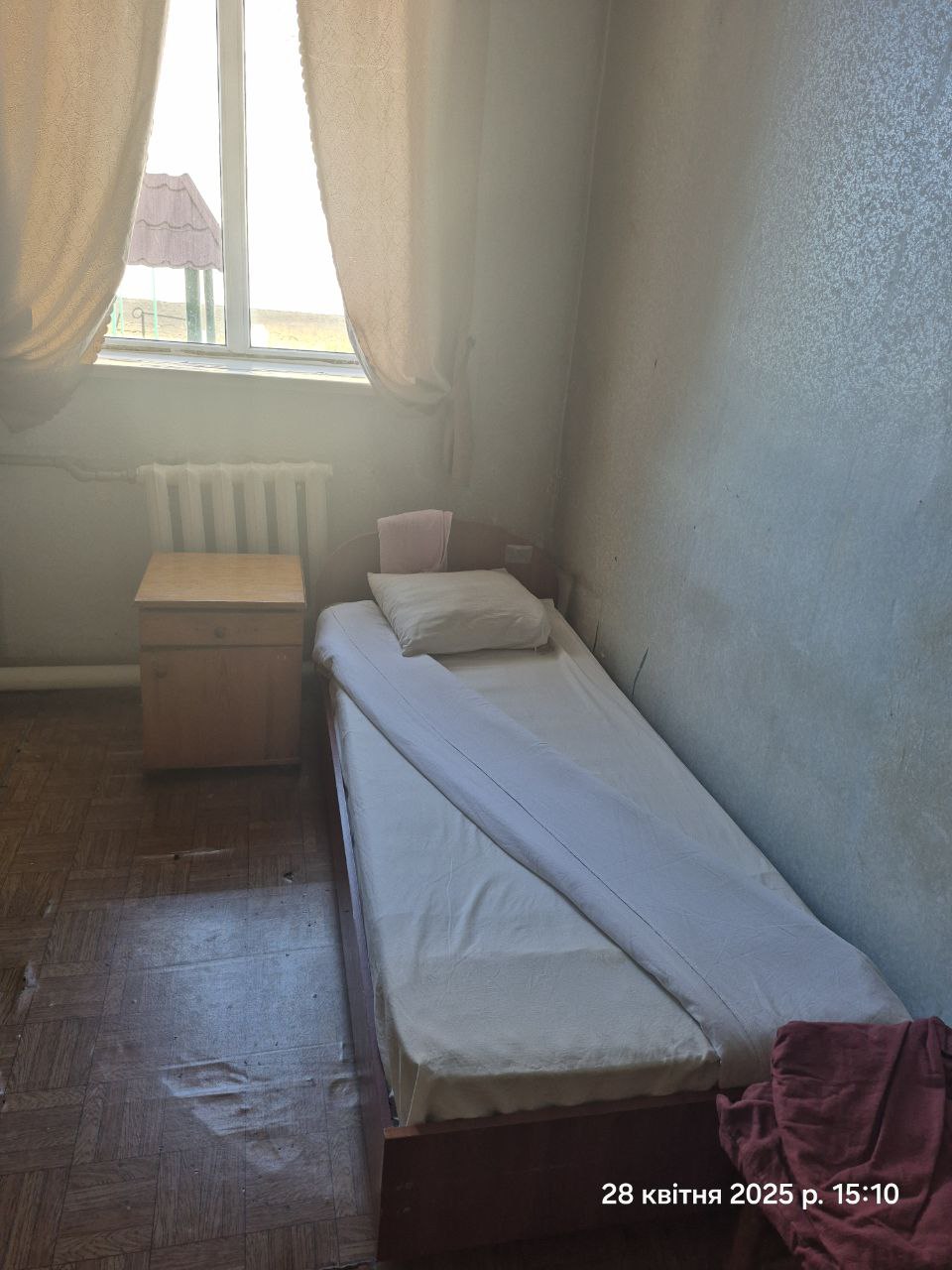
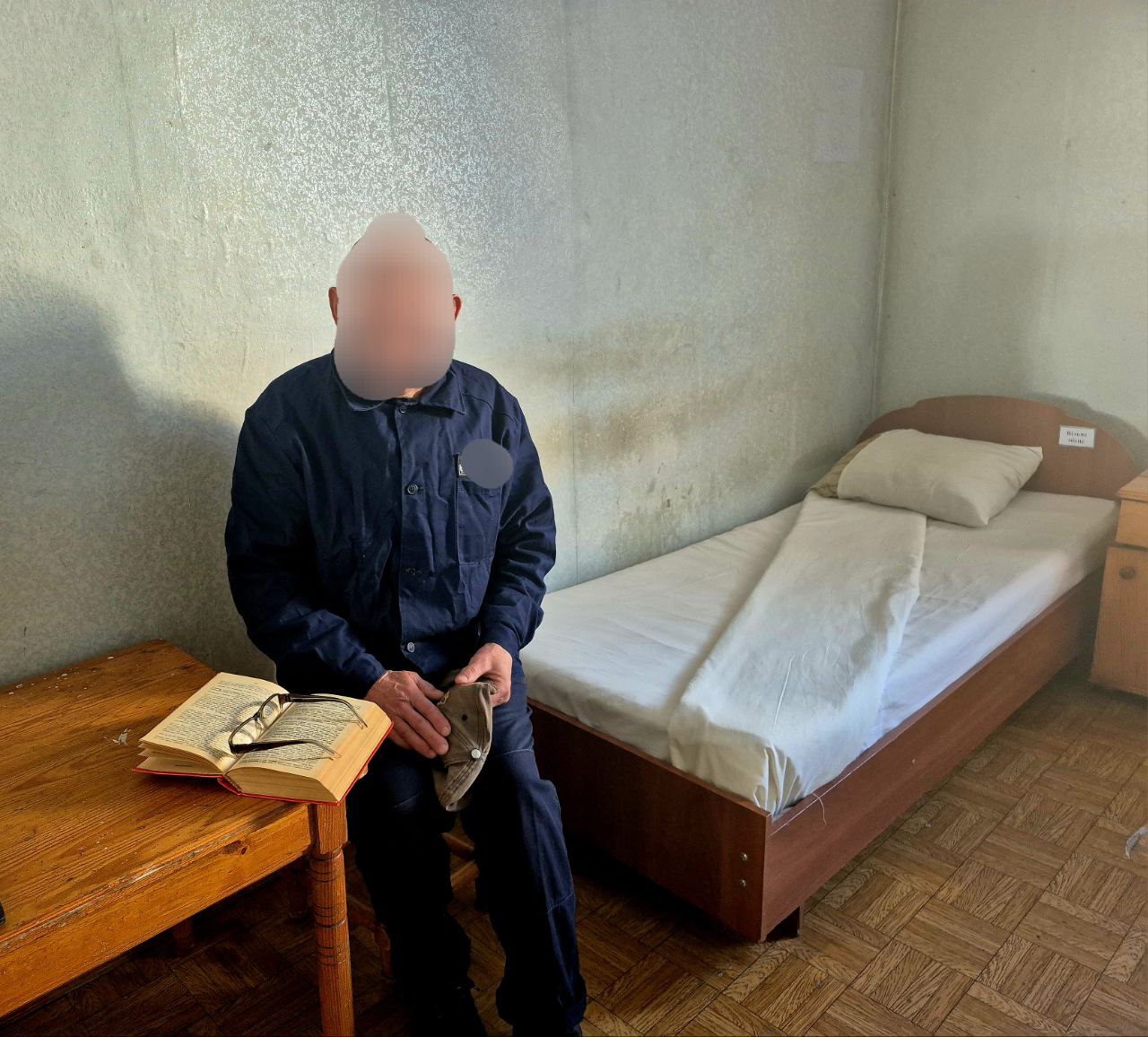
2. According to paragraph 2, paragraph 3 of Chapter III, Section II of the “Procedure for Organising the Provision of Medical Care to Convicts to Imprisonment” approved by the joint order of the Ministry of Justice of Ukraine and the Ministry of Health of Ukraine dated 15.08.2014 No. 1348/5/572 (hereinafter — Procedure), a general practitioner (or a general practitioner — family doctor), a psychiatrist, and a dentist must necessarily participate in a preventive medical examination.
At the same time, the positions of general practitioner and psychiatrist in the medical unit are vacant, which indicates the incompleteness of the initial and preventive medical examinations, due to which convicts and inmates do not receive proper medical care. The above violates paragraph 38 of the Committee’s recommendations, where it is stated that medical services in places of detention must be able to ensure medical care and treatment, as well as appropriate diet, physiotherapy, rehabilitation, or any other special care at the same level as that offered to patients in civilian medical facilities. Provision must be made for the availability of medical, auxiliary medical, and technical personnel, and appropriate premises, equipment, and installations must be provided. (CPT/Inf(93) 12-part).
3. In violation of the requirements of the Instruction on Filling out the Primary Accounting Documentation Form No. 003-6/o “Informed Voluntary Consent of the Patient to Conduct Diagnostics, Treatment and to Conduct Surgery and Anesthesia and to the Presence or Participation of Participants in the Educational Process”, approved by the order of the Ministry of Health of Ukraine dated 14.02.2012 No. 110, the absence of signed informed voluntary consent for diagnostics and treatment among patients who were in the inpatient department of the medical unit was established.
The above may indicate the absence of voluntary consent of the patient for the application of methods of diagnostics, prevention, and treatment to them, which is a violation of Article 43 of the Law of Ukraine “Fundamentals of Ukrainian Legislation on Healthcare” and paragraph 47 of the Committee’s recommendations (CPT/Inf(93) 12-part).
4. During the study of medical documentation, it was established that in the medical records of an outpatient patient 025/o, photographs of existing bodily injuries are not attached to the compiled certificates, as provided for in paragraph 3, section I, Chapter II of the Procedure. At the same time, the Committee in the report following the visit to Ukraine in 2023 notes that any traumatic injuries discovered during a medical examination should be photographed in detail, and the photographs together with body diagrams should be stored in the individual medical record of the person. (CPT/Inf (2024) 20, paragraph 82).
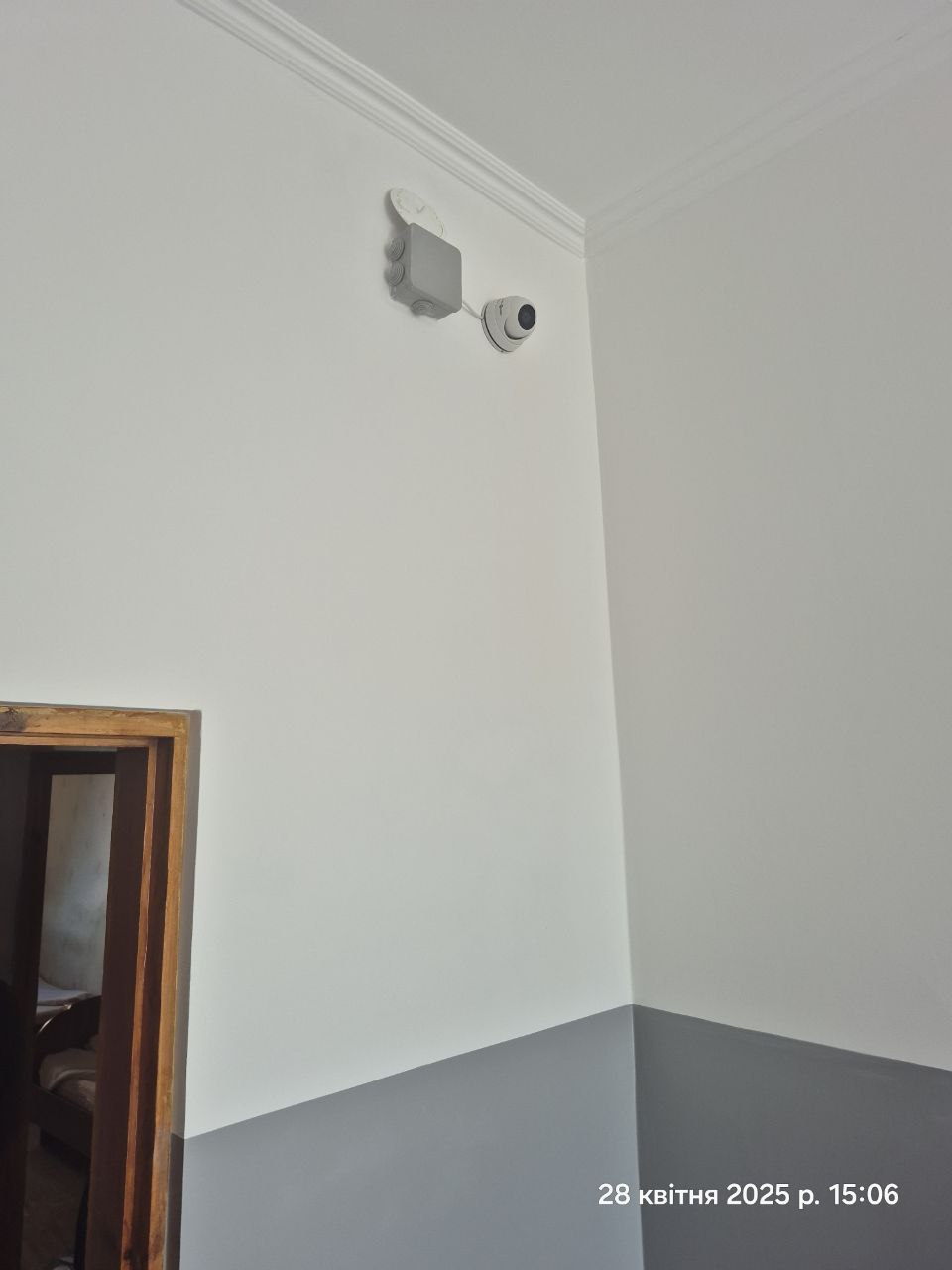
5. In the isolation ward for infectious patients, the monitors recorded an installed video surveillance camera. At the same time, according to paragraph 8, section VII of the Procedure for the Use of Technical Means of Supervision and Control in Penal and Educational Colonies of the State Criminal-Executive Service of Ukraine, approved by the Order of the Ministry of Justice of Ukraine dated 26 June 2018 No. 2025/5 (registered with the Ministry of Justice of Ukraine on 02 July 2018 under No. 766/32218), the use of video cameras and portable video recorders in premises (cells) where medical examinations (checks) of convicts or strip searches are conducted is prohibited.
This fact indicates that the institution’s staff receive confidential information regarding the health status of convicts during medical examinations, manipulations, or procedures. The above violates the requirements of Article 39-1 of the Law of Ukraine “Fundamentals of Ukrainian Legislation on Healthcare” regarding the right of individuals to confidentiality of health status and paragraph 9, section I of the Procedure for Organising the Provision of Medical Care to Convicts to Imprisonment.
6. In the medical unit, the provision of opioid substitution maintenance therapy (hereinafter — OSMT) for persons with mental and behavioural disorders due to opioid use is not organised in accordance with the Procedure for Conducting Substitution Maintenance Therapy for Persons with Mental and Behavioural Disorders Due to Opioid Use, approved by the order of the Ministry of Health of Ukraine dated 27.03.2012 No. 200.
Drug-dependent persons are not provided with socio-psychological support, cognitive-behavioural therapy (CBT), relapse prevention, motivational interviewing, self-help groups, etc.
Thus, these individuals are deprived of the opportunity to receive OSMT, which violates their right to choose methods of treatment in accordance with Article 38 of the Law of Ukraine “Fundamentals of Ukrainian Legislation on Healthcare”.
At the same time, the Committee in the report following the visit to Ukraine in 2023 notes that entering a penal institution is an opportunity to solve a drug-related problem, and therefore it is important that appropriate assistance is offered to all interested persons, and therefore appropriate medical services must be available in all institutions. The assistance offered to such persons must be diverse; substitution therapy programmes for persons with drug dependence must be combined with genuine psychosocial and educational programmes for persons with opioid dependence who are unable to stop using drugs.
Furthermore, access to OSMT programmes in institutions should be easily accessible, and they should also be managed by prison doctors, who must undergo special training on issues related to drug use. (CPT/Inf (2024) 20, paragraph 86).
7. In violation of paragraph 8, Chapter 5, Chapter 2 of the Procedure, there is no equipped isolation ward for persons with mental disorders for convicts who pose a danger to others in the inpatient department of the medical unit.
8. Dispensary supervision is carried out for 16 persons who have disabilities. Of them, group I — 0 persons, group II — 1 person, group III — 3 persons. At the same time, in violation of the requirements of the Law of Ukraine “On Rehabilitation of Persons with Disabilities in Ukraine”, persons with disabilities do not receive proper diagnostic, treatment, and rehabilitation measures in the presence of information confirming a persistent impairment of body functions caused by diseases, consequences of injuries that cause restriction of normal life activity.
Thus, during the study of the medical documentation of convicts, it was established that 3 persons with disabilities lack an individual rehabilitation programme (hereinafter — IRP). Furthermore, the recommendations of the IRP are not fulfilled, due to which they do not receive proper diagnostic, treatment, and rehabilitation measures in the presence of information confirming a persistent impairment of body functions caused by diseases and consequences of injuries that cause restriction of normal life activity.
9. In violation of the requirements of the Standards of Provision of Bedding, Special Clothing and Special Footwear (inventory property) for convicts undergoing treatment in medical-preventive institutions, institutions with the rights of medical facilities and in medical units at penal institutions and pre-trial detention centres, approved by the order of the Ministry of Justice of Ukraine dated 20.02.2012 No. 280/5, convicts do not receive hospital property (hospital suit, robe, and shoes). Convicts stay in the inpatient unit in their everyday clothes, sometimes with their own bedding.
10. In violation of the requirements of the State Building Norms of Ukraine V.2.2-17:2006 “Buildings and Structures. Accessibility of Buildings and Structures for Persons with Reduced Mobility”, conditions for the detention of people with disabilities have not been created in the medical unit.
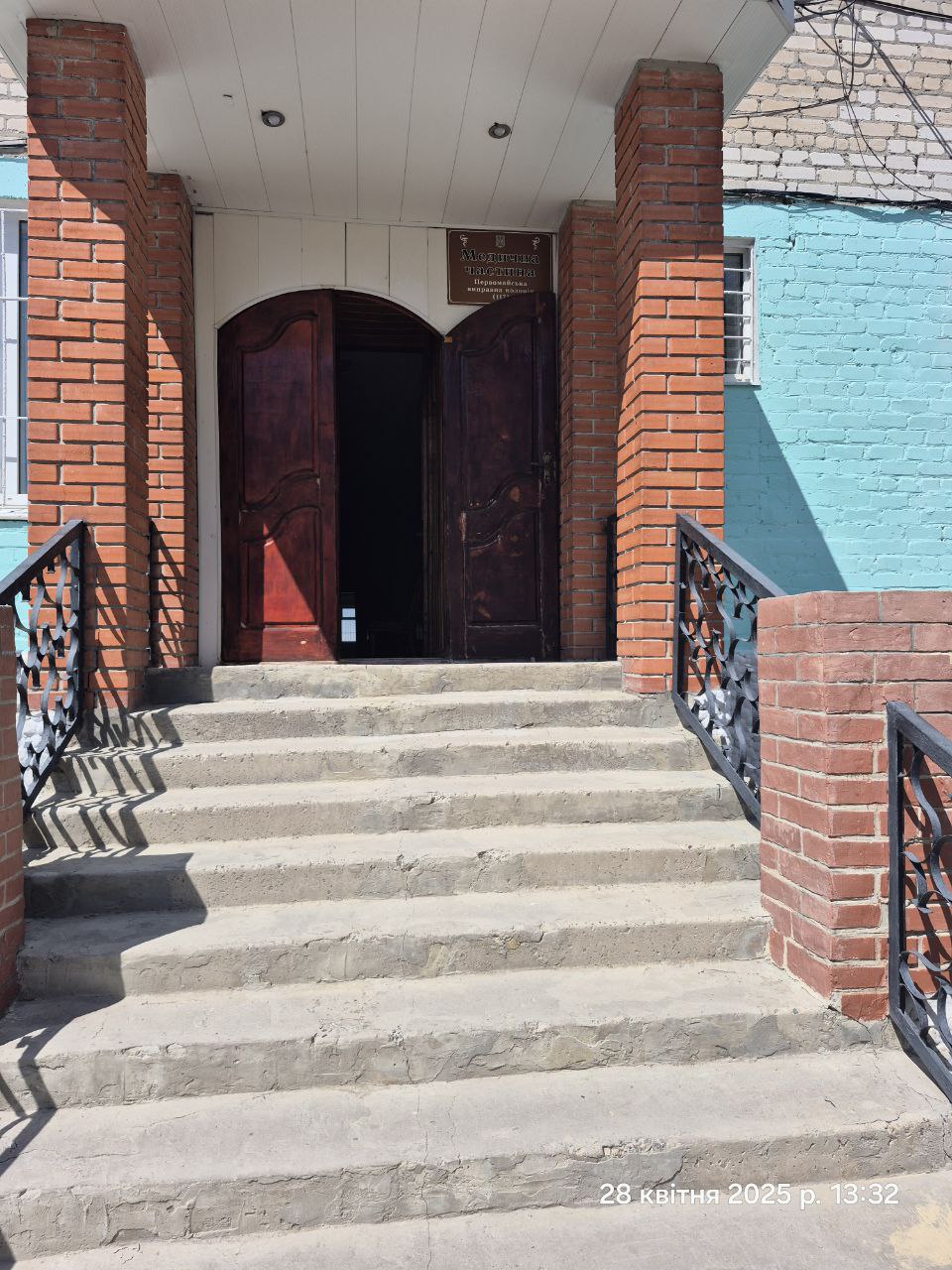
11. In violation of paragraph 37 of the Resolution of the Cabinet of Ministers of Ukraine No. 285 dated 2 March 2016 “On Approval of Licensing Conditions for Conducting Economic Activity in Medical Practice”, the medical unit lacks an expert opinion confirming free access to the buildings and premises of the medical institution for persons with reduced mobility, the receipt of which is mandatory.
12. In violation of the Procedure for Organising Medical Care at the Primary, Secondary (Specialised) and Tertiary (Highly Specialised) Levels using telemedicine, approved by the order of the Ministry of Health of Ukraine dated 19.10.2015 No. 681, the staff of the medical unit, due to technical limitations, are deprived of the possibility to send requests for telemedicine consultations and receive professional assistance for the provision of medical services to convicts.
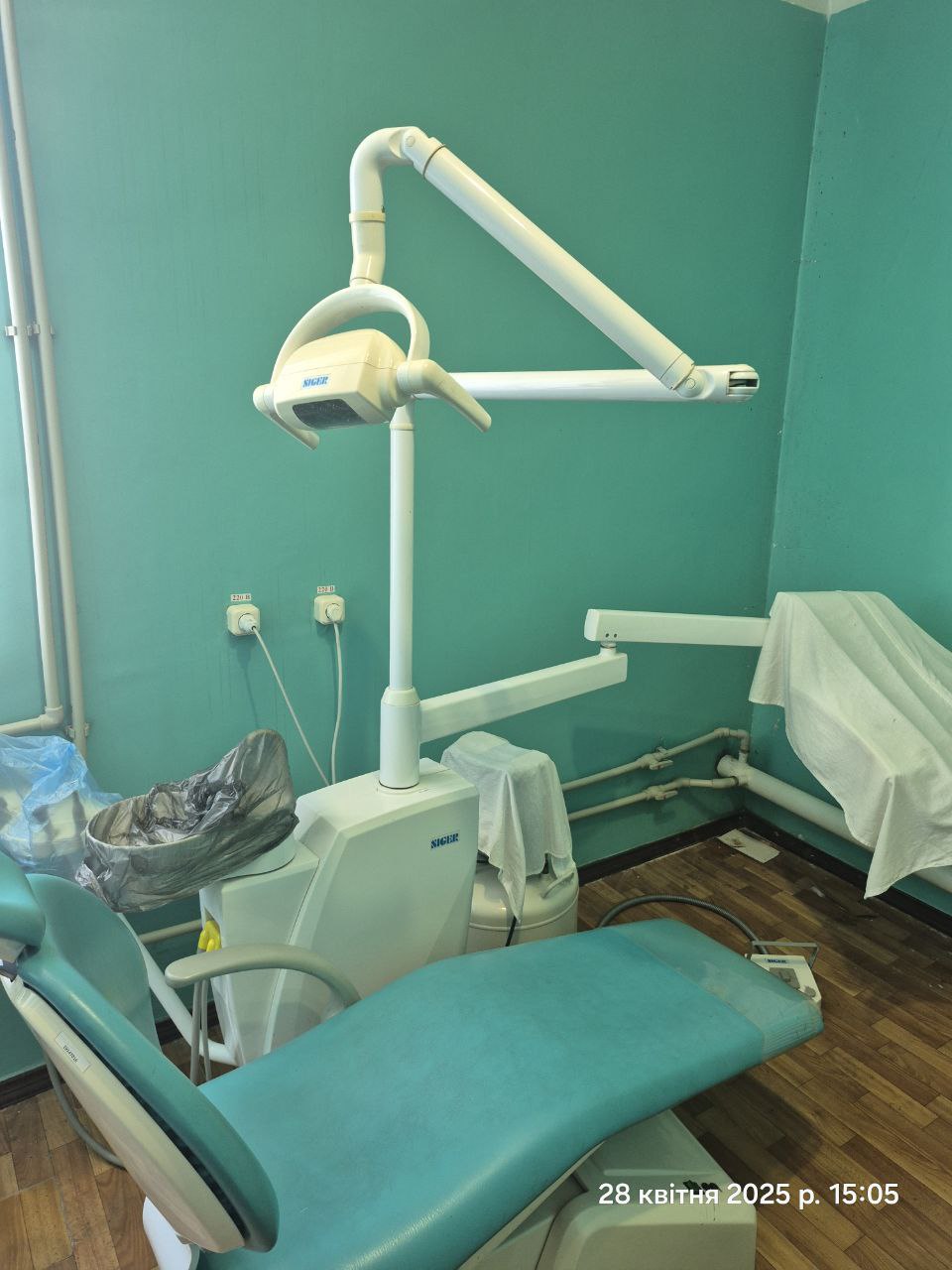
13. In violation of the requirements of the Equipment Table for one workplace of a dentist and dental technician, approved by the order of the Ministry of Health of Ukraine dated 11.04.2005 No. 158, there is no dental X-ray machine in the medical unit, which makes it impossible to conduct an in-depth dental examination of convicts and does not ensure the timely provision of proper dental care.
It was also established that the dental office is not provided with the necessary filling materials. According to information provided by the medical unit staff, among the available types of dental care, tooth extraction prevails, while filling is carried out extremely rarely, which significantly limits the right of convicts to receive proper dental care.
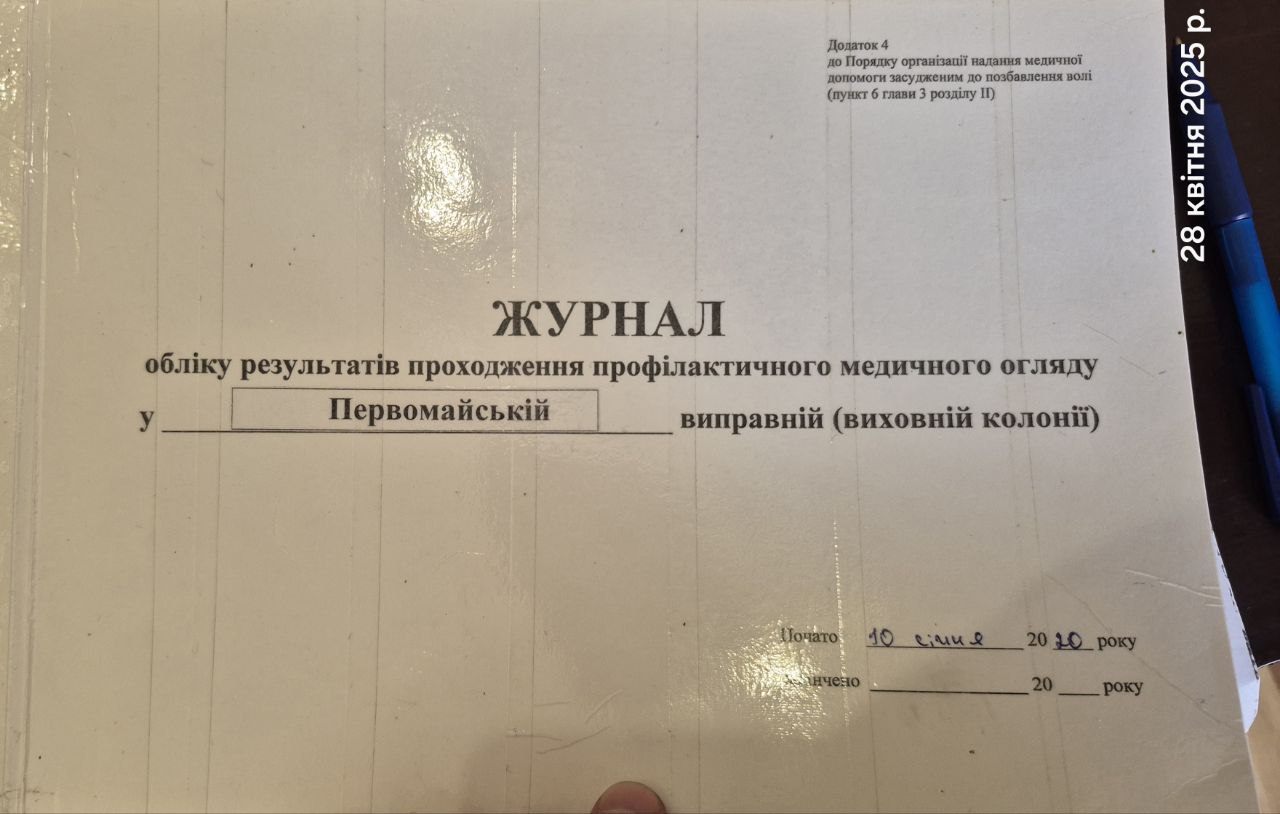
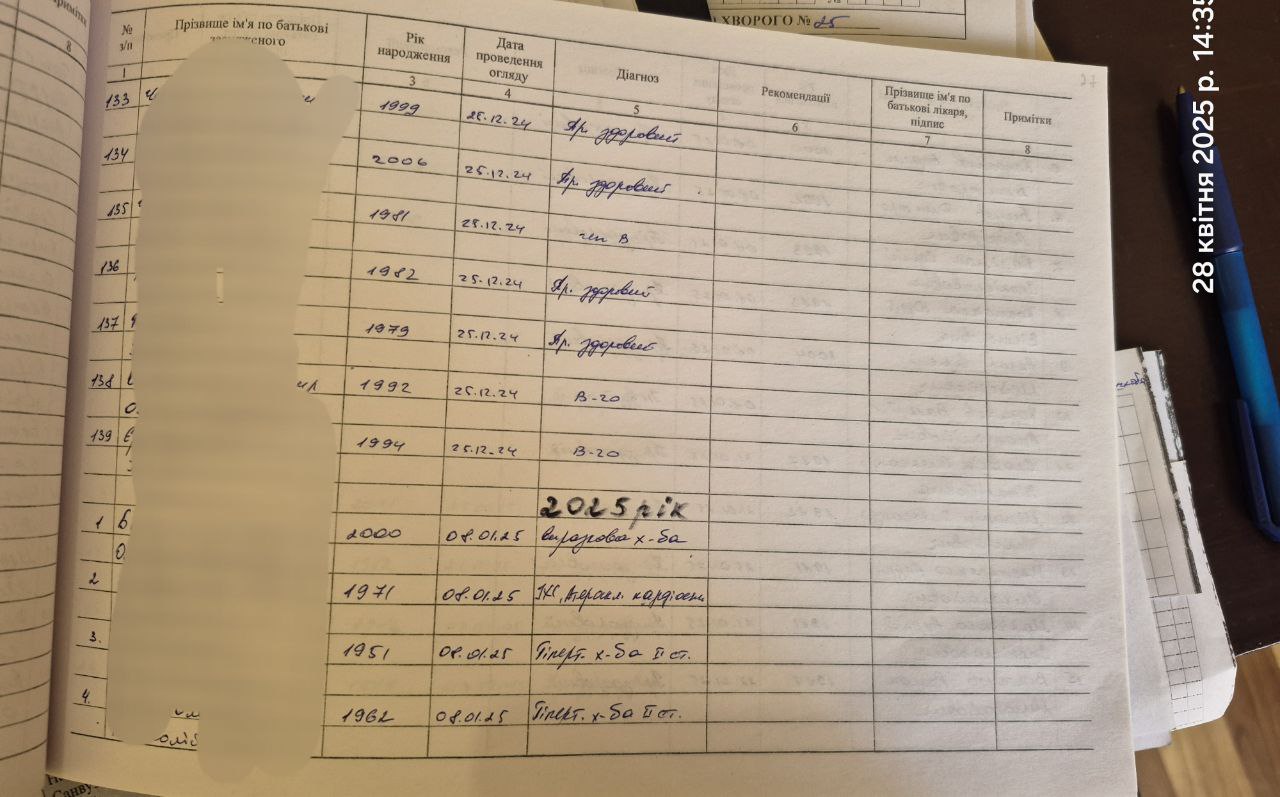
14. In violation of paragraph 6, Chapter III, Section II “Procedure for Organising the Provision of Medical Care to Convicts to Imprisonment”, information is not entered in the recommendations column, the doctor’s given name and surname, and their signature, which are recorded in the “Journal of Accounting for Results of Preventive Medical Examination”, the form of which is given in Annex 4 to the Procedure, which indicates improper conduct of preventive examinations.
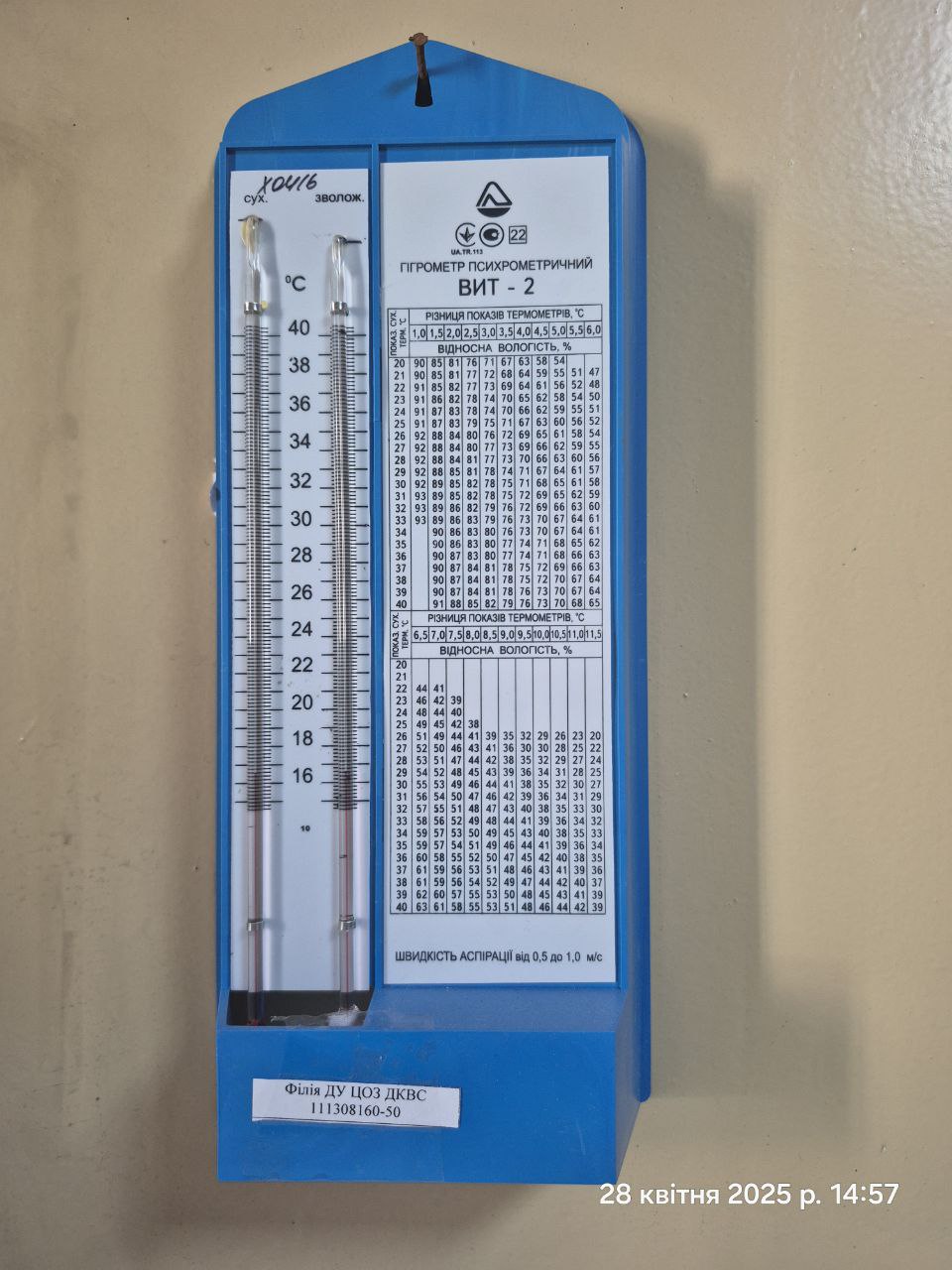
14. In the medical unit, in particular in the wards, the monitoring group recorded a violation of the temperature regime. Thus, at the time of the inspection, the air temperature in the premises was 15 °C, which does not meet the requirements of Section VI of the State Sanitary Norms and Rules approved by the order of the Ministry of Health of Ukraine dated 02.04.2013 No. 259 and paragraph 1, section XXII of the IRPI, where it is stated that the temperature in the living premises of the institutions must be maintained at a level of no less than +18 °C.
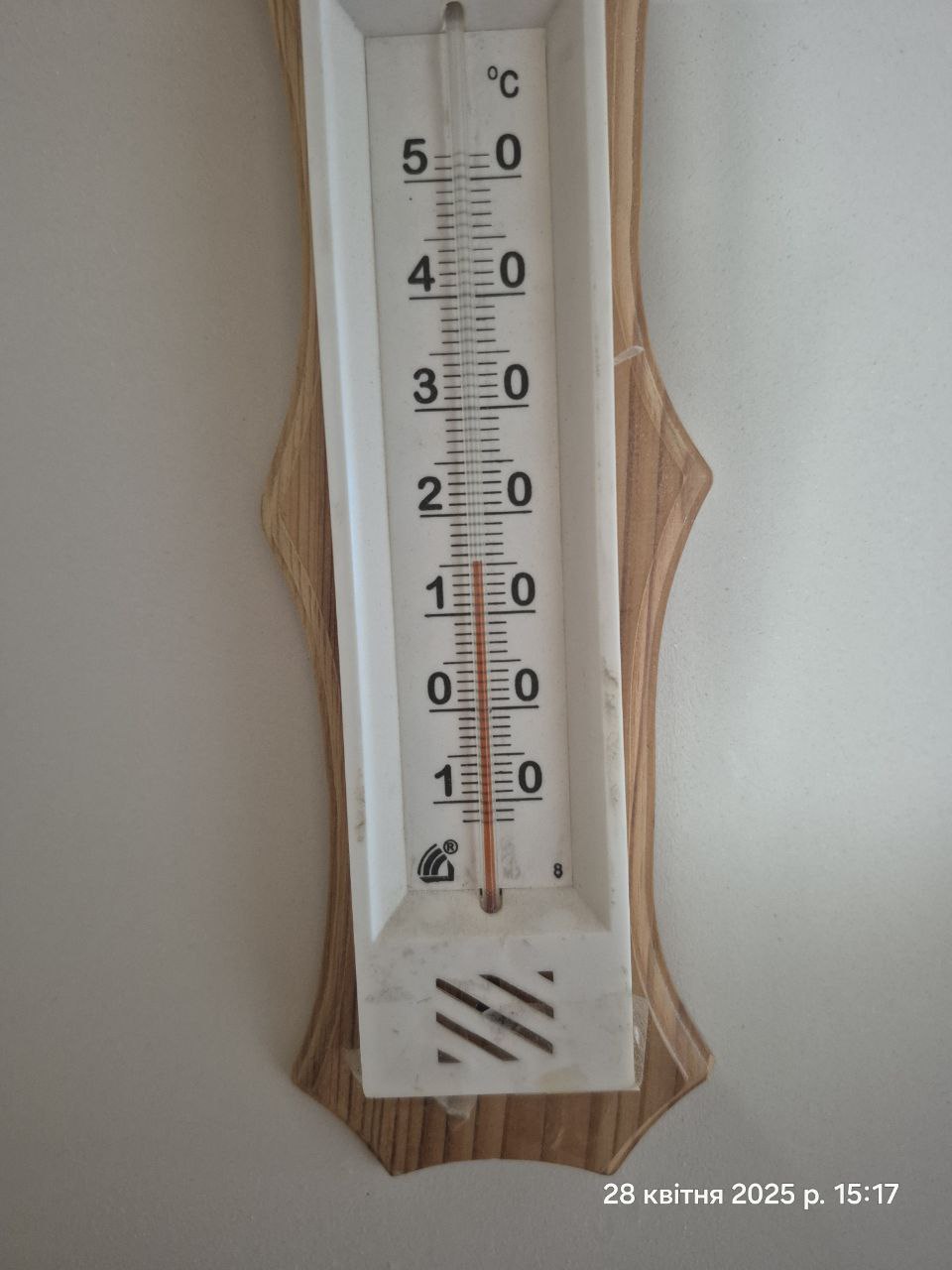
15. In the X-ray room, the air temperature is 16 °C, which does not provide comfortable conditions for the patient and staff and violates paragraph 2.10, Chapter 2 of the State Sanitary Rules and Norms “Hygienic Requirements for the Arrangement and Operation of X-ray Rooms and Conducting X-ray Procedures”, approved by the order of the Ministry of Health of Ukraine dated 04.06.2007 No. 294.
16. In doctors’ offices, there is no hot water supply; the workplaces of medical workers do not meet the requirements of current legislation and violate Article 19 of the Law of Ukraine “Fundamentals of Ukrainian Legislation on Healthcare” and Article 13 of the Law of Ukraine “On Occupational Safety”.
17. In violation of the Fire Safety Rules in Ukraine, approved by the Ministry of Internal Affairs of Ukraine dated 30.12.2014 No. 1417 (hereinafter — Rules), the medical unit premises are not equipped with fire extinguishing and fire alarm systems.
18. In violation of Part 5 of Article 110 of the Criminal Executive Code of Ukraine, the right to use the global Internet network is not ensured to convicts during their stay in the inpatient department of the medical unit. The lack of access to the Internet limits their ability to receive information, exercise the right to education, self-education, and maintain social ties, which contradicts paragraph 63 of the Committee’s recommendations (CPT/Inf(93)12-part).
Recommendations:
1. Immediately cease the practice of delegating authority to individual convicts (orderlies), in particular K. and R., regarding the control of other convicts.
2. Prohibit the participation of convicts in maintaining the regime and controlling the behaviour of other convicts.
3. Develop and implement a comprehensive strategy to combat informal hierarchy, intimidation, and violence among convicts in accordance with the recommendations of the Committee for the Prevention of Torture (CPT/Inf(2024)20).
4. Urgently inform the institution’s staff about the inadmissibility of threats, intimidation, ill-treatment, and reprisals for filing complaints.
5. Ensure natural lighting in DIU cells and SRU living premises by removing tinted glass or redesigning windows in accordance with CPT standards.
6. Equip bathrooms in cells with partitions that fully ensure privacy.
7. Eliminate the practice of prohibiting sitting and lying on beds during the daytime, especially regarding sick persons or those in the inpatient unit.
8. Ensure radio installation and staff call buttons in DIU and CTP cells in accordance with the IRPI.
9. Equip exercise yards with shelter from precipitation and ensure sufficient area for physical activity.
10. Restore the proper temperature regime in living and medical premises in accordance with sanitary standards (no less than +18 °C).
11. Equip the DIU/CTP with rooms for medical personnel, undressing, storage of belongings, a barbershop, etc.
12. Ensure proper arrangement of the QDD (drying rooms, storerooms, utility rooms).
13. Ensure the functioning of forced ventilation in the bathhouse and laundry.
14. Organise hairdressing services for convicts.
15. Conduct full disinfection and disinsection of mattresses, pillows, and blankets in a disinfection chamber in accordance with the Regulation.
16. Ensure proper conditions for storing daily samples in refrigeration equipment at a temperature of +4-8 °C.
17. Equip the canteen with a sufficient number of refrigerators, taking into account product compatibility.
18. Equip the staff cloakroom with a shower cabin to ensure hygiene.
19. Cease the practice of engaging convicts in labour without employment contracts and without payment for labour.
20. Conclude employment or civil law contracts with all convicts who are actually working.
21. Ensure the maintenance of books of shift assignments, receiving/handing-over journals, and registration of workers at workplaces in accordance with the Regulation on the Workshop.
22. Limit the duration of the working week to 40 hours and ensure compliance with the rights to rest.
23. Regulate the status of persons engaged in work in the SRU, in compliance with Article 118 of the Criminal Executive Code of Ukraine.
24. Ensure staffing of the institution with staff units in accordance with standards, in particular, regime staff.
25. Prohibit the open display of special means by staff in the presence of convicts, except in exceptional cases.
26. Equip the shelter (vegetable storage facility) with lighting, ventilation, water supply systems, and fire protection equipment in accordance with legislative requirements.
27. Take measures aimed at eliminating identified human rights violations and preventing torture, other cruel, inhuman, or degrading treatment and punishment in Medical Unit No. 117 of the branch of the State Institution “Health Care Centre of the State Criminal-Executive Service of Ukraine” in Kharkiv and Luhansk Oblasts.
28. Provide the medical unit staff with specialist doctors in accordance with needs.
29. Ensure control over the proper maintenance of medical documentation, in accordance with the Procedure for Organising the Provision of Medical Care to Convicts to Imprisonment, approved by the joint order of the Ministry of Justice of Ukraine and the Ministry of Health of Ukraine dated 15.08.2014 No. 1348/5/572 and other normative legal acts.
30. Ensure the possibility of receiving substitution maintenance therapy based on a diagnosis of mental and behavioural disorders due to opioid use.
31. Fulfill the requirements of paragraph 37 of the Resolution of the Cabinet of Ministers of Ukraine No. 285 dated 2 March 2016 “On Approval of Licensing Conditions for Conducting Economic Activity in Medical Practice”.
32. Ensure the conduct of individual rehabilitation for persons who require it.
33. Ensure the accessibility of the institution’s buildings in accordance with the State Building Norms of Ukraine V.2.2-17:2006 “Buildings and Structures. Accessibility of Buildings and Structures for Persons with Reduced Mobility”.
34. Ensure the proper operation of the telemedicine complex for doctors to make requests for telemedicine consultation.
35. Ensure the equipment of an isolation ward for persons with mental and behavioural disorders in accordance with requirements.
36. Ensure the obtaining of informed consent of patients for examination and treatment in the established form.
37. Ensure timely and proper documentation of bodily injuries in convicts.
38. Ensure the conduct of proper accounting of preventive examinations.
39. Cease the practice of using convicts as assistants in medical units and the institution.
40. Dismantle video surveillance cameras from the medical unit premises.
41. Provide the medical unit with necessary diagnostic equipment, including a dental X-ray machine.
42. Equip a fire protection system in accordance with established requirements.