Report on the Results of the Monitoring Visit to the Kolomyia Correctional Colony No. 41
On 12 March 2025, in accordance with the Optional Protocol to the Convention against Torture and other Cruel, Inhuman or Degrading Treatment or Punishment, taking into account the provisions of the Standard Minimum Rules for the Treatment of Prisoners and the decisions of the European Court of Human Rights, and pursuant to Article 24 of the Criminal Executive Code of Ukraine — Visiting Correctional Institutions, a group of monitors from the Kharkiv Human Rights Protection Group and the NGO “Protection of Prisoners of Ukraine” conducted a follow-up visit to the state institution “Kolomyia Correctional Colony No. 41” (hereinafter referred to as the Colony, the institution, or the facility).
The previous visit took place on 24 August 2023.
In preparation for the visit, the monitors utilised materials from appeals submitted by convicted persons and their relatives, information from the previous visit, and the report of the National Preventive Mechanism (NPM) under the Commissioner for Human Rights of the Verkhovna Rada of Ukraine.
The visit was conducted within the framework of the project “Reducing Prisoners’ Suffering in the Context of the War in Ukraine”, funded by the government of Denmark in partnership with DIGNITY — Danish Institute Against Torture.
The visit was carried out by the following monitors:
- Oleh Tsvilyi — member of the Public Council under the Ministry of Justice of Ukraine, head of the NGO “Protection of Prisoners of Ukraine”, possesses extensive experience in monitoring visits, and specialises in issues related to the prevention of torture and cruel, inhuman, or degrading treatment;
- Andrii Didenko — assistant to the People's Deputy of Ukraine Yaroslav Yurchyshyn, programme coordinator of the Kharkiv Human Rights Protection Group, experienced in monitoring visits since 2014;
- Serhii Zuikov — assistant to the People's Deputy of Ukraine Kostiantyn Kasai, member of the Public Council under the Ministry of Justice of Ukraine, member of the NGO “Protection of Prisoners of Ukraine”, possesses many years of experience in monitoring visits.
As a result of the monitoring visit to the Kolomyia Correctional Colony No. 41, systemic violations of the rights of convicted persons were identified, including: non-compliance with detention procedures in the QDDU, the formalistic use of the “Cassandra” subsystem, the engagement of convicted persons in labour without proper documentation and remuneration, unsatisfactory conditions of detention in cells and sections, and the lack of proper medical care, including psychiatric assistance and the treatment of infectious diseases. Additionally, the absence of suitable shelter in the event of an air raid was established, which endangers the life and safety of the individuals held in the institution.
General Information
Kolomyia Correctional Colony No. 41 is a medium-security penitentiary institution for men convicted for the first time of serious and particularly serious crimes.
The institution is located at: 30 Pryvokzalna St., Tovmachyk village, Kolomyia district, Ivano-Frankivsk region, 78250.
The head of the institution is Colonel of the Internal Service Taras Mykolaiovych Kadrych.
The institution consists of a duty unit, residential and industrial zones, a Disciplinary Isolation Ward/Cell-type Unit/Protective Supervision Unit (DIZO/PKT/DPK), a pre-trial detention centre (SIZO) section, a medical unit, utility and administrative premises, and a maximum-security section for life-sentenced prisoners.
According to the institution’s administration, the authorised staffing level consists of 224.5 positions. The actual number of personnel is 187. The total staff shortage for the institution is 37.5 employees. There are 3 psychologists on the staff of the colony.
According to data provided by the management, at the time of the visit, 495 convicted persons were held in the institution across 14 socio-psychological service units in 8 local sections; 43 prisoners are serving life sentences.
The institution is designed for 994 people. During 2024, 508 convicted persons arrived at the colony. In 2024, 6 individuals died in the facility.
278 convicted persons are engaged in labour, 146 of whom work under employment contracts and 132 individuals under civil law contracts.
There were 11 individuals in the Disciplinary Isolation Ward (DIZO) and 3 individuals in the cells of the pre-trial detention centre (SIZO). There are individuals on the operational register: 11 are prone to suicide (there was 1 act of suicide in 2024), and 5 are prone to self-harm. In 2024, 2 individuals were released due to severe illness.
Between 2024 and 2025, no one submitted complaints regarding inadequate conditions of detention or inadequate medical care. During 2024, 1 case of bodily injury sustained while in the institution was recorded. The convicted persons have 284 tablets in their personal use, and 284 individuals have registered email addresses.
There are 34 “outcasts” (individuals ostracised by the prison community) in total.
During the visit, 184 convicted persons were interviewed while visiting production workshops, socio-psychological service units, and utility and administrative premises. These were general and individual conversations involving the provision of consultations, responses to questions, surveys regarding human rights violations, and communication with individuals, including on conditions of anonymity.
Positive Practices
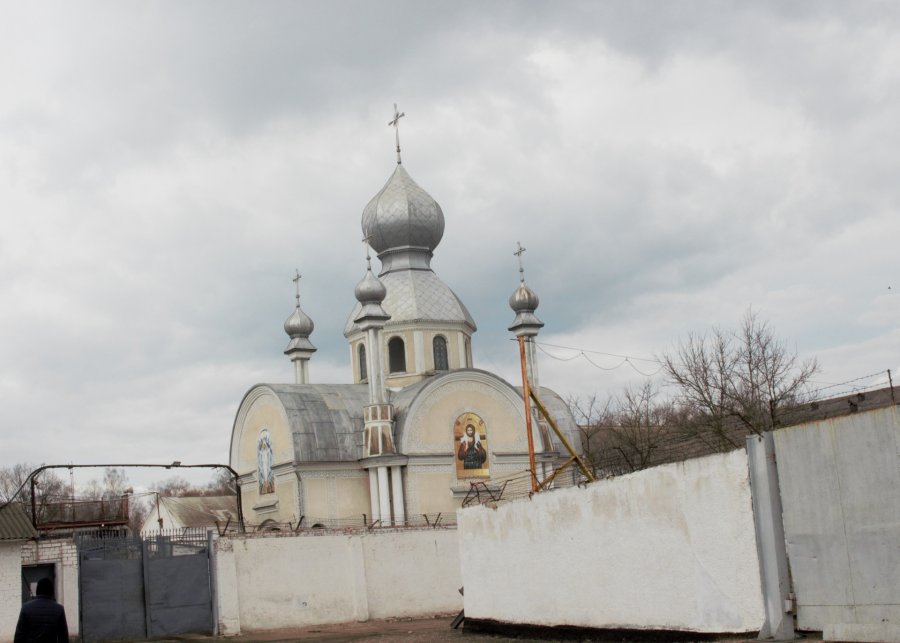
A church operates on the territory of the institution.
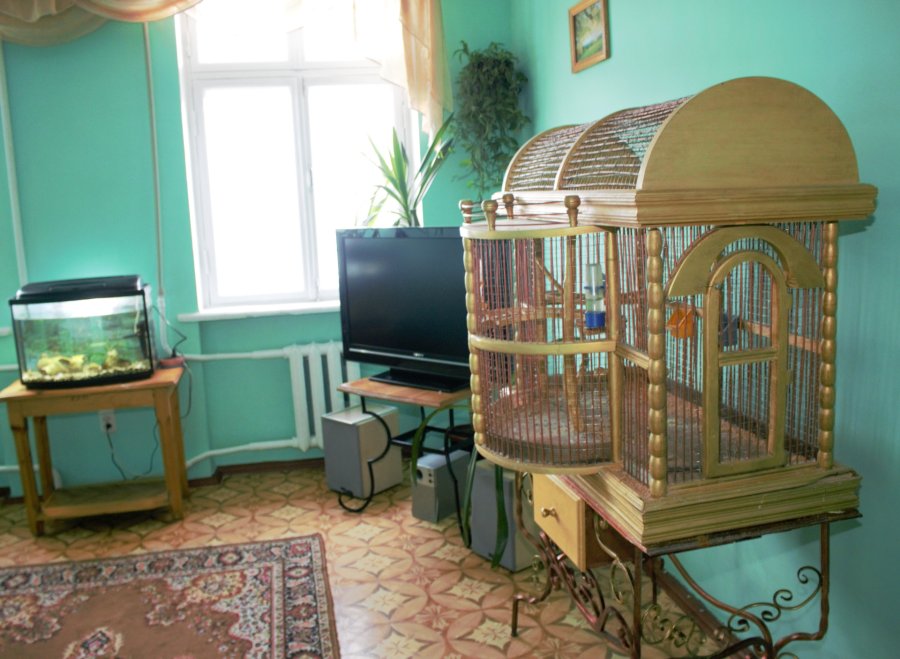
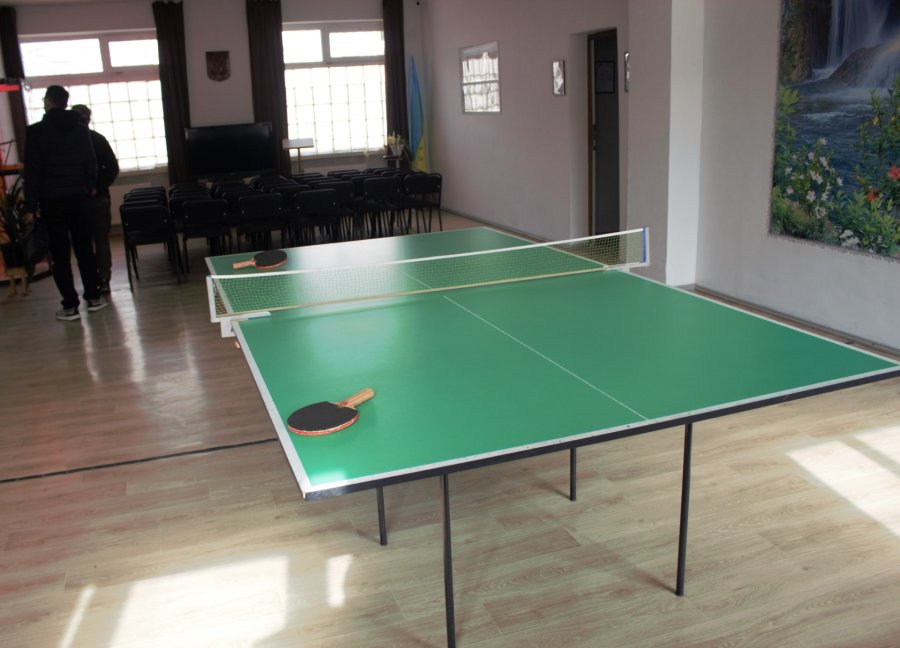
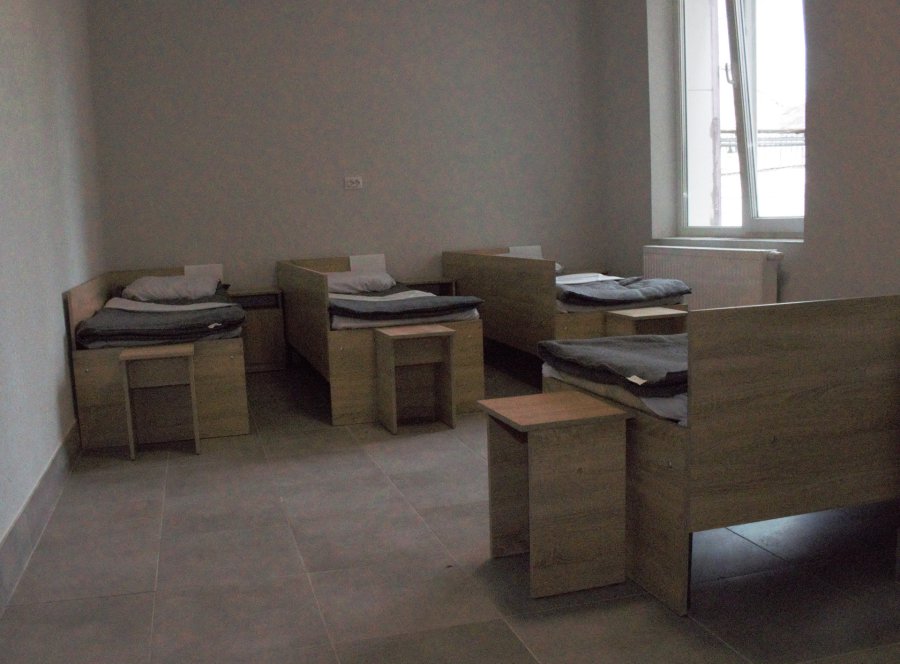
Renovated residential premises, an open-type socio-psychological service section for life-sentenced prisoners, and rooms for long-term visits.
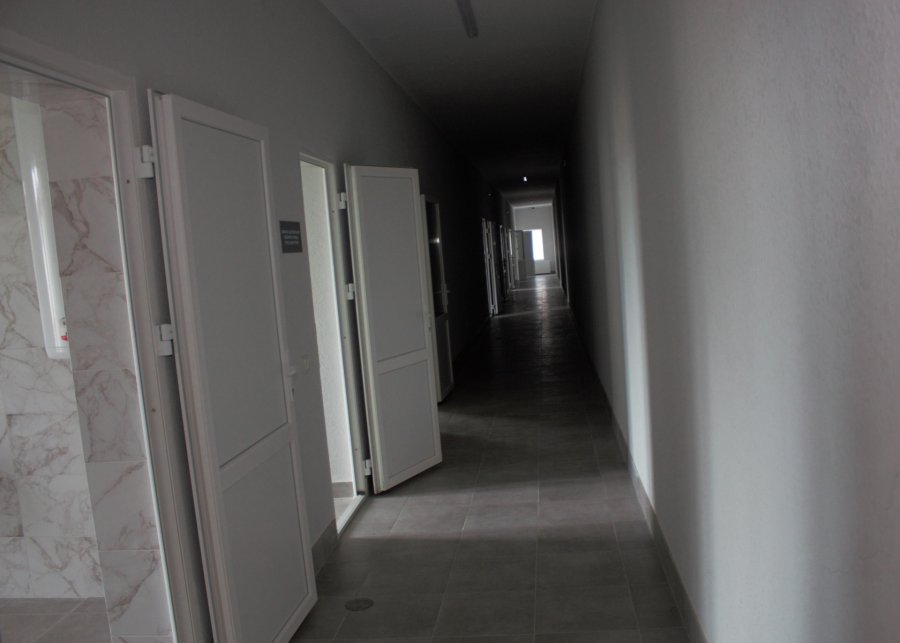
Facts Discovered During the Visit
During the monitoring visit, violations of the requirements of national legislation and non-compliance with international recommendations in the sphere of the treatment of prisoners, leading to violations of the rights of convicted persons, were identified.
1. The monitoring group established that the administration and staff of the institution fail to ensure the proper organisation of work with newly arrived prisoners. During the visit to the Quarantine, Diagnostic, and Distribution Unit (hereinafter — QDDU), violations of Article 95 of the Criminal Executive Code of Ukraine (hereinafter — KVK of Ukraine) and clause 3 of Section I of the Regulation on the Quarantine, Diagnostic, and Distribution Unit for Convicted Persons, approved by Order of the Ministry of Justice of Ukraine dated 4 November 2013 No. 2300/5, registered with the Ministry of Justice of Ukraine on 4 November 2013 under No. 1864/24396 (hereinafter — Regulation on the QDDU), were established.
Thus, on 6 February 2025, 14 convicted persons arrived at the institution. According to legislative requirements, newly arrived prisoners placed in the QDDU must undergo a full medical examination within 14 days to identify infectious, somatic, and mental diseases, as well as a primary psychological, pedagogical, and other assessment. Therefore, the distribution of prisoners between the facility’s units should have taken place no earlier than 20 February 2025.
However, according to the Logbook of visits to the Quarantine, Diagnostic, and Distribution Unit by employees of the State Institution “Kolomyia Correctional Colony No. 41”, on 18 February 2025, 13 convicted persons were in the QDDU, and on 19 February 2025, 12 convicted persons were present.
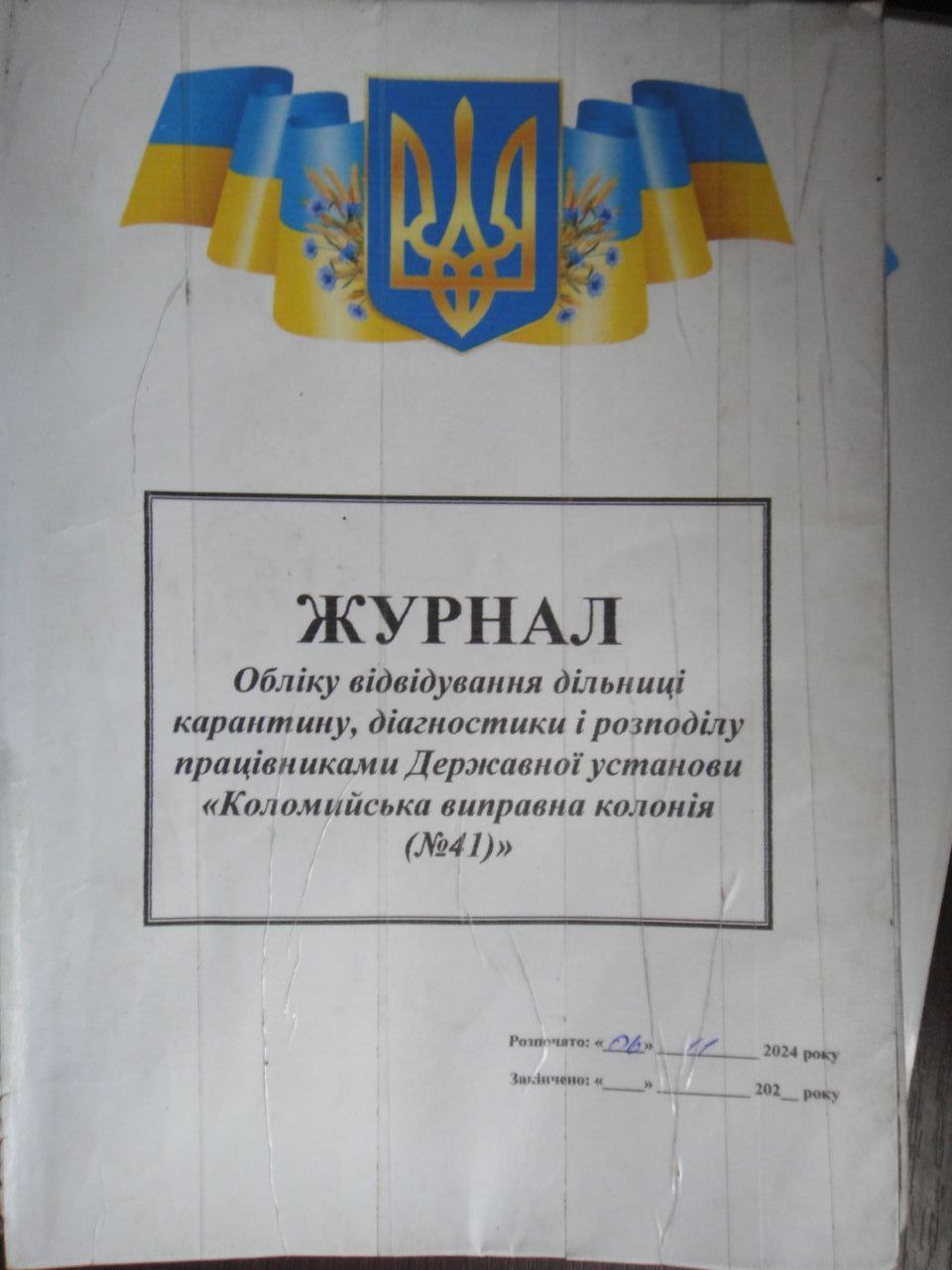
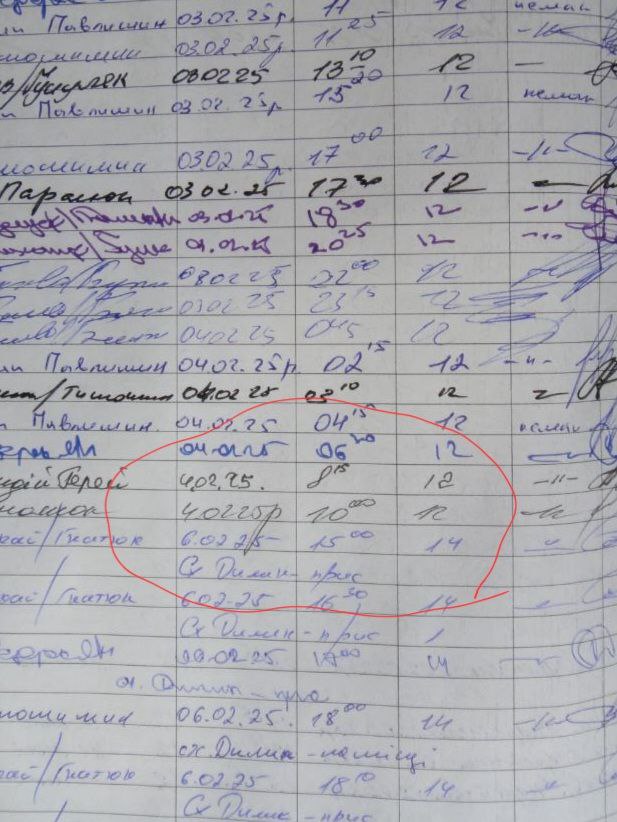
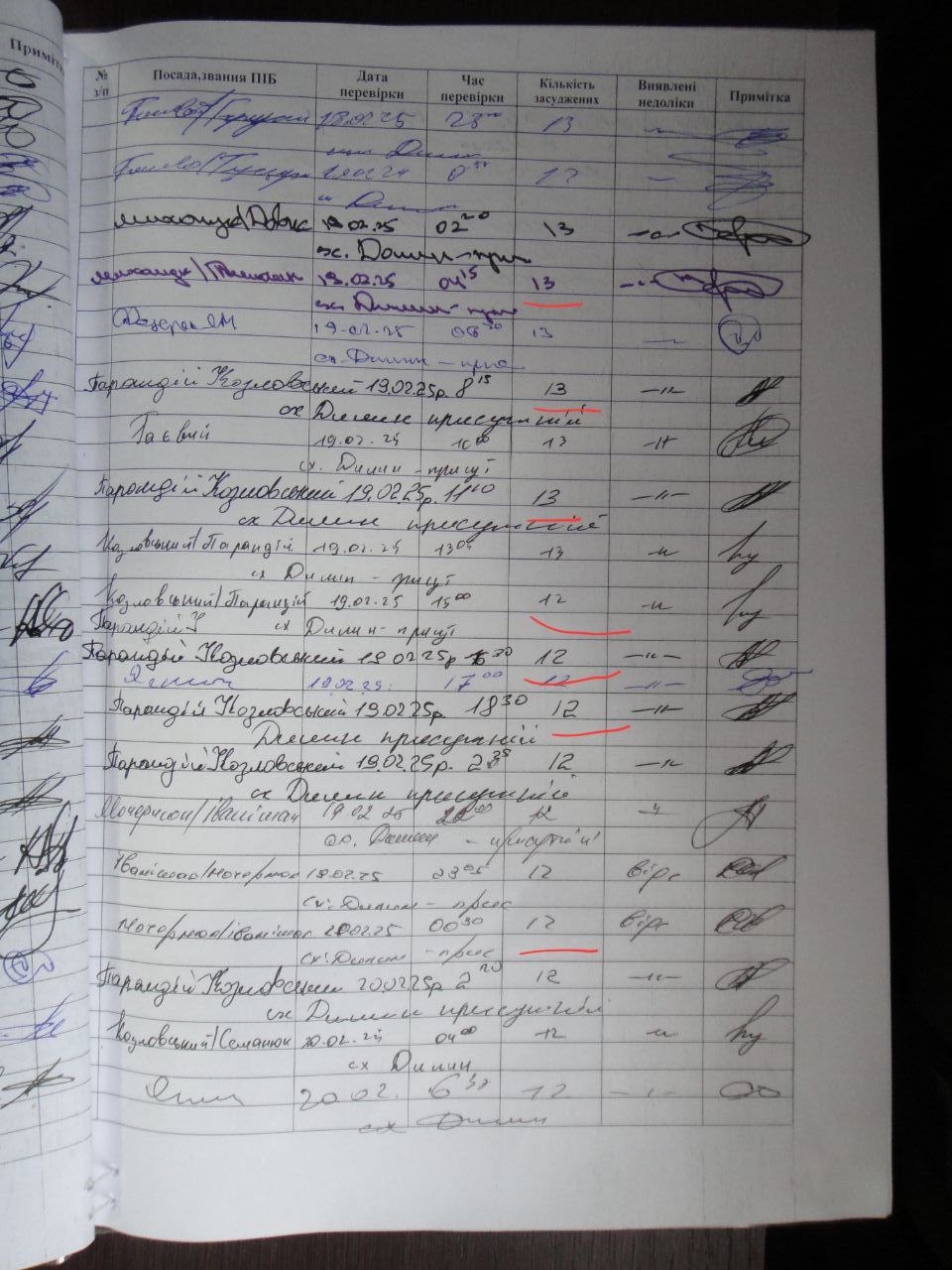
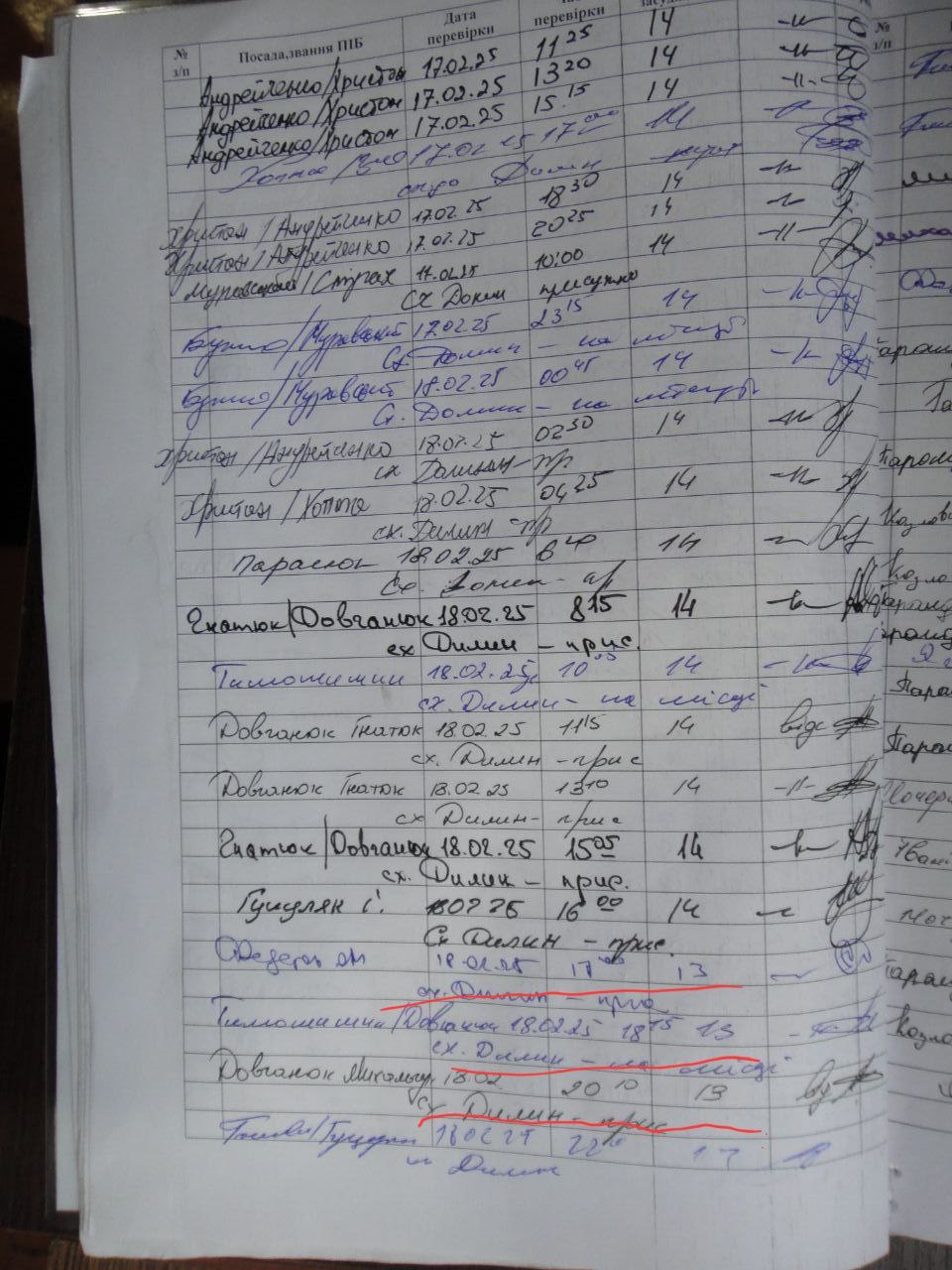
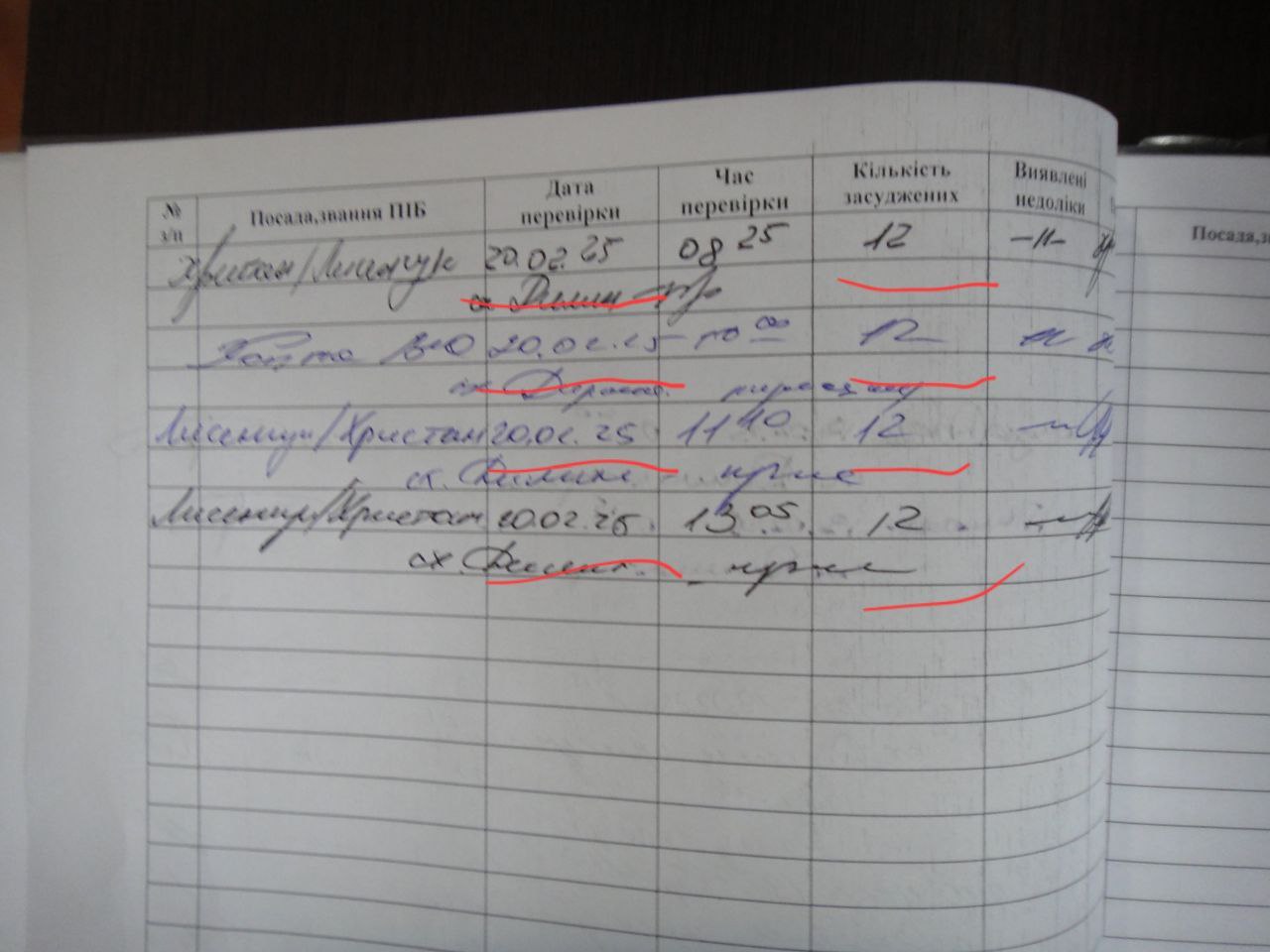
The administration of the institution explained the decrease in the number of prisoners by citing their hospitalisation in the medical unit. At the same time, medical personnel refuted the fact that anyone from the QDDU had been hospitalised in the medical unit’s inpatient ward during the specified period. Verification of the Logbook of admission, discharge of prisoners, and refusals of hospitalisation in the medical unit also did not confirm the information regarding hospitalisation.
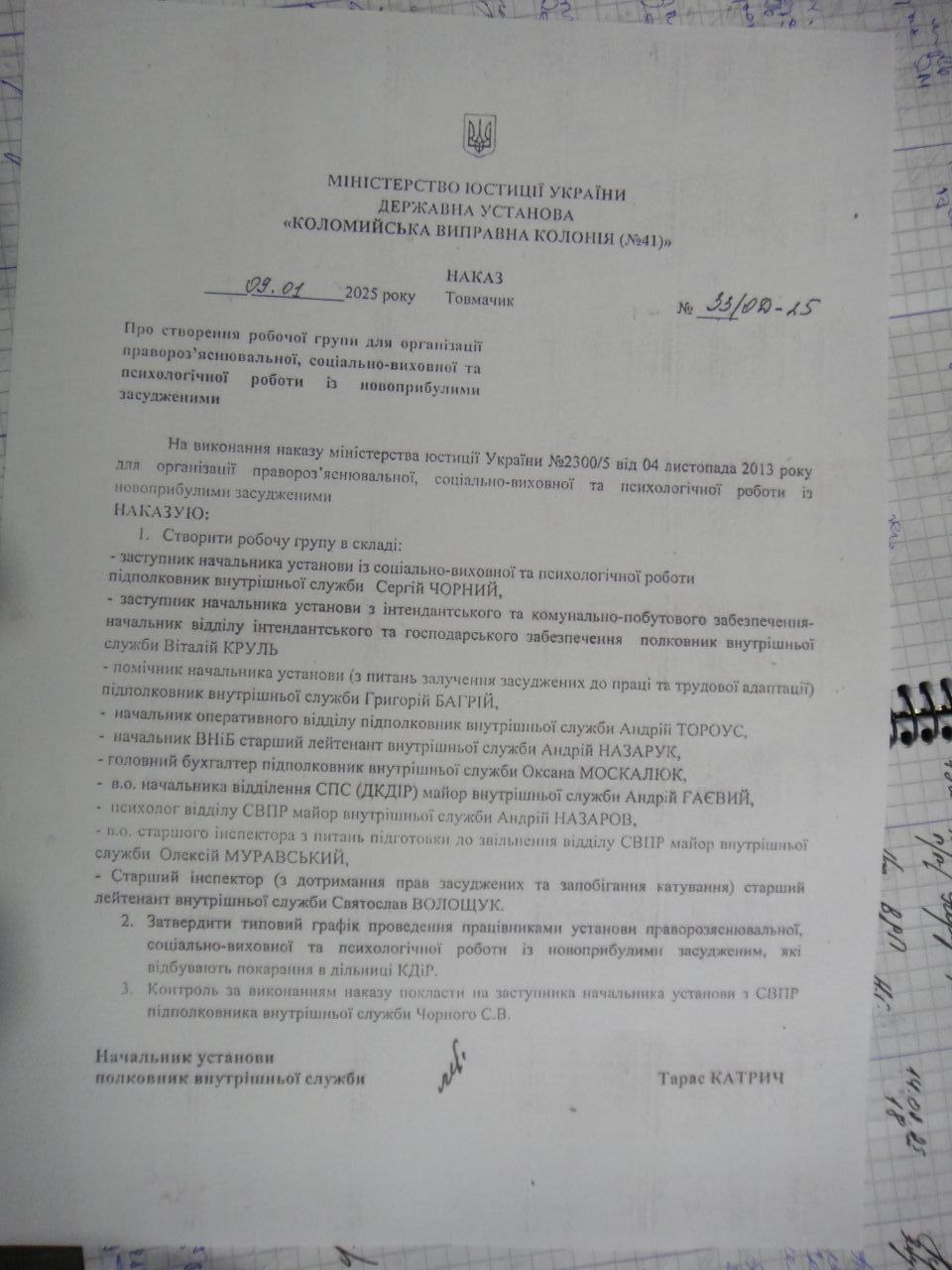
2. The monitoring group established that a medical professional is not included in the working group for the organisation of legal, educational, social, and psychological work with newly arrived prisoners, which is a violation of the requirements of clause 1 of Section II of the Regulation on the QDDU.
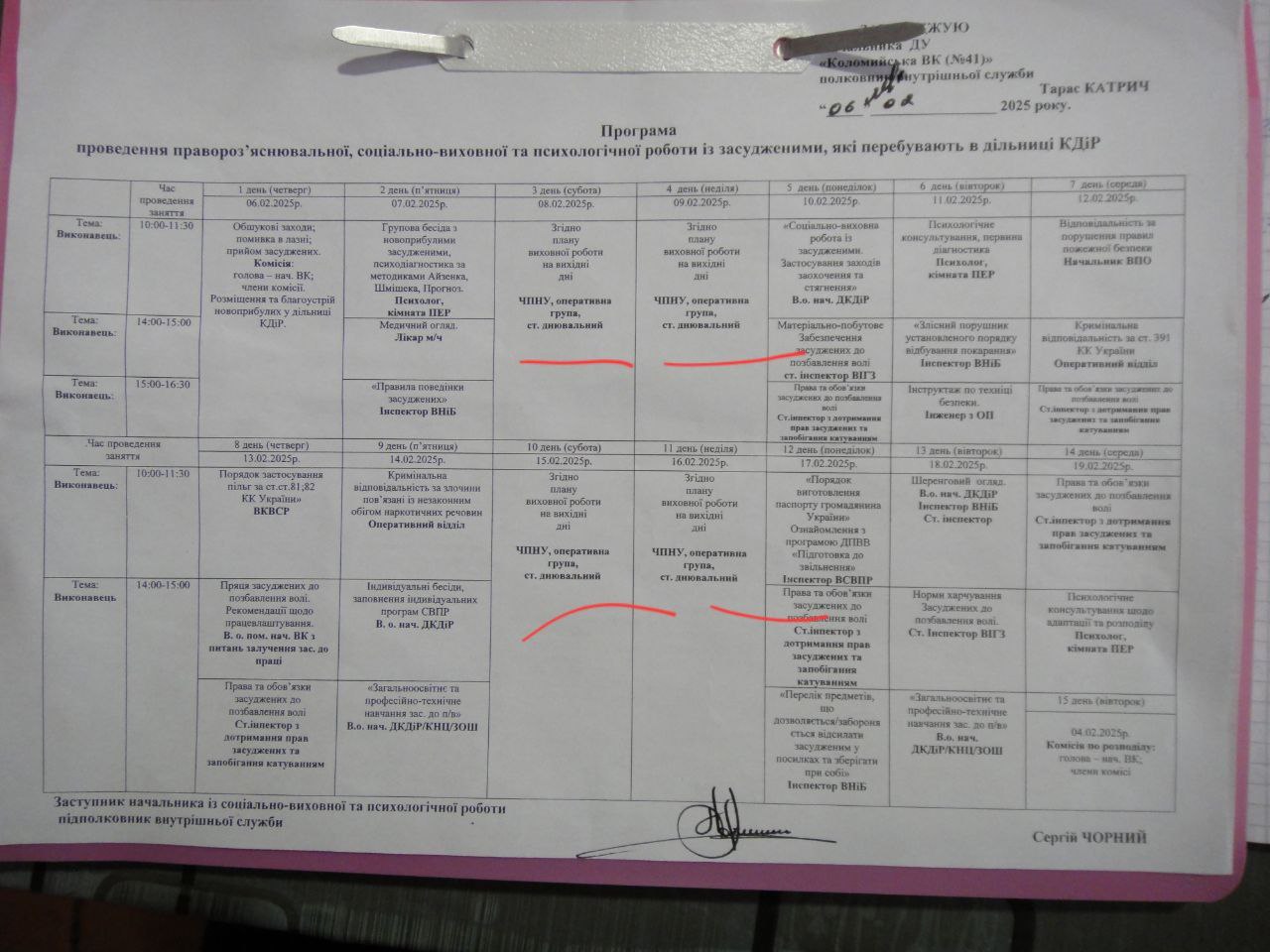
3. In violation of the requirements of Article 95 of the KVK of Ukraine and clause 4 of Section II of the Internal Regulations of Correctional Institutions, approved by Order of the Ministry of Justice of Ukraine dated 28 August 2018 No. 2823/5 (hereinafter — Internal Regulations), the monitoring group established that the institution's staff involves a prisoner assigned to socio-psychological service (SPS) unit No. 14 in work within the QDDU as a duty orderly, who, according to prisoners, performs tasks to maintain proper sanitary conditions in the unit's premises.
This contradicts clause 2 of Section I of the Regulation on the QDDU, which stipulates that newly arrived prisoners are placed in the QDDU to prevent uncontrolled contact with other prisoners. Furthermore, the senior duty orderly is involved in measures provided for by the Programme for the conduct of legal, educational, social, and psychological work with newly arrived prisoners who are in the QDDU, together with members of the working group for newly arrived prisoners, according to the plan of educational work for weekends.
In the report on the results of the visit to Ukraine in 2020, the European Committee for the Prevention of Torture and Inhuman or Degrading Treatment or Punishment (hereinafter — the Committee) expressed serious doubts regarding the practice of using certain prisoners as “duty orderlies”, who perform functions of control over other prisoners in residential premises and at workplaces and report to staff about any incidents or violations of the regime.
Therefore, the Committee noted with concern during this visit that this practice persisted. Moreover, unfortunately, despite specific recommendations previously made by the Committee, the practice of using “duty orderlies” is also officially provided for by the Internal Regulations of Correctional Institutions. As previously emphasised, the Committee considers that any partial abdication of responsibility for order and safety in prisons, which is borne by the custodial staff of the institution, is unacceptable.
Such a practice exposes weaker prisoners to the risk of ill-treatment and exploitation by other prisoners. The Committee calls on the authorities of Ukraine to take all necessary steps — including of a legislative nature — to put an end to this practice. No prisoner (in any penitentiary institution in the country) should have power over other prisoners. (CPT/Inf (2020) 40, paragraph 27).
4. The equipment of the QDDU does not meet the standards for the treatment of prisoners and the conditions of their detention in accordance with their needs. Thus, in violation of the requirements of the Norms of provision with furniture, inventory, and household items for a maximum-security correctional colony, approved by Order of the Ministry of Justice of Ukraine dated 27 July 2012 No. 1118/5 (hereinafter — Provision Norms), a number of premises are missing in the unit, namely: a room for storing the exchange fund of bedding, clothing, and special protective clothing; a storeroom for the temporary storage of soiled bedding, clothing, and special protective clothing; a changing room; a utility room; and a drying room.
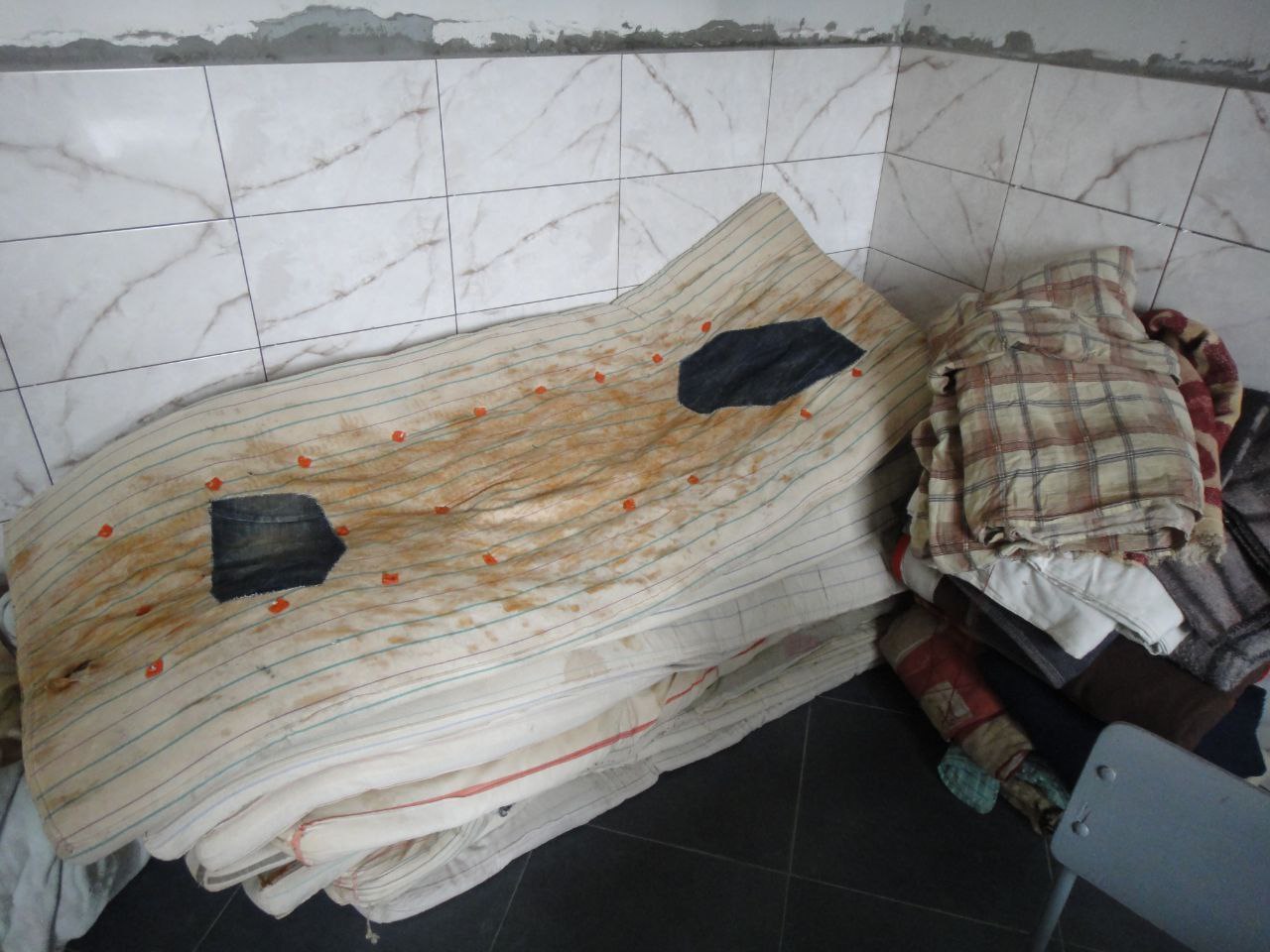
The absence of these premises or their improper arrangement leads to a violation of sanitary and hygienic standards. In particular, bedding, mattresses, and pillows, the condition of which indicates the need for their replacement, were found on the floor of the dining room during the visit to the QDDU. Thus, improper organisation of the storage of personal belongings makes it difficult to maintain cleanliness and order in the premises where prisoners are held, which worsens the general sanitary situation in the institution.
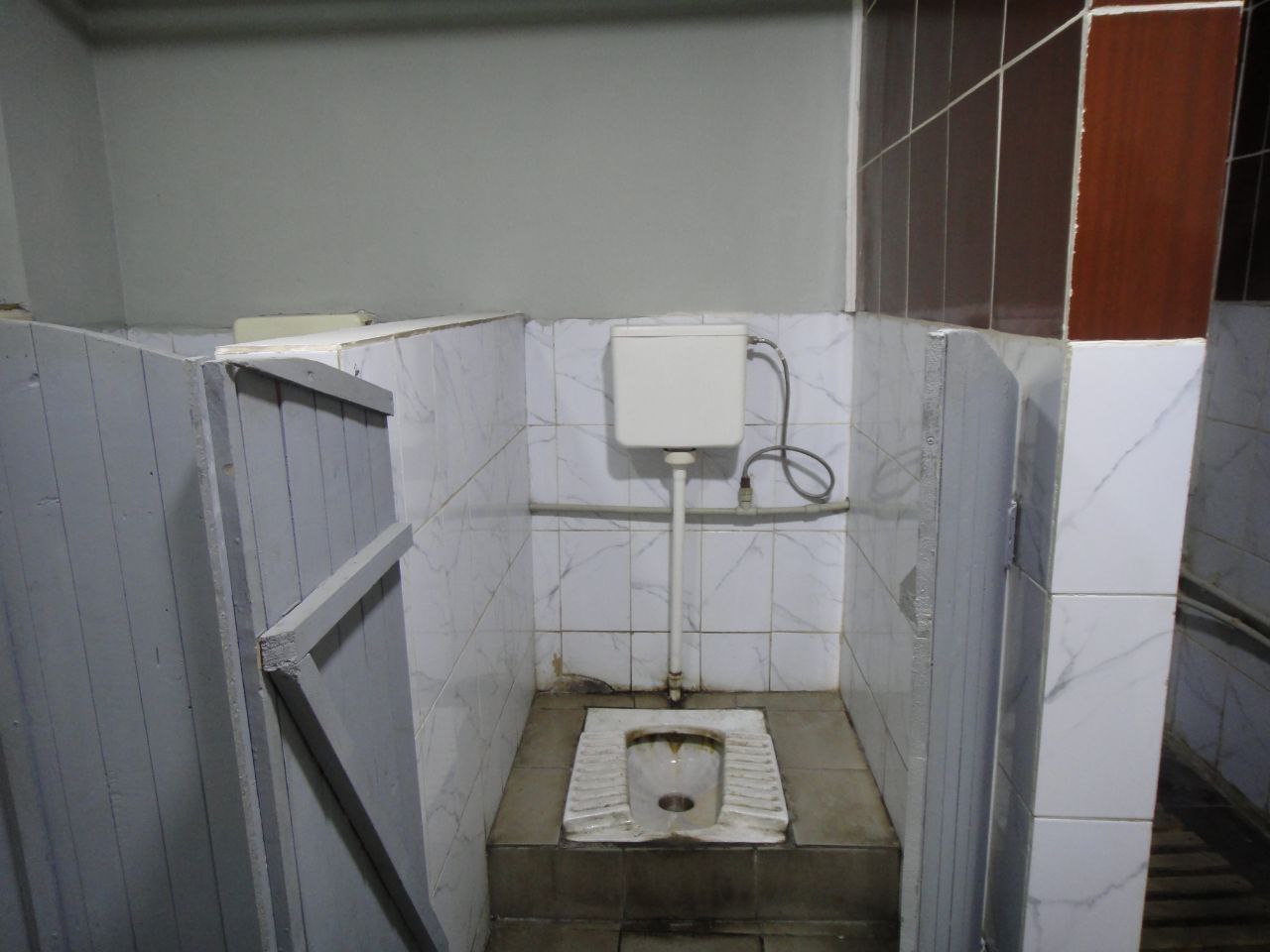
5. The sanitary facilities in the QDDU do not contain sufficient partitions allowing for privacy, which violates the requirement of Rule 19.3 of the European Prison Rules.
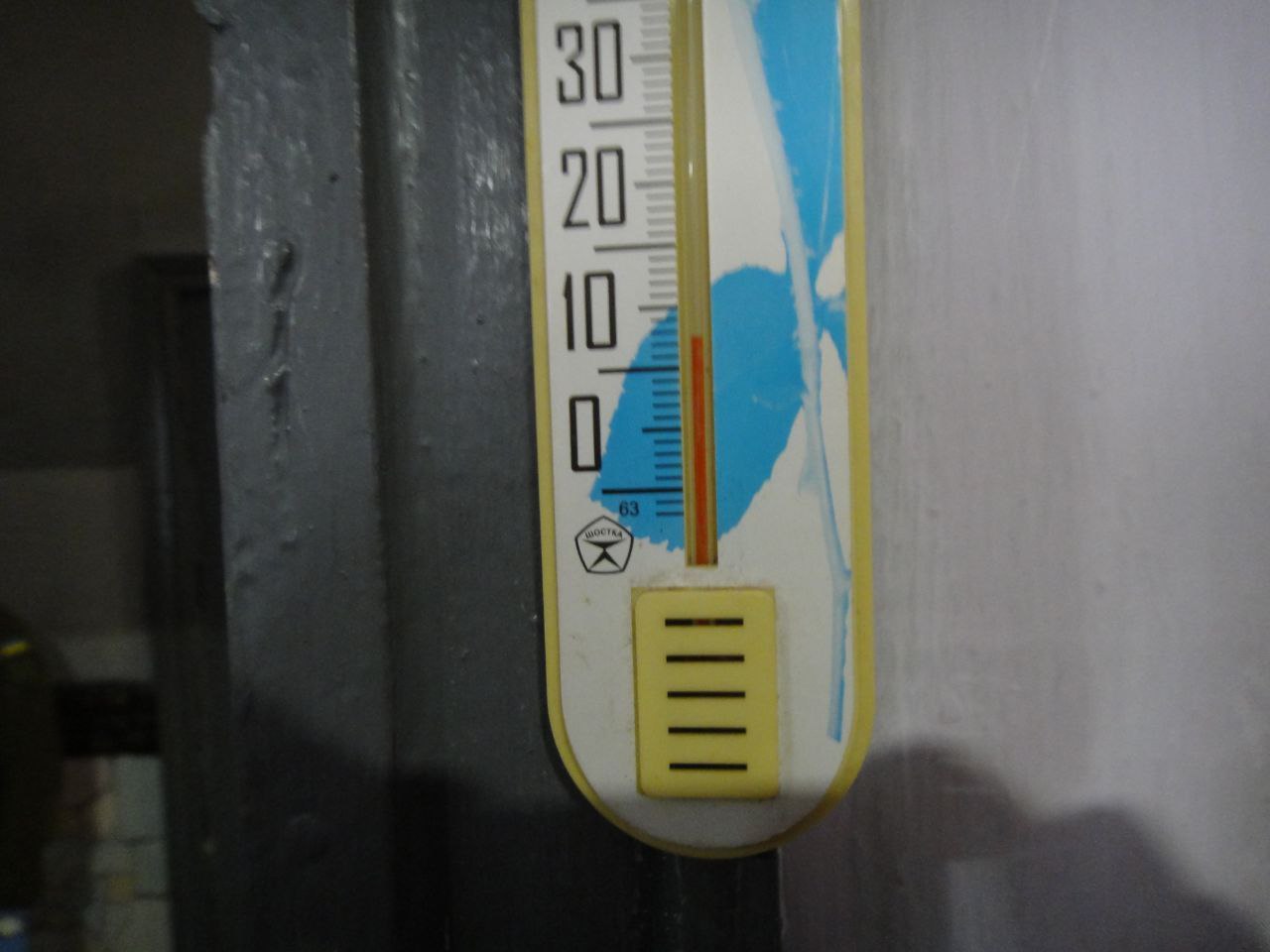
6. In the residential premises of the QDDU, the monitoring group recorded a violation of the temperature regime. Thus, at the time of the inspection, the air temperature in the residential premises was plus 13 °C, whereas according to clause 1 of Section XXII of the Internal Regulations, during the cold season, the temperature in residential premises of correctional institutions must be maintained at a level of no less than plus 18 °C.
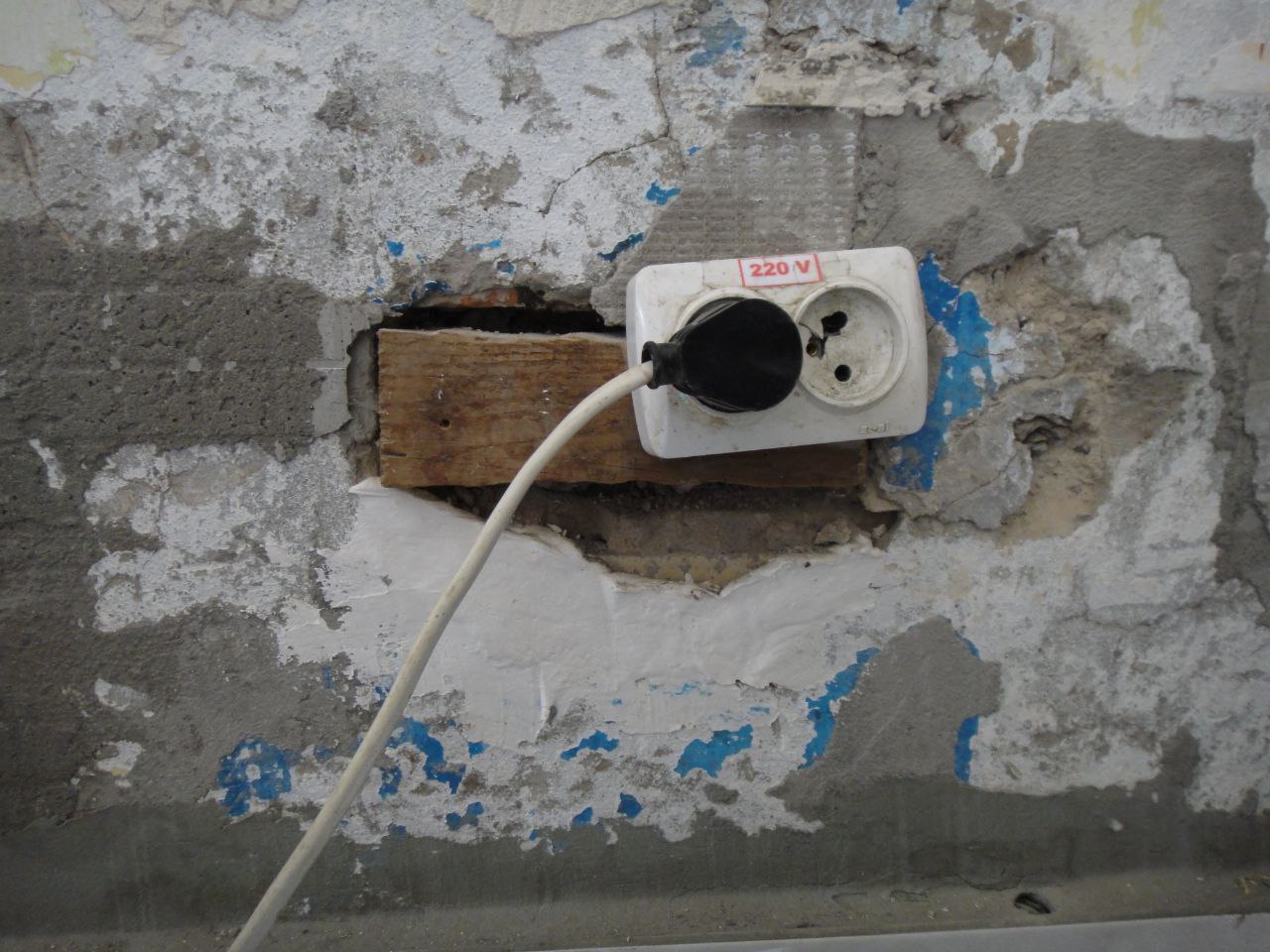
7. During the inspection of the QDDU premises, the use of an electrical socket installed on a combustible (wooden) base/structure was discovered, which is a gross violation of clause 1.17 of Section IV of the Fire Safety Rules in Ukraine, approved by Order of the Ministry of Internal Affairs of Ukraine dated 30 December 2014 No. 1417 (hereinafter — Fire Safety Rules).
8. Clause 1 of Section XXIII of the Internal Regulations defines that the supervision of prisoners is a system of measures aimed at ensuring the serving and execution of criminal sentences in the form of restriction and deprivation of liberty, life imprisonment, and arrest through 24-hour and constant monitoring of the behaviour of prisoners in their places of residence and work, preventing and stopping their illegal actions, and ensuring the requirements of prisoner isolation and the safety of correctional institution staff. Thus, during the inspection of the QDDU residential premises, an installed video surveillance camera was recorded.
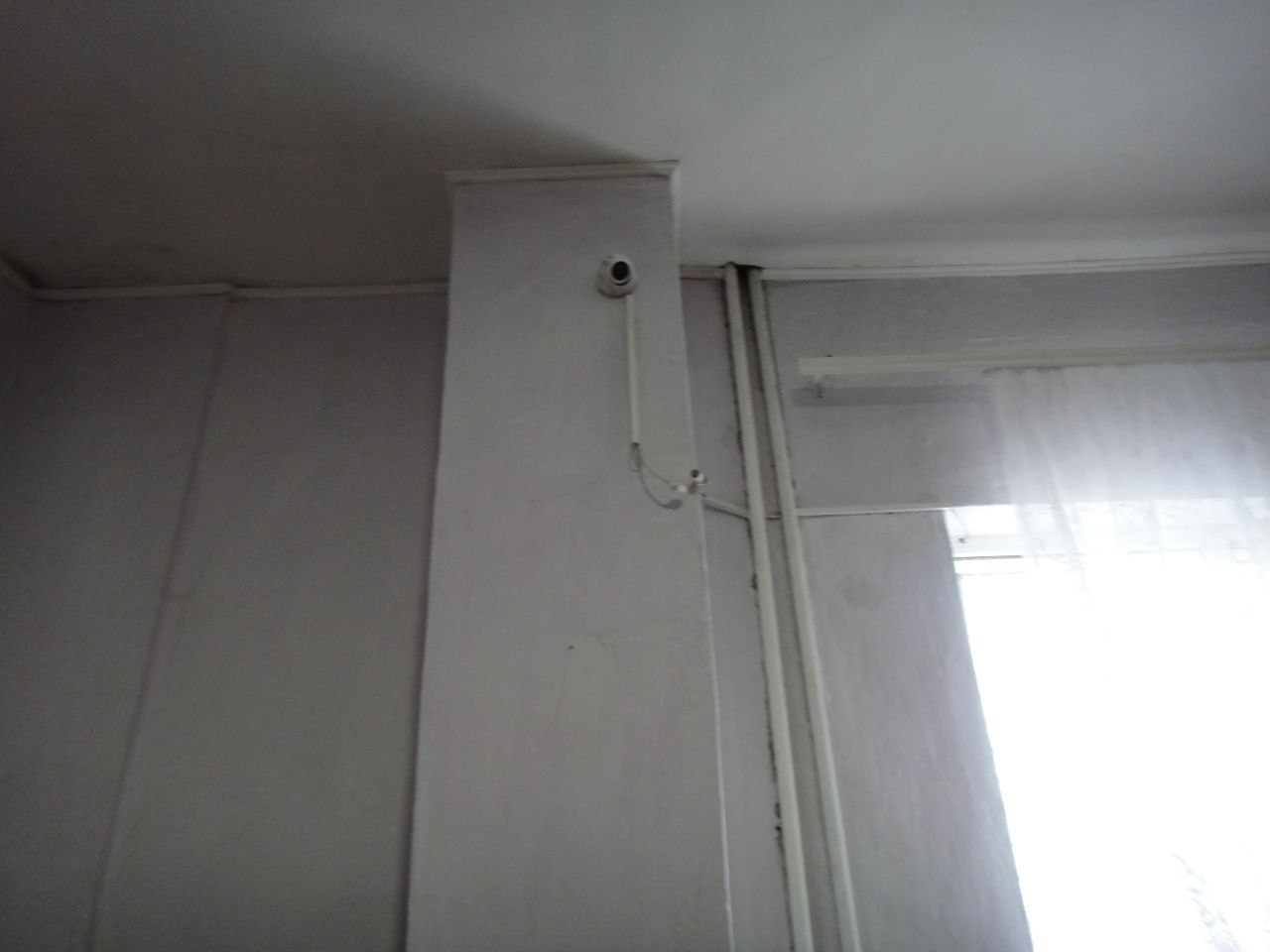
At the same time, in its 2012 report, the Committee criticised excessive interference with privacy through the installation of video cameras in prisoners’ residential premises: “The CPT agrees that video surveillance in cells can be a useful safeguard in certain cases, for example, when a person is considered a concern regarding the risk of self-harm or suicide, or if there are specific suspicions that a prisoner is engaging in certain activities in the cell that could jeopardise safety.”
“However, any decision to apply video surveillance to a specific prisoner must always be based on an individual assessment of real risks and must be reviewed frequently on a regular basis. Video surveillance is a serious interference with the privacy of prisoners and makes the regime even more repressive, particularly when applied over a long period.” (CPT/Inf (2013) 23, paragraph 52).
9. The monitoring group investigated the issue of compliance with the rights of individuals regarding whom a decision on extradition to Ukraine has been made by the competent authority of a foreign state. During conversations with the extradited persons, no complaints of improper, cruel, or degrading treatment were recorded.
In the pre-trial detention section, two renovated cell-type rooms were inspected, where two extradited persons were held, for whom repair works had been carried out in compliance with the living space standard of 4 m² per person.
At the same time, the monitoring group identified a number of violations, in particular an insufficient level of natural lighting. In accordance with Annex Zh “Normative indicators of lighting for residential building premises” of the State Building Norms (DBN) V.2.5-28:2018 “Natural and Artificial Lighting”, approved by Order of the Ministry of Regional Development, Construction and Housing and Communal Services of Ukraine dated 3 October 2018 No. 264, the illumination of work surfaces in sleeping and residential premises should be 150 LUX. Instead, only 18.6 LUX was recorded in cell No. 16, which is significantly lower than the established standards. There is no supply-and-exhaust ventilation.
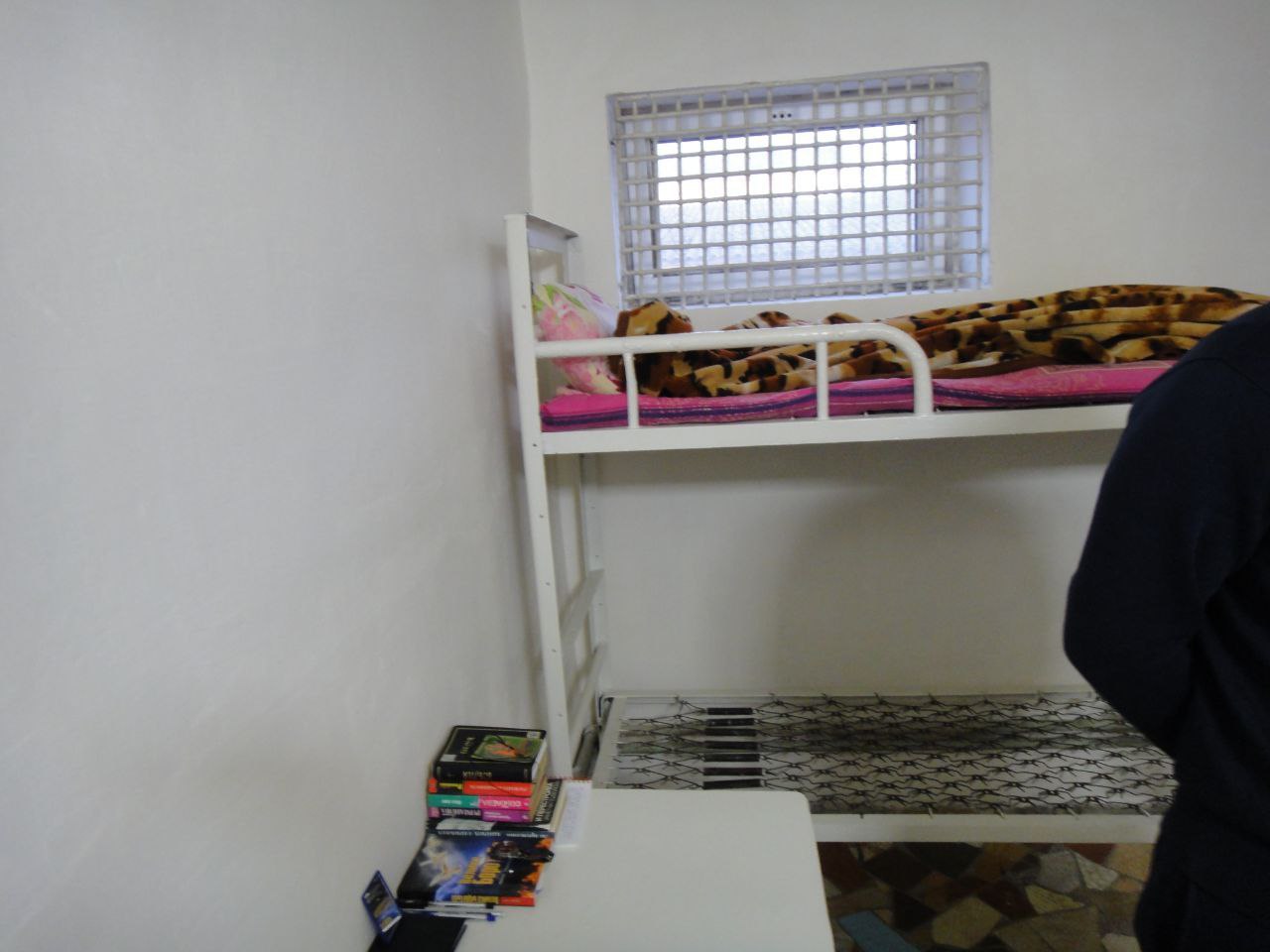
The monitoring group established that extradited persons are held in cells alone for long periods. At the same time, according to paragraph 53 of the 21st General Report of the Committee, it is noted that solitary confinement can have extremely devastating consequences for the psychological, somatic, and social health of these individuals, which can arise immediately and intensify depending on how long this measure lasts and how uncertain it is in time. Furthermore, it can create conditions for intentional ill-treatment of prisoners out of the sight of other prisoners and prison staff. (CPT/Inf (2011) 28).
In violation of the requirements of paragraph 22.5 of the European Prison Rules and the Procedure for provision, accounting, and operation of furniture, inventory, and household items and the norms of their provision and operation in correctional institutions and pre-trial detention centres of the State Criminal Executive Service of Ukraine, approved by Order of the Ministry of Justice of Ukraine dated 27 July 2012 No. 1118/5, registered with the Ministry of Justice of Ukraine on 30 July 2012 under No. 1274/21586 (hereinafter — Provision Norms), the cell premises are not equipped with a drinking water tank with a capacity of 15 litres with a water tap, a lid, a mug, and a basin.
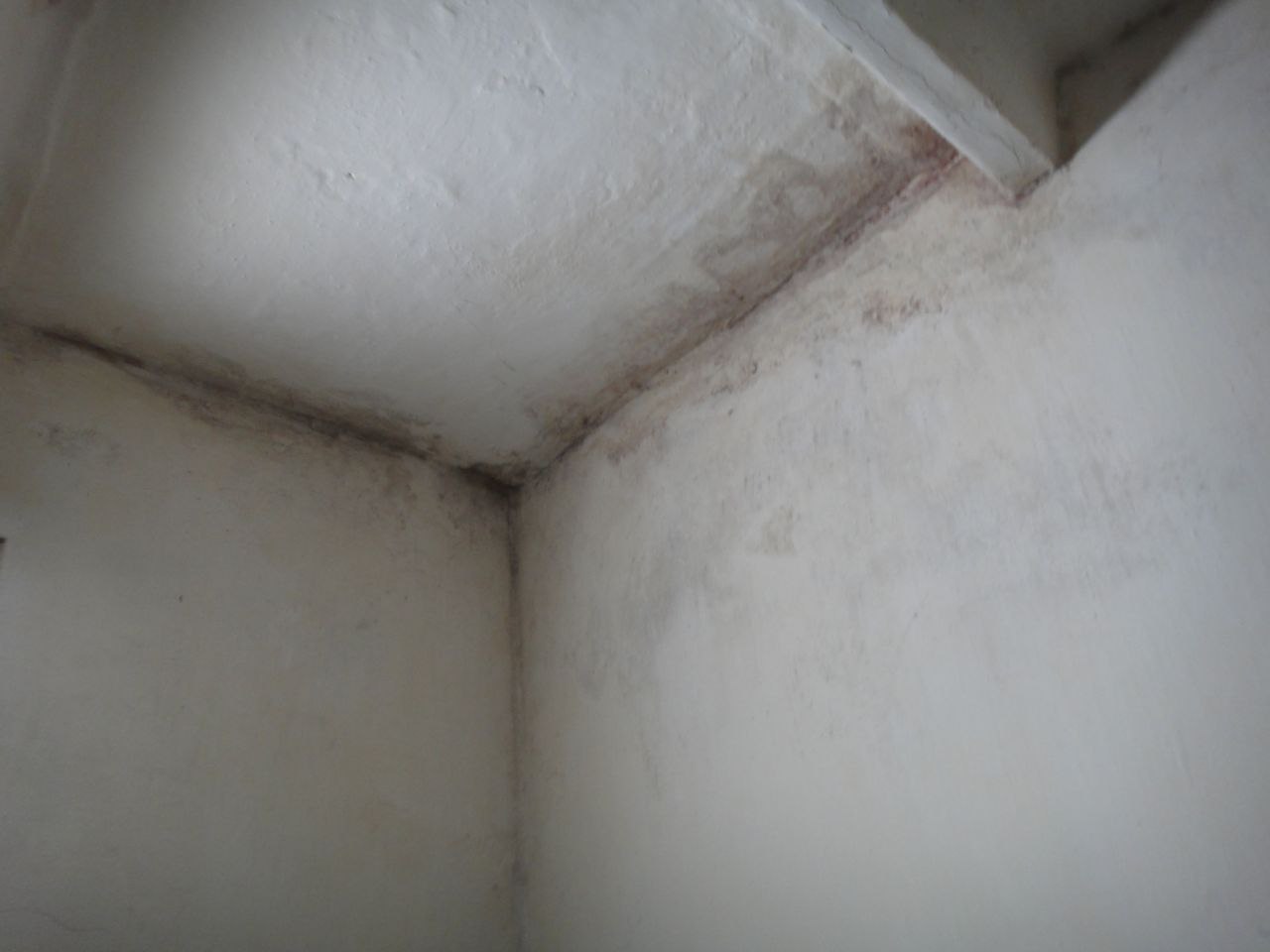
In this regard, prisoners are forced to consume technical water from the central water supply or buy drinking water at the institution’s shop. On the ceiling of cell No. 16, excessive humidity and traces of mould can be observed due to water leakage.
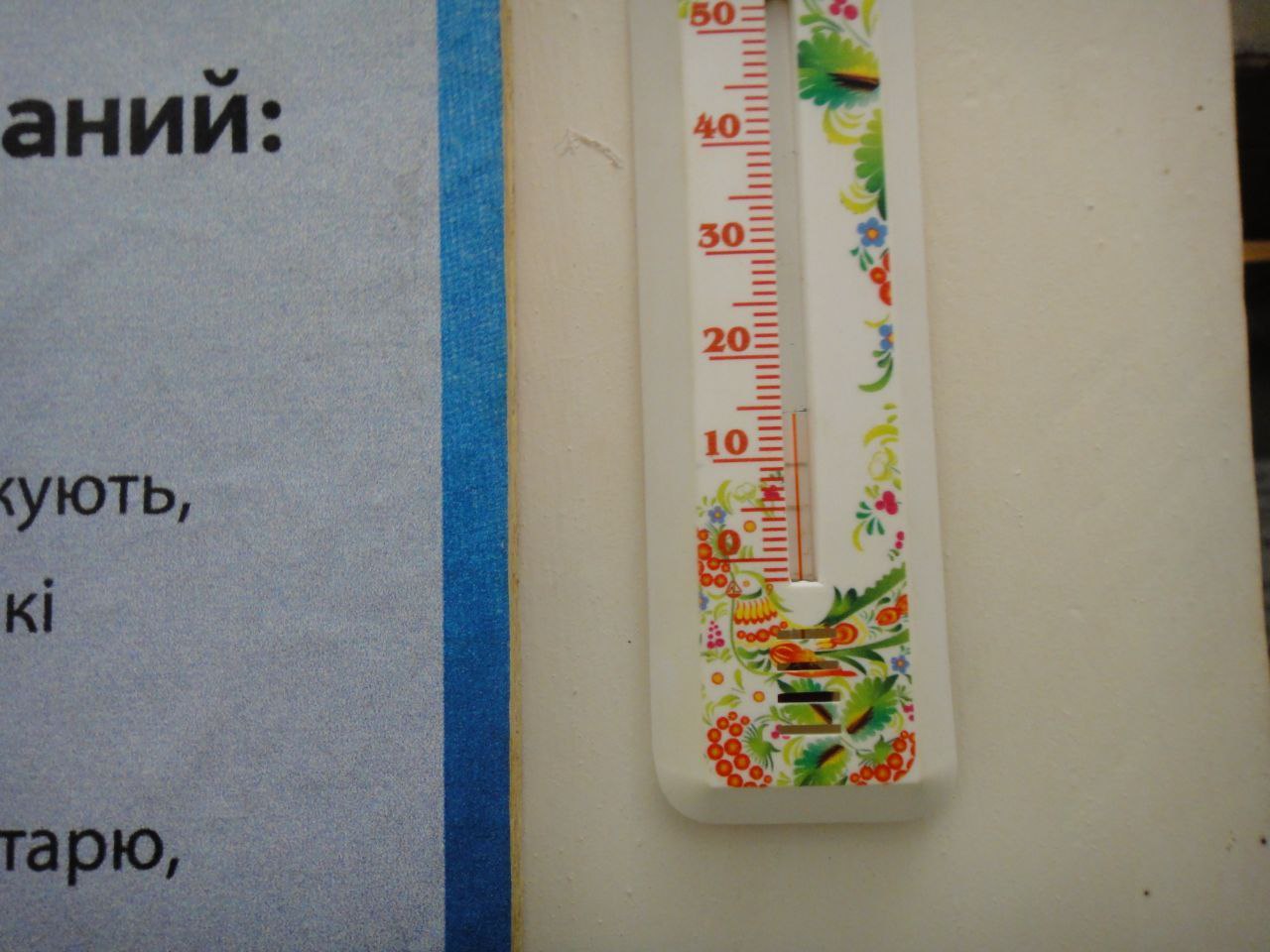
In the same room, a violation of the temperature regime was recorded: at the time of the inspection, the air temperature was +14 °C, whereas according to clause 1 of Section XXII of the Internal Regulations, during the cold season, the temperature in residential premises must be no lower than +18 °C (a similar violation occurred in cell No. 9).
The sanitary facility in cell No. 16 is not equipped with sufficient partitions ensuring privacy, which contradicts the requirements of clause 19.3 of the European Prison Rules.
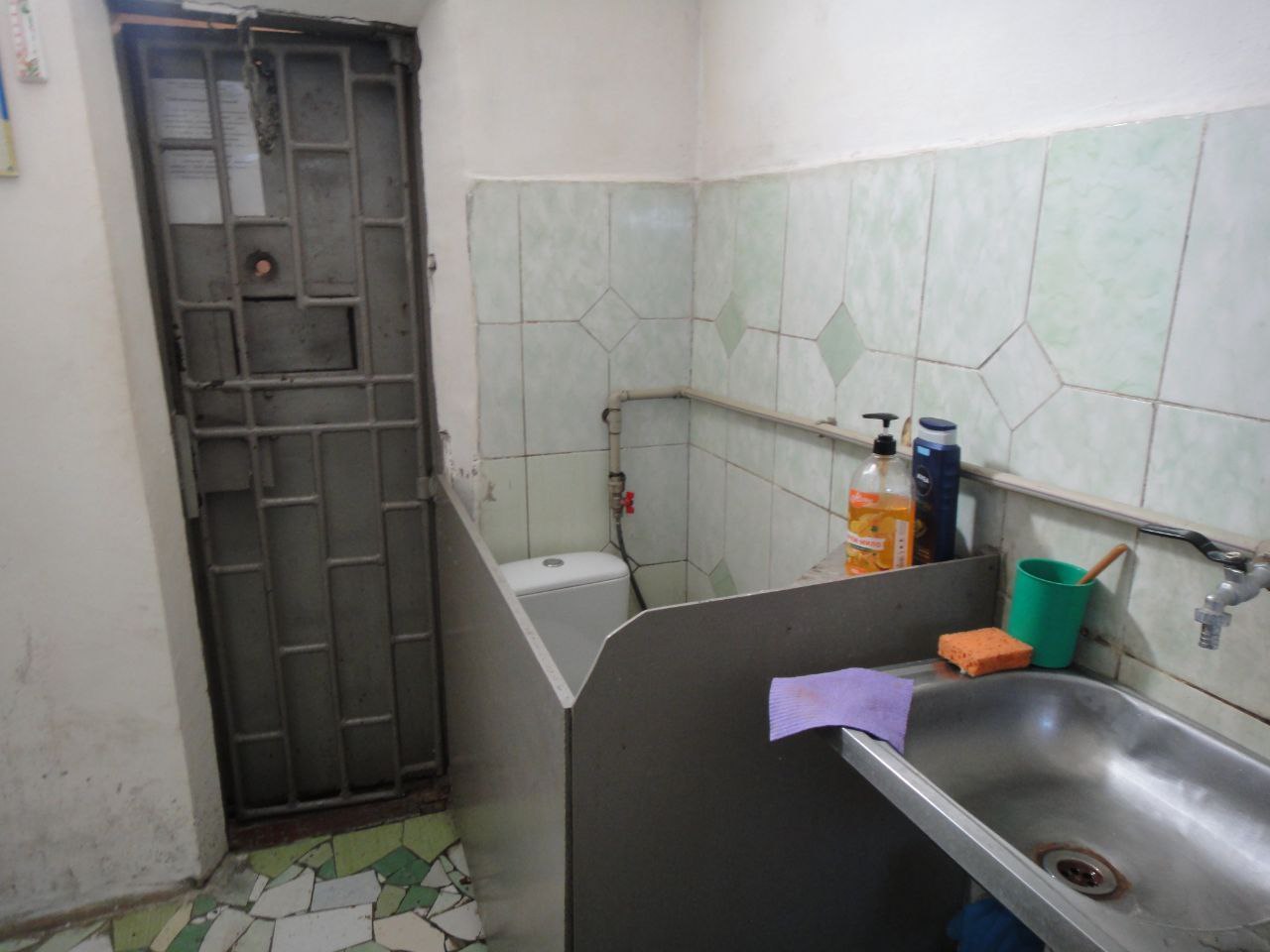
At the same time, in the report to the Government of Ukraine on the results of the 2023 visit, the Committee called on the Ukrainian authorities to take measures to improve material conditions of detention, in particular to keep all places where prisoners and detainees are held, including sanitary facilities, in a proper state of repair and hygiene, to regularly conduct disinfestation, to ensure sufficient access to natural light and ventilation, and to equip internal sanitary facilities with partitions from floor to ceiling.
Exercise yards Nos. 1 and 2 do not have sufficient shelter from atmospheric precipitation and are not sufficiently equipped with sports equipment or other means for physical activity.
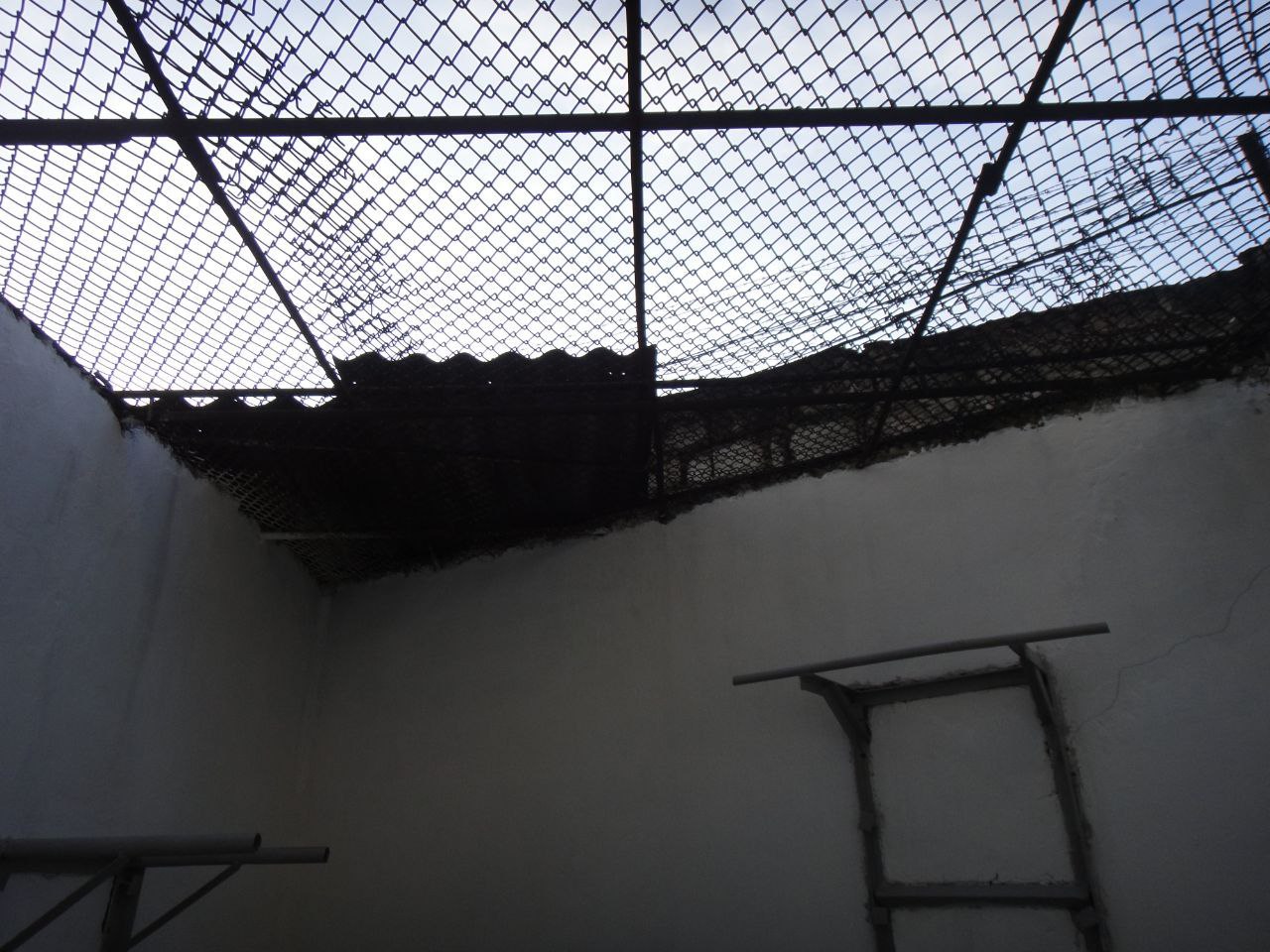
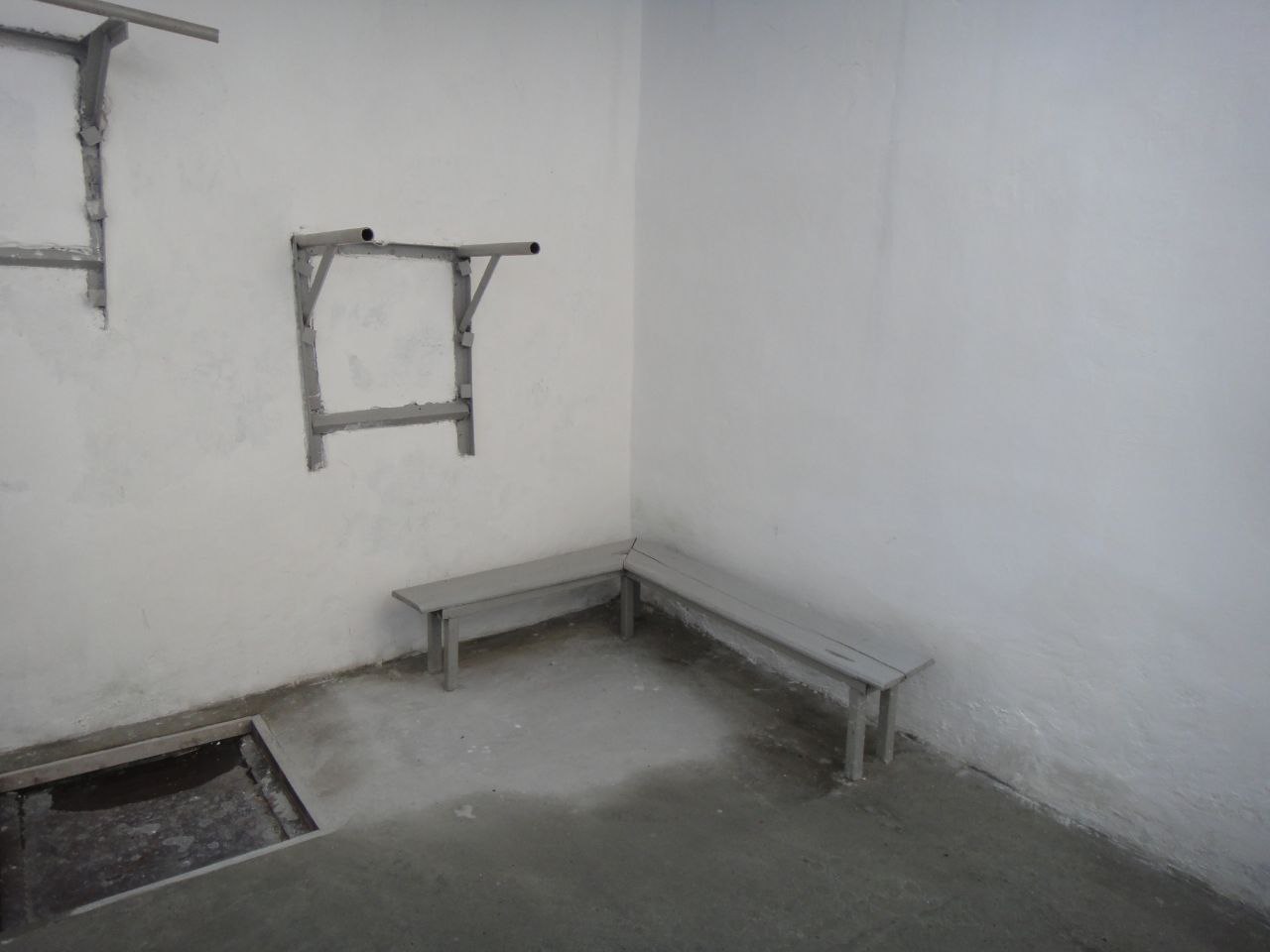
Regarding physical activity and leisure outside the cells, prisoners are ensured the right to a daily walk in the fresh air lasting at least one hour.
However, the institution’s staff did not offer any alternative types of out-of-cell activities. In this context, the Committee, in its 2023 report, states that the situation with out-of-cell activities for detainees has not improved since the 2017 visit. As before, with the exception of a small number of those working, adult detainees (including women) in the visited institutions remain in cells for up to 23 hours a day, having limited access to out-of-cell activities, apart from daily walks and, in some cases, episodic visits to the gym.
Walks last only one hour a day (sometimes a little longer for women) in small courtyards with a depressing design (high walls that restrict the view). Inside the cells, the main means of leisure are a television, books, and board games.
The Committee expresses concern about the prolonged stay of individuals in such conditions and calls on the authorities to develop activity programmes for detainees, as well as to arrange more spacious exercise yards with the possibility of physical exercise and a better view. (CPT/Inf (2024) 20, paragraph 58).
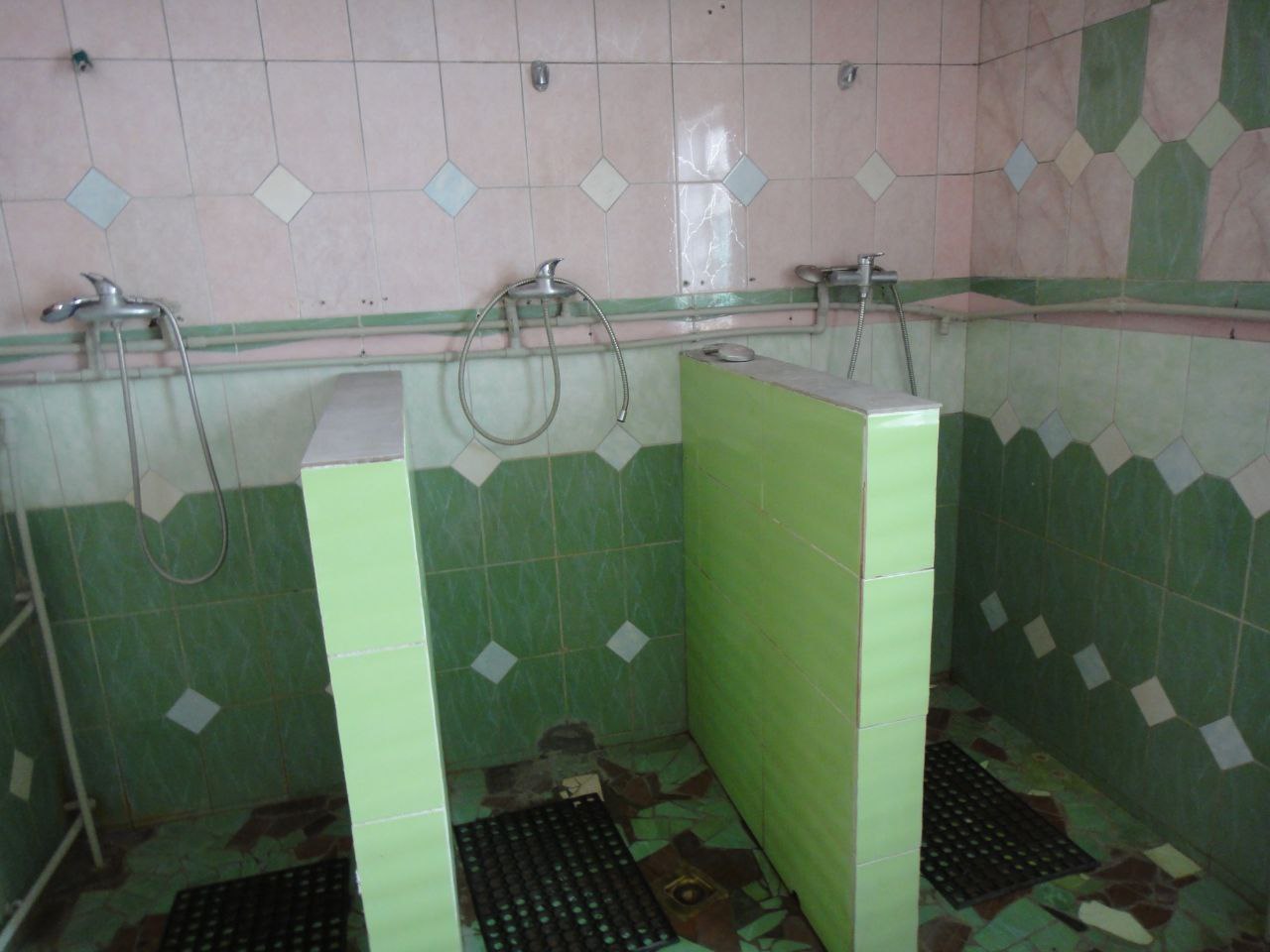
Cell premises are not equipped with shower cabins, in connection with which prisoners are taken to a shower on the territory of the DIZO/PKT unit. At the same time, during the inspection of the shower, a violation of the right to privacy was established due to the absence of curtains on the shower partitions, which violates the requirements of Rule 19.3 of the European Prison Rules.
On the outer doors of the cell premises, there are name tags with a brief description of the crimes for which the individuals in the cells are suspected.
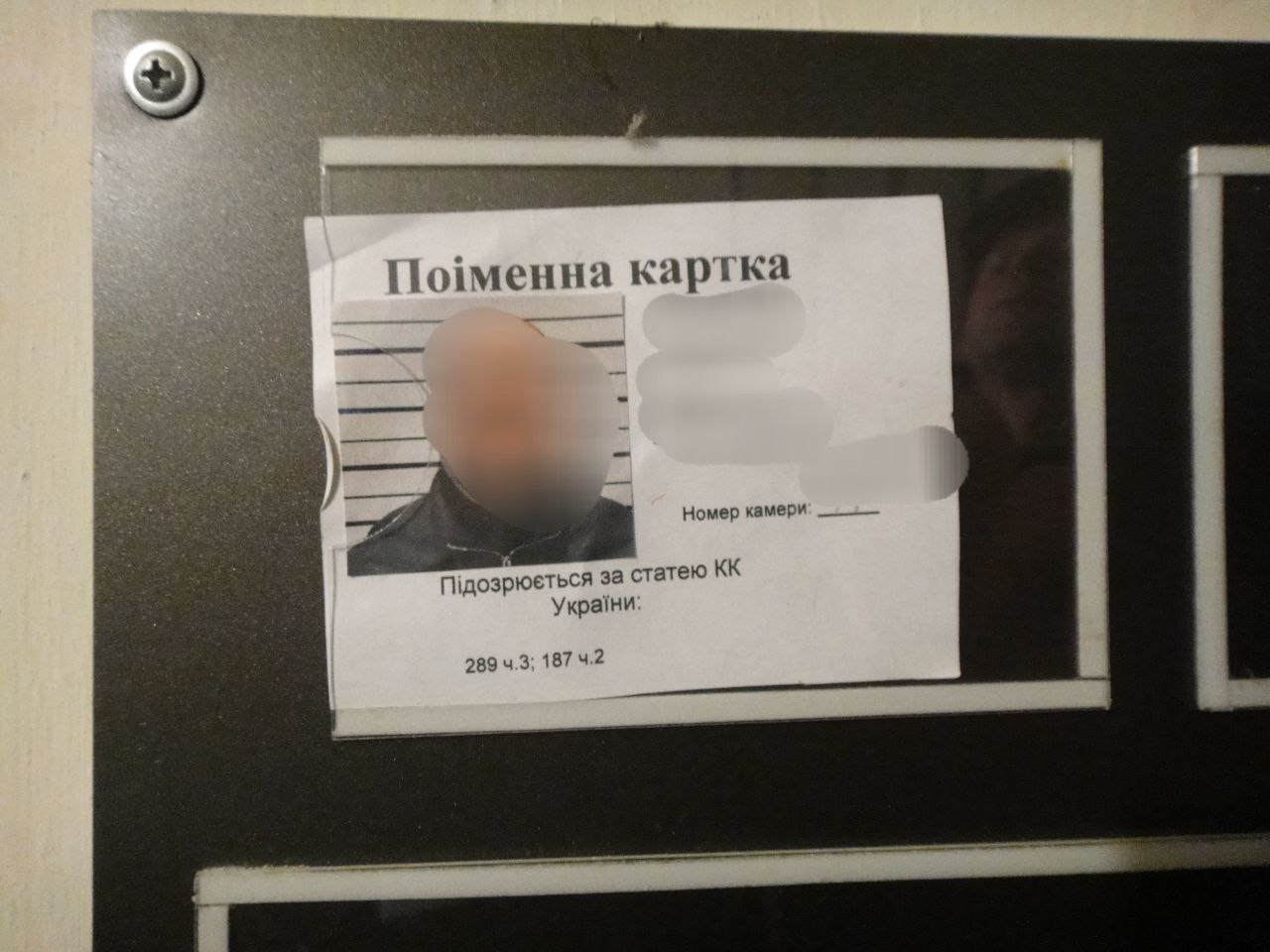
In its report on the results of the 2020 visit to Ukraine, the Committee noted that this practice should be stopped, as it serves no reasonable purpose and, apart from stigmatisation, has the effect of damaging the relationship between prisoners and prison staff. (CPT/Inf (2020) 40, paragraph 52).
During the conversation, the prisoners reported that neither upon arrival at the institution nor subsequently did the administration and staff provide them with any information regarding the availability of shelter for protection against possible shelling and the procedure for actions in the event of an “Air Raid” signal. In addition, according to them, during an air raid, the institution’s staff did not suggest going down to the shelter.
This indicates that prisoners remain unprotected in cell premises during an air raid, which creates a real risk to their life and health in the conditions of the armed aggression of the Russian Federation against Ukraine.
The monitoring group investigated the issue of the shelter available in the institution, which is located in the vegetable storage room in the basement.
However, contrary to the requirements of the Civil Protection Code of Ukraine, the Procedure for the creation, maintenance of the fund of civil protection structures, exclusion of such structures from the fund, and keeping records of it, approved by Resolution of the Cabinet of Ministers of Ukraine dated 10 March 2017 No. 138, and the Requirements for the maintenance and operation of civil protection structures, approved by Order of the Ministry of Internal Affairs of Ukraine dated 9 July 2018 No. 579, conditions for staying in the shelter are not ensured.
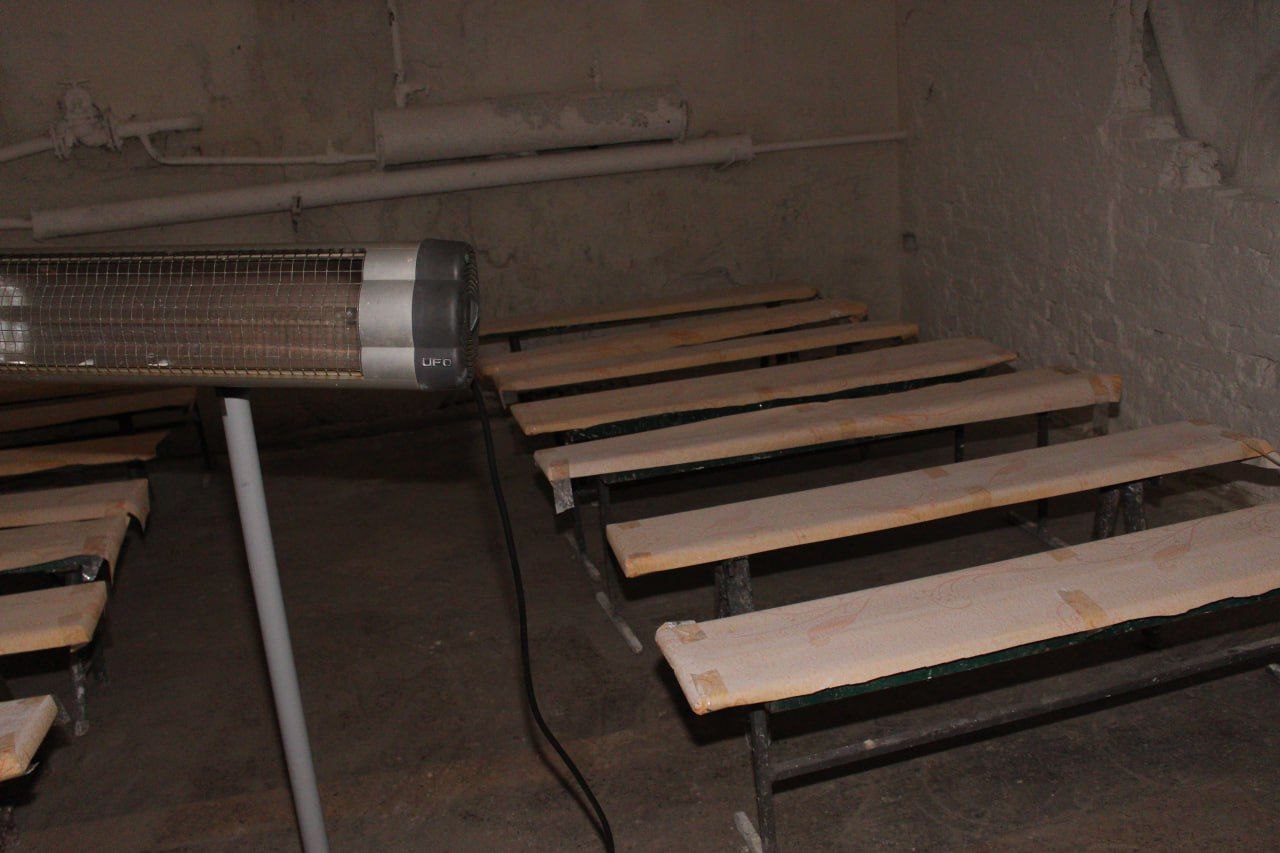
In particular, the shelter premises do not meet the established requirements due to the lack of proper artificial lighting, water supply, and sewage systems, which makes it impossible to arrange a sanitary unit and a washbasin and prevents compliance with sanitary and hygienic standards. Also, the premises are not equipped with ventilation, fire extinguishing equipment, drinking water tanks, or other necessary elements of a safe shelter.
Thus, these circumstances may significantly affect the decision-making process of the competent authorities of foreign states regarding the extradition of individuals suspected or accused of committing a crime to Ukraine.
10. During the visit to the institution’s Disciplinary Isolation Ward (hereinafter — DIZO), it was established that, in violation of clause 4 of Section IV of the Procedure for the use of technical means of supervision and control in correctional and educational colonies of the State Criminal Executive Service of Ukraine, approved by Order of the Ministry of Justice of Ukraine dated 26 June 2018 No. 2025/5 (hereinafter — Procedure for the use of technical means), the DIZO/PKT cells are not equipped with staff call buttons, which complicates operational contact between prisoners and the institution's staff.
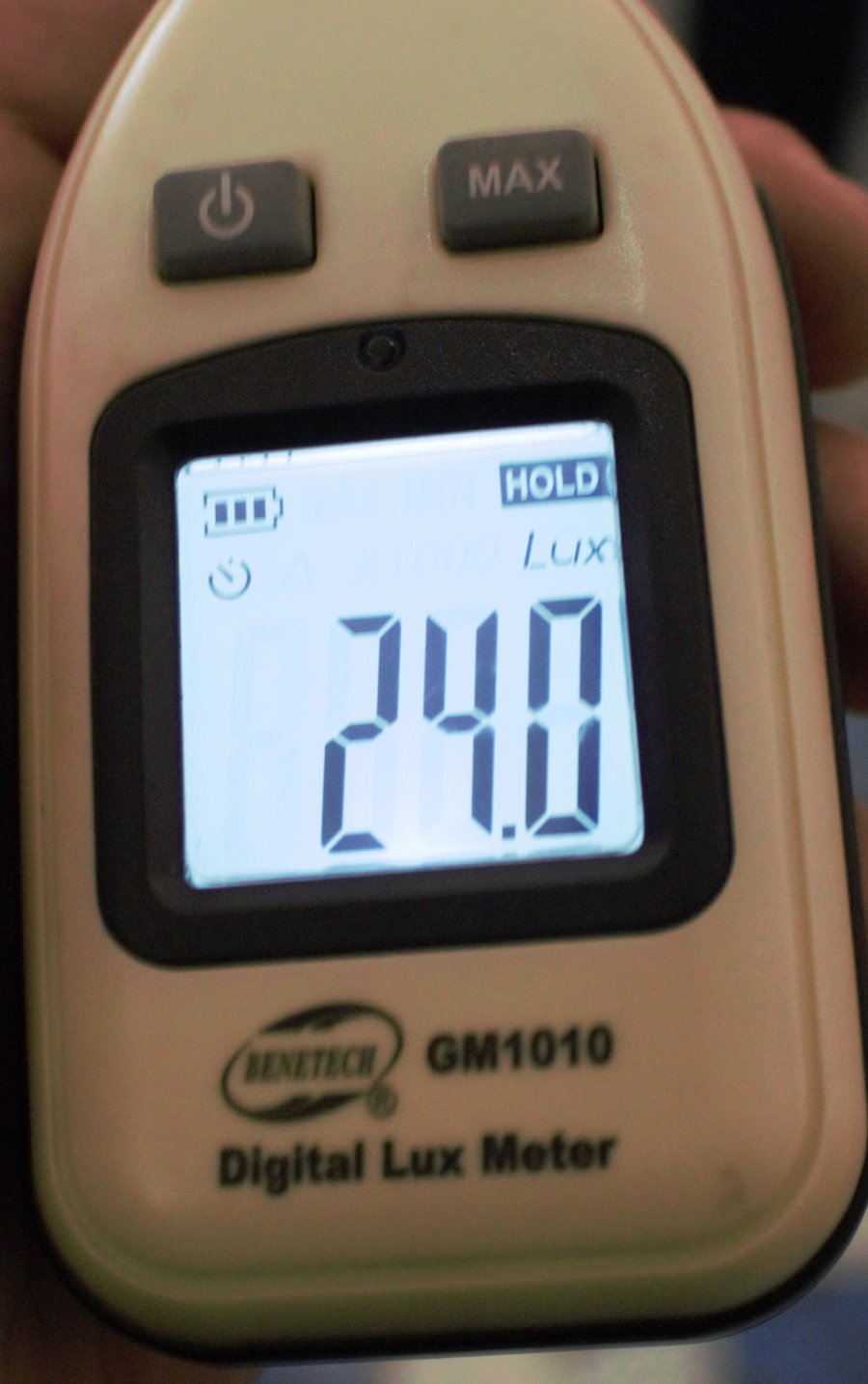
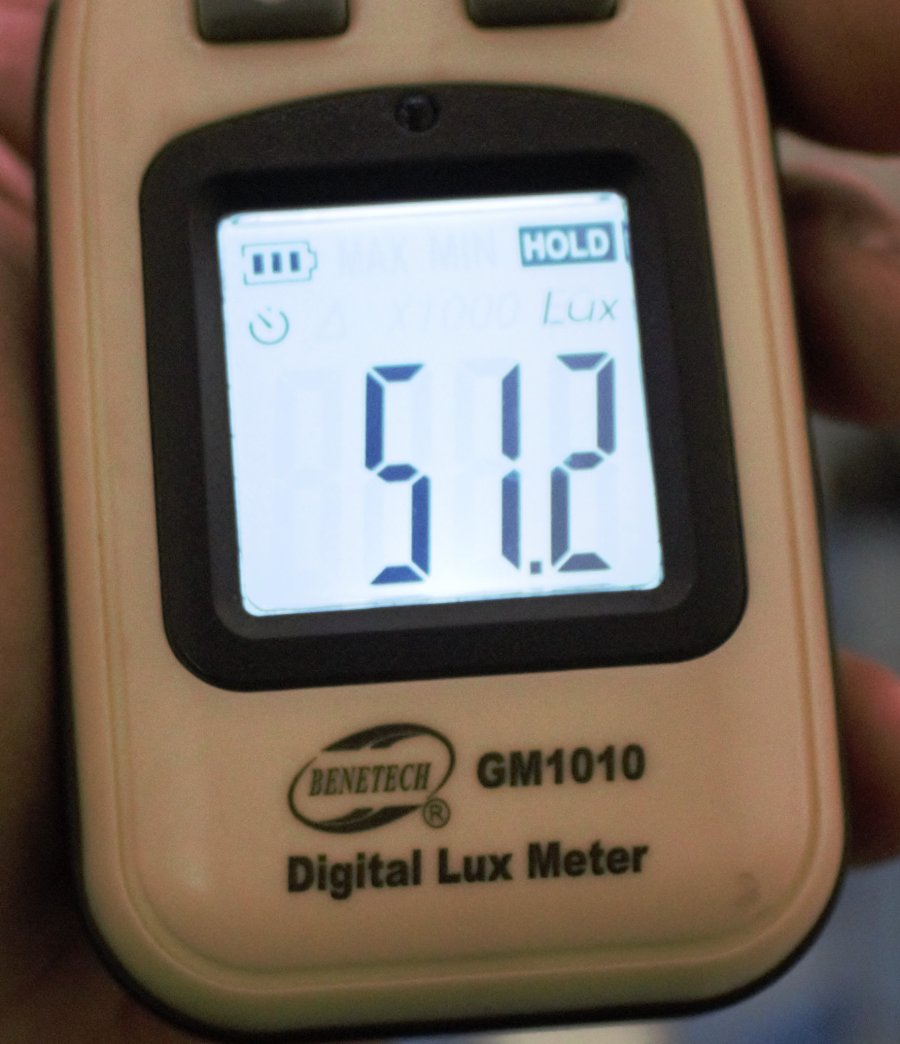
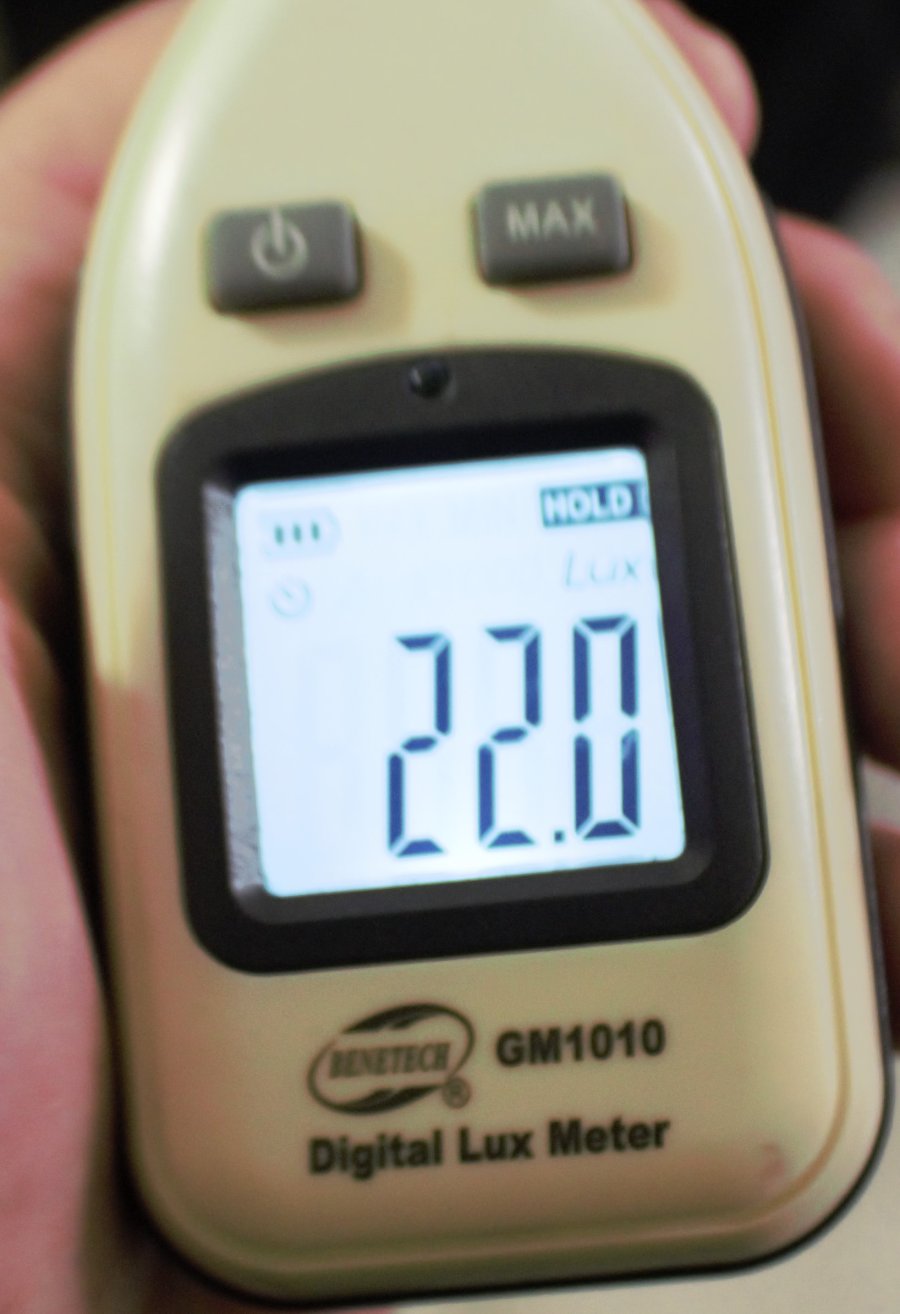
In the cell premises, a sufficient level of natural lighting and ventilation is not ensured.
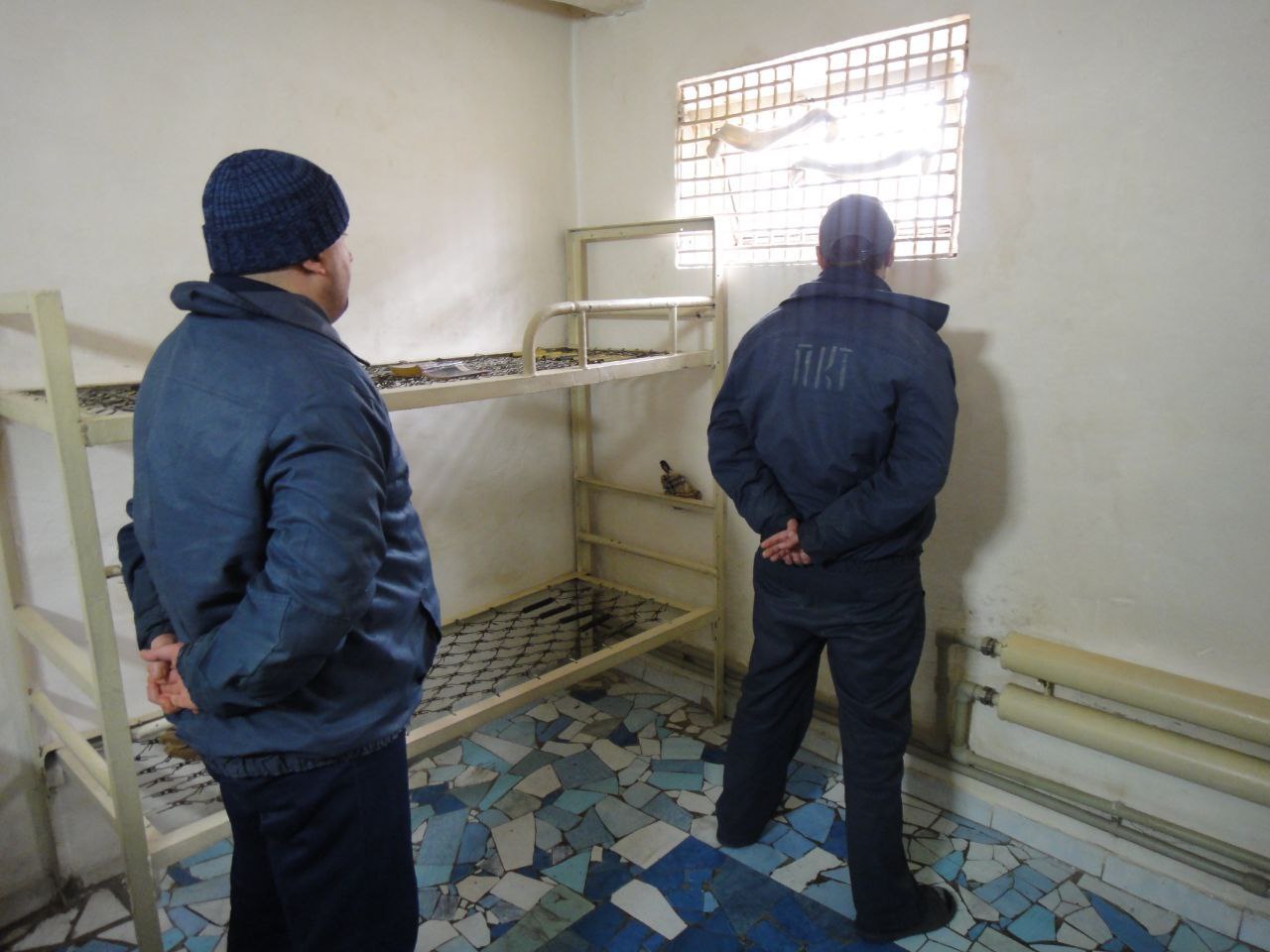
In cell No. 14, 61.1 LUX of artificial and 19.2 LUX of natural lighting were recorded.

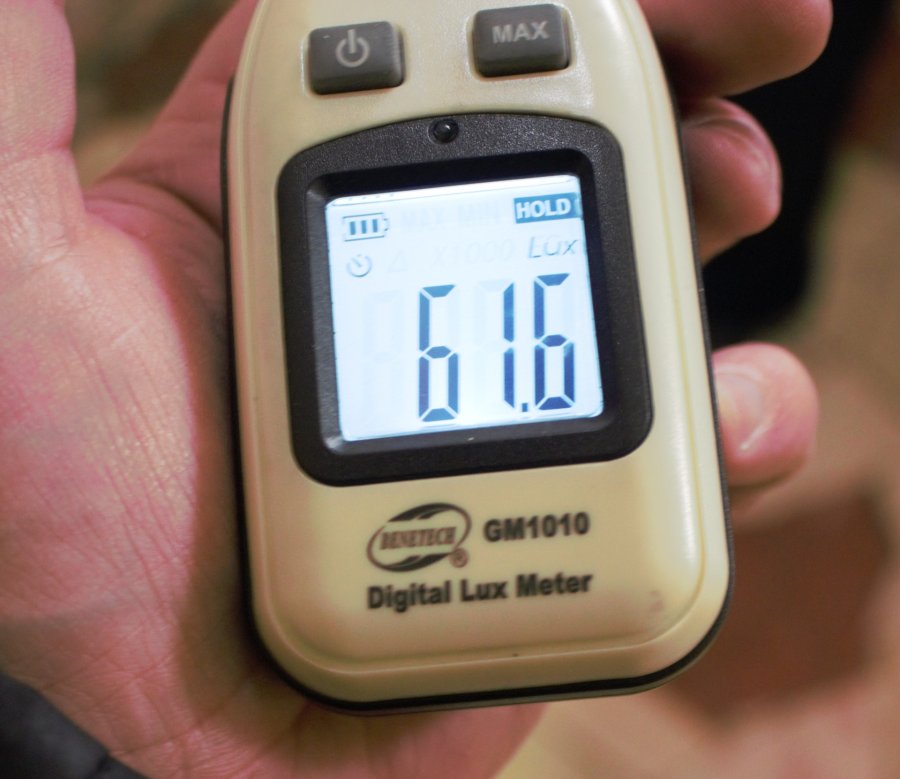
In cell No. 13 — 51.2 LUX of artificial and 24.0 LUX of natural lighting.
In cell No. 11 — 22.0 LUX of natural lighting.
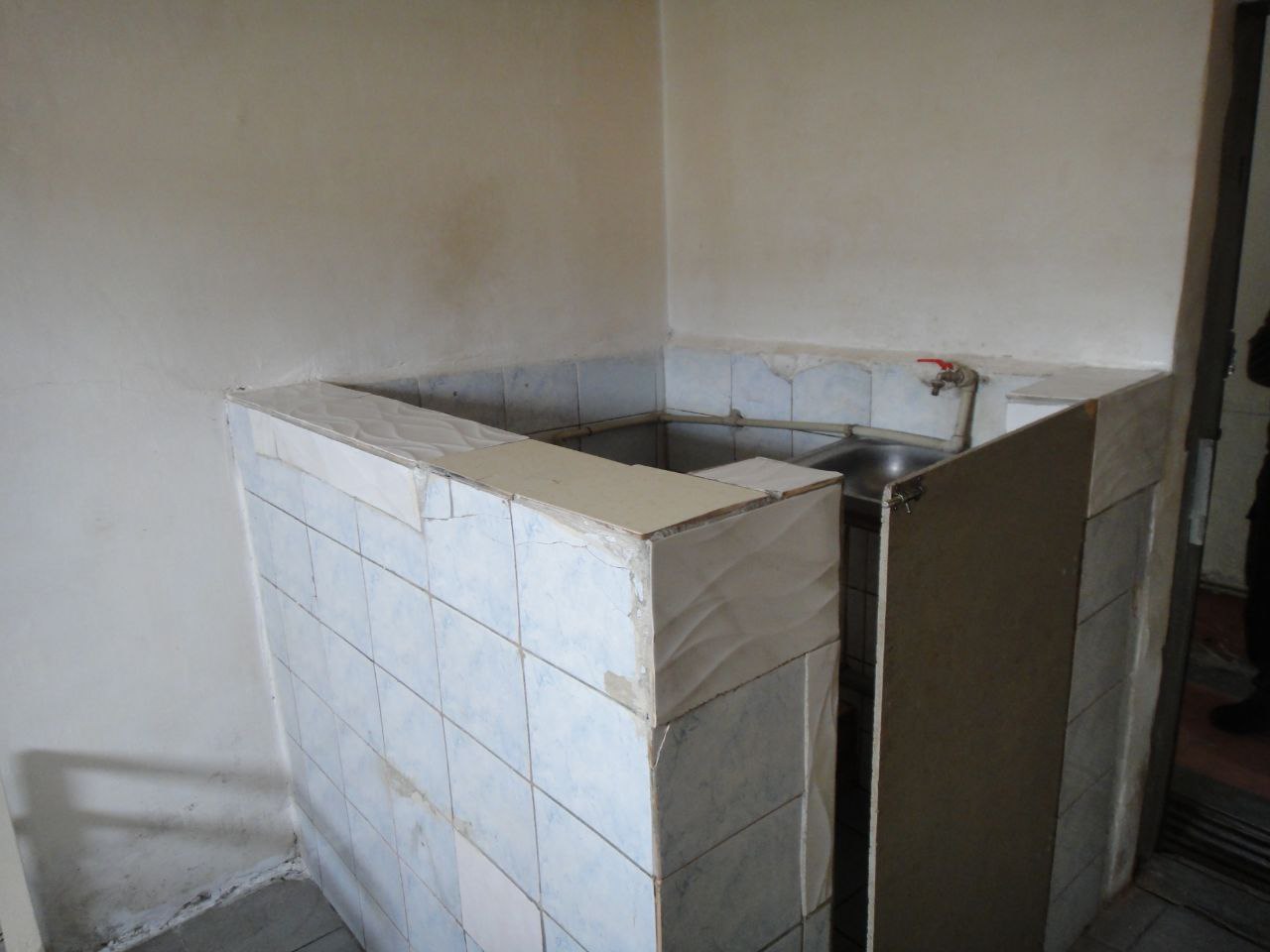
The sanitary facilities are not equipped with sufficient partitions, and in some cases, such partitions ensuring privacy are completely absent, which violates Rule 19.3 of the European Prison Rules.
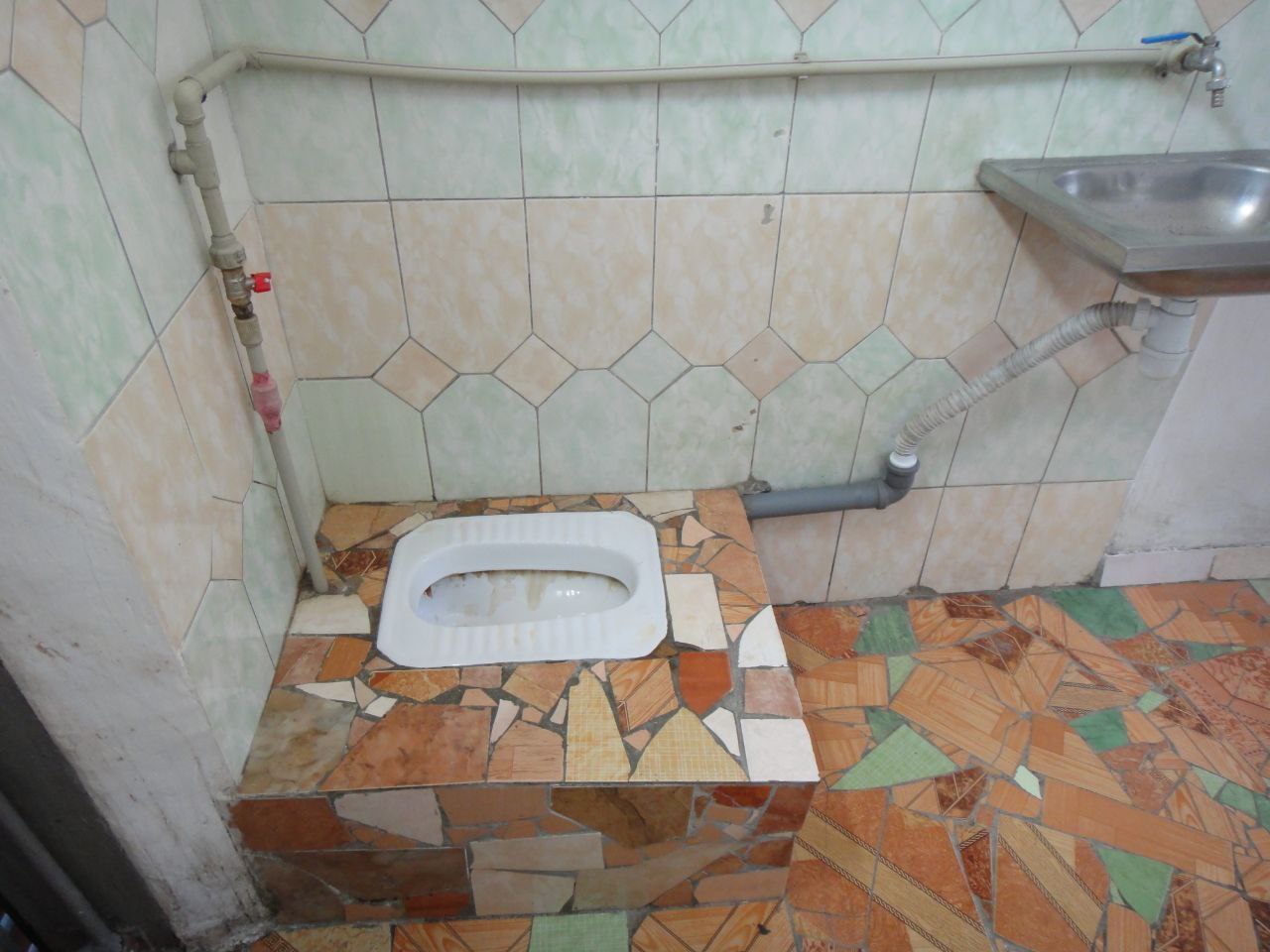
Furthermore, contrary to the requirements of Rule 22.5 of the European Prison Rules and the Provision Norms, individual cell premises are not equipped with drinking water tanks, and the floors in the cells are concrete.
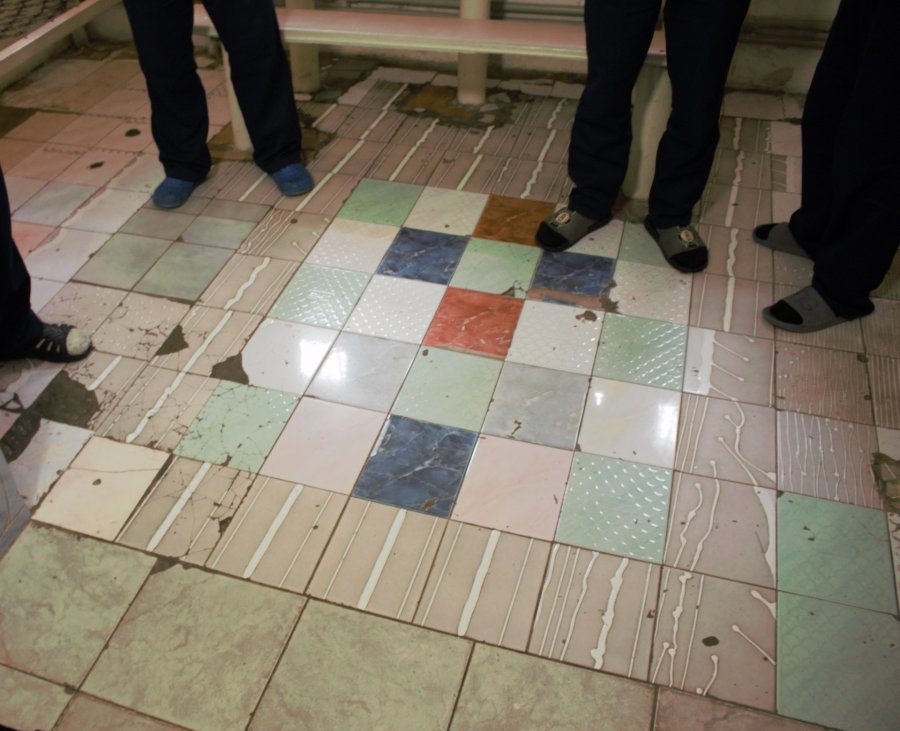
The Internal Regulations of Correctional Institutions (Order of the Ministry of Justice No. 2823/5 dated 28 August 2018) state in Clause 2.5 of Section II: Institutions must be equipped in accordance with sanitary and hygienic standards and fire safety requirements. Although officially cancelled in 2020 (SanPiN 42-120-4437-87, SanPiN 1974-79), some standards are retained as recommended or used in the absence of new ones.
For example, these rules stated that the floor covering must ensure thermal insulation, be hygienic, and be convenient for cleaning.
In the European Prison Rules (EPR), it is stated: clauses 19.1, 19.3: All premises must be kept in good condition, be clean, well-ventilated, well-lit, and ensure minimum conditions of comfort, including protection from cold and humidity.
Also, in the KVK of Ukraine, Article 115 states: Convicted persons must be kept in premises adapted for this purpose, which meet the established standards and do not create a threat to health.
11. In violation of the requirements of the Provision Norms, a number of premises are missing in the DIZO/PKT, namely: a room for storing the exchange fund of bedding, clothing, and special protective clothing; a storeroom for the temporary storage of soiled bedding, clothing, and special protective clothing; a barbershop; and a changing room.
12. In violation of clause 2.14 of Section II of the Regulation on the organisation of laundry and bathing services for persons held in correctional institutions and pre-trial detention centres, approved by Order of the Ministry of Justice of Ukraine No. 849/5 dated 8 June 2021 (hereinafter — the Regulation), the institution does not ensure the provision of hairdressing services to convicted persons and detainees.
13. According to official documentation, the staff shortage in the institution as of 12 March 2025 constitutes 37.5 staff units. At the same time, in the report of the Government of Ukraine on the results of the 2023 visit, the Committee emphasises that ensuring a positive climate in a penitentiary institution requires the presence of a professional team of staff who must be present in sufficient numbers at any time in detention facilities.
An insufficient number of staff can only increase the risk of violence and intimidation between prisoners. A shortage of frontline staff also undermines the quality and level of measures offered to prisoners and jeopardises the prospect of preparation for release and social rehabilitation.
In this connection, the Committee calls on the Ukrainian authorities to take decisive measures to significantly increase the number of staff in Ukrainian penitentiary institutions where there is a low level of staffing, with the aim of strengthening the presence of security and surveillance staff inside the institutions. Measures must also be taken to put an end to the 24-hour shifts for staff on duty. (CPT/Inf (2024) 20, paragraph 93).
14. During the visit, the monitoring group recorded that the institution’s staff who directly contact prisoners openly carry special means, including rubber batons.
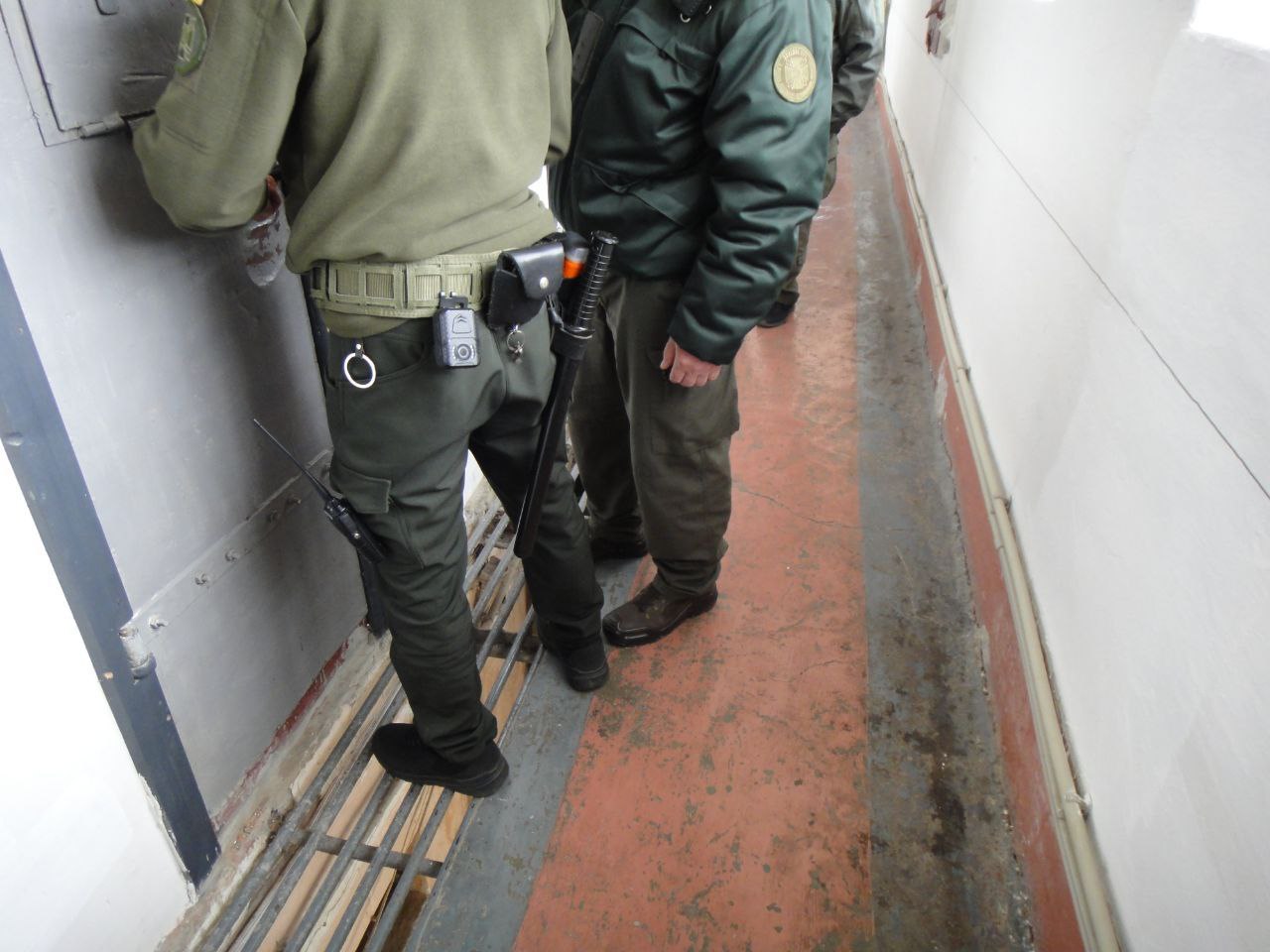
At the same time, according to paragraph 8 of clause 1 of Section XXVI of the Internal Regulations, the carrying of special means by correctional institution staff within the guarded territory of the correctional institution should, if possible, be kept as hidden from the environment as possible.
At the same time, the Committee recommends that penitentiary staff working in direct contact with prisoners should not carry special means (such as rubber batons, handcuffs, and tear gas canisters) openly before prisoners. Such carrying prevents the establishment of normal relationships between staff and prisoners (CPT/Inf (2011) 29, para. 85; CPT/Inf (2013) 23, para. 23; CPT/Inf (2014) 15, para. 166).
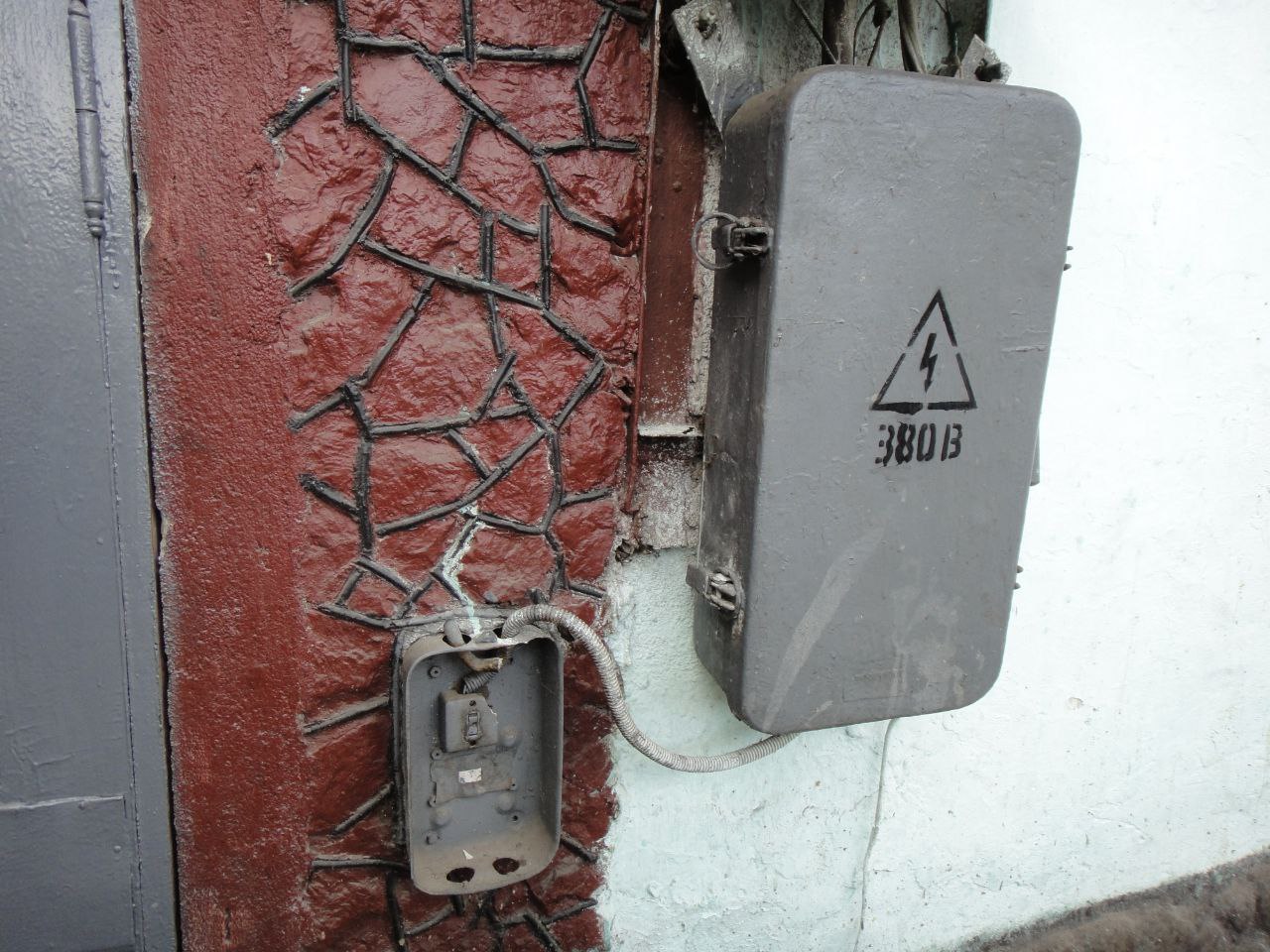
15. Some of the electrical panels and distribution cabinets in various premises of the institution are in an open state, which provides prisoners with free access to them. This is a gross violation of the Fire Safety Rules and creates the possibility for unauthorised interference in the electrical network, an increased threat of fire, and electric shock.
16. As of February 2025, 11 convicted persons were engaged in work in the institution’s canteen. In general, prisoners are also used in carpentry workshops and auxiliary farming.
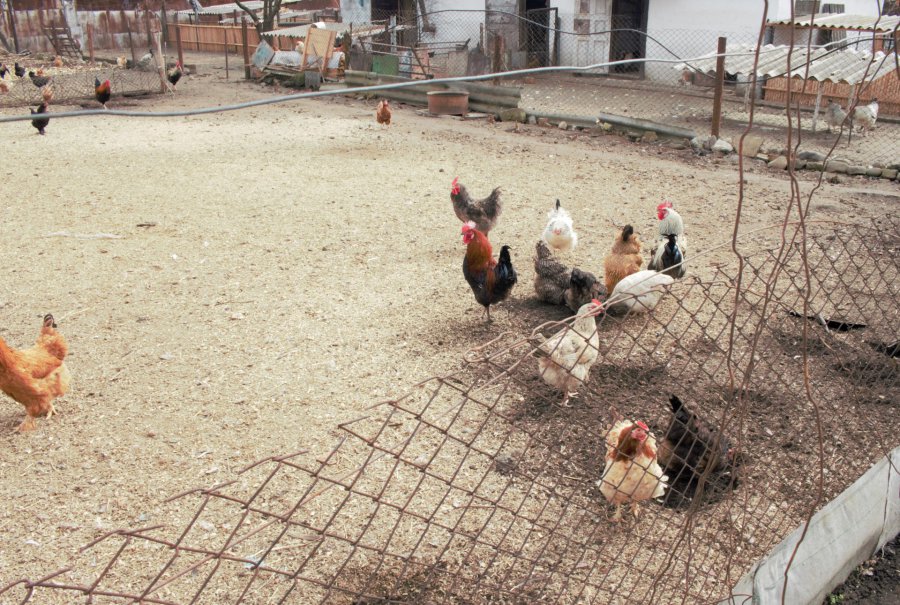
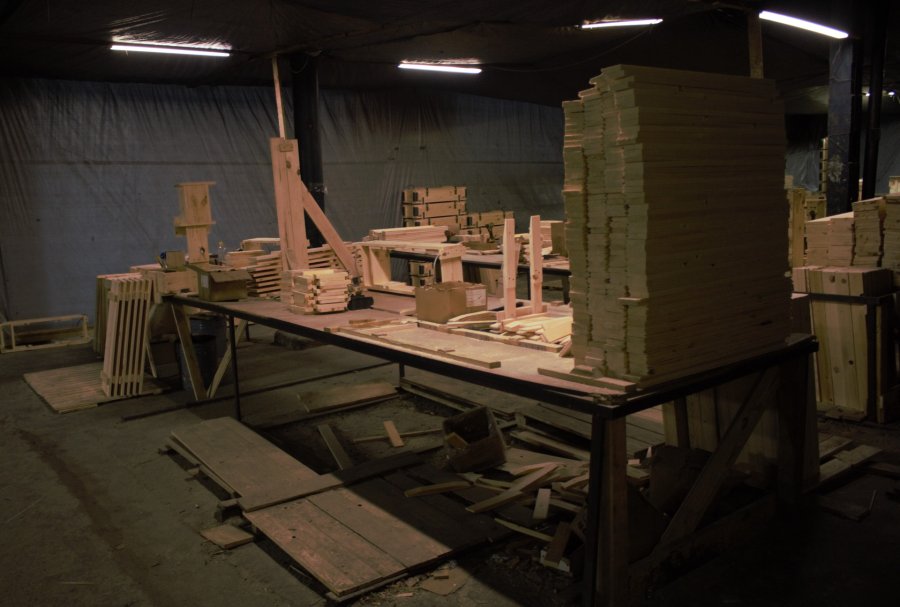
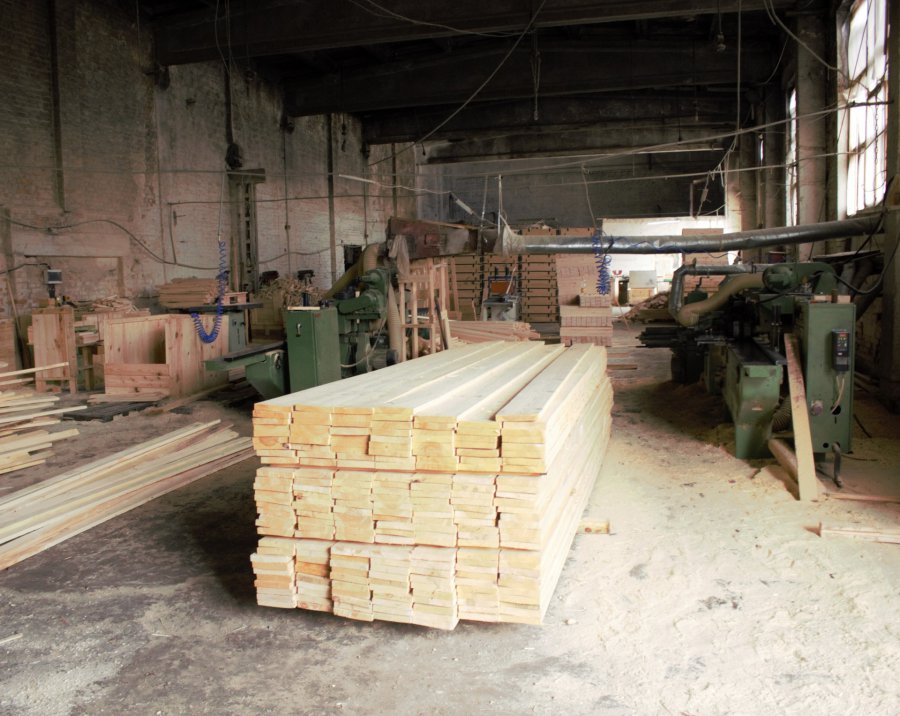
Convicted persons perform: catering (food preparation and distribution), manufacturing products in the carpentry workshop and other workshops, and caring for animals in auxiliary farming. Employment takes place under fixed-term employment contracts (for 1–2 months) or civil law contracts.
However, the terms of these contracts do not correspond to the content and duration of the work performed. Working conditions are characterised by systemic violations: exceeding working hours, the absence of occupational safety, sanitary conditions, and proper medical support.
Five prisoners worked in the canteen without concluded contracts or remuneration, which violates Article 43 of the Constitution of Ukraine, Article 118 of the Criminal Executive Code of Ukraine (KVK), Articles 24, 21, and 94 of the Labour Code of Ukraine, as well as ILO Convention No. 29 on forced labour.
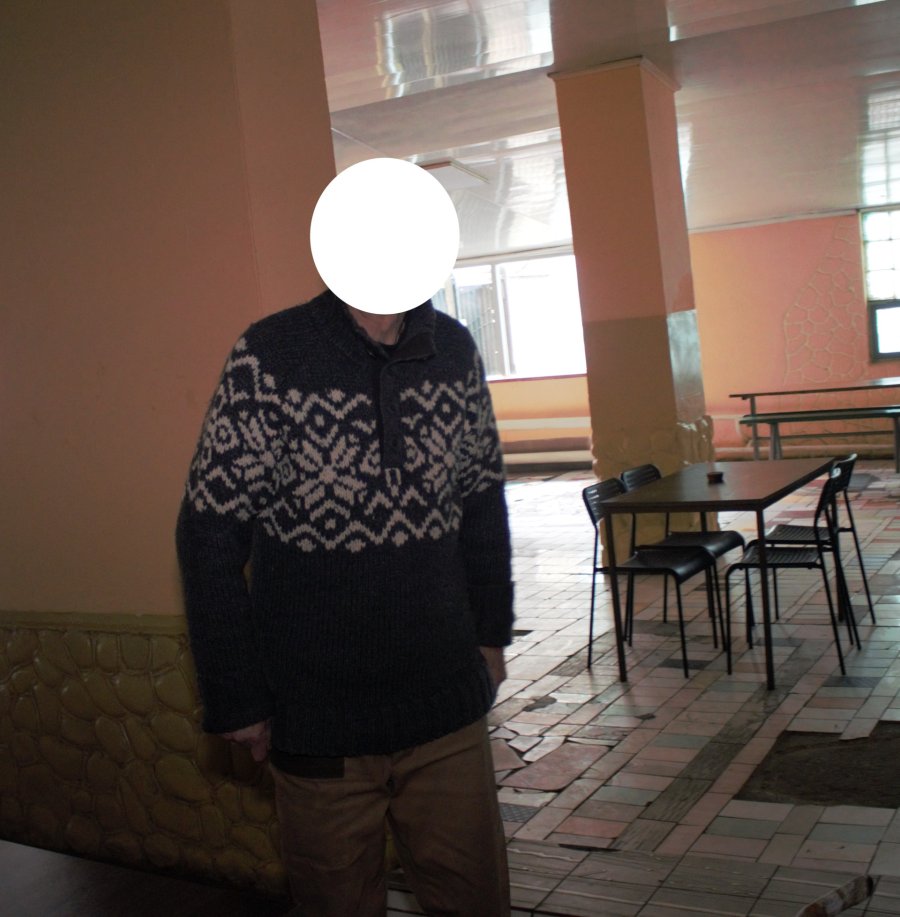
Convicted person L. works as a cleaner in the canteen from 6:30 a.m. to 7:00 p.m. every day without days off or holidays and without remuneration, and convicted person G. works in the canteen in the dishwashing section every day from 6:00 a.m. to 8:30 p.m. every day without days off or holidays and without remuneration.
The actual duration of work is 10–11 hours per day, 6–7 days a week, which is a violation of Article 50 of the Labour Code, Article 8 of the International Covenant on Economic, Social and Cultural Rights, and also violates the established work regime for persons registered at 0.5 of a rate.
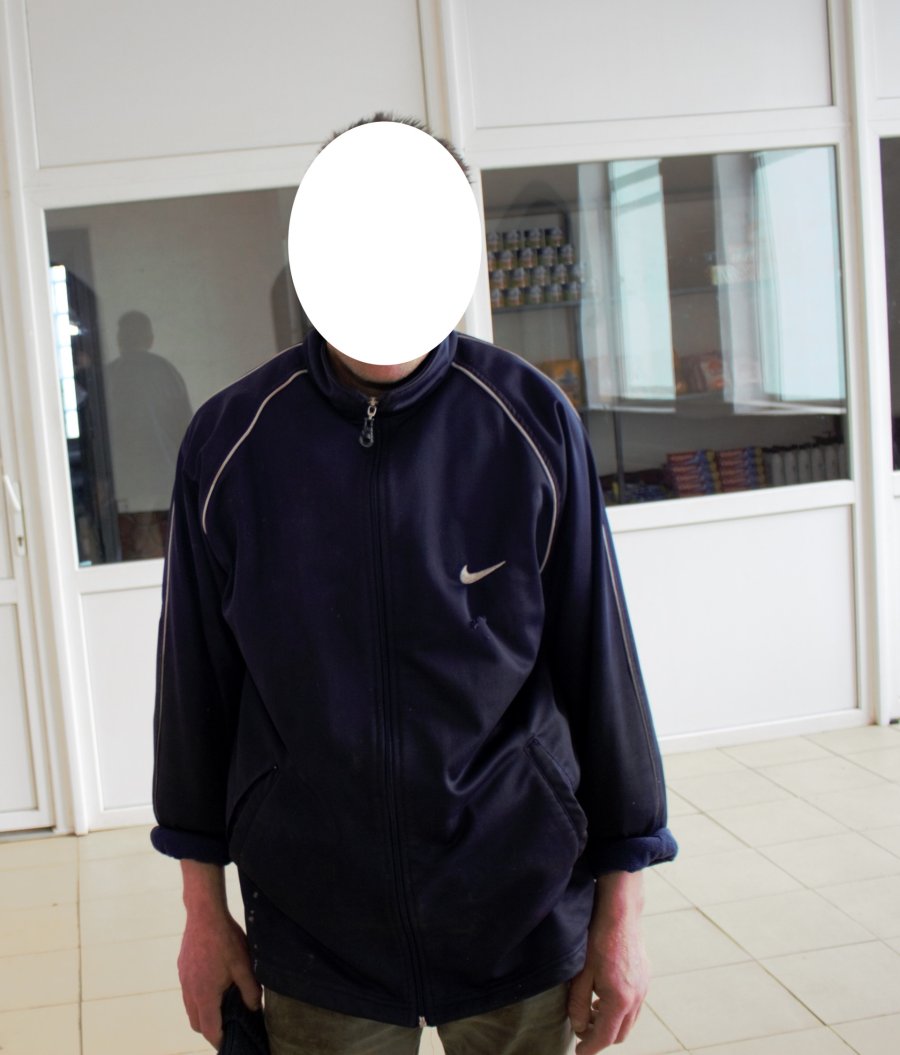
Fixed-term contracts are concluded without justifying the reasons for their temporary nature and do not contain mandatory provisions regarding work schedules, holidays, and additional payments, which contradicts Articles 23, 24, and 62 of the Labour Code of Ukraine. There are no hiring orders. Prisoners are not granted annual leave or compensation, which is a violation of Article 7 of the KVK of Ukraine, the Law of Ukraine “On Leaves” (Articles 2, 10), and also clause 4.1 of ILO Convention No. 1.
The premises of the workshops and the canteen are not heated and lack ventilation and drinking water, which violates Article 153 of the Labour Code, the Law of Ukraine “On Occupational Safety”, as well as international standards regarding occupational hygiene and safety (ILO Conventions No. 155, No. 120).
In the auxiliary farming unit, convicted person M., registered at 0.25 of a rate, actually works a full day. The auxiliary farming unit serves a commercial function, servicing third parties, which is a hidden form of exploitation and contradicts clause 9 of the Standard Minimum Rules for the Treatment of Prisoners (UN Convention, 1955).
Also, facts were established where prisoners perform functions other than those specified in the employment contract (for example, they work in the boiler room, although they are registered as laundry machine operators). This violates Article 32 of the Labour Code of Ukraine and the principle of legal certainty of employment duties.
The practice of using the labour of prisoners at the Kolomyia Correctional Colony No. 41 has a systemic character of violations of both the national legislation of Ukraine and international obligations. Signs of forced labour, non-compliance with guarantees of safe working conditions, proper payment, rest, and health protection were revealed. The labour of prisoners is used without proper documentation and social protection, which indicates the exploitative nature of the administration's approach.
17. The monitoring group investigated the use of the “Cassandra” subsystem. Both representatives of the administration and life-sentenced prisoners were interviewed. The “Cassandra” risk assessment subsystem for repeat criminal offences has been implemented at the Kolomyia Correctional Colony No. 41.
Those responsible for its use are the heads of the Socio-Psychological Service units and the sector for monitoring the execution of court decisions. The institution’s staff refer to normative acts: Order of the Ministry of Justice No. 2300/5 and methodological recommendations approved by Order No. 412/5 dated 27 November 2020.
In 2023, staff representatives participated in relevant training organised by the Academy of the State Criminal Executive Service and the NGO “Ukrainian Centre for Resocialisation”. Risk assessment is carried out within 30 days after the prisoner’s arrival at the institution, and subsequently once a year. Information for the assessment is collected based on the personal file, conversations with the prisoner, their relatives, and the institution’s staff.
It was established that prisoners are not always properly informed about the purpose of the assessment, the procedure for its conduct, and their rights. The results of the assessment are not provided to prisoners for signature, and the appeal procedure is effectively not implemented. Information regarding the right to involve a lawyer, receive copies of the full assessment questionnaire, or data retention periods remains at the discretion of the administration without clear regulation.
Most of the interviewed prisoners do not understand the essence of “Cassandra” and cannot explain how the risk assessment is conducted. They do not remember being informed about the assessment, they do not know the results, and they were not informed about the possibility of submitting objections or receiving extracts. Only a few were present during the drafting of an individual programme or character reference.
Insufficient information provided to prisoners was recorded: The right to access personal information and the principle of informed consent are violated (Article 8 of the Law of Ukraine “On Protection of Personal Data”, UN Rules for the Treatment of Prisoners — “Standard Minimum Rules”, clause 54).
Absence of appeal mechanisms: Violation of the right to an effective legal remedy (Article 55 of the Constitution of Ukraine, Article 13 of the European Convention on Human Rights).
Unregulated storage and deletion of personal data: The absence of clear timeframes and procedures contradicts the requirements of Articles 15 and 16 of the Law of Ukraine “On Protection of Personal Data”.
Formalistic approach to assessment: Lack of prisoner participation in filling out the assessment and restrictions on expressing objections violate the principles of fairness and transparency.
The practice of implementing the “Cassandra” system at the Kolomyia Correctional Colony No. 41 is fragmentary, non-transparent, and merely formalistic. Prisoners have no access to the content of the assessment, are not informed about their rights, and do not participate in the formation of an individual programme. This casts doubt on the effectiveness of the risk assessment system and its compliance with human rights standards.
Medical Unit No. 41 of the Branch of the State Institution “Centre for Health Care of the State Criminal Executive Service of Ukraine” in the Chernivtsi, Ivano-Frankivsk, Zakarpattia, and Ternopil Regions
The Head of Medical Unit No. 41 of the branch of the state institution “Centre for Health Care of the State Criminal Executive Service of Ukraine” in the Chernivtsi, Ivano-Frankivsk, Zakarpattia, and Ternopil Regions (hereinafter — the medical unit) is Vasyl Tarasovych Skoreiko.
According to the staffing table provided by the head of the medical unit, the following positions are filled: head of the medical unit-doctor — 1 unit; general practitioner — family doctor — 1 unit; dentist — 1 unit; radiologist — 0.5 of a rate; narcologist — 1 unit; infectious disease specialist — 0.5 of a unit. The position of psychiatrist remains vacant — 0.5 of a rate.
During the monitoring visit, violations of the requirements of national legislation and non-compliance with international recommendations in the sphere of the treatment of prisoners, leading to violations of the rights of convicted persons, were identified:
1. According to clause 2 and clause 3 of Chapter III of Section II of the Procedure for organising the provision of medical care to persons sentenced to deprivation of liberty, approved by joint Order of the Ministry of Justice of Ukraine and the Ministry of Health of Ukraine dated 15 August 2014 No. 1348/5/572 (hereinafter — the Procedure), a general practitioner (or a general practitioner — family doctor), a psychiatrist, and a dentist must participate in the preventive medical examination.
At the same time, the position of psychiatrist in the medical unit is vacant, which indicates the incompleteness of the primary and preventive medical examination, in connection with which prisoners and detainees do not receive proper medical care.
This violates paragraph 38 of the Committee’s recommendations (CPT/Inf(93)12-part), which states that medical services in places of detention must be able to provide medical care and treatment, as well as an appropriate diet, physiotherapy, rehabilitation, or any other special care at the same level as that offered to patients in civilian medical institutions. Provision must be made for the availability of medical, auxiliary medical, and technical personnel, and appropriate premises, equipment, and facilities must be provided.
2. In violation of the requirements of the Instruction on filling out the primary accounting documentation form No. 003-6/o “Informed voluntary consent of the patient to diagnosis, treatment, and surgery and anaesthesia, and to the presence or participation of participants in the educational process”, approved by Order of the Ministry of Health of Ukraine dated 14 February 2012 No. 110, the absence of signed informed voluntary consent to diagnosis and treatment by patients who were in the hospital’s inpatient ward was established.
This may indicate the absence of voluntary consent of patients for the application of methods of diagnosis, prevention, and treatment, which is a violation of Article 43 of the Law of Ukraine “Fundamentals of Ukrainian Legislation on Health Care” and paragraph 47 of the Committee’s recommendations. (CPT/Inf (93) 12-part).
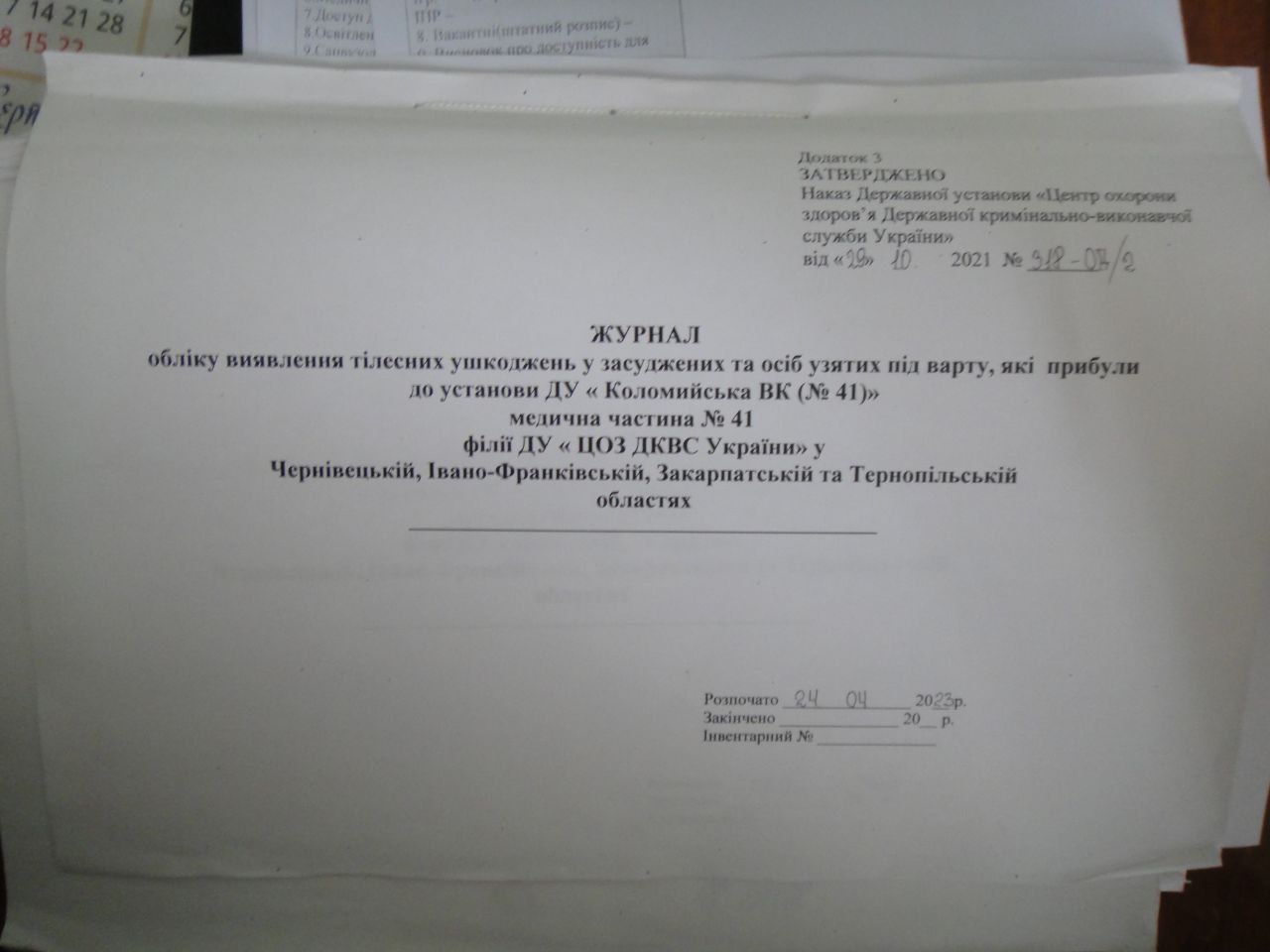
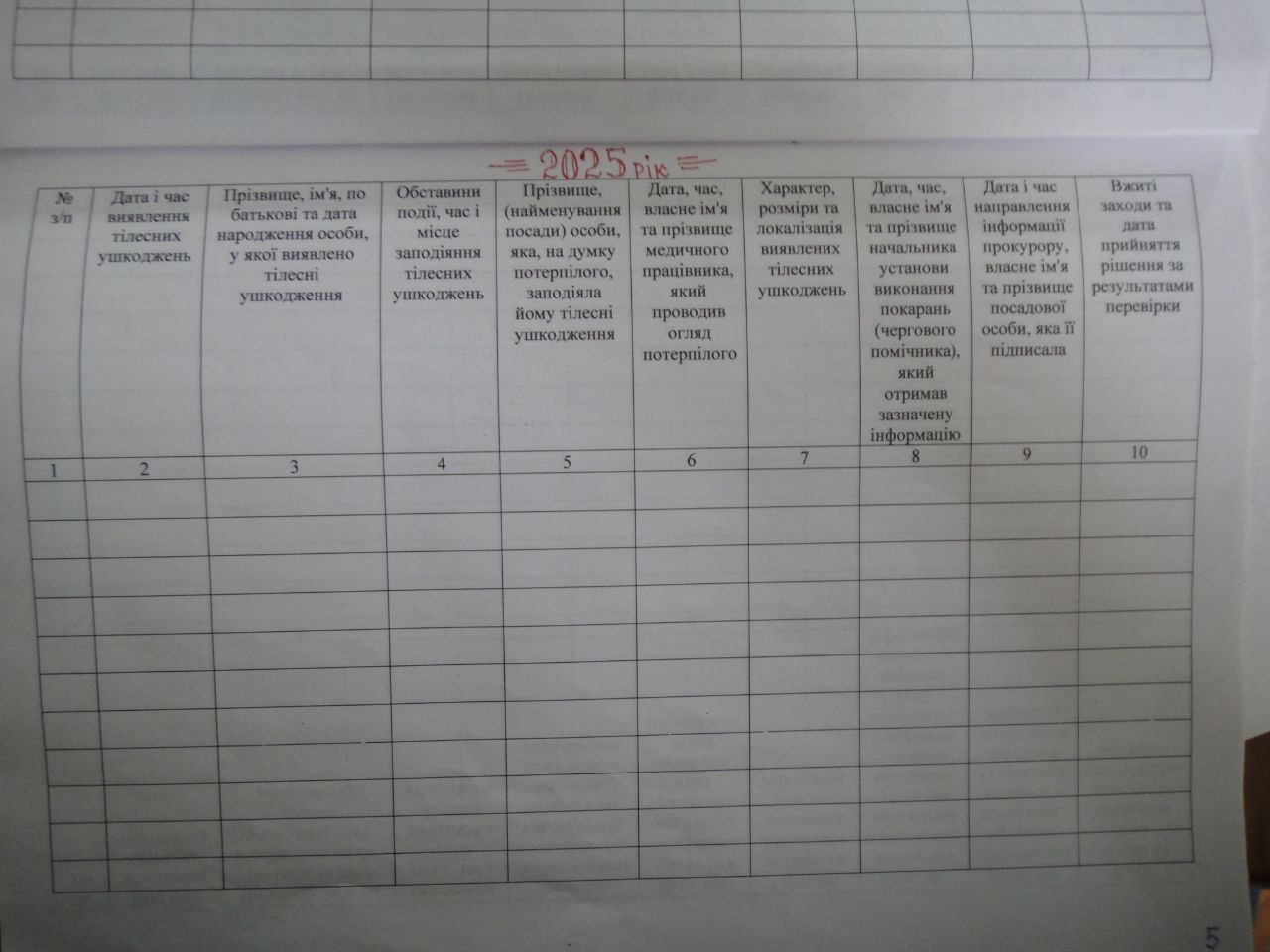
3. According to the logbook of recording bodily injuries in convicted persons and detainees who arrived at the State Institution “Kolomyia Correctional Colony No. 41”, one case of bodily injuries was recorded in 2024. However, in 2025, according to medical documentation, not a single case of bodily injuries was recorded.
Such a low level of recording injuries, considering the actual number of convicted persons and detainees (495 people, of which 3 are detainees), may indicate the absence of requests from prisoners to the institution’s medical unit in the event of sustaining bodily injuries, as well as a formalistic approach of medical staff to recording them during a medical examination.
This contradicts paragraph 60 of the recommendations of the European Committee for the Prevention of Torture and Inhuman or Degrading Treatment or Punishment (CPT/Inf(93)12-part), which states that medical services in places of detention can contribute to the prevention of violence against persons held in custody through the systematic registration of bodily injuries, and if necessary, through informing the appropriate authorities.
4. According to part six of Article 6 of the Law of Ukraine “On Psychiatric Care”, it is prohibited, without the written consent of the person or without the written consent of their legal representative and the psychiatrist providing psychiatric care, to publicly demonstrate a person suffering from a mental disorder, to photograph them, or to make films, video recordings, audio recordings, and to eavesdrop on the person’s interviews with medical professionals or other specialists when providing them with psychiatric care.
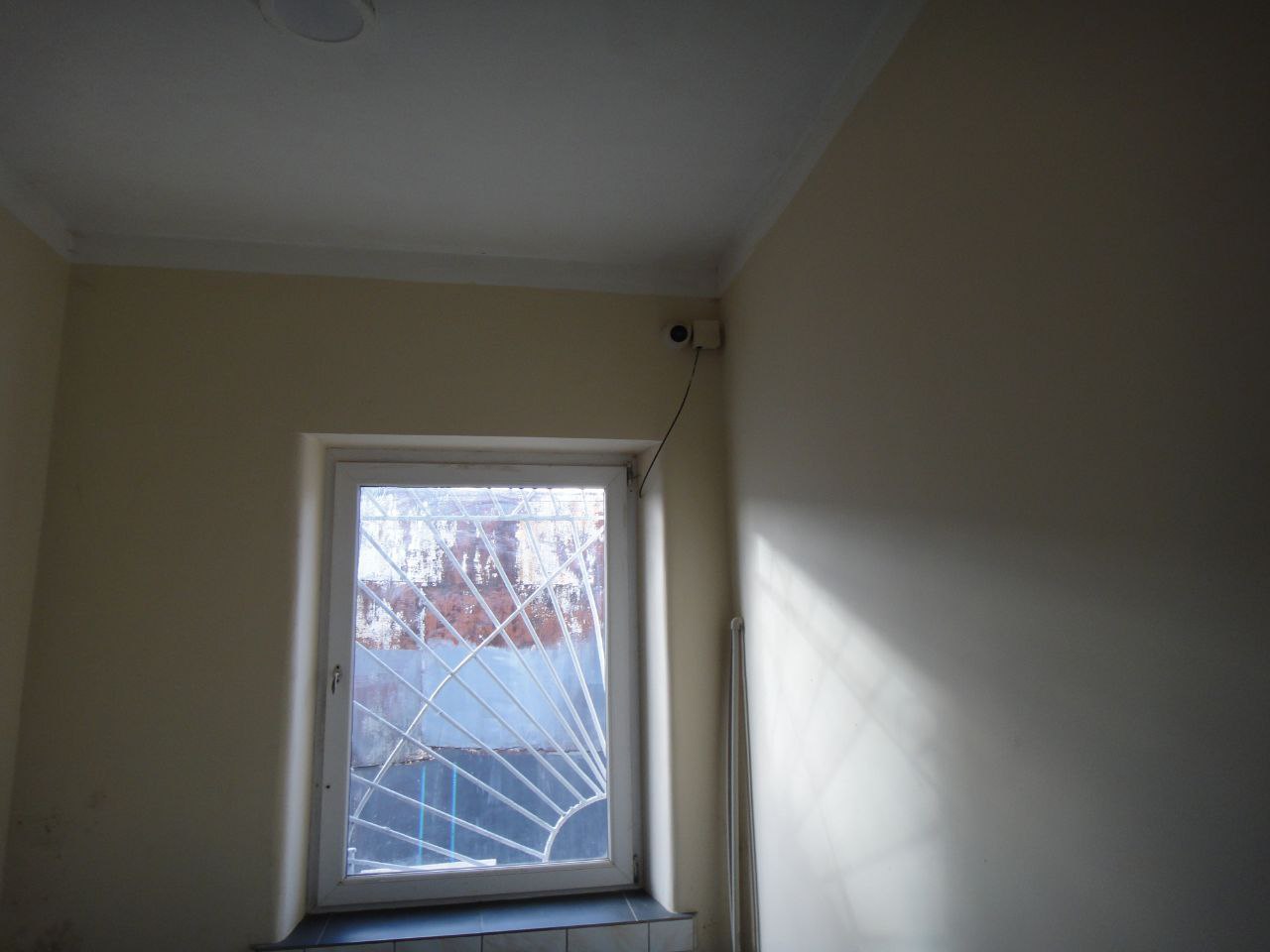
At the same time, in the ward for persons with mental disorders, the monitoring group recorded an installed video surveillance camera. Furthermore, according to clause 8 of Section VII of the Procedure for the use of technical means of supervision and control in correctional and educational colonies of the State Criminal Executive Service of Ukraine, approved by Order of the Ministry of Justice of Ukraine dated 26 June 2018 No. 2025/5 (registered with the Ministry of Justice of Ukraine on 2 July 2018 under No. 766/32218), the use of video cameras and portable video recorders is prohibited in premises (cells) where medical examinations (checks) of detainees and convicted persons are conducted, or personal searches with stripping.
This fact indicates that the institution’s employees obtain confidential information regarding the health status of detainees and convicted persons during a medical examination, manipulation, or procedure. In addition, this violates the requirements of Article 39-1 of the Law of Ukraine “Fundamentals of Ukrainian Legislation on Health Care” regarding the right of persons to privacy concerning their health status.
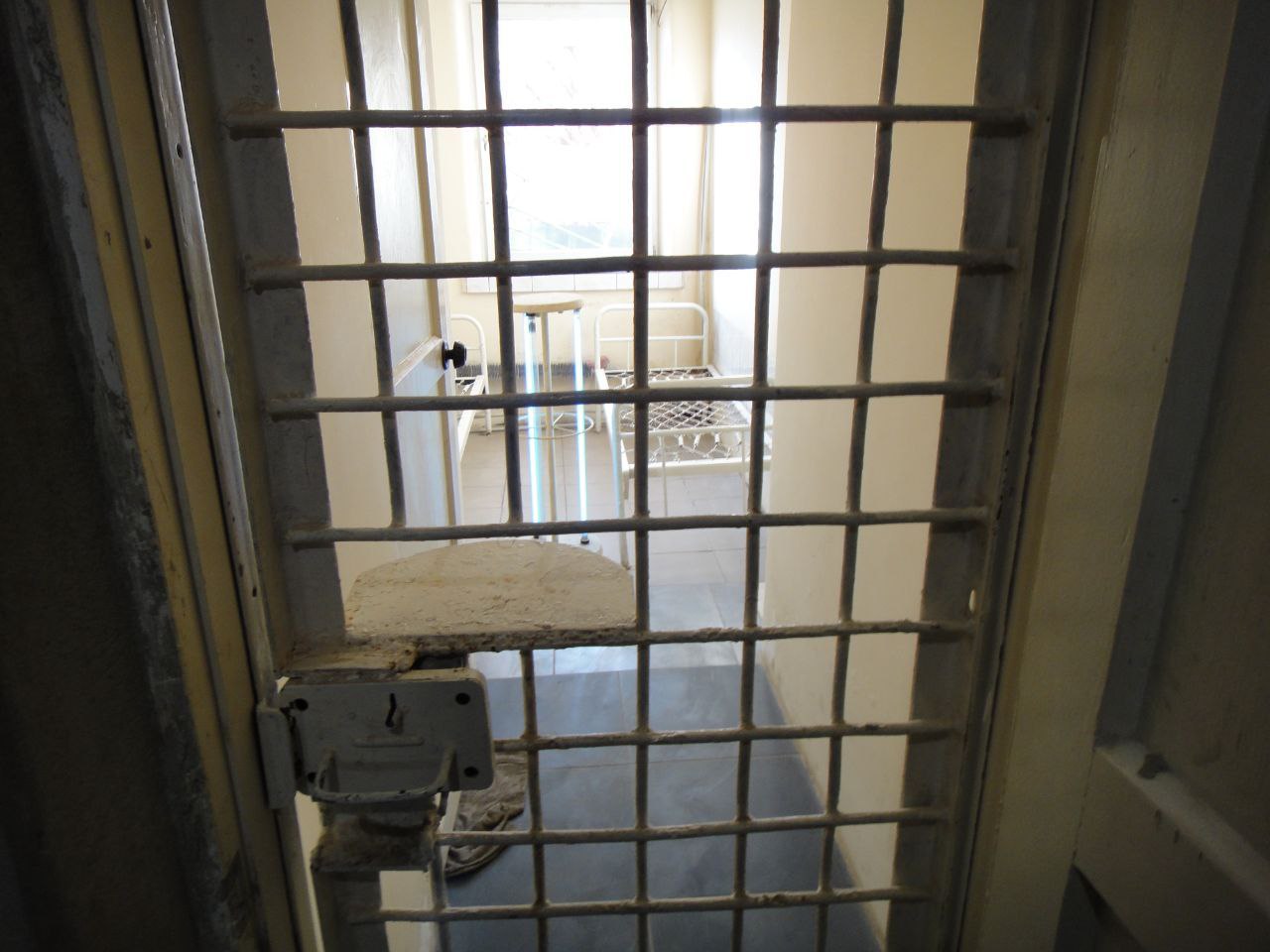
5. In violation of clause 9 of the Rules for the application of physical restraint and (or) isolation when providing psychiatric care to persons suffering from mental disorders, approved by Order of the Ministry of Health of Ukraine dated 24 March 2016 No. 240, registered with the Ministry of Justice of Ukraine on 15 April 2016 under No. 570/28700, and clause 8.3.4 of the State Building Norms of Ukraine V.2.2-10:2022 “Health Care Institutions”, the isolation ward for persons with mental disorders does not meet the established requirements. The premises are designed for the stay of more than one person (2 beds), which contradicts the principles of isolation. There is no tank with boiled drinking water.
6. In violation of the requirements of the Standards of medical care for chronic hepatitis C (CHC) in adults, approved by Order of the Ministry of Health of Ukraine dated 15 January 2021 No. 51, not all persons (20 individuals as of 12 March 2025) with suspected viral hepatitis C undergo PCR testing, in connection with which they do not receive necessary treatment, which may lead to a deterioration in their health condition and the spread of the specified infectious disease among convicted persons and detainees.
7. In the medical unit, the provision of opioid substitution therapy (hereinafter — OST) for persons with mental and behavioural disorders due to opioid use has not been organised in accordance with the Procedure for conducting opioid substitution therapy for persons with mental and behavioural disorders due to opioid use, approved by Order of the Ministry of Health of Ukraine dated 27 March 2012 No. 200.
Drug-addicted persons are not provided with social-psychological support, cognitive-behavioural therapy (CBT), relapse prevention, motivational interviewing, mutual aid groups, etc.
Thus, these individuals are deprived of the opportunity to receive OST, which violates their right to choose methods of treatment in accordance with Article 38 of the Law of Ukraine “Fundamentals of Ukrainian Legislation on Health Care”.
At the same time, the Committee in the report on the results of the visit to Ukraine in 2023 notes that entering a penitentiary institution is an opportunity to solve the problem associated with drugs, and therefore it is important that appropriate assistance be offered to all interested persons; therefore, appropriate medical service should be available in all institutions.
The assistance offered to such persons must be diverse; substitution therapy programmes for persons with drug addiction must be combined with genuine psychosocial and educational programmes for persons with opioid dependence who are unable to stop using drugs.
In addition, access to OST programmes in institutions must be easily accessible, and they must also be managed by penitentiary doctors, who should undergo special training on issues related to drug use. (CPT/Inf (2024) 20, paragraph 86).
8. In violation of the Measures and Means for preventing infection when providing care to patients, approved by Order of the Ministry of Health of Ukraine dated 3 August 2020 No. 1777, the medical unit is equipped with only one isolation ward for infectious patients, which makes it impossible to simultaneously house patients with dangerous infectious diseases separately from each other and from other prisoners.
9. In violation of the requirements of the State Building Norms of Ukraine V.2.2-17:2006 “Buildings and structures. Accessibility of buildings and structures for persons with limited mobility”, the medical unit has not created conditions for the accommodation of people with disabilities.
10. In violation of clause 37 of the Resolution of the Cabinet of Ministers of Ukraine No. 285 dated 2 March 2016 “On approval of Licensing conditions for conducting economic activities for medical practice”, the medical unit lacks a conclusion confirming free access to the buildings and premises of the medical institution for persons with limited mobility, the receipt of which is mandatory.
11. In violation of the Procedure for organising medical care at the primary, secondary (specialised), and tertiary (highly specialised) levels using telemedicine, approved by Order of the Ministry of Health of Ukraine dated 19 October 2015 No. 681, the medical unit staff, due to technical limitations, are deprived of the opportunity to send requests for telemedicine consultations and receive professional assistance for the provision of medical services to prisoners.
12. In violation of the requirements of the Norms of provision with bedding, special clothing, and special footwear (inventory property) for prisoners undergoing treatment in medical-prophylactic institutions, institutions with the rights of medical institutions, and medical units at correctional institutions and pre-trial detention centres, approved by Order of the Ministry of Justice of Ukraine dated 20 February 2012 No. 280/5, convicted persons do not receive hospital property (suit, robe, and hospital shoes). Convicted persons remain in the inpatient ward in everyday clothing, sometimes with their own bedding.
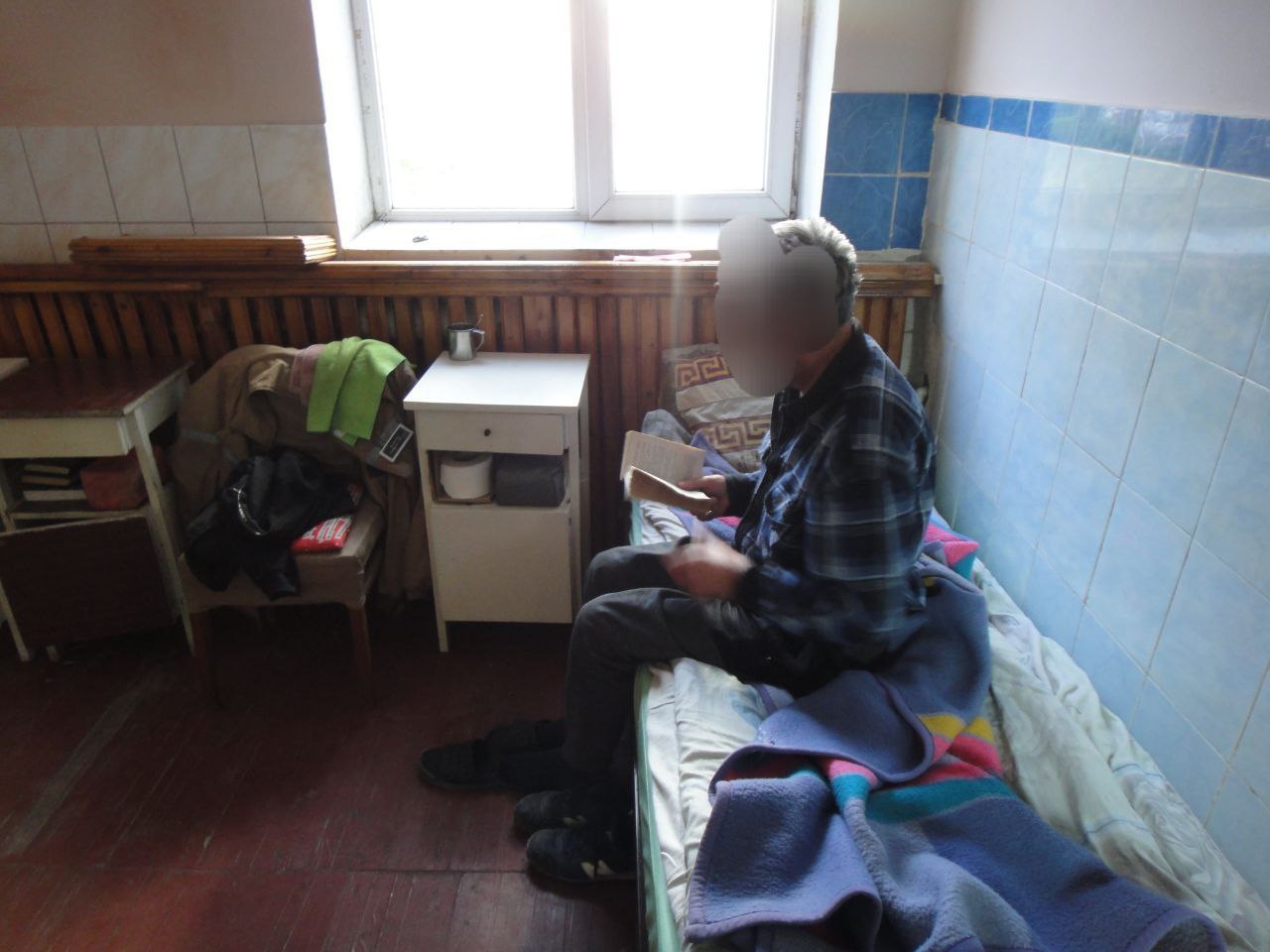
13. In violation of clause 7 of Chapter III of Section II of the Procedure, the monitoring group recorded the absence of a personal medical book for two canteen workers and the absence of results of examinations in the medical documentation, which are conducted by medical specialists (including laboratory, clinical, and other tests) required for admission to work at food facilities.
14. During the inspection of the DIZO, the monitors established that upon placing a prisoner in the disciplinary isolation ward, it is common practice to include a medical certificate in the file, according to the conclusion of which the prisoner is fit to be held in the DIZO due to their health condition.
At the same time, the Committee has repeatedly emphasised that the obligation of penitentiary doctors to certify the fitness of prisoners to serve a disciplinary penalty is unlikely to contribute to the development of positive relationships between doctor and patient.
In principle, medical staff should never be involved in any part of the decision-making process regarding the application of any type of solitary confinement, except in cases where this measure is applied for medical reasons.
On the other hand, medical staff must be very attentive to the condition of prisoners who are in solitary confinement. Medical staff must be informed immediately of every such placement and must visit the prisoner promptly after placement, and then regularly, no less than once a day, and provide them with prompt medical assistance and treatment if necessary.
Medical staff should inform the institution’s administration if the prisoner’s health is seriously threatened by solitary confinement. (CPT/Inf (2024) 20, paragraph 104).
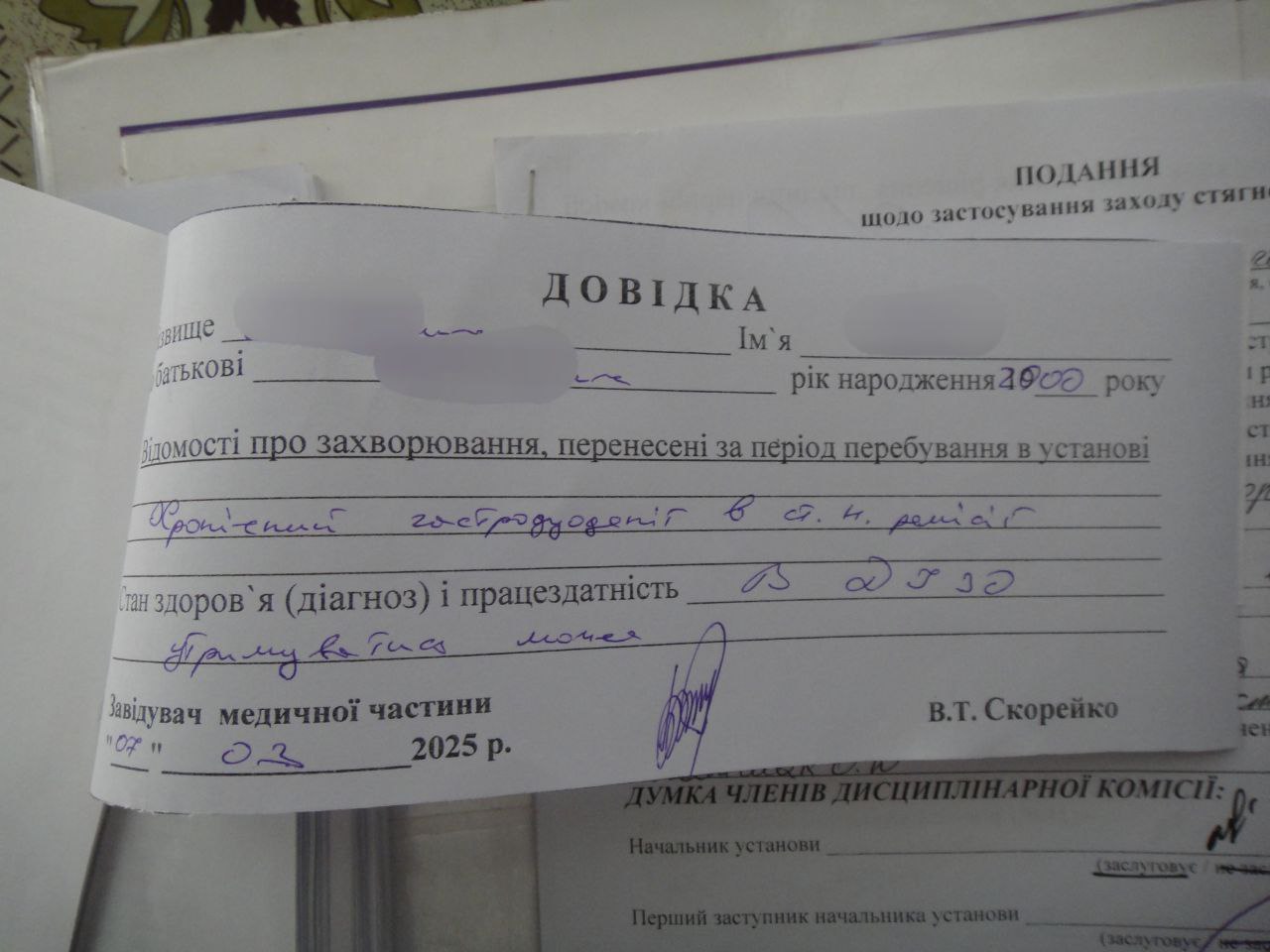
15. In violation of the Fire Safety Rules in Ukraine, approved by the Ministry of Internal Affairs of Ukraine dated 30 December 2014 No. 1417 (hereinafter — the Rules), the premises of the medical unit are not equipped with fire extinguishing systems and fire alarms.
17. The doctors’ office and the X-ray room are not provided with fire extinguishers, which is a violation of the requirements of clause 3.6 of Chapter 3 of Section V of the Rules and a violation of clause 10.18 of Chapter 10 of the State Sanitary Rules and Norms “Hygienic requirements for the arrangement and operation of X-ray rooms and the conduct of X-ray procedures”, approved by Order of the Ministry of Health of Ukraine dated 4 June 2007 No. 294, registered with the Ministry of Justice of Ukraine on 7 November 2007 under No. 1256/14523.
Recommendations:
To the Ministry of Justice of Ukraine
- Develop new Sanitary Rules for correctional institutions, taking into account the requirements of hygiene, thermal insulation, and comfortable floor covering (wooden/hygienic, but not concrete).
- Initiate a review of the rules for engaging “duty orderlies” and remove provisions that allow the transfer of control over prisoners to other prisoners.
- Prohibit the open, demonstrative carrying of special means (rubber batons, handcuffs) by staff who directly contact prisoners.
- Increase control over the practice of employing prisoners — ensure compliance with labour legislation, prohibit the conclusion of civil law contracts for work that is employment in nature.
- Ensure the conduct of regular training for staff, in particular regarding ethics of conduct, preventing ill-treatment, and ensuring the rights of prisoners.
To the Office of the Prosecutor General of Ukraine / Prosecutor’s Office of the Ivano-Frankivsk Region
- Conduct an inspection of compliance with the labour rights of prisoners, in particular regarding: working without contracts; abuses in the conclusion of fixed-term contracts; and the lack of payment for work performed.
- Initiate proceedings regarding the improper storage of personal data and violation of the right to protection of confidential information within the framework of the “Cassandra” subsystem.
To the Management of the Centre for Health Care of the State Criminal Executive Service (CEC SCES)
- Ensure the staffing of doctors’ positions in medical units (psychiatrists, infectious disease specialists, narcologists), especially in colonies where there are individuals with relevant needs.
- Introduce OST in the Kolomyia Correctional Colony No. 41, ensure appropriate equipment, staff training, and access to psychosocial programmes.
- Ensure mandatory PCR testing for individuals with suspected hepatitis C, in accordance with Ministry of Health standards.
- Implement the possibility of telemedicine consultations, ensure technical equipment, and train staff.
- Strengthen control over compliance with informed consent for treatment, filling out form No. 003-6/o, and ensure the rights of patients.
To the State Institution “Centre for Health Care of the State Criminal Executive Service of Ukraine” (CEC SCES) and the administration of Medical Unit No. 41
- Take measures to eliminate human rights violations related to inadequate medical care, and prevent torture, cruel, inhuman, or degrading treatment.
- Staff the medical unit with medical specialists, including a psychiatrist, infectious disease specialist, and narcologist — in accordance with Procedure No. 1348/5/572.
- Ensure mandatory informed consent of patients for diagnosis, treatment, and other medical interventions — in accordance with form No. 003-6/o (Order of the Ministry of Health No. 110).
- Implement mandatory recording of bodily injuries during every primary examination, as well as in the event of an independent request from a prisoner.
- Organise the work of isolation wards for infectious patients, ensuring the possibility of separate detention based on the category of disease.
- Ensure access to opioid substitution therapy (OST) in accordance with the diagnoses of persons with disorders due to opioid use, including psychosocial support.
- Ensure proper testing and treatment of hepatitis C, in particular mandatory PCR examination for patients with suspected cases.
- Conduct a full medical examination of canteen workers, including clinical and laboratory tests, with the issuance of personal medical books.
- Provide hospitalised prisoners with special clothing and bedding, in accordance with the Provision Norms (Order No. 280/5).
- Arrange an isolation ward for persons with mental disorders in accordance with the requirements: for one patient, with drinking water, and without surveillance cameras.
- Ensure the operation of the telemedicine complex: technical connection, staff training, and availability of access to consultation channels.
- Conduct an inventory and install fire alarms and fire extinguishers in all functional premises, especially in the X-ray room.
- Dismantle video surveillance cameras from premises where medical procedures, examinations, and checks are conducted, including the psychiatric isolation ward.
- Cease the practice of issuing certificates of fitness for detention in the DIZO/PKT, which violates the principle of independence of medical staff (CPT/Inf).
- Ensure the accessibility of the medical unit for persons with disabilities, in accordance with DBN V.2.2-17:2006.
- Obtain a conclusion on free access for persons with limited mobility, in accordance with the licensing conditions for conducting medical practice (Resolution of the CMU No. 285).
To the Ministry of Health of Ukraine (MoH)
- Provide methodological support to the CEC SCES regarding: the introduction of OST in correctional institutions; telemedicine in health care institutions at colonies; and the recording of bodily injuries in places of deprivation of liberty.
- Develop or update standards for psychiatric care in conditions of deprivation of liberty, taking into account the requirements of the CPT and the UN Convention against Torture.
- Ensure the centralised supply of hospital property for medical units at correctional institutions.
To the Administration of the Kolomyia Correctional Colony No. 41
- Prevent the engagement of prisoners in work in the QDDU as duty orderlies.
- Ensure compliance with the 14-day isolation in the QDDU, without early transfer without full examination.
- Remove name tags indicating crimes from cell doors.
- Equip the DIZO/PKT cells in accordance with the European Prison Rules: water tank, partitions in the sanitary facility, temperature regime, lighting, and ventilation.
- Ensure privacy in showers and sanitary facilities, install partitions and curtains.
- Ensure prisoners are granted regular leave or compensation for it, as provided by labour legislation.
- Ensure compliance with fire safety rules: closed electrical panels, presence of fire extinguishers, and alarms in the medical unit.
- Ensure sanitary conditions and temperature regime in workshops, canteens, and the QDDU: minimum +18°C, presence of ventilation, and drinking water.