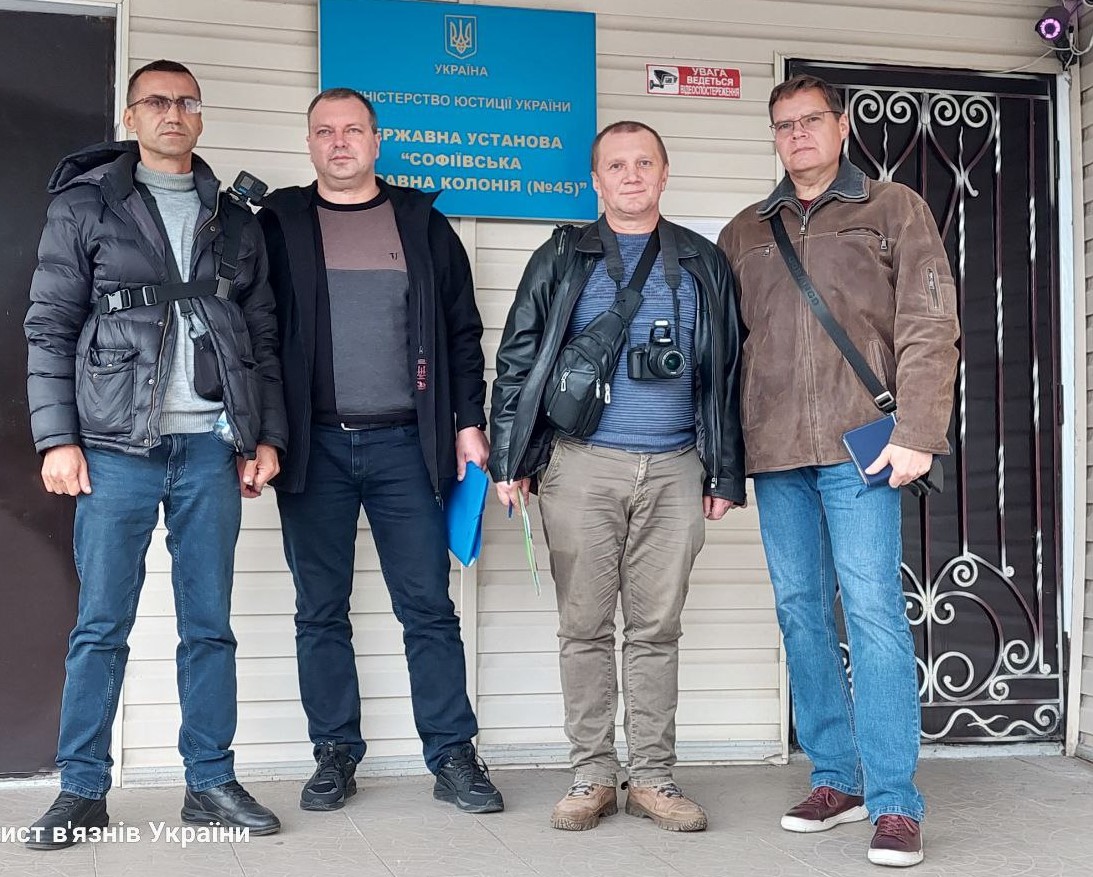
Report on the Results of the Monitoring Visit to Sofiivska Correctional Colony No. 45
Historical Background
Sofiivska Correctional Colony was established in November 1956, when a medical-labour dispensary was created for the detention of individuals assigned to compulsory treatment for alcoholism. At that time, as former employees of the institution testify, the colony consisted of four adapted barracks-style residential premises, which housed 250 convicts who worked on the construction of the Makortivske Reservoir dam. In the autumn of 1959, intensive construction began on a closed-type facility for the detention of those sentenced for serious crimes. By the beginning of 1961, the institution had the necessary attributes of a colony: a main perimeter fence, security systems, a transport checkpoint, and communal/utility facilities. The Sofiivska maximum-security correctional colony began functioning in 1962; at that time, it held an average of 950–1000 people. Within the prison system of the former USSR, this maximum-security institution was a specialised facility for the detention of disabled convicts from practically all regions of Ukraine.
From the very beginning of the colony’s existence, full-scale work commenced on the construction of its main facilities and the expansion of the social infrastructure of the settlement, where the institution’s employees lived, who accounted for almost 95% of the entire population. In 1969, 12 residential buildings for employees were constructed, containing 56 apartments, along with a military barracks for the security company personnel. Alongside the issues of housing construction for employees, the improvement of communal and living conditions for convicts was being addressed just as actively. Thus, in 1979–1986, a practically new institution was built. In 1980, the administration building and a medical and sanitary unit with 150 beds were put into operation, as were visitation rooms for convicts. In accordance with the requirements of the Penitentiary Code of Ukraine and the order of the State Department for the Execution of Punishments No. 187 of 10.10.2003, the institution was granted medium-security status and reformed into a specialised facility with a planned capacity of 1,300 people for the detention of Group I–II disabled persons who require external care and rehabilitation.
General Information
State Institution ‘Sofiivska Correctional Colony No. 45’ is a medium-security facility for men sentenced to imprisonment for a specific term who are recognised as having Group I or II disabilities. The institution also has units for men who are not disabled. At the time of the visit, there were 345 people in the facility. Acts of prosecutorial response, the register of reports on the use of physical force, special equipment, and straitjackets against convicts, the register of reports on violations of the regime and other notifications of offences, and the registers of work with convicts of the social and psychological service (SPS) units were inspected. Information regarding the production structure, wage calculation records, and work order forms were also reviewed.
According to data obtained from the institution’s management, 202 people arrived at the facility during the current year. In 2022, five people died in the institution; in 2023, seven died.
There are three psychologists working at the institution. 30 people are employed under civil law contracts. The average monthly salary is 5,231.84 hryvnias. One person was being held in the disciplinary isolation cell (DIZO). There were 35 people in the medical unit, 78 registered with HIV/AIDS, 14 prone to suicide, 18 prone to self-harm, and one person prone to escape. One person was released in 2023 due to a serious illness. In 2022, no complaints were received from convicts regarding inadequate detention conditions or inadequate medical care. There are 26 people registered with Group I disability, 39 with Group II, and four with Group III.
During 2022, 88 people were released, including two on parole. During 2023, 74 people were released, including 12 on parole. In 2022, five cases of ambulance calls were recorded; in 2023, nine cases. During 2022, five cases of bodily injuries were recorded upon arrival at the institution, and 34 cases occurred during detention. During 2023, there was one case upon arrival and 37 cases during detention. In the current year, one instance of the use of special equipment—handcuffs—was recorded. 16 convicts have tablets with internet access for personal use. During 2023, 21 long-term visits took place. In the current year, short-term visits included 105 through a glass partition and 99 contact visits. In the current year, 2,121 telephone calls were made. The institution has a staff shortage of 16 employees.
On the eve of the visit, a request for public information was sent to the institution’s management, containing questions about the number of requests from convicts during 2022–2023 that were sent in a sealed format to the Ukrainian Parliament Commissioner for Human Rights, the prosecutor’s office, human rights organisations, and other state bodies, as well as the number of responses to these requests received by the convicts in a sealed format.
In the response received to the request, signed by the head of the institution, it is stated that during 2022, no requests were sent in a sealed format to the Ukrainian Parliament Commissioner for Human Rights. In 2023, one request was sent. Five responses were received from the Secretariat of the Ukrainian Parliament Commissioner in 2022, and zero in 2023. Five requests were sent to the prosecutor’s office in a sealed format during 2022, and one request in 2023. Seven letters were received from the prosecutor’s office in 2022, and two letters in 2023. 181 requests were sent to other state bodies in 2022, and 61 requests in 2023. No requests were sent to human rights organisations in 2022 or 2023.
Production
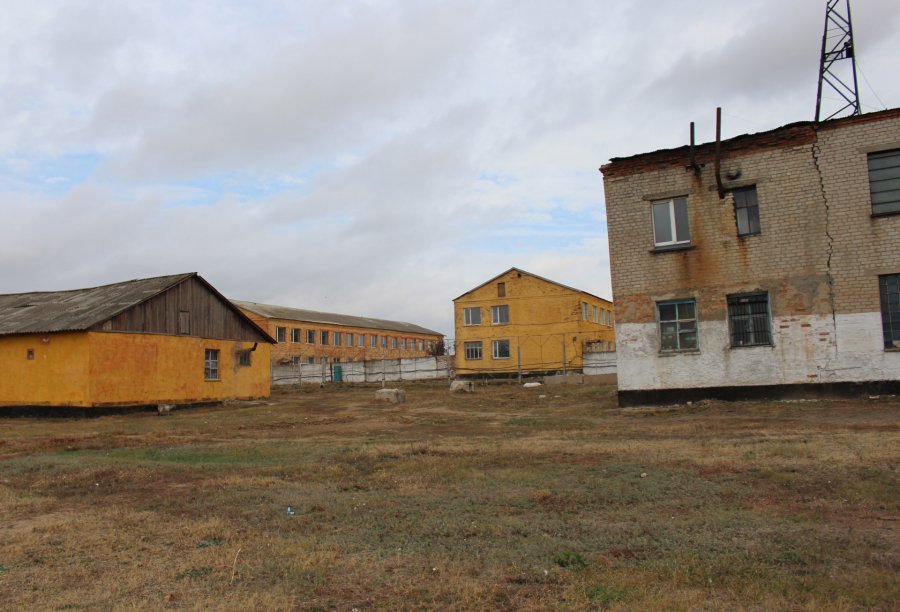
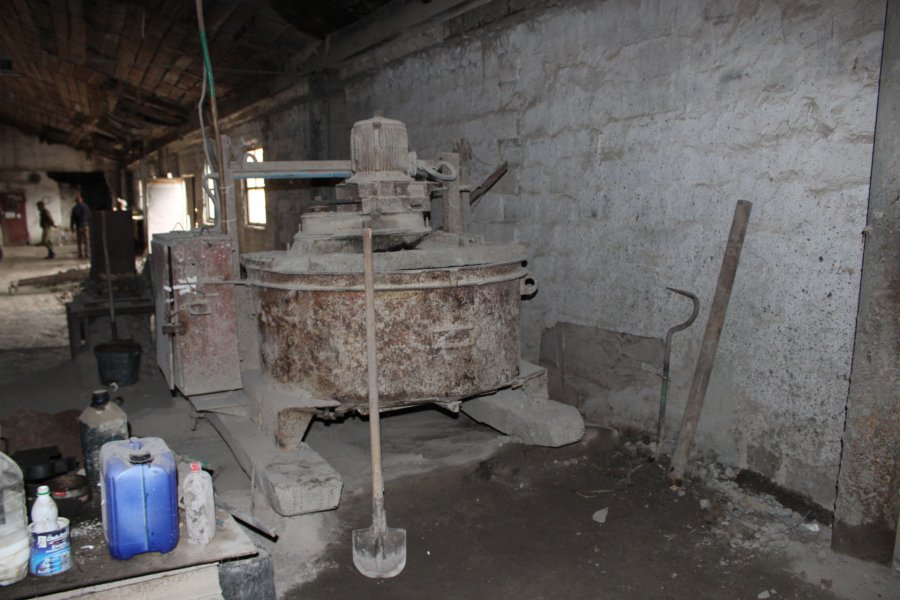
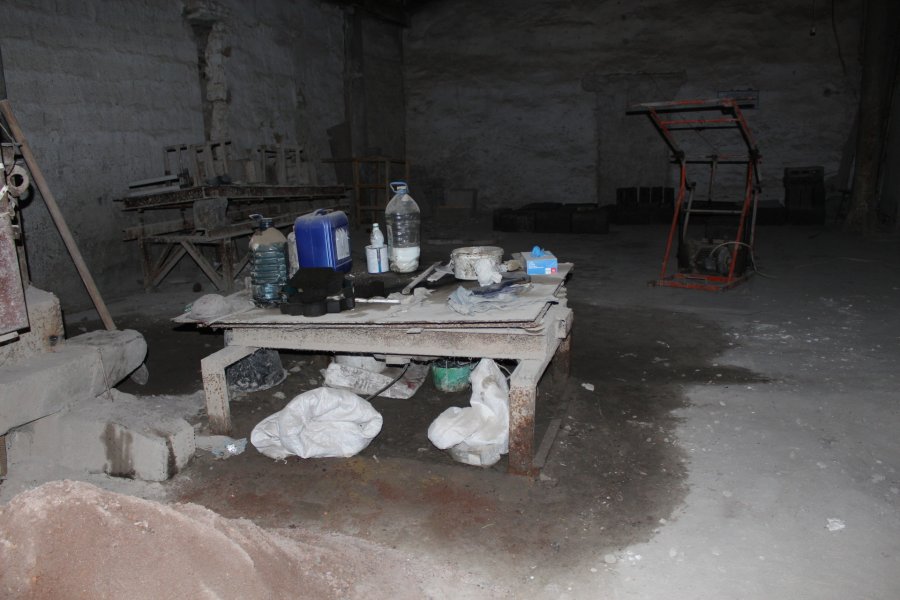
The institution has a crushing section. The convicts who worked in this workshop reported that they work for two hours without pay.
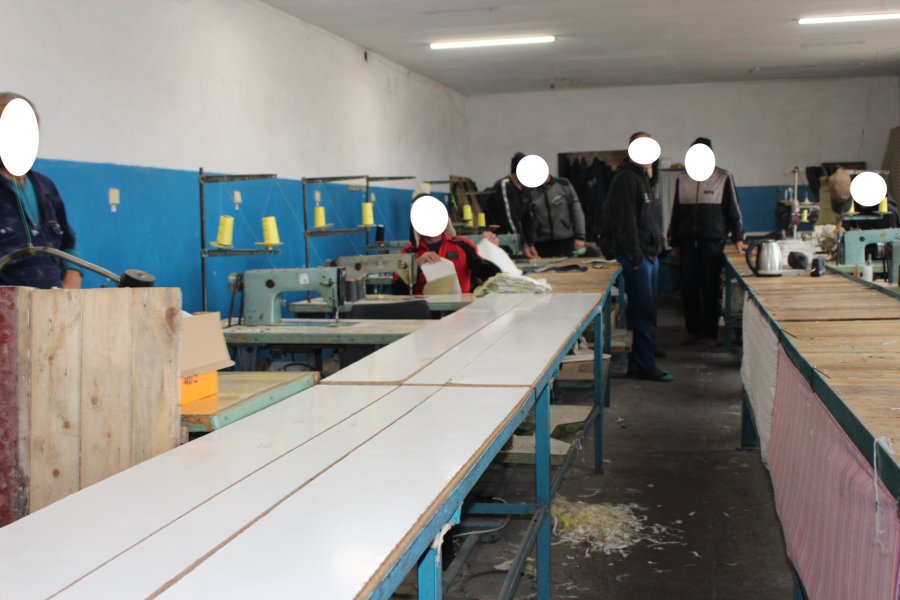
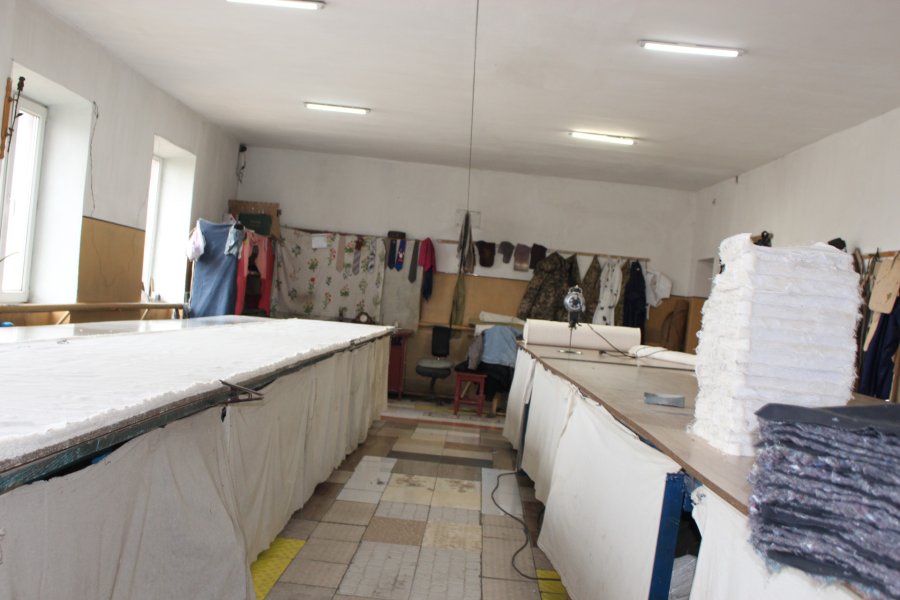
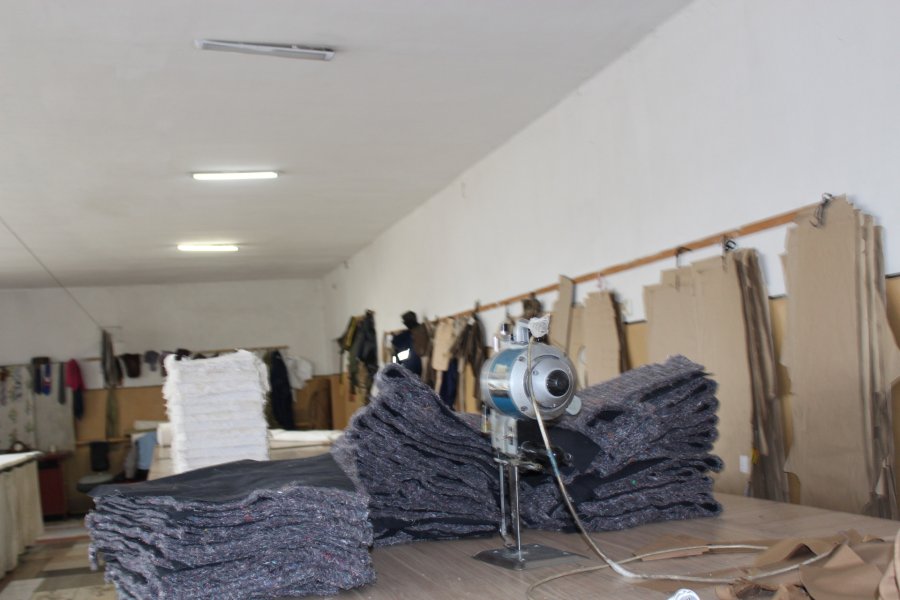
30 convicts worked in the sewing workshop. The workers interviewed reported that they also work for two hours a day without pay.
Pre-trial Detention Centre Section
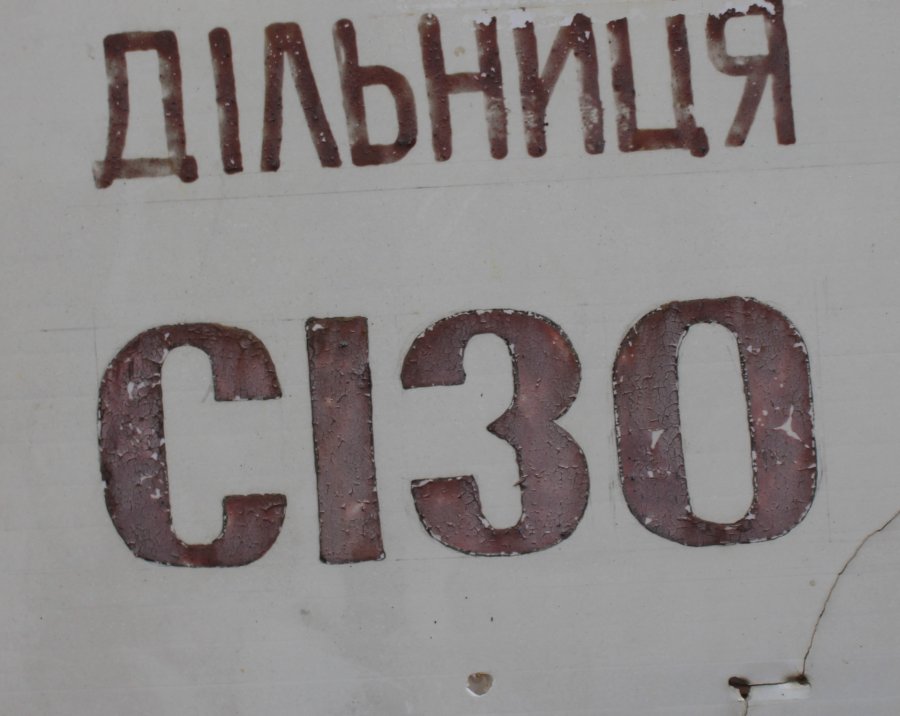
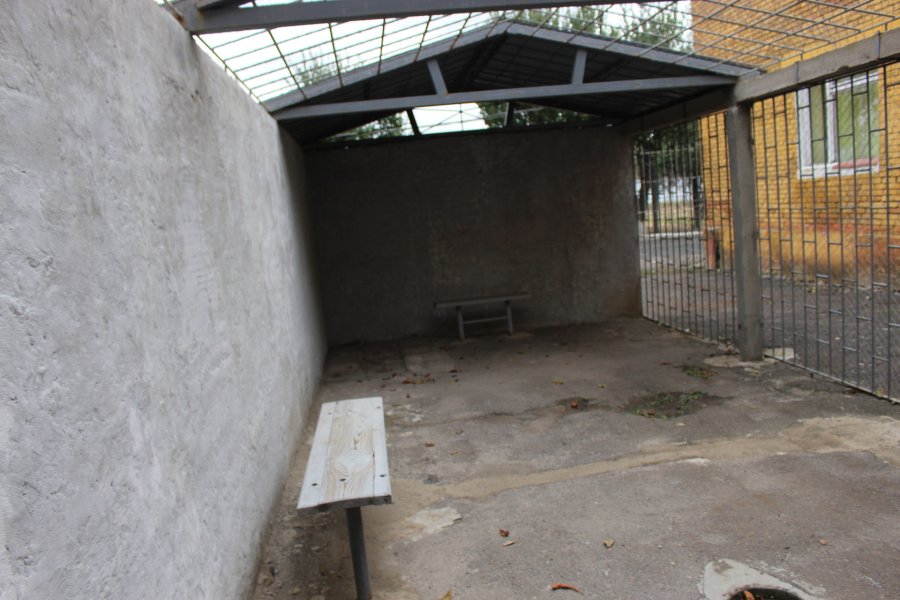
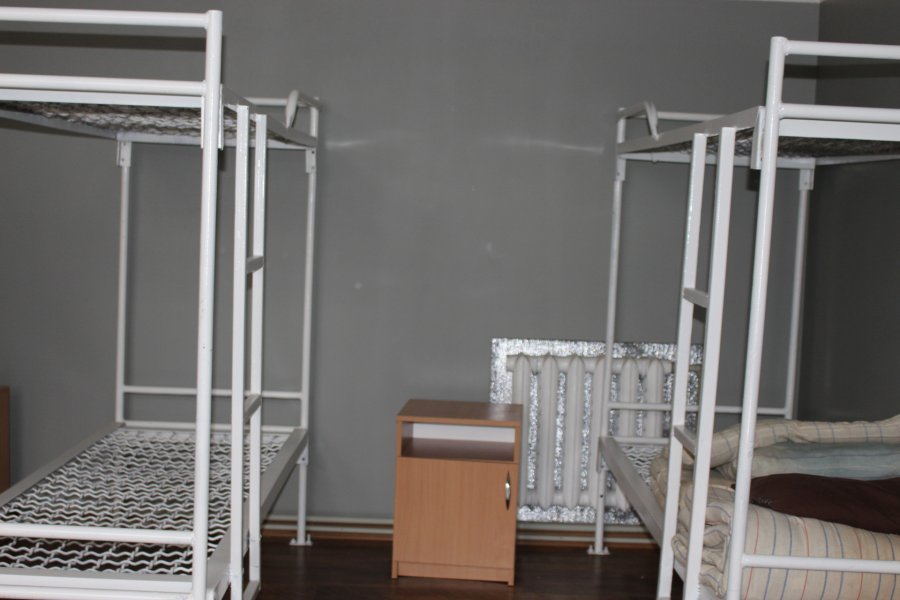
Disciplinary Isolation Cell (DIZO)
Exercise yard.
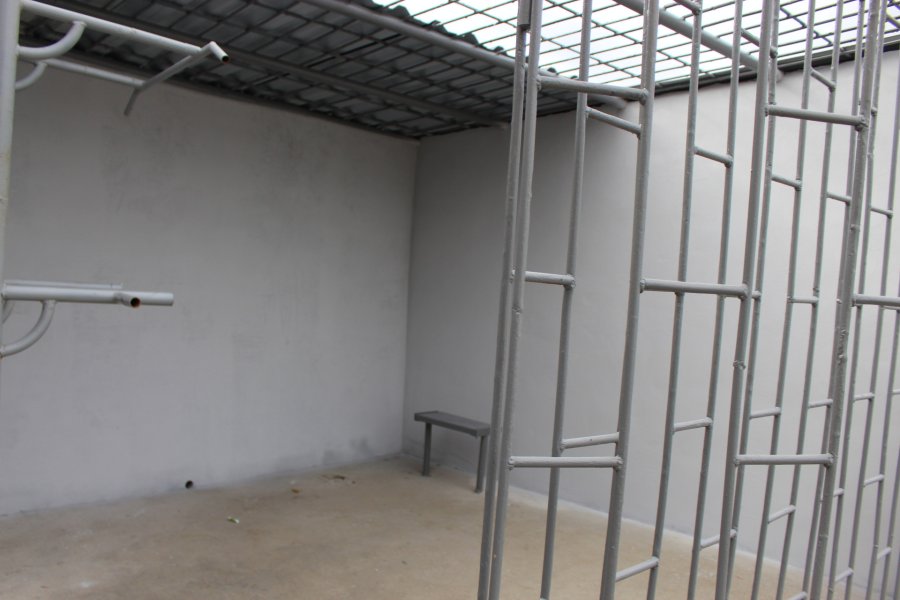
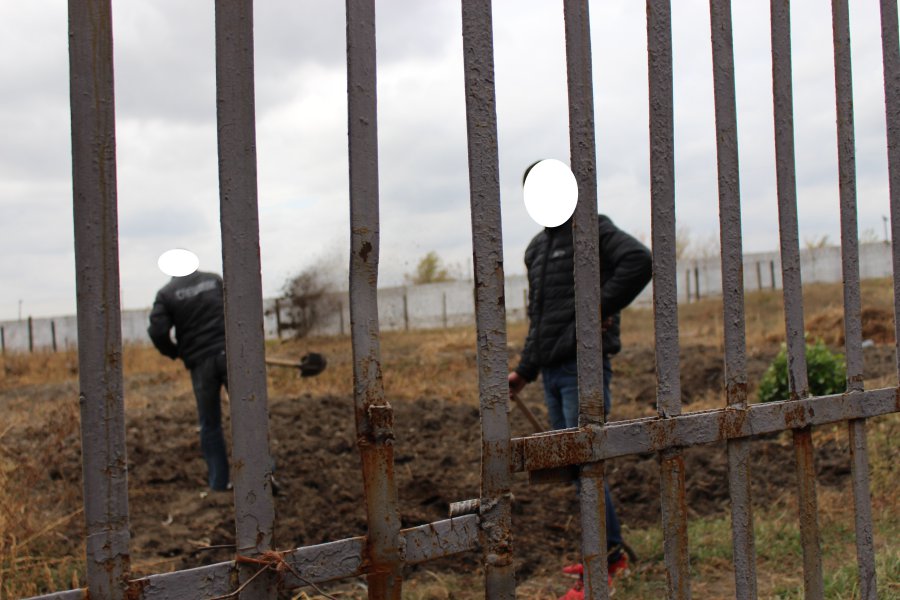
Convicts are digging vegetable gardens. Representatives of the administration reported that the convicts do this of their own volition.
Complaints of Convicts
Convict M. was in the DIZO as a disciplinary punishment for self-harm. During a private conversation with the convict on the condition of anonymity, the convict reported that he had attempted to slash his wrists because the colony administration would not allow him to communicate with our monitoring group. The convict also complained that he was forced to work without pay, specifically being compelled to carry out repair work in various SPS units. He was also forced to break stones with a sledgehammer. Convict O., who was in the sixth SPS unit, also complained that he was being forced into unpaid labour.
Bathhouse/Laundry
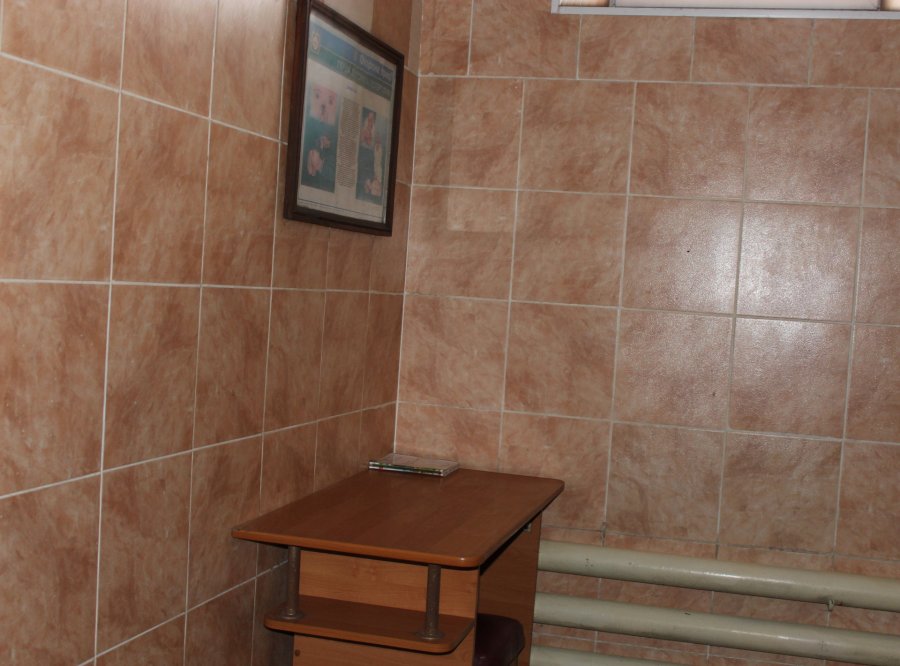
The paramedic’s corner is not fenced off.
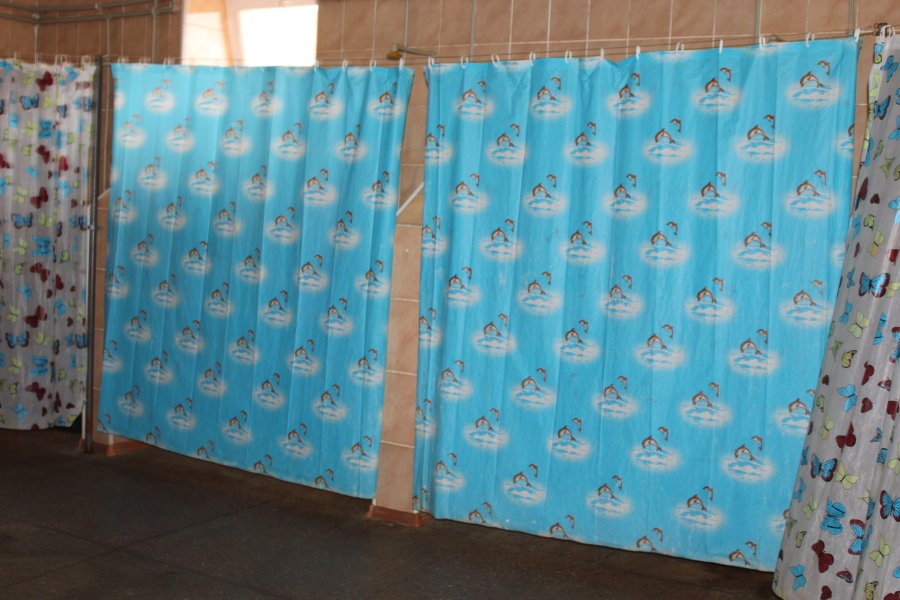
The cubicles are fenced off; rubber mats are provided.
Living Quarters
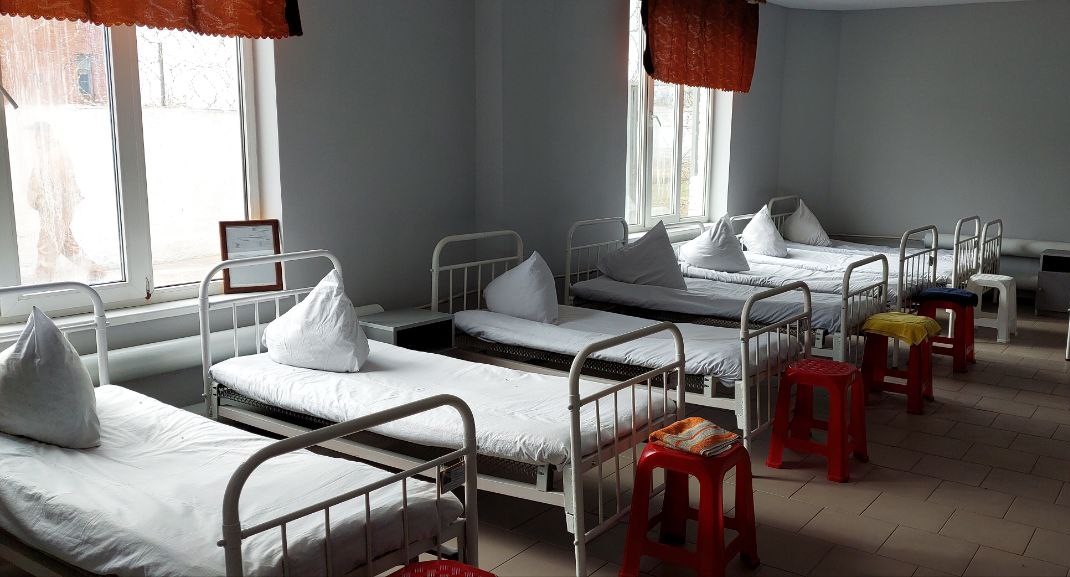
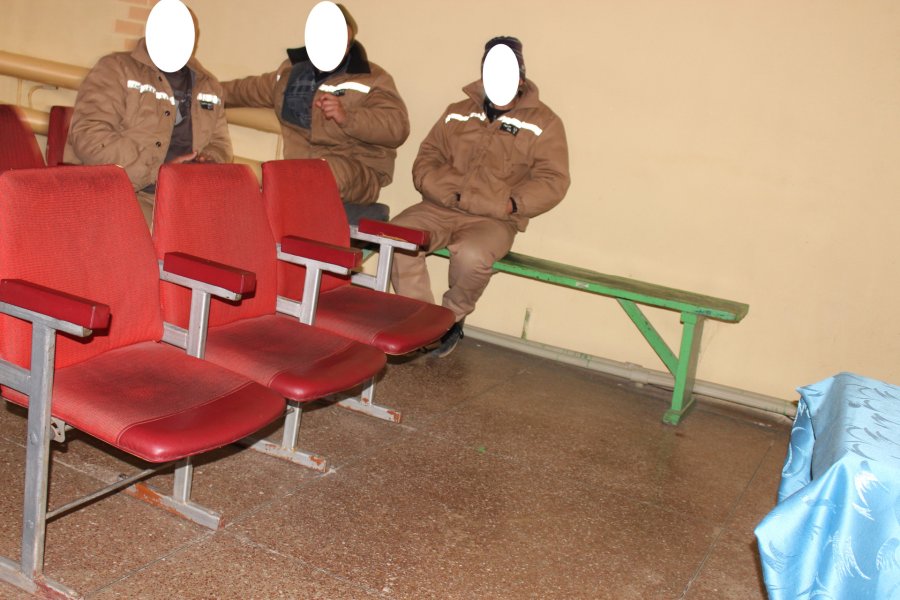
Recreation room.
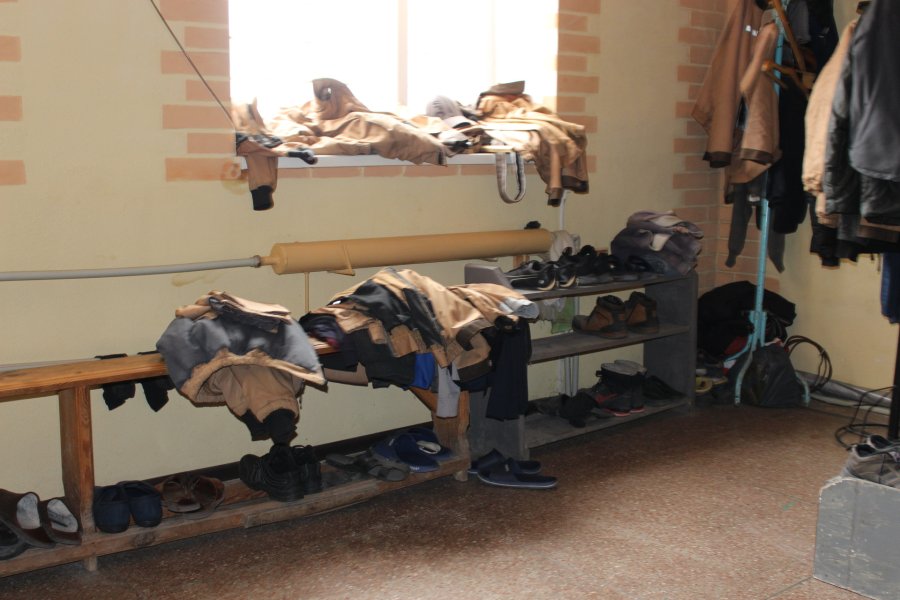
Room for storing personal belongings.
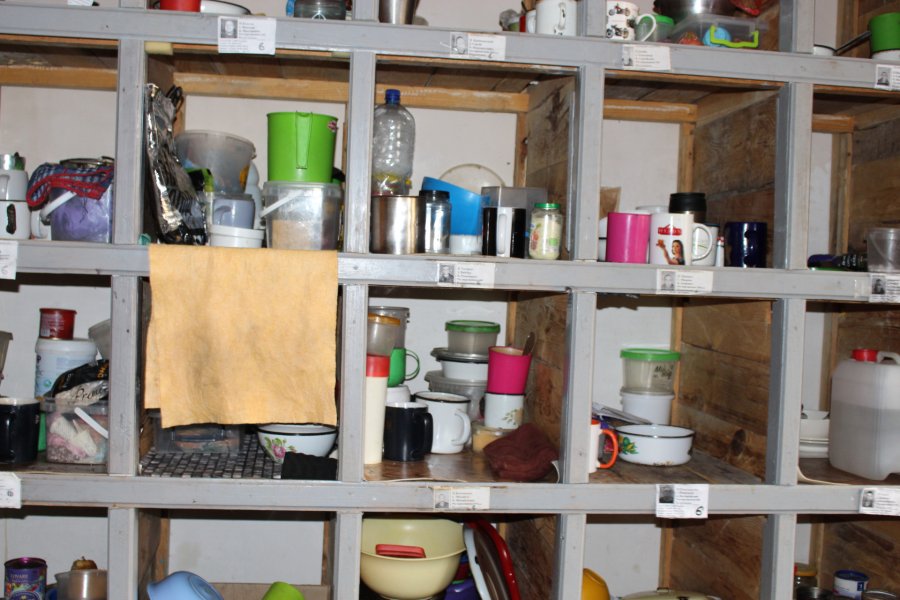
Room for food storage.
Canteen
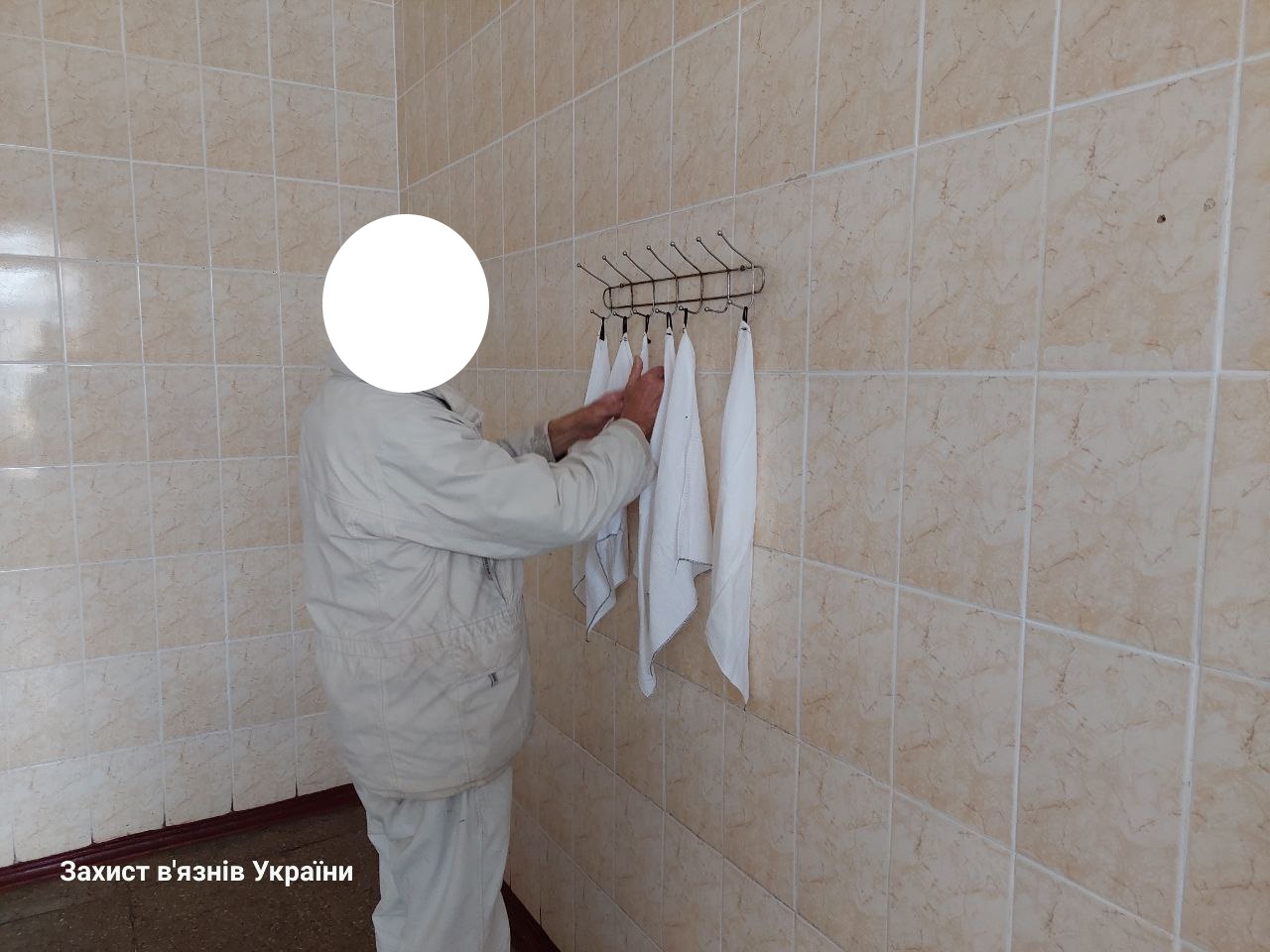
Towels were hung up during the monitoring visit.
The dining hall is large and bright; food is served via a conveyor belt.
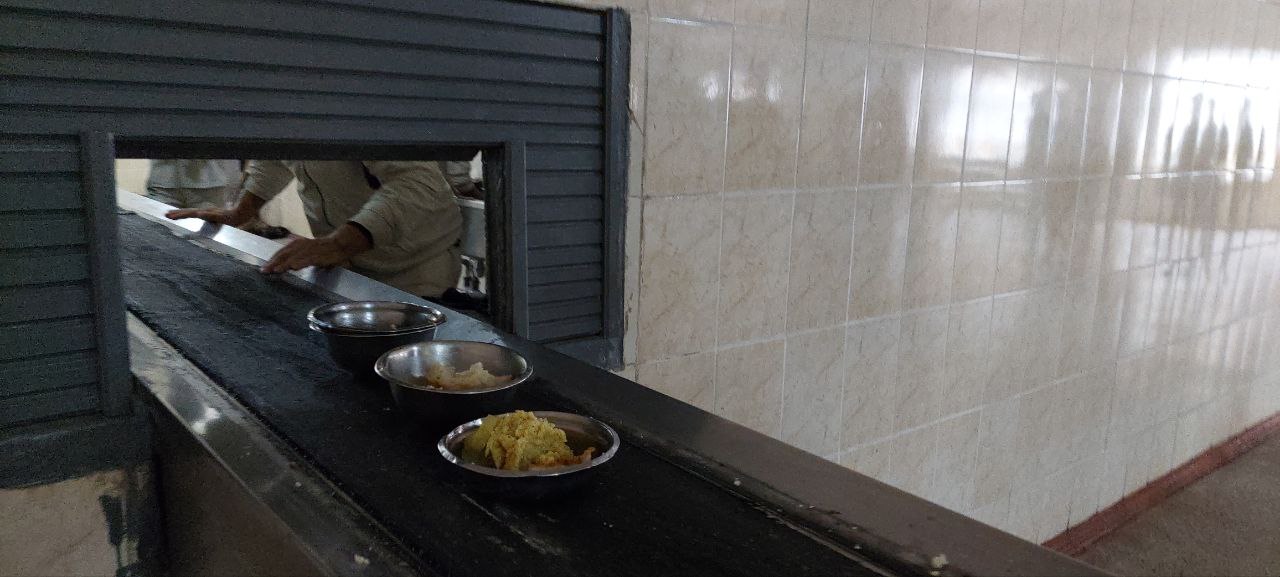
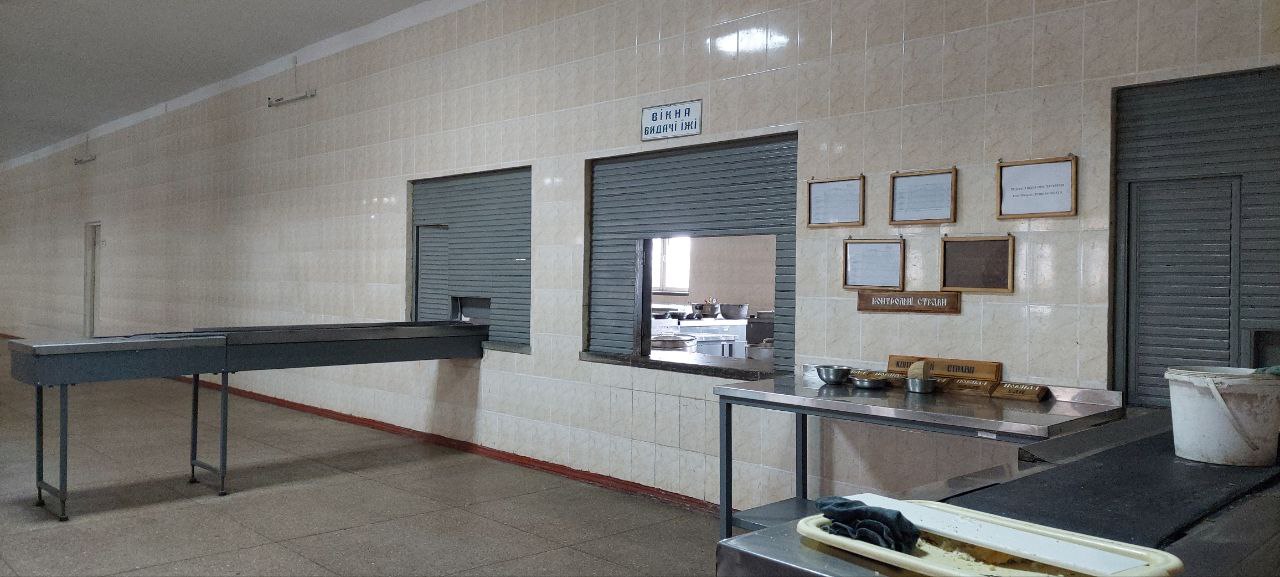
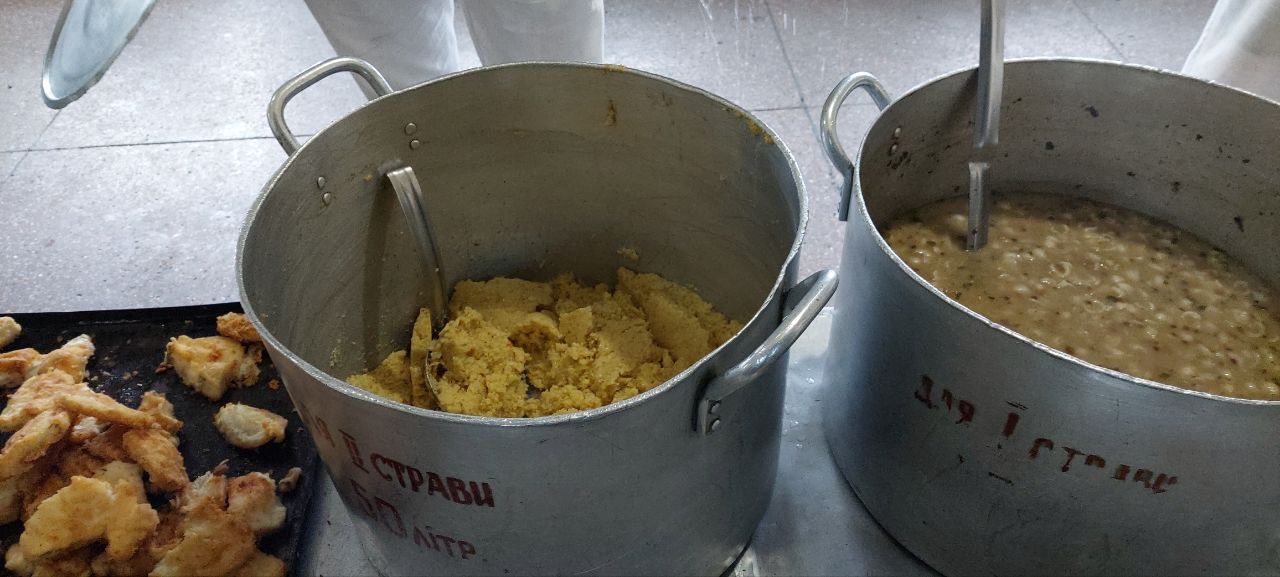
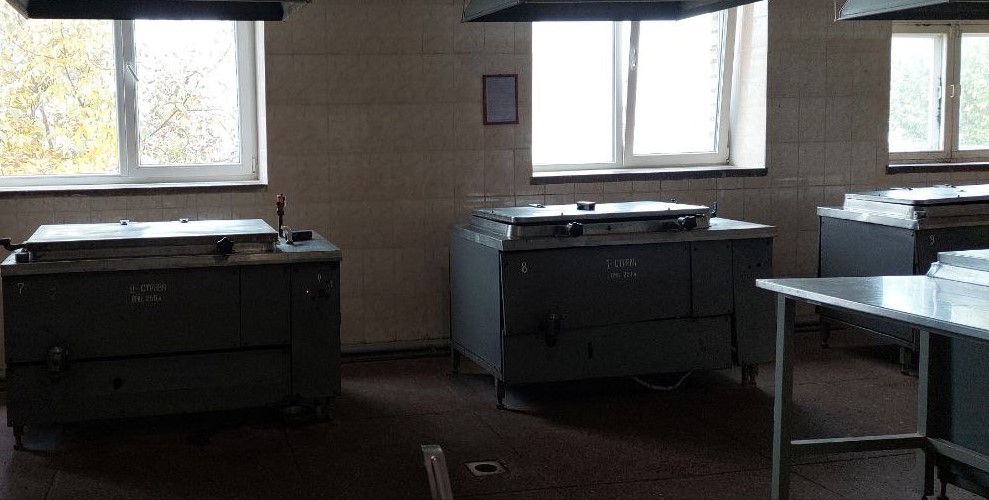
Cooking workshop.
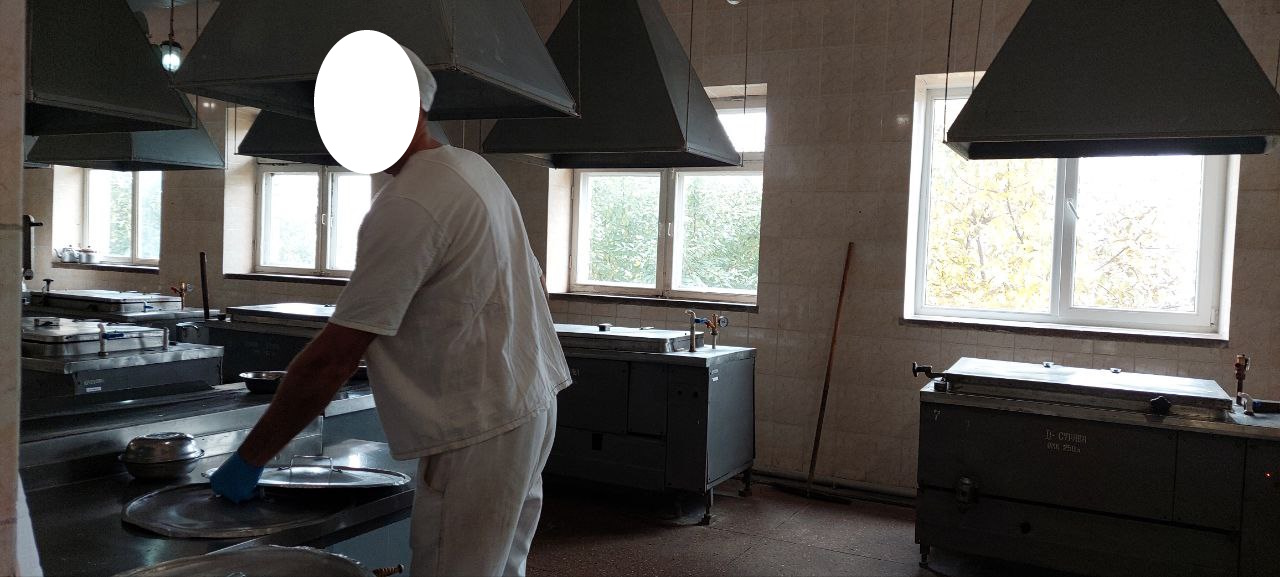
Electric boilers for preparing food.
Recommendations:
- Cease the practice of using convicts in production during two-hour ‘work-off’ periods.
- Facilitate the practice of sending correspondence in a sealed format to the Ukrainian Parliament Commissioner for Human Rights and the prosecutor’s office.
- Facilitate the clarification among convicts of their right to appeal against the actions (or inaction) of the institution’s administration.
A preventive monitoring visit regarding the observance of human rights in the penitentiary system to State Institution ‘Sofiivska Correctional Colony No. 45’ was carried out by the NGO ‘Kharkiv Human Rights Protection Group’ in conjunction with the NGO ‘Prisoners’ Rights Protection of Ukraine’, consisting of: assistant to the Member of Parliament Kostiantyn Kasai; member of the Public Council under the Ministry of Justice Serhii Zuikov; member of the Public Council under the Ministry of Justice of Ukraine Oleh Tsvilyi; assistant to the Member of Parliament of Ukraine Yaroslav Yurchyshyn, Andrii Didenko; and doctor and forensic medical expert specialist Kostiantyn Zaporozhtsev. The visit was carried out within the framework of the project ‘Reducing Suffering of Prisoners in the Context of the War in Ukraine’, funded by the government of Denmark in partnership with DIGNITY — Danish Institute Against Torture. Purpose of the visit: analysis of the observance of human rights in places of detention during the war. Head of the institution: Lieutenant Colonel of the Internal Service, O. Yu. Tsybulko.
Date of the visit: 20 October 2023