Report on the Results of a Monitoring Visit to the Novhorod-Siverskyi Institution for the Execution of Sentences No. 31
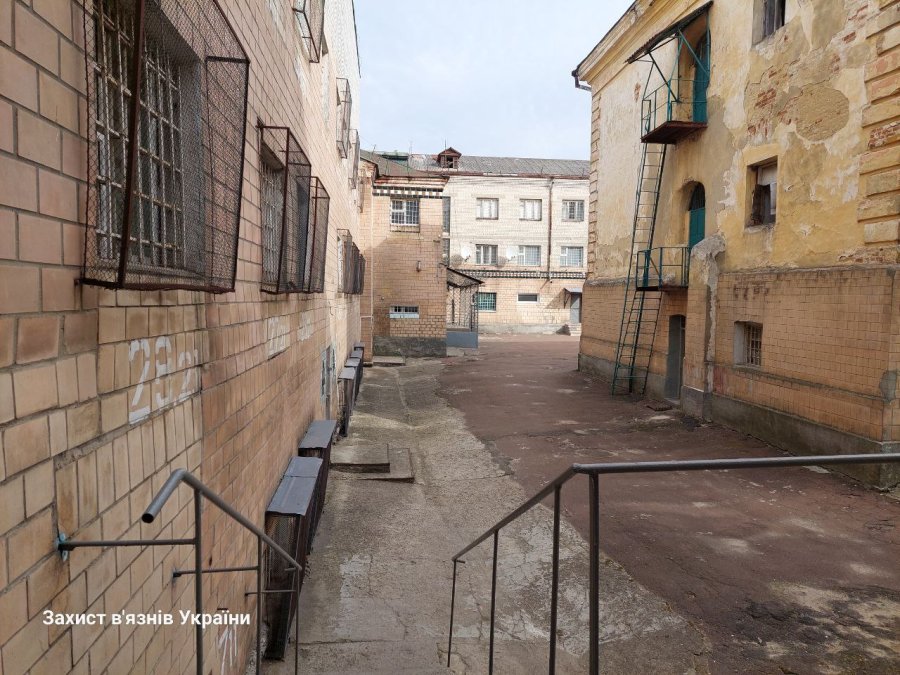
Historical Background
A stone prison was constructed in 1881 to hold dangerous criminals: rebels, conspirators against the Tsarist regime, and murderers. They would spend up to 25 years behind prison walls before being sent to Siberia for hard labour. During the 1917 revolution, political prisoners were held in the Novhorod-Siverskyi prison. From April to November 1918, the prison served as a place for convicted opponents of the Central Council suspected of having links with the Bolsheviks. From 1918 to 1941, the Novhorod-Siverskyi prison was a place of punishment for political prisoners, i.e., victims of the class struggle, the repressed, and others. From 26 August 1941 to September 1941, the Fascist occupiers held soldiers who had been encircled and were suspected of having links with partisans, as well as criminal elements, here. Interrogations involving torture and executions were carried out behind these stone walls. 150 prisoners were buried on the prison grounds, while the rest were taken to the St. Nicholas Church to be buried. After the liberation of the Novhorod-Siverskyi region from the German occupiers, collaborators with the Fascists — village heads (starostas), policemen, and other traitors — served their sentences within the prison walls. In April 1944, they were sent to Chernihiv. Until 1955, the institution served as a place of detention for persons who had committed serious crimes. A new page in the institution's history began in 1965, when a medical-labour department was created at the EA-128/44 institution based on the old prison. On 1 August 1991, an educational-labour colony began its operations, which was repurposed into a pre-trial detention centre in July 1995. Through the efforts of the staff, new towers were built, the fence was renovated, and in 1996, prisoners of the high-security regime began the construction of regime blocks (the construction of the block was completed in 1999).
During the visit, the monitoring group examined documentation related to the institution's operations, medical records, and inspected utility rooms, living quarters, and the medical unit for compliance with the requirements of Ukrainian legislation and international standards. The monitors visited the cells for holding pre-trial detainees, the assembly unit, investigative offices, the bathhouse, the canteen, the medical unit, visitation rooms, and the unit for holding life-sentenced prisoners. The head of the institution is Colonel of the Internal Service Valentyn Ivanovych Spychak. The monitors were accompanied by Colonel of the Internal Service Valerii Vasylovych Vorushylo.
General Section
The institution consists of a maximum-security unit for holding life-sentenced prisoners and a pre-trial detention centre. According to the institution's management, 118 persons were being held in the institution at the time of the monitoring visit. 23 persons were under investigation (three of whom were women). 81 persons were in the unit for life-sentenced prisoners, six were left to work on the farm, and eight persons were sentenced to arrest.
During the current year, 81 persons have arrived at the pre-trial detention centre. Two psychologists are employed. Six people are employed under employment contracts. There were 44 people in the medical unit. The administration’s attitude towards the prisoners is humane. There are two persons registered with HIV/AIDS, six prone to suicide, three prone to self-harm, and two malicious violators of the detention regime. There is one person registered with a Category I disability and five with a Category III disability. 34 people were released in 2022, and 43 in 2023. There was one ambulance call in 2022 and one in 2023. Physical injuries were recorded once upon arrival in 2022, and also once upon arrival in 2023. There are 12 prisoners in the institution who are completely ostracised. 68 prisoners have tablets for their own use. In 2022, there were 23 long-term visits, and 38 in 2023. Short-term visits in 2022: through glass — 37, contact — four; in 2023: through glass — 50, contact — three visits. 6,561 phone calls were made during the current year. A staff shortage of 14 employees was identified. This includes two middle and senior ranking officers, nine junior ranking officers, and three employees without special ranks.
Regarding humanitarian needs, the institution lacks a tablet and drinking water tanks. The institution's management provided a laboratory result of the drinking water quality analysis.
Monitors from the Kharkiv Human Rights Protection Group conducted research on the sending and receiving of correspondence in this colony. In 2022, two sealed appeals were sent to the Ukrainian Parliament Commissioner for Human Rights; in 2023, zero appeals. Received: in 2022 — nine letters, in 2023 — zero letters. Sent to the prosecutor's office: in 2022 — four appeals, in 2023 — zero appeals. Received: in 2022 — 15 letters, in the current year — 11 letters. 76 appeals were sent to other government bodies in 2022, and 20 in 2023. To human rights organisations: four letters in 2022, two in 2023.
Novhorod-Siverskyi Municipal Medical Unit No. 31
The head of the Novhorod-Siverskyi Municipal Medical Unit No. 31 of the branch of the Centre for Health Care of the State Criminal-Executive Service of Ukraine in the Chernihiv region (hereinafter referred to as the medical unit) is Svitlana Komar.
During the visit, the monitoring group studied the medical documentation and inspected the premises of the medical unit for their compliance with the requirements of Ukrainian legislation and international standards. Defects in the work of the Novhorod-Siverskyi Municipal Medical Unit No. 31 were identified that lead to the violation of the rights of prisoners and persons held in custody, in particular:
1. Violation of the rights of convicted and imprisoned persons when providing medical care
The medical unit has not organised the provision of inpatient medical care, namely:
1.1 Inpatient examination and treatment of patients with an estimated duration of stay of up to 30 days.
1.2 Inpatient treatment of non-transportable persons taken into custody and convicts who are left at the State Institution “Novhorod-Siverskyi Institution for the Execution of Sentences No. 31” until their condition stabilises and they can be sent to healthcare facilities.
1.3 Temporary isolation in the isolation ward of the municipal medical unit for infectious patients or patients suspected of having infectious diseases to provide them with primary medical care, supervision and monitoring, and for the collection of materials necessary for the diagnosis of the disease and referral to specialised medical facilities.
1.4 Treatment of patients after their discharge from healthcare facilities in accordance with the conclusions of healthcare specialists.
1.5 Detention of patients subject to release due to illness, if it is impossible for them to stay in cells.
At the same time, only outpatient medical care is organised in the medical unit. This situation has arisen due to the lack of separate premises necessary to create an inpatient ward in the medical unit.
2. Violations during preventive medical examinations and medical check-ups. Violation of prisoners' rights to medical care
2.1 A general practitioner (or general practice/family physician), a psychiatrist, and a dentist must participate in the preventive medical examination. At the same time, the vacant position of a dentist and the absence of a gynaecologist on the medical unit's staff indicate that the primary and preventive medical examination is not being conducted in full. Convicts and detainees do not receive proper medical care.
2.2 There is no logbook for recording the results of preventive medical examinations.
3. Violation of the prisoners' right to choose treatment methods and improper record-keeping
3.1 The medical unit has not organised opioid substitution therapy (hereinafter referred to as OST) for persons with mental and behavioural disorders resulting from opioid use. Drug-dependent persons are not provided with social-psychological support, cognitive-behavioural therapy (CBT), relapse prevention, motivational interviewing, self-help groups, etc.
3.2 In violation of the order of the Centre for Health Care of the State Criminal-Executive Service of Ukraine dated 29 October 2021, No. 318-OD “On the approval of the primary recording card for external injuries, instructions for its completion, and the form of the log for recording detected bodily injuries”, a copy of the card is not attached to the outpatient medical record 025/o but is stored separately.
4. Lack of equipment, medical supplies, and medicines in the medical unit
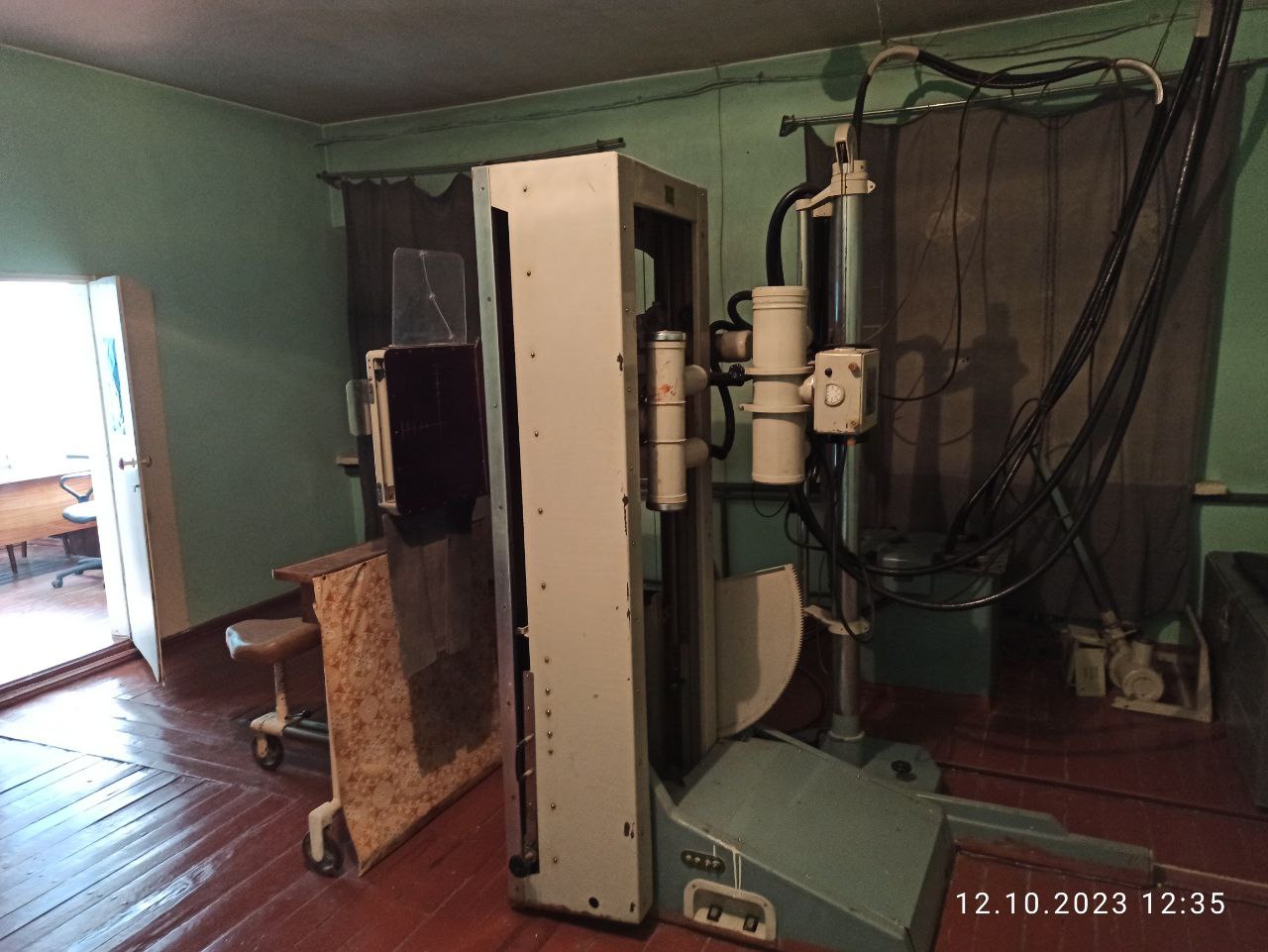
4.1 The medical unit lacks a dental X-ray machine, which makes it impossible to conduct in-depth dental examinations of prisoners and does not ensure the timely provision of proper dental care.
4.2 Expired medicines were found during the inspection of the medical unit's dental office.
4.3 Medicines were stored on the floor of the medical unit's premises.
5. Violation of the right to proper psychiatric care
The isolation ward for persons with mental disorders is not equipped with supply and exhaust ventilation; there is no possibility to open a window independently, the sanitary facilities are not equipped with doors, and there is no tank with boiled drinking water.
6. Violation of the prisoners' right to privacy
Monitors recorded installed video surveillance cameras in the isolation wards. However, the use of video cameras and portable video recorders is prohibited in premises (cells) where medical examinations (inspections) of detainees and prisoners are conducted, or where personal searches involving undressing take place. This fact indicates that the institution's staff receive confidential information regarding the health status of the prisoners undergoing treatment in these ward-cells during medical examinations, doctor rounds, manipulations, and procedures.
7. Violation of the rights of persons with viral hepatitis C
Since the beginning of 2023, the medical unit has used rapid tests to screen 43 people for viral hepatitis C (hereinafter referred to as HCV), of whom five were suspected of having the disease. Persons with suspected viral hepatitis C do not undergo PCR testing, due to which they do not receive the necessary treatment, which may lead to a deterioration in their health and the spread of the aforementioned infectious disease among the prisoners and detainees.
8. Violation of the right of detainees and prisoners to proper sanitary and hygienic conditions in a healthcare facility
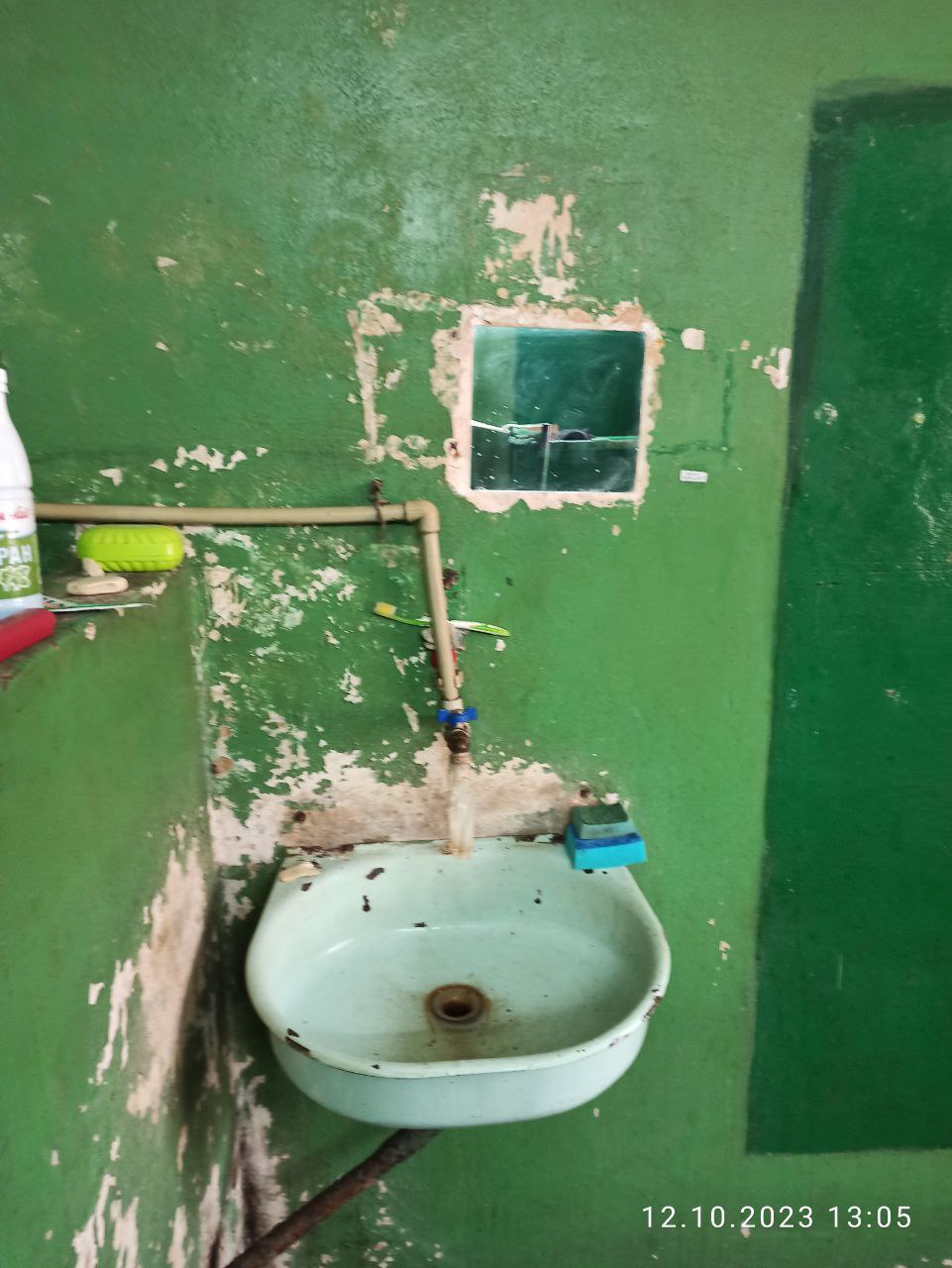
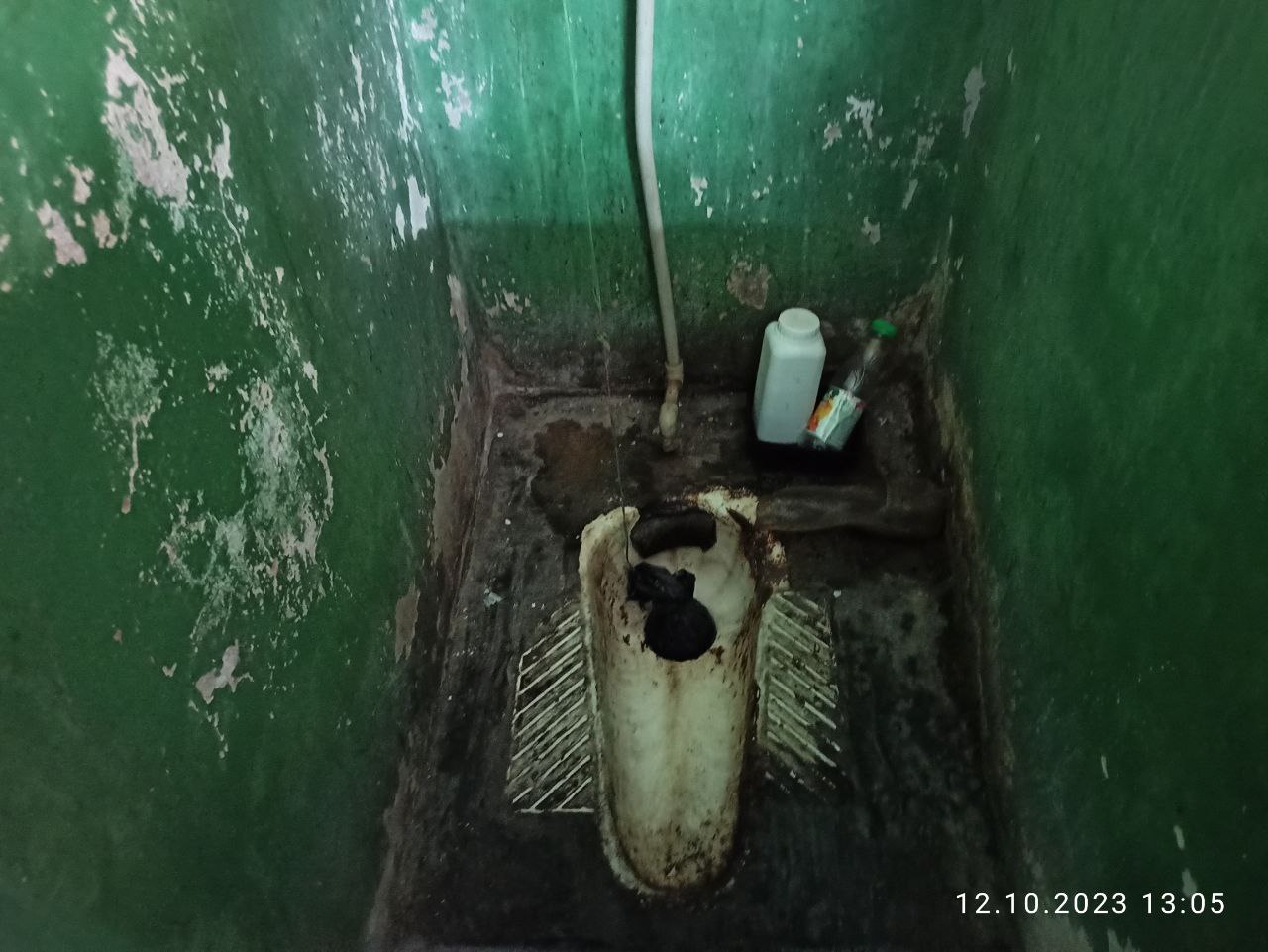
8.1 Some premises of the medical unit, such as ward-cells and isolation wards, require renovation: the floor and the bathroom need repair, walls have peeling paint in places, and floor tiles are chipped. This complicates the disinfection of these premises.
8.2 Convicted persons do not receive hospital property (hospital suit, robe, and shoes). Convicts stay in the inpatient ward in their everyday clothes.
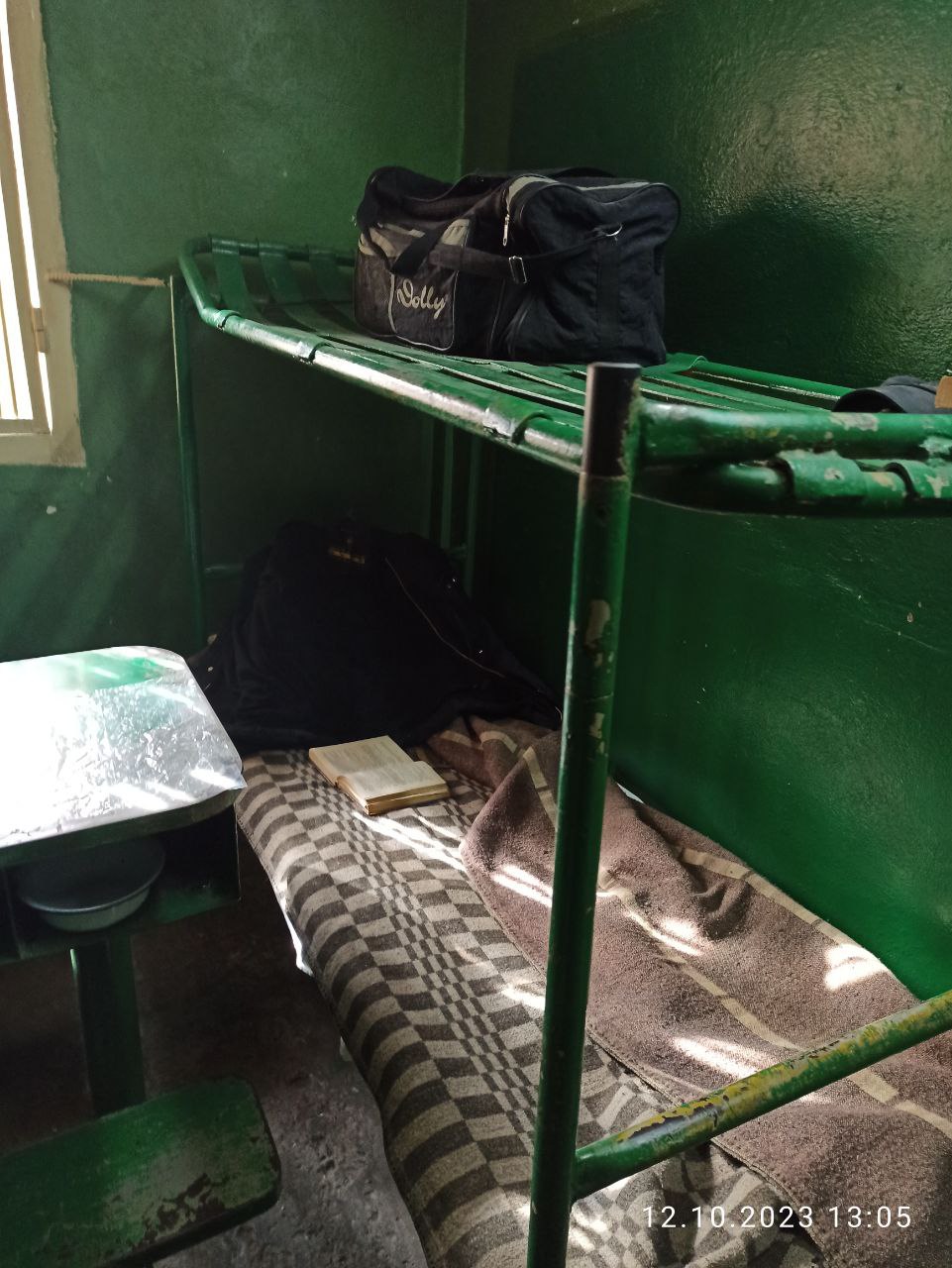
9. Violation of fire safety regulations
The premises of the medical unit are not equipped with fire extinguishing or fire alarm systems. Furthermore, the doctor's office and the X-ray room are not equipped with fire extinguishers. This does not ensure safe conditions for patients in the inpatient ward and may pose a threat to their life and health.
Investigative Offices
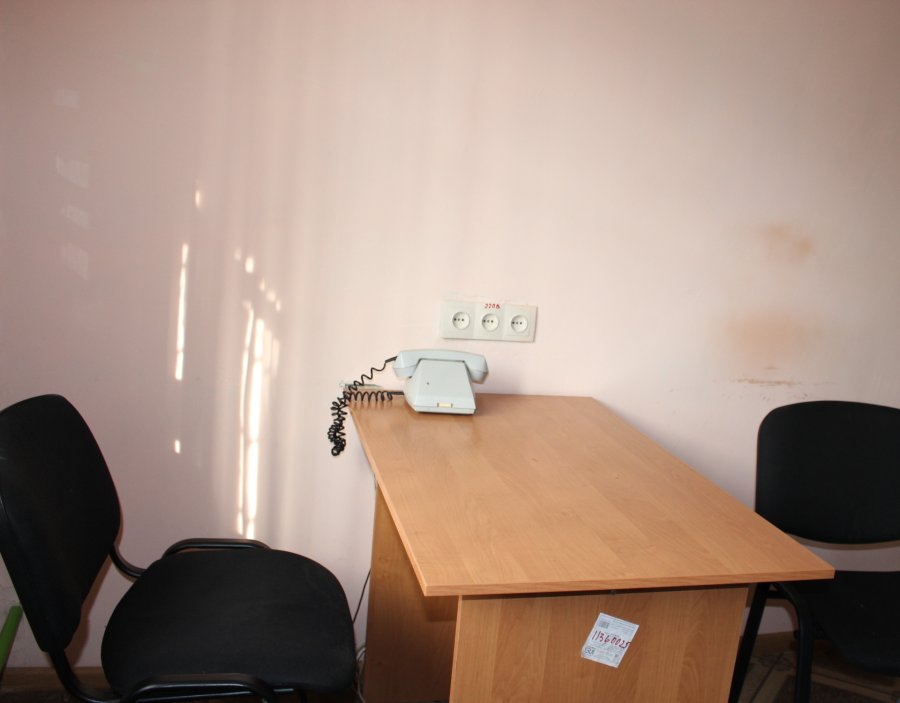
The premises for meetings with lawyers and conducting investigative actions are equipped with a panic button.
Cells
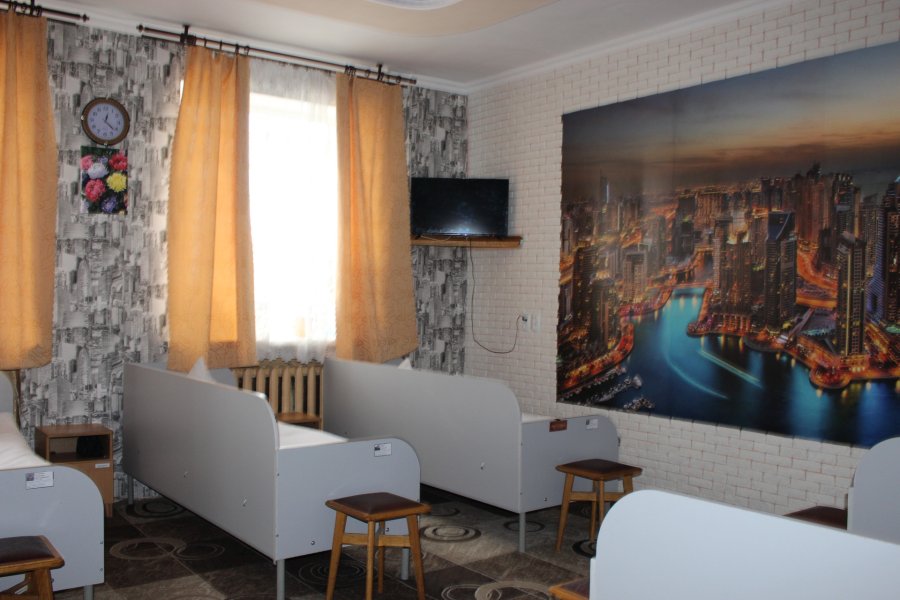
Cells for pre-trial detainees. Some premises need repair.

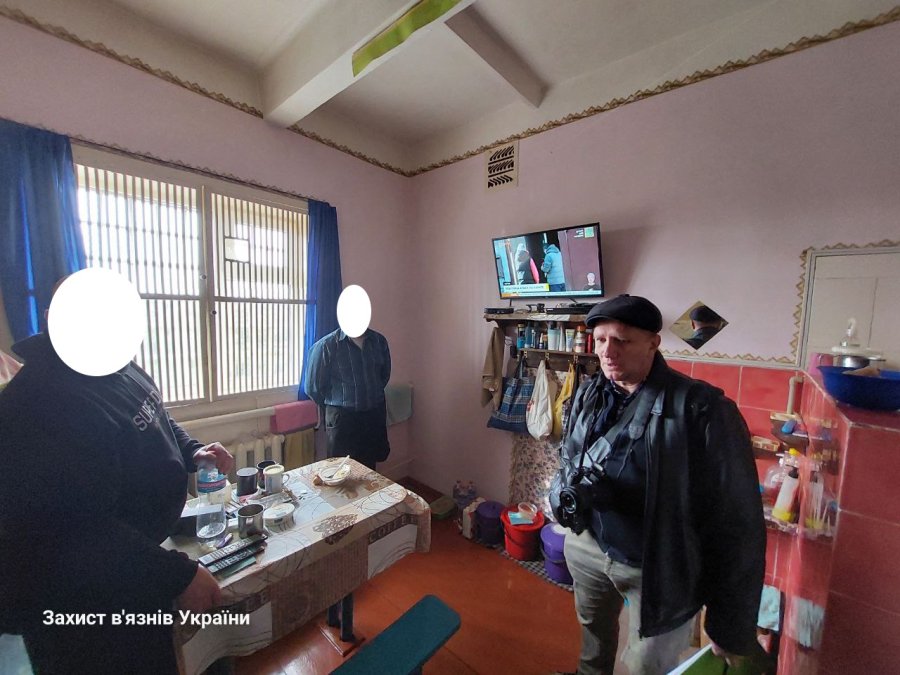
There are women's cells.
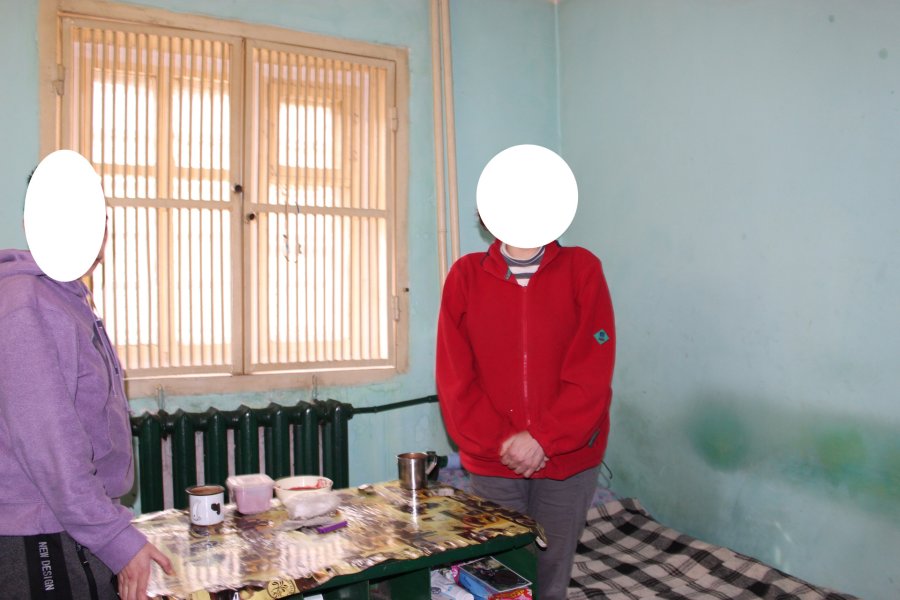
There are cells for convicts who have been left for household work. Beds have personal space.
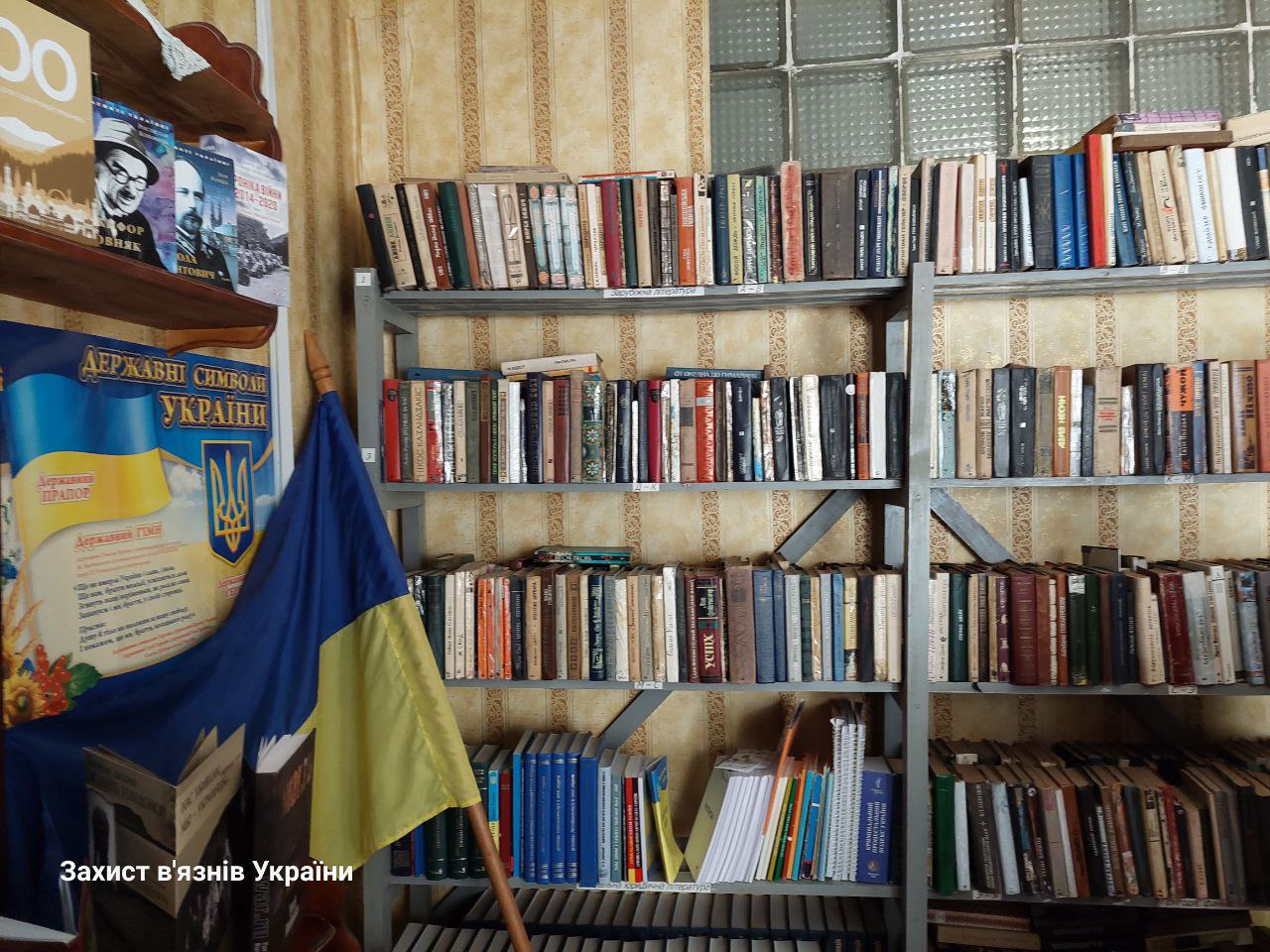
Library

Orthodox Church on the Institution Grounds

Unit for Life-Sentenced Prisoners
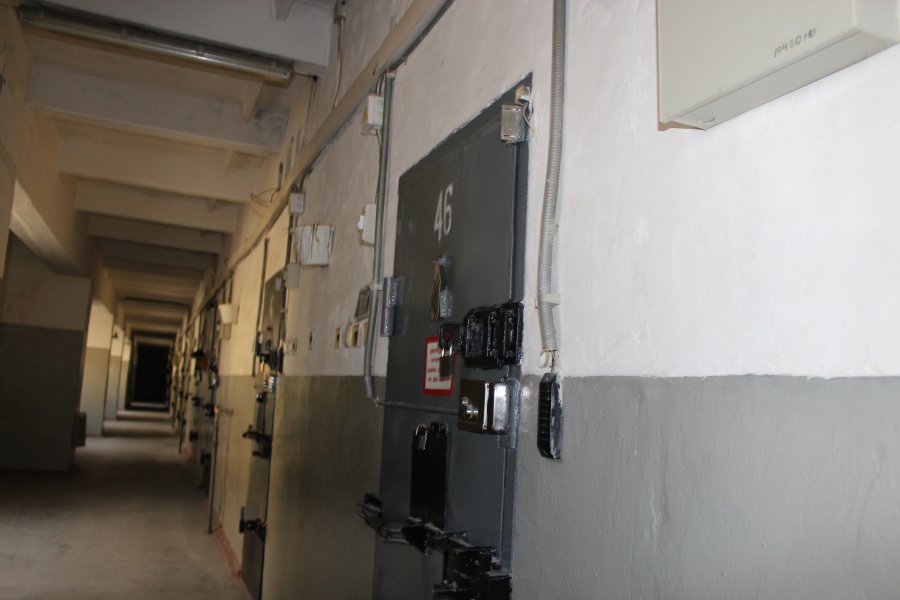
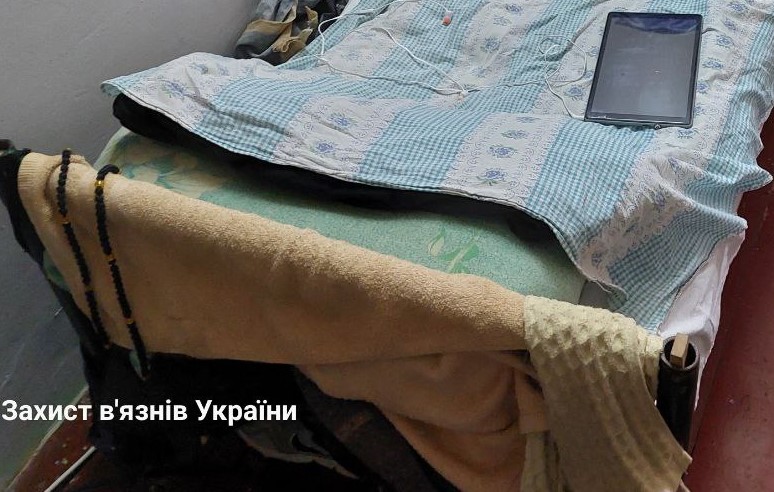
Life-sentenced prisoners actively use internet services and have their own tablets with network access.
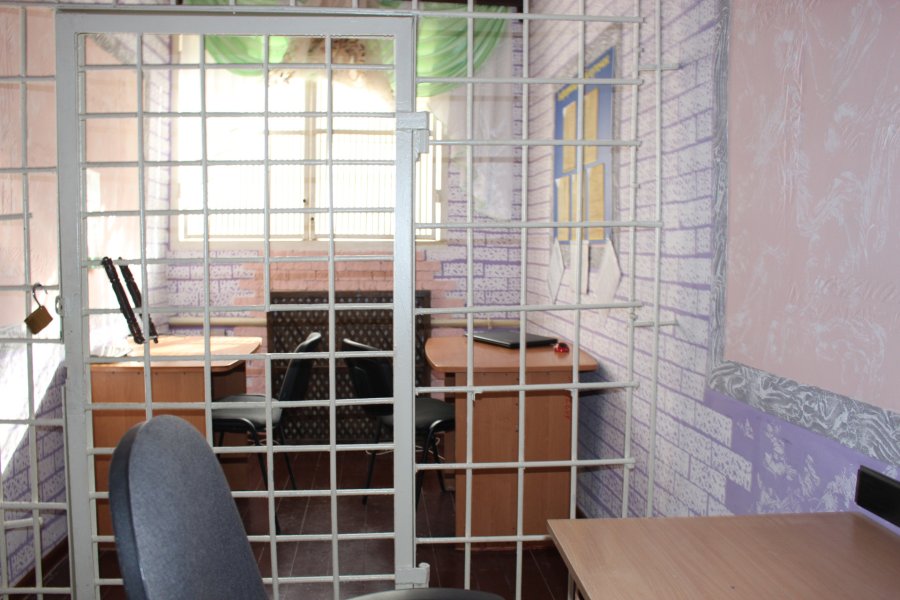
Phone calls take place in a special room; the prisoners have their own cards.
There is internet access in the cells.
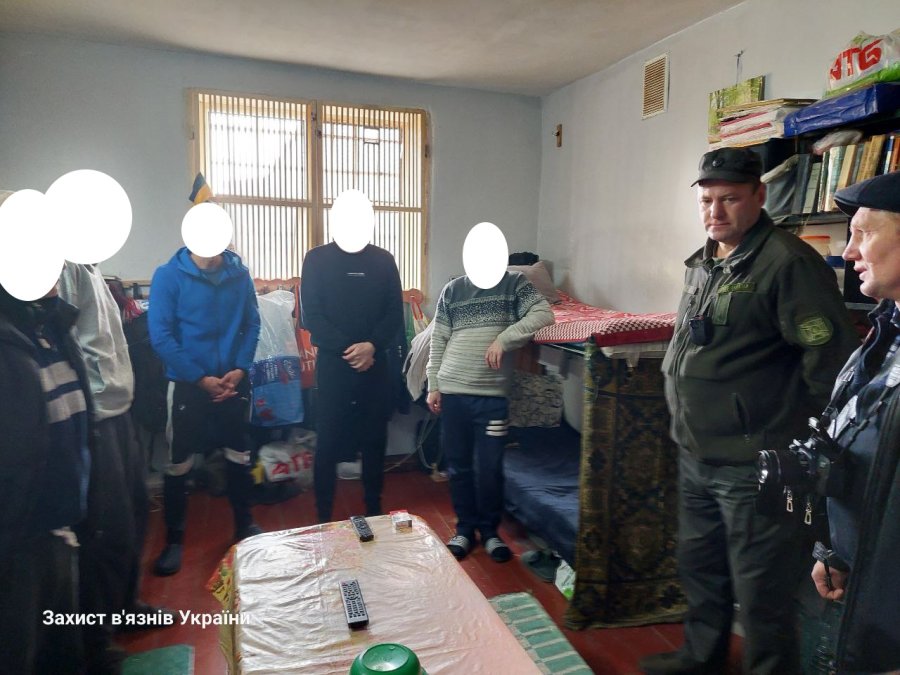
There are multi-occupancy and single-occupancy cells.
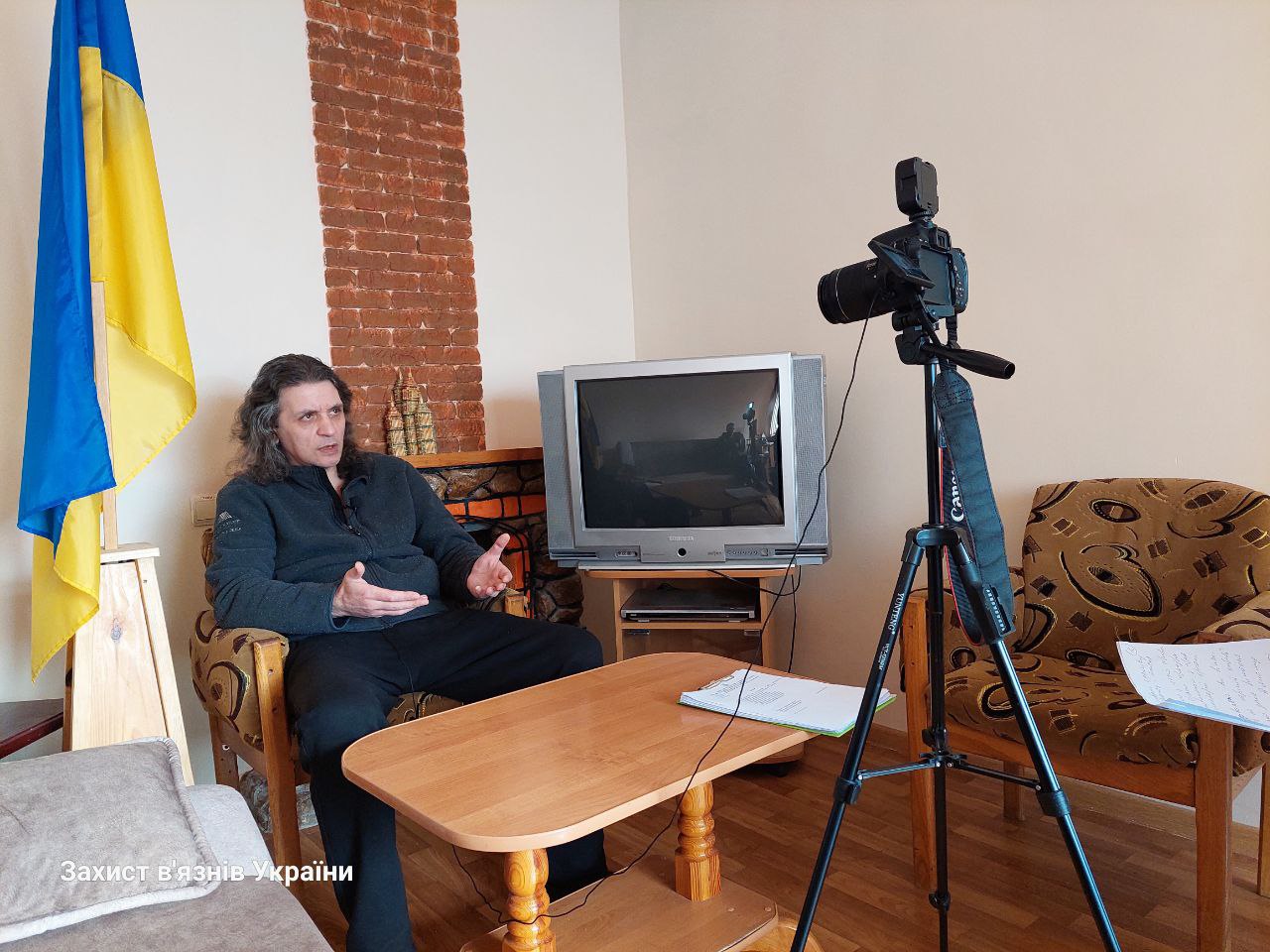
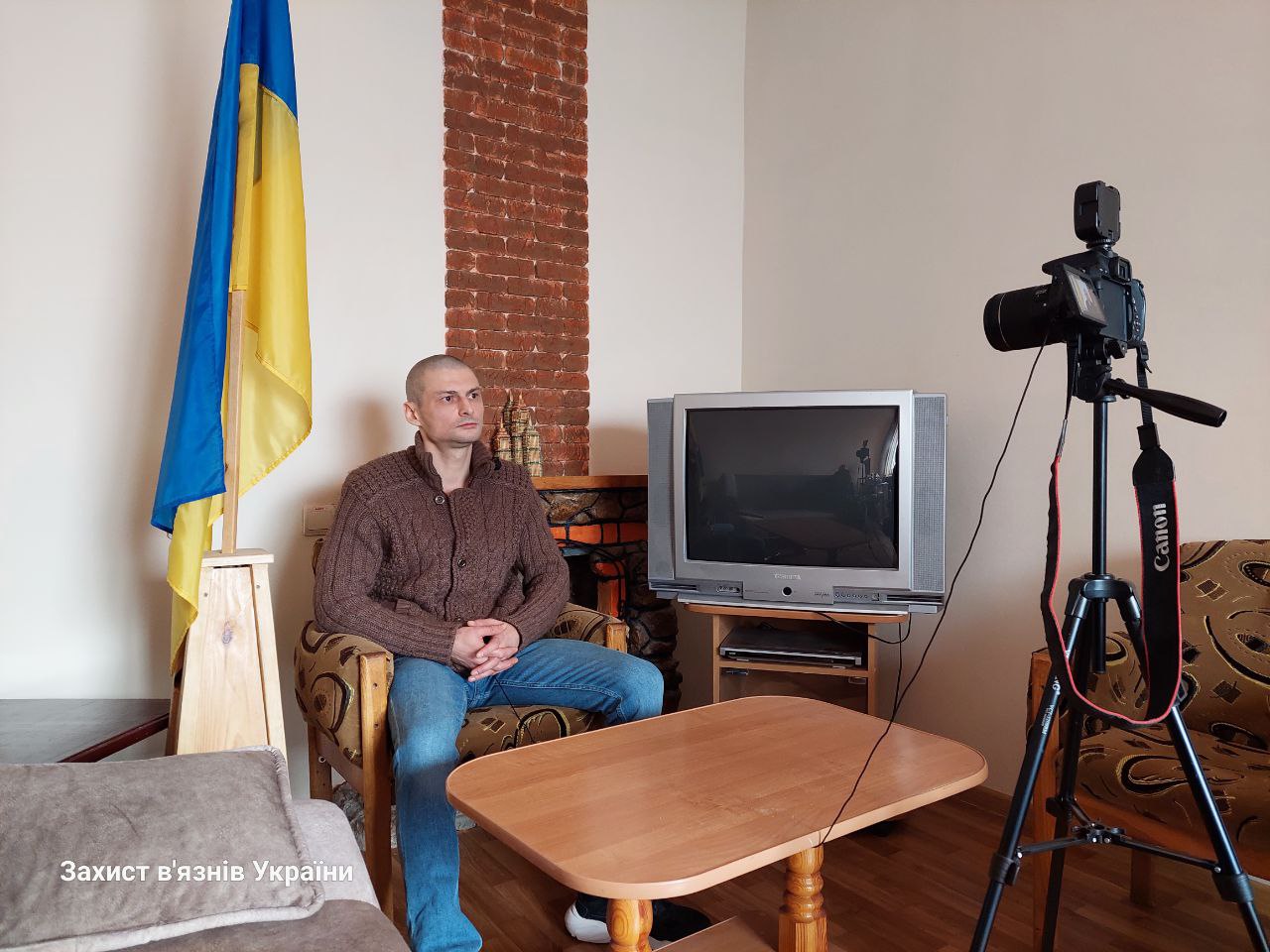
Within the framework of the campaign to implement the right to a fair trial and release from life imprisonment, the monitors recorded interviews with two life-sentenced prisoners.
Dmytro Kalii, a life-sentenced prisoner, claims that he was sentenced unjustly, did not commit the crime, and is unable to seek a review of the judicial decision due to the lack of a procedure for reviewing judicial decisions that give rise to reasonable doubt.
Volodymyr Petukhov is the applicant in two decisions of the European Court of Human Rights. The second decision, “Petukhov v. Ukraine No. 2”, has a quasi-pilot character and requires changes to legislation and the practice of release from life imprisonment and the application of parole.
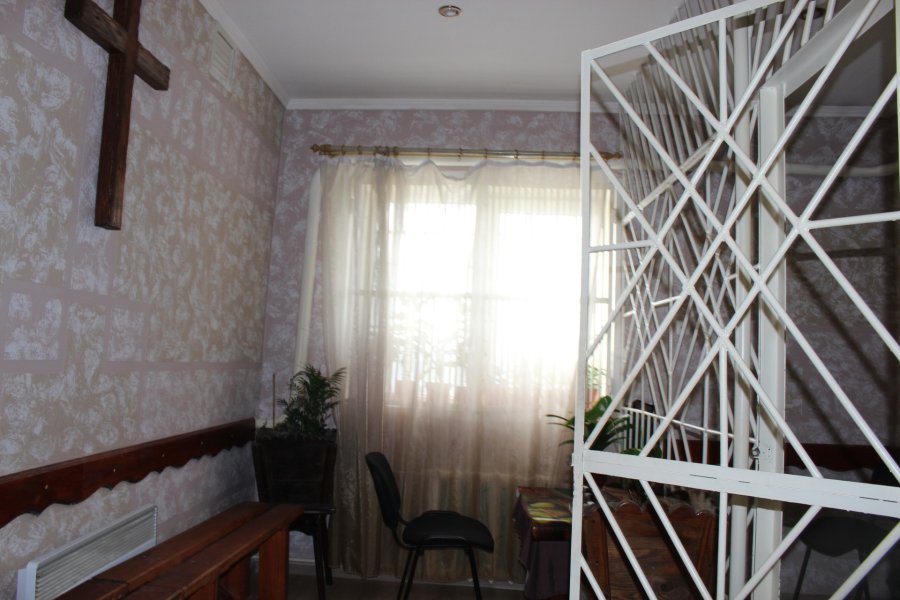
Prayer Room
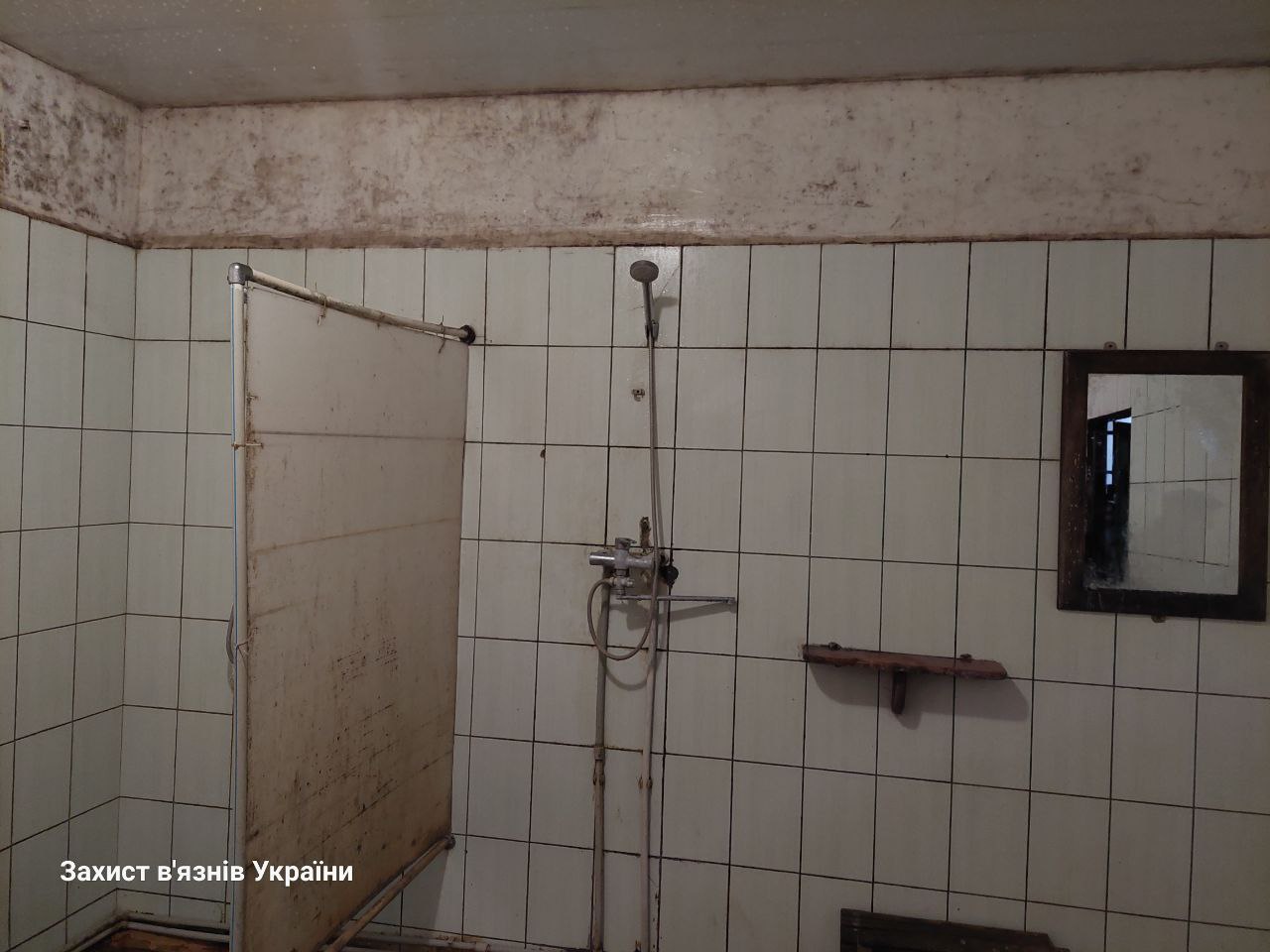
Bathhouse
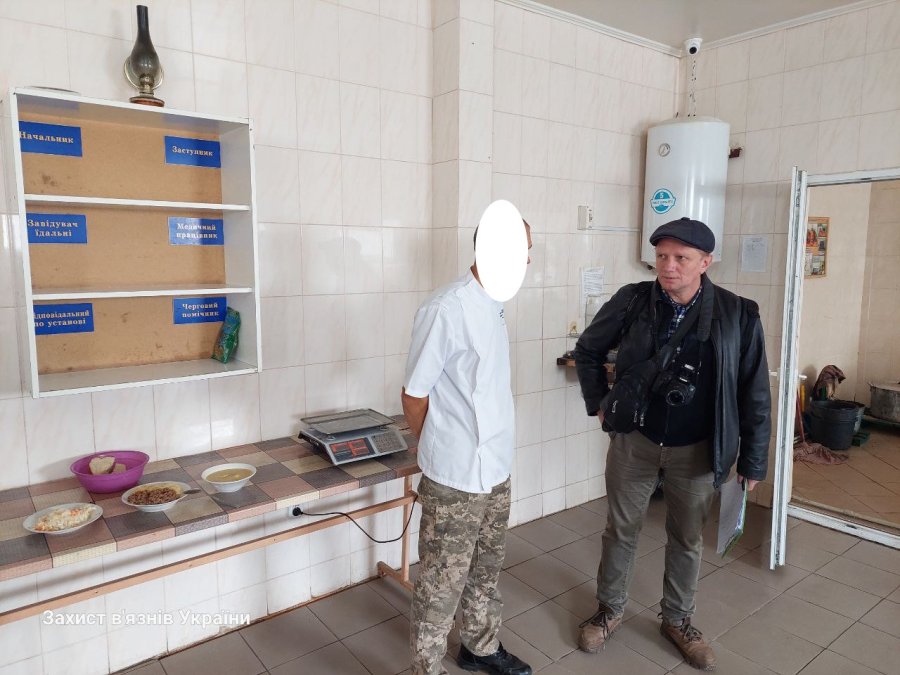
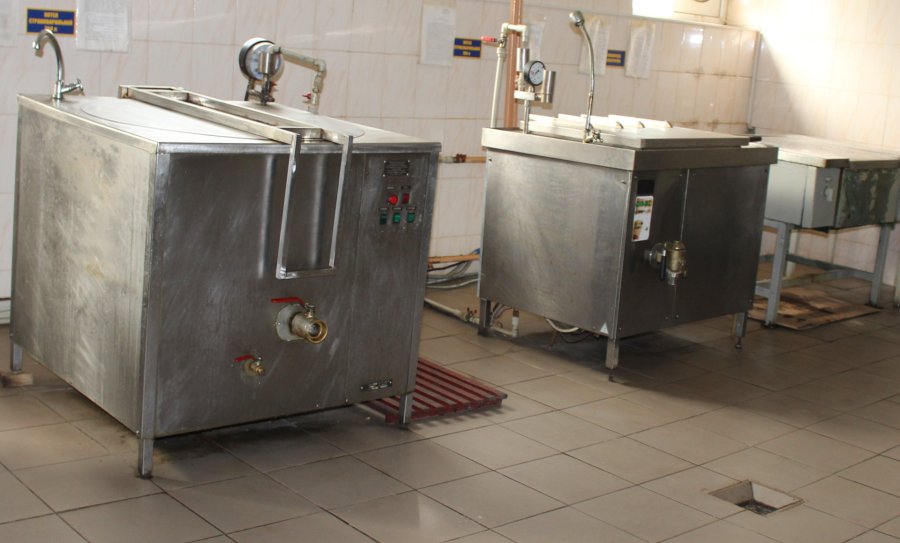
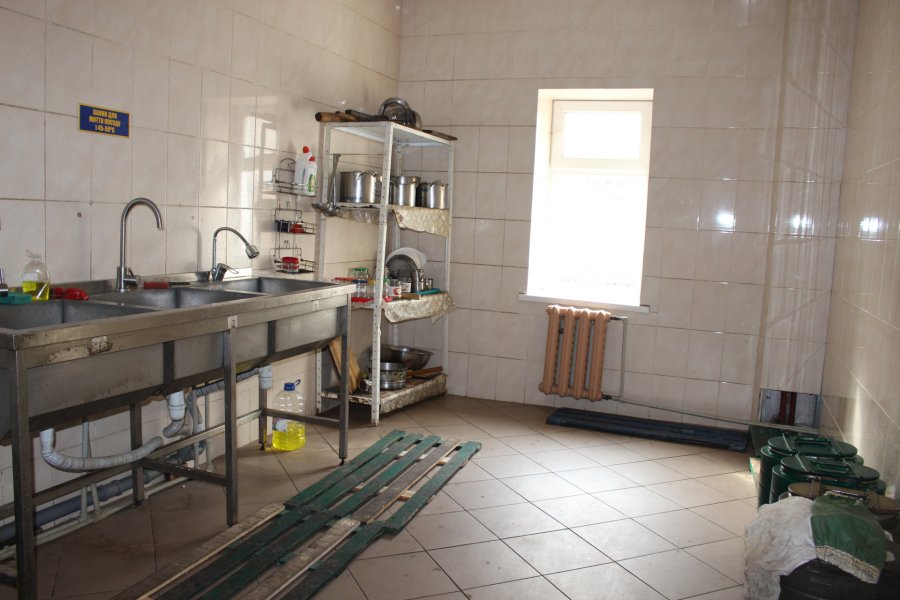
Canteen
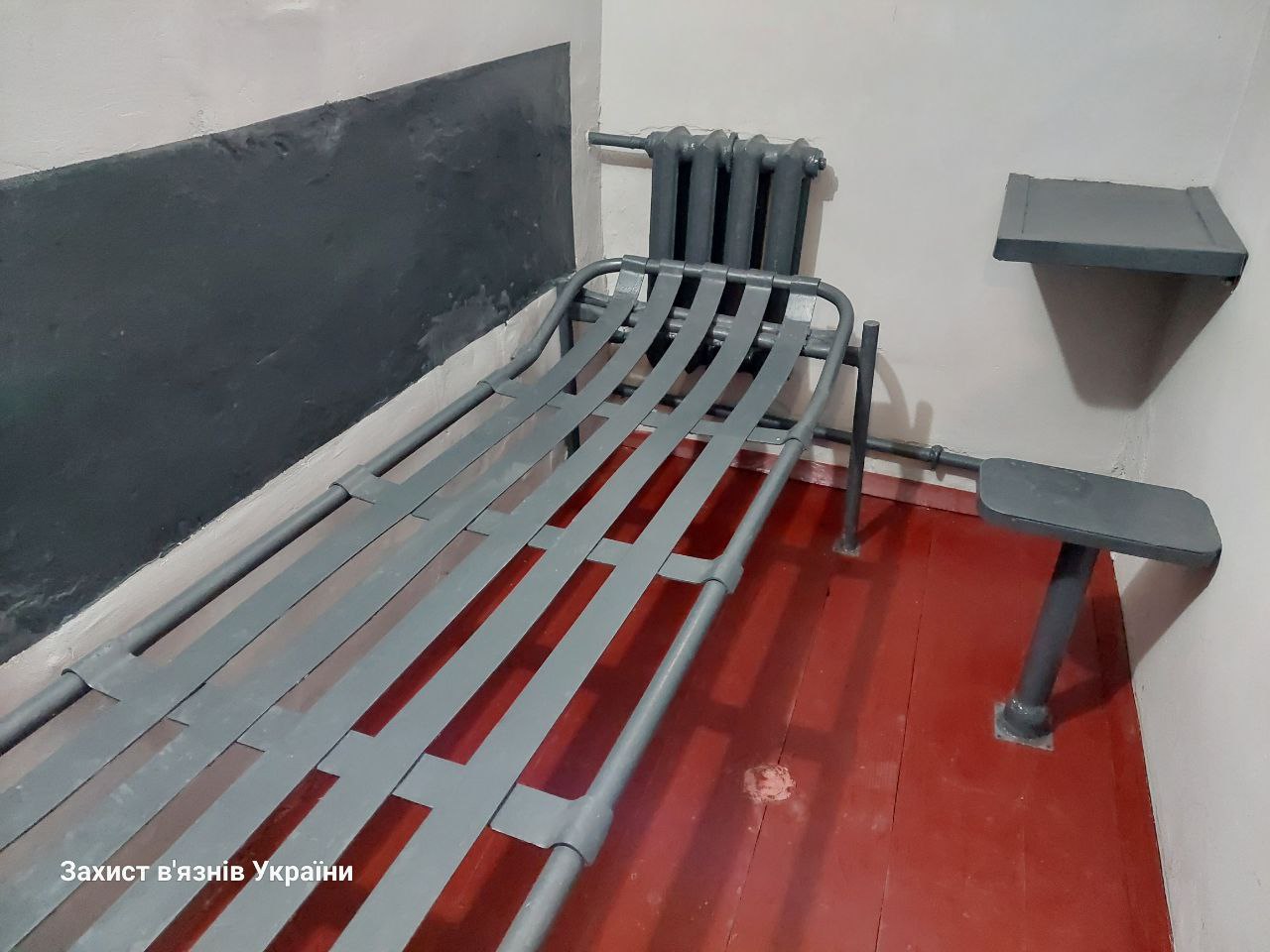
Punishment Cell
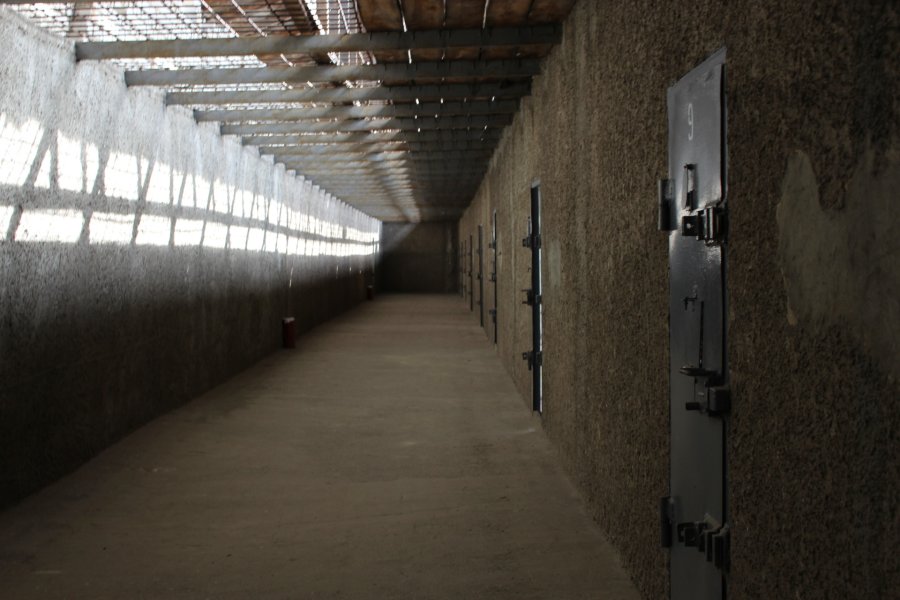
Exercise Yards
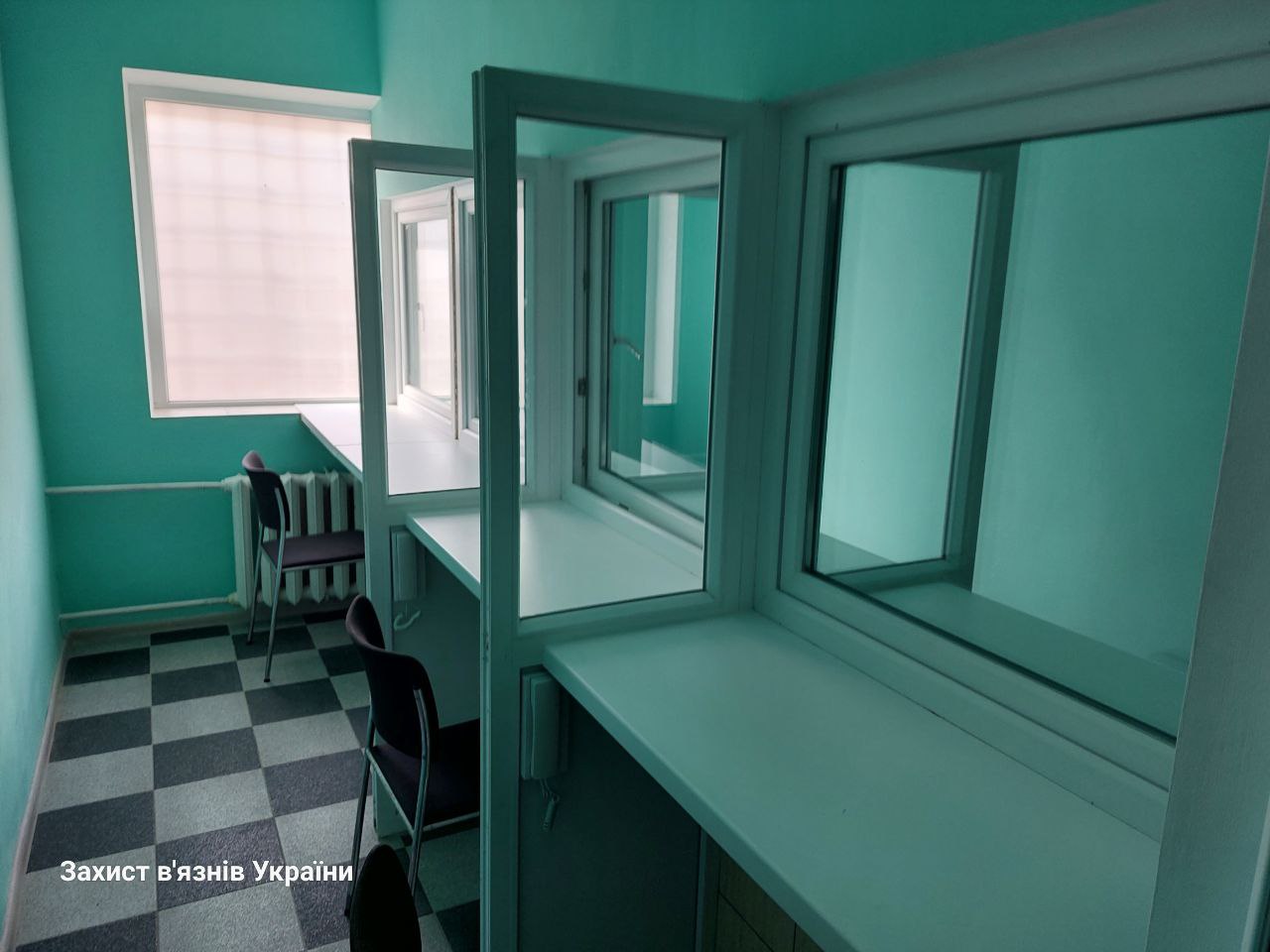
Rooms for Short-Term Visits
A preventive monitoring visit to the Novhorod-Siverskyi Institution for the Execution of Sentences No. 31 was carried out by the Kharkiv Human Rights Protection Group together with the NGO “Protection of Prisoners of Ukraine”. The monitoring group consisted of the Assistant to the People's Deputy of Ukraine Kostiantyn Kasai, member of the Public Council under the Ministry of Justice of Ukraine Serhii Zuikov, member of the Public Council under the Ministry of Justice Oleh Tsvilyi, Assistant to the People's Deputy of Ukraine Yaroslav Yurchyshyn, and KHPG programme coordinator Andrii Didenko. The purpose of the visit was to analyse the observance of human rights in places of detention during the war. The visit was carried out within the framework of the project “Reducing the Suffering of Prisoners in the Context of the War in Ukraine”, funded by the government of Denmark in partnership with DIGNITY — Danish Institute Against Torture.
Date of visit: 12 October 2023
Editor: Emiliia Prytkina