Report on the Results of a Monitoring Visit to the Rivne Pre-Trial Detention Centre

Historical Background
The former Rivne prison (Prison No. 1) was built in the mid-19th century. It was the only “ornament” of the city, because instead of a town hall — the main signifier of a settlement claiming to be a city — the architectural dominant of Rivne for almost 100 years was the prison. The Rivne prison was once the central gaol of Western Volhynia. According to Polish archival sources, during the Tsarist Russian era, it was not intended for the serving of sentences but served as the main transit prison for criminal and political offenders, from where they would depart in large groups on foot to Siberia. The prison building was an atypical structure, built of brick in 1890, which remained a single-storey building until 1957 and consisted of 23 cells. In 1979, a new regime building with 54 cells and a total area of 828 square metres was constructed.
During the visit, the monitoring group examined documentation concerning the institution’s operations, medical documentation, inspected the intake unit posts, cells for holding those in pre-trial detention and those convicted, those sentenced to life imprisonment, cells for women, utility rooms, and the medical unit for compliance with the requirements of Ukrainian legislation and international standards.
The Head of the institution is Volodymyr Oleksandrovych Kalambet, Colonel of the Internal Service (on leave). The Acting Head of the institution (at the time of the inspection) is Serhiy Mykolayovych Sobchuk.
The monitors were accompanied by representatives of the institution’s management: Viktor Vasylovych Baranovsky, Serhiy Anatoliyovych Herasymchuk, and Oleksandr Serhiyovych Stelmakh. According to the institution’s management, at the time of the monitoring visit, 322 people were being held in the facility.
General Part
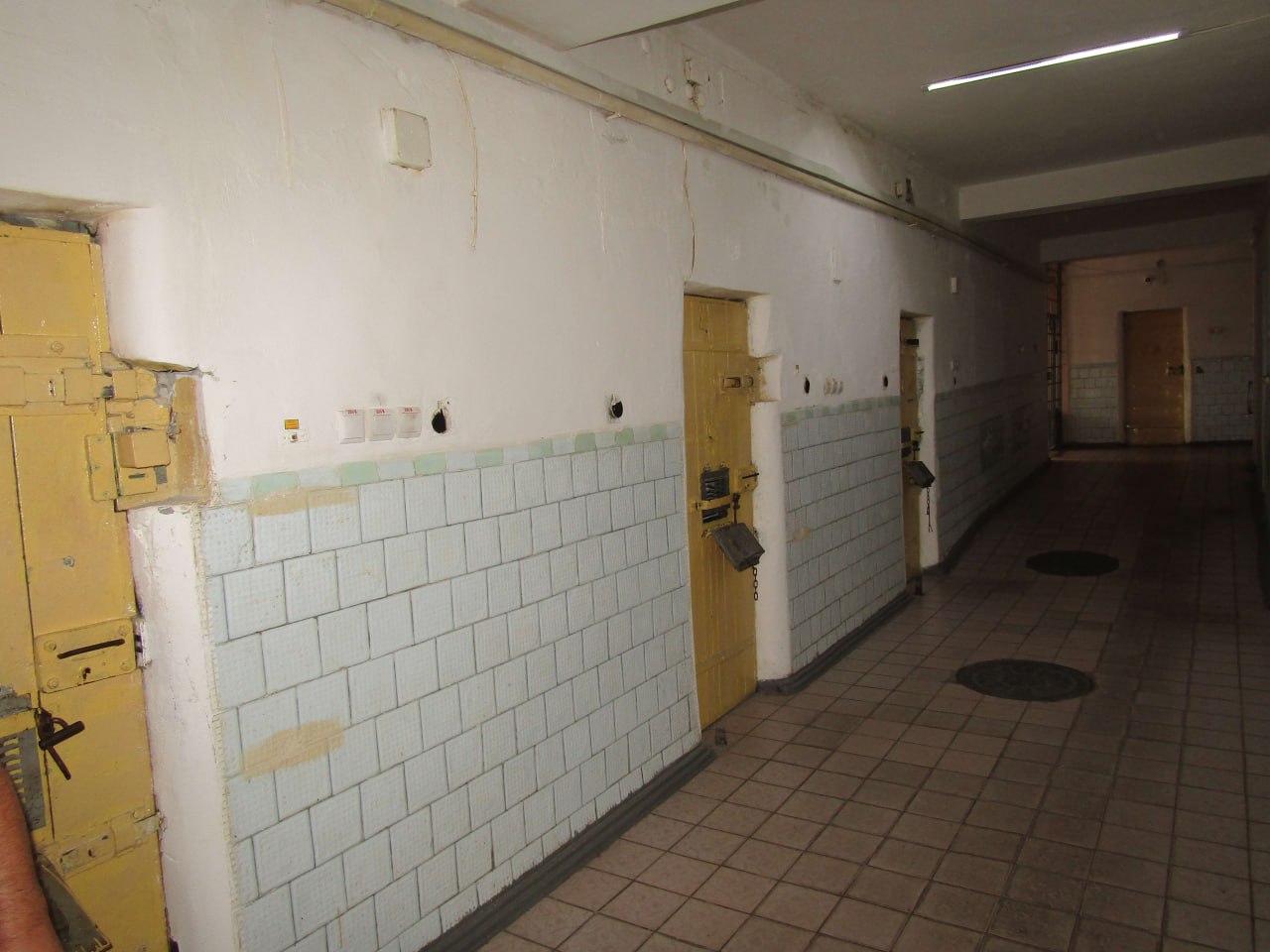
The State Institution “Rivne Pre-Trial Detention Centre” is a closed-type institution that carries out law enforcement functions.
The pre-trial detention centre holds persons for whom a court has chosen detention in custody as a precautionary measure, or against whom a temporary or extradition arrest has been applied. It also holds convicted persons whose sentences have not entered into legal force and for whom detention in custody has been chosen as a precautionary measure. Furthermore, it holds persons sentenced to imprisonment for the first time for minor offences who have been left to perform facility maintenance work. The institution operates a detention house for women and juveniles sentenced to arrest (capacity: five persons), and a maximum-security sector for men sentenced to life imprisonment (capacity: eight persons).
According to the management, 279 new arrivals and 272 transit prisoners arrived at the pre-trial detention centre this year. In 2022, five people died in the institution; in 2023, four people. Two psychologists work in the pre-trial detention centre: one psychologist in the social-educational and psychological work department, and one psychologist in the personnel department. 11 people are employed, 10 of whom are on employment contracts and one on a civil law contract. Two people were in the medical unit. There was no one in the punishment cell. The institution operates an AP telephony project. Convicted persons can also use the internet. The administration’s attitude towards prisoners is humane. There are 14 people on the HIV/AIDS register, eight prone to suicide, two prone to escape, and seven malicious regime violators. There was one case of suicide in 2022. One person is registered with a Group II disability, and five with a Group III disability.
In 2022, 173 people were released; in 2023, 114 people. 3 people were released on parole in 2022, and 2 in 2023. During 2022, 52 ambulance calls were recorded; in 2023, 33 cases. In 2022, 38 cases of bodily injuries were recorded: 35 upon arrival and 3 during their stay in the institution. In 2023, 31 cases were recorded: 27 upon arrival and 4 during their stay in the institution. There are 17 prisoners in the institution who are rejected by others. 17 convicted persons have tablets with internet access for personal use. In 2022, 20 long-term visits took place; in 2023, 10. Short-term visits: in 2022 through glass — 241, contact visits — 0; in 2023 through glass — 227, contact visits — 21. This year, 4,584 telephone calls were made.
Monitors from the Kharkiv Human Rights Protection Group (KHPG) conducted research on the sending and receiving of correspondence in this colony. During 2022, 17 appeals were sent to the Ukrainian Parliament Commissioner for Human Rights in sealed form, and 3 in 2023. Received: 17 letters in 2022, and 3 in 2023. Sent to the prosecutor’s office: 122 appeals in 2022, and 38 in 2023. Received: 150 letters in 2022, and 35 this year. 980 appeals were sent to other government bodies in 2022, and 363 in 2023. Four letters were sent to human rights organisations in 2022, and 29 in 2023.
Needs of the Institution
Currently, the institution has the following needs: toilet soap, laundry detergent, dishwashing liquid, personal hygiene products, cleaning equipment (broom, dustpan, bucket, mop), tableware (bowls — 600 pieces, plates — 300 pieces, mugs — 250 pieces, tablespoons), and disinfectant.
Rivne City Medical Unit of the Branch of the Centre for Health Care of the State Criminal Enforcement Service of Ukraine in the Volyn and Rivne Regions
The monitoring group studied the medical documentation, inspected the doctors’ offices, the X-ray room, wards, and other premises of the medical unit for their compliance with the requirements of Ukrainian legislation and international standards.
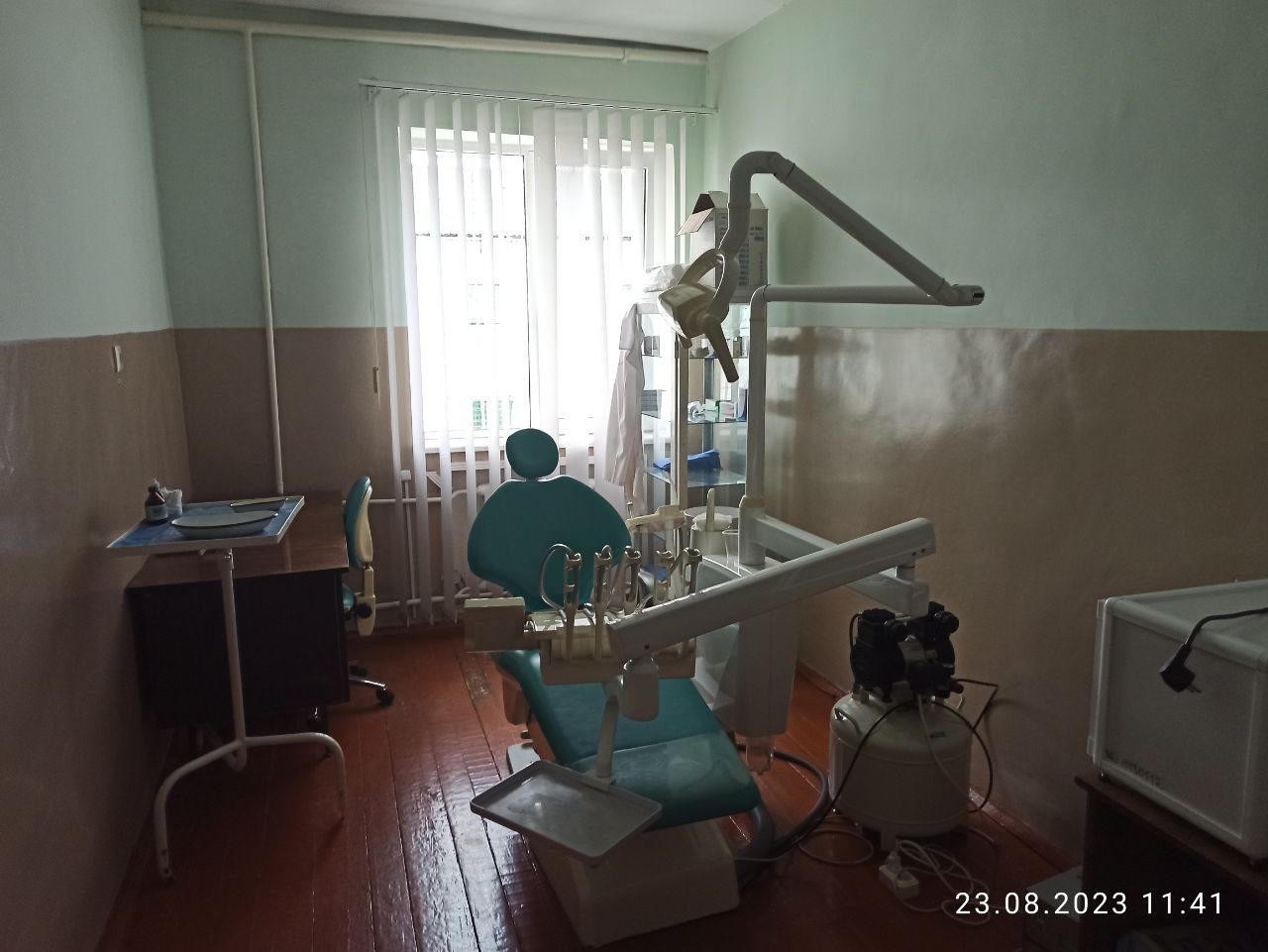
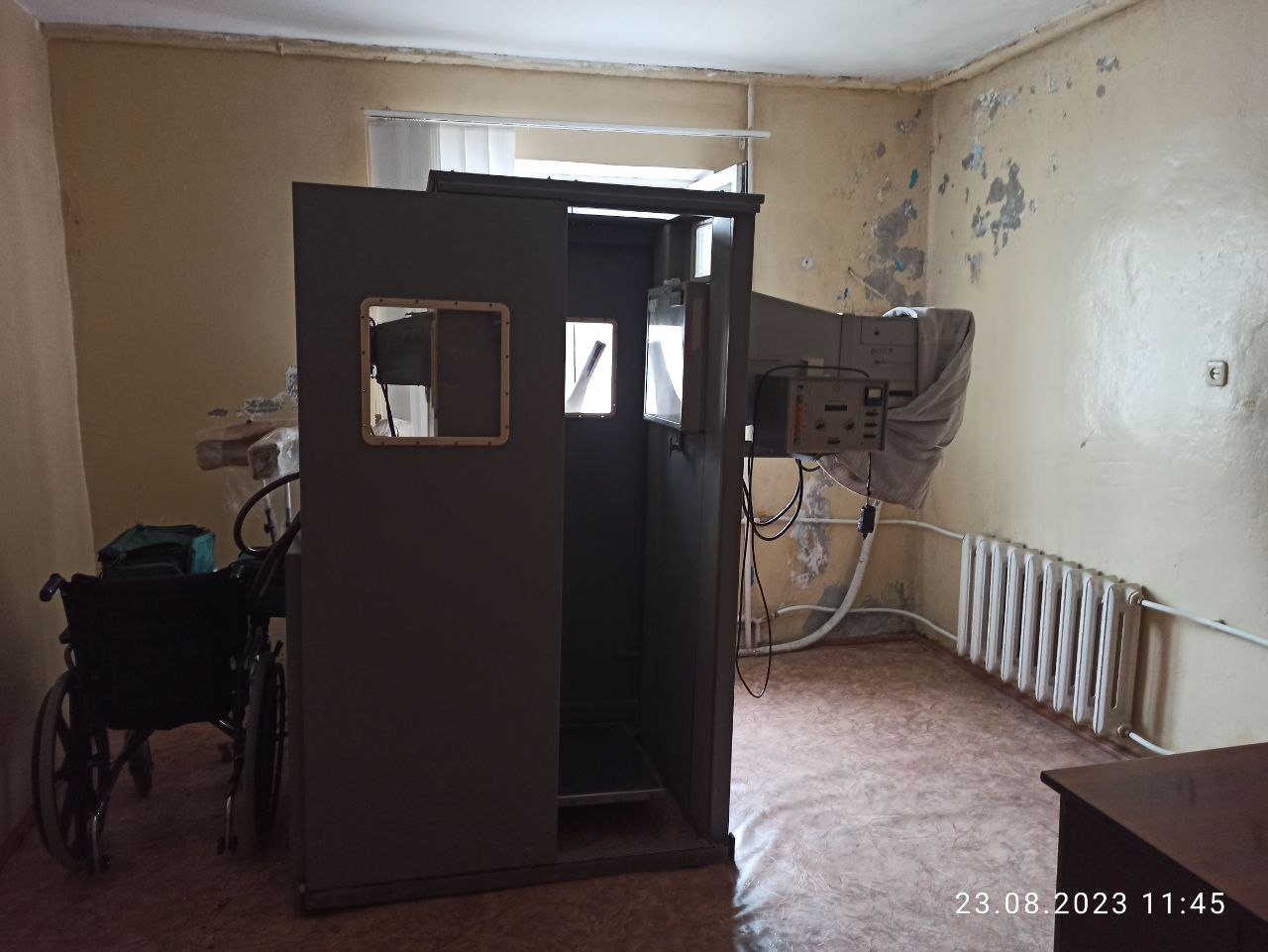
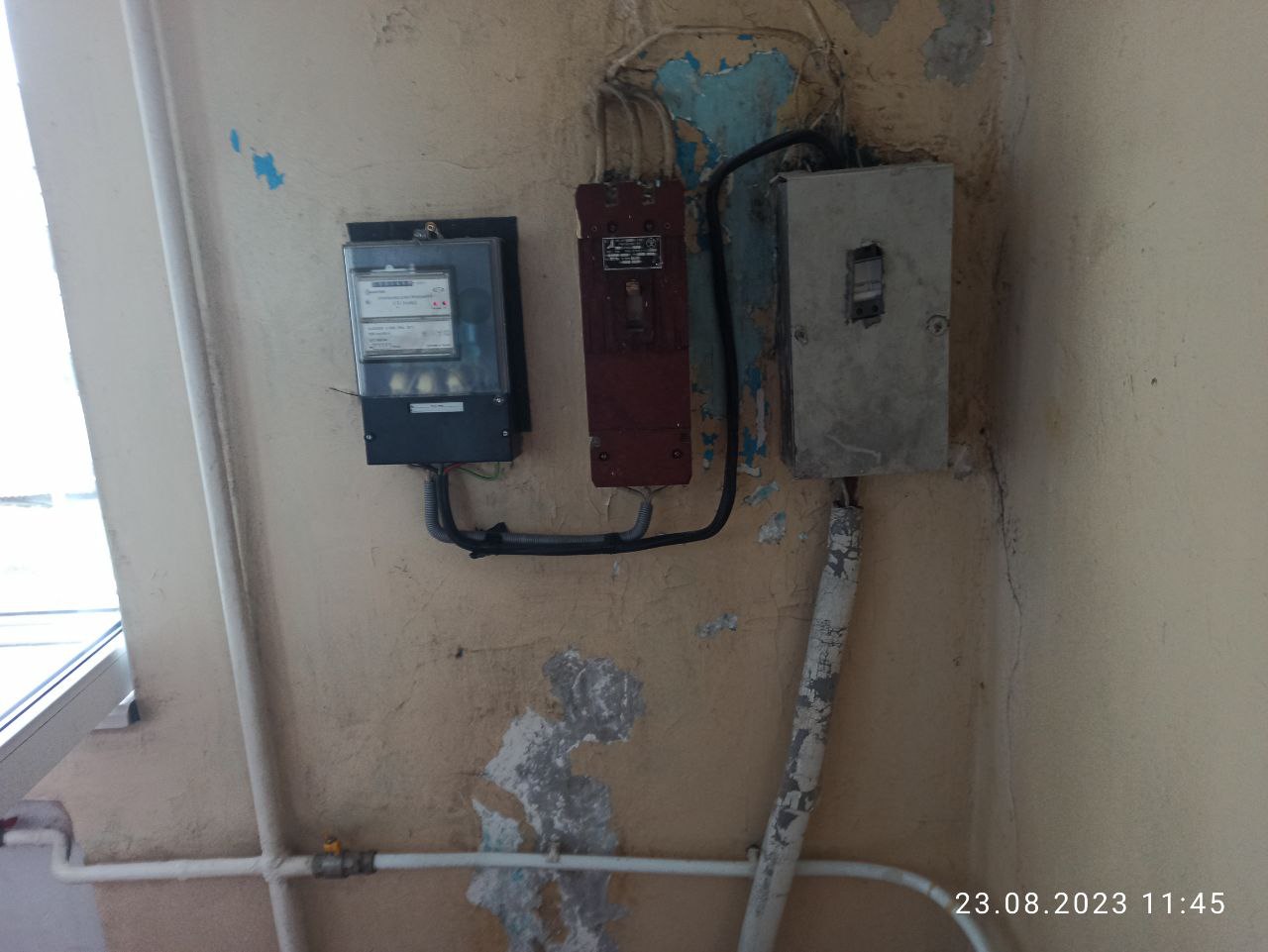
According to information provided by the medical unit staff, the following positions are filled: head of the medical unit/physician — 1 position; therapist — 1 position; psychiatrist — 0.25 position; dentist — 0.5 position; phthisiologist (TB specialist) — 0.25 position; dermatovenereologist — 0.25 position; ultrasound diagnostics physician — 0.25 position; infectious disease physician — 0.25 position; radiologist — 0.25 position; laboratory assistant — 0.25 position. However, the staffing schedule was not provided to the monitoring group for review, with the explanation that this document was unavailable.
The inpatient facility consists of two ward-cells with five beds and two infectious disease isolation cells with 11 beds, where three people were staying on the day of the visit.
During the visit, deficiencies were identified in the work of the Rivne City Medical Unit, which lead to violations of the rights of convicted persons and individuals held in custody at the State Institution “Rivne Pre-Trial Detention Centre”:
1. Violation of the rights of convicted and detained persons in the provision of medical care
Due to the lack of declarations concluded by convicted persons with a primary care physician, they are unable to receive necessary medical services funded by the National Health Service of Ukraine (NHSU), which leads to a violation of the requirements of paragraphs 4 and 5 of Article 4 of the Law of Ukraine “Fundamentals of Ukrainian Legislation on Healthcare”.
2. Violation of the rights of convicted and detained persons to information about their health status, methods of treatment, and improper record-keeping
2.1 For three patients who were undergoing inpatient treatment at the medical unit at the time of the monitoring visit, primary accounting form No. 003/o “Medical Card of an Inpatient” had not been opened. This card should contain all data regarding treatment and diagnostics in the medical unit’s inpatient facility, including those obtained during the examination of the convicted patient, along with a prescription sheet.
2.2 It was established that there was an absence of informed voluntary consent for the diagnostics and treatment of persons staying in the inpatient facility.
2.3 The medical unit has not organised opioid substitution therapy (OST) for persons with mental and behavioural disorders resulting from opioid use.
2.4 Drug-dependent persons are not provided with social-psychological support, cognitive-behavioural therapy (CBT), relapse prevention, motivational interviewing, mutual aid groups, etc.
2.5 The medical unit does not maintain the “Control Card for Monitoring HIV-Infected Persons”, form No. 030-5/o.
3. Violation of the rights of convicted and detained persons during preventive medical examinations
3.1 The absence of a gynaecologist on the medical unit’s staff indicates that primary and preventive medical examinations are incomplete, which is of particular importance for women’s health. This complicates the detection of symptoms of diseases at early stages, the prescription of and access to timely treatment, and leads to severe progression of diseases.
3.2 The monitoring group recorded the absence of personal medical books for two prisoners working in the canteen of the State Institution “Rivne Pre-Trial Detention Centre”.
4. Lack of medical equipment, medical devices, and medicines in the medical unit
4.1 The medical unit lacks a dental X-ray machine, which makes it impossible to conduct in-depth dental examinations of convicted persons and does not ensure the timely provision of proper dental care.
4.2 During the check of the defibrillator’s functionality, it was established that the electrodes were missing.
4.3 Furthermore, the monitors established that detainees and convicted persons do not undergo preventive medical examinations using the IDIS telemedicine complex, because it is not working. As explained by medical staff, the problem lies in the inability to send medical examination data due to the cloud storage being full.
5. Violation of fire safety rules
The premises of the doctors’ office and the X-ray room are not equipped with fire extinguishers.
6. Violation of the rights of persons with viral hepatitis C
Since the beginning of 2023, 475 examinations for viral hepatitis C (VHC) have been conducted in the medical unit using rapid tests, with 40 persons showing suspected infection. Persons suspected of having viral hepatitis C do not undergo PCR testing, due to which they do not receive the necessary treatment, which may lead to the deterioration of their health and the spread of this infectious disease among convicted and detained persons.
7. Violation of the rights of persons with disabilities (Article 9 of the UN Convention on the Rights of Persons with Disabilities)
Dispensary supervision is provided for six persons with disabilities. Of these, 1 person has a Group II disability, and 5 have a Group III disability. During the study of the medical records of the convicted persons, it was established that four of the persons with disabilities lacked an individual rehabilitation programme (IRP). Moreover, the monitoring group established that some IRP recommendations are not being implemented, due to which people are not receiving proper diagnostic, treatment, and rehabilitation measures, despite having evidence confirming persistent impairment of body functions caused by diseases and the consequences of injuries, which cause limitations to normal daily life. Conditions for housing persons with disabilities have not been created in the institution (no ramps, handrails, etc.).
8. Failure to observe infection control and epidemiological surveillance
The medical unit does not comply with the requirements for the isolation of persons with tuberculosis; in particular, there are no partitions with doors or airlocks at the borders between clean zones and high-risk zones; patient wards are used for more than one or two people (two ward-cells with 11 beds); the doors to the ward are not equipped with sealed thresholds or edge seals; and air recirculation via mechanical ventilation is not provided.
Intake Unit
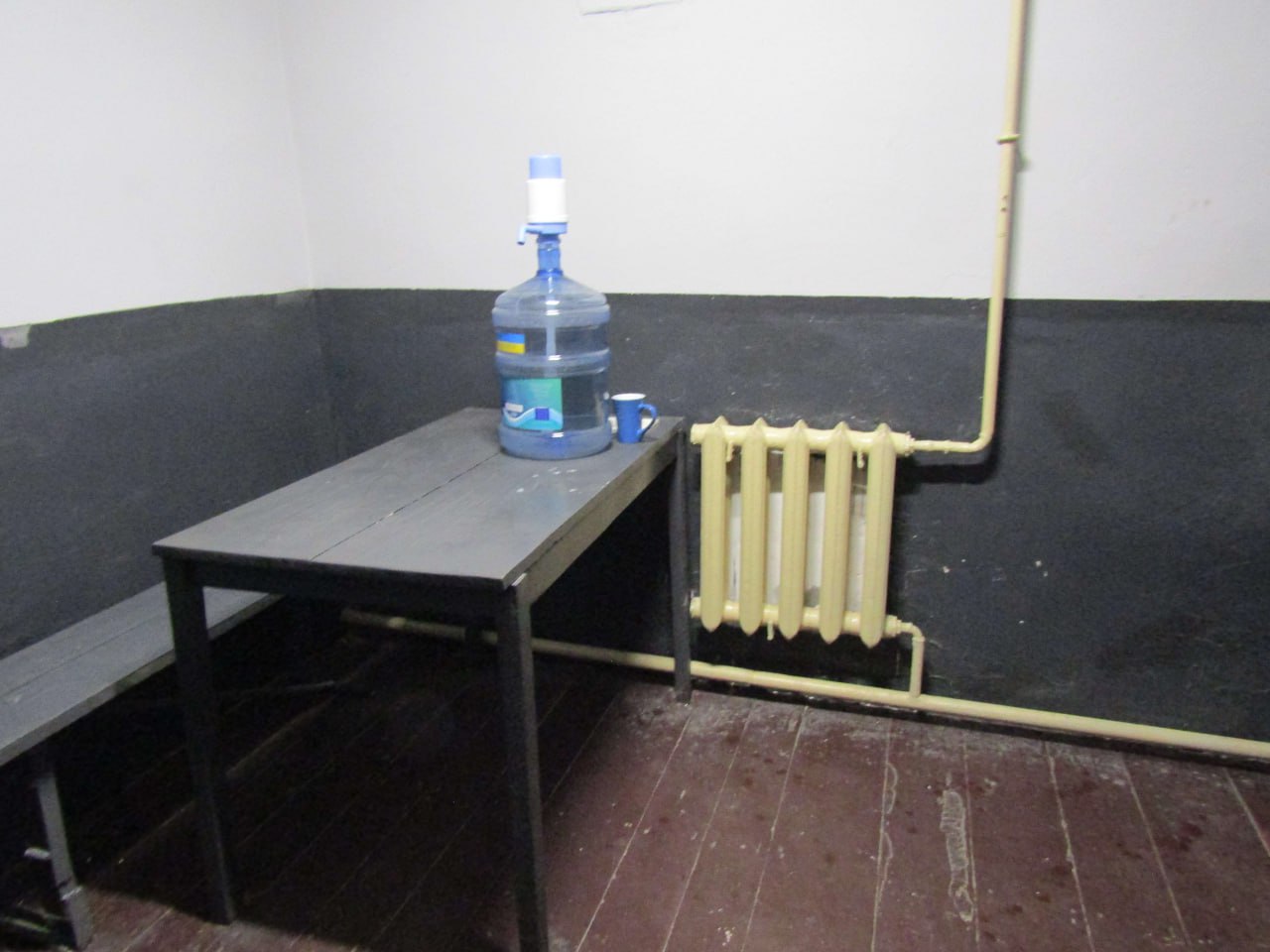
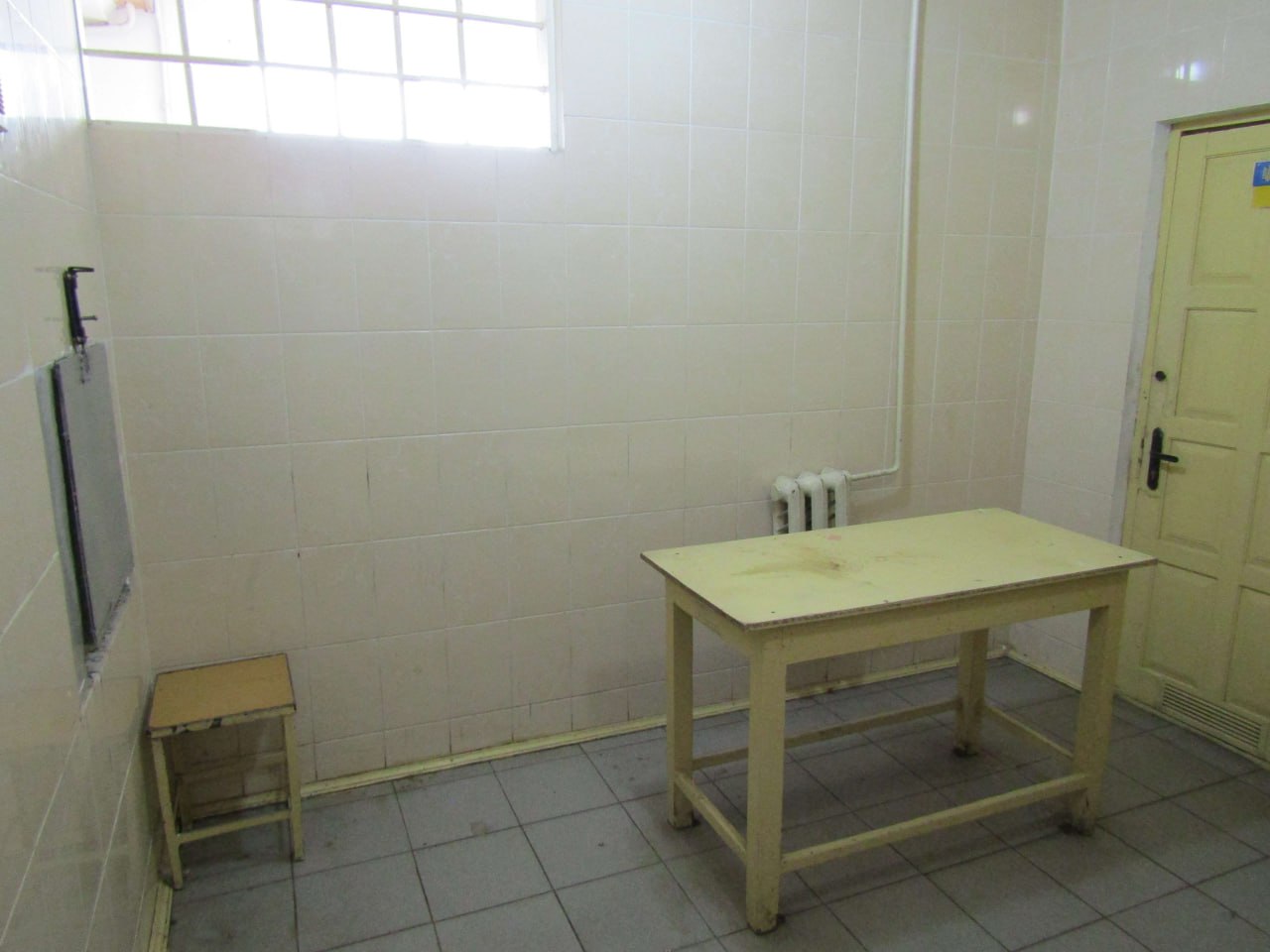
On average, prisoners arrive at the institution in small groups of two or three people. There is a room for searches, and arrested persons stay in the intake unit for up to two hours.
Interrogation Rooms
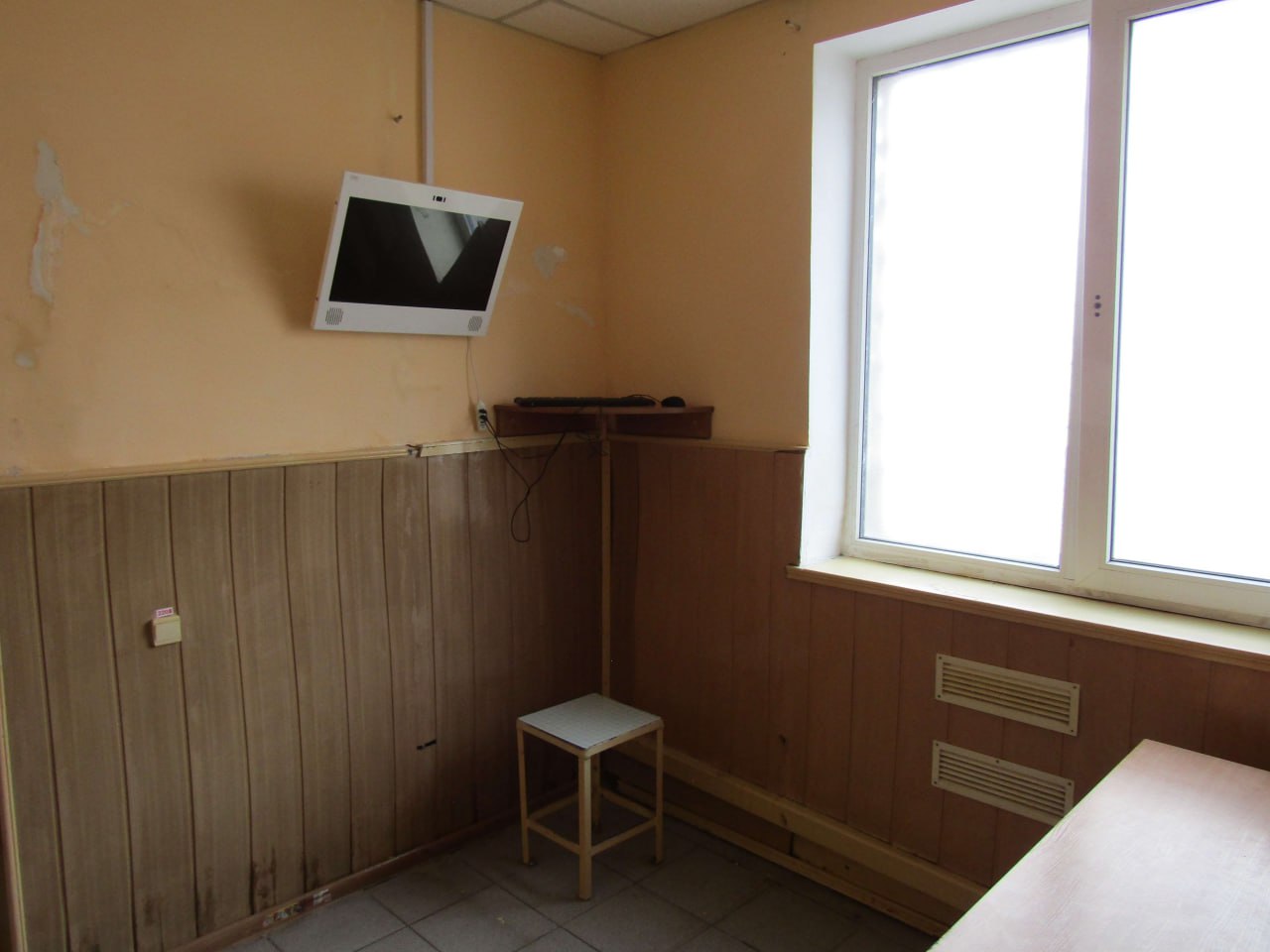
The alarm button is working.
Cells
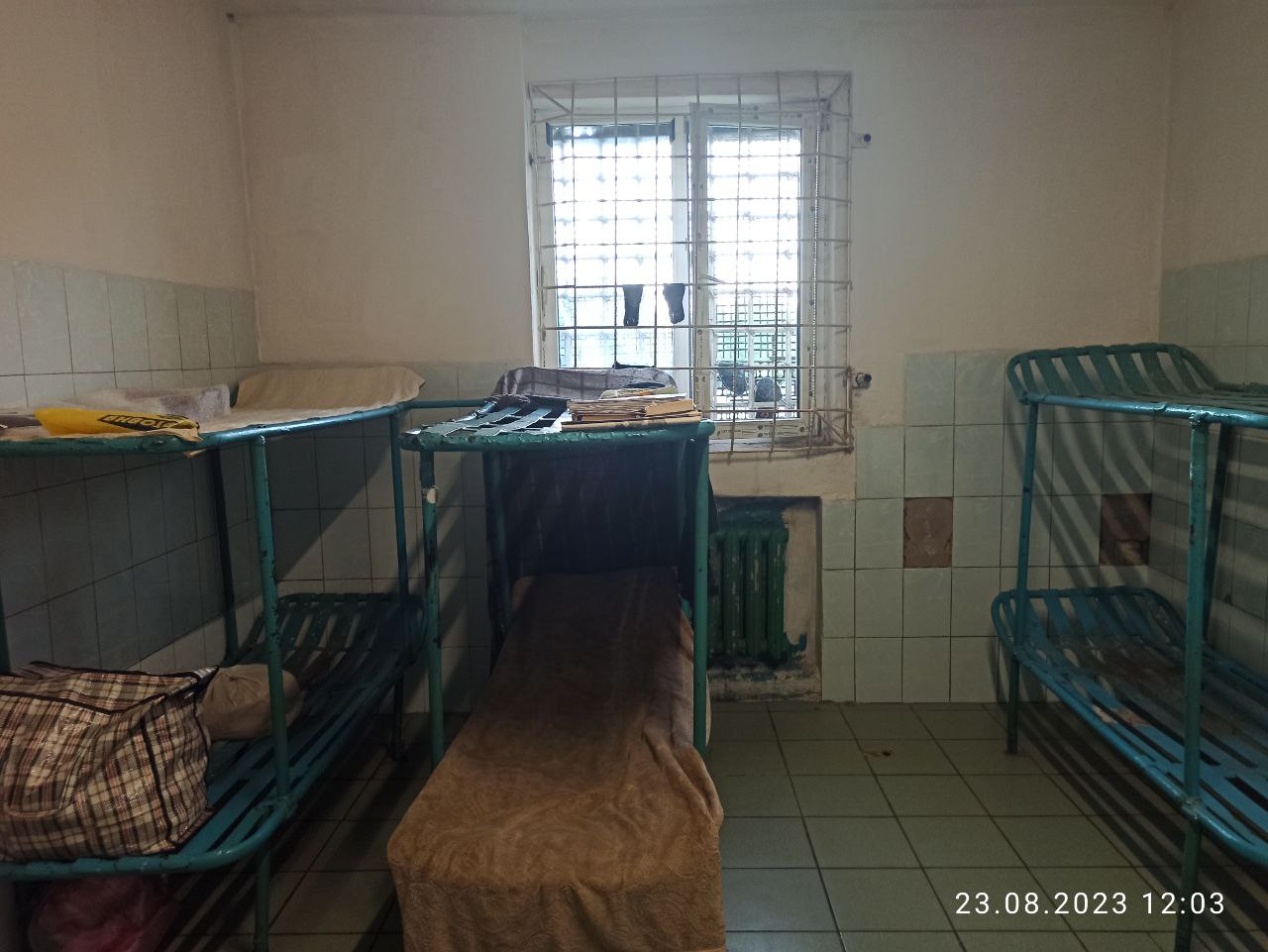
There are small-capacity and multi-person cells.
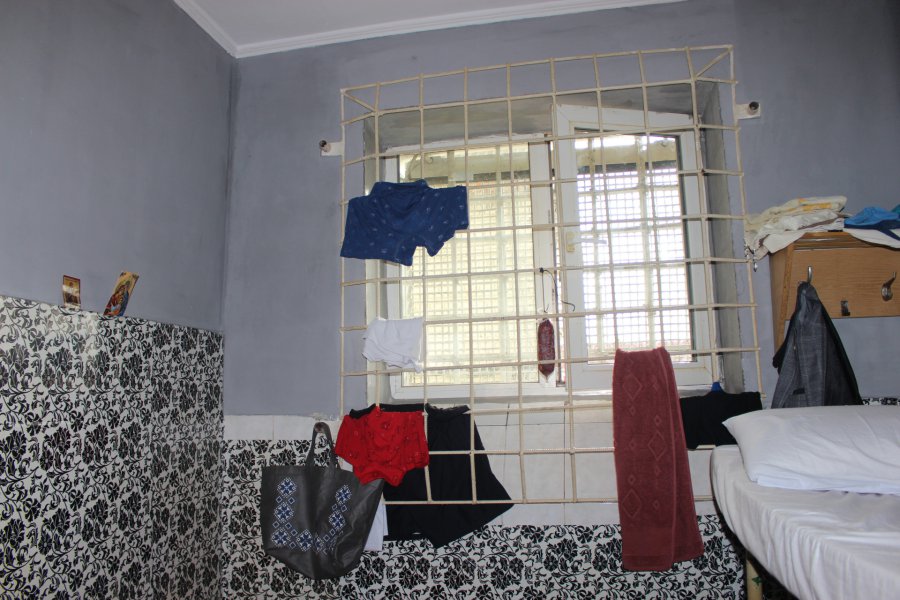
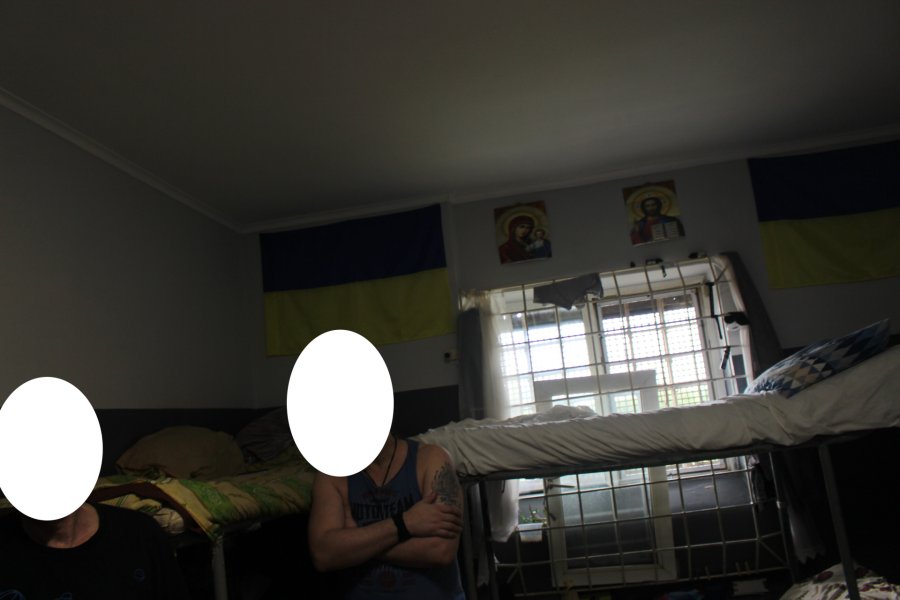
In the cell for holding convicted persons, the interviewed convicts reported that they have contact with lawyers, and some use free secondary legal aid.
In one of the cells, [we] spoke with an individual in pre-trial detention, P., who has been held for 11 years without a court decision. The monitors advised the prisoner to address this issue with the KHPG public reception office.
For Women
There are 18 women in the institution. Women are mostly held in two-person cells. The cells meet the criteria for single-person occupancy in terms of size.

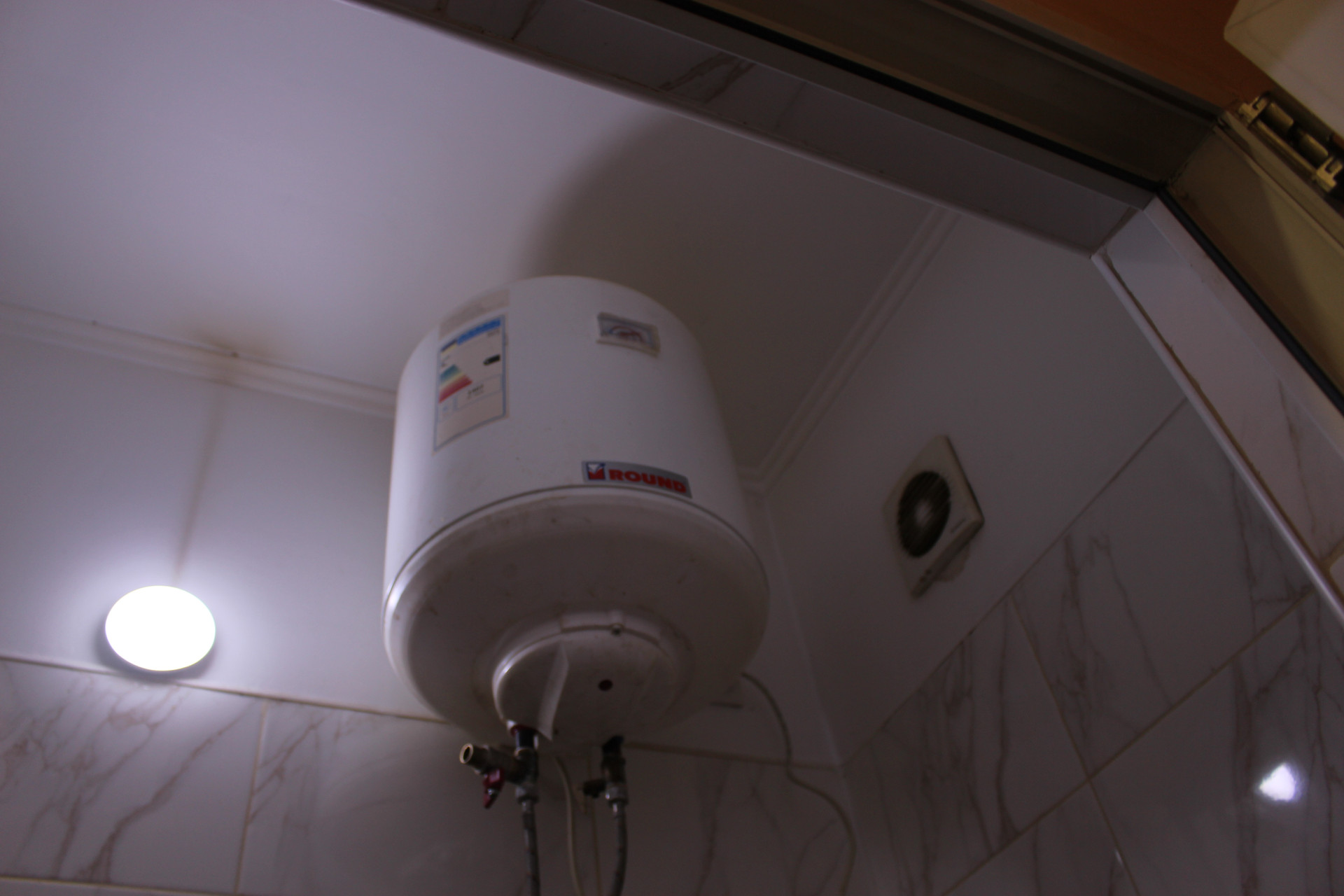
The women have no complaints regarding the conditions of detention or the provision of medical care. The women’s cells have a shower room and hot water.
Exercise Yards
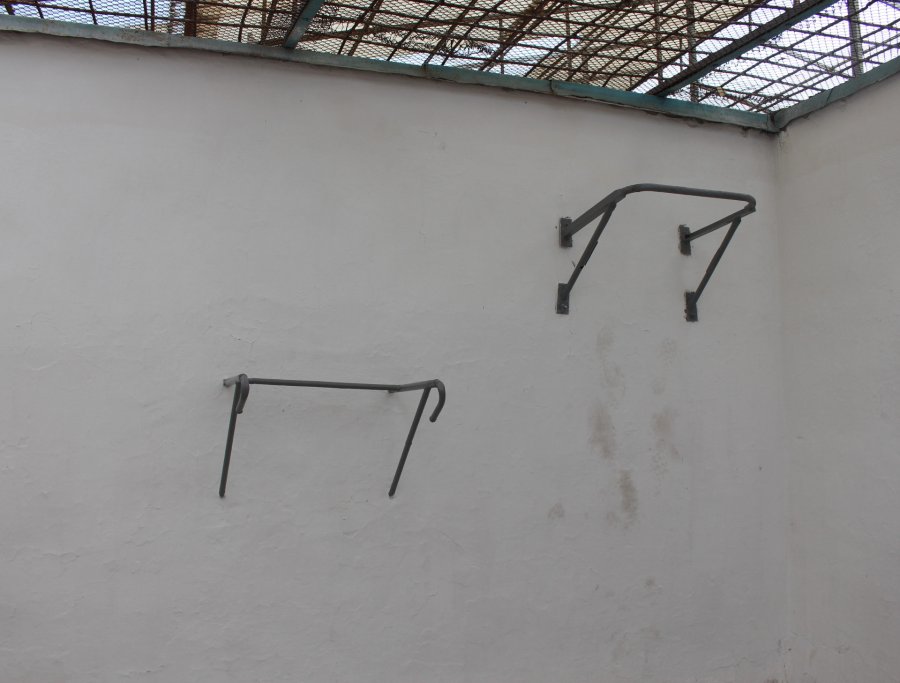
The institution has 17 exercise yards. That is, 17 cells can exercise at the same time.
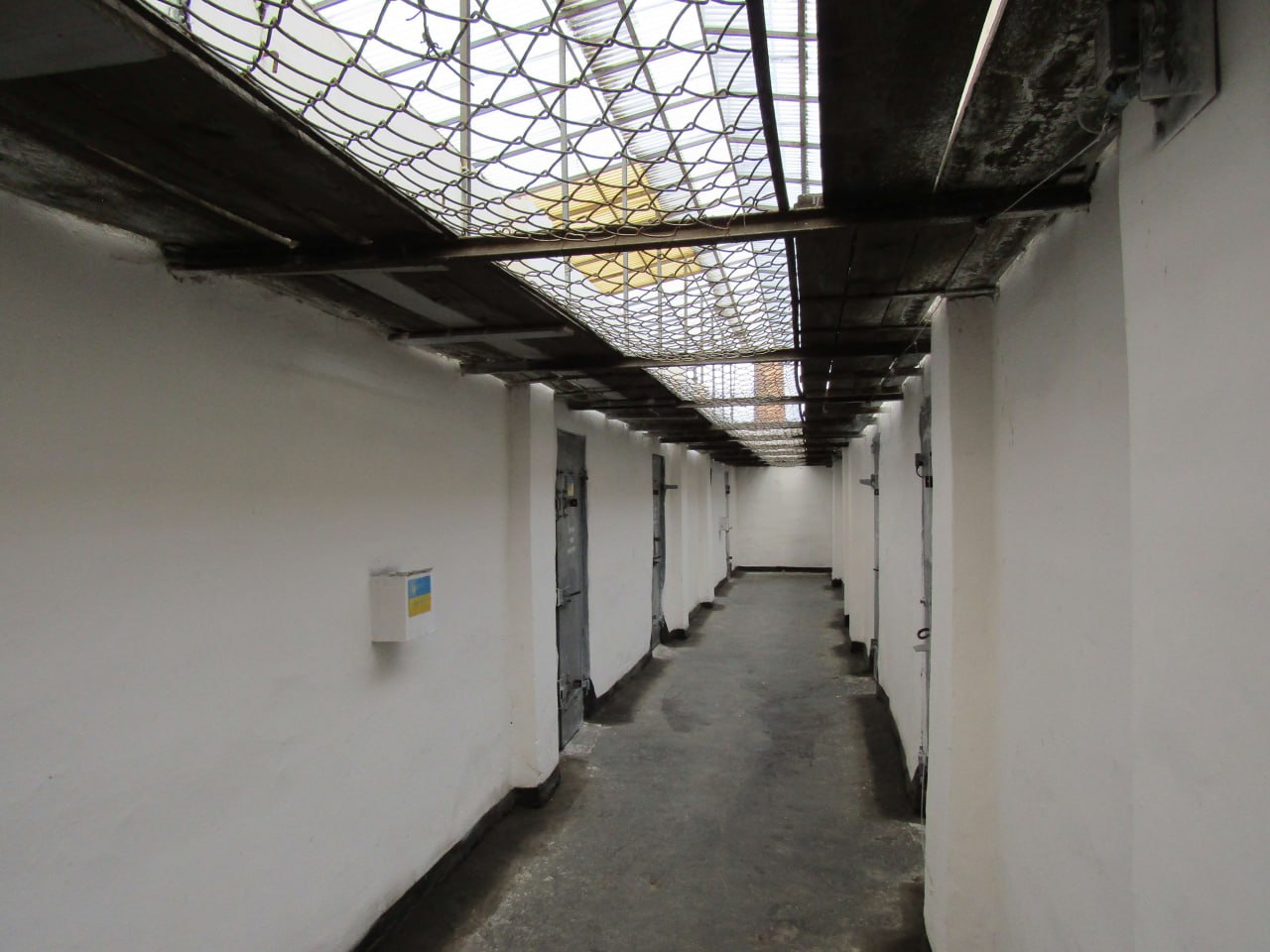
There are yards equipped for women with children.
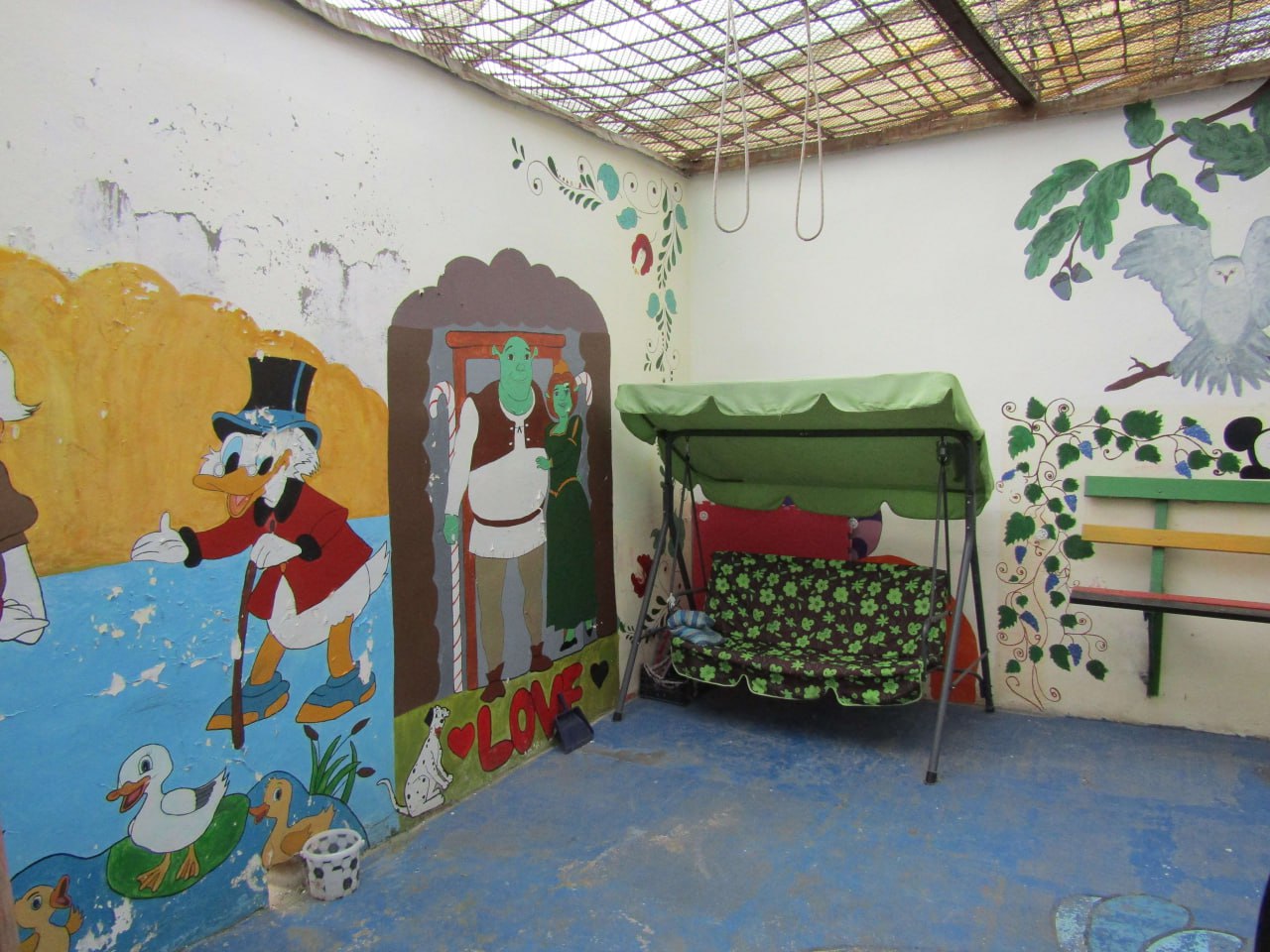
All yards are equipped with sports equipment; several of them have tennis tables and exercise machines. They are also equipped with canopies in case of rain.
Library
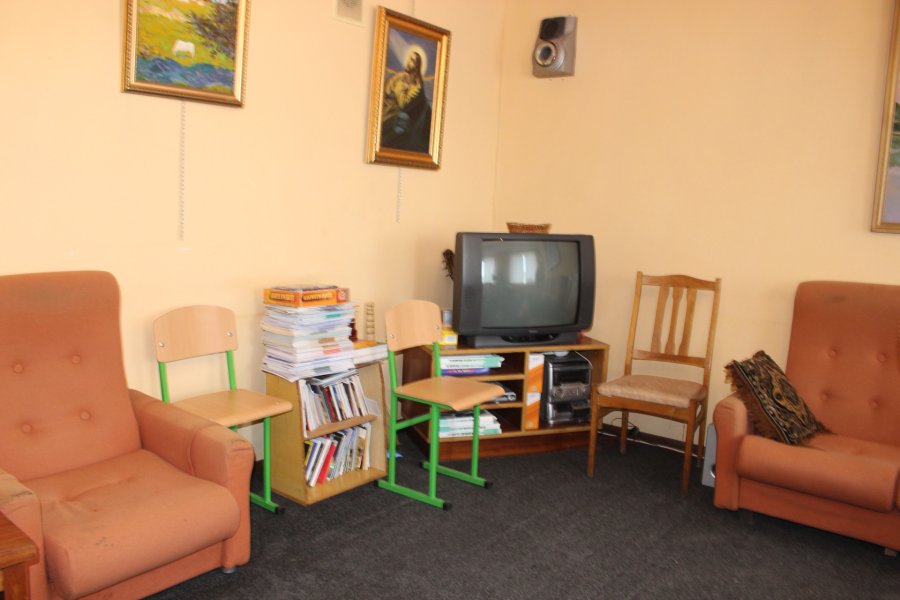
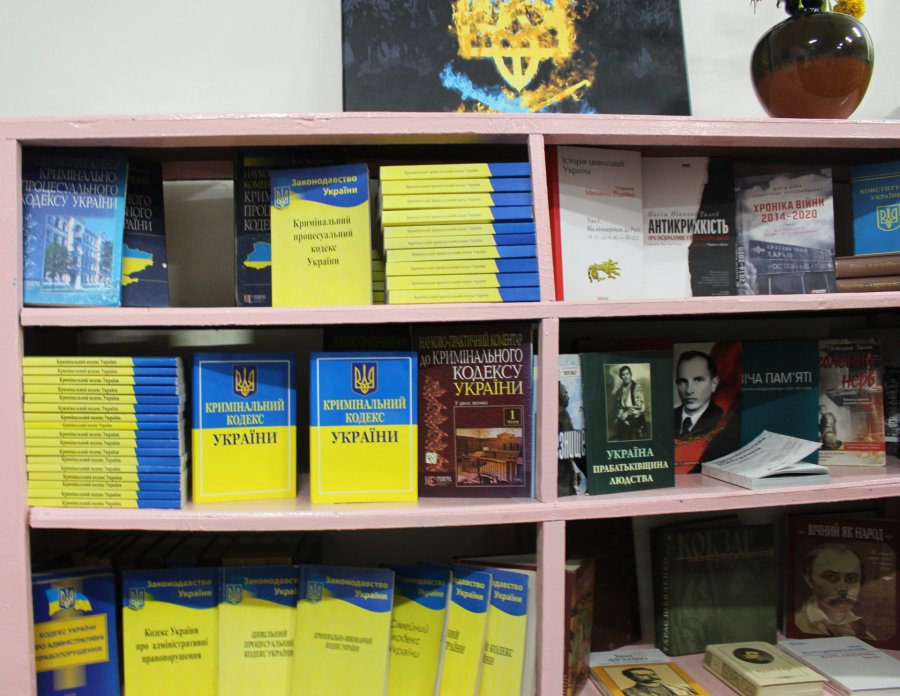
The institution has a library, which has several shelves of legal literature.
Social and educational activities take place in the library. The library is trying to increase the number of Ukrainian books.

Bath and Laundry Complex
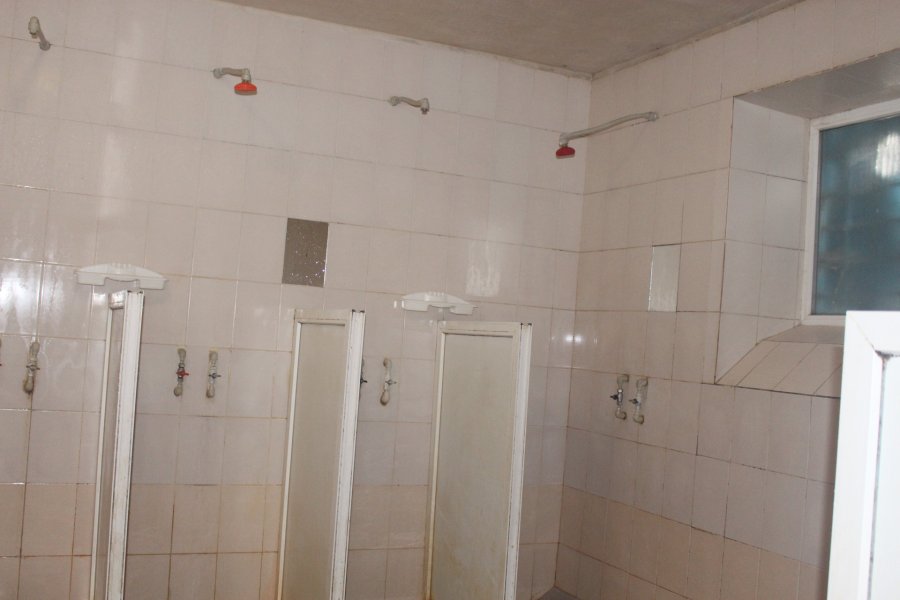
The institution has two baths, one in each building. There are no shower curtains in the bathhouse, which violates the right to privacy.
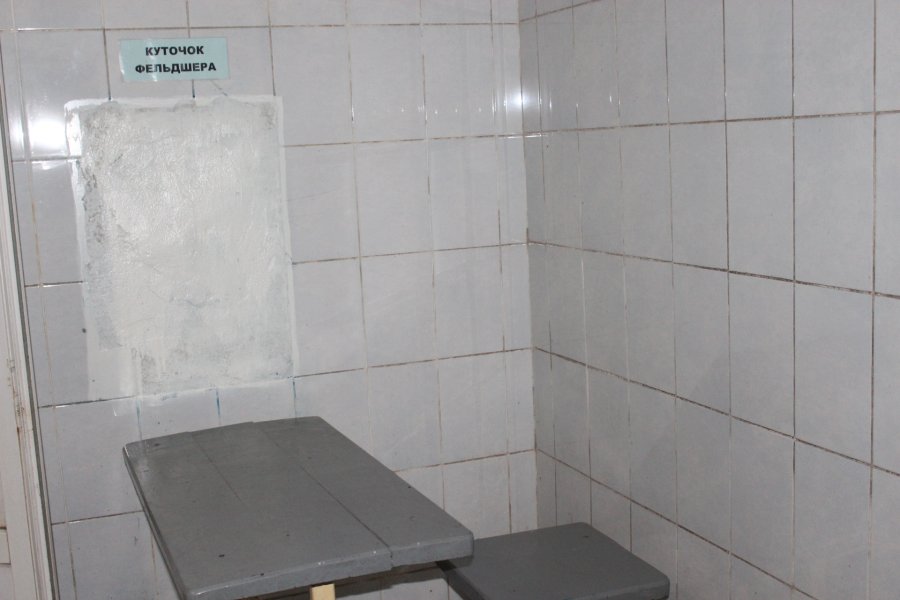
The paramedic’s corner is not fenced off.
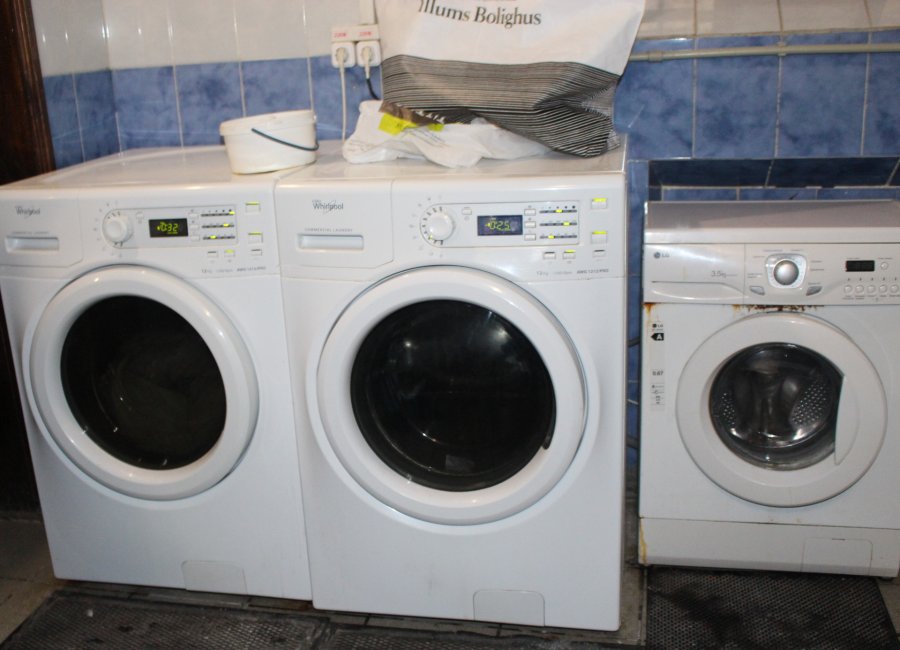
Accused persons K. and S. work in the bath and laundry complex on a permanent basis, even though they are not convicted, which is a violation of labour recruitment regulations.
Cells for Life-Sentenced Prisoners
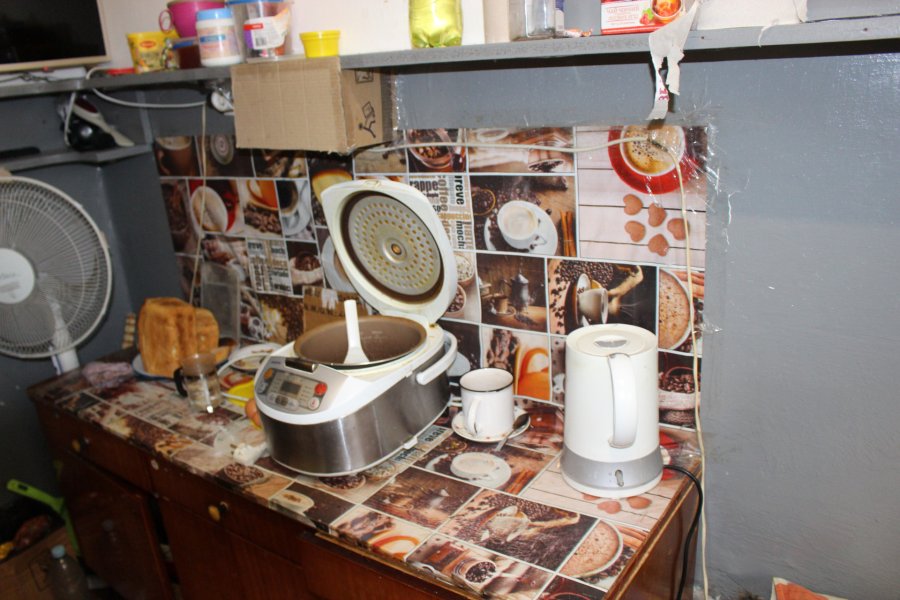
Life-sentenced prisoners do not have preventive registration. The cells contain multicookers, electric kettles, and tablets. Convicted person N. claims that he did not commit the crime and was convicted unlawfully. Perhaps this case will become the subject of consideration in the “Fight for Life” project.
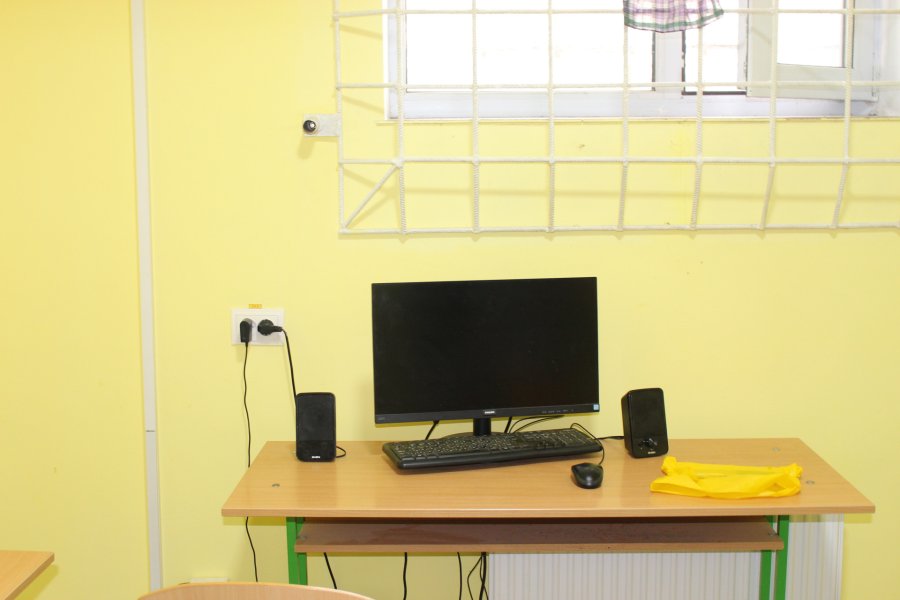
Internet Class
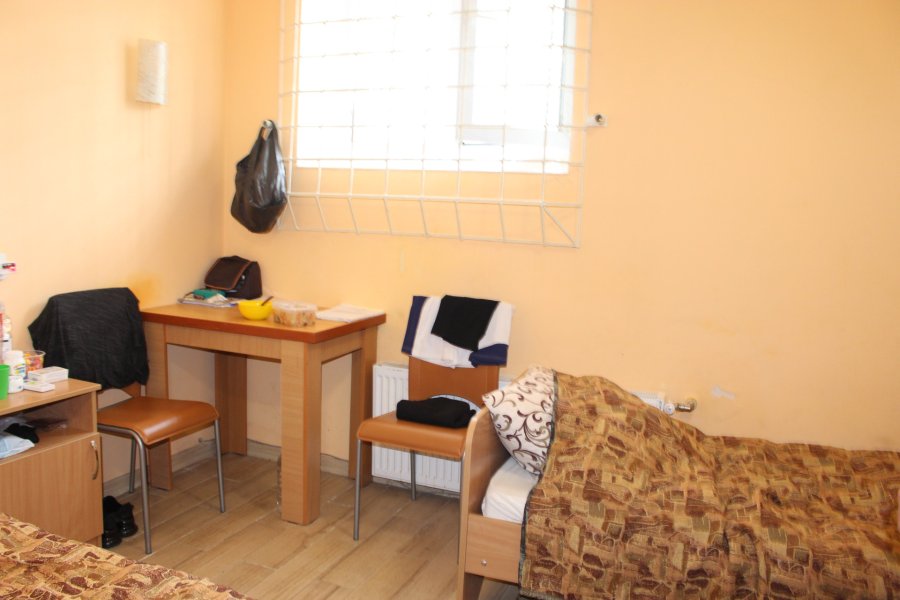
Paid Cell
Seven thousand [hryvnias] per month per person.
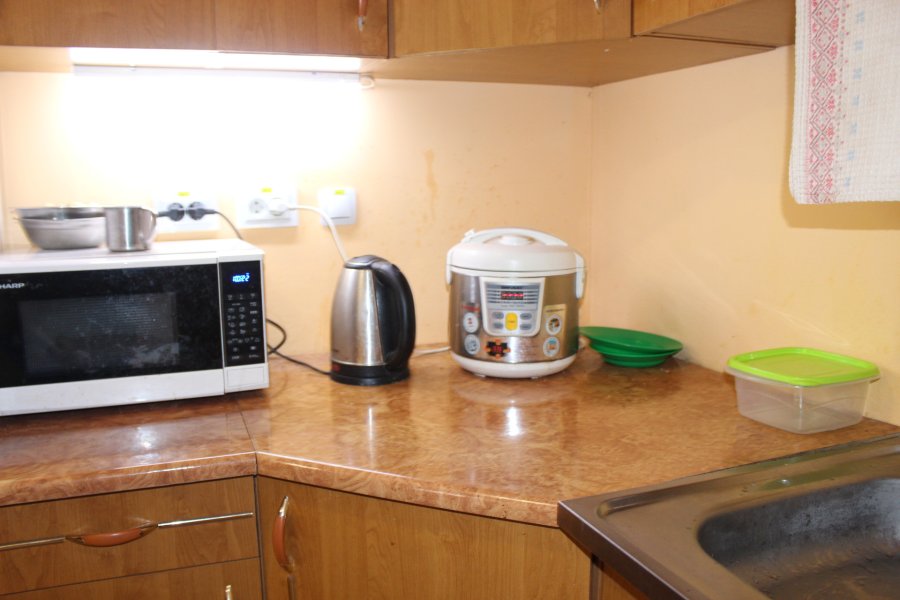
Kitchen
Both convicted persons and those in pre-trial detention work in the kitchen, which is a violation of labour standards. Convicted person P., whose sentence has not entered into legal force, works in the kitchen on a permanent basis.
10 convicted persons, whose sentences have entered into legal force, are registered under employment contracts for 0.5 positions.
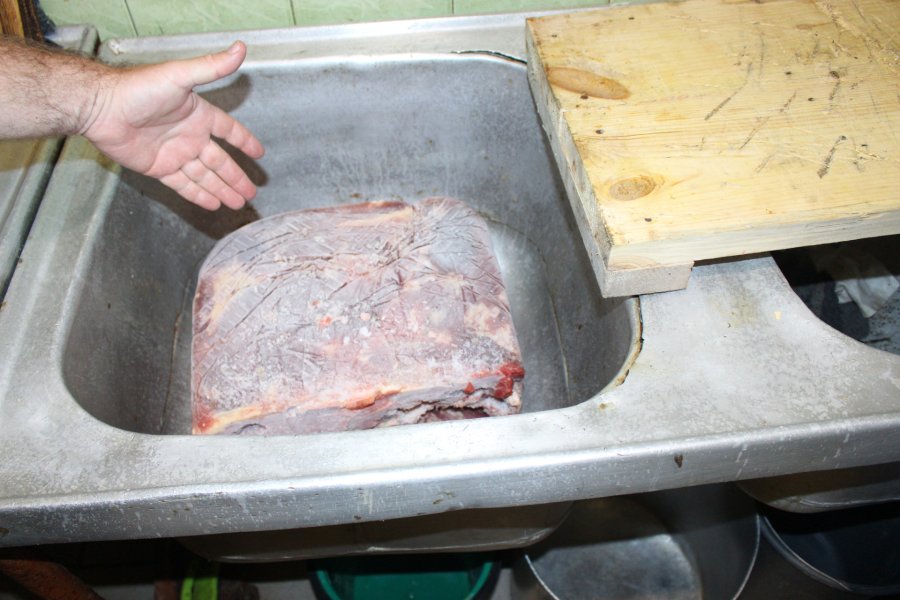
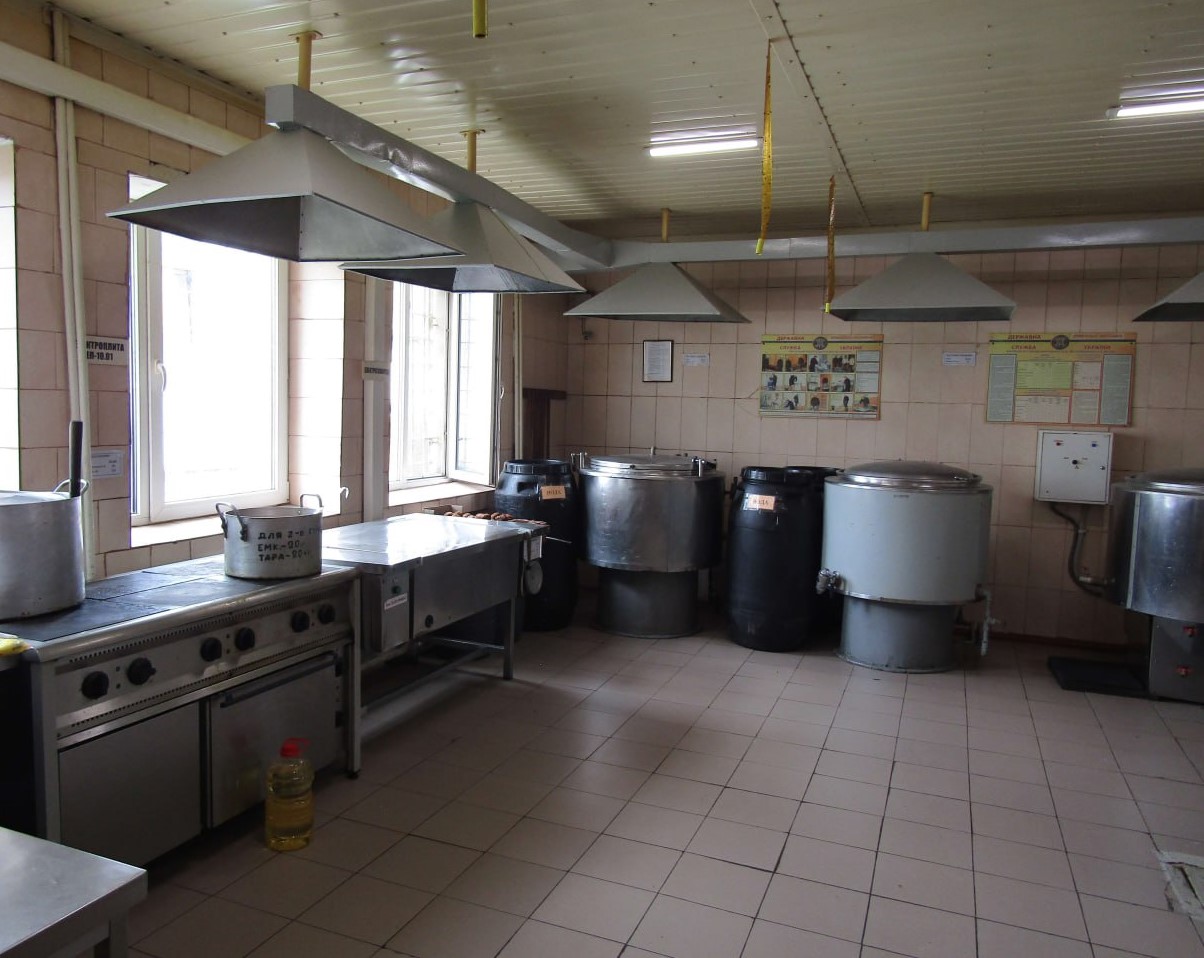
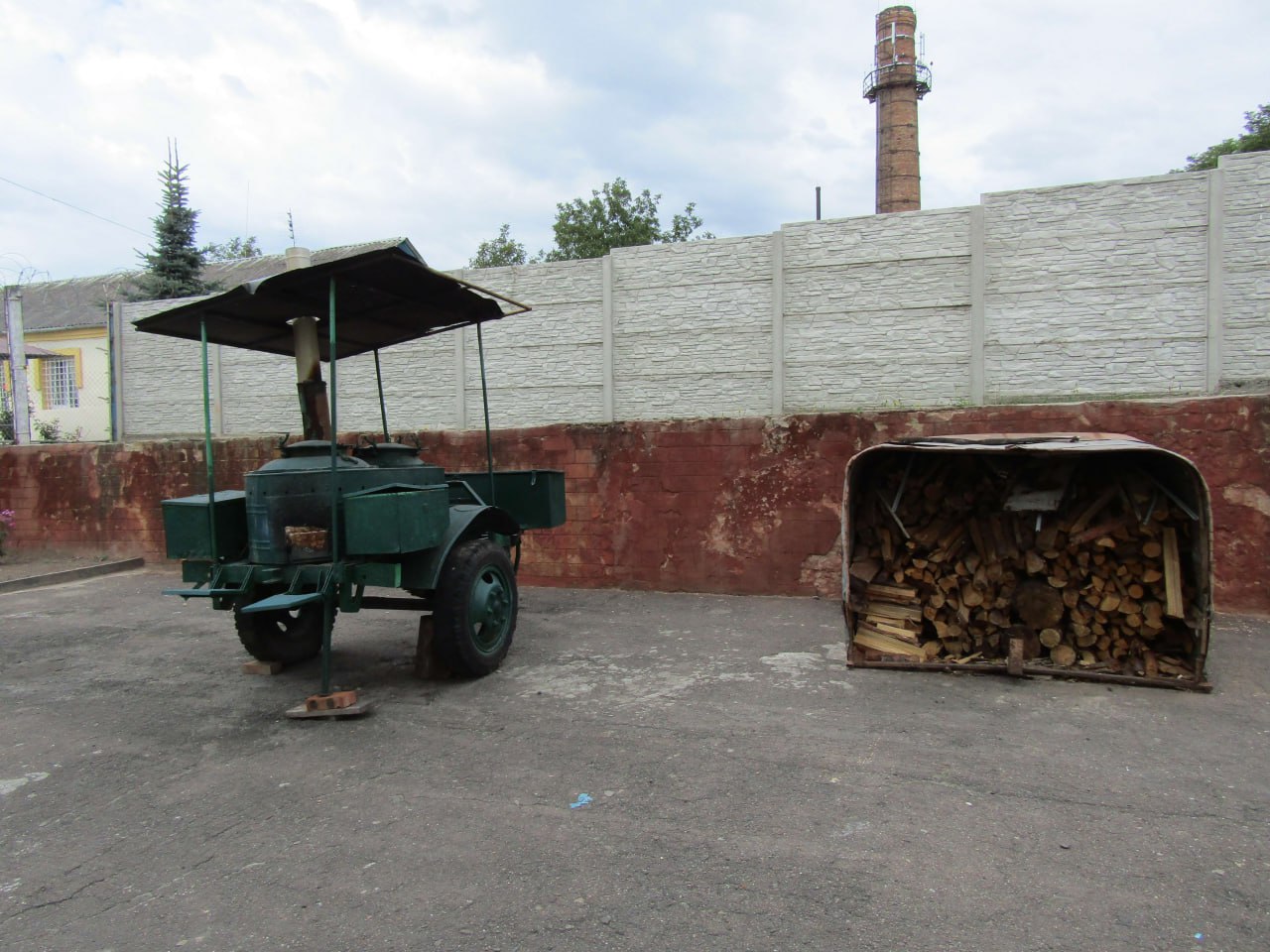
Alternative kitchen. During the war, there have been no power outages.
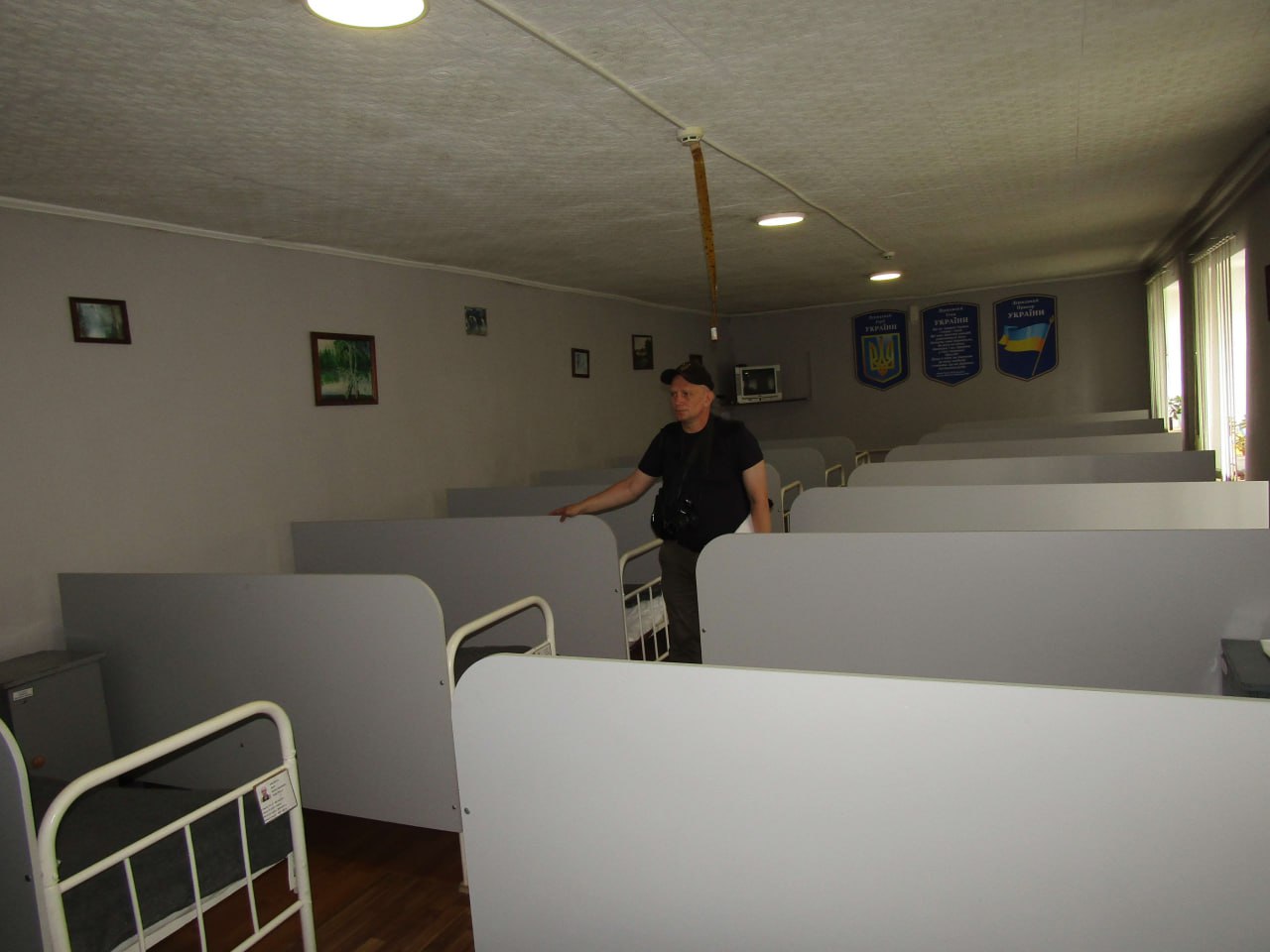
Maintenance Staff Unit
Convicted persons who work on maintenance jobs have personal space in the sleeping quarters.
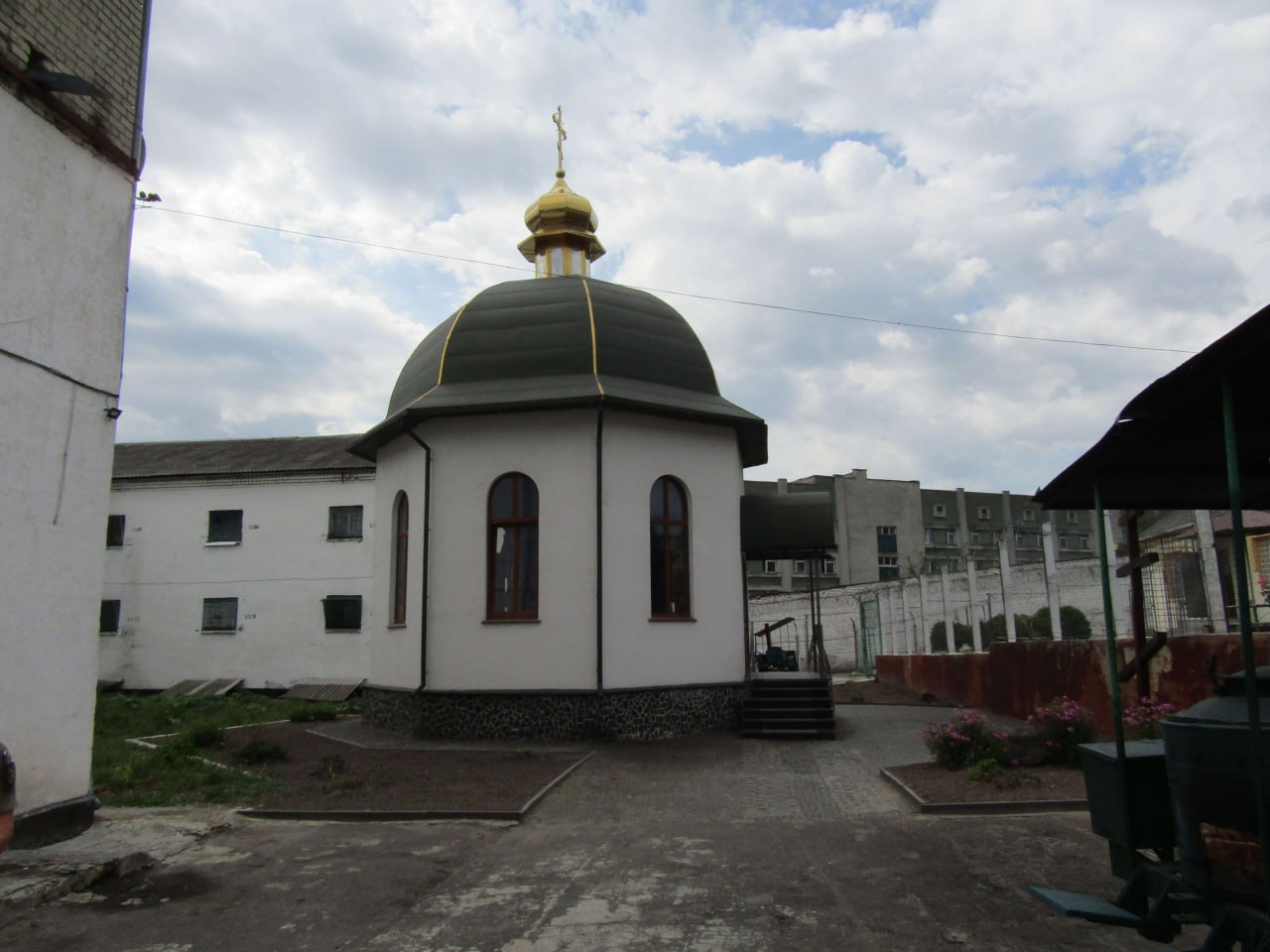
There is an Orthodox church operating on the territory of the institution.

Visiting Rooms
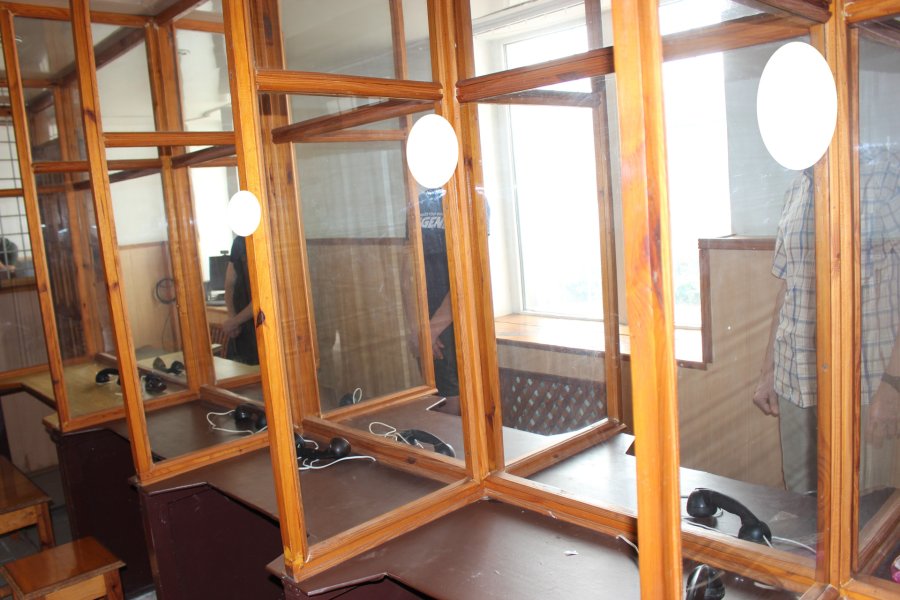
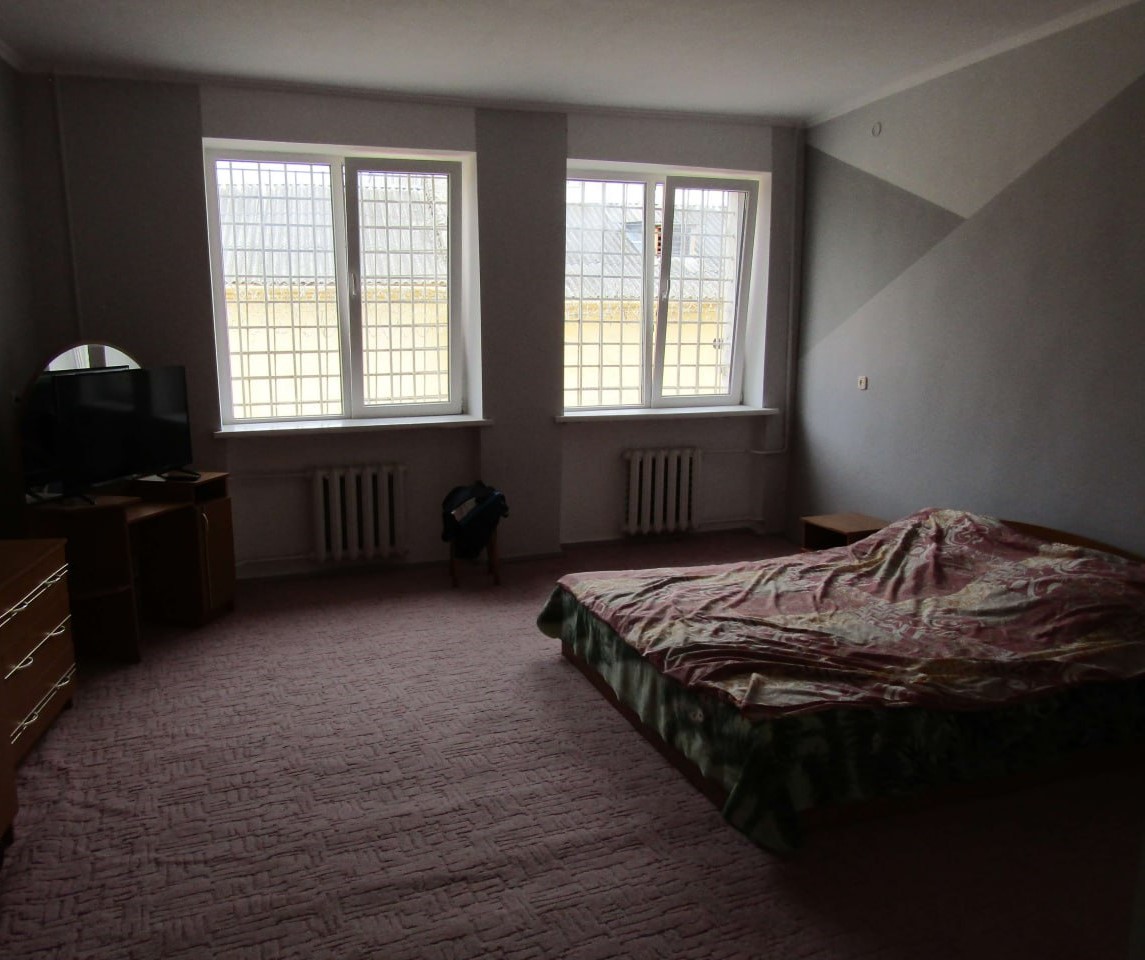
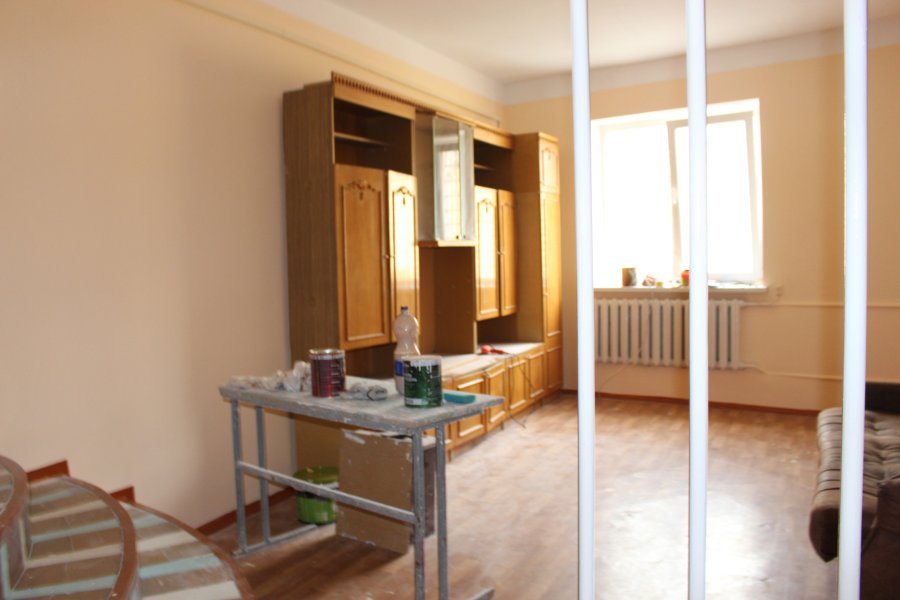
Capital repairs are underway in many premises, including the duty unit.
The preventive monitoring visit to the Rivne Pre-Trial Detention Centre was carried out by the Kharkiv Human Rights Protection Group. The monitoring group consisted of Konstiantyn Kasai, assistant to a People’s Deputy of Ukraine; members of the Public Council under the Ministry of Justice of Ukraine Serhiy Zuykov; assistant to a People’s Deputy of Ukraine Yaroslav Yurchyshyn; coordinator of KHPG programmes Andriy Didenko, as well as a journalist of the “Poriad z vamy” [Close to You] Information Agency, Oleksa Yaroslavtsev. The purpose of the visit was to analyse compliance with human rights in places of detention during the war. The visit was carried out within the framework of the project “Reducing the Suffering of Prisoners in the Context of the War in Ukraine”, funded by the government of Denmark in partnership with DIGNITY — The Danish Institute Against Torture.
Date of visit: 23 August 2023