Monitoring visit to the State Institution ‘Kamianske Correctional Colony No. 34’
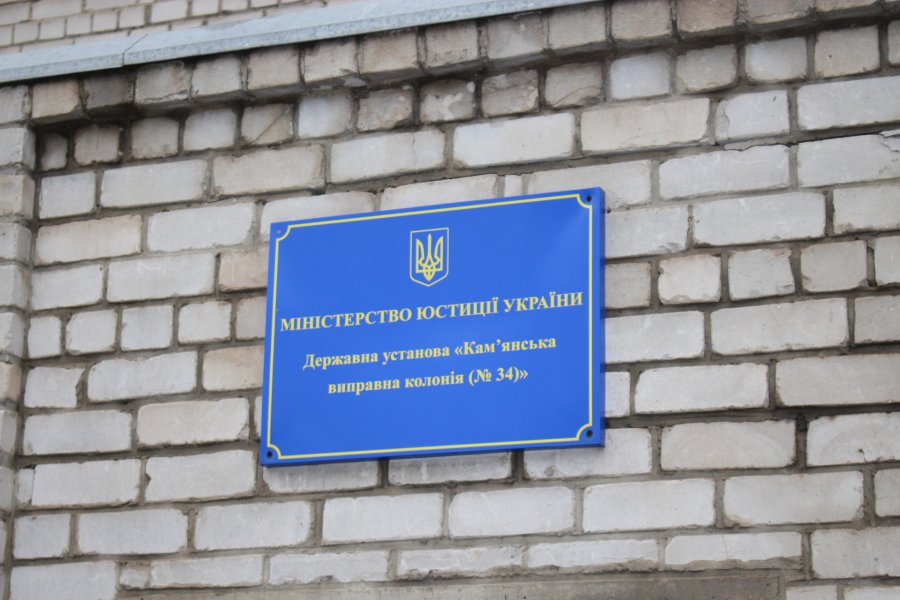
On 19 November 2022, a monitoring group consisting of an assistant to the People's Deputy of Ukraine Kostiantyn Kasai, a member of the Public Council under the Ministry of Justice of Ukraine Serhiy Zuikov, an assistant to the People's Deputy of Ukraine Yaroslav Yurchyshyn, KHPG (Kharkiv Human Rights Protection Group) programme coordinator Andriy Didenko, and journalist Oleksiy Yaroslavtsev carried out a follow-up visit to the state institution ‘Kamianske Correctional Colony No. 34’.
The report on the previous visit to this institution is available at this link.
The main objectives of the preventive monitoring visit were to analyse the institution’s operation during the war, the observance of human rights and freedoms, and to draw comparisons with the previous visit.
General information
Penal Institution No. 34 is a colony for holding women who have received their first sentence of imprisonment. The Kamianske Correctional Colony allows women sentenced to imprisonment to live together with their young children under the age of three.
The head of the institution is Colonel of the Internal Service Iryna Yuriivna Bobrova.
The waiting time for entry to the institution’s territory was 23 minutes.
The monitors visited the unit for women with young children, the medical unit, living quarters, the canteen, the bath and laundry complex, and the production area. The monitors were accompanied by the First Deputy Head of the Institution, Lieutenant Colonel of the Internal Service Nataliia Serhiivna Horiaka, and Senior Inspector for Correctional Supervision, Major of the Internal Service Olha Oleksandrivna Yaryz.
According to the administration, there are 1.6 convicts per member of staff. There are 3 psychologists working in the institution. During the current year, 124 convicts have arrived at the institution; 220 convicts are employed. All are under employment contracts. In the current year, the average monthly salary was: in workshops — 1,217.50 hryvnias; DSR (long-term residential area) — 6,804.17; in production — 2,490.25 hryvnias; household maintenance — 6,132 hryvnias.
There was 1 person in the medical facility of the Central Health Care Department of the State Penitentiary Service on the institution’s grounds; 62 people are registered as HIV/AIDS positive; 20 people are registered as prone to suicide, 14 as prone to self-harm, and 2 as prone to escape. There are 17 malicious violators of the detention regime; 1 person was released due to serious illness in 2021, and 1 person was also released in 2022. 12 people have a Group III disability.
During 2021, 121 people were released from the institution, 38 of whom were on parole and one person was transferred to improved detention conditions. During 2022, the total number of people released was 76, 26 of whom were on parole.
An ambulance was called 25 times in 2021. During the period of 2022 — 14 times. During 2021, bodily injuries during their time in the institution were recorded 6 times. For the 2022 period — 4 times.
In the disciplinary isolation cell (DIZO), there was no one disciplined.
Representatives of the administration reported that there are instances where the institution’s administration petitions the court for parole, the court grants the petition, but the prosecutor’s office files an appeal against the possibility of release due to the gravity of the crime and the number of penalties, even counting those penalties that have been expunged due to the statute of limitations.
Approximately 70 per cent of the convicts are employed. For women sentenced for the first time, the maximum term of punishment is 13 years.
The Internet is not used by the convicts, with the exception of communication via Skype or Viber. It is impossible to access information from the KHPG website.
Each convict has an ID badge with a photograph. The convicts complained that parole is used very rarely and selectively. The convicts testify that it is unrealistic to call the Government hotline or a human rights organisation.
The bomb shelter is properly equipped.
Among the humanitarian needs, the colony's management highlighted the requirement for two generators and fuel for them.
Medical Unit
Head of Medical Unit No. 34 of the branch of the State Institution ‘Centre for Health Care of the State Penitentiary Service of Ukraine’ in the Dnipropetrovsk and Donetsk regions, Olena Borysivna Morozova.
During the visit, the head of the medical unit was absent from the workplace due to it being a day off. The monitoring group was met by nurse Zh.Z. Homonova, who was on duty according to the work schedule of the staff of Medical Unit No. 34 for November 2022.
During the visit, in accordance with the requirements of Article 24 of the Criminal Executive Code of Ukraine, the monitoring group entered the territory of Medical Unit No. 34, where they had the opportunity to inspect its premises without obstruction and speak with persons receiving treatment in this facility. However, when the monitors offered to fill out a table of statistical data regarding the health care of convicts in Medical Unit No. 34 of the branch of the State Institution ‘Centre for Health Care of the State Penitentiary Service of Ukraine’ in the Dnipropetrovsk and Donetsk regions, and to provide for review a number of documents and journals maintained by the medical unit staff, in accordance with the requirements of the ‘Procedure for organising the provision of medical care to persons sentenced to imprisonment’, approved by the order of the Ministry of Justice of Ukraine and the Ministry of Health of Ukraine of 15 August 2014 No. 1348/5/572 (hereinafter — the Procedure), the medical unit employee could not do so, primarily because she did not possess this information in full.
To resolve this issue, the medical unit employee contacted her management by phone, namely the head of Medical Unit No. 34 of the branch of the State Institution ‘Centre for Health Care of the State Penitentiary Service of Ukraine’ in the Dnipropetrovsk and Donetsk regions, Olena Borysivna Morozova, and informed her about the monitoring visit, the composition of the monitoring group, and the purpose of the monitoring visit. Monitoring group member Serhiy Zuikov offered to hold a personal telephone conversation with the head of the medical unit, Olena Borysivna Morozova, in the presence of the medical worker and the institution employee accompanying the monitors, by turning on the speakerphone on the mobile device so that all those present could hear all participants and the content of the phone conversation. During the phone conversation, the head of Medical Unit No. 34 of the branch of the State Institution ‘Centre for Health Care of the State Penitentiary Service of Ukraine’ in the Dnipropetrovsk and Donetsk regions, Olena Borysivna Morozova, reported that the Head of the Branch (Hanna Volodymyrivna Astakhova), to whom she reports directly and whom she had informed that a monitoring visit was being conducted at the medical unit, replied that to provide any official responses, a request must be written to her (Head of the Branch, Hanna Volodymyrivna Astakhova). To the monitor’s clarifying question about providing the medical unit journals, statistical information, or any other information regarding the health care of convicts in Medical Unit No. 34, the head of the medical unit, Olena Borysivna Morozova, replied that she personally was prepared to provide the monitoring group with all the necessary information and, for her part, was bringing this to the attention of the Head of the Branch of the State Institution ‘Centre for Health Care of the State Penitentiary Service of Ukraine’ in the Dnipropetrovsk and Donetsk regions, Hanna Volodymyrivna Astakhova, who had ordered her that without an official request addressed to her, the Head of the Branch, no one should provide any information, namely regarding Medical Unit No. 34, documentation, and everything else.
Thus, the monitoring group was blocked from the opportunity to familiarise themselves with the conditions for organising the provision of medical care to the institution’s prisoners and was refused access to medical documentation, which in turn constitutes obstruction of a monitoring visit carried out in accordance with the requirements of Article 24 of the Criminal Executive Code of Ukraine.
At the same time, the monitoring group managed to find out that the structure of Medical Unit No. 34 of the branch of the State Institution ‘Centre for Health Care of the State Penitentiary Service of Ukraine’ in the Dnipropetrovsk and Donetsk regions includes:
- administration: office of the head of the medical unit;
- treatment and preventive unit: therapist’s office; paediatric neurologist’s office; paediatrician’s office; dermatovenerologist’s office; dental office; obstetrician-gynaecologist’s office; treatment room (adult); treatment room (child); epidemiologist’s office, medicine dispensing room;
- auxiliary diagnostic unit: X-ray room; fluorography room; sterilisation room; laboratory research office; pharmacy warehouse.
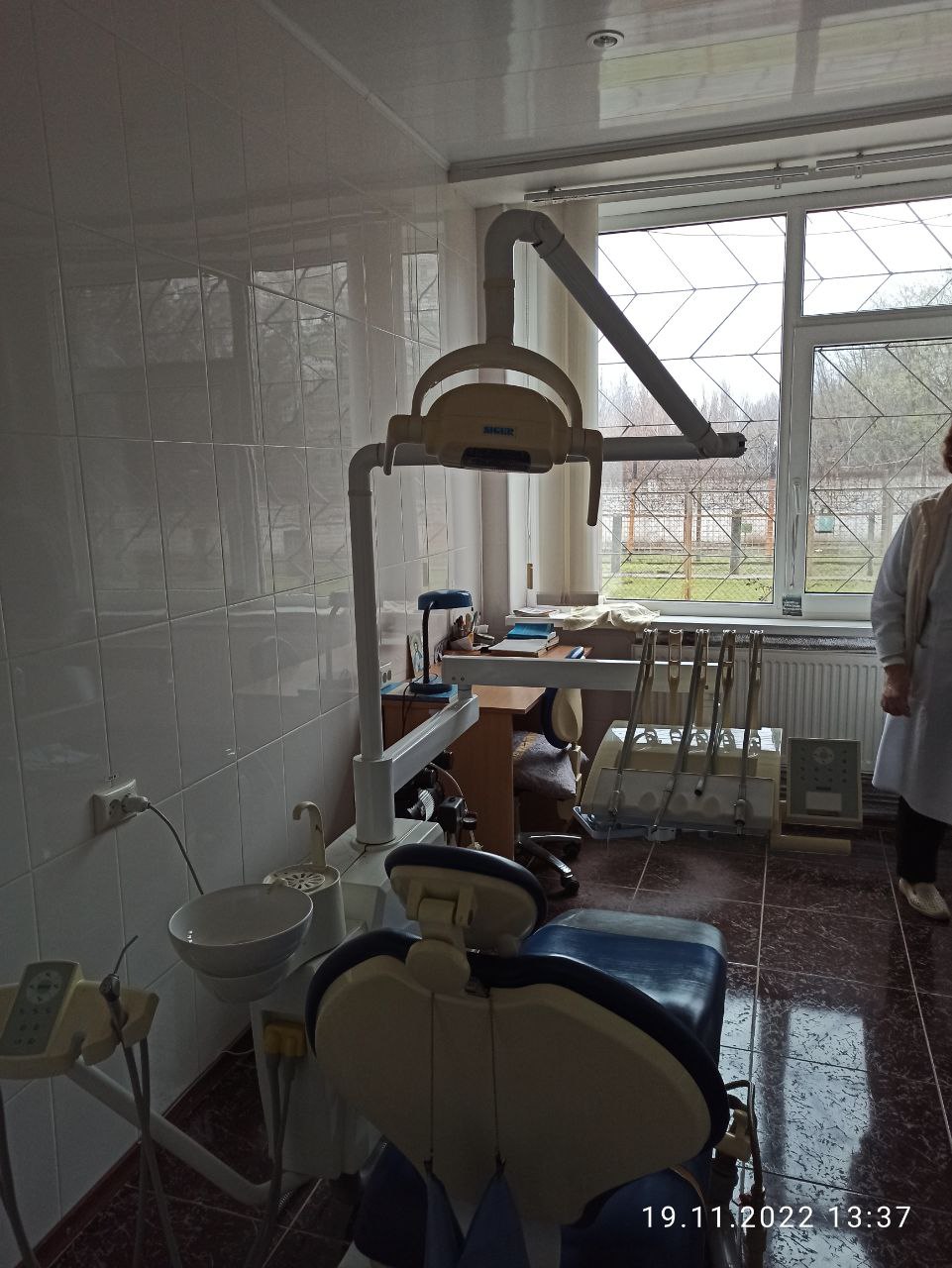
Dental office:
Medicine dispensing room:
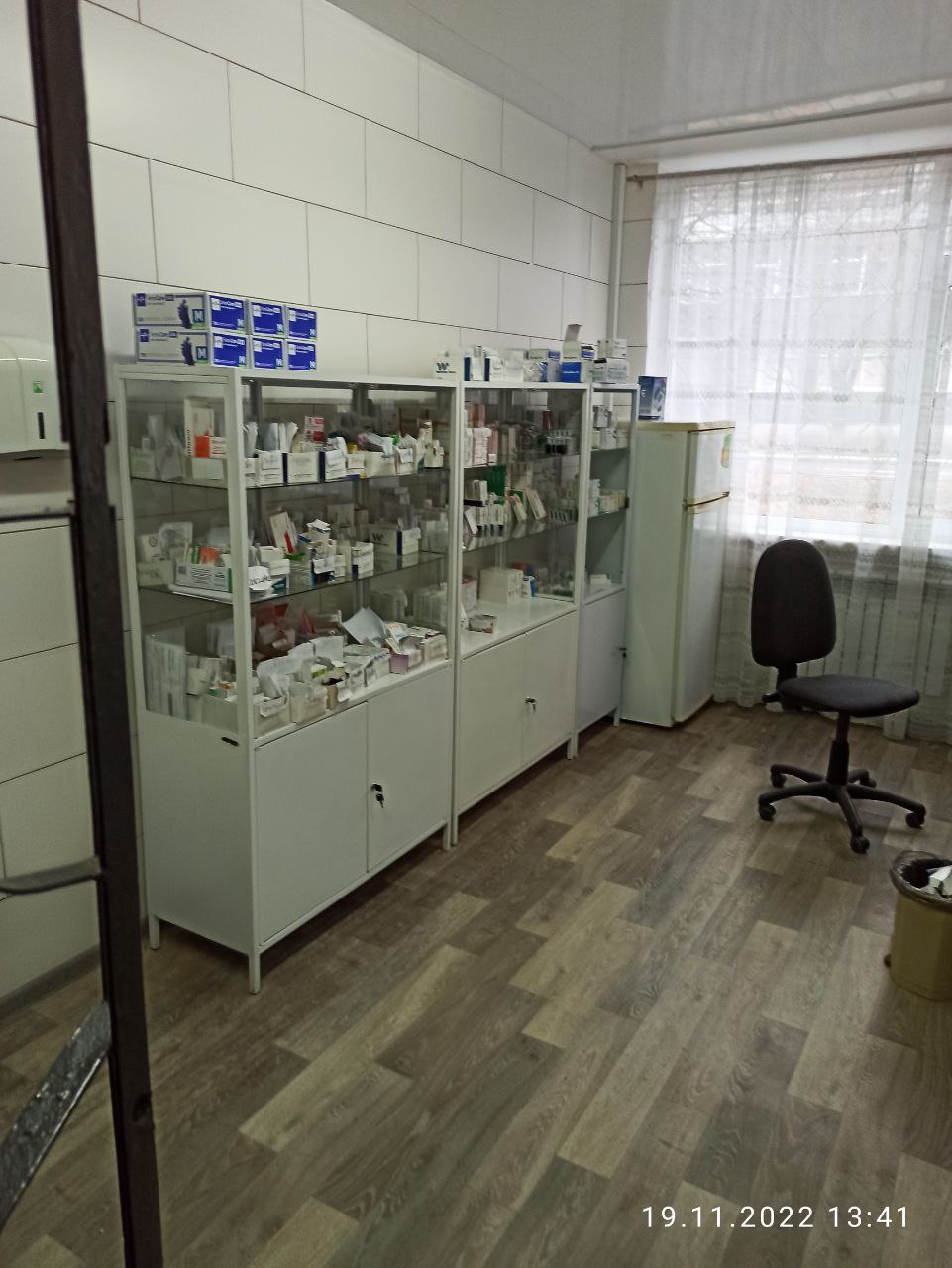
The inpatient department of the medical unit has available: 4 wards with 8 beds; 1 isolation ward for infectious diseases with 4 beds; 1 isolation ward for holding persons with mental disorders with 1 bed; 1 isolation ward for tuberculosis patients with 4 beds.
The medical unit provides round-the-clock duty by a medical worker to provide emergency medical assistance and supply convicts with medicines.
According to the staffing table, the following positions are approved in the medical unit:
- head of the medical unit — doctor — 1 position;
- paediatrician — 1 position;
- nurse — 8 positions;
- dietary nurse — 1 position;
- nurse — 0.5 position;
- epidemiologist — 1 position;
- paediatric neurologist — 0.5 position;
- dermatovenerologist — 1 position;
- therapist — 0.5 position;
- senior nurse — 1 position;
- medical assistant (feldsher) — 1 position;
- obstetrician-gynaecologist — 0.5 position;
- pharmacist — 1 position;
- laboratory assistant — 1 position;
- radiologist — 0.5 position;
- X-ray technician — 0.5 position;
- dentist — 0.5 position.
Information regarding vacancies in Medical Unit No. 34 is unavailable due to the impossibility of obtaining it during the monitoring visit.
The staffing table does not provide for an infectious disease specialist.
There was one person in the somatic ward. During the conversation, no complaints or statements regarding unlawful actions by the colony administration or medical staff, including torture or ill-treatment, were received.
In one of the wards, beds were observed to be placed right next to each other, which violates the right to privacy.
The medical unit’s inpatient ward, in violation of the requirements of the ‘Standards for the Provision of Bedding, Special Clothing, and Special Footwear (Inventory Property) for Prisoners Undergoing Treatment in Medical and Preventive Facilities, Facilities with Medical Rights, and Medical Units at Penal Institutions and Pre-trial Detention Centres’, approved by the Ministry of Justice order of 20.02.2012 No. 280/5, is not provided with hospital property (suit, bathrobe, and hospital shoes) for persons undergoing treatment. Consequently, persons in the inpatient ward are dressed in daily clothes and do not have a change of footwear, which does not ensure a proper sanitary state in the healthcare facility.
Conditions for holding persons with disabilities are absent; in particular, there are no ramps, handrails, etc. The only piece of equipment recorded by the monitors is one wheelchair in one of the medical unit wards. This wheelchair was also noted by the monitors during the previous visit.
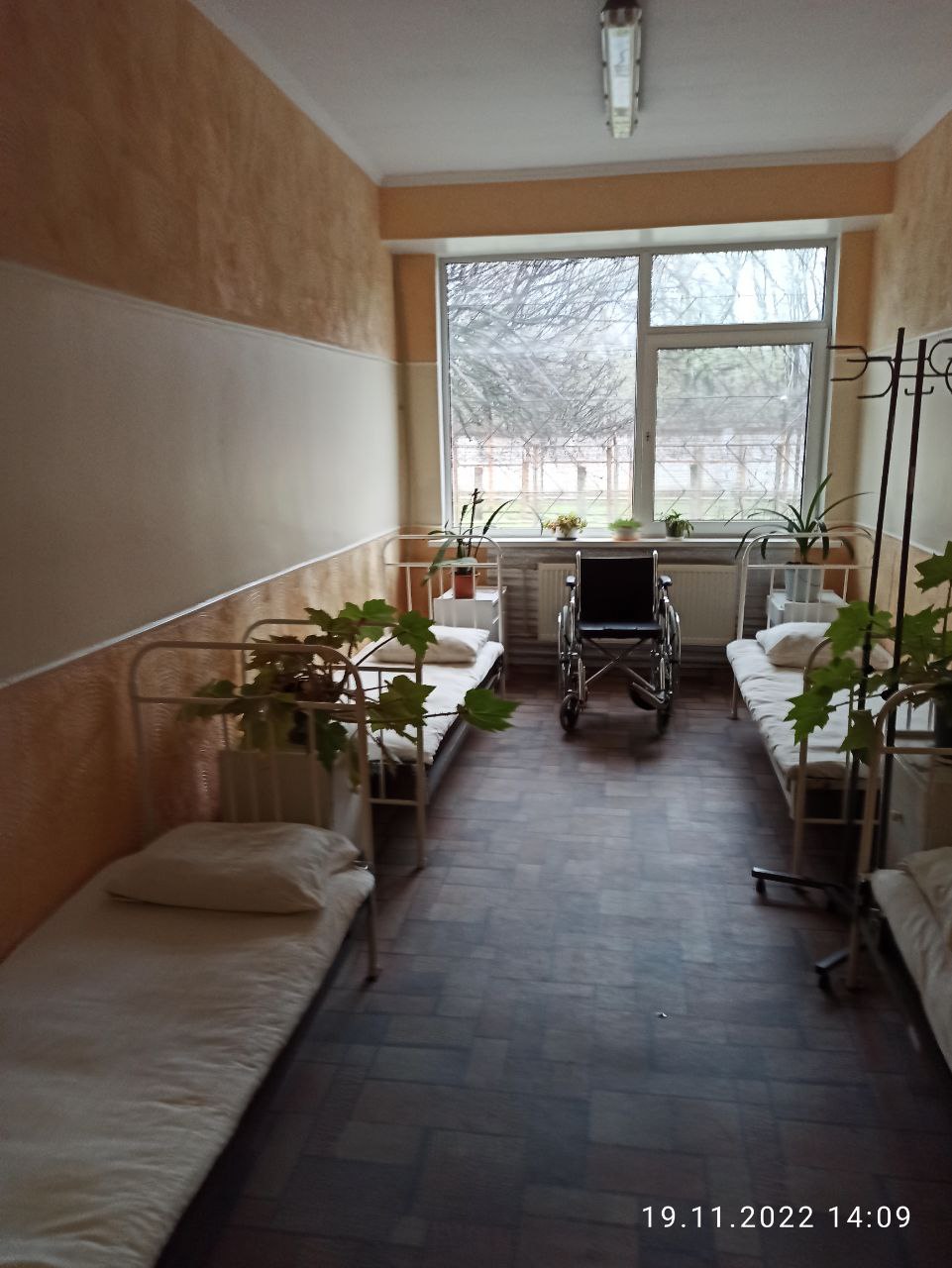
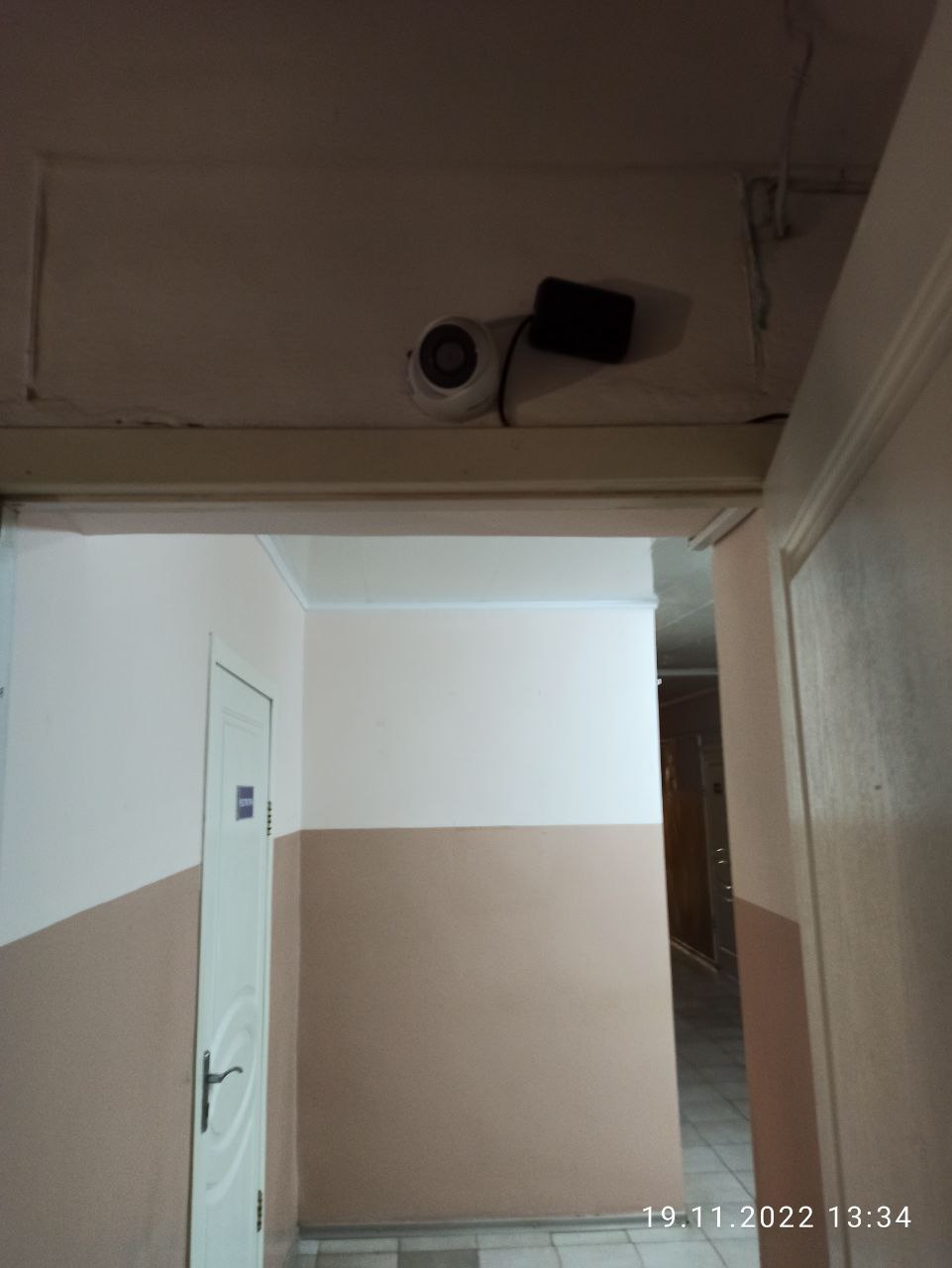
Video surveillance cameras are installed in the lobby of the medical unit, whereas the ‘Procedure for the Use of Technical Surveillance and Control Equipment in Correctional and Educational Colonies of the State Penitentiary Service of Ukraine’, approved by the Order of the Ministry of Justice of Ukraine of 26 June 2018 No. 2025/5 (registered in the Ministry of Justice of Ukraine on 02 July 2018 under No. 766/32218), does not provide for the installation of video surveillance in medical unit premises.
In the KDiR (House of the Child) unit, there is no doctor’s office.
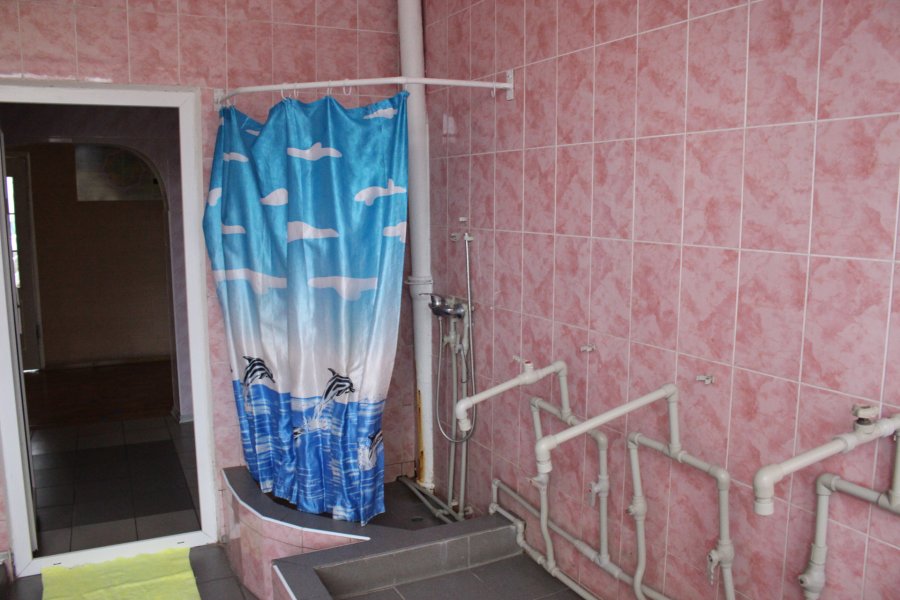
The general bathhouse is not equipped with a room for a medical worker, which is necessary for examining convicts. In other words, the medical examination is conducted in the presence of other convicts. According to the Order of the Ministry of Justice of Ukraine ‘On Approval of the Regulation on the Organisation of Bath and Laundry Services for Persons Held in Penal Institutions and Pre-trial Detention Centres’, supervision of compliance with order during washing in the bathhouse, as well as cleaning and disinfection of premises, is carried out by the duty medical assistant of the medical unit (medical aid post) of the State Institution ‘Centre for Health Care of the State Penitentiary Service of Ukraine’ and the bathhouse attendant. The bathhouse attendant is appointed from among the convicts. At the same time, a duty medical assistant must be present during the washing of convicts in the bathhouse, who conducts their examination in order to detect bodily injuries and skin diseases. However, at the time of the visit, it was established that a physical examination of convicts in the bathhouse is not conducted, and the duty medical assistant was absent at the time the convicts were performing hygiene procedures in the bathhouse.
Consequently, the rights of convicts to health care to the extent established by the fundamentals of the legislation of Ukraine on health care, with the exception of restrictions provided by law, which are enshrined in the Constitution of Ukraine and Art. 8 of the Criminal Executive Code of Ukraine, are being violated in the institution and the medical unit.
When asked to show the presence of the medication naloxone in the medical unit, the medical worker could not provide an answer regarding its availability and the indications for its use.
Thus, in violation of the requirements of Article 12 of the Law of Ukraine ‘On Emergency Medical Assistance’, orders of the Ministry of Health of 05.06.2019 No. 1269 ‘On Approval and Implementation of Medico-Technological Documents on Standardisation of Emergency Medical Assistance’, of 06.02.2014 No. 101 ‘On Approval of the Exemplary Table (List) of Equipment for Structural Units of the Emergency Medical Assistance System’, and the resolution of the Cabinet of Ministers of Ukraine of 21 November 2012 No. 1122 ‘On Approval of the Procedure for Providing Emergency Medical Assistance to Persons Taken into Custody or Sentenced to Imprisonment’ — the medical unit is likely not supplied with naloxone, and the staff is not familiar with the protocol for using naloxone, which makes it impossible to provide emergency medical assistance in cases of opioid overdose.
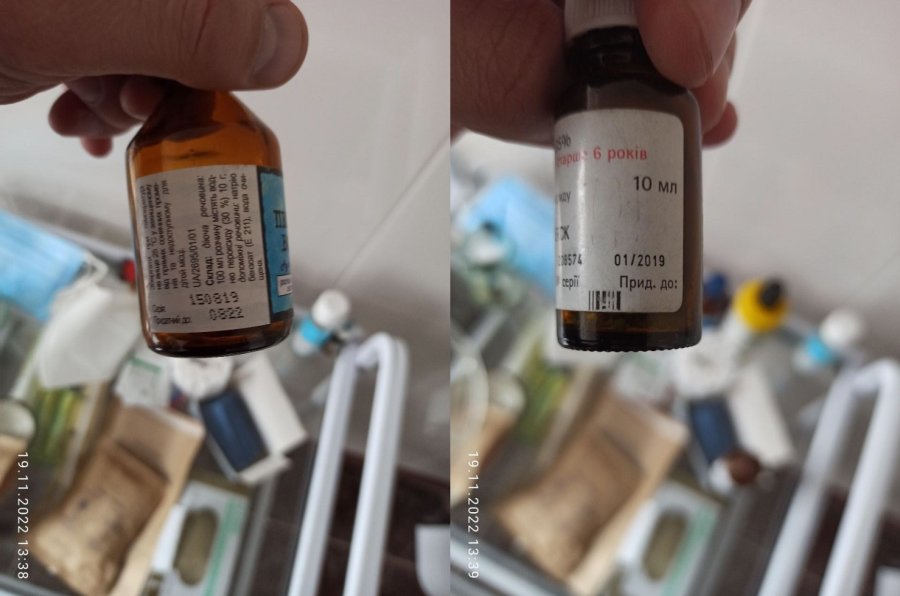
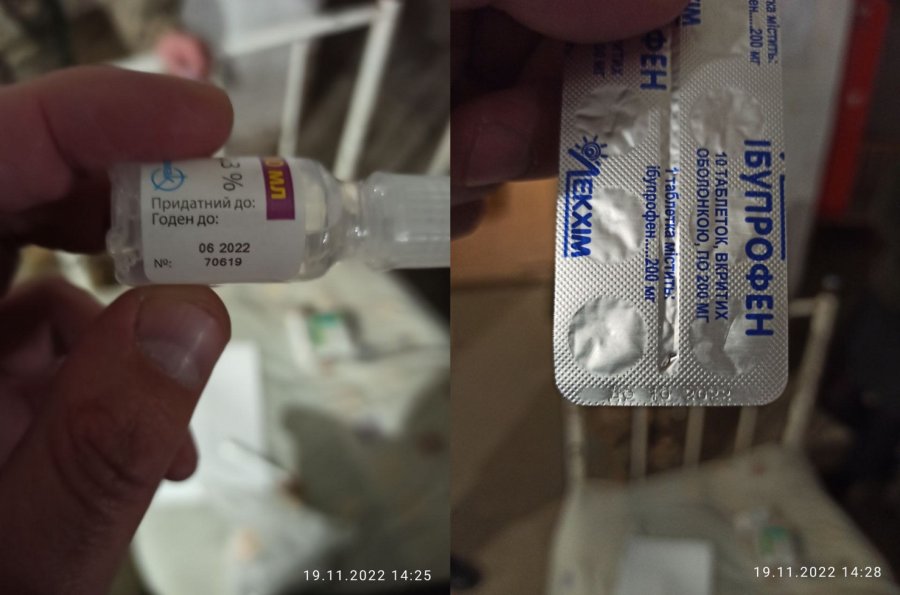
During the inspection of the dental office by the monitoring group, the absence of filling material and medical preparations with expired shelf lives was discovered.
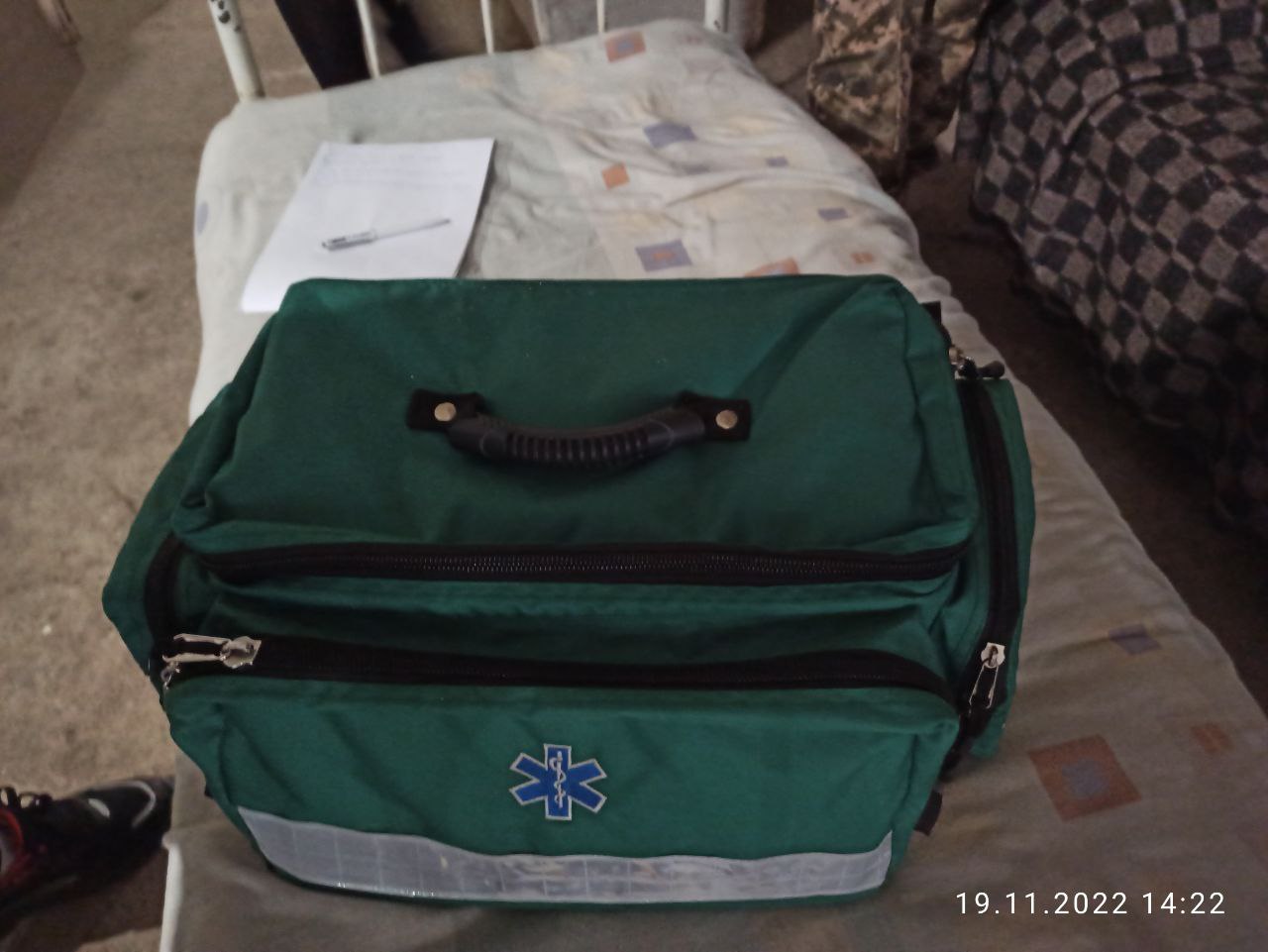
Furthermore, the inspection of the medical assistant's bag also revealed a number of medical preparations with expired shelf lives, which may cause harm to the patient.
Children's House
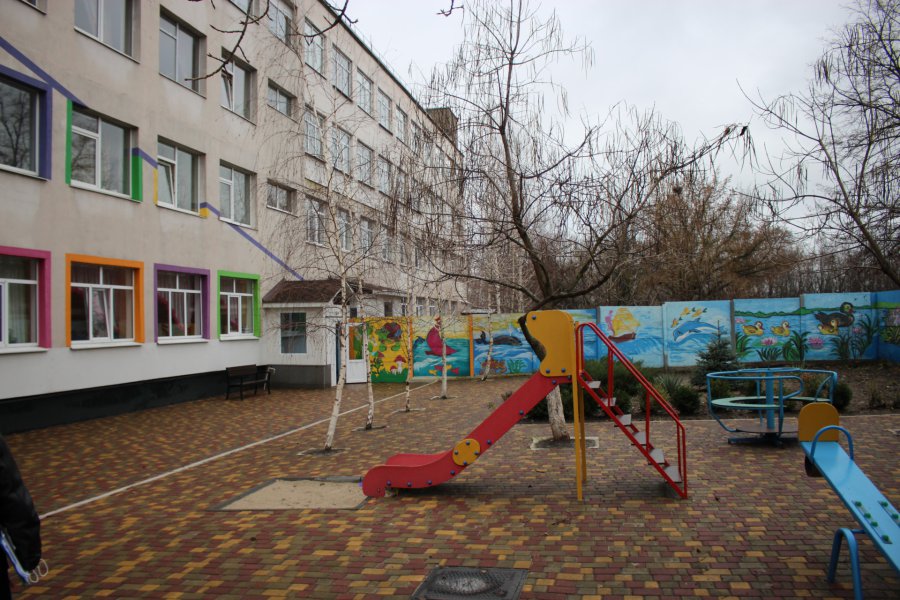
At the time of the visit, 14 women were in the children's house with their children.
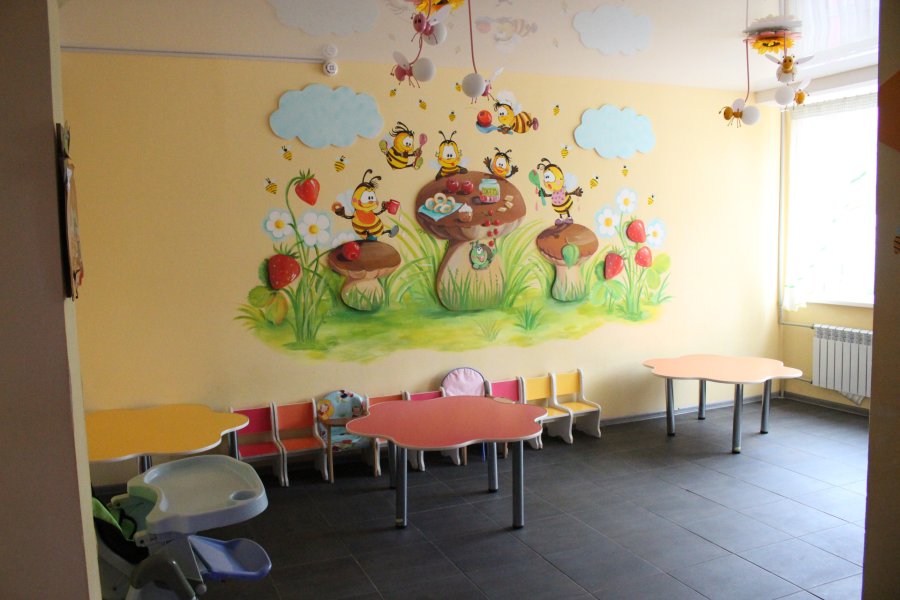
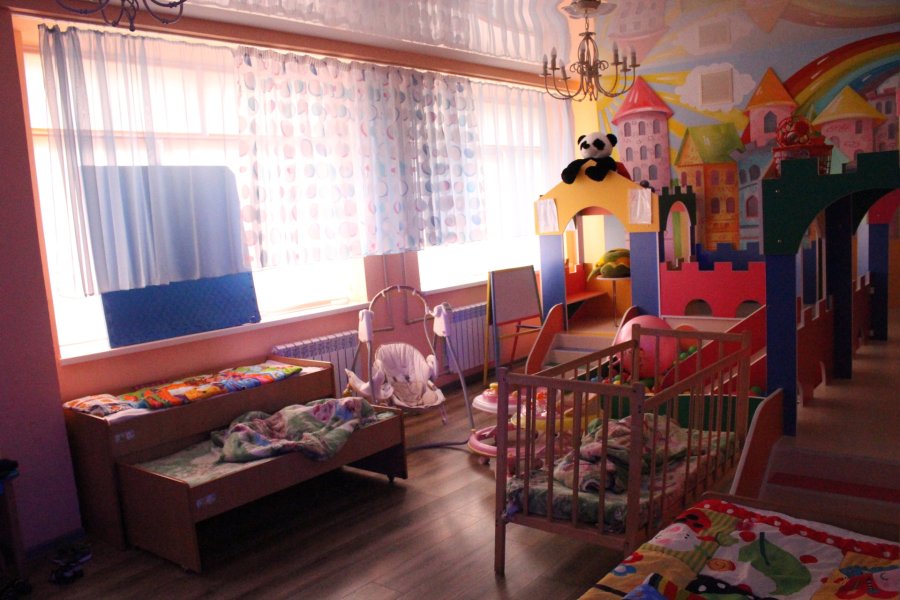
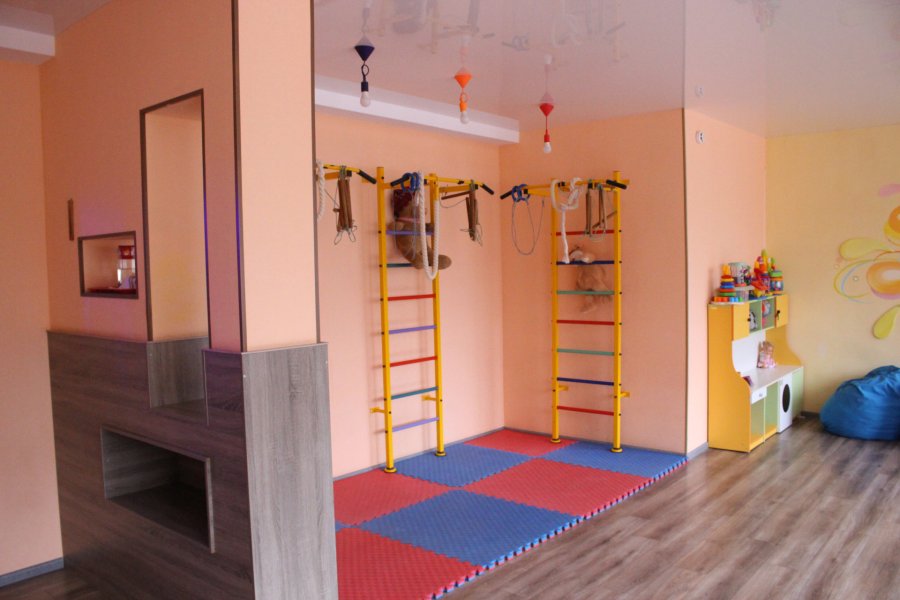
Children are kept until the age of 3.
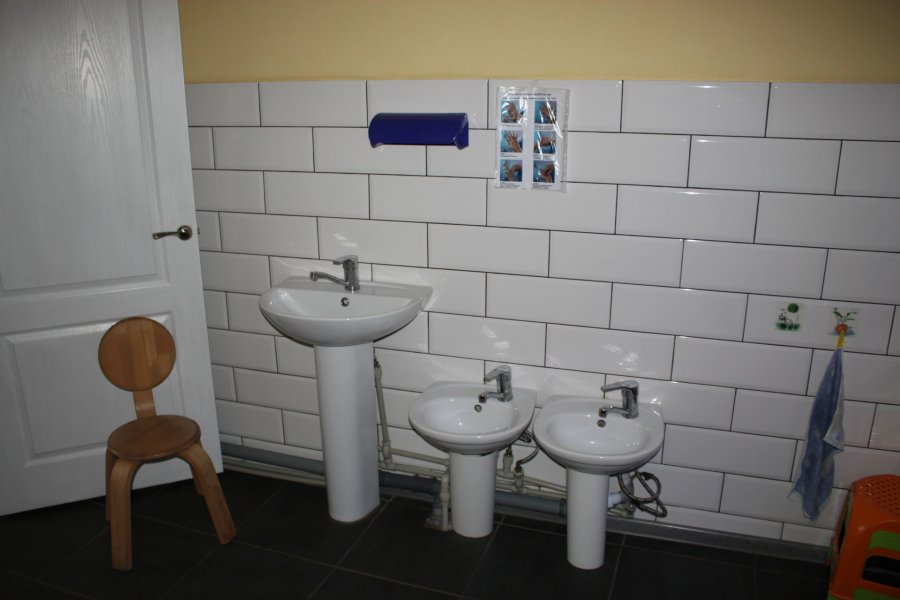
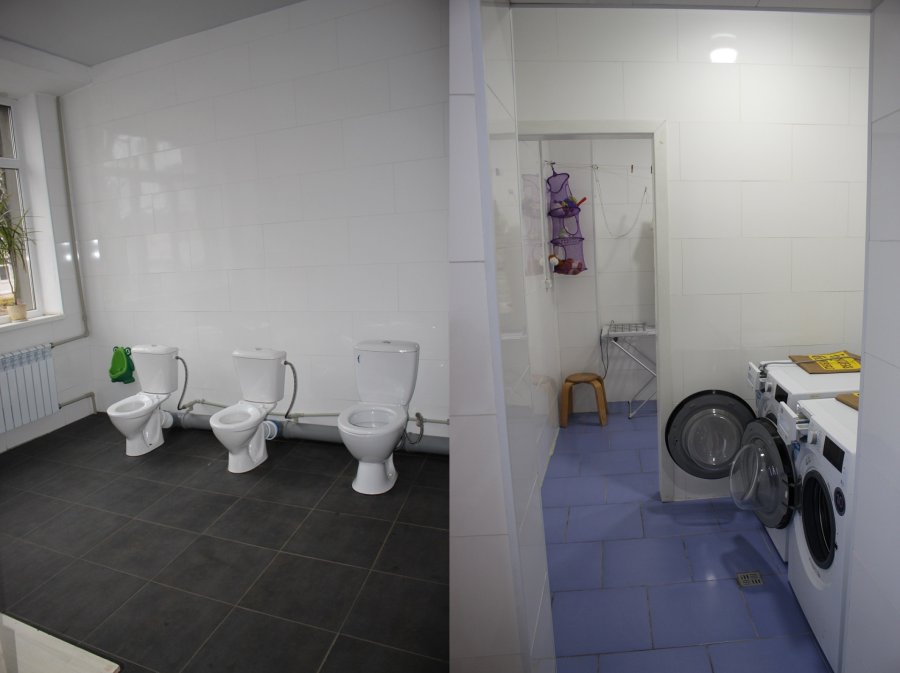
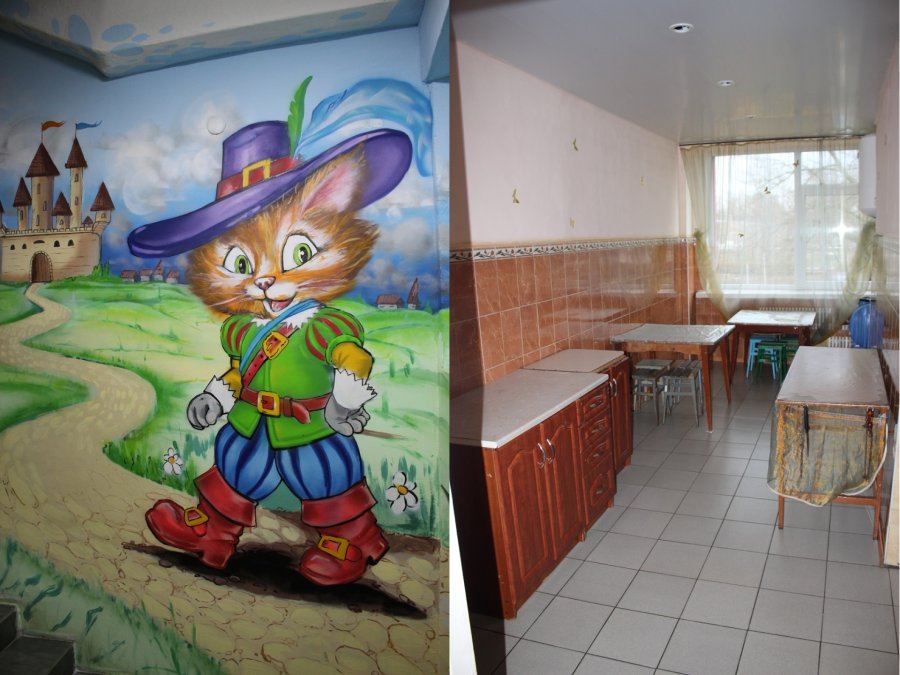
Convicts whose children have grown older can go to work and then return to their children.
Kitchen facility.
Living Premises
Living quarters are divided into those where convicts who work in production or in workshops live, and those where non-working ones live.
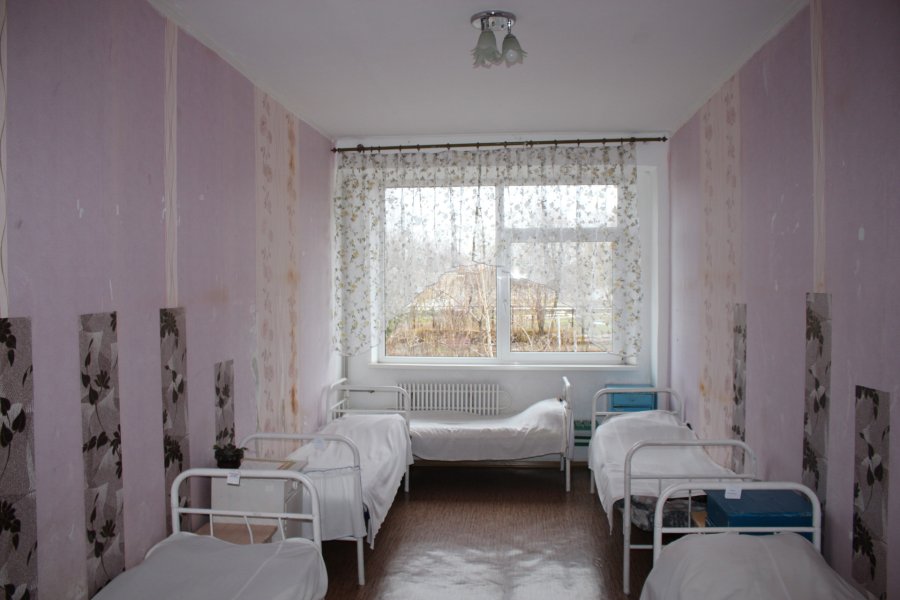
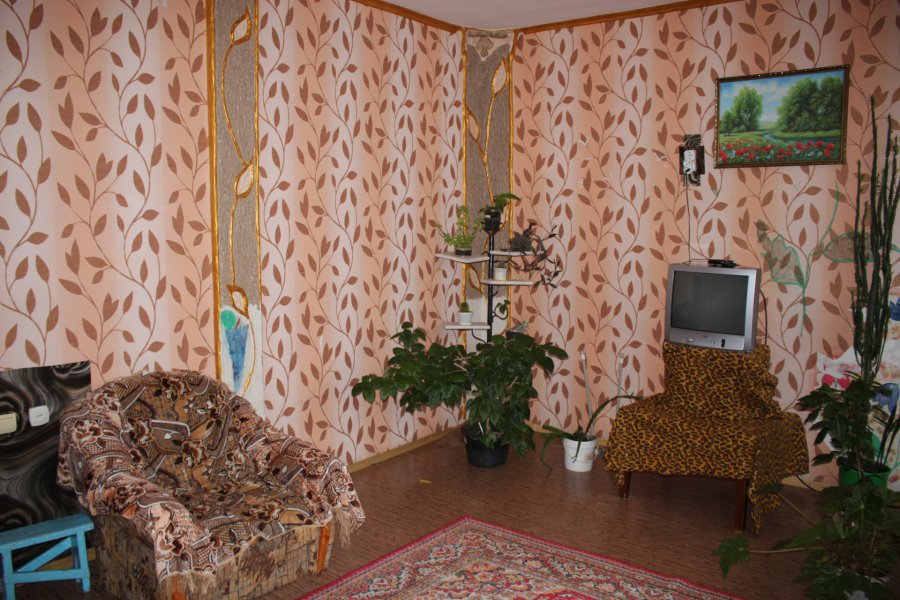
Living quarters for workers are empty because all convicts are at work. Cleaning of the premises is carried out according to a schedule.
In the living quarters where the residents do not work in production, 42 people reside.
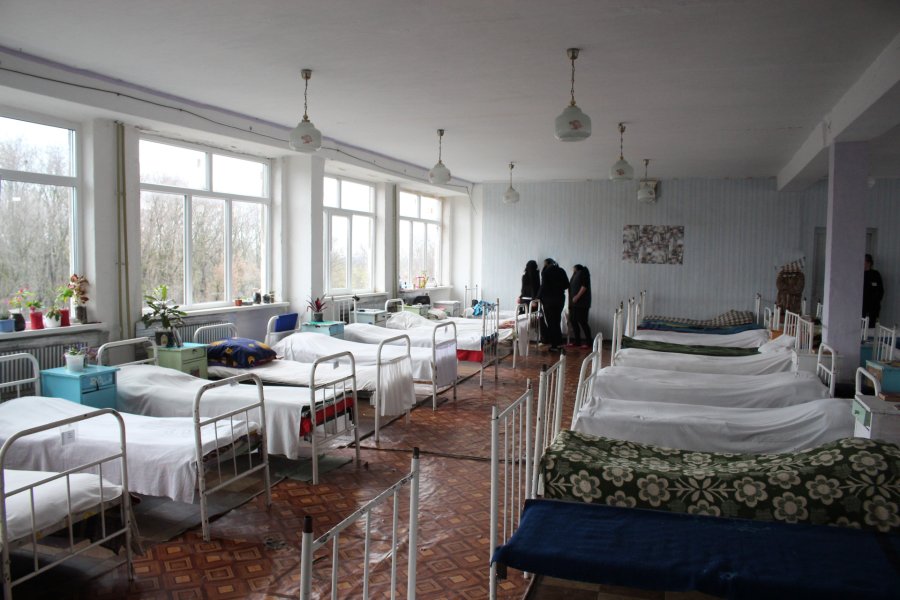
According to the rules, one cannot sit on the bed. There is no TV, no multicooker, and no fridge; there are no stools either. One can only sit on the bedside tables. Phone calls of 15 minutes twice a week are permitted upon written application.
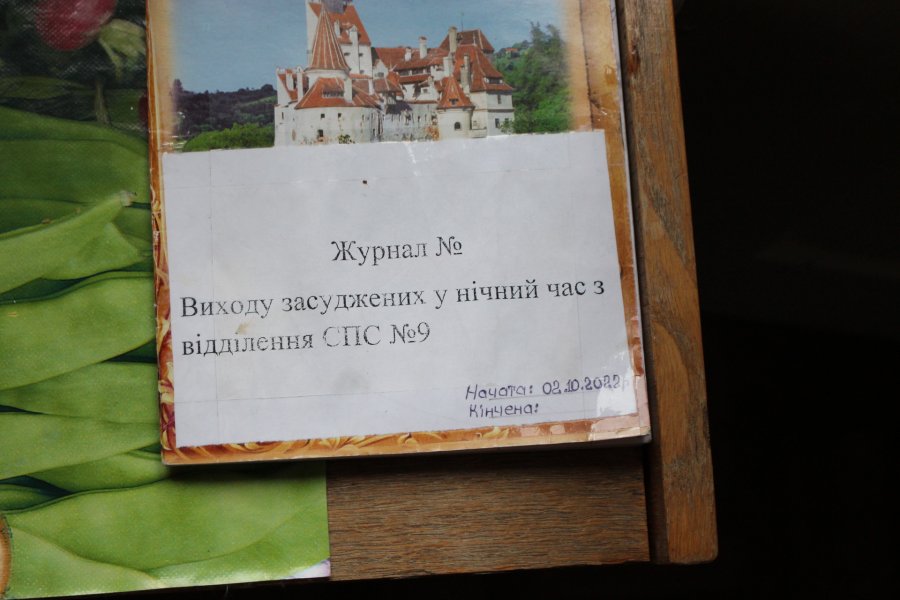
The toilet on the floor is almost not working: there is 1 toilet bowl for 42 people. Therefore, women go outside if necessary. At night, this is recorded in the logbook as exiting the unit.
Convict P. has been serving a sentence for 4 years; she previously worked, but currently does not wish to for reasons she does not disclose.
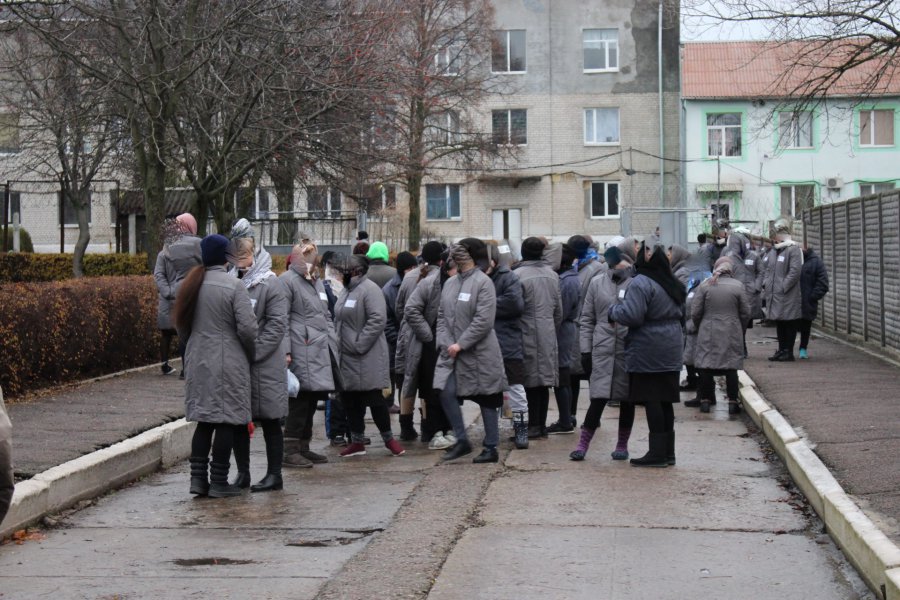
By creating such artificial restrictions in the unit, the institution’s administration attempts to encourage women to work.
Production Zone
On the territory of the institution, there is a vocational school. They teach the following professions: seamstress, dough maker, and cook.
The production zone consists of workshops and manufacturing.
Workshop
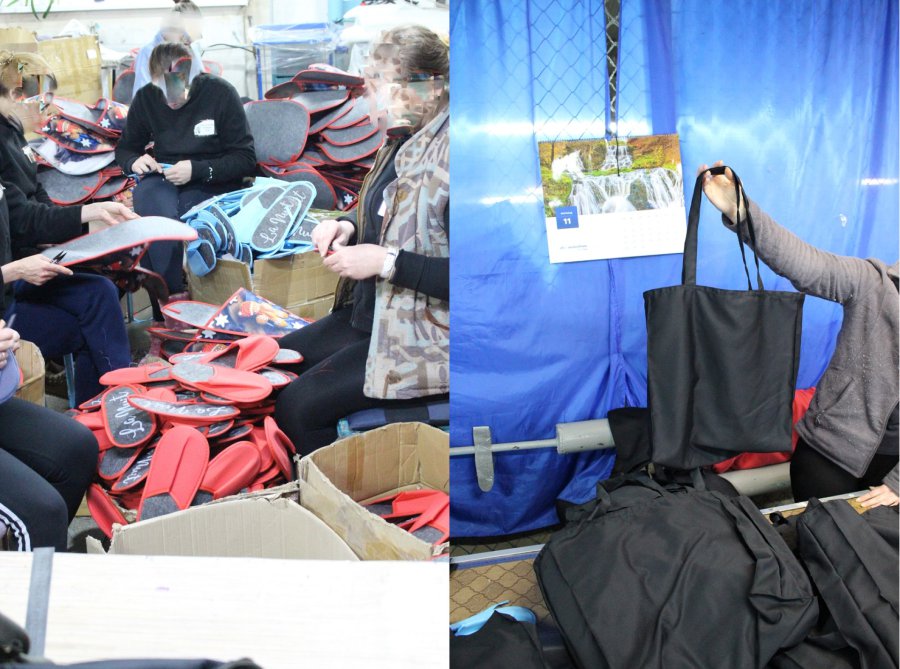
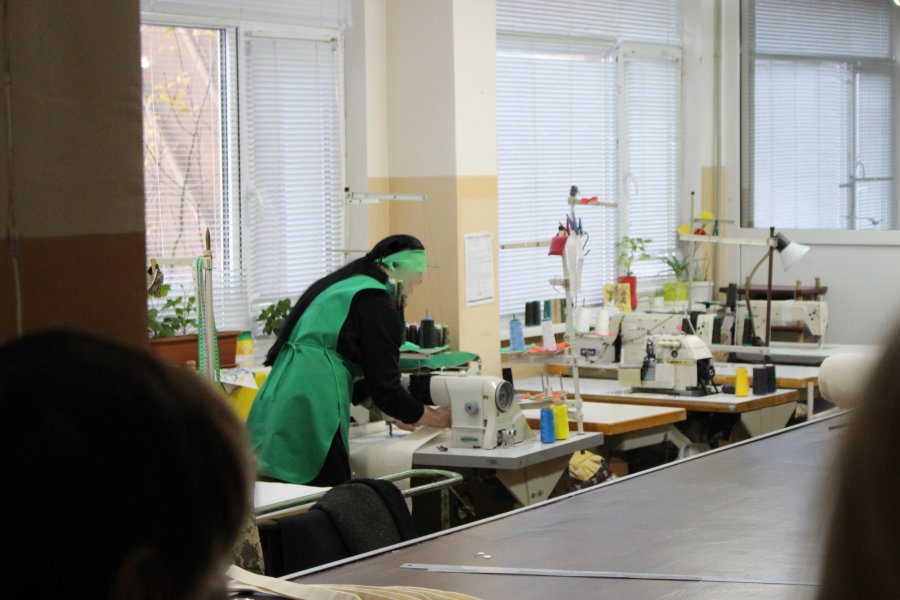
Convict N. has been working for 4 months; according to her, she received about 400 hryvnias. Convict P. has been working for seven years in one production facility, with an average salary of 300 hryvnias. Convict Z. received about 1,000 hryvnias for the month. Convict Z. has been working for 6 years. For the last month, she earned about 400 hryvnias. Convict V. received 1,200 hryvnias for last month. Convict S. has been working for 5 months; for the last month, she earned 1,500 hryvnias. Convict P. earned 350 hryvnias for the last month. As the administration explains, everything depends on the KTU (labour participation coefficient).
Each woman works on a separate production process. The foreman can change the process and transfer workers to other operations.
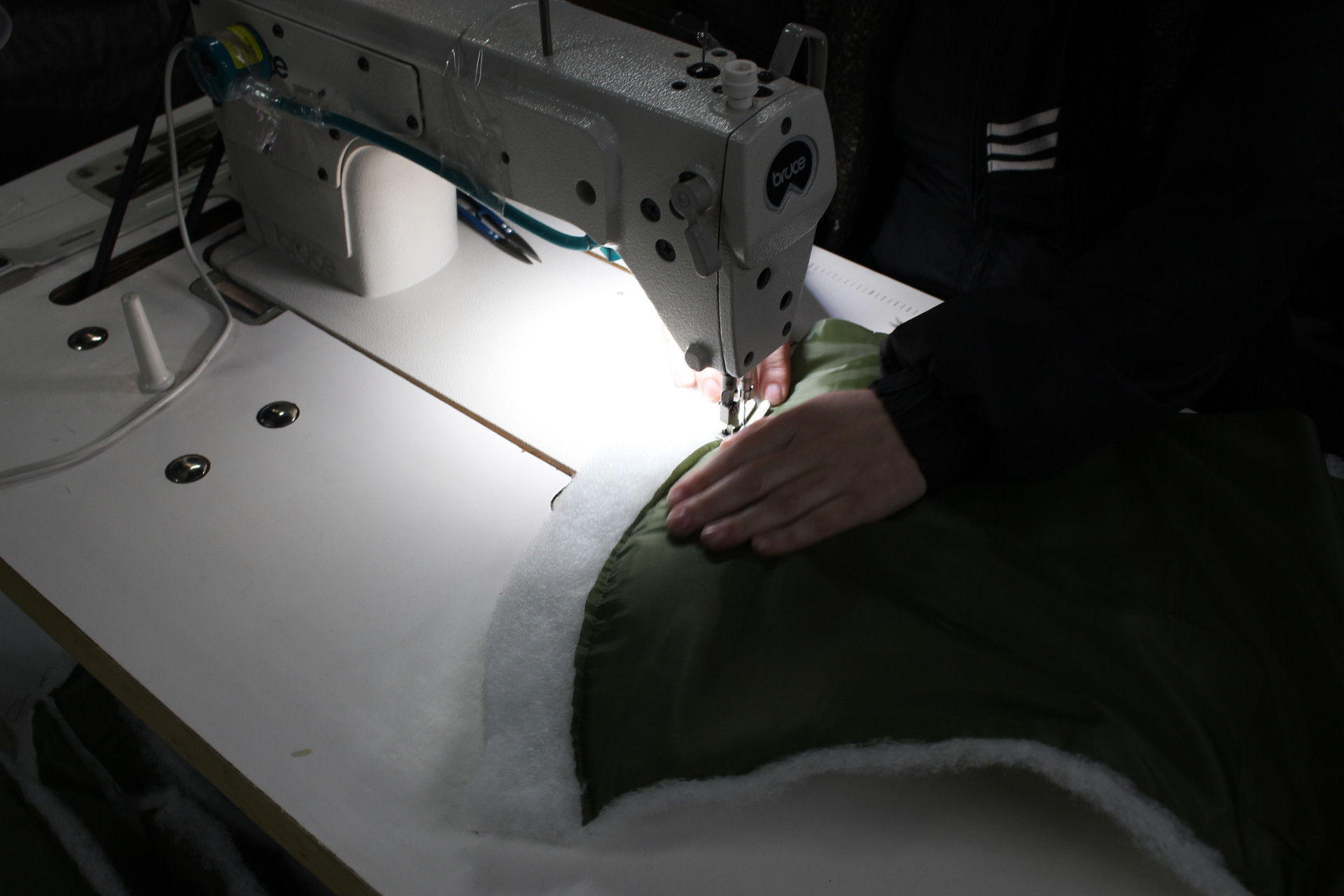
Production workshops
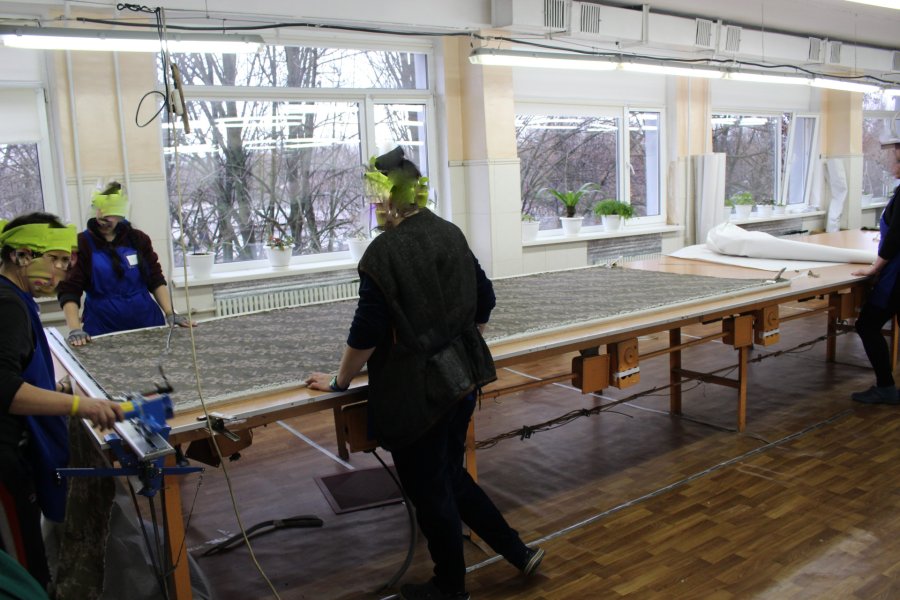
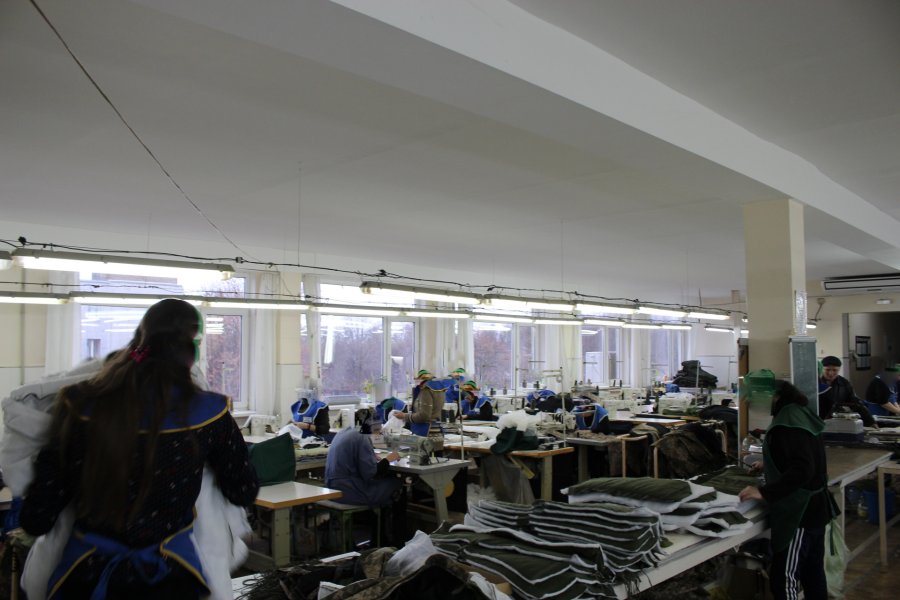
Convict N. reported that she earned 2,700 hryvnias for the last month. Convict A. has been working for 10 months and noted that she earned 400 hryvnias in the last month. Convict V. has been working for half a year and received a salary of 2,300 hryvnias for the last month. Convict V. has been working for three years as a seamstress and earns 2,000 hryvnias a month. Convict P. has been working for half a year and earns about 1,000 hryvnias a month. Convict V. has been working for four years; she does not wish to report her earnings.
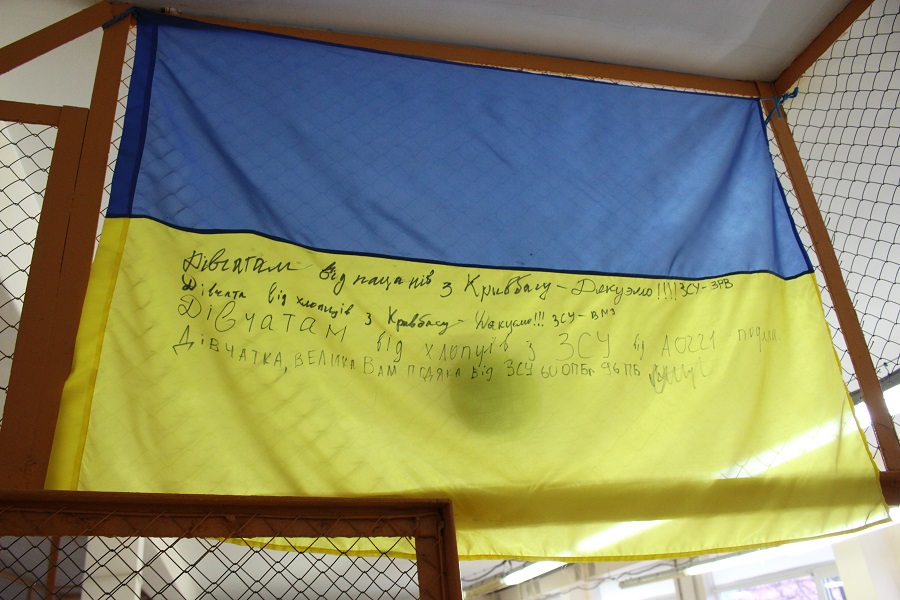
Canteen
The canteen is large in size.
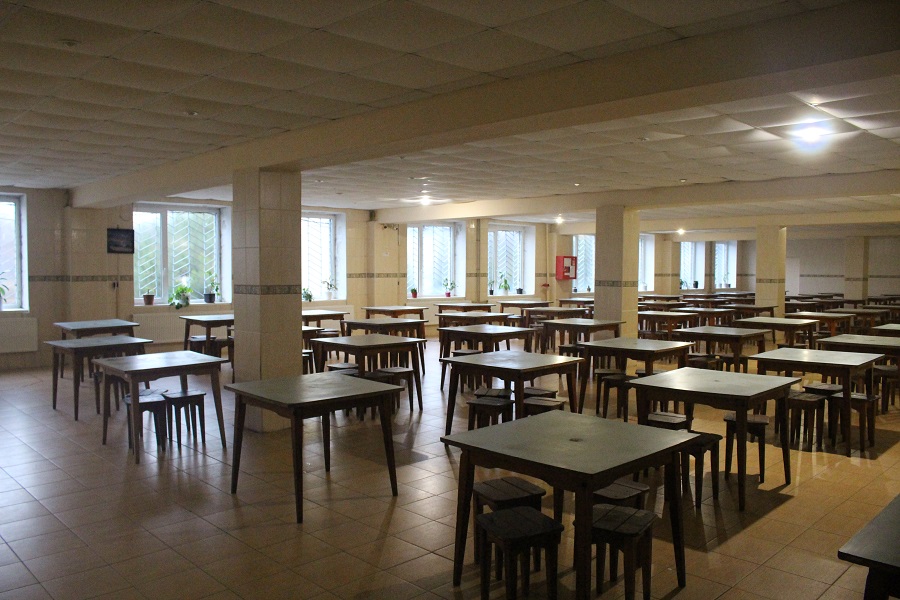
Meals are served in turns. First, women receive spoons and cups, and then they receive food on a tray.
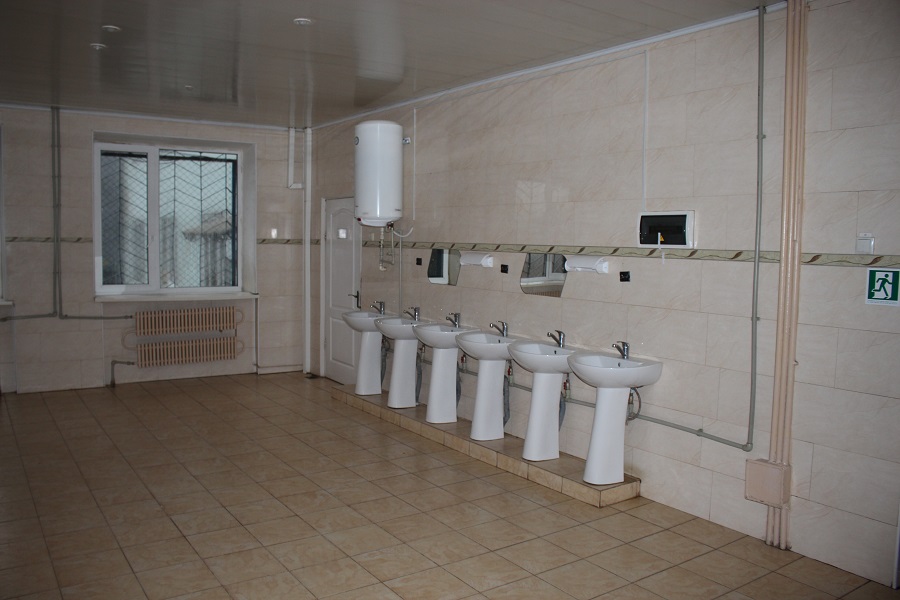
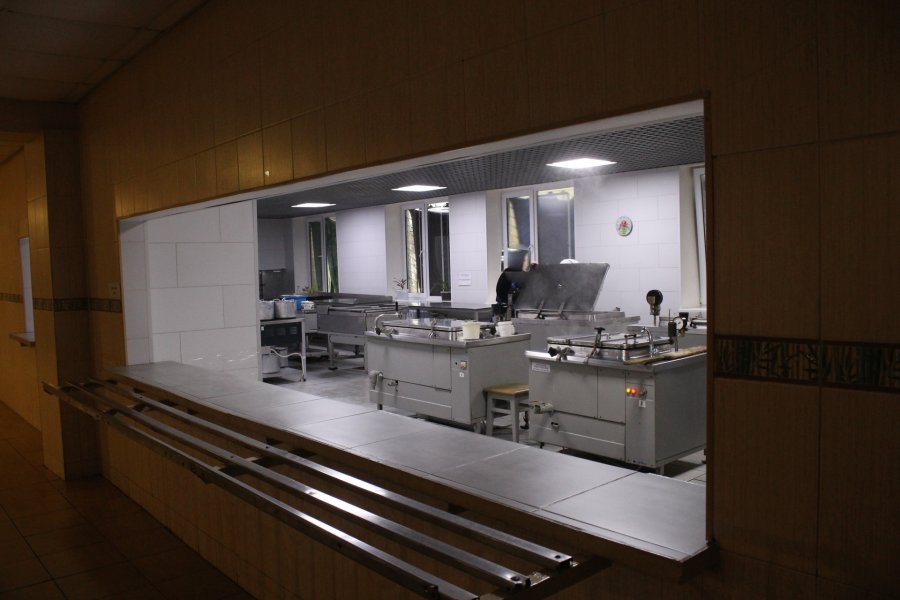
Cooking workshop:
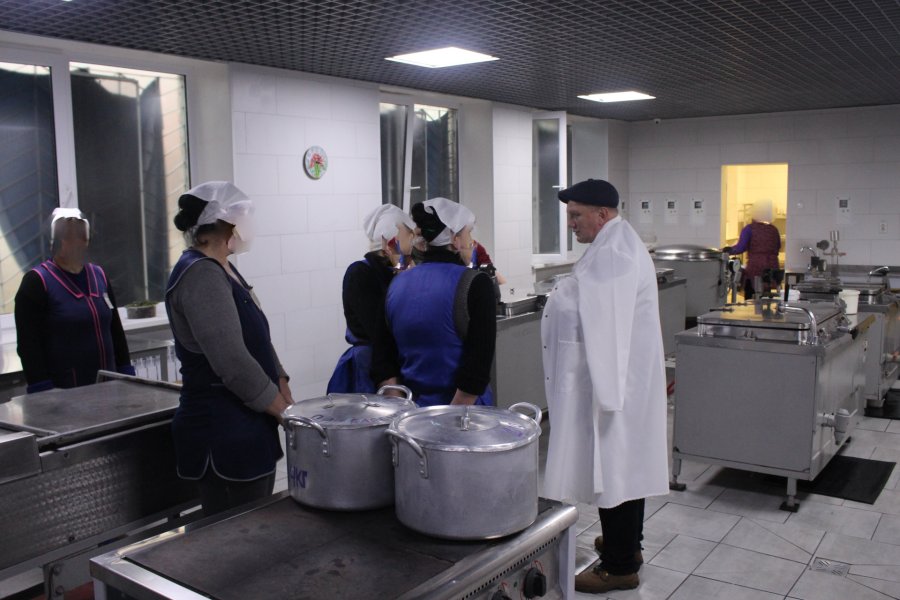
Convict K. has been working as a cook for 4 years. 7 people work in the kitchen.
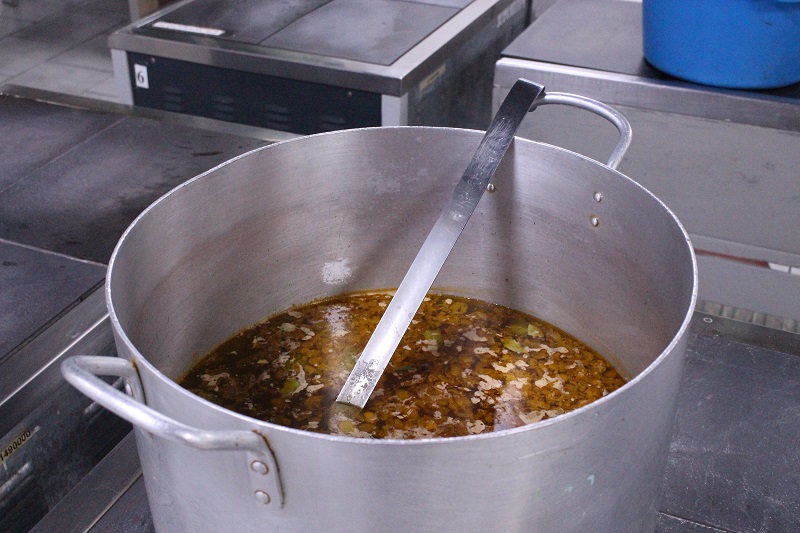
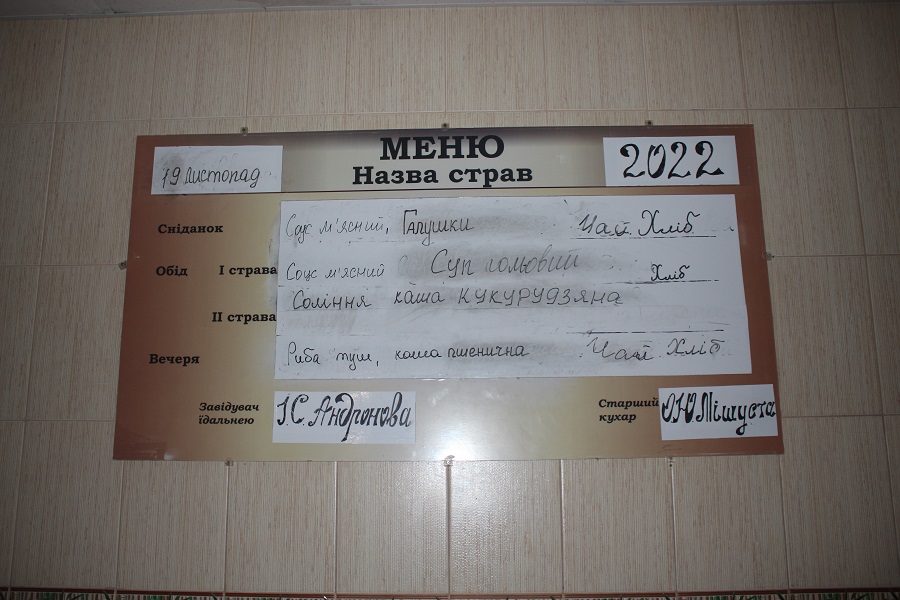
For dinner, there is wheat porridge and stewed fish.
Household chores: washing floors, peeling potatoes, and performing other work in accordance with entries in the logbook. The same people work every day, without pay, as ‘two hours for the improvement of the colony’.
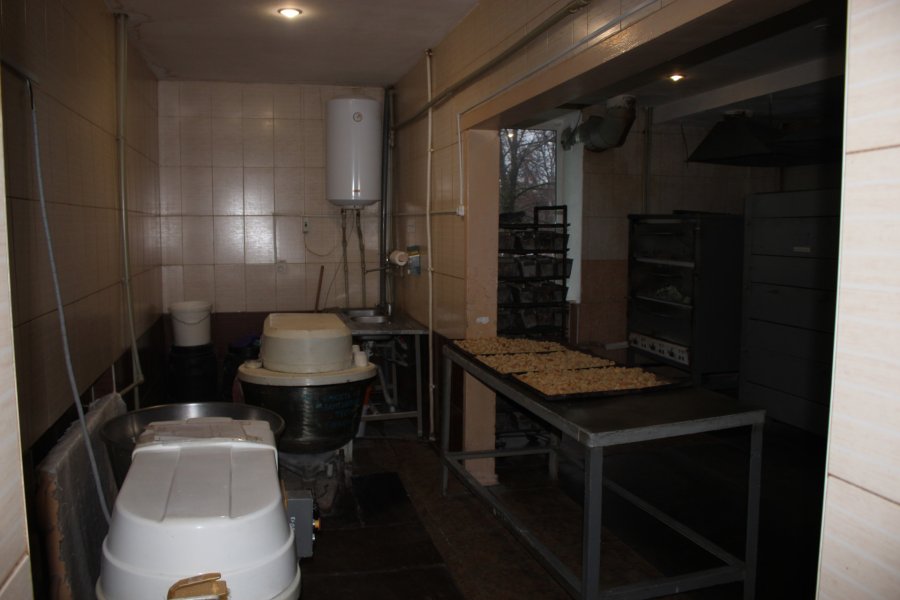
Dry goods workshop:
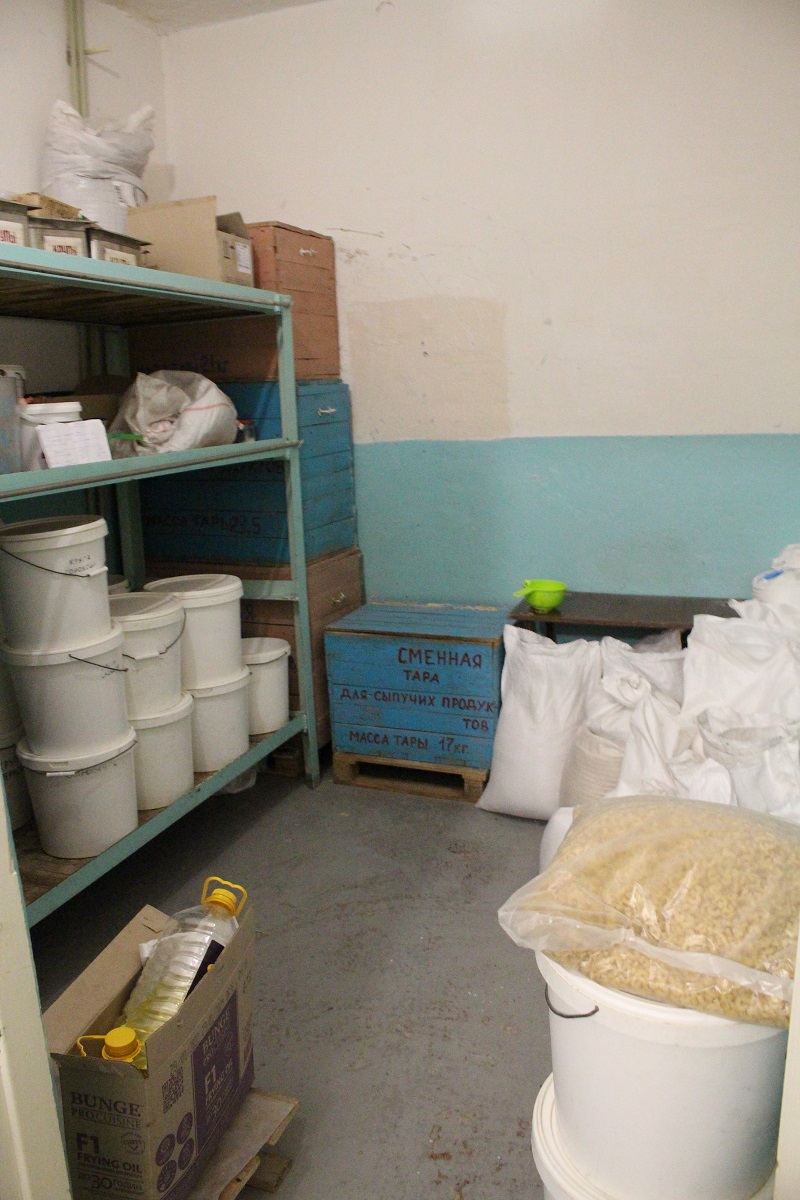
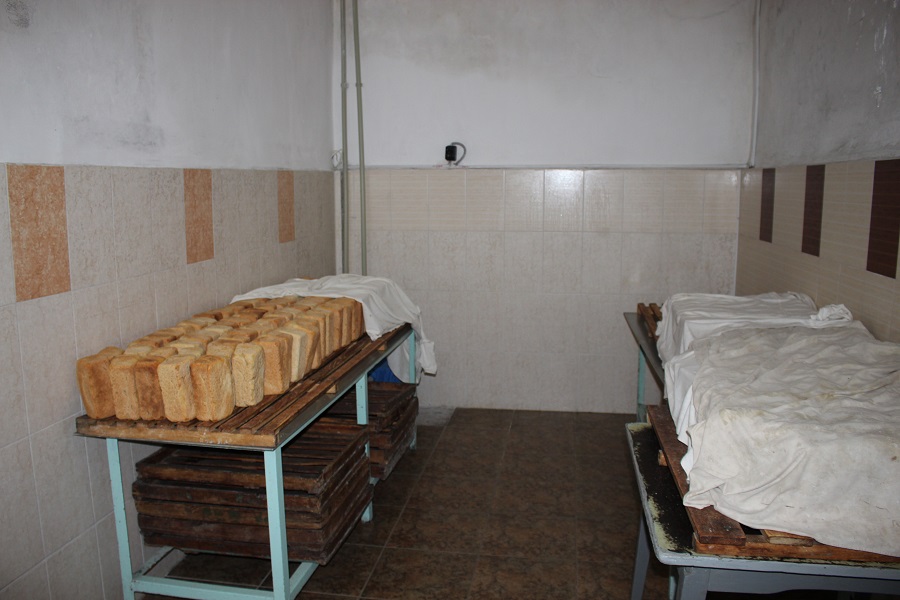
Prepared bread and products: