Monitoring visit to the State Institution “Bilenkivska Correctional Colony No. 99”
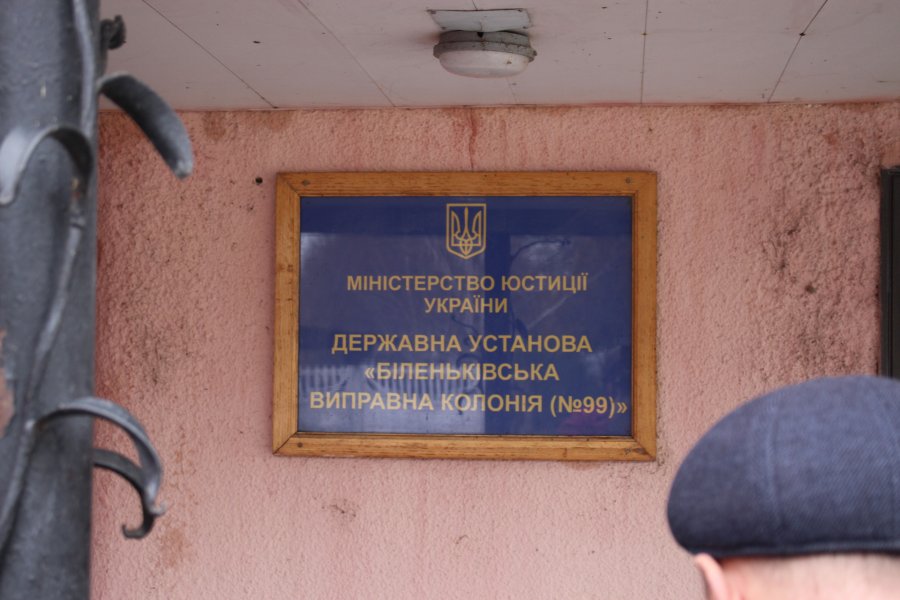
On 18 November 2022, a monitoring group consisting of an assistant to the People's Deputy of Ukraine, Kostiantyn Kasai; a member of the Public Council under the Ministry of Justice of Ukraine, Serhiy Zuikov; an assistant to the People's Deputy of Ukraine, Yaroslav Yurchyshyn; a KHPG programme coordinator, Andriy Didenko; and journalist Oleksiy Yaroslavtsev carried out a repeat visit to the state institution “Bilenkivska Correctional Colony No. 99”.
The report from the previous visit to this institution is available via this link.
The main tasks of the preventive monitoring visit were to analyse the institution’s operations during the war, ensure compliance with human rights and freedoms, and compare the findings with those of the previous visit.
The head of the institution is Colonel of the Internal Service V. M. Zherepa.
General Information
The State Institution “Bilenkivska Correctional Colony (No. 99)” is a medium-security colony for adult males convicted of a first-time serious or particularly serious crime. The institution is located in the village of Bilenke, Zaporizhzhia Raion, Zaporizhzhia Oblast, on the banks of the Kremenchuk Reservoir, fifty kilometres from the city of Zaporizhzhia.
The monitors were granted access to the institution’s grounds within 13 minutes.
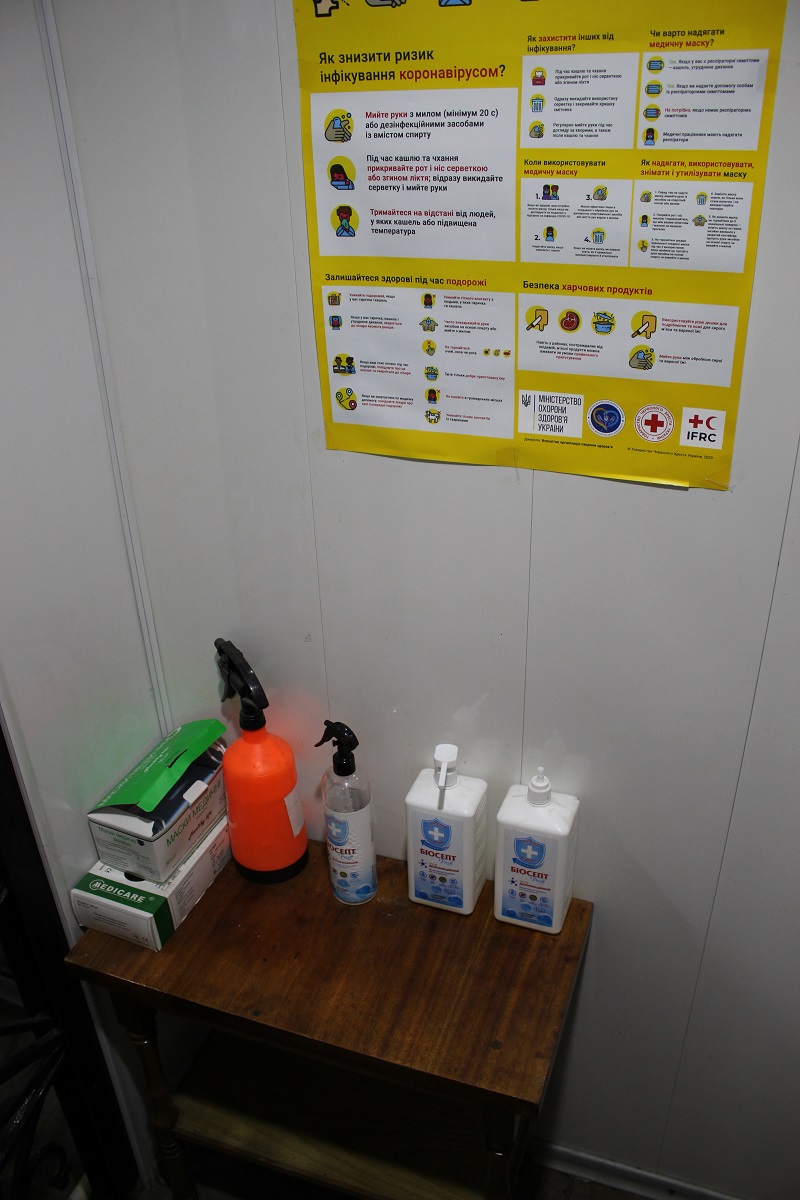
Disinfection and personal protective equipment are available at the duty station.
According to the administration, the staff-to-convict ratio is 1.7 convicts per staff member. The cost of maintaining one convict per day is 67.36 hryvnias. 108 convicts have arrived at the institution during the current year. One convict died in 2021. One convict also died in 2022. 30 convicts are employed, but only two of them work under employment contracts. The average monthly earnings of the working prisoners amount to 1,129.7 hryvnias.
There were 6 people in the disciplinary isolation unit (DIZO). 2 people were receiving treatment in the Health Care Centre of the State Penitentiary Service (on the institution's premises). Registered as HIV/AIDS-positive — 18; prone to suicide — 5; prone to self-harm — 15; flight risk — 13; malicious violators of the detention regime — 14 people.
During 2022, one person was released on health grounds due to a serious illness. 14 people have a disability; 157 people were released in 2021, 47 of them on parole. In 2022, 125 people were released, 38 of them on parole.
During the current year, 4 cases of bodily injuries sustained while in the institution have been recorded.
In 2021, there were 13 long-term visits, and in 2022, there were 3.
Short-term visits in 2021 — 234; in 2022 — 61.
The institution has 9 Social and Psychological Service (SPS) wards. 2 dormitories are mothballed. One ward remains of the barracks type, while all others are cubicle-type.
There was no one in the cell-type premises (PKT) or the disciplinary unit (DPK). Production facilities and workshops are operational at the institution.
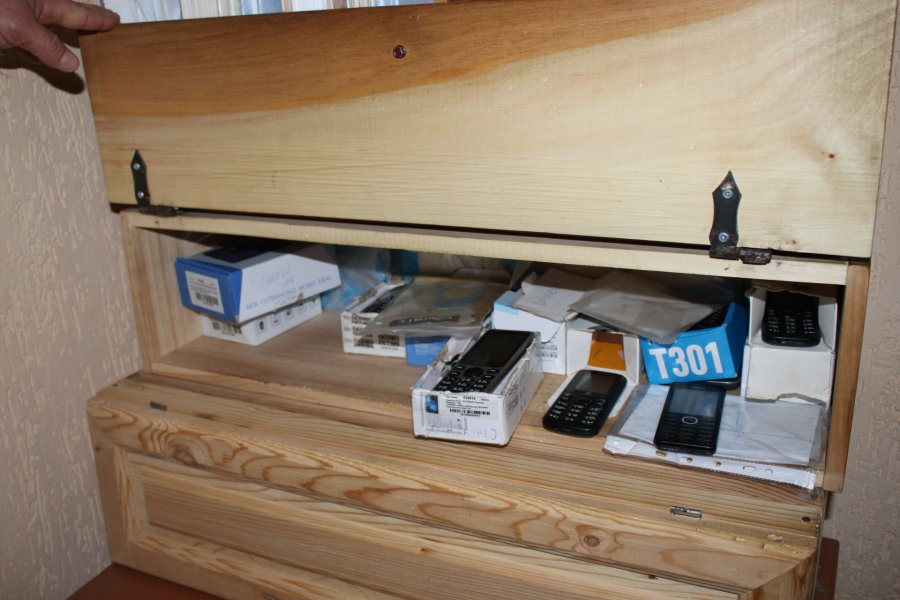
Telephone calls take place at the duty station. Convicts have their own SIM cards, which are also stored at the duty station. The room for telephone conversations is not adapted for this purpose; telephones are stored in the duty officer's cupboard.
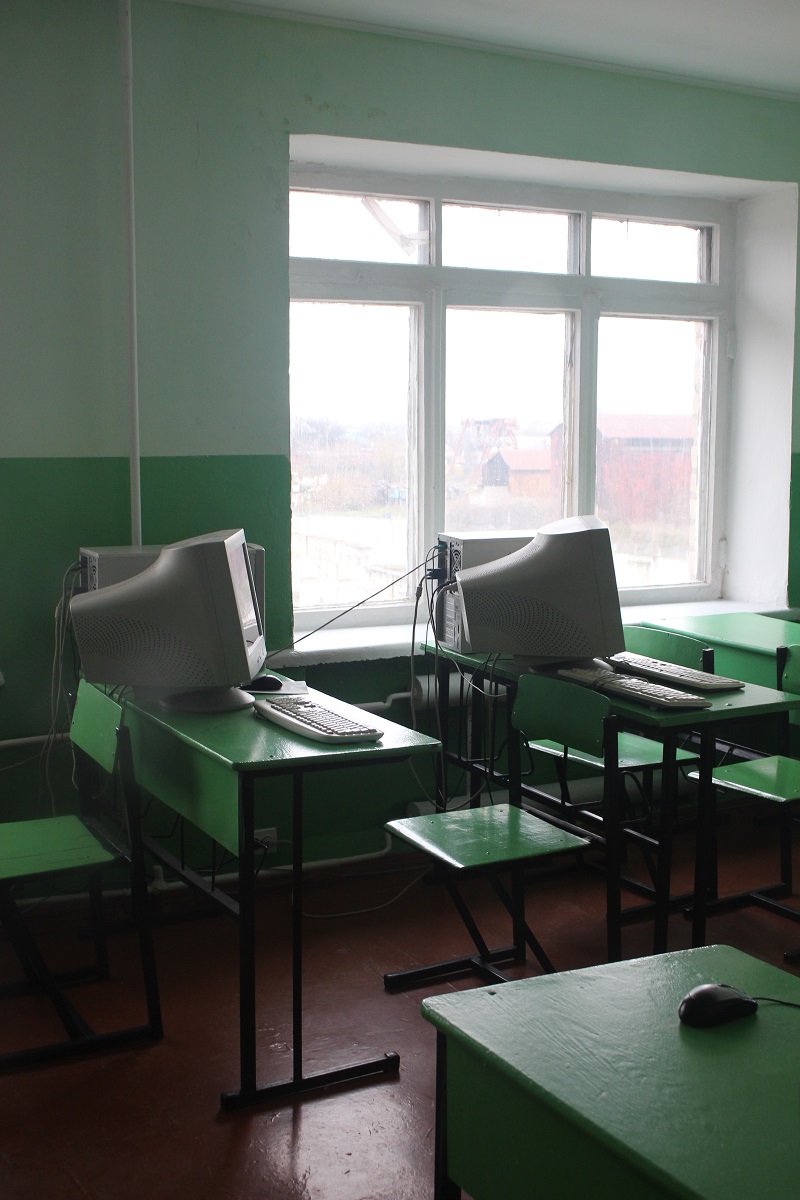
The computer room, judging by appearances, is not used by the convicts.
There are 25 convicts in the socially isolated category.
The monitors examined the acts of prosecutorial response, as well as the logs of reports on violations of the established detention regime and other offences by convicts; logs of individual educational work; logs recording bodily injuries found on persons arriving at the correctional colony; diaries of social and educational work; acts on the use of special means, straitjackets, and physical force against convicts; logs of hourly checks on the presence of convicts at their workplaces; lists of convicts working in the workshops; reviewed payroll records; and examined orders regarding placement in the disciplinary isolation unit (DIZO) and cell-type premises (PKT).
Medical Unit
The Head of Medical Unit No. 99 of the Branch of the State Institution ‘Centre for Health Care of the State Penitentiary Service of Ukraine’ in Zaporizhzhia Oblast (hereinafter referred to as the Medical Unit) is Anastasiia Volodymyrivna Kulikova.
Medical Unit No. 99 conducts medical examinations of convicts in accordance with the Order of the Ministry of Justice of Ukraine and the Ministry of Health of Ukraine dated 15.08.2014 No. 1348/5/572. Licence No. 2639 dated 21.12.2019. The Medical Unit has the following staff positions:
- Head of Medical Unit — 1.0 position;
- Dentist — 0.25 position;
- Radiologist — 0.25 position;
- Paramedic (feldsher) — 3 positions;
- Nurse — 0.5 position;
- Phthisiatrist (TB specialist) — 0.5 position;
- Pharmacist — 1 position;
- Laboratory assistant — 1.25 positions.
The absence of a general practitioner, psychiatrist, infectious disease specialist, and addiction psychiatrist indicates that initial and full preventive examinations are not being conducted completely, and it violates Chapter 2 of the ‘Procedure for Organizing the Provision of Medical Care to Convicts Sentenced to Imprisonment’ (hereinafter referred to as the Procedure). In particular, in accordance with the legislation, a preventive medical examination must include the participation of a general practitioner (or a family doctor), a psychiatrist, and a dentist.
In accordance with the requirements of Chapter 5 of the ‘Procedure for Organizing the Provision of Medical Care to Convicts Sentenced to Imprisonment’, approved by the order of the Ministry of Justice of Ukraine and the Ministry of Health of Ukraine dated 15 August 2014 No. 1348/5/572, a medical worker must be on duty around the clock in the Medical Unit’s inpatient facility. The number of medical staff on duty is determined by the head of the medical unit.
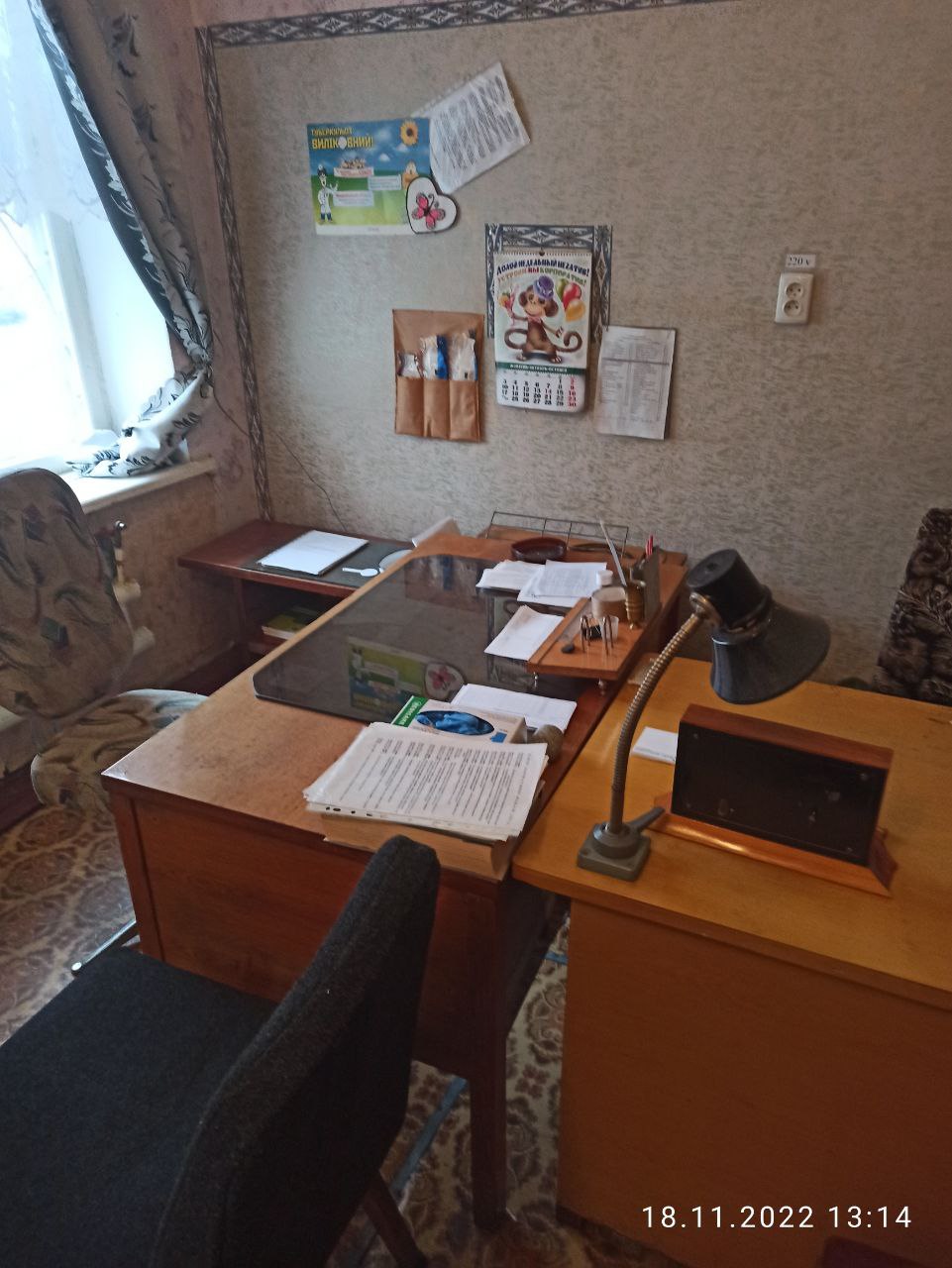
The Medical Unit contains: the office of the Head of the Medical Unit (general practitioner), a dental office, an X-ray room, a laboratory, and a treatment room.
Office of the Head of the Medical Unit:
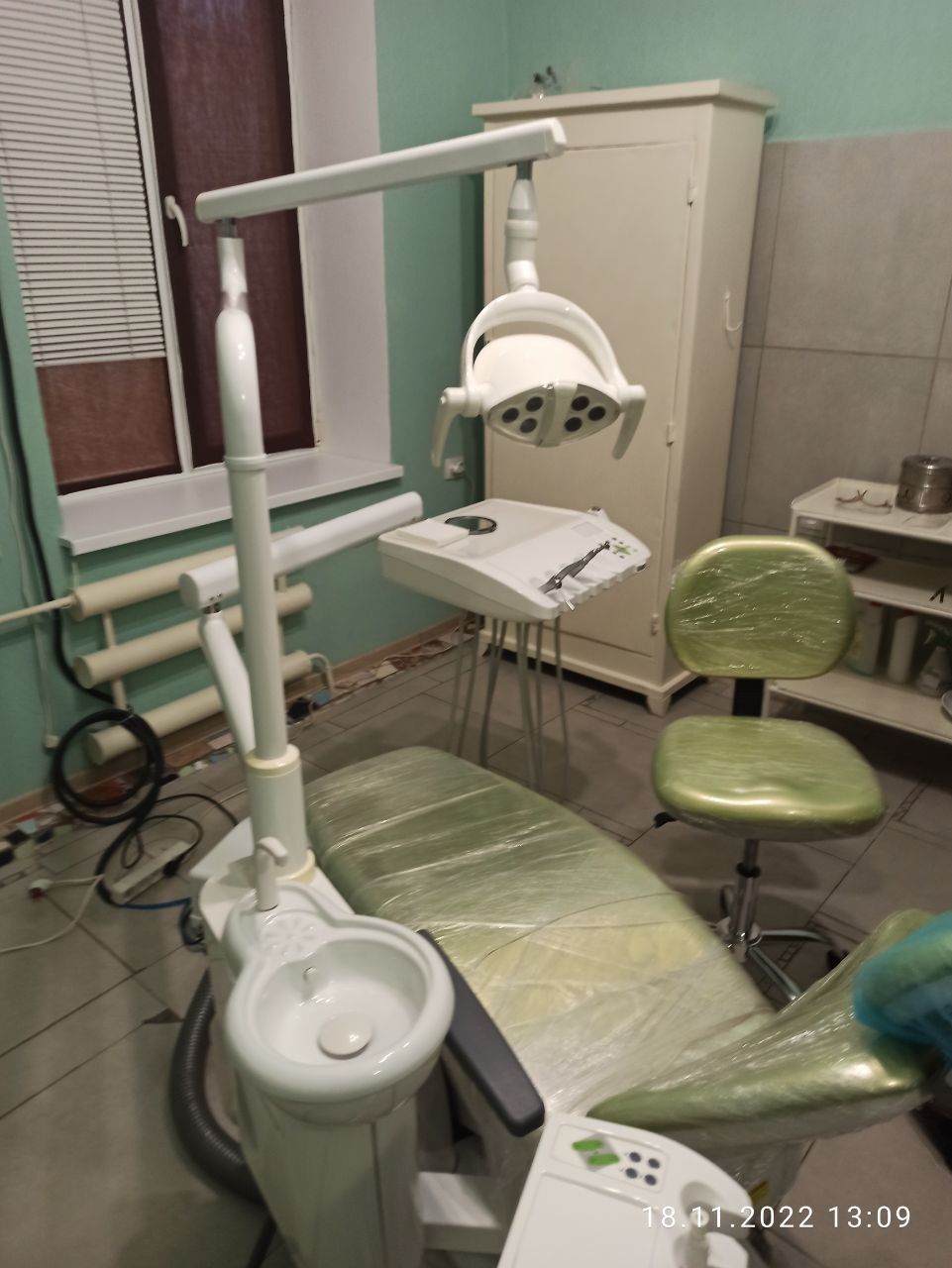
Dental office:
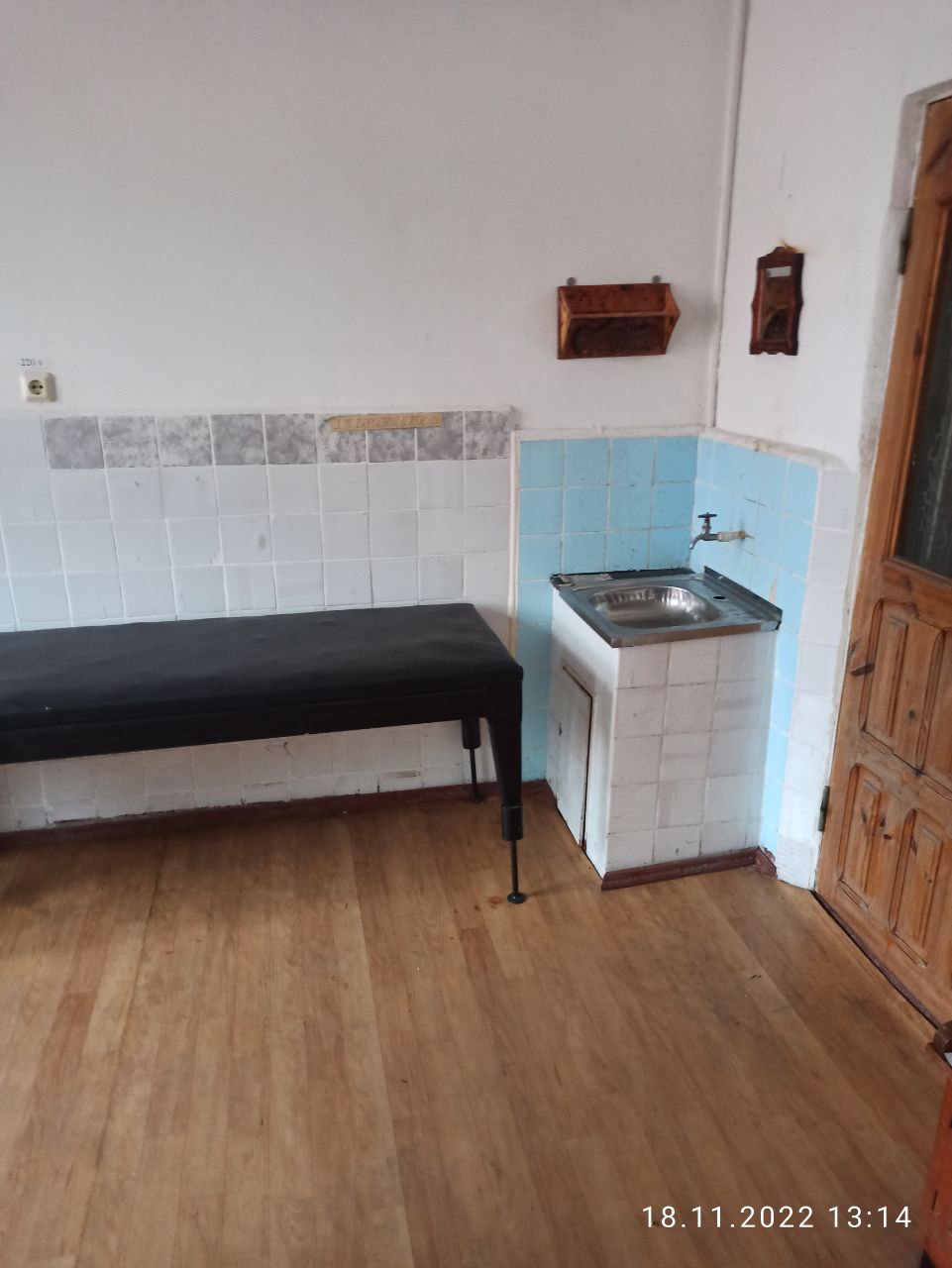
Treatment room:
The Medical Unit’s inpatient facility has 3 wards for somatic patients, designed for 15 beds. The infectious disease isolation ward has 3 rooms with 9 beds. It is worth noting that the infectious disease isolation ward is not equipped with a shower room; thus, sick convicts are deprived of the right to maintain hygiene, or they must bathe in the communal showers. As a result, the principle of isolating patients with infectious diseases is not observed.
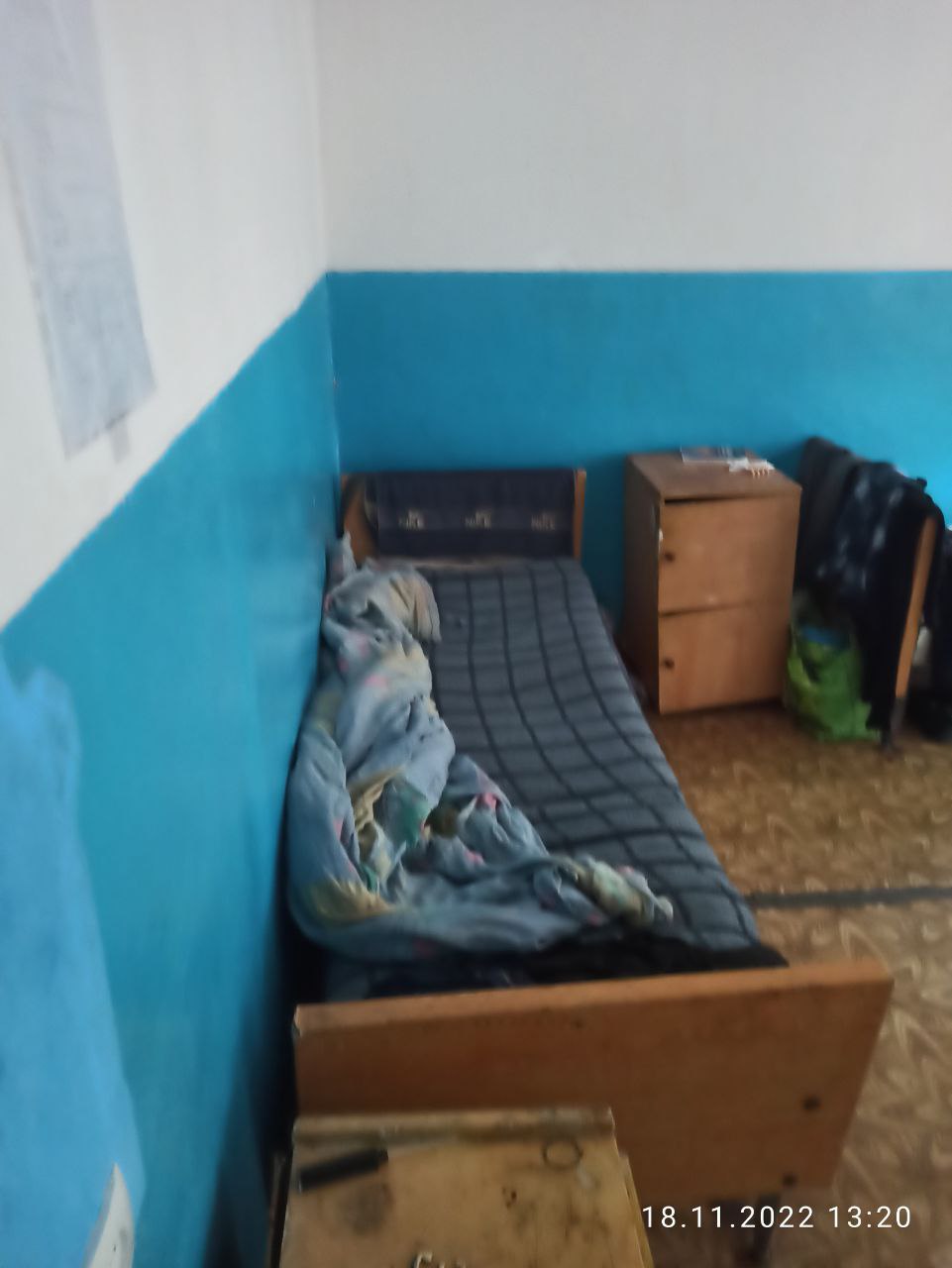
Bed linen and pillows need replacing; the windows are wooden.
The isolation ward premises require routine repairs and replacement of plumbing fixtures. Furthermore, the rights of convicts to respect for their dignity are being violated. For instance, medical assistance to convicts who visit the Medical Unit is provided through a metal grille to ensure the personal safety of the medical staff.
On the day of the visit, 2 patients were receiving treatment in the inpatient facility of the Medical Unit.
During the inspection, the monitoring group established that for patients in the inpatient facility, medical records for inpatients (Form No. 003/o) were being maintained, but they did not include all data regarding treatment and diagnostics in the Medical Unit’s inpatient facility—specifically, data obtained during the examination of the sick convict, including the prescription sheet; furthermore, the attending physician’s signature, the date of diagnosis, etc., were missing. This, in turn, indicates the improper maintenance of medical documentation.
In violation of the requirements of the ‘Norms for bedding, special clothing, and special footwear (inventory property) for prisoners undergoing treatment in medical and preventive institutions, institutions with the rights of medical facilities, and medical units at penal institutions and remand centres’, approved by the order of the Ministry of Justice of Ukraine dated 20.02.2012 No. 280/5, the Medical Unit’s inpatient facility is not provided with hospital property (hospital suits, robes, and slippers) for persons undergoing treatment. Consequently, persons in the inpatient facility are dressed in their everyday clothes and do not have a change of footwear, which fails to ensure the proper sanitary state in the healthcare institution.
There is no isolation ward for mentally ill persons. Psychiatric care in the medical institution is provided inadequately; specifically, the psychiatrist visits the institution only upon request (demand). At the same time, on the day of the visit, 5 convicts were under psychiatric supervision. Thus, the impossibility of engaging a psychiatrist for consultations from the healthcare institutions of the Ministry of Health of Ukraine (hereinafter referred to as the MoH) and the long-term absence of such a doctor in the Medical Unit indicate a failure to provide quality medical care during the prisoners’ initial medical examination and a lack of medical care for various mental illnesses while convicts are held at the Bilenkivska Correctional Colony (No. 99), which creates an unsafe environment among the convicts and puts the institution’s staff at risk.
The medical unit has a modern digital X-ray machine. 399 examinations have been conducted during the current year.
At the same time, the sputum collection point is improperly arranged, which creates preconditions for the spread of infectious diseases among convicts and also violates the order of the Ministry of Health of Ukraine dated 01.02.2019 No. 287 ‘On Approval of the Standard of Infection Control for Healthcare Institutions Providing Care to Tuberculosis Patients’.
Registered for dispensary observation: somatic diseases — 41 people; 14 people with disabilities, including 11 of group III and 3 of group II. Tuberculosis (category 5.1) — 9 people; with mental disorders — 5 people. There are 19 HIV-infected persons registered (18 are receiving ART). 39 immunological tests (CD4) and 40 virological tests (viral load) have been conducted this year.
The staffing table does not include a position for an infectious disease specialist. As the Head of the Medical Unit explained, consultations are conducted with the infectious disease specialist of the branch of the state institution ‘Centre for Health Care of the State Penitentiary Service of Ukraine’ in Zaporizhzhia Oblast. 359 HIV rapid tests have been conducted this year. Due to the absence of an infectious disease specialist, and in violation of MoH Order No. 182 dated 21.03.2012, registered with the Ministry of Justice of Ukraine on 18 May 2012 under No. 794/21107, ‘On Approval of Primary Accounting Documentation Forms and Reporting on Monitoring the Treatment of HIV-Infected Persons and Instructions for Their Completion’, the Medical Unit does not maintain the Primary Accounting Documentation Form No. 030-5/o ‘Control Card for Dispensary Supervision of an HIV-Infected Person’. The Medical Unit lacks an order appointing medical personnel responsible for carrying out measures to combat HIV infection among persons deprived of liberty.
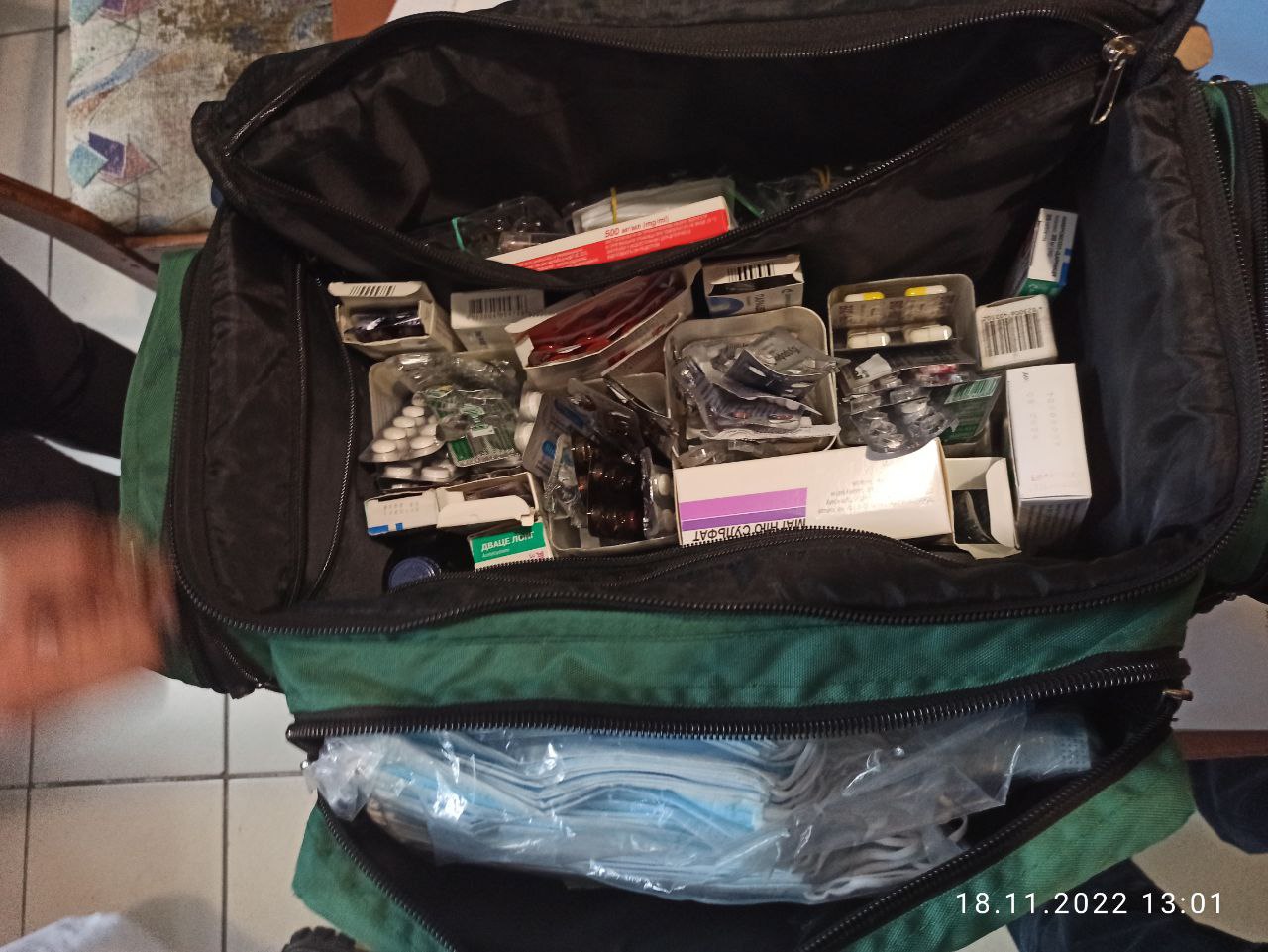
During the inspection of the dental office, the monitoring group discovered a lack of filling material and a number of medicinal products that had expired.
According to the log of bodily injuries, 4 cases of bodily injuries were recorded this year. The outpatient medical records (Form No. 025/o) lacked certificates regarding such injuries, including details (written statement, oral or written explanation from the convict regarding the circumstances of receiving the bodily injuries (date, time, place, method of infliction, information about the person(s) who, in the convict’s opinion, inflicted them), as well as other information regarding the receipt of bodily injuries); a comprehensive description of the medical indicators characterising the convict’s state of health, the nature of the injuries, their size, and location; and the medical professional’s assumptions based on the information provided by the convict and the medical indicators, as well as a justification of their correlation.
The primary bodily injury recording cards, approved by the order of the State Institution ‘Centre for Health Care of the State Penitentiary Service’ dated 29.10.2022, No. 318-OD, are stored separately from the outpatient medical card (Form No. 025/o). Also, there are no attachments in the form of photographs of the existing bodily injuries, as provided for in Clause 3, Section 1, Chapter II of the joint Order of the Ministry of Justice of Ukraine and the Ministry of Health of Ukraine dated 15.08.2014 No. 1348/5/572 ‘On Approval of the Procedure for Organizing the Provision of Medical Care to Convicts Sentenced to Imprisonment’.
Video surveillance cameras are installed in the lobby of the Medical Unit; however, the ‘Procedure for the Use of Technical Surveillance and Control Devices in Correctional and Educational Colonies of the State Penitentiary Service of Ukraine’, approved by the Order of the Ministry of Justice of Ukraine dated 26 June 2018, No. 2025/5 (registered with the Ministry of Justice of Ukraine on 02 July 2018 under No. 766/32218), does not provide for the installation of video surveillance in the premises of the Medical Unit.
In the Medical Unit, preventive disinfection measures are carried out by duty officers (dyzhnulni), the existence of which is also not provided for by regulatory legal acts.
DIZO/PKT/DPK
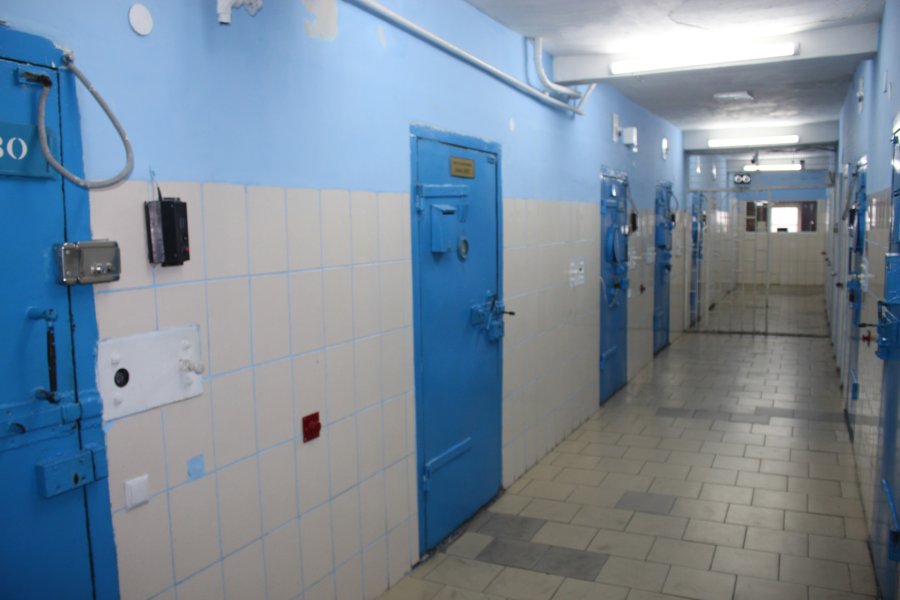
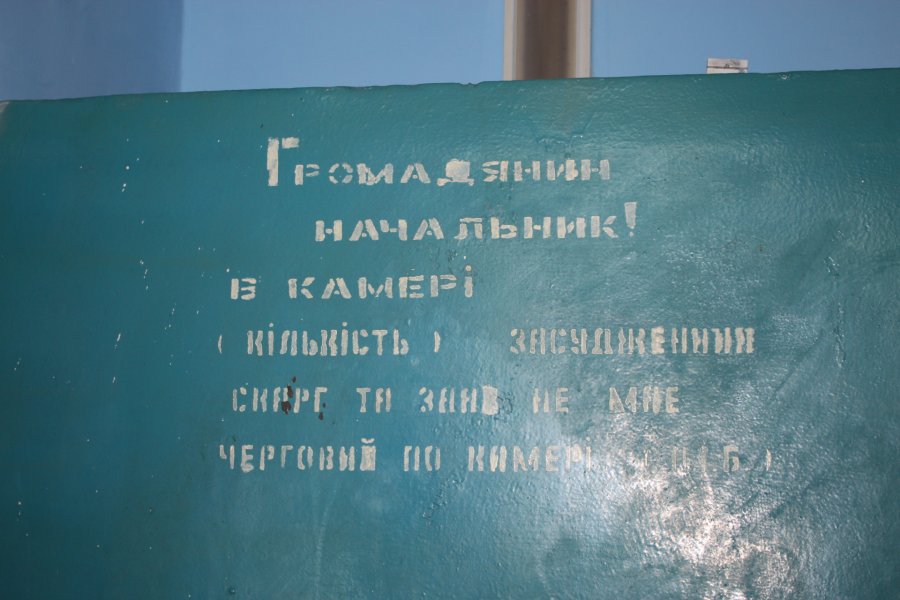
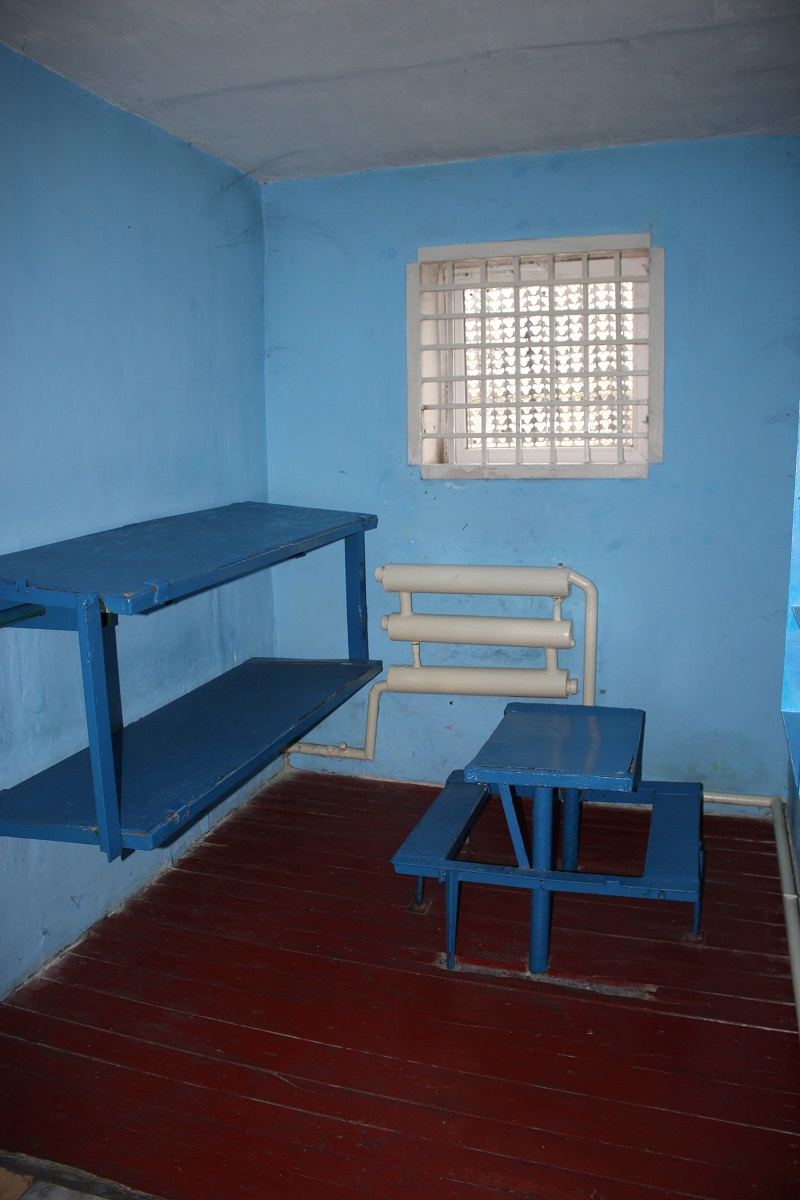
The monitors examined the orders for placement in the disciplinary isolation unit (DIZO) and other documents related to disciplinary penalties. Placement in the DIZO can be applied for tactless behaviour or the consumption of alcoholic beverages. The convicts are informed of their right to free legal aid and the participation of a lawyer when disciplinary penalties are imposed. There is no drinking water in the cells. Heating is present in the cells. The exercise yard is suitable for walks during both rainy and snowy weather.
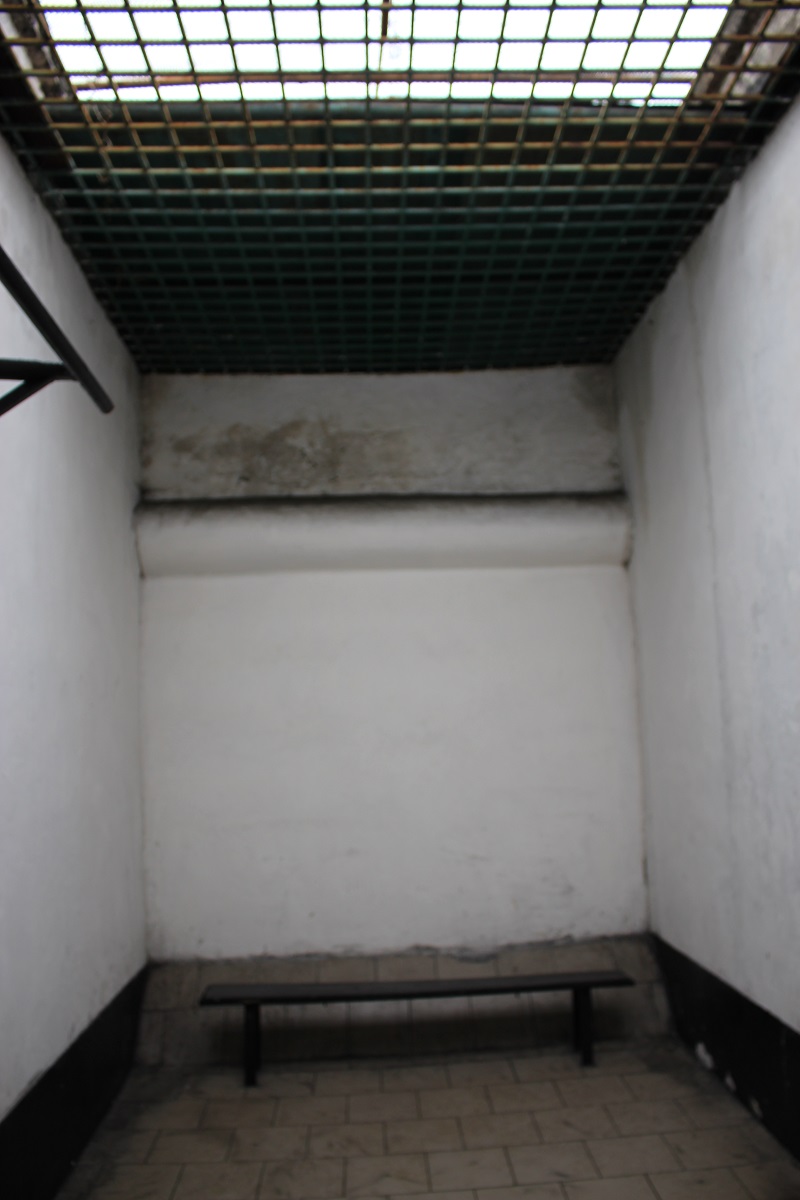
There is a paramedic’s room and a bathhouse for persons serving disciplinary penalties.
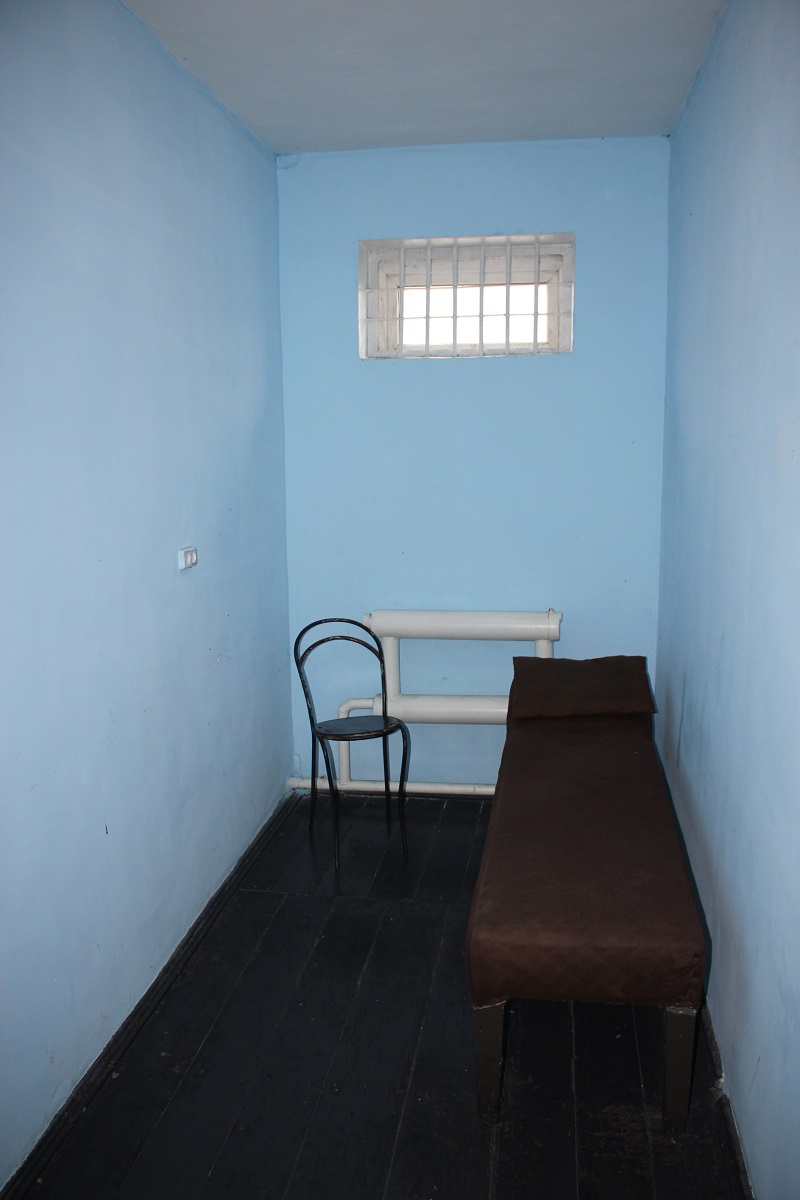
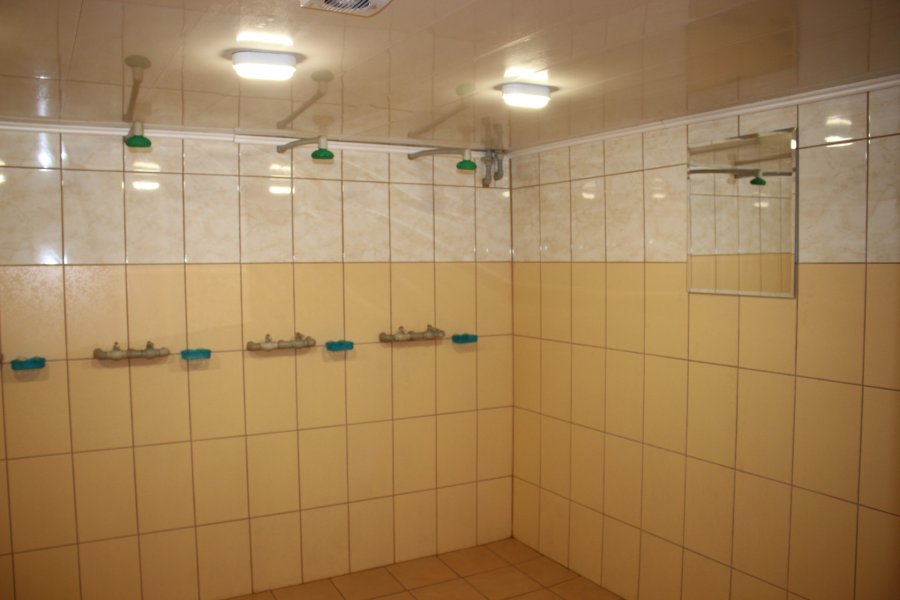
At the time of the visit, 6 convicts were in the DIZO. The monitors were able to speak with all the convicts who were in the isolation unit.
At the time of the visit, the beds in the DIZO were locked, but after the monitors informed the administration that beds should not be locked during the day, the beds were opened in all cells. There is hope that the practice of locking beds in the DIZO will be discontinued.
The convicts spoke about their penalties: one was moving out of formation and received 10 days. Convict T. received 14 days for being without a name tag; he had no previous disciplinary penalties. Convict K. received 14 days for consuming homemade alcohol (braga).
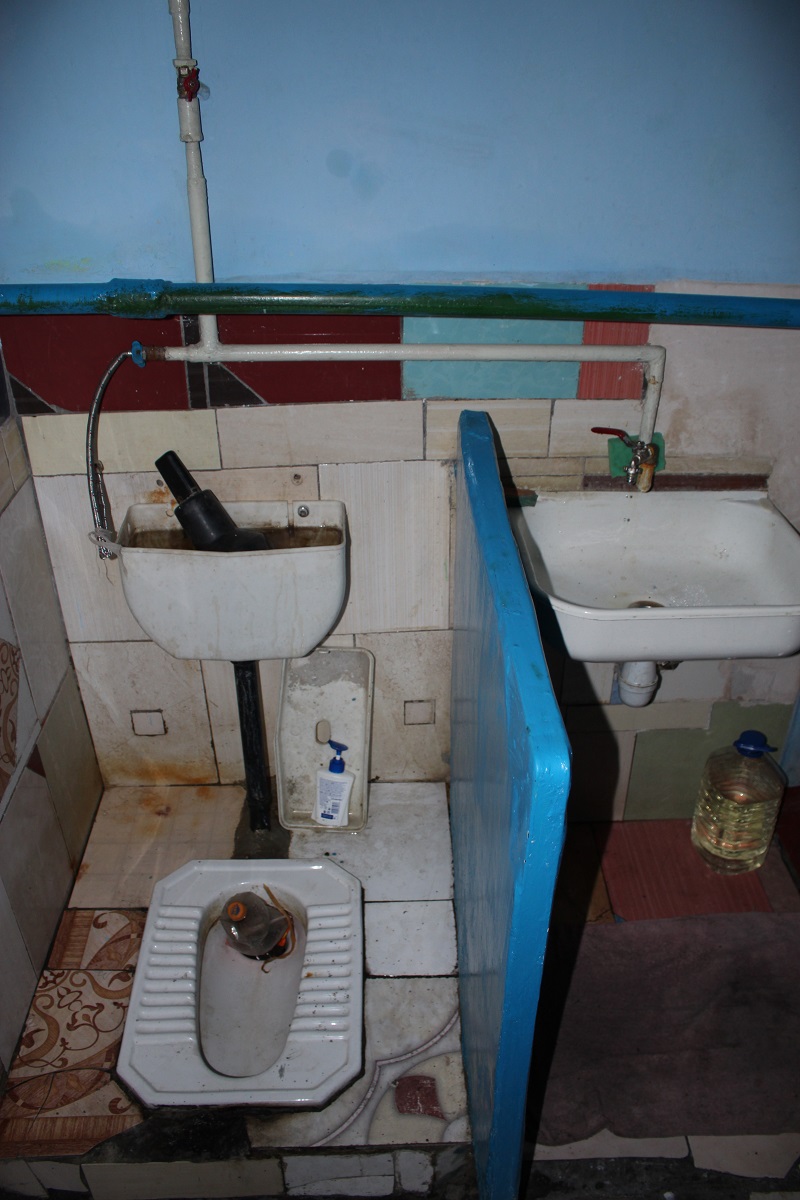
Bath and Laundry Complex
Visits to the bathhouse, according to the schedule, are by ward, one hour once a week.
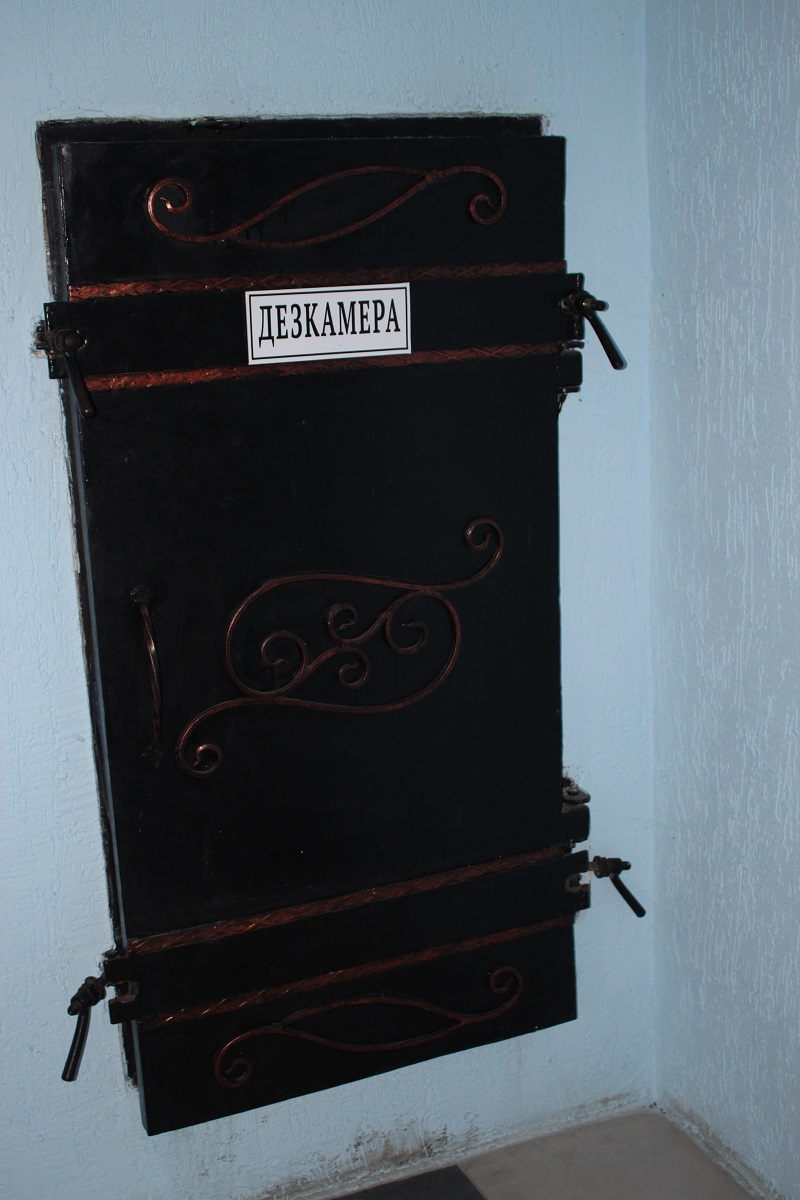
Special chamber for disinfecting clothes and linen:
Changing room:
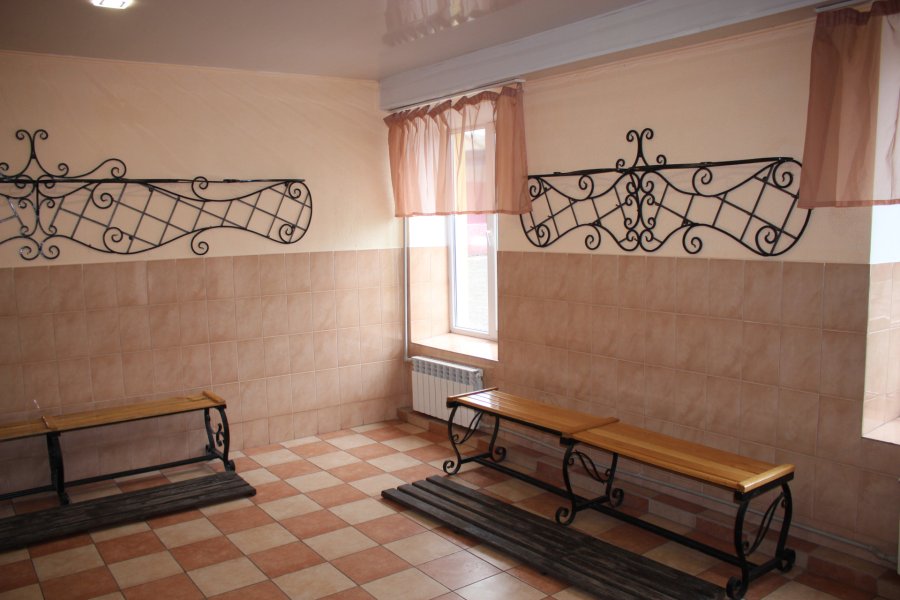
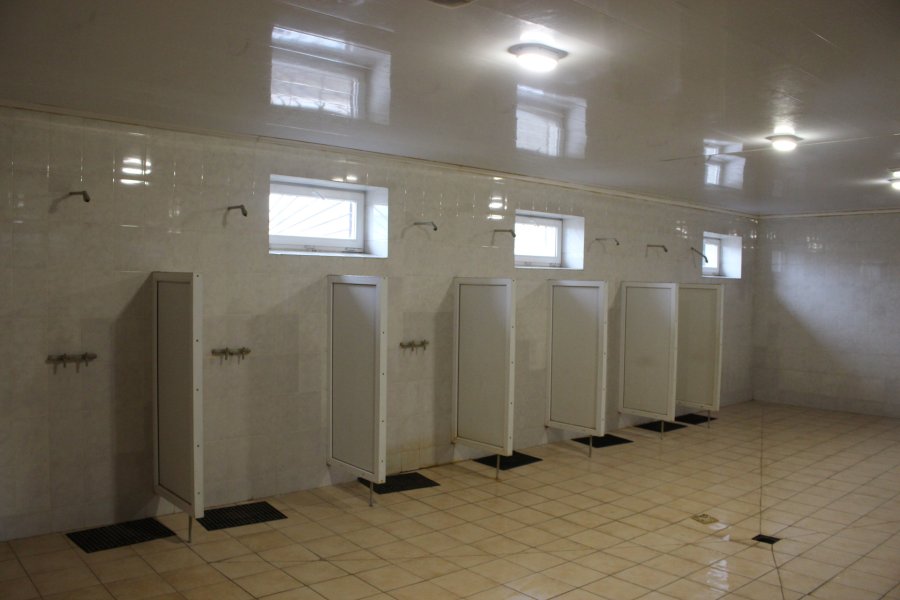
Water in the bathhouse is regulated individually; however, there are no curtains in the shower stalls.
Barber’s room:
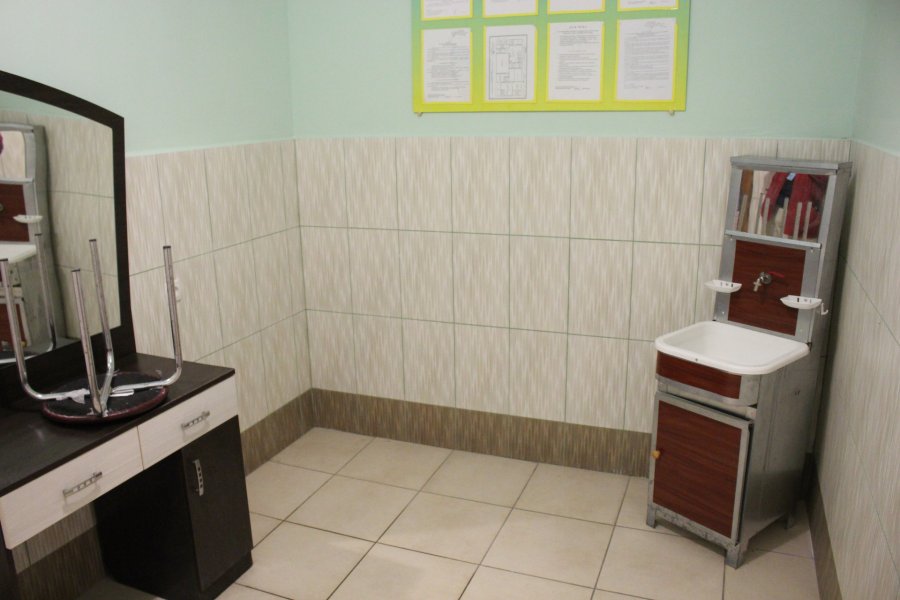
The barber, according to him, works for a salary, but he does not know how much he earns.
The paramedic’s corner is in the form of an office desk and chair; it is not partitioned off. Privacy during such an examination is impossible.
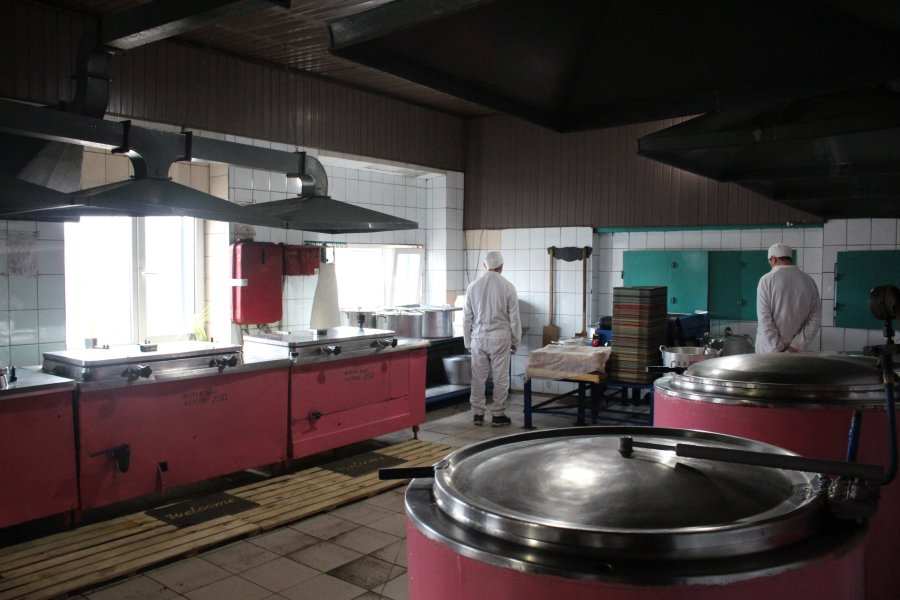
Canteen/Kitchen Facility
There is water and soap at the washbasin.
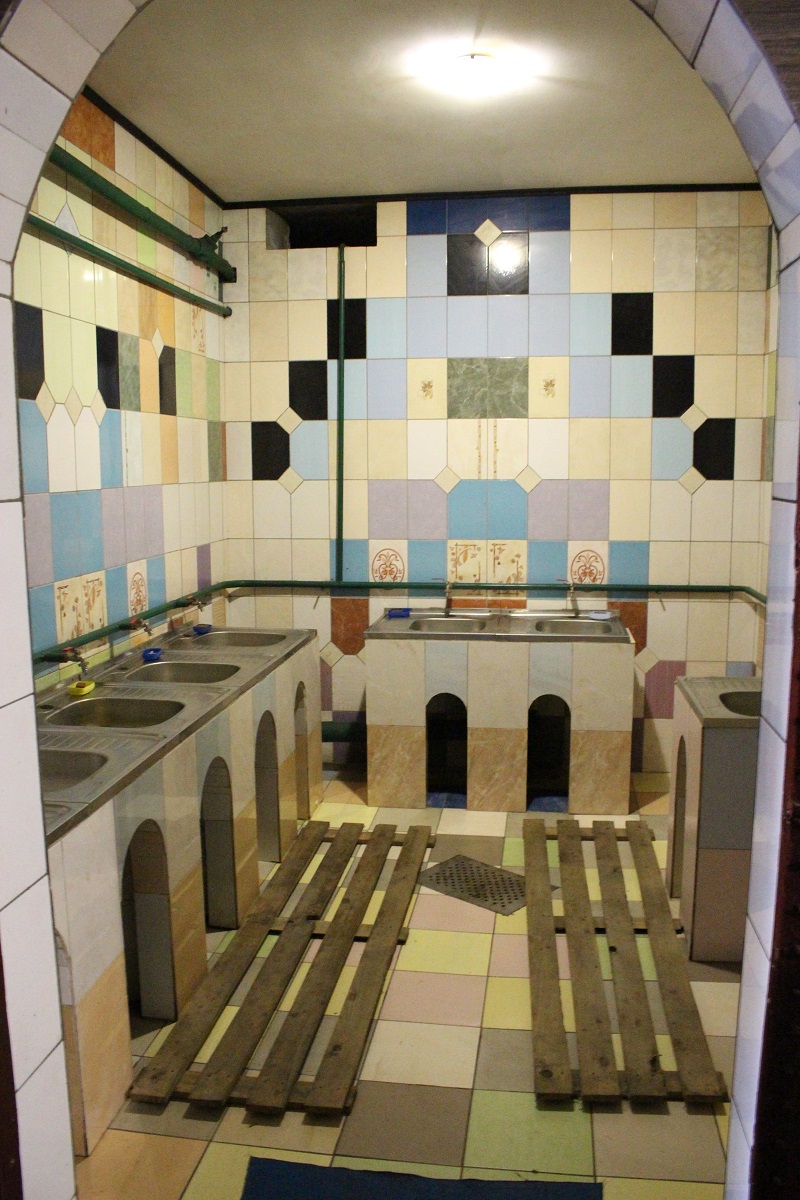
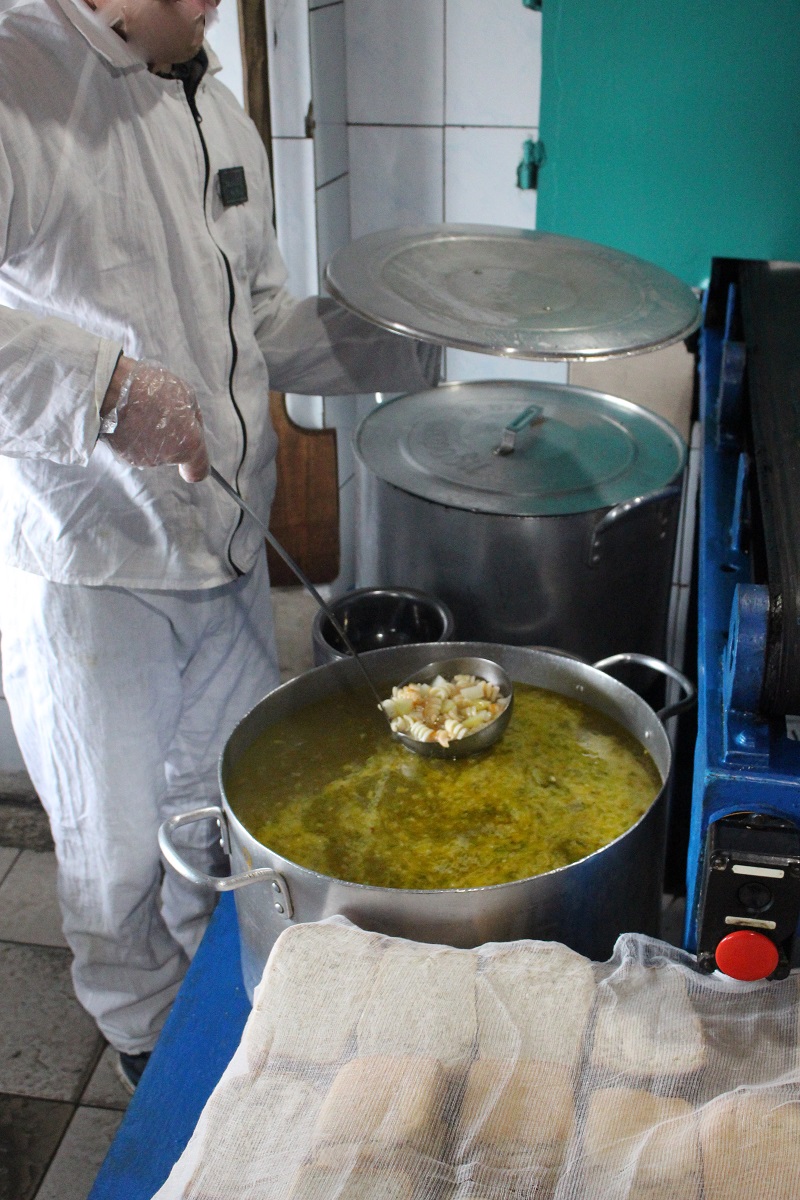
Of the 23 convicts working in the kitchen, only two have signed civil-law contracts. All others work without pay. The administration explains this by stating they are working for two hours on improvement works.
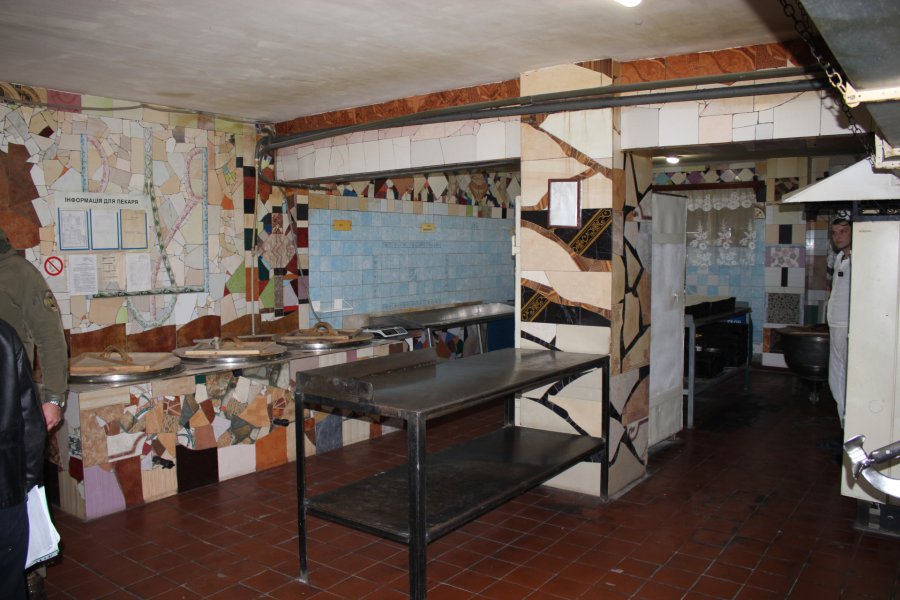
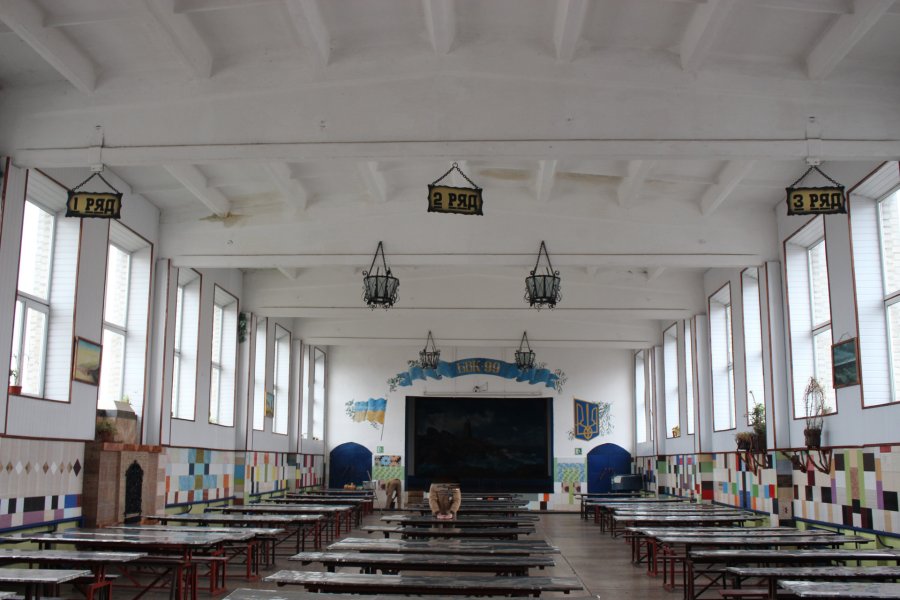
The canteen hall is huge and can accommodate 700 people.
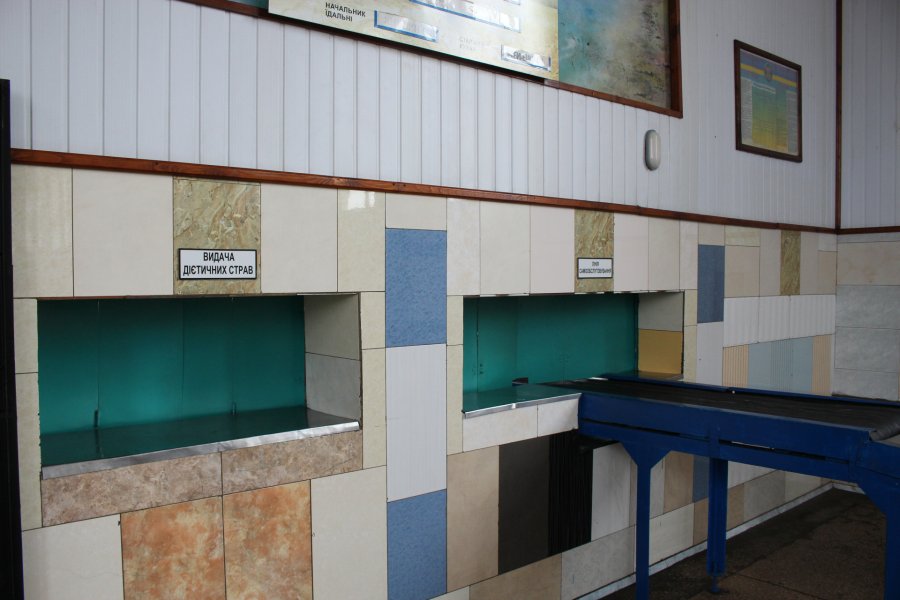
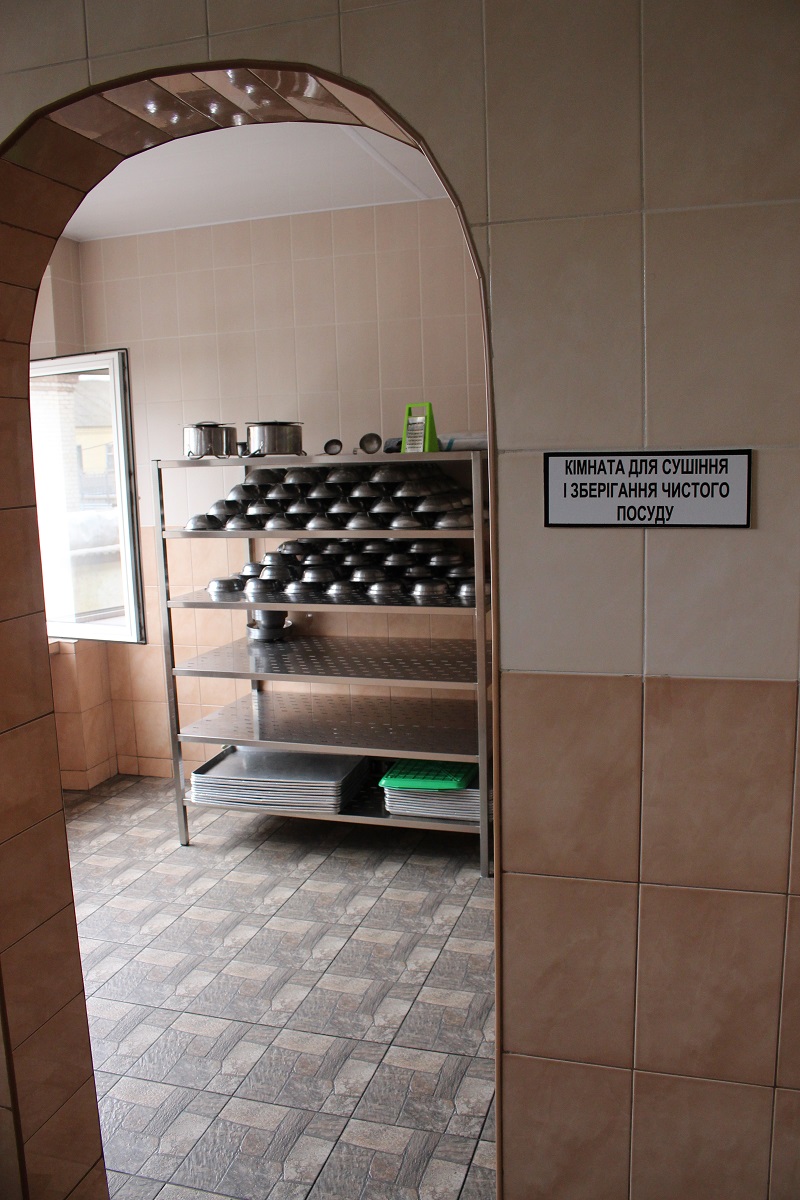
The interviewed convicts work in the kitchen in shifts, washing dishes. They start their shift at 5:30 a.m. and finish at 4:00 p.m. According to them, they do not receive a salary for their work.
Medical cards for 17 convicts were examined.
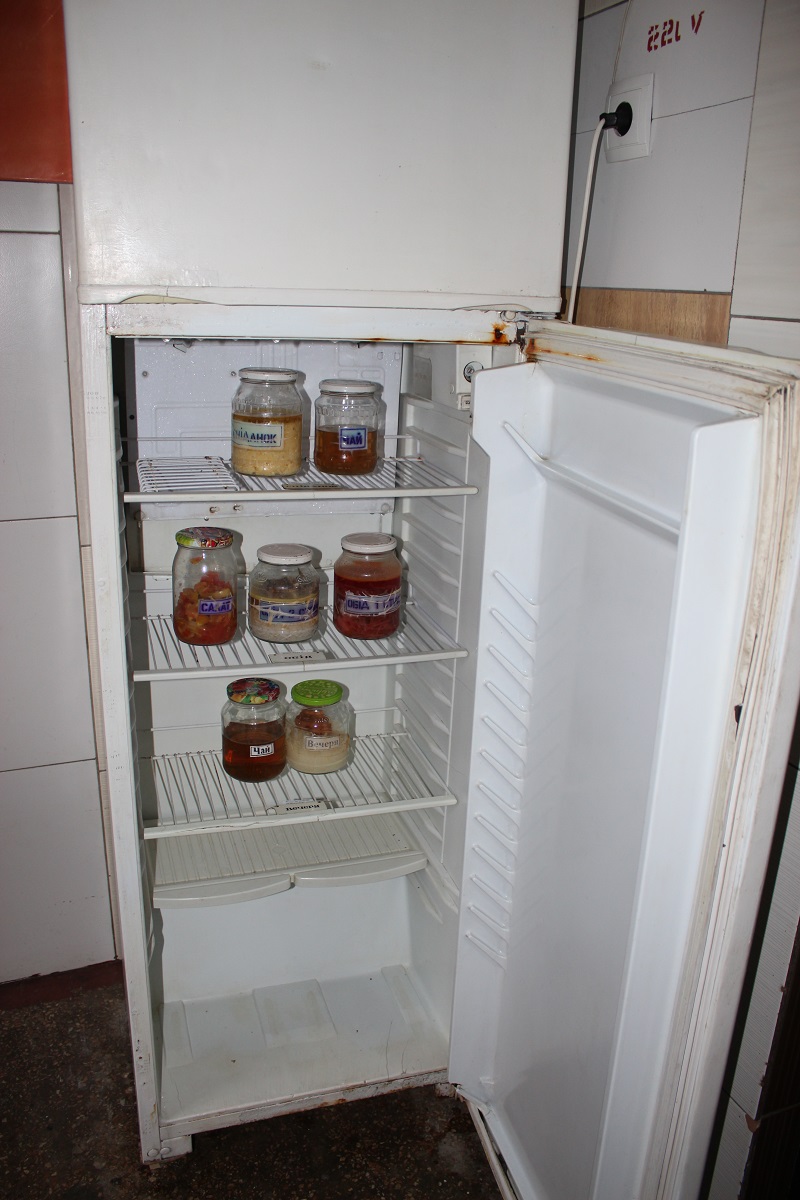
Food samples are available.
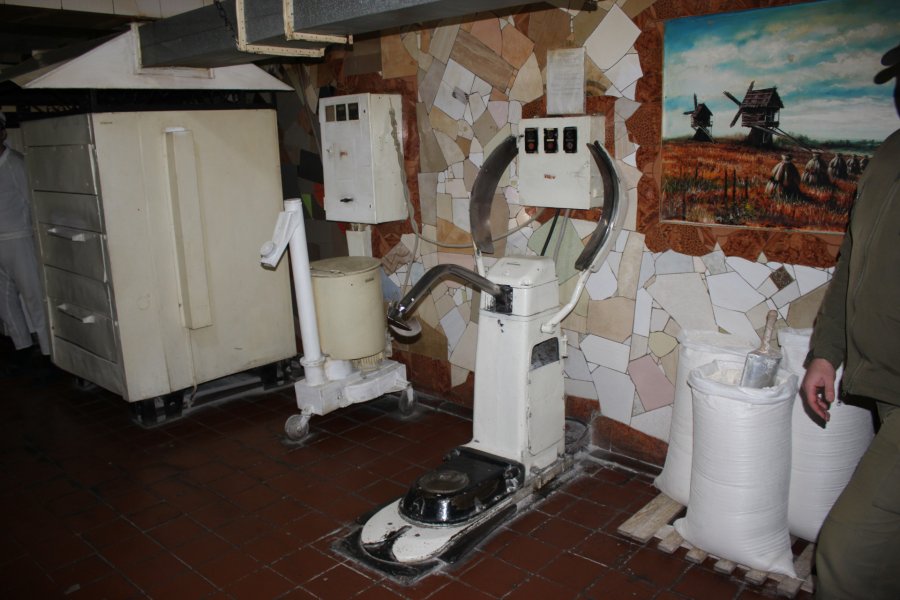
Bread is baked on-site.
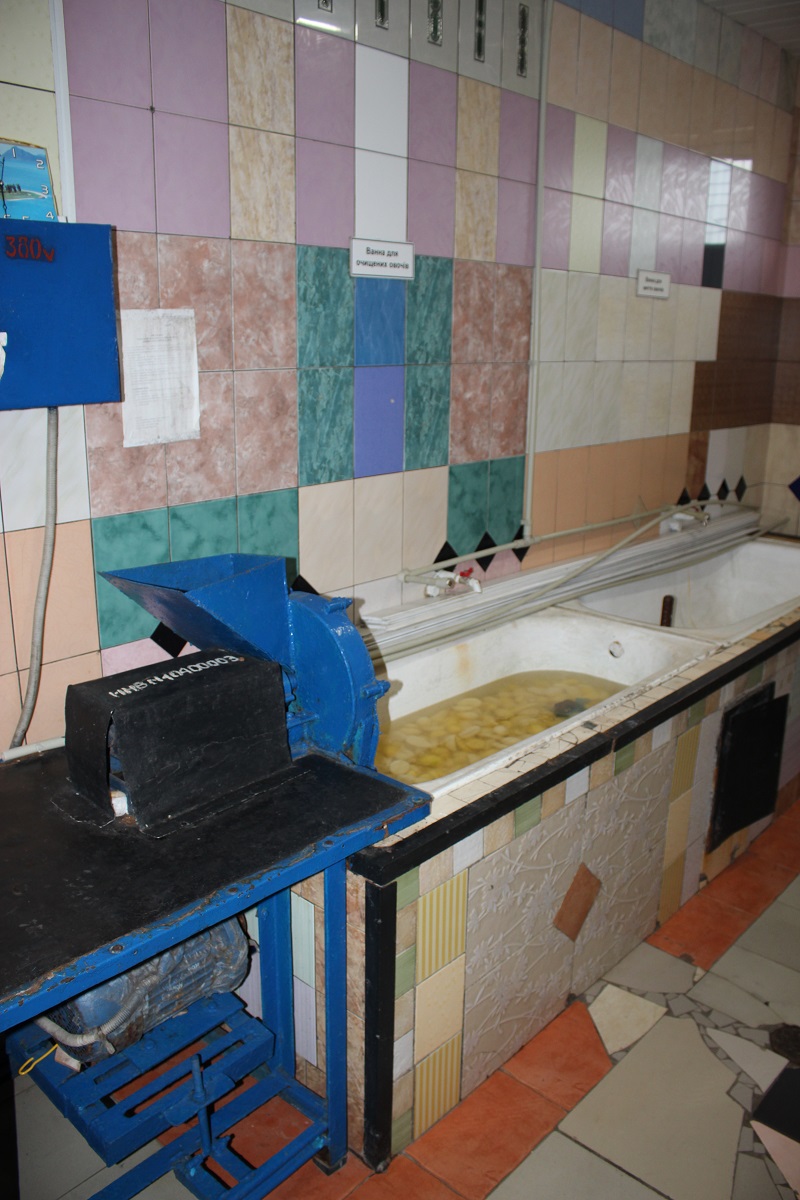
Convict O. has worked in the vegetable processing department for more than a year. He does not receive a salary for his work. On the day of the visit, he started work at 8 a.m. and was going to work until he finished. The previous day, he finished work at 6:00 p.m.
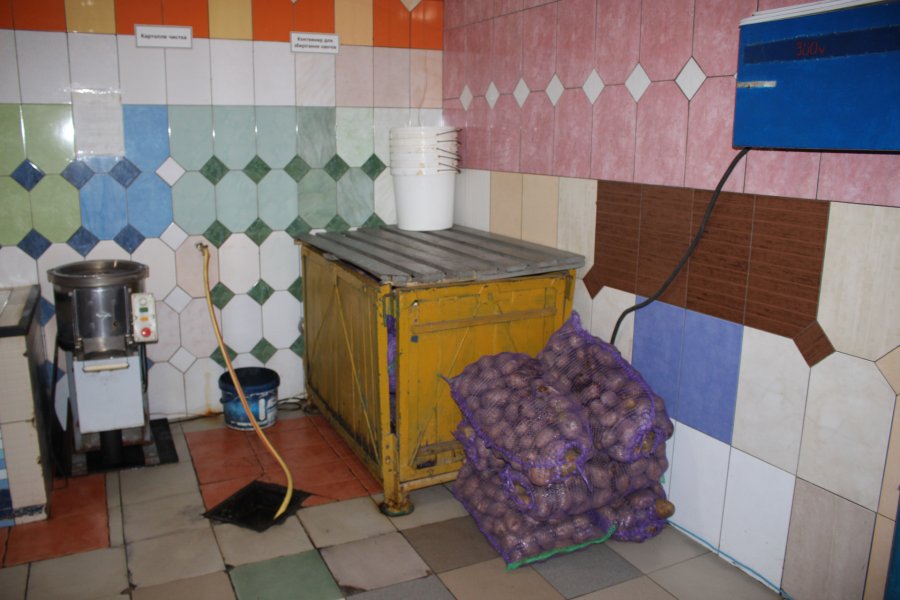
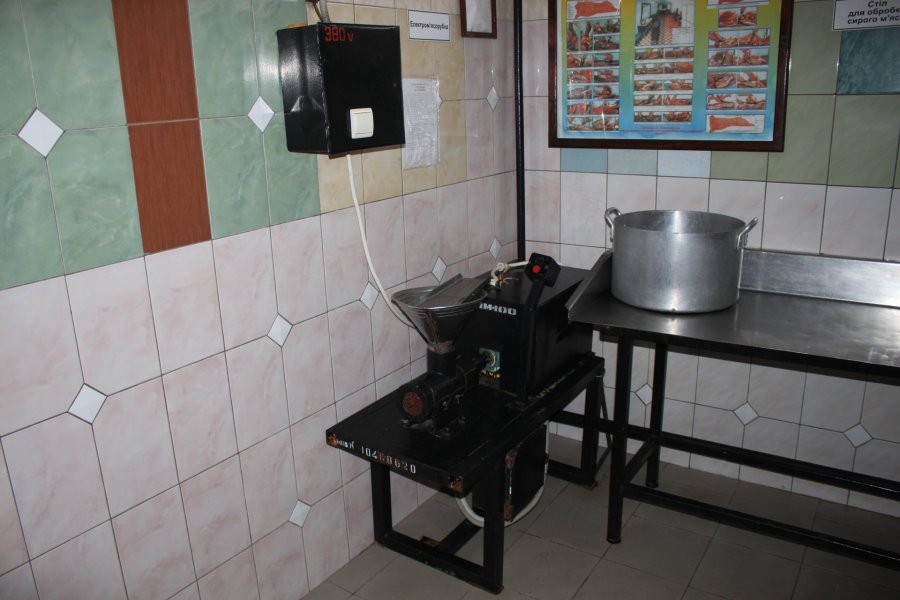
Meat processing department:
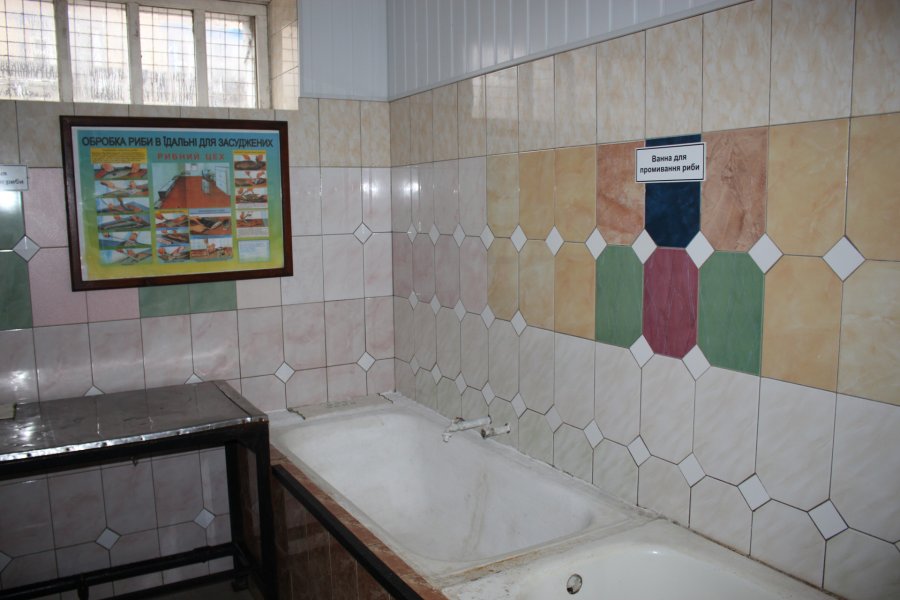
Fish processing department:
Living Quarters
There is a renovated special ward for cases of infectious disease outbreaks. Currently, according to the administration, it is not in use.
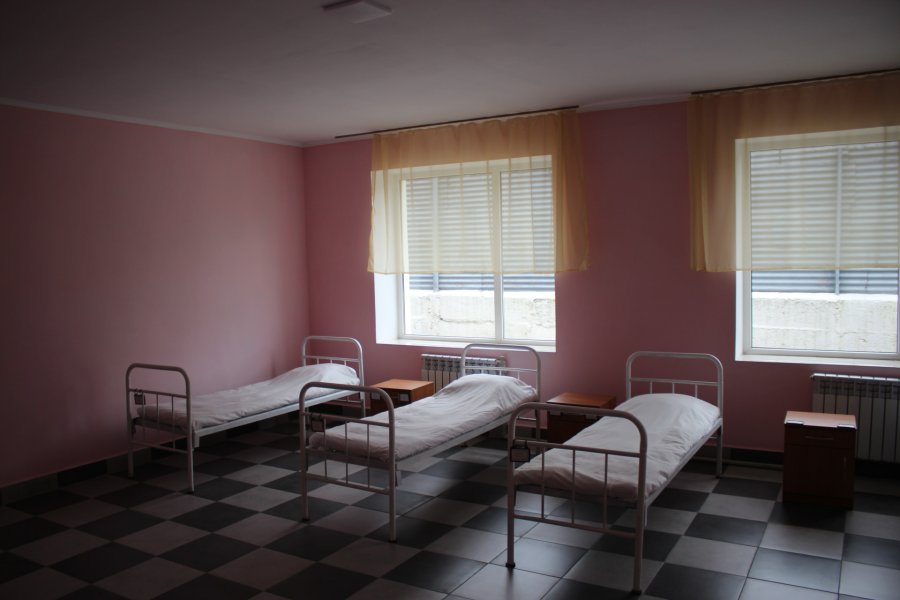
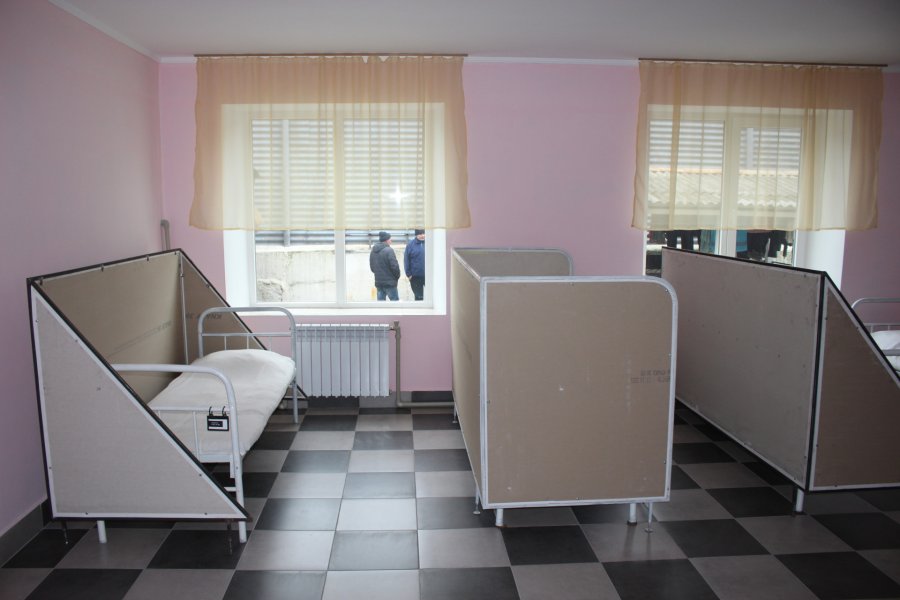
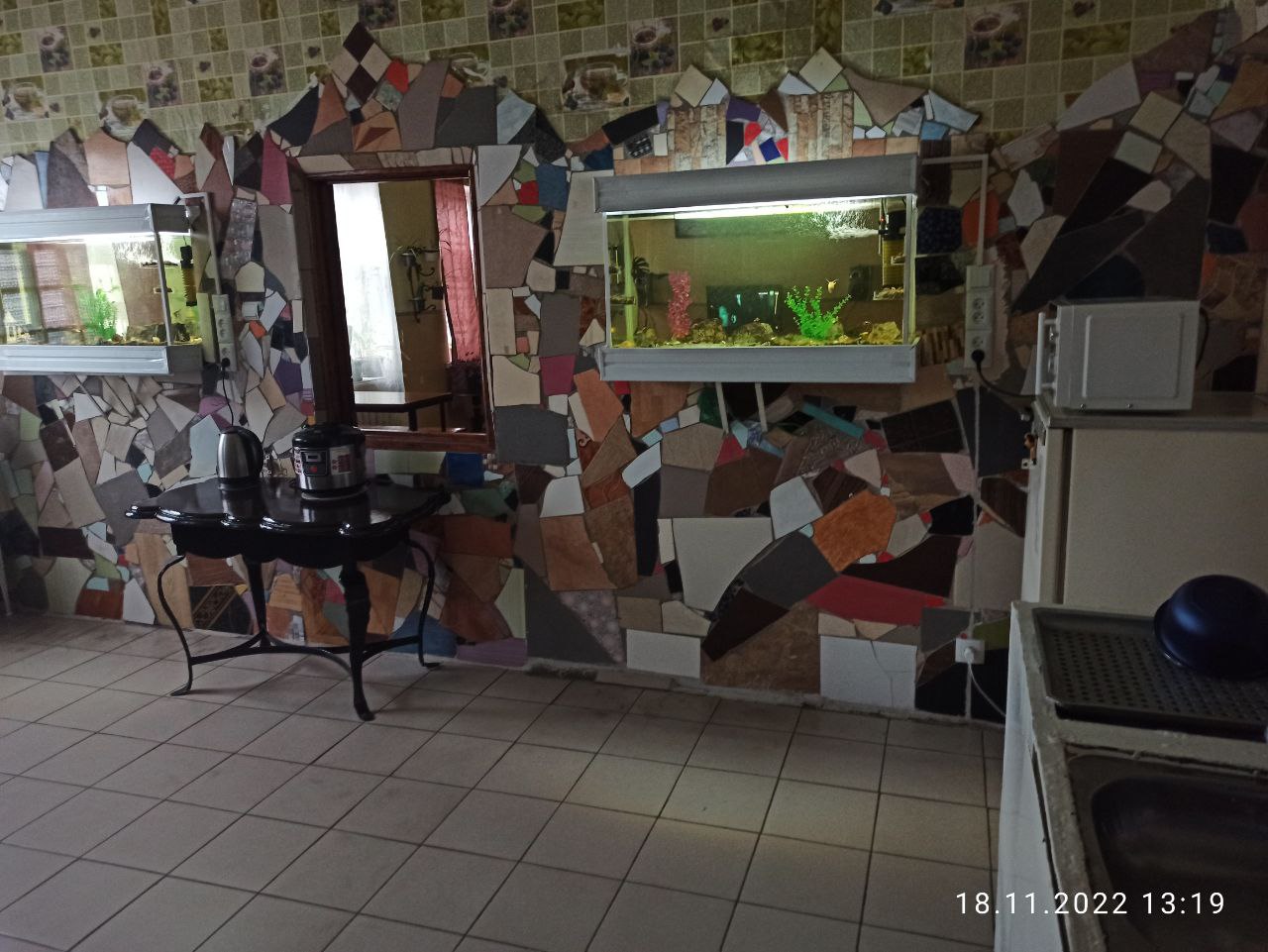
Living premises for convicts working in the kitchen, bathhouse, and other household facilities:
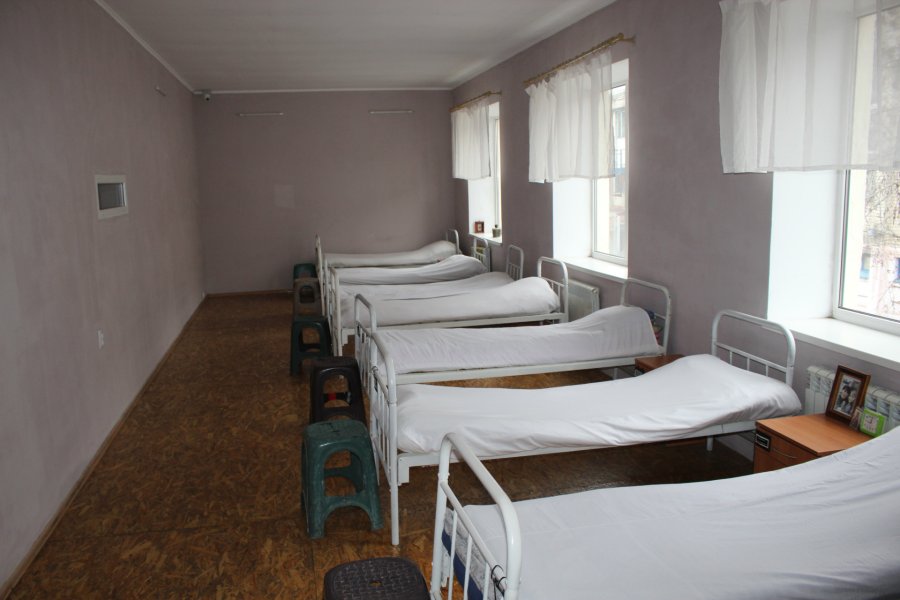
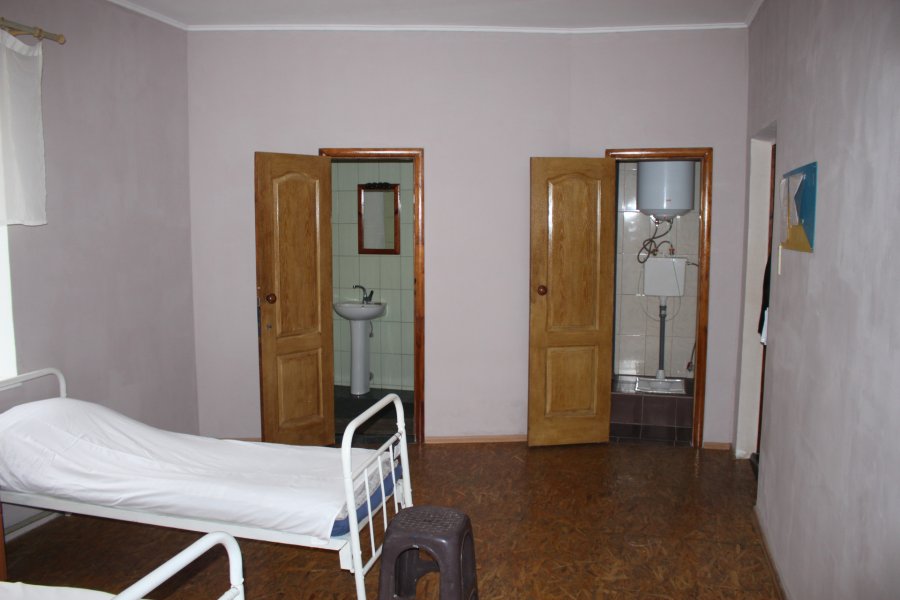
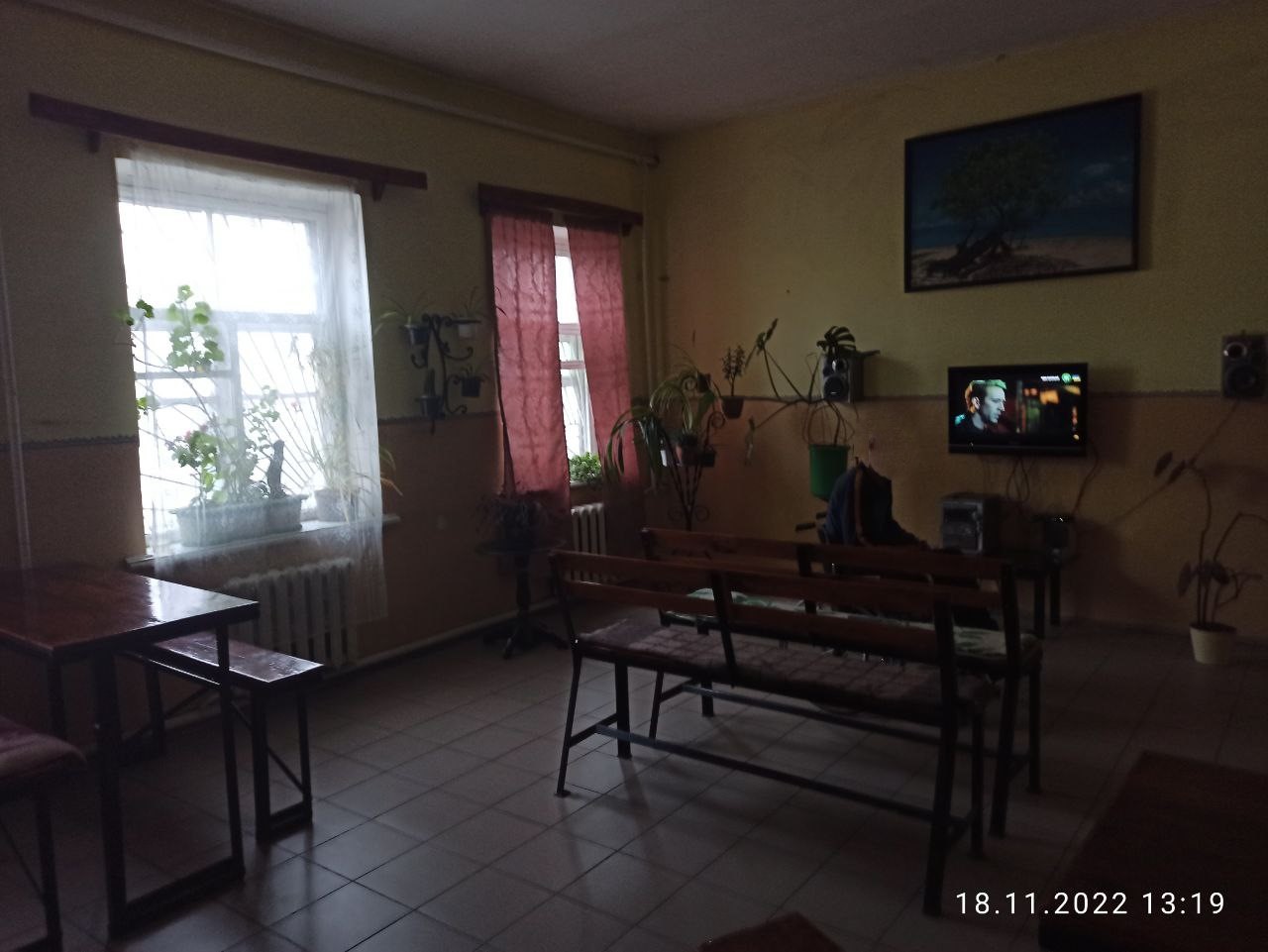
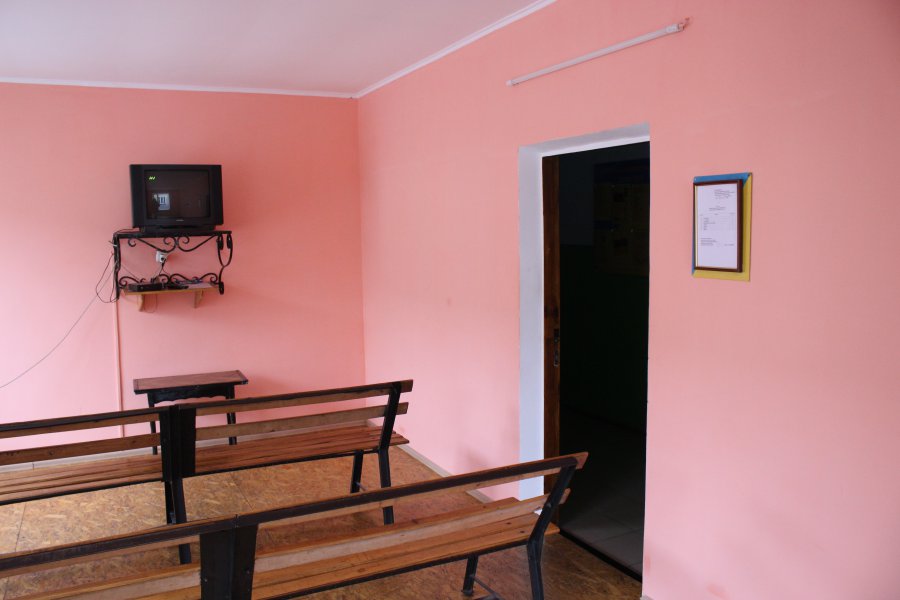
Recreation room:
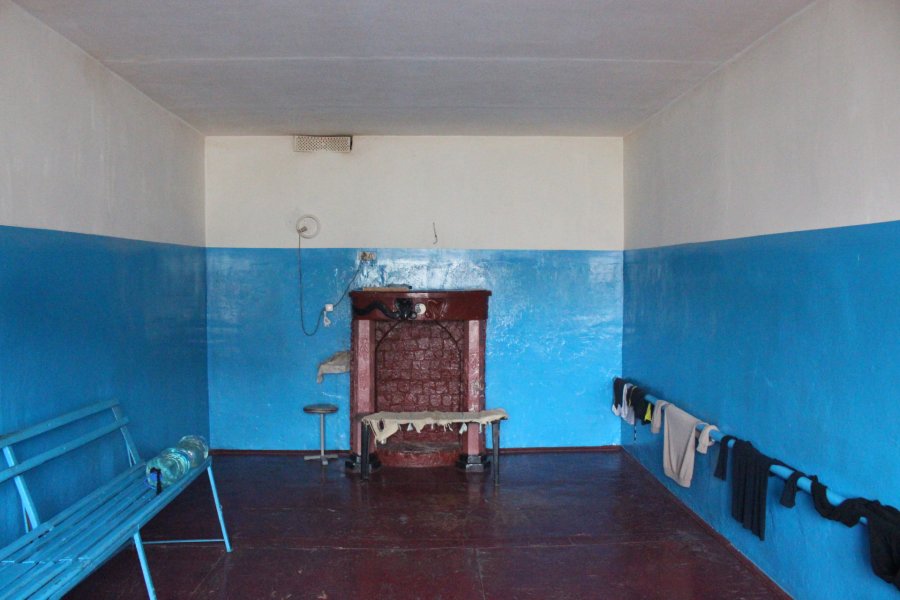
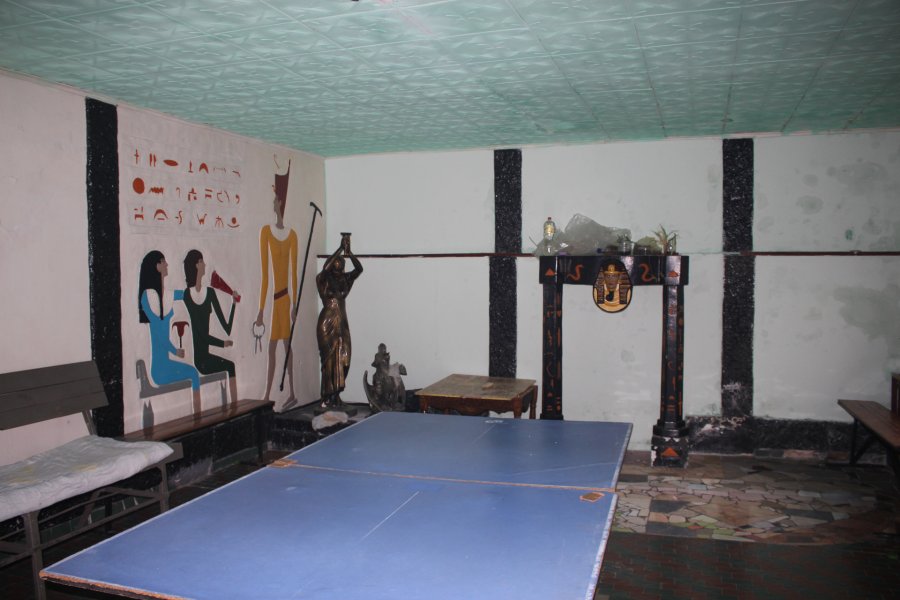
In other wards, the interviewed convicts reported that they would like to work but do not have that opportunity. The impression was that the convicts were intimidated and did not dare to report human rights violations.
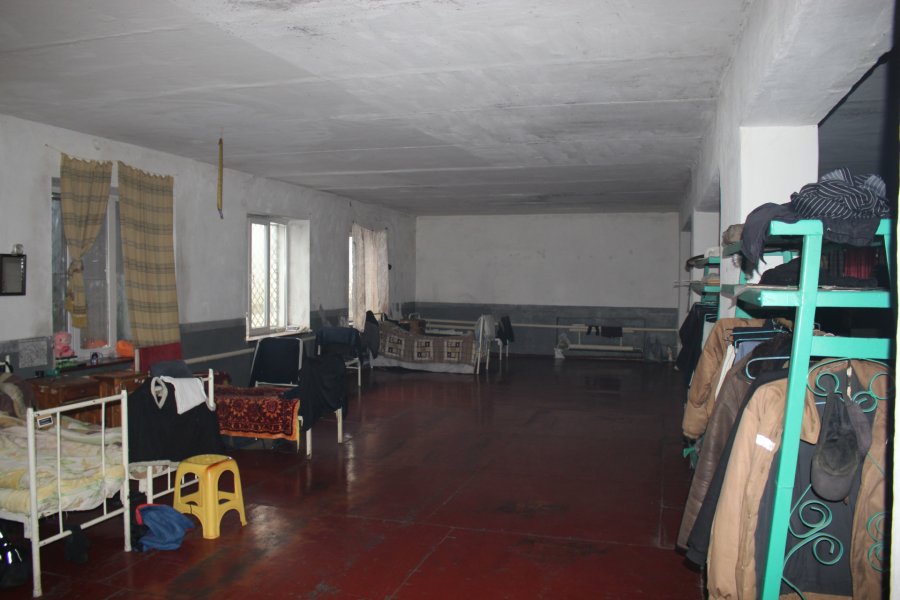
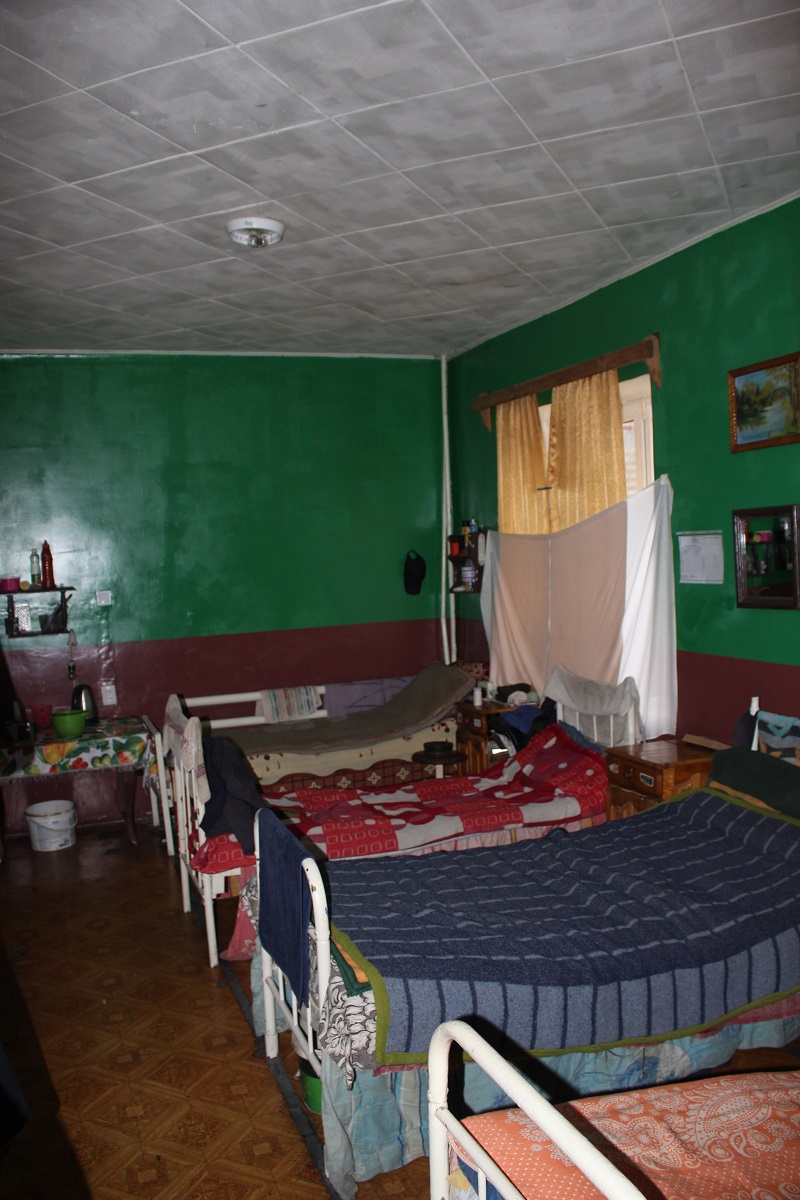
In two of the wards, the toilet is outside. The convicts go to the toilet outside in both summer and winter.
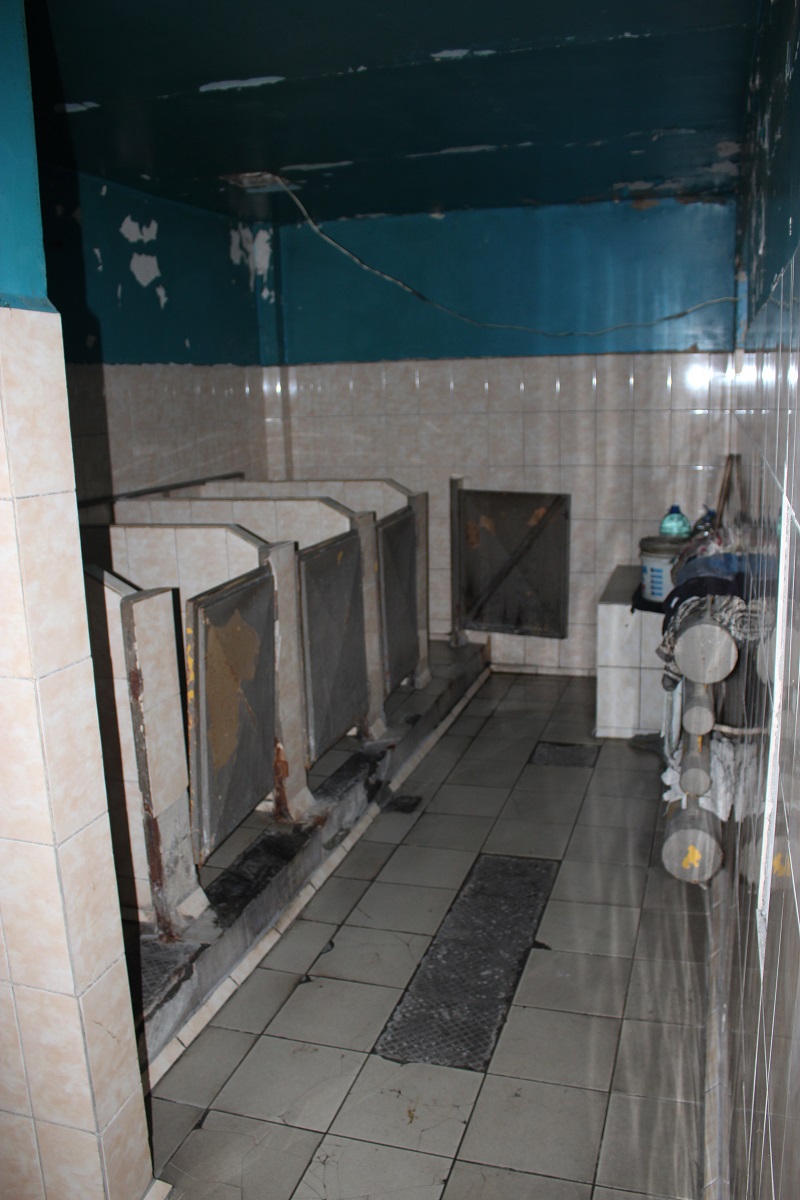
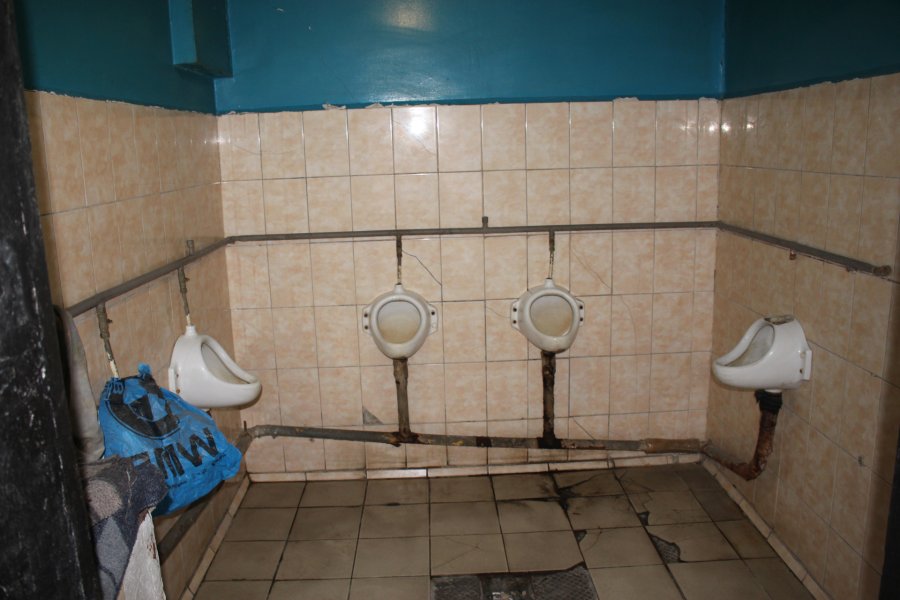
There are only 2 tablets in the colony; they can only be used in a special room, but according to the administration, there is no demand for them.
Industrial Zone
A vocational school is in operation, where one can obtain qualifications as a seamster, turner, welder, bricklayer, or boiler operator.
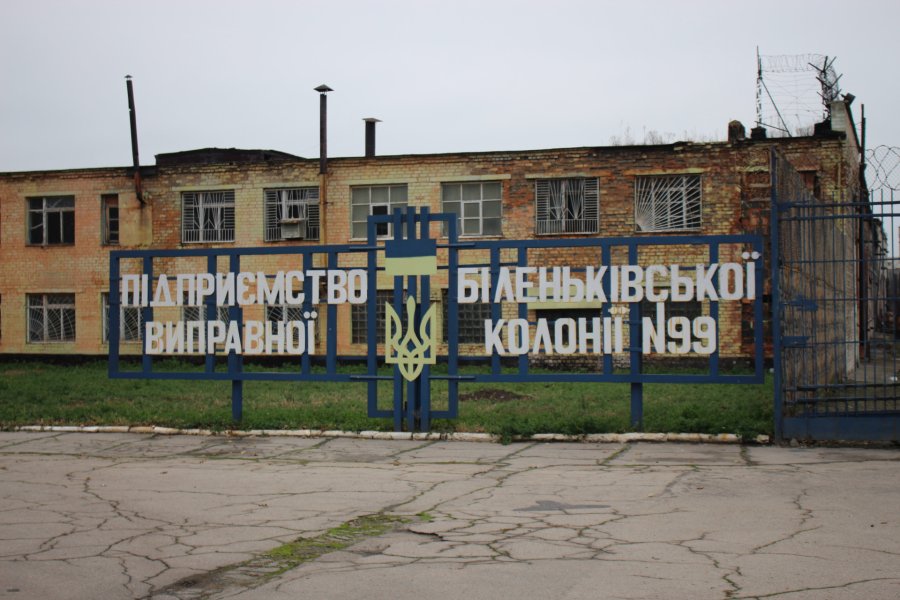
Polymer products are processed at the production facility.
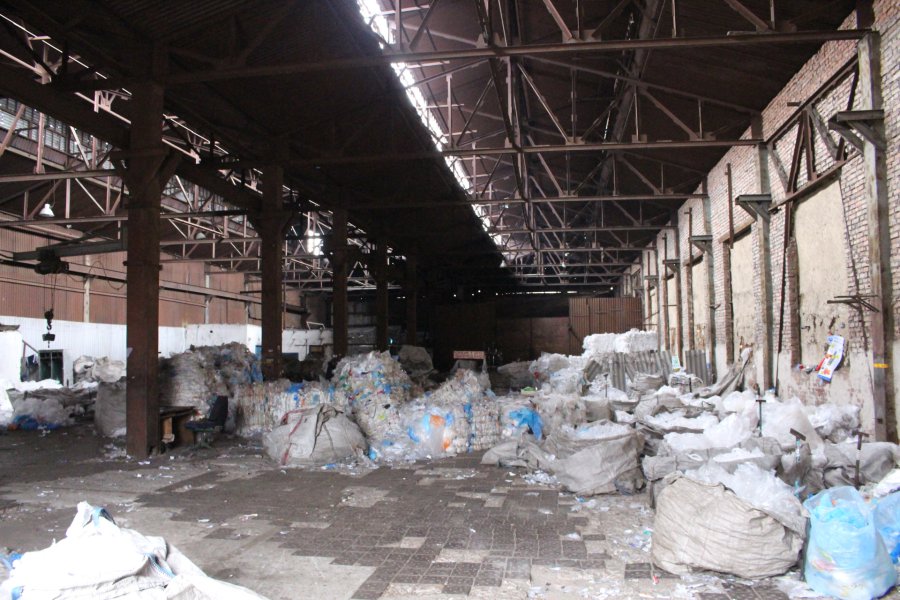
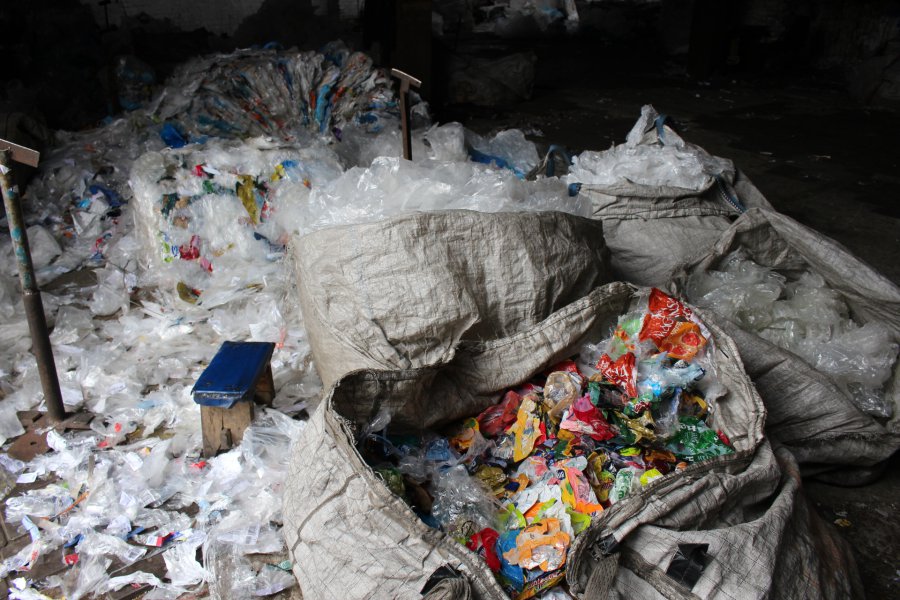
The workshop is huge, unheated, and damp. In winter, designated heating areas are provided. During the visit, the heating areas were in a dilapidated state.
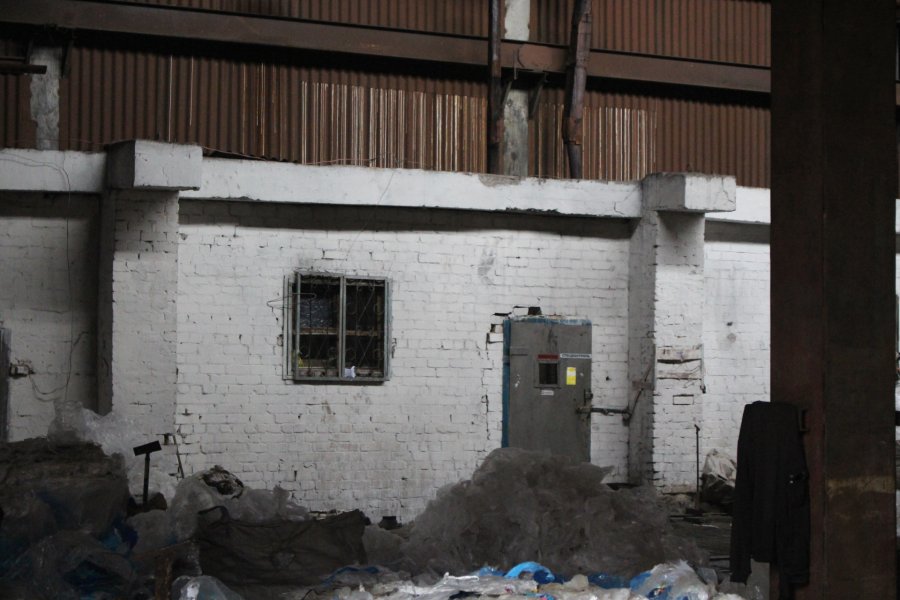
85 people work in production under civil-law contracts. Convict M. has been working in polyethylene recycling for two years. According to him, the pay is very low, almost pennies.
The sewing workshop produces gloves.
Shop
The shop was not operating at the time of the visit.
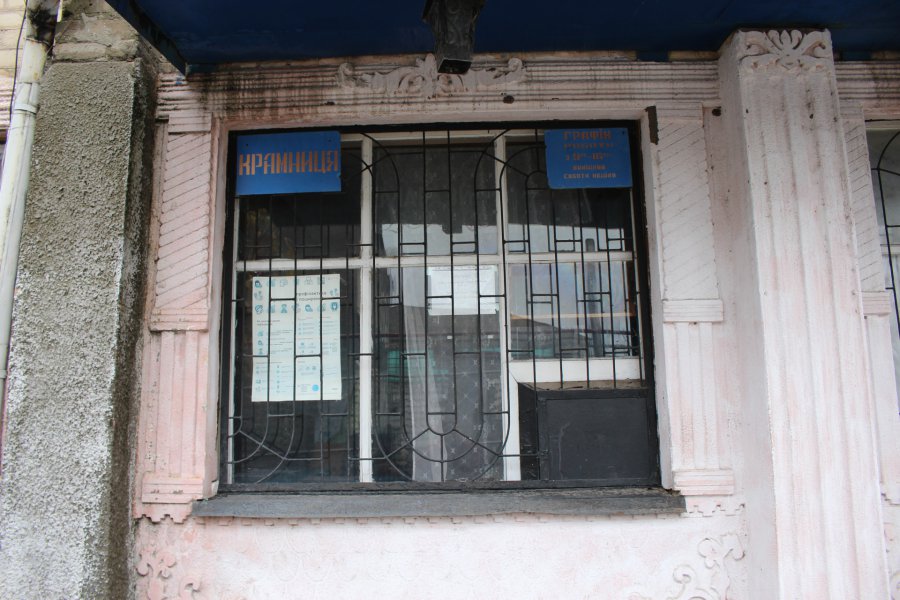
Purchases are generally made as follows: if convicts have money in their personal account, they write an application and order products. Later, the products are delivered and issued as a parcel.