Report on the results of the monitoring visit to the State Institution “Sofiivska Correctional Colony (No. 45)” and the Sofiivska Multidisciplinary Hospital No. 45 of the branch of the State Institution “Health Care Center of the State Penitentiary Service of Ukraine” in the Dnipropetrovsk and Donetsk regions
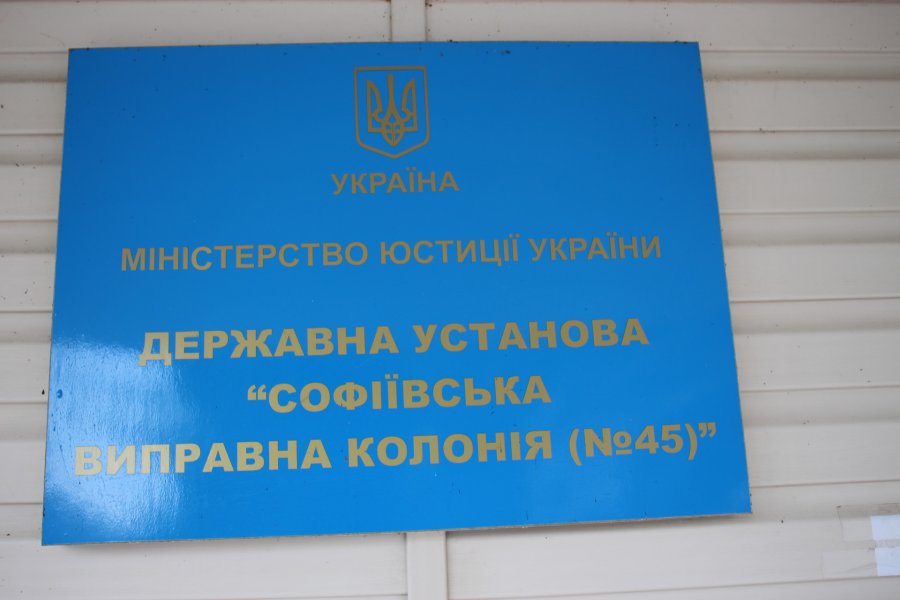
On 16–17 September 2022, in accordance with Article 24 of the Criminal Executive Code of Ukraine (CECU), a monitoring group consisting of an assistant to the People's Deputy of Ukraine Kostiantyn Kasai, member of the Public Council under the Ministry of Justice of Ukraine Serhii Zuikov; assistant to the People's Deputy of Ukraine Yaroslav Yurchyshyn, Kharkiv Human Rights Protection Group (KHPG) programme coordinator Andrii Didenko; members of the Public Council under the Ministry of Justice of Ukraine, Head of the NGO “Alliance of Ukrainian Unity” Oleh Tsvilyi and Director of the Charitable Foundation “Social and Legal Development” Hanna Skrypka; together with the editor of the information agency of the NGO “Alliance of Ukrainian Unity”, expert of the working group of international partners of Ukraine on prison reform Hugues de Suremain, conducted a monitoring visit to the State Institution “Sofiivska Correctional Colony (No. 45)” (hereinafter — SCC-45) and the Sofiivska Multidisciplinary Hospital No. 45 of the branch of the State Institution “Health Care Center of the State Penitentiary Service of Ukraine” in the Dnipropetrovsk and Donetsk regions (hereinafter — the hospital) for the purpose of monitoring the observance of inmates’ rights.
General Information
Institution management:
- Head of SCC-45 — Oleksandr Yuriiovych Tsybulko;
- Head of the hospital — Vita Viktorivna Komisarova.
SCC-45 and the hospital are located at the following address: Dnipropetrovsk region, Sofiivskyi district, Makorty village, Tsentralna St. SCC-45 is a medium-security correctional colony for holding men who have previously served sentences of imprisonment. The hospital is intended for the provision of medical care to male inmates with group I and II disabilities who require constant medical supervision and rehabilitation.
The established staff number of the institution is 226.5 units, with 208 currently employed.
On the day of the visit, there were 291 inmates in the institution.
At the time of the visit, there were no inmates in the Disciplinary Isolation Cell/Chamber-type premise (DIZO/PKT).
According to the administration, 14 inmates served disciplinary penalties in the DIZO/PKT section during the current year.
SCC-45 has a poor reputation in the context of human rights observance. In particular, we wrote about the identified violations in the previous report on the results of the monitoring visit that took place on 07–08 February 2022, when the monitors received irrefutable evidence of the use of cruel, inhuman, or degrading treatment or punishment against inmates.
Numerous complaints from inmates and their relatives unequivocally testify to the need for public oversight and appropriate state response to human rights violations. It is necessary to consider the circumstances that the institution is quite specific. The majority of inmates are ill people — individuals with group I, II, and III disabilities. There are known numerous cases of inmates inflicting self-harm upon learning that they were assigned to serve their sentences specifically at SCC-45.
During the visit, the administration of the institution, as well as inmates serving as administrative assistants, engaged in impolite communication with the monitors, psychological pressure, threats, provocative actions, and shoving. The monitors were denied access to the institution's documents and the provision of their copies, information from video surveillance cameras, and more, including, as it was claimed, due to the absence of certain persons at work. The administration did not fully provide information regarding the institution's operational statistics.
There are 12 functioning units of the Social and Psychological Service (SPS) in the institution. 1 person was released for service in the Armed Forces of Ukraine.
According to the administration, not a single inmate has died in the institution during the current year; this information raises reasonable doubt, given the specifics of the institution. After all, according to information from the previous monitoring visit, 11 people died in the institution in 2021, and 14 people in 2020.
For their part, several inmates claimed that half a dozen inmates had died in the colony over the last twelve months. These statements were accompanied by details that made them credible.
There is a certain probability that complaints about the actions (inaction) of the administration are not being sent from the institution through official channels. From the inmates, the monitors received complaints about abuse of office by the administration, as well as cruel treatment by inmate administrative assistants.
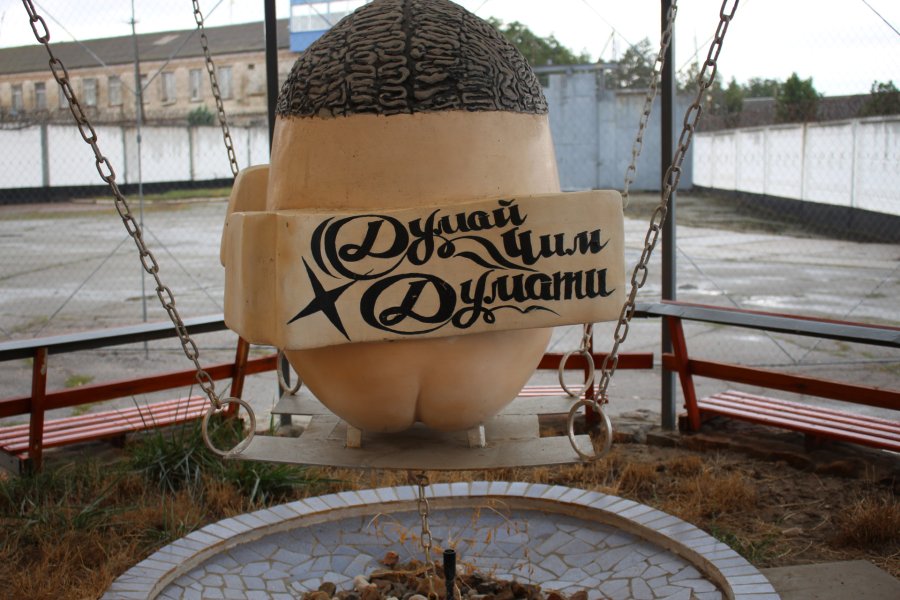
After verifying the documents, the monitors entered the territory of the institution. The first thing that met their eyes was a somewhat peculiar structure in the form of a gazebo, which depicted a creature with bare buttocks and the inscription “Think with what to think”. What this structure means and what the purpose of this inscription is remained unclear.
Obstruction of the monitoring visit
The colony administration took all possible actions to ensure that the monitors did not receive objective information and did not have access to the relevant documentation and materials (including recordings from video surveillance cameras).
The monitors were met by a person who introduced himself as the duty assistant to the head of the colony, Yevhen Mykhailovych Orlov, who refused to answer oral questions and behaved aggressively and defiantly. Through his actions, he demonstrated a clear unwillingness to facilitate the purpose of the monitoring visit. To all questions, he suggested submitting a written request. And he said that he refused to answer any questions. The monitors handed the institution’s representative a questionnaire to fill in general statistical information. However, even in written form, the monitors did not receive official information about: the persons who met and accompanied them during the visit, the number of staff positions actually working in the multidisciplinary hospital, the hospital’s staffing table, the number of inmates under Article 391 of the Criminal Code during the year, the number of tuberculosis cases for the current year, the number of hepatitis cases of various forms for the current year, the number of recorded bodily injuries for the current year, the number of ambulance calls for the current year, the number of hospitalizations of inmates to Ministry of Health hospitals for the current year, and the number of inmates who are/were ill with COVID-19 for the current year.
Administrative assistants from among the inmates systematically obstructed the monitoring visit, artificially created barriers, conflict situations, and orchestrated numerous provocations. The administrative assistant, a senior orderly of the neurological department, inmate S., was the most active; he orchestrated numerous provocations, namely obstructing communication with inmates on the condition of anonymity, moving freely around the hospital territory following the monitoring group, intentionally getting into the camera lens, after which he demanded the recording be deleted due to a violation of his right to the protection of personal data.
Operational officer Vitalii Anatoliiovych Novak, who accompanied the monitors, systematically tried to hinder confidential communication with the inmates. Before entering any residential premises, he threateningly addressed the inmates, saying, “Do you not want to communicate on the condition of anonymity?!” while demonstrating with his whole appearance the need to refuse communication. During the conversations, staff members would enter with some nonsensical questions, and administrative assistants would walk under the windows. As a result of such tactics, only a few agreed to communicate on the condition of anonymity. If an inmate still agreed to communicate without the presence of the administration, inmate S. and other administrative assistants would join the process, trying to distract attention, create an argument, orchestrate a conflict situation, or create any other obstacle to confidential communication.
At the same time, the administration of the institution in every way facilitated and encouraged inmate administrative assistants to commit all sorts of provocations in order to obstruct the fulfillment of the monitoring visit's tasks, explaining that they could not forbid inmates from moving freely around the hospital.
Administrative assistant, senior orderly V., during the inspection of ward No. 8, began pushing a female monitor and obstructing the inspection of said ward.
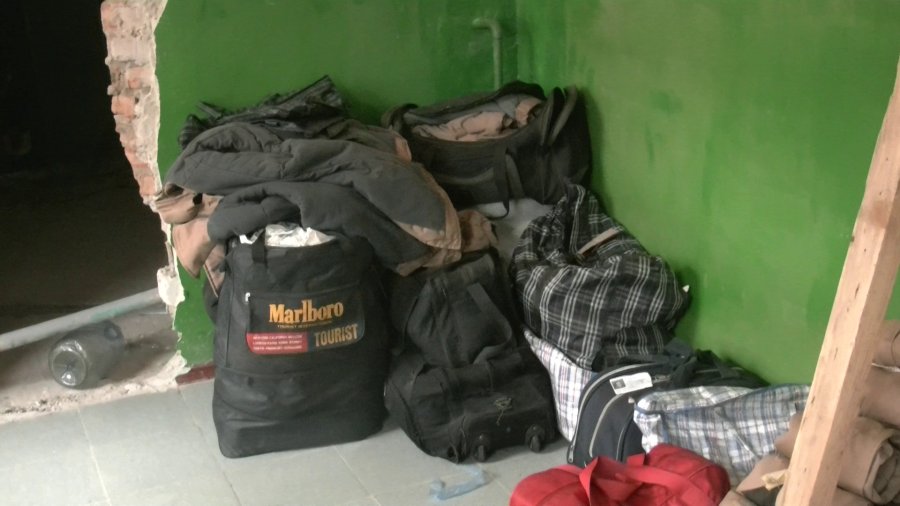
During the inspection of this ward, improper storage of the sick inmates' belongings was discovered.
When asked by the institution's administration why inmate V. was the only one allowed to move around without a name tag (indicating full name), as required by law, the staff did not answer. Provocations were also orchestrated by members of the colony’s management.
I. S. Kupchenko, senior nurse of the neurological department, categorically refused to provide and demonstrate the medical records of inpatients. According to Iryna Stanislavivna, there are 17 inmates receiving inpatient treatment, but without the head physician's permission, she cannot demonstrate the medical records to confirm their existence. She said she had handed the records to the medical assistant for the weekend. At the same time, she categorically refused to call the medical assistant to whom she had handed the records.
Administrative assistants
It is worth noting that inmates serving as administrative assistants play an important role in this institution. Within the framework of the monitoring visit, it became obvious that administrative assistants enjoy significantly broad powers. They are entrusted with managing SPS units, as well as the hospital. According to unverified information, from the words of the inmates, administrative assistants abuse helpless disabled people without limbs, calling them “crabs”. Several prisoners said that the assistants frequently used violence. The monitors also recorded a case of bodily injuries on an elderly inmate in the hospital. Despite the fact that the inmate claimed he had tripped and fallen in the bathhouse, the nature of the bodily injuries on his face raised suspicions about the likelihood of blows being inflicted; he was in a state of intense fear and distress. Overall, an atmosphere of intimidation in the hospital was evident. At the request of the monitors, the duty nurse refused to record the injuries in a certificate and even to examine the patient whose condition had been described to her.
The monitors inspected the premises where the administrative assistants live in the hospital. The living conditions for healthy people in the hospital are several times better than the living conditions for disabled people of the first and second groups. In the room where the administrative assistants live, there are bottles of drinking water, despite the fact that in none of the wards were there any tanks or other containers with drinking water observed.
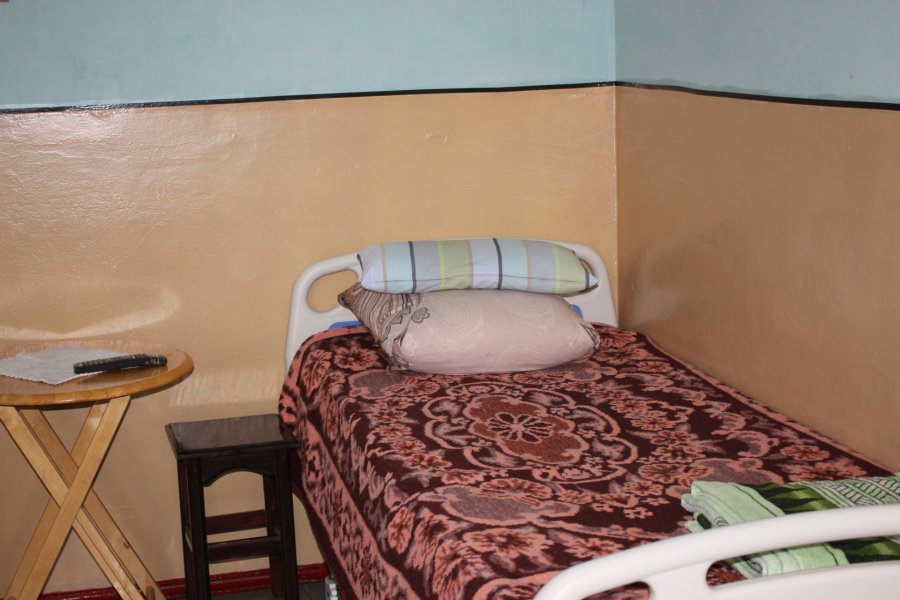
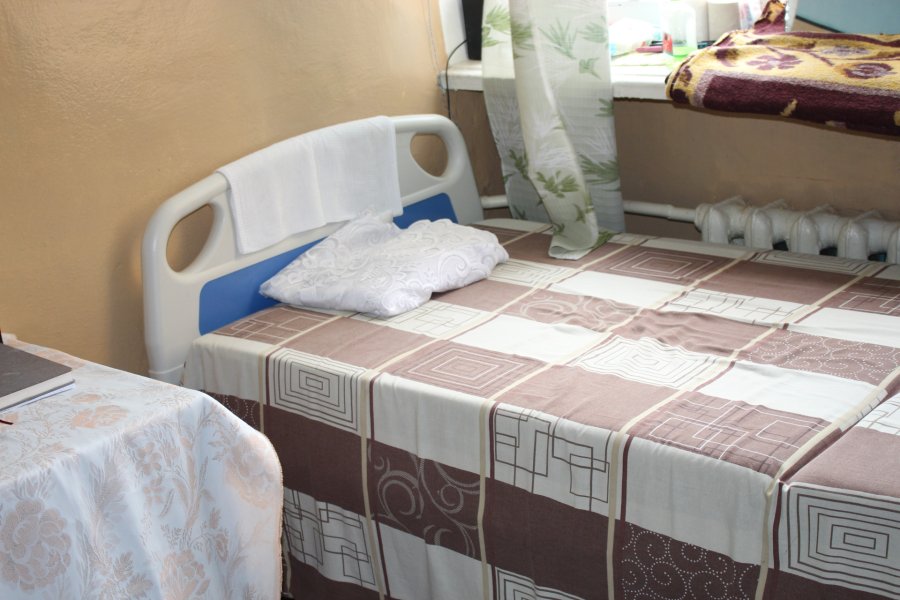
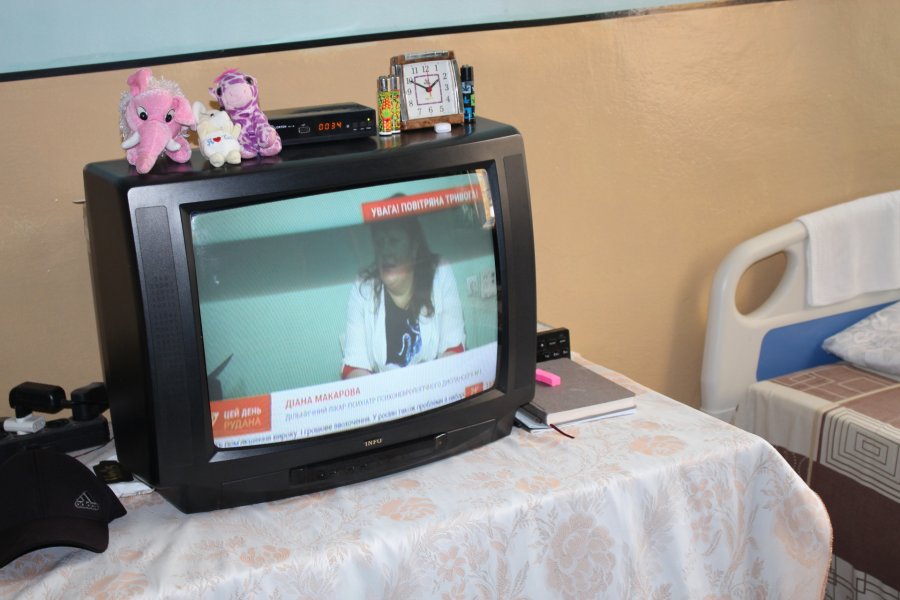
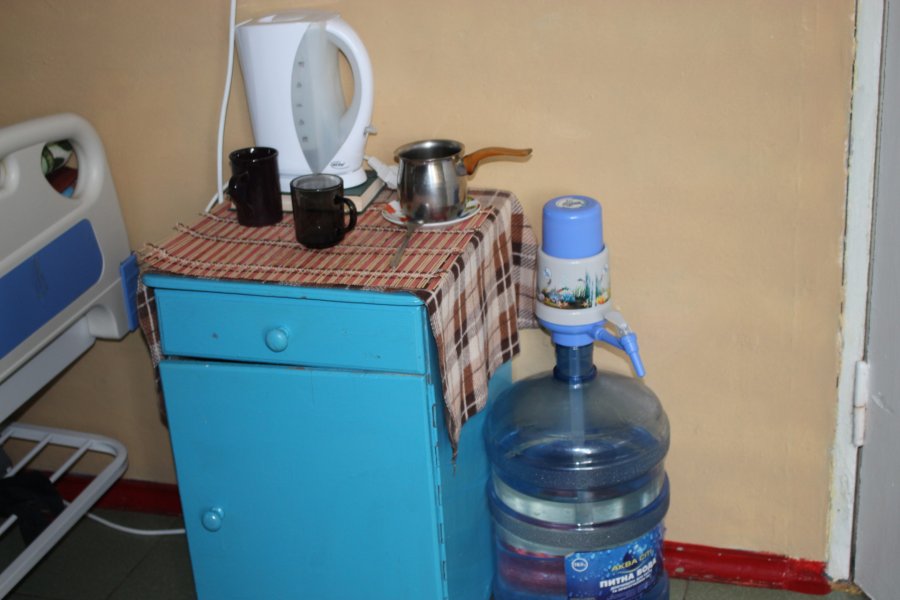
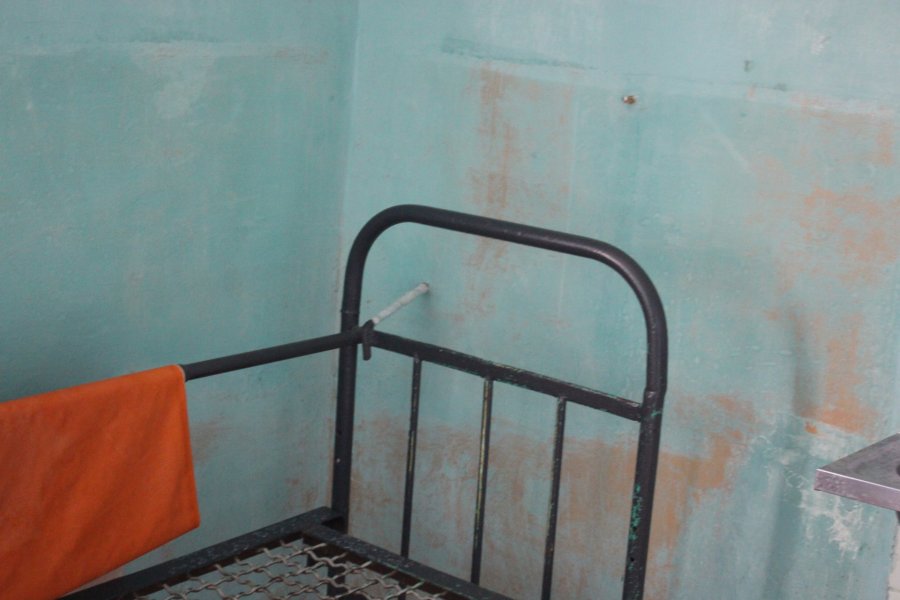
In particular, these inmates, who were clearly healthy and in the prime of their lives, had medical beds at their disposal, whereas the sick inmates, even those who were severely disabled, slept on archaic metal beds with standard mattresses.
There was not a single doctor in the hospital. However, it seemed that the medical institution was managed by inmates serving as administrative assistants. These inmates behaved arrogantly and defiantly, created numerous artificial conflict situations, and in every way tried to create obstacles to communicating with the patients.
The inmate administrative assistants are not registered in any way, yet they reside on the territory of the medical institution, which is illegal. Let us recall that the Internal Regulations or any other normative legal acts do not provide for the functioning of orderlies from among the inmates in a medical hospital, especially in such large numbers.
At least eight orderlies were counted in the multidisciplinary hospital, not including orderlies and cleaners. As the orderlies themselves reported, they do not receive a salary but are in the hospital voluntarily due to a desire to help the sick.
Multidisciplinary hospital
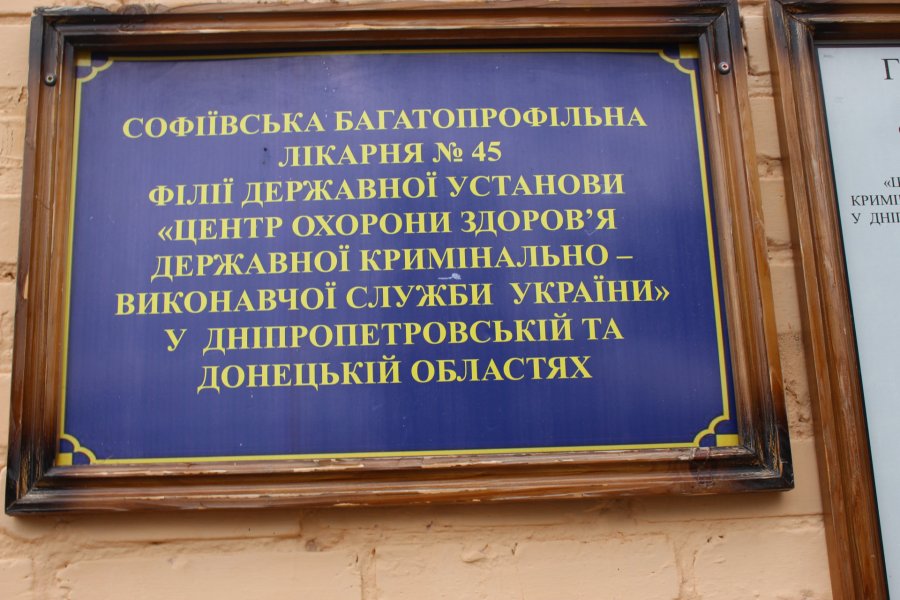
The hospital consists of 2 departments: therapeutic and neurological. Also, in the hospital structure, there is an outpatient polyclinic department, which performs the function of providing medical care to inmates held at the State Institution SCC-45.
Upon entering the hospital territory, the monitors had the opportunity to inspect the wards, speak with the inmates who were undergoing inpatient treatment, and with individuals from among the inmates who introduced themselves as orderlies at this health care institution, as well as with medical staff.
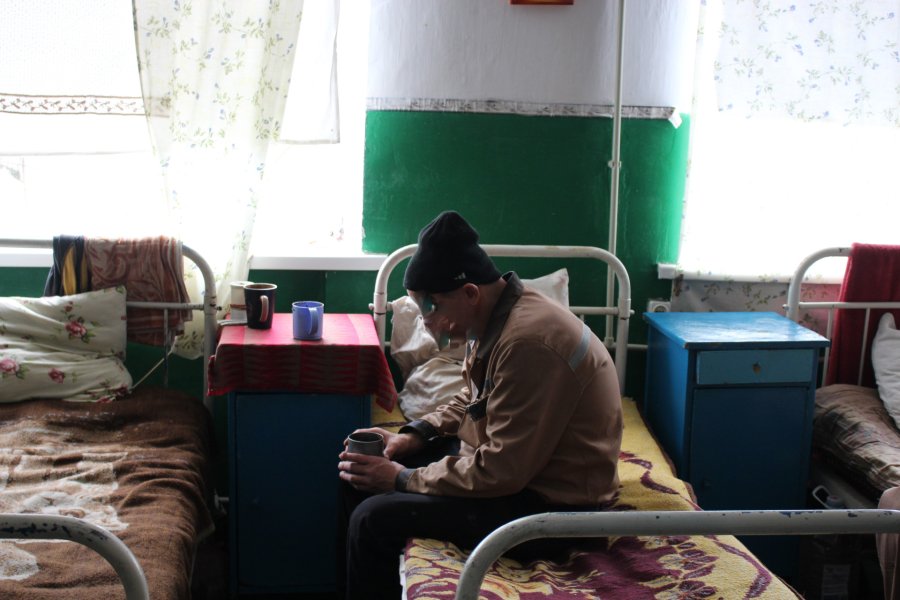
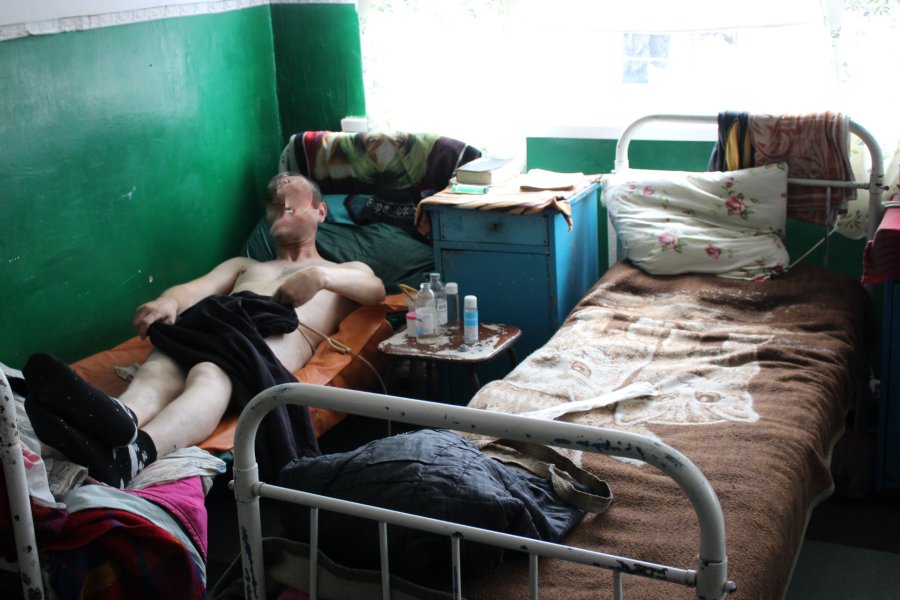
Inmates who were undergoing treatment complained about being denied medical care.
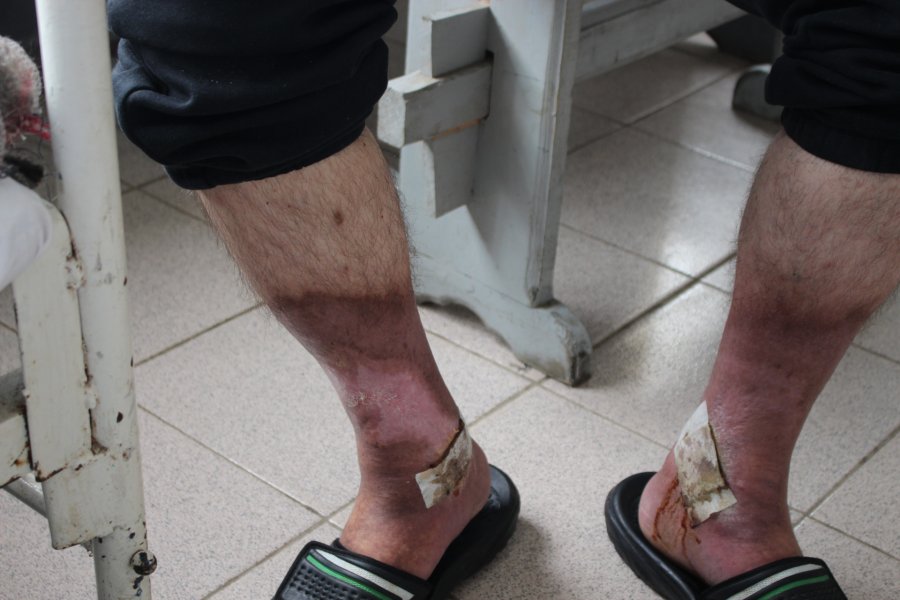
They also complained about poor nutrition.
First and foremost, it must be noted that for the first time in the practice of visits, the monitoring group was forced to begin inspecting the premises and communicating with inmates in the medical facility of the Health Care Center of the State Penitentiary Service of Ukraine without the escort of medical personnel, due to an absolute unwillingness to facilitate the monitoring. Moreover, during the entire time of the monitoring visit, which lasted two days, the medical staff who were on duty never once left their medical offices. Thus, the opportunity to ask the medical staff questions regarding the health status of inmates, treatment, proper receipt of medical care, and other issues was completely blocked.
Thus, during the visit, the monitoring group established that the hospital administration was taking insufficient measures to ensure the conditions of detention for inmates in accordance with national legislation and international standards, and identified violations of inmates' rights that could be regarded as cruel, inhuman, or degrading treatment or punishment.
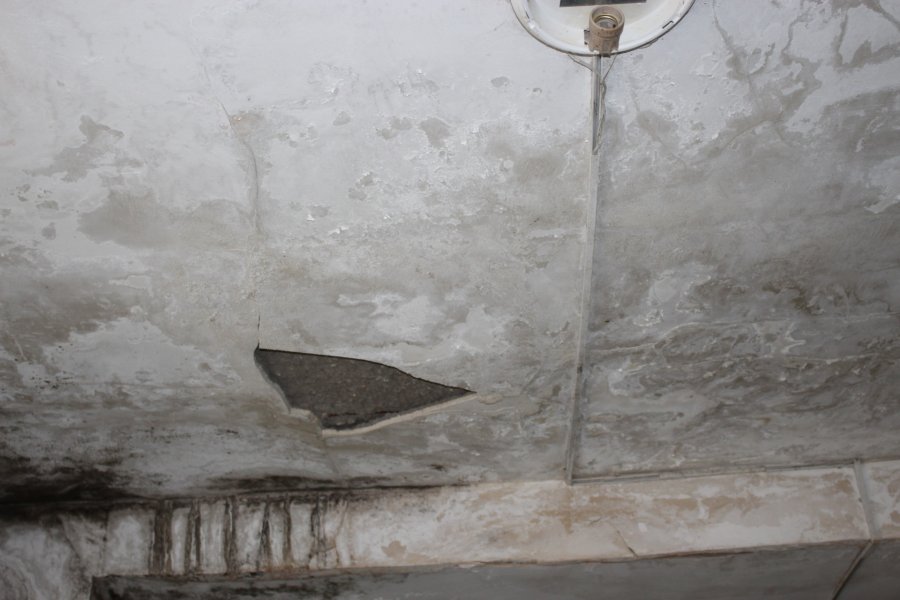
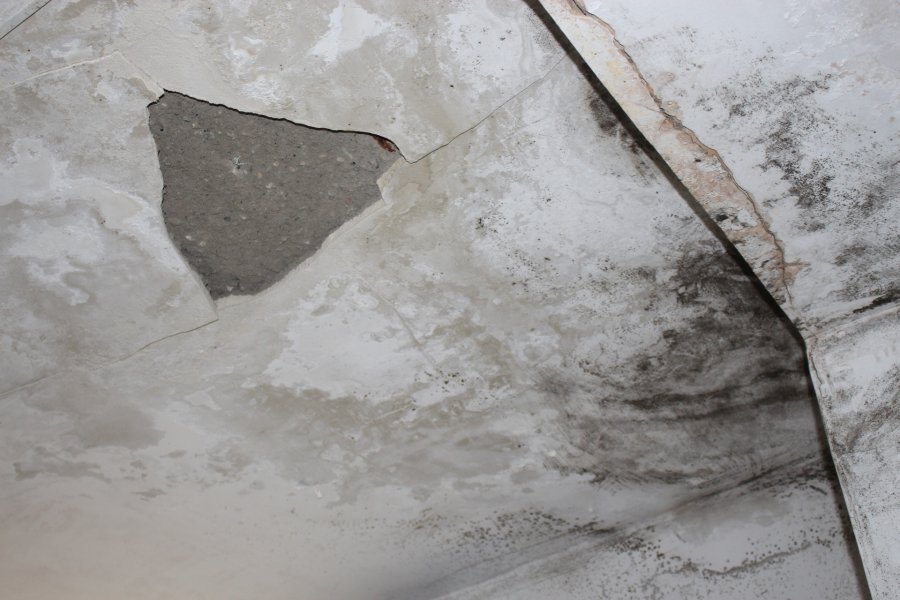
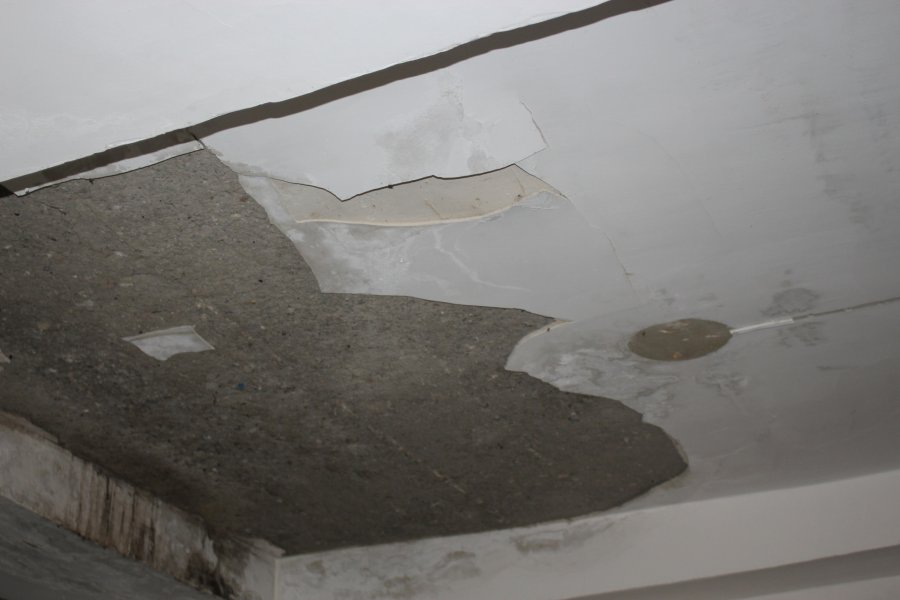
Most residential premises are in a dilapidated state and require immediate repair work.
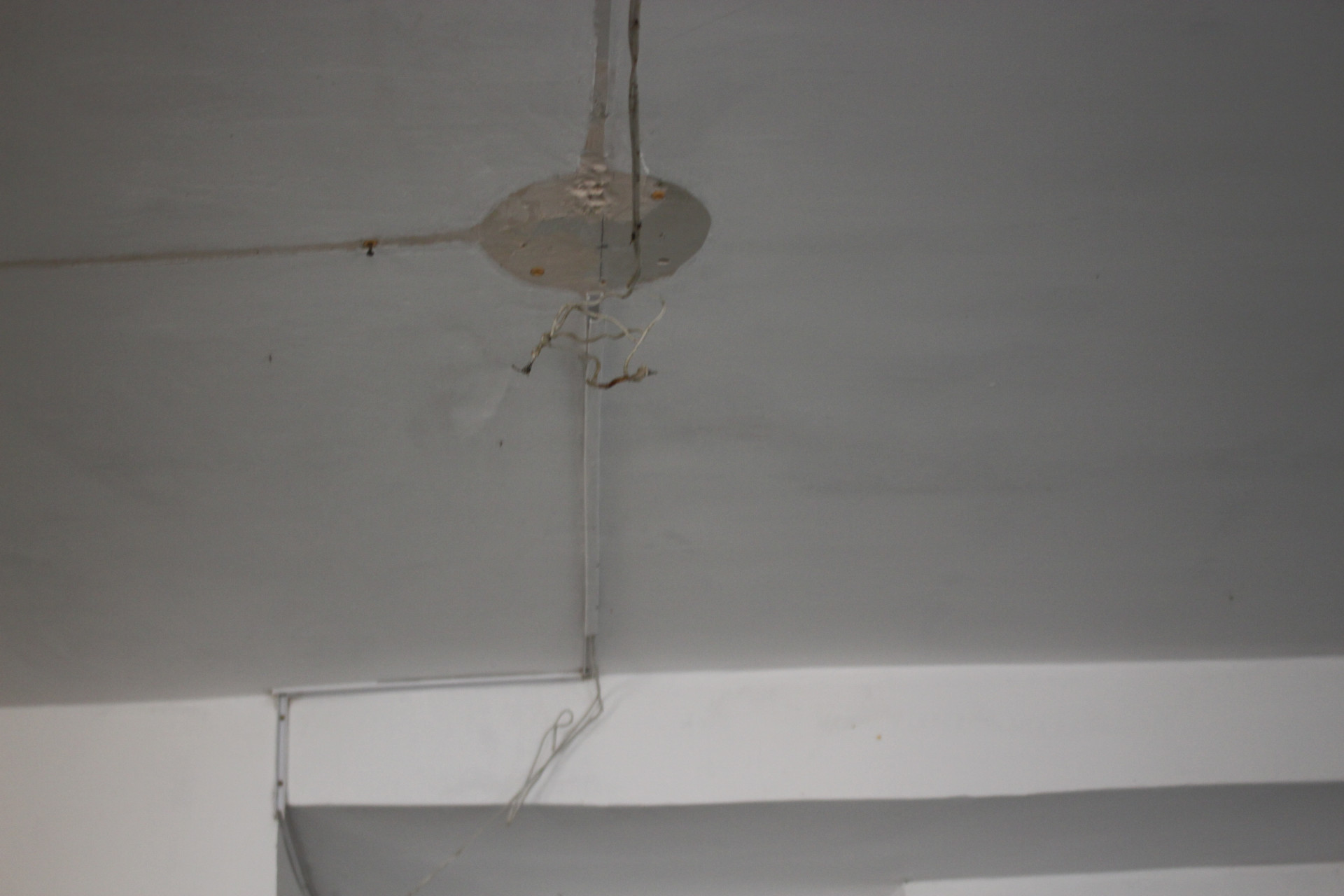

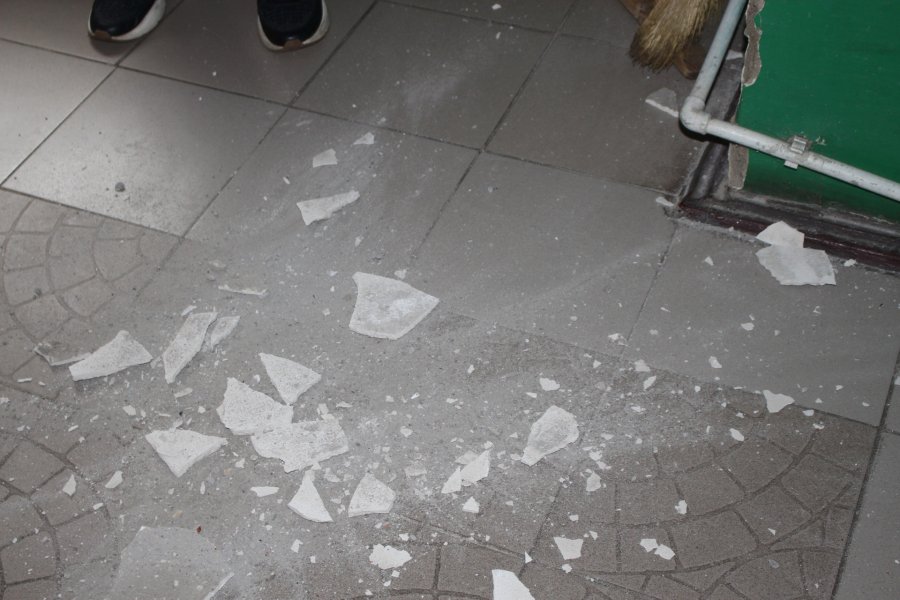
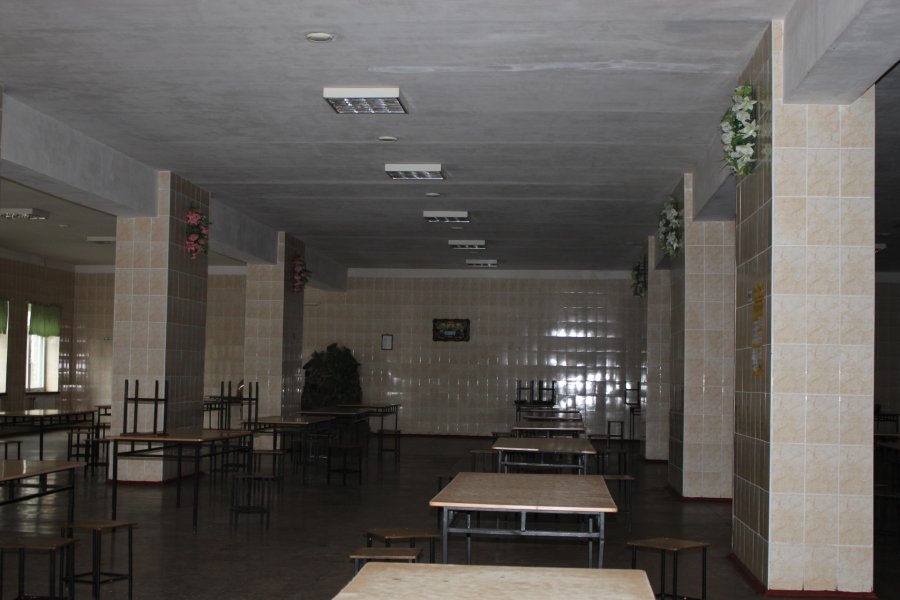
For instance, in the dining room during the inspection, a thick layer of plaster fell from the ceiling onto a member of the monitoring group.
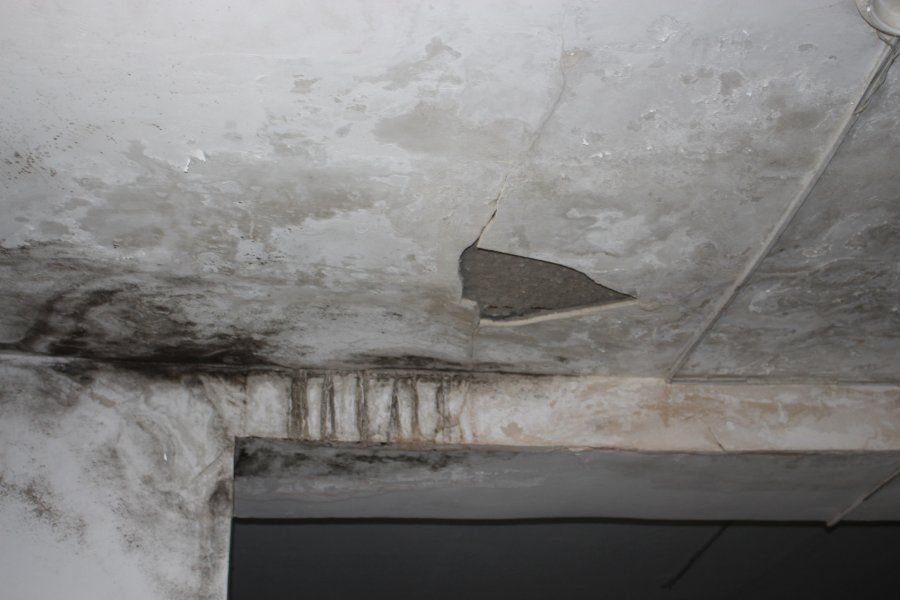
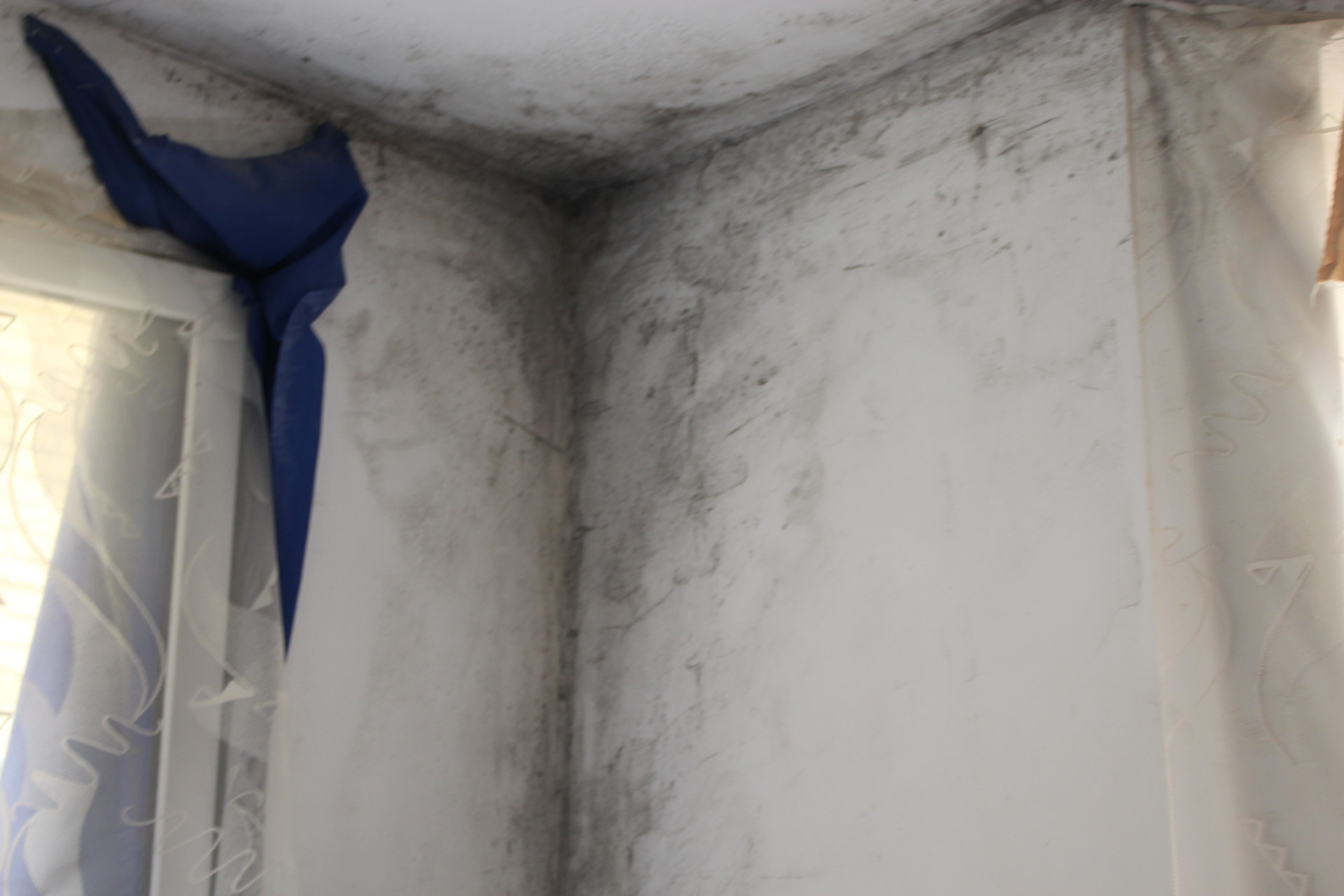
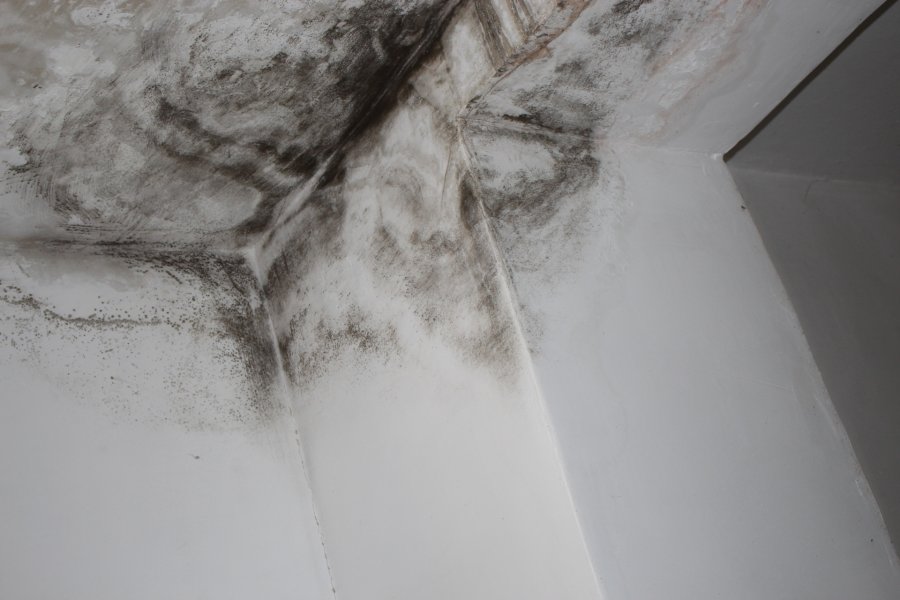
It should be noted that the ceiling and walls of this room are in a dilapidated state and pose a danger; they are damp and in places collapsed due to fungus damage.
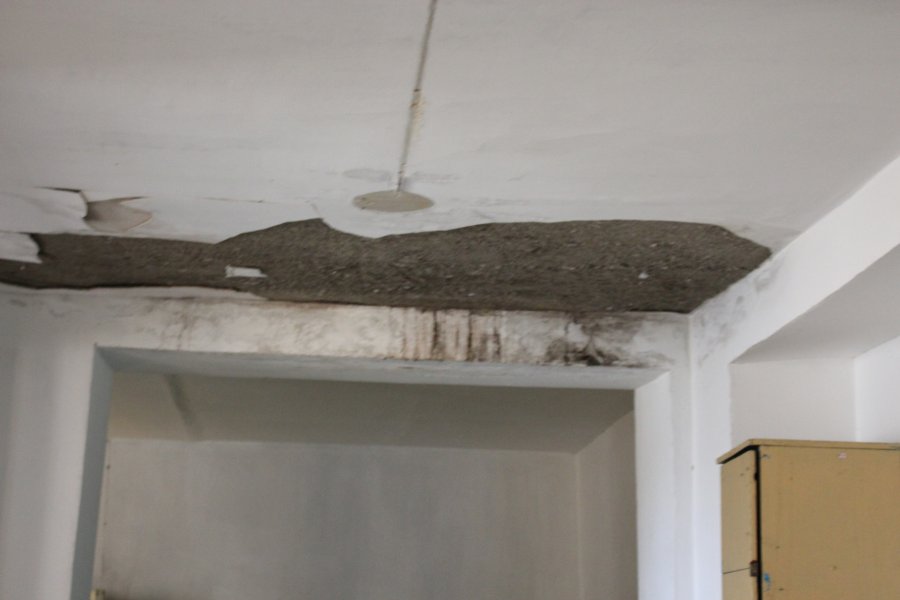
There is critical unsanitary condition of walls, floors, and furniture.
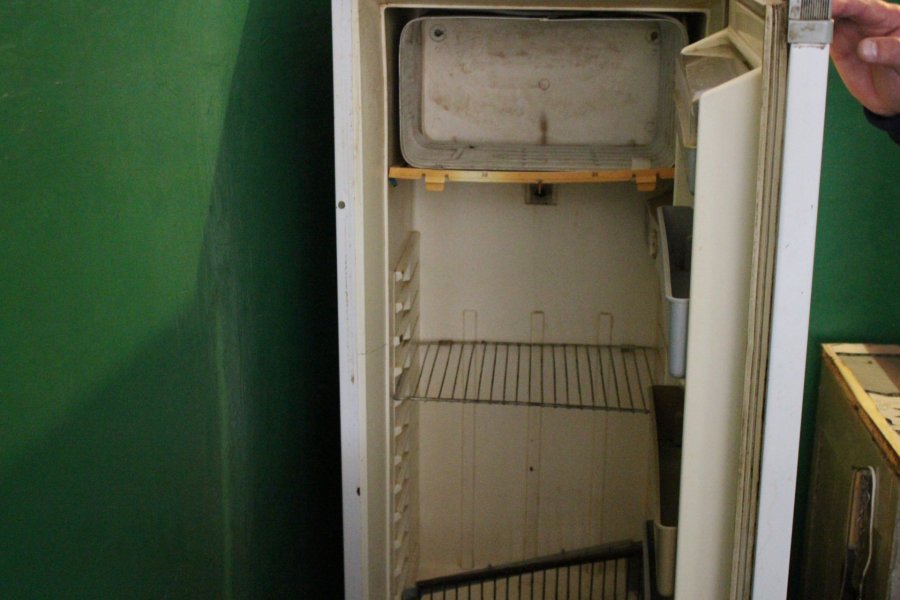
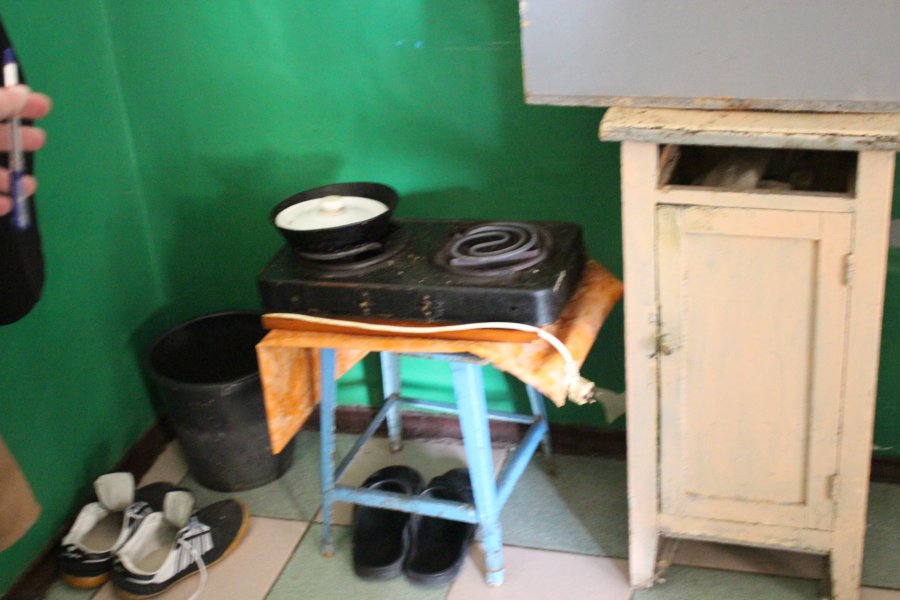
A non-functioning refrigerator and the absence of a single multicooker in the hospital indicate that the inmates do not have the ability to cook and store prepared food and perishable products.
A negative practice has been recorded of granting inmates, so-called “orderlies”, powers not characteristic of an inmate.
Several disabled prisoners claimed that they had experienced cruel treatment by prisoners responsible for helping them with movement and taking a shower.
The level of service in the hospital, the configuration of the premises, and the atmosphere of extreme tension that reigns there threaten the health and even the lives of the patients. Some of them have already suffered numerous strokes. The conditions in which they are kept — the quality of food, the lack of specialized care, the lack of rehabilitation, and, above all, the atmosphere of fear — all these are very unfavorable risk factors for this type of patient. Many patients have lost most or all of their teeth and are forced to soak food in water to swallow it. These are patients whose health requires a balanced and healthy diet, which they obviously do not have, as they cannot chew.
The inner courtyard is small. Several prisoners explained that they were only allowed to smoke in the courtyard of a few square meters under threat of punishment. As a result, prisoners are forced to crowd into this small space. Several patients explained that the showers on the first and second floors of the hospital are in practice used mainly by administrative assistants, and that patients have to go to the bathhouse, which requires crossing the territory.
In general, several prisoners were in very poor health and extreme dependency, which made their health status clearly incompatible with further detention in places of deprivation of liberty.
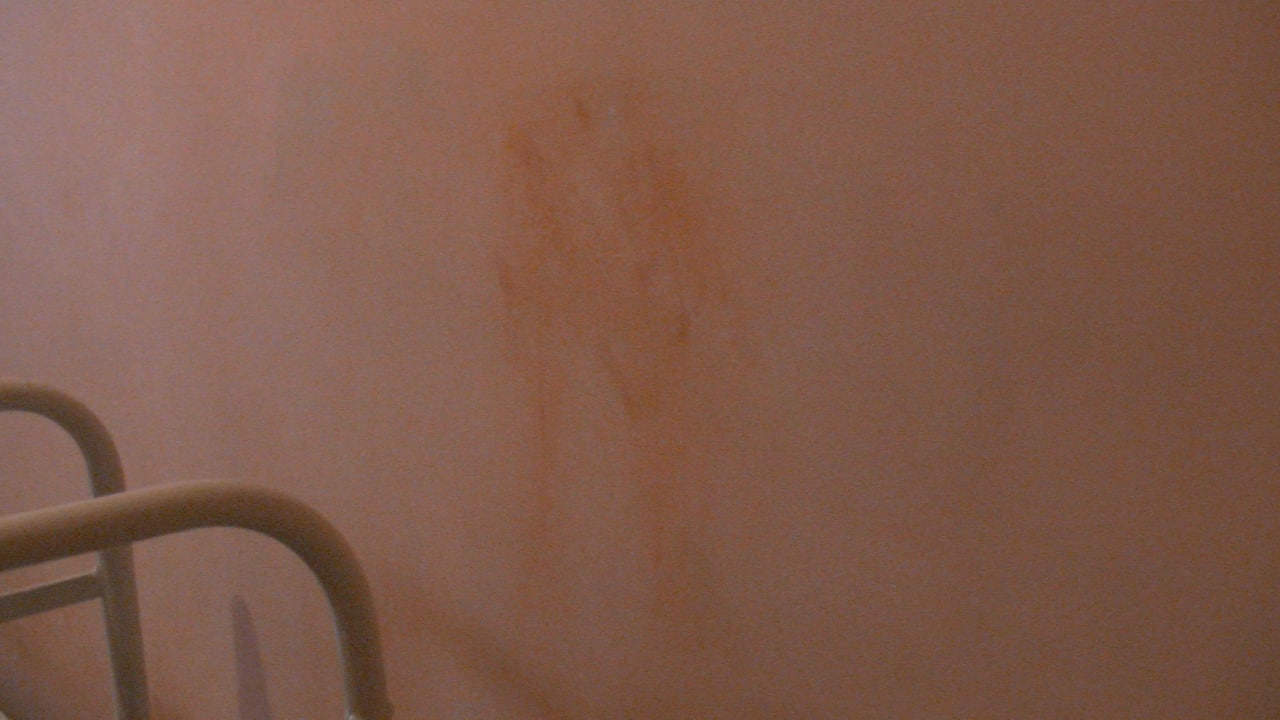
In addition, in the infectious isolation ward, where, according to the inmates, people are held without bed linen (mattresses), the monitors noticed traces of blood on the walls.

The monitors suggested providing general information about the state of the organization of medical and sanitary provision for deprived-of-liberty persons in the hospital, to which they received the answer that only the head of the hospital, Vita Viktorivna Komisarova, who, in turn, is on sick leave, possesses this information.
Moreover, the medical worker could not provide the staffing table, the number of doctors, their specialties, documentation, or even information regarding the number of inmates who are undergoing inpatient treatment in the hospital departments.
Separately, it was possible to find out the following: the hospital has 10 medical personnel, among whom are: the head of the hospital; head medical nurse — 1; senior medical nurse — 3; department medical nurse — 1; X-ray technician — 1; medical assistant — 2; laboratory assistant — 1. Also, the monitors were informed that a dentist had been dismissed shortly before the visit.
It must be noted that the information provided by the medical staff on any issues was not documented, was incomplete, contradictory, or found no confirmation at all. As we have already mentioned, for the two days of the visit, there was not a single doctor in the therapeutic and neurological departments. It is unknown on what grounds and who prescribes treatment and dispenses medicine to inmates who are undergoing inpatient treatment at the hospital. Due to the lack of the necessary number of medical staff, it is impossible for the institution to form a Medical-Consultative Commission (hereinafter — MCC) for conducting medical-social expert examination of patients for their further referral to a treatment-prophylactic institution, as well as for passing the Medical and Social Expert Commission (MSEC), therefore, for the purpose of passing the MCC, inmates are referred to the specialized hospital of the Health Care Center of the State Penitentiary Service.
In order to clarify the presence in the workplaces of the medical personnel performing their duties, the monitors visited the office of the duty nurse Iryna Stanislavivna Kupchenko of the neurological department, which is located on the ground floor of the hospital building.
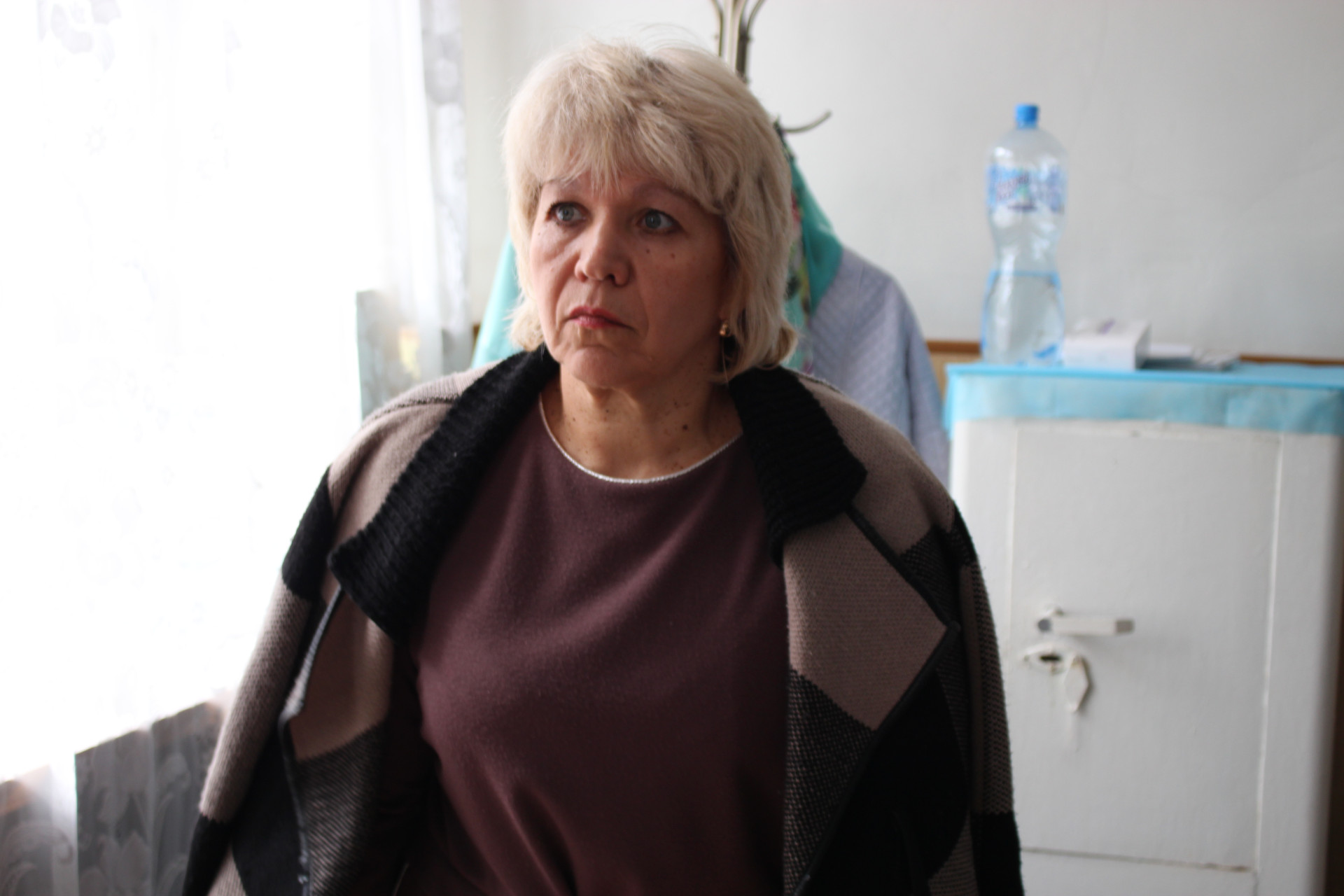
Entering the premises, the monitors asked a number of questions, among which it was suggested to check the medicinal products available in the office for their expiration dates, due to the fact that complaints had been received from inmates that they were being treated with expired medicine. Having examined the medicinal products that were laid out on the table, the monitors suggested checking the medical preparations in a separate cupboard, to which they also received the consent of the medical worker. It should be noted that the inspection of medicinal products was carried out superficially; the date on the packaging was checked without damaging the packaging itself and its contents.
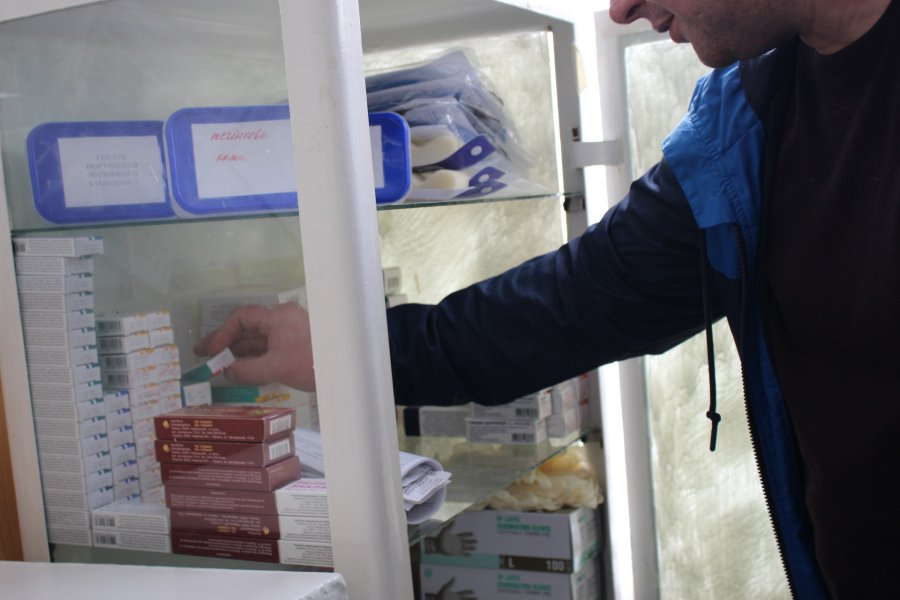
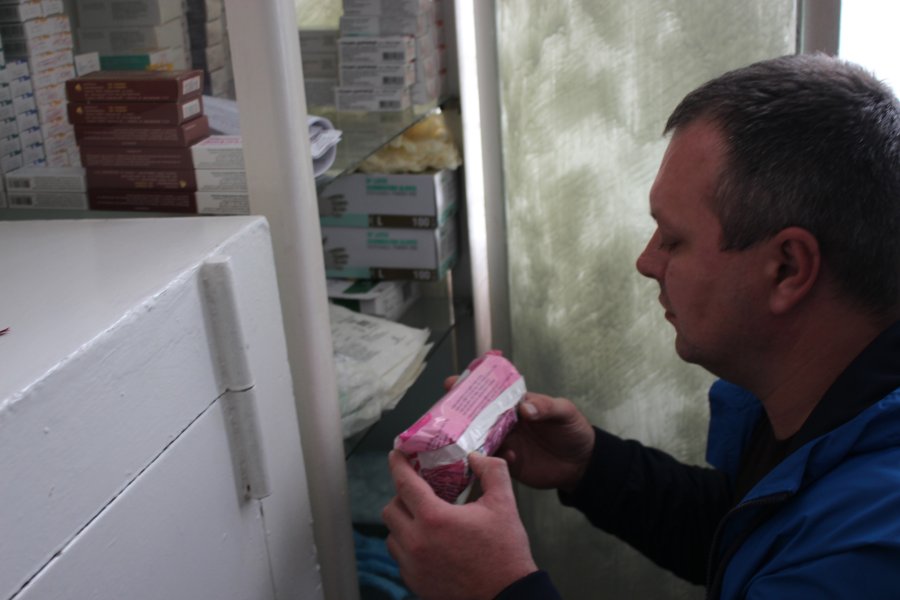
During the inspection of the medicinal products, a question arose from the monitors to the medical worker regarding the recommended expiration date of such a medical product as “Medical Cotton Wool”, for which, according to the instructions, the expiration date is unlimited.
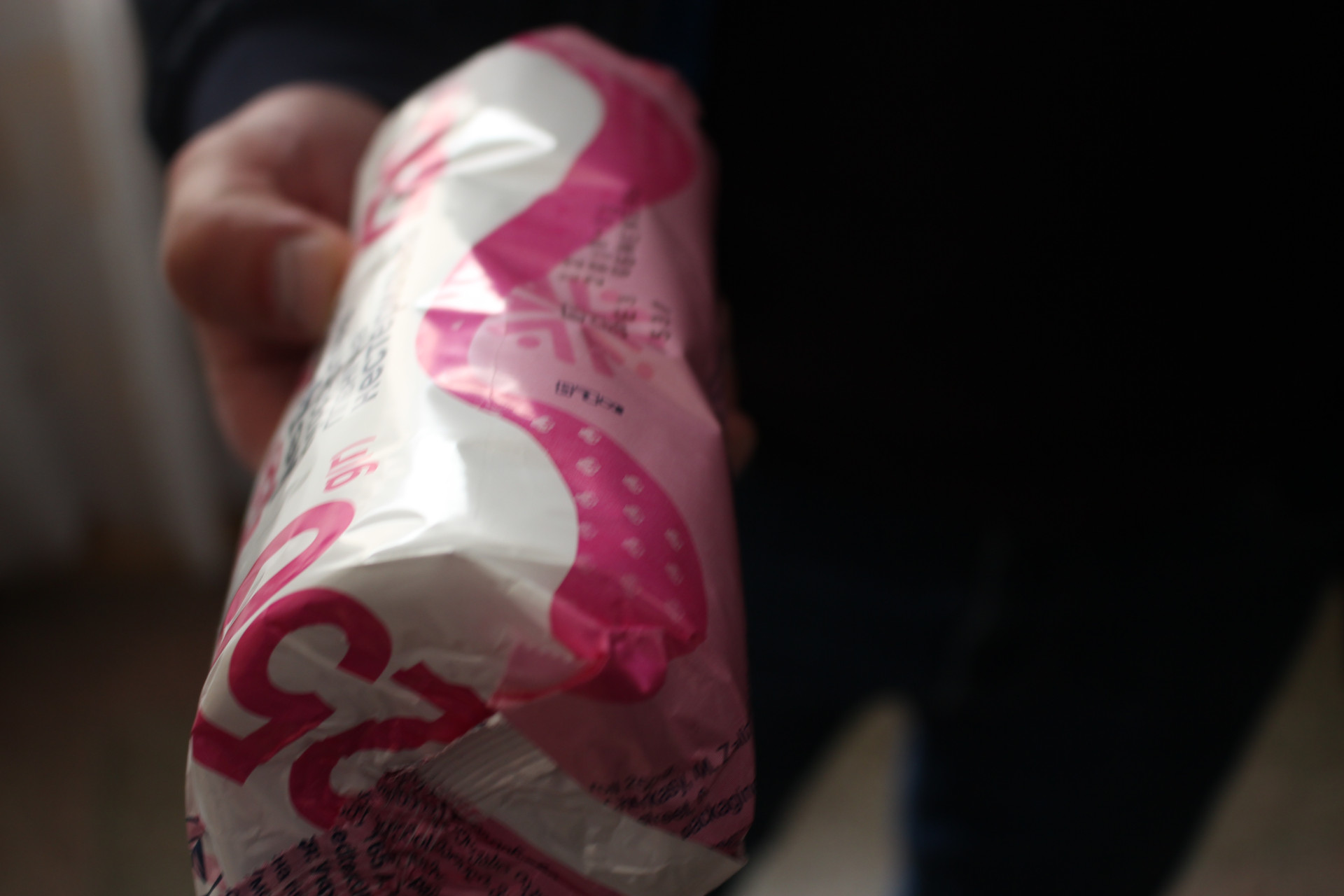
Having recorded the date of manufacture of the medical product, the monitors asked the medical worker about its use. In response, the medical worker, without explaining anything, took the medical product into her hands, tore open its packaging, and, quickly moving to the far corner of the office, began to hide the wrapper of the “Medical Cotton Wool” product, where the product name, instructions for use, and date of manufacture are indicated. The monitors were left with the impression that the medical worker had done this for the purpose of hiding the medical product whose expiration date, in her opinion, had passed. The nurse refused to provide explanations for these actions.
After this, a person in civilian clothes burst into the medical unit room and began to shout. On the demand to identify himself, he named himself Serhii Hryhorovych Turyk, began to shout that the monitors had disrupted the reception of inmates, began to insult and call the monitors names, and behaved in a boorish manner. He said that he was the hospital manager, that he knew perfectly well who the monitors were, and had seen them on the internet. As a result, an act was drawn up regarding the obstruction of the monitoring group in its activities and obstruction of access to medicines for checking expiration dates. All facts of violations were recorded on photo and video.
An act was drawn up regarding this fact, but the institution’s administration staff and S. G. Turyk, having familiarized themselves with the content of the act, refused to sign it. Specifically, S. G. Turyk motivated this by saying that he was leaving the room and was not constantly present, and V. A. Novak motivated his refusal to sign the act by saying that there was no space in the act for comments. The proposal to state his comments on a separate sheet (appendix No. 1 to the act), which would be attached to the act, was refused by V. A. Novak.
Instead, the representatives of the administration of the SCC-45 correctional colony present made comments of a provocative nature with the aim of stopping the inspection of medicinal products for their expiration dates, namely, asserting that monitors cannot handle medicinal products, items, and so on if personal medical books are not presented, and medical gloves are not worn. To which the monitors replied that the availability of personal medical books for conducting a monitoring visit is not provided for by any normative legal act.
The monitors also recorded the presence of video surveillance cameras in the hall of the medical unit and medical offices.
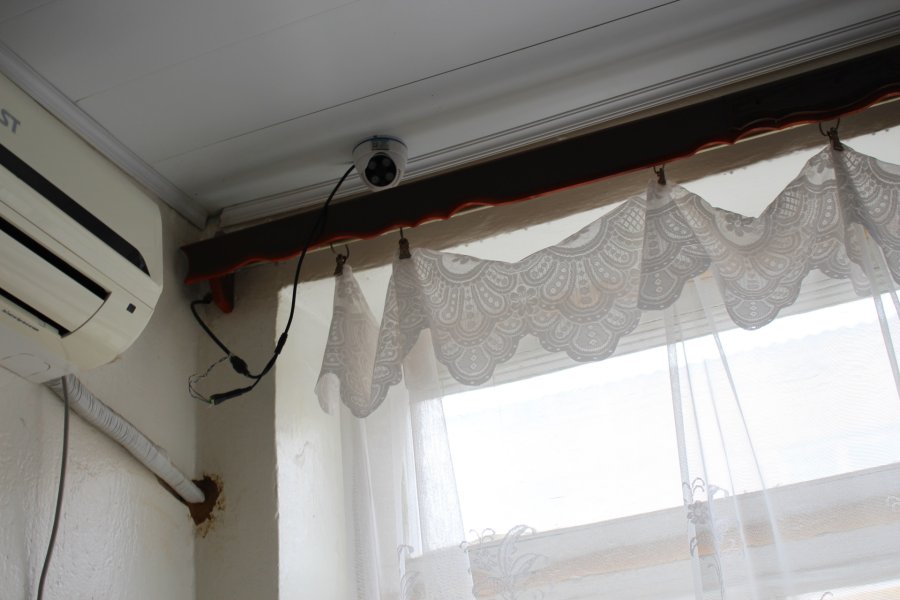
At the same time, according to the Procedure for the use of technical means of supervision and control in correctional and educational colonies of the State Penitentiary Service of Ukraine, approved by the Order of the Ministry of Justice of Ukraine dated June 26, 2018 No. 2025/5 (registered with the Ministry of Justice of Ukraine on July 02, 2018 under No. 766/32218), the installation of video surveillance in medical facility premises is not provided for, and in premises where a medical examination is conducted — it is categorically prohibited.
The dentist’s office was closed, and a request by the monitors to inspect the premises and the inmate admission log by the doctor was refused.
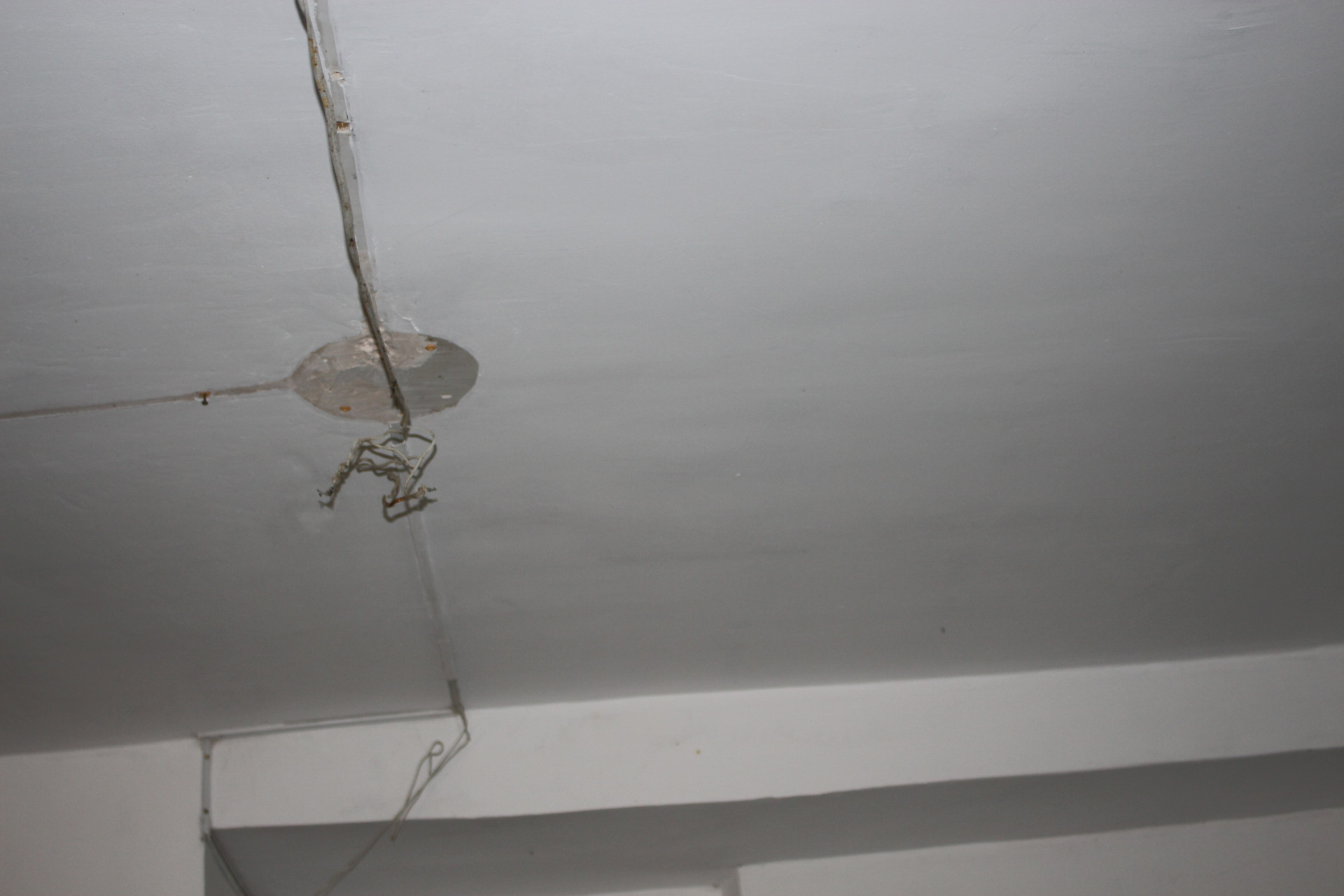
Compliance with fire safety conditions in the hospital is carried out in violation of the safety rule requirements. In most hospital rooms, a significant number of sockets used by prisoners are in an unsatisfactory state; electrical wiring is exposed, and wire cores are joined without insulation, which poses a danger to the life and health of the individuals held there.
Opioid Substitution Therapy (OST) is absent.
In the department restrooms, the plumbing and sewage systems are so worn out that they require repairs with the replacement of sanitary and technical equipment, which leads to dirt, leaks, unsanitary conditions, and a persistent unpleasant odor. Such conditions of detention threaten to worsen the health of sick inmates. In addition, in all hospital premises there are insects (flies), and serving areas are kept in unsanitary conditions.
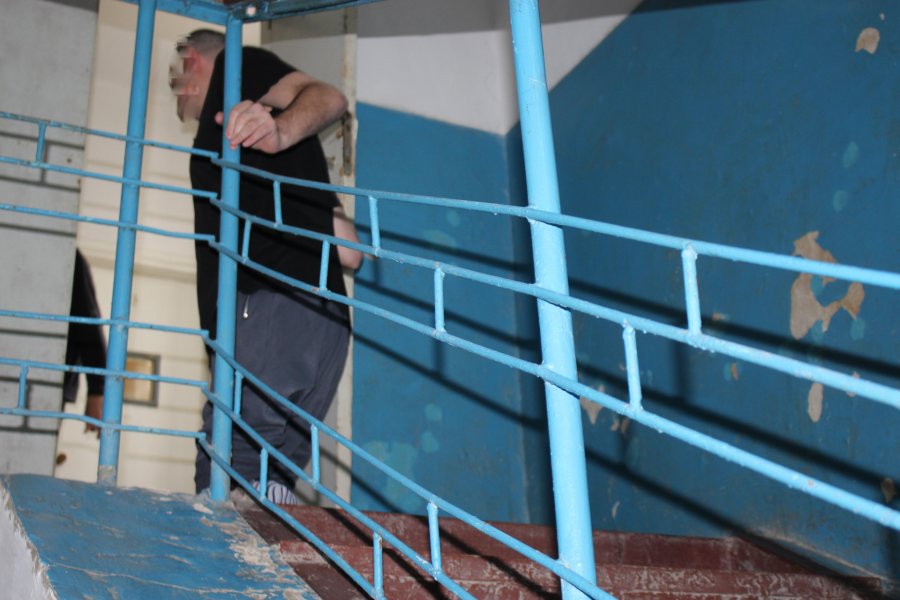
In accordance with the Procedure for providing technical and other rehabilitation means to persons with disabilities, children with disabilities, and other separate categories of the population and for paying monetary compensation for the cost of independently purchased technical and other rehabilitation means, approved by the Resolution of the Cabinet of Ministers of Ukraine dated April 05, 2012 No. 321 (as amended), inmates are not provided with technical and other rehabilitation means. Conditions for holding persons with disabilities are absent, in particular, there are no ramps, handrails, and other equipment, which significantly complicates movement, particularly for persons with amputated limbs.
In the medical unit, there is no naloxone, which makes it impossible to provide emergency medical care in cases of opioid overdose.
At the monitors' request to provide a log of bodily injuries, the medical worker provided a new log in which there were no entries. The monitors assumed that this log was new due to the old one being full and asked to provide the one containing the latest entries. Eventually, the monitors were provided with the “Log of recording detected bodily injuries in persons who arrived at SCC-45” for review, which contained two entries dated 2016—2017. The monitors, in turn, noted that it is necessary to maintain a “Log of Bodily Injuries”, which should be in the medical facility. To which they received the answer that information regarding the existence and maintenance of such a log was unavailable. In the course of the conversation, the monitors noticed, among other things, a BOOK of registration of appeals of inmates (persons taken into custody) with bodily injuries to the medical unit. Having examined it, the monitors discovered that this was the same BOOK of registration of appeals of inmates (persons taken into custody) with bodily injuries to the medical unit that had been provided for inspection to the monitors in the Duty Unit of SCC-45 for review, and which is used by the staff. Thus, it was clarified that the correctional colony staff and hospital medical workers use the same log, which is a gross violation. The book indicates 18 detected bodily injuries during the current year, with half of these injuries in the form of a hematoma under the left eye.
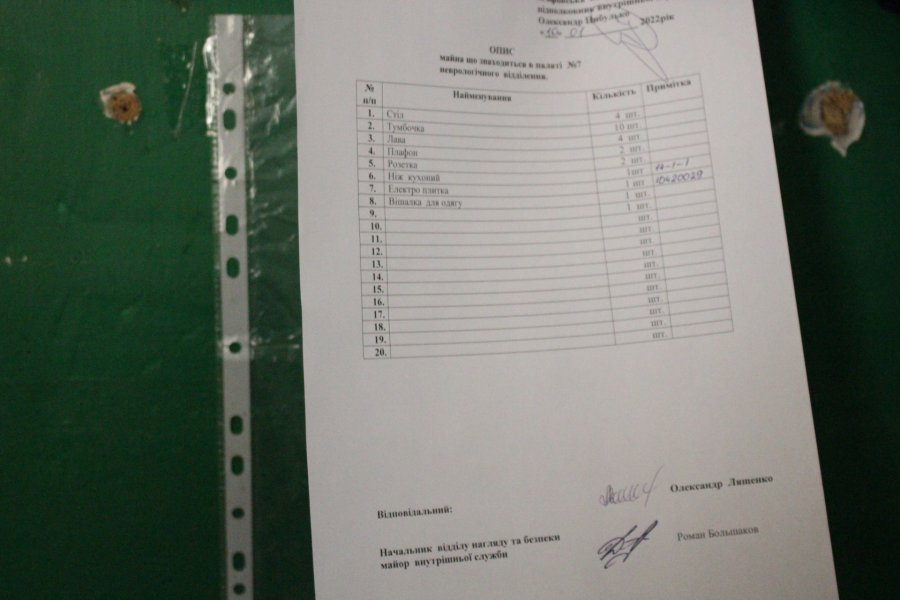
In the dining room area, which is in a dilapidated state, there is an inventory list signed by someone who is likely an inmate.
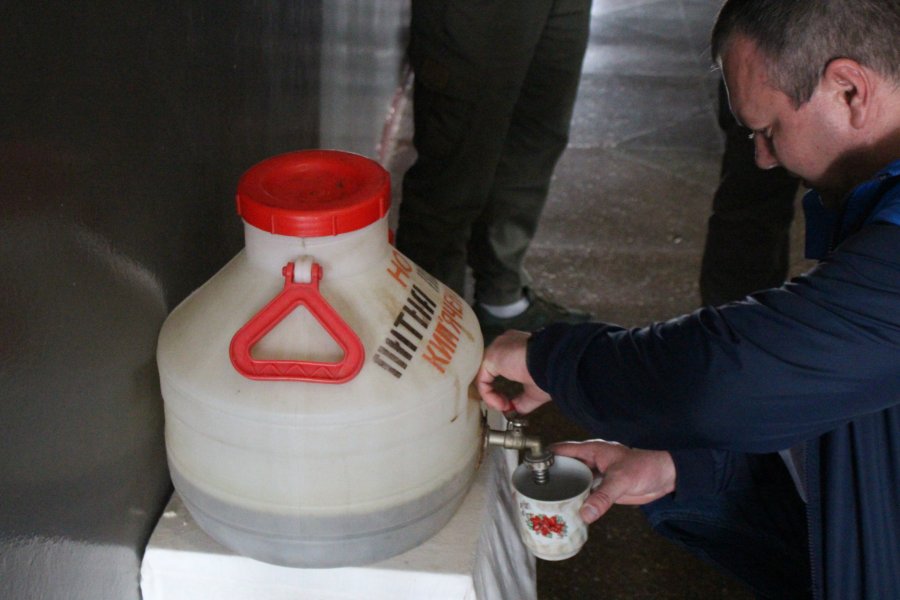
Inmates complain about the water quality, that the water is not suitable for either drinking or cooking. In the corridor stands a tank labeled “drinking water”, but the tank does not open, and it is impossible to draw water.
KDiR Department
In the KDiR department, inmate V. is in charge, serving as an orderly. There are two KDiR departments in the institution: one in the hospital, and another in the residential zone. Representatives of the administration reported that the inspected KDiR sector premises are temporary while repairs are taking place. There were 9 inmates in the KDiR department.
Residential premises
Barrack-type premises.
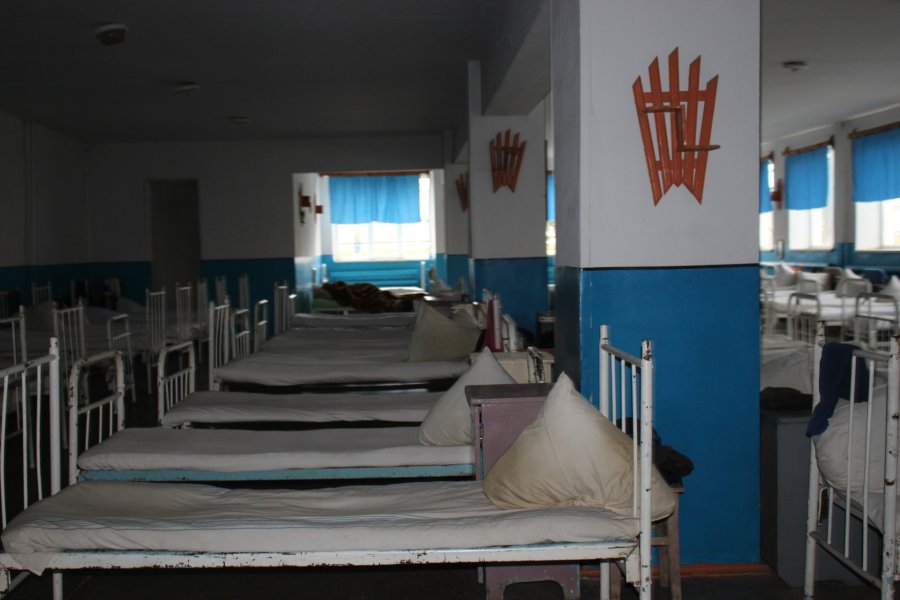
Inmates, including disabled ones, were outside in a gazebo. All inmates were dressed in standard-issue clothing. Inmate Z., of advanced age at 77 years old, was also outside. There was no one in the residential premises except for the orderlies; all beds were made with white sheets on top.
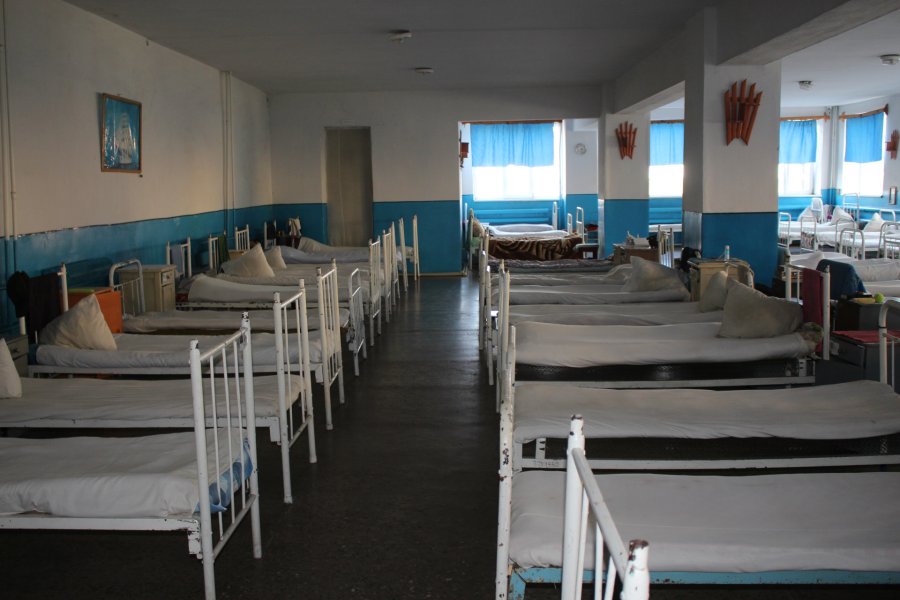
During a confidential conversation with the inmates, information was obtained that the administration of the institution forbids inmates from sitting or lying on their beds during the day, including persons with group 1 and 2 disabilities, except for a period of one and a half hours after lunch. For violating this rule, one can receive a disciplinary penalty. Upon addressing the institution's administration with this issue, we received the answer that inmates are allowed to sit and lie on their beds during the day, they just need to undress; sitting and lying down while dressed is not allowed. When asked if inmates are forbidden from being in the premises during the winter, they replied yes; one of the inmates, looking at the administration, replied “yes, it’s not cold in winter either”.
There is a telephone in every department; connection is made via a switchboard. An inmate must write a request to the head of the colony; this request must be approved by the head of the department. Regarding calls to a lawyer, law enforcement agencies, the Ombudsman, or human rights organizations, the interviewed inmates reported that they had never called and did not know of such a practice. There is no practice of relatives calling inmates in the colony. Of all the inmates we managed to speak with, none use internet services; the monitors did not notice a single tablet in the institution.
Dining hall
The dining hall has a large room with tables kept in a tidy state. Approximately one hundred inmates can be accommodated in the dining hall at one time.
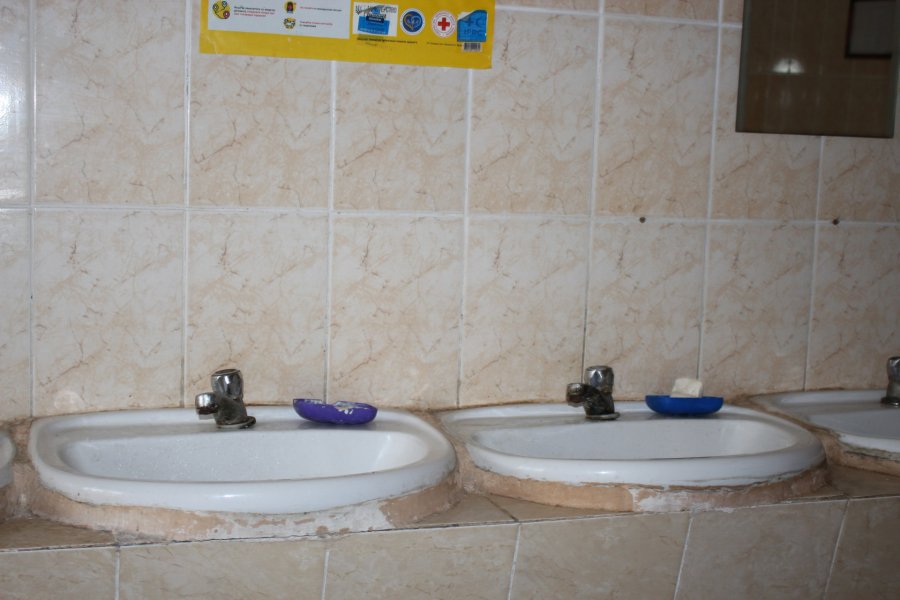
There is water, soap, and towels available at the washbasins.

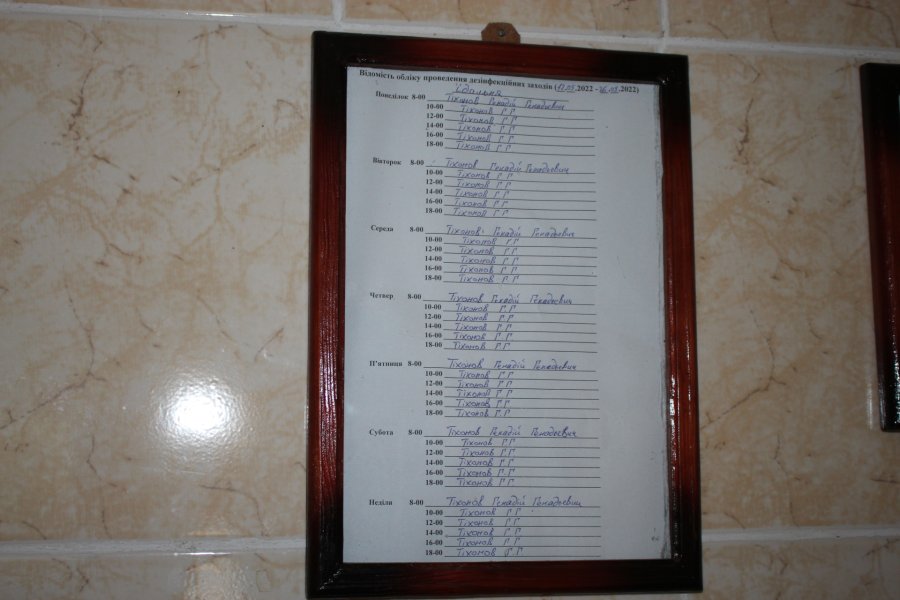
Information regarding disinfection:
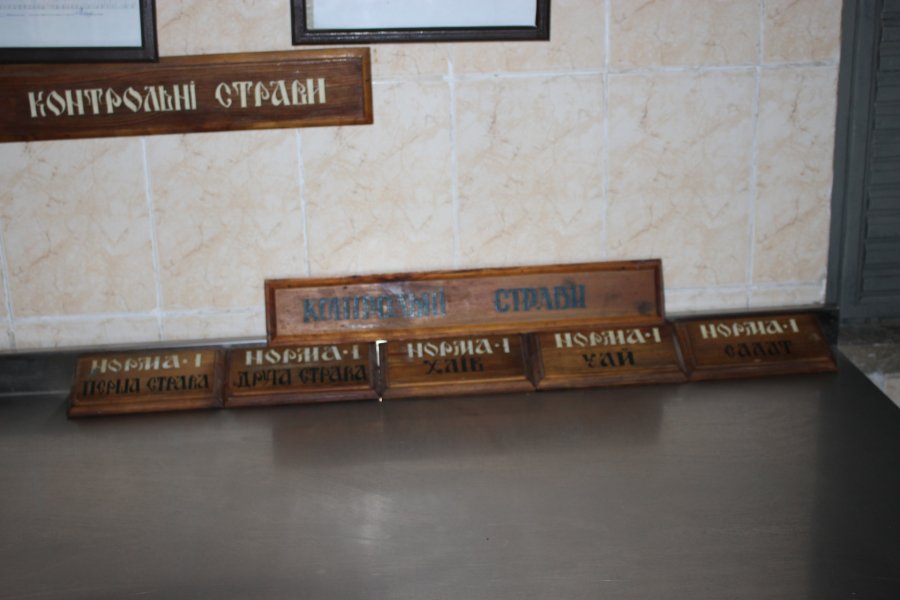
Control dishes were not available.
The inmate who came out to meet the monitors was without a name tag. When asked what he was doing there, the inmate replied that he was helping in the dining hall voluntarily and without remuneration. According to him, he worked in the dining hall yesterday and the day before. When asked by the administration representative whether any inmate who expresses a desire can freely come and work in the dining hall, the answer was that it is impossible. That is, an inmate cannot independently choose a place for himself where he can work for two hours for the improvement of the colony. It turns out that either the inmate or the representative of the administration was not telling the truth.
Viktor Volodymyrovych Nekrasov, who introduced himself as being seconded for an internship in the operational unit from another institution, did not provide answers to questions, while selectively trying to correct the monitors' point of view regarding various aspects. The senior orderly of the dining hall tried to distract the monitors from performing their tasks.
Bathhouse
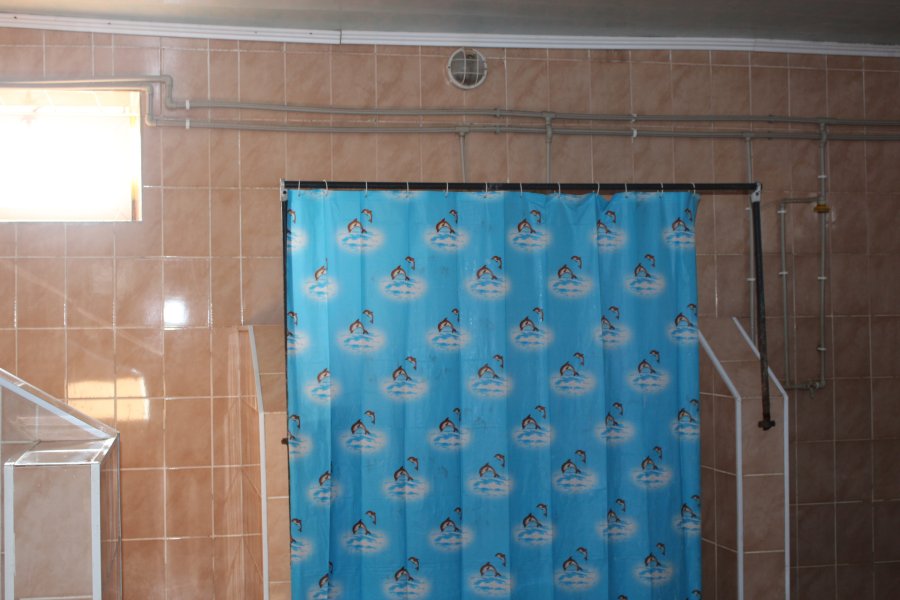
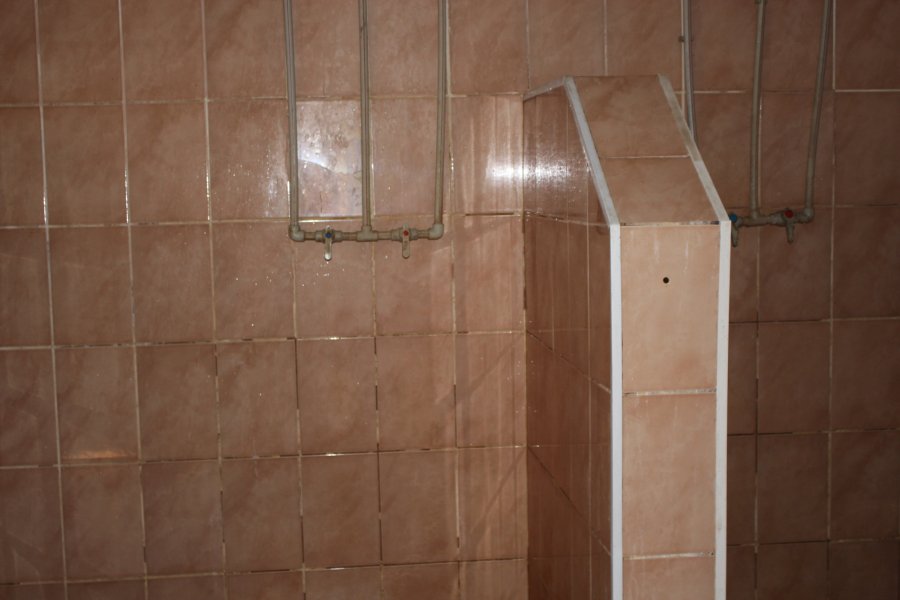
A work schedule is posted in the bathhouse. It is provided that washing of prisoners takes place once a week. There are equipped cubicles and the ability to independently regulate water temperature; the cubicles are covered, so the right to privacy is not violated.
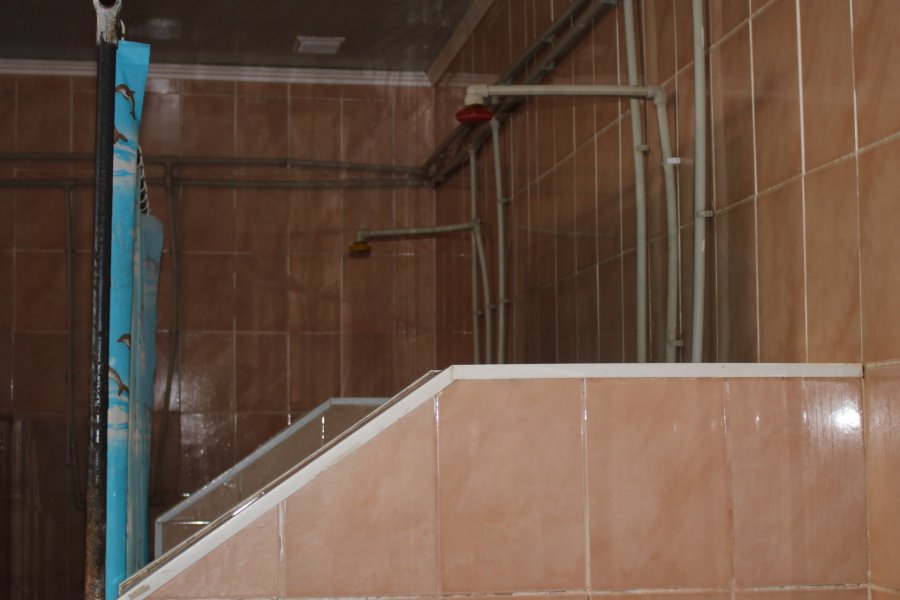
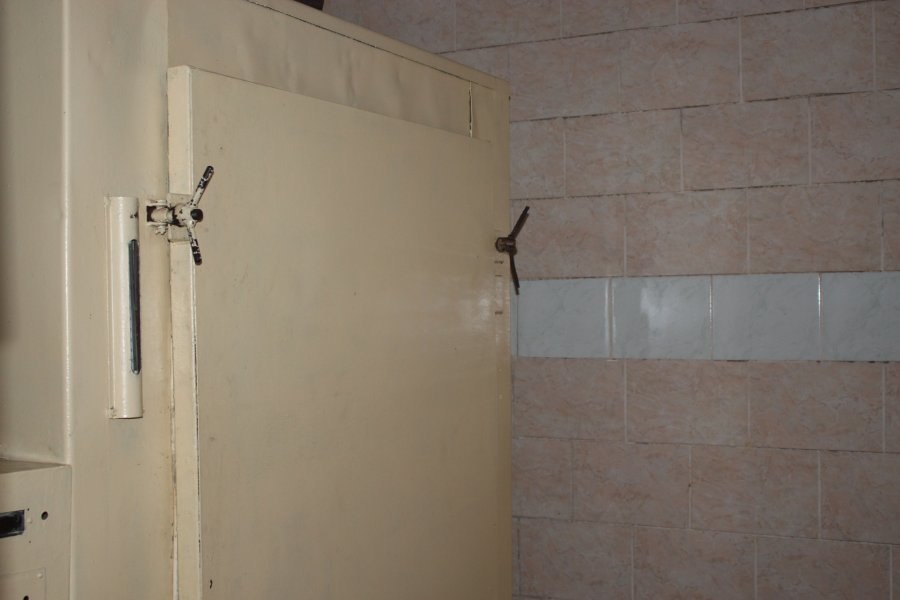
There is a disinfection chamber available.
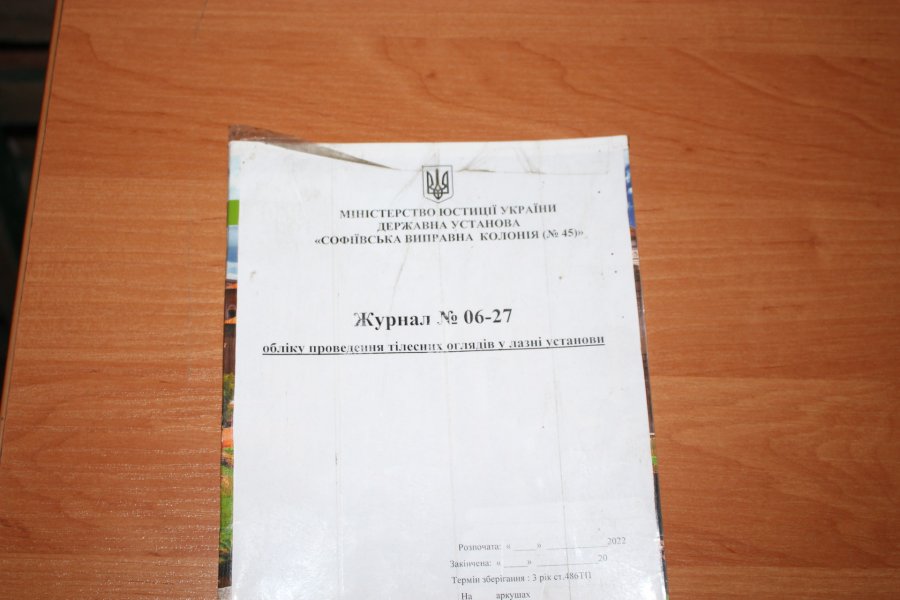
The monitors reviewed the log of bodily inspections conducted in the bathhouse of the institution by the medical assistant. The entries are made every day and in the same handwriting. It seems as though the medical assistant accompanies the inmates in the bathhouse every day.
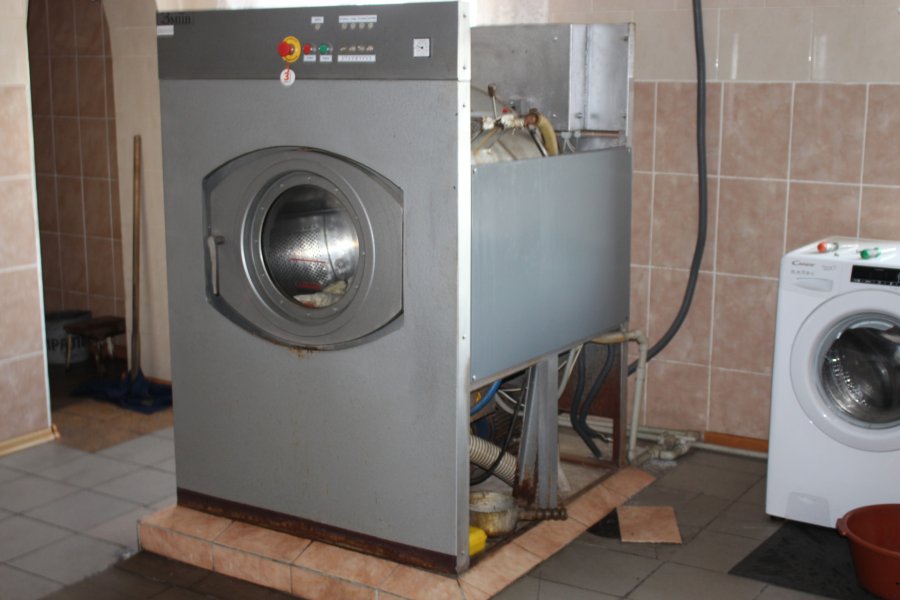
Washing machines are available.
Inmate appeals
Inmate Z. requested legal assistance. In 2021, at his workplace, his right hand was cut off by a stone crusher. He was forced to sign a statement that it was an accident. After this, he turned to numerous authorities to receive financial compensation and regarding pension payments, and despite turning to them many times, there were no results.
S. complained that he had repeatedly committed acts of self-harm in order to draw attention to violations of his rights and legitimate interests.
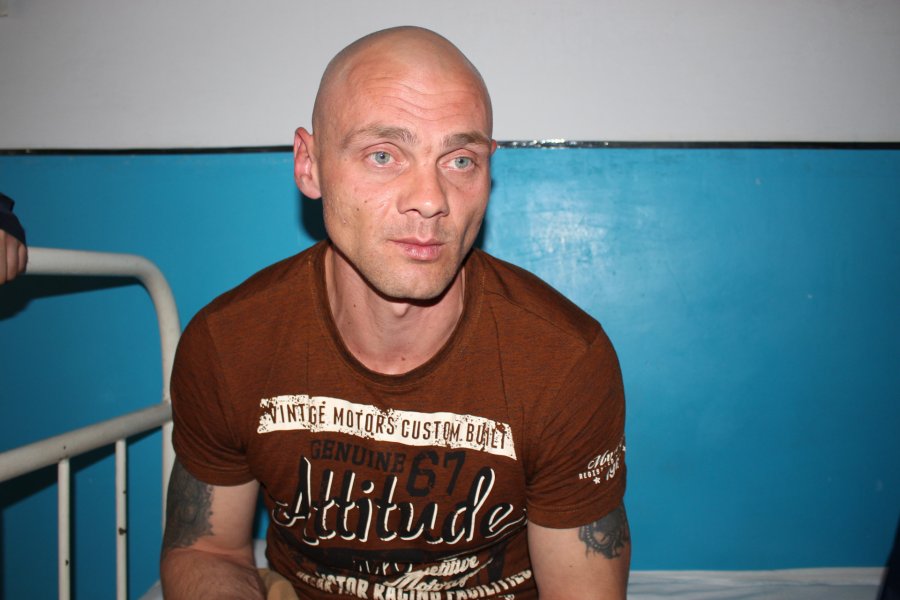
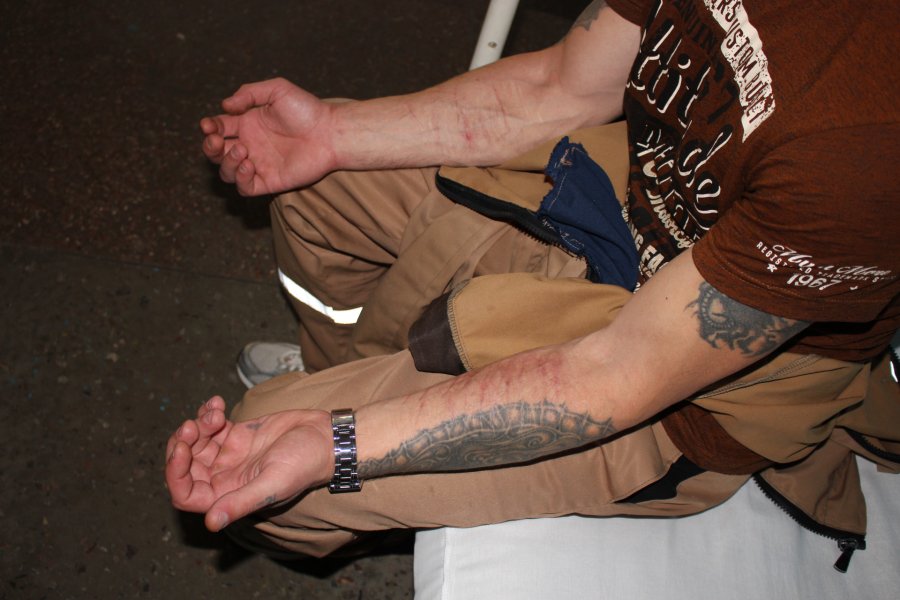
He does not understand why he was sent to serve his sentence at SCC-45 if he is not ill and does not have a disability status. He complained that he arrived by transport about a month ago. During his stay in the KDiR department, a conflict situation arose with an inmate who performs the functions of an orderly. Because of this, he was placed in the DIZO for 24 hours until circumstances were clarified by the rights of the duty assistant to the head of the colony. According to the inmate, the next day, the colony head, Tsybulko, came and pressured him to work as an administrative assistant. S. refused and said that he did not wish to stay in this colony, and requested to be transferred to another colony in the area where he lived before his arrest. After this, the inspector applied handcuffs with his hands behind his back. The inmate was taken out to the exercise yard, representatives of the colony management stepped aside, and at that time about ten inmate administrative assistants in masks ran in. By his voice, he recognized inmate V., who is the senior orderly of the SPS unit. They put a bag on the inmate's head and began to choke him, and pressed their fingers into his eyes. They began to beat his heels with sticks. After this, S. lost consciousness. When he came to, the duty officer of the DIZO removed the handcuffs and took him to a cell. After the beating, a doctor did not examine the inmate, and there is no entry in the log (book) of bodily injuries about the beating. After this, he was placed in a medical isolation ward twice, where unknown preparations were used. In the log of disciplinary penalties, there is an entry that S. damaged a video camera and equipment in the DIZO cell. According to S., the therapist prescribed him pills that he has not been able to collect from the medical unit for three days. The inmate requested legal assistance due to the danger to his life and health. S. wrote about ten statements and appeals to law enforcement and human rights agencies for legal assistance and did not receive an appropriate reaction from the competent state officials.
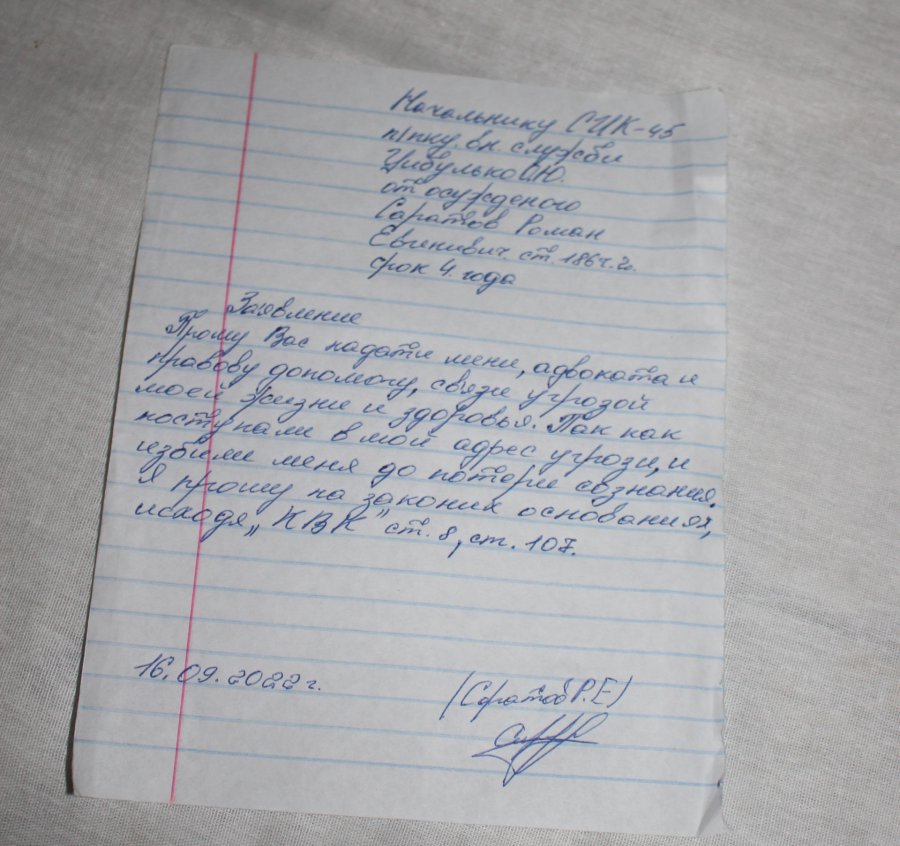
The inmate points to the colony heads, that they were present during the beating and filmed everything on their phone. Besides this, in the exercise yard, where this supposedly all happened, there are two video cameras. The monitors appealed to the colony administration with a request to view the recordings from the video surveillance cameras for August 25 in order to refute the fact of the beating of inmate S., however, the institution’s administration did not provide the recording from the recorder video cameras from 25.08.2022, citing the absence of a special employee.
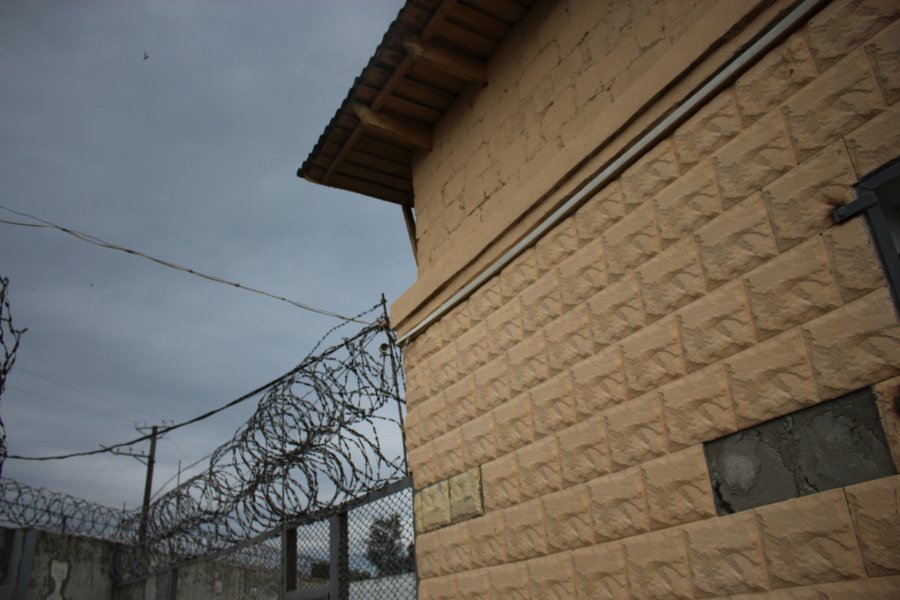
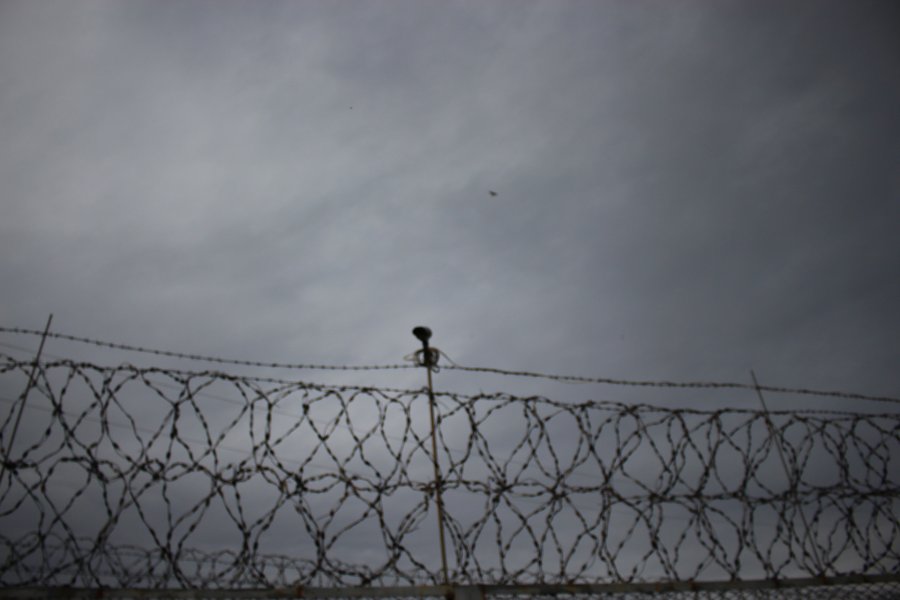
Inmate O. requested protection from harassment by the colony administration. According to the inmate, he is being harassed for his legal position — this is the colony head Tsybulko and Sergeant Serhii Serhiiovych. O. is in the hospital at SCC-45; he calls this hospital an “incubator of death”, where he is treated with expired tablets; furthermore, the preparations prescribed are not the ones necessary for his treatment. The medicine he is given is rejected by his body. Since December 21, 2021, he has been undergoing treatment with a diagnosis of second-degree diabetes in a severe form, in addition to heart disease and a number of other ailments. Upon arrival at the colony, they took away his dioformin tablets, which had been prescribed by a doctor at colony 122, where he previously served his sentence. In the KDiR department after arrival, they took all his belongings and held him in cruel conditions for two weeks without socks and underwear in one cotton standard-issue outfit. They took his blanket, paper, and pen. He relieved himself in a bottle, and defecated into a bag, which the orderly carried out in the morning. His state of health is deteriorating due to psychological pressure, especially when he sends complaints and statements; the reaction of the administration and inmate administrative assistants is inadequate, and psychological pressure occurs.
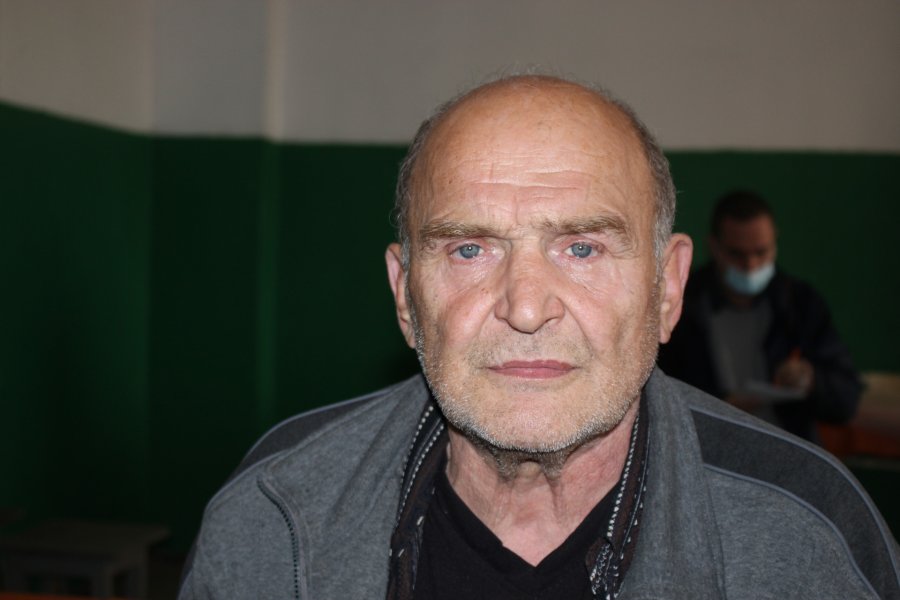
Between this inmate and the administration staff, a verbal conflict arose in the presence of the monitors. The staff member interpreted the inmate's words as a threat to his family and responded to the inmate in a threatening form: “I do not advise you to threaten my children”. After this, the inmate handed the monitors a statement in which he asked to ensure his safety on the basis of Article 10 of the Criminal Executive Code of Ukraine.
He has lost almost all his teeth and eats food that he soaks in water.
Inmate P. requested consultation regarding his transfer to the Zhytomyr region. According to the inmate, he served his sentence in Raikivska Correctional Colony No. 73. He has an elderly grandmother, has no other relatives, and the inmate does not understand why he was brought to SCC-45.
Inmate A. has suffered 6 strokes; before conviction, he lived in the Odesa region, and was sentenced to 4 years and 6 months of imprisonment. He has been in the hospital for two years. He has a first lifetime disability group. He complained about the quality of treatment.
K. has been in the hospital for a year and has a first-degree disability. He complained that packages from his relatives do not reach him. Despite the fact that he has a first-degree disability, he complained that there are no prospects for release for health reasons or parole.
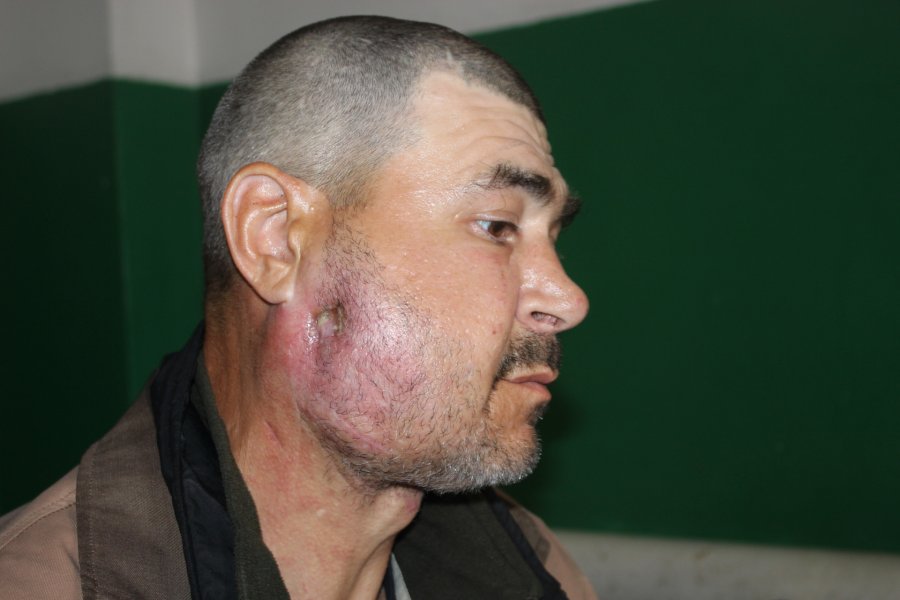
N. is ill with acute osteomyelitis; the term is 7 years, and he has been in custody for more than three years. For a year and a half, he was under investigation. The inmate reported that he was taken to the hospital, an abscess was opened, pus leaked out, and on that, the treatment ended. He requires surgery. He feels very severe pain; it feels as if several teeth are aching simultaneously. He does not even know who his doctor is. A dentist arrived and tried to rinse the wound but pierced his cheek, and the rinsing solution went into his mouth.
E. has diagnoses: tuberculosis, hepatitis, and two strokes. Sentenced to 3 years of imprisonment under Article 119 of the Criminal Code of Ukraine. He has no relatives, no one is helping him. He complained about the lack of treatment and says that he was isolated without any formal decision, kept without a mattress, and veiledly.
In V., bodily injuries were recorded: bruising of the face in the area of the right cheek and hematomas on the leg.
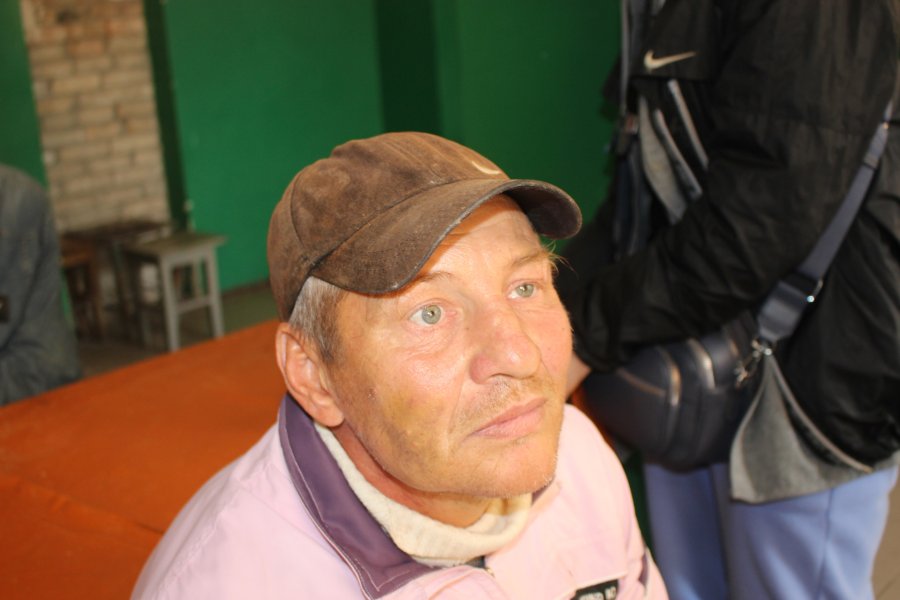
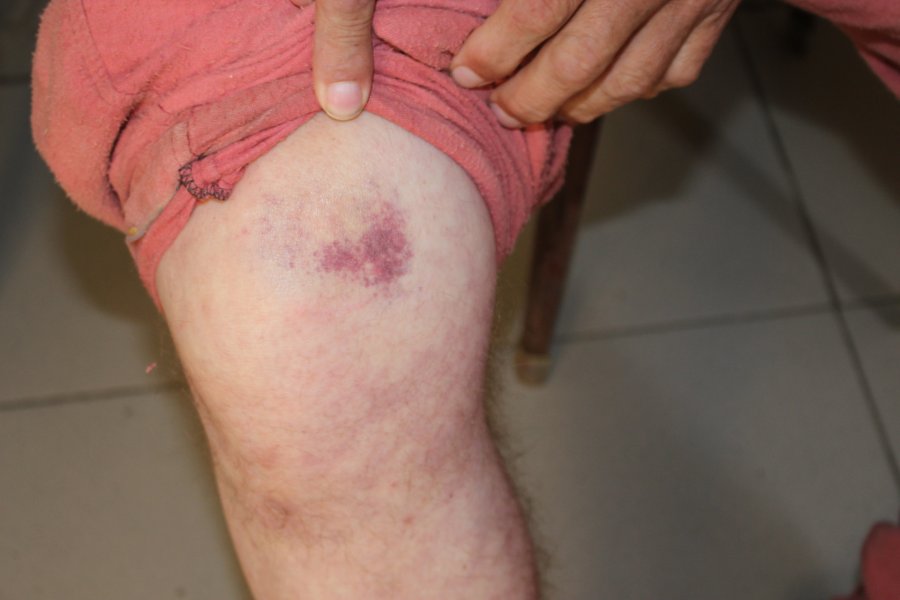
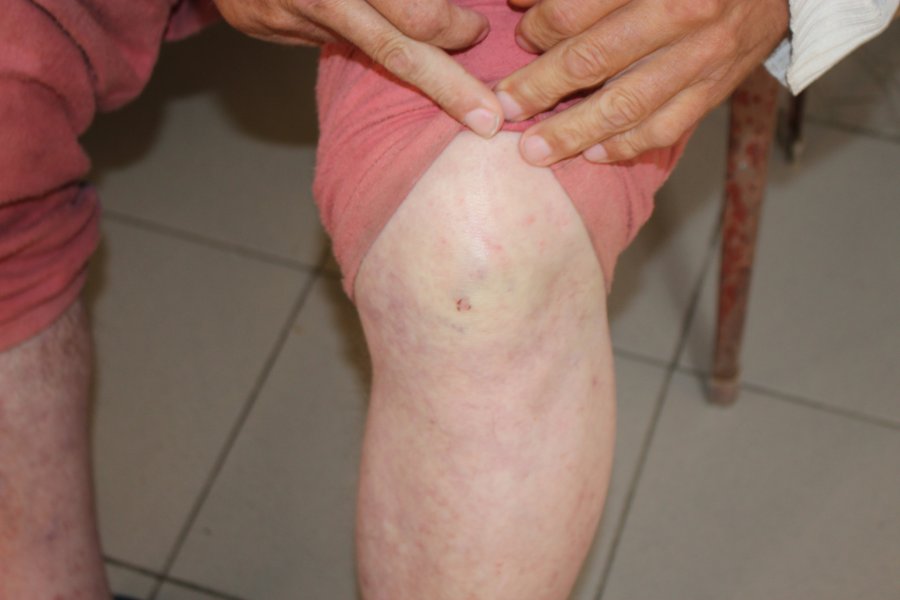
For unclear reasons, a name tag was made for the inmate with a misspelled surname. When asked how, when, and under what circumstances he received the bodily injuries, the inmate answered with difficulty. The inmate had a sudden attack of intense fear, a state similar to a panic attack, which was accompanied by a physical manifestation of emotions, namely crying. The inmate cried and expressed concern regarding the negative consequences that he might face in the future. It must be noted that this event, namely the recording of bodily injuries by the monitors, occurred in the presence of representatives of the institution's administration and the orderlies of the multidisciplinary hospital. At the same time, when the inmate tried to provide explanations regarding the circumstances under which he had received the bodily injuries, the administrative assistants tried in every way to prevent the monitors from obtaining the necessary information, namely: they intervened in the conversation, raised their voices, and made remarks to the inmate; they did not react to requests to move away and allow the monitors to speak with the inmate confidentially, thereby exerting psychological pressure on the inmate, thereby intensifying the inmate's panic state. According to the inmate, he received the bodily injuries as a result of a fall in the shower a few days ago. He also demonstrated a bodily injury in the knee area. When the monitors were able to be alone with the inmate, he explained that when he received the bodily injuries, it became known to the orderlies (administrative assistants), who scolded him greatly for it. It must be noted that the inmate avoided answering the question regarding the application of physical measures to him or any other unlawful actions against him on the part of the administrative assistants. The monitors asked the representatives of the administration of the SCC correctional colony present in the room whether they knew information regarding the receipt of the detected bodily injuries by the inmate, to which they received the answer that they did not possess such information and began to question their existence altogether. The monitors asked to invite a medical worker, but the representatives of the administration replied that they should not do this, as the medical staff have their own management, and they do not report to them, let alone listen to them. In connection with this, the monitors went to the office of the duty nurse, where they informed the medical worker that the monitoring group had detected bodily injuries on the inmate. To the question of whether the medical worker knew anything regarding this event, they received the answer — no. The monitors also offered to provide the log of bodily injuries for inspection, at the same time providing the inmate's consent to the processing of personal data, which was drawn up with him during the detection of bodily injuries, to which they also received a refusal. Nevertheless, having examined the BOOK of registration of appeals of inmates (persons taken into custody) with bodily injuries to the medical unit, the monitors recorded the absence of an entry regarding the inmate's bodily injuries. The monitors suggested that the medical worker properly record the bodily injuries of this person, to which they received a categorical refusal.
Inmate P. requested that the circumstances of the seizure of his medications be clarified. He arrived with his own medications, which were seized from him upon arrival at the institution; no act was drawn up. The inmate arrived on 15.09.2022.
Inmate S. complained that he is not ill and does not understand why he was brought to a medical institution. The presence of a healthy person in an environment of sick people is depressing and disturbing to him.
Inmate T. told that he cut his stomach when he learned that he was to be transported to SCC-45.
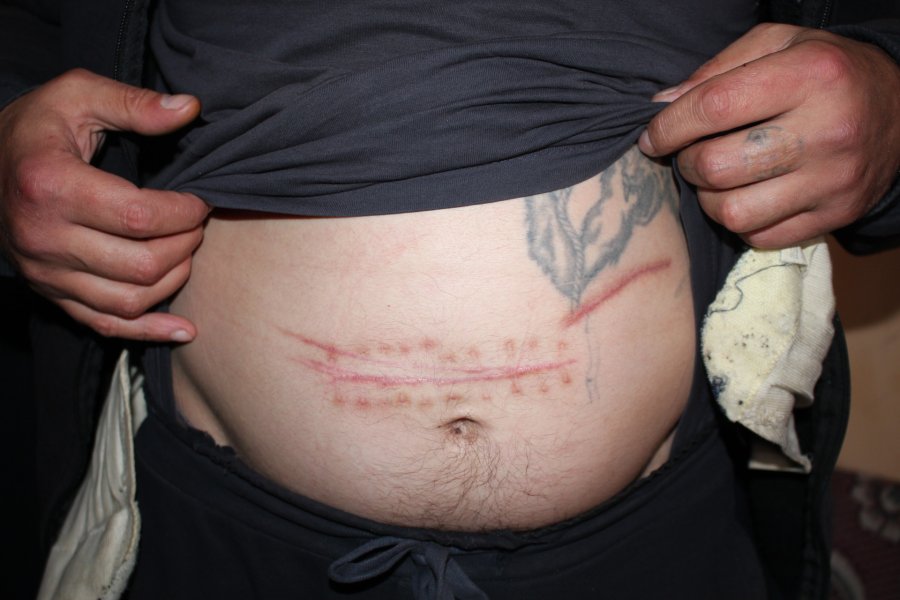
Inmate I. complained that, despite the fact that he is a group 2 disabled person, he was repeatedly beaten by administrative assistants, for example, for having bread found on him. Furthermore, the inmate repeatedly turned to the management with statements about ensuring his safety, but no one paid any attention.
Violation of the regime
The monitors reviewed the log of offenses committed by inmates. The main violations are: carried food out of the dining hall; left his workplace and was near the utility yard; tried to create a conflict situation, namely used profanity towards a junior inspector; refused to perform improvement works of the institution; violated localization; refused to carry out the legal requirements of the administration; committed an act of self-harm; holding a brick in his hand, expressed dissatisfaction towards the administration; unsanitary condition of the room (bedside tables); obstruction of the morning check of inmates — was talking in line; smoked a cigarette in a non-designated place; stored food at his workplace; lay on his bed in outerwear; slept at his workplace.
Production
Nothing has changed since the previous monitoring visit in February 2022.
According to the statistics provided by the institution, as of the day of the visit, 3 people are employed.
According to the administration, in case of an order, only the sewing workshop operates in the colony.
Also on the territory of the production zone, there is a large joinery workshop and a woodworking workshop, which at the time of the visit were closed and sealed. On the territory of the industrial zone, a boiler room is located.
At the same time, according to the inmates, they work even on weekends. For example, the joinery workshop operates on a permanent basis, and it is sealed only because an inspection has arrived at the colony.
Passports
The institution's administration facilitates obtaining passports for inmates; for example, one of the inmates reported that he could not obtain a passport for about 20 years, as a result of which he could not receive social assistance, but now his problem has been solved.
Despite the administration's assistance, the problem of obtaining passports remains open; this is the lack of funds for inmates (newly arrived) for the issuance of the form to the State Migration Service, or the impossibility of obtaining supporting documents about the person (from occupied territories, etc.), which significantly complicates the process.
Issues that need to be resolved:
Office of the Prosecutor General:
Urgently take response measures within the scope of powers granted, including with the involvement of relevant controlling government bodies, for the purpose of restoring the violated rights of persons deprived of liberty in the specified institution.
Ministry of Justice of Ukraine:
- Take urgent measures to bring the activities of the Sofiivska Multidisciplinary Hospital No. 45 of the branch of the State Institution “Health Care Center of the State Penitentiary Service of Ukraine” in the Dnipropetrovsk and Donetsk regions into compliance with national legislation and international standards. Ensure the strict and full-scale realization of the inmates’ right to health care in accordance with the components directly and unequivocally defined in the Law of Ukraine “Fundamentals of Legislation on Health Care”, take response measures against the heads of institutions who do not ensure compliance with the requirements of current legislation.
- Take measures aimed at eradicating the negative practice of violating the requirements of Article 24 of the Criminal Executive Code of Ukraine (in terms of unhindered access to correctional institutions).
Department for Execution of Sentences:
- Conduct an objective and impartial internal investigation into the identified facts of violations of inmates' rights. Based on its results, take appropriate response measures.
- Conduct explanatory work among the staff of the State Institution “Sofiivska Correctional Colony (No. 45)” regarding the norms of Art. 24 of the Criminal Executive Code of Ukraine.
- End the practice of involving inmates who have effectively been transferred the powers of the institution’s employees.
- Conduct explanatory work for the colony administration regarding the procedure for recording bodily injuries and familiarize them with technical instruments of recording, the rights of personnel in doing so, etc.
State Institution “Health Care Center of the State Penitentiary Service of Ukraine”:
Urgently ensure:
- staffing of vacant medical personnel positions;
- bringing the conditions of detention of inmates in the medical unit inpatient ward into compliance with the requirements of current legislation and international standards;
- create an effective preventive examination of inmates.