Monitoring visit to the State Institution “Ivano-Frankivsk Penal Institution (No. 12)”
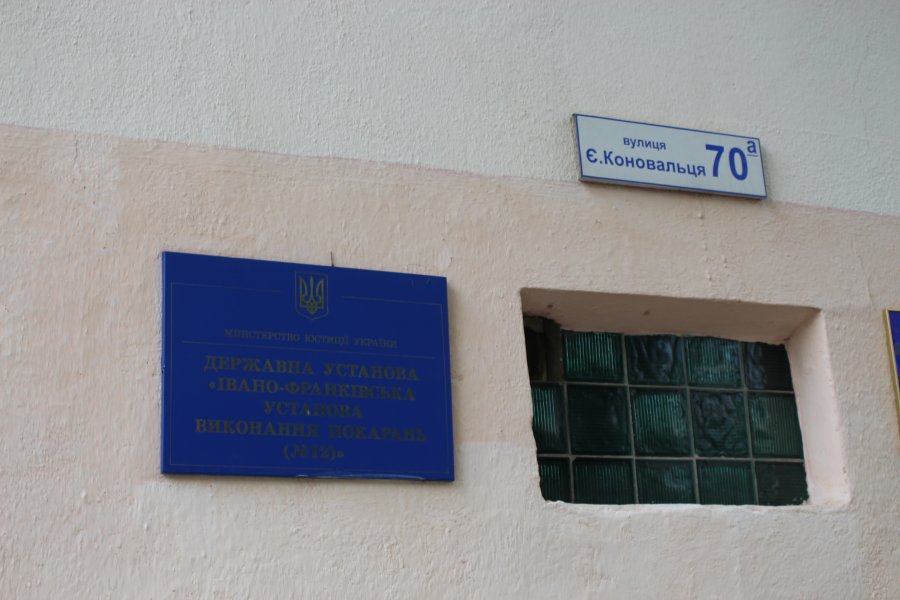
On 7 July 2022, a monitoring group consisting of an assistant to the People's Deputy of Ukraine, Kostiantyn Kasai; a member of the Public Council under the Ministry of Justice of Ukraine, Serhii Zuikov; an assistant to the People's Deputy of Ukraine, Yaroslav Yurchyshyn; the KHPG programme coordinator, Andrii Didenko; and a journalist from the “Poryad z vamy” (“Next to You”) Information Agency, Oleksa Yaroslavtsev, visited the state institution “Ivano-Frankivsk Penal Institution (No. 12)”.
The main task of the monitoring visit was to analyse the institution’s operations during the war and identify its humanitarian needs.
The monitors had the opportunity to visit any premises, communicate with prisoners on the condition of anonymity, collect information, verify it, and access relevant materials.
The head of the institution, Colonel of the Internal Service Volodymyr Bohdanovych Atamaniuk, was on leave at the time of the visit, and the acting head of the institution was Lieutenant Colonel of the Internal Service Ivan Stepanovych Huryk.
GENERAL INFORMATION
The Ivano-Frankivsk Penal Institution functions as a pre-trial detention centre (SIZO) for holding suspects in criminal proceedings for whom a preventive measure of detention has been selected.
The institution has a medical unit, transit cells for the temporary detention of persons awaiting transfer to other facilities. There is also a maximum-security sector for housing life-sentenced prisoners, as well as a service unit for facility maintenance.
The staff-to-prisoner ratio is 1 staff member per 2.39 prisoners. Two psychologists work at the institution. This year, 287 prisoners (convicted persons) have arrived at the institution; 15 people have been employed, 3 of whom are under an employment contract. According to the administration, the average monthly salary of prisoners this year is 6,500 hryvnias.
There are 18 individuals registered as prone to suicide; there have been no suicide cases in the last two years. 13 individuals are registered as prone to self-harm, 5 as prone to escape, and there are no recorded malicious offenders. Additionally, there have been no complaints from prisoners (convicted persons) regarding improper detention conditions or inadequate medical care. 14 people are registered as HIV/AIDS positive. 14 people also have disabilities.
In 2021, 4 people were released. Of these, 2 were released on parole (Art. 81 of the Criminal Code of Ukraine) and 2 were transferred to more lenient detention conditions (Art. 82 of the Criminal Code of Ukraine). In 2022, 2 people were released on parole.
In 2021, there were 16 medical emergency calls. In 2022, there were 5. Physical injuries upon arrival were recorded: 31 cases in 2021 and 6 during their stay at the institution; in 2022, there were 24 cases upon arrival and 5 during their stay at the institution. Special equipment (physical force) was used against prisoners/convicted persons twice this year.
For distance learning, there are 4 workstations with internet access. The cost of using the internet in the institution is 11 hryvnias for 15 minutes. In total, in 2021, 27 people used internet access by concluding a relevant agreement and purchasing a tablet, and 30 in 2022.
Long-term visits in 2021 numbered 20, and 3 in 2022. There were 135 short-term visits in 2021 and 51 in 2022.
Since the beginning of 2022, 443 people have been tested for SARS-CoV-2 (IgG, IgM). In 2021, 27 people recovered from SARS-CoV-2 (IgG, IgM), and 3 people in 2022. In total, 224 prisoners and 48 convicted persons have been vaccinated.
According to the administration, 2 people applied for release to serve in the Armed Forces of Ukraine; both applications were supported by the administration, but no one was released.
Some premises in the institution require renovation.
HUMANITARIAN NEEDS
The institution requires pumping equipment for the boiler room, an upgrade of the equipment for the canteen and bathhouse, an industrial boiler for the bath-laundry complex (with a capacity of 1000–1500 litres), as well as soap, detergents, bedding, winter clothing, and footwear. The institution is in dire need of a boiler for the prisoners' needs.
MEDICAL UNIT
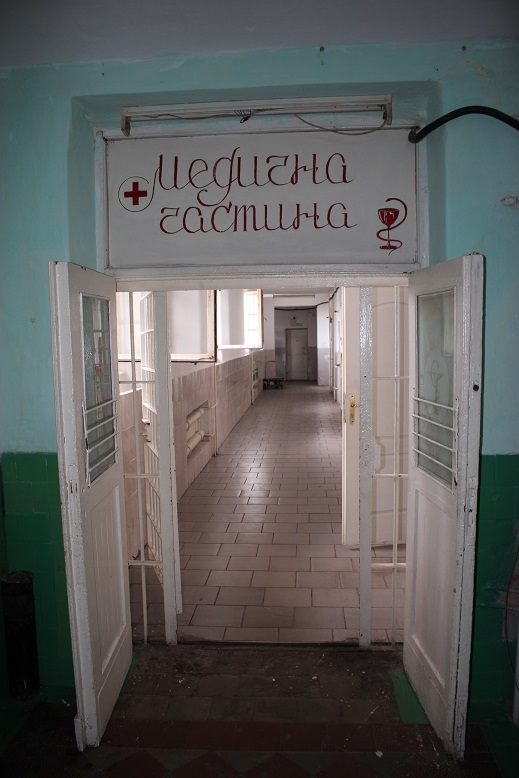
Head of the Ivano-Frankivsk Municipal Medical Unit No. 12 of the Branch of the State Institution “Centre for Health Care of the State Criminal-Executive Service of Ukraine” in Chernivtsi, Ivano-Frankivsk, Zakarpattia, and Ternopil regions (hereinafter referred to as the “medical unit”) – Andrii Lyzyn.
On the day of the visit, there were 22 people in the inpatient ward, 8 of whom were patients with active tuberculosis. This year, 4 people have died in the institution, one of whom died in a Ministry of Health facility. 50 people underwent a preventive medical examination.
During the visit, the monitoring group inspected the medical unit's premises without obstruction, familiarised itself with the conditions for providing medical care to prisoners, and examined the medical documentation.
The medical unit provides 24-hour medical worker shifts to provide emergency medical care and ensure that prisoners (convicted persons) have access to medicines.
This year, 24 cases of physical injuries of persons arriving at the institution and 5 cases of physical injuries during their stay in the institution were recorded in the log. Upon studying the medical documentation, it was established that the outpatient medical records form 025/o lacked photographs of existing physical injuries, as required by Clause 3, Section 1, Chapter II of the Joint Order of the Ministry of Justice of Ukraine and the Ministry of Health of Ukraine dated 15.08.2014 No. 1348/5/572 “On Approval of the Procedure for Organizing Medical Care for Persons Sentenced to Imprisonment”.
The medical unit’s inpatient ward consists of: 3 wards for somatic patients, designed for 16 beds; 1 ward – an infectious isolation unit for 2 beds; 5 isolation units for two persons each for tuberculosis patients, designed for 12 beds.
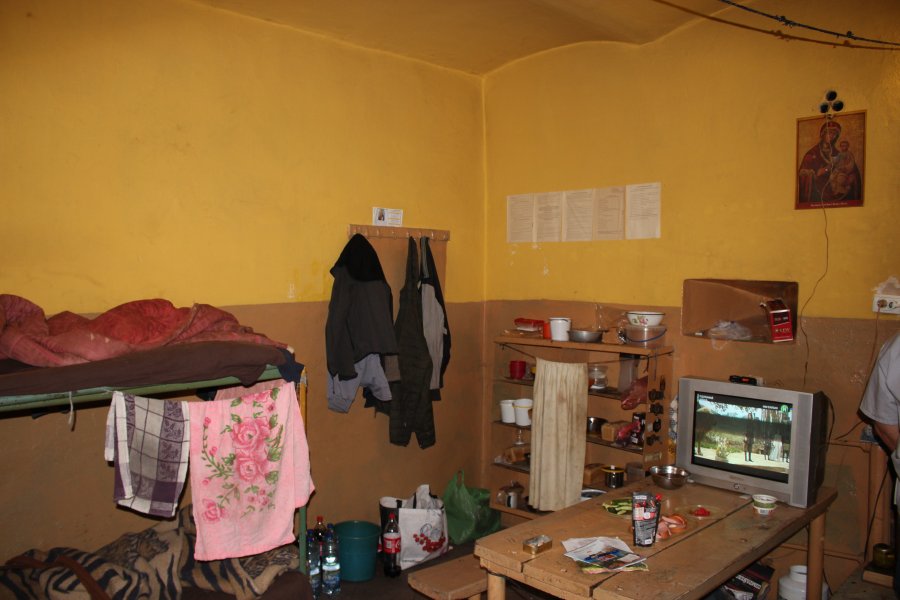
Wards for somatic patients:

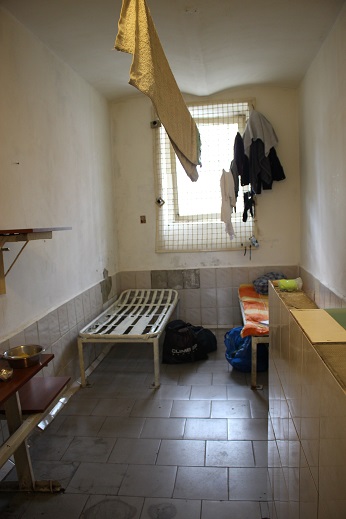
Infectious isolation unit:
Isolation units for tuberculosis patients:
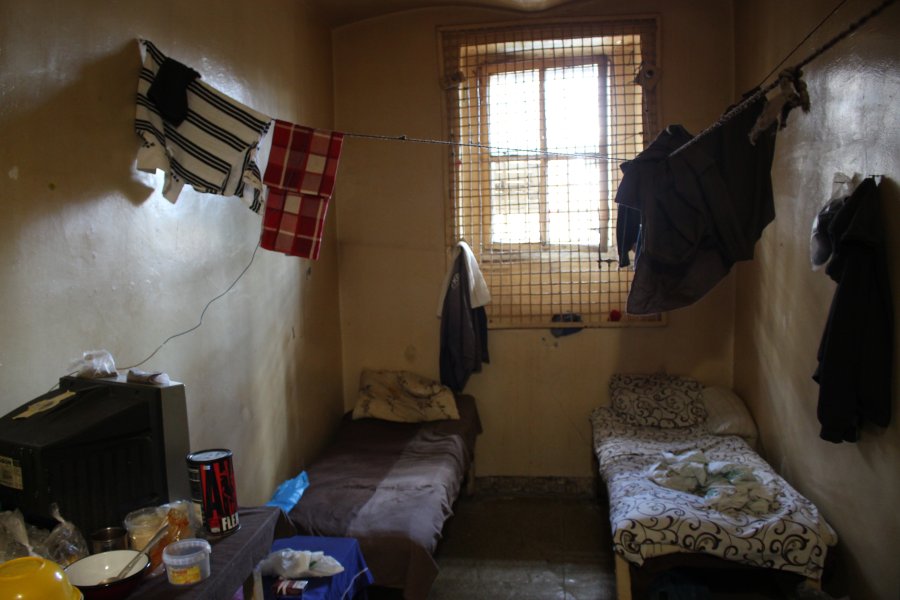
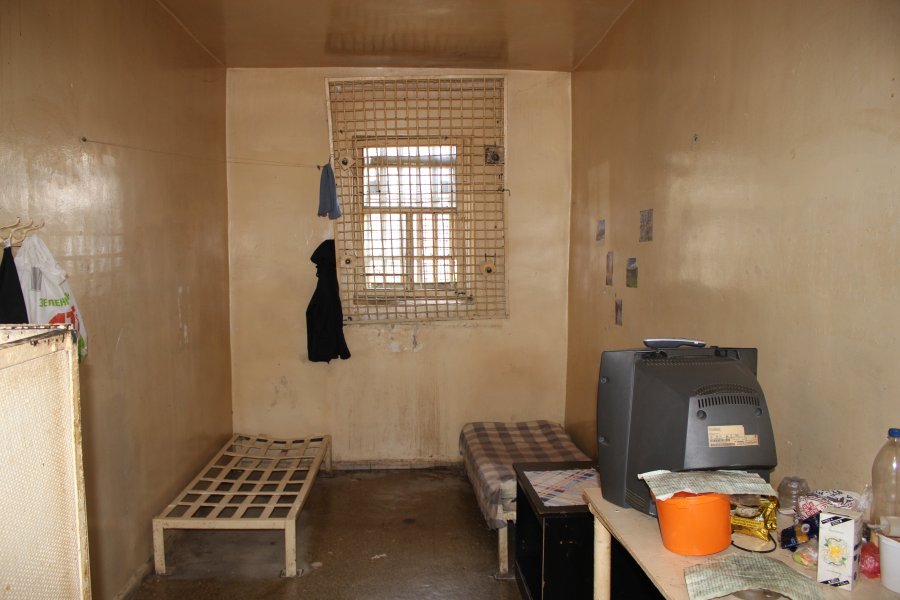
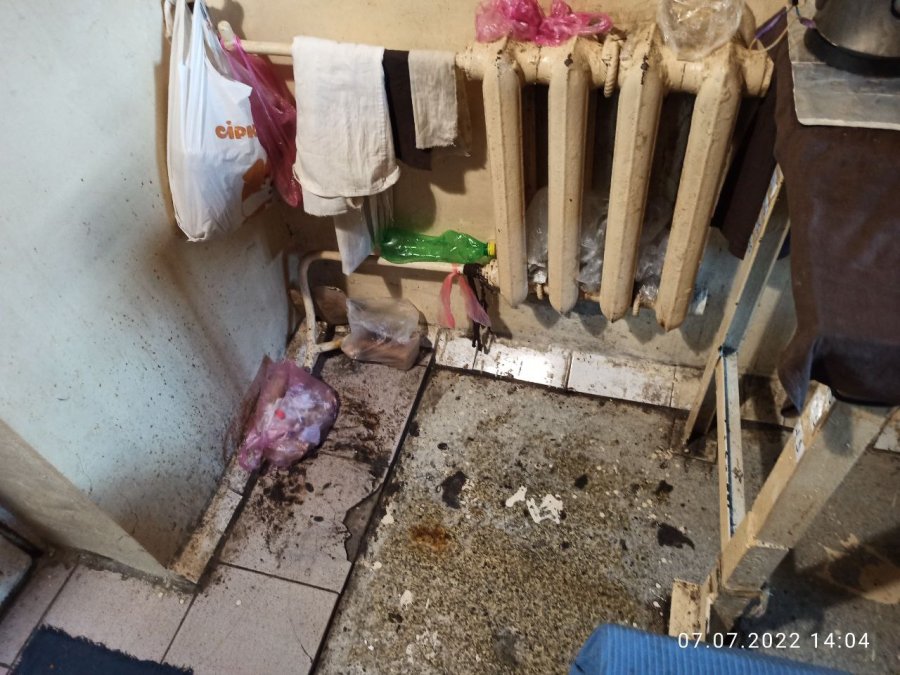
The list of medical offices includes: the office of the head of the medical unit, an ordinator's office, an X-ray room, a procedure room, a laboratory, and a dental office.
According to the staffing schedule, the following positions are filled: head of the medical unit – 1 FTE; dentist – 0.5 FTE; phthisiatrician – 1 FTE; dermatovenereologist – 0.5 FTE; radiologist – 0.5 FTE; therapist – 1 FTE; infectious disease specialist – 0.5 FTE; psychiatrist – 0.5 FTE; paramedic – 4.5 FTE; dental nurse – 0.5 FTE; pharmacist – 0.75 FTE; laboratory assistant – 0.5 FTE; disinfector – 0.5 FTE. The position of an ultrasound specialist (0.5 FTE) remains vacant.
The medical unit's staffing schedule does not include a gynaecologist position, which makes timely examination of detained women impossible.
In general, primary and preventive examinations are not fully carried out, which leads to a violation of the prisoners’ right to health protection and proper medical care. There are 12 HIV-positive individuals registered (receiving ART-12).
This year, 12 immunological (CD-4) and 12 virological examinations (viral load) were performed. Since the beginning of the year, 258 people have been tested for HIV using rapid tests. There is no opioid substitution therapy (OST).
The medical unit lacks naloxone, which makes it impossible to provide emergency medical care in cases of opioid overdose.
There is no separate cabinet for storing medicines received from relatives.
The institution supervises 31 people with mental disorders. However, the inpatient ward lacks an isolation unit for individuals with mental disorders who pose a danger to others. Thus, the lack of an isolation unit for individuals with mental disorders creates a dangerous environment among prisoners/convicted persons and endangers the institution's staff. Furthermore, monitors established that mentally ill individuals are kept in the ward for somatic patients. The aforementioned individuals are kept in improper conditions. The ward is unsanitary, lacks a shower, and has dirty mattresses and bed linen. The ward has an unpleasant odour and bunk beds, which, in general, is a violation of state guarantees regarding the provision of psychiatric care and social protection of persons suffering from mental disorders, as stated in Article 5 of the Law of Ukraine “On Psychiatric Care”, and is also a violation of the right to privacy.
Sputum microscopy (GeneXpert) is not performed in the institution due to the lack of a laboratory, so it is sent to the laboratory of the Municipal Non-profit Enterprise “Ivano-Frankivsk Regional Phthisiopulmonology Centre of the Ivano-Frankivsk Regional Council”.
According to Article 8 of the Criminal-Executive Code of Ukraine, convicted persons have the right to humane treatment and respect for their human dignity; convicted persons shall not be subject to cruel, inhuman, or degrading treatment. At the same time, there are violations of the convicted persons’ right to equality and respect for their dignity in the institution. In particular, convicted persons who are undergoing treatment and are in infectious isolation wards for tuberculosis patients are forced to be kept in improper conditions: the premises and sanitary facilities require renovation; the sewage systems are so worn out that they no longer perform their technical functions and require the replacement of sanitary equipment. All this leads to filth, leaks, unsanitary conditions, and a persistent unpleasant odour, not to mention serious harm to the prisoners' health.
Also, patients sleep on old metal beds and old, dirty, torn mattresses; the bed linen is worn out, and some patients lack it entirely.
The sputum collection point in the medical unit is not properly equipped; it is located on the territory of the transport checkpoint, which creates prerequisites for the spread of infectious disease among the detained convicted persons and also violates the Order of the Ministry of Health of Ukraine dated 01.02.2019 No. 287 “On Approval of the Standard of Infection Control for Health Care Institutions Providing Care to Tuberculosis Patients”.
The general bathhouse is not equipped with a room for a medical worker; the paramedic's corner is actually located in the office of the head of the bath-laundry complex, meaning medical examinations are conducted in the presence of other persons.
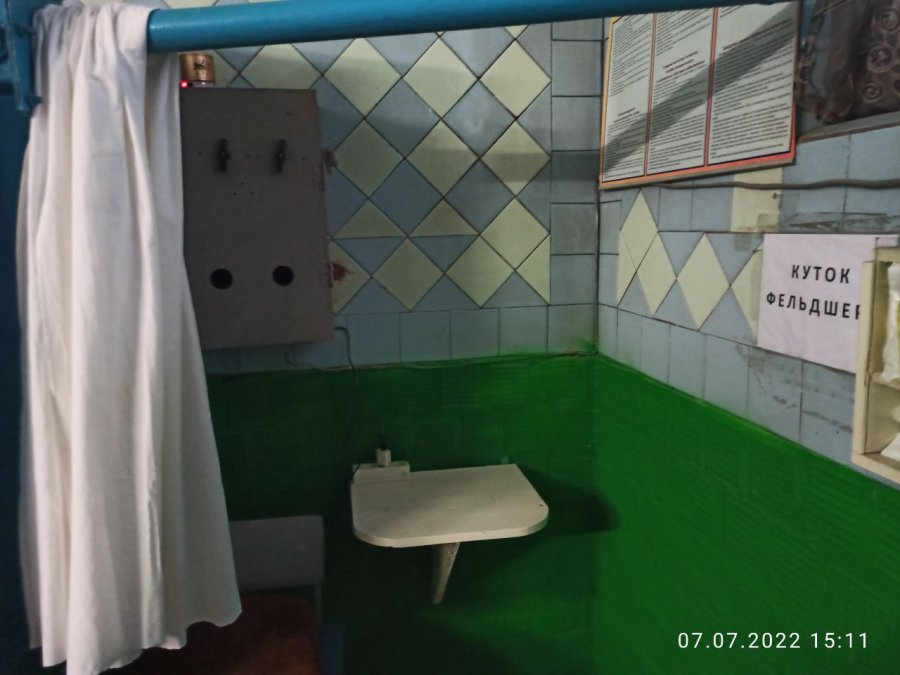
Shower cabins are not equipped with curtains, which makes it impossible for prisoners to exercise their right to privacy during hygiene procedures.
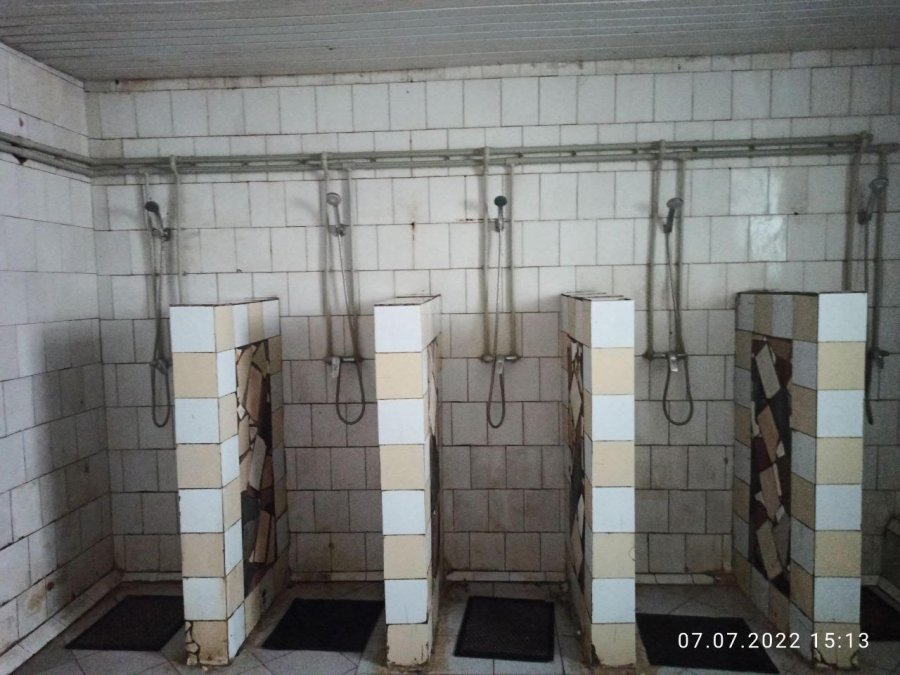
SECTOR FOR HOLDING LIFE-SENTENCED PRISONERS
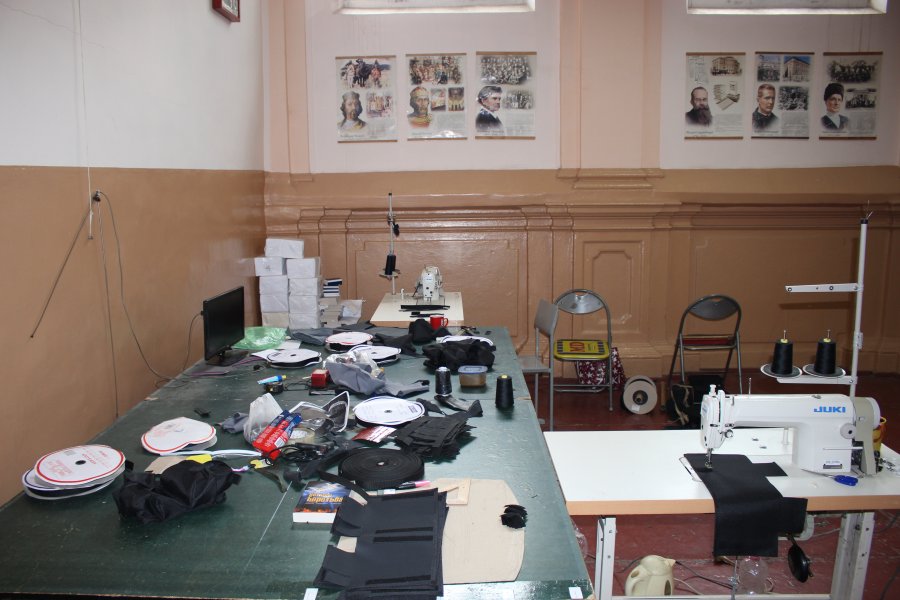
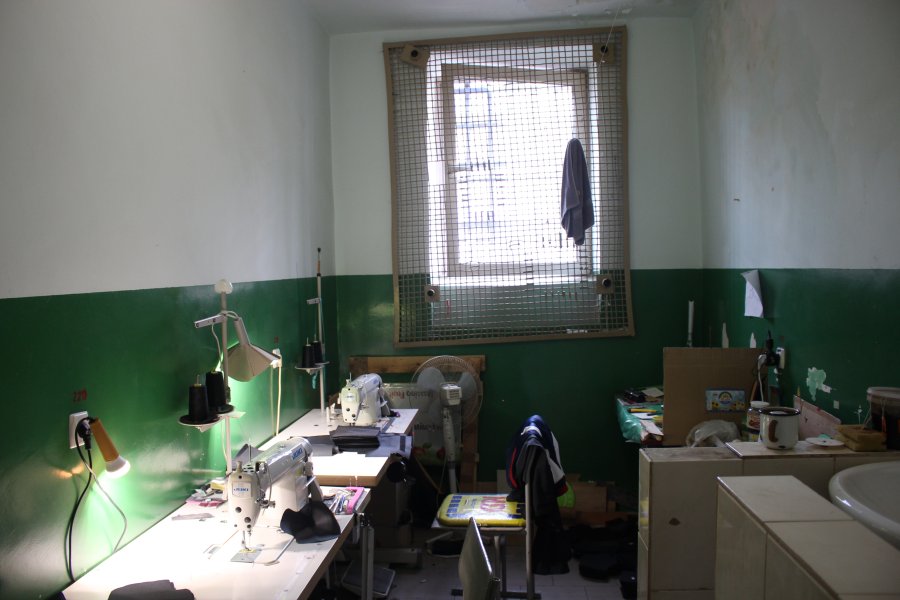
Of the 39 life-sentenced persons, 29 expressed a desire to work. There are two workshop premises in the institution where life-sentenced prisoners work. Thus, all those wishing to work are provided with such an opportunity.
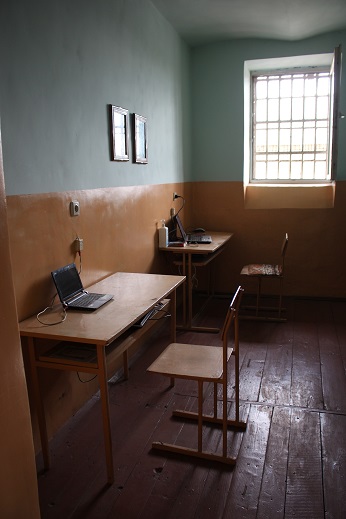
The institution has an internet room. A schedule is established for its use, and prisoners pay for the time spent in the room. They have the opportunity to correspond via email, in particular, with public authorities, and receive responses to their appeals.
The administration treats the life-sentenced prisoners politely and humanely. During the monitors’ visit, prisoners asked questions regarding long-term visits and the prospects for the adoption of laws on parole and sentence review.

All cells in the section were renovated at the expense of the state budget.
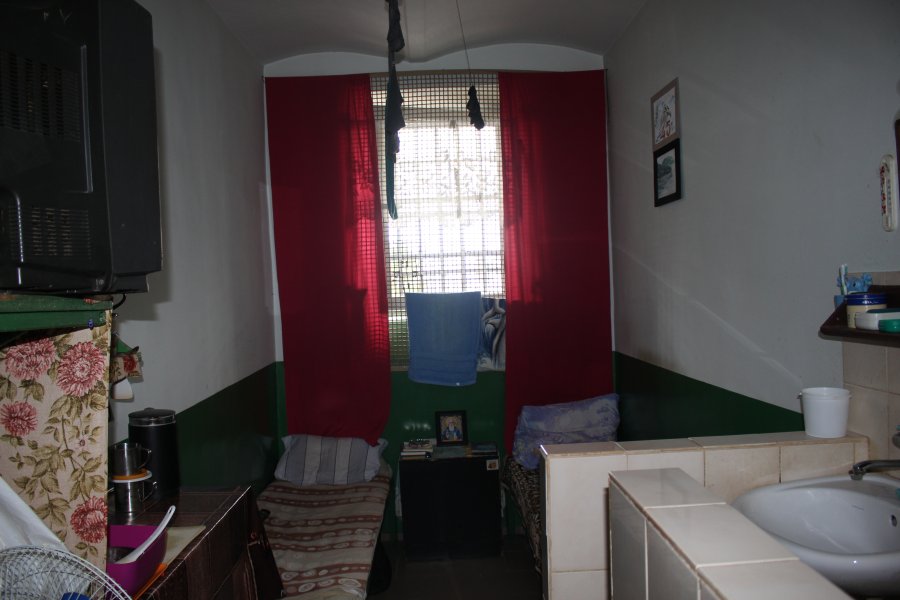
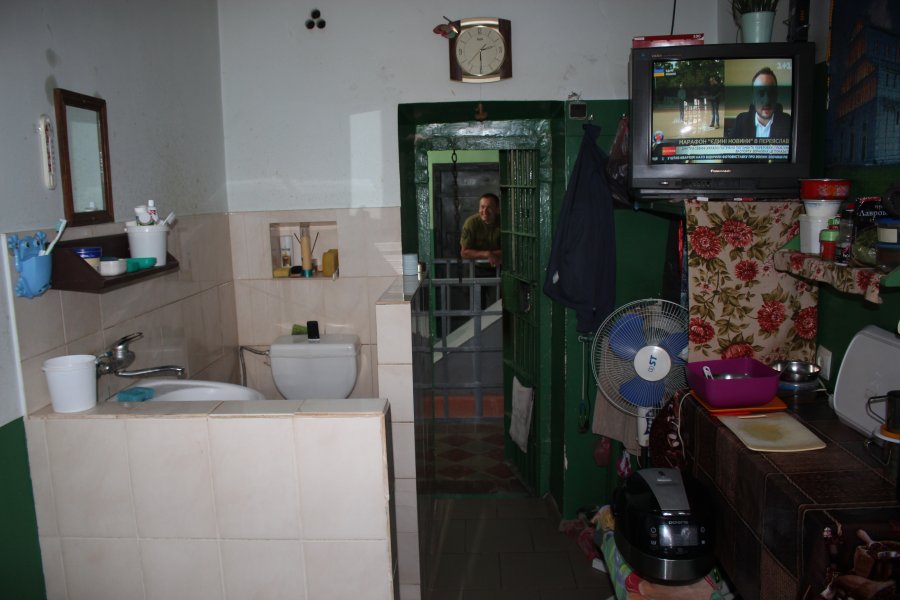
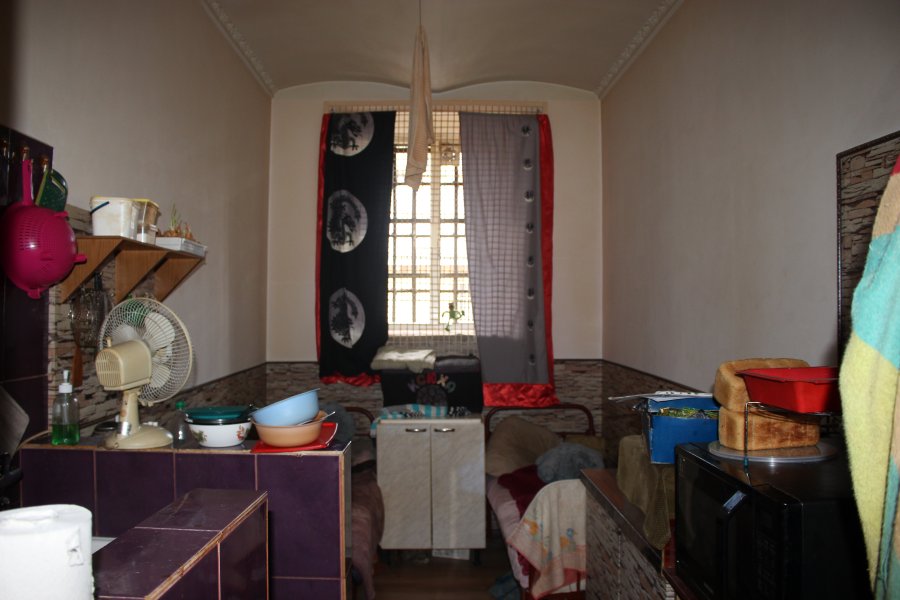
Every day, prisoners have the right to a 15-minute phone call to one number.
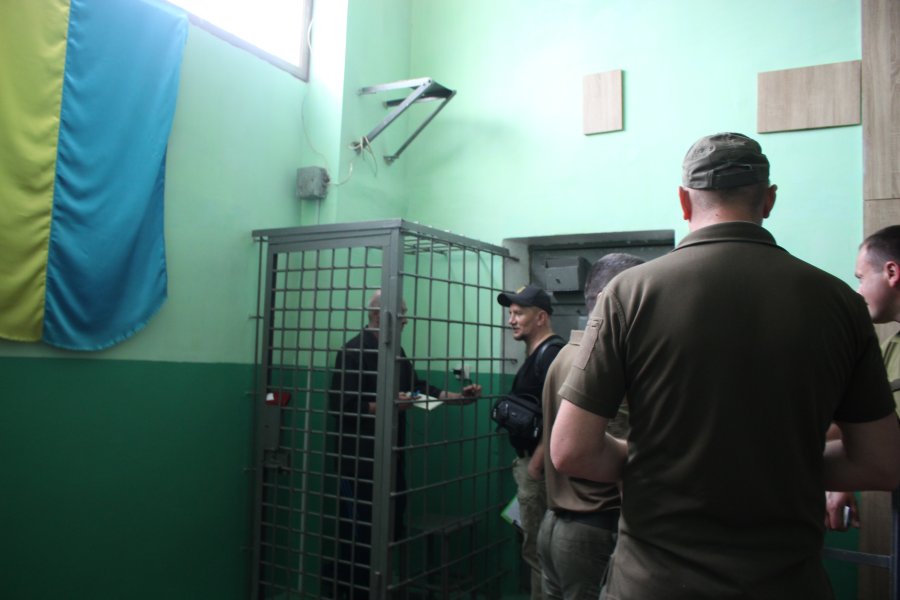
Most of the prisoners' questions concerned the lack of visits.
Prisoner Z. filed a complaint that the institution's administration does not allow him to have a radio. However, it was clarified that this referred to a radio receiver. According to the internal rules, prisoners are not allowed to have receivers in their cells. The prisoner also complained about the quality of food and the quality of medical care.
Prisoner P. also complained about the quality of medical services.
Prisoner K. expressed a wish for representatives of state authorities to consider his desire to serve in the Armed Forces of Ukraine.
Prisoner S. also appealed to the monitors. He was sentenced to life imprisonment in Russia but was subsequently extradited to Ukraine. The prisoner is challenging the human rights violations that occurred in Russia. The situation remains unresolved.
Prisoner P. has an ECHR judgment regarding his parole (an analogue of the quasi-pilot judgment “Petukhov v. Ukraine No. 2”).
TRANSIT CELLS
The cells are multi-occupancy.
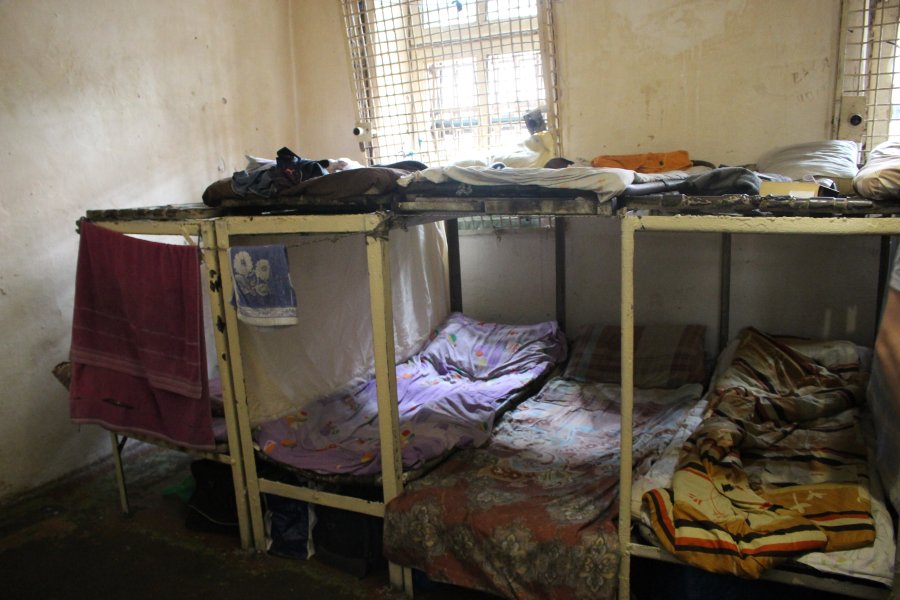
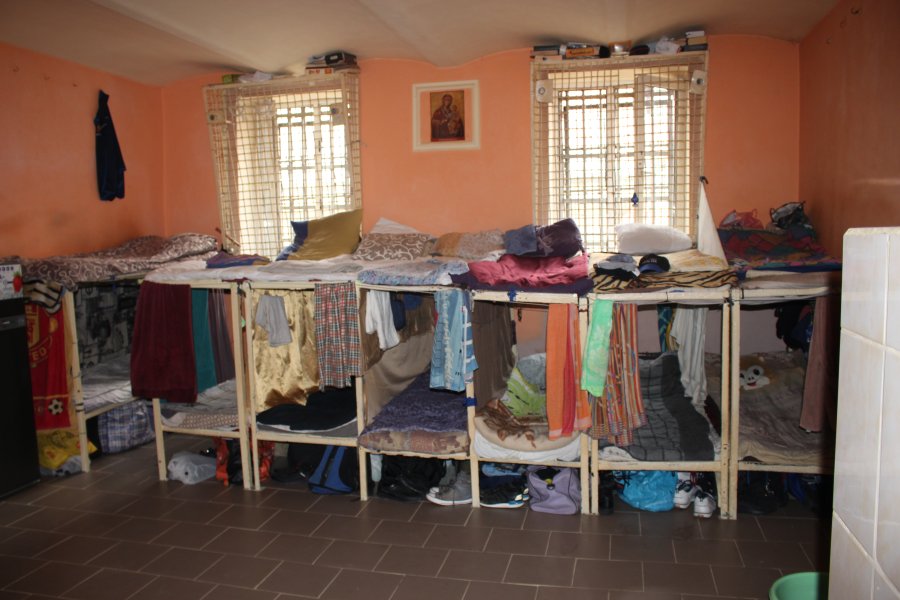
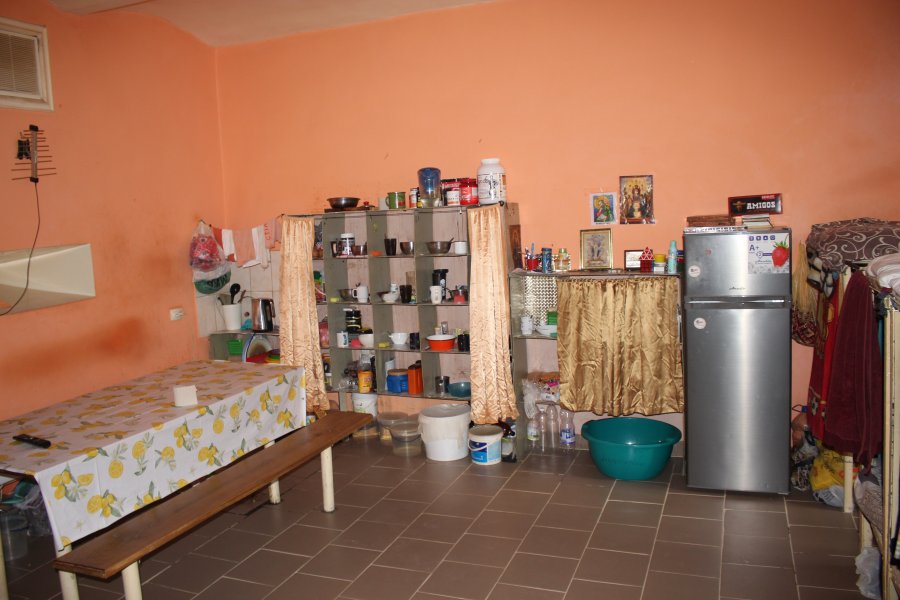
Some prisoners were brought from Donetsk. There is no contact with relatives, and there are humanitarian needs for clothing.
Prisoner Z. lived in Donetsk. He is due to be released in a month and ten days. He has not yet decided where to go.
CELLS FOR PERSONS HELD IN PRE-TRIAL DETENTION
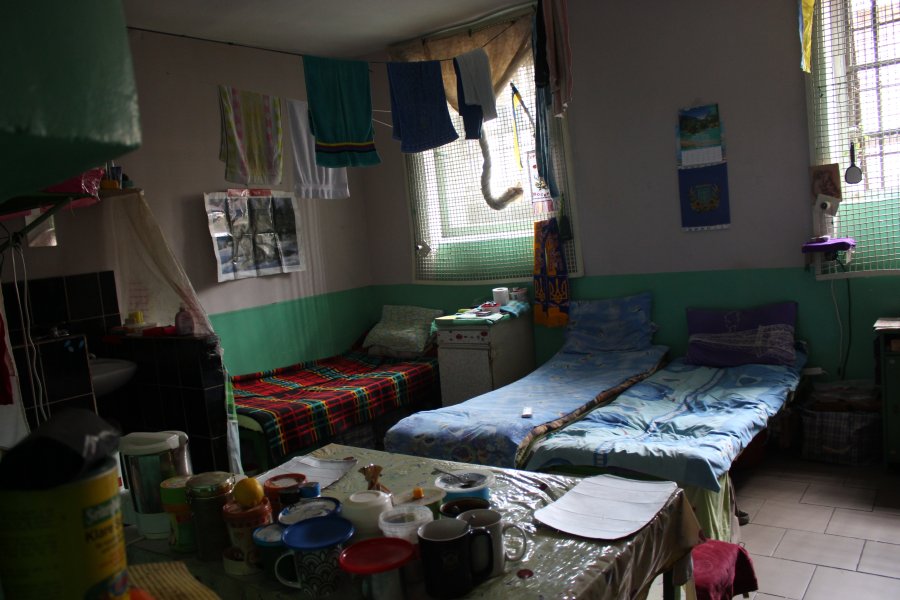
The cells are both multi-occupancy and low-occupancy (for 2 people).
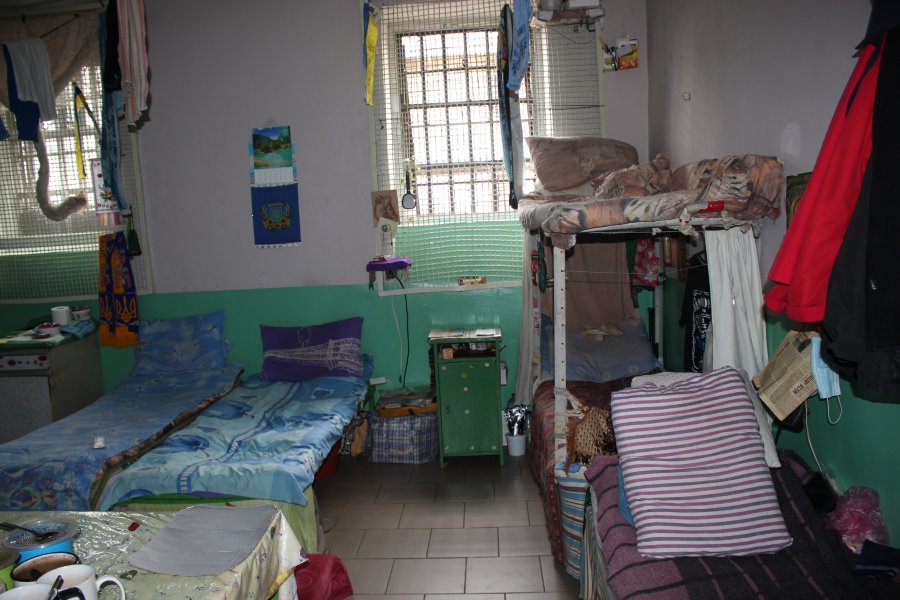
CELLS FOR SERVICE STAFF
These cells house first-time offenders who have committed less serious crimes and have agreed to work for the institution’s services. 12 people serve the entire institution. Specifically, this includes food distribution, and work in the bakery and kitchen.
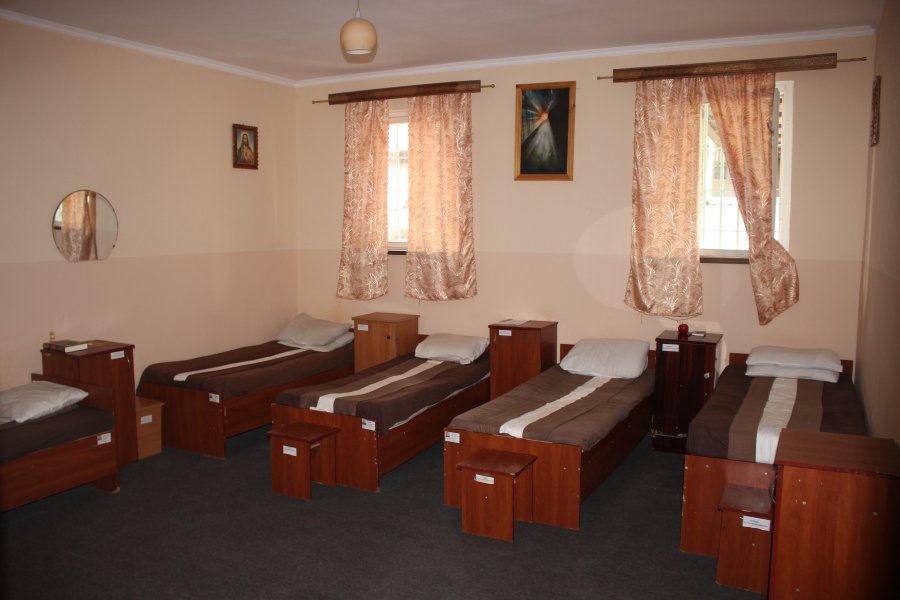
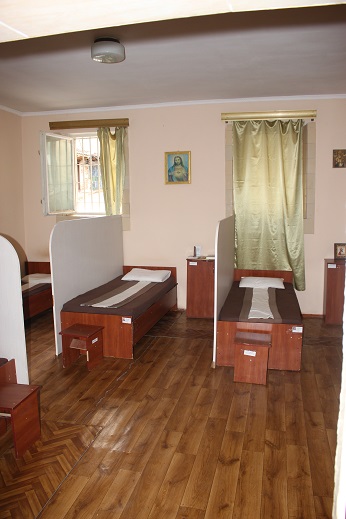
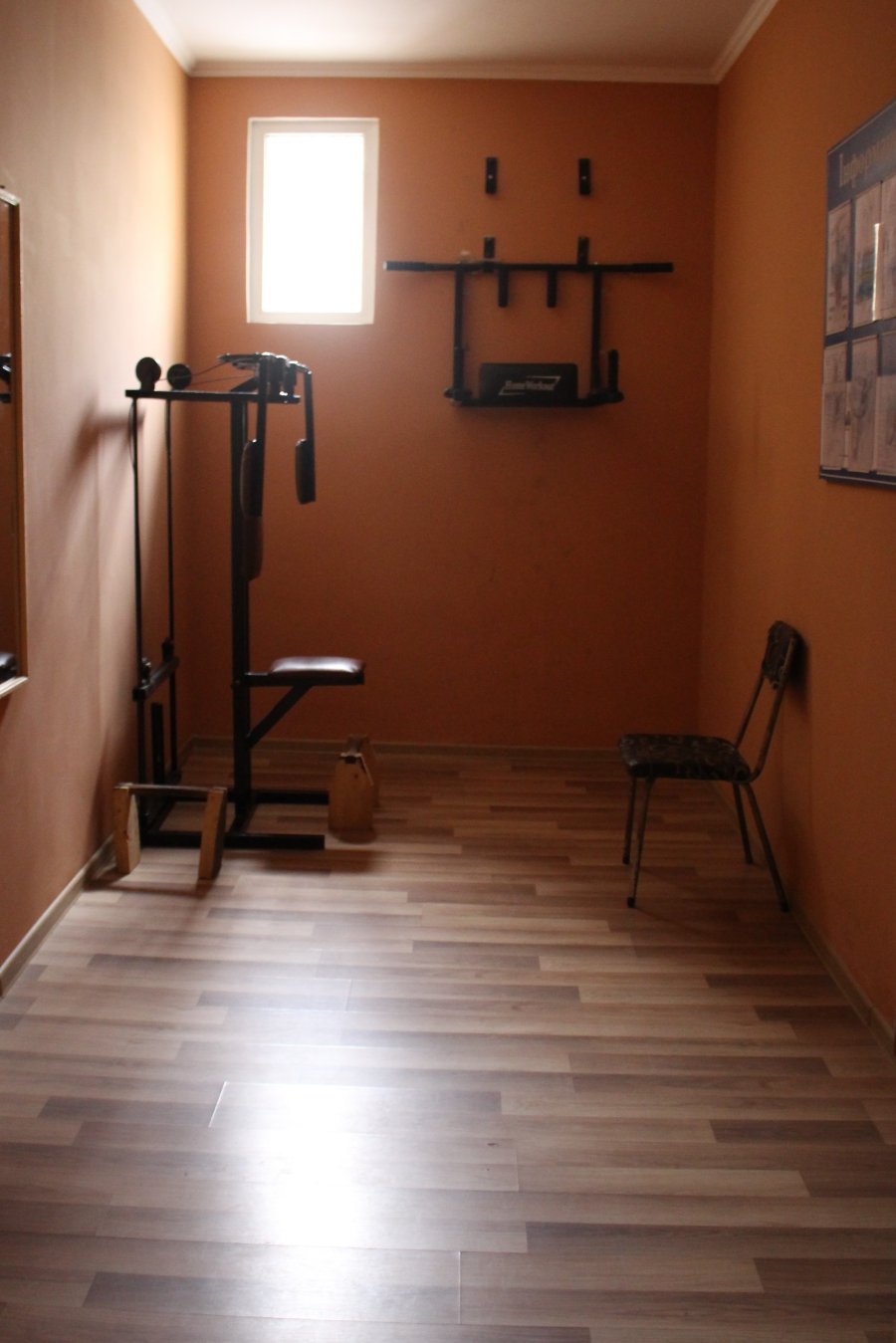
There is also an internet room here. There is also a gym.
A prayer room for prisoners, which can be visited by all prisoners, including life-sentenced prisoners and those held in transit cells.

PUNITIVE CELL (CARCER)
For malicious violations of the detention regime, persons held in pre-trial detention are moved to a punitive cell. However, according to the procedure, before such a transfer, the prisoner must first be issued a warning, then a reprimand, and then a strict reprimand.
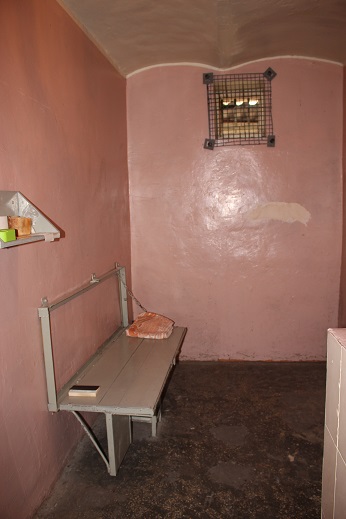
There was one prisoner in the punitive cell.