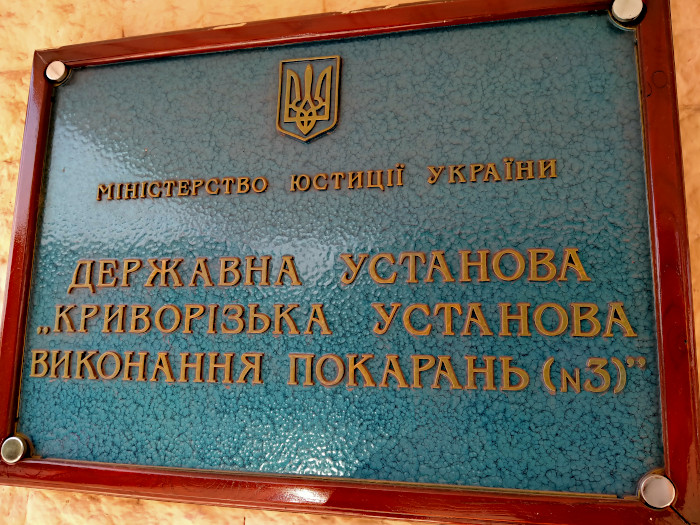
Monitoring visit to State Institution ‘Kryvyi Rih Prison No. 3’
General information
On 2 July 2021, the KHPG monitoring group, consisting of Serhiy Zuykov, a member of the Public Council under the Ministry of Justice, and Andriy Didenko, a journalist for the ‘Human Rights’ bulletin of the KHPG, conducted a follow-up monitoring visit to State Institution ‘Kryvyi Rih Prison No. 3’. The previous visit was carried out in November 2019, but the situation with human rights violations in the medical sector remained unaddressed, and perhaps even worsened (more details below in the section ‘Right to medical care’).
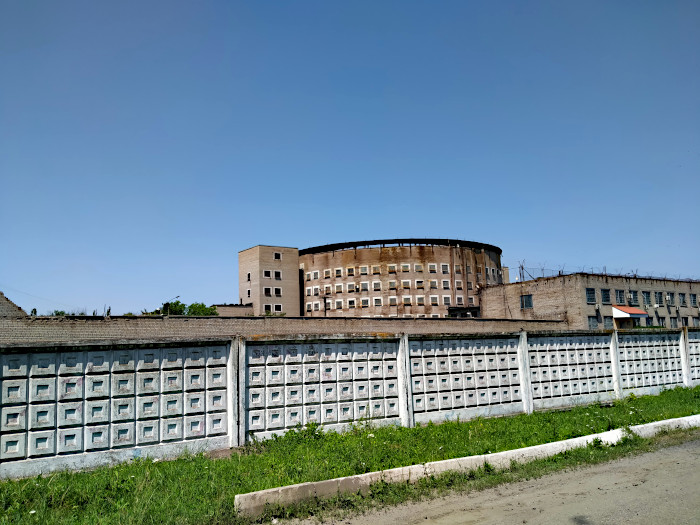
Recall that this institution is located in the city of Kryvyi Rih, Dnipropetrovsk region, and was built according to an Italian project in the shape of a circle. Walking yards are located on the roof, and all windows face outwards. The institution’s main function is that of a remand prison. There is also a section on the fifth floor for persons sentenced to life imprisonment.
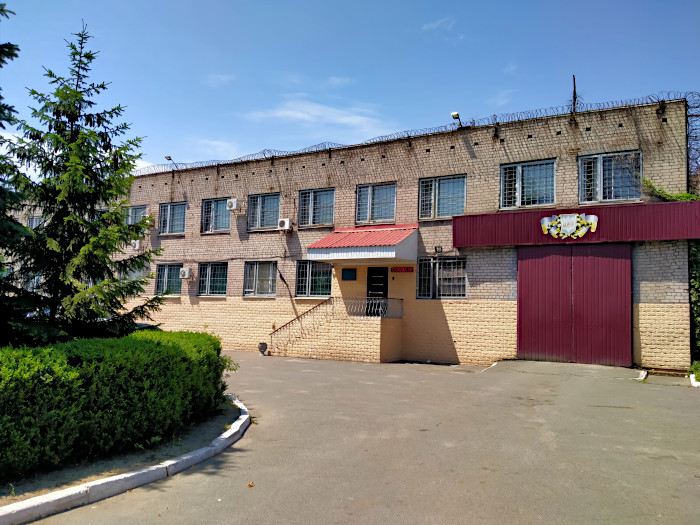
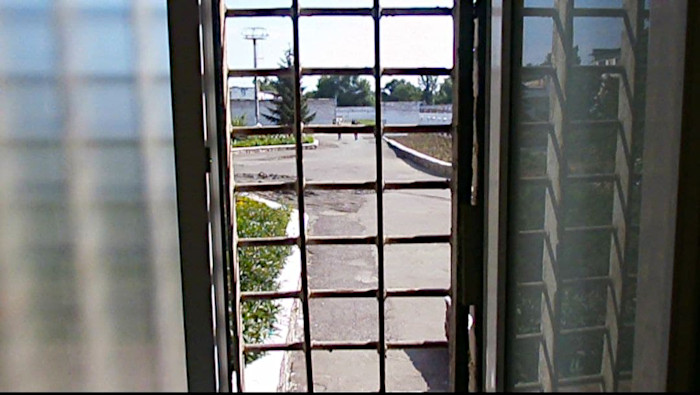
The total number of prisoners in the institution at the time of the visit was 662, of whom 82 are serving life sentences.
The calculated number of sleeping places is 728.
39 prisoners who are not serving life sentences have been retained to work in the remand prison after their sentences entered into legal force.
There is no DIZO or PKT in this institution, but at the time of the visit, there were 6 people held in the punishment cell from among those on remand.
It was pleasantly surprising to hear from the institution’s management that the placement of individuals in solitary confinement for life-sentenced prisoners has not been used for about two years. This is facilitated, among other things, by the fact that such disciplinary punishment is imposed by court decision.
90 people are registered with HIV/AIDS, meaning every seventh prisoner.
In 2021, there were 9 calls for emergency medical assistance. During 2020–2021, 30 cases of physical injury were recorded, 15 for each year.
In 2020, special equipment was used against prisoners (convicts) 9 times, and in 2021, 3 times.
Over 2020 and 2021, 8 people died.
During the entire quarantine period, 3 people among the prisoners and convicts were diagnosed with COVID-19.
Upon notification of the unannounced visit within the framework of Article 24 of the Criminal Executive Code, the deputy head of the institution for social-psychological work, Andriy Alkhazurovych Suleimanov, reacted almost instantly and met the monitors. Ten minutes after completing the relevant procedures and temperature screening, the monitors were on-site. Mr Andriy accompanied the monitors during the visit, provided consultations, answered questions, and demonstrated competence and experience in almost all matters.
The visit began in the office of the head of the institution, Lieutenant Colonel of the internal service Oleksandr Hryhorovych Karavayev, where the plan and schedule were announced.
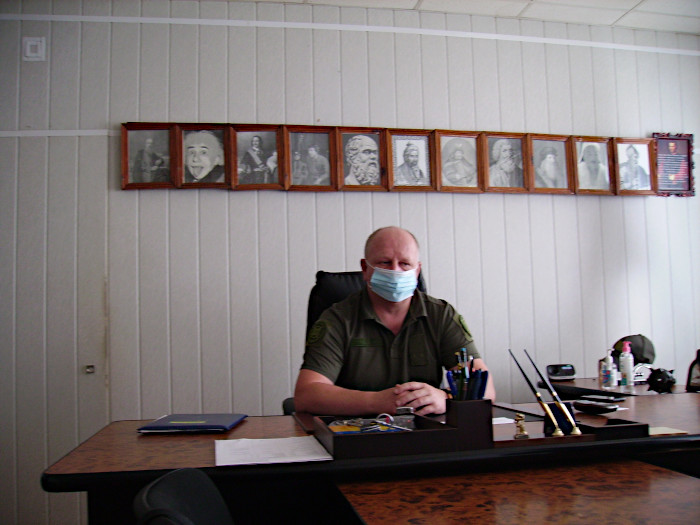
I would like to note that the institution’s management demonstrated openness and willingness to cooperate. We had access to any room and the ability to communicate with prisoners on an anonymous basis, with the exception of the medical unit (more on this in a separate section). Some cells are equipped with fans at the expense of the prisoners’ relatives, and a centralised air extraction system is functioning.
During visits to the cells, there were no complaints from prisoners about the lack of ventilation.
Investigative block
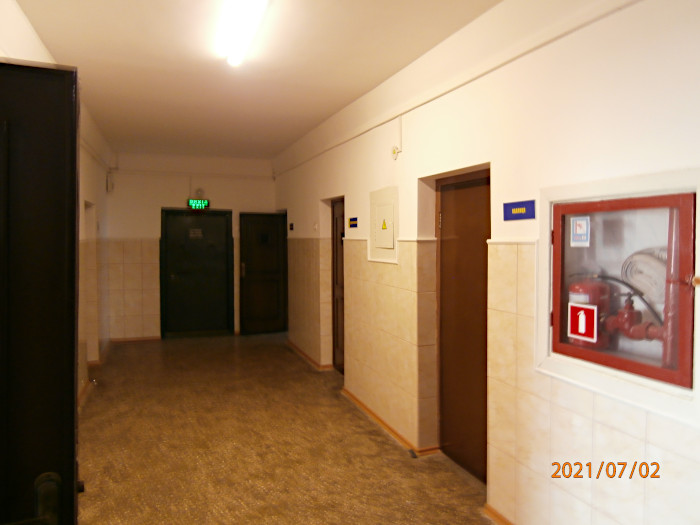
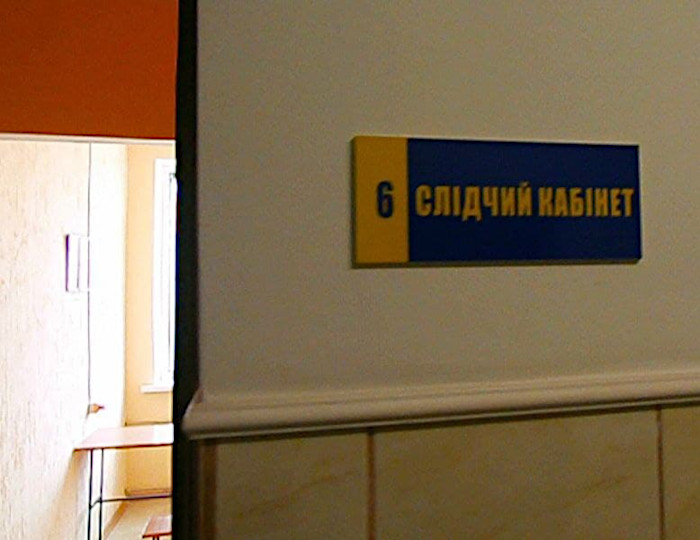
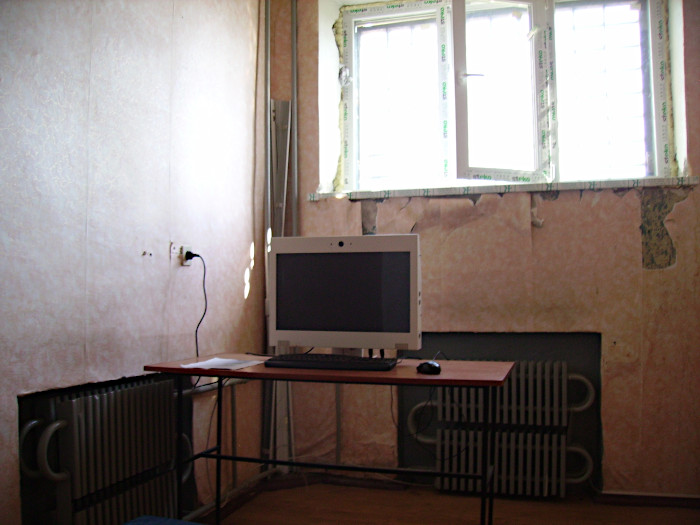
Since the institution mainly functions as a remand prison, there are 6 specially equipped rooms for investigative actions—investigative offices where interrogations of remand prisoners take place, as well as meetings with lawyers, etc.
There are also equipped rooms for conducting video conferences during court case hearings.
Shortcomings
As in many institutions of the penitentiary system, a lack of state funding is felt. Wet spots and mould were noticed on the ceilings and walls.
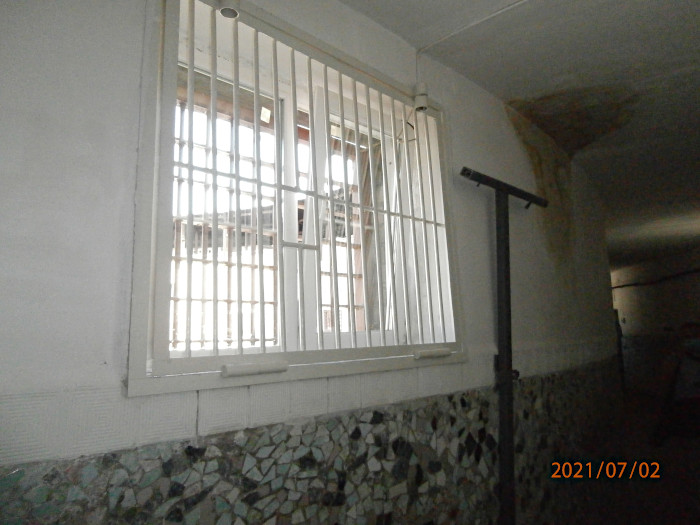
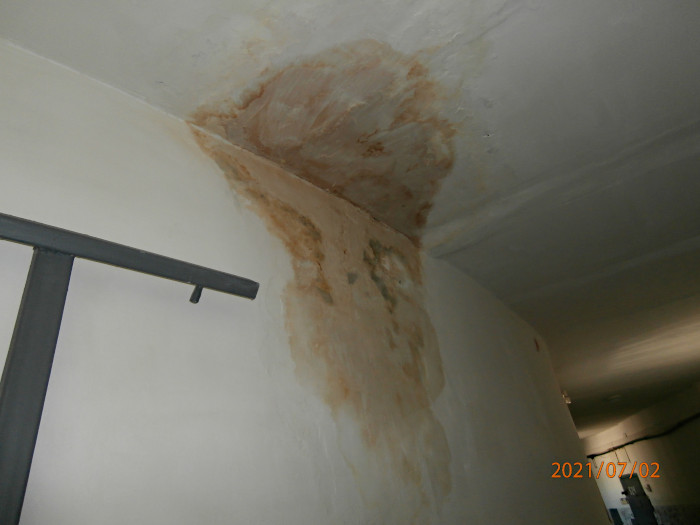
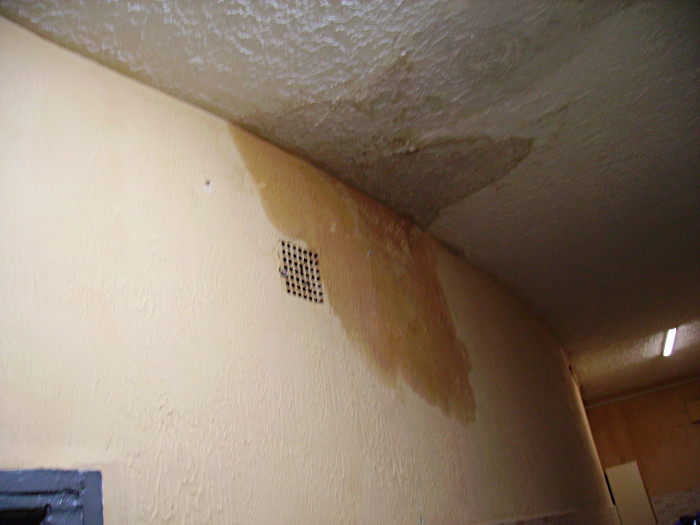
As reported by the head of the institution, shortcomings still exist in the repair of premises, sewage, and heating. The institution is trying to resolve these issues with funds from the personal fund.
Life-sentenced prisoners
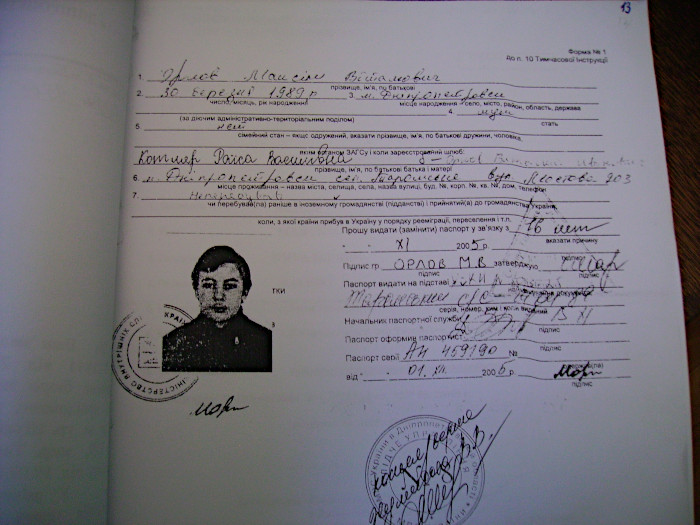
Among the visit’s tasks was to record an interview with life-sentenced prisoner Maksym Orlov—see Maksym Orlov | The Fight for Life (khpg.org).
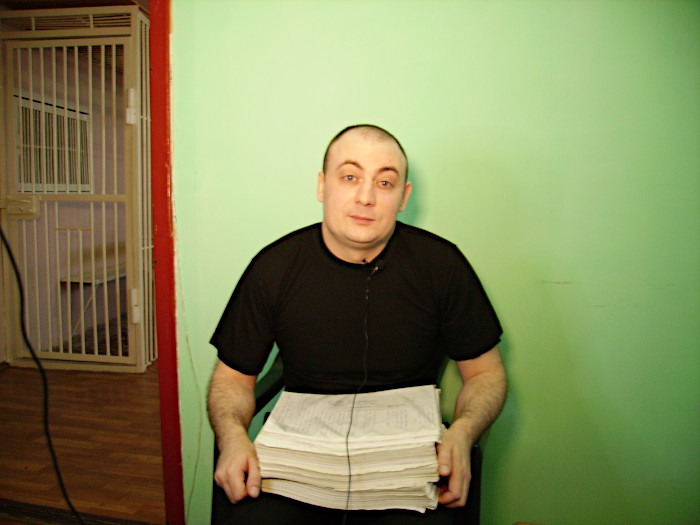
An office of the head of the section for life-sentenced prisoners was provided for interviews.
Interviews were also recorded with life-sentenced prisoners ‘P.’ and ‘S.’.
Prisoners ‘P.’ and ‘S.’ claimed that they were sentenced to life imprisonment unfairly and did not commit the crimes they were charged with.
Prisoner ‘P.’ claimed that he had an alibi and, at the time of the alleged crime, was in another country and could not have committed the murder. However, according to the prisoner, law enforcement and judicial authorities do not respond to his requests to verify the alibi.
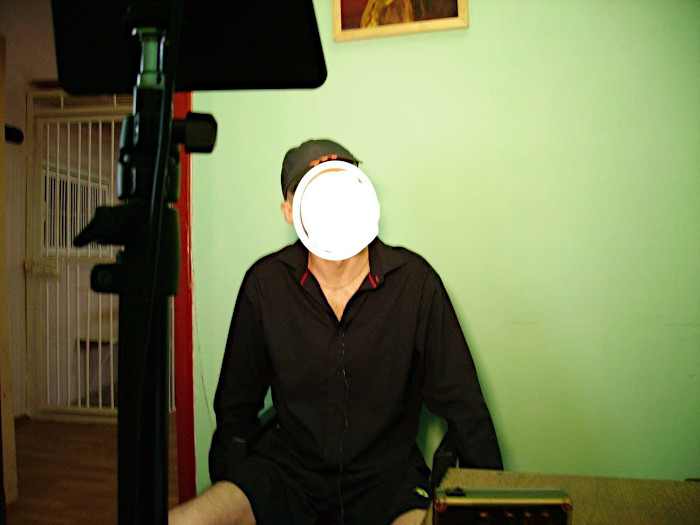
Prisoner ‘S.’, who was punished for the murder of a police officer, claims that he was not involved in the crime and, in his words, this offence was committed by his acquaintance, who has since died. He was also present at the scene and took part in a fight, but, as the prisoner claims, he did not personally kill the police officer.
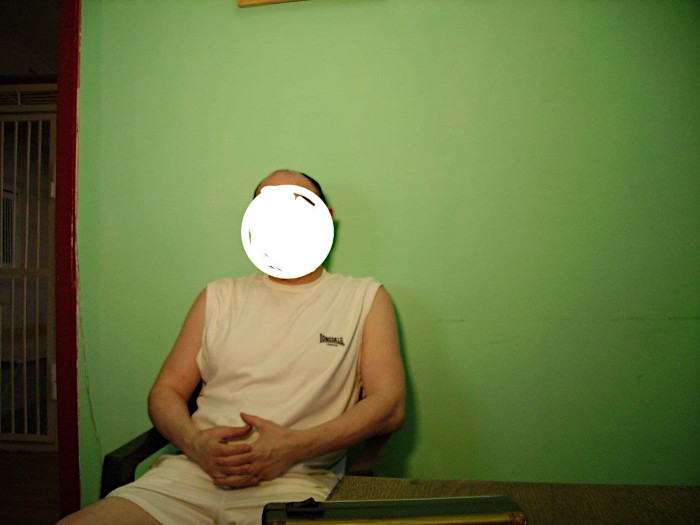
Prisoner ‘P.’ complained that the colony administration has not issued his tablet, which was sent by his relatives, for almost a month.
According to the deputy head of the institution, the tablet contains a video camera, which is prohibited by the Internal Regulations, and is currently in the process of having the photo and video recording capability blocked in accordance with legal provisions. But after the technical blocking of the photo and video recording capability, the tablet will be issued to the prisoner.
To check the conditions of detention, two cells where life-sentenced prisoners are held were visited at our discretion.
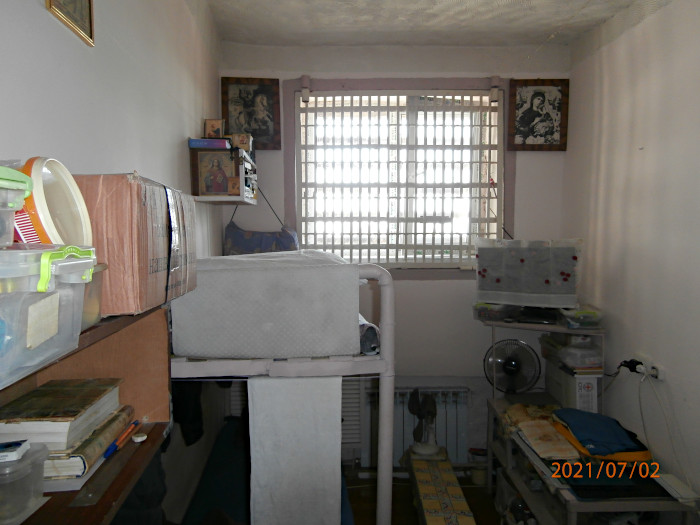
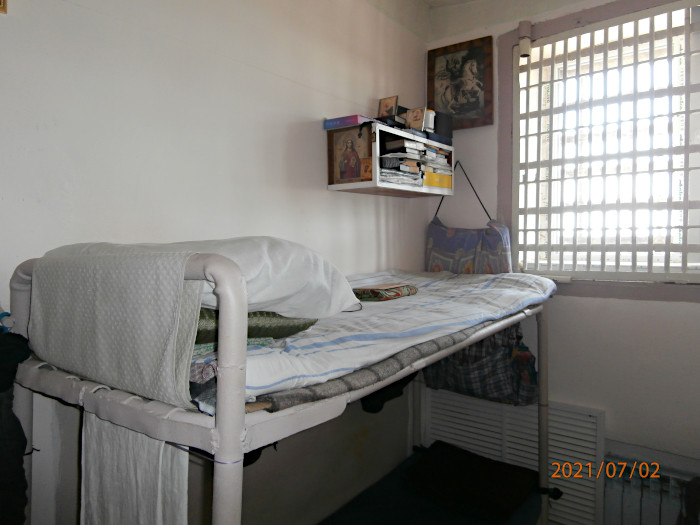
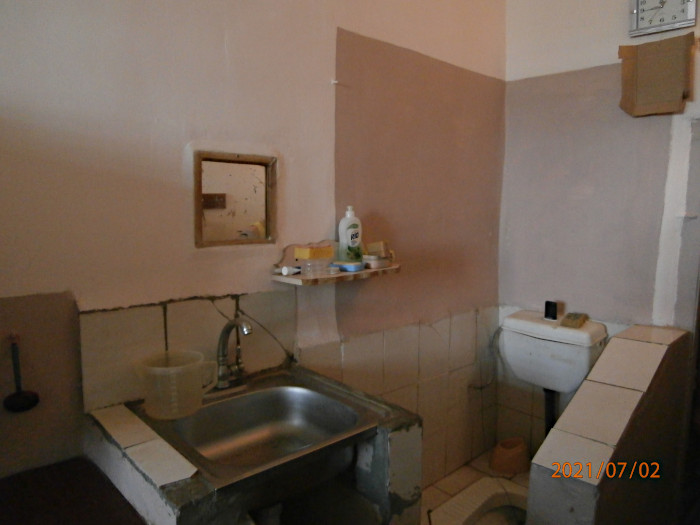
Experimental project for life-sentenced prisoners—general holding cell
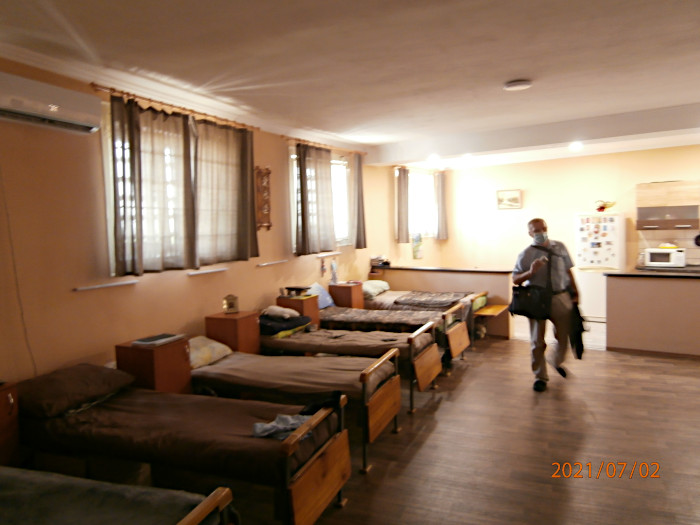
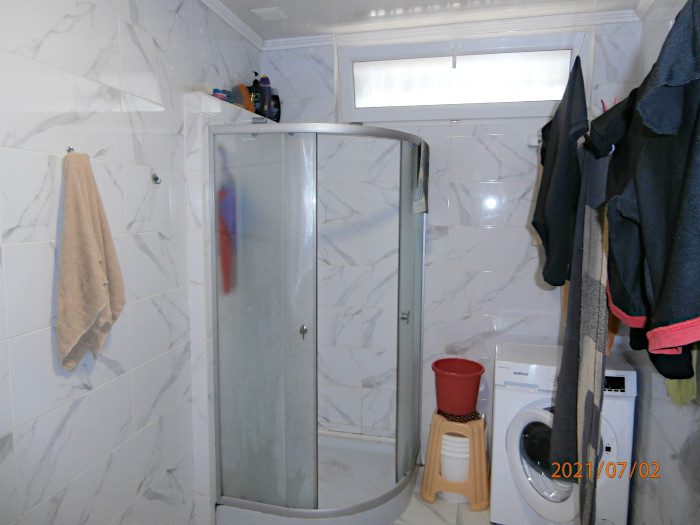
As the deputy head of the colony explained, under an experimental project from the Ministry of Justice, a multi-occupancy cell was prepared for life-sentenced prisoners who have served a certain period of their life sentence and have no violations of the detention regime.
At the time of the visit, there were two prisoners in the cell. The cell is designed for 8 sleeping places. There is a designated area for receiving and storing food, a sanitary block, and in the hot weather, the temperature did not exceed the norm.
Medical unit
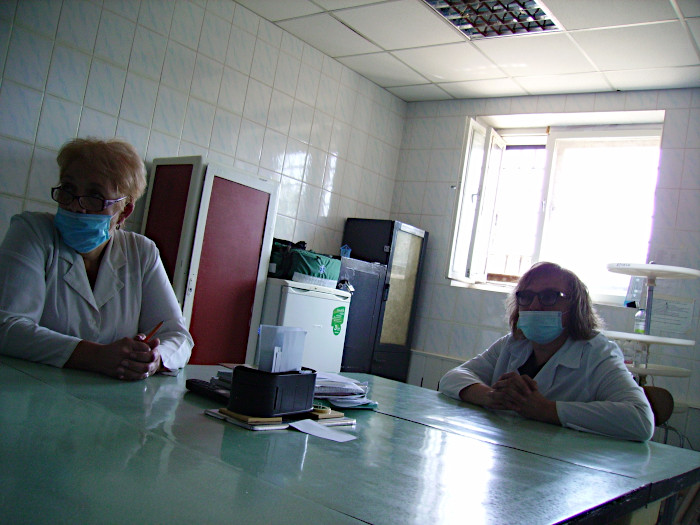
Finding ourselves on the territory of the institution at the beginning of the visit, the monitors met a woman moving quickly towards the exit. It later turned out that this woman was the head of the medical unit. The deputy head of the colony approached her with the question: ‘How will the monitoring visit to the medical unit be conducted?’ To which the head of the medical unit replied that she was after a 24-hour shift and had already finished her shift. Only then did the consequences of such haste become clear.
The monitors were not allowed into the medical unit at all. The woman who identified herself as Olena Leonidivna Urzhenko categorically refused to provide any documentation, logs, etc., for inspection.
In our opinion, this is how systemic concealment of human rights violations in the medical sector occurs.
Upon the demand to provide a written refusal of access to the medical unit and the relevant logs and documentation, the nurse on duty replied that as the request for access was oral, she would provide an oral refusal: ‘I am not giving any documentation.’
Information on what medical care is provided to prisoners with chronic or infectious diseases (such as HIV/AIDS, etc.), like much else, could not be verified.
Recall that during the previous monitoring visit in 2019, attention was focused on human rights violations in the medical sector: ‘The biggest problem is the level of medical service, or rather, its absence. Despite the fact that the acting head of the medical unit, V. V. Kartashova, refused to provide the monitors with logs regarding the activity of the medical unit, the head of the institution reported that the situation is critical.’
Some fresh information was obtained from the office of the Ukrainian Parliament Commissioner for Human Rights during an unannounced visit within the framework of the NPM on 28 May 2021. The following conclusions were made regarding this institution:
‘Medical examination of new arrivals is conducted through the bars with which the examination room is equipped.’
‘Also, violations of the prisoners’ right to health care and medical assistance were established in the institution.’
‘It was found that prisoners do not undergo a full primary medical and preventive examination due to the absence of a psychiatrist, surgeon, and therapist. Since March 2020, fluorographic and X-ray examinations have not been performed, which leads to inadequate provision of medical care and failure to comply with the requirements for infection control for tuberculosis in the institution.’
We publish the monitoring conclusions of past visits because our monitoring group was not allowed into the medical unit of the colony at all.
This is the first time in the practice of KHPG unannounced visits that monitors have been denied access to a specific object after they were already on the institution’s grounds. Recall that hundreds of visits have been made to various institutions of the penitentiary system, and monitors had the opportunity to visit any rooms and places without restrictions. And we consider such actions to be obstruction of the work of a member of the Public Council under the Ministry of Justice, as well as obstruction of a journalist in the performance of their professional duties. Such actions by representatives of the medical unit are a gross violation of Article 24 of the Criminal Executive Code of Ukraine.
The relevant report on the violation of Article 24 of the Criminal Executive Code will be sent to the Ministry of Justice.
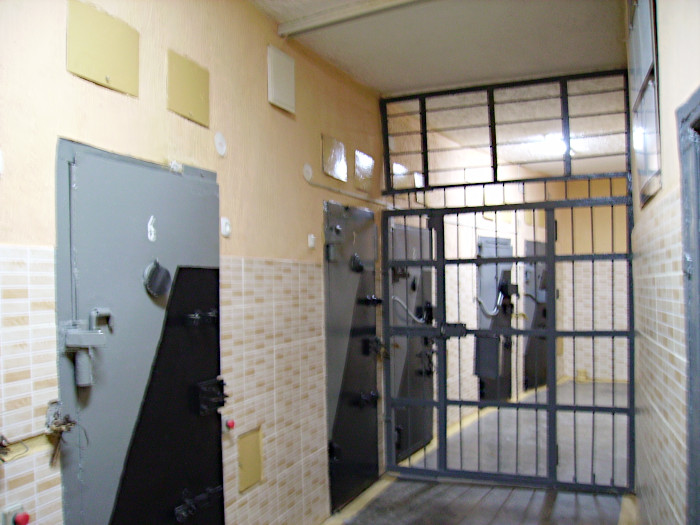
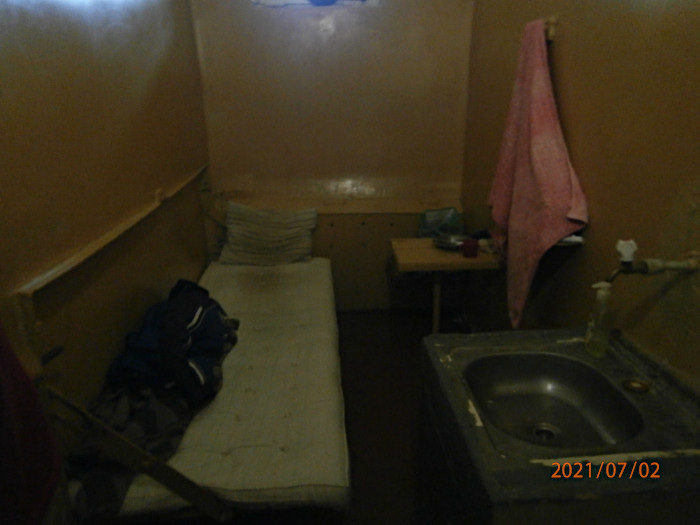
Disciplinary isolation cell
There were no complaints from the prisoners who were in the disciplinary cell. At the same time, the beds of those being disciplined are not closed during the day and mattresses are present in the cell.
Room for receiving parcels
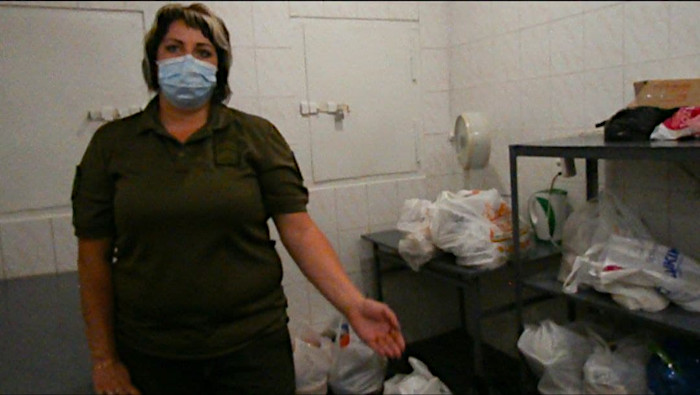
The room for receiving parcels was inspected. There is no video surveillance camera in the room. In our opinion, video recording of the receipt of parcels should take place primarily in the interests of the facility’s staff to ensure the legality of their actions during the seizure of prohibited items.
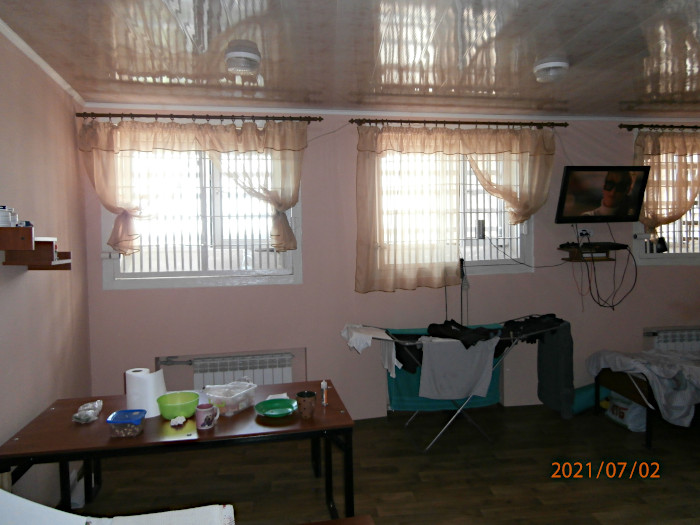
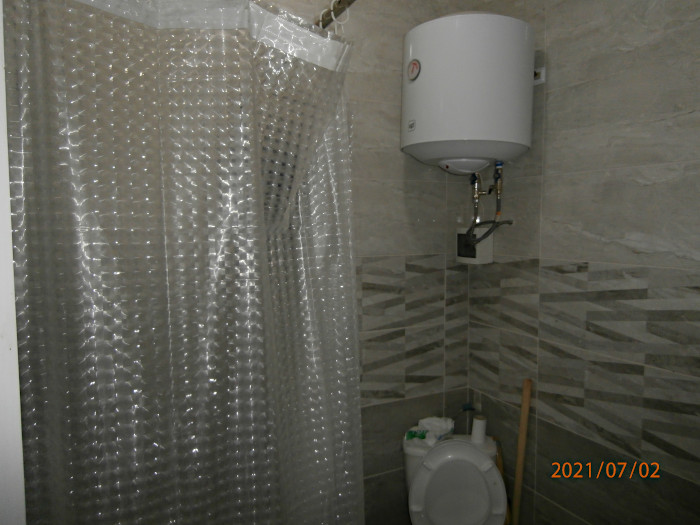
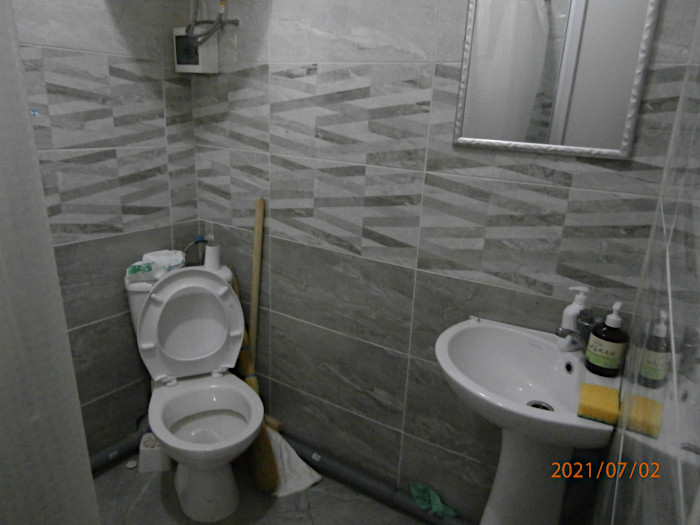
Paid cell
A paid cell was demonstrated, in which two people were staying.
Requirements to the Ministry of Justice and the Centre for Public Health of the State Criminal-Executive Service of Ukraine
• Facilitate compliance with Article 24 of the Criminal Executive Code by the management of the medical unit of Kryvyi Rih Prison No. 3.
• Recommend that the management of Kryvyi Rih Prison No. 3 implement video recording of the receipt of parcels.